

10 Leaders Remembered For Mercy & 10 For Ruthless Efficiency
Different Paths to Lasting Legacies
History tends to remember leaders for the choices they made under pressure. Some earned admiration through restraint, forgiveness, and efforts to reduce suffering, while others became known for achieving results through uncompromising methods and strict discipline. Whether celebrated or criticized, these figures demonstrate how leadership styles can shape nations, armies, and institutions for generations. Here are 10 leaders remembered for mercy and 10 for ruthless efficiency.
 Alexander Gardner on Wikimedia
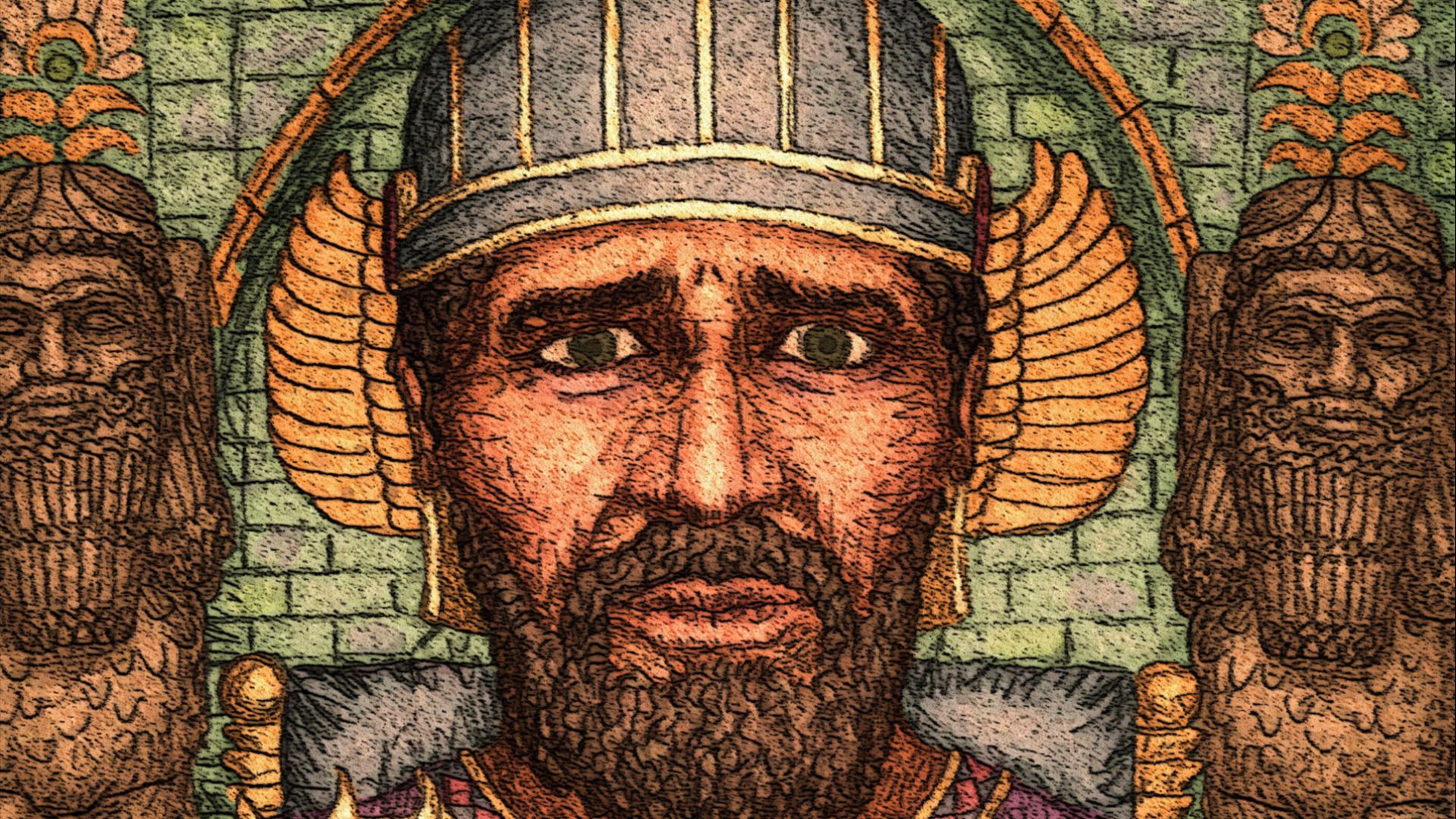
1. Cyrus the Great
The founder of the Achaemenid Persian Empire became known for treating conquered peoples with unusual tolerance for his era. Rather than forcing cultural assimilation, he often allowed local customs and religions to continue. His policies helped create stability across a vast and diverse empire.
2. Ashoka
After witnessing the devastation caused by the Kalinga War, Ashoka dramatically changed his approach to leadership. He embraced Buddhist principles and promoted nonviolence, public welfare, and religious tolerance. Much of his later reign focused on improving life for his subjects rather than expanding territory.
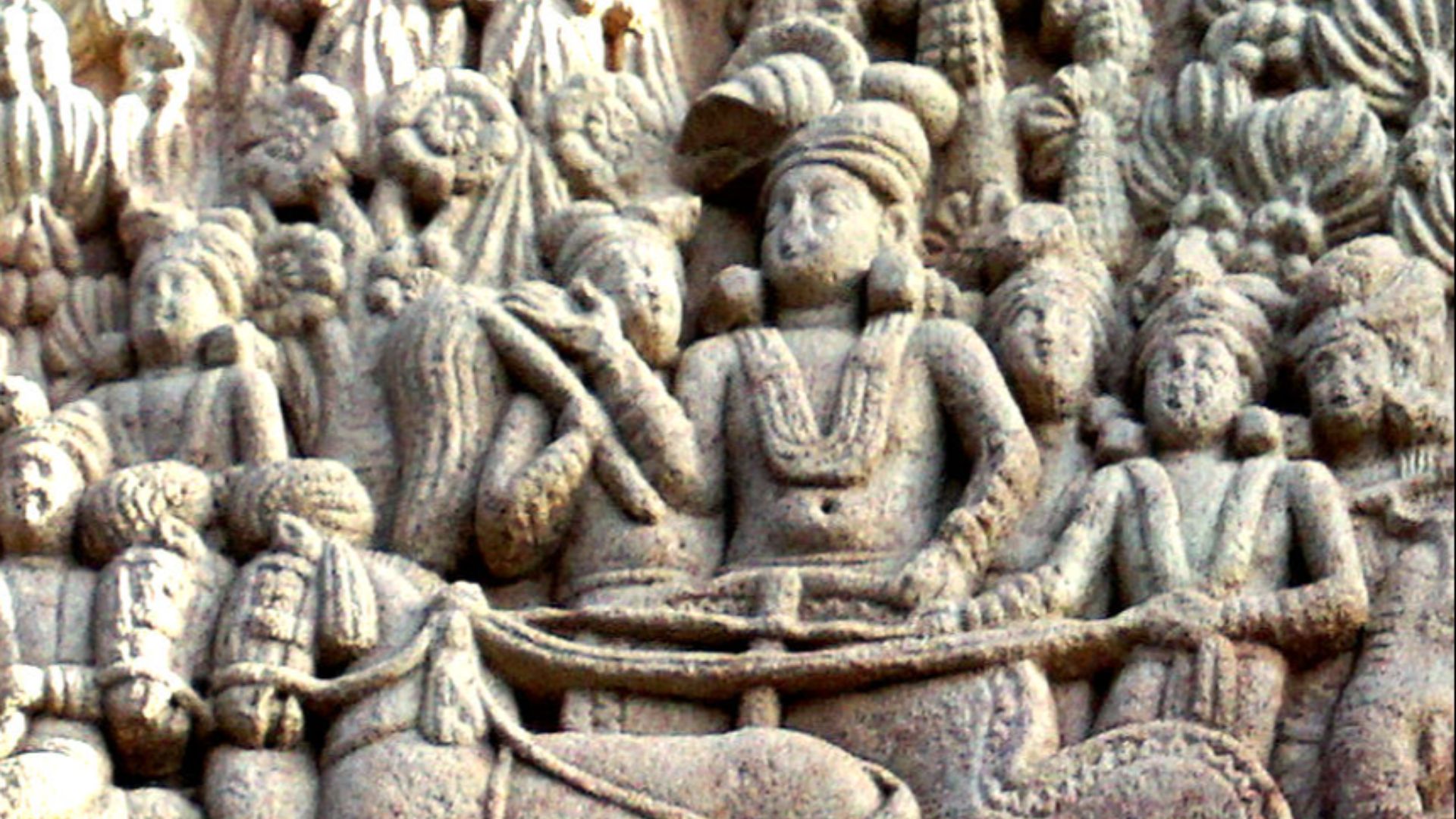 Photo Dharma from Sadao, Thailand on Wikimedia
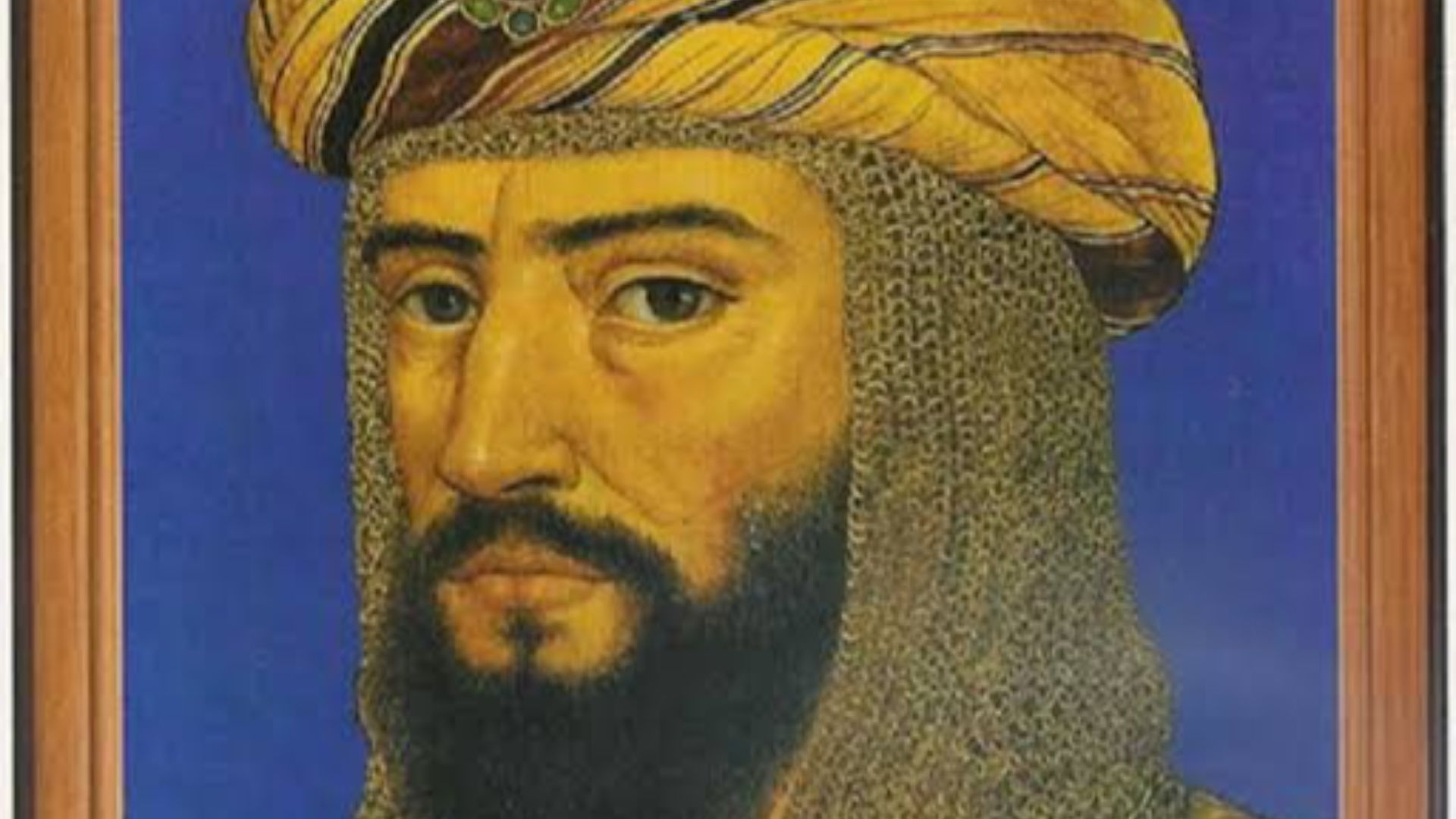
3. Saladin
Saladin earned respect from both allies and opponents during the Crusades. Following the capture of Jerusalem in 1187, he avoided the large-scale massacres that had accompanied earlier conquests of the city. His reputation for generosity and restraint became legendary throughout the medieval world.
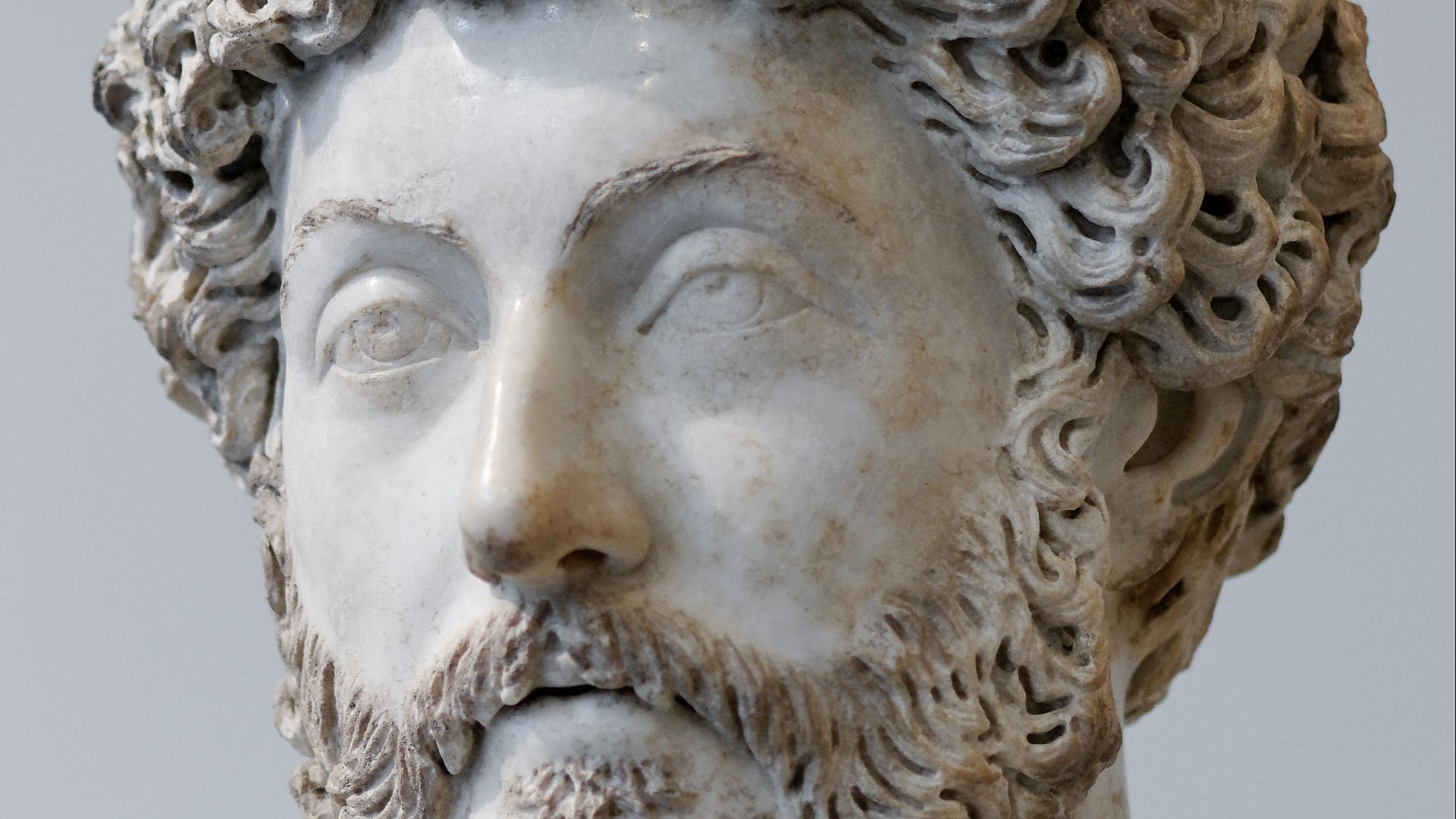
4. Marcus Aurelius
The Roman emperor is remembered not only as a ruler but also as a philosopher. His writings emphasized self-control, fairness, and duty toward others. Even during difficult periods, he sought to govern according to principles of justice rather than personal ambition.
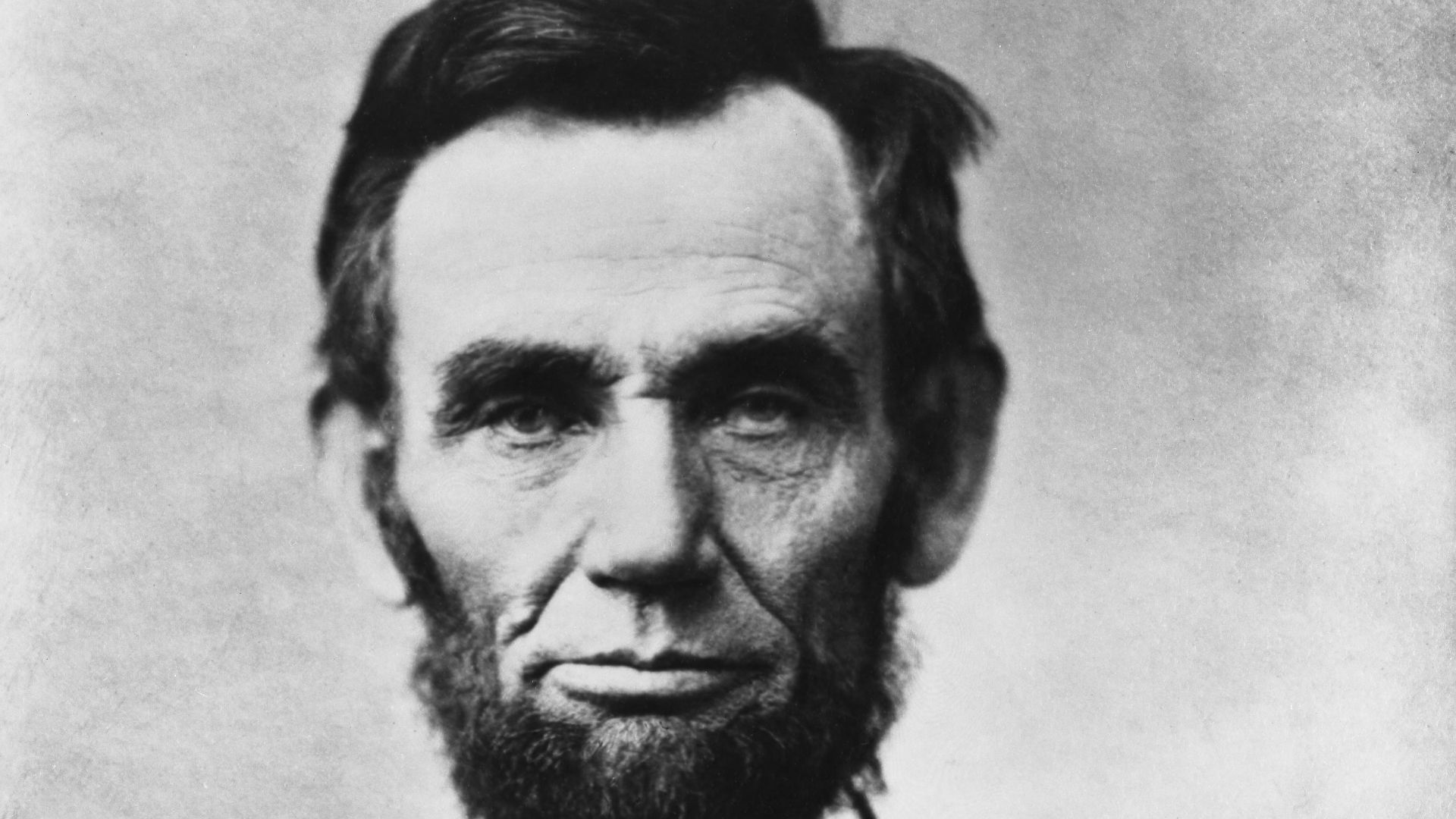
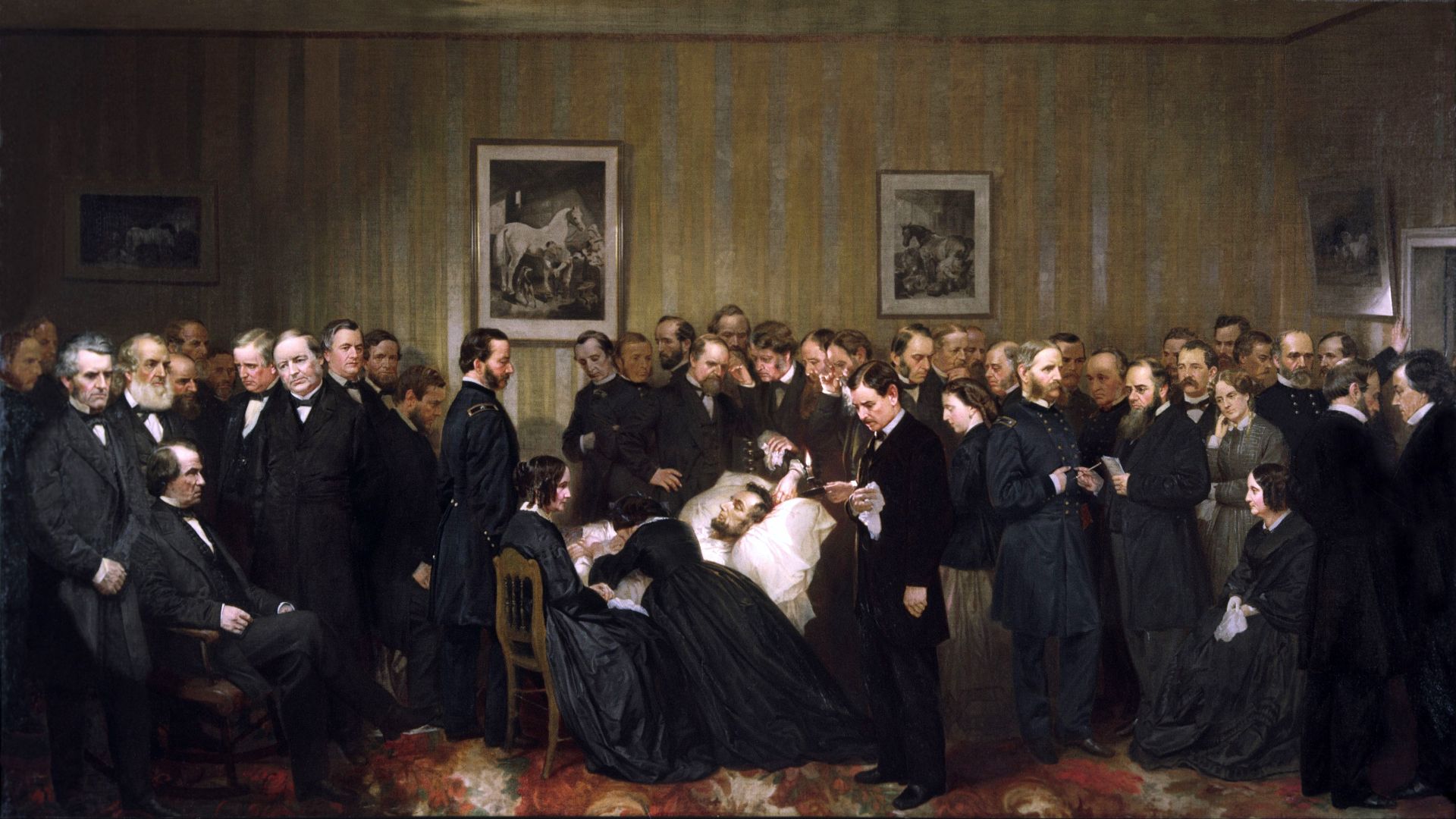
5. Abraham Lincoln
Lincoln's leadership during the American Civil War was shaped by a desire to preserve the Union while preparing for reconciliation afterward. He frequently spoke about healing divisions rather than seeking revenge against the defeated South. His approach influenced how many Americans remember his presidency.
6. Nelson Mandela
After spending decades imprisoned under apartheid, Mandela emerged advocating reconciliation rather than retaliation. He worked to build cooperation between South Africa's divided communities during a highly sensitive transition. His commitment to forgiveness helped prevent wider conflict.
 South Africa The Good News on Wikimedia
7. King Sejong the Great
Sejong of Korea promoted education, scientific advancement, and public welfare throughout his reign. He is particularly remembered for supporting the creation of Hangul, a writing system designed to improve literacy among ordinary people. His policies reflected a strong concern for the well-being of his subjects.
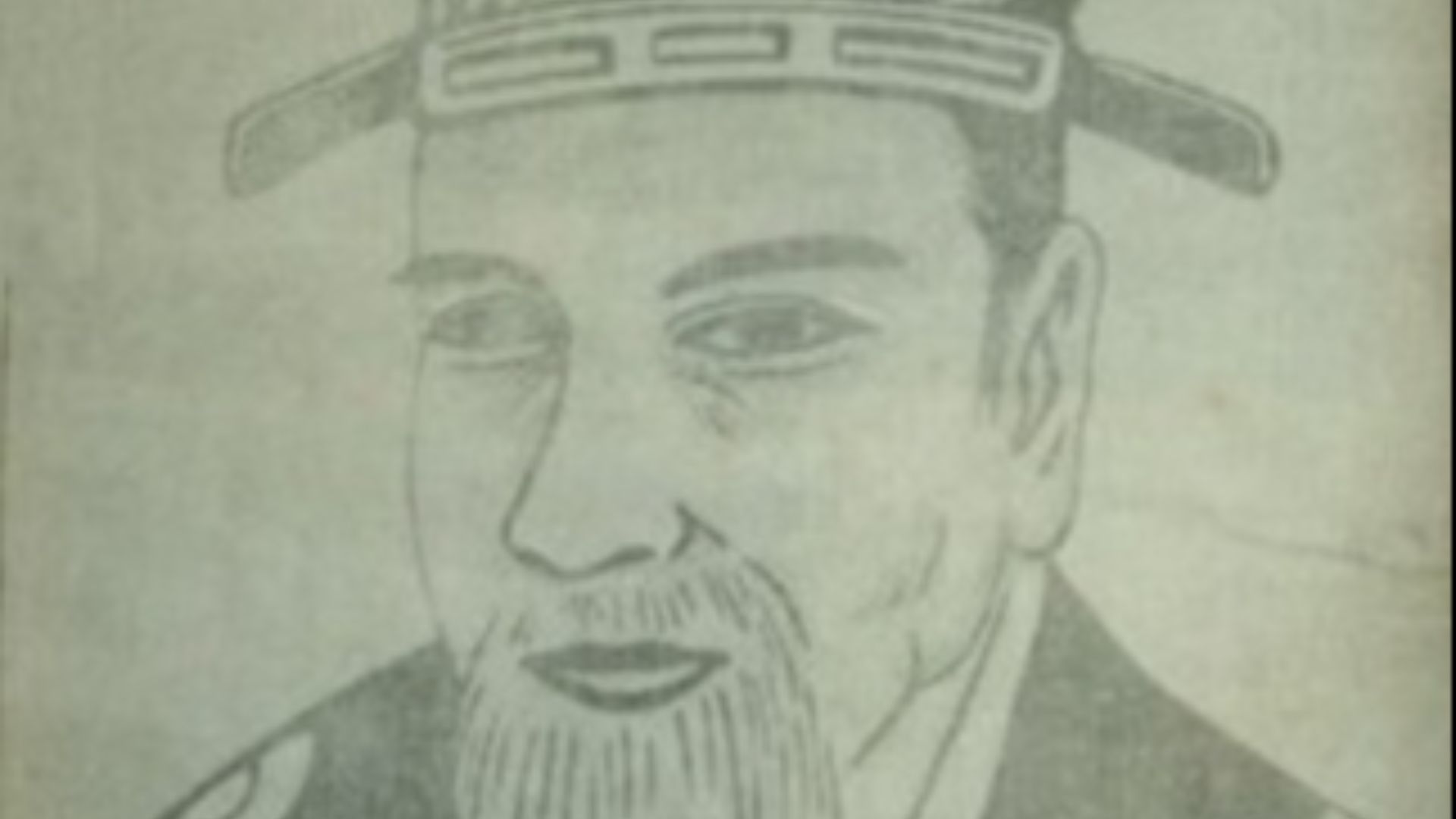 Unknown authorUnknown author on Wikimedia
8. Akbar
The Mughal emperor sought cooperation among the diverse religious communities within his empire. He reduced discriminatory policies and encouraged dialogue between different faiths. These efforts contributed to a relatively stable and prosperous period of rule.
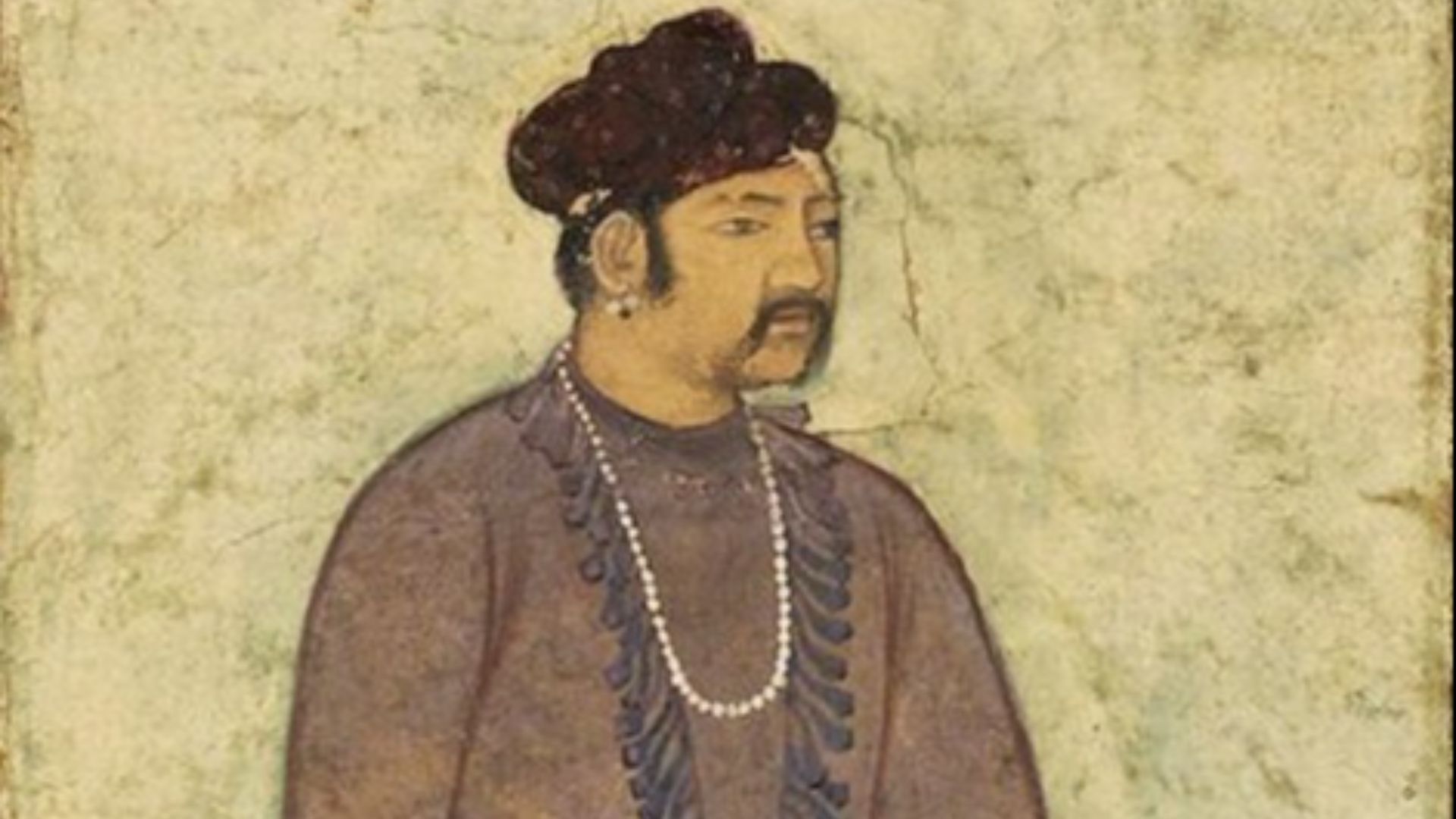 Manohar. Worked in late 16th century. on Wikimedia
9. Frederick II of Hohenstaufen
Frederick II often preferred negotiation and diplomacy over confrontation. His acquisition of Jerusalem during the Sixth Crusade came largely through diplomatic agreement rather than military conquest. This approach distinguished him from many contemporary rulers.
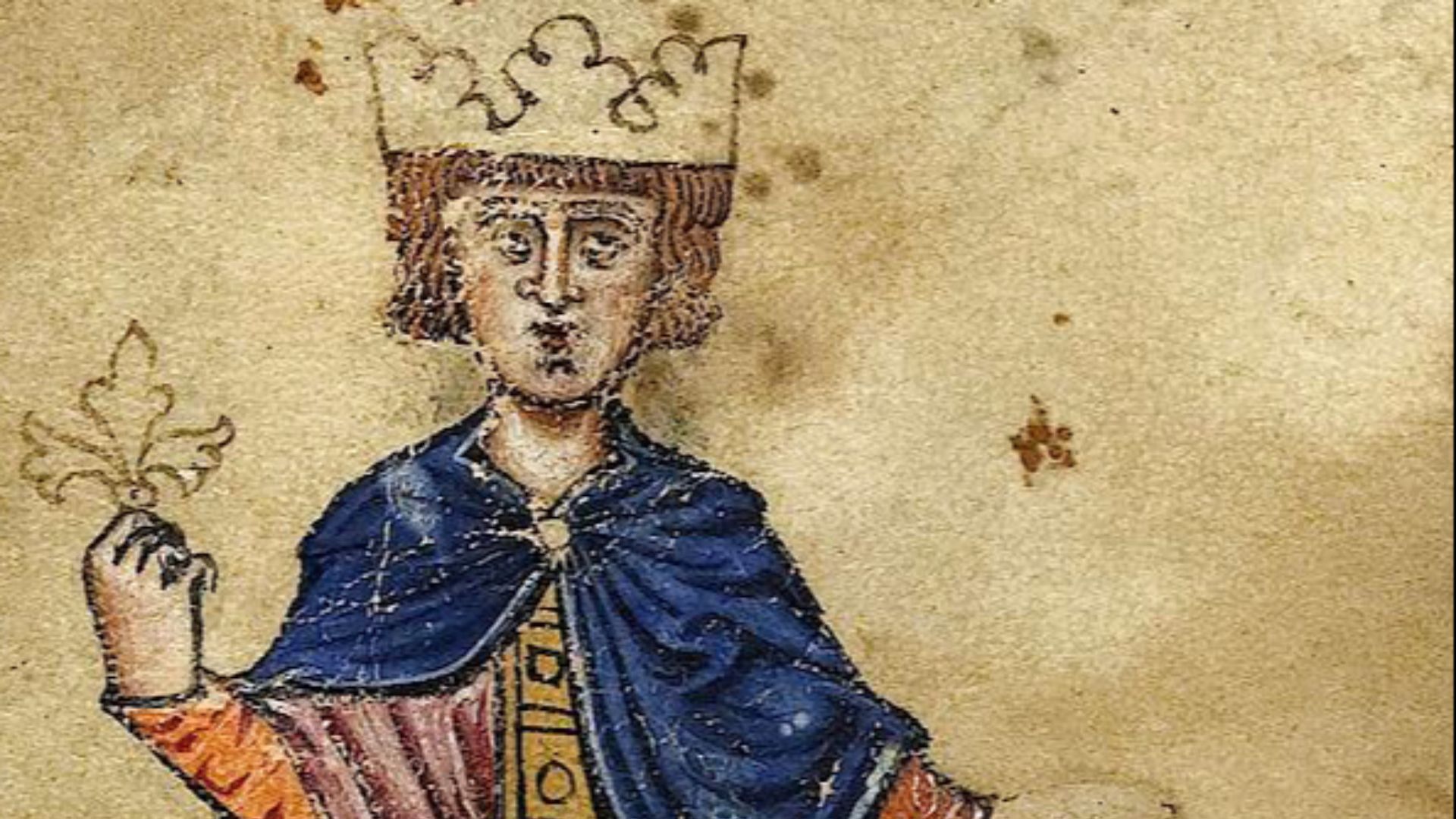 Unknown authorUnknown author on Wikimedia
10. José Mujica
As president of Uruguay, Mujica became known for his modest lifestyle and emphasis on public service. He donated much of his salary and often rejected the privileges associated with high office. His humility contributed significantly to his reputation for compassionate leadership.
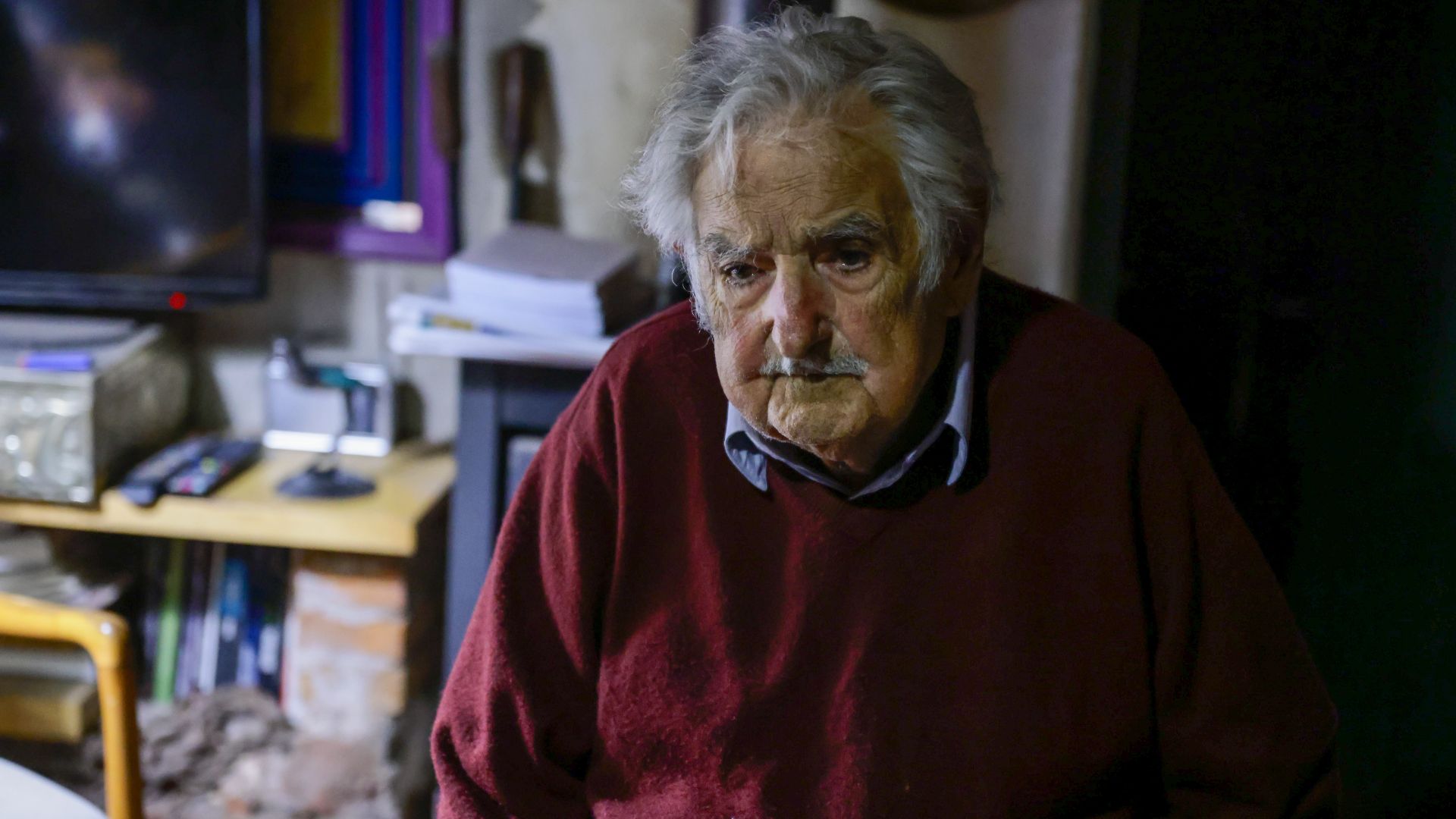 Fotografía oficial de la Presidencia de Colombia on Wikimedia
1. Genghis Khan
The founder of the Mongol Empire built one of history's largest empires through highly organized military campaigns. His armies moved quickly, adapted effectively, and enforced strict discipline. While remarkably successful, these conquests often involved immense destruction and loss of life.
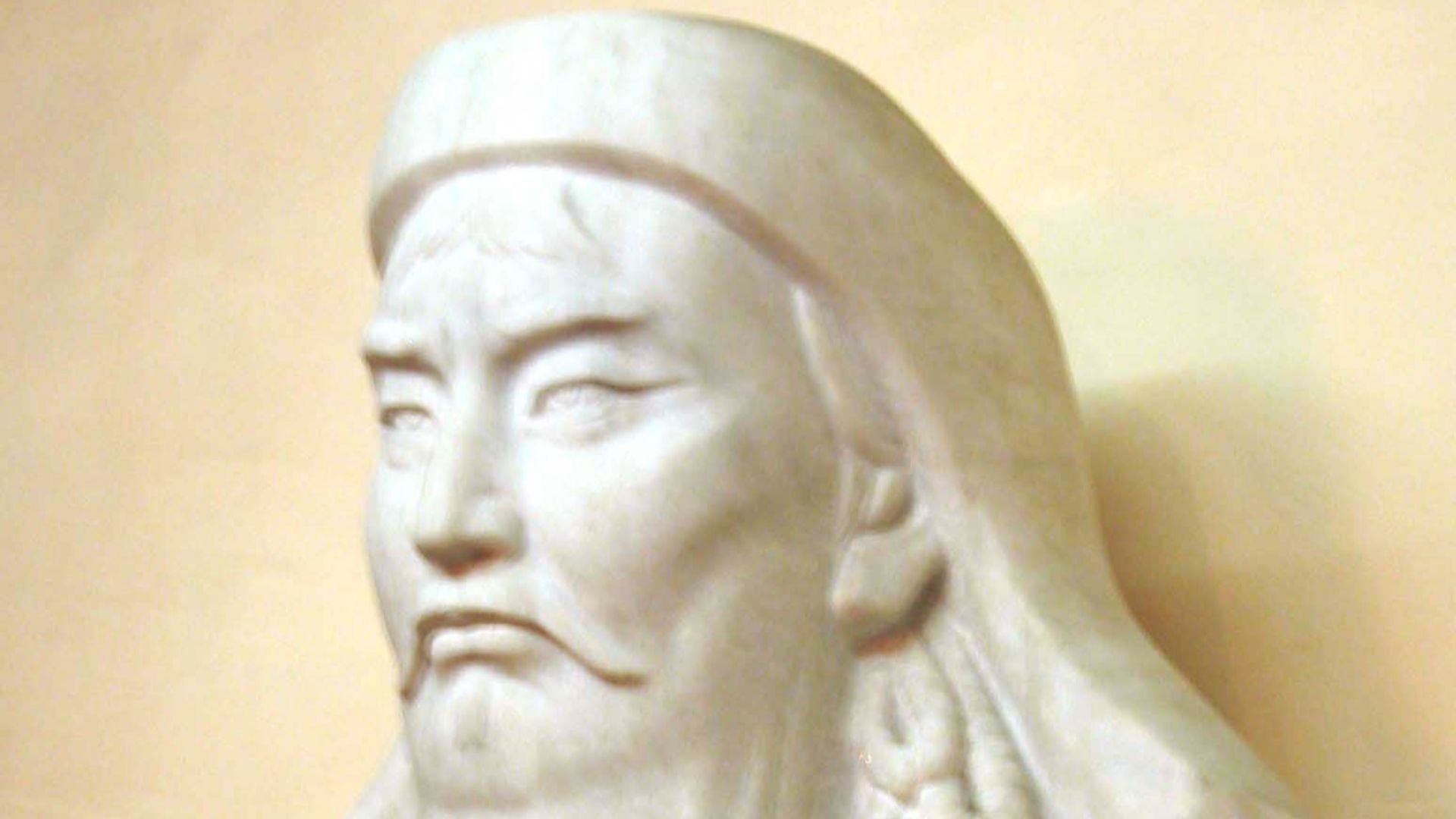 Jim Garamone, American Forces Press Service on Wikimedia
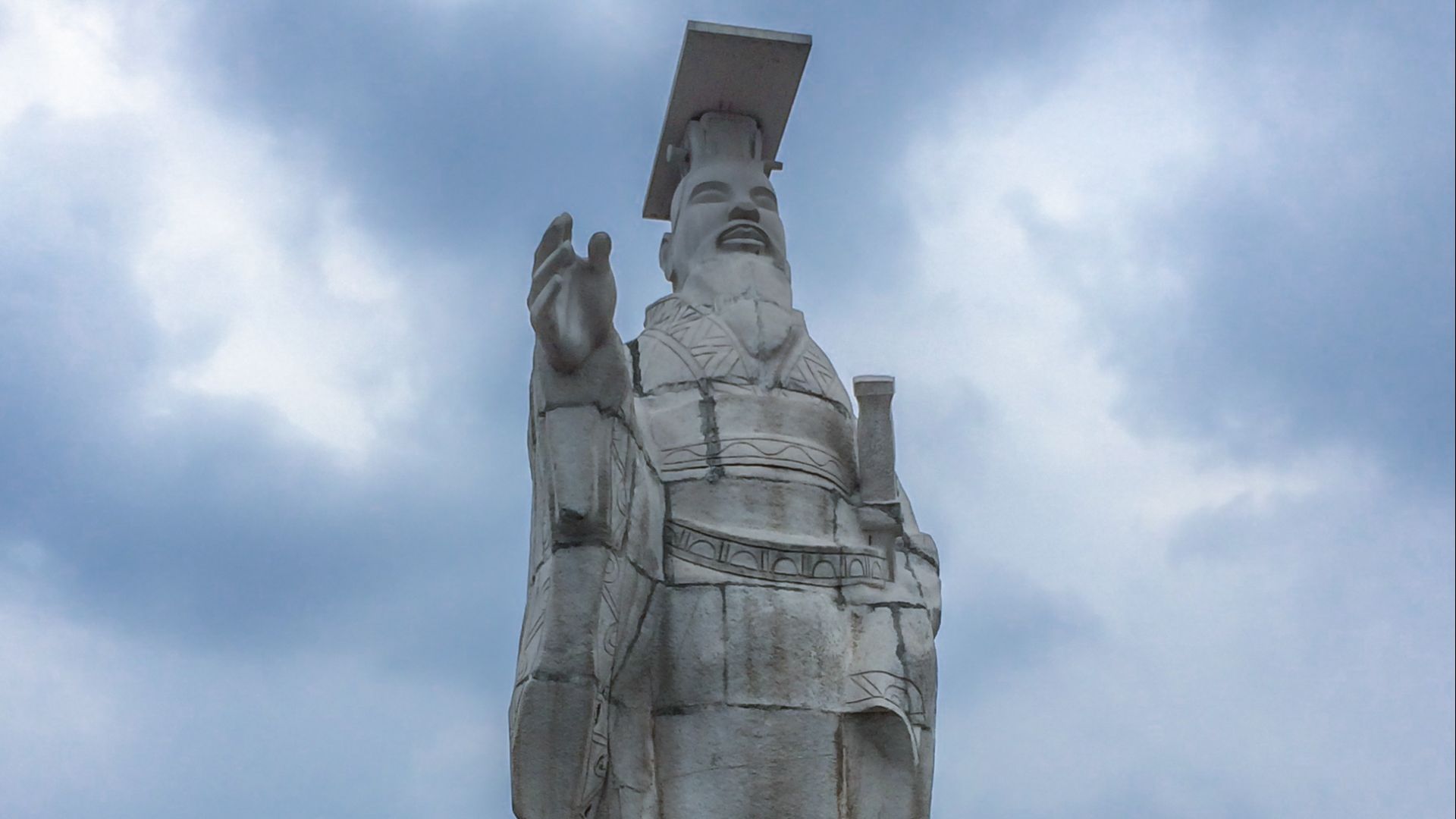
2. Qin Shi Huang
China's first emperor unified rival states and established centralized rule across a vast territory. He standardized weights, measures, and writing systems while undertaking massive construction projects. His achievements came alongside harsh laws and severe punishments.
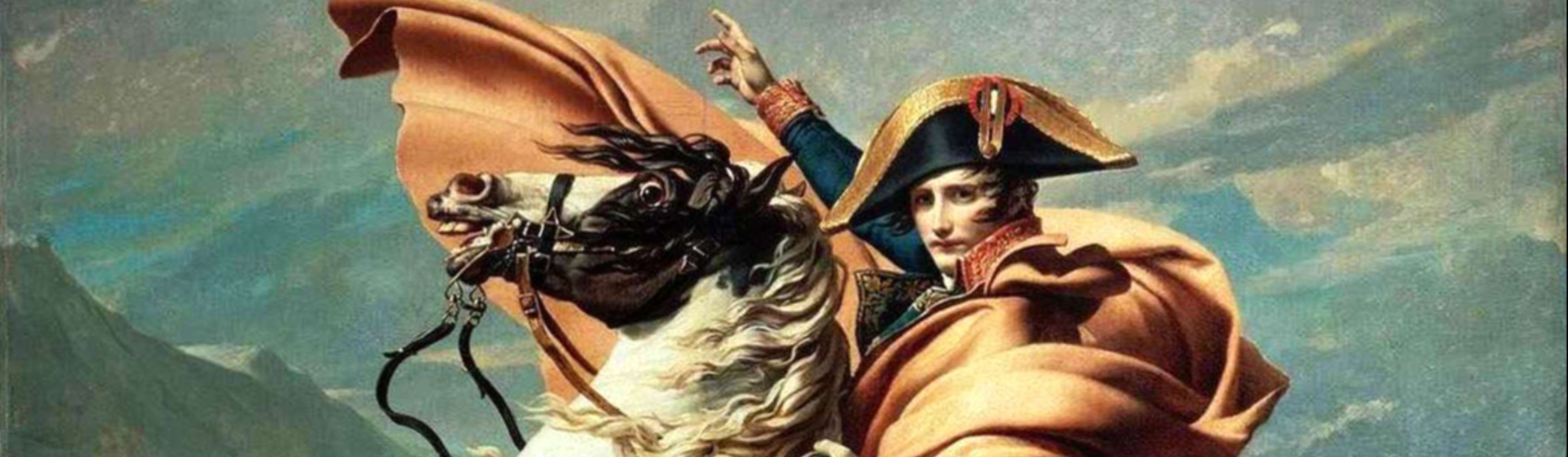
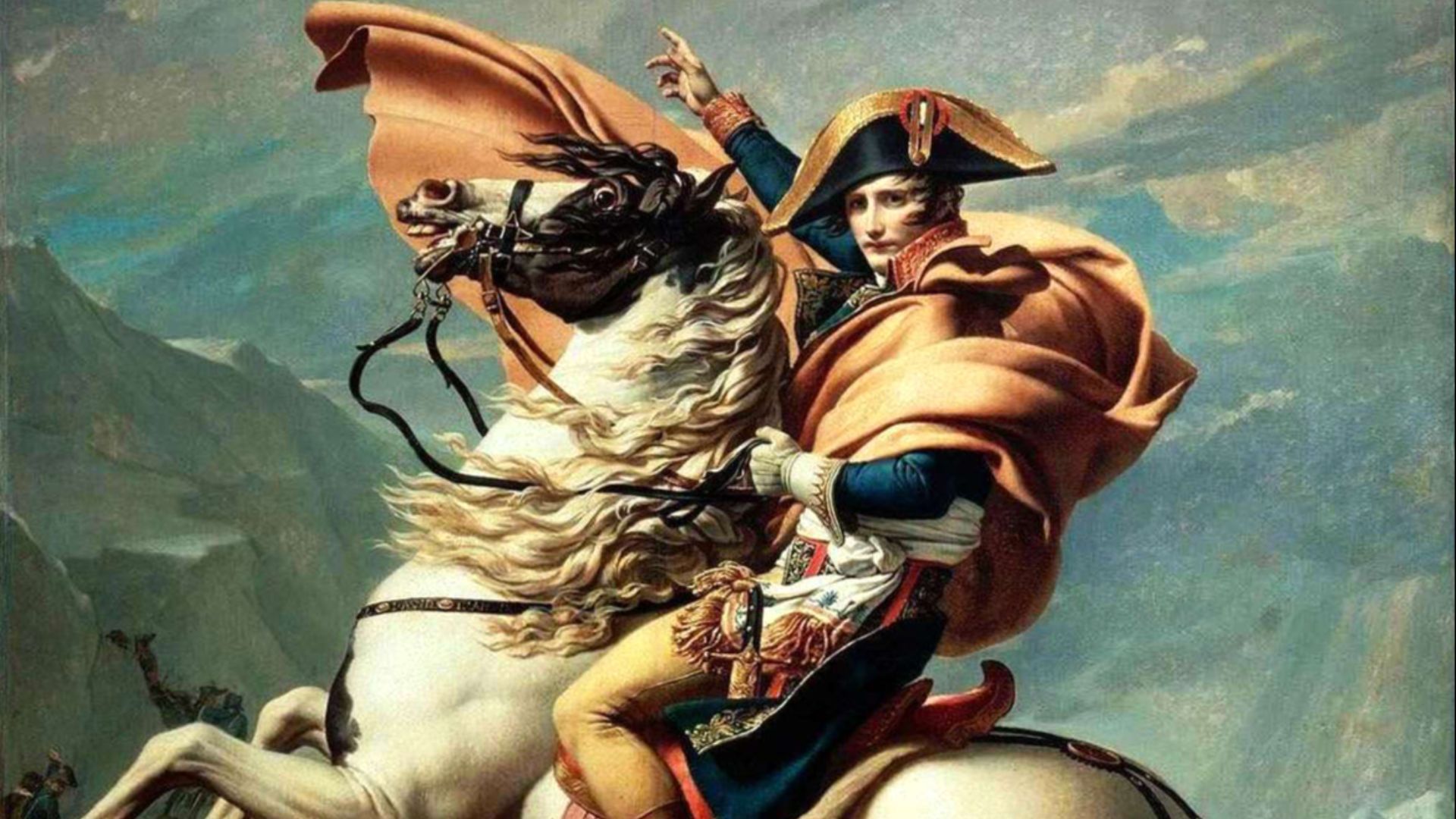
3. Napoleon Bonaparte
Napoleon's military campaigns demonstrated exceptional organizational skill and strategic planning. He reformed administrative systems throughout territories under his control. However, his relentless pursuit of expansion contributed to years of warfare across Europe.
4. Joseph Stalin
Stalin oversaw rapid industrialization that transformed the Soviet Union into a major global power. These changes were implemented through highly centralized control and extensive coercion. His rule remains associated with widespread repression and immense human suffering.
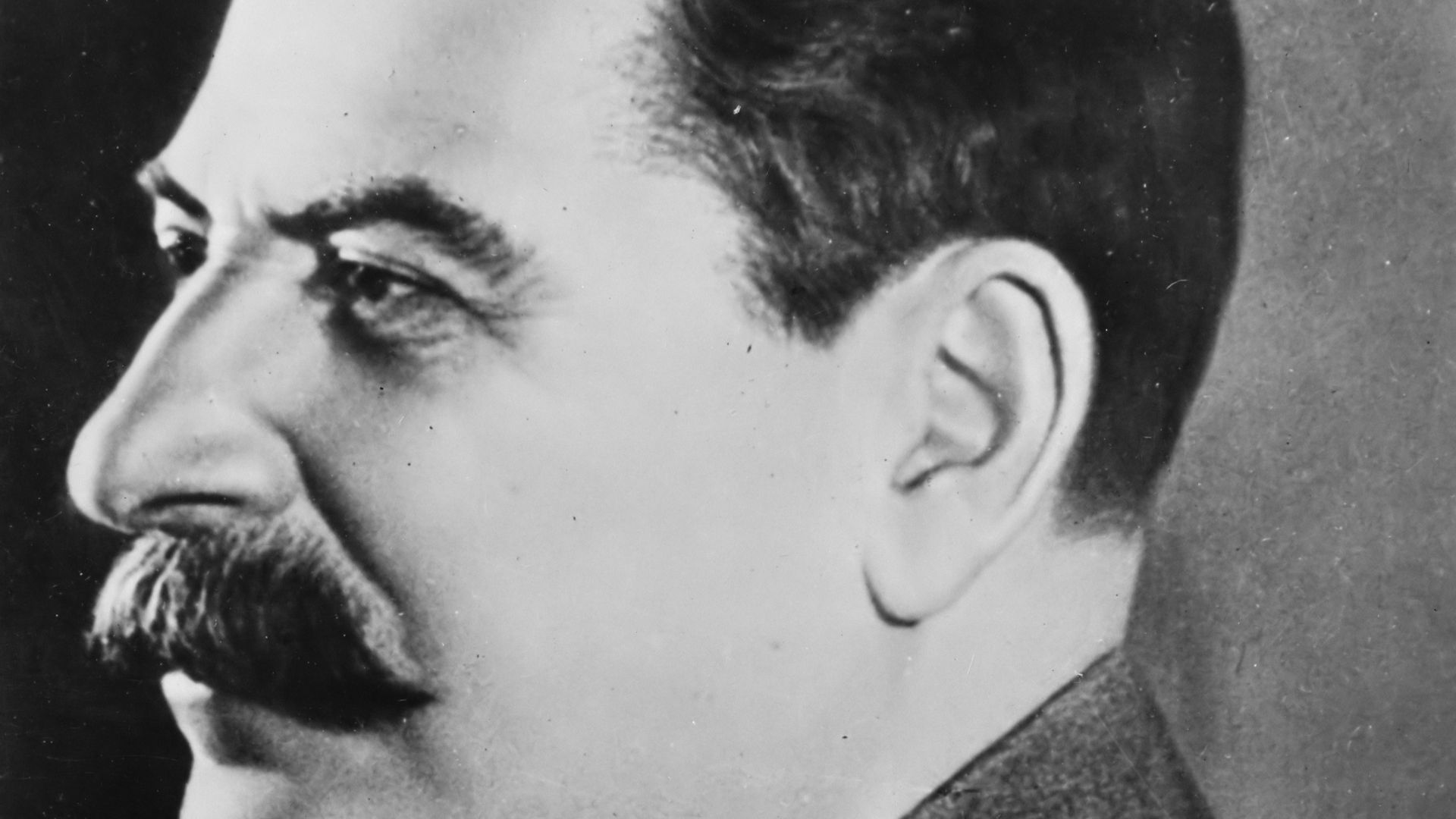 Unknown authorUnknown author; image flipped by Gaeser (talk) on Wikimedia
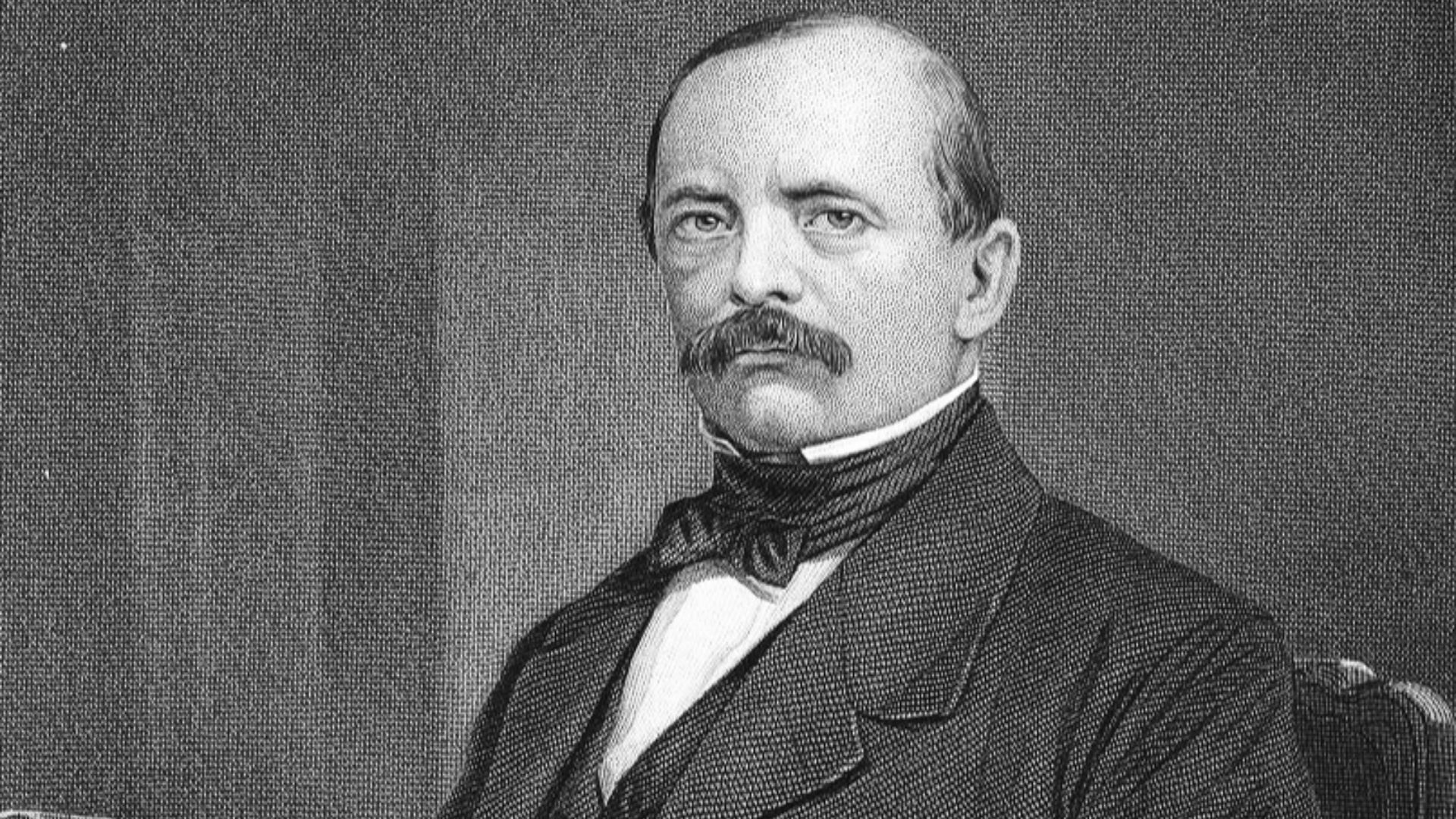
5. Otto von Bismarck
Bismarck achieved German unification through a combination of diplomacy, political maneuvering, and carefully calculated wars. His practical approach often prioritized results over ideology. The effectiveness of his methods reshaped the balance of power in Europe.
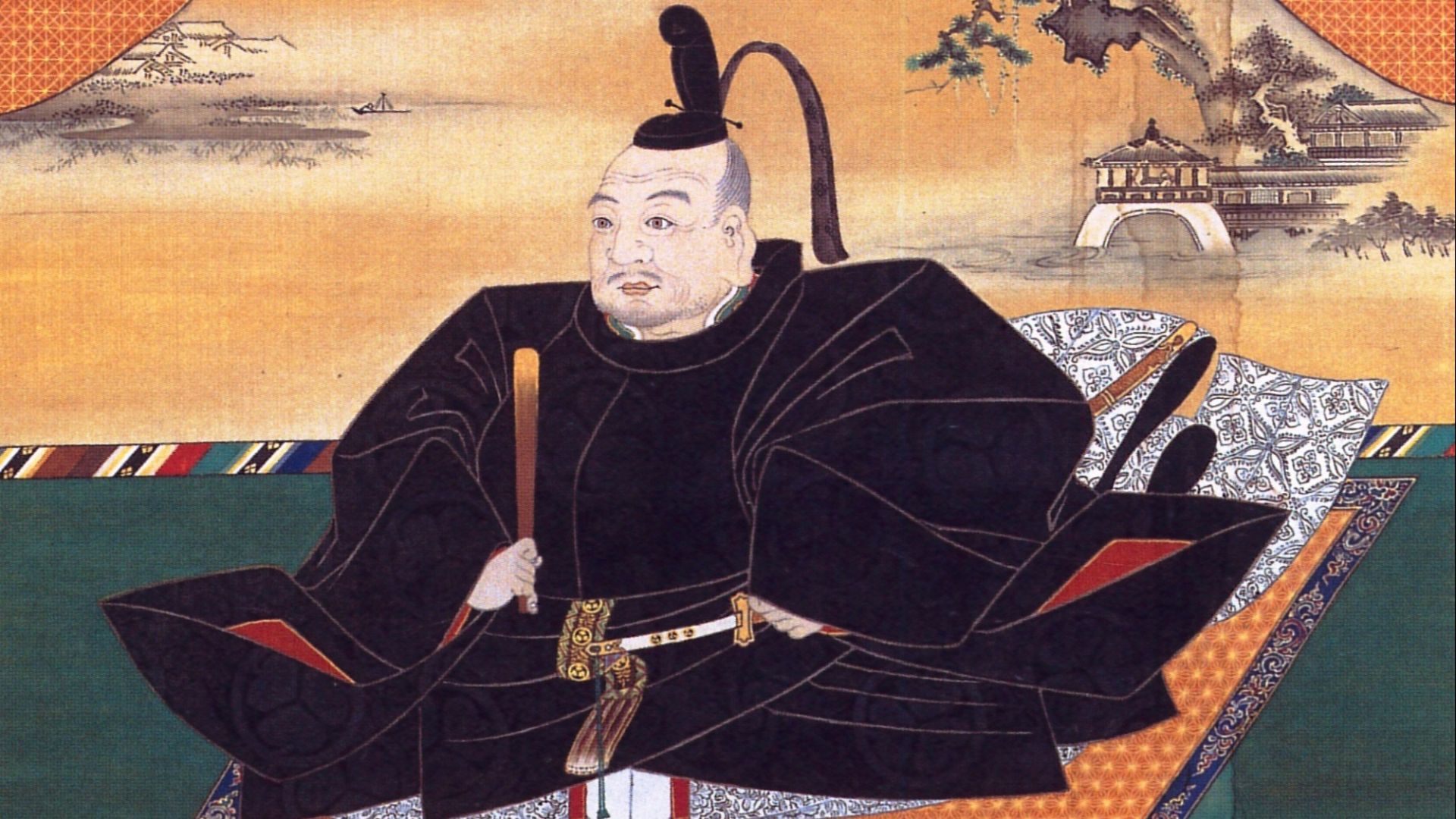
6. Tokugawa Ieyasu
Ieyasu established the Tokugawa shogunate after decades of civil conflict in Japan. He consolidated power through strategic alliances and careful political control. The system he created maintained relative stability for more than two centuries.
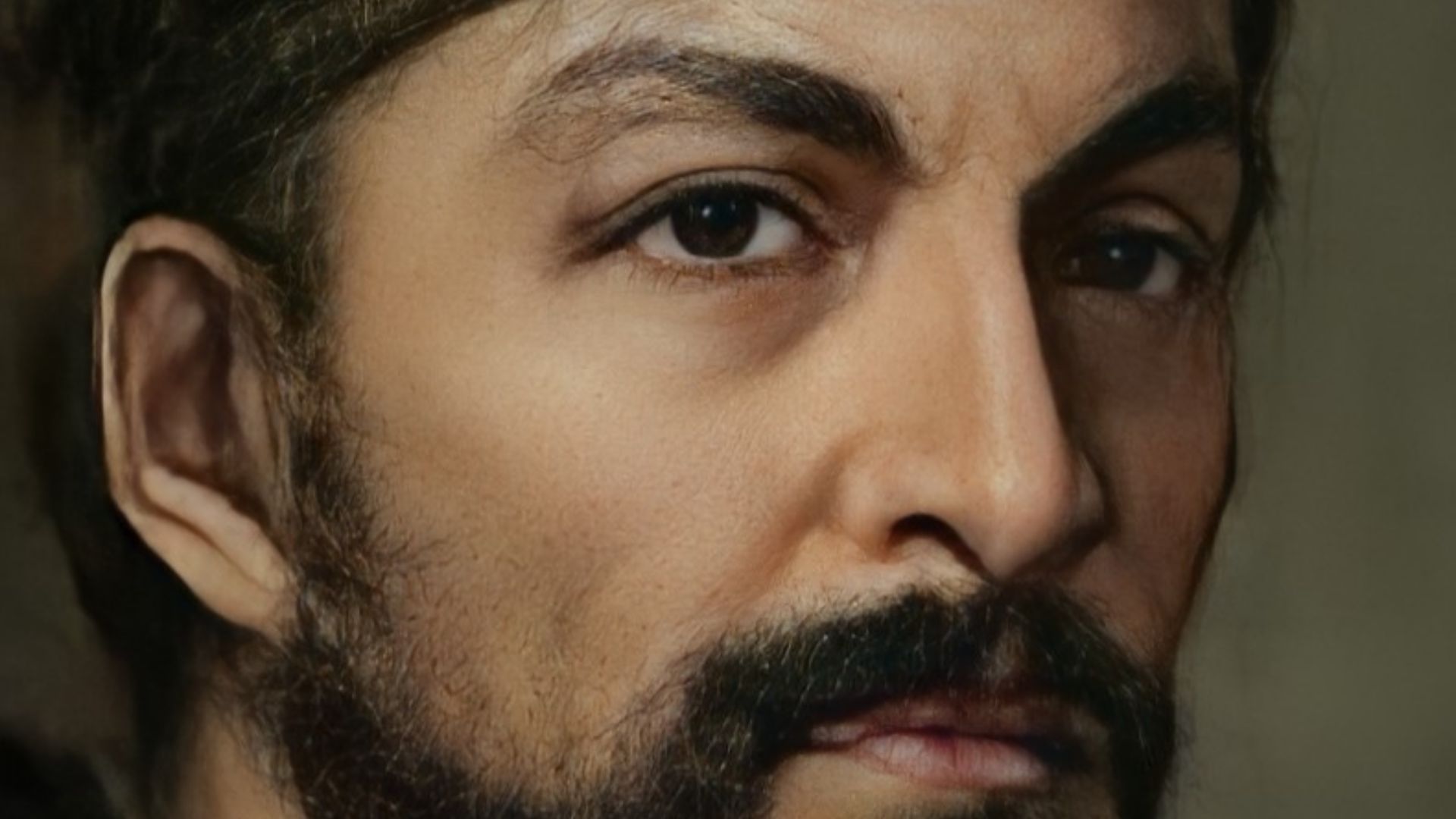
7. Timur
Also known as Tamerlane, Timur built a vast empire through aggressive military campaigns. His forces achieved remarkable success across large regions of Asia and the Middle East. Contemporary accounts frequently describe the extreme brutality accompanying these victories.
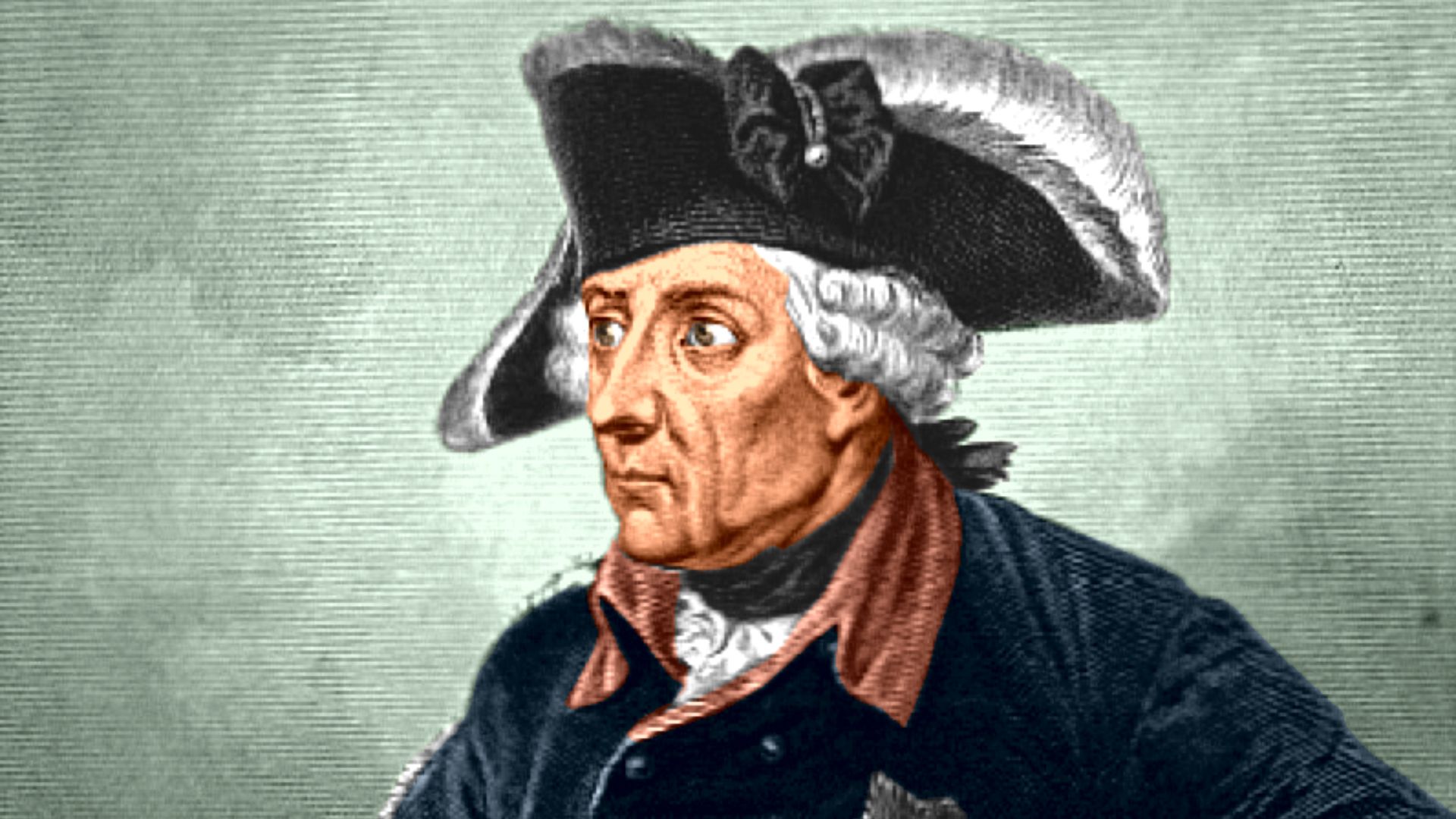
8. Frederick the Great
Frederick transformed Prussia into a major European power through military reforms and disciplined administration. He demanded high levels of efficiency from both government and army officials. His leadership significantly expanded Prussia's influence.
 Unknown authorUnknown author on Wikimedia
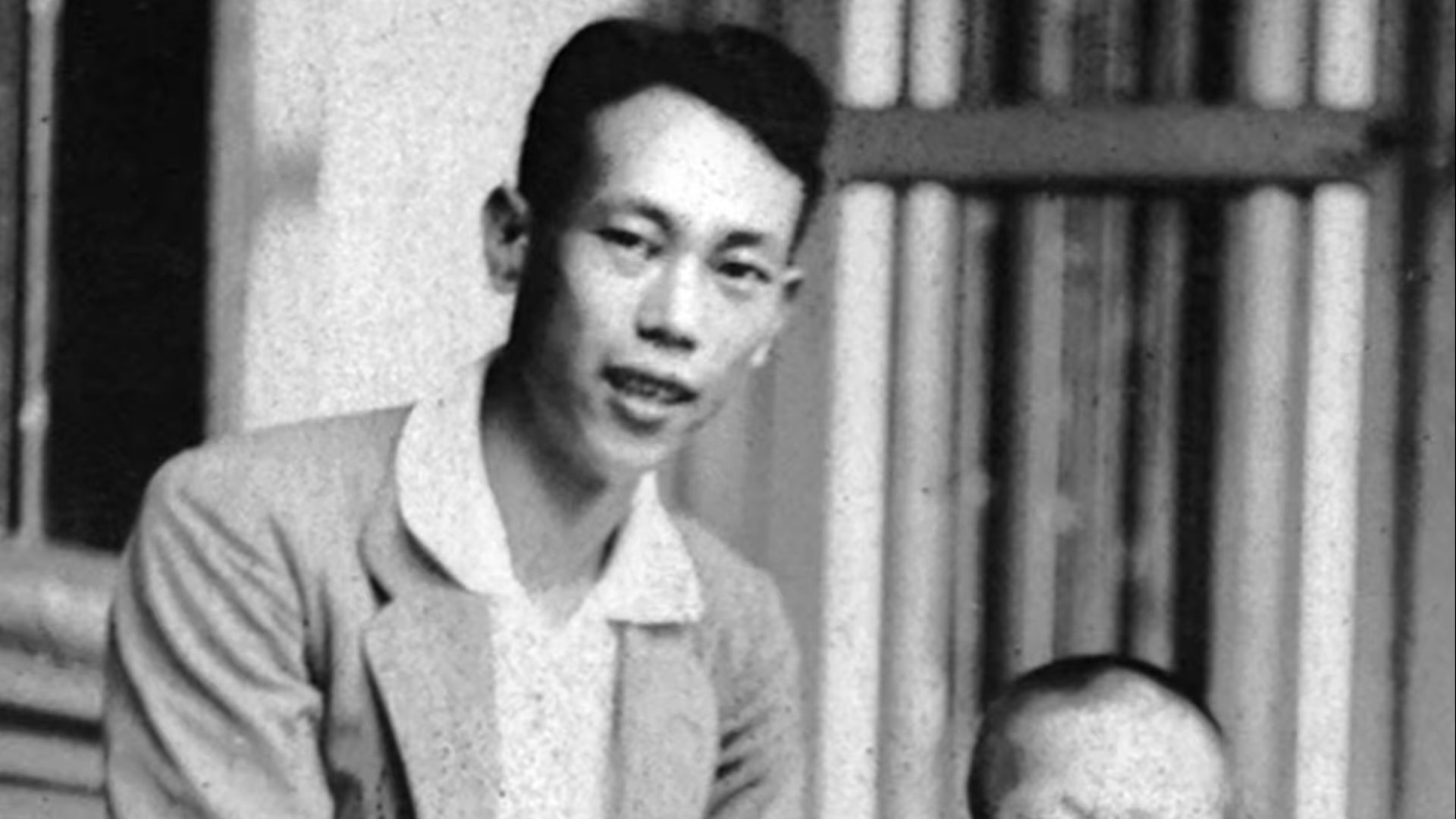
9. Lee Kuan Yew
Singapore's first prime minister oversaw one of the most dramatic economic transformations of the modern era. His government emphasized strict standards, long-term planning, and administrative effectiveness. Critics and supporters alike often point to his results-oriented approach.
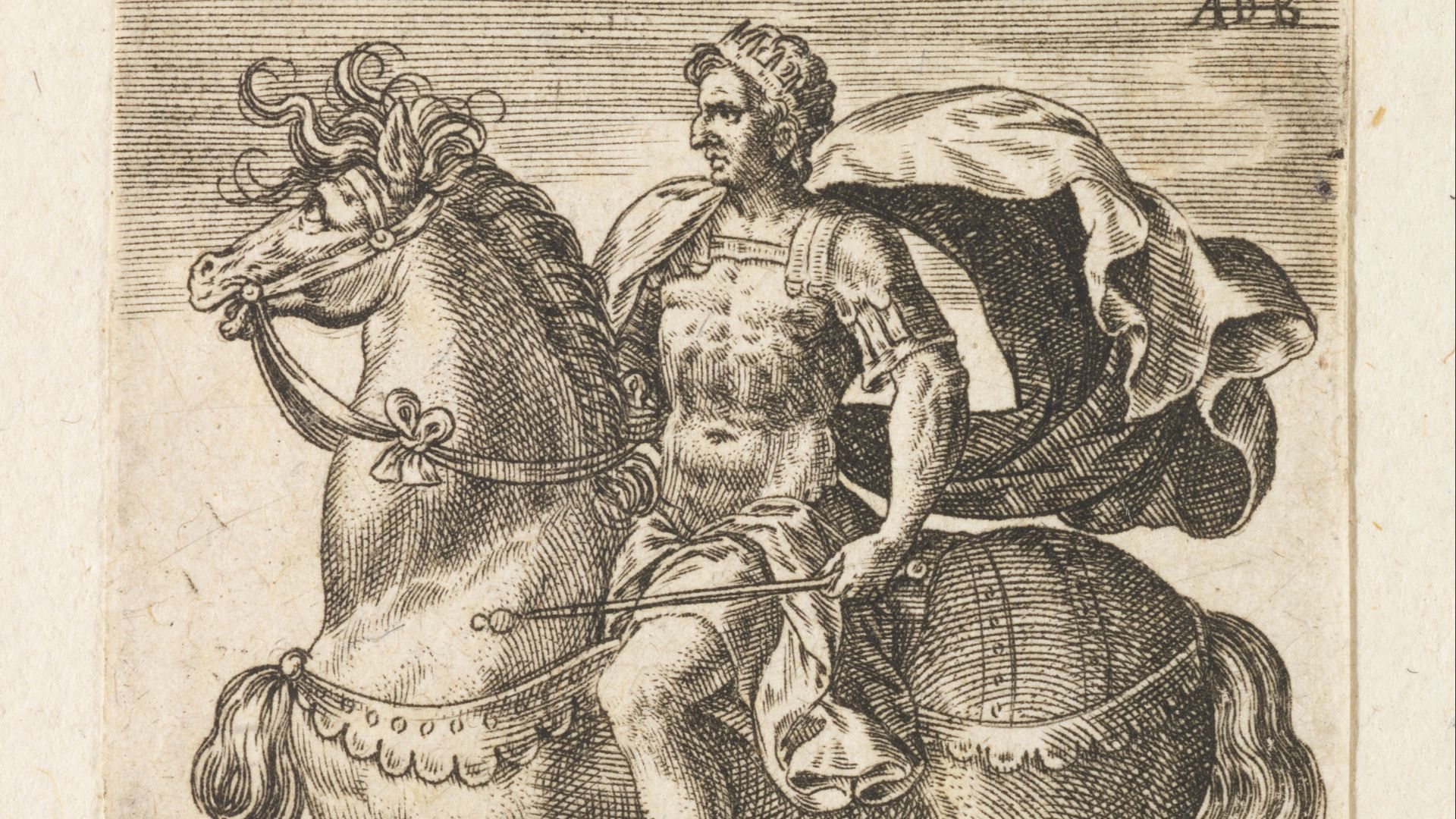
10. Augustus
The first Roman emperor consolidated power after years of civil war and established systems that brought stability to the empire. He reorganized administration, taxation, and military structures with remarkable effectiveness. Although his rule ushered in a long period of relative peace, it also marked the end of the Roman Republic.
KEEP ON READING

From Heroes To Zeroes 20 Historical Figures Whose Heroism Was…
History is full of legends, but not every hero lived…
By Noone Feb 25, 2026
The Clueless Crush: How I Accidentally Invited a Hacker Into…
Fluorescent Lights and First Impressions. My name is Tessa, I'm…
By Ali Hassan Nov 4, 2025
This Infamous Ancient Greek Burned Down An Ancient Wonder Just…
History remembers kings and conquerors, but sometimes, it also remembers…
By David Davidovic Nov 12, 2025
Einstein's Violin Just Sold At An Auction—And It Earned More…
A Visionary's Violin. Wanda von Debschitz-Kunowski on WikimediaWhen you hear…
By Ashley Bast Nov 3, 2025
The Mysterious "Sea People" Who Collapsed Civilization
3,200 years ago, Bronze Age civilization in the Mediterranean suddenly…
By Robbie Woods Mar 18, 2025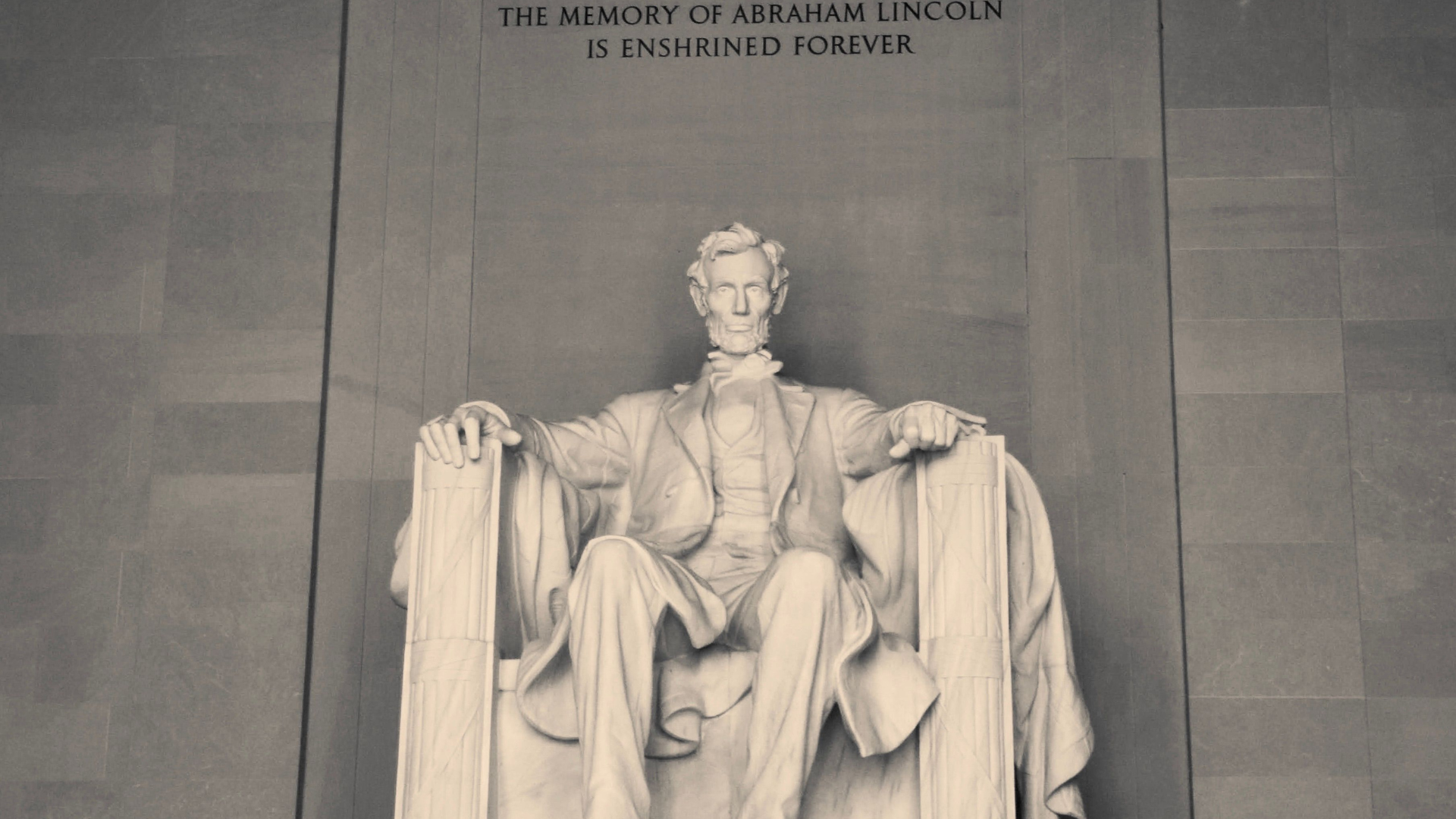
20 assassination attempts that changed the world
History has been shaped not only by great leaders and…
By Noone Jun 10, 2026