

Small Creatures, Enormous Consequences
History tends to credit kings, generals, and revolutionary ideas for the shape of the world. But some of the most consequential forces in human civilization have been considerably smaller, and considerably less interested in geopolitics. A flea, a beetle, a louse, a moth. Pests have redirected empires, caused famines, reshaped continents, and triggered migrations that permanently altered nations. They didn't need armies or manifestos. Here are 20 times a pest changed the course of human history.
1. The Rat Flea and the Black Death
The bubonic plague killed roughly a third of Europe's population between 1347 and 1351, spreading largely through the bite of fleas carrying Yersinia pestis. The fallout reshaped feudal labor structures and shook Europe's religious institutions in ways that took generations to settle.
2. The Yellow Fever Mosquito and the Louisiana Purchase
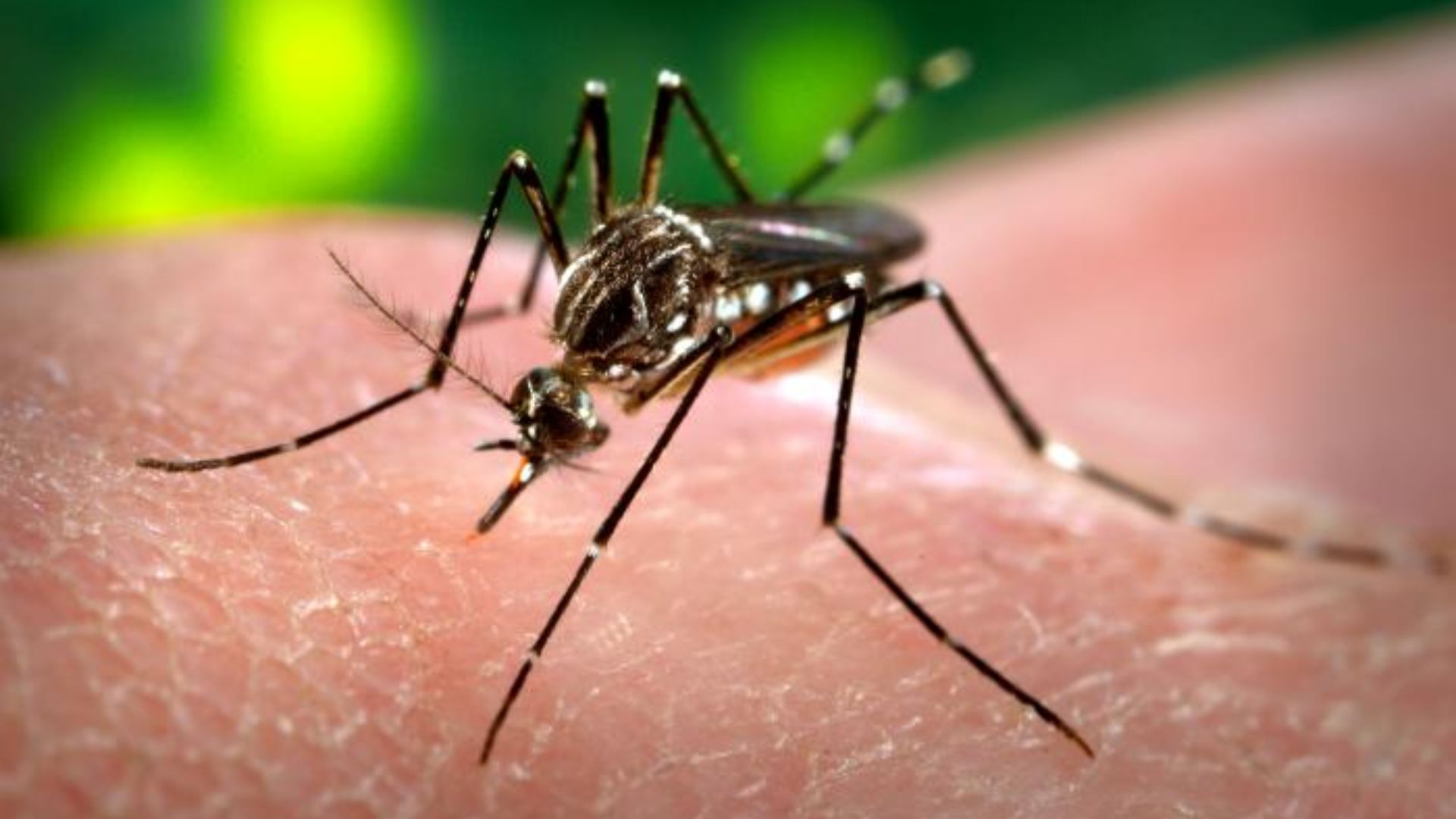
In 1802, Napoleon sent a large force to Haiti to secure France's foothold in the Americas. Yellow fever, carried by the Aedes aegypti mosquito, killed an estimated 80 to 85 percent of his troops. His New World ambitions destroyed, Napoleon sold the Louisiana Territory to the United States in 1803 for $15 million.
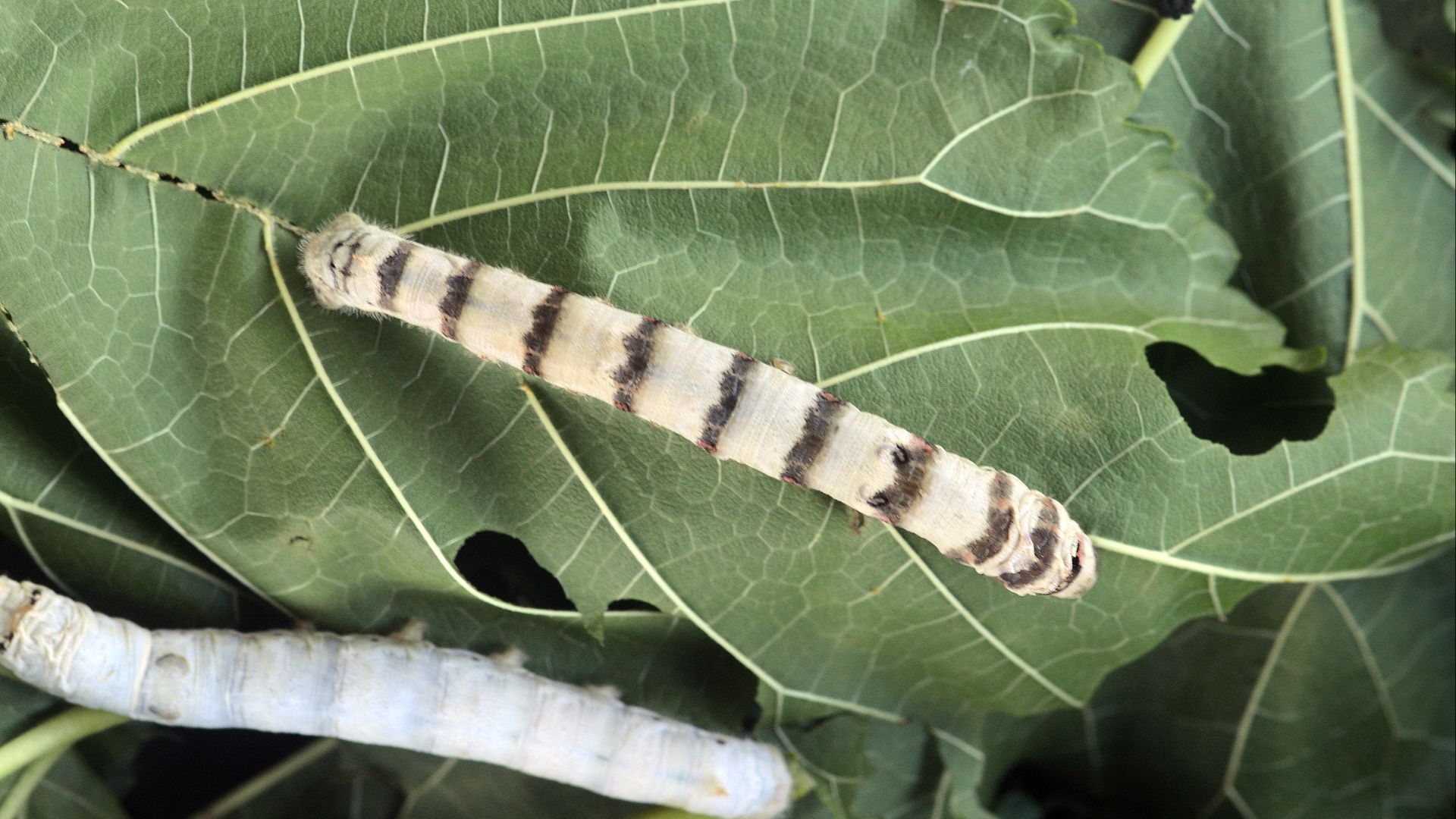
3. The Silkworm and the Silk Road
China guarded the secret of silk production for centuries, and the trade routes that grew around that monopoly connected East Asia to Europe, Africa, and India. Goods, religions, languages, and diseases all traveled those routes. The silkworm produced the infrastructure of ancient globalization.
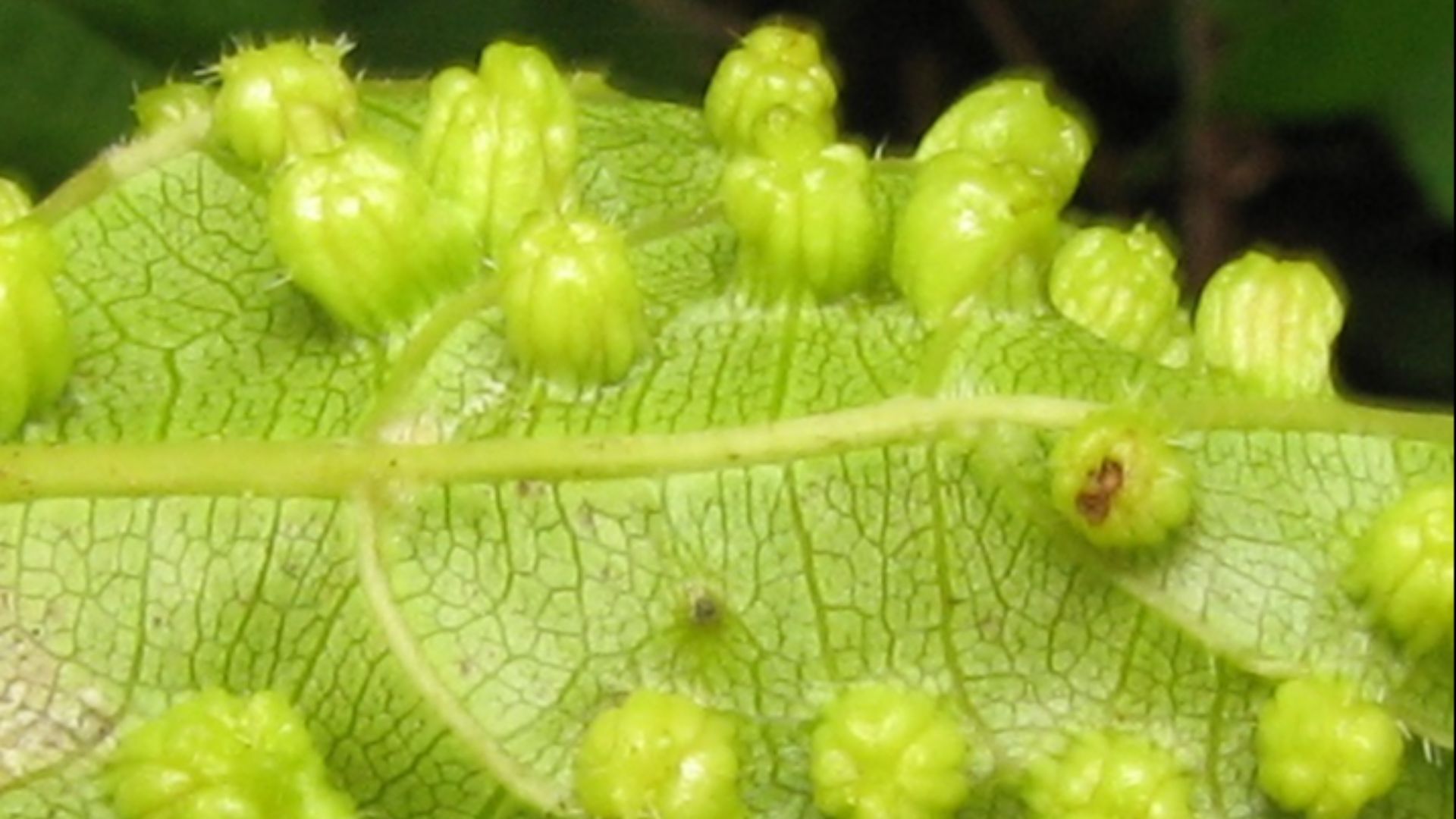
4. The Grape Phylloxera and the Great French Wine Blight
A tiny aphid-like insect from North America arrived in France in the 1860s and began destroying European grapevines from the roots. By 1878, over 900,000 acres had been killed and French wine production eventually dropped by half. The only solution was grafting French vines onto resistant American rootstocks, permanently changing how wine is made worldwide.
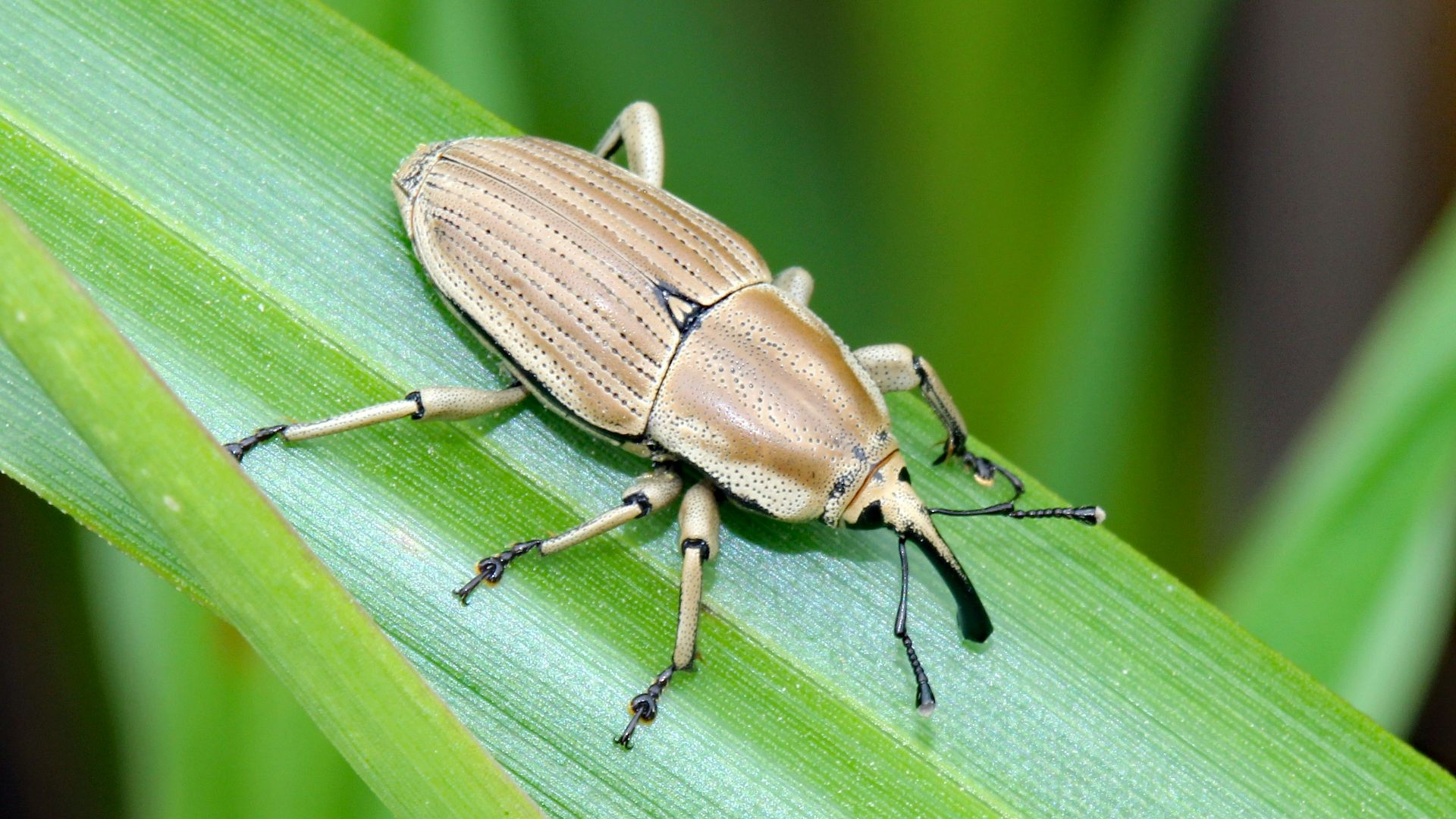
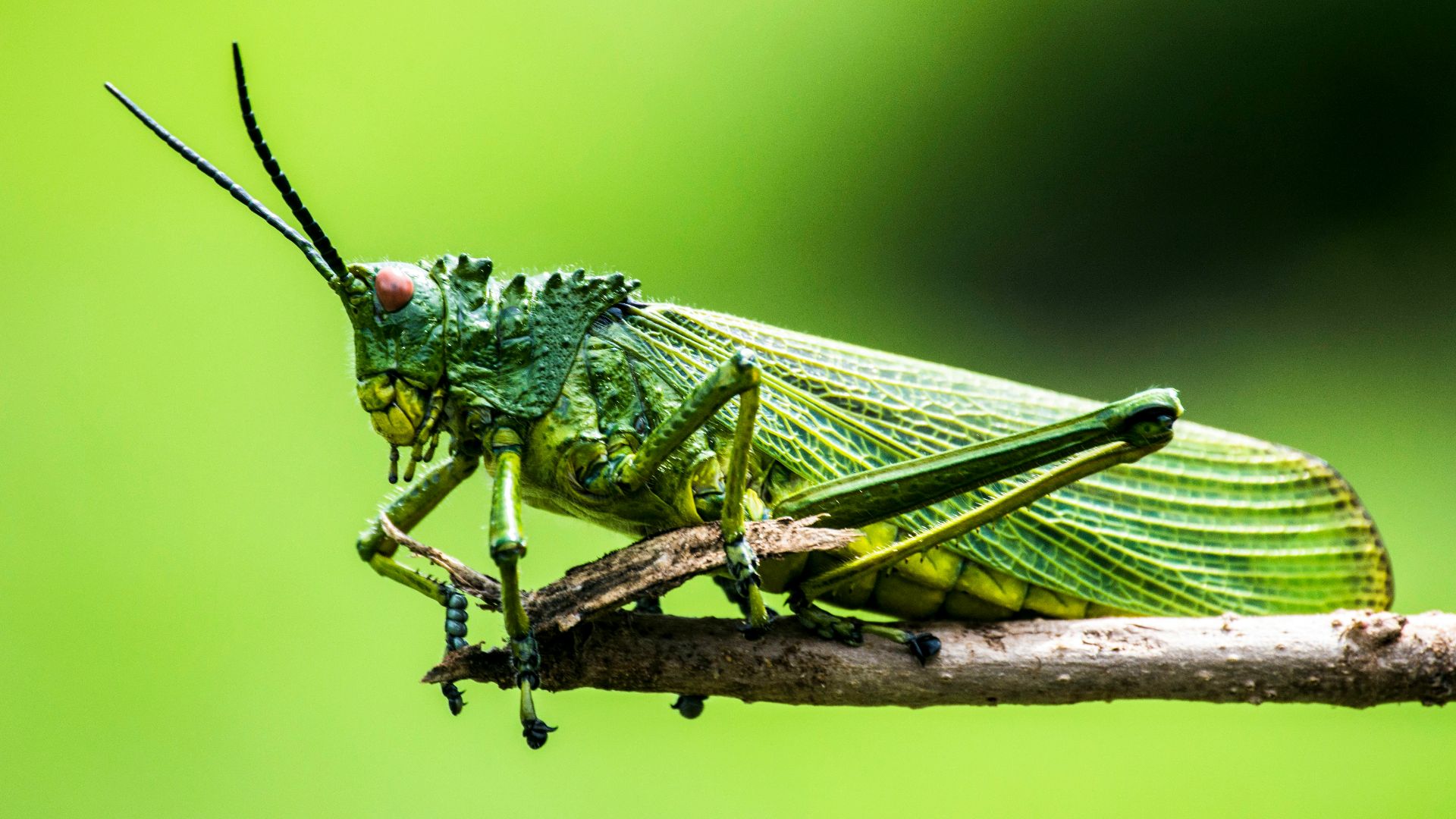
5. The Boll Weevil and the Great Migration
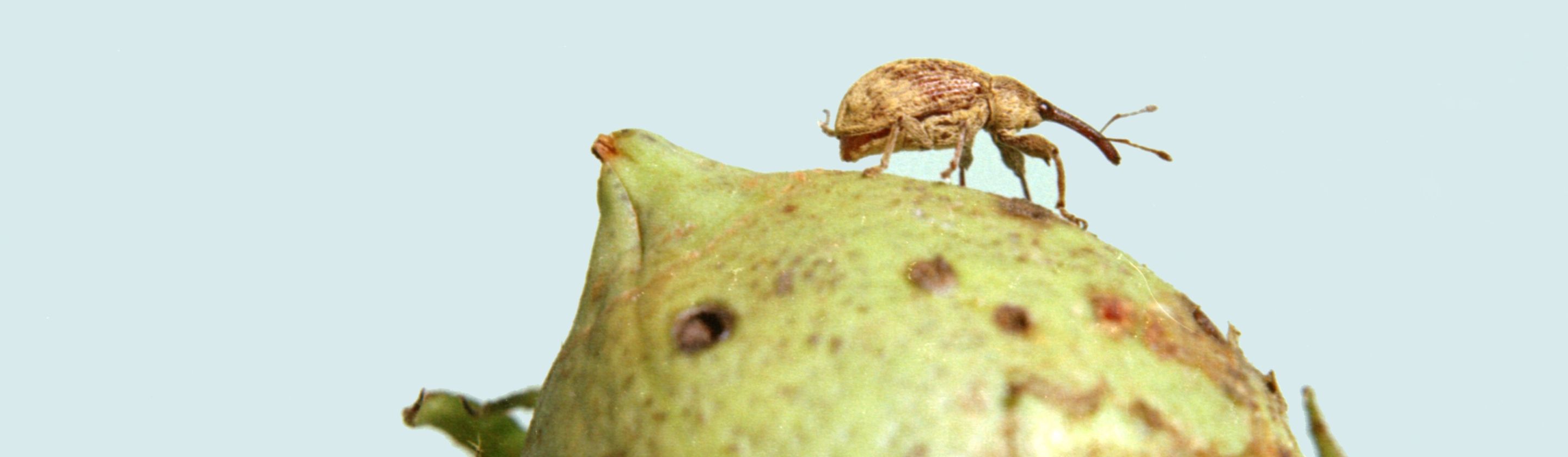
The boll weevil crossed into Texas from Mexico around 1892 and spent three decades eating across the American South, cutting cotton production in some counties by more than 50 percent. The economic collapse pushed hundreds of thousands of Black sharecroppers northward, contributing to the Great Migration that permanently reshaped urban America.
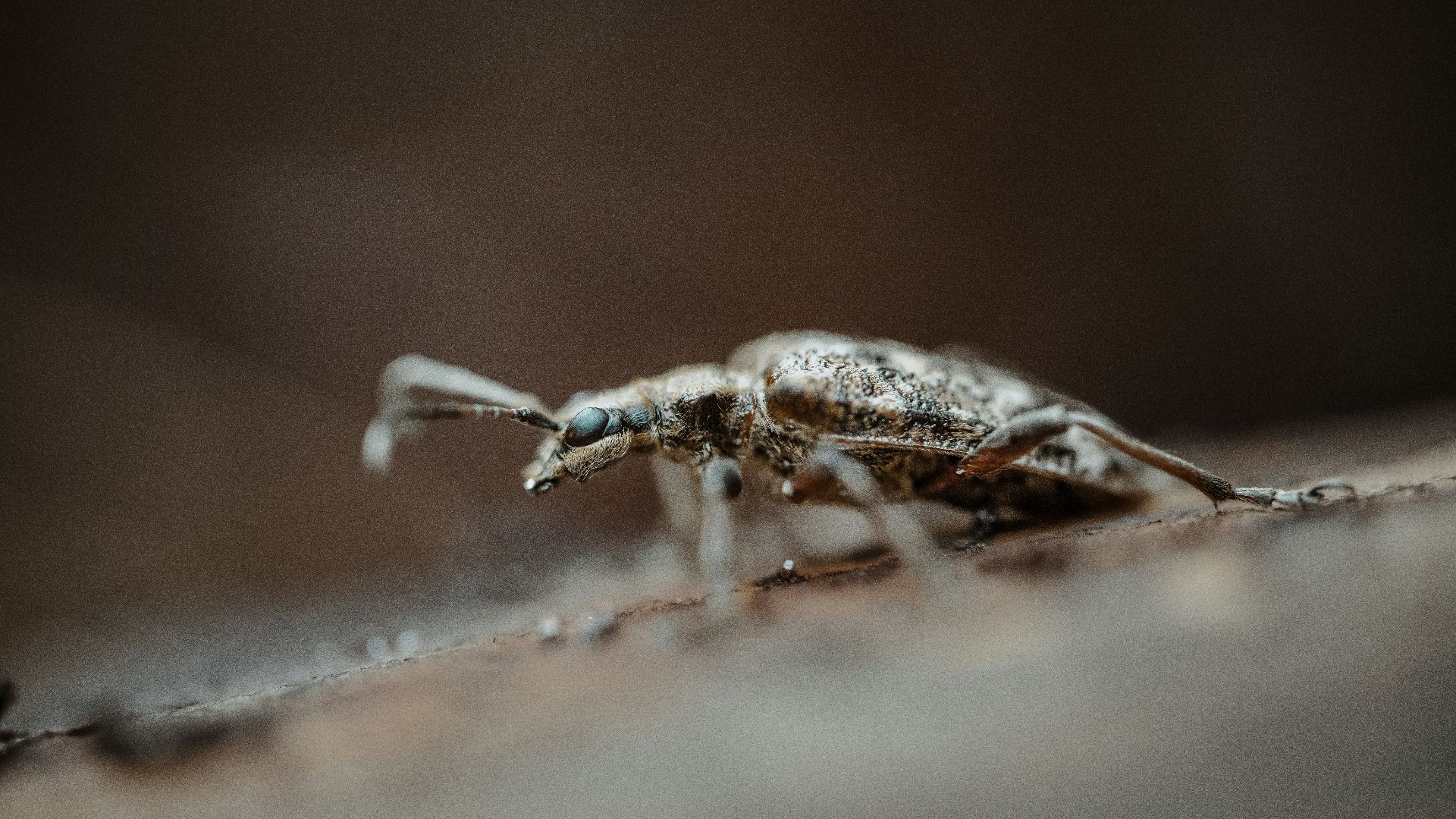
6. Body Lice and the Retreat from Moscow
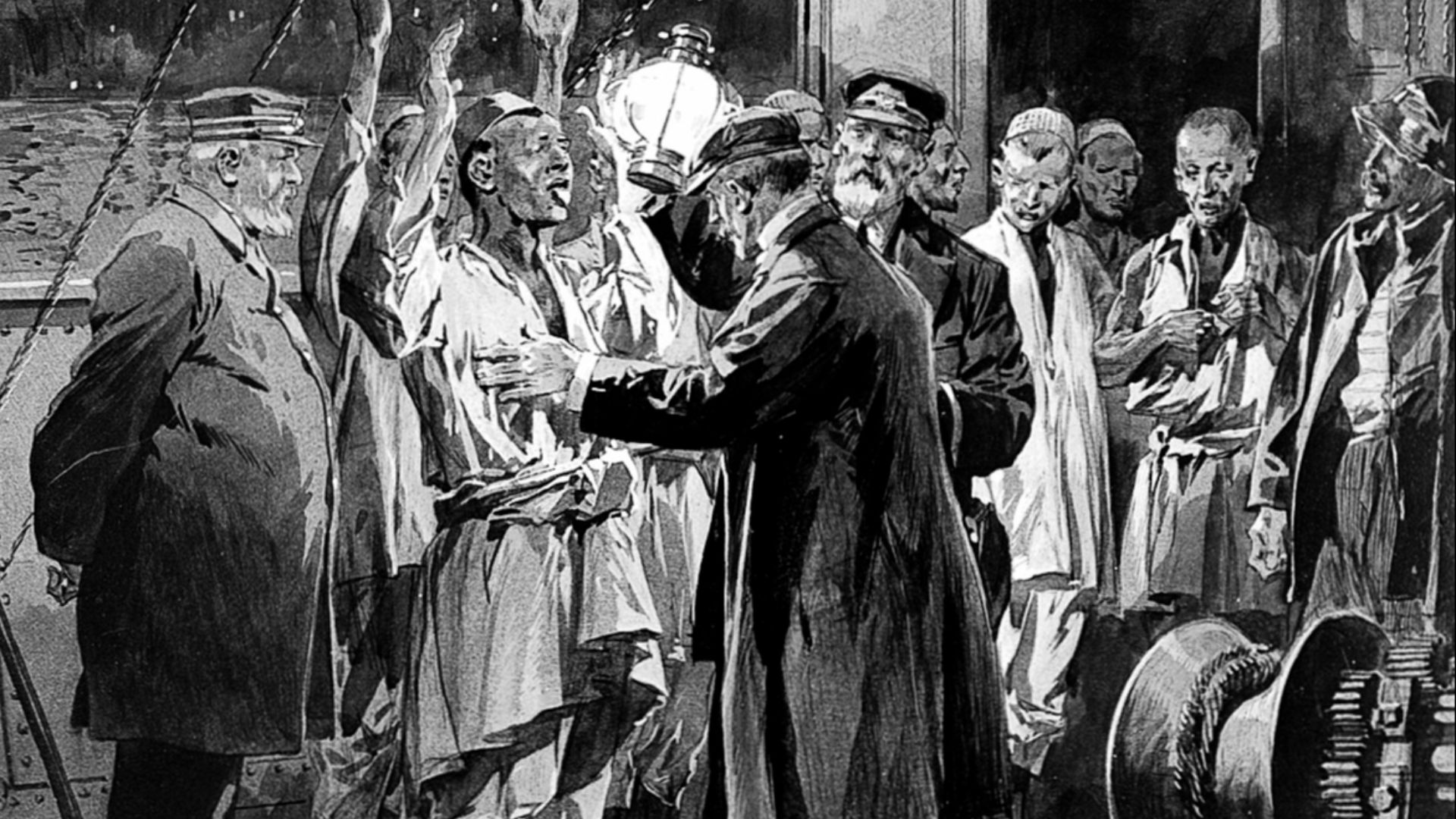
When Napoleon's army entered Russia in 1812, body lice spread epidemic typhus through the ranks faster than any Russian army could. Historians estimate disease killed far more soldiers than combat did, and the force that retreated from Moscow was a fraction of what had entered.
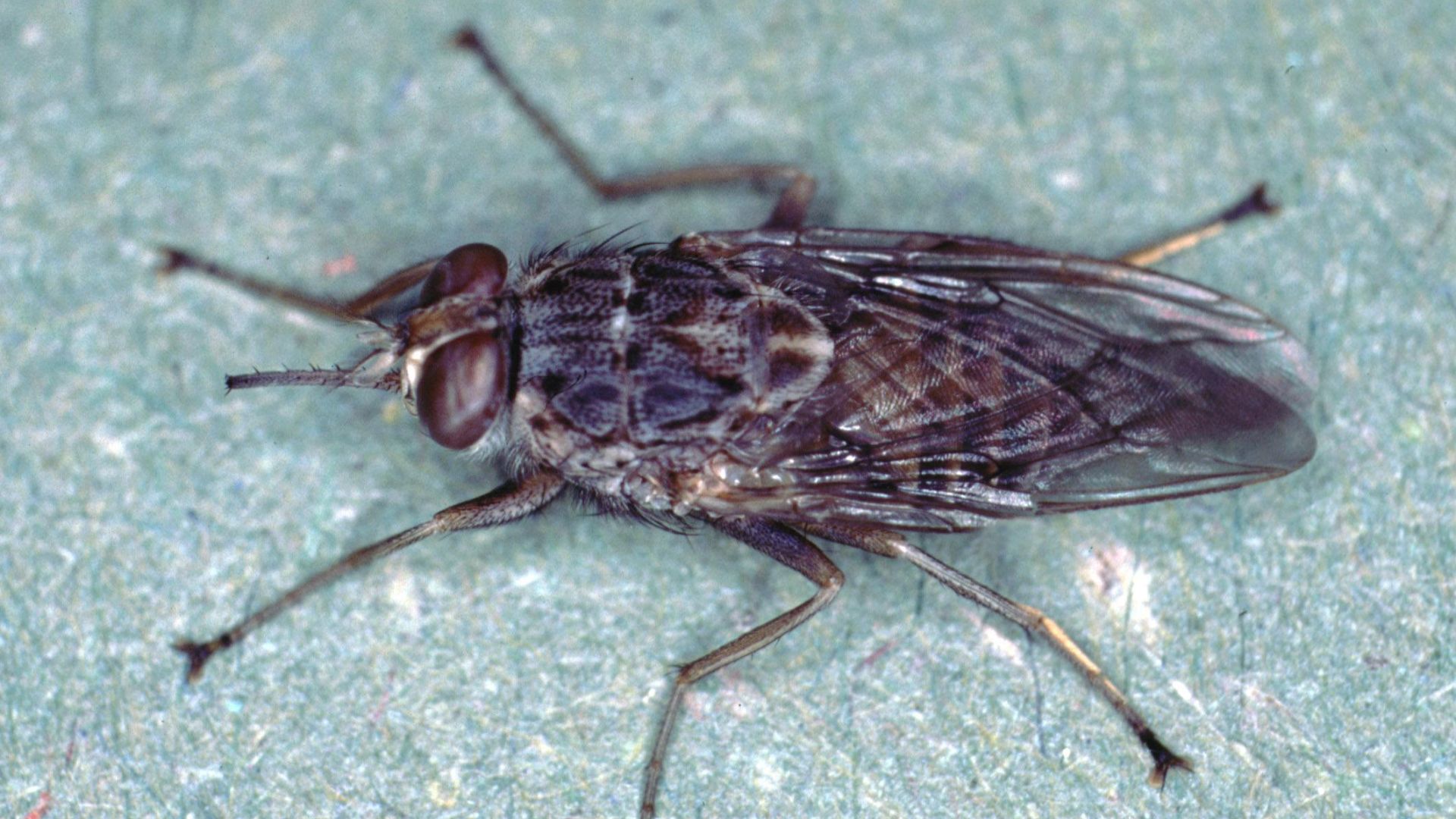
7. The Tsetse Fly and African History
The tsetse fly, which transmits sleeping sickness to humans and a related disease to livestock, blocked certain forms of colonial penetration across sub-Saharan Africa for centuries. Large areas were inaccessible to horse-mounted armies and cattle-based farming, shaping which societies developed where and which parts of the continent outside powers could effectively reach.
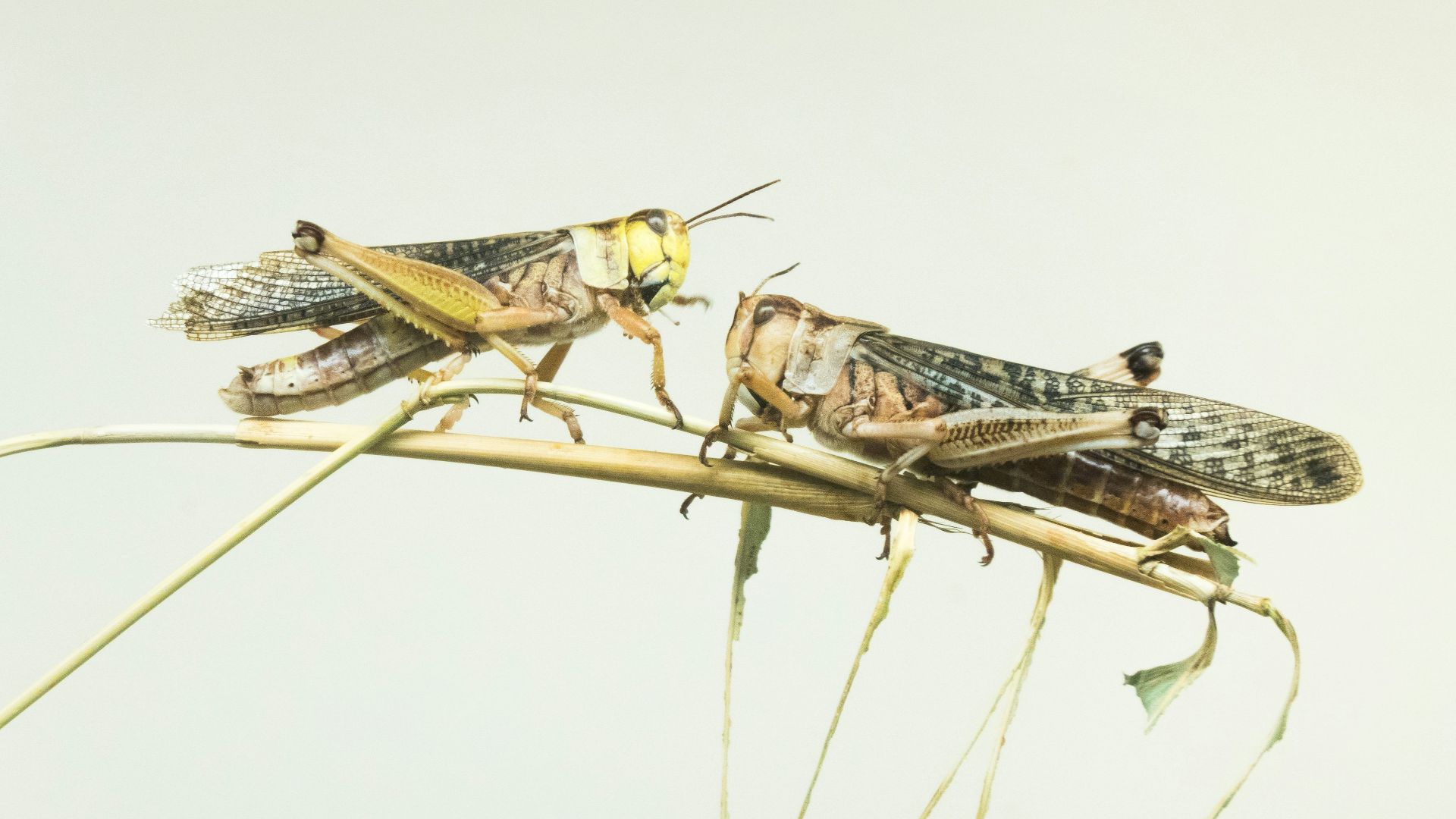
8. The Locust and Ancient Egypt
Locust swarms have been among the most destructive forces in agricultural history across Africa and the Middle East. In ancient Egypt, major swarms stripped entire regions of crops and destabilized the economy and the political order built on agricultural surplus. A large swarm can consume its own weight in food every day.
9. Phytophthora and the Irish Famine
Phytophthora infestans, the water mold responsible for potato blight, destroyed the Irish potato harvest beginning in 1845 for successive years. Roughly one million people died and at least another million emigrated, mostly to North America, permanently altering the demographics and political culture of both Ireland and the United States.
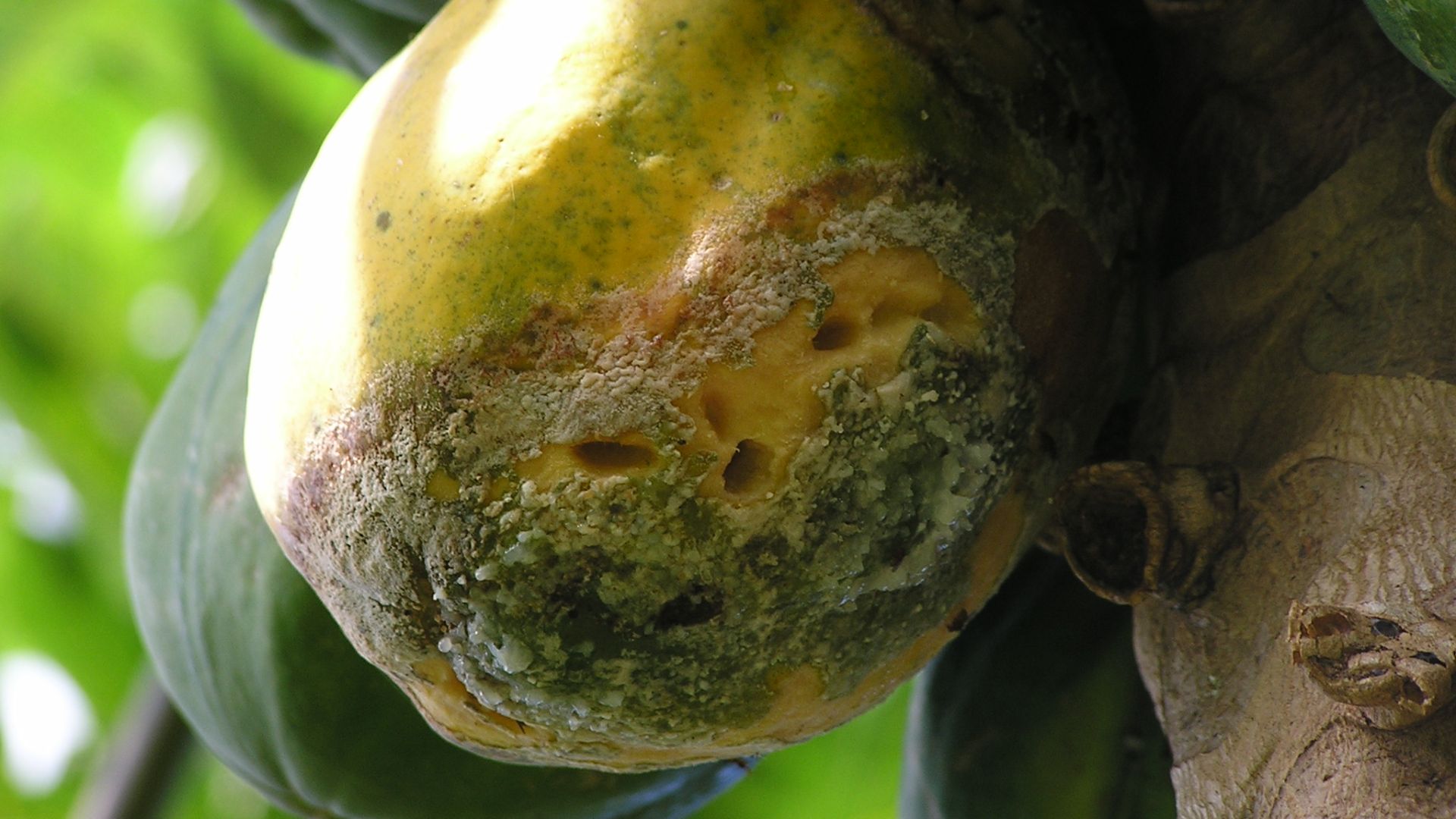 Scot Nelson from Honolulu, Hawaii, USA on Wikimedia
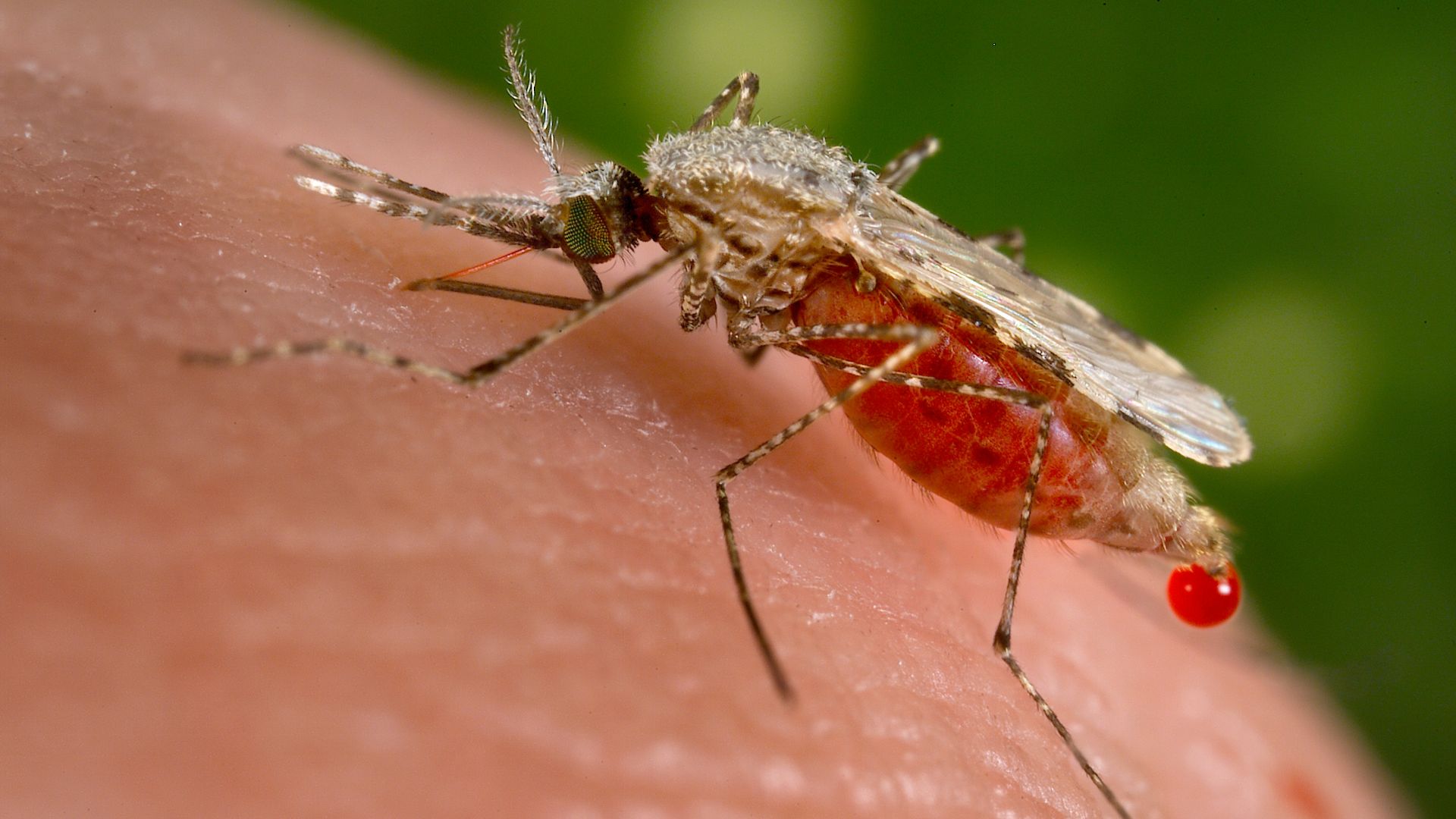
10. The Anopheles Mosquito and the Panama Canal
The French attempt to build a Panama Canal in the 1880s failed in large part because mosquito-borne malaria and yellow fever killed tens of thousands of workers. When the United States took over in the early 1900s, eradicating mosquito breeding sites was the precondition that made the project possible.
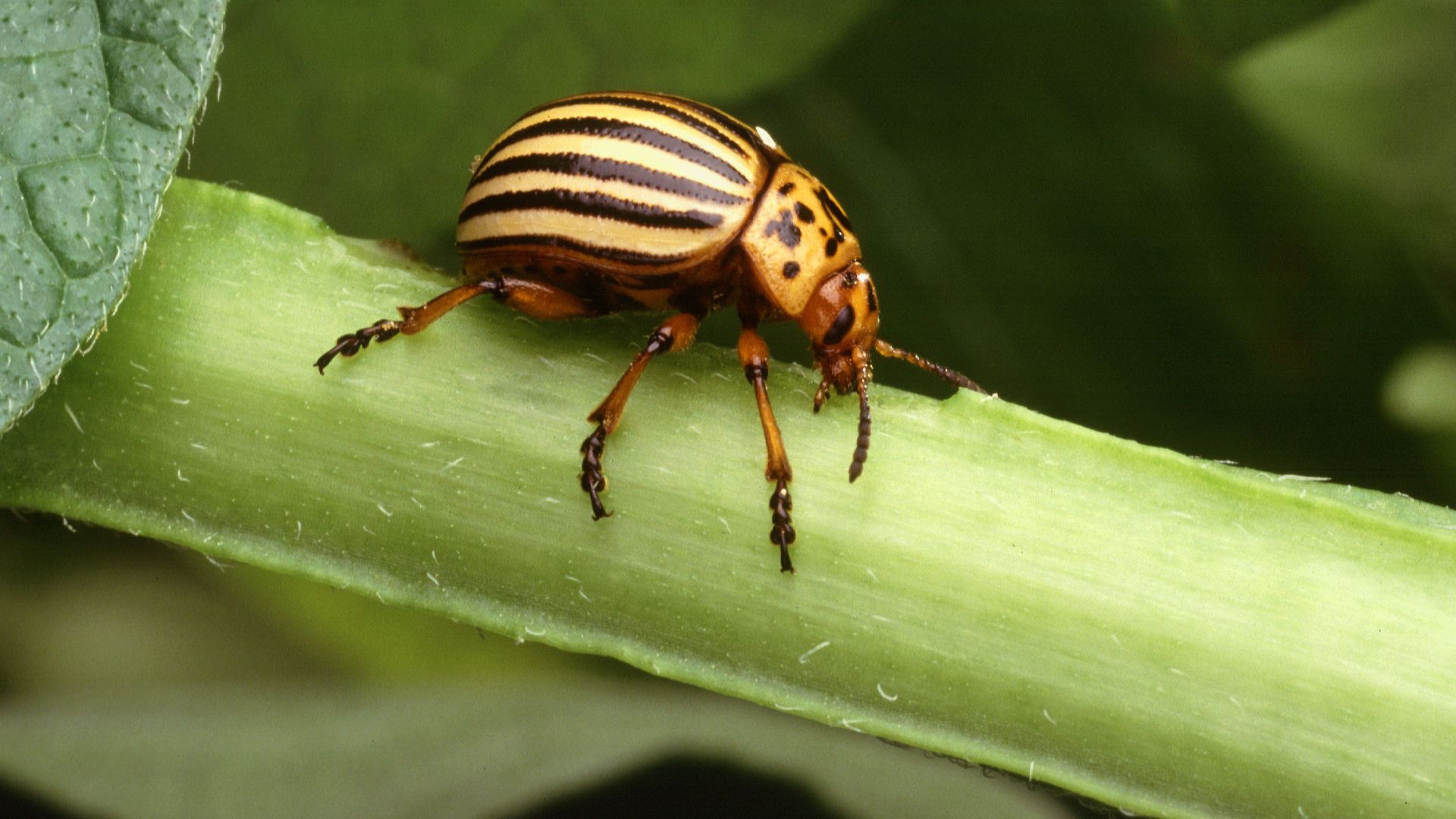
11. The Colorado Potato Beetle and Cold War Propaganda
The Colorado potato beetle spread through Europe after World War I and eventually devastated potato crops in Soviet-occupied East Germany. Communist authorities accused the United States of dropping the beetles from aircraft as a biological weapon. Internal reports later confirmed the infestation was entirely natural, but the propaganda campaign ran for years.
 Scott Bauer, USDA ARS on Wikimedia
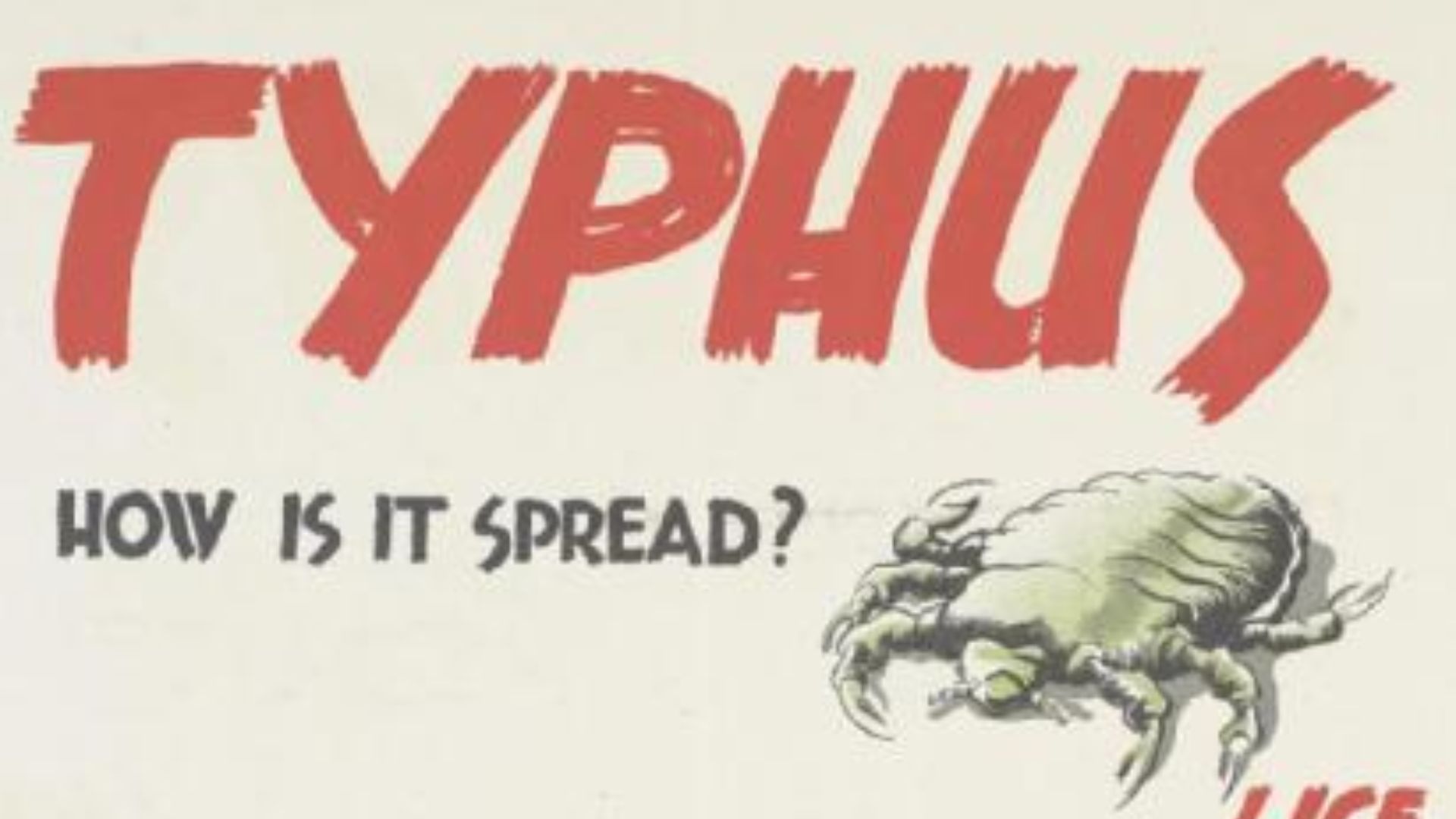
12. The Human Louse and Typhus in World War I
Body lice spread epidemic typhus through the armies and civilian populations of Eastern Europe during World War I, and Serbia lost a significant portion of its population to the disease in the winter of 1914 to 1915. The epidemic contributed to the destabilization that shaped the continent's post-war political upheavals.
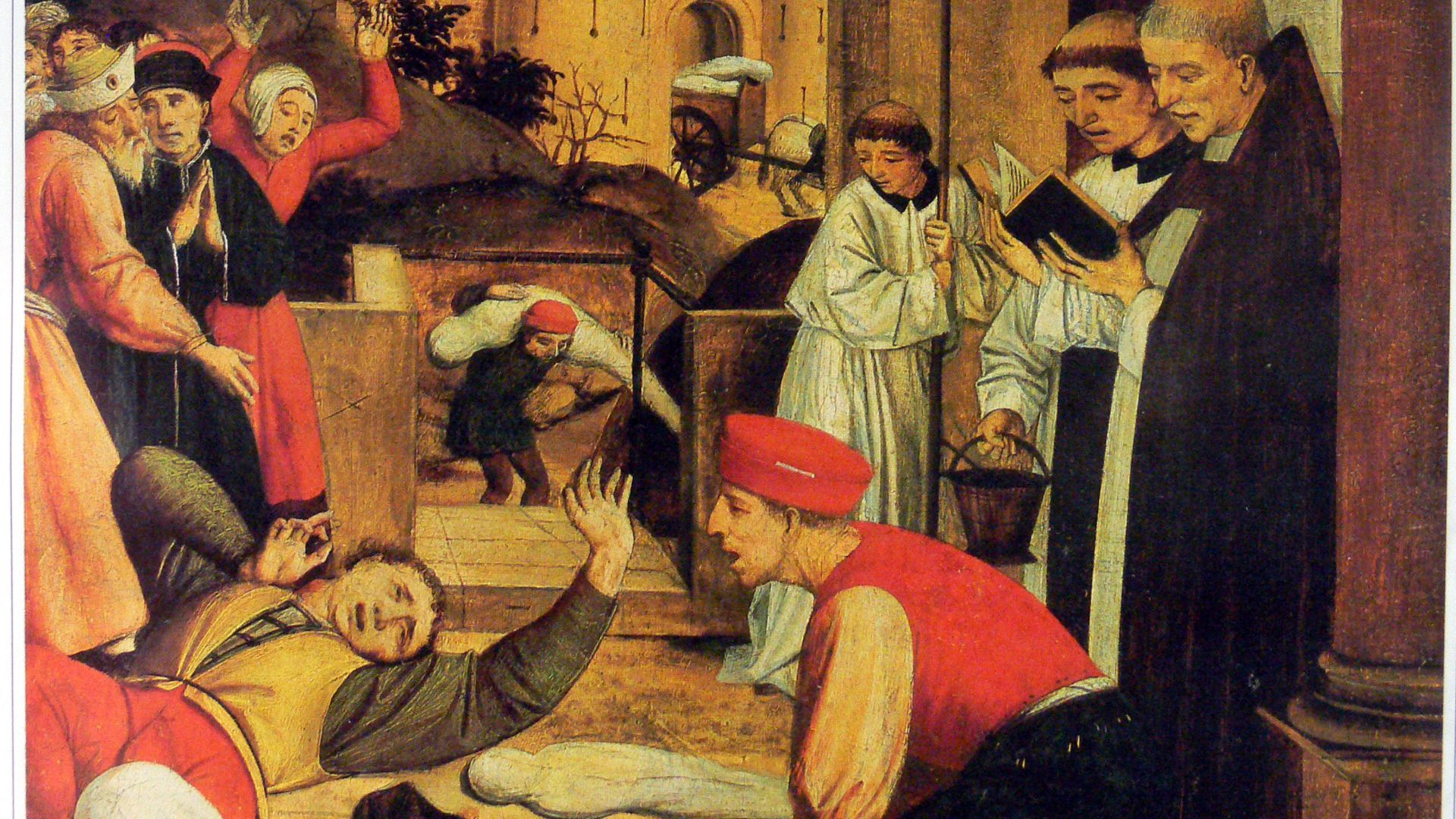
13. The Rat Flea and the Justinianic Plague
The Plague of Justinian, which struck the Byzantine Empire beginning in 541 AD, is estimated to have killed between 25 and 50 million people over the following two centuries. It severely weakened the empire at the moment Justinian was attempting to reunite the Roman world, and many historians consider it a turning point in early medieval history.
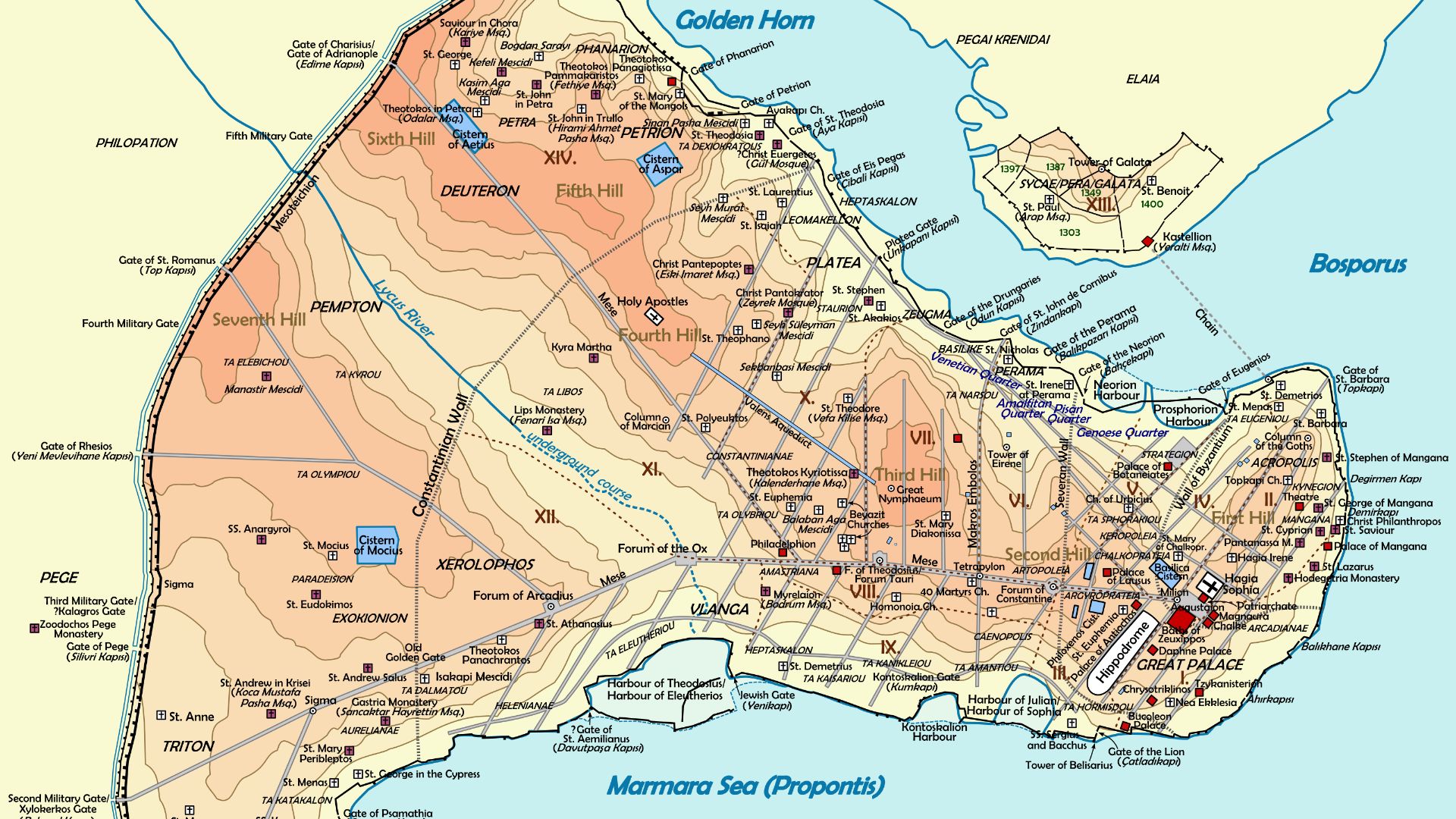
14. The Silkworm Smuggled into Byzantium
Around 550 AD, according to the historian Procopius, two monks arrived at Emperor Justinian's court with silkworm eggs hidden in hollow bamboo staves, smuggled out of China. The Byzantine silk industry that followed broke China's centuries-old production monopoly and eventually led to silk manufacturing in Persia, Italy, and across Europe.
15. The Locust Plagues of the 1930s American Plains
The Great Plains locust swarms of the 1930s hit a region already devastated by drought and the Dust Bowl, consuming crops across millions of acres. Combined with the broader agricultural collapse of the era, the infestations accelerated the abandonment of farming communities and contributed to one of the largest internal migrations in American history.
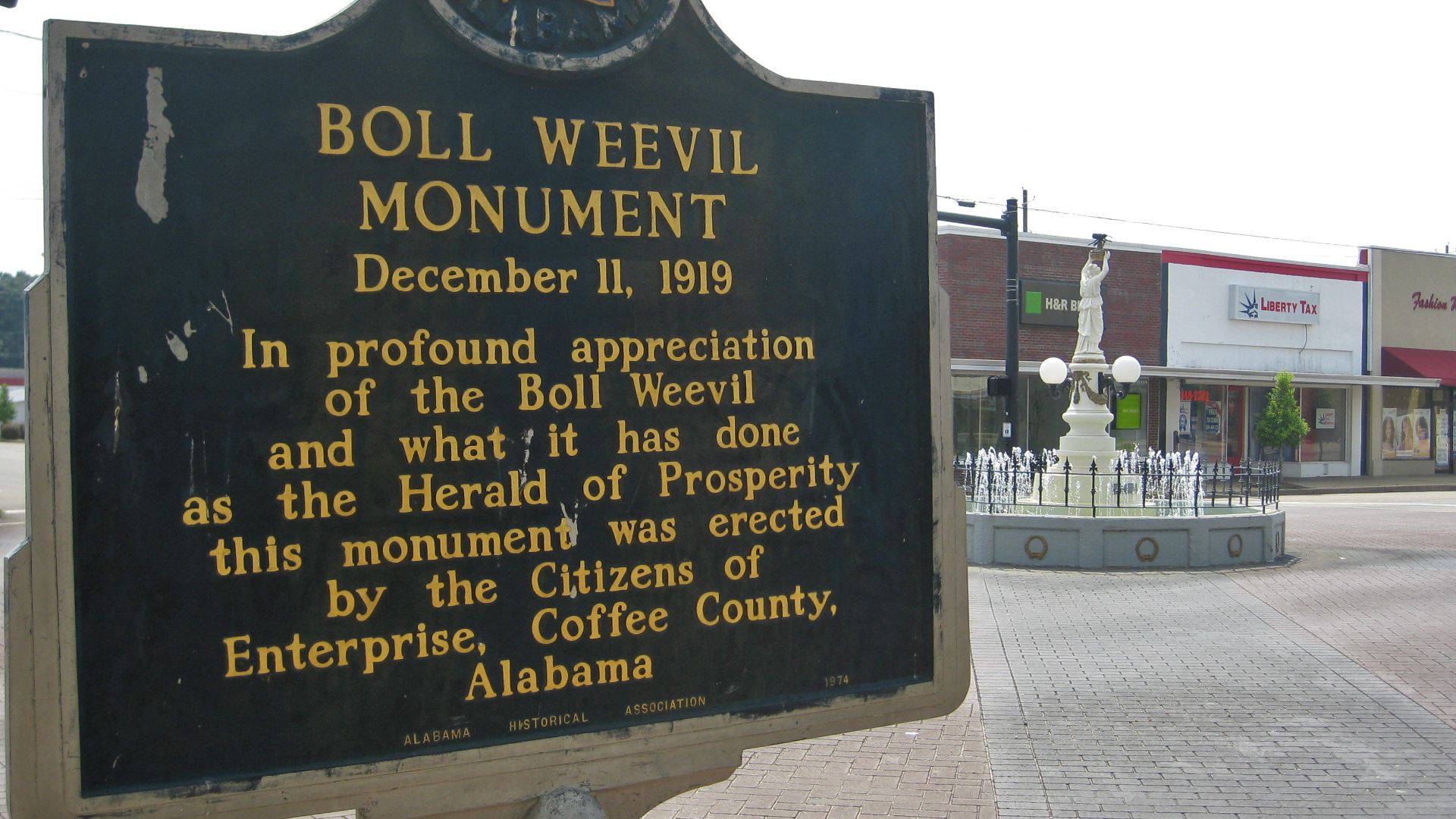
16. The Boll Weevil and the Monument Built in Its Honor
In Enterprise, Alabama, the boll weevil's destruction of cotton farming forced local growers to diversify into peanuts and other crops, which proved more profitable than cotton had been. In 1919, the town erected a monument in the pest's honor that still stands today. It is believed to be the only monument in the world dedicated to an agricultural pest.
 TampAGS, for AGS Media on Wikimedia
17. The Yellow Fever Mosquito and New Orleans
Yellow fever reshaped New Orleans repeatedly across the eighteenth and nineteenth centuries, killing residents in mass outbreaks and determining which communities could survive the city's summers. The epidemic cycles influenced which immigrant populations established themselves there and directly shaped the city's distinctive social and political structure.

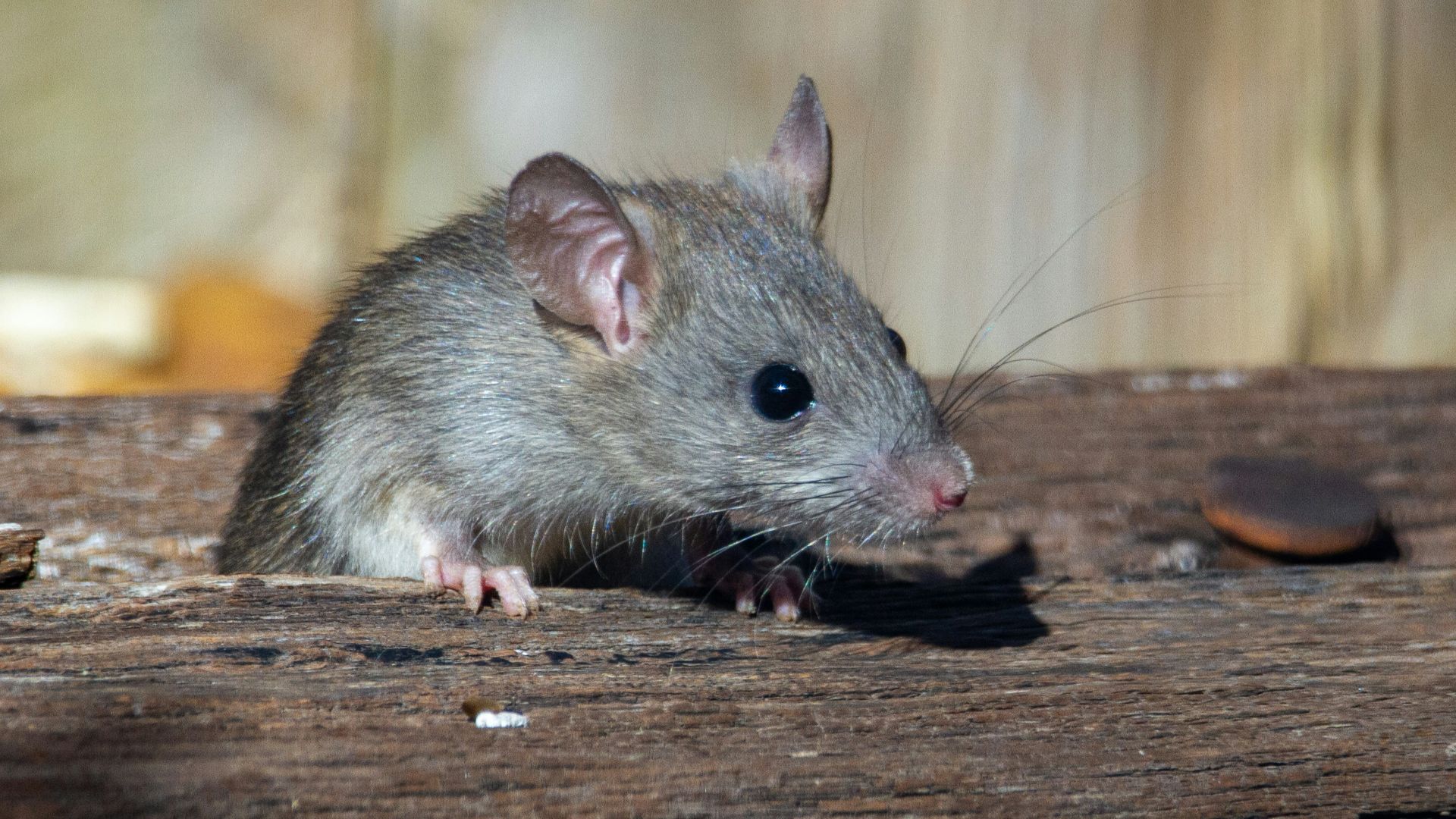
18. Rats and the Grain Supply of Ancient Rome
The Roman Empire's food security depended on the Annona, the state system for supplying grain to the city, and rats were a constant threat to it. Losses to rodents in warehouses and during transport were significant enough that the Romans kept cats in their granaries as official pest control, one of the earliest documented institutional uses of the domestic cat.
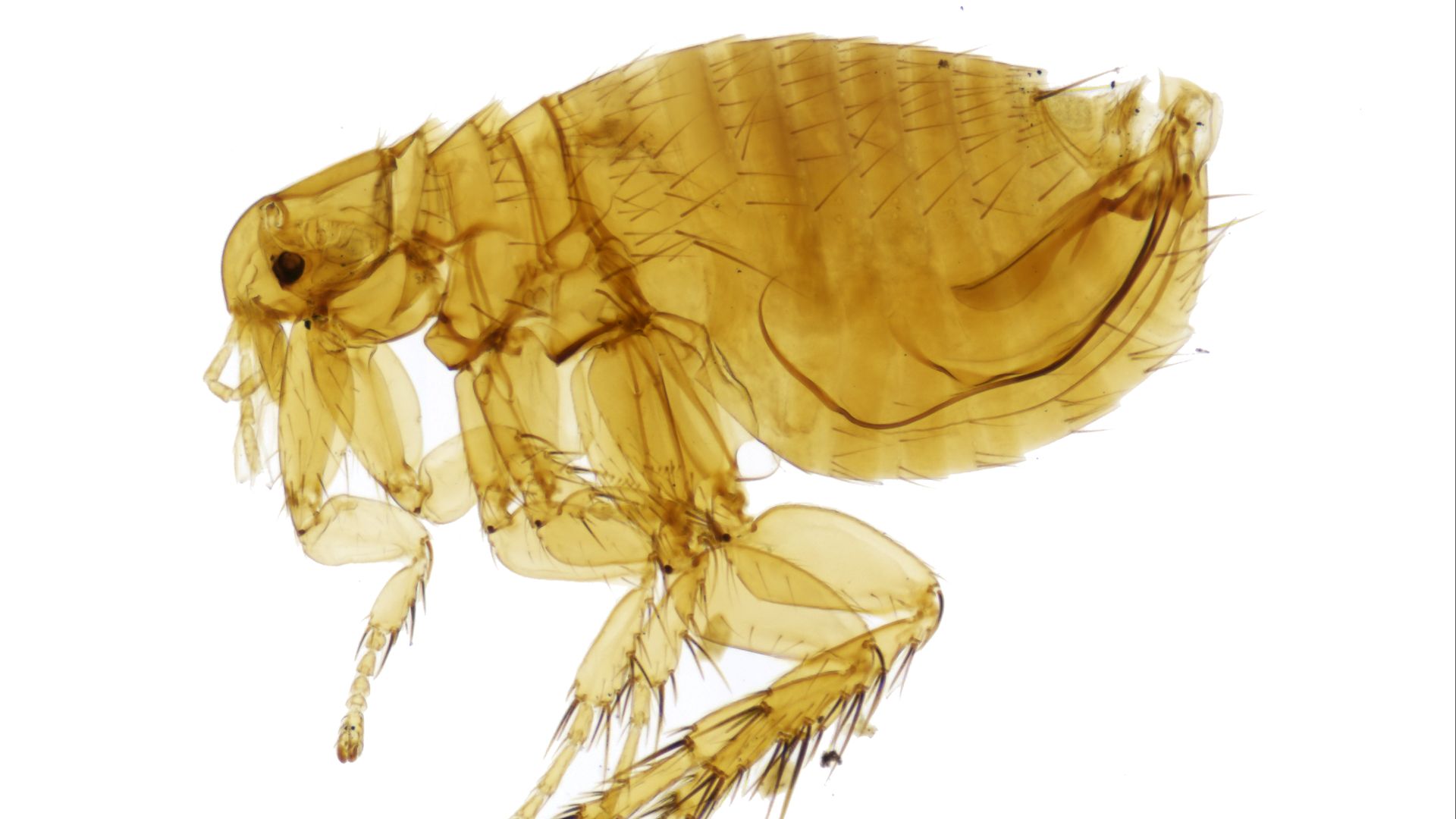
19. The Oriental Rat Flea and the Third Plague Pandemic
The third global plague pandemic, beginning in China in the 1850s and spreading via shipping routes, killed millions across Asia and established permanent disease reservoirs from India to the American Southwest. It also directly accelerated the scientific work that identified Yersinia pestis as the causative agent in 1894, founding modern understanding of how infectious disease spreads.
 Olha Schedrina / The Natural History Museum on Wikimedia
20. The Screwworm Fly and the Birth of Biological Pest Control
The screwworm fly laid its eggs in the open wounds of livestock, and the larvae would eat living tissue, often killing the animal. By the mid-twentieth century it was costing the American livestock industry hundreds of millions of dollars a year. In the 1950s and 60s, the USDA eradicated it from the United States by releasing hundreds of millions of sterile male flies.
KEEP ON READING
The 20 Most Recognized Historical Figures Of All Time
The Biggest Names In History. Although the Earth has been…
By Cathy Liu Oct 4, 2024
10 of the Shortest Wars in History & 10 of…
Wars: Longest and Shortest. Throughout history, wars have varied dramatically…
By Emilie Richardson-Dupuis Oct 7, 2024
10 Fascinating Facts About Ancient Greece You Can Appreciate &…
Once Upon A Time Lived Some Ancient Weirdos.... Greece is…
By Megan Wickens Oct 7, 2024
20 Lesser-Known Facts About Christopher Columbus You Don't Learn In…
In 1492, He Sailed The Ocean Blue. Christopher Columbus is…
By Emilie Richardson-Dupuis Oct 9, 2024
20 Historical Landmarks That Have The Craziest Conspiracy Theories
Unsolved Mysteries Of Ancient Places . When there's not enough evidence…
By Megan Wickens Oct 9, 2024
The 20 Craziest Inventions & Discoveries Made During Ancient Times
Crazy Ancient Inventions . While we're busy making big advancements in…
By Cathy Liu Oct 9, 2024