

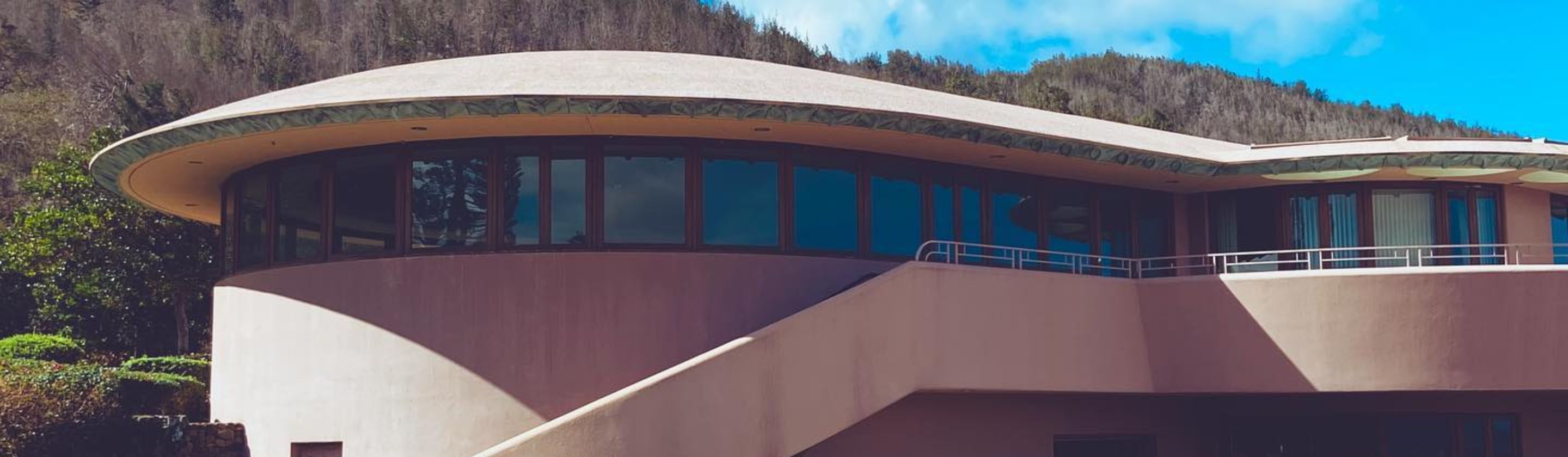
10 Great Architects Who Redefined Cities & 10 Whose Visions Were Lost To Time
10 Great Architects Who Redefined Cities & 10 Whose Visions Were Lost To Time
How Architects Shape the Cities We Remember
Architects don't just design buildings. At their best, they influence how entire cities grow, function, and present themselves to the world. While some visionaries left lasting marks that continue to define urban life today, others proposed ambitious ideas that never fully materialized or were later erased by changing priorities, economics, or politics. Here are 10 great architects who redefined cities and 10 whose visions were lost to time.
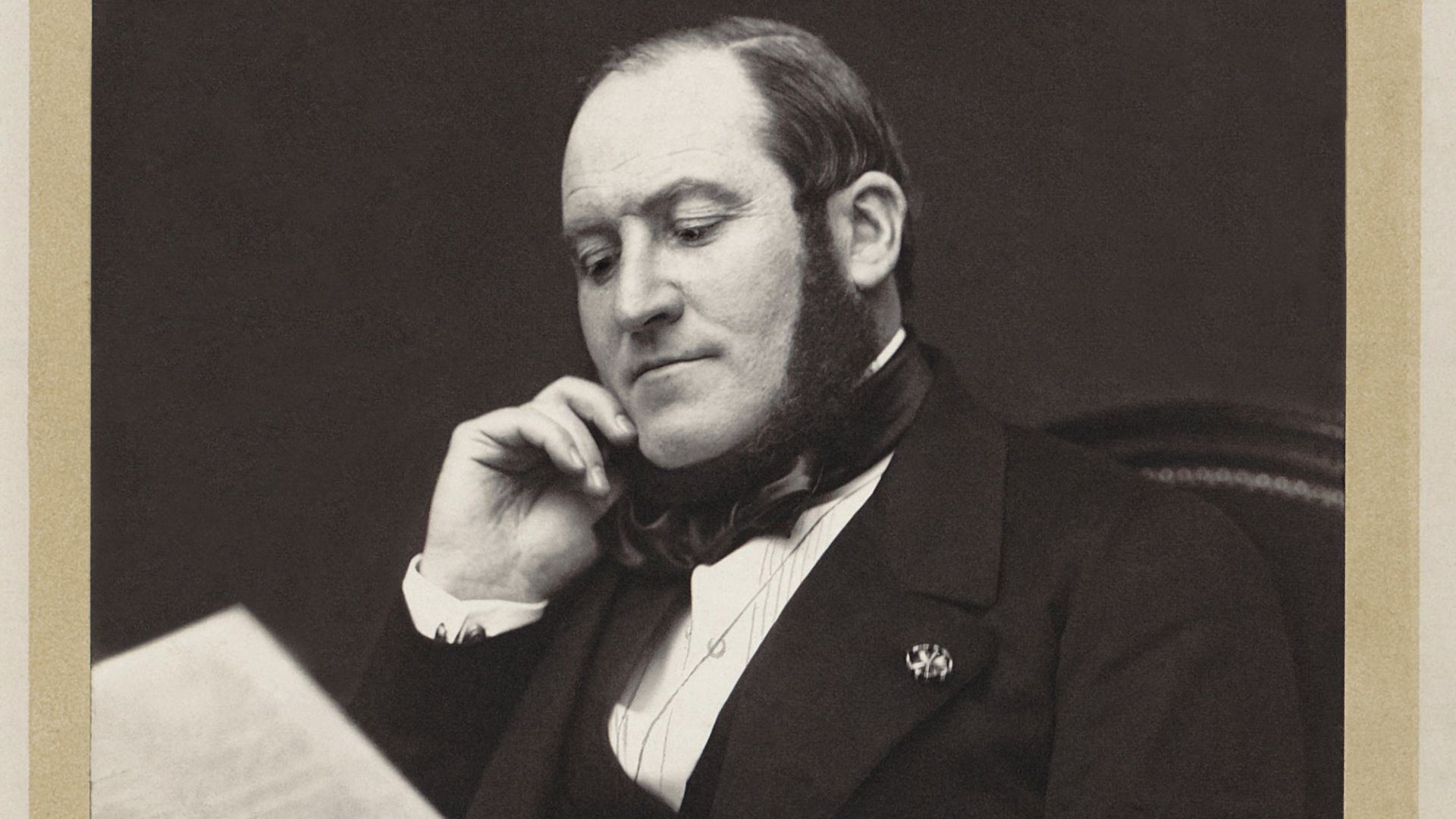
1. Georges-Eugène Haussmann
Although technically an urban planner rather than an architect, Haussmann transformed Paris during the mid-19th century under Napoleon III. He replaced crowded medieval streets with broad boulevards, parks, and modern infrastructure that still define the city today.
 UnknownUnknown . Upload, stitch and restoration by Jebulon on Wikimedia
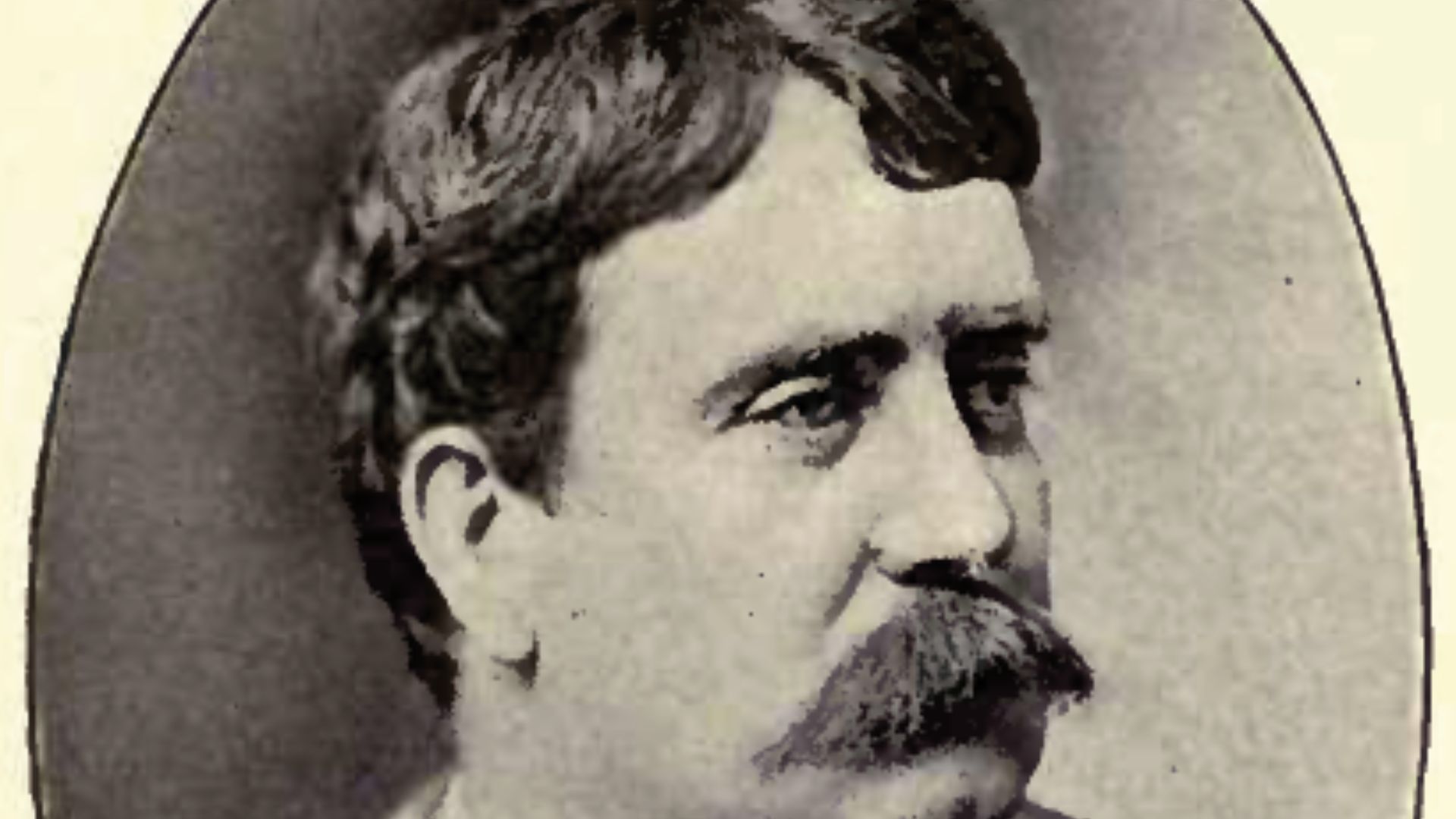
2. Daniel Burnham
Burnham played a central role in shaping Chicago after the Great Fire of 1871 and later helped create plans for cities, including Washington, D.C. His famous Plan of Chicago promoted organized growth, waterfront access, and civic beauty. Many principles he championed remain influential in urban planning.
 Unknown authorUnknown author on Wikimedia
3. Antoni Gaudí
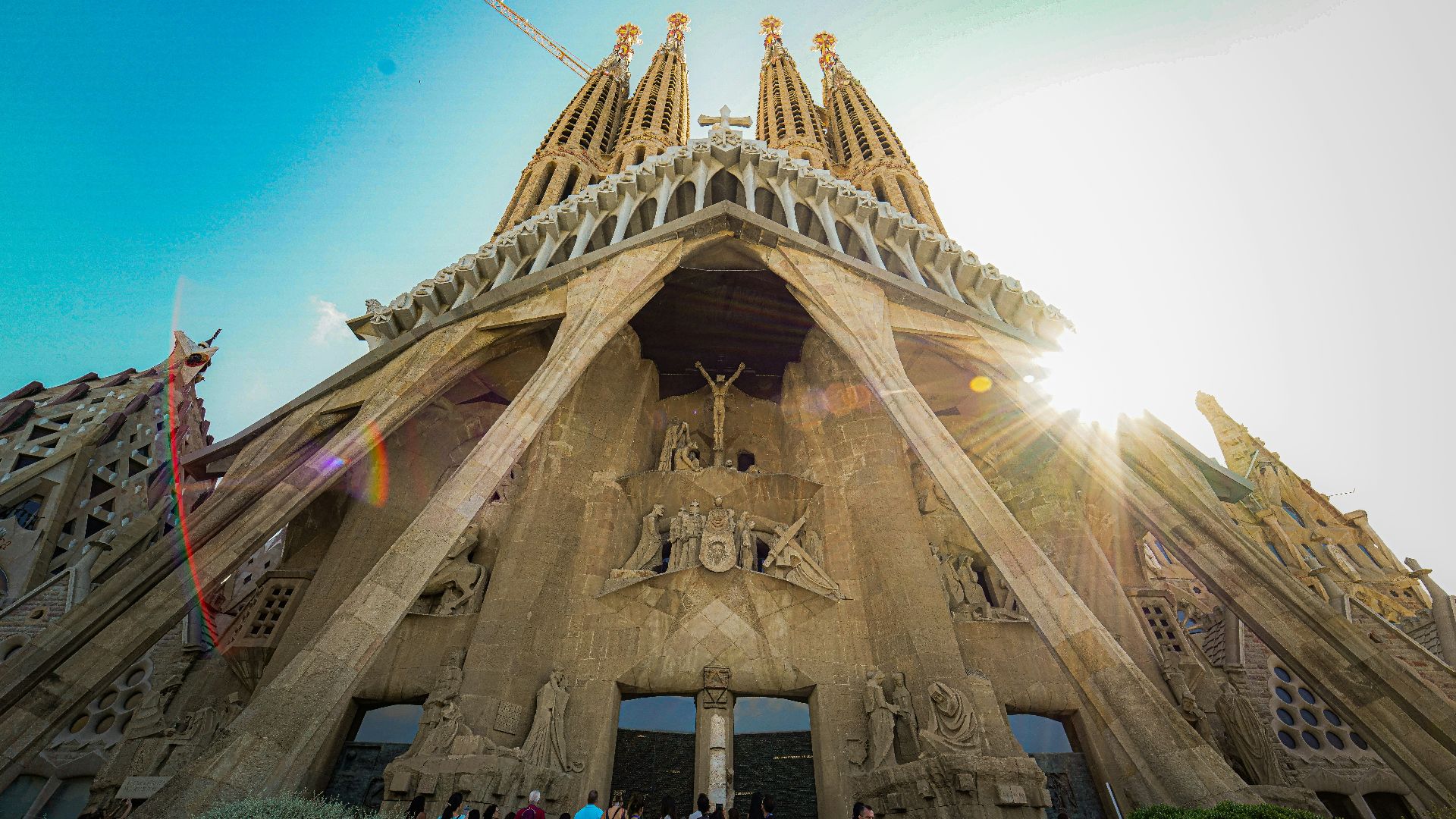
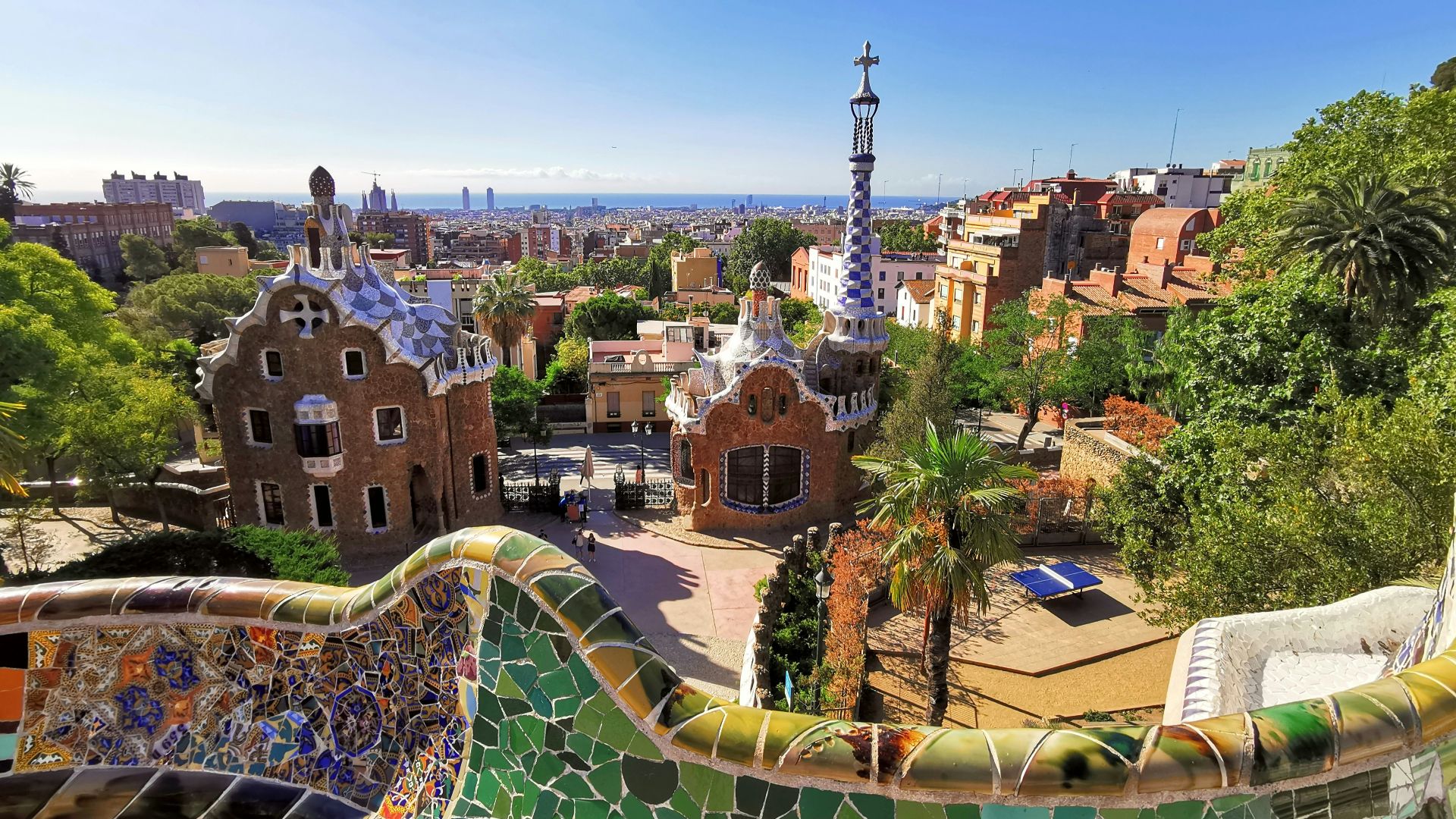
Barcelona's identity is closely tied to Gaudí's distinctive architecture. Buildings such as Casa Batlló, Park Güell, and the still-unfinished Sagrada Família have become internationally recognized symbols of the city. His work helped establish Barcelona as one of the world's most architecturally celebrated destinations.
4. Le Corbusier
Few architects had a greater impact on modern urban design than Le Corbusier. His ideas influenced housing developments, city planning, and modernist architecture around the globe. The Indian city of Chandigarh remains one of the clearest examples of his urban vision brought to life.
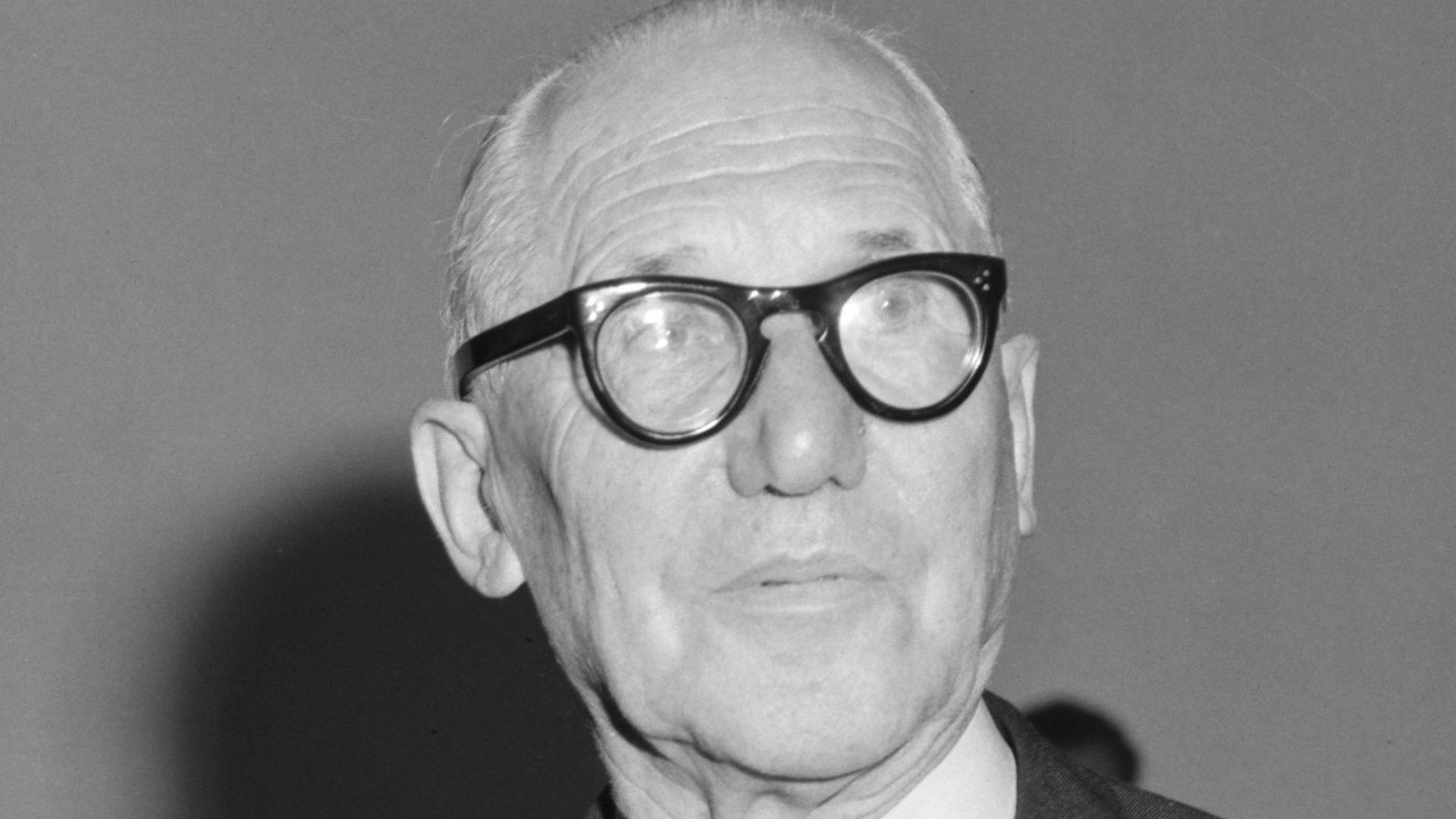 Joop van Bilsen for Anefo on Wikimedia
5. Frank Lloyd Wright
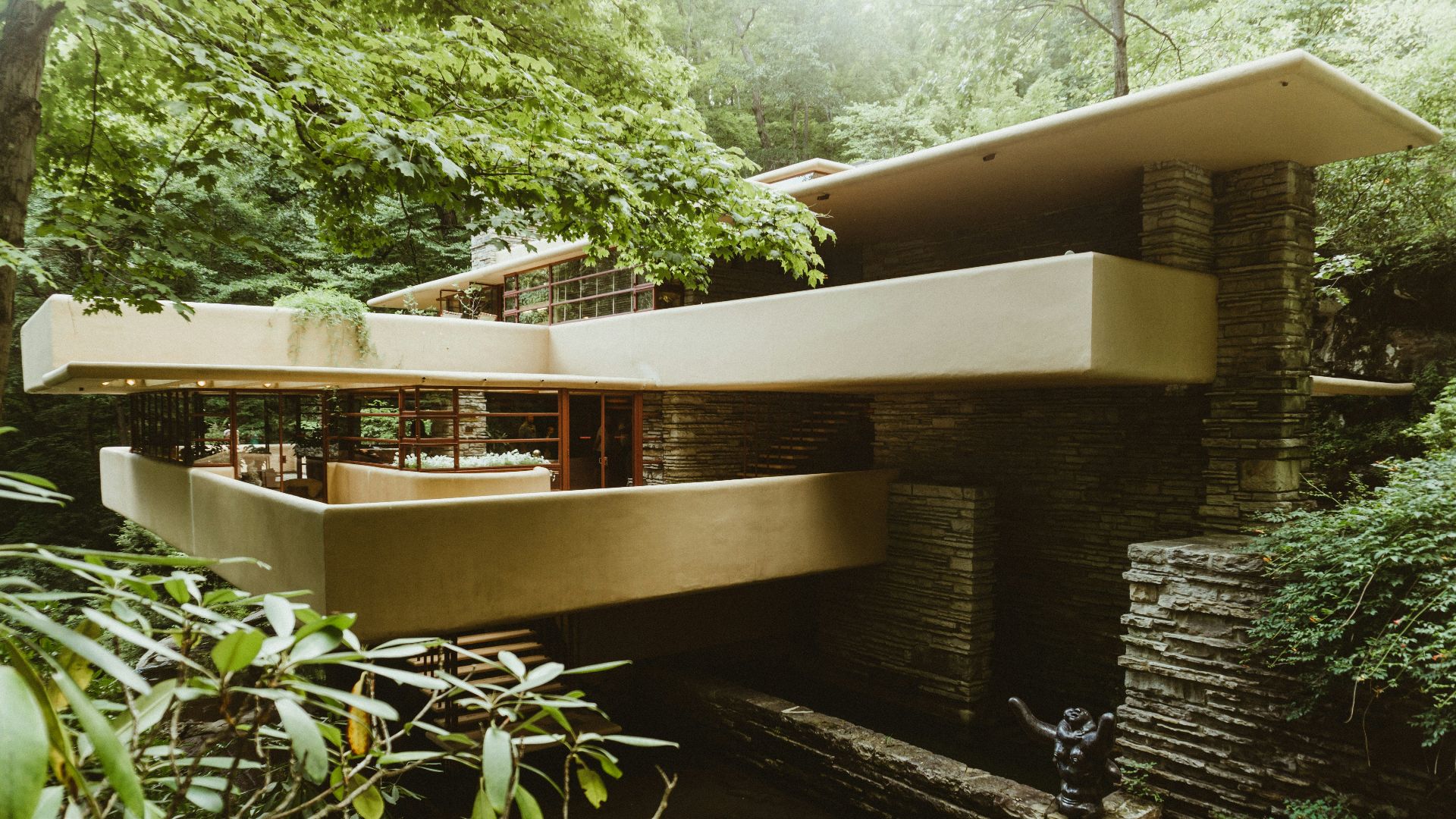
Wright reshaped American residential architecture through designs that emphasized harmony with the surrounding environment. His influence extended beyond individual homes and affected broader discussions about suburban development.
6. I.M. Pei
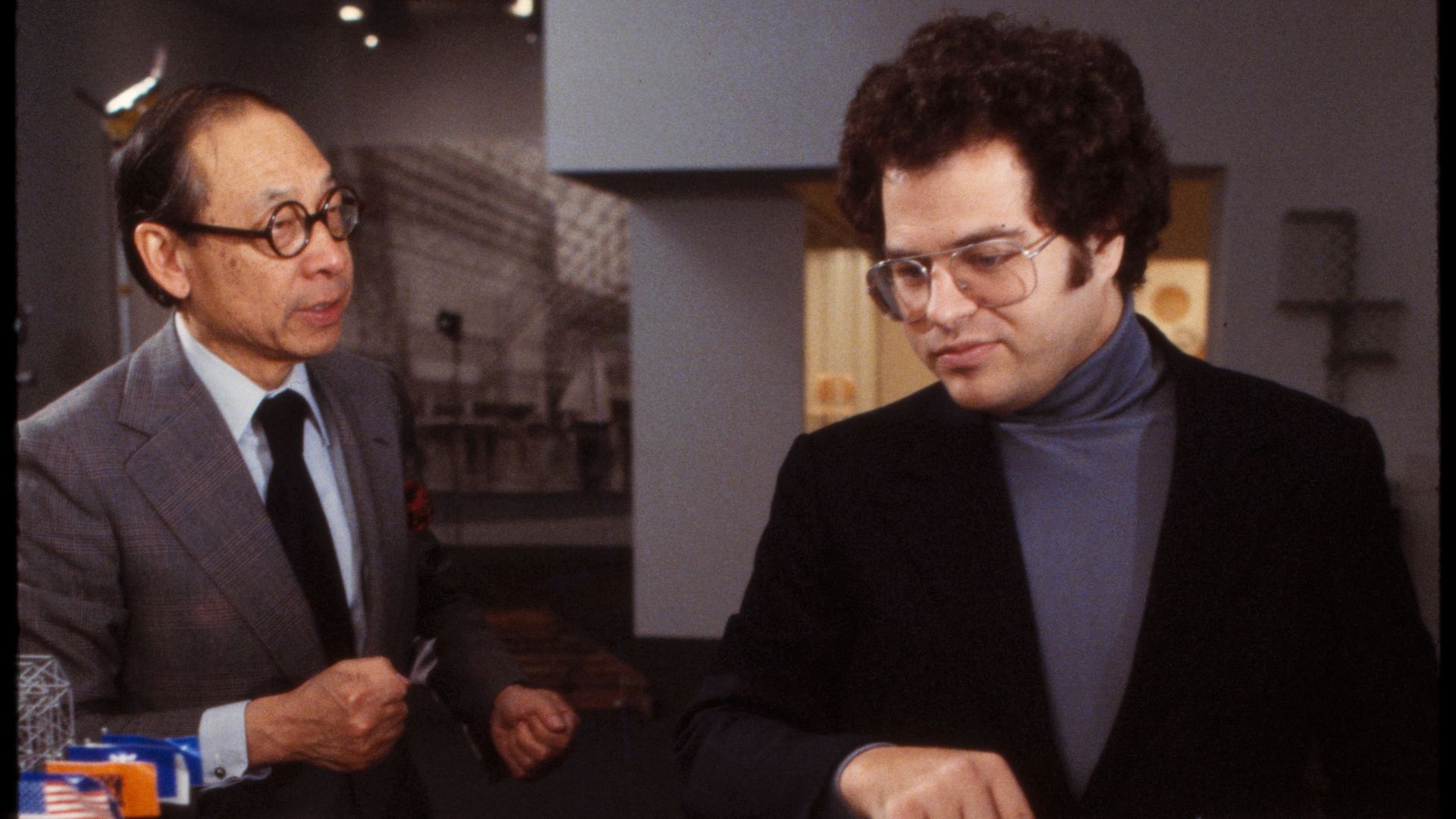
Pei left a lasting mark on cities through projects that blended modern design with historic settings. His work includes landmarks such as the Louvre Pyramid in Paris and the Bank of China Tower in Hong Kong. These structures became defining elements of their urban skylines.
7. Oscar Niemeyer
Niemeyer helped design Brasília, Brazil's purpose-built capital city. The city's sweeping government buildings and monumental public spaces created one of the most ambitious urban projects of the 20th century. His architectural style became closely associated with modern Brazil.
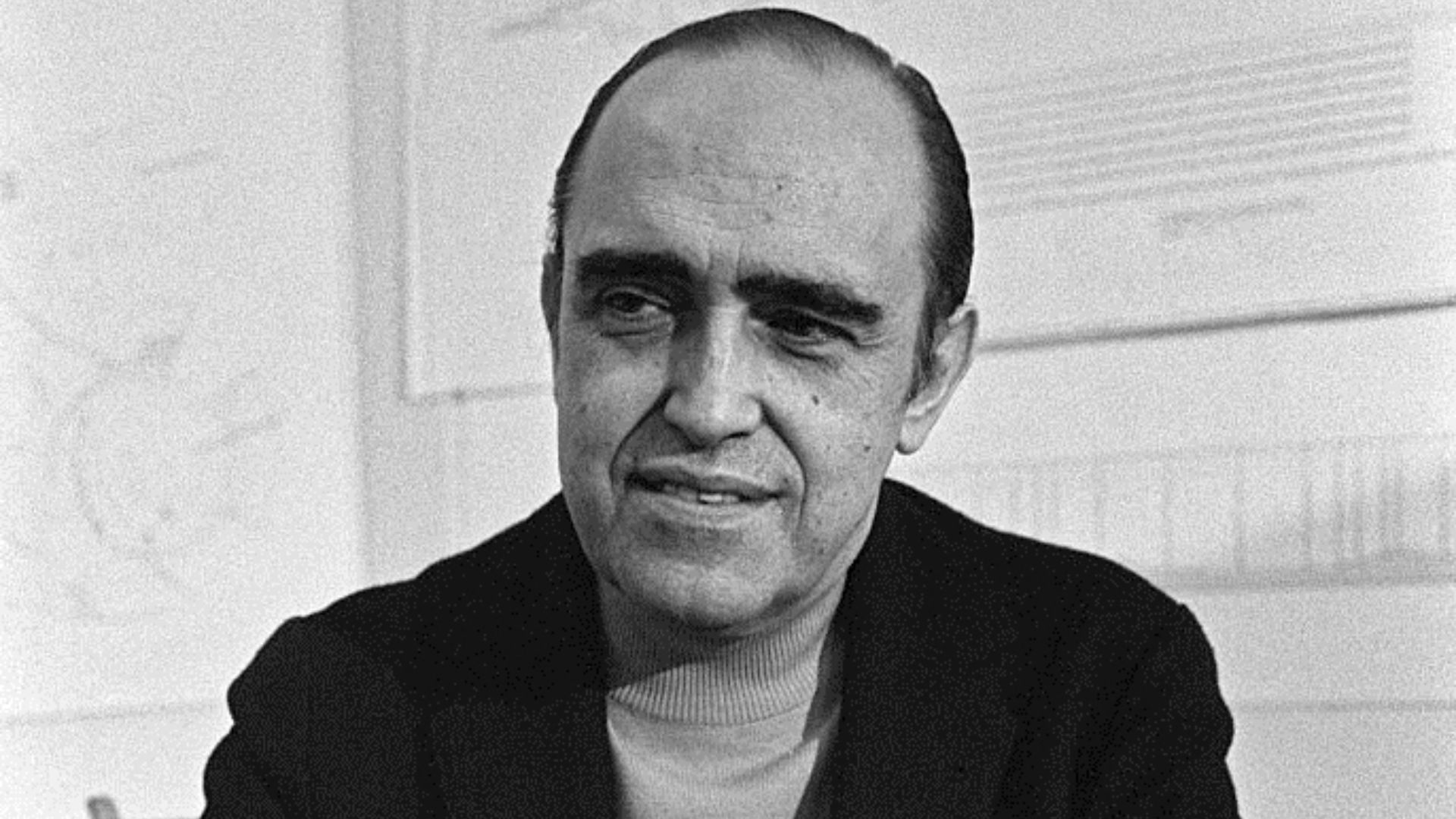 Unknown (Mondadori Publishers) on Wikimedia
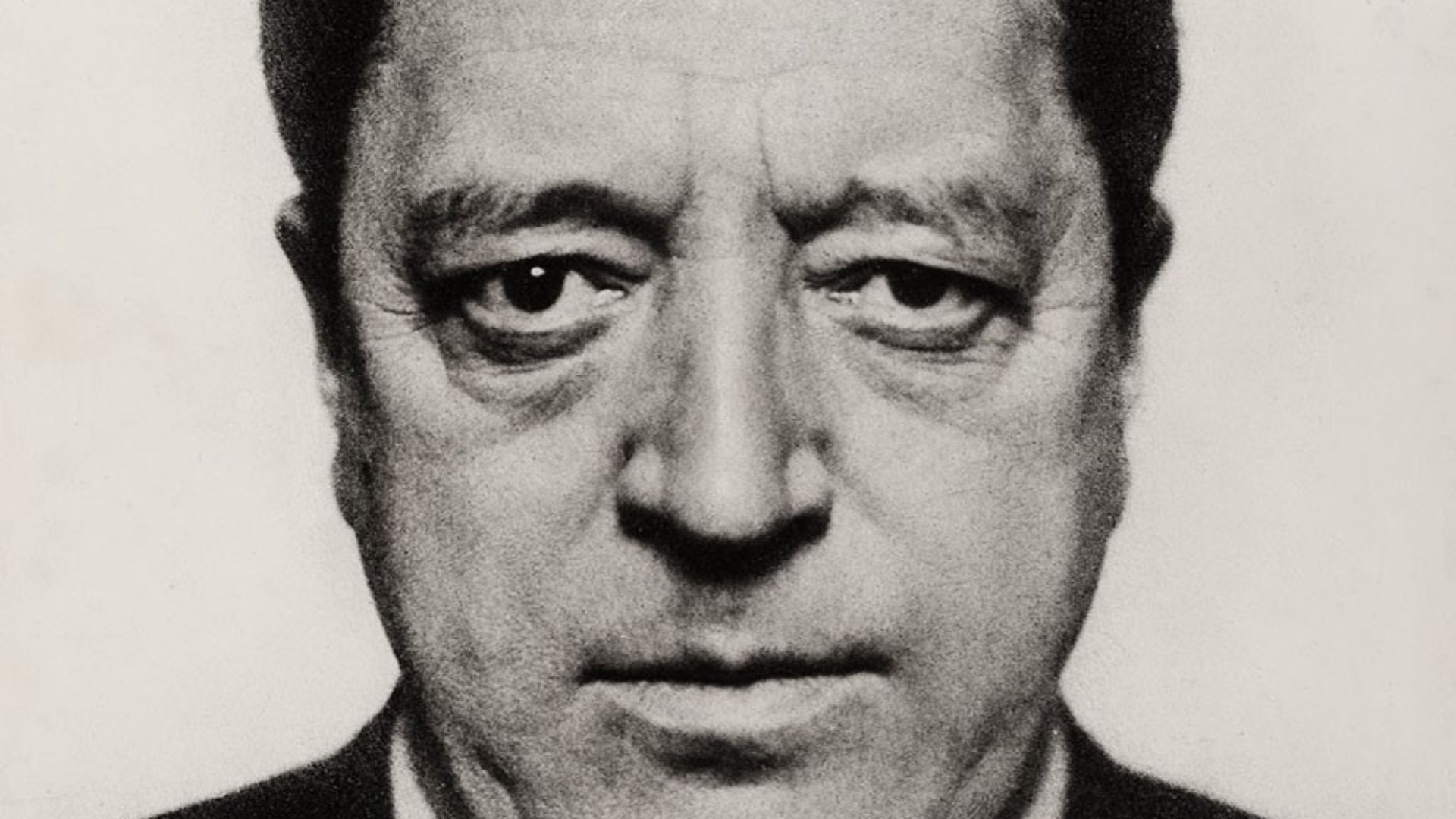
8. Ludwig Mies van der Rohe
Mies helped define the International Style through clean lines and minimalist design principles. His influence can be seen throughout Chicago, where several major projects reshaped the city's appearance. Countless office towers worldwide reflect ideas he helped establish.
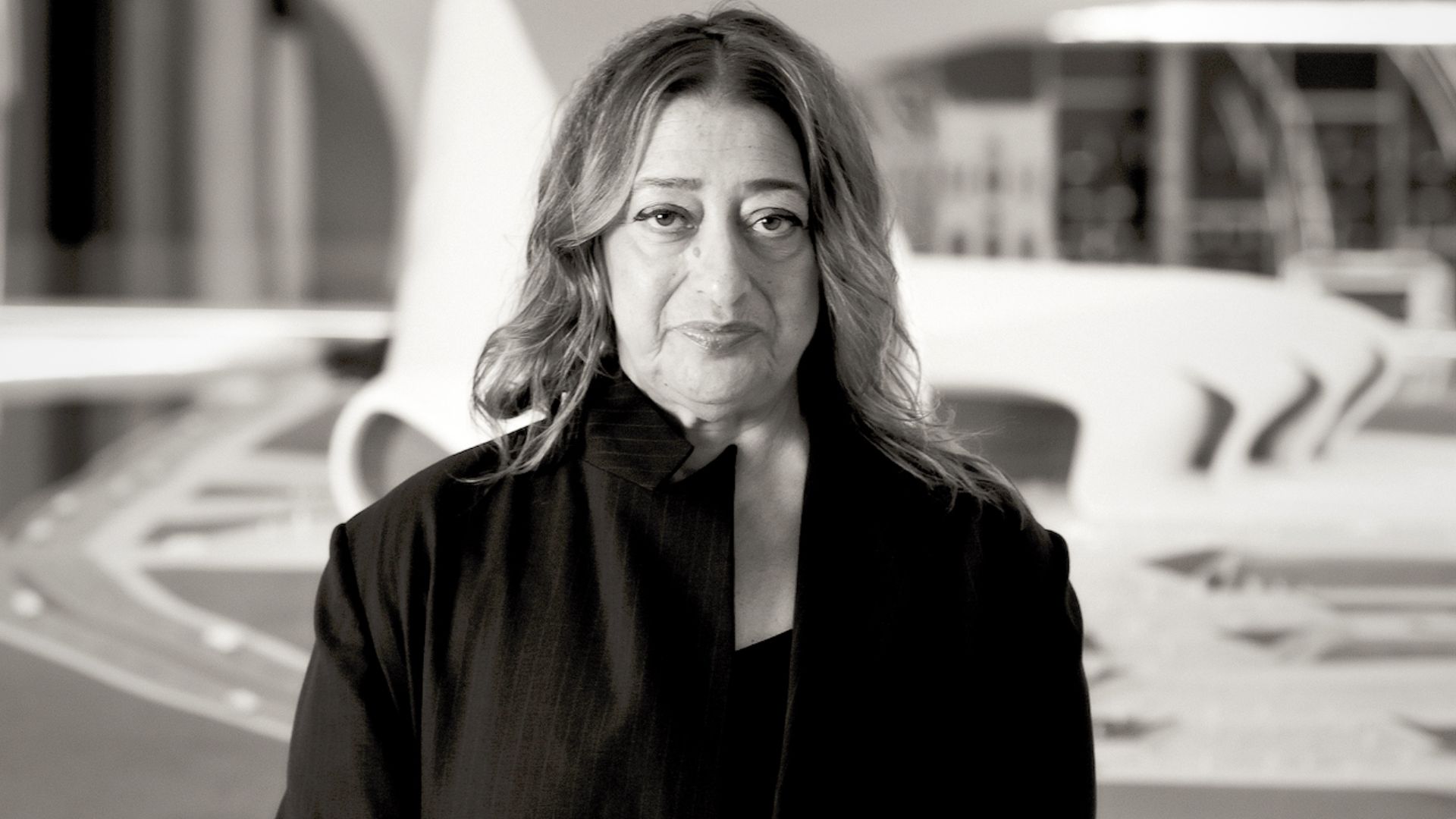
9. Zaha Hadid
Hadid challenged conventional architectural forms with flowing, futuristic designs. Her projects became focal points in cities from Baku to Guangzhou and London. By pushing technical and aesthetic boundaries, she helped redefine what modern urban landmarks could look like.
10. Norman Foster
Foster's work has influenced city skylines across multiple continents. Buildings such as London's Gherkin combined innovative engineering with environmental considerations. His designs demonstrated how modern architecture could remain visually striking while improving efficiency.

1. Étienne-Louis Boullée
Boullée created dramatic architectural concepts during the 18th century that were far ahead of available construction technology. His massive geometric designs existed largely on paper rather than in reality. Despite remaining unbuilt, they inspired generations of architects and designers.
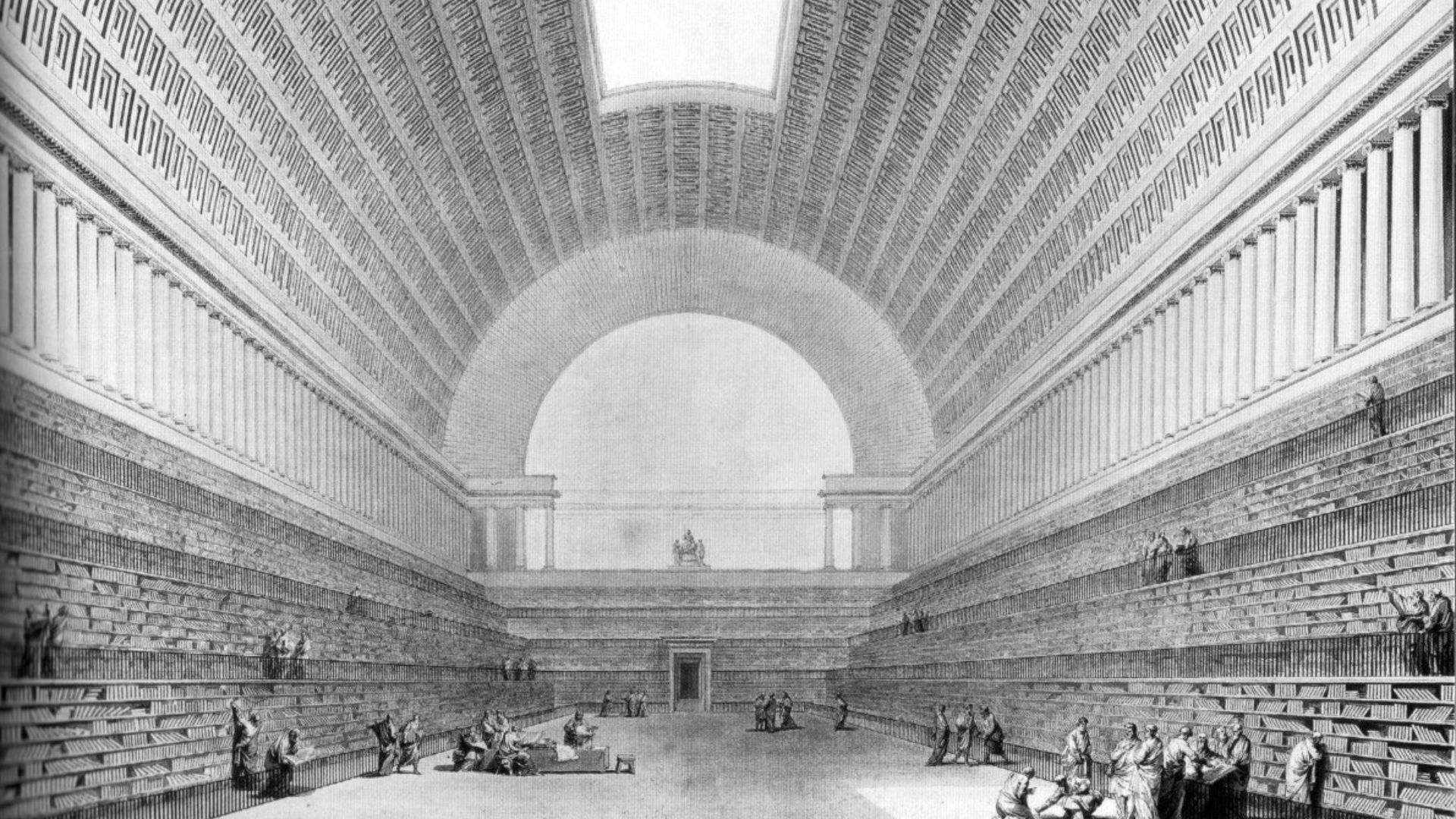 Étienne-Louis Boullée on Wikimedia
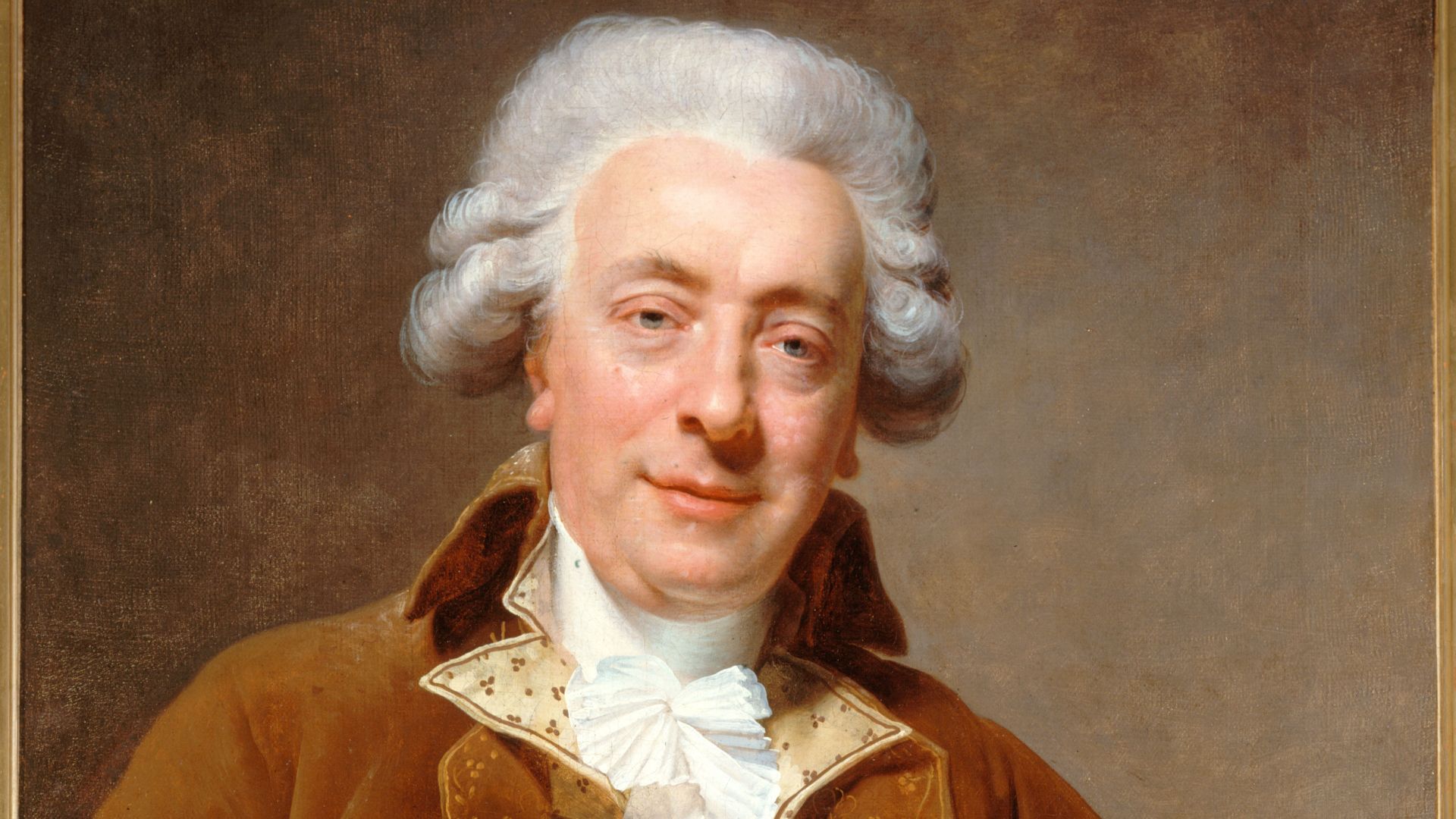
2. Claude-Nicolas Ledoux
Ledoux proposed visionary urban and social planning ideas during the late 1700s. Several of his most ambitious projects were never completed due to political upheaval and changing circumstances.
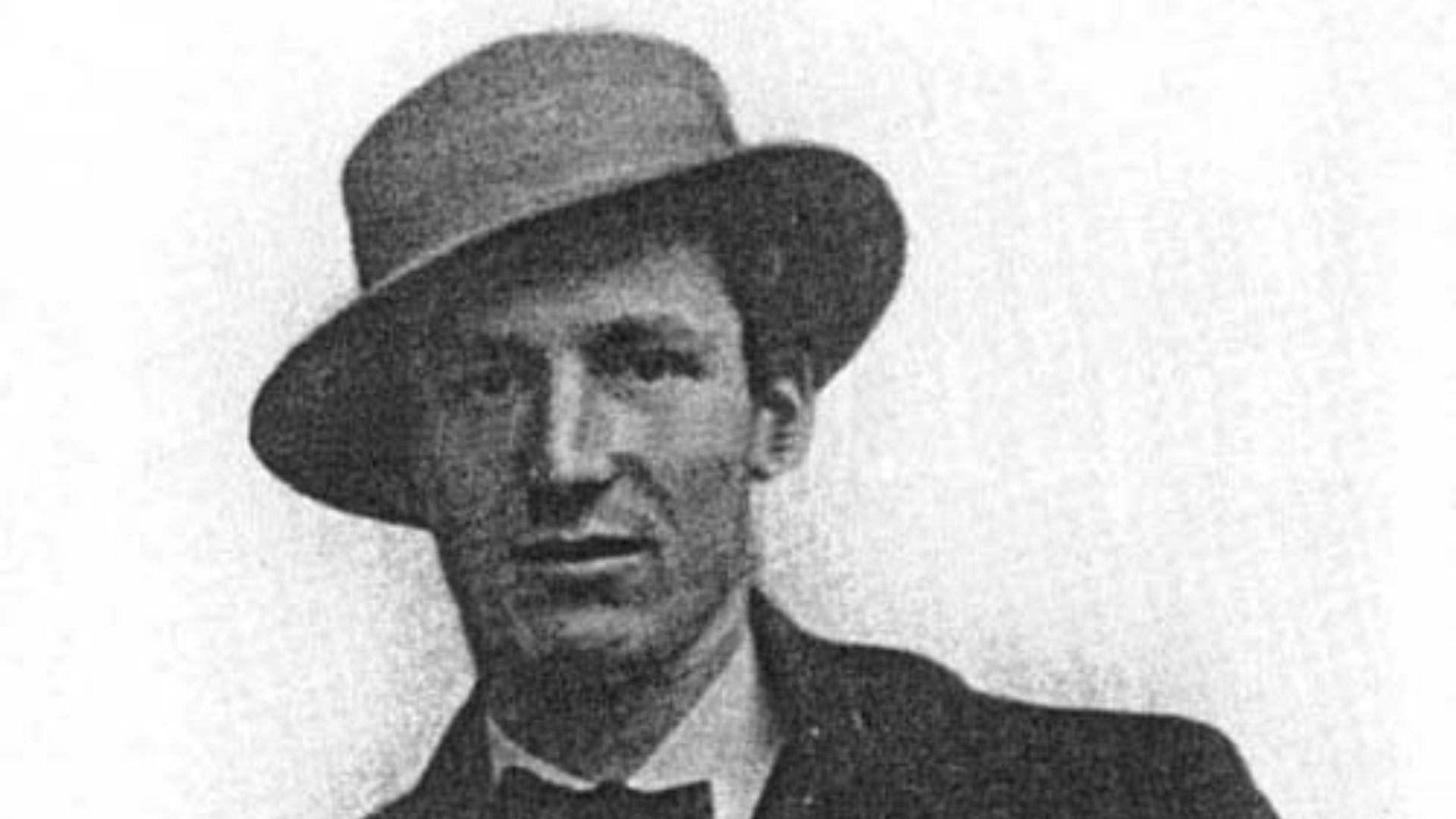
3. Antonio Sant'Elia
Sant'Elia imagined futuristic cities filled with elevated transportation systems, massive structures, and industrial energy. His designs became associated with the Italian Futurist movement. His death during World War I ended a promising career before many concepts could be realized.
 Unknown authorUnknown author on Wikimedia
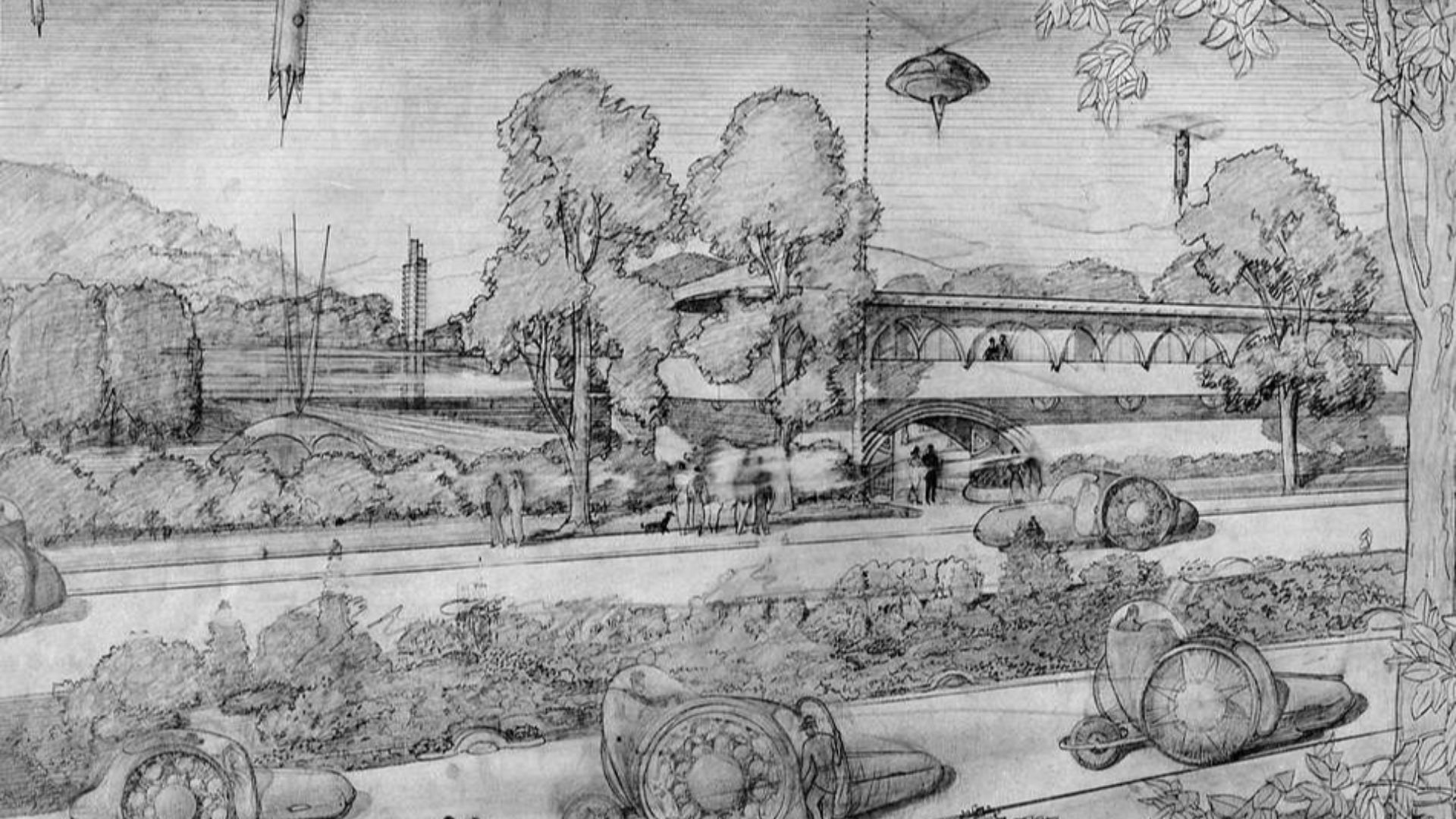
4. Frank Lloyd Wright's Broadacre City
Wright envisioned a decentralized American landscape where families would live on large plots connected by highways. The proposal challenged traditional city models and reflected faith in automobile travel. Although elements influenced suburban growth, the complete vision was never implemented.
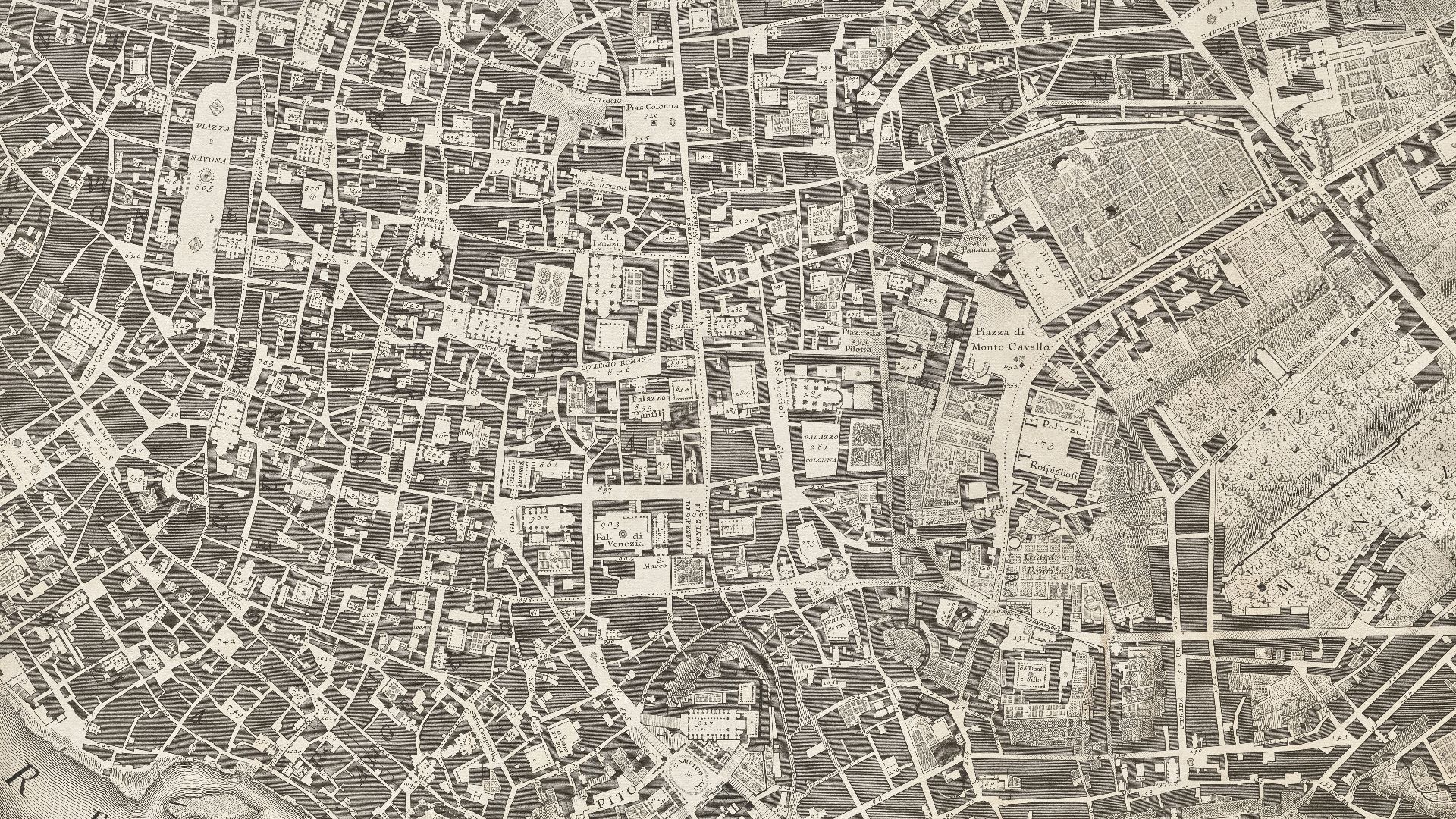
5. Le Corbusier's Plan Voisin
Le Corbusier proposed replacing large sections of central Paris with modern high-rise towers and open green spaces. City leaders rejected the idea, preserving much of historic Paris instead. The proposal remains one of the most debated unbuilt urban plans in history.
 The Cleveland Museum of Art on Unsplash
6. Hugh Ferriss
Ferriss became famous for dramatic renderings of future cities filled with towering skyscrapers. His illustrations influenced public perceptions of what modern urban centers might become. Many of his imagined cityscapes never materialized in the form he envisioned.
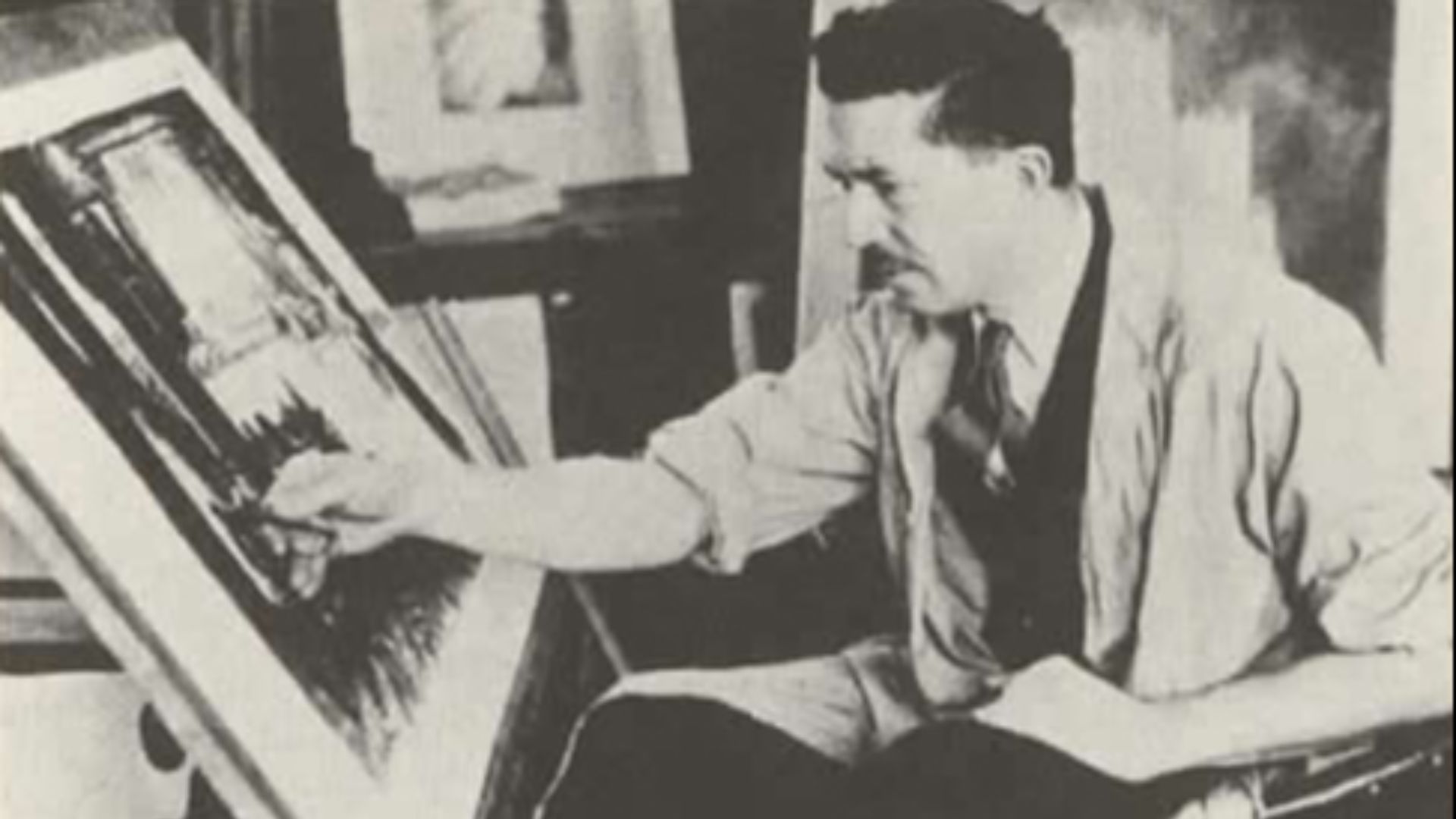 The original uploader was Carptrash at English Wikipedia. on Wikimedia
7. Paolo Soleri
Soleri developed the concept of arcology, which combined architecture and ecology into dense, self-contained communities. His experimental project, Arcosanti in Arizona, demonstrated portions of the idea. However, the larger vision never expanded to the scale he had hoped.
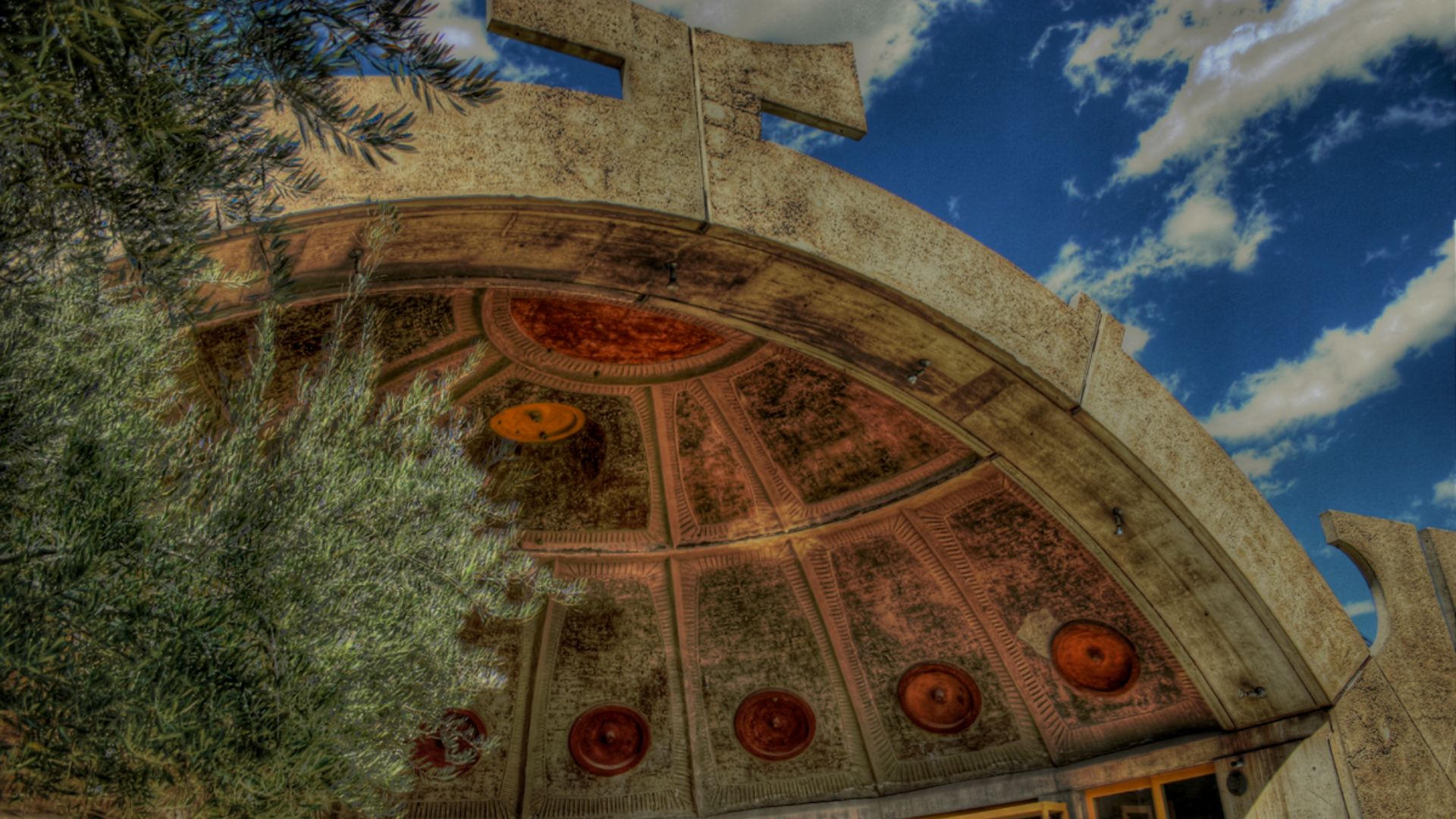 CodyR from Phoenix, Arizona, USA on Wikimedia
8. Constant Nieuwenhuys
Known simply as Constant, the Dutch artist and designer proposed New Babylon, a vast network of interconnected urban environments. The project imagined cities built around creativity and freedom rather than traditional work structures. Despite its influence on urban theory, it remained entirely conceptual.
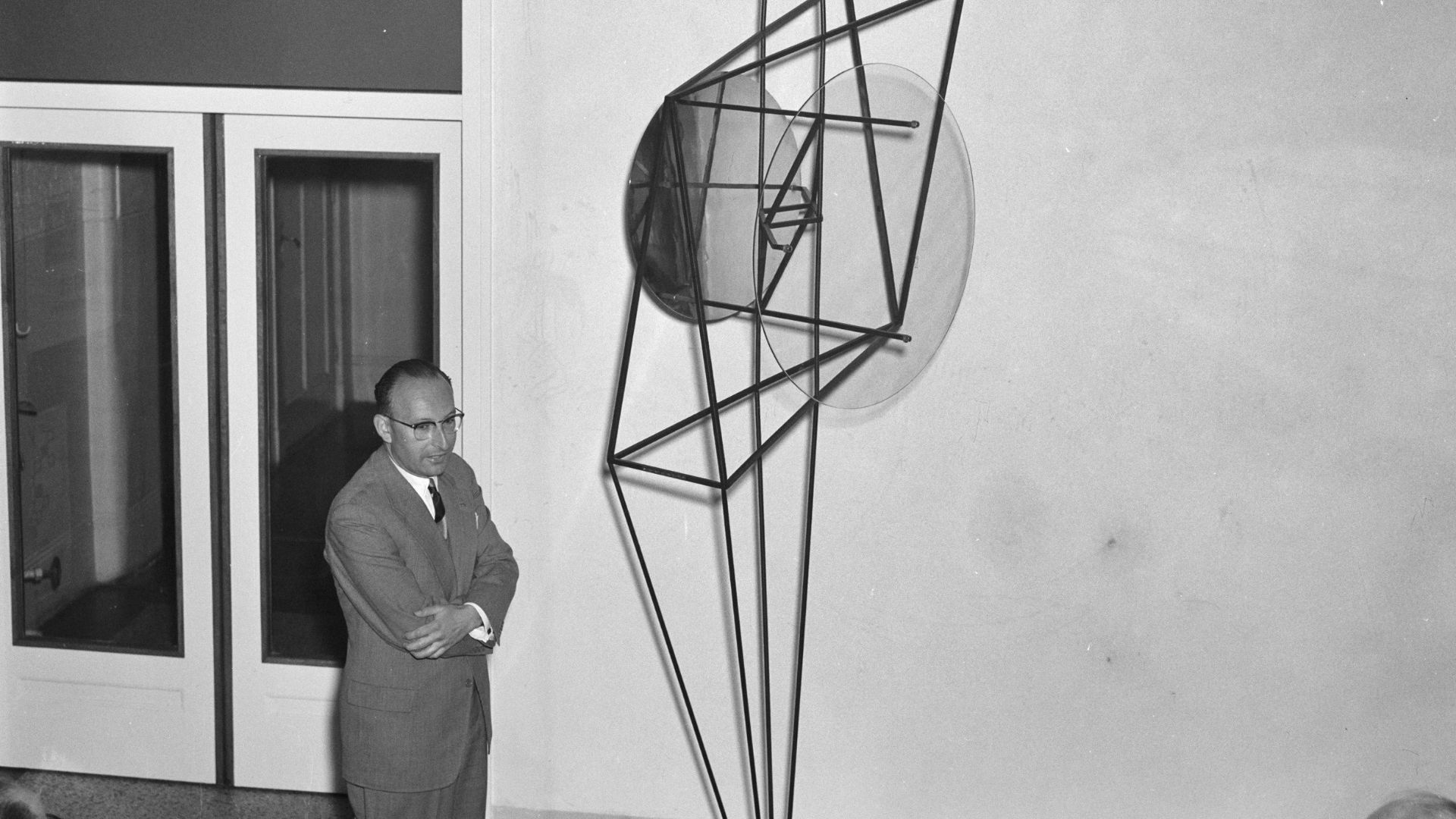 Wim van Rossem for Anefo on Wikimedia
9. Yona Friedman
Friedman advocated for a flexible "mobile architecture" that would allow residents to shape their own environments. His proposals featured elevated megastructures adaptable to changing needs.
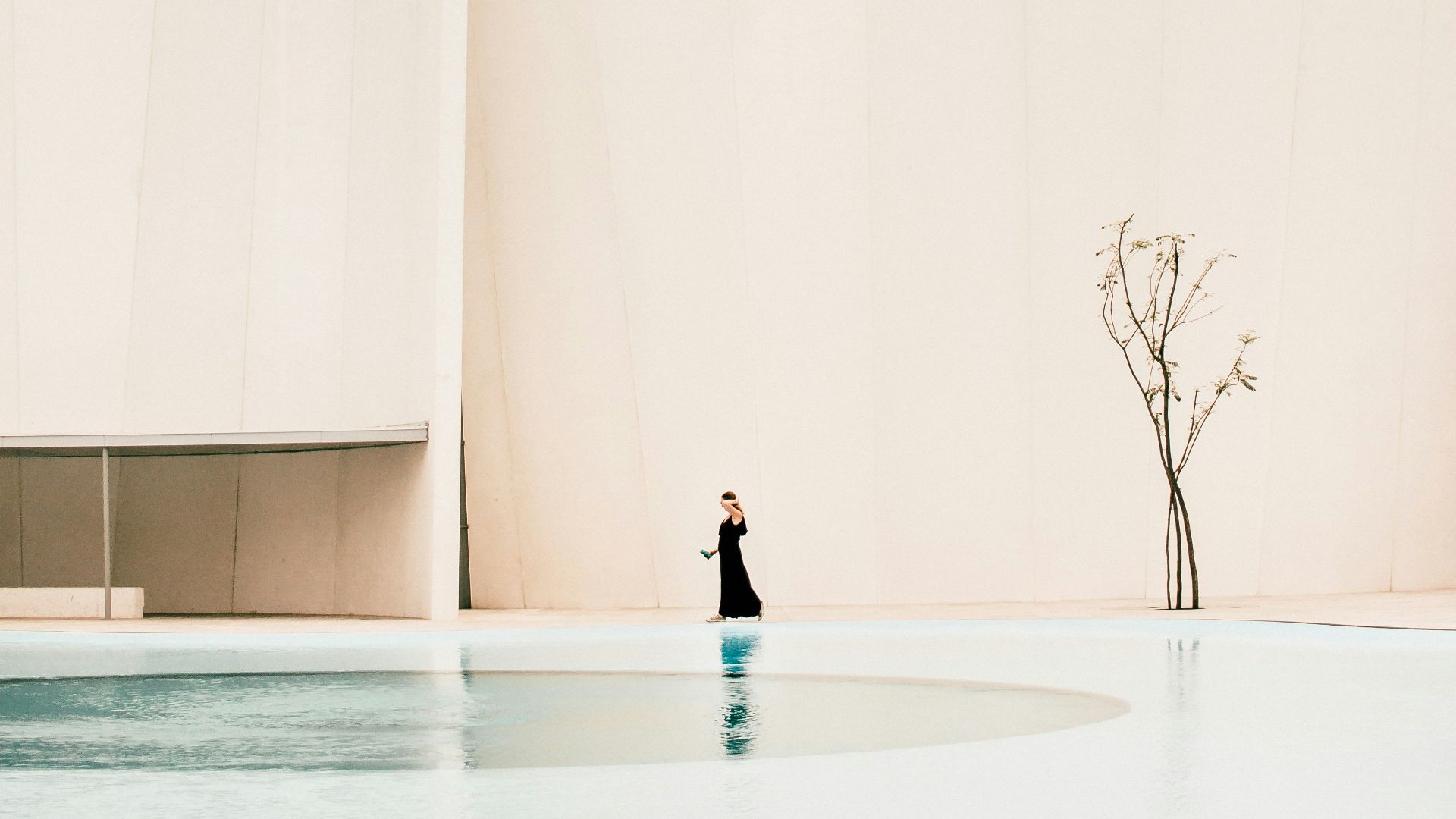
10. Archigram
This British architectural group developed bold visions of walking cities, plug-in structures, and adaptable urban systems during the 1960s. Their proposals reflected optimism about technology and future lifestyles.
KEEP ON READING
The 20 Most Recognized Historical Figures Of All Time
The Biggest Names In History. Although the Earth has been…
By Cathy Liu Oct 4, 2024
10 of the Shortest Wars in History & 10 of…
Wars: Longest and Shortest. Throughout history, wars have varied dramatically…
By Emilie Richardson-Dupuis Oct 7, 2024
10 Fascinating Facts About Ancient Greece You Can Appreciate &…
Once Upon A Time Lived Some Ancient Weirdos.... Greece is…
By Megan Wickens Oct 7, 2024
20 Lesser-Known Facts About Christopher Columbus You Don't Learn In…
In 1492, He Sailed The Ocean Blue. Christopher Columbus is…
By Emilie Richardson-Dupuis Oct 9, 2024
20 Historical Landmarks That Have The Craziest Conspiracy Theories
Unsolved Mysteries Of Ancient Places . When there's not enough evidence…
By Megan Wickens Oct 9, 2024
The 20 Craziest Inventions & Discoveries Made During Ancient Times
Crazy Ancient Inventions . While we're busy making big advancements in…
By Cathy Liu Oct 9, 2024