

Grief Became Too Much
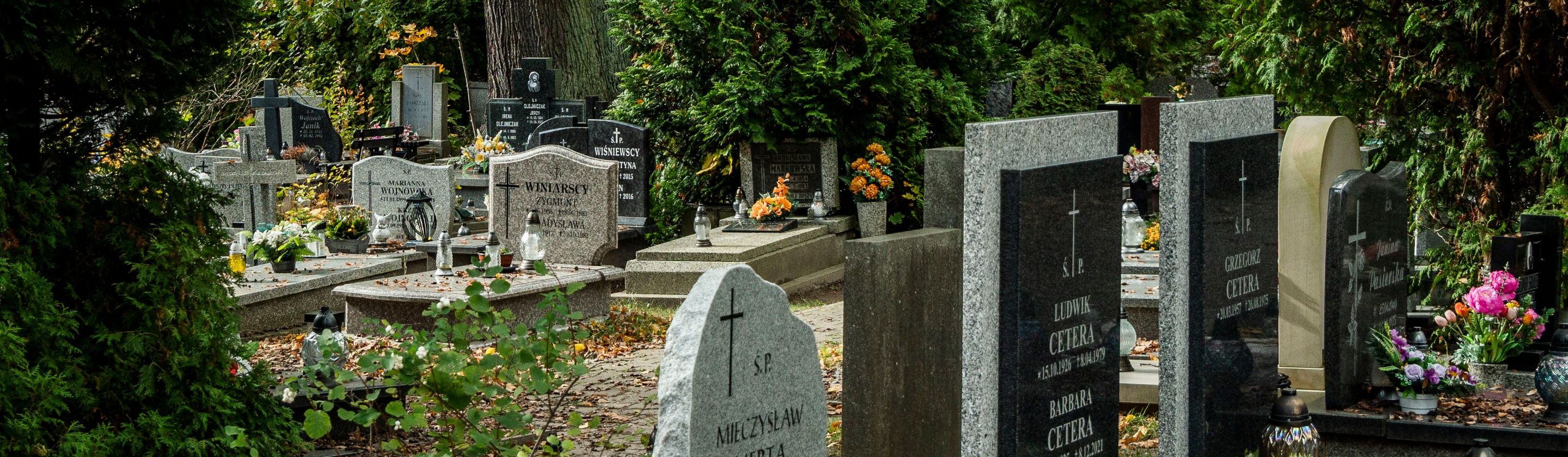
The phrase “died of a broken heart” isn’t always a medical diagnosis, and in many historical cases, it belongs more to family memory than to official records. But there’s a reason the phrase even exists at all, and history offers many examples of people whose deaths were closely associated with grief, betrayal, or disgrace. Come with us as we explore 20 figures who each became linked to the idea that sorrow can have serious consequences.
 José Vallejo y Galeazo on Wikimedia
1. Mark Antony
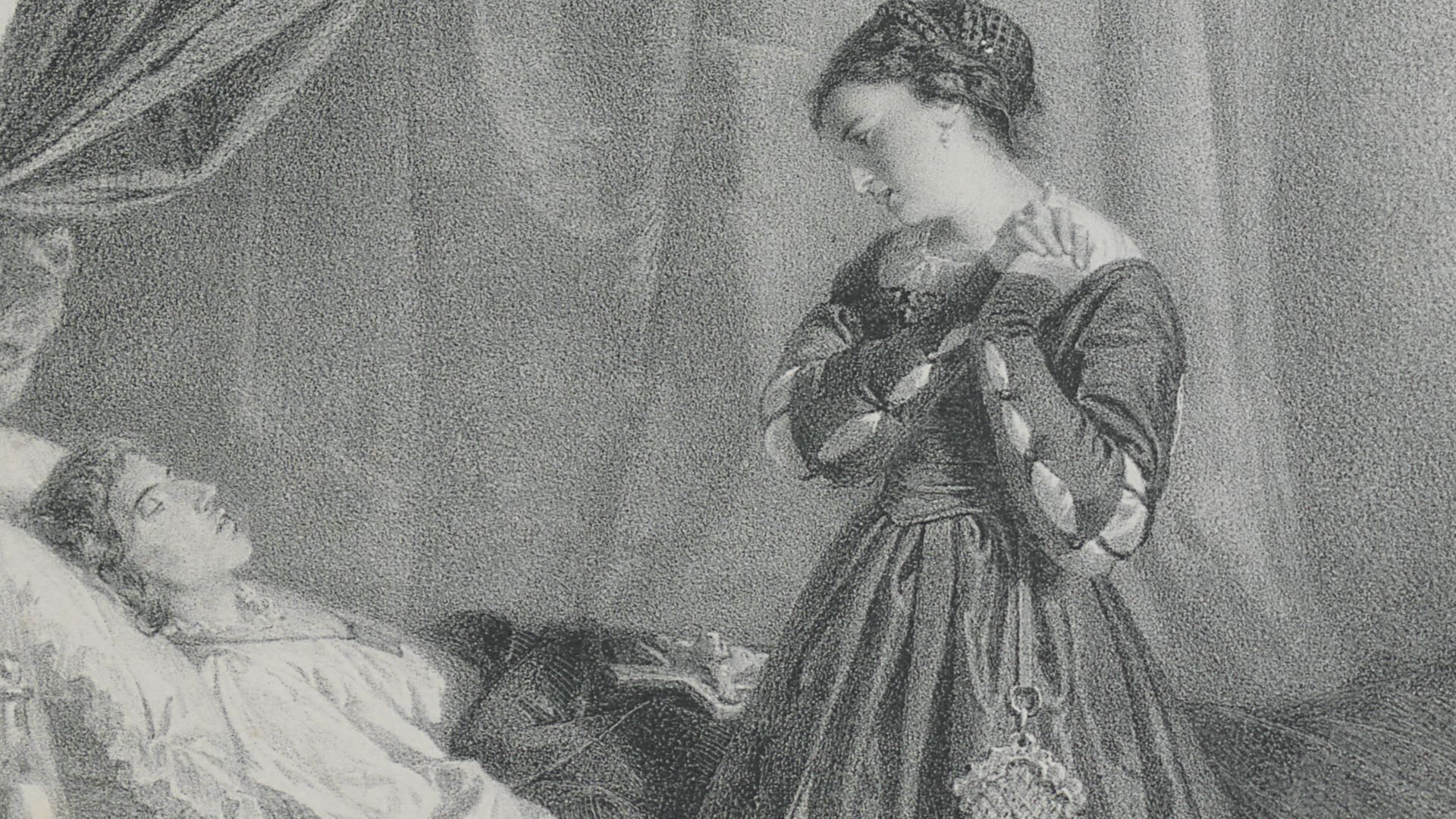
Just when you thought Romeo and Juliet wouldn’t happen in real life, don’t forget about Mark Antony, the Roman general and triumvir. He died in Alexandria in 30 BC after his forces and those of Cleopatra had been defeated by Octavian. Ancient records stated that Antony had actually stabbed himself after hearing the false report that Cleopatra had died.
2. Cleopatra
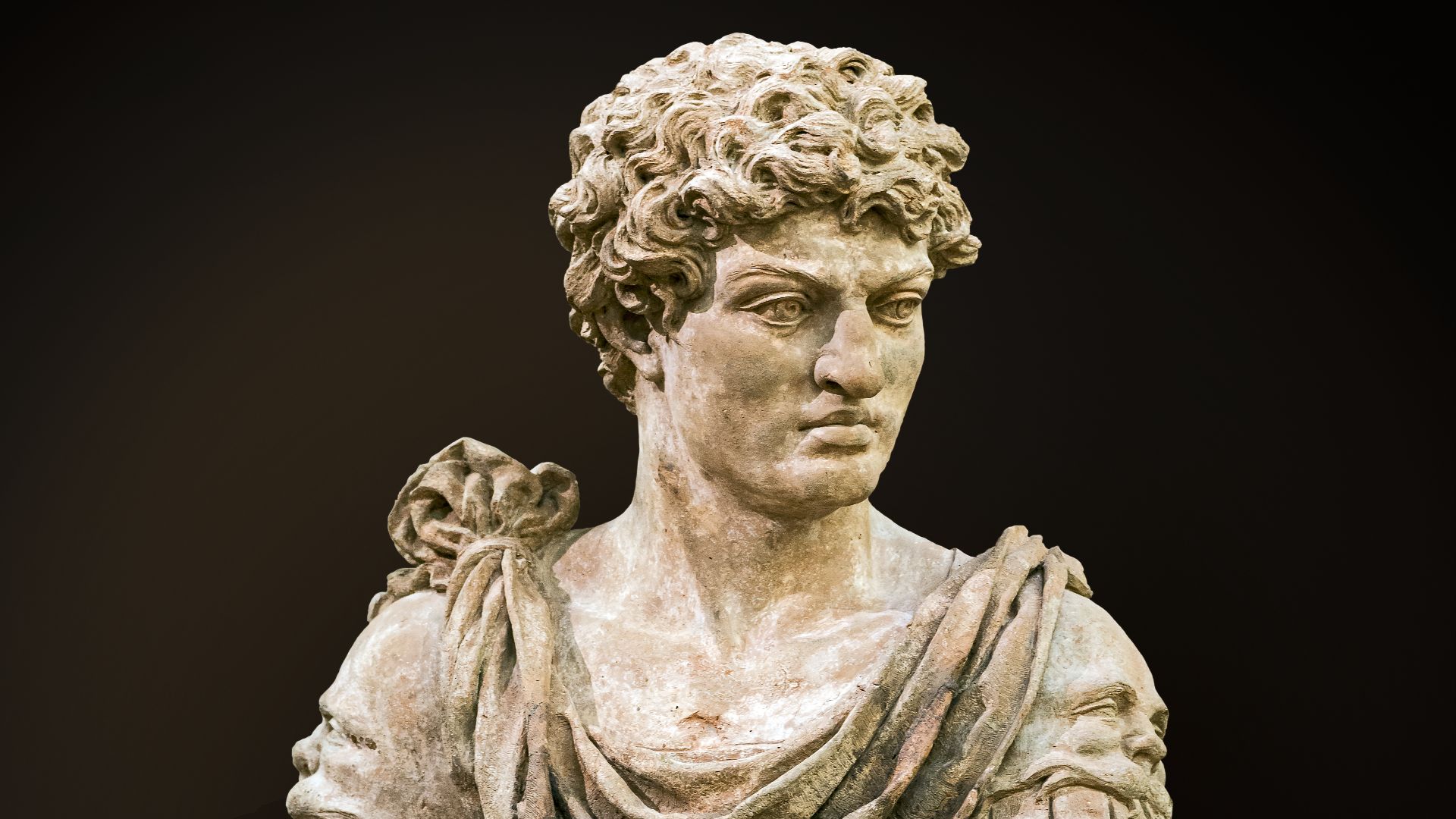
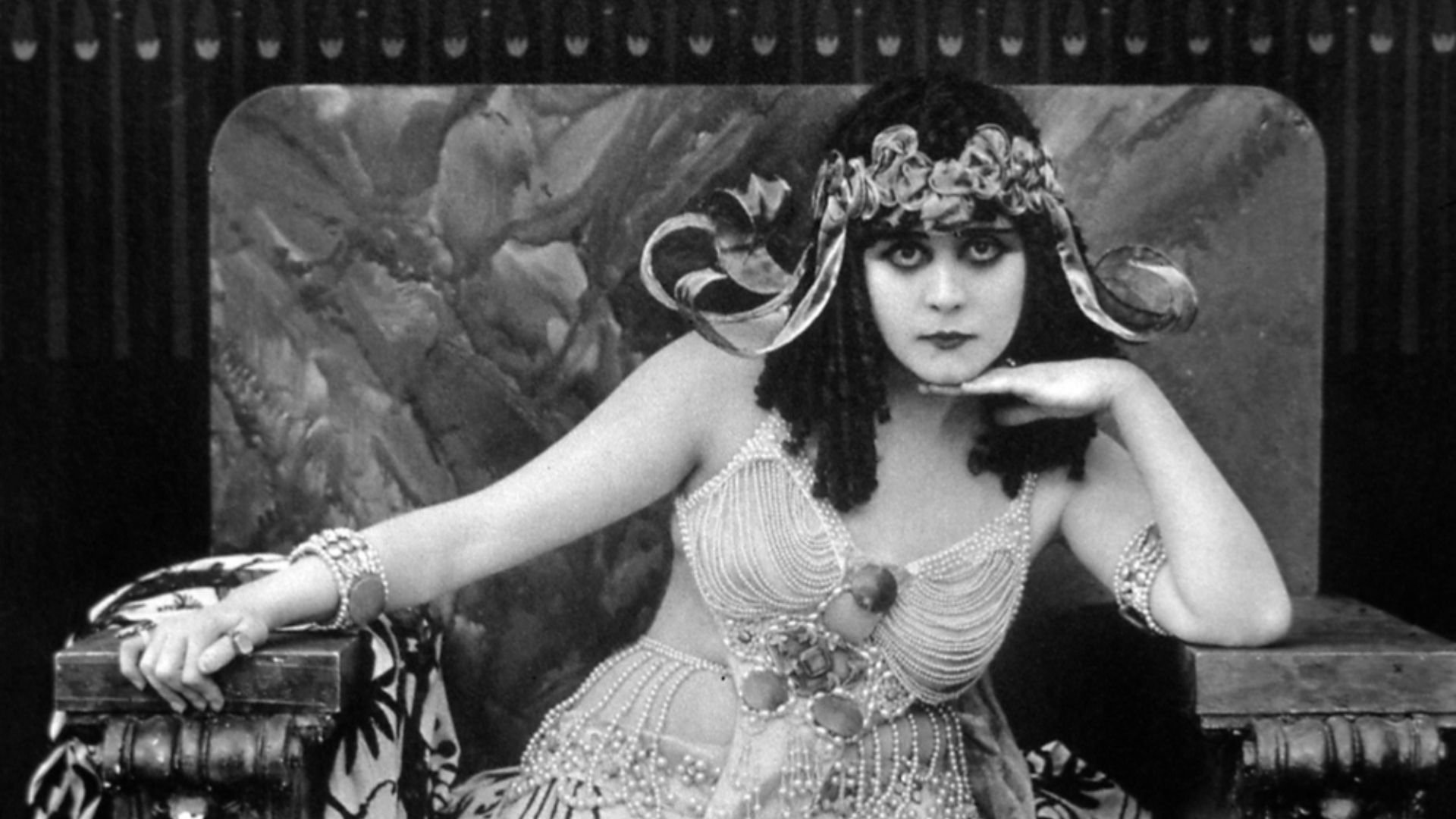
It wasn’t only Antony who lost his life in 30 BC; Cleopatra also died in Alexandria shortly after his death. After Octavian captured Egypt, Cleopatra faced the likelihood of humiliation in a Roman triumph, while also mourning the man with whom she had shared both a relationship and a political alliance. Her suicide, traditionally associated with poison, has therefore been remembered as her final act.
 Fox Film Corporation on Wikimedia
3. Katherine Carver
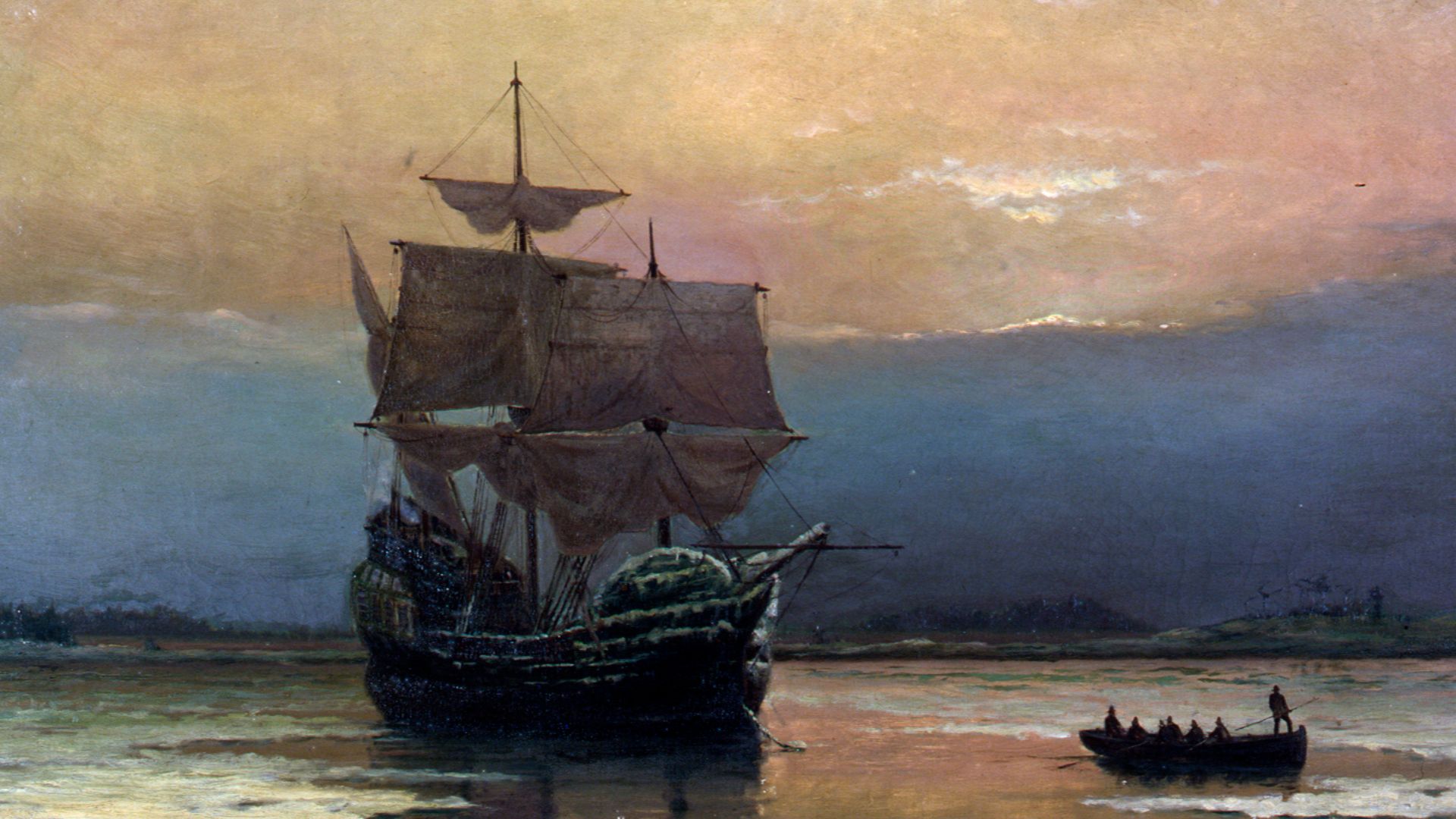
Katherine Carver, a Mayflower passenger and wife of Plymouth Colony governor John Carver, died in 1621 during the colony’s first year in New England. John had actually died that spring after collapsing while working in the fields, and Katherine passed away only a few weeks later. William Bradford, the colony’s leading chronicler, described her death as the result of a “broken heart.”
4. Sarah Curran
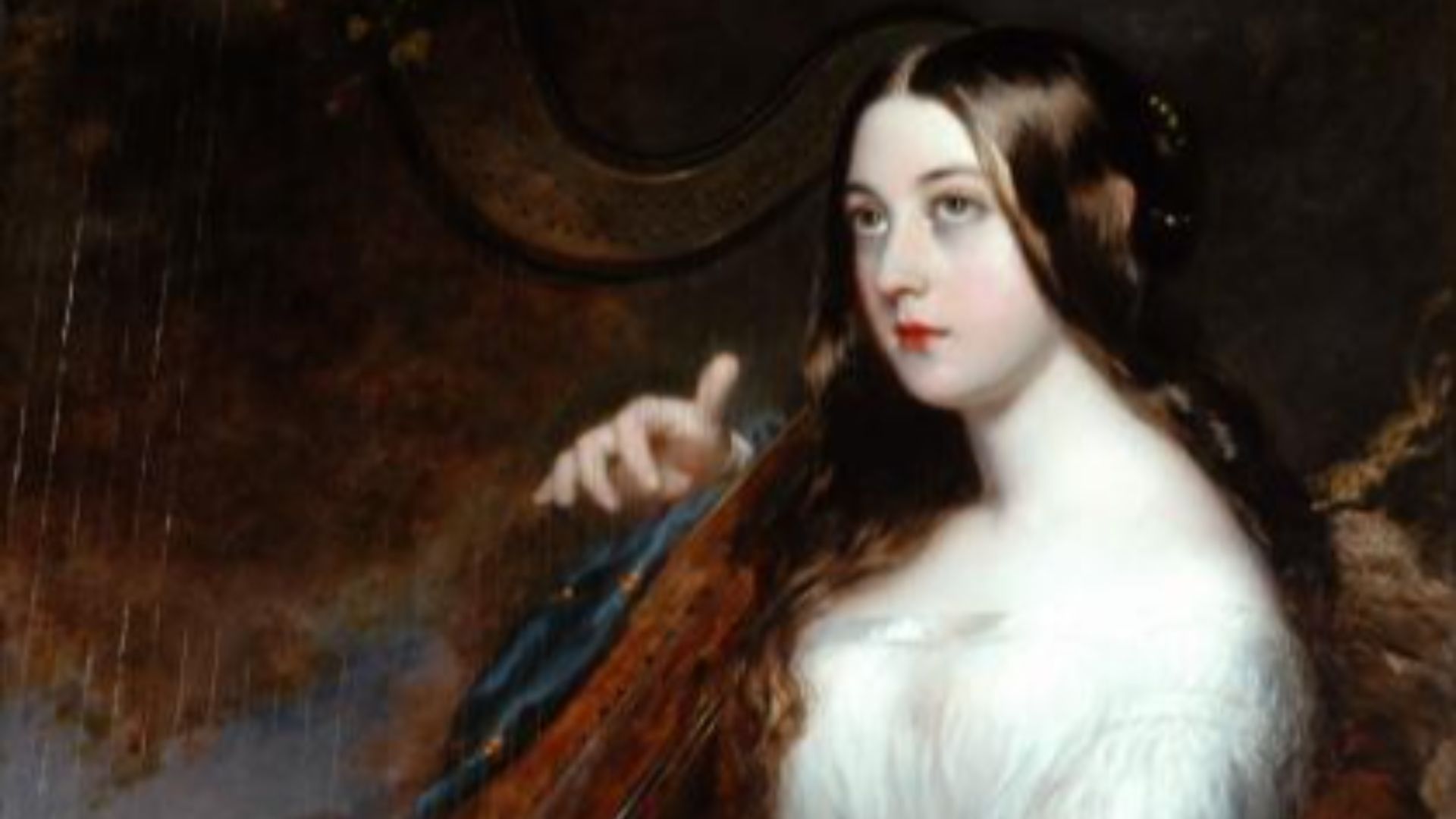
Sarah Curran, born in 1782, became famous for her secret engagement to Irish nationalist Robert Emmet. It was a short-lived romance, however, as Emmet was executed for treason in 1803 after his failed rising against British rule. Curran later married Captain Henry Sturgeon before dying of tuberculosis in 1808, and writer Washington Irving helped preserve the belief that grief over Emmet’s execution had been the ultimate cause of her demise.
5. Gruffydd ap Rhys
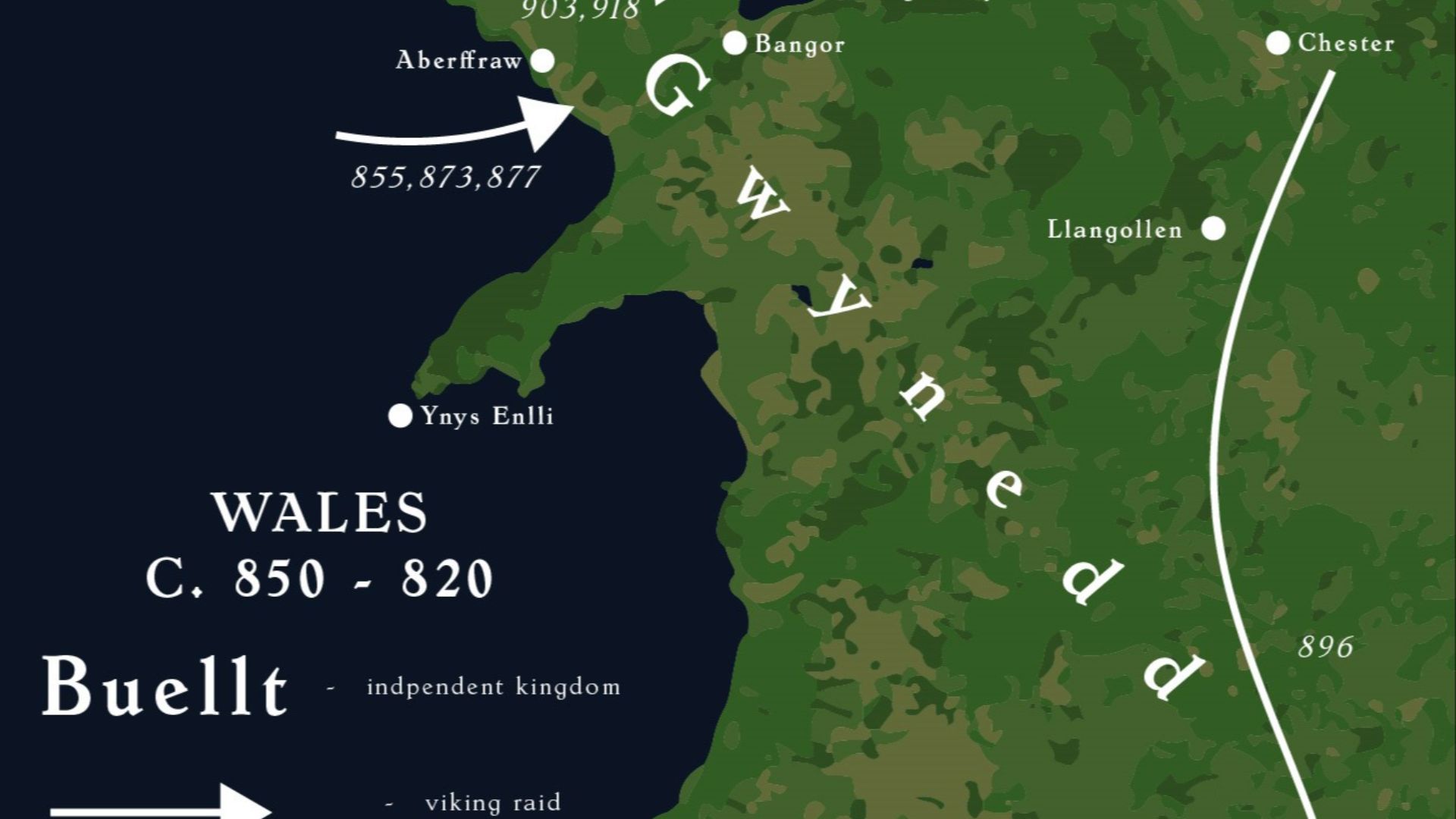
Gruffydd ap Rhys, prince of Deheubarth in south Wales, died in 1137, only one year after the death of his wife, Gwenllian ferch Gruffudd. Gwenllian had led Welsh forces against the Normans at Kidwelly in 1136 while Gruffydd was away seeking support, and she was killed after the battle. Their tragic story later inspired Welsh tradition, and Gruffydd’s death became a rallying symbol of Welsh resistance.
6. Saint Margaret of Scotland
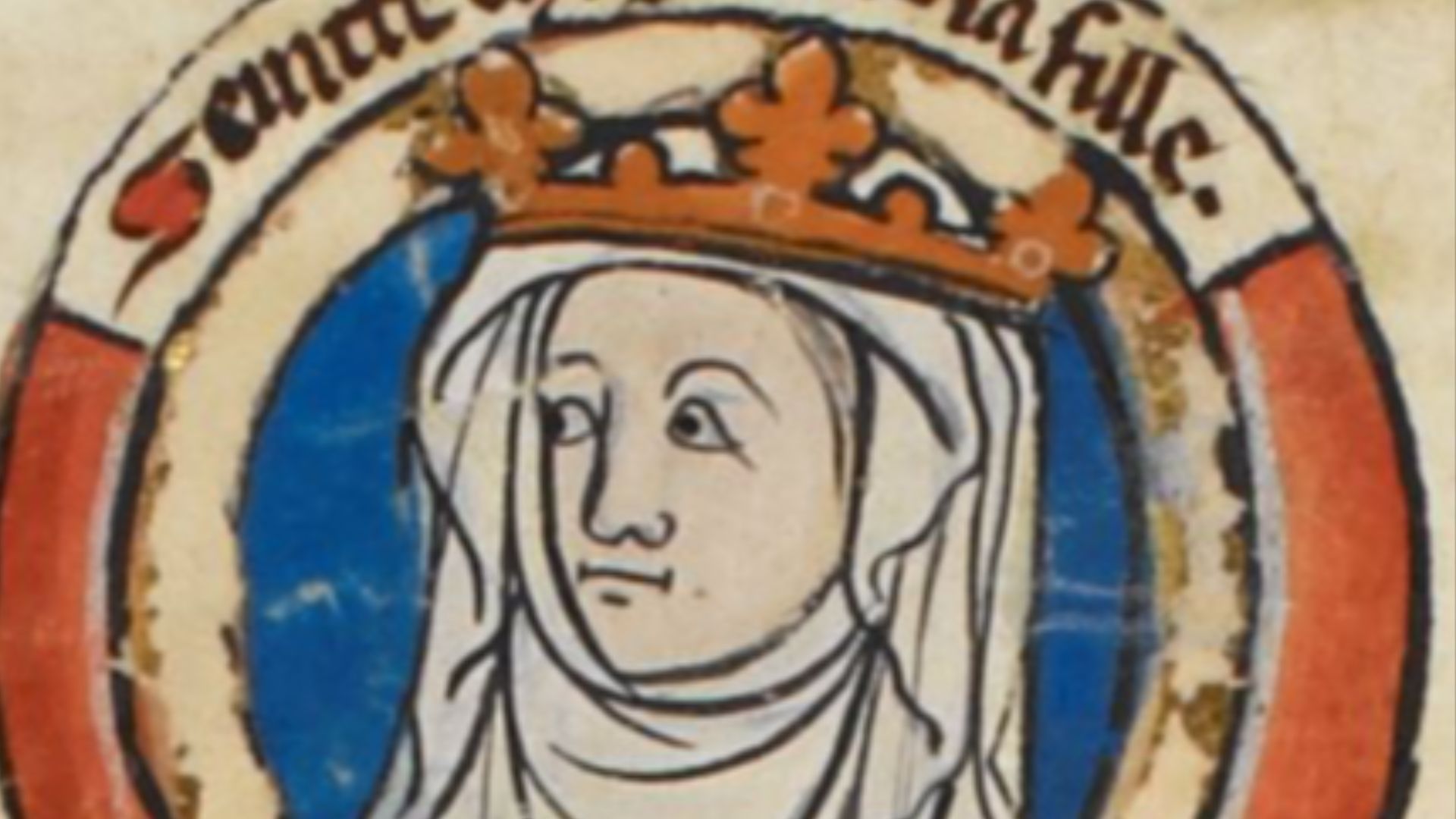
Saint Margaret of Scotland, queen consort of Malcolm III, died in 1093 at Edinburgh Castle. It didn’t seem like that big of a shock at first, seeing as how she was already seriously ill—but after learning that Malcolm and their eldest son Edward were killed in Northumbria, tradition holds that the news only pained her further.
7. Henry II of England
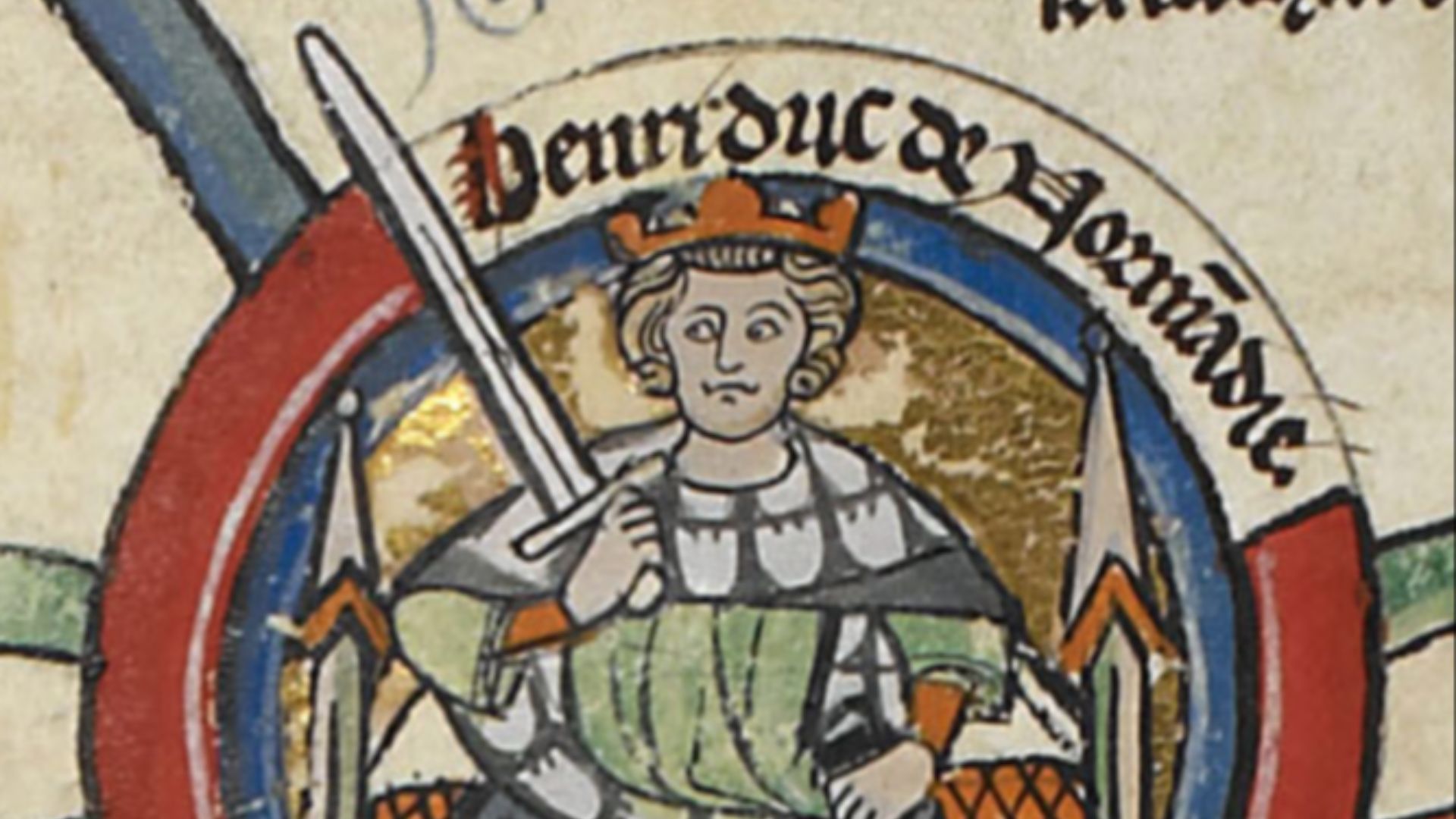
Henry II of England died in 1189 at Chinon after years of butting heads with his sons, especially Richard and John. Near the end, Henry reportedly learned that John, whom he had favored, had joined the rebellion against him, and contemporary accounts suggested that his children’s betrayal broke his will before his body gave out.
8. Mary I of England
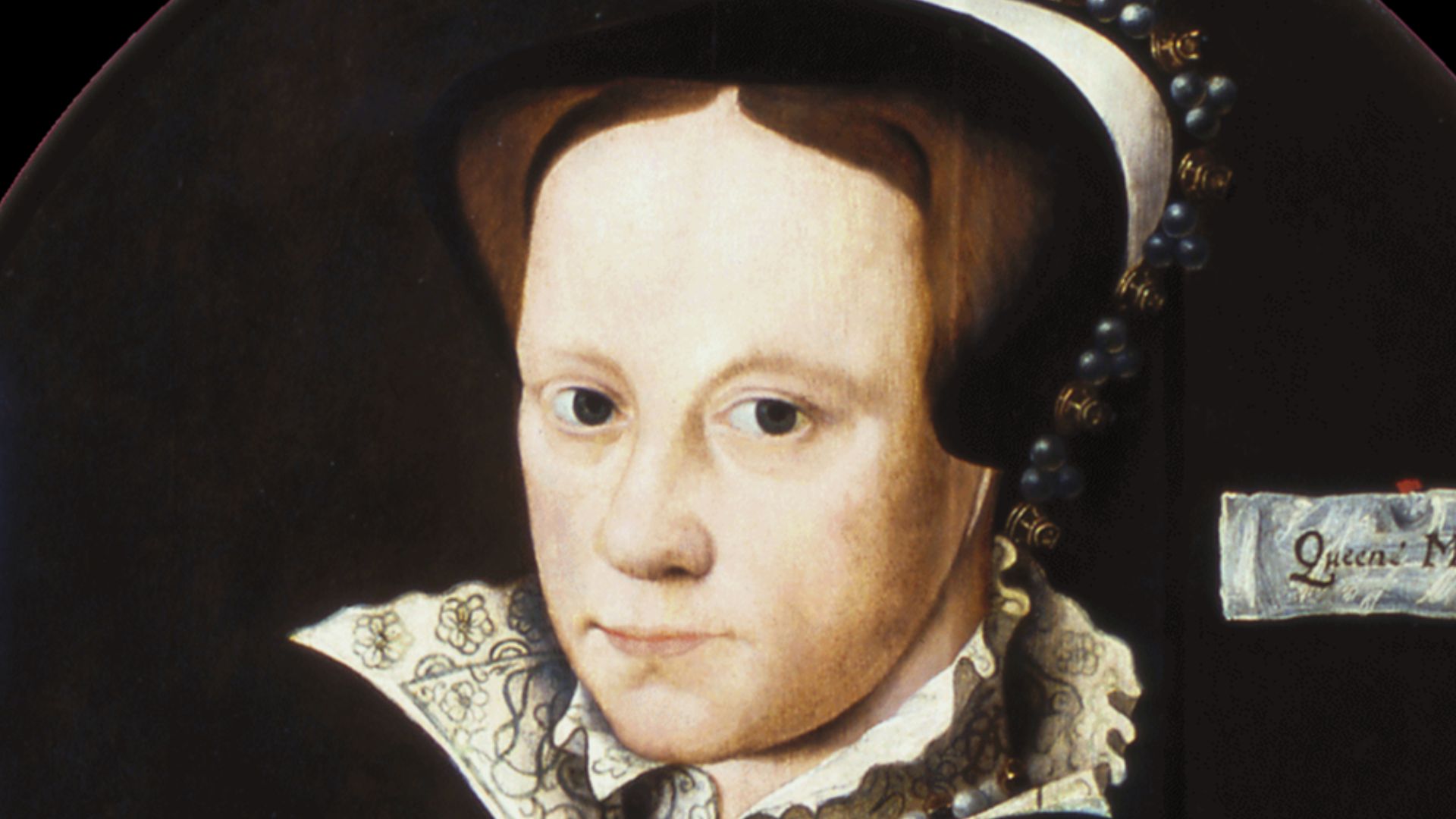
Mary I of England died in 1558 after a reign marked by obstacles: religious conflict, an unpopular marriage to Philip II of Spain, and humiliation on the battlefield. She produced no heir, and in 1558, England lost Calais to France, ending more than two centuries of English control over the port.
9. Princess Kaʻiulani
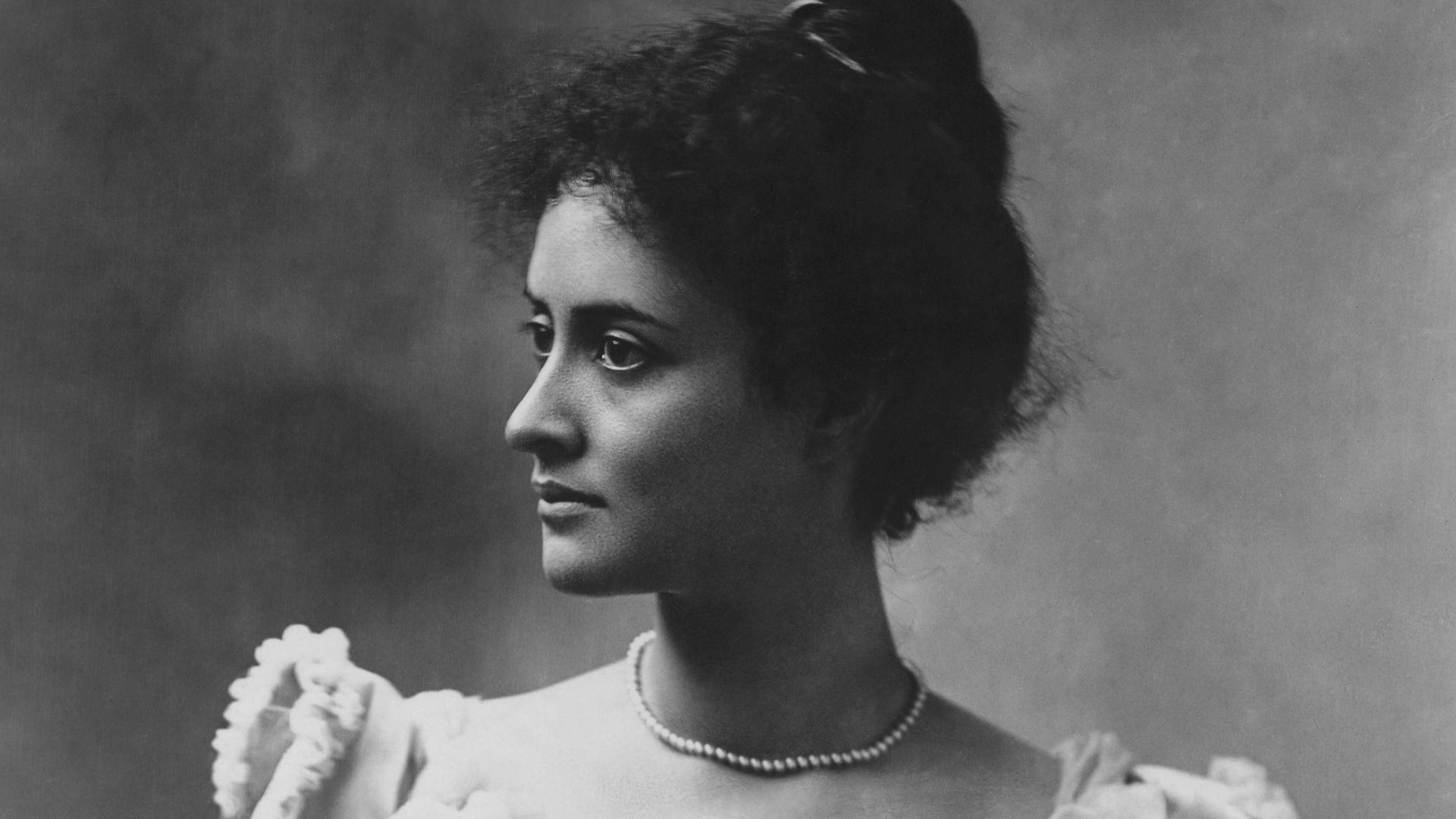
Princess Kaʻiulani of Hawaii, born in 1875, died in 1899 after the overthrow of the Hawaiian monarchy. She had been named heir apparent by Queen Liliʻuokalani and spent part of her youth abroad, where she publicly appealed for the restoration of her country’s sovereignty. Though her story has recorded illness, contemporaries still suggested that the loss of her nation’s independence contributed to her passing.
10. Princess Sophie of Saxe-Weimar-Eisenach
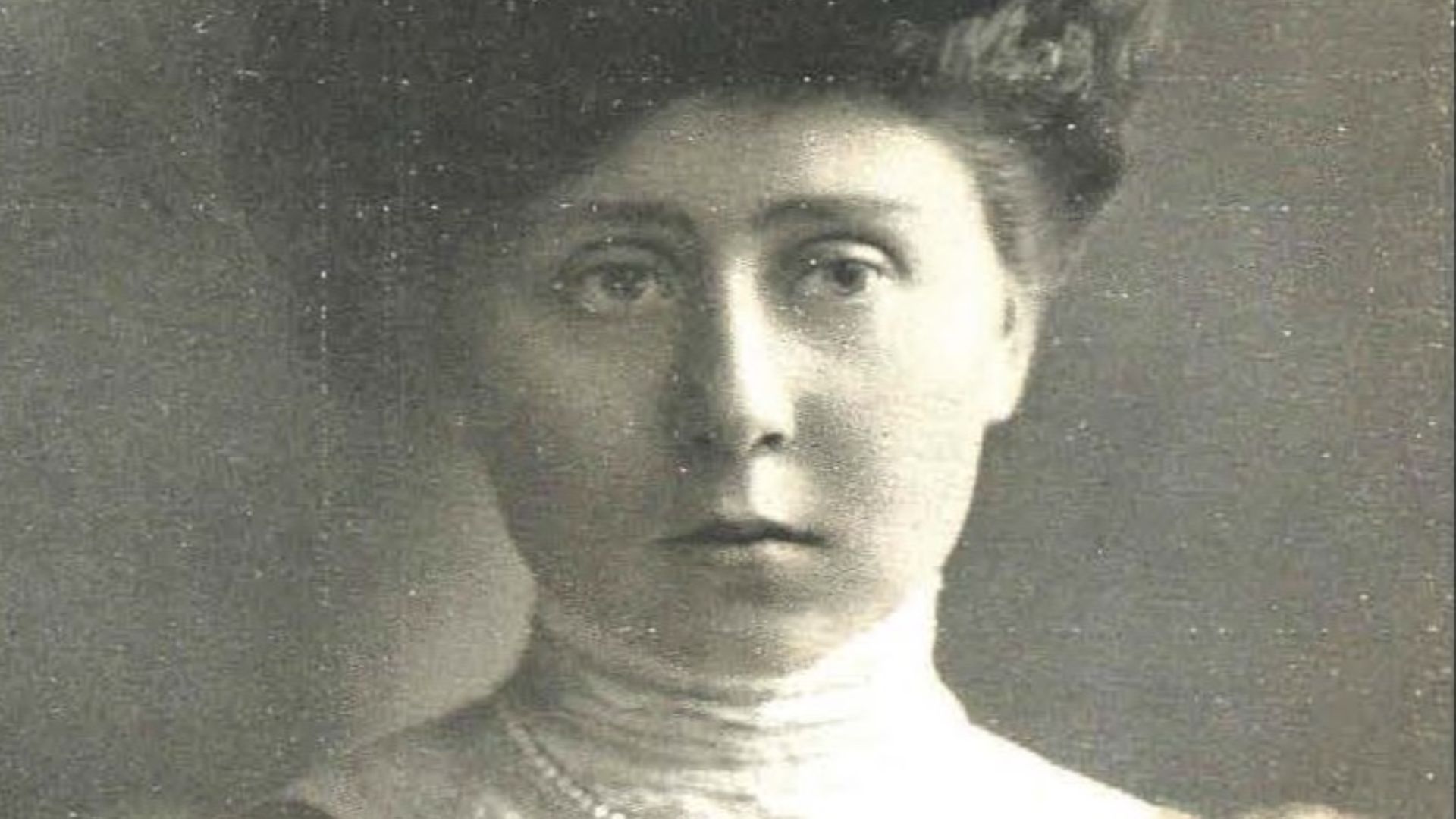
Princess Sophie of Saxe-Weimar-Eisenach died by suicide in Heidelberg in 1913. Reports at the time blamed the act on her family’s opposition to her relationship with Hans von Bleichröder, though concrete details remain fuzzy. Either way, her death became widely understood as a royal tragedy.
11. Eugène Delamare
Eugène Delamare was a country doctor in Normandy who shared a life with his wife, Delphine Delamare. Things were seemingly fine until she died in 1848 after financial trouble, infidelity, and scandal—a betrayal so nasty that it actually inspired parts of Gustave Flaubert’s 1857 novel Madame Bovary. It’s said that Eugène himself died of grief after being deceived and ruined by his very betrothed.
12. Ella Merritt Post
Ella Merritt Post had a relatively messy life before she passed away in 1912. As the first wife of cereal magnate C. W. Post and mother of Marjorie Merriweather Post, her passing came after years of marital strain and declining health. Perhaps most upsetting was that C. W. separated from her in 1904 and married his secretary later that year. Marjorie later said that her mother died of a broken heart.
13. Ciro Terranova
Ciro Terranova, otherwise known as “The Artichoke King,” was a Sicilian-born New York gangster associated with the Morellos. He died in 1938 after strokes and heart failure, but his final years were marked by much more than a life of crime. He was bogged down by poverty and humiliation; even fellow gangsters described the cause of his death as disgrace, not violence.
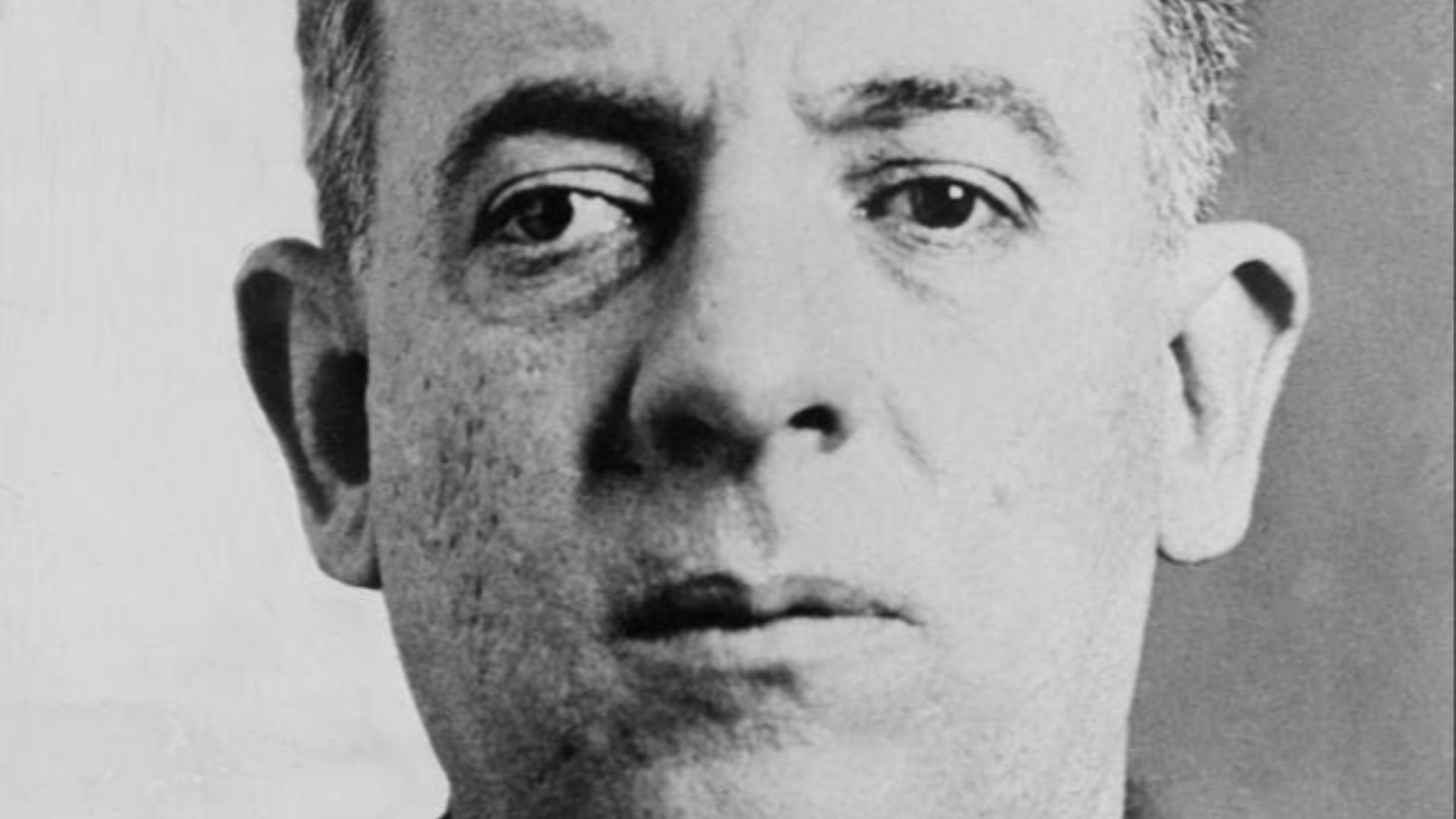 New York City Police Department on Wikimedia
14. Edward II of England
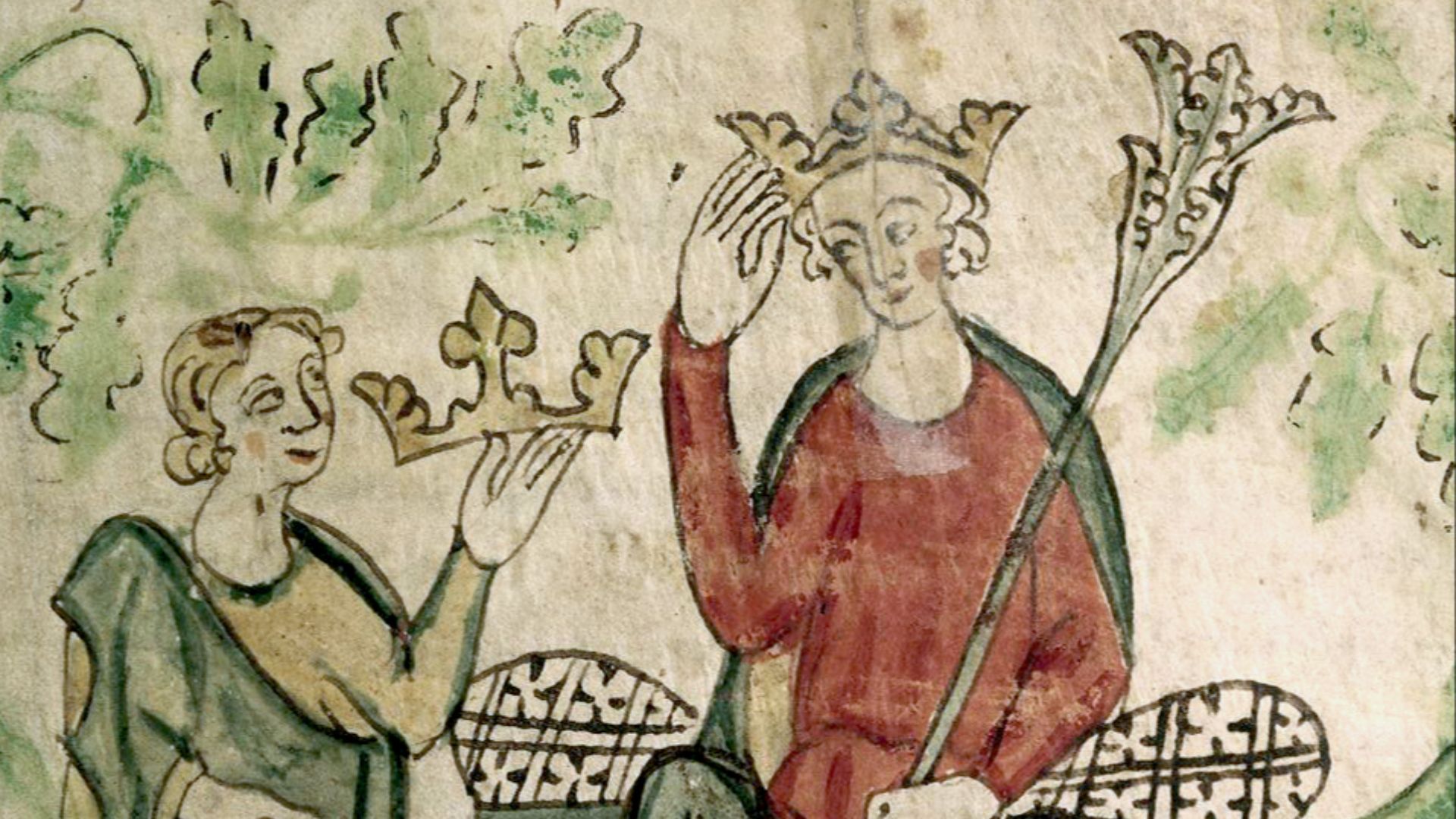
Edward II of England was forced to abdicate in 1327 after years of military failure and opposition from his wife, Isabella of France (her ally, Roger Mortimer, too). He was imprisoned at Berkeley Castle, where he died later that same year under circumstances that remain disputed. Some accounts treated it as murder, but others believe it was an illness.
15. Shah Jahan
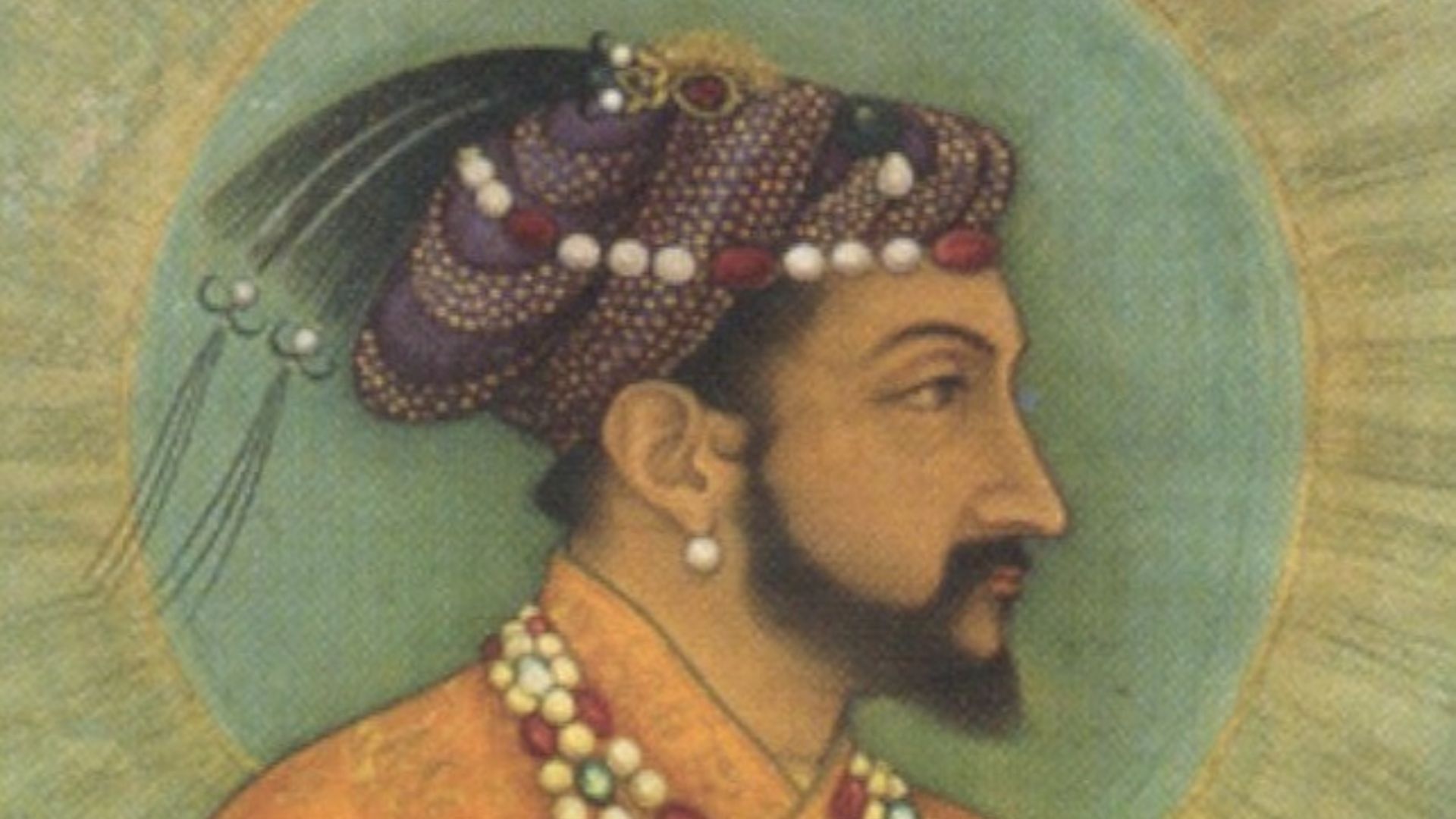
Shah Jahan was a completely different man after the death of his favorite wife, Mumtaz Mahal, in 1631. Mumtaz died after giving birth to their fourteenth child, and Shah Jahan responded by commissioning the Taj Mahal as her tomb. He lived until 1666, but his later years have long been interpreted as a man on the decline from overwhelming grief.
16. Juana of Castile
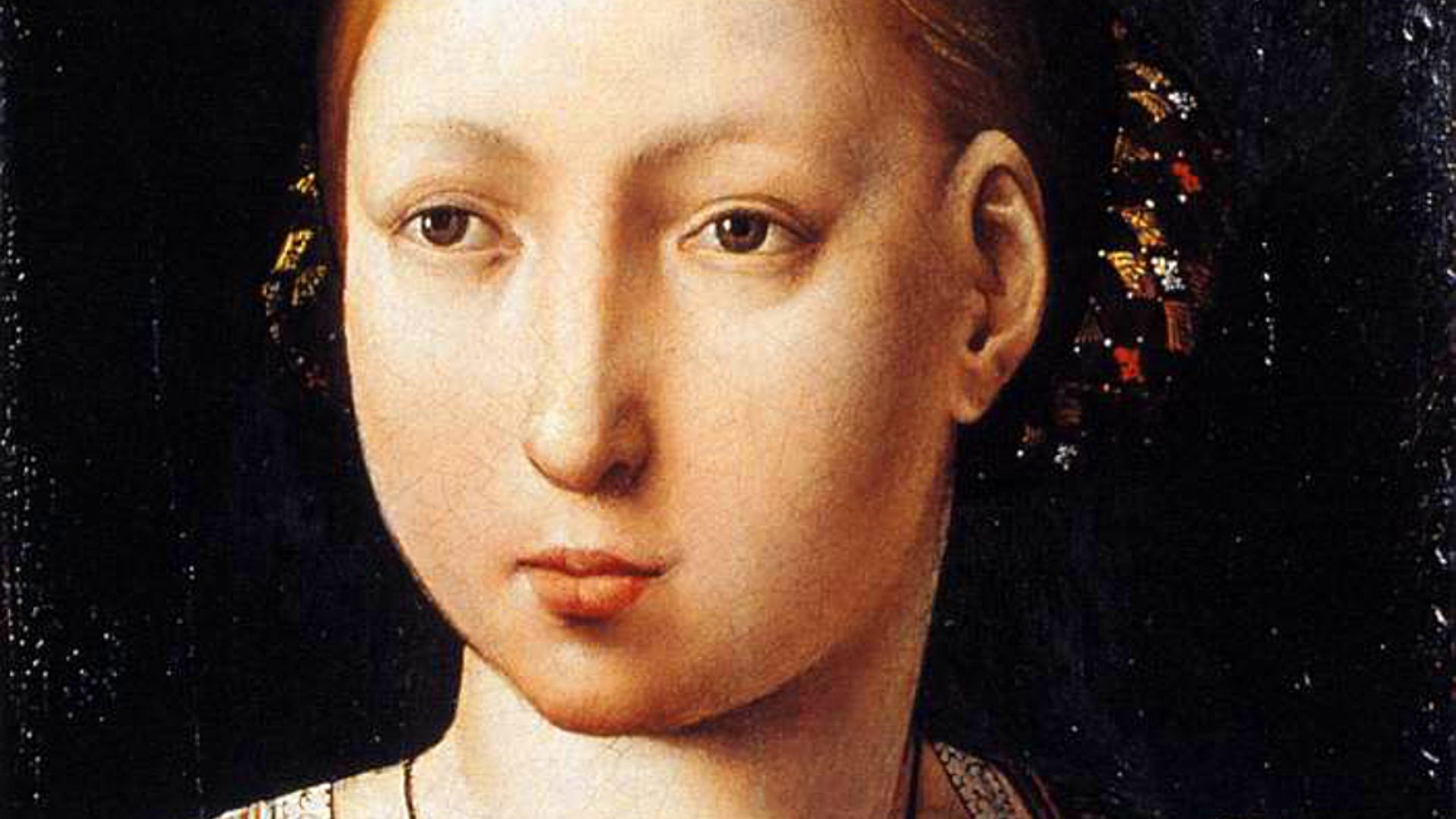
Juana of Castile may have become queen of Castile after the death of her mother, but that doesn’t mean her political life was spared grief and confinement. When her husband, Philip the Handsome, died suddenly in 1506, Juana’s mourning became the subject of dramatic accounts that portrayed her as unable to separate from his body. She lived until 1555 and earned a reputation as “Juana la Loca,” mainly because people believed that Philip’s death had shattered her—even as male relatives used that claim to snuff out her power.
17. Queen Victoria
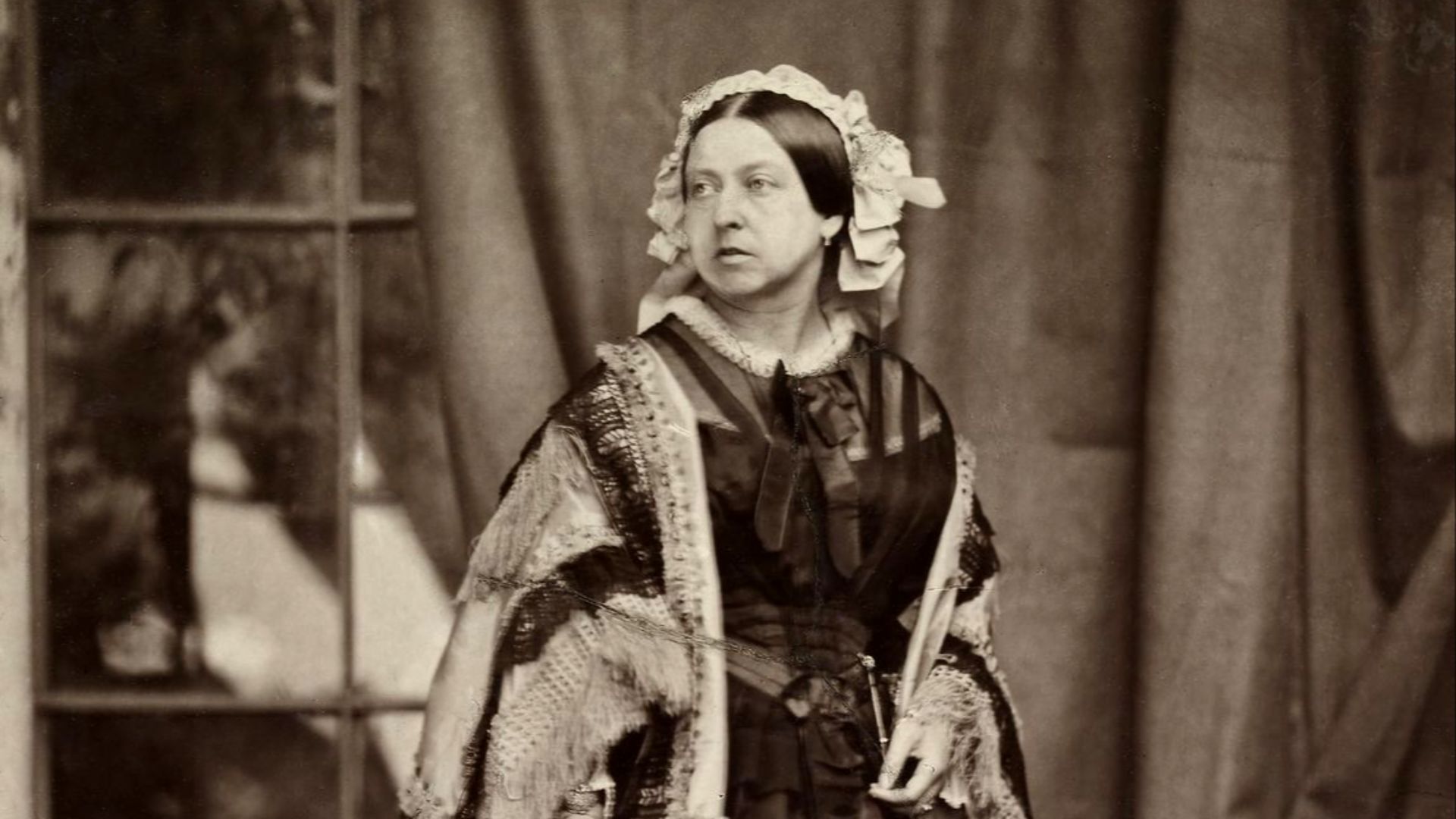
Queen Victoria reigned over Britain from 1837 to 1901, and during that time became widowed when Prince Albert died in 1861. His death plunged her into deep mourning, and she withdrew from many public duties for years while wearing black for the rest of her life.
 John Jabez Edwin Mayall on Wikimedia
18. Debbie Reynolds
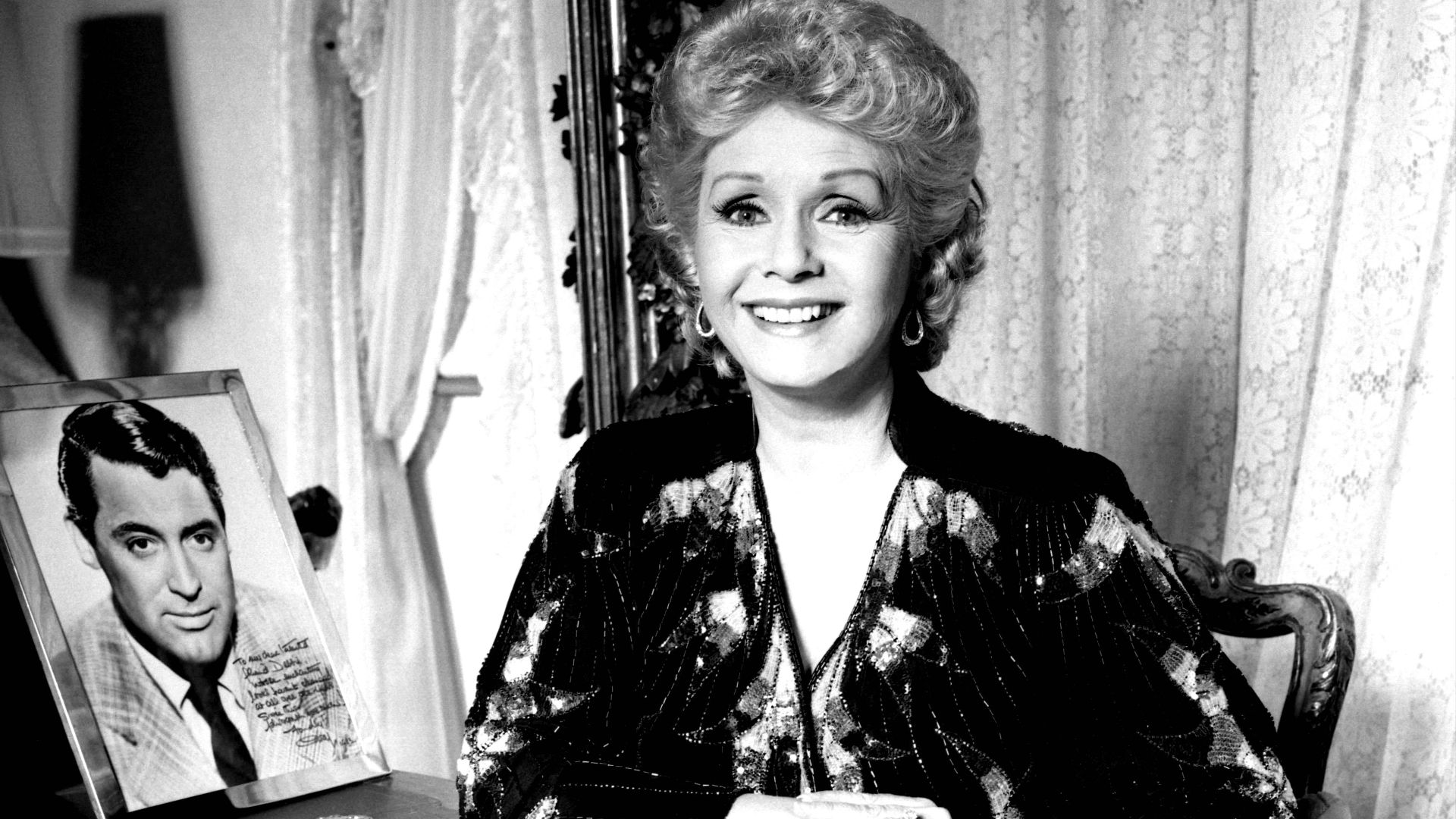
Debbie Reynolds died on December 28, 2016, one day after the death of her daughter, Carrie Fisher. Reynolds suffered a stroke while making arrangements for Fisher’s funeral. If that weren’t heartbreaking enough, her own son, Todd, said she had expressed a desire to be with Carrie.
19. Johnny Cash
Johnny Cash died in Nashville on September 12, 2003, only four months after the death of his wife, June Carter Cash. His official cause of death was complications from diabetes, and his health had already declined long before June died. However, the timing didn’t strike fans as a mere coincidence.
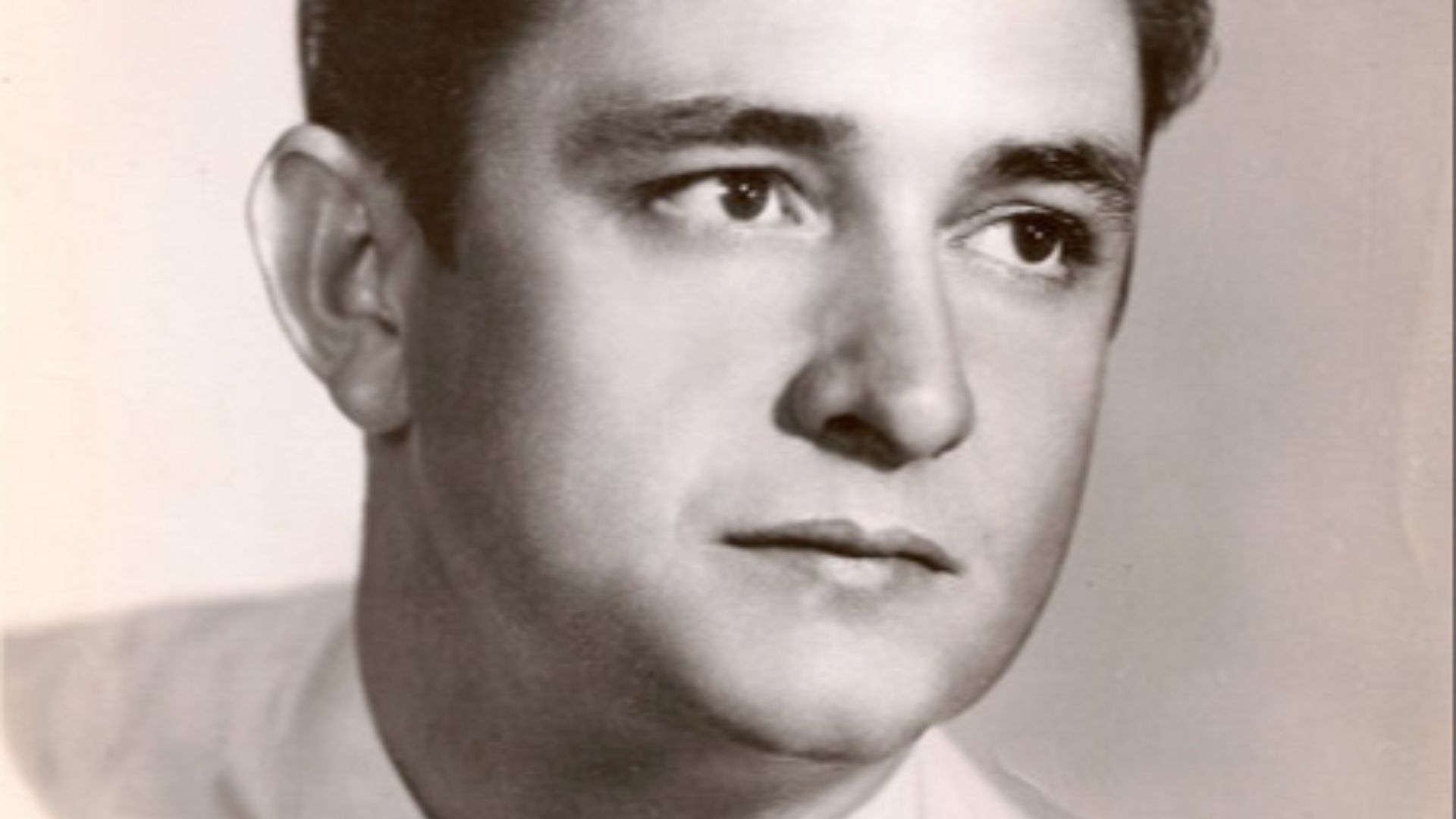
20. Romy Schneider
Austrian-born actress Romy Schneider became one of Europe’s major film stars before she died in Paris in 1982. The previous year, her 14-year-old son David had died in a horrific accident, a loss that left Schneider understandably devastated. Her official cause of death was cardiac arrest, but later accounts connected her decline to emotional turmoil.
KEEP ON READING
The story of Ching Shih, the Woman Who Became the…
Unknown author on WikimediaFew figures in history are as feared…
By Emilie Richardson-Dupuis Dec 29, 2025
Einstein's Violin Just Sold At An Auction—And It Earned More…
A Visionary's Violin. Wanda von Debschitz-Kunowski on WikimediaWhen you hear…
By Ashley Bast Nov 3, 2025
This Infamous Ancient Greek Burned Down An Ancient Wonder Just…
History remembers kings and conquerors, but sometimes, it also remembers…
By David Davidovic Nov 12, 2025
The Mysterious "Sea People" Who Collapsed Civilization
3,200 years ago, Bronze Age civilization in the Mediterranean suddenly…
By Robbie Woods Mar 18, 2025
20 Greatest Ancient Athletes In History
Ancient Olympics. Long before modern stadiums and multimillion-dollar endorsements, athletes…
By Sara Springsteen May 1, 2026
20 Soldiers Who Defied Expectations
Changing the Rules of the Battlefield. You’ve probably heard plenty…
By Annie Byrd Feb 10, 2026