20 Historical Figures Who Were Pioneers In The Gay Community
People Who Moved the Line Forward
The gay community wasn’t built by one march. It wasn’t built by one courtroom case or one famous speech. It was shaped by people who published dangerous ideas, challenged police harassment, ran for office, built public symbols, and forced institutions to answer for discrimination. While some figures became household names, others worked under pressure without as much notoriety—but we’re here to name people from both sides of the coin.
1. Karl Heinrich Ulrichs
Karl Heinrich Ulrichs became one of the earliest public advocates for gay rights when he began publishing his writings on same-sex love in the 1860s. As you can probably imagine, stories like those weren’t exactly par for the course, but Ulrichs didn’t care, and in 1867, he even spoke before the Congress of German Jurists in Munich to argue against laws that punished sex between men. The crowd shouted him down before he could finish, though.
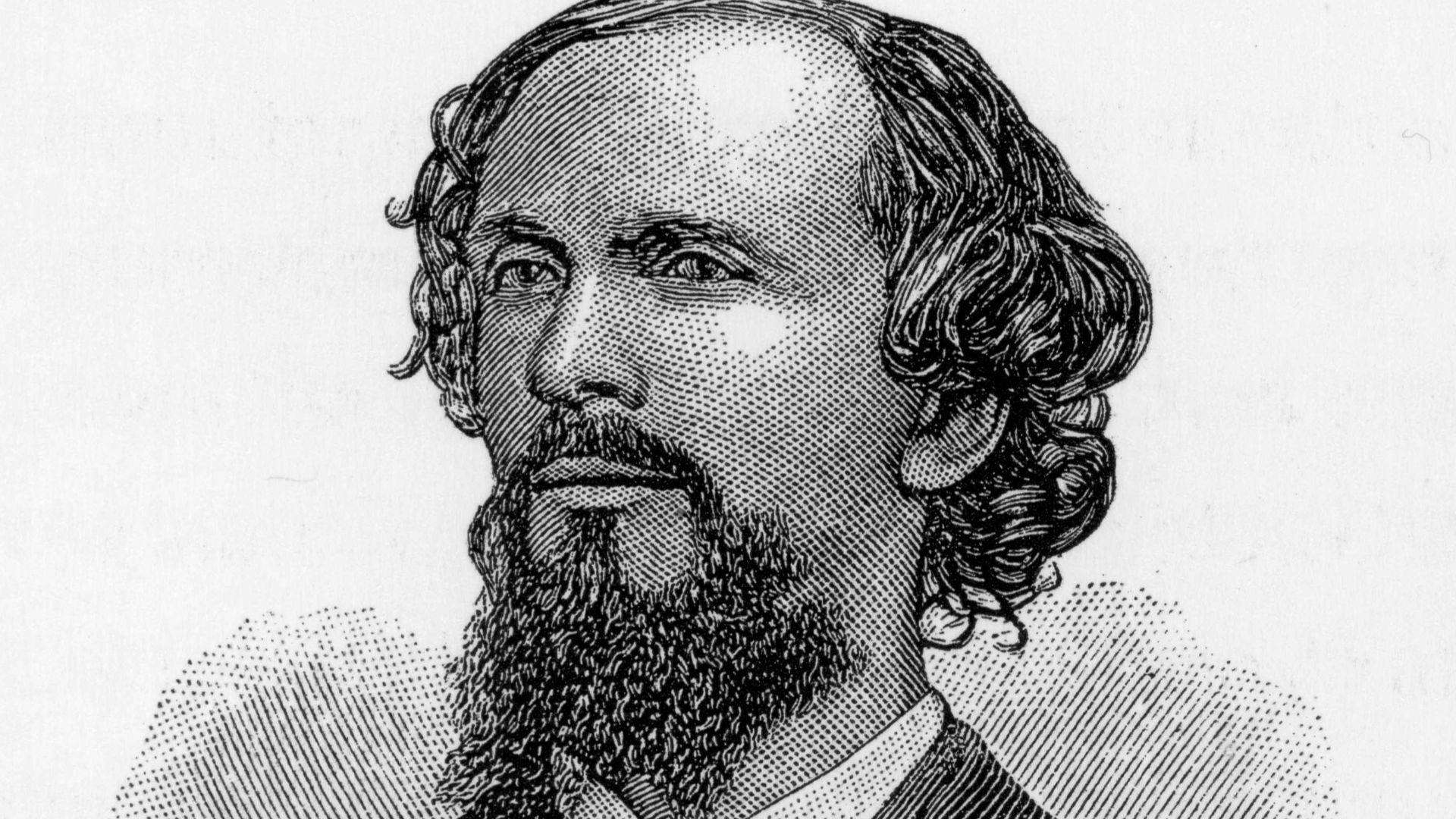 artwork: unknown; file James Steakley on Wikimedia
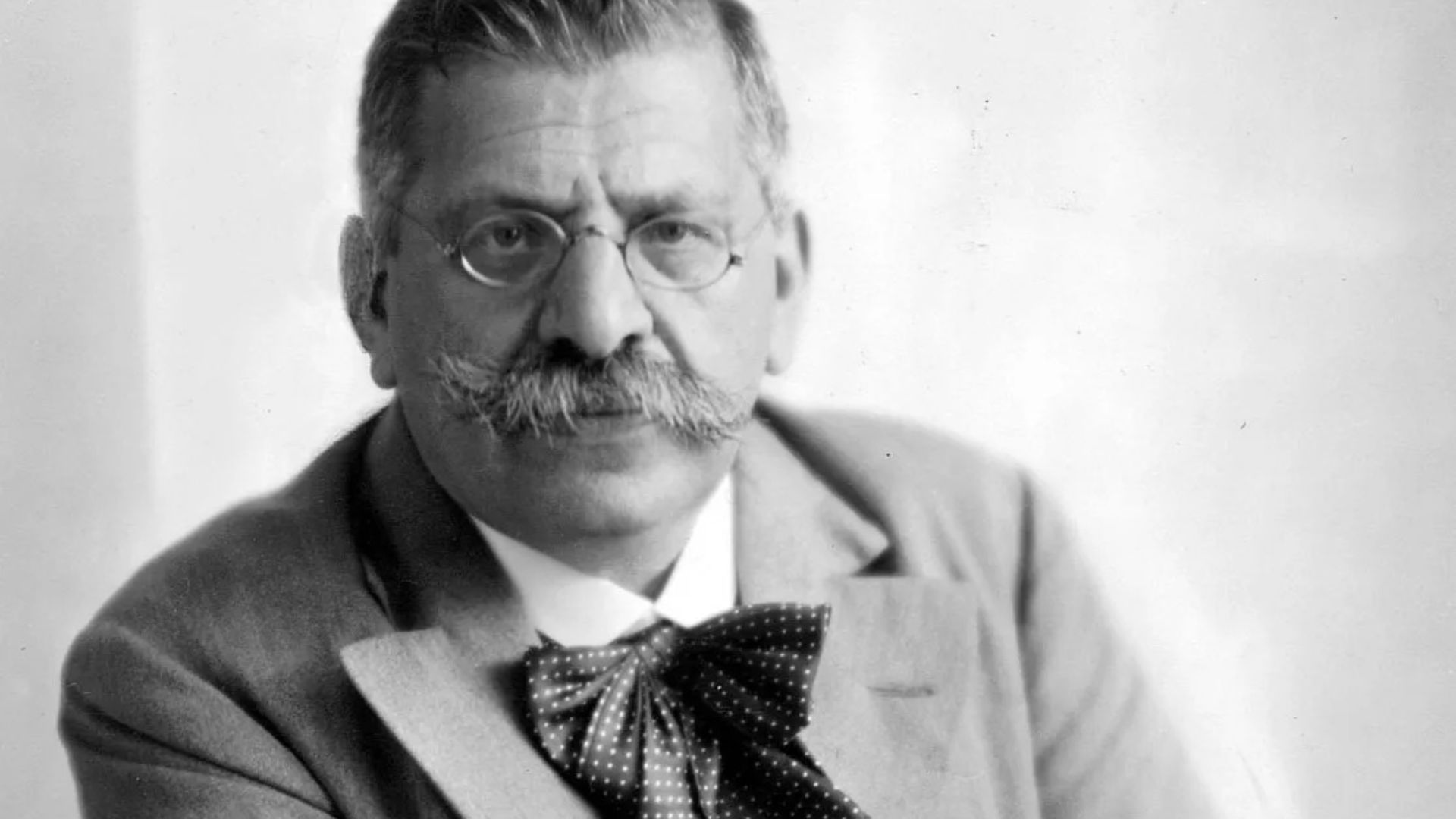
2. Magnus Hirschfeld
Magnus Hirschfeld helped turn gay rights into an organized political and scientific campaign when he co-founded the Scientific-Humanitarian Committee in Germany in 1897. The group worked for decades to repeal Paragraph 175, which was a German law that criminalized sexual relations between men. Hirschfeld didn’t stop there, either; he also opened the Institute for Sexual Science in Berlin in 1919 before the Nazis attacked it in 1933, destroying its library and records.
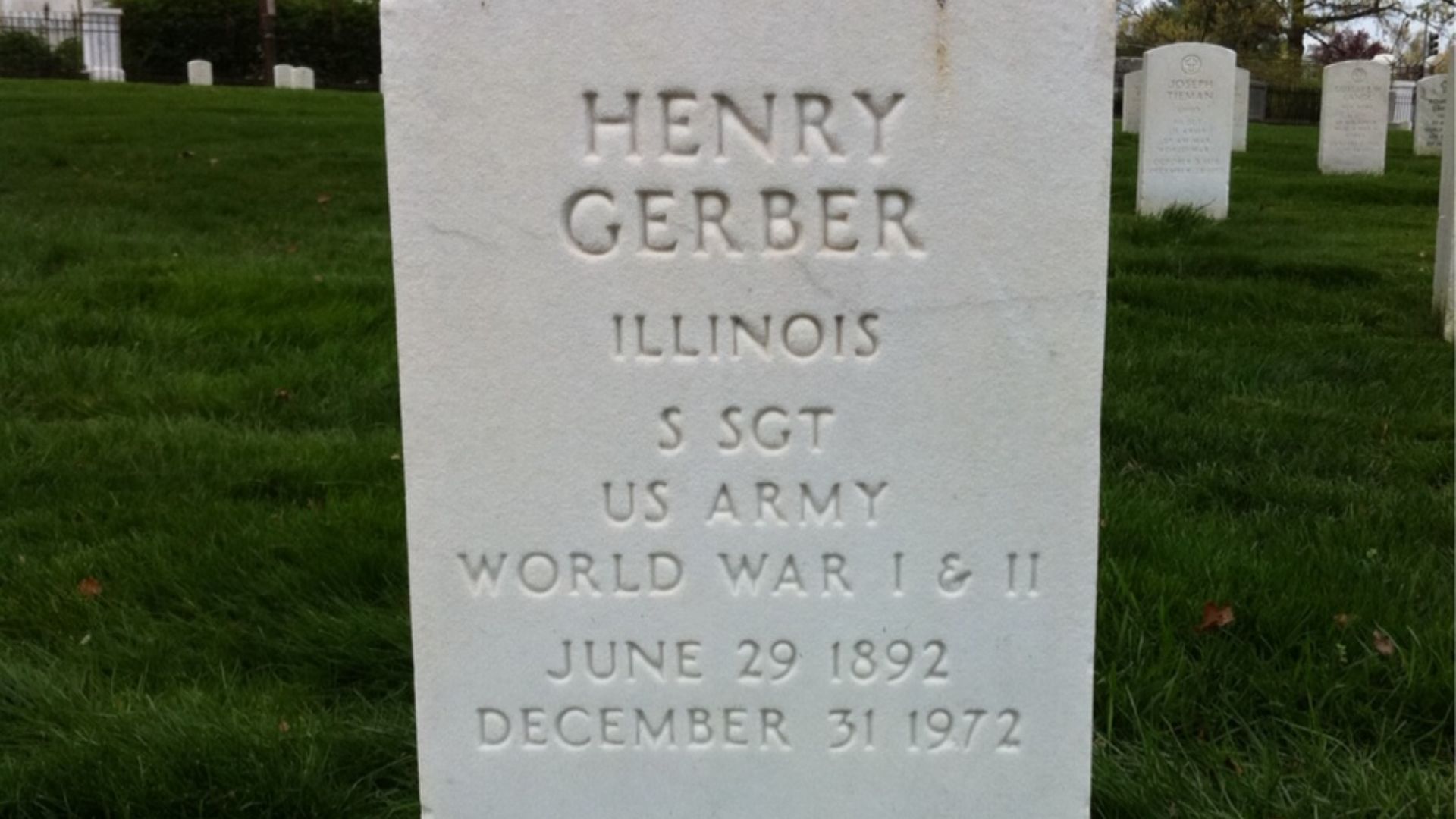
3. Henry Gerber
After serving with the U.S. Army in postwar Europe, Henry Gerber brought ideas from Germany’s early homosexual rights movement to the States. In 1924, he founded the Society for Human Rights in Chicago, which became the first documented gay rights organization in the country. Though it’s a perfectly fine idea for us today, the group faced immediate backlash in the ‘20s and was quickly crushed after police arrests.
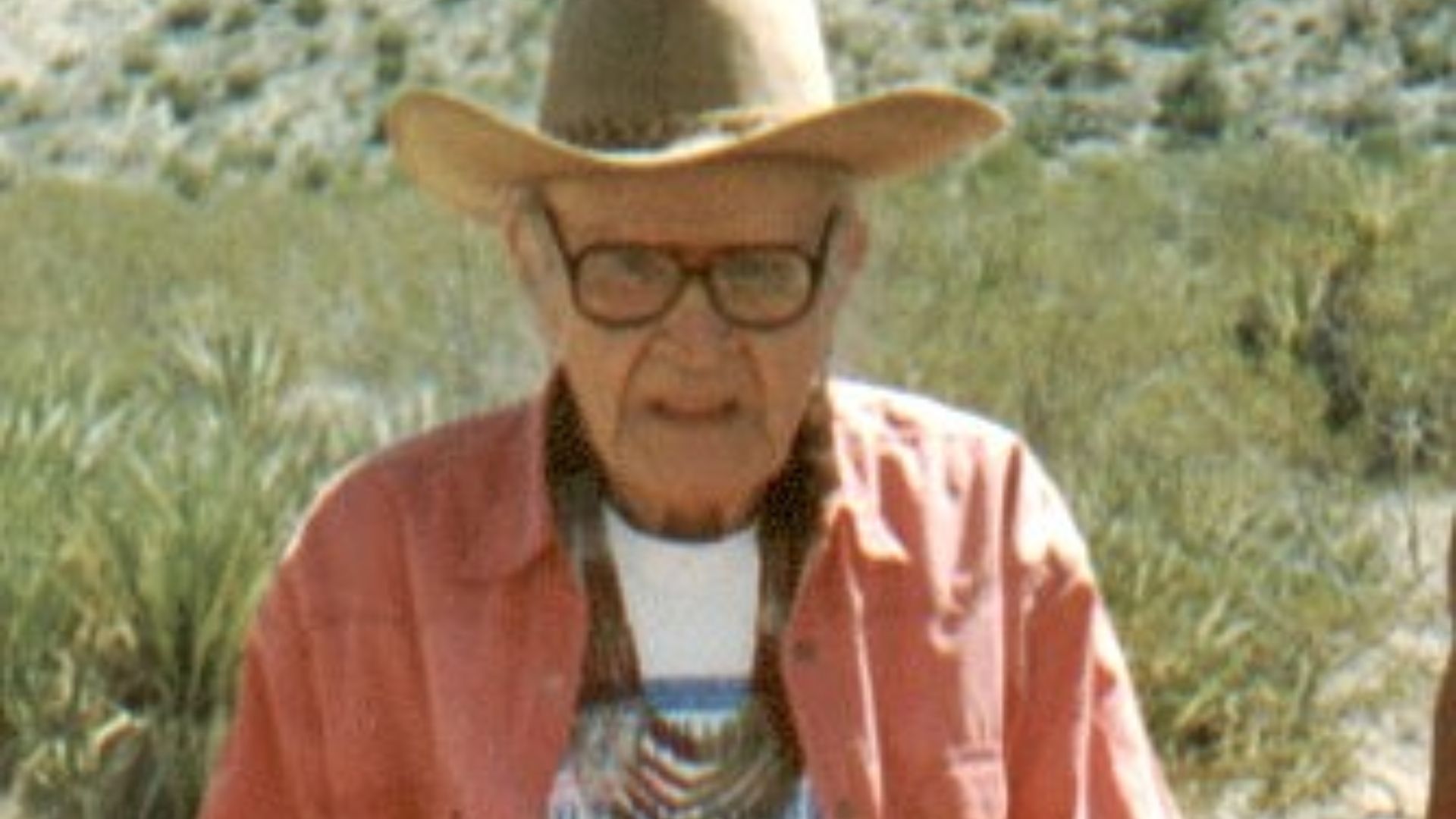
4. Harry Hay
Harry Hay helped launch the Mattachine Society in Los Angeles in 1950. It was a bigger deal than it sounds; the society came at a time when gay people faced all kinds of arrests and public exposure, but Hay argued that they were an oppressed minority with a shared social identity. Thankfully, the Mattachine Society became one of the first lasting gay rights organizations in the States.
5. Del Martin
Del Martin co-founded the Daughters of Bilitis in San Francisco in 1955, helping create the first major lesbian rights organization in the United States. She later edited The Ladder, which was the group’s national magazine, and used it to circulate essays and personal stories to lesbians who often had no other safe source of community at the time.
6. Phyllis Lyon
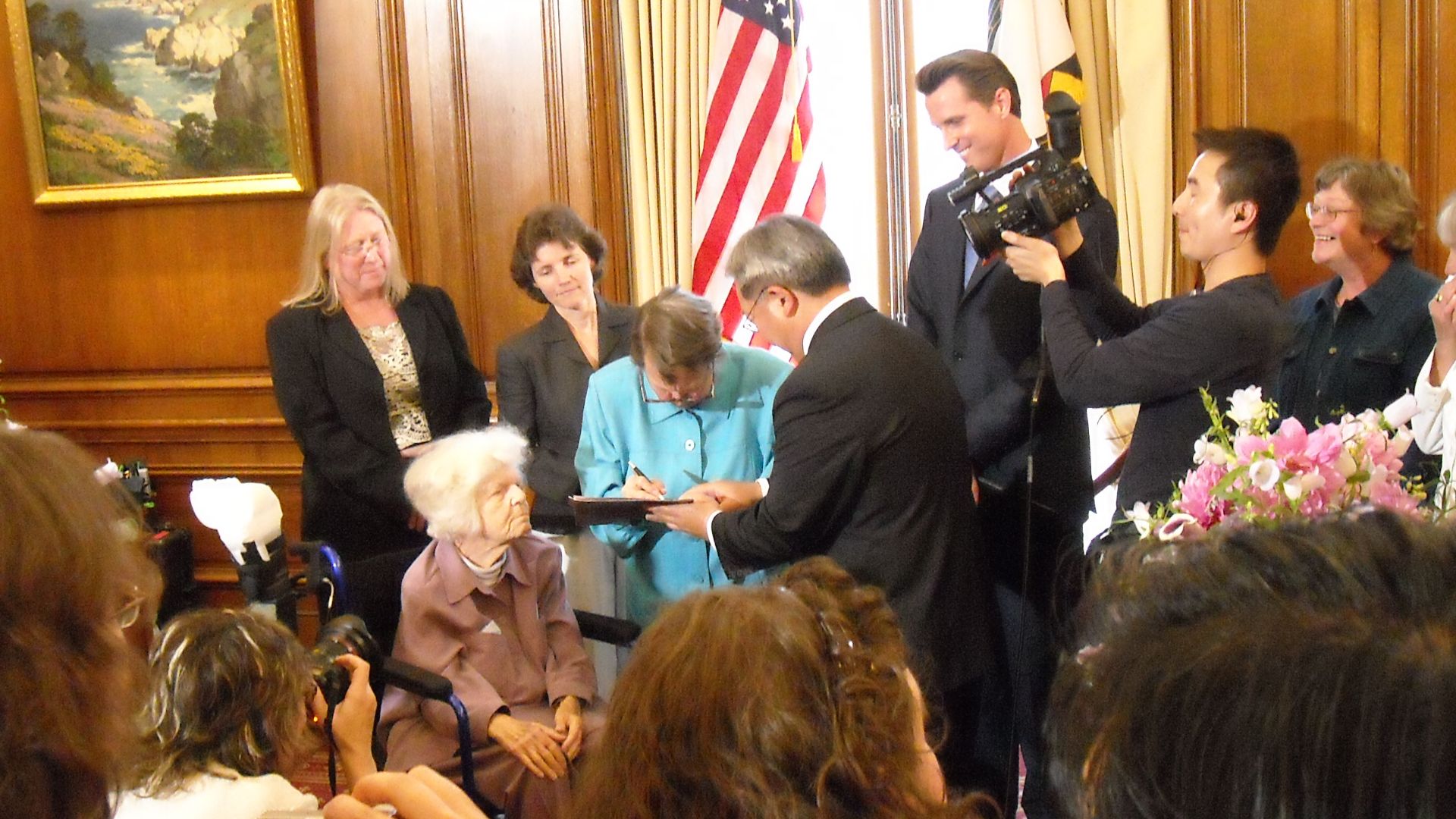
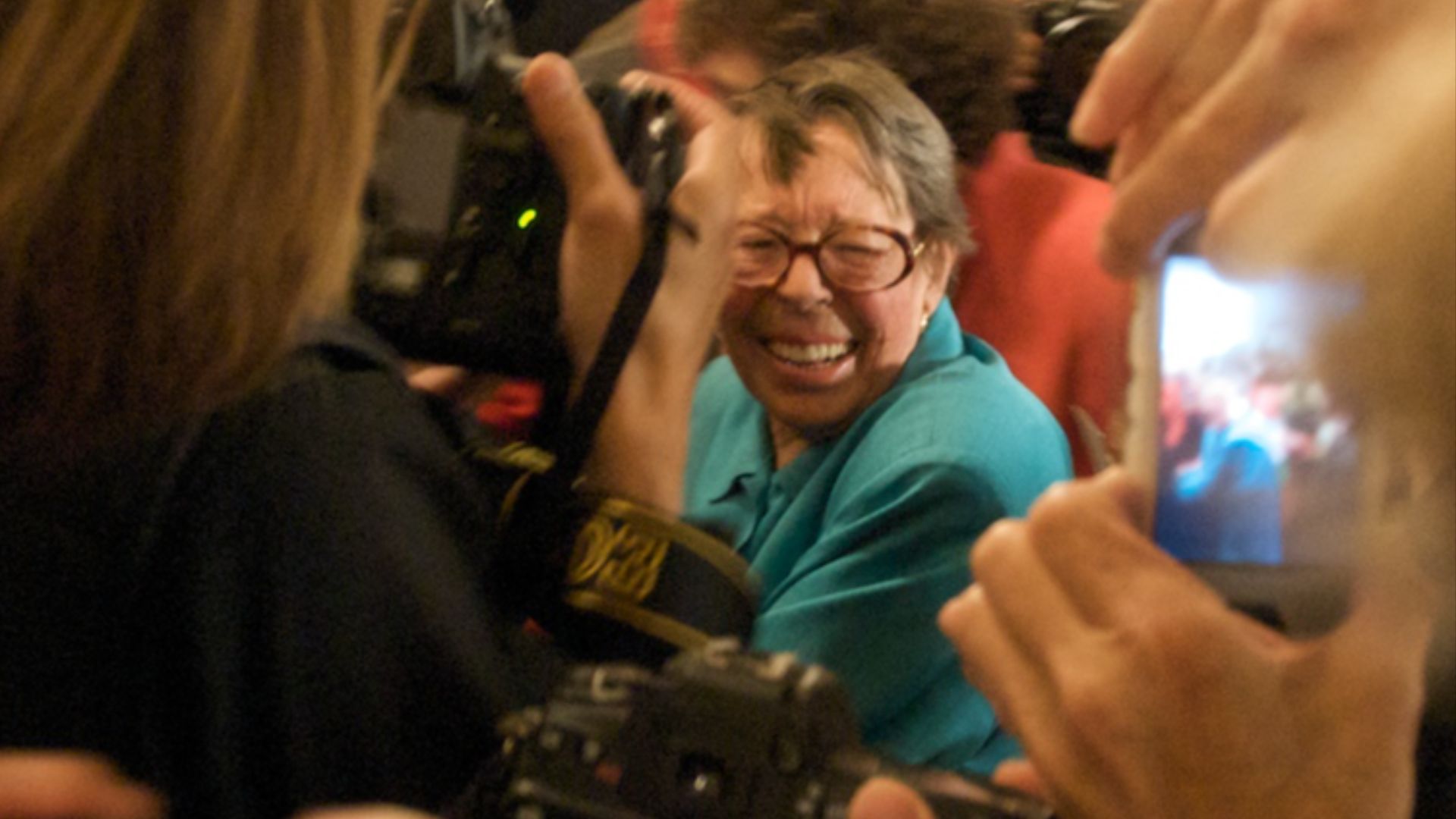
Phyllis Lyon was one of the founders of the Daughters of Bilitis in 1955 and became the first editor of The Ladder in 1956. Her editorial work was one of the very pillars that gave lesbian readers across the country a written community. What’s even more amazing is that decades later, Lyon and Del Martin became poster women of marriage equality when they were married in San Francisco in 2004 and again in 2008.
 brian kusler from new york, usa on Wikimedia
7. Barbara Gittings
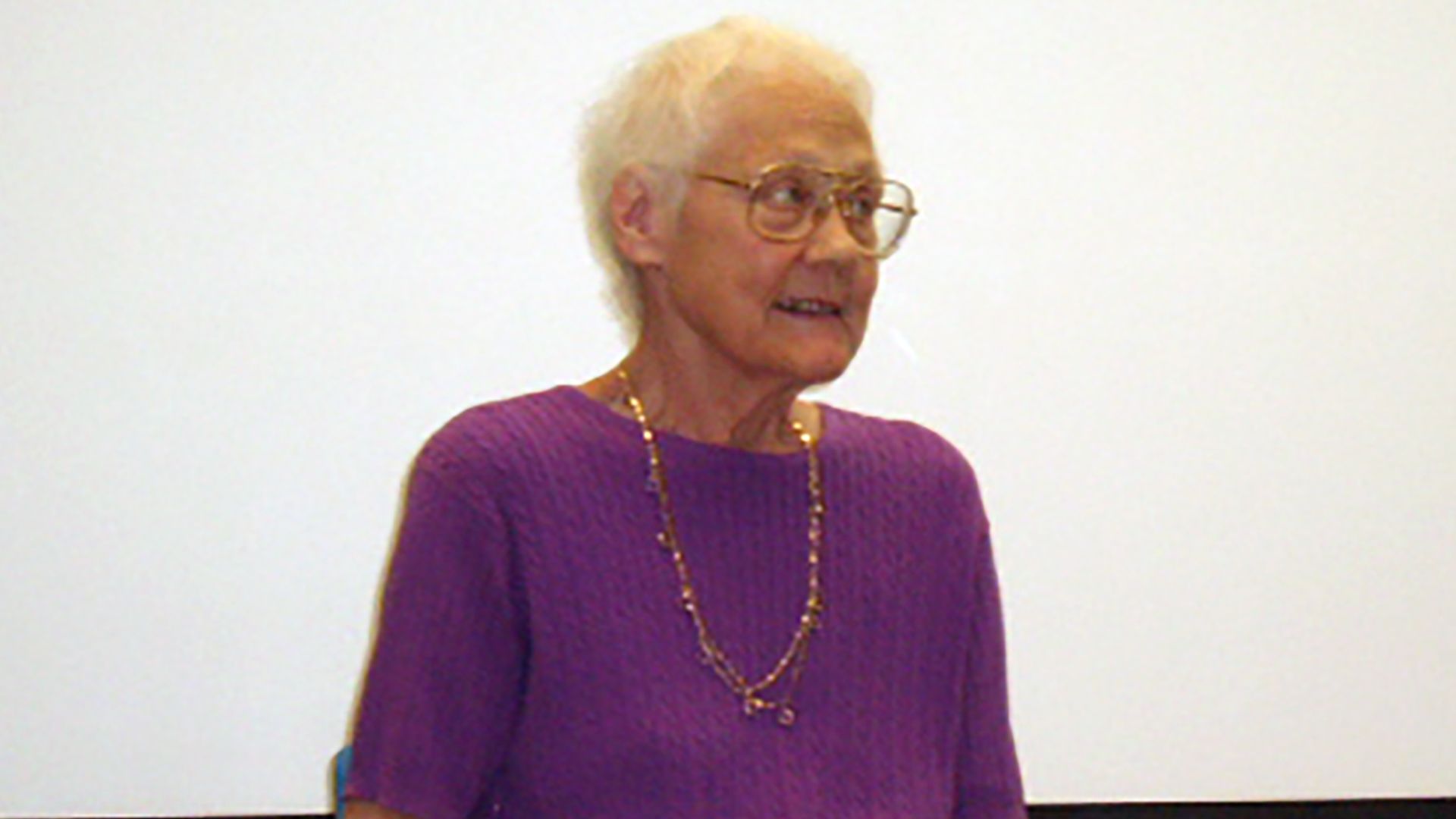
Barbara Gittings began organizing in 1958 when she founded the New York chapter of the Daughters of Bilitis. From 1963 to 1966, she, too, edited The Ladder and brought sharper public arguments for lesbian visibility. She also joined Frank Kameny in the 1960s pickets and helped challenge the American Psychiatric Association, which eventually removed homosexuality from its list of “mental disorders” in 1973.
8. Frank Kameny
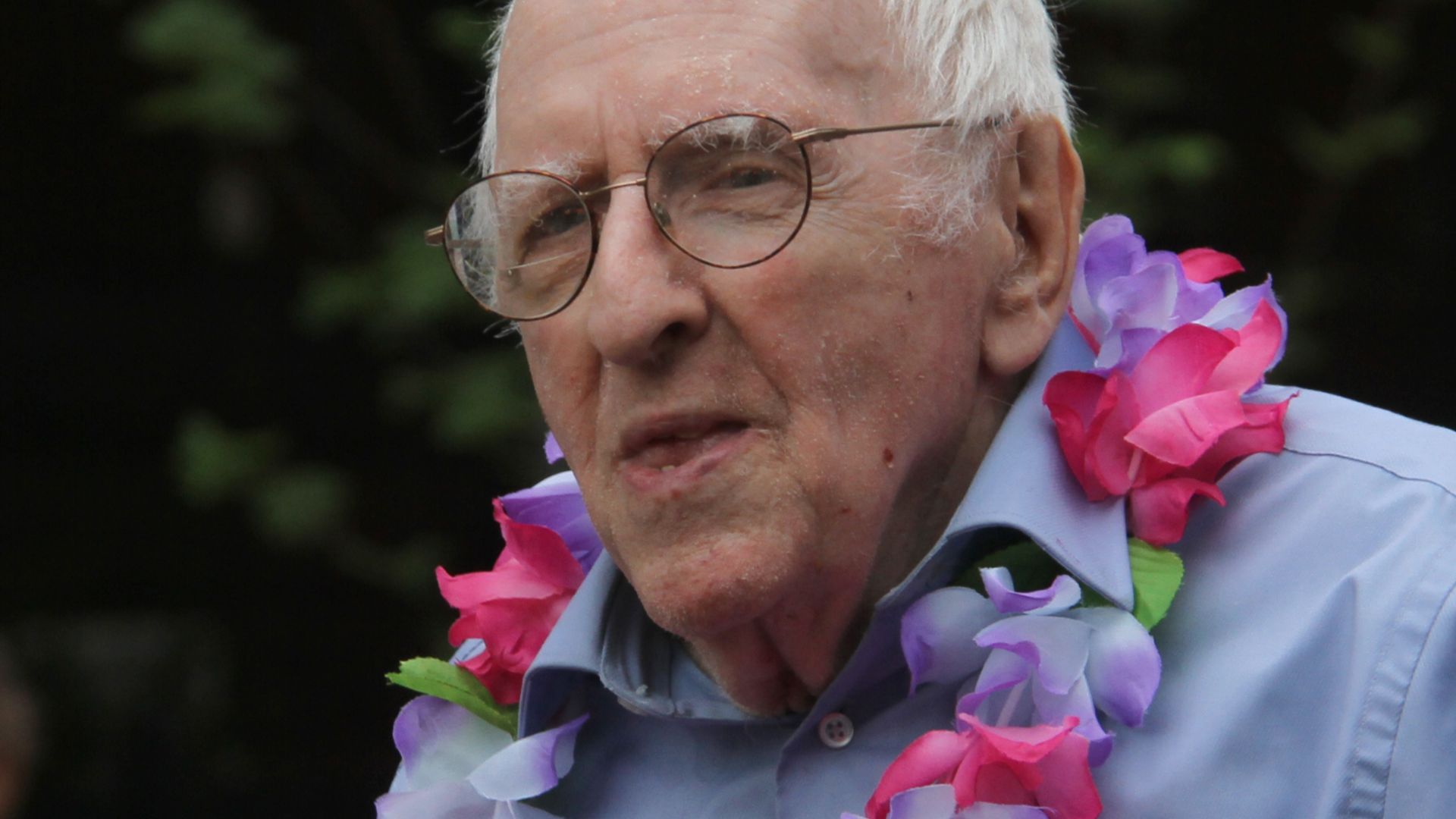
Frank Kameny built a solid career in his federal astronomy job, only to be canned in 1957 for his sexuality. However, that very injustice turned into a lifelong civil rights campaign. In 1961, he took a discrimination claim based on sexual orientation to the U.S. Supreme Court and co-founded the Mattachine Society of Washington. By 1965, he was helping lead public pickets at the White House.
 Davd from Washington, DC on Wikimedia
9. José Sarria
Before gay pride became a household concept, José Sarria used everything from performance to politics to build gay pride in San Francisco. In 1961, he ran for the San Francisco Board of Supervisors and became the first openly gay candidate for public office in the United States. He may not have won the seat, but it showed politicians that gay voters could be visible.
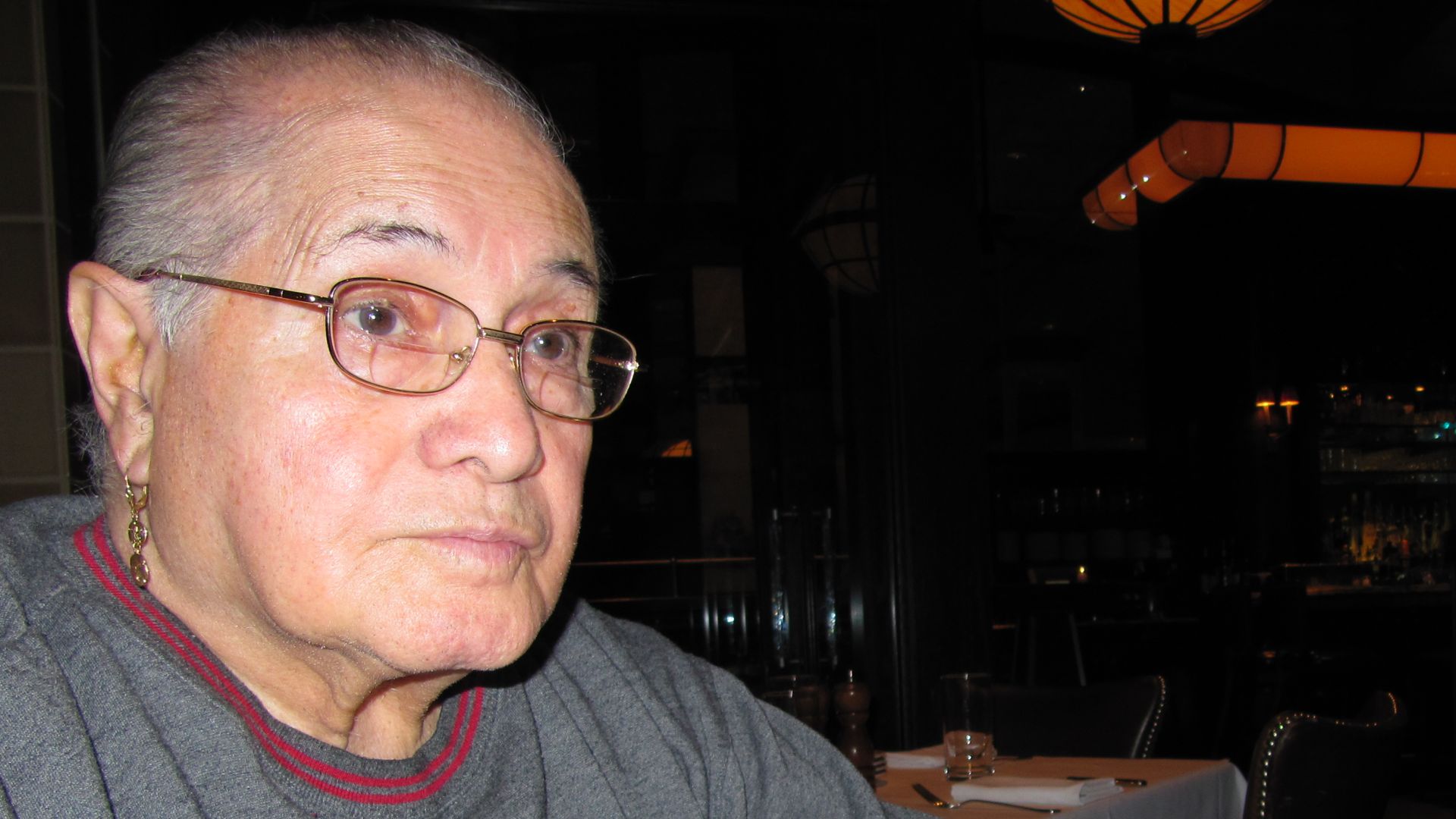 John Stephen Dwyer on Wikimedia
10. Bayard Rustin
Bayard Rustin was a gay civil rights strategist whose work shaped some of the most important campaigns of the 20th century. In 1963, he served as the chief organizer of the March on Washington, even as brutal homophobia forced him to work under scrutiny that many other leaders never had to deal with. He remained outspoken about gay rights throughout his career, regardless.
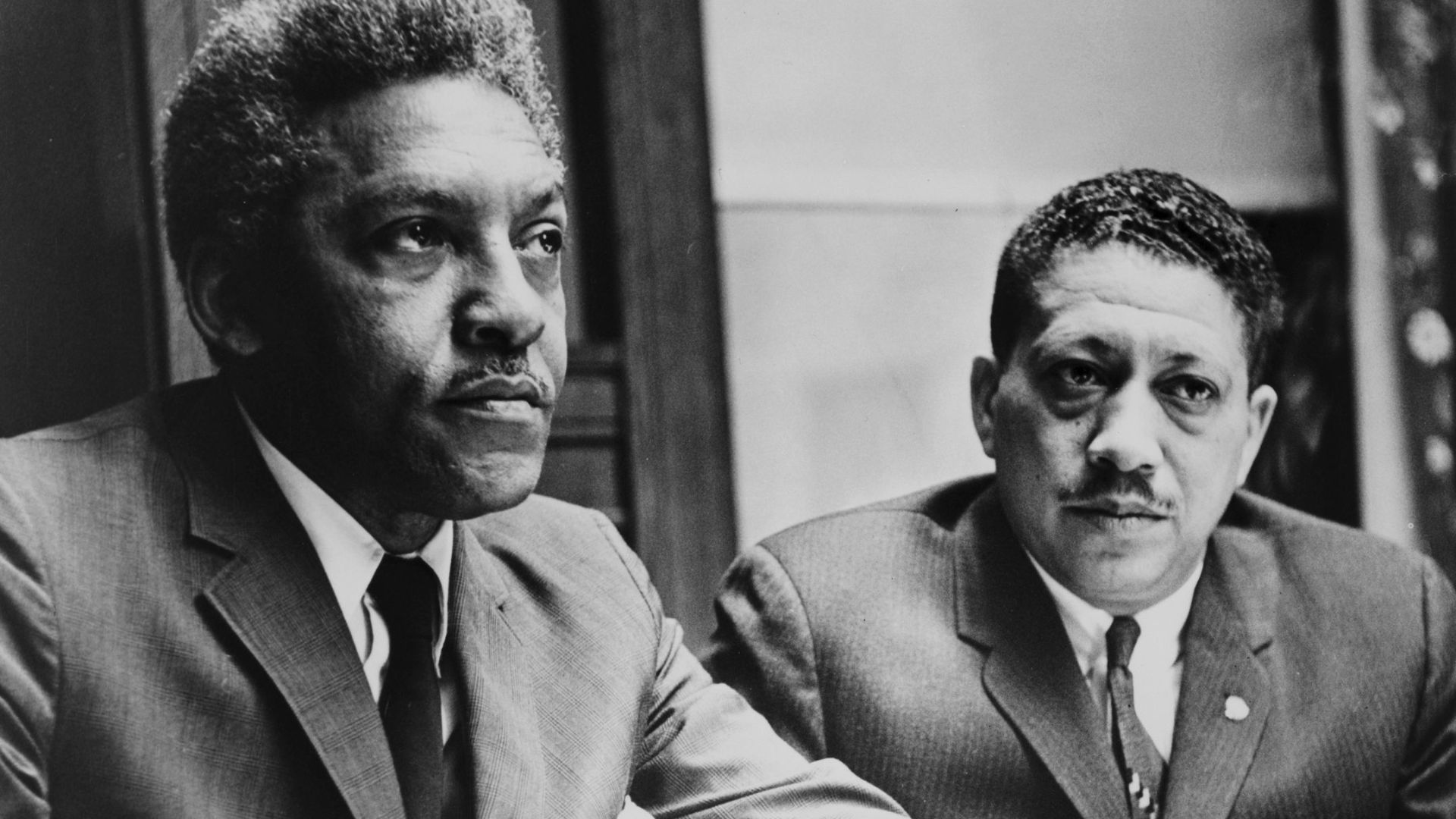 Al Ravenna, New York World-Telegram and the Sun staff photographer on Wikimedia
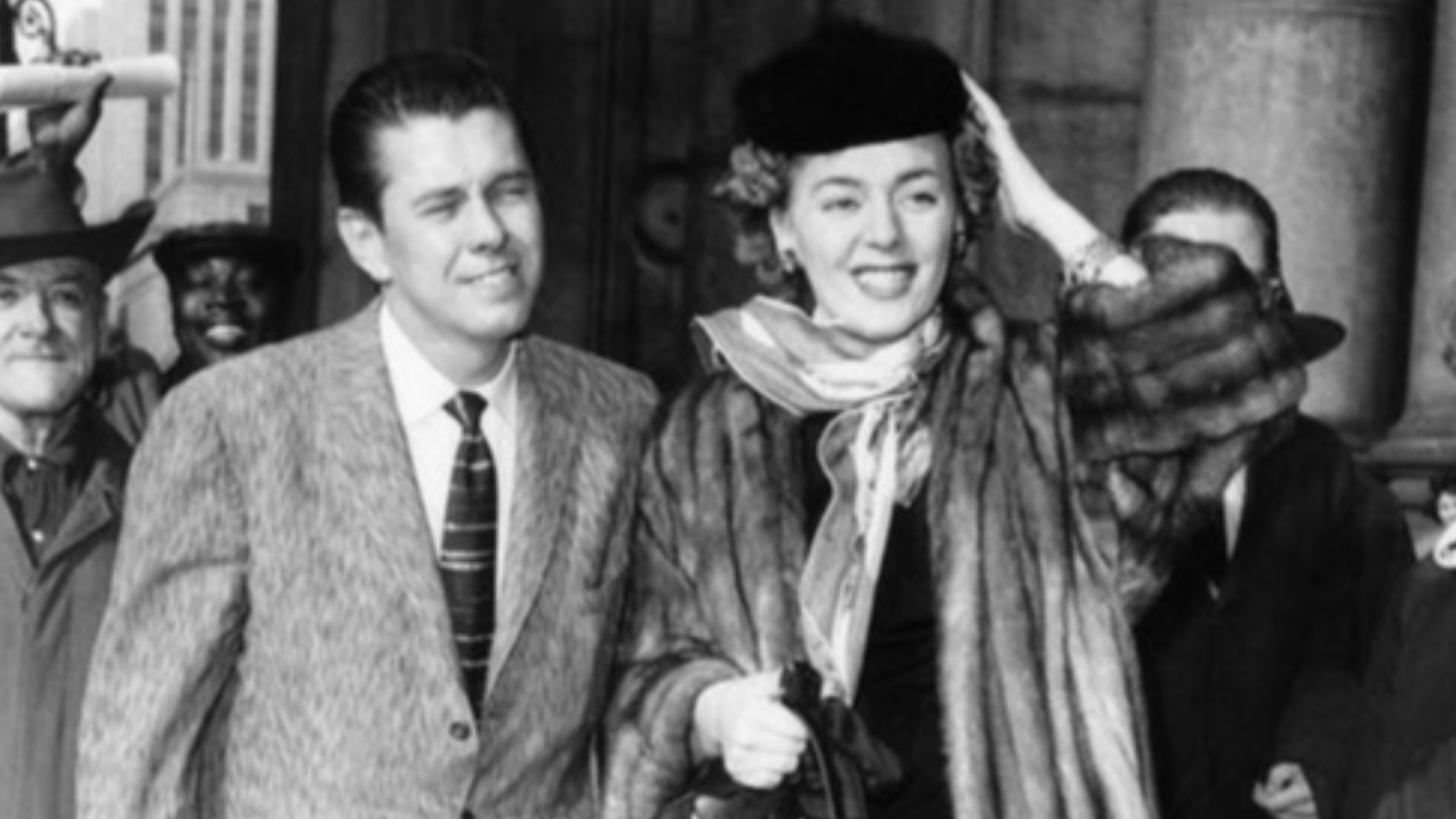
11. Christine Jorgensen
Christine Jorgensen became an international story in 1952. Newspapers reported on her gender-confirmation procedures after she returned to the United States from Denmark as one of the first widely known transgender women in American public life. Rather than let the invasive questions get her down, she went on to build a career as a speaker, helping bring transgender identity into public discussion during the ‘50s and ‘60s.
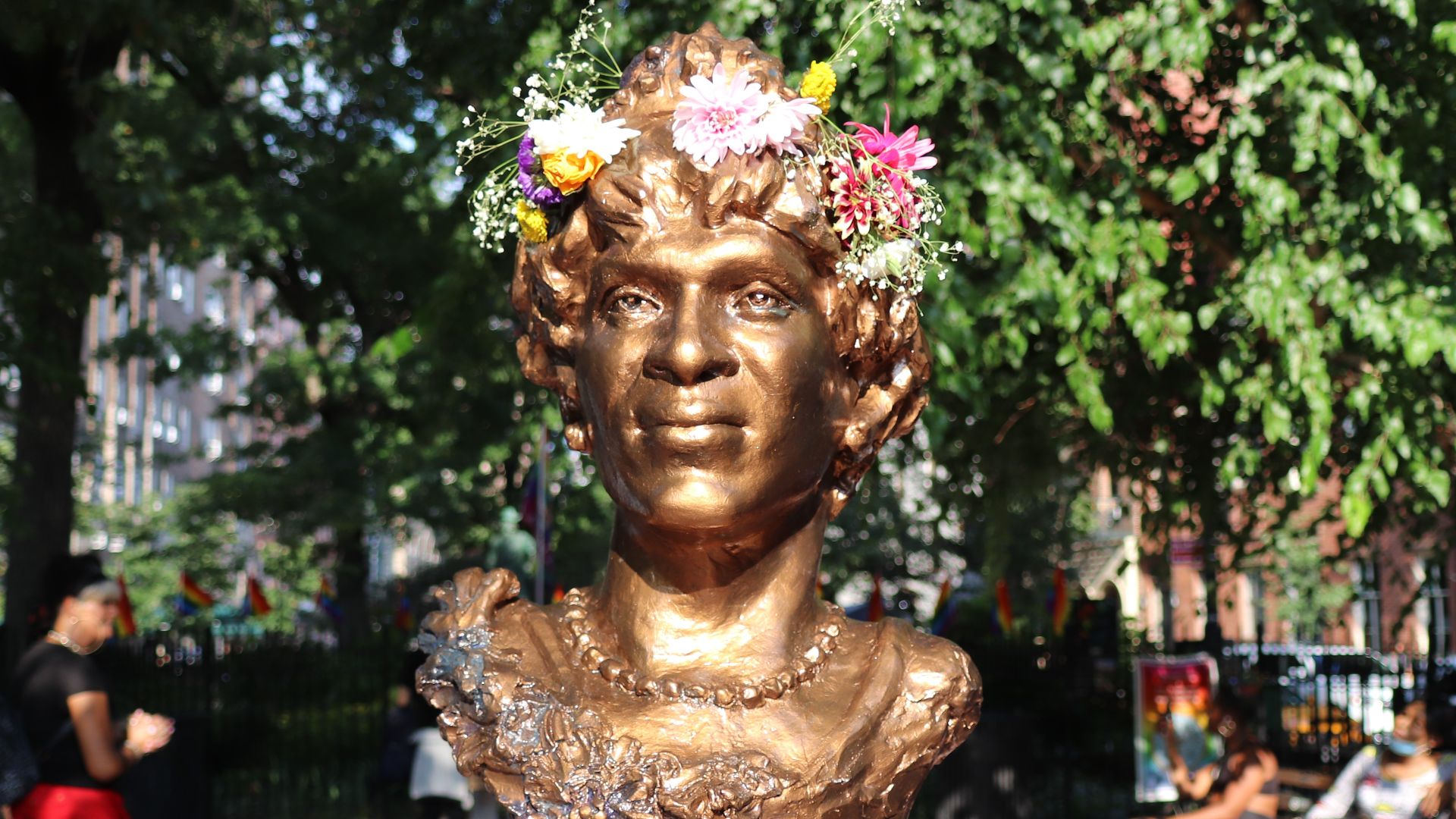
12. Marsha P. Johnson
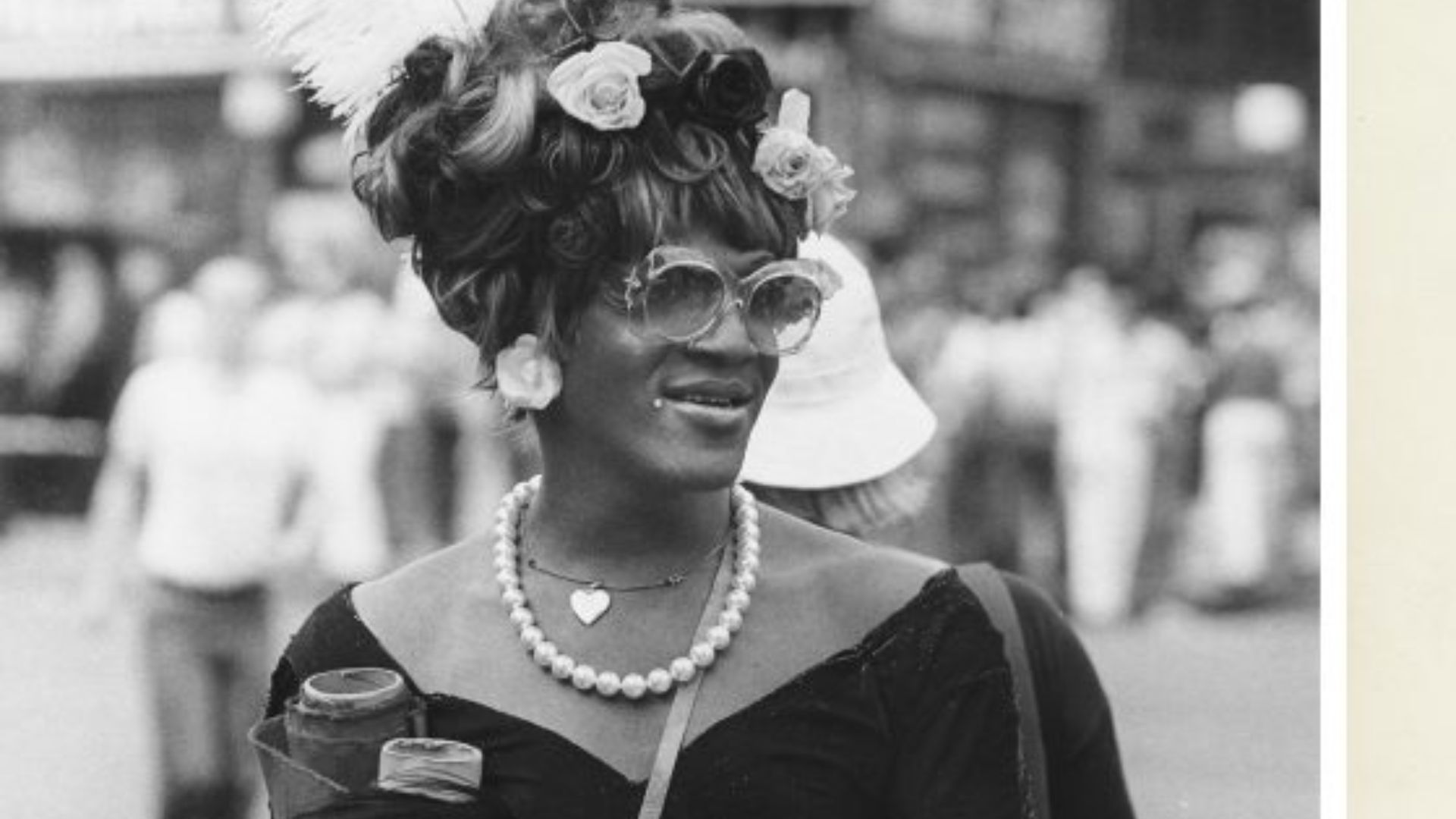
Marsha P. Johnson became one of the best-known figures connected to the Stonewall uprising of 1969—and the movement that followed it. After Stonewall, she joined the Gay Liberation Front and later co-founded Street Transvestite Action Revolutionaries, known as STAR, with Sylvia Rivera in 1970. Johnson’s activism focused on all sorts of discriminated communities, too, including homeless queer youth, transgender people, and poor people of color.
13. Sylvia Rivera
Sylvia Rivera fought for gay and transgender liberation after the 1969 Stonewall uprising as well, though she also became known for insisting that the movement include its most vulnerable members. In 1970, she co-founded STAR alongside Johnson to provide support for homeless young people and gender-nonconforming people in New York City. Her iconic 1973 speech at a gay rights rally remains popular to this day as well.
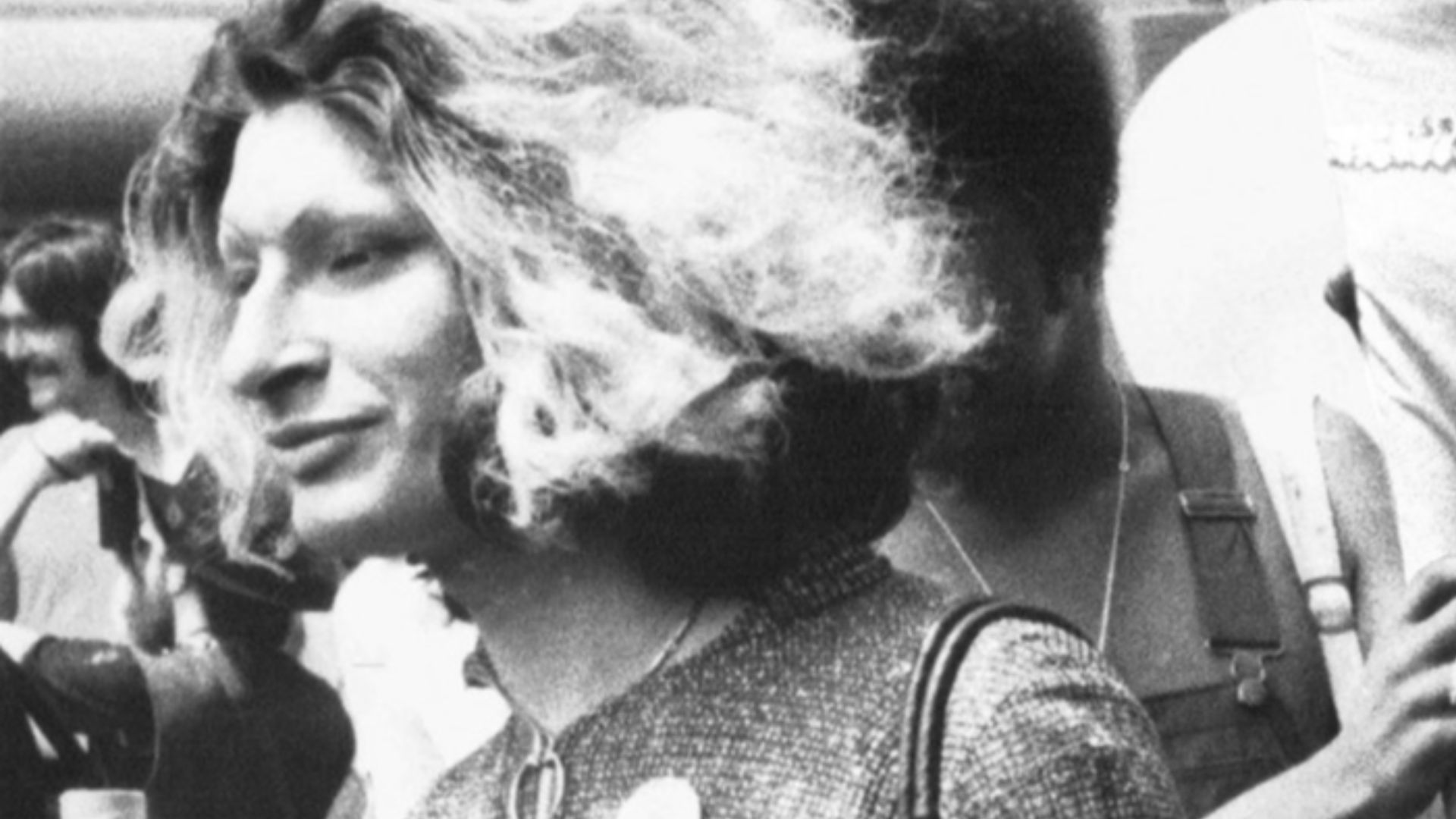
14. Brenda Howard
The next time you think of Pride, you might want to toss Brenda Howard a well-deserved nod. She helped turn the memory of Stonewall into the annual public tradition we all celebrate now. In 1970, she helped coordinate the Christopher Street Liberation Day March in New York City, held on the first anniversary of the Stonewall uprising. Howard, who was bisexual, also remained active in groups like the Gay Liberation Front, Gay Activists Alliance, ACT UP, and Queer Nation.
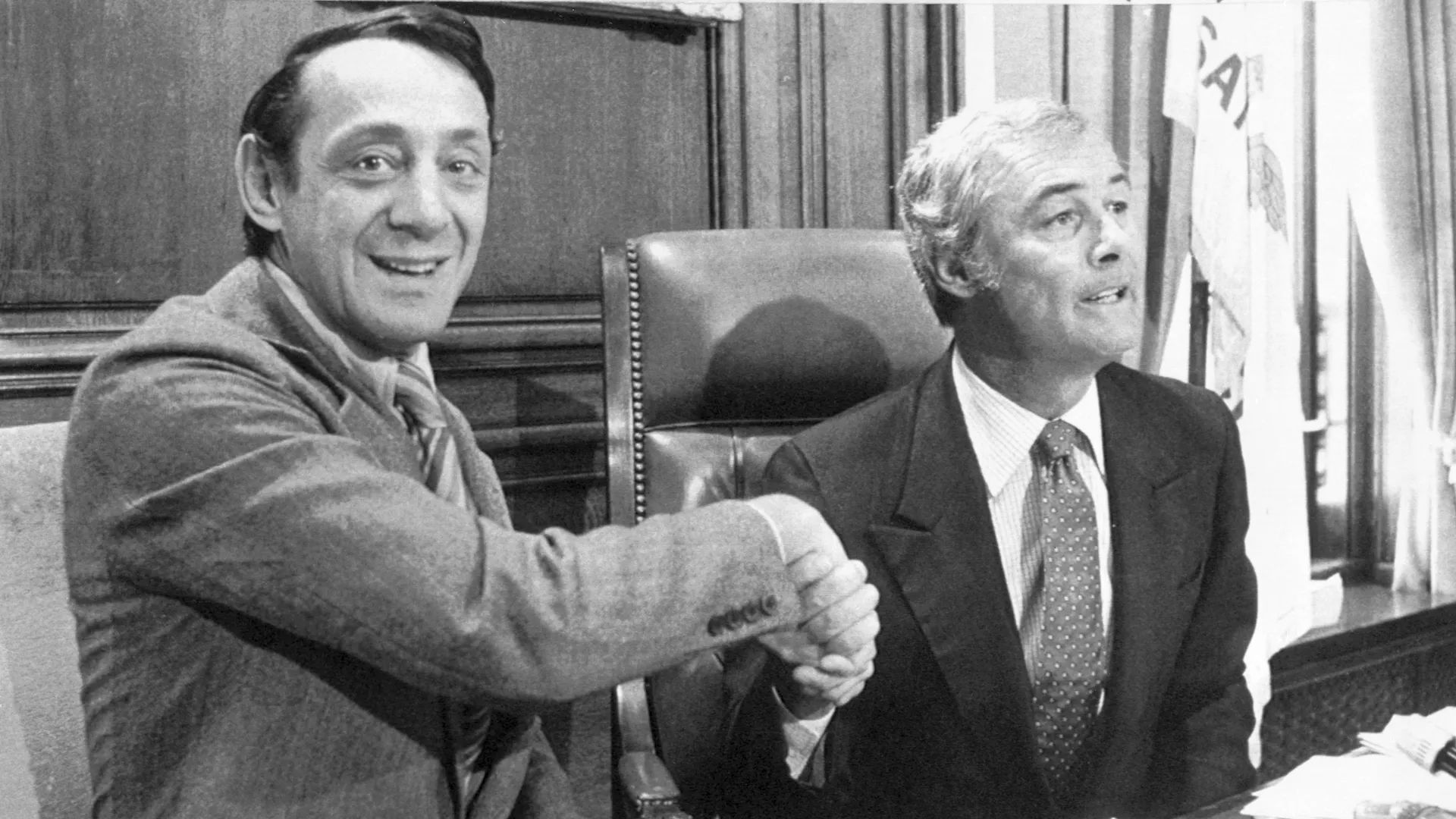
15. Harvey Milk
Harvey Milk became one of the most visible gay elected officials in American history when he won a seat on the San Francisco Board of Supervisors in 1977. During his time in office, he pushed for gay rights protections and even helped defeat California’s 1978 Briggs Initiative, a barbaric idea that sought to prevent gay and lesbian people from teaching in public schools. His legacy ended in tragedy, however, as he was assassinated on November 27, 1978, alongside Mayor George Moscone.
16. Gilbert Baker
It’s hard not to think of Gilbert Baker whenever we see a rainbow. Yes, Baker gave the gay community one of its most enduring public symbols when he designed the rainbow flag in 1978! The original designs were hand-dyed and sewn by Baker and volunteers for San Francisco’s Gay Freedom Day celebration that June.
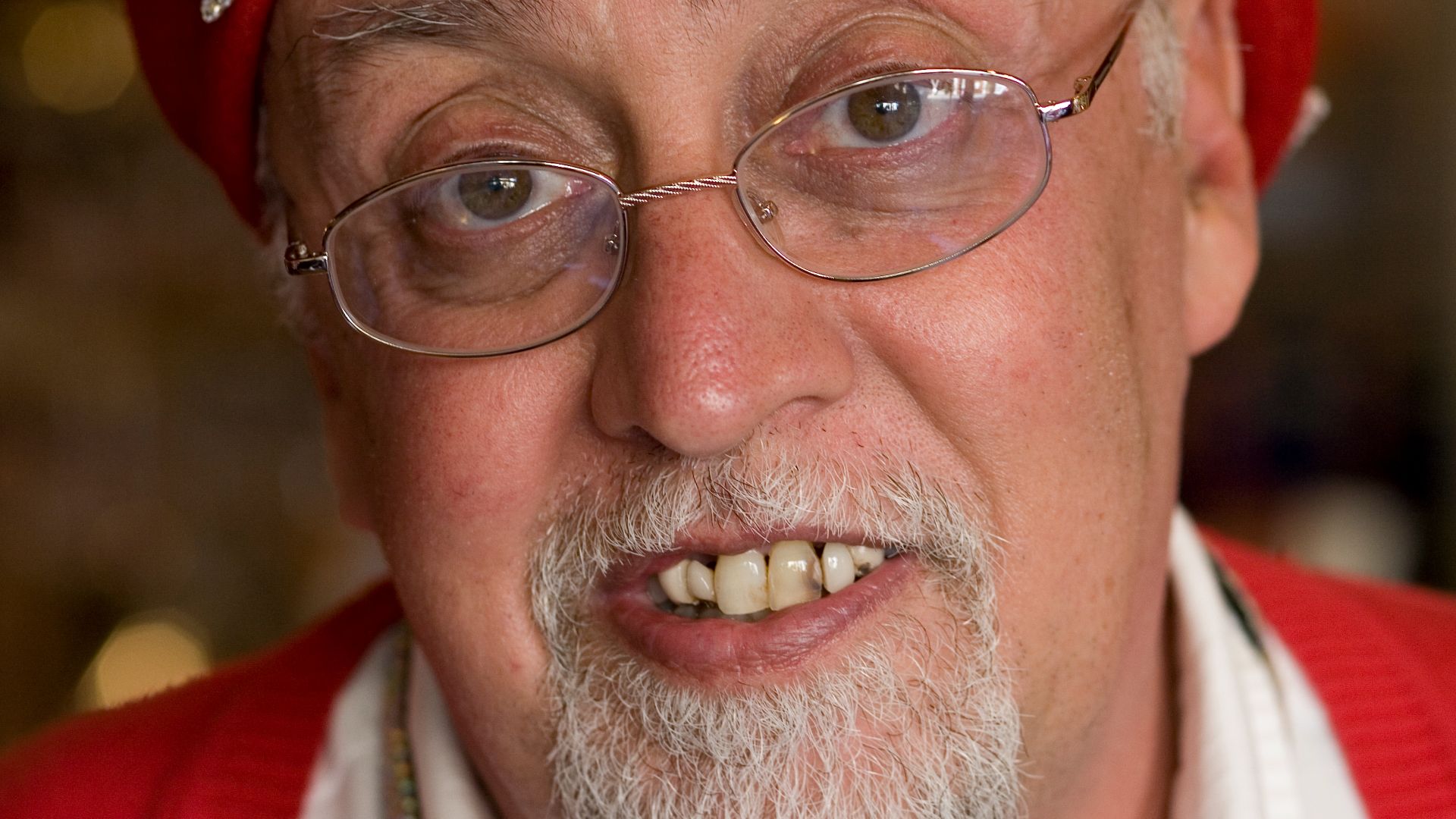
17. Larry Kramer
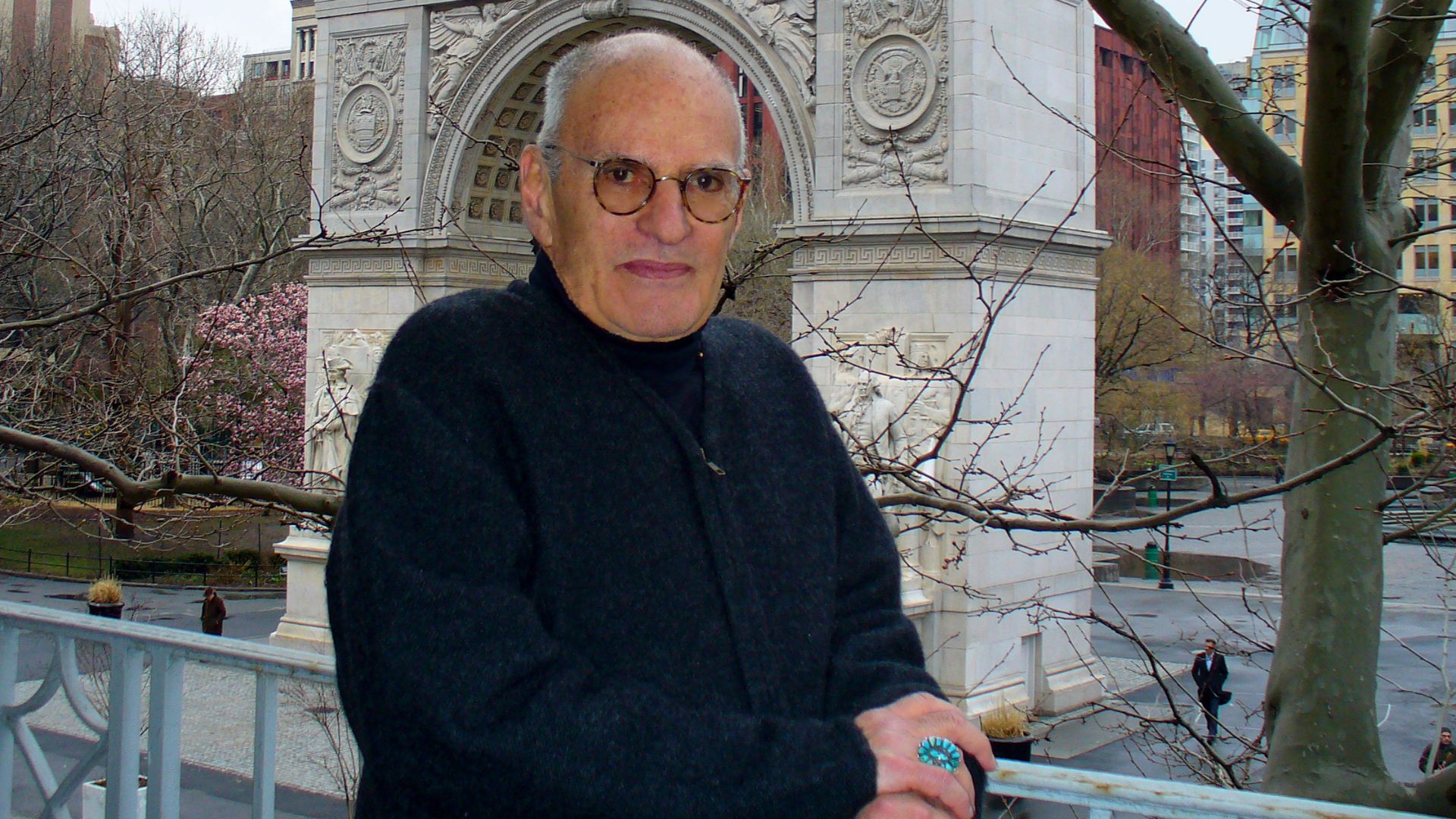
Larry Kramer was one of the figures who forced the United States to pay attention to AIDS, especially at a time when the government and media swept it under the rug. In 1982, he was one of the founders of Gay Men’s Health Crisis in New York, which became an early source of support and services during the epidemic. He also helped launch ACT UP in 1987.
18. Audre Lorde
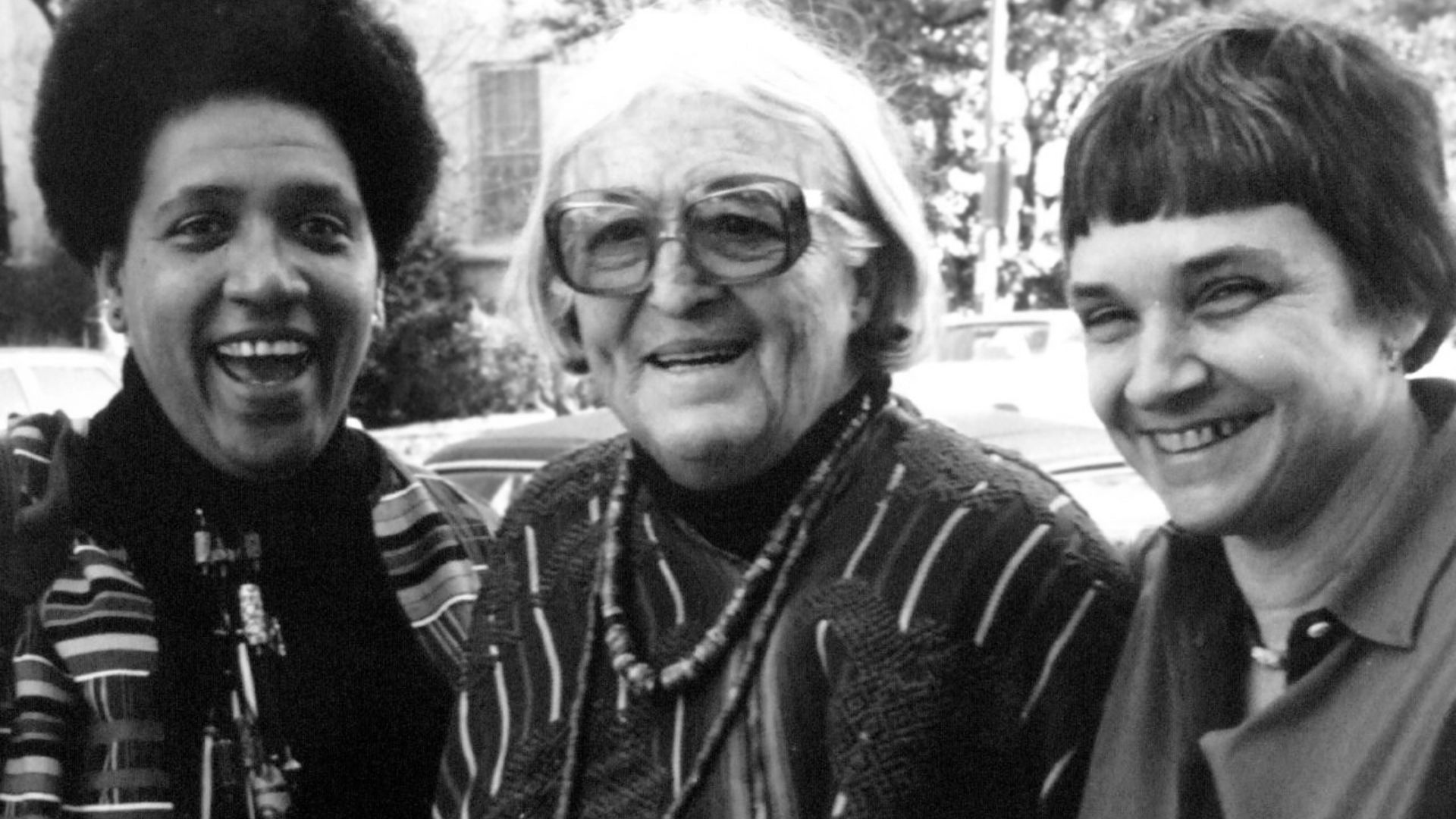
Audre Lorde made Black lesbian identity central to her poetry, essays, and public speeches during the ‘70s and ‘80s. She explored themes of family, race, and self-discovery with pretty blunt directness for its time, which helped give later activists language for similar struggles.
19. James Baldwin
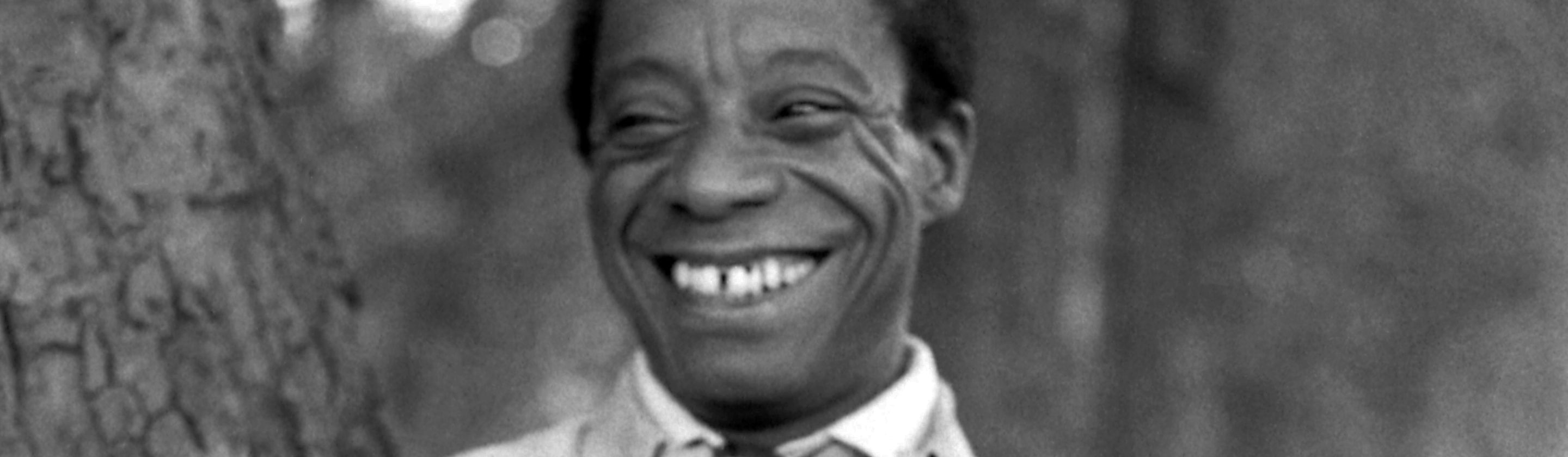
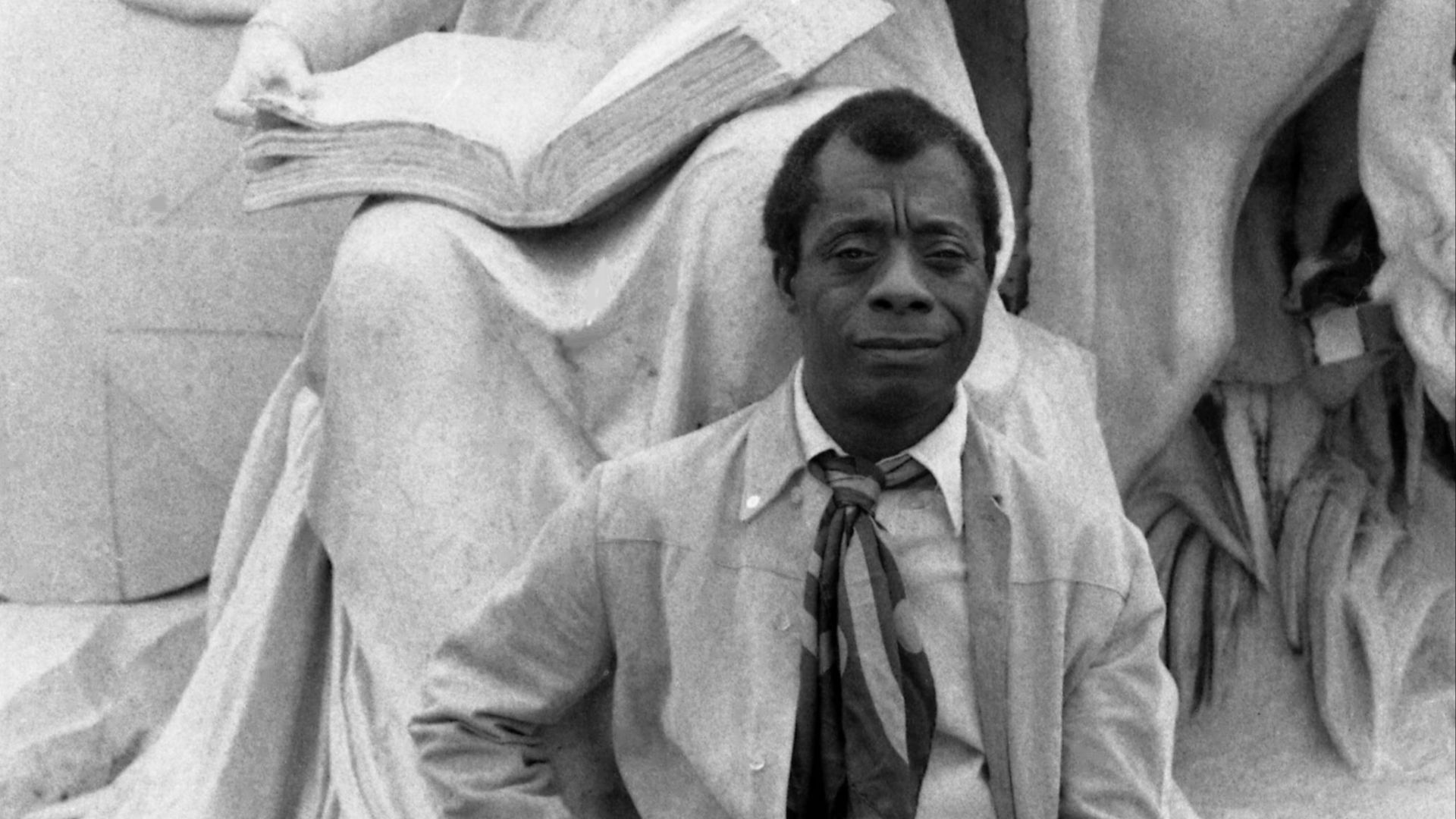
James Baldwin was much more than a nearly flawless writer—his career also made him an essential voice on race, sexuality, and identity. That being said, his work did bring gay desire and moral conflict into American literature with Giovanni’s Room, a novel published in 1956. It followed an American man in Paris struggling with his relationships with men, and it appeared when many publishers and readers still treated homosexuality as something too dangerous to confront openly.
20. Jeanne Manford
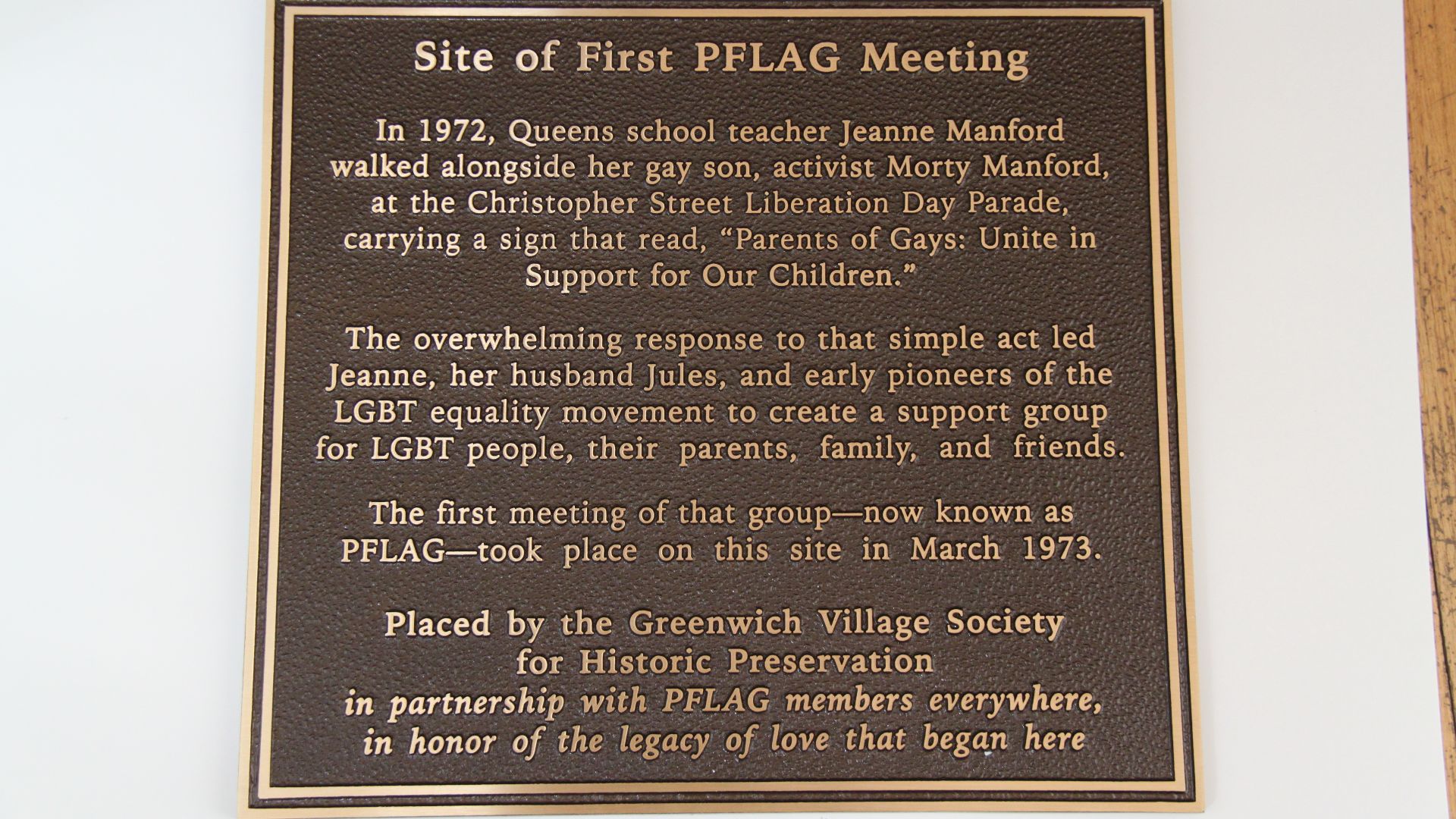
Jeanne Manford changed gay rights history by making parental support visible in public. In 1972, she marched with her gay son, Morty, in New York’s Christopher Street Liberation Day March after he had been attacked in an earlier protest. In 1973, she then helped hold the first formal meeting of what became PFLAG, giving families a way to support gay and lesbian people instead of mistreating or ignoring them.