

Public holidays are so deeply woven into modern life that most people rarely stop to consider where they came from. Whether they're used to celebrate national achievements, honor important historical figures, or mark religious observances, holidays have become regular fixtures on calendars around the world. Yet many of these special days began for reasons that were quite different from how they're observed today.
The origins of public holidays stretch back thousands of years, reaching into ancient civilizations that used designated days for worship, festivals, and community gatherings. Over time, governments, religious institutions, and cultural traditions all played a role in shaping the holidays that millions of people now enjoy each year. Understanding how these celebrations began offers a fascinating glimpse into the values and priorities of societies throughout history.
Ancient Festivals Were The First Public Holidays
Long before modern governments existed, ancient societies established special days dedicated to religious ceremonies and seasonal events. Civilizations such as the Egyptians, Greeks, and Romans regularly paused ordinary activities to honor their gods, celebrate successful harvests, or mark important points in the calendar year. These occasions often brought entire communities together through feasts, rituals, and public gatherings.
Many of the earliest celebrations were tied directly to agriculture because farming determined whether communities thrived or struggled. Planting seasons, harvest periods, and weather patterns affected daily life in ways that are difficult to imagine today. As a result, people developed festivals that recognized these important milestones and expressed gratitude for favorable conditions.
The Romans played a particularly important role in formalizing public celebrations. They observed official festival days known as feriae, during which many forms of work were suspended, and public events took place. These designated holidays helped establish the idea that entire populations could collectively set aside time for celebration and observance.
Religion Helped Shape Holiday Traditions
As major religions expanded across different regions, they introduced holy days that became central to community life. Christianity, Islam, Judaism, Hinduism, Buddhism, and other faiths all developed calendars containing important religious observances. Over time, many of these occasions grew beyond purely spiritual gatherings and became recognized throughout broader society.
Christmas is one of the best-known examples of a religious holiday becoming a widely observed public celebration. Although it originated as a Christian observance marking the birth of Jesus Christ, it eventually became a national holiday in many countries. Today, it often combines religious traditions with cultural customs, family gatherings, and seasonal festivities.
Easter followed a similar path in many parts of the world. While its religious significance remains central for Christians, the holiday has also become associated with community events and family traditions. These developments demonstrate how religious observances often evolve as societies adopt and reinterpret them over time.
Governments Turned Holidays Into National Events
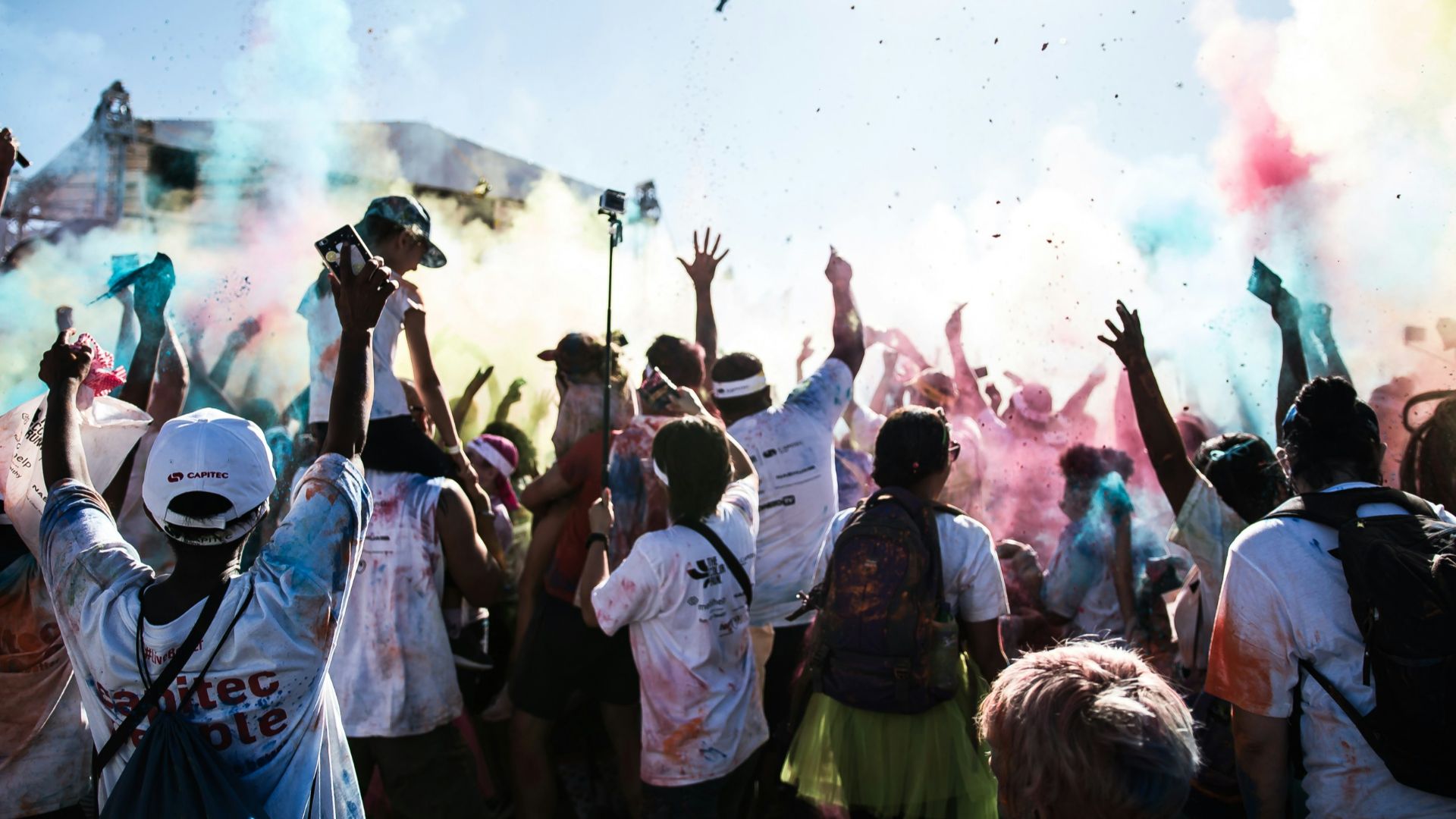
As modern nations emerged, governments began creating holidays that reflected national identity rather than strictly religious observance. These days are often commemorated as independence movements, important political events, military victories, or influential leaders. Public holidays became useful tools for encouraging shared traditions and strengthening national unity.
In the United States, Independence Day celebrates the adoption of the Declaration of Independence in 1776. Similar national holidays exist around the world and allow citizens to recognize defining moments in their country's history. These celebrations help connect present generations to events that shaped the nations they live in today.
The nineteenth and twentieth centuries also saw the rise of labor-related holidays. Events such as Labor Day emerged partly in response to labor movements that sought recognition for workers and their contributions to society. These newer holidays reflected changing social priorities and demonstrated that public celebrations could continue evolving alongside modern life.
Public holidays may feel like simple days off from work or school, but their histories reveal a much richer story. From ancient religious festivals and agricultural celebrations to modern national commemorations, these special days developed alongside human civilization itself. The next time a public holiday appears on your calendar, you'll know it's part of a tradition that stretches back thousands of years and continues to evolve with every generation.
KEEP ON READING
20 Greek Gods We Don't Often Talk About
Step Aside, Zeus. Greek mythology isn’t only about Zeus and…
By Elizabeth Graham Jan 16, 2026
10 Historic Courtship Practices That Should Be Brought Back &…
Old-School Dating Was a Mix of Charming & Unhinged. Historic…
By Emilie Richardson-Dupuis Jan 20, 2026
Pooches Of The Past: Extinct Dog Breeds
Unknown authorUnknown author on WikimediaDogs have been showing up in…
By Elizabeth Graham Jan 27, 2026
The 20 Craziest Silent Films Ever Made
When Silence Let the Madness Speak. Silent cinema didn’t just…
By Chase Wexler Jan 5, 2026
Legendary Tales: 20 Most Fascinating Mythical Creatures from Folklore
Mythological Beasts. Stories about mythical creatures endure for a simple…
By Christy Chan Jan 16, 2026
The three most expensive historical artifacts ever sold at auction
Attributed to Leonardo da Vinci on WikimediaAuctions are where history…
By Emilie Richardson-Dupuis Jan 9, 2026