Walk through any contemporary suburb or midsize city, and you'll notice that everything is drab and depressingly monotonous. The five-over-one apartment blocks are cookie-cutter, the luxury condos are all clad in gray panels, and the shopping centers all have blank facades and parking lots stretching toward the horizon. We've surrounded ourselves with architecture that feels actively hostile to beauty, and nobody seems to know how we got here or how to reverse course.
Everything Is Beige or Gray Now
Developers have discovered approximately three colors: beige, gray, and a slightly darker gray. Sometimes there's an accent wall in a gray that leans vaguely blue. The exteriors of new construction use the same materials everywhere: fiber cement panels, vinyl siding in "modern" tones, and occasional wood-look composites that fool nobody. Walk through a new development, and you could be anywhere: Phoenix, Portland, Pittsburgh. Doesn't matter.
This wasn't inevitable. Previous generations built with regional materials, local stone, and brick kilns that produced slightly different colors depending on the clay. There was variety because there had to be. Now we can ship the same materials anywhere, and we do, creating a visual sameness that stretches from coast to coast. The architect James Howard Kunstler coined the term "geography of nowhere" to describe this placeless landscape we find ourselves living in.
Nobody Knows How to Make Windows Anymore
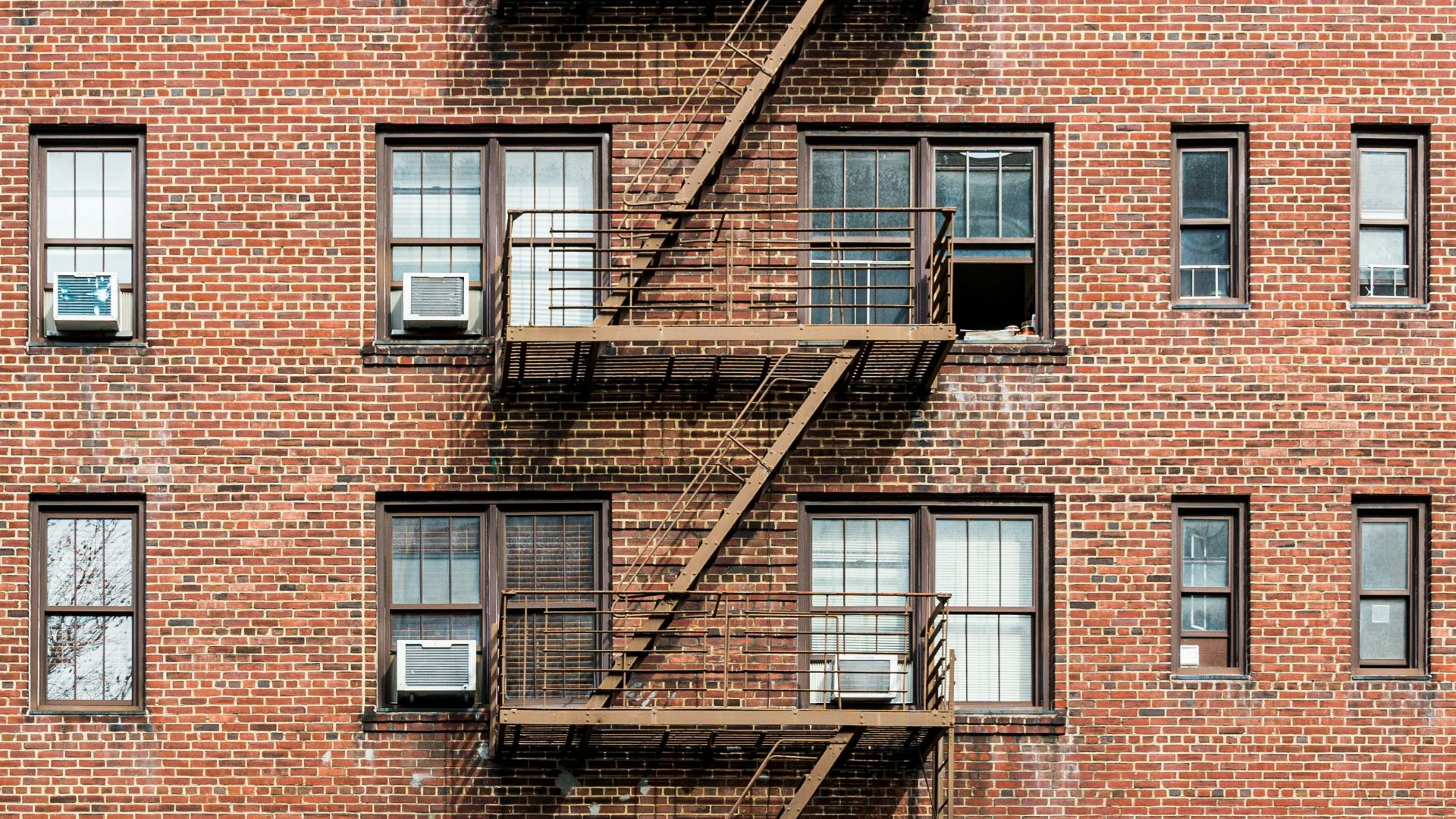
In older buildings, windows are tall, proportioned, and designed to let in actual light. They have keystones and lintels and sills that project outward. Now look at new construction. Those aren't windows; they're rectangular holes punched into walls that lie flat to the surface without depth or detail.
Windows used to be taller than they were wide because humans are taller than we are wide, and vertical lines feel dignified and grounded. Modern buildings do the opposite, opting for wide, squat windows that make everything feel compressed. The reasons for this are entirely practical: horizontal windows are easier to install, use less structural support, and fit better with modern floor-to-ceiling measurements. It's a trade-off between efficiency and elegance.
Ornament Died and We Pretend Not to Miss It

Buildings used to have cornices, corbels, and decorative brickwork. They had capitals and friezes and dentils; texture, shadow, and skilled craftsmanship. One of modernism's greatest crimes is doing away with all ornamentation, ushering us into an aesthetic era of smooth lines and flat surfaces devoid of detail.
The architect Louis Sullivan famously said, "form follows function," which somehow became the justification for outlawing decoration. Human beings are visual creatures that delight in detail and elements that catch the light differently throughout the day. When you strip all that away, you get buildings that feel dead.
Nobody's asking for gargoyles on every apartment complex. Just something—anything—beyond the absolute minimum: a bit of relief in the façade, some brick detail, or some brackets under the eaves.
The Materials Are Designed to Fail
Drive past any strip mall from the 1990s, and it shows its age plainly. The stucco's cracking, the EIFS is delaminating, and the vinyl siding has faded to some color that doesn't exist in nature. We've replaced durable materials with cheap substitutes that degrade within a generation. Brick and stone last centuries, whereas fiber cement panels last maybe thirty years at most.
More than aesthetics, these changes represent a fundamental shift in how we think about buildings. They used to be investments, structures that would serve multiple generations. Now they're temporary, disposable, designed to last exactly as long as the financing terms.
The Scale Is Inhuman
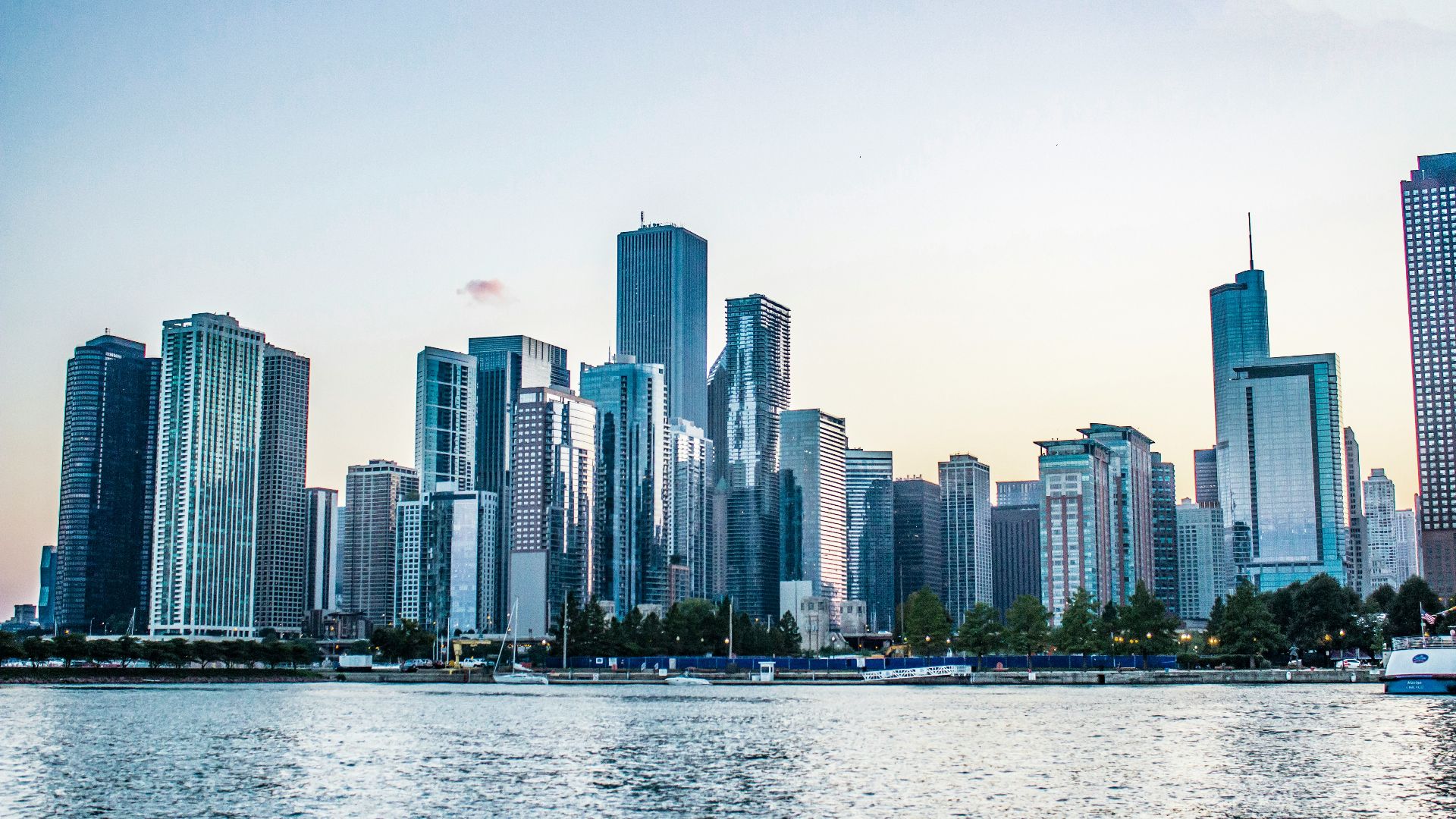
New buildings are big in a way that dwarfs people. Whether it's a shopping mall or an apartment complex, there's no transition between human scale and building scale, just sheer mass.
Traditional architecture understood proportion. A building might be tall, impressive even, and still have human-scaled elements at street level. Nowadays, we build for cars and for maximizing square footage, and pedestrians just have to deal with walking past dead facades and service entrances.
Stand in front of a pre-war building, even a modest one, and compare it to the front of a modern apartment complex. One will make you feel grounded within a period of history, and the other will make you feel nothing at all.
KEEP ON READING