


One Bad Story Can Light A Fuse
War rarely starts because everyone sits down, weighs the evidence, and calmly agrees it’s time. More often, a claim hits the streets or the briefing room, and suddenly the whole mood shifts from tense to combustible. Sometimes the claim is a deliberate lie, staged to look like an attack. Sometimes it’s a garbled report that gets repeated until it hardens into truth, especially when leaders already want a reason to move. Either way, the pattern is familiar across centuries, and it usually looks like this. A rumor lands, pride gets involved, and the exit ramps disappear. Here are twenty times a rumor sparked a conflict.
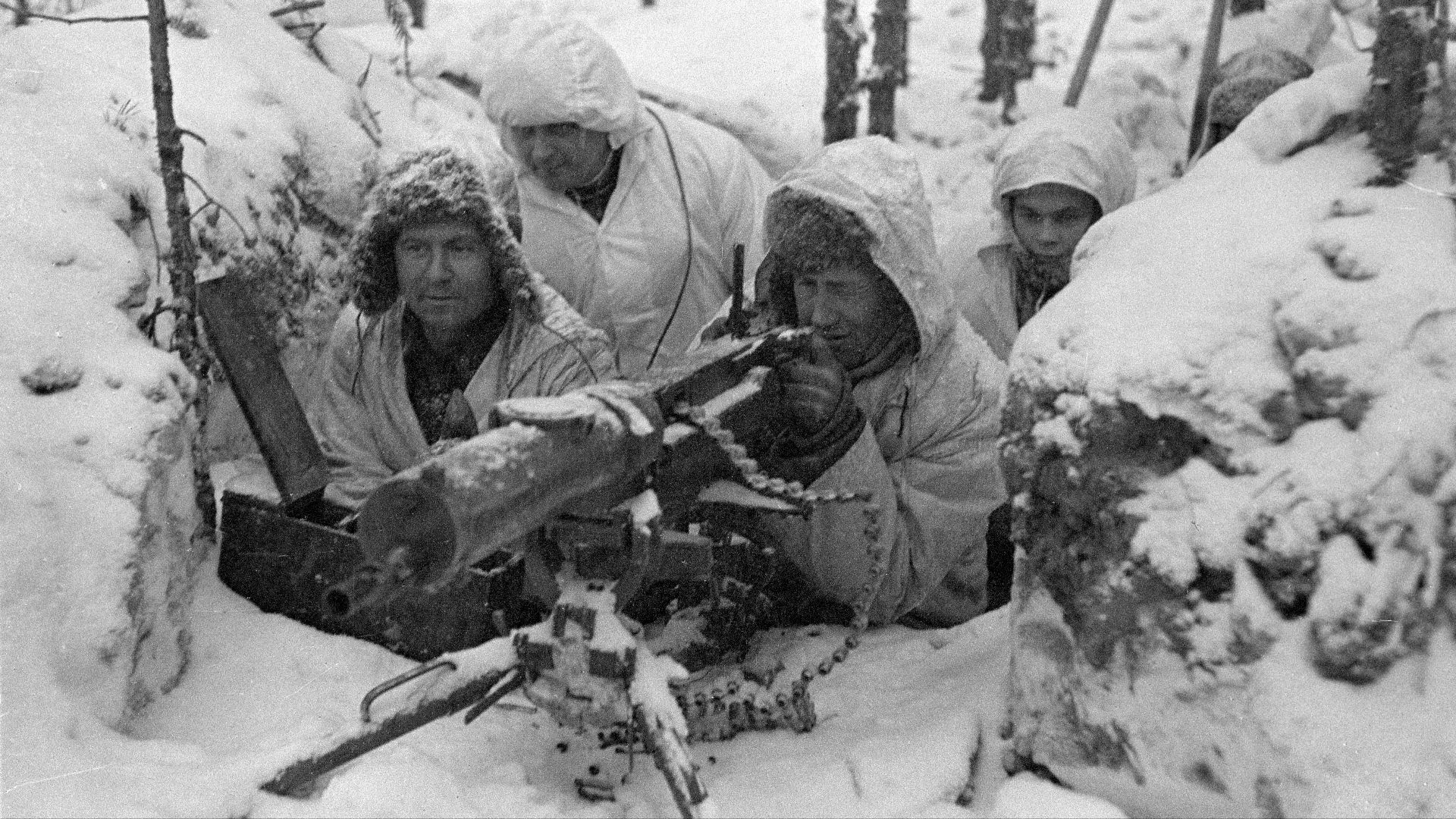
1. Puumala Incident And The Russo-Swedish War
In 1788, a staged border incident at Puumala was used to make it look like Russia had attacked, and the outrage helped King Gustav III get approval for war. The story mattered because Sweden’s politics required a defensive posture, and the fake provocation supplied it.
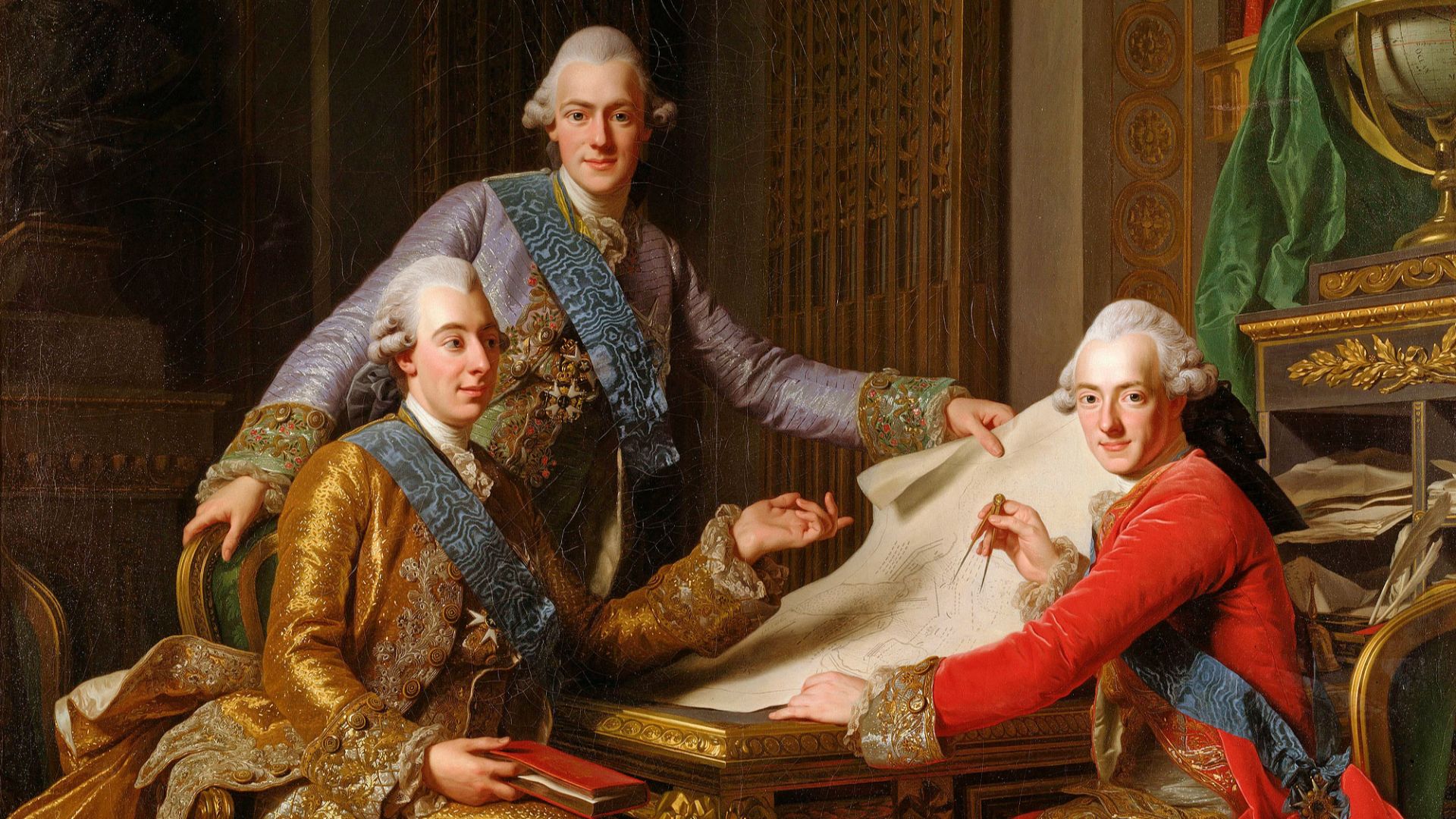
2. The Ems Dispatch And The Franco-Prussian War
Bismarck edited and published the Ems Dispatch to sharpen the sense that France had been insulted, and the public reaction helped push France into declaring war in 1870. It worked because people were primed to take offense, and the wording made diplomacy feel like humiliation.
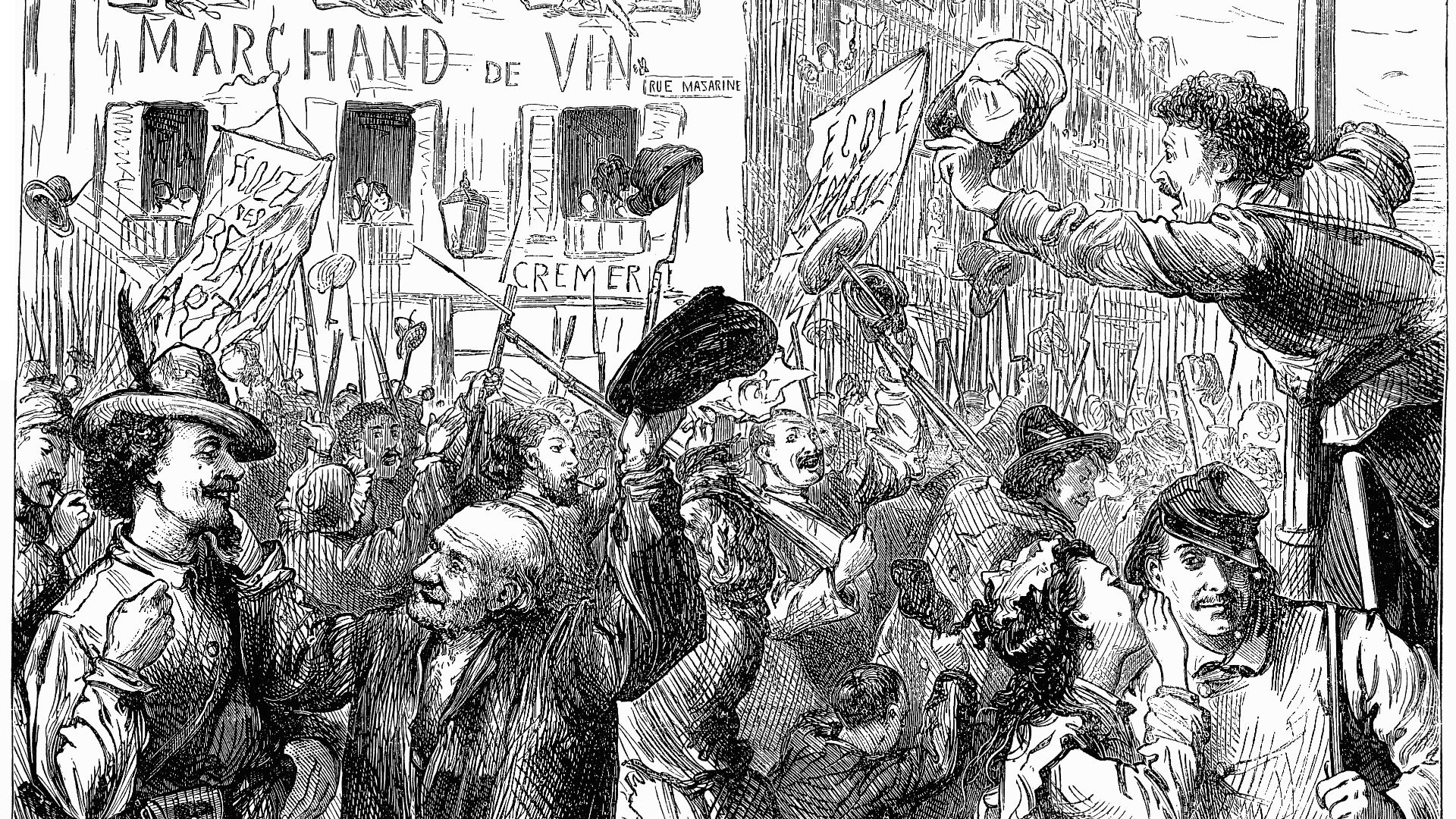
3. The Thornton Affair And The Mexican-American War
A skirmish in disputed territory reached Washington as a clean, emotionally useful story about an attack and spilled blood, and it became a central justification for war. The details were tangled on the ground, yet the narrative traveled faster than nuance ever does.
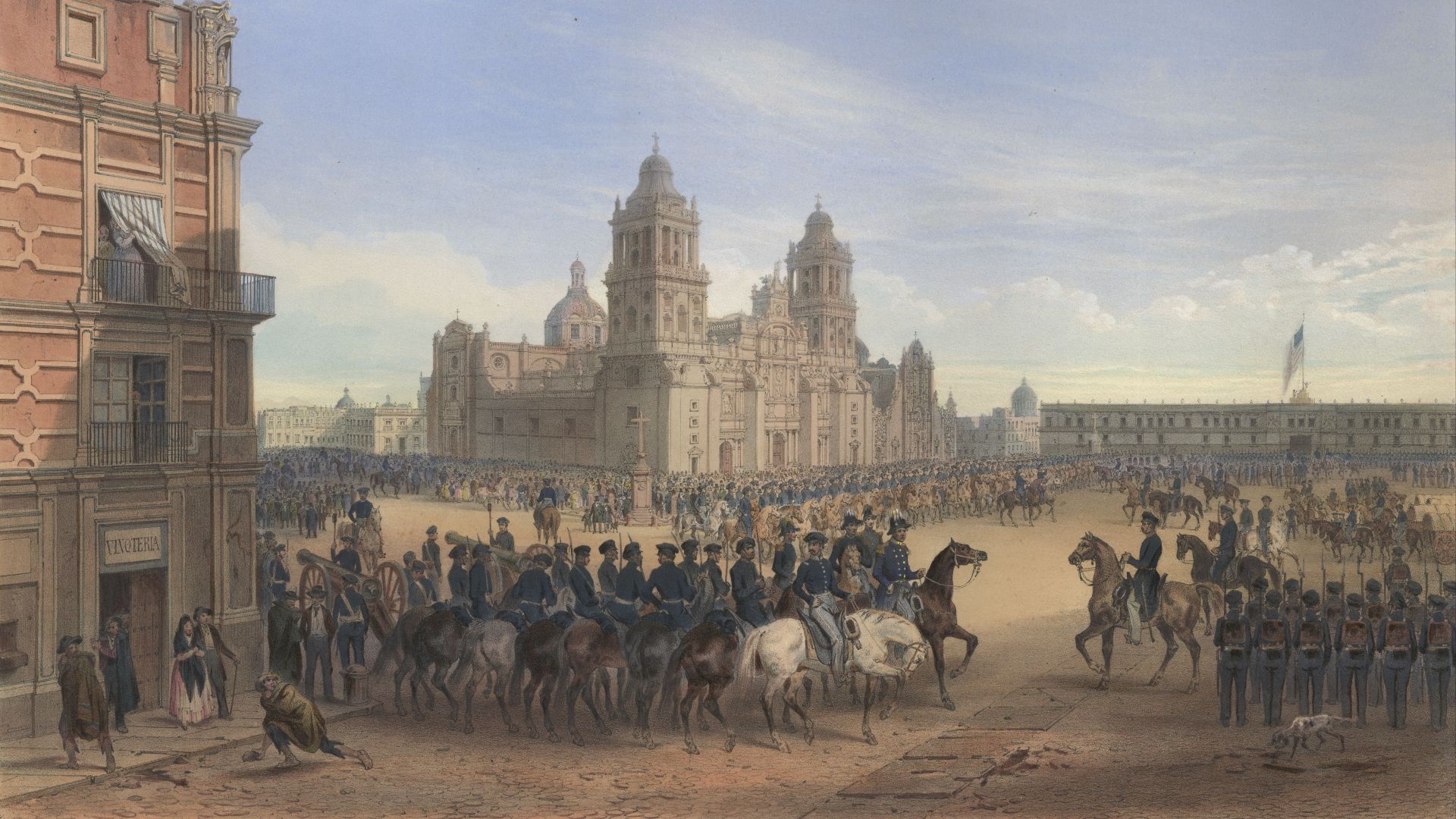 Adolphe Jean-Baptiste Bayot / Carl Nebel on Wikimedia
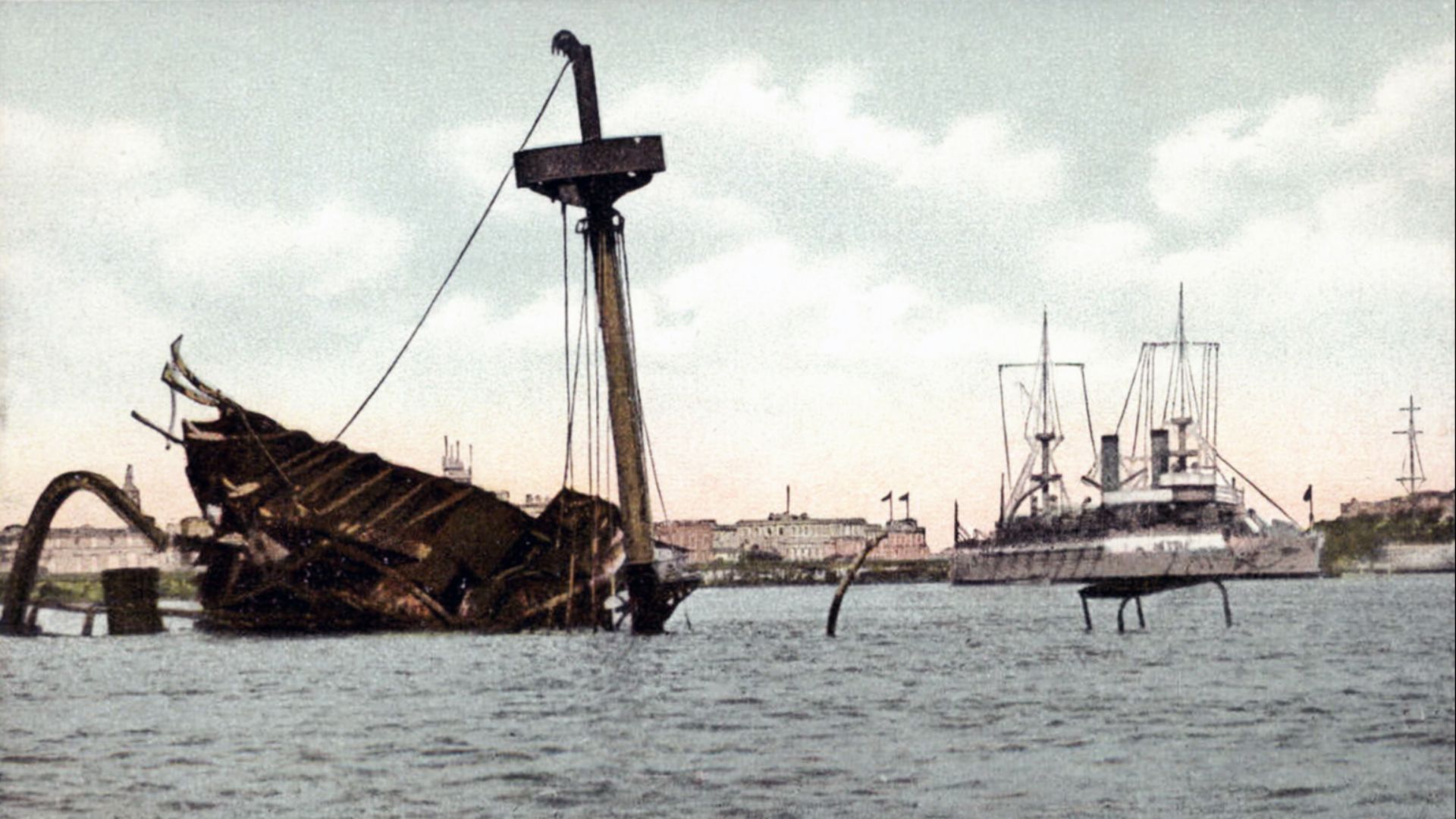
4. Remember The Maine And The Spanish-American War
When the USS Maine exploded in Havana Harbor in 1898, the early assumption that Spain was responsible raced ahead, fueled by sensational coverage and political pressure. Later investigations pointed away from sabotage, yet the initial story helped turn a crisis into war.
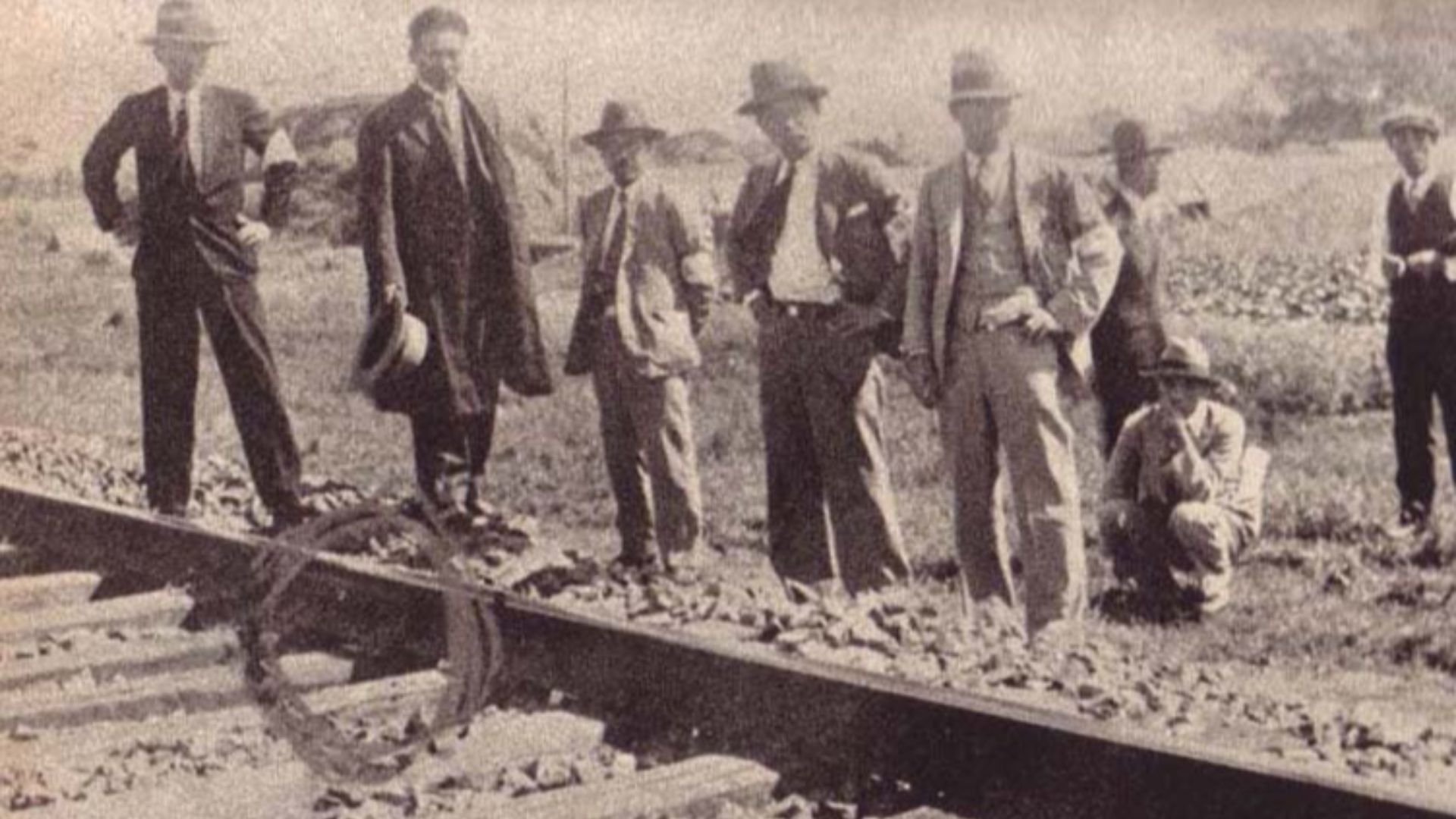
5. The Mukden Incident And Japan’s Invasion Of Manchuria
Japanese officers staged an explosion near a railway in 1931 and treated it as proof of Chinese aggression. That manufactured incident became the pretext for seizing Manchuria and reshaping the region’s future.
 Unknown authorUnknown author on Wikimedia
6. The Walwal Incident And The Second Italo-Ethiopian War
A border clash at Walwal became a propaganda-ready storyline in the Abyssinia Crisis, even as diplomacy stalled and troops mobilized. Italy leaned on the incident as justification while the situation slid into full invasion in 1935.
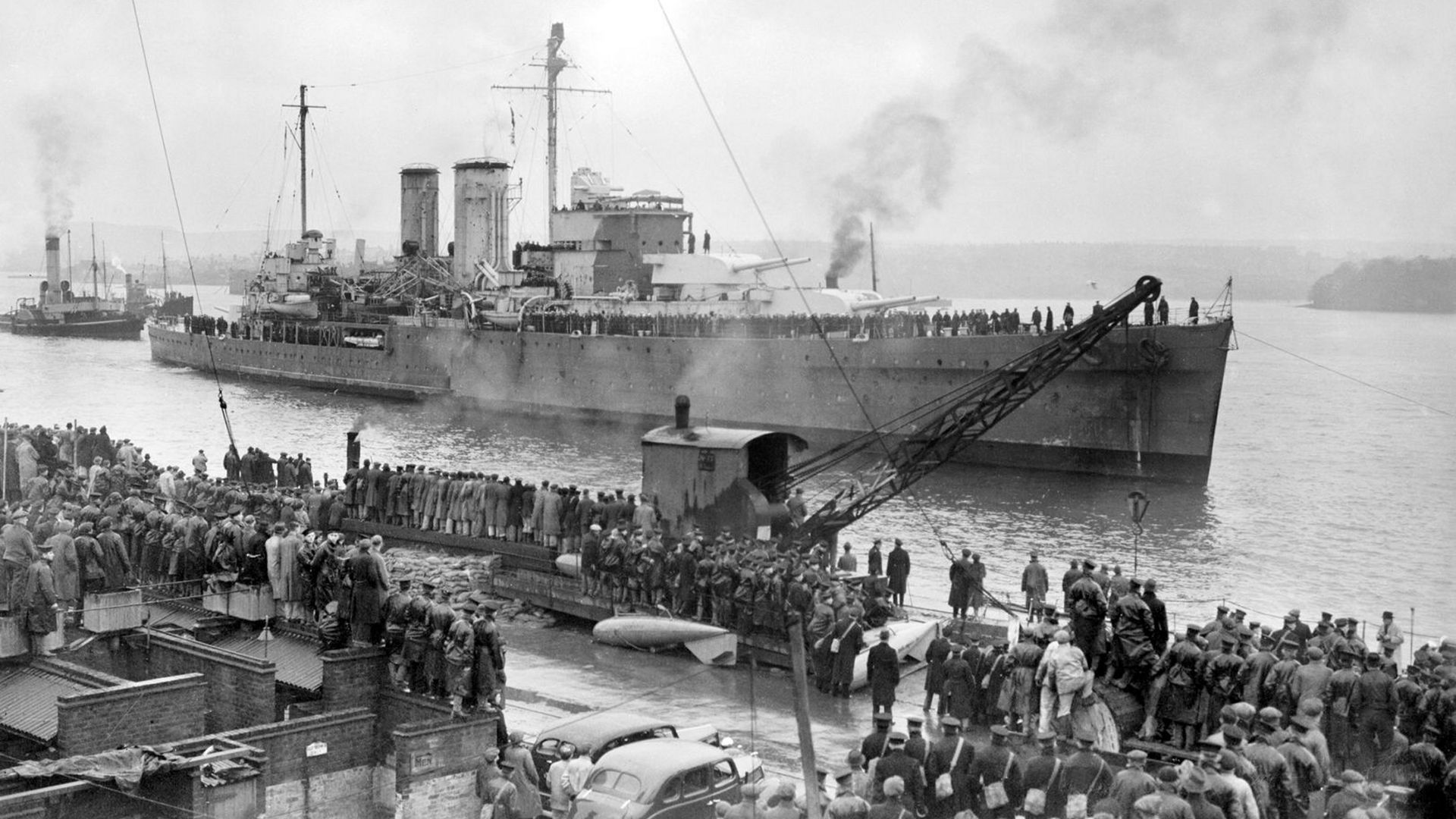
7. Pitiantuta Lake And The Chaco War
In 1932, fighting over a small fort at Pitiantuta Lake escalated quickly, and each side treated the initial move as proof the other was grabbing land by force. Once that story took hold, leaders stopped acting like it was a remote outpost and started acting like it was national pride.
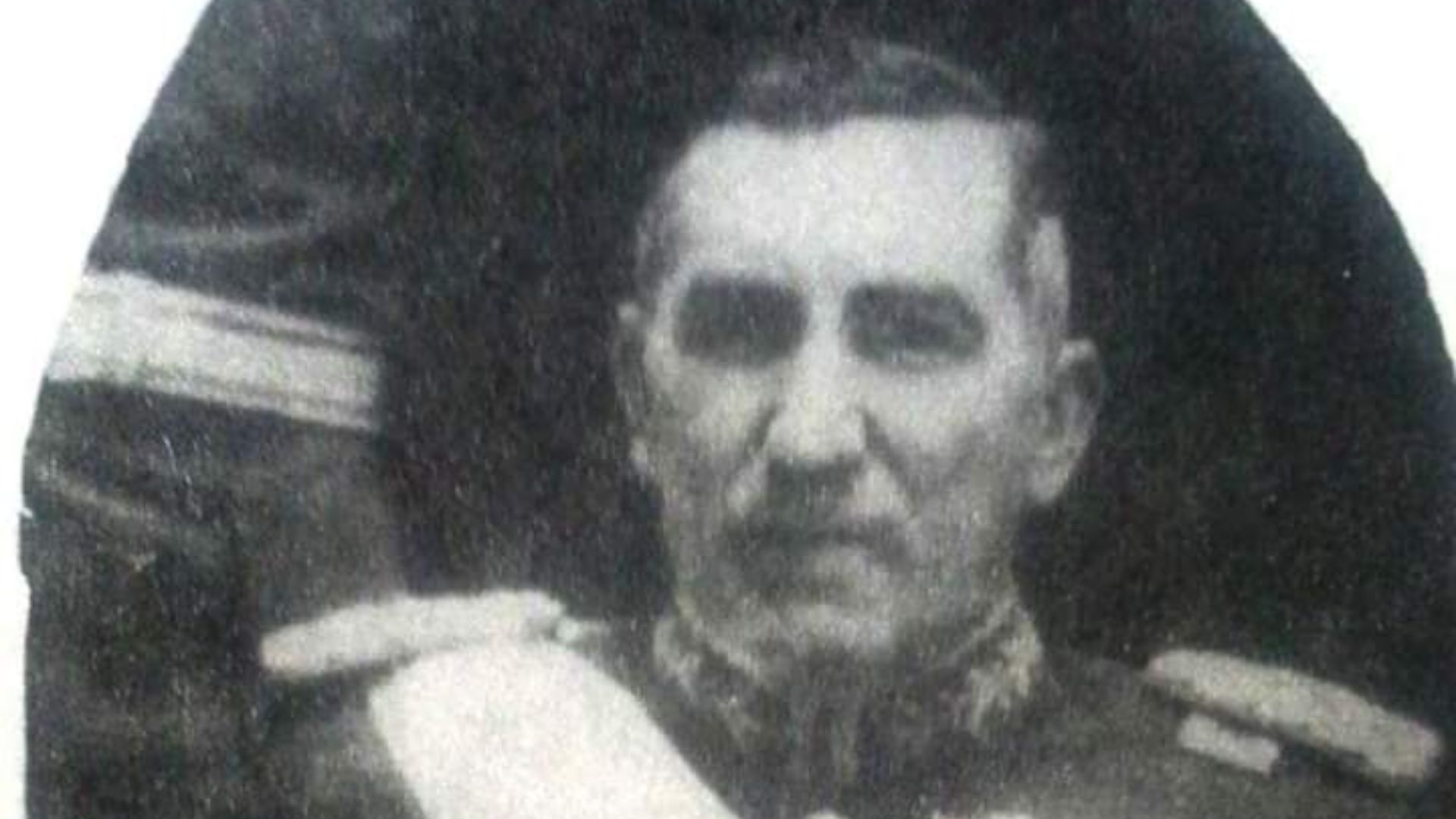
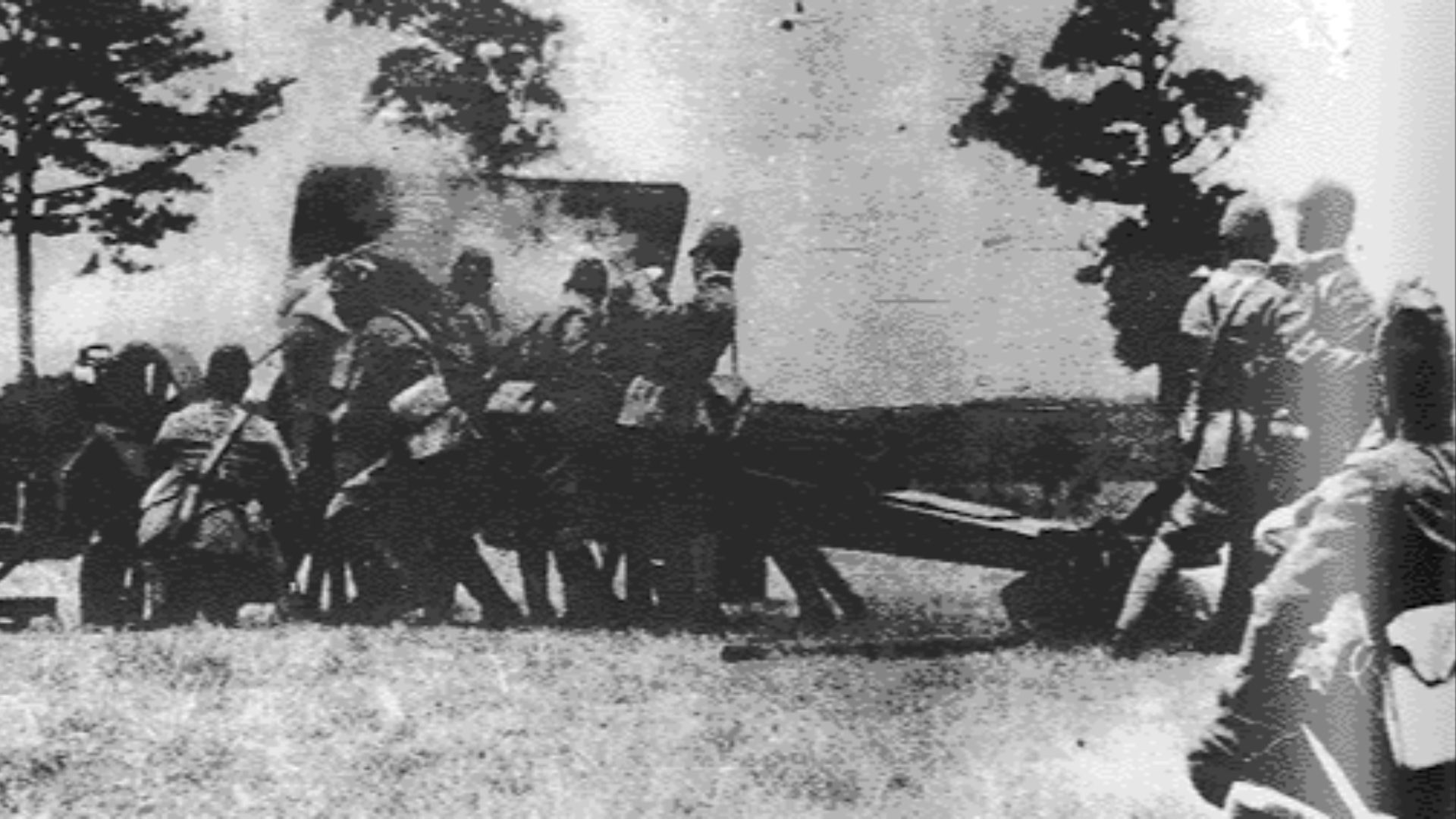
8. The Marco Polo Bridge Missing Soldier Story
In July 1937, Japanese troops claimed a soldier was missing and demanded entry to search, even though he had already returned. The rumor of an incident that serious helped turn a tense standoff into fighting that expanded into full-scale war between Japan and China.
 Unknown authorUnknown author on Wikimedia
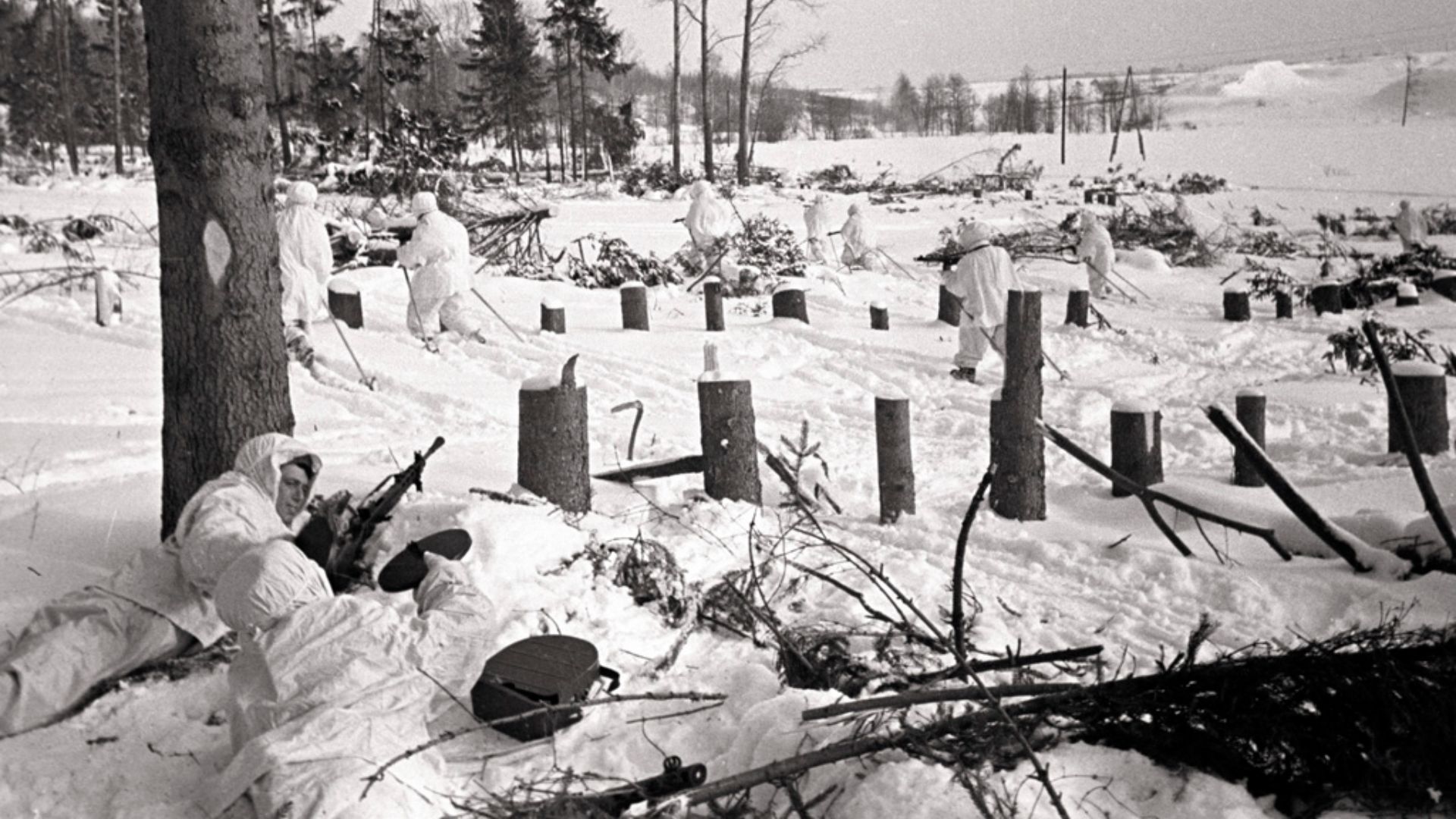
9. The Shelling Of Mainila And The Winter War
In November 1939, the Soviet Union shelled its own border village of Mainila and blamed Finland, then used the claim as a casus belli. Finland denied responsibility and offered an investigation, and the refusal to investigate tells its own story.
 Oleg Knorring / Олег Кнорринг on Wikimedia
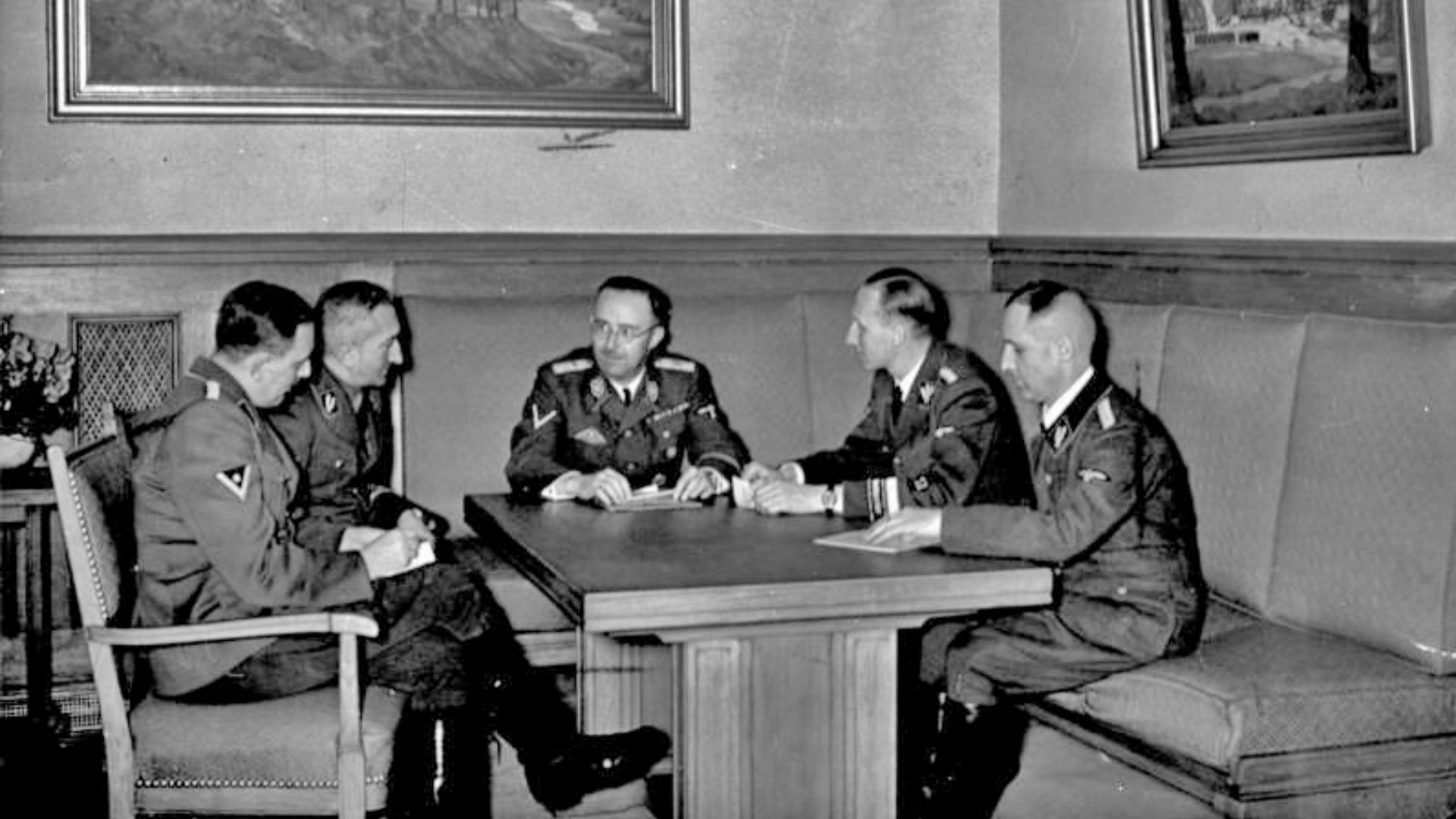
10. Jabłonków Pass And The Illusion Of Polish Aggression
One of the staged actions under Operation Himmler targeted the strategic railway at the Jabłonków Pass, built to look like Polish sabotage. The point was not tactical damage, it was a headline-friendly narrative about being attacked.
 commons.wikimedia.org on Google
11. Hochlinden Customs Station And The Manufactured Border War
Another Operation Himmler incident targeted the German customs station at Hochlinden, designed to leave the impression of a cross-border raid. It was part of a wider attempt to flood the zone with reports so the invasion looked defensive.
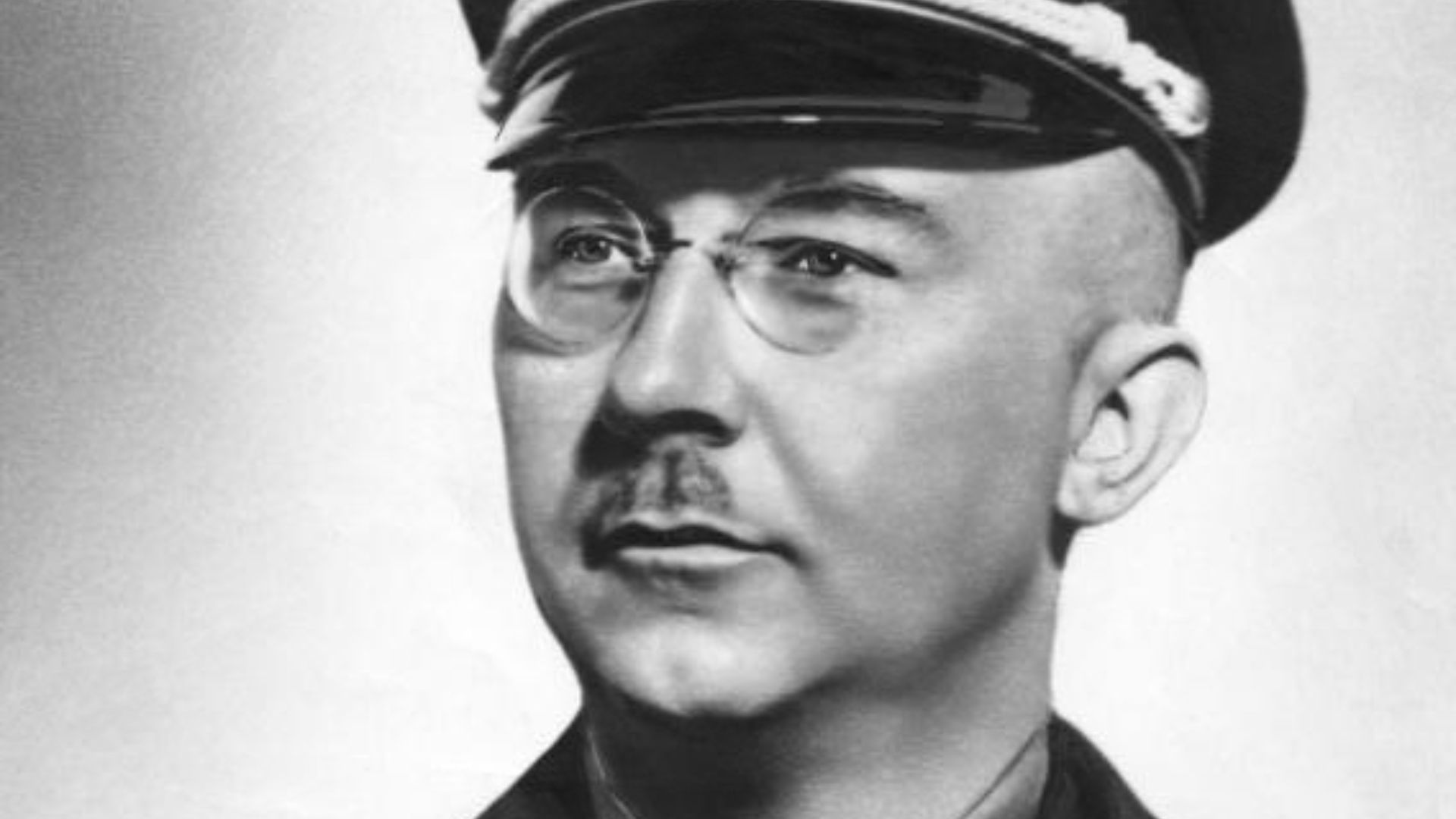
12. Pitschen Forestry Station And A Ready-Made Pretext
The forestry station at Pitschen was also hit in these staged operations, again to create a paper trail of supposed Polish attacks. When you already plan to invade, a stack of small alleged outrages can feel more persuasive than one big lie.
 www.wallpaperflare.com on Google
13. Gleiwitz Radio Station And The Broadcast That Wasn’t Polish
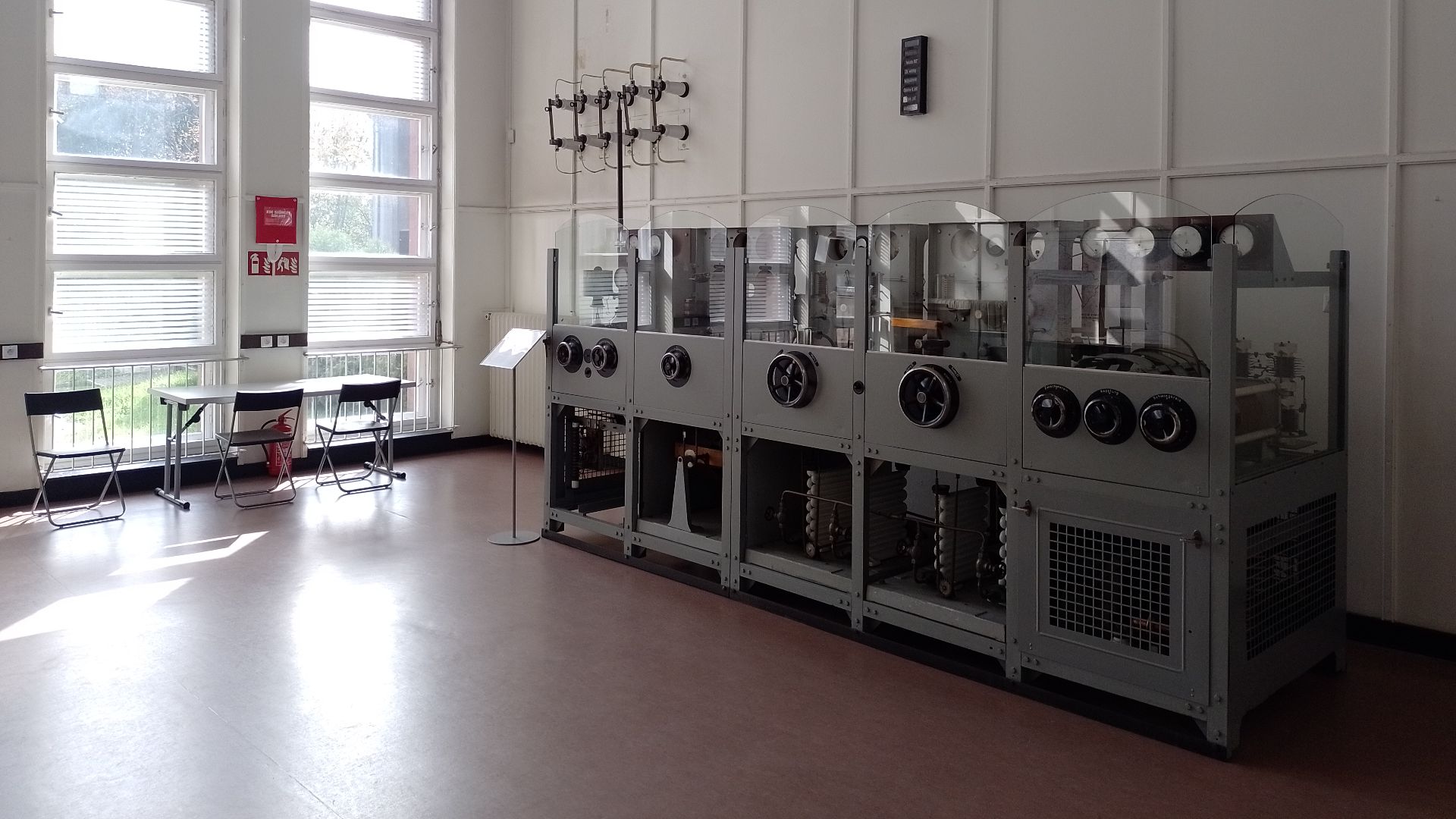
At Gleiwitz, German operatives in Polish uniforms seized a radio station, aired an anti-German message, and left bodies to sell the story. It was a performance meant for international ears as much as domestic ones.
14. Neubersteich And The Smaller Incidents That Still Counted
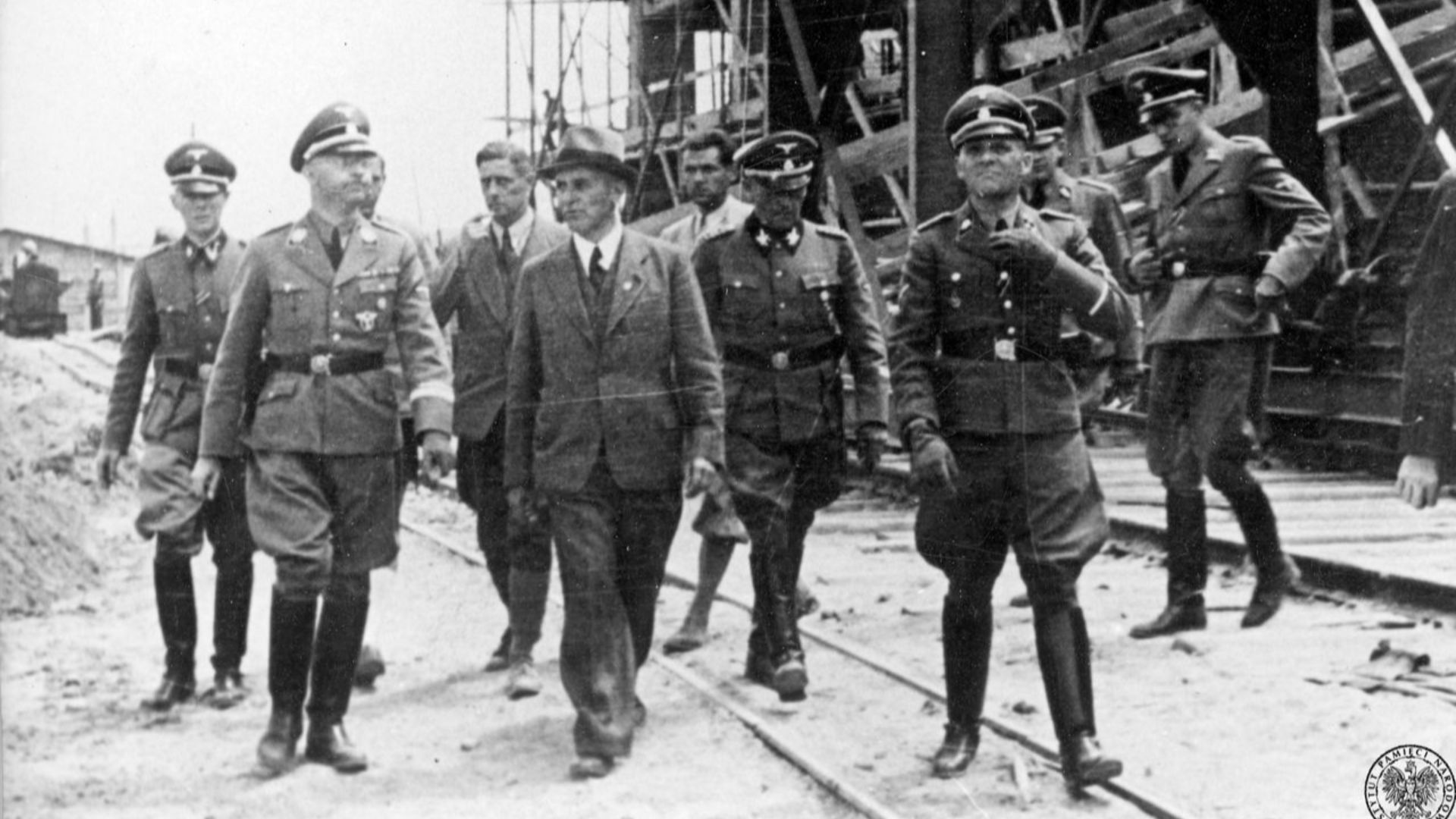
Operation Himmler also included an attack on a communications station at Neubersteich, another brick in the wall of alleged border violence. These incidents were built to be repeatable, easy to summarize, and hard to disprove quickly.
15. Alt-Eiche And The Paper Trail Of Provocations
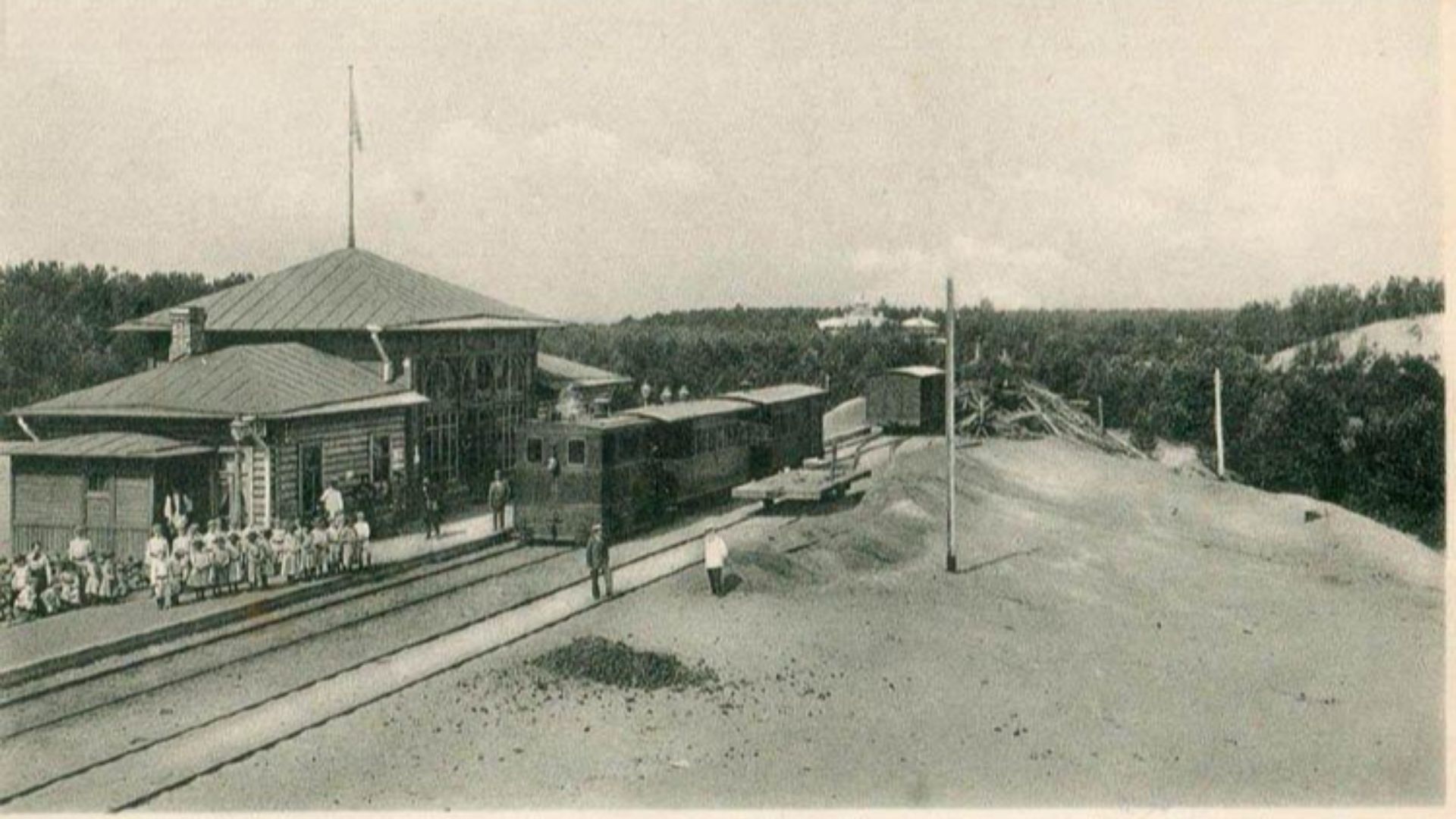
A railway station at Alt-Eiche was listed among the staged targets meant to suggest Poland was striking German infrastructure. Once enough of these claims exist, the public stops asking which one is true and starts assuming the whole pattern is.
16. Katowice And The Human-Scale Version Of A Lie
Operation Himmler even included a reported attack involving a woman and her companion in Katowice, a smaller story designed to feel personal and cruel. These are the kinds of details that travel through a population faster than maps and treaties.
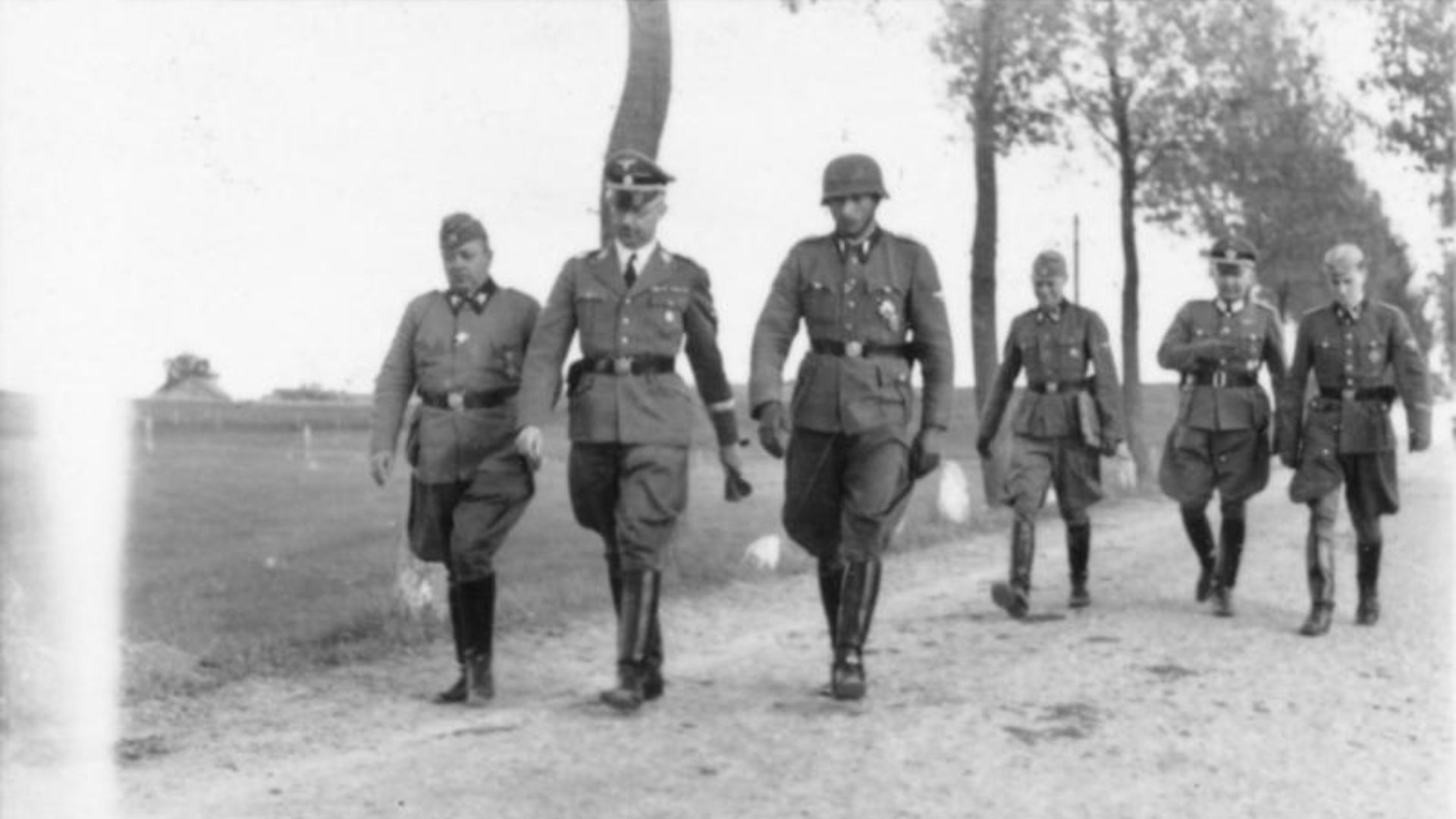
17. The Gulf Of Tonkin And The Attack That Fueled Escalation
In August 1964, events in the Gulf of Tonkin were presented to the U.S. Congress as unprovoked attacks, and that framing helped produce the Gulf of Tonkin Resolution. Later analysis and declassified material added serious doubts about parts of the story, especially the reported second attack.
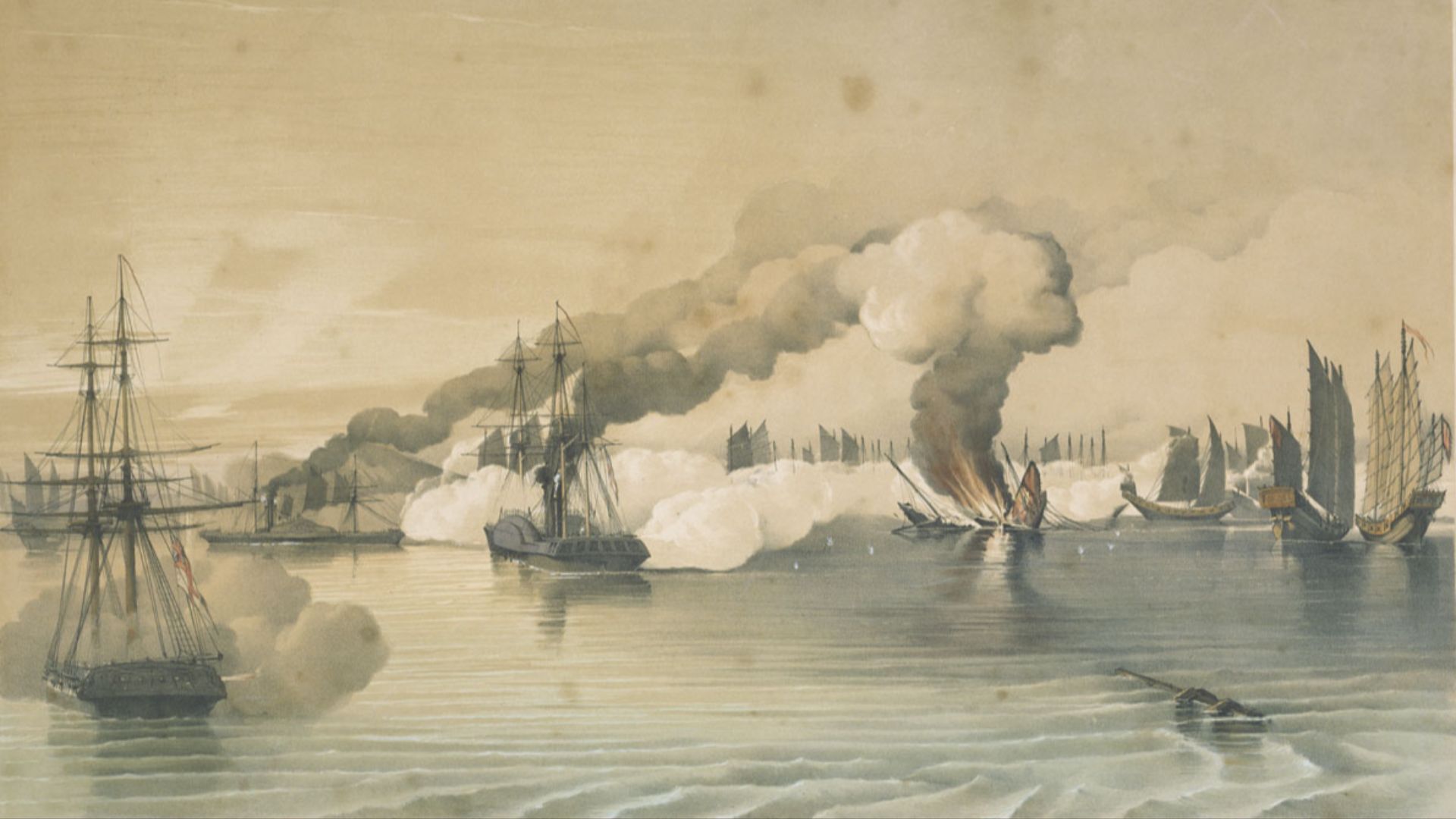
18. The Soviet Warning That Helped Set Up The Six-Day War
In May 1967, the Soviet Union warned Egypt about supposed Israeli troop concentrations aimed at Syria, a claim that many historical accounts treat as false or badly wrong. That warning fed the crisis atmosphere and accelerated moves that ended in war within weeks.
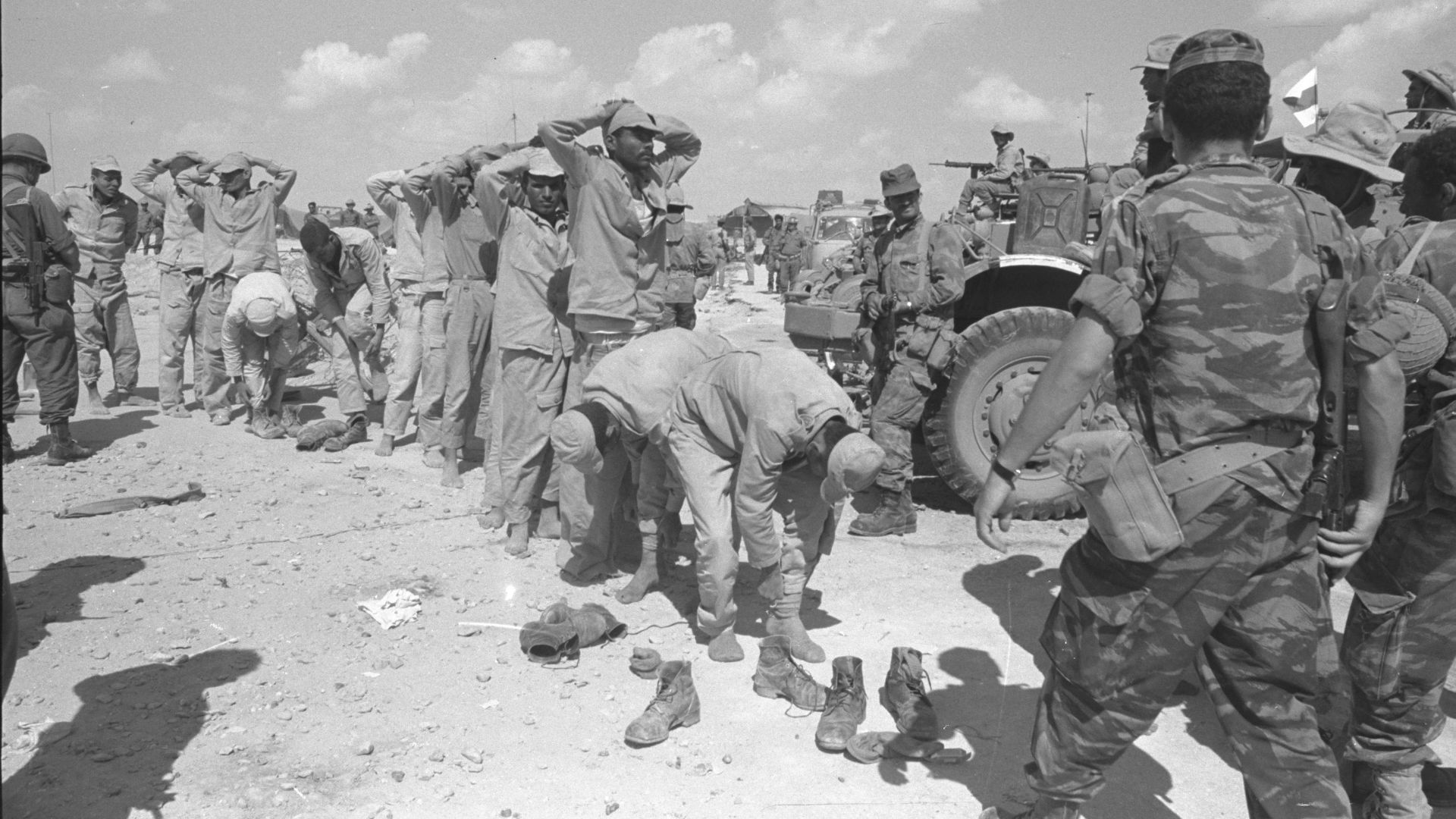
19. Nayirah And The Incubator Story Before The Gulf War
A teenage witness known as Nayirah testified that Iraqi soldiers had removed babies from incubators in Kuwait, and the story was widely repeated by U.S. officials as support for military action. Later investigations found the central claim was false, yet the emotional impact had already landed where it needed to land.
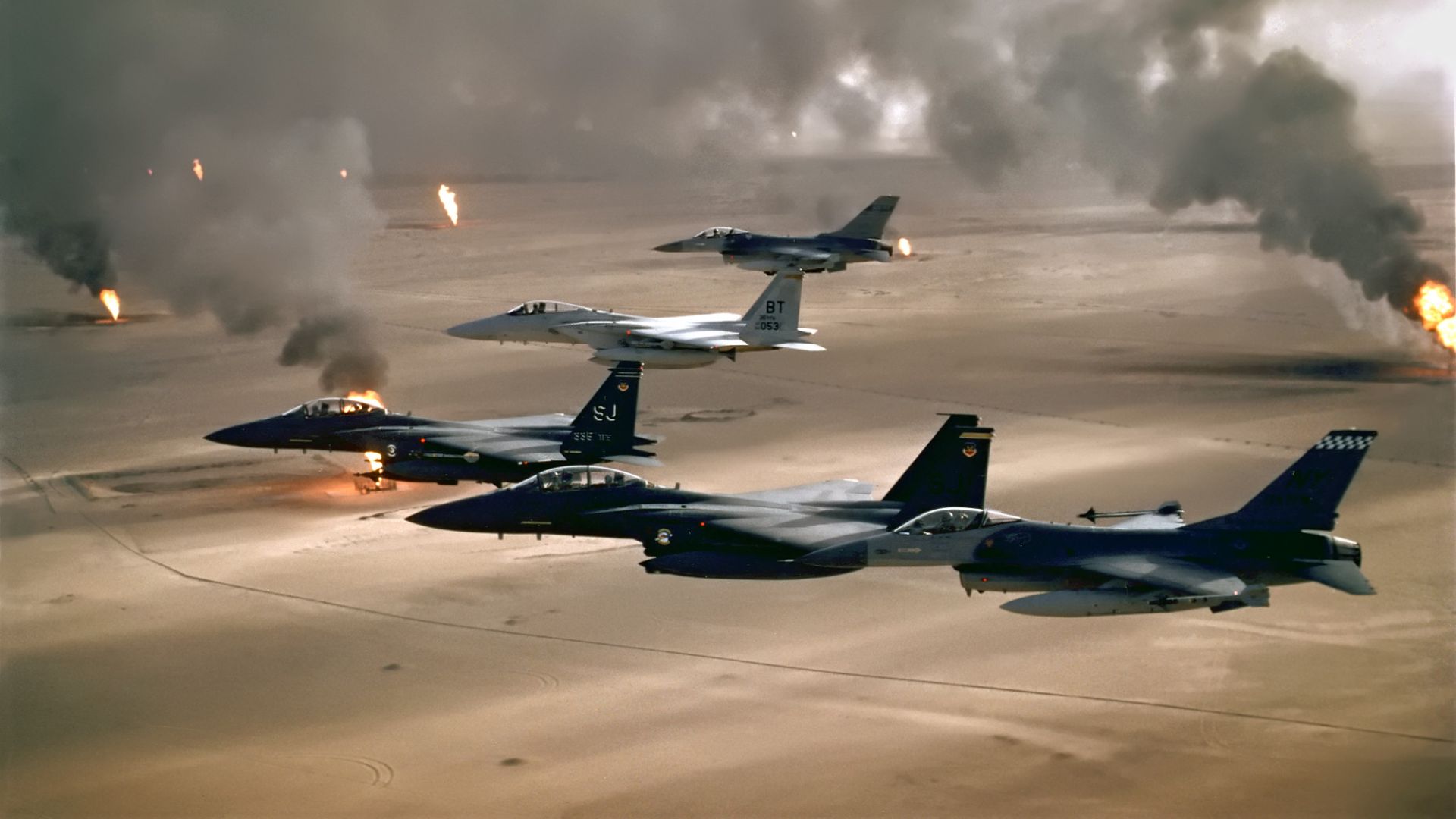
20. Iraq’s WMD Claims And The Run-Up To The 2003 Invasion
The case for invading Iraq in 2003 leaned heavily on claims that Saddam Hussein had weapons of mass destruction, claims that later searches did not substantiate. Once that narrative became the organizing fact of the moment, dissent could be painted as naive rather than cautious.


KEEP ON READING
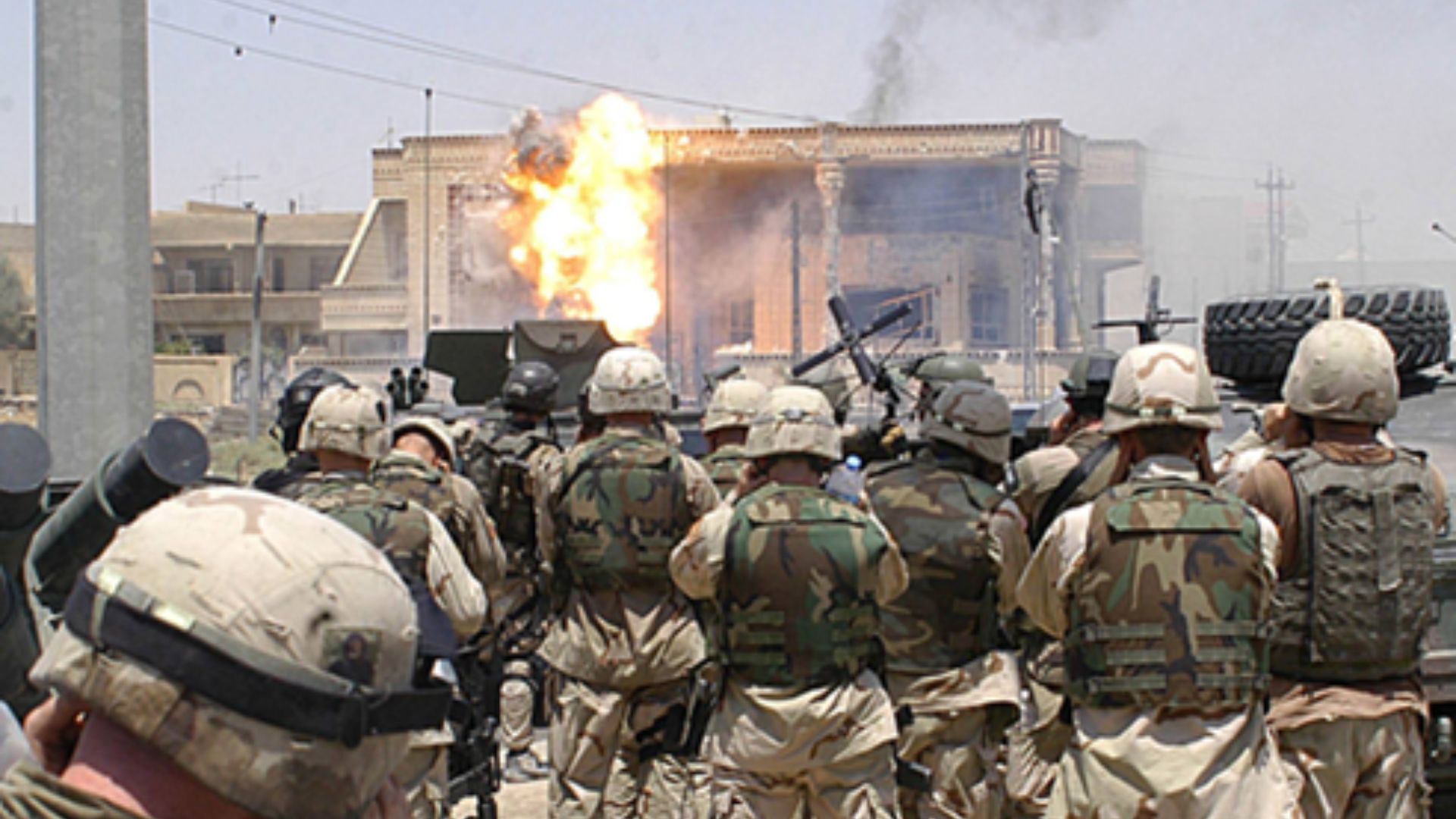
10 Wars Started By Tiny Mistakes & 10 Wars Stopped…
Small Sparks, Close Calls. Wars tend to arrive with speeches…
By Cameron Dick Feb 23, 2026
20 Famous Breakups That Shifted Politics, Art, And Power
Where Relationships End, History Begins. Some breakups are just breakups.…
By Elizabeth Graham Feb 23, 2026
20 Criminal Heists Authorities Still Haven’t Solved
The Great Escapes. While movies make bank robberies look like…
By Sara Springsteen Feb 23, 2026
20 Famous Wars Started by Women
When Queens Weren’t “Peaceful,” & Politics Wasn’t Polite. Most of…
By Emilie Richardson-Dupuis Feb 23, 2026
20 Times A Rumor Started A War
One Bad Story Can Light A Fuse. War rarely starts…
By Cameron Dick Feb 23, 2026
20 Famous Historical Figures Who Were Terrible With Money
History’s Most Infamous Spenders. Believe it or not, celebrities of…
By Sara Springsteen Feb 14, 2026