Fine, Keep Your Secrets
Lost cities occupy a peculiar space in archaeology where hard evidence meets tantalizing mystery. We have ancient texts describing their grandeur, legends passed down through generations, satellite imagery showing suspicious formations, and sometimes even scattered ruins that hint at something larger. Yet despite modern technology like LIDAR scanning, ground-penetrating radar, and high-resolution satellite mapping, these settlements refuse to fully reveal themselves. Archaeologists continue searching for these 20 cities, driven by fragmentary clues that suggest extraordinary discoveries still waiting beneath the earth.
1. Iram of the Pillars
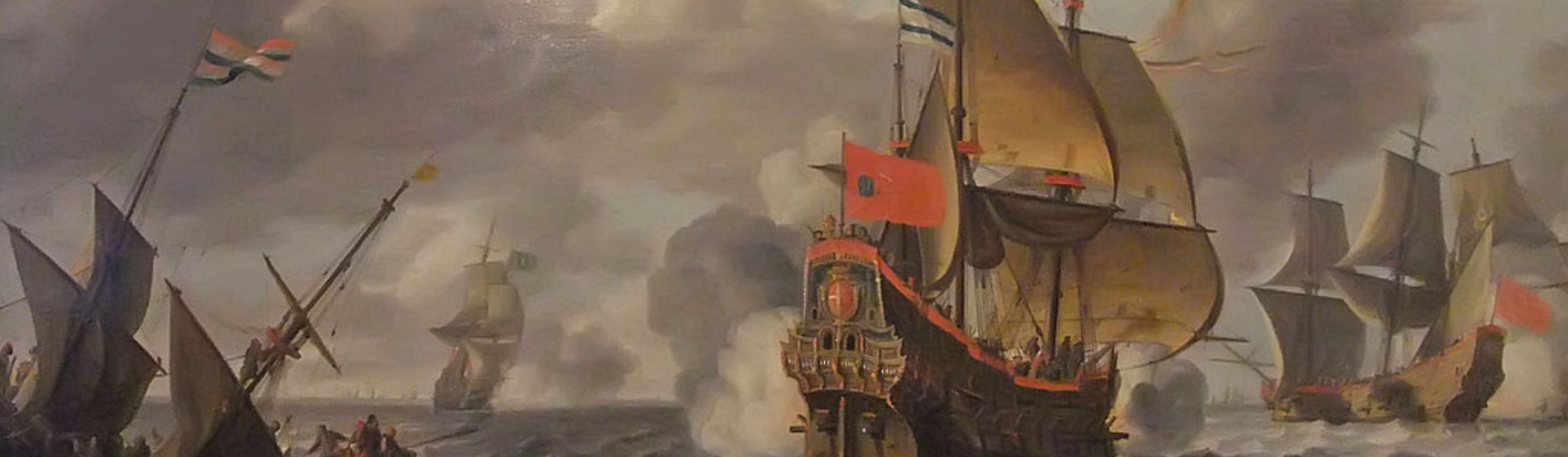
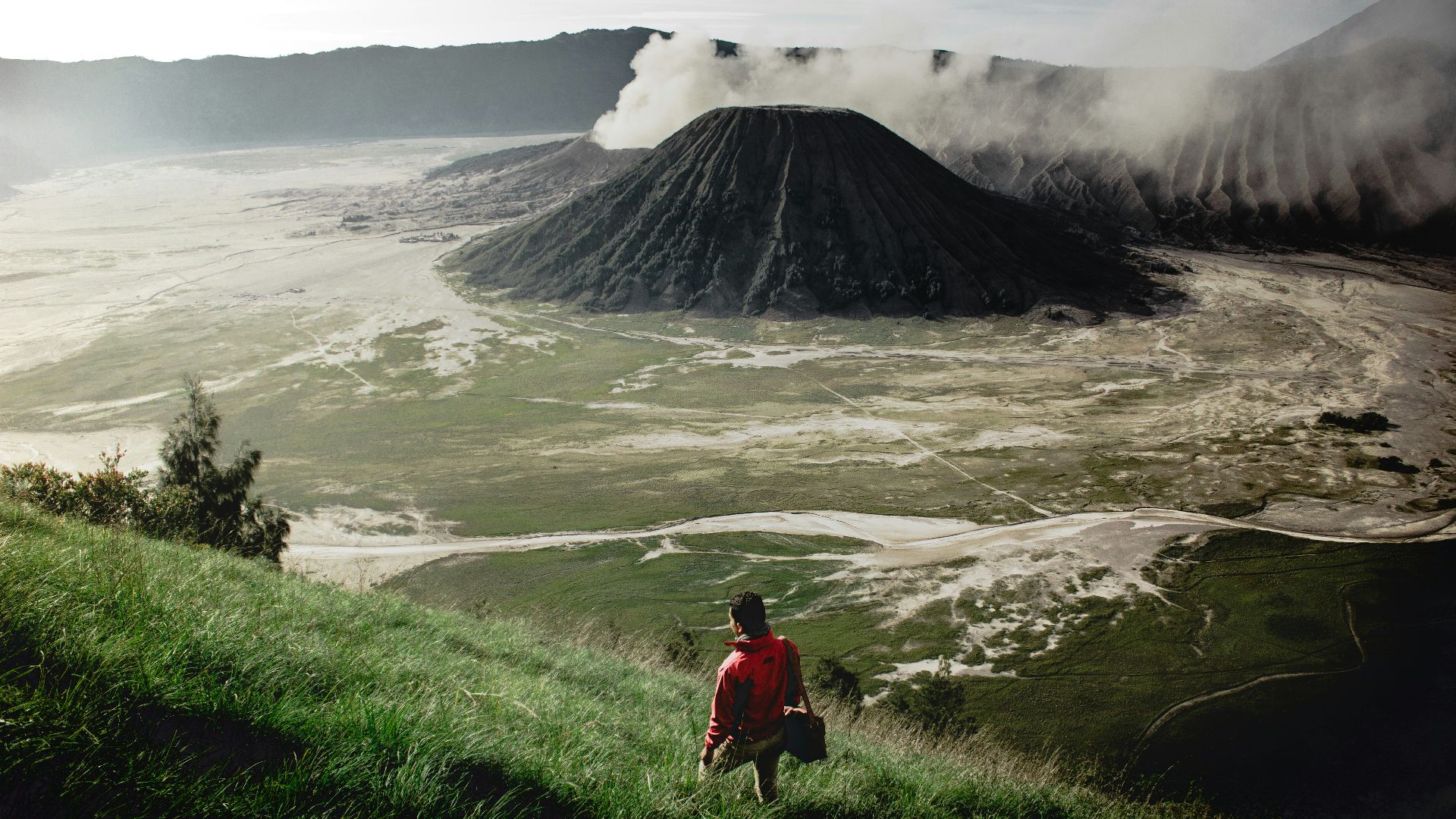
Iram of the Pillars, often called the Atlantis of the Sands, appears in ancient Arabian texts as a fantastically wealthy city with towering columns that supposedly vanished into the Rub' al-Khali desert. Expeditions have used ground-penetrating radar across the Empty Quarter for decades, turning up interesting geological formations but no confirmed ruins that match the legendary descriptions.
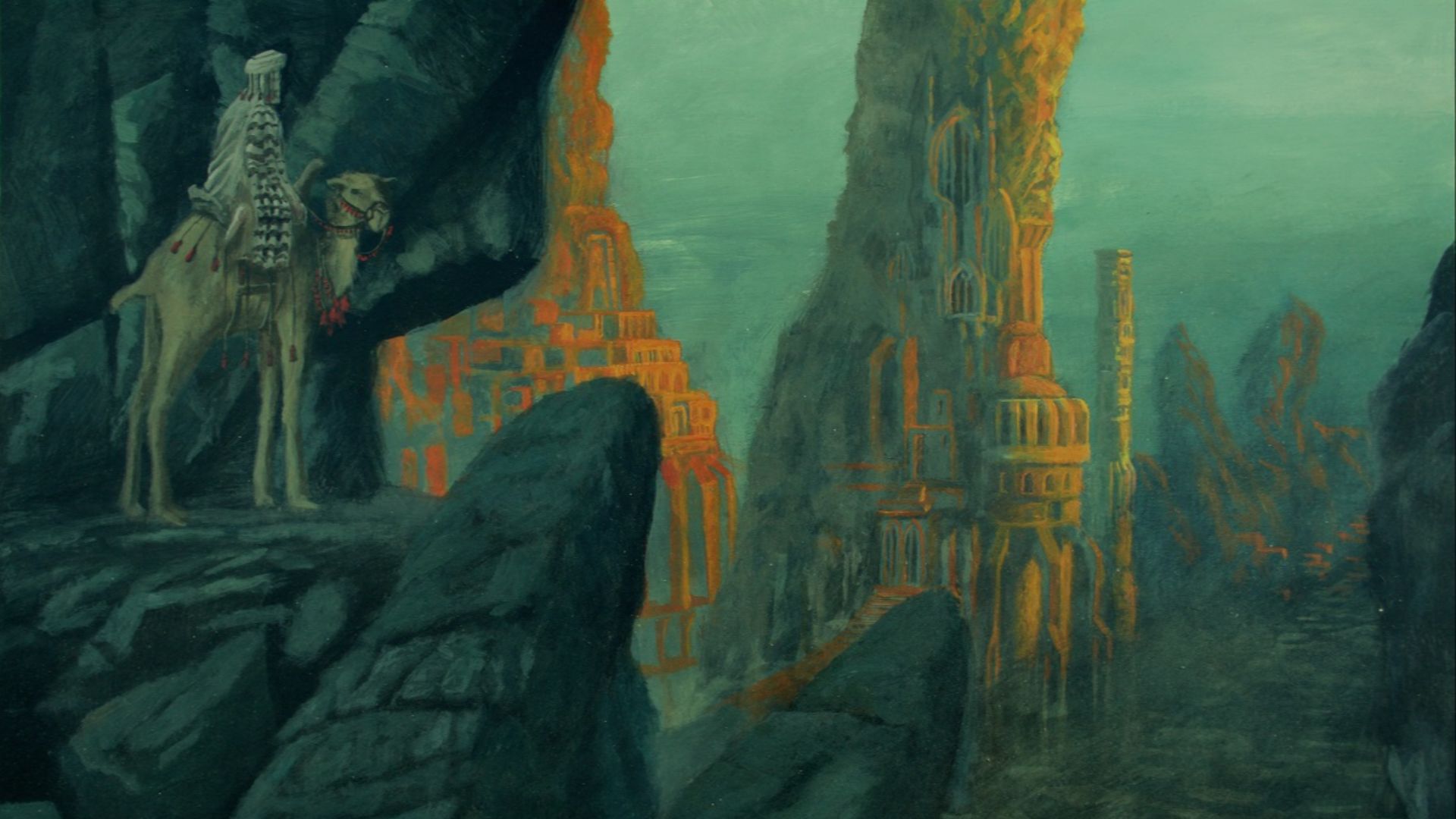 Jens Heimdahl - Facebook : Art of Jens Heimdahl on Wikimedia
2. El Dorado
El Dorado started as rumors of a golden kingdom somewhere in the South American interior, and evolved into one of history's most persistent archaeological obsessions. Modern expeditions have deployed LIDAR scanning technology across remote regions of Colombia and Venezuela, revealing previously unknown earthworks and settlements in areas once considered uninhabitable jungle.

3. Lothal
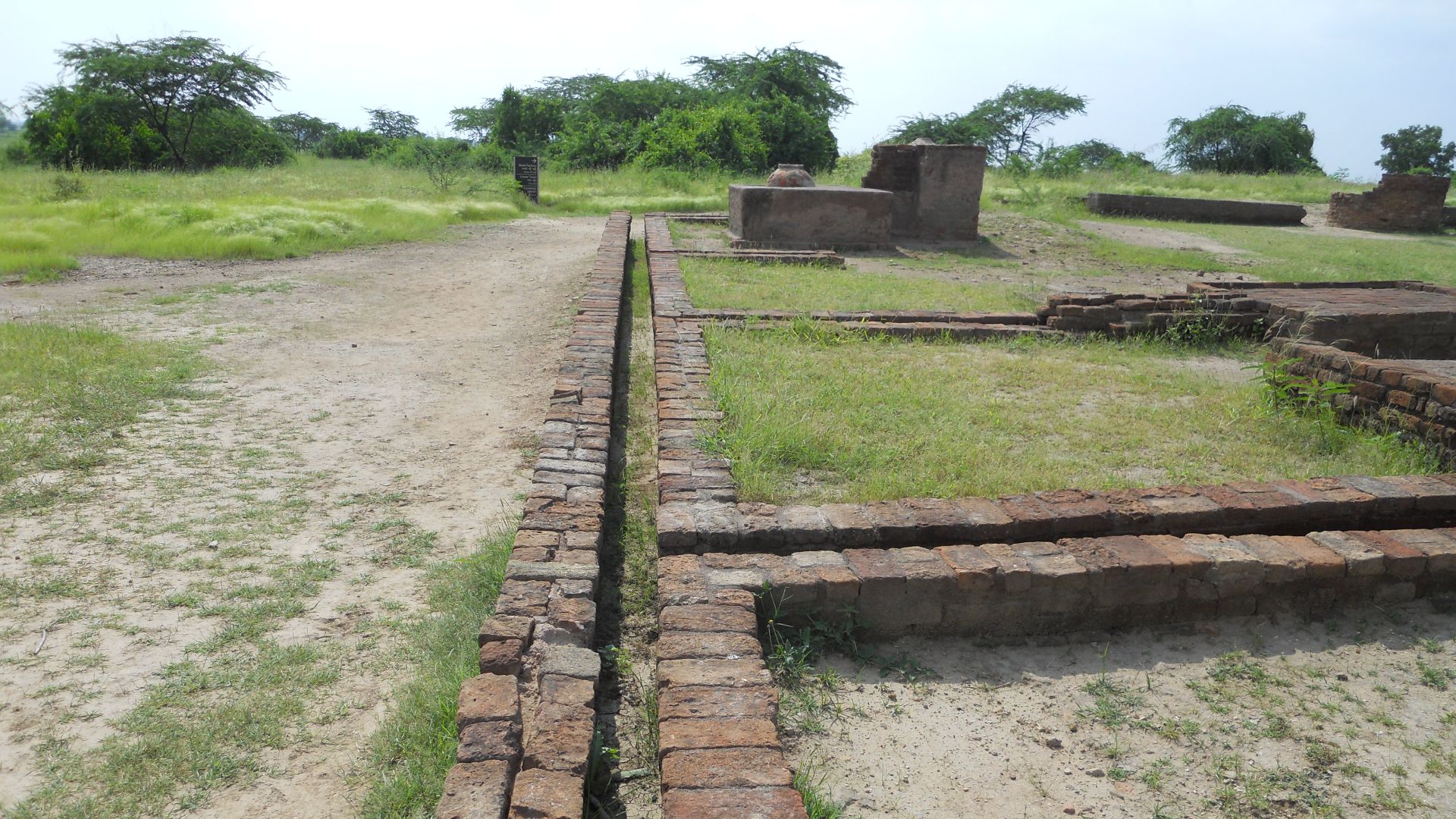
Lothal served as a major port city in the Indus Valley Civilization, and archaeologists have partially excavated its dockyard and urban areas in Gujarat, India. The full extent of the city remains unclear, as does the precise reason for its abandonment around 1900 BCE. Researchers continue working to understand how this sophisticated maritime culture conducted trade across the Arabian Sea while leaving so many questions about its internal organization and ultimate fate.
4. City of the Kalahari
The City of the Kalahari emerged from explorer accounts in the late 1800s, describing stone ruins in the Botswana and Namibia desert regions. Subsequent expeditions have used ground-penetrating radar searching for evidence of the structures described in these Victorian-era reports.
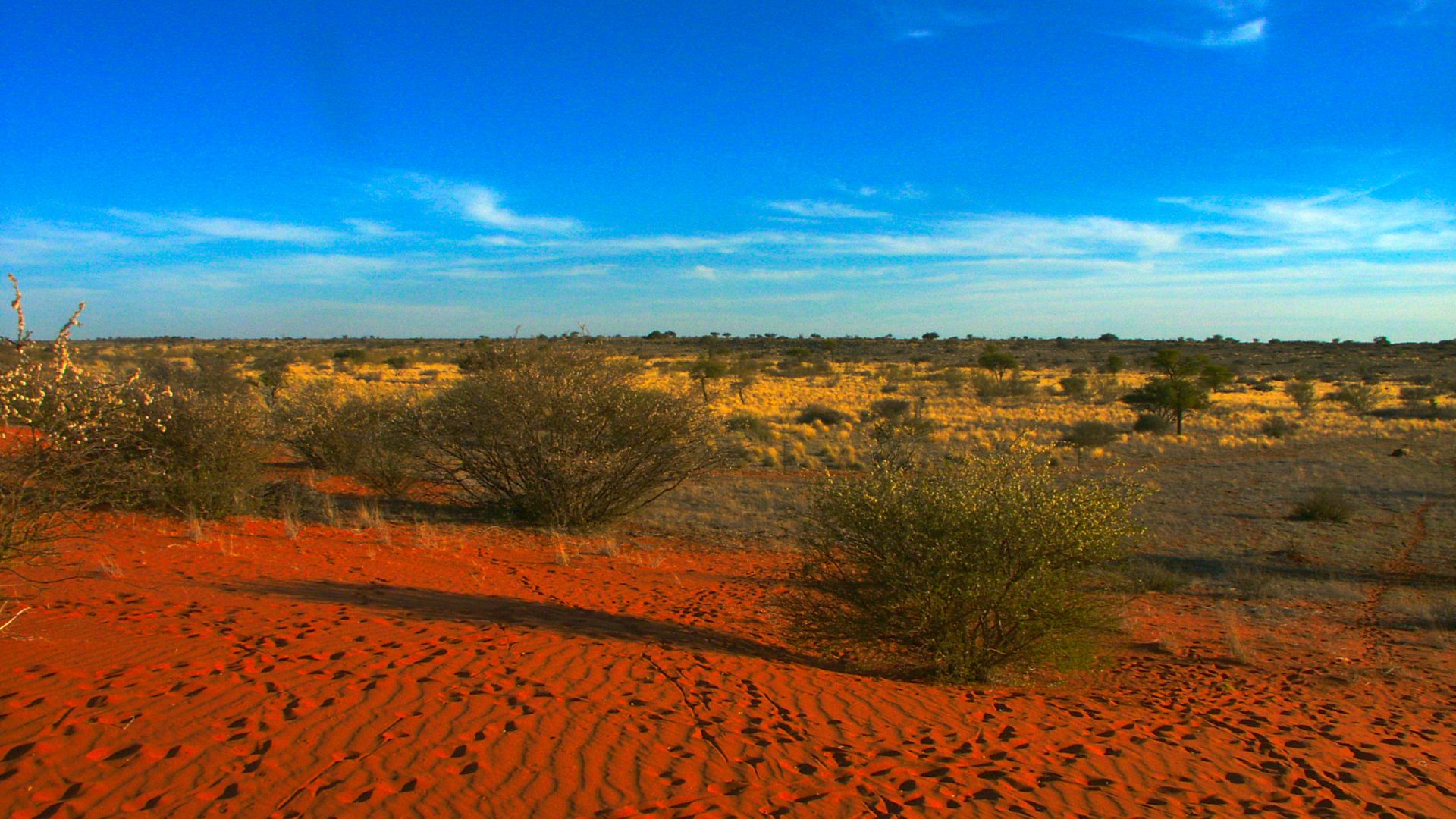 Winfried Bruenken (Amrum) on Wikimedia
5. Thinis
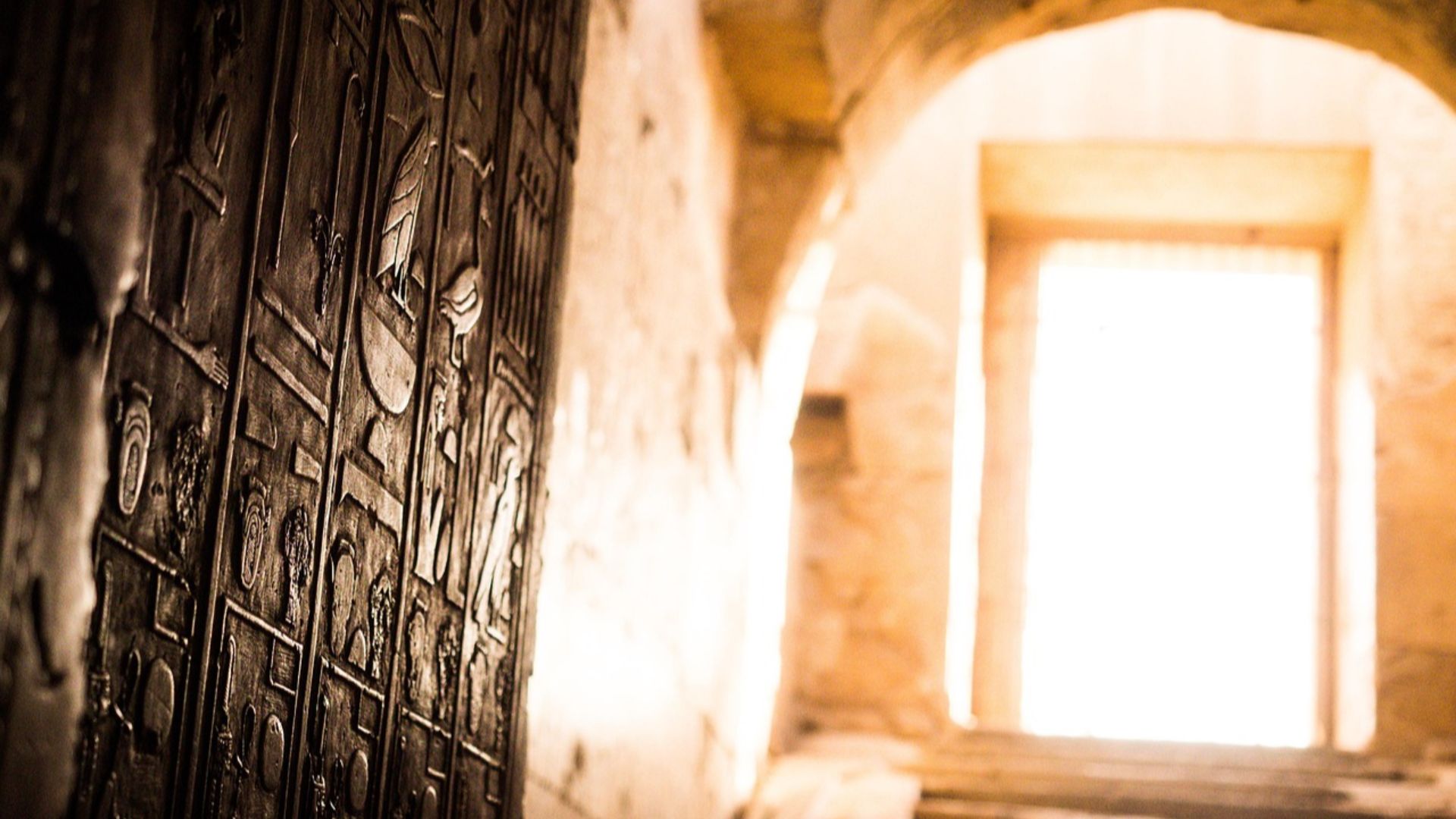
Thinis served as the capital of Upper Egypt during the First Dynasty around 3100 BCE, mentioned repeatedly in ancient texts as the burial place of early pharaohs. Archaeologists know it existed somewhere near Abydos based on these references, yet surface surveys across the likely area have failed to locate the main settlement.
6. Ubar
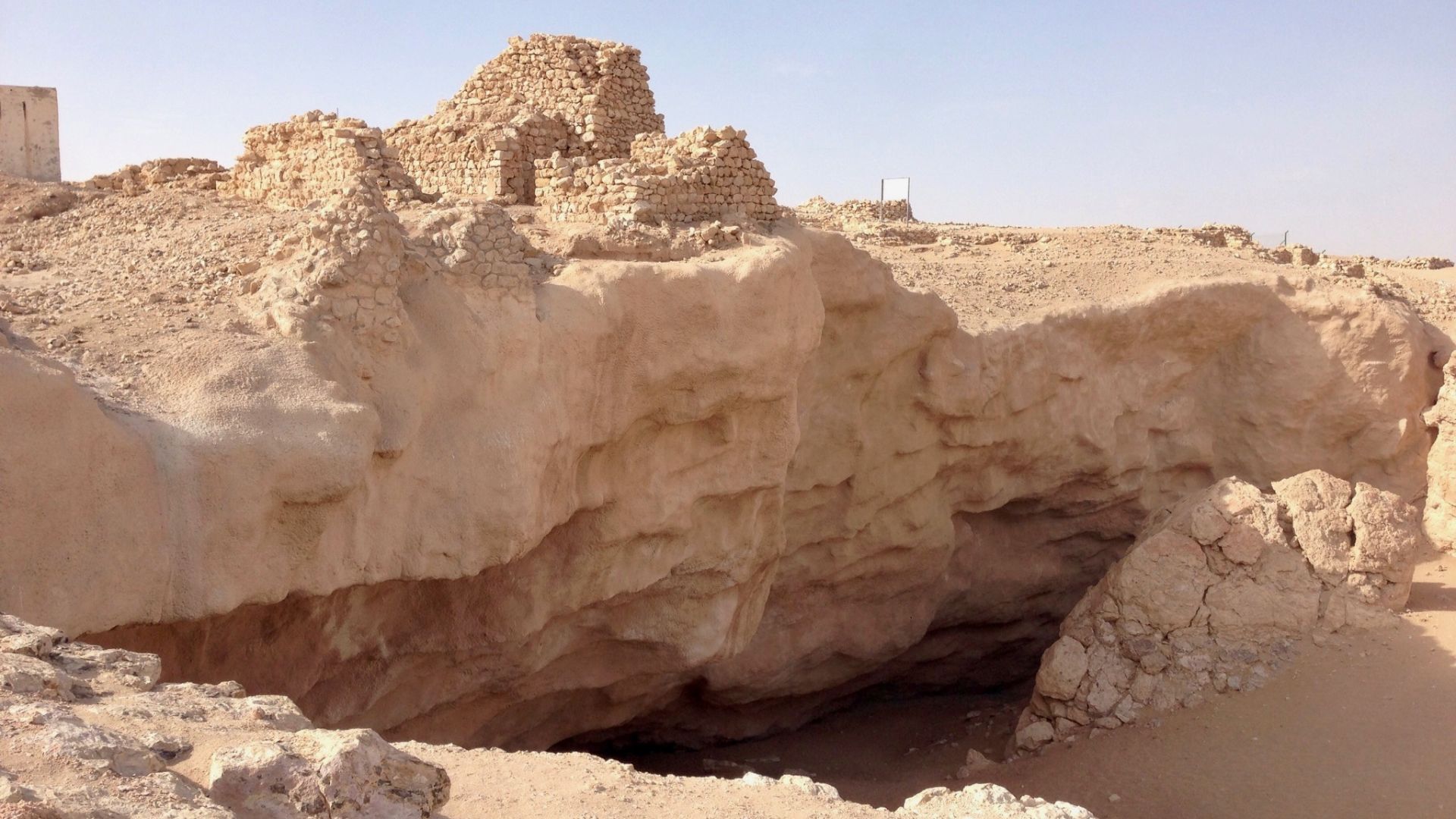
Ubar appears in both Islamic texts and the Hebrew Bible as a prosperous oasis city that met divine punishment, also earning it comparisons to Atlantis. NASA satellite radar imaging in the 1990s identified ancient caravan routes converging on a spot in Oman, and excavations there uncovered a fortress and artifacts, though debate continues over whether this represents the legendary Ubar or simply one of many trading posts.
7. Paititi
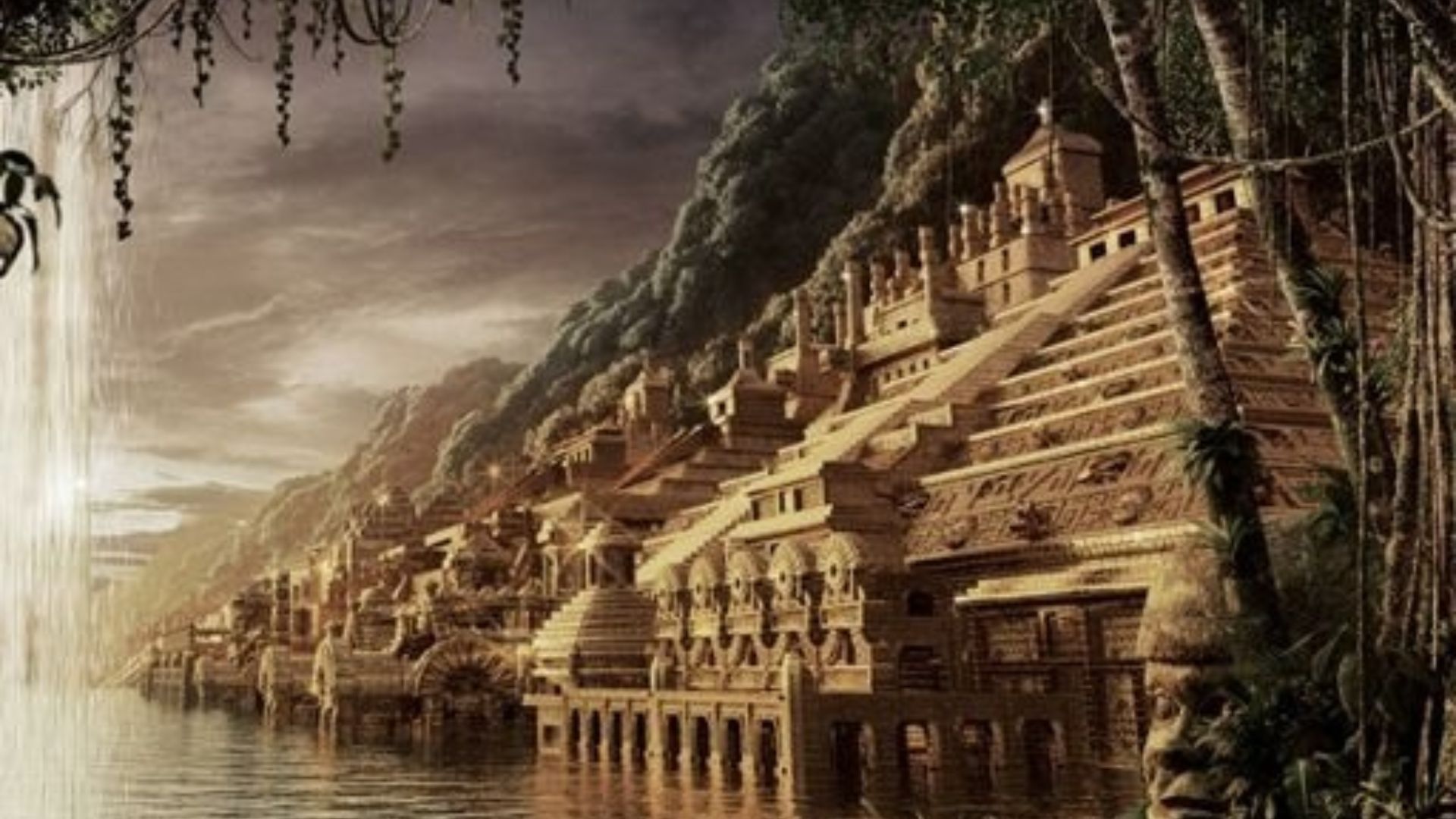
Paititi supposedly served as a refuge where the Inca elite fled with their gold after the Spanish conquest, somewhere deep in the Peruvian Amazon. Modern expeditions have employed drones and satellite imaging across the cloud forests east of Cusco, occasionally finding pre-Columbian terraces and structures that fuel speculation.
8. City of Z
The City of Z consumed British explorer Percy Fawcett, who vanished in 1925 while searching for an advanced civilization he believed existed in the Brazilian Amazon. Recent LIDAR surveys have revealed extensive earthworks, geometric formations, and evidence of large populations in areas Fawcett explored, suggesting his intuition about complex Amazonian societies had merit.
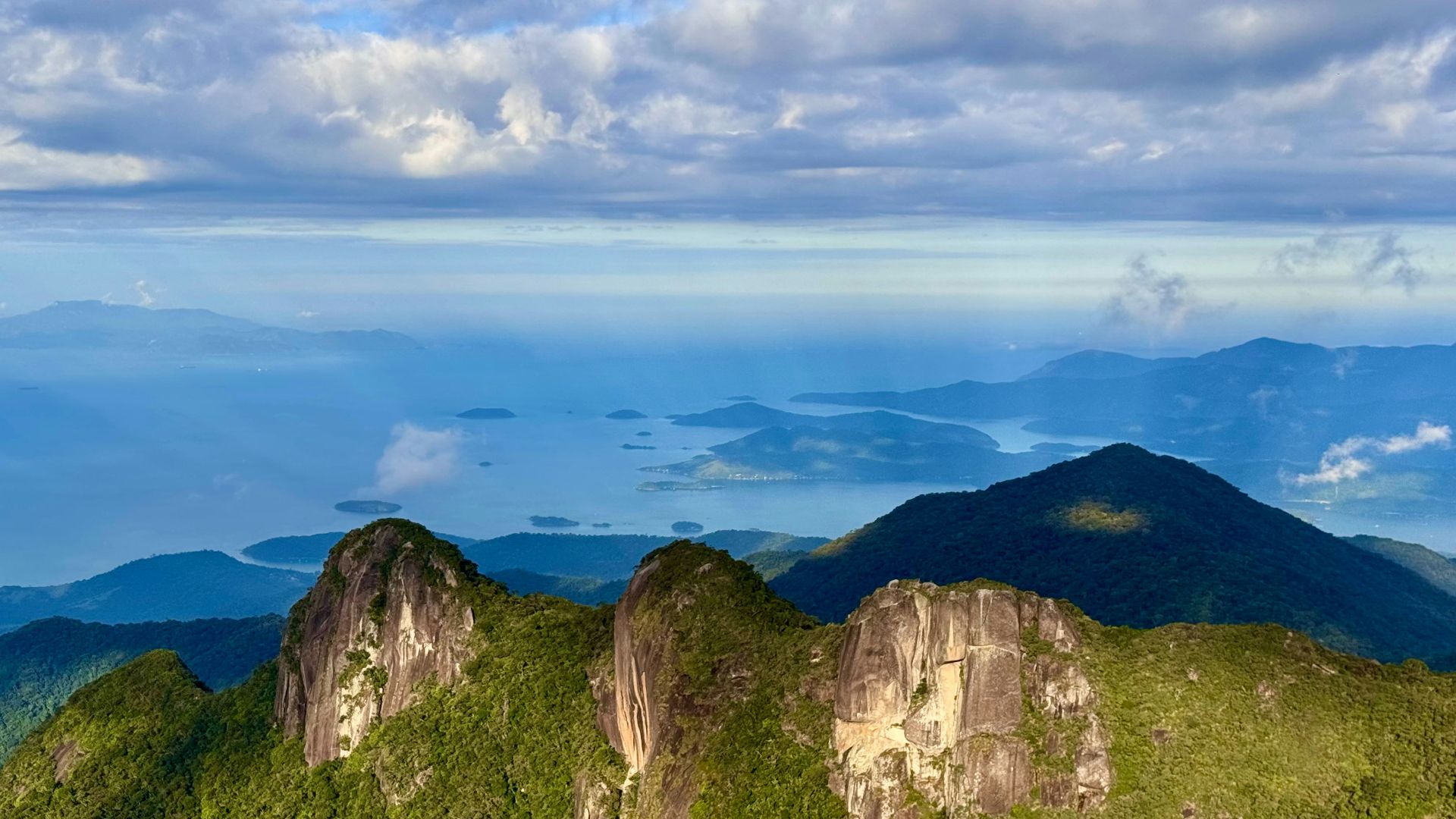 Luís Fernando Torres on Unsplash
9. White City
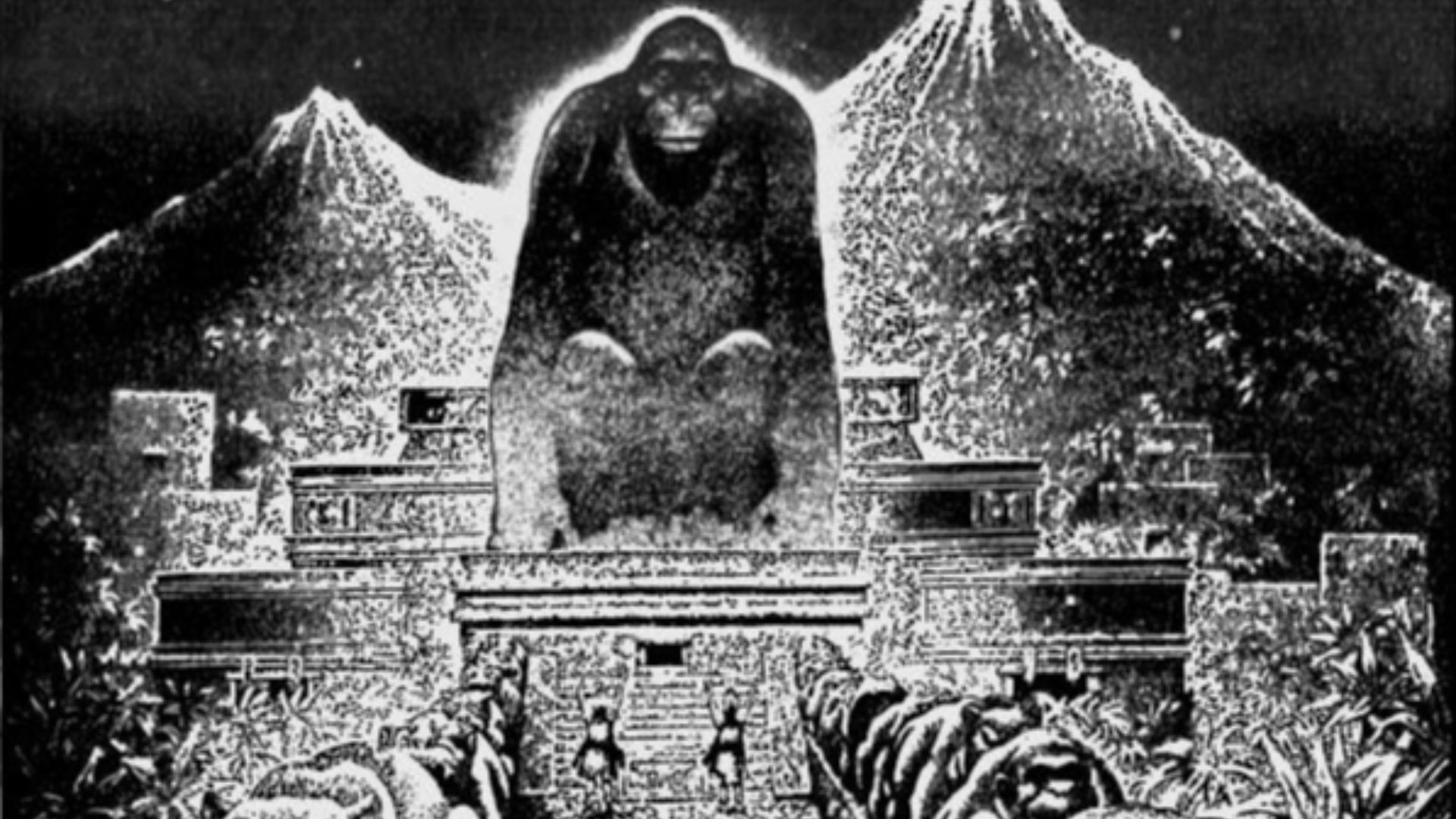
The White City, known in local legend as Ciudad Blanca, supposedly lies hidden in the Mosquitia jungle of Honduras. LIDAR mapping in 2012 detected geometric patterns and structures beneath the dense canopy, and subsequent ground expeditions found plazas, earthworks, and artifacts from an unknown culture.
10. Helike
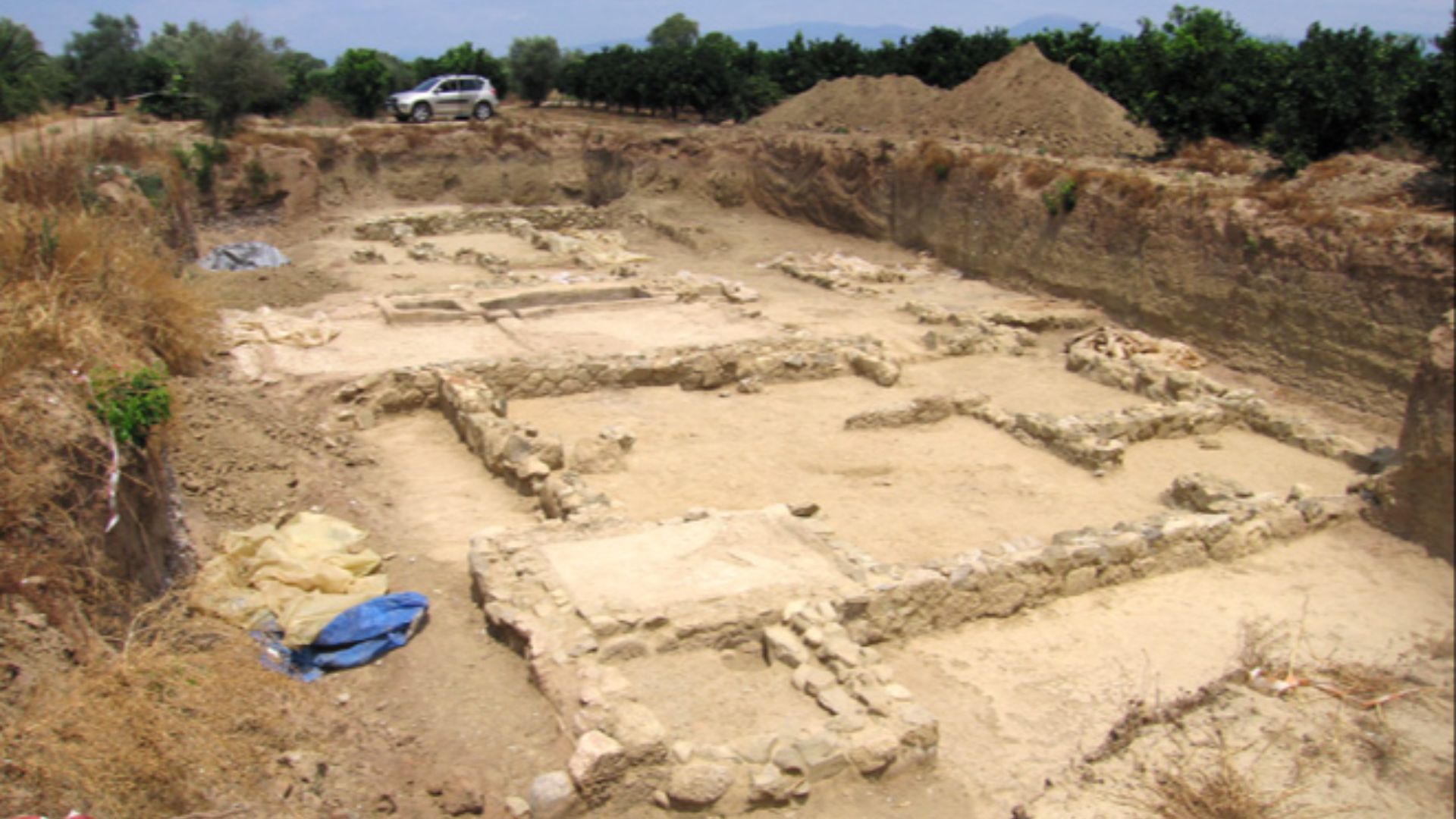
Helike was a major Greek city that sank into the Gulf of Corinth after an earthquake in 373 BCE. Ongoing excavations reveal houses, roads, and artifacts, though much of Helike remains hidden under meters of silt, and periodic flooding complicates systematic exploration.
11. Kitezh
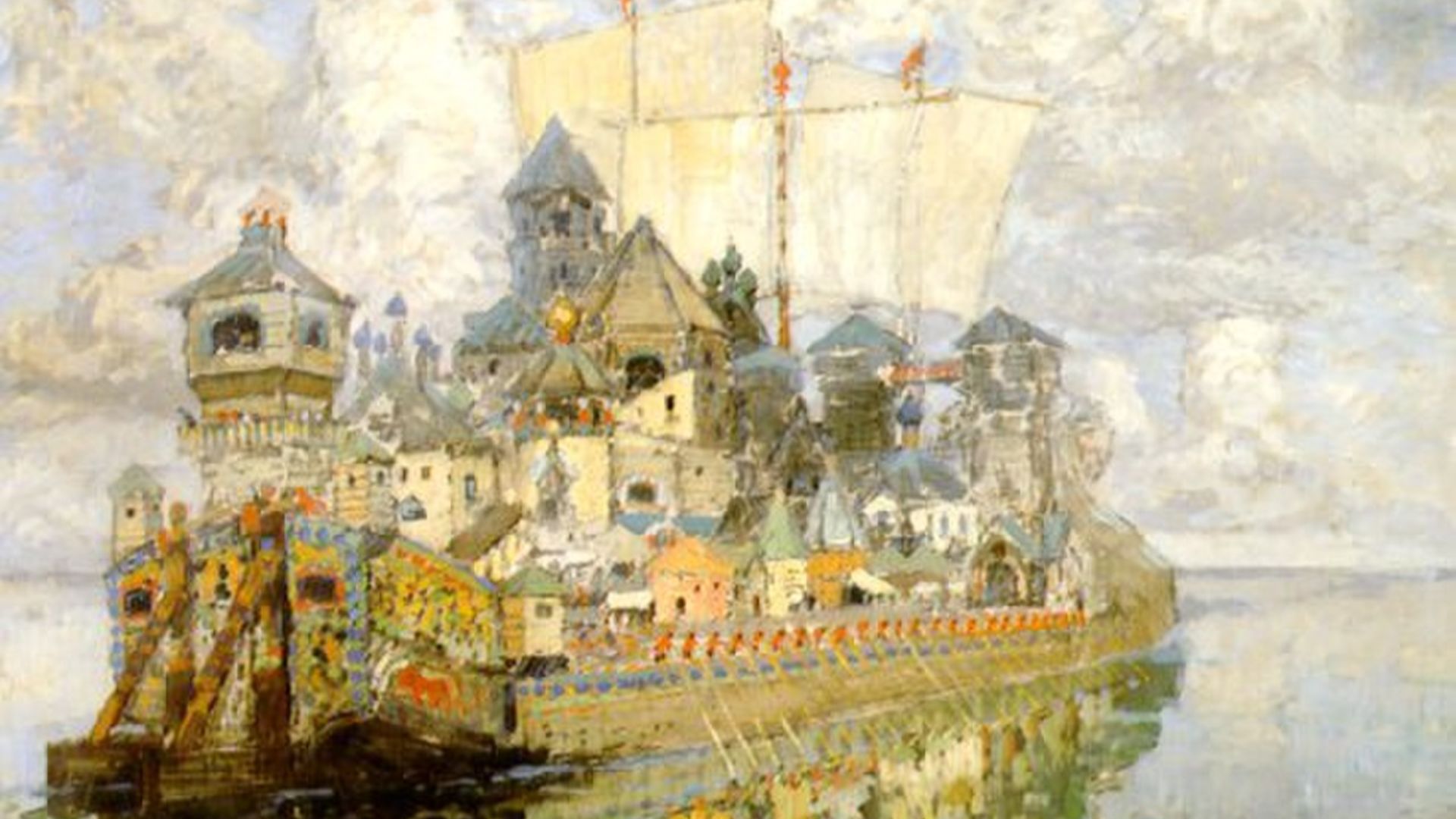
Kitezh appears in Russian Orthodox legends as a city that became invisible or sank beneath a lake to escape Mongol invasion in the 13th century. The legend persists strongly enough in regional culture that scientific expeditions continue despite the mythological origins of the story.
12. Zerzura
Zerzura emerged from Bedouin oral traditions describing a white oasis city hidden somewhere in the Libyan or Egyptian desert, mentioned in medieval Arabic manuscripts. Satellite imaging surveys have identified several promising sites where ancient water sources might have supported settlements in regions now utterly barren.
13. Vilcabamba
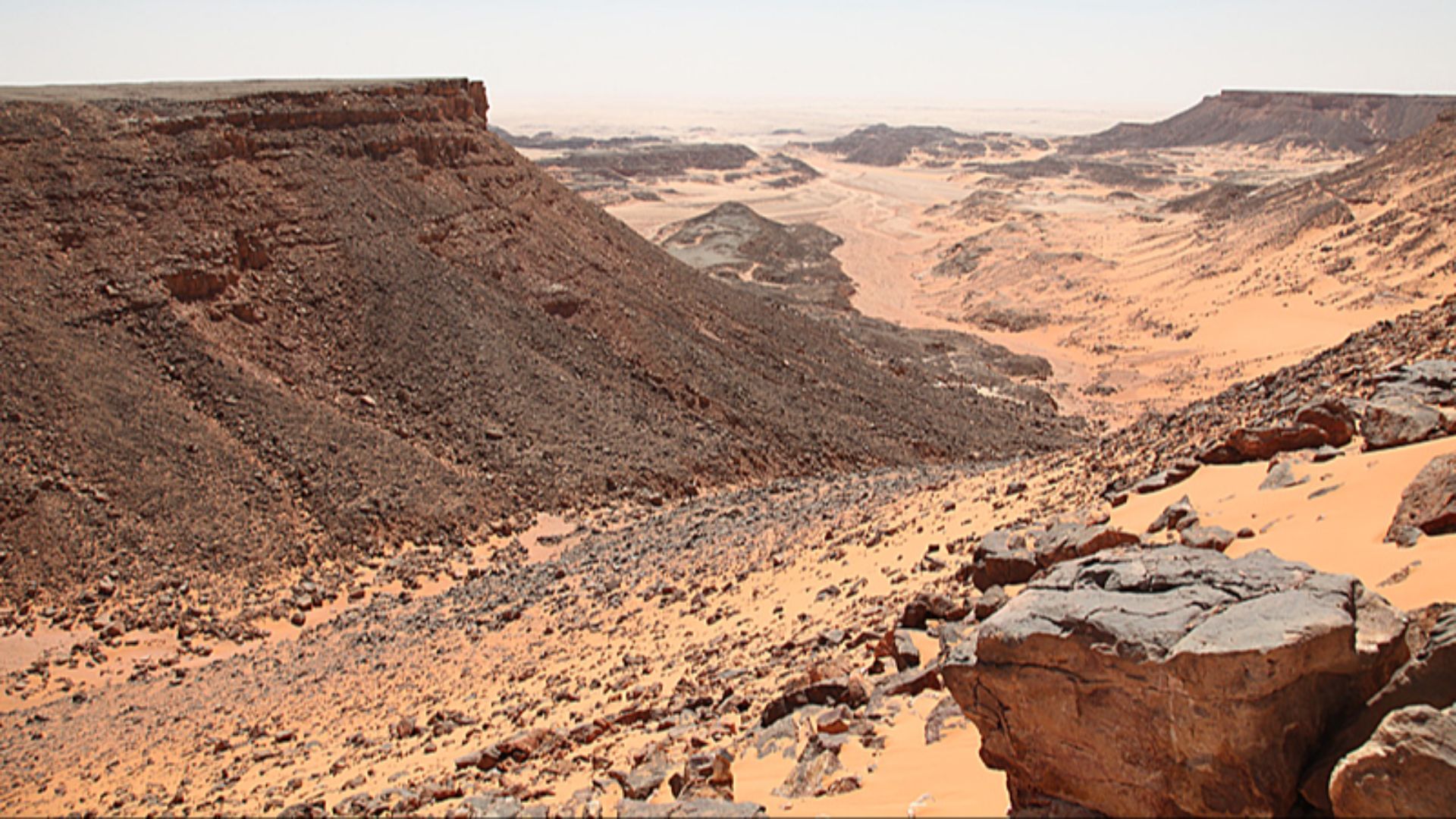
Vilcabamba served as the last independent Inca capital after the Spanish conquest, occupied from 1539 to 1572 in the montane forests northwest of Cusco. Archaeologists have identified sites in the region matching historical descriptions, including Espíritu Pampa, but debate continues over which ruins represent the true ceremonial center.
14. Irisaĝrig
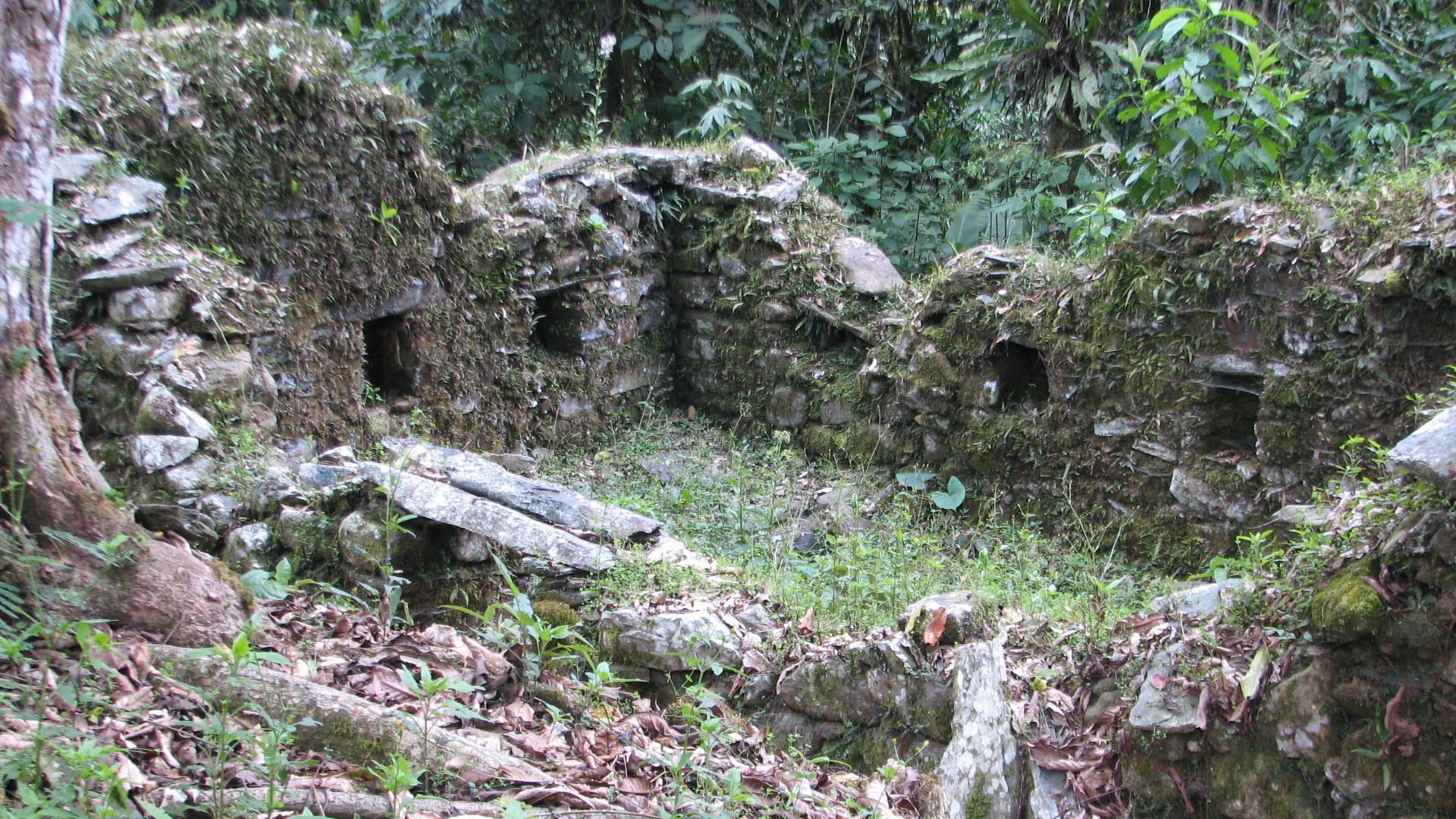
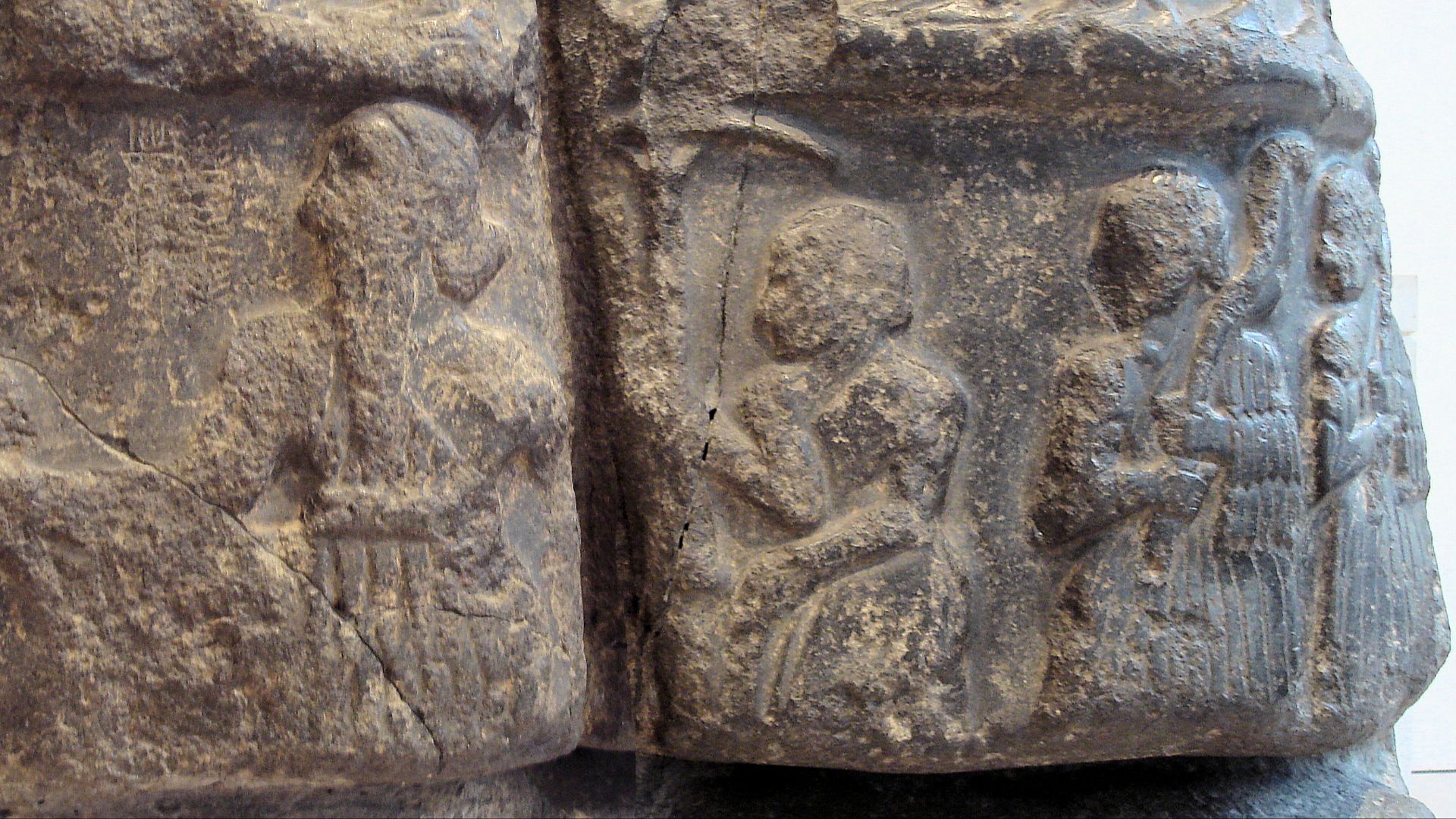
Irisaĝrig functioned as an important Sumerian city known from thousands of cuneiform tablets that surfaced in the antiquities trade. The artifacts reference temples, administrative records, and daily life, yet archaeologists have never located the actual city in southern Iraq.
15. Itjtawy
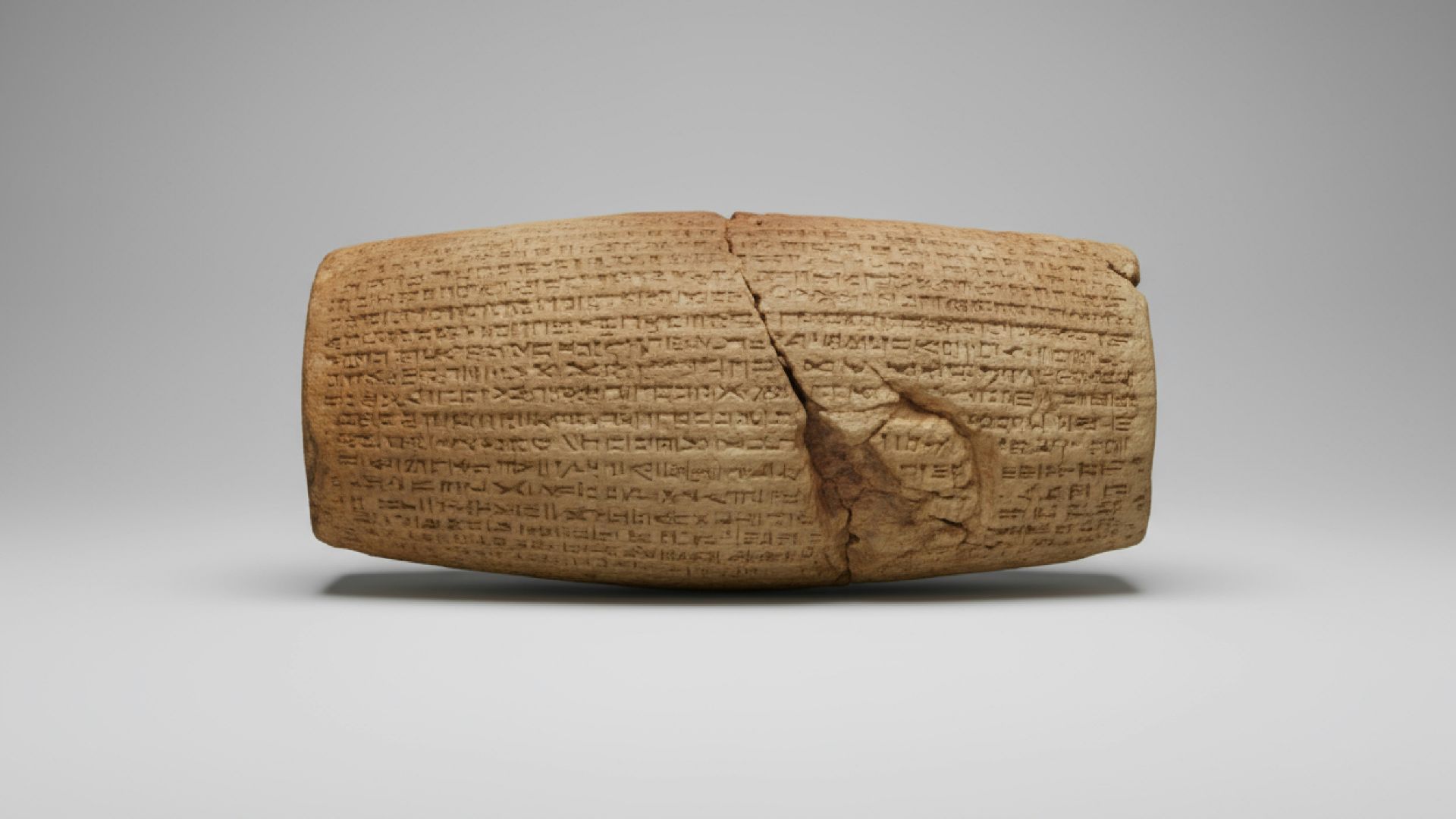
Itjtawy served as Egypt's capital during the Middle Kingdom, established around 1950 BCE near the Fayum oasis according to textual evidence. Surveys of the proposed area near Lisht have identified pyramid complexes and cemeteries, but not the main urban settlement. The capital may lie under agricultural land or Nile deposits, making excavation complicated by modern development and groundwater.
16. Akkad
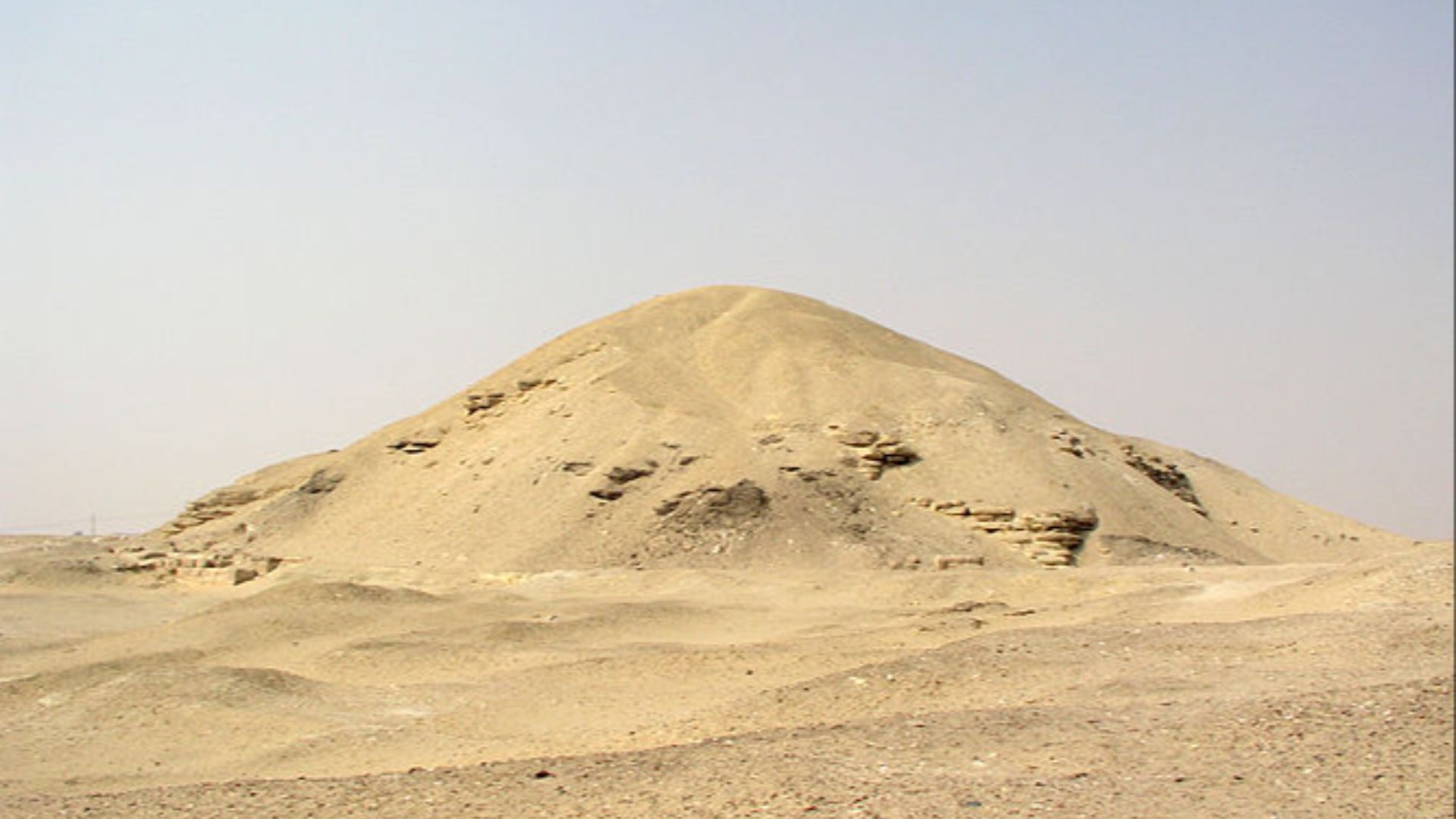
Akkad stood as the capital of the Akkadian Empire under Sargon the Great around 2300 BCE, mentioned extensively in Mesopotamian texts. Despite its historical importance as the center of the first true empire, archaeologists have never definitively located Akkad in central Iraq. Decades of conflict and restricted access to the region have hampered searches, and the city may have been thoroughly dismantled for building materials in antiquity.
17. Al-Yahudu
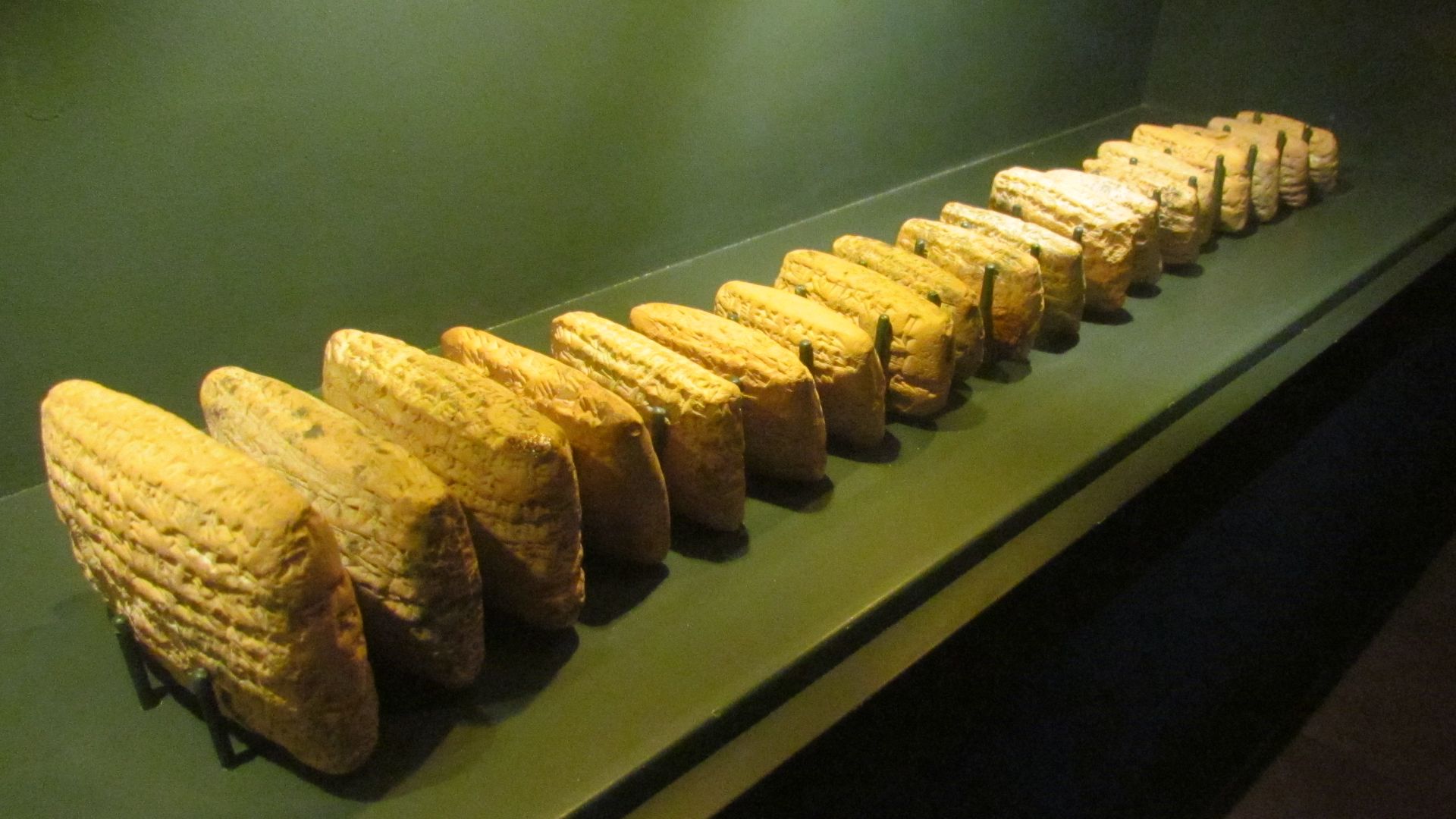
Al-Yahudu appears in cuneiform records as a settlement of Judean exiles in Babylonia during the 6th century BCE. Tablets from the site describe a thriving community maintaining its identity in exile, but the physical location remains uncertain. The area's difficult terrain and unstable conditions have limited archaeological investigation despite the richness of the textual evidence.
18. Sodom
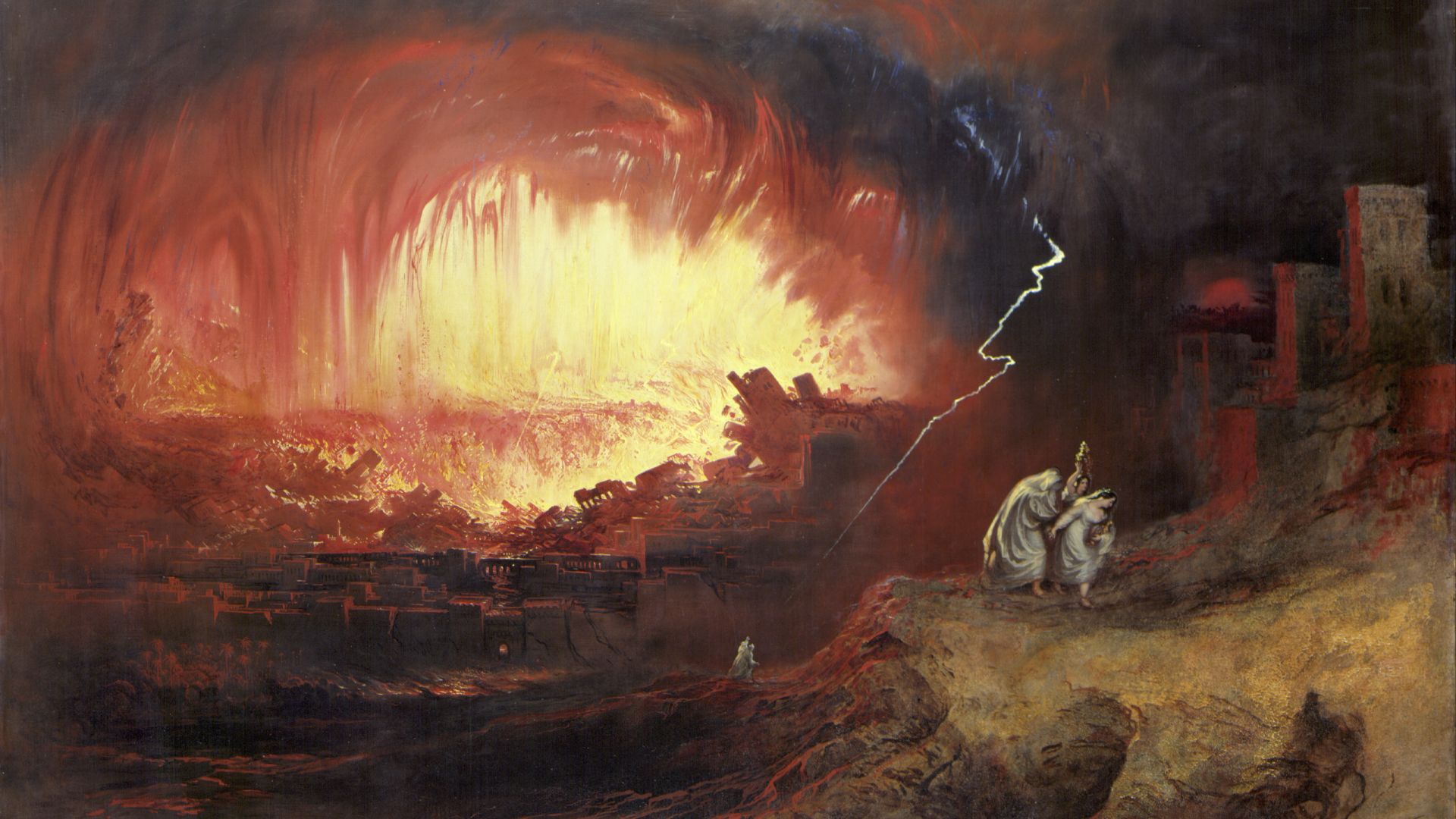
Sodom features in biblical accounts as a city destroyed for wickedness, traditionally placed near the Dead Sea. Excavations at Tall el-Hammam in Jordan have uncovered a Bronze Age city destroyed by intense heat, which some researchers propose as the historical basis for the Sodom account.
19. Shambhala
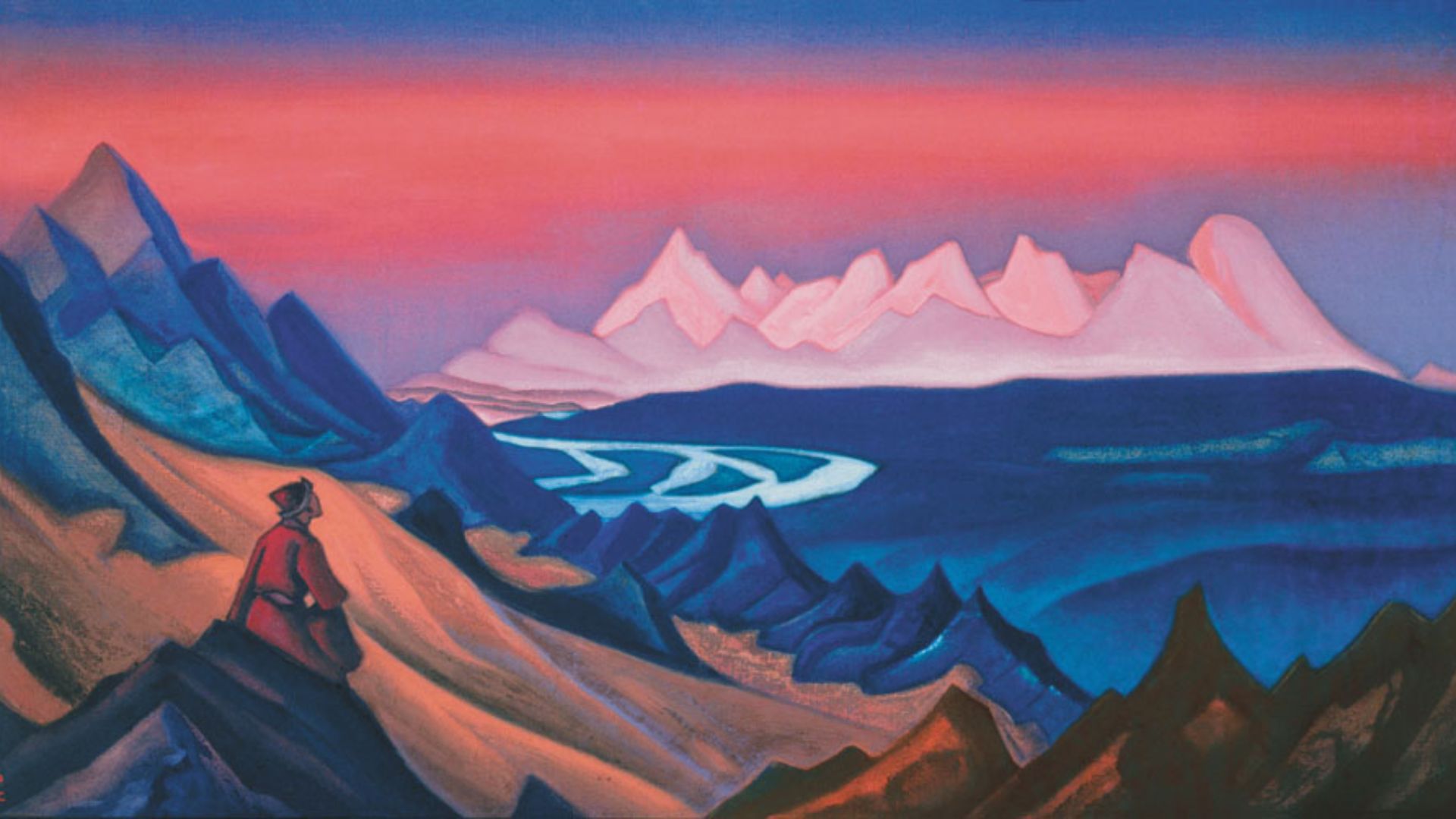
Shambhala exists in Tibetan Buddhist traditions as an enlightened kingdom hidden somewhere in the Himalayan region. Expeditions have used remote sensing across the Tibetan plateau, searching for ruins that might correspond to the descriptions in religious texts. The extreme altitude, political restrictions, and sacred nature of the search make conventional archaeological approaches complicated by both practical and ethical considerations.
20. Gath
Gath served as one of the five great Philistine cities, home of Goliath according to the biblical narrative. Excavations at Tel es-Safi in Israel have uncovered impressive fortifications and artifacts from the Iron Age, confirming that a major urban center existed there. The settlement extends beyond the excavated areas, and archaeologists continue expanding their work to understand the full scope of this ancient city that played such a significant role in Levantine history.
KEEP ON READING