

Architecture can be an expression of art, ambition, spiritual devotion, or pure eccentricity, and sometimes it’s all of those things at once. While most buildings are designed for function and safety first, some structures push boundaries in ways that seem almost surreal. These buildings often defy conventional design rules, challenge our sense of balance, and leave observers both baffled and inspired.
Buildings like these attract attention not just for their appearance, but for the context in which they were built — reflecting cultural values, technological advances, and at times sheer bravado. They make us ask questions about purpose, beauty, and what it means when architecture transcends utility to become something altogether stranger. We’re going to explore three of the most remarkable — and downright craziest — buildings in history, each from a different corner of the globe.
The Guggenheim Museum Bilbao — Spain
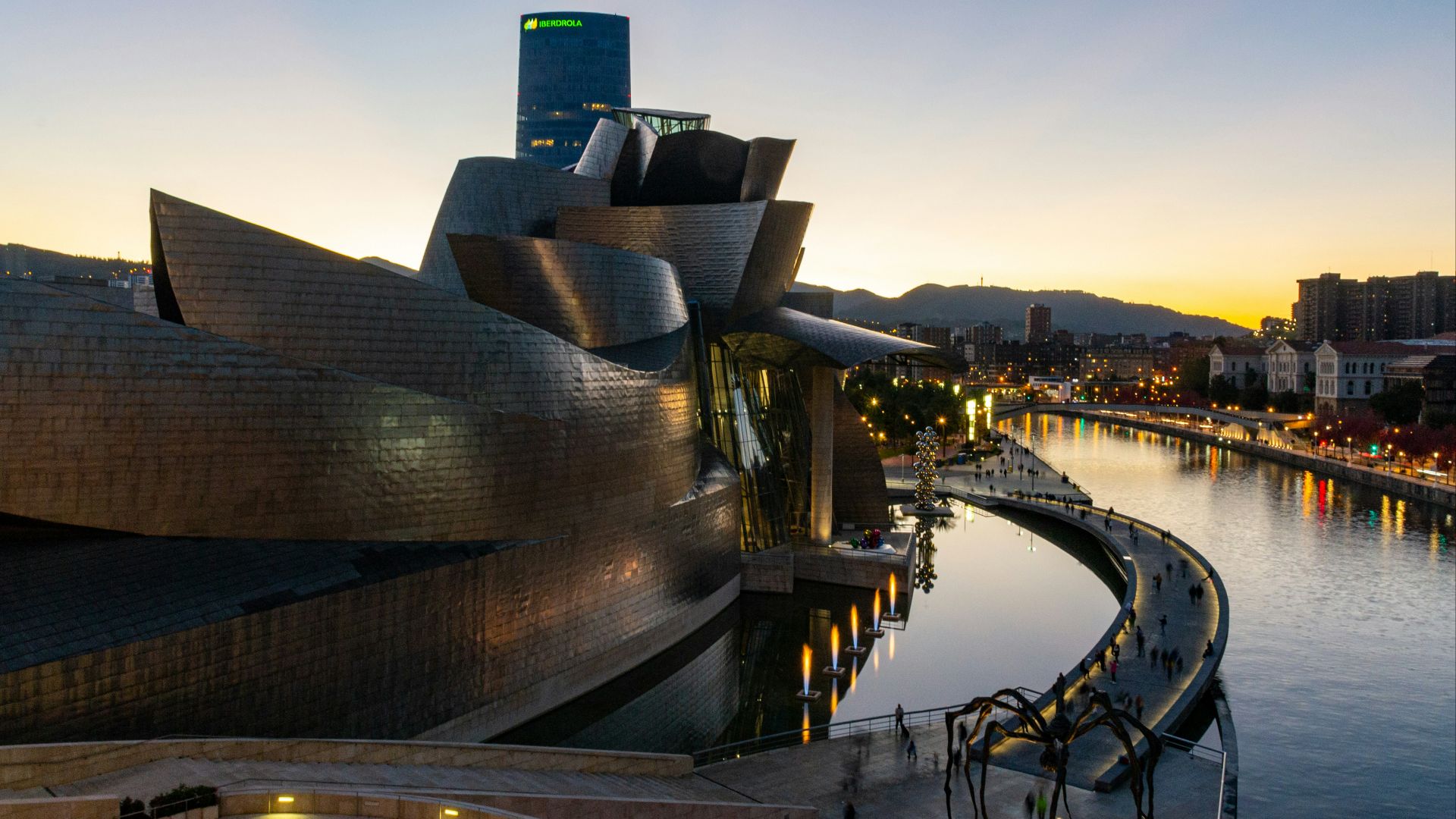
The Guggenheim Museum Bilbao in northern Spain is a masterpiece that redefined contemporary architecture and transformed a post-industrial city into a global destination. Designed by Frank Gehry and completed in 1997, the building’s fluid, sculptural form looks less like a museum and more like a futuristic ship washed ashore.
What makes the Guggenheim Bilbao truly wild is how it disrupts traditional architectural geometry without sacrificing structural integrity, pushing the limits of what could be built at the time. Gehry worked with advanced digital modeling long before it was common, enabling shapes that would have been impossible to plan using traditional blueprints. The result is a paradox: something that appears wildly organic yet is engineered with precision, marrying art and physics in a way few buildings before it had attempted.
Since opening, the museum has become almost as famous for its architecture as for its art collection, attracting millions of visitors from around the world. The so-called “Bilbao Effect”—where avant-garde design spurs economic revitalization—has influenced cities globally, proving that daring architecture can have a real-world impact beyond aesthetics.
The Winchester Mystery House — United States of America
In the heart of California’s Silicon Valley stands one of the most infamous oddities in American architecture: the Winchester Mystery House—a sprawling Victorian mansion built continuously from 1884 until its owner died in 1922. Sarah Winchester, the widow of the Winchester rifle heir, believed (or was advised) that constant construction would appease spirits allegedly affected by Winchester rifles.
What makes this house downright bizarre are its interior contradictions: staircases that lead to ceilings, doors that open onto walls, and windows placed oddly for no apparent practical reason. Room sizes, angles, and pathways often defy spatial logic, creating an environment that’s more like a stage set than a residence. The continuous construction produced hundreds of rooms, but very few follow patterns you’d expect in normal home design.
Architectural historians suggest Winchester’s relentless modifications reflect a kind of obsession with enclosure and protection, but visitors often report that the experience feels more like wandering through a dream. The house has become a cultural touchstone for haunted lore and architectural oddity alike, drawing tens of thousands of curious visitors each year.
Wat Rong Khun — Thailand
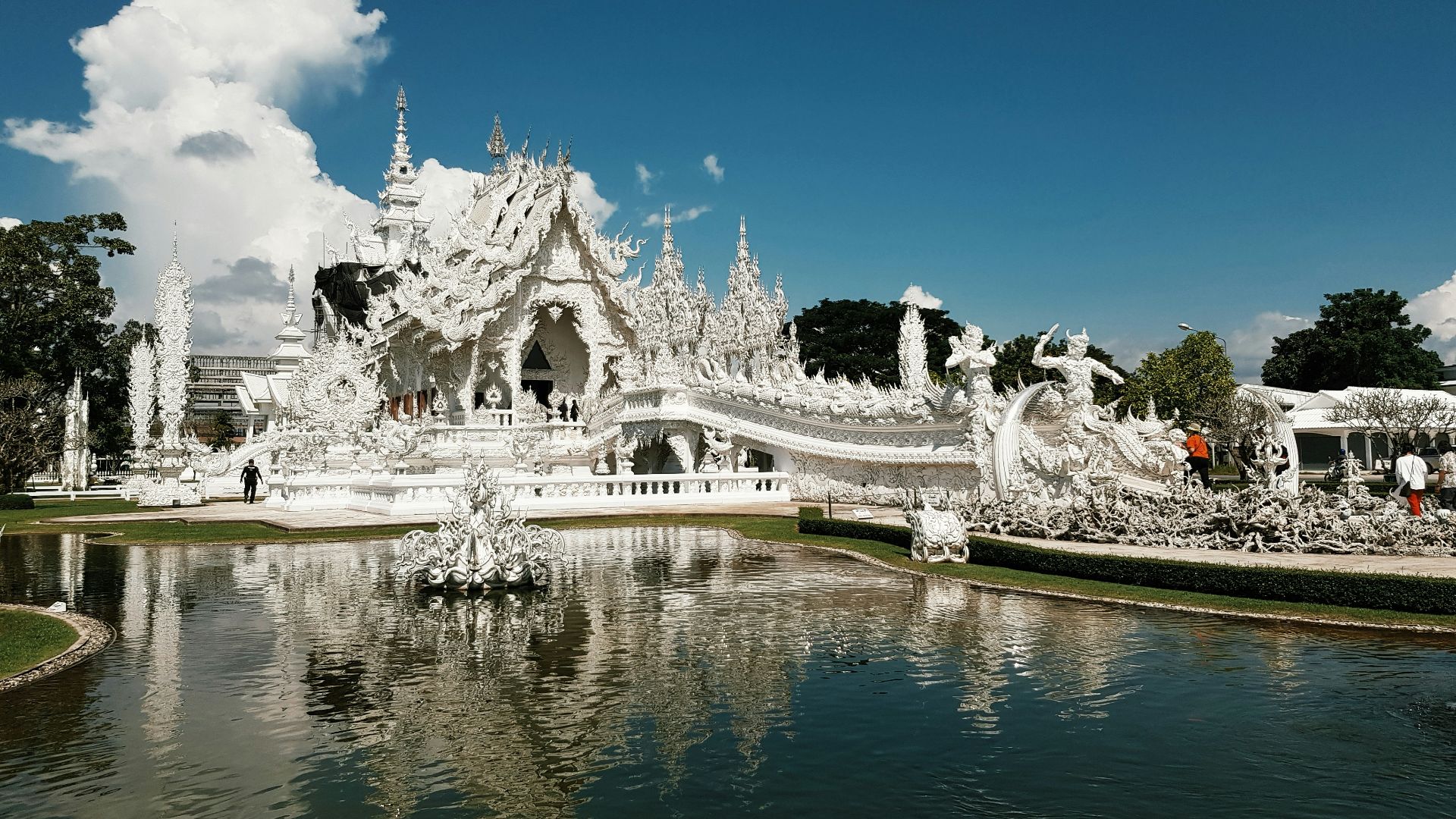
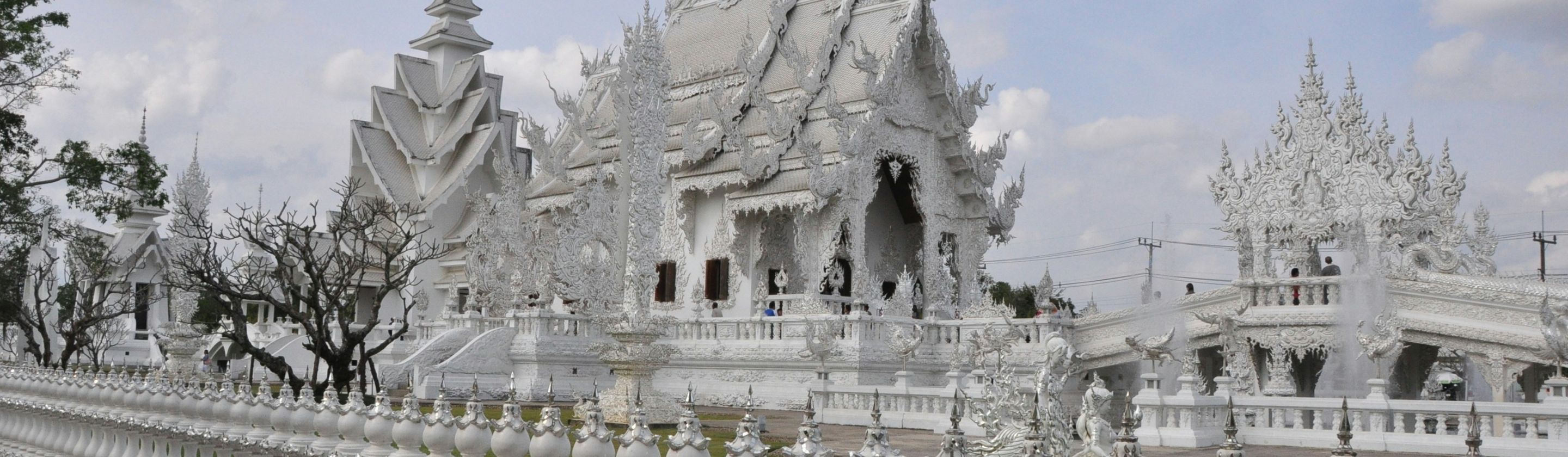
In Chiang Rai, Thailand, stands a temple so dazzling and surreal that it feels like it belongs in a fantasy novel—the Wat Rong Khun, commonly known as the White Temple. Unlike traditional Thai temples, which often draw on centuries-old styles, this temple is a modern creation by artist Chalermchai Kositpipat, commissioned in 1997 and still under construction decades later. Its gleaming white surface, embedded with mirrored glass, shimmers in the sun, symbolizing purity and the mind’s quest toward enlightenment.
The White Temple’s craziness isn’t just aesthetic; it’s conceptual. Surrounding the main hall are bridges, sculptures, and exhibits that blend Buddhist iconography with pop culture references, including images of superheroes, movie characters, and modern warfare. Some visitors find this juxtaposition provocative or disorienting, while others see it as a contemporary interpretation of spiritual struggle and moral duality.
Inside, the murals that might be expected to depict classical religious scenes instead incorporate surreal visuals, making the temple experience feel like traveling between worlds. Wat Rong Khun doesn’t just break the mold of historical architecture; it reimagines what sacred space can represent in the 21st century. It’s a testament to how architecture can be both deeply rooted in cultural symbolism and wildly imaginative all at once.
These three structures — from Spain, the United States, and Thailand — remind us that architecture isn’t limited to bricks and beams, but is also an expression of human imagination, belief, and audacity. Whether born of artistic vision, psychological narrative, or spiritual philosophy, each building redefines what a structure can be. They challenge us to look beyond conventional design and appreciate how buildings can reflect the boldest corners of human creativity.
KEEP ON READING

The Origins Of 3 Common Sayings You Still Use Today
Etienne Boulanger on UnsplashMany of the phrases you use every…
By Rob Shapiro Apr 28, 2026
Was Caligula The Most Ruthless Roman Emperor?
Artur Matosyan on UnsplashRoman Emperor Caligula is one of ancient…
By Rob Shapiro Dec 18, 2025
1 Weird Fact About Every President
Washington, Lincoln, FDR. Most people know something about the lives…
By Robbie Woods Dec 3, 2024
10 Accidental Discoveries That Changed Maps & 10 That Changed…
Mistakes That Mattered. A lot of major discoveries did not…
By Cameron Dick Apr 15, 2026
10 Actors Who Perfectly Played a Historical Figure & 10…
Which Performance is Your Favorite?. Playing the role of a…
By Rob Shapiro Sep 15, 2025
10 Actors Who Perfectly Played a Historical Figure & 10…
Portraying a real person from history is one of the…
By Noone Dec 17, 2025