Utah State Hospital Used To Recruit Actual Psychiatric Patients For Its "Haunted Castle"
Utah State Hospital Used To Recruit Actual Psychiatric Patients For Its "Haunted Castle"
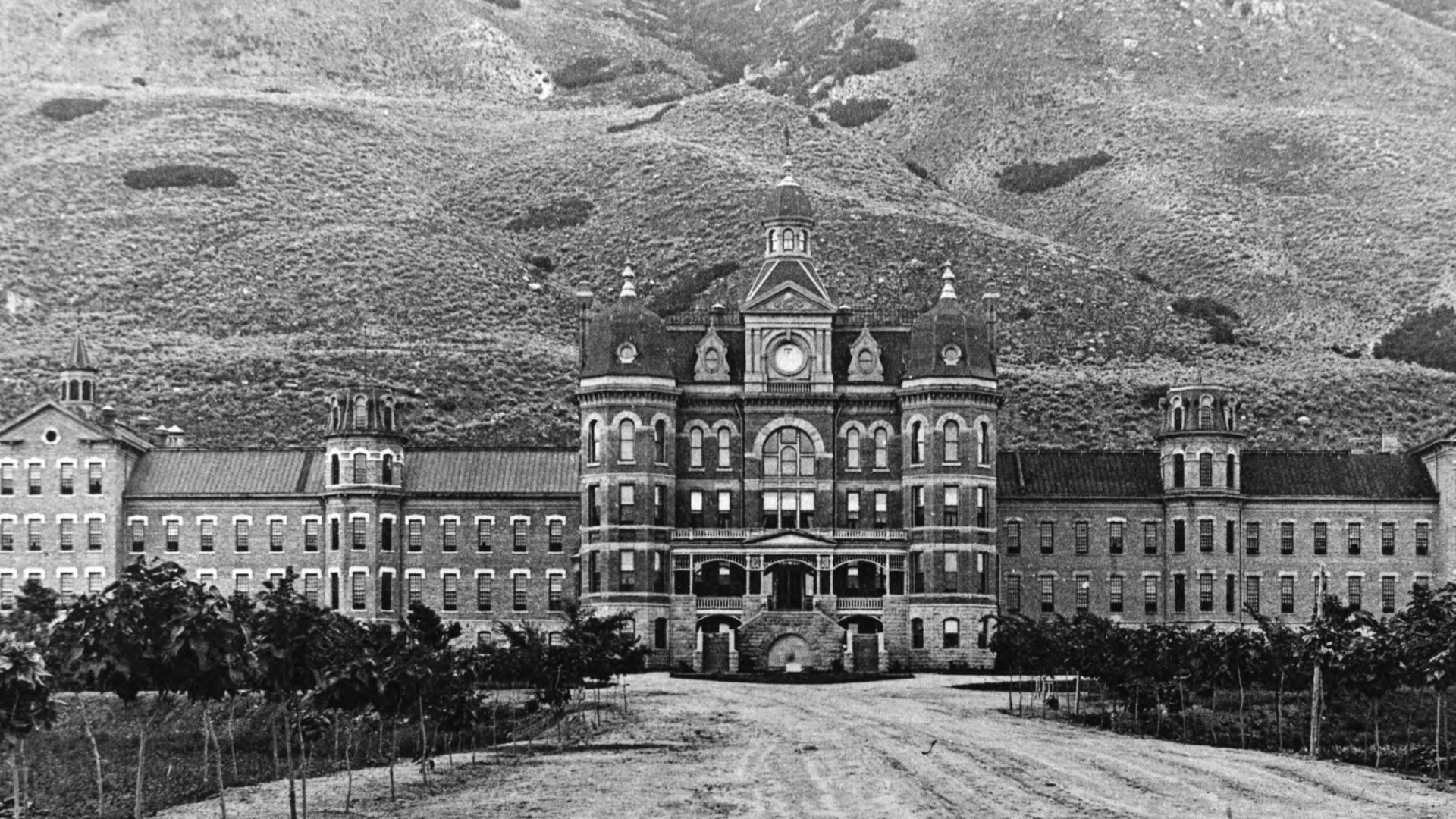 Unknown authorUnknown author on Wikimedia
For years, the Utah State Hospital in Provo ran what seemed like a wholesome community fundraiser: a Halloween haunted house that drew crowds eager for spine-tingling scares. But lurking behind the theatrical fog machines and fake cobwebs was a practice so ethically questionable it eventually sparked a firestorm of controversy.
The hospital wasn't just using staff volunteers or drama students to play monsters and ghouls; they were recruiting actual psychiatric patients from their own wards to portray the attractions' most disturbing characters. What began as an innovative "therapeutic activity" in the 1970s eventually became a cautionary tale about exploitation, dignity, and the blurred lines between treatment and spectacle.
Therapy Tool To Tourist Trap
The haunted house tradition at Utah State Hospital started innocuously enough in the mid-1970s, initially conceived as occupational therapy for patients. Hospital administrators argued that participation gave patients a sense of purpose, helped them develop social skills, and allowed them to engage with the outside community. For many years, this arrangement flew under the radar as the attraction grew increasingly popular.
Patients would don costumes and makeup, jumping out from dark corners or shambling through dimly lit corridors as visitors screamed and laughed. The hospital framed this as a win-win scenario: patients gained therapeutic benefits while the institution raised money for recreational programs and facility improvements. By the 1990s, the haunted castle was drawing thousands of visitors annually, with long lines snaking around the grounds of the psychiatric facility.
The Controversy Erupts
Everything changed in the mid-to-late 1990s when advocacy groups and mental health professionals began raising serious ethical concerns. Critics argued that using actual psychiatric patients as haunted house performers reinforced harmful stereotypes about mental illness—specifically the dangerous myth that people with psychiatric conditions are frightening, violent, or monstrous.
Mental health advocates pointed out the deep irony and cruelty of an institution meant to treat and destigmatize mental illness actively profiting from putting patients on display as objects of fear. Questions arose about whether patients could truly provide informed consent given the inherent power dynamics between institution and patient. Were they genuinely volunteering, or did they feel pressured to participate? The controversy intensified when former patients came forward with their own accounts, some describing feeling exploited and others claiming they'd been encouraged to act "crazy" for entertainment value.
The Aftermath And Legacy
Under mounting pressure, Utah State Hospital discontinued the practice in 1998, ending nearly three decades of the controversial tradition. The hospital issued statements acknowledging that times had changed and that the haunted house, while well-intentioned initially, no longer aligned with contemporary understanding of patient dignity and mental health advocacy.
The case became a teaching moment in psychiatric ethics courses nationwide, illustrating how institutional practices can normalize exploitation under the guise of therapy. Today, the shuttered haunted castle serves as a reminder that good intentions don't excuse harmful outcomes, and that the most vulnerable populations deserve protection from becoming entertainment.
KEEP ON READING