


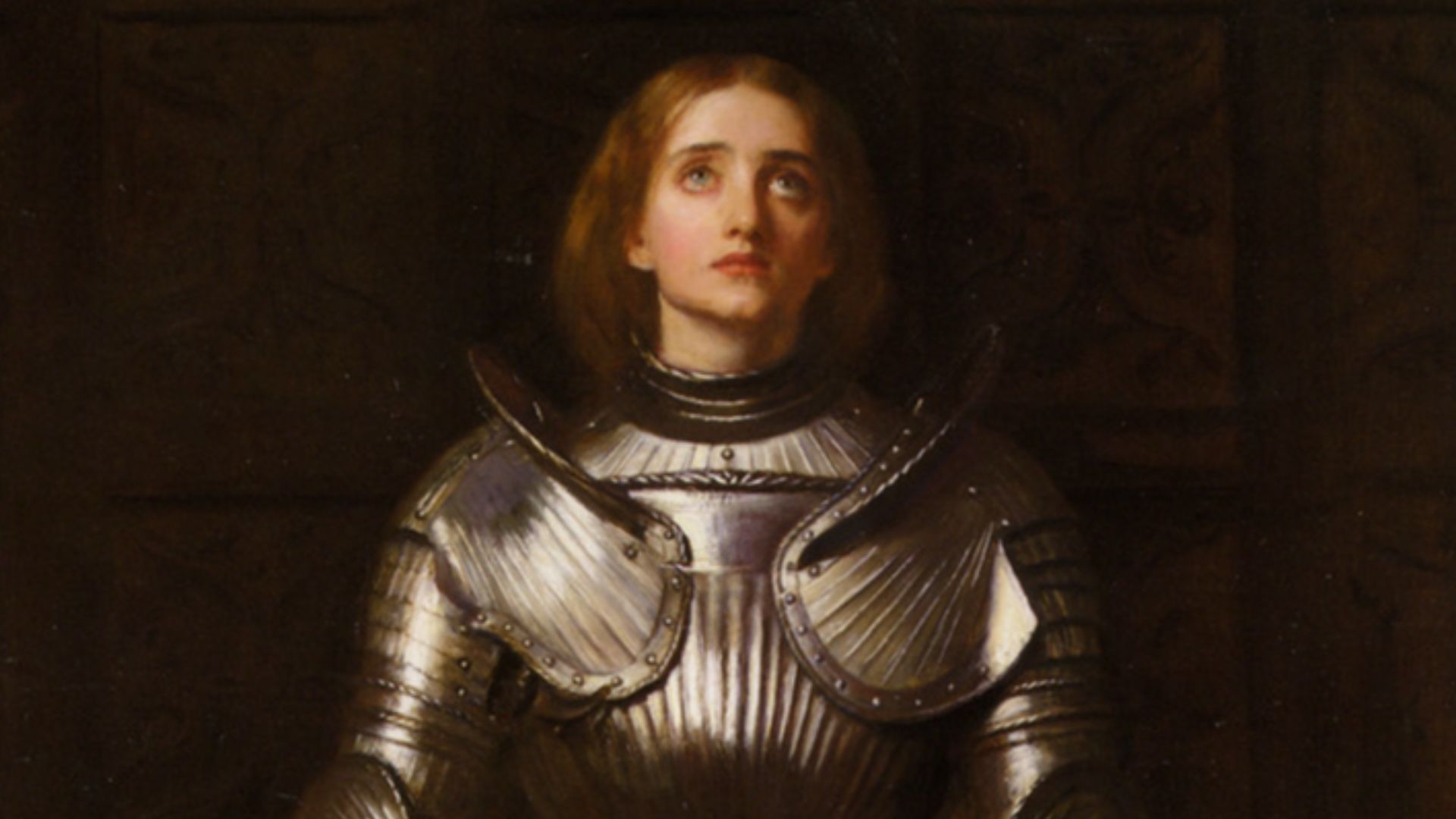
 John Everett Millais on WikimediaJoan of Arc’s story has everything humans can’t resist: a teenager with absolute conviction, a country in crisis, and adults in power making decisions that range from strategic to deeply embarrassing. She has been painted as a saint, a soldier, a symbol, and a cautionary tale, sometimes all in the same breath.
What makes Joan stick isn’t just that she lived dramatically. It’s that her legacy keeps getting recycled for modern debates about leadership, nationalism, gender expectations, and public narratives. Underneath the legend, the timeline is unusually well documented for the 15th century, including the political context and the later reversal of her conviction.
A Teenager in a Political Firestorm

Long before Joan rode into anyone’s life, France and England were locked in the Hundred Years’ War, an on-and-off conflict that ran from 1337 to 1453. In 1420, the Treaty of Troyes tried to settle the French succession by recognizing Henry V of England as heir to the French throne, sidelining Charles VI’s son, also known as the dauphin Charles. By the late 1420s, the dauphin still hadn’t been crowned at Reims, causing uncertainty in terms of his political legitimacy.
Against that backdrop, Joan came from Domrémy, the daughter of a tenant farmer, and said she was guided by the voices of St. Michael, St. Catherine of Alexandria, and St. Margaret of Antioch. She pushed to meet the dauphin at Chinon in early 1429, convincing skeptical gatekeepers that she wasn’t a fraud or a witch, and she was examined by theologians aligned with his cause. When she traveled to him, she did so dressed in men’s clothing, a detail that later became both practical evidence of her circumstances and a favorite target for critics.
Her breakout moment was Orléans, which had been under English siege since October 12, 1428. Joan entered the city with supplies on April 29, 1429, and within days she was urging attacks that helped shift momentum, even after being wounded in the fighting. The English retreated on May 8th, 1429, a turning point that reshaped morale and strategy. After the French victory at Patay on June 18, 1429, the campaign pushed toward Reims, reaching it on July 16, with Charles crowned on July 17. Joan was present with her banner near the altar.
The Trial, the Politics, and the Power of Narrative
The part people skip in the inspirational summaries is Joan’s capture. She was taken at Compiègne on May 23, 1430, after a sortie where she was outflanked and unhorsed, and she ended up in Burgundian custody. The University of Paris’ theology faculty pressed for her to be turned over for judgment, and Bishop Pierre Cauchon of Beauvais pushed to take control of the case, with Joan ultimately in his hands by early January 1431.
Her ecclesiastical trial began on January ninth, 1431, in Rouen, and it was designed to label her a heretic rather than treat her as a prisoner of war. Britannica notes. One aim was to discredit Charles VII by implying his coronation was tied to a “witch” or heretic, upsetting his legitimate claim to the throne. Joan’s interrogations focused on her voices, her obedience to church authority, and the choices she made while campaigning, including her clothing and attempts to escape.
She was executed in Rouen on May 30, 1431, and Britannica places her age at death at 19. What’s striking is that the story didn’t end with the flames, as the church later revisited the case. Britannica notes https://www.britannica.com/biography/Saint-Joan-of-Arc/Capture-trial-and-execution Pope Calixtus III annulled her sentence in 1455–56, and a Vatican audience text specifies that the nullification decision came on July 7th, 1456. That reversal is part of why she still resonates: it’s proof that “official truth” can be manufactured, then dismantled, depending on who holds power and when.
Why Joan Still Feels Familiar
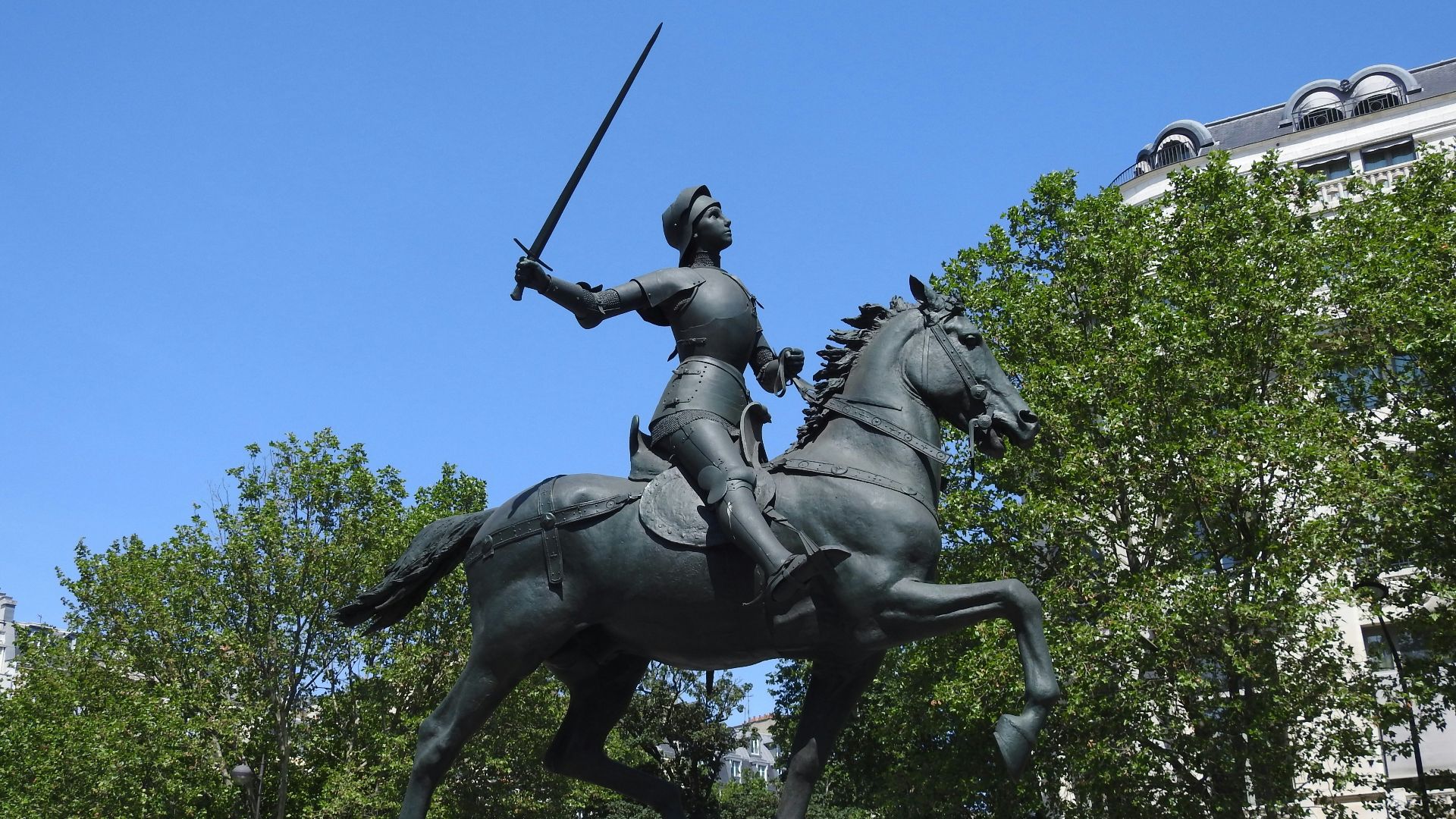
Start with the obvious: she was young, and she didn’t come from the elite circles that so often shape history. A teenager walking into a royal court and insisting she can change the direction of a war sounds absurd, until you remember how often major movements have started with someone “unqualified” refusing to be quiet. Britannica emphasizes that her achievements fed a wider awakening of French national consciousness, a beacon of hope for a group of people who were hungry, exhausted, and scared.
Furthermore, her aversion to traditional gender roles still sticks out in a modern context. Joan traveled dressed in men’s clothes and moved through military spaces that weren’t built for her, and those choices were treated as scandalous as well as strategic. That tension mirrors modern life: people still police who “belong” in certain roles, and they still confuse tradition with morality when they’re uncomfortable.
Finally, Joan’s afterlife, culturally and religiously, keeps renewing her relevance. Britannica notes that she was canonized on May 16, 1920, and the Vatican preserves the canonization bull Divina disponente issued by Pope Benedict XV. She also has a feast day on May 30 and, in France, an official national day of homage observed on the second Sunday in May. The real reason her story keeps landing is that it’s a reminder that courage can be both world-changing and politically inconvenient, and humans will always try to control whichever version of the story benefits them.
KEEP ON READING
The 20 Most Recognized Historical Figures Of All Time
The Biggest Names In History. Although the Earth has been…
By Cathy Liu Oct 4, 2024
10 of the Shortest Wars in History & 10 of…
Wars: Longest and Shortest. Throughout history, wars have varied dramatically…
By Emilie Richardson-Dupuis Oct 7, 2024
10 Fascinating Facts About Ancient Greece You Can Appreciate &…
Once Upon A Time Lived Some Ancient Weirdos.... Greece is…
By Megan Wickens Oct 7, 2024
20 Lesser-Known Facts About Christopher Columbus You Don't Learn In…
In 1492, He Sailed The Ocean Blue. Christopher Columbus is…
By Emilie Richardson-Dupuis Oct 9, 2024
20 Historical Landmarks That Have The Craziest Conspiracy Theories
Unsolved Mysteries Of Ancient Places . When there's not enough evidence…
By Megan Wickens Oct 9, 2024
The 20 Craziest Inventions & Discoveries Made During Ancient Times
Crazy Ancient Inventions . While we're busy making big advancements in…
By Cathy Liu Oct 9, 2024