

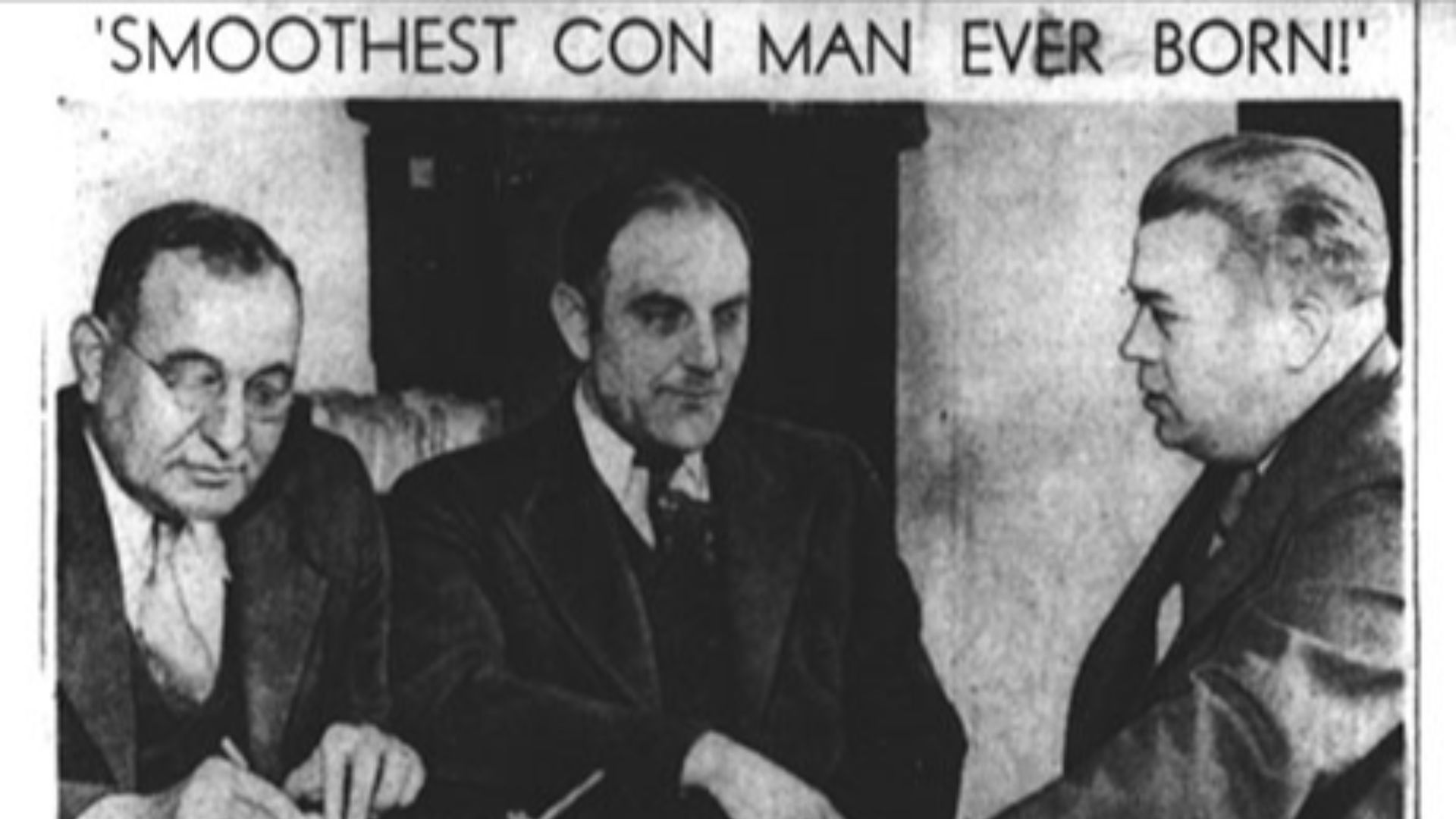
 Page from a 1935 Philadelphia newspaper on Wikimedia
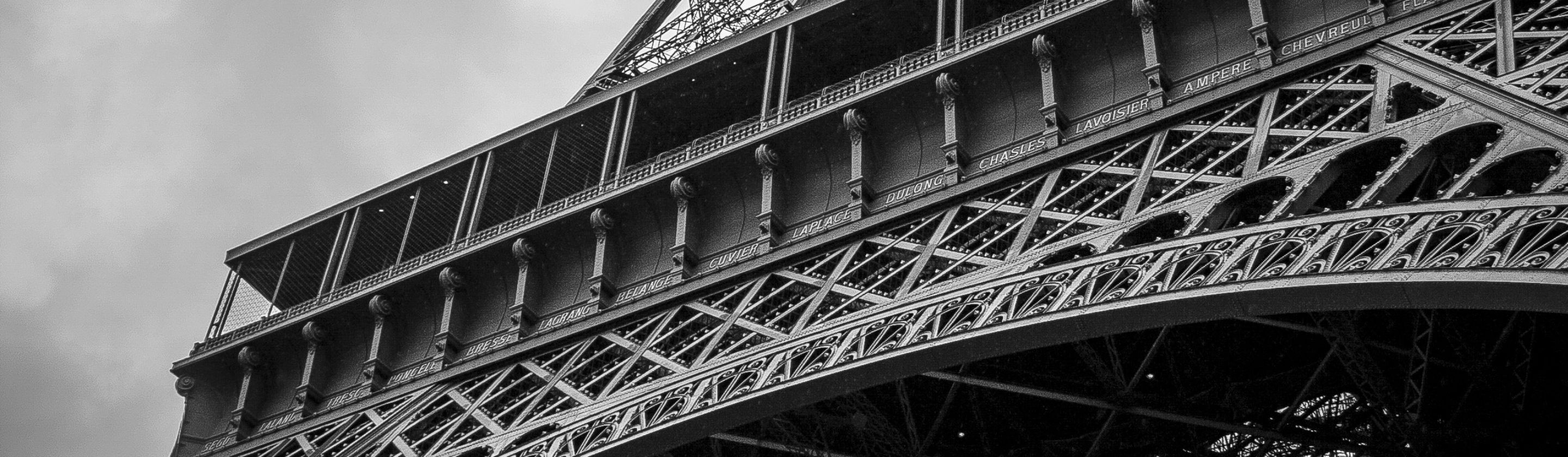
You have likely heard of some incredibly ambitious salesmen throughout history, but none can quite match the sheer audacity of a man named Victor Lustig. In the spring of 1925, this smooth-talking con artist arrived in Paris and accomplished a feat that sounds like an absolute work of fiction. He managed to successfully sell the Eiffel Tower, the most iconic monument in France, to a wealthy scrap metal dealer for a staggering sum of cash. What makes this historical caper even more unbelievable is that it wasn't a one-time fluke, as he actually turned around and pulled off the exact same scam a second time.
Understanding how a single individual could pull off the heist of the century requires looking at the unique economic landscape of post-war Europe. The Eiffel Tower was originally built for the 1889 World's Fair and was never actually intended to become a permanent fixture of the city skyline. By the mid-1920s, the massive iron structure was suffering from severe maintenance neglect, causing public discussions about whether the government should simply tear it down. Lustig read these newspaper headlines and immediately recognized a golden opportunity to execute a highly sophisticated, unforgettable financial swindle.
Crafting the Perfect Governmental Illusion

The first step in Lustig's elaborate scheme involved creating an entirely flawless veneer of official French government authority to disarm his targets. He rented a luxurious suite at the prestigious Hôtel de Crillon, a well-known meeting spot for high-profile diplomats and wealthy international businessmen. Using counterfeit official stationery, he drafted formal invitations to the city's top scrap metal dealers for a highly confidential meeting. He introduced himself as the Deputy Director-General of the Ministry of Post and Telegraphs, swearing the businessmen to absolute secrecy to avoid a massive public outcry.
You can imagine the excitement in the room when Lustig explained that the government could no longer afford the exorbitant upkeep of the monument. He masterfully guided the dealers through a series of official-looking blueprints and financial estimates, completely convincing them that the tower was being sold to the highest bidder. His charming demeanor and calm, professional presentation style easily deflected any potential skepticism that might have arisen. He made the absurd proposition feel like an exclusive, routine government liquidation process that required immediate action.
Among the gathered businessmen, a cautious dealer named Andre Poisson stood out as the perfect mark for Lustig's psychological manipulation. Poisson was an ambitious outsider who was desperately seeking a massive deal to break into the elite circles of the Parisian business world. Lustig read this ambition perfectly and decided to exploit the dealer's lingering insecurities to secure a massive financial payout. By treating the transaction with an aura of intense bureaucratic urgency, he pushed the anxious businessman right into his trap.
Lustig also understood that people often trust opportunities that appear exclusive. By limiting access to the supposed sale and emphasizing secrecy, he made the offer feel even more valuable. The businessmen believed they were participating in a rare government transaction that few people would ever get the chance to see. This carefully manufactured sense of privilege helped lower their defenses and increased the pressure to act quickly.
The Art of the Double Swindle
The deal almost fell through when Poisson's suspicious wife began questioning why a senior government official was rushing the transaction so aggressively. Lustig, demonstrating his legendary psychological adaptability, arranged a private meeting with the dealer to smoothly resolve the tension. He confessed to Poisson that his government salary was entirely inadequate and hinted that a substantial bribe would guarantee him the winning bid. This brilliant maneuver completely reassured the dealer, who understood that a corrupt official was a highly realistic element of the local bureaucracy.
Poisson paid both the massive purchase price for the iron and the hefty cash bribe without asking for any official receipts. Lustig pocketed the money, packed his expensive leather suitcases, and immediately fled across the border to Austria to watch the fallout from afar. He waited days for the French newspapers to explode with headlines about the embarrassing fraud, but the news never actually came. Poisson was so deeply humiliated by his own gullibility that he chose to suffer the financial loss in total silence rather than ruin his professional reputation.
Realizing that his victim's pride had completely protected him from the law, Lustig decided to return to Paris just a few months later. He used the exact same counterfeit stationery and checked back into a luxury hotel to gather a brand-new group of unsuspecting scrap metal dealers. He successfully convinced a new mark to hand over another fortune for the rights to dismantle the world-famous landmark. This second scam highlights his incredible boldness and cements his status as one of the most daring con artists to ever live.
The success of the first scam gave Lustig a tremendous amount of confidence. Most criminals would have considered themselves fortunate to escape after a single fraud of that magnitude. Lustig, however, saw silence from the victim as an invitation to try again. His willingness to repeat such a high-profile deception demonstrates just how much faith he had in his ability to manipulate human behavior.
KEEP ON READING
The story of Ching Shih, the Woman Who Became the…
Unknown author on WikimediaFew figures in history are as feared…
By Emilie Richardson-Dupuis Dec 29, 2025
Einstein's Violin Just Sold At An Auction—And It Earned More…
A Visionary's Violin. Wanda von Debschitz-Kunowski on WikimediaWhen you hear…
By Ashley Bast Nov 3, 2025
This Infamous Ancient Greek Burned Down An Ancient Wonder Just…
History remembers kings and conquerors, but sometimes, it also remembers…
By David Davidovic Nov 12, 2025
The Mysterious "Sea People" Who Collapsed Civilization
3,200 years ago, Bronze Age civilization in the Mediterranean suddenly…
By Robbie Woods Mar 18, 2025
20 Historical Figures Who Were Ruined By Their Own Children
Power, Blood, and Betrayal. History is full of powerful people…
By Cameron Dick Jun 23, 2026
20 Soldiers Who Defied Expectations
Changing the Rules of the Battlefield. You’ve probably heard plenty…
By Annie Byrd Feb 10, 2026