


20 Historical Widows Who Rebuilt Their Lives All On Their Own
Transforming Loss Into Authority
For some women, widowhood has brought financial difficulties, political threats, responsibilities of raising children alone, or powerful figures eager to push them aside. For others, it paved a narrow path toward work they could shape for themselves, whether that involved ruling a kingdom, publishing books, opening schools, running a company, or building a movement. None of these women reconstructed their lives in a day; still, each one found a way to persist after the life expected of her had changed completely. These 20 historical widows made their next chapters just as significant as, if not more significant than, their days as wives.

1. Artemisia II of Caria
After Mausolus died, Artemisia II ruled Caria alone in the fourth century BCE. Her most famous accomplishment was commissioning the Mausoleum at Halicarnassus, the grand tomb built for him in his capital city. The monument became so renowned that its name eventually gave rise to the word “mausoleum,” referring to large, formal burial structures.
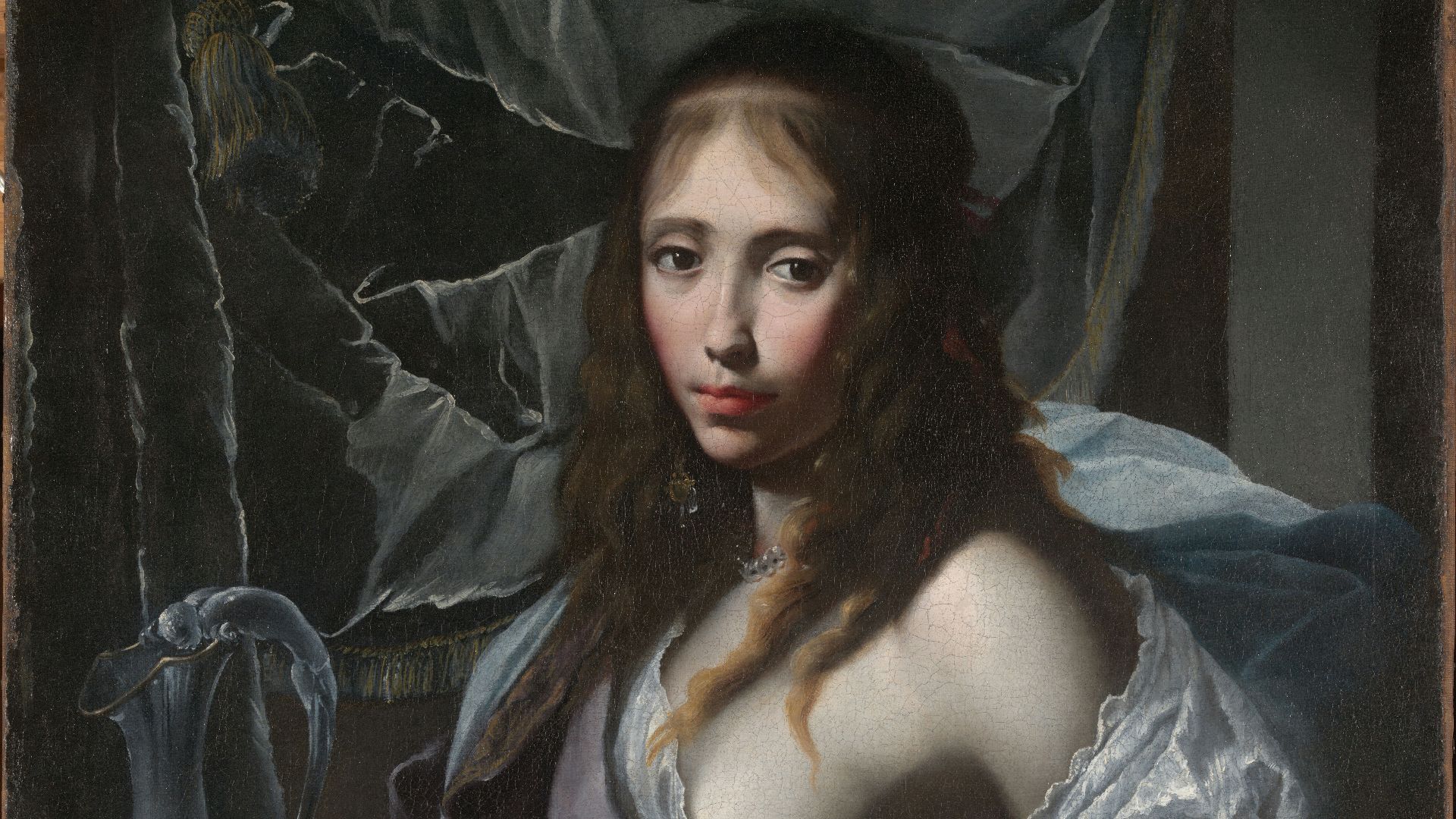 Attributed to Francesco Furini / School of Cesare Dandini on Wikimedia
2. Zenobia of Palmyra
Zenobia became regent for her young son after her husband, Odaenathus, was assassinated in the third century. She led Palmyra in a significant political and military conflict against Rome, expanding its influence across parts of the empire’s eastern provinces before her defeat by Emperor Aurelian.
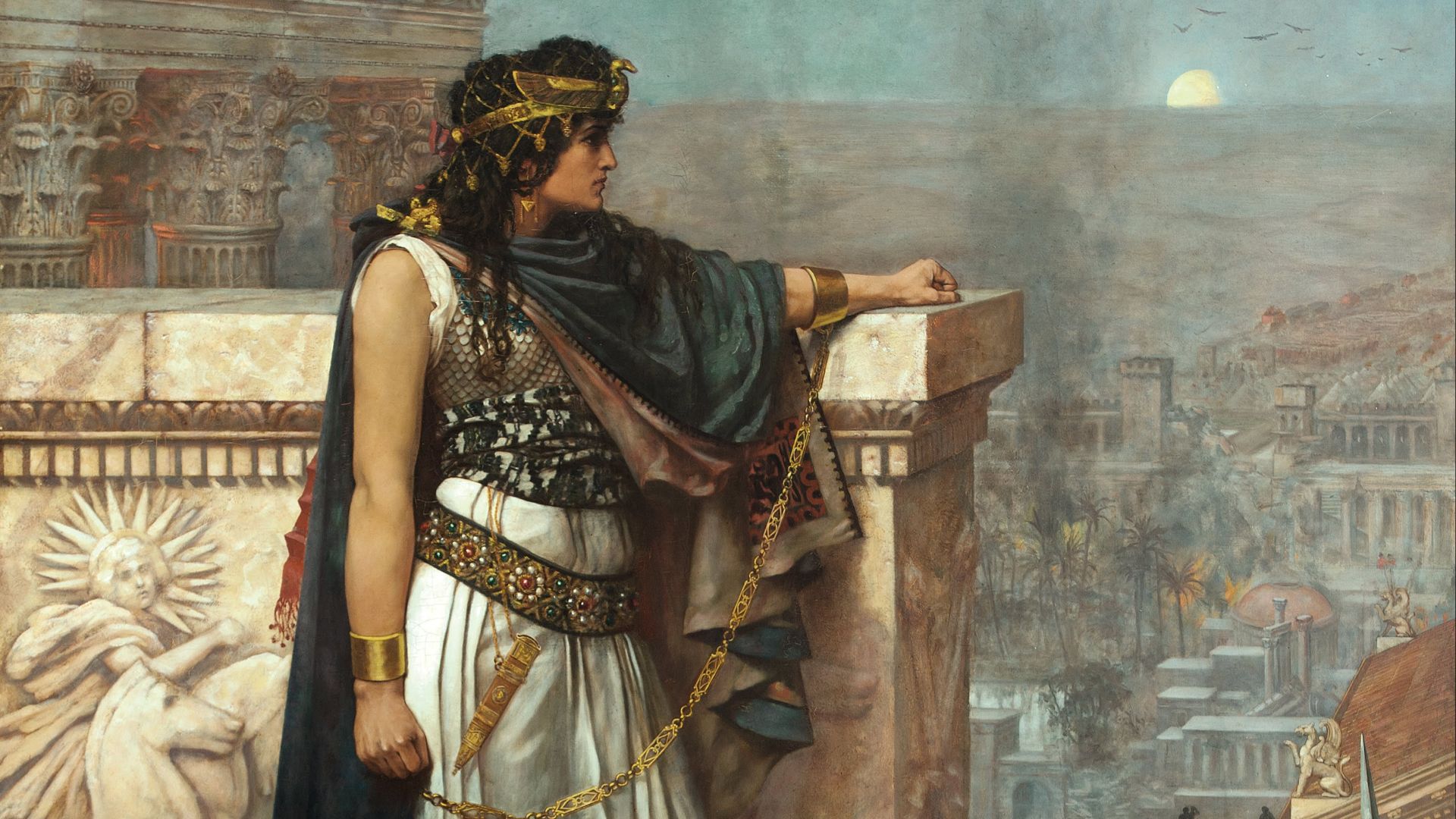 Herbert Gustave Schmalz on Wikimedia
3. Wu Zetian
After Emperor Gaozong died, Wu Zetian strengthened her control over court politics as empress dowager. She founded her own Zhou dynasty, and ruled in her own name from 690 to 705. She remains the only woman in Chinese history widely recognized as emperor.
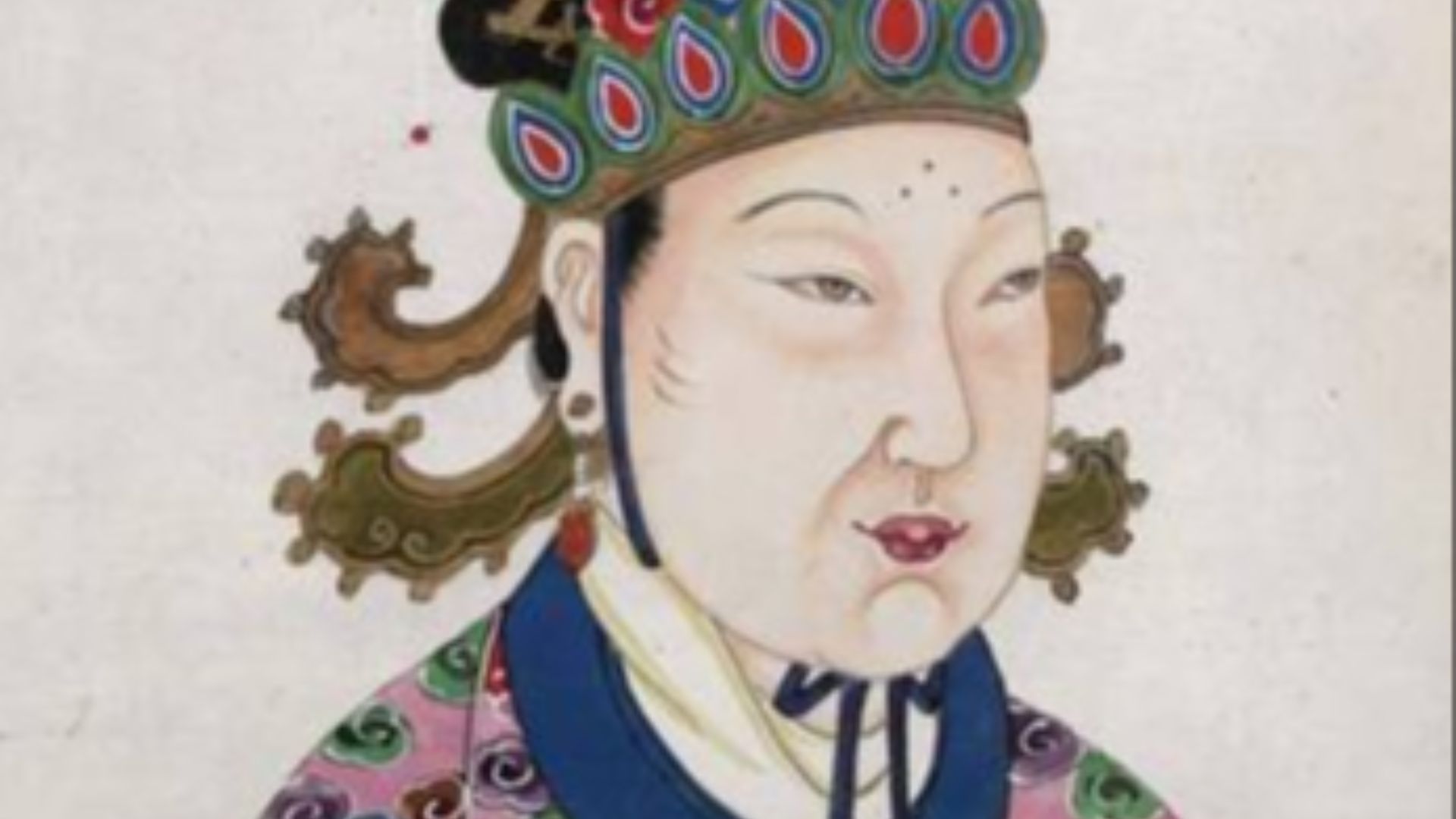 Unknown authorUnknown author on Wikimedia
4. Arwa Al-Sulayhi
Arwa al-Sulayhi ruled Yemen during the 11th and 12th centuries, initially through a dynastic marriage and later with authority distinctly her own. From Jibla, she held political power and carried religious significance in ways few medieval Muslim women were permitted to do.

5. Shajar Al-Durr
When Sultan al-Salih Ayyub died during the Seventh Crusade, Shajar al-Durr played a crucial role in maintaining Egypt’s stability at a perilous time. She briefly ruled as sultana in 1250. Her ascent also marked Egypt’s transition from Ayyubid rule to the Mamluk era.
6. Eleanor of Aquitaine
Eleanor of Aquitaine had already been a duchess, queen of France, queen of England, and a political prisoner before she became a widow. After Henry II’s death, she re-entered the public sphere and became a political operator for her sons, Richard I and John. She helped manage royal authority during Richard’s absence and remained involved in succession politics after his death.
7. Christine de Pizan
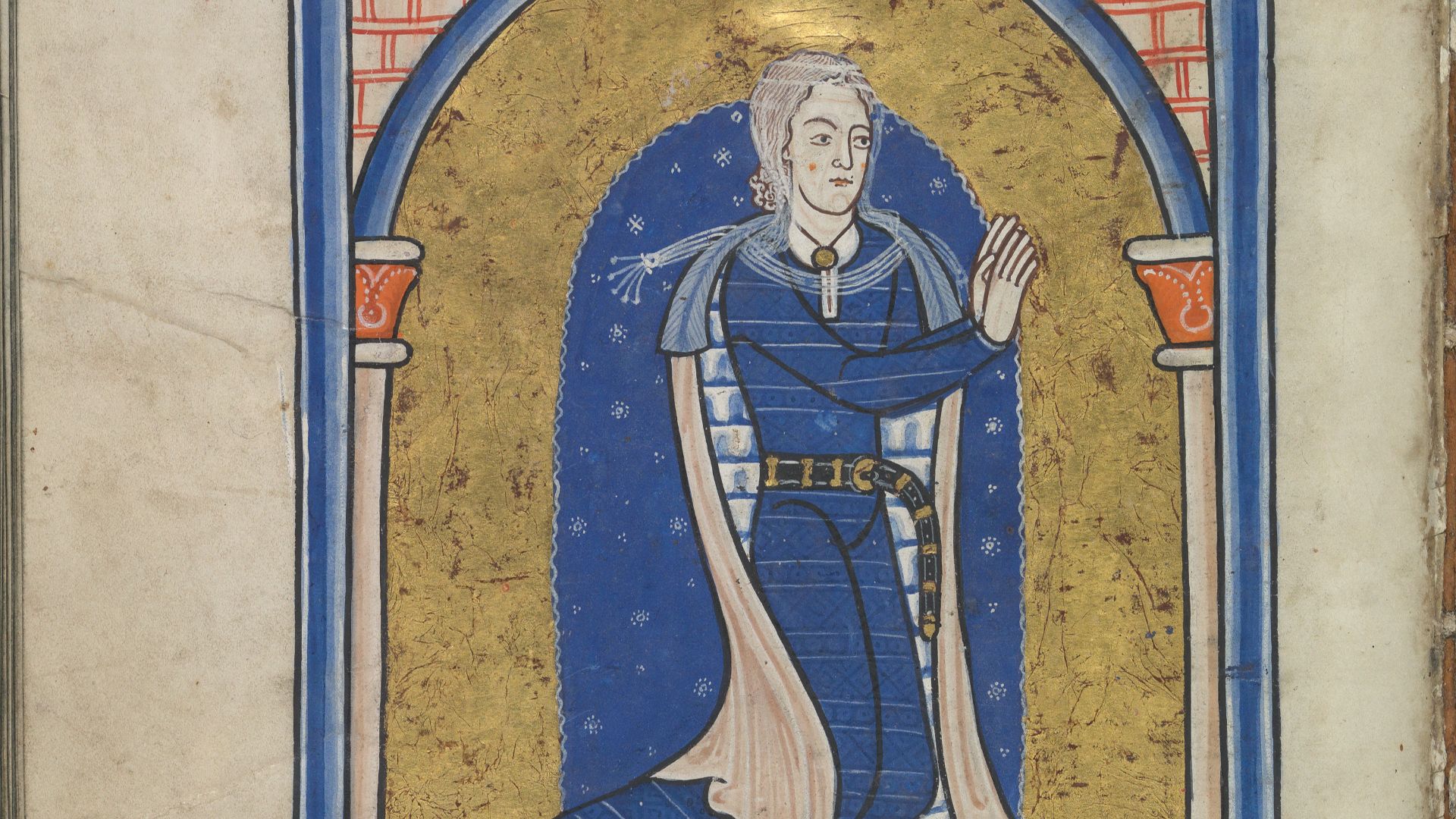
Christine de Pizan was widowed in her twenties and left responsible for her children, her mother, and herself. She turned writing into a means of supporting her family, producing poetry, political writings, biographies, and books that defended women’s intelligence and worth. Her most enduring work was literary, but it also served practical purposes: she used her writing to provide for her family and counter the misogyny of her time.
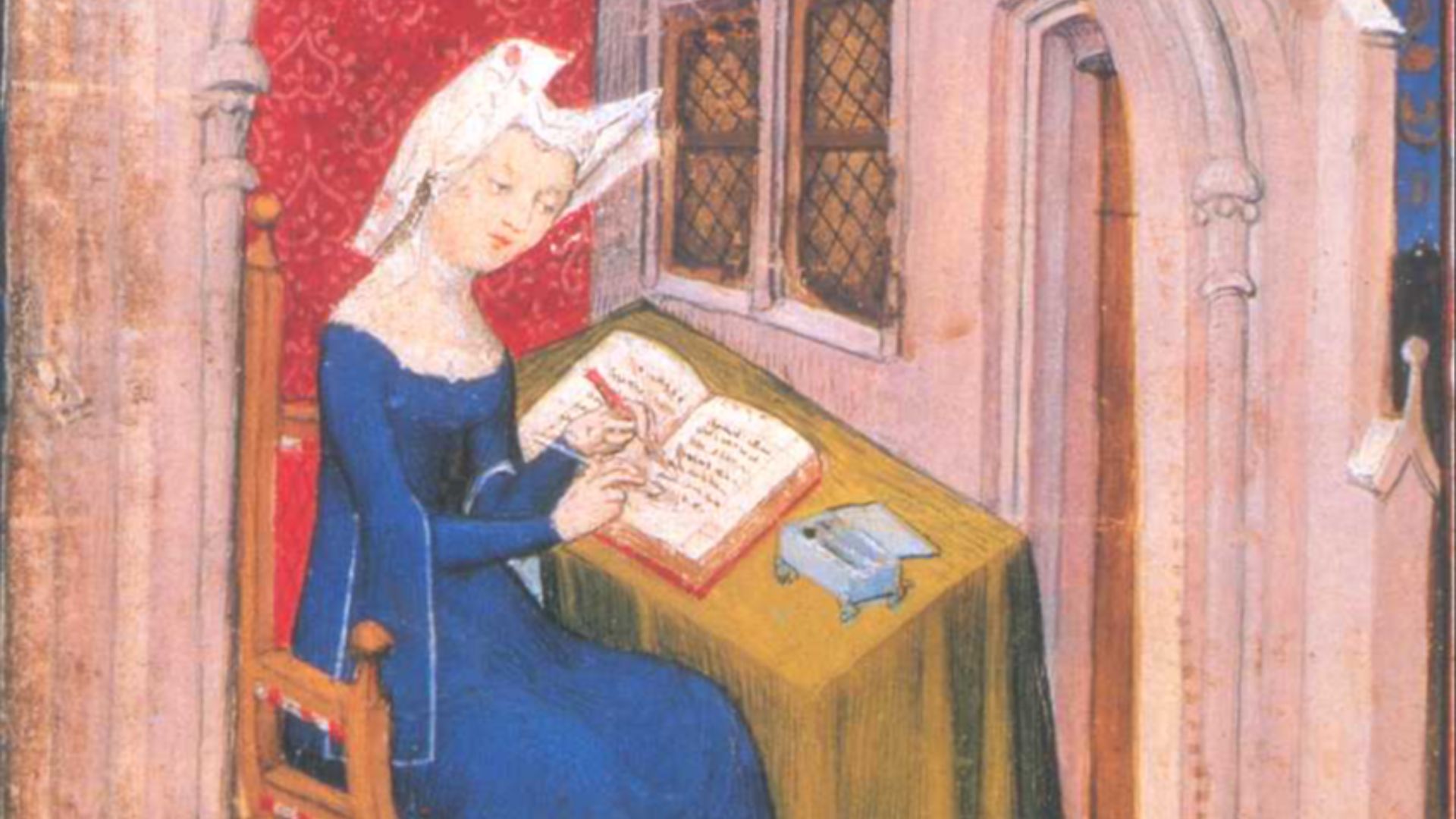 The original uploader was Kelson at French Wikipedia. on Wikimedia
8. Catherine de’ Medici
Catherine de’ Medici spent much of her marriage overshadowed at the French court. After Henry II’s death, she became queen mother, regent, and a key figure in French politics during the Wars of Religion. Her work involved negotiating power among her three royal sons, managing court factions, and trying to keep the Valois monarchy intact during a brutal period.
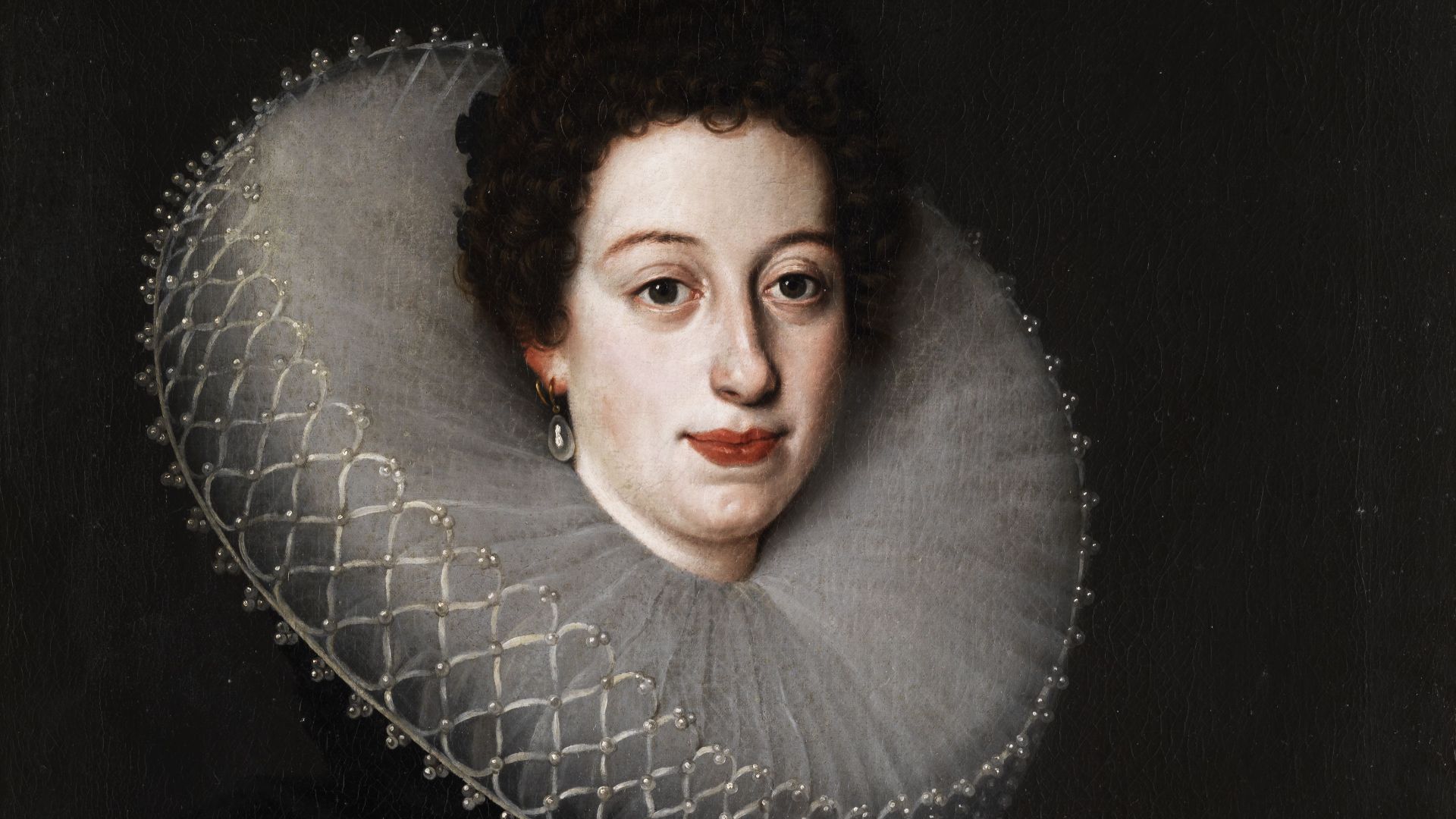 After Justus Sustermans on Wikimedia
9. Catherine the Great
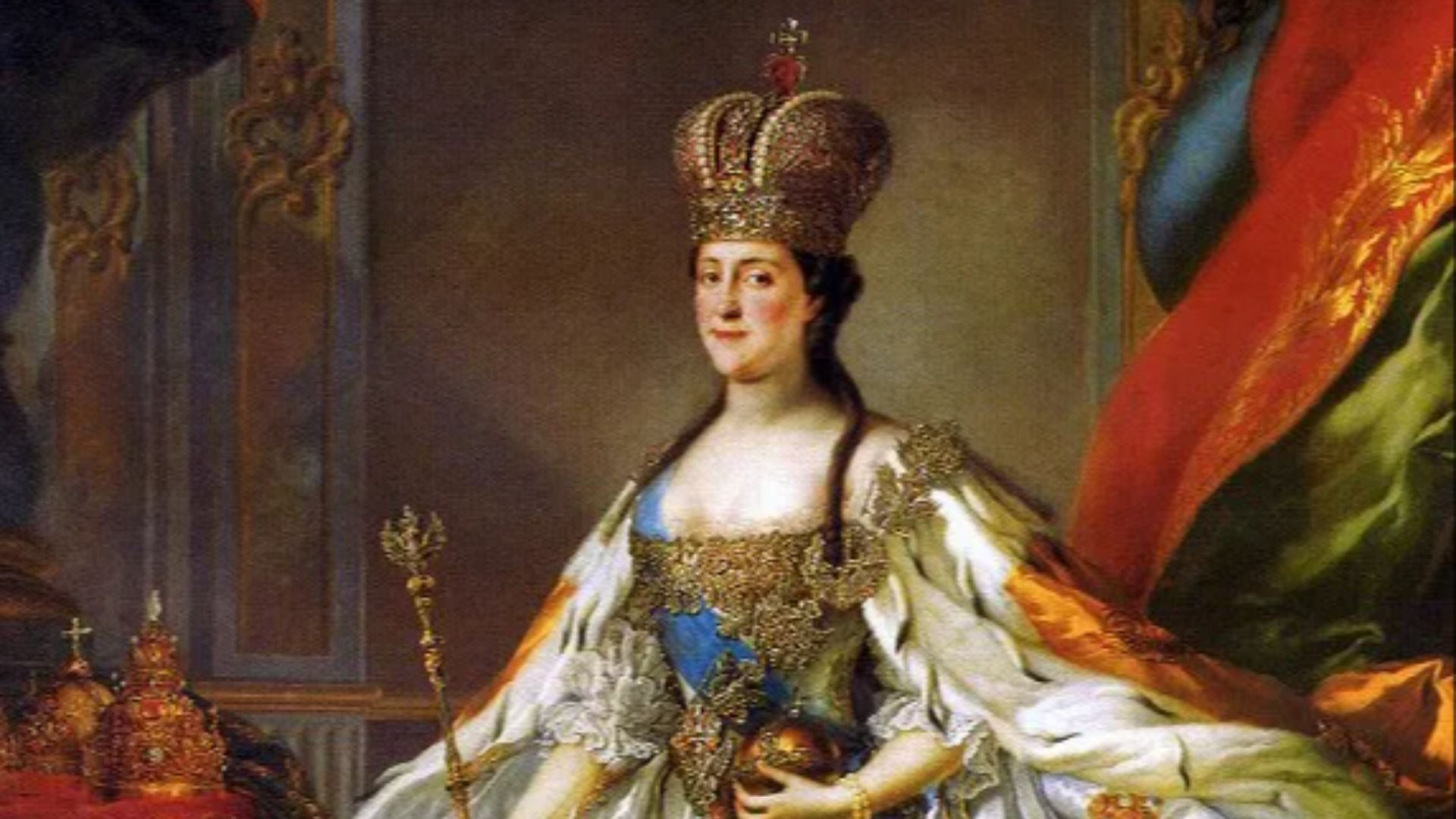
After Peter III was overthrown, Catherine the Great had to defend a precarious claim to Russia’s throne. She ruled for more than three decades, expanded Russian imperial power, and presided over a court whose legitimacy was always uncertain. Her work involved empire-building, administration, and diplomacy.
10. Ahilyabai Holkar
Ahilyabai Holkar took power in Malwa after her husband perished in battle. As a ruler, her focus was on justice, steady administration, public works, and religious patronage. She is particularly remembered for her support of infrastructure projects such as roads, temples, wells, rest houses, and civic improvements, rather than seeking glory through military conquest.
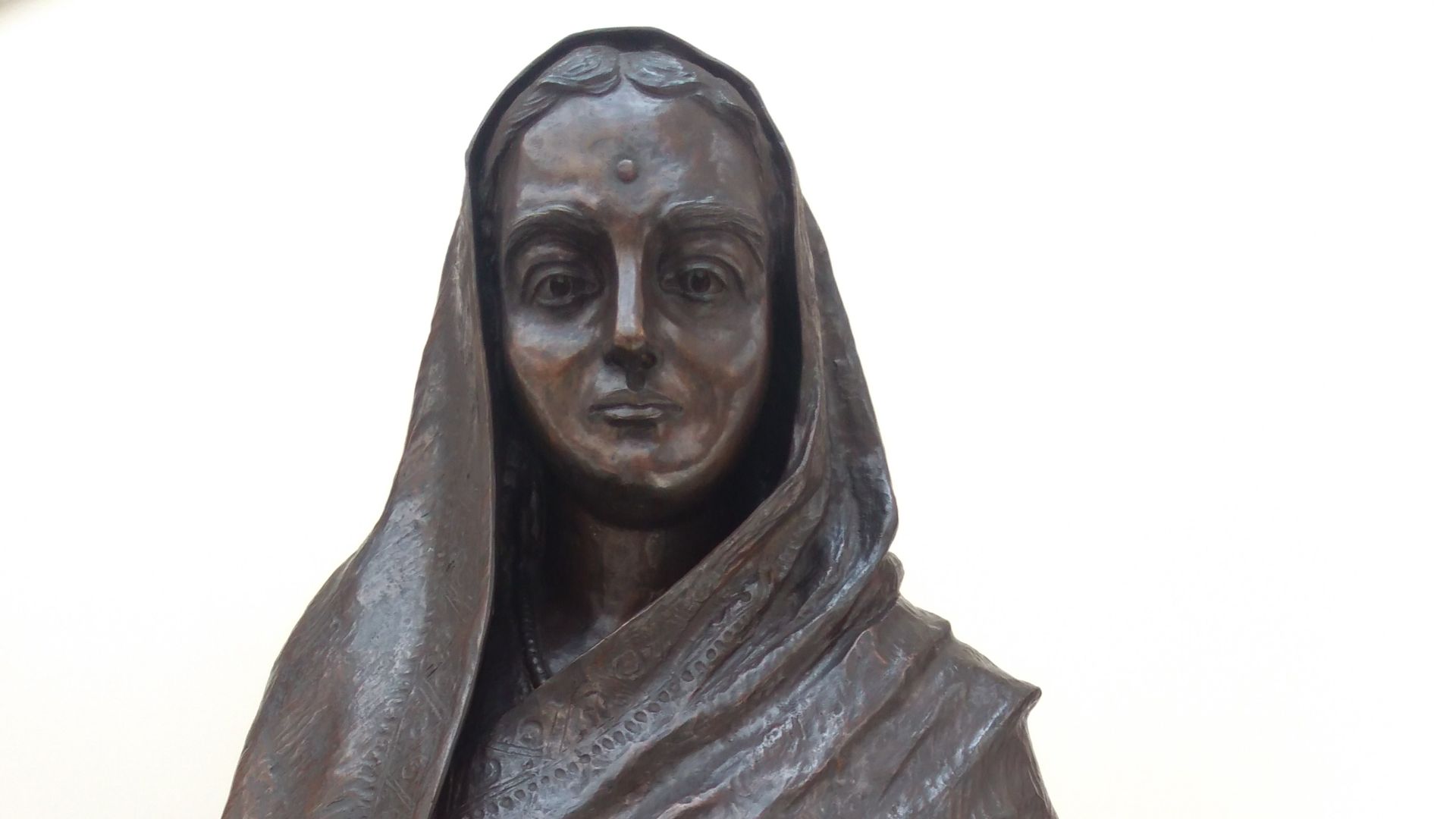
11. Rani Lakshmibai of Jhansi
Rani Lakshmibai was widowed when the ruler of Jhansi died, leaving behind a contested succession and an adopted heir. When British authorities refused to recognize this claim, she first worked to defend Jhansi’s political rights and later became one of the most renowned leaders of the Indian Rebellion of 1857.
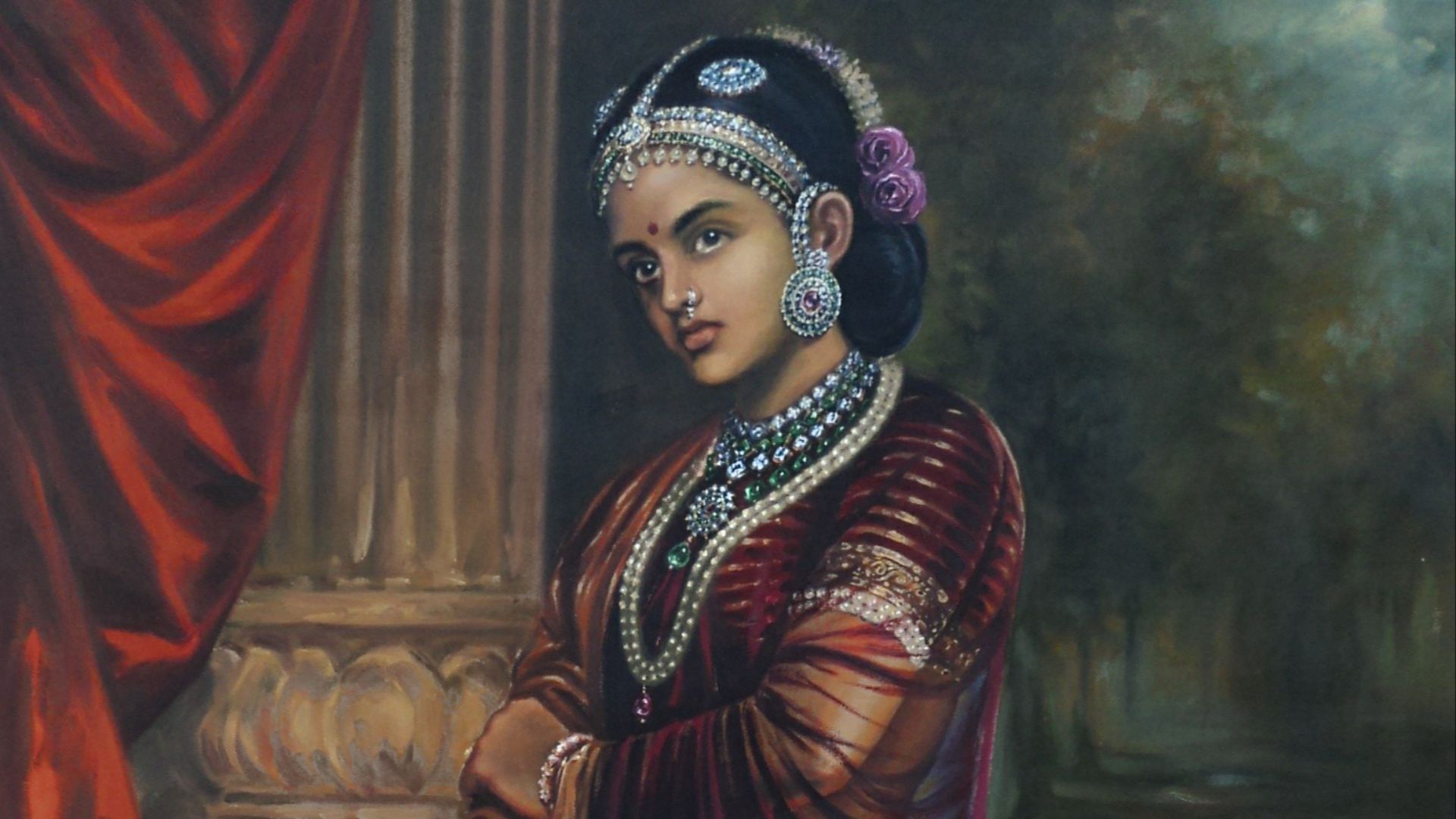
12. Mary Shelley
Mary Shelley was only 24 when her husband, Percy Bysshe Shelley, drowned, leaving her with one surviving child. Following his death, she continued her work as a writer. Additionally, she edited and promoted Percy’s literary reputation.
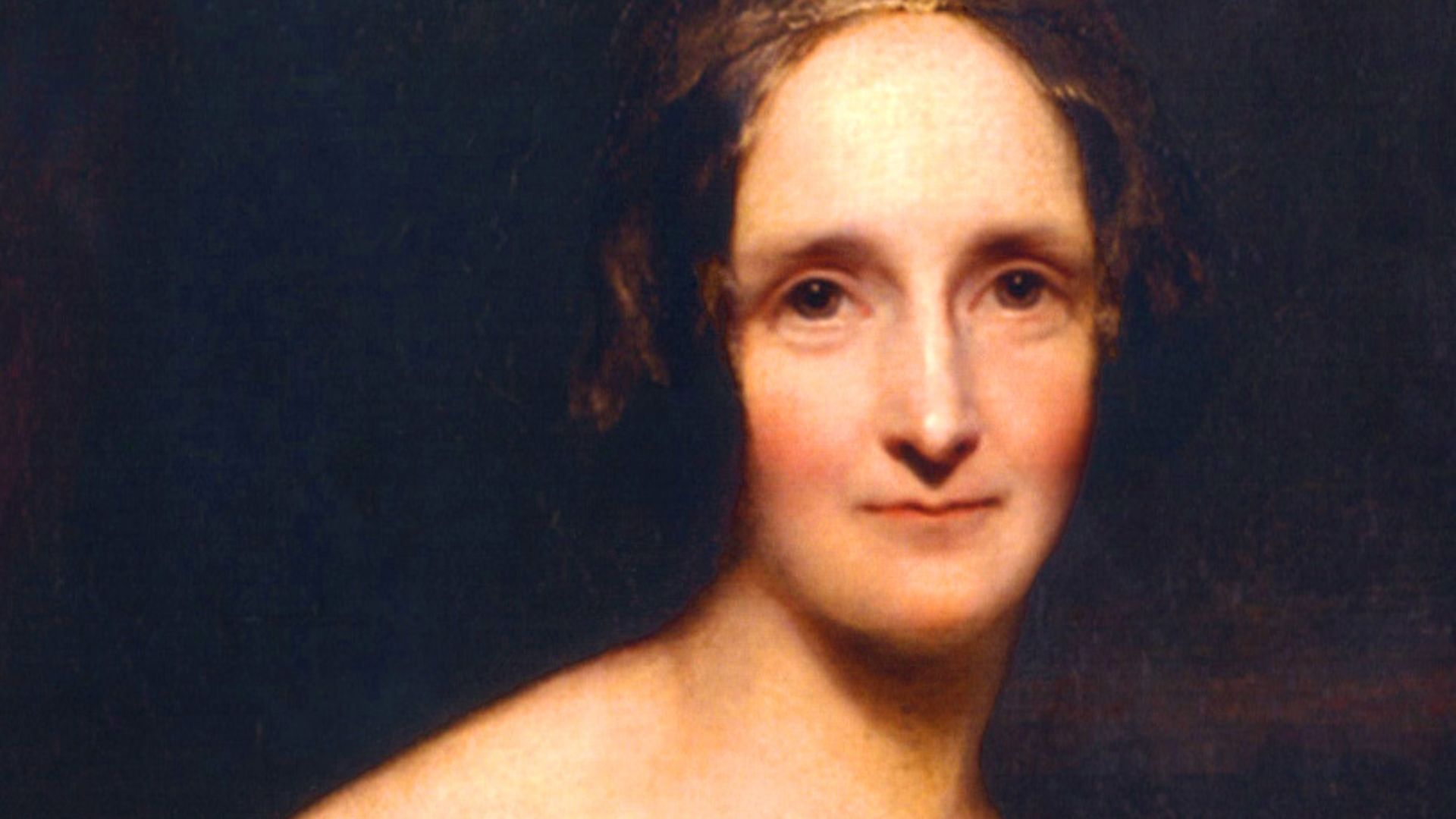
13. Mary Seacole
Mary Seacole lost her husband in 1844 and her mother shortly afterward. She rebuilt her life through business, travel, and the provision of medical care. After being turned away from official Crimean War nursing channels, she financed her own journey to the war zone. Near Balaclava, she opened the British Hotel, where she sold supplies, offered food and lodging, and cared for sick and wounded soldiers.
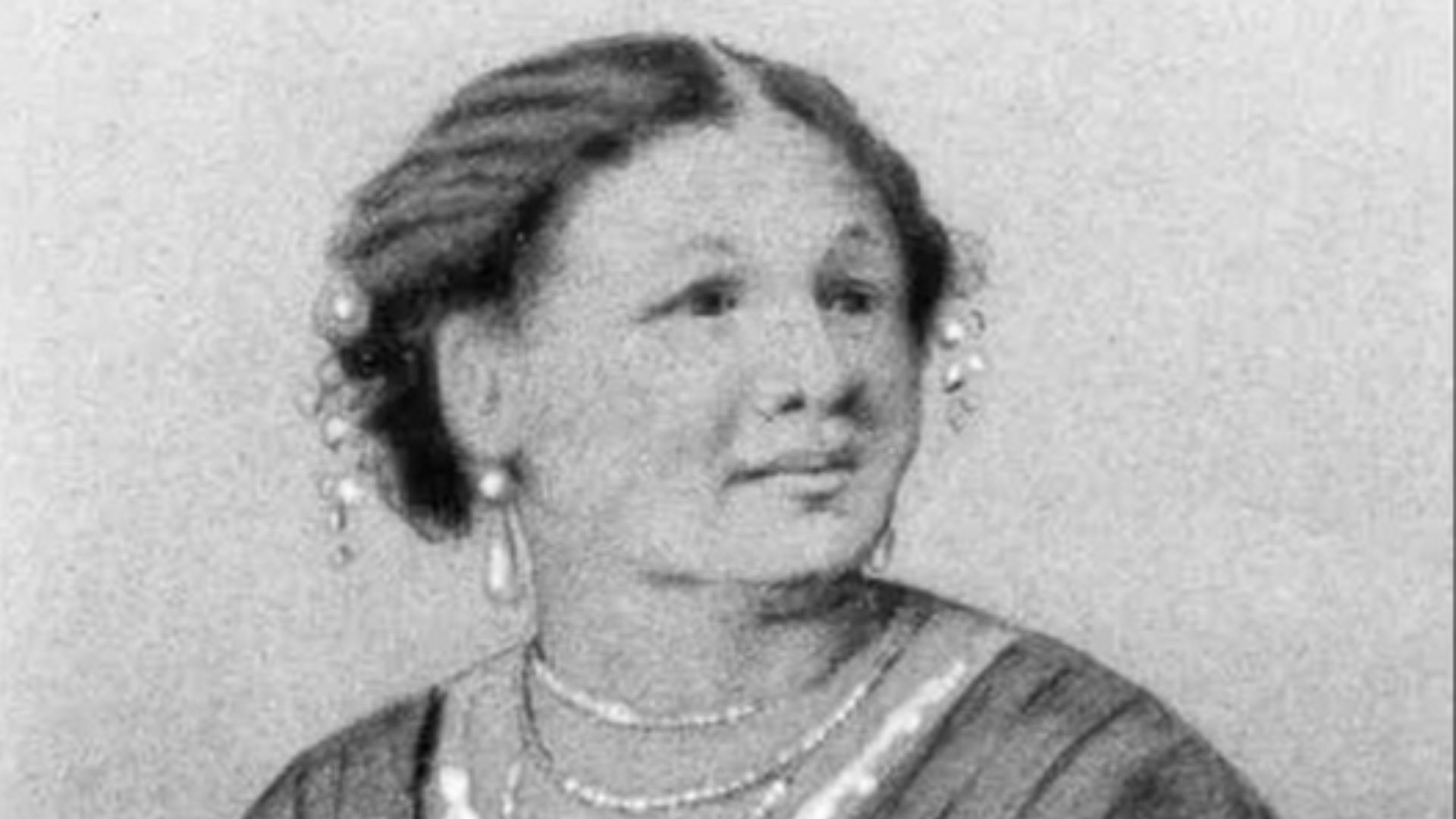
14. Sarah Josepha Hale
After her husband died in 1822, Sarah Josepha Hale was left with five children to support. She sustained herself through writing and editing and eventually became a major 19th-century magazine editor with far-reaching influence on American domestic culture.
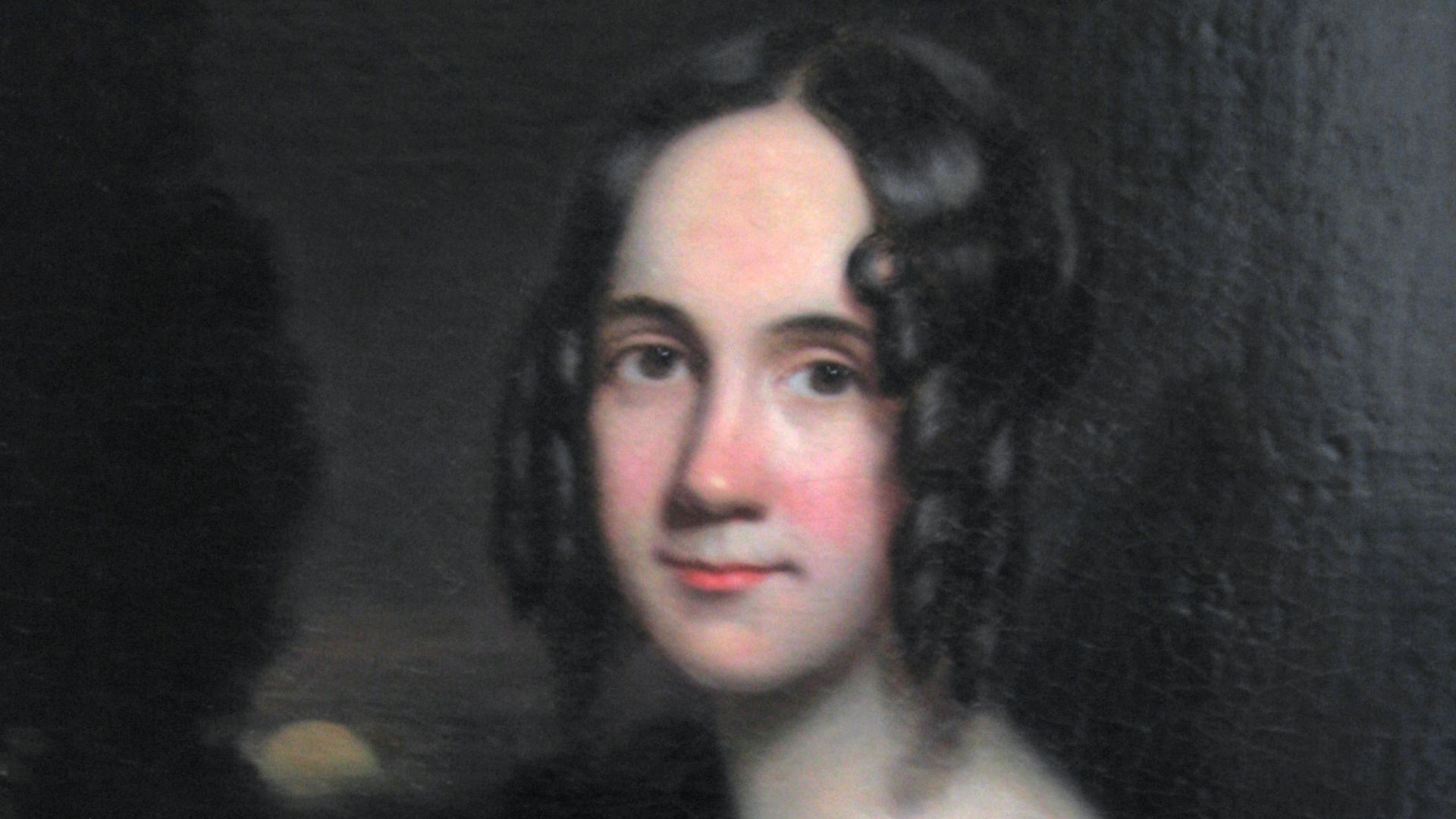 painted by James Reid Lambdin (1807-1889) on Wikimedia
15. Empress Dowager Cixi
Following the death of the Xianfeng emperor, Cixi emerged as a central power in Qing China. Her influence operated within the palace system, where she shaped the succession, court alliances, reform debates, and imperial responses to foreign pressures. For nearly half a century, she wielded power as a regent, political strategist, and a force behind the throne.
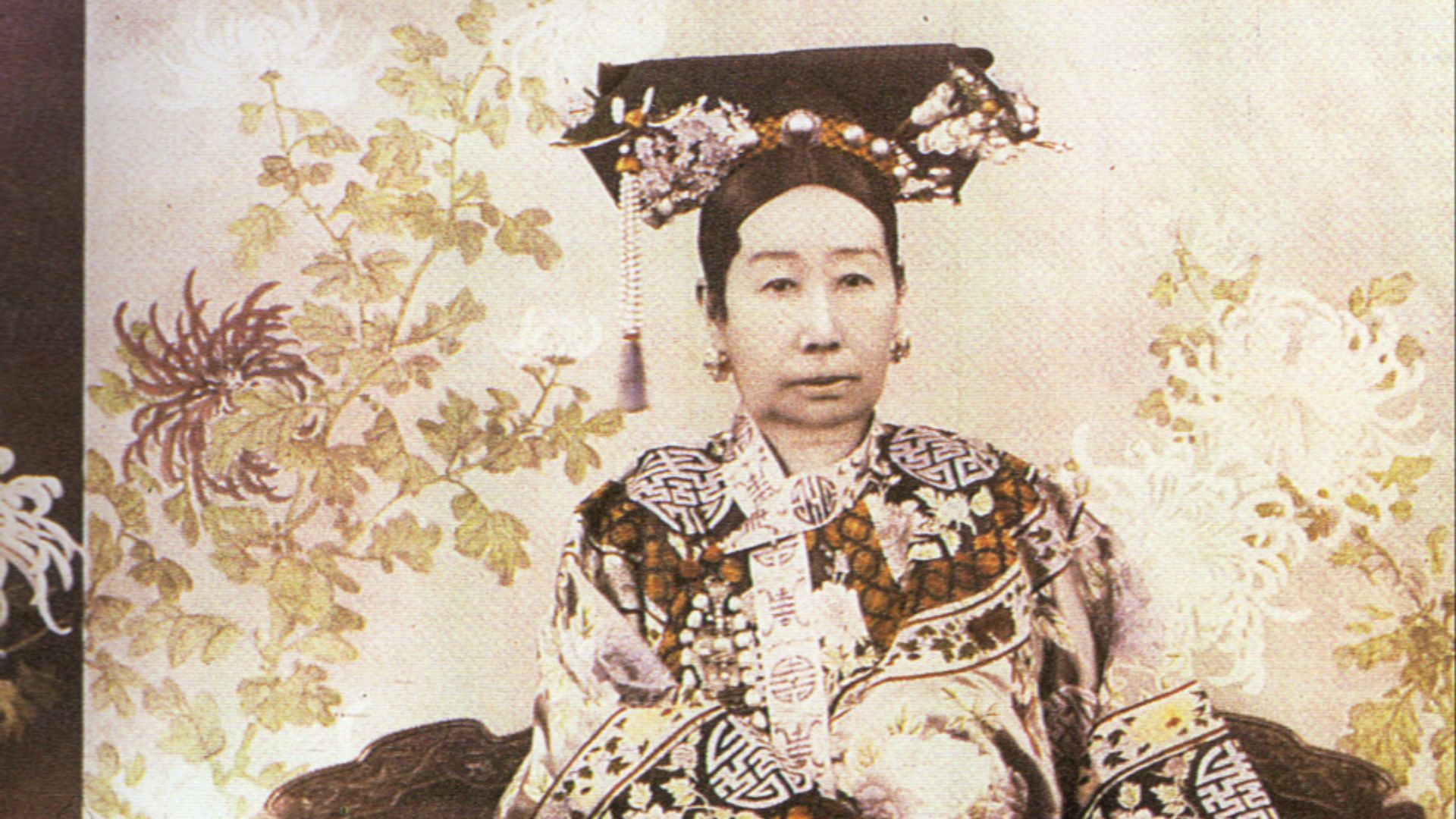 Yu Xunling (court photographer). on Wikimedia
16. Pandita Ramabai
Pandita Ramabai was widowed at a young age and left to raise her daughter in 19th-century India. Already respected for her intellect, she shifted her public focus to women’s education and the protection of widows and vulnerable girls. Her efforts included writing, public speaking, fundraising, and founding institutions that offered education, shelter, and training.
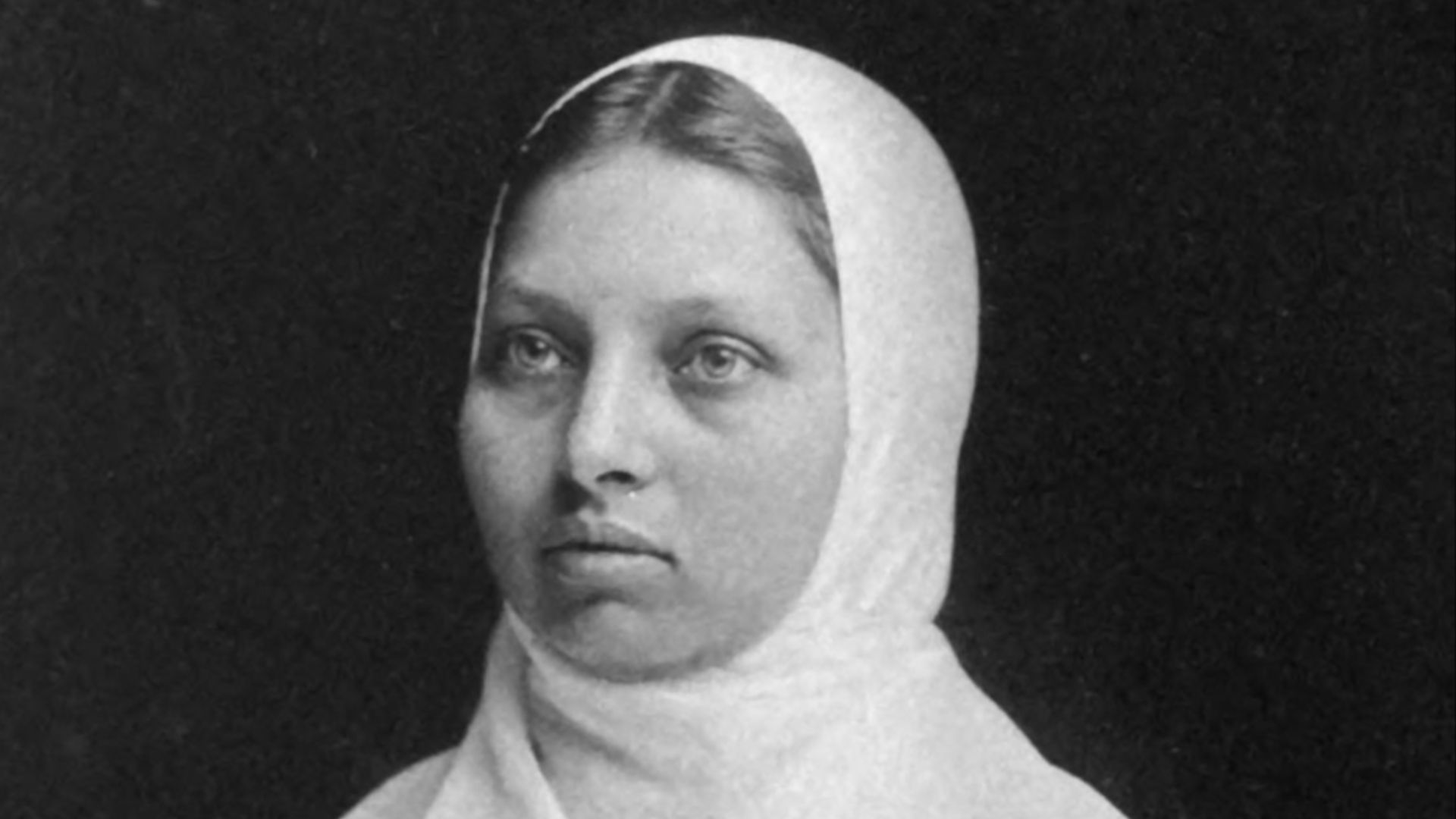 Ramabai Sarasvati, Pandita, 1858-1922 on Wikimedia
17. Nellie Bly
Nellie Bly was already an acclaimed journalist before becoming a widow. After her husband passed away, she entered industrial work, taking over his manufacturing company and getting involved in metal container production, patents, workers, and factory management.
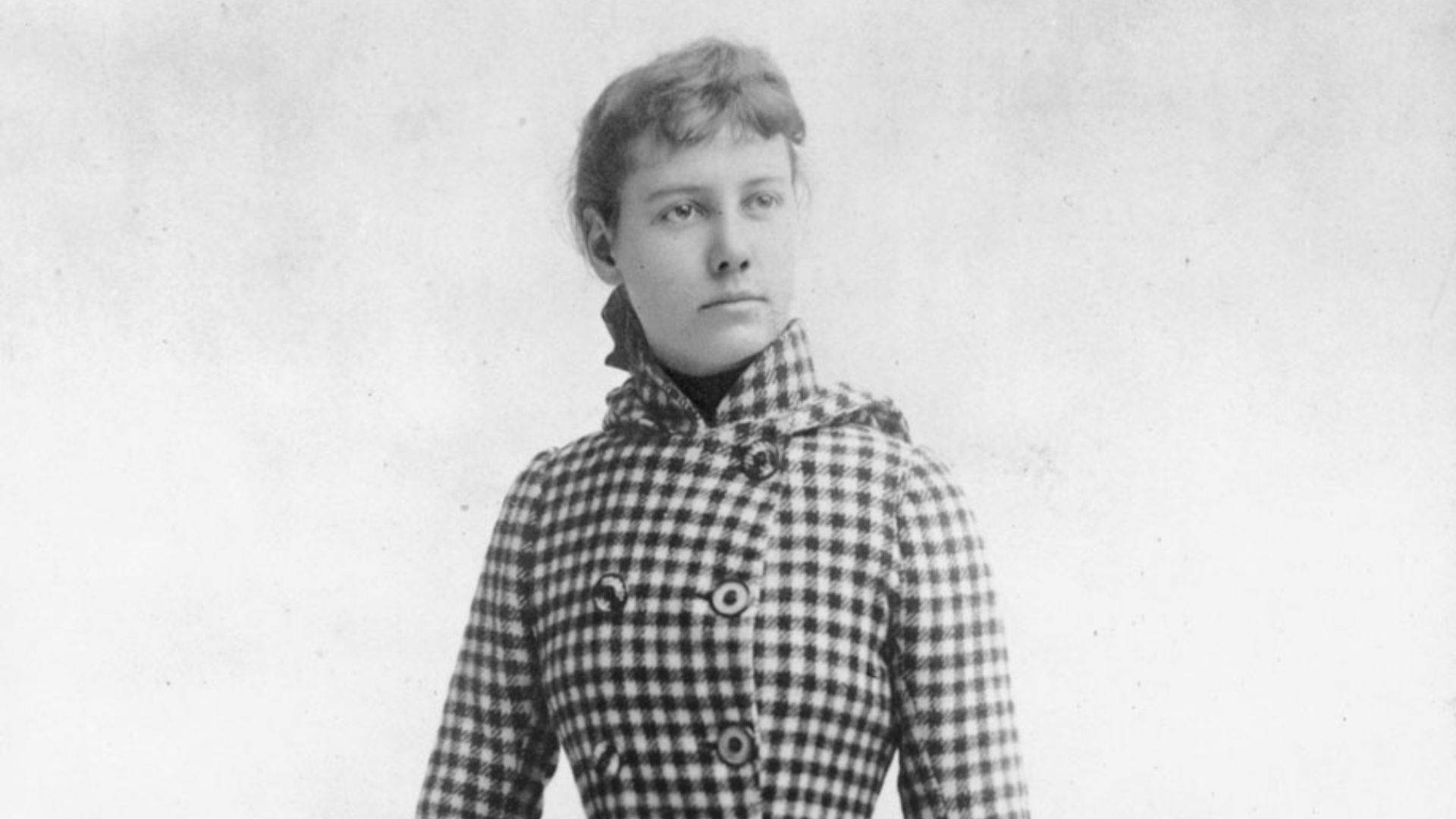 Unknown authorUnknown author on Wikimedia
18. Madam C.J. Walker
Madam C.J. Walker, born Sarah Breedlove, was widowed by age 20 and left with a young daughter to support. She transitioned from laundry work to the hair care industry, building a business that developed and sold products for Black women. Her work encompassed product development, sales training, branding, and the creation of a network of agents that helped transform her company into a leading beauty enterprise.
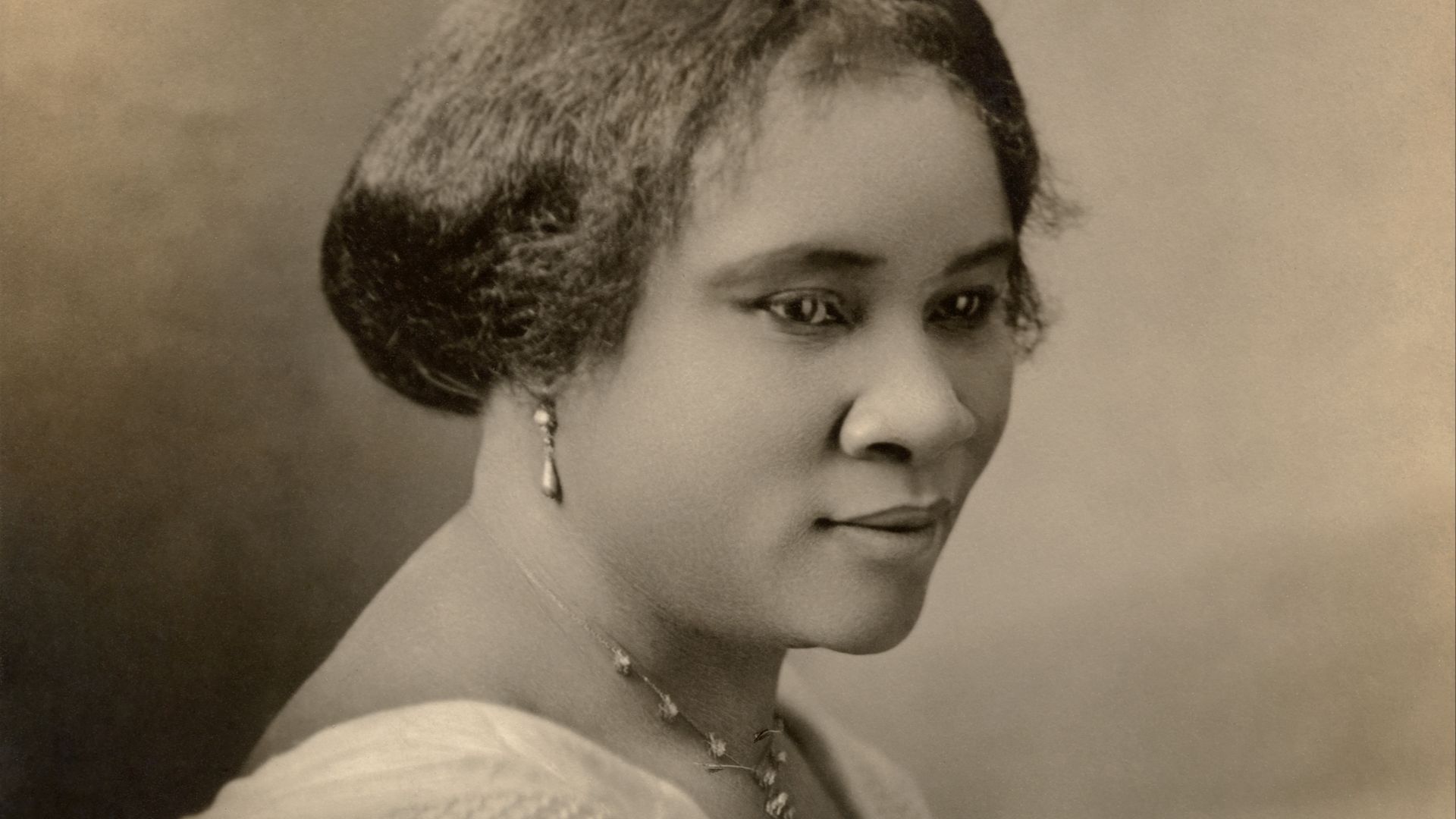 Addison Norton Scurlock / Adam Cuerden on Wikimedia
19. Begum Rokeya
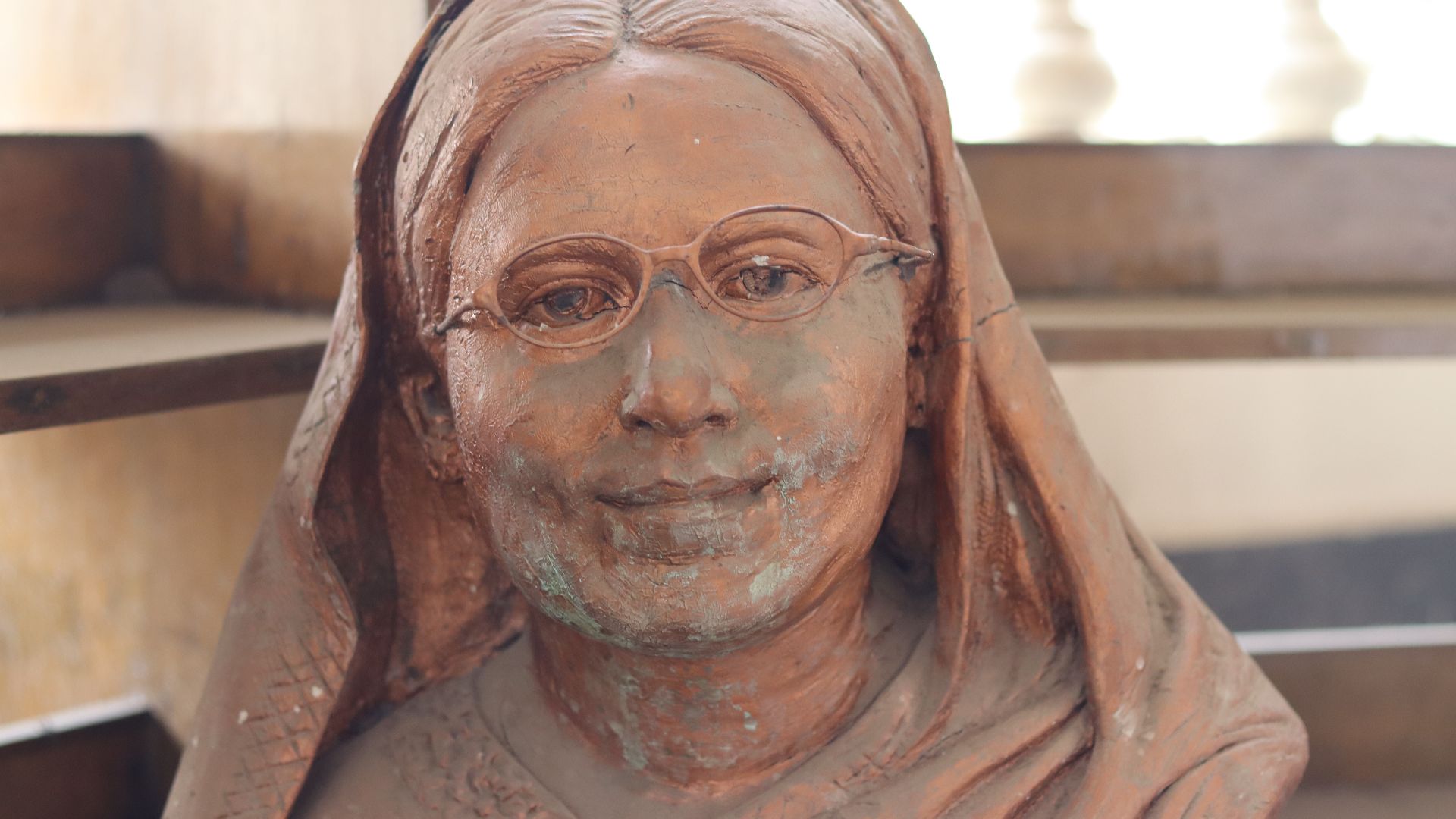
Begum Rokeya became a widow in 1909. Embracing her independence, she expanded her reform efforts by opening a school for Muslim girls and writing about women’s education, imagination, and freedom. Her work combined teaching, organizing, and a feminist literary vision.
20. Huda Sha’arawi
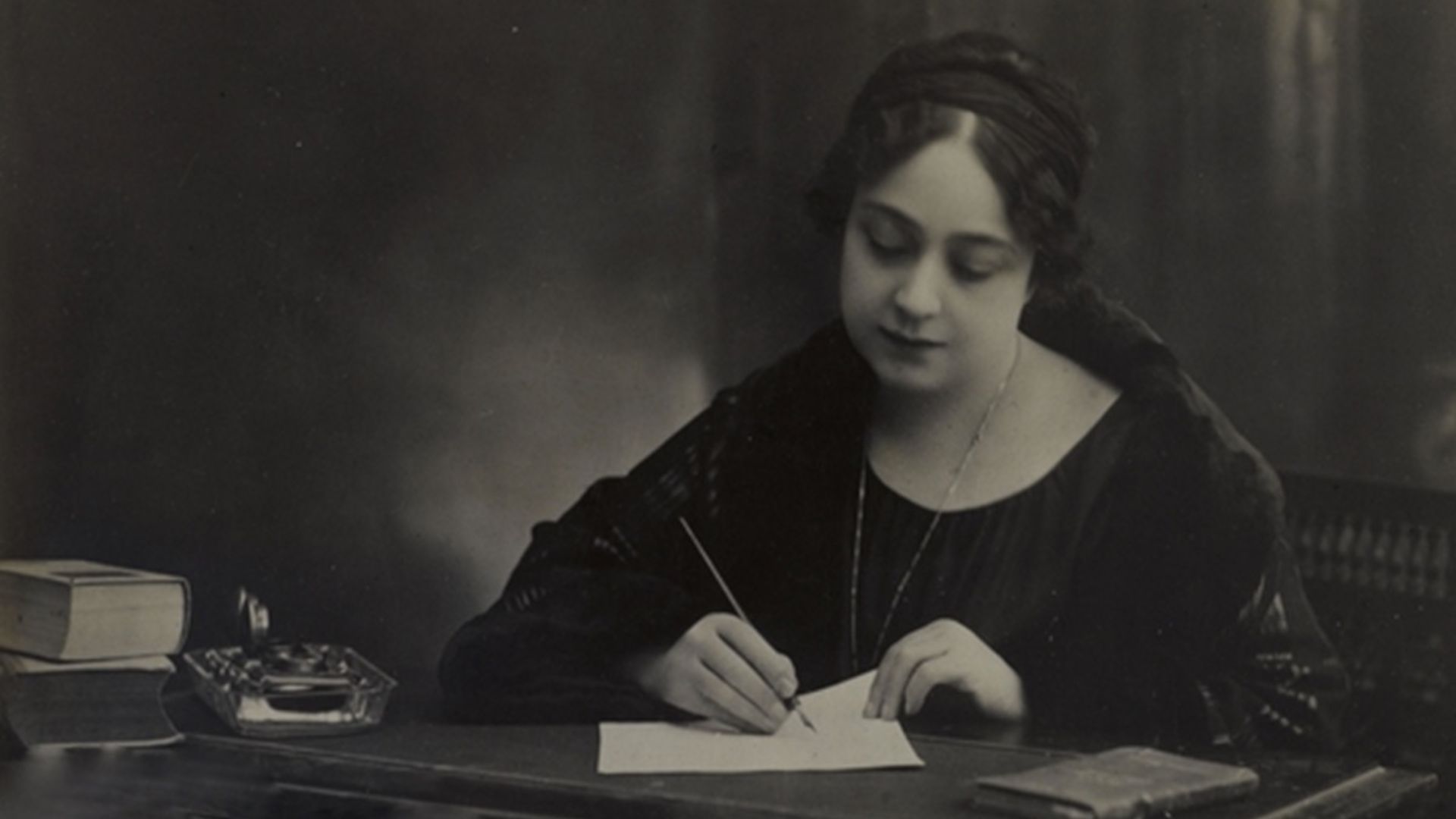
After her husband’s death, Huda Sha’arawi fully immersed herself in Egyptian feminist organizing. She founded the Egyptian Feminist Union in 1923 and became a prominent public advocate for women’s rights. Her efforts championed girls’ education, legal reform, and women’s active participation in public life.
KEEP ON READING
The story of Ching Shih, the Woman Who Became the…
Unknown author on WikimediaFew figures in history are as feared…
By Emilie Richardson-Dupuis Dec 29, 2025
Einstein's Violin Just Sold At An Auction—And It Earned More…
A Visionary's Violin. Wanda von Debschitz-Kunowski on WikimediaWhen you hear…
By Ashley Bast Nov 3, 2025
This Infamous Ancient Greek Burned Down An Ancient Wonder Just…
History remembers kings and conquerors, but sometimes, it also remembers…
By David Davidovic Nov 12, 2025
The Mysterious "Sea People" Who Collapsed Civilization
3,200 years ago, Bronze Age civilization in the Mediterranean suddenly…
By Robbie Woods Mar 18, 2025
The Great Moon Hoax of 1835
JasonAQuest on WikimediaIn August of 1835, the New York Sun…
By Cameron Dick Jun 22, 2026
20 Soldiers Who Defied Expectations
Changing the Rules of the Battlefield. You’ve probably heard plenty…
By Annie Byrd Feb 10, 2026