

When Wedding Bells Redrew Borders
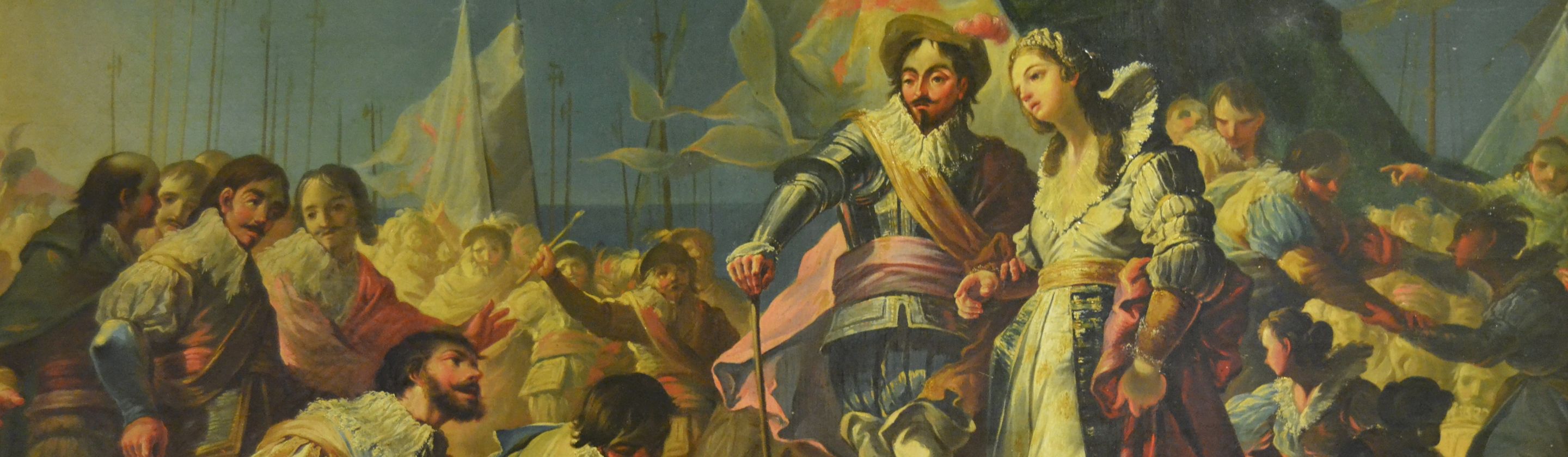
Throughout history, marriages between powerful rulers weren't just personal relationships. They were diplomatic tools that could unite kingdoms, end wars, secure alliances, and sometimes create entirely new states. If you look closely at a map of Europe or beyond, you'll find that many borders were shaped not by battles alone but by wedding ceremonies that brought territories, dynasties, and claims together in ways that affected millions of people. Here are 20 political marriages that changed the map.
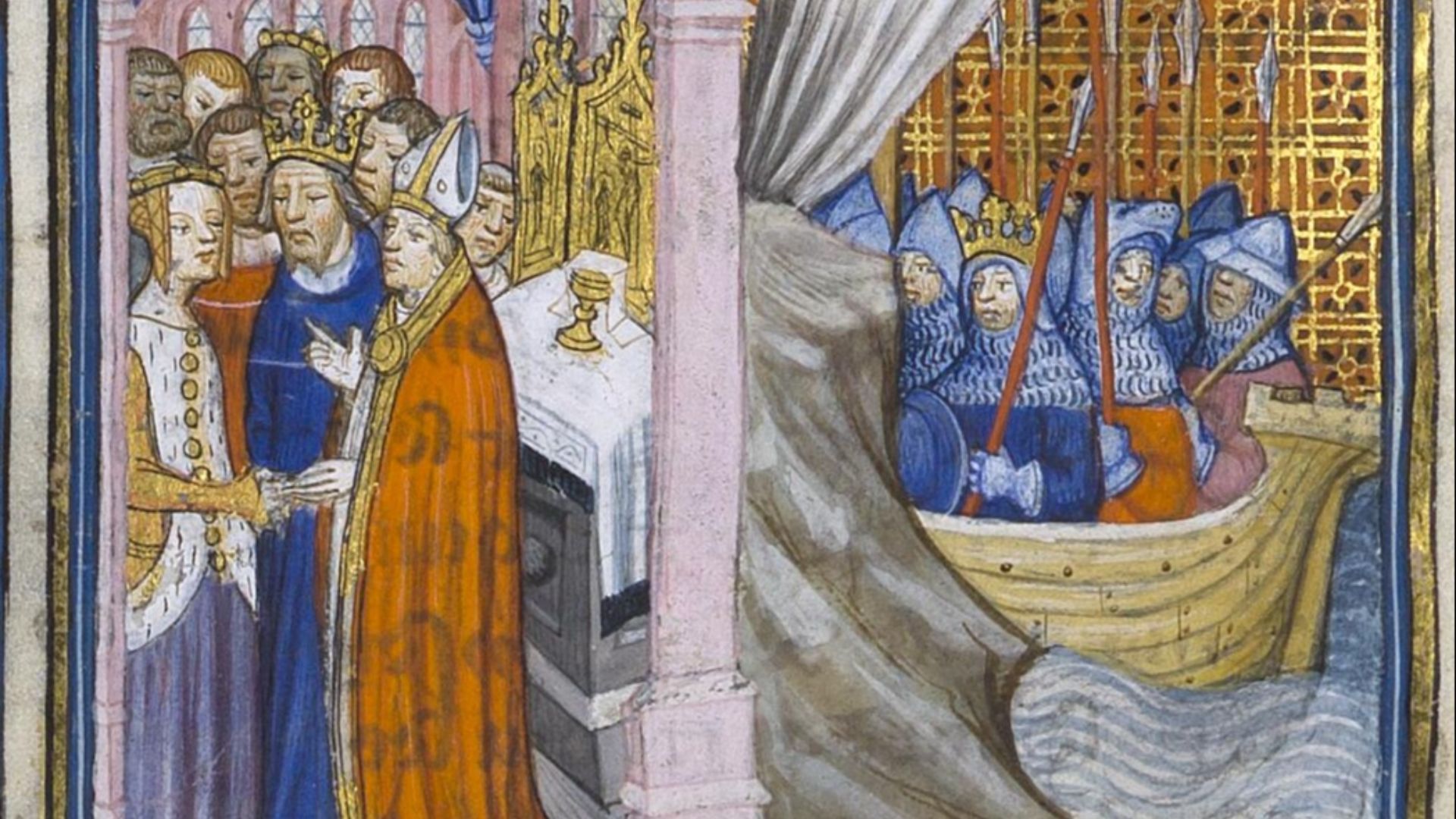 Collectif - Grandes Chroniques de France on Wikimedia
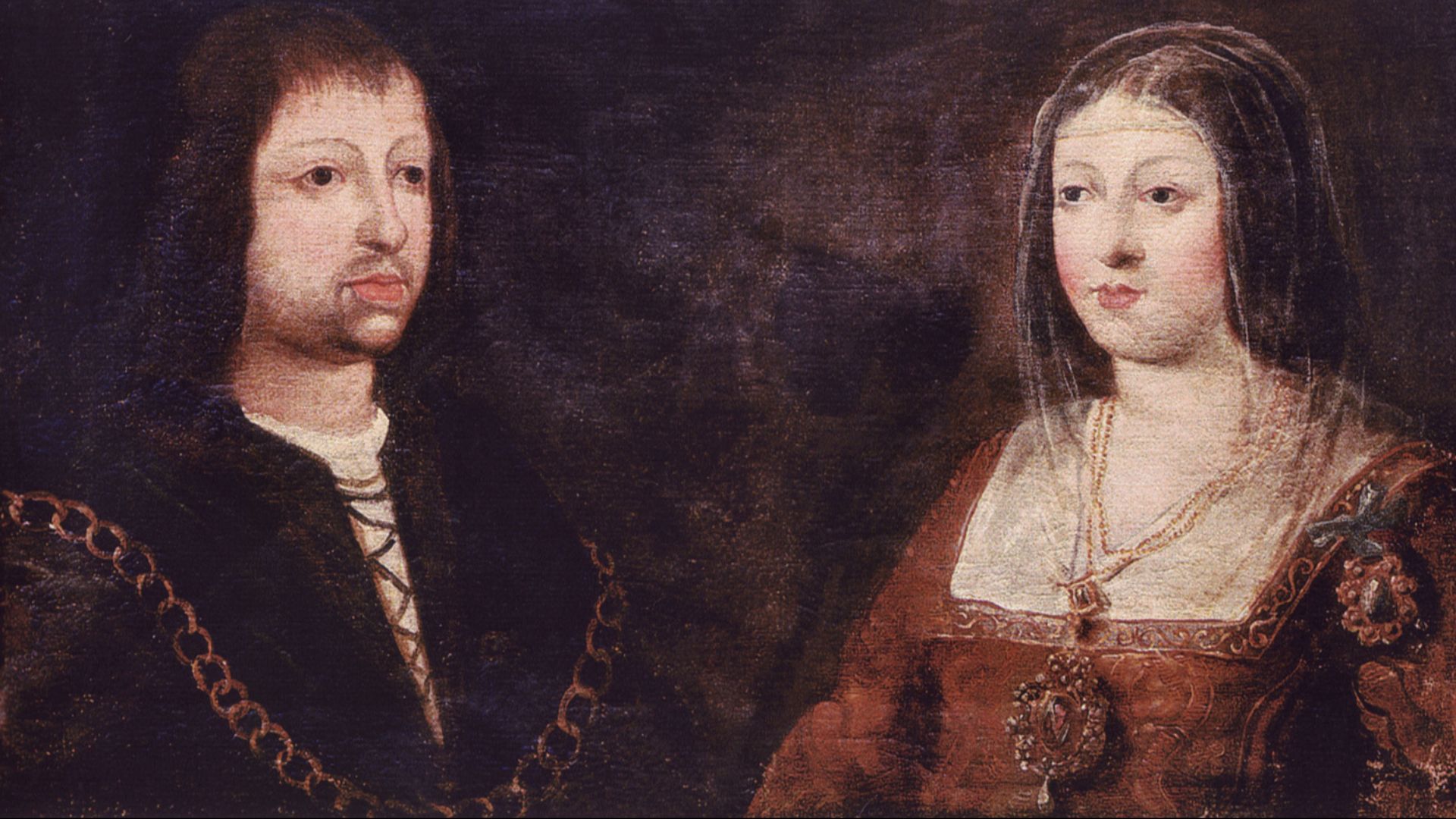
1. Ferdinand of Aragon and Isabella of Castile
The marriage of Ferdinand and Isabella in 1469 united Spain's two largest kingdoms under a single royal partnership. Although Castile and Aragon remained legally distinct for years, their joint rule laid the foundation for modern Spain. Their alliance also strengthened the kingdom that completed the Reconquista in 1492.
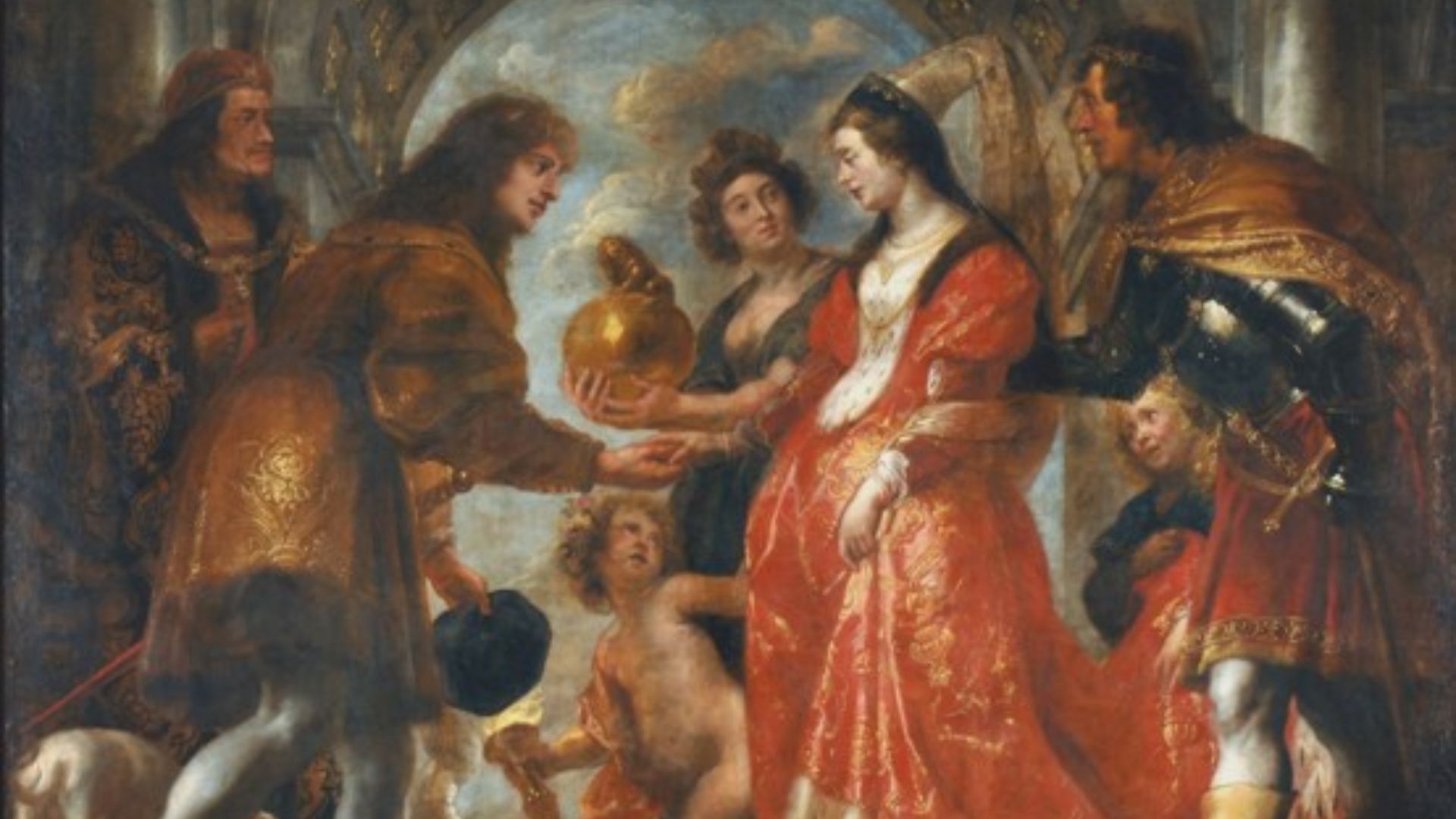
2. Mary of Burgundy and Maximilian I
When Mary of Burgundy married Maximilian of Habsburg in 1477, the wealthy Burgundian territories passed into Habsburg influence. This dramatically expanded Habsburg power across parts of modern Belgium, the Netherlands, Luxembourg, and eastern France. The marriage helped launch the dynasty's rise as a dominant European force.
3. Philip the Handsome and Joanna of Castile
Philip of Habsburg married Joanna of Castile in 1496, creating a dynastic link between the Habsburg and Spanish royal houses. Their son, Charles V, inherited vast territories across Europe and the Americas. As a result, one ruler controlled lands stretching from Spain to Austria and beyond.
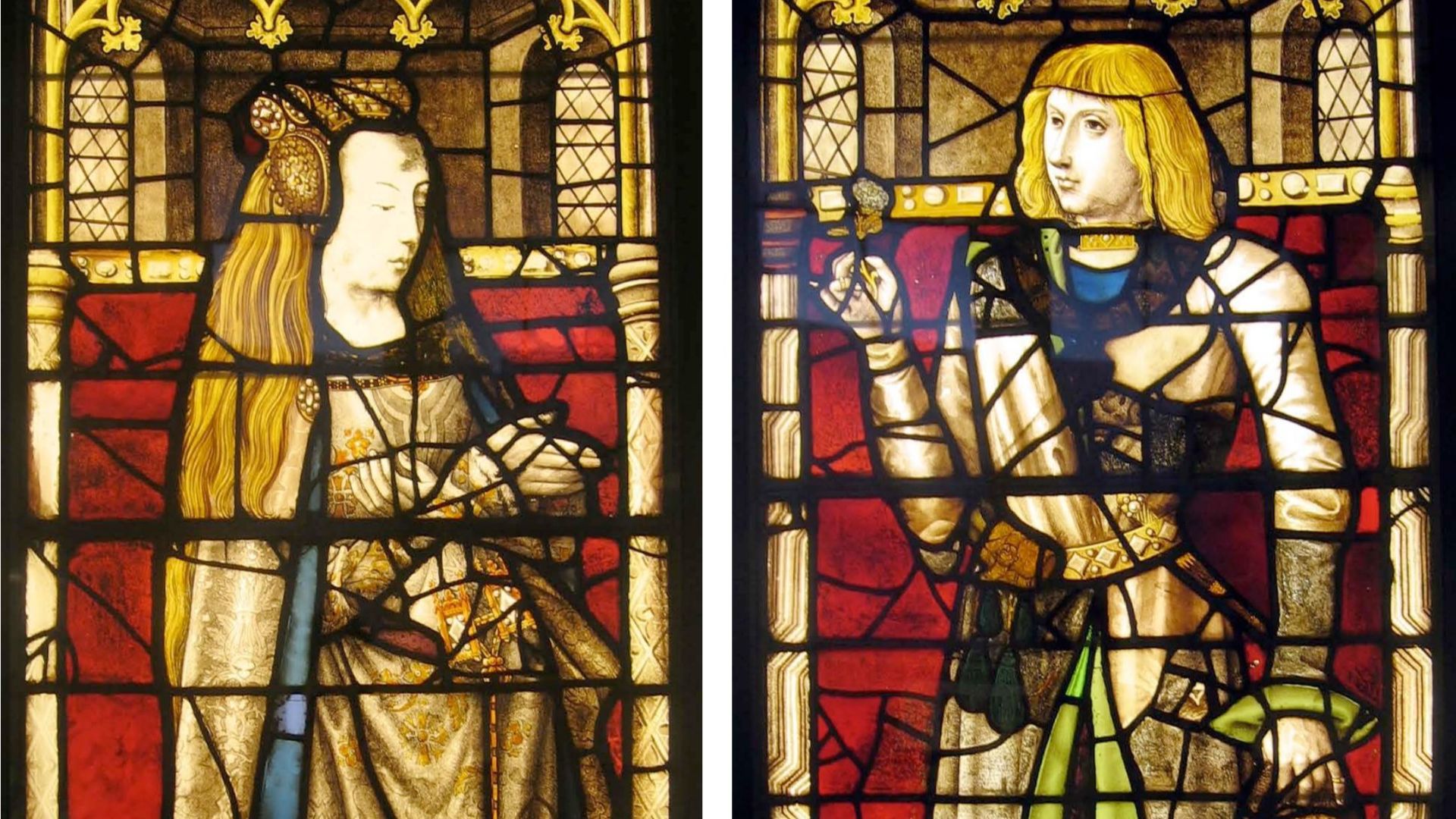 Unknown authorUnknown author on Wikimedia
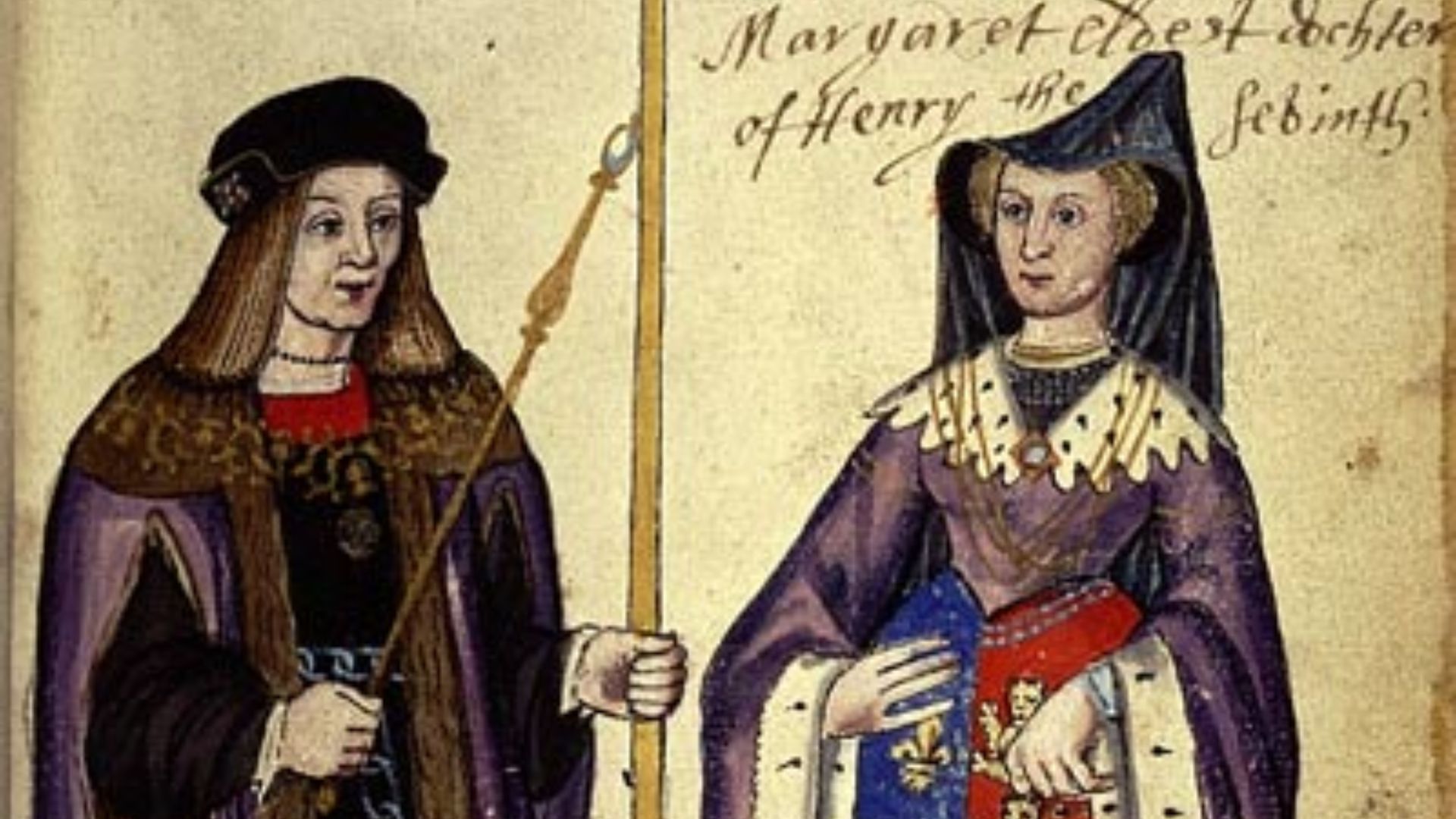
4. James IV of Scotland and Margaret Tudor
The 1503 marriage between James IV and Margaret Tudor connected the Scottish and English royal families. More than a century later, their descendant James VI of Scotland inherited the English throne as James I. This dynastic connection paved the way for the eventual political union of Great Britain.
5. Ivan III of Moscow and Sophia Palaiologina
Ivan III married Sophia Palaiologina, a niece of the last Byzantine emperor, in 1472. The union strengthened Moscow's claim as the successor to the Byzantine Empire. It also enhanced Russia's prestige and contributed to its growing influence across Eastern Europe.
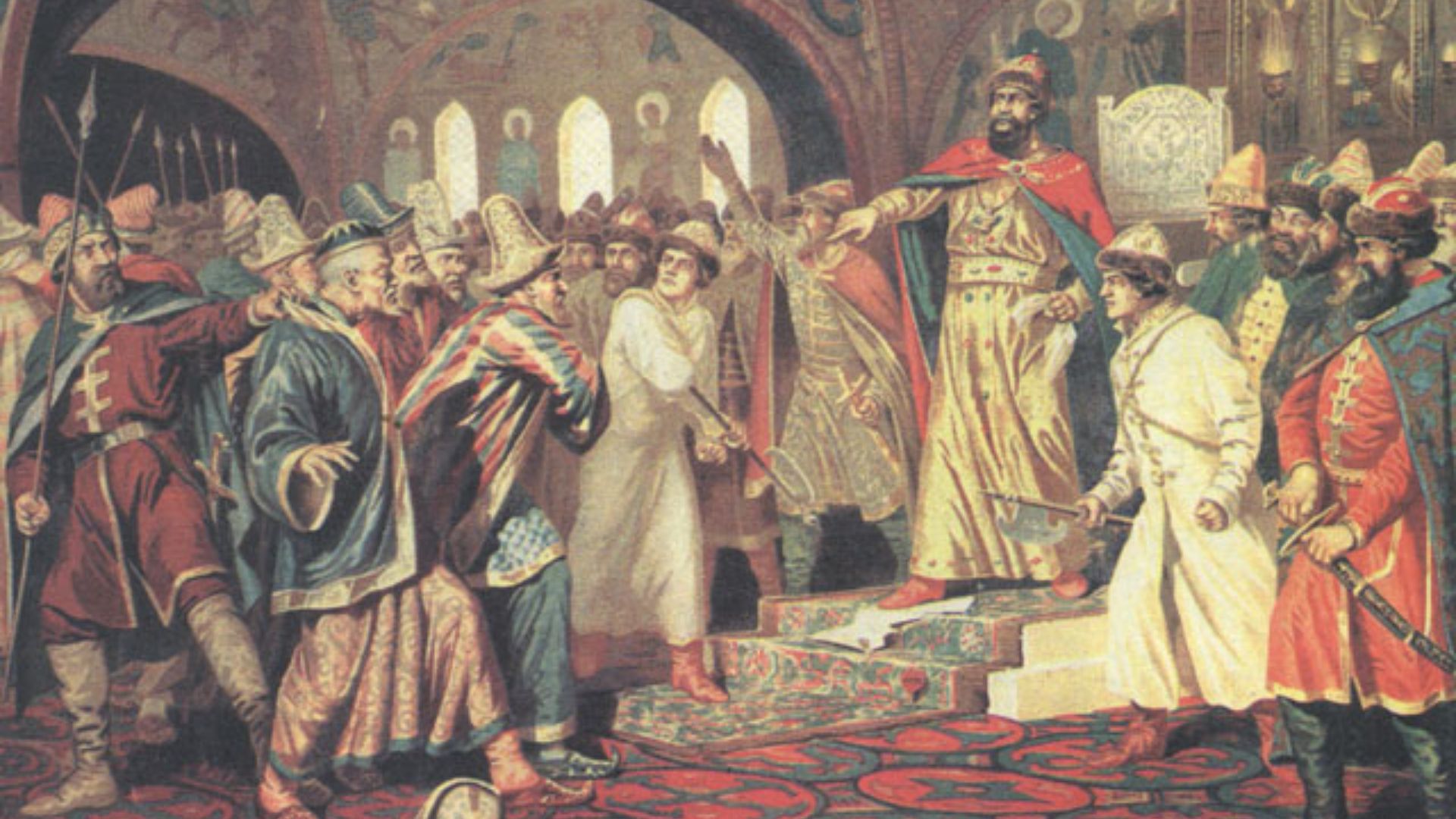 Aleksey Kivshenko on Wikimedia
6. Henry II of England and Eleanor of Aquitaine
Eleanor's marriage to Henry II in 1152 brought the vast Duchy of Aquitaine under English control. This created the Angevin Empire, which stretched across much of western France. The arrangement transformed medieval politics and intensified future Anglo-French rivalries.
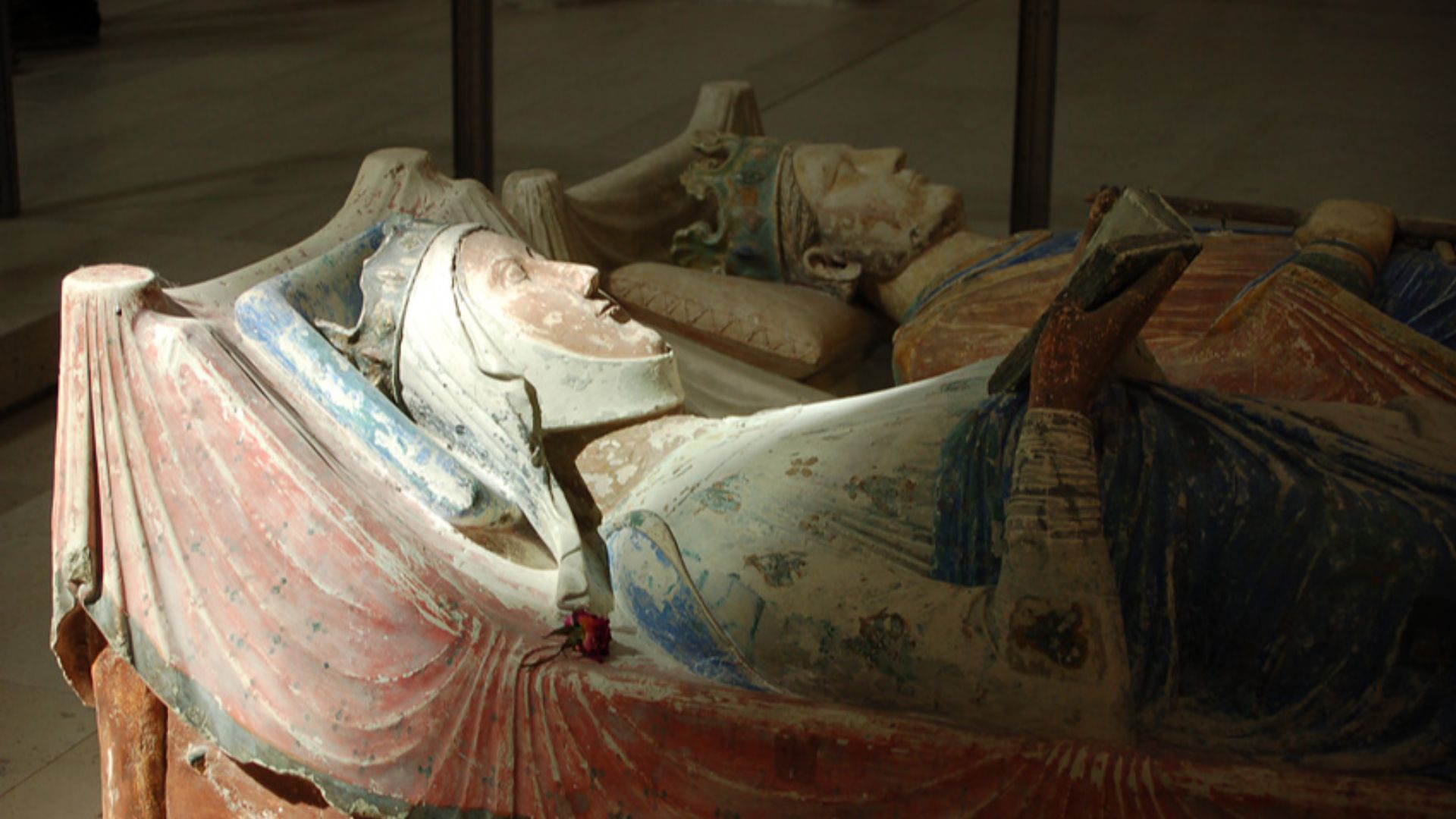
7. Louis VII of France and Eleanor of Aquitaine
Before marrying Henry II, Eleanor was married to Louis VII of France. Through that marriage, Aquitaine was tied to the French crown. When the marriage was annulled, France lost direct influence over the territory, setting the stage for major geopolitical changes.
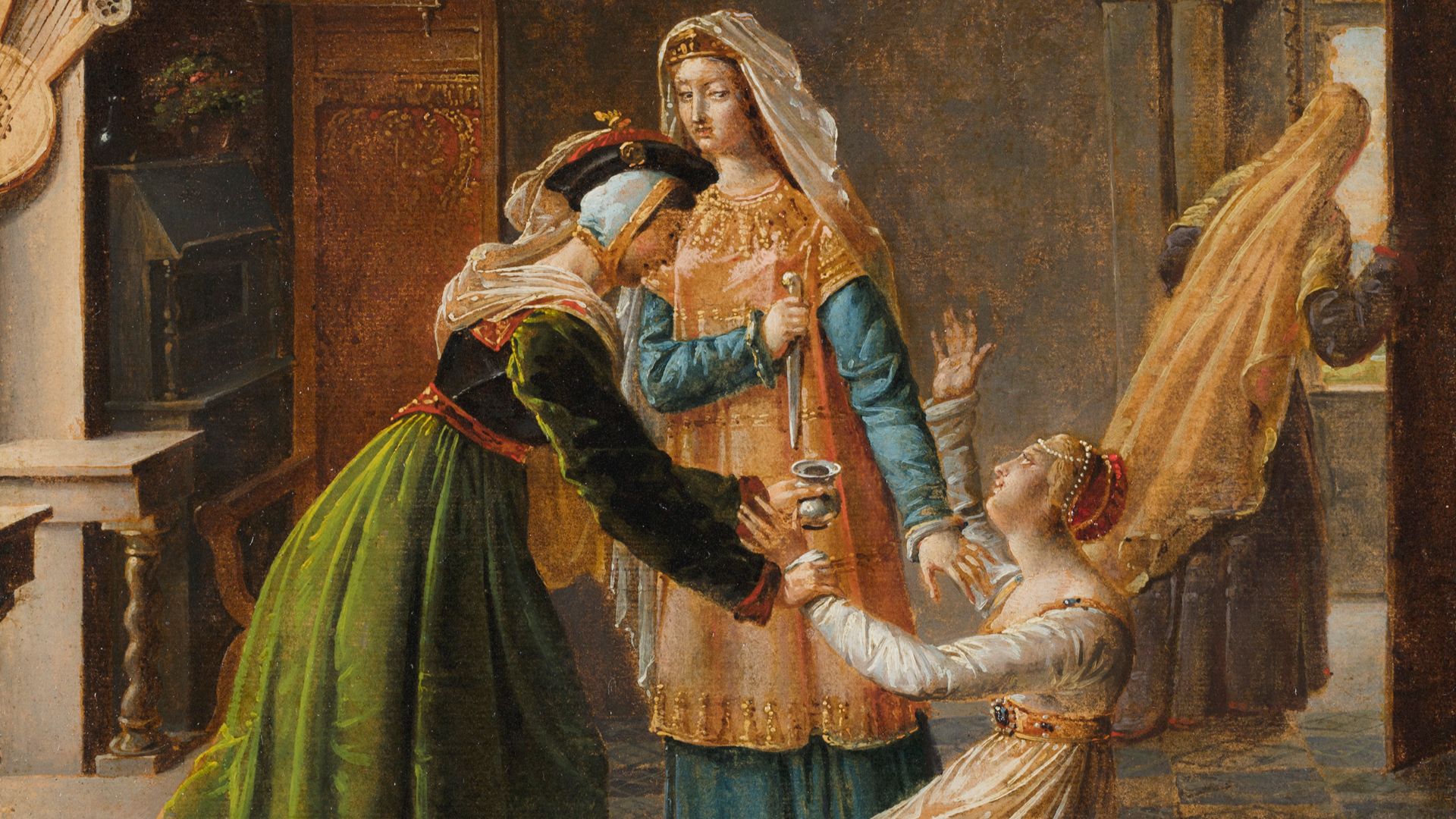 Marie-Philippe Coupin de La Couperie on Wikimedia
8. Ferdinand I of Naples and Isabella of Clermont
Their marriage in the fifteenth century united important claims in southern Italy. Isabella brought significant territorial rights that strengthened Ferdinand's position as ruler of Naples. This helped stabilize the kingdom during a period of frequent dynastic competition.
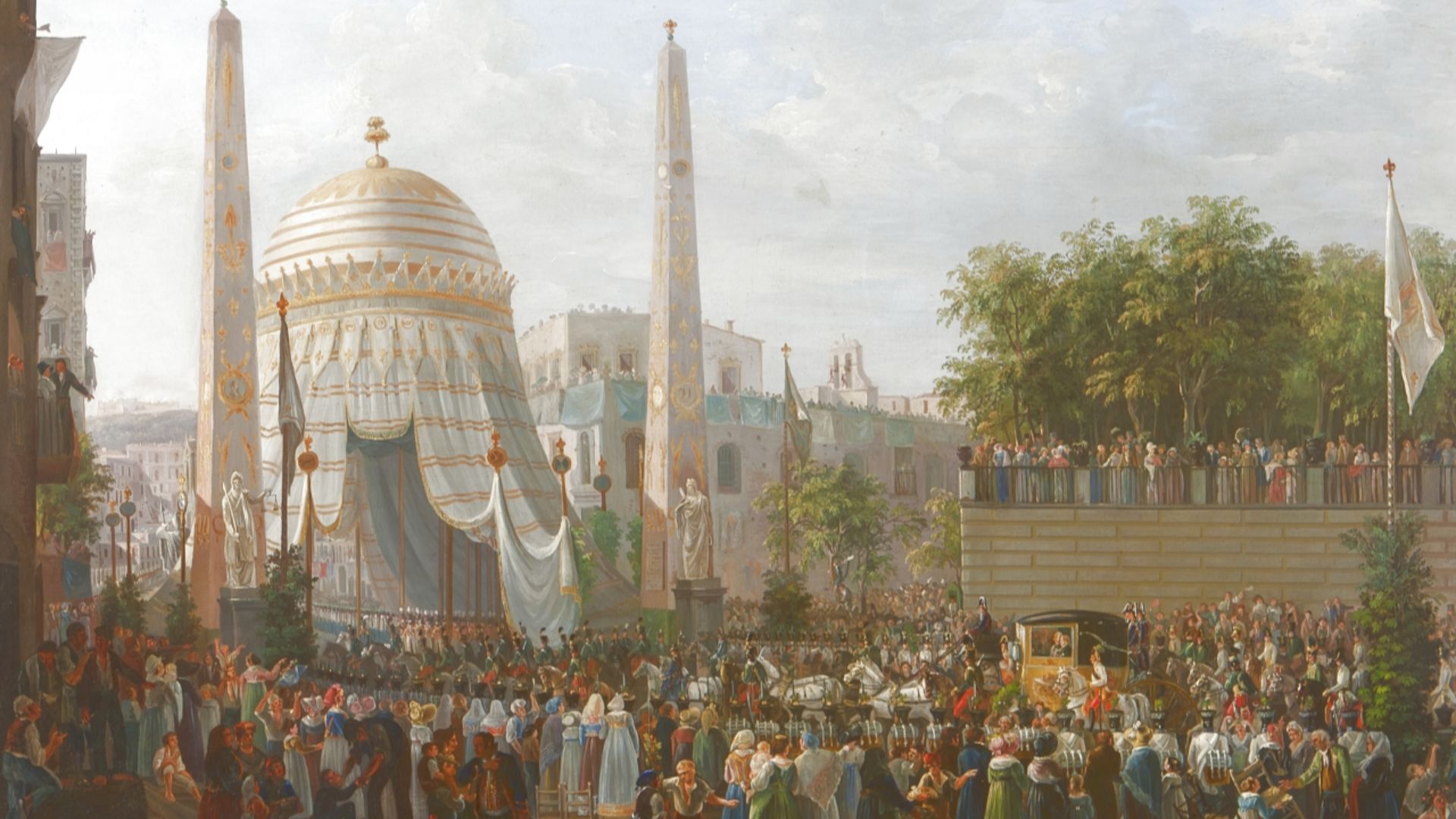 Salvatore Fergola on Wikimedia
9. Casimir IV of Poland and Elisabeth of Austria
The marriage of Casimir IV and Elisabeth in 1454 connected the Polish and Habsburg dynasties. Their numerous children married into royal houses across Europe, spreading influence far beyond Poland. The union strengthened Poland-Lithuania's position in regional politics.
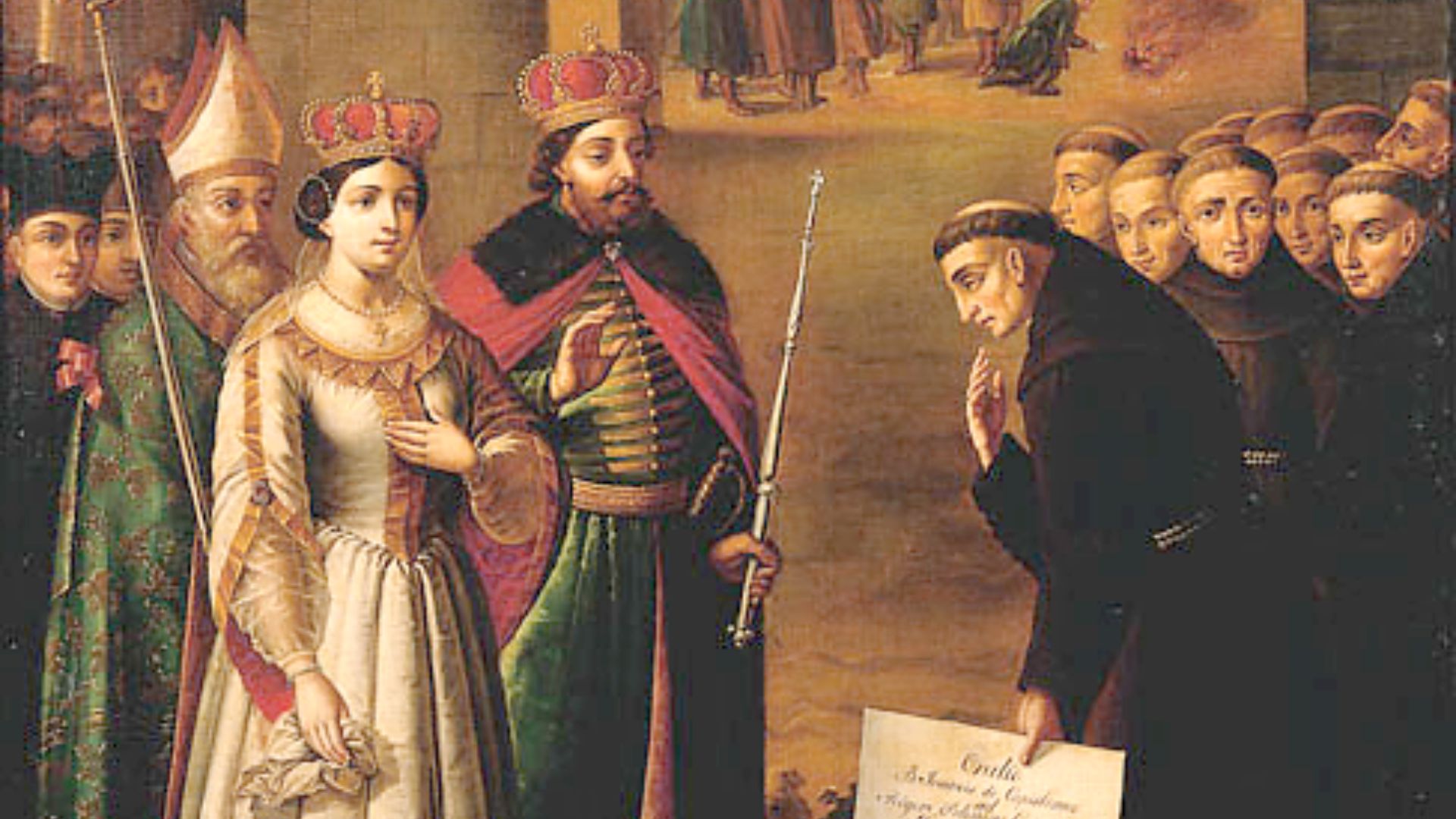 AnonymousUnknown author on Wikimedia
10. Vladislaus II of Hungary and Anne of Foix-Candale
This marriage produced heirs whose dynastic claims became highly significant after the Battle of Mohács in 1526. When the Hungarian royal line weakened, competing claims helped the Habsburgs gain control over much of Hungary. The political consequences reshaped Central Europe.
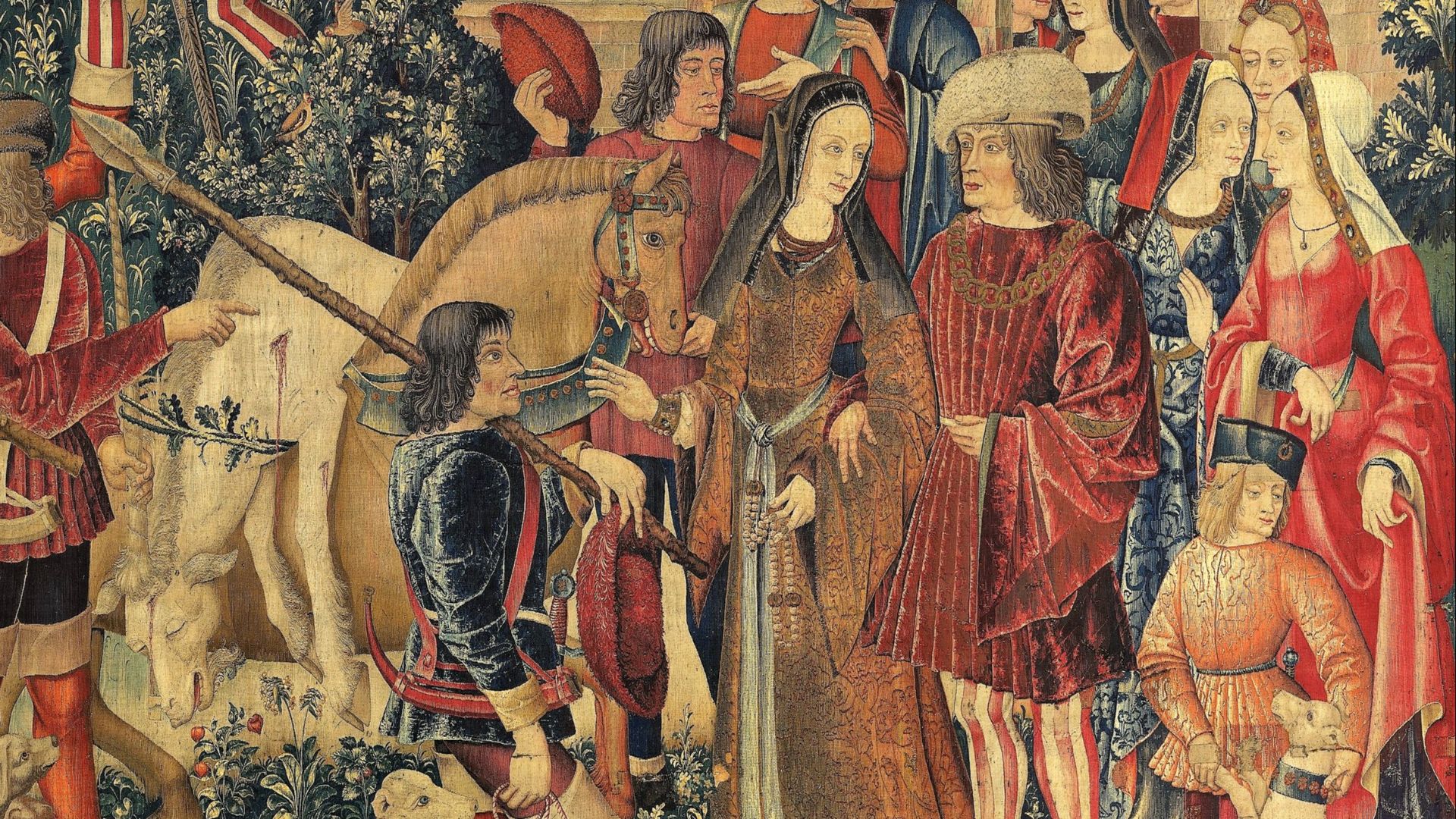 Unknown authorUnknown author on Wikimedia
11. Sigismund I of Poland and Bona Sforza
Sigismund's marriage to the Italian noblewoman Bona Sforza in 1518 brought new political connections and influence into Poland-Lithuania. Her efforts strengthened the monarchy's territorial position within the commonwealth.
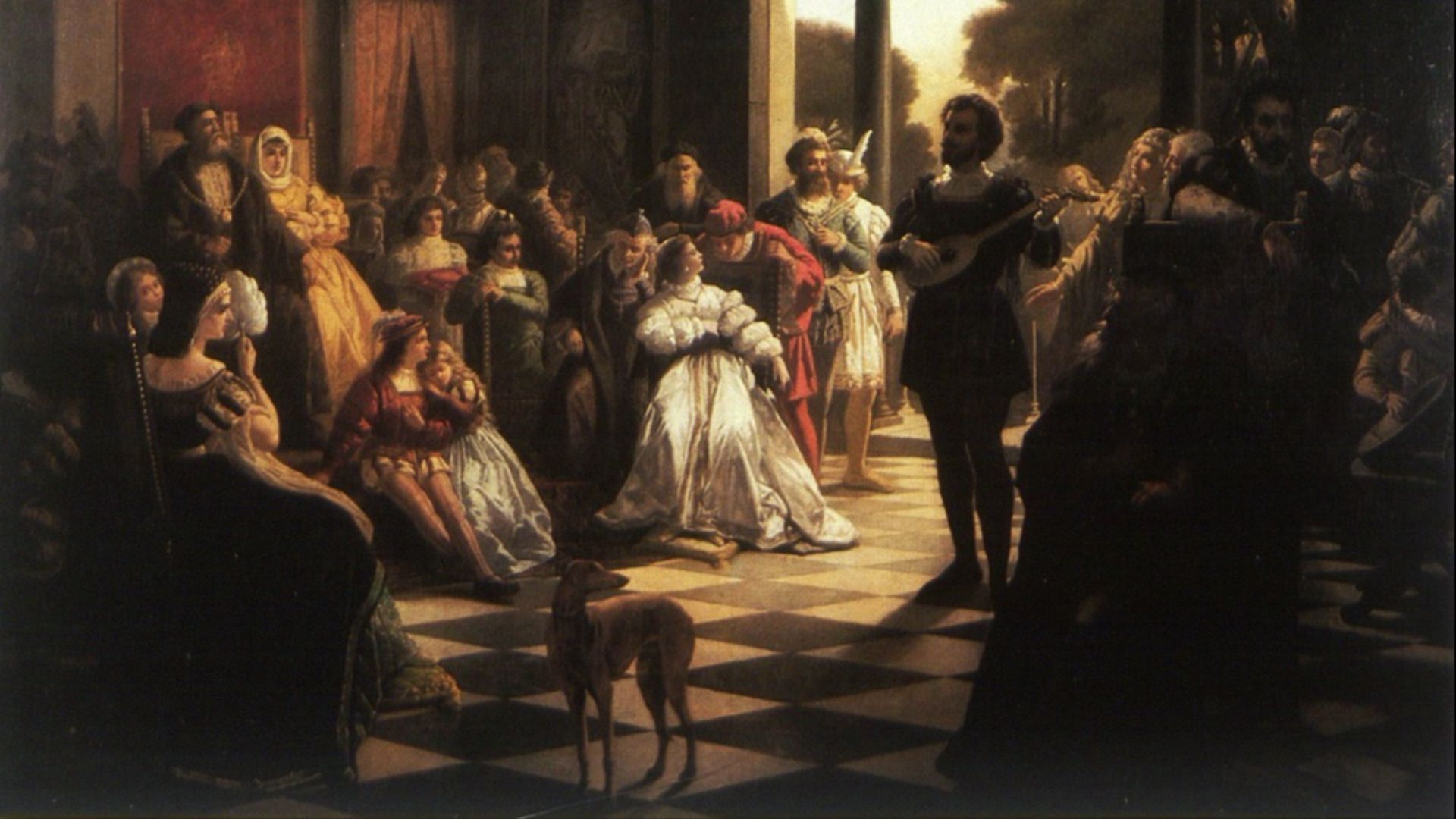 Kazimierz Mirecki on Wikimedia
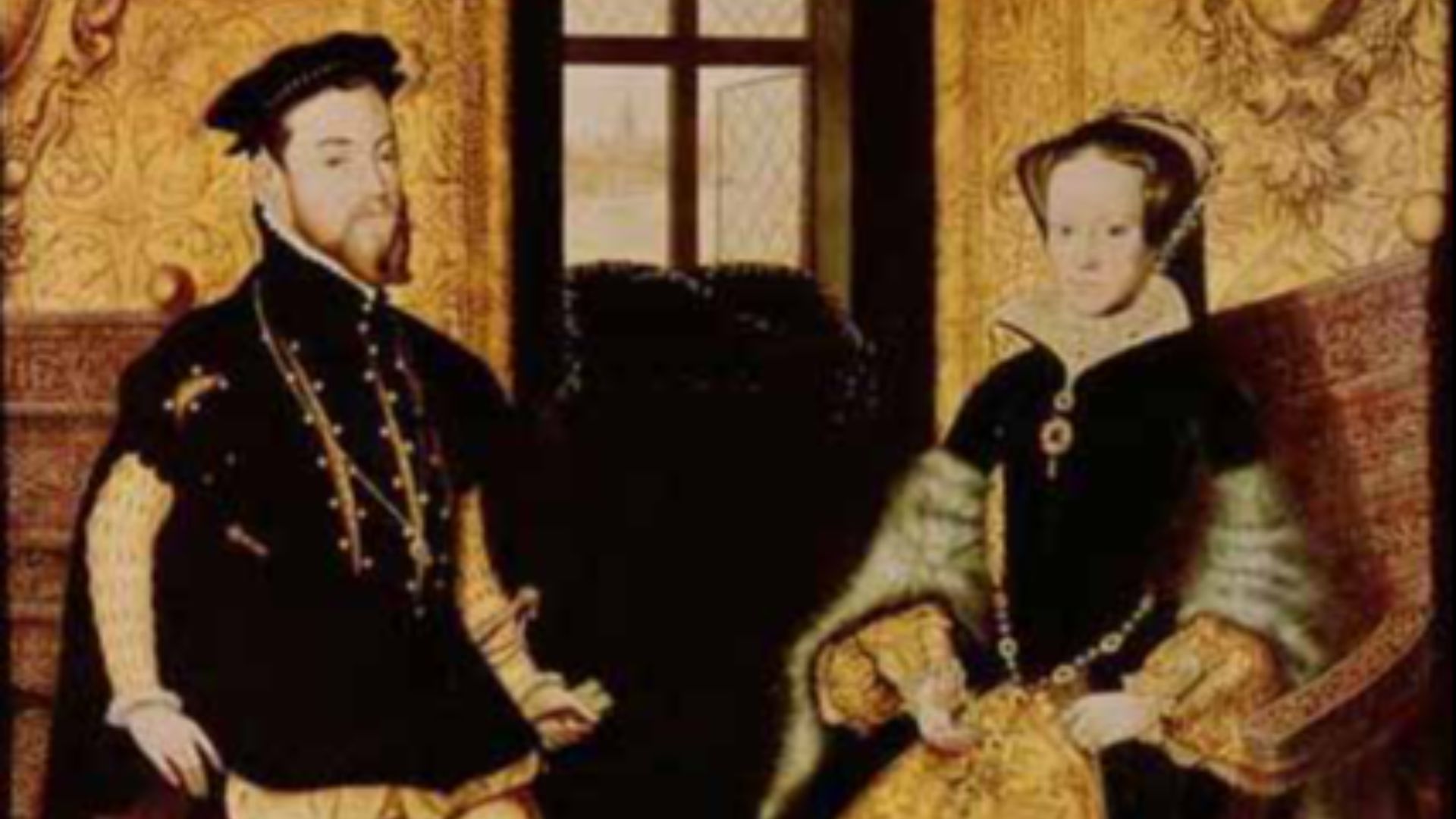
12. Philip II of Spain and Mary I of England
When Philip II married Mary I in 1554, Spain gained a powerful alliance with England. Although the marriage didn't create a permanent union, it temporarily linked two major European powers.
13. Charles the Bold and Margaret of York
Margaret of York's marriage to Charles the Bold in 1468 tied Burgundy more closely to England. The alliance strengthened political cooperation between the two powers during a tense period in European affairs.
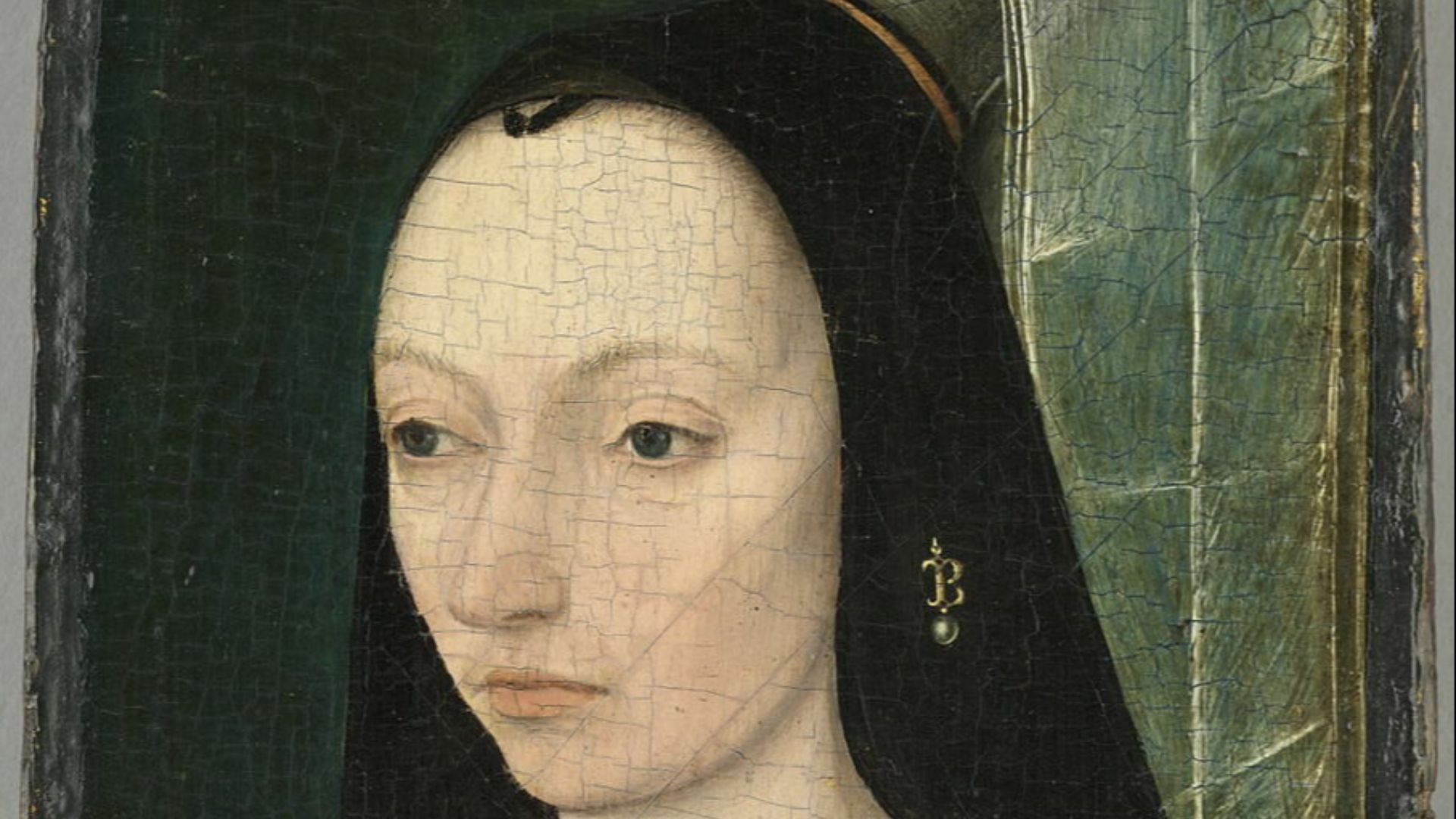 anonymous / Unidentified painter on Wikimedia
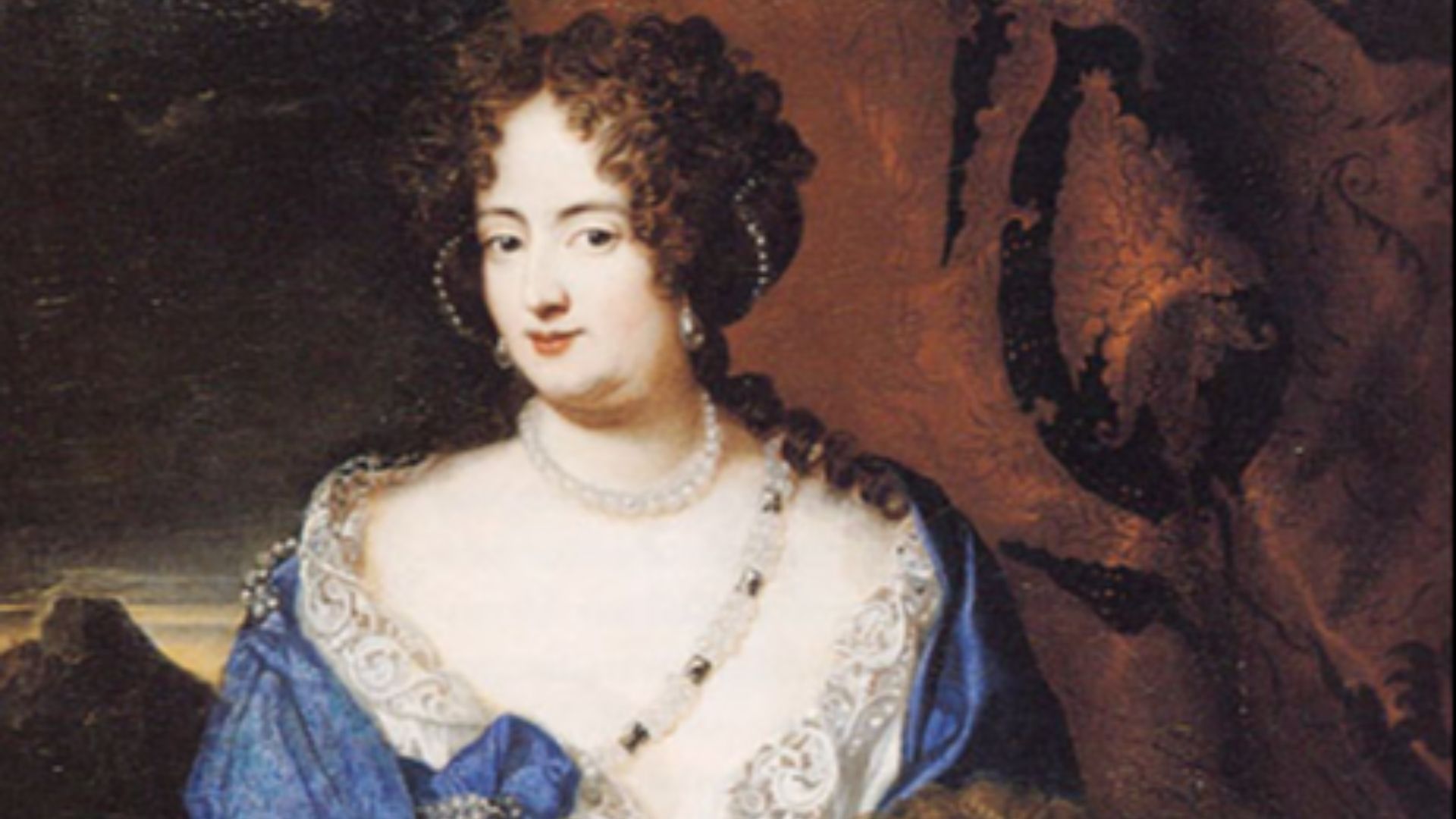
14. George I of Great Britain and Sophia Dorothea of Celle
This marriage consolidated territories within the House of Hanover. Through dynastic arrangements and inheritance, Hanover's rulers strengthened their position in northern Germany while maintaining ties to Britain. The connection influenced European diplomacy for generations.
15. Peter III of Aragon and Constance of Sicily
Peter's marriage to Constance in 1262 gave the Crown of Aragon a claim to Sicily. Following later conflicts, Aragon established control over the island. The union expanded Aragon's influence throughout the Mediterranean world.
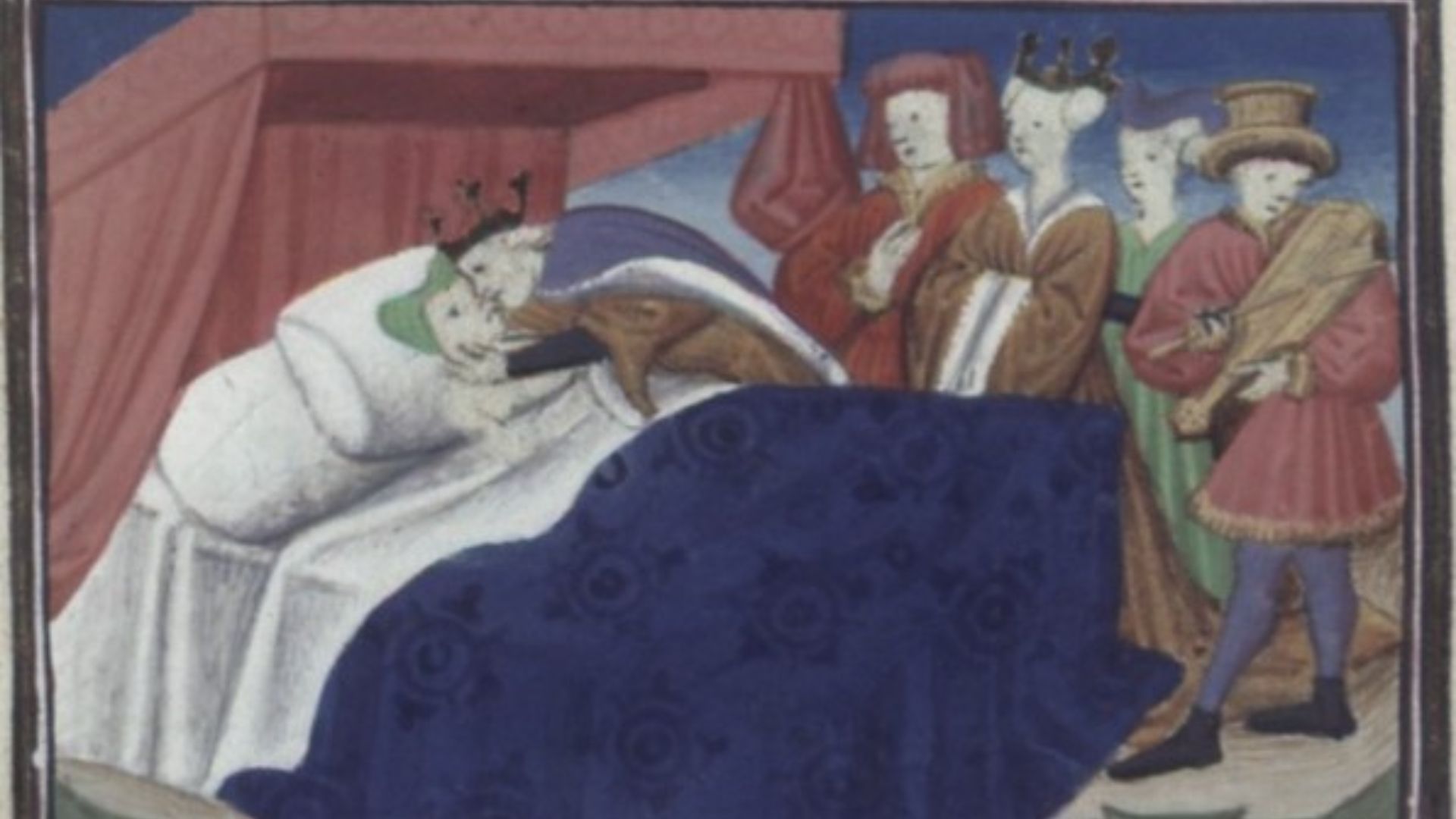 AnonymousUnknown author on Wikimedia
16. Eric of Pomerania and Philippa of England
The marriage between Eric, ruler of the Kalmar Union, and Philippa in 1406 strengthened ties between Scandinavia and England. Philippa became an influential political figure during her husband's reign.
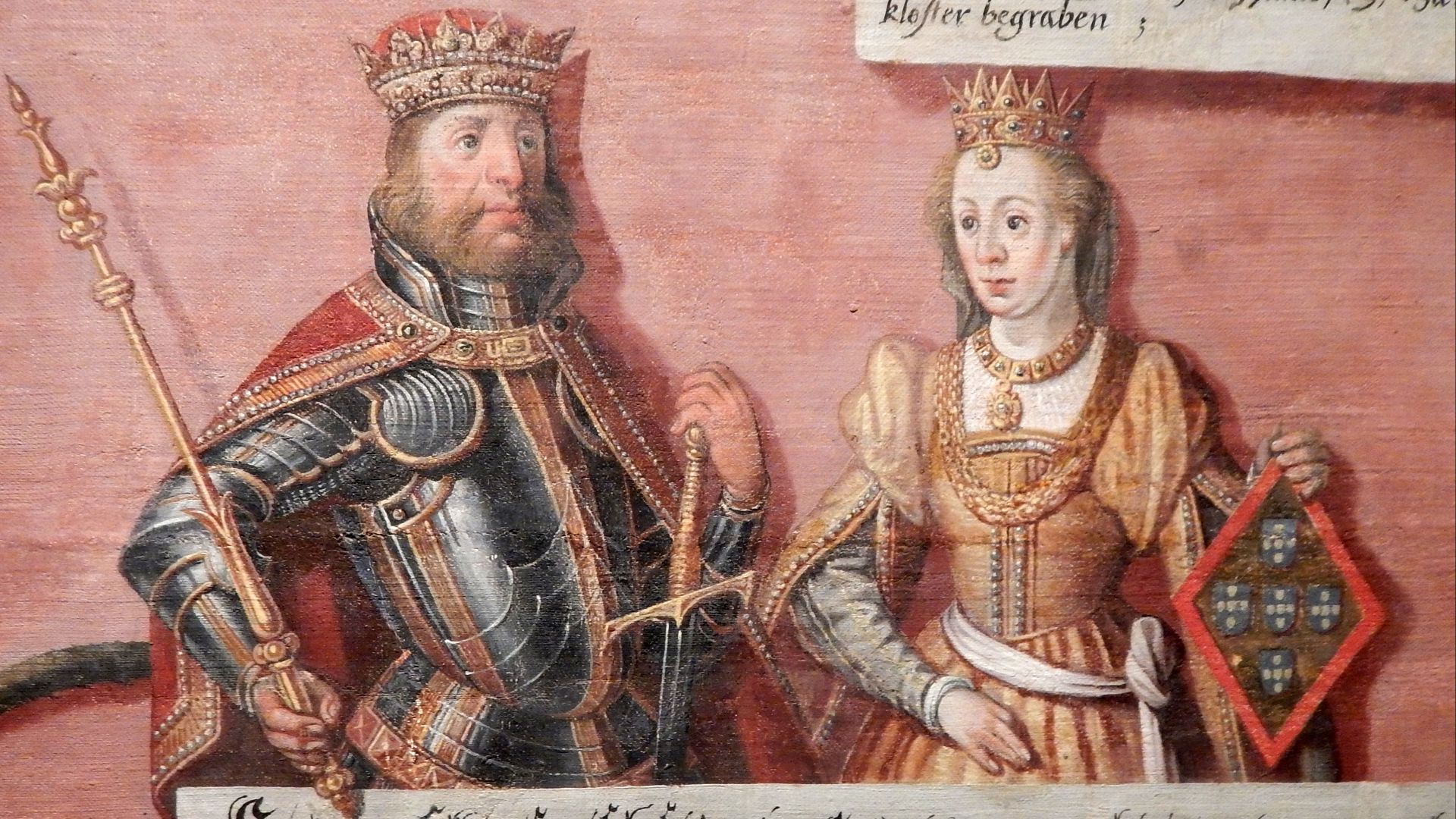
17. Ferdinand II of Aragon and Germaine of Foix
After Isabella's death, Ferdinand married Germaine of Foix in 1505. The marriage was partly designed to alter future inheritance arrangements involving Aragon.
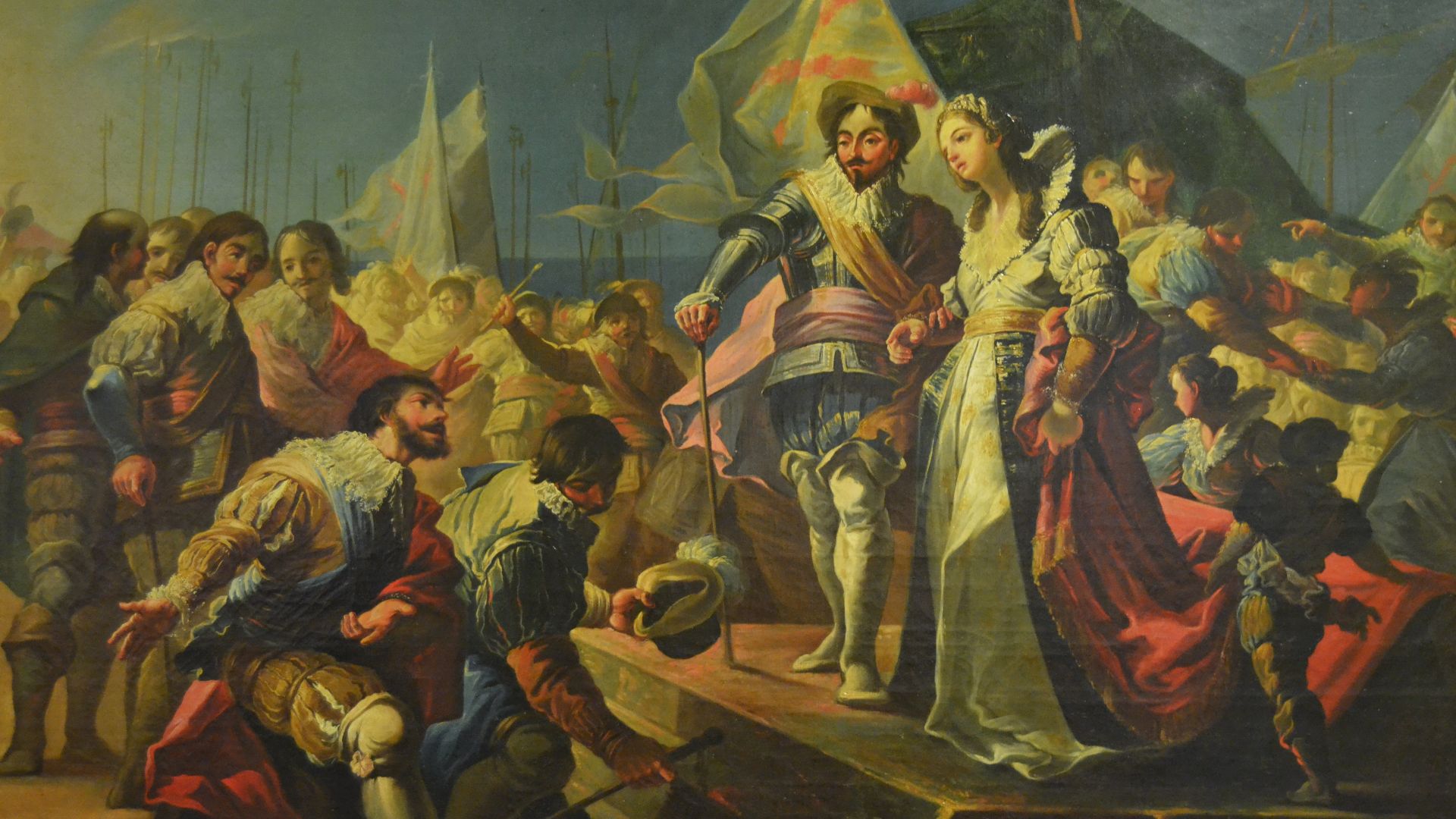
18. Louis XII of France and Anne of Brittany
Anne of Brittany first married Charles VIII and later Louis XII, helping preserve Brittany's connection to the French monarchy. The process significantly expanded the kingdom's territorial cohesion.
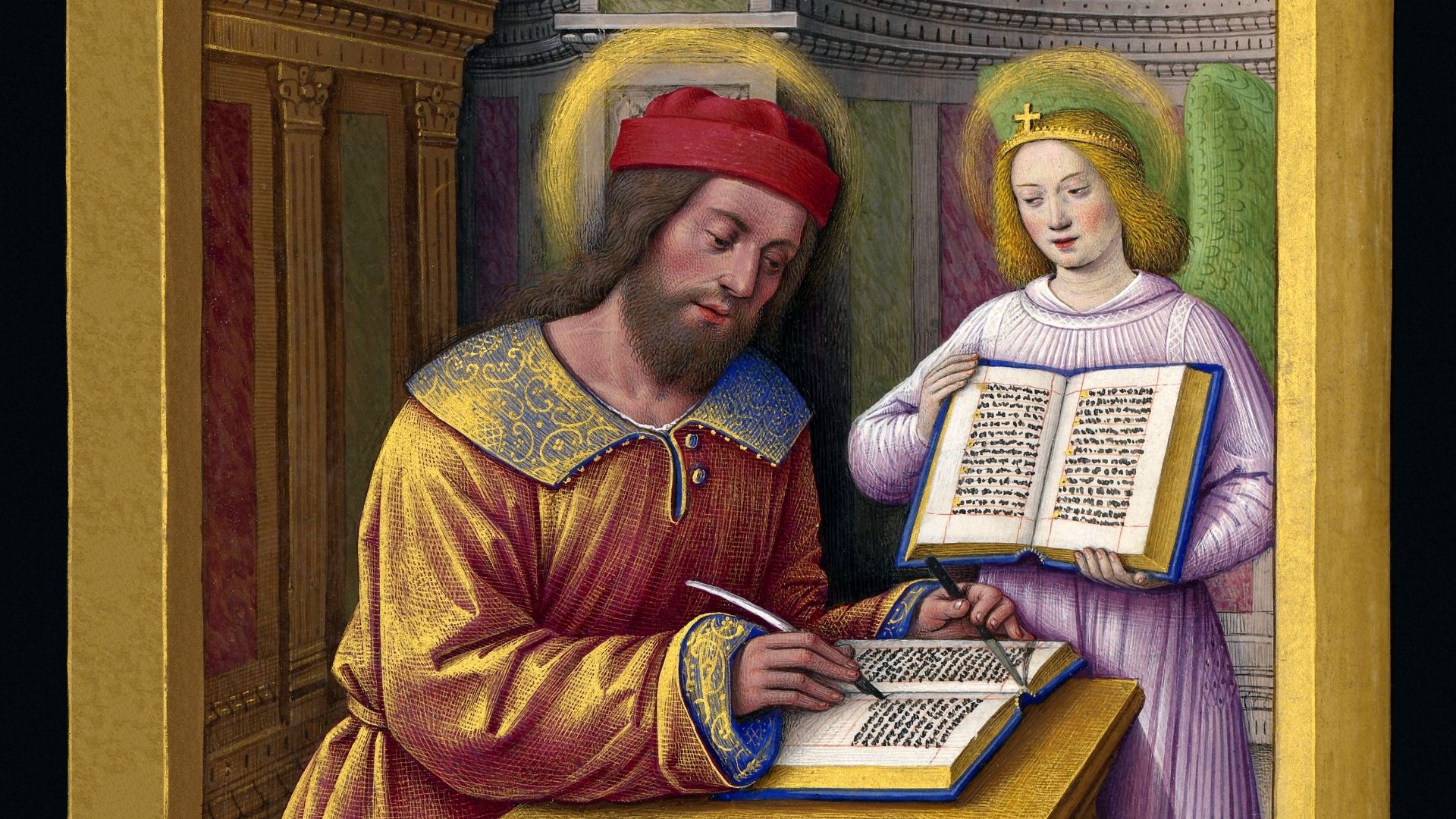
19. Charles VIII of France and Anne of Brittany
Charles VIII's marriage to Anne in 1491 marked a turning point in French territorial consolidation. The union brought the region firmly into France's political orbit and reduced the likelihood of foreign influence there.

20. Albert of Austria and Elizabeth of Luxembourg
The marriage of Albert and Elizabeth united important dynastic claims in Central Europe. Elizabeth was heir to the Luxembourg line, giving Albert access to claims over Hungary and Bohemia.
KEEP ON READING

10 Greatest Quarterbacks Of All Time & 10 That Are…
Do You Disagree?. Few topics in sports generate as much…
By Farva Ivkovic Dec 2, 2025
The story of Ching Shih, the Woman Who Became the…
Unknown author on WikimediaFew figures in history are as feared…
By Emilie Richardson-Dupuis Dec 29, 2025
20 Shakespearean Words, Translated For A Modern Audience
What’s In A Word?. Shakespeare was a wordsmith of the…
By Breanna Schnurr Dec 17, 2025
20 Inspiring Stories From Native American History
Incredible Stories Of Resilience And Endurance. Many of us didn't…
By Ashley Bast Dec 17, 2025
You Think You Have Problems? These Royal Families Were Cursed
Boasson and Eggler St. Petersburg Nevsky 24. on WikimediaHeavy is…
By Ashley Bast Dec 5, 2025
MH370: The Plane That Can't Be Found
Anna Zvereva from Tallinn, Estonia on WikimediaEleven years after Malaysia…
By Christy Chan Dec 10, 2025