


When the Verdict Was Wrong
Throughout history, courts and tribunals have handed down death sentences with a confidence that rarely matched the evidence in front of them. From ancient Athens to twentieth-century America, you'll find countless examples of people sent to their deaths for numerous reasons, sometimes even due to plain incompetence within the justice system itself. Some of these individuals were later exonerated through new evidence or a more honest look at the historical record, while others remain symbols of how easily legal proceedings can fail the very people they're supposed to protect. Here are 20 people throughout history whose executions still raise serious questions about fairness, evidence, and the real cost of getting a verdict wrong.
 State of South Carolina on Wikimedia
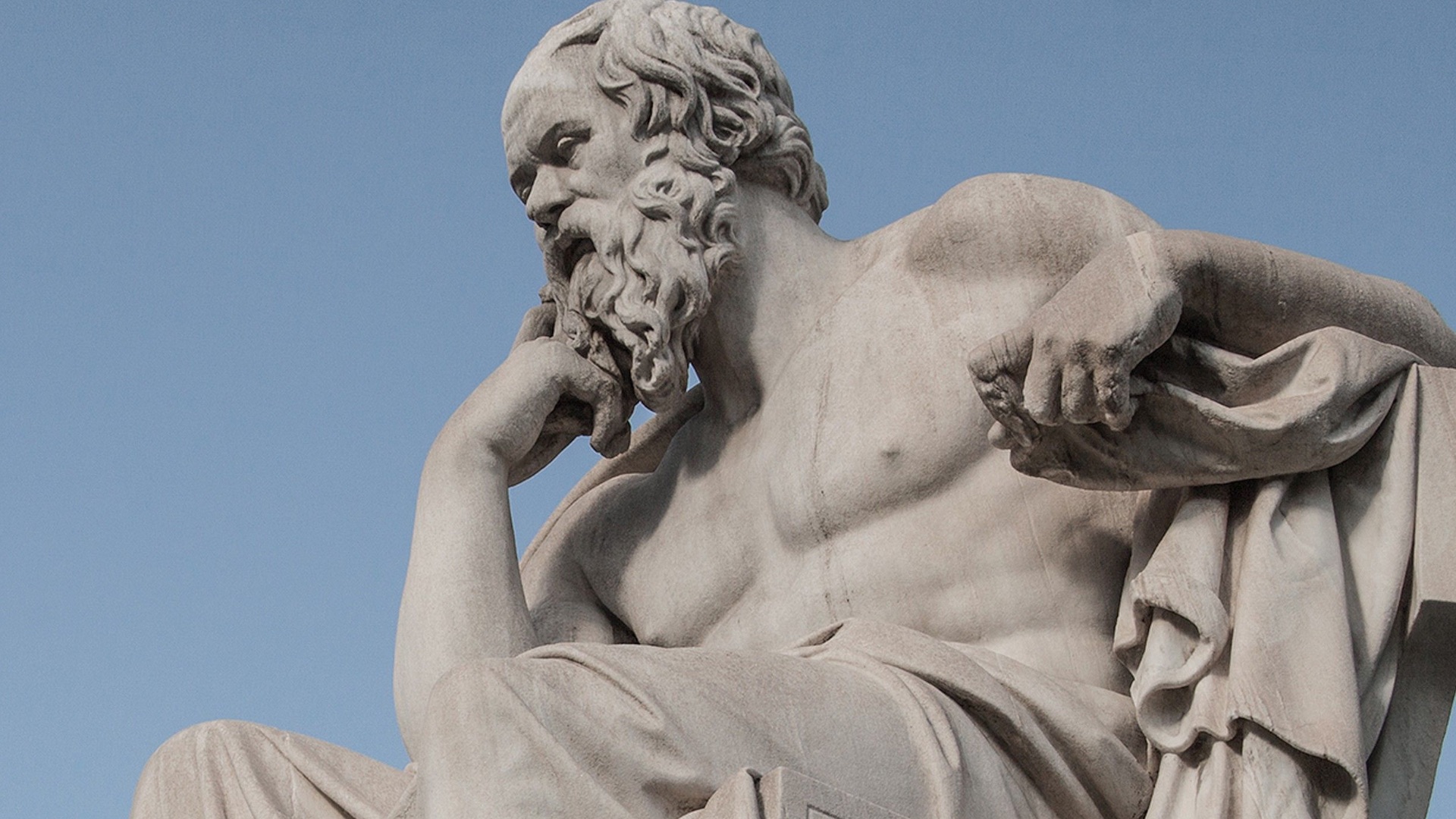
1. Socrates
In 399 BC, an Athenian jury condemned Socrates to death for corrupting the youth and disrespecting the city's gods, charges that modern historians widely view as a thinly veiled political maneuver. Many scholars believe the philosopher's real offense was making powerful men uncomfortable with his relentless questioning and his association with former students who'd fallen out of favor with the new democracy. He accepted his sentence of drinking poison hemlock with remarkable calm, and his final hours became one of the most famous philosophical lessons in Western history.
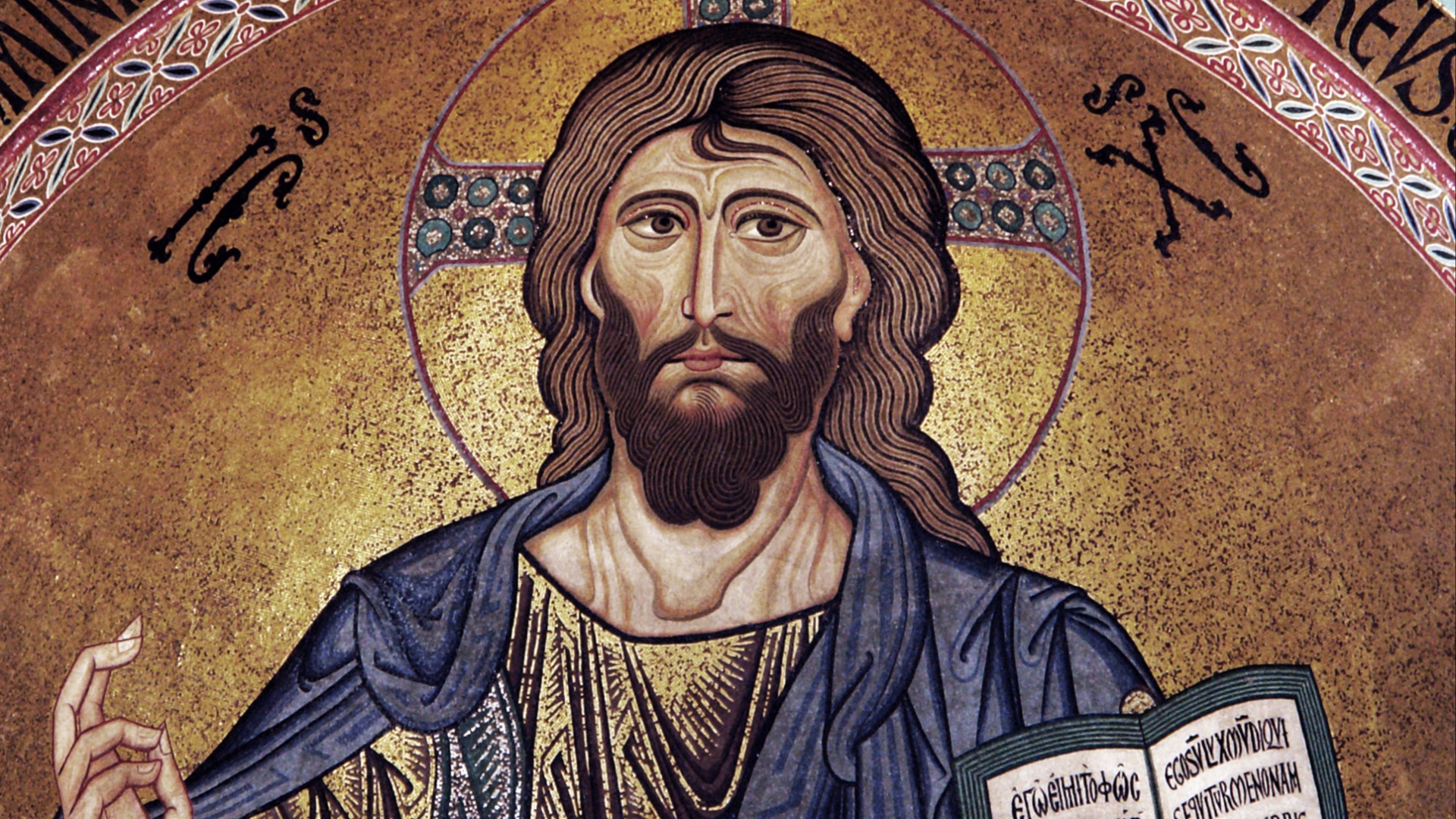
2. Jesus of Nazareth
Around 30 AD, a Jewish preacher named Jesus of Nazareth stood trial before Roman and religious authorities in Jerusalem on charges of sedition and blasphemy. Historical accounts suggest the proceedings moved with unusual speed and skipped over several legal protections that Roman law typically afforded defendants, especially regarding cross-examination and the chance to mount a proper defense. He was crucified by order of the Roman governor Pontius Pilate, and the irregularities surrounding his trial have made it a frequent subject of legal scholarship for centuries.
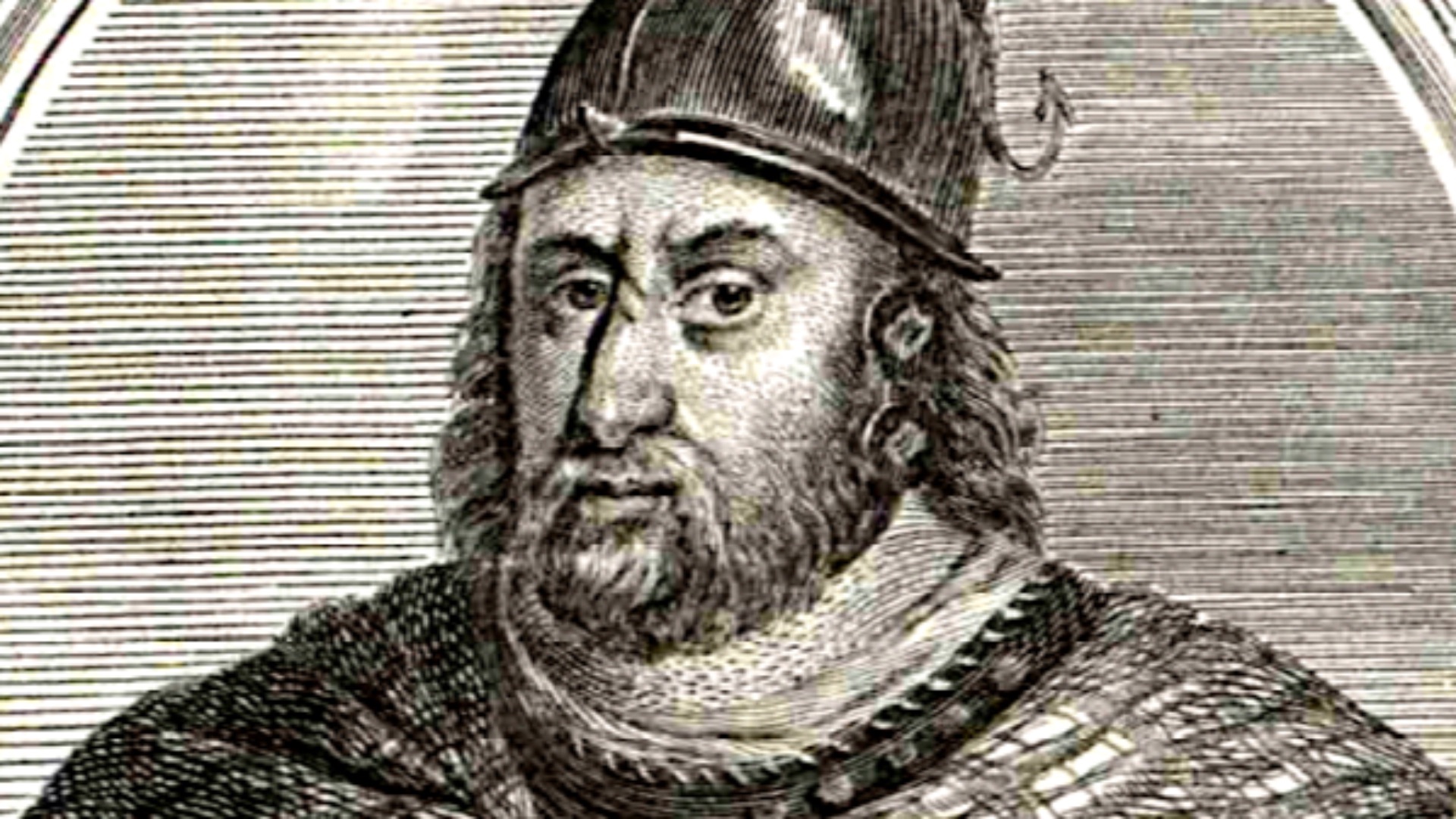
3. William Wallace
The Scottish leader William Wallace was captured in 1305 and put on trial in London for treason against King Edward I. There's a problem with that charge, though: Wallace had never sworn loyalty to the English crown, which makes it tricky to call his actions treasonous in any legal sense. He was hanged, drawn, and quartered anyway, a brutal punishment reserved for the era's most serious offenses, and his death only deepened Scottish resentment toward English rule.
 El cid, el campeador on Wikimedia
4. Joan of Arc
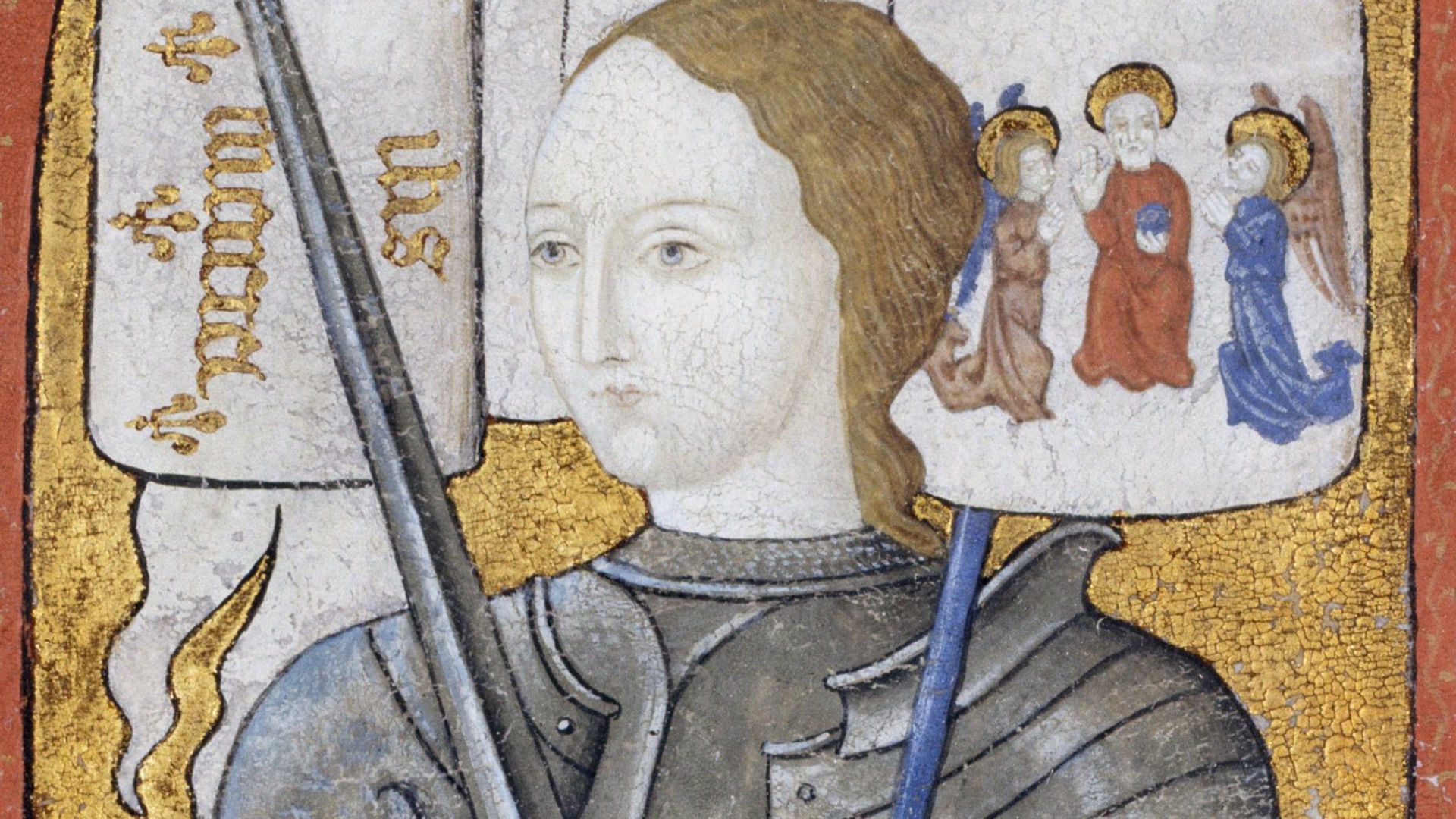
French military leader Joan of Arc was captured by Burgundian forces in 1430 and handed over to the English, who put her on trial for heresy and cross-dressing. The judges, many of whom answered to English interests, convicted her largely because she insisted her visions came directly from God rather than through the church's approved channels. She was burned at the stake in 1431, and a new trial in 1456 formally cleared her name, though that vindication came decades too late to matter to her.
5. Thomas More
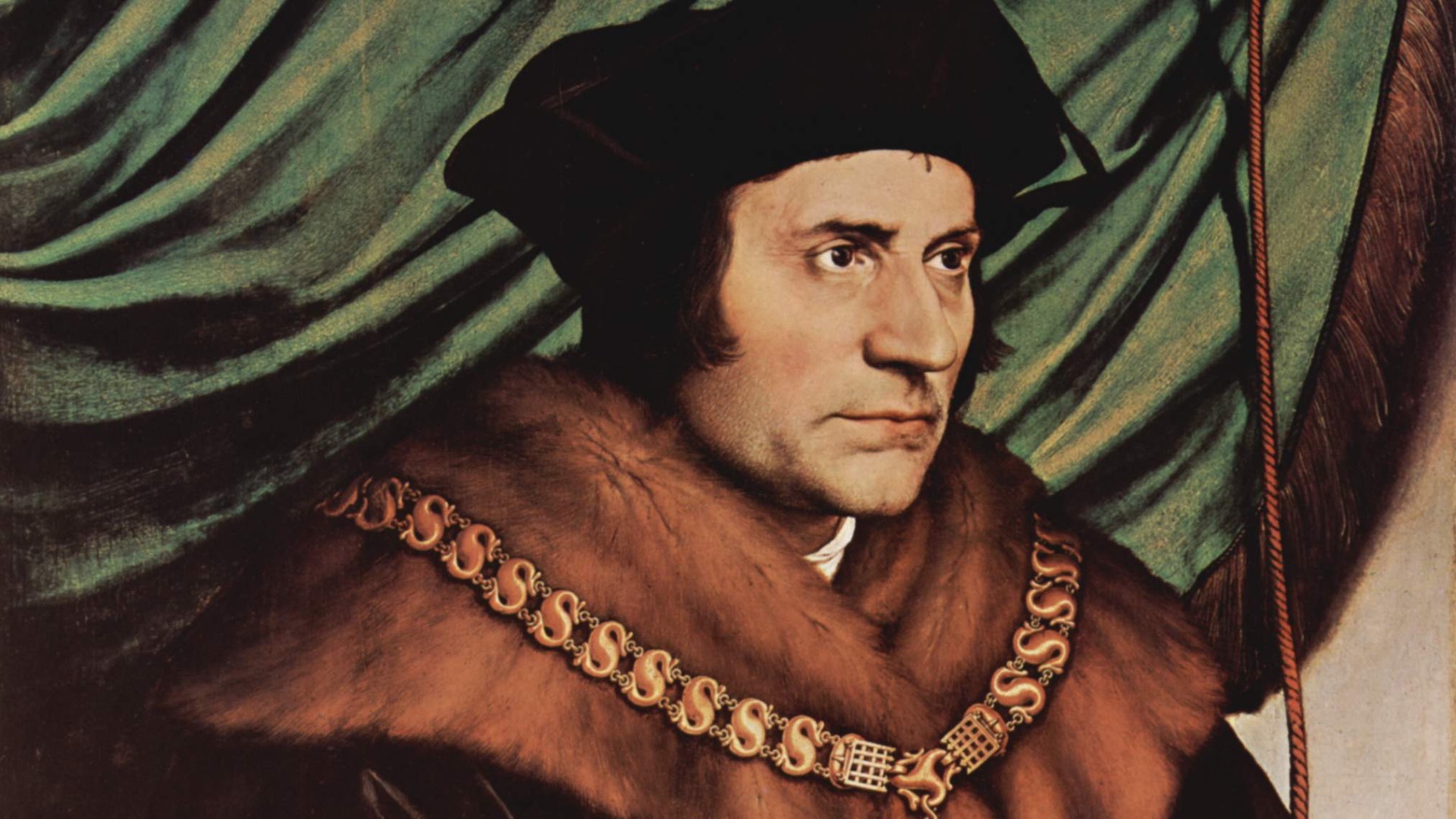
Sir Thomas More served as Henry VIII's trusted chancellor until he refused to recognize the king as the supreme head of the Church of England. Prosecutors built their treason case on a single conversation that More denied ever having, and the testimony came from a man with an obvious motive to please the king. He was beheaded in 1535, and the Catholic Church later declared him a saint, a decision that reflects how unjust many considered his trial to have been.
 Hans Holbein the Younger on Wikimedia
6. Anne Boleyn
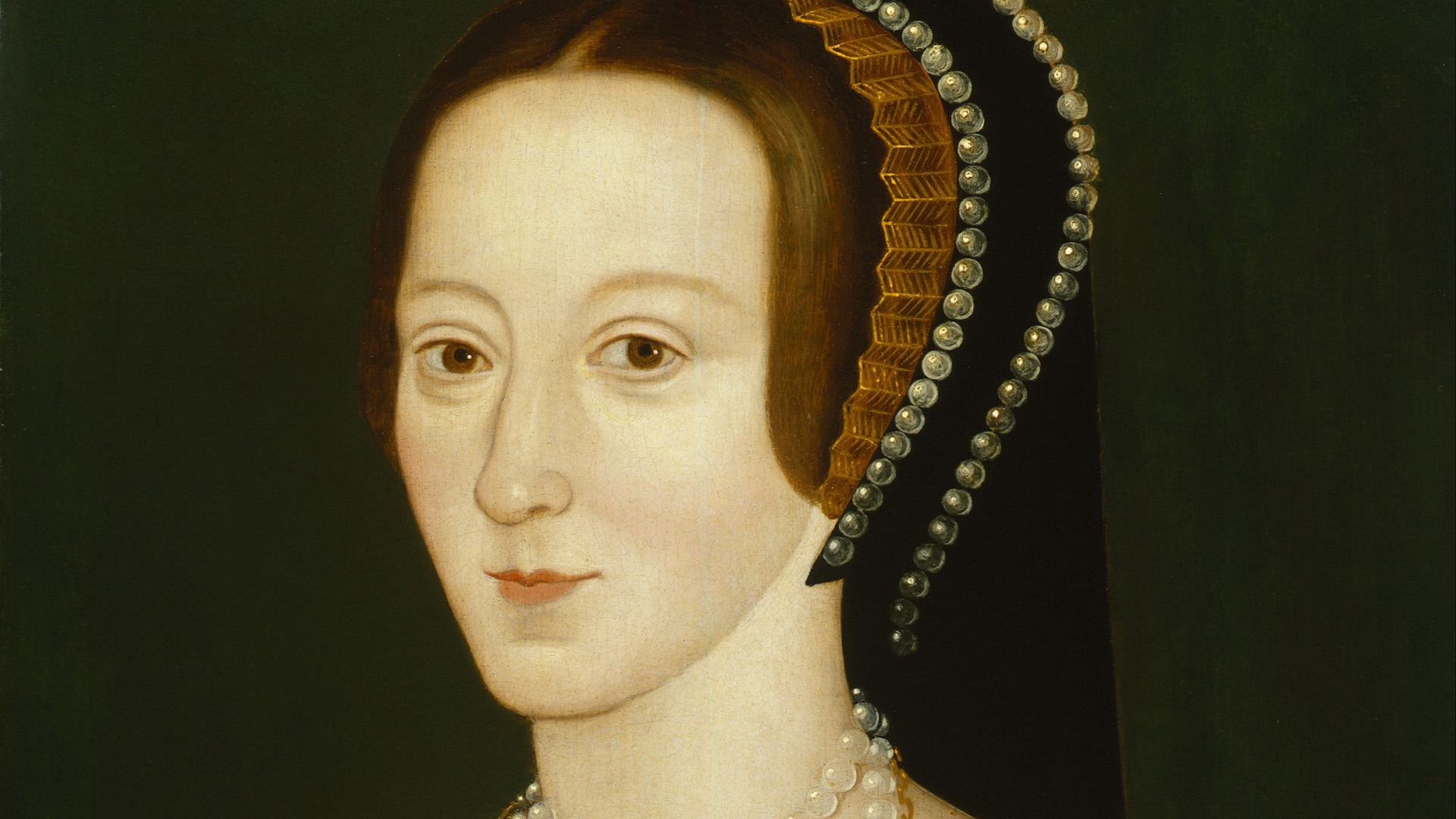
Henry VIII's second wife, Anne Boleyn, faced accusations of adultery, incest, and plotting to kill the king after she failed to produce a male heir. Investigators secured most of the supporting testimony through coercion, and one of the men named as her lover initially denied any wrongdoing before reversing his statement under pressure. She was executed by sword in 1536, and historians today largely agree that the charges served the king's desire for a new marriage far more than they reflected the truth.
 UnknownUnknown, English on Wikimedia
7. Mary, Queen of Scots
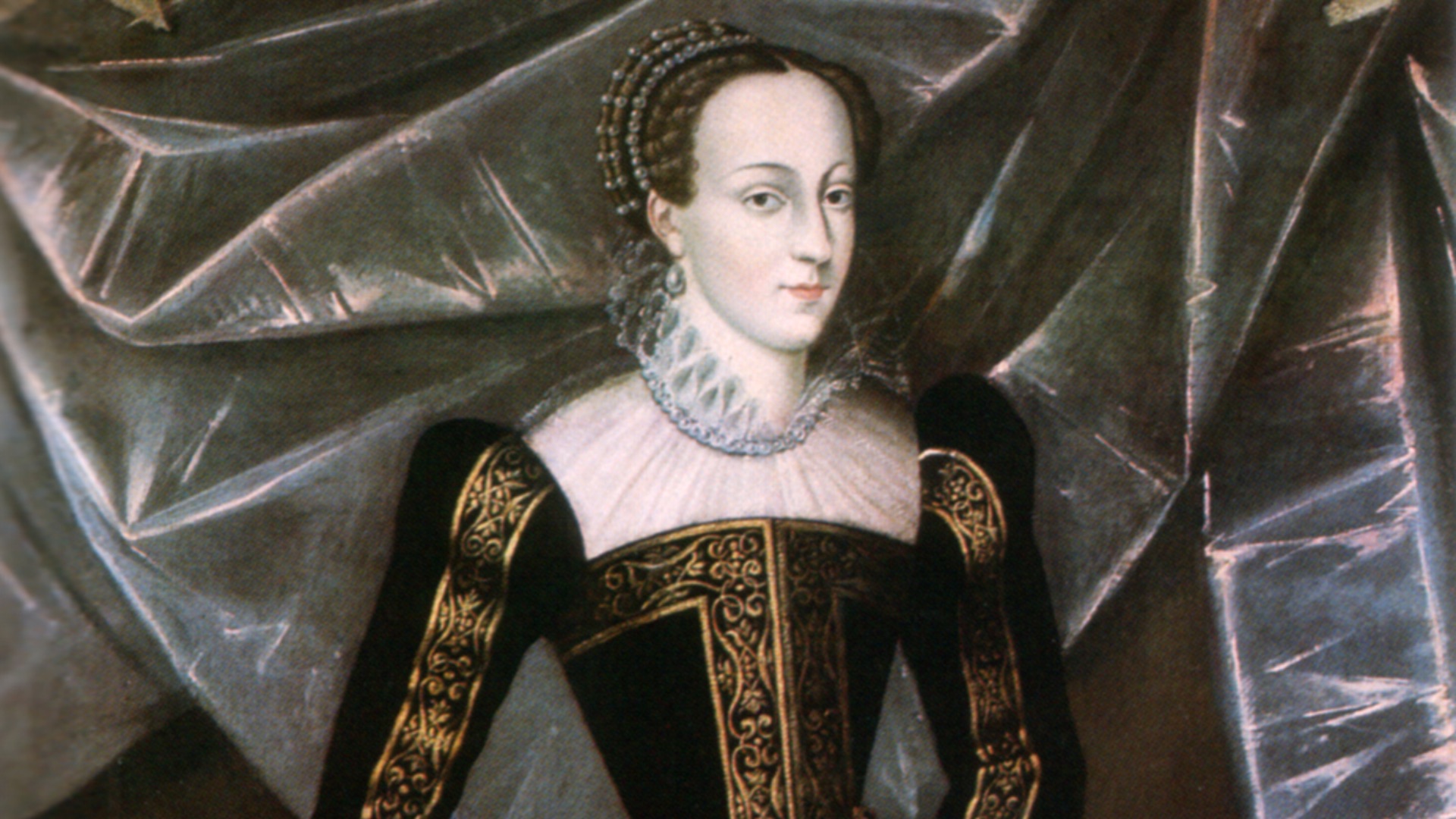
Mary, Queen of Scots, spent nearly two decades as a prisoner of her cousin Elizabeth I before being tried for conspiring to assassinate the English queen. The evidence against her came mainly from intercepted letters that her own secretaries may have altered or expanded under duress from English investigators, though this claim is often debated by historians. She was executed in 1587, and the questionable origins of those letters still raise questions among historians about whether she truly authorized the plot attributed to her.
 Unidentified painter on Wikimedia
8. Urbain Grandier
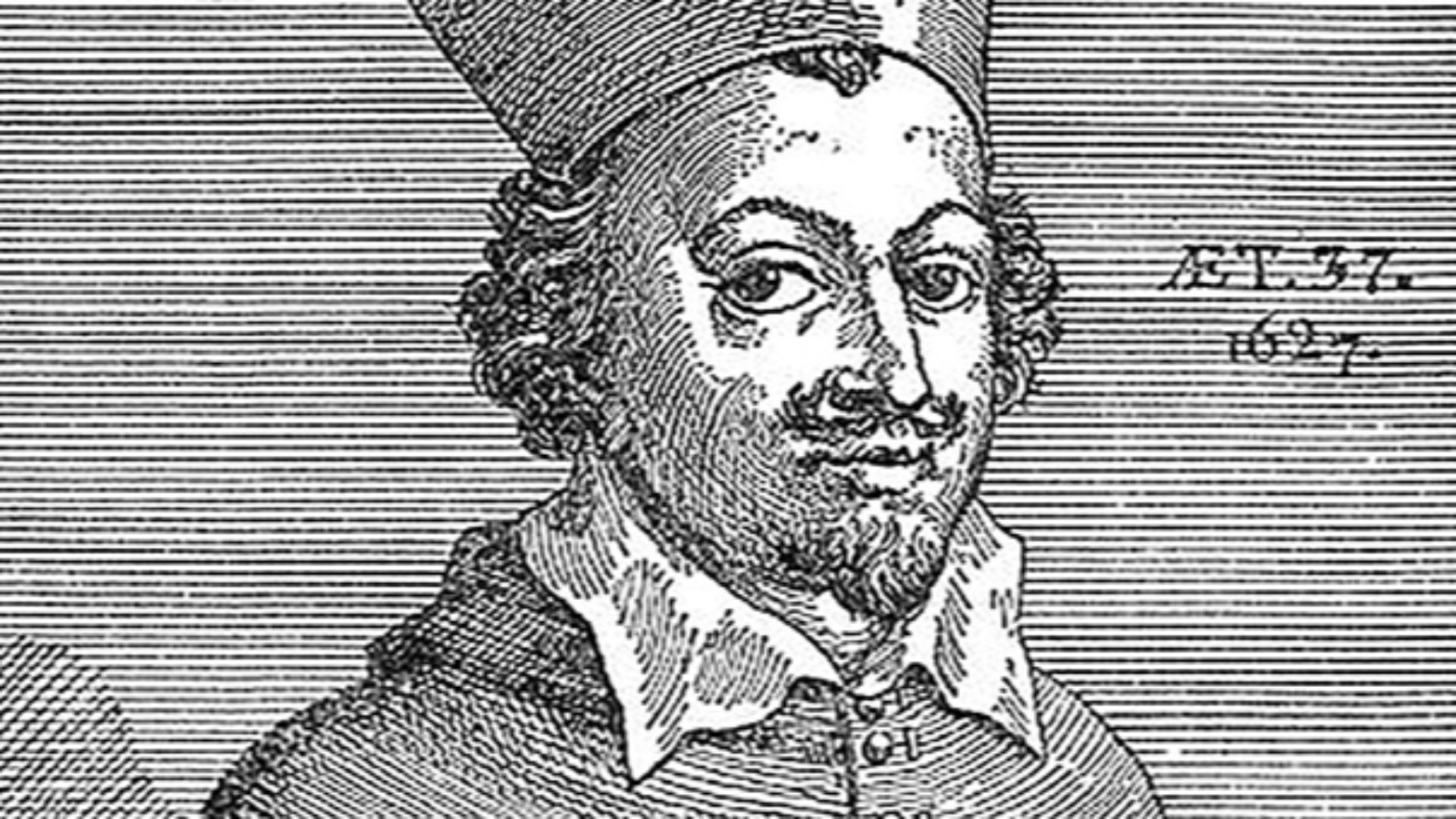
French priest Urbain Grandier found himself accused of bewitching an entire convent of nuns in the town of Loudun during the 1630s. Local rivals who resented his influence and a cardinal eager to make an example of him pushed the case forward despite a glaring lack of credible evidence. He was burned alive in 1634, and most modern accounts treat the so-called possessions as a product of social pressure and political maneuvering rather than anything supernatural.
9. Bridget Bishop
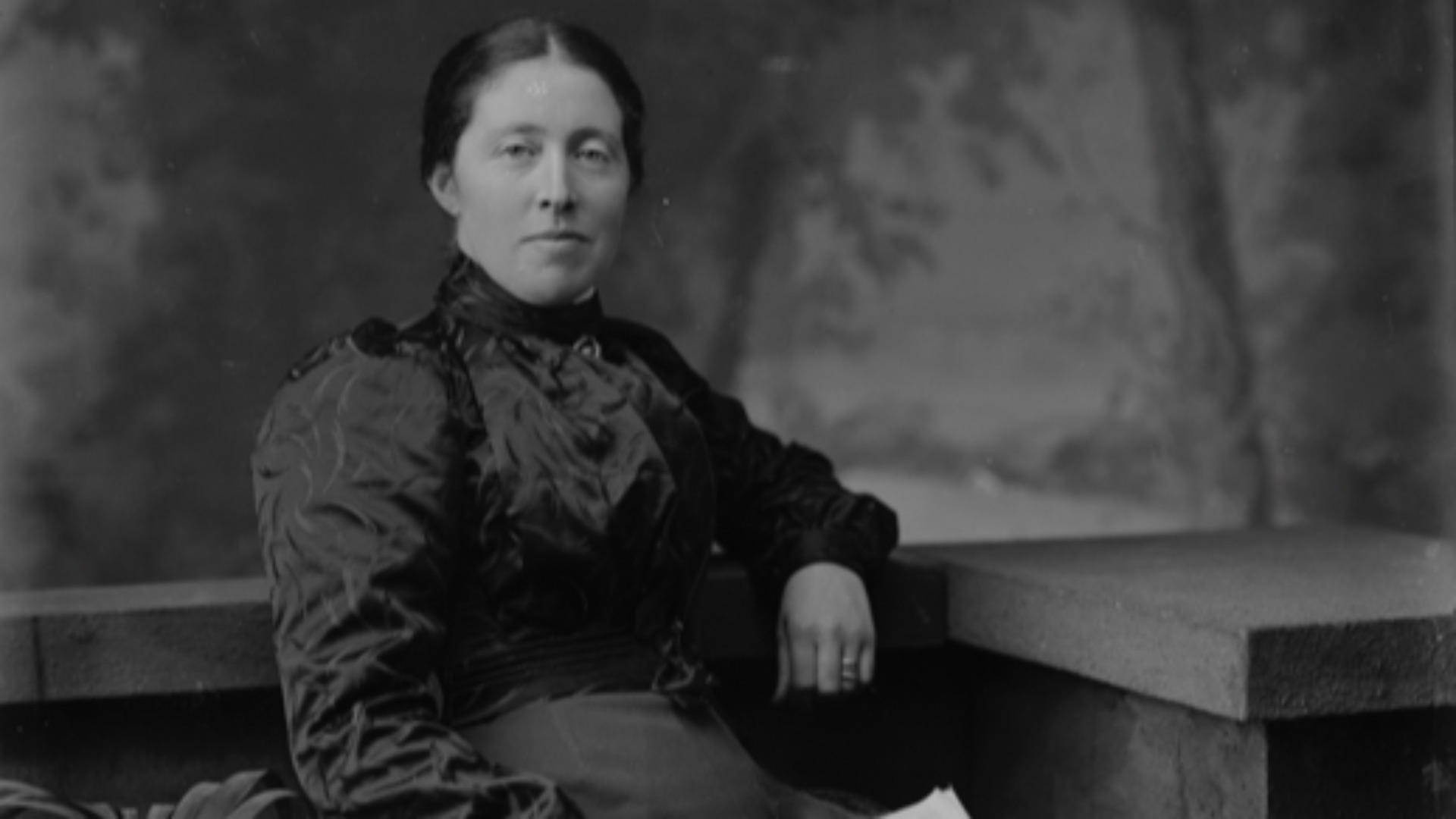
Bridget Bishop became the first person to be executed during the Salem witch trials of 1692, largely because her independent lifestyle made her an easy target for suspicion. Accusers pointed to dreams, fainting spells, and rumors rather than any tangible proof, yet the court accepted this so-called spectral evidence as grounds for a death sentence. She was hanged that June, and Massachusetts formally apologized for the entire affair centuries later, acknowledging that fear and gossip had driven the proceedings far more than facts.
 National Library of Ireland on The Commons on Wikimedia
10. Marie Antoinette
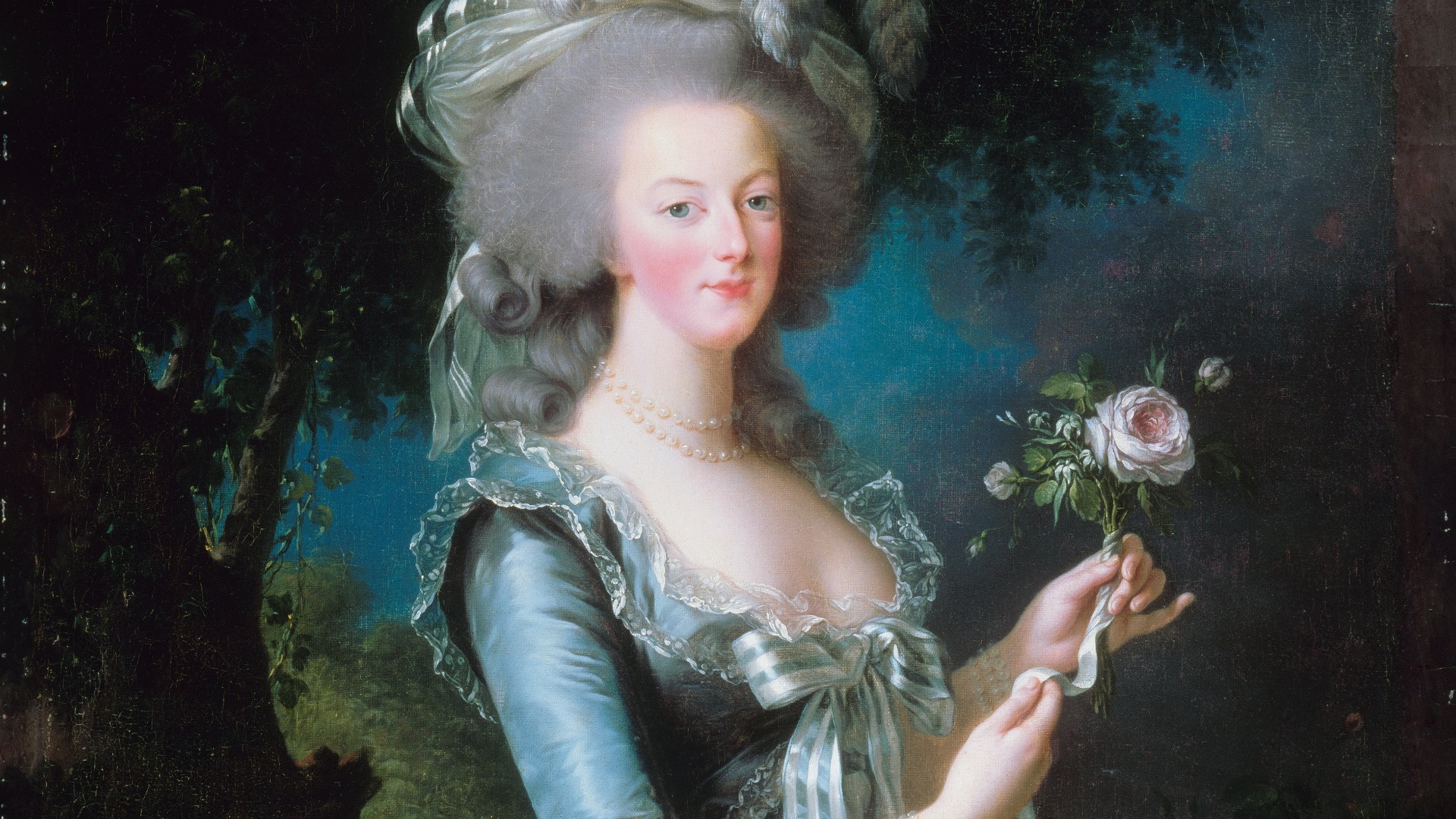
France's revolutionary tribunal put Marie Antoinette on trial in 1793 on a sweeping list of charges that included treason and, bizarrely, abuse of her own son. The proceedings lasted barely two days, and the tribunal denied her the time and resources needed to prepare any meaningful defense against accusations crafted more for public spectacle than legal accuracy. She was guillotined shortly after the verdict, and many historians now view her execution as less about justice and more about satisfying an angry public's need for someone to punish.
 Élisabeth Louise Vigée Le Brun on Wikimedia
11. William Jackson Marion
William Jackson Marion was hanged in Nebraska in 1887 for supposedly murdering his friend John Cameron. The case took an extraordinary turn four years later, when Cameron was found alive, meaning Marion had been executed for a death that had never happened. Nebraska granted Marion a posthumous pardon in 1987, exactly a century after his execution.
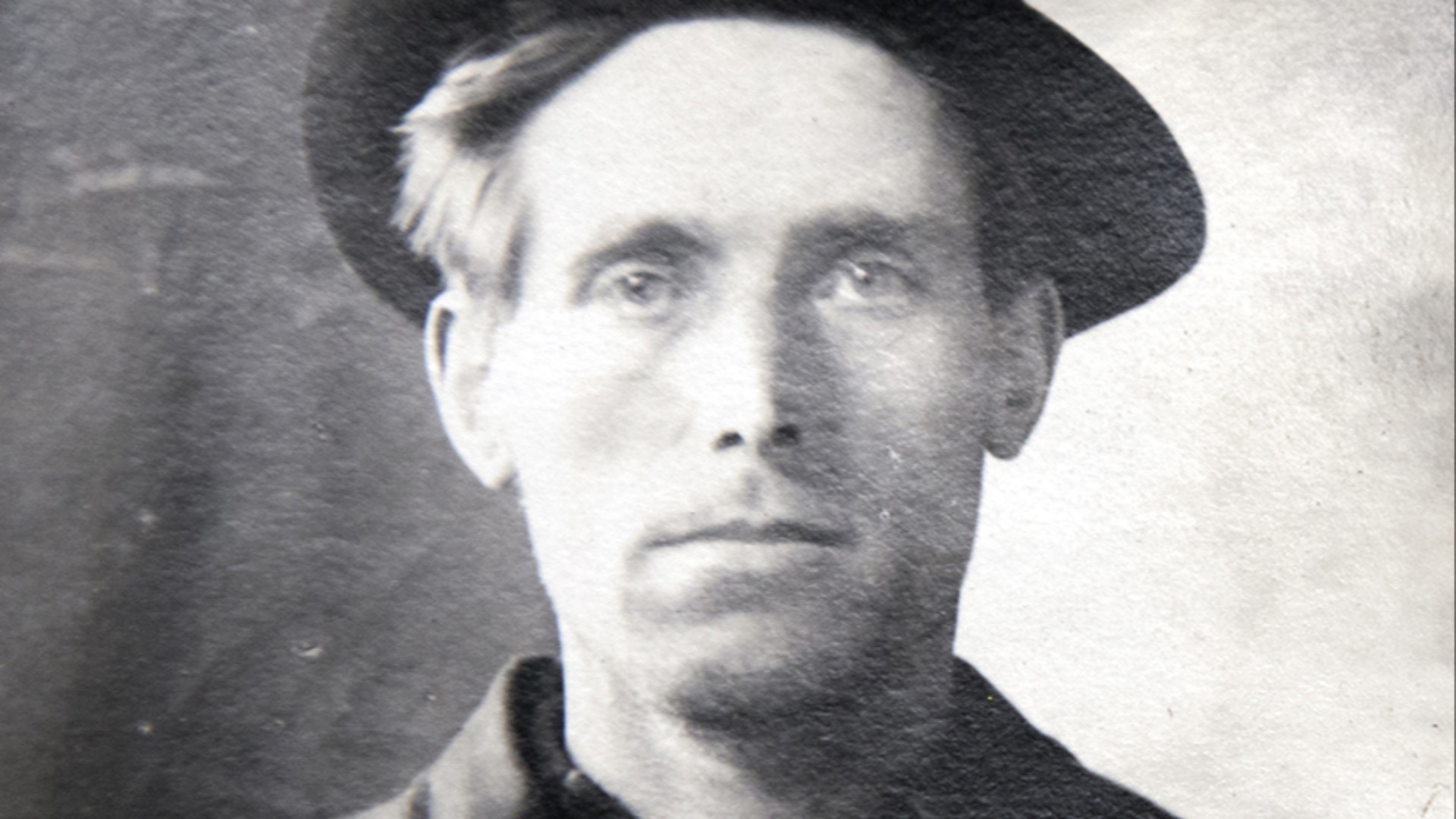
12. Joe Hill
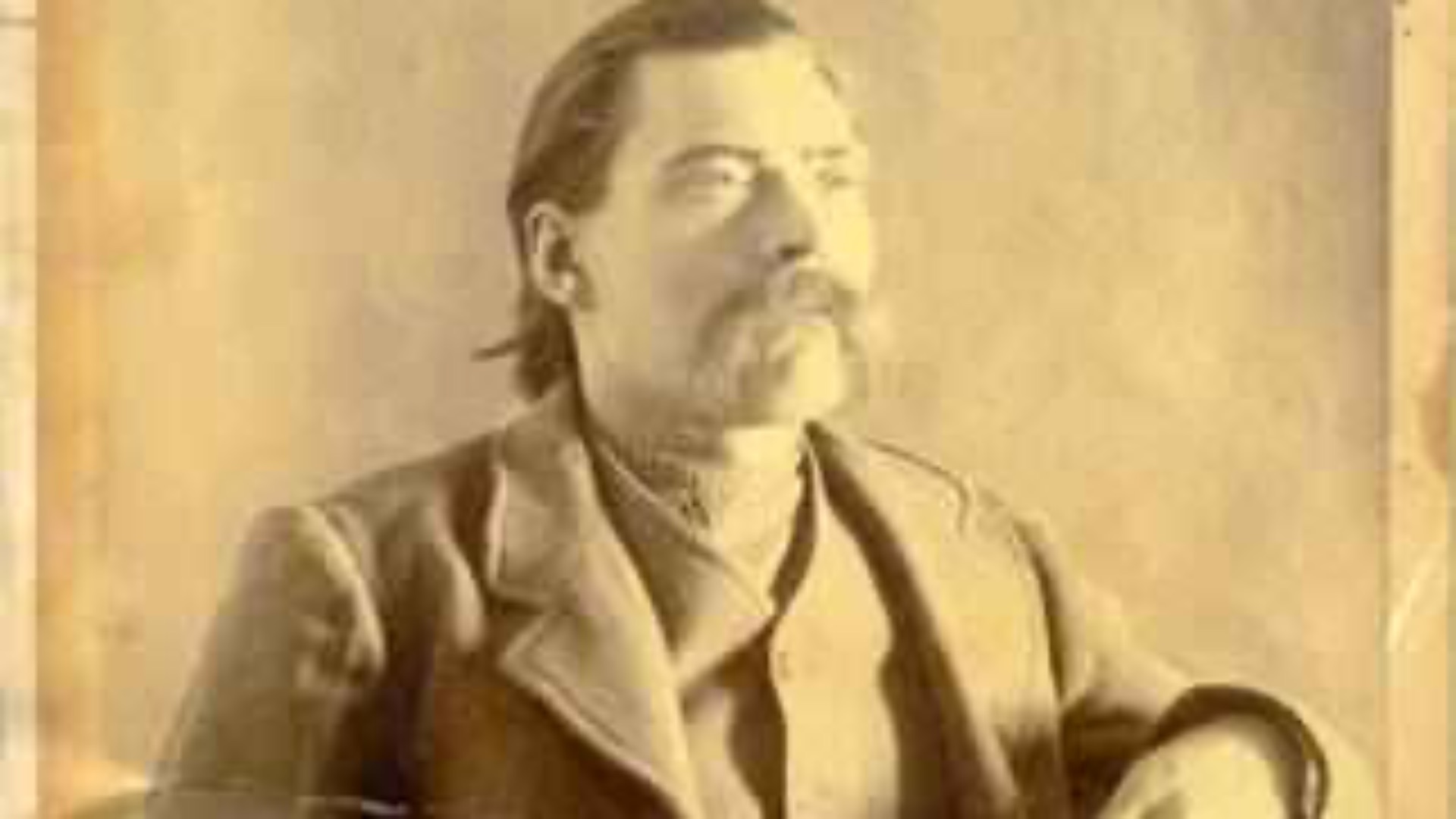
Labor organizer and songwriter Joe Hill was convicted of murder in Utah in 1914 based almost entirely on circumstantial evidence and a gunshot wound he'd received the same night, which he attributed to an unrelated dispute. Hill refused to name the person who'd actually shot him, a decision that hurt his defense but fit his broader reluctance to involve outside parties in his personal troubles. He was executed by firing squad in 1915, and supporters around the world have long argued that prosecutors viewed his prominent role in labor activism as reason enough to pursue a conviction regardless of the weak evidence.
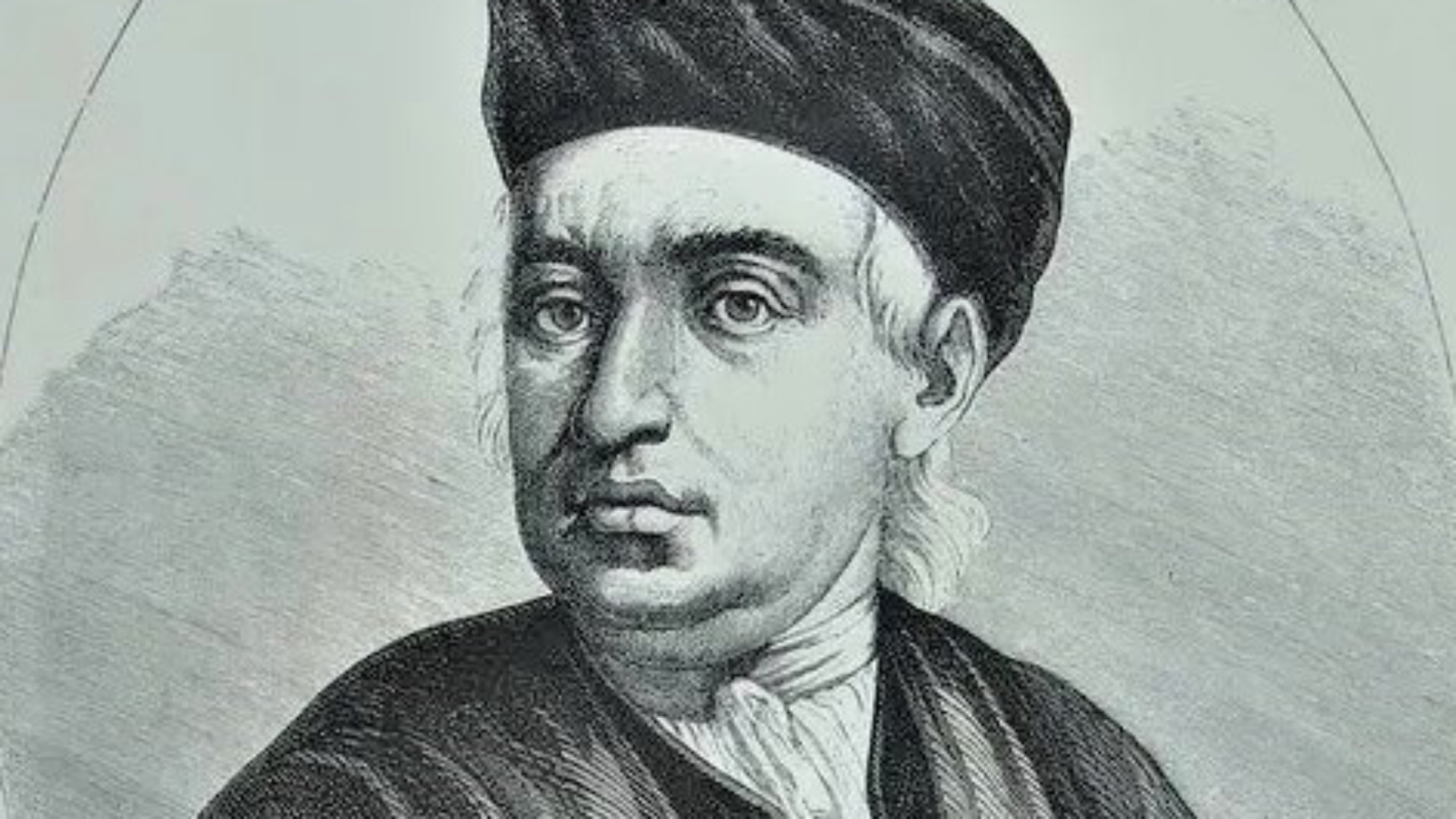
13. Jean Calas
Jean Calas, a Protestant merchant in Toulouse, was executed in 1762 after being accused of murdering his son, Marc-Antoine Calas, to prevent him from converting to Catholicism. The case was shaped by the religious hostility of 18th-century France, and Voltaire later helped turn it into a major public challenge to intolerance and judicial abuse. Calas was posthumously exonerated in 1765, and his family received compensation.
 Barbant after Boulay on Wikimedia
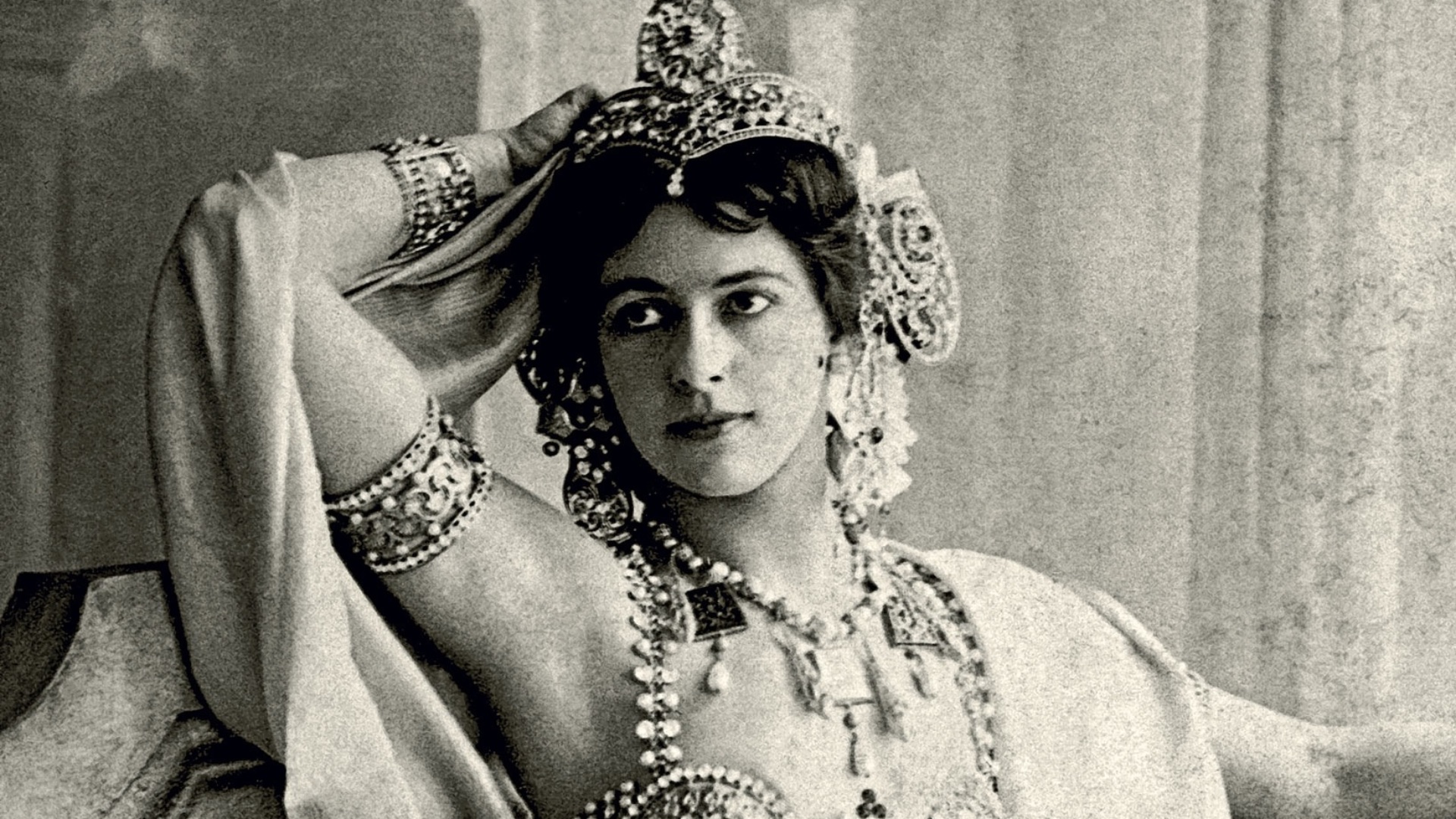
14. Mata Hari
Dutch exotic dancer Margaretha Zelle, known by her stage name Mata Hari, was arrested by French authorities in 1917 and accused of passing military secrets to Germany. Investigators built their case on circumstantial connections and her many relationships with military officers from multiple countries, rather than on any solid proof that she'd actually transmitted useful intelligence. She was executed by firing squad later that year, and modern historians increasingly believe French officials needed a dramatic conviction more than they needed an actual spy.
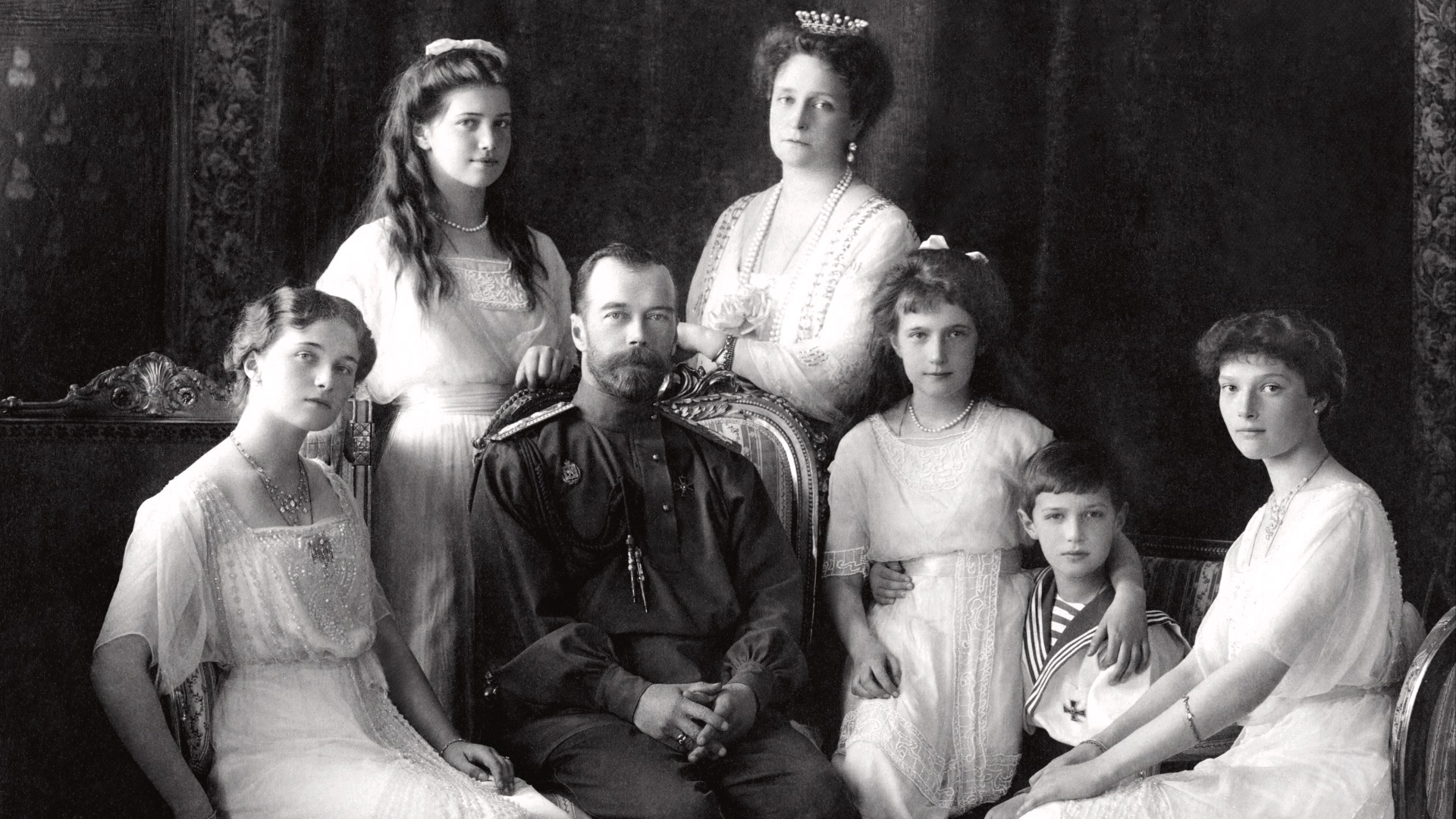
15. The Romanov Family
Russia's Bolshevik government executed former Tsar Nicholas II along with his wife and five children in the summer of 1918, ending three centuries of Romanov rule. No court ever heard formal charges against the family, and local officials made the decision to kill them based on fears that approaching anti-Bolshevik forces might rescue them. The complete absence of any legal process, let alone one involving the children, has made this case a frequently cited example of execution without even the pretense of justice.
 Boasson and Eggler St. Petersburg Nevsky 24. on Wikimedia
16. Nicola Sacco and Bartolomeo Vanzetti
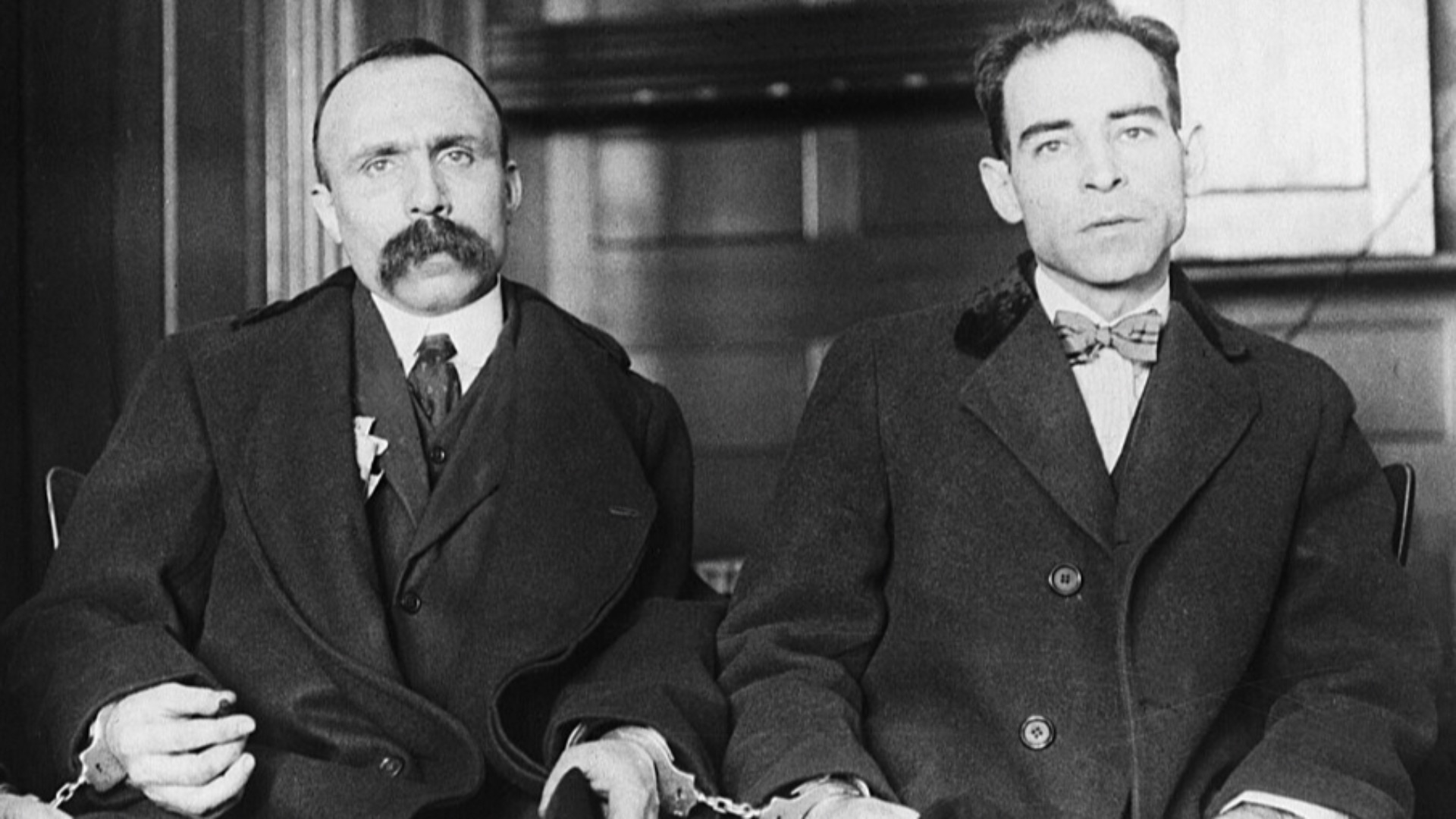
Italian immigrants Nicola Sacco and Bartolomeo Vanzetti were convicted of armed robbery and murder in Massachusetts in 1921, despite ballistics evidence and witness testimony that many legal experts considered shaky at best. Both men held anarchist political views, and prosecutors leaned heavily on that fact along with rampant anti-immigrant sentiment to paint them as inherently dangerous before the jury ever weighed the actual evidence. They were executed in 1927, and decades of subsequent investigation have left many historians convinced that prejudice against their nationality and politics outweighed the strength of the case against them.
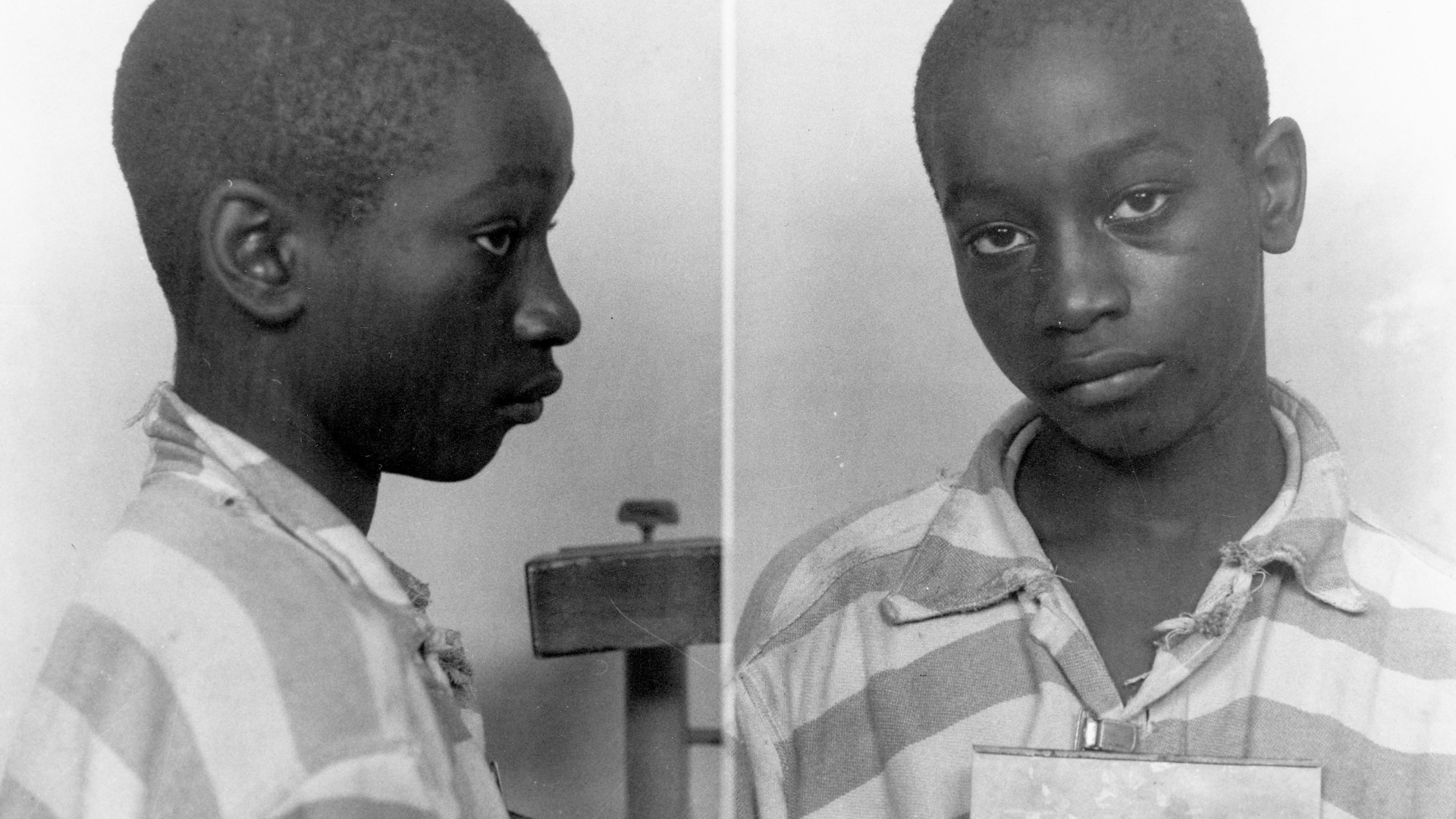
17. George Stinney Jr.
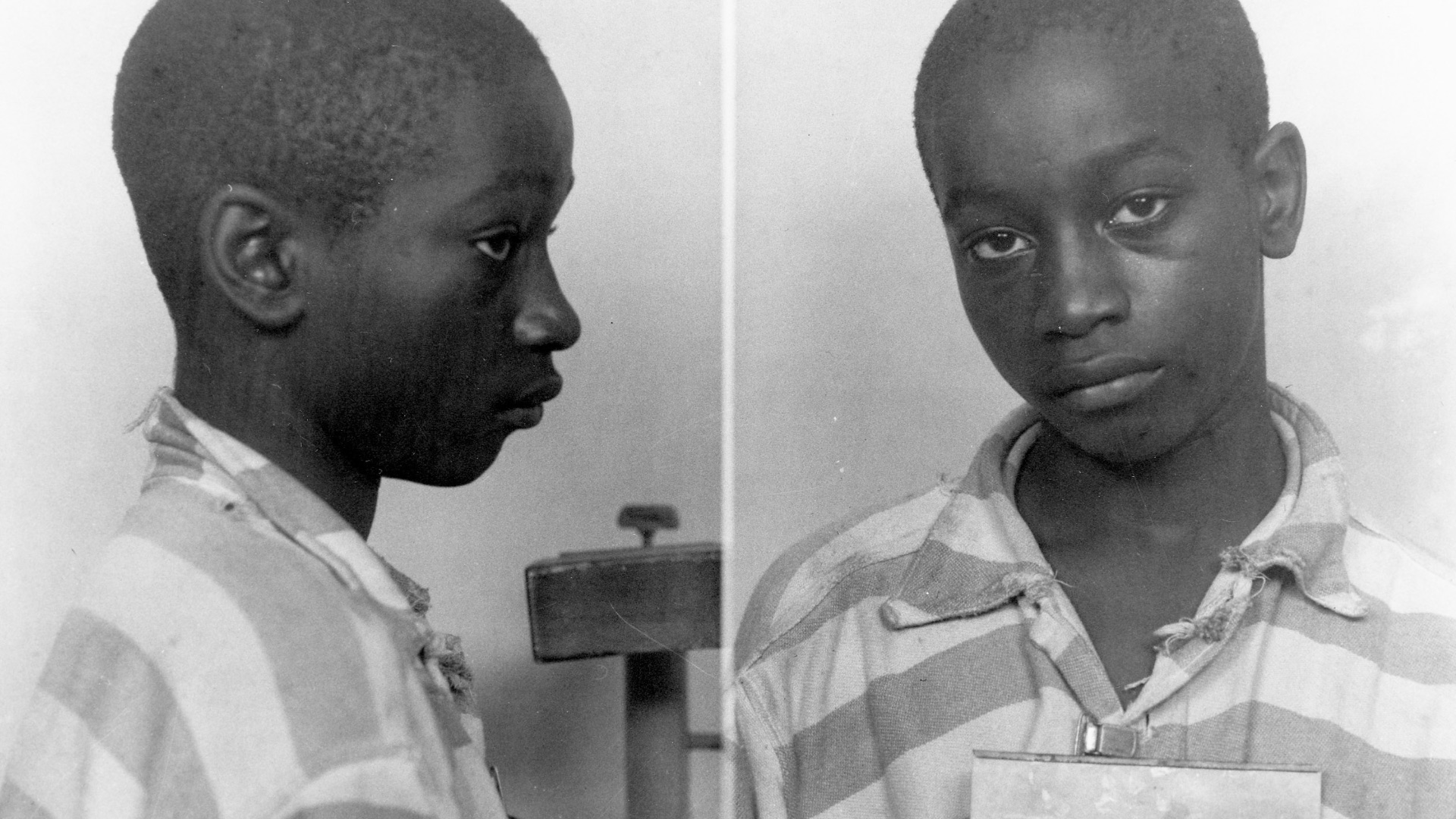
South Carolina executed fourteen-year-old George Stinney Jr. in 1944 for the murder of two young girls, making him the youngest person put to death in the United States during the twentieth century. His trial lasted less than a day, his court-appointed lawyer called no witnesses on his behalf, and investigators obtained his confession without a parent or attorney present to protect his interests. A judge formally vacated his conviction decades later after reviewing the case, concluding that the original proceedings had violated his basic right to a fair defense.
 State of South Carolina on Wikimedia
18. Timothy Evans
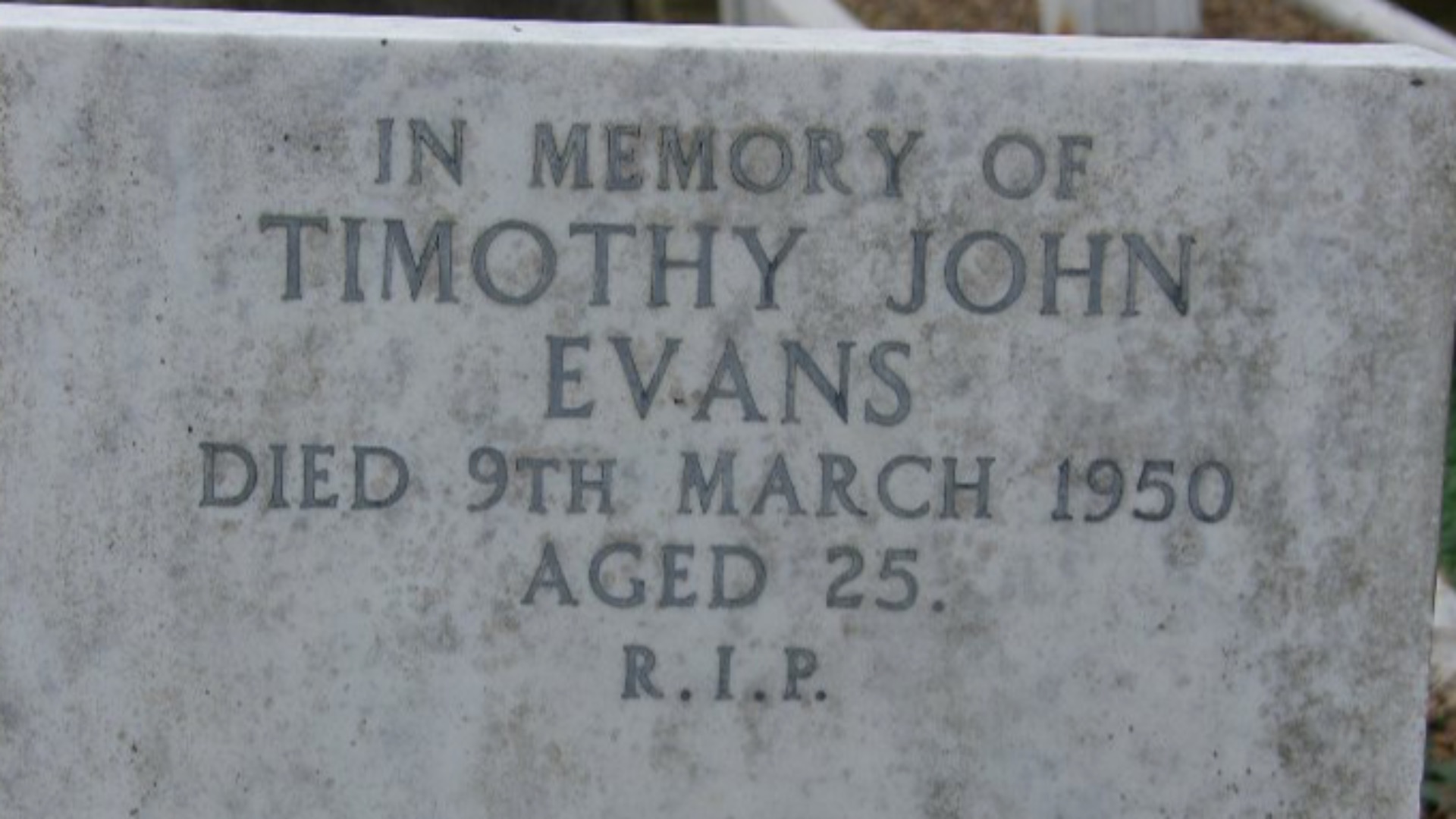
London resident Timothy Evans was wrongfully accused and executed in 1950 for murdering his wife and infant daughter, a crime he insisted throughout his trial that he didn't commit. Years later, investigators discovered that his downstairs neighbor, John Christie, had murdered multiple women in the same building, including, almost certainly, Evans's own family members. The British government granted Evans a pardon after his death once Christie's confessions came to light, acknowledging that an innocent man had paid the ultimate price for someone else's actions.
19. Derek Bentley
Nineteen-year-old Derek Bentley was hanged in England in 1953 for the murder of a police officer, even though his teenage companion fired the actual fatal shot. Bentley's alleged instruction ("Let him have it!") to his friend became central to the case against him, despite considerable doubt about what he actually said and what he could reasonably have anticipated would happen next. The British government issued a posthumous pardon in 1993 and his murder conviction was quashed by the Court of Appeal in 1998, formally acknowledging that the original judge had pushed the jury toward a guilty verdict that the evidence didn't fully support.
20. Cameron Todd Willingham
Texas executed Cameron Todd Willingham in 2004 for setting a fire that killed his three young daughters, based largely on arson investigation techniques that fire scientists now consider deeply unreliable. Independent experts who reviewed the case after his execution concluded that several of the key indicators investigators relied on, like specific burn patterns, simply don't prove arson the way investigators once believed. His case has since become one of the most frequently cited examples in debates over capital punishment and the dangers of relying on forensic methods that haven't been properly tested.

KEEP ON READING

20 Weirdest Historical Objects in Museums
Check Out the Pickled Heart of a Saint. Museums carry…
By Rob Shapiro Oct 1, 2025
20 Scariest Missing Persons Cases in History
Eerie Disappearances. There's something uniquely unsettling about a person who…
By Christy Chan May 1, 2026
20 Greatest Ancient Athletes In History
Ancient Olympics. Long before modern stadiums and multimillion-dollar endorsements, athletes…
By Sara Springsteen May 1, 2026
10 Phenomenal Mythical Creatures & 10 That Are Just Plain…
Legends Both Majestic And Peculiar. Do you ever wonder why…
By Chase Wexler Oct 1, 2025
10 Presidents Who Never Served In The Military & 10…
Commanders And Civilians In Office. Power can rise from very…
By David Davidovic Sep 1, 2025
20 Wars That Could Have Ended Much Sooner Than They…
Wars That Lasted Far Too Long. Wars are often remembered…
By David Davidovic Sep 1, 2025