


Centuries of Practical Solutions
The modern house didn’t come about through a single architectural breakthrough; rather, it evolved gradually as builders discovered better ways to manage smoke, water, cold, heat, light, waste, and the many small annoyances that complicate daily life. Some upgrades transformed the appearance of homes from the street, while others remained hidden behind walls, under floors, or inside ceilings. This complexity is part of what makes the story so fascinating: the most ordinary features of a house often stem from long, messy, and deeply human problem-solving. Here are 20 major architectural innovations that transformed basic shelters into the homes we recognize today.
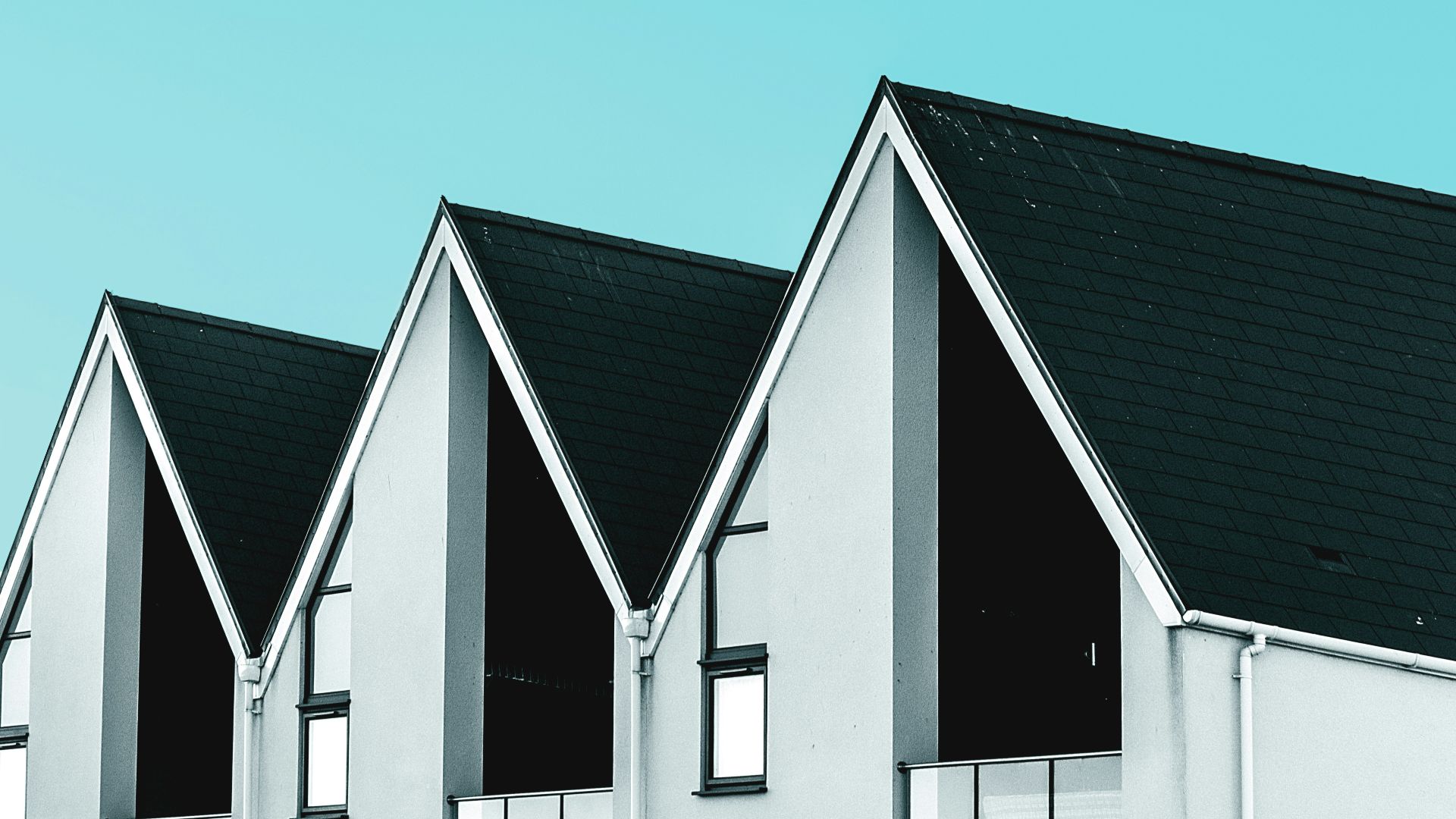
1. Chimneys
The chimney improved homes by making them cleaner, safer, and more comfortable, providing a clear path for smoke to exit the living space. Earlier homes often had a central hearth that supplied warmth and a cooking fire, but could leave interiors smoky and sooty. With better smoke management, rooms became easier to use, divide, and inhabit.

2. Stronger Roofing
A reliable roof is a fundamental aspect of modern comfort. The transition from more vulnerable materials to sturdier options like tile, slate, metal, and later manufactured shingles helped homes resist rain, wind, snow, rot, and fire. Improved roofing protected everything underneath it, from stored food to furniture to the people trying to sleep through a storm.

3. Glass Windows
Glass windows significantly enhanced the ambiance of homes. Earlier openings had to balance light, warmth, privacy, and weather protection, often resulting in darker and more enclosed interiors. As glass became more practical and widely used, homes could let in daylight while keeping out harsh weather.
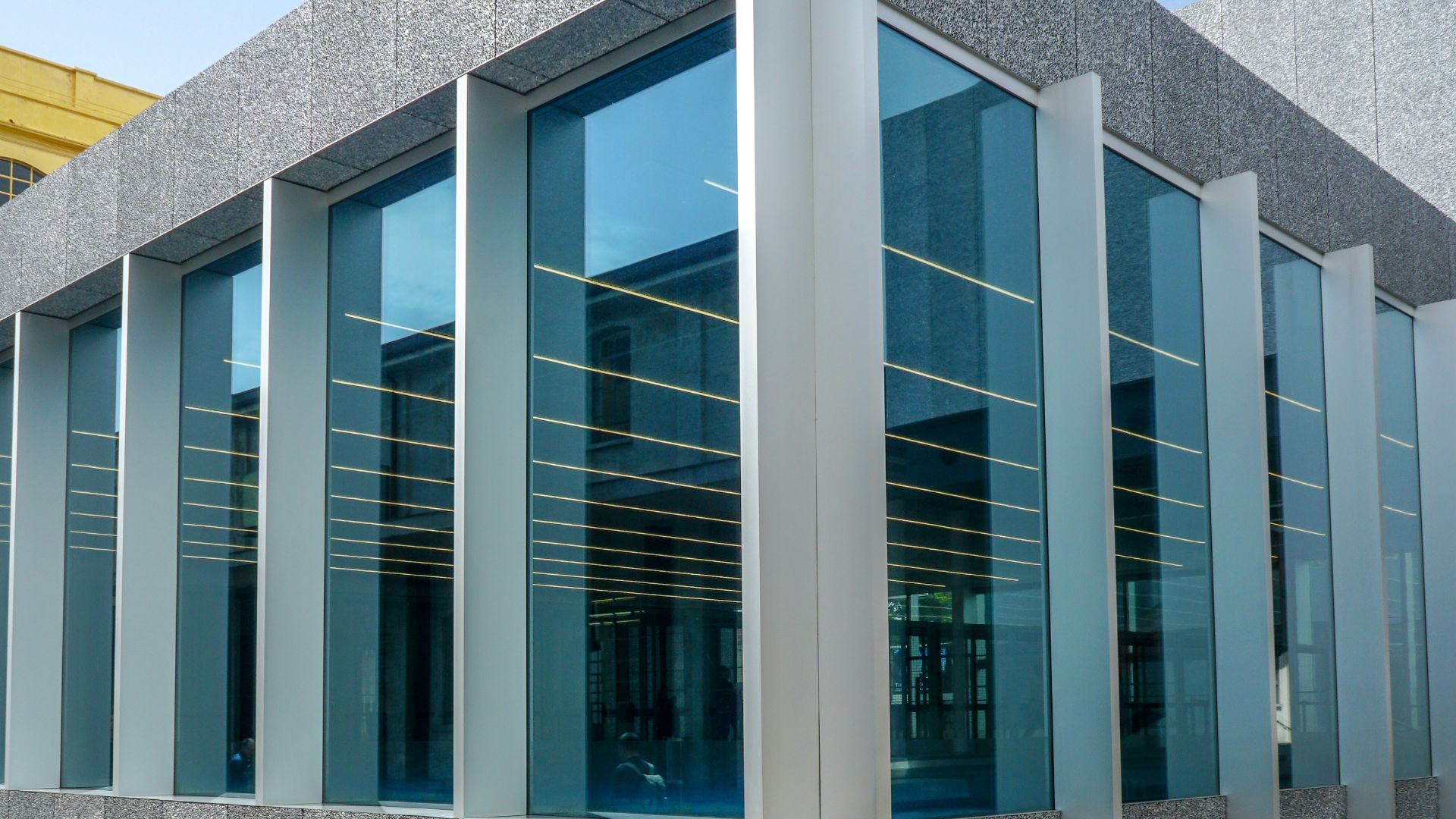
4. Standardized Lumber
Standardized lumber streamlined the house-building process, making it faster and more predictable. Rather than relying solely on large timbers and specialized joinery, builders could work with smaller pieces cut to regular sizes. This shift led to the familiar framed walls, floors, and roofs that shape many modern homes.
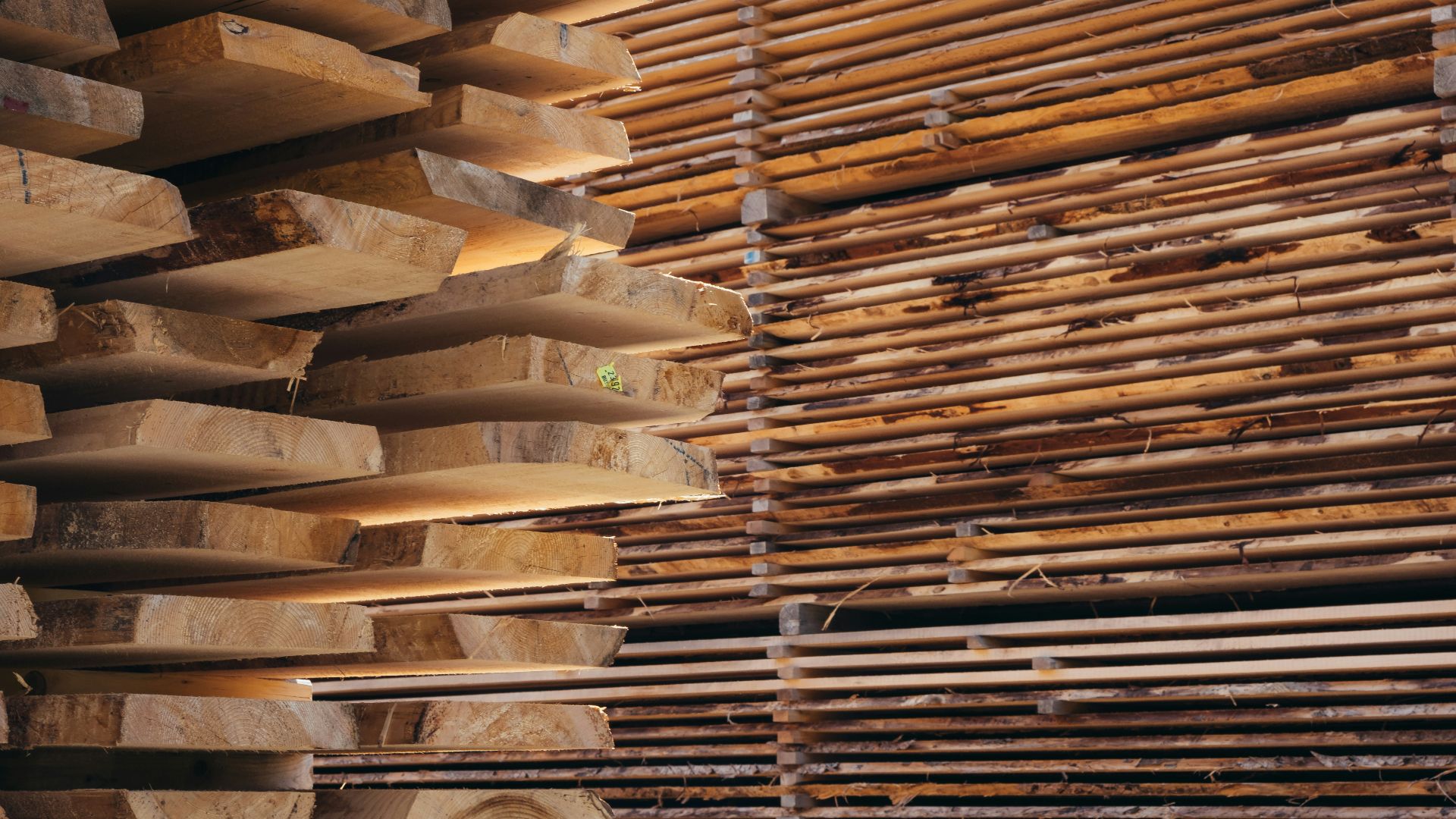 Patrick Robert Doyle on Unsplash
5. Light-Frame Construction
Light-frame construction enabled faster home construction on a larger scale. With smaller wood members and mass-produced nails, builders could erect houses faster and with less specialized labor than older timber systems required. This method helped populate growing towns, neighborhoods, and eventually suburbs with practical, repeatable homes.
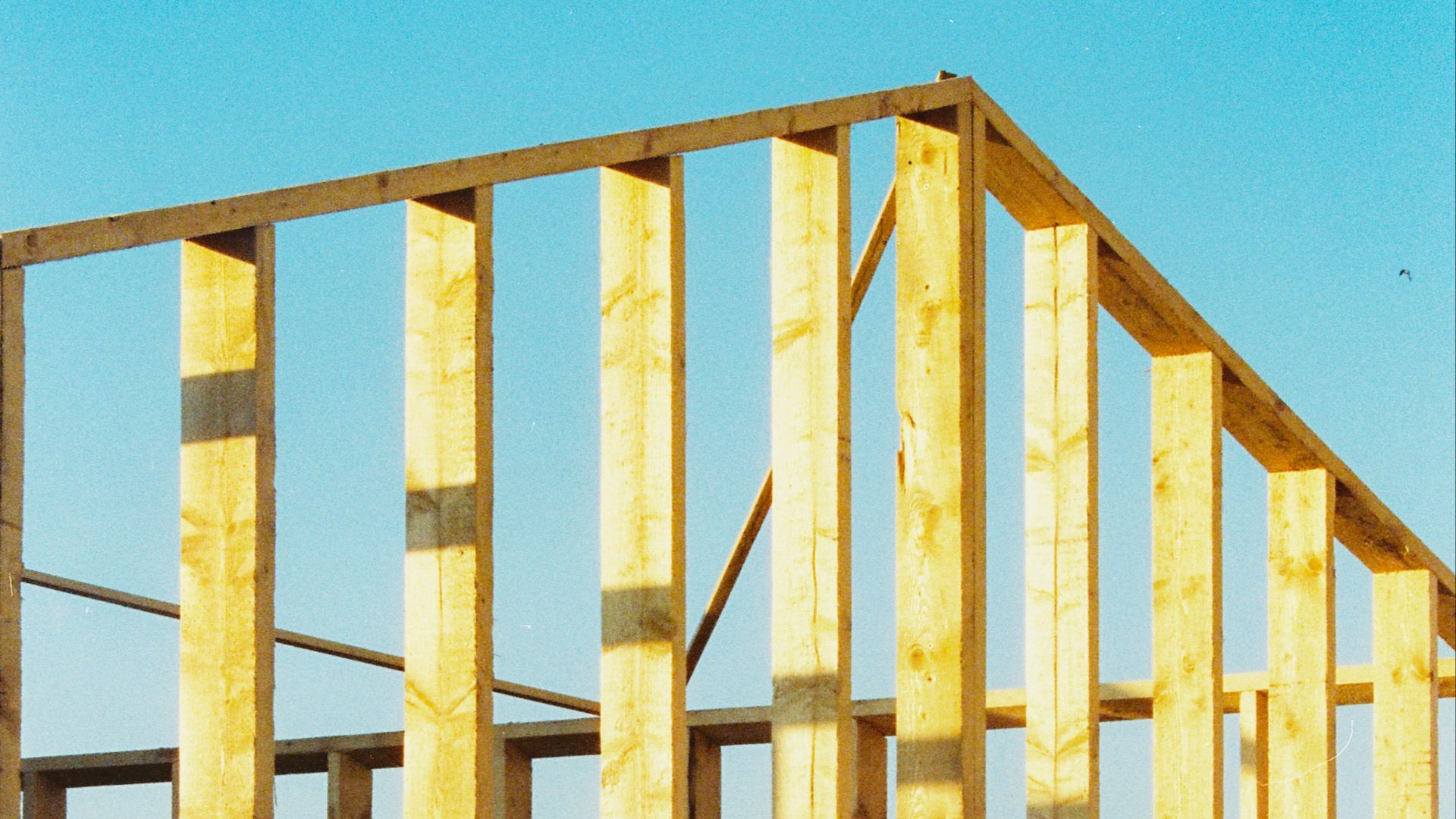 Barthelemy de Mazenod on Unsplash
6. Concrete Foundations
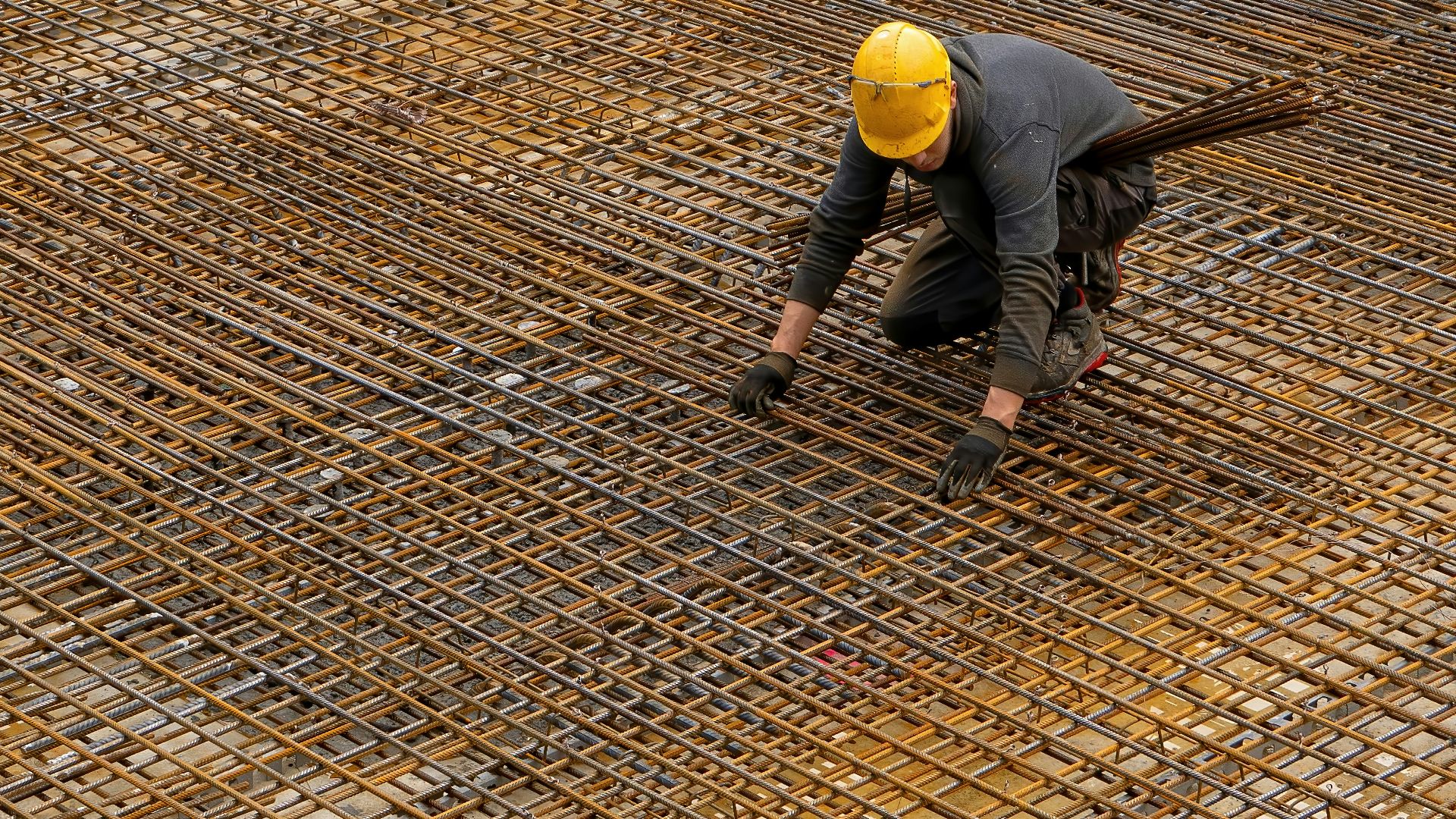
Concrete provided a sturdier base for houses and lent a sense of permanence to construction. Its use in foundations, slabs, basement walls, steps, and porches effectively managed loads, moisture, and ground movement. Reinforced concrete later expanded builders’ capabilities regarding strength, durability, and design.
 Ricardo Gomez Angel on Unsplash
7. Asphalt Shingles
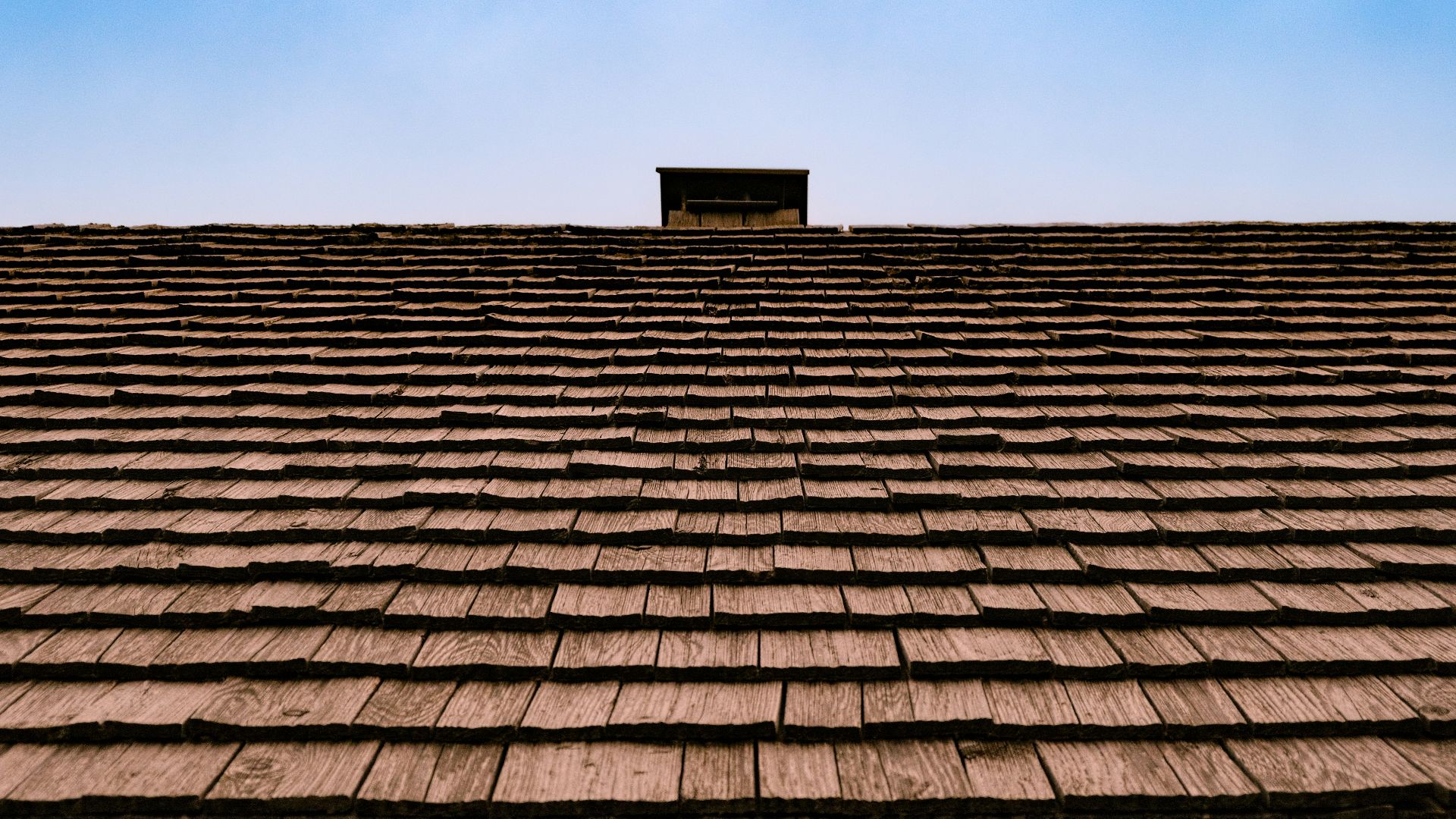
Asphalt shingles made roofing more affordable and easier to reproduce across numerous homes. Emerging from earlier composition roofing, they became popular due to their ease of shipping, installation, and manufacturing in standard sizes. Their significance lies not in aesthetics but in providing a practical, accessible roofing solution for everyday houses.
8. Municipal Water Systems
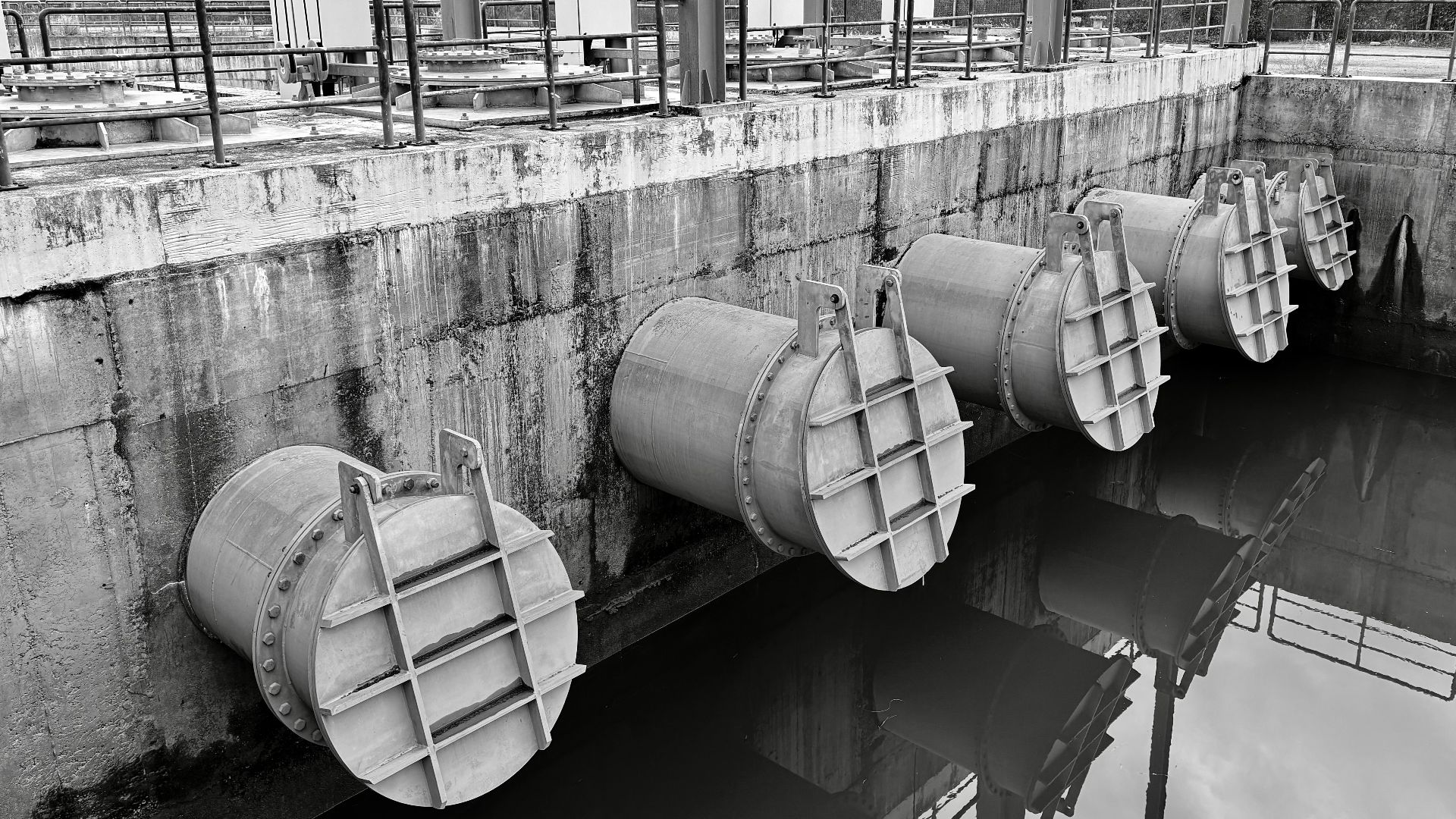
Indoor water supply relied on systems extending beyond the house itself. As communities developed more reliable water supply, storage, treatment, and distribution systems, homes became less dependent on wells, pumps, buckets, and nearby streams. This larger public upgrade made modern kitchens, bathrooms, laundry rooms, and heating systems much more feasible.
9. Indoor Plumbing
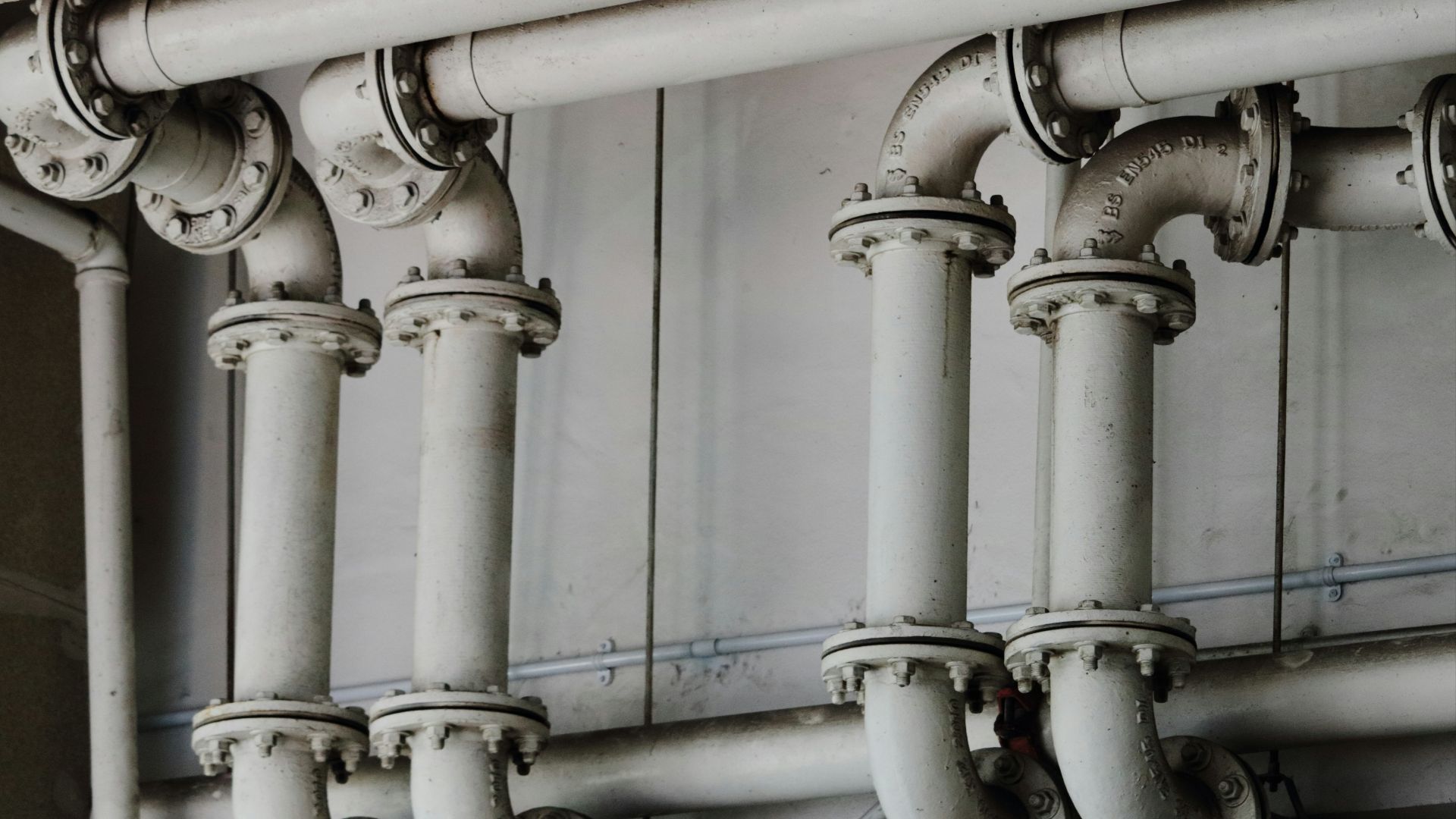
Indoor plumbing brought water directly into the home’s floor plan. Sinks, tubs, drains, vents, supply lines, and waste pipes became integral to the home’s hidden infrastructure. This advancement altered room layouts, as kitchens, bathrooms, and laundry spaces now needed to accommodate water and drainage systems.
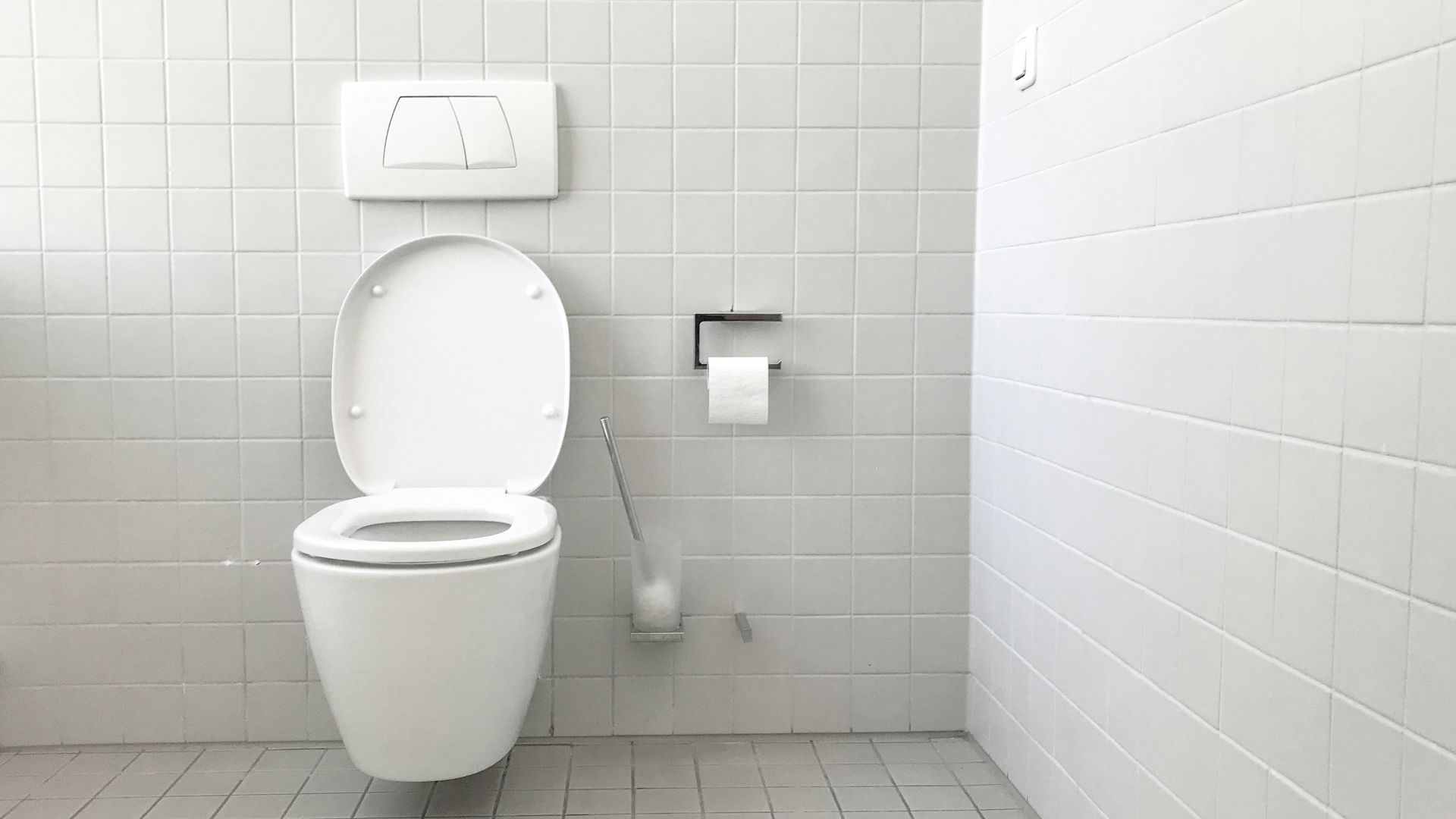
10. Flush Toilets
The introduction of the flush toilet improved sanitation by providing a more private and managed indoor waste disposal system. Before flush toilets became common, people relied on outdoor privies, chamber pots, and other less pleasant household routines. With the incorporation of toilets into residential plumbing, hygiene and privacy became central considerations in home design.
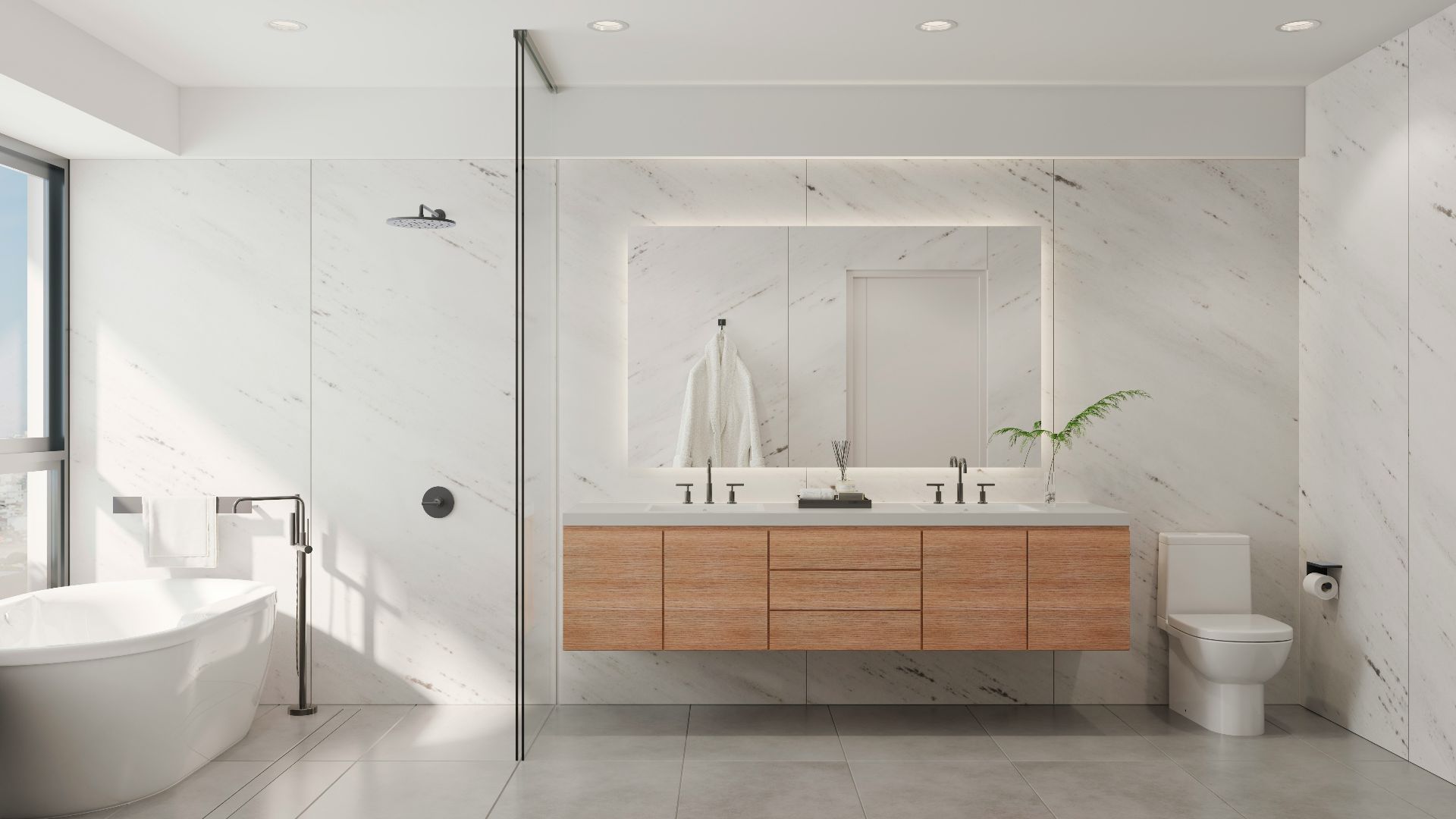
11. Dedicated Bathrooms
The dedicated bathroom consolidated washing, bathing, grooming, and toilet use into one purpose-built space. This feature wasn’t always a standard part of home life, but its emergence reflected changing views on cleanliness and personal privacy. It also reshaped home layouts, as residences now required wet rooms with proper ventilation, durable surfaces, and easy access from bedrooms and hallways.
12. Electric Wiring
Electric wiring transformed what people could do in their homes after dark. It enabled cleaner, more flexible lighting and eventually supported the appliances that are now essential to daily life. Once switches, outlets, fixtures, and wires were integrated into the walls, homes were ready for refrigerators, radios, televisions, computers, and chargers.
 Frames For Your Heart on Unsplash
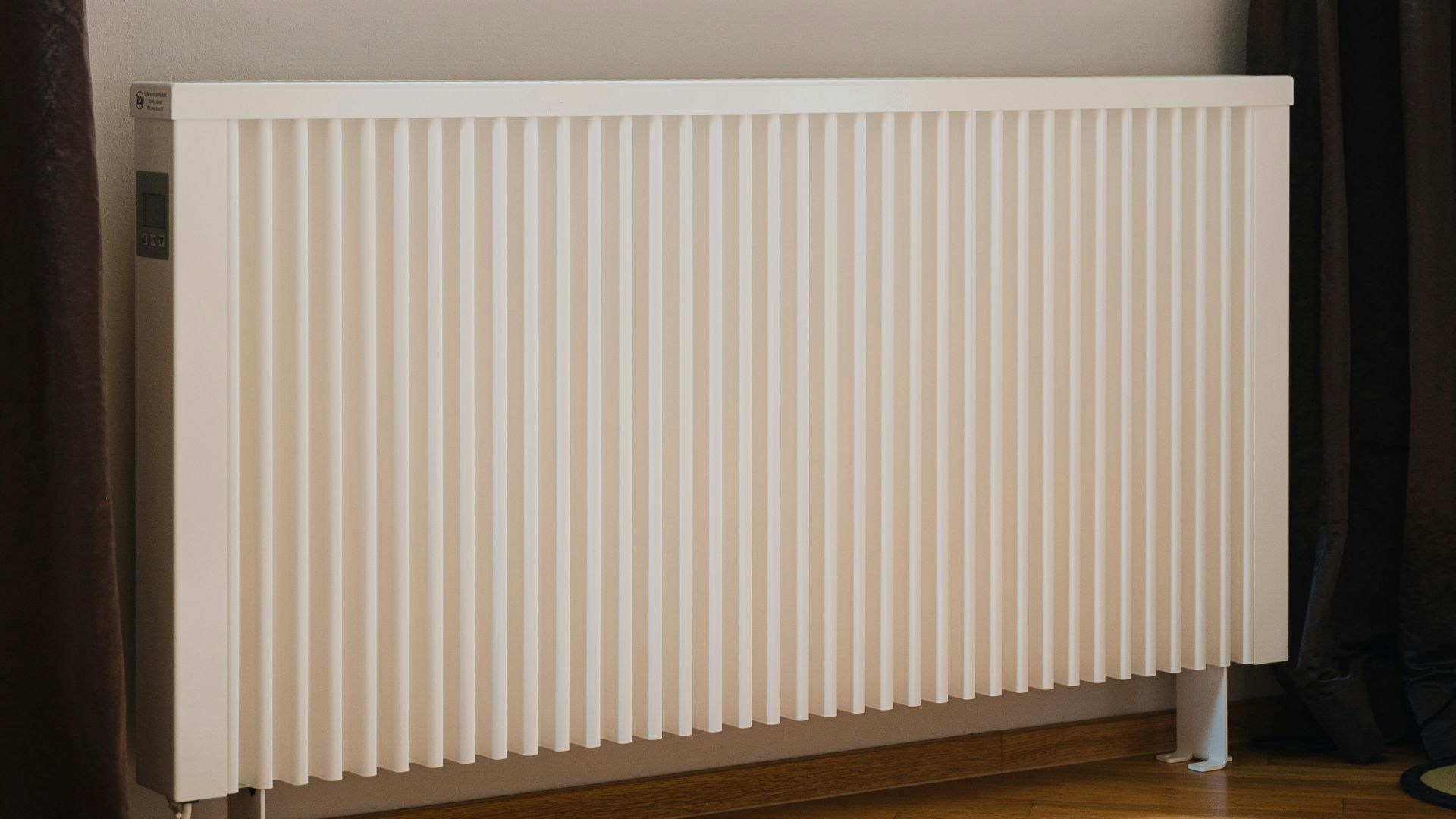
13. Central Heating
Central heating made residences more comfortable and usable overall. Earlier homes often had one warm room surrounded by several chillier areas, especially if comfort relied on fireplaces or stoves. By distributing heat through ducts, pipes, vents, or radiators, central heating made bedrooms, hallways, and shared spaces consistently livable.
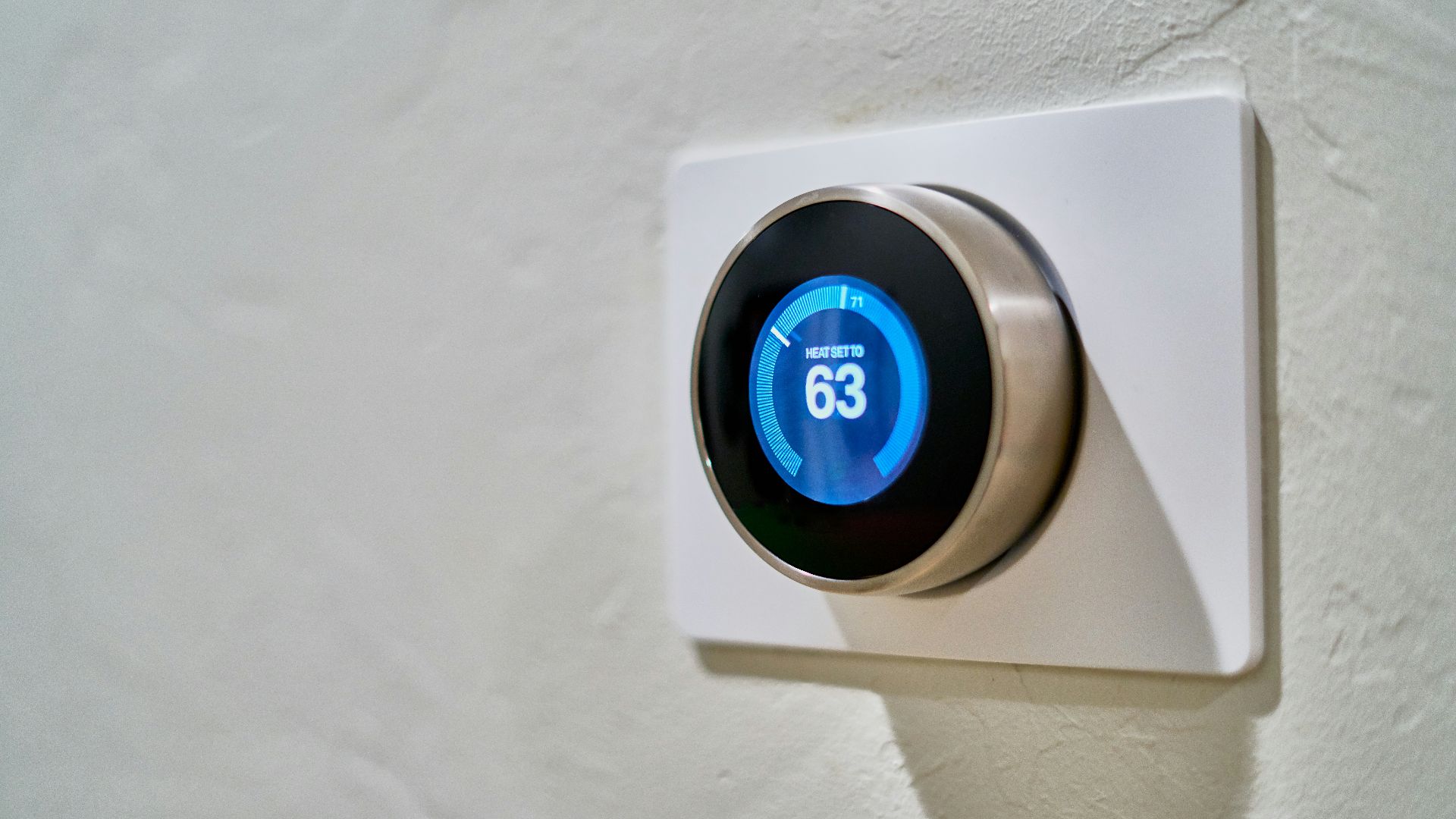
14. Air Conditioning
Air conditioning changed both home design and where people were willing to live comfortably. Before the advent of mechanical cooling, builders depended heavily on porches, shade, cross-ventilation, high ceilings, shutters, and strategic window placement. Cooling systems made it easier to manage hot and humid interiors, but they also increased the modern home’s reliance on machinery and energy.
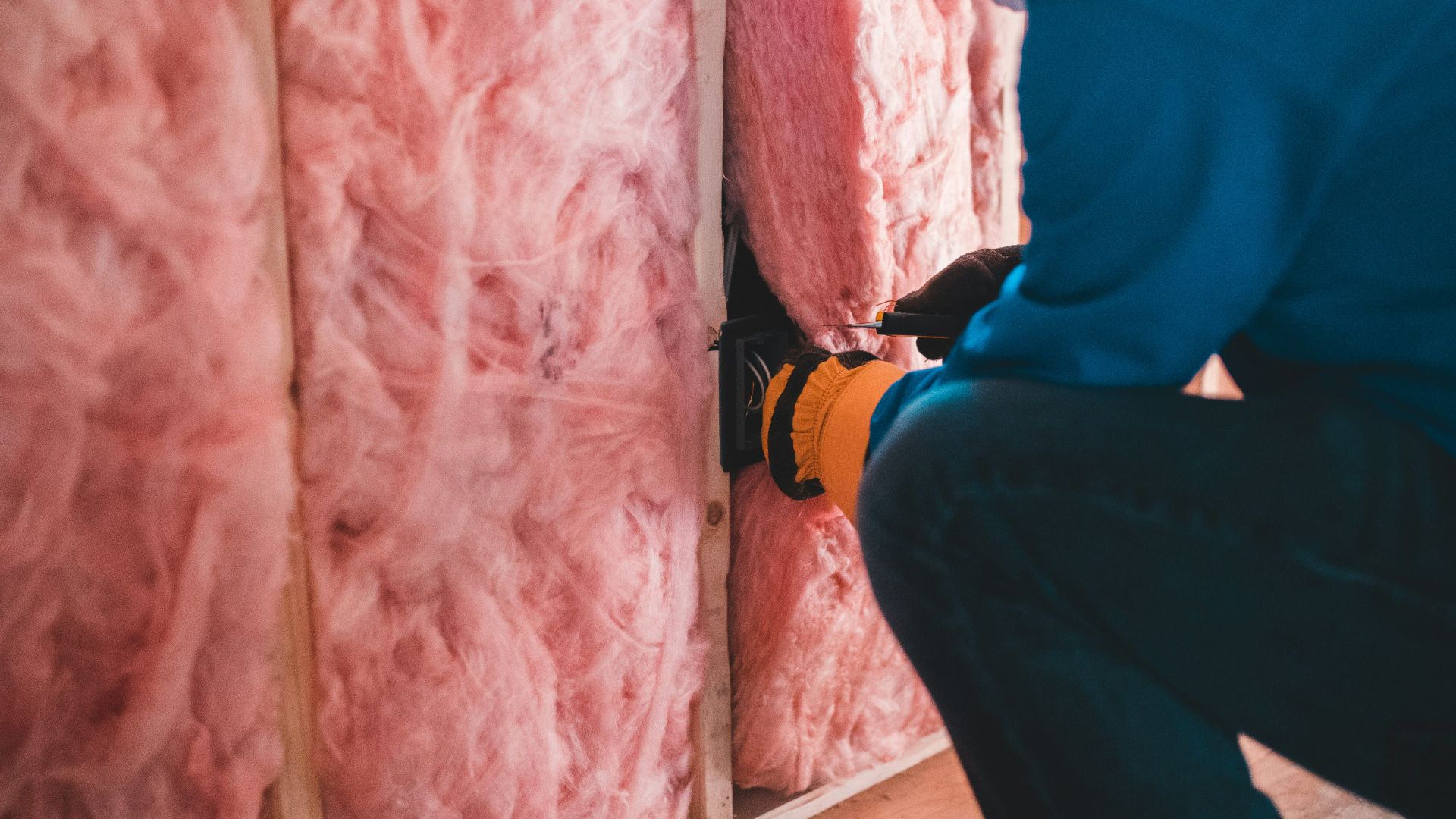
15. Insulation
Insulation helped transform houses into controlled indoor environments rather than merely shelters from the weather. Improved materials, air sealing, caulking, and weatherstripping reduced heat loss in winter and heat gain in summer. The result was a home that could remain more comfortable with less reliance on open windows, heavy blankets, or roaring fires.
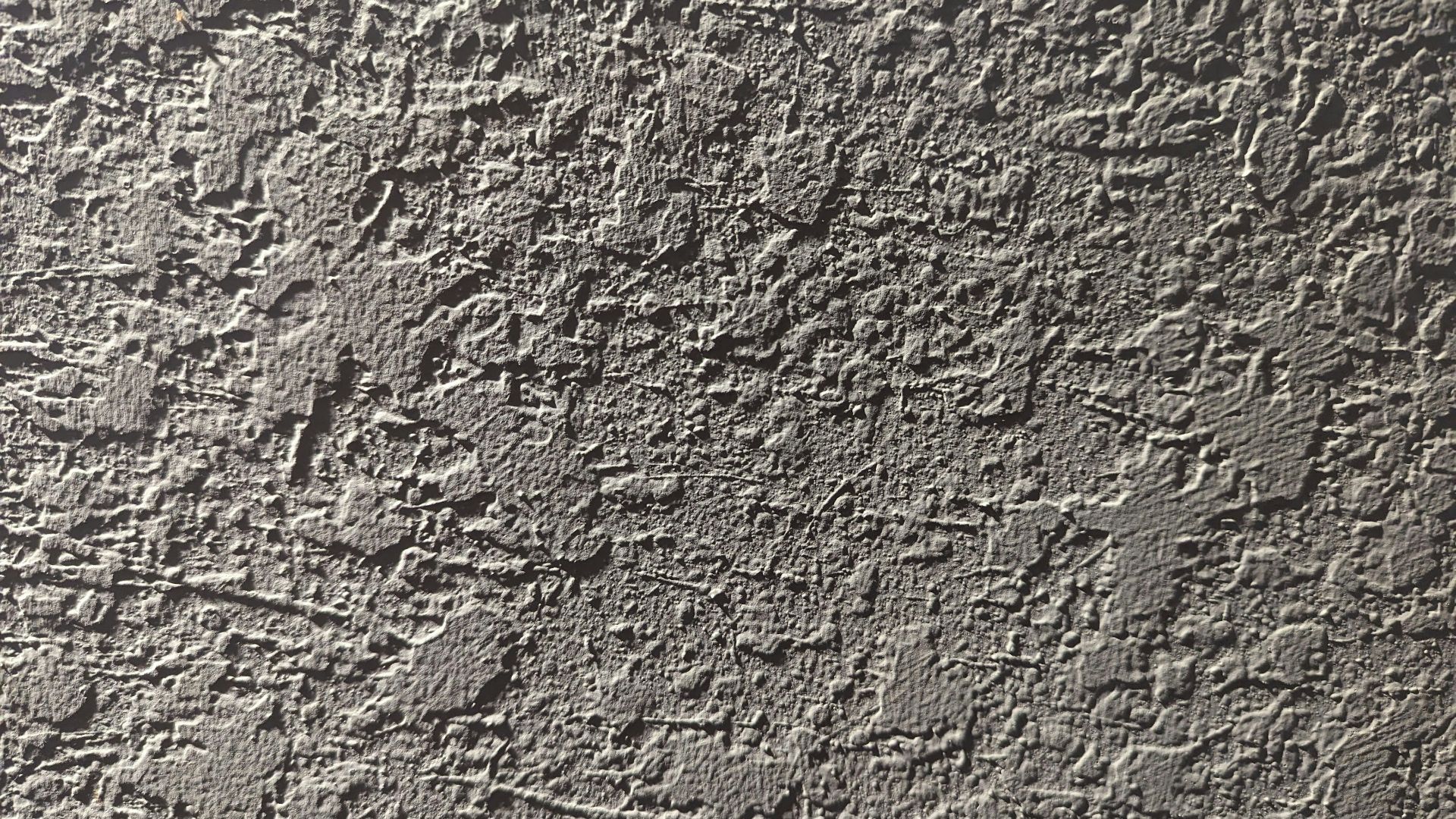
16. Drywall
Drywall revolutionized the construction of interior walls by making them faster to build and easier to standardize. Traditional plaster required significant time, skill, and drying time between coats, whereas sheet materials could be installed and finished much more quickly. This efficiency contributed to the smooth, plain walls that have become standard in modern interiors.
17. Float Glass
Float glass made large, clear, flat window panes more practical. With the ability to produce glass more consistently, homes were no longer limited to small panes and heavy divisions. This innovation facilitated the inclusion of picture windows, sliding glass doors, bright living rooms, and improved backyard views in modern home designs.

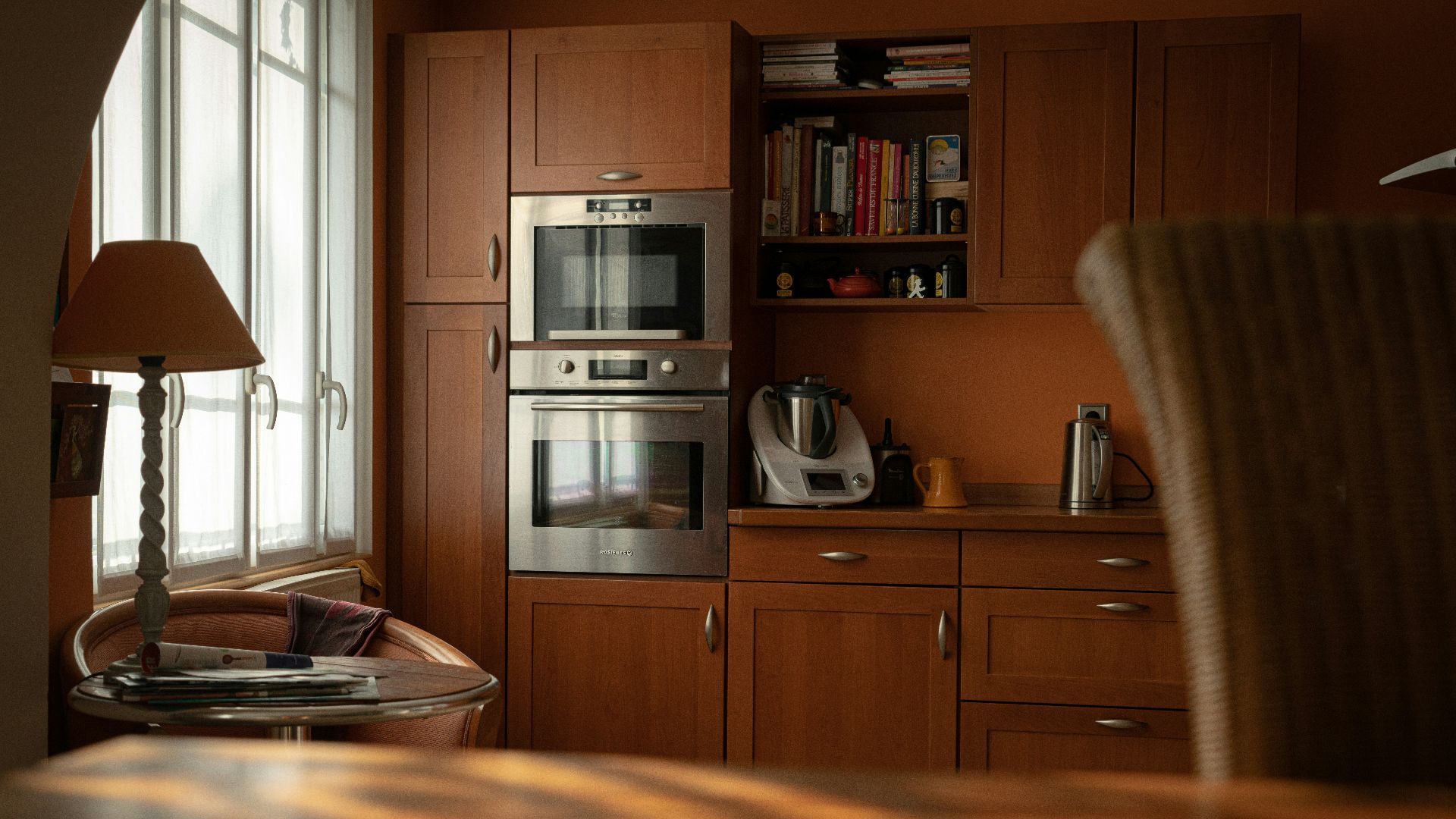
18. Fitted Kitchens
The fitted kitchen transformed cooking into a streamlined workflow. Cabinets, counters, sinks, stoves, and storage began to work cohesively instead of being scattered as separate pieces around the room.
 Maxime Pachot-Prunier on Unsplash
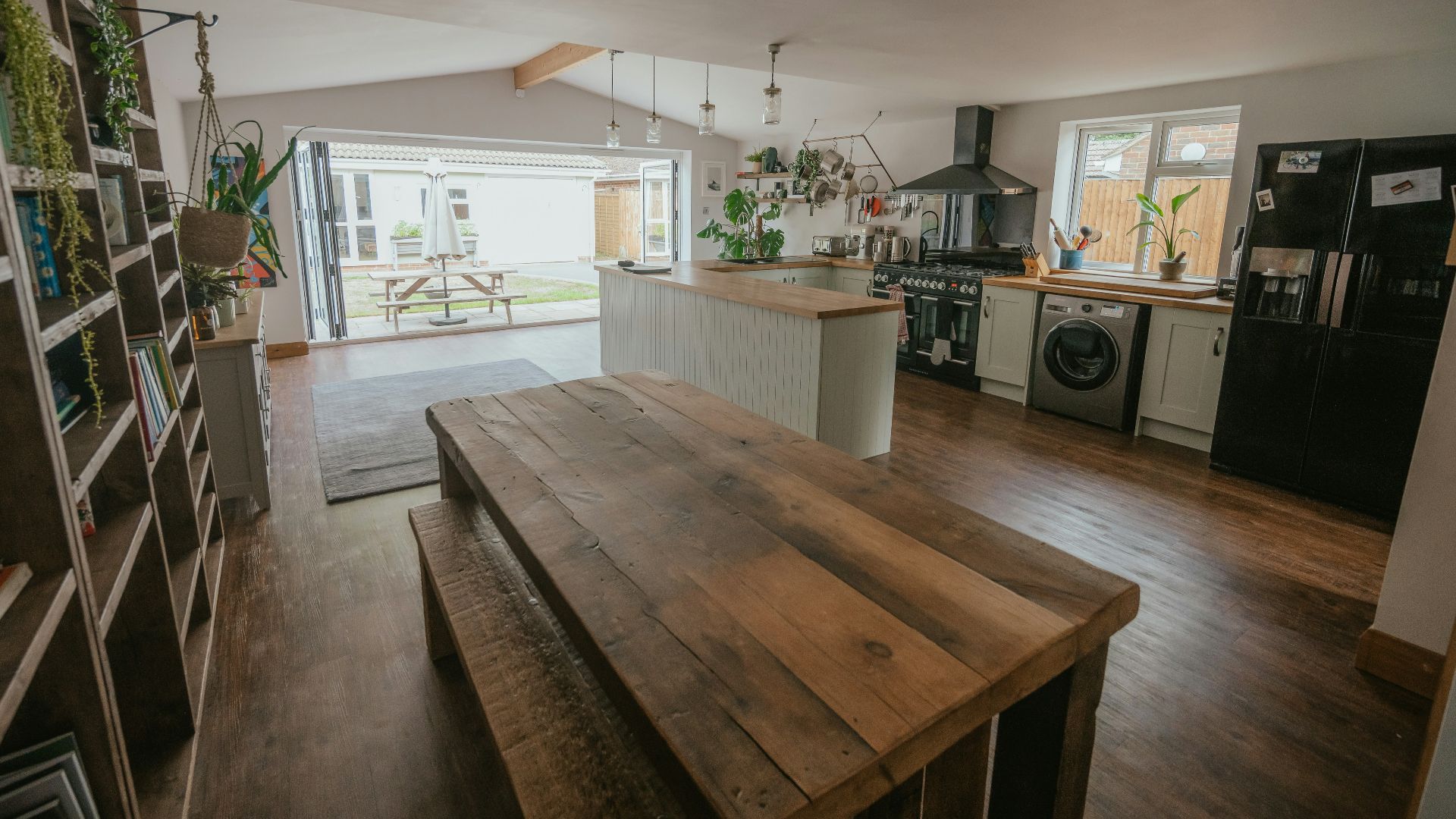
19. Open Floor Plans
Open floor plans eliminated the traditional practice of dividing homes into many separate formal rooms. Living rooms, dining areas, and kitchens gradually began to flow together, especially as household life became more casual. This shift towards an open living area emerged from evolving social interactions, conversation styles, and shared routines.
20. Building Codes
Building codes profoundly influenced modern housing by establishing baseline expectations for safety and performance. These regulations helped standardize how homes are built and how they are designed and constructed, including fire safety, wiring, plumbing, stairs, exits, ventilation, and energy use. Although they may not be aesthetically pleasing, building codes are a crucial reason modern homes are expected to protect their occupants every day.

KEEP ON READING

20 Powerful Ancient Egyptian Gods That Were Worshipped
Unique Religious Figures in Ancient Egypt. While most people are…
By Cathy Liu Nov 27, 2024
The 10 Scariest Dinosaurs From The Mesozoic Era & The…
The Largest Creatures To Roam The Earth. It can be…
By Cathy Liu Nov 28, 2024
The 20 Most Stunning Ancient Greek Landmarks
Ancient Greek Sites To Witness With Your Own Eyes. For…
By Cathy Liu Dec 2, 2024
10 Historical Villains Who Weren't THAT Bad
Sometimes people end up getting a worse reputation than they…
By Robbie Woods Dec 3, 2024
One Tiny Mistake Exposed A $3 Billion Heist
While still in college, Jimmy Zhong discovered a loophole that…
By Robbie Woods Dec 3, 2024
30 Lost Treasures That Vanished From History
Buried treasure, missing artefacts, legends of ancient gold in them…
By Robbie Woods Dec 3, 2024