


20 Historical Figures Who Were Ruined By Their Own Children
Power, Blood, and Betrayal
History is full of powerful people brought down by rivals and the slow decay of time. But there is a particular kind of ruin reserved for those undone by their own children. It cuts differently than a battlefield defeat. You can't blame an enemy, can't point to a miscalculation, can't explain it away. Here's 20 cases where the family line did the most damage.
 Konstantin Kapıdağlı on Wikimedia
1. Marcus Aurelius
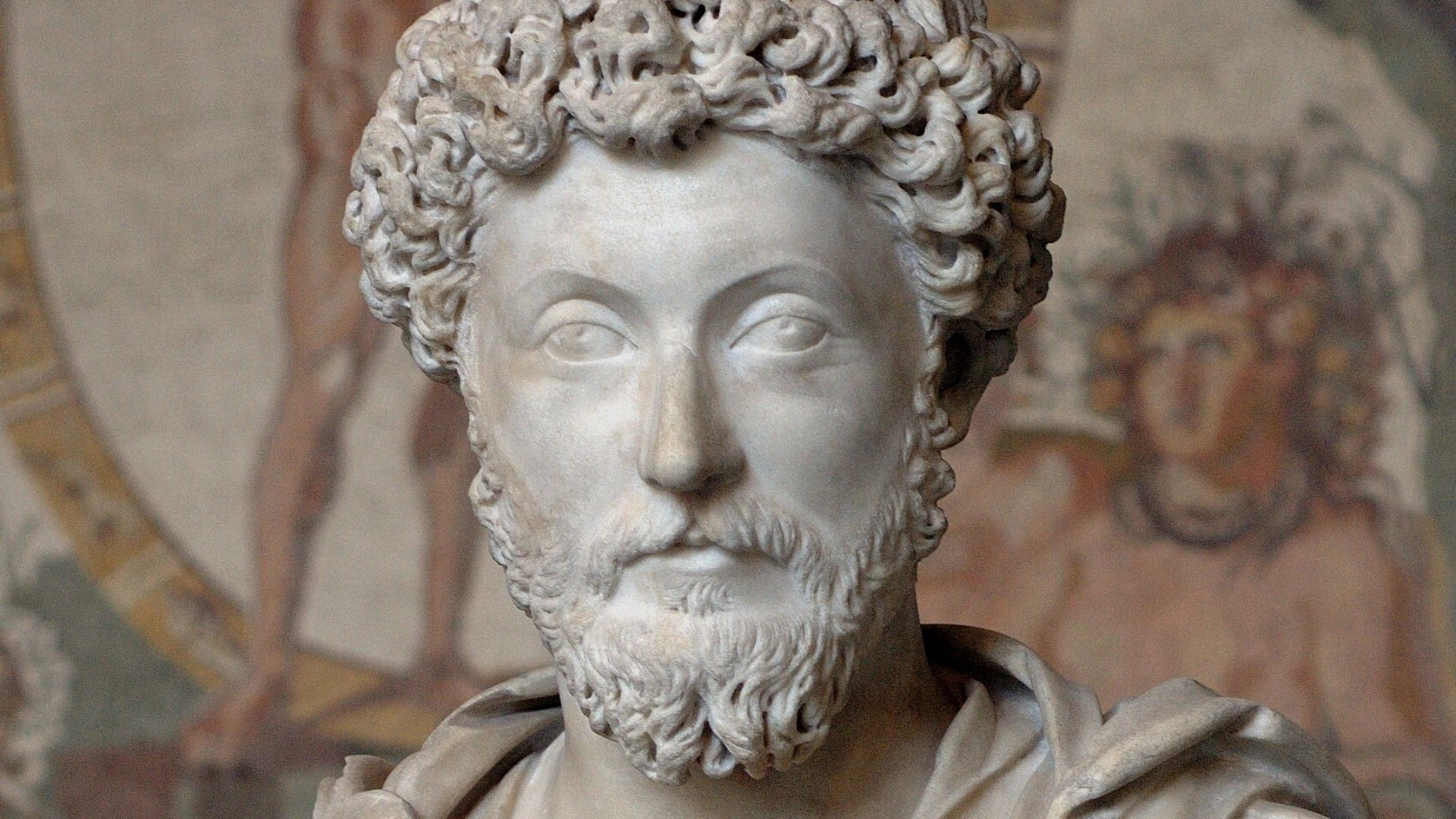
Marcus Aurelius is considered one of the greatest Roman emperors and one of history's most widely read philosophers. His son Commodus inherited the throne in 180 CE, abandoned his father's campaigns and governance, and eventually declared himself a living incarnation of Hercules, prompting Cassius Dio to write that Rome descended from a kingdom of gold to one of iron and rust.
2. Henry II of England
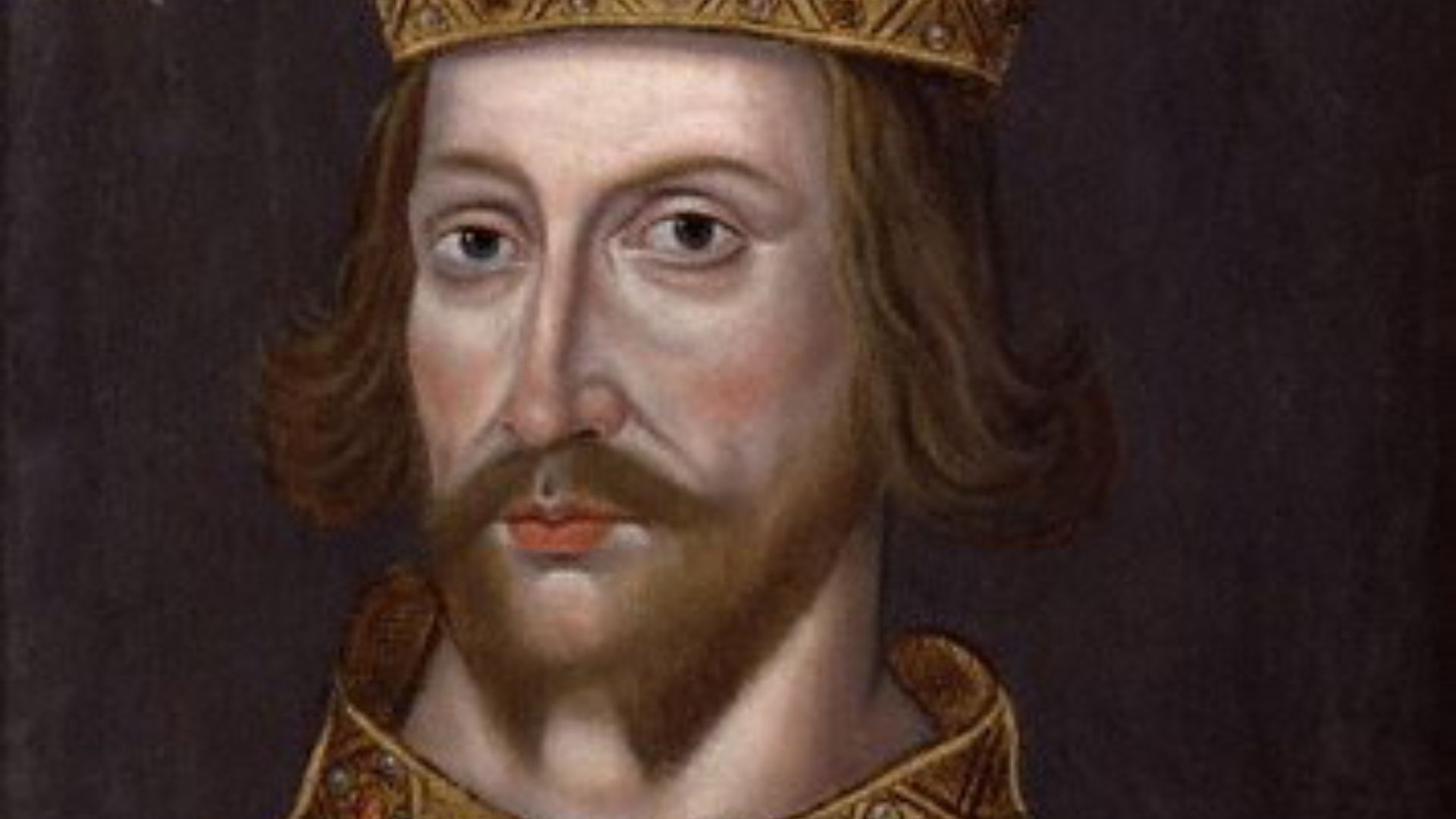
Henry II built the Angevin Empire into one of the most powerful political structures in twelfth-century Europe. In 1173, three of his sons launched a coordinated rebellion with support from Eleanor of Aquitaine and the King of France, and he died in 1189 having just learned that his youngest son John had joined the final revolt.
3. Peter the Great
Peter the Great transformed Russia into a European power, but his son Alexei aligned himself with the conservative clergy who opposed every reform Peter had built his reign around. Peter lured him back from exile with a promise of pardon, had him tried for treason, and Alexei died in the Peter and Paul Fortress in 1718, almost certainly tortured to death, leaving no clear successor.
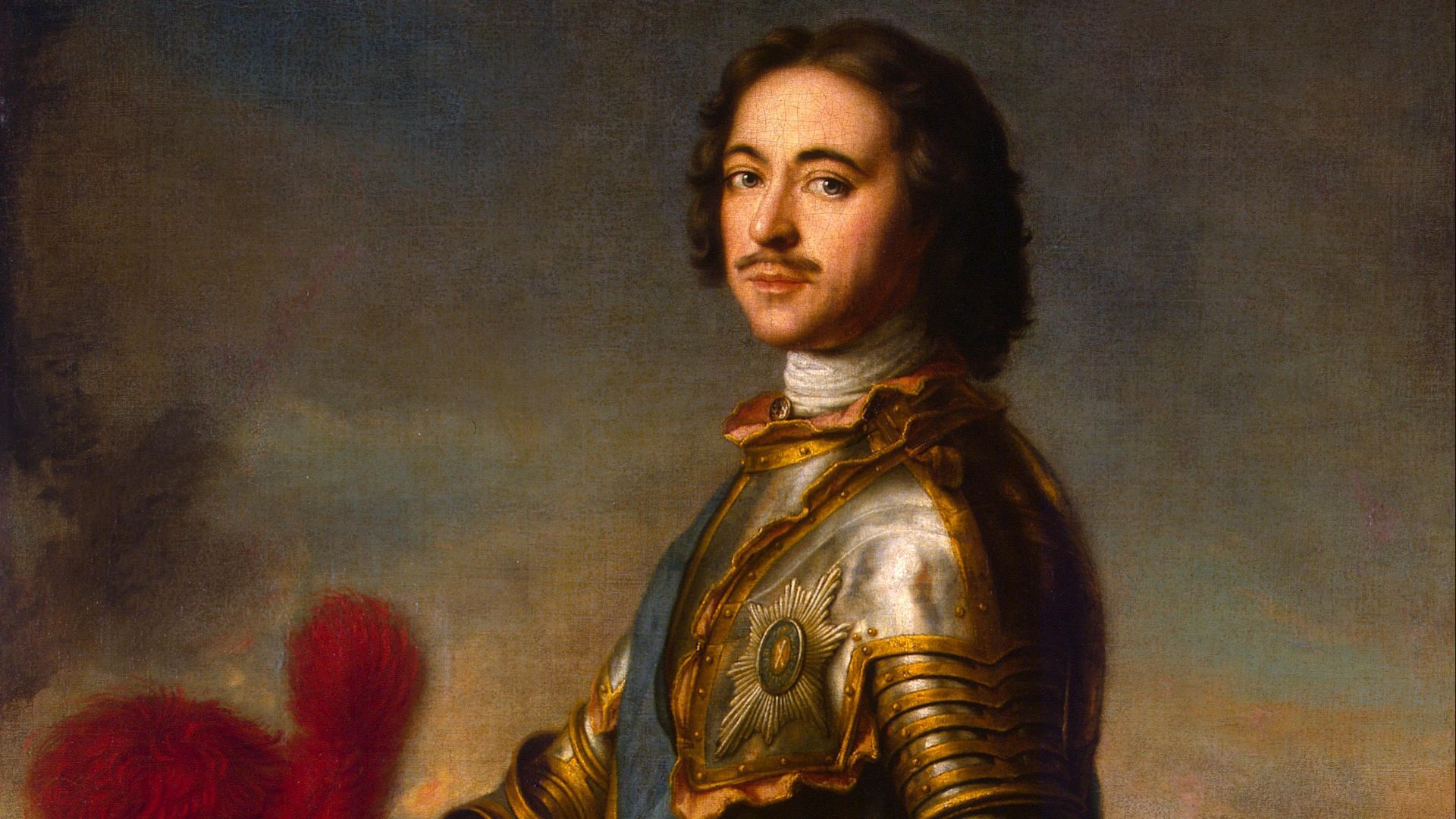 Attributed to Jean-Marc Nattier on Wikimedia
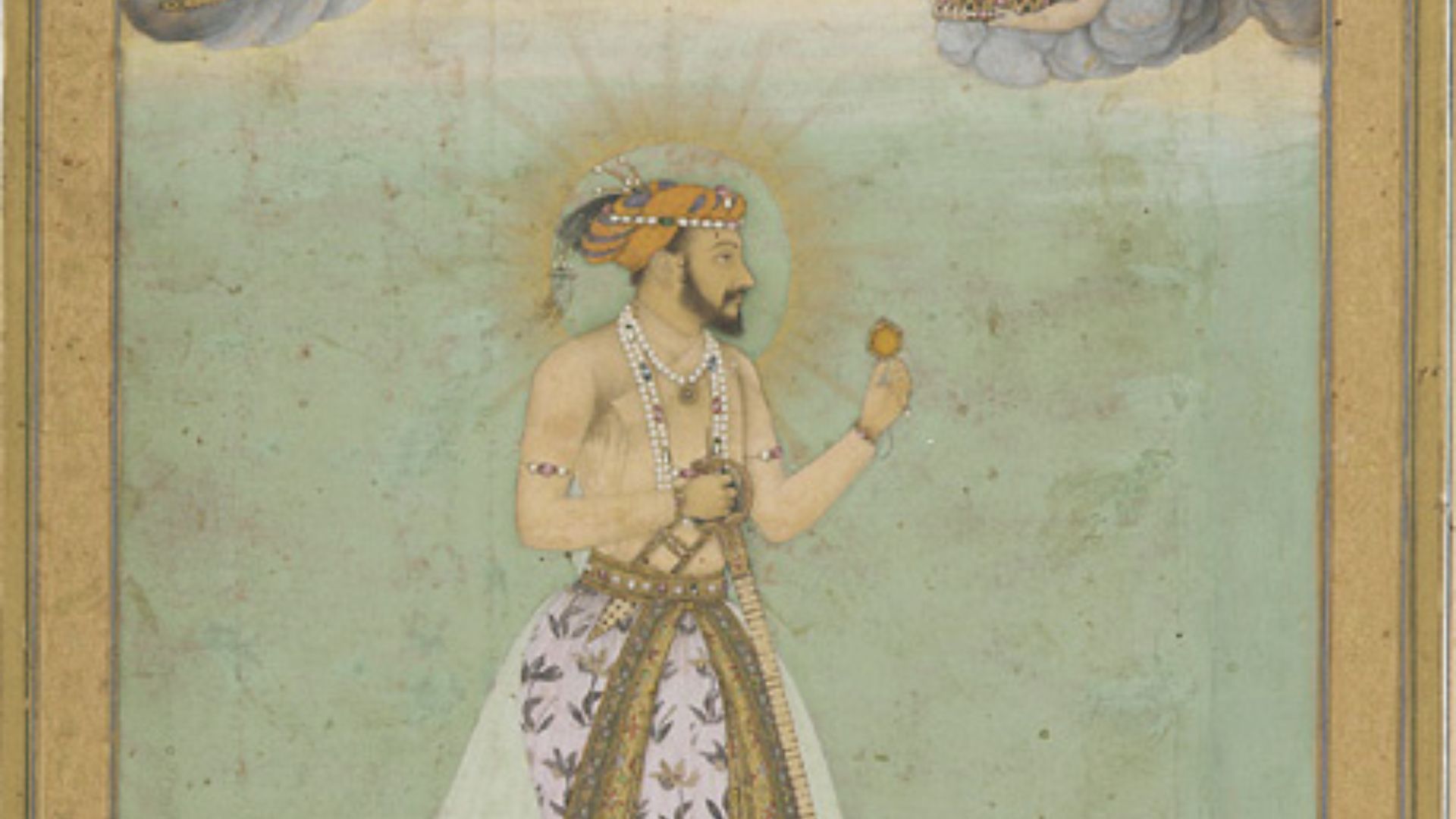
4. Shah Jahan
Shah Jahan built the Taj Mahal and presided over the cultural peak of the Mughal Empire. When he fell ill in 1657, his son Aurangzeb launched a war of succession and imprisoned Shah Jahan in Agra Fort for the last eight years of his life, within view of the Taj Mahal but never permitted to visit it.
 commons.wikimedia.org on Google
5. Suleiman the Magnificent
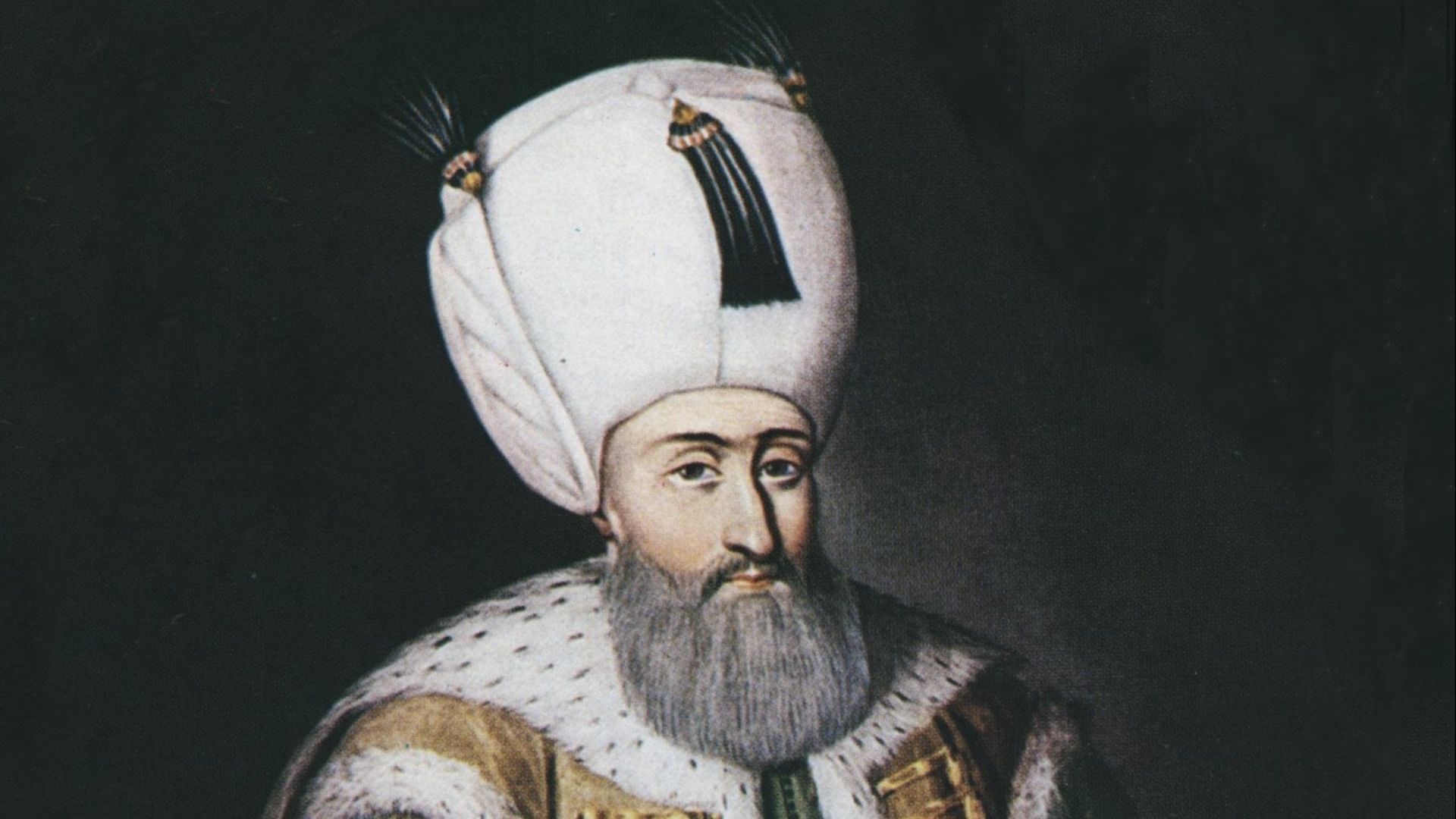
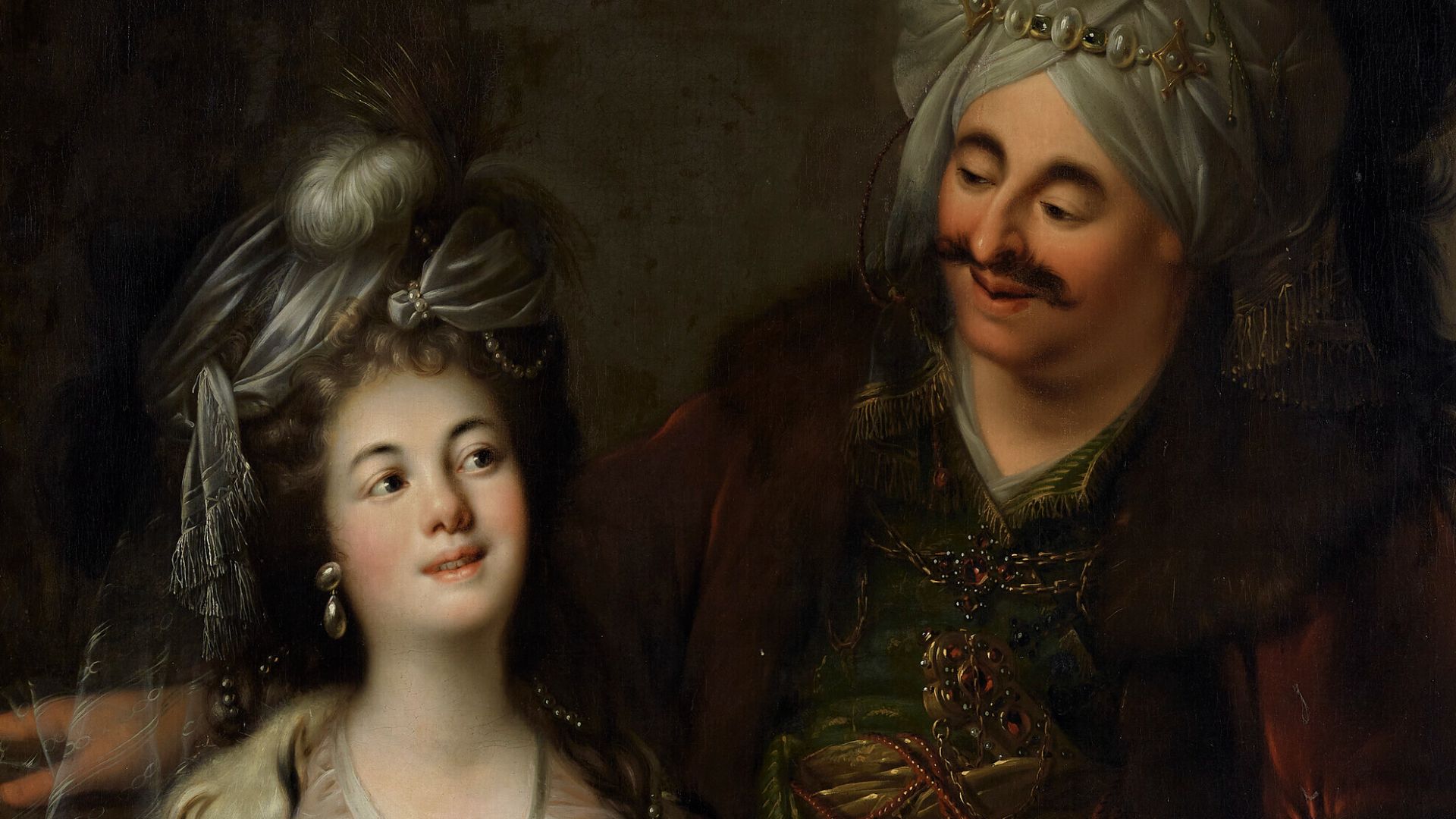
Suleiman was the longest-reigning Ottoman sultan, ruling at the empire's greatest extent. His wife Roxelana convinced him that his eldest son Mustafa was conspiring with Persia, and Suleiman had Mustafa strangled in his campaign tent in 1553, a decision that nearly triggered a Janissary revolt and that historians mark as a turning point in the Ottoman decline.
6. Ulugh Beg
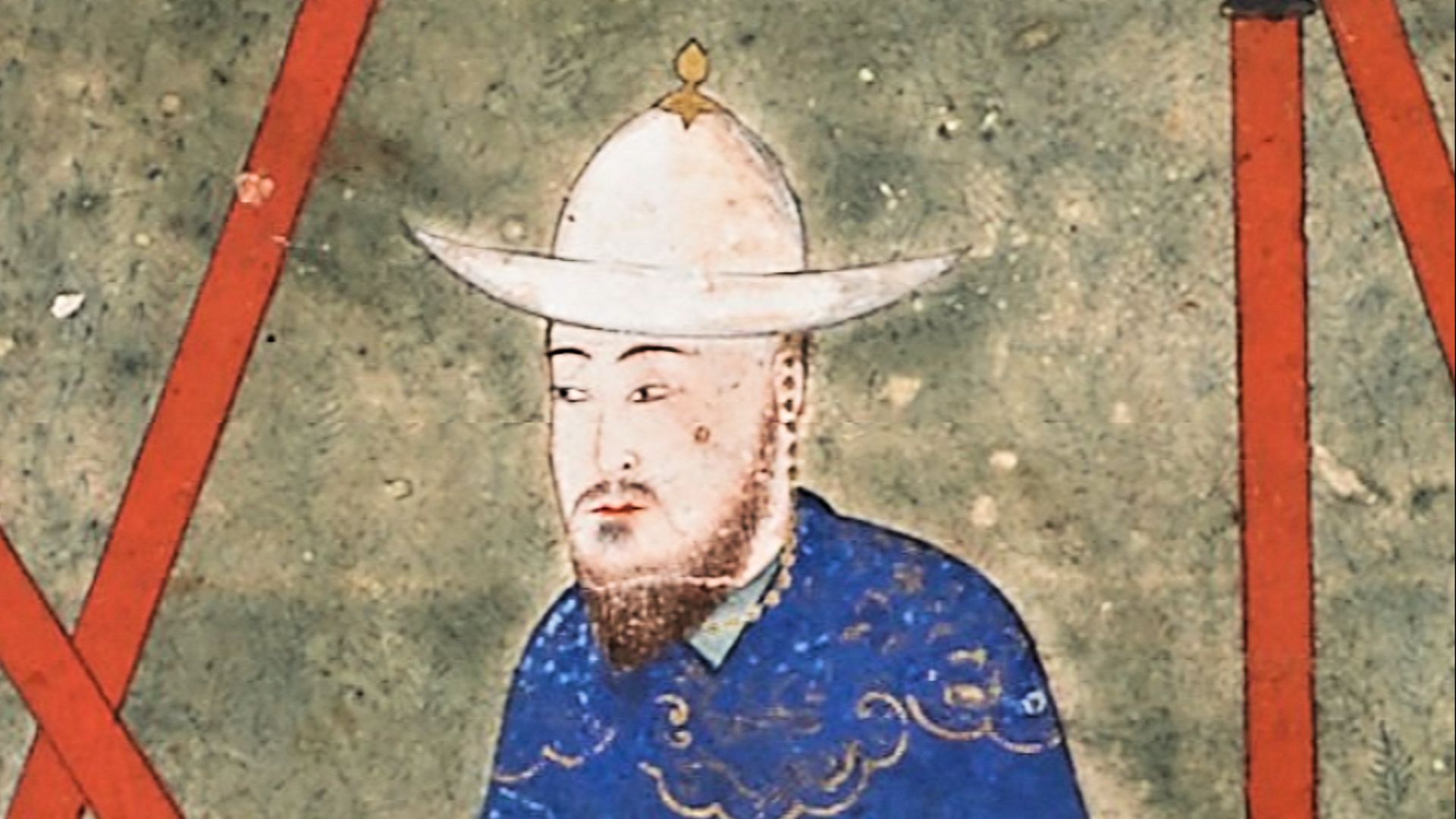
Ulugh Beg, grandson of Tamerlane, built one of the medieval world's great observatories in Samarkand and produced star tables that European astronomers consulted for generations. In 1449, his son Abdal-Latif rebelled, deposed him, and had him killed on the road to Mecca, then destroyed the observatory before being assassinated himself less than seven months later.
 Unknown artistUnknown artist on Wikimedia
7. Iyasu I of Ethiopia
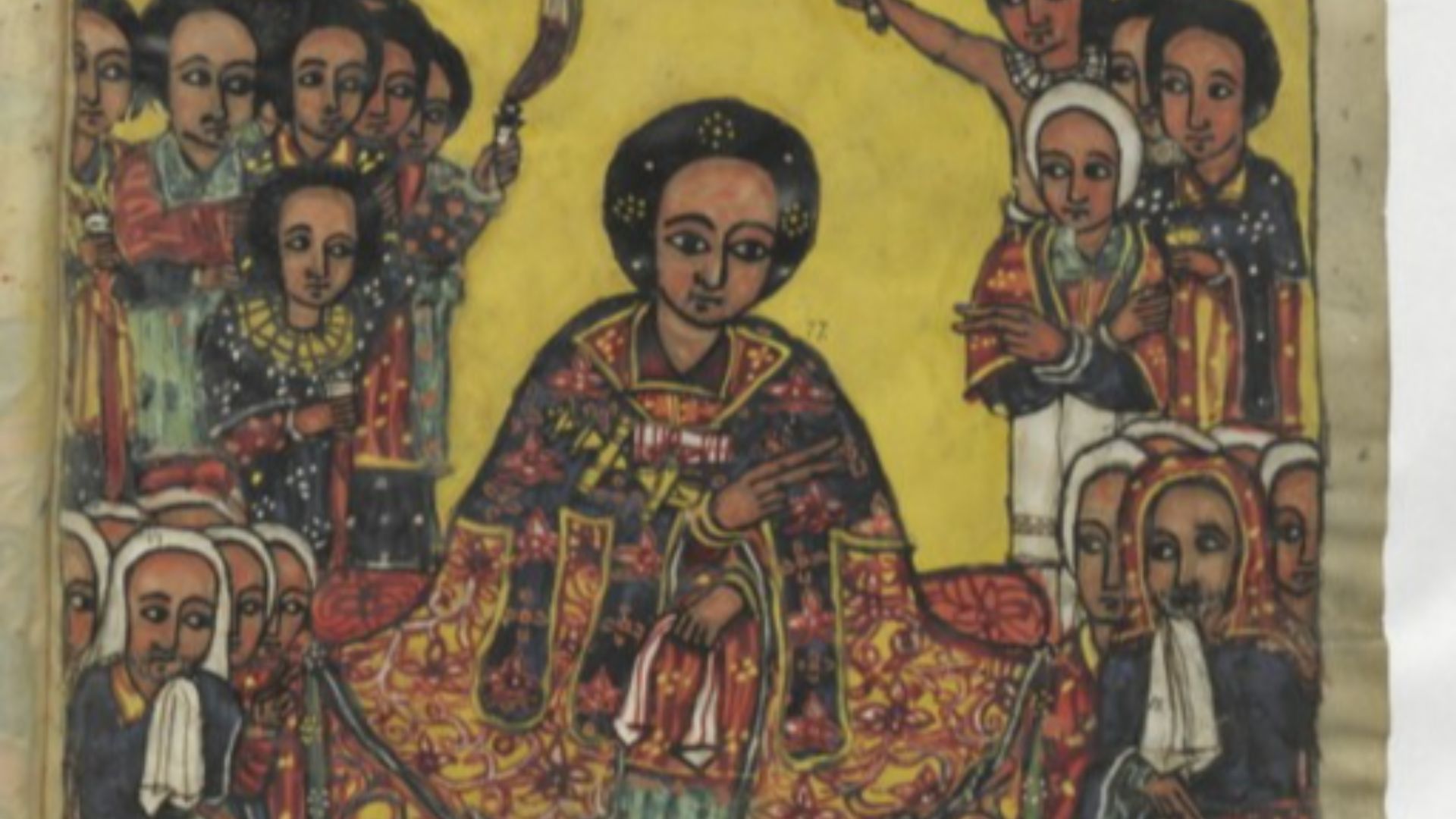
Iyasu the Great was the last powerful emperor of the Gondarine period and a capable military leader who held the empire together through decades of conflict. While he grieved on an island in Lake Tana in 1706, his son Tekle Haymanot had himself crowned and then had his father assassinated — an act so condemned that Tekle Haymanot was stabbed to death by his father's courtiers two years later.
 Bibliothèque nationale de France, Département des Manuscrits, Division orientale on Wikimedia
8. George III of England
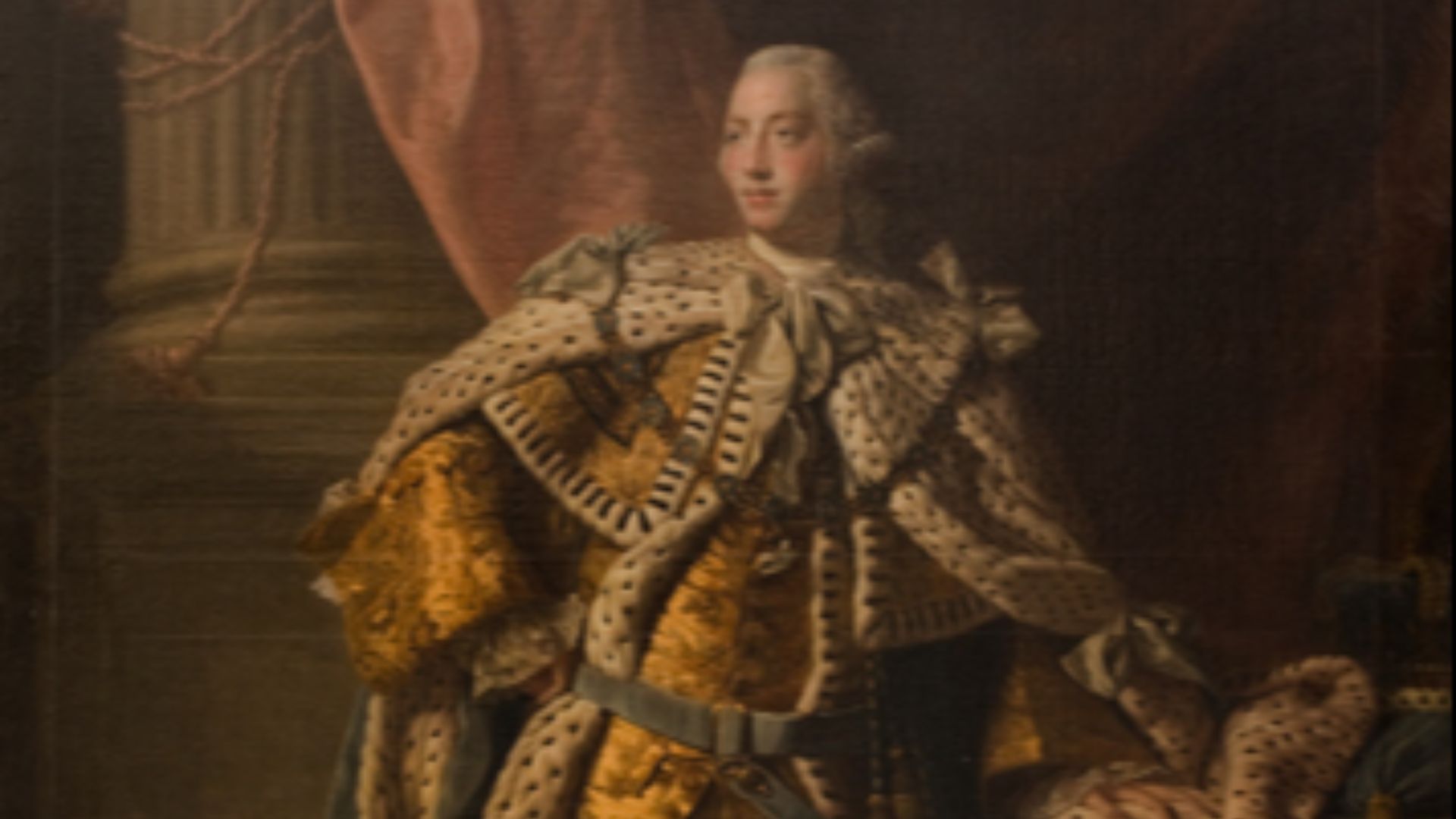
George III was genuinely popular for much of his reign, known as Farmer George for his plain-spoken decency. His eldest son accumulated enormous debts, entered an illegal marriage, and during the Regency Crisis of 1788 tried to exploit his father's mental illness to seize power, eventually governing as Prince Regent from 1811 until George III's death in 1820.
9. Ivan the Terrible
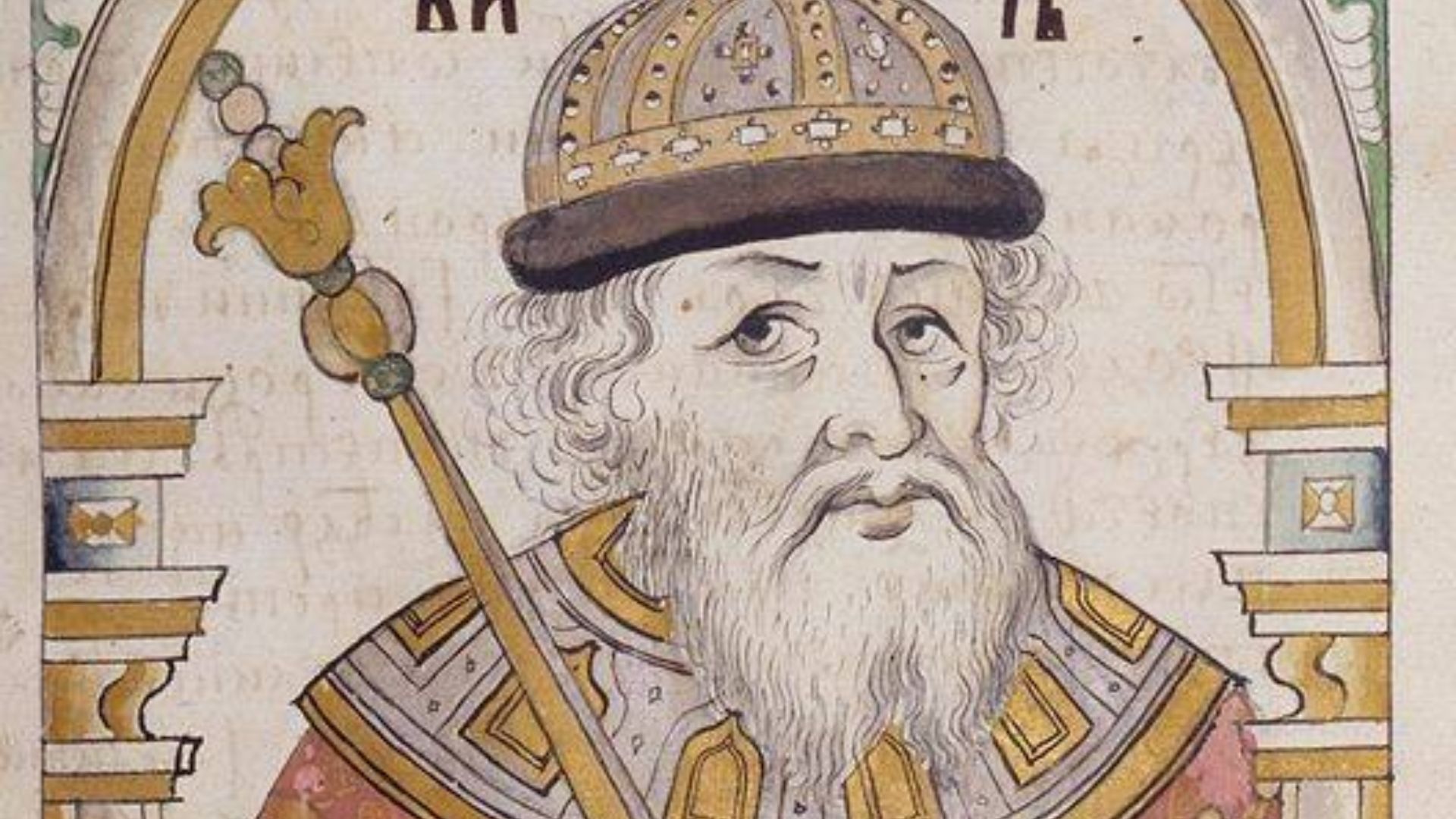
In 1581, during a violent argument, Ivan the Terrible struck his son and heir Ivan Ivanovich with a pointed staff and killed him. When Ivan died three years later the throne passed to his unfit younger son Feodor, whose reign led directly into the catastrophic civil war and foreign invasion known as the Time of Troubles.
 AnonymousUnknown author on Wikimedia
10. Emperor Gaozong of Tang
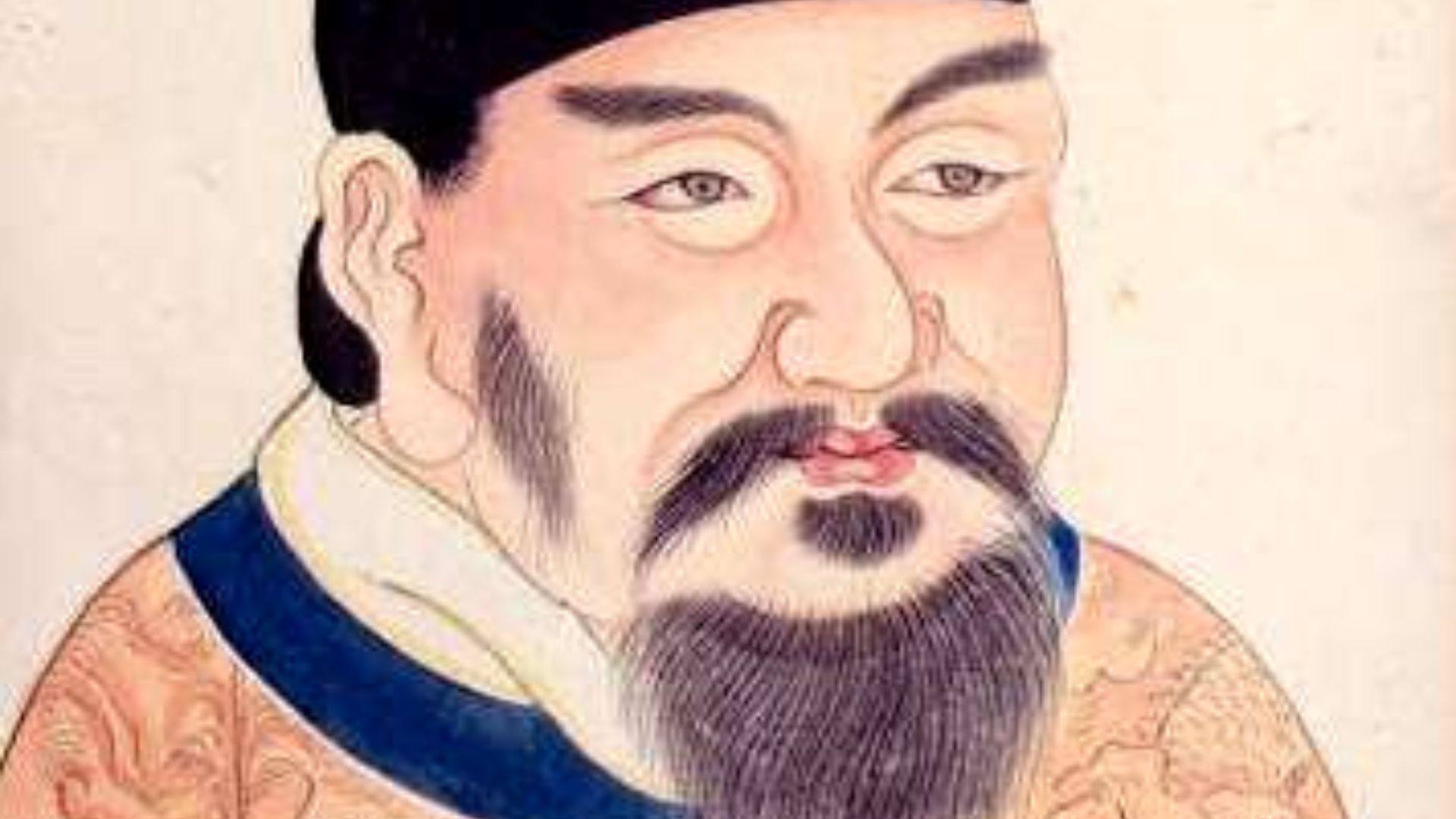
Gaozong was the third Tang emperor, but a series of strokes left him unable to govern. His consort Wu Zetian steadily took control, removing the sons who stood in her way, and by the time Gaozong died in 683 she had effectively been ruling China for years in his name.
 Unknown authorUnknown author on Wikimedia
11. Louis the Pious
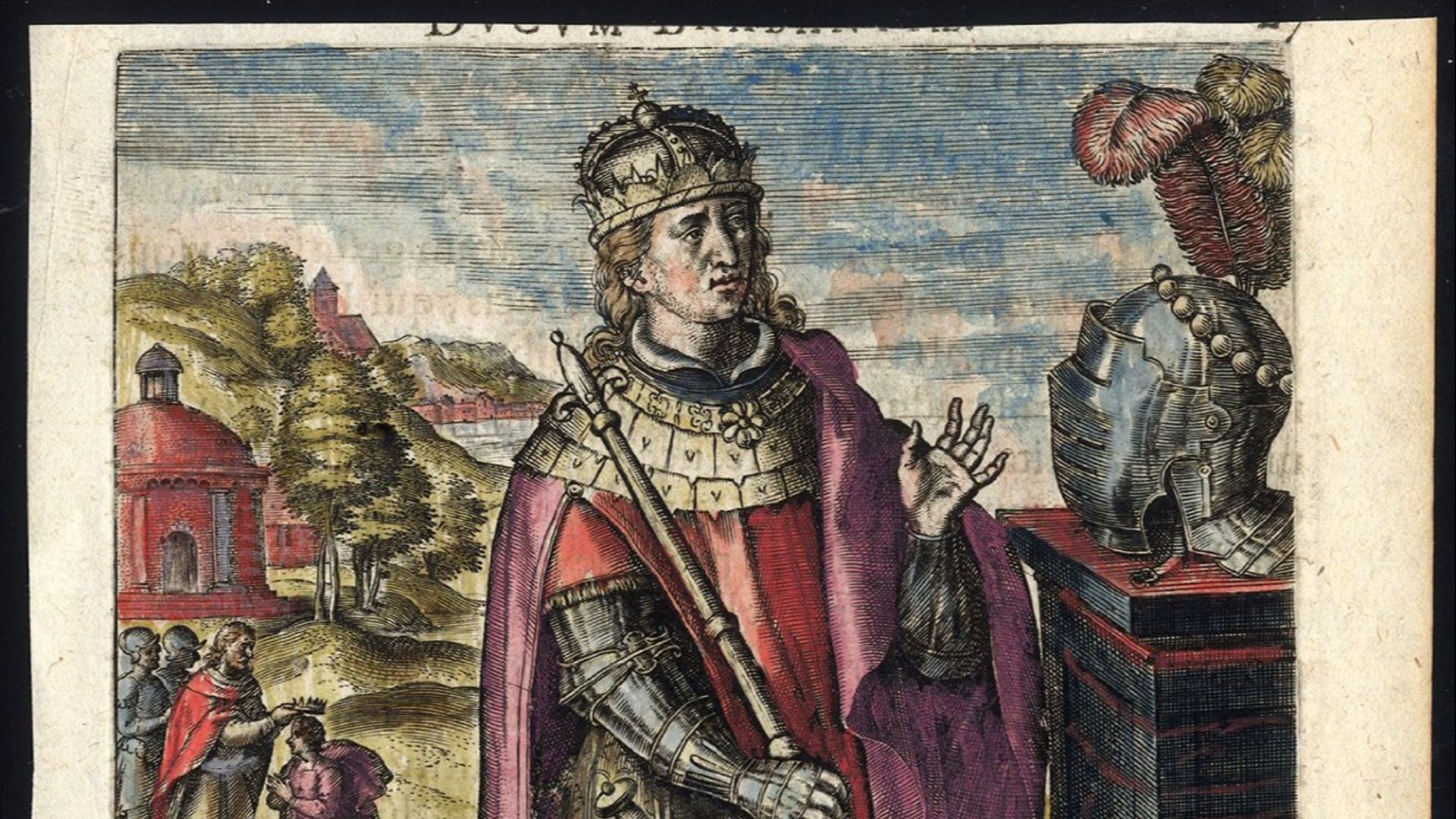
Louis the Pious inherited Charlemagne's Frankish Empire in 814 and spent much of his reign managing his sons' competing claims. Those sons launched rebellions from 830 onward that left Louis publicly deposed and forced to perform penance, and when he died in 840 the empire fractured into the wars that produced the Treaty of Verdun, permanently dividing what Charlemagne had built.
12. Philip II of Macedon
Philip II built Macedonia into the dominant power in Greece and laid the groundwork for everything Alexander would later accomplish. When Philip was assassinated in 336 BCE, the role of Alexander and his mother Olympias has never been fully resolved.
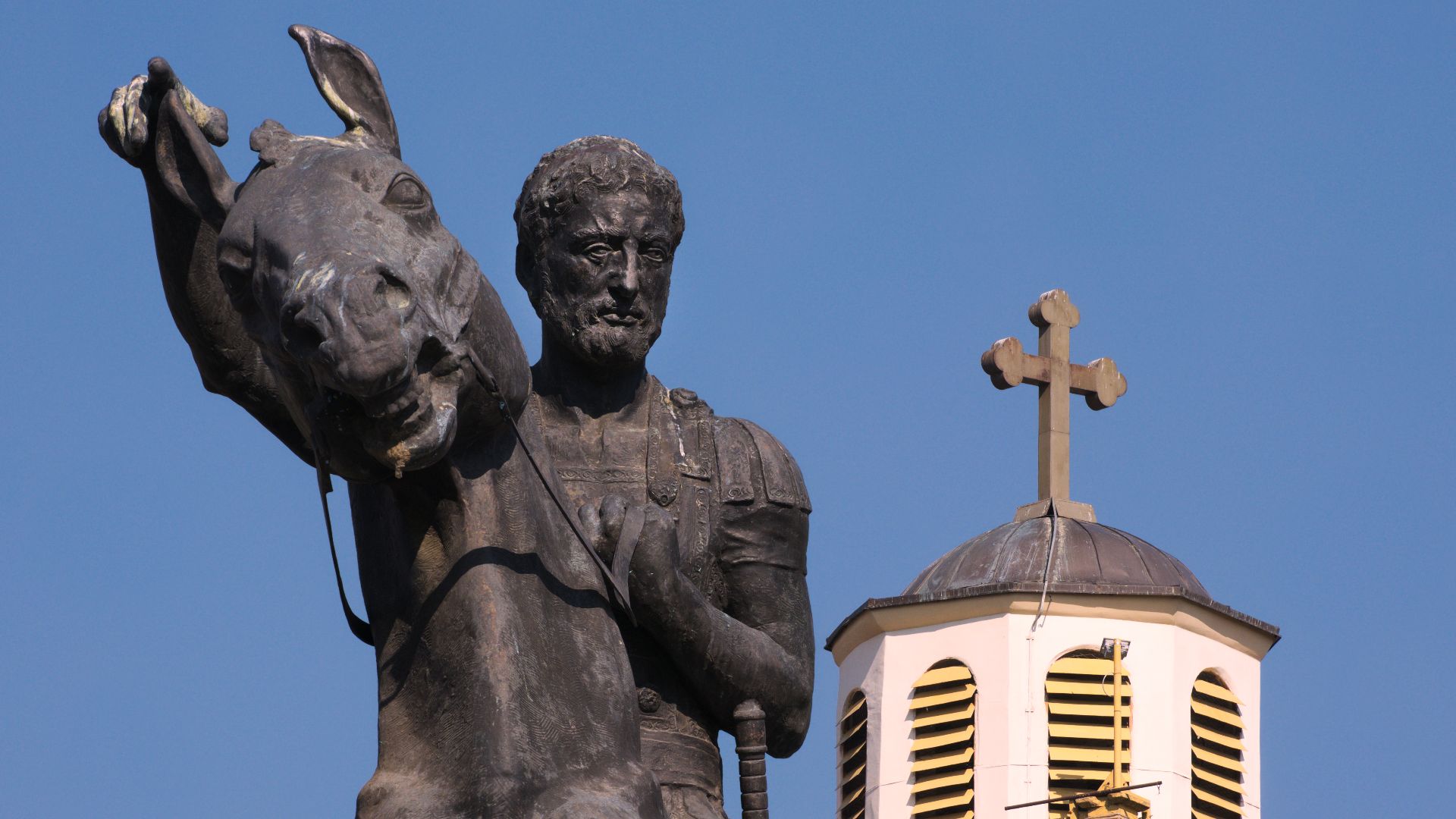
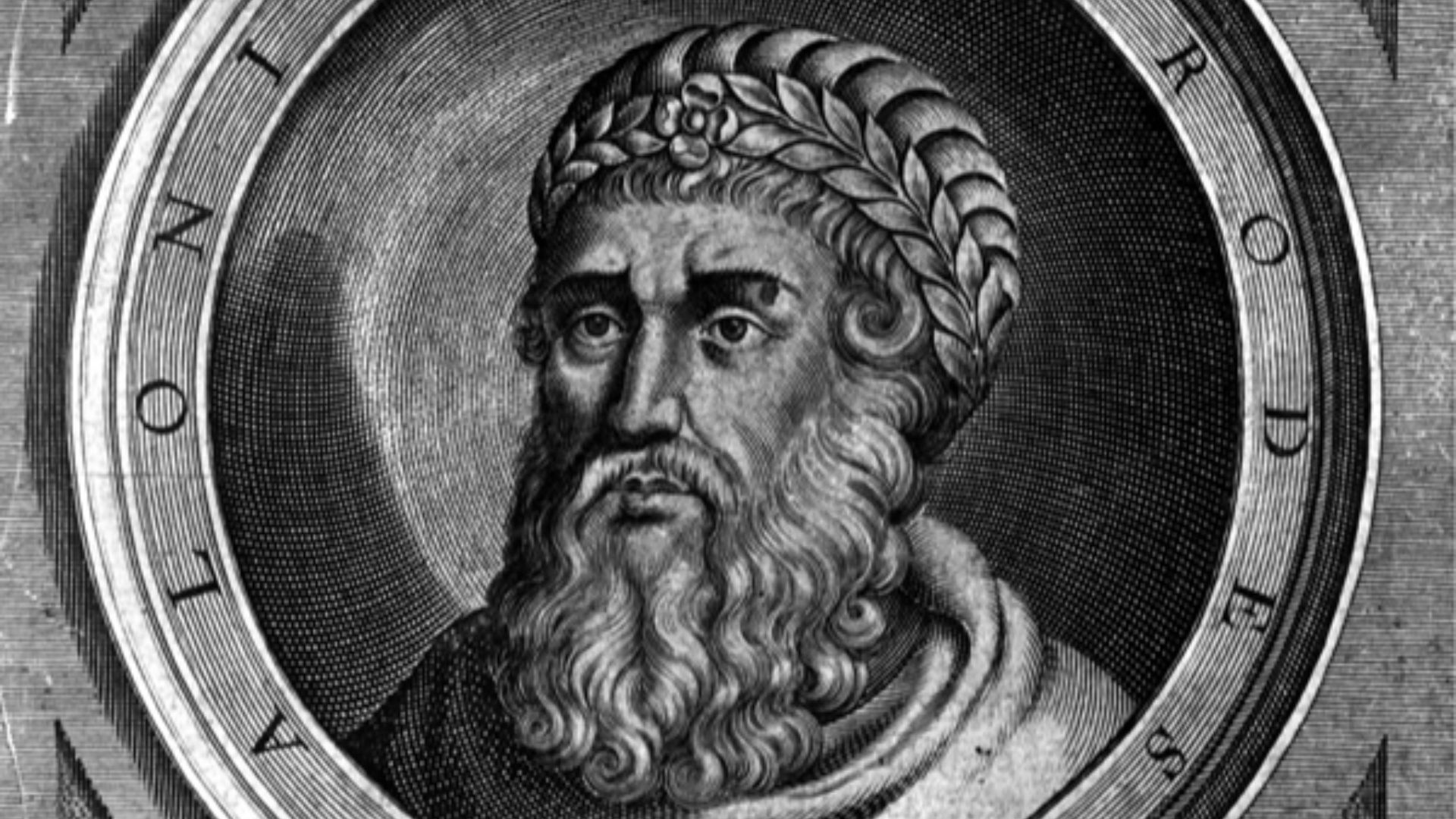
13. Herod the Great
Herod the Great kept Judea stable under Roman oversight for decades while building on a monumental scale. His paranoia led him to execute sons Alexander and Aristobulus in 7 BCE and then Antipater five days before his own death, prompting Augustus to quip it was safer to be Herod's pig than his son, and the kingdom he left was divided within a generation.
 Unknown authorUnknown author on Wikimedia
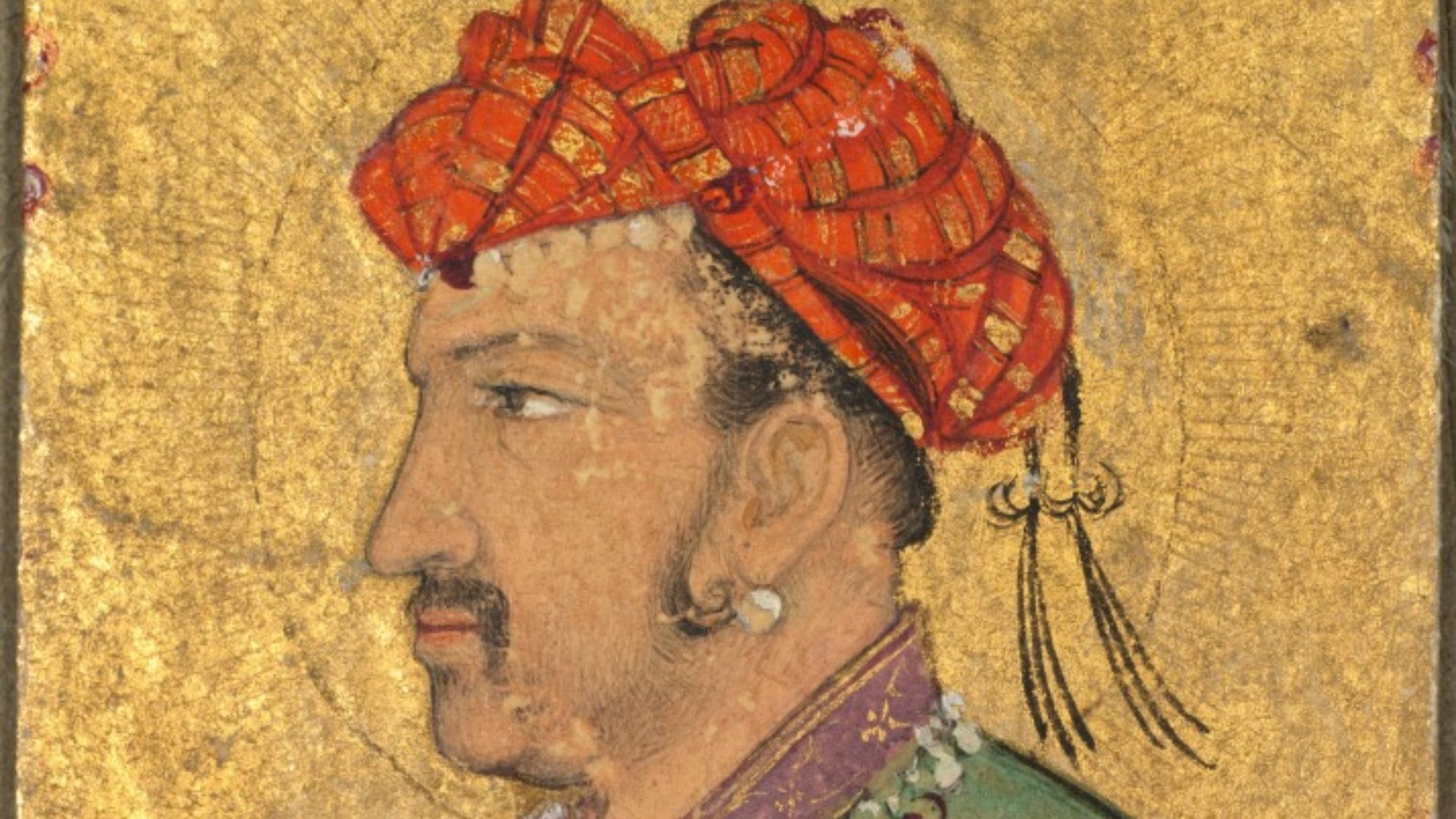
14. Jahangir, Mughal Emperor
Jahangir was a capable Mughal ruler increasingly weakened by opium dependency, and his son Khurram, the future Shah Jahan, rebelled against him in 1622 suspecting that Jahangir's wife Nur Jahan was maneuvering a different successor into place. The rebellion failed but drained Jahangir's remaining strength and exposed the succession fractures that would tear the empire apart a generation later.
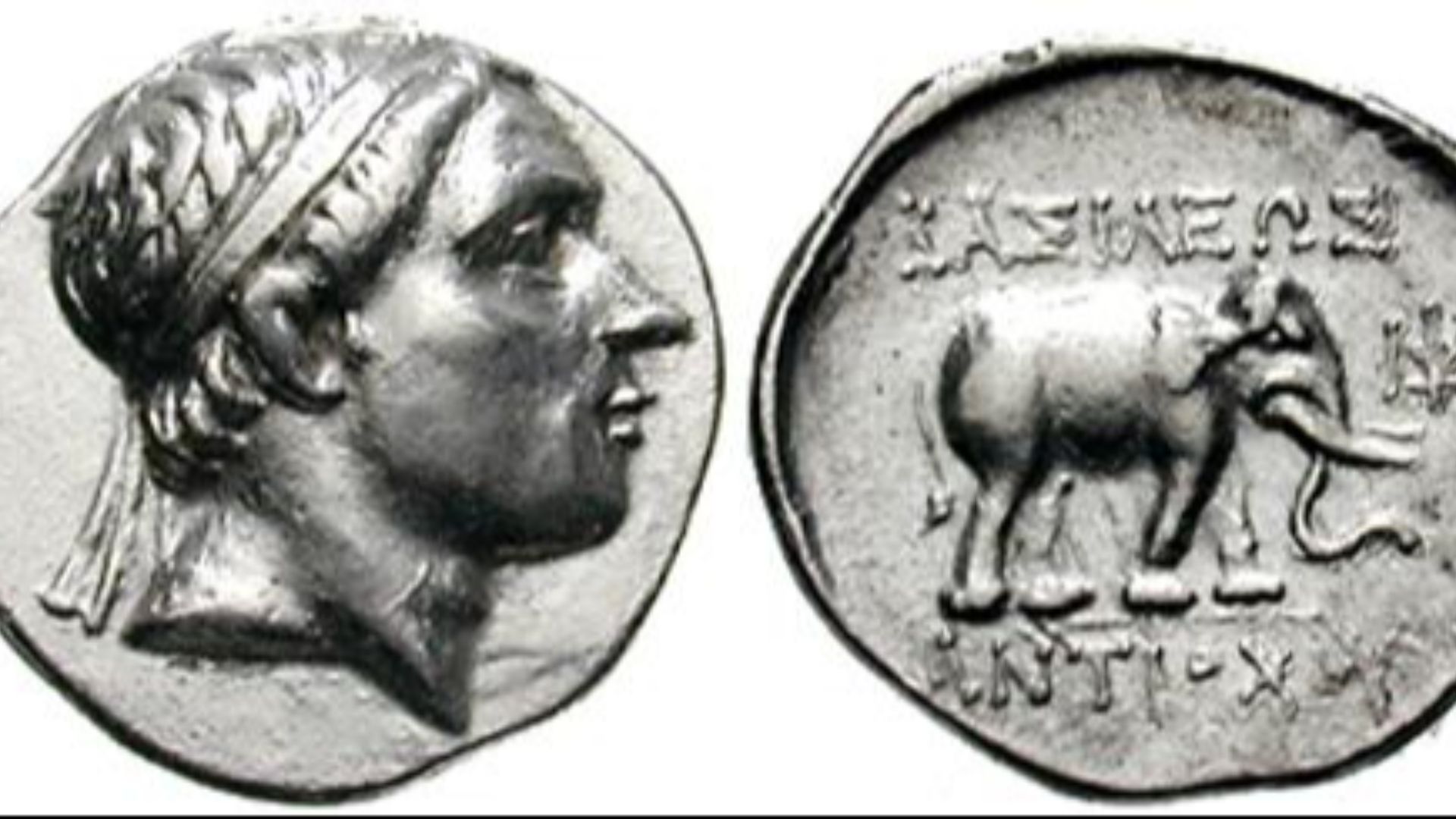
15. Antiochus III of the Seleucid Empire
Antiochus the Great reclaimed vast territory for the Seleucid Empire through decades of campaigning. His son Antiochus IV Epiphanes proved so erratic and religiously provocative that he triggered the Maccabean revolt, permanently destabilizing Seleucid control of Judea.
16. Constantine the Great
Constantine unified the Roman Empire, legalized Christianity, and founded Constantinople. In 326 he had his eldest son and heir Crispus executed under poorly documented circumstances, and when Constantine died in 337 his remaining sons immediately went to war, murdered most of the male relatives, and fractured the empire in ways that accelerated its collapse.
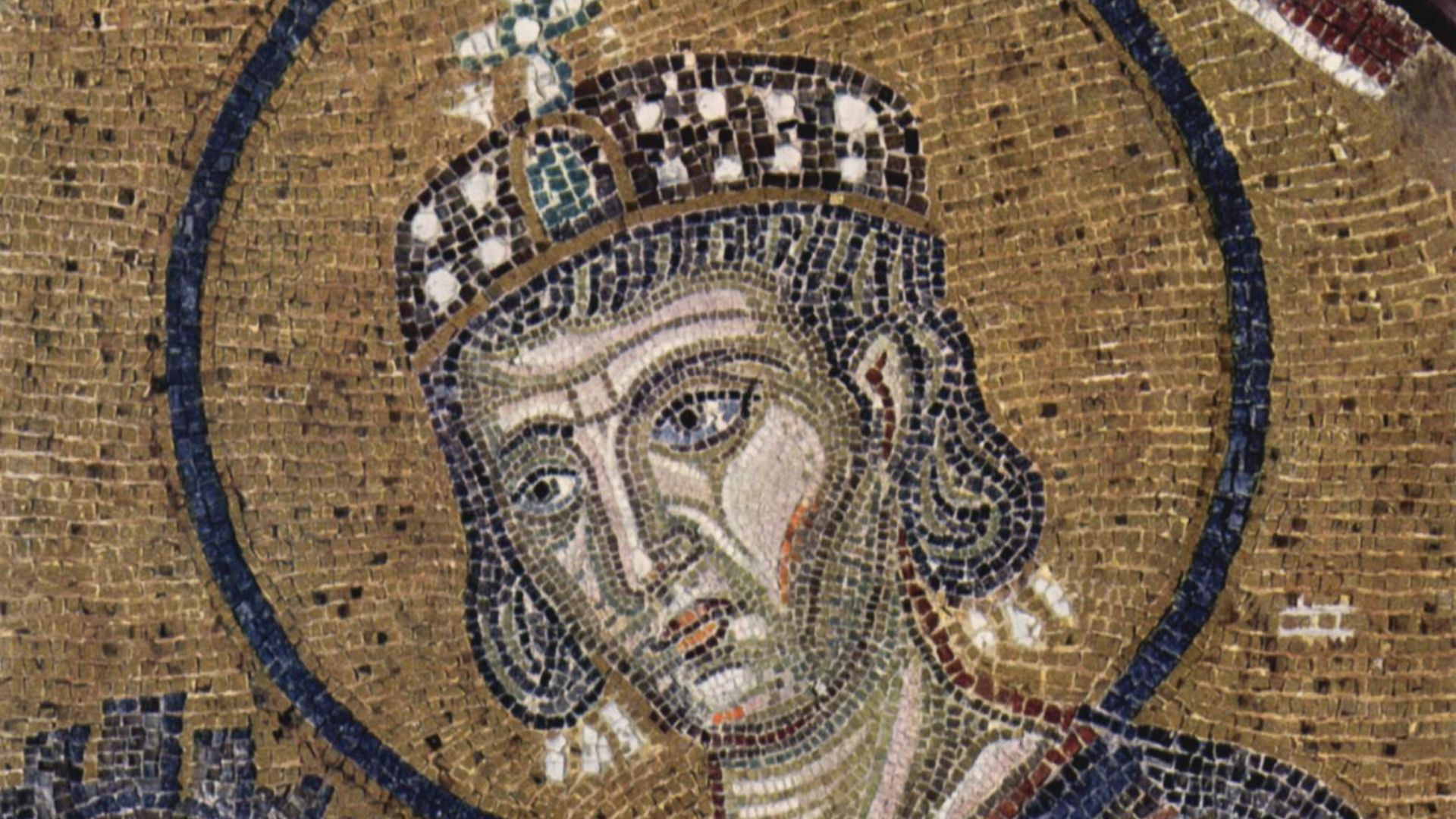 Byzantine mosaicist, ca. 1000 on Wikimedia
17. Ramesses II
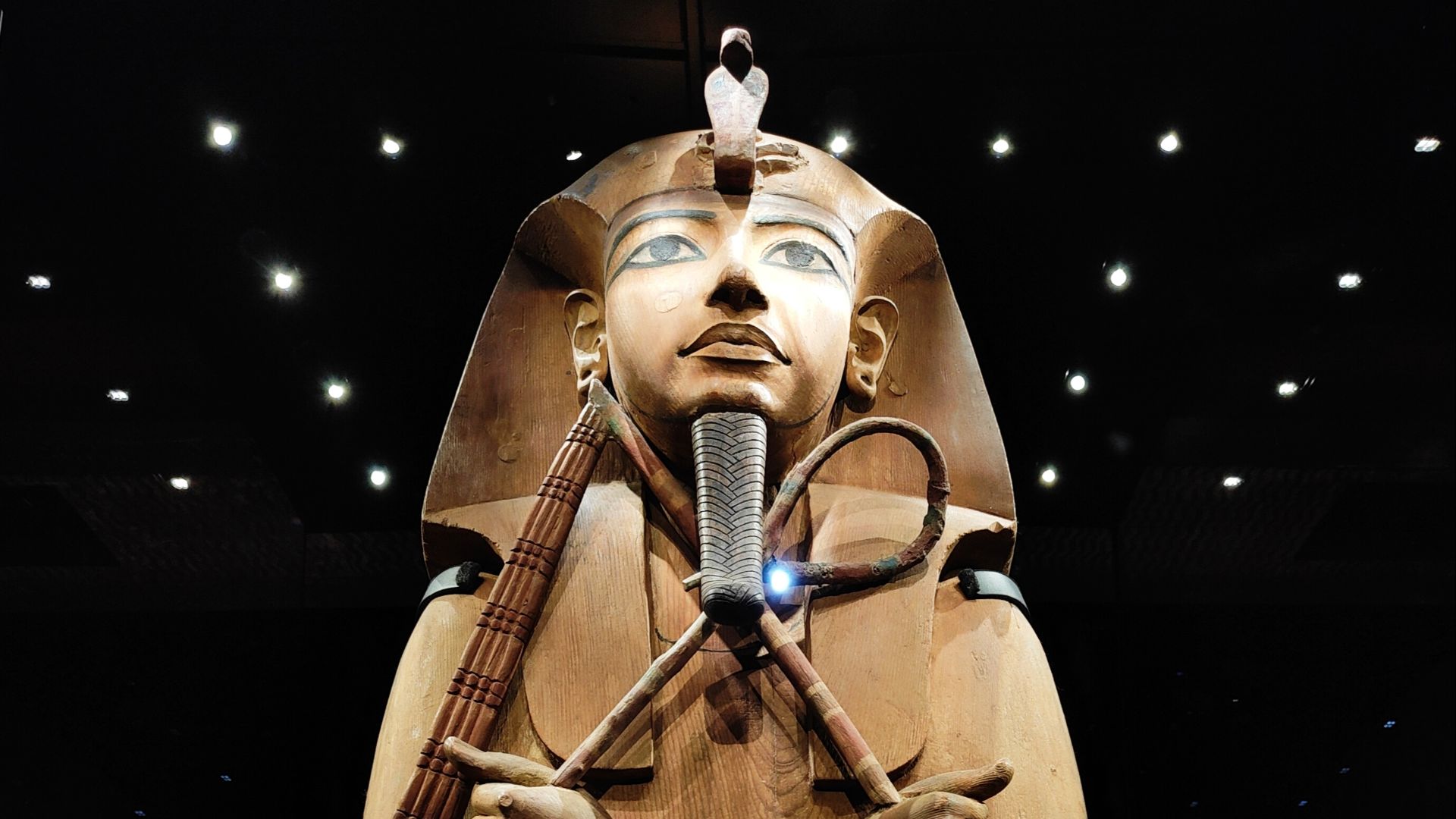
Ramesses II ruled Egypt for over sixty years and outlived most of his children. With more than fifty sons, the most capable princes predeceased him, his successor Merenptah was already in his sixties at accession, and the fragile line that followed contributed to the fracture of the New Kingdom.
18. Cyrus the Great
Cyrus the Great built the Achaemenid Persian Empire from nothing into the ancient world's first genuine superpower, known for its military reach and its policy of tolerance toward conquered peoples. His son Cambyses inherited the empire in 530 BCE and within a decade had destabilized it through erratic governance and overreach, leaving a succession crisis that nearly tore everything apart before Darius I stepped in.
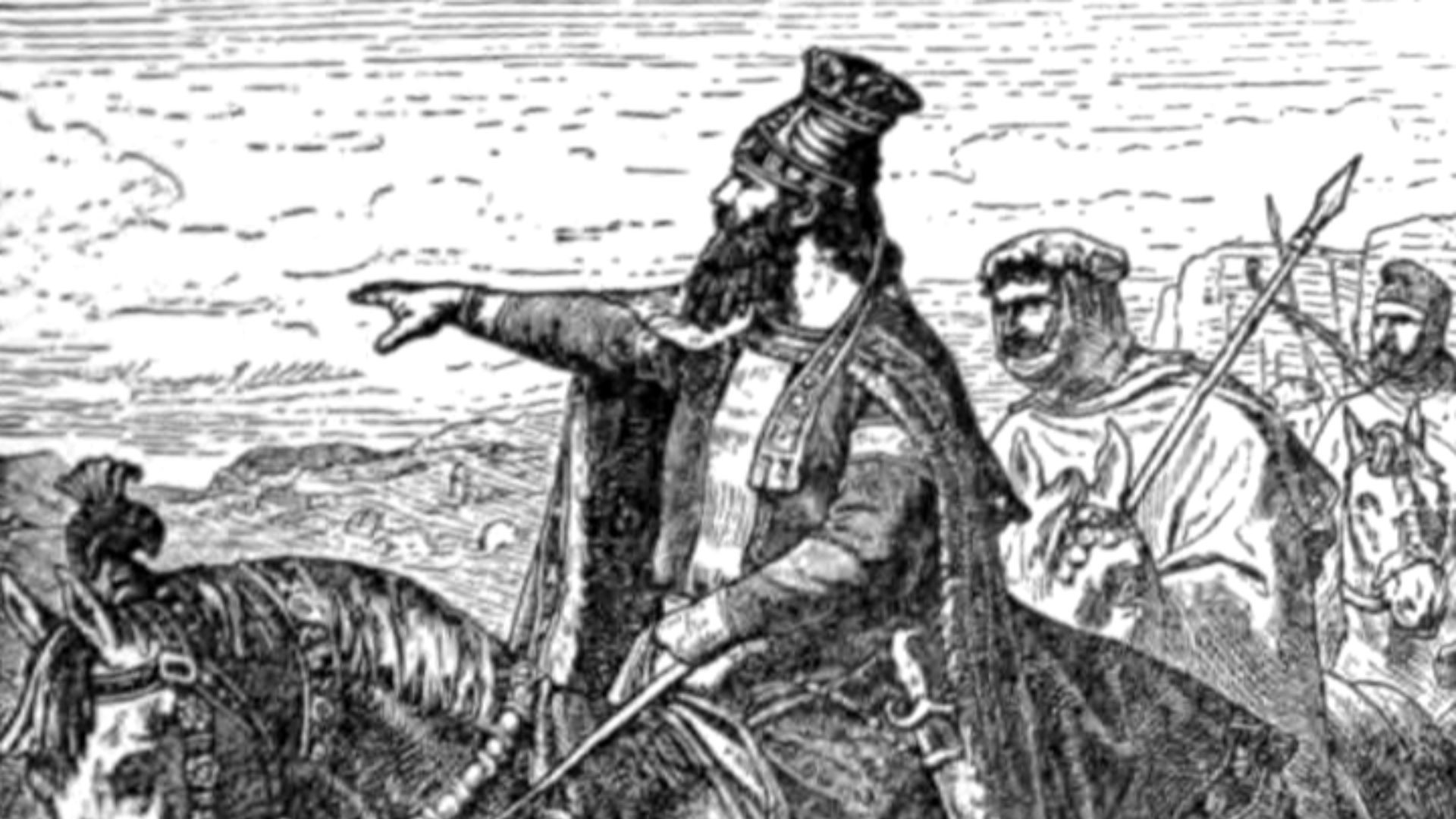 Charles Francis Horne Clarence Cook on Wikimedia
19. Emperor Xuanzong of Tang
Emperor Xuanzong presided over the Tang dynasty's golden age, a period of prosperity that China would not see again for centuries. When the An Lushan rebellion erupted in 755, Xuanzong fled to Sichuan, and his son Li Heng declared himself emperor without sanction, forcing Xuanzong to accept the title of retired emperor and spend his final years without power.
20. Genghis Khan
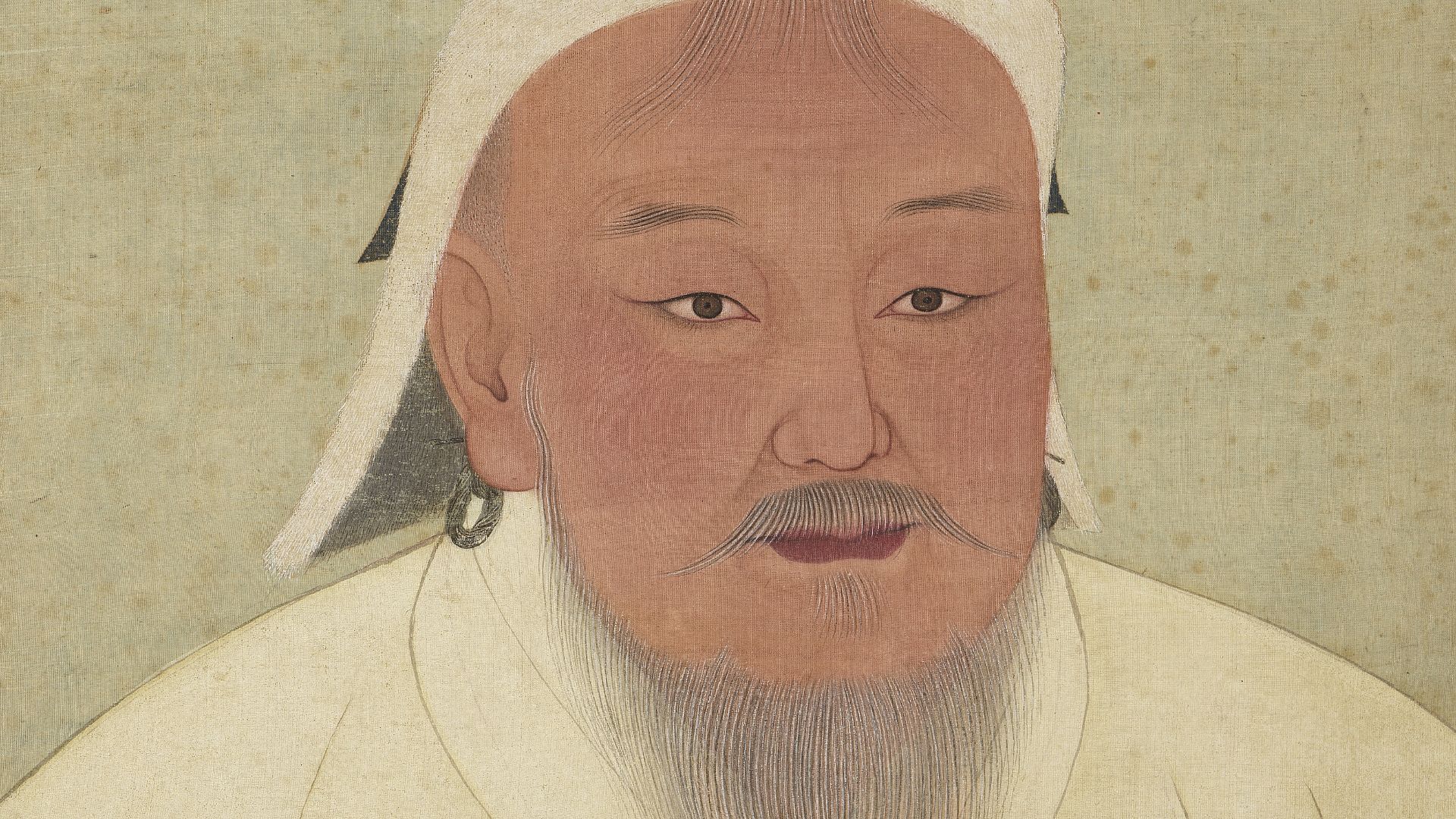
Genghis Khan conquered more territory than any ruler in history but spent his later years managing his sons' rivalry over succession. The competition between his sons and grandsons produced fractures that widened with each generation, and within fifty years of his death the Mongol Empire had split into hostile khanates that never reunified.

KEEP ON READING

The 10 Youngest Monarchs In History & The 10 Oldest
Age Is Just A Number. Imagine being crowned king or…
By Chase Wexler Mar 11, 2025
You Think You Have Problems? These Royal Families Were Cursed
Boasson and Eggler St. Petersburg Nevsky 24. on WikimediaHeavy is…
By Ashley Bast Dec 5, 2025
You Can Thank This Greek-Canadian For Creating Pineapple On Pizza…
Love it or hate it, pineapple on pizza sparks debate…
By David Davidovic Dec 1, 2025
Yes, Female Gladiators Existed, And Here's Everything You Need To…
History of Women in Combat. Most people picture gladiators as…
By David Davidovic Jan 17, 2026
Yes, Australians Once Lost A Battle Against Flightless Birds
David Clode on UnsplashIn 1932, the Australian military went to…
By David Davidovic Nov 24, 2025
The Y2K Bug: Why Did Everyone Think Year 2000 Was…
Alan W on UnsplashOn December 31, 1999, people all over…
By Christy Chan Dec 22, 2025