

When Strategy Matters More Than Strength
Military history is filled with examples showing that victory isn't always determined by the size of an army or the quality of its weapons. Clever deception has often allowed weaker forces to defeat stronger opponents, while excessive confidence has repeatedly caused powerful leaders to overlook risks that should have been obvious. From ancient battlefields to modern conflicts, these examples demonstrate how perception, planning, and judgment can influence the outcome of war just as much as military power itself. Here are 10 wars won by deception and 10 lost by overconfidence.
 Bamahane photographer on Wikimedia
1. The Second Punic War
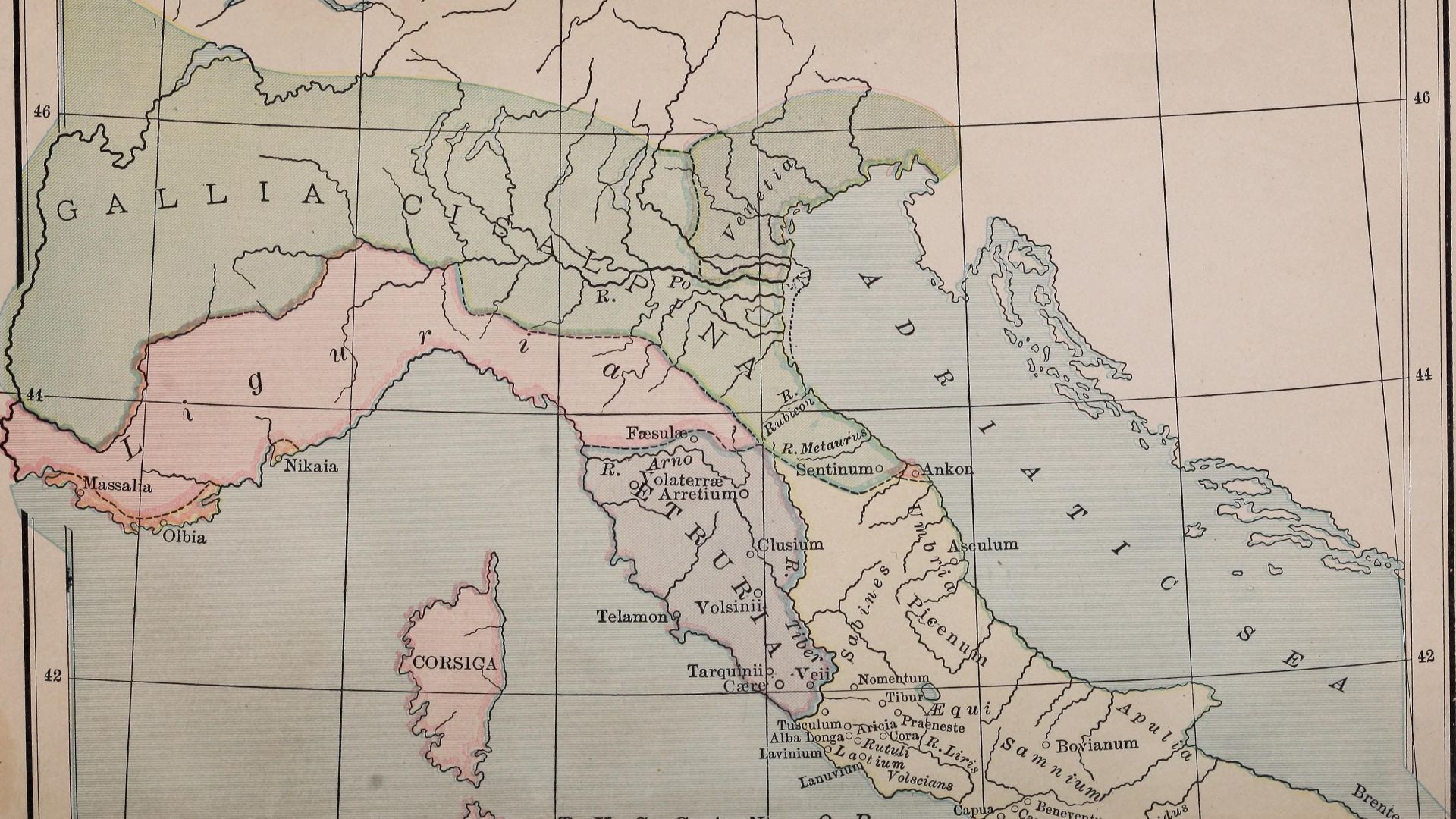
Hannibal's victory at the Battle of Lake Trasimene in 217 BC relied heavily on deception. He concealed much of his army in the surrounding terrain and lured the Romans into a vulnerable position beside the lake. The ambush caught the Romans by surprise and resulted in one of the largest military disasters in Roman history.
 Internet Archive Book Images on Wikimedia
2. The Battle of Gaugamela
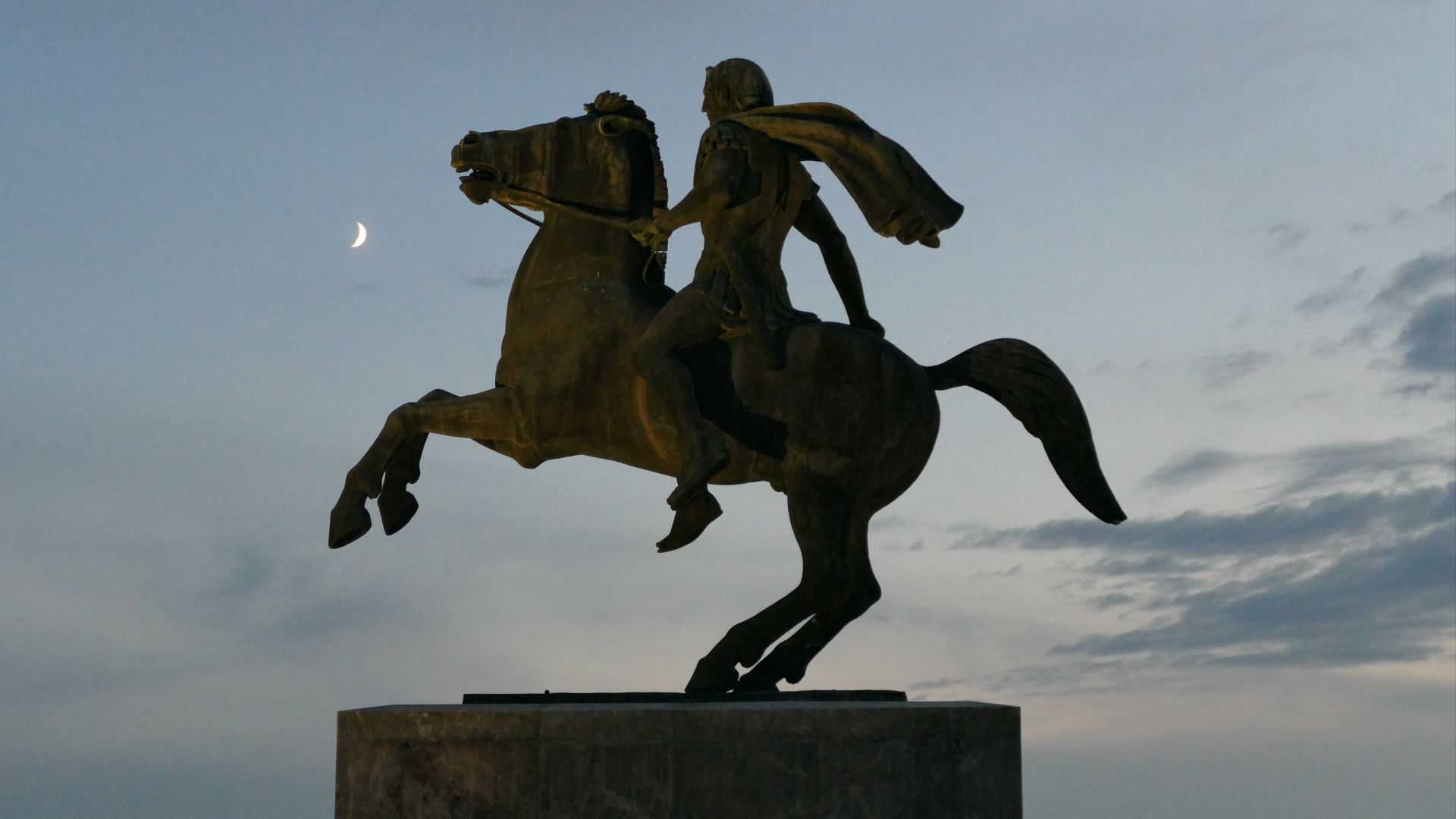
Alexander the Great used misleading troop movements before facing Darius III in 331 BC. By maneuvering in ways that confused the Persian commander about his intentions, Alexander created opportunities to exploit weaknesses in the Persian line. His decisive attack helped secure the collapse of the Achaemenid Empire.
3. The Norman Conquest of England
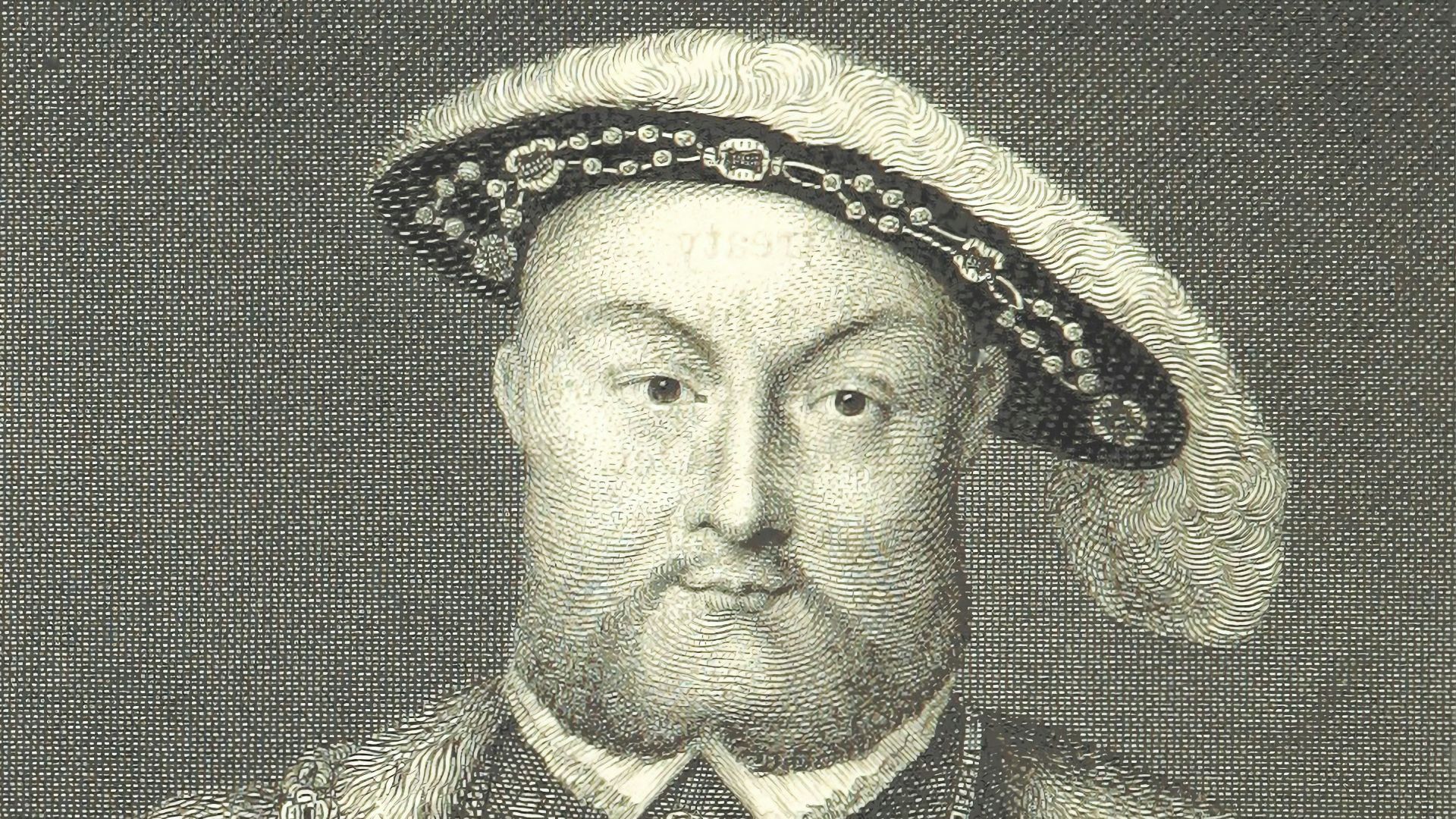
During the Battle of Hastings in 1066, Norman forces reportedly used feigned retreats to draw portions of the English army out of their defensive formation. Once English troops pursued what appeared to be a retreating enemy, the Normans turned and attacked. This tactic contributed significantly to William's victory.
4. The Mongol Conquests
Mongol armies frequently employed false withdrawals and misleading movements across multiple campaigns. Opposing forces often believed they were pursuing a defeated enemy, only to find themselves trapped and surrounded. These tactics helped the Mongols build one of the largest empires in history.
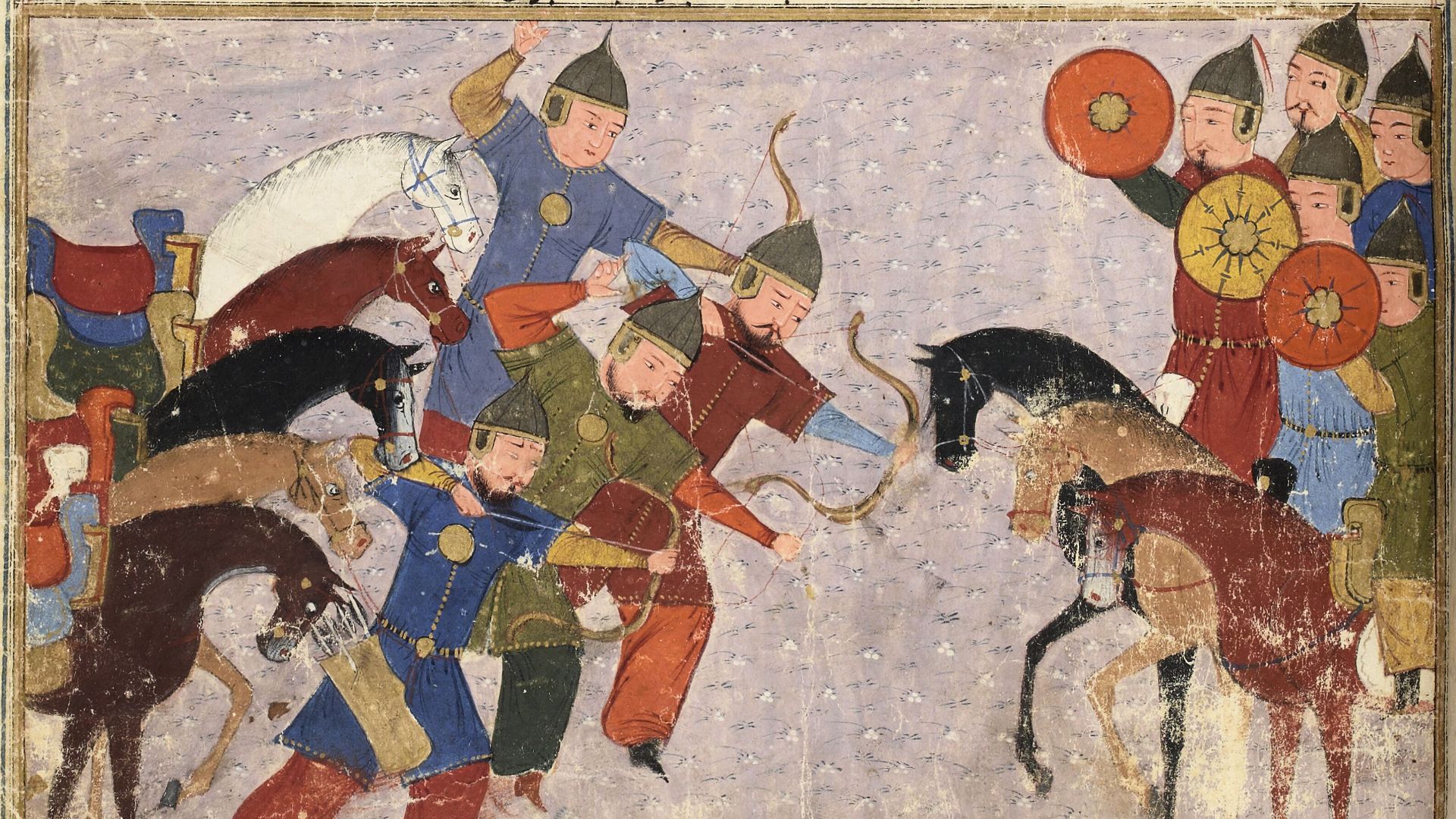 Sayf al-Vâhidî. Hérât. Afghanistan on Wikimedia
5. The Battle of Trenton
George Washington achieved a crucial victory in December 1776 by crossing the Delaware River under difficult conditions and striking unexpectedly. Hessian defenders did not anticipate a major attack during the winter holiday period. The surprise assault boosted American morale during the Revolutionary War.
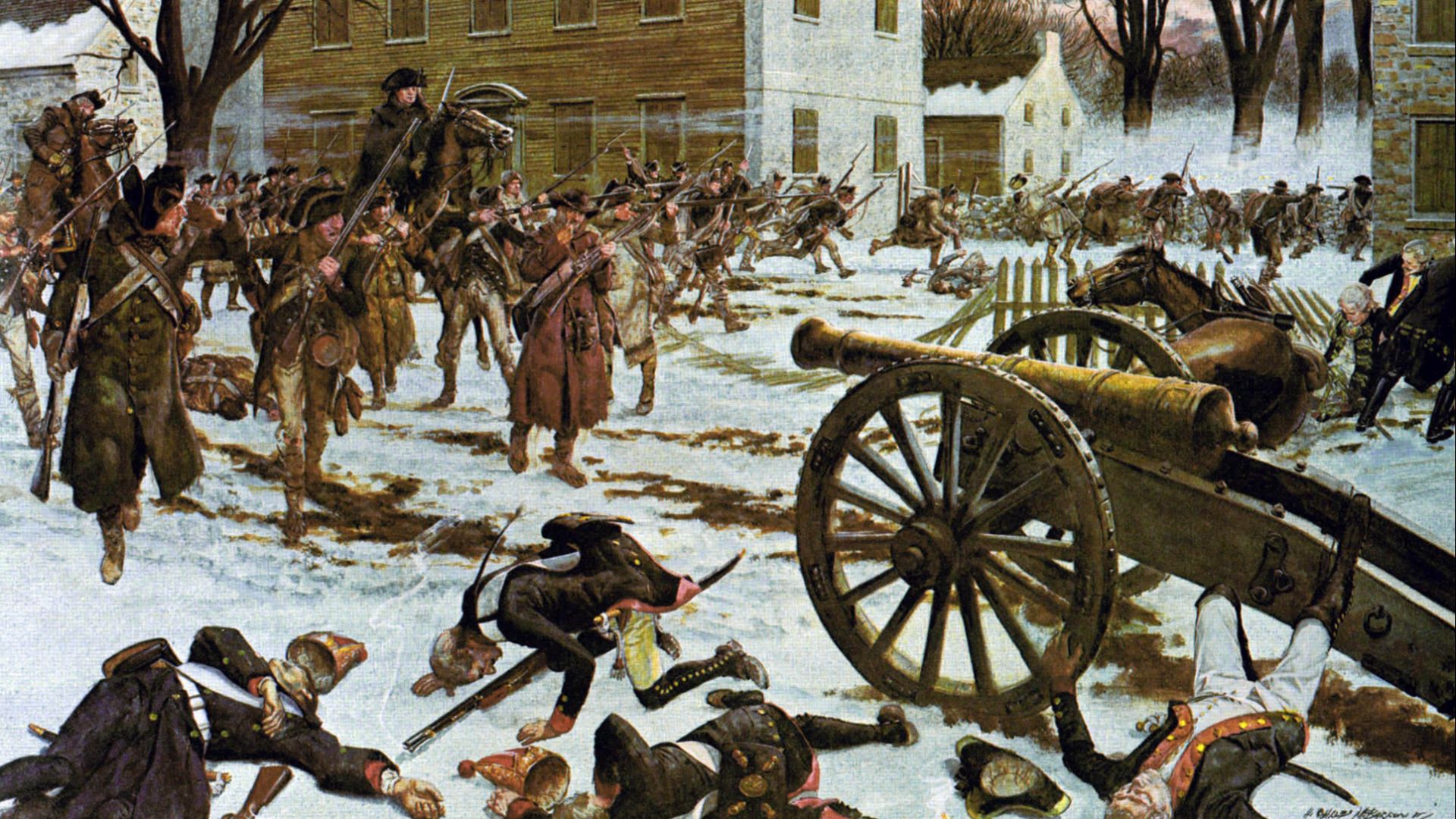
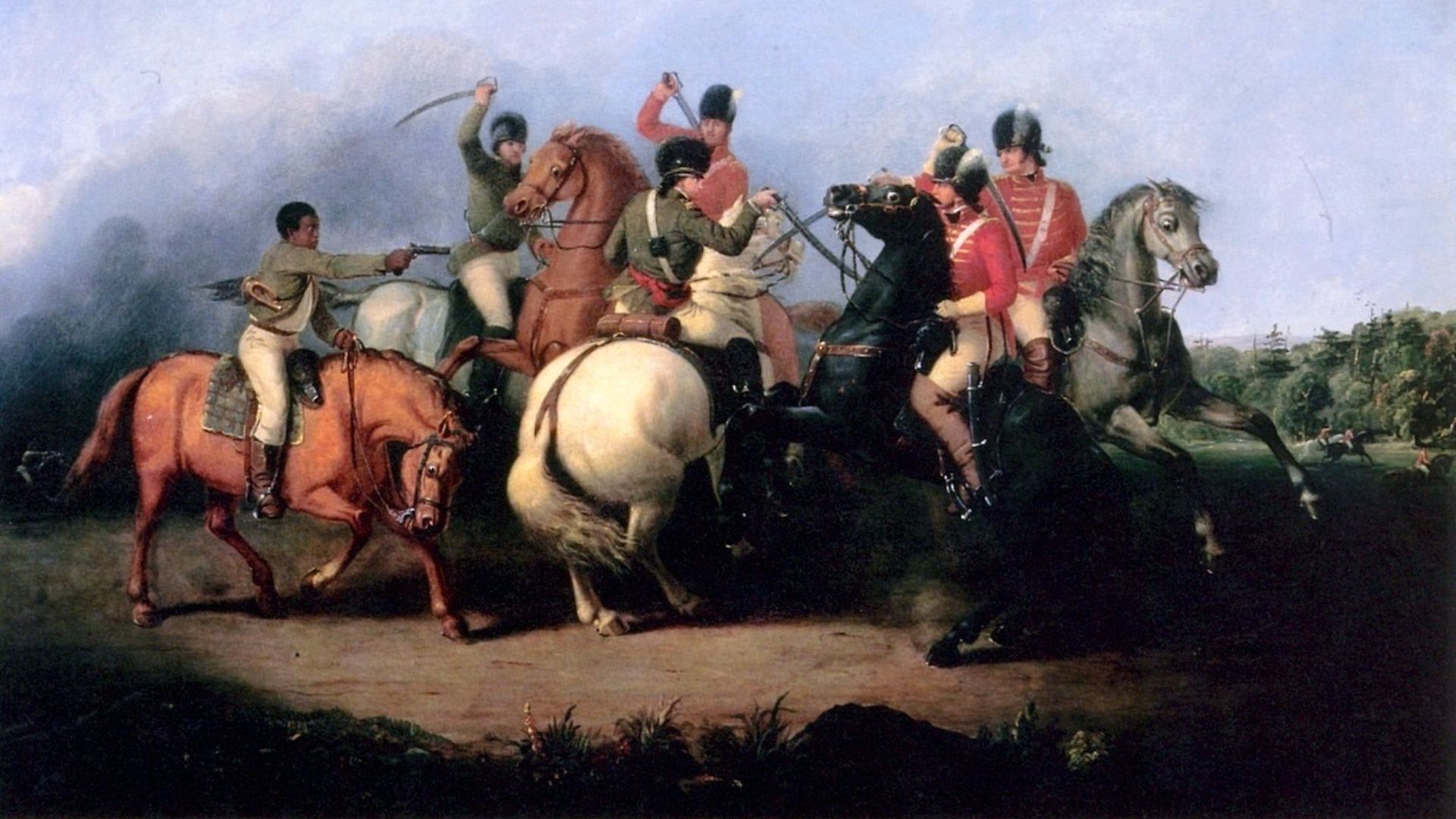
6. The Battle of Cowpens
American commander Daniel Morgan carefully arranged his troops in January 1781 to create the appearance of a weakening defense. British forces under Banastre Tarleton advanced aggressively, believing victory was within reach. Morgan's plan drew them into a position where American troops could counterattack effectively.
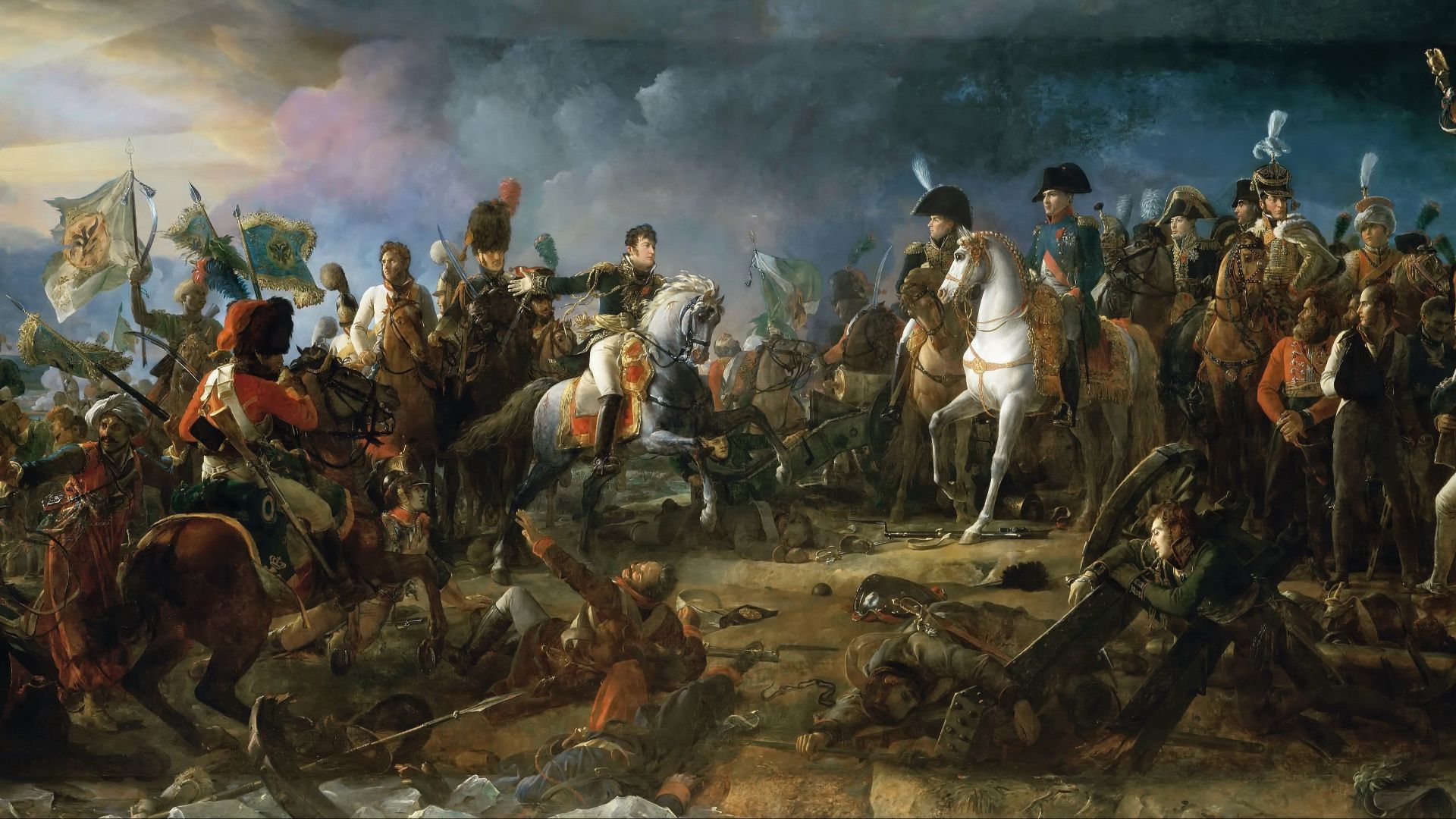
7. The Battle of Austerlitz
Napoleon deliberately appeared weaker than he actually was before the battle in 1805. He encouraged the Allies to believe his right flank was vulnerable and invited them to attack it.
8. Operation Fortitude
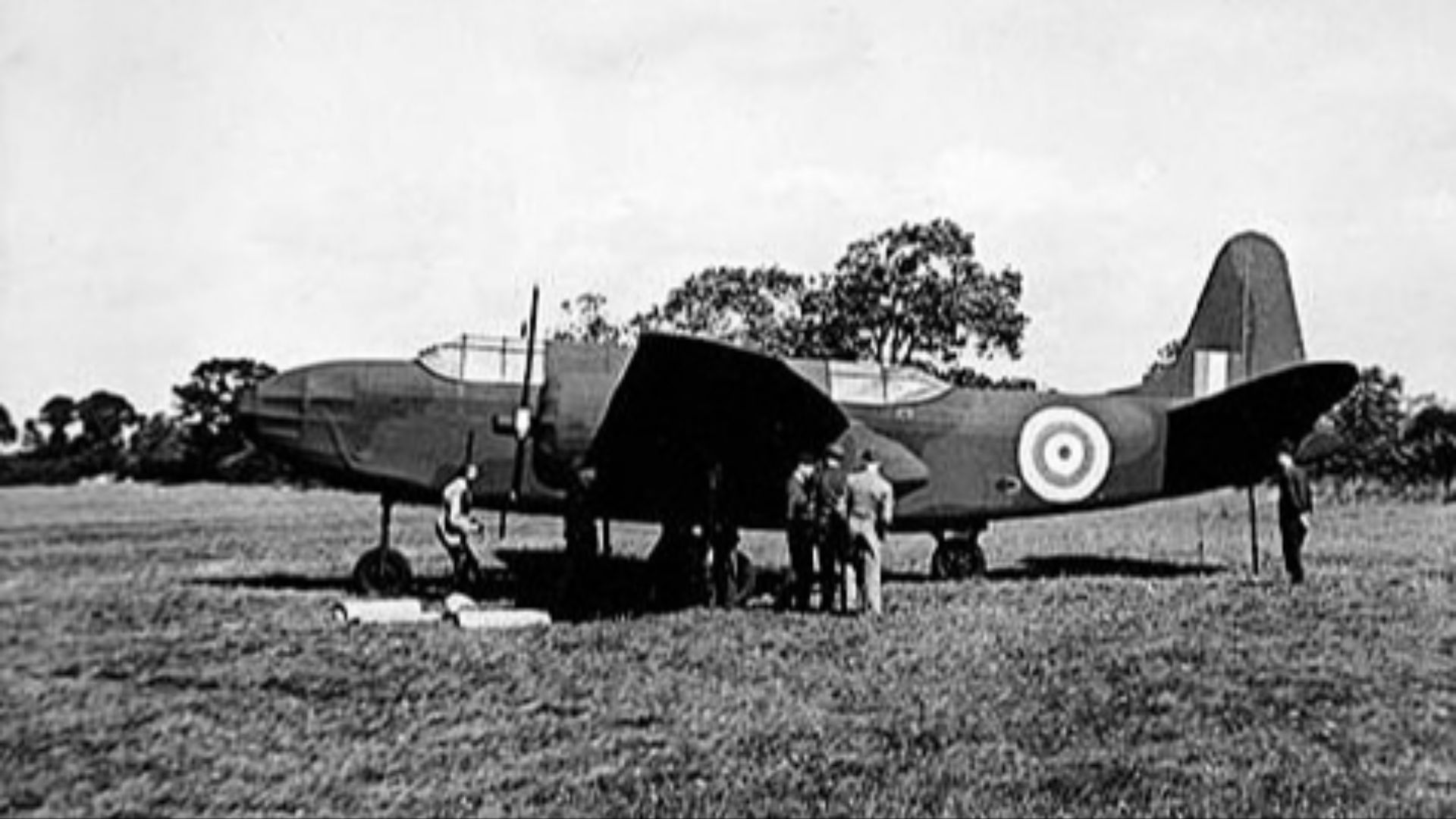
Before the D-Day landings in 1944, the Allies conducted an extensive deception campaign designed to convince Germany that the invasion would occur at Pas-de-Calais. Fake armies, false radio traffic, and dummy equipment reinforced the illusion.
 Royal Air Force official photographer, Post-Work: User:W.wolny on Wikimedia
9. The Six-Day War
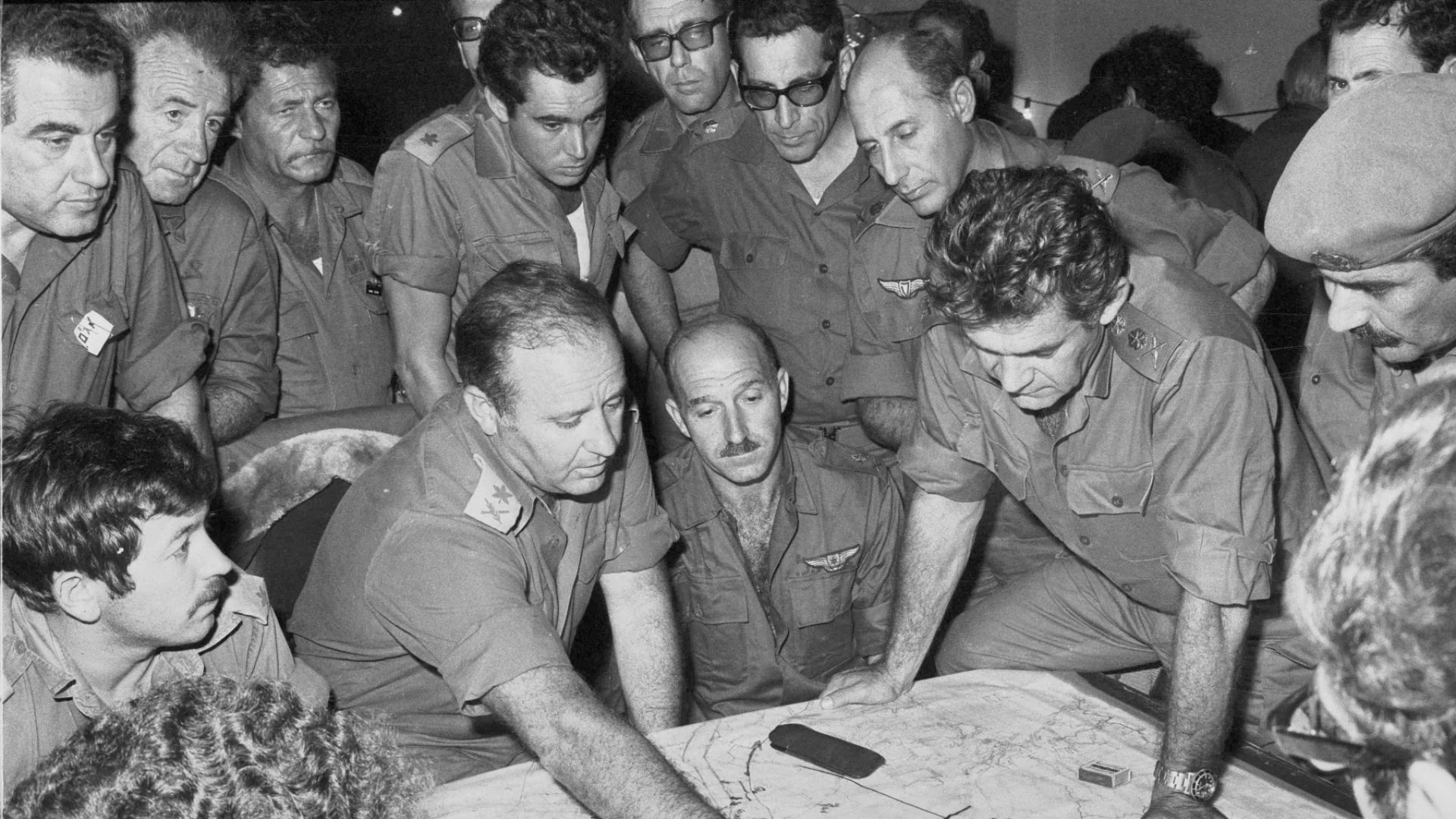
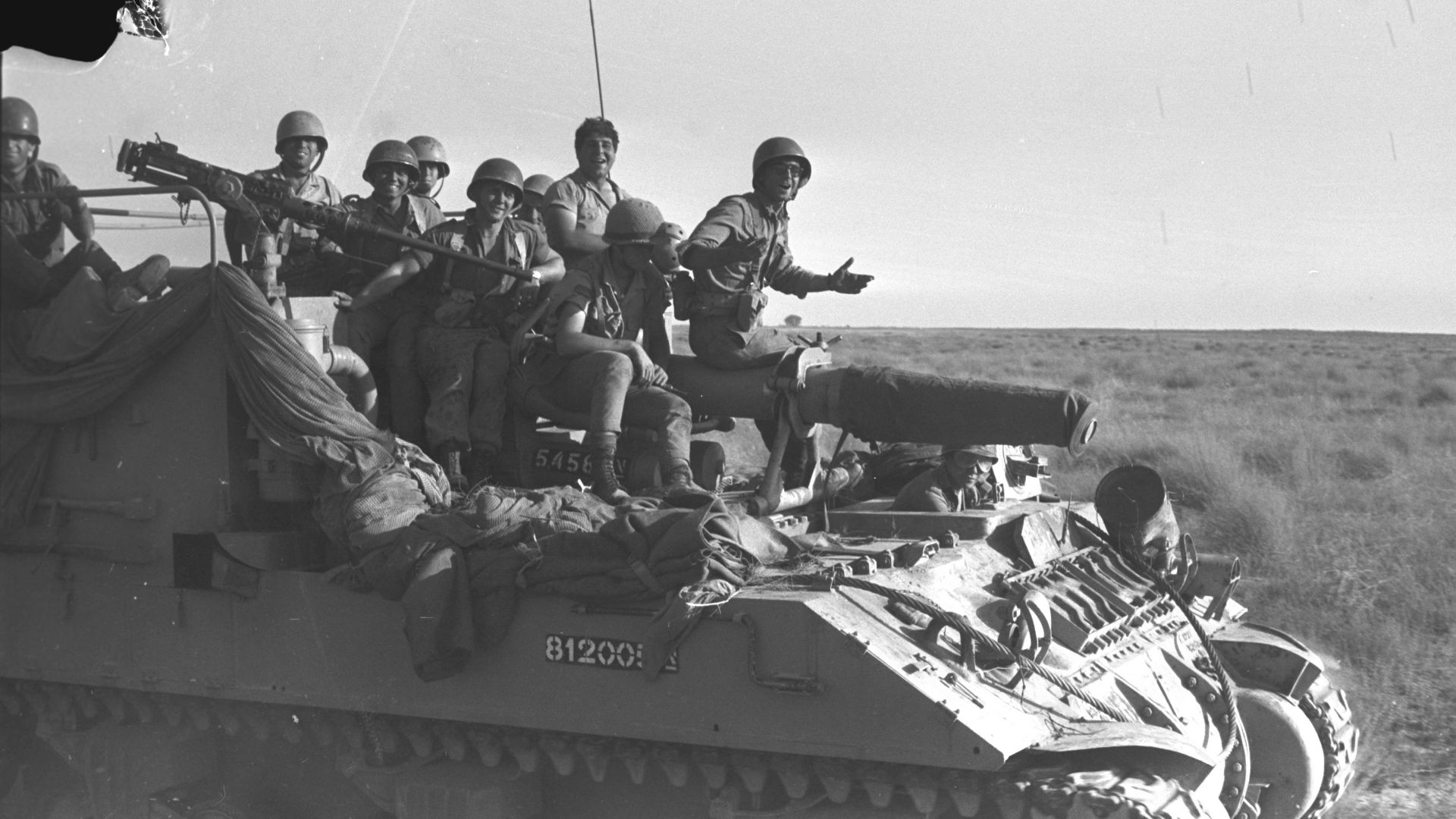
In 1967, Israel launched a surprise air campaign that severely damaged opposing air forces at the beginning of the conflict. The operation relied on careful planning and secrecy to achieve maximum effect. Gaining early control of the skies contributed greatly to Israel's rapid victory.
10. The Yom Kippur War's Opening Offensive
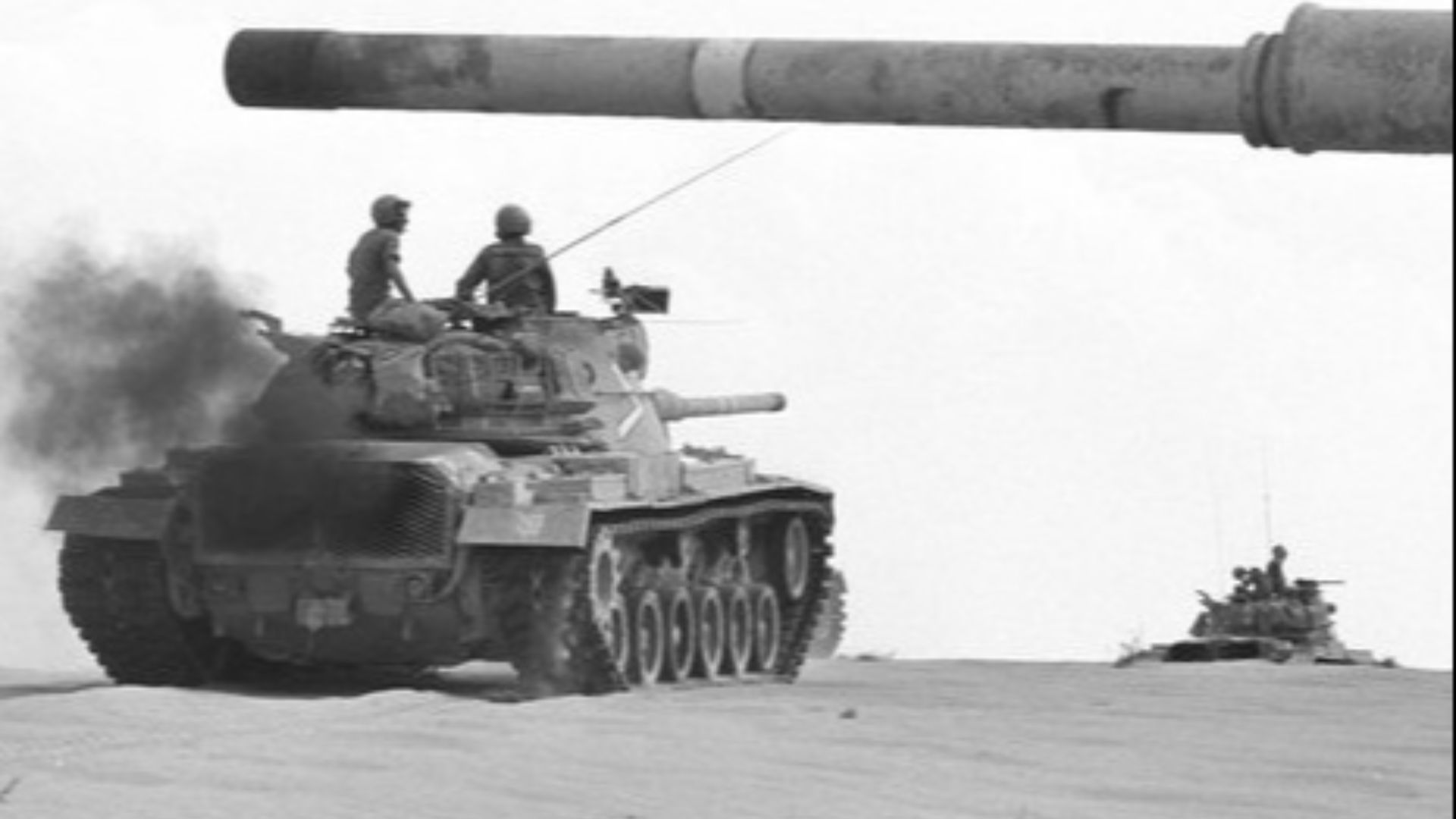
Egypt successfully concealed many of its preparations before launching attacks across the Suez Canal in 1973. Israeli leaders largely believed a major assault was unlikely despite warning signs. The surprise enabled Egyptian forces to achieve significant early successes, even though the war ended in their defeat.
 ארכיון עיתון במחנה IDF Spokesperson's Unit photographer on Wikimedia
1. The Persian Invasion of Greece
King Xerxes entered Greece in 480 BC with enormous forces and expected a relatively straightforward victory. While he won some engagements, Greek resistance proved far stronger than anticipated. Defeats such as Salamis ultimately undermined Persian ambitions.

2. The Roman Defeat at Cannae
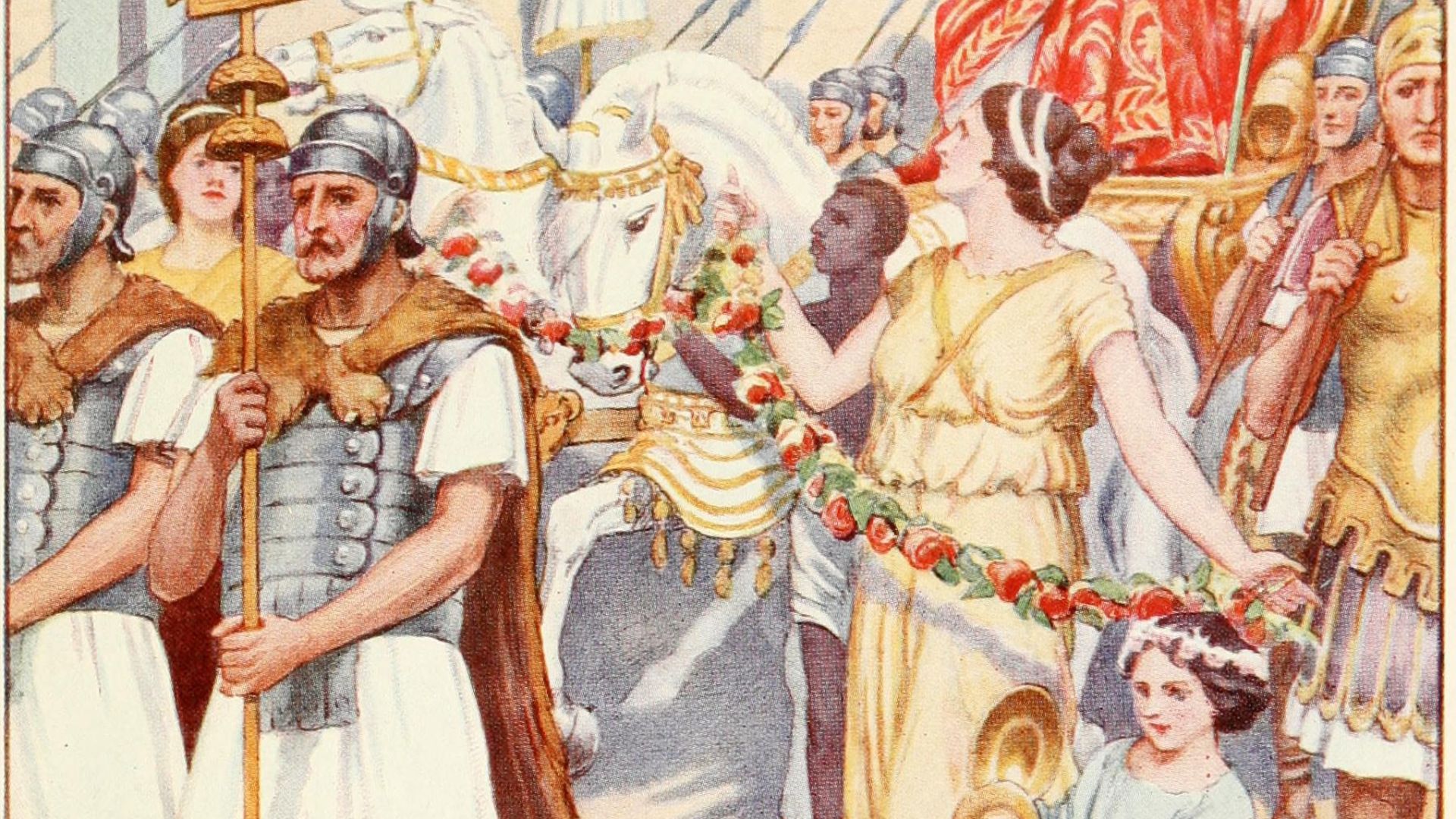
Roman leaders believed their larger army would overwhelm Hannibal in 216 BC. Confident in their numerical advantage, they advanced directly into his carefully prepared trap. The result was one of the most devastating defeats Rome ever suffered.
 Internet Archive Book Images on Wikimedia
3. Napoleon's Invasion of Russia
Napoleon entered Russia in 1812, expecting another rapid campaign similar to previous successes. He underestimated the challenges posed by distance, logistics, weather, and Russian strategy. The disastrous retreat destroyed much of his army and permanently weakened his empire.
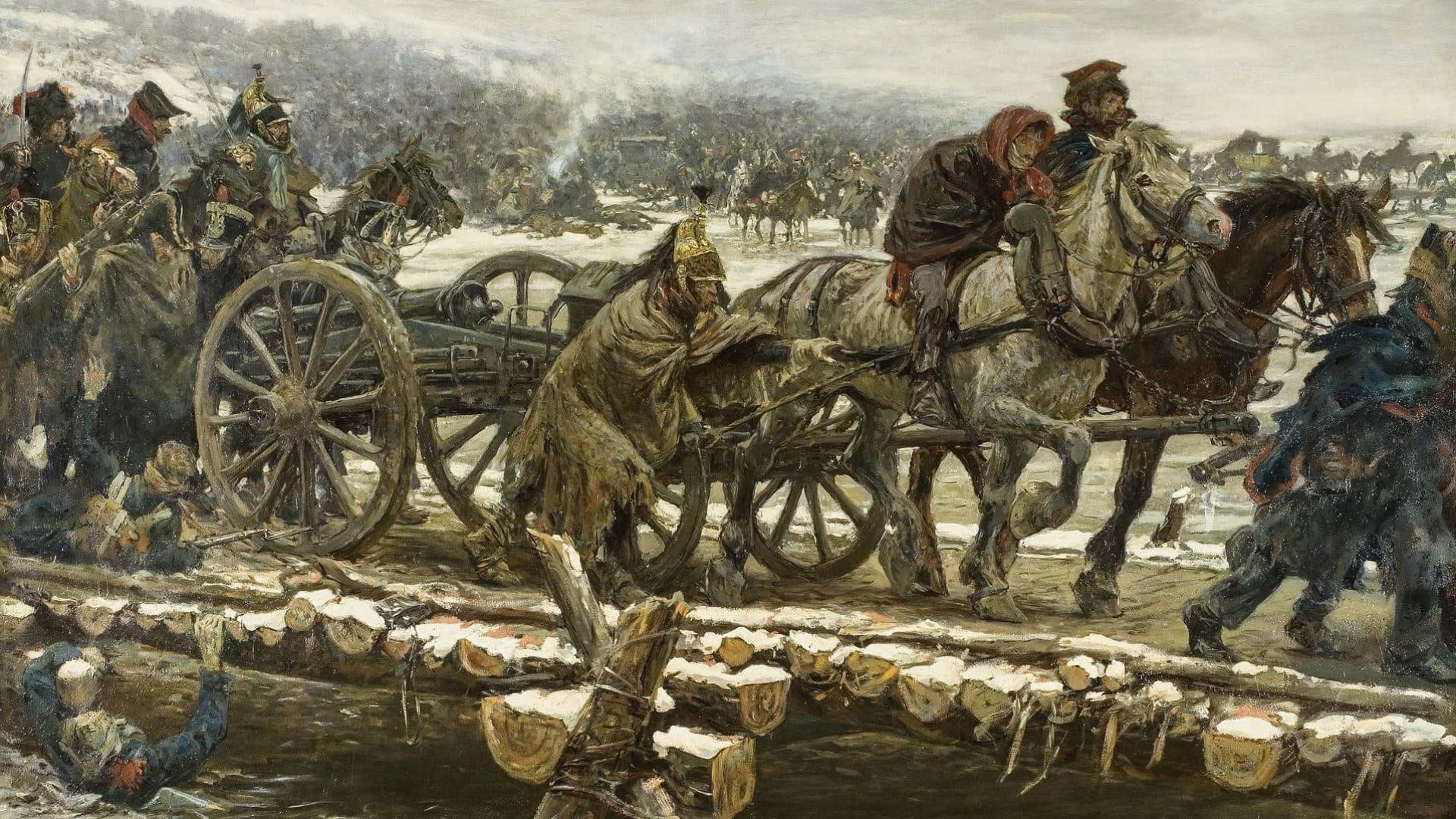 Jan Hoynck van Papendrecht on Wikimedia
4. The First Anglo-Afghan War
British authorities assumed they could easily install a friendly government in Afghanistan during the 1830s. The campaign ended in a major British defeat.
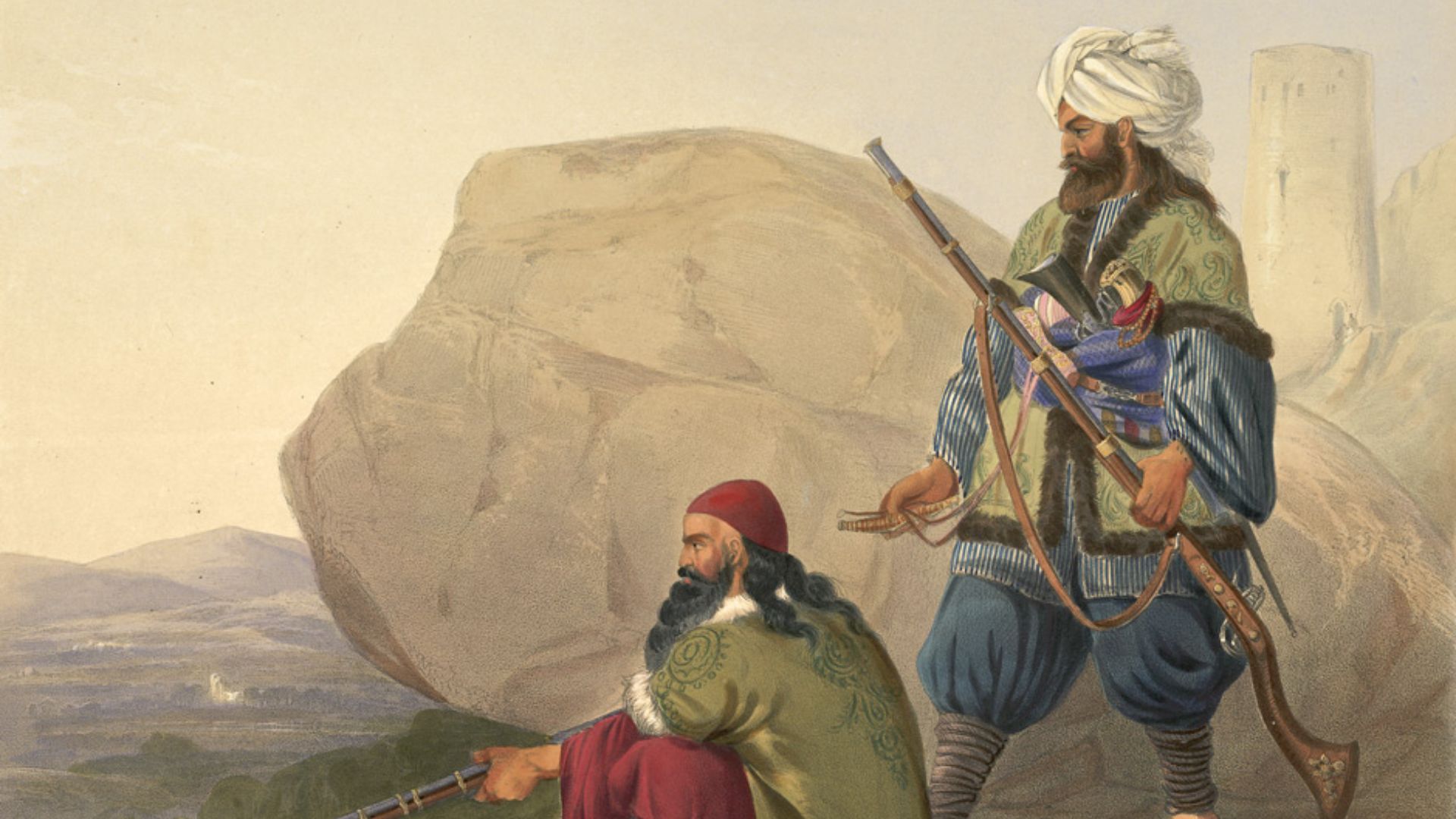 Lieutenant James Rattray on Wikimedia
5. The American Civil War's Early Confederate Expectations
Many Confederate leaders believed the conflict would be relatively short and that Northern resolve would weaken quickly. They underestimated the Union's industrial capacity, manpower, and willingness to continue fighting. As the war dragged on, those assumptions became increasingly costly.
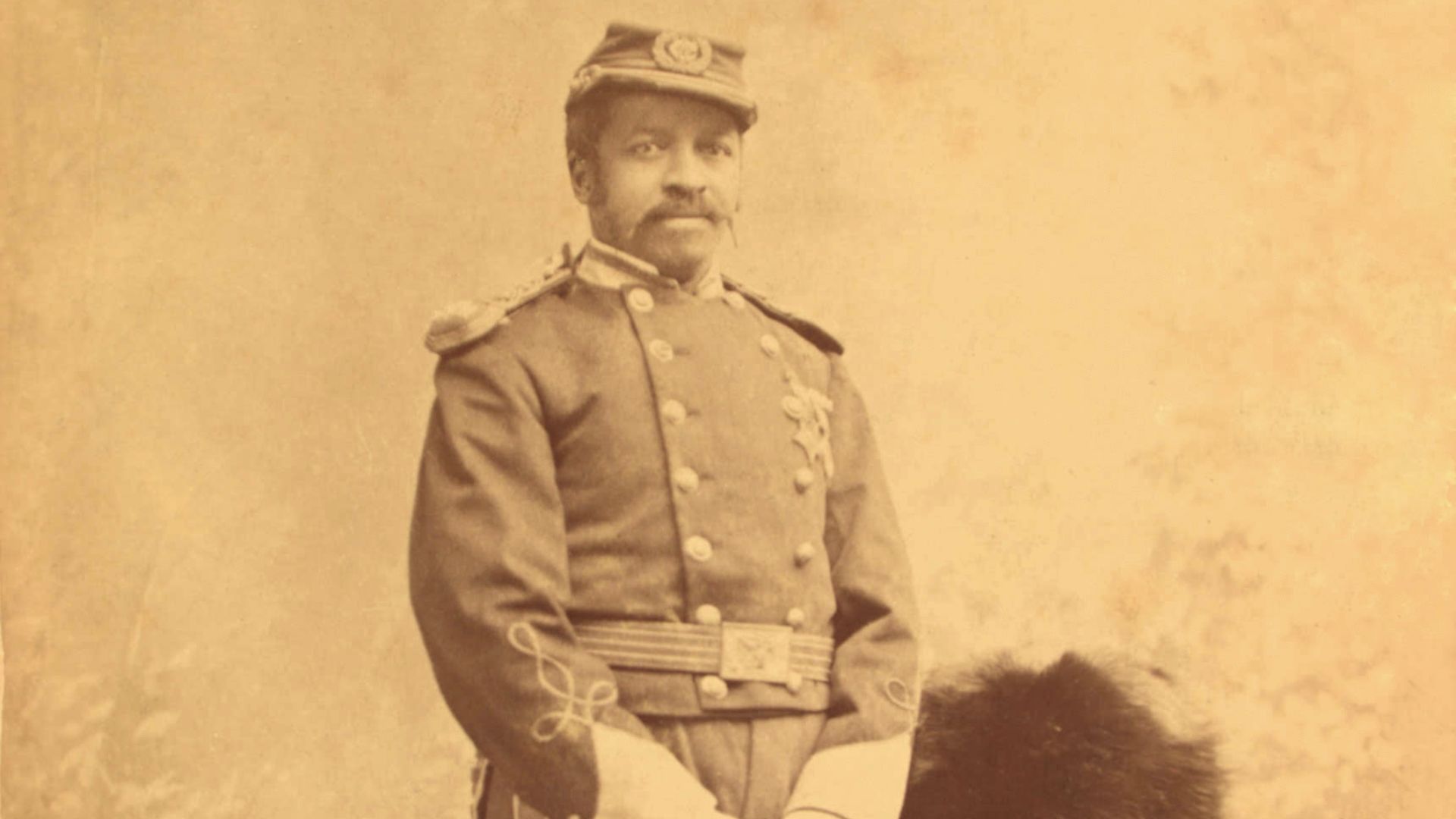 Unidentified photographer / Adam Cuerden on Wikimedia
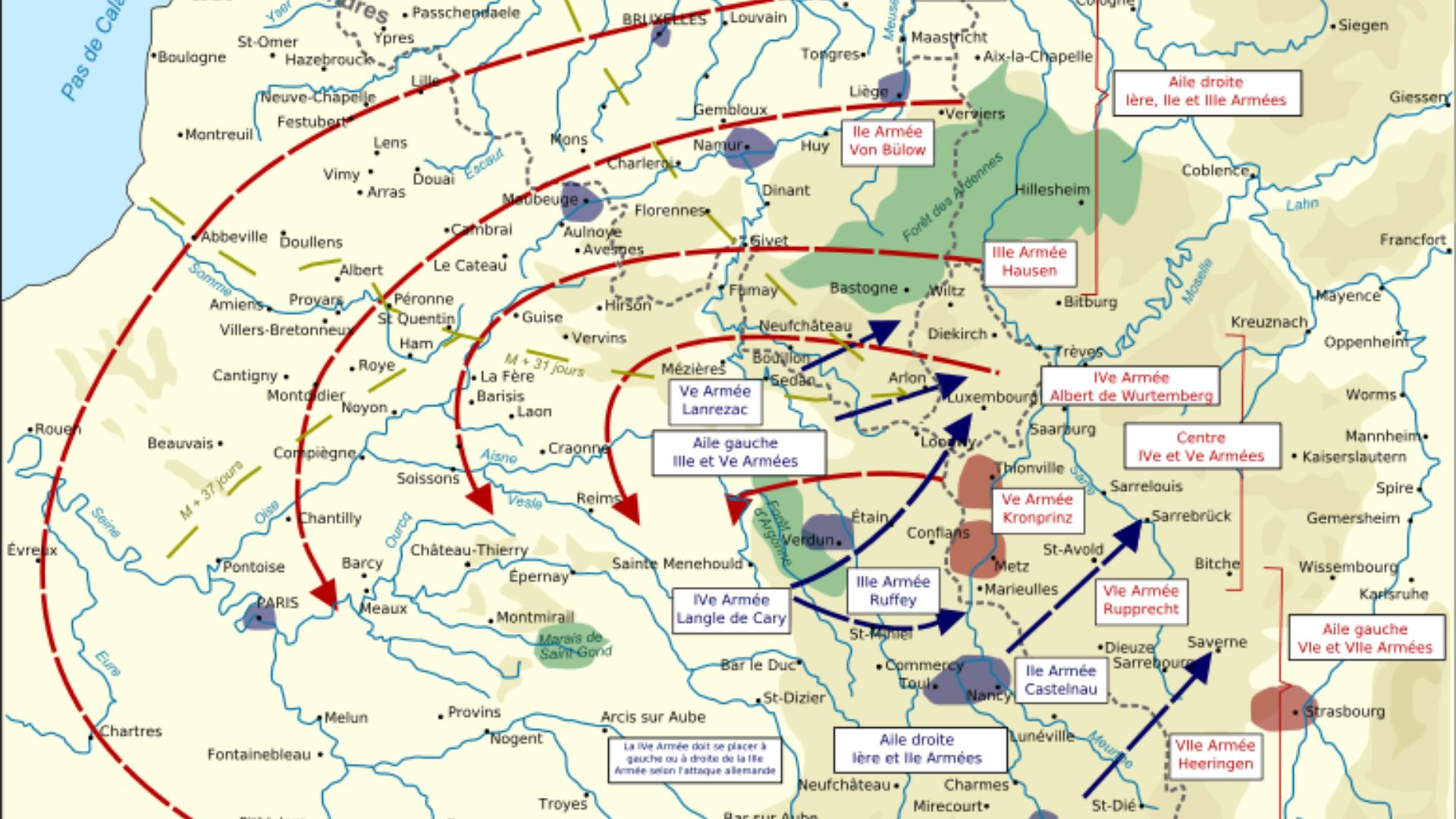
6. Germany's Schlieffen Plan
At the beginning of World War I, German planners expected a rapid victory over France before turning fully toward Russia. The plan relied on optimistic assumptions about timing and enemy reactions. When events failed to unfold as expected, Germany became trapped in a prolonged war.
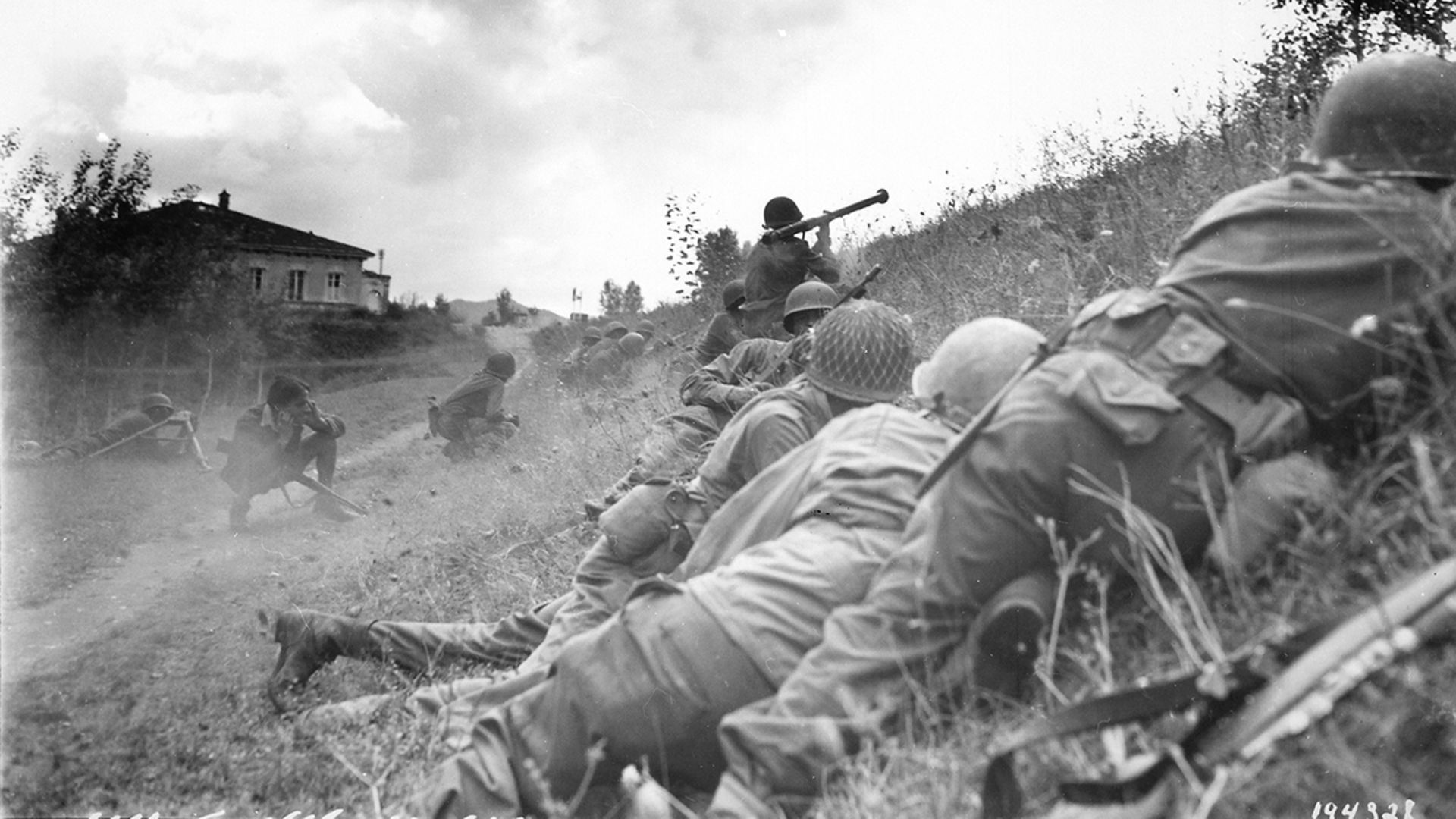
7. Italy's Campaigns in World War II
Italian leaders entered several campaigns expecting quick and relatively easy successes. In places such as Greece and North Africa, resistance proved stronger than anticipated. These setbacks forced Germany to divert resources to support its ally.
 Department of Defense. Department of the Army. Office of the Chief Signal Officer. on Wikimedia
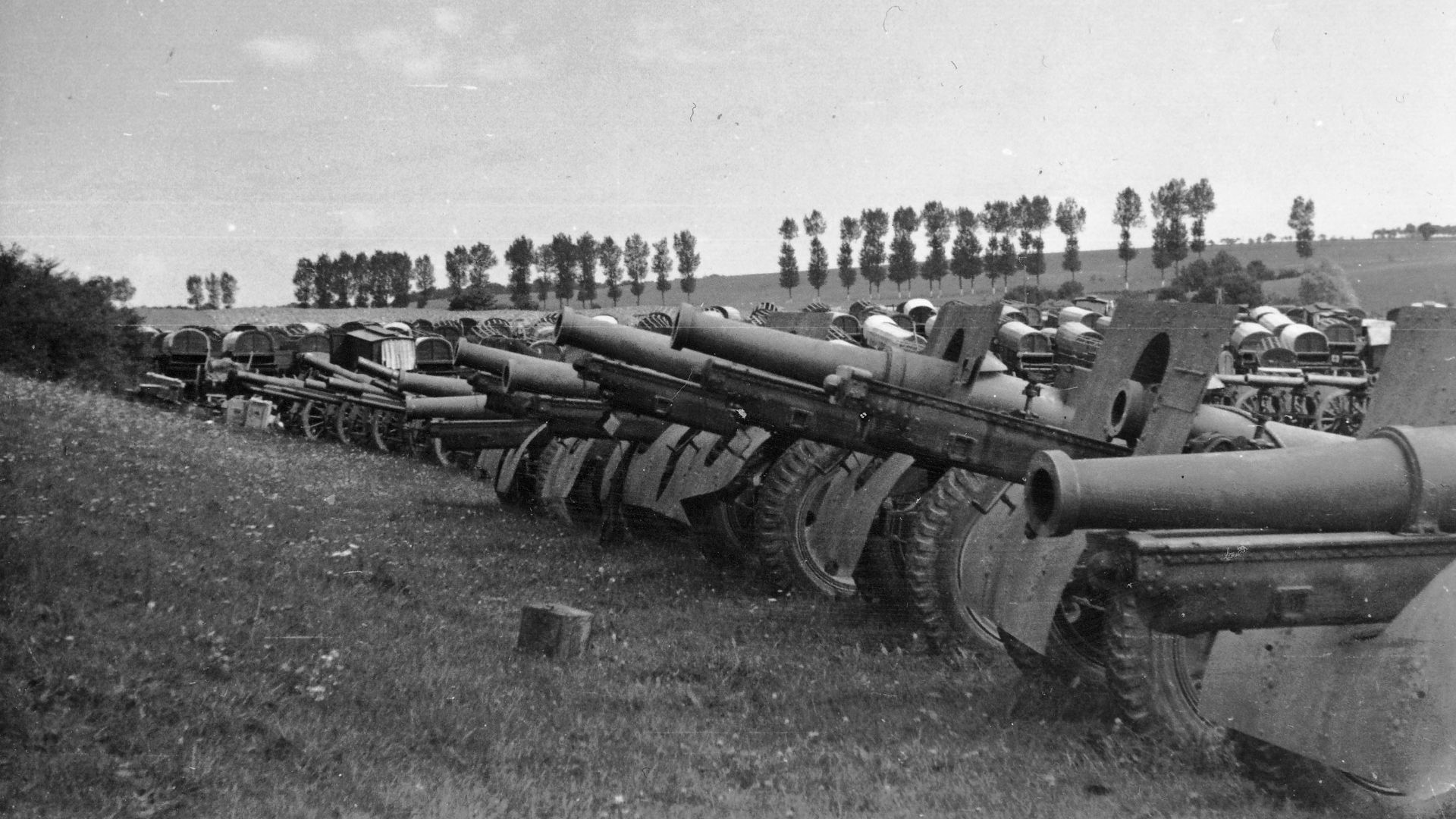
8. Operation Barbarossa
Germany invaded the Soviet Union in 1941, believing the campaign would be completed within months. Nazi leaders underestimated Soviet manpower and determination. The failure to achieve a quick victory became a turning point in World War II.
 Unknown authorUnknown author on Wikimedia
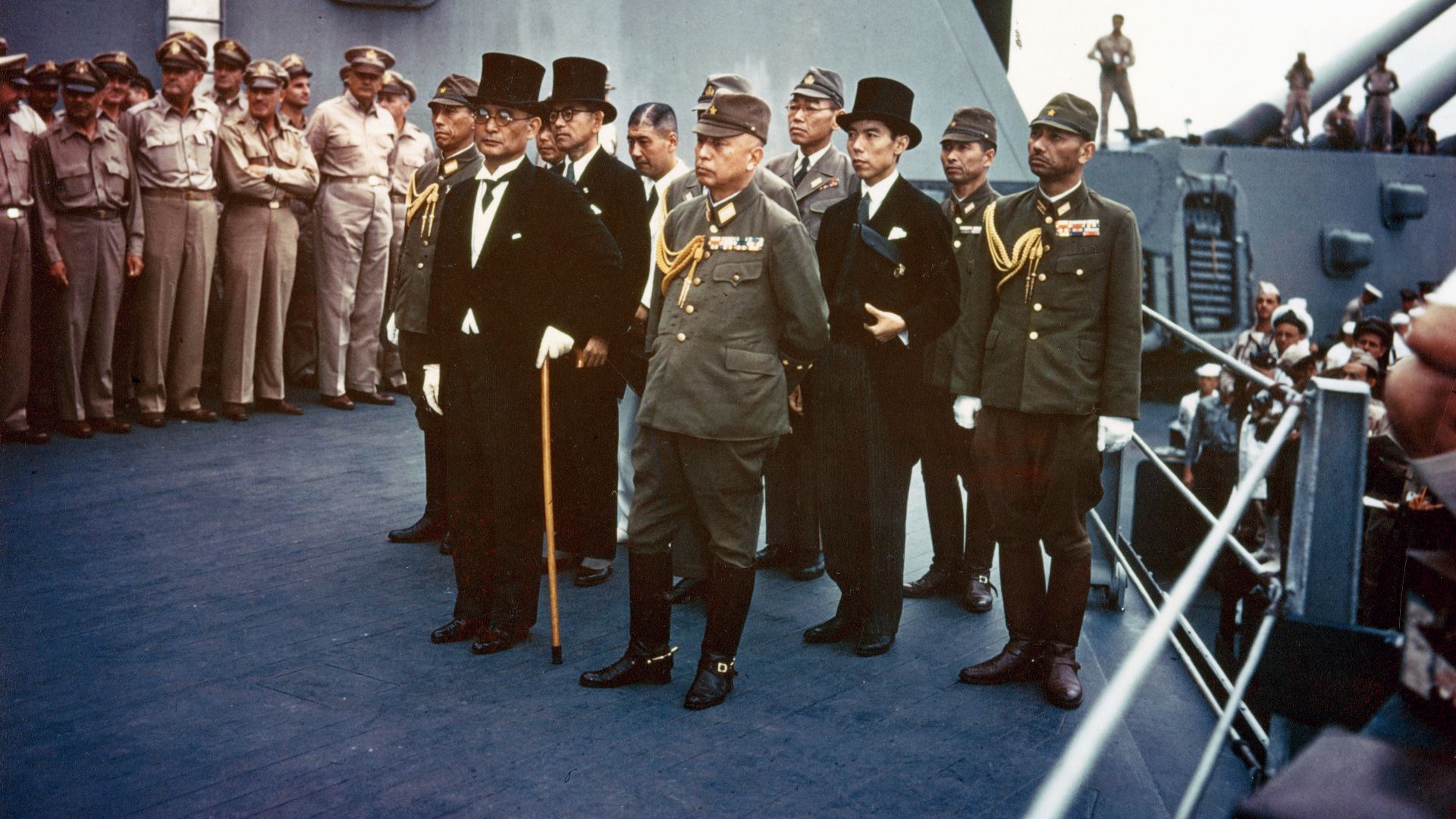
9. Japan and the Pacific War
Japanese leaders expected that early victories would convince the United States to negotiate a settlement. They underestimated American industrial production and long-term military potential. As the war continued, the balance shifted decisively against Japan.
 Army Signal Corps on Wikimedia
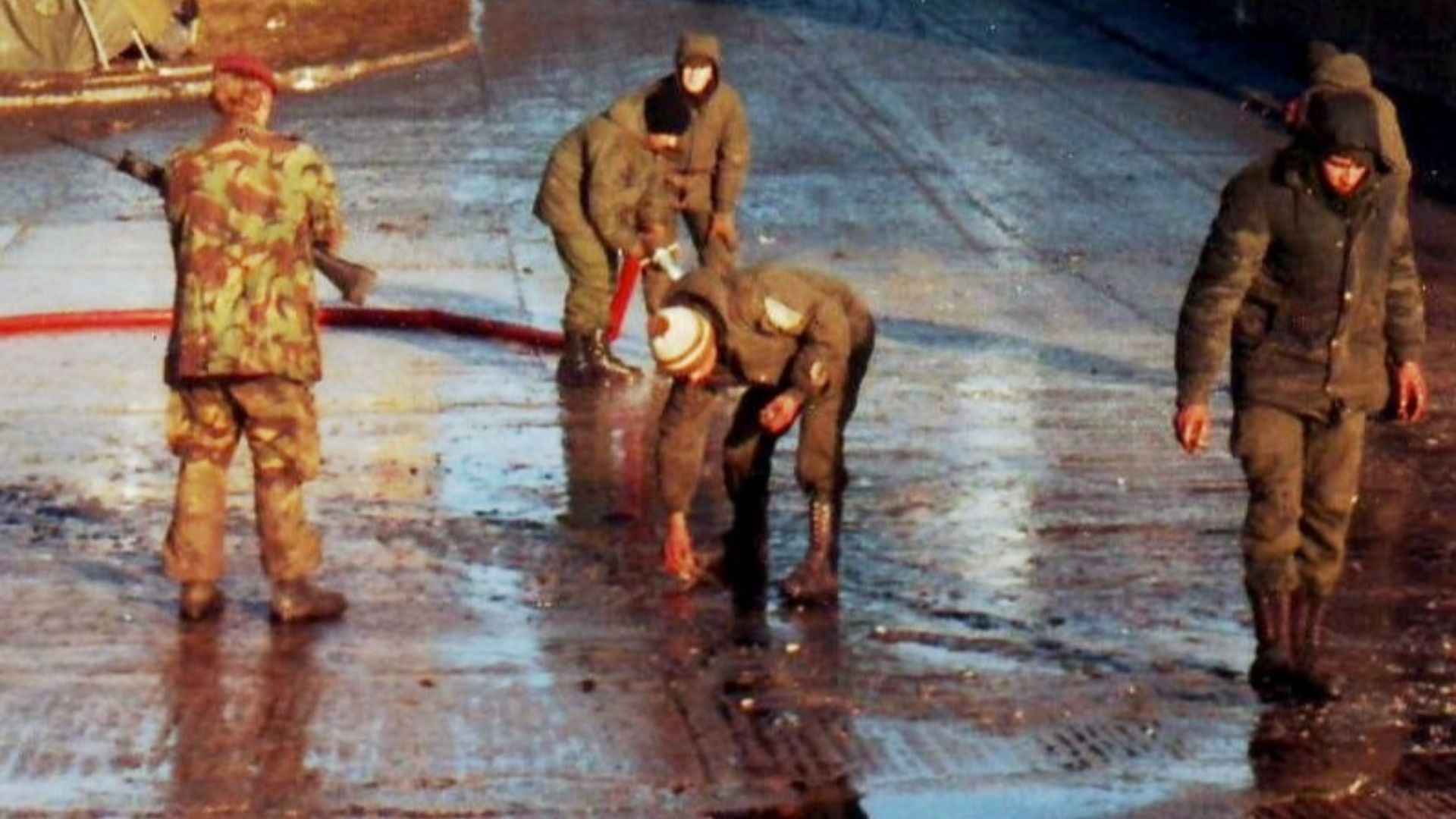
10. Argentina in the Falklands War
Argentina seized the Falkland Islands in 1982, believing Britain would struggle to respond effectively because of the distance involved. The successful British counteroffensive led to Argentina's defeat within a few months.
KEEP ON READING
The story of Ching Shih, the Woman Who Became the…
Unknown author on WikimediaFew figures in history are as feared…
By Emilie Richardson-Dupuis Dec 29, 2025
Einstein's Violin Just Sold At An Auction—And It Earned More…
A Visionary's Violin. Wanda von Debschitz-Kunowski on WikimediaWhen you hear…
By Ashley Bast Nov 3, 2025
This Infamous Ancient Greek Burned Down An Ancient Wonder Just…
History remembers kings and conquerors, but sometimes, it also remembers…
By David Davidovic Nov 12, 2025
The Mysterious "Sea People" Who Collapsed Civilization
3,200 years ago, Bronze Age civilization in the Mediterranean suddenly…
By Robbie Woods Mar 18, 2025
10 Wars Won By Deception & 10 Lost By Overconfidence
When Strategy Matters More Than Strength. Military history is filled…
By Rob Shapiro Jun 19, 2026
20 Soldiers Who Defied Expectations
Changing the Rules of the Battlefield. You’ve probably heard plenty…
By Annie Byrd Feb 10, 2026