



The Viking Age, typically dated from the late 8th century to the early 11th century, marked a period of intense maritime activity across Europe. Norse seafarers from present-day Norway, Denmark, and Sweden traveled vast distances using advanced shipbuilding and navigation techniques. Their raids, trade networks, and settlements reshaped not only political boundaries but also how coastlines were used and defended.
While the image of Viking raids often focuses on sudden attacks, their long-term impact was far more structural. Coastal communities adapted by fortifying settlements, shifting trade routes, and rethinking how they interacted with the sea. Over time, these changes transformed Europe’s coastlines into more strategic, organized, and economically connected regions.
Coastal Settlements Shifted Toward Defense
Before Viking incursions, many European coastal communities were relatively open and lightly defended. Monasteries and trading centers were often located directly along the shoreline for ease of access. This made them vulnerable to fast-moving Viking longships, which could land quickly and retreat just as fast. The raid on Lindisfarne in 793 is one of the earliest recorded examples of this vulnerability. Such sites were chosen for convenience rather than protection, which left them exposed.
In response, communities began relocating or reinforcing key sites. Settlements moved further inland or onto higher ground where possible, creating natural defensive advantages. Coastal towns that remained in place invested in walls, watchtowers, and early warning systems. These adaptations reflected a growing awareness of maritime threats.
Over time, this defensive mindset became standard across much of Western Europe. Fortified towns and burhs, especially in Anglo-Saxon England under Alfred the Great, were developed to resist further incursions. These structures didn’t just protect populations but also redefined how coastlines were organized and occupied. They created networks of defense that could respond more effectively to incoming threats. Communication between settlements improved as part of this system. The coastline became a monitored boundary rather than an open frontier.
Trade Networks Expanded Along Maritime Routes
Although Vikings are often remembered for raiding, they were also skilled traders who connected distant regions. Their routes extended from the British Isles to the Mediterranean and even into the rivers of Eastern Europe. Coastal areas became hubs for exchange, linking inland regions to broader trade networks. This increased the economic importance of strategic ports. Goods such as silver, furs, and textiles moved along these routes with increasing frequency.
As Viking activity grew, so did the demand for more organized and secure trading centers. Coastal towns began to develop infrastructure to support commerce, including docks, warehouses, and marketplaces. Places like Dublin, which started as a Viking settlement, evolved into major trading ports. These developments reshaped coastlines into active economic zones rather than isolated entry points. The presence of traders encouraged long-term settlement and urban growth. This shift contributed to the rise of more permanent and structured coastal communities.
The integration of Viking trade routes also influenced cultural exchange. Goods, ideas, and technologies moved more freely across regions connected by sea. This led to more diverse and dynamic coastal communities. Over time, the coastline became a space of interaction rather than just defense or vulnerability.
Naval Technology and Coastal Strategy Evolved
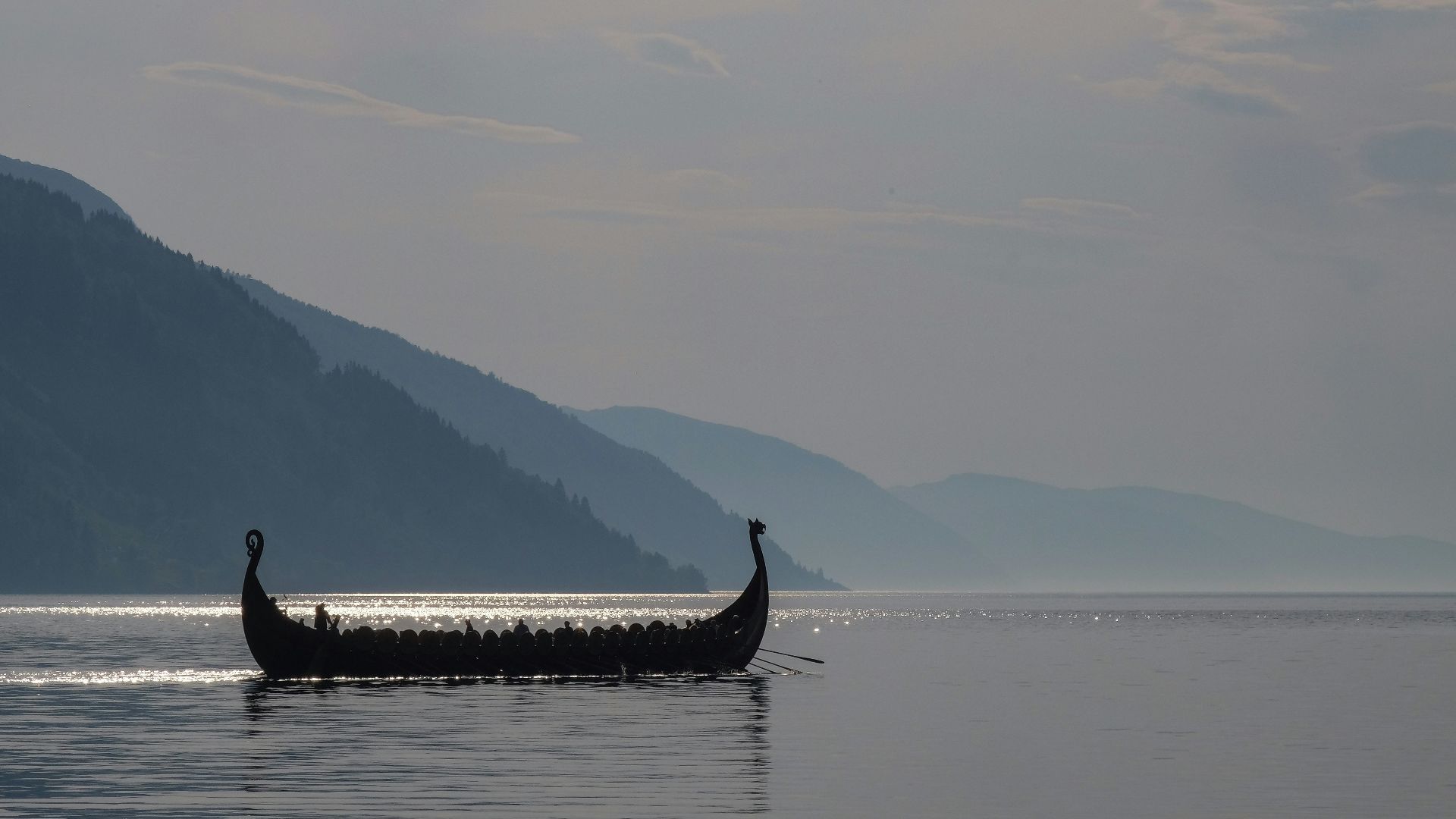 Steinar Engeland on UnsplashThe effectiveness of Viking longships forced European societies to rethink naval strategy. These ships were designed for speed, shallow waters, and versatility, allowing them to navigate both open seas and narrow rivers. This gave the Vikings a significant advantage in reaching inland areas via waterways. Coastal defenses alone were no longer enough to ensure safety. The ability to travel upriver expanded the range of potential targets. This required a broader approach to defense that extended beyond the shoreline.
In response, European kingdoms began developing their own naval capabilities. Shipbuilding techniques improved, and fleets were organized to patrol and defend coastal regions. Alfred the Great, for example, is known to have commissioned ships specifically designed to counter Viking vessels. This marked an early step toward more structured naval defense systems and helped reduce the effectiveness of future raids over time. Organized fleets also allowed for more proactive defense rather than reactive measures.
These changes extended beyond warfare into broader coastal management. Rivers, estuaries, and harbors were monitored more closely as potential access points. Strategic planning began to account for both land and sea-based threats. As a result, coastlines were no longer passive boundaries but active components of regional defense and governance.
The impact of Viking raids on European coastlines went far beyond immediate destruction. Communities adapted by strengthening defenses, expanding trade networks, and improving naval strategies. These shifts changed how coastlines were used, viewed, and protected across the continent. Over time, the legacy of Viking activity helped shape a more connected and strategically organized coastal Europe. These changes influenced settlement patterns and economic development for centuries. The transformation of coastlines during this period remains a key part of European historical geography.
KEEP ON READING

The Brutal Realities Of Gladiator Life Beyond the Arena
David Cruz asenjo on PexelsWhen most people think of gladiators,…
By Rob Shapiro Mar 31, 2026
The Volcano Winter That Nearly Toppled Europe
Collin Ross on UnsplashMost people, if asked to name a…
By Cameron Dick Mar 31, 2026
From School Plays To Starting A Cult: 20 Of The…
The Books That Made Us. Many people will tell you…
By Farva Ivkovic Jan 31, 2025
20 Facts About Jane Grey, The Forgotten Queen Of England
A Quick, Messy, and Tragic Reign. Lady Jane Grey never…
By Maria Cruz Jan 31, 2025
20 Priceless Historical Art Pieces Rescued By The Monuments Men
Protecting Human History. While the soldiers on the front lines…
By Sara Springsteen Mar 31, 2026
Almost Every Ancient Statue Has a Missing Nose, And It's…
Gary Todd from Xinzheng, China on WikimediaWalk through the classical…
By Elizabeth Graham Mar 31, 2026