


One Life, Millions of Followers
History is full of people who were simply trying to live according to what they believed was true, and wound up changing the world in the process. Some sought followers. Many did not. Some were executed, exiled, or declared heretics in their own lifetimes and venerated for centuries afterward. What they shared was a life so compelling that other people couldn't stop talking about it long after they were gone. Here's 20 of them.
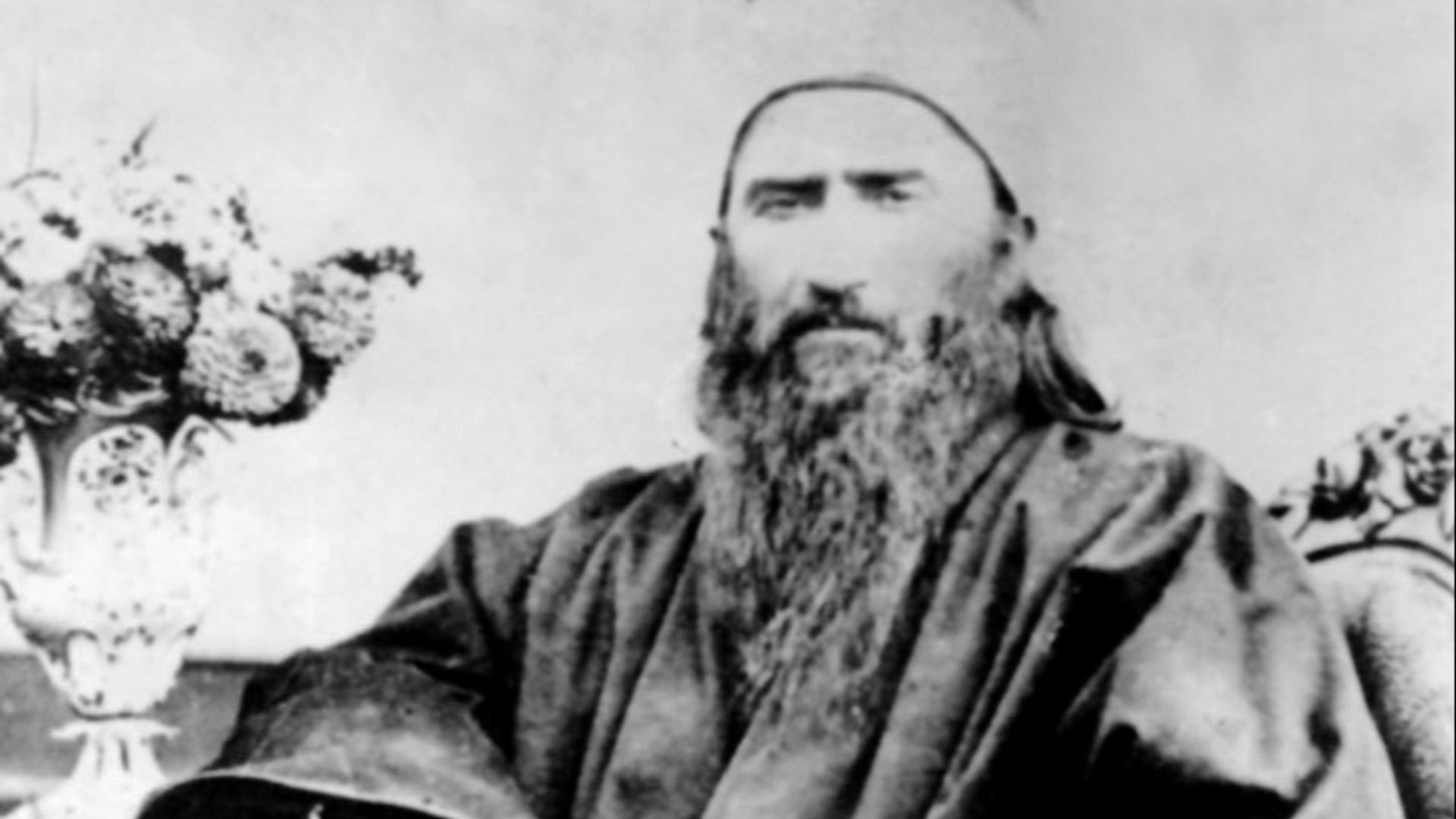
1. Jesus of Nazareth
A Jewish teacher and healer from Galilee, Jesus preached a message of love, forgiveness, and the coming kingdom of God before his crucifixion by Roman authorities around 30 CE. His resurrection, as believed by his followers, became the foundation of the Christian faith. Christianity is now the largest religion on earth, with roughly two billion adherents.
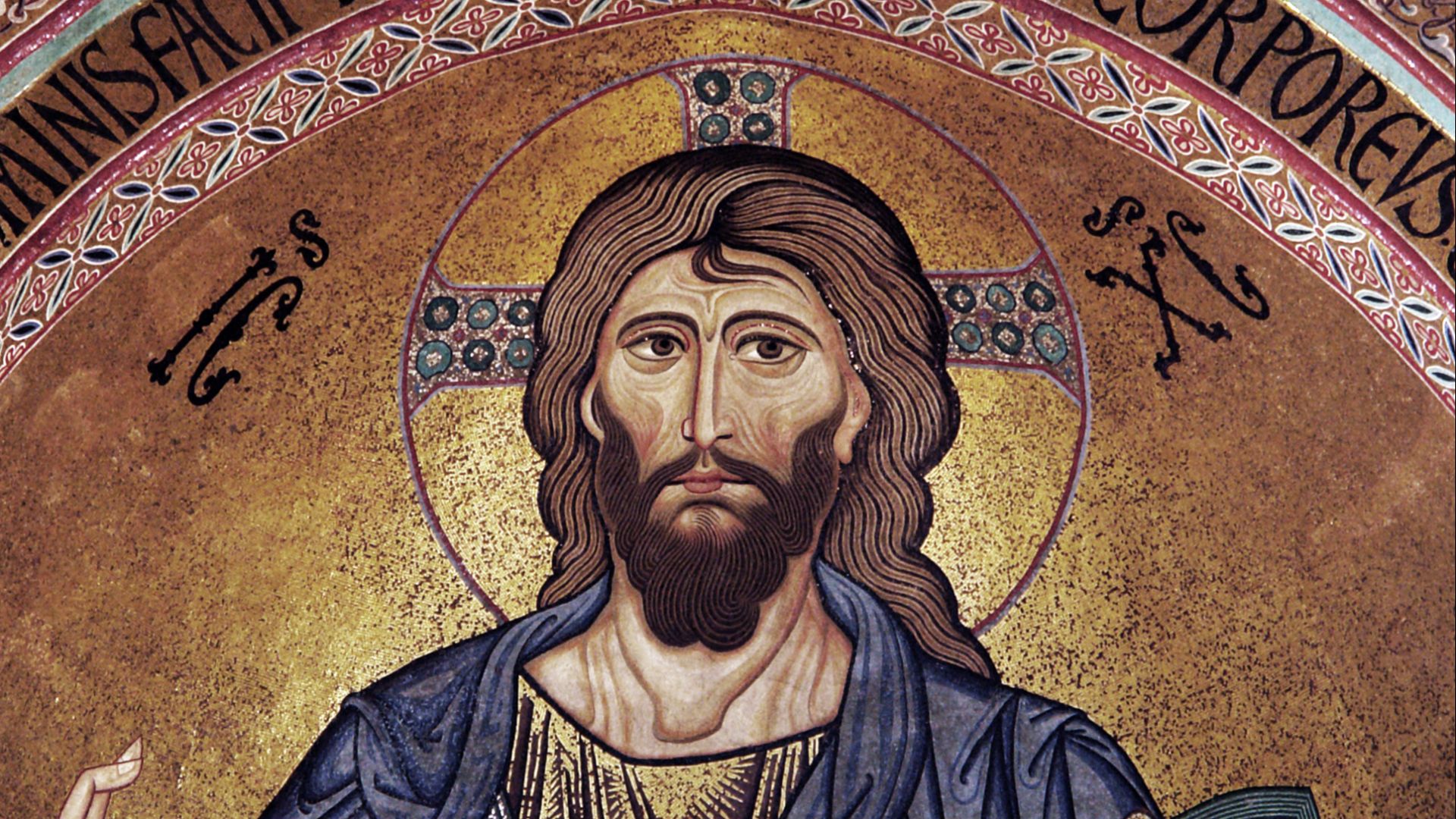
2. Siddhartha Gautama
Born into a noble family in present-day Nepal around the 5th century BCE, Siddhartha abandoned wealth and comfort to seek an end to human suffering. After years of meditation, he reportedly attained enlightenment under a Bodhi tree, and the path he taught became Buddhism.
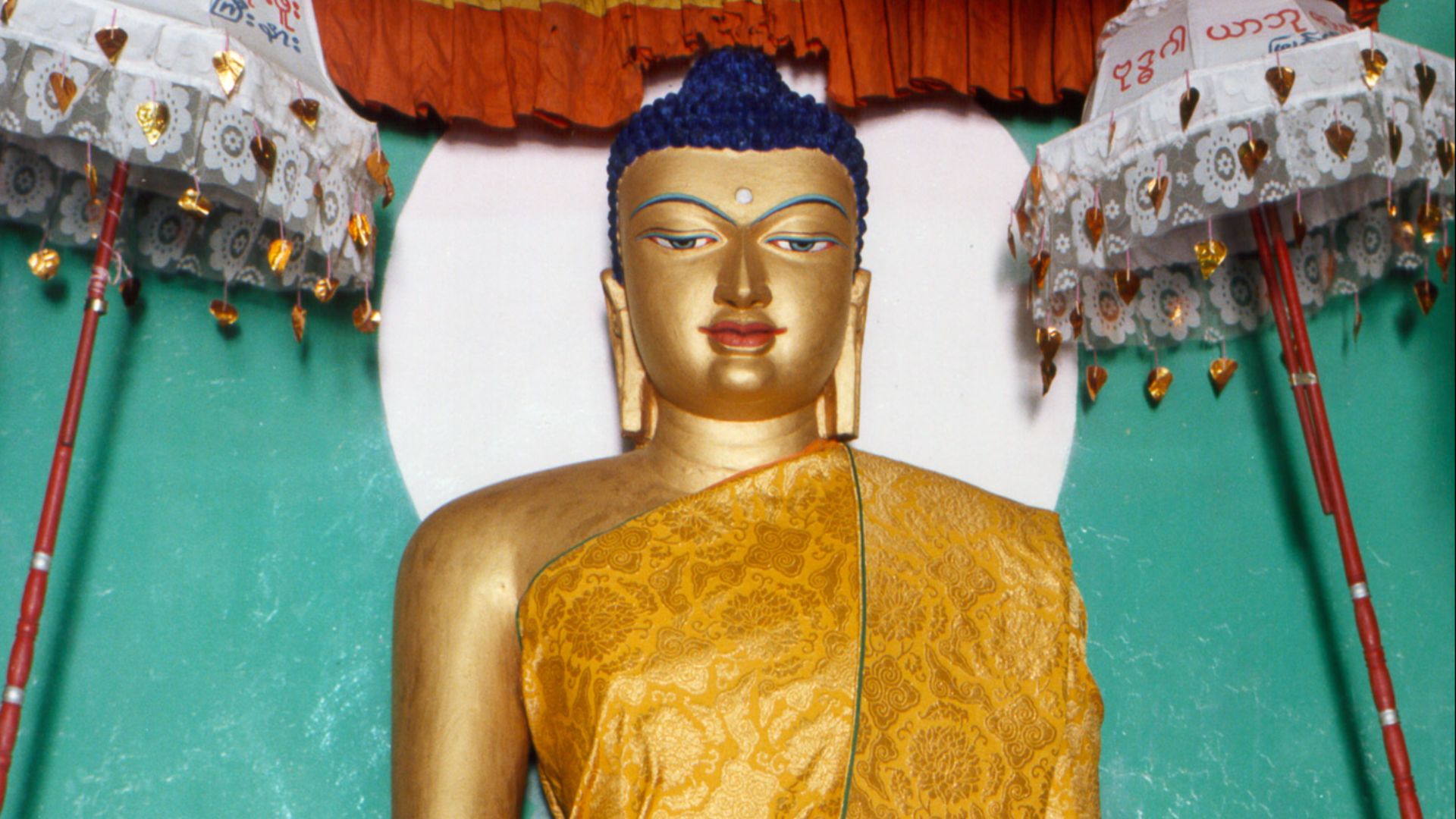
3. Muhammad
Born in Mecca around 570 CE, Muhammad was a merchant who began receiving divine revelations at around age 40 and spent the rest of his life spreading Islam before his death in 632 CE. Islam is now the second-largest religion in the world.
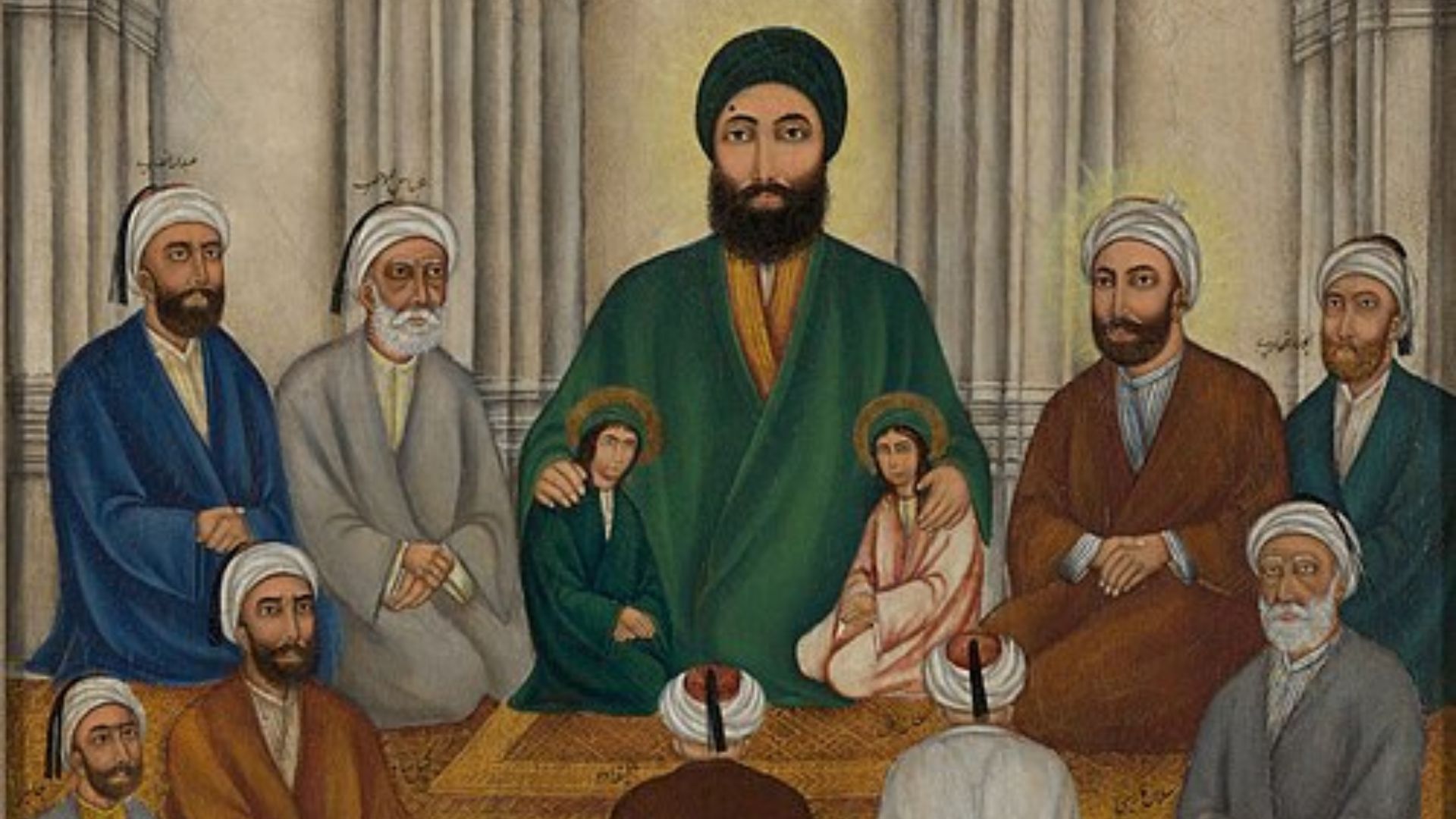 commons.wikimedia.org on Google
4. Moses
The central figure of the Hebrew Bible, Moses is credited with leading the Israelites out of Egypt and receiving the Torah at Mount Sinai. Whether historical or partly legendary, his story formed the foundation of Judaism and shaped Christianity and Islam.
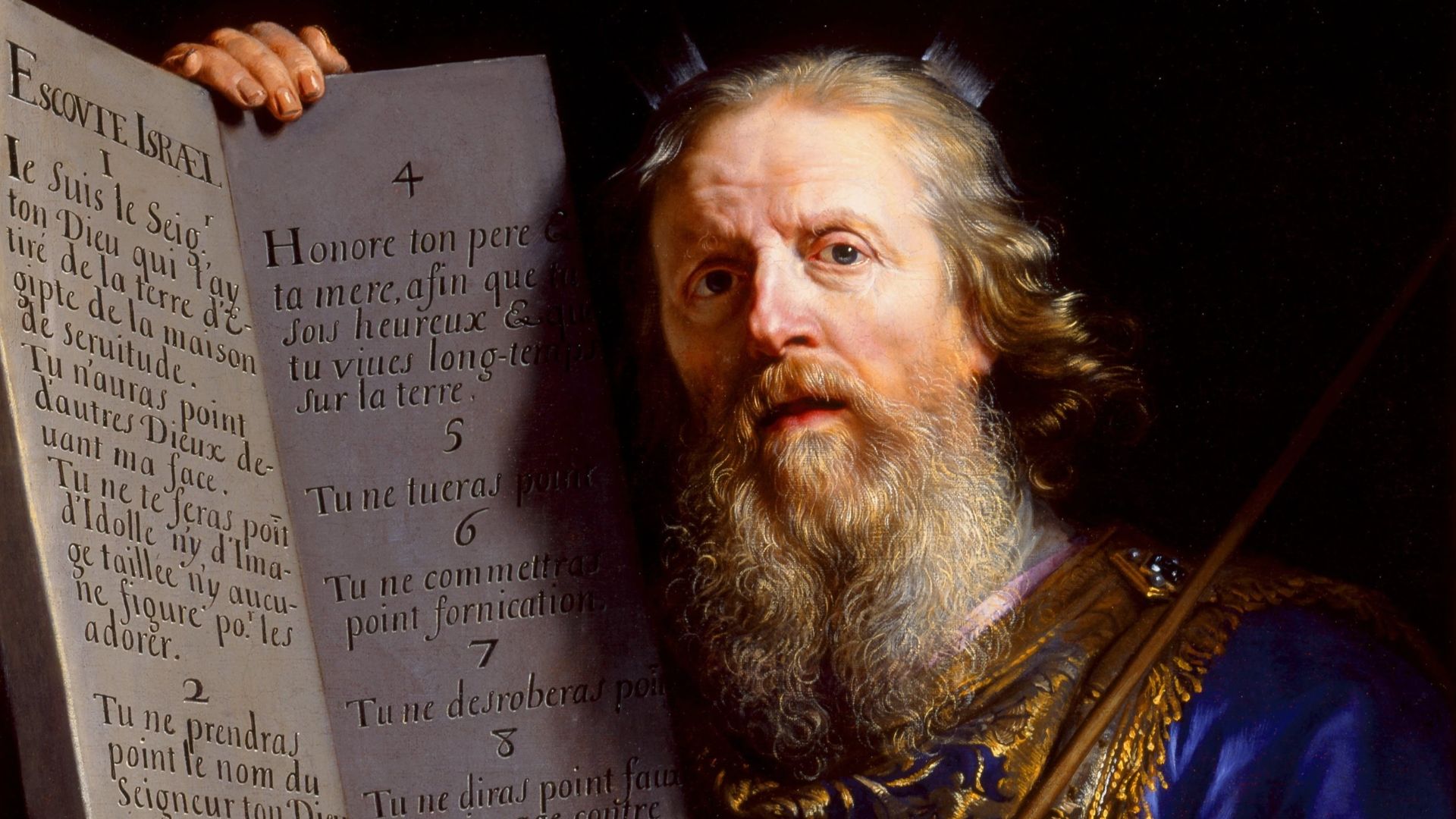 Philippe de Champaigne on Wikimedia
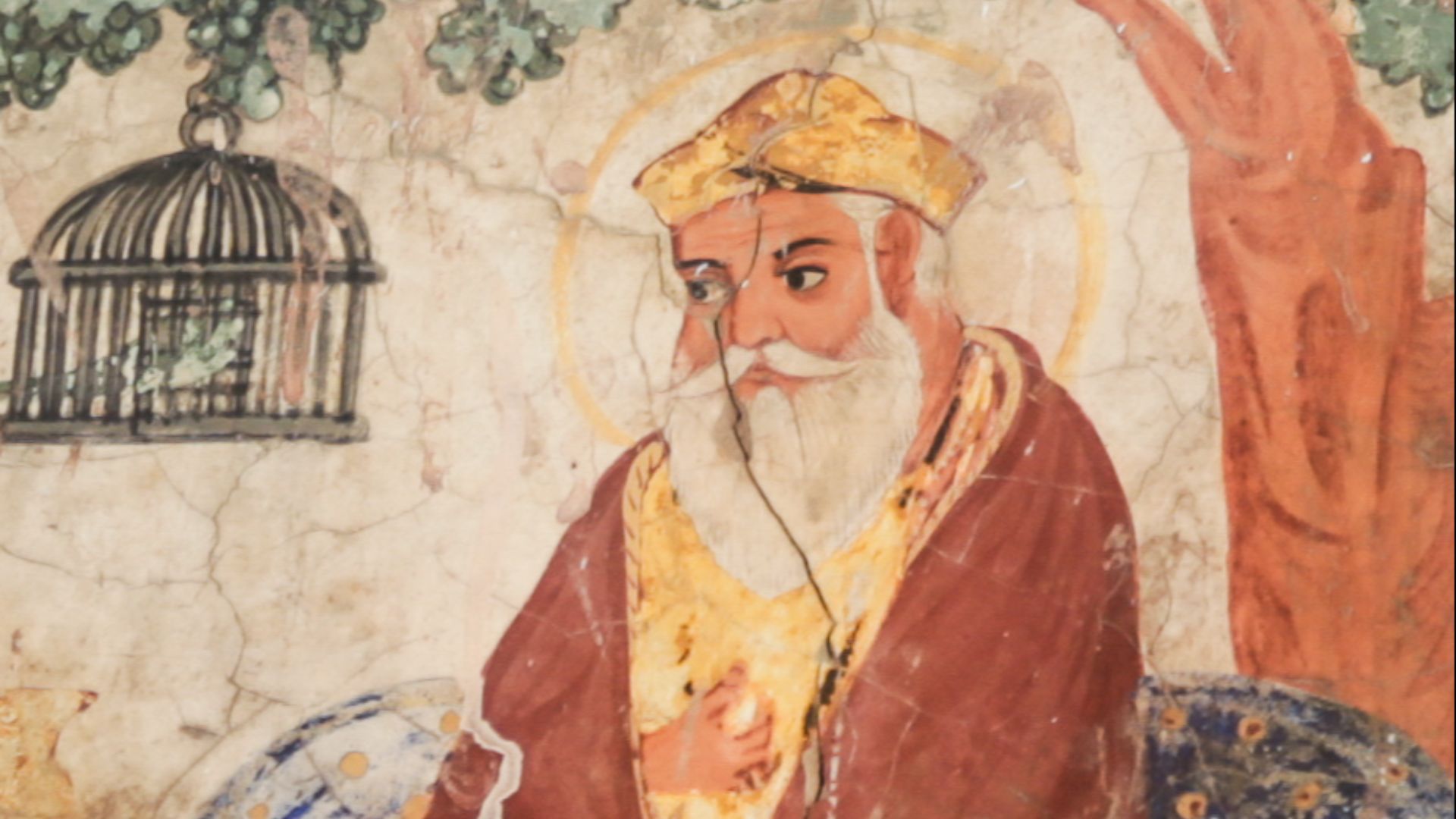
5. Guru Nanak
Born in 1469 in present-day Pakistan, Guru Nanak experienced a spiritual revelation in his thirties and began teaching equality, devotion to one God, and rejection of caste distinctions. He traveled widely spreading his message. Sikhism today has roughly 25 million followers.
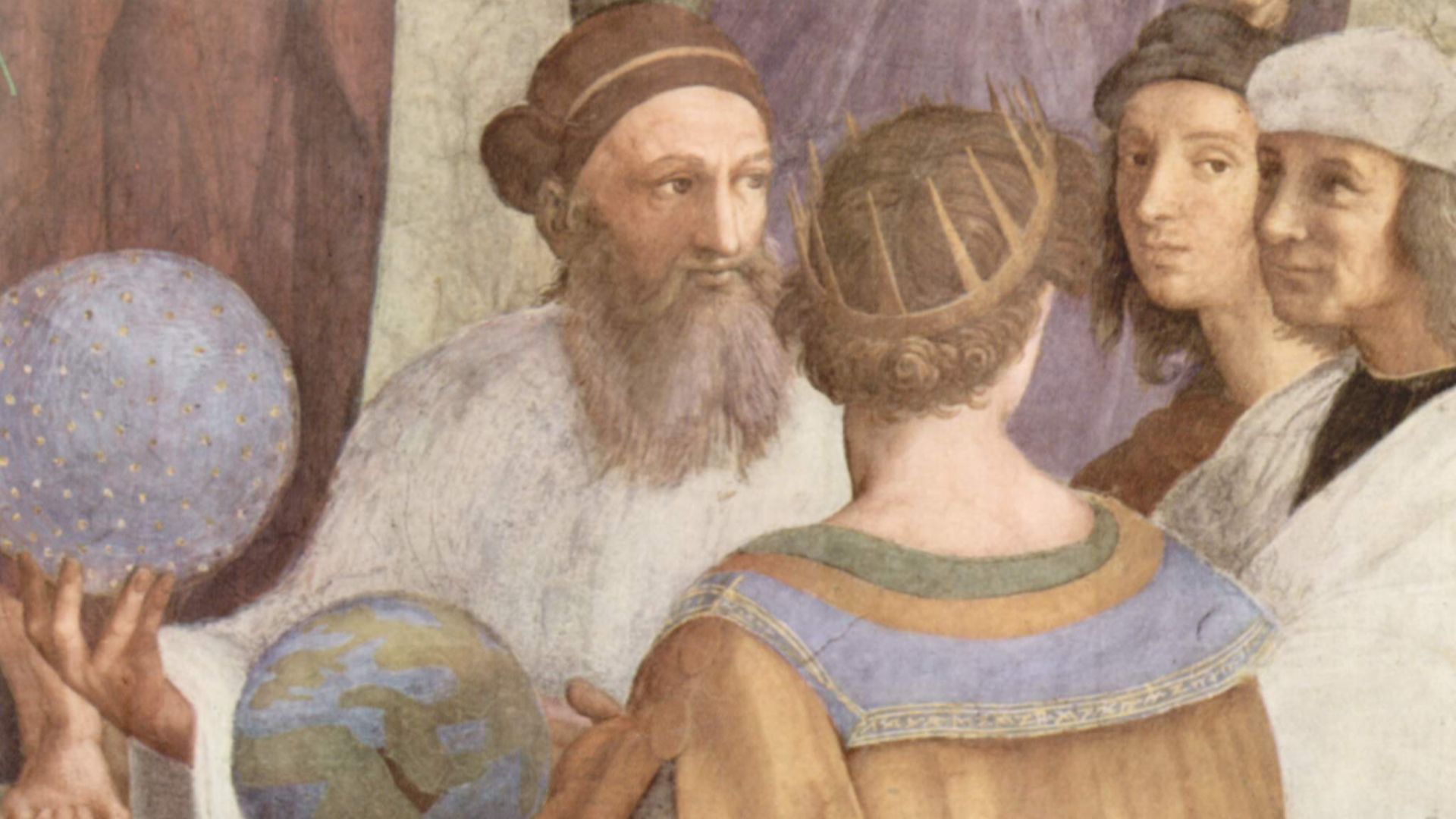
6. Zoroaster
An ancient Iranian prophet, Zoroaster founded one of the world's oldest monotheistic religions, with estimates of when he lived ranging from 1500 to 600 BCE. His teachings on the struggle between good and evil influenced Judaism, Christianity, and Islam.
7. Confucius
Born in 551 BCE in what is now China, Confucius was a philosopher whose ideas about ethics, family, and governance shaped Chinese civilization for over two thousand years through his compiled teachings, the Analects.
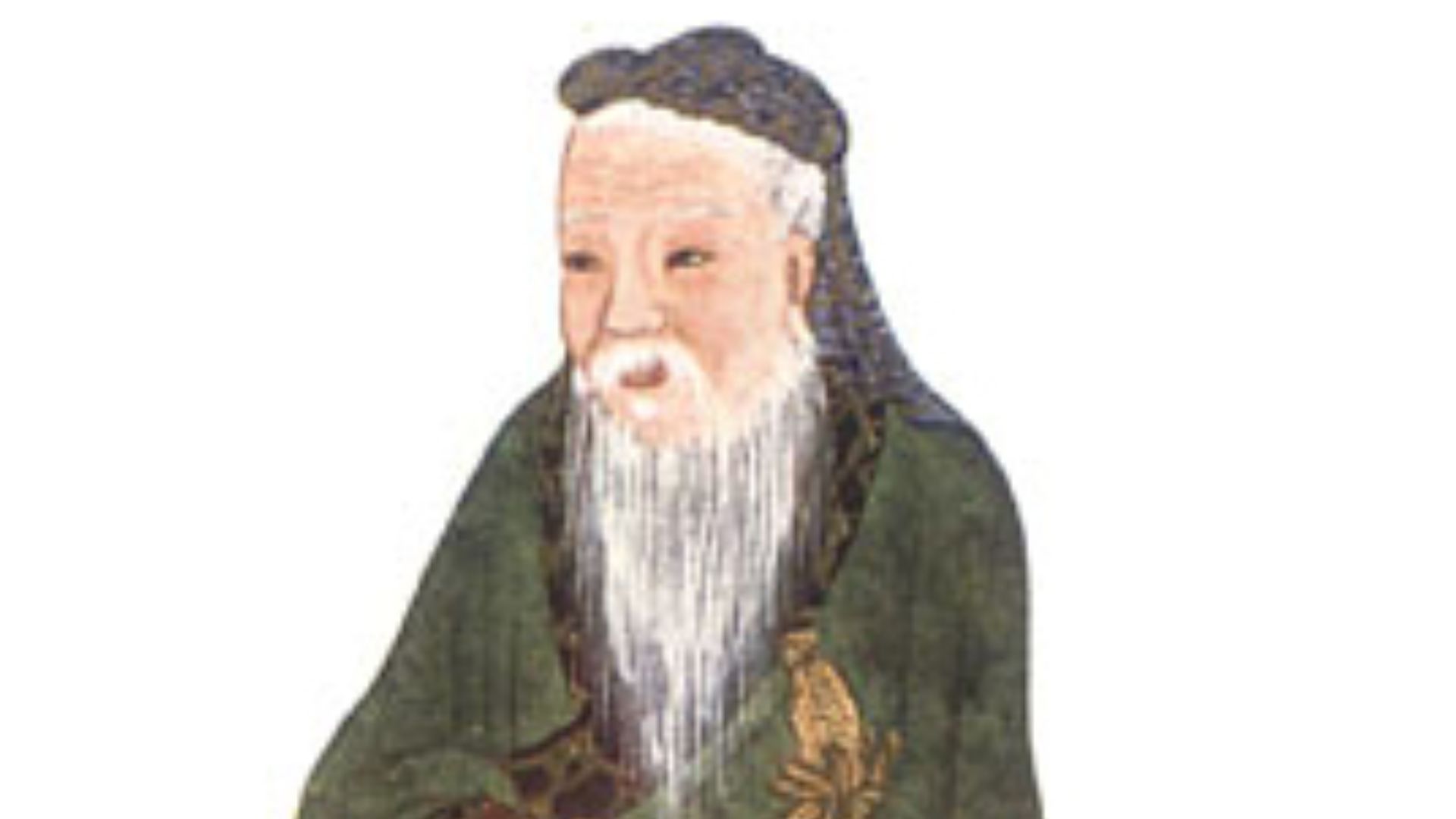 By Chinese Artists on Wikimedia
8. Laozi
The legendary founder of Taoism, Laozi is traditionally credited with writing the Tao Te Ching, a short text on existence and right living whose influence on Chinese culture is difficult to overstate. Whether he was a historical individual or a composite figure remains debated, but the tradition that formed around his teachings has shaped philosophy, art, medicine, and governance in East Asia for over two thousand years.
 Unknown authorUnknown author on Wikimedia
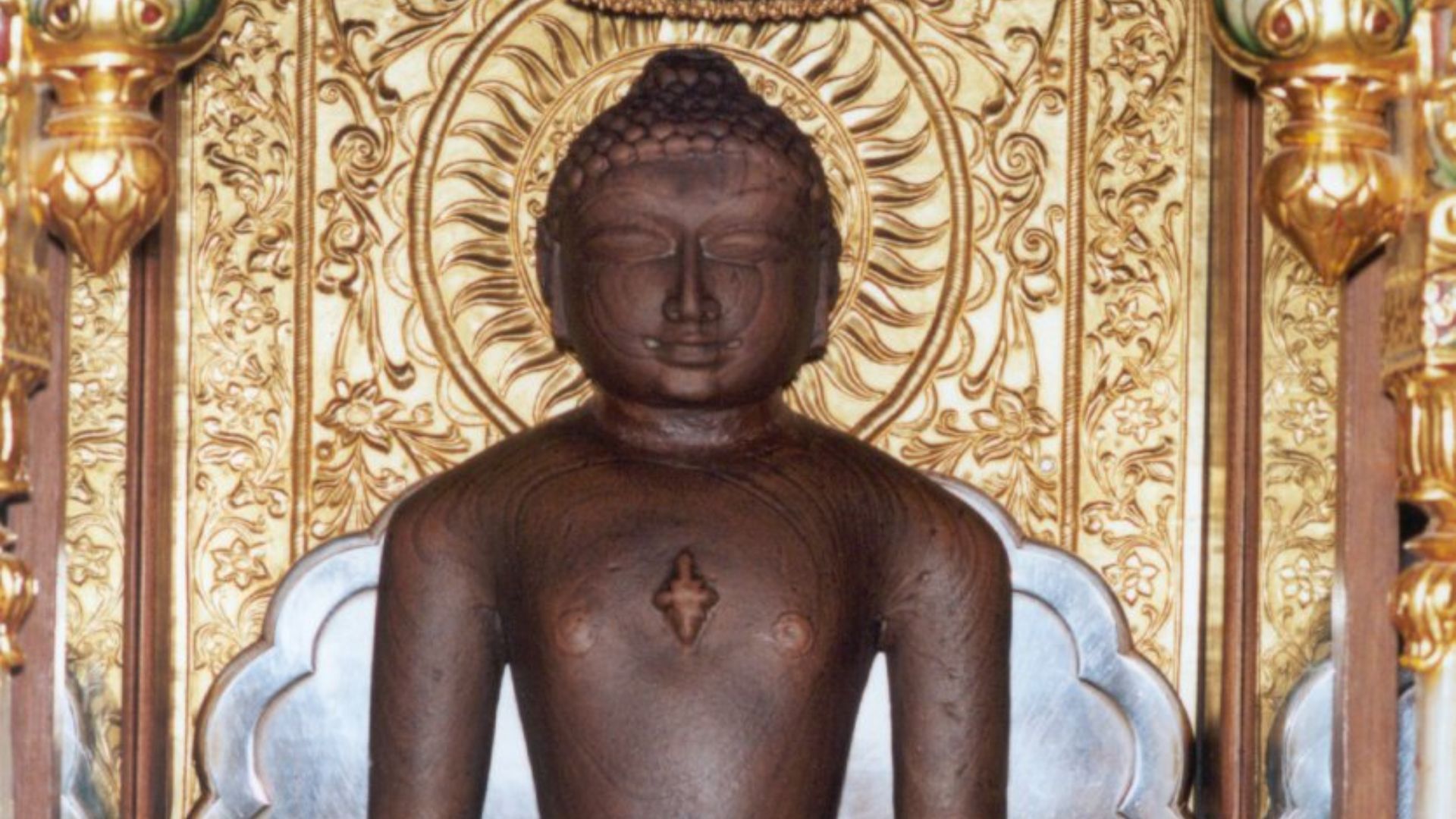
9. Mahavira
A contemporary of the Buddha, Mahavira renounced his wealth and spent years in rigorous ascetic practice before becoming the 24th and final Tirthankara of Jainism. He systematized its core teachings of non-violence, truth, and non-attachment. Jainism has around 4 to 5 million followers, primarily in India.
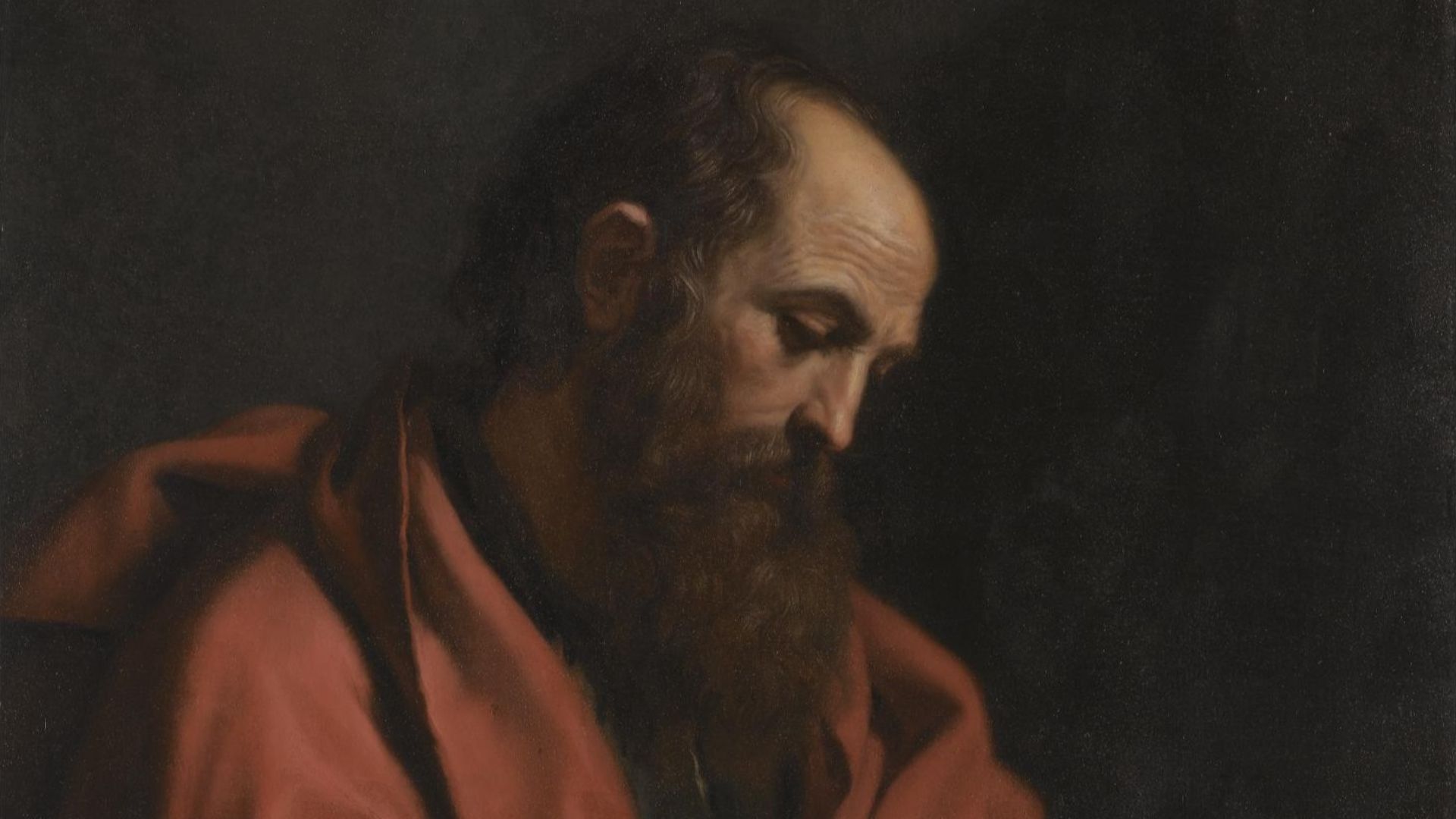
10. Paul of Tarsus
Paul never met Jesus and was initially a persecutor of early Christians. Through his letters and missionary journeys following a dramatic conversion, he shaped Christian theology more than almost any other figure and spread the faith across the Roman Empire.
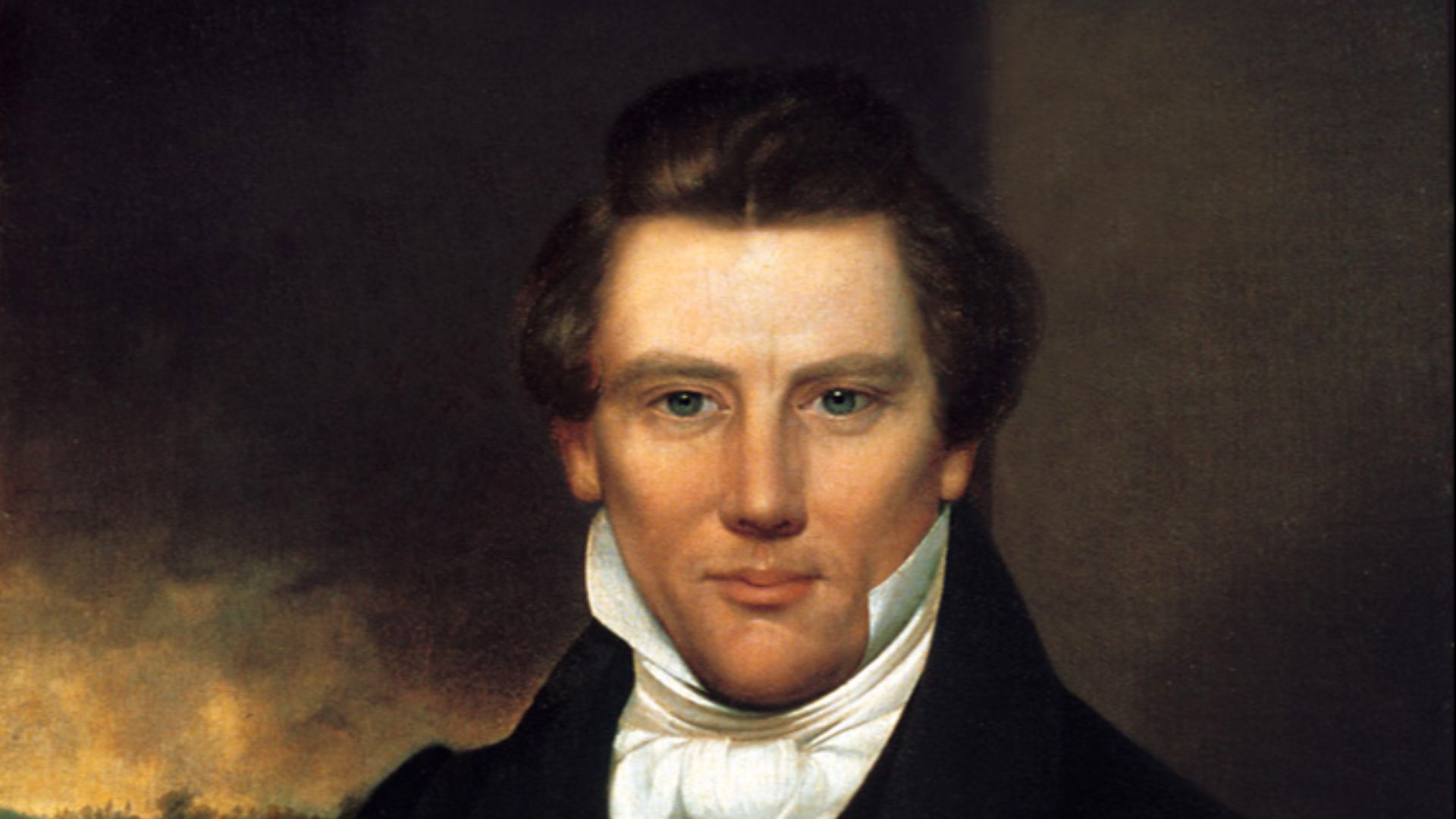
11. Joseph Smith
Born in Vermont in 1805, Joseph Smith claimed divine visions beginning in his teens and founded the Church of Jesus Christ of Latter-day Saints in 1830. He was killed by a mob in 1844. The faith he established now has over 17 million members.
12. Ellen G. White
A co-founder of the Seventh-day Adventist Church, Ellen G. White experienced prophetic visions beginning in her teens. Her prolific writings helped build a movement now with over 20 million baptized members globally.
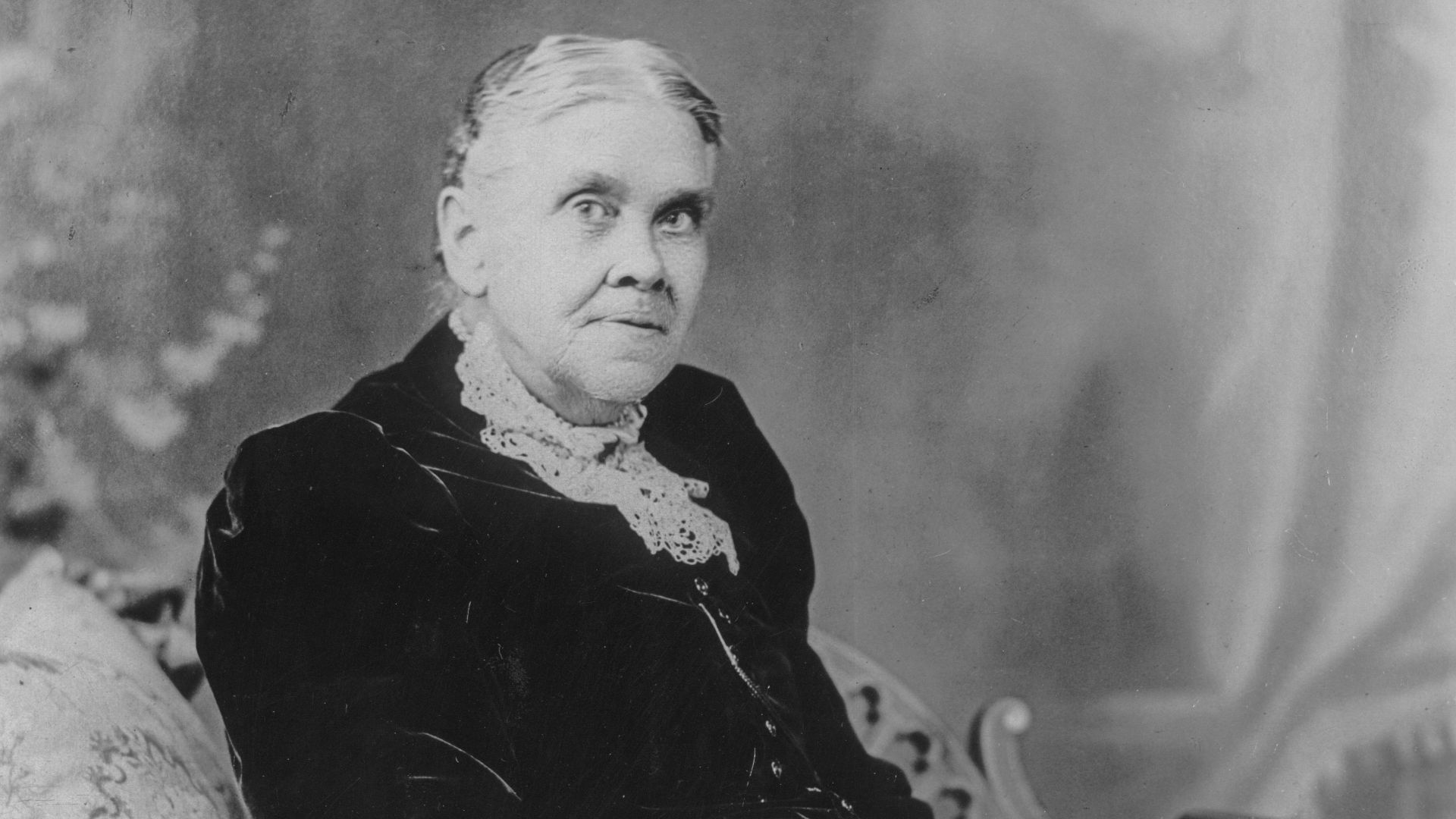 Unknown authorUnknown author on Wikimedia
13. Bahá'u'lláh
Born in 1817 in Persia, Bahá'u'lláh declared himself a divine messenger and founded the Bahá'í Faith, which teaches the unity of all religions and the oneness of humanity. He spent much of his life in prison or exile. The faith has an estimated five to eight million followers worldwide.
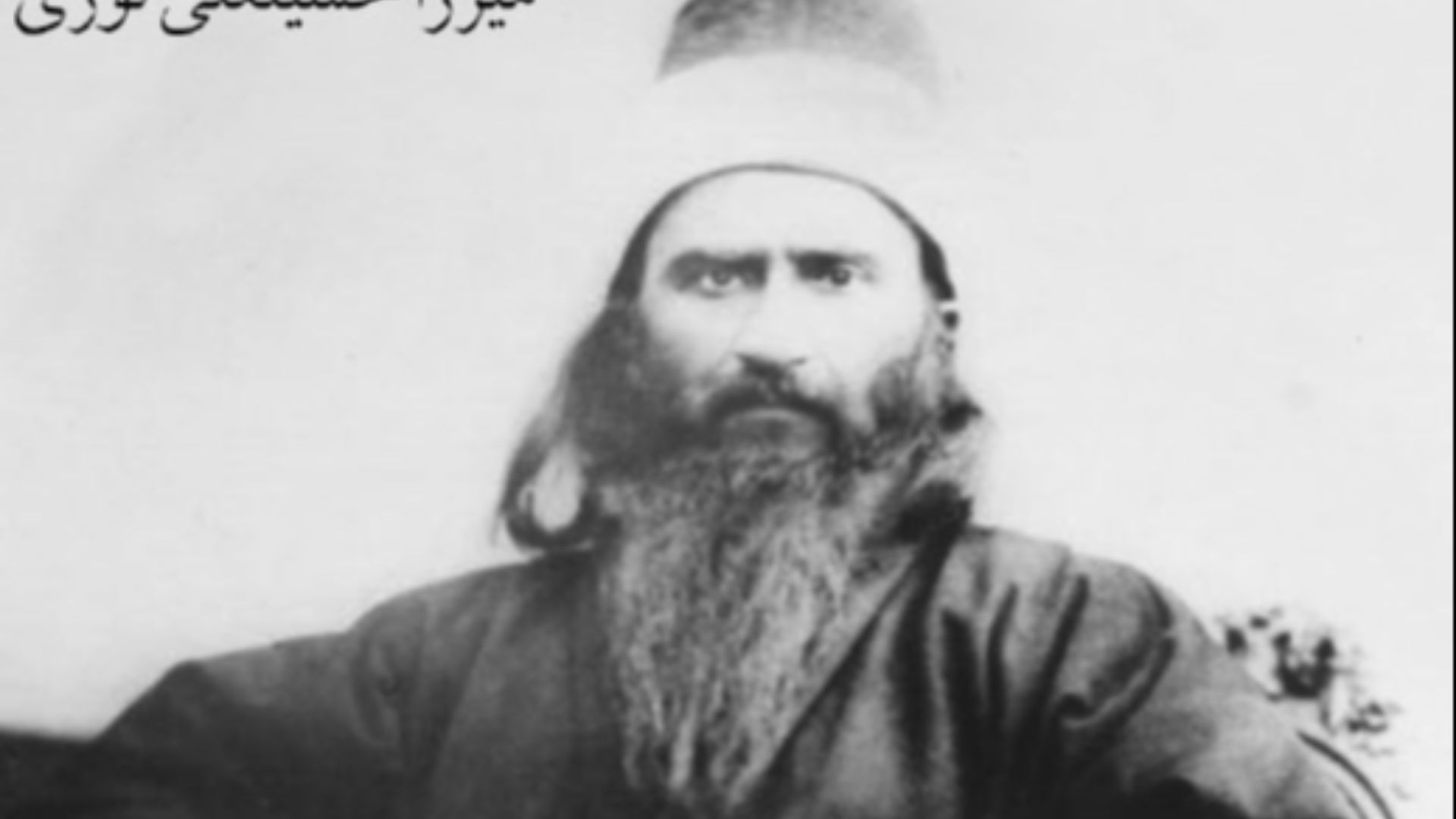 Unknown authorUnknown author on Wikimedia
14. Ramakrishna
A 19th-century Bengali mystic, Ramakrishna practiced devotion across multiple religious traditions and concluded that all paths lead to the same reality. His teachings, transmitted through his disciple Swami Vivekananda, sparked a Hindu revival and shaped interfaith dialogue for generations.
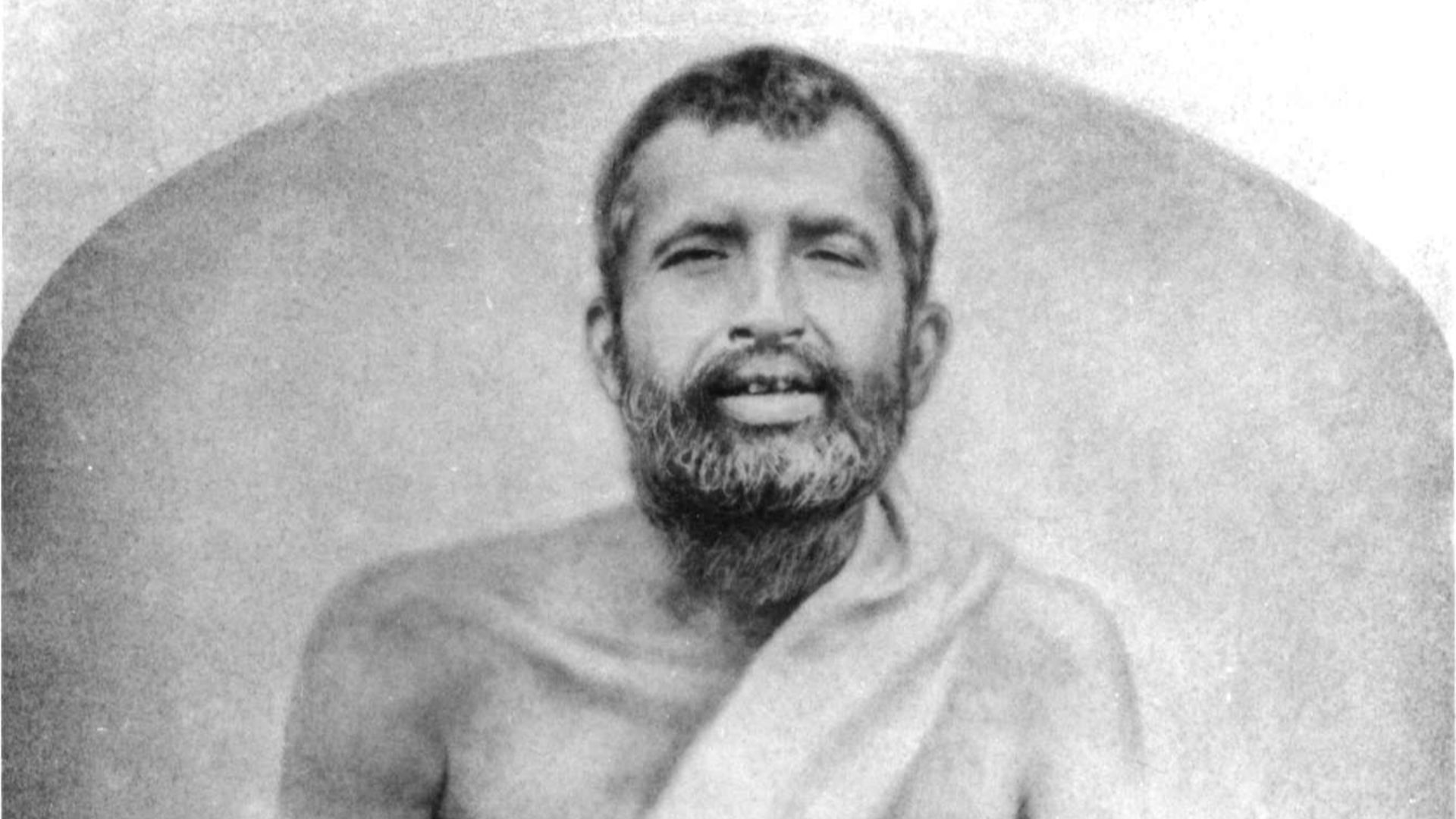 Abinash Chandra Dna on Wikimedia
15. Mary Baker Eddy
Born in 1821 in New Hampshire, Mary Baker Eddy concluded after a dramatic healing that physical illness was spiritual in nature. In 1875 she published Science and Health with Key to the Scriptures, and in 1879 founded the Church of Christ, Scientist.
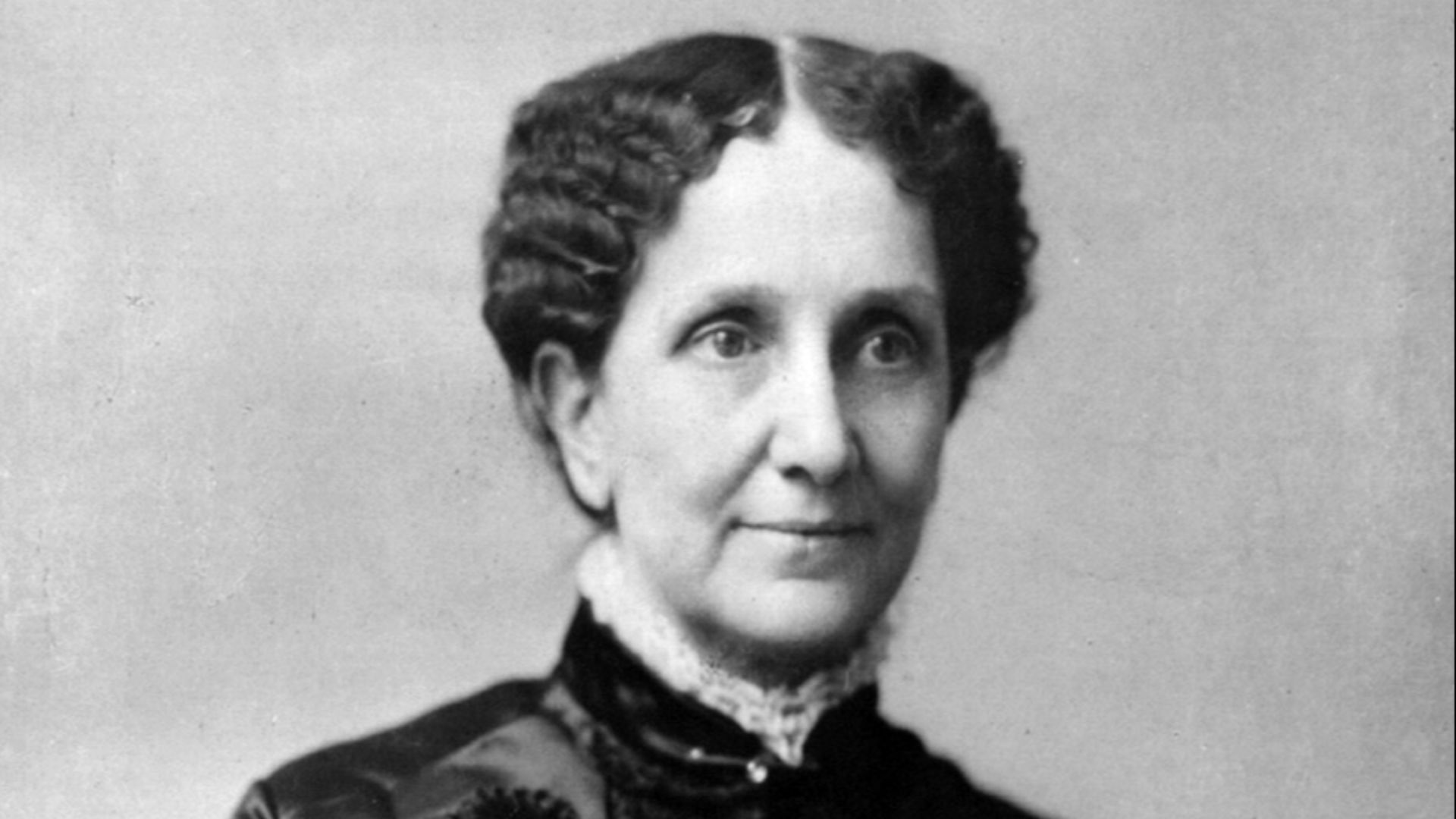 Unknown authorUnknown author on Wikimedia
16. Haile Selassie I
Emperor of Ethiopia from 1930 to 1974, Haile Selassie was not himself a Rastafarian. But Rastafarians in Jamaica came to regard him as the returned messiah, making his life central to a movement he never claimed to lead.
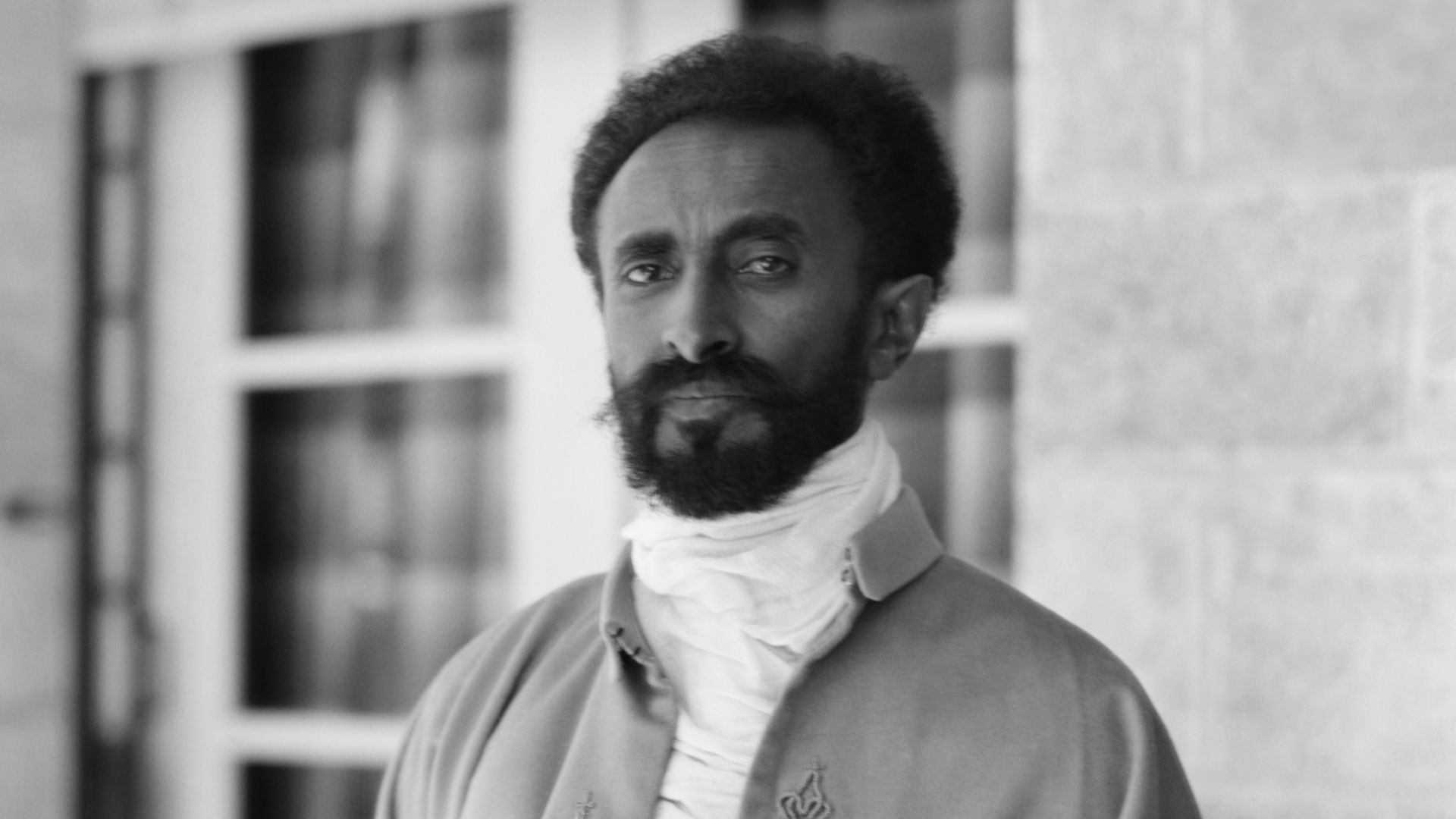 American Colony (Jerusalem). Photo Dept., photographer. on Wikimedia
17. Sun Myung Moon
A South Korean religious leader, Sun Myung Moon founded the Unification Church in 1954 after claiming a revelation from Jesus Christ. The movement grew into a global organization with millions of members and significant political and media influence across multiple continents.

18. Ngo Van Chieu and the Cao Dai Founders
In 1926 in southern Vietnam, Ngo Van Chieu and other spiritualists founded Cao Dai after receiving what they described as divine communications. The faith blends Buddhism, Taoism, Confucianism, and Christianity, and has between four and six million followers, primarily in Vietnam.

19. Mirza Ghulam Ahmad
Born in 1835 in the Punjab, Mirza Ghulam Ahmad claimed to be the promised Messiah awaited by Muslims, founding the Ahmadiyya Muslim Community. The movement emphasizes peace and missionary work and has tens of millions of followers across more than 200 countries, though it remains controversial within mainstream Islam.
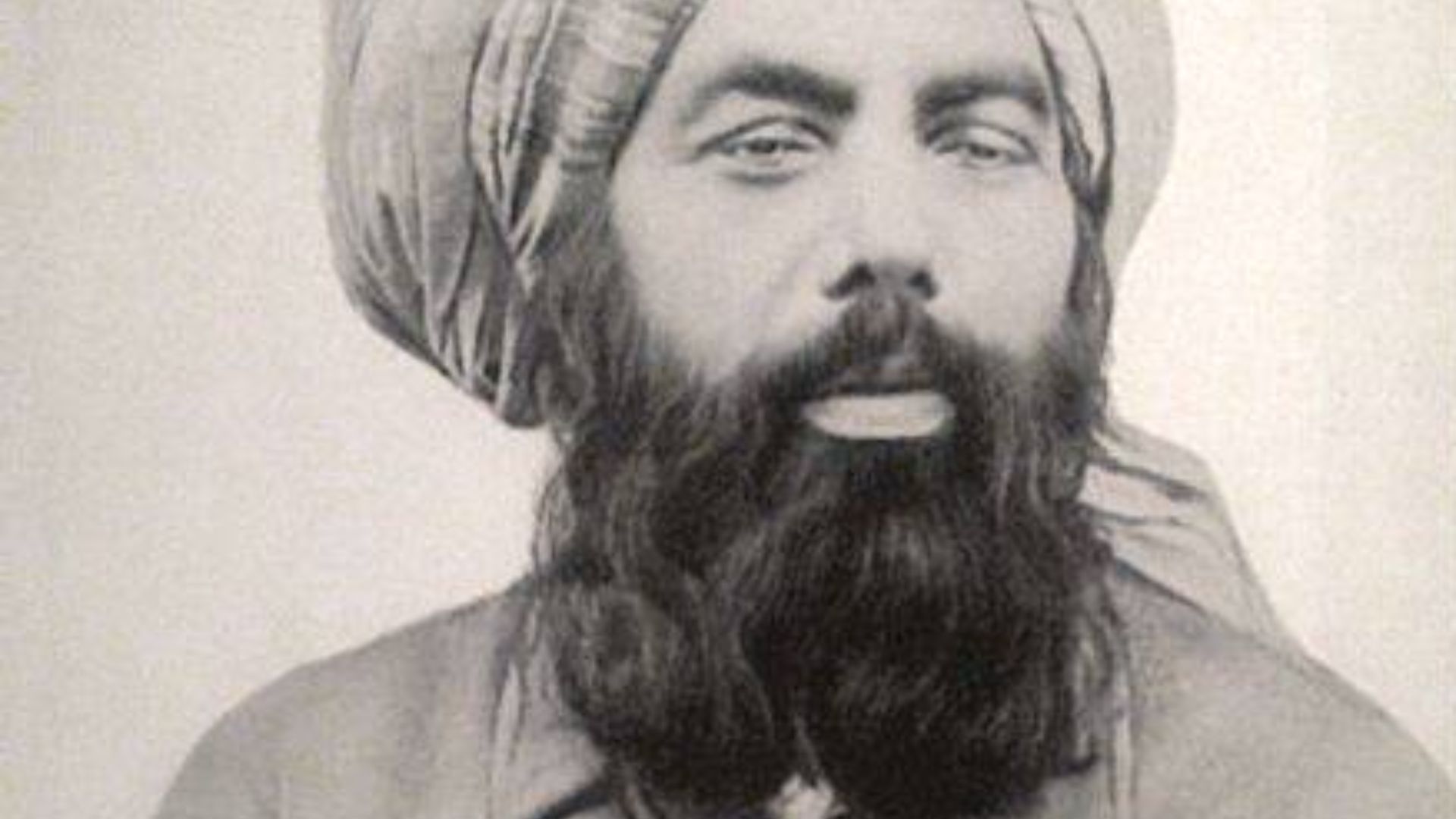 Markazan-e-Tasaweer on Wikimedia
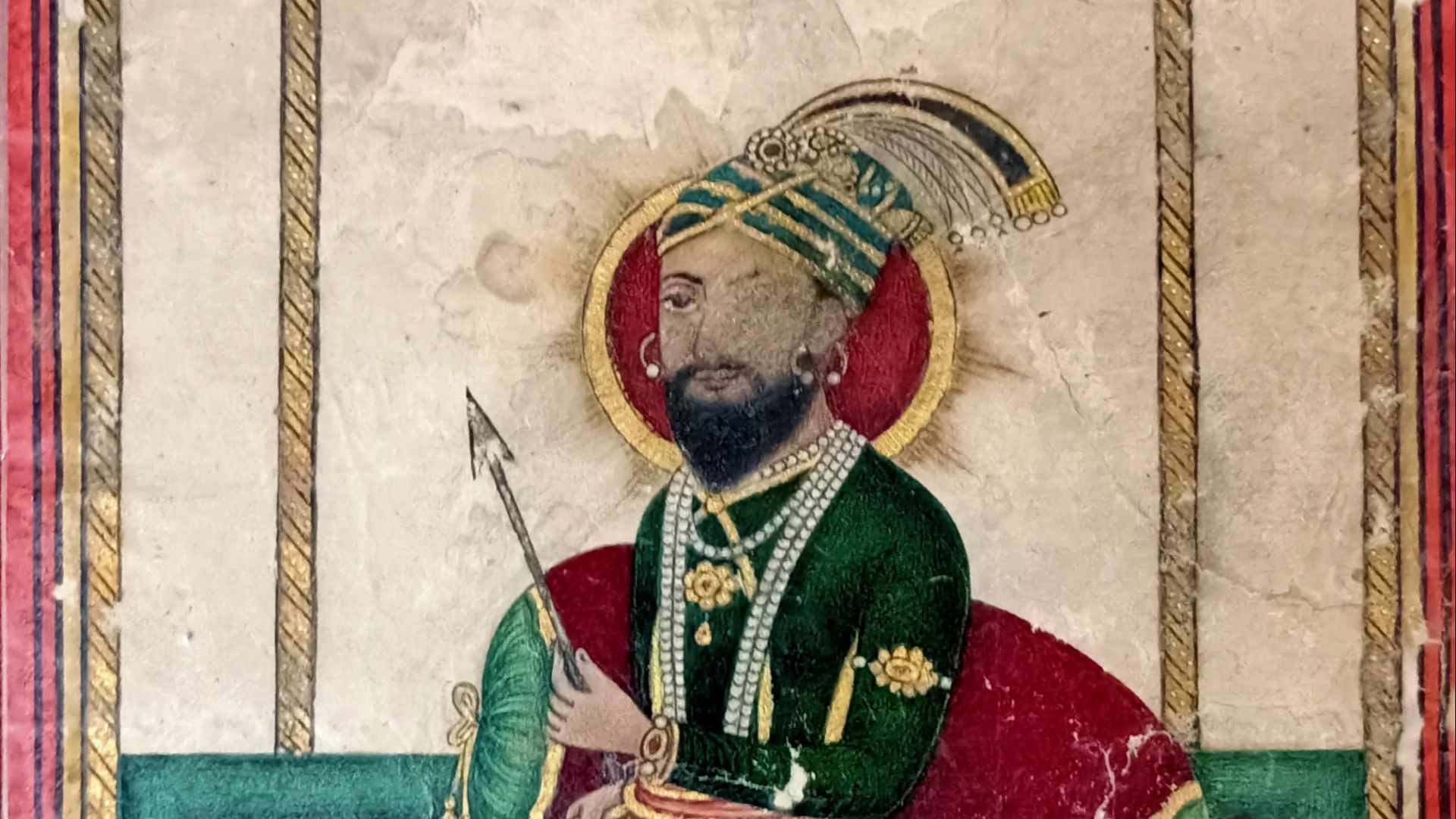
20. Guru Gobind Singh
The tenth and final human Guru of Sikhism, Guru Gobind Singh founded the Khalsa in 1699 and before his death declared the sacred scripture, the Guru Granth Sahib, the eternal living Guru, closing the line of human succession. A poet, warrior, and spiritual leader, he is remembered not just as a religious figure but as someone who gave the Sikh community a distinct identity and the courage to defend it.

KEEP ON READING

The 20 Most Recognized Historical Figures Of All Time
The Biggest Names In History. Although the Earth has been…
By Cathy Liu Oct 4, 2024
10 of the Shortest Wars in History & 10 of…
Wars: Longest and Shortest. Throughout history, wars have varied dramatically…
By Emilie Richardson-Dupuis Oct 7, 2024
10 Fascinating Facts About Ancient Greece You Can Appreciate &…
Once Upon A Time Lived Some Ancient Weirdos.... Greece is…
By Megan Wickens Oct 7, 2024
20 Lesser-Known Facts About Christopher Columbus You Don't Learn In…
In 1492, He Sailed The Ocean Blue. Christopher Columbus is…
By Emilie Richardson-Dupuis Oct 9, 2024
20 Historical Landmarks That Have The Craziest Conspiracy Theories
Unsolved Mysteries Of Ancient Places . When there's not enough evidence…
By Megan Wickens Oct 9, 2024
The 20 Craziest Inventions & Discoveries Made During Ancient Times
Crazy Ancient Inventions . While we're busy making big advancements in…
By Cathy Liu Oct 9, 2024