Mardi Gras Krewes: How Parades Turned Into Power And Pop Culture
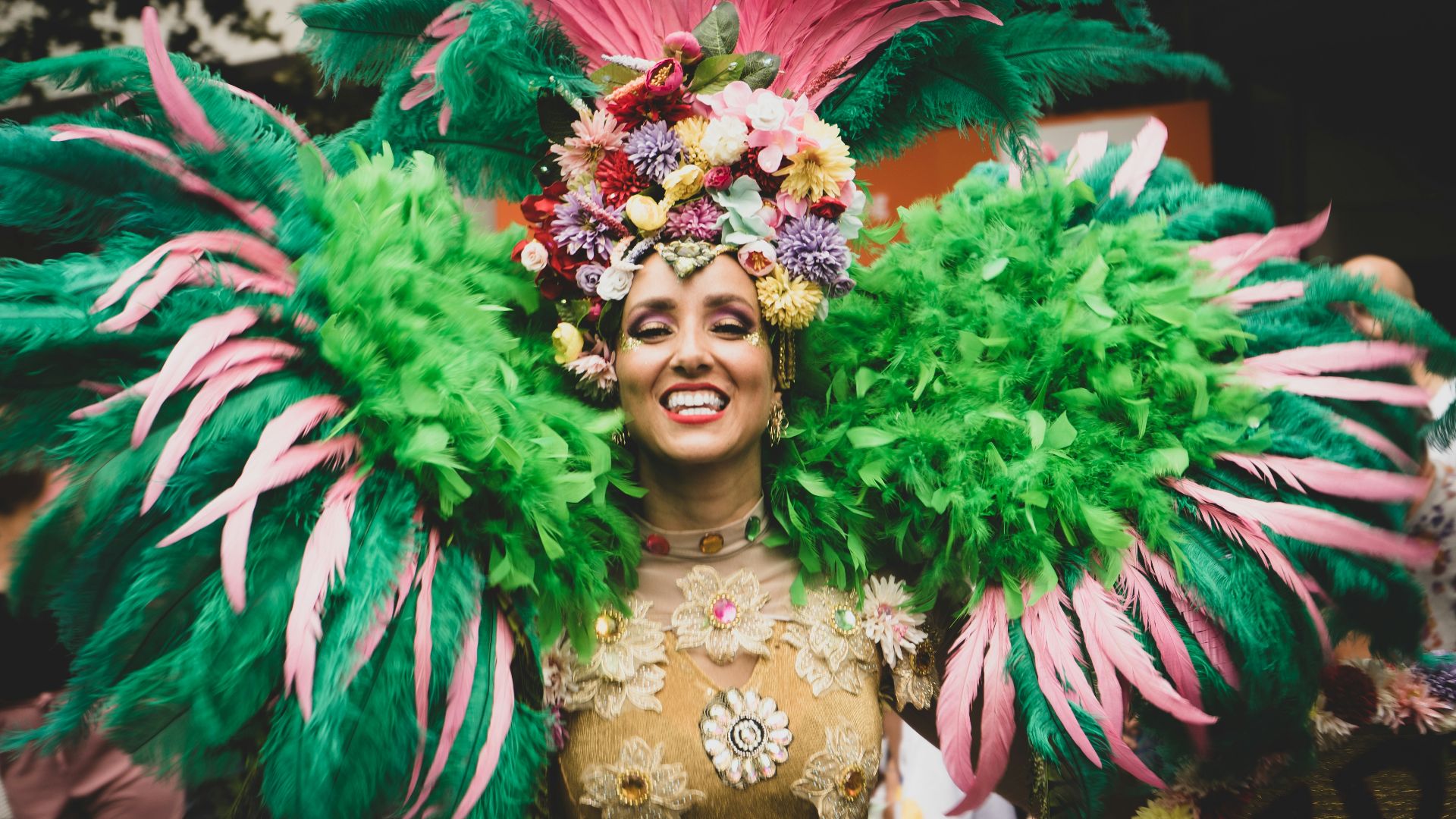
Look, if you've ever watched a Mardi Gras parade roll through New Orleans and thought, "this is just a giant party," you're not necessarily wrong, but you're also missing about half the story. Those floats, those throws, that whole spectacle? None of it happens by accident. It's the work of krewes, the private clubs that map out the routes, build the floats, and decide, year after year, what this celebration actually looks like.
Once you know that, the glitter starts to feel a little different. These organizations have used pageantry to claim status, shape what the city celebrates, and, at times, draw very firm lines about who gets to belong.
Outside of New Orleans
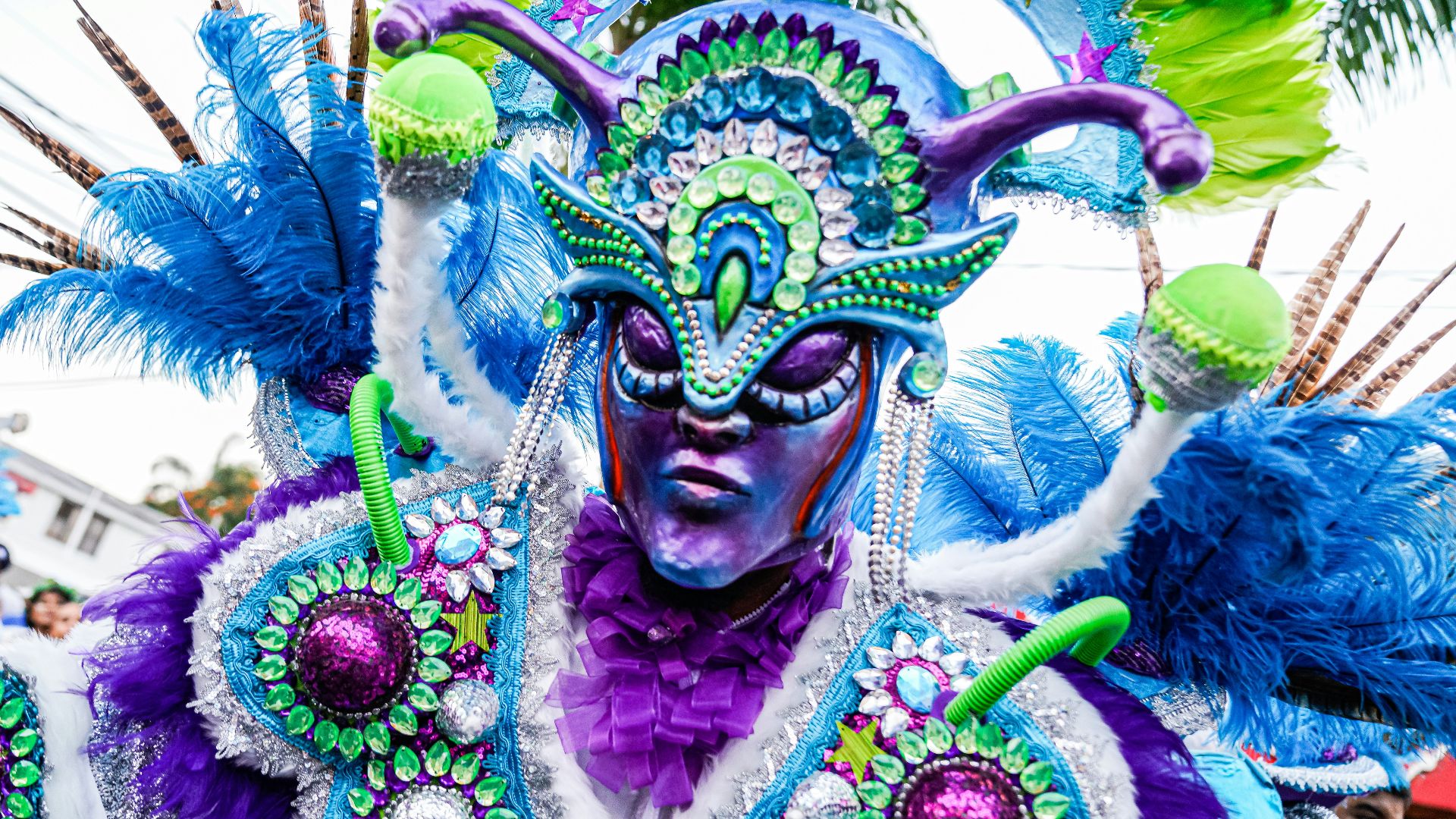
Before New Orleans had any of this figured out, Mobile, Alabama, was streets ahead, thanks to the Cowbellion de Rakin Society. This society dates back to 1830 and gets credit for a template that still feels recognizable today: a public parade paired with an invitation-only ball. Street theater for everyone, private social space for the chosen few. The Gulf Coast cities adapted that combination in their own ways.
When New Orleans krewes talk about formalizing Carnival, the Mistick Krewe of Comus is always the starting point. Comus was organized in 1857 as a secret society, and its torchlit nighttime procession turned what had been scattered street revelry into a recurring, themed parade tradition. Early accounts connect Comus's style directly to Mobile, with borrowed concepts and parade elements that emphasized spectacle and mystery.
Then came Rex, https://www.mardigrasneworleans.com/parades/krewe-of-rex, founded in 1872, one of the oldest and most prominent groups in the Mardi Gras scene. The Rex monarch's identity was revealed on Lundi Gras, tied to a ceremonial moment where the mayor symbolically handed over a key to the city. This playful, temporary transfer of power tells you exactly why krewes aren't just party planners. They're producers of civic ritual.
When a Parade Was a Social Ladder
Krewes didn't just reflect New Orleans society. They helped stage it. Old-line organizations leaned hard into royal imagery, strict hierarchy, and private membership, presenting themselves as guardians of tradition while controlling who got to participate in the most visible public celebrations. Rex itself began as an all-white, all-male organization. Women are still not permitted to join today, but the group removed its tight segregation policy in 1992.
In the late twentieth century, Councilmember Dorothy Mae Taylor pushed the city to confront something uncomfortable: private clubs were using public streets and public services while keeping their membership exclusive. The resulting 1991 ordinance required parade organizations to certify they didn't discriminate in membership. It forced krewes to choose between secrecy and civic participation.
Some of the oldest names chose absence over change. Comus, along with other nineteenth-century krewes, stopped parading after the ordinance rather than comply, and Comus hasn't returned to the streets since. What that moment made clear is that Carnival traditions are constantly being negotiated between private power and public expectations.
Super Krewes, Celebrity Kings, and the Pop Culture Turn
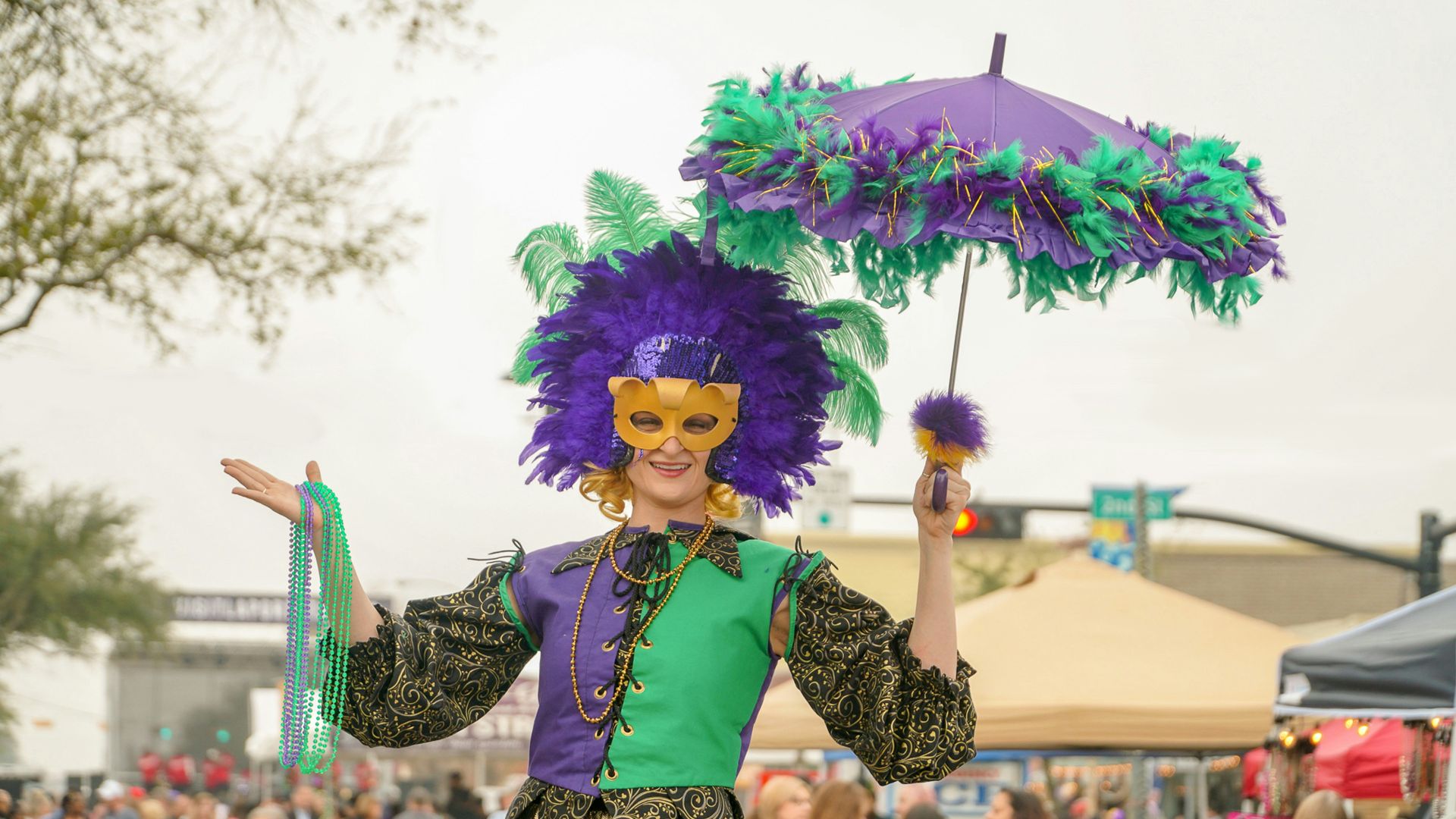
In the late 1960s, a new kind of krewe completely rewrote the script. Bacchus, founded in 1968 by restaurateur Owen "Pip" Brennan Jr., came in with massive floats and new ideas: a celebrity monarch. That move made the parade instantly legible to national media. Over the decades, Bacchus kings have included Danny Kaye and, more recently, Will Ferrell, proving that tradition and celebrity culture can both share the stage.
The throws evolved the same way, part tradition, part branding, part crowd psychology. Rex was already insisting on distributing parade throws by 1921, cementing the expectation that spectators would go home with something tangible. By 1960, aluminum doubloons entered the mix, and the tradition has stuck ever since.
Modern krewes also pushed the definition of what a parade could do. The Krewe of Thoth, https://thothkrewe.com/history/ founded in 1947, designed an Uptown route that specifically passed institutions serving people who couldn't easily get to other parades. Krewe du Vieux, founded in 1987, went full political parody. And Chewbacchus first marched in 2011 as a sci-fi riff on the whole idea of krewe royalty.
The benefits of krewes didn’t stop at creativity. A Tulane-led economic impact study commissioned with city partners estimated Mardi Gras's total direct and indirect impact at roughly $891 million, with the city seeing a return of $2.64 for every $1.00 it invests.
So yeah, it's a party. It's also a power structure, a pop culture engine, an accessibility project, and a very old argument about who the city belongs to. And somehow, all of that fits on a float.
KEEP ON READING