


The Social Minefield of Proper Dressing
High society loved a good rule, didn't it? Especially the kind you could enforce with a slow, pointed look up and down someone's outfit. Back in the day, those elite circles weren't really about looking beautiful. They were about proving you knew the secret handshake, that you had the money, that you'd earned your seat at the table. And the way they checked? Your hemline. Your hosiery. Your hat. Here are 20 of those rules, the ones that got people talking, turned away, or quietly looked down upon.
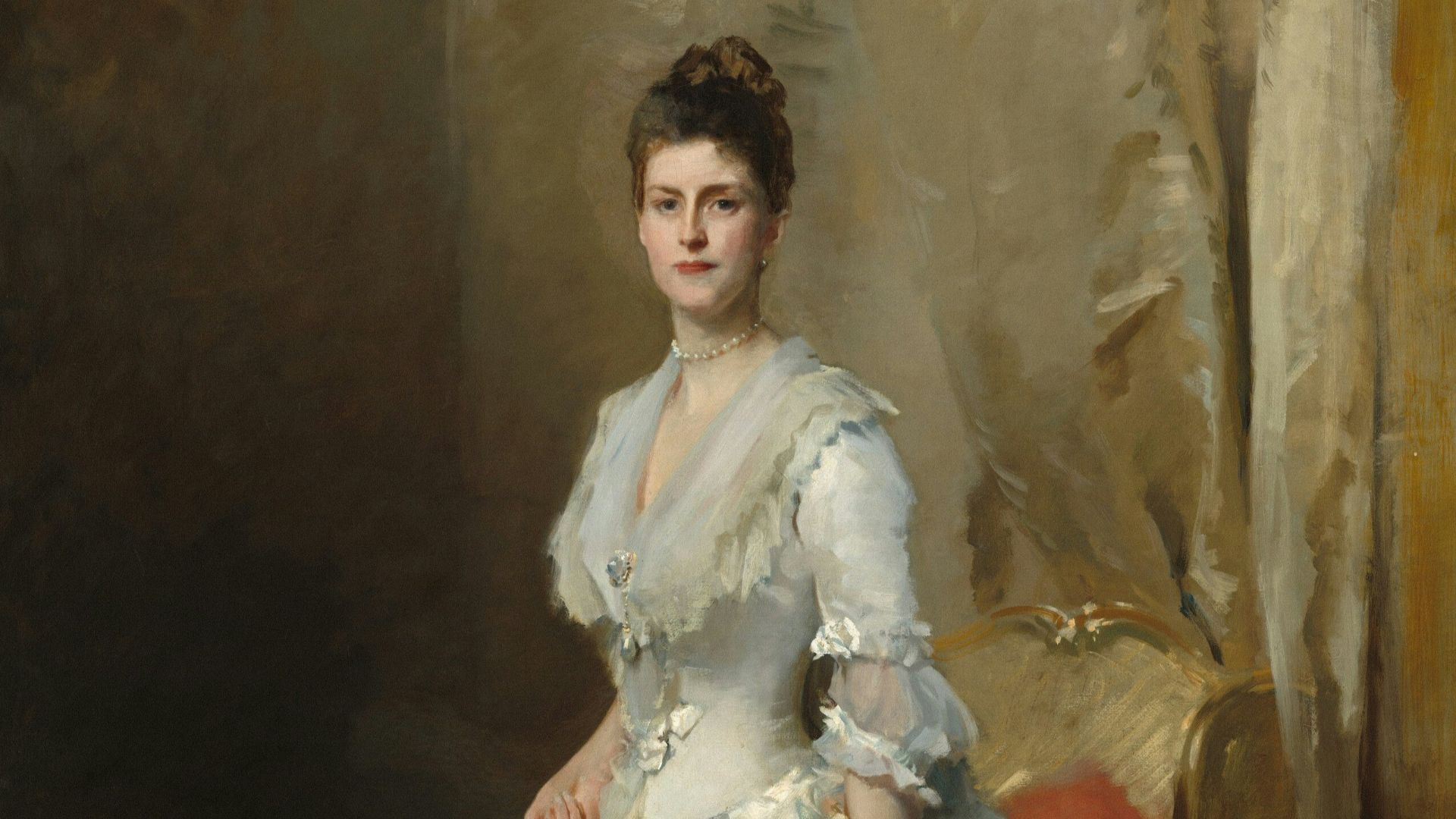 National Gallery of Art on Unsplash
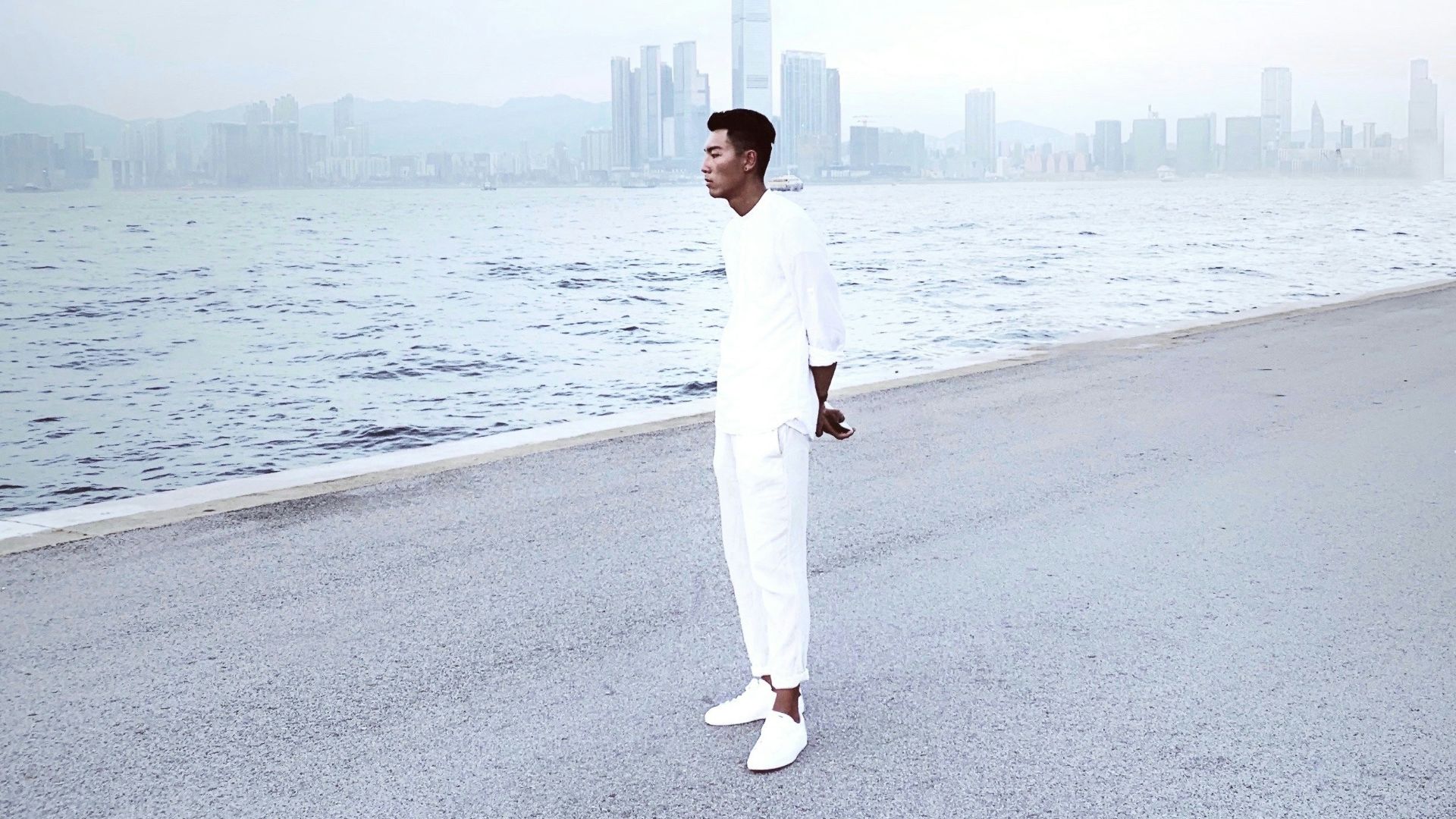
1. No White After Labor Day
If you ran in certain American circles, you knew: white shoes, white linen, white anything went into storage the moment Labor Day passed.
2. No Black in Spring or Summer
For a daytime garden party or a seaside lunch, black was considered too severe or something you should only wear in the evening. If you wore it anyway, you'd better have been in something floaty or clearly dressed for an event later on.
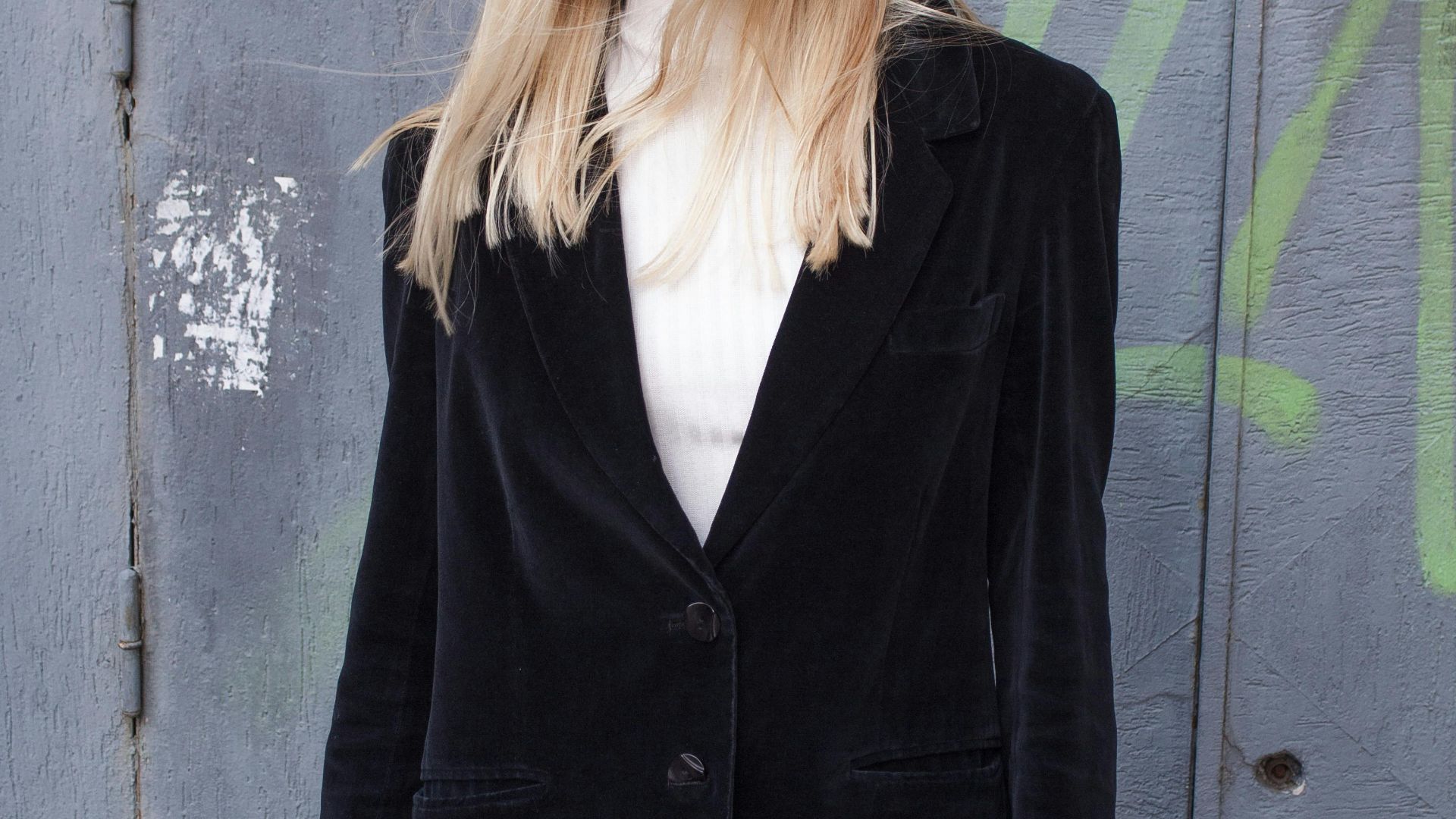
3. Suits Were for the "Right" Men
A well-cut suit meant something. It opened doors. But here's the part they didn't say out loud: it only worked if the room approved of who was wearing it. Perfect tailoring couldn't fix the wrong accent, the wrong profession, the wrong background. The suit was just the starting point. The rest of you had to pass inspection, too.

4. Formal Meant Skirts for Women
At any event worth dressing up for, women were basically expected to be in a skirt or a gown. If you showed up in trousers, it read as a statement, and possibly a rebellious one.
5. A Hat Was Non-Negotiable
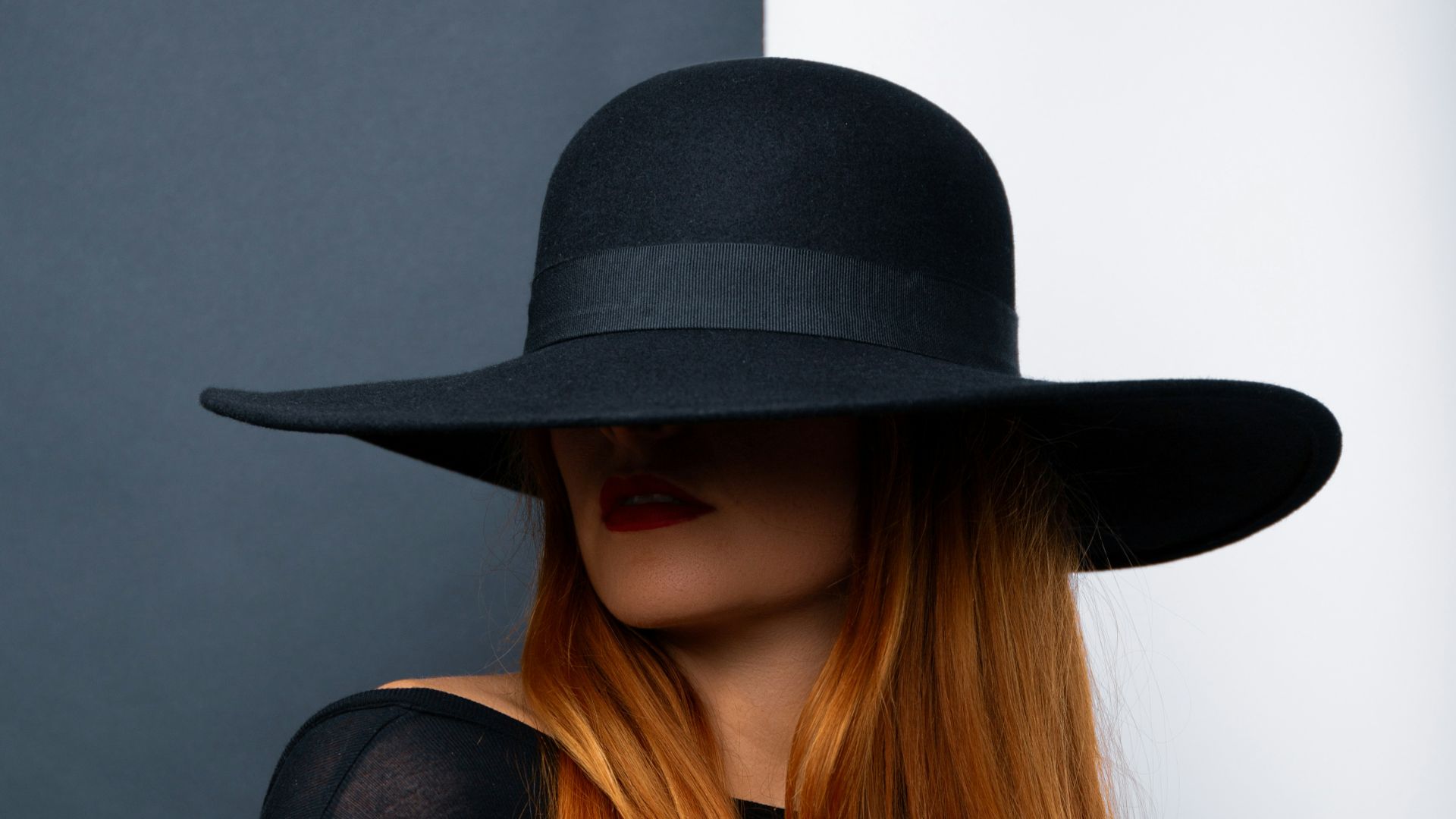
Church. Hotel luncheon. A day at the races. You wore a hat. Of course, you also had to put a decent amount of effort into finding the right brim; one that looked polished, stayed put, and didn't block the view of the poor person sitting behind you.
6. Stockings Had to Be Perfect
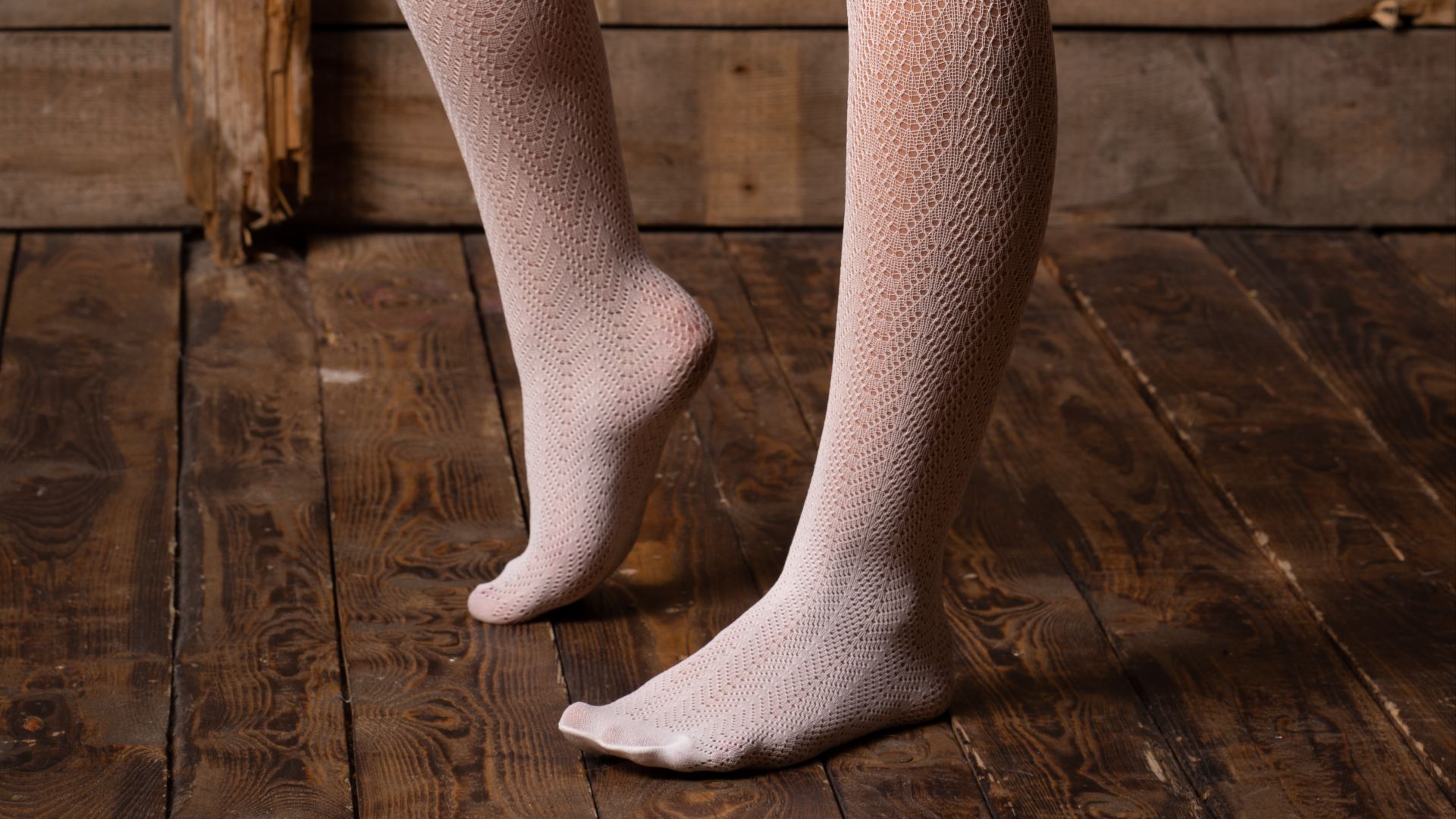
When hosiery was standard, it had to be flawless. No runs, no ladders, no visible snags. Which, honestly, was a nightmare, because a rough chair or a sharp nail was all it took. Imagine catching a run in your stocking in a bright, well-lit foyer and knowing that someone had already noticed.
 Tobias ToMar Maier on Wikimedia
7. Pearls Had Their Place
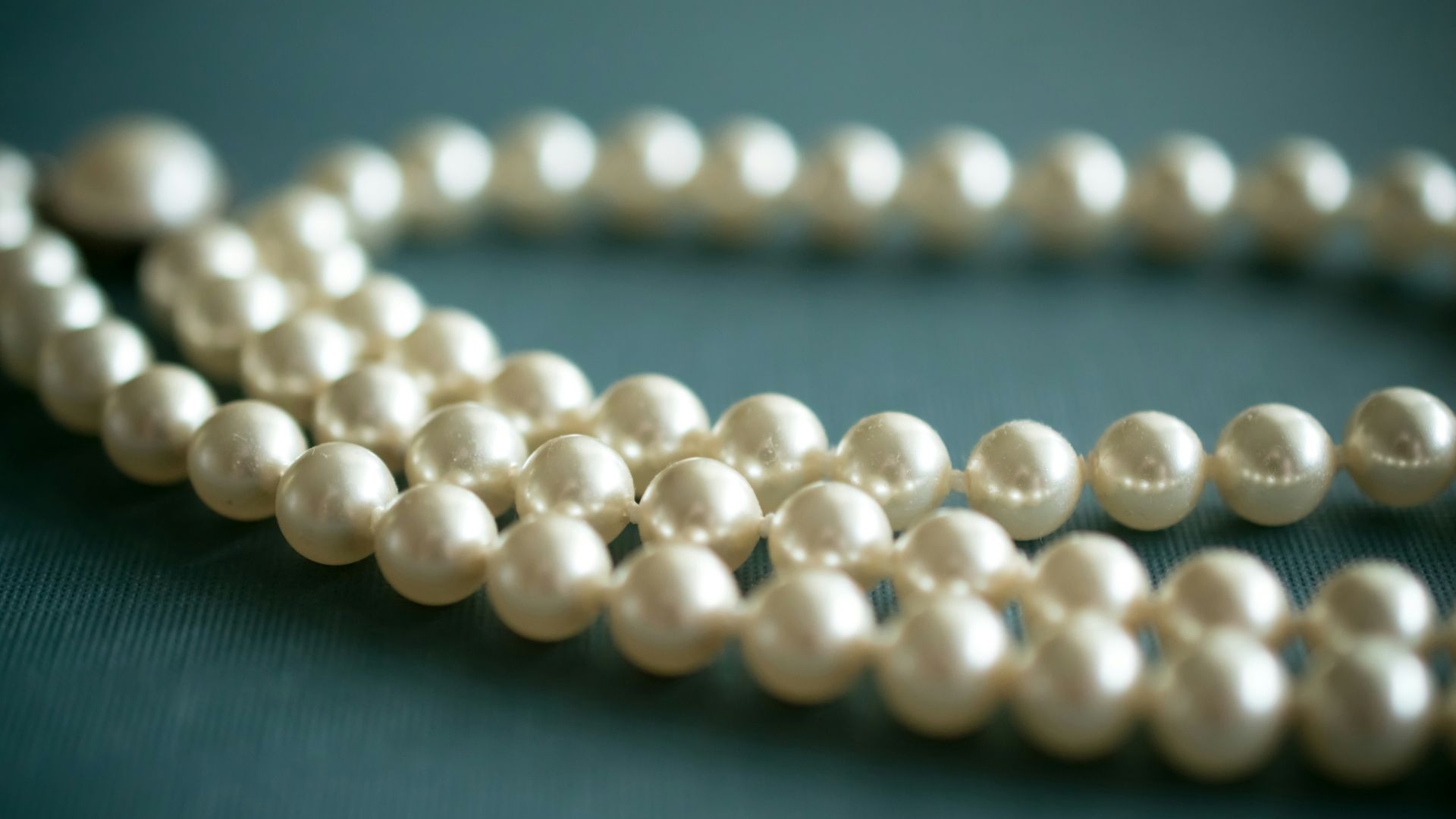
Pearls were refined, yes. Elegant, yes. But you couldn't just wear them anywhere. Formal occasions: safe. Casual Tuesday lunch: suddenly you looked showy, overdressed, or like you were trying too hard.
8. Denim Was Simply Not Done
Jeans came from working people. Manual labor. And no matter how much you spent on them, no matter how dark or how perfectly cut, certain country clubs and dining rooms still wanted nothing to do with them.

9. Black and Navy Could Not Mix
Wearing black and navy together? That was the kind of mistake you were supposed to have grown out of. We know now, most of us anyway, that the combination can look genuinely chic with the right textures. But the rule stuck around because it made judging people so wonderfully easy.

10. Rewearing Was a Social Risk
In circles where your outfit ended up in photographs, wearing something twice felt risky. Especially at the bigger events. If you did repeat a piece, you'd disguise it somehow: new tailoring, different accessories, anything to make it look fresh.

11. High Heels and Platforms Drew Gossip
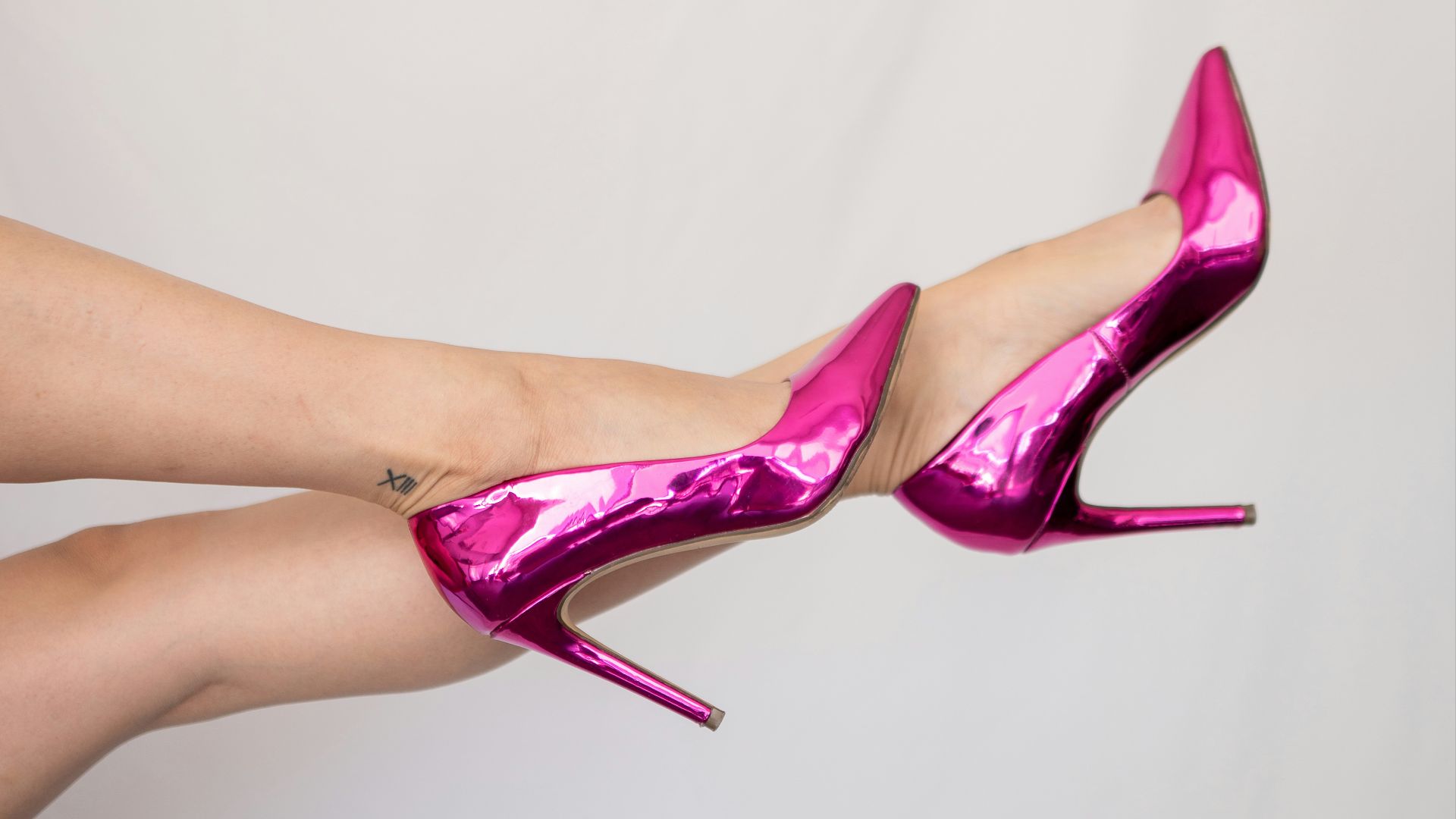
Heel height was not a neutral choice. There was an acceptable range, and if you exceeded it, if your stilettos were a touch too high or your platforms a touch too bold, you'd get looks. Partly because those shoes were associated with nightlife. Partly because you simply moved differently in them.
12. Older Women Should "Tone It Down"
The older you got, the more certain circles pushed you toward muted colors and restrained patterns. Nothing too vivid, nothing too bold. And if you wore a bright print anyway? Someone would tell you how brave you were.

13. Underwear Had to Be Invisible
Everything had to disappear underneath. Slips, smoothing layers, carefully chosen cuts, all in service of keeping things invisible. What we don't talk about enough is how much of this rule came down to pure scrutiny. And how, in those same rooms, men's wardrobe slips were largely ignored.
 Tobias ToMar Maier on Wikimedia
14. Dinner at Home Still Requires Dressing Up
Even for a dinner party at someone's house, you changed. Guests arrived in jackets and dresses and proper shoes. We can romanticize it, and plenty of people do, but it also means planning around a full outfit change, fresh makeup, and accessories specifically chosen for a dining table.
15. Women Couldn't Look Too Tailored
Strong shoulders, wide lapels, pinstripes, all of that on a woman made certain conservative rooms genuinely uneasy. Because a sharp, well-cut suit could still start whispers that you looked too masculine for the luncheon crowd that preferred something a bit more yielding.

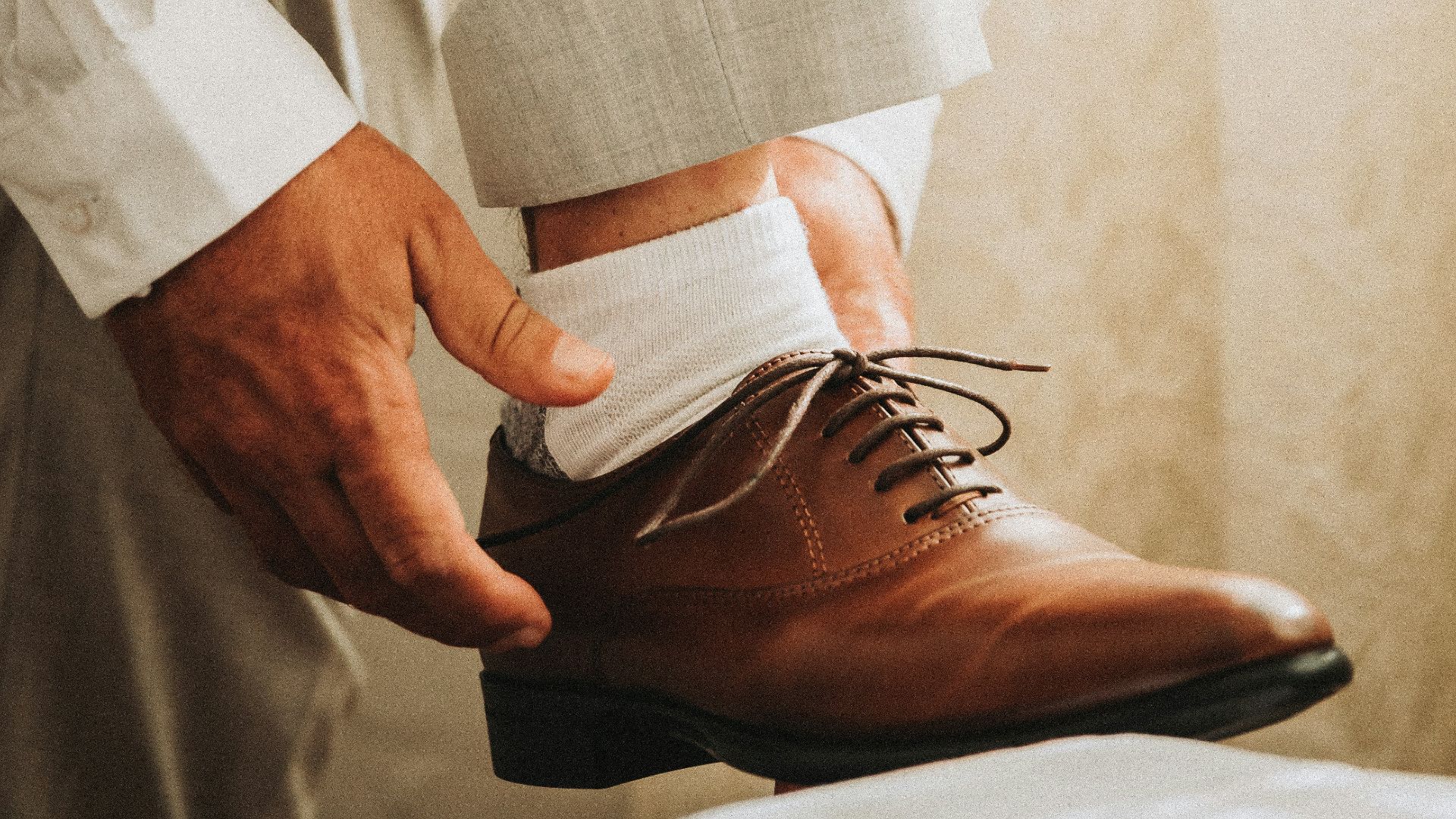
16. Open-Toe Shoes Were Off-Limits
At a formal dinner, you wore closed-toe shoes. Even in the heat of summer, even if your sandals were made from the most delicate, exquisite evening material imaginable, it didn't matter. Sandals belonged to daytime.
 Konstantin Shmatov on Unsplash
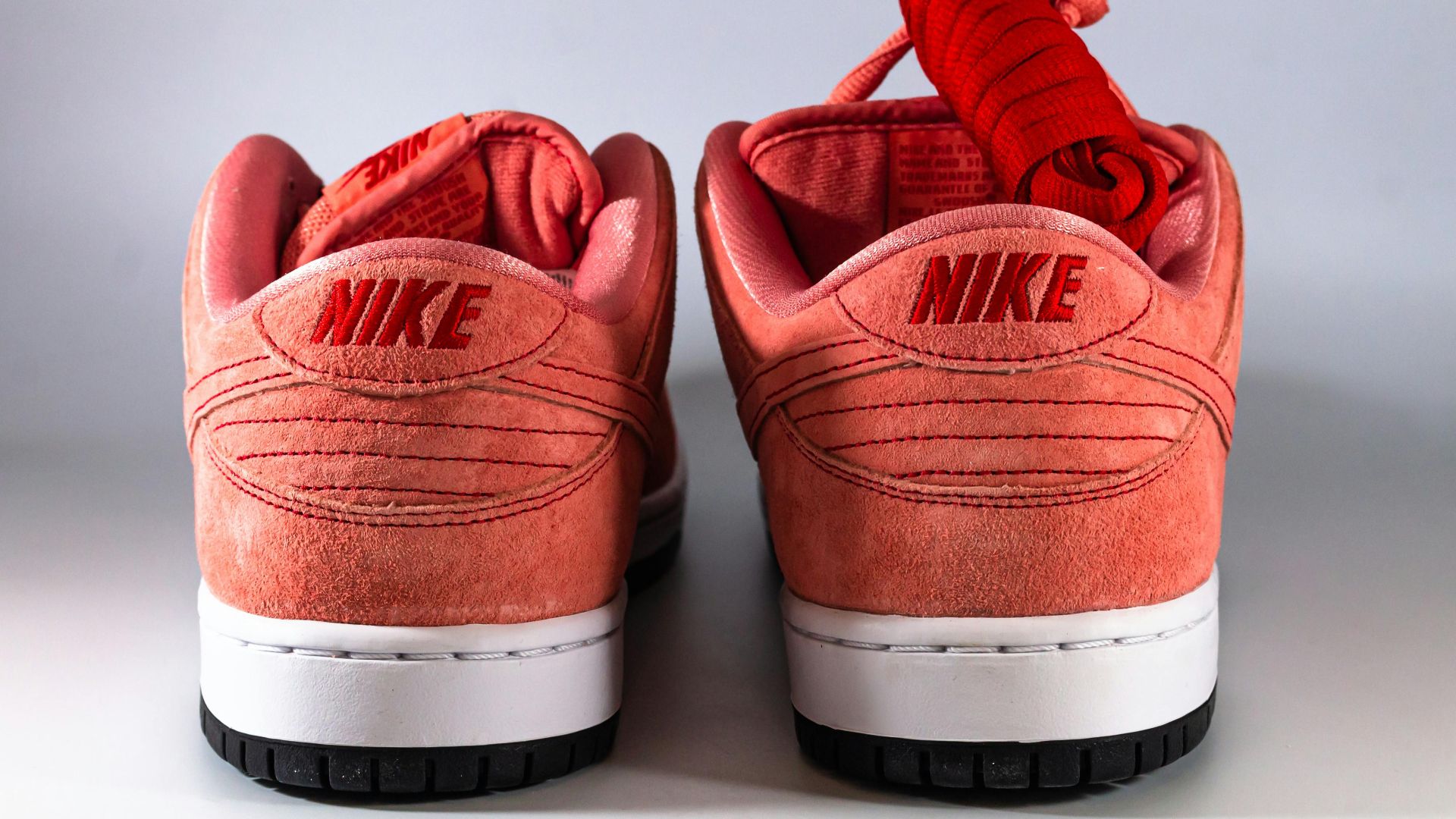
17. No Visible Logos
Old money spaces had a thing about obvious branding. A logo you could read from across the room? That was showing off. The real approval came from subtle tailoring and beautiful fabric, things only someone in the know would recognize.
18. Trends Had an Age Limit
Certain cuts and certain trends came with an unspoken expiration date, and once you hit a certain age, you were expected to let them go. We still see this today, in the comments people make about what women should and shouldn't wear past a certain birthday, as if personal style just stops.

19. Sportswear and Eveningwear Never Mixed
After a day of tennis or sailing or riding, you changed completely before dinner. Not a quick freshen-up. A full change. A cardigan thrown over a dress, or a sporty jacket paired with formal trousers, that read as careless.

20. Makeup and Accessories Had to Stay "Tasteful"
Good taste, as defined by those rooms, meant polished and quiet. Makeup that looked almost like you weren't wearing any. Accessories that supported the outfit without stealing the show. Bold earrings? Bright lips? Even if everything else was perfectly put together, you risked being labeled as excessive.

KEEP ON READING

The 10 Youngest Monarchs In History & The 10 Oldest
Age Is Just A Number. Imagine being crowned king or…
By Chase Wexler Mar 11, 2025
You Think You Have Problems? These Royal Families Were Cursed
Boasson and Eggler St. Petersburg Nevsky 24. on WikimediaHeavy is…
By Ashley Bast Dec 5, 2025
You Can Thank This Greek-Canadian For Creating Pineapple On Pizza…
Love it or hate it, pineapple on pizza sparks debate…
By David Davidovic Dec 1, 2025
Yes, Female Gladiators Existed, And Here's Everything You Need To…
History of Women in Combat. Most people picture gladiators as…
By David Davidovic Jan 17, 2026
Yes, Australians Once Lost A Battle Against Flightless Birds
David Clode on UnsplashIn 1932, the Australian military went to…
By David Davidovic Nov 24, 2025
The Y2K Bug: Why Did Everyone Think Year 2000 Was…
Alan W on UnsplashOn December 31, 1999, people all over…
By Christy Chan Dec 22, 2025