The Missing That Won’t Stay Quiet
Some disappearances refuse to settle into the past. Not because the stories are always dramatic, but because the known facts feel like they should point somewhere—and then they don’t. A person vanishes from a crowded city, a ship never arrives, a whole group disappears without a trace, and the case becomes a permanent open tab in the collective mind. Older cases are especially haunting because the paper trail is thinner, the physical evidence is gone, and rumor had more room to grow than fact ever did. Here are 20 disappearances that still bother investigators, historians, and anyone who hates an unfinished story.
1. The Roanoke Colony
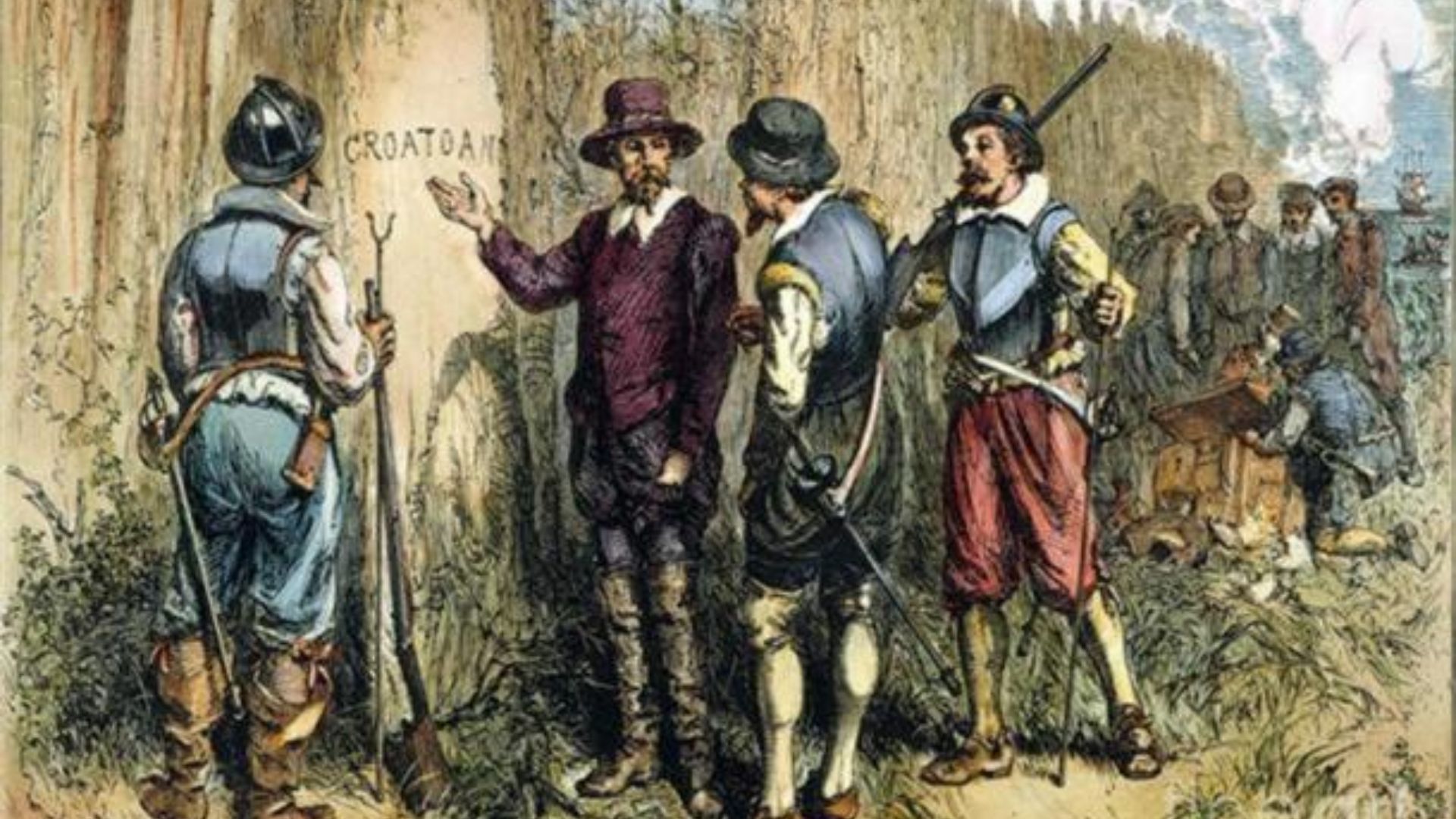
In the late 1580s, an English settlement on Roanoke Island was found abandoned, with no clear sign of what happened to the people who had lived there. The only famous clue was word carved onto a tree, but it never turned into a clean answer. It’s unsettling because it’s not one person missing—it’s a whole community dissolving.
2. The Princes In The Tower
Edward V and his younger brother Richard were seen in the Tower of London in 1483, then vanished from public view. Their uncle became Richard III, and the question of what happened to the boys has never stopped sparking argument. The case lingers because the motive feels obvious, but the proof has always stayed just out of reach.
 Unknown authorUnknown author on Wikimedia
3. Henry Hudson
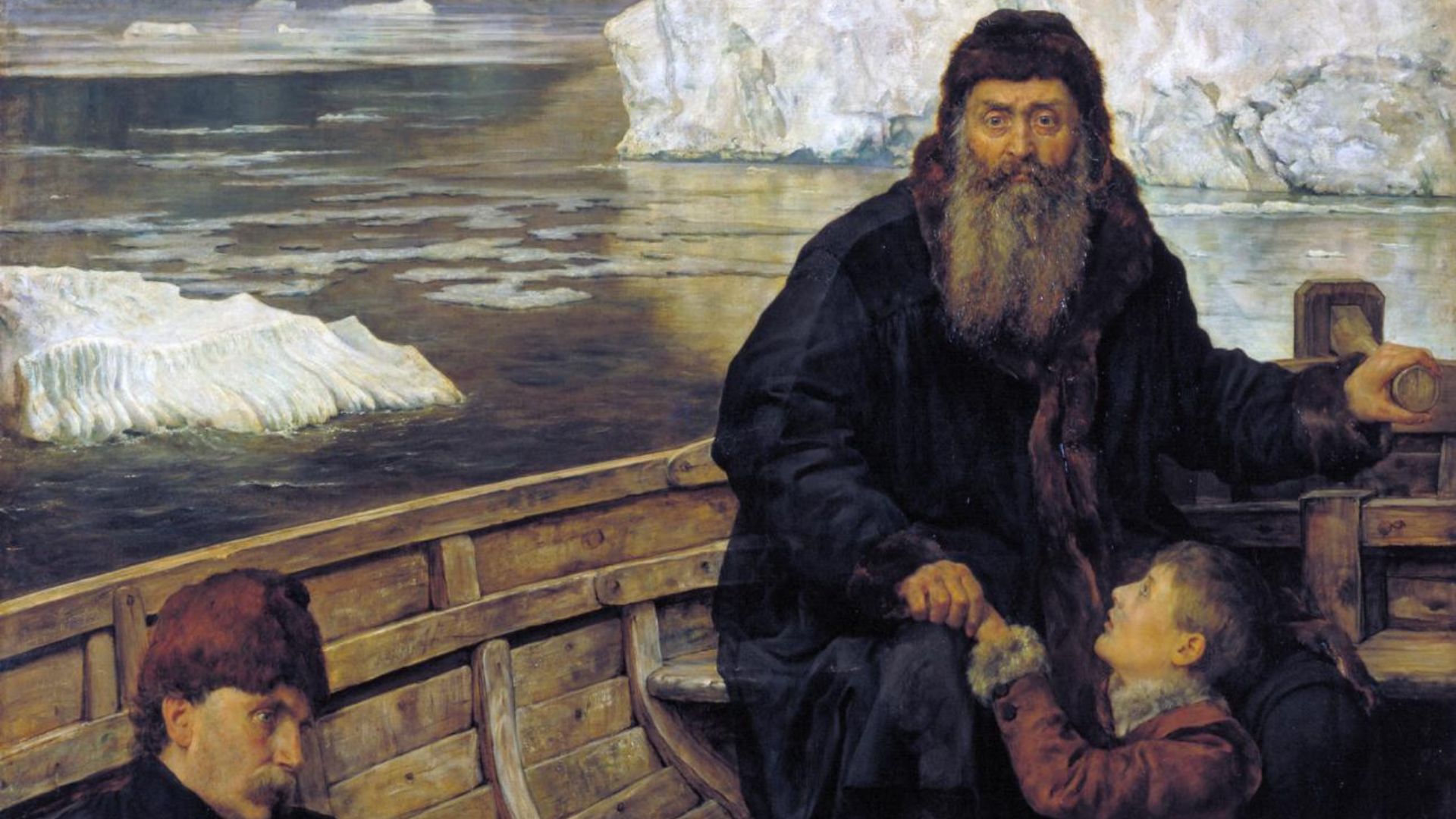
Explorer Henry Hudson was cast adrift in 1611 during a mutiny, along with his son and a few loyal crew members. No confirmed trace of them was ever found, which turns the story into a bleak kind of vanishing that happened in plain sight. The cruelty is how simple it is: a small boat, a huge wilderness, and the end of the record.

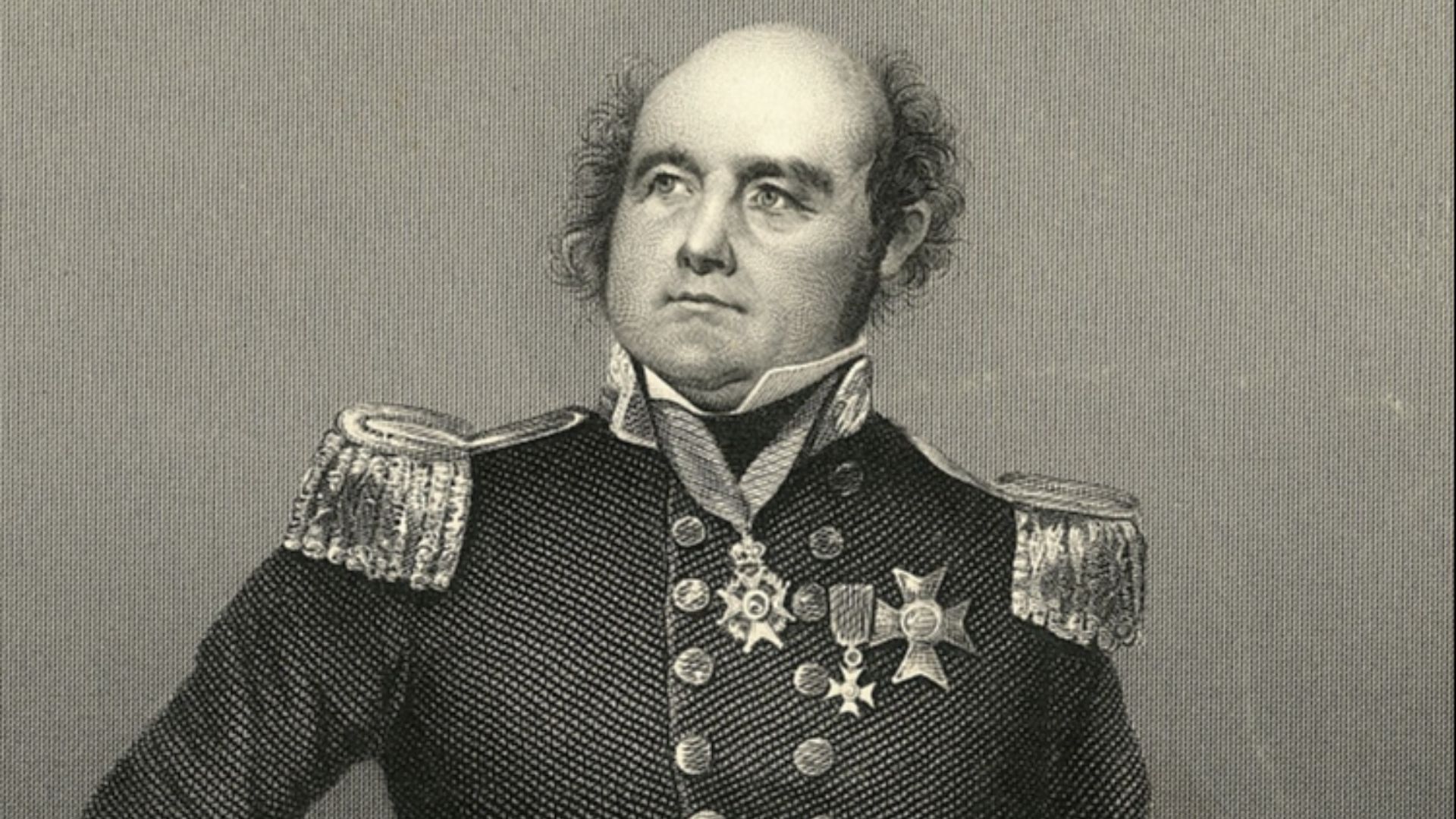
4. The Lost Franklin Expedition
Sir John Franklin’s Arctic expedition set out in 1845 and disappeared, triggering years of searches, scattered discoveries, and grim conclusions. Enough evidence exists to outline catastrophe, but not enough to provide a fully satisfying narrative of every decision and moment. It haunts because the Arctic preserves just enough to tease you, then takes the rest.
 Unknown authorUnknown author on Wikimedia
5. Theodosia Burr Alston
The daughter of Aaron Burr vanished at sea in early 1813 while traveling along the U.S. coast. The ship never arrived, and the lack of remains or confirmed wreckage created a vacuum that rumor happily filled. Even now, it’s the kind of disappearance that feels too important, too storied, to simply accept as ocean loss.
 Unidentified artist, possibly by John Vanderlyn (1776-1852) on Wikimedia
6. Ambrose Bierce
The writer Ambrose Bierce went to Mexico in 1913 during the Mexican Revolution and then vanished from the historical record. There are theories and guesses, but no firm, final account of what happened. It’s a classic case of someone walking into history’s noise and being swallowed by it.
 Unknown authorUnknown author on Wikimedia
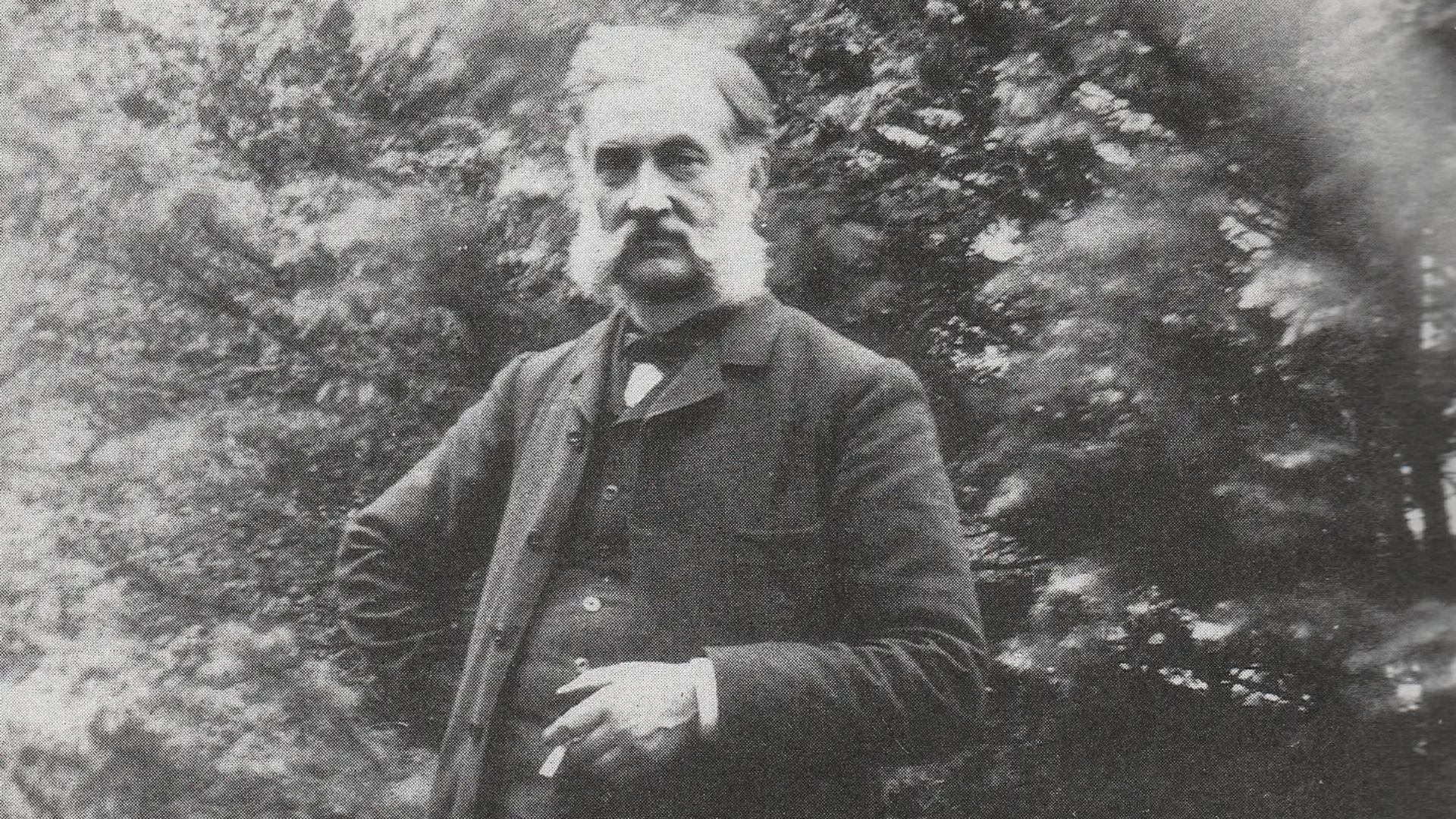
7. Louis Le Prince
A pioneer of early film, Louis Le Prince boarded a train in France in 1890 and never arrived, and neither did his luggage. Searches turned up nothing conclusive, and the mystery sits in that strange space between invention, ambition, and a missing person case. It’s haunting because the disappearance feels modern—then you remember how little could be tracked.
 AnonymousUnknown author on Wikimedia
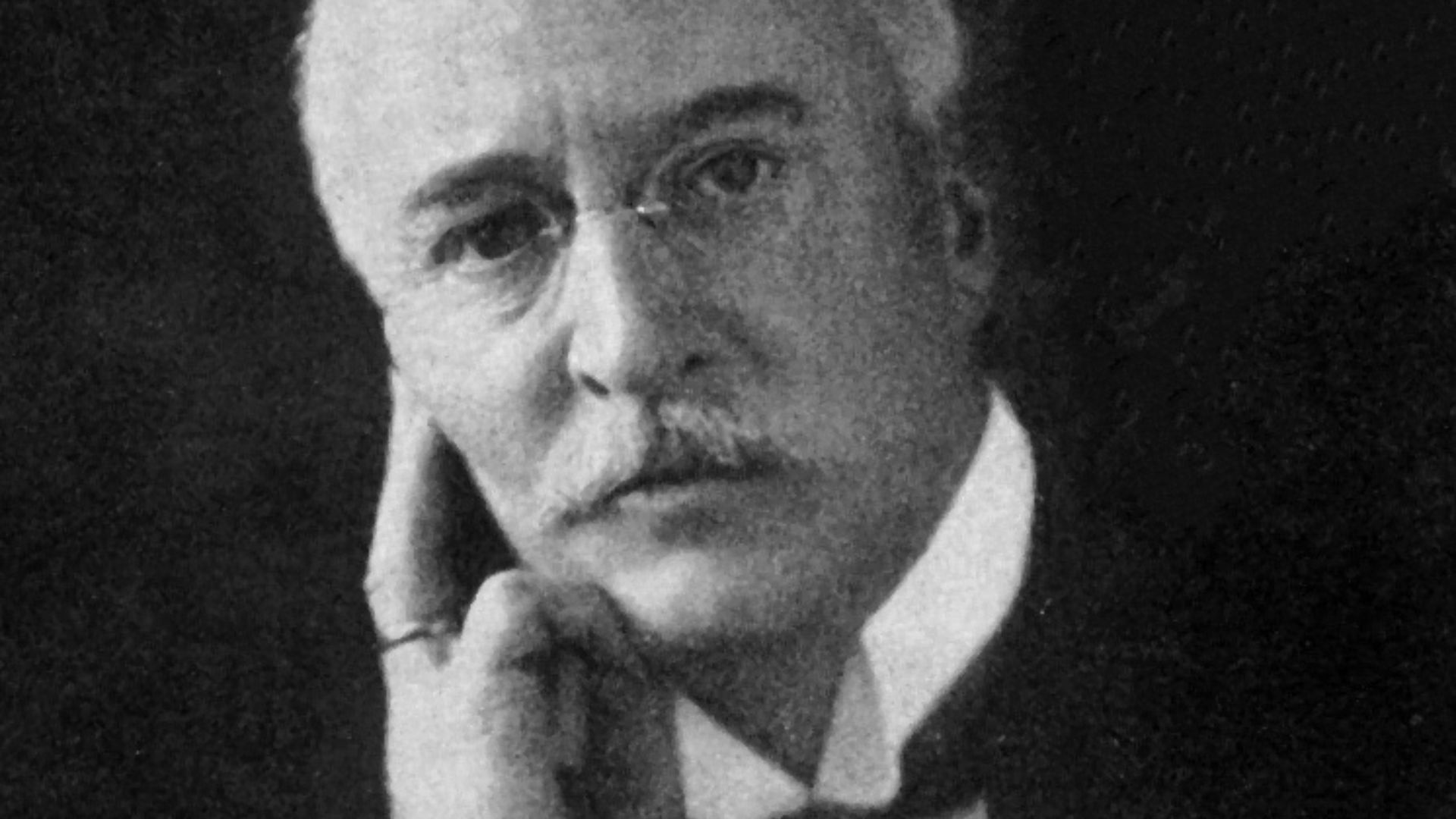
8. Rudolf Diesel
Inventor Rudolf Diesel boarded a ship in 1913, went to his cabin, and was never seen alive again. A body was later sighted and items were recovered, but the exact circumstances—accident, suicide, or something else—have never landed with universal certainty. The case sticks because it involves a famous name and a vanishing in a tightly contained setting.
 Unknown photographer on Wikimedia
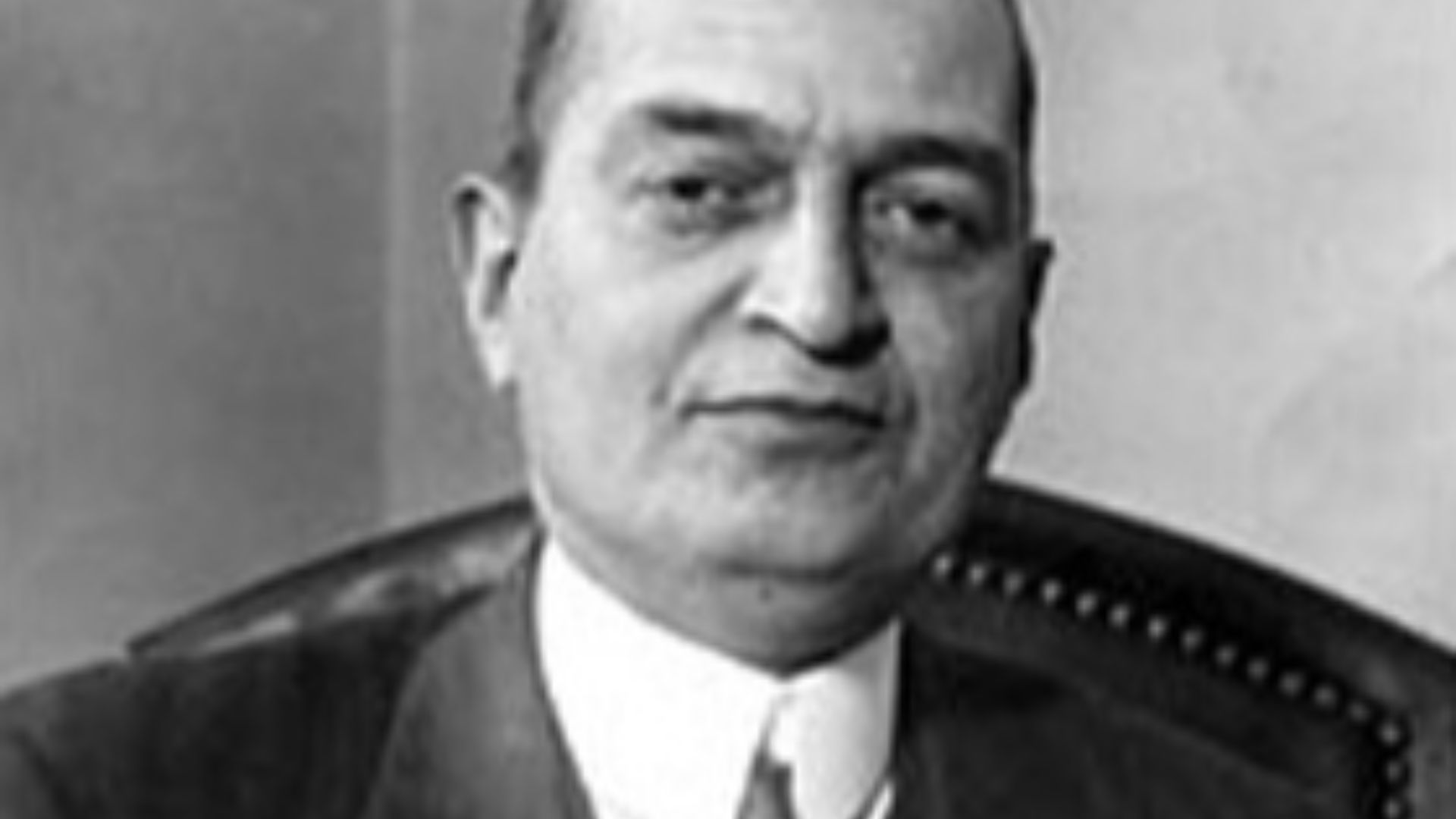
9. Judge Joseph Force Crater
A New York City judge disappeared in 1930 after being seen around Manhattan, and despite the attention, he was never found. The setting makes it feel solvable—busy streets, witnesses, institutions—yet it stayed open-ended. It’s the kind of mystery that makes a city feel less knowable than it looks.
 AnonymousUnknown author on Wikimedia
10. Dorothy Arnold
Dorothy Arnold disappeared in New York City in 1910 after leaving home for what sounded like a normal day out. Decades of speculation never produced a confirmed outcome, and even basic questions about her last movements remain foggy. It’s haunting because the disappearance happened in a place where vanishing should be harder.
 Library of Congress on Wikimedia
11. The Flannan Isles Lighthouse Keepers
In 1900, three lighthouse keepers vanished from a remote Scottish station, leaving behind a situation that clearly suggested sudden trouble—but no bodies. Theories range from an accident at sea to something stranger, though the simplest answer is often the most brutal. The case persists because the setting is so isolated it feels like a locked-room mystery with an ocean for a door.

12. Glenn Miller
Bandleader Glenn Miller disappeared in 1944 while flying over the English Channel during World War II. The exact cause has never been pinned down in a way that satisfies everyone, and the war’s chaos made clean answers harder. It’s haunting because fame doesn’t protect you from becoming a missing person in a huge event.
 US Army photographer on Wikimedia
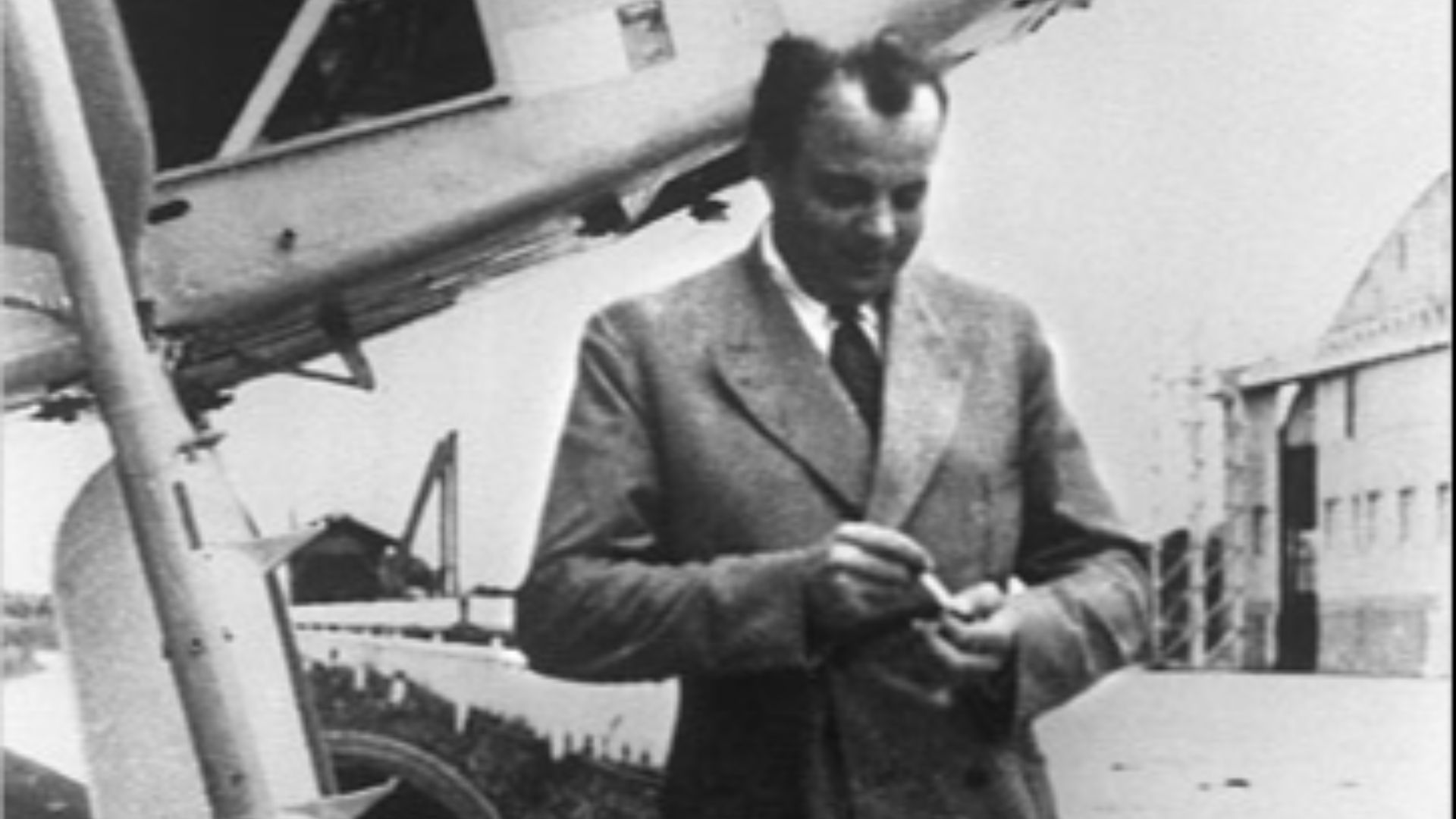
13. Antoine De Saint-Exupéry
The author and pilot vanished in 1944 on a reconnaissance mission during World War II. Later discoveries helped narrow possibilities, but the full, precise account of his final moments remains debated. The case lingers because it combines a beloved public figure with the cold randomness of wartime disappearance.
 Distributed by Agence France-Presse on Wikimedia
14. Michael Rockefeller
Michael Rockefeller disappeared in 1961 near New Guinea after a boating incident while collecting art and studying local cultures. Drowning is possible, but rumors of other outcomes have persisted for decades, fueled by the lack of a definitive finding. It haunts because the story sits at the intersection of privilege, adventure, and a region outsiders often misunderstood.

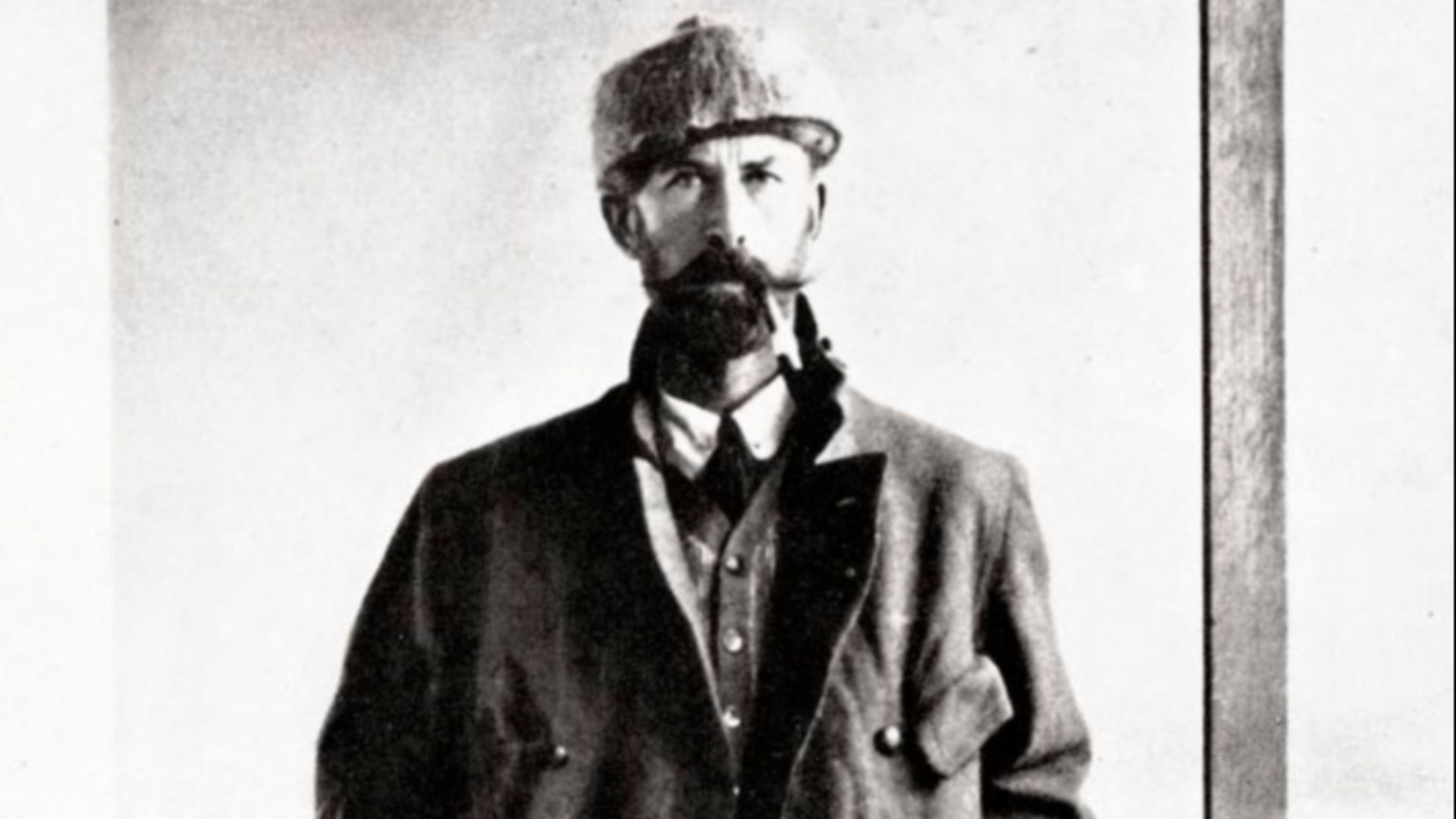
15. Percy Fawcett
Explorer Percy Fawcett vanished in 1925 in Brazil while searching for a rumored lost city, along with his son and another companion. Expeditions, claimed sightings, and competing theories followed, but no decisive proof ever closed the case. It’s a disappearance that sticks because it’s built on a very human impulse: the belief that something extraordinary is just beyond the next bend.
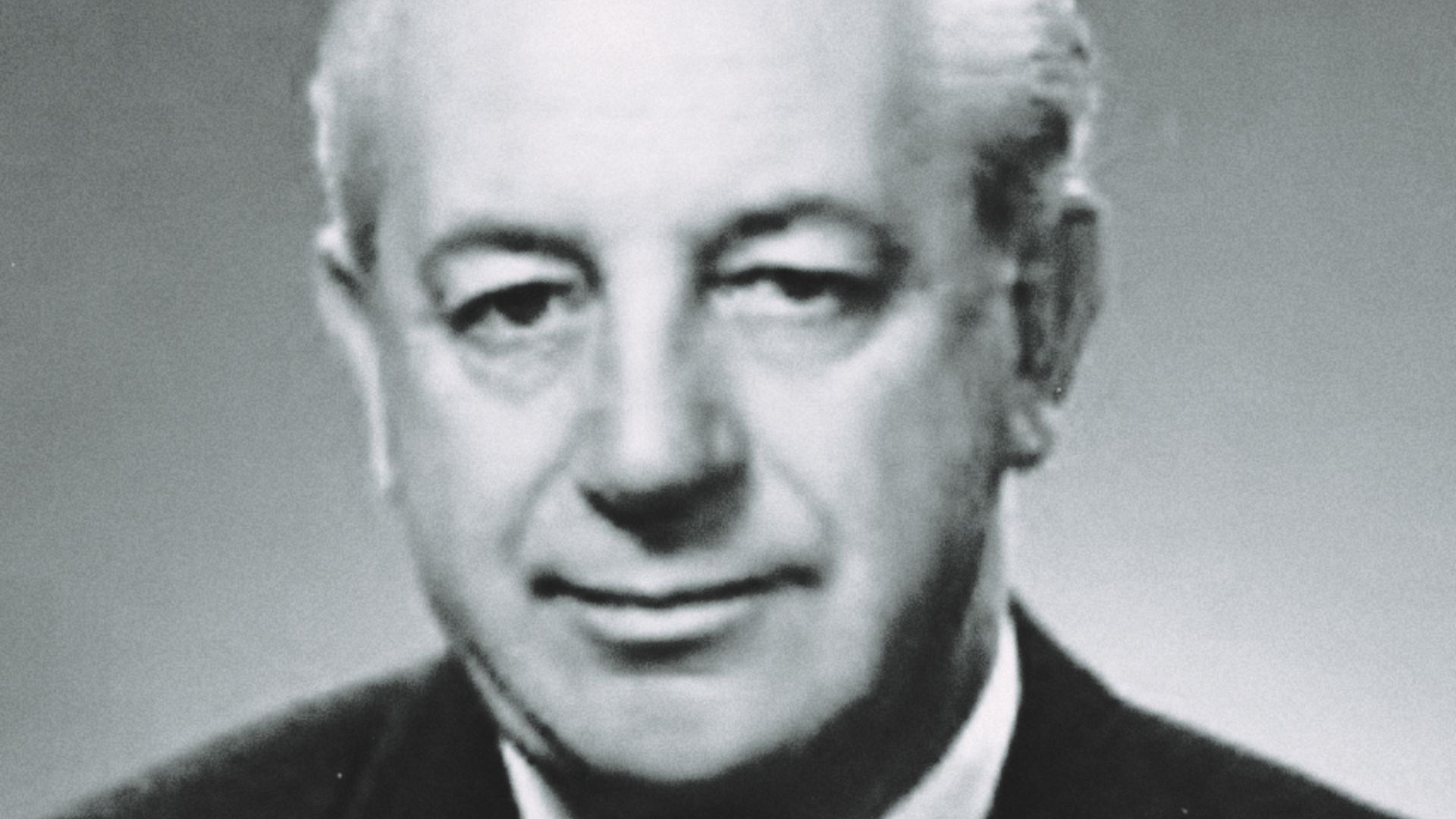
16. Harold Holt
Australia’s prime minister disappeared in 1967 while swimming at a dangerous beach, and his body was never recovered. Many accept drowning as the most likely explanation, but the lack of remains left a permanent opening for speculation. It still feels surreal: a national leader gone in an ordinary afternoon.
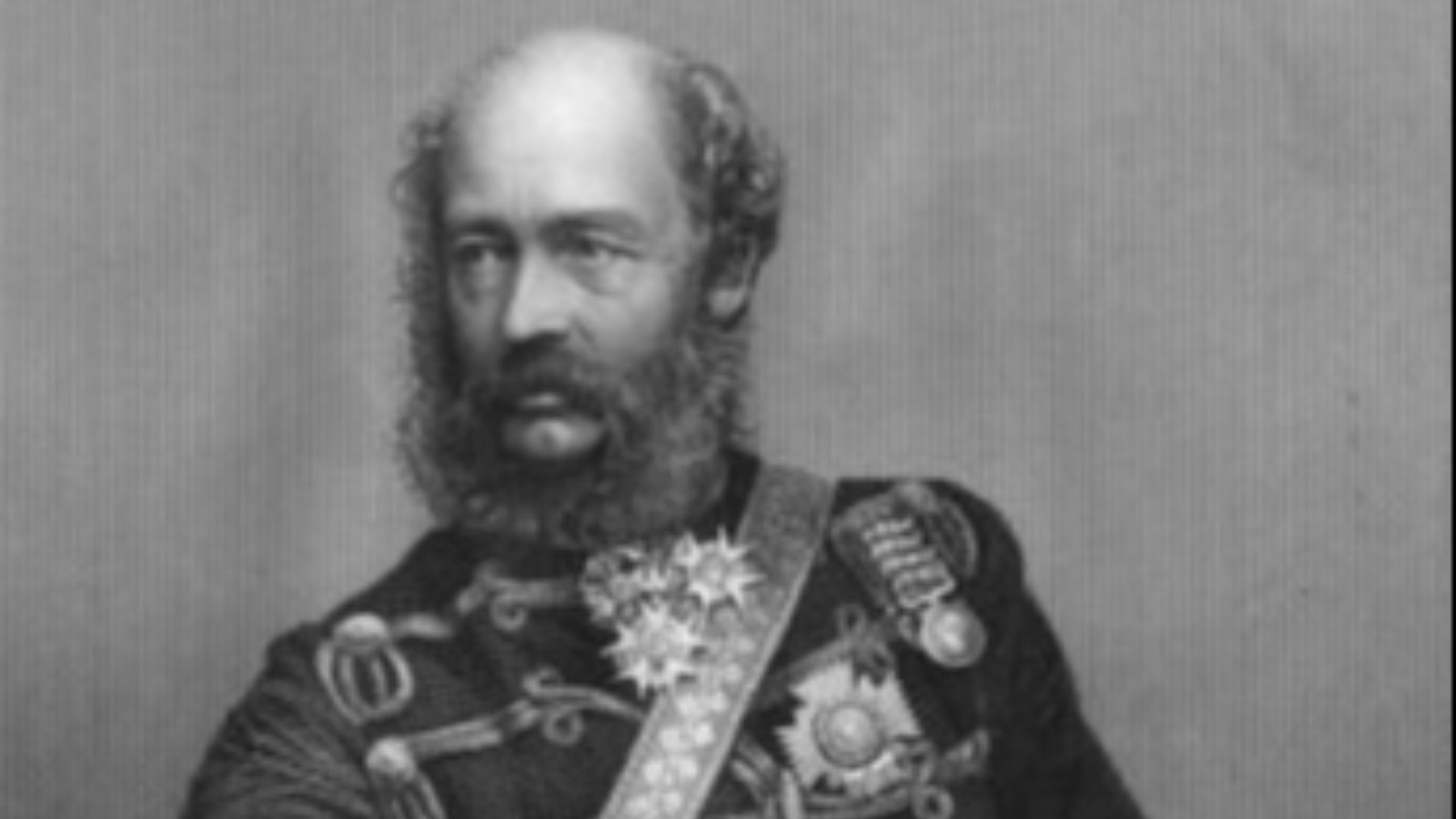
17. Lord Lucan
After the 1974 killing of his children’s nanny and an attack on his wife, British aristocrat Lord Lucan vanished. He was sighted, rumored, and discussed for decades, but never conclusively located in a way that settled public debate. The case haunts because it blends violence, class, and the suspicion that some people can slip the net.
 D. J. Pound (graveur) d'après une photographie de John Watkins on Wikimedia
18. The Mary Celeste Crew
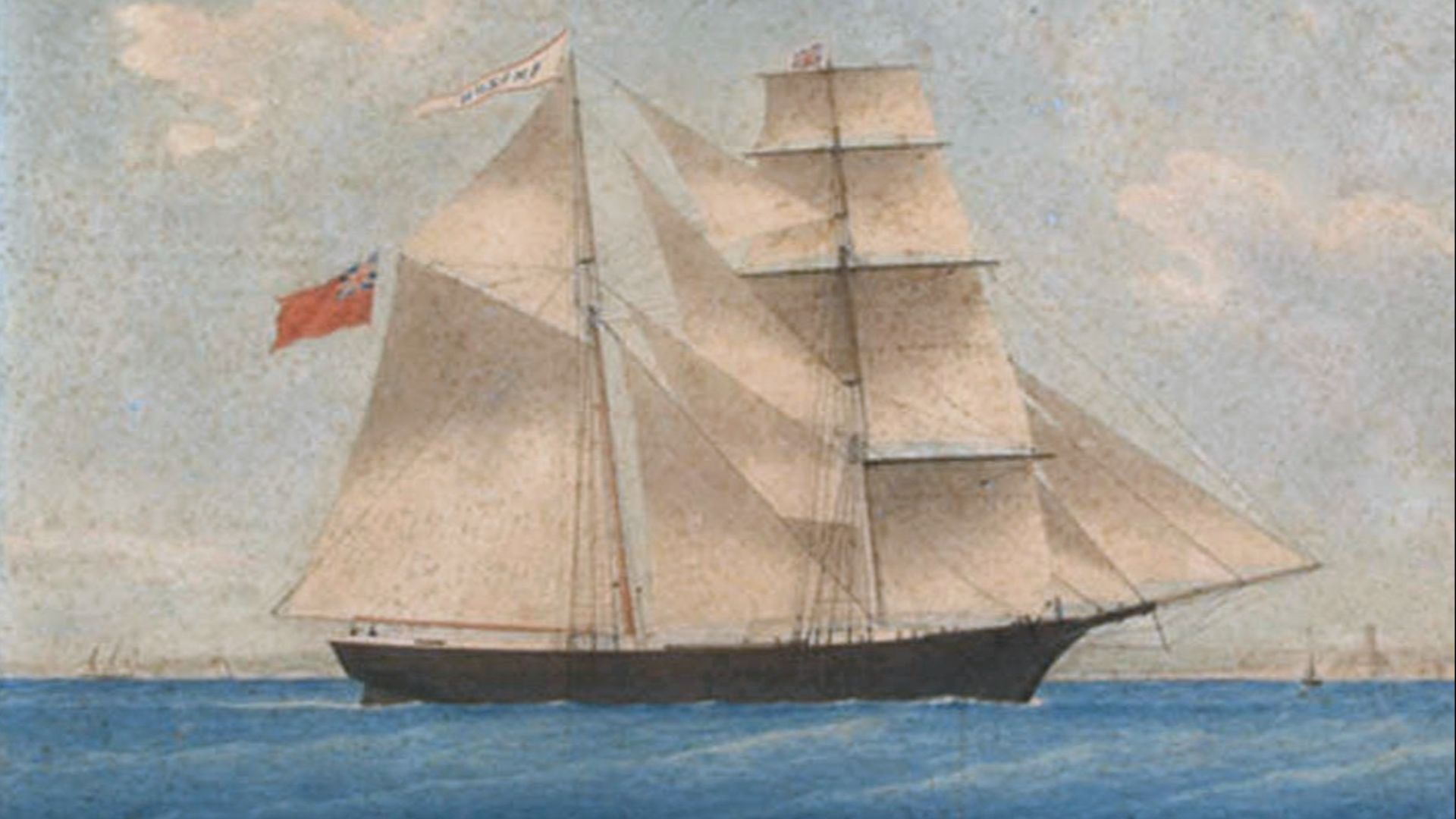
The ship Mary Celeste was found abandoned in 1872, seaworthy enough to make the situation feel wrong on contact. No clear, universally accepted explanation has ever replaced the eerie basics: ship present, crew missing. It endures because it’s simple, visual, and deeply unsettling—like walking into a room where everyone left mid-sentence.
19. Agatha Christie
In 1926, Agatha Christie disappeared for 11 days after leaving her car abandoned, triggering a massive search and intense public speculation. She was eventually found staying at a hotel under another name, but she never offered a full, clear explanation that settled the story for everyone.

20. Amelia Earhart
Amelia Earhart and navigator Fred Noonan disappeared in 1937 during an attempt to fly around the world. Searches have been enormous, theories are endless, and the last stretch of the journey remains the most frustrating part because it seems so close to solvable.
 Underwood & Underwood (active 1880 – c. 1950)[1] on Wikimedia
KEEP ON READING