Crowns, Chaos, And Bad Omens
Coronations are supposed to be controlled, polished events, full of ritual and symbolism. But crowning days also attract problems, because they combine politics, religion, huge crowds, complicated logistics, and people under intense pressure. Sometimes things go wrong in obvious, immediate ways—fires, violence, panic, delays, accidents. Other times the ceremony happens, but what follows undercuts it so quickly that the whole day looks cursed in hindsight. Here are 20 coronations where the shine wore off fast.
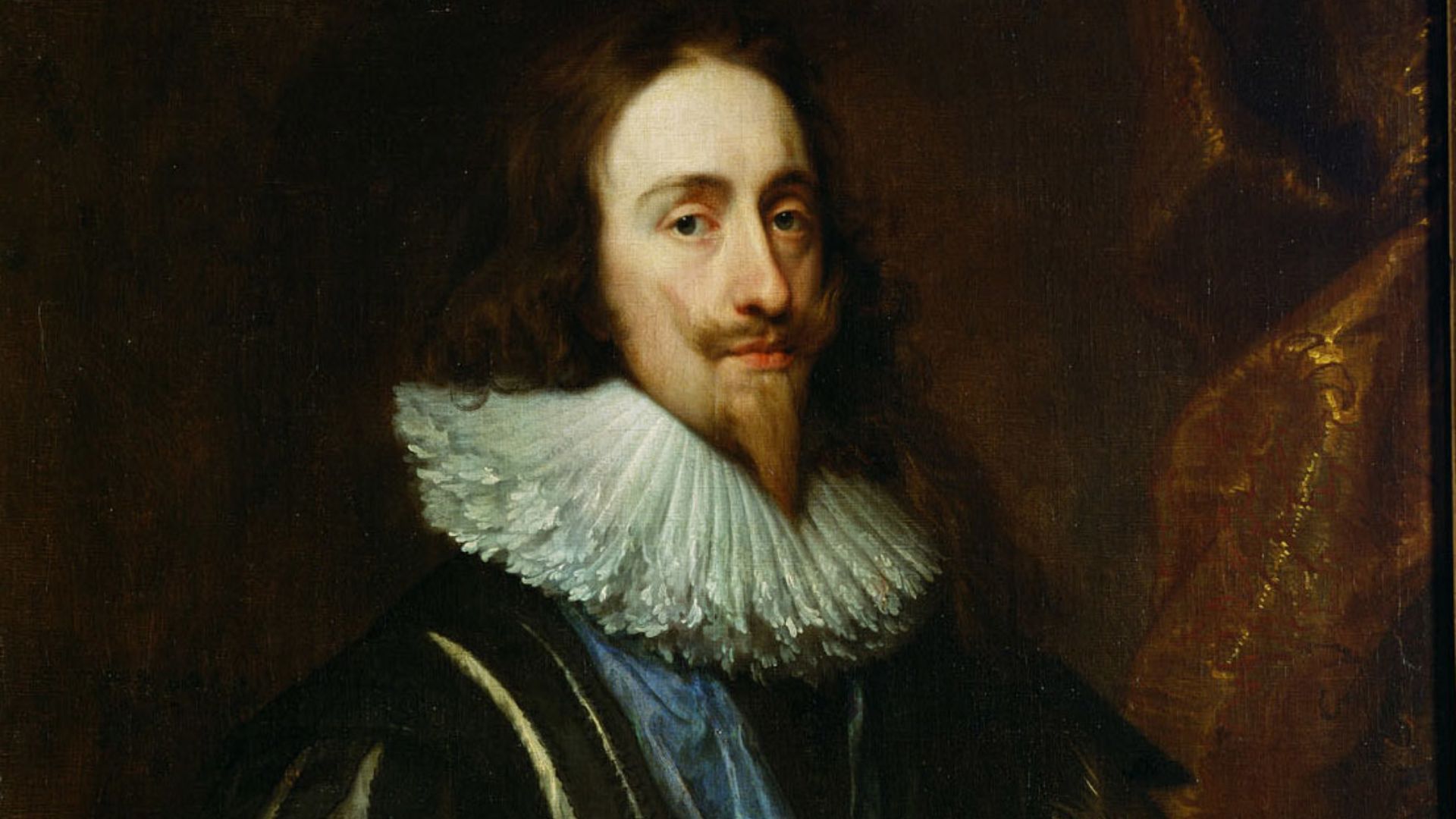
1. William The Conqueror
William’s coronation at Westminster Abbey in 1066 turned into a full-on panic when cheering inside was mistaken for an attack outside, and soldiers set nearby buildings on fire. People bolted, the service thinned out, and the day meant to announce stability ended up broadcasting fear instead.
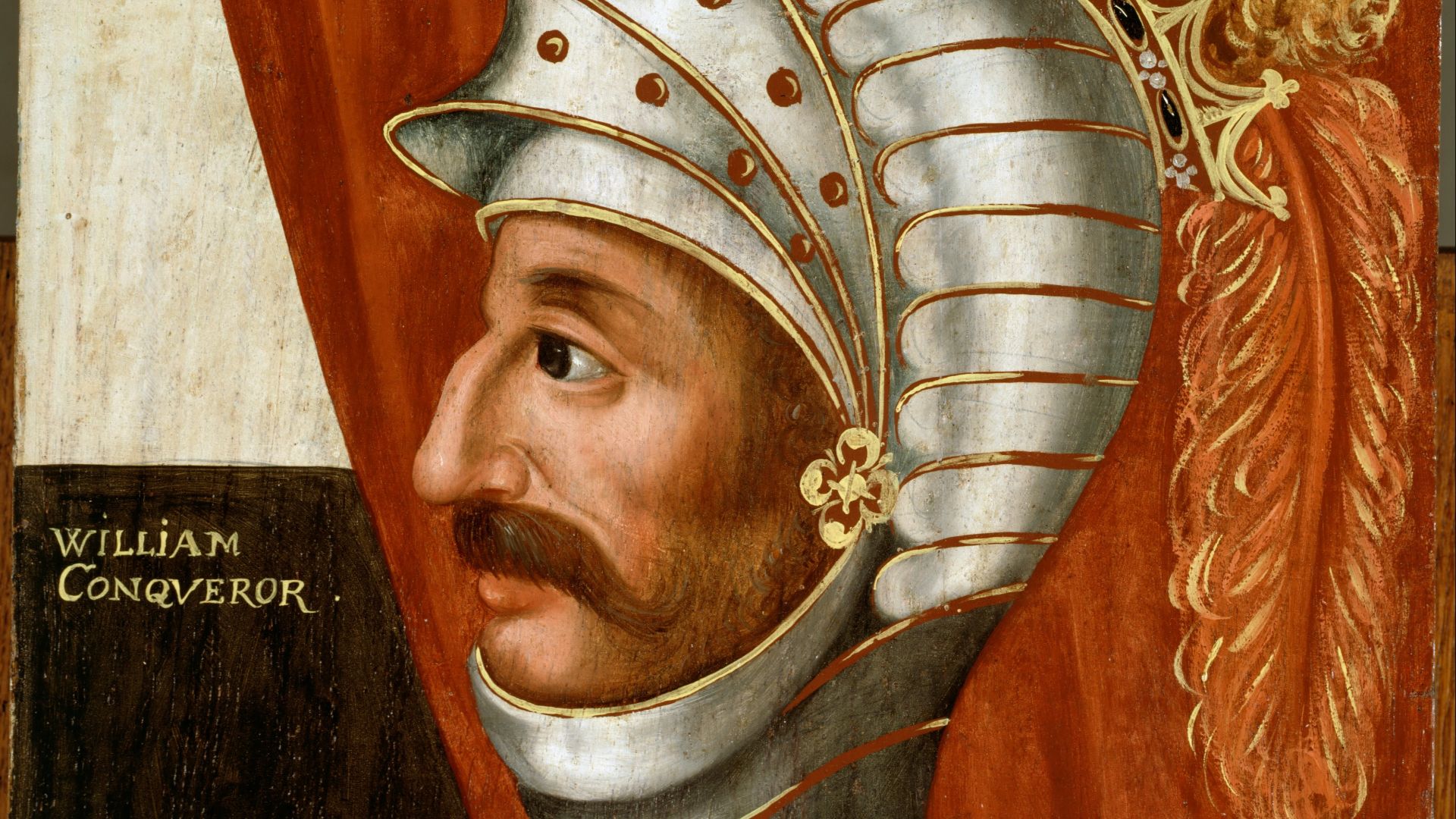 British – School Details on Google Art Project on Wikimedia
2. Richard I
Richard the Lionheart’s coronation in 1189 sparked anti-Jewish violence in its immediate aftermath, the kind of brutality that stains a reign before it even gets its ceremonial footing. It is hard to sell a holy anointing as divine favor when the streets outside are already proving how quickly a crowd can turn.
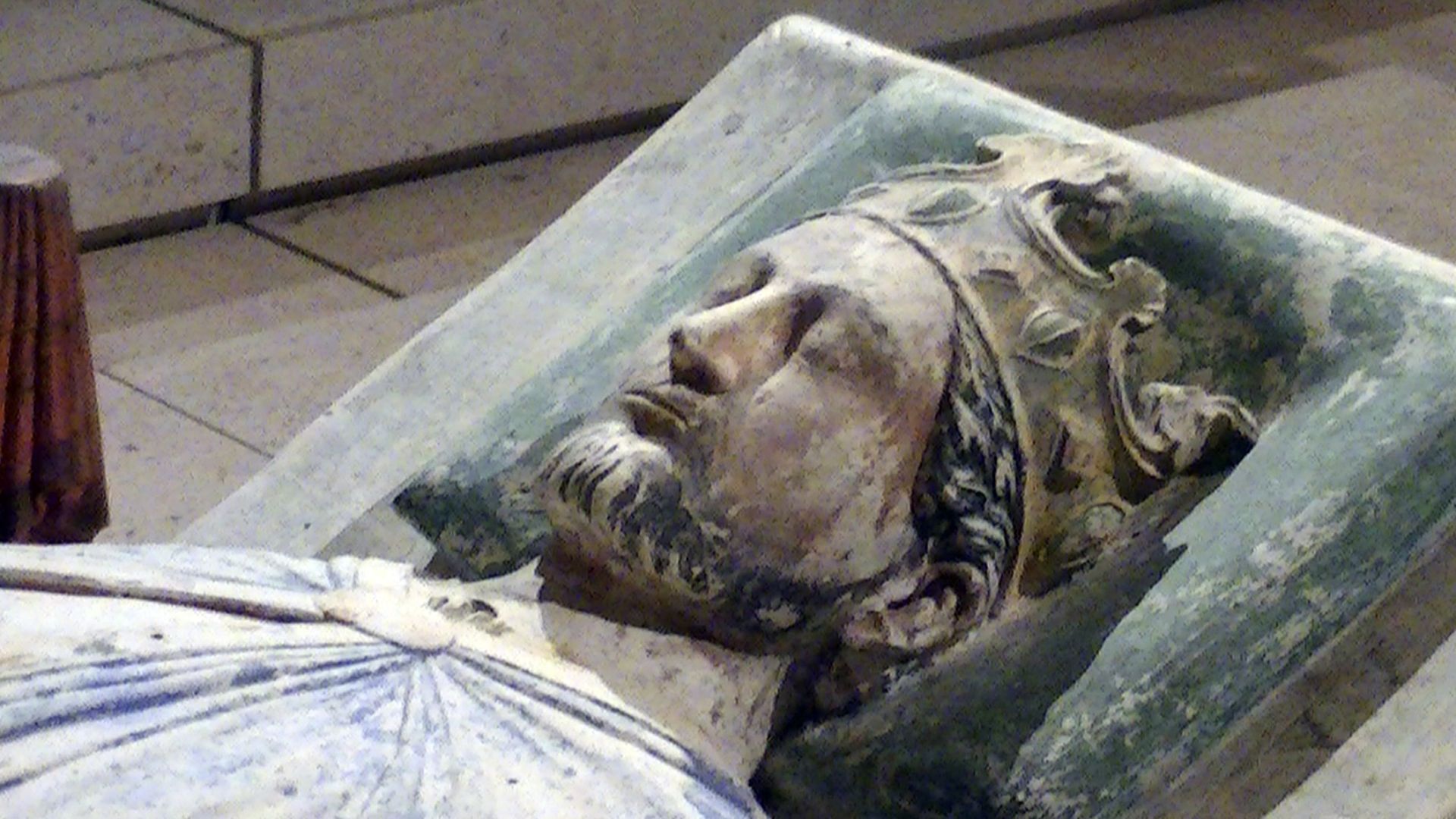
3. Henry III
Henry III was crowned as a child in 1216 with a substitute circlet because the royal treasure had been lost during King John’s chaotic final campaign, a detail that reads like medieval satire. Even when the ceremony goes through, wearing a stand-in crown is a public reminder that the kingdom is running on emergency supplies.
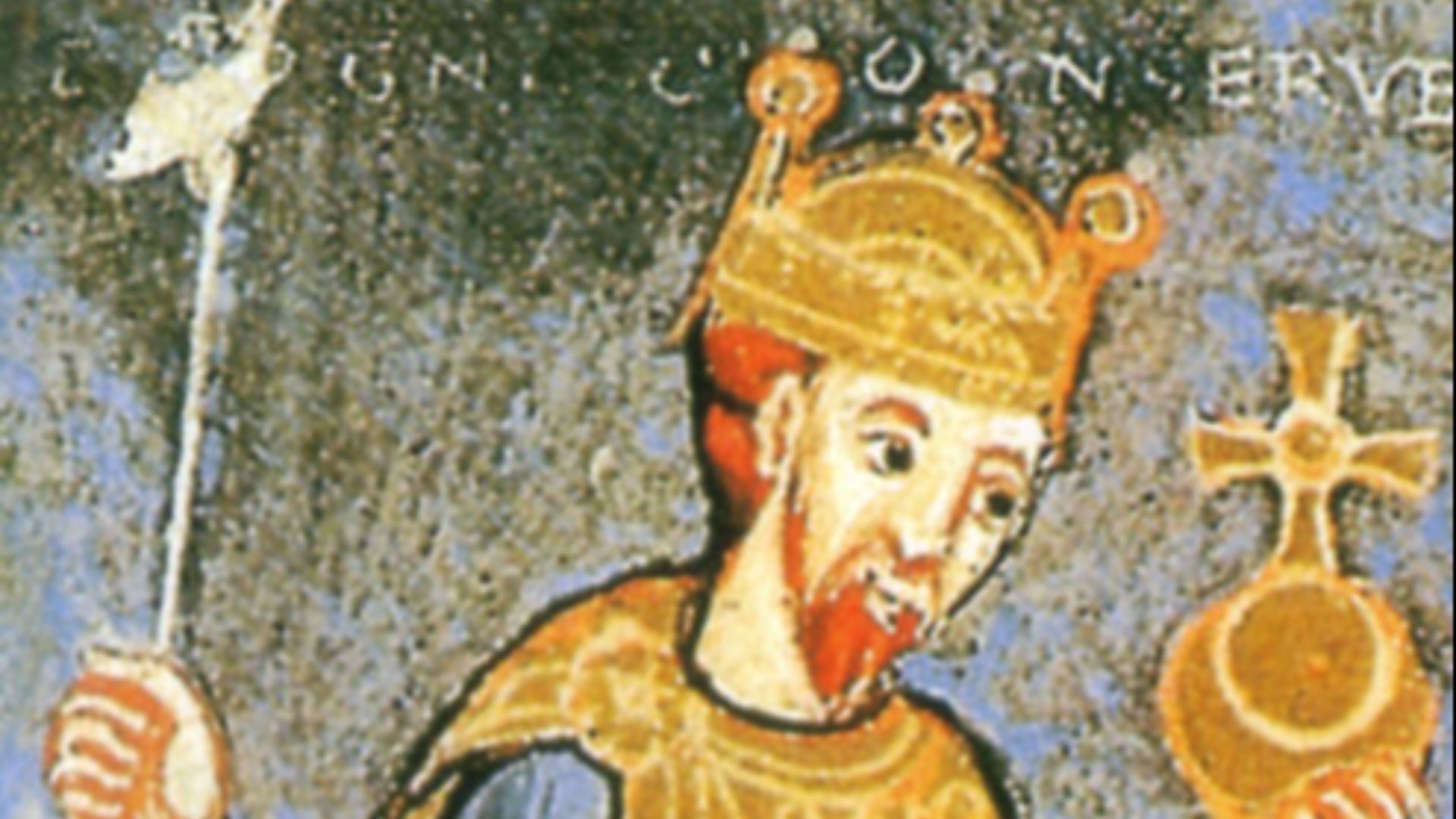 Unknown painterUnknown painter on Wikimedia
4. Richard II
Richard II was only ten at his 1377 coronation, and the planners apparently decided to test the stamina of a literal child with an endurance event disguised as ritual. By the end, he was so exhausted he had to be carried to bed, which is not the vibe anyone wants for a supposedly God-bolstered ruler.
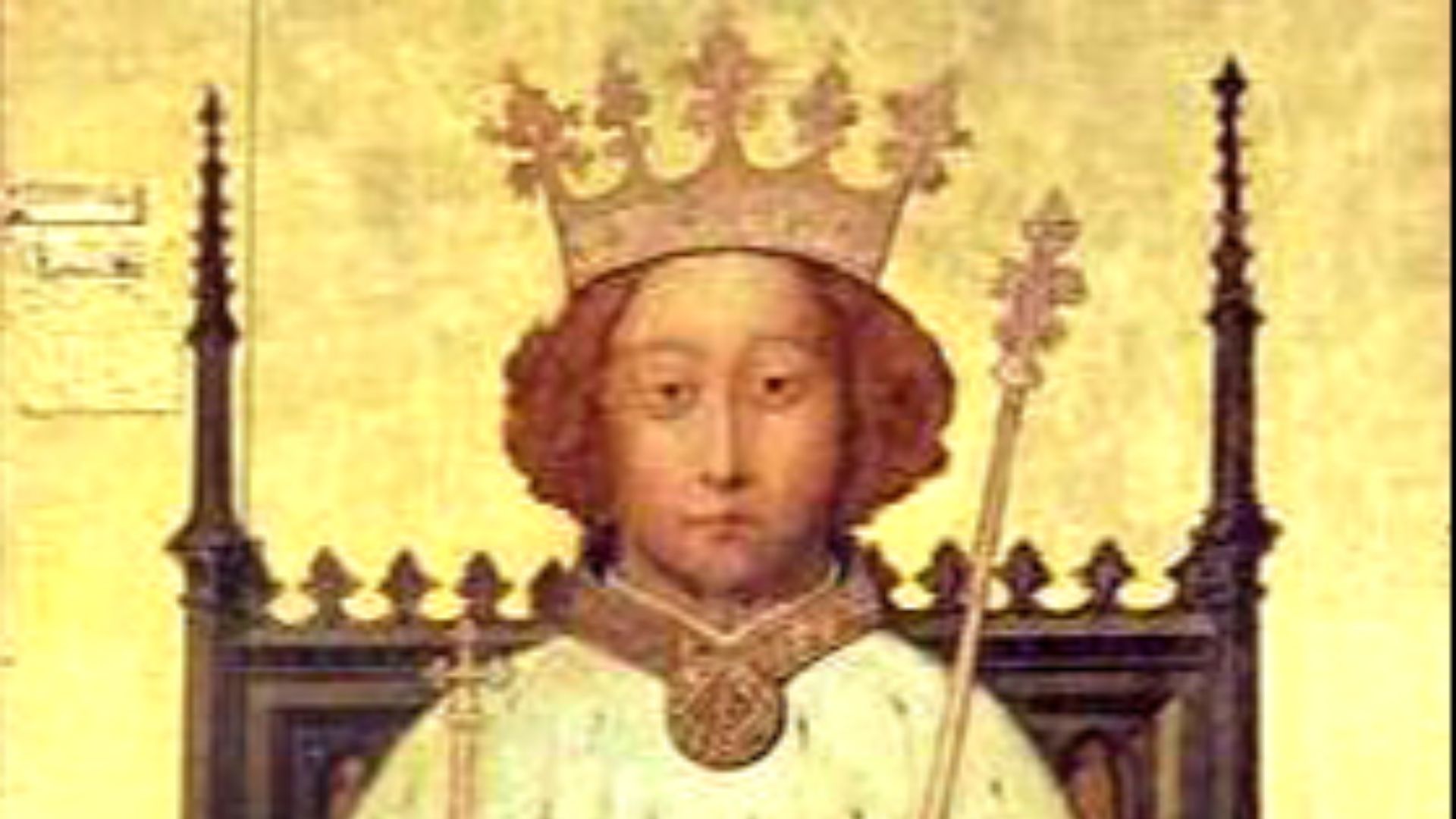 AnonymousUnknown author on Wikimedia
5. Ivan IV
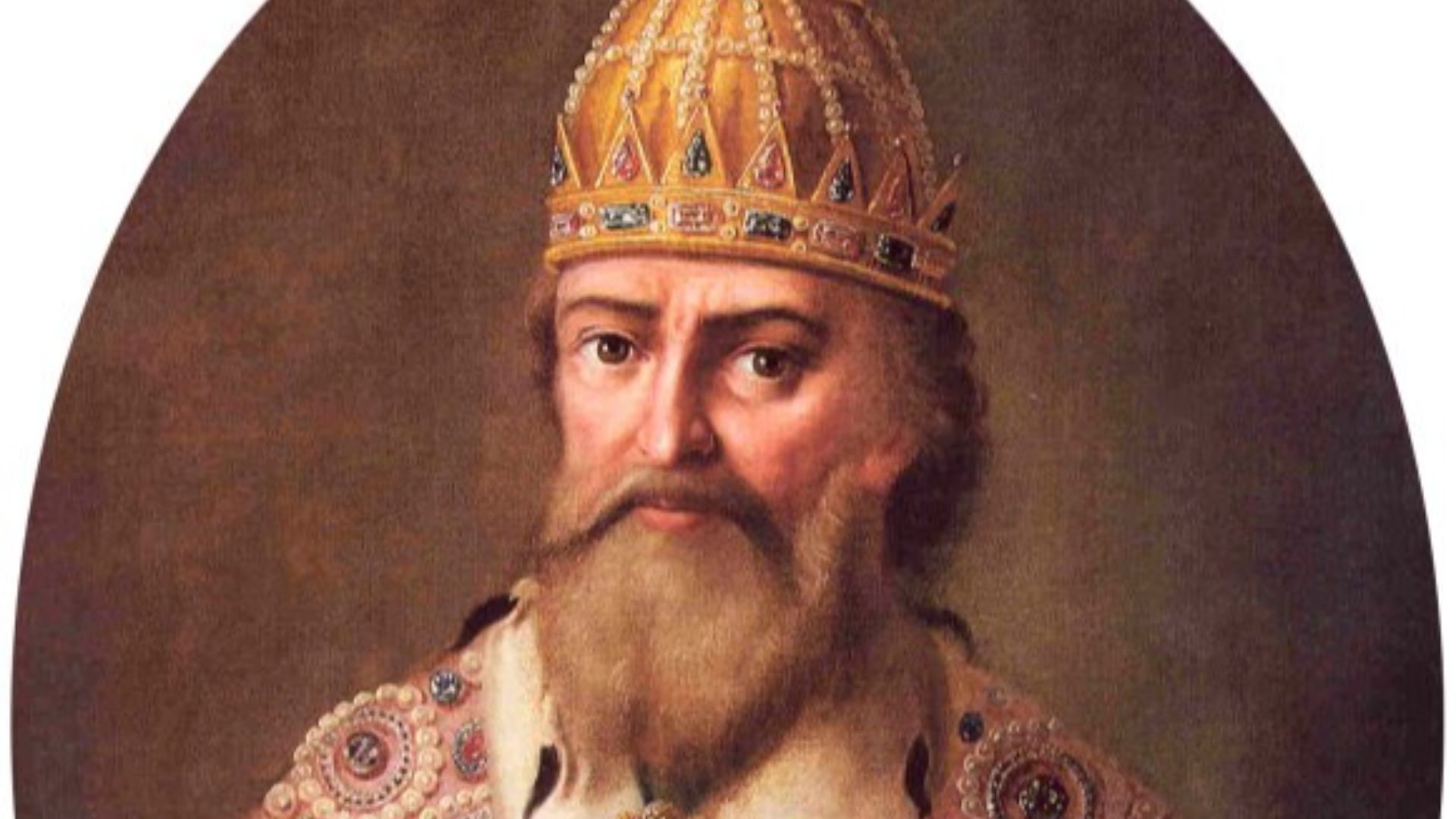
Ivan IV’s 1547 coronation made him the first tsar of all Russia, a grand statement that should have sounded like a drumbeat. Then, months later, Moscow was ripped apart by a massive fire and the unrest that followed, with thousands killed and the city blaming people close to the throne.
6. Charles I
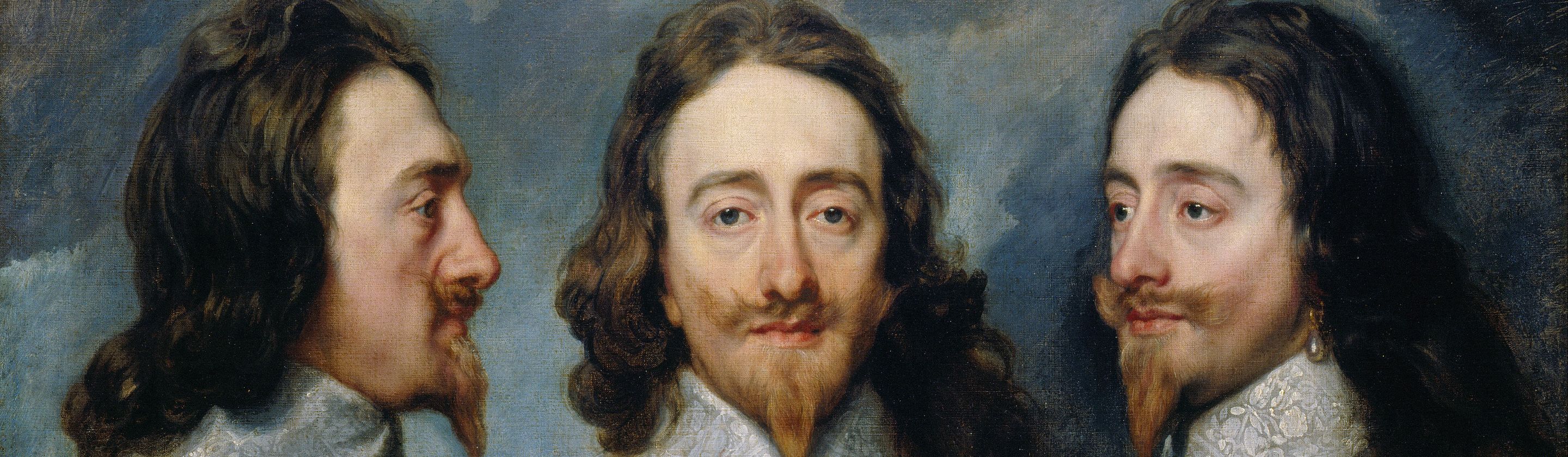
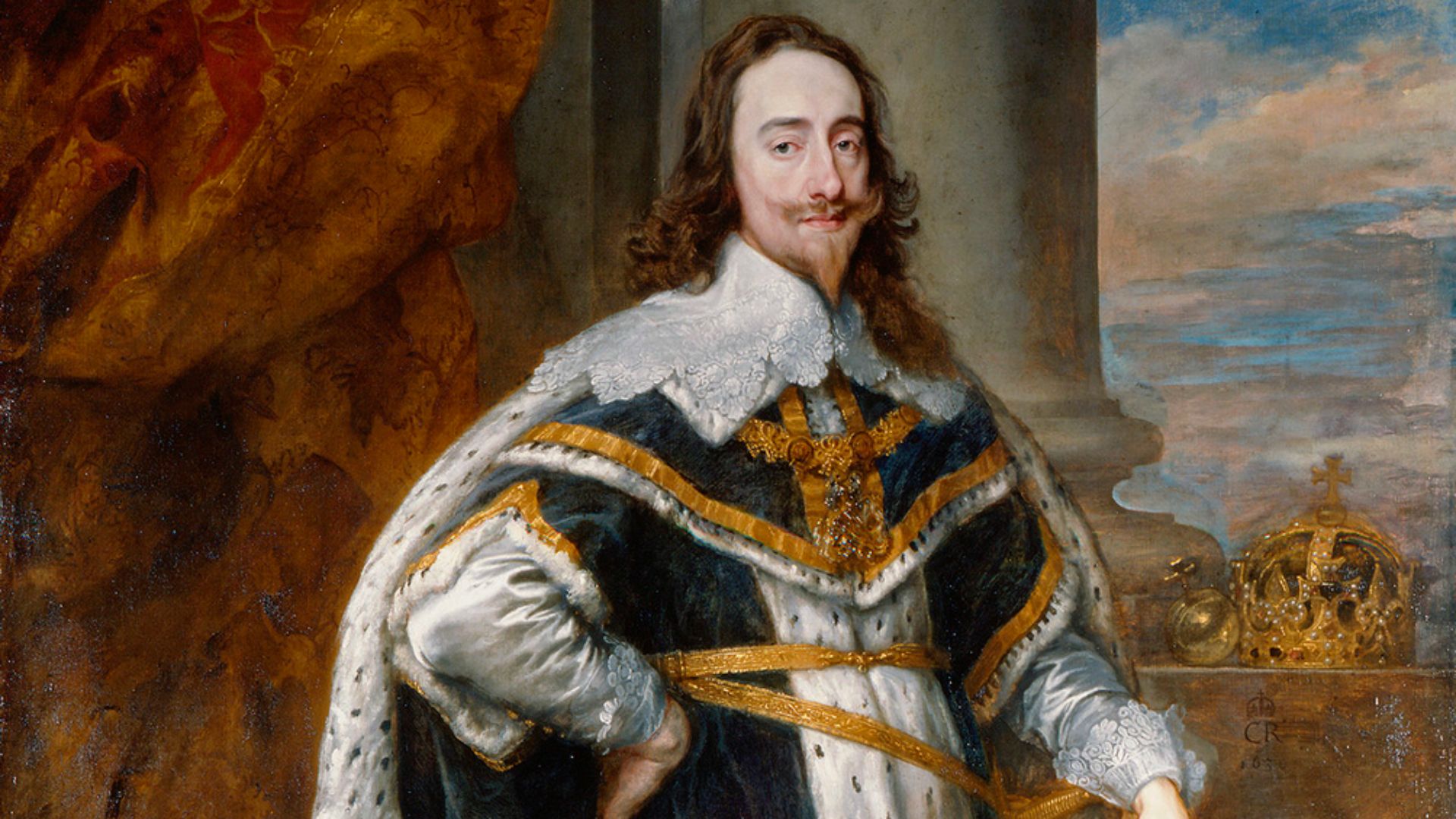
Charles I’s coronation had the kind of ominous checklist that makes historians sit up straight: an earthquake during the ceremony and damage to a piece of regalia, which is basically the universe heckling in real time. It is the sort of day that leaves everyone pretending not to notice the bad signs while privately filing them away for later.
7. Charles II
Charles II’s coronation in 1661 came after the monarchy itself had been abolished and then restored, so even the accessories had to be rebuilt because the old regalia had been destroyed. Starting a reign with freshly manufactured crowns and ornaments is symbolic in a way nobody really loves, because it screams that continuity has already been broken once.
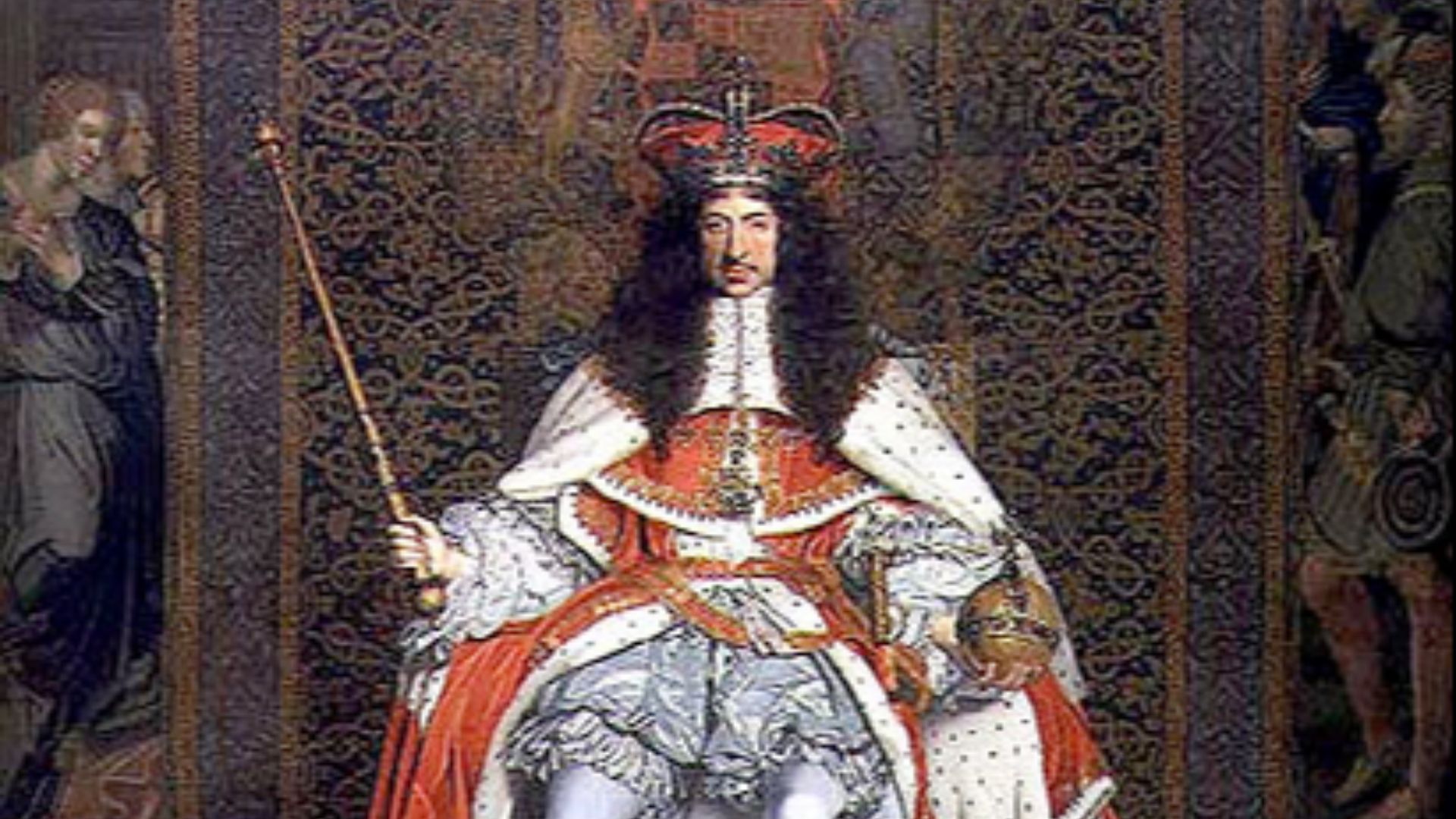 John Michael Wright on Wikimedia
8. James II
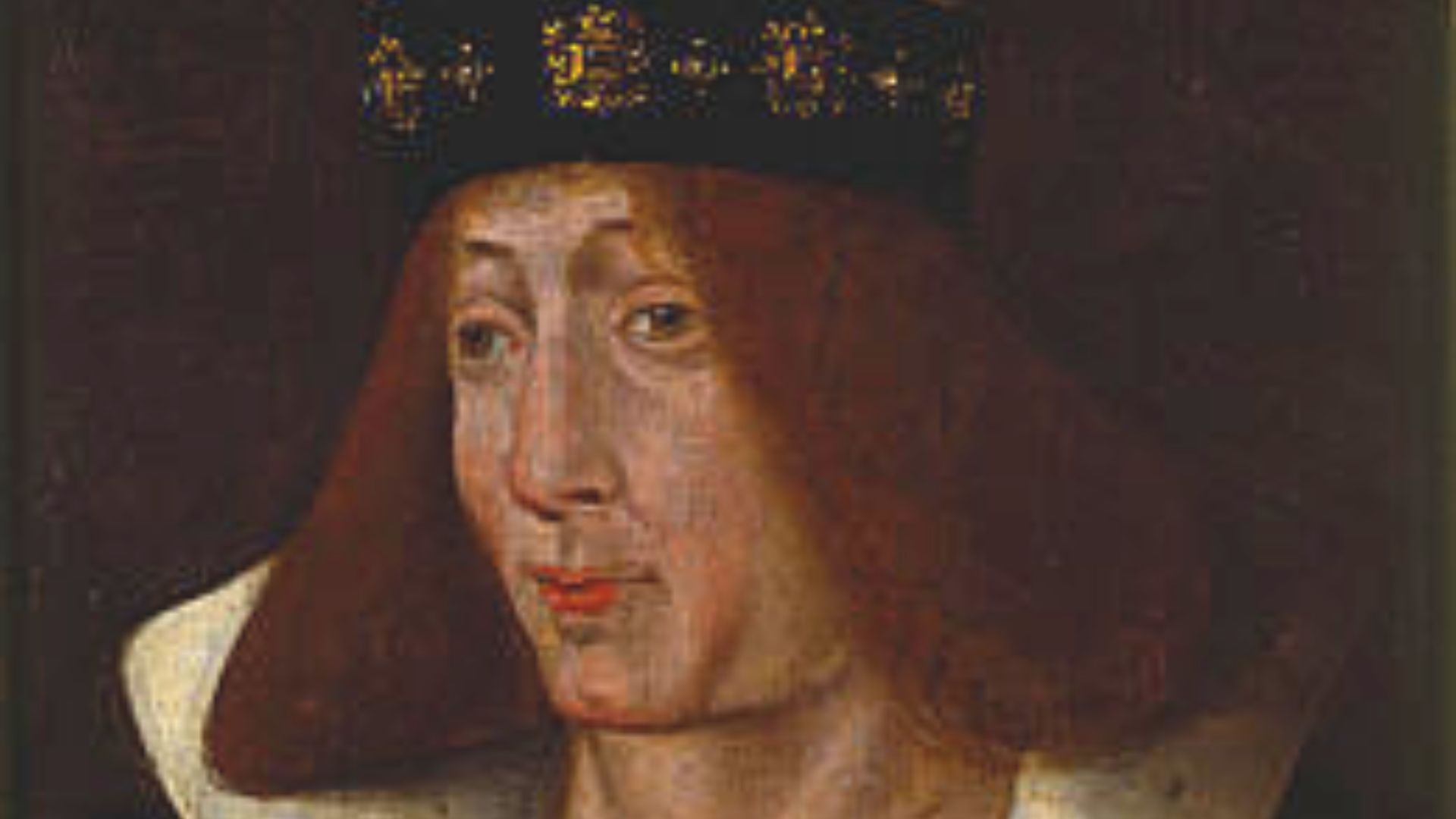
James II’s coronation featured a crown that would not sit properly, which sounds like a small wardrobe problem until you imagine a newly anointed king trying not to move his head. When the centerpiece of the whole ritual looks like it might roll away, the ceremony starts feeling less like destiny and more like slapstick.
9. George I
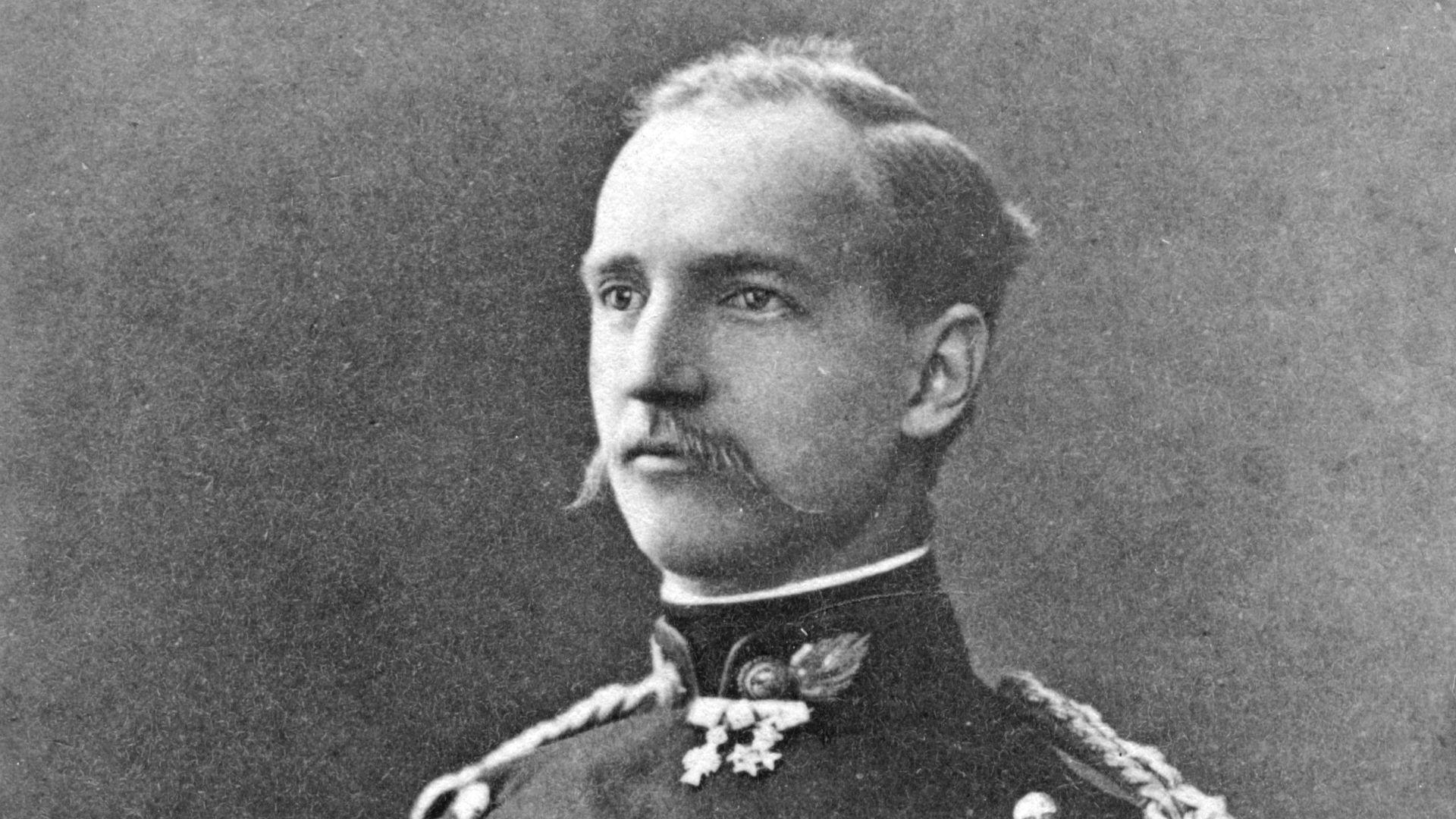
George I arrived from Hanover with a brutal language gap, so the service being conducted in Latin became the diplomatic duct tape that kept embarrassment from spilling everywhere. It is hard to feel bonded to a new monarch when the shared experience is that nobody understands anything being said.
 Unknown authorUnknown author on Wikimedia
10. George III
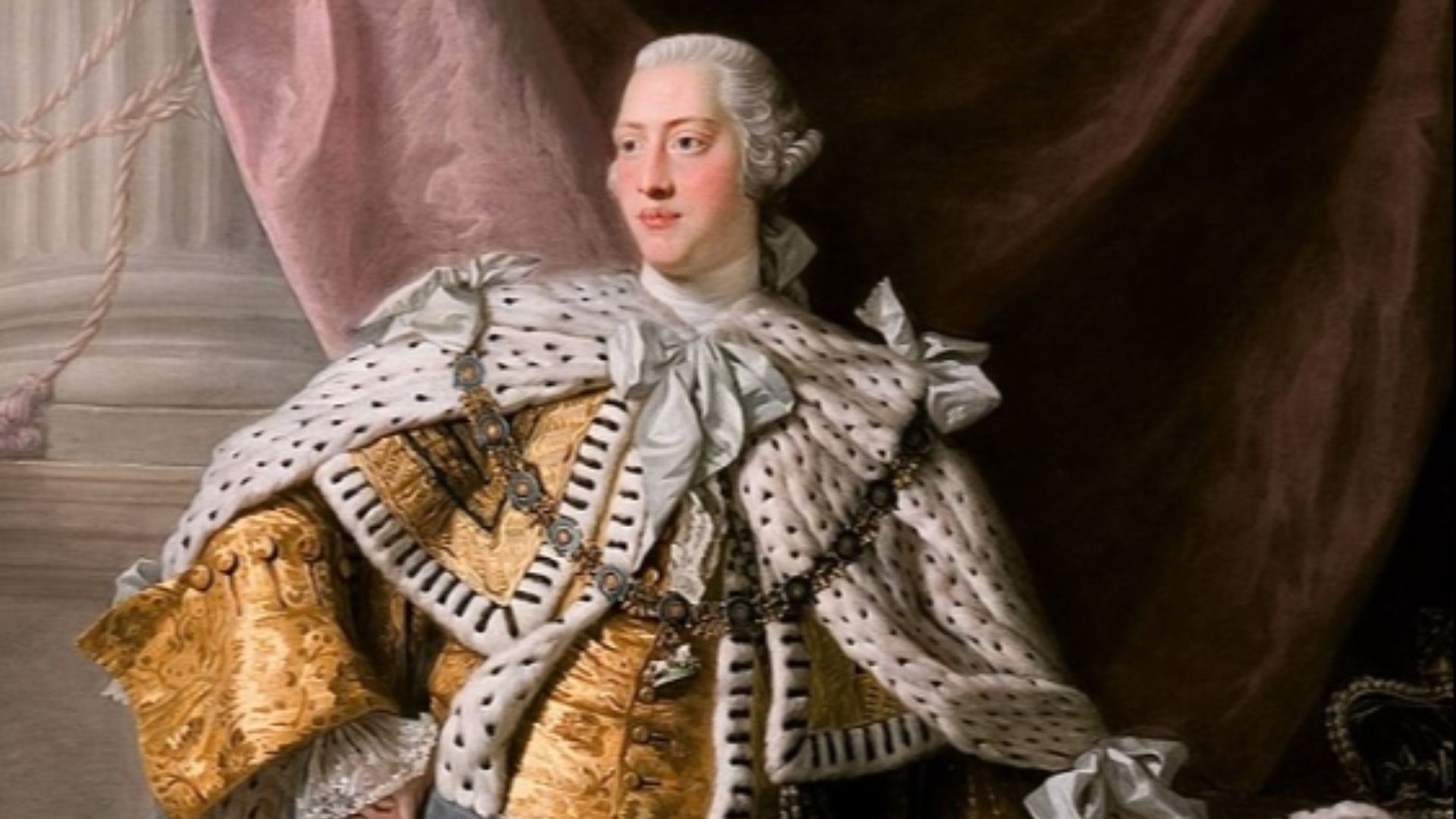
George III’s planners forgot key items like the sword of state and even the chairs and canopies, which is the coronation equivalent of forgetting the rings at a wedding. The ceremony still happened, but the behind-the-scenes scramble makes it clear that pageantry is often held together by frantic improvisation.
11. Napoleon
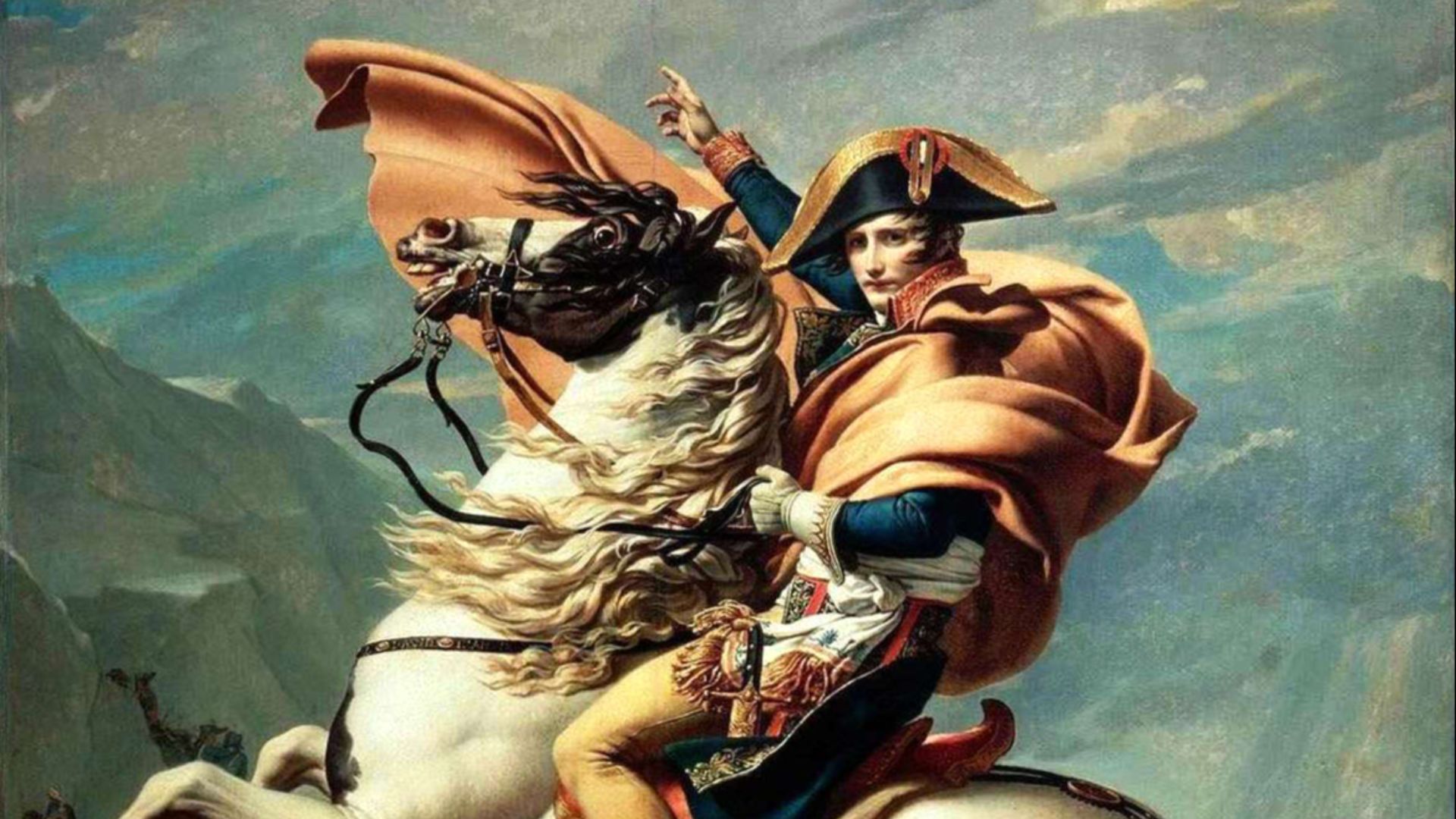
Napoleon’s 1804 coronation is famous because he crowned himself, a move that turned a religious ceremony into a power play performed in public. It worked as theater, but it also made the message unmistakable: this crown comes from ambition first, tradition second.
 Jacques-Louis David on Wikimedia
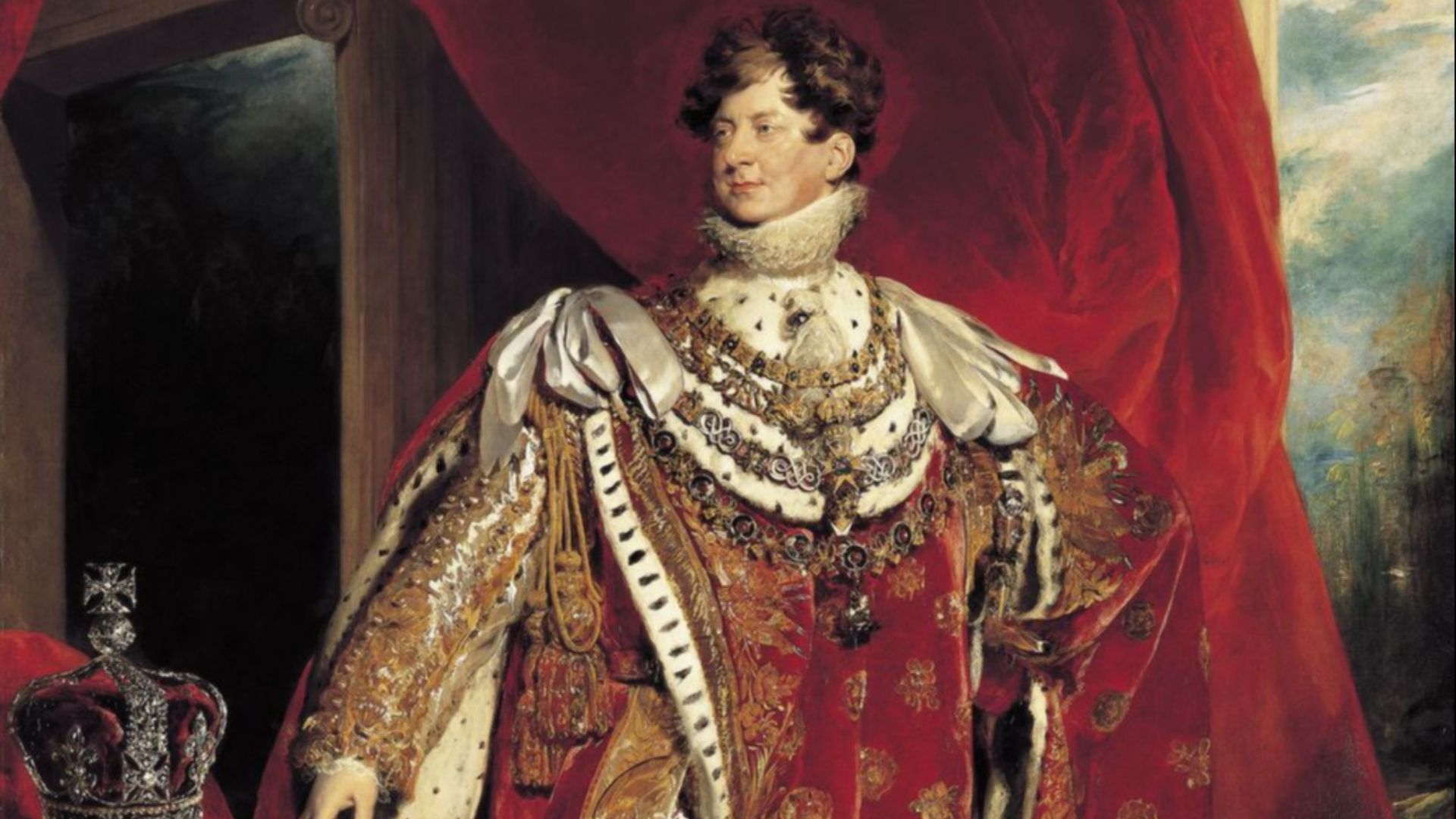
12. George IV
George IV’s coronation in 1821 was soaked in personal and political ugliness, including the spectacle of his estranged wife being barred from the ceremony. Even he later described the day as suffering, which is not the endorsement you want from the guy wearing the crown.
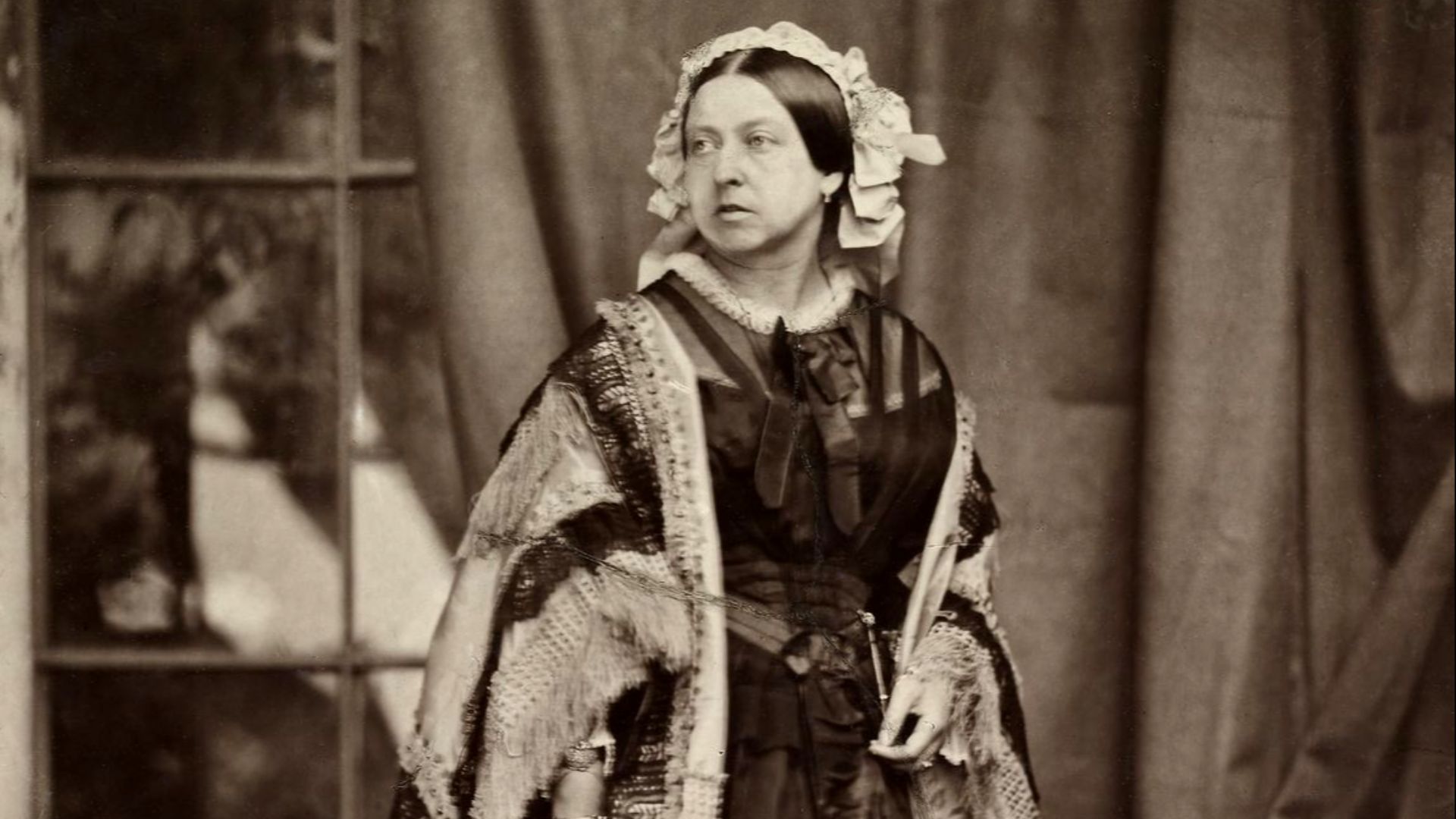
13. Queen Victoria
Victoria’s 1838 coronation had the kind of clumsy chaos that feels almost modern: an elderly peer tumbled down steps, and the coronation ring was forced onto the wrong finger so painfully she struggled to remove it later. Add in a confused bishop prematurely signaling the end, and the whole thing starts to sound like a dress rehearsal that accidentally became history.
 John Jabez Edwin Mayall on Wikimedia
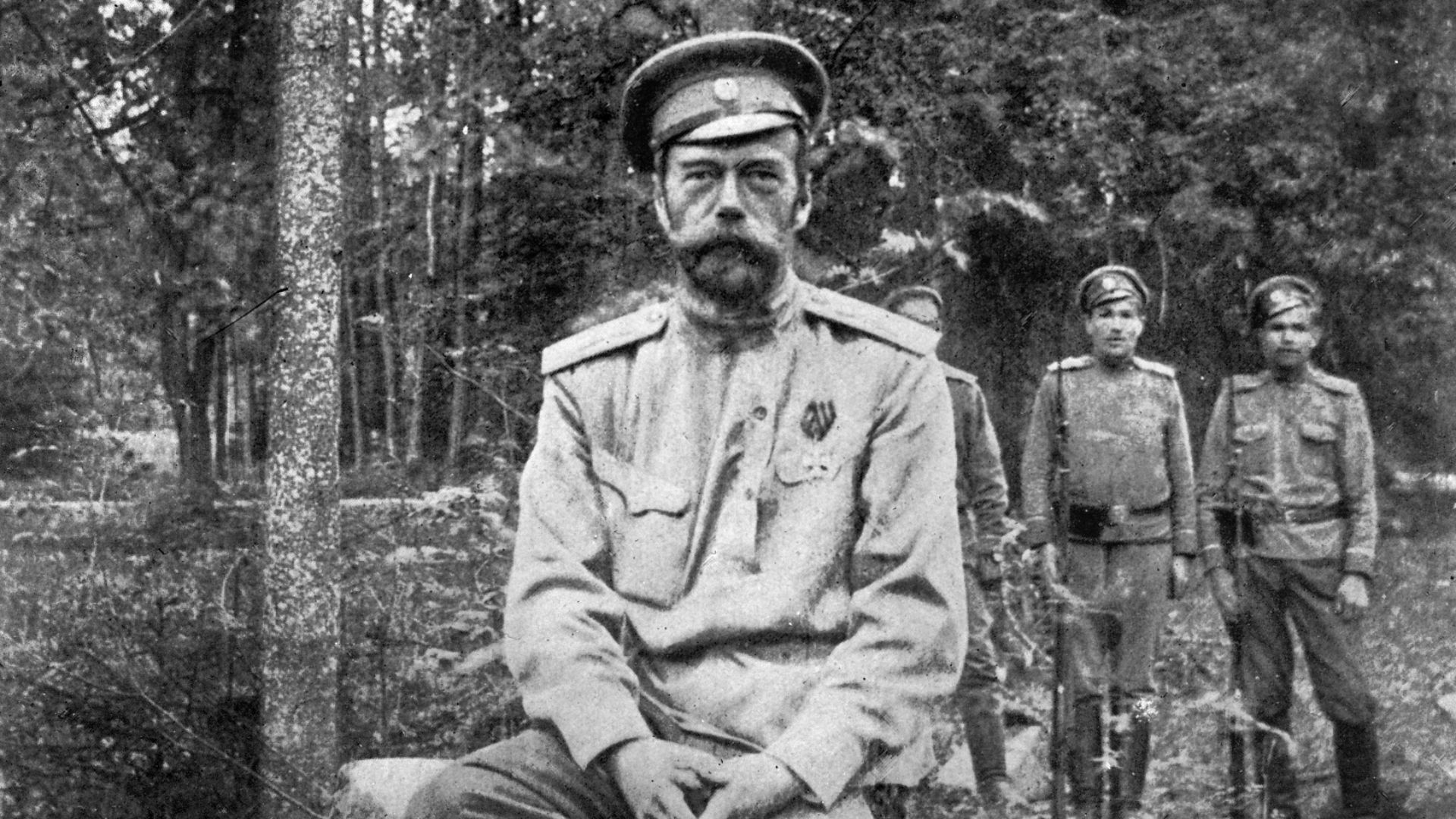
14. Nicholas II
Nicholas II’s coronation celebrations were followed by the Khodynka tragedy, a catastrophic crowd crush at a public festivity meant to celebrate the new reign. Over a thousand people died, and the moment became a dark signature that never stopped following him.
 Unknown authorUnknown author on Wikimedia
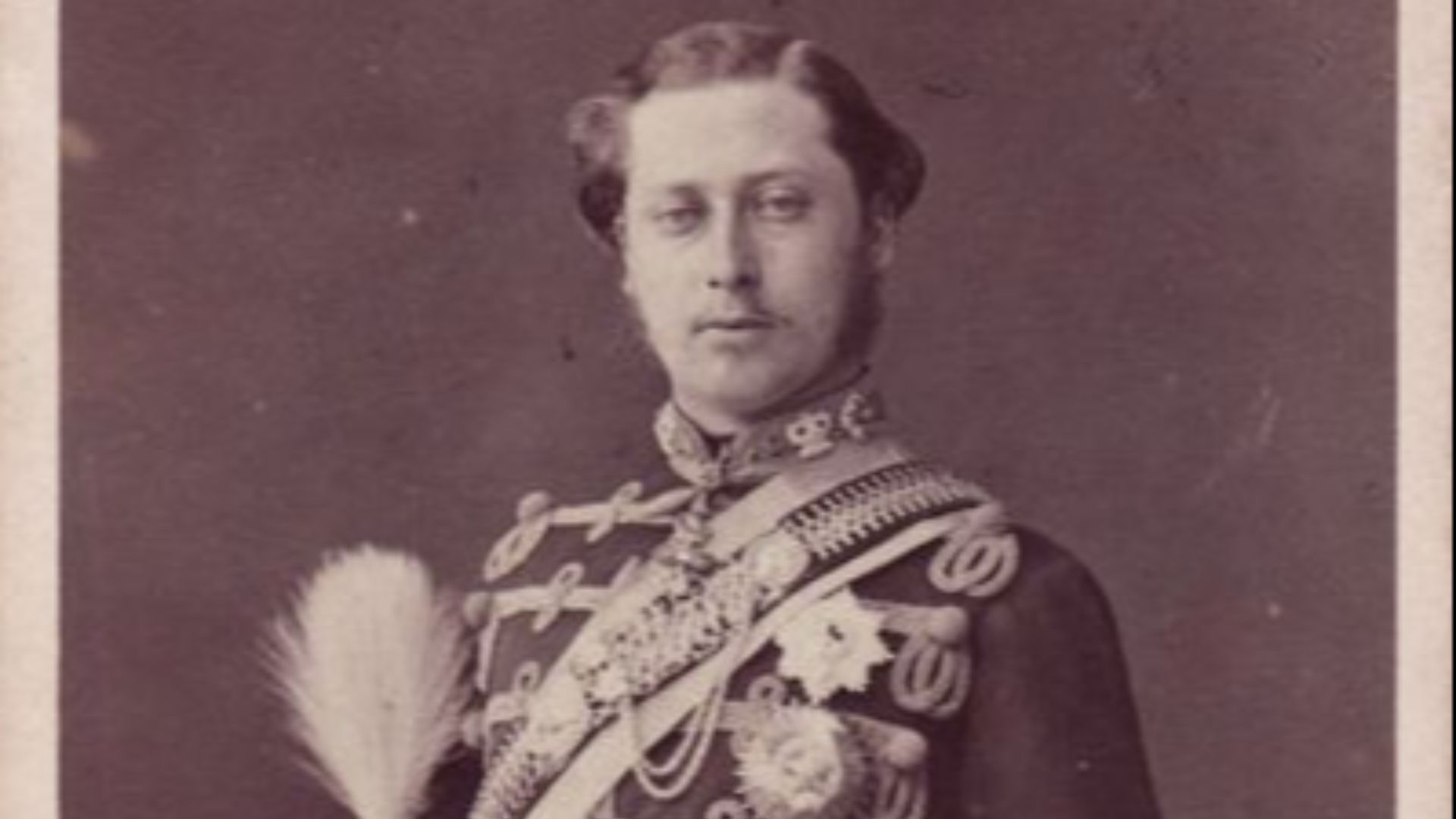
15. Edward VII
Edward VII’s coronation was derailed when he developed appendicitis just days before the scheduled ceremony, forcing a postponement and reminding everyone that bodies do not care about calendars. When it finally happened, the aged archbishop still managed to place the crown the wrong way around, which is the sort of detail that sticks because it is both absurd and deeply human.
 John Bingham of Paris. on Wikimedia
16. Shah Shuja
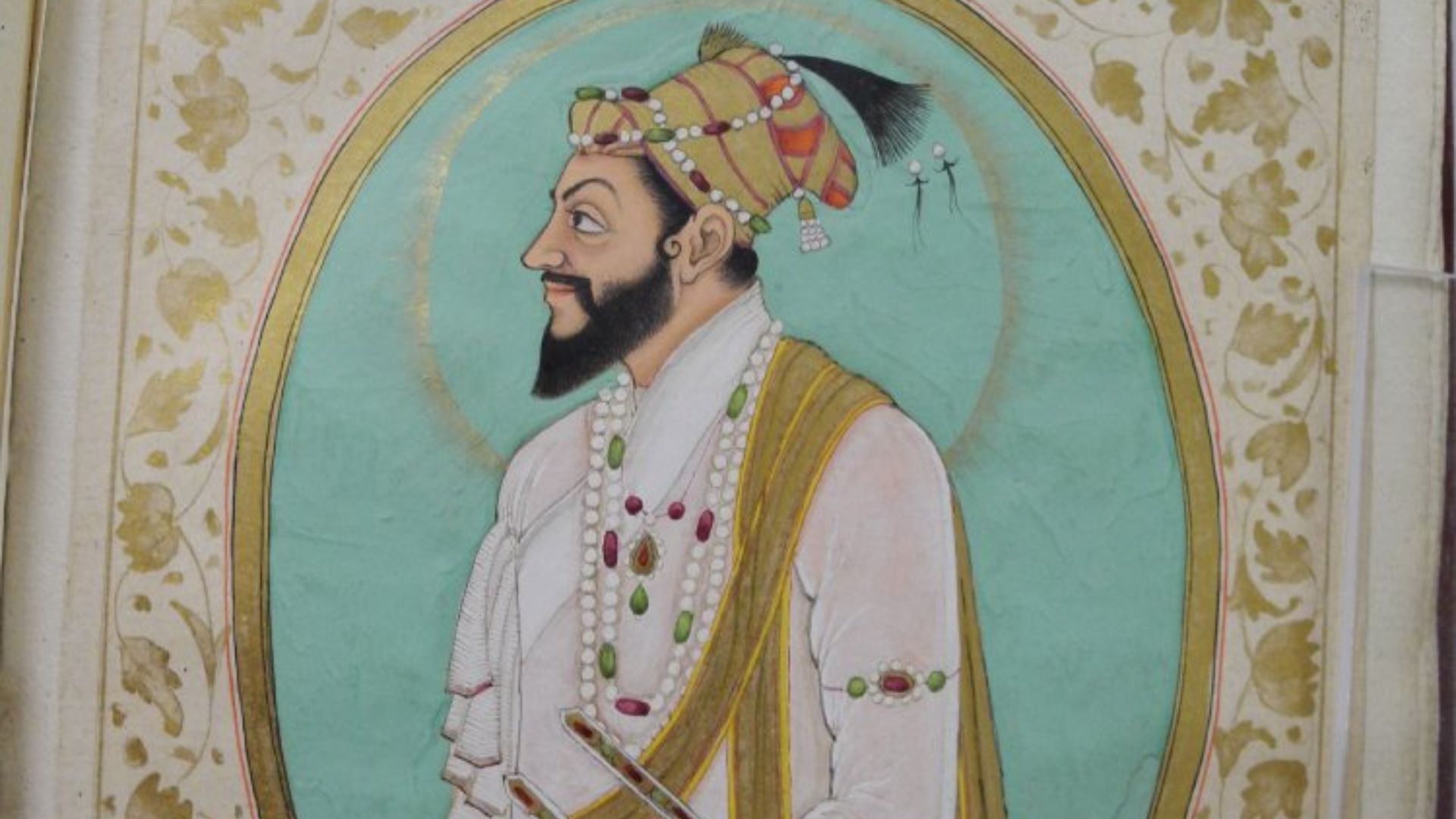
Shah Shuja’s 1839 return to the Afghan throne came heavily tied to British intervention, which meant the ceremony could not escape the shadow of foreign power. He was assassinated just a few years later, turning the coronation into a bright moment that, in hindsight, reads more like a warning flare than a beginning.
17. Edward VIII
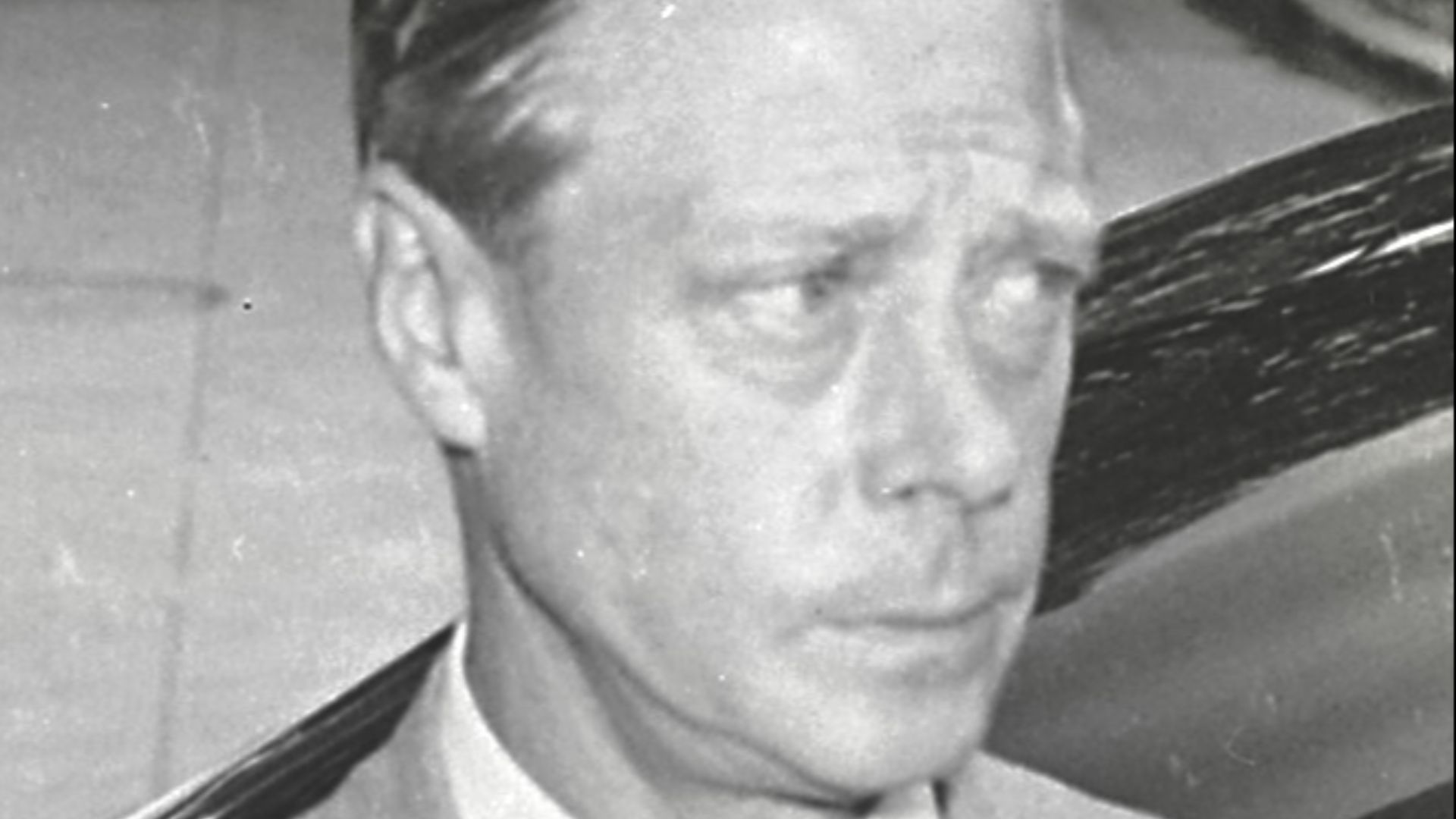
Edward VIII’s coronation never happened at all, because abdication arrived first and rewrote the entire script. A coronation that vanishes leaves behind a peculiar kind of humiliation, the sort that turns royal certainty into a historical footnote overnight.
18. George VI
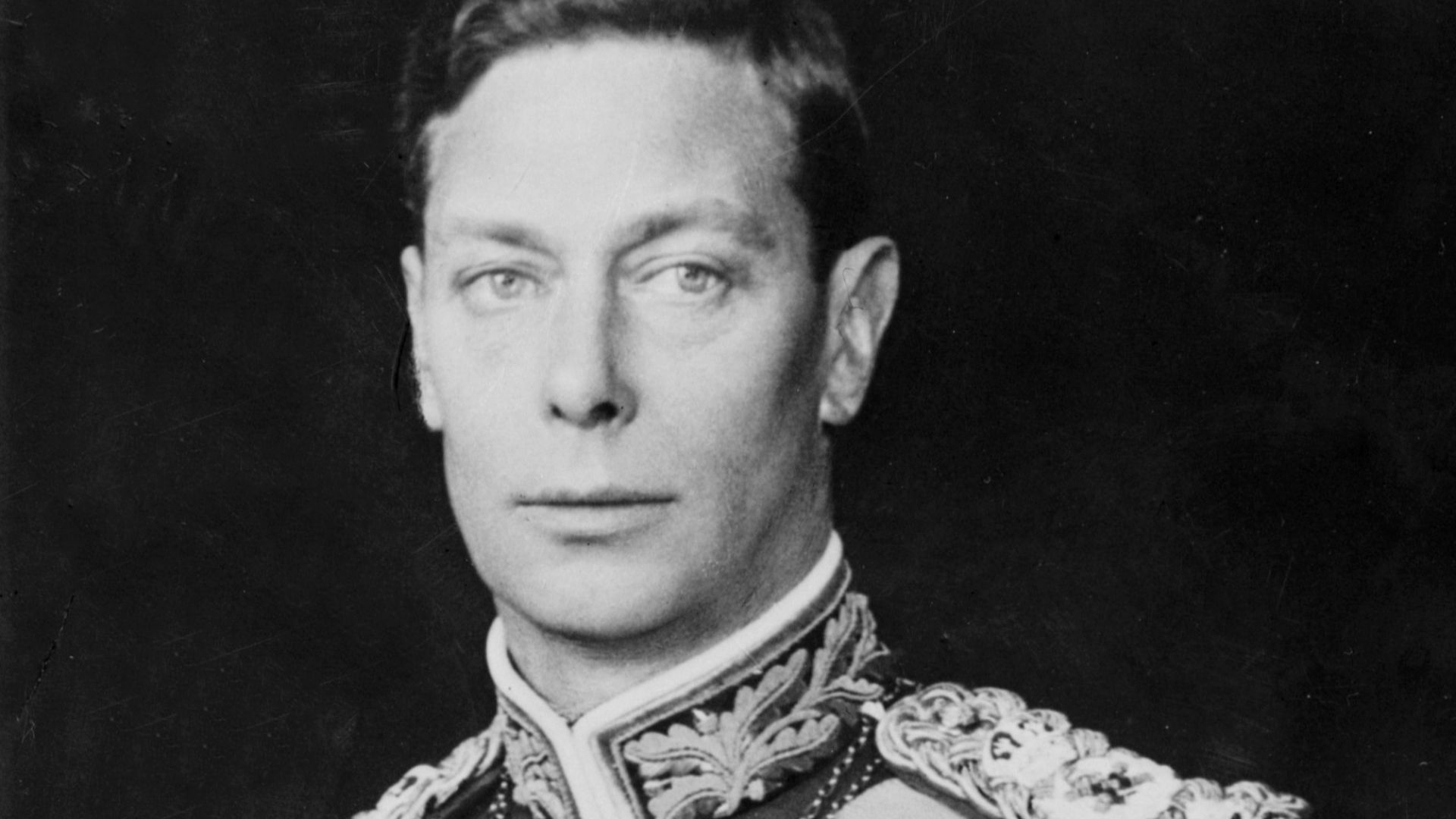
George VI inherited a crown day shaped by crisis, and the ceremony itself nearly added physical disaster to the symbolism when an official stumbled and almost sent the crown flying. Even when the crown stays on the right head, the tension of a last-minute change in monarch has a way of lingering in every awkward beat.
 Matson Photo Service on Wikimedia
19. Bokassa I
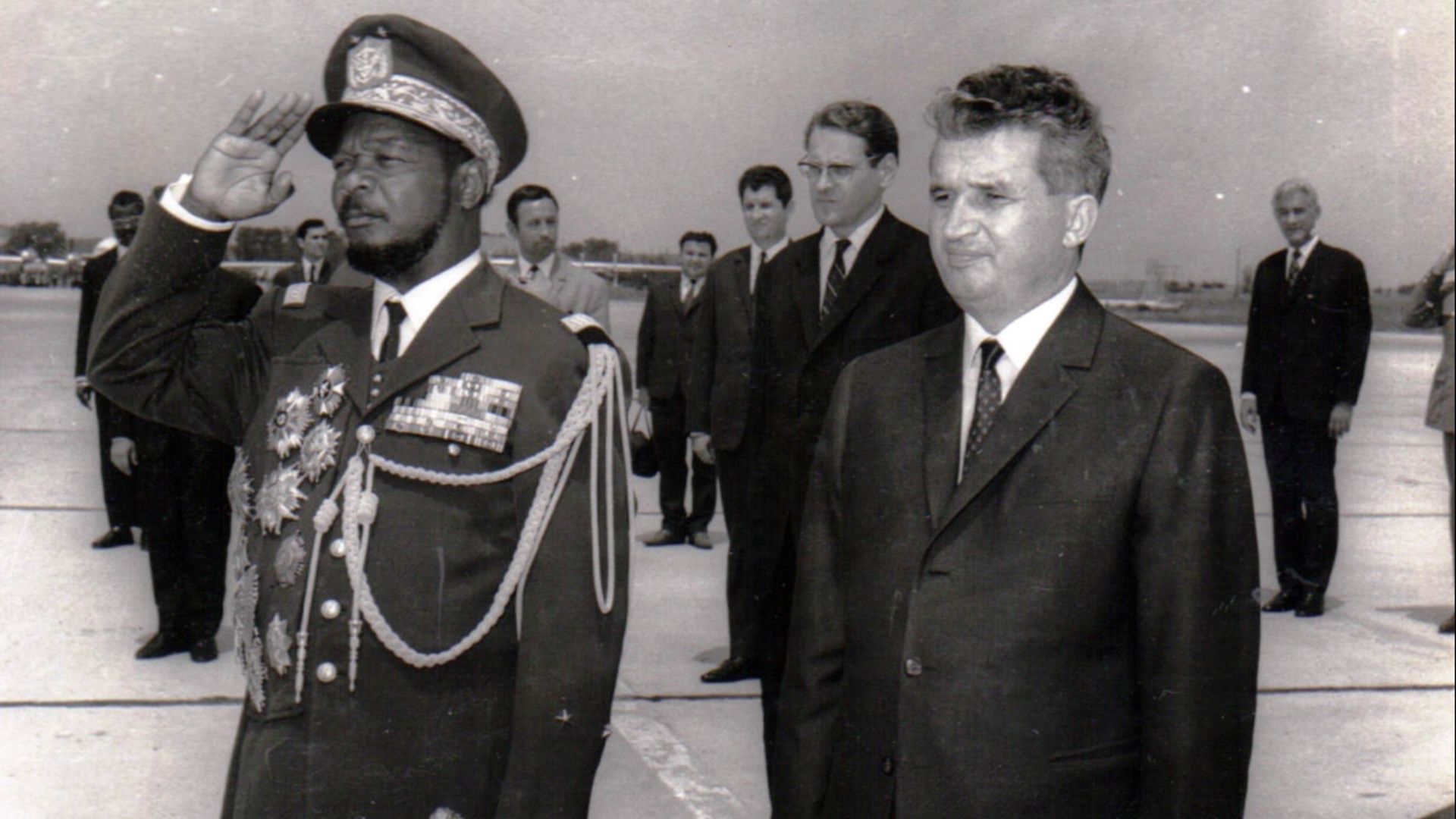
Bokassa’s 1977 coronation in the Central African Empire was a lavish spectacle with a staggering price tag, widely condemned as the state bled money it did not have. The ceremony was meant to manufacture grandeur, but it instead helped cement the image of a ruler playing emperor while the world stared in disbelief.
 unknown, image comes from the National Archives on Wikimedia
20. Edward V
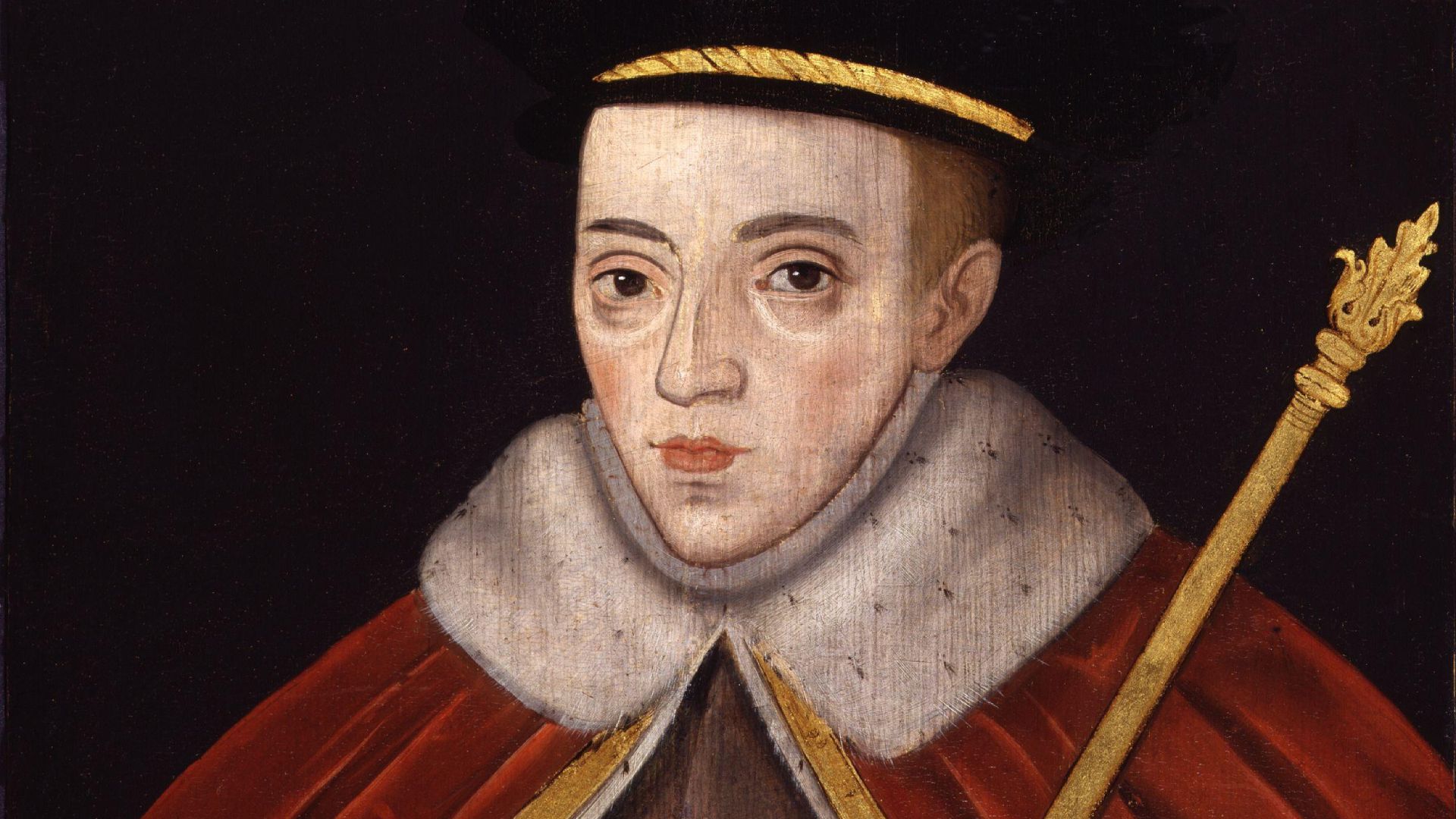
Edward V’s coronation never happened, because the 12-year-old king was taken to the Tower of London in 1483 while preparations were underway, then abruptly disappeared along with his younger brother. Parliament declared him illegitimate, his uncle took the throne as Richard III, and the missing boys became one of the most infamous royal mysteries in English history. It’s hard to imagine a coronation going more wrong than vanishing before the crown even touches a head.
 Unknown authorUnknown author on Wikimedia
KEEP ON READING