20 Places Where Human Bones Became Part of the Architecture
When the Dead Became Part of the Design
Most buildings rely on bricks, stone, and wood, but some historical structures have incorporated something far more unusual: human bones. Across Europe and beyond, churches, chapels, and monuments have used skulls and skeletons to decorate walls, create elaborate displays, and even form architectural features. While some were designed to honor the dead or make room in overcrowded cemeteries, others came about under much darker circumstances. Here are 20 historical locations where human remains have been incorporated into buildings.
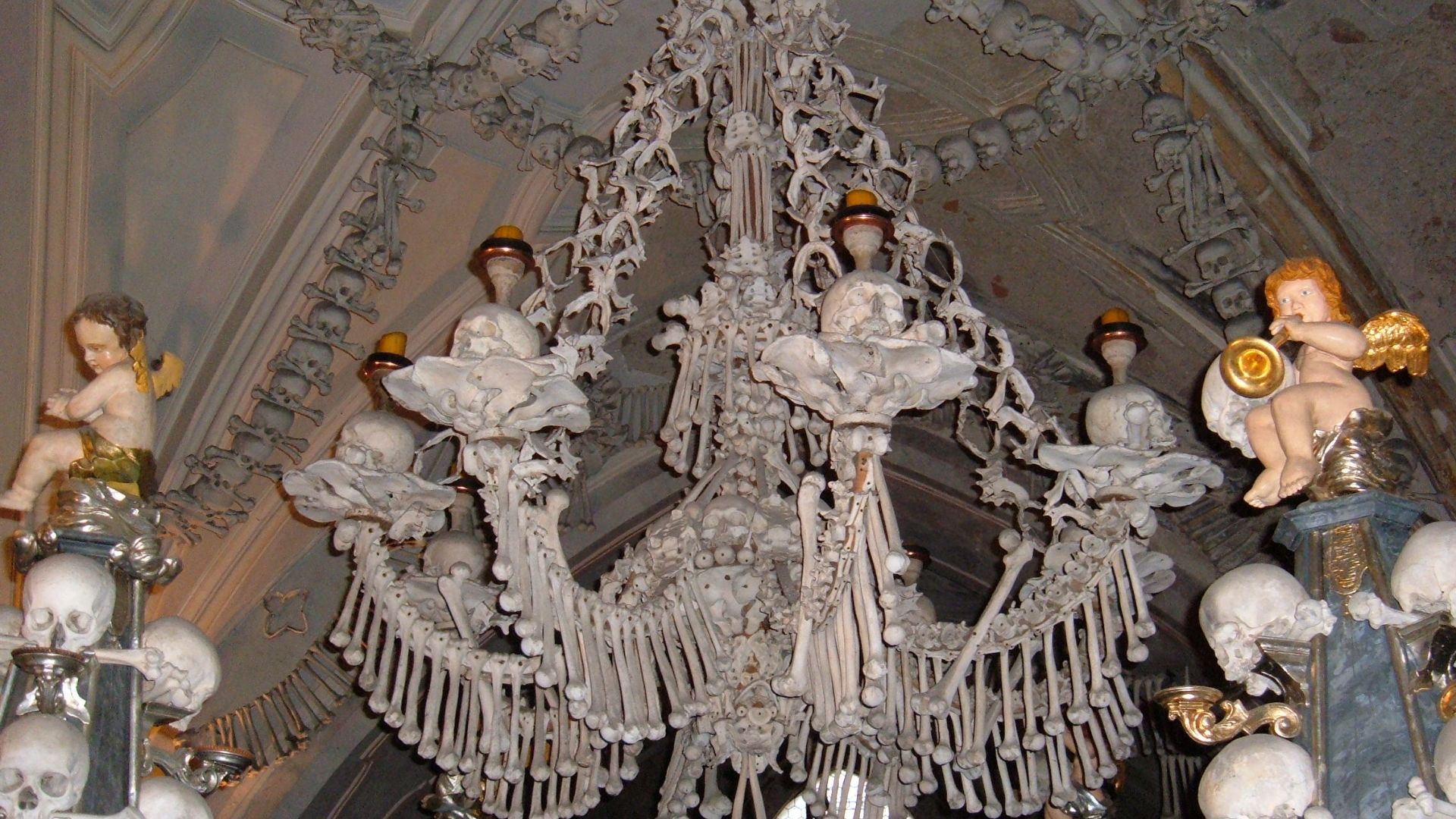
1. Sedlec Ossuary, Czech Republic
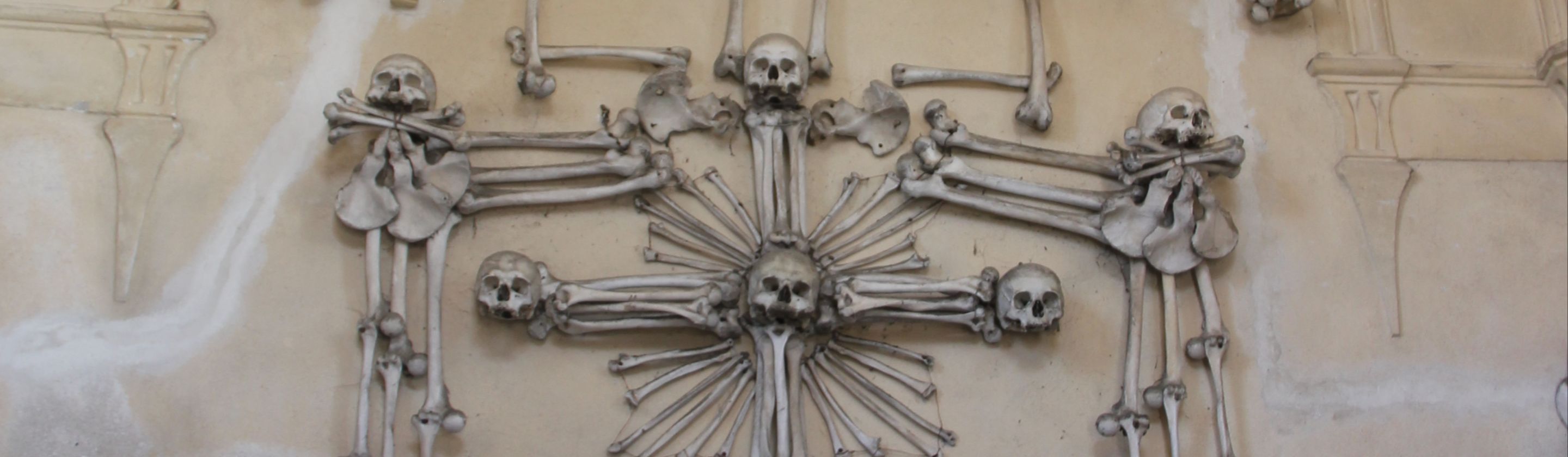
Few places take bone decorations quite as seriously as Sedlec Ossuary in Kutná Hora, where the remains of tens of thousands of people fill an underground chapel. During the 19th century, woodcarver František Rint turned the bones into chandeliers, elaborate ornaments, and even a family coat of arms. One particularly impressive chandelier contains nearly every type of bone found in the human body.
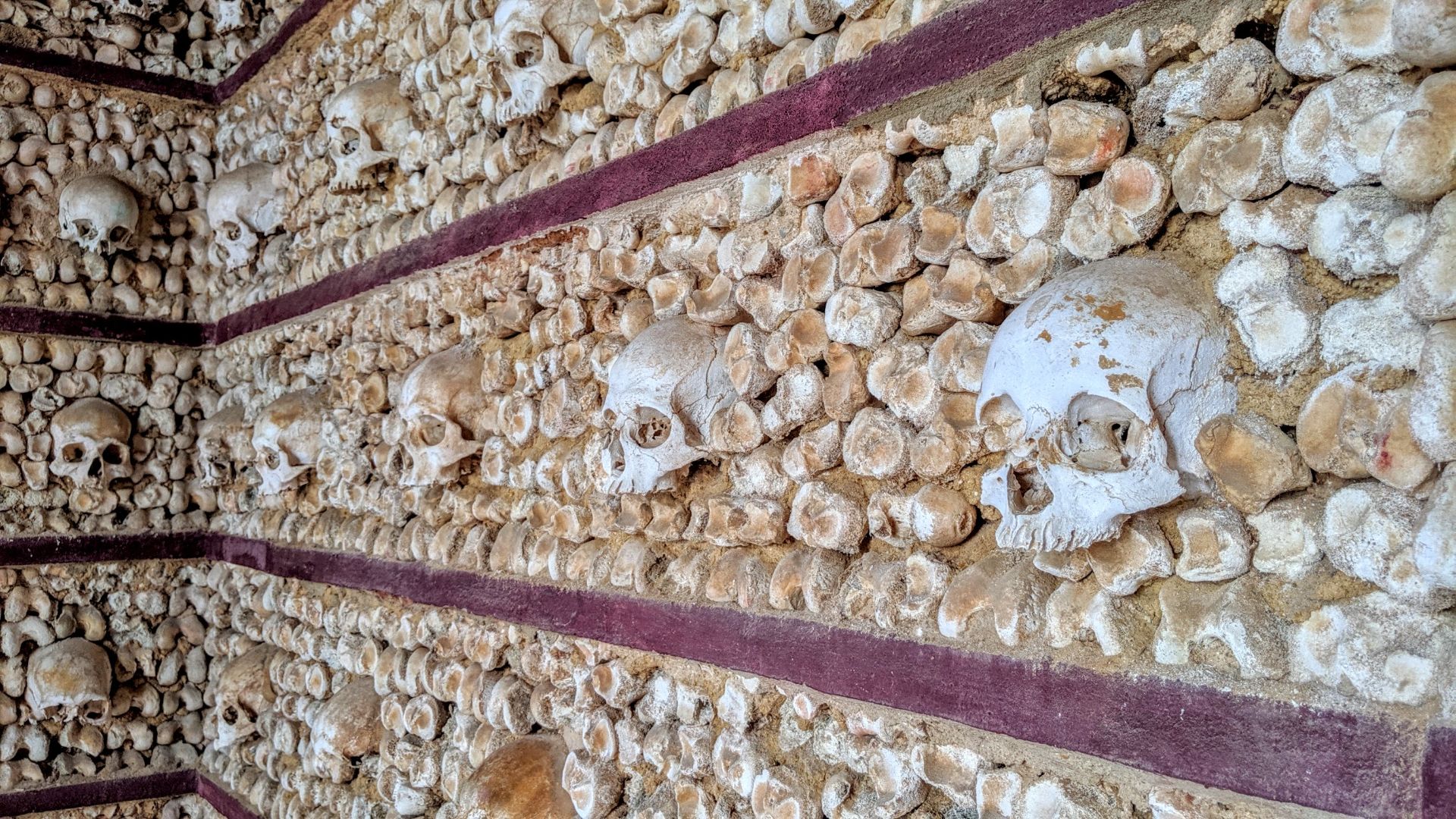
2. Capela dos Ossos, Évora, Portugal
The Chapel of Bones in Évora has walls and pillars covered with the remains of approximately 5,000 people. Franciscan monks built the chapel during the 17th century, using bones collected from nearby burial grounds. Instead of hiding the remains, they arranged them into repeating patterns meant to encourage visitors to reflect on their own mortality. An inscription above the entrance reminds everyone that the bones inside are waiting for theirs, making for an unforgettable welcome.
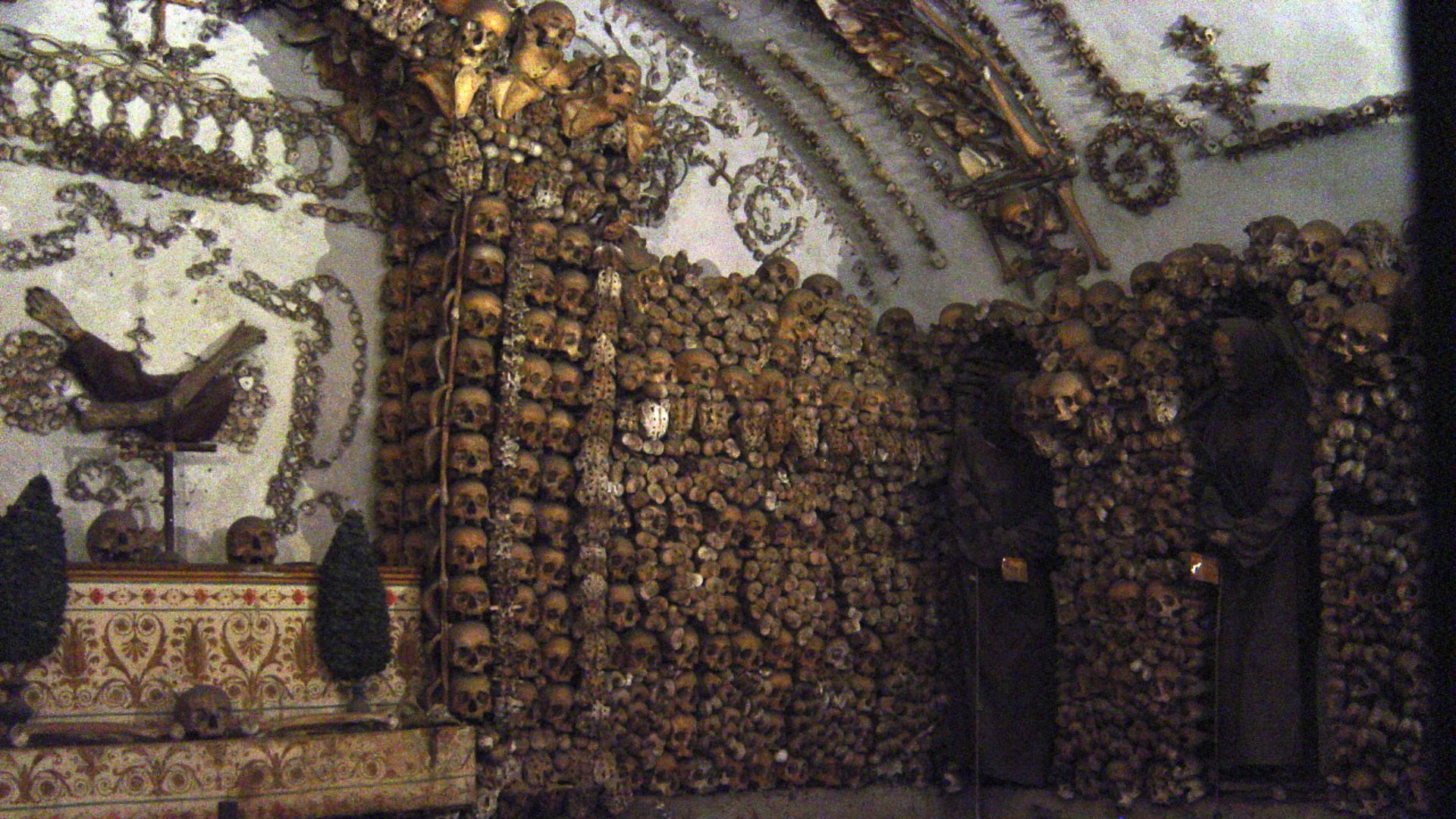
3. Capuchin Crypt, Rome, Italy
Beneath Rome's Church of Santa Maria della Concezione sits a series of chambers decorated with the bones of thousands of Capuchin friars. Skulls, pelvises, and leg bones create intricate patterns across the walls and ceilings, while entire skeletons are included in some of the displays. These unusual arrangements developed over several centuries as the religious community continued burying and relocating its deceased members. Despite their unsettling appearance, the decorations were intended to communicate religious ideas about death and the afterlife.
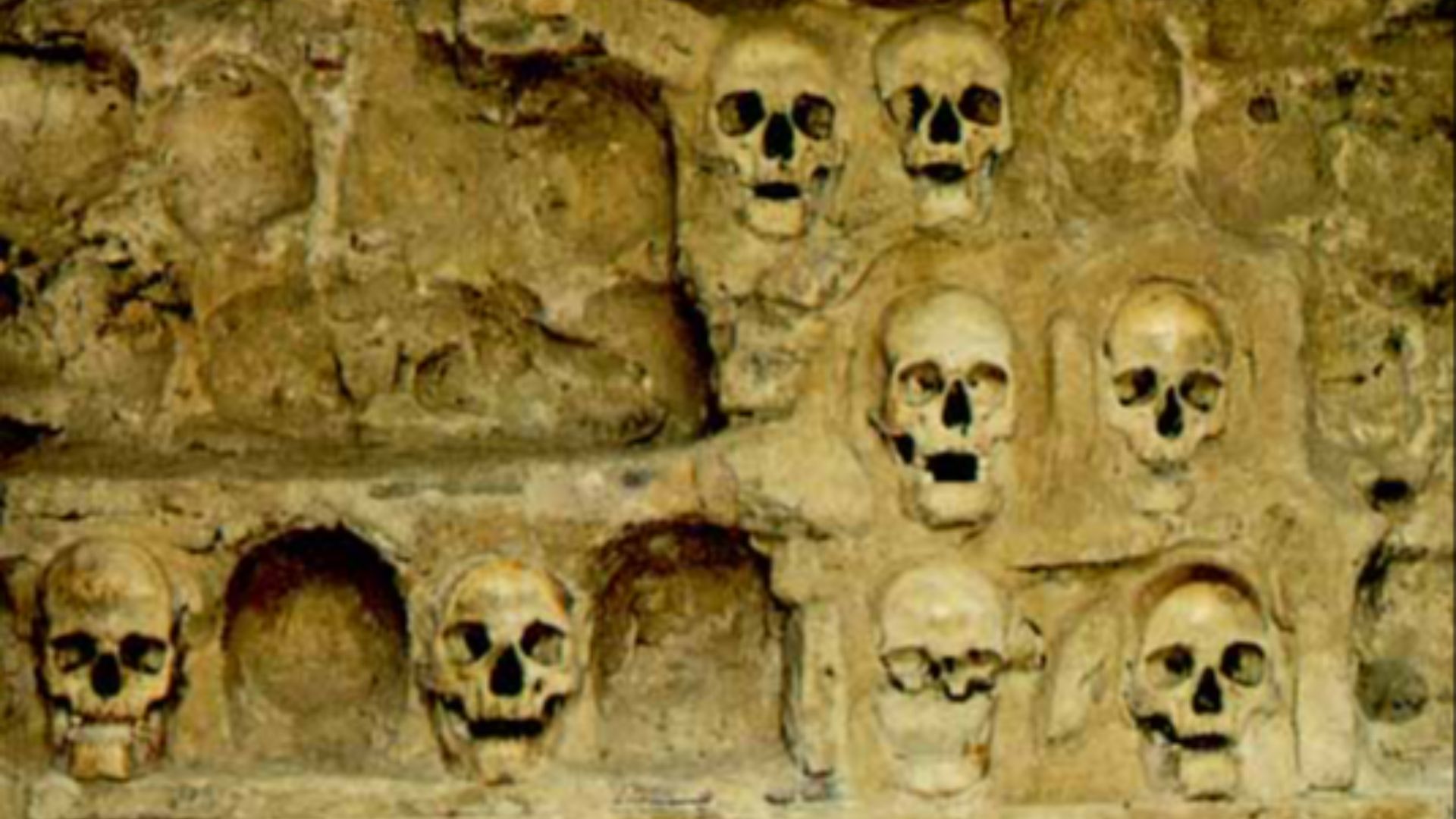
4. Skull Tower, Niš, Serbia
Not every structure built with human remains was meant to be a religious memorial, as Serbia's Skull Tower makes clear. After the Battle of Čegar in 1809, Ottoman authorities constructed a tower using the skulls of Serbian rebels who had died fighting against them. The monument originally contained hundreds of skulls embedded in its walls, although only a fraction remain today. Its purpose was to frighten resistance fighters, giving it a considerably darker history than most bone chapels.
5. San Bernardino alle Ossa, Milan, Italy
Tucked away near Milan's famous cathedral, San Bernardino alle Ossa contains a chapel with walls almost entirely covered in human bones. The remains were collected from local burial grounds connected to a nearby hospital and cemetery. Over the years, skulls and other skeletal elements were arranged into carefully organized decorative panels that surround the room. An elaborate ceiling fresco provides a striking contrast to the unusual wall decorations, creating an interior that's both beautiful and unsettling.
6. Chapel of Skulls, Czermna, Poland
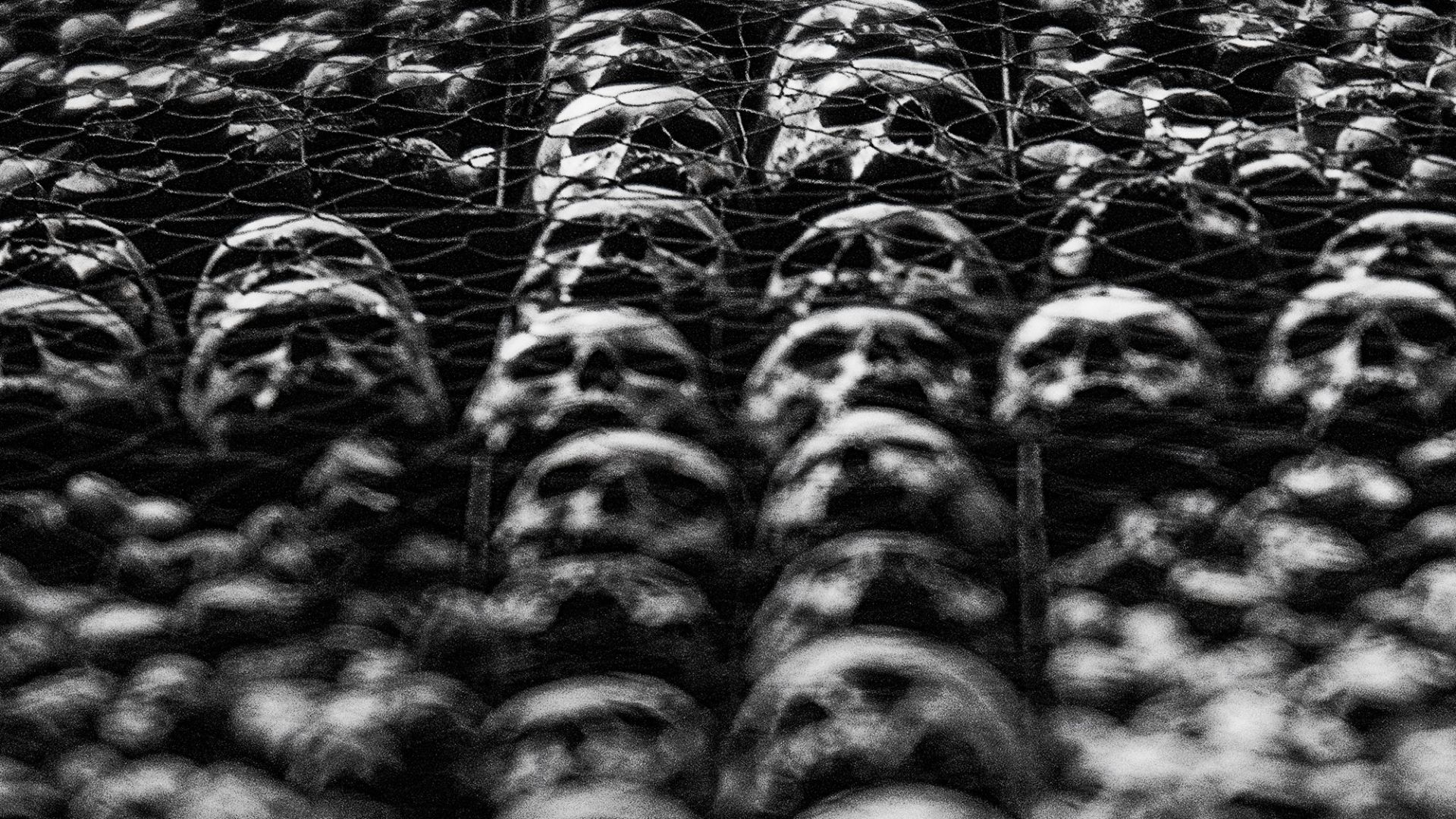
Poland's Chapel of Skulls was established during the late 18th century by a priest who spent years gathering human remains. Approximately 3,000 skulls and bones cover the chapel's walls and ceiling, while thousands more are stored beneath the floor. Many belonged to people who died during wars, epidemics, and other tragedies that affected the surrounding region. Once you're inside the small chapel, it's hard not to notice just how much effort went into organizing such an extraordinary collection.
7. Paris Catacombs, France
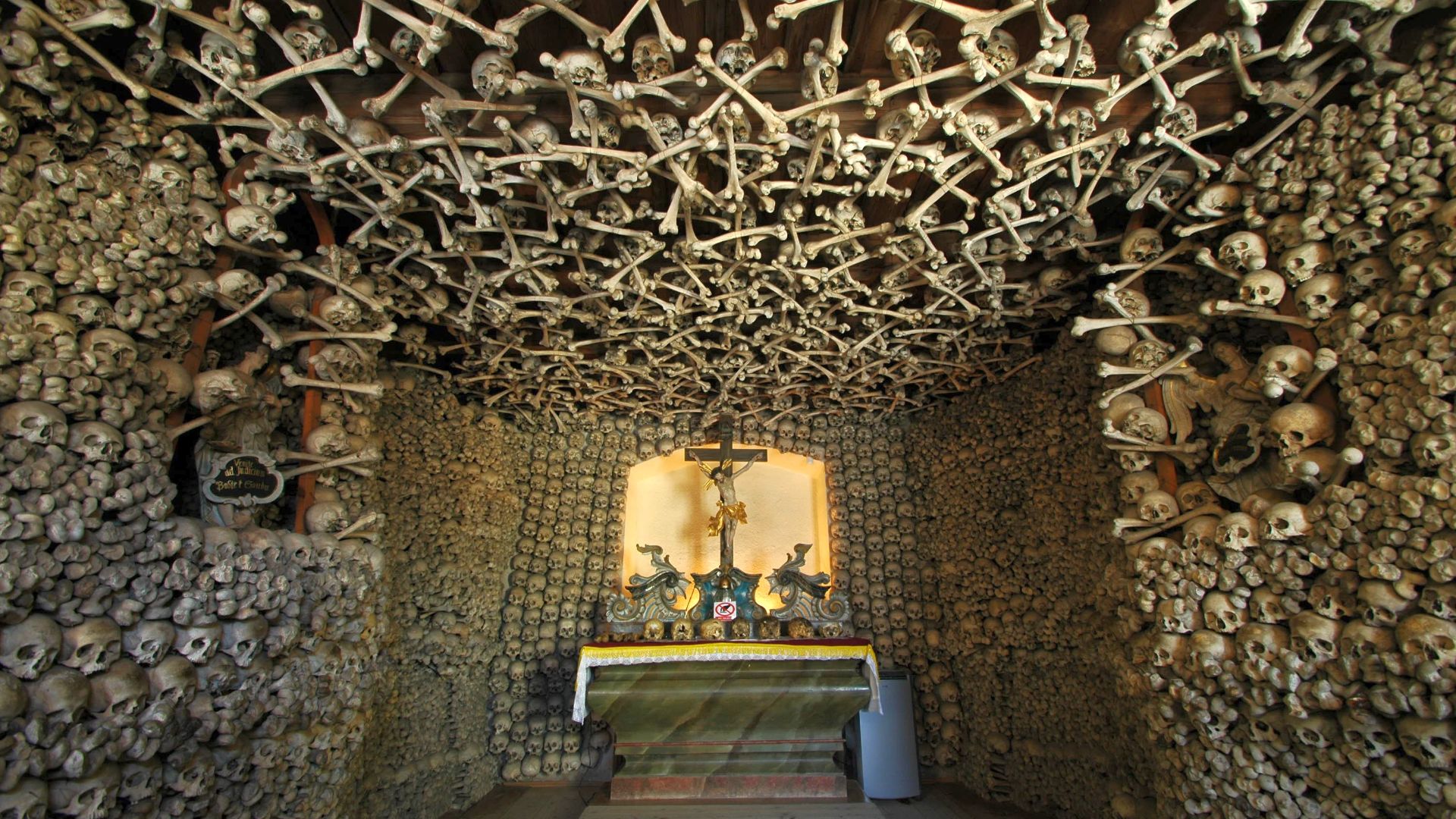
Far beneath the busy streets of Paris, a vast network of underground passages holds the remains of millions of people. Beginning in the late 18th century, authorities moved bones from overcrowded cemeteries into abandoned limestone quarries. Workers eventually arranged countless skulls and leg bones into decorative walls, with certain sections featuring surprisingly detailed patterns. Today, the underground corridors are among the city's most unusual historical attractions, offering visitors a very different perspective on Parisian architecture.
8. Capela dos Ossos, Faro, Portugal
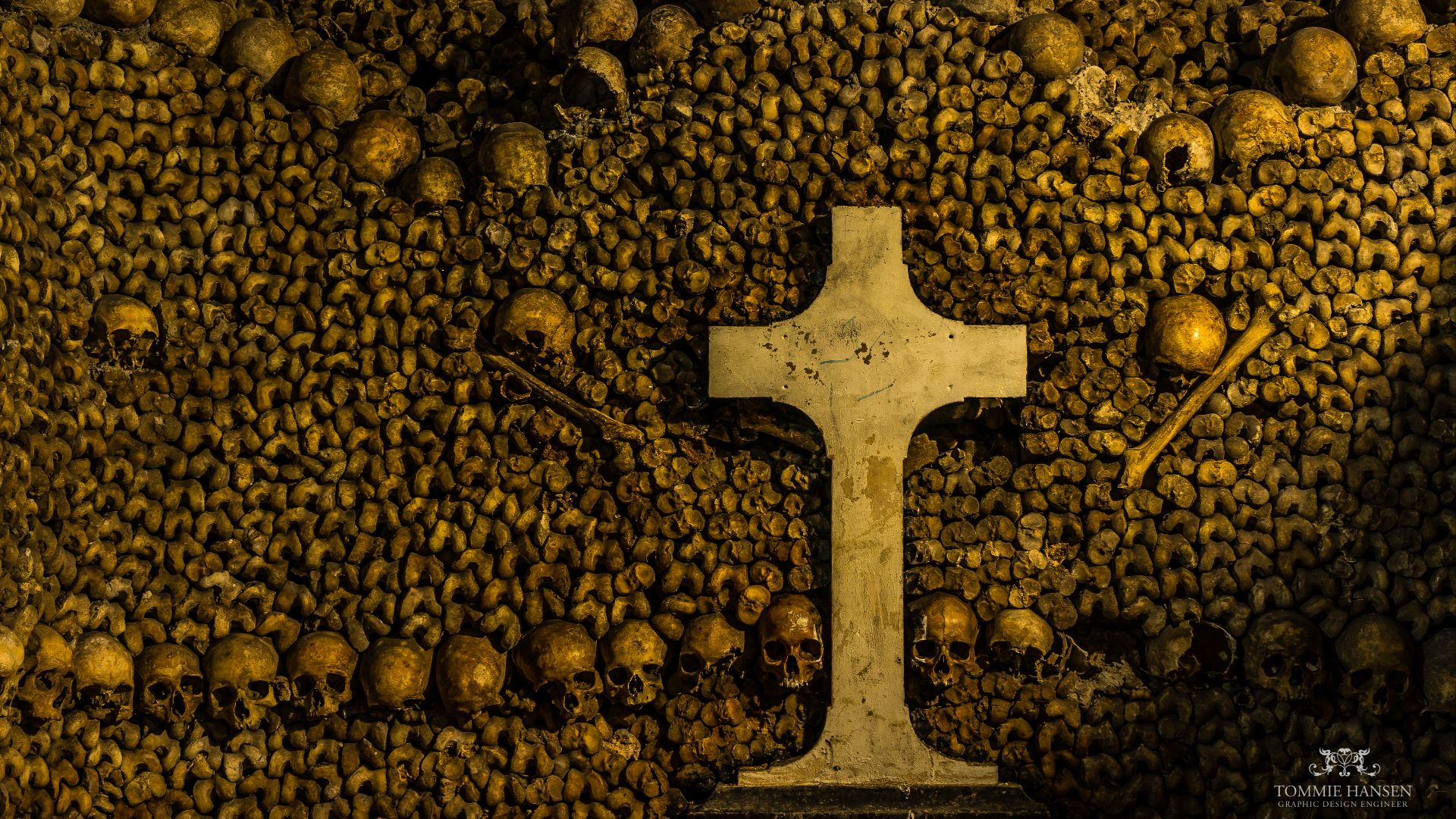
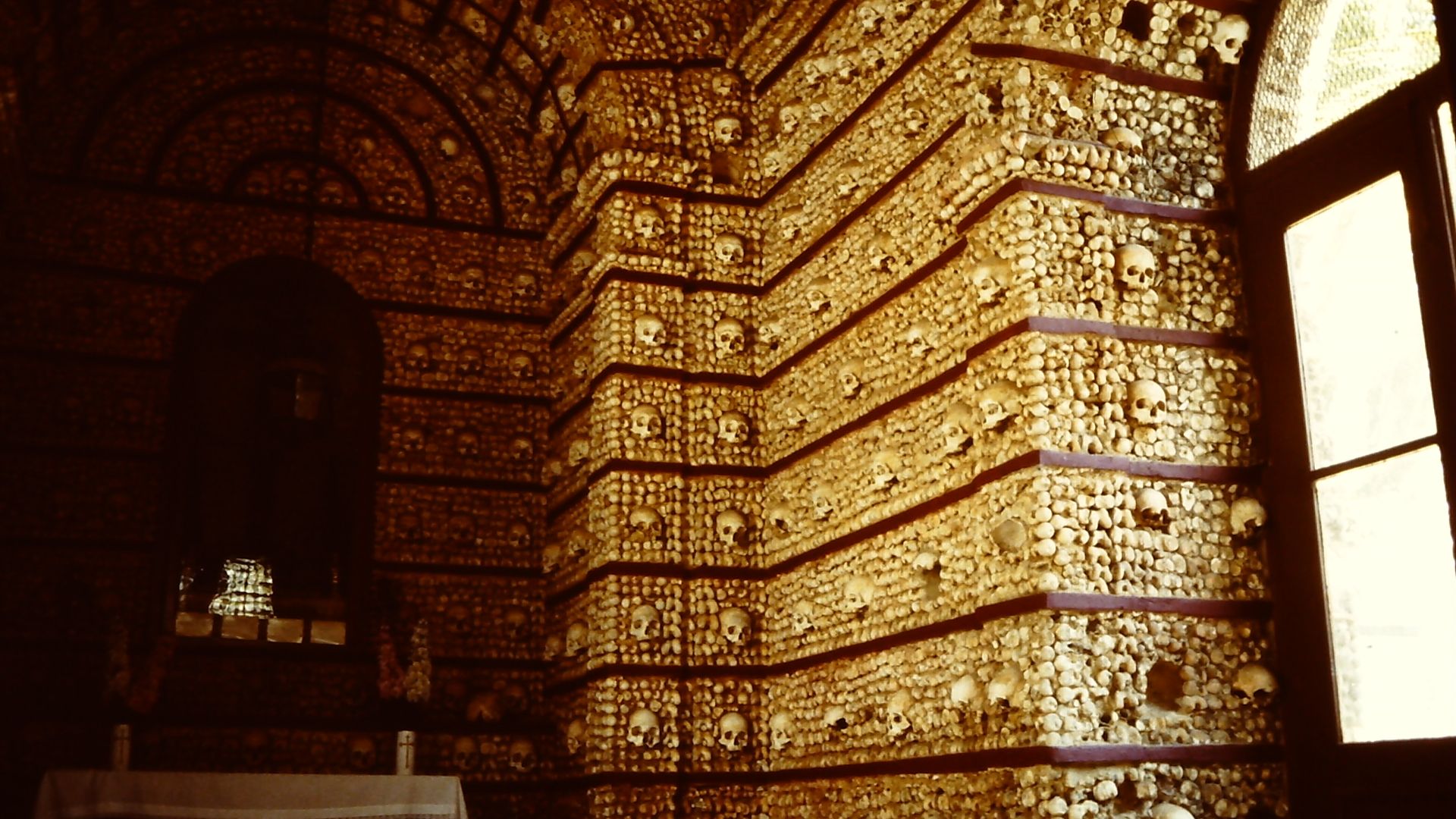
Another Portuguese chapel incorporated human remains directly into its walls, although Faro's version is much smaller than the famous one in Évora. Completed in 1816, the chapel features walls made from human thighbones held together with mortar, with skulls placed throughout the interior. The remains belonged to Carmelite monks whose graves had been cleared to create additional burial space. Despite its unusual construction materials, the chapel has a surprisingly orderly appearance that reflects the builders' attention to symmetry.
9. Basilica of St. Ursula, Cologne, Germany
Inside Cologne's Basilica of St. Ursula, the Golden Chamber houses one of Europe's most elaborate collections of bone decorations. Human remains cover the walls in intricate patterns featuring flowers, ornamental borders, and even Latin lettering. According to medieval legend, the bones belonged to thousands of women martyred alongside Saint Ursula, although their true origins remain uncertain. The combination of golden ornaments and carefully arranged skeletal remains gives the chamber an appearance you wouldn't expect to find inside an ordinary church.
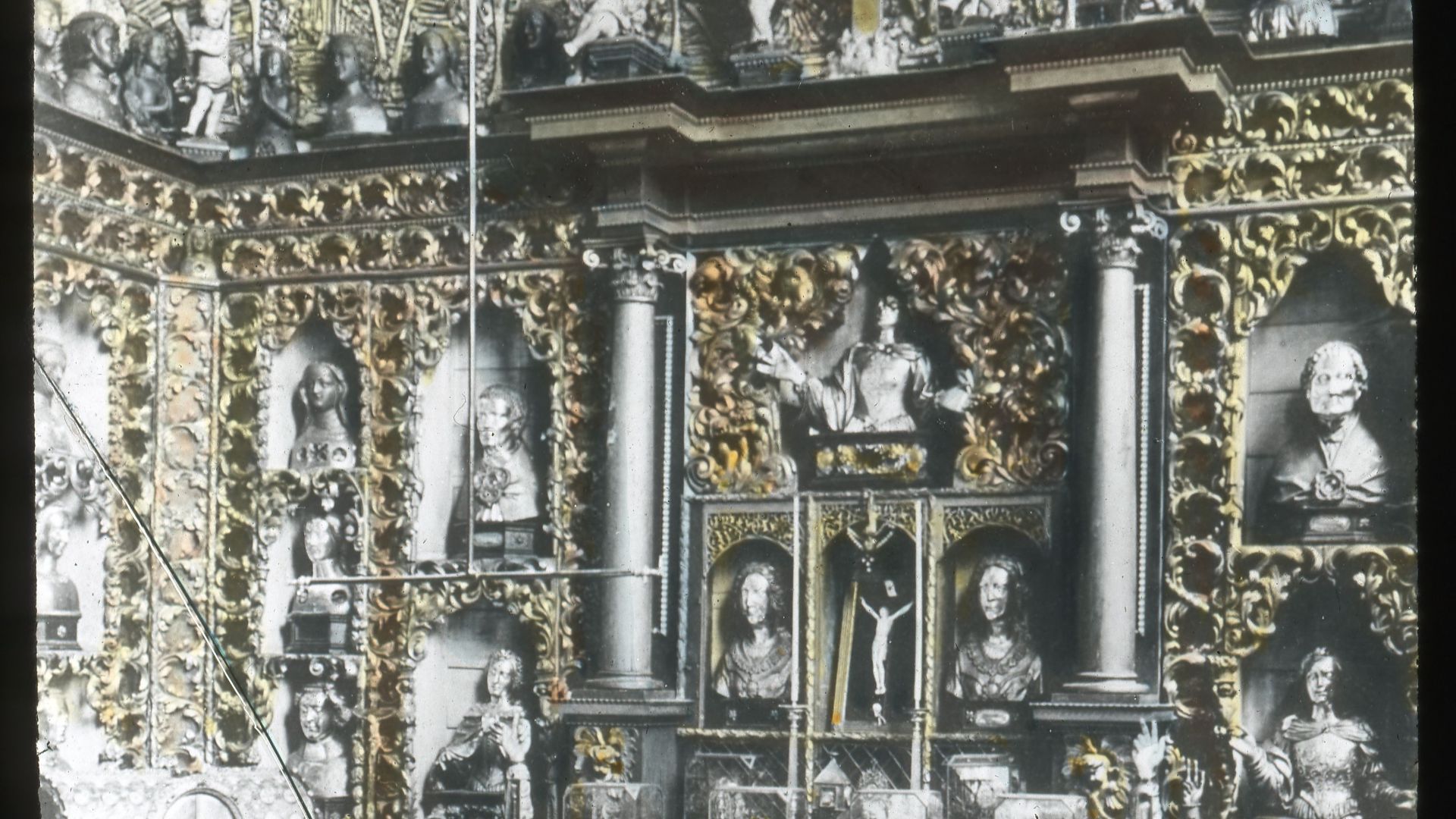
10. Mělník Ossuary, Czech Republic
Beneath the Church of Saints Peter and Paul in Mělník, the remains of approximately 15,000 people have been organized into unusual displays. The bones accumulated over time as burial space became increasingly limited, particularly during periods of widespread disease. During the 20th century, anthropologist Jindřich Matiegka helped arrange the collection into recognizable patterns, including designs created from skulls. One arrangement even forms a heart, suggesting that those responsible weren't satisfied with simply stacking everything against the walls.
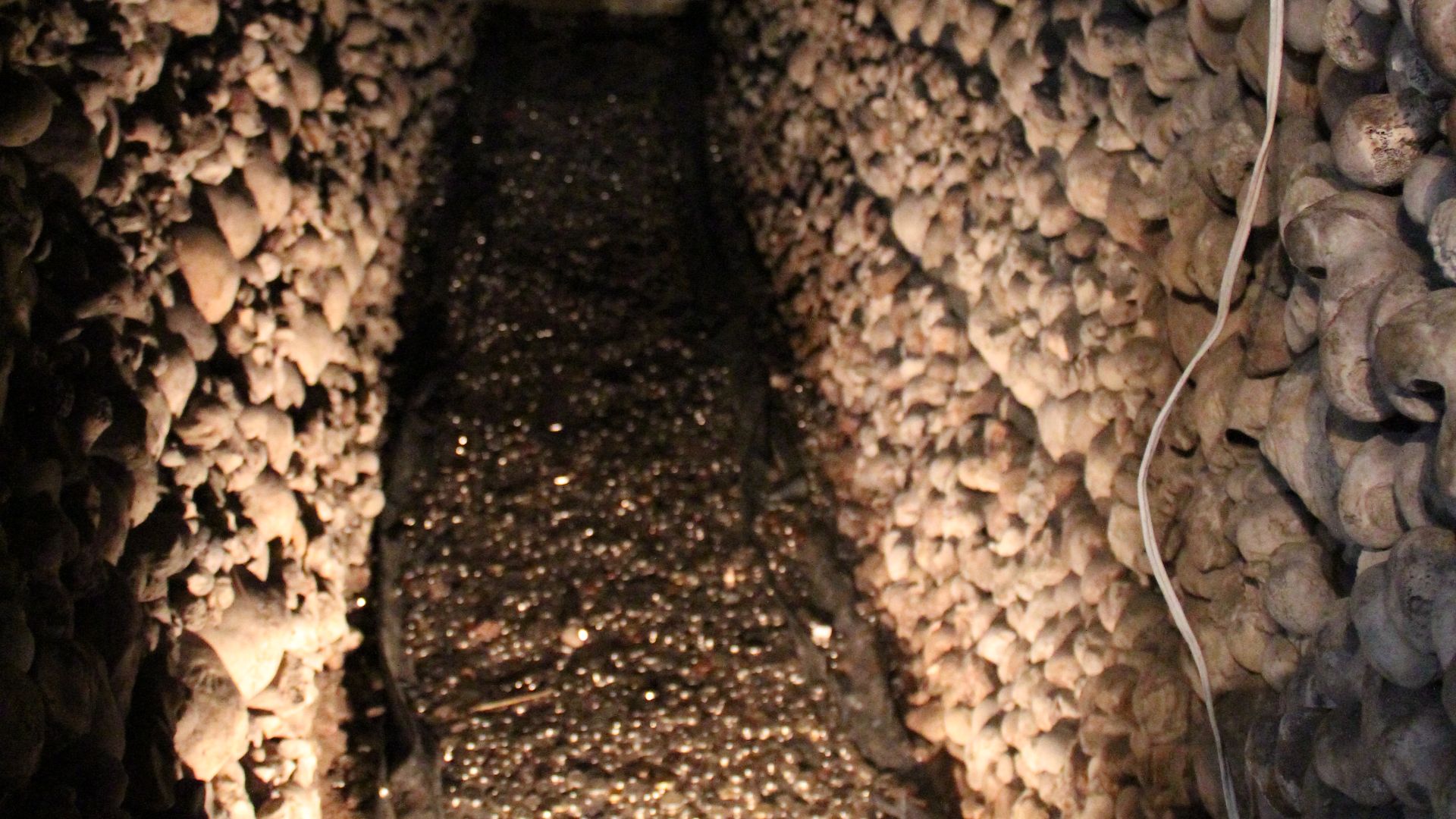 Natálie Kalendová on Wikimedia
11. Capela dos Ossos, Alcantarilha, Portugal
The small Portuguese town of Alcantarilha has its own bone chapel hidden beside the Church of Our Lady of the Conception. Dating back to the 16th century, the chapel incorporates human skulls and bones into its walls, ceiling, and altar. Thousands of skeletons are believed to be represented within the structure, although nobody knows the exact number. Unlike Portugal's better-known ossuaries, this relatively obscure chapel attracts far less attention from international visitors.
12. Ossuary of Wamba, Spain
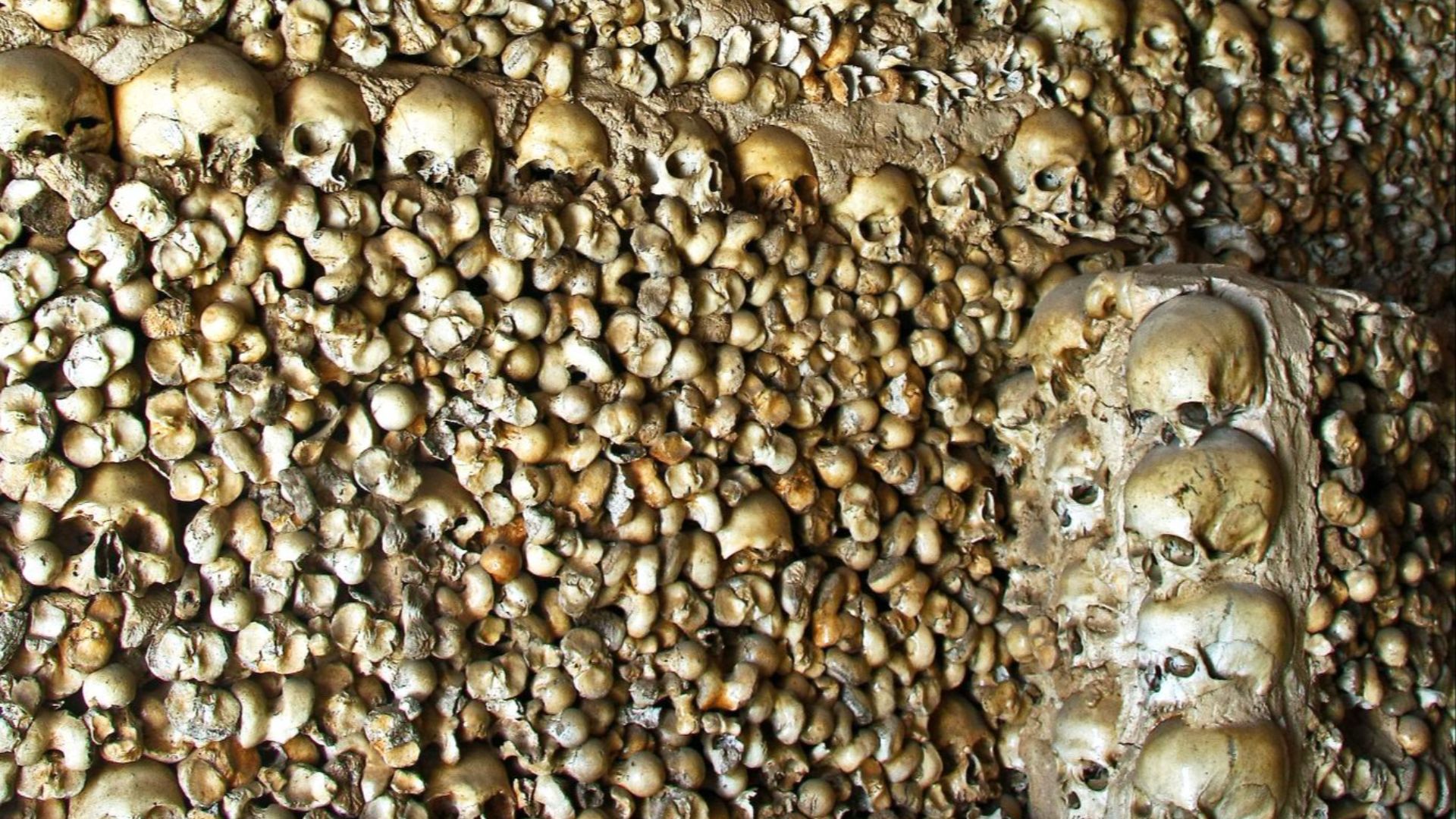
In the Spanish village of Wamba, the Church of Santa María houses an ossuary packed with carefully stacked human remains. Skulls and long bones form tightly arranged walls inside the chamber, reflecting centuries of burials associated with the local religious community. The collection includes remains from different periods, although identifying individual skeletons is nearly impossible. It's a fascinating reminder of how earlier generations managed limited cemetery space while continuing to preserve the bones of those who had died.
13. Eggenburg Charnel House, Austria
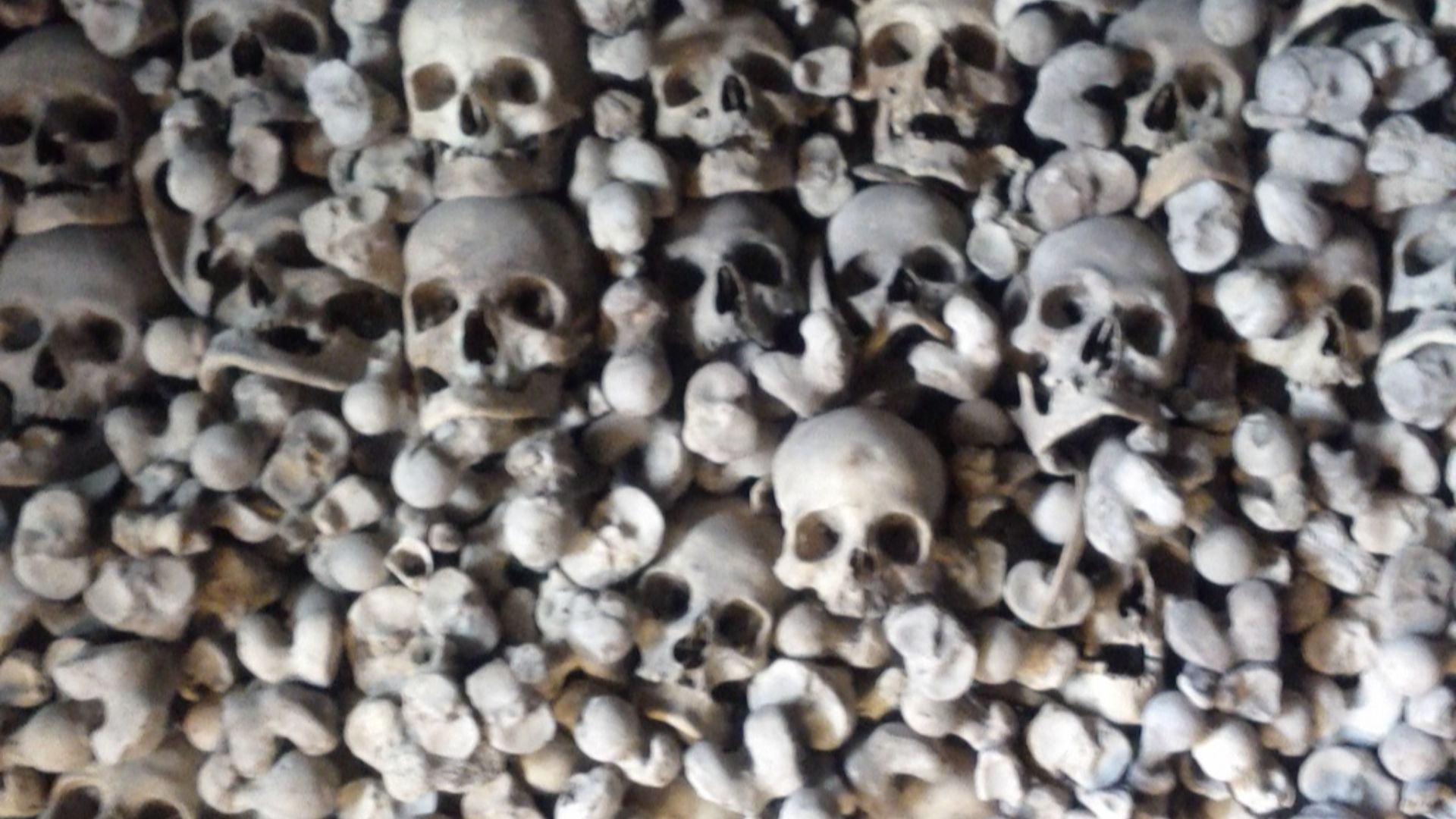
Austria's Eggenburg Charnel House holds the remains of thousands of people in a remarkably organized interior display. Bones recovered from older graves were carefully stacked into walls, while skulls were positioned to form recognizable patterns. The collection is estimated to represent roughly 5,800 individuals, making it an impressive example of traditional ossuary construction. Although the building looks relatively modest from the outside, its extraordinary interior has attracted plenty of attention from people interested in Europe's historical burial customs.
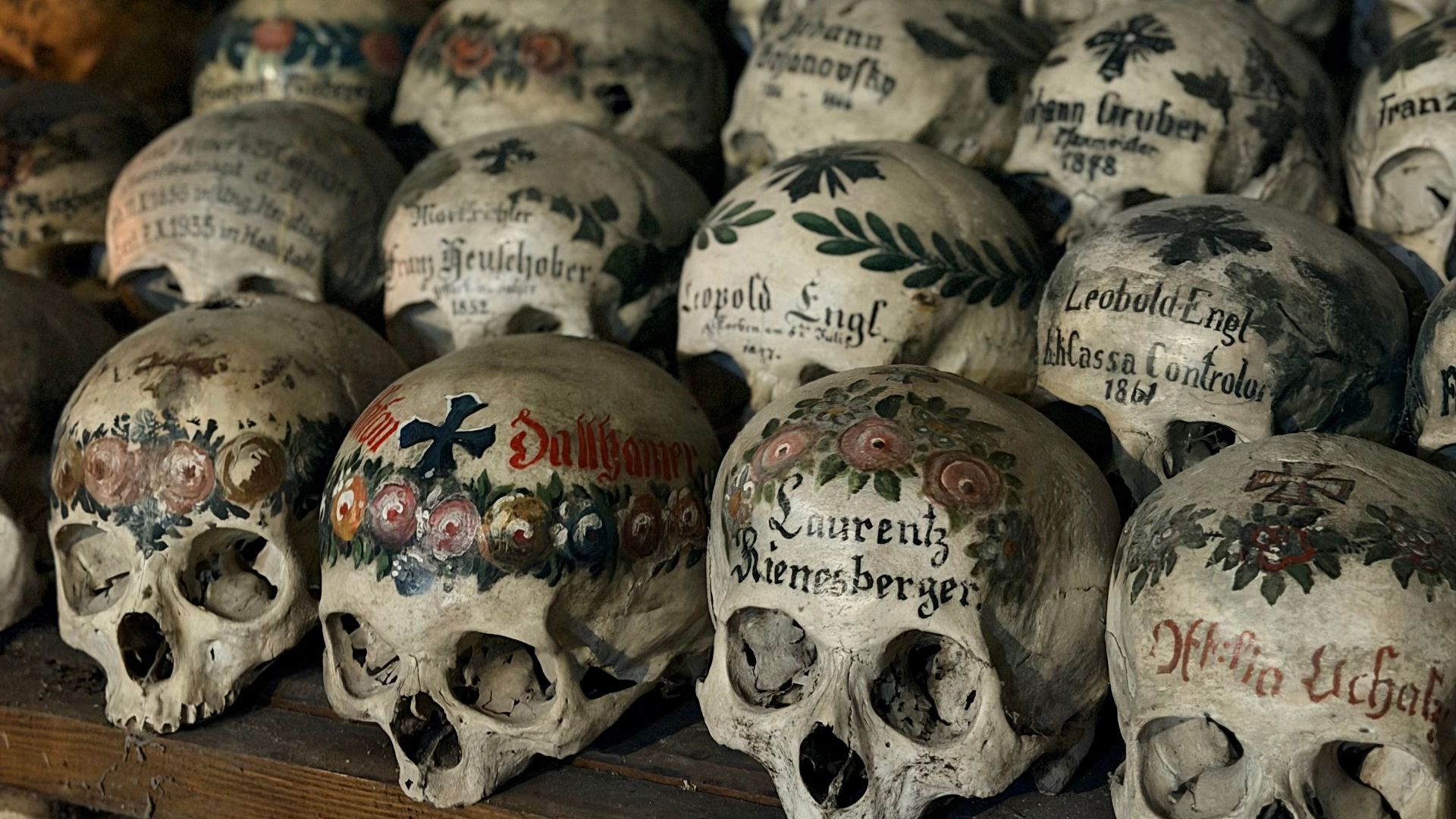
14. Chapel of Bones, Campo Maior, Portugal
Campo Maior's Chapel of Bones is connected to a dramatic local legend involving an explosion that devastated the town in 1732. Popular stories suggest that the remains decorating the chapel belonged to victims of the disaster, but archaeological research hasn't supported this claim. Instead, the bones likely came from the cemetery surrounding the town's main church and were incorporated into the chapel during the 18th century. The carefully arranged remains are still an important part of the town's religious heritage, even if their actual history is less sensational than the legend.
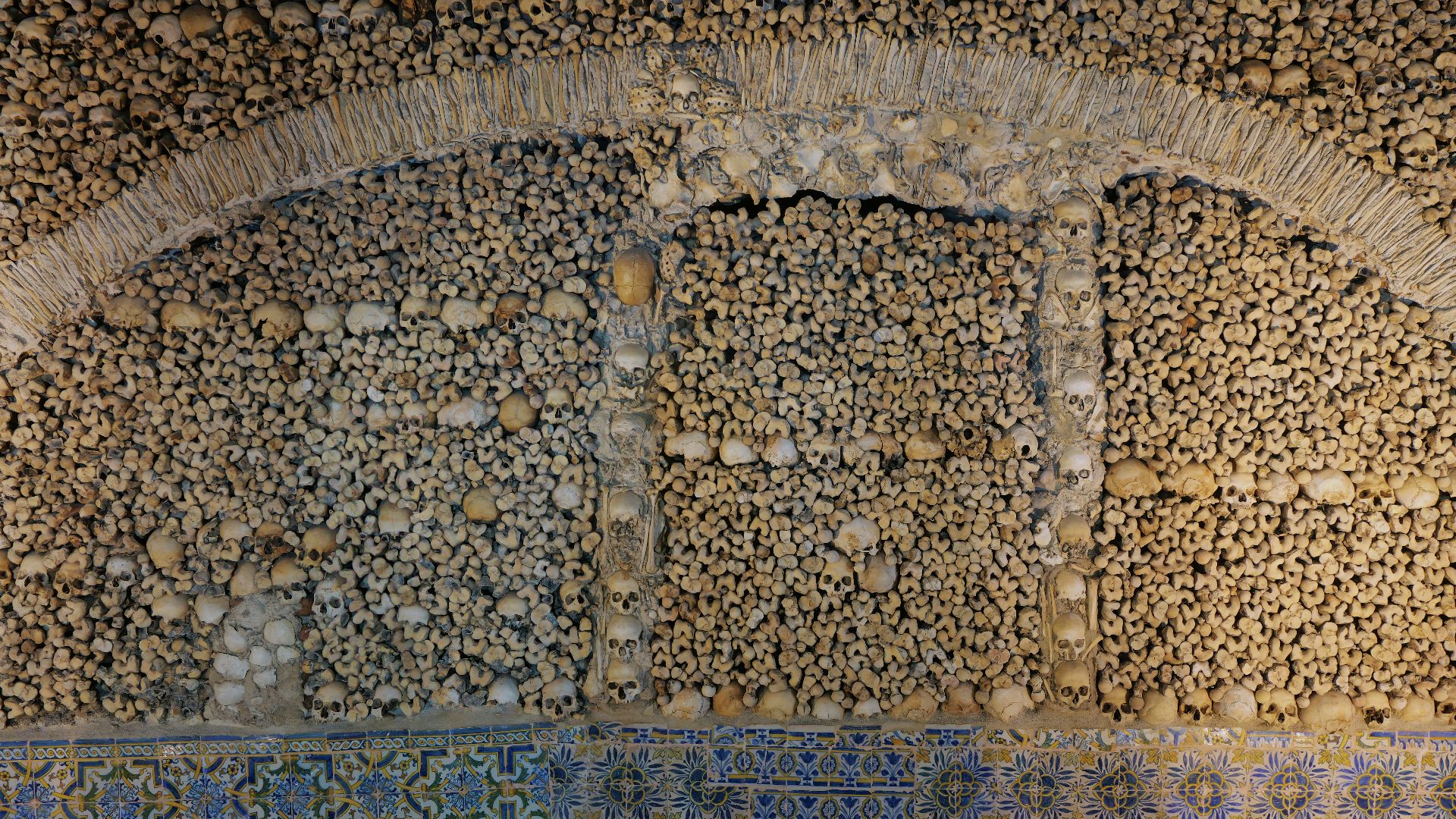
15. Michaelskapelle Ossuary, Oppenheim, Germany
Behind Oppenheim's historic St. Catherine's Church stands St. Michael's Chapel, home to one of Germany's largest ossuary collections. The remains of approximately 20,000 people are preserved inside, with many dating from the 15th through the 18th centuries. Long bones have been stacked into thick sections that resemble walls, while skulls appear throughout the arrangements. The result is an incredibly dense display that offers a glimpse into generations of burial practices within the surrounding community.
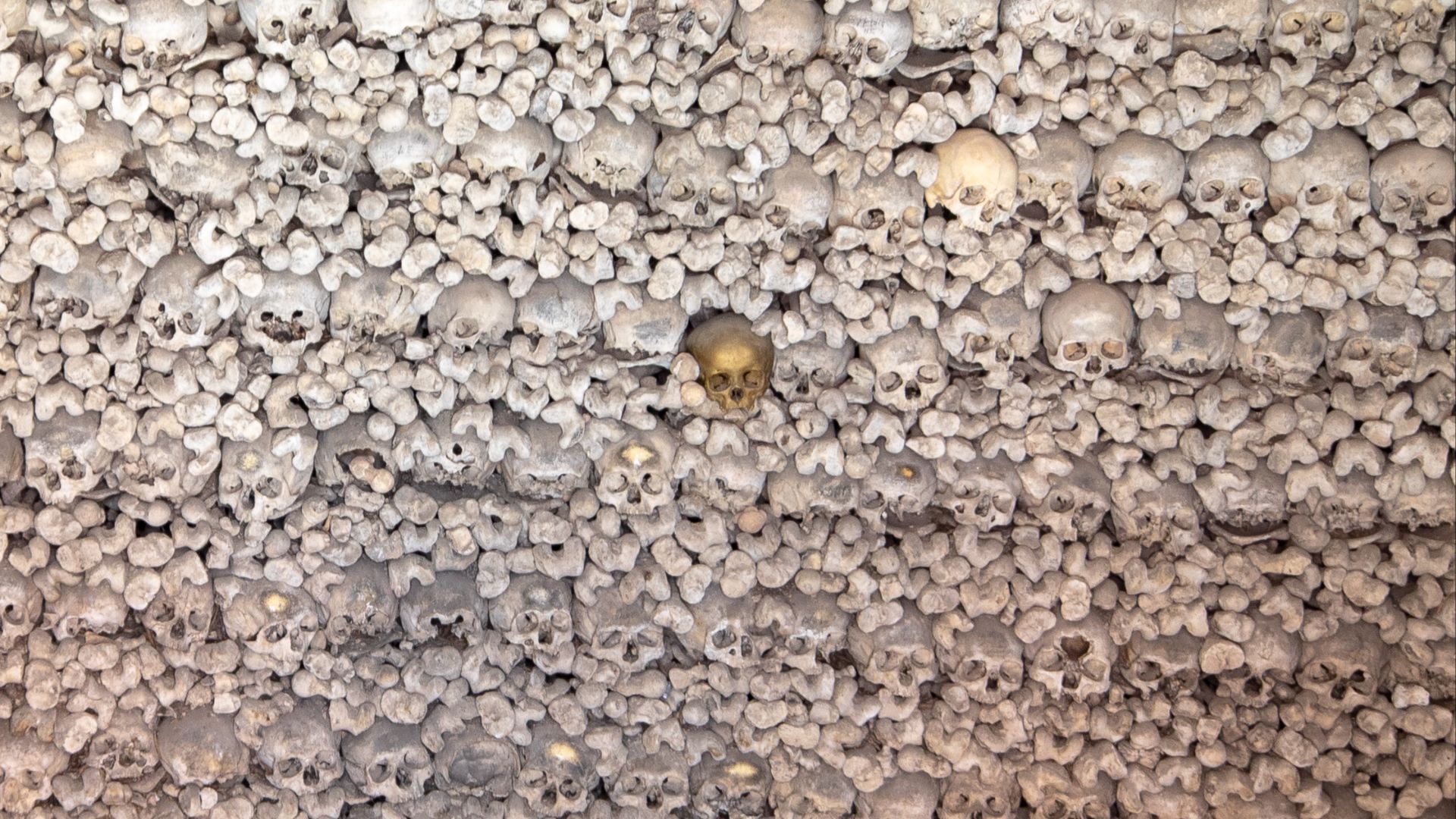
16. Tomb of Enrique Torres Belón, Lampa, Peru
The Peruvian town of Lampa is home to a remarkable mausoleum decorated with human skulls and skeletons. Engineer and politician Enrique Torres Belón commissioned the tomb during the 20th century, intending to incorporate the remains of earlier residents into his final resting place. Hundreds of skulls line the interior, while complete skeletons hang along the walls beneath a domed ceiling. Above the unusual collection sits a replica of Michelangelo's Pietà, adding another artistic element to an already extraordinary monument.
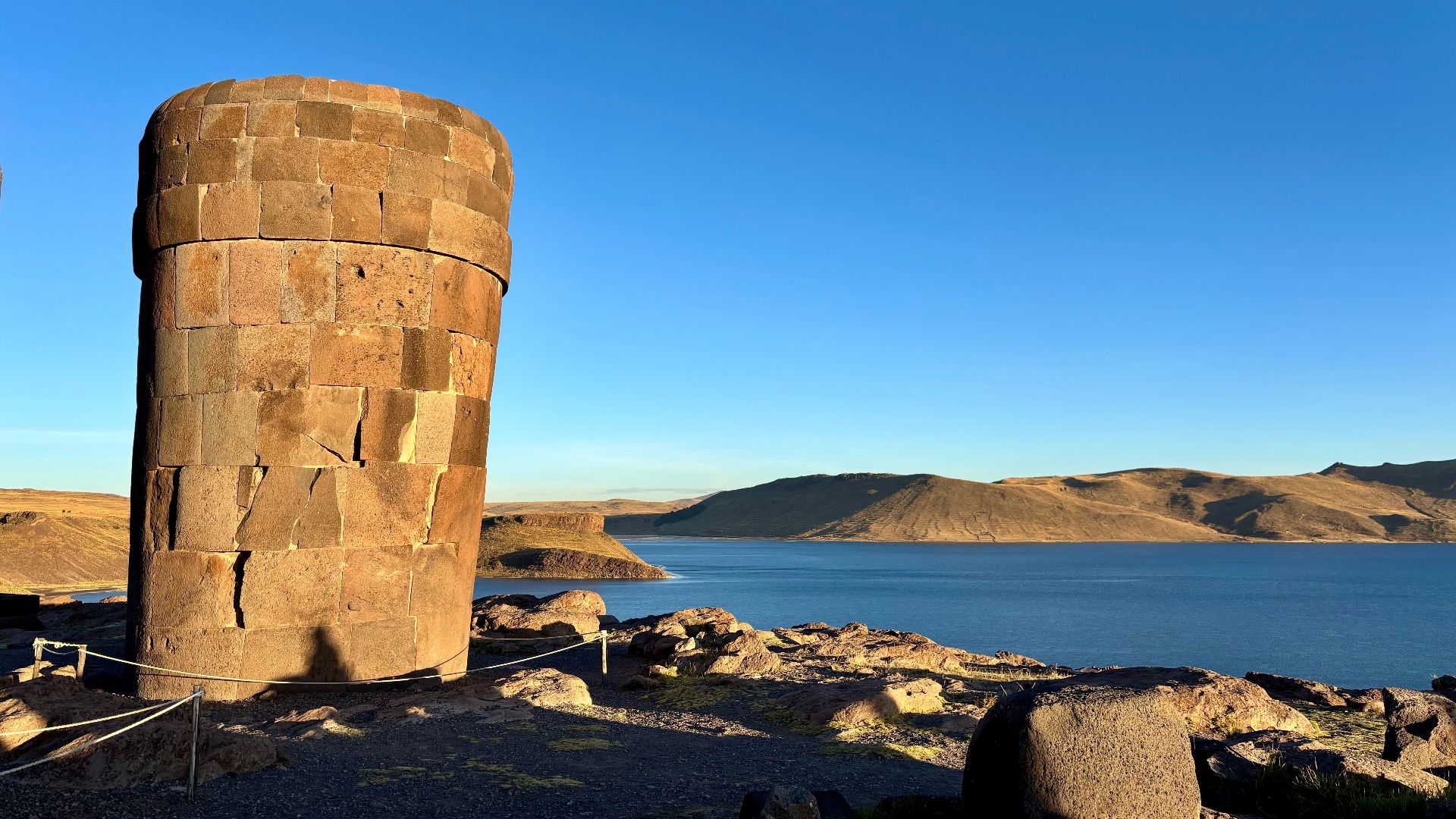 Jaime Joel Vargas Huacre on Pexels
17. Brno Ossuary, Czech Republic
Discovered beneath St. James Church in 2001, Brno's massive ossuary contains the remains of more than 50,000 people. The underground chambers once provided burial space for residents whose graves needed to be cleared and reused over time. Following restoration, skulls and other bones were arranged into organized displays along the passages and chamber walls. Today, visitors can explore this fascinating piece of the city's history, which remained hidden beneath the streets for centuries.
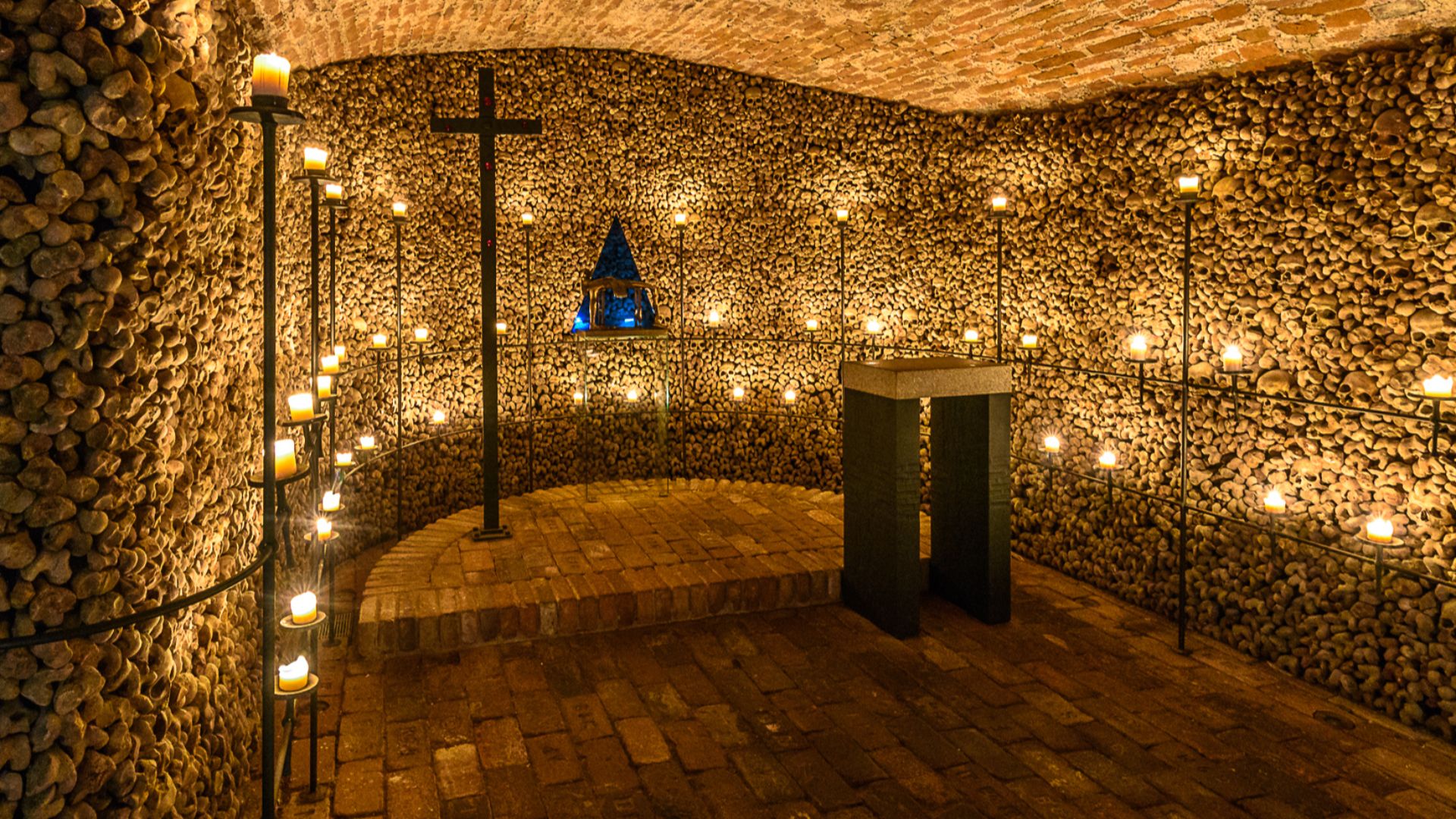 TIC BRNO, příspěvková organizace on Wikimedia
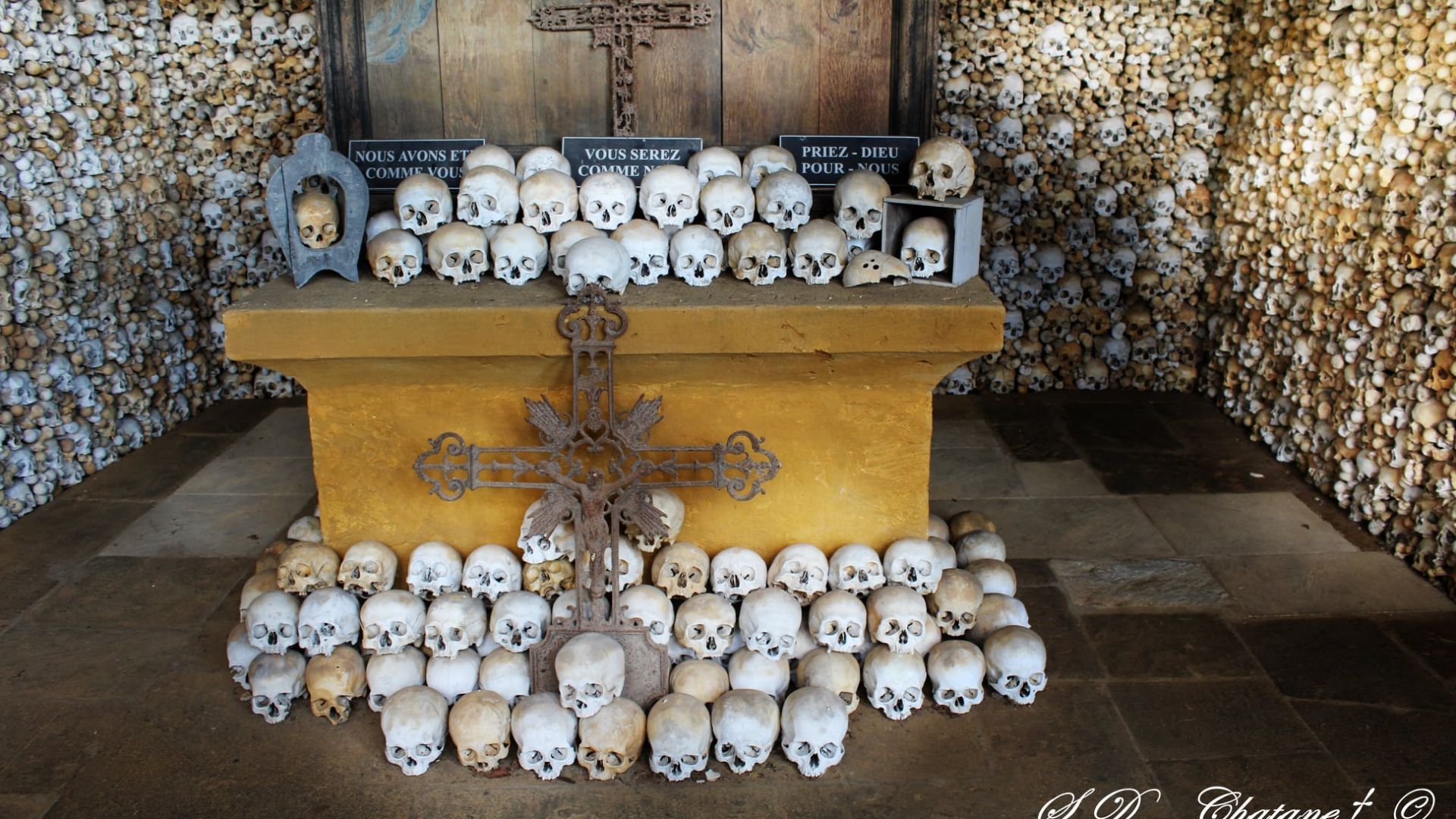
18. Marville Ossuary, France
Near the French village of Marville, a historic cemetery contains an ossuary holding the remains of thousands of former residents. Rather than simply storing the bones in containers, those responsible stacked them into remarkably neat arrangements inside a small building. Estimates suggest the collection represents about 40,000 people, reflecting the area's long history of burials. While the structure is relatively simple compared with Europe's more elaborate bone chapels, the sheer number of remains makes it an unforgettable sight.
19. Cathedral of Otranto, Italy
The Cathedral of Otranto contains an unusual chapel displaying the bones of people killed when Ottoman forces captured the Italian city in 1480. According to historical accounts and religious tradition, hundreds of residents were executed after refusing to abandon their Christian faith. Their remains are preserved in large glass-fronted compartments built into the chapel's walls. Instead of arranging the bones into decorative patterns, the display focuses on remembrance and the religious importance attached to those who lost their lives.
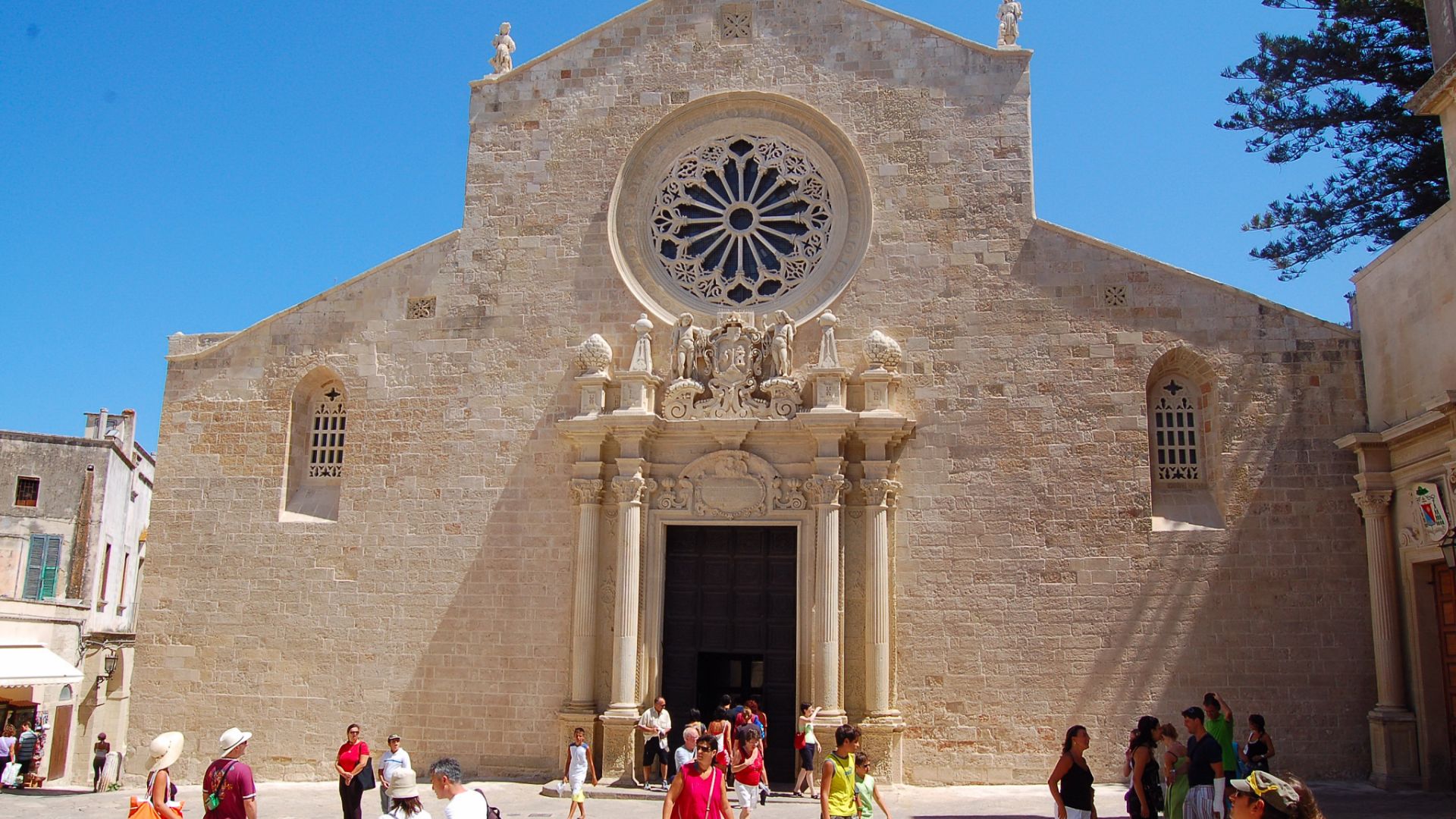 Michael Paraskevas on Wikimedia
20. Convent of San Francisco, Lima, Peru
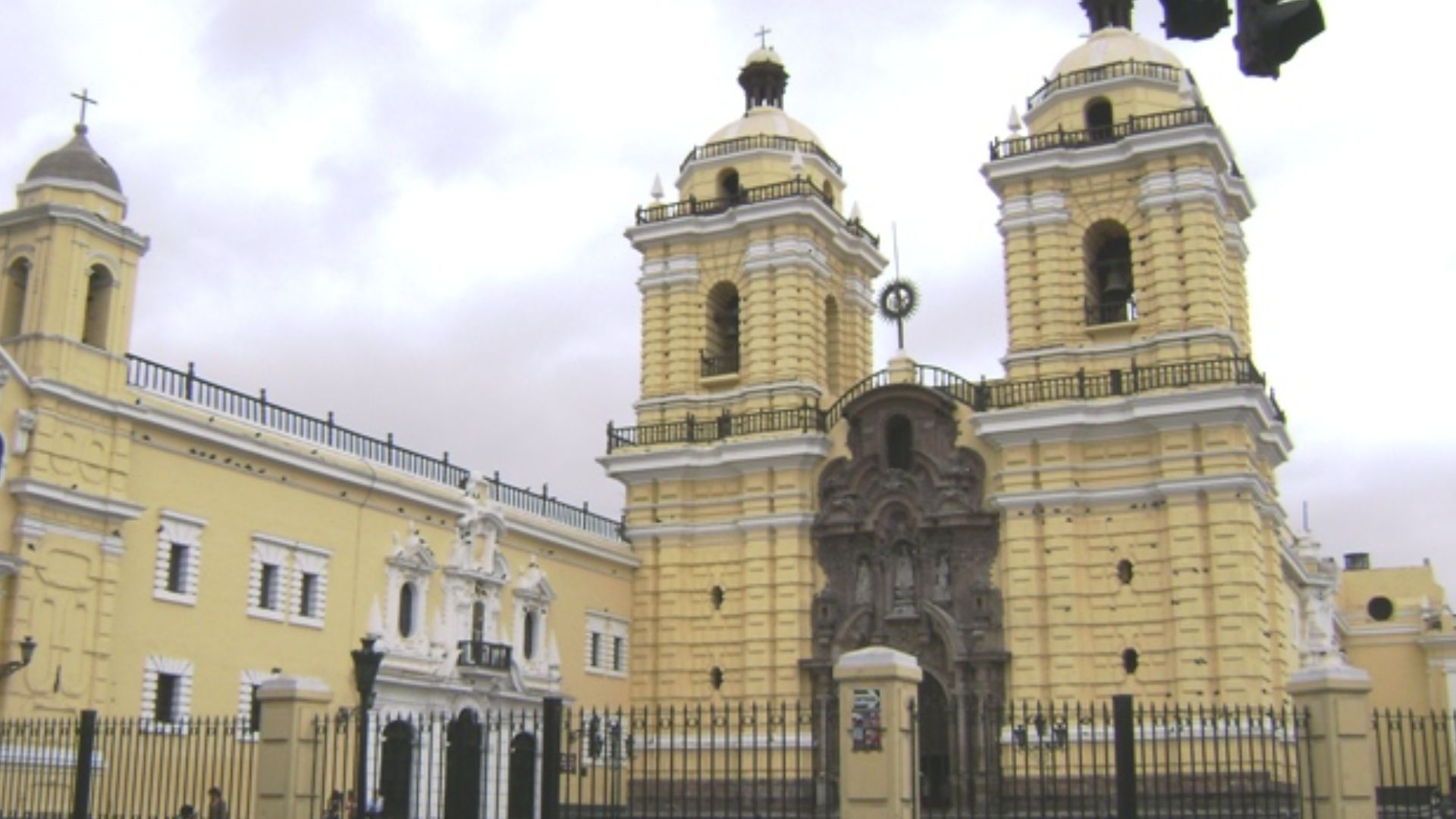
Beneath Lima's Convent of San Francisco stretches an extensive network of burial chambers containing the remains of thousands of people. For generations, these underground spaces functioned as a cemetery until local burial practices changed during the 19th century. Visitors today can see skulls and other bones arranged in circular patterns inside large underground pits, alongside neatly organized collections of skeletal remains. It's a fitting conclusion to a look at historical bone architecture, showing that these unusual traditions extended well beyond Europe.