

Tragic Facts About Judy Garland, The Star Who Could Never Escape Oz
The Private Tragedy of Hollywood's Golden Child
Judy Garland gave the world one of Hollywood’s most hopeful songs, but her own life rarely resembled the promise of “Over the Rainbow.” Behind Dorothy’s famous smile was a woman who had been pushed onto stages before she could understand what fame meant, criticized relentlessly by studio bosses, married five times, and forced to make comeback after comeback just to survive. Garland could walk onto a stage exhausted and frightened and somehow leave thousands of people cheering. Yet the people who made fortunes from that extraordinary gift also helped create problems that followed her for the rest of her tragically short life.
This is everything you need to know about Judy Garland.
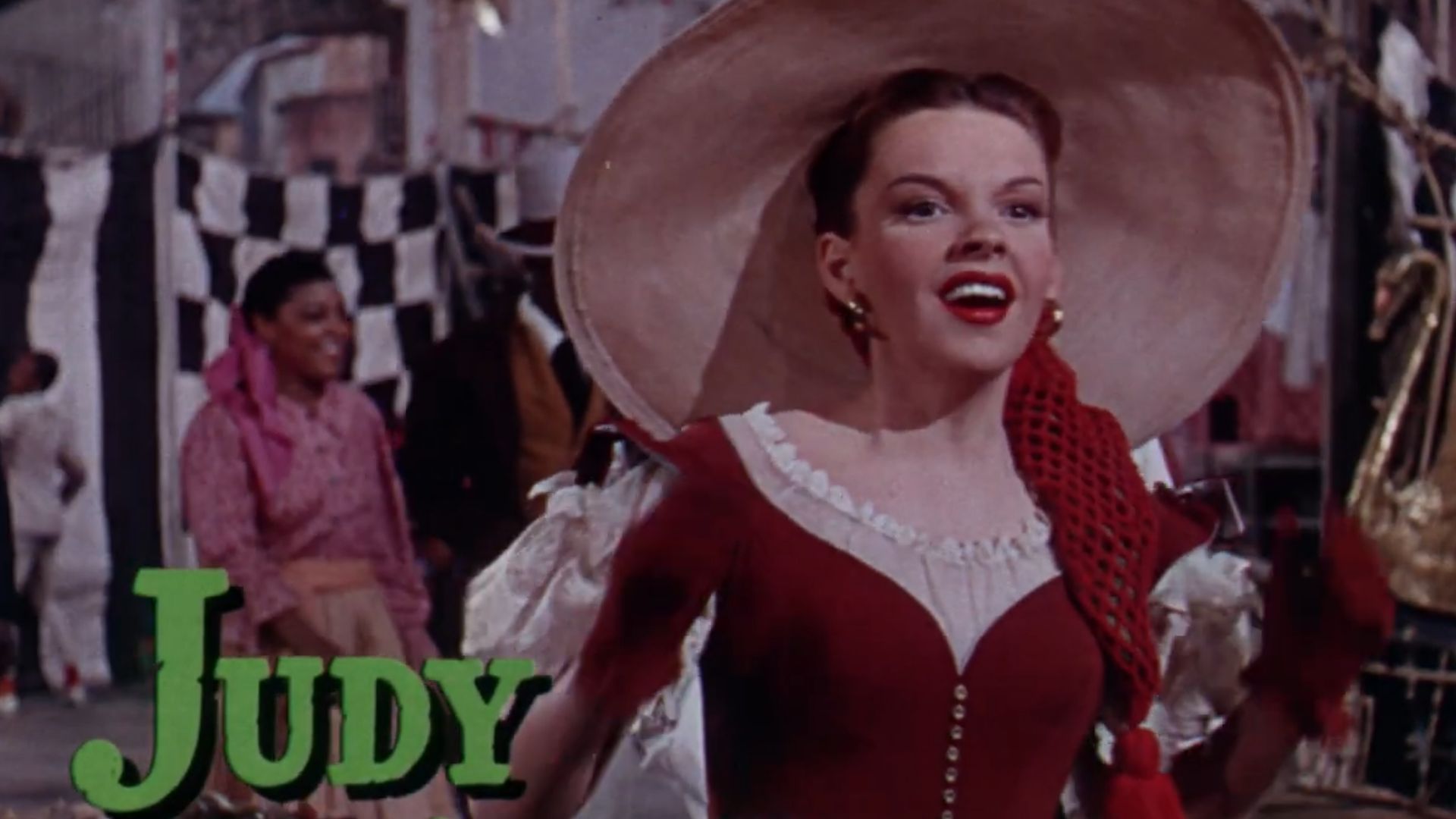
1. She Wasn't Born Judy Garland
The little girl who became Judy Garland entered the world on June 10, 1922, in Grand Rapids, Minnesota, as Frances Ethel Gumm. Her parents, Frank and Ethel Gumm, had both worked in vaudeville and operated a movie theater, so performing wasn't simply entertainment in the Gumm household—it was the family business. Frances was the youngest of three daughters, and before long all three girls were being pushed toward the stage. For Frances, childhood was going to end remarkably early.
And her arrival in the family had already caused turmoil before she was even born.
 Unknown authorUnknown author on Wikimedia
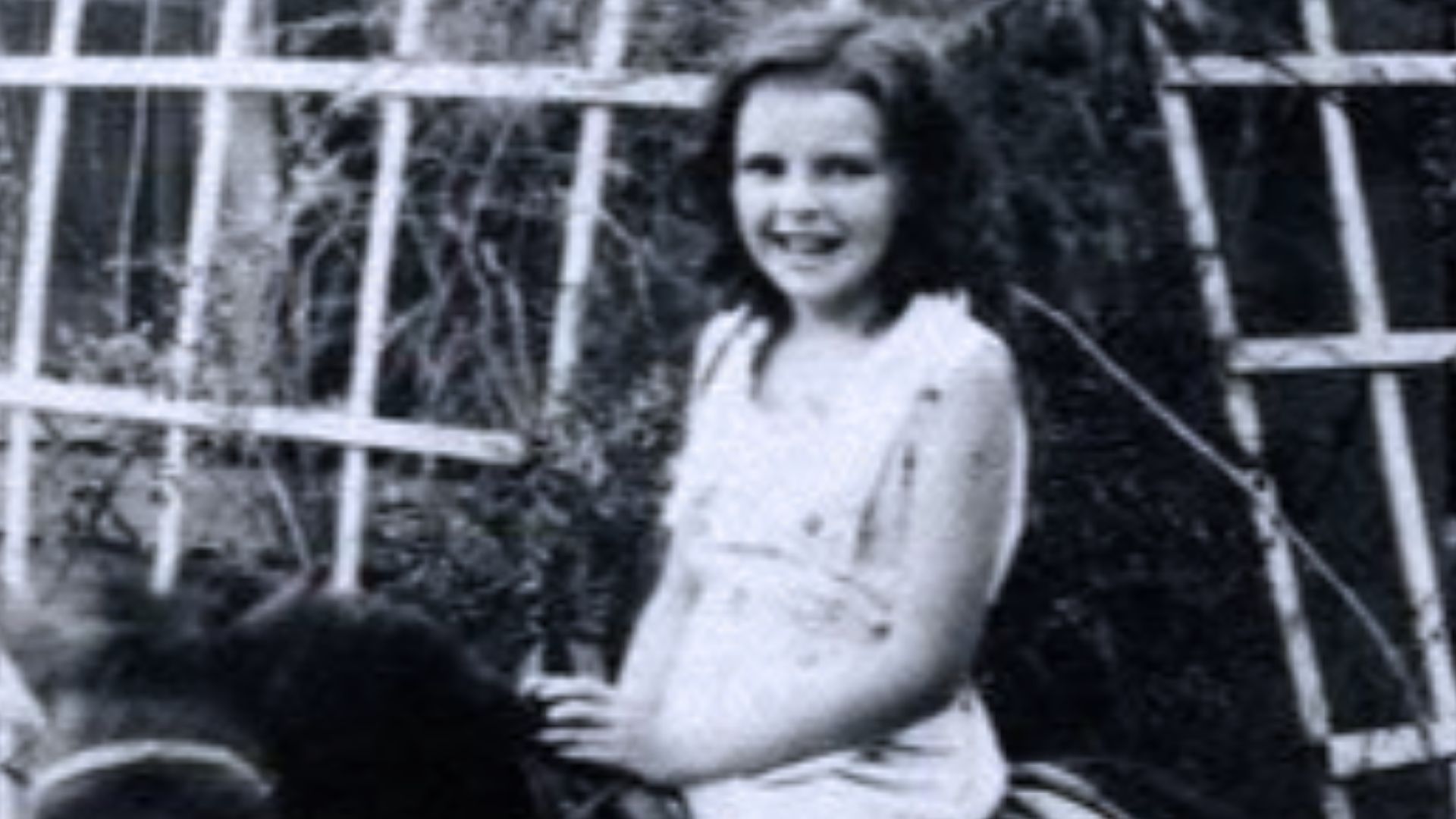
2. Her Parents Hadn't Planned On Her
According to biographer Gerald Clarke, Ethel's pregnancy with Frances was far from welcome news. Frank reportedly contacted a medical-student friend looking for advice about ending the pregnancy, but Frances was eventually born. It is an unsettling beginning to the life of a woman who would later speak repeatedly about desperately wanting to feel loved. Whatever complications surrounded her arrival, one thing quickly became obvious: the youngest Gumm girl possessed a remarkable talent.
Her parents didn't have to wait long to discover it. Frances was barely out of diapers when they put her in front of an audience.
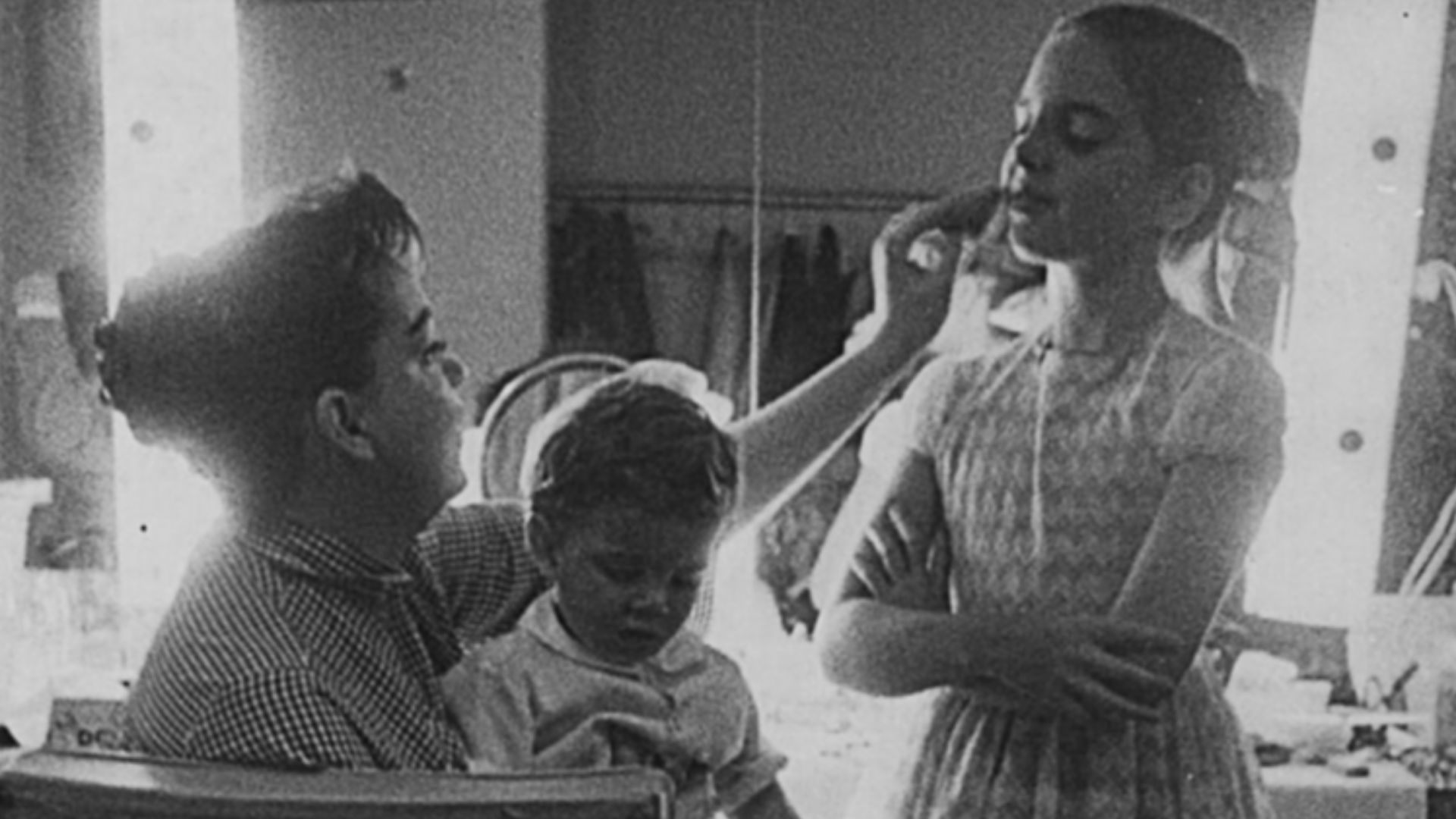
3. She Started At Two Years Old
At roughly two and a half, Frances appeared during a Christmas performance at her father's theater. Wearing a little dress, she sang “Jingle Bells” for the crowd. Most toddlers would have been terrified, but Frances seemed remarkably comfortable under the lights. Soon she was performing alongside her older sisters Mary Jane and Virginia as part of an act that became known as the Gumm Sisters. Garland later suggested that performing gave her something she struggled to find elsewhere: the feeling of being wanted.
Unfortunately, life away from the spotlight was becoming much more complicated.
 Unknown authorUnknown author on Wikimedia
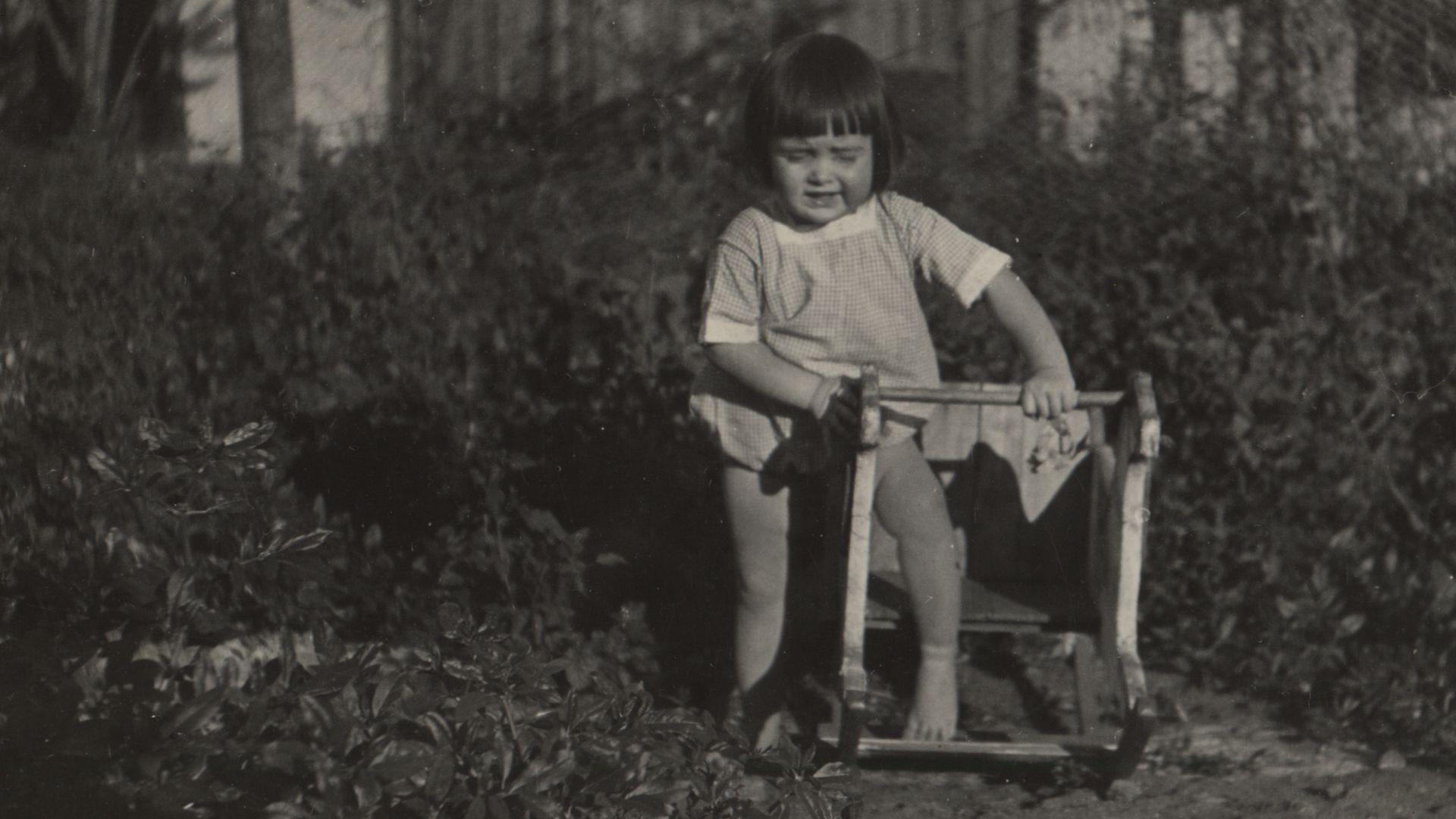
4. Rumors Followed Her Father
Frank Gumm was an important source of affection for his youngest daughter, but rumors surrounding his private life created problems for the family. Accounts circulated that Frank had made advances toward young men working at his theater. In 1926, the Gumms abruptly left Minnesota for California, with biographers connecting the move to those rumors. The truth of every allegation is impossible to establish decades later, but the family's departure meant four-year-old Frances was suddenly much closer to Hollywood.
For her ambitious mother, California offered exactly what she wanted: a chance to turn her daughters into stars.
 commons.wikimedia.org on Google
5. Her Mother Pushed Hard
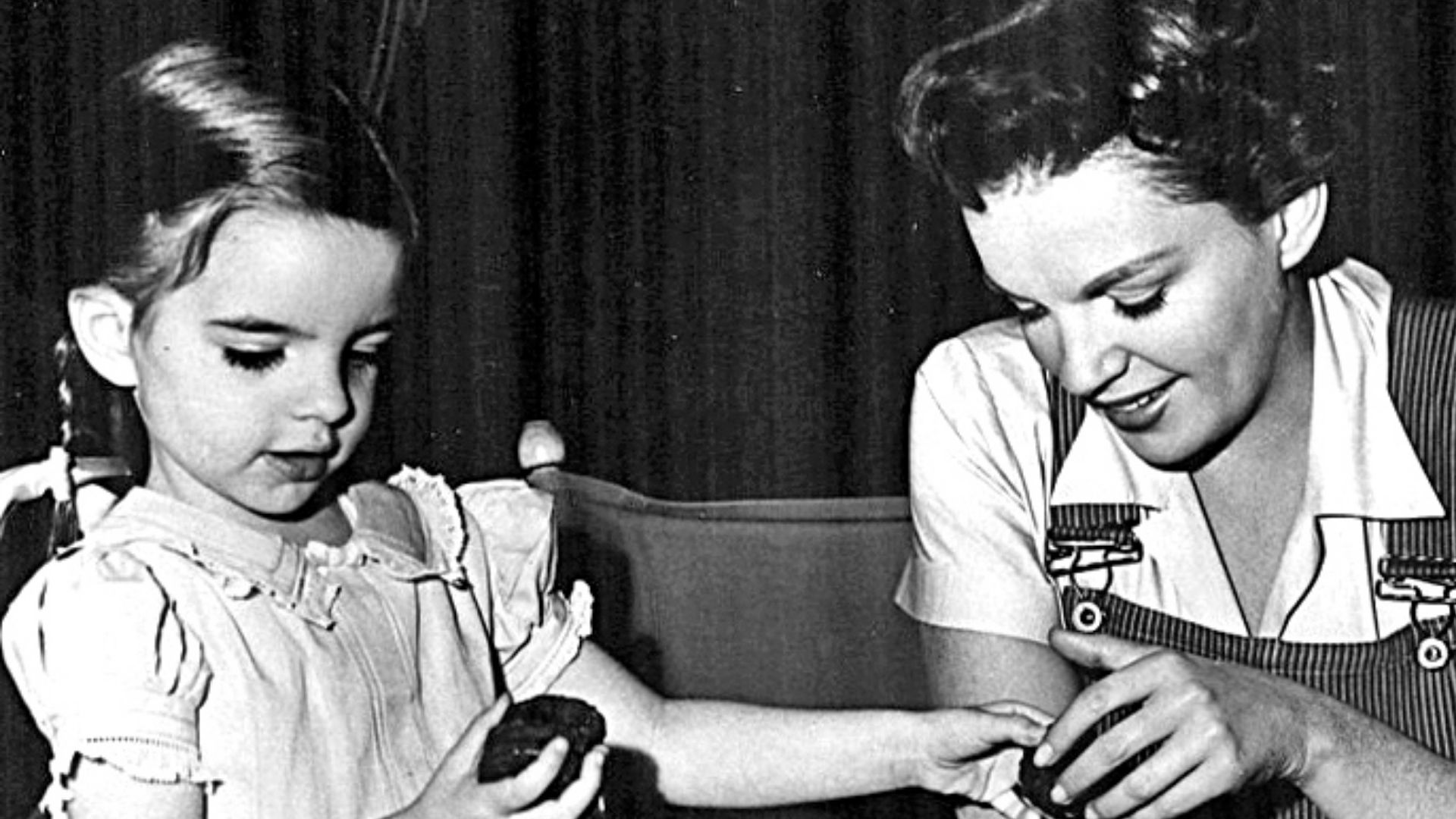
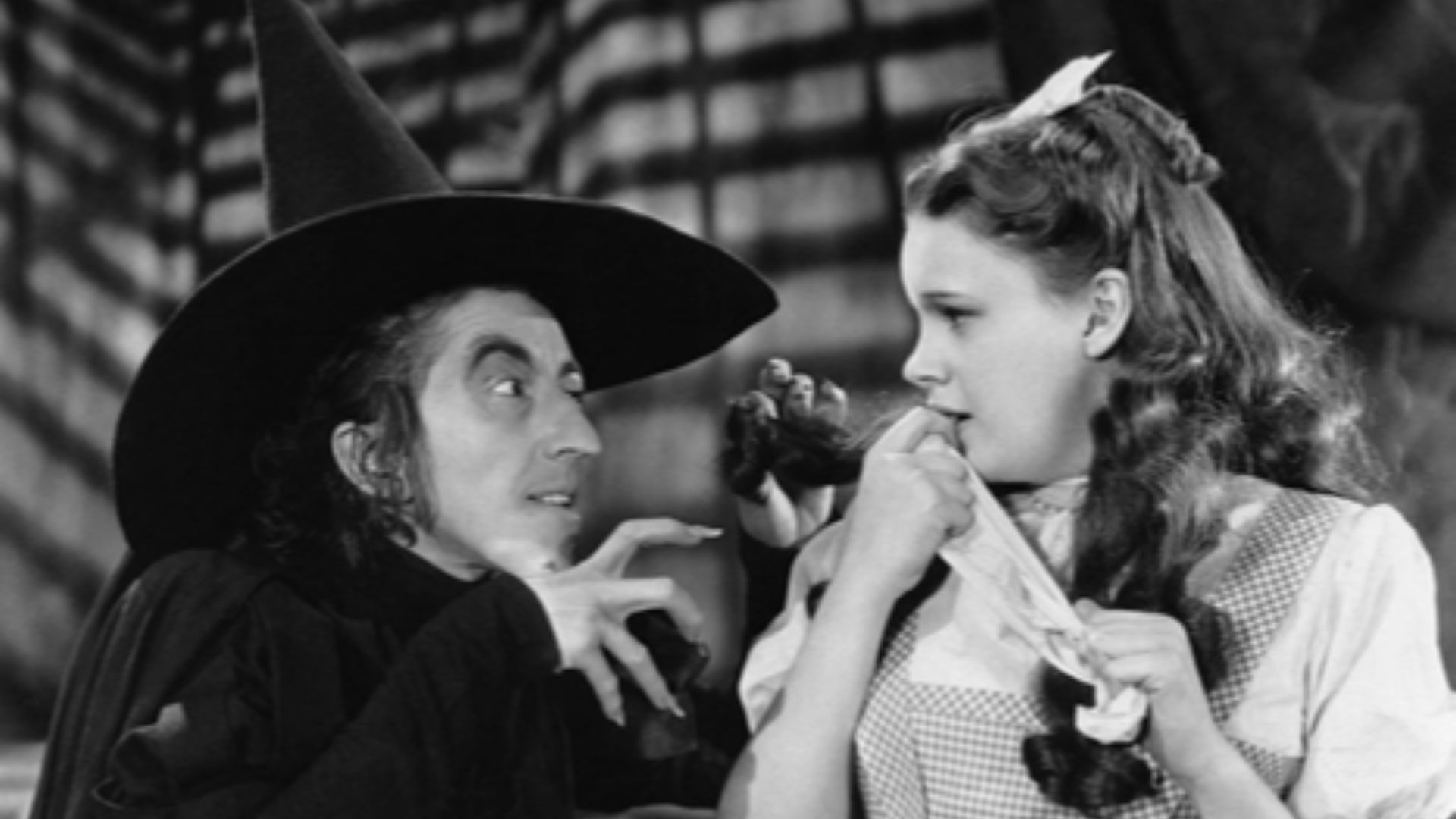
Once the family reached California, Ethel devoted enormous energy to promoting her daughters. The girls took acting and dancing lessons and appeared wherever Ethel could find opportunities. Frances was exceptionally talented, but the schedule was demanding for a child. Garland's later memories of her mother were anything but sentimental; she famously described Ethel as “the real Wicked Witch of the West.” Biographers have portrayed their relationship as a painful mixture of ambition, dependence, resentment, and love.
Most disturbing of all was one method reportedly used to keep little Frances performing.
6. The Pills May Have Started At Home
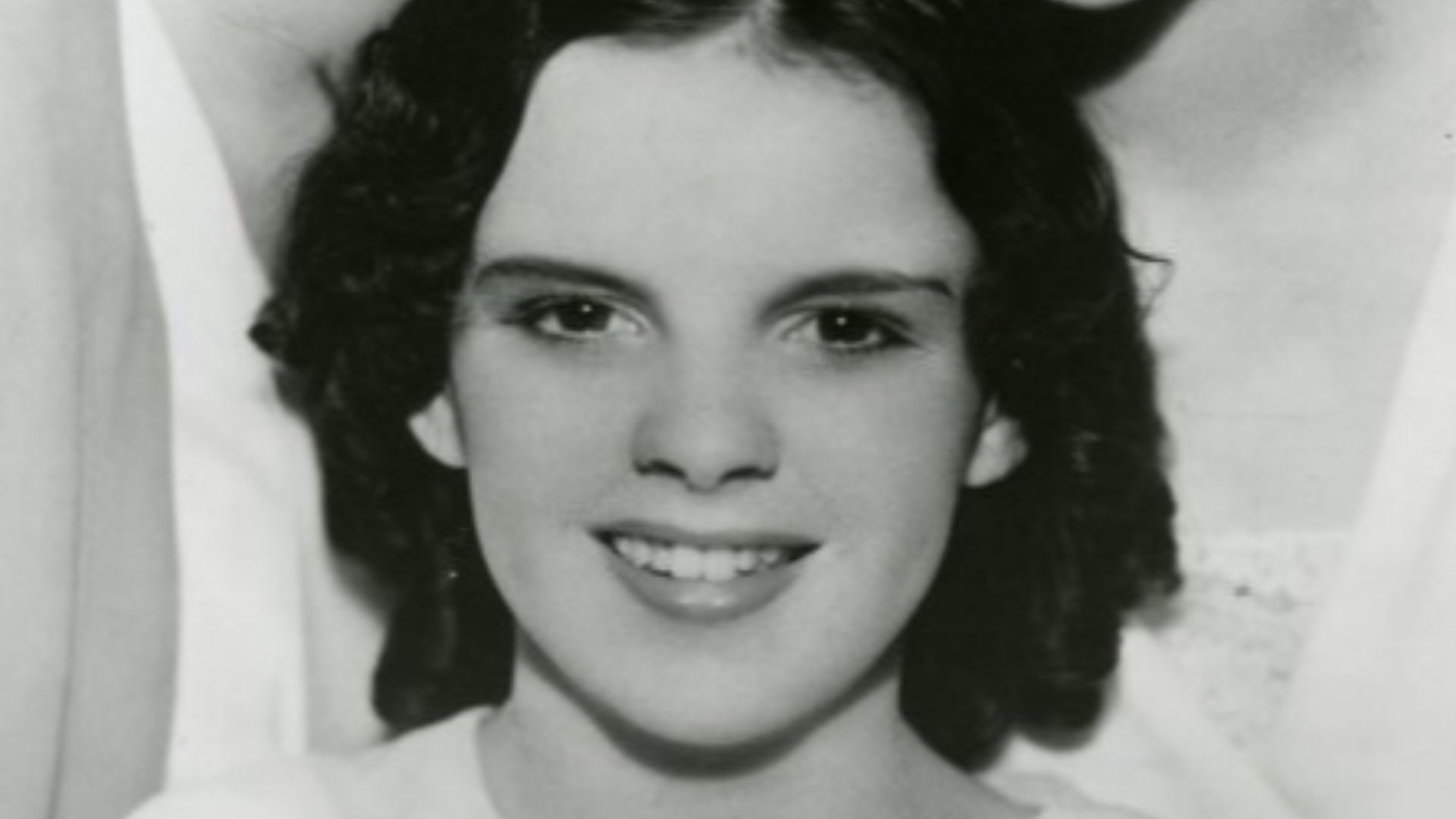
According to biographer Gerald Clarke, Ethel began giving her daughter pills before Frances was even ten—some intended to provide energy, others to help her sleep afterward. The practice sounds shocking today, but stimulants and sleeping medication would later become disturbingly common tools in the studio system surrounding Garland. What may have begun as a way to manage a child performer's exhausting schedule eventually became part of a pattern that haunted Garland throughout adulthood.
But first, Ethel's relentless campaigning finally produced the opportunity she had been waiting for.

7. MGM Wanted Her
In 1935, 13-year-old Frances auditioned for Metro-Goldwyn-Mayer. She didn't need elaborate costumes or a screen test to make an impression. Her voice was enough, and MGM signed her. By then, Frances Gumm had become Judy Garland, giving Hollywood a much more glamorous name to put on a marquee. It should have been the happiest moment of her young life. MGM was one of the most powerful dream factories in the world.
But almost immediately, Judy discovered an uncomfortable truth: MGM loved her voice far more than it loved the way she looked.
 Metro-Goldwyn-Mayer on Wikimedia
8. The Studio Picked Her Apart
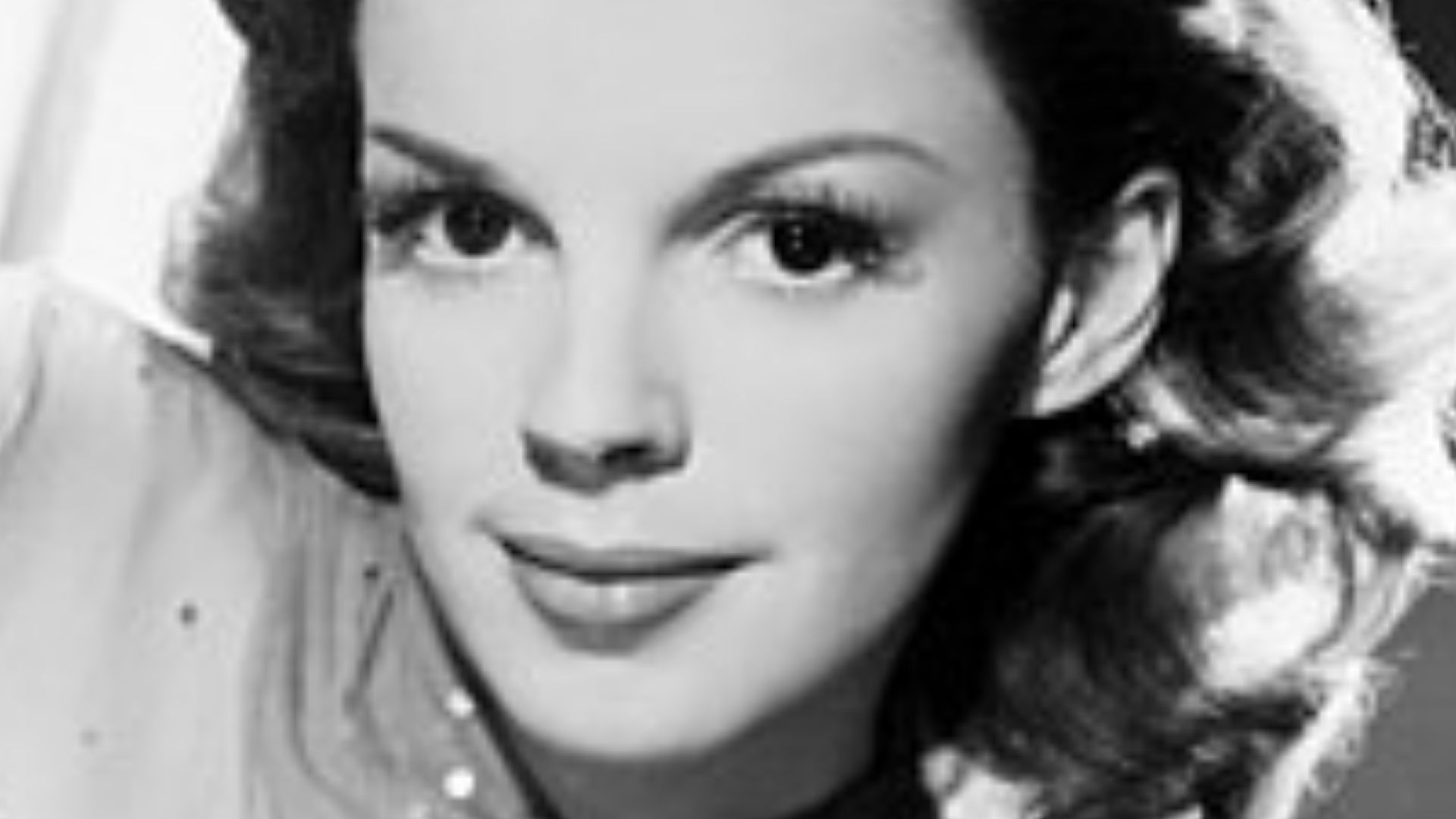
Garland was short, youthful-looking, and didn't fit the glamorous image MGM associated with its leading ladies. Studio executives repeatedly criticized her appearance and particularly her weight. Louis B. Mayer allegedly used cruel nicknames for her, and Garland later remembered a constant battle over what she was allowed to eat. She was surrounded by glamorous actresses while being made to feel that something was wrong with her own appearance. She wasn't even an adult yet.
Then MGM found an even more troubling solution to its supposed “problem.”
9. They Controlled Her Food
Garland's food intake was closely monitored. Accounts describe restrictive diets involving foods such as chicken soup, cottage cheese and black coffee, while studio employees reportedly watched what she ate. Garland later said that from the age of 13, one of her strongest memories was the constant struggle with MGM over eating. This wasn't merely vanity. Her appearance had become a business matter to executives whose profits depended partly on how their young star looked on camera.
Keeping Judy thin, however, was only half the challenge. MGM also wanted her working for astonishingly long hours.
 Unknown authorUnknown author on Wikimedia
10. Hollywood Kept Her Going
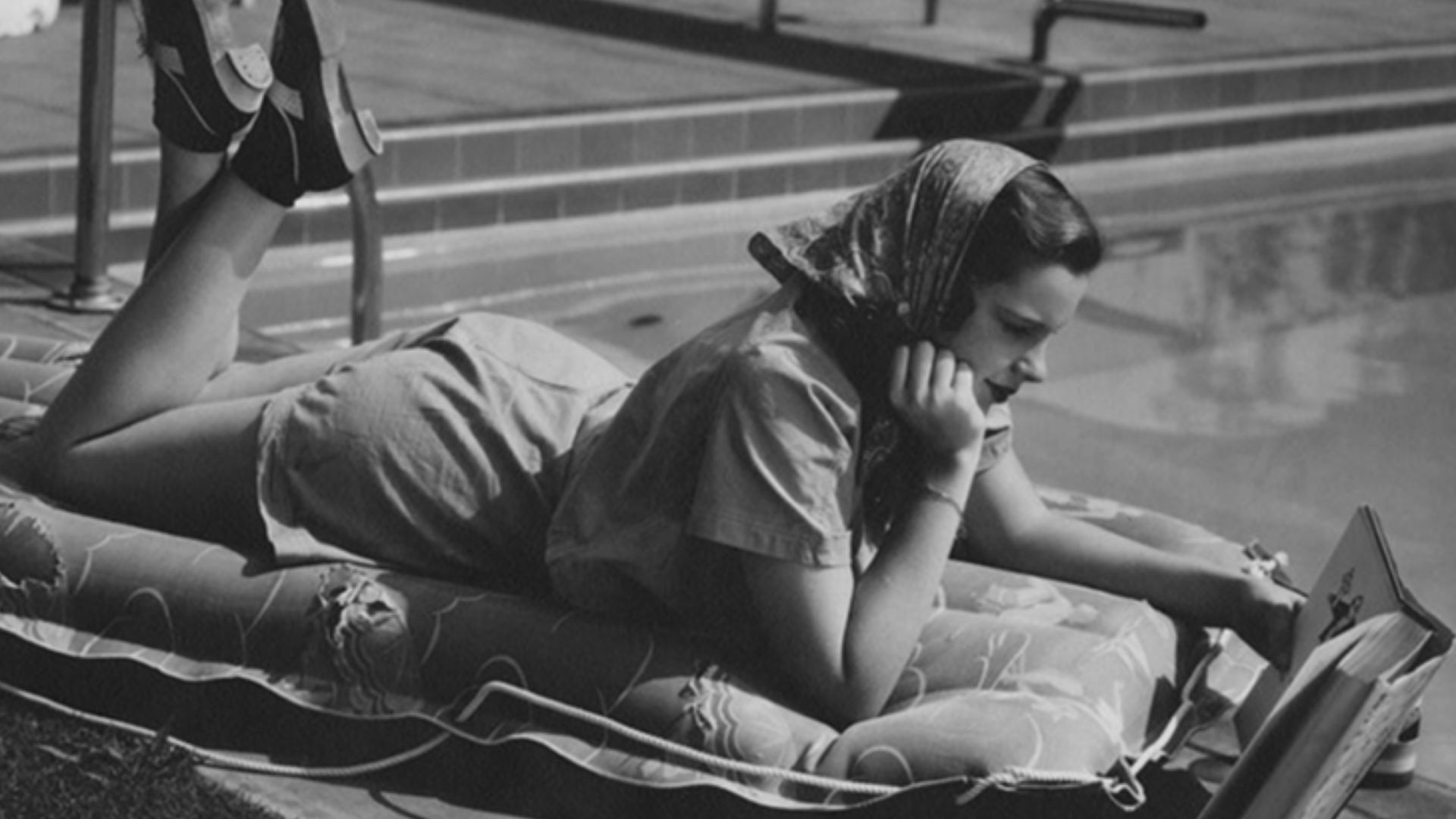
Garland's schedule could be punishing. During particularly busy periods, she might spend hours studying and rehearsing before filming continued late into the night. Garland later described performers being given “pep pills” to stay awake, followed by medication that helped them sleep before the cycle began again. Mickey Rooney, her frequent co-star, experienced similarly demanding schedules. What executives considered an efficient way to keep productions moving had terrible consequences for Garland.
Then, just as her career was beginning to take off, she suffered a devastating personal loss.
 commons.wikimedia.org on Google
11. Her Father Died At The Worst Possible Moment
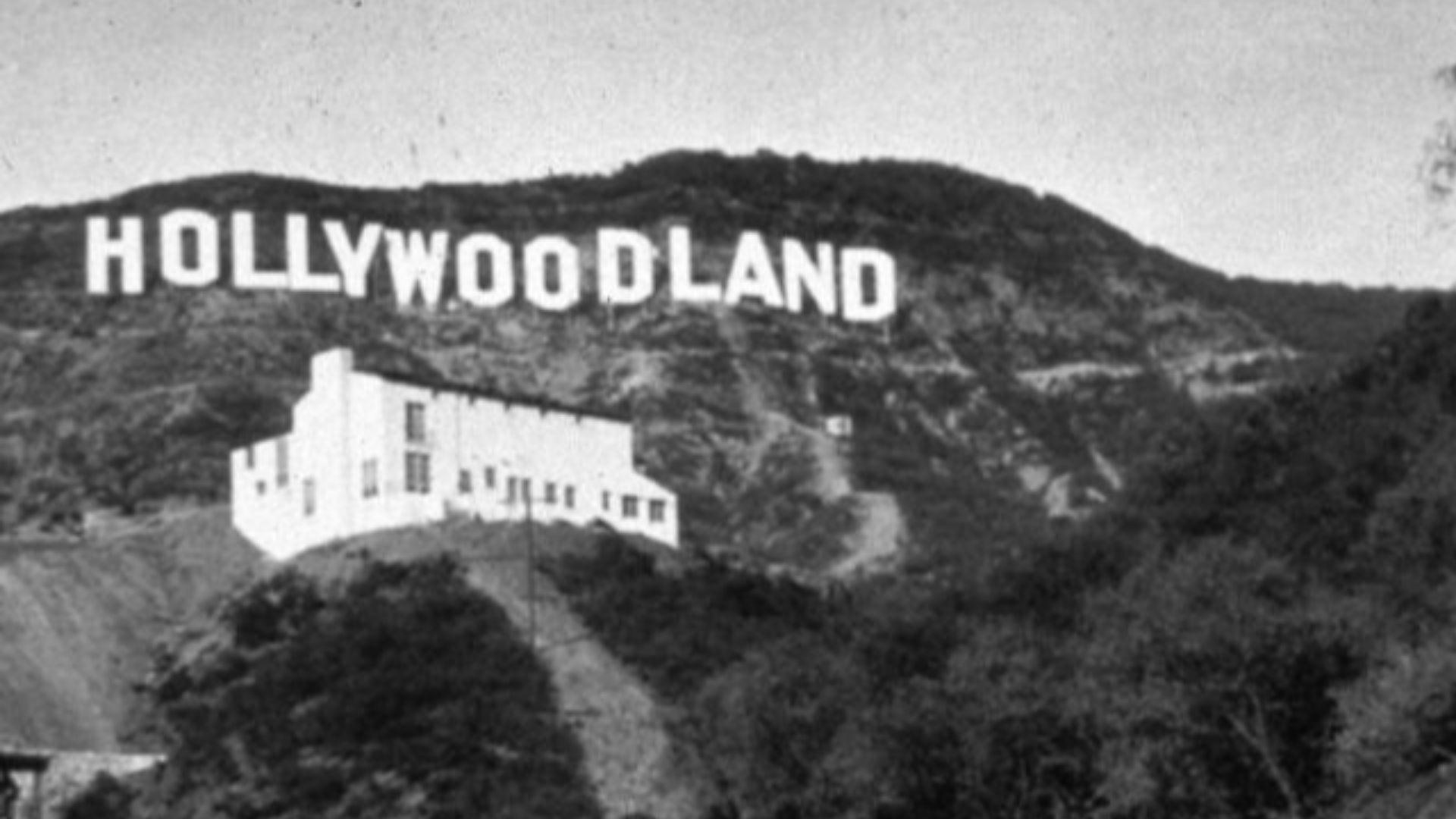
In 1935, Frank Gumm became gravely ill with meningitis. Garland was preparing for an important radio appearance when her beloved father was dying. She went ahead and performed “Zing! Went the Strings of My Heart,” while Frank passed away around the same time. Judy was only 13. The song remained in her repertoire for years afterward, carrying an emotional history audiences could not necessarily see. Frank had been one of the great sources of affection in her childhood.
With him gone, Judy was left increasingly dependent on a mother she deeply resented—and a studio that was about to make her famous.
 commons.wikimedia.org on Google
12. Mickey Rooney Became Her Perfect Partner
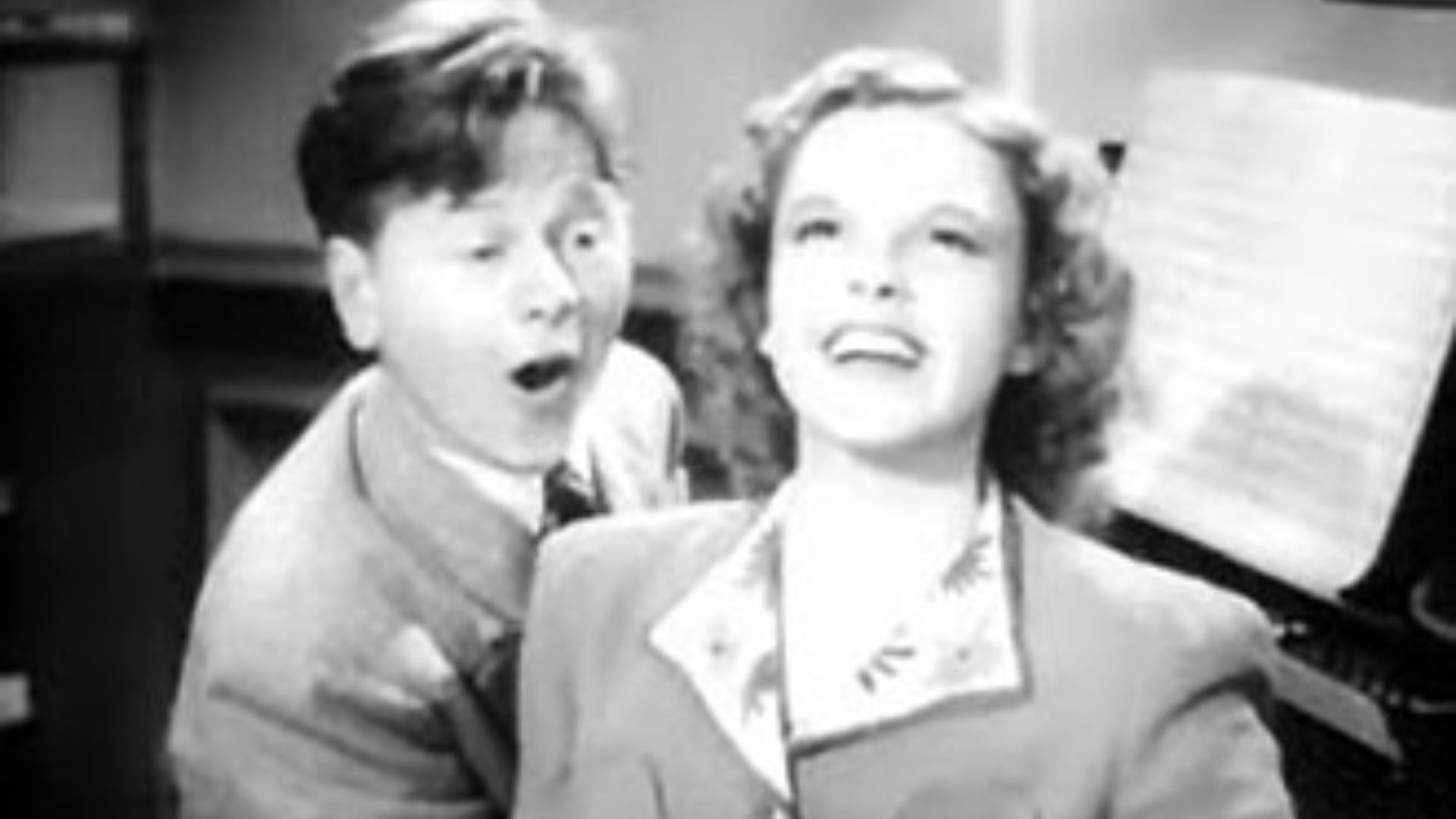
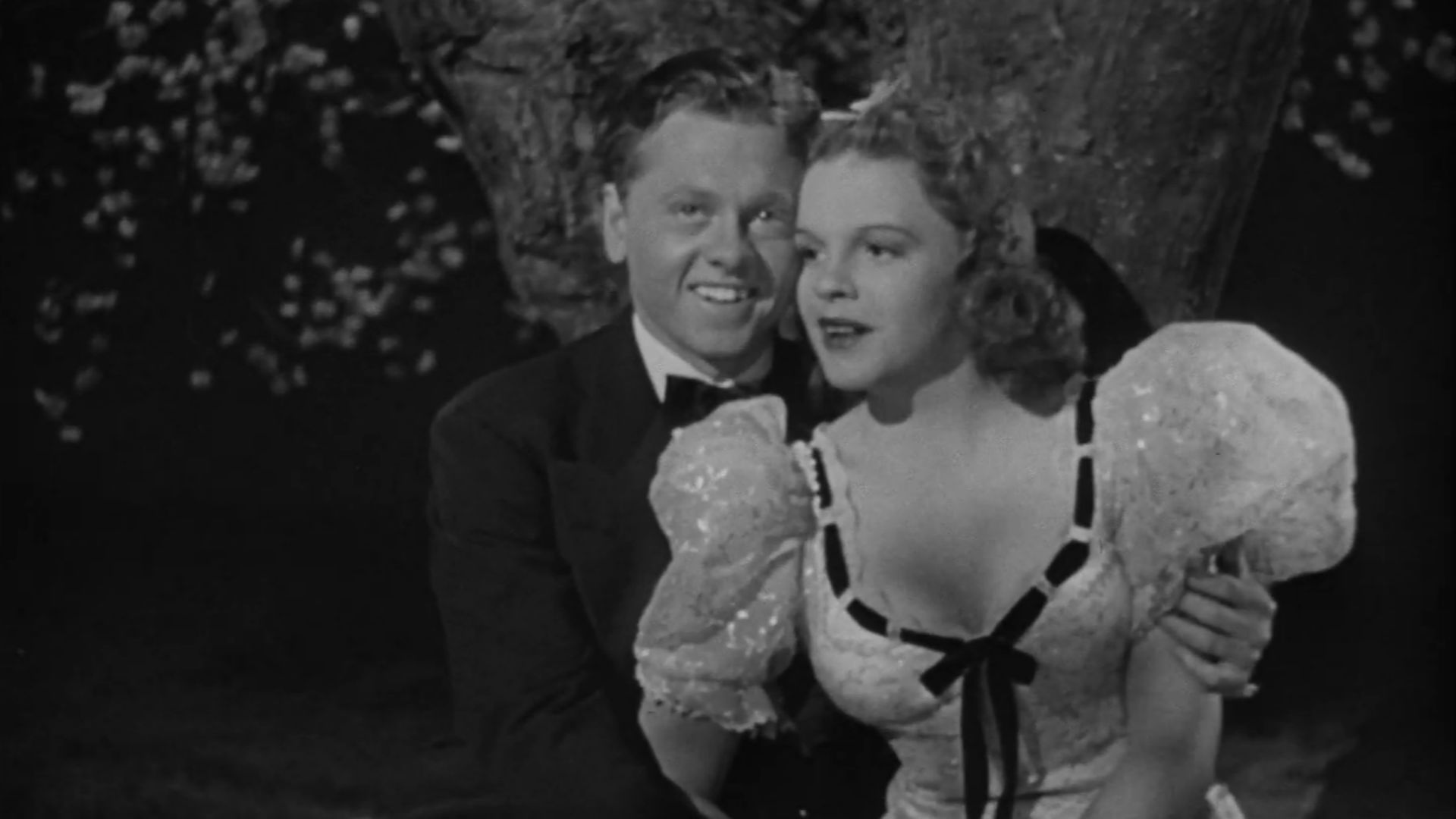
MGM eventually discovered something magical when it paired Garland with Mickey Rooney. Together they embodied an energetic, wholesome version of American adolescence, appearing in movies including Love Finds Andy Hardy and Babes in Arms. Their chemistry delighted audiences, and Rooney became one of Garland's lifelong friends. Behind the scenes, however, these seemingly carefree teenagers were working under extraordinary pressure. Garland could sing, dance, act, and break an audience's heart almost effortlessly.
Soon MGM found the role that would make her immortal—and permanently change the course of her life.
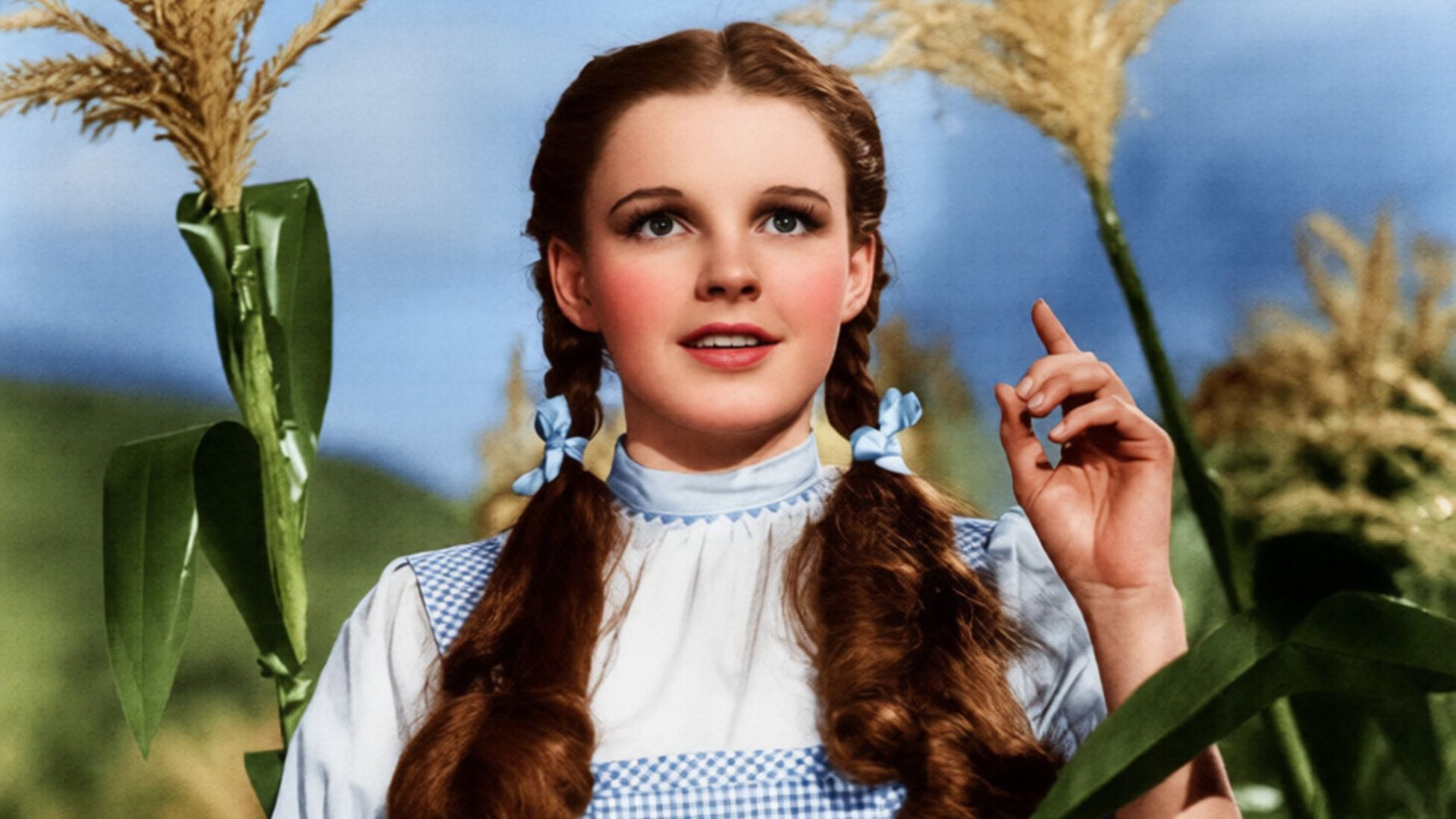
13. Dorothy Made Her A Legend
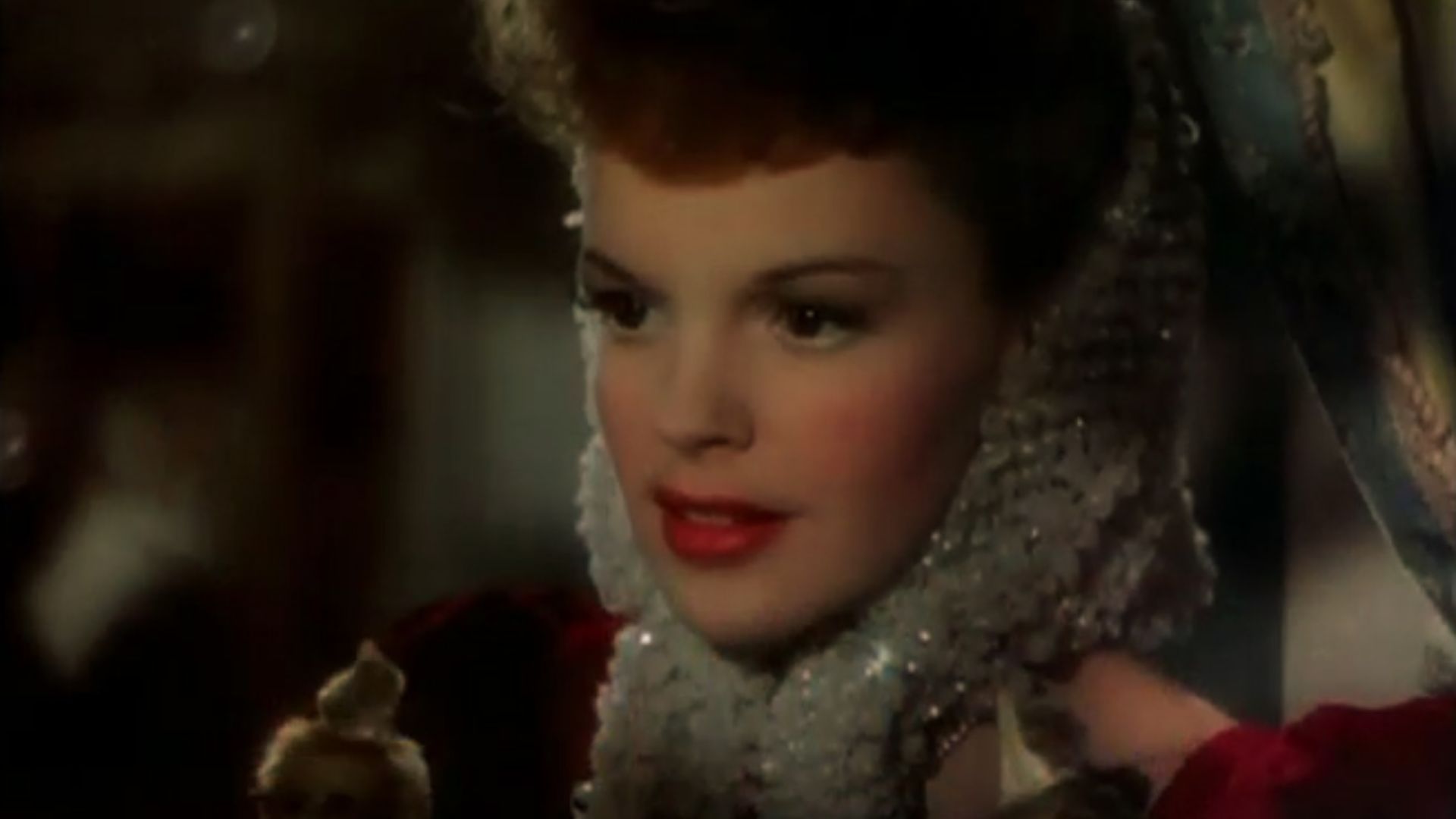
Garland was 16 when production began on The Wizard of Oz, although Dorothy Gale was supposed to seem younger. MGM went to considerable lengths to preserve that girlish appearance, including restrictive costumes and continued scrutiny of Garland's figure. None of it is visible in the performance that emerged. As Dorothy, Garland seemed vulnerable, funny and completely sincere. Most importantly, she sang a song that became inseparable from her identity: “Over the Rainbow.”
The movie eventually became one of Hollywood's most beloved classics. Yet making it was anything but a fairy tale for its teenage star.
 commons.wikimedia.org on Google
14. Oz Came With A Price
During The Wizard of Oz, Garland was already caught in the exhausting pattern of restrictive eating, stimulants for energy and medication for sleep. The young woman audiences saw skipping down the Yellow Brick Road was working inside an extraordinarily demanding studio system. Garland later spoke openly about how normal this treatment seemed within Hollywood at the time. The movie brought her international fame and a special Academy Award, but the habits encouraged during these years did not disappear when filming stopped.
And Garland later said that pills weren't the only disturbing behavior she encountered from powerful men at MGM.
 commons.wikimedia.org on Google
15. She Made Serious Accusations
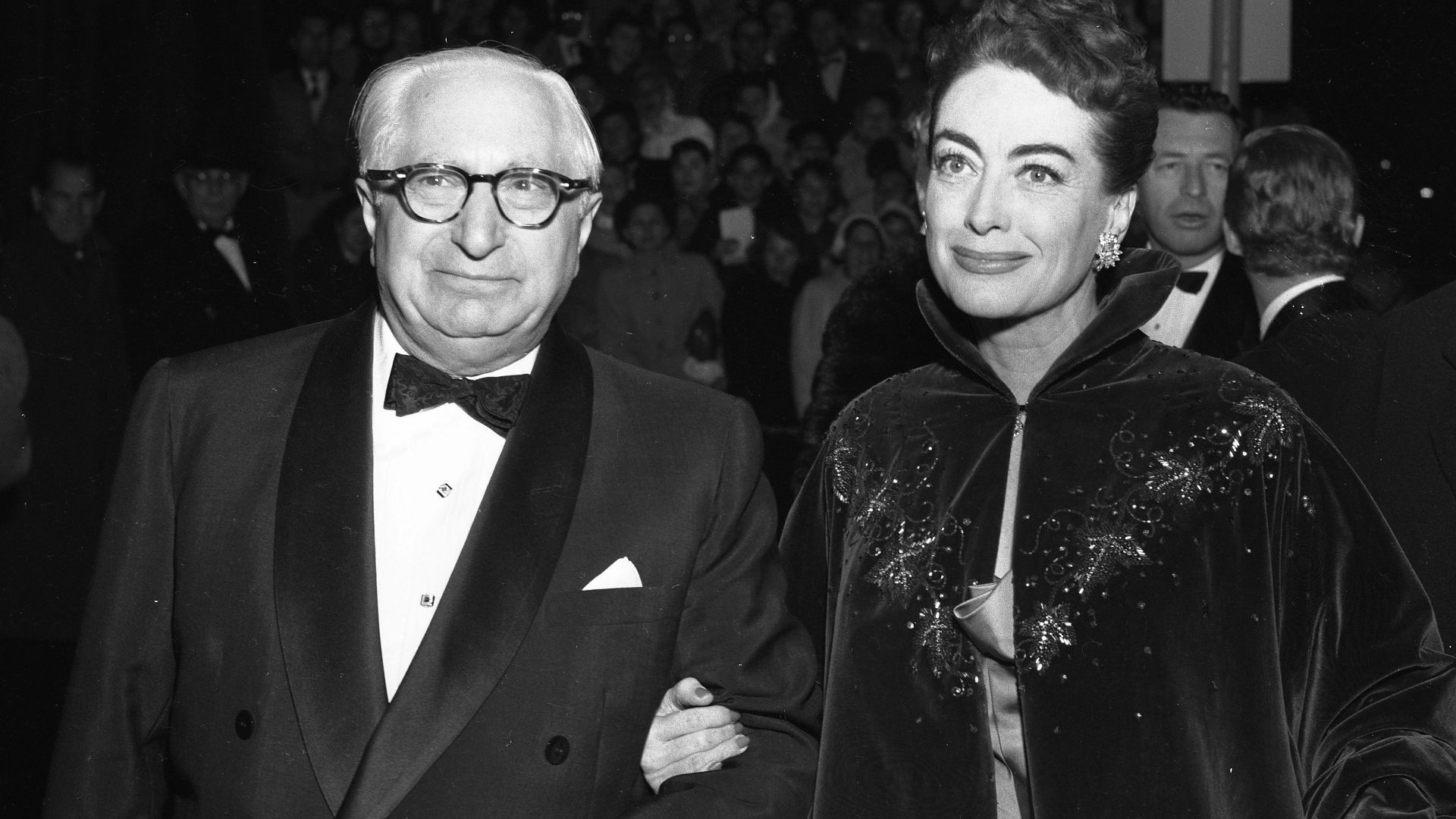
Later in life, Garland alleged that MGM executives subjected her to unwanted advances, including studio boss Louis B. Mayer. She claimed that Mayer behaved inappropriately toward her while supposedly discussing her singing. Garland also indicated that he was not the only executive who tried to take advantage of her. These incidents paint a grim picture of the vulnerability of a teenage star surrounded by powerful older men.
Yet to the public, Judy Garland's life looked increasingly enchanted.
 Los Angeles Times on Wikimedia
16. America Fell In Love With Her
After Oz, Garland became one of MGM's most valuable performers. She made successful musicals, continued working with Mickey Rooney and graduated into more adult roles. Audiences loved the emotional quality of her singing: Judy didn't merely perform a sad song; she seemed to live inside it. That ability would ultimately sustain her long after Hollywood stopped knowing what to do with her. But during the early 1940s, she was still a young woman trying to create a private life inside a studio system that controlled almost everything.
At 19, she made one of her first major attempts to escape that control.
17. She Eloped
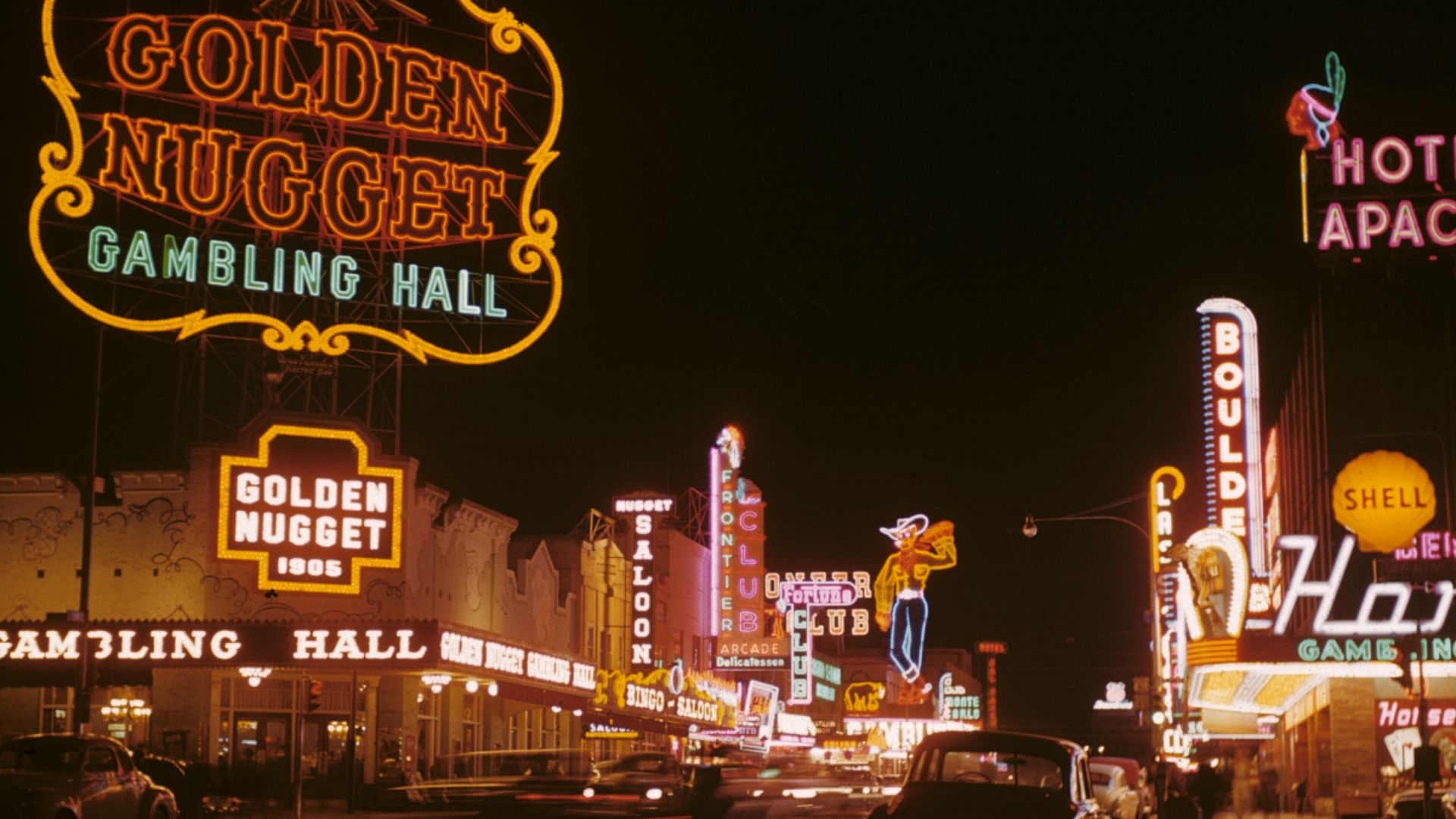
Garland fell for composer and bandleader David Rose, who was 12 years older than she was. Her mother and MGM reportedly disapproved of the relationship, fearing what marriage might do to Judy's wholesome image and valuable career. Garland responded dramatically. In July 1941, the 19-year-old star eloped with Rose in Las Vegas. After spending much of her childhood obeying adults who dictated how she worked, ate and looked, marriage may have seemed like a declaration of independence.
Instead, her first marriage brought another deeply painful confrontation over who controlled Judy Garland's life.
 commons.wikimedia.org on Google
18. Her Pregnancy Became A Studio Problem
Garland became pregnant during her marriage to Rose. According to biographical accounts, Rose, Garland's mother and studio figures pressured her to end the pregnancy because motherhood could interfere with her career. Such intervention was not unheard of in an era when studios exercised enormous control over stars' private lives. Garland complied, but her marriage did not become the refuge she may have hoped for. She and Rose separated and eventually divorced in 1944.
By then another man had entered Judy's world—and this relationship would give her something she desperately wanted.
19. She Fell For Her Director
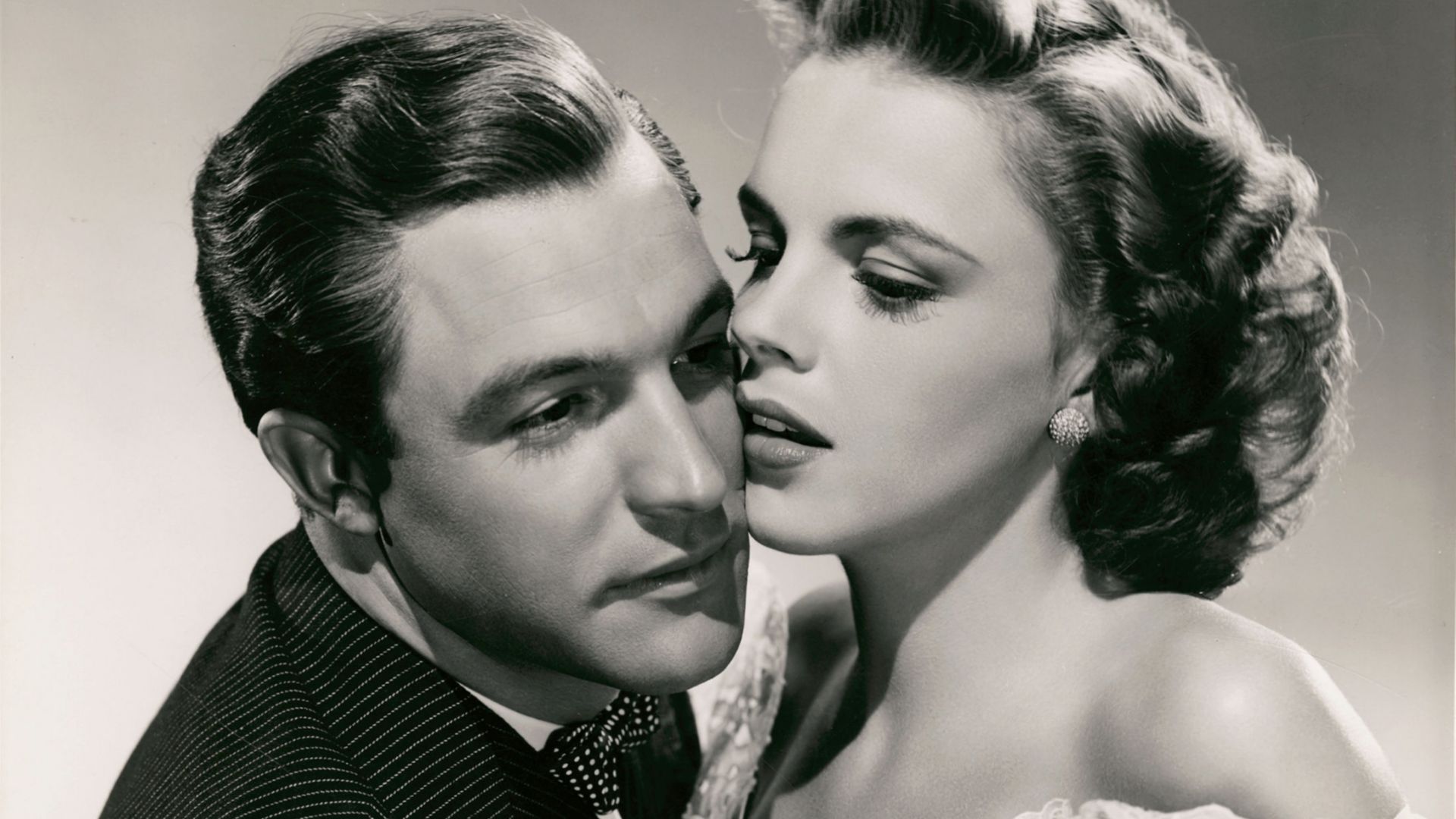
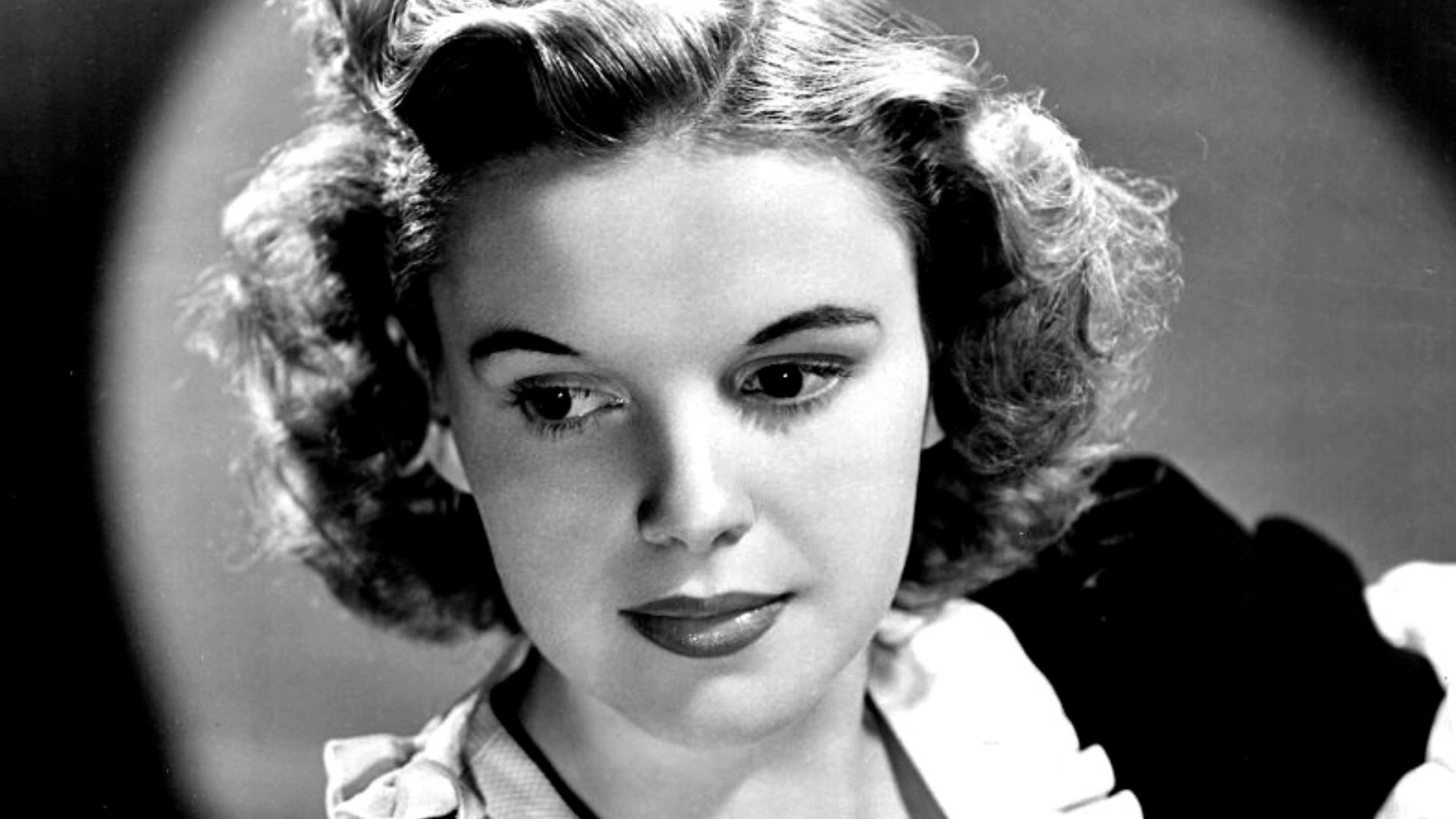
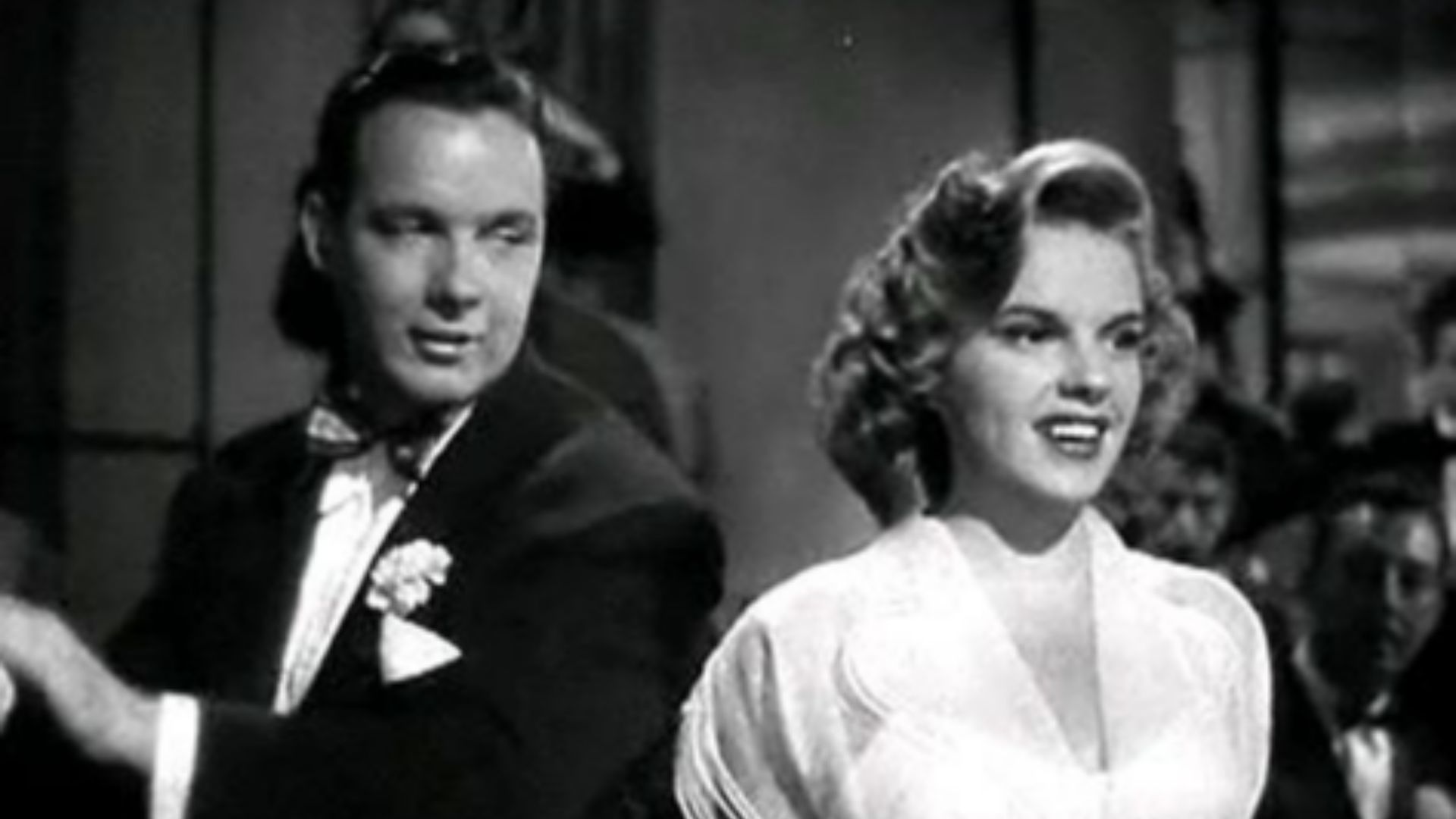
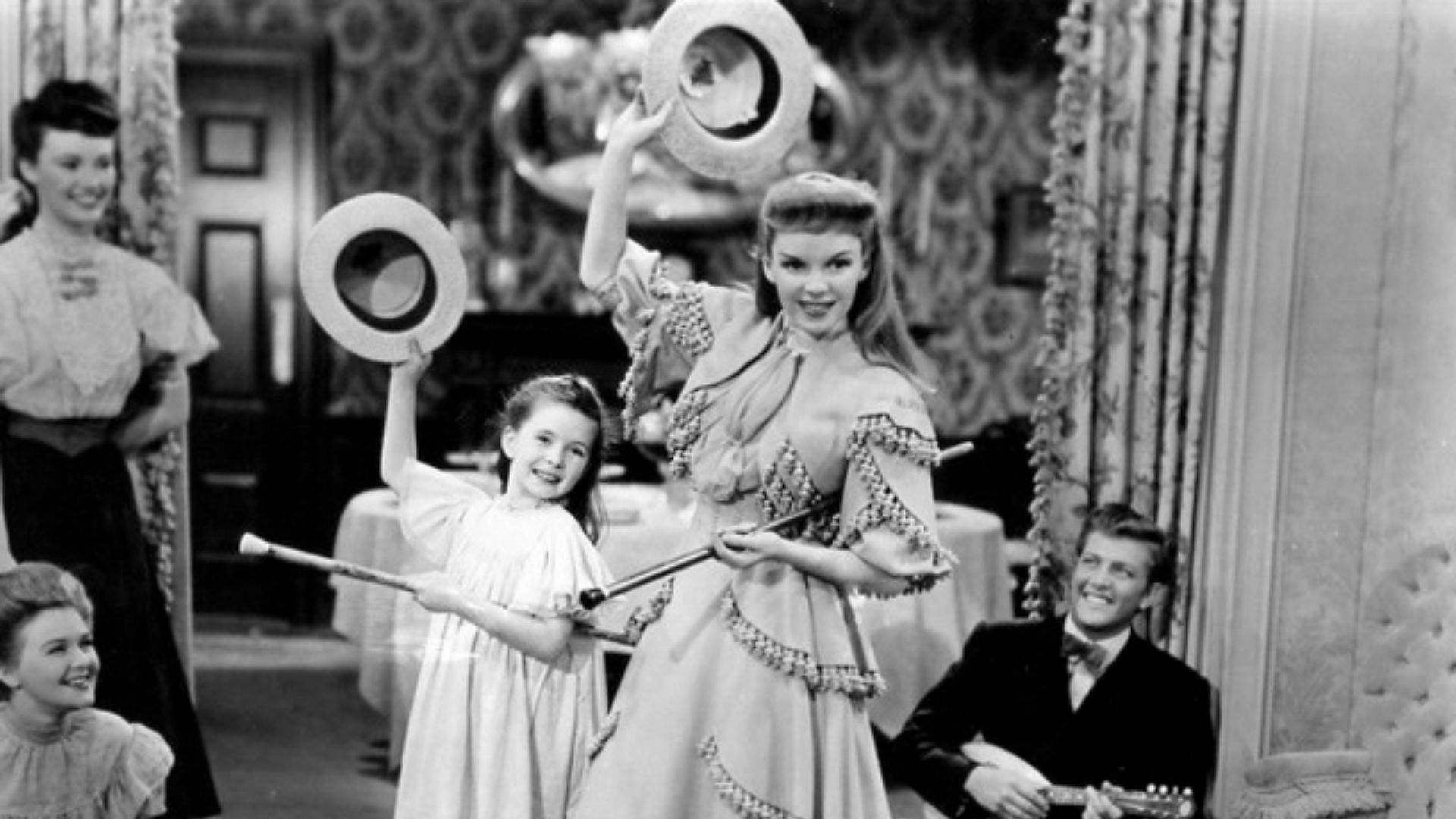
While making Meet Me in St. Louis, Garland worked with director Vincente Minnelli. Their relationship became romantic, and the movie itself marked an important transformation in Judy's screen image. Minnelli photographed her beautifully and helped present her as a sophisticated young woman rather than MGM's eternally awkward girl next door. The results were dazzling. Garland and Minnelli married in June 1945, less than a year after her divorce from Rose.
For once, Garland seemed to have both professional triumph and romantic happiness. Then came the person who would become perhaps the greatest joy of her life.
 Metro-Goldwyn-Mayer (MGM) (today available at Warner Home Video) on Wikimedia
20. Liza Arrived
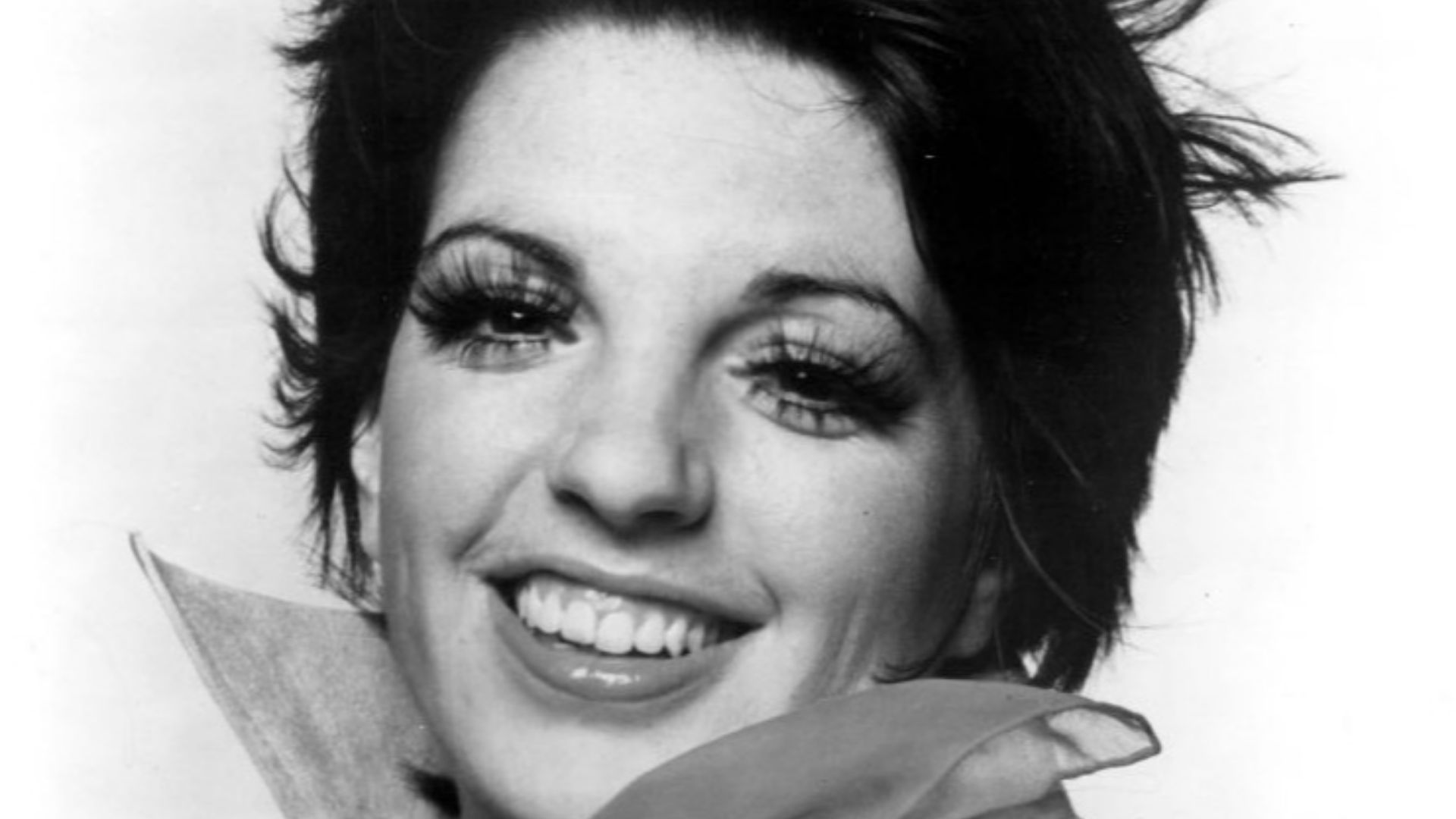
On March 12, 1946, Judy gave birth to Liza Minnelli. The child inherited an extraordinary entertainment pedigree, and would eventually become an Oscar-winning star herself. For Judy, motherhood offered an emotional role far removed from the manufactured families of MGM musicals. Yet Garland's personal struggles didn't vanish. The relentless work, years of medication and enormous pressure continued taking their toll. Even a loving husband and adored daughter couldn't magically undo what had happened during her adolescence.
Before long, the cracks began showing in ways Hollywood could no longer hide.
 Creative Management Associates (CMA) on Wikimedia
21. She Started Breaking Down
During production of The Pirate in 1947, Garland's condition deteriorated badly. She missed shooting days, struggled emotionally and eventually required treatment away from the studio. Biographical accounts describe a nervous breakdown during this period and increasingly erratic behavior as prescription medication and exhaustion complicated her fragile health. Yet MGM still needed its expensive star to finish movies. Garland eventually returned and completed The Pirate, but the old system—push Judy until she collapsed, then patch her up and send her back—was becoming impossible to sustain.
Soon her troubles became even more frightening.
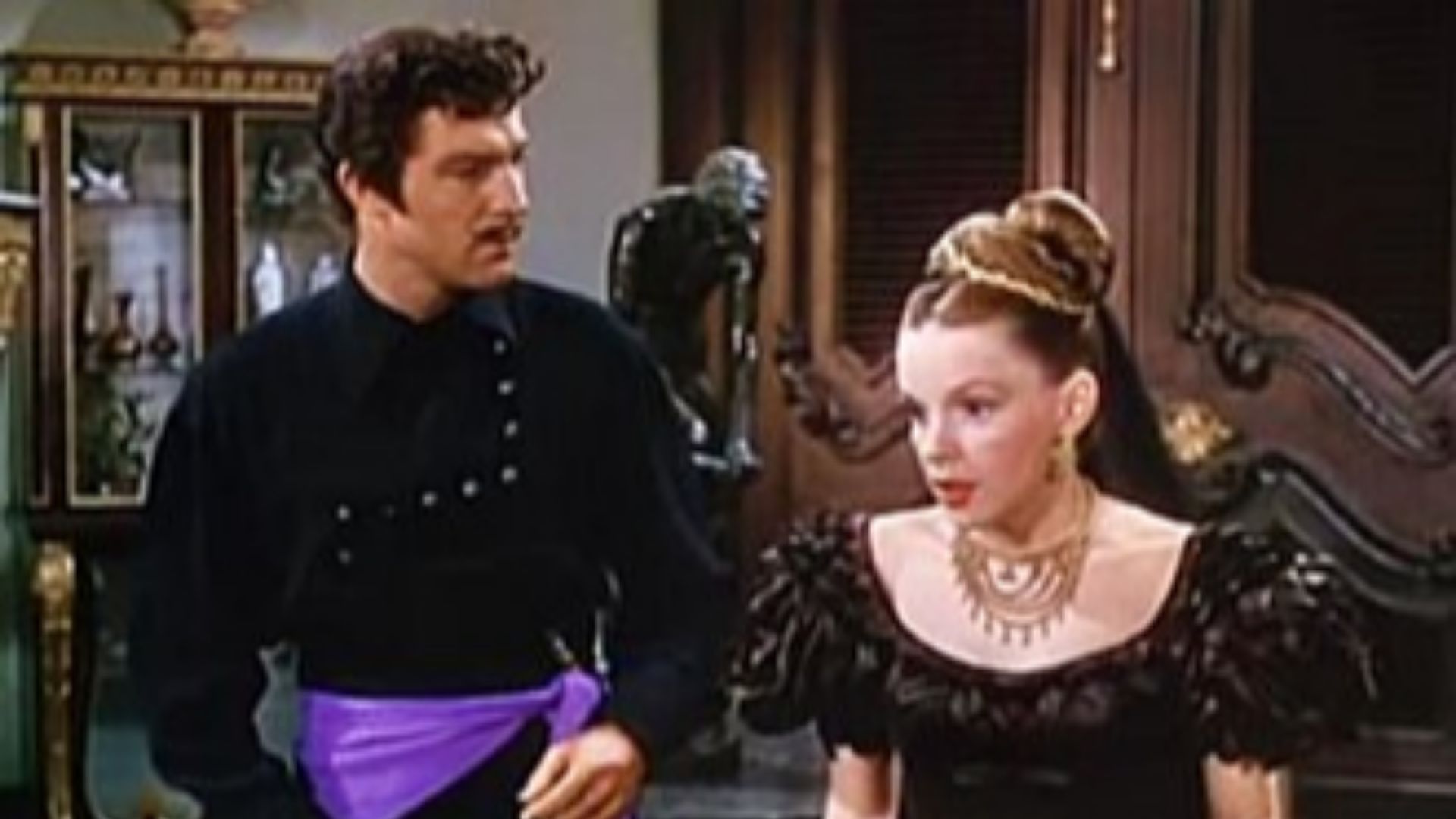
22. She Reached A Terrible Low
Garland experienced severe emotional crises in the late 1940s and reportedly made attempts to take her own life. The smiling young woman from The Wizard of Oz was now struggling desperately behind closed doors. Her health problems repeatedly interrupted productions, creating tension with MGM and feeding damaging publicity. It became increasingly difficult to separate cause from consequence: the studio pressure worsened Judy's condition, while her condition made it harder to satisfy the studio.
Eventually MGM—the company that had controlled most of Garland's life since she was 13—decided it had had enough.
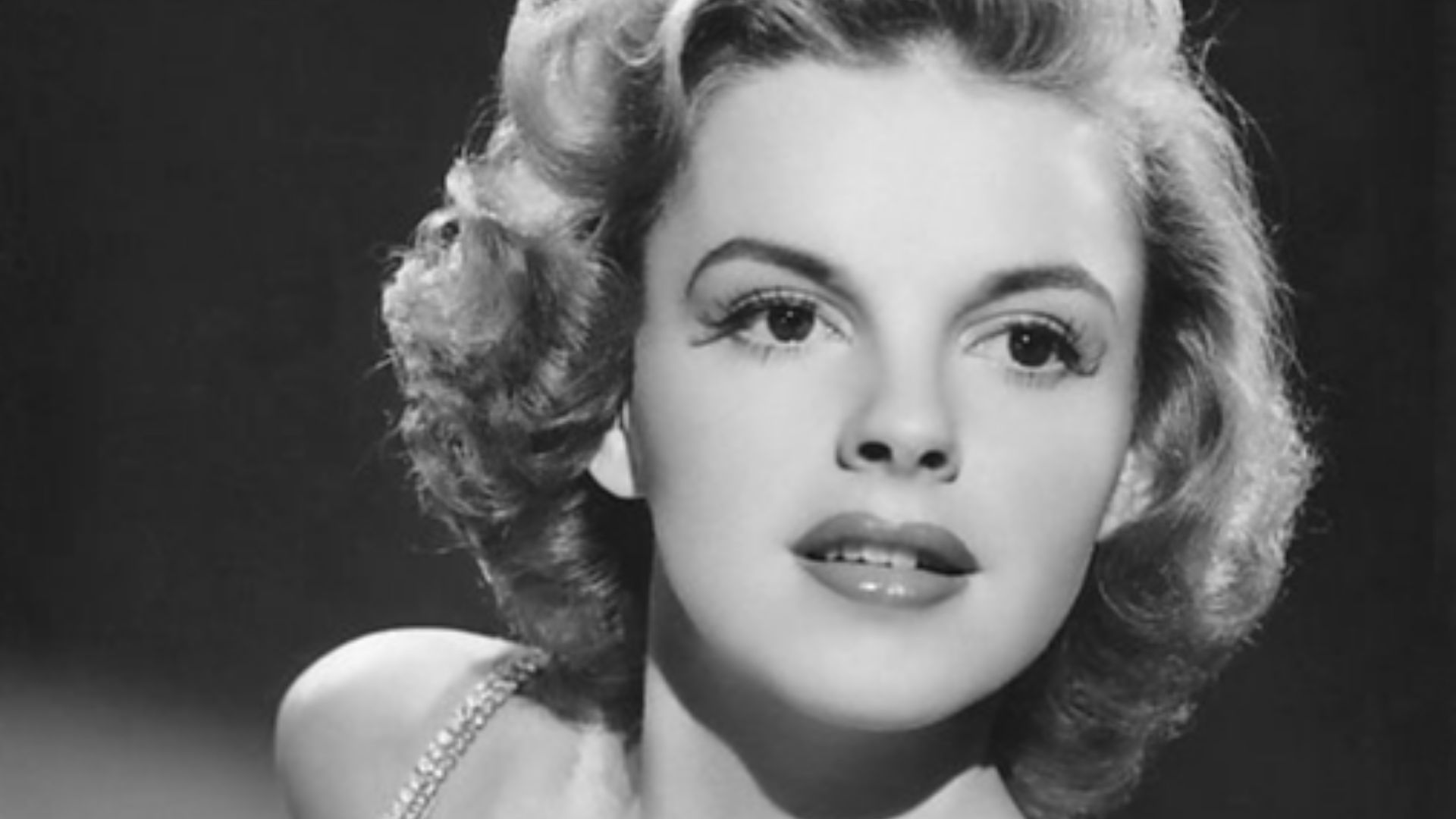
23. MGM Fired Her
Garland's final years at MGM became a cycle of attempted productions, absences, exhaustion and dismissal from projects. In 1950, the studio finally terminated her contract. Garland had spent approximately 15 years growing up on MGM soundstages and had made more than two dozen films there. Now, at only 28, she was out. To Hollywood executives, she increasingly looked unreliable. To Garland, the institution that had made her famous had suddenly abandoned her.
It could have been the end of her career. Instead, Judy Garland discovered something astonishing: she didn't actually need MGM.
 commons.wikimedia.org on Google
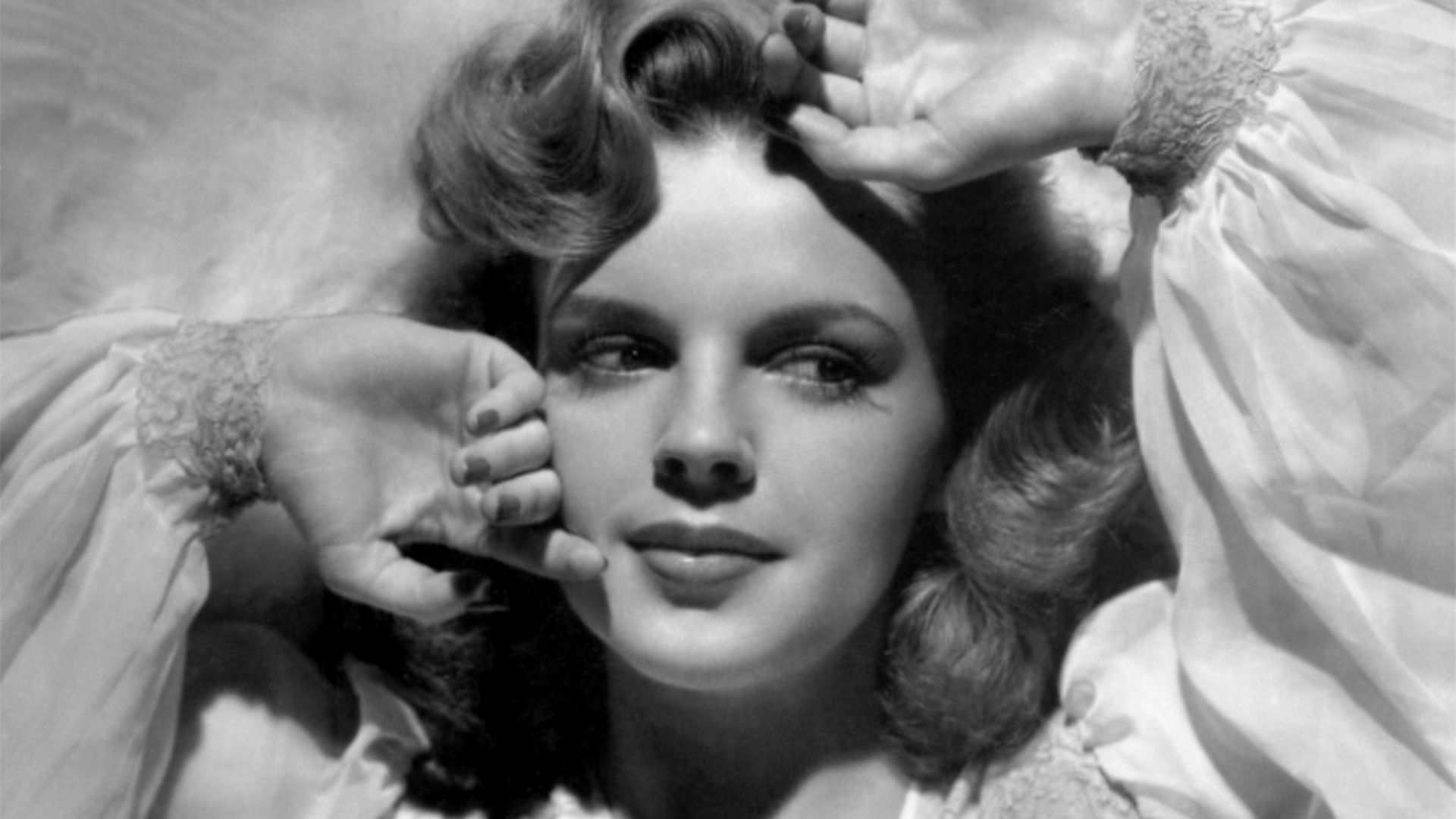
24. The Audience Saved Her
Garland turned toward live performance, where there were no retakes, studio executives or camera angles to protect her. It proved to be exactly where she belonged. In 1951, she opened at London's Palladium and then returned triumphantly to New York's Palace Theatre. Her Palace engagement became a sensation, running for 19 weeks and breaking box-office records. The supposedly washed-up former movie star had reinvented herself as one of the most electrifying live entertainers in the world.
Garland would joke about making endless comebacks. But this first great comeback also brought a new man into her life.
 Eric Carpenter for en:Metro-Goldwyn-Mayer on Wikimedia
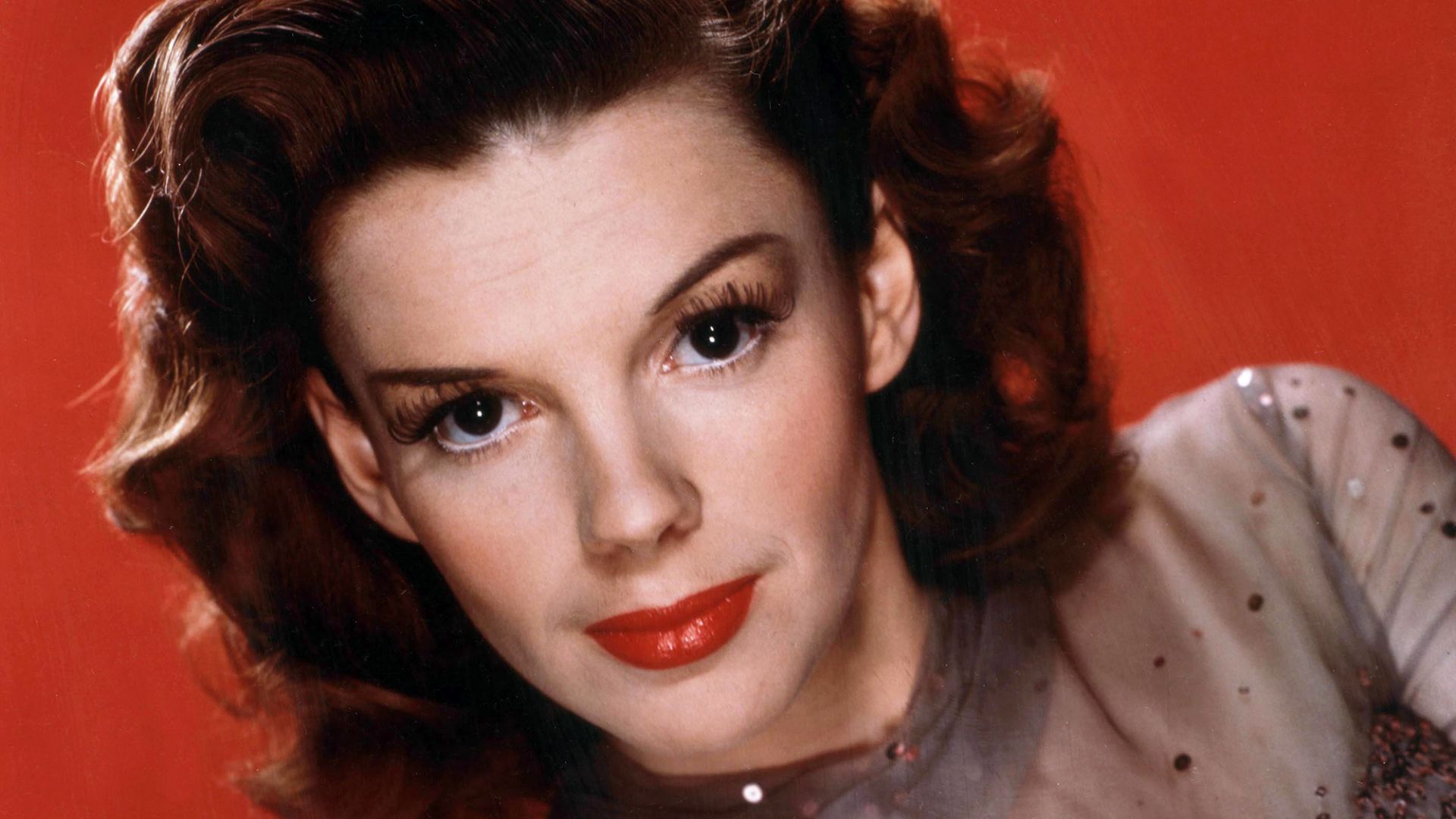
25. Sid Luft Saw Something In Her
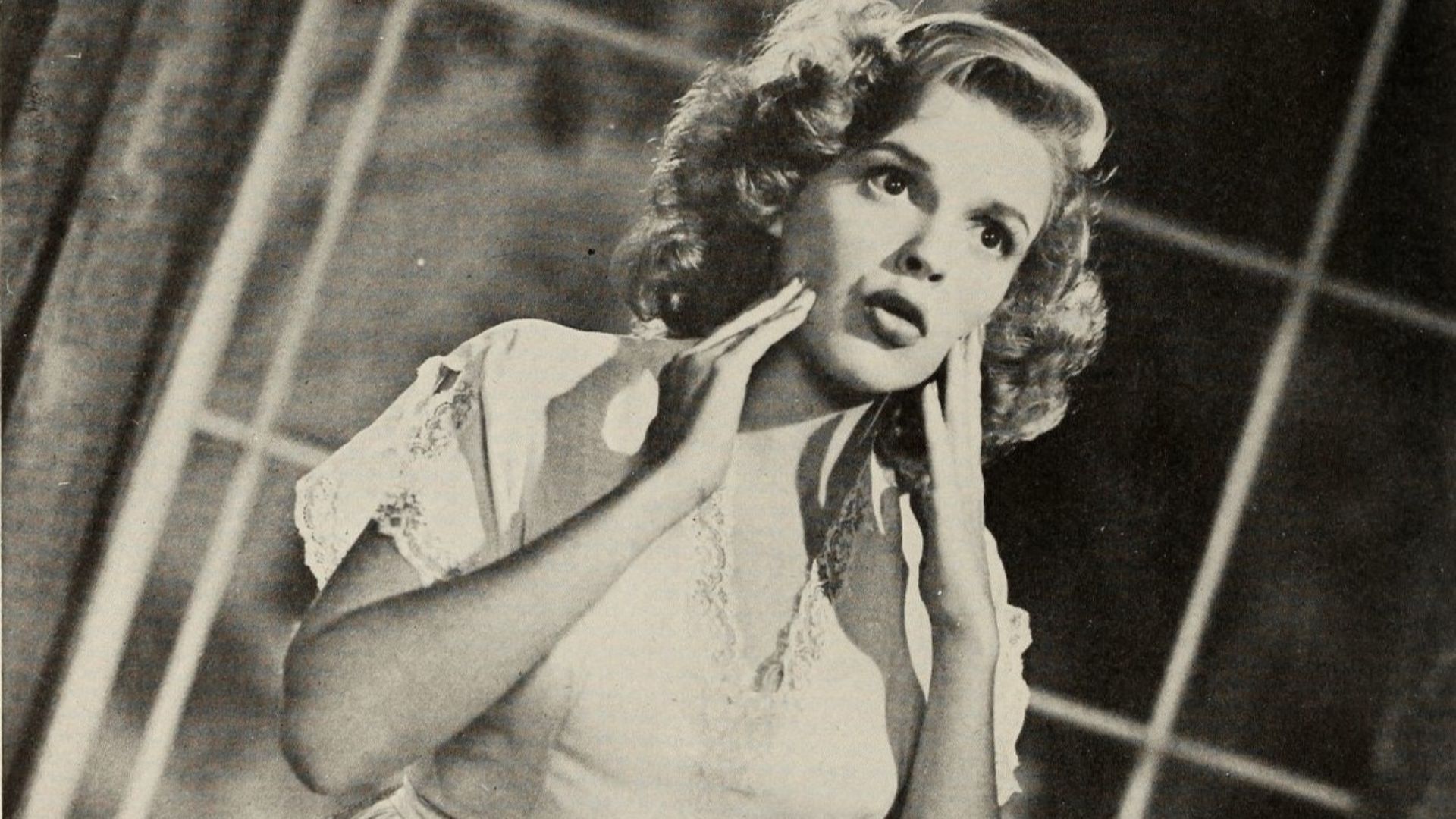
Producer Sid Luft met Garland during one of the lowest periods of her life and became both a romantic partner and a driving force behind her professional resurgence. Garland was still married to Vincente Minnelli when the relationship with Luft began. She and Minnelli divorced in 1951, and Judy married Luft the following year. Unlike Garland's first two husbands, Luft became deeply involved in managing her career. Their partnership would produce spectacular successes—and a marriage filled with increasingly bitter conflict.
At first, though, Judy was building the family she had always seemed to crave.
 commons.wikimedia.org on Google
26. She Became A Mother Again
Garland and Luft welcomed daughter Lorna in November 1952 and son Joey in March 1955. Judy now had three children: Liza with Minnelli, and Lorna and Joey with Luft. Photographs of the family could look wonderfully conventional, but life around Garland was rarely simple. Her unpredictable health and dependence on medication created instability at home, while Luft increasingly occupied the overlapping roles of husband, manager and producer.
Professionally, however, Luft helped arrange one of Garland's greatest opportunities—a movie whose story bore an uncomfortable resemblance to her own.
27. A Star Was Reborn
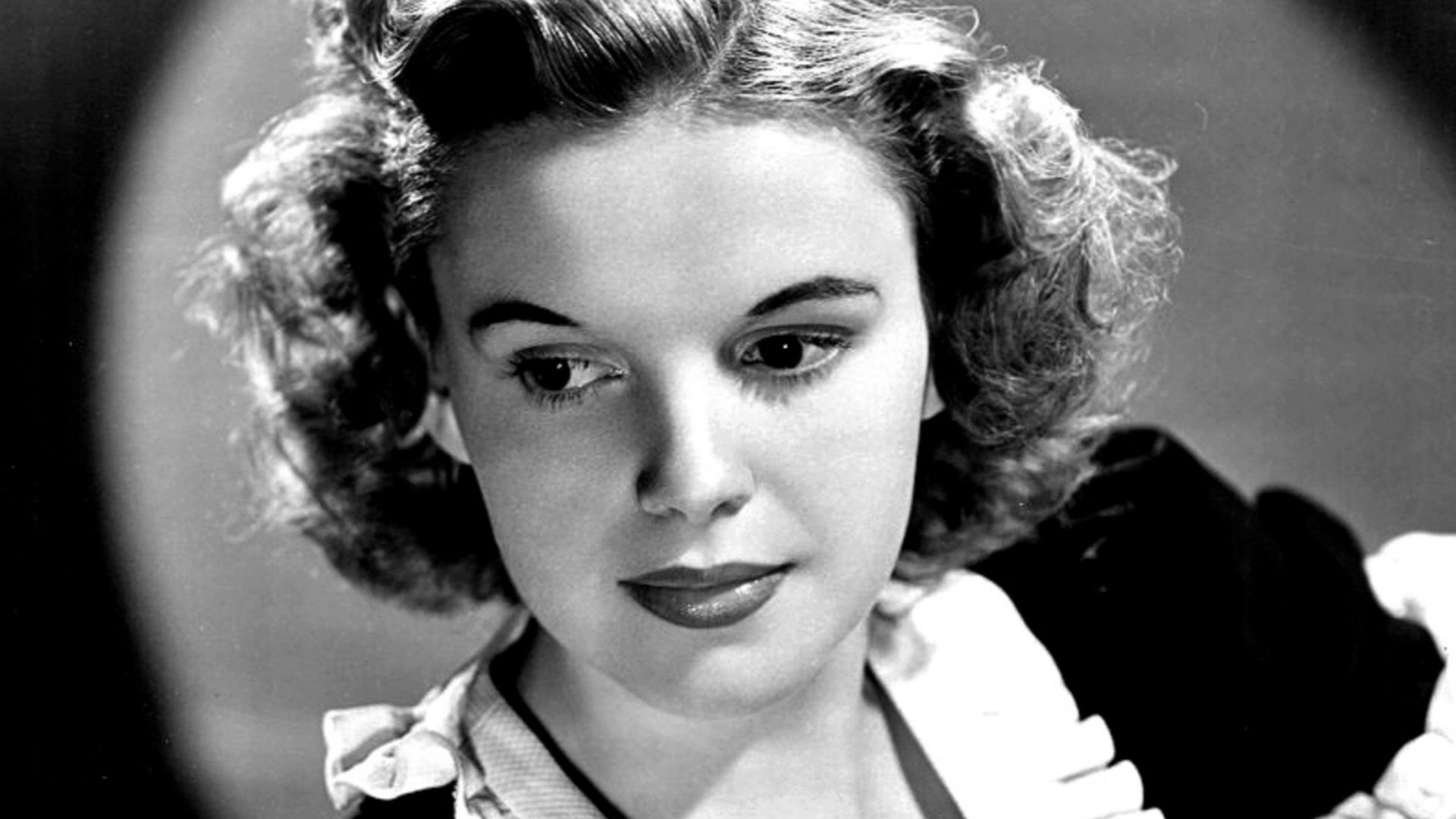
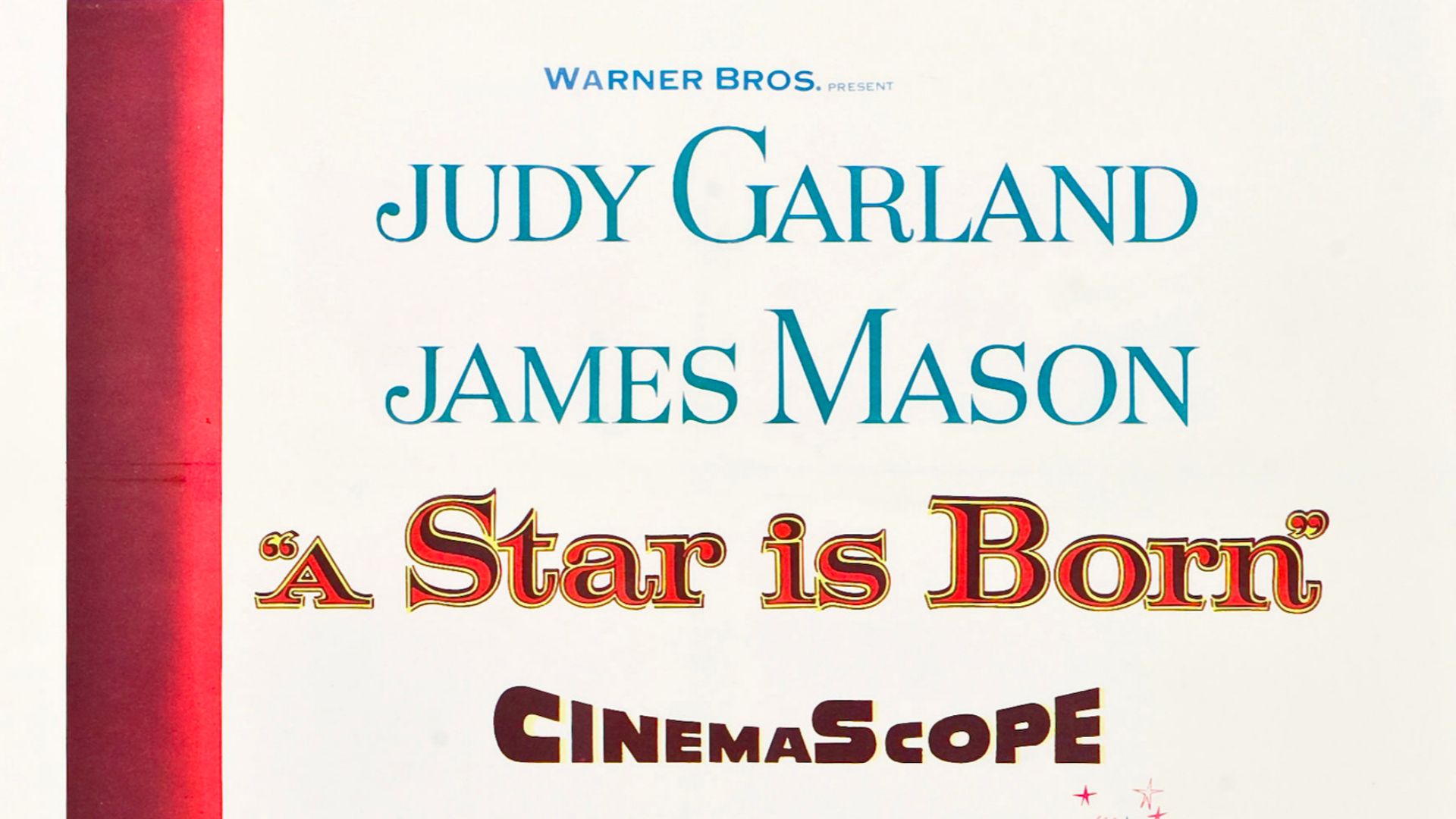
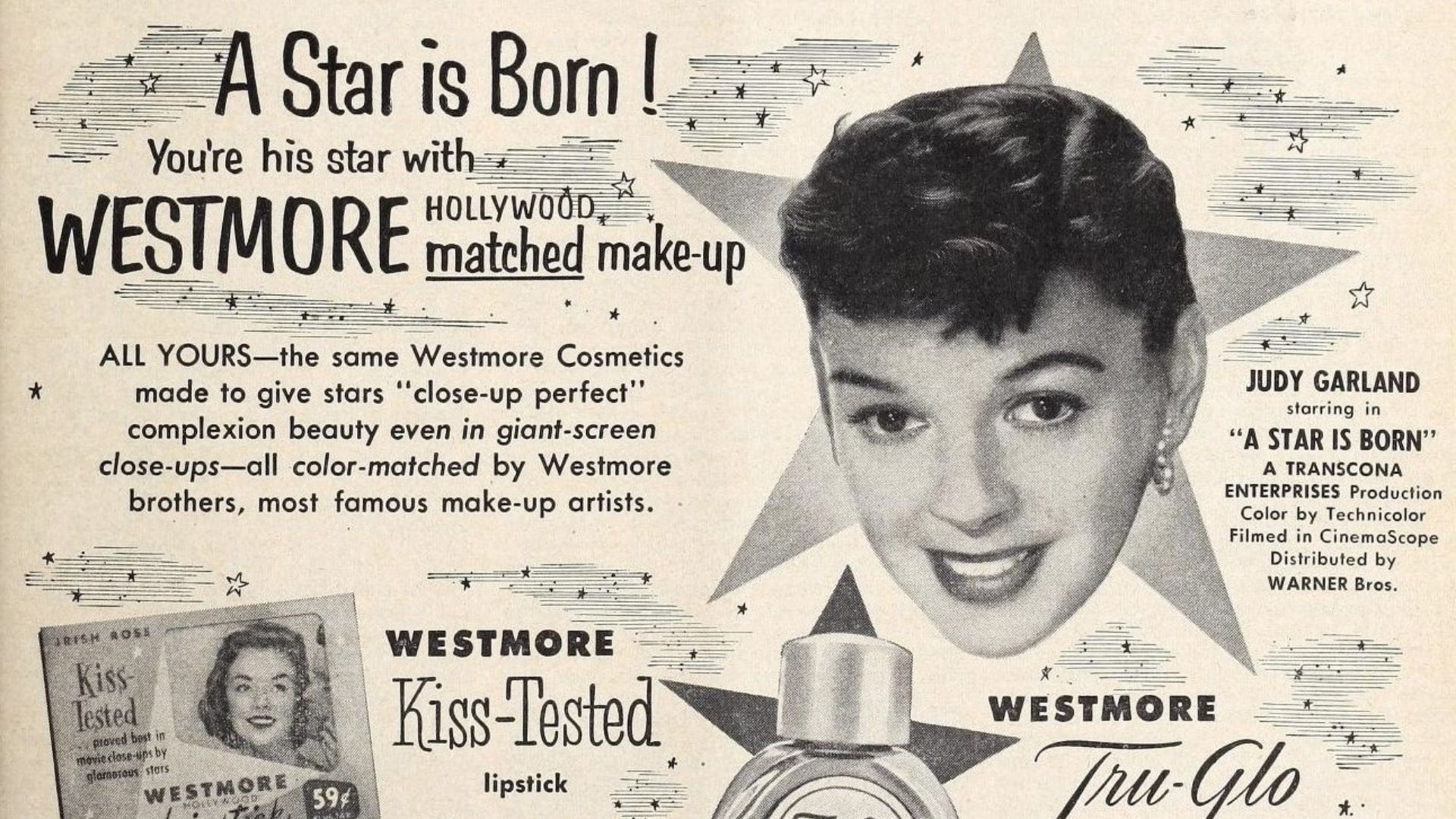
Garland returned to movies in 1954 with A Star Is Born. She played Esther Blodgett, a gifted performer who rises to fame while the man she loves falls apart. Garland poured enormous emotion into the role, and many critics considered it the performance of her career. The production itself was difficult and expensive, but when the film premiered, Judy appeared to have achieved the impossible: she was once again a major Hollywood star.
Then came Oscar night—and one of the most famous disappointments of Garland's career.
 commons.wikimedia.org on Google
28. Everyone Expected Her To Win
Garland received an Academy Award nomination for Best Actress for A Star Is Born. She had recently given birth and couldn't attend the ceremony, so television cameras were reportedly positioned at the hospital in anticipation of capturing her victory. Then Grace Kelly won for The Country Girl. Garland's loss became legendary among movie fans, particularly because so many believed A Star Is Born represented both a magnificent performance and an extraordinary comeback. Judy did win a Golden Globe, but the Oscar never came.
Luckily, Garland was about to prove that she could achieve something Hollywood awards couldn't measure.
29. She Became A Live Sensation
By the mid-1950s, Garland's concert career was booming. She returned to the Palace Theatre, performed in Las Vegas and toured internationally. In 1956, her Las Vegas debut reportedly made her the highest-paid entertainer there at the time. The woman MGM once worried audiences might not find glamorous enough could now command enormous fees simply by walking onto a stage and singing. Live audiences responded to something movies had only partly captured: Garland's vulnerability made every performance feel dangerously personal.
But while audiences adored her, Judy's body was beginning to rebel.
30. Doctors Gave Her Devastating News
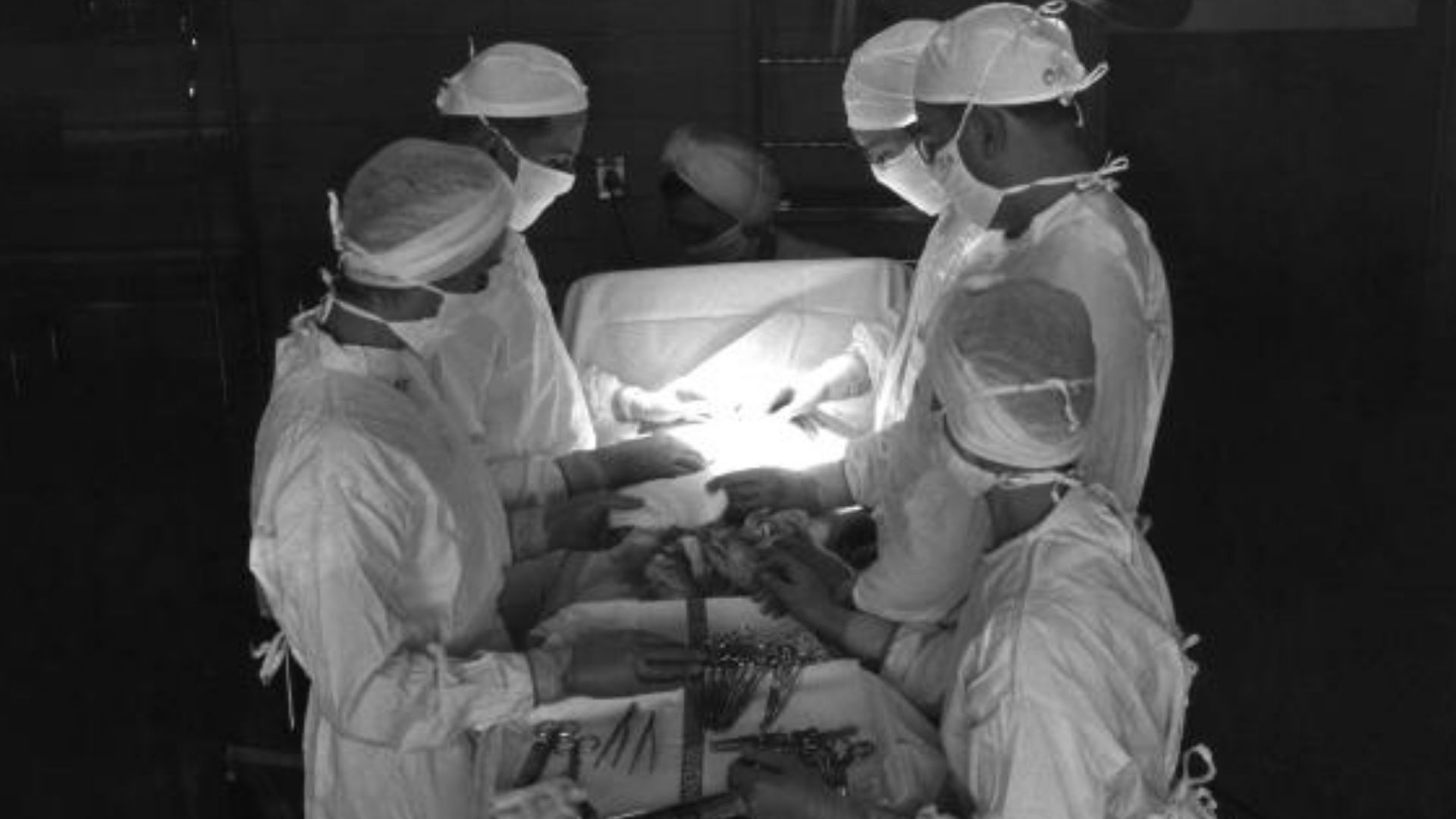
In November 1959, Garland entered a New York hospital suffering from hepatitis. Her condition was serious enough that she was reportedly told she might never work again and could remain a semi-invalid. For a woman who had been performing since she was two, losing the stage meant losing more than income. Performing was deeply tied to Garland's identity. Yet anyone who believed illness had finally ended her career badly underestimated her capacity for resurrection.
Less than two years later, Judy Garland walked onto one of America's most prestigious stages and made history.
 www.publicdomainfiles.com on Google
31. Carnegie Hall Became Her Night
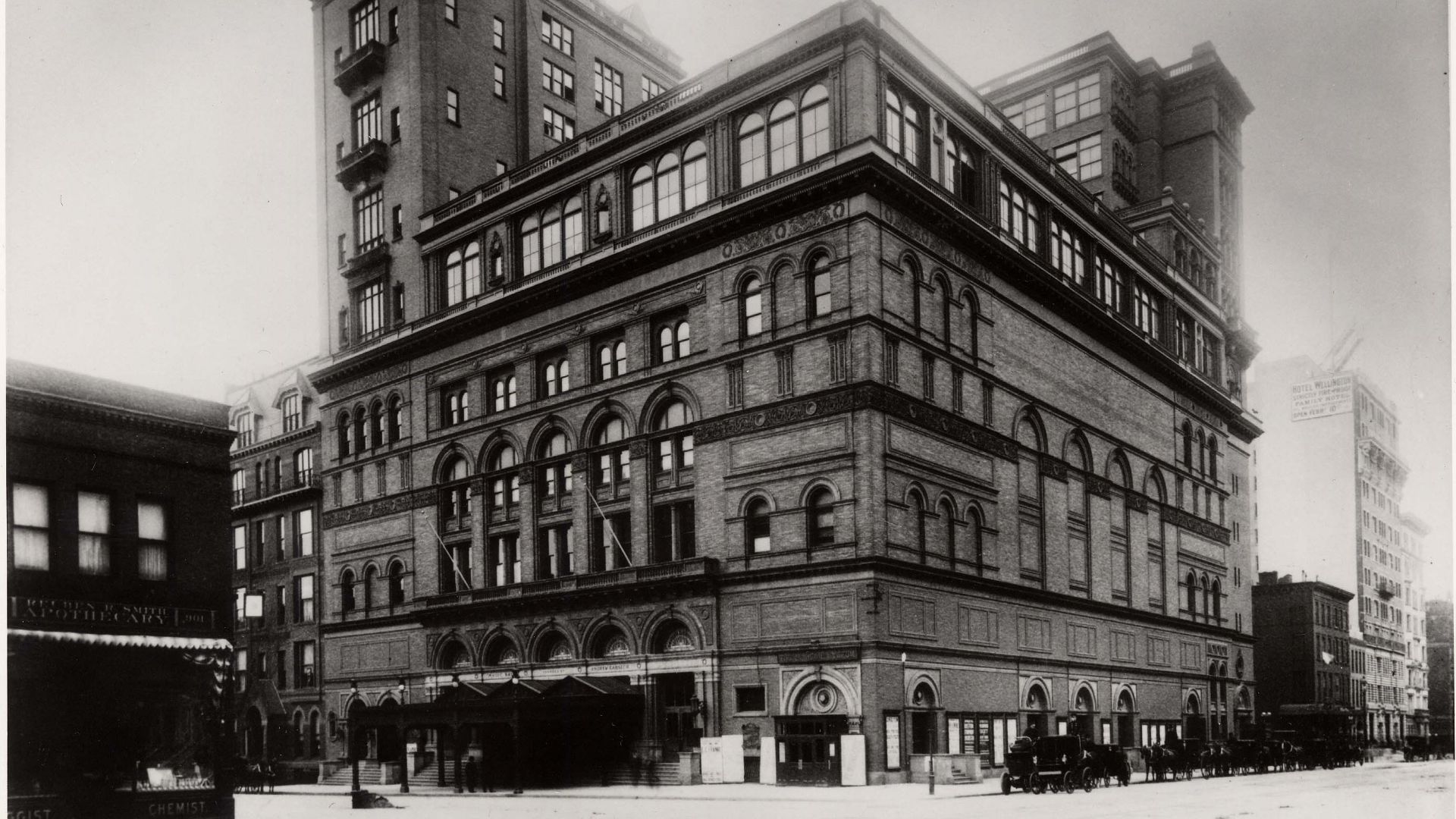
On April 23, 1961, Garland performed at Carnegie Hall in New York. The concert became the defining live performance of her career. The audience responded with extraordinary enthusiasm, and the recording, Judy at Carnegie Hall, became a huge commercial and critical success. Garland was no longer simply Dorothy, or a former MGM star surviving on nostalgia. At 38, she had transformed herself into a legendary concert performer capable of holding an audience almost entirely through voice and personality.
And the recording brought Judy something even Hollywood had never given her.
 commons.wikimedia.org on Google
32. She Made Grammy History
Judy at Carnegie Hall became a landmark album. Garland won Grammy Awards including Album of the Year and Best Solo Vocal Performance, Female. She was the first woman to win the Grammy for Album of the Year. The triumph was especially remarkable considering that only a short time earlier doctors had warned her she might never perform again. Garland's career repeatedly followed this strange pattern: catastrophe, apparent ruin, then a comeback so dramatic that it seemed scripted.
But behind the applause, her marriage to Sid Luft was disintegrating.
33. Her Longest Marriage Fell Apart
Garland's marriage to Luft lasted longer than any of her others, but by the early 1960s the couple were largely living separate lives. Their breakup became bitter, with Garland making allegations of mistreatment that Luft denied. Money, management, Garland's health problems and her dependence on medication all complicated their relationship. What had begun as a partnership that helped rescue her career ended in hostility and a difficult custody dispute. Their divorce became final in 1965.
Before that divorce was complete, however, television offered Judy another enormous opportunity.
 commons.wikimedia.org on Google
34. CBS Gave Her A Show
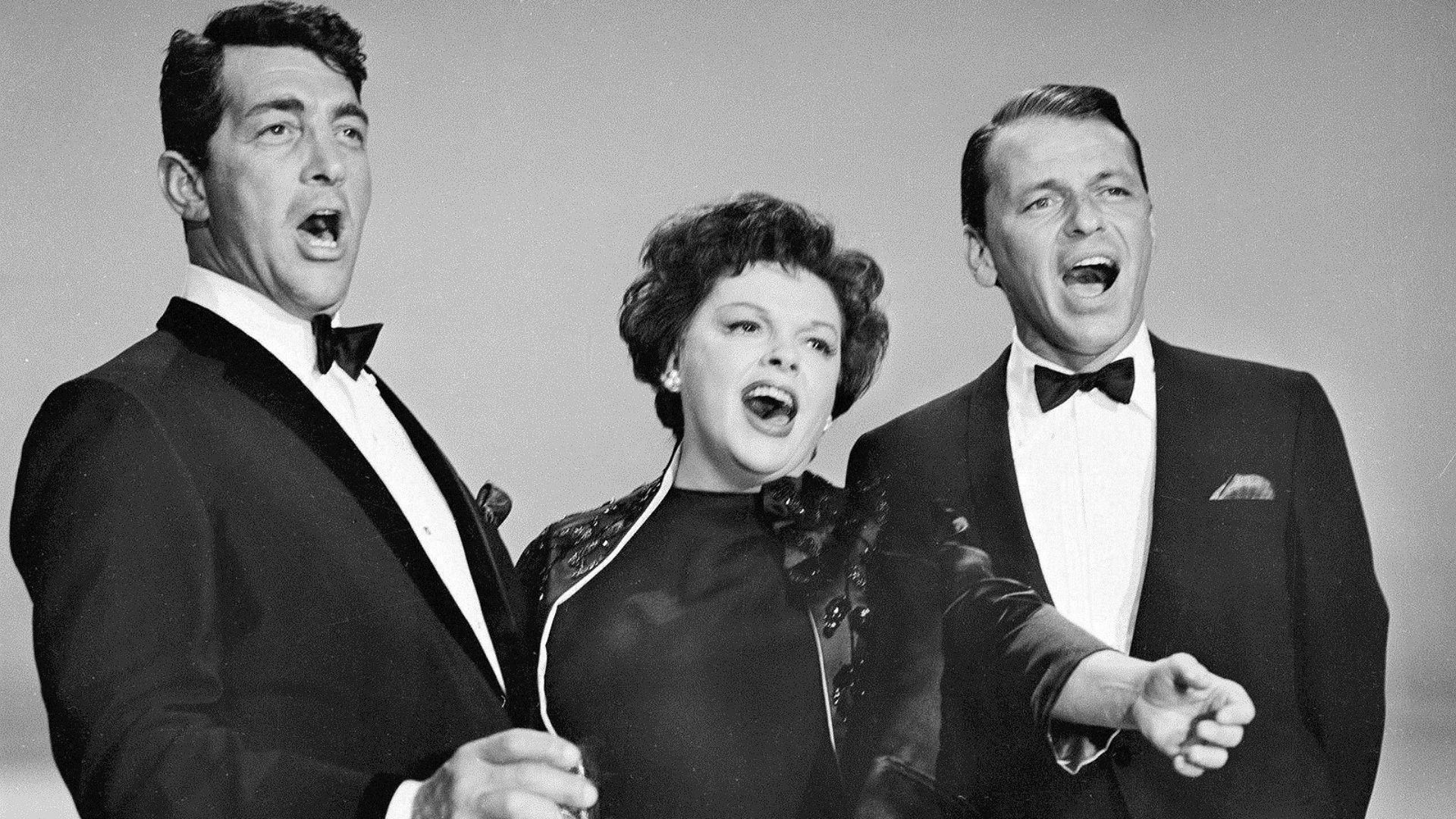
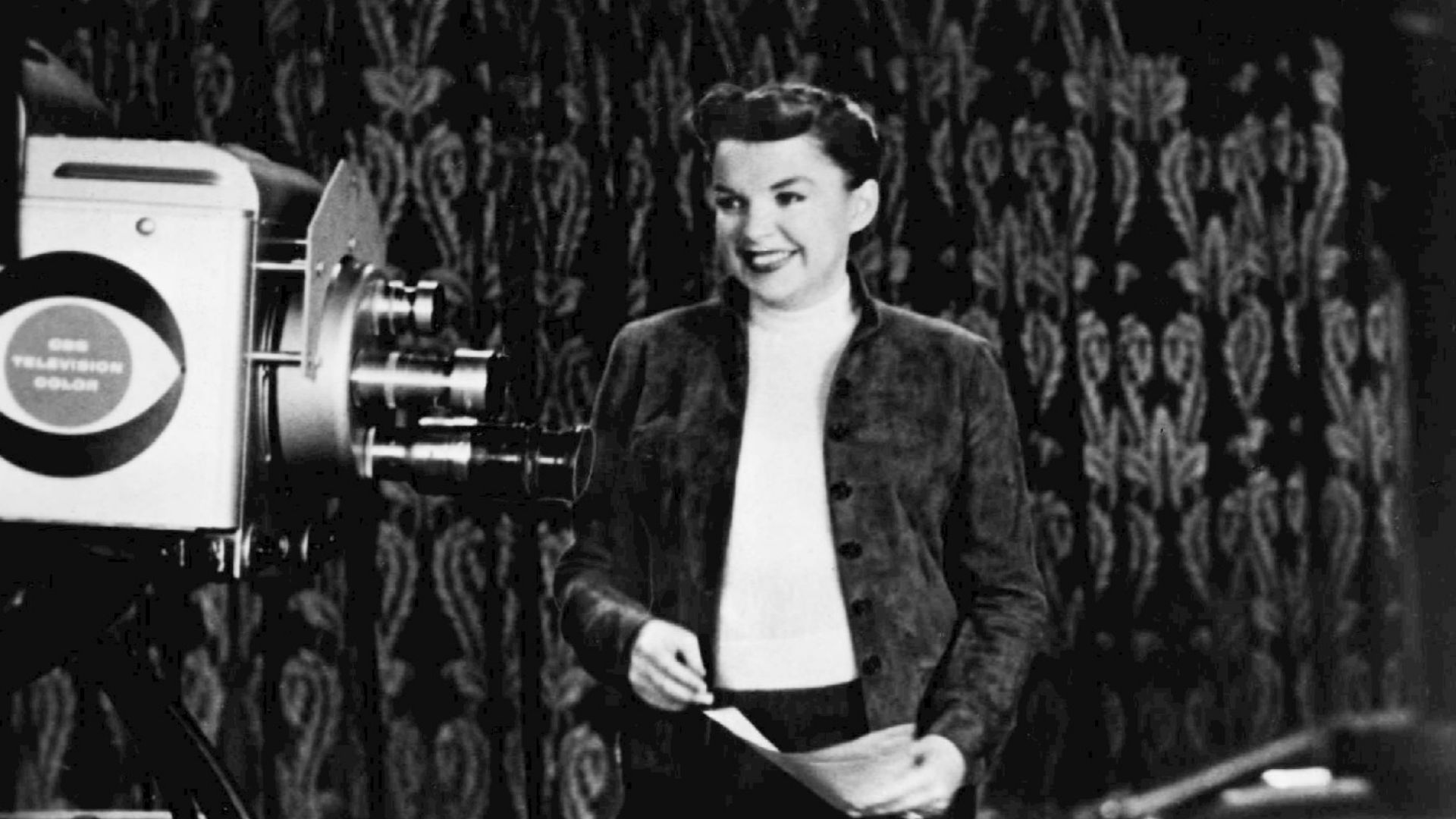
Garland's television specials had drawn enormous audiences, and CBS eventually built a weekly series around her. The Judy Garland Show premiered in 1963. On paper, it seemed perfect: one of America's greatest entertainers singing alongside famous guests every week. Garland delivered memorable performances with stars including her daughter Liza. Yet producing weekly television demanded consistency—the very thing Garland's complicated health and personal life made difficult. The program also faced fierce competition in its time slot.
The show lasted only one season, leaving Judy with another public disappointment—and serious financial problems waiting behind it.
 commons.wikimedia.org on Google
35. Money Became A Nightmare
Despite earning extraordinary sums during her career, Garland experienced severe financial difficulties. Years of complicated management, heavy expenses and tax problems eventually left her in precarious circumstances. Her ability to command large concert fees didn't necessarily translate into financial security. This created a cruel cycle: Garland often needed to perform whether or not she was physically or emotionally prepared because performances meant desperately needed income. The woman who had generated fortunes for studios and theaters could find herself struggling to stay afloat.
And just as one marriage ended, Judy rushed headlong into another.
 commons.wikimedia.org on Google
36. Husband Number Four Came Quickly
Only months after her divorce from Sid Luft became final, Garland married actor Mark Herron in Las Vegas in November 1965. The marriage had been troubled almost before it officially began, and the couple separated after only a few months. Their union eventually ended in divorce. For Garland, marriage seemed repeatedly to represent the possibility of security and unconditional love, yet her relationships rarely delivered either for long.
Her fourth marriage had barely collapsed when Hollywood offered another comeback. This one would end humiliatingly.
 commons.wikimedia.org on Google
37. Hollywood Called Again
In 1967, 20th Century-Fox hired Garland to appear in Valley of the Dolls. She was cast as Helen Lawson, an aging Broadway star—a role that seemed almost designed around Garland's formidable personality and complicated reputation. She recorded “I'll Plant My Own Tree” and participated in costume tests. Fans had reason to hope another movie resurrection was coming. But Garland's old problems with reliability and health resurfaced during production.
In April, the studio fired her. After all those comebacks, Hollywood had rejected Judy Garland yet again.
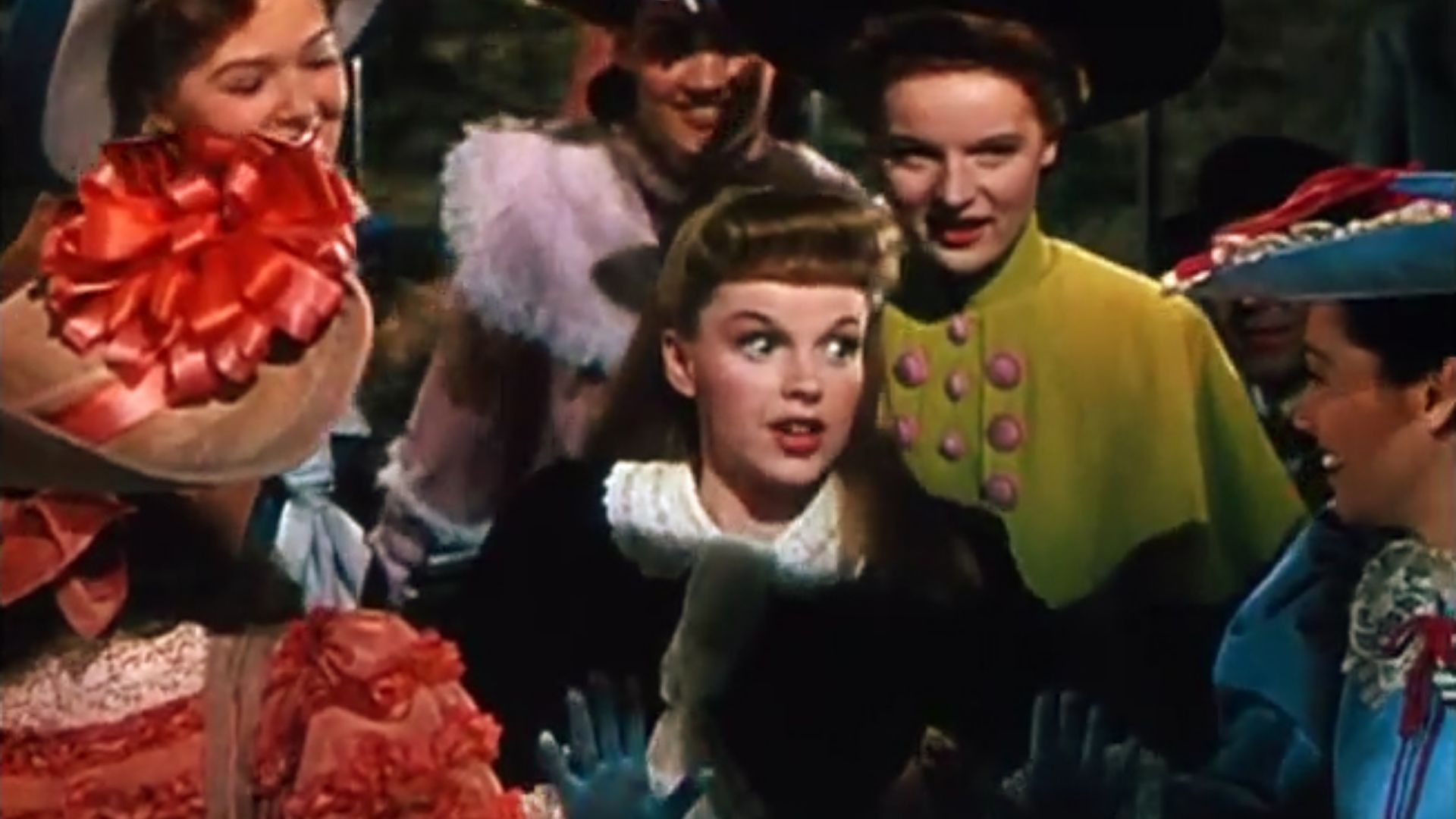
38. The Crowds Still Wanted Her
If movie studios were wary of Garland, audiences certainly weren't finished with her. In August 1967, she performed before an estimated 108,000 people on Boston Common—the largest live audience of her career. Think about the contradiction: Hollywood executives could consider Judy too risky to employ while more than one hundred thousand people gathered to hear her sing. Her connection with audiences had survived changing fashions, health crises, divorces and decades of scandal.
But enormous crowds couldn't solve Garland's private problems. By 1968, her circumstances had become increasingly desperate.
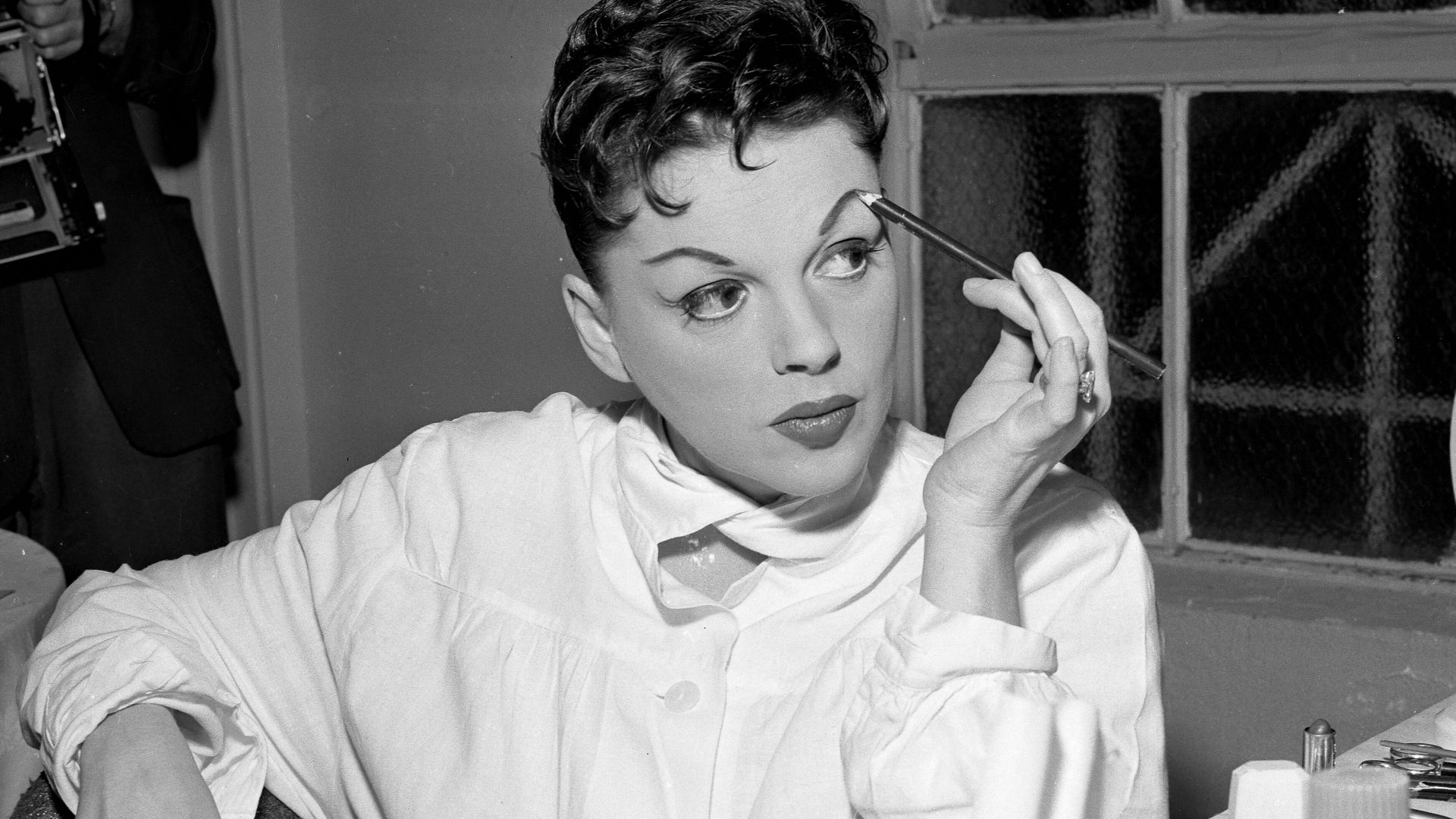
39. Her Health Was Failing
Years of exhausting work, unstable weight, alcohol use and dependence on prescription medication had taken an enormous physical toll. Garland suffered numerous illnesses during her lifetime, including hepatitis, exhaustion and other serious medical problems. In 1968 she entered a Boston hospital for a withdrawal program. By this point, maintaining the demanding schedule required to earn money was becoming harder and harder.
Still, Judy kept performing. There was another reason she desperately needed to: financial security had largely disappeared.
 Metro-Goldwyn-Mayer on Wikimedia
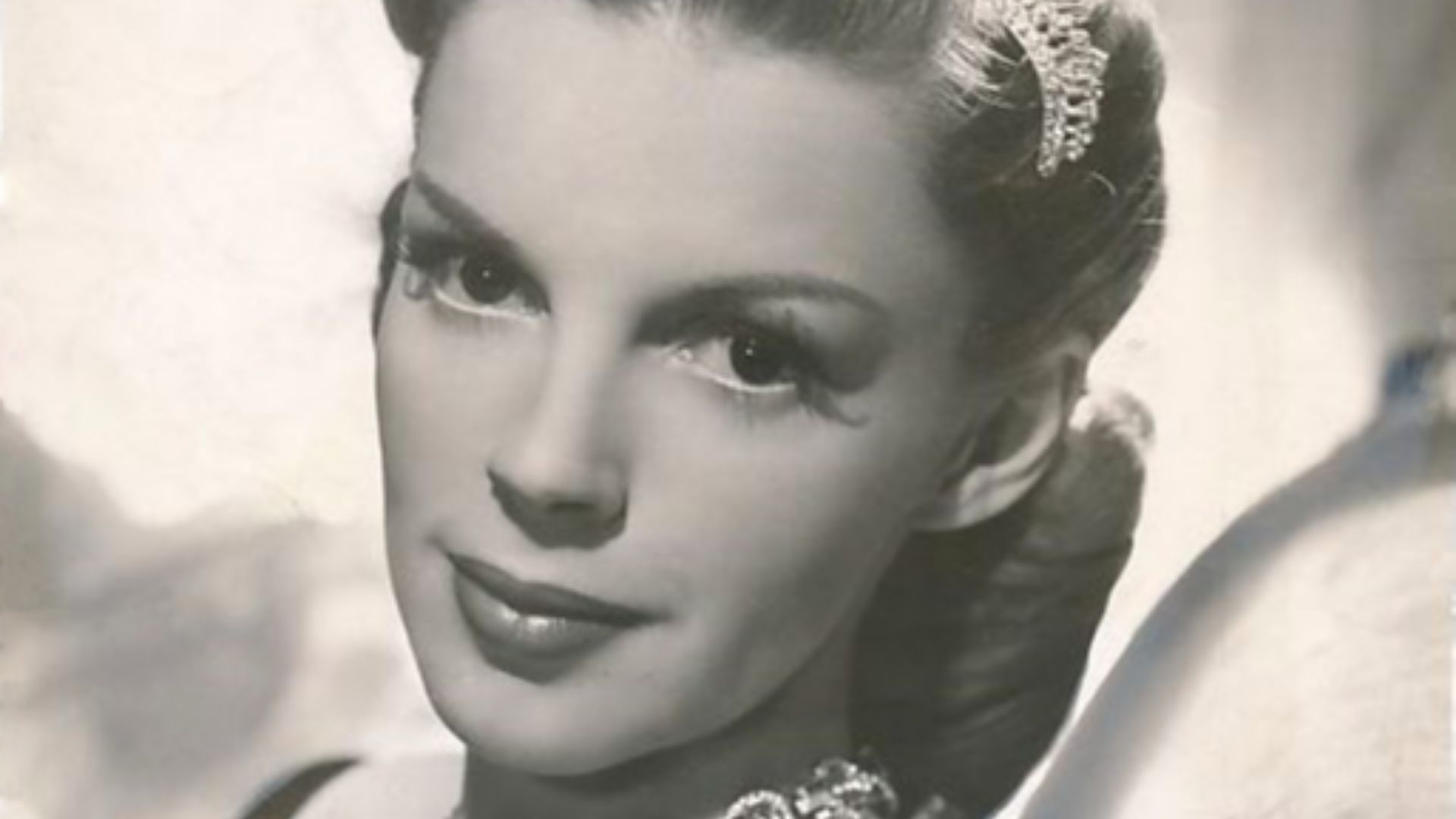
40. She Had Almost Nothing Left
Garland's final years bore little resemblance to the luxurious Hollywood life people might imagine for the star of The Wizard of Oz. Tax debts and other financial problems had severely damaged her security, and she depended heavily on live engagements. She could still generate substantial money when she performed, but maintaining a stable life was another matter. The child MGM had turned into a profitable commodity was now a middle-aged woman fighting to support herself through the same talent she had been selling since toddlerhood.
Then London offered what looked like one more chance to put things right.
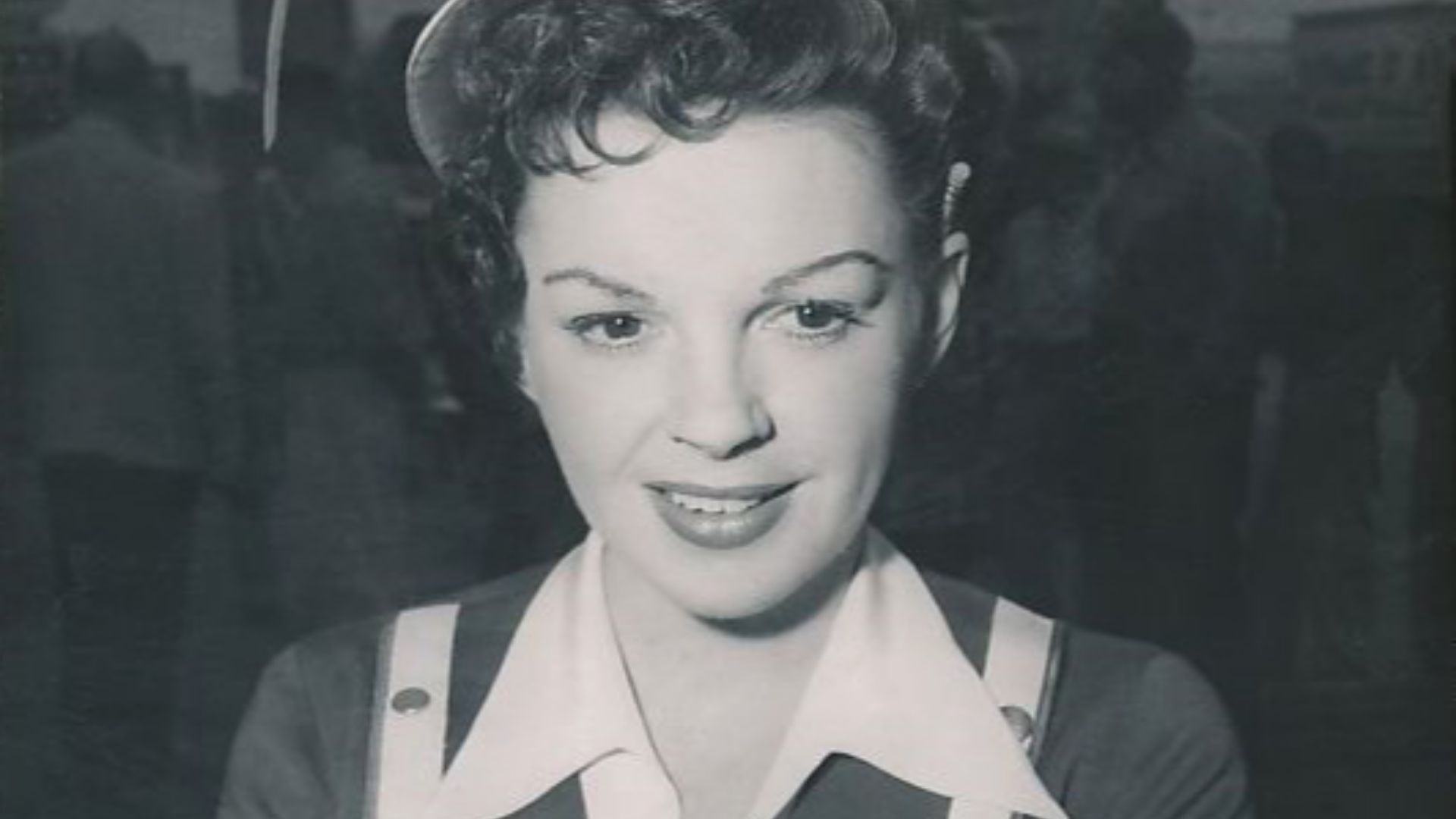
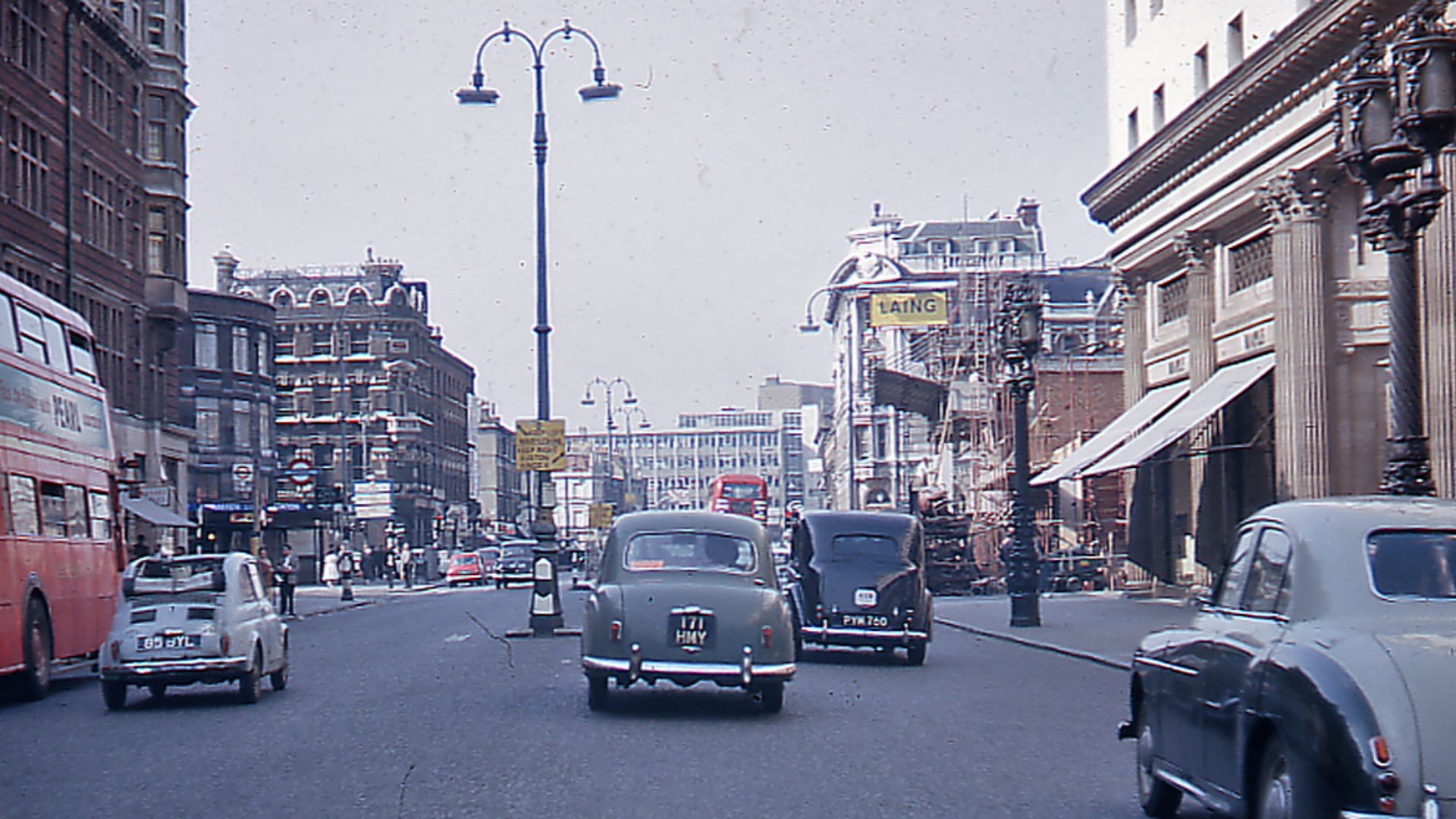
41. She Went To London
Near the end of 1968, Garland traveled to London for a series of performances at the Talk of the Town nightclub. The engagement promised badly needed money. But the Judy who arrived in London was no longer the seemingly indestructible concert performer who had conquered Carnegie Hall. Her health was fragile, her voice could be unpredictable and her ability to complete performances varied from night to night. Some evenings reminded audiences why she was a legend; others became painfully difficult.
And waiting in Garland's troubled final chapter was one last romance.
 commons.wikimedia.org on Google
42. Mickey Deans Entered Her Life
Mickey Deans was a musician and nightclub manager more than a decade younger than Garland. According to accounts later given by Deans, their first meeting in New York involved him delivering prescription medication to her hotel. The relationship eventually became romantic, and Deans accompanied Garland during her final period in London. After four failed marriages and decades of instability, Judy once again believed she had found someone who could give her the love and security she desperately wanted.
She decided to marry for a fifth time—and she sounded convinced that this marriage would finally be different.
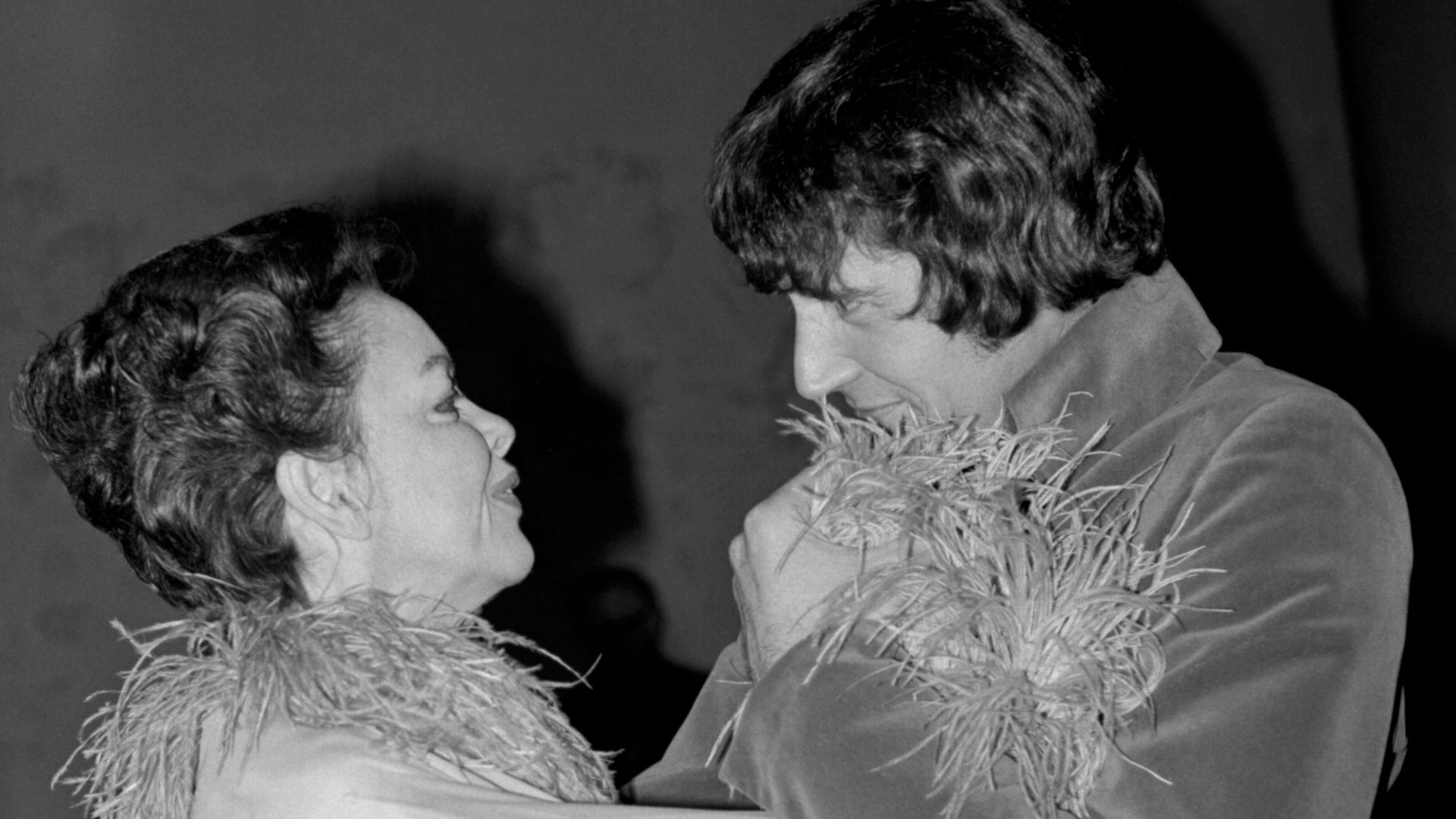
43. She Said She Was Finally Loved
Garland married Mickey Deans in London on March 15, 1969. She was 46; Deans was 12 years younger. Speaking to reporters around the wedding, Garland declared that she was finally loved. It was an extraordinarily poignant statement from someone who had spent virtually her entire life surrounded by audiences, employees, managers, husbands and admirers. Public adoration had never guaranteed private security. Judy apparently hoped her fifth marriage would finally provide it.
But the newlyweds would have almost no time together.
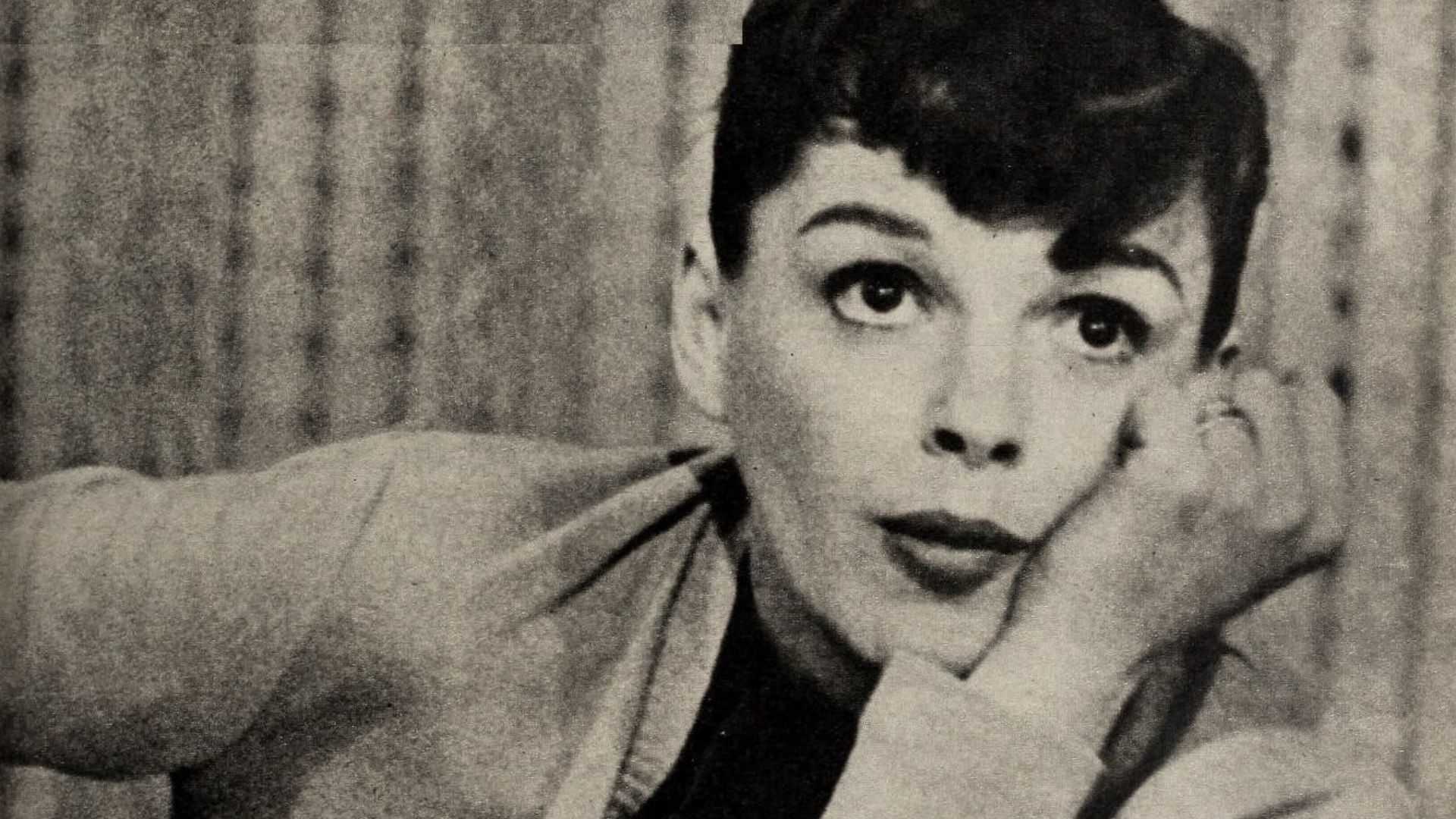
44. Her Final Concert Came Days Later
Only ten days after marrying Deans, Garland gave what became her final concert at the Falkoner Center in Copenhagen on March 25, 1969. She had been performing professionally for more than four decades despite being only 46 years old. Her career had begun with “Jingle Bells” as a toddler and carried her through vaudeville, MGM, Oz, concert halls, television and repeated attempts at reinvention.
Now the performing was over, although Garland had no reason to know it. Less than three months remained in her life.
 Eric Carpenter (1909-1976) for Metro-Goldwyn-Mayer. on Wikimedia
45. She Turned 47
On June 10, 1969, Judy Garland celebrated her 47th birthday. It was an astonishingly young age considering how many separate careers seemed packed into her life. She had already been a child vaudeville performer, teenage movie star, Hollywood leading lady, recording artist, television personality and international concert attraction. She had also survived five marriages, repeated health crises and numerous professional collapses. Yet there were still plans for the future. Garland had spent her entire adult life coming back from apparently impossible situations.
Twelve days after her birthday, there would be no more comebacks.
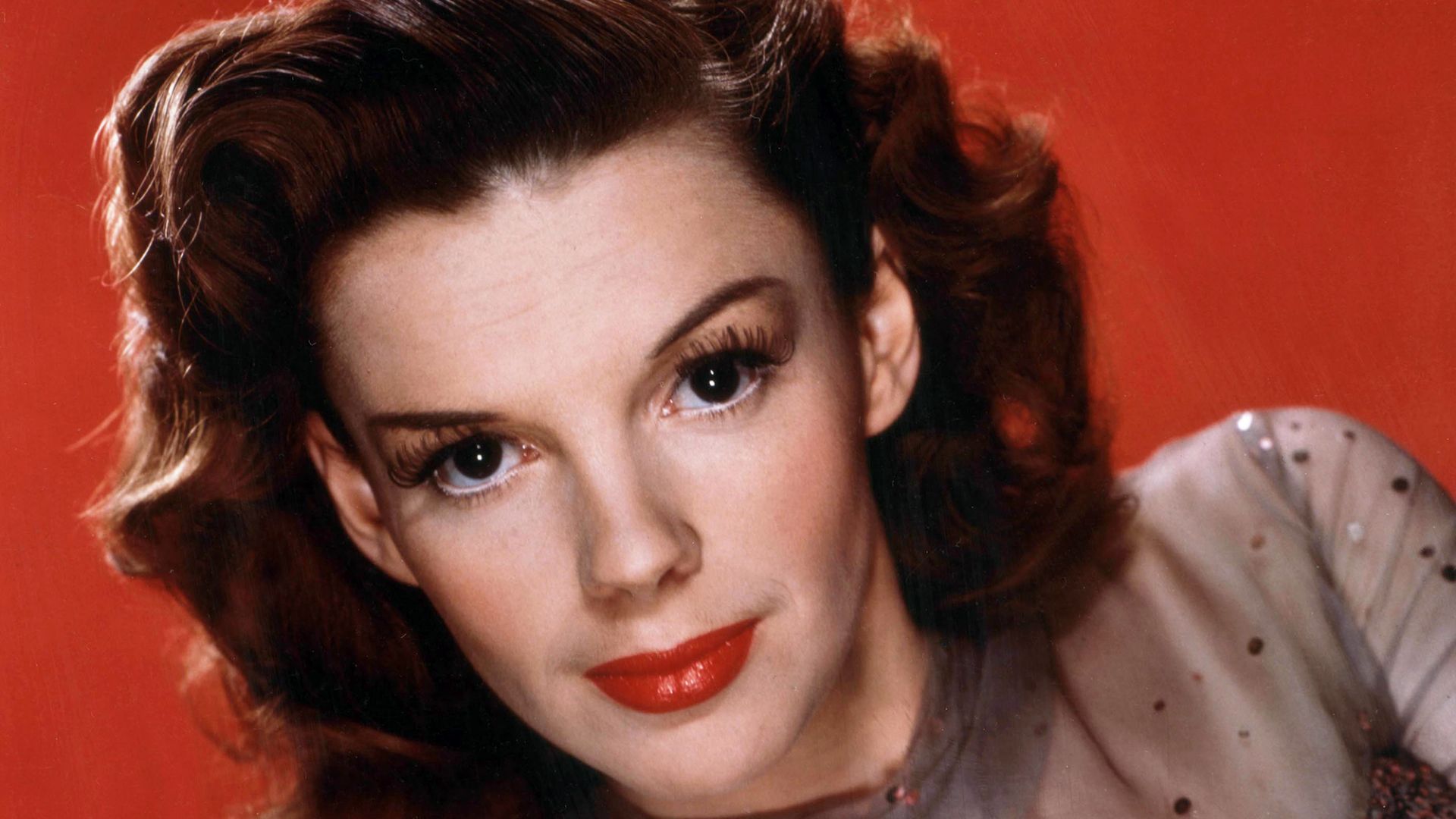 Eric Carpenter for en:Metro-Goldwyn-Mayer on Wikimedia
46. Mickey Found Her
On June 22, 1969, Mickey Deans found Garland unresponsive in the bathroom of their rented London home. She was pronounced dead at only 47 years old. The official finding was an accidental overdose of sleeping medication taken over time; authorities found no evidence that Garland had intended to take her own life. Decades of dependence on prescription medication, physical illness and exhausting work had ended in the most tragic way imaginable.
The little girl who had spent her life singing about somewhere over the rainbow was suddenly gone—and the reaction was enormous.
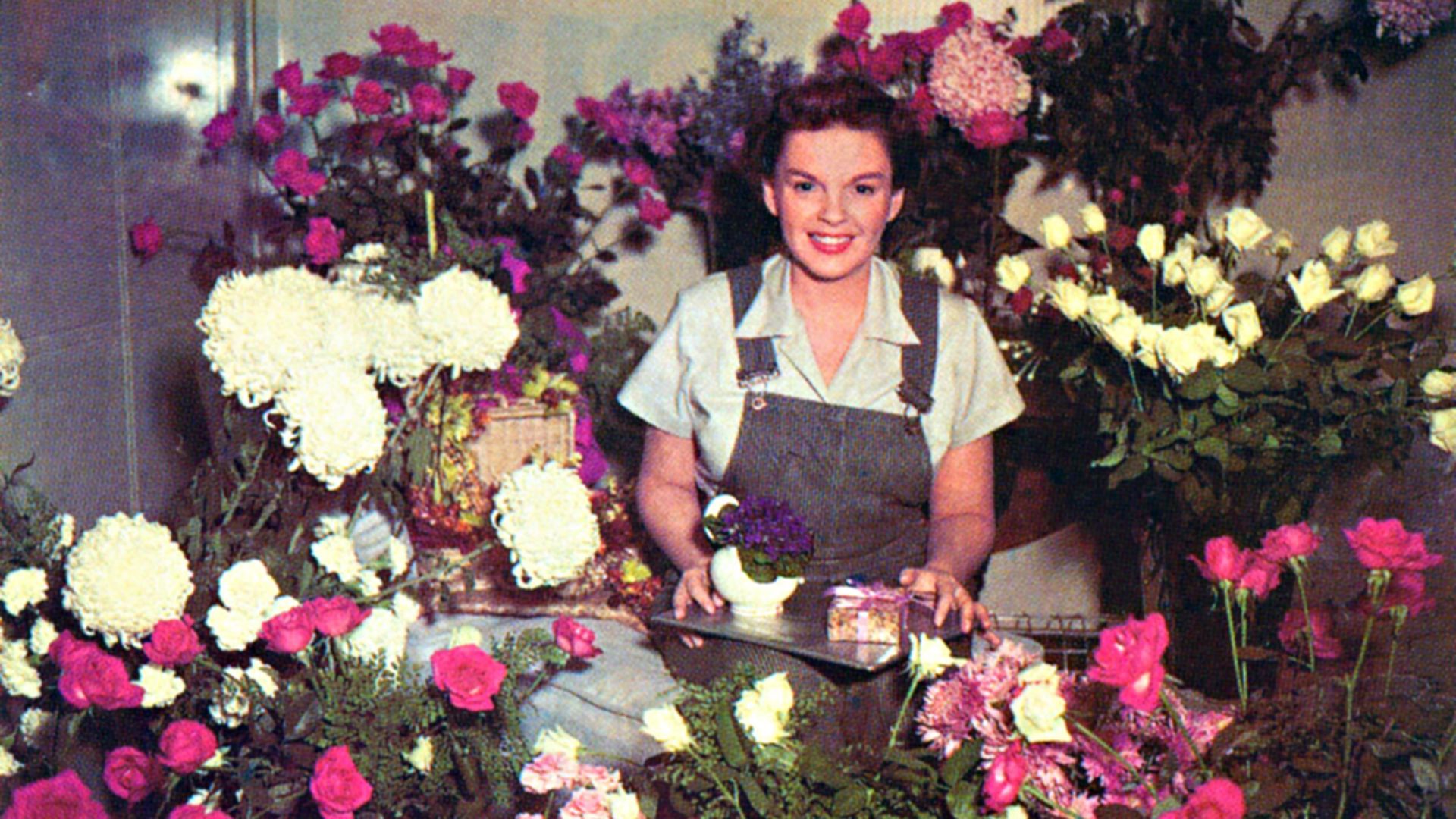 Photographer affiliated with MGM on Wikimedia
47. Thousands Came To Say Goodbye
Garland's death became international news. Her body was returned to New York, where thousands of grieving admirers came to pay their respects. According to the American Masters timeline, approximately 22,000 people passed her coffin over a 24-hour period. Garland had sometimes struggled to believe that she was genuinely loved, yet the enormous public mourning left little doubt about how deeply audiences felt connected to her.
But her death also forced people to reconsider the smiling Hollywood childhood they thought they had watched.
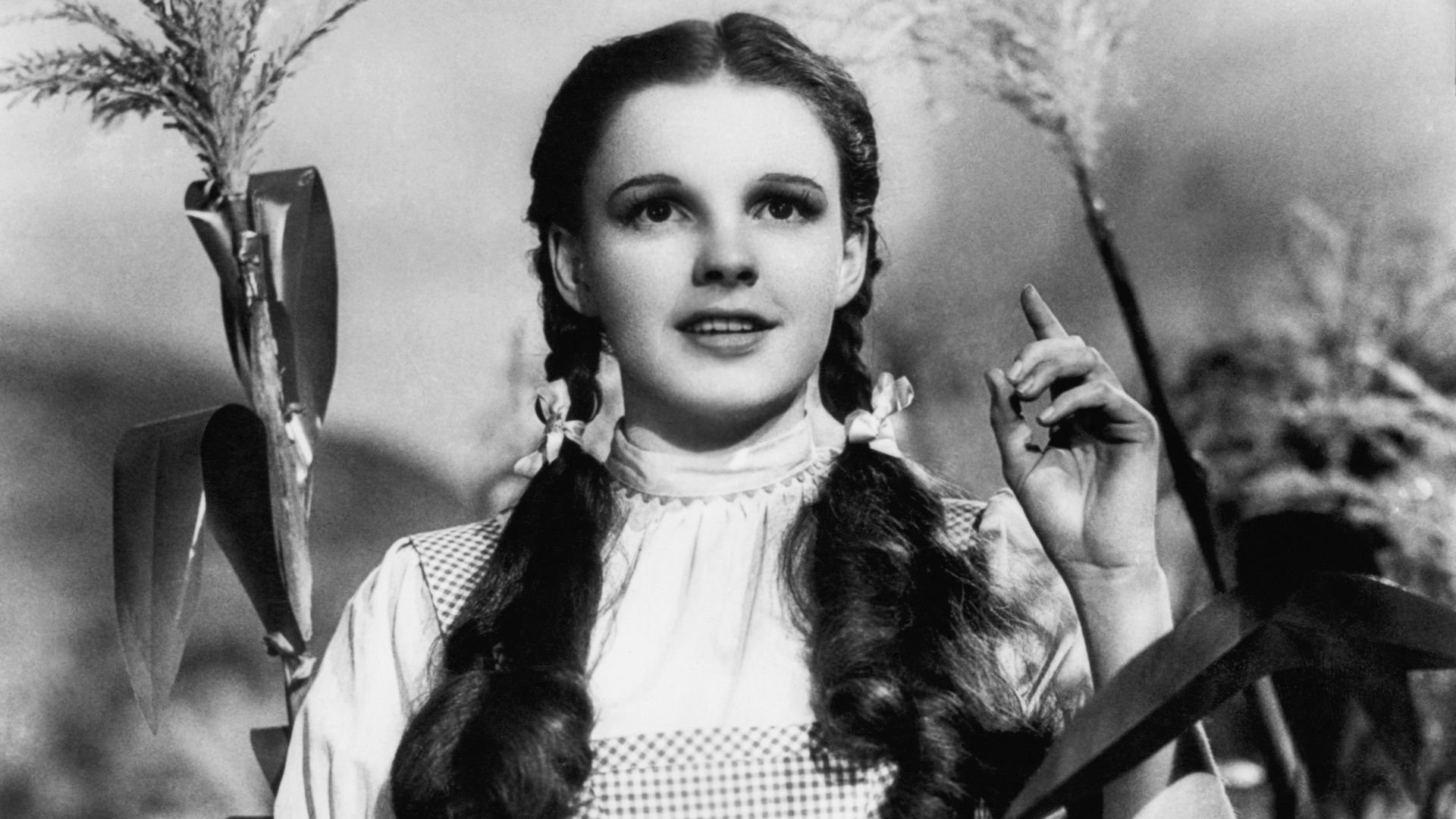 CBS Television Network. on Wikimedia
48. Dorothy's Story Looked Different Now
After Garland's death, the darker side of her Hollywood experience became an increasingly important part of her story. The diets, grueling schedules, medication and criticism she described revealed how brutally the old studio system could treat valuable young performers. Garland had achieved fame beyond anything her ambitious mother could have imagined, but she paid an enormous personal price. Her story became both a celebration of extraordinary talent and a warning about what can happen when a child's commercial value matters more than her well-being.
Yet there was another legacy developing inside Garland's own family.
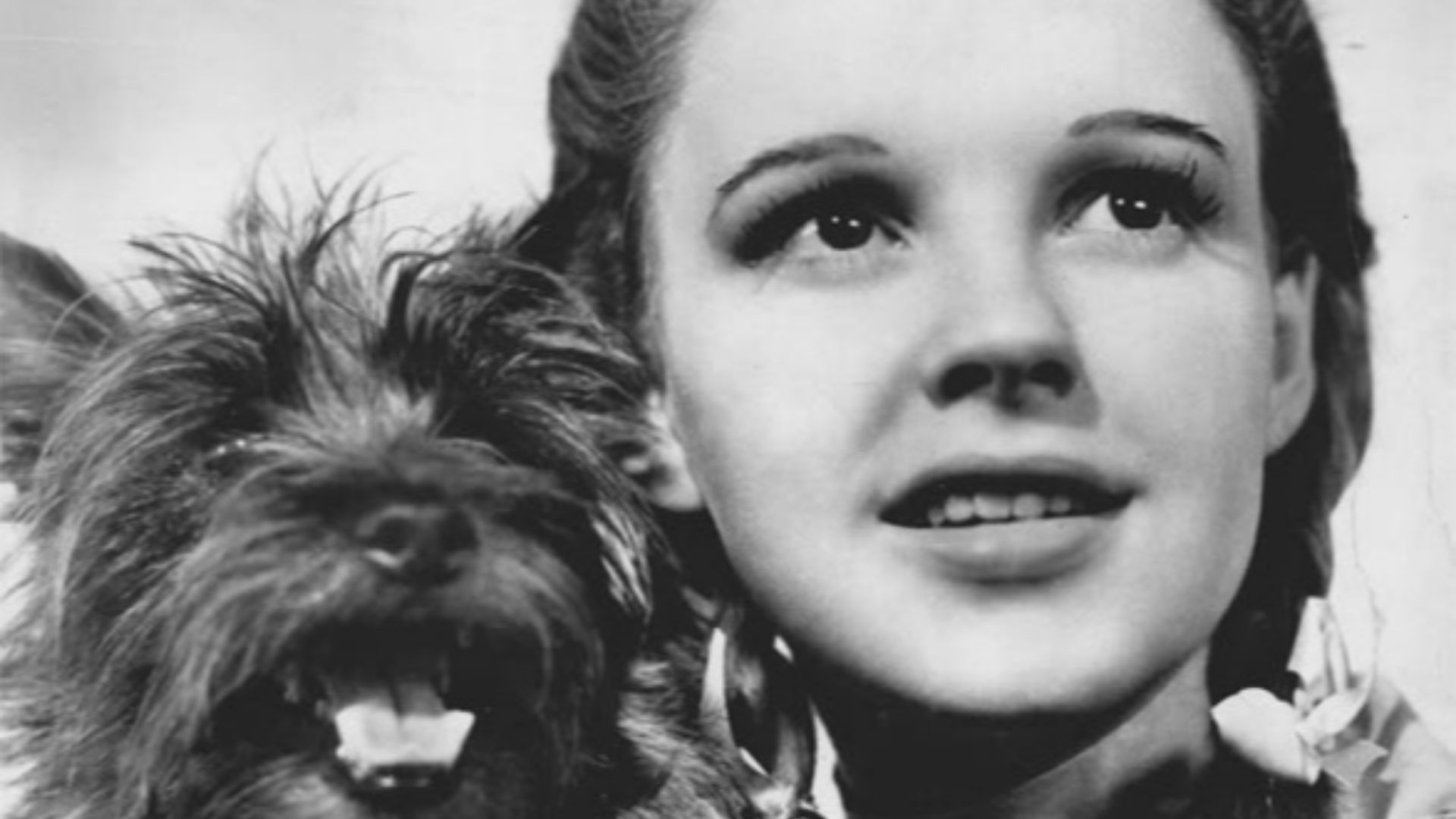 NBC Television Network on Wikimedia
49. Her Daughter Became A Star
Liza Minnelli grew into a formidable performer in her own right, eventually becoming one of the rare entertainers to win an Oscar, Emmy, Grammy and Tony. Garland and Liza had even performed together during Judy's lifetime, most famously at the London Palladium in 1964. Watching footage of mother and daughter together can be startling: Liza possessed her own style, yet the theatrical electricity was unmistakably inherited. Judy's other children, Lorna and Joey Luft, also became guardians of complicated memories about their famous mother.
But no descendant, remake or biography could completely explain why Judy Garland herself remained so unforgettable.
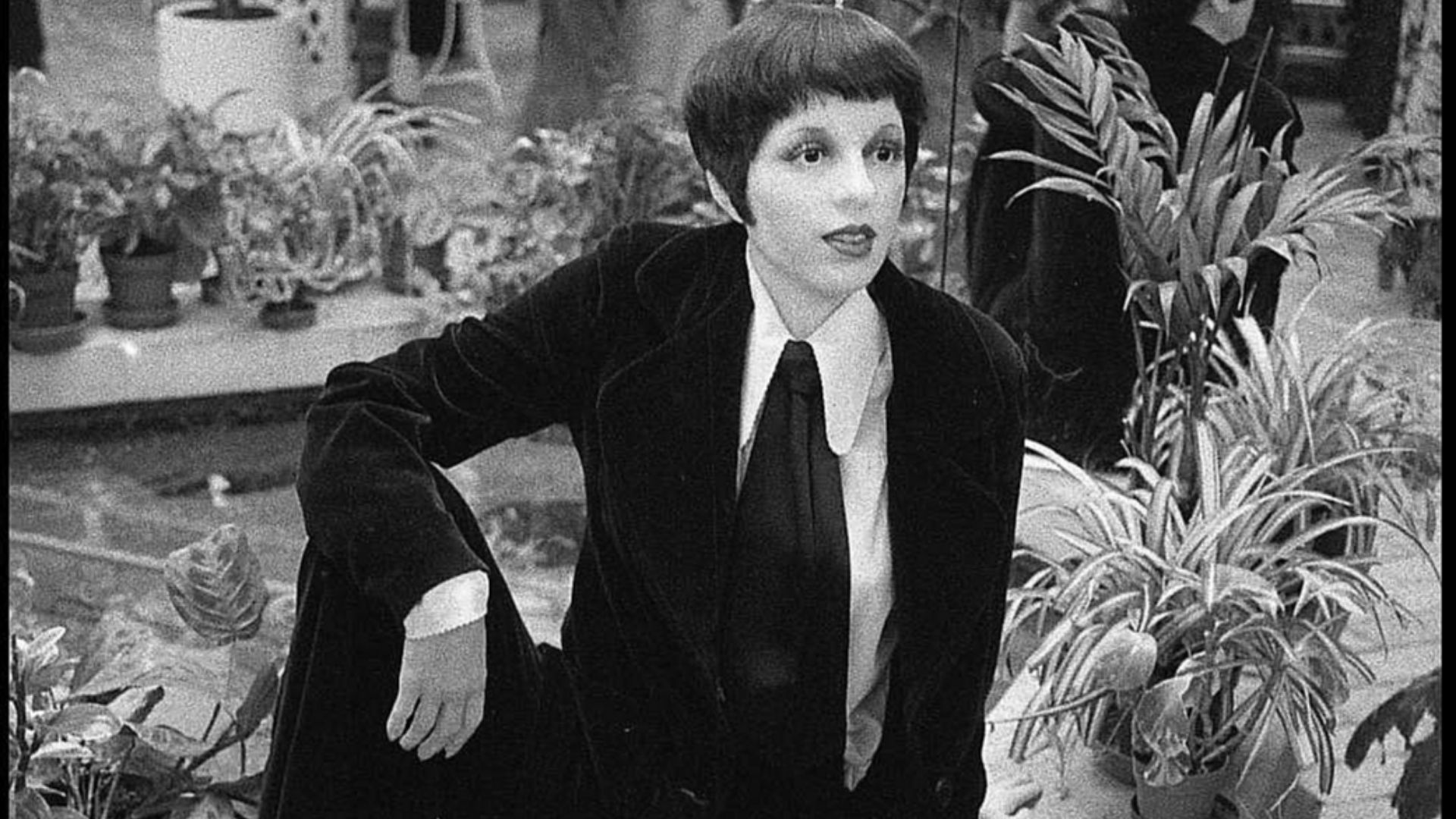
50. She Never Really Left Oz
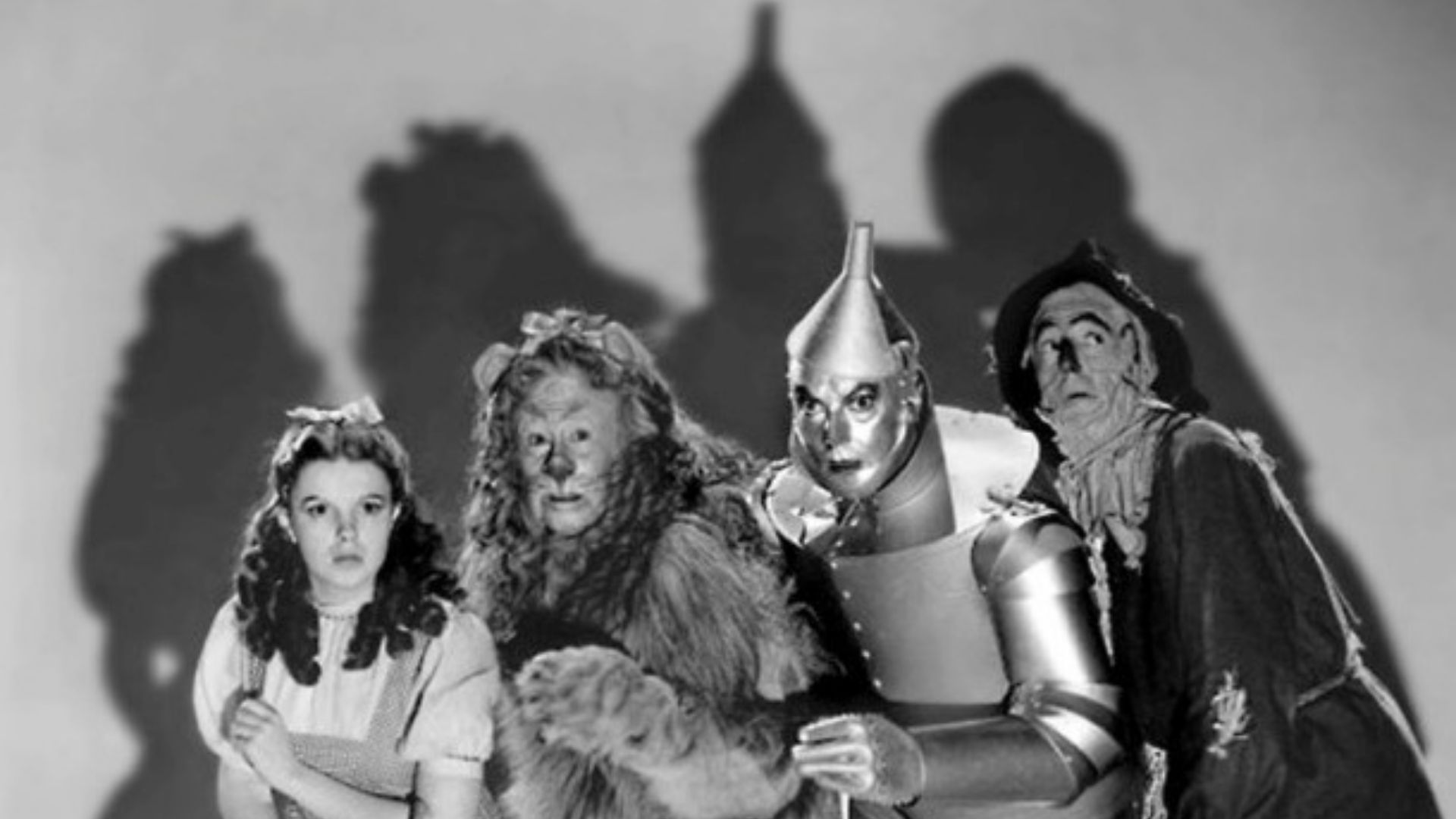
Judy Garland spent much of her career trying to grow beyond Dorothy Gale, yet The Wizard of Oz ensured that generations who weren't even alive during Garland's lifetime would know her face and voice. The irony is heartbreaking. She became immortal singing about a beautiful place where troubles disappeared, while her own troubles followed her through fame, marriages, illness, financial chaos and endless comebacks. But Garland's legacy isn't simply tragic. Carnegie Hall proved what happened when the machinery surrounding her fell away: one woman, standing before an audience, could still command the room. Hollywood created Judy Garland the star. The extraordinary talent underneath belonged to her alone.





.jpg)


.jpg)


.jpg)


