Nikola Tesla: The Life and Times of the Man Who Electrified the Modern World
Shocking Facts About Nikola Tesla, The Genius Who Fell In Love With A Pigeon
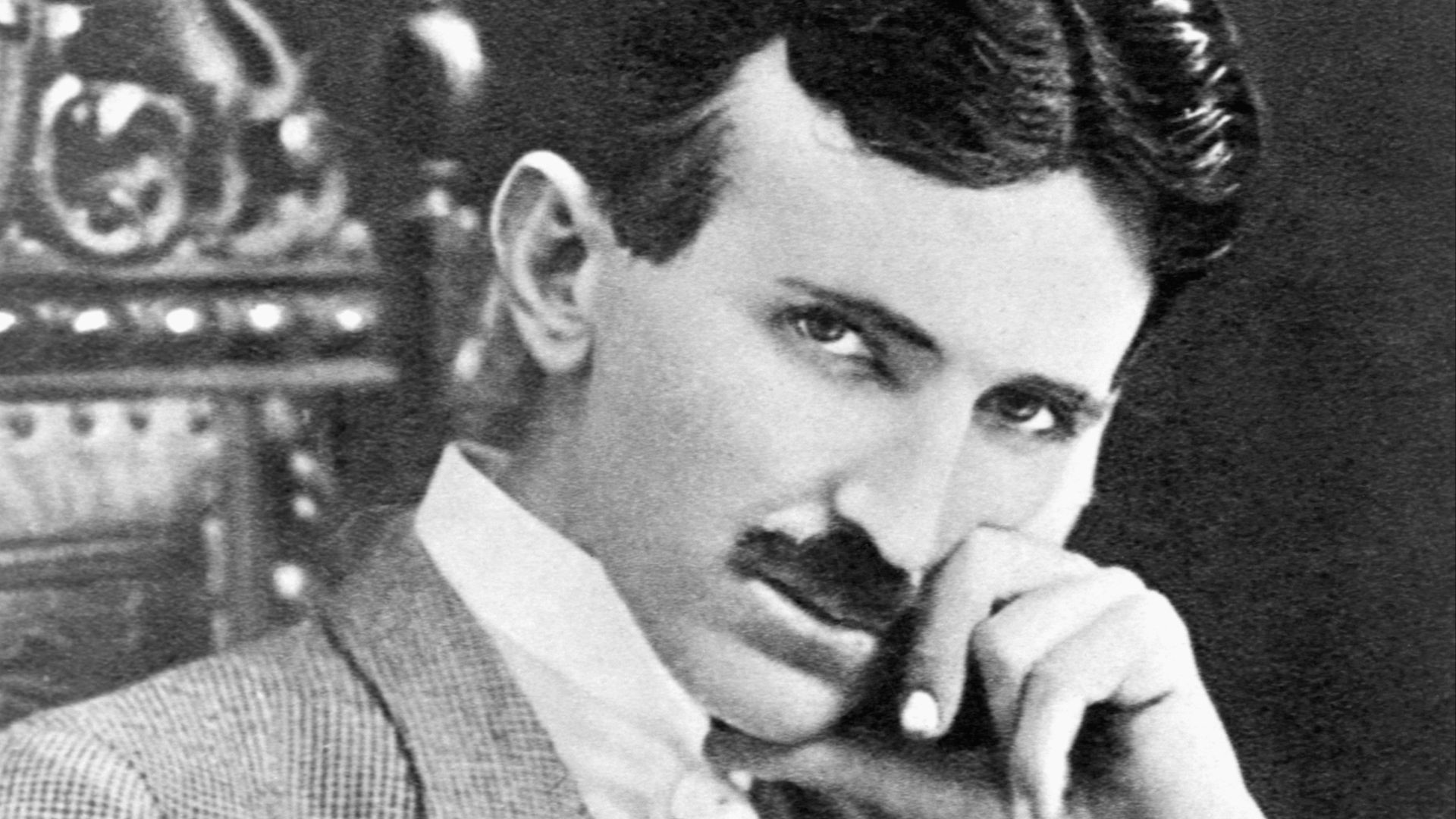
Nikola Tesla helped create the electrical world we live in today, but his own life was anything but orderly. He battled Thomas Edison, dazzled New York society, made and lost fortunes, claimed he could communicate across planets, and spent his final years living alone in hotels while caring for pigeons. After his death, the United States government even took possession of his papers.
Behind the famous photographs was a brilliant, obsessive, deeply complicated man—and some of the strangest chapters of his story began before he was old enough to understand them.
 Unknown authorUnknown author on Wikimedia
1. He Was Born During A Storm
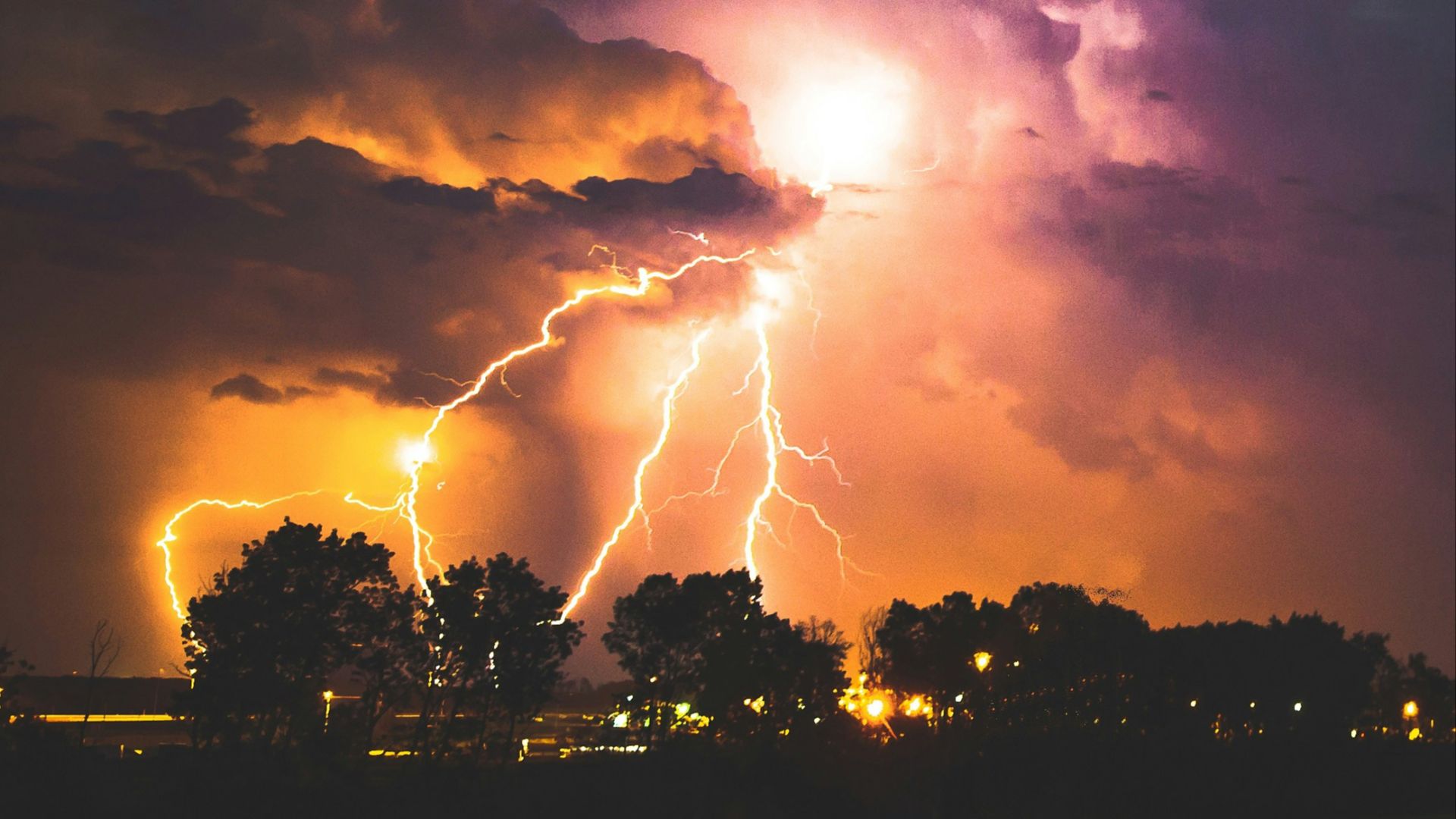
Nikola Tesla was born in Smiljan, in what was then the Austrian Empire, on July 10, 1856. According to a famous family story, lightning flashed during the night of his birth. A midwife supposedly worried that the storm was a bad omen, while Tesla’s mother insisted her newborn would instead become a “child of light.” The story is difficult to independently verify, but it became almost impossibly appropriate considering what Tesla eventually did with electricity.
Before Tesla could become the master of lightning, however, tragedy struck his family.
2. His Brother’s Death Haunted The Family
Tesla grew up with an older brother named Dane, whom the family considered extraordinarily gifted. When Nikola was still a small boy, Dane died following an accident involving a horse. Tesla later remembered the loss as a devastating event, and some biographers believe living in his brother’s shadow affected him deeply. Whether or not that interpretation is correct, Tesla knew from childhood that brilliance could disappear without warning.
Even worse, Tesla was beginning to experience something frightening inside his own mind.
3. He Saw Blinding Flashes
As a boy, Tesla experienced strange episodes in which bright flashes of light appeared before his eyes, sometimes accompanied by vivid mental images. He later wrote that these visions could become so powerful that he sometimes had difficulty separating the image in his mind from the object actually before him. No medical explanation ever completely satisfied him. Eventually, though, Tesla learned to turn this disturbing ability into something astonishing.
Instead of merely imagining inventions, Tesla would eventually claim he could build them entirely inside his head.
4. His Mother Was An Inventor Too
Tesla’s father, Milutin, was a Serbian Orthodox priest, but Nikola credited much of his inventive ability to his mother, Georgina “Đuka” Mandić. Although she had little formal education, Tesla remembered her designing household tools and mechanical devices with remarkable skill. He later called her an inventor “of the first order” and believed she might have accomplished far more if she had been born into different circumstances.
Tesla adored his mother. His relationship with his father, however, became considerably more complicated.
5. His Father Had Other Plans
Milutin Tesla wanted Nikola to follow him into the clergy. Nikola had other ideas. He became fascinated by engineering and dreamed of studying it professionally, creating tension between father and son. Then, at 17, Tesla became desperately ill with cholera. He later claimed that while he was bedridden, he persuaded his frightened father to promise that, if Nikola recovered, he could attend the finest engineering school available.
Tesla survived—and now his father had a promise to keep. But freedom came with a price.
 Rennier Ligarretto Feo on Unsplash
6. He Nearly Died Young
Tesla later recalled that his bout with cholera lasted for months and brought him frighteningly close to the end. For a young man already prone to unusual sensory experiences and obsessive thinking, the illness was transformative. When he recovered, his father followed through and allowed him to pursue engineering instead of the priesthood.
Tesla finally had the opportunity he wanted. Unfortunately, once he reached school, the same relentless personality that made him brilliant began pushing him toward disaster.
 George John Pinwell on Wikimedia
7. He Worked Like A Man Possessed
At the Austrian Polytechnic in Graz, Tesla initially performed extraordinarily well. He later claimed that he worked from early morning until late at night, rarely taking time off. Professors noticed his ability, but some became concerned about his punishing schedule. According to accounts of his student years, warnings even reached his father that Nikola’s habits were putting his health at risk.
Tesla seemed destined to become the school’s star pupil. Instead, his life suddenly began sliding in the opposite direction.
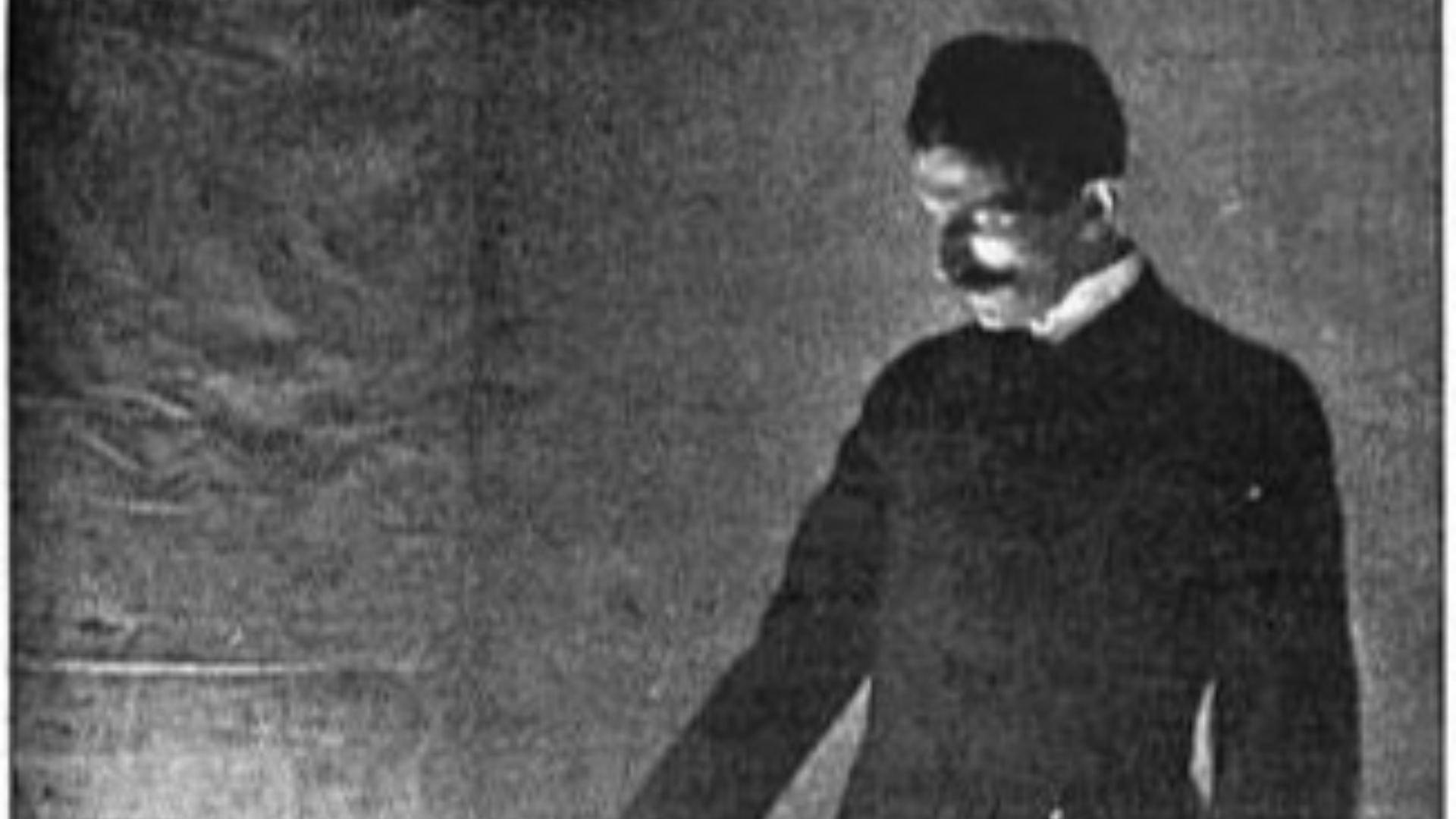
8. Gambling Nearly Ruined Him
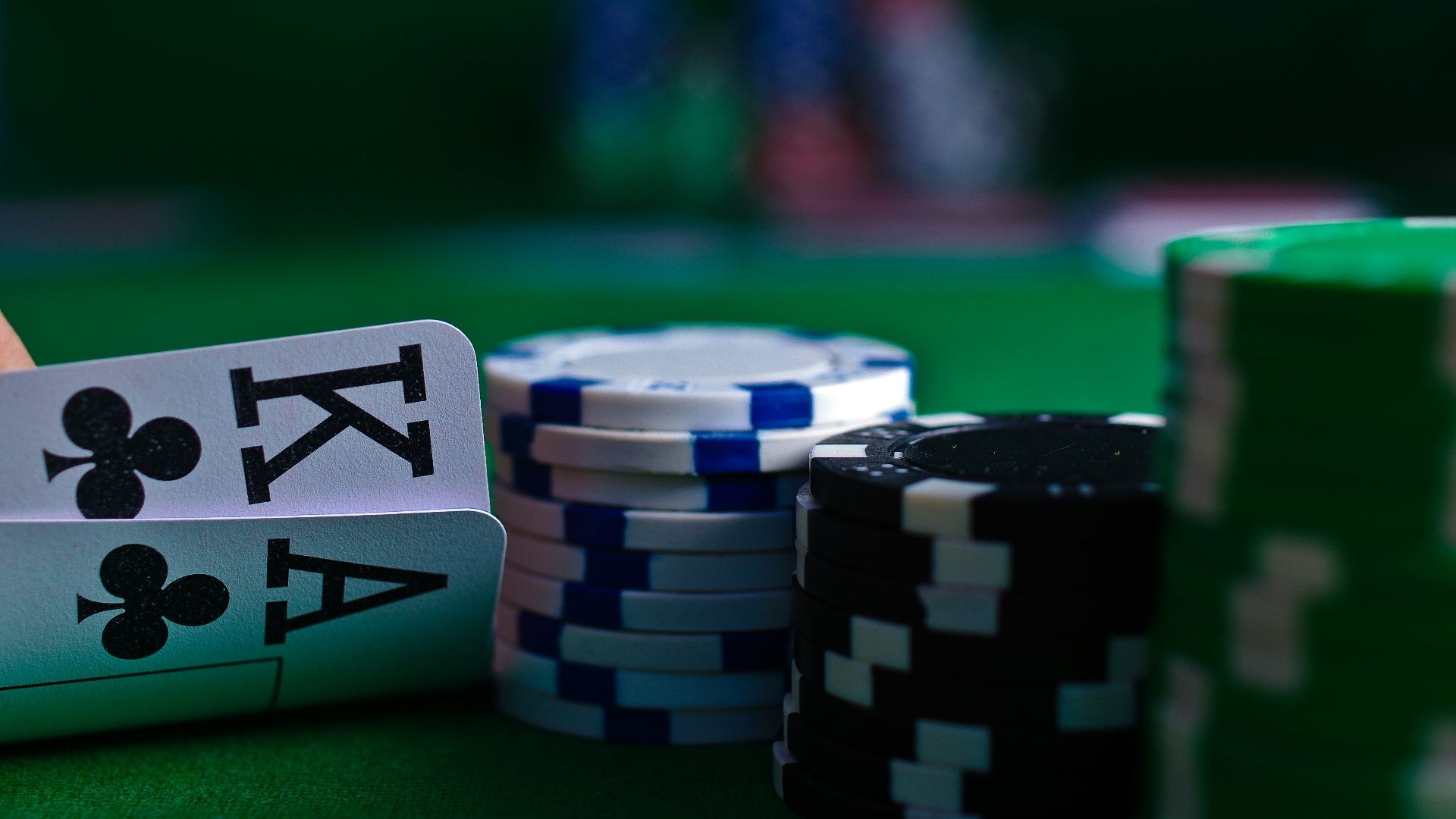
Tesla developed what he himself called a “mania for gambling.” Cards became an obsession, and he lost money that he could not afford to lose. His father was furious, while his mother took a startlingly different approach. Tesla recalled that she handed him money and essentially challenged him to lose everything sooner rather than later. Somehow, the shock worked. Tesla claimed he conquered the habit completely.
But by then, his promising education had already begun falling apart.
 Michał Parzuchowski on Unsplash
9. He Never Got His Degree
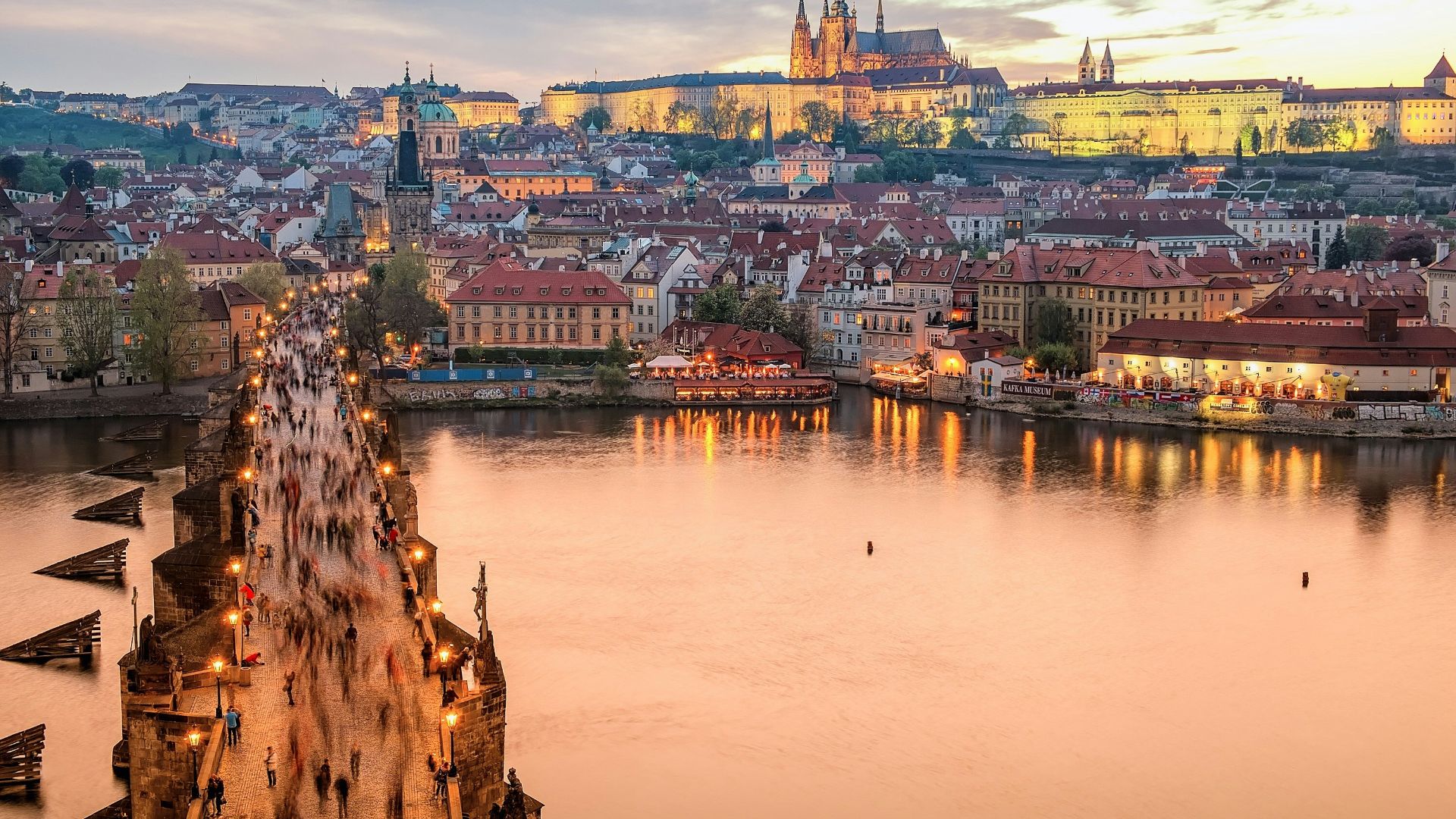
Despite his spectacular beginning at Graz, Tesla stopped attending lectures and ultimately left without graduating. He later spent time studying in Prague, but he did not receive a university degree there either. For a man who would eventually become one of history’s most famous inventors, his formal academic career ended surprisingly badly.
Tesla now had enormous confidence in his own mind but few conventional credentials to prove himself. Then, during a walk through a Budapest park, everything suddenly changed.
10. The Answer Came In A Flash
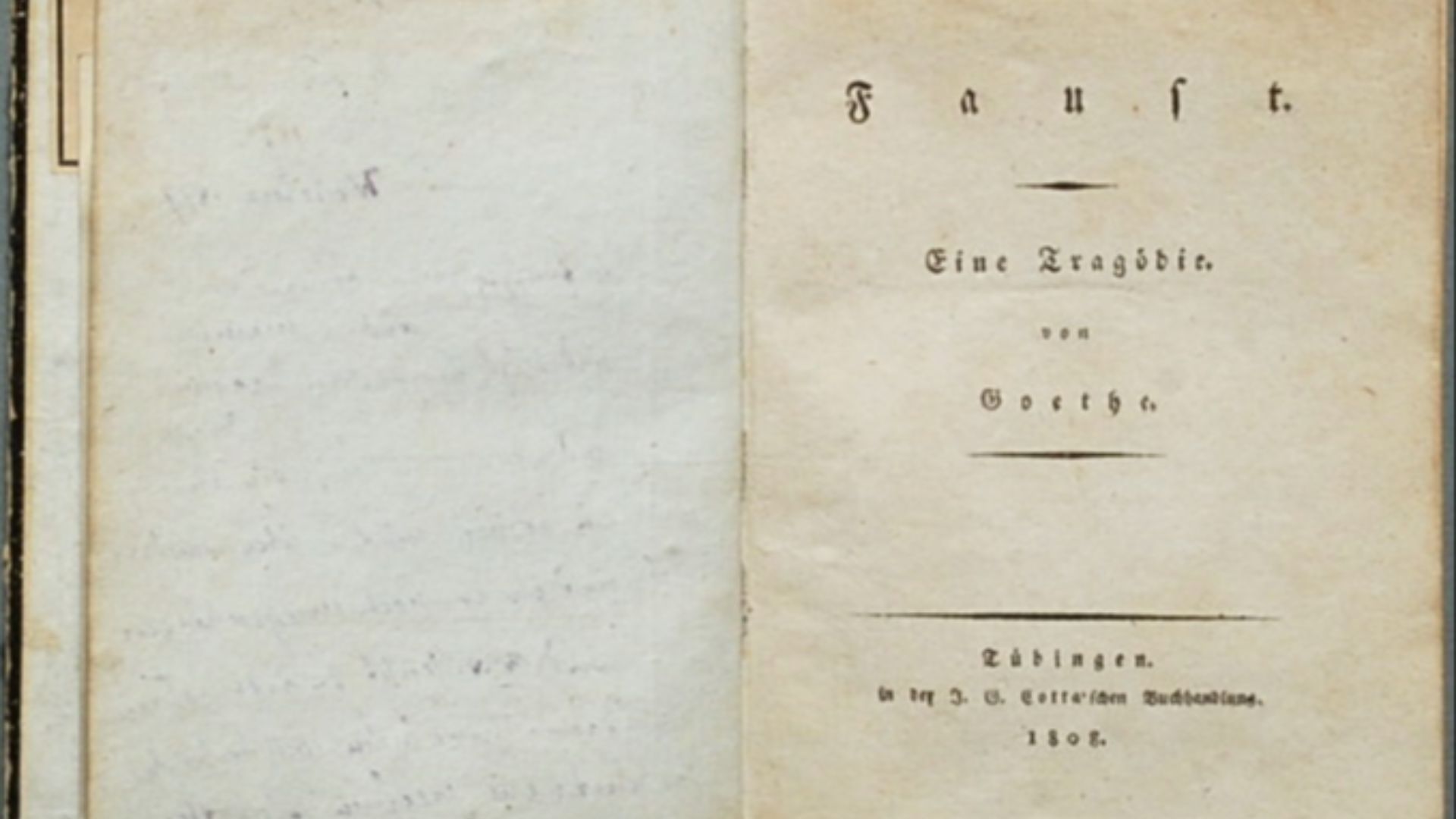
In 1882, Tesla was walking through Budapest with his friend Anthony Szigeti while reciting lines from Goethe’s Faust. Suddenly, Tesla later recalled, the solution to an engineering problem that had obsessed him appeared in his mind “like a lightning flash.” He drew a diagram in the dirt explaining the rotating magnetic field that would become central to his alternating-current motor.
It was the breakthrough he had been chasing for years. Unfortunately, having a revolutionary idea and convincing powerful businessmen to care about it were two very different things.
 © Foto H.-P.Haack on Wikimedia
11. He Went To Work For Edison
Tesla eventually found employment with the Continental Edison Company in Paris, where his skill at repairing and improving electrical equipment attracted attention. In 1884, he crossed the Atlantic for New York and went to work for Thomas Edison’s organization. Tesla later said he arrived in America with only a few possessions and four cents in his pocket.
He had entered the orbit of one of the most famous inventors alive. It looked like the beginning of a legendary partnership.
Instead, Tesla and Edison were headed for one of history’s most famous technological feuds.
 Louis Bachrach, Bachrach Studios, restored by Michel Vuijlsteke on Wikimedia
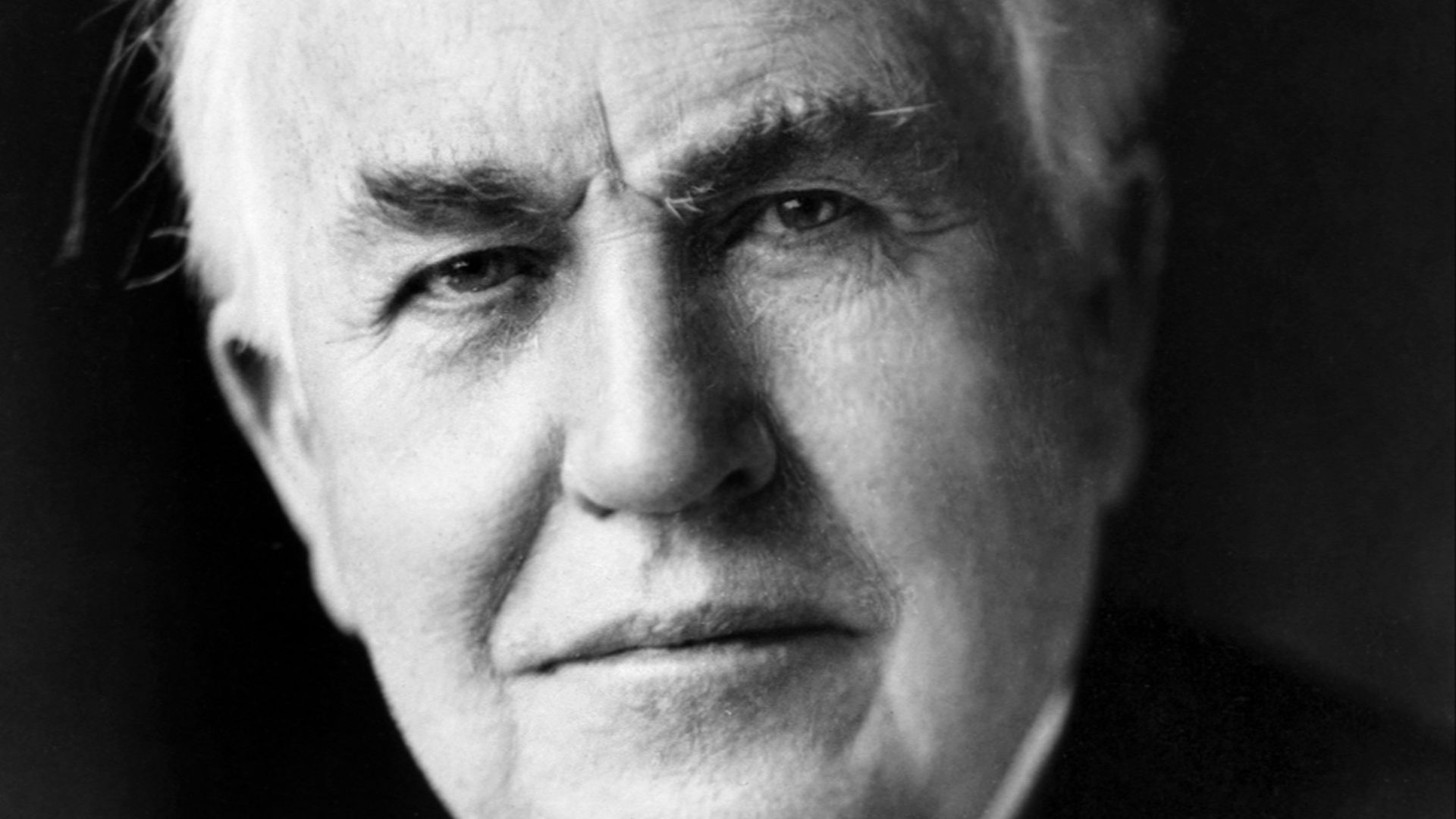
12. Edison And Tesla Were Opposites
Tesla and Edison could hardly have been more different. Edison favored practical experimentation and direct-current electrical systems. Tesla was elegant, theoretical, intensely imaginative, and increasingly convinced that alternating current was the future. Even their working styles clashed. Tesla claimed he could mentally design machinery before building it, while Edison’s laboratories were famous for relentless physical experimentation.
The two brilliant men might have complemented each other. Instead, money helped tear them apart—and Tesla would spend years telling a story about a promise he believed Edison failed to keep.
 Levin C. Handy (per http://hdl.loc.gov/loc.pnp/cwpbh.04326) on Wikimedia
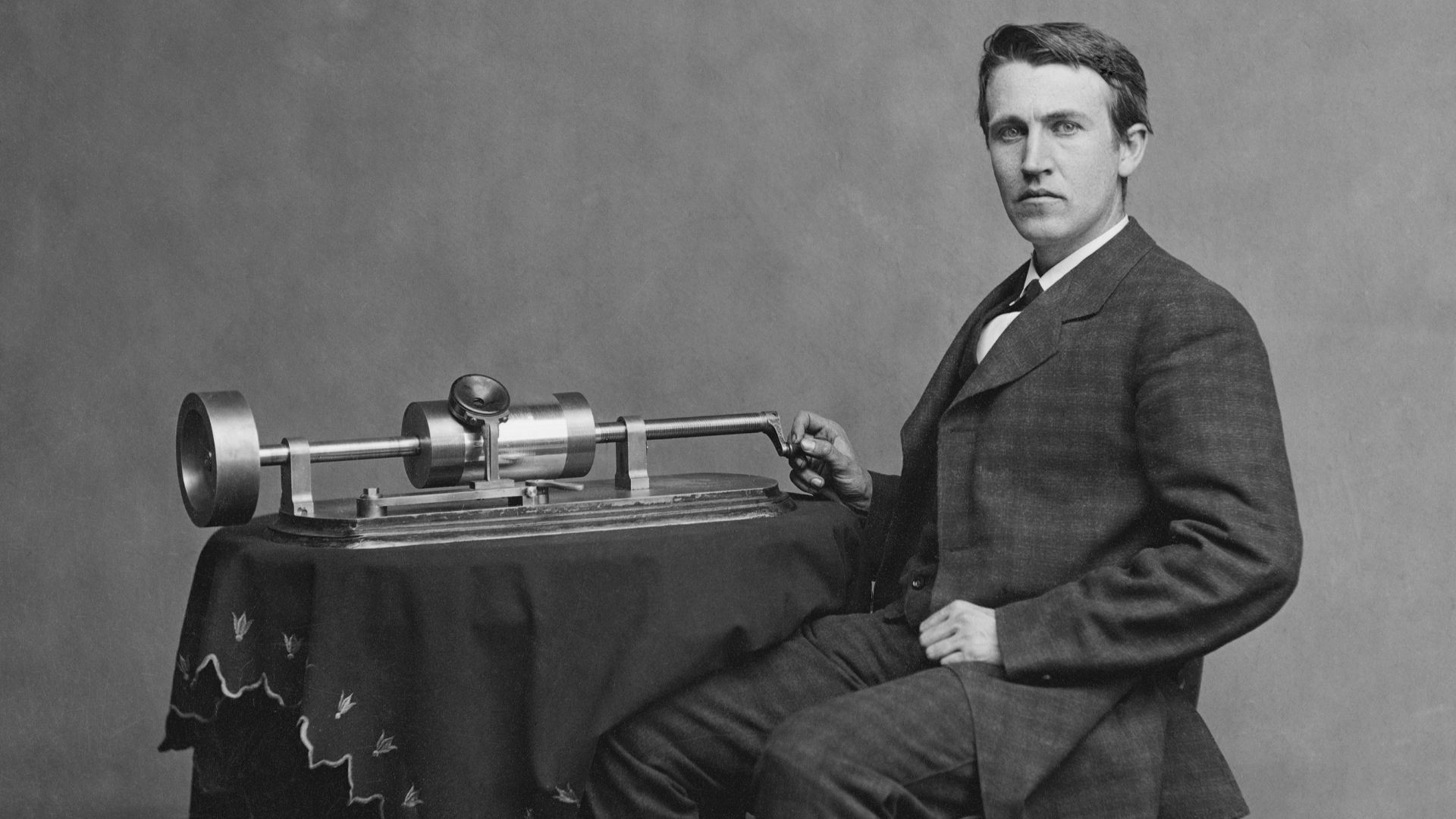
13. He Said Edison Owed Him $50,000
Tesla later claimed Edison offered him $50,000 if he could significantly improve the company’s generators. Tesla said he completed the work, only to discover that Edison had supposedly been joking. According to Tesla’s account, Edison told the immigrant inventor that he did not understand “American humor” and offered him a raise instead.
Historians have questioned some details of this famous story, but Tesla unquestionably left Edison’s company after a relatively short period. Whatever happened, the relationship was over.
Tesla was free—but freedom did not immediately look like success.
 The Manufacturer and builder on Wikimedia
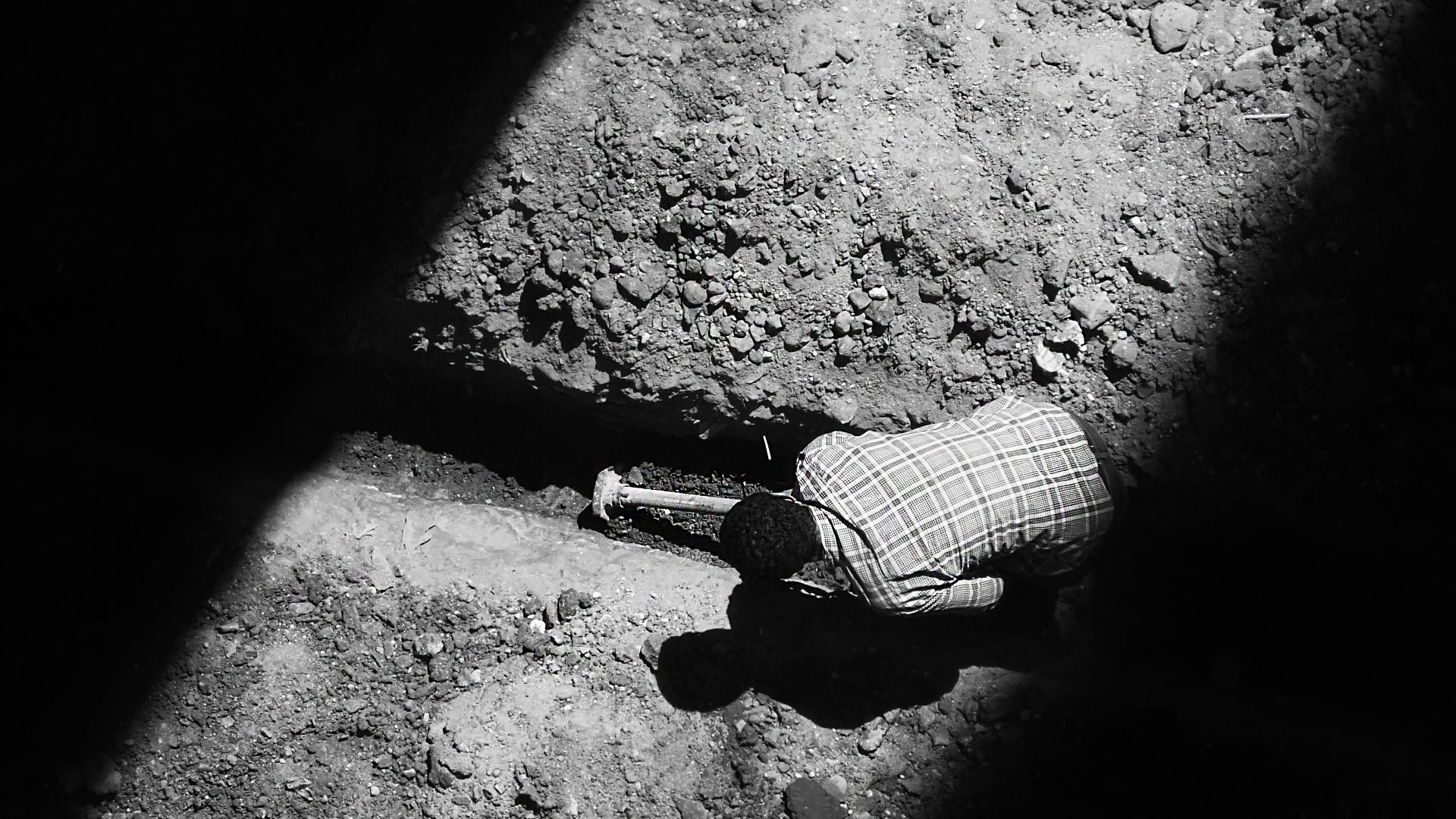
14. He Ended Up Digging Ditches
Tesla formed a company after leaving Edison, but his first attempt at entrepreneurship went badly. Investors became interested in commercially useful lighting technology rather than the grand electrical system Tesla wanted to develop. He eventually lost control of his venture and found himself struggling financially. Tesla later recalled performing manual labor to survive.
Imagine going from designing electrical machinery for Edison to digging ditches in New York. Tesla’s American dream seemed to be collapsing.
Then two investors finally listened to the idea that had been living inside his head.
15. He Finally Got His Chance
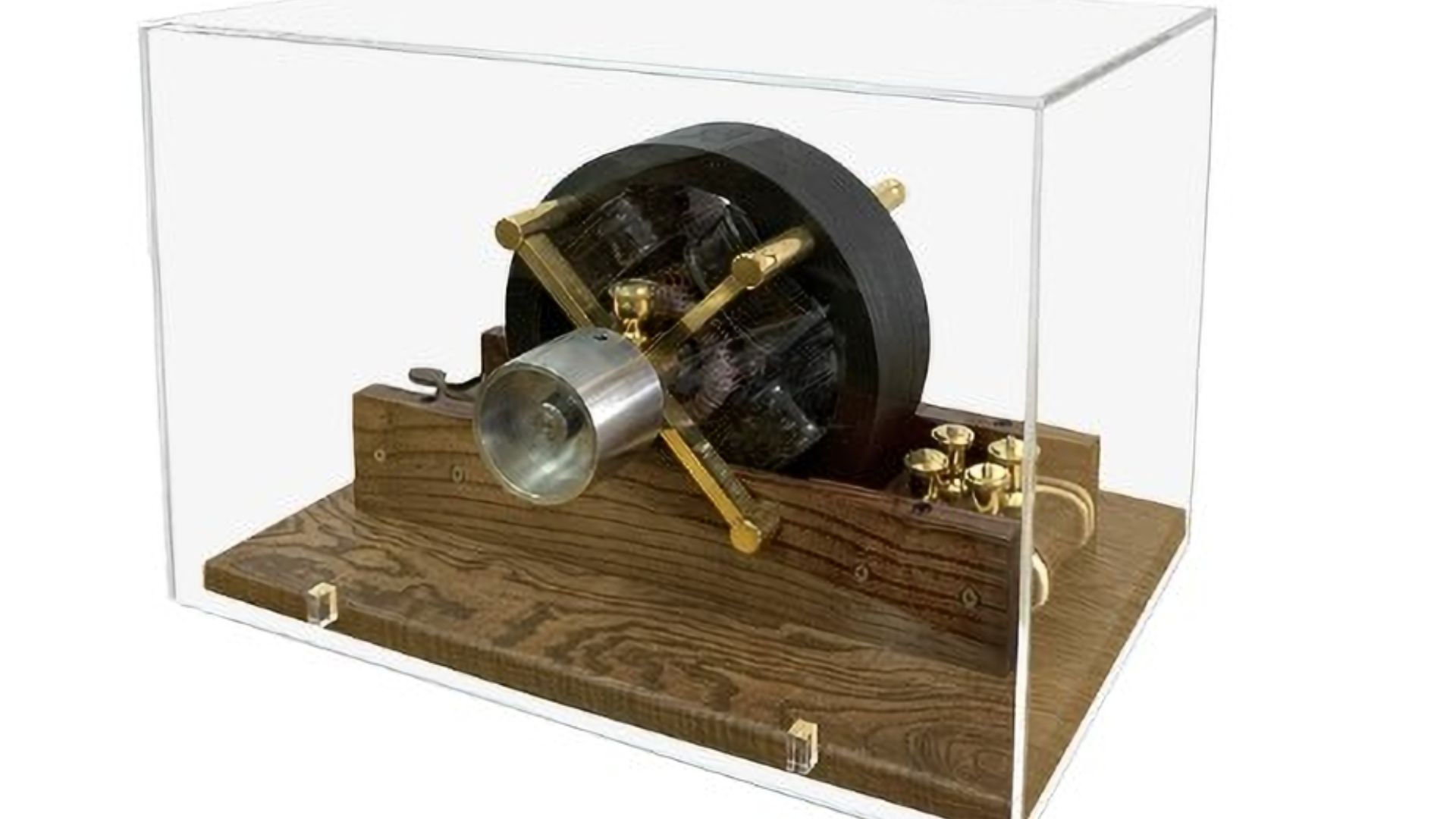
In 1887, Tesla established a new laboratory and began developing the alternating-current inventions that would make his reputation. His induction motor and polyphase electrical system offered a practical way to transmit and use AC electricity. In 1888, Tesla presented his work before the American Institute of Electrical Engineers.
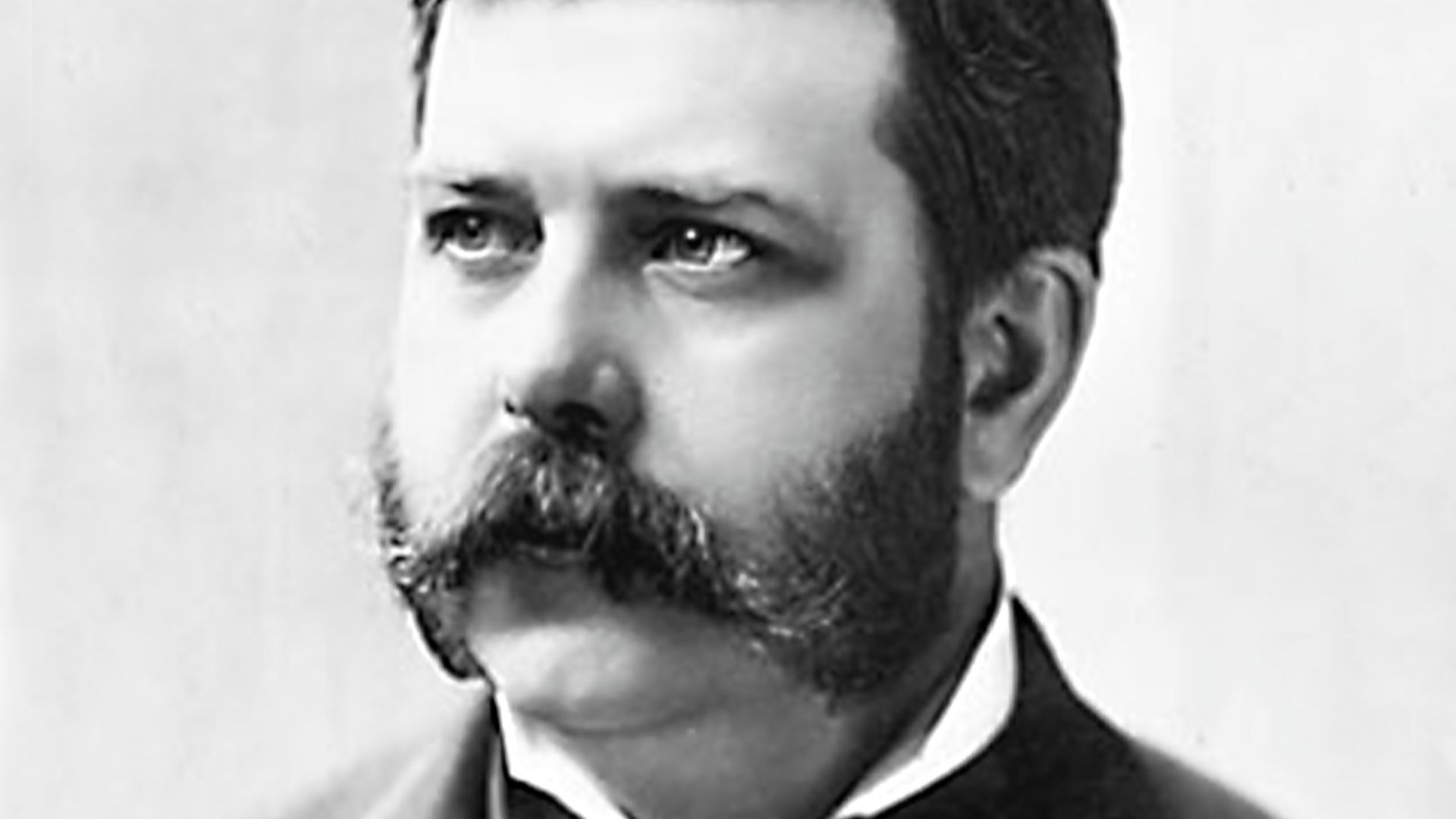
This time, powerful people paid attention. One of them was industrialist George Westinghouse, who understood that Tesla’s patents could help challenge Edison’s electrical empire.
Tesla was about to go from struggling immigrant to one of the most talked-about inventors in America.
 Nikola Tesla Museum on Wikimedia
16. Westinghouse Made Him Famous
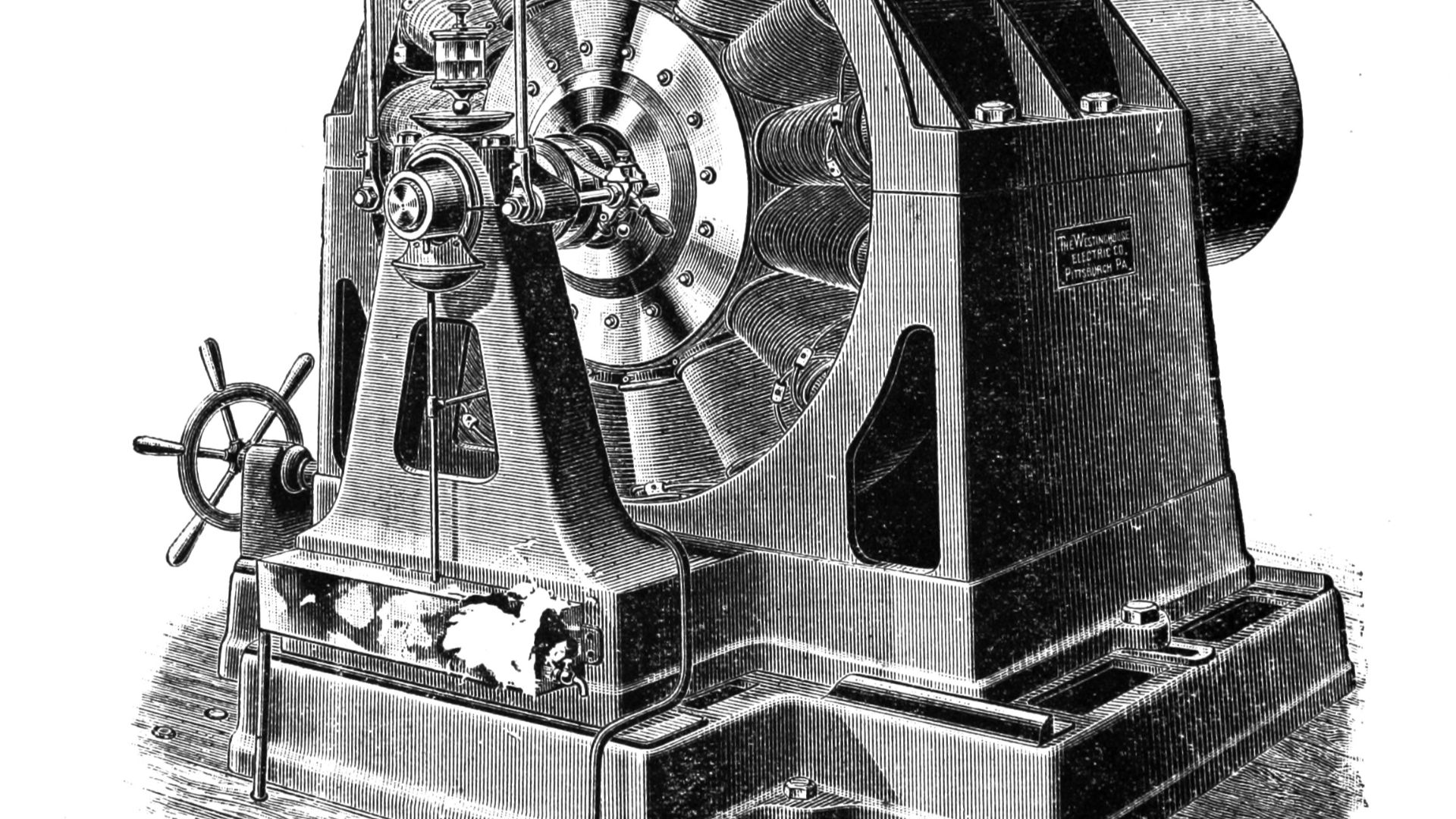
George Westinghouse licensed Tesla’s patents and brought his alternating-current technology into the growing battle over how America would be electrified. Tesla received cash and other compensation in the deal, while Westinghouse gained technology that could transform his company.
Suddenly, Tesla had something Edison could not ignore. The former employee had become associated with his old employer’s most dangerous competitor.
And the disagreement over electricity was about to become much more than a technical argument. It became the notorious “War of the Currents.”
 unknown (Life time: subject died before 1914) on Wikimedia
17. The Electrical War Got Ugly
Edison’s interests strongly favored direct current, while Westinghouse and Tesla championed alternating current. Critics of AC emphasized that high-voltage alternating current could be dangerous, and public demonstrations were used to associate it with frightening consequences. The battle involved business interests, publicity campaigns, patents, and enormous amounts of money.
Tesla, meanwhile, responded in his own theatrical way. He began giving spectacular demonstrations designed to show that electricity could look magical rather than terrifying.
Soon, audiences would watch Tesla seemingly allow enormous electrical discharges to dance around his body.
 AnonymousUnknown author on Wikimedia
18. He Turned Himself Into A Showman
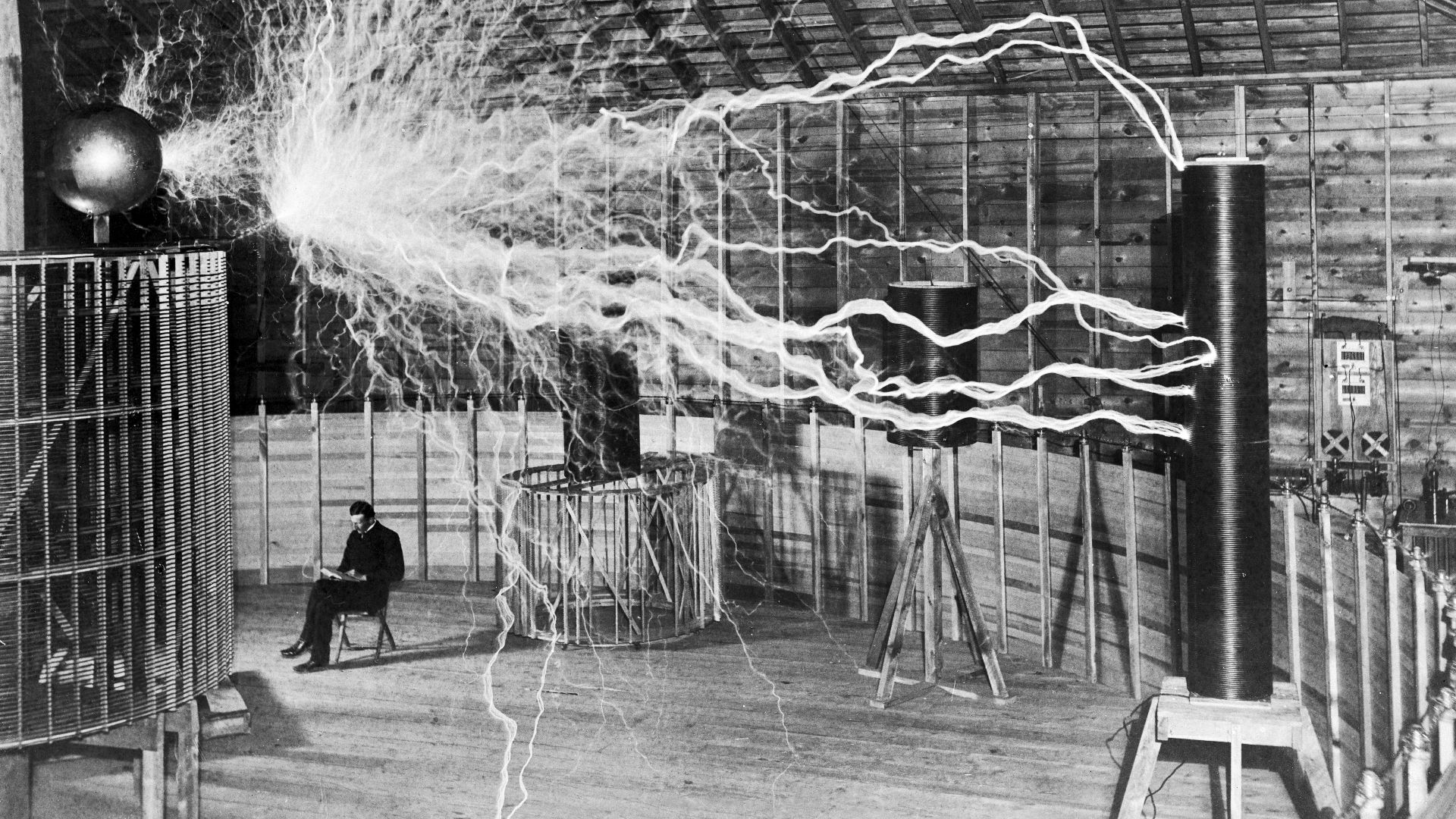
Tesla discovered that scientific lectures could also be performances. Tall, thin, impeccably dressed, and speaking with a European accent, he made an unforgettable figure before wealthy audiences. During demonstrations, electrical currents illuminated lamps without conventional wires and produced dramatic sparks around his equipment. Tesla appeared almost supernatural to people who were still getting accustomed to electric lighting.
Newspapers loved him. Society noticed him. For a time, Nikola Tesla was not merely an engineer—he was a celebrity.
And one of America’s biggest industrial showcases was about to make him even more famous.
 Photographer: Dickenson V. Alley Restored by Lošmi on Wikimedia
19. Chicago Was His Triumph
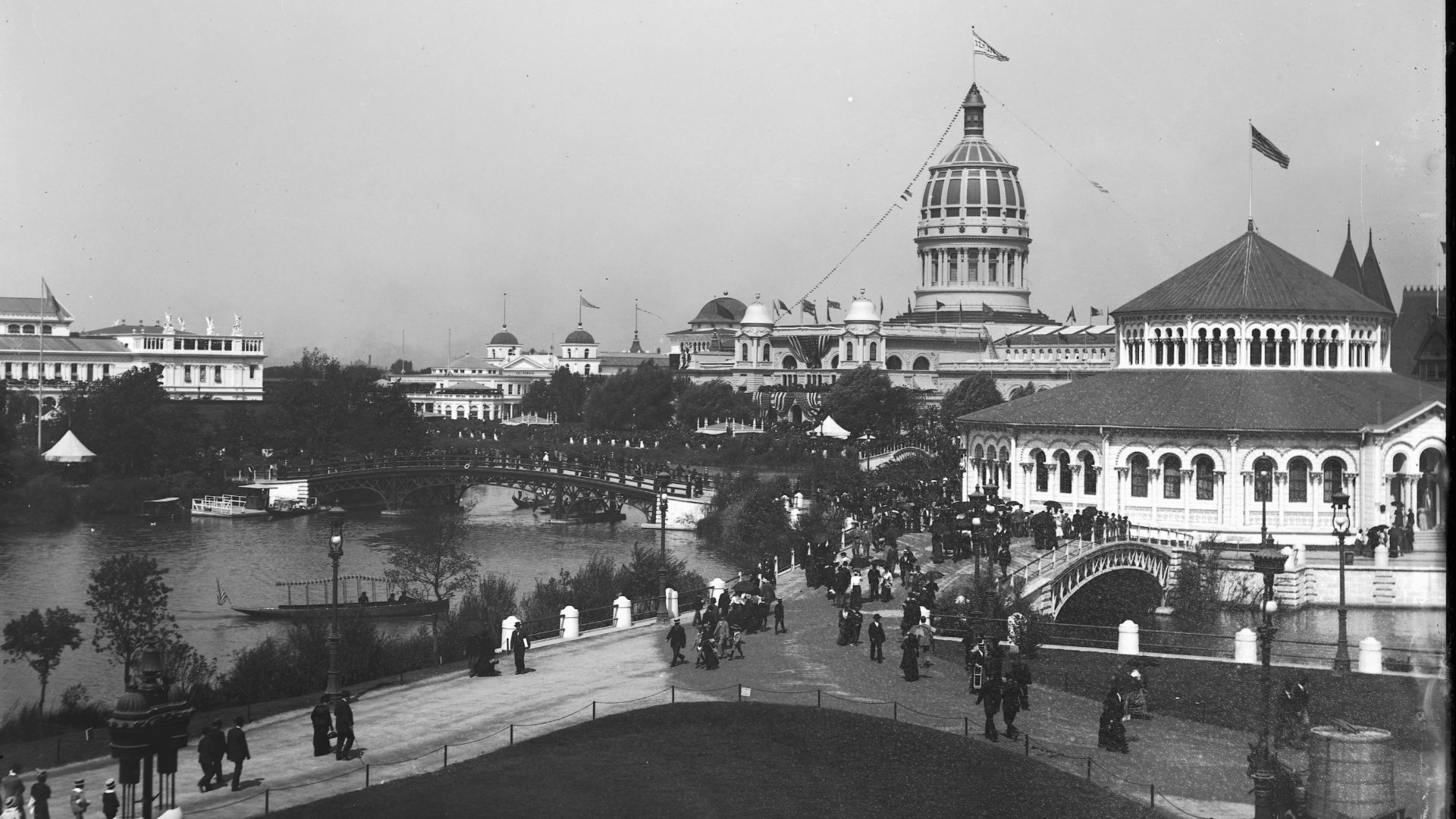
At the 1893 World’s Columbian Exposition in Chicago, Westinghouse’s alternating-current system helped illuminate the fair on a breathtaking scale. Millions of visitors encountered a dazzling electrical spectacle, and Tesla’s demonstrations helped associate AC with the future.
For Tesla, it was a moment of vindication. The immigrant who had recently struggled to survive was now connected to one of the most spectacular technological displays on Earth.
But the real prize was not Chicago. It was Niagara Falls—and Tesla had dreamed about harnessing its power since childhood.
20. Niagara Made Him A Legend
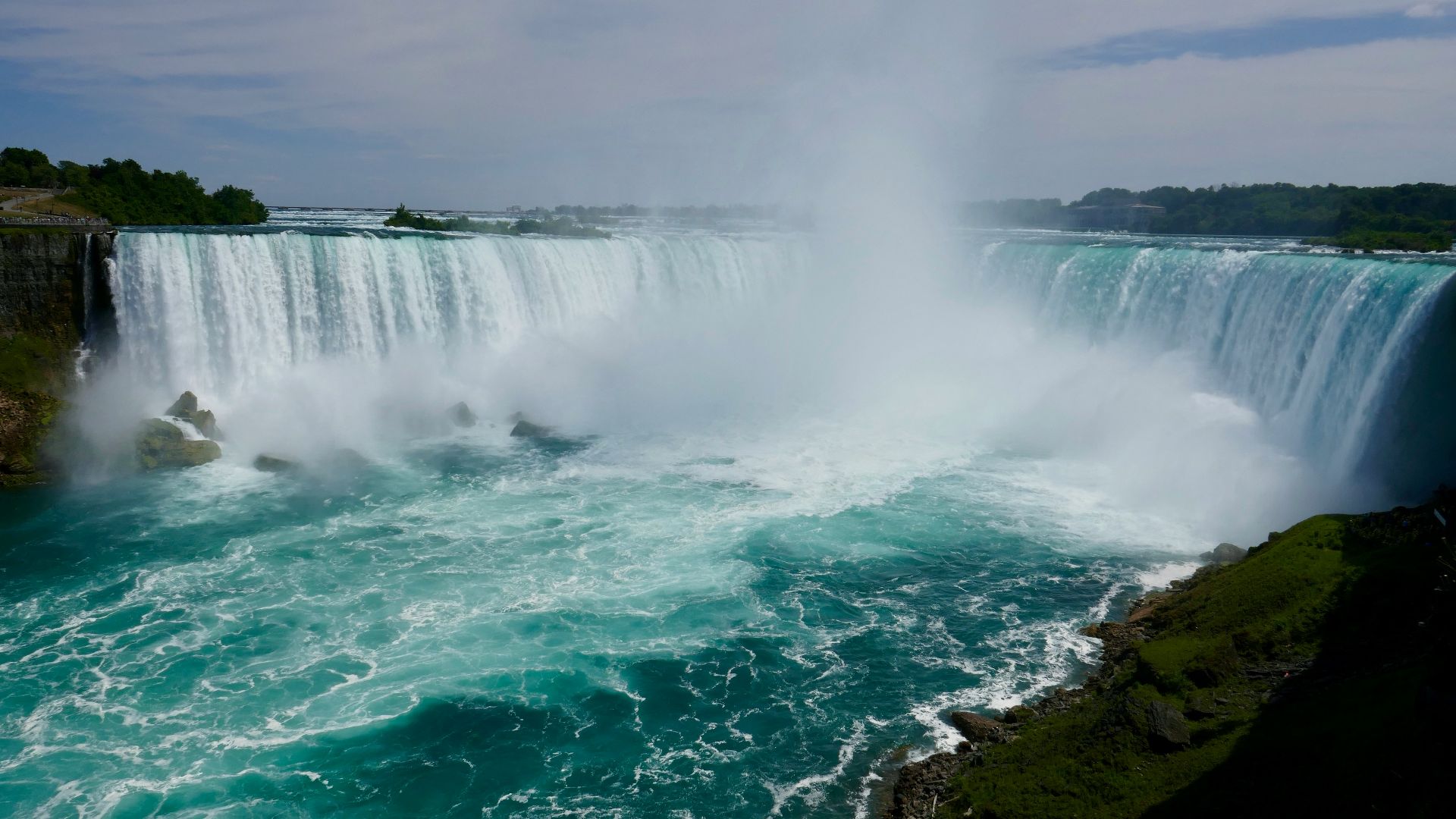
The hydroelectric project at Niagara Falls became one of the great symbols of the new electrical age. Westinghouse technology based partly on Tesla’s polyphase system helped transmit power from the falls, with electricity eventually reaching Buffalo.
Tesla had helped prove that alternating current could operate on a massive practical scale. His name became permanently connected to the triumph of AC.
This should have been the beginning of a comfortable life filled with wealth and respect. Instead, Tesla repeatedly proved that being brilliant at invention did not necessarily mean being brilliant with money.
21. He May Have Sacrificed A Fortune
A famous story claims Tesla tore up or surrendered a lucrative royalty agreement with Westinghouse when the businessman’s company came under financial pressure. Versions of the tale sometimes suggest Tesla casually walked away from a fortune worth millions.
The precise details have been debated by historians, and the popular story has likely been exaggerated. What is certain is that Tesla never accumulated the lasting fortune his revolutionary patents might suggest.
That was especially unfortunate because Tesla had expensive tastes—and increasingly expensive ideas.
22. He Lived Like A Celebrity
During his successful years in New York, Tesla moved through fashionable social circles and stayed in luxurious hotels. He became friendly with writers, businessmen, artists, and prominent families. His appearance helped: Tesla stood about six feet two inches tall, dressed meticulously, and was frequently described as striking.
Women reportedly found him fascinating. Tesla, however, kept romance at arm’s length.
That decision became one of the enduring mysteries of his personal life, because Tesla would later suggest that marriage and genius simply did not mix.
23. He Never Married
Tesla remained a bachelor for his entire life. He argued at various times that remaining unmarried allowed him to devote himself completely to invention. He admired women and enjoyed friendships with them, but there is no well-established romantic partnership in his biography.
Later in life, Tesla admitted that perhaps he had sacrificed too much by remaining alone. By then, however, his habits had become increasingly rigid.
There was also one famous woman who reportedly caught his attention—and she was one of the biggest stars in the world.
24. Sarah Bernhardt Fascinated Him
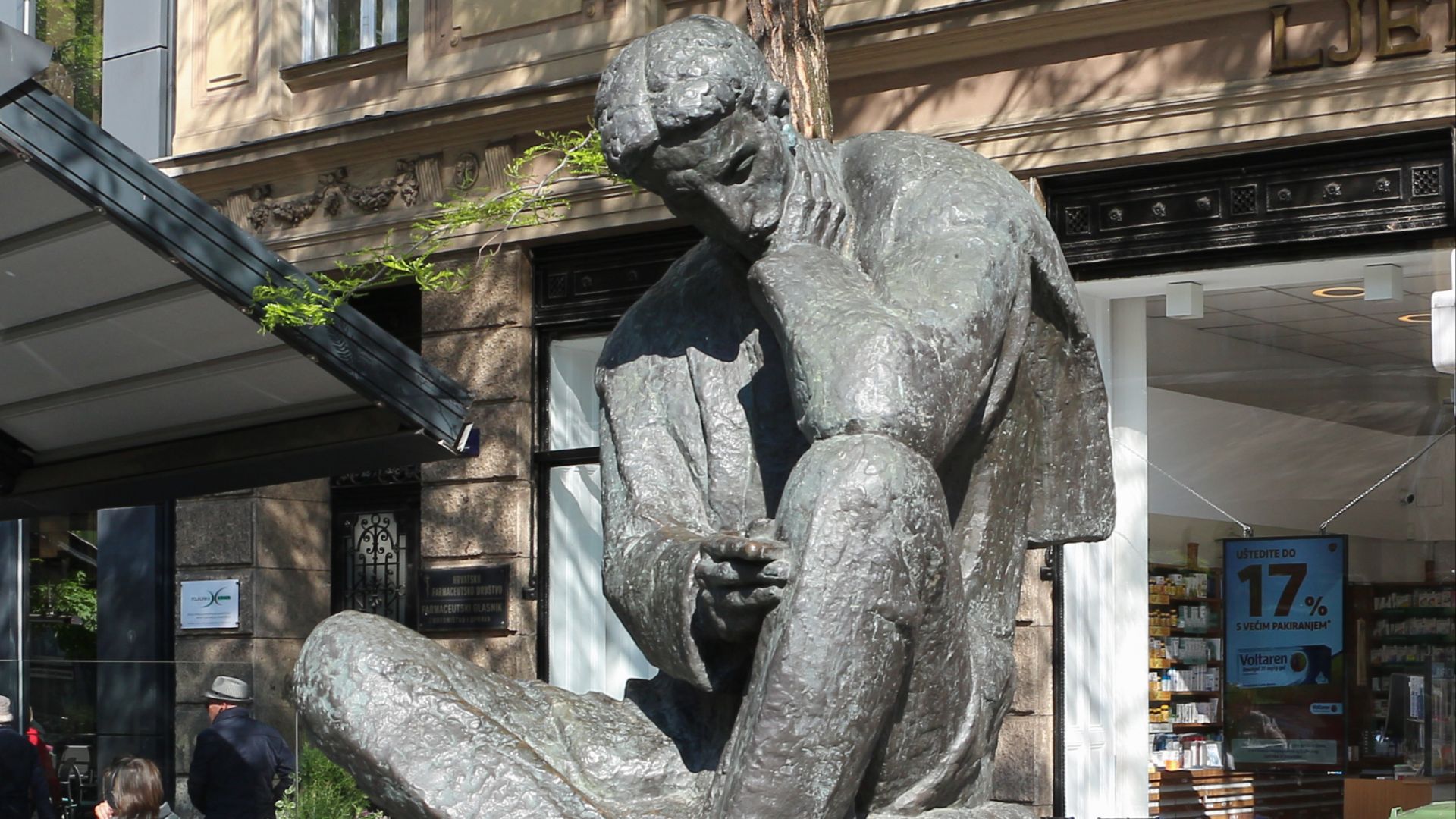
Tesla moved in circles that included celebrities such as the internationally famous actress Sarah Bernhardt. Stories later circulated that Bernhardt once deliberately dropped a handkerchief near Tesla so that he would retrieve it. Tesla supposedly returned it with impeccable manners but without taking the romantic bait.
The details of the encounter have been embellished over time, so it should not be treated as a documented love affair. Still, the story captured something people found irresistible about Tesla: women could be fascinated by him while he remained stubbornly unavailable.
His closest relationships tended to be friendships instead.
25. Mark Twain Became His Friend
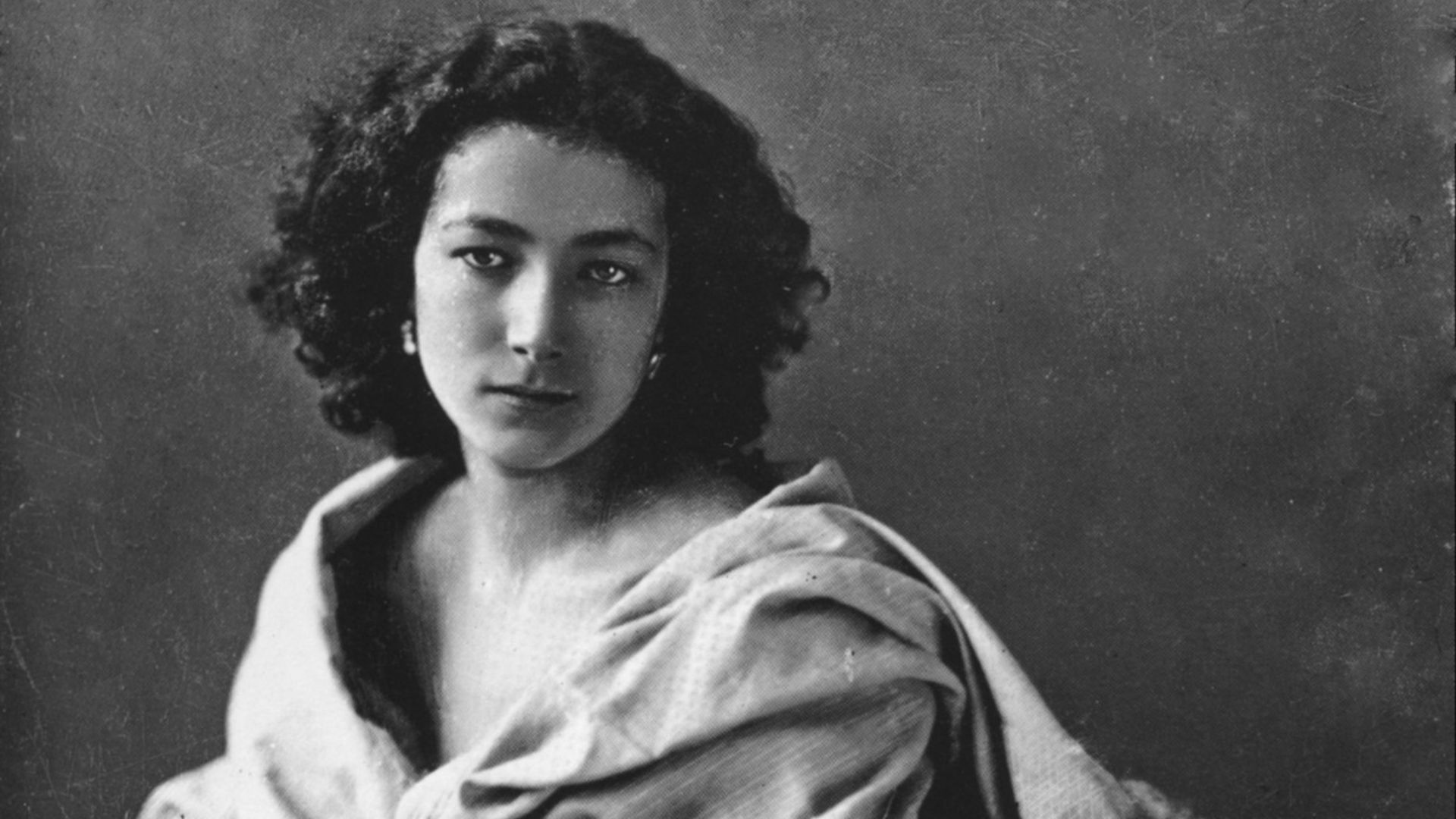
One of Tesla’s most famous friends was writer Mark Twain. Twain visited Tesla’s laboratory, posed for photographs there, and delighted in the inventor’s strange electrical equipment. Tesla enjoyed entertaining prominent guests with demonstrations that seemed halfway between serious science and stage magic.
There is even a humorous story that one of Tesla’s mechanical oscillators gave Twain an unexpectedly urgent reaction after Twain remained on it too long. The tale comes largely through Tesla’s later recollections, so details should be treated cautiously.
Unfortunately, Tesla’s laboratory would soon become the scene of something far less amusing.
 Unknown authorUnknown author on Wikimedia
26. His Laboratory Burned
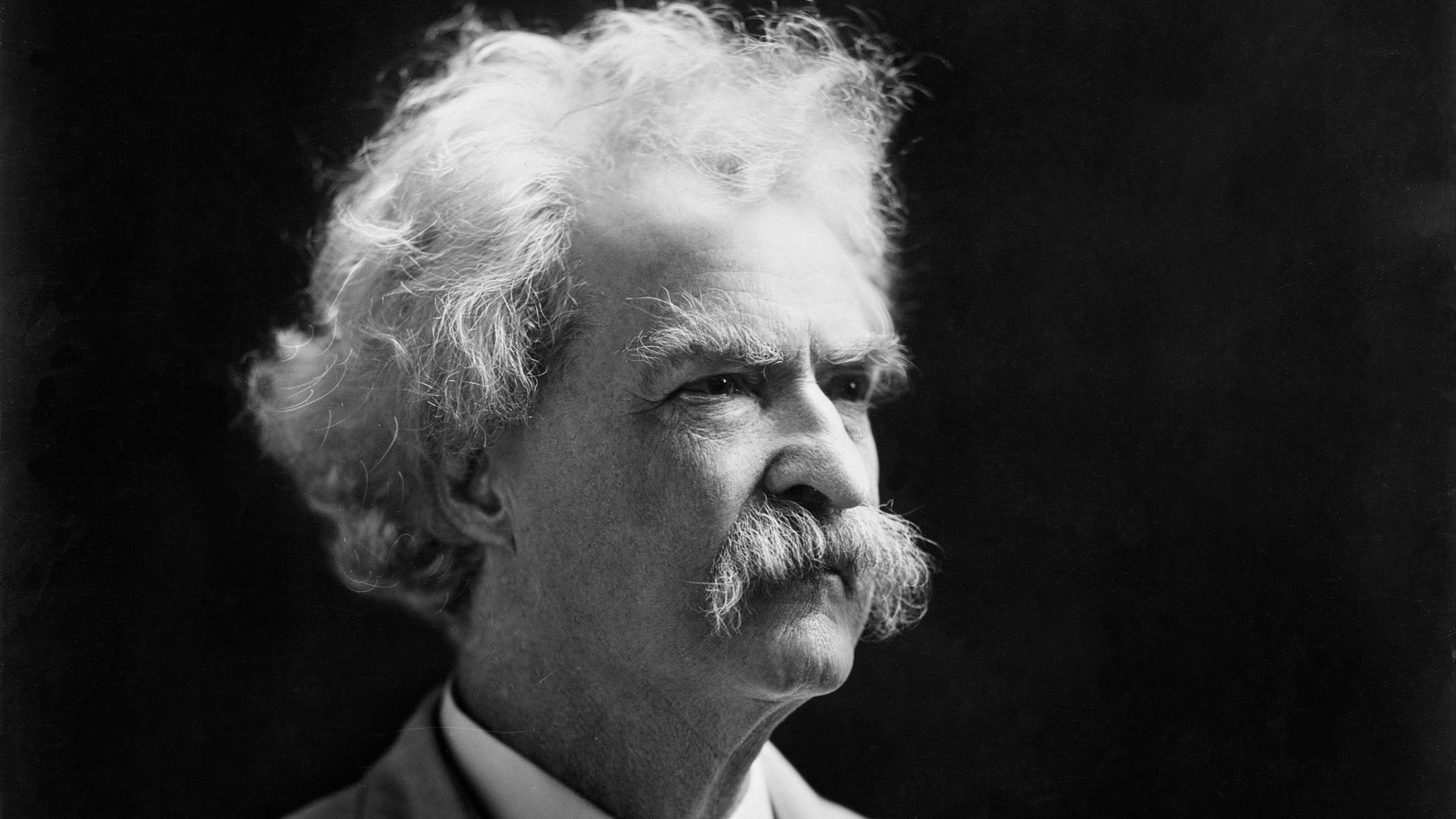
In March 1895, a fire destroyed Tesla’s South Fifth Avenue laboratory in New York. Years of equipment, notes, models, photographs, and experimental apparatus disappeared. Tesla reportedly had no insurance covering the devastating loss.
For an inventor who stored so much of his work in physical machinery—and who believed passionately in the ideas represented by it—the destruction was crushing. Newspapers reported the disaster, and friends rallied around him.
Tesla rebuilt, but the fire marked a painful dividing line. His greatest triumphs were increasingly being followed by equally dramatic setbacks.
 The Nikola Tesla Museum on Wikimedia
27. He Created A Boat With No Driver
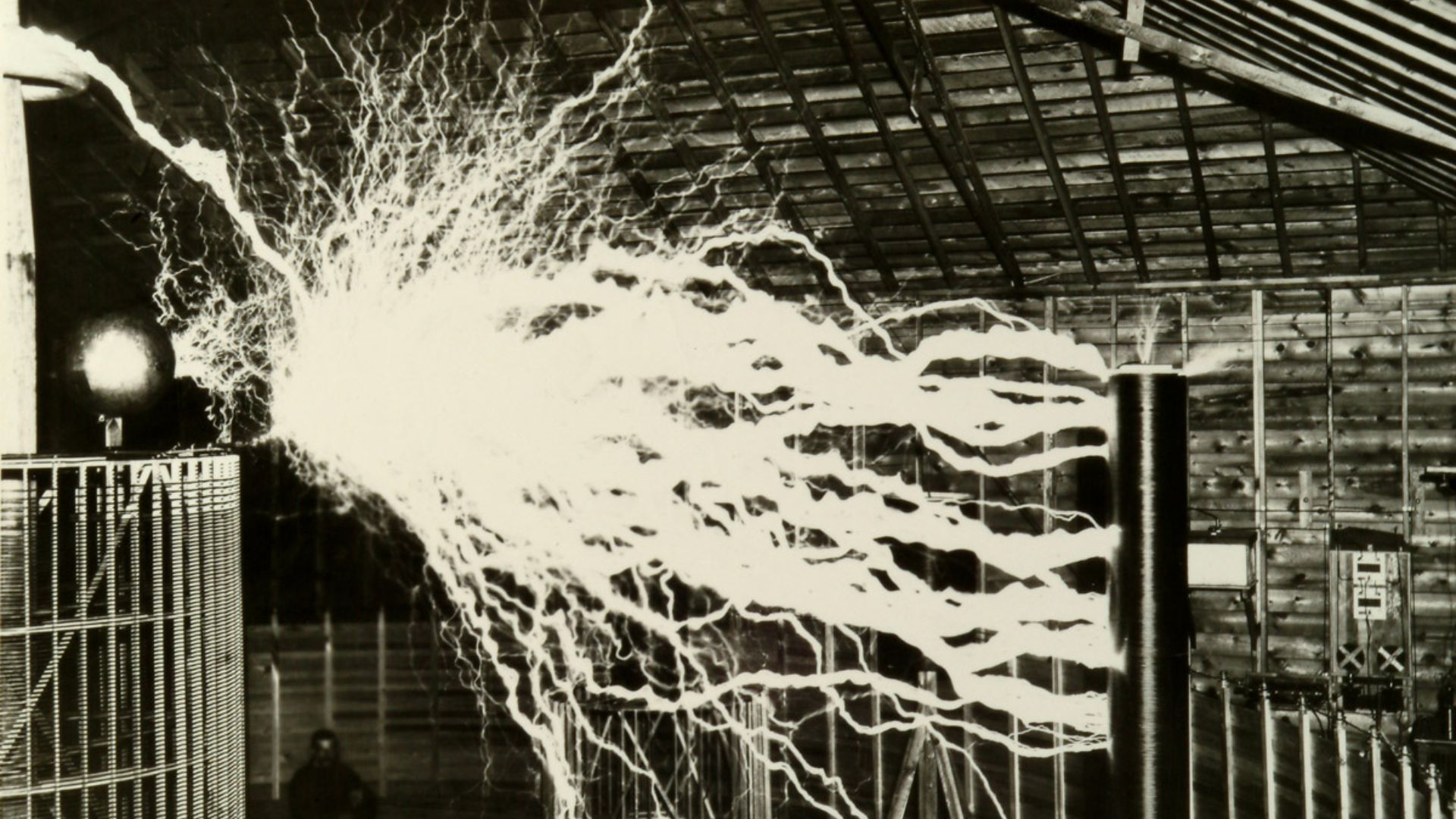
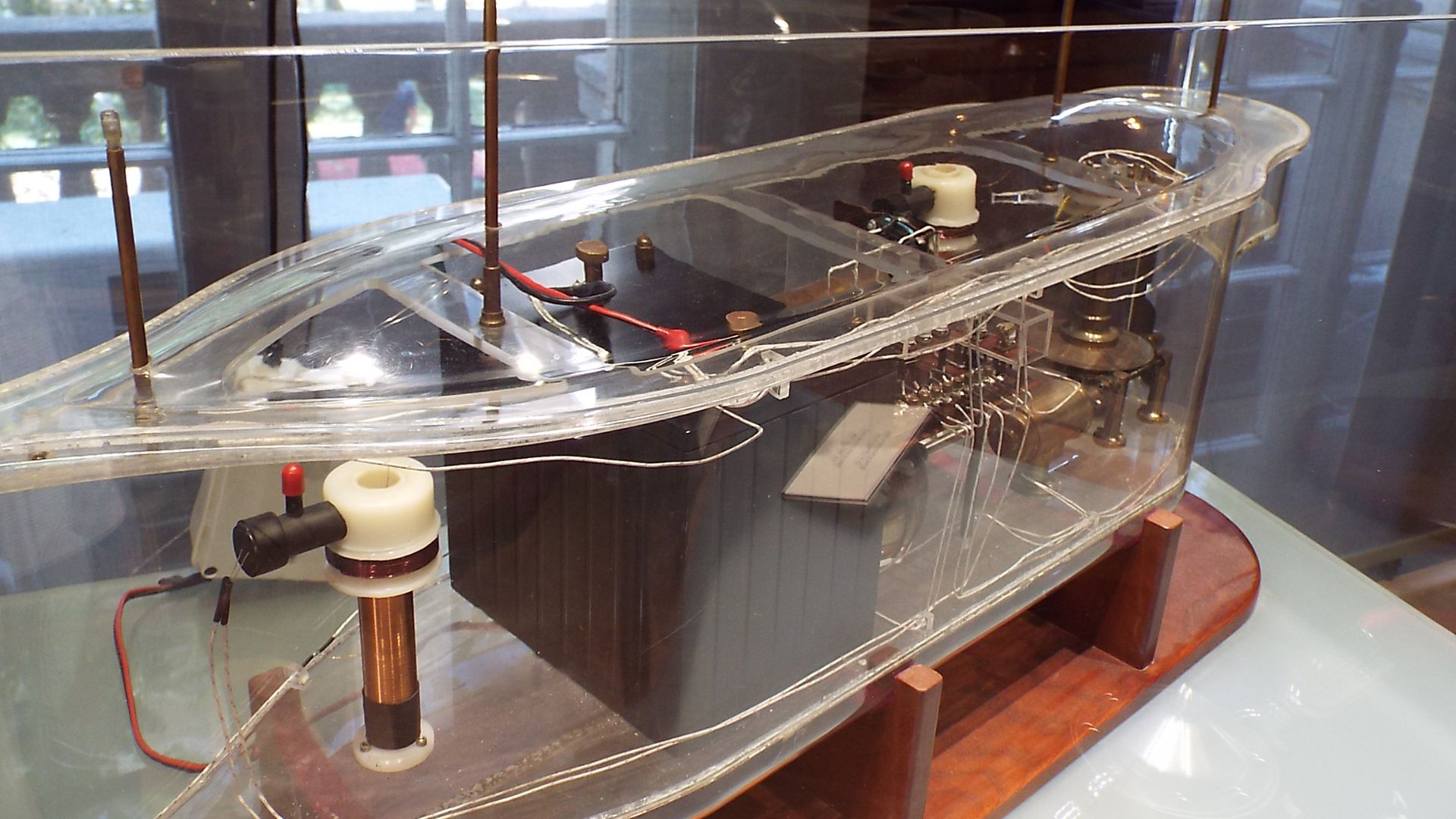
In 1898, Tesla demonstrated a radio-controlled boat at Madison Square Garden. To an audience unfamiliar with remote-controlled machines, it seemed almost impossible. Tesla could direct the small craft without anyone aboard, using what he called “telautomatics.”
Some observers reportedly suspected trickery or hidden intelligence inside the boat. Tesla, meanwhile, imagined remotely controlled machines performing tasks humans would otherwise have to risk their lives doing.
The demonstration was decades ahead of everyday remote-control technology. But Tesla’s imagination was already moving beyond boats.
He wanted to send information—and eventually power—through the air.
28. He Went To Colorado To Make Lightning
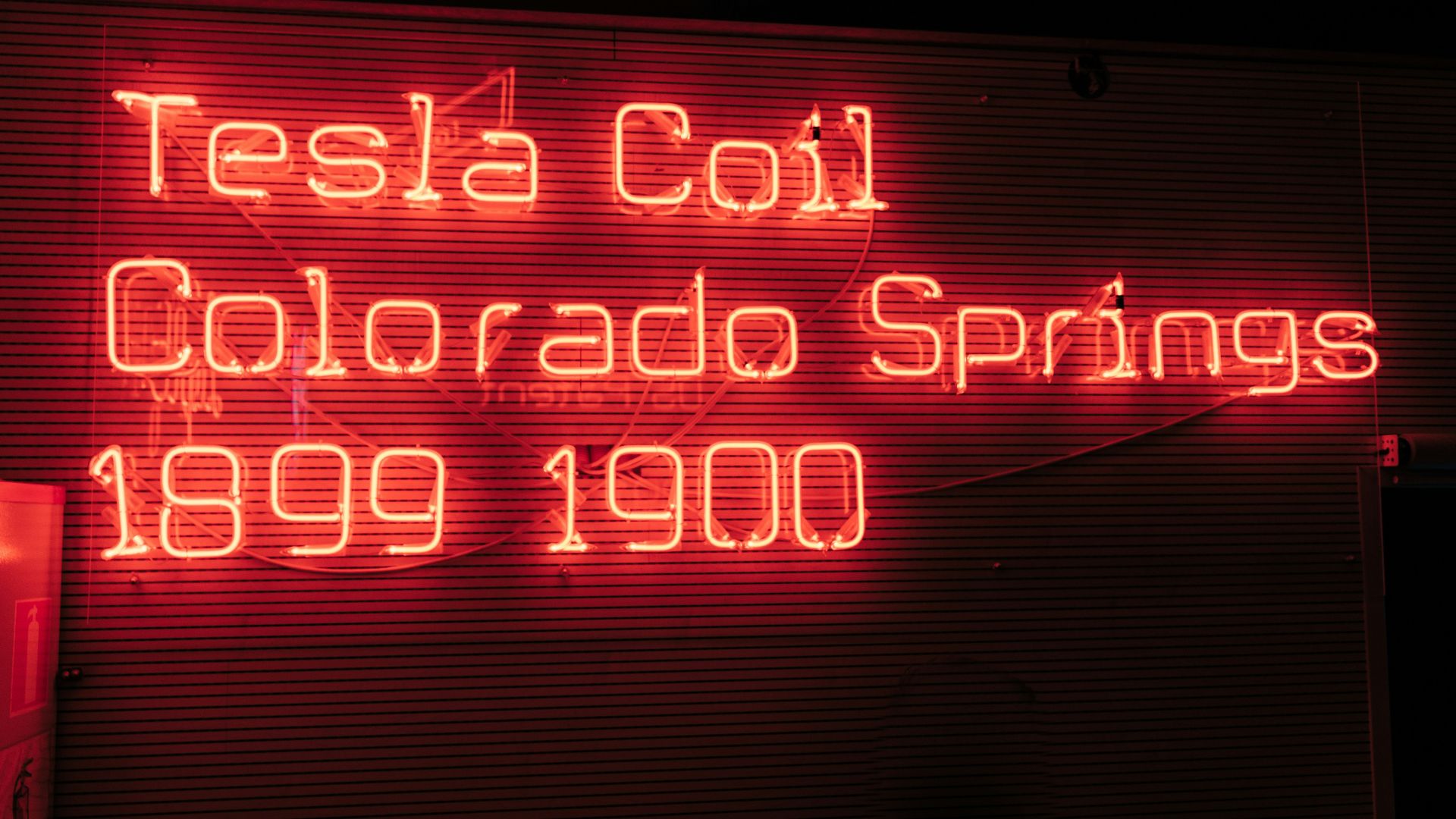
In 1899, Tesla established an experimental station in Colorado Springs, where he could work with enormous electrical discharges far from crowded New York. His laboratory produced spectacular artificial lightning, with sparks reportedly stretching many feet.
Residents became accustomed to strange flashes and booming sounds coming from Tesla’s station. During one experiment, he overloaded equipment connected to the local power system and caused a generator problem that temporarily left him without electricity.
Tesla had gone west looking for answers. What he claimed to detect there was stranger than anything he had expected.
29. He Thought Someone Was Sending Signals
While working in Colorado, Tesla detected unusual electrical signals. He became convinced that they might represent intelligent communication from another world, possibly Mars. Scientists today do not accept Tesla’s interpretation, and the signals may have had perfectly natural or terrestrial explanations.
But Tesla publicly discussed the possibility that he had detected something beyond Earth. At the dawn of radio, when almost nobody understood what signals might be traveling invisibly through the atmosphere, the idea captured imaginations.
Tesla now wanted to build something enormous enough to change communication forever.
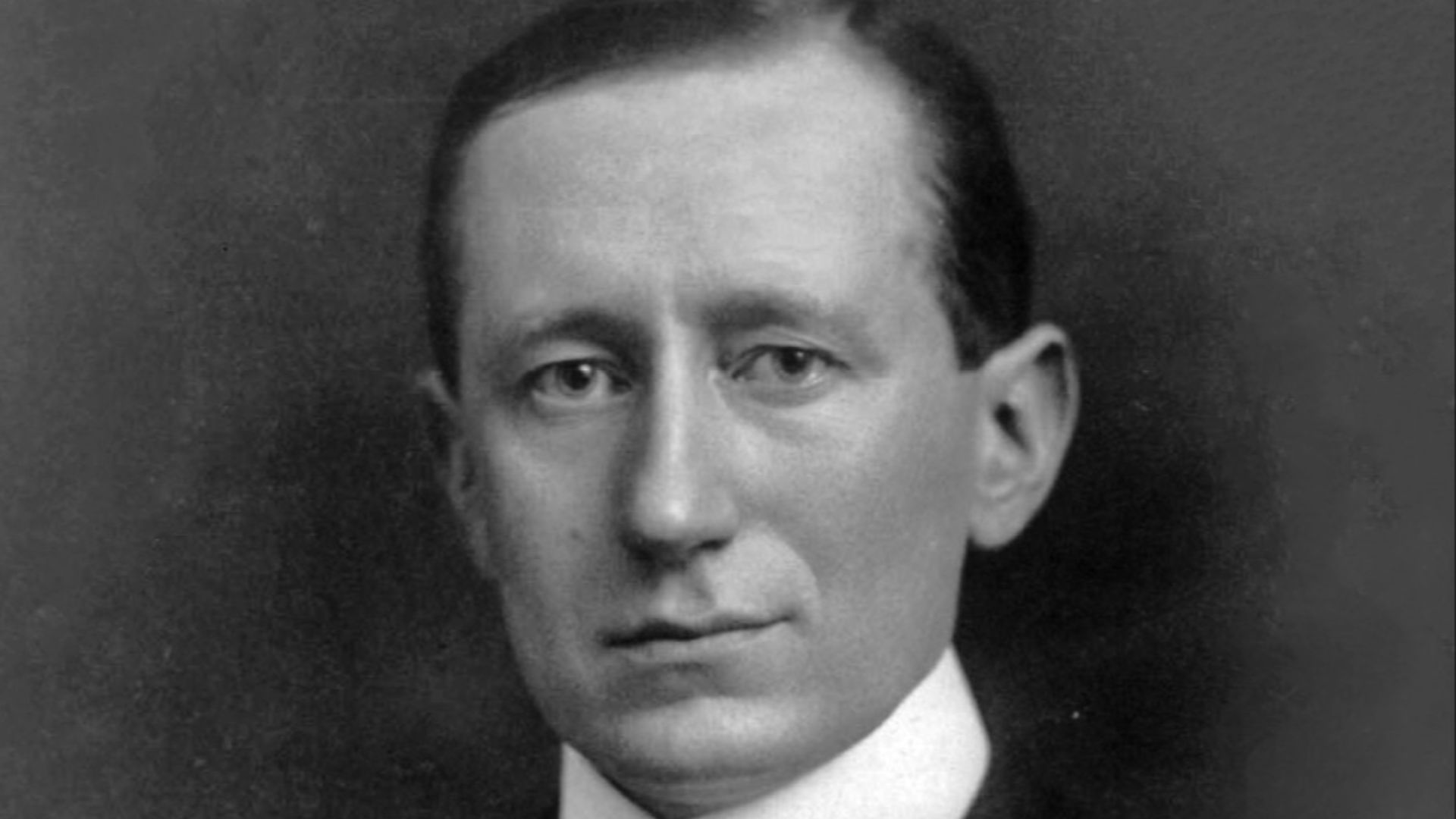
30. J.P. Morgan Gave Him A Fortune
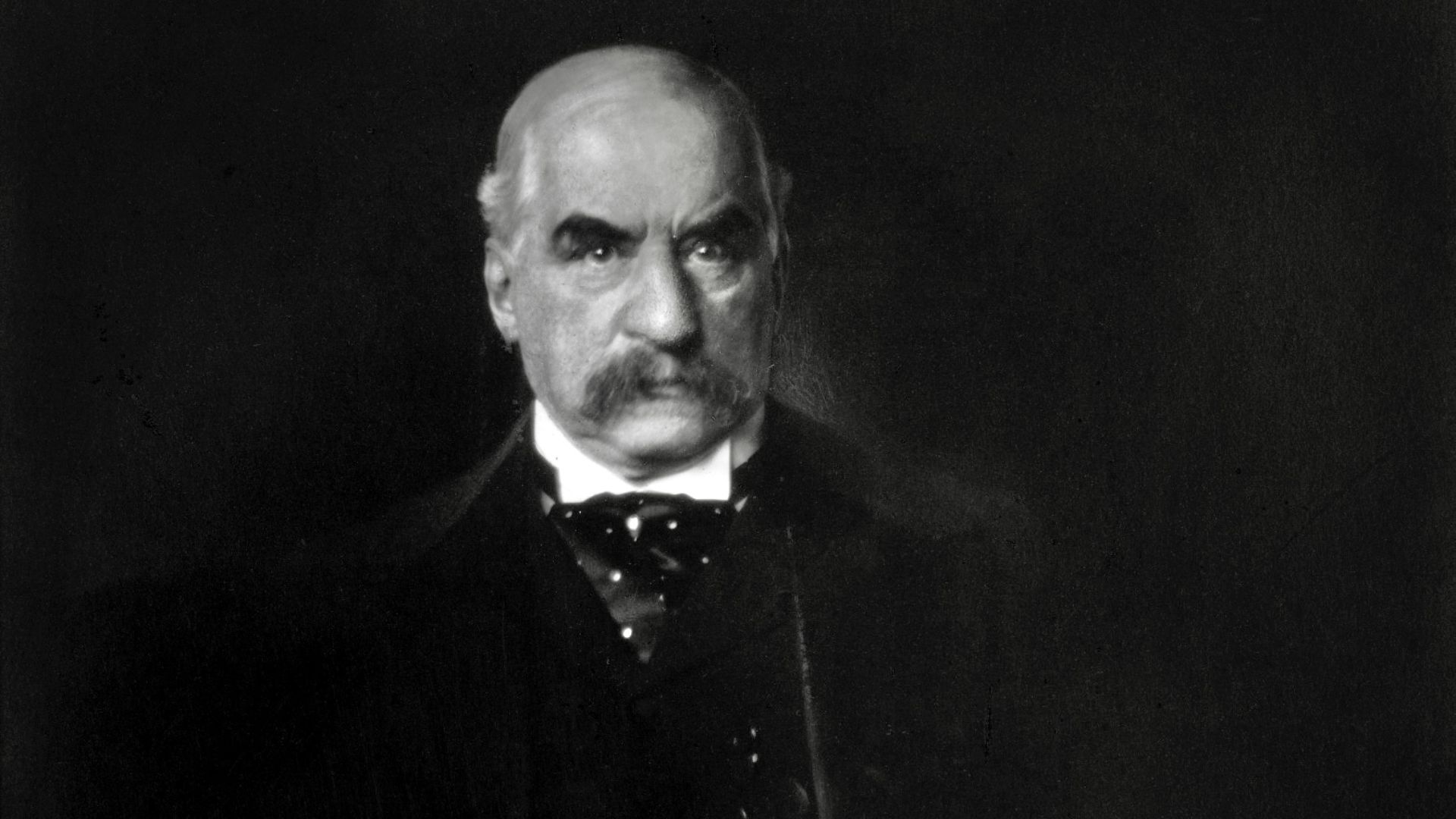
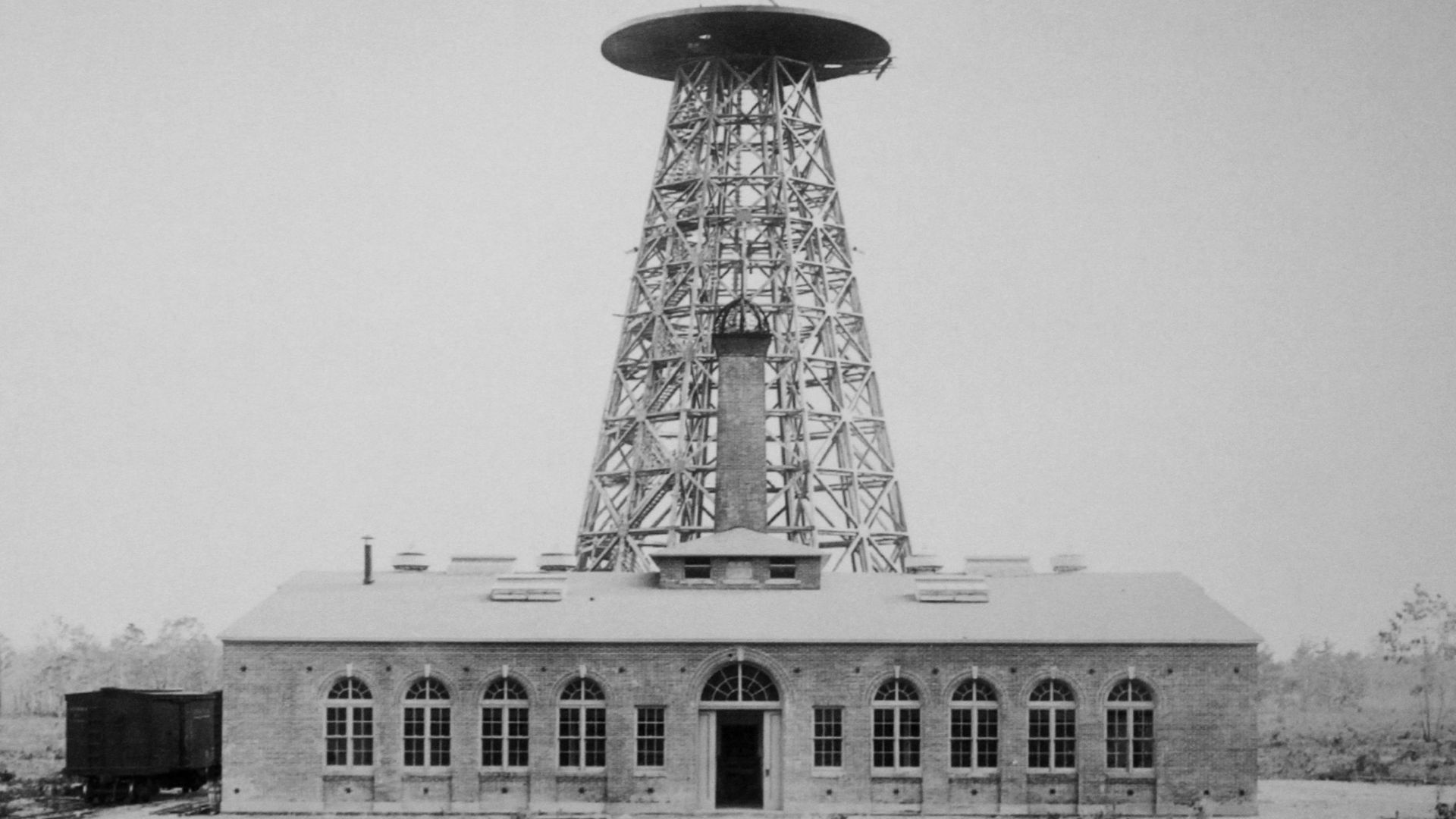
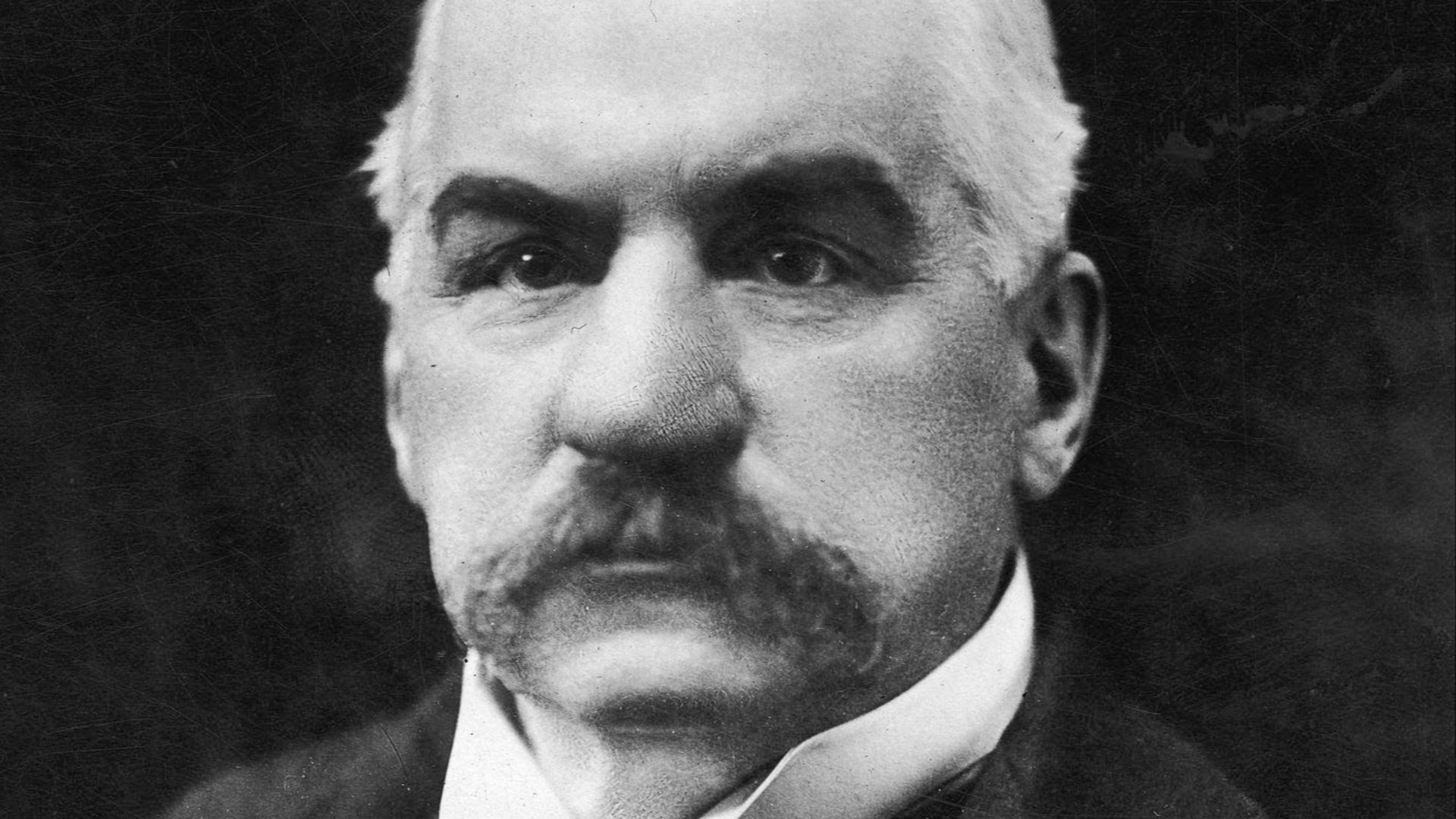
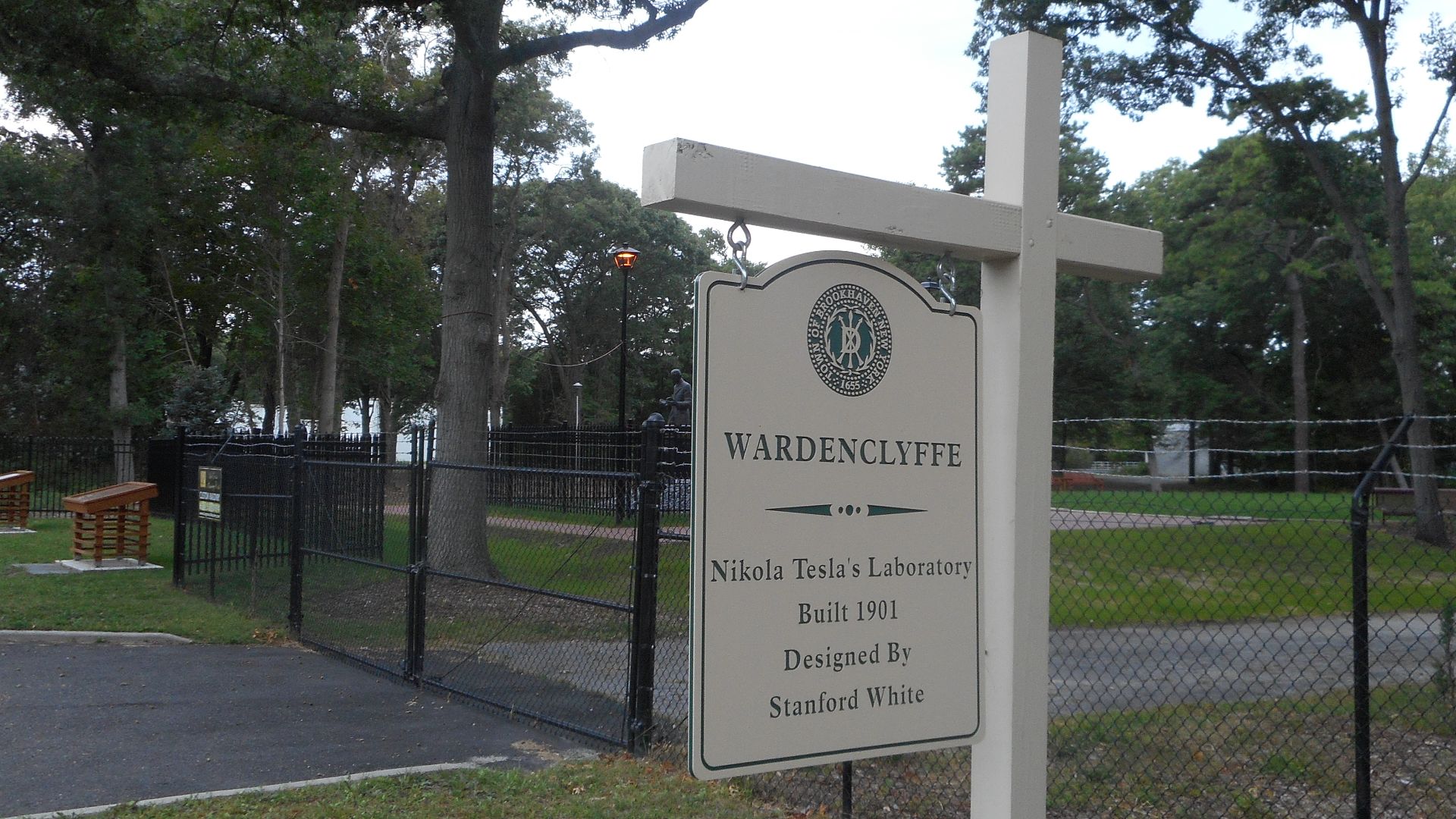
Tesla convinced financier J.P. Morgan to support an ambitious wireless project on Long Island. The result was Wardenclyffe, where Tesla began constructing a huge tower designed for experiments in wireless communication.
Morgan initially provided Tesla with substantial financial backing, believing the project could compete in the emerging communications business. Tesla, however, envisioned something grander: a worldwide system that might transmit messages, information, and perhaps even electrical power.
That was precisely the problem.
Morgan had invested in a business proposition. Tesla was trying to redesign civilization.
31. His Dream Became Bigger And Bigger
Wardenclyffe became the physical symbol of Tesla’s enormous ambition. He imagined a “World System” capable of linking distant places almost instantly. Tesla described possibilities that sound startlingly modern, including the rapid transmission of news, messages, and other information across great distances.
But grand visions required grand amounts of money. Construction costs rose, Tesla’s plans evolved, and Morgan became increasingly reluctant to provide additional financing.
Then another inventor achieved a spectacular wireless success—and Tesla watched the headlines go to someone else.
32. Marconi Beat Him To The Headlines
In 1901, Guglielmo Marconi announced the reception of a wireless signal across the Atlantic. Tesla believed Marconi’s work relied on principles and patents connected to his own inventions, and he was unimpressed by the rival’s achievement.
The public, however, saw Marconi as the man who had conquered transatlantic wireless communication. Investors saw something even more important: a system that appeared to work commercially.
Tesla suddenly looked less like the future and more like an expensive gamble.
And J.P. Morgan was becoming increasingly unwilling to keep writing checks.
33. Morgan Turned Him Down
Tesla repeatedly sought more funding for Wardenclyffe, but Morgan declined to provide the level of continuing support Tesla needed. Without enough money, the project stalled.
The relationship has sometimes been portrayed as a dramatic betrayal by a greedy financier frightened by “free energy.” The reality was less cinematic: Tesla’s project had become financially uncertain, technically ambitious, and difficult to commercialize while competitors were advancing.
For Tesla, however, Wardenclyffe was more than another investment. It represented his vision of the future.
Watching it collapse was devastating.
 Unknown authorUnknown author on Wikimedia
34. His Greatest Project Became A Ruin
Wardenclyffe never fulfilled Tesla’s grand dream. Debts accumulated, work slowed, and the tower eventually stood as a monument to an unfinished project. In 1917, the structure was demolished.
The failure hurt Tesla financially and damaged his standing among investors. He continued inventing, but the period when wealthy businessmen seemed eager to fund whatever came out of his imagination was fading.
Tesla had once appeared destined to become one of America’s great industrial giants.
Instead, he increasingly became something else: a brilliant outsider with ideas people were no longer sure they could believe.
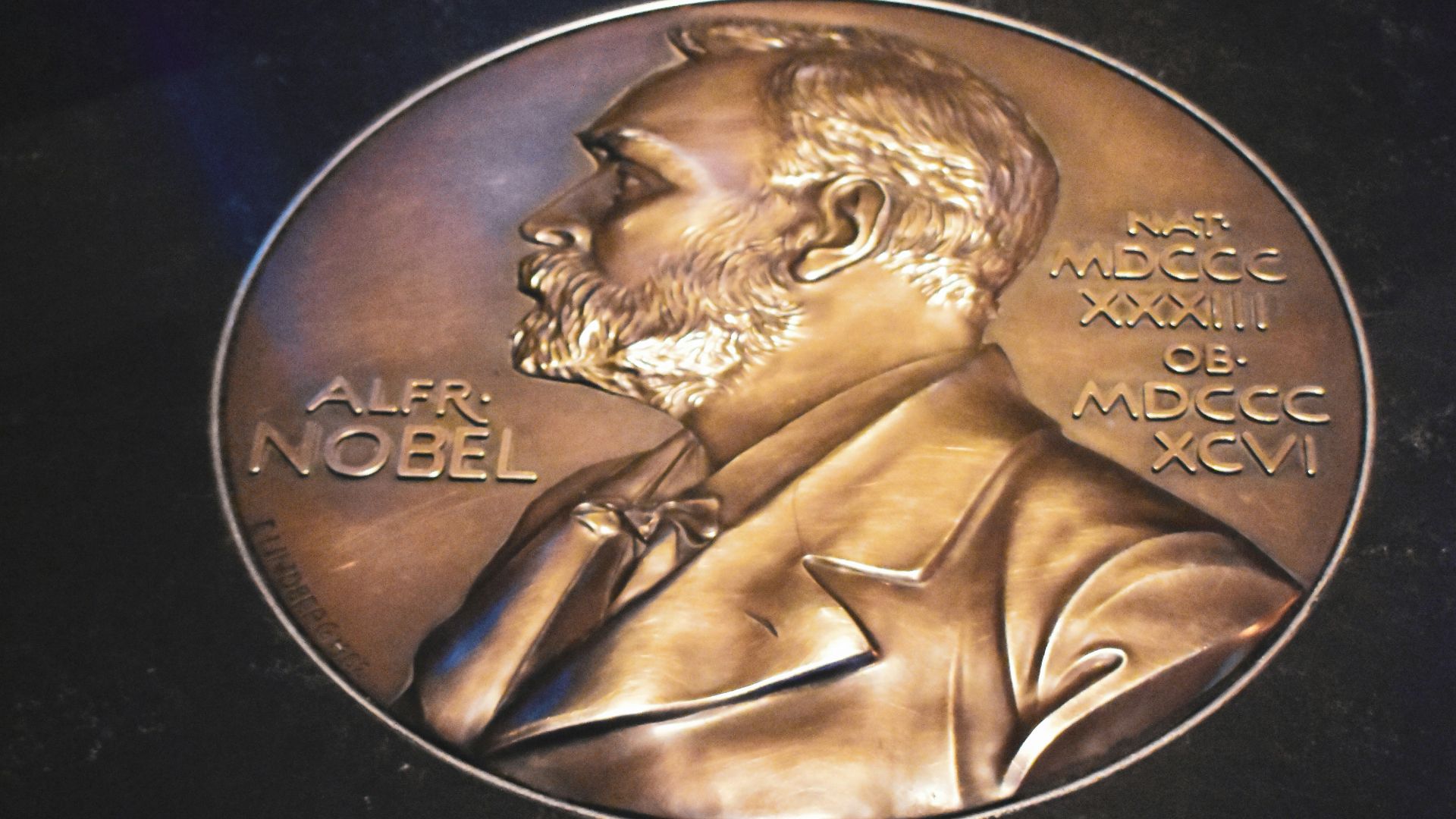
35. The Nobel Prize Rumor Embarrassed Everyone
In 1915, a report circulated that Tesla and Thomas Edison would share the Nobel Prize in Physics. It was sensational news: the famous rivals supposedly being forced to stand together at science’s highest altar.
There was one problem. It did not happen. The prize went to William Henry Bragg and William Lawrence Bragg instead. The Nobel Foundation has never confirmed the popular claim that Tesla and Edison had been selected and then refused to share the honor.
Still, the rumor added another strange chapter to their rivalry.
And Tesla’s relationship with recognition was about to become even more complicated.
36. He Received Edison’s Own Medal
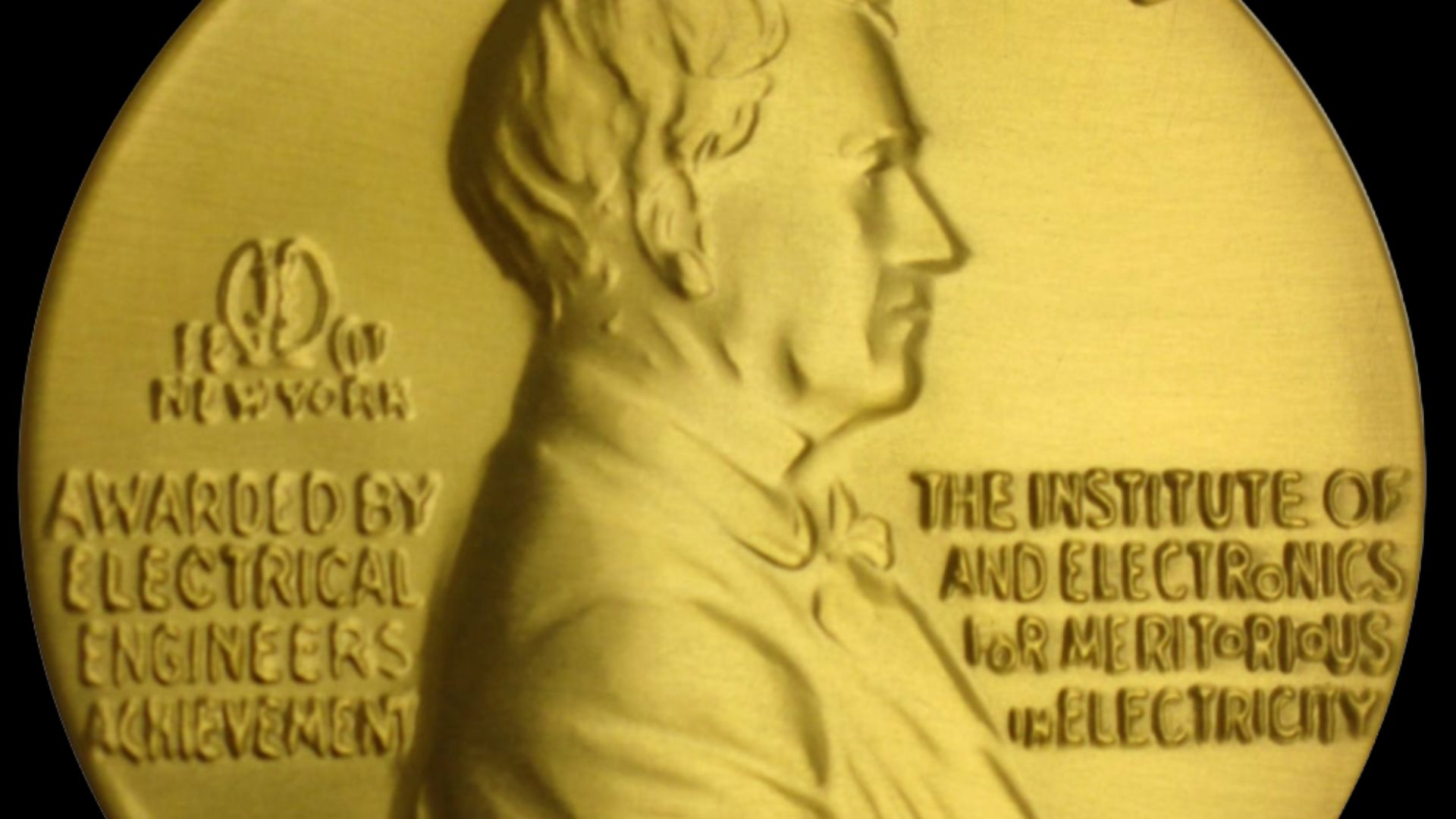
In 1917, Tesla received the American Institute of Electrical Engineers’ Edison Medal, named for the very man with whom he had become so famously associated as a rival. Tesla initially showed reluctance about attending the ceremony, but he ultimately accepted the honor.
There was something almost painfully ironic about it. Tesla was receiving an award bearing Edison’s name while many of Tesla’s own grandest plans had collapsed.
He still commanded respect among engineers. Yet outside those circles, the glamorous inventor of the 1890s was gradually turning into an eccentric figure people whispered about.
37. His Habits Became More Extreme
Tesla had long been intensely particular, but his later habits became famous. He was obsessed with cleanliness, disliked physical contact, and developed elaborate routines. He was especially fascinated by numbers divisible by three. Accounts describe him walking around buildings multiple times before entering and using unusually large numbers of napkins at meals.
Tesla also claimed extraordinary sensitivity to sound and other sensations.
These habits were not merely amusing quirks to the people around him. They increasingly shaped his daily life—and one particular object could reportedly ruin an entire evening.
 AnonymousUnknown author on Wikimedia
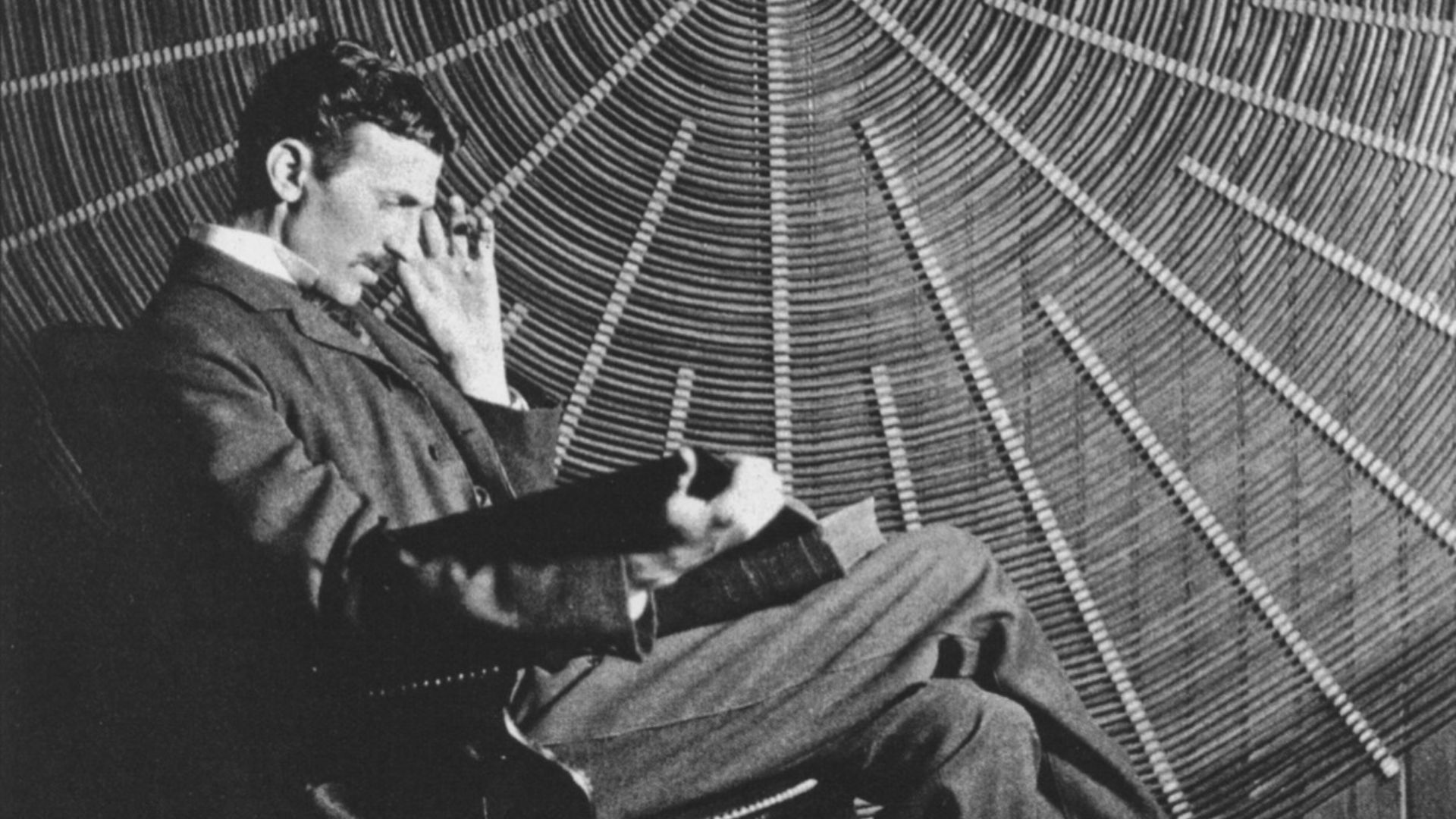
38. He Couldn’t Stand Pearls
Tesla had an intense aversion to pearls. He wrote that the sight of them could provoke a powerful reaction, and accounts claim he sometimes refused to interact normally with women wearing pearl jewelry.
He also described strong reactions to other objects and sensations that most people barely noticed. Modern writers have sometimes attempted to diagnose Tesla retrospectively, but doing so with certainty is impossible.
What can be said is that Tesla’s world seemed unusually intense. Sounds, sights, numbers, textures, and routines mattered to him in ways others struggled to understand.
And his relationship with food was just as exacting.

39. Dinner Became A Ritual
Tesla was known for dining alone and expecting elaborate precision from hotel staff. Accounts describe him calculating the volume of his food, using stacks of napkins, and insisting that certain routines be followed exactly. Cleanliness became particularly important because he had a strong fear of germs.
For someone who once moved comfortably through New York society, Tesla’s life was becoming remarkably solitary.
Yet he still maintained one daily habit that brought him outside and gave him companionship.
Every day, Tesla went looking for pigeons—and eventually one bird became more important than all the others.

40. He Fed Pigeons Every Day
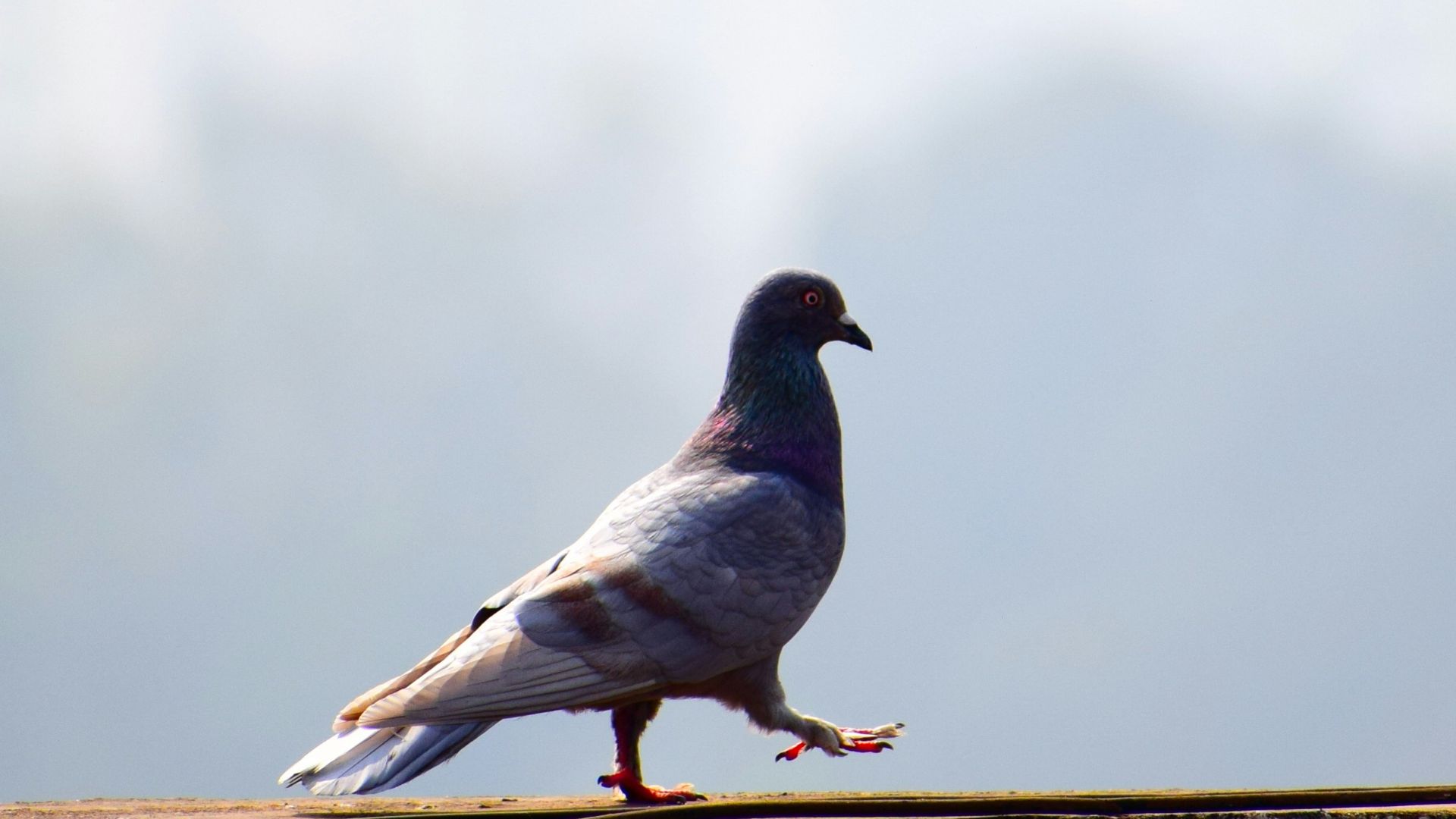
Tesla became a familiar sight in New York parks, feeding pigeons and sometimes bringing injured birds back to his hotel so he could care for them. He spent considerable time and money tending to them.
To outsiders, it looked like another eccentric habit. To Tesla, it became something much deeper. As human relationships receded, the birds seemed to occupy an increasingly important emotional place in his life.
Among the thousands of pigeons Tesla encountered, however, there was one particular white bird he would later describe in astonishing terms.
41. He Said He Loved A Pigeon
Tesla told writer John J. O’Neill that he had developed an extraordinary attachment to a particular white pigeon. According to O’Neill’s later account, Tesla said he loved the bird in the way a man might love a woman and believed the pigeon loved him in return.
It is one of the strangest and most frequently repeated stories about Tesla’s later life. Whether Tesla intended every word literally is impossible to know.
What happened when he believed the pigeon was dying was even more haunting.
42. He Saw A Blinding Light
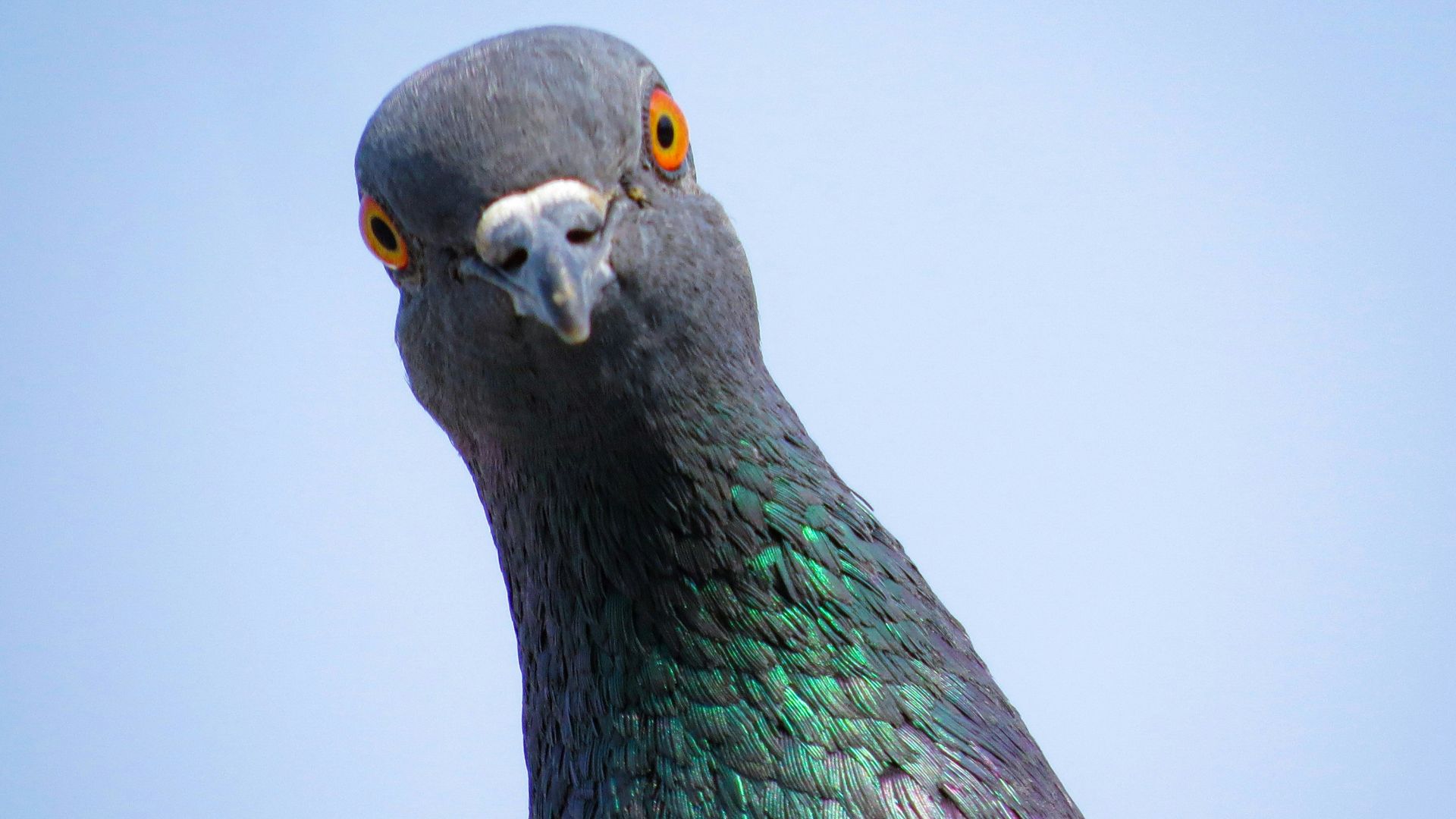
Tesla said the white pigeon once flew into his hotel room and communicated to him, somehow, that she was dying. He described seeing an extraordinarily powerful light coming from the bird’s eyes. Afterward, Tesla reportedly believed something essential had gone out of his life.
For a man who had spent his career studying light, electricity, signals, and invisible forces, it was an almost eerily appropriate experience.
Tesla continued working, but the aging inventor was becoming increasingly isolated.
Then he began making claims about a weapon powerful enough to change warfare itself.
43. He Promised A “Death Ray”
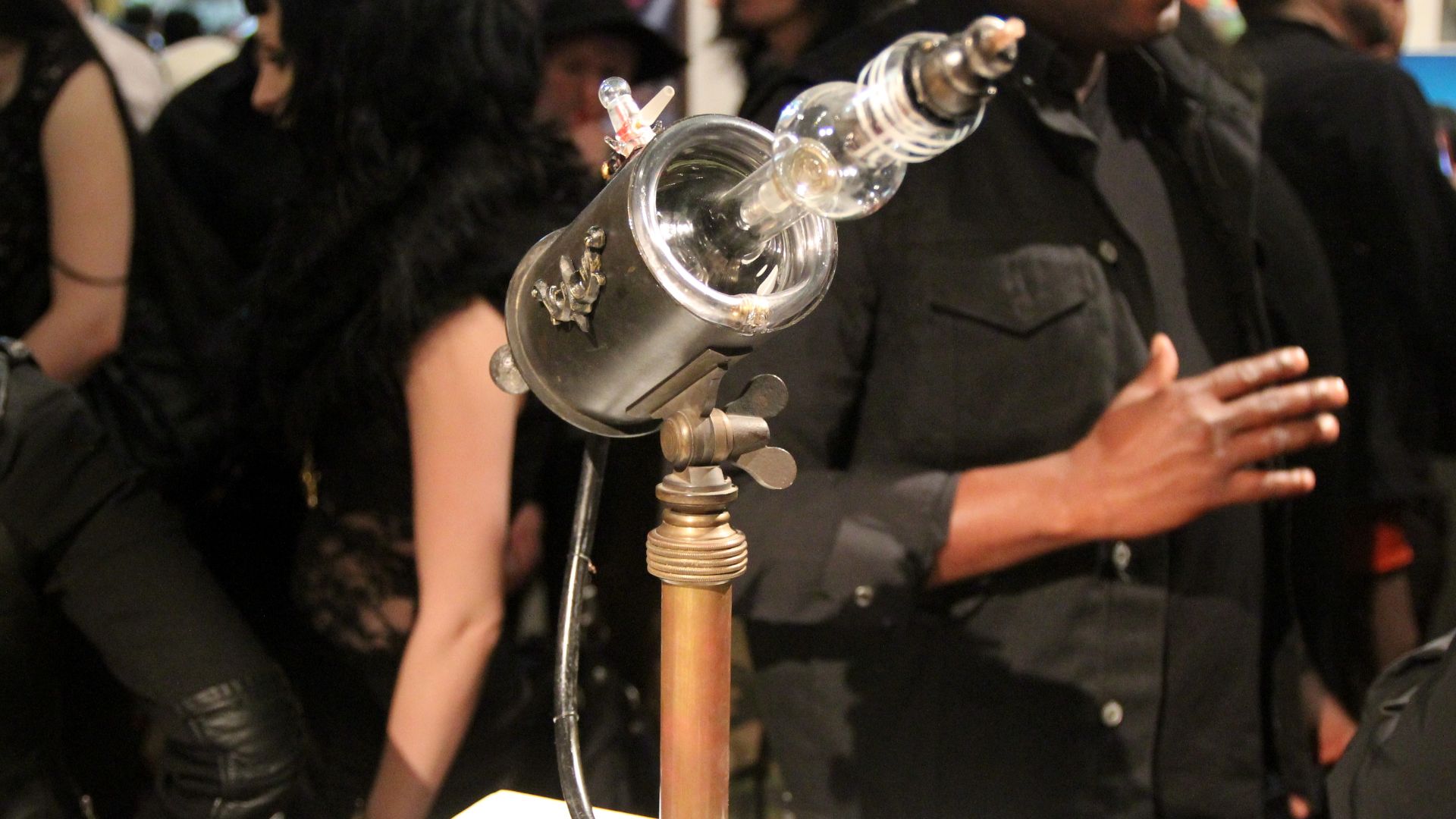
During the 1930s, Tesla publicized a defensive weapon concept he called “teleforce.” Newspapers quickly gave it a more dramatic nickname: the “death ray.” Tesla claimed the system could project concentrated particles and potentially stop invading armies from great distances.
No working version was publicly demonstrated, and Tesla’s descriptions never resulted in an operational weapon during his lifetime.
Still, governments paid attention to the possibility because the world was moving toward another major war.
That interest would become extremely important after Tesla died—when officials began looking through his papers.
44. He Was Hit By A Taxi
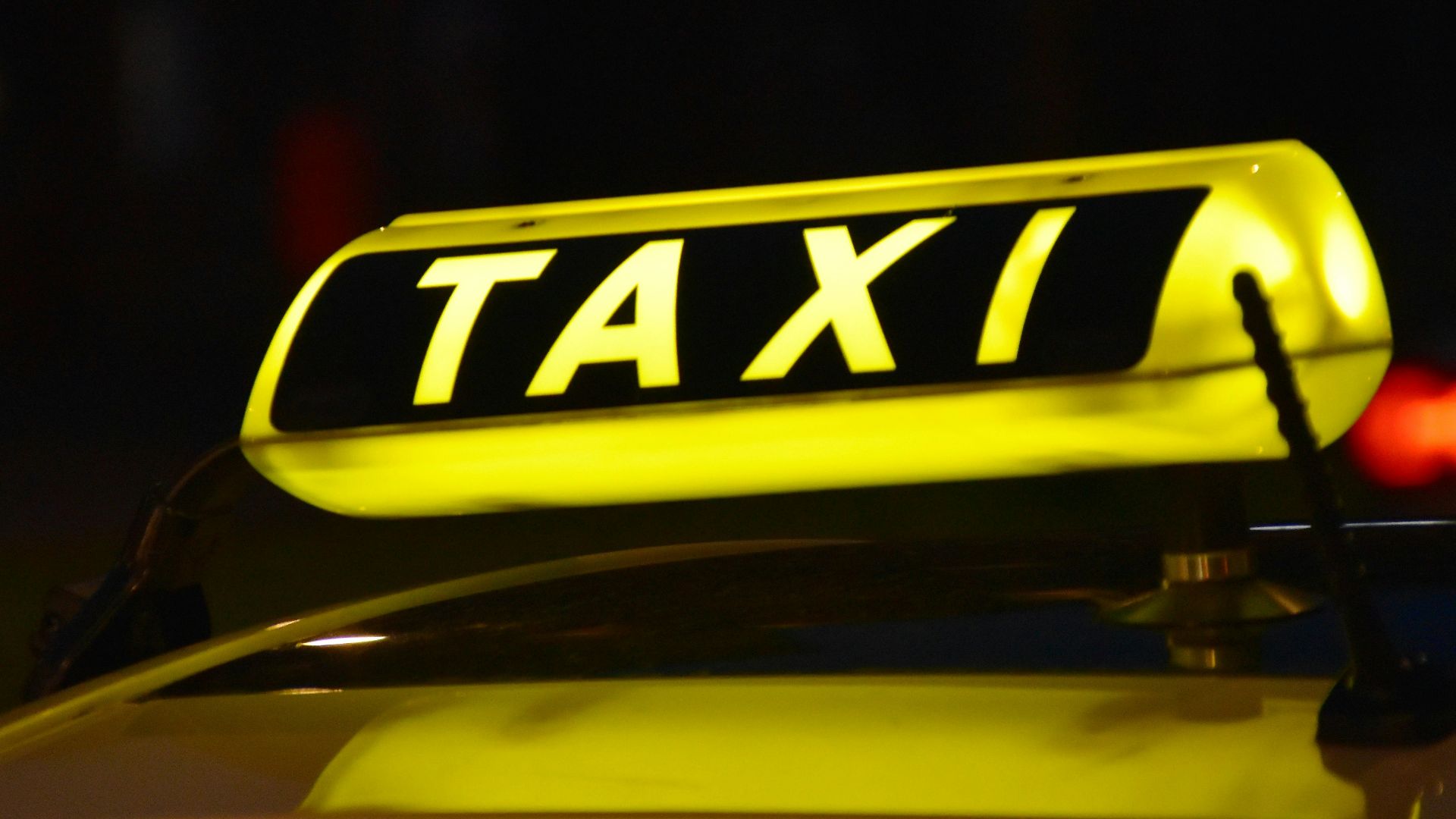
In 1937, when Tesla was in his eighties, he was struck by a taxicab while crossing a New York street. He suffered significant injuries but reportedly refused to see a doctor, something consistent with his longstanding reluctance to seek medical treatment.
He never completely recovered from the accident. His health declined while his finances remained precarious.
The man who had once dazzled packed lecture halls was now an elderly hotel resident whose most reliable companions were pigeons.
Yet every year, reporters still came to hear what fantastic invention Tesla would announce next.
45. He Spent His Final Years In A Hotel
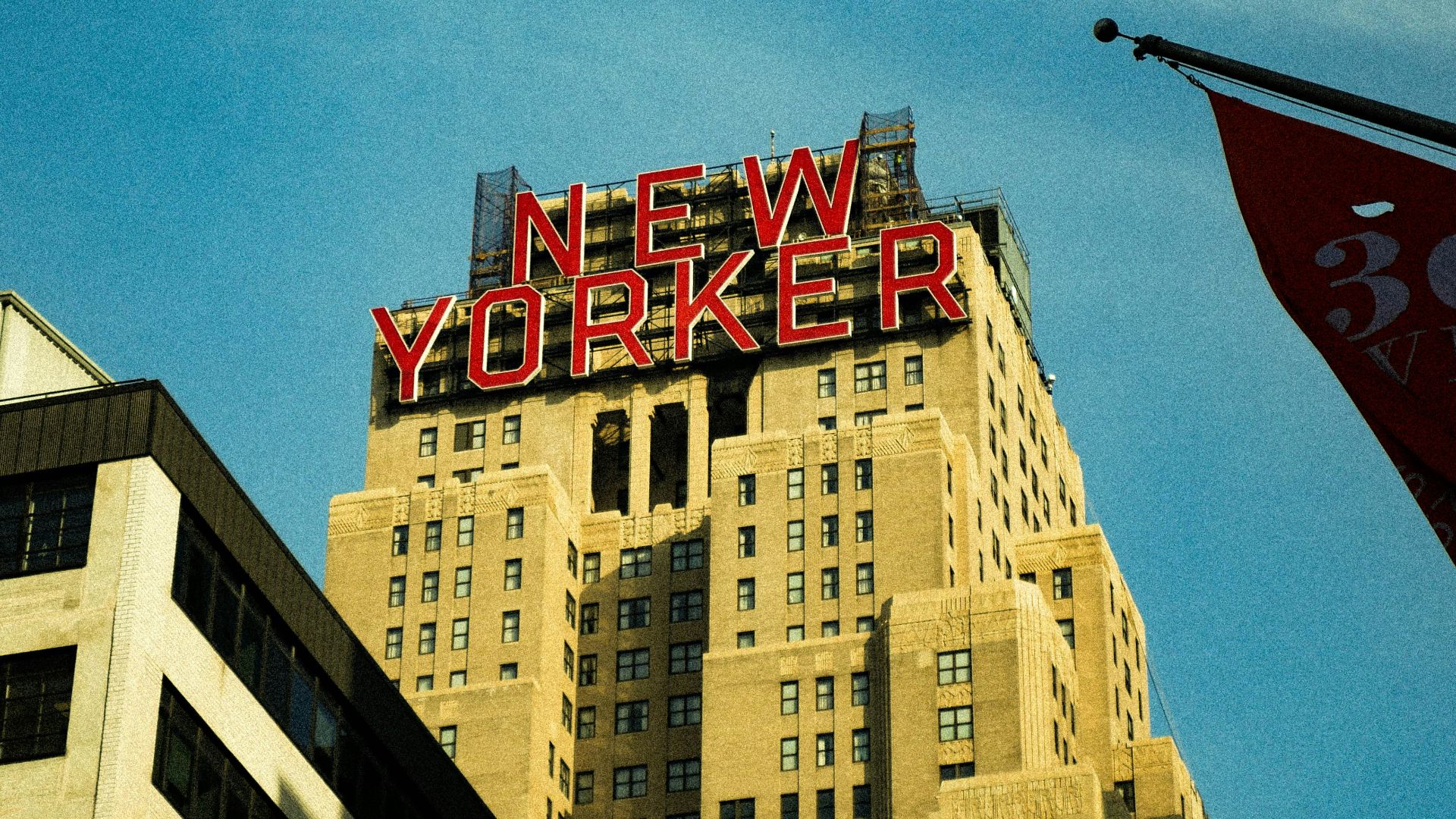
Tesla lived for years in New York hotels, eventually settling at the Hotel New Yorker. His unpaid bills had caused difficulties at previous establishments, and the grandeur surrounding his younger years had largely disappeared.
Westinghouse eventually provided Tesla with monthly payments and covered his New Yorker hotel expenses, officially describing the arrangement as a consulting fee.
Tesla continued working and talking about ambitious inventions, but many of his later proposals remained speculative.
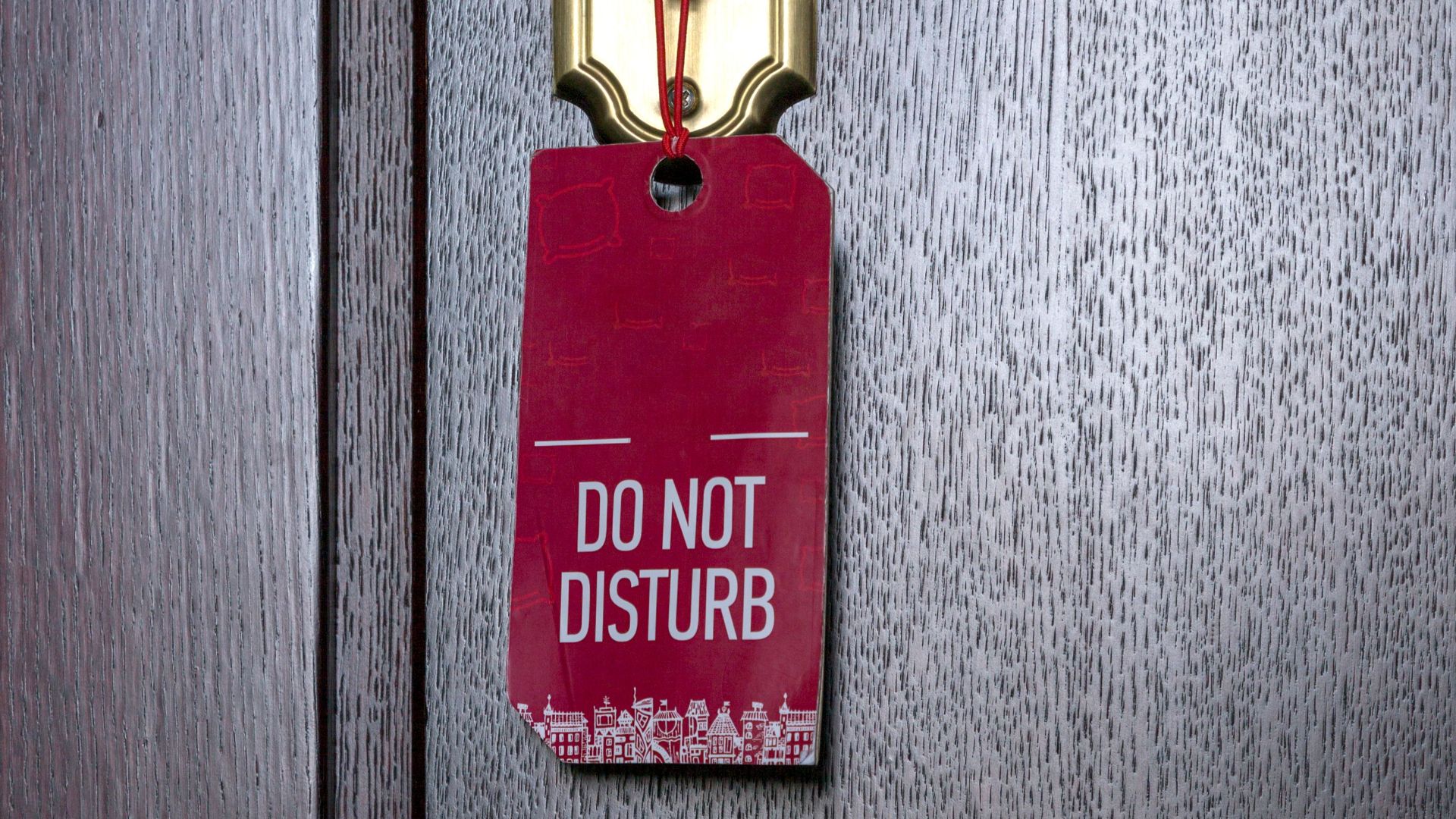
Then, in January 1943, the aging inventor placed a “Do Not Disturb” sign on his hotel-room door.
46. He Died Alone
Tesla died in his room at the Hotel New Yorker in January 1943 at the age of 86. A hotel maid found him after entering despite the “Do Not Disturb” sign. The official cause was coronary thrombosis.
There was no wife beside him and no children to inherit his personal papers. The once-celebrated inventor had spent his final years increasingly isolated from the glamorous society that had once embraced him.
But Tesla’s story did not end with his death.
Within days, the United States government became intensely interested in what he had left behind.
47. The Government Took His Papers
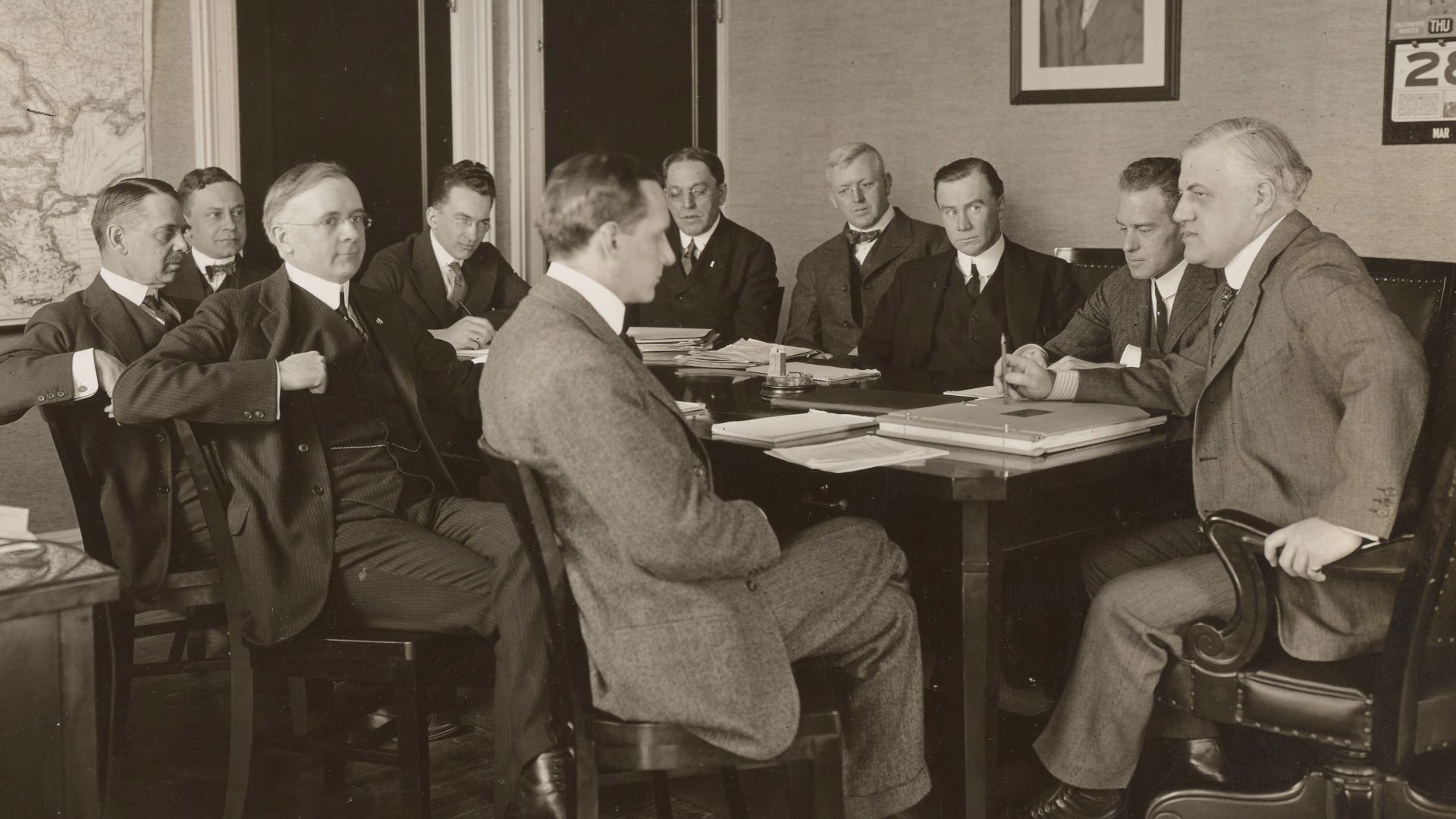
After Tesla’s death, representatives of the Office of Alien Property Custodian took possession of many of his papers and belongings, despite Tesla having become an American citizen decades earlier. Officials were concerned that his research might contain information with military importance during World War II.
Tesla’s claims about powerful weapons suddenly did not seem like harmless newspaper entertainment. His documents had to be examined.
That decision created one of the biggest mysteries surrounding Tesla’s legacy: What exactly did the government find inside all those boxes?
 Unknown authorUnknown author or not provided on Wikimedia
48. A Trump Examined His Secrets
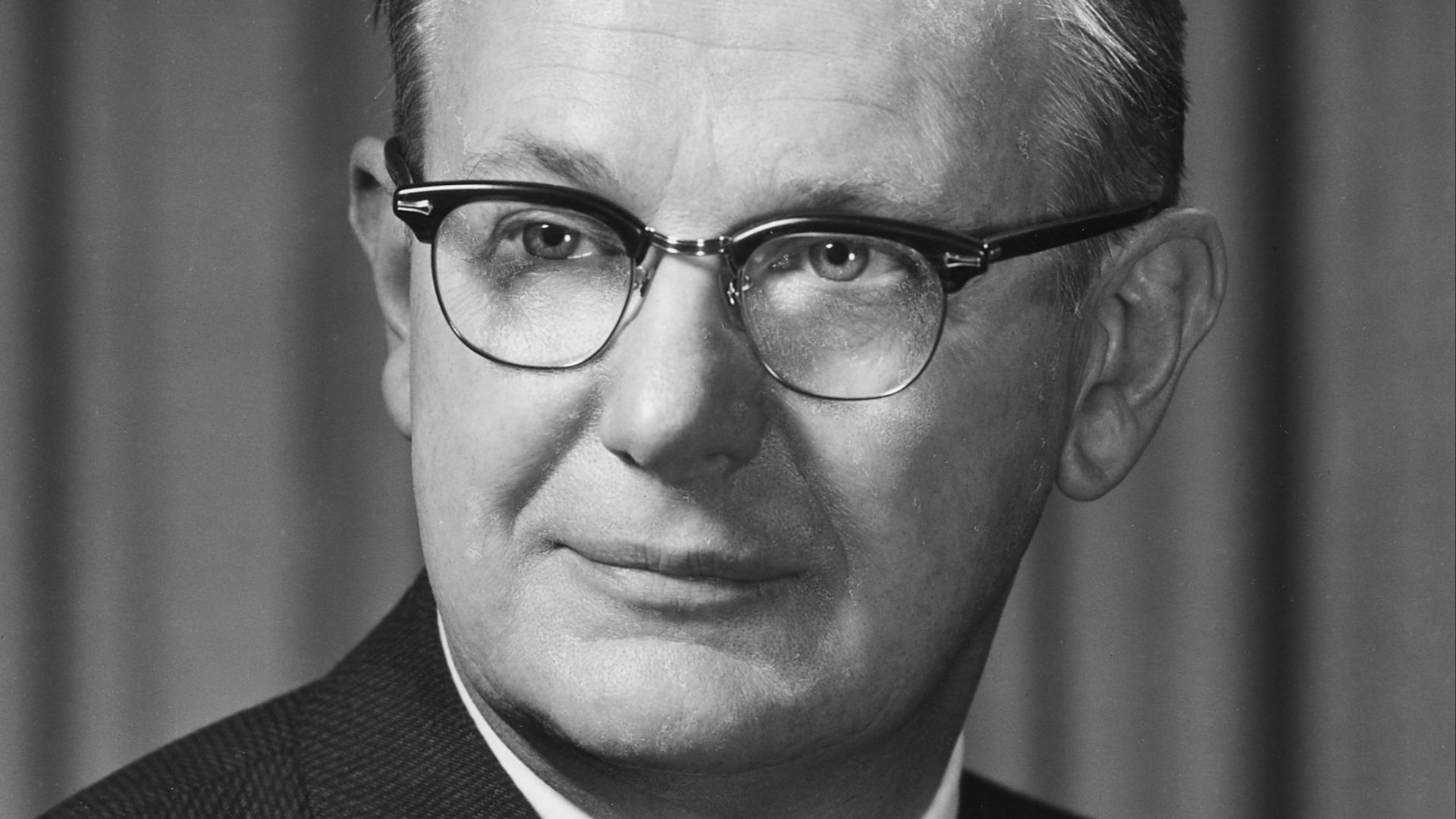
The government asked electrical engineer John G. Trump—a professor at MIT and the uncle of future president Donald Trump—to examine Tesla’s papers. After reviewing the material, Trump concluded that Tesla’s recent work was largely speculative and did not contain revolutionary new principles that represented an immediate military danger.
That official conclusion should have ended the mystery.
Instead, stories about missing papers, secret inventions, and suppressed Tesla technology continued for decades. Some records were indeed the subject of government handling and investigation, giving conspiracy theories just enough reality to survive.
 MIT Photo Service, unknown photographer on Wikimedia
49. The Missing-Papers Mystery Never Completely Died
Tesla’s nephew Sava Kosanović reportedly believed that some material was missing after his uncle’s death, including a notebook Tesla had kept. Government records confirm that officials were interested in Tesla’s possessions, although the FBI later emphasized that the papers themselves were held by the Alien Property Custodian rather than the Bureau.
There is no solid evidence that authorities discovered a functioning superweapon and secretly hid it from the world.
Still, Tesla had spent decades making extraordinary claims. Inevitably, people wondered whether one of them might actually have worked.
50. He Became More Famous After He Was Gone
Tesla died without the industrial empire of Edison or Westinghouse, but history treated him differently. His contributions to alternating-current technology, motors, high-frequency electricity, wireless experiments, and remote control secured his place among the great inventors. The scientific unit of magnetic flux density was eventually named the “tesla” in his honor.
Yet his legend became even bigger than his achievements. Today, fact and myth constantly mingle around his name.
Perhaps that is fitting. Tesla spent his entire life imagining a future other people could not yet see—and generations later, we are still trying to separate the man from the lightning.
KEEP ON READING