

The Ceramic Jar on the Counter
We'd had the jar for ten years. It was nothing special — a wide-mouthed ceramic thing I'd picked up at a garage sale for fifty cents, painted with faded blue flowers that had mostly chipped off by year three. But every time we had a little extra, even just the coins from the bottom of a jacket pocket, we fed it. Double shifts at the diner, Mark picking up weekend carpentry jobs, skipping the movies, eating ramen on Fridays when the budget got tight. We called it the Anniversary Fund, which sounds romantic until you realize it took a decade to fill. Last Tuesday night, Mark set it on the kitchen counter and looked at me with this grin I hadn't seen in a while. We emptied it together, spreading everything out across the linoleum — nickels, dimes, crumpled fives, a few actual twenties toward the end when we'd gotten better at this. We counted it twice. Then Mark pulled up the confirmation email for The Velvet Hearth on his phone and read our reservation number out loud like it was a winning lottery ticket. I stood there with both hands still cupped around a pile of coins, feeling the cold weight of every skipped vacation and every packed lunch we'd ever made, and for once, it felt like exactly enough.
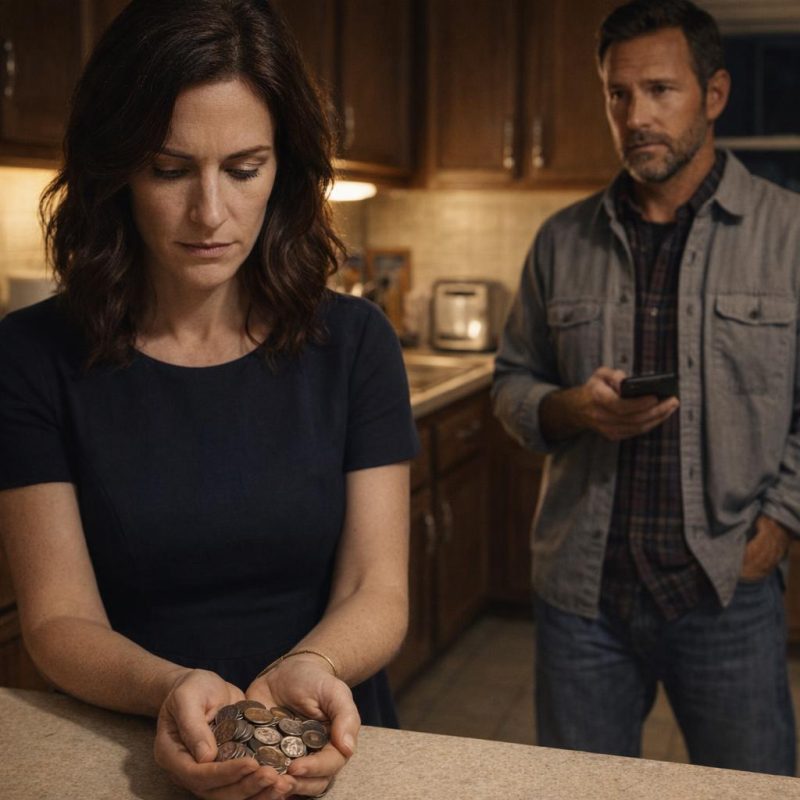 Image by RM AI
The Navy Dress That Felt Like a Costume
I'd bought the navy dress three weeks before our reservation, on a clearance rack at a department store that was itself on the wrong side of fashionable. Forty-two dollars. I'd told myself it was elegant. Simple. The kind of thing that wouldn't draw attention. But standing in front of the bathroom mirror for the third time that week, I kept finding new reasons to doubt it. The hem sat a half-inch uneven on the left side. The fabric had a slight sheen that looked fine in the store lighting but caught our overhead bulb in a way that felt cheap. I kept smoothing it down over my hips like that would fix something. Mark had already told me twice that I looked beautiful, and I'd smiled and said thank you and immediately gone back to staring. The thing about dressing for a place you've never been is that you don't actually know the rules. You're guessing. And I was terrified that the moment I walked through those doors, every person in that room would see the clearance tag I'd cut off and know exactly what I'd paid. I pulled my hair back tighter, adjusted the neckline for the fourth time, and when I finally looked up, Mark was standing in the doorway watching me with an expression I couldn't quite read.
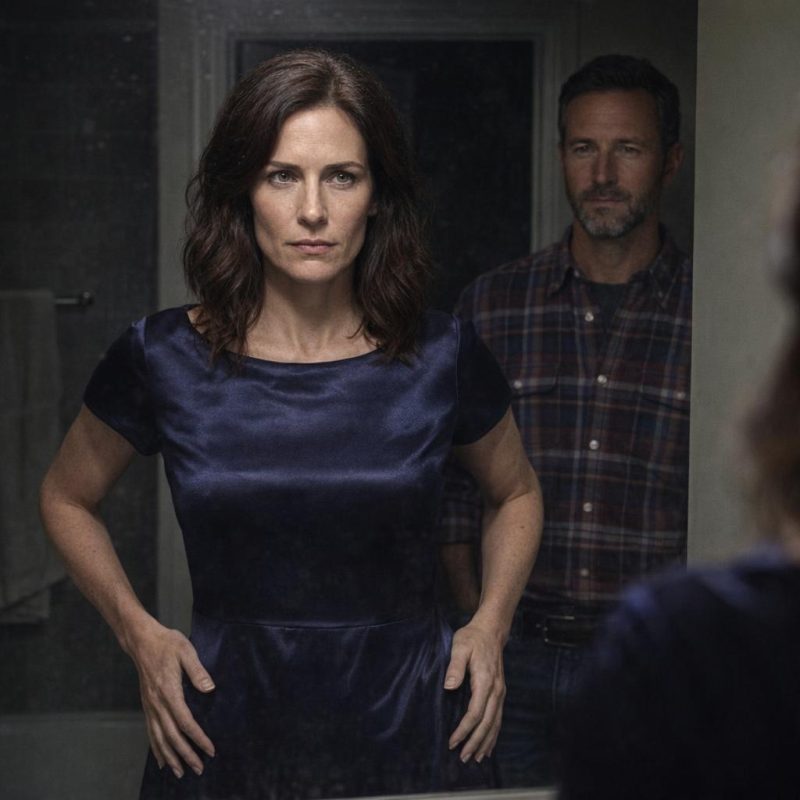 Image by RM AI
Estates With Names Instead of Addresses
Mark drove, which was good because I spent most of the ride with my hands folded in my lap trying to look like I wasn't cataloguing everything we passed. The city's outer neighborhoods gave way to something else about twenty minutes in — wider streets, longer driveways, hedges trimmed into shapes that required professional maintenance. Then the estates started. Not houses. Estates. With names carved into stone pillars at the entrance instead of numbers on a mailbox. Thornfield. Ashgrove. Belmont Rise. I watched them slide past the passenger window and tried to do the math on what a place like that cost, then stopped because the numbers got embarrassing. The cars in the driveways were the kind you see in commercials where nobody actually drives anywhere — they just gleam under perfect lighting. Mark made a joke about our sedan being the most honest vehicle on the road, and I laughed because he needed me to. He reached over and squeezed my knee and said something about how tonight was ours, and I nodded and looked back out the window. Another stone pillar. Another carved name. Another reminder that the world we were driving toward had been built by people who'd never once had to count coins on a kitchen counter. The feeling didn't announce itself. It just settled in, quiet and heavy, somewhere behind my sternum.
 Image by RM AI
The Heavy Glass Doors
We found parking half a block away, which felt like a small mercy. I used the walk to rehearse. Not out loud — just in my head, running through the script. Good evening, we have a reservation under Calloway, eight o'clock, though we're a few minutes early, I hope that's alright. I'd added the apology for being early because it seemed like the kind of place where showing up three minutes ahead of schedule might be a breach of something unspoken. Mark thought I was overthinking it. He was probably right. He pulled open the heavy glass door — it was the kind of door that required actual effort, thick and solid and framed in brushed brass — and held it for me, and I stepped inside. The air hit me first. Not cold, not warm, just different. There was cedar in it, deep and clean, and underneath that something floral I couldn't name, something that didn't smell like any candle I'd ever bought. The entryway was all warm stone and low amber light, and for a moment I just stood there, my rehearsed speech dissolving somewhere in the back of my throat, breathing in a scent that felt like it belonged to a version of the world I'd only ever read about.
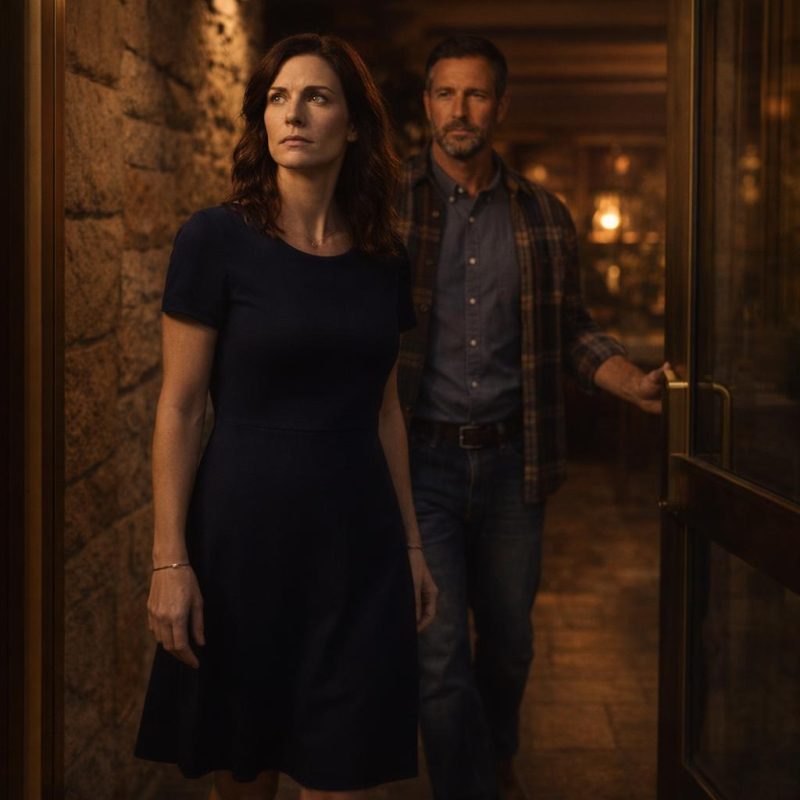 Image by RM AI
You're Expected
I'd barely taken two steps past the door when the hostess looked up from behind the marble stand and smiled — not the polite, scanning smile of someone checking a list, but something warmer and more direct, like she'd been expecting a specific face and had just found it. I opened my mouth to start my speech. Good evening, we have a reservation — but she was already stepping out from behind the stand, moving toward us with this unhurried confidence that made my prepared words feel suddenly unnecessary. She didn't ask for our name. She didn't reach for a tablet or glance at a screen. She just looked at us — at me, specifically, for just a beat longer than felt standard — and smiled again. Mark leaned slightly toward me and I could feel him wanting to say something, probably something cheerful and oblivious, but even he seemed to sense that the moment had its own momentum. I stood there with my unused speech still sitting in my chest, trying to figure out what I'd missed. And then, in a voice low enough that it didn't carry past the three of us, she said that we were expected.
 Image by RM AI
Past the Crystal Chandeliers
She led us into the main dining room and I tried not to stare, which meant I stared at everything. The ceiling was high and vaulted, hung with crystal chandeliers that threw light in small fractured pieces across the tablecloths. The people seated beneath them looked like they'd been dressed by someone else — suits that fit the way suits are supposed to fit, jewelry that caught the light without trying to. I heard the low murmur of conversations that sounded unhurried, the kind of talking that happens when nobody at the table is worried about the bill. Mark was close behind me, and I could feel him taking it all in with that open, uncomplicated wonder he has, the kind I'd stopped being able to access somewhere around mile fifteen of the drive. The hostess didn't slow down at any of the tables. She moved toward the far end of the room, where a stone archway framed a corridor I hadn't noticed in any of the photos I'd studied online. I glanced back at Mark. He gave me a small shrug and a grin. I turned forward again just as the hostess stepped through the arch and paused, gesturing for us to follow — and beyond her, past the threshold, I could see a separate room, quieter and more intimate, with a small brass plaque on the wall that read Reserved.
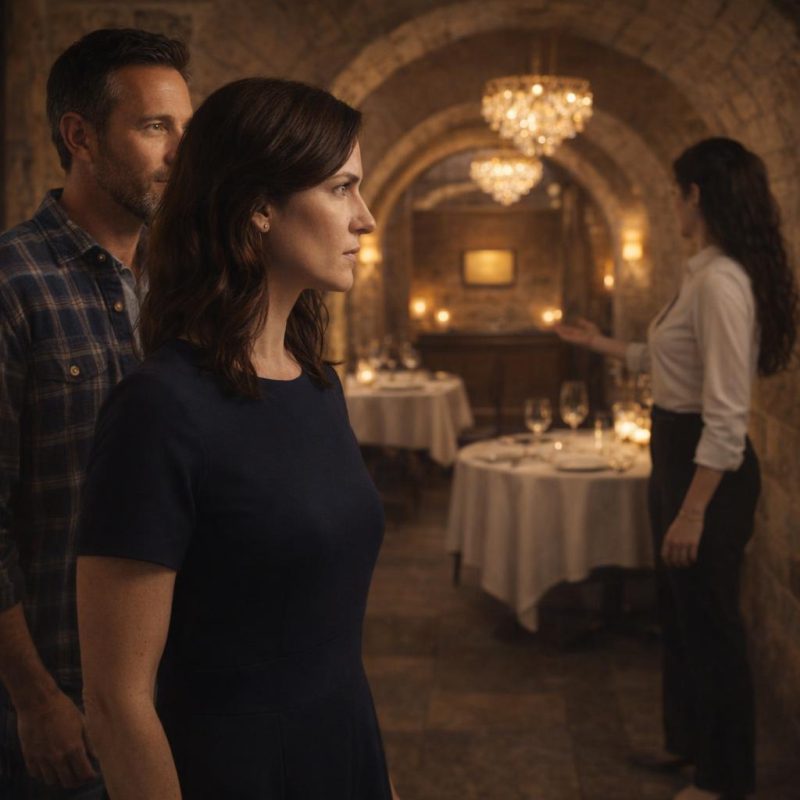 Image by RM AI
The Booth Overlooking the Garden
The booth was in the corner of the private room, positioned in front of a floor-to-ceiling window that looked out over a garden strung with small lanterns. I recognized it. That sounds strange, but I did — I'd seen a photo of this exact view in a magazine spread about the restaurant, one of those glossy lifestyle pieces where the caption mentioned that the corner booth was kept for guests of particular distinction, which was the magazine's way of saying people whose names you'd recognize. Politicians. A few actors. The kind of people who get tables without reservations. And here we were, being gestured into it by a hostess who still hadn't asked our names. Mark slid in across from me and immediately reached for my hand across the table, squeezing it with that grin that meant he thought this was the best thing that had ever happened. I squeezed back, but my eyes were moving. The other diners in the private room were quieter than the main floor, more contained, and I had the distinct feeling that more than one of them had glanced our way since we'd walked in. Not rudely. Just — noticing. The kind of noticing that has weight to it.
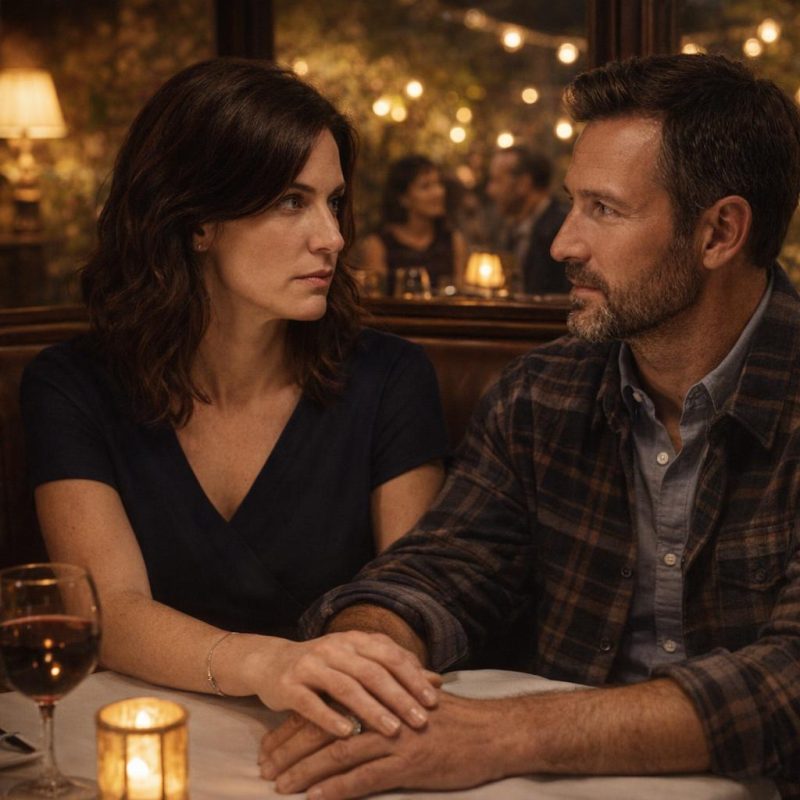 Image by RM AI
The Menu Without Prices
Our server appeared within two minutes, which felt fast. He introduced himself as Thomas, and there was something precise about the way he moved — every gesture deliberate, his posture almost formal, like he was performing a version of service that had been rehearsed to a higher standard than usual. He set the menus down in front of us with both hands, the way you'd present something fragile. They were heavy, cream-colored, bound in what felt like actual linen. I opened mine and started reading. The dishes had long, unhurried names full of words I recognized individually but not always in combination. Seared this, reduction of that, foraged something. I read the whole left column before I understood what was missing. No prices. Not a single number anywhere on the page. I flipped to the back. Still nothing. Mark let out a low, delighted laugh and said something about living like kings for one night, and I smiled because I didn't want to ruin it for him. But my hands had found each other under the table, fingers laced tight, and the menu sat open in front of me, beautiful and completely unreadable in the way that actually mattered, the absence of those numbers settling into my palms like a quiet, particular kind of dread.
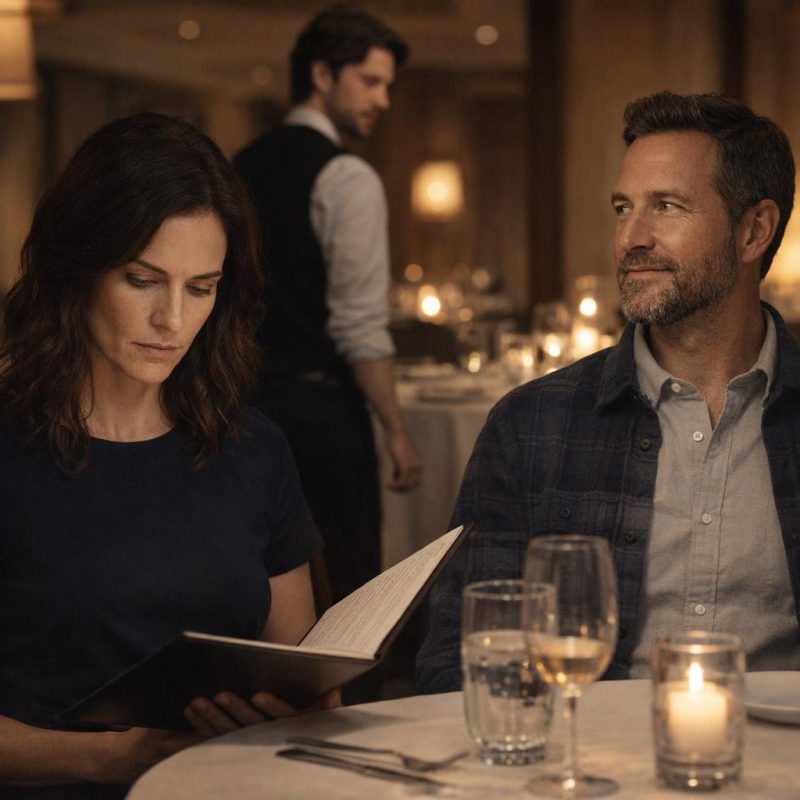 Image by RM AI
Looking Toward the Archway
Mark had moved on to the second page of the menu and was reading descriptions out loud in a low, delighted murmur — something about a slow-braised short rib with truffle jus that he kept pronouncing wrong, and I loved him for it, I really did. I tried to stay in that moment with him. I picked up my own menu and read the same line three times without absorbing a single word. The room had a particular kind of quiet that felt maintained rather than natural, like everyone in it had agreed to perform a certain version of calm. The candles were steady. The silverware caught the light just so. And still I kept looking up. There was a stone archway at the far end of the dining room, framed in dark wood, and something about it kept pulling my eyes back. I told myself I was just taking in the room. I told myself I was being paranoid, that this was what anxiety did — turned beautiful evenings into puzzles to solve. Mark reached across the table and touched my hand, and I smiled and nodded at whatever he'd just said. Then I looked toward the archway again, and this time there was a woman standing in it, arms crossed, watching our table.
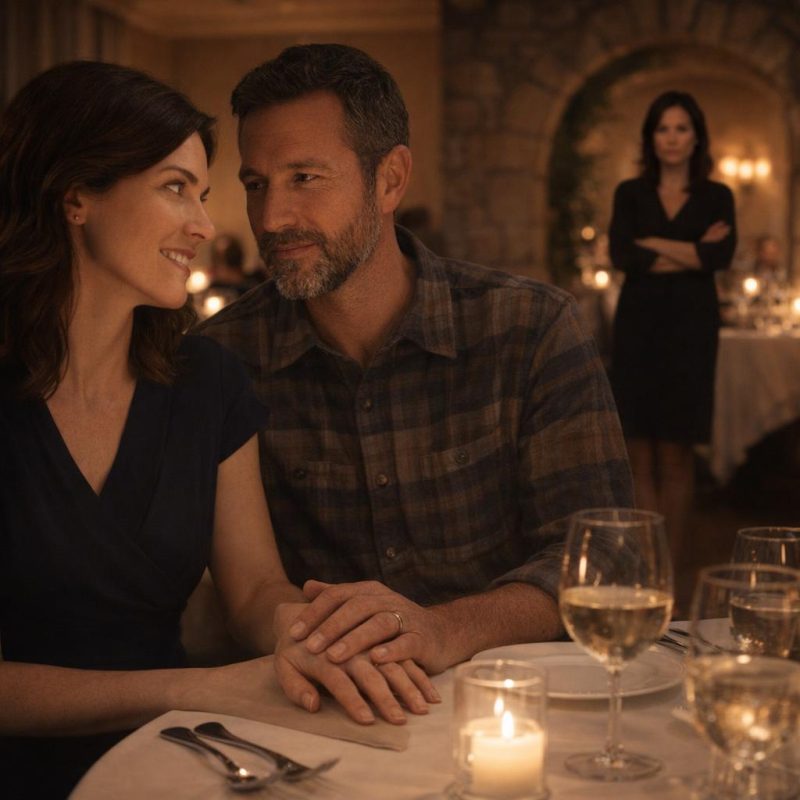 Image by RM AI
The Manager's Gaze
I didn't look away fast enough. She was already looking directly at us — at me, it felt like, though I couldn't have said why it felt so specific. She was somewhere in her late forties, dressed in a way that made the room look like it had been built around her. Dark jacket, severe posture, hair pulled back with the kind of precision that takes either a lot of money or a lot of practice, probably both. The jewelry was real. I could tell from across the room, which probably says something about how much time I've spent noticing things I can't afford. Mark was still reading the menu, tilting it slightly toward the candlelight, completely elsewhere. I watched the woman take a slow step forward, then stop, her eyes still fixed on our table. A server passed between us and I thought maybe she'd look away, but when he moved on she was still there, still watching. I nudged Mark's foot under the table. He looked up, smiled at me, looked back down. I looked back toward the archway. She hadn't moved. And whatever I'd expected to find in her expression — curiosity, maybe, or the polite professional attention of someone checking on a room — what I found instead settled into me like cold water.
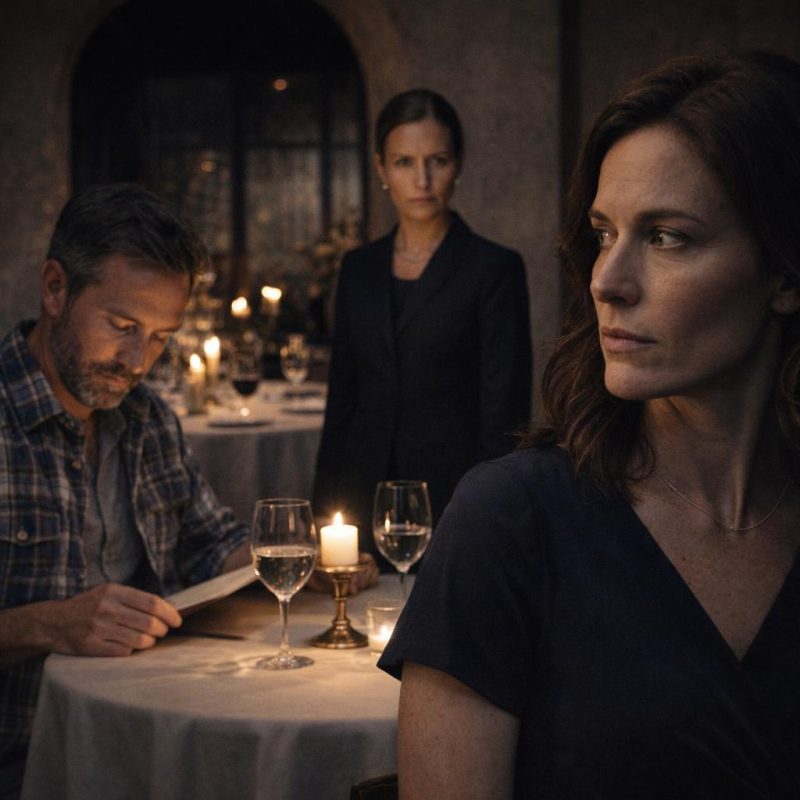 Image by RM AI
The Curl of Her Lip
I kept watching her because I couldn't stop. There's a thing your brain does when it catches something it doesn't quite understand — it keeps returning to it, the way your tongue finds a sore tooth. She hadn't moved from the edge of the archway. Her arms were still crossed. And then Mark laughed at something on the menu, a real laugh, surprised and delighted, and I saw her eyes shift toward the sound. Just for a second. Just long enough. Her lip moved — barely, just a fraction of a curl at the corner — and then it was gone, smoothed back into that composed, professional expression so quickly I almost doubted I'd seen it at all. Almost. I've spent enough of my life on the receiving end of that particular look to know it when I see it. The kind of look that doesn't need words. The kind that says something has been found where it wasn't expected, and the finding is not a pleasant surprise. Mark set the menu down and said he thought he was going to get the duck, and I said that sounded perfect, and I meant neither thing I said. The flush had already started at the base of my neck. I sat with it, still and quiet, like I'd been caught doing something wrong in a room where I hadn't even moved.
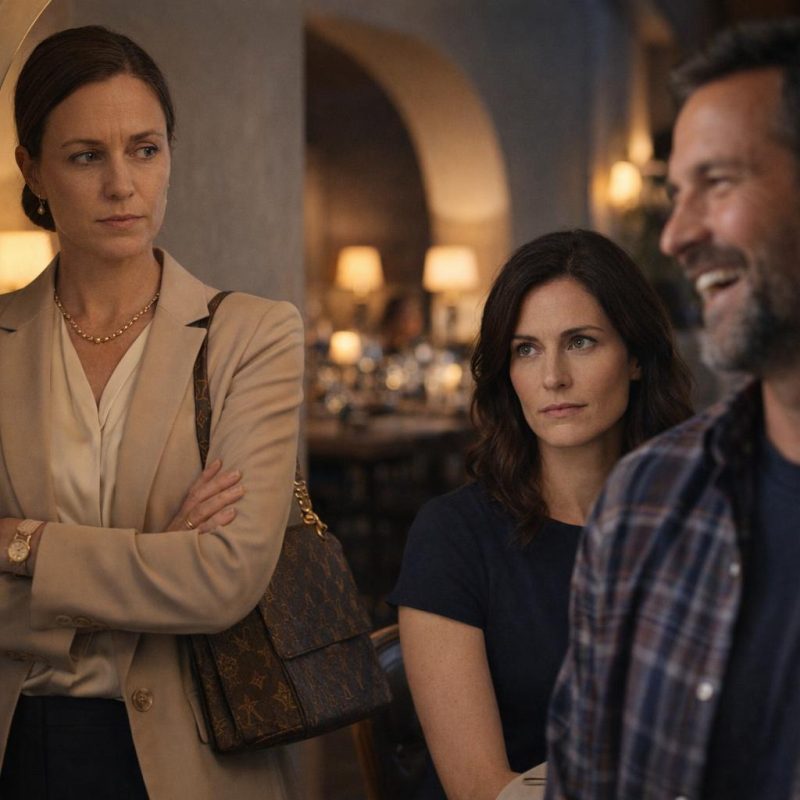 Image by RM AI
The Chef's Generosity
Thomas reappeared at our table with the kind of timing that felt almost theatrical — not rushed, not casual, but precisely placed, like a note hit on the exact right beat. He was carrying a small wooden board in each hand, and on each board sat something that looked like it had been assembled by someone who took the word 'presentation' personally. He set them down in front of us with the same two-handed care he'd used with the menus. Seared foie gras on one, a curl of smoked duck on the other, each with a tiny smear of something dark and glossy and a single herb placed like punctuation. Mark sat up straighter. I looked at Thomas and then at the plates and then back at Thomas. He clasped his hands in front of him and explained, in a tone that was warm but somehow also very careful, that these were compliments from the kitchen. He said the chef had wanted us to have them. He paused, and then added — and this was the part that stayed with me — that the chef was feeling particularly generous this evening.
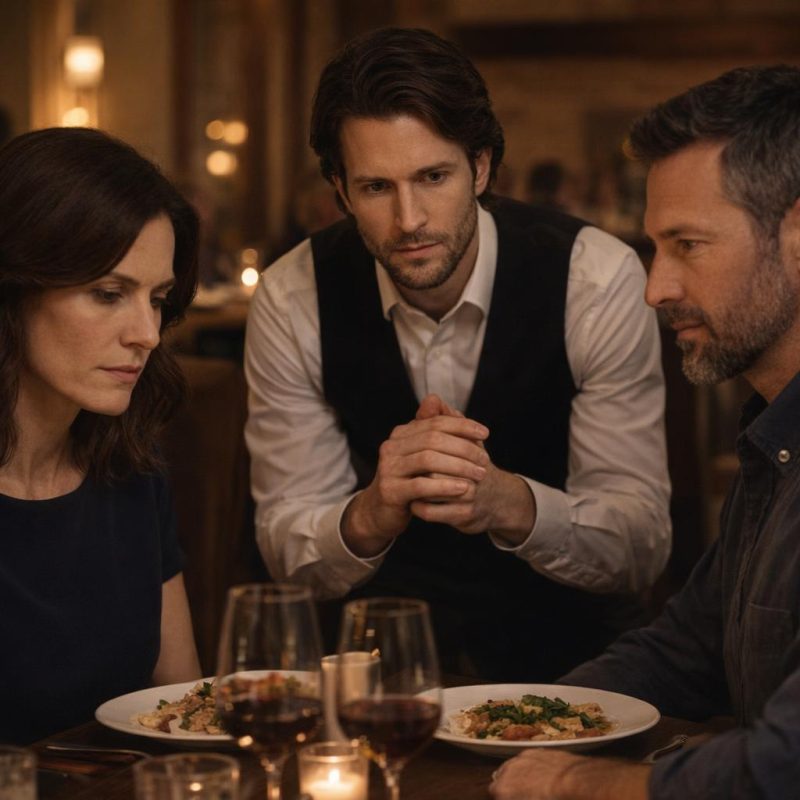 Image by RM AI
The Bow That Felt Like Mockery
Mark said thank you the way he says thank you when he really means it — both hands coming off the table, leaning forward slightly, the full weight of his attention on Thomas like the man had just done him a personal favor. Thomas received it with a small nod and then, before stepping back, he bowed. Not a slight incline of the head. A bow. Deliberate, unhurried, the kind of gesture you'd expect at the end of a performance rather than the delivery of an appetizer. Mark didn't seem to notice anything unusual about it. He was already reaching for the foie gras with the careful reverence of someone who wasn't entirely sure which fork to use but was determined to enjoy himself anyway. I watched Thomas straighten up and move away, and I sat there with the wooden boards in front of me and the candlelight doing its best and the food that I hadn't ordered and hadn't paid for and couldn't explain. The bow had been too much. The whole thing had been too much — the timing, the presentation, the careful language, the gesture at the end. I couldn't name what was wrong with it. I just knew that somewhere between the kitchen and our table, something had shifted, and I was the only one at the table who felt like the audience rather than the guest.
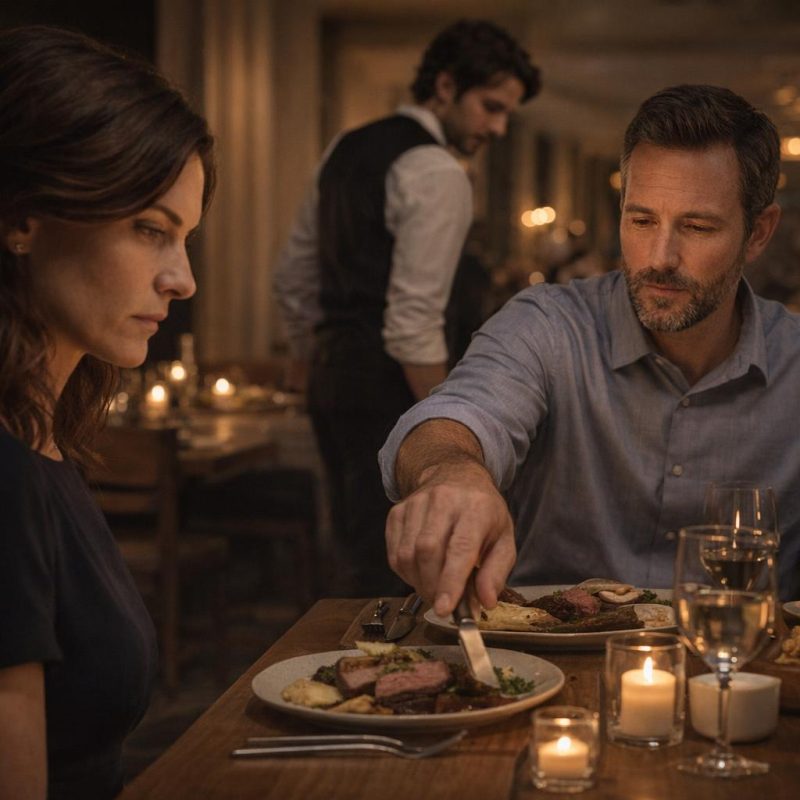 Image by RM AI
New Money, Clearly
The woman at the table to our left was wearing silk the color of old cream, and she had the kind of stillness that comes from never having had to rush anywhere. I'd noticed her when we sat down — the way you notice someone who takes up space with complete confidence — but I'd been too busy managing my own anxiety to pay her much attention. Then I heard it. She'd leaned toward the man across from her, her voice dropped but not dropped enough, and the words came through clean and clear in the particular way that whispers do in rooms with good acoustics. New money, clearly. That was all. Two words and an adverb, delivered with the mild distaste of someone commenting on a wine that hadn't traveled well. I didn't look at her. I looked at Mark's hands instead, resting on the white linen between us. His right hand had a fresh scrape across two knuckles from a job earlier in the week — he'd caught it on a cabinet frame, I remembered him mentioning it at dinner. His palms were broad and calloused in the specific way that comes from years of real work, the skin thickened at the base of each finger. Beautiful hands, I had always thought. Hands that had built things. I sat there and felt the heat move up the back of my neck, and I did not move, and I did not speak, and I let the shame of being seen settle over me like something I already knew how to wear.
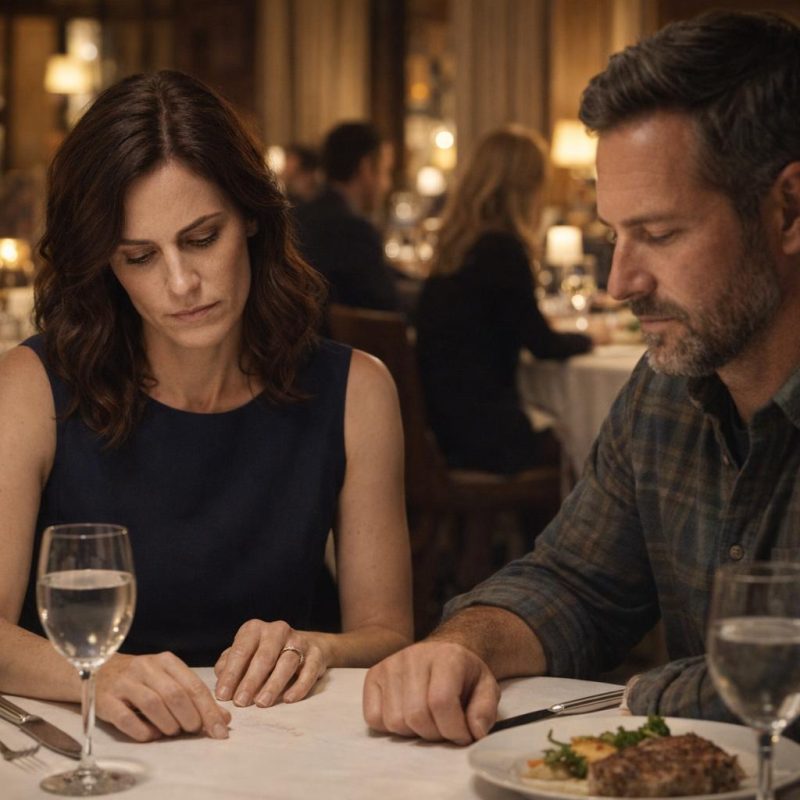 Image by RM AI
The Hands That Work
I couldn't stop looking at his hands. The scrape. The callouses. The way the skin at his knuckles had gone rough and slightly darker from years of sun and sawdust and cold mornings on job sites. I looked around the room without moving my head much — just my eyes, slow and careful. The man two tables over had hands like paper. The woman beside him had nails that were shaped and lacquered and had clearly never caught on a cabinet frame in their life. Even the way people held their glasses here was different — loose, easy, the grip of people who had never had to grip anything too hard. Mark's hands were on the table between us, and they were the most honest thing in the room, and I hated that I was ashamed of them, and I was ashamed of being ashamed, and the whole thing was coiling tighter in my chest with every passing minute. He was talking about the foie gras, saying it tasted like something he couldn't describe but wanted to eat every day for the rest of his life, and I was nodding and smiling and somewhere behind my eyes I was very far away. Then I looked up toward the archway, and Lydia was no longer standing in it — she was moving, crossing the dining room floor, and she was heading toward our table.
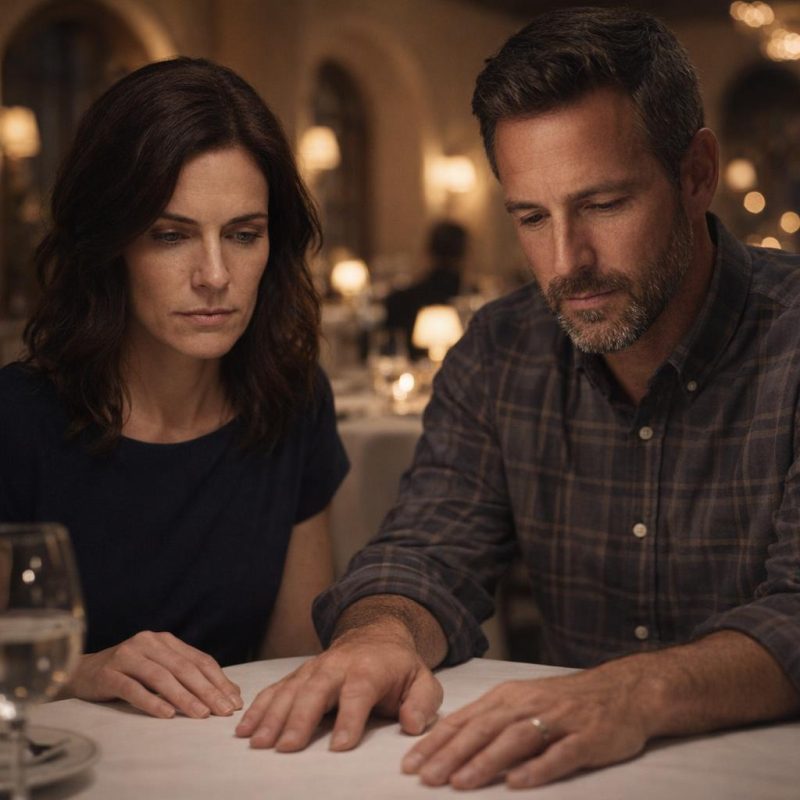 Image by RM AI
The Predator's Approach
She didn't hurry. That was the first thing I noticed — the pace of someone who has never needed to rush toward anything, because things wait for them. The dining room seemed to part around her without her asking it to. She reached our table and stopped, and she didn't say anything. Not hello, not good evening, not the practiced opener you'd expect from someone in her position. She just stood there. Mark looked up from his plate with that open, easy expression he gets when he assumes the best of everyone, and he smiled at her, and she didn't return it. Her eyes moved across his face — not unkindly, exactly, but not warmly either, the way you might look at something you're trying to place. Then her gaze dropped. Slowly. Down from his face, past the collar of his best shirt, and came to rest on his hands where they lay flat against the white linen tablecloth — the broad palms, the calloused fingers, the scrape still raw across his knuckles.
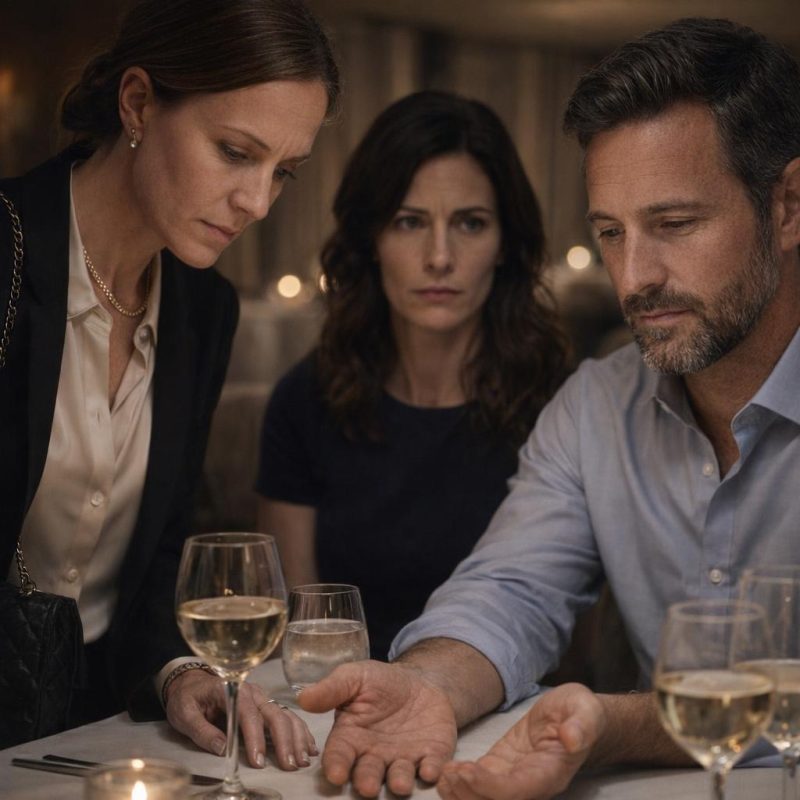 Image by RM AI
Ice Water Voice
She spoke. Finally. And I wish I could tell you it was a relief — that the silence breaking meant something softened. It didn't. Her voice came out measured and even, the kind of even that takes practice, and she said she wanted to personally ensure that everything this evening met our expectations. That was the phrase. Met our expectations. Mark lit up the way he does, that big open smile, and he said everything was incredible, that the food was unlike anything he'd ever had, that she should pass along their compliments to the chef. He meant every word. He always means every word. I watched her receive it — the warmth, the genuine gratitude — and something about the way she absorbed it felt wrong to me. Not rude. Not dismissive. Just wrong. Like the words were landing somewhere they weren't supposed to reach. I smiled too, because what else do you do, and I said yes, everything was lovely. But I kept my eyes on her face. And underneath the courtesy, underneath the careful professional finish of it, something ran thin and cold — like a wire pulled tight just below the surface of her voice.
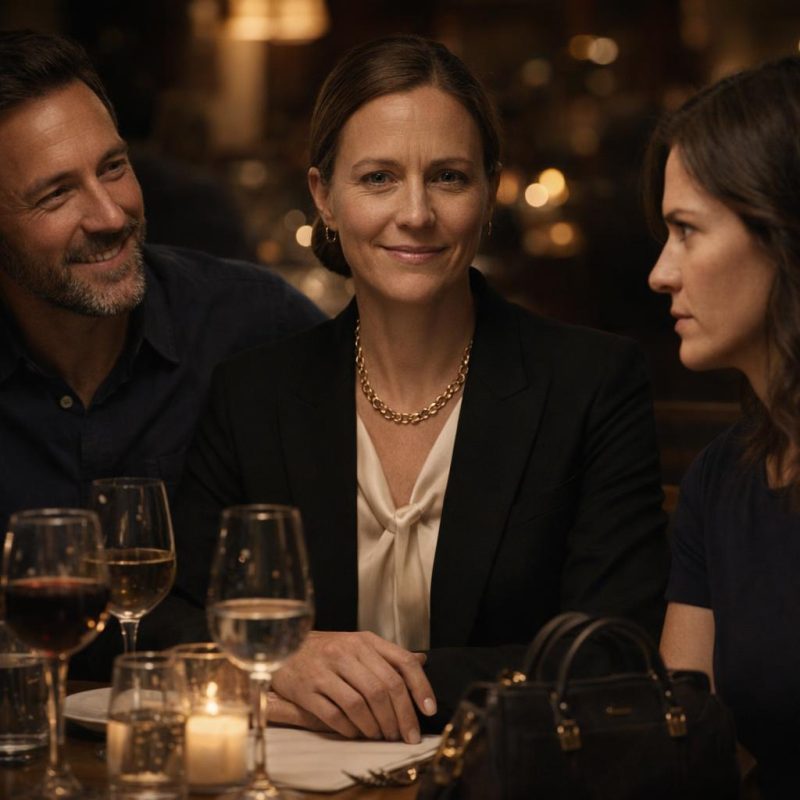 Image by RM AI
The Performance for the Guests
She turned and walked back toward the archway, and I watched her go. That's when I started noticing the other tables. Not all at once — it crept up on me, the way these things do. A woman in silk at the table to our left had stopped mid-conversation. A couple near the window kept glancing over, then away, then back again. I'd been so focused on the food, on Mark's happiness, on getting through the evening without feeling like an imposter, that I hadn't clocked it until now. But once I saw it, I couldn't unsee it. The complimentary courses. Thomas appearing every few minutes with something new. Lydia herself coming to our table when I hadn't seen her stop at a single other one. It was too much. Too pointed. Too visible. I couldn't tell you what it meant — maybe I was reading into it, maybe the anxiety was making me paranoid — but it felt less like being honored and more like being put on show. Like we were something worth watching. Mark was still glowing, still talking about the lamb, and I sat there with that feeling settling into me, heavy and quiet, like something dropped into still water.
 Image by RM AI
The Mask Shifts
I saw it happen from across the room. Lydia had moved toward a table near the far wall — an older man, silver-haired, the kind of easy confidence that comes from decades of being recognized in rooms like this. The moment she reached him, something changed in her. Her shoulders dropped half an inch. Her chin tilted down. She laughed at something he said — a real laugh, or close enough to one that I couldn't tell the difference from where I was sitting. She touched the back of his chair lightly, leaned in, said something that made him nod with satisfaction. It was warm. Genuinely warm. The kind of warmth you can't fake entirely, or at least not without practice. Then he said something back, and she straightened, and she turned. And she walked back in our direction. I watched the warmth leave her face the way heat leaves a room when a window opens — not dramatic, not a performance of coldness, just gone. By the time her eyes found our table again, it was like the other version of her had never existed. Mark was refilling my water glass and didn't notice any of it. I sat with that for a moment, the two images side by side in my head, and couldn't make them fit together.
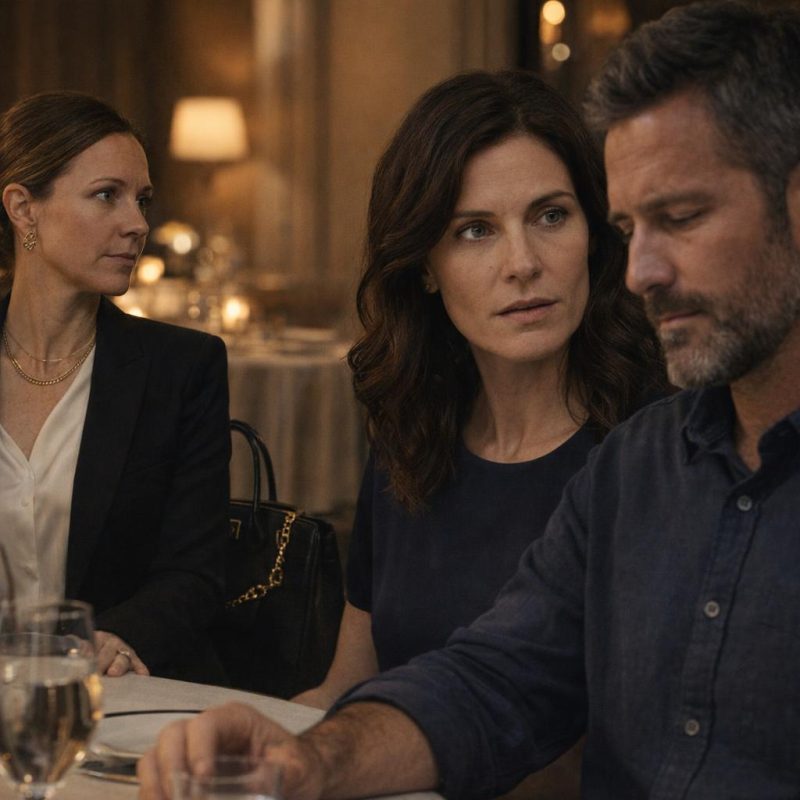 Image by RM AI
The Hatred Underneath
I kept watching her after that. I know how it sounds — suspicious, paranoid, the kind of thing you do when you've already decided someone doesn't like you and you're just collecting evidence. Maybe that's what it was. But I don't think so. There's a difference between looking for something and having something keep presenting itself to you, and this felt like the second one. Every time she passed our table, the set of her jaw was just slightly too controlled. Every time she looked at Mark — at his hands, at his shirt, at the way he laughed too loudly at his own joke about the bread basket — something moved across her expression that she pulled back before it settled. I couldn't name it exactly. It wasn't open contempt. It was something I couldn't quite read, something that flickered and disappeared before I could get a fix on it, which almost felt worse than if she'd just let it show. Mark was having the best night of his month, maybe his year, and he had no idea. He was just a man at a nice dinner, happy and full and grateful. And then I saw Lydia turn from the far side of the room and begin walking toward our table again.
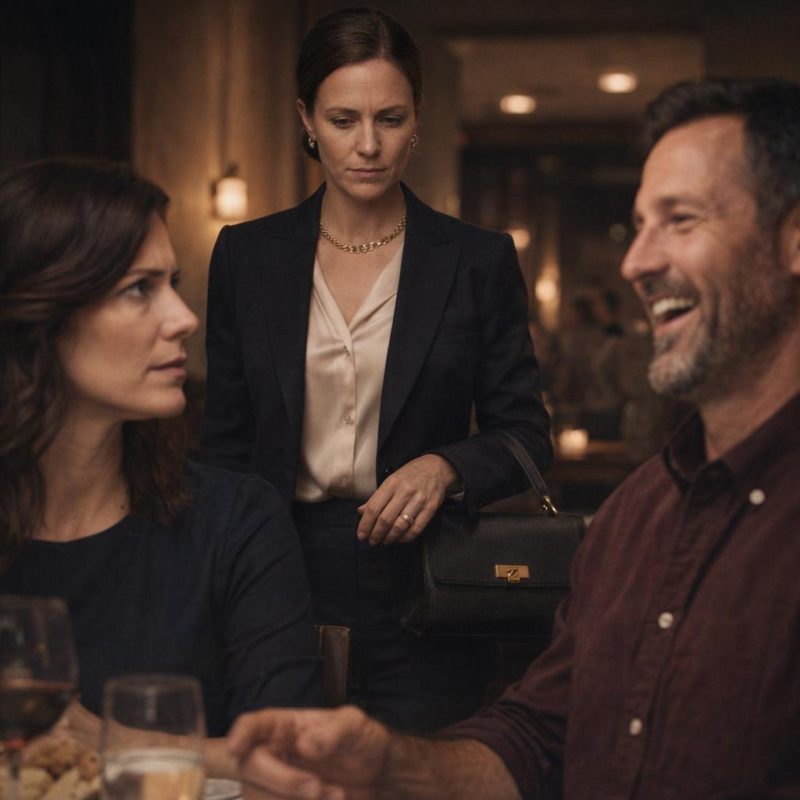 Image by RM AI
The Ice Water Words
She stopped at the edge of our table the same way she had before — no preamble, no softening approach, just there. She asked again if everything was meeting our expectations. Same words. Same cadence. Like a script she'd committed to and wasn't deviating from. Mark put his fork down and told her the duck was extraordinary, that he'd never had anything like it, that she ran a remarkable place. He said it the way he says everything — completely, without irony, without any awareness that it might not be landing the way he intended. I watched her face while he talked. She nodded at the right moments. She said thank you in the right places. The professional mask was all there, every piece of it in position. But her eyes were doing something different. They weren't cold exactly — cold implies feeling, implies that something is being withheld. They were just still. Flat in a way I couldn't account for, like a surface with nothing moving underneath it. I couldn't tell you what she was thinking. I couldn't tell you what she wanted from us, or what we'd done, or what any of this was. I just sat there after she moved away, with the chill of her courtesy still hanging in the air around our table.
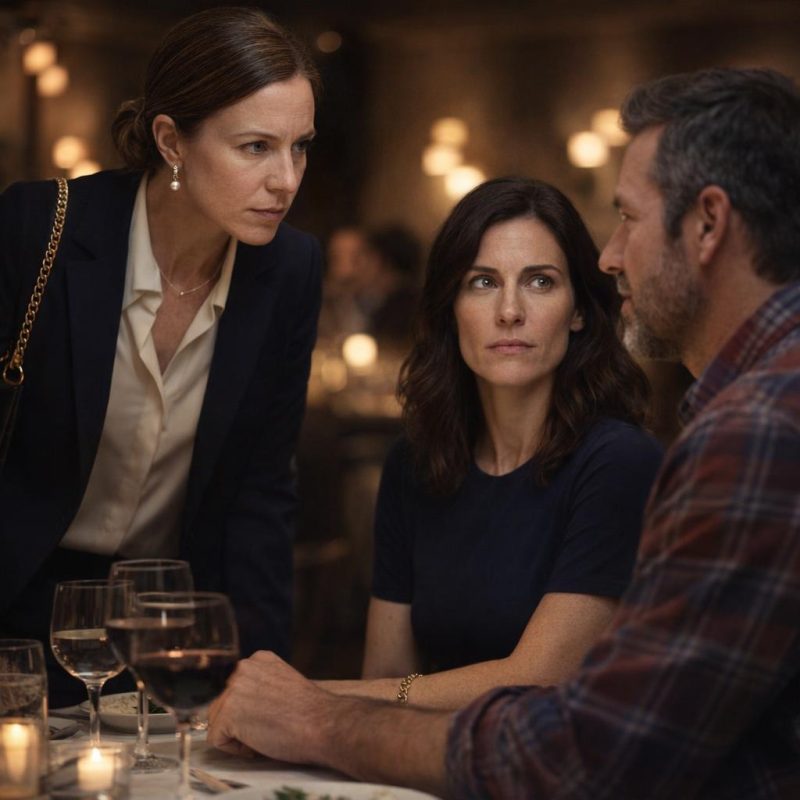 Image by RM AI
Looking Through Him
Mark was still talking when she turned to go. He does that — finds his stride mid-compliment and keeps going even when the audience has already started moving. He told her the service had been exceptional, that Thomas had been attentive without being intrusive, that we'd be telling everyone we knew about this place. He was beaming. Genuinely, completely beaming. And I was watching Lydia's face while he said all of it. She was nodding. Smiling, even — the practiced kind, the one that lives in the lower half of the face and doesn't travel upward. But her eyes weren't on him. They were aimed in his direction, technically, but they weren't landing on him. It was like watching someone look through a window at something on the other side of the glass. Mark was right there, warm and earnest and full of goodwill, and her gaze moved past him without catching. He didn't notice. Of course he didn't notice — Mark never notices the things people do with their eyes, only the things they say with their mouths. I noticed. I sat there with my hands in my lap and I noticed, and I didn't know what to do with it, and there was nothing I could do anyway.
 Image by RM AI
The Performance Confirmed
She walked back to the archway after that. Took up her position there the way she always did — straight-backed, hands loose at her sides, eyes moving across the room in that slow, practiced sweep. I watched her for a moment, then looked away, because staring felt like losing something. I tried to think through it calmly. The amuse-bouche we hadn't ordered. The complimentary wine. The extra courses that kept arriving. Thomas materializing at our elbow every time our glasses dipped below half. Lydia herself, visiting our table more than once, which I still hadn't seen her do for anyone else. None of it added up to a normal anniversary dinner, even a nice one. It added up to something else — something that felt less like generosity and more like effort, like pressure being applied somewhere I couldn't see, like something was being balanced that I didn't know was tipping. I couldn't tell you what any of it was compensating for, or why, or what we had walked into without knowing it. I just knew the math didn't work. And then I looked up, and Thomas was crossing the room toward us again, a small white plate balanced in his palm.
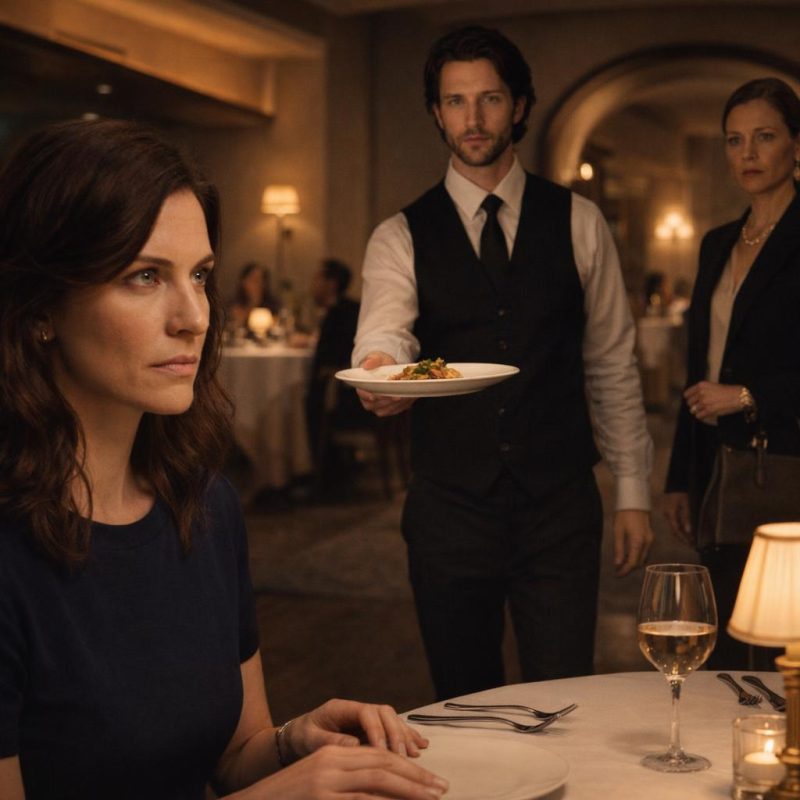 Image by RM AI
The Evening's Entertainment
The plate was another complimentary something — a palate cleanser, Thomas said, with the same careful deference he'd been carrying all evening. Mark thanked him like he'd been handed a gift. I smiled and said thank you and waited until Thomas stepped away, and then I let myself look around the room properly for the first time. Really look. The woman in silk to our left had her head tilted toward her companion, lips barely moving. The couple by the window — the ones who'd glanced over earlier — were doing it again, less subtly now. A table of four near the back had one woman facing our direction with the particular quality of attention that means you're watching something and trying to look like you're not. And then there was Elena, two tables over, leaning close to the man beside her, one hand raised to shield her mouth. I'd noticed her earlier and filed her away. Now I couldn't file her away anymore. Every time I looked up, someone was looking back. Not at the food. Not at the room. At us. At our table, our plates, our reactions. Mark was lifting his spoon with the uncomplicated pleasure of a man who had no idea he was being watched, and the back of my neck prickled with the specific, unmistakable feeling of being on display.
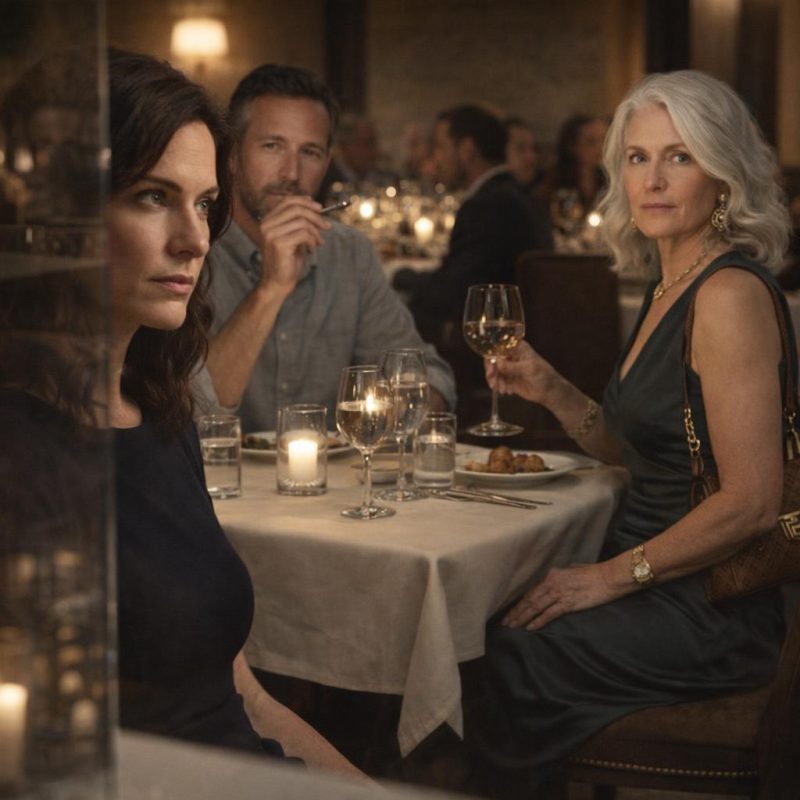 Image by RM AI
The Working-Class Couple
I tried to focus on the food, on Mark's face, on the small candle between us — anything to stop my ears from doing what they were doing. But you can't unhear something once it's in the air. A woman's voice, low and amused, drifted over from somewhere to my left: something about a working-class couple, something about a taste of the high life. I didn't catch every word. I didn't need to. The tone was enough — that particular register of entertained pity that people use when they think they're being discreet and aren't. Mark was cutting into something on his plate with genuine concentration, completely elsewhere. Elena, two tables over, had her chin tilted just slightly in our direction. I kept my posture straight and my expression neutral the way you learn to when you've had practice at it. The heat started at the back of my neck and moved upward slowly, the kind that doesn't announce itself all at once but builds until your ears are burning and your jaw is tight. I took a sip of water. I set the glass down carefully. And then, clear as anything, I heard it — a voice I couldn't place, unhurried and certain, saying we were clearly out of our depth.
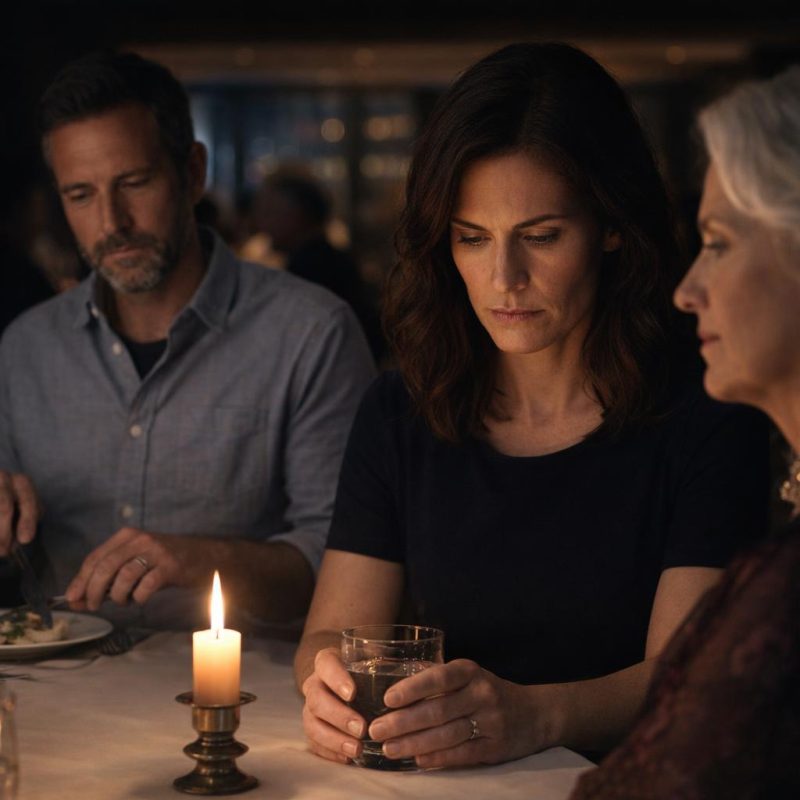 Image by RM AI
The Main Course Arrives
Thomas arrived with the main course the way someone might unveil a painting — a slight pause before setting the plate down, a small tilt of the wrist, a description that moved through every element of the dish like he was reading from a script he'd memorized and loved. Seared duck breast, he said. A reduction of something. A garnish of something else. Mark leaned forward with his elbows on the table and asked a question about the sauce, and Thomas answered it with the kind of patience that suggested he had all the time in the world. I watched them talk. I picked up my fork. The first bite was technically perfect — I could tell that much, the way you can tell a painting is technically accomplished without feeling anything in front of it. I chewed. I swallowed. I tried again. Mark made a sound of genuine pleasure beside me and said something about it being the best thing he'd ever eaten, and I nodded and smiled and cut another piece. But it was like eating with cotton in my mouth. The flavors were there, I supposed, somewhere underneath everything else — underneath the whispers and the watching and the heat still sitting at the back of my neck. I just couldn't reach them anymore.
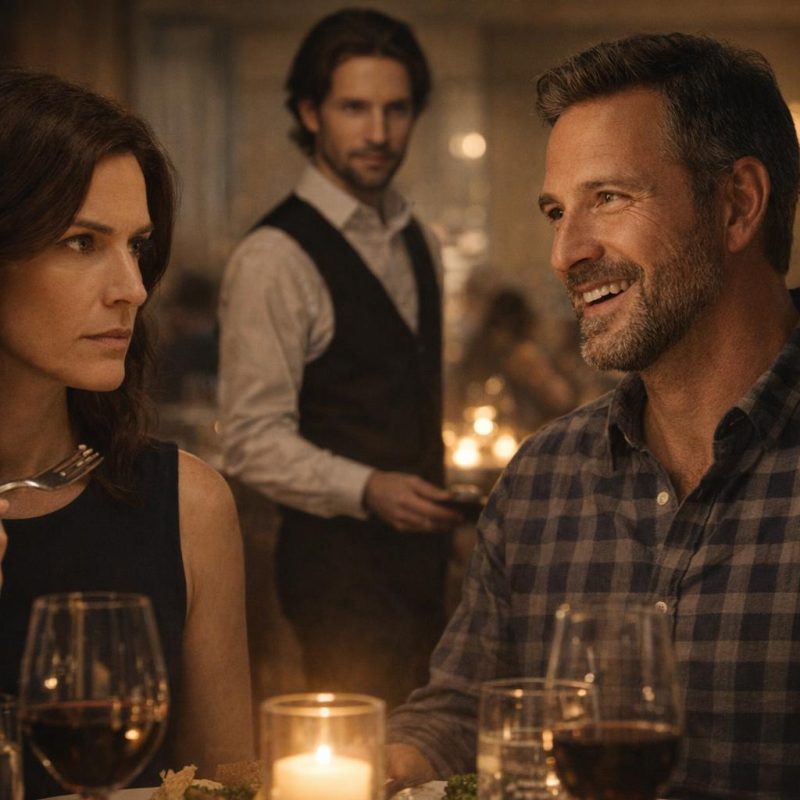 Image by RM AI
Every Madame a Jab
It was the fifth time, or maybe the sixth. Thomas refilled my water glass, leaned in slightly, and said, 'Will there be anything else, Madame?' And I don't know why that particular instance landed differently than the others, but it did. I said no thank you and watched him move away and sat with the word for a moment. Madame. It was the right word for a place like this, I knew that. I'd heard it used at other tables without thinking twice. But when Thomas said it to me, there was something in the repetition — the careful, unvarying precision of it — that felt less like courtesy and more like a label being applied. Mark hadn't noticed. He was working through the last of his plate with the focused appreciation of someone who'd been looking forward to this for months, which he had. I didn't say anything. I just kept noticing it, the way you notice a sound in a wall once you've heard it — you can't stop hearing it after that. Each Madame landed in the same spot, polite and correct and somehow pointed, and by the time Thomas stepped away for the last time I was sitting very still under the weight of all that careful, impeccable courtesy.
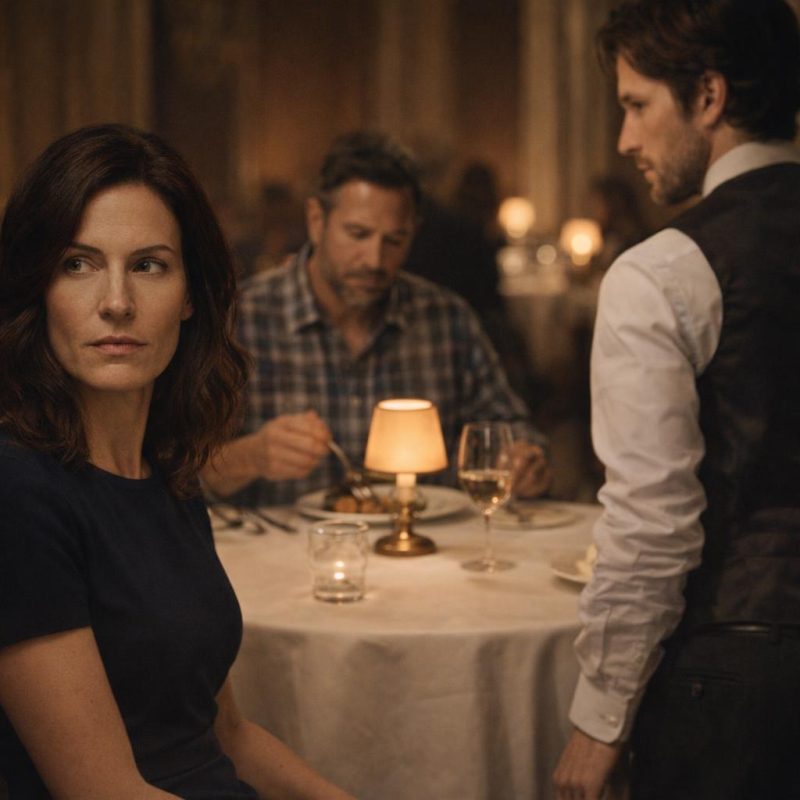 Image by RM AI
The Complimentary Wine
Thomas appeared again at the edge of my vision, and I knew before he even reached the table that he was carrying something we hadn't asked for. He set two glasses of wine down with the same unhurried ceremony as everything else that evening — a Burgundy, he said, that paired particularly well with what we'd just had. Compliments of the house. Mark looked up with that open, uncomplicated smile of his and said something warm and grateful, and Thomas gave a small nod and withdrew. I looked at the glass. It was beautiful, I'll give it that — deep red, the kind of color that looks expensive even before you taste it. But I didn't reach for it right away. I sat there thinking about the palate cleanser, and the amuse-bouche before that, and the bread that had arrived without being requested, and now this. Each one arriving exactly when the evening might have reached a natural pause. Each one giving us a reason to stay seated, to stay put, to keep our hands occupied and our attention on the table. Maybe I was reading too much into it. Maybe it was just good service. I turned that thought over once, and then I looked up toward the archway — and Lydia was standing there, watching us.
 Image by RM AI
The Mask With the Regular
I kept my eyes on her without making it obvious, the way you learn to watch people when you don't want them to know you're watching. Lydia was moving toward a table near the far window — an older man, silver-haired, who looked up when he saw her coming and broke into a wide smile. And something happened to her face. The set of her shoulders dropped half an inch. Her chin lifted in a different way — not the surveying tilt I'd seen when she looked toward our table, but something looser, more open. She laughed at something the man said, a real laugh, the kind that reaches the eyes, and she touched his shoulder lightly with one hand. I'd been watching her all evening and I hadn't seen her look like that once. It was like watching someone step out of a costume. Mark was saying something to me about dessert, whether I thought they'd have something chocolate, and I made a sound that I hoped passed for engagement. Because I couldn't stop watching Lydia. She said something else to the man, leaned in briefly, then straightened — and her gaze swept back across the room toward our table. The warmth left her face the way heat leaves a room when a window opens. What remained was something flat and controlled, and I sat with the difference between those two expressions long after she'd looked away.
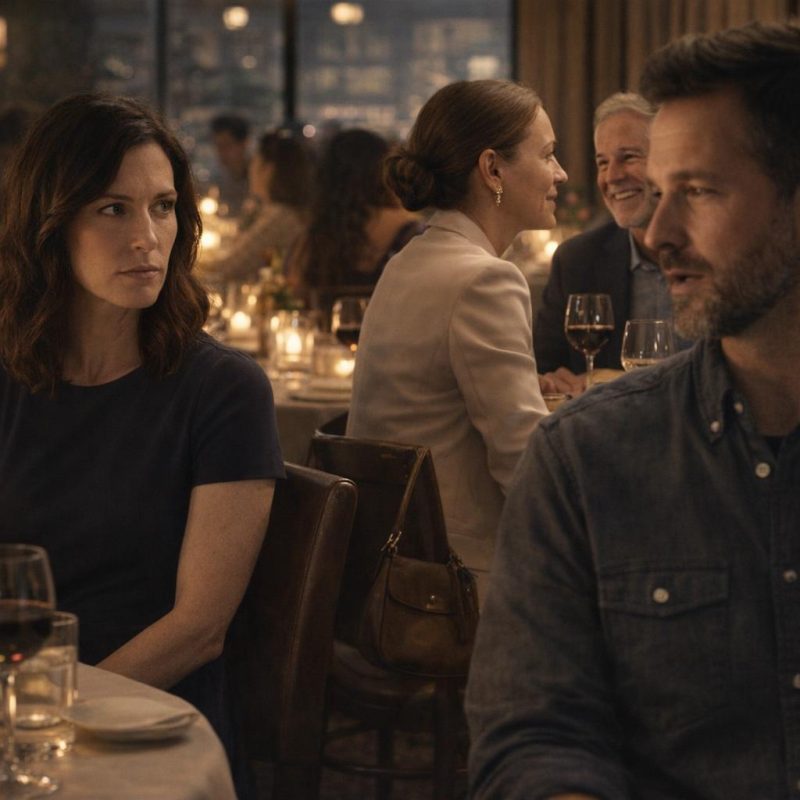 Image by RM AI
The Hatred of Happiness
Mark laughed at something — I don't even remember what, some small joke he'd made about the size of the dessert menu — and he reached across the table and squeezed my hand. It was such a Mark thing to do. Uncomplicated and warm and completely unaware of anything except the two of us sitting there together. I squeezed back. And then, because I couldn't help it, I looked across the room. Lydia was standing near the service corridor, not quite still, her attention moving across the dining room in that practiced way of someone who manages a space and knows every corner of it. It landed on our table. On Mark's hand over mine. On his face, still creased from laughing. I watched her watch us. I couldn't have said exactly what I was seeing — I didn't know this woman, didn't know what her face looked like when it was neutral. But whatever was there when her eyes settled on our table, it wasn't neutral. Her jaw was set. Her mouth was a flat line. Her eyes held something that sat in the space between displeasure and something sharper, and it was directed at us with a steadiness that made my skin go cold.
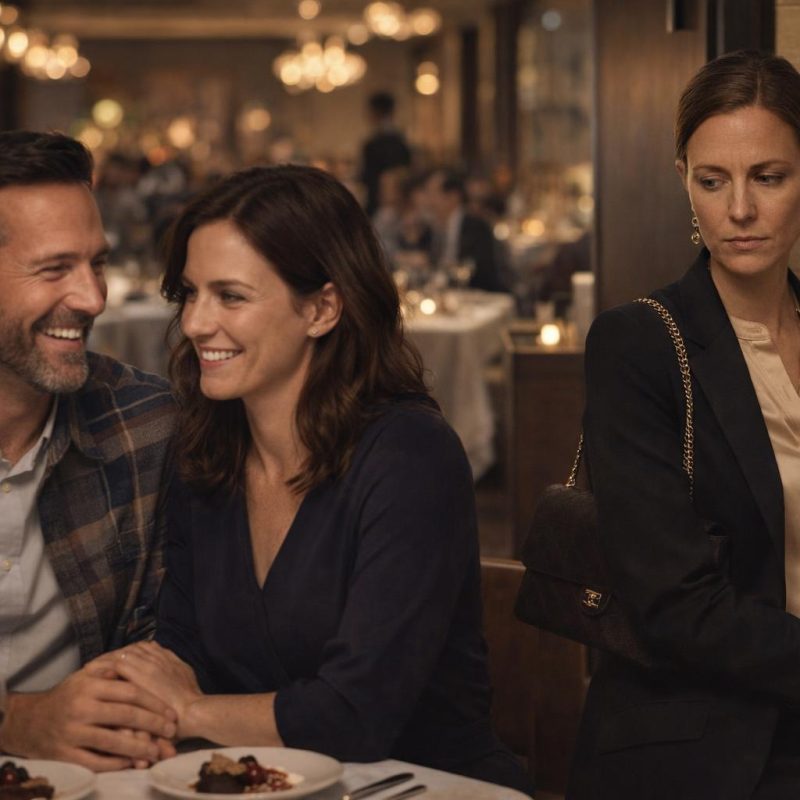 Image by RM AI
Judged by Scars
I looked down at the tablecloth. At Mark's hands resting on the white linen — his right hand still loosely covering mine, his left curled around the base of his wine glass. I'd looked at those hands ten thousand times. I knew every scar on them. The one along his index finger from a table saw, seven years ago. The thickened skin across his knuckles from a decade of work that paid for our rent and our groceries and, eventually, six months of careful saving for a single dinner in a room like this one. They were good hands. Honest hands. The kind of hands that built things and fixed things and held things together. But sitting there under the white light of that dining room, against that tablecloth, I thought about the way Lydia's eyes had moved over us. The way the voices had carried. The way every compliment and every Madame had landed with that particular weight I couldn't quite name. We had saved and planned and dressed carefully and shown up with every intention of belonging here for one night. And I had the slow, settling feeling that none of that had mattered. That it had never been going to matter. That the scars on his hands had told them everything they thought they needed to know before we'd even sat down.
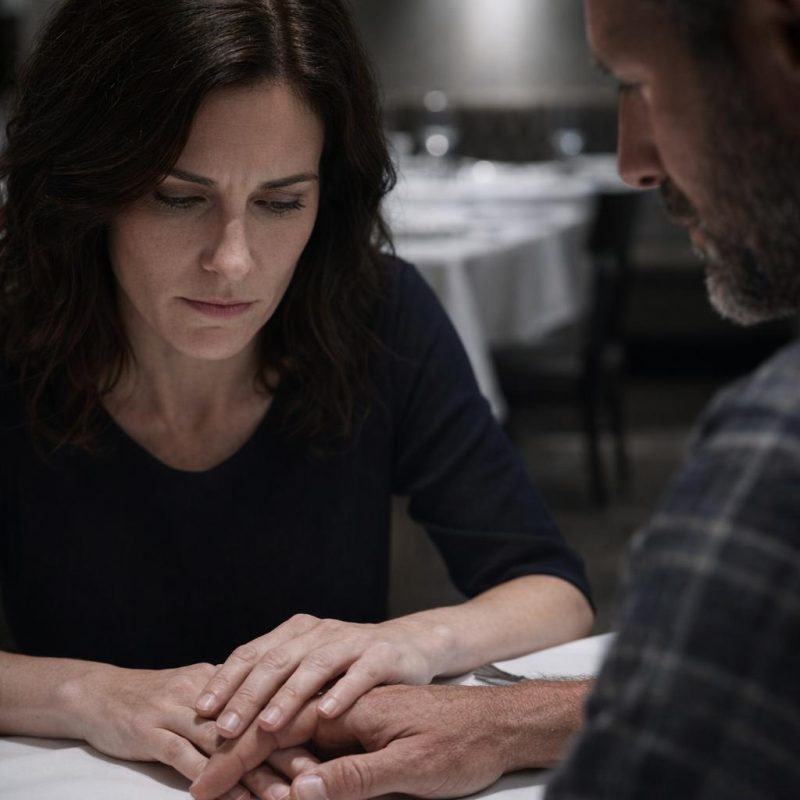 Image by RM AI
The Suggestion to Leave
I leaned in close to Mark, close enough that I didn't have to raise my voice above the ambient murmur of the room. I told him we could leave if he wanted. That we didn't have to stay for dessert. That it was fine, we could go somewhere else, get coffee somewhere quieter. He pulled back just enough to look at me, and his face did that thing it does when he's trying to figure out if something's wrong without wanting to make a big deal of it. He asked if I was okay. I said yes, of course, I just thought maybe we'd been here long enough. He looked at me for another second, then looked around the room — at the candles, at the other tables, at the last of the wine still in his glass — and his face settled back into that expression he'd been wearing all evening. That open, uncomplicated happiness. He said he was having the best night. He said it quietly, like it was something private, just for me. And I looked at him — at the way his eyes were bright and his shoulders were finally relaxed after a week of long days — and every word I'd been carrying all evening just sat there in my chest, unspoken.
 Image by RM AI
Staying for Him
The dessert menu arrived without anyone asking for it. Thomas set it down between us like it was part of a choreographed sequence, and Mark's face lit up the way it does when he's genuinely delighted by something small. He leaned forward and started reading out loud — the chocolate fondant, the salted caramel tart, the thing with the name I couldn't pronounce — and his voice had that quality it gets when he's fully present, fully happy, not thinking about the job site or the invoices or any of it. Just here. Just this. I wanted to say I was tired. I wanted to say my stomach hurt, or that I had a headache, or any of the dozen small exits I'd been mentally rehearsing for the last twenty minutes. Instead I watched his face. The candlelight caught the scar on his left hand — the one from the table saw, three years ago — and he was smiling at a dessert menu like it was the best thing he'd read all year. I folded my hands in my lap. I told him the tart sounded good. He said we should get both. And even though every instinct I had was pointing toward the door, I said okay.
 Image by RM AI
The Whispered Conference
Mark was deep into his dessert, making the kind of quiet satisfied sounds that meant I'd lost him to the food entirely, which was fine. It gave me somewhere to look that wasn't him. I'd been watching the room the way I always do in places like this — cataloguing exits, reading body language, trying to figure out if I was imagining things. That's when I saw her. Lydia was standing near the kitchen entrance, half-turned away from the dining room, her posture pulled tight in a way that didn't match the composed version of herself she'd been performing all evening. She was talking to one of the other servers — not Thomas, someone younger, someone I hadn't seen before — and whatever she was saying, it wasn't casual. The server's face had gone still and attentive in the way people's faces go when they're being given instructions they're not sure about. I watched Lydia's hands move. She was gesturing. And then she turned her head, just slightly, just enough, and her eyes went straight to our table. Her hand came up and pointed — not dramatically, not obviously, just a small, precise movement — directly toward where Mark and I were sitting.
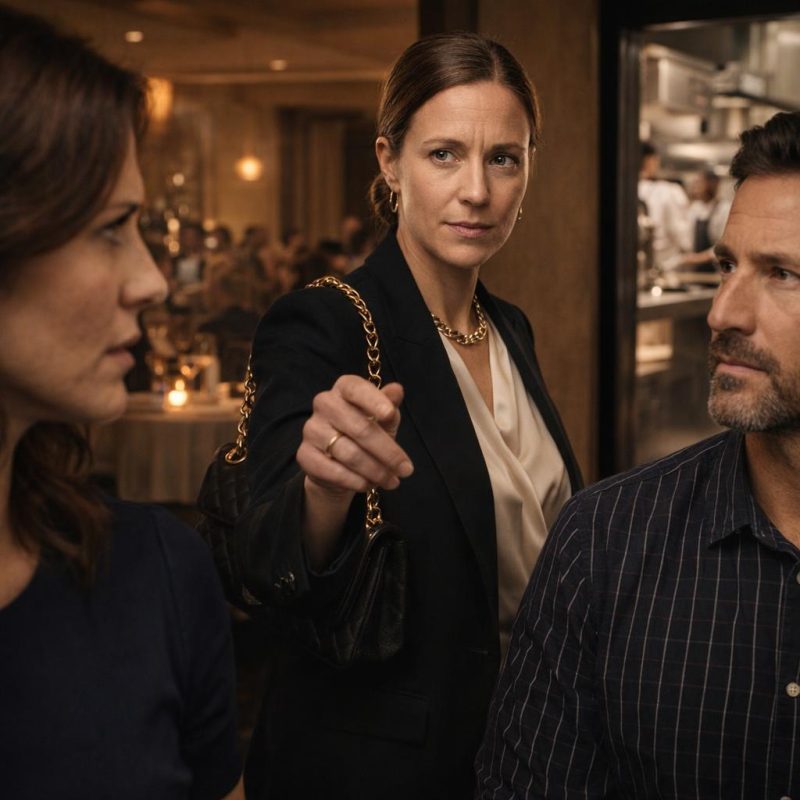 Image by RM AI
The Strange Formality Spreads
I told myself I was being paranoid. I picked up my fork and took a bite of the tart and told myself that whatever Lydia had been saying near the kitchen had nothing to do with us. Restaurants have logistics. Managers give instructions. That's just how it works. But then the next server who passed our table — a tall woman I hadn't seen before — gave this small, deliberate nod as she went by, eyes forward, like she was acknowledging something. I thought maybe it was nothing. Then another one did it. A shorter man with a tray of water glasses, moving efficiently between tables, and when he reached ours he slowed just slightly and dipped his head in this formal, almost ceremonial way before continuing on. Mark didn't look up. He was working through the fondant with the focused contentment of someone who had fully committed to the experience. I set my fork down. I watched the room. And then a third server — someone I was certain I'd never made eye contact with — passed within a few feet of our table and bowed. Not a nod. An actual bow, brief and precise, before moving on without a word.
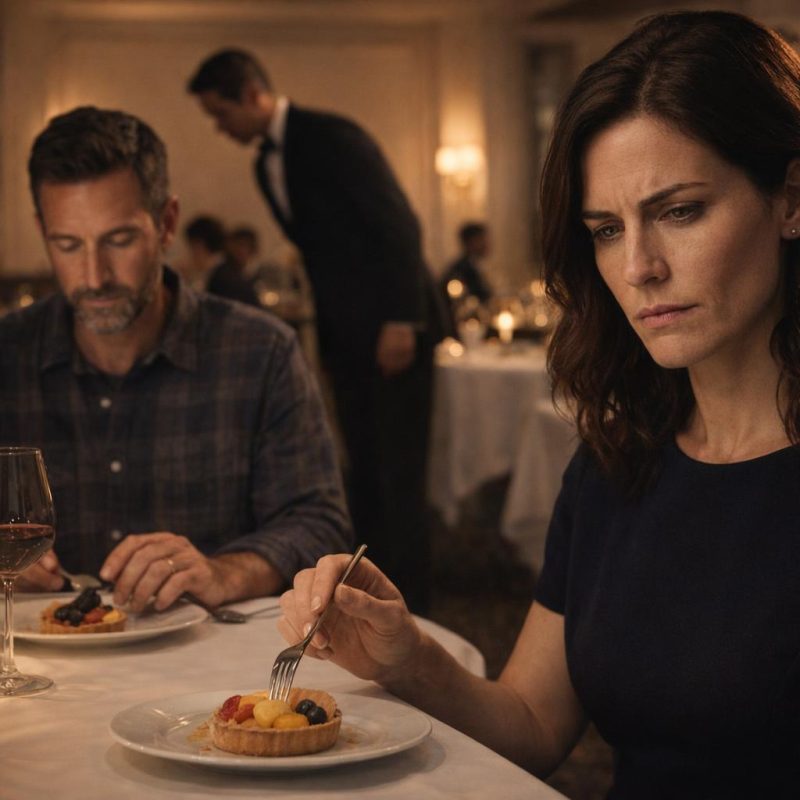 Image by RM AI
The Elaborate Dessert
Thomas reappeared before I'd had time to process any of it. He was carrying a silver platter with both hands, and there was a domed cover over whatever was on it, and the whole approach had this quality of a performance that had been rehearsed. He set the platter down at the edge of the table with careful precision, adjusted its position by what looked like a centimeter, and then lifted the dome in one smooth arc. Underneath was a dessert that looked less like food and more like something that belonged behind glass in a gallery. There were layers and components and what I think was edible gold leaf, and the whole thing was arranged on the plate with a kind of deliberate geometry that made me feel vaguely guilty for being about to eat it. Thomas began to describe it. He named each element. He explained the provenance of the chocolate. He mentioned the technique used for the caramel. Mark was leaning forward with his elbows on the table, completely absorbed, asking follow-up questions like a man who had been waiting his whole life for someone to explain caramel to him. I sat very still. The table felt too small. The room felt too close. The attention pressing in from every direction had a weight to it that I couldn't shake off.
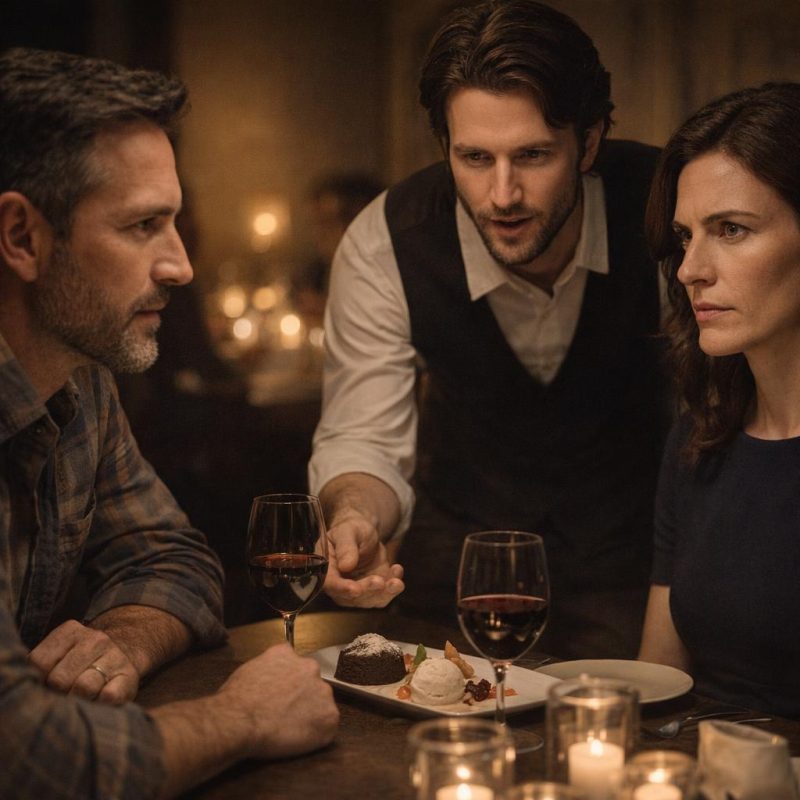 Image by RM AI
The Rehearsed Speech
Thomas kept going. He moved from the caramel to the pastry base to something involving a reduction that had apparently taken three days to prepare, and his voice had this tight, careful quality — like someone reading from a script they'd only just been handed and were terrified of getting wrong. I noticed he wasn't looking at me. He'd look at the plate, look at Mark, look at a point somewhere above my left shoulder, but every time his gaze started to drift toward my face it redirected, quickly and deliberately, somewhere else. Mark was nodding along, asking about the reduction, genuinely charmed by all of it. I watched Thomas's hands as he finished describing the dessert and reached to adjust the placement of the small accompanying sauce dish. His fingers were steady enough, but when he set the dish down and straightened up, something shifted in his grip — just for a moment, just a flicker — and his hands were shaking.
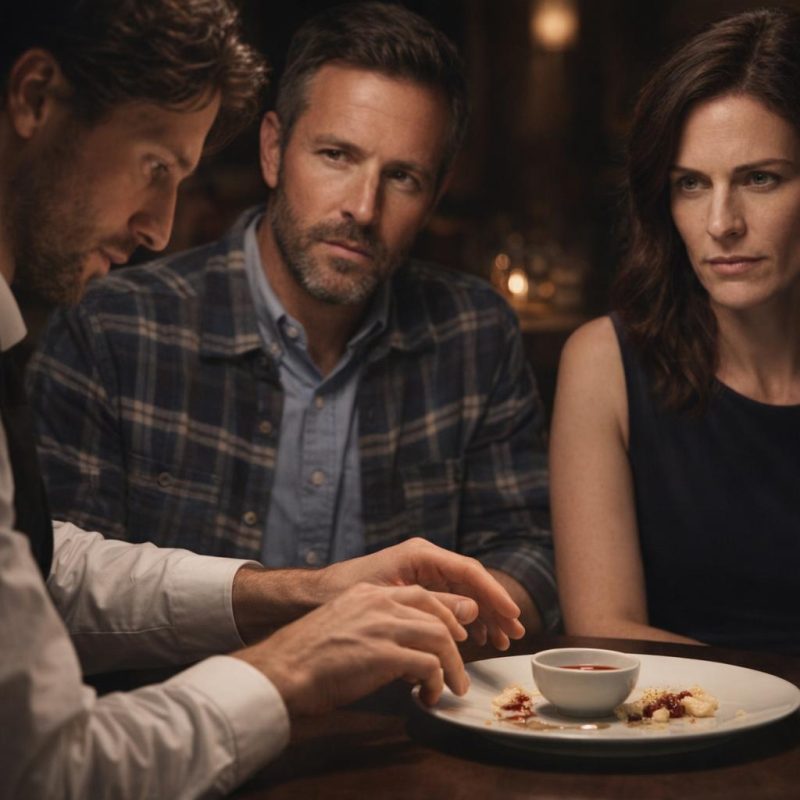 Image by RM AI
Holding Back Tears
I made it through about four bites before I knew I needed to get out of that chair. Not forever, not dramatically — just for five minutes, just long enough to stand somewhere that wasn't under a spotlight I hadn't asked for. My eyes had been doing that thing where they go hot and tight, and I'd been blinking more than usual, and I knew if I sat there much longer something was going to give. I put my fork down and touched Mark's arm. I told him I was going to find the restroom. He looked up from his plate with that easy, open expression and asked if I was okay. I said yes, of course, just needed a minute. He smiled and said he'd guard my dessert, and I laughed — actually laughed, a real one — and then I pushed my chair back and walked away from the table. The hallway was quieter. The carpet absorbed the sound of my heels and the ambient noise of the dining room fell away behind me, and I stood there for a moment with my back to all of it, breathing. Just breathing. The quiet settled around me like something I hadn't known I needed.
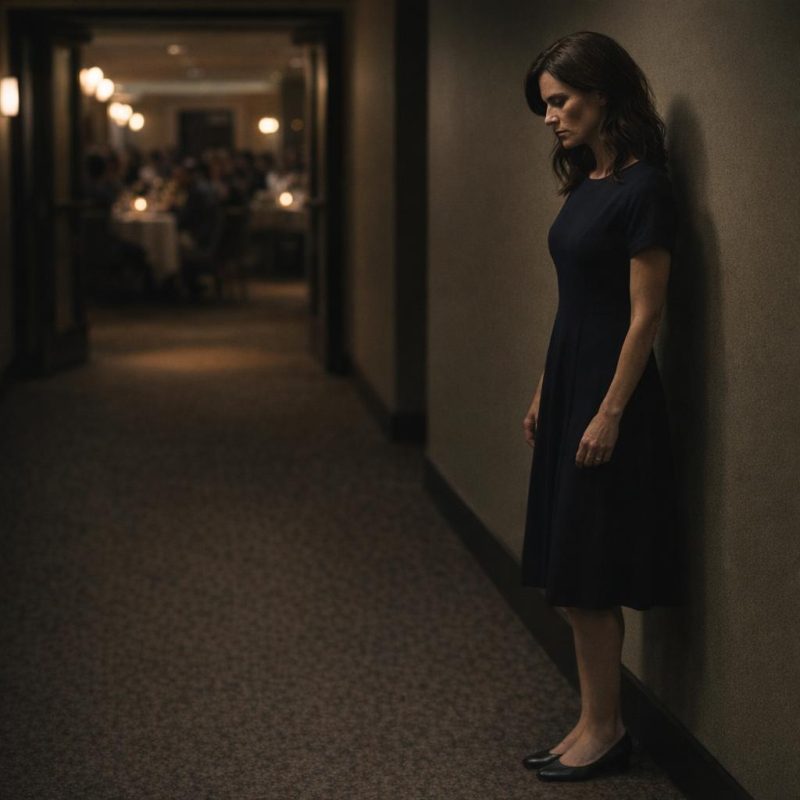 Image by RM AI
The Hallway Conversation
I didn't go straight to the restroom. I stood in the hallway for a moment, one hand against the wall, letting the silence do its work. The corridor curved slightly ahead of me, and somewhere around that curve there were voices — low, quick, the kind of talking that happens when people think they're out of earshot. I recognized the cadence before I recognized anything else. That particular register of urgency, the way people sound when something has gone sideways and they're trying to figure out how to fix it before anyone notices. I took a few steps forward, not rushing, not making a decision exactly, just moving. The voices got a little clearer. Two of them, maybe three. I couldn't make out words yet, just tone — tight, worried, the kind of conversation that has a clock on it. And then one voice separated itself from the others, slightly louder, slightly more strained, and I placed it. It was Thomas. Whatever was being said around that corner, he was part of it, and none of it sounded like a conversation anyone was having by choice.
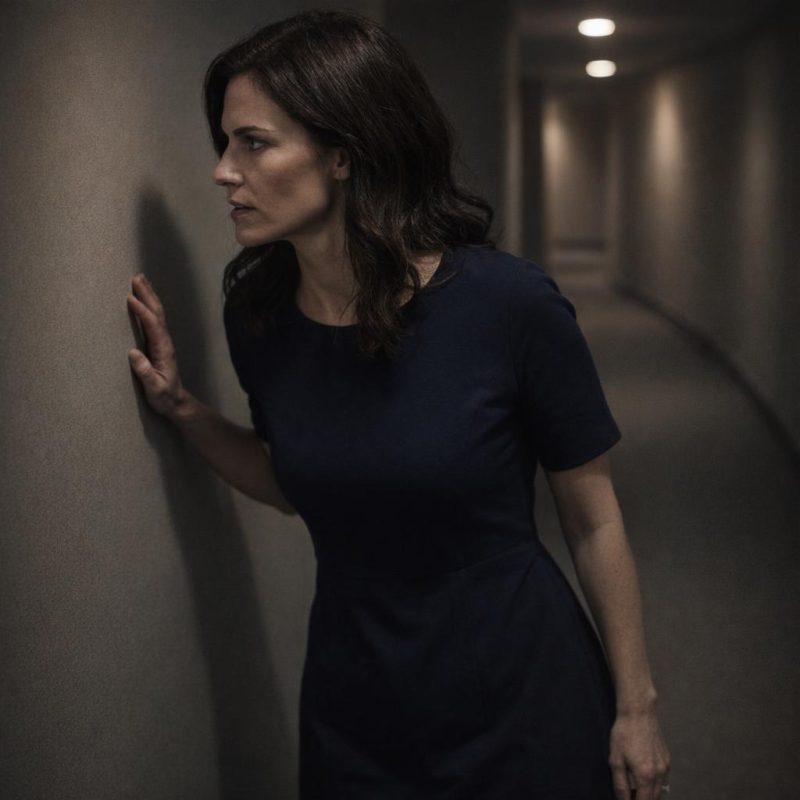 Image by RM AI
Inspection and Investigation
I stopped walking. I pressed myself back against the wall, which felt ridiculous and also completely necessary, and I held very still. The voices were close enough now that I could catch edges of words when the conversation spiked. Most of it was still too low, too fast, too tangled together to follow. But then there was a pause in the ambient noise from somewhere deeper in the building, and in that pause a few words came through clean and separate, like they'd been cut out of the surrounding murmur and handed to me directly. Inspection. That one landed clearly, Thomas's voice, tight and clipped. Then another voice, lower, saying something I couldn't catch, and then a third — corporate investigation — distinct enough that I felt my shoulders go rigid. I waited. The conversation kept moving, kept dropping back below the threshold of what I could make out, and I stood there trying to will the words into clarity. Then it spiked again, just once, just briefly, and this time the phrase that came through stopped me cold: discrimination complaint.
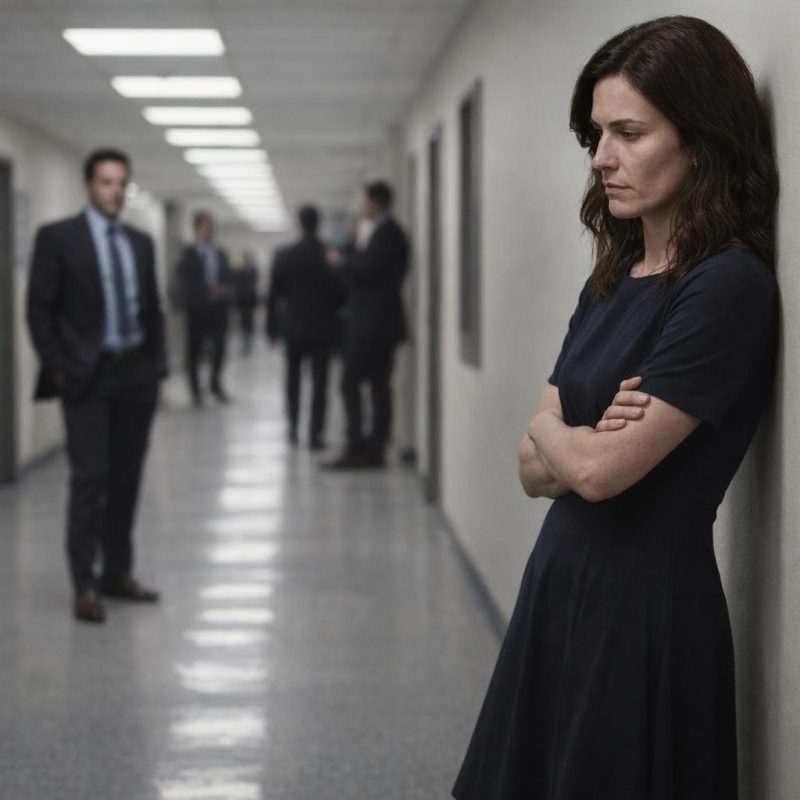 Image by RM AI
The Worry About Complaints
I stayed pressed against that wall longer than I should have. The conversation around the corner kept moving, kept dipping below what I could catch, and I stood there straining after it like I could pull the words out of the air by wanting them badly enough. Thomas's voice came through again — something about a timeline, something about documentation — and then the other voice, lower, said something that included the word flagged, and I felt my stomach tighten even though I didn't know why. A discrimination complaint filed with the city. That was the phrase that kept circling back in my head as I stood there. Not a customer complaint. Not a Yelp review. Something official. Something that had clearly rattled them. I heard Thomas say something about consequences and the other voice said something I couldn't catch and then there was a long pause and the sound of footsteps moving away. I waited another few seconds, then straightened up and stepped back into the corridor like I'd just been checking my phone. I didn't know what any of it meant. I didn't know what the restaurant had done, or who had filed anything, or why the word flagged had landed in my chest the way it did. I just knew that whatever was happening here was bigger than a bad table and a condescending smile.
 Image by RM AI
Returning to the Table
I walked back to the table slowly, taking the long way around the edge of the dining room, watching the floor like I was thinking about something ordinary. Mark had finished his dessert and was leaning back in his chair with that easy, satisfied look he gets when a meal has genuinely pleased him, and for a second I almost didn't want to sit down. I didn't want to bring whatever I was carrying back to the table with me. "Feeling better?" he asked, and I said yes and smiled and picked up my water glass. The room looked different now. Not different in any way I could point to — the candles were still lit, the other diners were still murmuring over their plates, Thomas was still moving between tables with that careful, deliberate precision. But I kept turning the words over. Inspection. Discrimination complaint. Flagged. I watched Thomas refill a glass at the next table and thought about the way his voice had sounded — tight, clipped, like someone trying to keep something contained. I thought about the excessive bows, the complimentary courses, the way the hostess had moved us through the room like we were expected. Something had happened here, or was happening, and I was sitting in the middle of it without understanding what any of the pieces were supposed to mean.
 Image by RM AI
Testing the Theory
Thomas came back to clear the dessert plates with his usual careful efficiency, stacking things with the kind of practiced quiet that good servers develop over years. Mark was telling me something about a job site, something about a difficult client, and I was nodding along and watching Thomas at the same time. I waited until there was a natural pause, until Thomas had both plates balanced and was about to step back, and then I said it as casually as I could manage. "Do you get a lot of corporate visitors here?" I kept my voice light, like I was just making conversation, like it was the kind of thing you'd ask about a restaurant you were enjoying. Thomas went very still. Not dramatically — it wasn't like he dropped anything or stumbled. It was more like the air went out of him for just a second, a small, controlled stillness that he recovered from almost immediately. He said something smooth about the restaurant welcoming all kinds of guests, and his smile came back into place, and he excused himself with a small nod. Mark was still talking about the job site. I turned back to my husband and made the right noises, but when I glanced back across the room, Thomas's face had gone the color of old chalk.
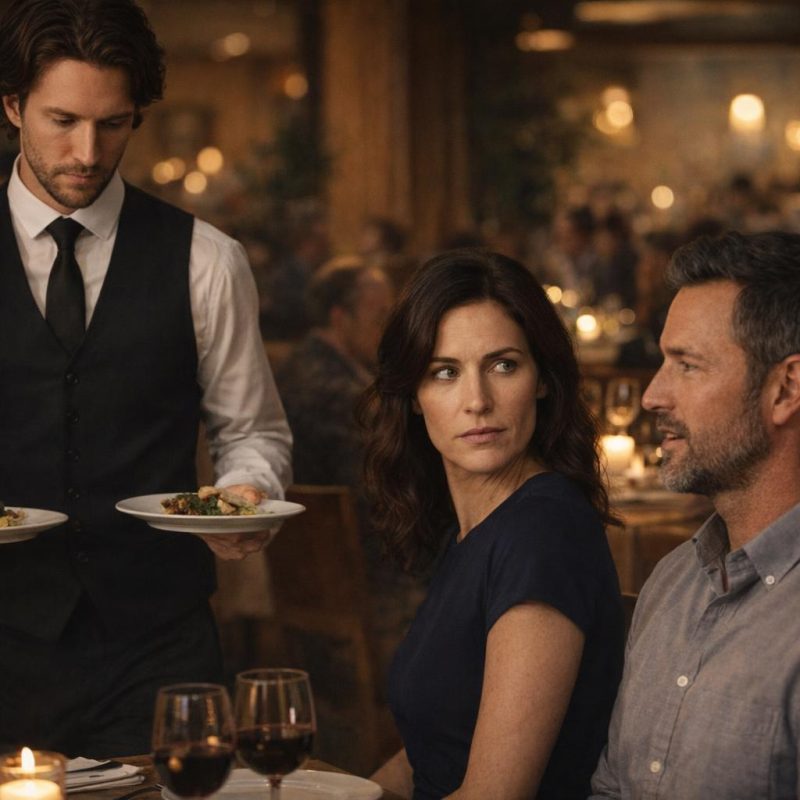 Image by RM AI
The Panic Spreads
Thomas didn't slow down once he cleared our section. He moved with the kind of controlled urgency that looks like normal server efficiency if you're not watching for it, weaving between tables toward the far side of the room where Lydia was standing near the kitchen entrance with her arms crossed and that expression she wore when she was surveying the room and finding it wanting. I watched over Mark's shoulder, keeping my face turned toward my husband like I was still listening. Thomas reached her and leaned in close, and I saw Lydia's posture shift before he'd even finished whatever he was saying. The crossed arms dropped. Her chin came up. She turned her head slightly toward our table, and even from across the room I could see the change move through her face — the tight, controlled irritation she'd been wearing all evening giving way to something else entirely, something that pulled at the corners of her mouth and widened her eyes just slightly. Thomas said something else, something short, and Lydia's gaze came directly to our table. Her jaw was set, her shoulders had gone rigid, and her expression had collapsed into something I hadn't seen on her face before tonight.
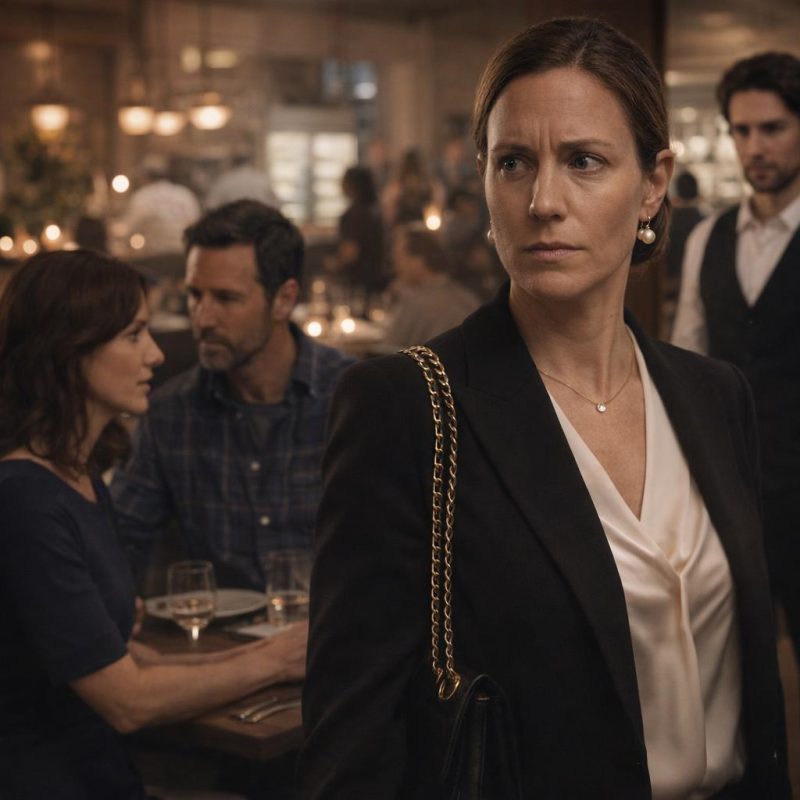 Image by RM AI
The Undercover Inspector
And then it hit me. All of it, at once, like a door swinging open onto a room I hadn't known was there. The hostess who hadn't asked for our name. The menu with no prices. The complimentary courses that kept arriving without explanation. Thomas's excessive bows, his strained courtesy, the way he'd moved around us like we were something fragile and dangerous at the same time. The overheard words — inspection, corporate investigation, discrimination complaint, flagged. Lydia's face just now, that specific kind of panic that isn't about embarrassment but about consequences. They thought we were inspectors. Undercover. Sent by the city to follow up on a complaint. Every single thing that had happened tonight — every bow, every free course, every careful, deferential gesture — hadn't been mockery. It had been damage control. Lydia hadn't been performing contempt at us. She'd been terrified of us. The VIP treatment, the priceless menu, the way Thomas had nearly tripped over himself to make us comfortable — all of it was a restaurant trying desperately to prove it treated everyone beautifully, because someone had told the city it didn't. I sat there with Mark's voice somewhere in the background and felt the entire evening rearrange itself around me into something I hadn't seen coming at all.
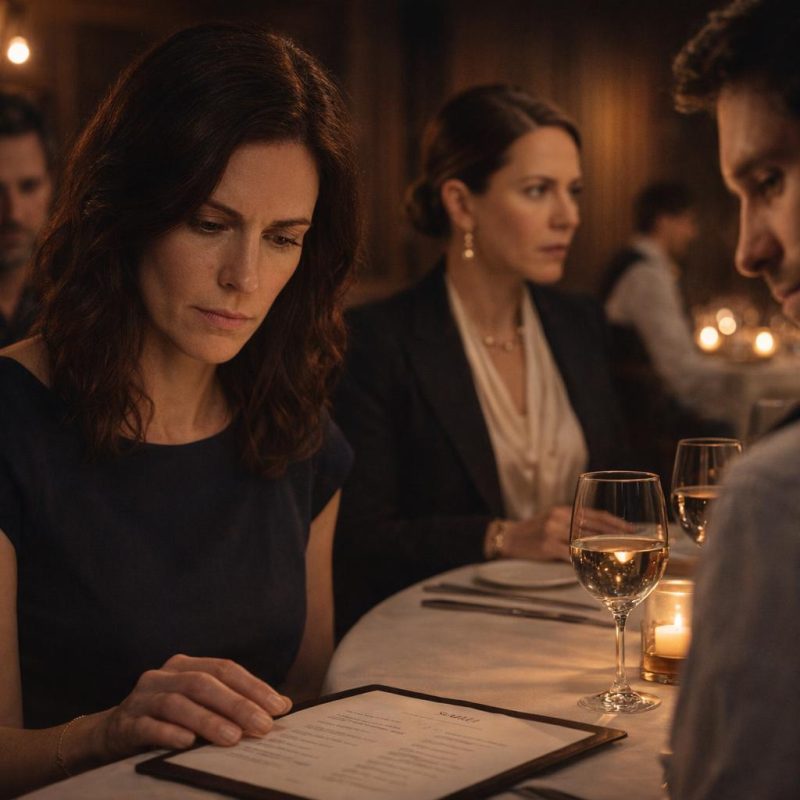 Image by RM AI
Reframing the Night
I sat very still and let it all run back through my head in order. The hostess at the door — no name, no reservation check, just immediate, practiced warmth and a gesture toward the best table in the room. At the time I'd read it as a setup, a way to seat us somewhere visible so the whole room could watch us feel out of place. But she'd been told to treat whoever walked in as a VIP, no questions asked, because the inspectors might not announce themselves. The menu with no prices — I'd assumed it was a power move, a way to make us feel small when the bill arrived. But a restaurant worried about a discrimination complaint wouldn't want any guest claiming they'd been steered away by cost. Thomas's bows, his endless hovering, the complimentary amuse-bouche and the extra dessert course — none of it had been cruelty dressed up as service. It had been fear dressed up as hospitality. Every gesture I'd spent the evening cataloguing as a microaggression had been someone trying to avoid a lawsuit. I almost laughed. I would have, except that underneath the absurdity of it there was something that still stung, something I hadn't quite worked out yet. Then I looked up and saw Thomas moving toward us, a small leather folder in his hand.
 Image by RM AI
Seeing Lydia Differently
I looked at Lydia while Thomas was still making his way across the room. She was standing near the archway now, arms folded again, watching our table with an expression I could finally read correctly. It wasn't disdain. Or — it was, but not the kind I'd spent the evening cataloguing. She wasn't looking at us the way someone looks at people they consider beneath them. She was looking at us the way someone looks at a problem they can't solve and can't afford to ignore. The fear was still there, tight around her eyes, but underneath it was something else — a resentment that had nothing to do with us specifically and everything to do with what we represented to her. Because here was the thing I kept coming back to: she'd been afraid of us tonight. But on any other night, on a night when no complaint had been filed and no inspector was expected, she wouldn't have been afraid of us at all. She would have looked at Mark's scarred hands and my navy dress and the way we'd hesitated at the door, and she would have found a way to make us feel unwelcome without ever saying a word. The fear was new. The contempt underneath it was not. That was the part that settled into me and stayed.
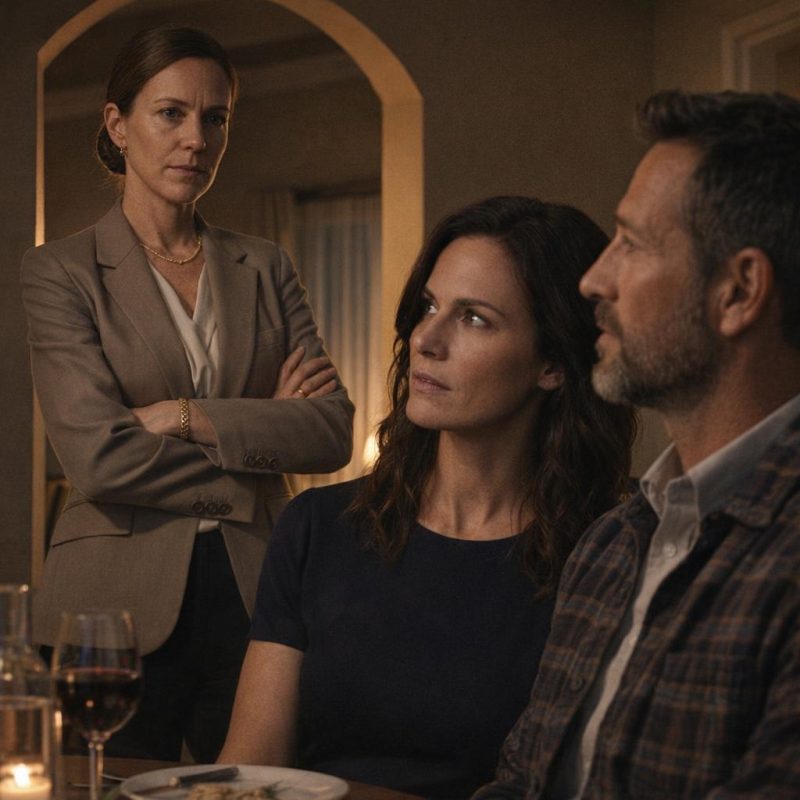 Image by RM AI
Telling Mark
I waited until Thomas had set the leather folder down and walked away, and then I leaned across the table toward Mark. "I need to tell you something," I said quietly, "and I need you to keep your face completely normal while I do." He looked at me with that open, trusting expression he gets when he thinks I'm about to say something serious, and I told him. I told him about the hallway, about pressing myself against the wall, about the words I'd caught — inspection, discrimination complaint, flagged. I told him about Thomas going pale when I mentioned corporate. I told him about Lydia's face when Thomas whispered to her. And then I told him what I thought it all added up to: that someone had filed a complaint with the city, that the restaurant was under scrutiny, and that Lydia had spent the entire evening convinced that the two of us — me in my second-guessed navy dress and him in his best shirt — were undercover inspectors sent to catch her. Mark sat back in his chair. He looked at the leather folder. He looked at me. He looked across the room at Lydia, who was still watching us from the archway, and then back at me, and the open, trusting expression had gone somewhere else entirely, replaced by something quieter and harder. "She would have turned us away," he said. It wasn't a question. The weight of that sat between us, and neither of us reached for the folder.
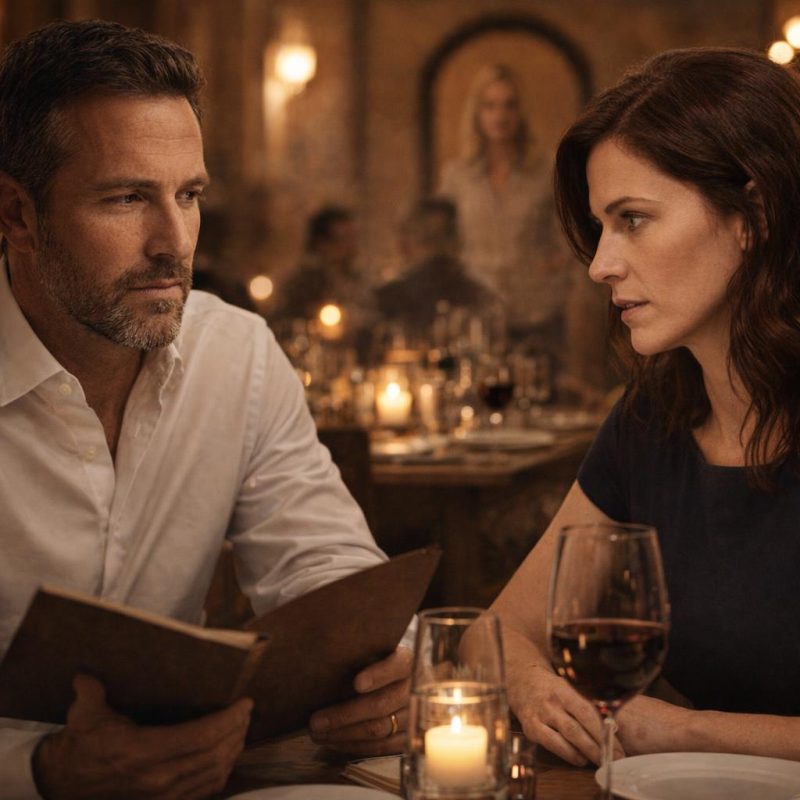 Image by RM AI
Mark Wants to Correct It
His hand was already on the edge of the table, weight shifting forward, and I knew exactly what he was about to do. "We should just tell her," he said, voice low but certain. "It's a misunderstanding. We go over there, we clear it up, and we go home." And he meant it — that's the thing about Mark, he always means it. He's the kind of person who returns extra change at the grocery store and feels genuinely bad about it if he doesn't. Clearing up a misunderstanding is just what you do. I understood that. I even loved him for it, in that moment. But I sat there looking at the leather folder, thinking about the way Lydia had watched us from the archway all night, and about the word flagged, and about every other couple who'd walked up to this restaurant in their best clothes and been turned away before they ever got to sit down. Mark started to push back his chair. My hand came down on his arm before I could think it through.
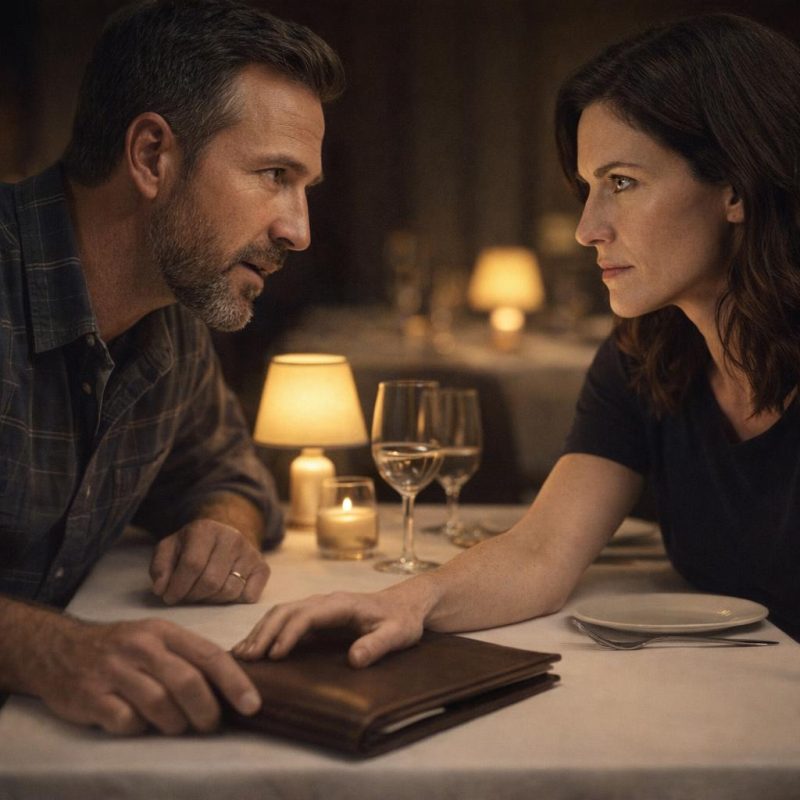 Image by RM AI
Considering Justice
He looked at my hand on his arm, then at my face, and he settled back into his chair without a word. That's ten years of marriage right there — he could read something in my expression that I hadn't even fully formed into a thought yet. I sat with the leather folder in front of me and tried to think clearly. If I told Lydia the truth right now, she'd be relieved. The fear would drain out of her face and she'd go back to being exactly who she was before we walked in — the woman who turns people like us away at the door. The VIP treatment would evaporate. The apology, if there even was one, would be hollow. But if I said nothing, what was I actually doing? Letting her twist in the wind felt satisfying for about thirty seconds before it started feeling like something else. I thought about the people who'd filed those complaints. Real people, dressed up, turned away. They didn't get a leather folder and a candle and Thomas hovering at their elbow. They got the door. I looked at Mark. He was watching me with that patient, steady look. I had to decide what kind of person I wanted to be when I walked out of here.
 Image by RM AI
Asking to Speak Privately
I made up my mind somewhere between the bread basket and the last of the wine. I wasn't going to let it go, but I wasn't going to let her off the hook quietly either. I wanted to look her in the eye. I wanted her to hear it from me directly, not piece it together later in her office. Mark asked, quietly, if I was sure. I told him I was. I looked across the dining room until I caught Lydia's gaze — she was standing near the archway again, watching us the way she'd been watching us all night, that practiced stillness that I now understood was barely contained panic. I held her eye and gave a small, deliberate nod toward the empty chair at the edge of our table. Her posture went rigid. I watched the color shift in her face, that particular kind of dread that comes when you know the thing you've been dreading is finally arriving. She didn't move for a moment. Mark reached under the table and found my hand, and he held it. I didn't look away from her. The weight of having chosen this settled over me, quiet and certain.
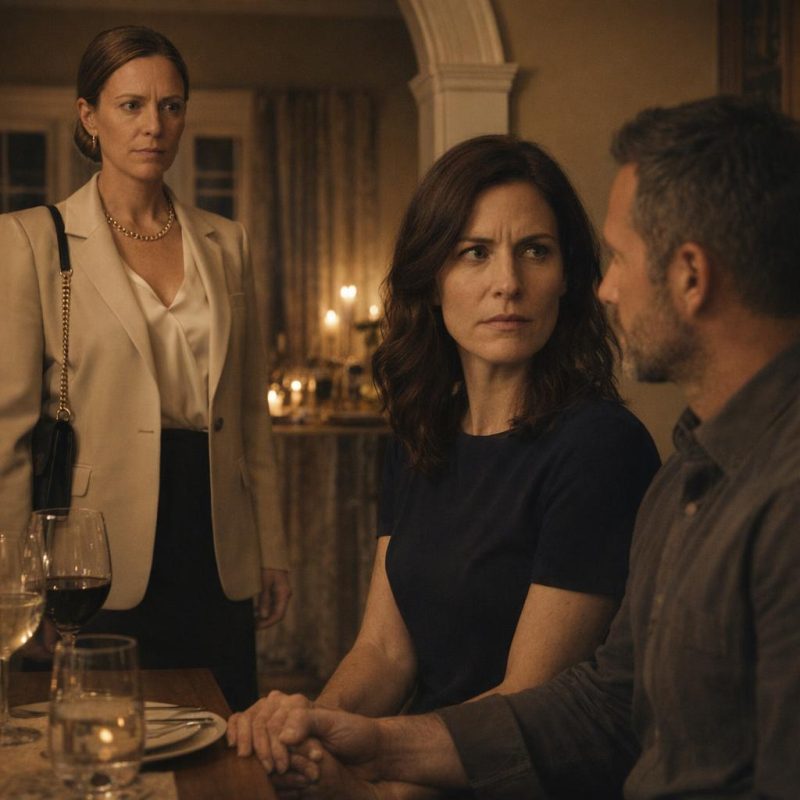 Image by RM AI
Facing Her
She walked toward us slowly, the way people walk when they're trying to look composed and failing at it. Her posture was still perfect — that severe, practiced straightness — but her hands were clasped in front of her too tightly, knuckles pale against her rings. She stopped at the edge of our table and looked at me, and I looked back at her, and for a moment neither of us said anything. Then I said it plainly. "We're not from corporate." I watched her face. "We're not inspectors. We're not here on behalf of anyone. We're just two people celebrating our tenth anniversary." I kept my voice even. I wasn't cruel about it. I didn't want to be cruel — that wasn't the point. Mark said, quietly, "We saved up for this." And something about the simplicity of that, the plain honest weight of it, seemed to land harder than anything I could have said. Lydia's professional mask didn't shatter all at once. It was more like watching something very carefully held begin to slip, one degree at a time, until the fear in her eyes shifted into something she clearly hadn't prepared an expression for.
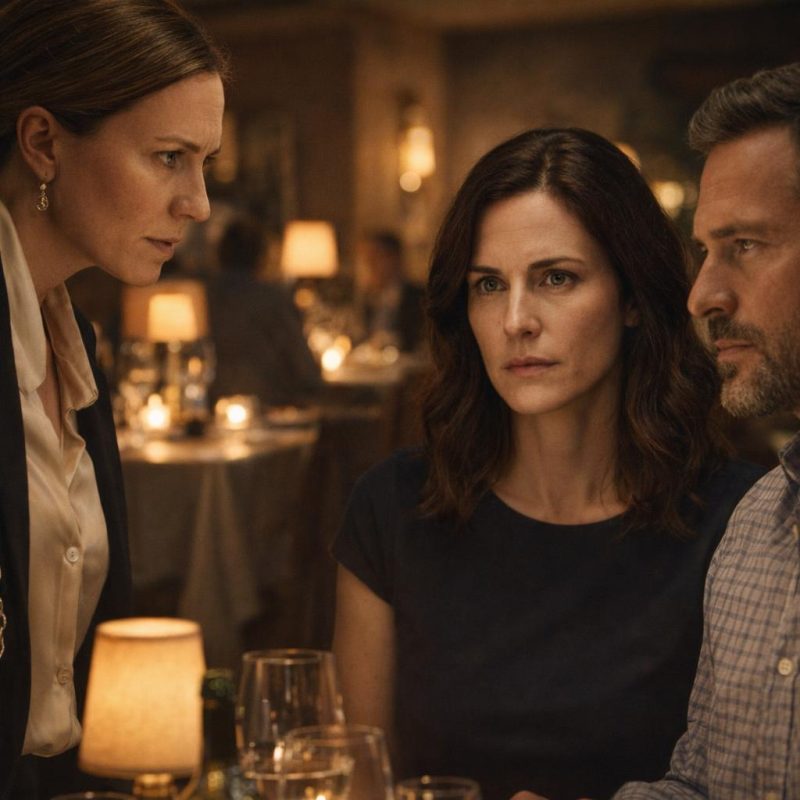 Image by RM AI
The Collapse
The composure went last. Everything else went first — the careful stillness of her hands, the practiced set of her jaw, the measured distance she kept between herself and the tables she managed. Her grip on the edge of our table tightened and then loosened, like she'd caught herself doing it. A breath came out of her that she clearly hadn't meant to release. Relief moved across her face in a wave, and then, almost immediately, something darker followed it in — something that looked like the moment you realize what you've just done. She'd spent an entire evening performing deference for two people who had no power over her at all. She'd ordered Thomas to treat us like royalty. She'd hovered and watched and calculated, and all of it, every bit of it, had been for nothing. I watched her try to find words and come up empty. Mark was very still beside me. I didn't fill the silence for her. I just sat there and let the weight of the evening settle where it belonged, between her and whatever she was going to have to do with it.
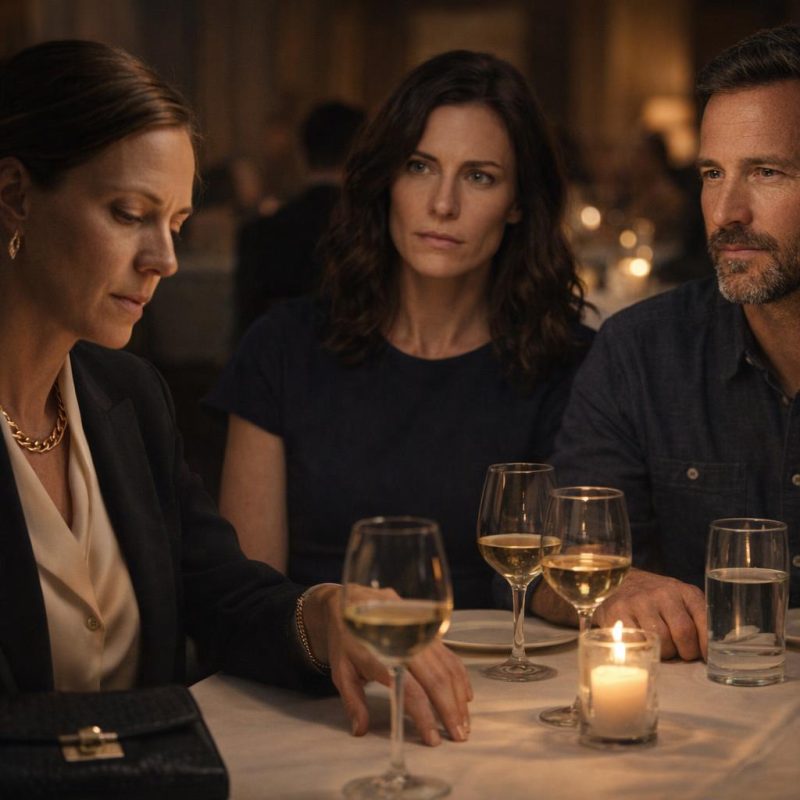 Image by RM AI
Demanding Explanation
I let the silence hold for another few seconds, and then I leaned forward slightly. "I want to ask you something," I said. "And I'd like an honest answer." Lydia's hands were still gripping the edge of the table. She nodded, barely. "The complaints," I said. "The ones filed with the city. About who gets turned away at the door." Mark went very still beside me. Lydia's face did something complicated — a flinch that she tried to convert into a neutral expression and didn't quite manage. She looked down at the tablecloth for a moment, then back at me. I didn't look away. I'd spent the whole evening being watched, being assessed, being managed from a distance, and I was done being the one who waited. The dining room hummed quietly around us, other tables oblivious, candles burning low. Lydia opened her mouth, closed it, and then opened it again. "There have been," she said, "some concerns raised." And then she kept talking.
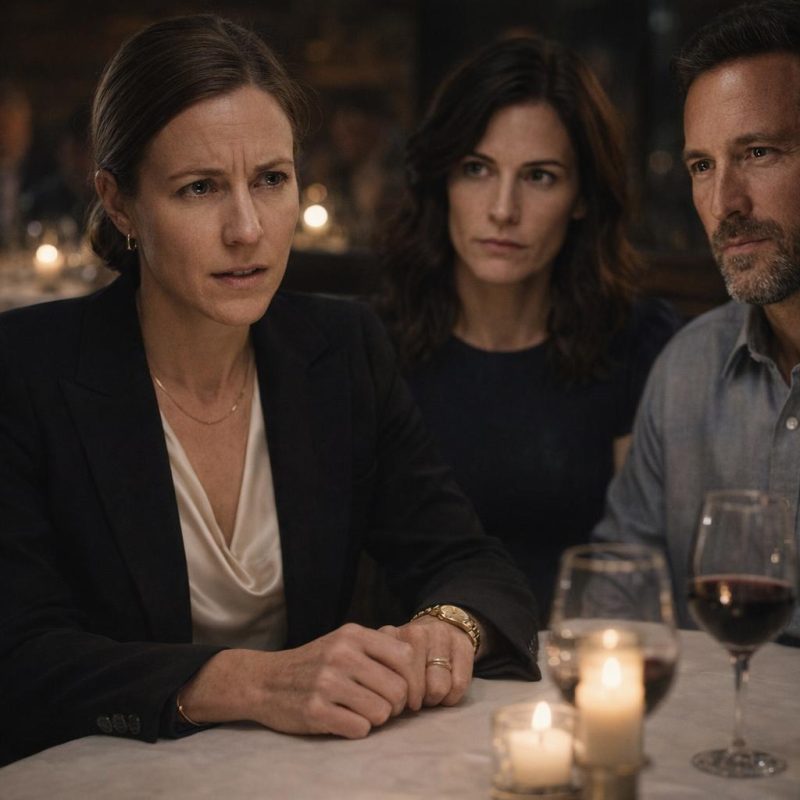 Image by RM AI
The Confession
It came out in pieces, the way confessions usually do — not all at once, not cleanly, but in fragments that she kept trying to soften and then giving up on softening. The restaurant had a profile, she said. A clientele they were trying to maintain. There had been a policy, informal, about reservations — about who got confirmed and who got told the system was full. Multiple complaints had gone to the city over the past several months. A formal inquiry had been opened. And then we'd walked in, no confirmed reservation in the system, and I'd mentioned corporate in the hallway, and Thomas had panicked, and she had panicked, and the VIP treatment — the folder, the candle, Thomas at our elbow all night — had been damage control. Pure, desperate damage control. "I thought you were sent to document us," she said. "I thought if we treated you well enough—" She stopped. Mark's jaw was tight. I watched him absorb it — the fact that on any other night, we would have been the ones told the system was full. Lydia set her hands flat on the table, and the words came out quiet and stripped of everything: "We've been turning people away. People like you. For months."
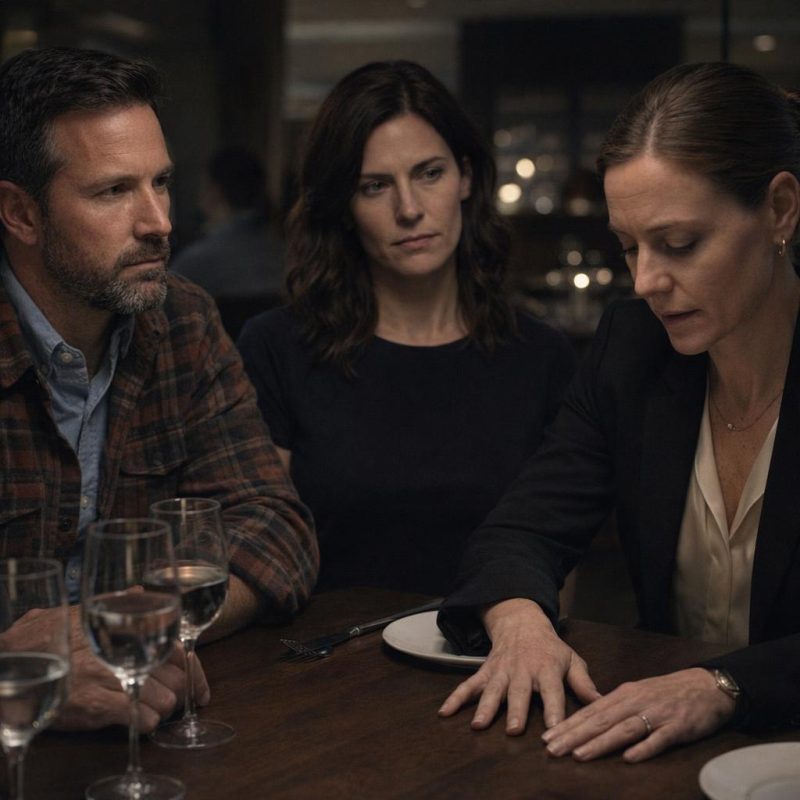 Image by RM AI
The Classism Confirmed
I sat with that for a moment. People like you. She'd said it without flinching, which told me something. The panic tonight had been real — I believed that. The scramble, the leather folder, Thomas nearly tripping over himself — all of it genuine fear. But fear of consequences isn't the same thing as regret, and I knew the difference. The contempt I'd felt all evening, the way she'd watched us from the archway, the careful management of us as a problem to be contained — that hadn't been performance. That had been who she was. The VIP treatment was an accident. We'd gotten it because she thought we had power over her. On any other Friday night, in our best clothes, with our saved-up money and our ten years and our reservation that somehow never quite confirmed, we would have been turned away at the door like everyone else she'd decided didn't belong here. Mark reached over and put his hand on mine, and I felt the roughness of his work-scarred knuckles against my fingers. I looked at Lydia, still standing at the edge of our table, waiting to find out what I was going to do. I took a breath and opened my mouth.
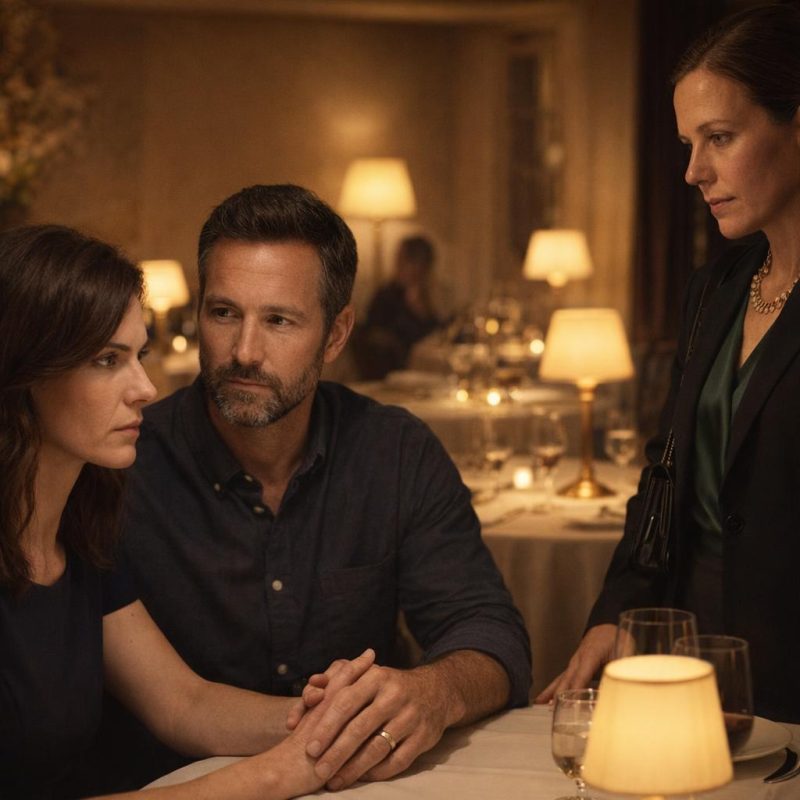 Image by RM AI
Standing Up
I told her. Not loudly — I didn't need to be loud. I told her that I'd watched her all evening from the moment we walked in, the way her eyes had moved over Mark's hands and then over my dress and made a calculation. I told her I knew what that calculation was. I said that my husband had built things with those hands — actual things, things that stood up and held weight — and that we had saved for this dinner in a ceramic jar on our kitchen counter for the better part of a year, nickels and tens and whatever was left at the end of the week, because ten years of marriage felt like something worth marking. I told her that the treatment we'd received tonight wasn't hospitality. It was damage control. And I told her that the version of us she'd been managing all evening — the threat, the problem, the people who needed to be handled — that wasn't us. That was her. Her fear. Her contempt dressed up in leather folders and champagne. Mark's hand tightened around mine. I didn't look at him. I kept my eyes on Lydia and said, clearly, that no one should have to earn the right to be treated like a person by walking through the right door.
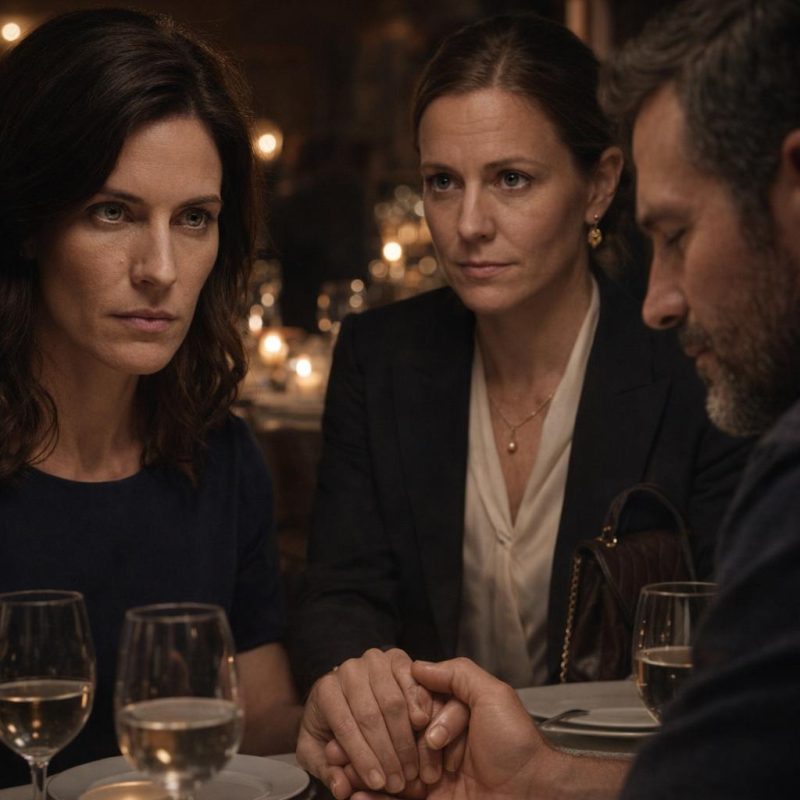 Image by RM AI
Walking Out
I stood up first. Mark was half a second behind me, and I heard the quiet scrape of his chair against the floor. Lydia didn't move. She stood at the edge of the table with her hands clasped in front of her and her practiced smile completely gone, and she didn't say a word about the bill. I didn't offer. We walked past her, and I didn't look back. I was aware of the room — the couple near the window who'd stopped talking, the man in the grey suit who'd turned in his seat, the soft clink of someone setting down a fork. Thomas was standing near the kitchen pass, a folded napkin in his hands, and when I passed him I caught his eye for just a second. He gave the smallest nod I'd ever seen. We walked through the dining room and past the hostess stand, and the front door swung open into the cold night air, and I breathed it in. Mark took my hand on the steps outside. Behind us, the restaurant hummed on, warm and lit and entirely indifferent. The cold felt clean against my face, and I let it.
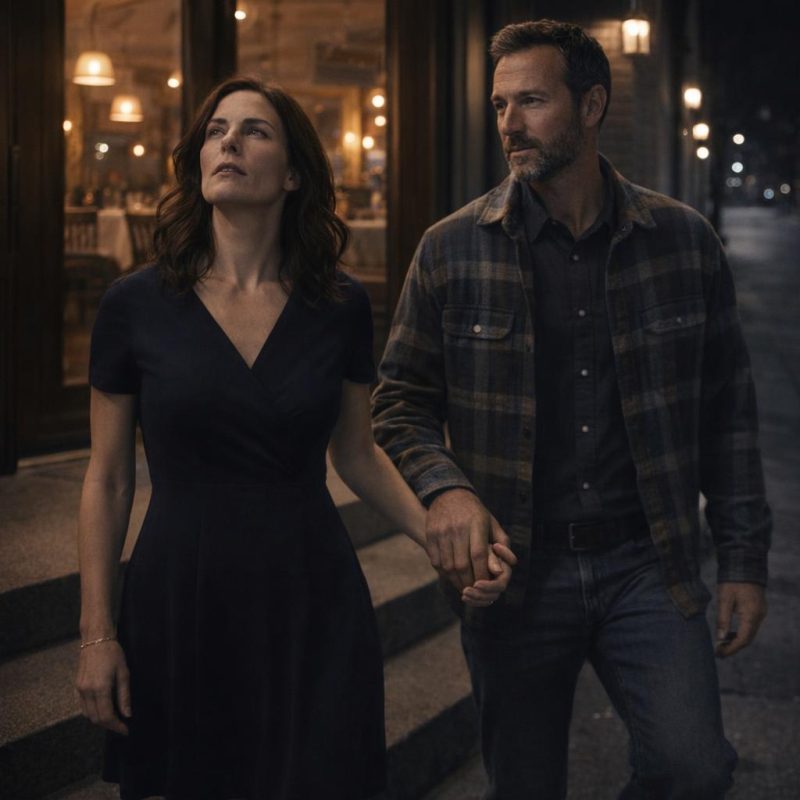 Image by RM AI
The Drive Home
We didn't talk for the first ten minutes. Mark drove and I watched the streetlights slide past the window, and neither of us reached for the radio. I was still running it back — Lydia's face, the leather folder, Thomas nearly folding himself in half at our table, the champagne we hadn't ordered arriving like a peace offering from a country that had just lost a war. And then something cracked open in my chest, and I started laughing. Not politely. The kind of laughing that comes up from somewhere embarrassing and won't stop. Mark looked over at me, startled, and then he started too, and for a solid minute we were both useless, wiping our eyes at a red light on Clement Street. "The amuse-bouche," he managed, and I lost it all over again. We talked the rest of the way home — about what she must have thought, about Thomas's face every time he delivered something new, about the moment I'd realized what was actually happening. It hurt and it was funny and it was ours, the whole ridiculous evening. By the time we pulled into our street, something had settled between us, quiet and solid, the way it does after you've laughed hard enough that the thing that scared you loses some of its teeth.
 Image by RM AI
Understanding Worth
The kitchen light was the yellow kind that makes everything look like a Sunday morning. I set my bag on the chair and Mark filled the kettle, and I stood there looking at the ceramic jar on the counter — the one we'd been dropping coins and folded bills into since our ninth anniversary, the one that had been full this morning and was empty now because we'd taken the money out and put it in an envelope and driven across the city to prove something to ourselves. The jar was white with a small blue bird painted on the side. I'd bought it at a garage sale for two dollars. I stood there looking at it for a long time. Ten years. Ten years of building something together out of whatever we had — his hands, my stubbornness, the kind of love that doesn't photograph well but holds up under pressure. Lydia had looked at us and seen a problem. A liability. People who didn't belong in her careful, expensive room. And she'd been so wrong about us that it almost felt like a compliment. Mark set a mug of tea in front of me and sat down across the table, and I looked at his scarred hands wrapped around his own mug, and I knew exactly what we were worth.
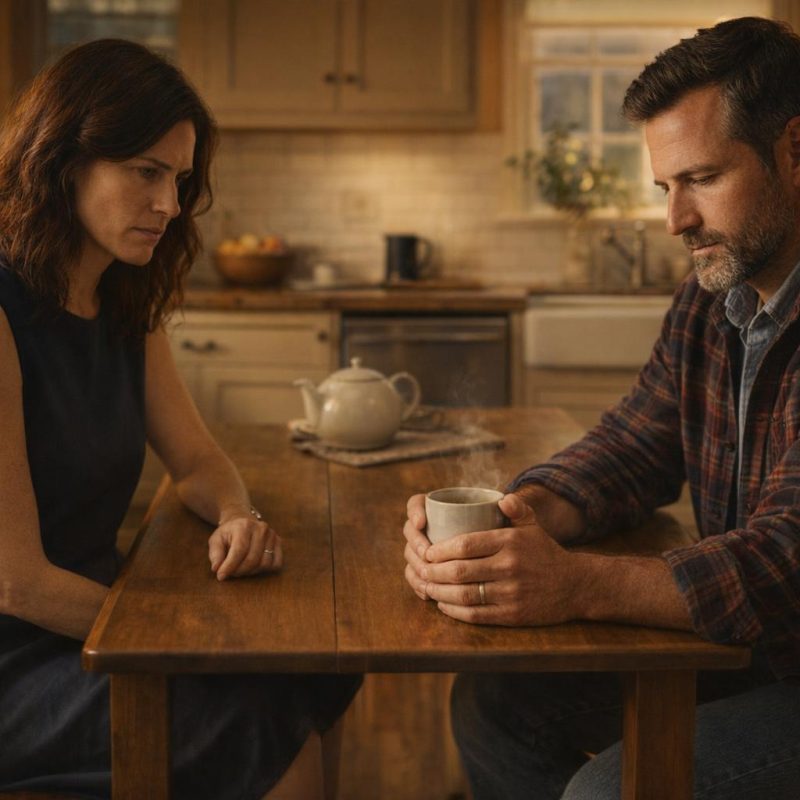 Image by RM AI
KEEP ON READING
The 20 Most Recognized Historical Figures Of All Time
The Biggest Names In History. Although the Earth has been…
By Cathy Liu Oct 4, 2024
10 of the Shortest Wars in History & 10 of…
Wars: Longest and Shortest. Throughout history, wars have varied dramatically…
By Emilie Richardson-Dupuis Oct 7, 2024
10 Fascinating Facts About Ancient Greece You Can Appreciate &…
Once Upon A Time Lived Some Ancient Weirdos.... Greece is…
By Megan Wickens Oct 7, 2024
20 Lesser-Known Facts About Christopher Columbus You Don't Learn In…
In 1492, He Sailed The Ocean Blue. Christopher Columbus is…
By Emilie Richardson-Dupuis Oct 9, 2024
20 Historical Landmarks That Have The Craziest Conspiracy Theories
Unsolved Mysteries Of Ancient Places . When there's not enough evidence…
By Megan Wickens Oct 9, 2024
The 20 Craziest Inventions & Discoveries Made During Ancient Times
Crazy Ancient Inventions . While we're busy making big advancements in…
By Cathy Liu Oct 9, 2024