


The Hope Diamond: How One Gem Became a Supernatural Celebrity
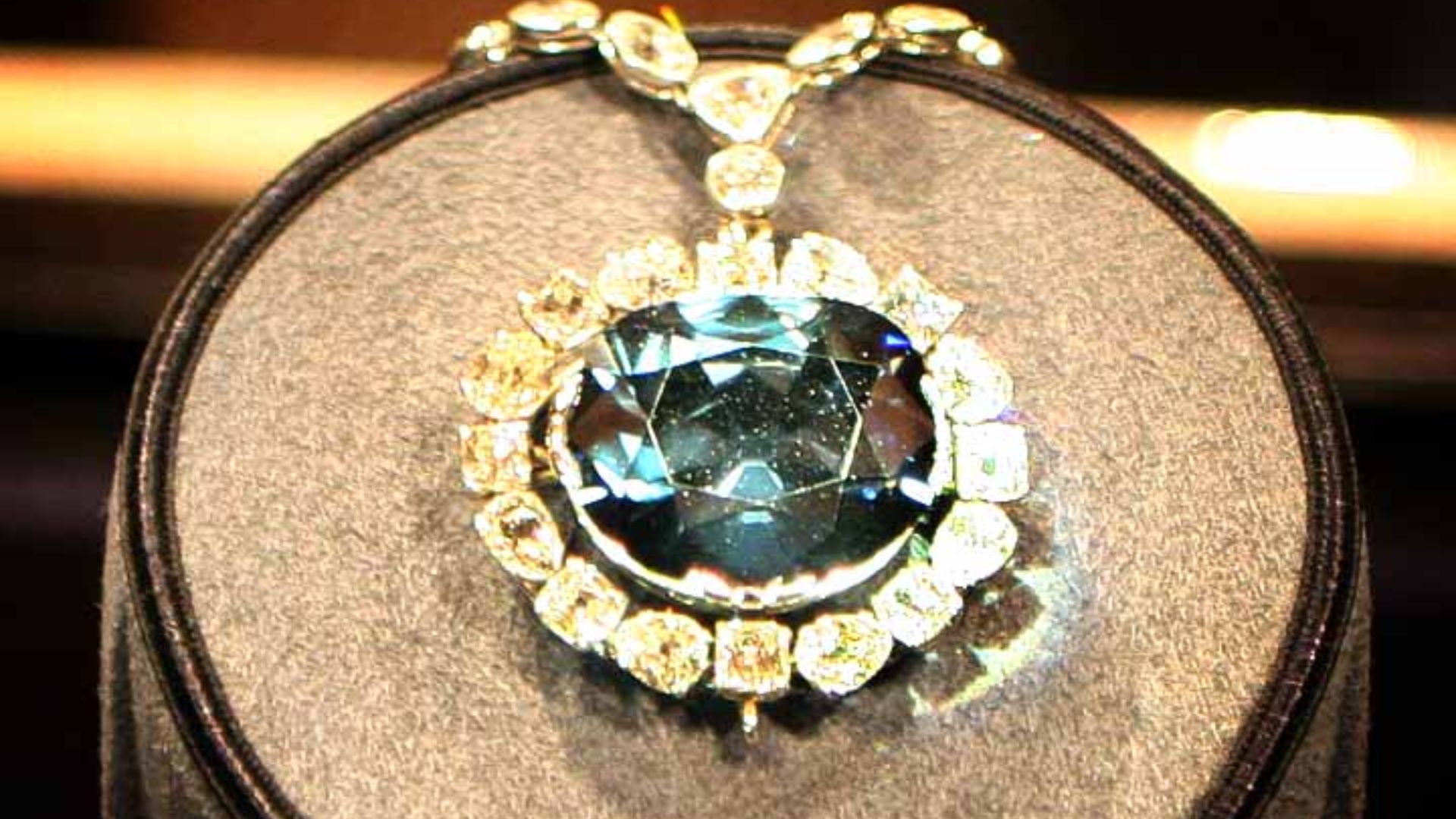
The Hope Diamond is a blue gem that’s gorgeous on its own, but that's not what makes it special. It also comes with a reputation that follows it into every room. Because of the misfortune it seemed to bring to whoever it touched, it's considered a cursed jewel.
What’s funny is that the Hope Diamond didn’t need ghosts to become iconic, because its real history is already dramatic. It passed through royal collections, vanished during revolution-era chaos, and resurfaced with a new identity that made people suspicious. Today it sits behind glass at the Smithsonian, looking completely calm while humans do what humans do best: tell stories about it. The “supernatural celebrity” status is really the result of history, marketing, and our weakness for a good legend.
From Mine to Monarch
Most accounts trace the diamond’s roots to India, connected to the famous Golconda region, where exceptional stones entered global trade. In the 1600s, French gem merchant Jean-Baptiste Tavernier acquired a notable blue diamond in India and later sold it to the French crown. Legend suggests he stole it from the eye of a statue of the goddess Sita in India. Upon discovering it was missing, the priests put a curse on whoever possessed it. Rumor has it Tavernier was killed by wild dogs shortly after. However, actual historical accounts say he lived until his 80s.
What definitely did happen was that he sold the stone to King Louis XIV, which is how it became a royal jewel with serious status. Under French ownership, the stone was recut into a smaller, more refined jewel and became part of the Crown’s dazzling inventory. However, shortly after acquiring it, King Louis XIV died of gangrene.
Then the story pulls in Nicolas Fouquet, who worked for the king. He reportedly wore the diamond to a grand event and was disgraced, arrested, and imprisoned shortly after. Marie Antoinette arrives next as the legend’s most famous alleged victim. She’s often said to have worn the diamond or had it tied to her personal finery, and the story points to her execution as proof that the stone carries doom.
After the French Revolution, the story hits the kind of gap that legends love. The crown jewels are looted, the blue diamond disappears, and the record goes quiet for a stretch.
During this gap is where jeweler Wilhelm Fals typically enters the curse narrative as the cutter who recut the stone to change its identity. Shortly after, he was killed by his son, who allegedly stole the diamond and then committed suicide.
Sometime after this, the diamond was purchased by Simon Maoncharides, who sold it to Pierre Cartier. Shortly after, according to lore, he drove off a cliff, killing himself, his wife, and his children.
Cartier, McLean, and the Curse Goes Mainstream
The “curse” story didn’t spring from one ancient source so much as it gradually formed in Western media and popular storytelling, then got louder when it became useful. A scary story adds emotional sparkle, and jewelers understood that drama sells, especially when the buyer is wealthy enough to treat a diamond like a conversation piece.
One of the earliest printed threads tying the diamond to a sinister origin shows up in newspaper coverage in 1888, including the claim that it was once the “eye of an idol.” Cartier helped amplify ominous tales to intrigue potential buyers.
The legend gained its most famous modern “character” with Evalyn Walsh McLean, an American heiress who bought the diamond from Cartier in 1911. She wore it often, lent it to friends, and treated it like a glamorous pet that needed attention, not a dangerous object that should be avoided. Then, in 1919, her son was struck by a car and killed at the age of nine. Following that, her marriage unraveled, her husband was institutionalized and died, and her daughter also died from an overdose. These numerous tragedies helped fuel the curse talk.
Fame That Outlived Every Owner
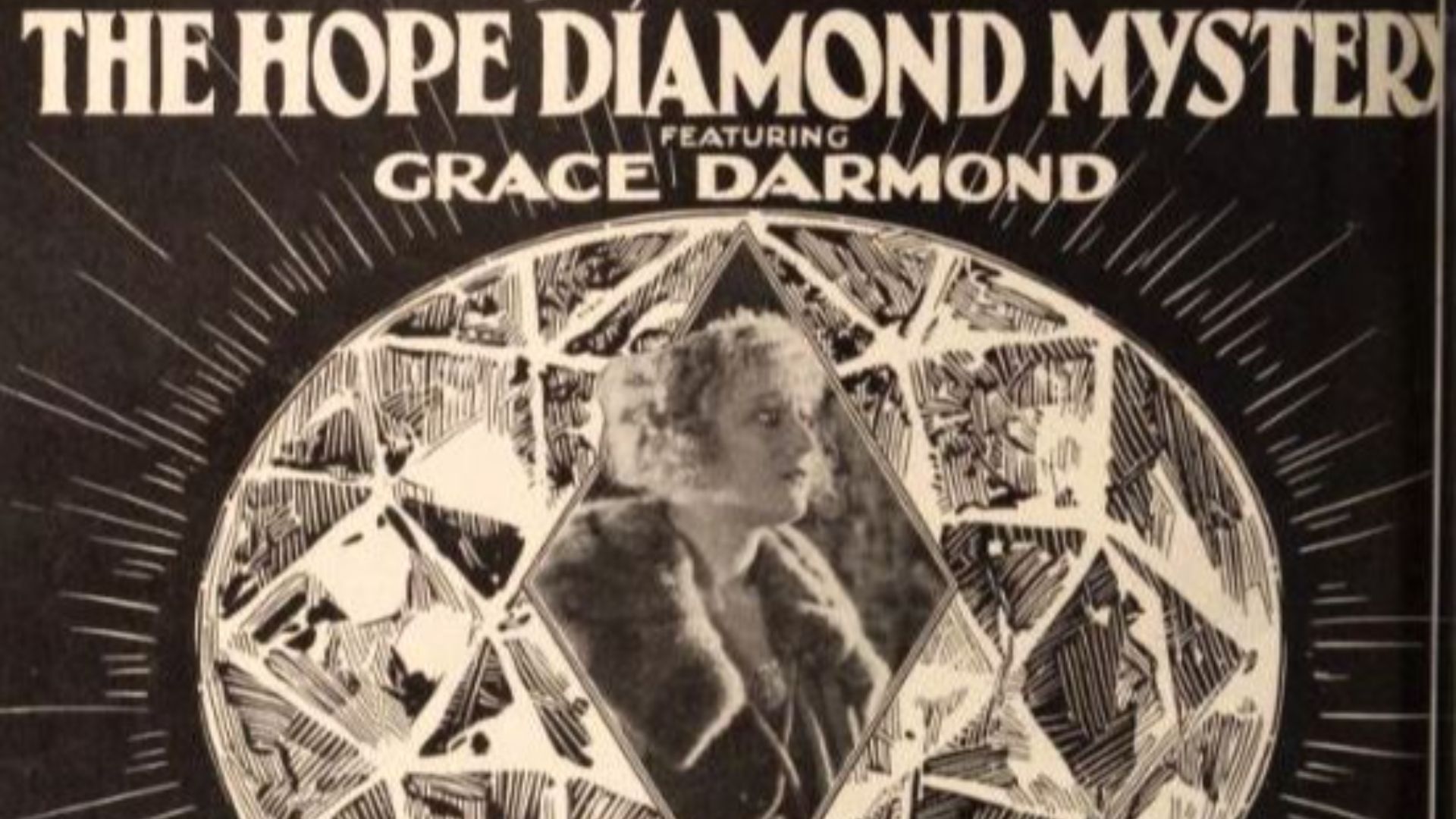
After McLean’s era, the diamond’s journey continued through the world of serious jewel dealing. Jeweler Harry Winston eventually acquired the stone and treated it like the headline act it already was. In 1958, he donated it to the Smithsonian’s National Museum of Natural History, which effectively turned a privately owned celebrity into a public one.
The Smithsonian doesn’t exactly co-sign paranormal claims, but the diamond’s reputation still tags along. The museum emphasizes the gem’s physical specifics and documented history, including its weight of 45.52 carats and its distinctive blue color classification.
Here’s the twist that makes the “supernatural celebrity” label extra amusing: since joining the Smithsonian, the diamond hasn’t exactly brought doom to the institution. Instead, it’s become one of the museum’s biggest draws, pulling crowds who want to see the gem and feel the lore in the same glance. The curse story still does its job, because it adds an edge of thrill to a museum visit without requiring anyone to take real risks. In a way, the Hope Diamond ended up with the perfect modern role: famous, protected, and endlessly talked about.
KEEP ON READING
20 Weirdest Historical Objects in Museums
Check Out the Pickled Heart of a Saint. Museums carry…
By Rob Shapiro Oct 1, 2025
20 Scariest Missing Persons Cases in History
Eerie Disappearances. There's something uniquely unsettling about a person who…
By Christy Chan May 1, 2026
20 Greatest Ancient Athletes In History
Ancient Olympics. Long before modern stadiums and multimillion-dollar endorsements, athletes…
By Sara Springsteen May 1, 2026
10 Phenomenal Mythical Creatures & 10 That Are Just Plain…
Legends Both Majestic And Peculiar. Do you ever wonder why…
By Chase Wexler Oct 1, 2025
10 Presidents Who Never Served In The Military & 10…
Commanders And Civilians In Office. Power can rise from very…
By David Davidovic Sep 1, 2025
20 Wars That Could Have Ended Much Sooner Than They…
Wars That Lasted Far Too Long. Wars are often remembered…
By David Davidovic Sep 1, 2025