

Nature’s Most Unexpected Employees
Animals have worked beside people for a very long time, usually in practical ways. Horses carried riders, dogs guarded camps, oxen pulled carts, and cats handled rodents. The stranger stories come from moments when someone noticed an animal’s skill and still found a way to make it useful. A sharp nose, a loud call, a small body, or a stubborn amount of strength could suddenly become useful in a mine, a kitchen, a war zone, or a railway yard. These 20 animals ended up doing work that still sounds surprising.
1. Jack The Railway Baboon
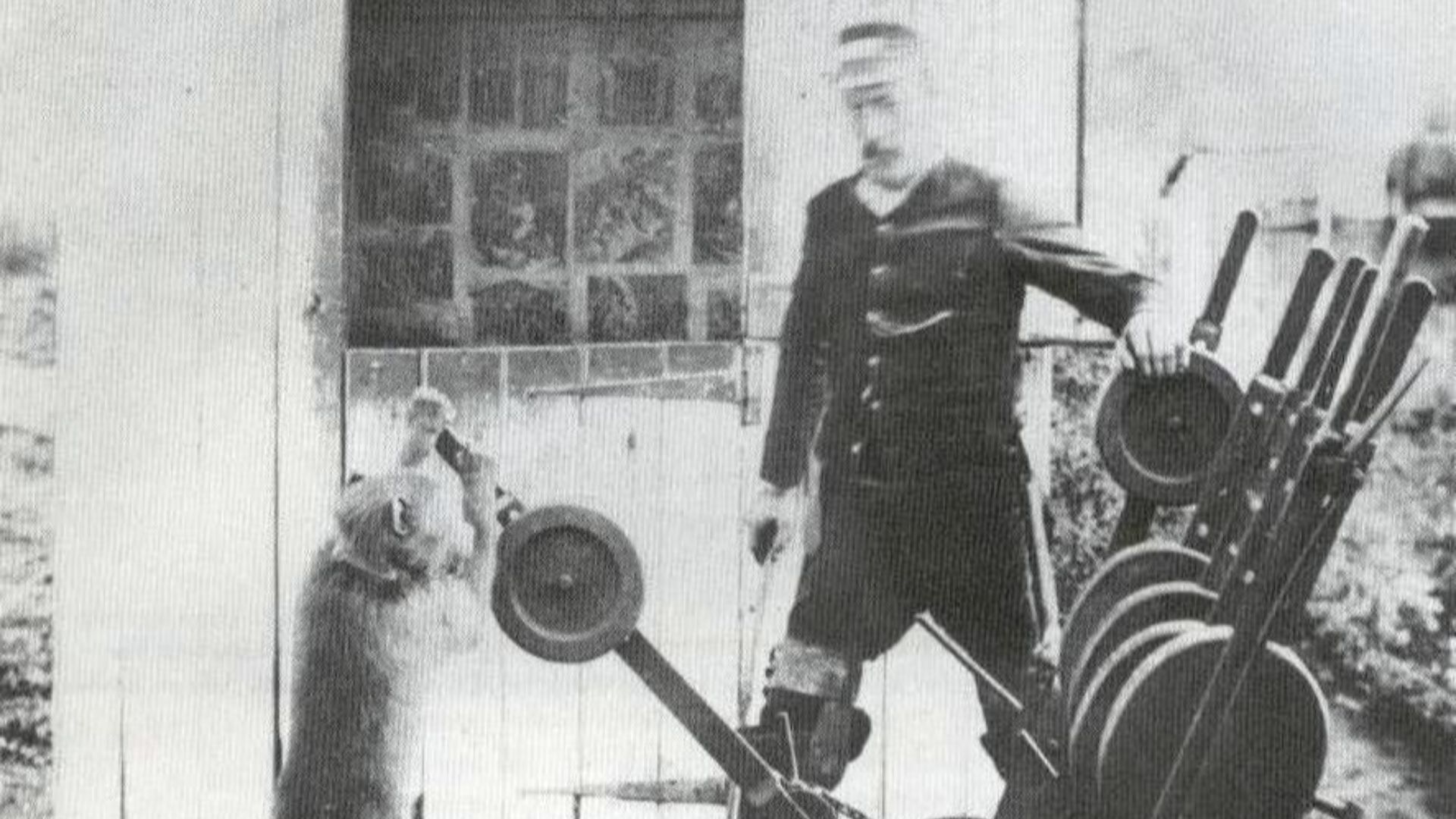
In the 1880s, a chacma baboon named Jack helped James Wide, a disabled railway signalman near Uitenhage in South Africa. Jack reportedly learned to push Wide’s trolley and pull signal levers under supervision, which made him one of the first, if only, baboon railway workers.
 Unknown authorUnknown author on Wikimedia
2. Bees
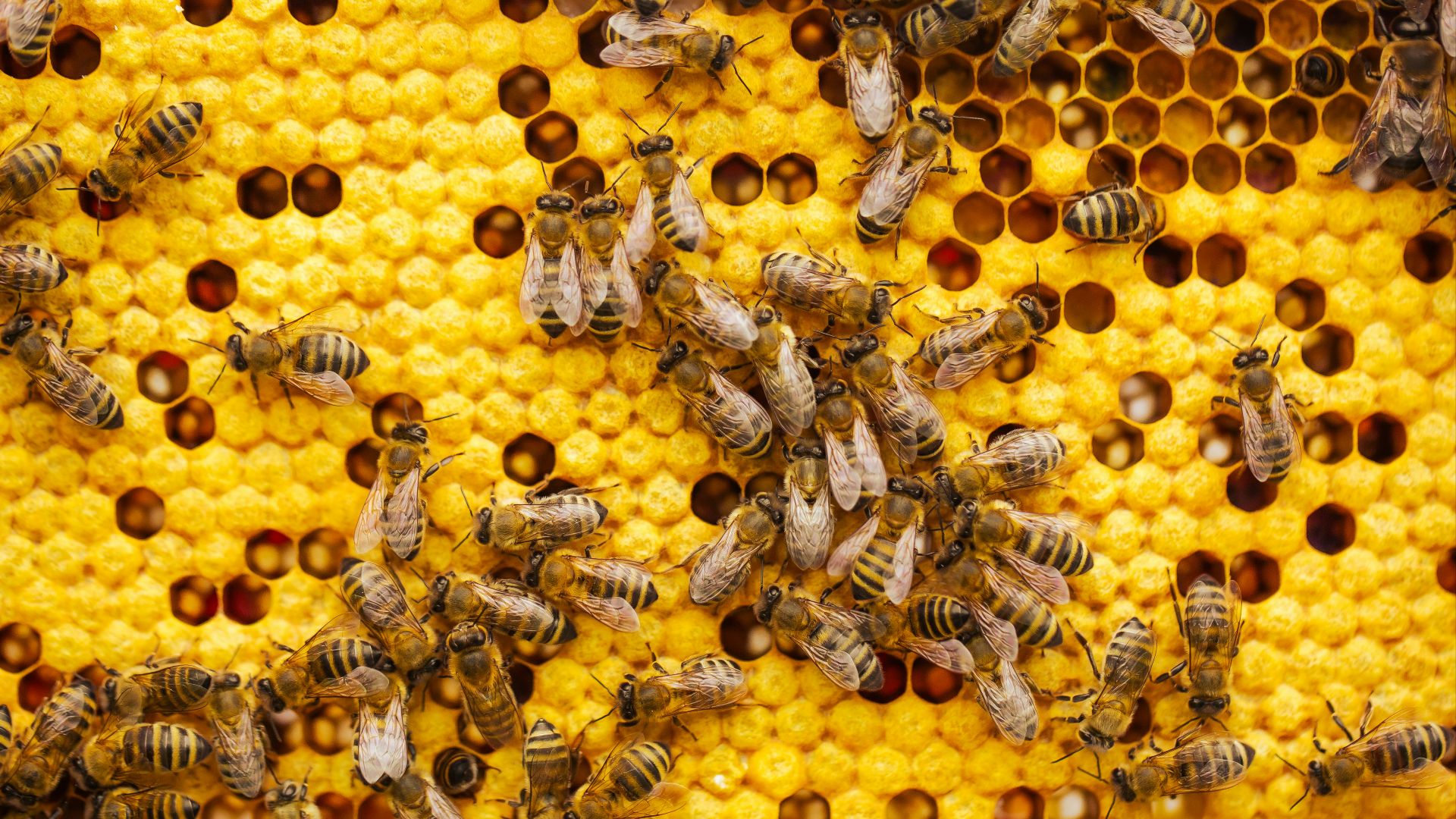
Bees have been trained in research settings to respond to the scent of explosive materials. The method used their natural feeding response, so the insects learned to connect certain chemical smells with a sugar-water reward. Tiny, fuzzy, and somehow recruited into security work.
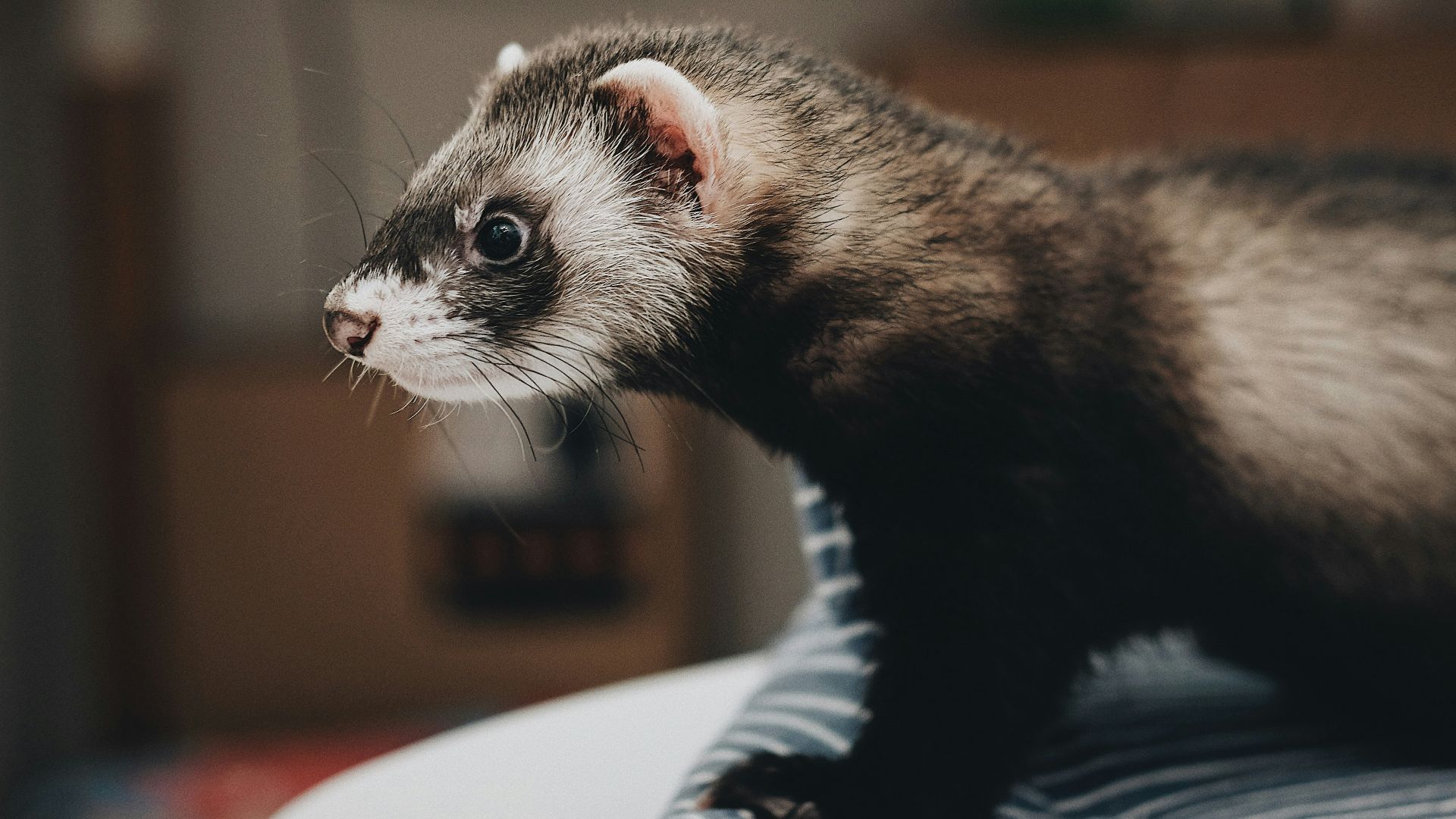
3. Ferrets
Ferrets have been used to carry cords, lines, and cables through narrow spaces where people and tools don’t fit. Their long, slim bodies make them useful in ducts, pipes, wall gaps, and tunnels.
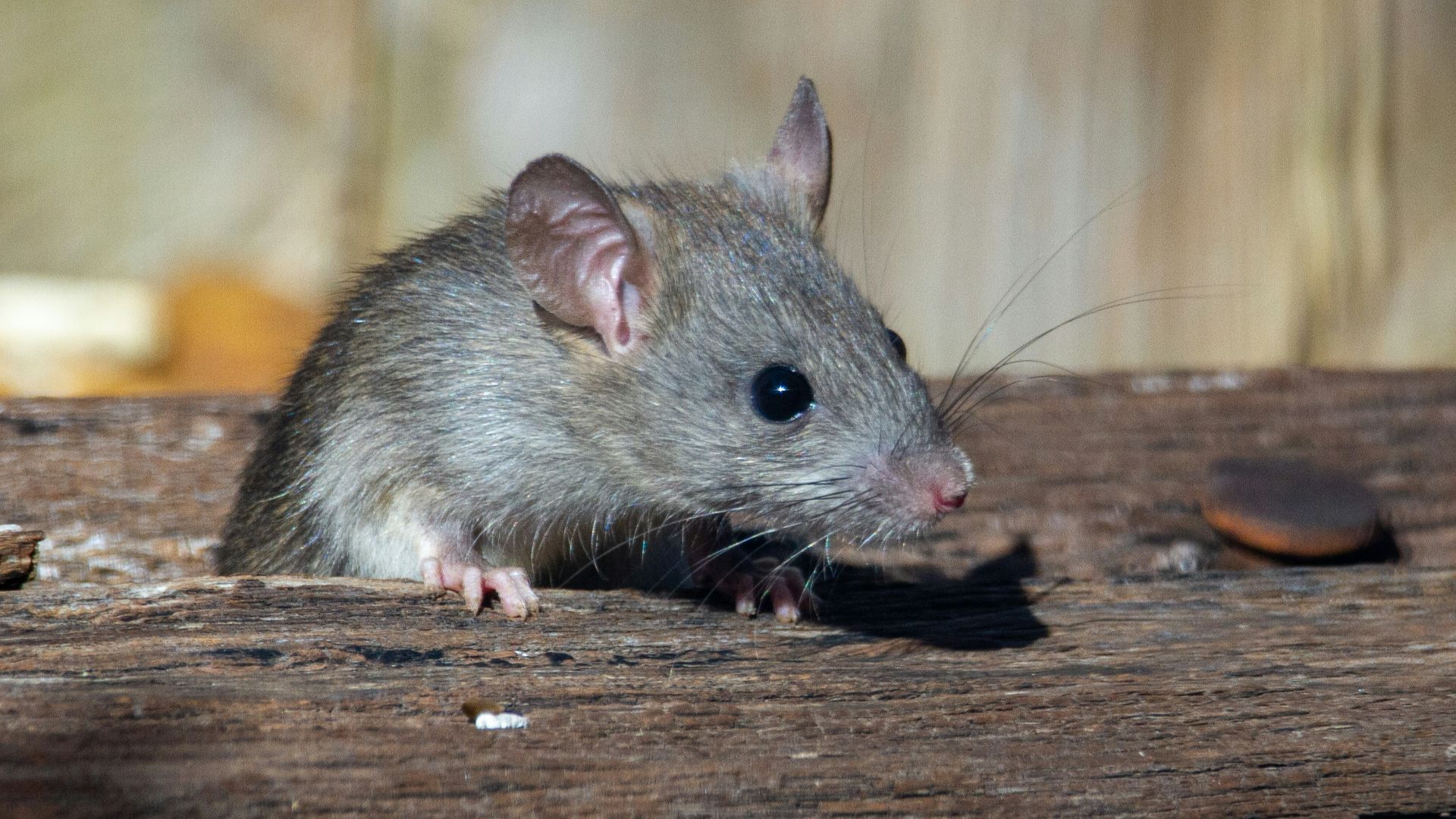
4. Rats
African giant pouched rats have been trained to sniff out landmines and explosive traces in former conflict zones. Their lighter weight helps them cross dangerous ground without setting off many pressure-sensitive mines, while their strong sense of smell helps handlers mark risky areas.
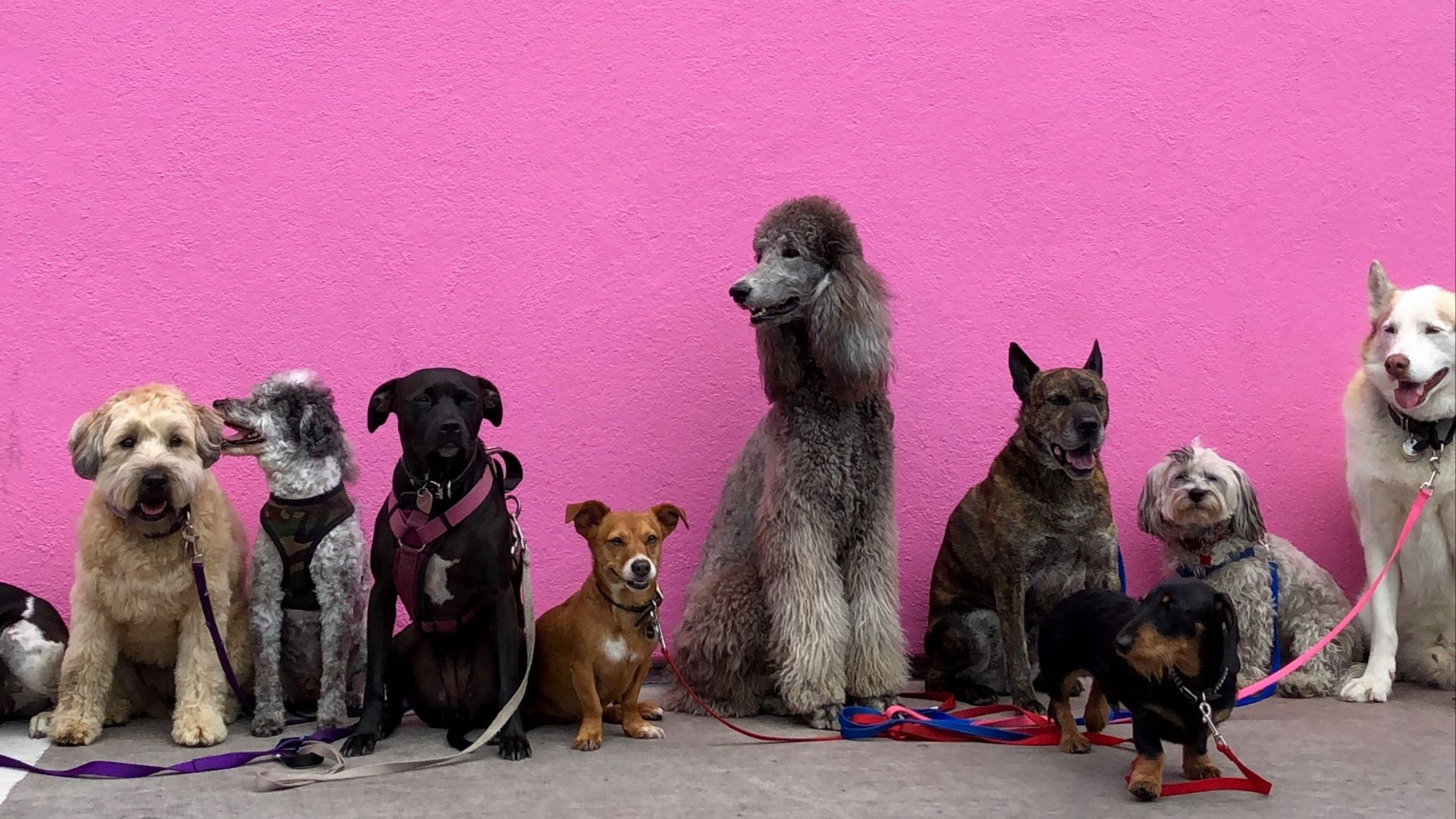
5. Turnspit Dogs
Turnspit dogs were once bred in Britain to run inside wheels that turned roasting meat over open fires. The work was hot, tiring, and repetitive, and the dogs were sometimes used in pairs so they could take turns. It's a clever idea, but we’re definitely happy we don’t need pups to do this anymore.
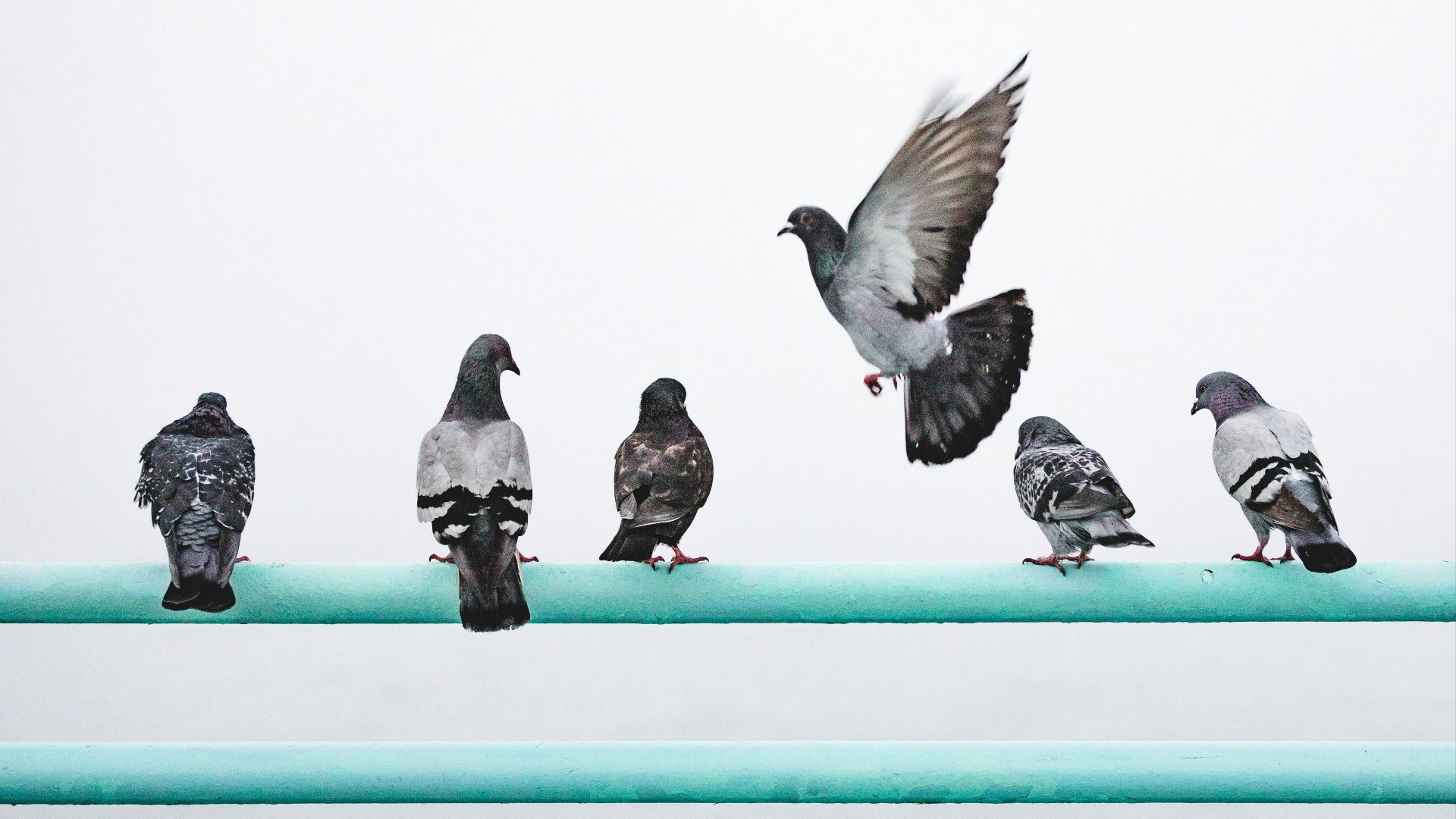
6. Pigeons
Carrier pigeons carried short messages during wartime, especially when other communication systems failed. In the First and Second World Wars, they flew through dangerous conditions to deliver information between soldiers, ships, and command posts. Pigeons get mocked a lot today, but their wartime record deserves more respect.
7. Elephants
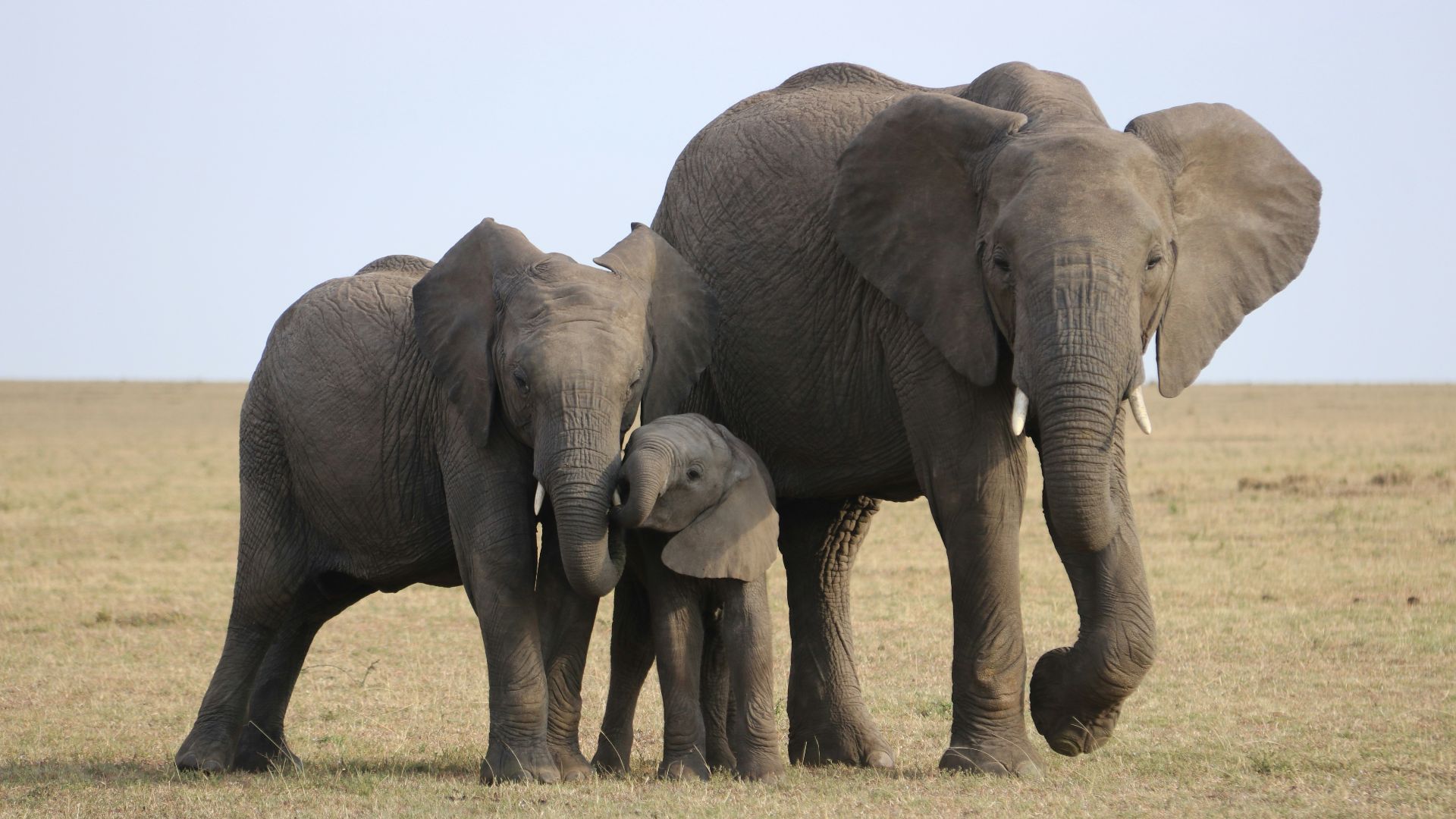
War elephants were used by ancient armies in places including India, Persia, and parts of the Mediterranean world. Their size made them frightening on the battlefield, especially against soldiers who had never faced animals that large in combat.
8. Orcas
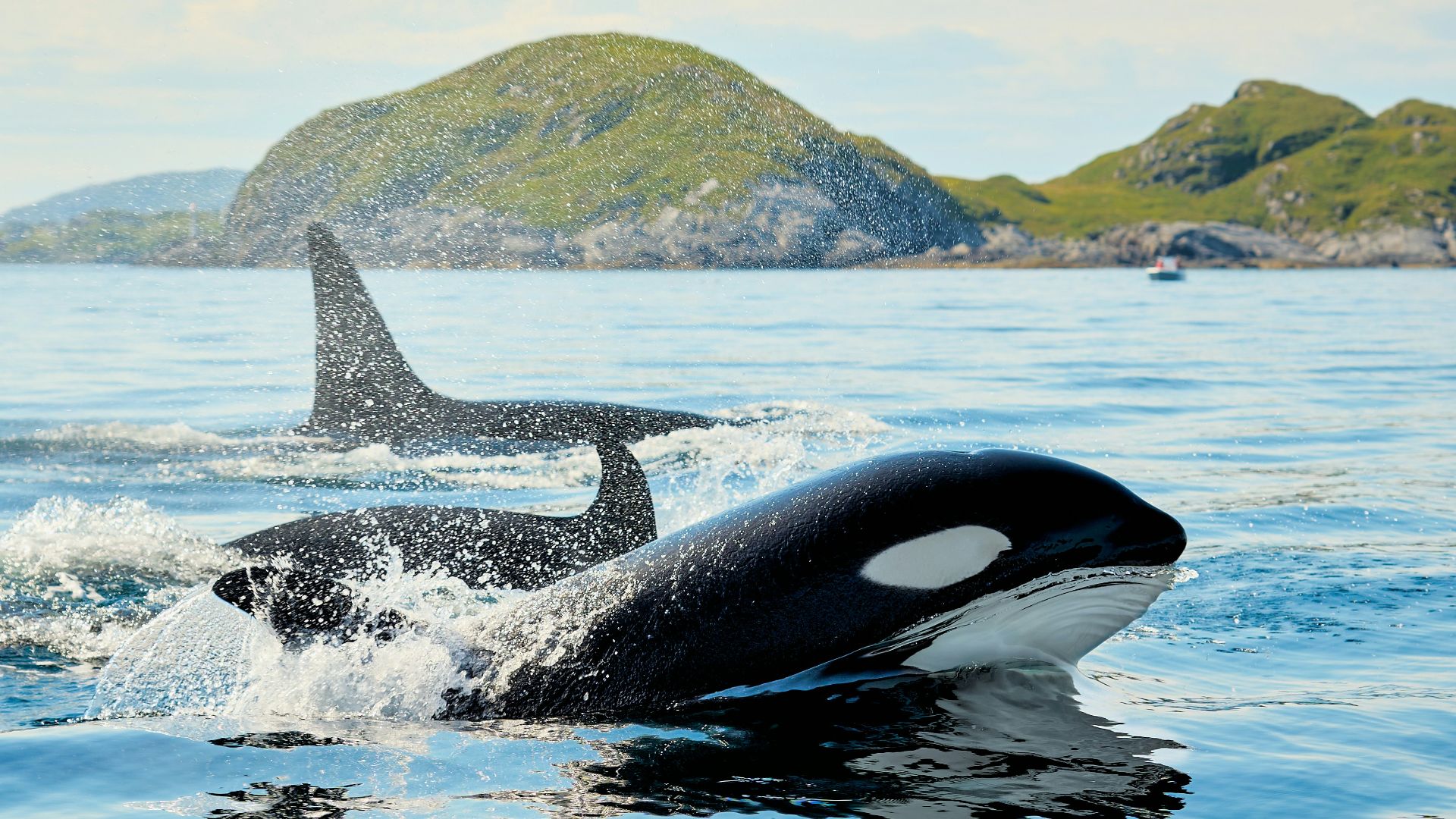
Near Eden, New South Wales, stories and local records describe orcas working with shore-based whalers in Twofold Bay. The best-known orca, Old Tom, became part of the area’s whaling history after helping drive baleen whales toward boats. It was a strange relationship, albeit a useful one.
 Vidar Nordli-Mathisen on Unsplash
9. Dolphins
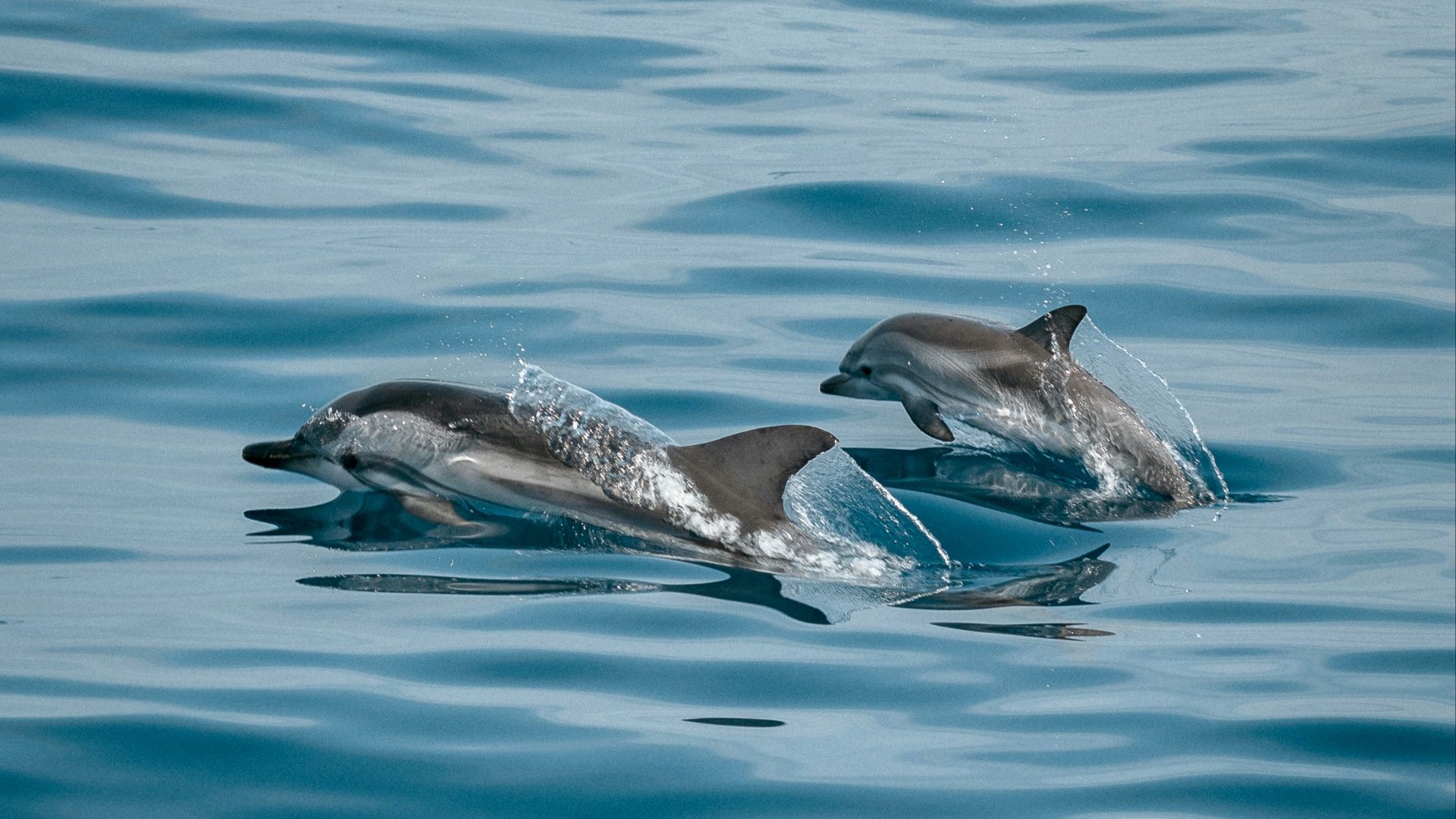
Dolphins have been trained for underwater military work because of their speed, intelligence, and echolocation. They can help locate objects in harbors, coastal waters, and deeper areas where murky water makes human searches difficult.
10. Geese
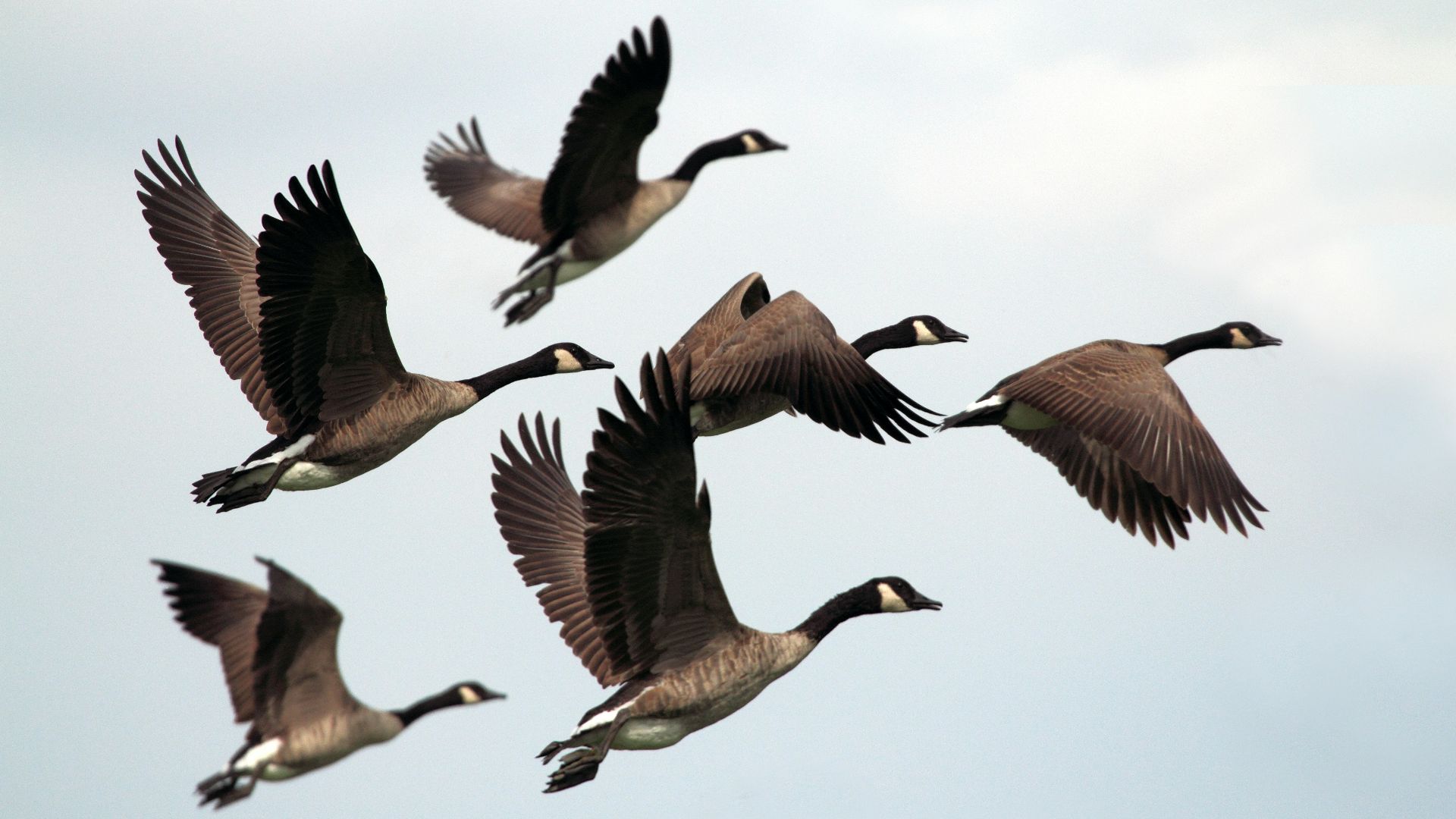
According to Roman tradition, sacred geese on the Capitoline Hill raised the alarm during a night attack by Gauls in 390 BCE. The story says their calls woke defenders when the danger had slipped past other guards.
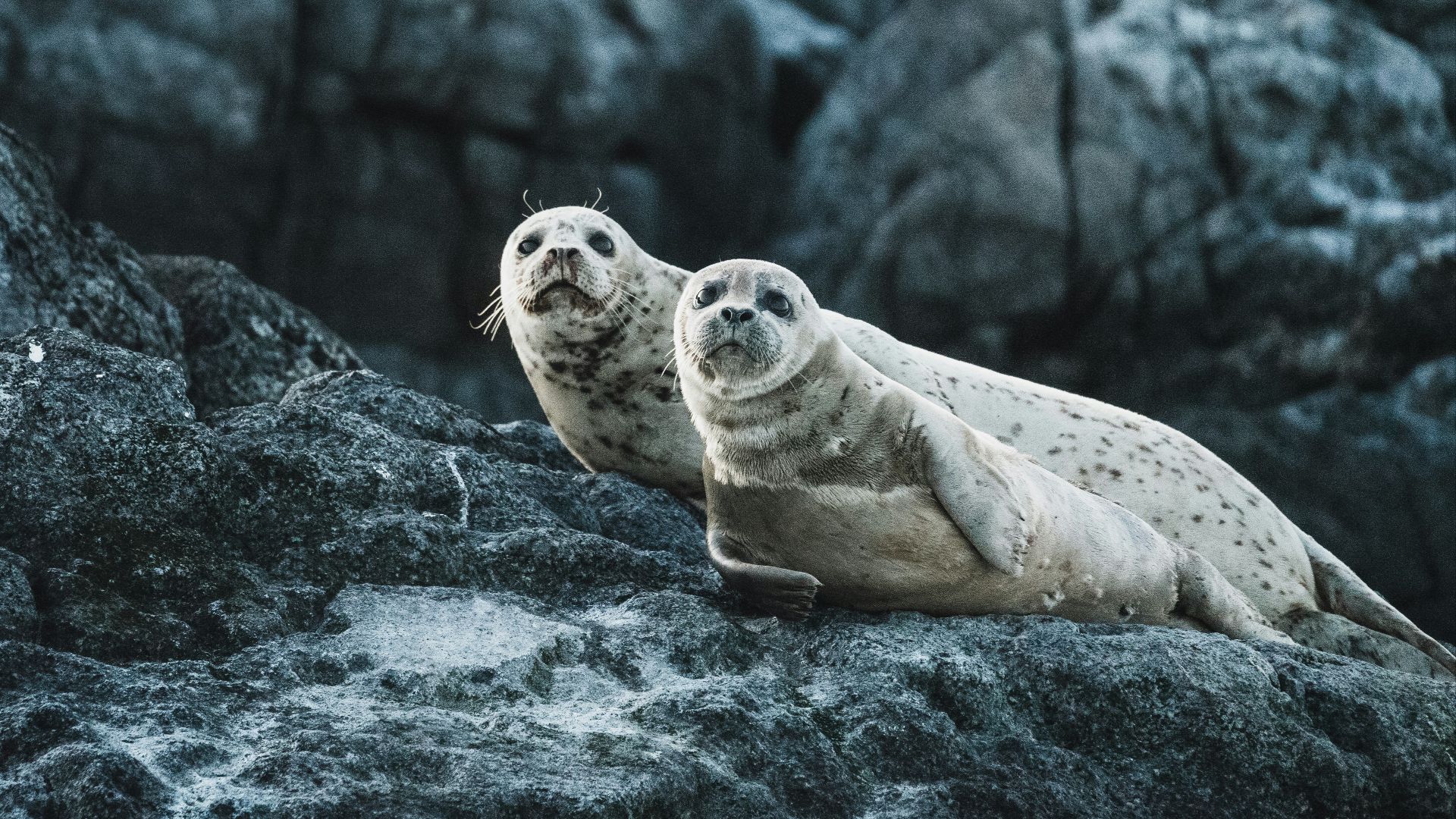
11. Seals
Seals have been fitted with sensors that collect ocean information as they dive. Their movements can help researchers measure things like temperature, salinity, and depth in remote waters, including hard-to-reach polar regions. Our slick friends have produced data that people couldn’t easily gather on their own.
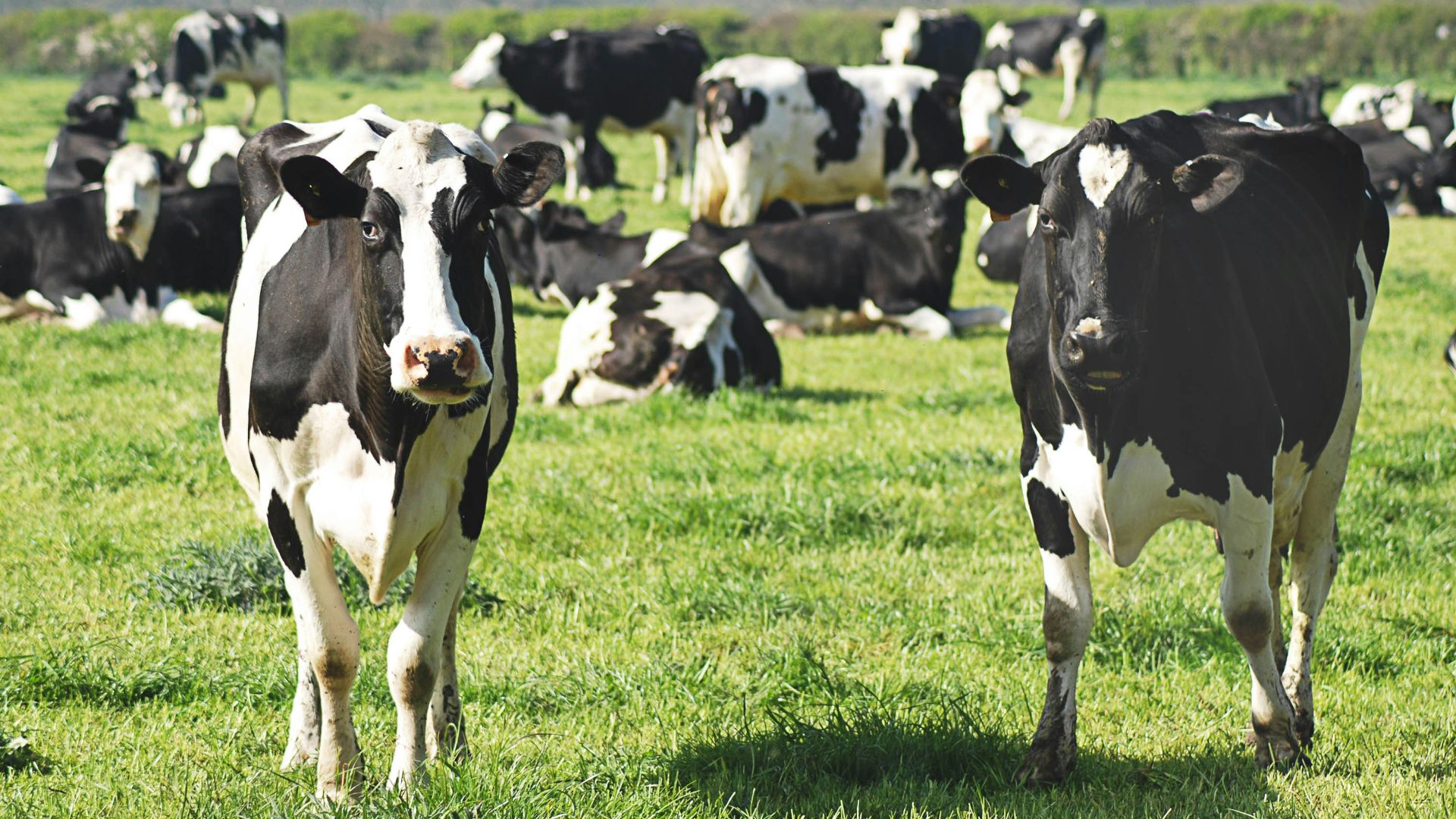
12. Cattle
Cattle can reduce dry vegetation by grazing in carefully chosen areas. In parts of the American West, targeted grazing has been studied as a way to create fuel breaks and lower wildfire risk. The animals aren’t firefighters, but under the right management, their eating habits can do useful prevention work.
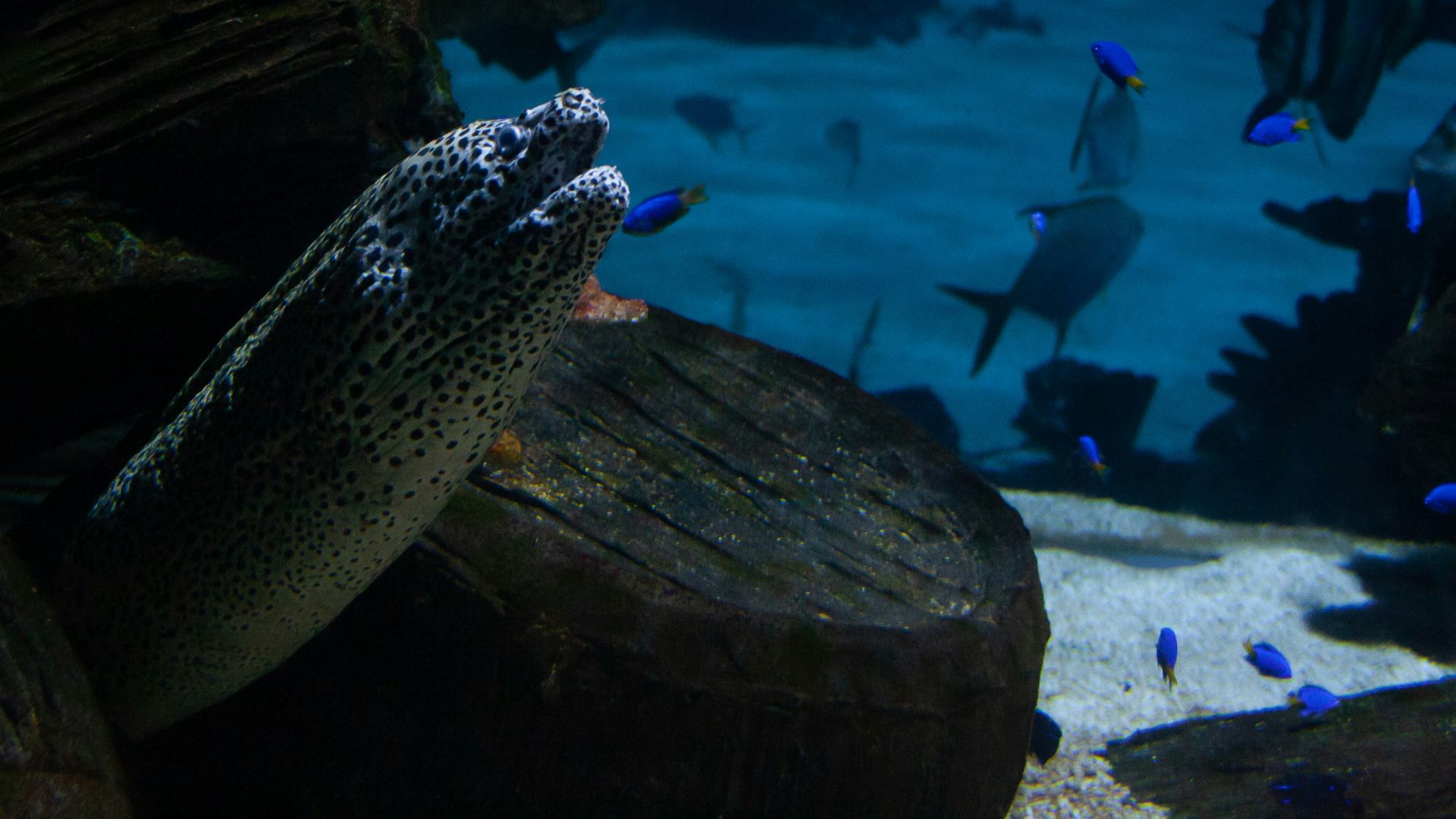
13. Electric Eels
Electric eels served more as a muse for modern-day electricity than actually powering anything specific. Their specialized electric organs have inspired research into soft, flexible power sources that use stacked materials to mimic part of the eel’s biology.
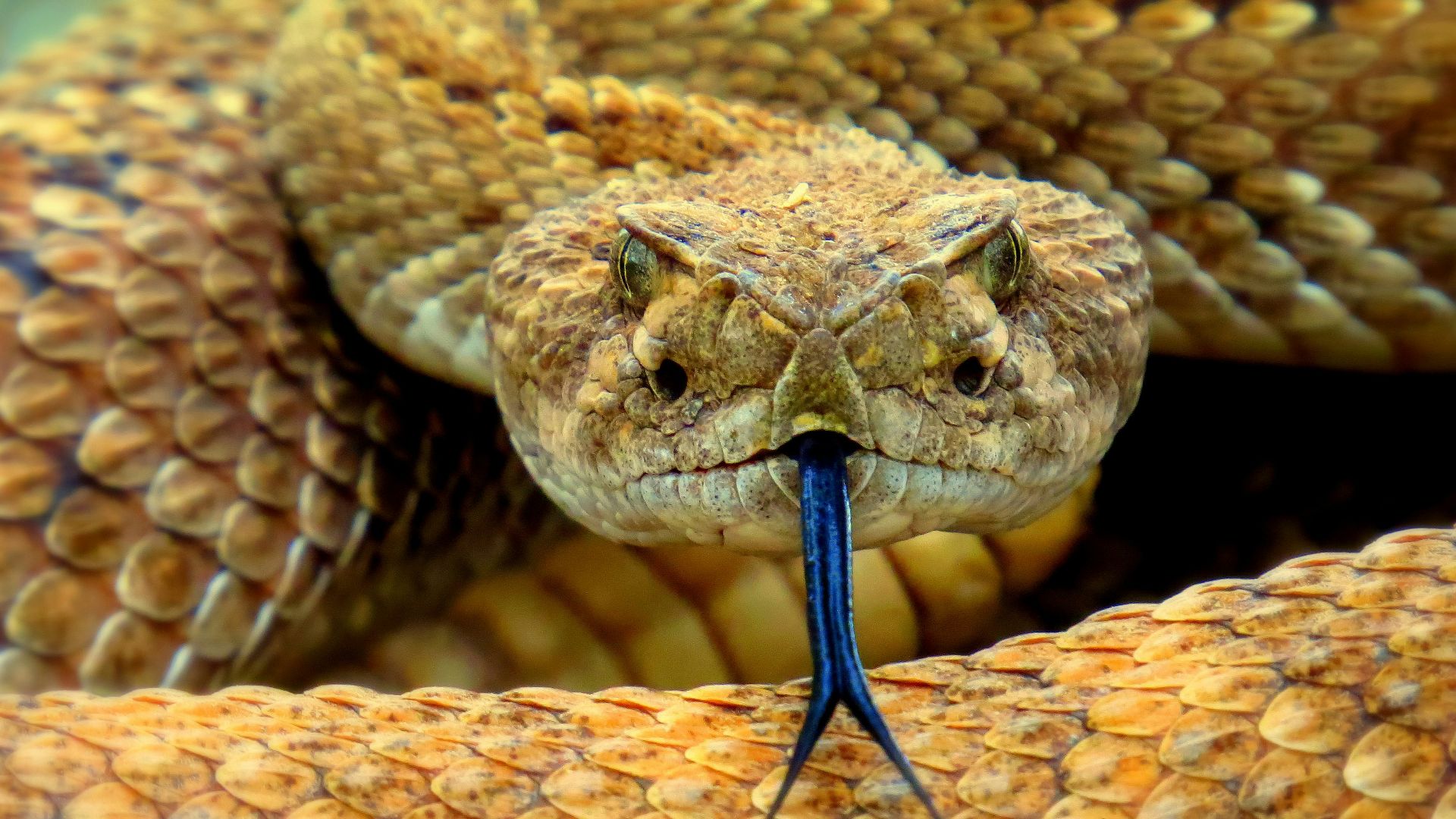
14. Snakes
Some spas and novelty wellness settings have used non-venomous snakes as part of massage experiences. The idea is based on the weight and movement of the snakes across the body. For some people, that might feel relaxing. For others, it’s an expensive way to discover they’re not as calm as they thought.
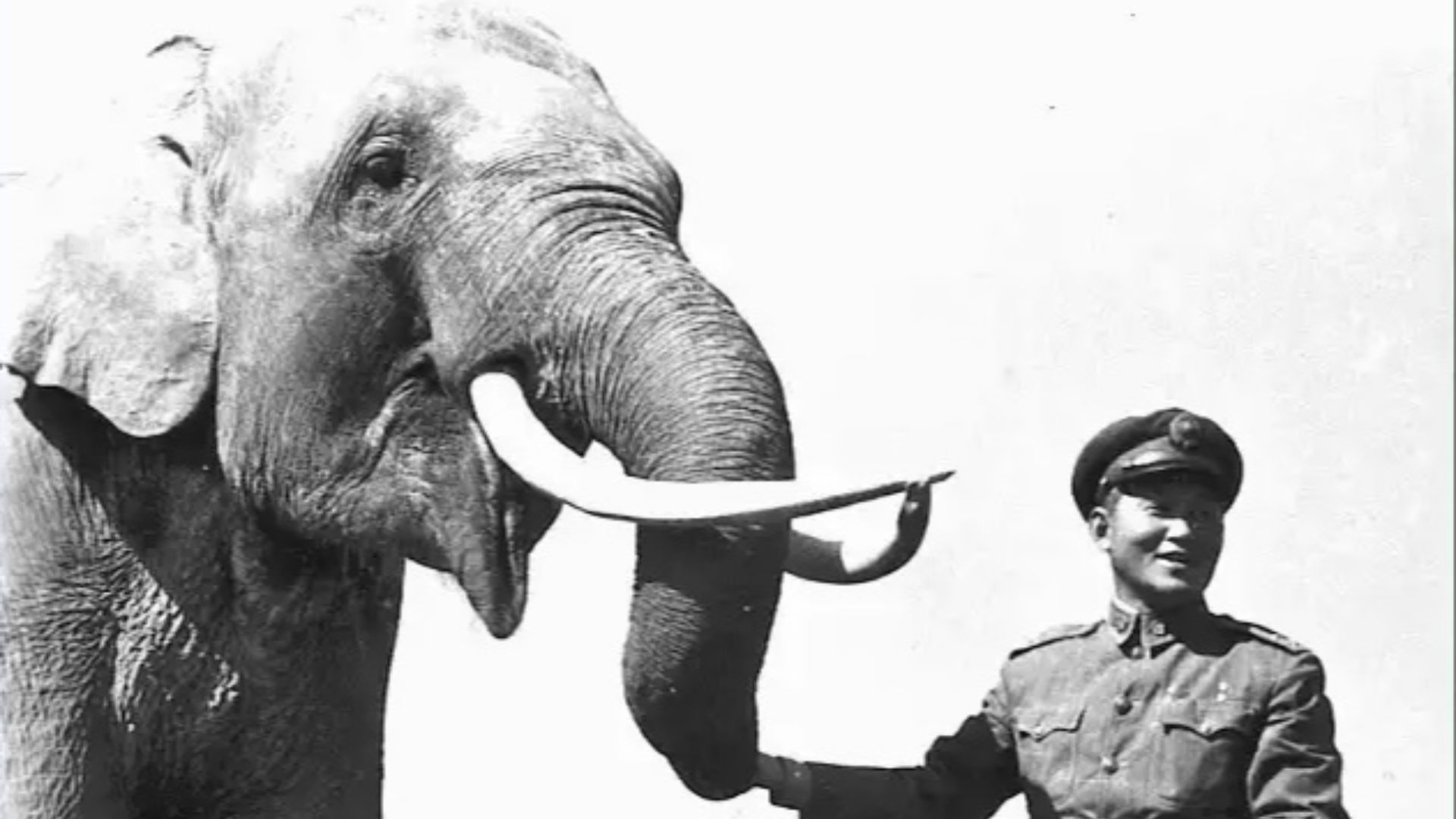
15. Lin Wang The Wartime Elephant
Lin Wang was an Asian elephant connected to military transport work during the Second World War in Burma. After the war, he was taken to Taiwan, where he later became a well-known zoo animal and lived for decades. His story has a softness to it after all the wartime movement, as it's rare for wartime animals to receive as peaceful an end as he did.
 Unknown authorUnknown author on Wikimedia
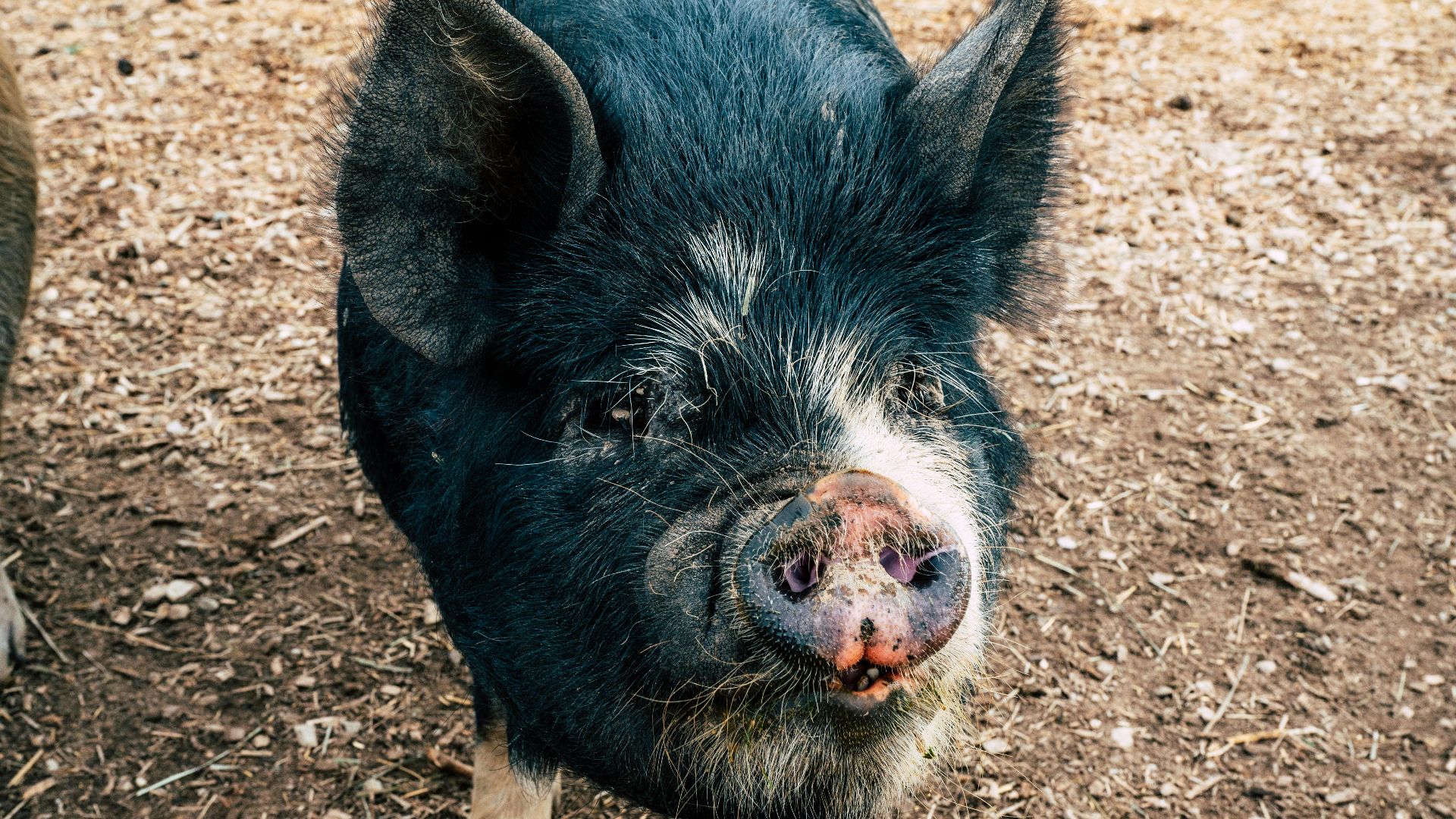
16. King Neptune The Fundraising Pig
King Neptune was a pig from Illinois who became a war-bond mascot during the Second World War. Through public appearances and symbolic auctions, he helped raise a large amount of money for the USS Illinois.
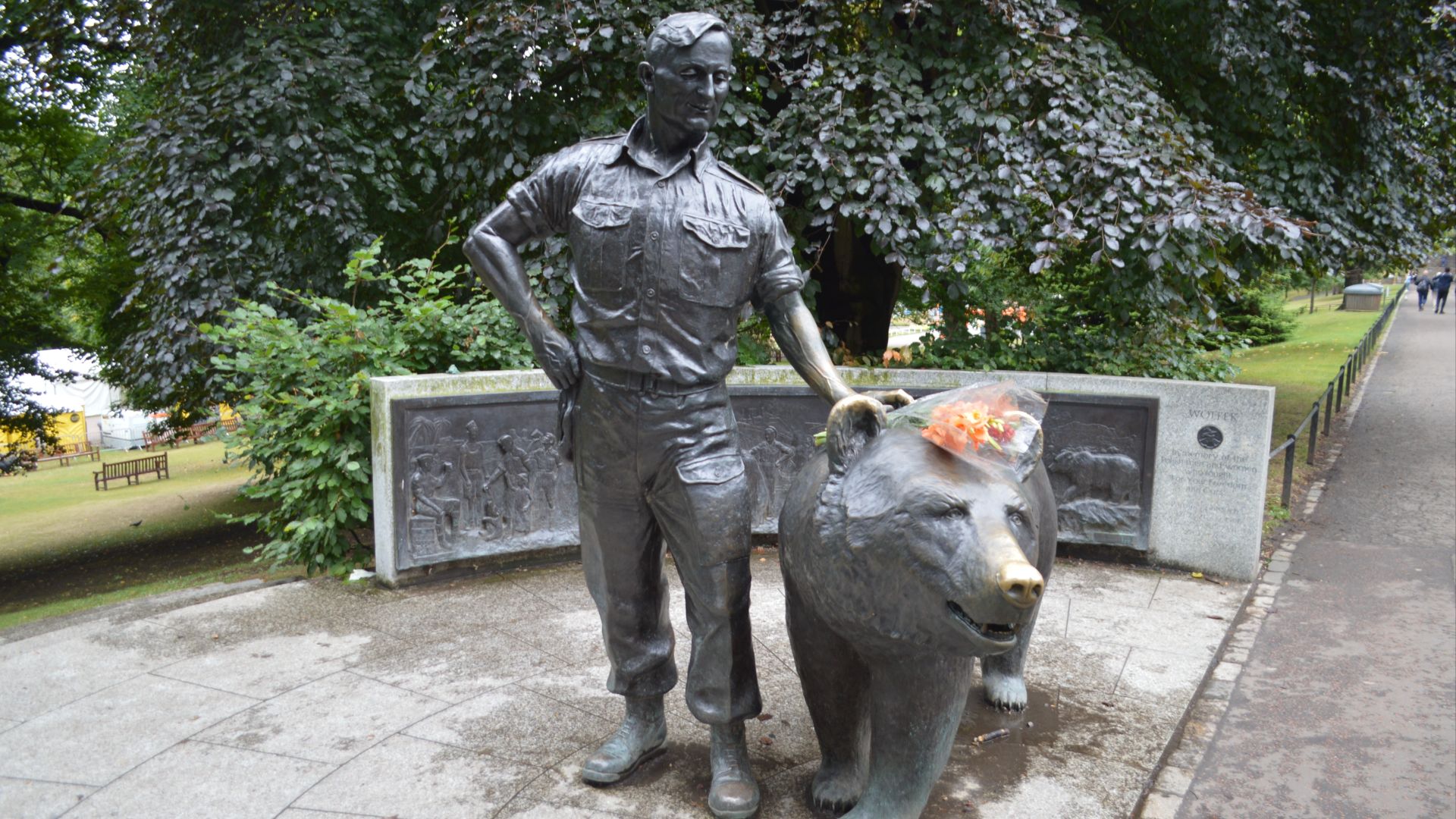
17. Wojtek The Ammunition Bear
Wojtek was a Syrian brown bear adopted by Polish soldiers during the Second World War. He became associated with the unit and was later remembered for helping carry ammunition crates during the Italian campaign.
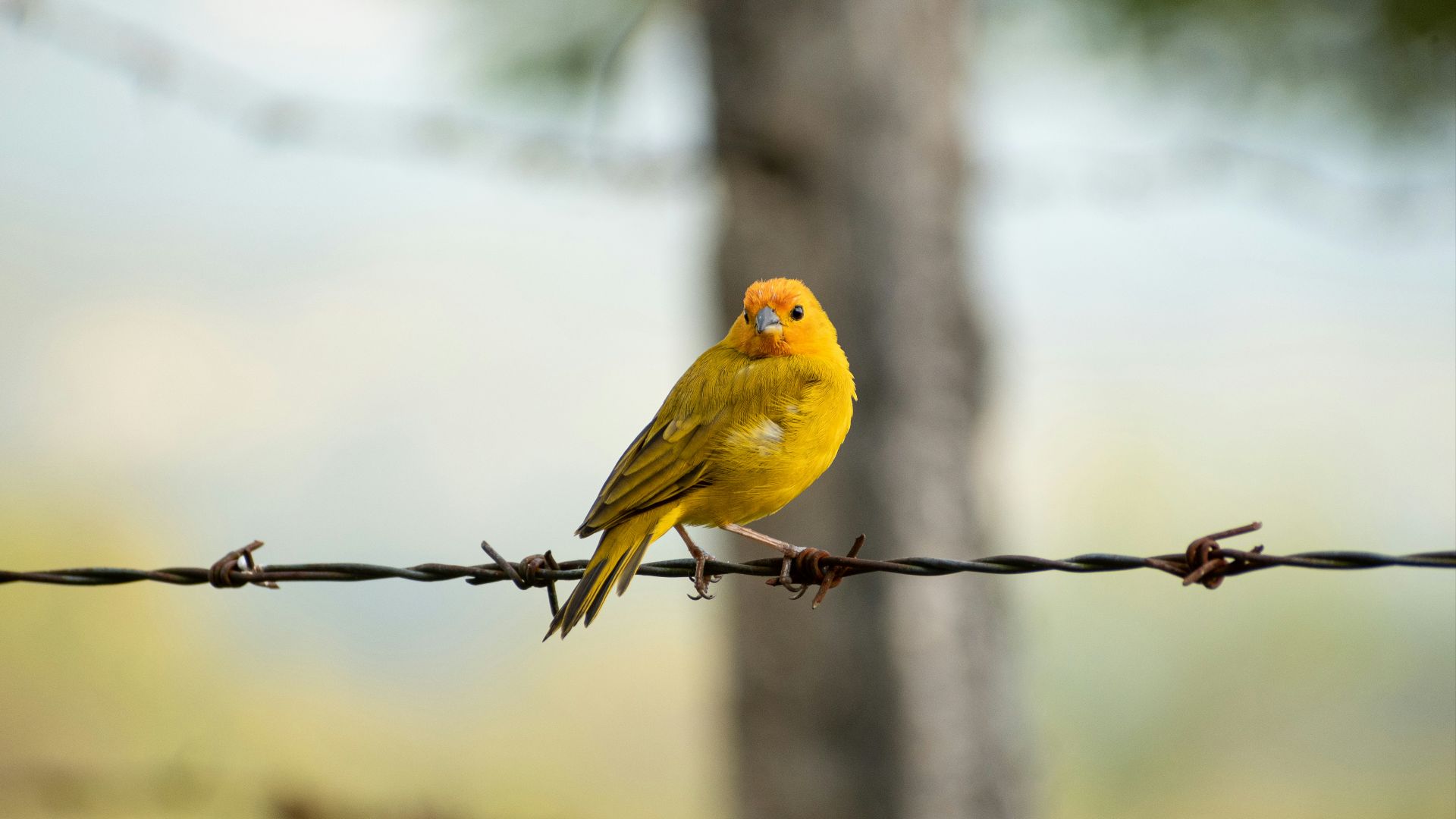
18. Canaries
Canaries were used in mines because they reacted quickly to dangerous gases such as carbon monoxide. Miners brought them underground as an early warning system, and signs of distress from the bird meant the air could be unsafe. It’s not nice to think about, but their sacrifice did keep many, many men alive in very dangerous circumstances.
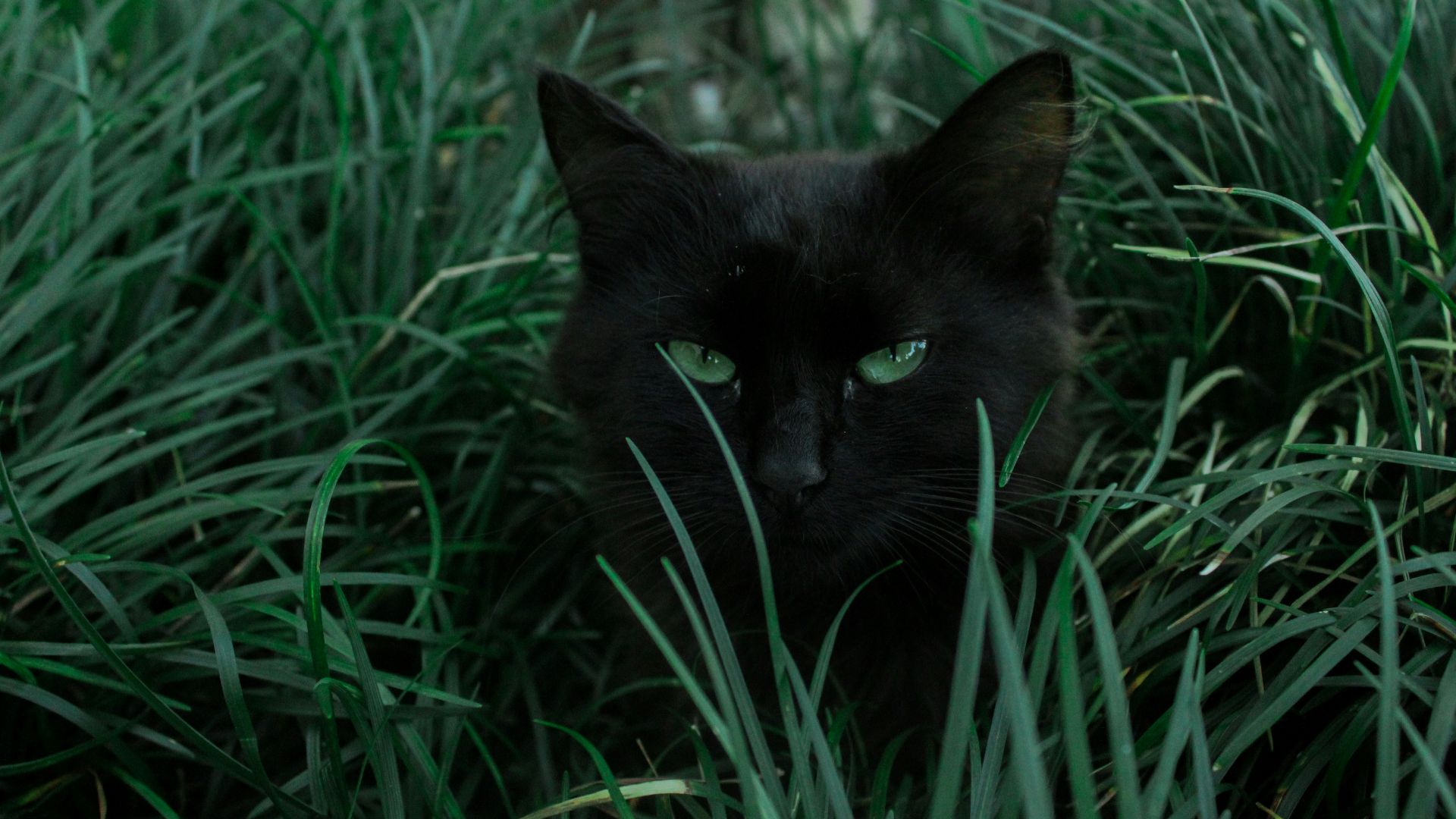
19. Cats
Cats were used in wartime settings to hunt rats, including in First World War trenches, where rodents spoiled food and spread disease. They also brought soldiers some comfort in places that were filthy, frightening, and crowded with loss. Even a half-feral cat padding through a trench could feel like a small reminder of ordinary life.
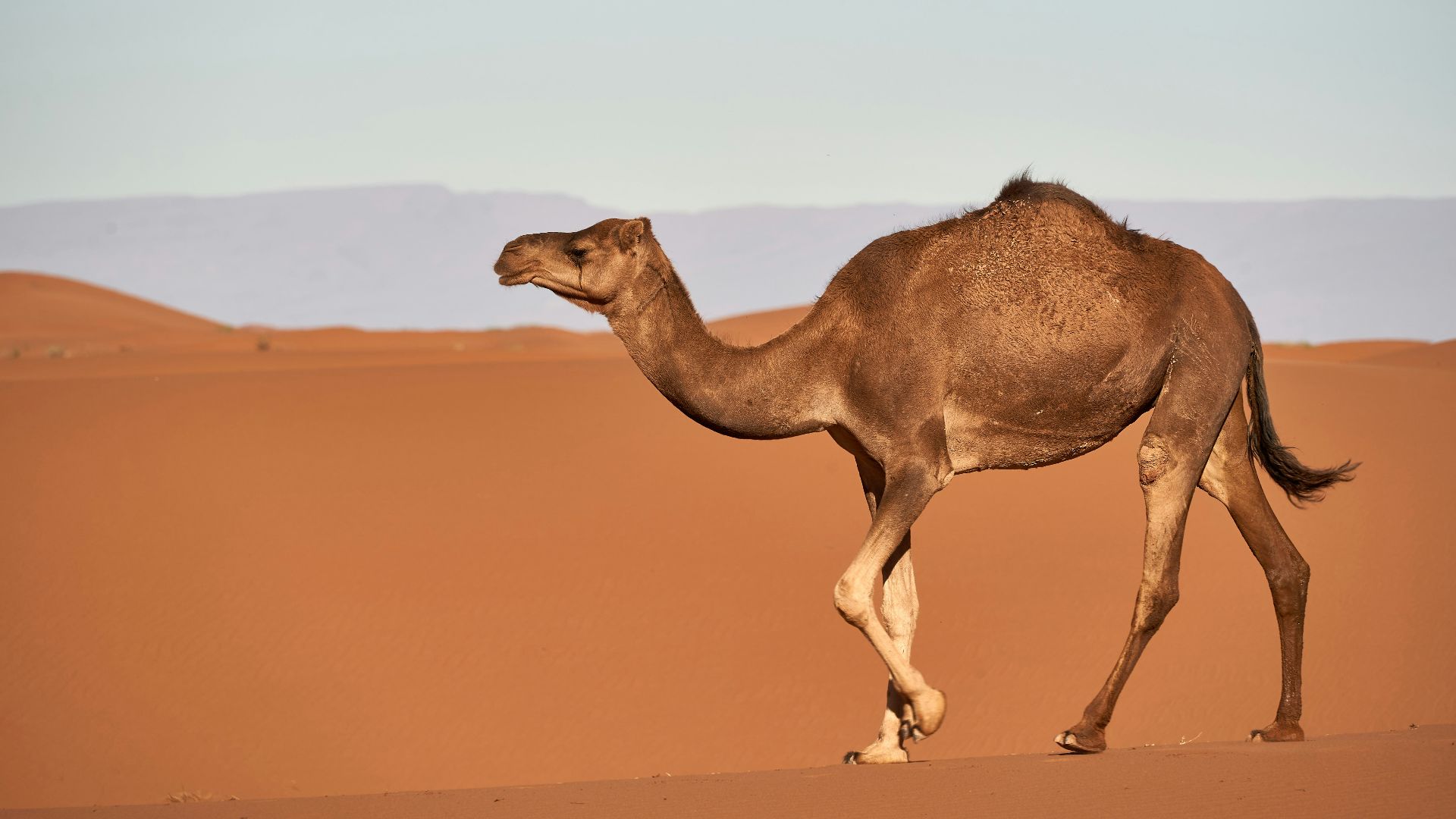
20. Camels
Camels carried supplies and wounded soldiers in desert campaigns where heat, sand, and distance made transport difficult. Some were fitted with stretcher-like carriers, so injured men could be moved across terrain that challenged horses and wheeled vehicles.
KEEP ON READING
The story of Ching Shih, the Woman Who Became the…
Unknown author on WikimediaFew figures in history are as feared…
By Emilie Richardson-Dupuis Dec 29, 2025
Einstein's Violin Just Sold At An Auction—And It Earned More…
A Visionary's Violin. Wanda von Debschitz-Kunowski on WikimediaWhen you hear…
By Ashley Bast Nov 3, 2025
This Infamous Ancient Greek Burned Down An Ancient Wonder Just…
History remembers kings and conquerors, but sometimes, it also remembers…
By David Davidovic Nov 12, 2025
The Mysterious "Sea People" Who Collapsed Civilization
3,200 years ago, Bronze Age civilization in the Mediterranean suddenly…
By Robbie Woods Mar 18, 2025
20 Greatest Ancient Athletes In History
Ancient Olympics. Long before modern stadiums and multimillion-dollar endorsements, athletes…
By Sara Springsteen May 1, 2026
20 Soldiers Who Defied Expectations
Changing the Rules of the Battlefield. You’ve probably heard plenty…
By Annie Byrd Feb 10, 2026