

20 Facts You Didn't Know About Queen Elizabeth II, the World's Second-Longest Reigning Monarch
20 Facts You Didn't Know About Queen Elizabeth II, the World's Second-Longest Reigning Monarch
A Monarch Whose Life Reached Across Eras
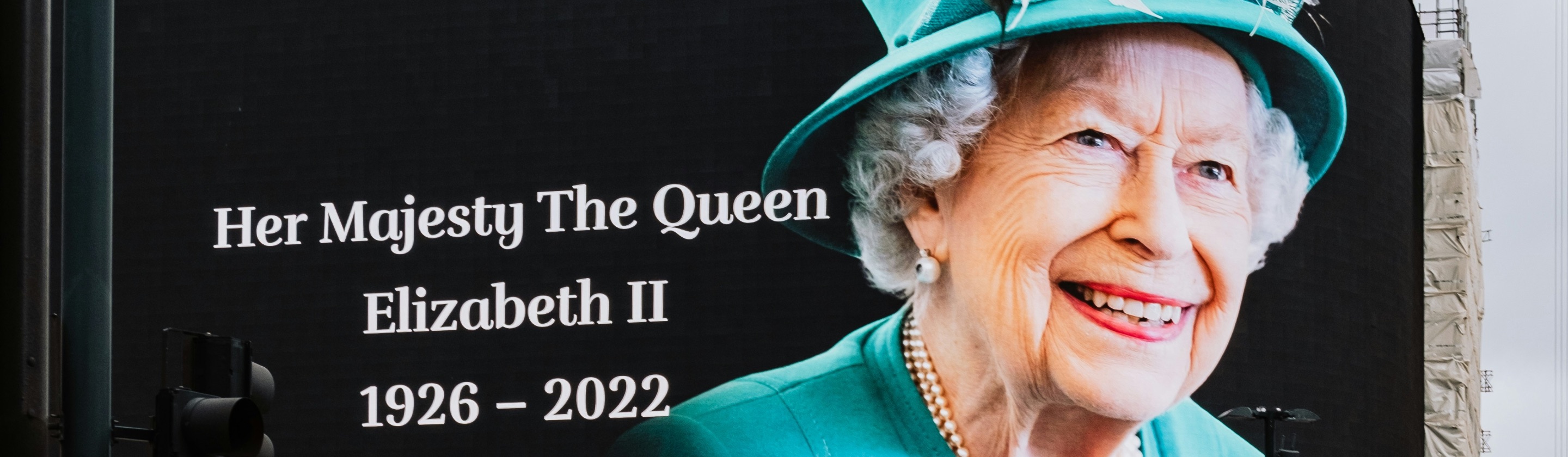
You might not know it, but Queen Elizabeth II reigned for 70 years and 214 days, making her the longest-reigning monarch in British history and the world’s second-longest reigning sovereign monarch. She became queen on February 6, 1952, after the death of her father, King George VI, and remained on the throne until her death on September 8, 2022. Over those seven decades, she became a rare public figure who connected wartime Britain, the age of television, the internet era, and the modern Commonwealth. Here are 20 fascinating facts you likely didn't know about Her Majesty behind the scenes.
1. Wasn’t Born Expecting to Be Queen
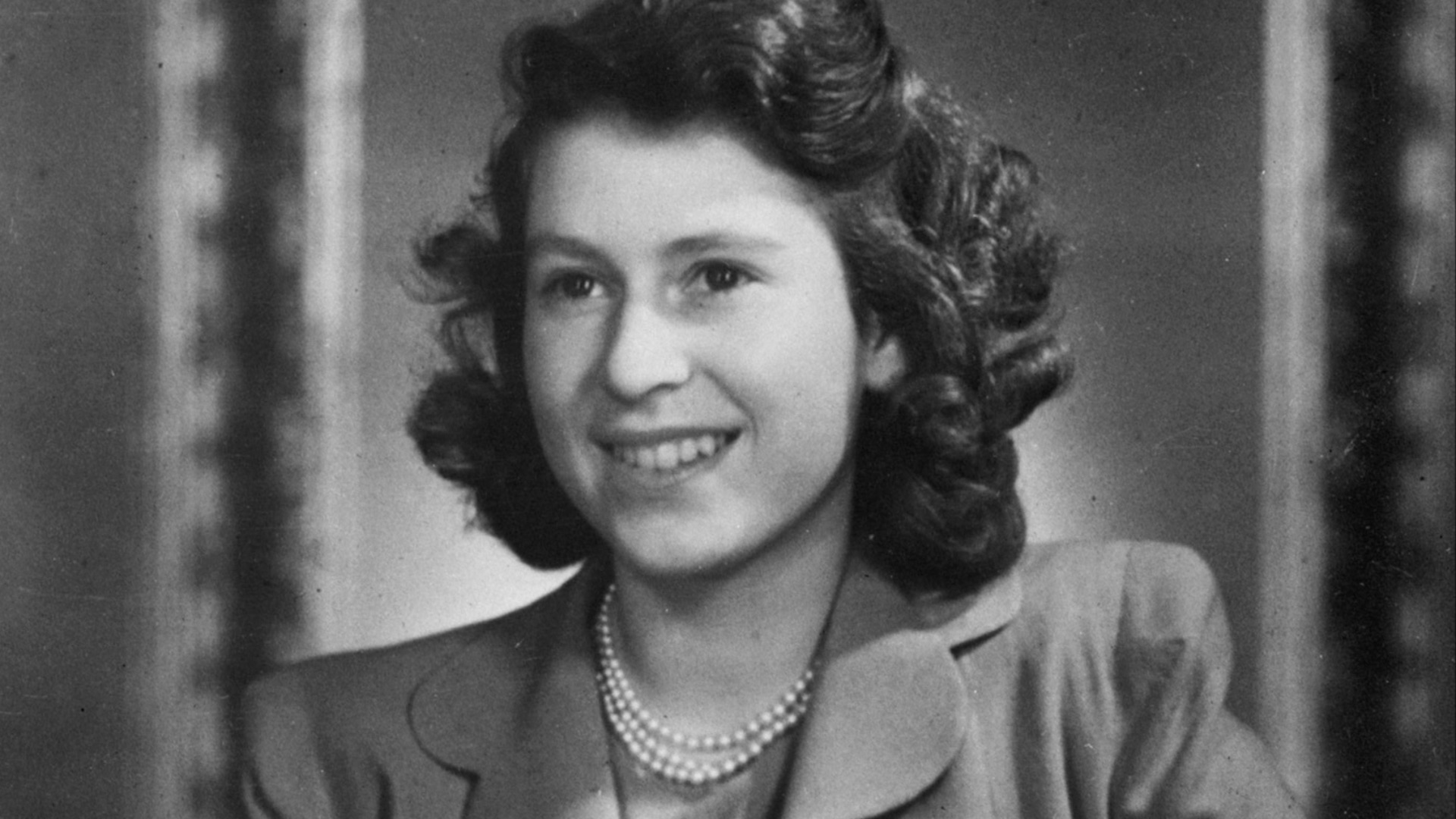
Elizabeth Alexandra Mary was born on April 21, 1926, in London, but she was not originally expected to inherit the throne. At birth, she was behind her uncle, the future Edward VIII, and her father, the Duke of York, in the line of succession. Her life changed dramatically in 1936 when Edward VIII abdicated and her father became King George VI, making ten-year-old Elizabeth the heir presumptive.
2. Childhood Nickname Came from Her Own Mispronunciation
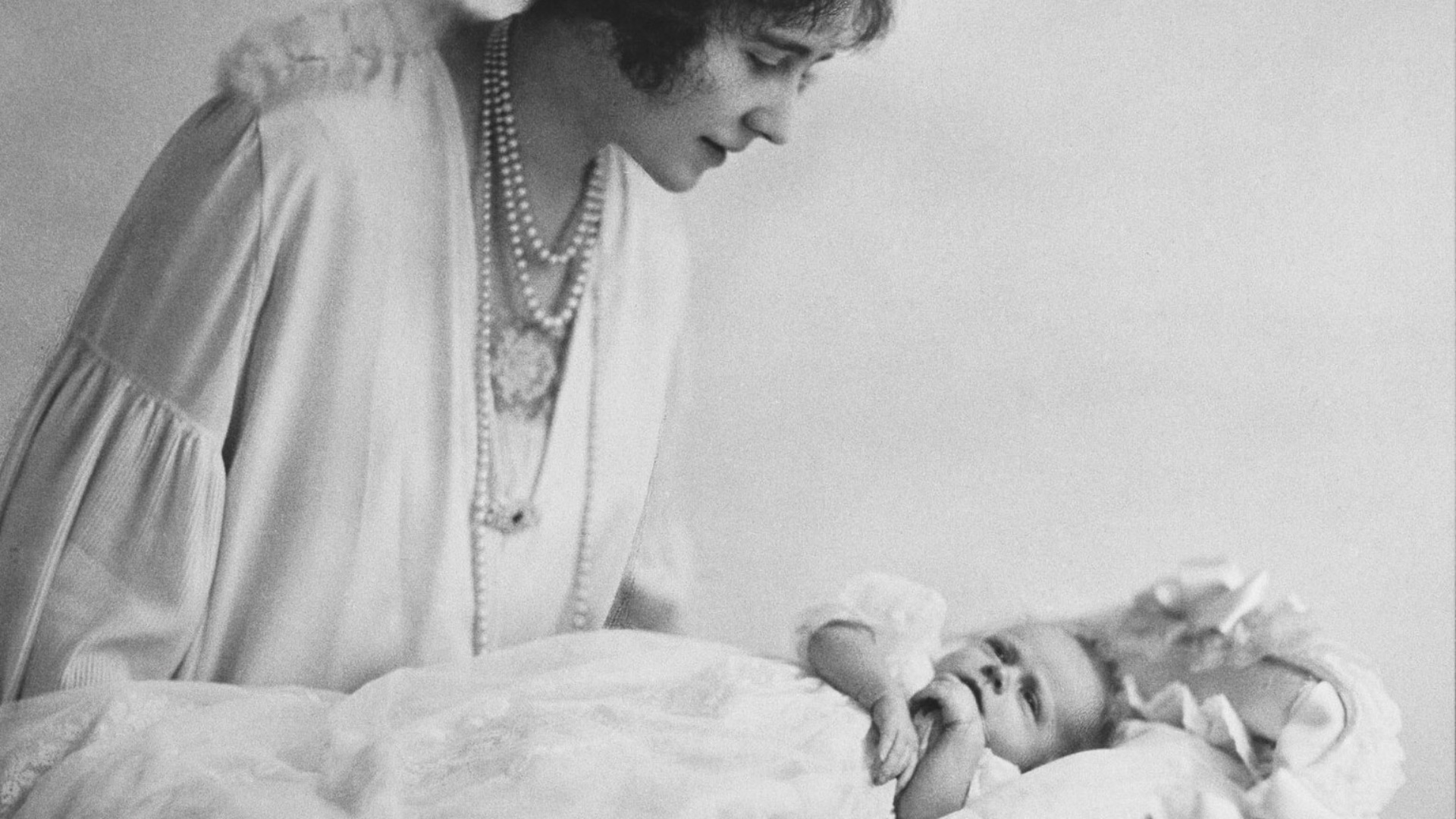
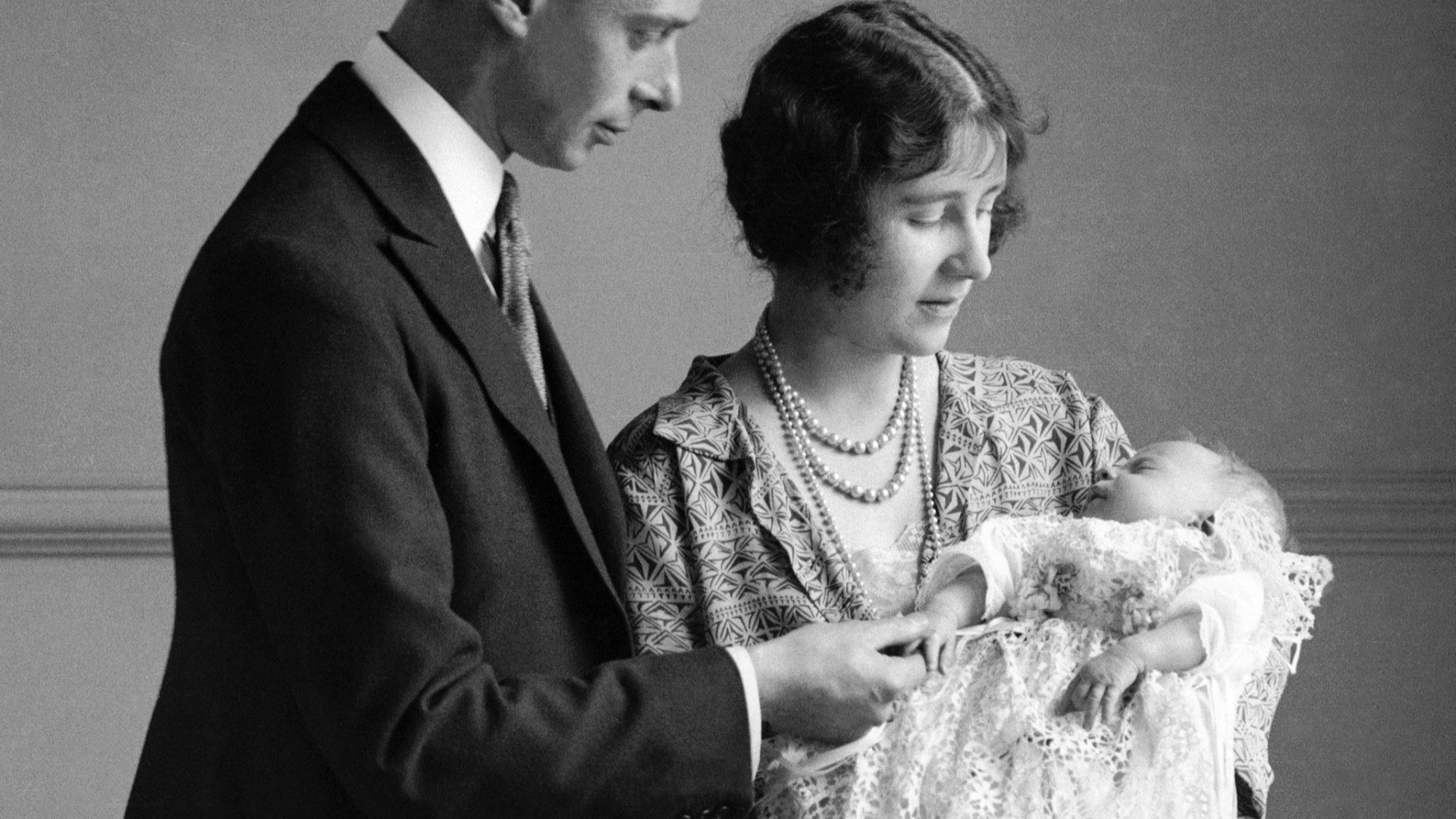
Before the world knew her as Queen Elizabeth II, her family knew her as “Lilibet.” The nickname reportedly came from the way she pronounced her own name as a small child. It remained an affectionate family name throughout her life, showing a more personal side of a woman often seen through formal ceremonies and official portraits.
 Press Association on Wikimedia
3. Made Her First Public Broadcast at 14
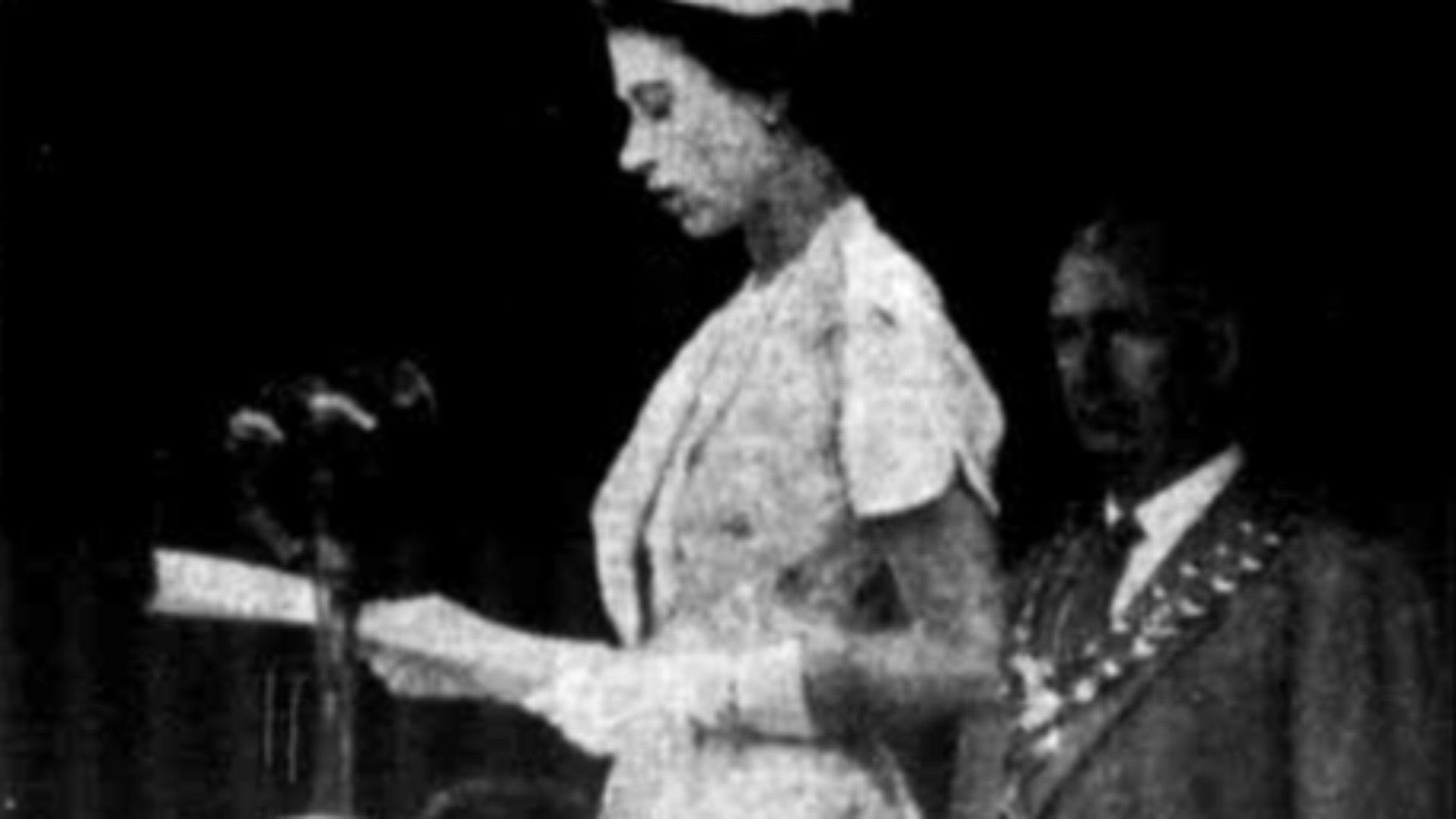
Elizabeth made her first public speech on October 13, 1940, during World War II. She spoke on the BBC’s Children’s Hour to children who had been evacuated from their homes because of the war. The broadcast introduced her to the public not as a future ceremonial figure, but as a teenager trying to reassure other young people living through uncertainty.
 Unknown newspaper photographer on Wikimedia
4. Trained as a Mechanic During World War II
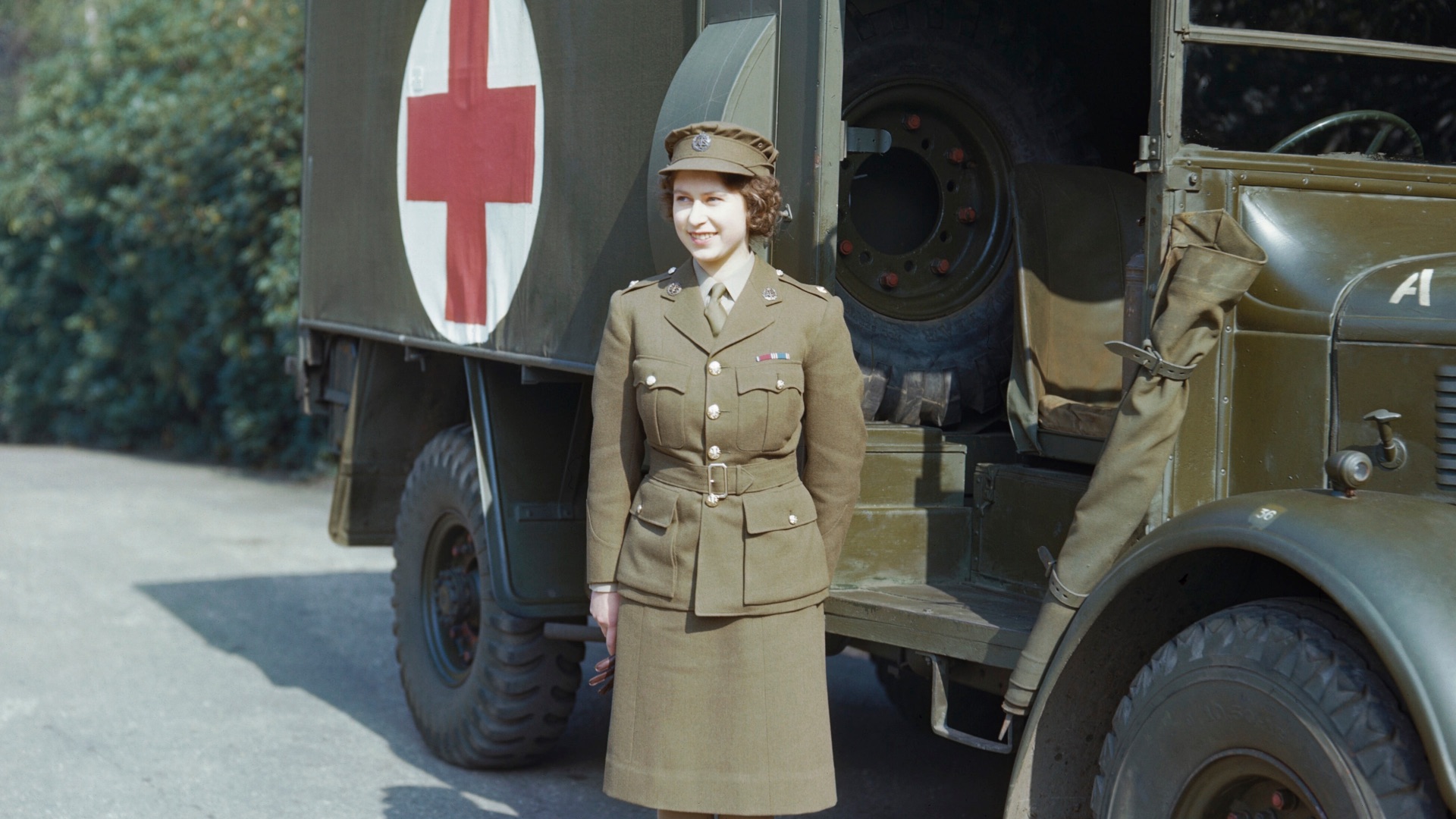
In February 1945, Princess Elizabeth joined the Auxiliary Territorial Service as Second Subaltern Elizabeth Alexandra Mary Windsor. She trained at Aldershot as a driver and mechanic, learning practical vehicle maintenance during the final months of the war. You might not picture a future queen removing spark plugs from an engine, but that is exactly what surviving photographs show her doing.
 Isabela Kronemberger on Unsplash
5. First Female Royal to Serve Full-Time in the Armed Forces
Elizabeth’s wartime service was historically significant because she was the first female member of the British royal family to serve as a full-time active member of the armed forces. Her work in the Auxiliary Territorial Service placed her in a role associated with the broader national war effort rather than just royal appearances. That experience became part of the public image of duty that followed her throughout her reign.
 Ministry of Information official photographer on Wikimedia
6. Her Wedding Dress Was Linked to Postwar Rationing
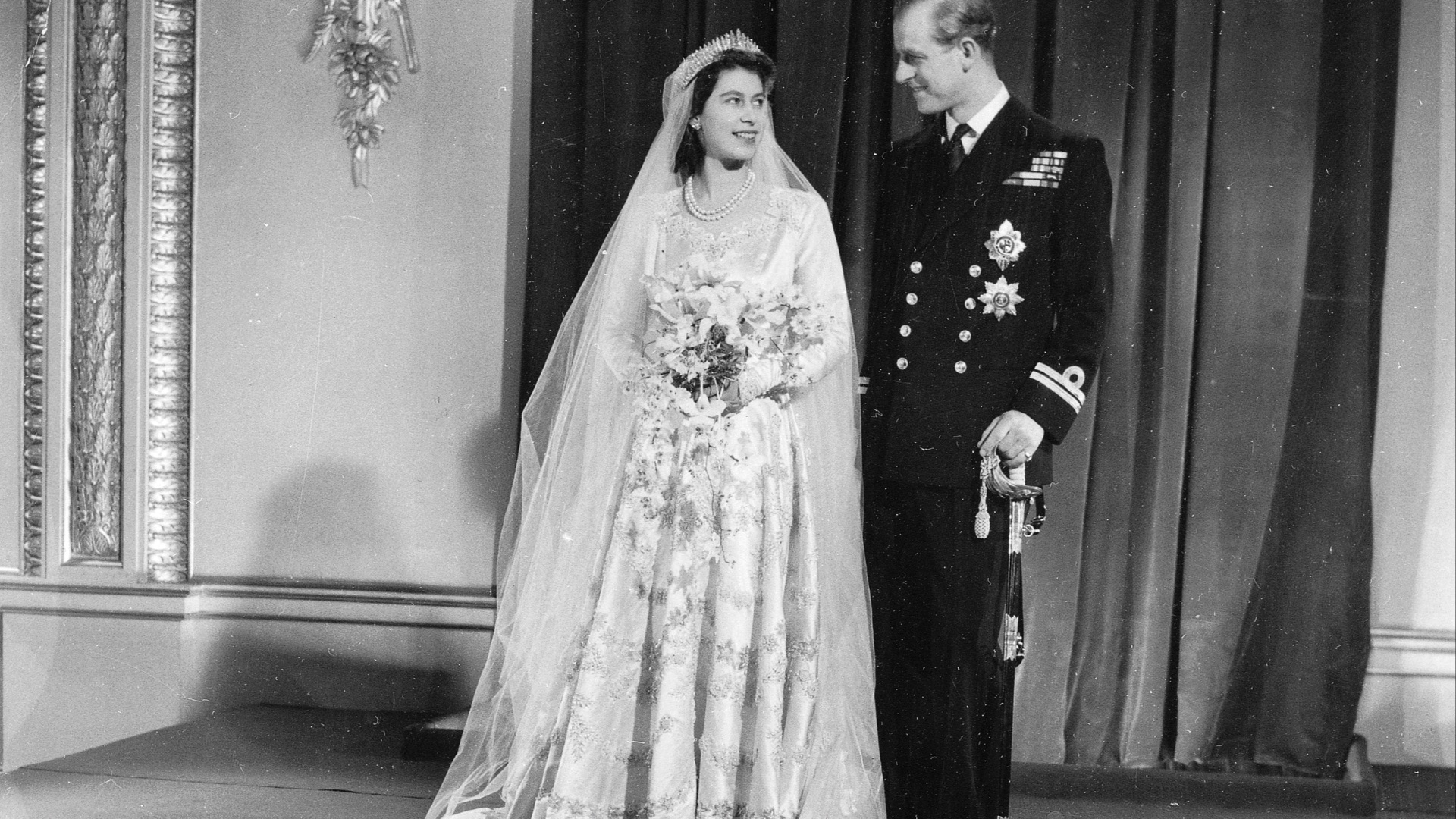
When Princess Elizabeth married Philip Mountbatten on November 20, 1947, Britain was still dealing with postwar rationing. Her Norman Hartnell wedding dress was made using material bought with ration coupons, and she received extra coupons from the government for the occasion. Many women also tried to send her their own coupons, but those gifts had to be returned because ration coupons could not legally be transferred.
7. Married Philip Before She Became Queen
Elizabeth and Philip married more than four years before she came to the throne. Their marriage lasted until Prince Philip’s death in 2021, making it one of the longest royal marriages in British history. Over that time, he moved from being a naval officer and former prince of Greece and Denmark into the difficult role of consort to a reigning queen.
8. Became Queen While Abroad
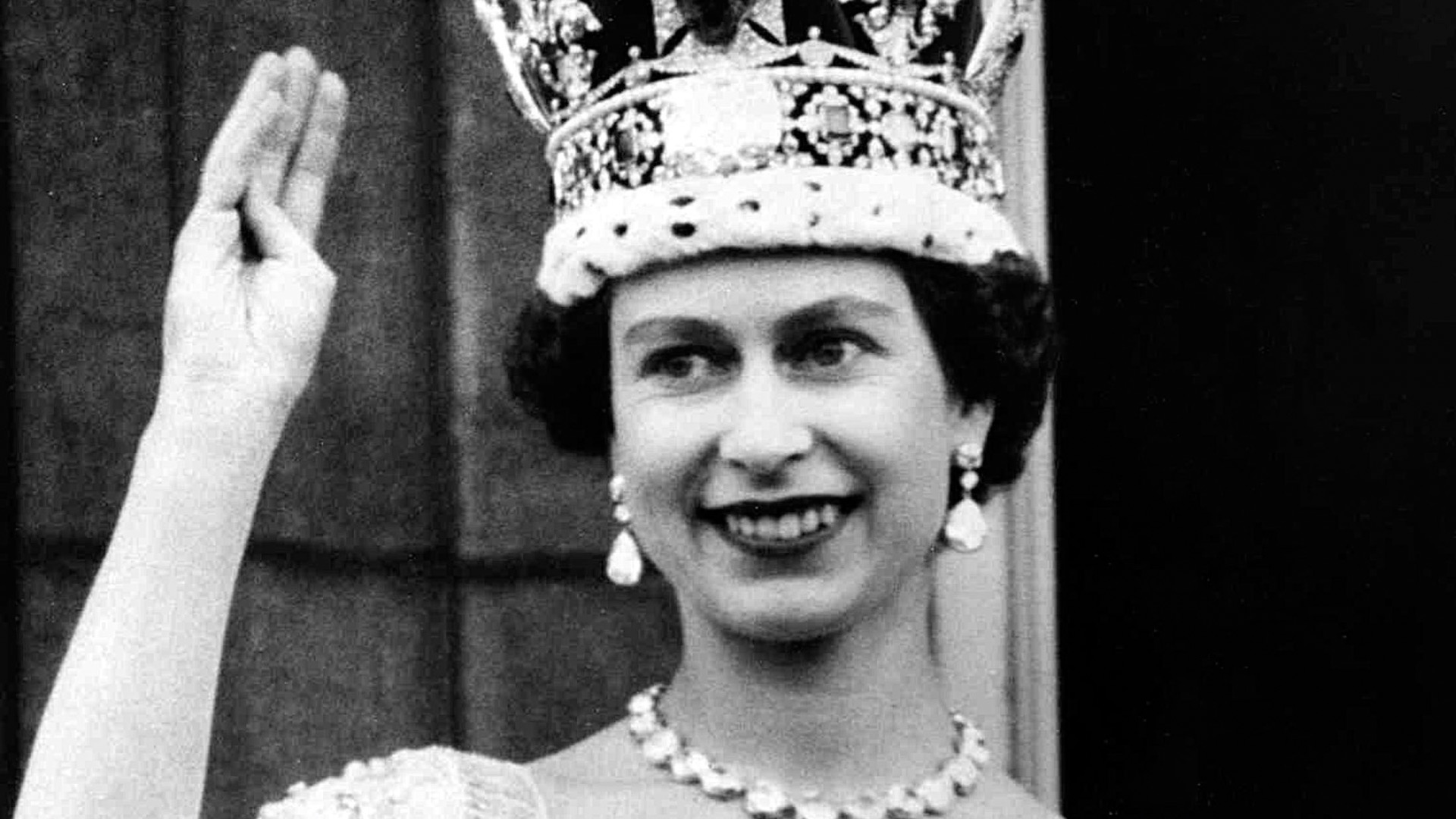
Elizabeth was in Kenya with Prince Philip when King George VI died on February 6, 1952. That meant she left Britain as a princess and returned as queen. The sudden transition came while she was only 25, placing her at the center of a constitutional role she would hold for the rest of her life.
 National Media Museum from UK on Wikimedia
9. Her Coronation Helped Define the Television Age
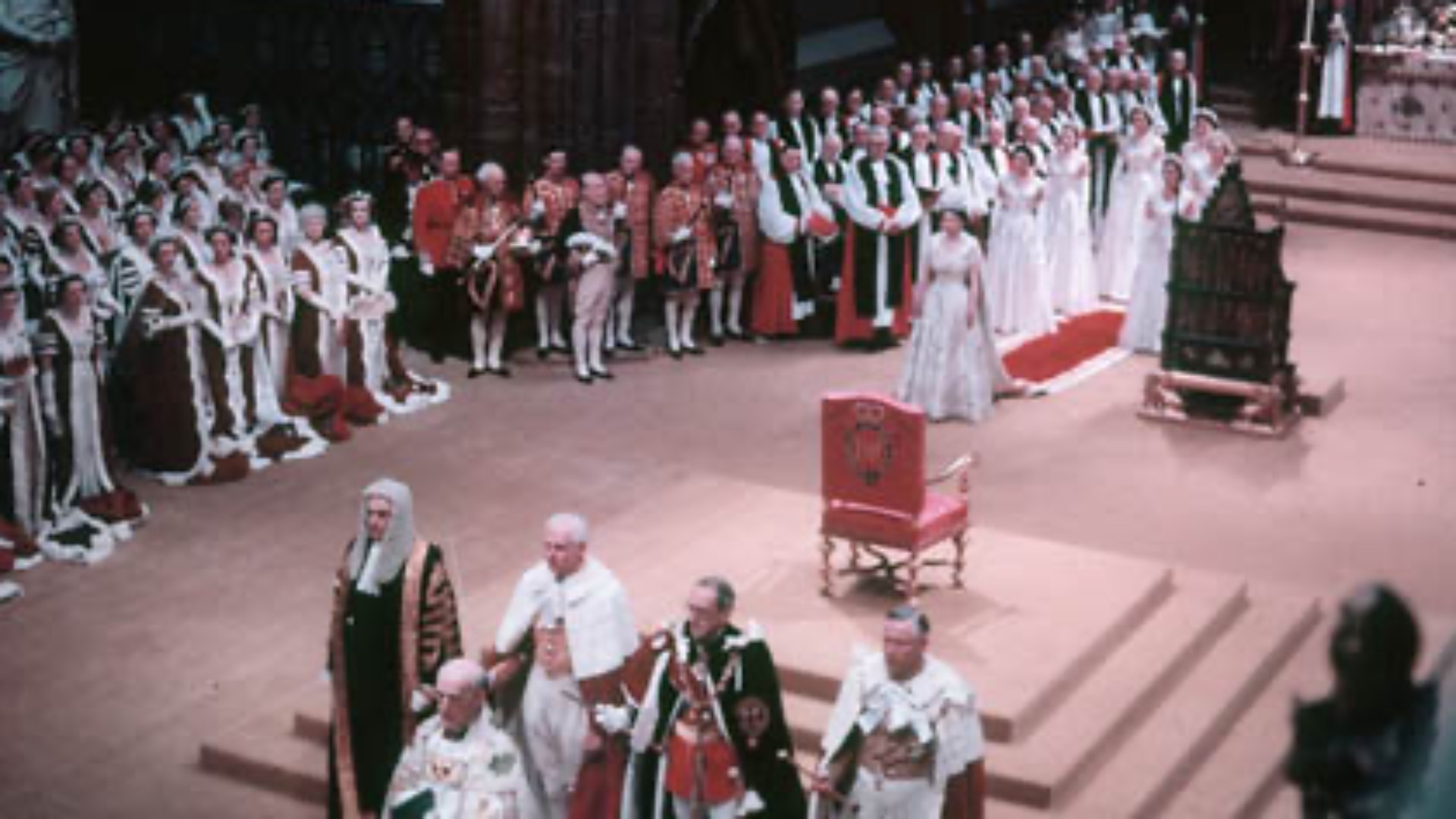
Queen Elizabeth II’s coronation took place on June 2, 1953, at Westminster Abbey. It became a major televised event, helping make television a more central part of British public life. For many viewers, the ceremony was one of the first times they experienced a royal occasion in their own homes rather than through newspapers, radio, or cinema newsreels.
 BiblioArchives / LibraryArchives from Canada on Wikimedia
10. Had Two Birthdays Each Year
Elizabeth was born in April, but her official birthday was celebrated publicly in June. That public celebration was tied to Trooping the Colour, the ceremonial parade traditionally used to mark the sovereign’s official birthday. So, while April 21 was her actual birthday, the larger national celebration usually came later in the year.

11. Loved Corgis from a Young Age
Queen Elizabeth II became strongly associated with corgis, but that connection began long before she was queen. Her first corgi, Susan, was given to her for her 18th birthday, and many of her later dogs were descended from Susan. The dogs became such a familiar part of her public image that they were often mentioned alongside her country homes, official duties, and family life.

12. Sent an Email Long Before Emails Were the Norm
On March 26, 1976, Queen Elizabeth II sent an email during a visit to the Royal Signals and Radar Establishment in Malvern via the ARPANET. The message was part of a demonstration of networking technology, long before email became a normal part of everyday communication. She was the first-ever monarch to do so; her username was "HME2"—Her Majesty, Elizabeth II.

13. Sent Her First Tweet In 2014
Elizabeth’s relationship with technology continued decades after that early email. On October 24, 2014, she sent her first tweet while opening the Information Age exhibition at the Science Museum in London. The moment stood out because it placed a monarch born in 1926 inside a communication format built for the twenty-first century.
14. She Could Drive Without a License in the UK
As sovereign, Queen Elizabeth II did not need a British driving license. That detail is often mentioned because she was also known to enjoy driving, especially around royal estates. Her wartime training as a driver and mechanic makes the fact feel less like trivia and more like a continuation of a skill she learned early in life.

15. Didn't Need a Passport to Travel
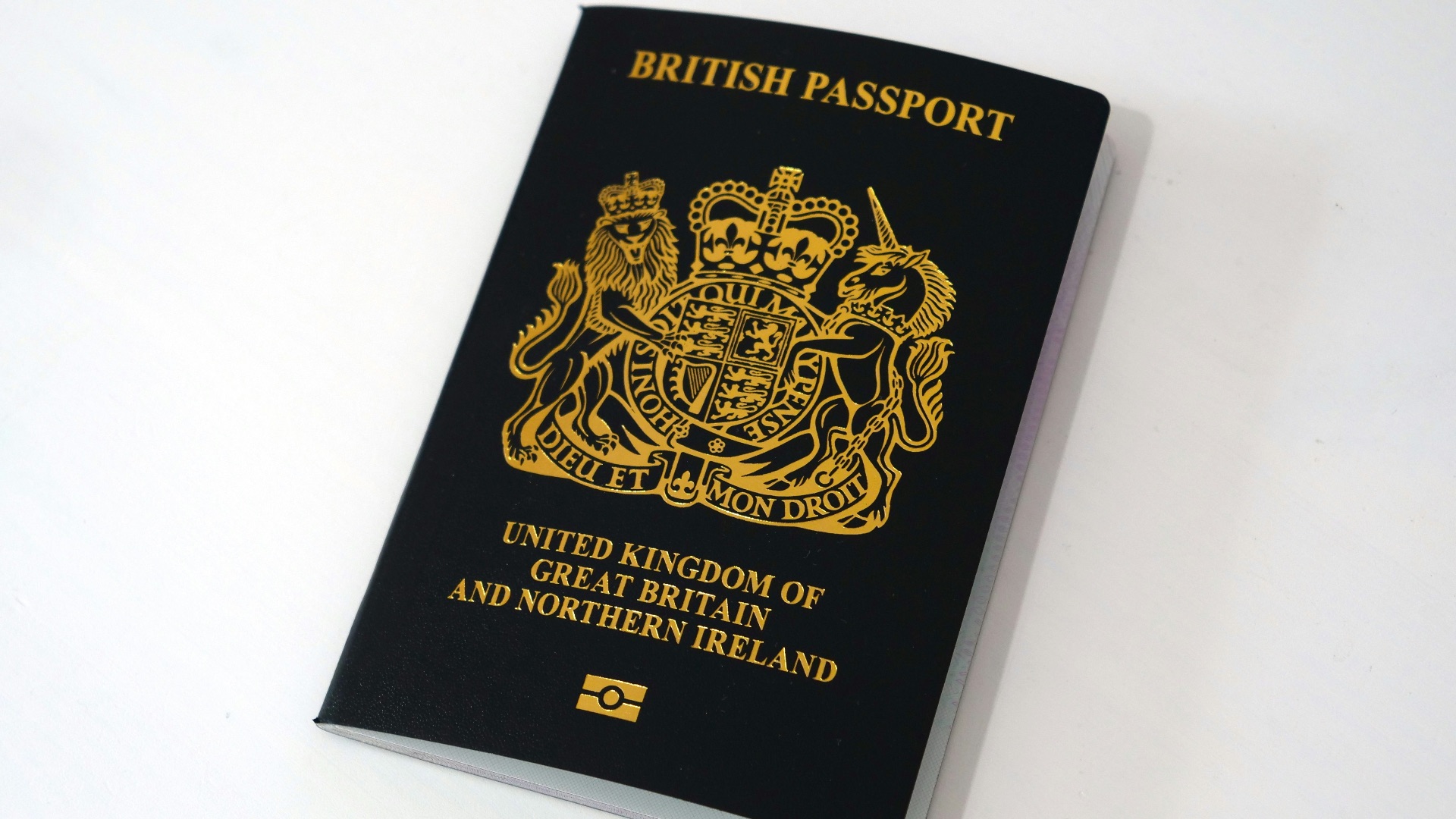
British passports are issued in the monarch’s name, so Queen Elizabeth II did not require one for international travel. Other members of the royal family still needed passports, but the sovereign occupied a unique constitutional position. It’s one of those details that shows how the monarchy operates through legal conventions most people rarely think about.
16. Was a Monarch of 32 Sovereign States During Her Lifetime
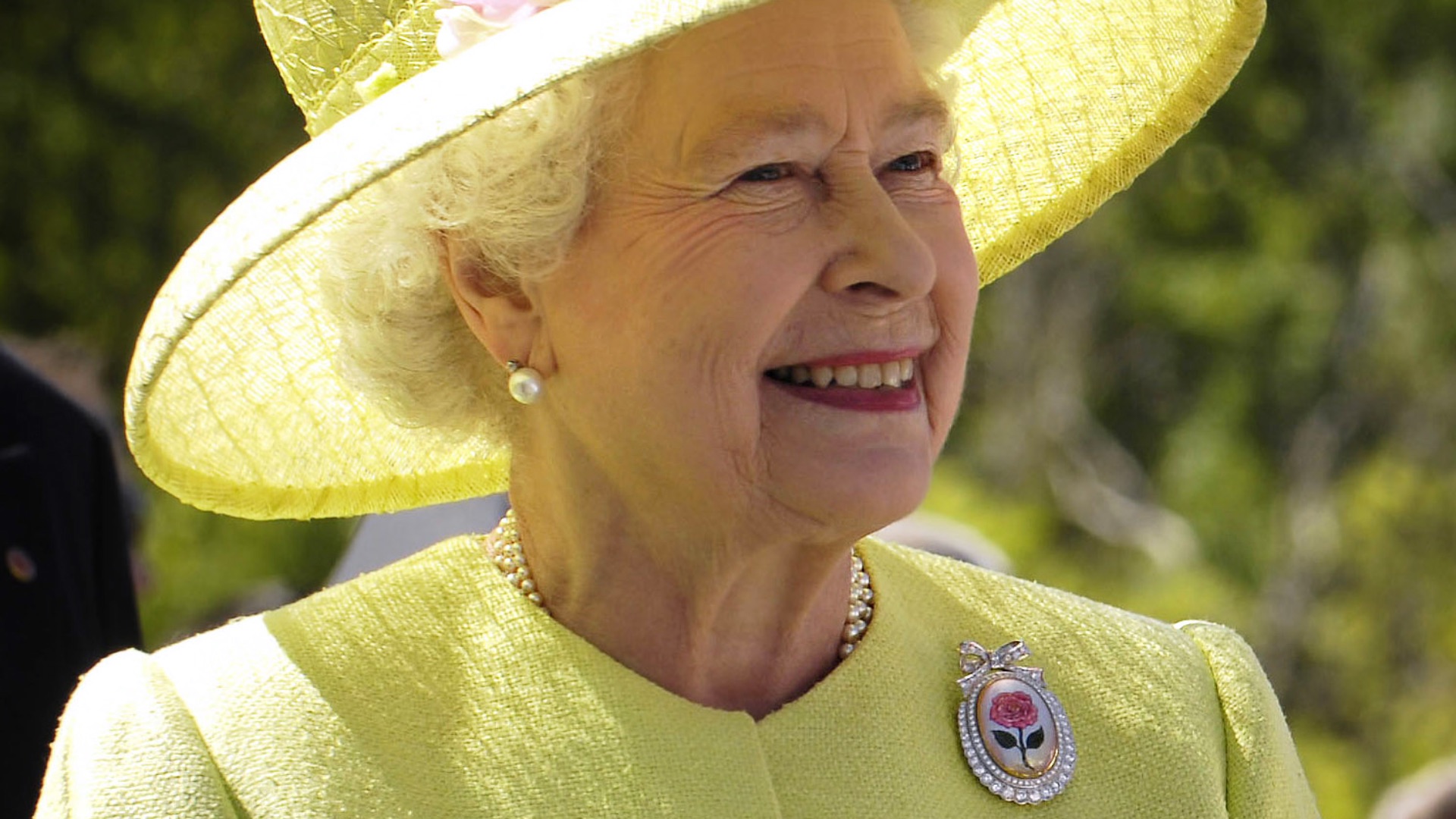
Elizabeth II is often remembered as queen of the United Kingdom, but her role extended far beyond Britain. During her lifetime, she was queen regnant of 32 sovereign states, and she was monarch of 15 realms at the time of her death. That changing number reflects the long process of decolonization and the evolving relationship between Britain, former colonies, and Commonwealth countries.
17. Opened the Olympic Games in Two Countries
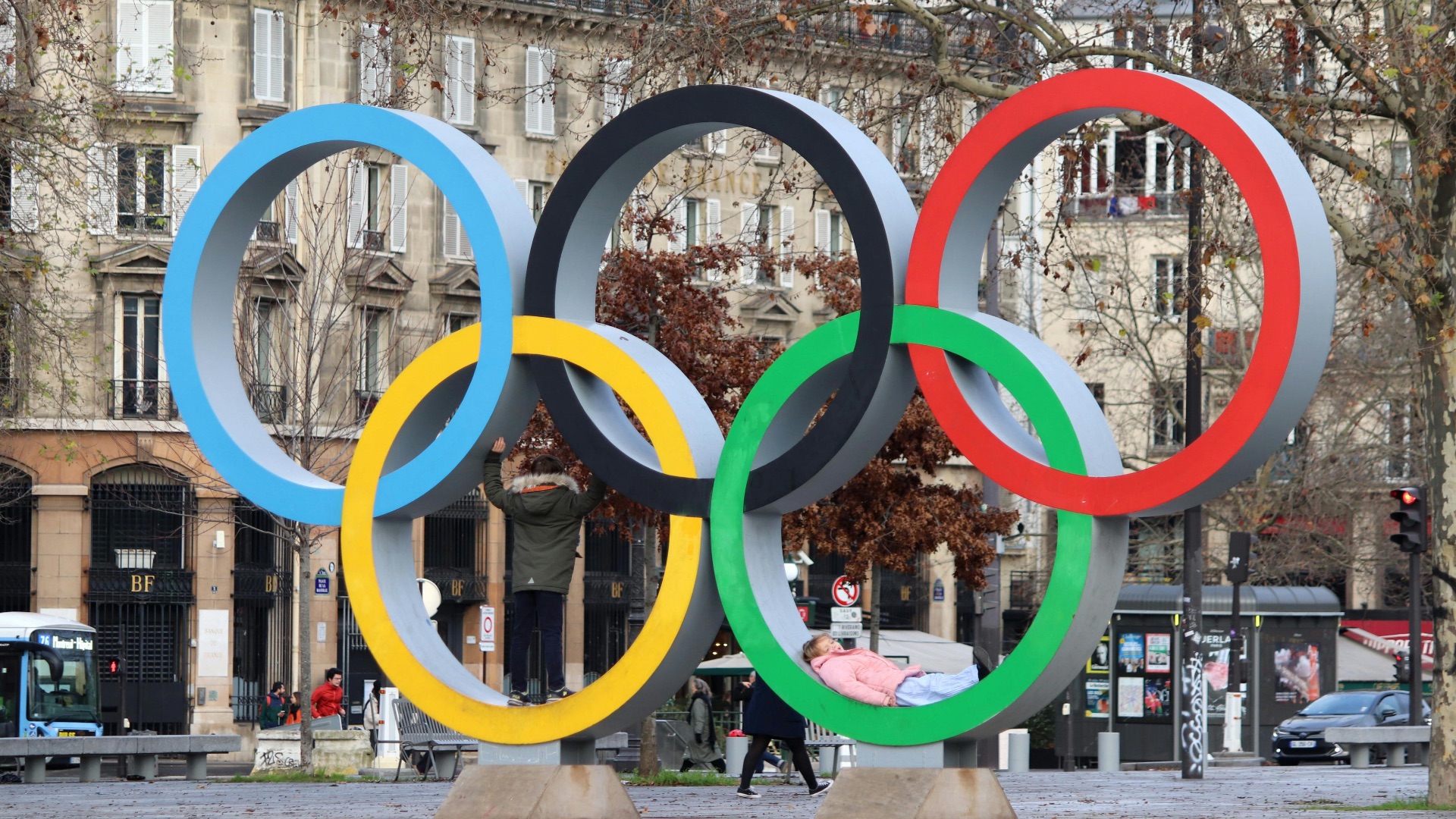
Queen Elizabeth II opened the 1976 Summer Olympics in Montreal and later opened the 2012 Summer Olympics in London. That made her the first head of state to open two Olympic Games in two different countries. The London opening ceremony also placed her in a memorable filmed sequence with Daniel Craig as James Bond, which became one of the most widely discussed pop-culture moments of her later reign.
18. Surpassed Queen Victoria In 2015
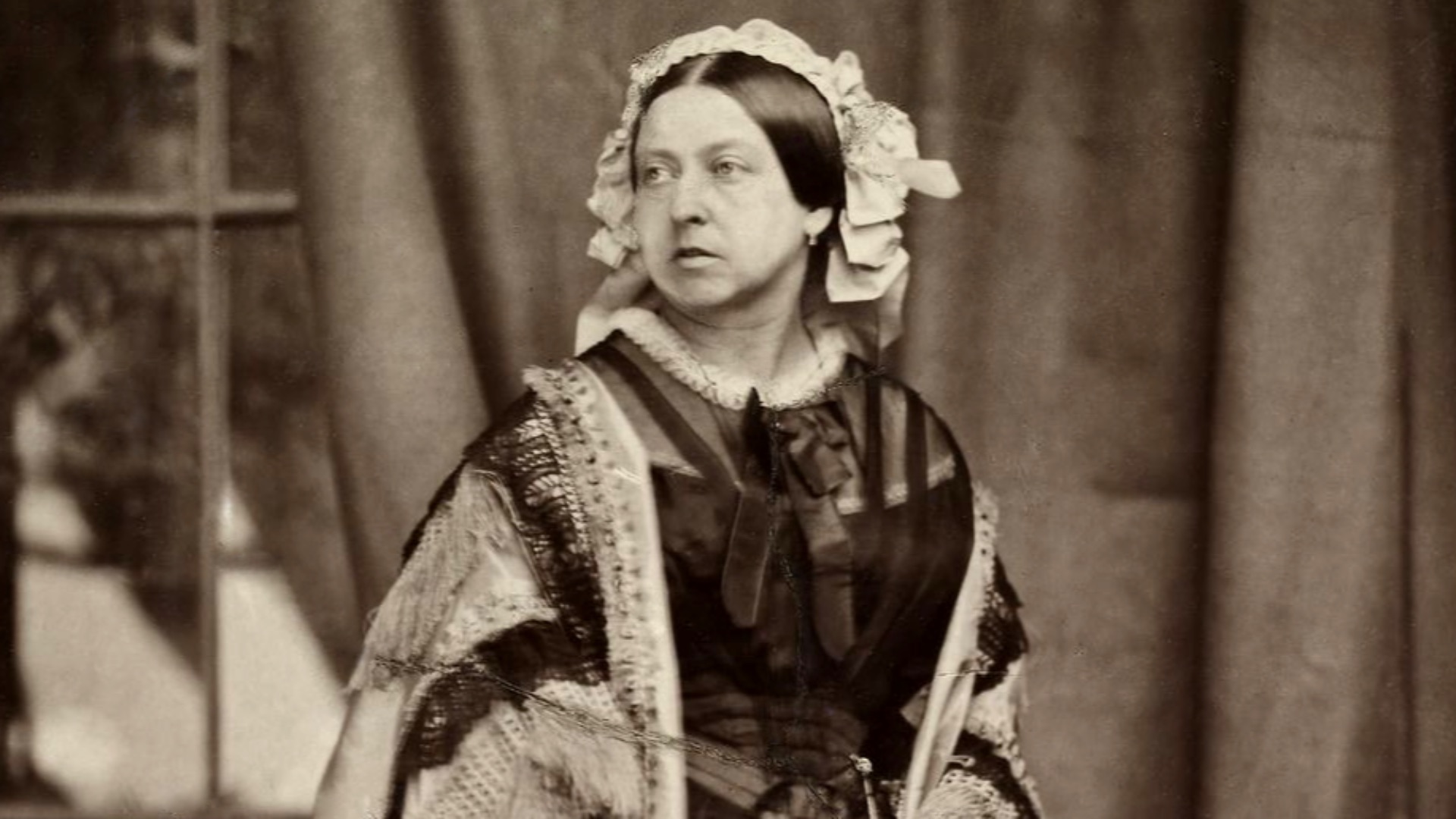
On September 9, 2015, Elizabeth II became the longest-reigning monarch in British history, surpassing Queen Victoria. Victoria had reigned for more than 63 years, which had long seemed an almost unreachable benchmark. Elizabeth’s achievement reshaped how the modern British monarchy was discussed, especially because so many people had never known another monarch.
 John Jabez Edwin Mayall on Wikimedia
19. Celebrated the First Platinum Jubilee for a British Monarch
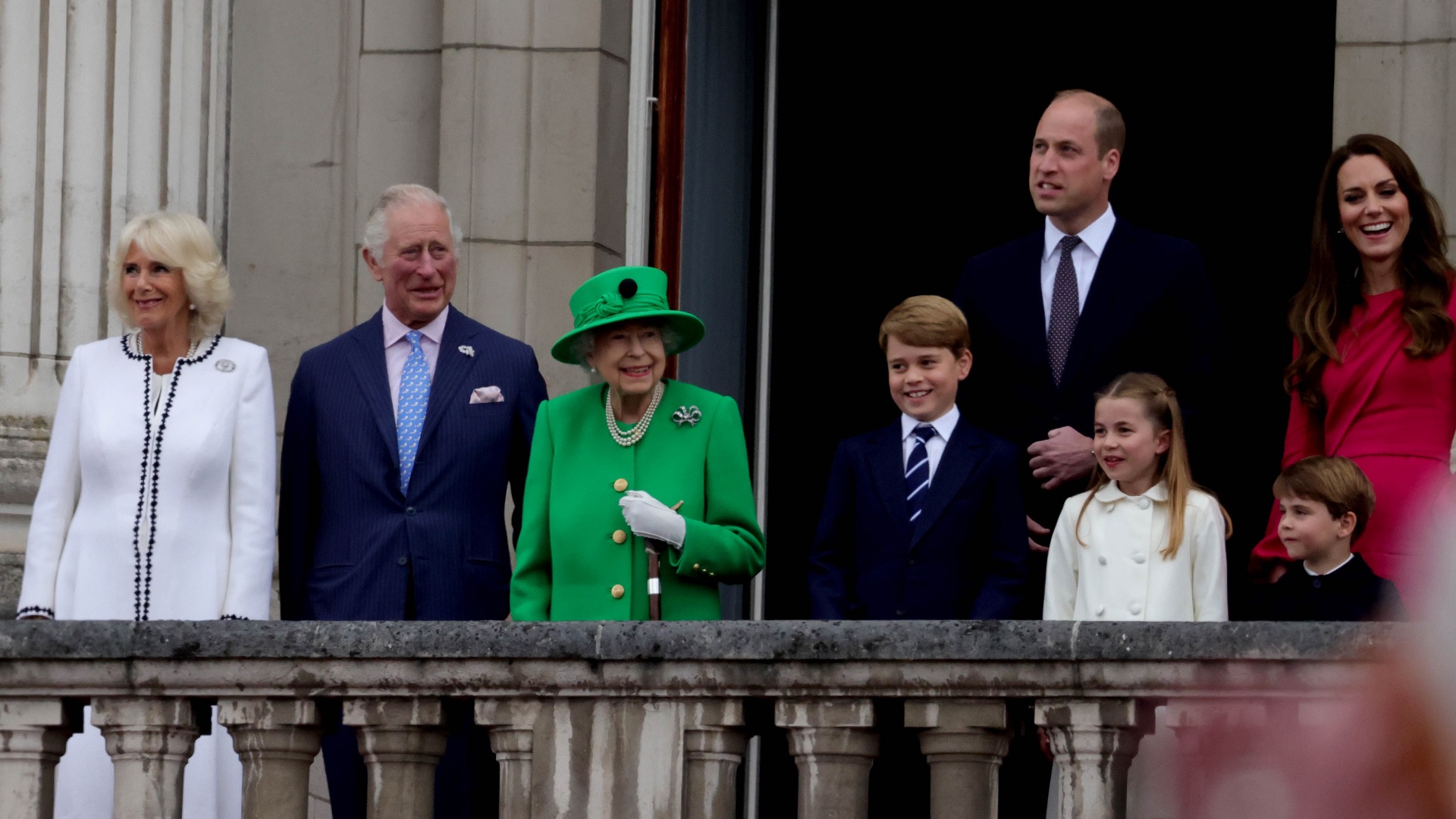
In 2022, Queen Elizabeth II became the first British monarch to celebrate a Platinum Jubilee, marking 70 years on the throne. The celebrations began on February 6, the anniversary of her accession, and continued with national events later that year. It was a historic milestone not only because of its length, but because it came near the end of a reign that had already outlasted generations of political and social change.
20. She Was Still Working Days Before Her Death
One of Queen Elizabeth II’s final constitutional duties came on September 6, 2022, when she appointed Liz Truss as prime minister at Balmoral Castle. She died two days later, on September 8, at the age of 96. That final public duty reinforced the image many people already had of her: a monarch who treated the role as a lifelong responsibility, even in her final days.
KEEP ON READING
20 Powerful Ancient Egyptian Gods That Were Worshipped
Unique Religious Figures in Ancient Egypt. While most people are…
By Cathy Liu Nov 27, 2024
The 10 Scariest Dinosaurs From The Mesozoic Era & The…
The Largest Creatures To Roam The Earth. It can be…
By Cathy Liu Nov 28, 2024
The 20 Most Stunning Ancient Greek Landmarks
Ancient Greek Sites To Witness With Your Own Eyes. For…
By Cathy Liu Dec 2, 2024
10 Historical Villains Who Weren't THAT Bad
Sometimes people end up getting a worse reputation than they…
By Robbie Woods Dec 3, 2024
One Tiny Mistake Exposed A $3 Billion Heist
While still in college, Jimmy Zhong discovered a loophole that…
By Robbie Woods Dec 3, 2024
30 Lost Treasures That Vanished From History
Buried treasure, missing artefacts, legends of ancient gold in them…
By Robbie Woods Dec 3, 2024