


Some Buildings Make History, For Better Or For Worse
Architecture has been an important part of our history since we started building homes. A building can be technically important, historically influential, and still make people feel boxed in, ignored, or mildly depressed. Taste changes, budgets get cut, maintenance slips, and suddenly a once-ambitious design starts looking harsher than anyone meant it to. A lot of the styles below have serious fans, and several produced buildings that experts still study with admiration. Even so, these 20 architectural design styles have all picked up criticism over the years for looking cold, cluttered, strange, oversized, or just hard to love.
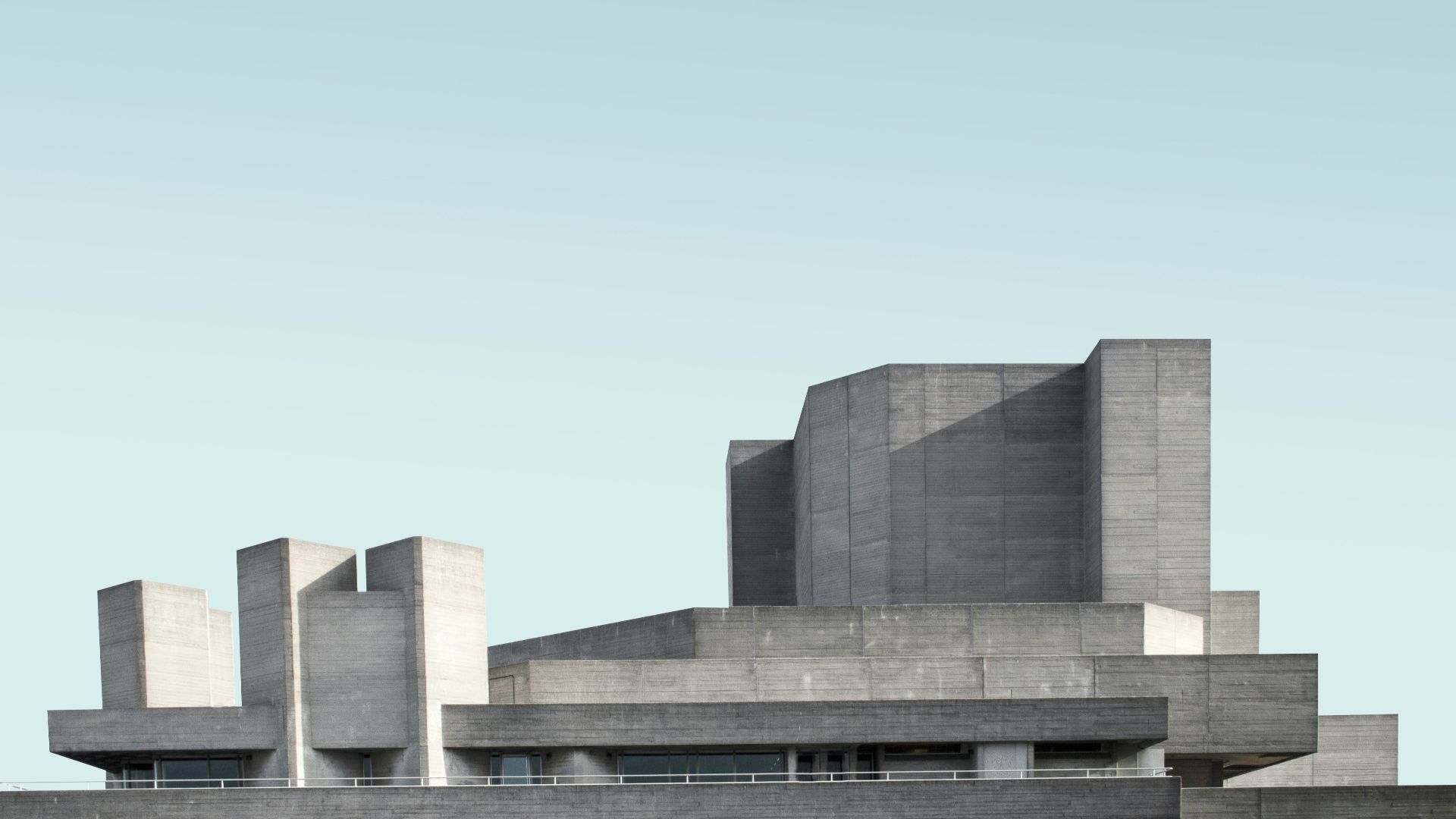
1. Brutalism
Brutalism grew out of mid-20th-century modernism and became common in universities, government buildings, libraries, and housing projects. Its raw concrete, heavy forms, and exposed structure can feel honest and strong, especially in buildings like Boston City Hall or London’s Barbican Estate. Plenty of people still read the style as gray, stern, and unfriendly.
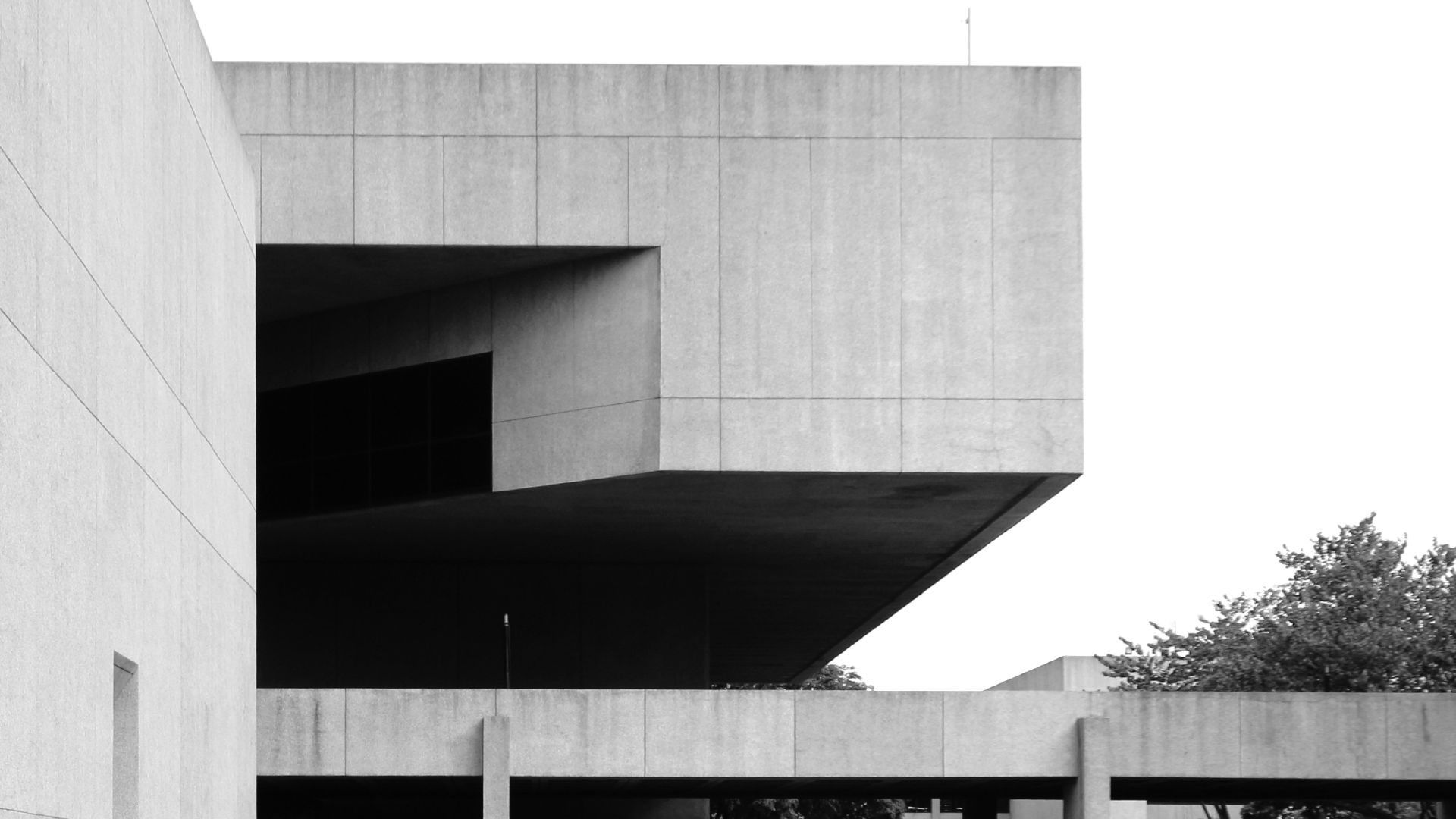 Brutalist Pilipinas on Unsplash
2. Googie
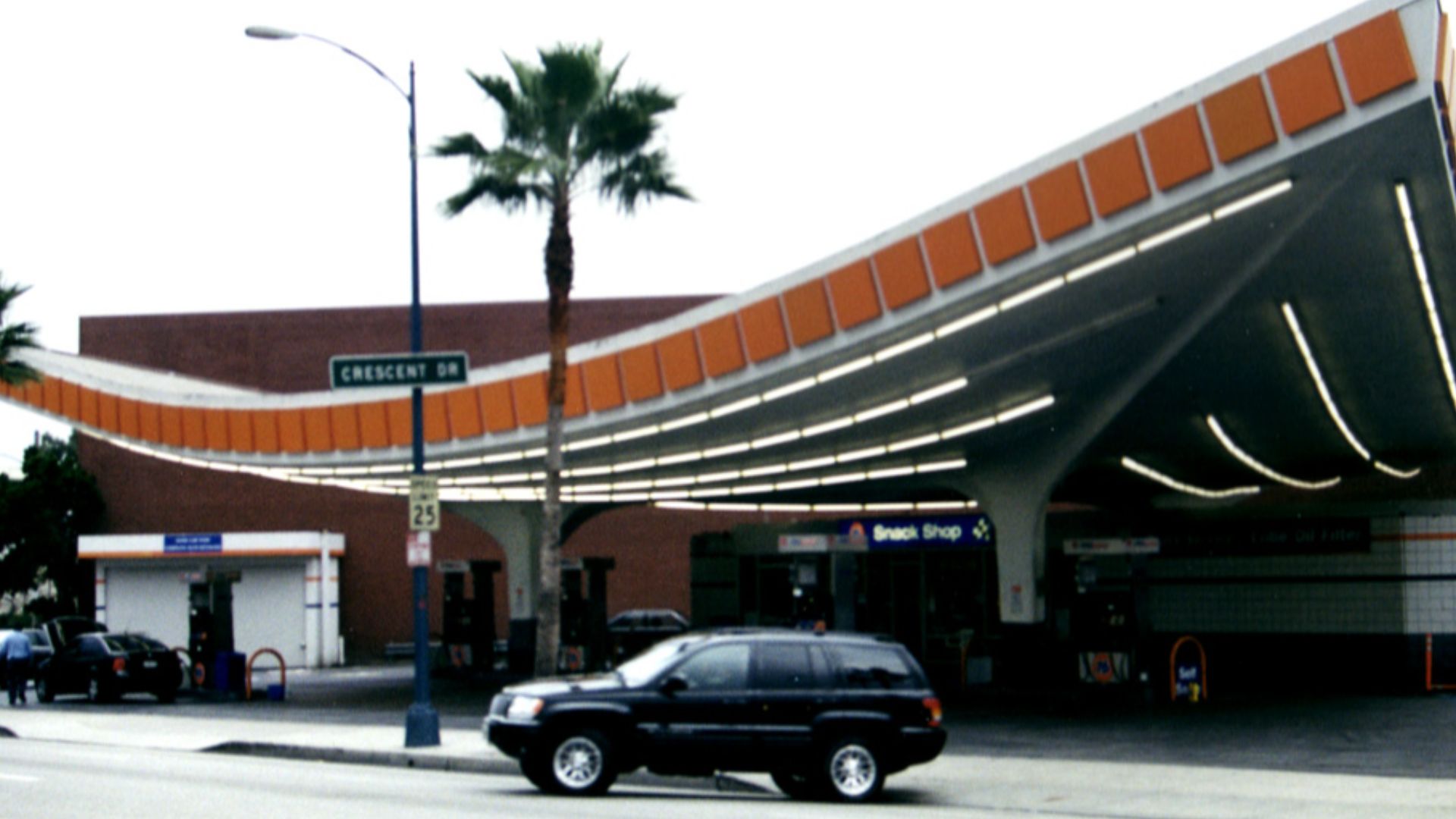
Googie architecture came out of mid-century Southern California, with roots in diners, coffee shops, gas stations, and car culture. John Lautner’s Googie’s Coffee House in Los Angeles helped give the style its name, and buildings like Norms on La Cienega Boulevard show the sharp angles, neon, glass, and upswept roofs people associate with it. It’s fun in a roadside postcard way, though it can also feel loud and gimmicky.
3. Postmodernism
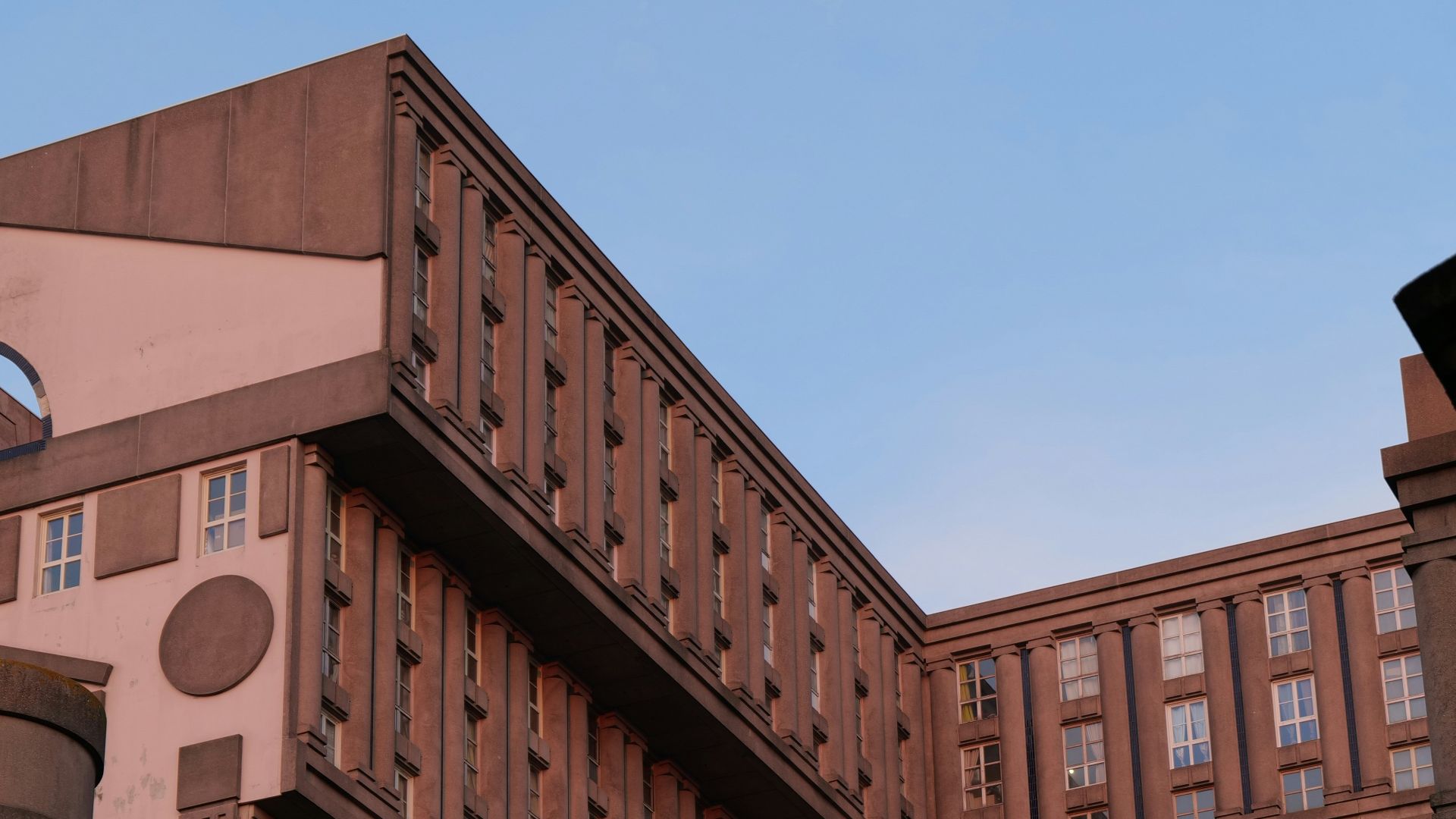
Postmodernism pushed back against the seriousness of modernism in the late 20th century. It brought back color, symbols, historical references, and a lot more humor, especially in the 1970s and 1980s. The trouble is that all that playfulness can tip into feeling a little too cluttered.
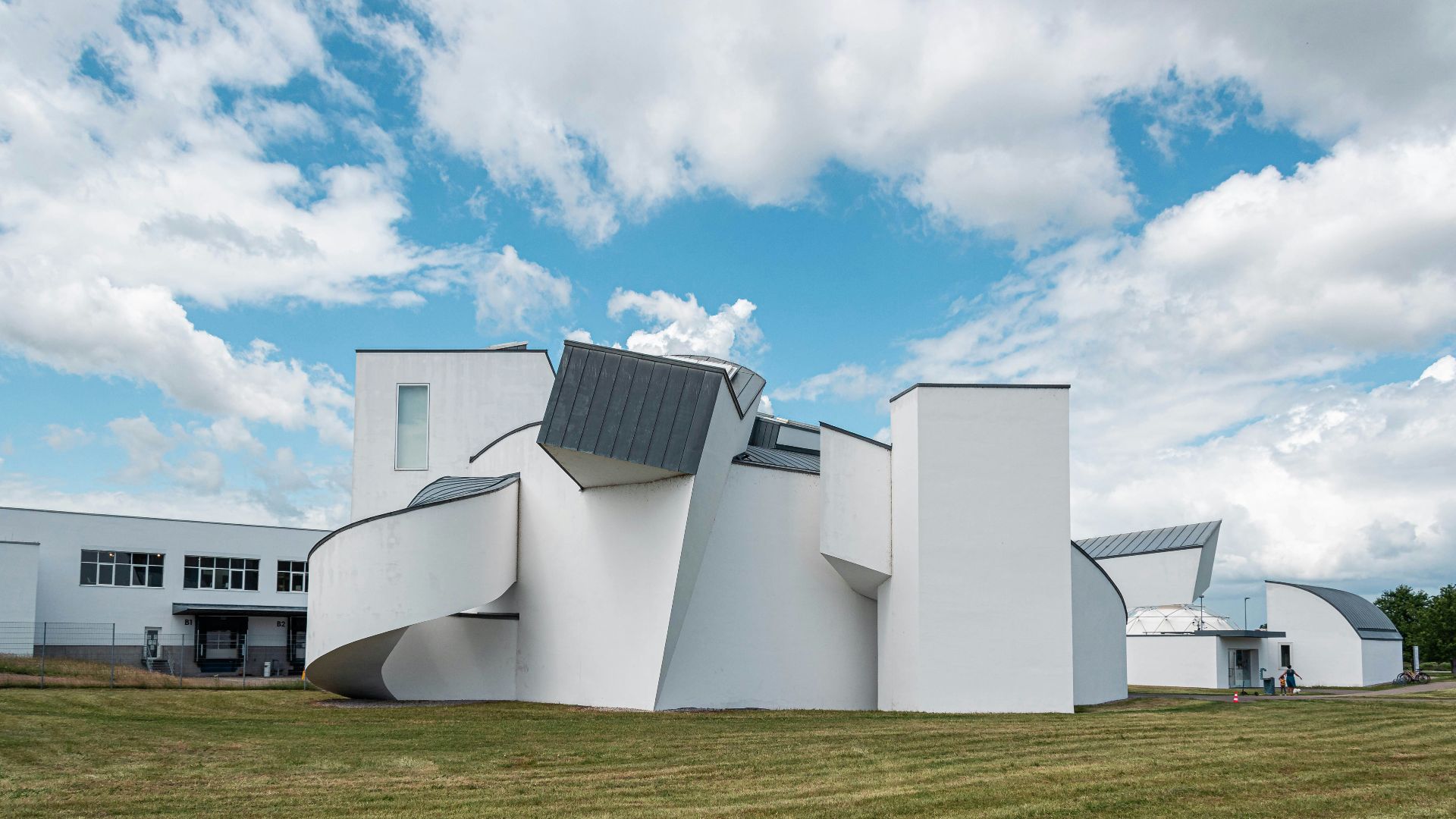
4. Deconstructivism
Deconstructivism became especially visible in the late 20th century, with architects using fractured forms, tilted planes, and surfaces that seem to resist order. Buildings associated with Frank Gehry, Zaha Hadid, and Daniel Libeskind often get discussed in this context. The style can feel exciting, but it can also feel uneasy and a little disorienting.
5. International Style
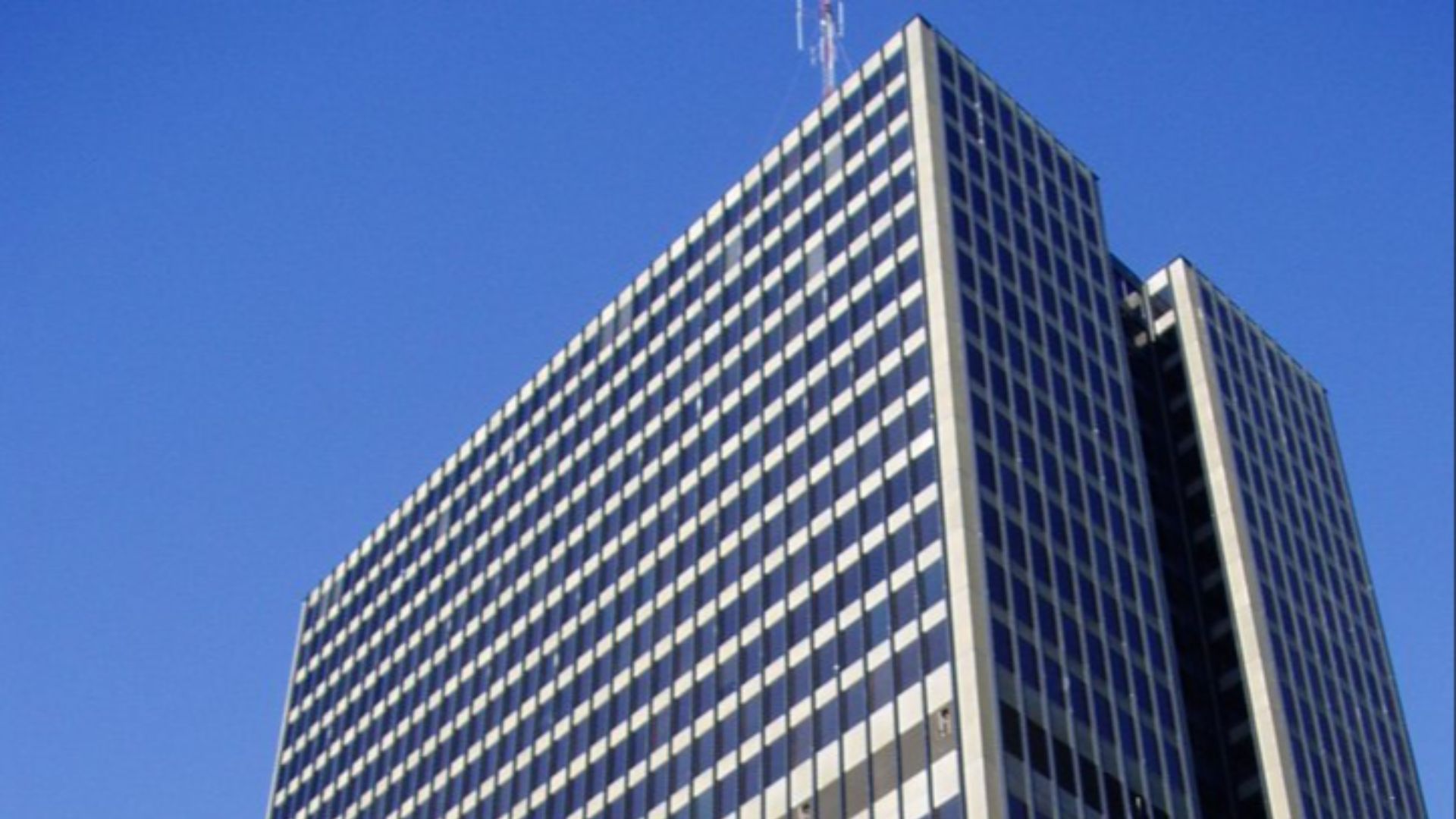
The International Style appeared in the 1920s and 1930s, becoming one of the dominant looks of mid-century modern architecture. Glass, steel, reinforced concrete, flat surfaces, and little ornament helped define buildings by figures such as Ludwig Mies van der Rohe and Philip Johnson. The clean look can be beautiful, though repeated across office towers and corporate districts, it can start to feel anonymous and emotionally thin.
 The original uploader was SimonP at English Wikipedia. on Wikimedia
6. Bauhaus
The Bauhaus school ran in Germany from 1919 to 1933 and shaped modern design far beyond architecture. Walter Gropius, Marcel Breuer, and Ludwig Mies van der Rohe were part of its story, along with artists and designers who cared deeply about function and craft. That stripped-down clarity changed design history, but it can feel severe to anyone who wants buildings to offer more warmth.

7. Modernism
Modernism rejected old decorative habits and embraced new materials, simpler forms, and practical design. It gave the world major works by Le Corbusier, Mies van der Rohe, and many others. Still, the weaker versions led to a lot of plain boxes, bare walls, and city blocks that feel inhumane.
8. Minimalism
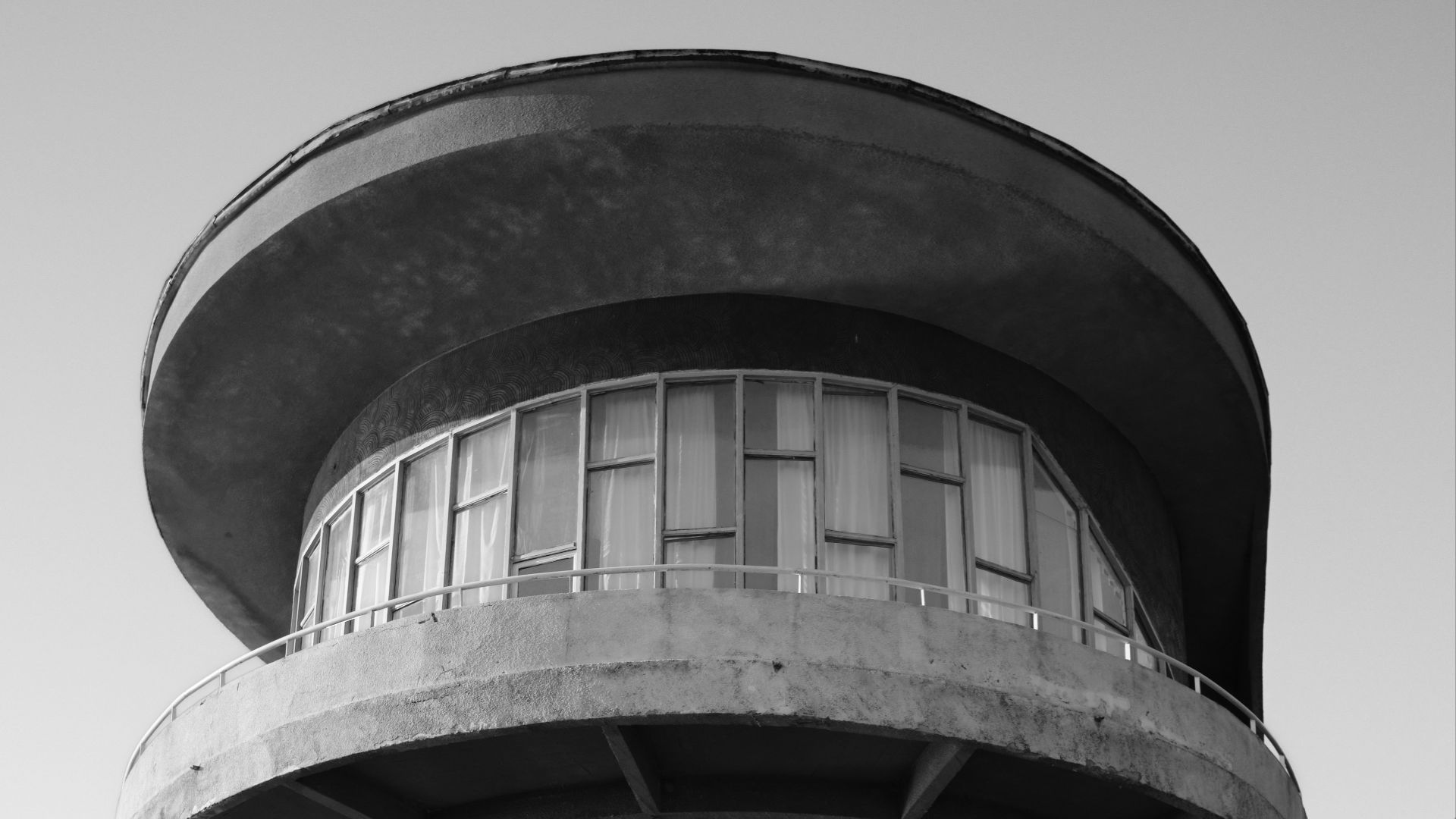
Minimalist architecture strips a building down to clean lines, open space, and carefully controlled materials. In the right hands, that restraint can feel calm and expensive without showing off. In less thoughtful hands, it can feel empty and cold.
9. Streamline Moderne
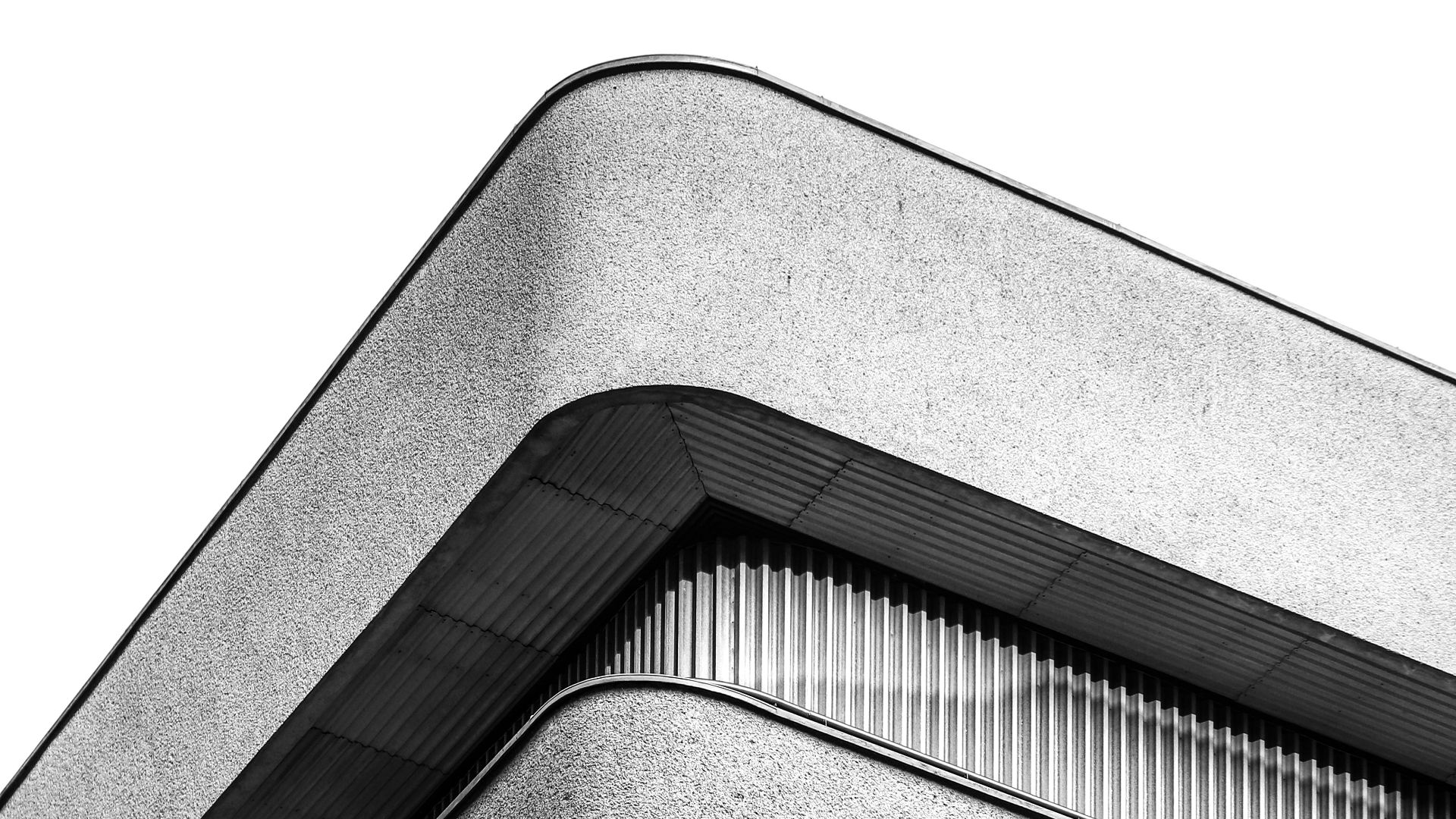
Streamline Moderne developed in the 1930s as a smoother, more aerodynamic branch of Art Deco. Rounded corners, horizontal lines, flat roofs, and polished surfaces linked the style to trains, ocean liners, and the era’s fascination with speed. Some buildings still look sleek, but others can look a little dated.
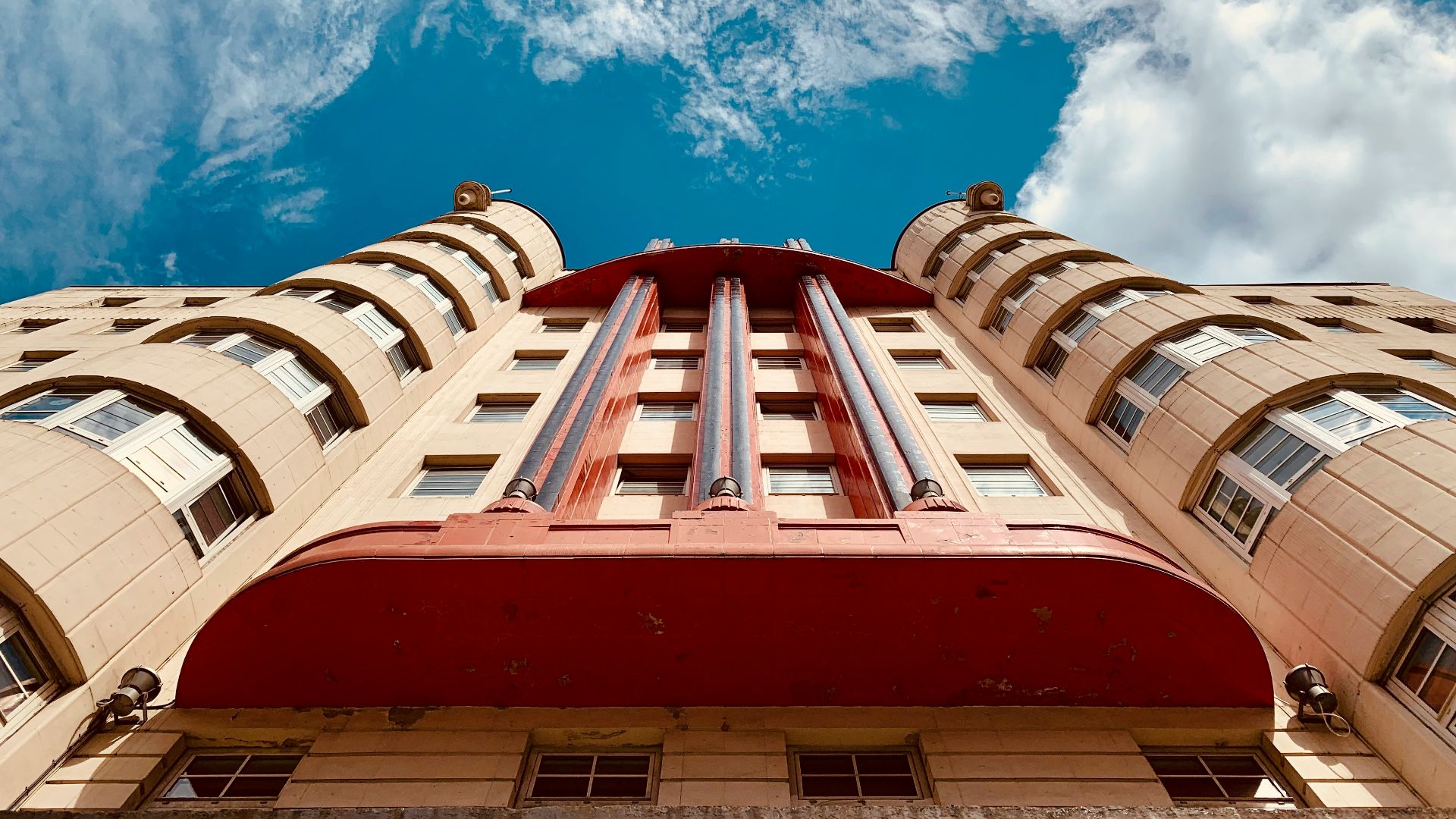
10. Art Deco
Art Deco began in the 1910s and 1920s and became a major architectural and design style in the 1930s. Buildings such as the Chrysler Building in New York show why people still love its geometry, ornament, and sense of glamour. That said, the style can become heavy when the patterns, symmetry, and decorative details pile up too densely.
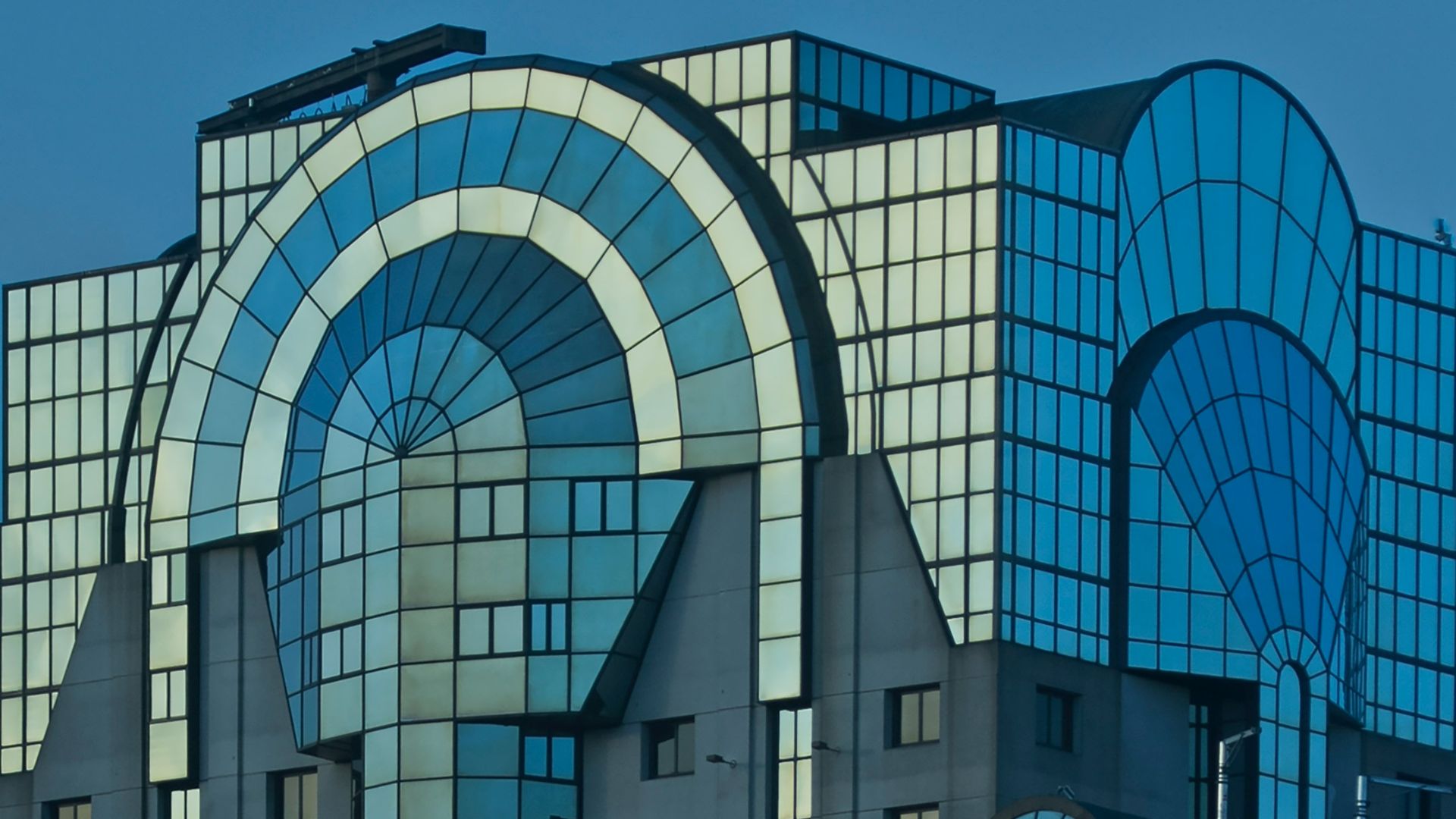
11. Expressionism
Expressionist architecture leaned into emotion, unusual forms, and sculptural shapes, especially in the early 20th century. Erich Mendelsohn’s Einstein Tower in Potsdam is one of the better-known examples that people often discuss. The style can be memorable and powerful, though its strange shapes can also feel awkward when they sit in the wrong place.

12. Neo-Futurism
Neo-Futurism makes use of fluid forms to suggest movement and technological possibility. Architects such as Zaha Hadid and Santiago Calatrava are often linked to this kind of future-facing design. The results can be impressive, but they can also feel expensive, overworked, and disconnected.
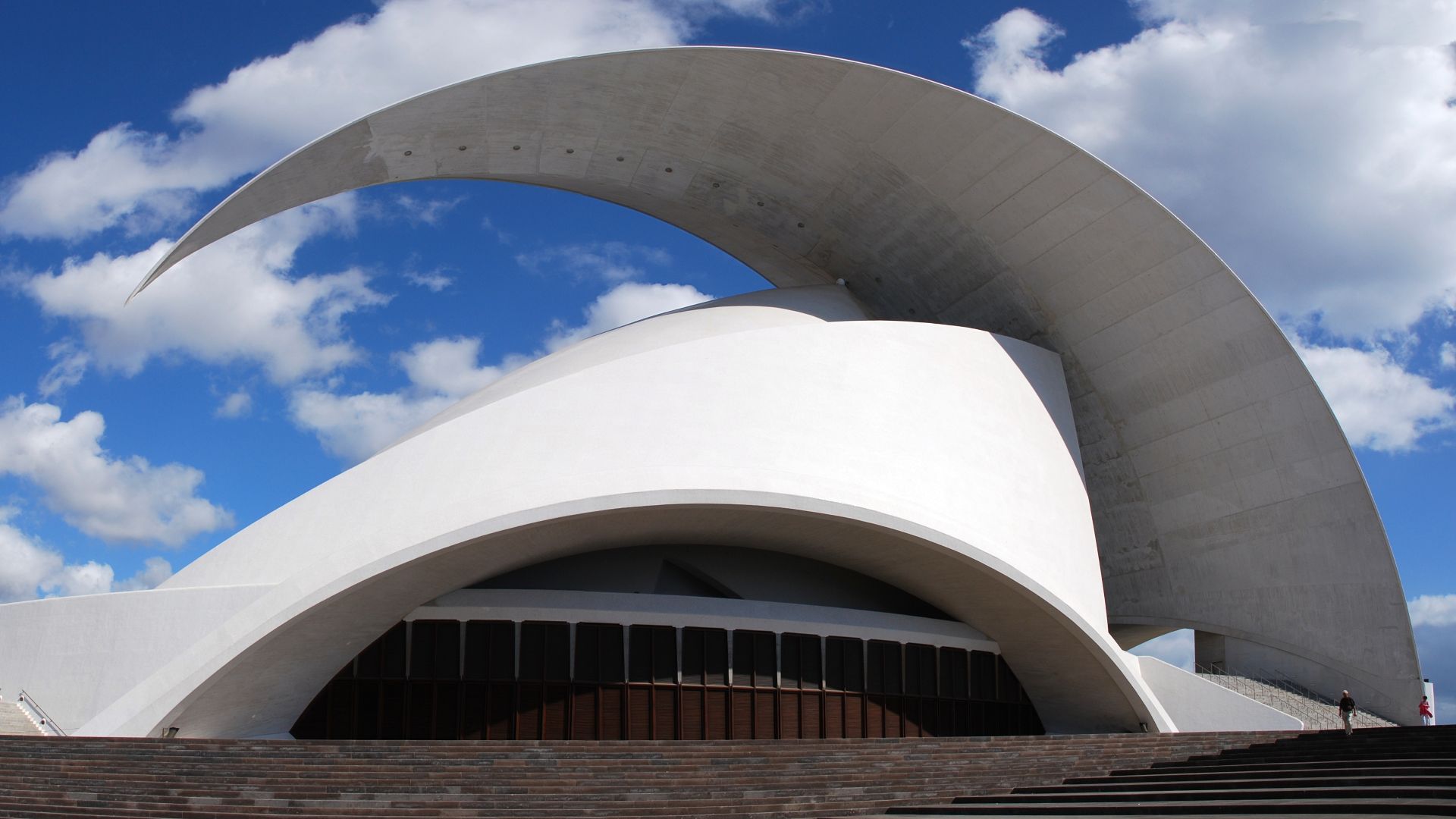
13. High-Tech Architecture
High-tech architecture became prominent in the 1970s, often putting structure, services, and mechanical systems on display. The Centre Pompidou in Paris, designed by Renzo Piano and Richard Rogers, is one of the most famous examples. Some people love that openness, while others see the style as busy, industrial, and cold.

14. Post-War Housing Blocks
Post-war housing blocks were built across Europe and beyond after World War II. Large concrete estates, repetitive towers, and standardized layouts answered urgent housing needs, but over time, the style became associated with isolation, neglect, and formulaic.
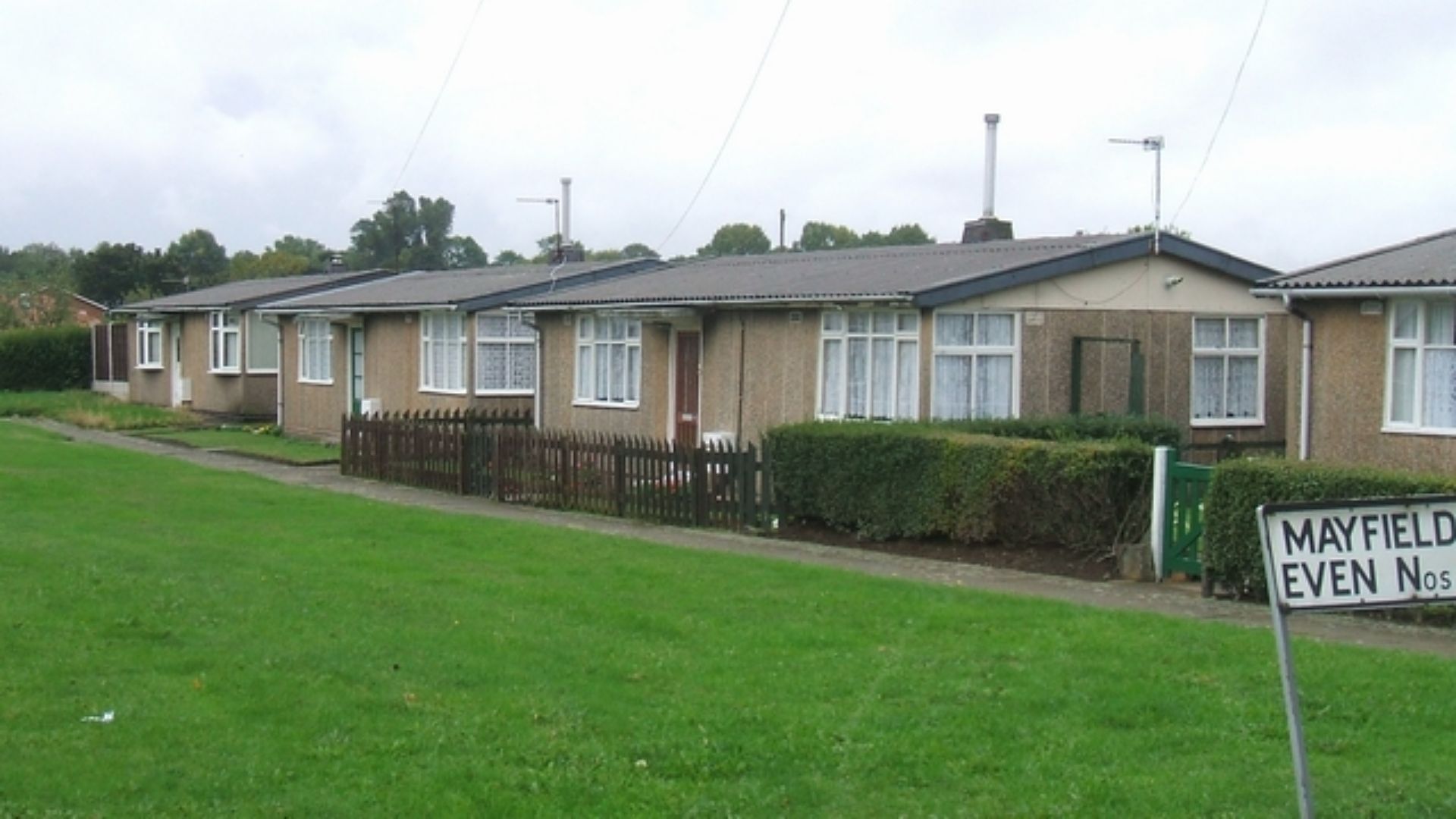
15. Prefabricated Concrete Architecture
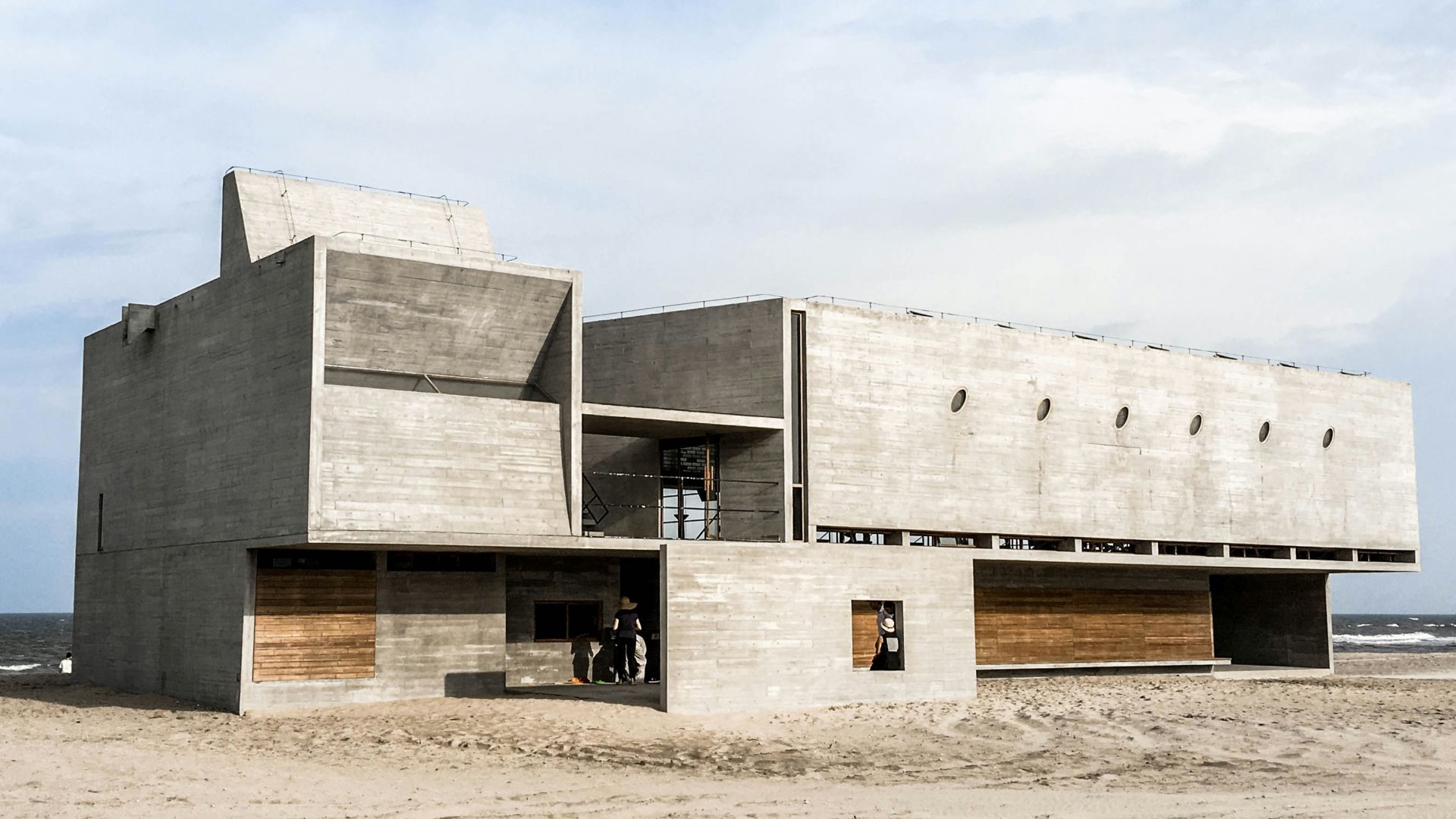
Prefabricated concrete building systems helped cities build faster during periods of shortage and rapid growth. Panels could be made off-site and assembled quickly, which worked for housing, schools, and public buildings. The downside is that repeated concrete surfaces often age poorly, leaving some buildings looking worn, flat, and joyless.
16. Megastructure Architecture
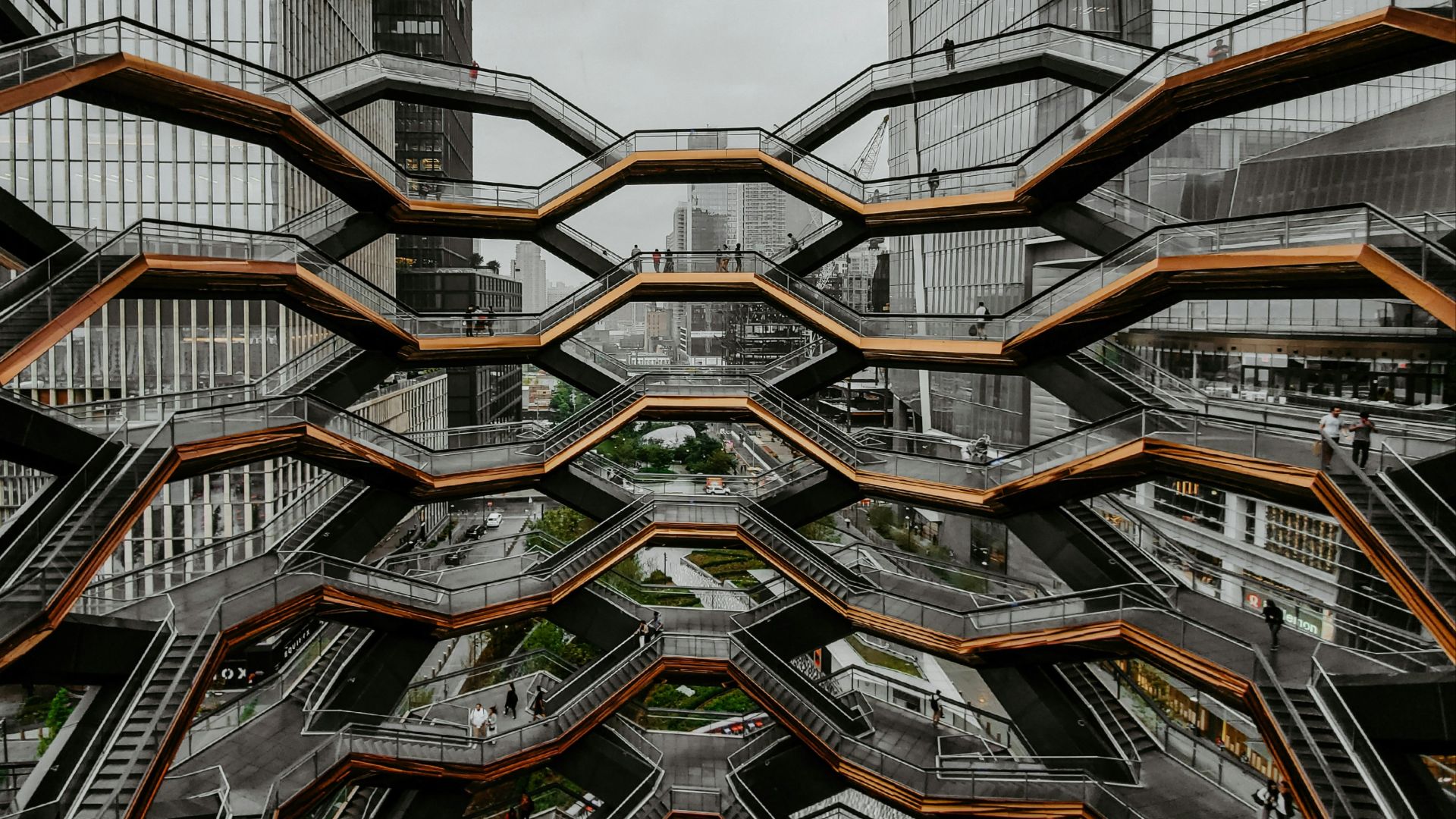
Megastructure architecture thinks at a huge scale, often combining buildings, circulation, infrastructure, and urban planning into one enormous system. The 1960s and 1970s produced many ambitious ideas in this direction, including experimental projects in Japan and Europe. The scale can be fascinating, but it can also feel overwhelming and hard to navigate.
17. Megalithic-Inspired Monumentalism
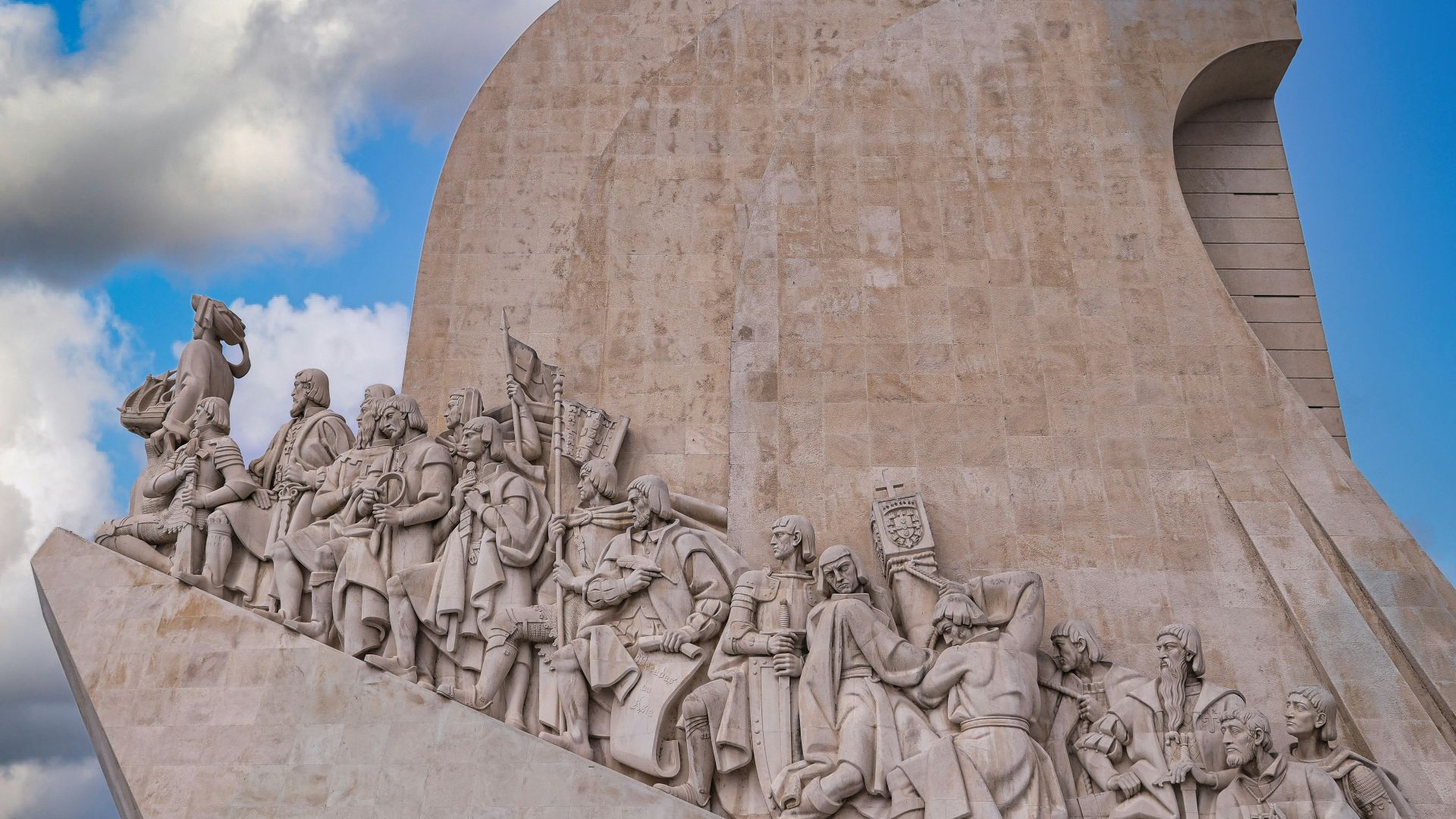
Some 20th-century architecture borrowed the weight and solemnity of ancient stone monuments. Massive forms, blank surfaces, and heavy proportions can create a sense of permanence. Without careful design, though, that same weight can feel gloomy, stiff, and more imposing than welcoming.
18. Pop Architecture
Pop architecture borrowed from advertising, consumer culture, bright color, novelty, and everyday commercial imagery. It connected with the playful side of the 1960s and later postmodern experiments. In small doses, it can be charming; pushed too far, it starts to feel shallow, noisy, and a little exhausting.
19. Monumental Neo-Classicism
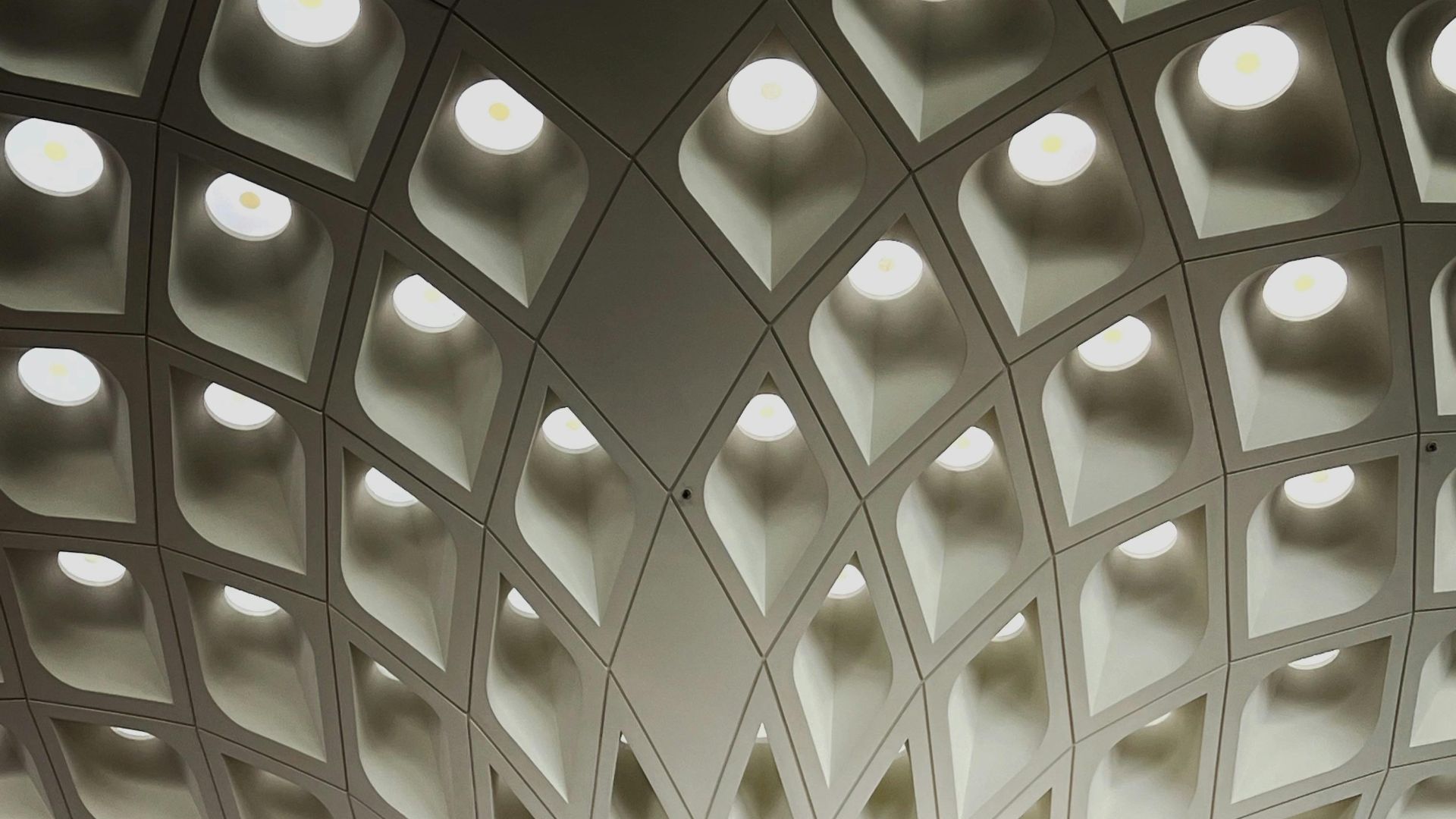
Neo-classical architecture can be graceful when it uses proportion, craft, and restraint. In monumental form, with huge columns, severe symmetry, and heavy stone facades, it can feel cold and power-hungry. The style has often been used for state buildings, memorials, and institutions, which adds to its reputation for looking stern rather than inviting.
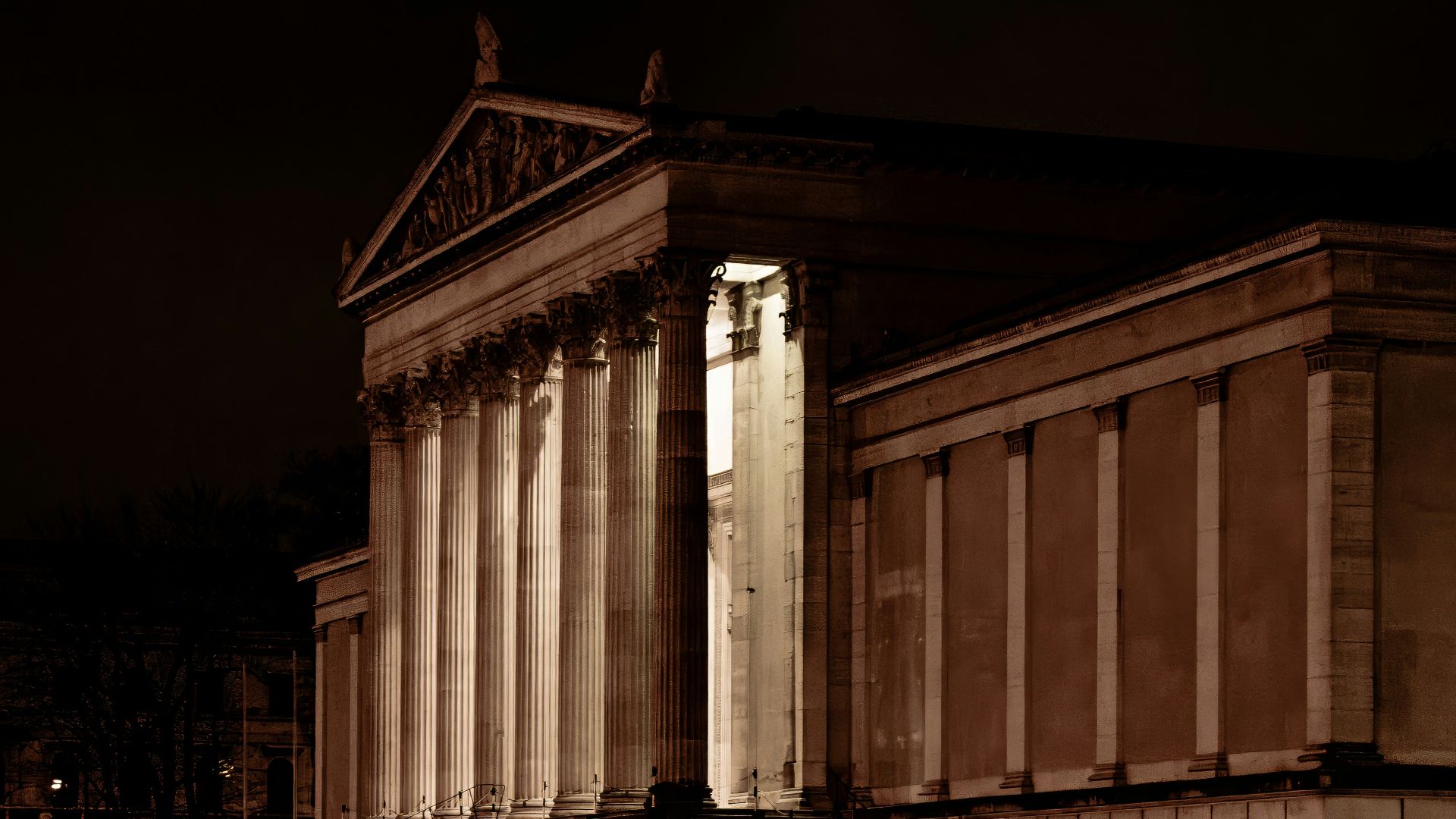 Patrick von der Wehd on Unsplash
20. Commercial Roadside Kitsch
Commercial roadside kitsch grew out of highways, motels, diners, gas stations, and drive-in culture, especially in mid-century America. Oversized signs, themed facades, novelty shapes, and bright colors helped businesses stand out to passing drivers. There’s real nostalgia there, but the look can also feel chaotic and a little cheap.

KEEP ON READING
20 Historical Inventions That Modern Engineers Still Can't Replicate
Ancient Ingenuity That Still Stumps Modern Labs. For all the…
By Christy Chan Jun 24, 2026
20 People In History Who Got Revenge In The Pettiest…
Documented Grudges. History tends to celebrate the bold move, the…
By Cameron Dick Jun 26, 2026
20 People in History Who Charmed Their Way to the…
Charisma Has Always Opened Doors. History is full of people…
By Emilie Richardson-Dupuis Jun 26, 2026
20 Ordinary Citizens Who Became Robin Hood-Style Outlaws and Defied…
Viva Revolution. History loves to focus on kings and queens,…
By Sara Springsteen Jun 26, 2026
20 Insane Things People In the 1800s Thought Would Keep…
Part Science, Part Guesswork. Doctors might not have all the…
By Annie Byrd Jun 26, 2026
How a Deformity Made This Man an Urban Legend
Alex Fu on PexelsThere's a stretch of road in western…
By Christy Chan Jun 25, 2026