Pups Who Left Paw Prints on the Record
History has a habit of remembering kings, generals, inventors, and troublemakers, but about the good guys? What about the adorable dogs who not only proved they were man's best friend, but also went on to accomplish feats of their own—like surviving war or revolutionizing assistance? Let’s give a couple of head scratches to 20 famous pooches whose stories prove that a good dog can become a legitimate historical figure.
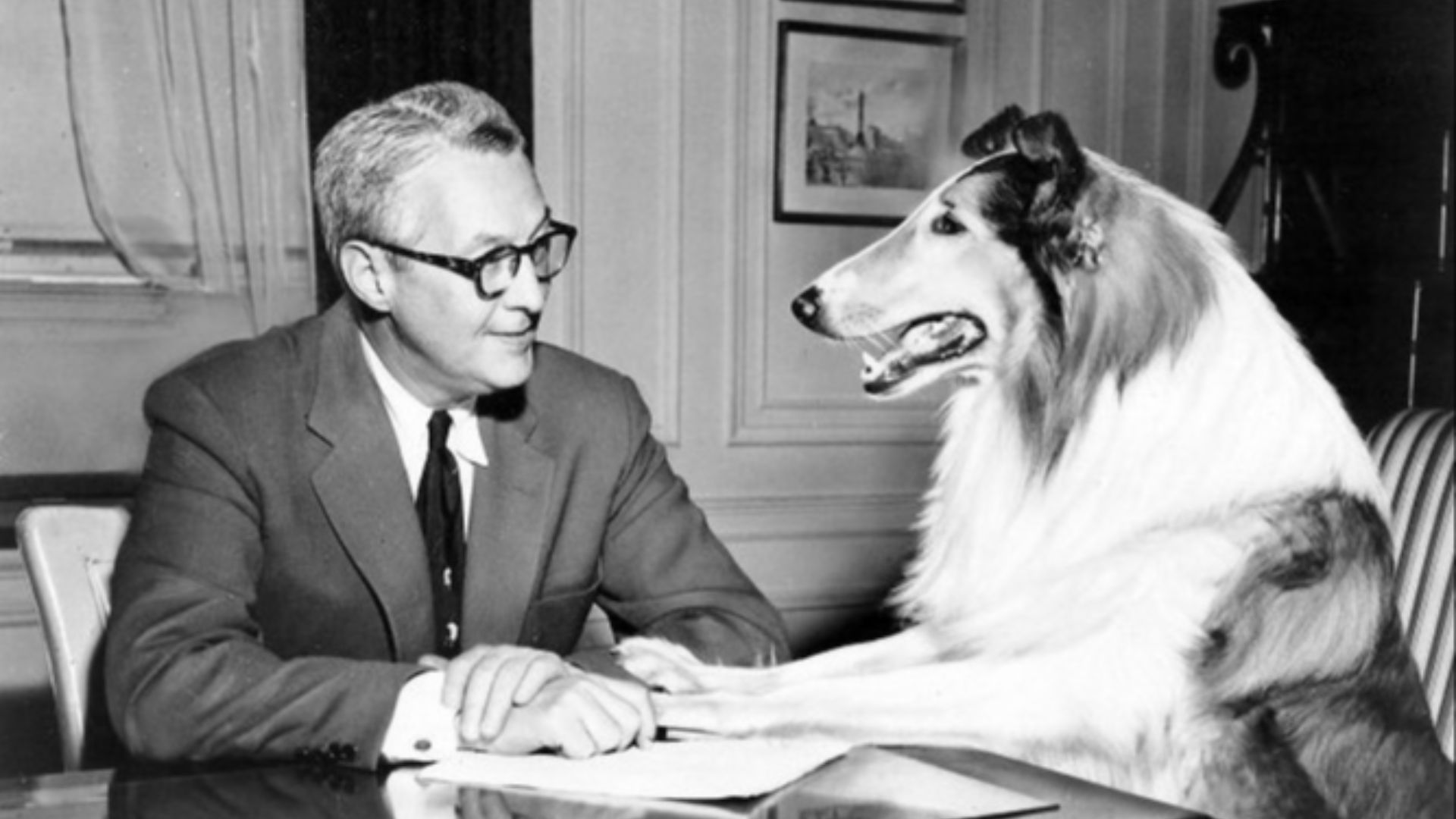 Batten, Barton, Durstine & Osborn for the show's sponsor, Campbell's Soup. on Wikimedia
1. Laika, the Space Age Stray
Anyone who knows this story, ourselves included, bawls when they think about it, but that doesn’t mean Laika should be left out. This very good girl became world-famous in 1957 when the Soviet Union launched her aboard Sputnik 2, making her the first animal to orbit Earth. She was a stray dog from Moscow, and her mission was meant to test whether a living creature could survive spaceflight before humans attempted it. The thing is, the flight wasn’t designed for her safe return, and Sputnik 2 carried Laika as part of the rushed early Space Race.
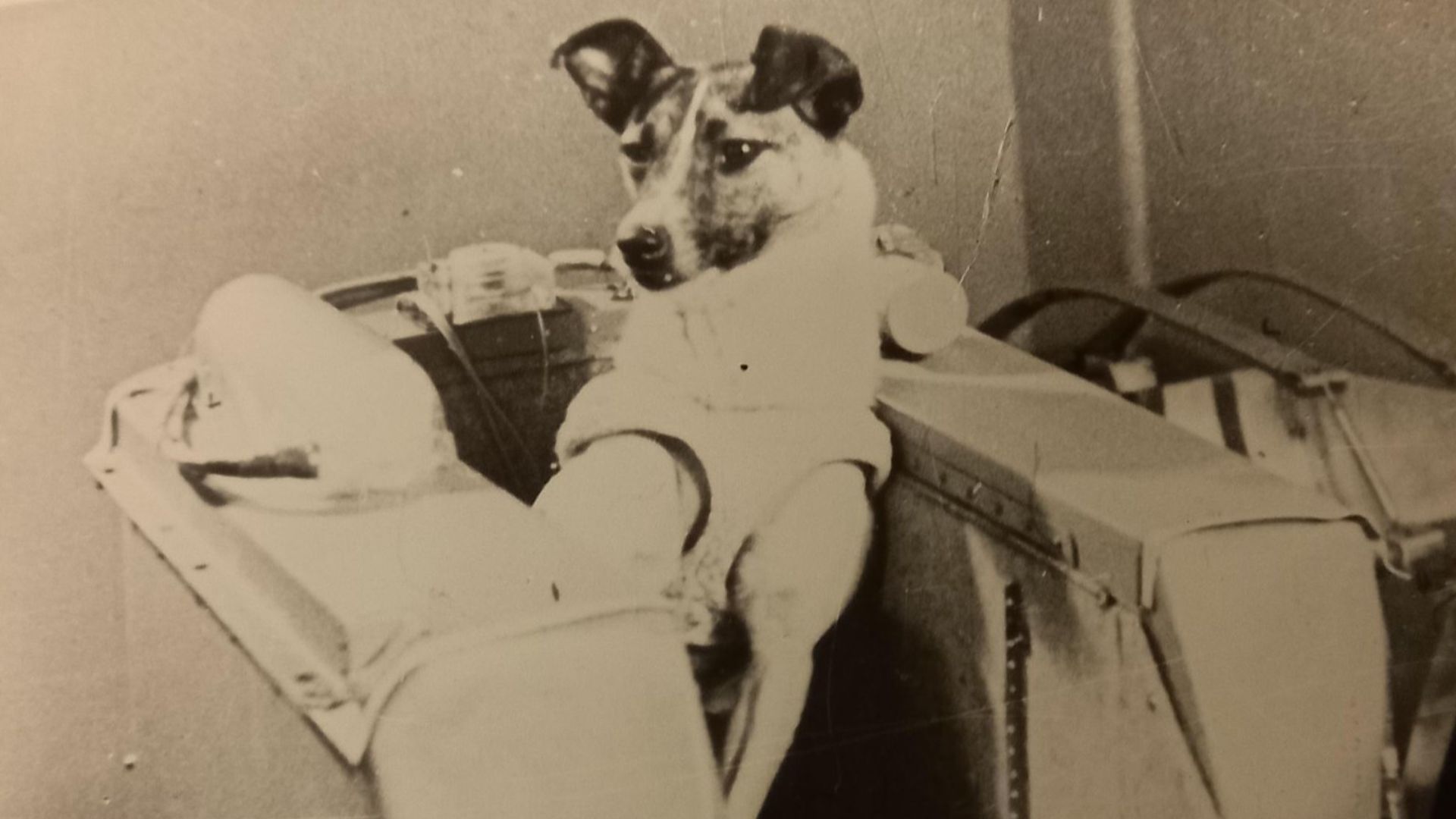 unknown - likely Soviet space program on Wikimedia
2. Balto, the Nome Serum Run Celebrity
Balto became a household name in 1925 after leading Gunnar Kaasen’s sled team on the final leg of the serum run to Nome, Alaska. The journey brought diphtheria antitoxin across hundreds of miles of brutal winter terrain, and Balto’s arrival turned him into the poster boy (or pup) of the lifesaving effort.
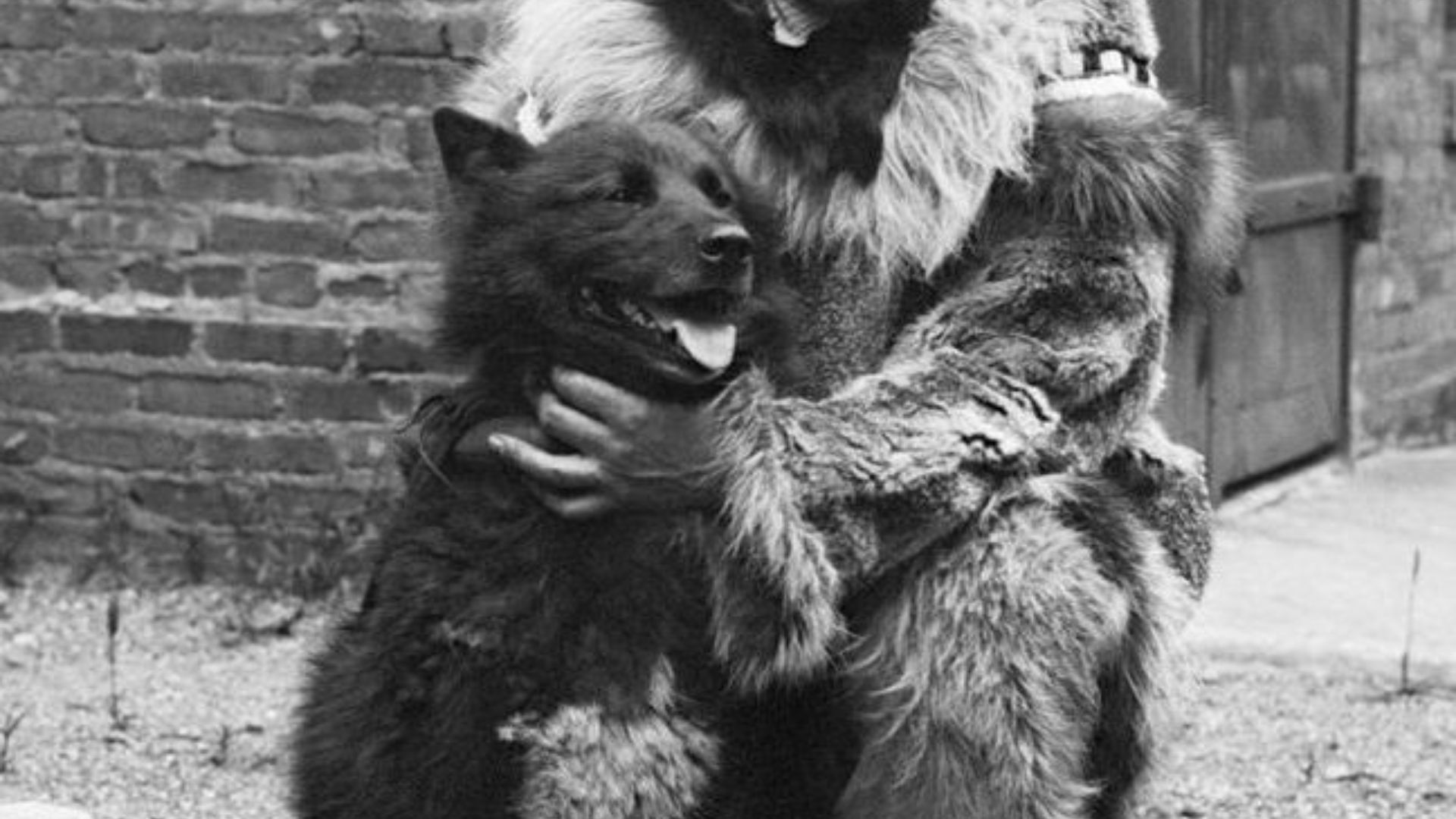
3. Togo, the Overdue Hero of 1925
Togo is sort of like Jordan’s Pippen; he also ran in the 1925 Nome serum run, but his fame took a bit longer to catch up. With musher Leonhard Seppala, he handled a pretty perilous stretch of the journey, which is why many modern accounts treat him as the run’s real athletic standout. Balto got the parade, but Togo got the historical reassessment—not a bad second act for a sled dog.
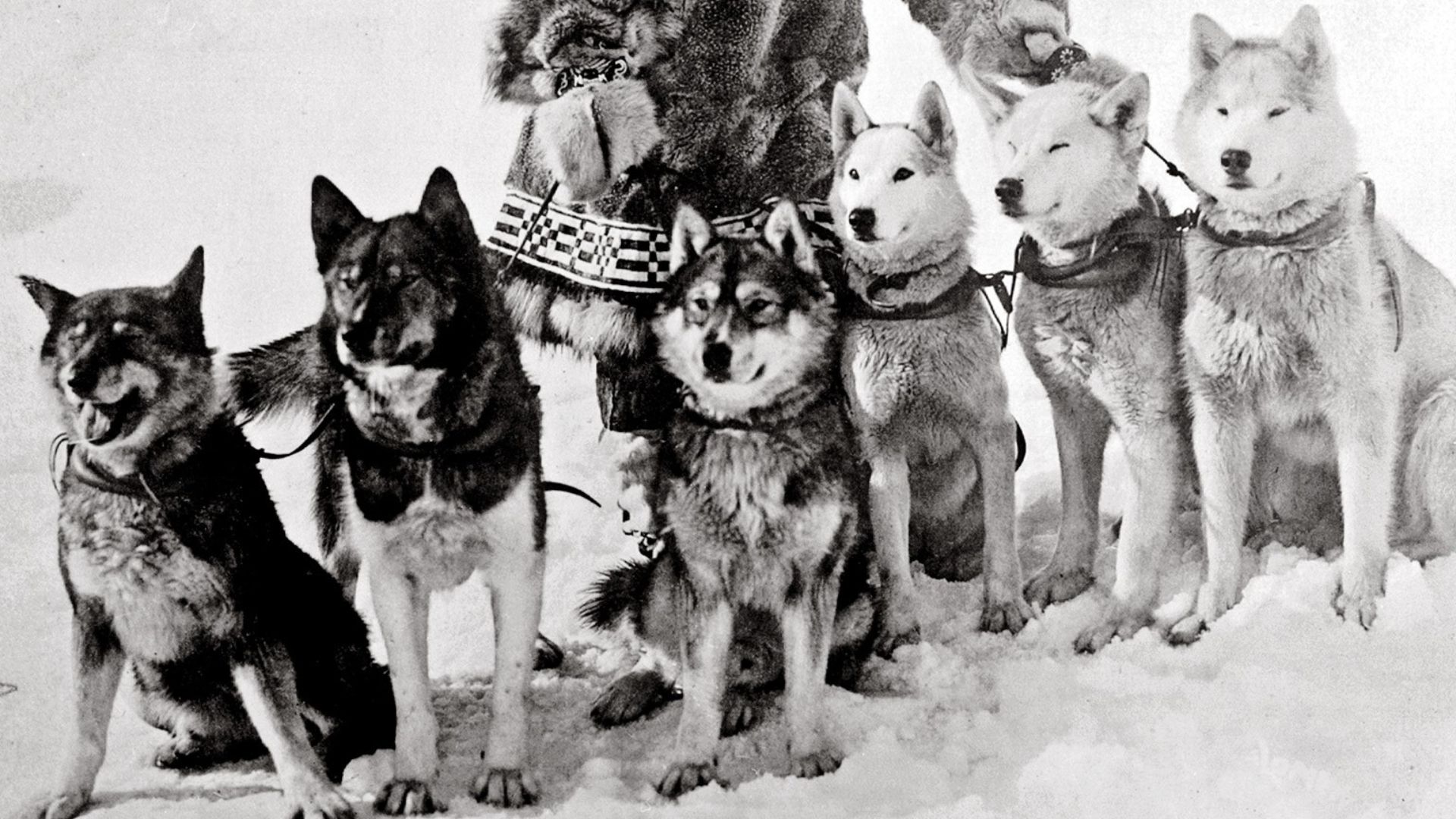 Copyright: Copyright © Carrie McLain Museum / AlaskaStock on Wikimedia
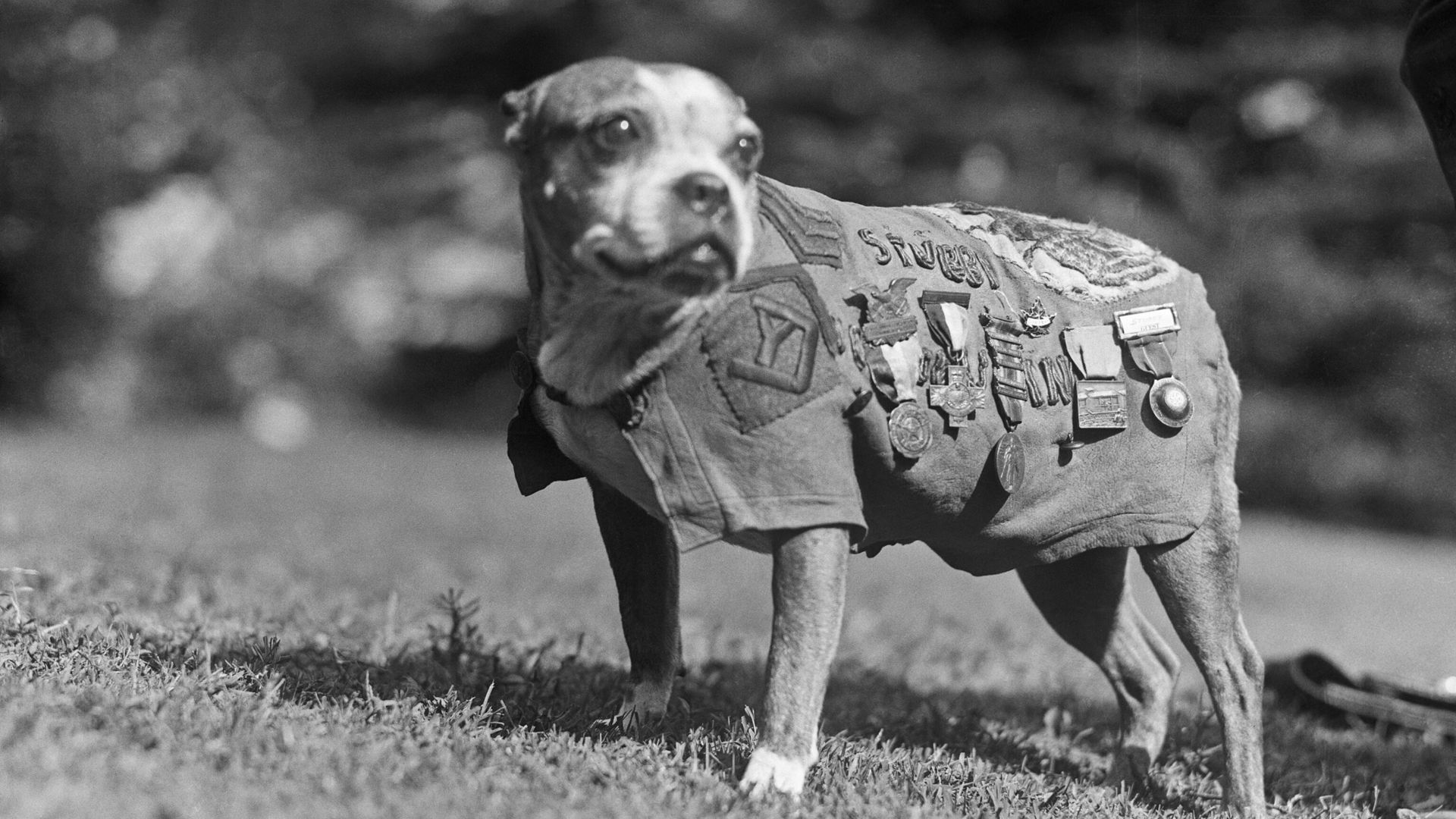
4. Sergeant Stubby, America’s World War I Dog Hero
Hilarious name aside, Sergeant Stubby served with the 102nd Infantry Regiment during WWI. He became famous during 1917 and 1918 for his work on the Western Front, credited with locating wounded men, warning troops, and even helping capture a German soldier near Allied lines. Once the war was over, Stubby had served in 17 battles, met presidents, and earned a place in the Smithsonian’s collection.
5. Chips, the World War II Raider
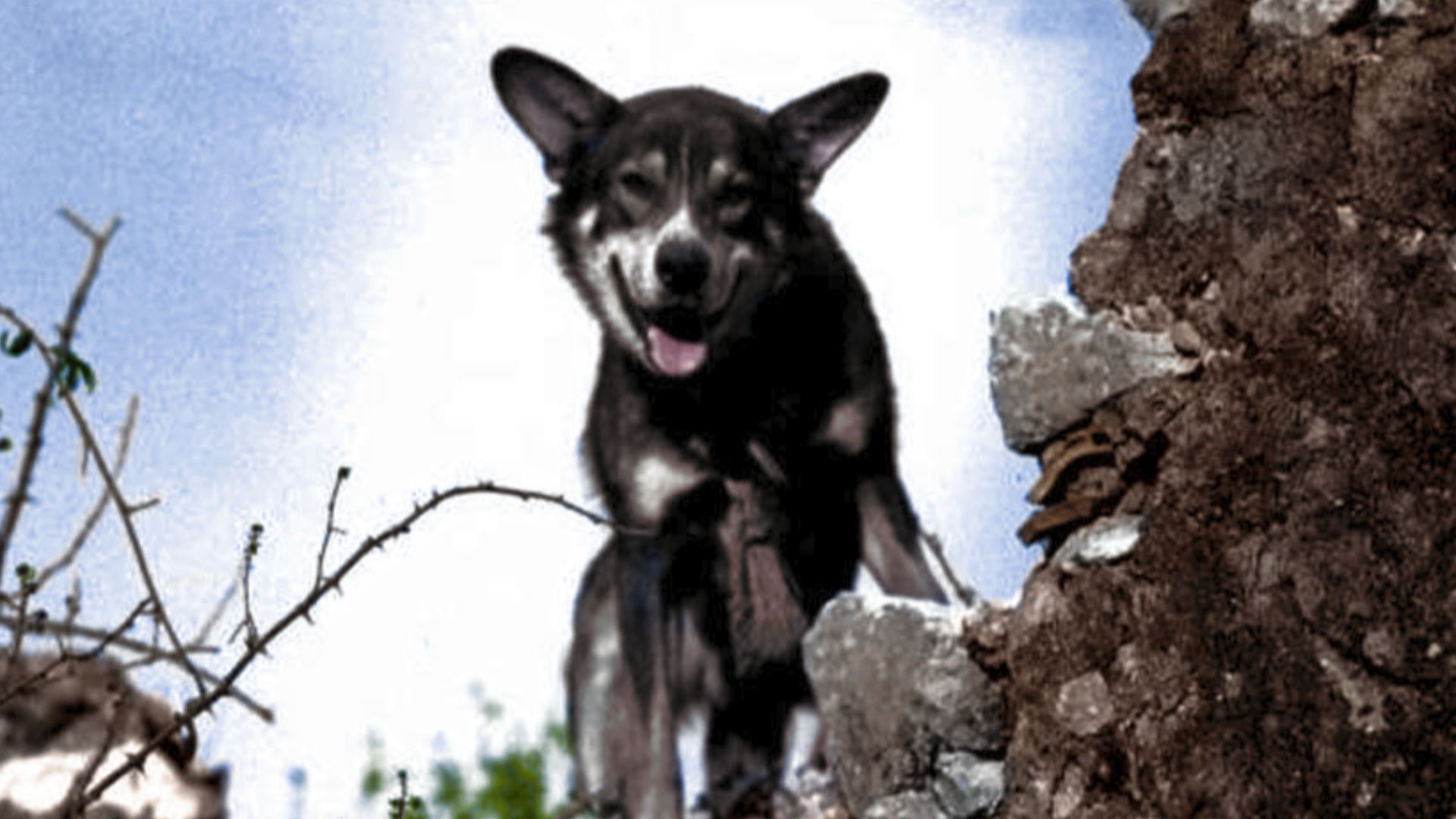
Chips may have had a simple name, but his reputation was anything but. He was a U.S. Army dog during the 1943 Allied landings in Sicily. He was actually donated to Dogs for Defense and later honored with the Dickin Medal for bravery connected to the Sicily campaign.
 Cassowary Colorizations on Wikimedia
6. Judy, the Only Official Canine Prisoner of War
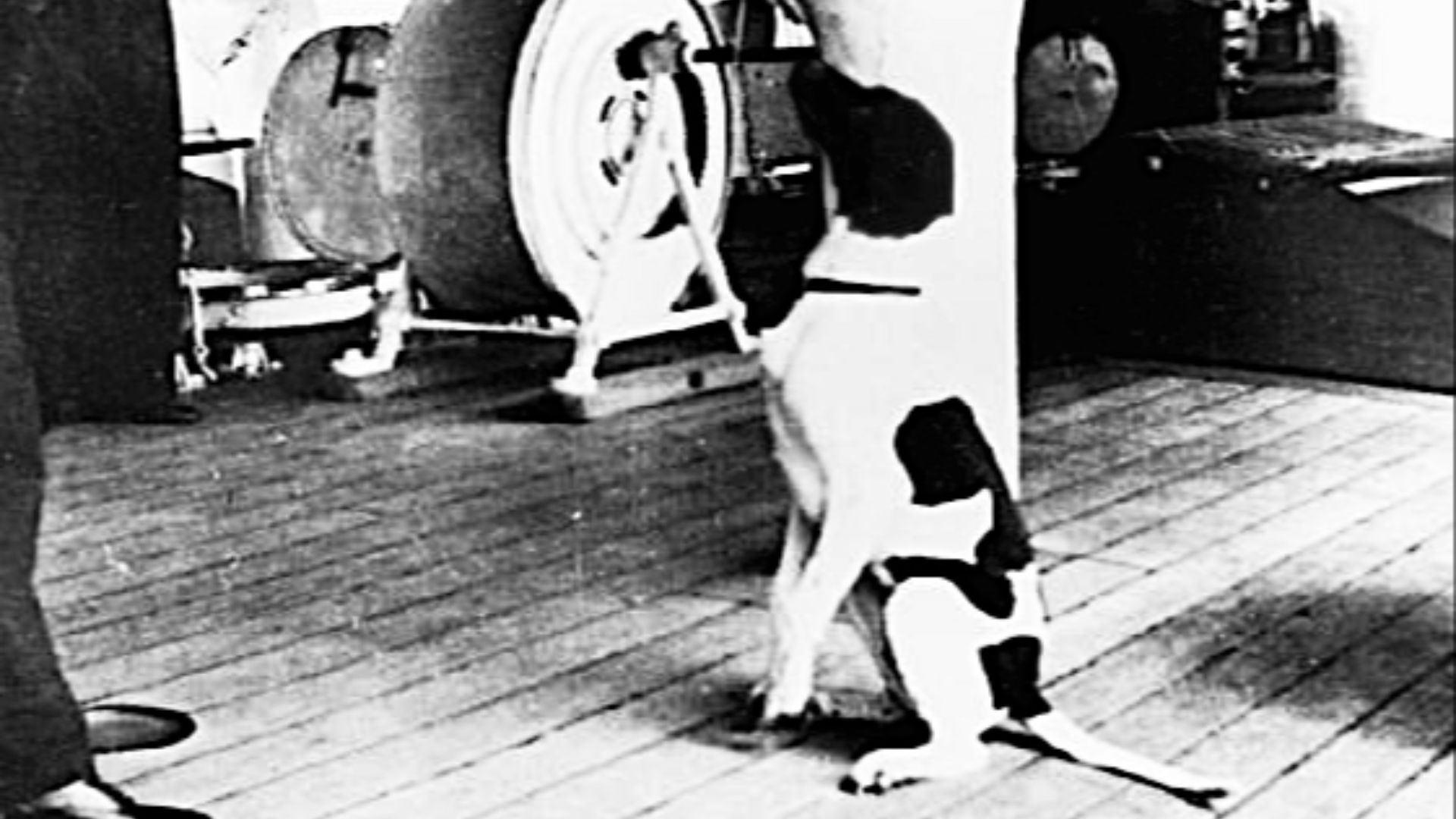
Judy, a pointer, became one of World War II’s most remarkable animal survivors between 1942 and 1945. This poor girl was the only dog officially registered as a prisoner of war, after surviving the sinking of HMS Grasshopper and imprisonment in Sumatra. She, too, was later awarded the Dickin Medal in 1946.
7. Smoky, the Terrier of the Pacific War
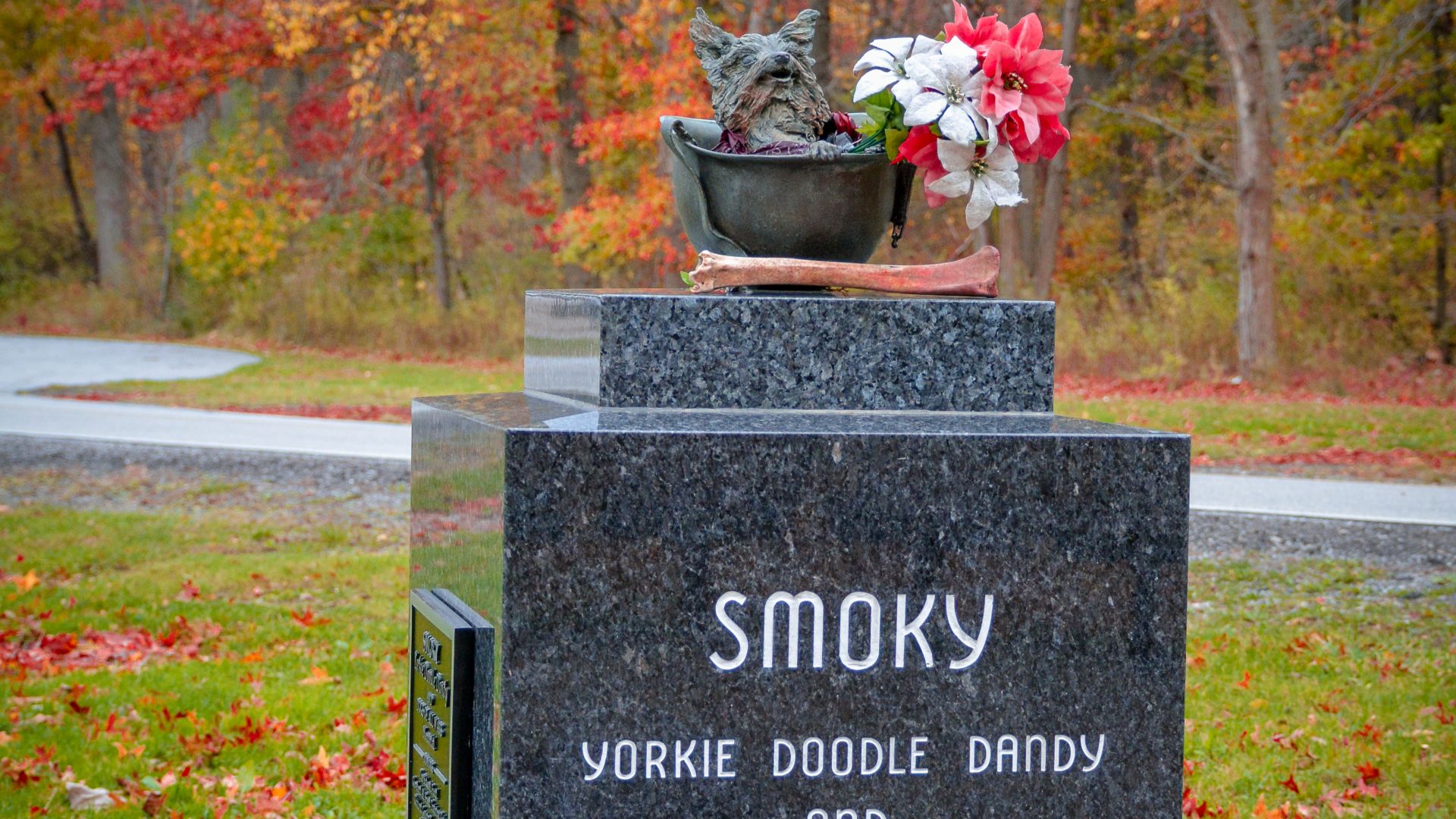
You might not think much of the humble Yorkshire Terrier nowadays, but back then? Smoky would have taught you otherwise. She served with Allied forces during World War II after being found in New Guinea in 1944. She was beloved for boosting morale, accompanying Corporal William Wynne, and helping with communication work through tight spaces.
8. Nemo A534, the Vietnam War Sentry Dog
Nemo A534 isn’t artillery of some kind—it’s the name of a very good boy who served with the U.S. Air Force during the Vietnam War. He became especially famous after the 1966 attack on Tan Son Nhut Air Base. Paired with handler Bob Throneburg, Nemo was wounded but continued guarding his handler until help arrived, and even to this day, the U.S. Air Force has continued to honor the pair’s legacy.
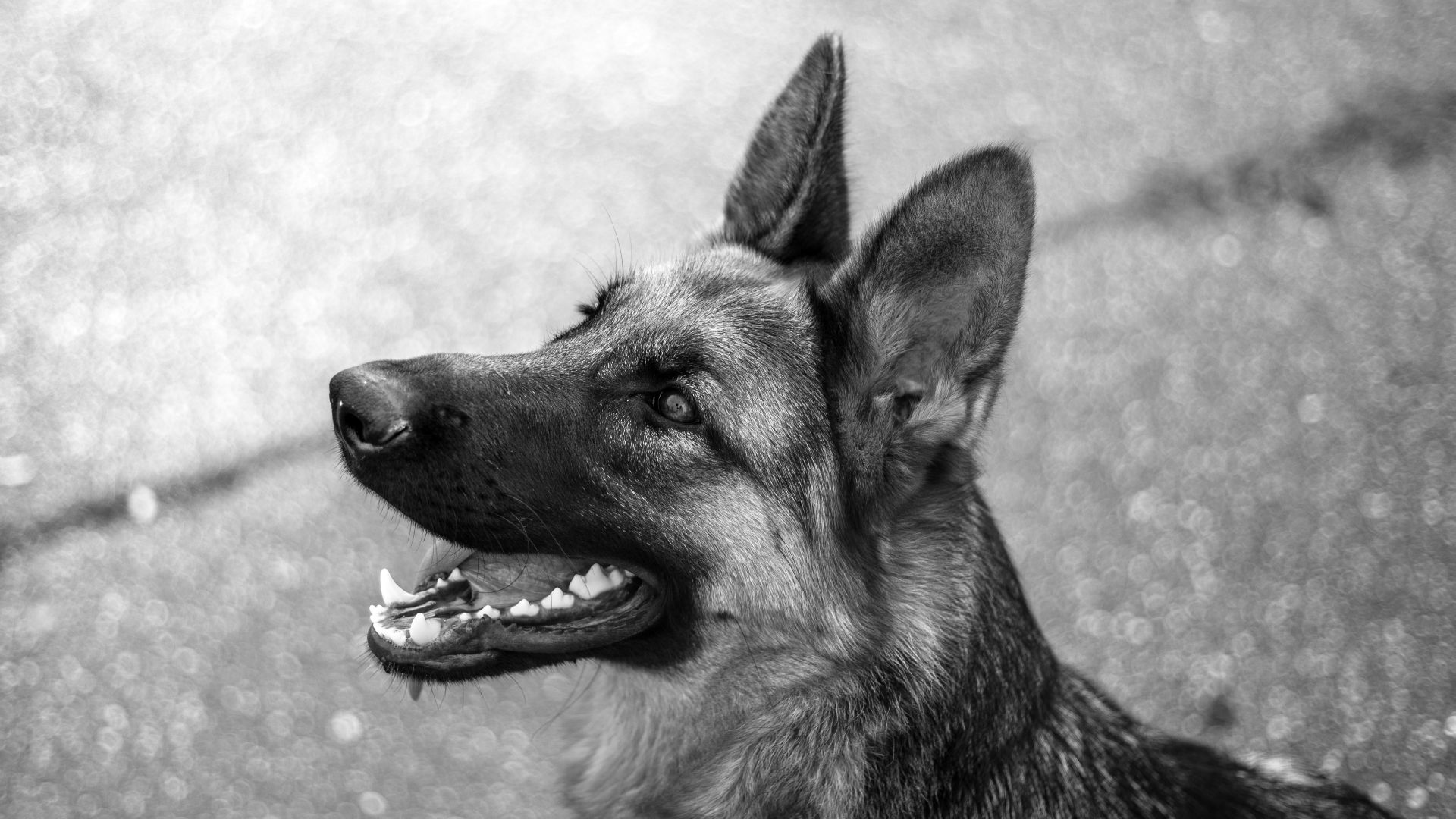
9. Rags, the Messenger of the Meuse-Argonne
Make no mistake; dogs were terrific runners for messages, and Rags was no different. Originally a Paris stray found in Paris in 1918, he eventually became the mascot of the U.S. 1st Infantry Division. During WWI, he carried messages and became associated with the Meuse-Argonne campaign, where accounts credit him with delivering vital communications under dangerous conditions.
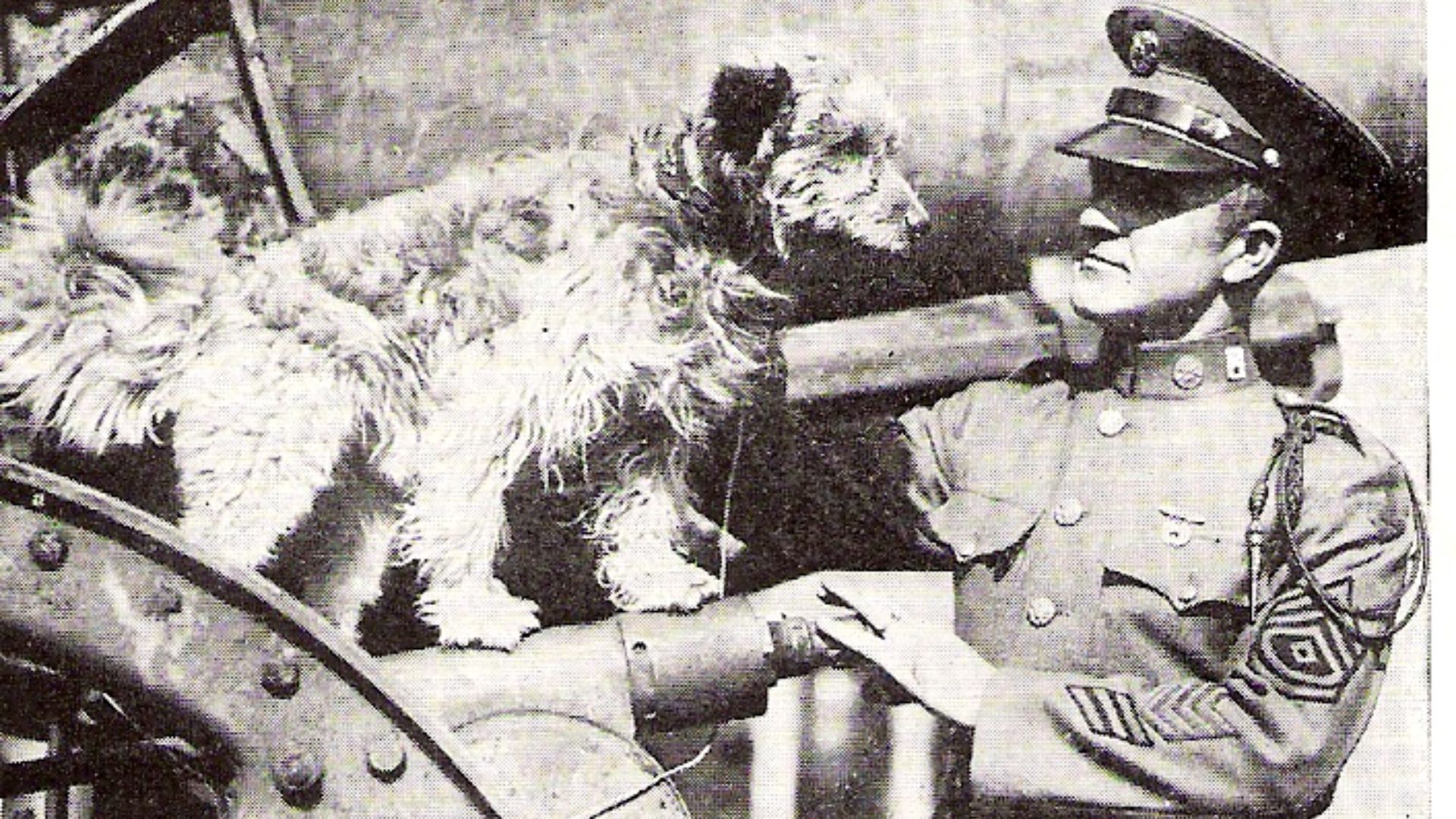
10. Gander, the Newfoundland at Hong Kong
Whether you know him as Gander or his original name, Pal, he served as mascot of the Royal Rifles of Canada during World War II, earning fame for his heroics in Hong Kong in 1941. This big guy snatched a grenade from the field and ran off with it, protecting troops and losing his life in the process. He was later awarded the Dickin Medal and became one of Canada’s most honored war dogs.
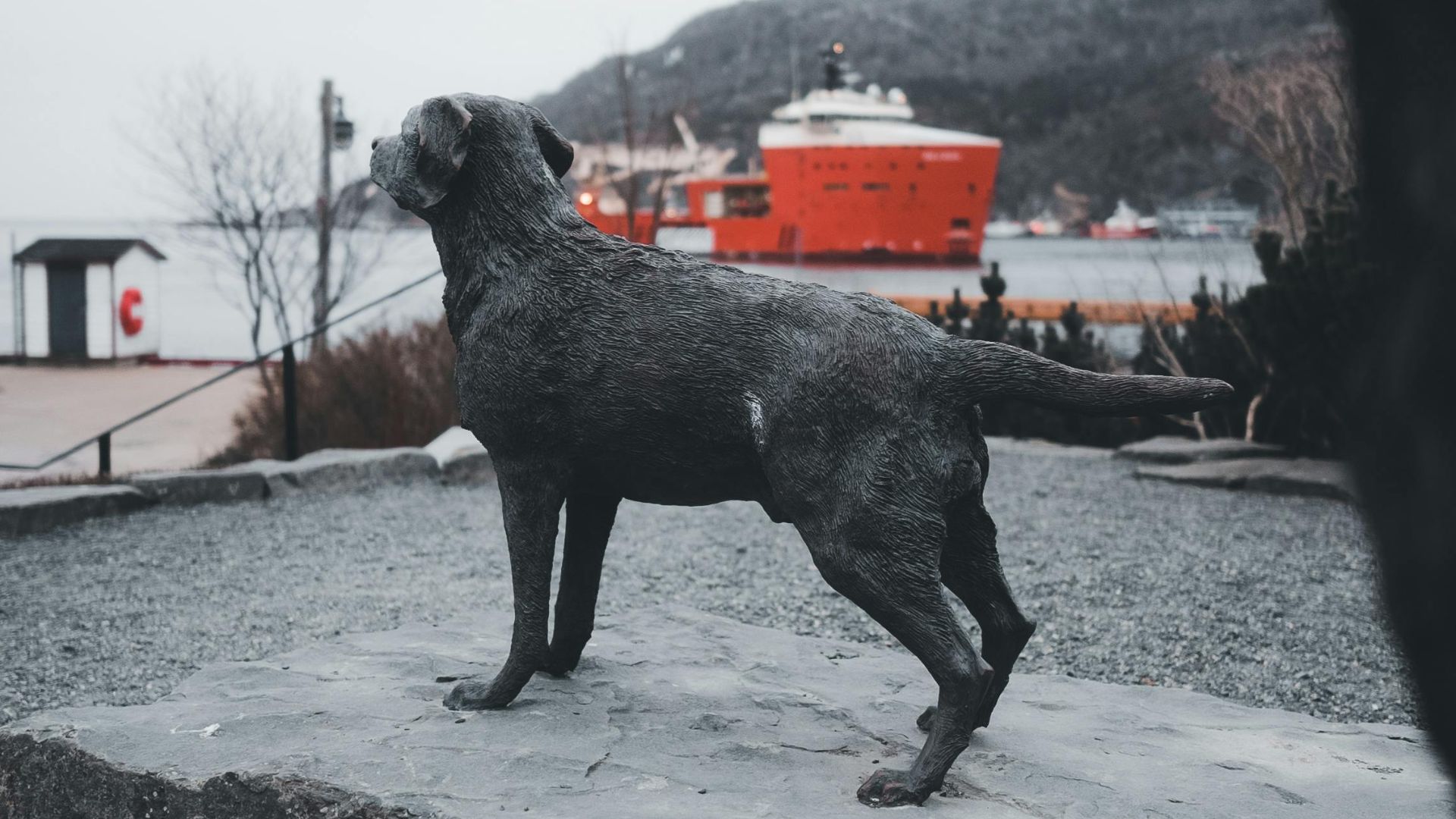
11. Hachikō, Japan’s Symbol of Loyalty
Just about everyone knows the story of Hachikō, even if you don’t know his name. His story gained popularity in Japan during the late 1920s and early 1930s; he returned to Shibuya Station after his owner, Professor Hidesaburō Ueno, died in 1925. But he didn’t just return once—Hachikō waited for years, and by the time he passed in 1935, he had become a national symbol of devotion.
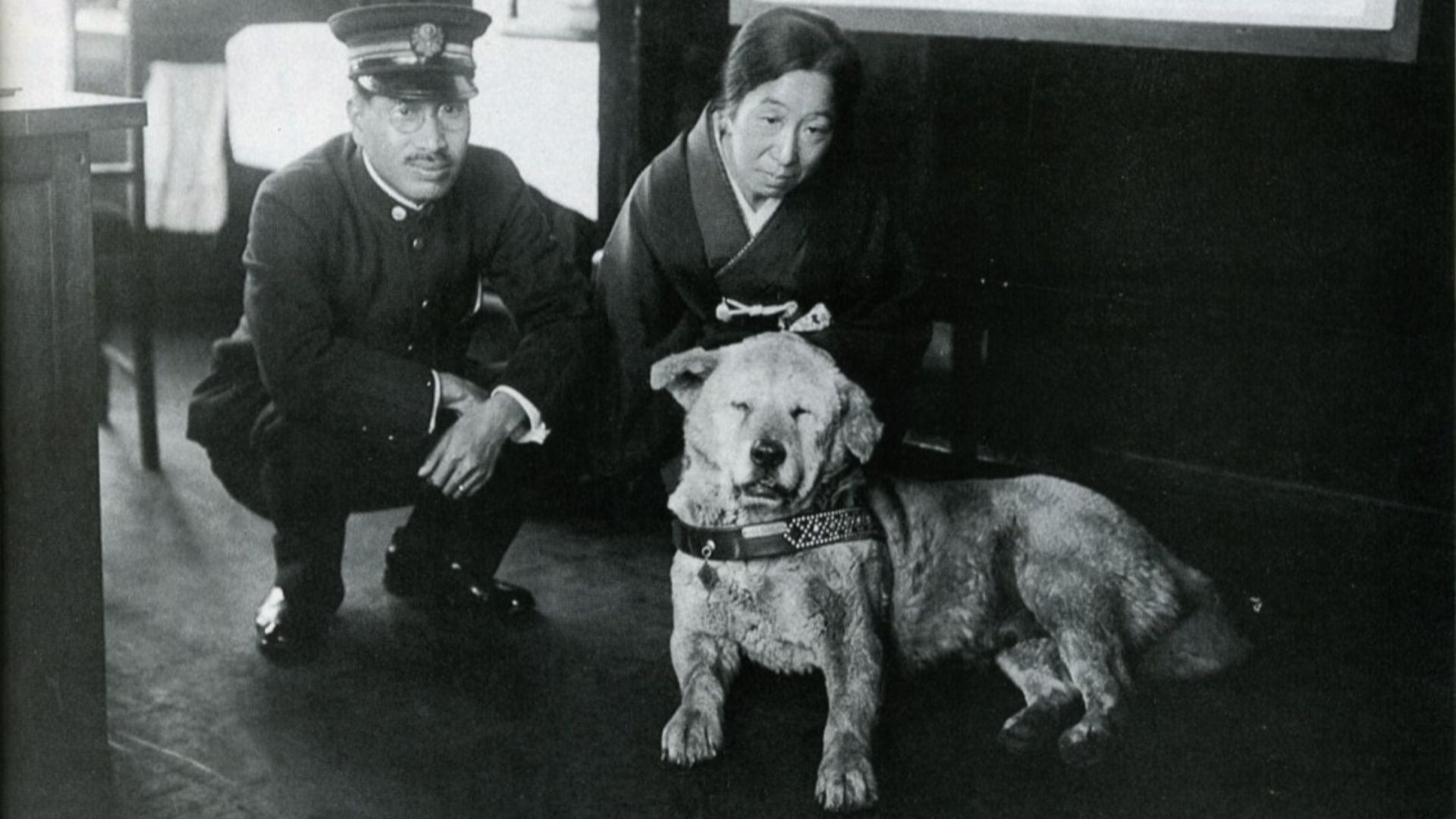
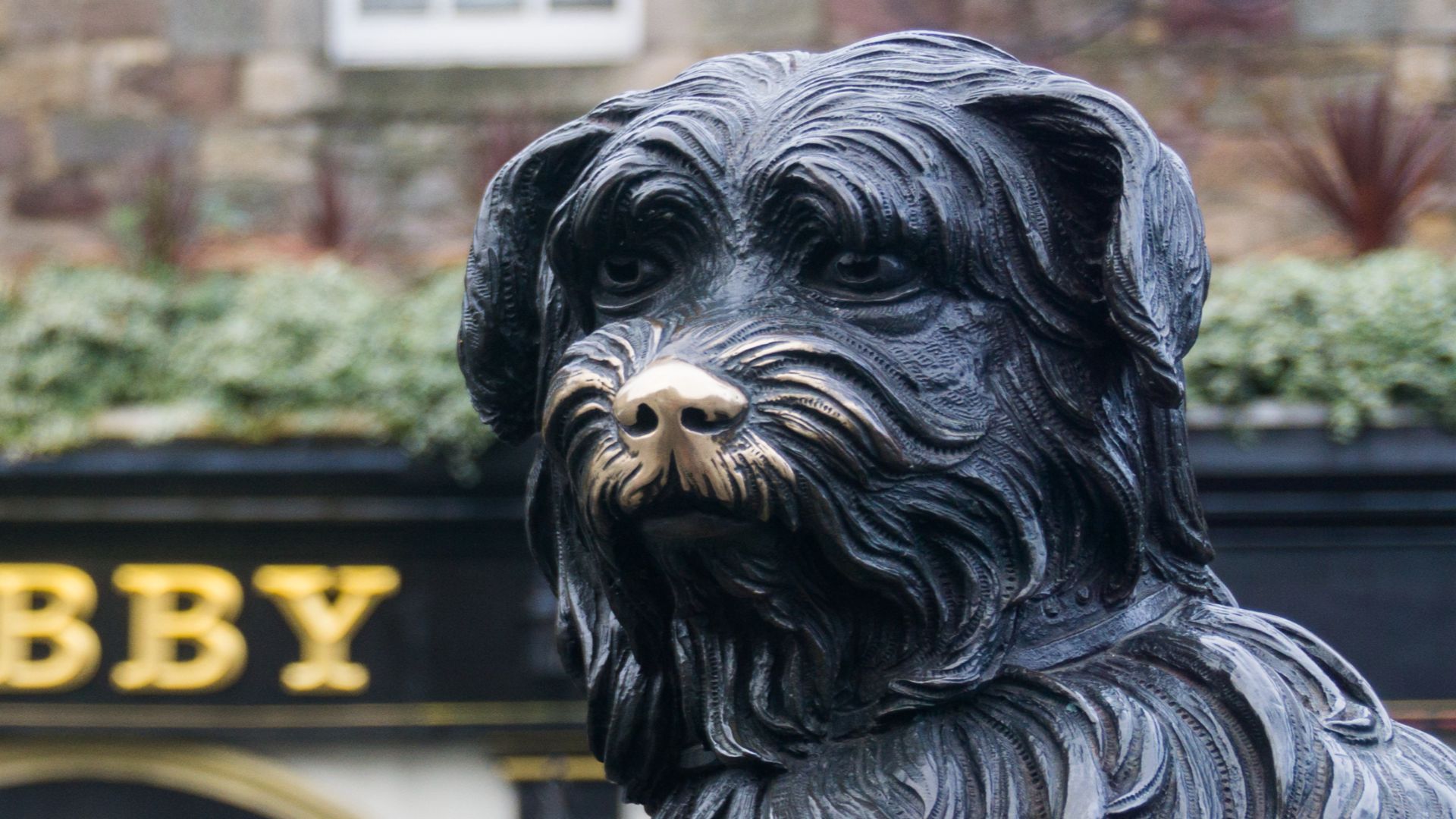
12. Greyfriars Bobby, Edinburgh’s Graveyard Watchman
Greyfriars Bobby became famous in 19th-century Edinburgh for reportedly keeping watch near the grave of his owner, John Gray, after Gray was buried in 1858. The original tale says Bobby remained associated with Greyfriars Kirkyard until his own death in 1872, but historians still debate that. Either way, his statue settled into Scotland’s public memory.
13. Barry, the Alpine Rescue Legend
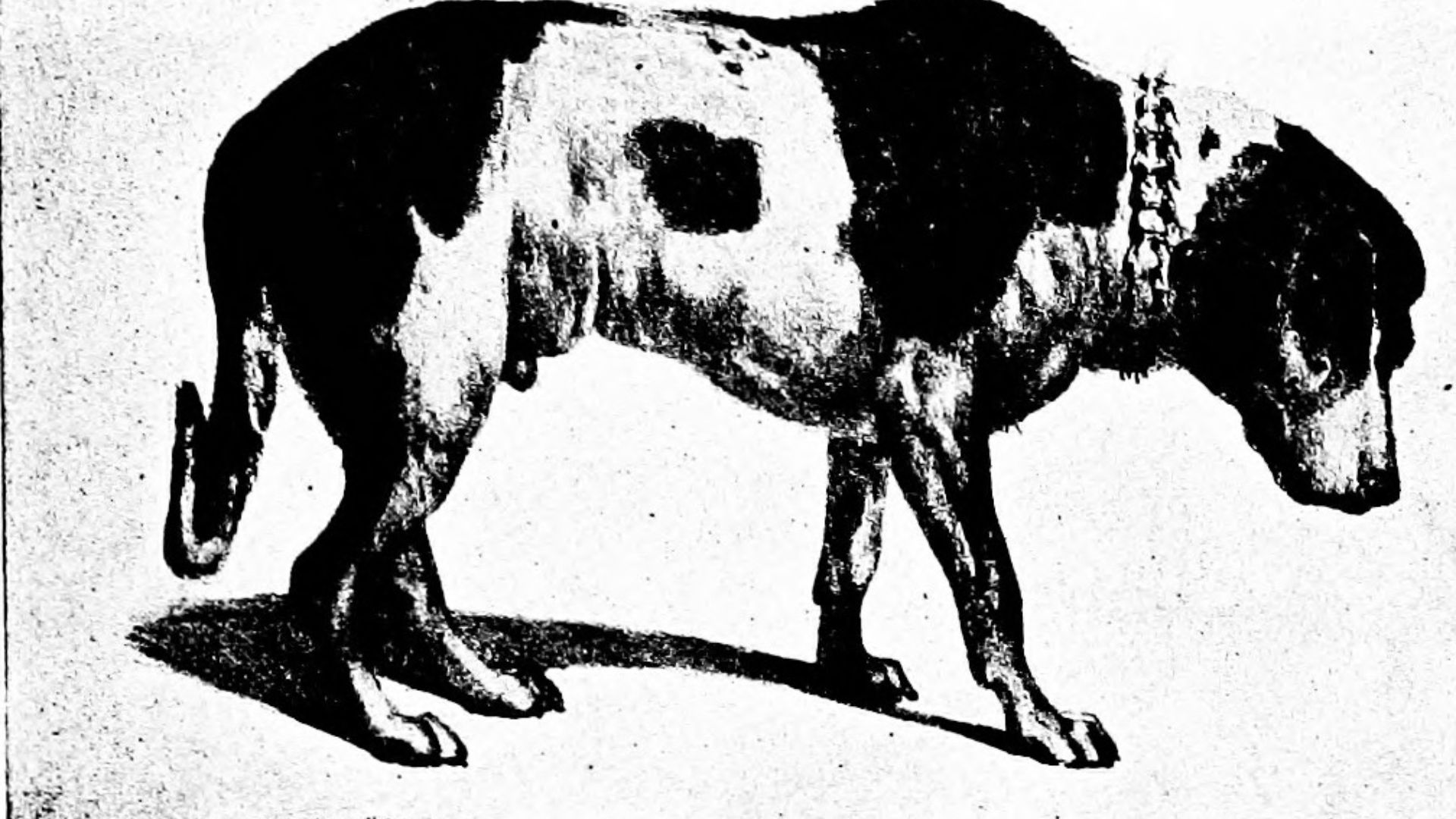
Alpine rescue dogs are hardly a new idea, but Barry worked as a rescue dog at the Great St. Bernard Hospice way back in the early 1800s—when those crossings could be deadly. Born in 1800, this good boy lived at the hospice on the Great St. Bernard Pass and became so associated with mountain rescues that his name still carries weight.
 Internet Archive Book Images on Wikimedia
14. Rin Tin Tin, the Little Movie Star
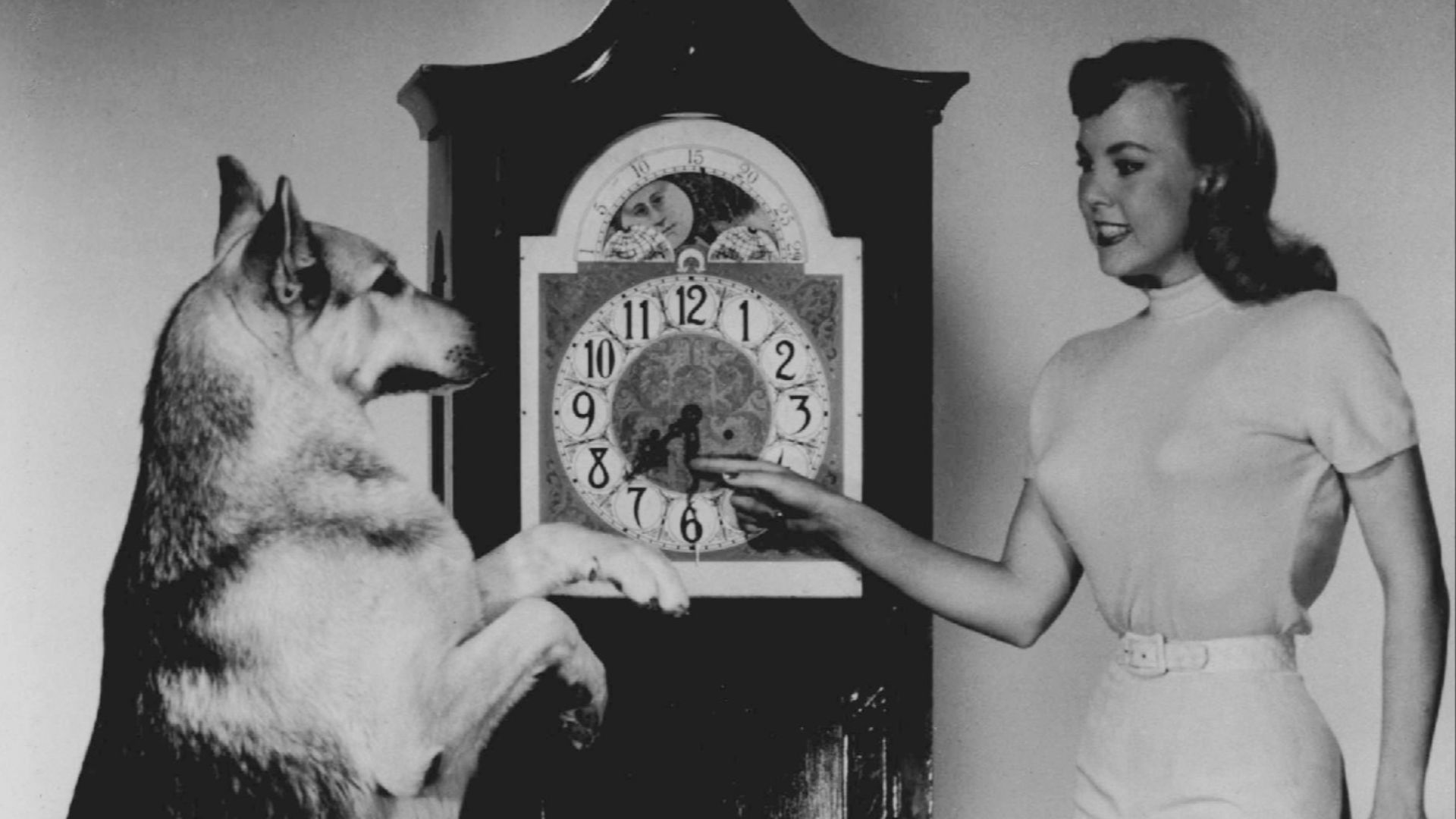
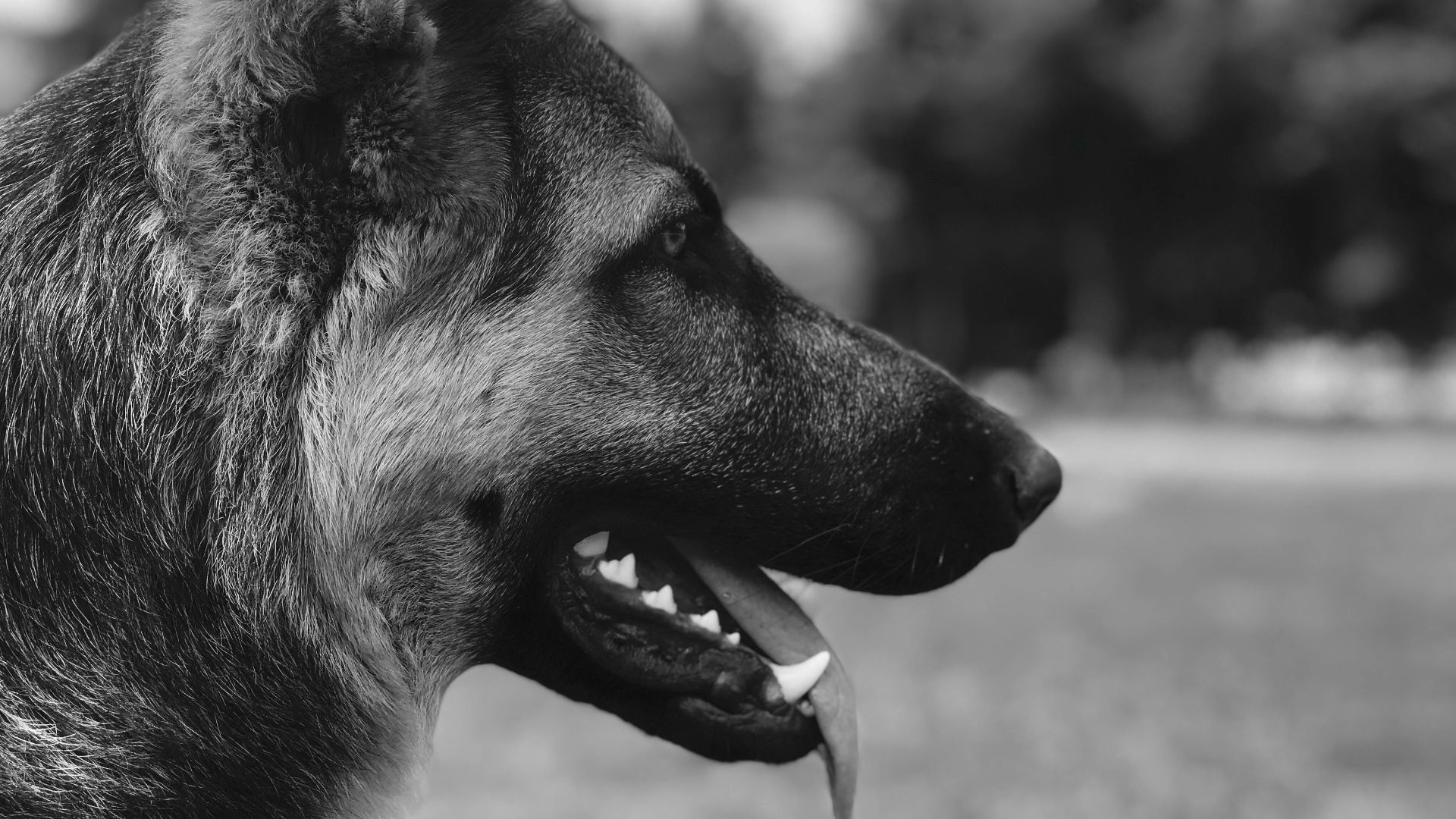
The next time you think of adopting a German Shepherd, you might want to think of the breed’s spokesdog. Rin Tin Tin was born in France in 1918. He was eventually rescued from a WWI battlefield by an American soldier named Lee Duncan, and during the ‘20s, he became one of Hollywood’s biggest canine stars. He showed up in all kinds of silent films, helping popularize German Shepherds in the United States.
15. Strongheart, the Earlier Screen Idol
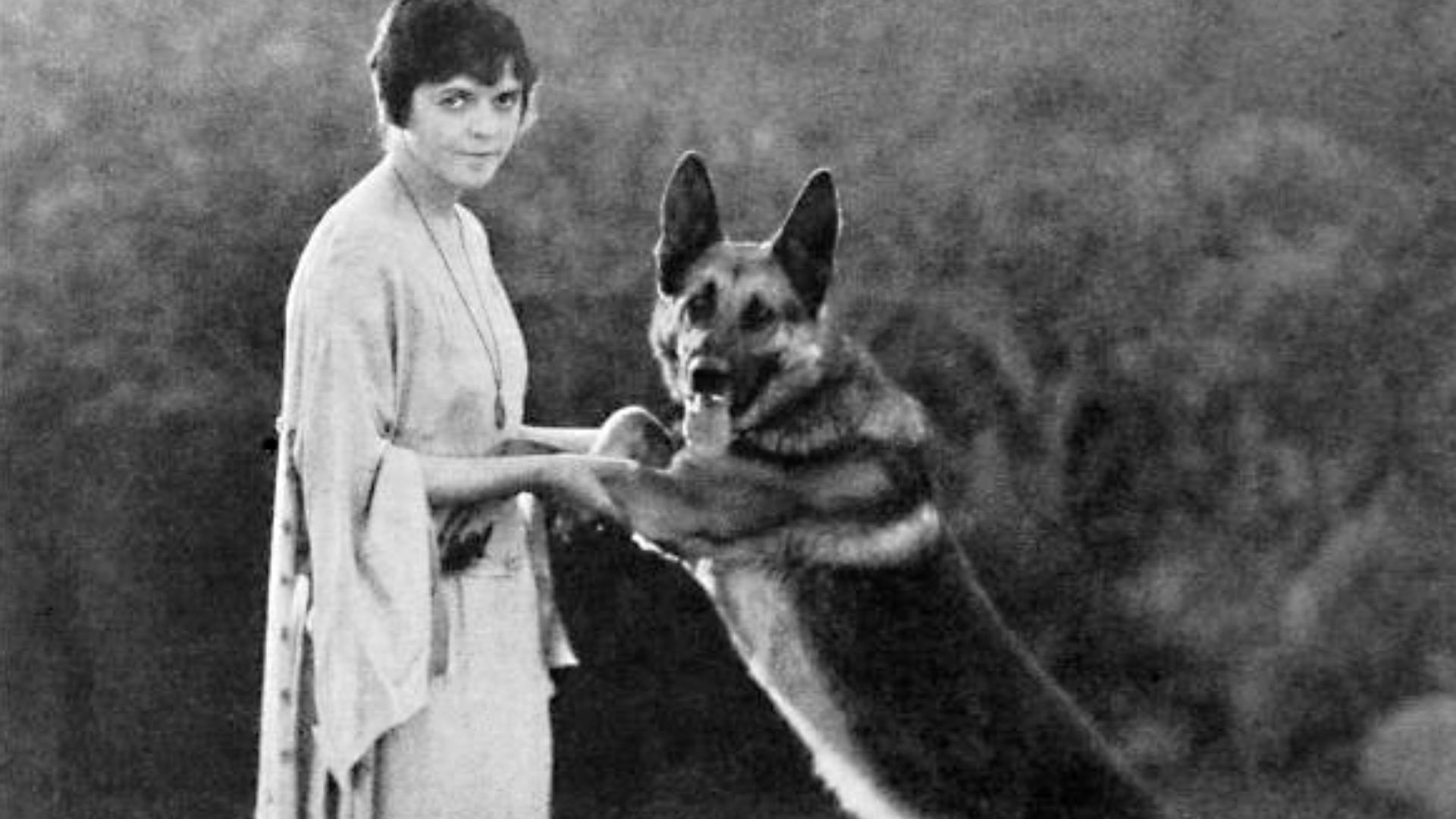
Rin Tin Tin wasn’t the only pup who made a name for himself. Strongheart, another German Shepherd film star, actually helped prepare the public for Rin Tin Tin’s success. He appeared in silent films beginning in 1921 and became one of the first major canine stars in American movies.
 Photoplay Publishing Company on Wikimedia
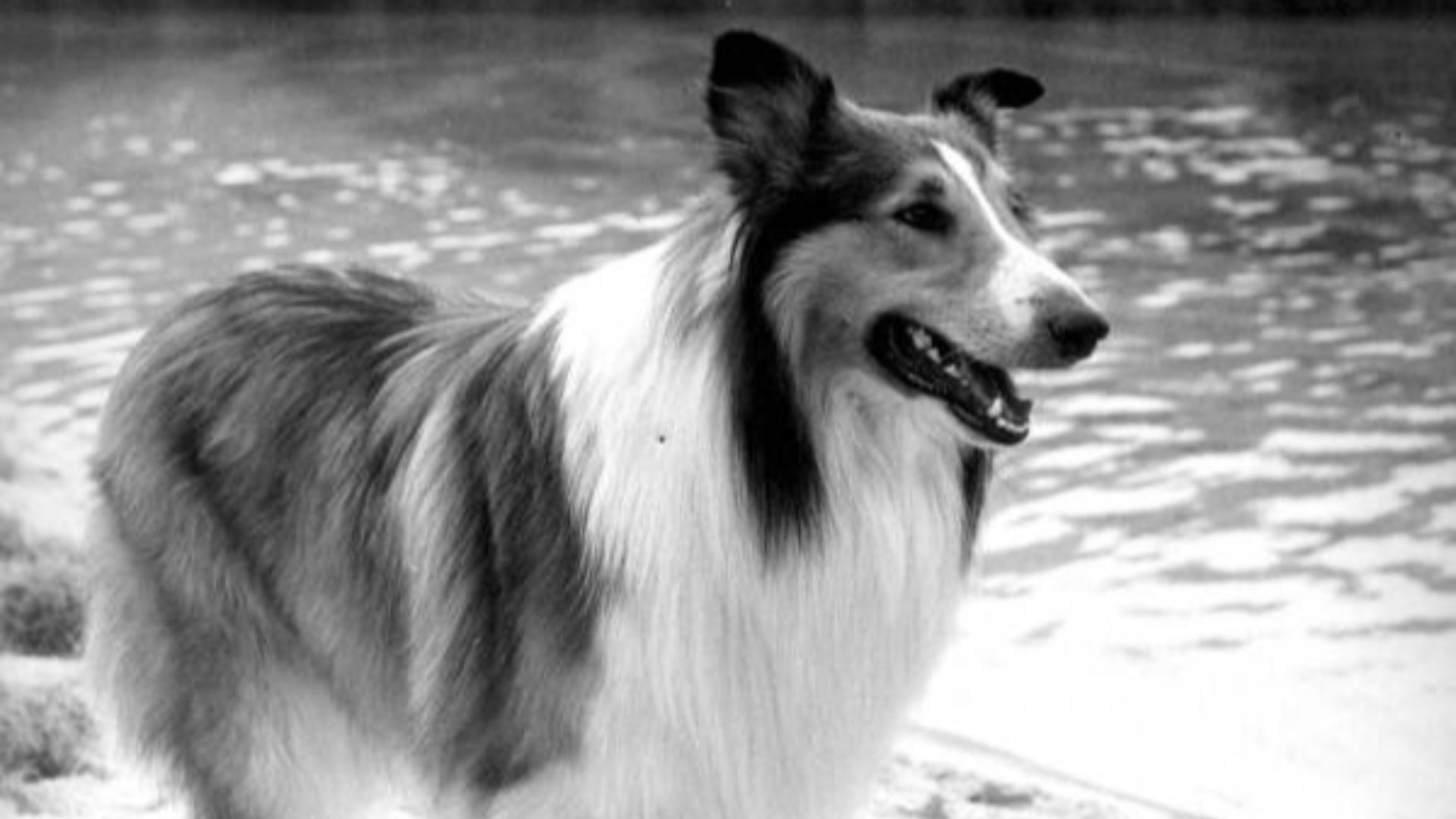
16. Pal, the Original Lassie
What is it, girl? Timmy fell down the well? Everyone, say hello to Pal, the male Rough Collie who played Lassie in Lassie Come Home 1943. He continued appearing as Lassie in films through the 1940s and early 1950s, creating the image that later dogs would then inherit.
 Credit: State Archive of Florida on Wikimedia
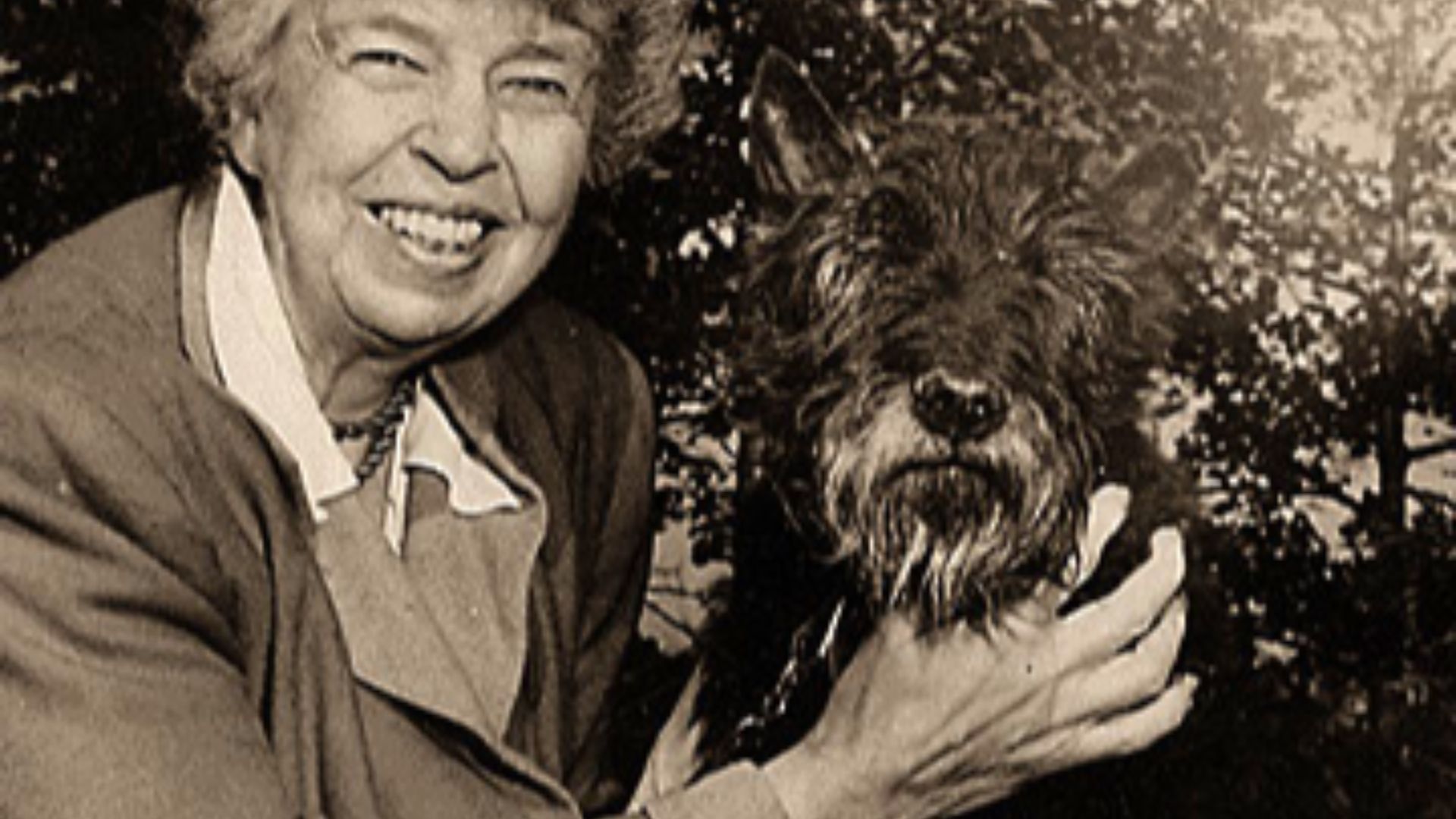
17. Fala, Roosevelt’s Political Companion
Fala, Franklin D. Roosevelt’s Scottish Terrier, became one of America’s most famous presidential pets during the 1940s. Though you probably knew that, seeing as how he’s honored with a statue beside Roosevelt at the Franklin Delano Roosevelt Memorial in Washington, D.C. In 1944, Fala even became part of campaign history when Roosevelt joked about attacks on his furry friend during a famous speech.
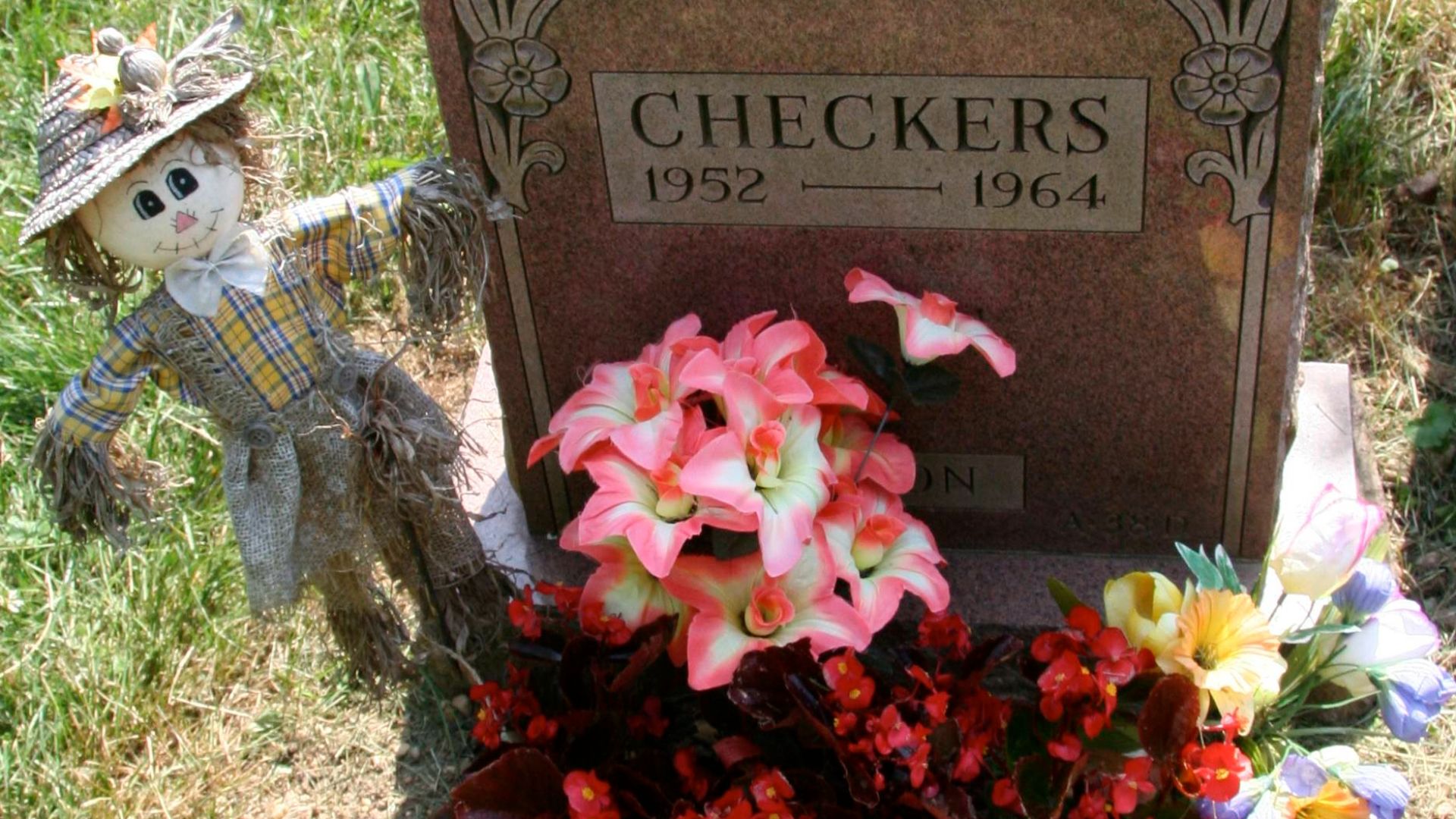
18. Checkers, the Dog in Nixon’s Speech
Checkers, too, entered American political history on September 23, 1952, when Senator Richard Nixon gave the televised address now known as the “Checkers” speech. Nixon mentioned the family’s pooch while defending himself against accusations involving campaign funds. It’s hardly fair that Checkers get roped into all that, but we digress.
 Jostein Sand Nilsen on Wikimedia
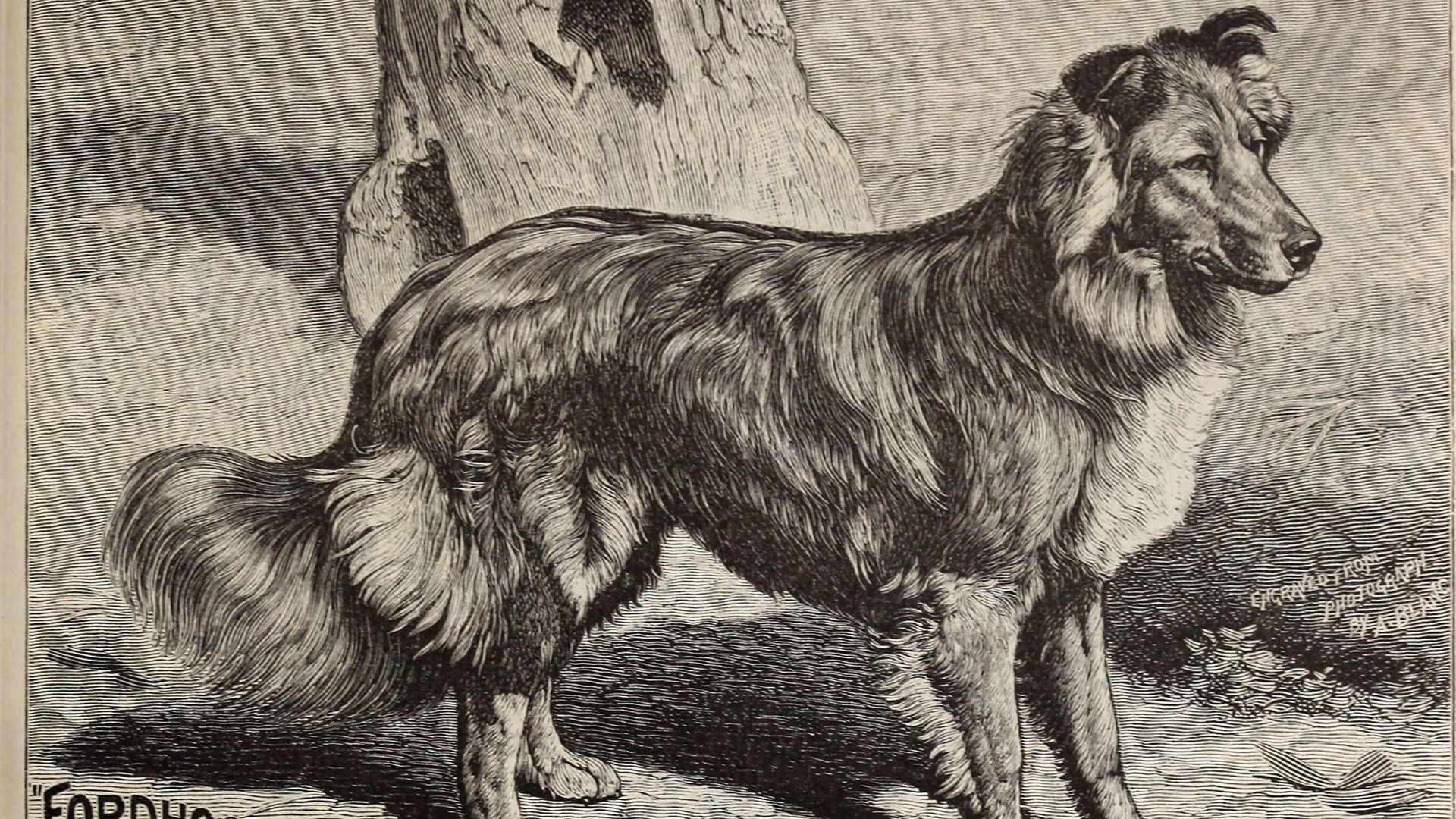
19. Bobbie the Wonder Dog, the Long-Distance Returner
Bobbie the Wonder Dog became a national sensation after returning to Silverton, Oregon, in 1924. Legend has it that he appeared back at his owners’ home after being lost all the way in Indiana. However, he eventually made it home, and his reported cross-country journey made him famous in newspapers.
 Internet Archive Book Images on Wikimedia
20. Buddy, America’s First Seeing Eye Dog
Give it up for Buddy—the little guy who paved the way for future heroes. In 1928, he became known as the guide dog partnered with Morris Frank, helping introduce the Seeing Eye movement to the United States. Originally named Kiss, Frank trained with her in Switzerland before returning to America.
KEEP ON READING