

My Dad's Business Partner Called Me 'Kiddo' for 20 Years—Then Tried to Steal Everything the Day Dad Retired
My Dad's Business Partner Called Me 'Kiddo' for 20 Years—Then Tried to Steal Everything the Day Dad Retired
The Announcement
Dad chose Marcello's for the announcement—our favorite Italian place where we'd celebrated every major milestone since I was eight. The same corner booth, the same waiter who remembered Dad liked extra parmesan, the same red checkered tablecloths that had witnessed my high school graduation dinner, my college acceptance, my first promotion. I knew something big was coming when he asked me to meet him there on a Tuesday night. Greg showed up about ten minutes after I did, sliding into the booth with that easy smile he always had, calling me kiddo like he had for twenty years. Dad cleared his throat, set down his wine glass, and said the words I'd been waiting to hear since I started working at the company full-time seven years ago: he was retiring. Six months, he said. Six months to transition everything over to me. I felt this rush of pride and terror all at once, like standing at the edge of something huge. Greg raised his glass immediately, proposing a toast to new beginnings and Dad's well-deserved rest. But when I looked at Dad across the table, his smile didn't quite reach his eyes, and I noticed for the first time how tired he looked—really tired, the kind that settles deep in your bones.
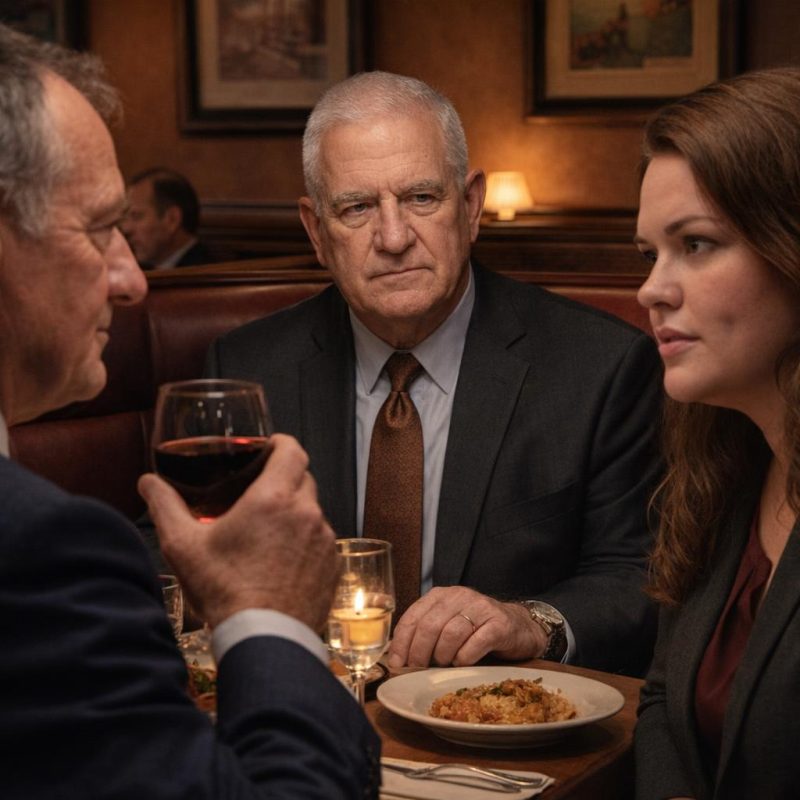 Image by RM AI
Twenty Years of Partnership
The retirement party took over our largest conference room on a Friday afternoon. Someone had ordered way too many sandwich platters, and there was this massive sheet cake with Dad's face printed on it in frosting, which was both touching and slightly horrifying. Clients flew in from three states. Employees from every department packed in, some of them people who'd been with the company since the auto shop days. Greg stood at the front with a microphone, and when he started talking about twenty years of partnership, his voice actually cracked with emotion. He told stories about the early days, about building something from nothing, about how Dad had trusted him when nobody else would. Then he turned to me, and his whole face lit up. He called me the future of the company, said I'd grown up in these offices, said I was family—not just Dad's daughter, but family to him too. The room erupted in applause, and I felt this warmth spreading through my chest, this sense of belonging and purpose. But when I glanced at Dad, he was clapping too, smiling too, and yet there was something uncertain flickering across his expression, gone so fast I almost missed it.
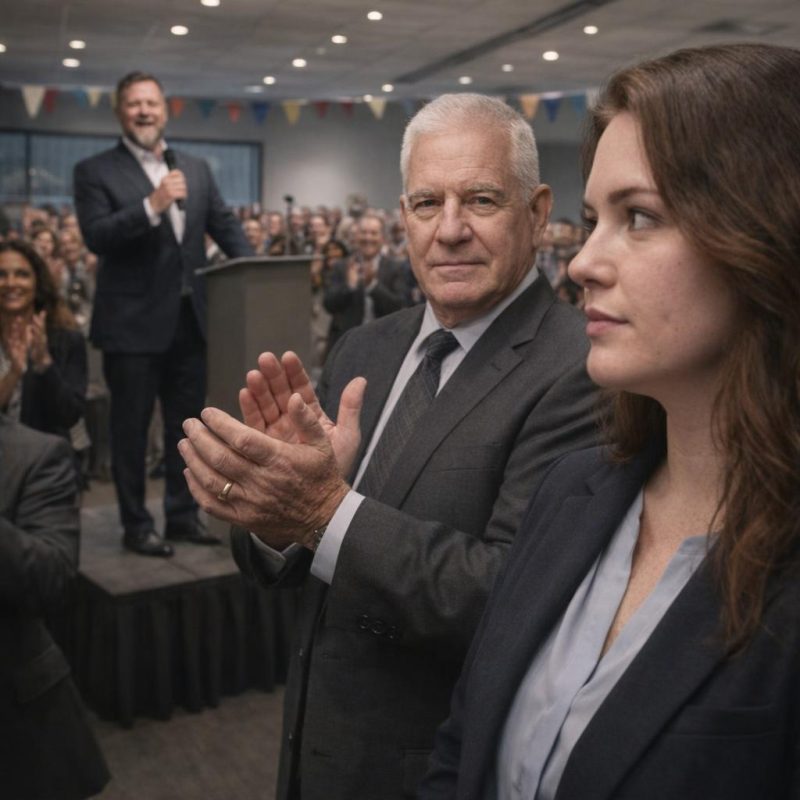 Image by RM AI
Growing Up in the Office
I stayed late after the party, sitting in my office with the door closed, just thinking. The space felt different somehow—bigger, heavier with responsibility. I remembered the first office, that cramped room above Martinez Auto Shop where Dad started the business when I was eight. There was barely room for two desks and a filing cabinet, and it smelled like motor oil and coffee. Mom used to joke that I grew up in that office more than at home, and she wasn't wrong. I'd do homework at Dad's desk while he worked late, falling asleep to the sound of his calculator and phone calls. We moved to this building when I was in middle school, and it felt like a palace. Then Mom died my senior year of high school—sudden, a brain aneurysm, no warning at all. Greg was at the funeral standing right beside Dad like a brother, his hand on Dad's shoulder through the whole service. He'd shown up at our house every evening that first month with dinner, just sitting with us, not trying to fix anything, just being there. That's when he stopped being just Dad's business partner and became something more—family, the kind you choose.
 Image by RM AI
Business as Usual
The first week after Dad's announcement felt completely normal, which was almost disappointing. I'd expected something to shift immediately, some tangible change in the air, but it was just the usual sixty-hour grind. Monday brought the Henderson contract review. Tuesday was back-to-back client calls. Wednesday I spent four hours in a budget meeting with Tom from operations, who had the same complaints about vendor pricing he'd had for three years. Jennifer from accounting stopped by my office Thursday morning with quarterly reports, and we grabbed coffee in the break room like we did every month. Greg passed me in the hallway twice, both times with that familiar grin, asking how I was holding up, making some joke about whether I was ready for the big leagues. Everything felt solid, predictable, exactly as it should be. On Friday afternoon, he stopped by my office around three, leaning against the doorframe in that casual way he had. He mentioned there was a senior leadership meeting scheduled for Monday morning, just routine transition planning stuff. I nodded, made a note in my calendar, and didn't think twice about it.
 Image by RM AI
Transition Planning
Dad called me into his office Tuesday morning, and we spent two hours going through the transition timeline. He had it all mapped out on a spreadsheet—classic Dad, everything color-coded and cross-referenced. Six months broken down into phases: first month for announcement and initial planning, second and third months for operational handover, fourth and fifth for client relationship transfers, final month for legal paperwork and ownership transfer. He walked me through every detail, asking questions about my comfort level with different aspects, making notes about areas where I might need additional support. His reading glasses kept sliding down his nose, and he'd push them up absently while explaining the intricacies of the partnership agreement. We talked about which clients I already had strong relationships with, which ones would need more careful handling. He showed me the ownership transfer documents his lawyer had drafted, thick stacks of paper that made everything feel suddenly, startlingly real. Then he mentioned, almost as an afterthought, that Greg wanted to schedule some restructuring meetings before the ownership transfer finalized. It made sense—twenty years of partnership meant Greg would have opinions about how things should be organized. I told Dad that sounded reasonable, and we moved on to discussing the next phase.
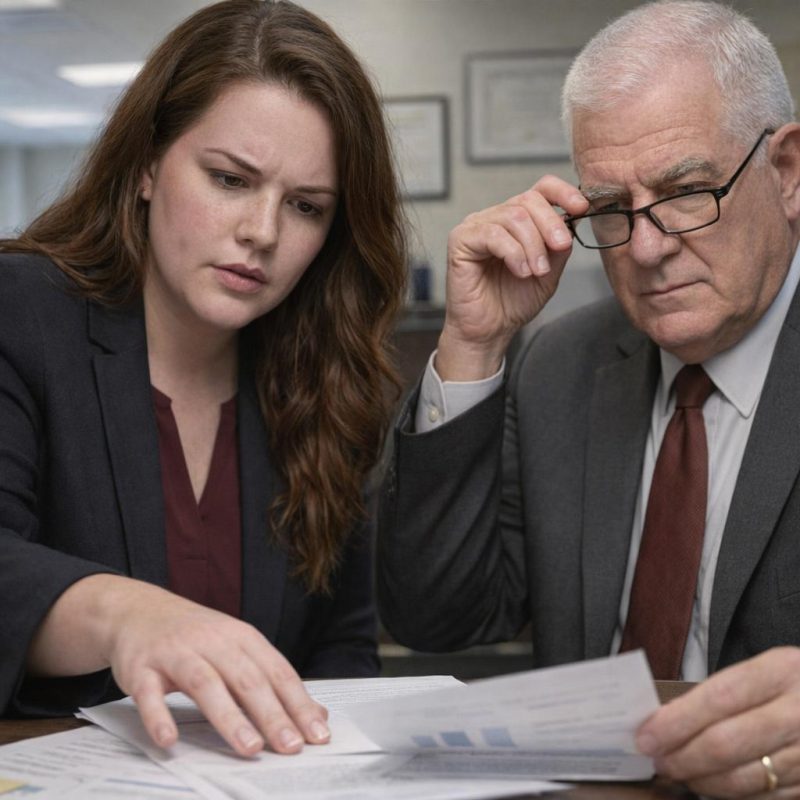 Image by RM AI
Congratulations and Support
Greg showed up at my office door Thursday morning with two coffees from the good place downtown, the one that was fifteen minutes out of the way. He handed me my usual order—he remembered I took it with oat milk and an extra shot—and settled into the chair across from my desk. He said he wanted to officially congratulate me, that he was proud of me, that he'd watched me grow from a kid doing homework in the corner to someone ready to run this whole operation. His voice had that warm, genuine quality that made you feel seen. Then he shifted forward, elbows on his knees, and said he wanted to help guide me through the transition complexities. He'd been through ownership changes before, he said, back before he partnered with Dad, and he knew how tricky they could get—all the legal stuff, the operational restructuring, the client management. He talked about making sure the transition was smooth for everyone, about protecting what Dad had built, about honoring the legacy. I felt this wave of gratitude wash over me, sitting there with my coffee, looking at this man who'd been part of my life for two decades. Having someone with his experience in my corner felt like the best possible advantage.
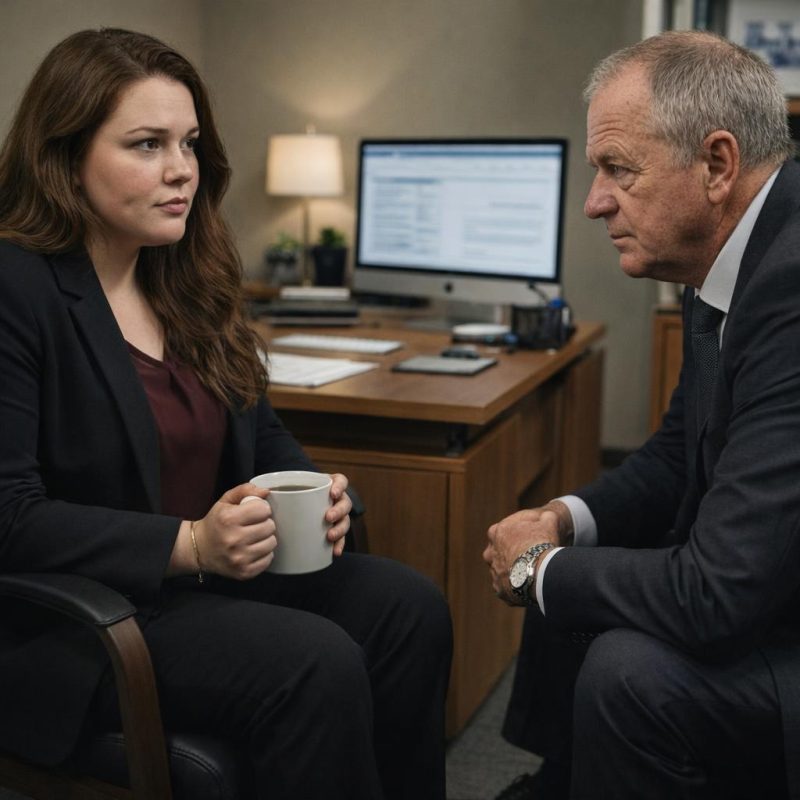 Image by RM AI
Missing From the Room
I showed up for the Monday senior meeting at nine sharp, coffee in hand, ready to dive into transition planning. But when I got to Conference Room B, it was empty—chairs pushed in, lights off, no sign anyone had been there. I checked my calendar twice, confirmed the time and location, then walked back to the main hallway feeling confused. I could hear voices coming from the executive conference room on the other side of the building, the fancy one we usually reserved for client presentations. When I opened the door, Greg, Tom, and two other department heads were already deep in conversation, papers spread across the table, someone's laptop connected to the projector. They all looked up when I walked in. Greg's eyebrows went up, and he had this surprised expression that seemed completely genuine. He said he thought I was handling client calls that hour, that he could have sworn I'd mentioned something about the Morrison account needing attention this morning. Tom nodded like that sounded right. I stood there in the doorway, coffee getting cold in my hand, trying to remember if I'd said something about client calls and somehow forgotten.
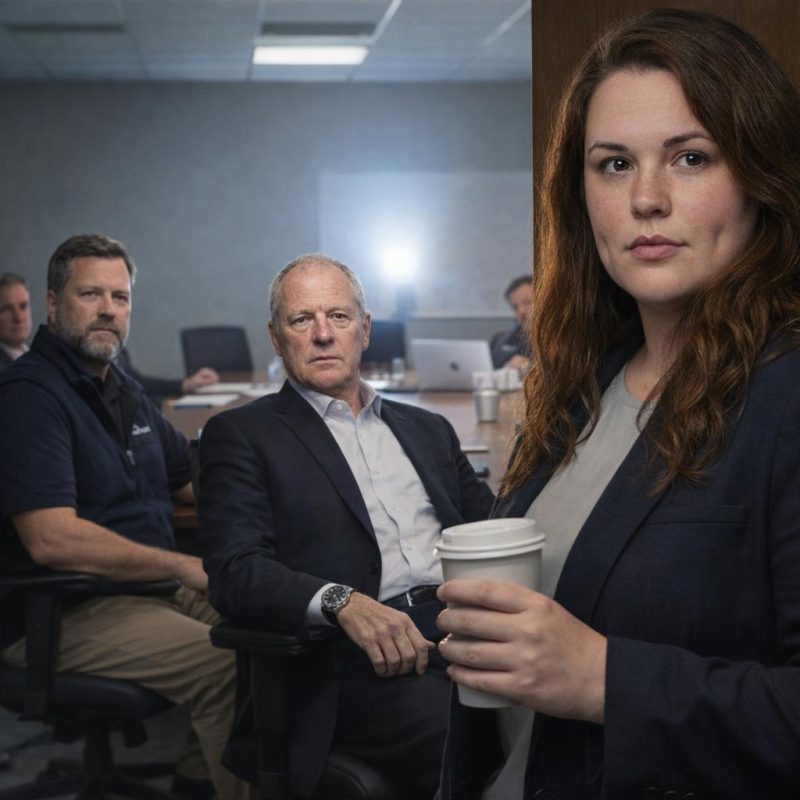 Image by RM AI
The Missing Email
Jennifer mentioned the Westfield proposal during our Thursday budget review, asking if I'd seen the revised numbers Greg had sent around. I smiled and nodded, but my mind was racing because I had no idea what she was talking about. As soon as she left my office, I searched my inbox—nothing. I checked spam, checked archive, used every search term I could think of. Nothing. I walked down to Jennifer's office and asked her to forward it to me, playing it off like my email had been acting weird lately. She pulled it up and showed me the recipient list: Greg, Tom, David from sales, Michelle from client services, even Jennifer herself. The entire leadership team. Everyone except me. I went back to my office and checked spam again, then archive again, like maybe it would magically appear if I just looked one more time. Jennifer had received it Tuesday morning, and here it was Thursday afternoon, and I was just finding out about a major client proposal. I sat there staring at my inbox, wondering if it was just a technical glitch, some weird email server issue.
 Image by RM AI
Radio Silence
The Westfield account had been mine for three years. I'd brought them in, managed their campaigns, knew their quarterly goals better than I knew my own grocery list. So when my emails started bouncing back to me with auto-replies saying to contact Greg for all Westfield matters, I sat there staring at my screen trying to figure out what I'd missed. I sent a follow-up directly to Marcus, their marketing director, asking if everything was okay with our service. No response. I tried again two days later with a different angle, just checking in about their Q4 strategy. Nothing. It was like I'd been blocked, except I hadn't been—the emails were delivering, they just weren't being answered. Finally, I called Marcus's assistant, trying to keep my voice light and professional. She was friendly enough but vague, saying something about a communication protocol change that had come down from their executive team. I asked what kind of change, and she said she didn't really know the details, just that all vendor communications were supposed to go through specific channels now. I thanked her and hung up, wondering if this was some corporate restructuring thing on their end or if it had something to do with Dad's retirement transition.
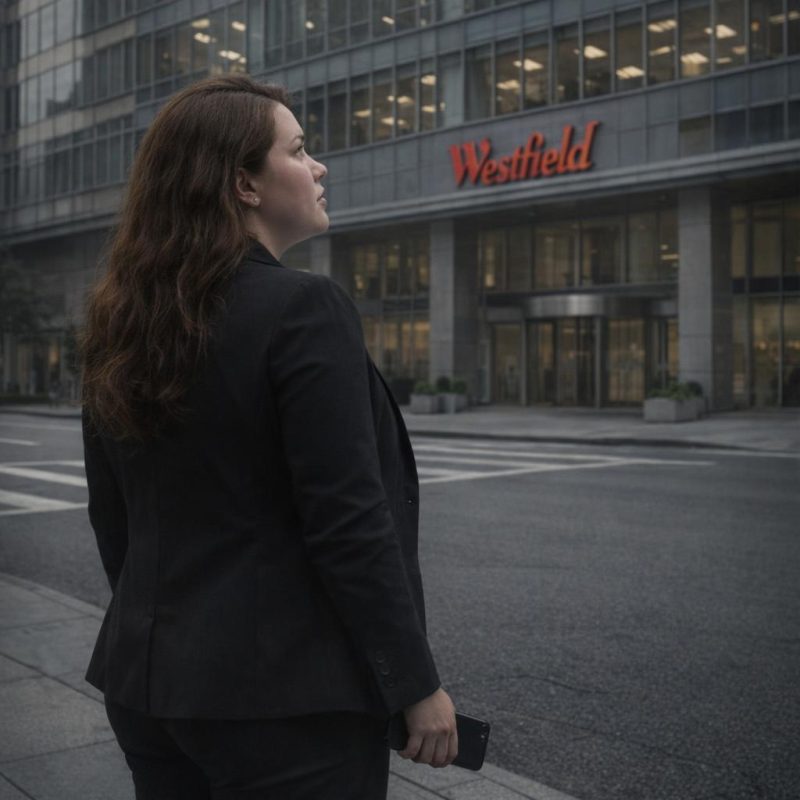 Image by RM AI
Seeking Clarity
I caught Greg in the hallway outside the conference room, right after the Monday morning briefing. He was checking his phone, and I almost chickened out, but I made myself walk up to him. "Hey, can I ask you something?" He looked up with that easy smile, the one that had always made me feel like we were on the same team. I asked him about the communication changes I'd been noticing—the missing emails, the Westfield situation, clients being redirected. He nodded like he'd been expecting the question, which somehow made me feel better. "Transitions always create temporary confusion," he said, his tone reassuring and matter-of-fact. "Clients get nervous during ownership changes, so sometimes we need to consolidate communications to keep everyone calm. It's standard stuff, really." I opened my mouth to ask more, to get specifics about how long this would last or which other accounts were affected, but he was already moving past me, patting my shoulder as he went. "Don't worry about it, kiddo. Everything's going to smooth out." And then he was gone, leaving me standing there in the hallway feeling like I'd gotten an answer without actually getting any information at all.
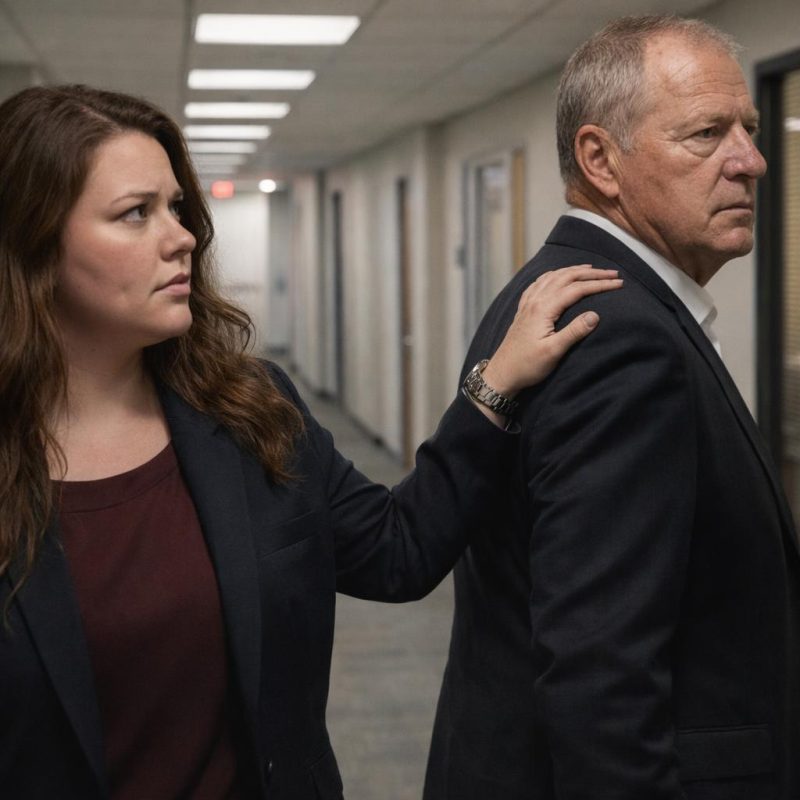 Image by RM AI
Temporary Measures
Greg found me in my office later that afternoon, leaning against the doorframe with his arms crossed in that casual way he had. "I wanted to follow up on our conversation earlier," he said, stepping inside and closing the door halfway. "I know the communication routing seems weird, but it's actually pretty standard during ownership transitions." He explained how clients need to see stability, how having too many contact points can create confusion and make them worry about whether the company is falling apart. "When leadership changes, you route everything through established channels—people who've been visible to the clients for years. It maintains confidence." He talked about a transition he'd managed at his previous firm, how they'd done the same thing for six months until the new owner was fully established. It all sounded logical when he said it, the kind of business strategy that made sense even if it felt uncomfortable. "You've got to trust the process," he said, giving me that reassuring smile. "I've been through this before. These situations are always temporary." I nodded, deciding to trust his experience, to believe that what felt like exclusion was actually just smart business practice. After all, he'd been doing this a lot longer than I had.
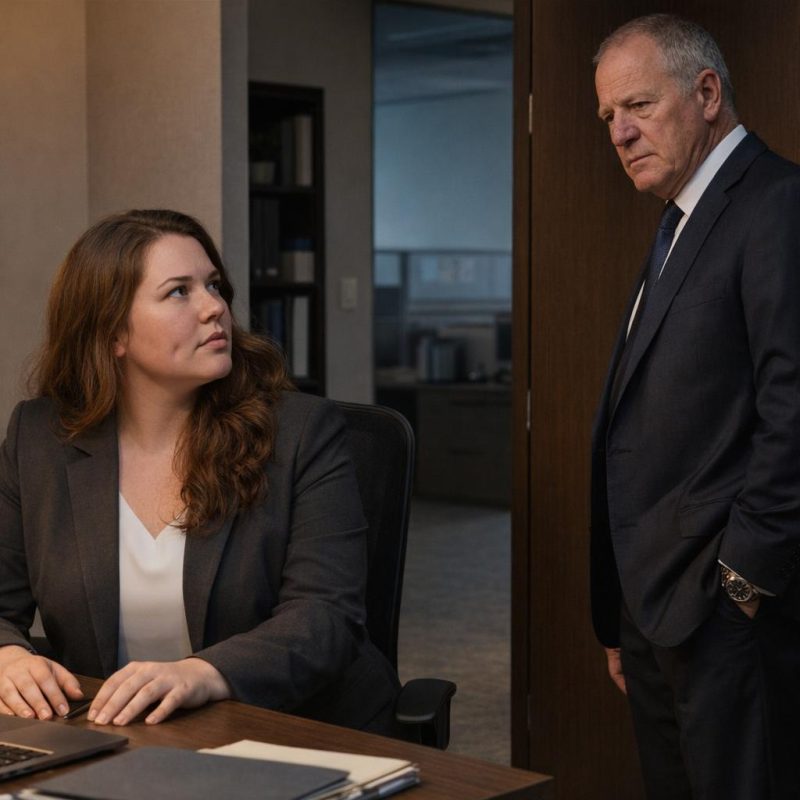 Image by RM AI
Proving Myself
I threw myself into work with the kind of focus I hadn't had since my first year at the company. If people were questioning whether I deserved my position, I'd prove them wrong through sheer competence. I started coming in at seven and staying until eight or nine, working through lunch at my desk, taking calls from home after dinner. When the Morrison account hit a snag with their vendor integration, I spent an entire weekend building a workaround solution that saved them three weeks of delays. When the Patterson contract renewal stalled over pricing disputes, I restructured the package myself and got them to sign for two years instead of one. Jennifer stopped by my office Thursday evening and found me still at my desk, surrounded by spreadsheets and cold coffee. "You're going to burn out," she said, but she was smiling. "This is really strong work, though. Really strong." By Friday, I'd logged seventy hours for the week, resolved two major client issues that could have cost us serious money, and felt more confident than I had in weeks. The communication weirdness would sort itself out. My performance would speak for itself. Everything was going to normalize, and I'd proven I could handle whatever the transition threw at me.
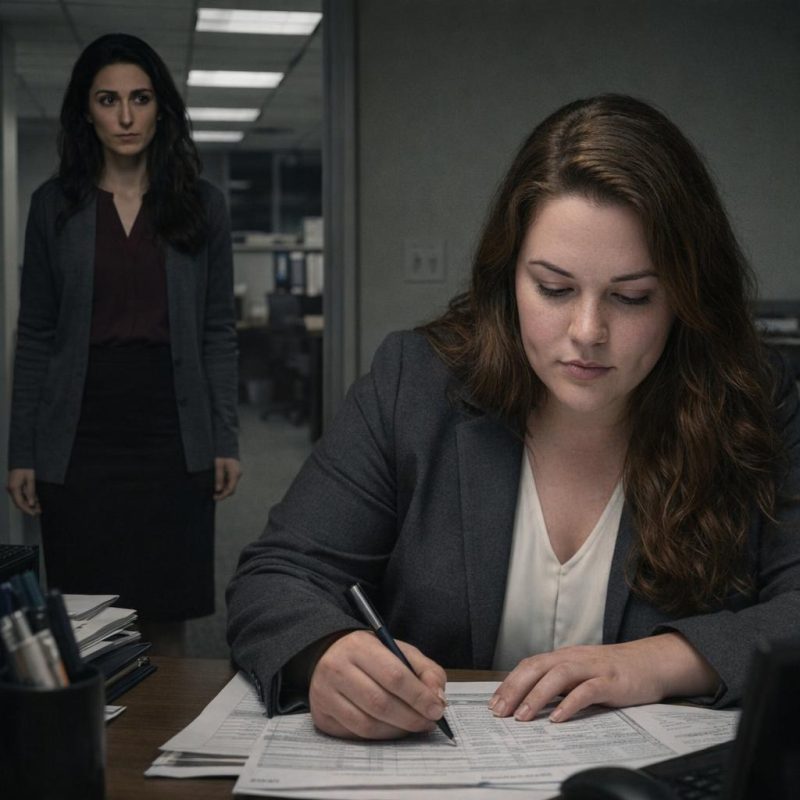 Image by RM AI
A Pattern Emerges
The calendar invite for Tuesday's strategy session listed me as an attendee. So did the one for Thursday's client review. I showed up to the conference room for the Tuesday meeting at exactly two o'clock, and it was empty. I checked my phone, checked the calendar again, walked down the hall looking for people. Nothing. I finally found Jennifer and asked if the meeting had been moved, and she got this uncomfortable look on her face. "It was in the small conference room," she said. "Didn't you get the update?" I hadn't. Thursday was the same thing—calendar said Conference Room B at ten, I showed up, nobody there. This time I walked the entire floor until I found them in Greg's office, already halfway through the agenda. Tom was there, taking notes on his laptop, and he barely looked up when I appeared in the doorway. Greg waved me in like nothing was wrong, but the meeting was almost over. When I got back to my desk, I pulled up both calendar invites and stared at them. My name was still listed. The original locations were still showing. But somehow, everyone else had gotten room changes that never made it to me. Two meetings in one week. I couldn't convince myself this was coincidental anymore, but I also couldn't figure out what it meant or what to do about it.
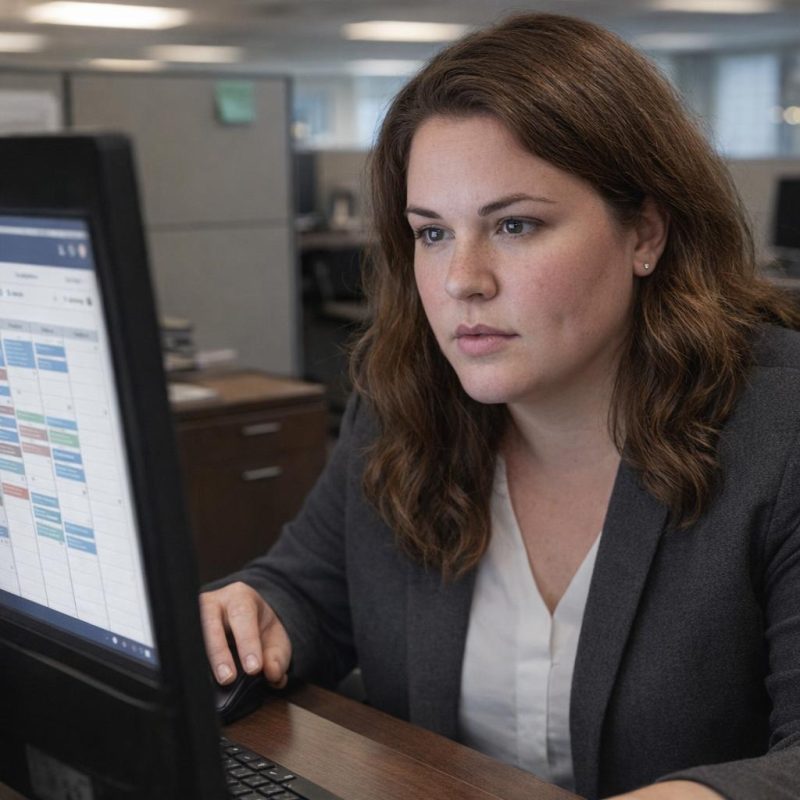 Image by RM AI
Still Learning
The Riverside client presentation was supposed to be my chance to show Greg I could handle major accounts independently. I'd prepared for days, knew every detail of our service model, had answers ready for every question they might ask. We were twenty minutes in, and it was going well—the clients were nodding, asking good questions, leaning forward in their seats. Then I started explaining our tiered support structure, and Greg interrupted me mid-sentence. "What Emily's still learning," he said, his voice friendly and casual, "is that the finer points of our service model require a bit more experience to fully articulate." He smiled at the clients like he was being helpful, like he was just clarifying something I'd gotten slightly wrong. Except I hadn't gotten anything wrong. The clients looked uncomfortable, glancing between us, and I felt my face heat with embarrassment. I tried to continue, but Greg had already taken over, rephrasing exactly what I'd been saying in almost the same words. I sat there for the rest of the presentation with my notes in front of me, barely speaking, while my chest felt tight and my hands shook slightly under the table. Greg just kept smiling like he was being helpful, and I couldn't tell if I was overreacting or if he'd just humiliated me in front of a major client.
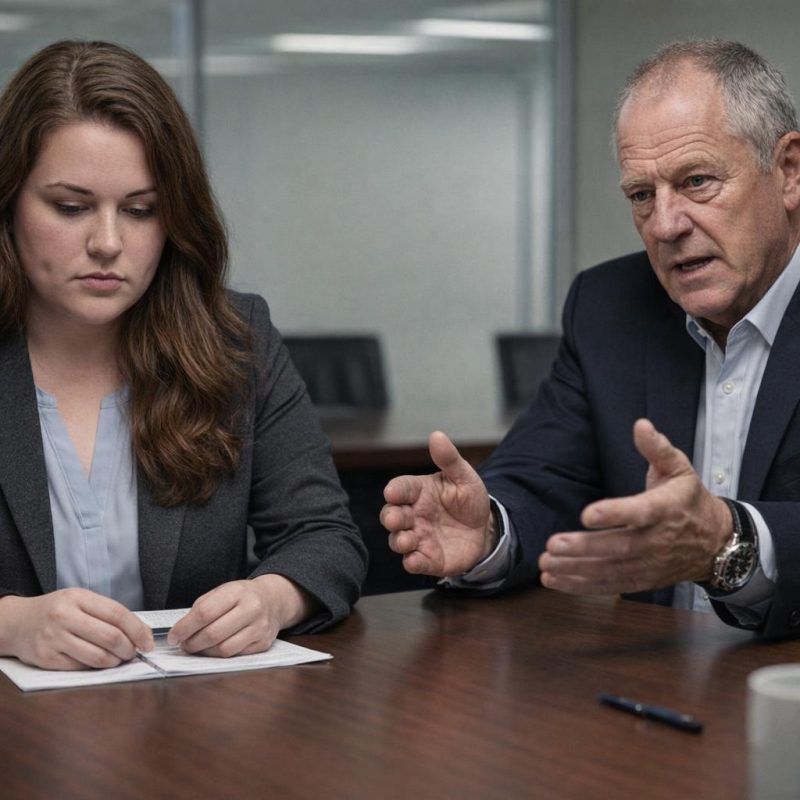 Image by RM AI
The Sympathetic Look
After the meeting, I walked back to my office trying to keep my face neutral, trying not to let anyone see how rattled I felt. I passed Jennifer in the hallway, and she caught my eye for just a second—this look that said she'd been in that conference room, she'd seen what happened, and she felt sorry for me. That sympathetic look somehow made everything worse. It meant I wasn't imagining things. It meant what had just happened was visible enough that other people noticed it too, that it was bad enough to warrant sympathy. I wanted to stop and talk to her, to ask if I was overreacting, but I also didn't want to acknowledge out loud that anything was wrong. So I just nodded and kept walking, and she let me go. Back at my desk, I tried to convince myself not to make a big deal out of it. Greg had decades of experience. Maybe I really was missing some finer point that I didn't understand yet. Maybe he was just trying to help, and I was being too sensitive because of everything else that had been happening. But Jennifer's face kept coming back to me—that careful, sympathetic expression that said she knew exactly what she'd witnessed, and it wasn't okay.
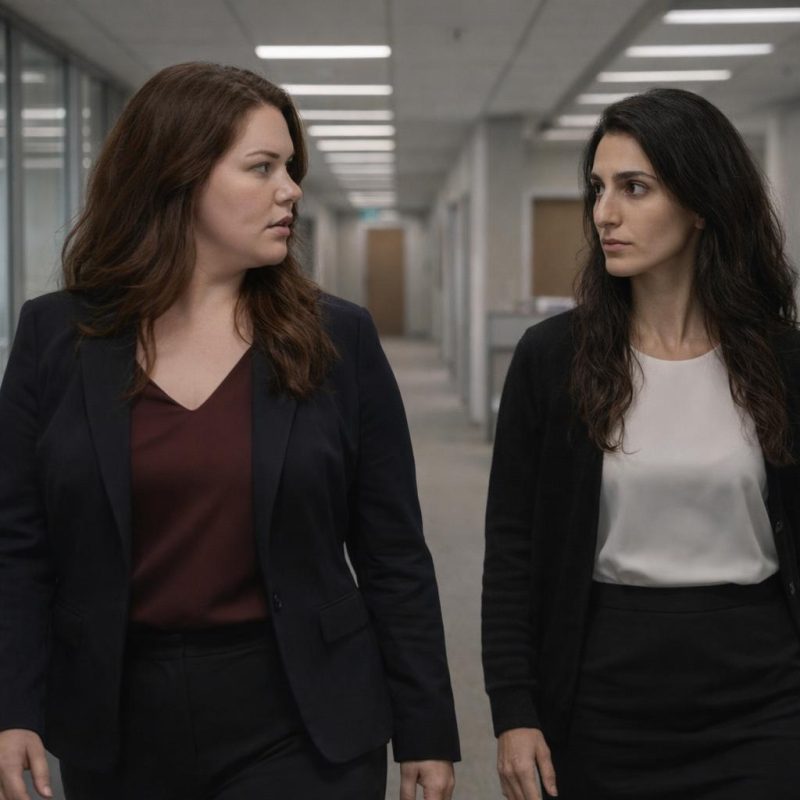 Image by RM AI
Everything Handed to You
The monthly budget meeting was usually boring—just department heads going through line items and projections. I was presenting the client services numbers, explaining why we'd gone over budget on the Henderson account due to scope creep, when Greg leaned back in his chair and smiled. "Must be nice to have everything handed to you," he said, his tone light and joking. "Some of us had to work our way up from nothing." Half the room laughed. Tom actually chuckled out loud, and a couple of the other department heads smiled like it was a harmless joke. I forced myself to smile too, to act like I was in on it, like it didn't bother me at all. But my chest felt tight, and my hands were gripping my pen so hard my knuckles went white. I finished my presentation somehow, my voice steady even though I felt like I couldn't breathe properly. Jennifer wasn't laughing—I noticed that. She was looking down at her papers with this carefully neutral expression. But Tom was still grinning, and Greg had already moved on to the next agenda item like he'd just made a casual observation about the weather. I sat there pretending everything was fine, wondering if anyone else noticed how much that comment stung, or if I was the only one who felt like I'd just been slapped in front of the entire leadership team.
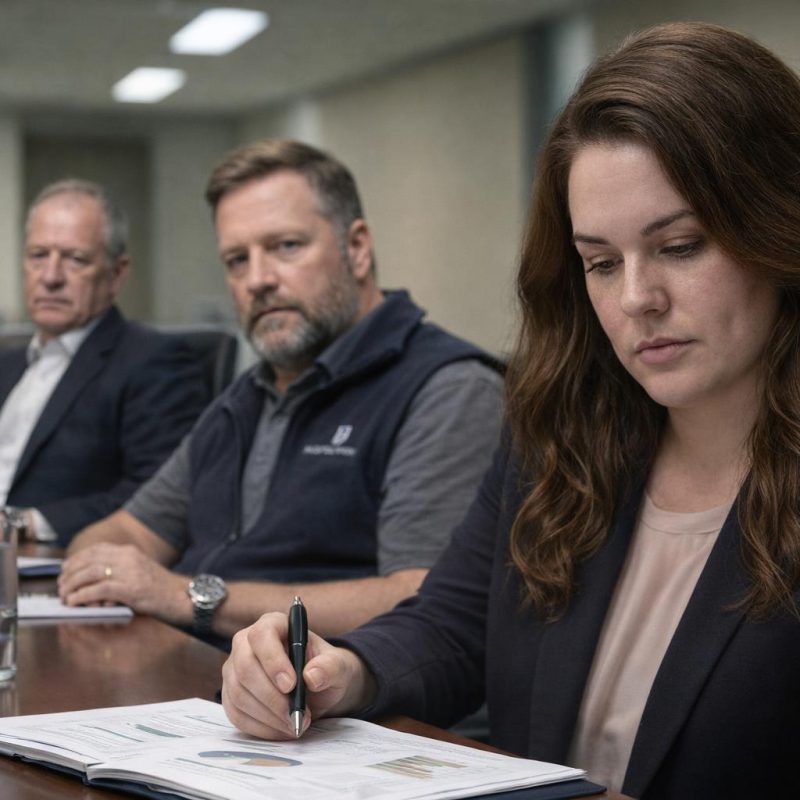 Image by RM AI
Shifting Dynamics
Over the next week, I noticed employees treating me differently—less deferential, more hesitant, sometimes avoiding me altogether. It started small. Sarah from accounting paused for a long moment before responding to my request for the quarterly reports, like she was weighing whether she actually had to comply. Mark from operations stopped mid-sentence when I walked past his office, then didn't resume until I'd turned the corner. In the break room, conversations would just die when I entered, people suddenly very interested in their coffee or their phones. Tom barely made eye contact during our project sync, answering my questions with the bare minimum and checking his watch twice. I kept trying to tell myself I was being paranoid, that I was reading too much into normal workplace interactions. But Jennifer noticed it too—I could tell by the way she looked at me during the staff meeting, this concerned expression she quickly hid. She was one of the few people still treating me the same, still responding to my emails promptly, still asking my opinion on decisions. Everyone else had started creating this invisible distance I couldn't quite measure or prove. It was subtle enough that I couldn't point to specific incidents, but I felt the shift in every hallway conversation that stopped when I approached.
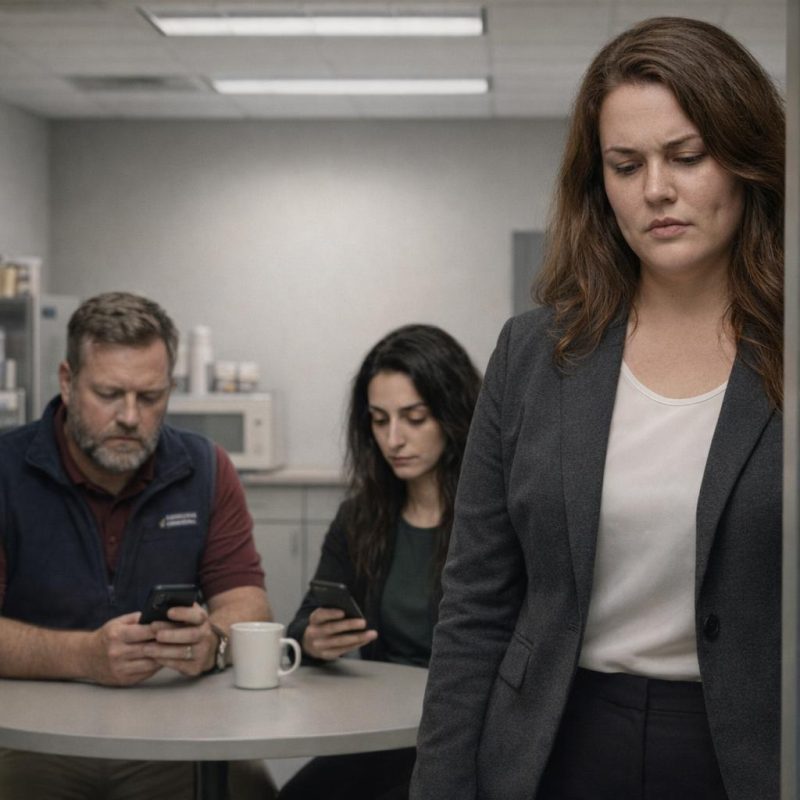 Image by RM AI
Deference to Greg
The project meeting should have been straightforward—we were deciding on the timeline for the Morrison rollout, which fell squarely under my department. I'd prepared the proposal, run the numbers, coordinated with three different teams. Tom sat across the table flipping through the deck I'd sent, then looked past me to where Greg was sitting at the end of the conference room. "Greg, what do you think about pushing the launch to Q2 instead?" he asked, like I wasn't even there. "Gives us more runway for testing." Greg leaned back in his chair, considering, not even glancing in my direction. "Makes sense," he said. "Let's do Q2. Good thinking, Tom." Just like that. No acknowledgment that this was my project, my decision to make, my six weeks of planning he'd just overridden with two words. I sat there with my proposal open on my laptop, my carefully researched timeline suddenly irrelevant. The other three people in the meeting were looking at Greg too, waiting to see if he had any other thoughts, treating him like the final authority. Nobody asked what I thought. Nobody seemed to remember this was supposed to be my call. I sat in that meeting realizing people were already treating Greg like he owned the company instead of me.
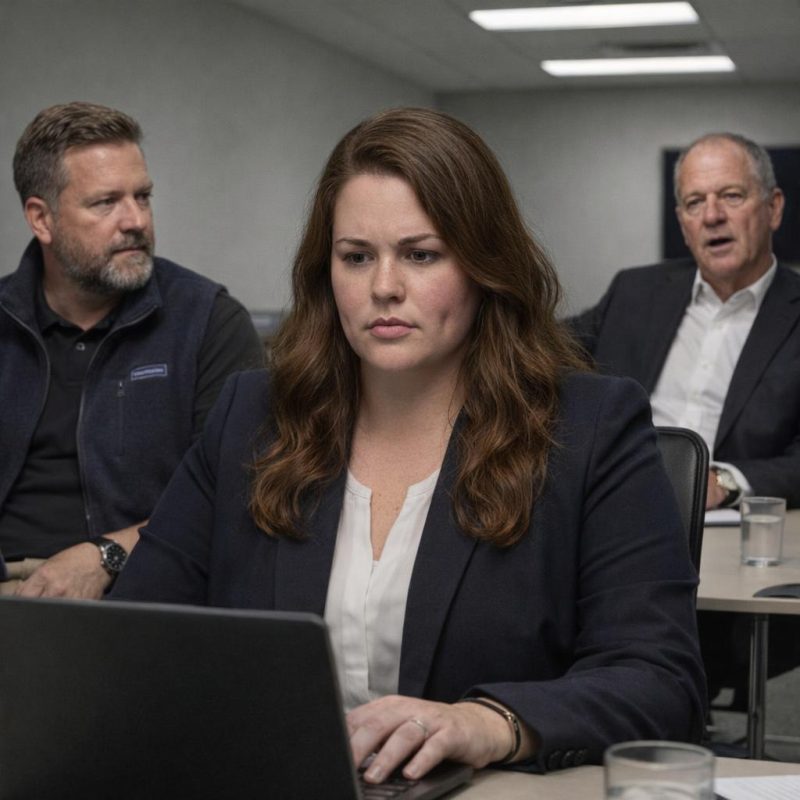 Image by RM AI
Reassigned Without Notice
I pulled up the shared drive Thursday morning to update the status report for the Westfield account—the project I'd been leading for six months, the one I'd personally pitched and won. The folder structure looked different. I clicked through, confused, then felt my stomach drop. All my files had been moved to an archive subfolder. The active project directory now showed Tom as the lead, his name on every document. I scrolled through my email, searching for some notification I'd missed, some heads-up about a transition. Nothing. Then I found it in a search for "Westfield"—an email from Greg sent three days earlier with the subject line "Project Reassignment." He'd copied Tom, Jennifer, the entire project team, both clients. Everyone except me. The email was brief and professional: effective immediately, Tom would be taking over the Westfield account to better distribute workload and leverage his institutional knowledge. I read it three times, my hands shaking. Six months of work, just handed to someone else, and nobody had even bothered to tell me. I started wondering if maybe I'd been doing a bad job, if this was Greg's polite way of fixing a problem I hadn't realized I'd created. Maybe I really wasn't ready for accounts this size. When I checked the project files, Greg had sent the reassignment email three days earlier, copying everyone except me.
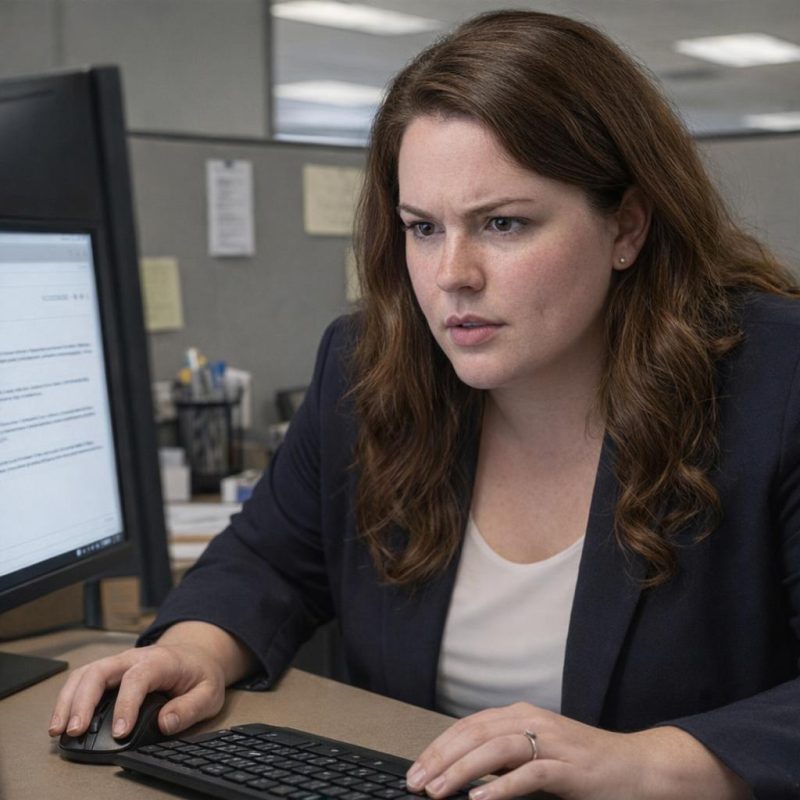 Image by RM AI
The Confrontation
I went to Greg's office right after lunch, trying to keep my voice steady and professional. "I saw the email about Westfield," I said from his doorway. "Can we talk about that?" He looked up from his computer and smiled, gesturing to the chair across from his desk like he'd been expecting me. "Of course, kiddo. Come in." I sat down, gripping the armrests. "I'm just confused about why the project was reassigned. I thought it was going well." Greg nodded sympathetically. "It was going fine," he said. "But Tom has more bandwidth right now, and honestly, he's got the institutional knowledge for an account that size. He's been here twelve years—he knows all the legacy systems, the client history." He leaned forward slightly. "I think it makes more sense for you to focus on some of our smaller accounts while you continue developing your skills. No shame in that. We all have to build our way up." The way he said it sounded so reasonable, so concerned for my development. But it felt like he was patting me on the head and sending me to the kids' table. "I've been leading that account for six months," I managed. "I know, and you did good work getting it started," Greg said. "This isn't a criticism. It's just strategy." He suggested I focus on smaller accounts while I continued developing my skills, and I left his office feeling smaller than I'd felt in years.
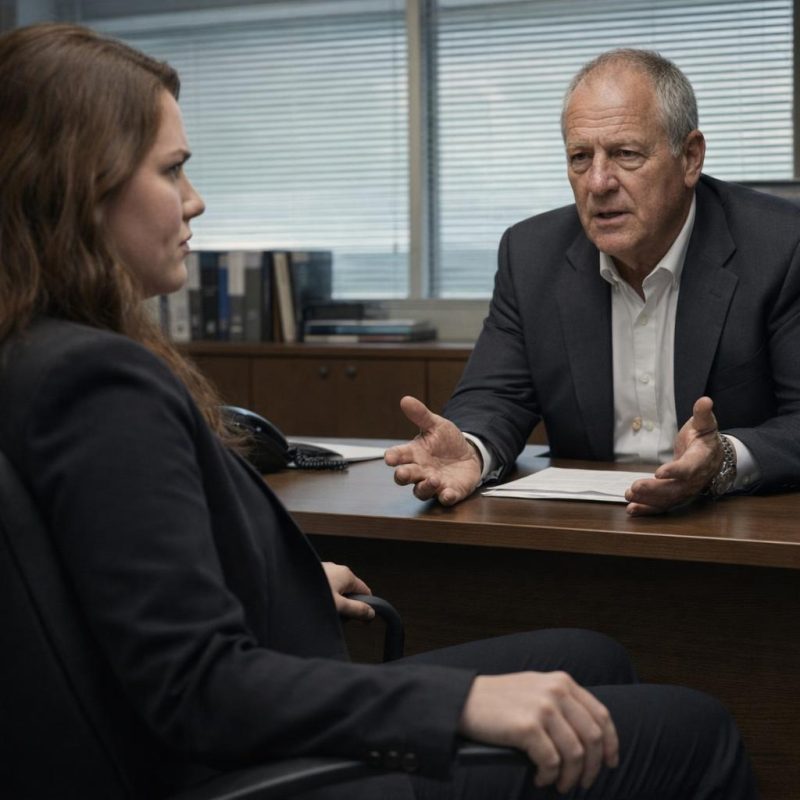 Image by RM AI
Locked Out
I tried to log into the financial system Monday morning to review the monthly reconciliation reports—part of my regular routine. Access denied. I frowned at the screen, typed my password again more carefully. Same message. Maybe the system was down. I tried the accounts payable portal. Access denied. The client billing system. Access denied. The company credit card management portal. Access denied. My hands started shaking as I clicked through every financial account I normally accessed, watching the same red error message pop up over and over. I checked the system admin log—something I could still access, apparently—and felt my chest tighten. All my credentials had been revoked Friday afternoon at 3:47 PM. I'd been sitting in my office Friday at 3:47 PM, responding to emails, reviewing contracts. I'd walked past Greg's office twice that afternoon. I'd said goodnight to Jennifer on my way out. Nobody had mentioned anything about access changes. Nobody had sent an email. Nobody had stopped by to give me a heads-up that I was being locked out of every financial system in the company. The system message said the changes were made Friday afternoon, and I'd been working in the office all day without anyone mentioning it.
 Image by RM AI
Temporary Precaution
Greg appeared in my doorway around ten, holding two cups of coffee and wearing that easy smile. "Thought you might need this," he said, setting one on my desk. "I heard you had some trouble with system access this morning." I stared at him. "All my financial credentials were revoked." "Right, yeah," he said casually, leaning against the doorframe. "That's just a temporary precaution during the transition. We're restructuring some of the access protocols—making sure everything's clean and documented before ownership gets finalized." He took a sip of his coffee. "Your dad and I talked about it last week. He agreed it made more sense this way, keeps everything clear during the handoff." The way he said ownership made my stomach drop. Not the transition. Not the retirement. Ownership. Like it was already decided, already his. "I should have been notified," I said, trying to keep my voice level. "You're right, that's on me," Greg said smoothly. "I meant to give you a heads-up Friday, but it slipped my mind. You know how crazy end-of-week gets." He smiled again. "Nothing to worry about. We'll get you set up with appropriate access once we finalize the new structure." Appropriate access. Not full access. Not the same access. He mentioned Dad had agreed it made more sense this way while ownership got finalized, and the way he said ownership made my stomach drop.
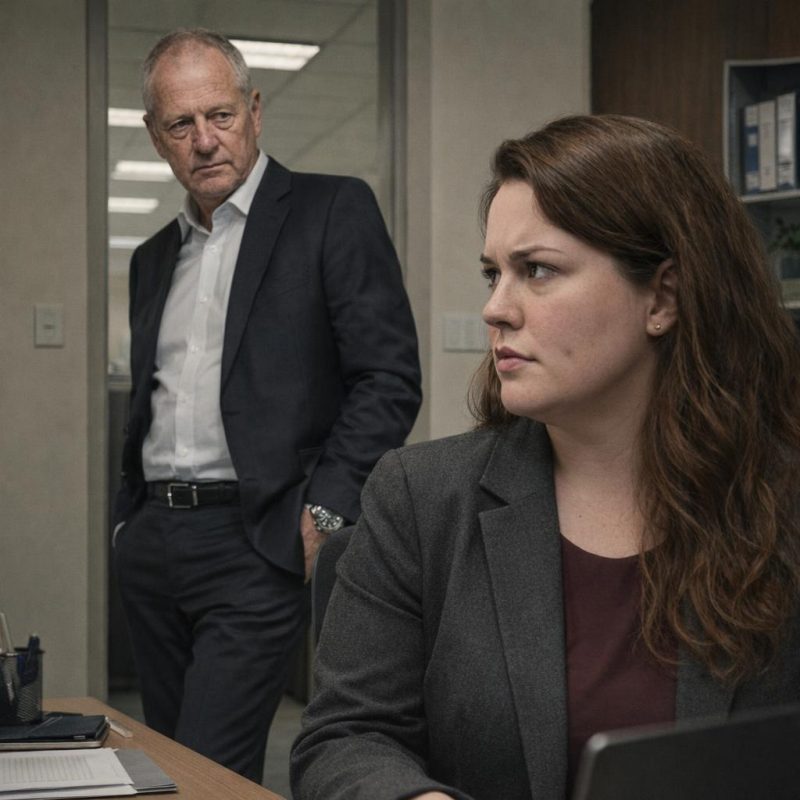 Image by RM AI
Something Strange
I waited until evening to call Dad, after Greg had left for the day and the office had emptied out. I drove to his house instead of talking on the phone—this felt like a conversation I needed to have face to face. He answered the door in his reading glasses, looking surprised to see me. "Everything okay?" he asked. We sat in his living room, the same room where we'd celebrated my college graduation, where he'd told me about his retirement plans six months ago. "Dad, is something strange happening with the transition?" I asked. "With Greg?" He was quiet for a long moment, and I watched something shift in his expression. He looked more exhausted than I'd ever seen him—not just tired, but worn down, like he'd been carrying something heavy for a very long time. The lines around his eyes seemed deeper. His shoulders sagged in a way I'd never noticed before. "Why do you ask?" he said finally. "Because my system access got revoked without anyone telling me," I said. "Because projects are being reassigned. Because people are treating Greg like he's already in charge." Dad rubbed his face with both hands. "It's complicated," he said quietly. I waited until evening to ask Dad directly if something strange was happening with the transition, and he looked more exhausted than I'd ever seen him, and I realized he'd been carrying something heavy for longer than I knew.
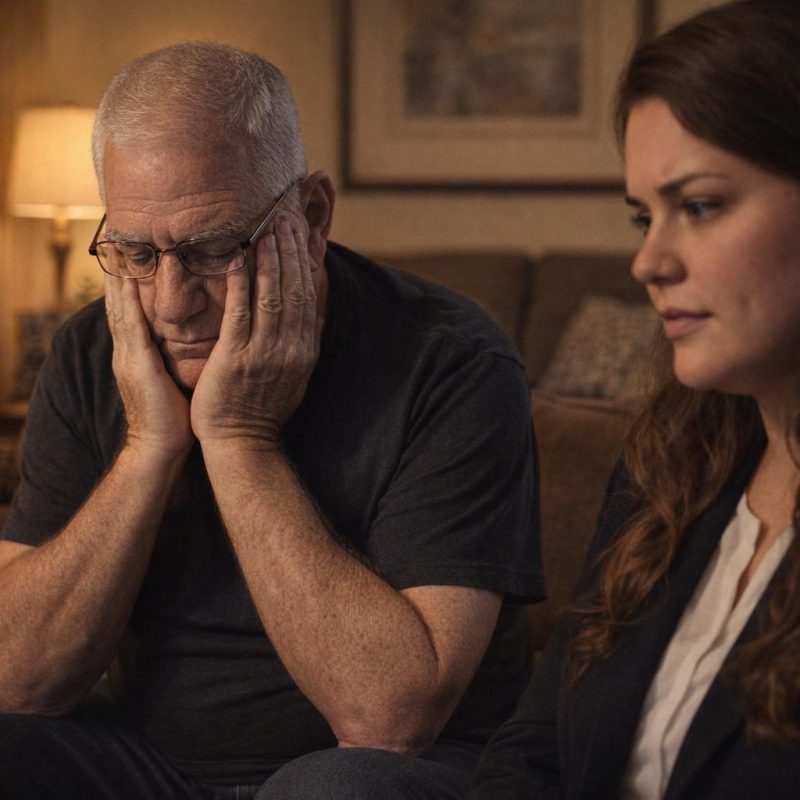 Image by RM AI
Months of Pressure
Dad was quiet for another moment, then sighed. "Greg's been pressuring me for months to restructure things before I step away," he said. "He thinks—" Dad paused, choosing his words carefully. "He thinks the company needs different leadership going forward." My throat felt tight. "Different how?" "He's been making the case that clients trust him more," Dad said, and I could hear how tired he was. "That he's the face they know, the one they've worked with for twenty years. He says investors trust him more because he understands the financial side better. He says employees trust him more because he's been here since the beginning." Each sentence felt like a punch. "And you believe that?" I asked. Dad looked at me, and I saw something conflicted in his expression. "I don't know what I believe anymore," he said. "He's very convincing. He has spreadsheets, client feedback, performance metrics. He makes it sound so reasonable." He rubbed his eyes under his glasses. "He keeps saying it's not personal, that it's just business reality. That you're talented but you need more time, more experience." According to Greg, clients trusted him more, investors trusted him more, employees trusted him more, and I felt sick hearing it said out loud.
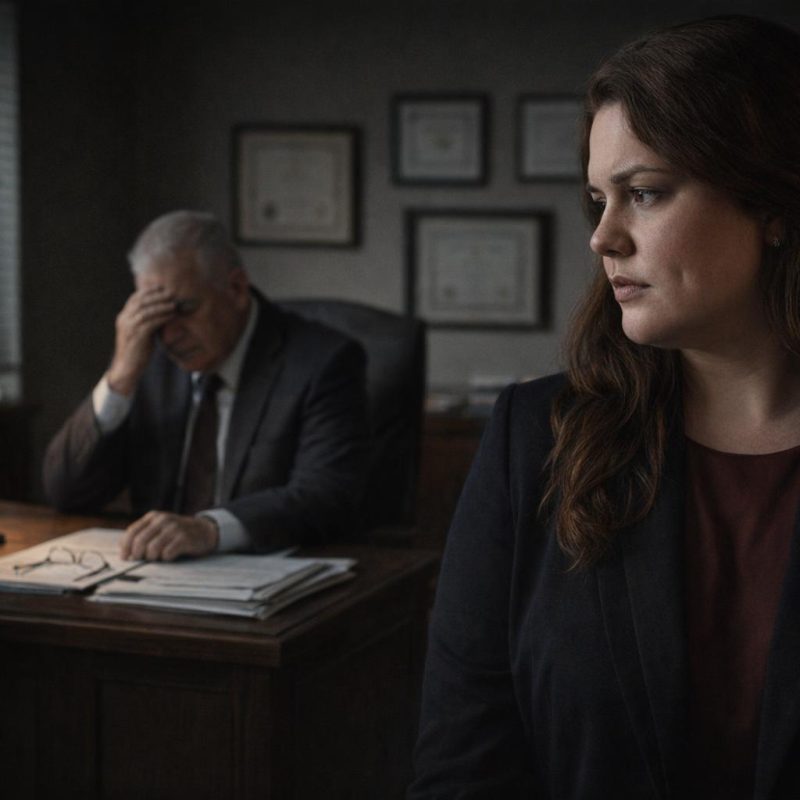 Image by RM AI
More Time
"He thinks you need more time," Dad said, and the words came out carefully, like each one hurt to speak. We were still sitting in his office, and I watched him look down at his hands instead of at me. "More time to what?" I asked, though I already knew the answer would make me feel worse. "More time to develop," Dad said quietly. "More time to build credibility with the board. More time to establish yourself independently." Each phrase landed like a separate blow. I'd been at this company for eight years. I'd led projects that brought in millions. I'd worked weekends and holidays and missed birthdays and vacations. "Independently," I repeated, and the word tasted bitter. Dad looked up at me then, and I saw something in his expression that scared me—not anger, not disagreement, but something closer to consideration. Like he was actually weighing Greg's words against what he knew about me. "I told him you've more than proven yourself," Dad said, but there was a hesitation in his voice that hadn't been there before. After everything I'd sacrificed for that company, Greg was trying to convince my own father I wasn't capable, and part of me wondered if Dad was starting to believe him.
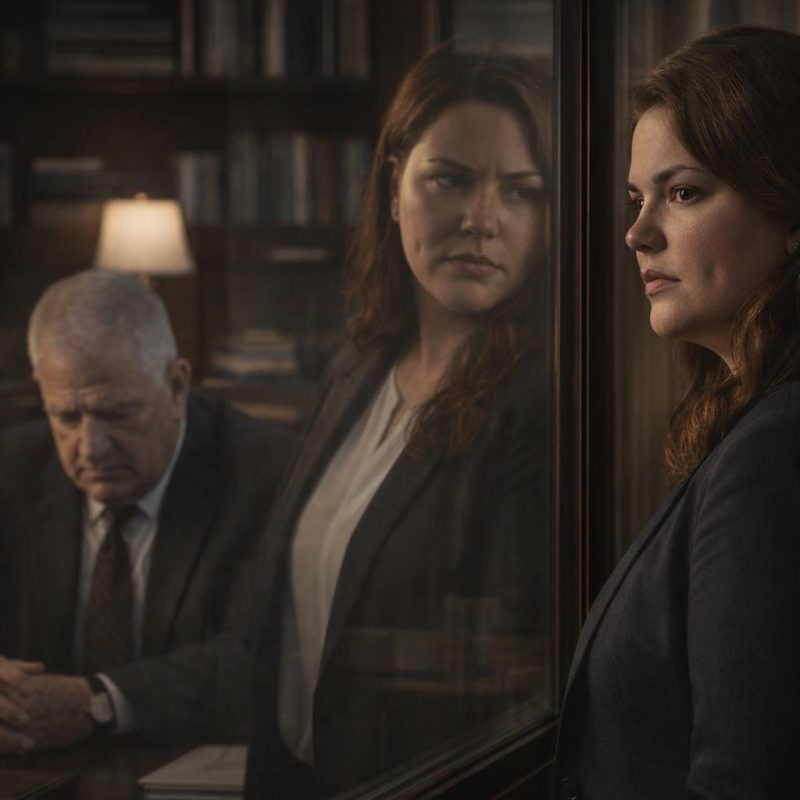 Image by RM AI
Connecting the Dots
I didn't sleep that night. Instead, I lay in bed replaying every meeting, every exclusion, every moment over the past few months that I'd brushed off or explained away. The client dinner where Greg had suggested I might be more comfortable sitting out the technical discussion. The board presentation where he'd interrupted me three times to "clarify" points I'd already made clearly. The project reassignments that Tom had called "strategic reallocation." The casual comments about my workload, my stress levels, my need for balance. I'd told myself Greg was just being protective. That Tom was just being Tom. That I was reading too much into normal workplace friction. But lying there in the dark, watching shadows move across my ceiling, those explanations felt flimsy. The pattern was too consistent. The timing too convenient. The escalation too steady. I still couldn't prove anything—couldn't point to a single moment and say definitively that it was malicious rather than thoughtless. But I also couldn't shake the feeling that I'd been making excuses for something I should have seen clearly. What I'd excused as miscommunications or personality clashes suddenly looked like something else entirely, though I still couldn't prove what.
 Image by RM AI
Public Undermining
Thursday's team meeting had twelve people around the conference table when I presented my quarterly analysis. I was halfway through the revenue projections when Greg interrupted. "Actually, I think we need to revisit those numbers," he said, his voice carrying that easy authority that made people listen. "Emily, you're using last year's market baseline, but that doesn't account for the sector shift we discussed in the leadership meeting." I felt my face get hot. "I adjusted for the sector shift," I said, keeping my voice steady. "It's in the footnotes on slide seven." Greg smiled, but it didn't reach his eyes. "Right, but I think you might want to revisit the fundamentals of how we calculate market adjustment. It's a common mistake." The room went completely silent. Not the normal pause between speakers, but something heavier, more charged. I could see Jennifer staring down at her notepad, her pen frozen mid-word. Tom sat back in his chair with his arms crossed, and I swear there was satisfaction in his expression. Twelve people watched me stand there, my analysis dismissed as a "common mistake" in front of the entire team. The silence that followed felt different from before—heavier somehow—like everyone in the room was waiting to see what I'd do.
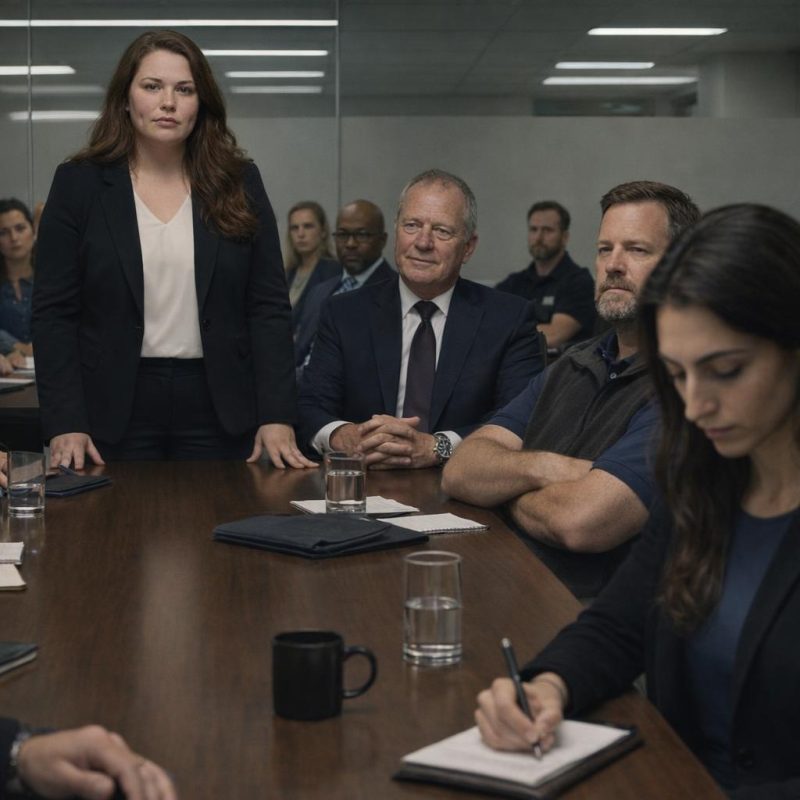 Image by RM AI
The Avalanche
The Riverside account was reassigned to Tom on Monday morning. No meeting, no discussion, just an email from Greg saying they'd decided to "redistribute the portfolio for better resource allocation." Wednesday, the Peterson contract got transferred to Rachel. Friday morning, I opened my inbox to find that the Westfield expansion—the project I'd been developing for six months—had been moved to a team Greg was personally overseeing. Three major projects in five days. Each one stripped away without explanation, without even the courtesy of a phone call. I sat at my desk Friday afternoon staring at my project management dashboard, watching the list of active assignments that used to fill the entire screen. Now there were four items. Four. Two were administrative reviews that barely counted as projects. One was a client relationship maintenance task that required maybe three hours a week. The last was a small contract renewal that would wrap up by the end of the month. Tom walked past my office around three, and I saw him glance in with that tight smile that never reached his eyes. By Friday afternoon, my portfolio had been gutted, and I sat staring at my nearly empty project list wondering if this was how it would end.
 Image by RM AI
Charity Case
I was heading to the break room Friday afternoon when I heard Greg's voice from around the corner. He was talking to someone in that casual, confidential tone he used when he thought he was among friends. "Look, I know it's awkward," he said, "but we can't keep treating her like she's actually qualified for this level. She's basically the charity case." I stopped walking. Just froze there in the hallway with my hand still reaching for the door handle. "I mean, what was I supposed to do?" Greg continued. "Tell my best friend I didn't want his daughter working here? But now that he's retiring, we need to be realistic about what she can actually handle." The other person said something I couldn't hear, and Greg laughed. "Exactly. Without him running interference, she's going to be exposed pretty quickly. I'm just trying to manage the transition gracefully." My heart was pounding so hard I could hear it in my ears. I stood there for what felt like forever but was probably only seconds, listening to him talk about me like I was a problem to be managed, a burden he'd been carrying out of obligation. I stood frozen in the hallway while he continued talking to someone I couldn't see, and I finally understood he'd never seen me as family at all.
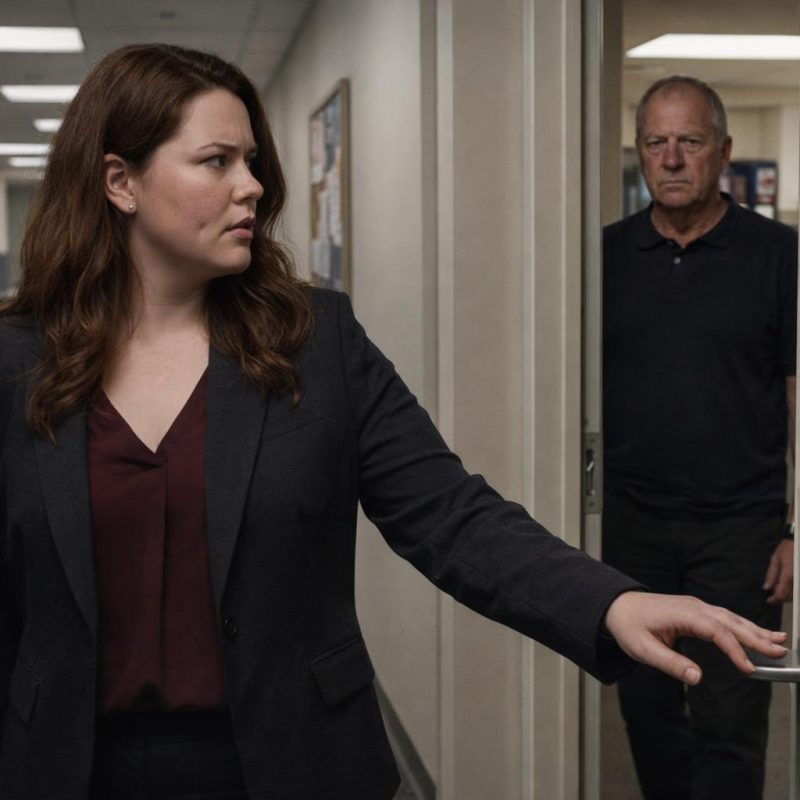 Image by RM AI
Six Months
The company dinner was at that Italian place downtown that Greg always chose for these events. I ended up three seats down from him at the long table, close enough to hear his conversations but far enough that I wasn't part of them. The senior managers were there, department heads, a few key clients. Tom sat across from me, working on his second scotch. I was pushing pasta around my plate when I heard Greg's voice rise slightly, that performative volume that meant he wanted nearby tables to hear. "The thing about nepotism," he said to the senior manager beside him, "is that it creates unrealistic expectations. Without her dad running the show, she wouldn't last six months here." Several people laughed. Not uncomfortable chuckles, but real laughter, like he'd made a genuinely funny observation. I felt something crack inside my chest, something that had been holding together through all the other humiliations. I kept my eyes on my plate, kept my face neutral, and reached for my water glass. My hand was steady. My smile stayed in place. I lifted the glass like I was just taking a normal sip, like I hadn't heard anything at all. People laughed, and I felt something break inside me as I smiled and lifted my water glass like I hadn't heard.
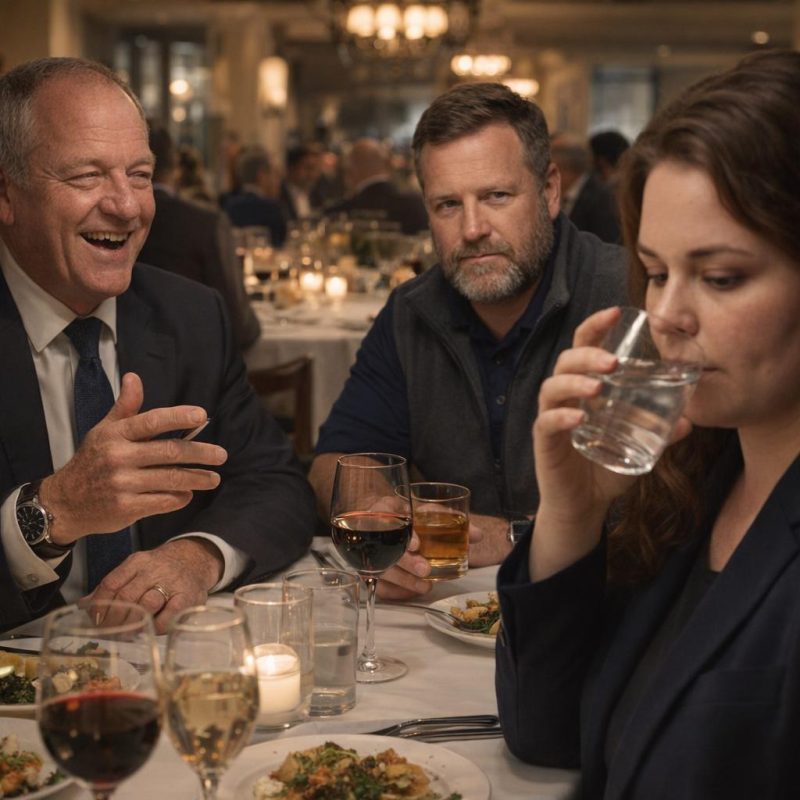 Image by RM AI
Maybe He's Right
I couldn't sleep after the dinner. I lay in bed staring at the ceiling, running through every project I'd ever led, every decision I'd ever made, trying to see them objectively. The Riverside account—had I actually landed that, or had Dad made a call? The Peterson contract—had my proposal been the best, or had they chosen us because of the family connection? The Westfield expansion—had my strategy been solid, or had Greg been covering for my mistakes this whole time? I replayed presentations, client meetings, strategy sessions. Every success suddenly felt questionable. Every compliment felt like it might have been politeness. Every promotion felt like it could have been nepotism dressed up as merit. Maybe Greg was right. Maybe I'd been coasting on my father's reputation for eight years, too blind or too arrogant to see it. Maybe everyone at the company knew it except me. Maybe they'd been waiting for Dad to retire so they could finally be honest about my limitations. I thought about the charity case comment, the six months prediction, and I couldn't find solid ground to stand on anymore. For the first time since joining the company, I genuinely couldn't tell whether I was good at my job or just my father's daughter.
 Image by RM AI
Financial Inconsistencies
The email arrived at 4:47 PM on Friday. I was packing up my desk, ready to escape for the weekend, when my phone buzzed. The sender was Rachel from HR. The subject line read: Concerns Regarding Financial Inconsistencies. My hands went cold. I opened it on my phone, then immediately pulled it up on my computer because I couldn't believe what I was reading. "Dear Emily," it began, formal and distant in a way Rachel had never been with me before. "It has come to our attention that there are irregularities in expense approvals processed under your department authorization. These irregularities require immediate review and discussion. Please schedule a meeting with HR at your earliest convenience Monday morning to address these concerns. This matter is time-sensitive and requires your prompt attention." That was it. No details about what irregularities. No explanation of what expenses. No context about when or how this had been discovered. Just the vague, terrifying phrase financial inconsistencies and the word immediate repeated twice. I read it three times, my chest getting tighter with each pass. According to Rachel, there were irregularities in expense approvals under my department, and I needed to schedule a meeting immediately to discuss them.
 Image by RM AI
Reviewing the Damage
I spent the entire weekend at my kitchen table, laptop open, spreadsheets covering every available surface. Every expense approval I'd made in the past six months—I went through them all. Line by line. Transaction by transaction. I checked vendor invoices against approval dates, cross-referenced budget codes, verified authorization levels. I made notes in the margins when something seemed even slightly unusual, then went back and verified those notes against company policy. My eyes burned from staring at numbers. My back ached from hunching over the computer. I ordered takeout both nights because I couldn't stop long enough to cook. By Sunday evening, I'd reviewed everything twice. And here's what I found: nothing. Not a single irregularity. Every approval was within my authorization level. Every expense was properly documented. Every vendor was legitimate. Every budget code was correct. But instead of feeling relieved, I felt worse. Because I'd been so distracted by Greg's undermining over the past few months—the comments, the exclusions, the constant second-guessing—that I started doubting whether I'd missed something obvious, something everyone else could see except me.
 Image by RM AI
Too Sympathetic
Greg appeared in my doorway Monday morning at 8:15, fifteen minutes before my scheduled HR meeting. I was sitting at my desk, hands folded, trying to look calm. "Hey kiddo," he said, leaning against the frame with that easy smile. "Heard about the HR thing. That's rough." I nodded, not trusting myself to speak. "Listen, these things happen," he continued, his voice smooth and practiced in a way that made my skin prickle. "Financial irregularities sound scary, but honestly? They're usually just paperwork mix-ups. Nothing to panic about." He stepped into my office, hands in his pockets, casual and concerned. "The thing is, Emily, sometimes it's easier to step back before these situations become public. You know how people talk. Even if it's nothing, the optics can be...complicated." There it was. Step back. The suggestion landed soft, almost gentle, but I felt the weight of it. He wasn't asking. He was telling. And something about the way he said it—too smooth, too perfectly timed, too sympathetic—felt wrong in a way I couldn't quite name yet.
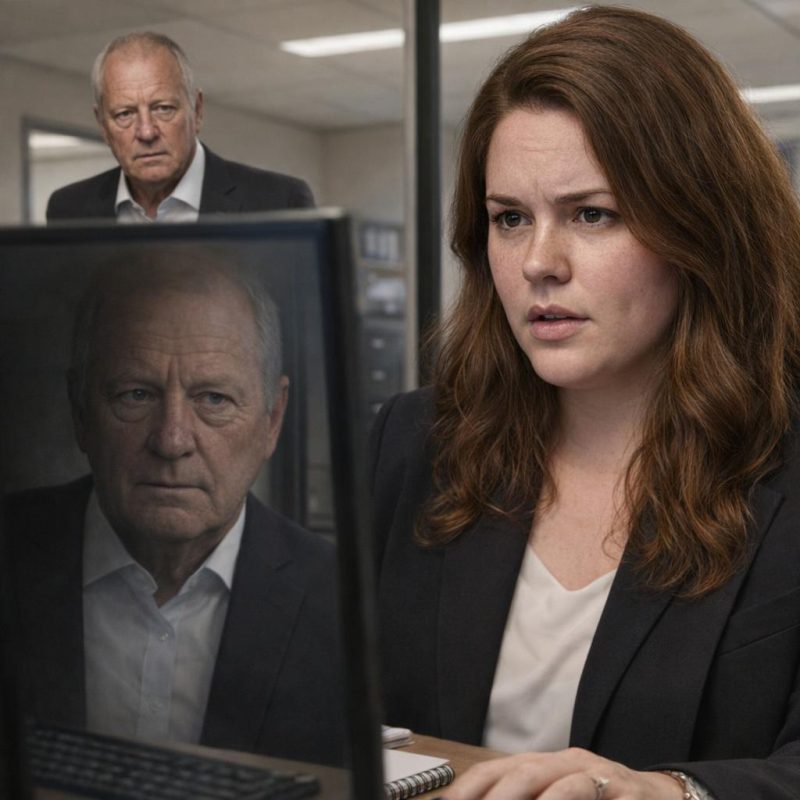 Image by RM AI
The Suggestion
Greg stayed in my doorway, one shoulder against the frame, looking every bit the concerned mentor. "If you step back voluntarily," he said, "we can handle this quietly. No drama, no public embarrassment. Just a smooth transition while we sort out the paperwork issues." He said it like he was doing me a favor. Like he was protecting me. "These things have a way of snowballing, you know? Better to get ahead of it before it becomes a whole thing." And that's when I saw it. Really saw it. He wasn't trying to help me through a difficult situation. He wasn't offering support or guidance or any of the things a business partner should offer. He wanted me to walk away. Voluntarily. Before he had to push. The exclusions from meetings, the public undermining, the project reassignments—they'd all been building to this moment. Something about the timing felt too convenient, too perfectly aligned. And now that I hadn't taken the hint, he was making the suggestion explicit. Step back. Walk away. Make it easy for him. I looked at his concerned expression, that practiced sympathy, and finally understood what I was looking at.
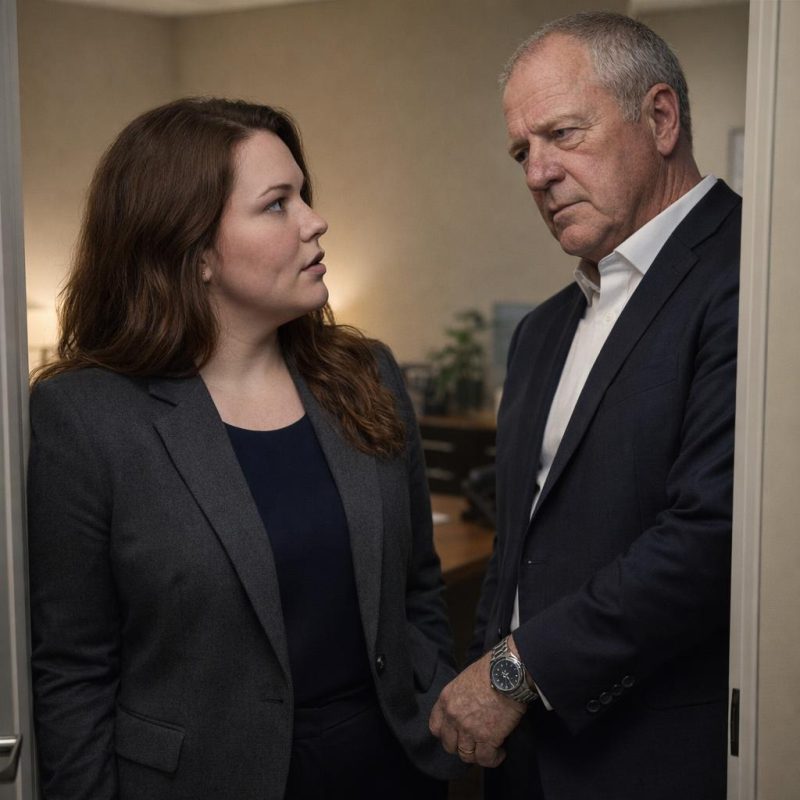 Image by RM AI
Building a Case
After Greg left, I sat at my desk and stared at my computer screen without seeing it. My hands were shaking. The exclusions from client meetings. The public comments about my judgment. The project reassignments. The revoked system access. And now this HR complaint about financial irregularities that didn't exist. I pulled up my calendar and started scrolling backward, noting dates. The first exclusion had been in early March. The public undermining started in April. The project reassignments came in May. The system access was revoked two weeks ago. And now, right before my HR meeting, Greg had appeared with his perfectly timed suggestion that I step back. The timing felt too consistent to be coincidence. Every incident, every comment, every exclusion—they all seemed to point in the same direction. But I had no proof. Just mounting dread and a timeline that looked too neat, too purposeful. I couldn't prove the incidents were connected. All I had was a sick feeling in my stomach and the certainty that I was being pushed out, one careful step at a time.
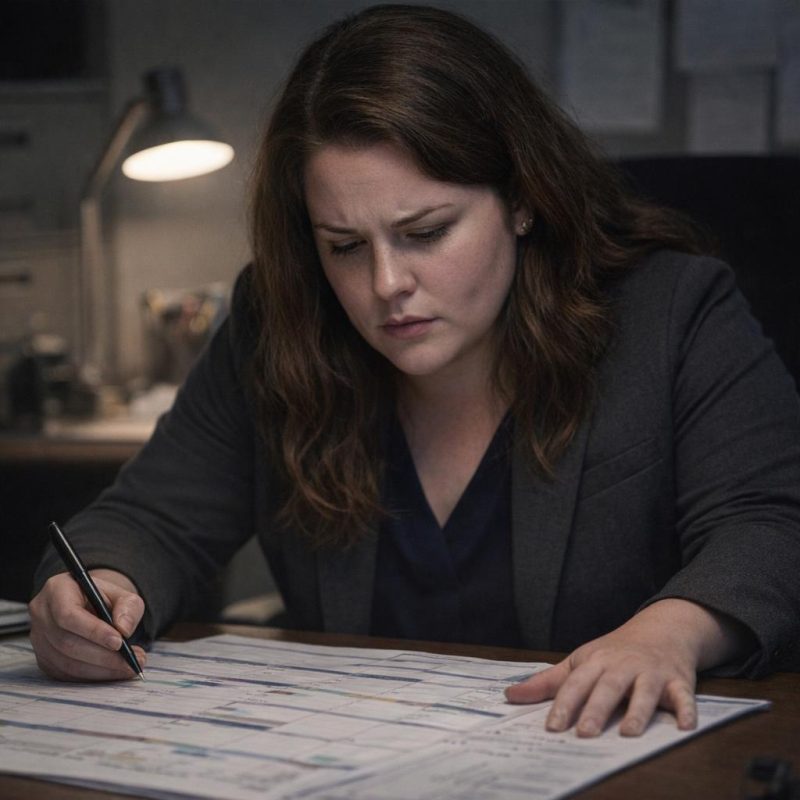 Image by RM AI
Going to Dad
I drove to Dad's house that evening without calling first. I couldn't wait. I couldn't spend another night alone with this. When he opened the door and saw my face, he just stepped aside and let me in. We sat at his kitchen table—the same table where I'd done homework as a kid—and I told him everything. Every comment Greg had made. Every meeting I'd been excluded from. Every project that had been reassigned. The system access revocation. The HR complaint. Greg's suggestion that I step back. I laid it all out chronologically, and Dad listened without interrupting. He didn't ask questions. He didn't tell me I was overreacting. He just listened, his expression growing darker with each detail. When I finished, he sat in silence for a long moment. His hands were flat on the table, and I watched his jaw work like he was trying to control something. Then I saw something I'd never seen before in my entire life: my father looked furious. Not annoyed. Not disappointed. Furious. The kind of anger that makes someone go very, very still.
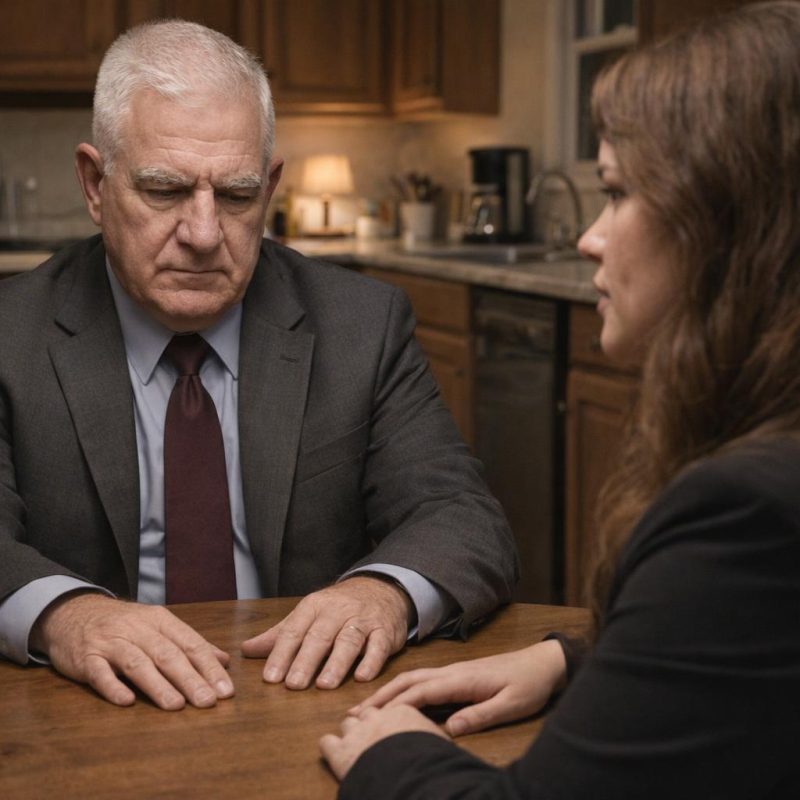 Image by RM AI
First Real Anger
"I need to see everything," Dad said, his voice tight. "Every email. Every report. Every transaction they flagged." His hands shook slightly as he opened his laptop, and I realized he was trying to control his anger, not his fear. I pulled out my phone and started forwarding emails while he logged into his secure drive. "The expense approvals too," he said. "All of them. I want to see exactly what they're claiming is irregular." I sent him the spreadsheets I'd compiled over the weekend, the timeline I'd built, the documentation of every incident. He opened each file methodically, his reading glasses reflecting the screen's glow. I watched him work, and something loosened in my chest. For the first time in months—maybe since this whole thing started—I felt like someone was on my side. Not just believing me, but actively doing something about it. Dad scrolled through emails, cross-referenced dates, made notes in a document I couldn't see. His focus was absolute. And I sat there watching him work with something that felt dangerously close to hope.
 Image by RM AI
Building the Evidence
We spent three hours at that kitchen table. Dad pulled up emails and I provided context. He'd ask about a specific meeting, and I'd explain who was there and what was said. We compared timestamps on project reassignment notifications against client meeting schedules. We built a timeline with dates, incidents, and witnesses. "This one," Dad said, pointing at an email from Greg about budget concerns. "When did he first mention this to you?" I checked my notes. "He never did. That email was the first I heard of it." Dad made a note and moved to the next item. We documented every exclusion, every comment, every change in my responsibilities. He asked questions I hadn't thought to ask myself, found patterns I'd been too close to see. By the time we finished, he had a folder full of organized evidence—emails sorted by category, incidents arranged chronologically, a clear progression of events. He saved everything to a secure folder, backed it up twice, and closed his laptop. "I'll be making some calls," he said. I didn't ask who he planned to contact. I just trusted him.
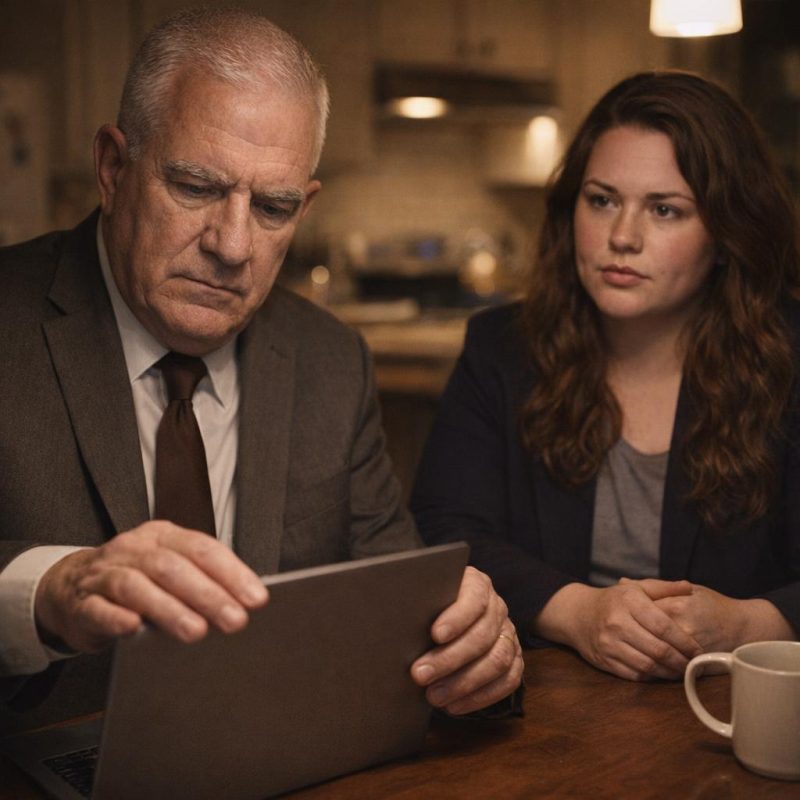 Image by RM AI
Emergency Meeting
Dad called me Wednesday morning while I was getting ready for work. "I've scheduled an emergency meeting with the company attorney," he said without preamble. "Friday afternoon. Can you make it?" My heart jumped. "Yes. Of course." "Good. And Emily?" His voice dropped lower. "Don't mention this to anyone at the office. Not Rachel, not your team. No one." There was a pause, and then he added carefully, "Anyone means anyone. Understand?" The way he said it—the deliberate emphasis, the careful tone—made me understand exactly who he meant. Greg especially. Greg could not know about this meeting. Whatever Dad had discovered in those three hours of reviewing evidence, whatever calls he'd made over the past two days, it was serious enough that we needed a lawyer. And serious enough that Greg couldn't find out before Friday. I hung up and stared at my reflection in the bathroom mirror. Two more days. I just had to get through two more days without giving anything away, and then maybe—maybe—I'd finally get some answers.
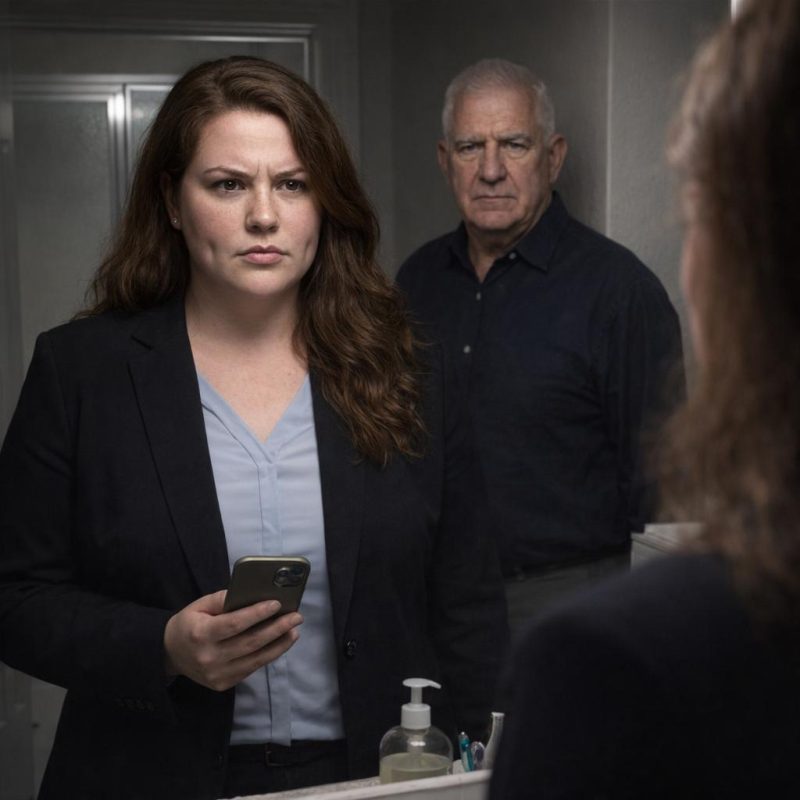 Image by RM AI
The Quiet Order
Dad called me Thursday evening, and the exhaustion in his voice made my chest tighten. "I've ordered an independent audit," he said without preamble. "Started Tuesday. They're working through everything right now—all the financial records, authorization logs, client accounts. Everything." I sat down hard on my couch. "Without Greg knowing?" "Without Greg knowing," he confirmed. "Mr. Harrison helped me arrange it. The auditors are working off-site with copies of our systems. As far as Greg's concerned, nothing has changed." There was a long pause, and I heard him take a breath. "Emily, I need you to understand something. Until this audit is complete, you cannot let on that anything is different. Not a word, not a look, not a single change in how you interact with him at the office." "How long will it take?" My voice came out smaller than I intended. "They're moving fast. A week, maybe less. But until then..." He trailed off, and I could picture him rubbing his eyes behind his reading glasses. "I know this is hard. I know you want answers. But we have to let them finish their work." I promised I would keep pretending, keep smiling, keep acting like I didn't know my entire professional life was being examined under a microscope. When we hung up, I sat in the dark and wondered what exactly those auditors were going to find.
 Image by RM AI
The Scheduled Reckoning
The email arrived Friday morning with a cheerful subject line: "Ownership Transition Meeting - Scheduled." My coffee went cold in my hand as I read the date. Next Thursday. Nine days away. I pulled up my calendar and counted backward, trying to remember when Dad said the audit would be done. A week, maybe less, he'd said. Maybe less. That meant the meeting might happen before we had answers, before we knew what the auditors found, before anything was resolved. I'd be walking into that conference room not knowing if I was about to be vindicated or destroyed. Greg stopped by my office an hour later, leaning against the doorframe with that easy smile. "Got the meeting notice," he said casually. "Big day coming up. You ready?" I forced myself to meet his eyes, to keep my expression neutral. "As ready as I can be." He nodded, looking completely unbothered, completely confident. Like someone who already knew exactly how everything would play out. After he left, I stared at my computer screen and counted the days again. Nine days until the meeting. Maybe six or seven until the audit finished. Maybe. I was trapped between two timelines, and I had no idea which one would reach me first.
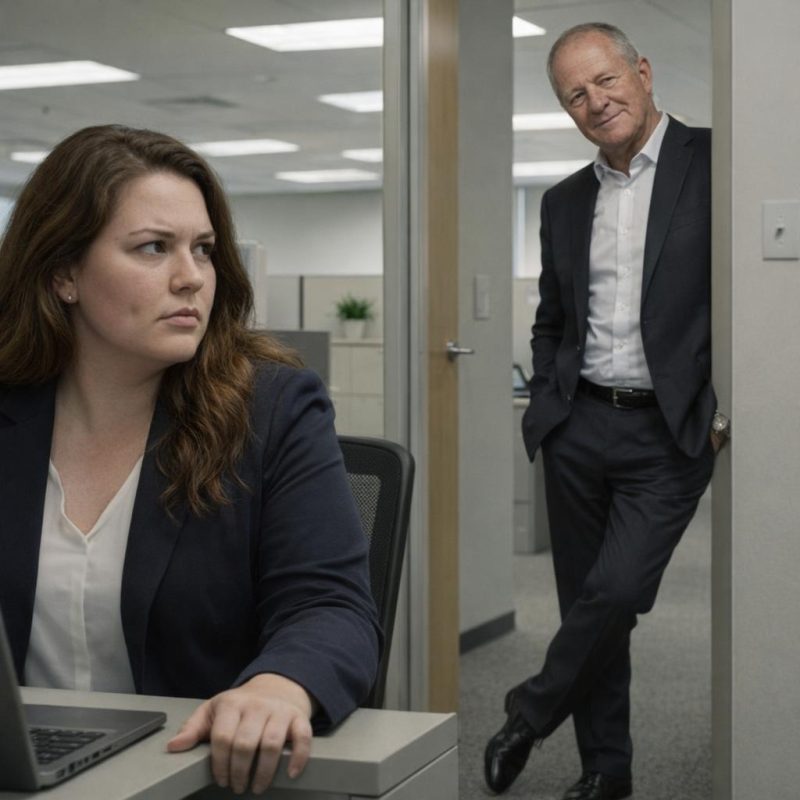 Image by RM AI
The Longest Night
I gave up trying to sleep around three in the morning. The meeting was in six hours, and I'd spent the entire night running through scenarios in my head, each one worse than the last. Maybe the audit would be done in time and Dad would have answers. Maybe it wouldn't and I'd walk in there blind. Maybe Greg really did have documentation that made me look incompetent or worse. Maybe I'd lose everything today—my job, my reputation, my father's company. I checked my phone for the hundredth time. No messages from Dad. No last-minute updates. Just the meeting reminder glowing at me from my calendar: 9:00 AM - Ownership Transition Meeting - Conference Room A. My stomach churned. I thought about Greg's confidence yesterday, that easy smile, the way he'd asked if I was ready like he already knew the answer. I thought about Dad's exhaustion on the phone, the way he'd said the auditors were moving fast but might not be done in time. I thought about walking into that conference room and facing a table full of attorneys and accountants and senior staff, all of them watching me, measuring me, judging whether I deserved to be there. When my alarm finally went off at six, I was already awake, staring at the ceiling with gritty eyes and a racing heart. In three hours, I'd know. One way or another, I'd finally know.
 Image by RM AI
Walking Into Fire
The conference room was packed when I arrived at eight fifty-five. Attorneys I'd never met sat along one wall with leather briefcases open in front of them. Two accountants I vaguely recognized from quarterly reviews occupied the far corner, laptops already glowing. Tom from operations sat near the door, arms crossed, wearing that tight smile that never reached his eyes. I felt every person in that room measure me as I walked to my seat. Dad sat at the head of the table, reading glasses perched on his nose, a stack of folders arranged precisely in front of him. Beside him sat a man in an impeccable three-piece suit who I assumed was Mr. Harrison, the company attorney. He had the kind of quiet authority that made the room feel smaller just by his presence. I took my seat halfway down the table, trying to ignore how exposed I felt. My hands were shaking, so I folded them in my lap where no one could see. Dad glanced up briefly, his expression unreadable, then returned to the document in front of him. Mr. Harrison was arranging his own folders with methodical precision, and something about the way they'd positioned everything—the careful organization, the deliberate placement—made my pulse quicken. This meeting wasn't going to go the way I'd feared. But I had no idea what that meant.
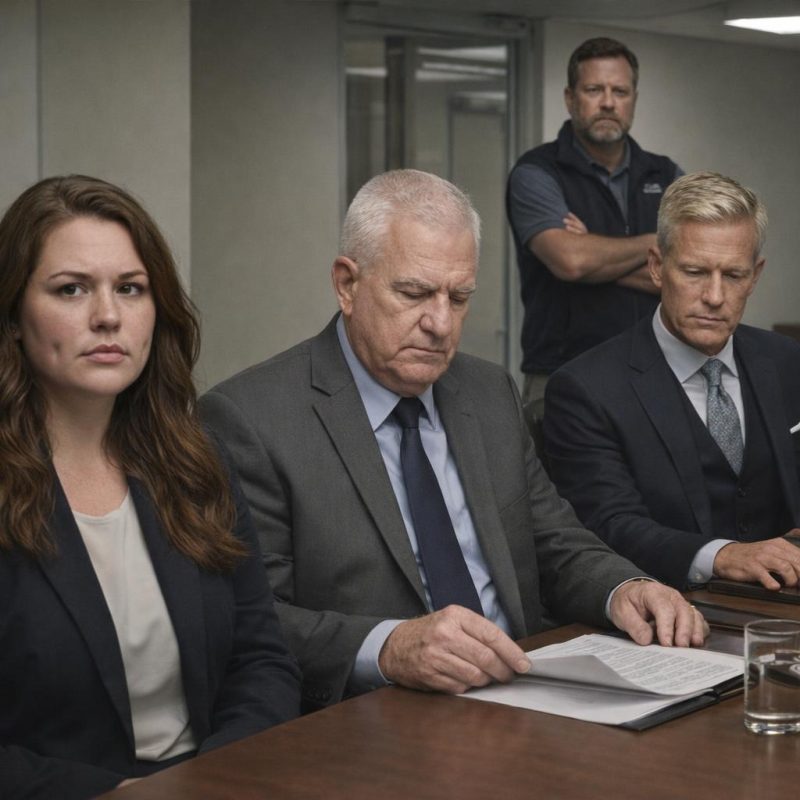 Image by RM AI
The Smirk
Greg arrived at nine-oh-five, and the casual confidence radiating off him made my stomach turn. He wasn't rushed, wasn't apologetic, just strolled in like he had all the time in the world and settled into the chair directly across from me. That smug little smile played at the corners of his mouth as he nodded to Dad, to Mr. Harrison, to the attorneys along the wall. Like he was greeting colleagues at a celebration instead of attending what was supposed to be a serious business meeting. He leaned back in his chair, one arm draped over the backrest, completely relaxed. His expensive suit looked effortlessly worn, his tie loosened just enough to seem approachable. Everything about his body language screamed that he'd already won, that this meeting was just a formality, that the outcome had been decided long before any of us walked through that door. I forced myself to keep my face neutral, to not let him see how sick I felt watching that confidence. My hands were still folded in my lap, nails digging into my palms. Dad's expression remained unreadable. Mr. Harrison was opening a folder with slow, deliberate movements. And Greg just sat there with that smile, looking like someone who believed the world was about to hand him exactly what he wanted. I wondered if he was right.
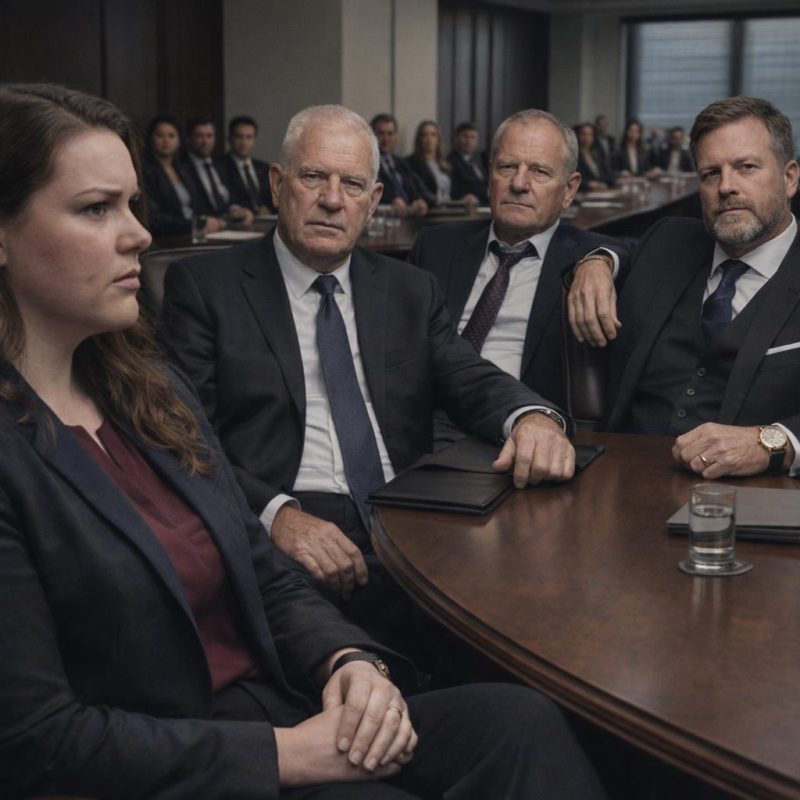 Image by RM AI
The Final Folder
Mr. Harrison cleared his throat and opened the final folder. "The independent audit has been completed," he said in a measured, authoritative tone that made the entire room go still. "The findings are conclusive." He began reading, his voice steady and precise, laying out months of financial manipulation. Unauthorized account access. Deleted authorization logs. Client communications redirected through private email accounts. Financial reports altered to hide discrepancies. Every word felt like a hammer blow, but not against me. Against Greg. I watched his face transform. The smug confidence drained away first, replaced by confusion, then dawning horror as Mr. Harrison continued reading. The audit had traced everything back to one source. Every fraudulent transaction, every deleted record, every suspicious change—all of it led directly to Greg's login credentials, Greg's private accounts, Greg's deliberate manipulation of the company's financial systems. The room was completely silent except for Mr. Harrison's voice. Tom's arms had uncrossed. The attorneys were leaning forward. And I sat there, my mind reeling, as six months of torment suddenly clicked into devastating focus. The exclusions from meetings. The undermining of my authority. The constant questions about my competence. Greg hadn't been protecting the company from me. He'd been setting me up to take the fall for his own crimes.
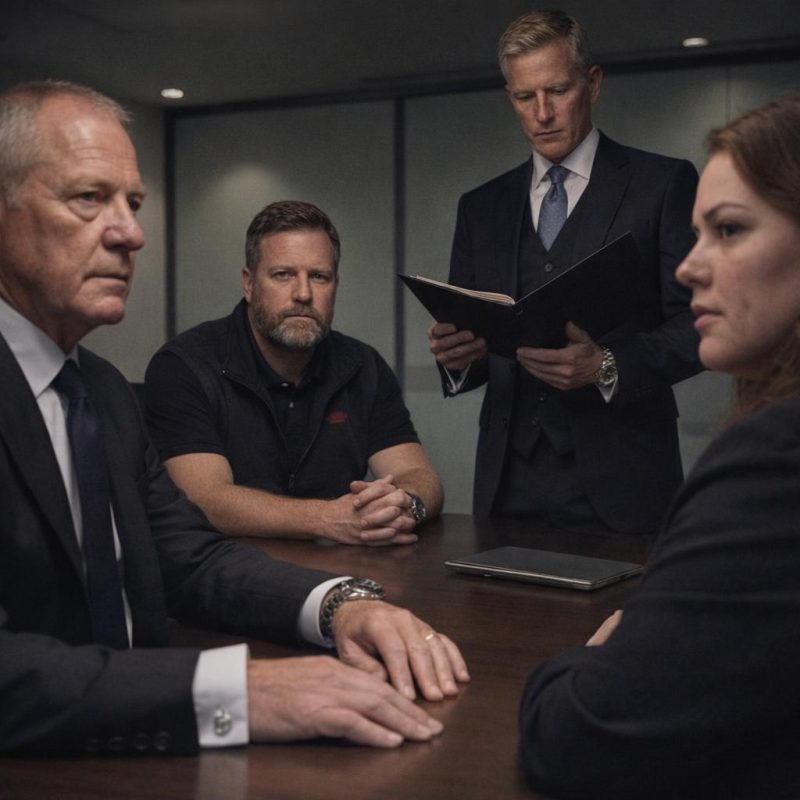 Image by RM AI
The Evidence
Mr. Harrison laid out the documentation with methodical precision. Bank records showing Greg had created shadow accounts that mirrored legitimate client accounts. Email logs proving he'd redirected client communications through a private server to control what information reached Dad and what didn't. Financial reports with tracked changes revealing how he'd manipulated numbers, then deleted the edit history to cover his tracks. Authorization logs that had been recovered from backup systems, showing Greg had systematically removed evidence of his own access while creating false trails that pointed toward my workstation. Every accusation he'd made against me over the past six months was right there in the evidence—but inverted. Every concern he'd raised about my competence, every doubt he'd planted about my judgment, every time he'd questioned my decisions in front of the team, it had all been cover. Misdirection. He'd been positioning me as the incompetent one, the liability, the person who couldn't be trusted with the company's future. Because when the fraud was eventually discovered, everyone would already believe I was capable of it. The attorneys were taking notes. Tom looked like he might be sick. And Greg just sat there, his face ashen, his confident posture collapsed into something small and cornered. I felt a grim satisfaction watching him crumble, but it was hollow. He'd almost succeeded.
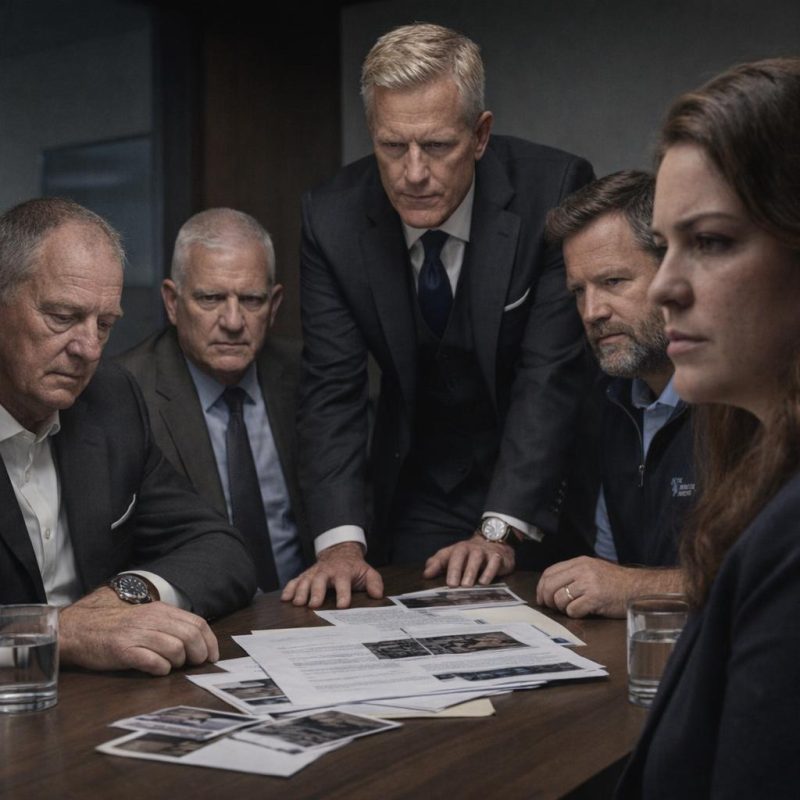 Image by RM AI
Login Credentials
"The technical evidence is irrefutable," Mr. Harrison continued, flipping to the final page of the audit report. "Every fraudulent transaction, every deleted log, every unauthorized system change has been traced directly back to Mr. Thornton's personal login credentials. The timestamps correlate with his building access records. The IP addresses match his home network and mobile devices." He looked up from the document, his gaze settling on Greg with cold precision. "There is no ambiguity in these findings." Greg opened his mouth, closed it again. His hands were gripping the edge of the table, knuckles white. But I wasn't looking at him anymore. I was looking at Dad. His face had gone gray. He was staring at the folders in front of him, at twenty years of partnership laid out in black and white as systematic fraud and betrayal. His jaw was tight, his eyes distant, and I could see something crumbling behind them—not just trust, but the entire foundation of what he'd believed about his business, his judgment, his friend. I'd been vindicated. The evidence was undeniable. Greg had no defense against his own login records, his own digital fingerprints all over the crime. But watching Dad process what his partner had done, I realized vindication felt nothing like I'd imagined. It felt like grief.
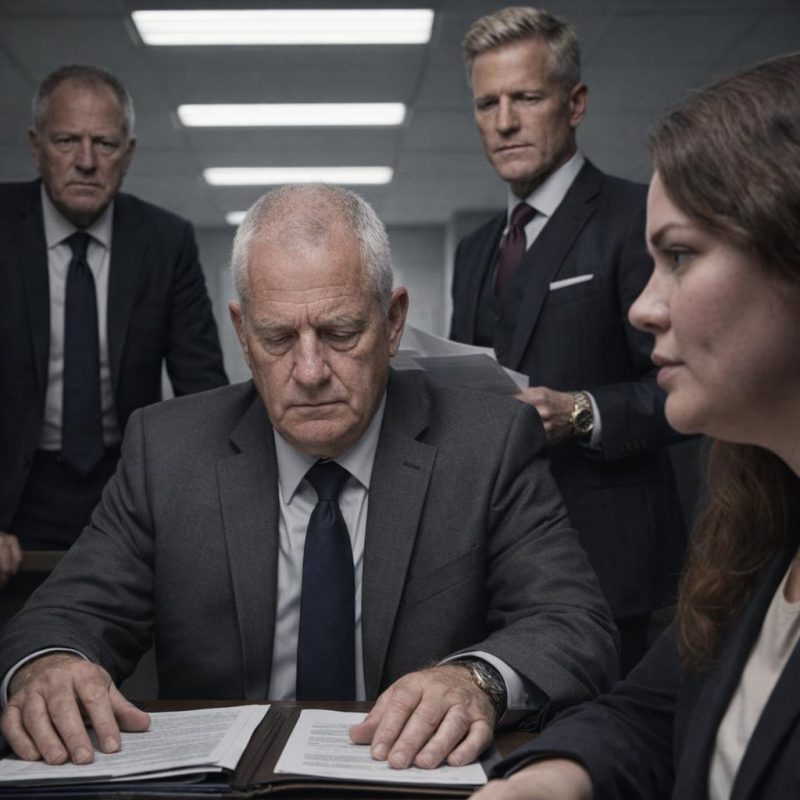 Image by RM AI
The First Denial
Greg's face went white. Not pale—white. Like someone had drained every drop of blood from his body in the span of a heartbeat. "This is—no. No, this is wrong," he said, his voice climbing higher with each word. "There's been some kind of mistake. The auditors—they've made an error. They have to have made an error." He was shaking his head, hands pressed flat against the conference table like he needed it to hold him upright. "I would never—you know me. You all know me. This is insane." His eyes darted around the room, searching for someone, anyone, who might believe him. But nobody moved. Nobody spoke. Mr. Harrison sat perfectly still, his expression unchanged. Dad stared at the folders in front of him. Tom had his arms crossed, his face carefully neutral. And I just watched, silent and stunned, as the man who'd spent months making me doubt myself came completely apart. "There has to be an explanation," Greg said again, but his voice cracked on the last word. His hands were shaking visibly now, trembling against the polished wood, and everyone in the room could see the panic breaking through his composure.
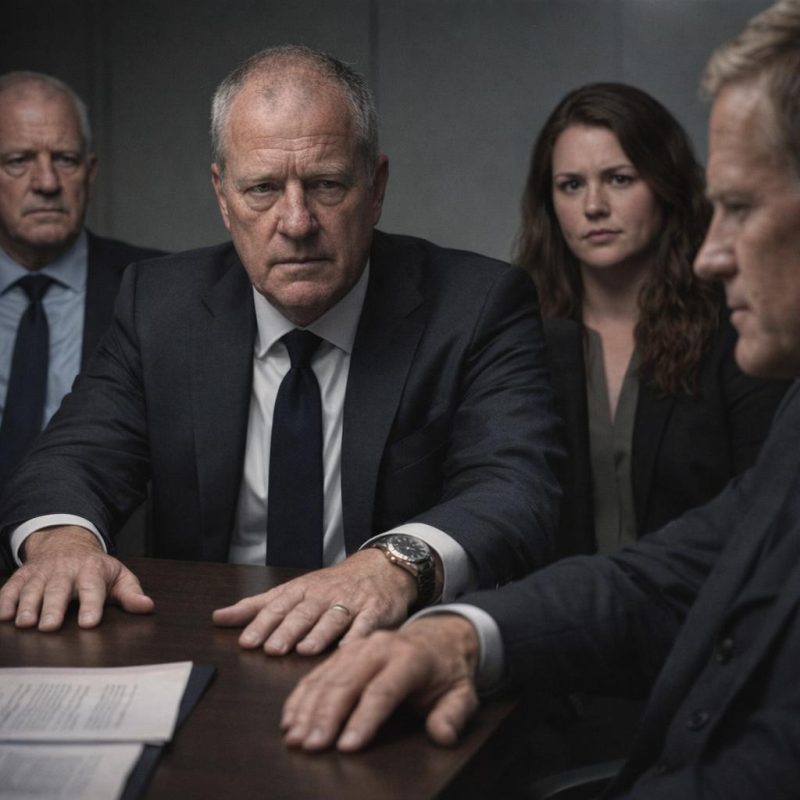 Image by RM AI
The Desperate Excuse
When the denial didn't work—when nobody rushed to reassure him or suggest alternative explanations—Greg's strategy shifted. "Someone must have compromised my accounts," he said, leaning forward with sudden intensity. "My login credentials. Someone got access without authorization. I'm being framed here." He looked at Mr. Harrison, then at Dad, his expression almost pleading. "Think about it. Anyone could have stolen my passwords. This could be corporate espionage, or—or a disgruntled employee trying to make me look bad." The excuse sounded desperate even as he said it. Implausible. Like something from a bad movie. I felt contempt rising in my chest, cold and sharp, but underneath it was something else. Anticipation. Because Mr. Harrison didn't argue with him. Didn't point out the obvious holes in his story. He just nodded once, slowly, and reached for the next folder on the table. His movements were deliberate, unhurried, and I knew—I knew with absolute certainty—that Greg's excuses were about to become impossible to maintain.
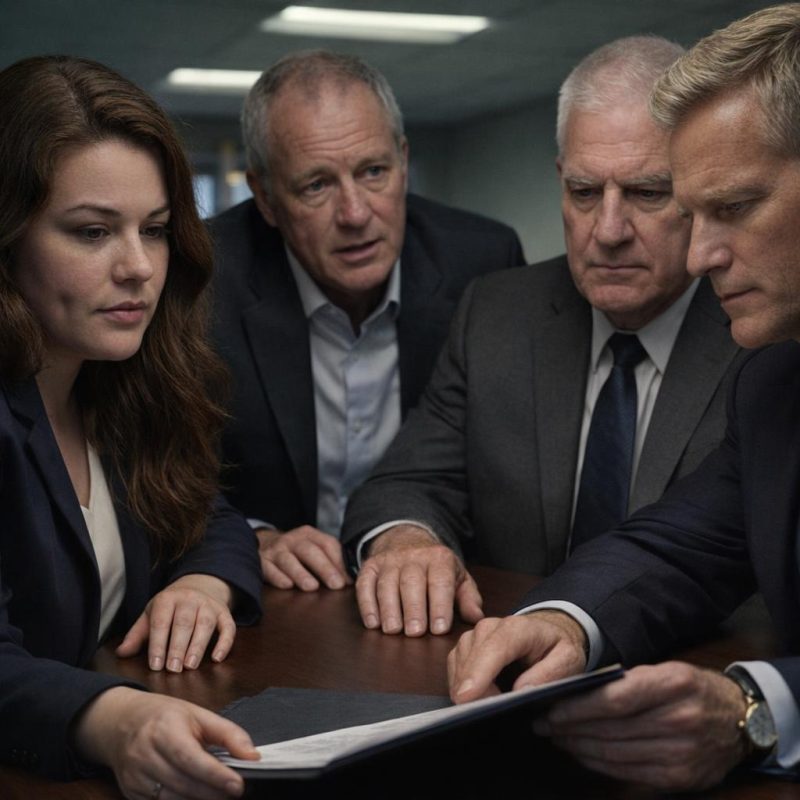 Image by RM AI
After Hours
Mr. Harrison opened his laptop and turned it so everyone could see the screen. "Security footage," he said simply, and pressed play. The video was black and white, timestamped, crystal clear. It showed the hallway outside the accounting offices, the camera angle capturing the door and the keycard reader beside it. And there was Greg. Walking down that empty hallway at 11:47 PM on a Tuesday in March. Swiping his card. Entering the office. The attorney clicked to the next clip. Greg again, different date, 1:23 AM. Then another. And another. Multiple visits, all after hours, all during the exact weeks when the financial discrepancies had appeared in the system. "These timestamps correlate precisely with the unauthorized system changes documented in the audit," Mr. Harrison said. His voice was flat, factual, devastating. I watched Greg watching himself on that screen. Watched him see his own face, his own body, his own keycard granting him access to offices he had no legitimate reason to enter in the middle of the night. And I watched twenty years of pretense finally collapse around him.
 Image by RM AI
Targeting
"This is—you're targeting me," Greg said, his voice rising again. He pointed at Mr. Harrison, then swung toward Dad. "You turned against me. Your own partner. Because of her." The word dripped with contempt. "Because you're so desperate to believe your daughter is competent that you'll throw away decades of loyalty, of friendship, of everything we built together." His face was flushed now, angry and desperate. "Twenty years I stood beside you. Twenty years I helped build this company. I was there when your wife died, for God's sake. And this is what I get? Accusations? Auditors picking apart every decision I've ever made?" Dad didn't respond. Didn't even look up. Just sat there with his hands folded on the table, his expression unreadable. And the more Greg talked, the smaller he seemed. Like he was shrinking in his expensive suit, his voice getting thinner, his arguments more hollow. I felt something shift inside me—not quite triumph, but the beginning of vindication.
 Image by RM AI
The Timeline
Mr. Harrison pulled out another document. This one was different—a spreadsheet, color-coded, with two columns running parallel down the page. "This is a comprehensive timeline," he said. "The left column shows every fraudulent system change, every deleted log entry, every unauthorized financial adjustment. Date and time stamped." He ran his finger down the right column. "This column shows Mr. Thornton's building access records for the same period. His keycard swipes. When he entered. When he left." I leaned forward slightly, following his finger. Every single fraudulent change had a corresponding access record. March 15th, system change at 11:52 PM—Greg's keycard at 11:47 PM. April 3rd, deleted logs at 1:31 AM—Greg's keycard at 1:23 AM. On and on, perfect correlation, no gaps, no inconsistencies. "The evidence is irrefutable," Mr. Harrison said. "Mr. Thornton's physical presence in the building corresponds exactly with every incident of fraud." Greg stared at the timeline. His mouth opened, closed. He looked like he was searching desperately for words, for some explanation that could make this go away. But there was nothing left for him to say.
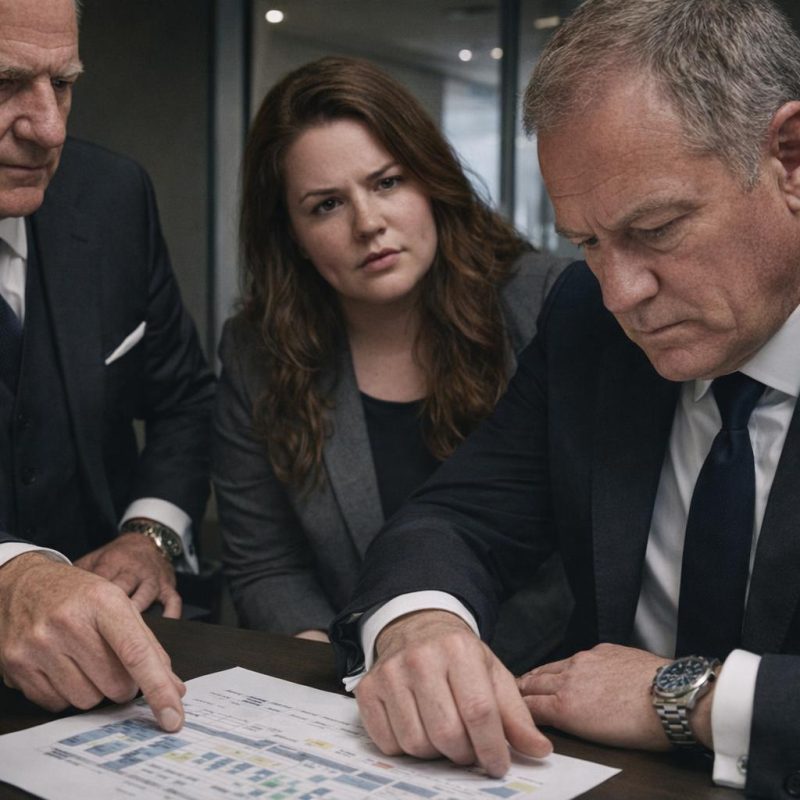 Image by RM AI
The Silence
I looked around the conference table. Tom sat with his arms crossed, his face tight, staring at Greg like he was seeing him for the first time. The accountants had their eyes down, but their expressions were clear—they'd made their judgment. Mr. Harrison's associate was taking notes, her pen moving steadily across the page, documenting everything. And Mr. Harrison himself sat perfectly still, waiting. Nobody in that room believed Greg anymore. You could feel it in the air, thick and heavy. The shift had happened somewhere between the security footage and the timeline, between his desperate excuses and the mountain of evidence that made those excuses impossible. The man who had spent months undermining me, making me feel small and incompetent and paranoid, sat there with nothing left. No credibility. No defense. No allies. His expensive suit looked rumpled now. His commanding presence had evaporated. And we all just sat there in the silence, waiting for what would come next.
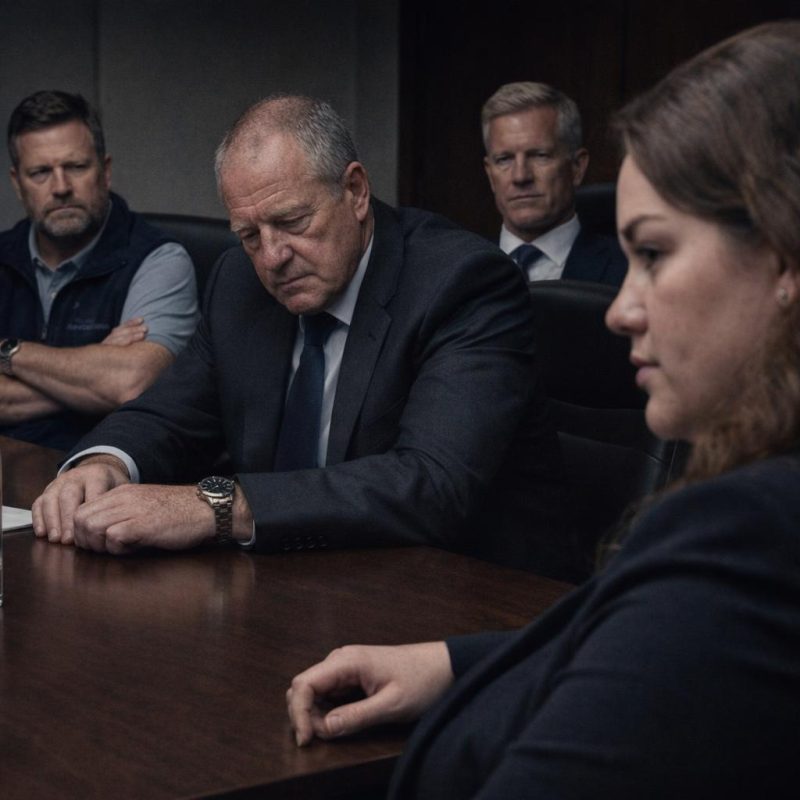 Image by RM AI
Twenty Years
Dad hadn't moved in minutes. He sat perfectly still, his hands folded on the table, staring at Greg. Not at the evidence. Not at the attorneys. Just at the man who had stood beside him at Mom's funeral. Who'd been his partner for twenty years. Who'd helped him build everything. I could see something breaking behind Dad's eyes. Something irreparable. It wasn't anger—not yet. It was deeper than that. Grief, maybe. Or the death of trust so fundamental he'd built his entire professional life on it. Greg must have seen it too, because he opened his mouth. "Listen, I can explain—" he started, his voice hoarse. Maybe it was going to be an apology. Maybe another excuse. We never found out. Because Dad held up one hand. Just one hand, palm out, fingers steady. And Greg stopped talking. Just like that. The man who'd spent months talking over me, dismissing me, patronizing me with that goddamn "kiddo"—he fell silent at a single gesture from my father.
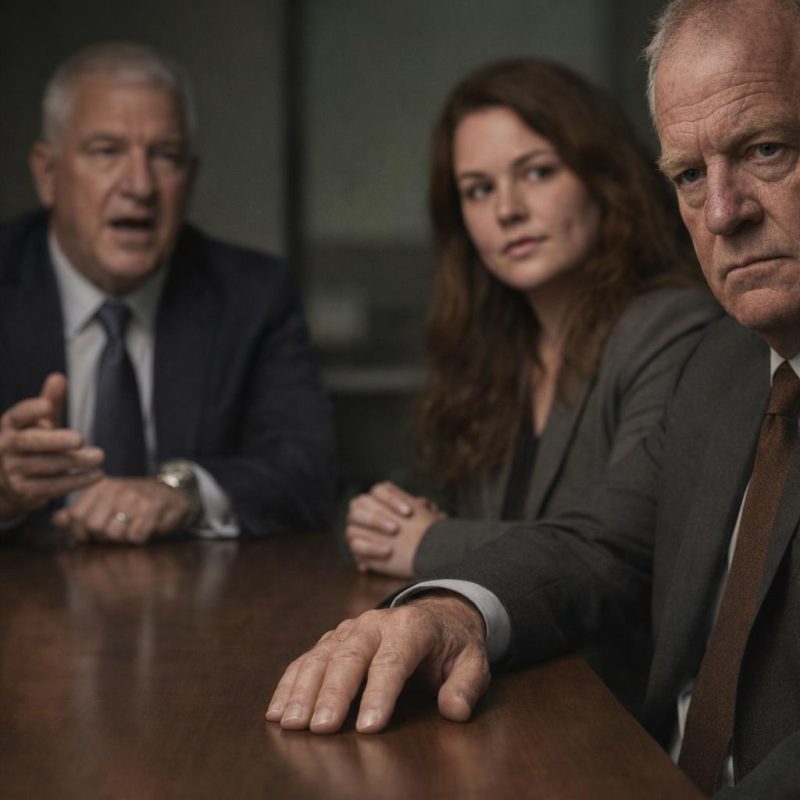 Image by RM AI
The Exit
Security arrived twenty minutes after the meeting concluded. I'd gone back to my office because I couldn't sit in that conference room anymore, couldn't watch Dad's face as he processed what his partner had done. I was standing at my window when I saw them—two security officers flanking Greg as they walked him through the lobby. He wasn't in handcuffs or anything dramatic like that. It was professional, quiet, the kind of escort that doesn't make a scene. But everyone who saw it would know what it meant. I watched him cross the parking lot toward his car, the building he had tried to steal rising behind him. He looked up once before getting into his Mercedes. His face was tilted toward my floor, and even from three stories up, even through the tinted glass, I could see it. The recognition. The understanding. Everything he'd planned—the systematic fraud, the months of undermining me, the careful positioning to push Dad out and take control—had fallen apart. And he finally understood that.
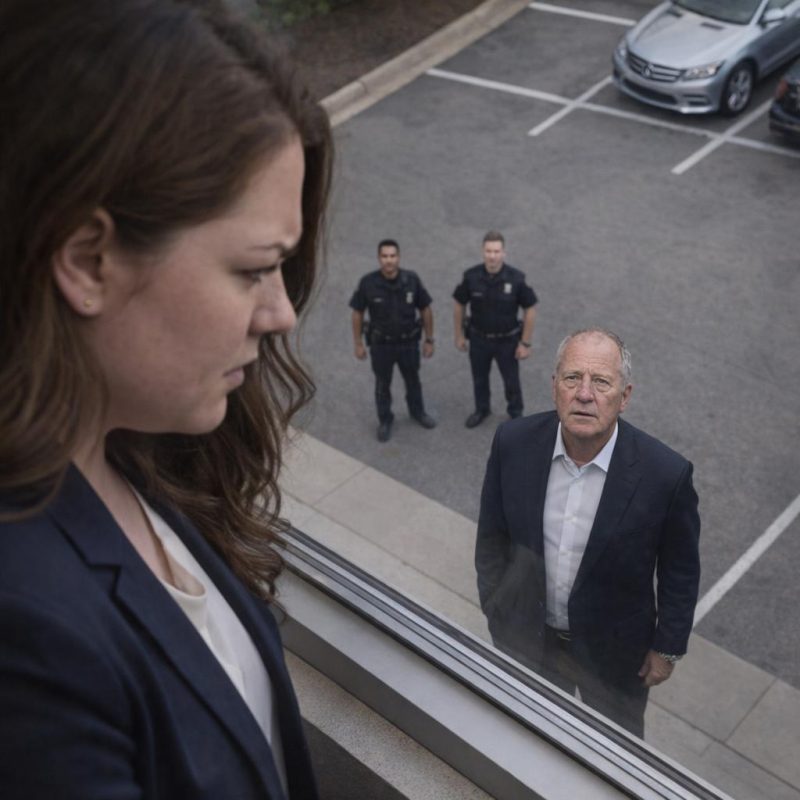 Image by RM AI
Afterward
The building emptied slowly after the confrontation. I heard voices in the hallway, footsteps on the stairs, the elevator chiming over and over as people left for the day. Dad had gone home an hour ago, Mr. Harrison shortly after. The sun was setting now, casting long shadows across my office floor. I sat at my desk staring at the doorway where Greg used to lean, arms crossed, that patronizing smile on his face as he suggested I step back from the Riverside project. Where he'd called me kiddo and made it sound like affection when it was really dismissal. Where he'd stood so many times over the past six months, slowly taking up more space while I shrank into less. The office looked the same—same desk, same chair, same view of the parking lot below. But something fundamental had shifted. The air felt different. Lighter, maybe. Or maybe I just felt lighter. I could breathe without that constant pressure in my chest, that sense of being watched and judged and found wanting. The silence that had felt so oppressive for months, so full of unspoken accusations and doubt, now felt like it belonged to me. For the first time in six months, the silence in that office felt like it belonged to me.
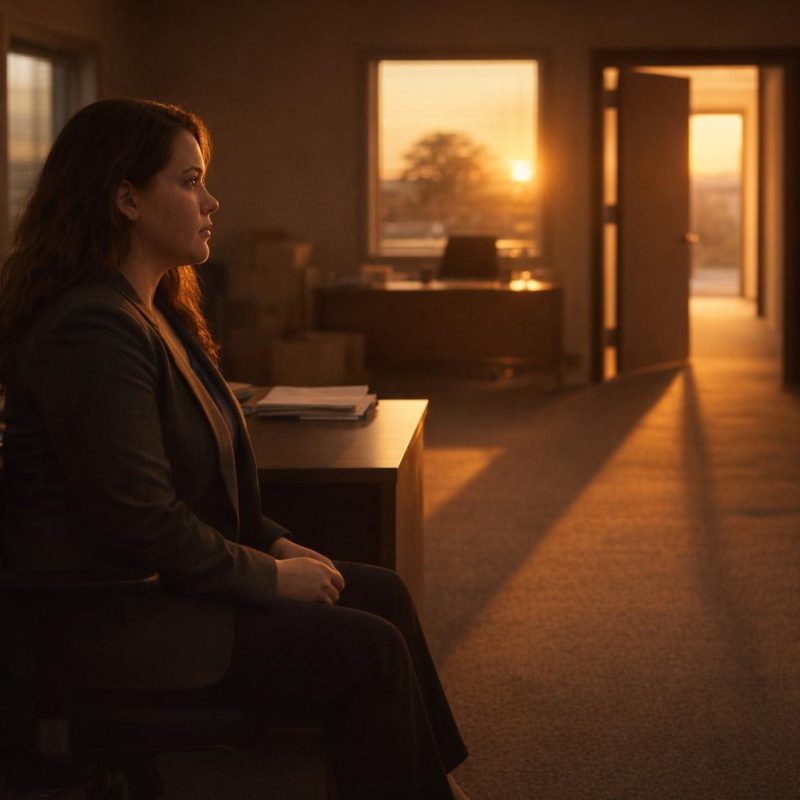 Image by RM AI
The Signature
Mr. Harrison's office smelled like leather and old books, the kind of space that made everything feel official and permanent. Dad and I sat across from him three days after the confrontation, and the ownership papers were already spread across the mahogany desk. I'd expected this moment to feel more dramatic somehow, but it was quiet and methodical. Mr. Harrison walked us through each document, his voice steady and professional, explaining clauses and signatures and legal transfers. Dad picked up the pen first. His hand was steady—no tremor, no hesitation. He signed his name on line after line, transferring ownership of the company he'd built with his best friend, the company he'd poured thirty years into. When he finished the last signature, he set the pen down and looked at me. Then he picked it up again and held it out across the desk. I took it, our fingers touching briefly, and he smiled. Not the tired smile I'd seen so much lately, not the forced one he'd worn through Mom's funeral and the months after. This was different. Genuine. Warm. The kind of smile I remembered from before Mom died, when things were simpler and the world made sense. When he passed the pen to me for my signature, he smiled in a way I hadn't seen since before Mom died.
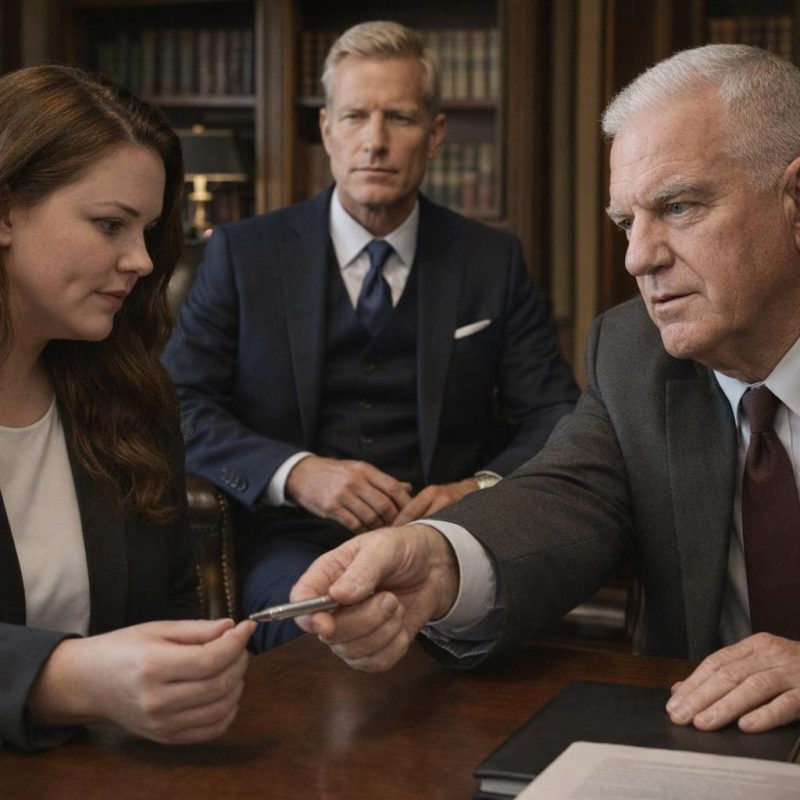 Image by RM AI
The Address
I called the company-wide meeting for Friday afternoon. Everyone gathered in the main conference room—the same room where Greg had undermined me in front of clients, where Tom had smirked at his comments, where I'd felt myself becoming smaller and smaller. They were all there now. Tom stood near the front, arms crossed, that tight smile on his face. Other employees I recognized, some who'd laughed at Greg's jokes about my inexperience, some who'd just watched silently as he took credit for my work. I stood at the head of the room and introduced myself as the new owner. My voice didn't shake. I explained the transition, Dad's retirement, the company's direction moving forward. I kept it professional, straightforward, but I made sure everyone understood the hierarchy had changed. That I wasn't asking for permission anymore. Jennifer stood at the back of the room, and when I paused between points, our eyes met. She gave me a small nod—barely perceptible, but I saw it. Recognition. Support. Maybe even respect. And I realized something standing there, looking out at all those faces. Jennifer caught my eye from the back of the room and gave me a small nod, and I knew I wasn't just reclaiming a title—I was reclaiming everything.
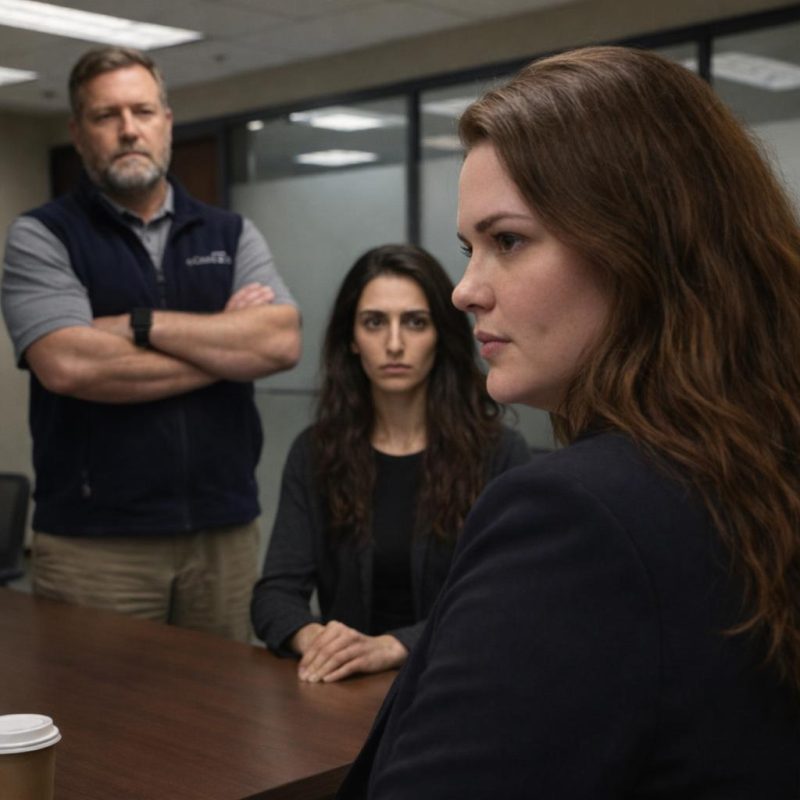 Image by RM AI
Forward
My first week as owner was spent rebuilding. I called every client Greg had poisoned against me, starting with Riverside. Some conversations were awkward, some were surprisingly warm. I explained the transition, reassured them about continuity, and slowly started repairing the damage. Inside the company, I met with department heads, including Jennifer, who'd been quietly holding things together while Greg had been focused on his schemes. I asked questions, listened to concerns, made it clear that the culture of dismissiveness was over. And somewhere in all of that—the meetings, the calls, the late nights reviewing contracts—I started rebuilding my own confidence too. The self-doubt that had plagued me for six months began to fade. I'd stand in my office sometimes, looking out at the parking lot, and remember that dinner when Dad announced his retirement. How excited I'd been. How quickly everything had fallen apart. The past six months had been the worst of my life—the gaslighting, the isolation, the constant questioning of my own competence. But standing there in the office that was finally, legally, undeniably mine, I understood something I hadn't before. The day Dad announced his retirement had been the beginning of the worst six months of my life, but standing in the office that was finally mine, I realized it was also the beginning of something I'd earned.
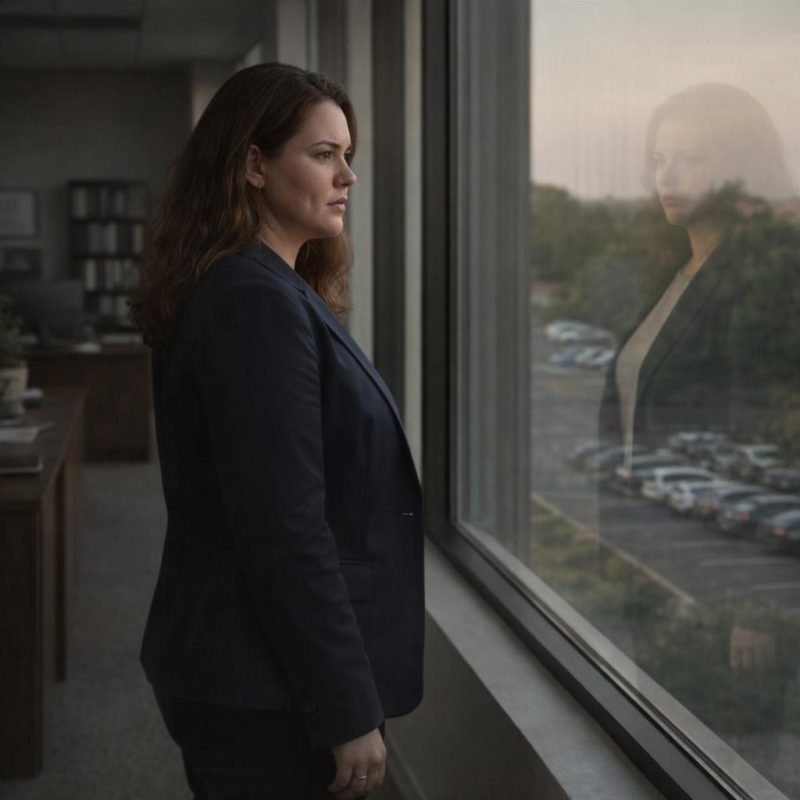 Image by RM AI
Forward
My first week as owner was spent rebuilding. I called every client Greg had poisoned against me, starting with Riverside. Some conversations were awkward, some were surprisingly warm. I explained the transition, reassured them about continuity, and slowly started repairing the damage. Inside the company, I met with department heads, including Jennifer, who'd been quietly holding things together while Greg had been focused on his schemes. I asked questions, listened to concerns, made it clear that the culture of dismissiveness was over. And somewhere in all of that—the meetings, the calls, the late nights reviewing contracts—I started rebuilding my own confidence too. The self-doubt that had plagued me for six months began to fade. I'd stand in my office sometimes, looking out at the parking lot, and remember that dinner when Dad announced his retirement. How excited I'd been. How quickly everything had fallen apart. The past six months had been the worst of my life—the gaslighting, the isolation, the constant questioning of my own competence. But standing there in the office that was finally, legally, undeniably mine, I understood something I hadn't before. The day Dad announced his retirement had been the beginning of the worst six months of my life, but standing in the office that was finally mine, I realized it was also the beginning of something I'd earned.
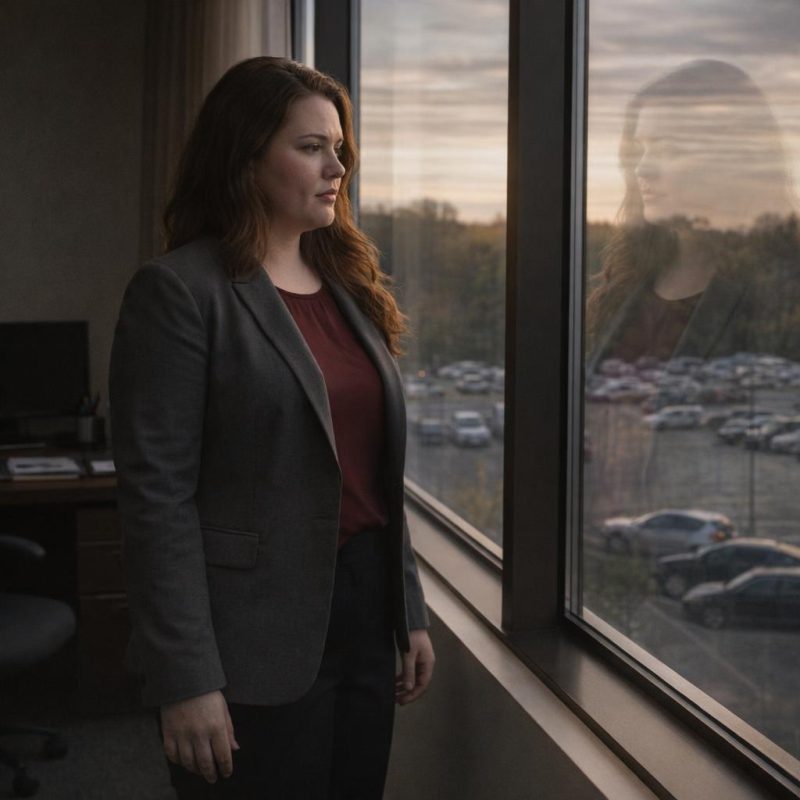 Image by RM AI
KEEP ON READING
20 Animals Used For Very Unexpected Jobs
Nature’s Most Unexpected Employees. Animals have worked beside people for…
By Elizabeth Graham May 13, 2026
20 People in History Who Were Killed by Their Own…
Brilliant Ideas Can Be Riskier Than They Look. Inventors are…
By Emilie Richardson-Dupuis May 13, 2026
20 Animal Heroes Who Changed Human History
Bravery Comes In Fur, Feathers, And Hooves. Human history is…
By Cameron Dick May 13, 2026
20 Most Famous Dogs In History
Pups Who Left Paw Prints on the Record. History has…
By Annie Byrd May 13, 2026
20 Mass Panics Triggered by Misinformation
When Rumors Become More Powerful Than Facts. Mass panic has…
By Rob Shapiro May 13, 2026
The Year Without a Summer: How a Volcanic Eruption Nearly…
Tetiana GRY on UnsplashIn 1816, much of the Northern Hemisphere…
By Christy Chan May 12, 2026