

The Parts of the Past That Don’t Fit Neatly on a Timeline
School history often has to burn through centuries of events in a very short amount of time, which means some deeply important episodes get reduced to a sentence—or skipped altogether. Well, not anymore. Today, we’re here to go through some of the darkest chapters in our history that teachers likely neglected to tell you about.
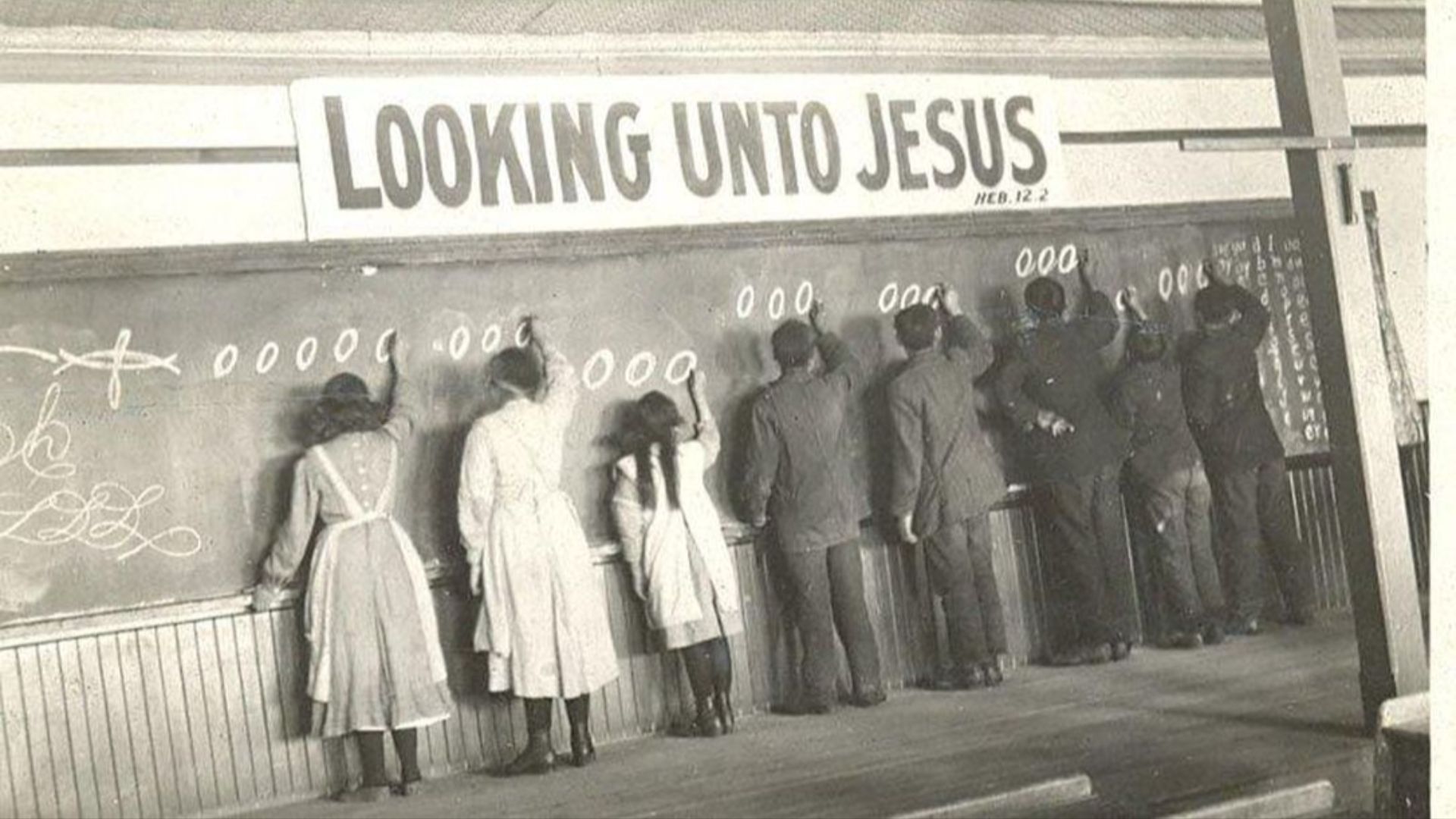 United Church of Canada Archives on Wikimedia
1. The Congo Free State, 1885–1908
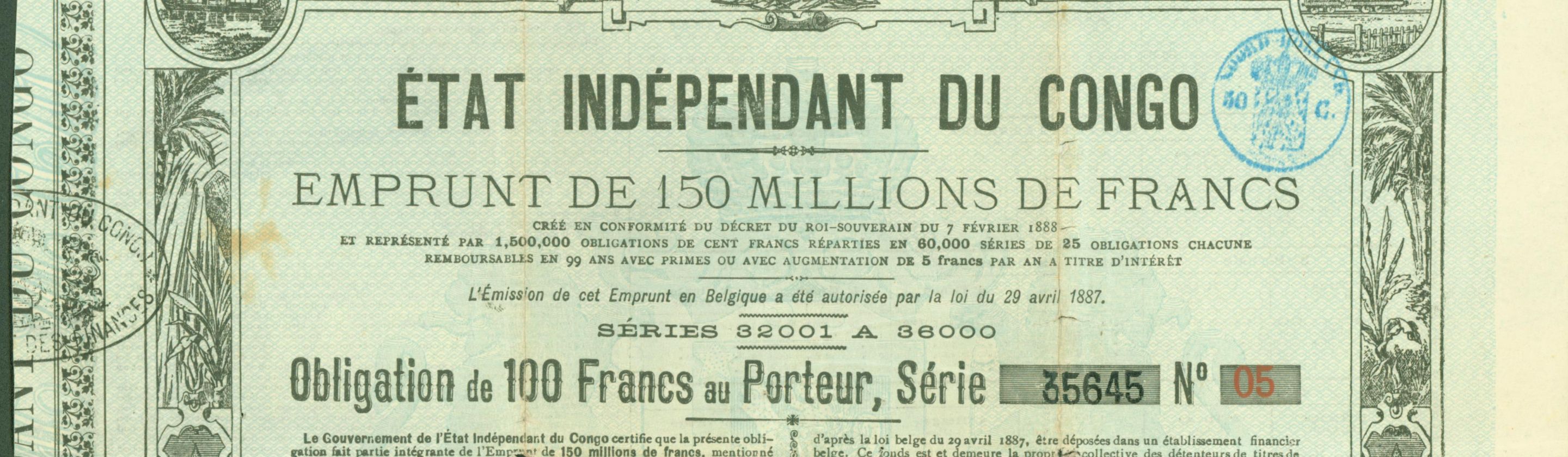
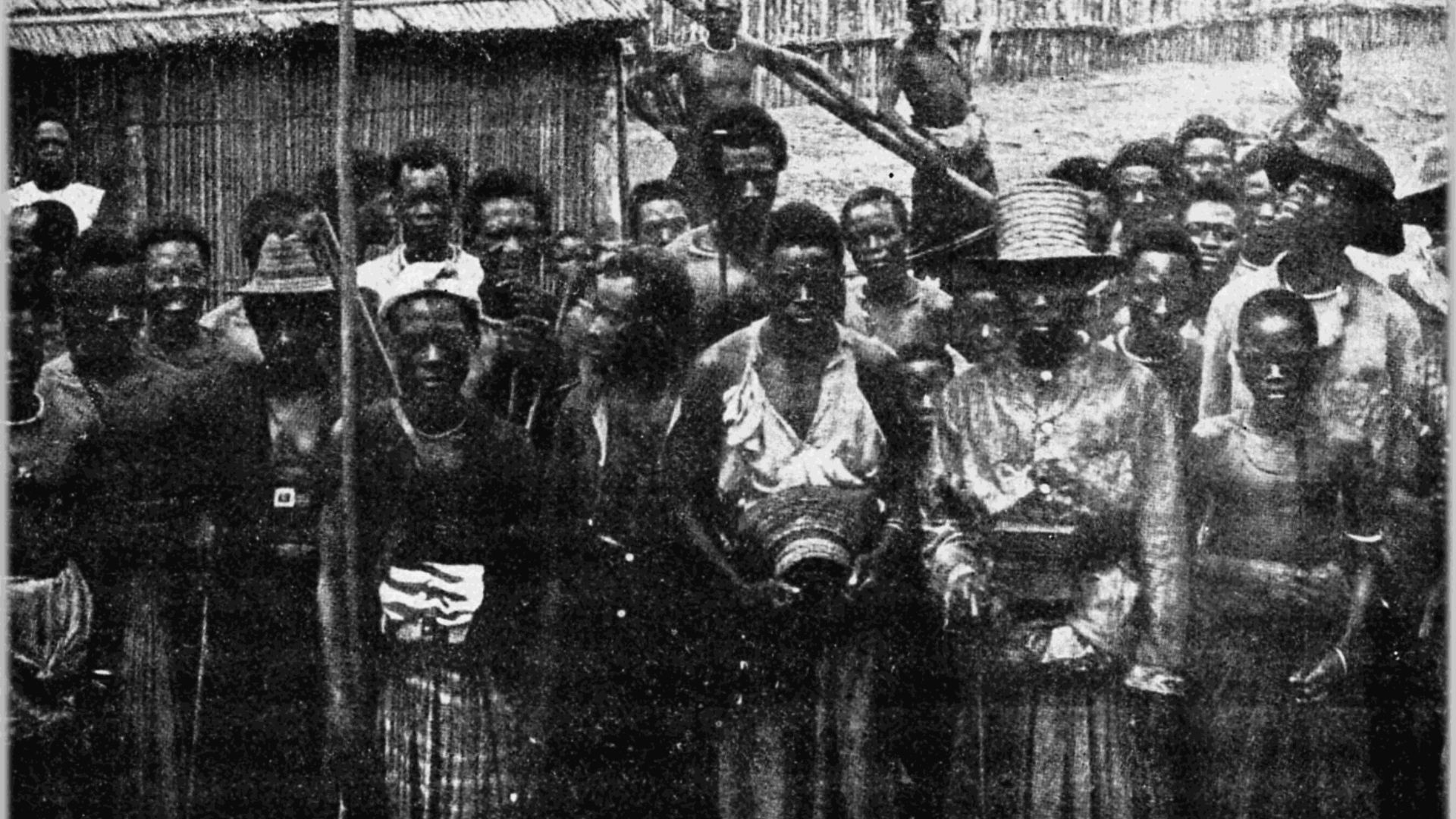
From 1885 to 1908, the Congo Free State wasn’t a normal colony; it was in the personal possession of Belgium’s King Leopold II. Under the cover of “civilizing” and commercial development, forced labor systems extracted rubber and ivory while Congolese people faced all sorts of awful treatment, like punishments and exploitation.
2. Herero and Nama, 1904–1908
Between 1904 and 1908, German colonial forces targeted what is now Namibia. They carried out a campaign against the Herero and Nama peoples, and research shows that the conflict and its aftermath resulted in the deaths of about 75 percent of the Herero population. Most scholars today consider it genocide.
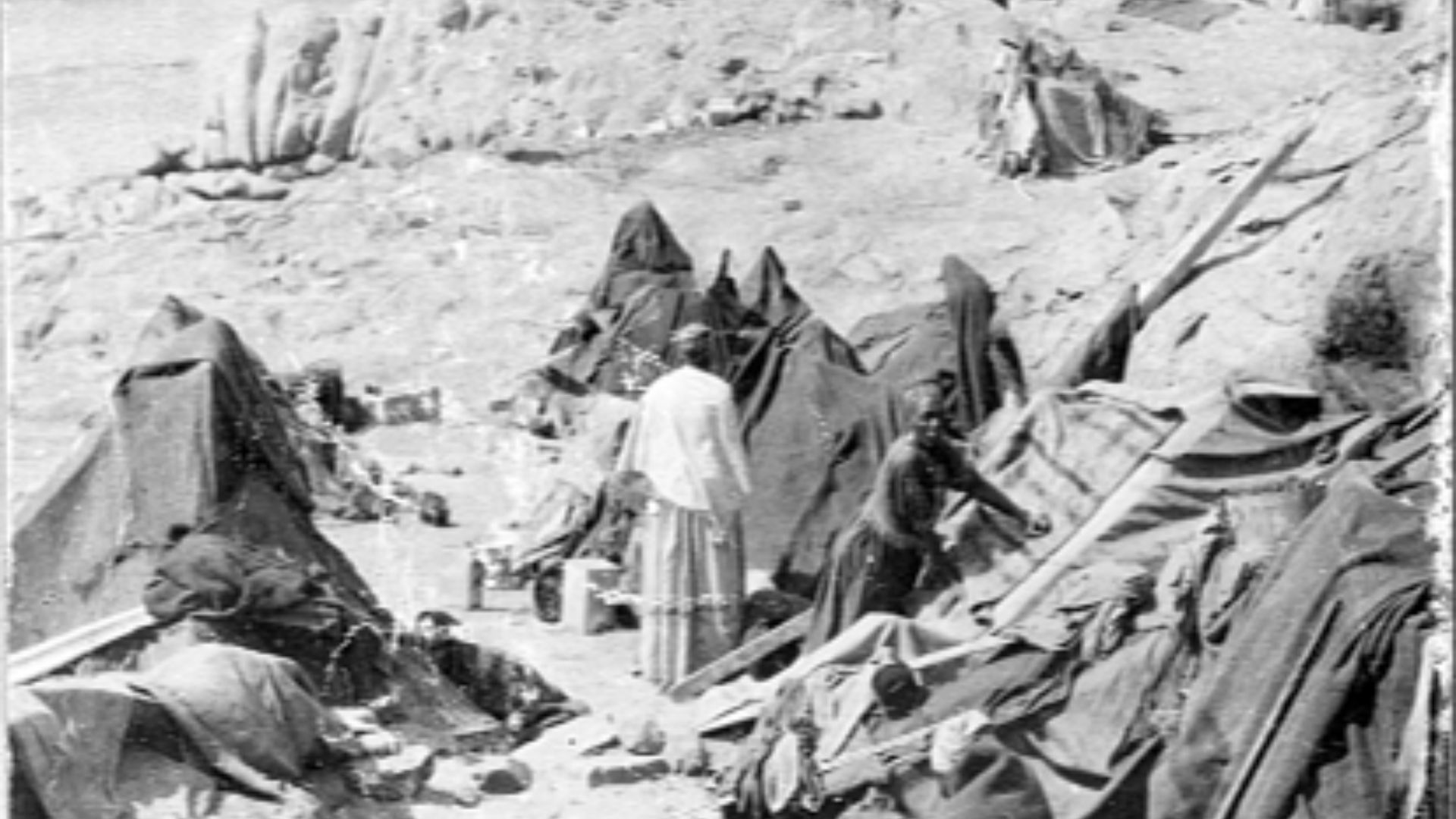 unknown (photos taken circa 1903) on Wikimedia
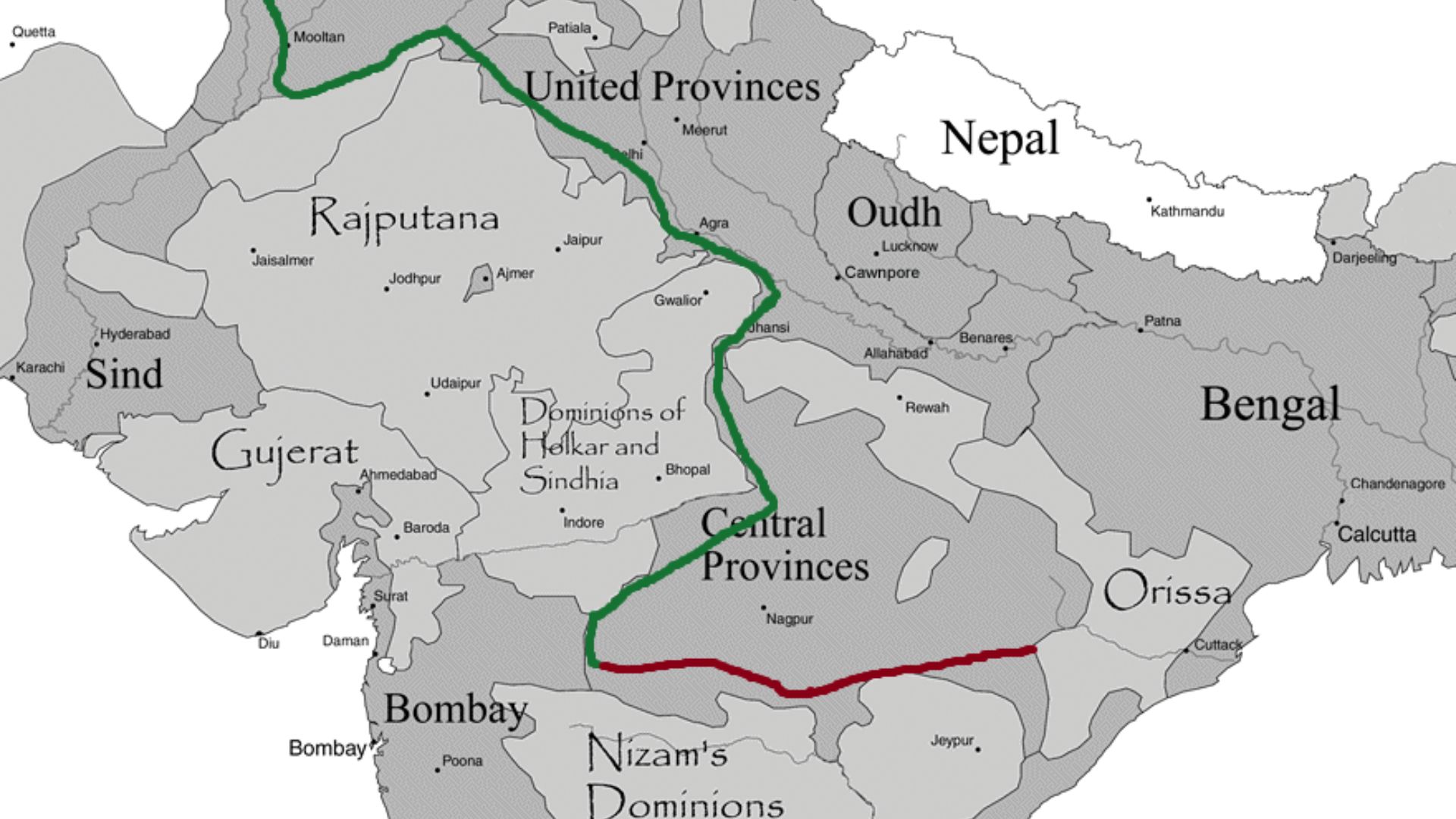
3. The Great Hedge of India, 19th Century
During British rule in India, officials maintained the Inland Customs Line, including a thorn hedge used to enforce taxes on salt. The system’s whole purpose was to try to stop people from moving salt without paying duties, and though it sounds almost absurd now, it shows how colonial bureaucracy could reach into survival.
4. The Irish Great Famine, 1845–1849
You may have heard whisperings about it, but how much do you actually know about the Irish Great Famine? It began in 1845 after the potato blight destroyed crops across multiple years. Around one million people died from starvation or famine-related disease, and more emigrated as Ireland’s population and culture were permanently changed.
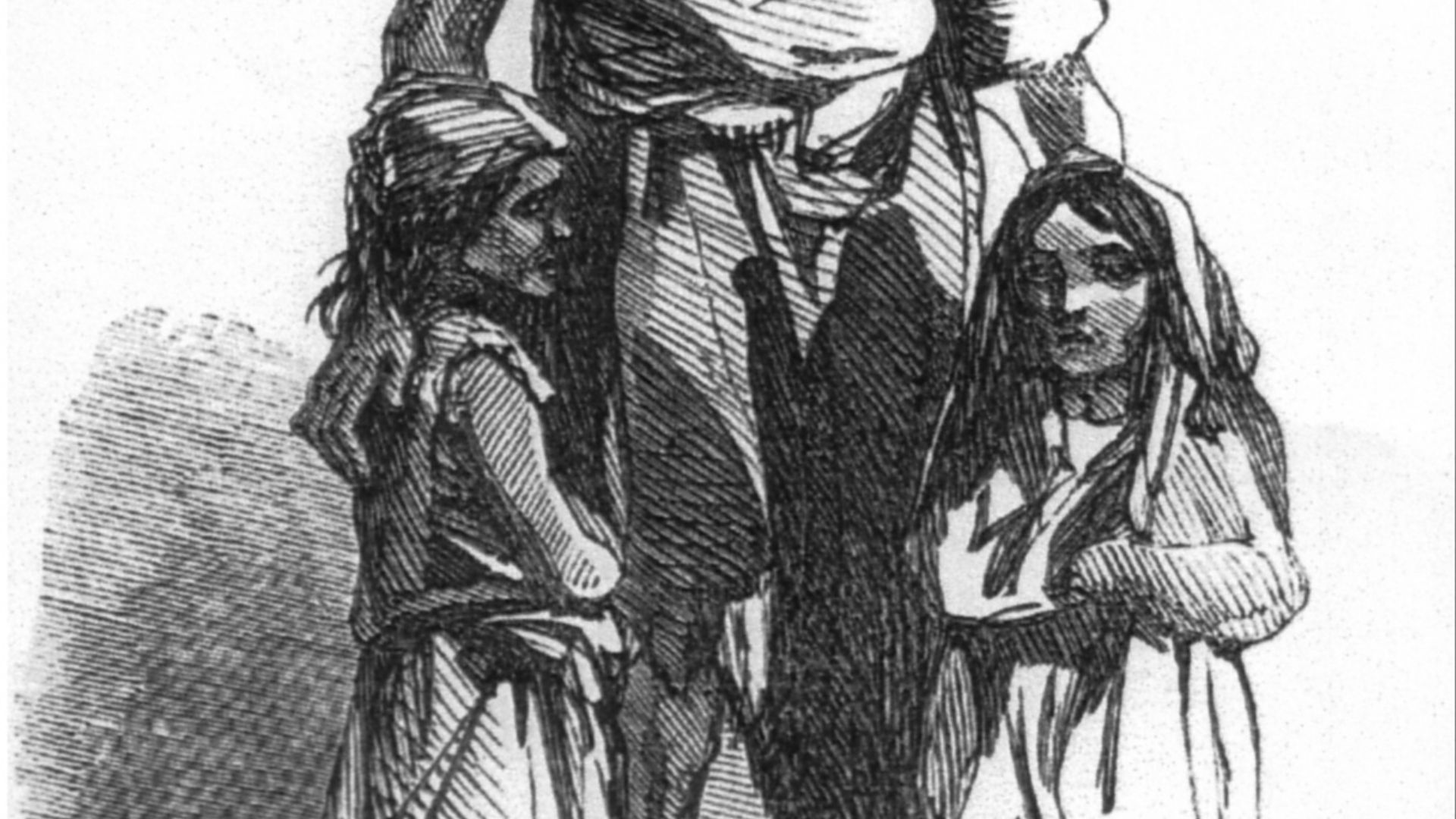 Illustrated London News, December 22, 1849 on Wikimedia
5. The Bengal Famine, 1943
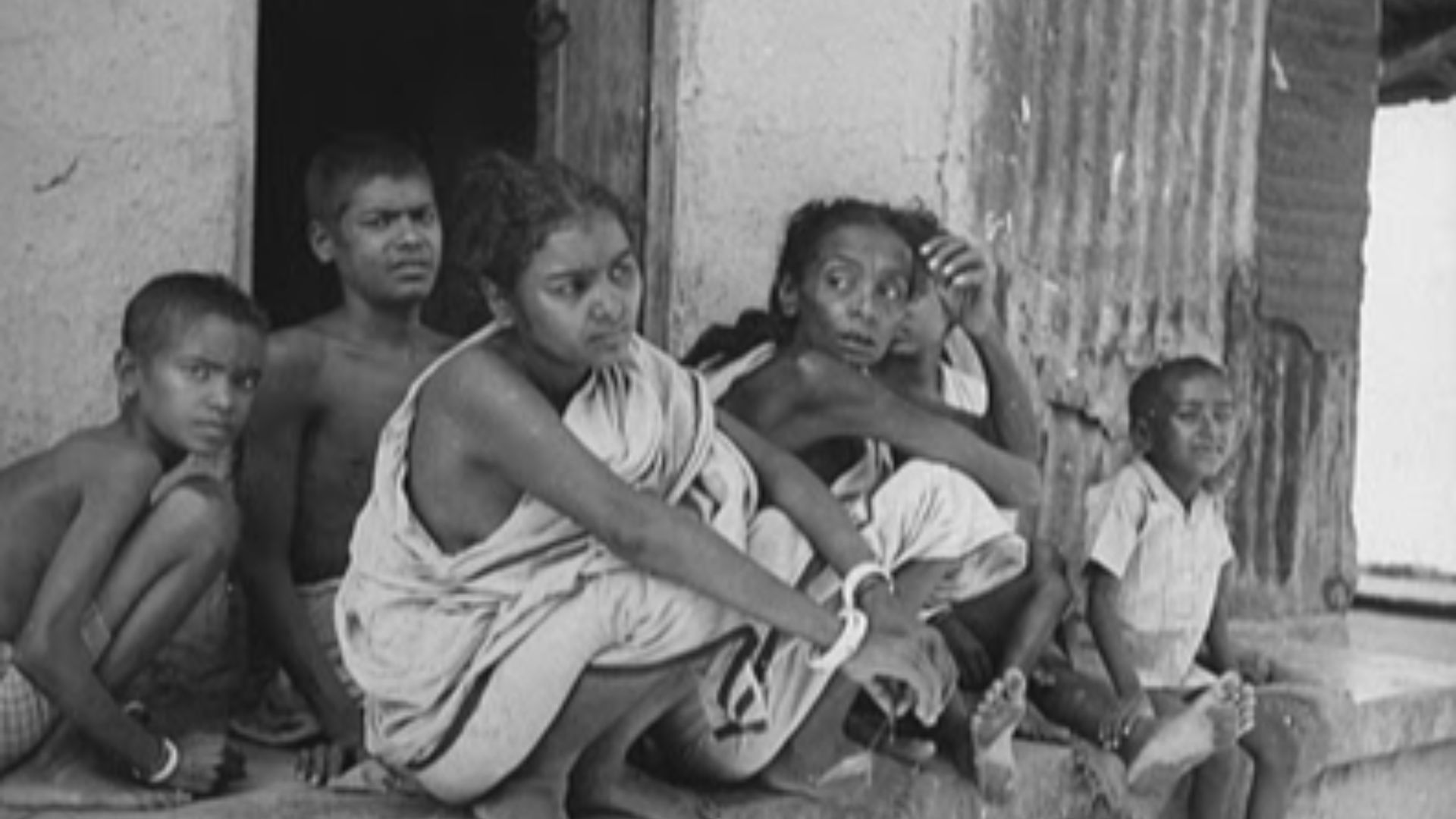
In 1943, famine struck Bengal under British rule during WWII, ending the lives of an estimated three million people. Though it wasn’t simply a food-production failure; it’s commonly referred to as an “entitlement failure,” with wartime policies, inflation, and panic making food unaffordable for a lot of people.
6. The Holodomor, 1932–1933
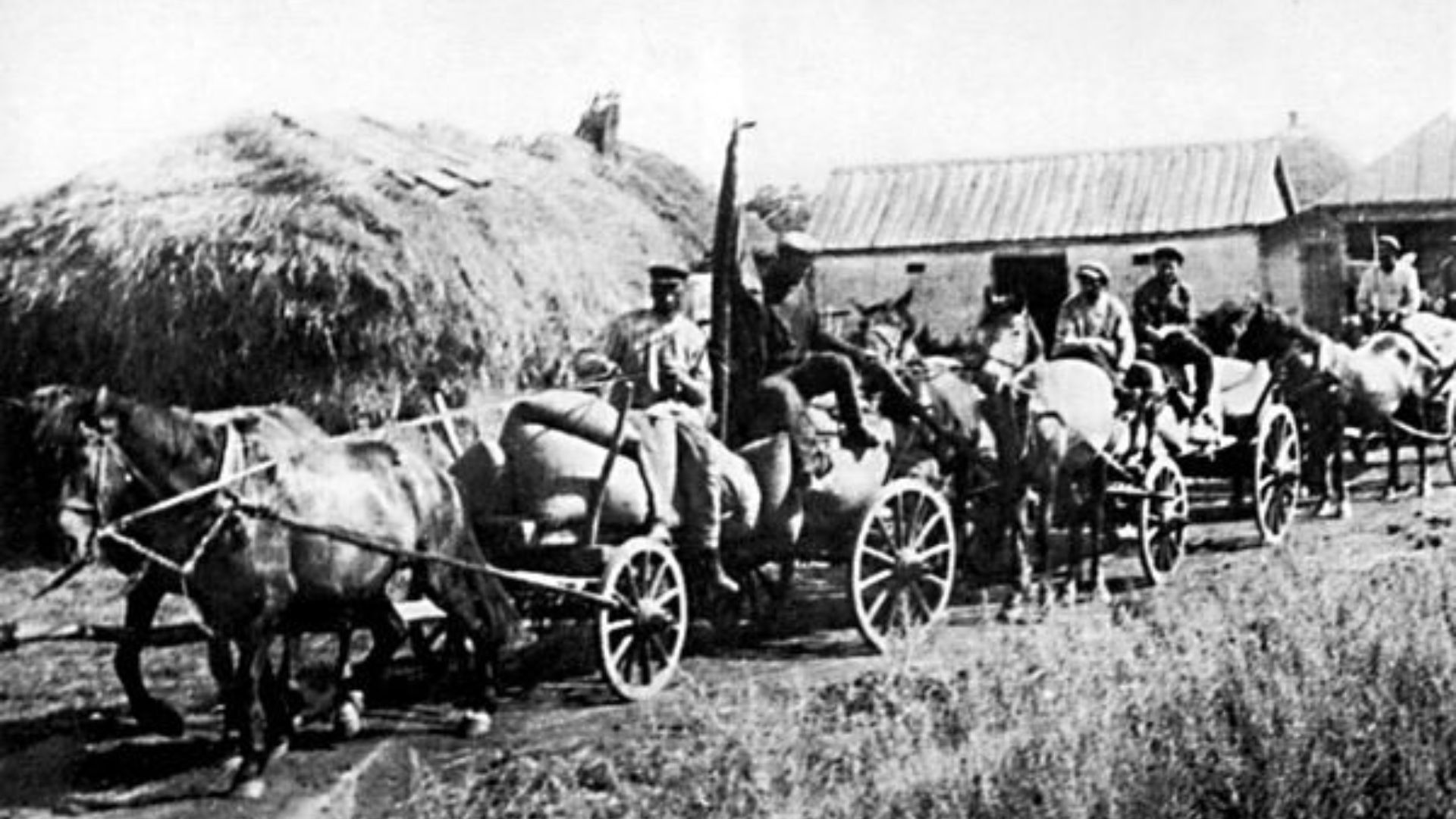
When you think of famine, you likely think of unlucky farmers or harsh weather—but that’s not always the case. The Holodomor was a man-made famine in Soviet Ukraine from 1932 to 1933. Millions lost their lives, and Soviet authorities either denied or covered up the disaster for decades. Naturally, the cover-ups made public memory and documentation even harder, but historians have since dug up information.
7. The Partition of India, 1947
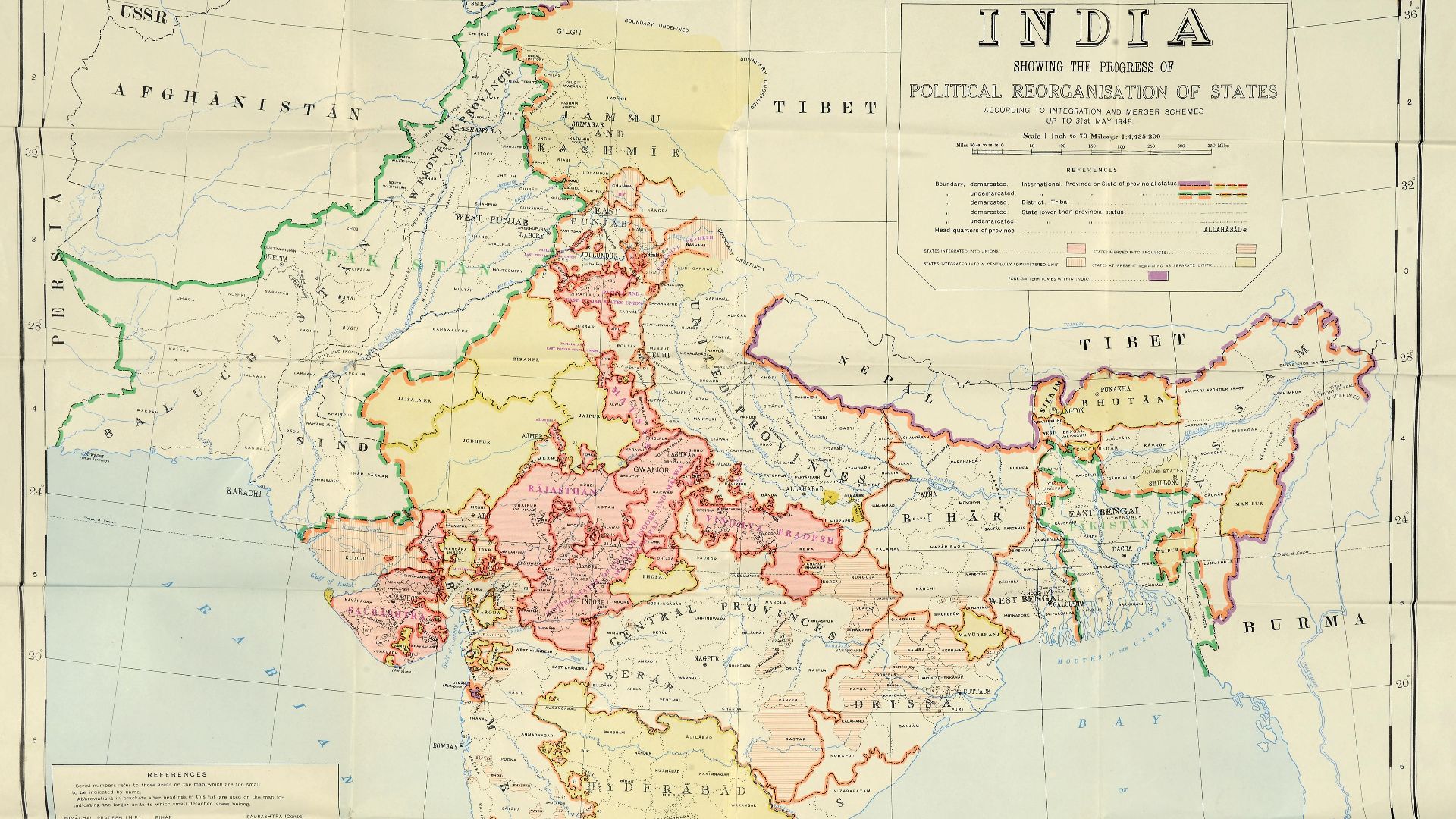
In August 1947, British India was divided into the new states of India and Pakistan. The rushed partition triggered one of the largest population movements in history, with about 15 million Hindus, Muslims, and Sikhs crossing new borders. The exact number remains unclear, but death estimates range from 200,000 to two million.
 The National Archives UK on Wikimedia
8. The Armenian Genocide, 1915–1916
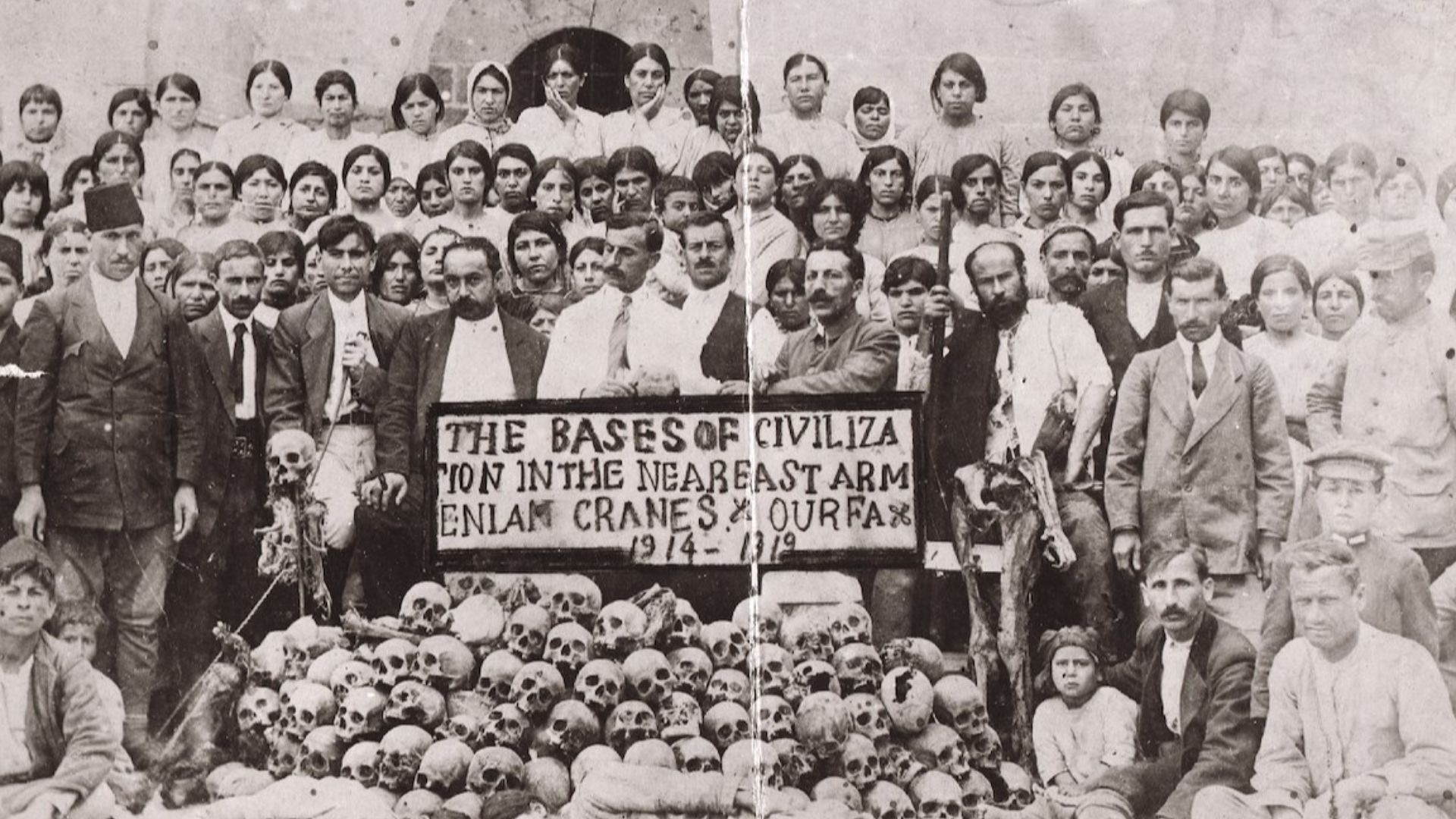
During World War I, the Ottoman government was responsible for the deportations and mass targeting of Armenians in 1915 and 1916. Thanks to the efforts of historians, we now know that Armenians regard the campaign as a deliberate attempt to destroy their people, though the Turkish government has resisted recognizing it as such.
9. The Tulsa Race Massacre, 1921
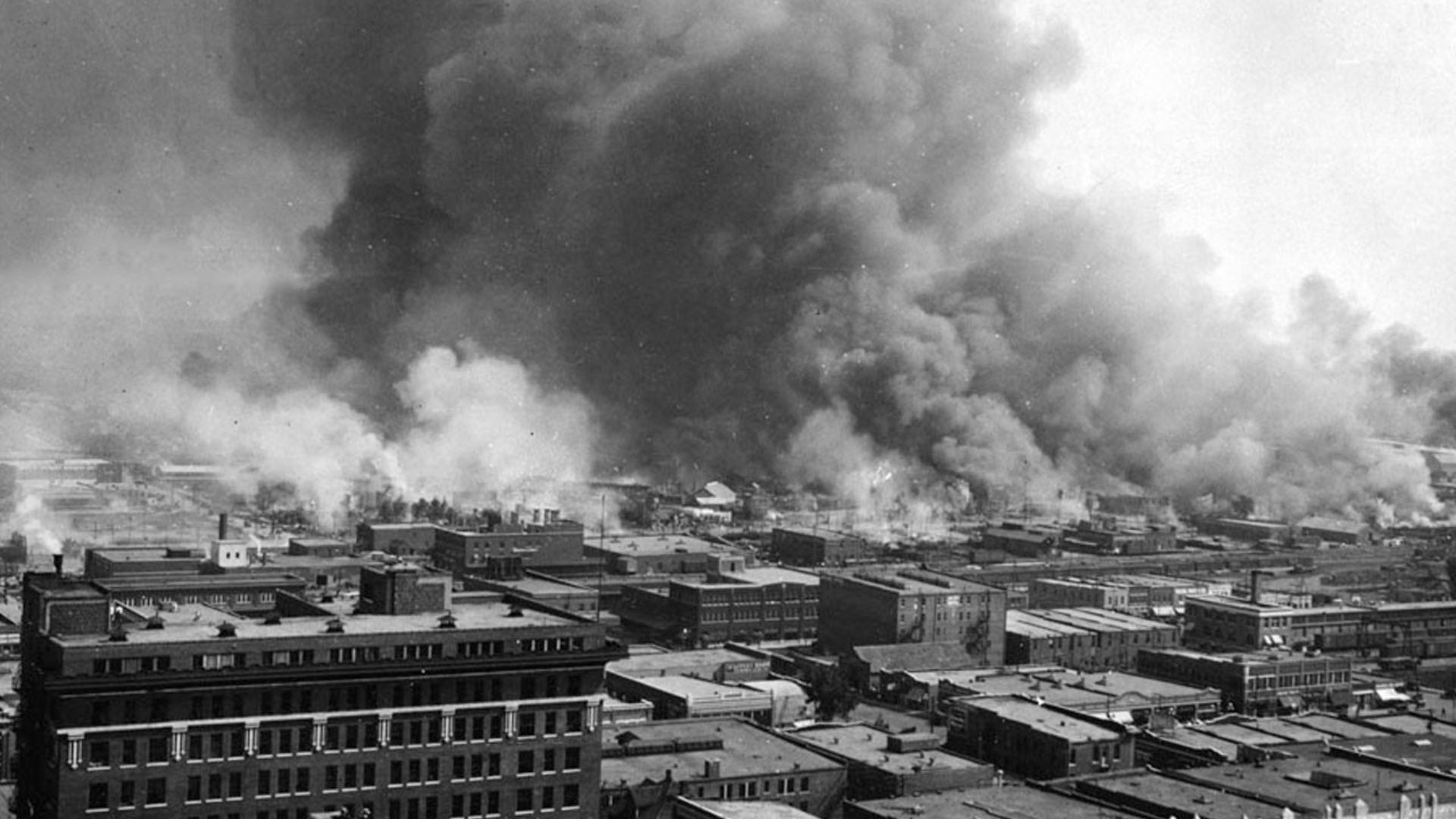
From May 31 to June 1, 1921, a white mob brutally attacked a prosperous Black neighborhood of Greenwood in Tulsa, Oklahoma. The massacre did unspeakable damage, wrecking more than 1,400 homes and businesses, but also leaving nearly 10,000 people homeless. The estimated total of those killed ranges from 30 to 300 people.
 United States Library of Congress on Wikimedia
10. Japanese American Incarceration, 1942–1945
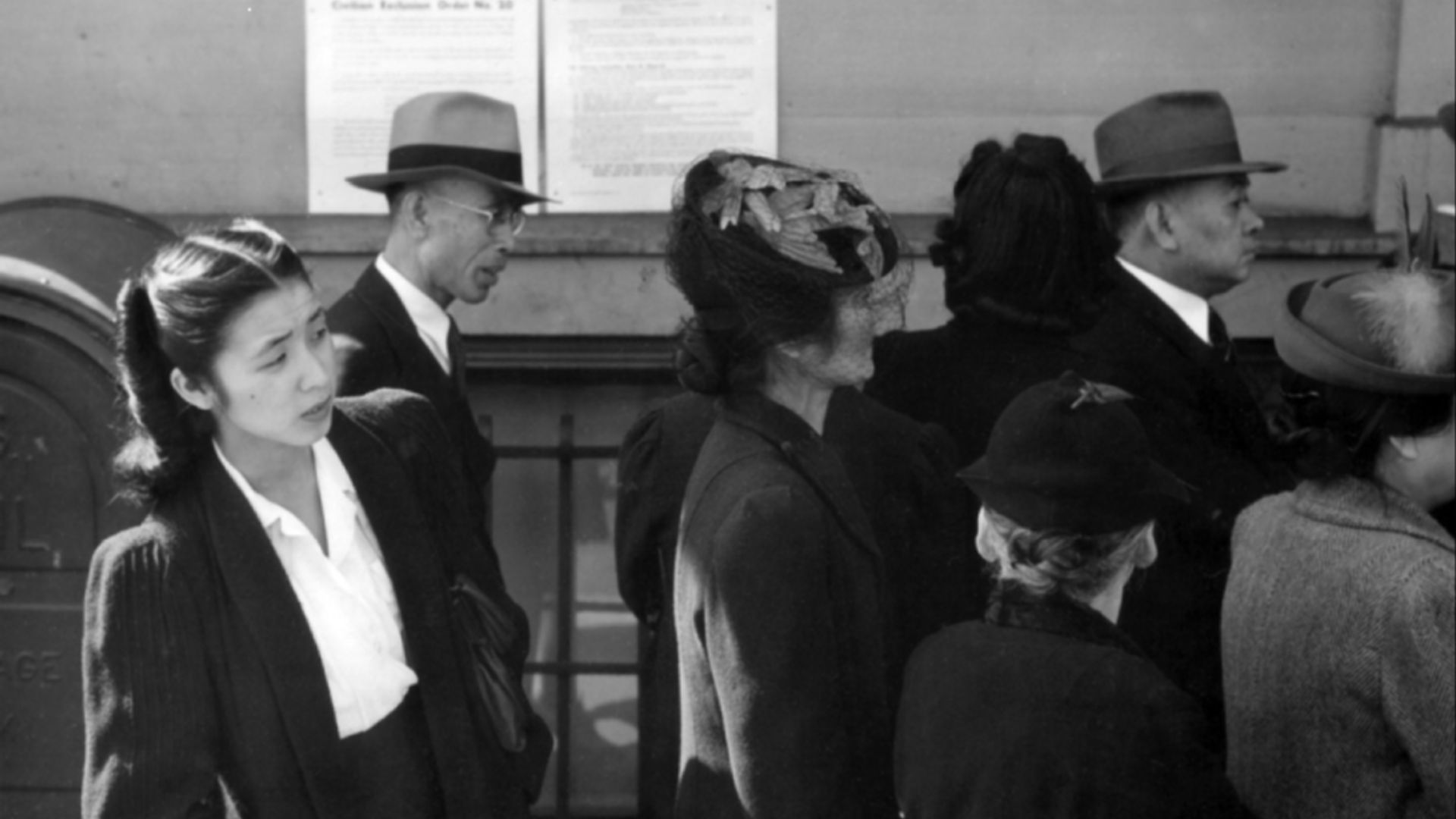
Beginning in 1942, the U.S. government forcibly relocated and incarcerated those of Japanese ancestry during WWII. About 120,000 people were held in camps, and roughly two-thirds were American citizens. If it’s mentioned in schools now, it’s usually regarded as a wartime mistake, but that wording can make it sound much smaller than the civil-rights violation it was.
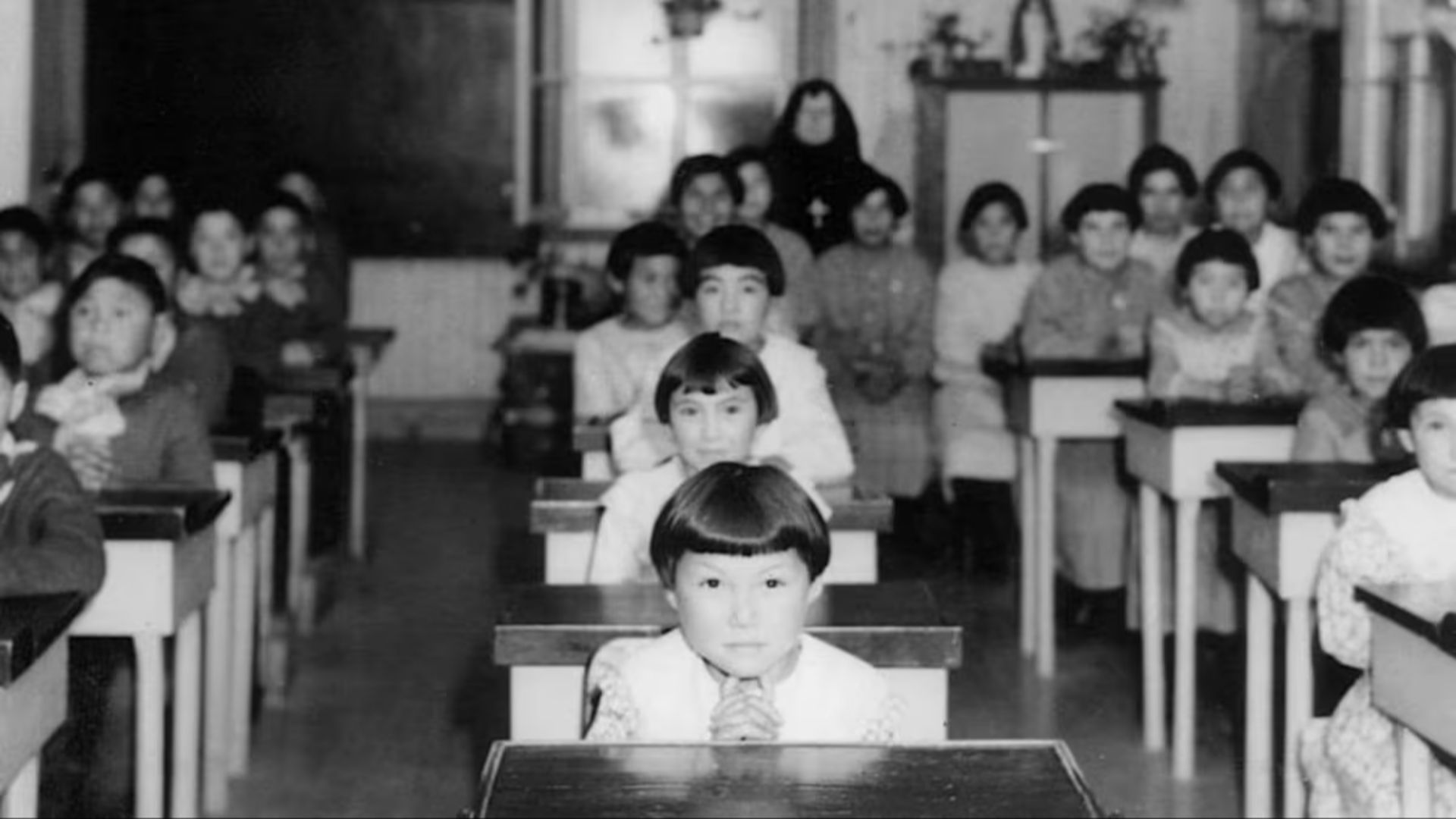
11. Canadian Residential Schools, 1883–1996
Despite being such a large part of Canada’s history, residential school systems remain largely out of the curriculum. They operated from 1883 to 1996 and were created to assimilate Indigenous children into Western culture. Around 150,000 First Nations, Métis, and Inuit children were forcibly taken from their homes to attend schools run by churches. Many were abused, and some even lost their lives trying to escape.
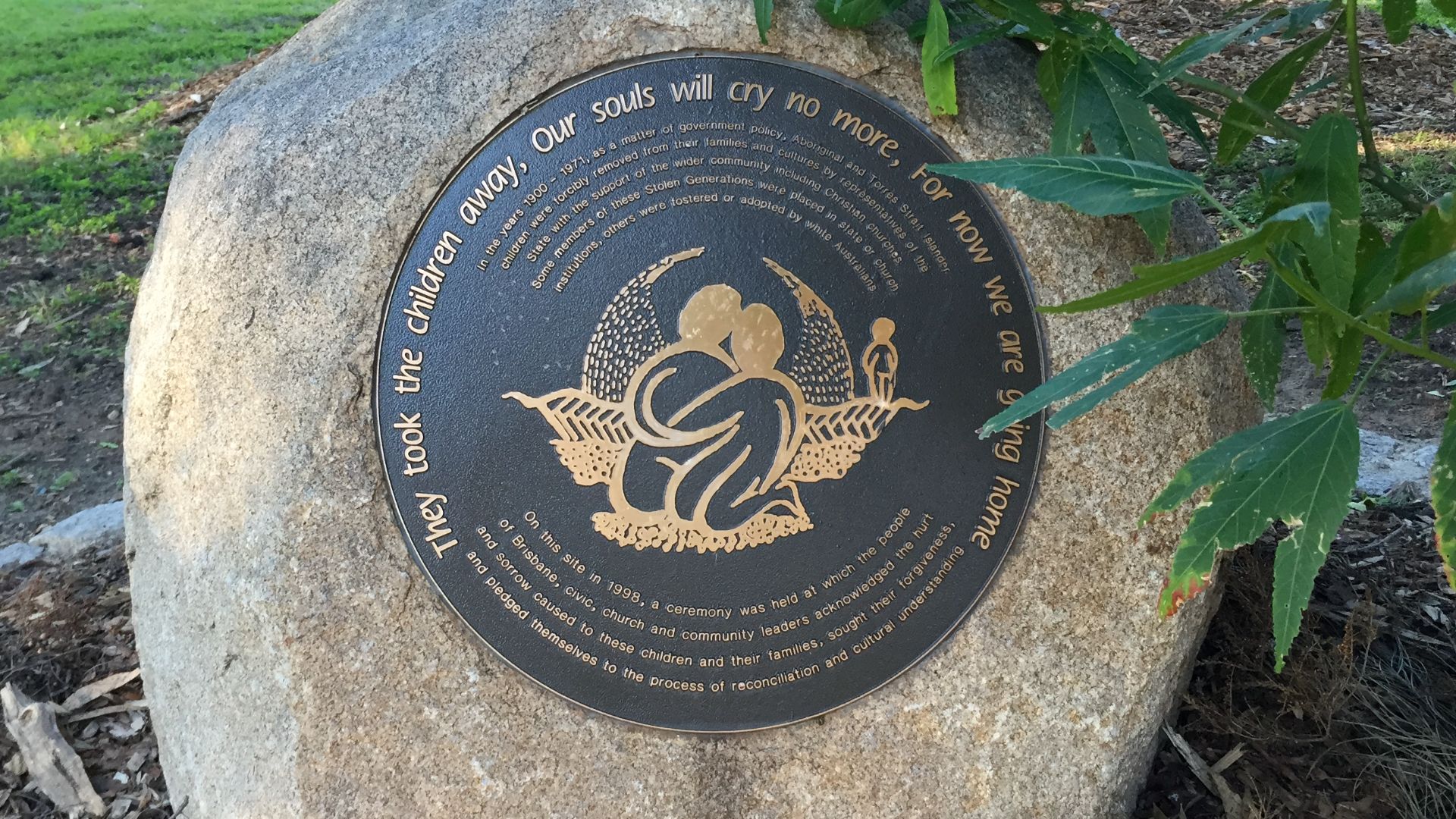
12. The Stolen Generations, Mid-1800s–1970s
However, that didn’t only happen in Canada. In Australia, Aboriginal and Torres Strait Islander children were also removed from their families by church missions from the mid-1800s into the 1970s. These removals were justified through assimilation policies, though the result was serious damage to families, culture, and identity.
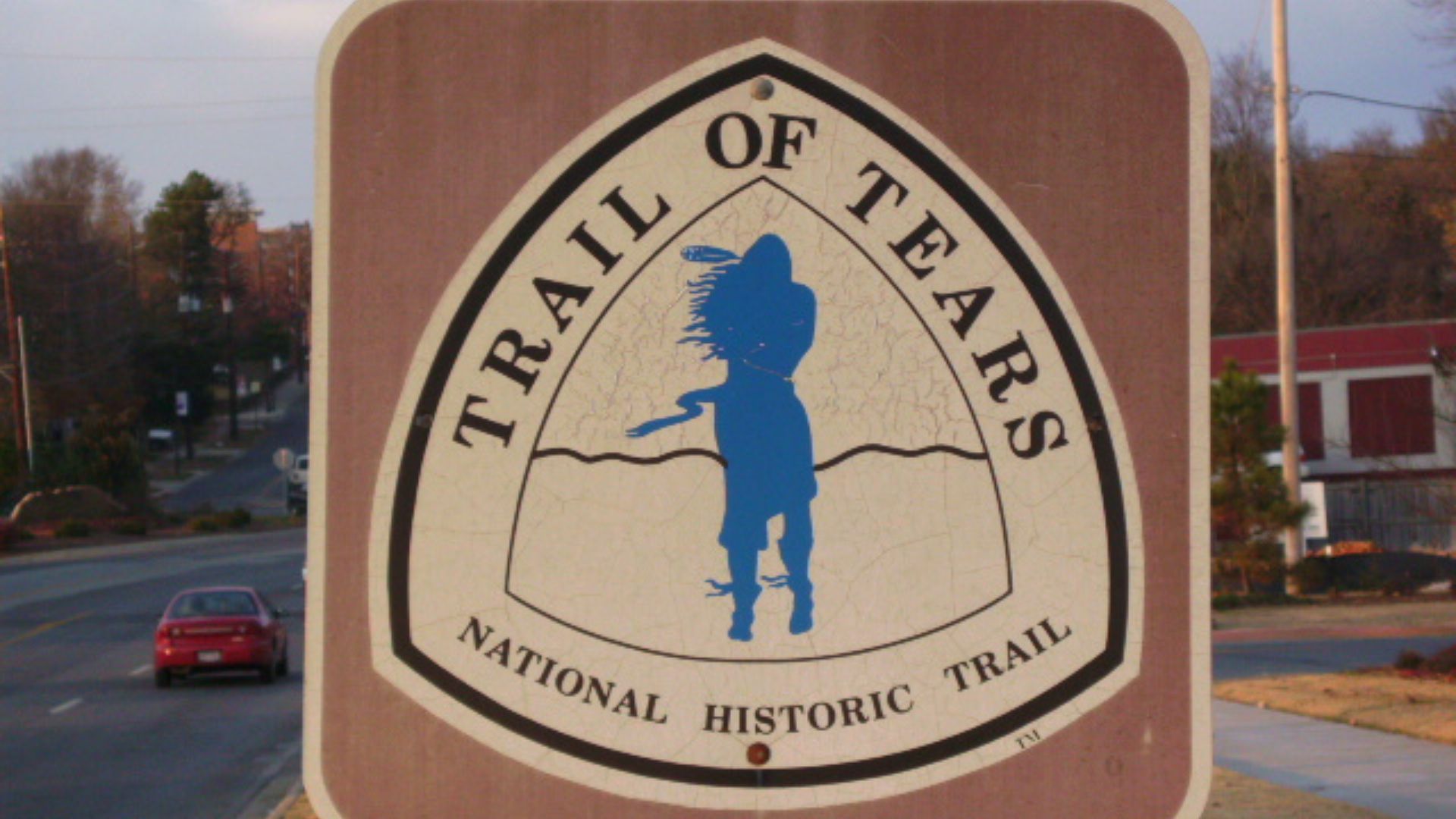
13. The Trail of Tears, 1830s
During the 1830s, the United States forced Cherokee, Creek, Chickasaw, Choctaw, Seminole, and other Native peoples from their homelands to territory west of the Mississippi River. The removals followed the Indian Removal Act era and caused everything from severe hardship and death to long-term dispossession.
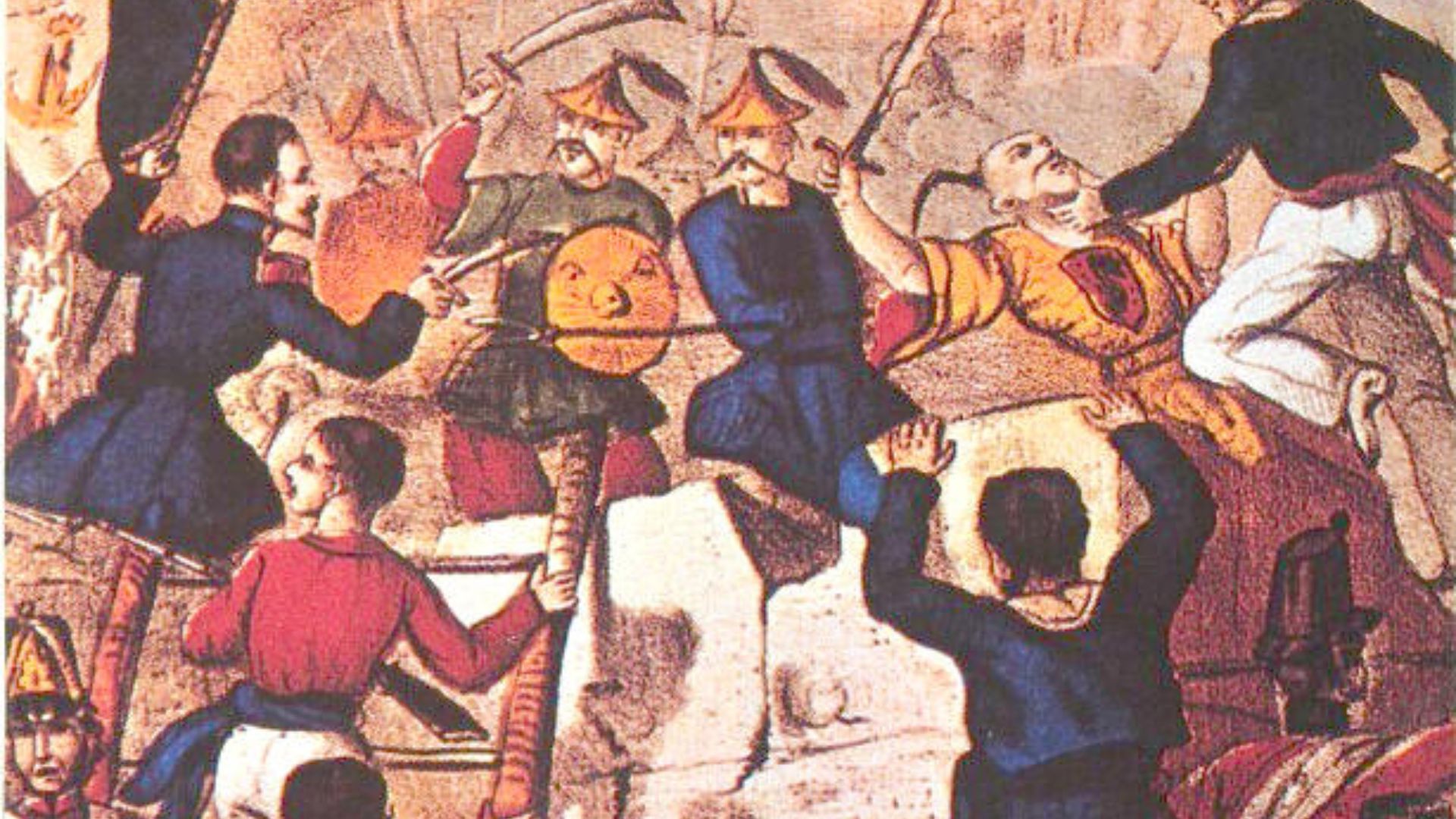
14. The Opium Wars, 1839–1842 and 1856–1860
The Opium Wars were two conflicts fought in China between the Qing dynasty and Western powers. The first was against Britain from 1839 to 1842, and the second involved Britain and France from 1856 to 1860. The first war actually centered on Britain’s push to protect trade interests after China tried to suppress the opium trade.
15. Nanjing, 1937–1938
After Japanese forces captured Nanjing, China, in December 1937, a massacre followed that lasted into January 1938. Casualty estimates range from 100,000 to more than 300,000, though other scholars have since noted that the numbers remain debated.
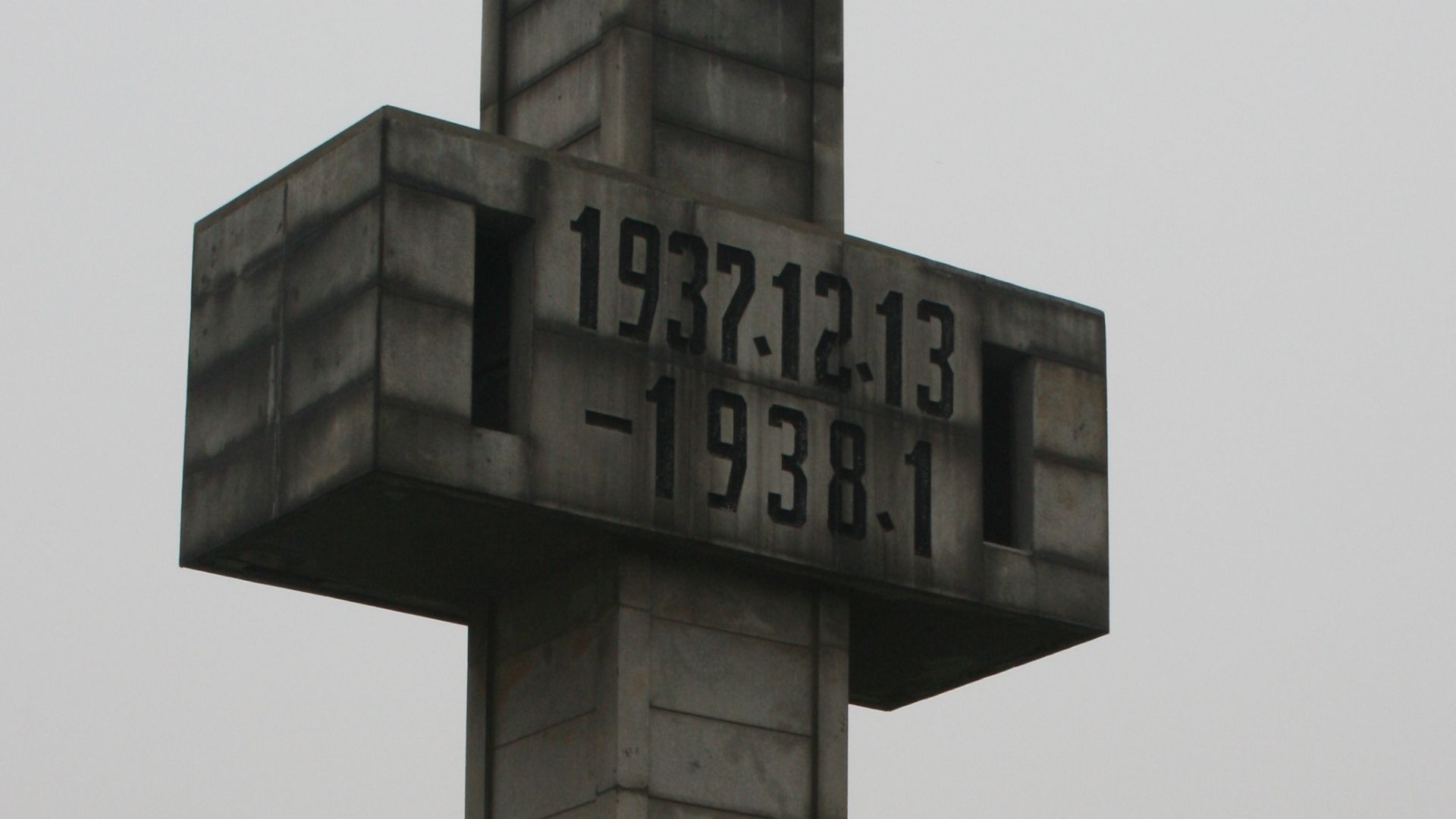 Gary Todd from Xinzheng, China on Wikimedia
16. The Year Without a Summer, 1816
Back in n 1816, a lot of the Northern Hemisphere actually experienced extreme cold and crop failures. It was all thanks to the 1815 eruption of Mount Tambora in present-day Indonesia. Communities faced frost, food shortages, and economic stress at a time when most people already didn’t have much protection against a failed harvest.
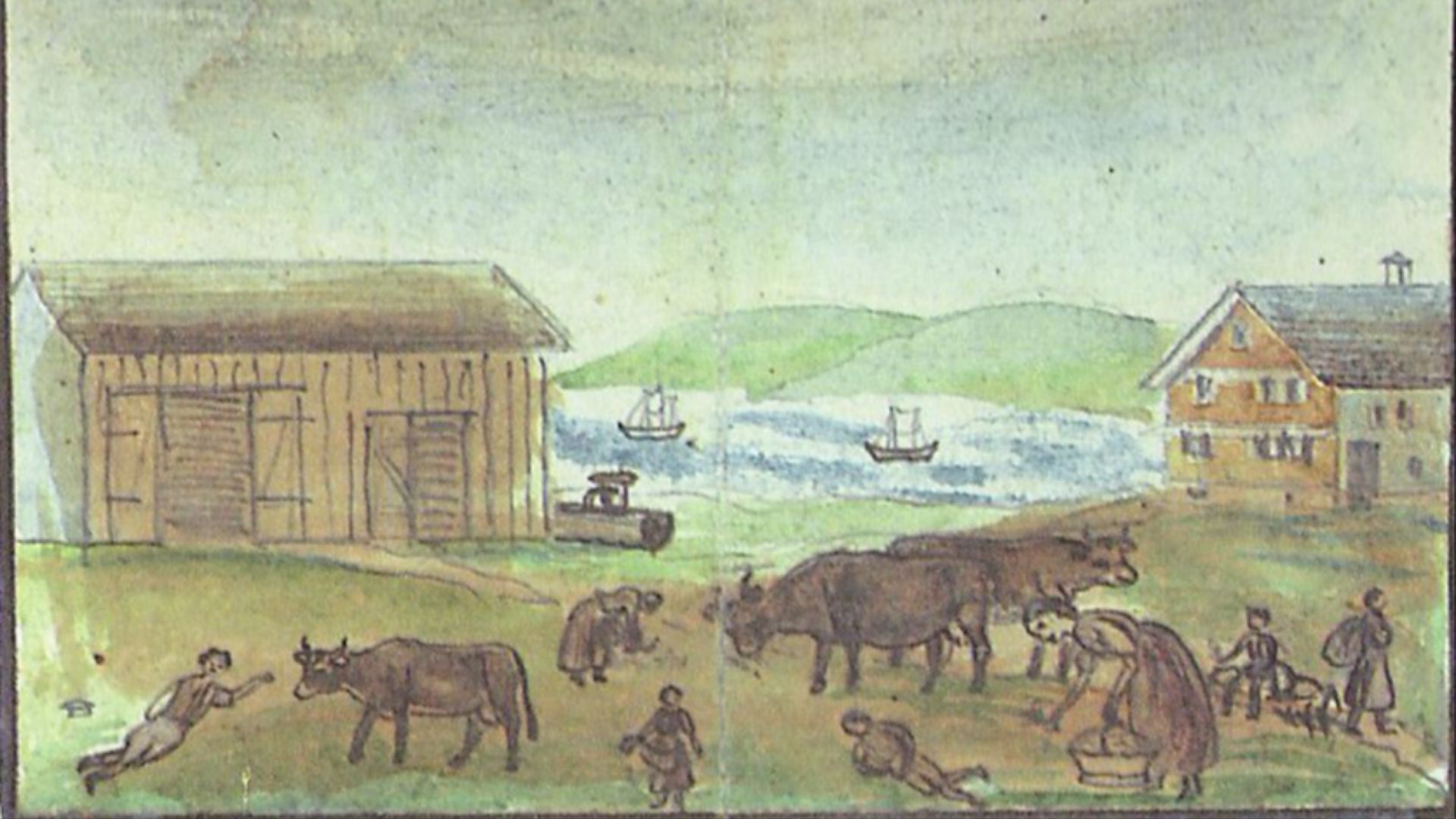 Babeli Giezendanner on Wikimedia
17. The Radium Craze, Early 1900s
In the early 20th century, radium was marketed as something it’s not: healthy. To some, it was even glamorous before its dangers were fully understood. It appeared in consumer products, medical claims, and industrial work, exposing people to risks they often weren’t even close to being able to deal with.
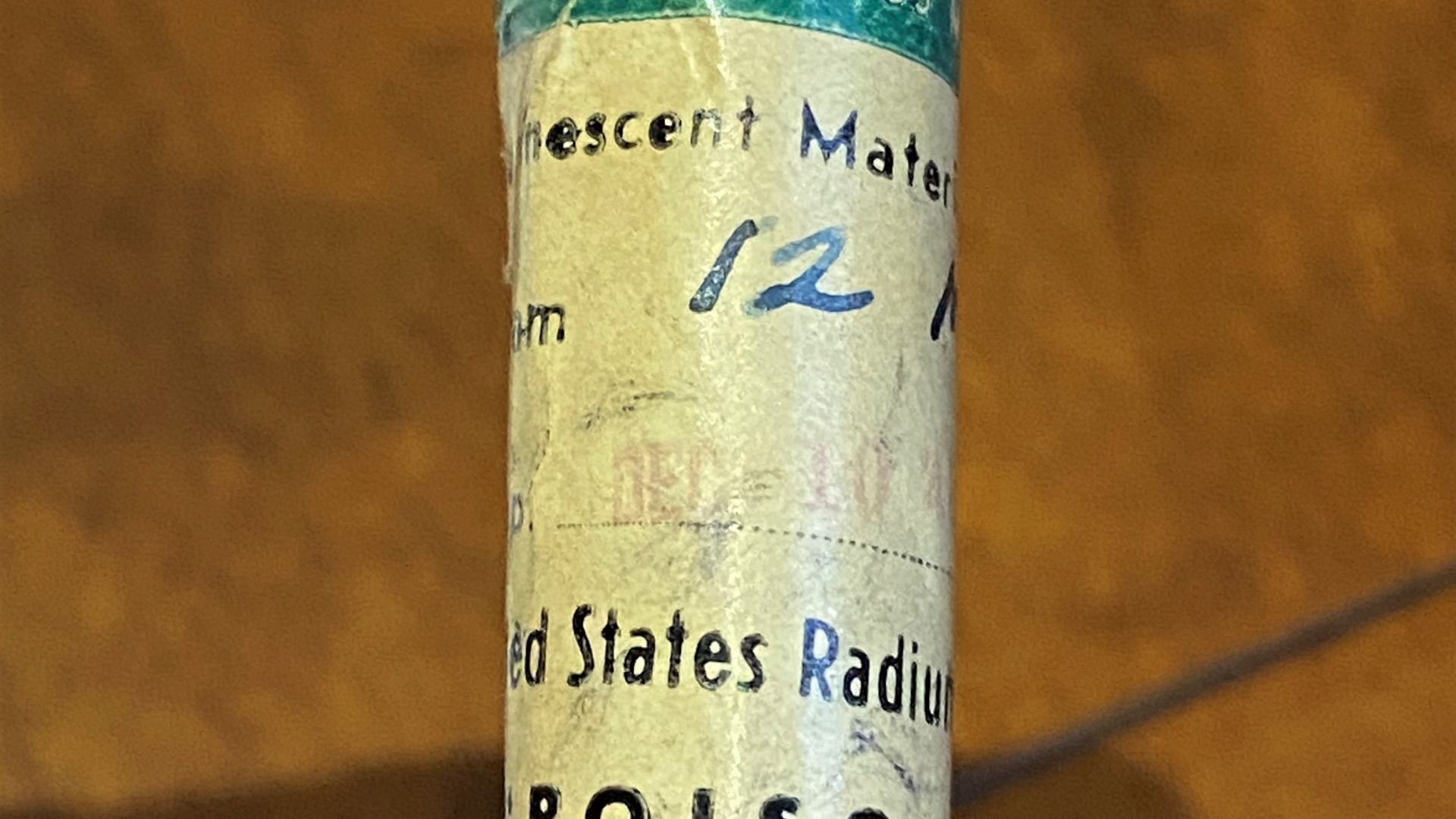 TheBeSphereOfCourse on Wikimedia
18. The South Sea Bubble, 1720
In 1720, Britain’s South Sea Company became the center of a financial mania that drew in investors, all of whom were hoping for huge profits. But when the bubble collapsed, many people lost their fortunes. By the end, the whole scandal exposed corruption and political favoritism.
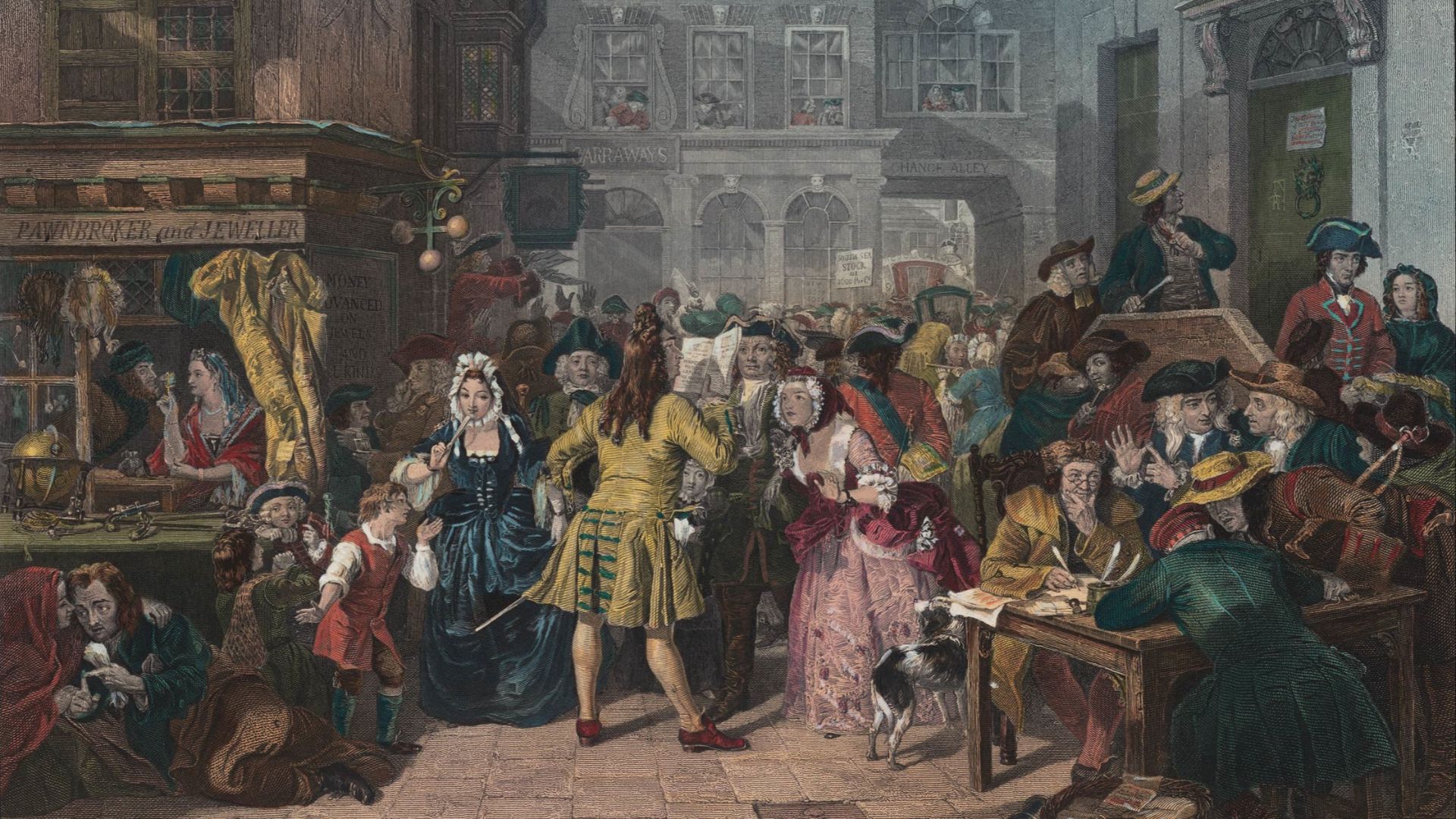 Edward Matthew Ward on Wikimedia
19. The Great Moon Hoax, 1835
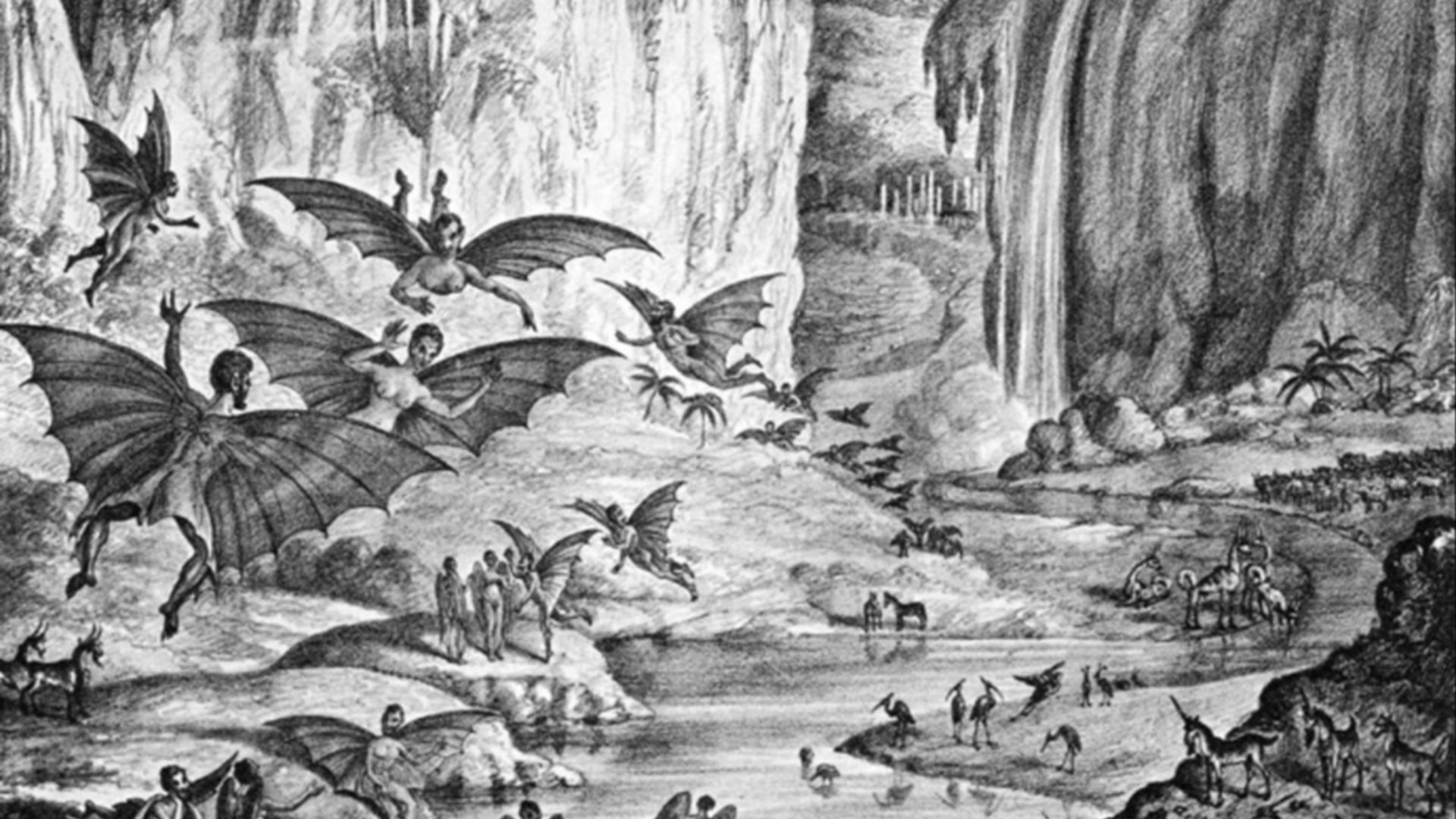
People have a lot of thoughts about the moon, but that was never truer than in 1835 when The Sun published false reports claiming that astronomers had discovered life there. Not just any life, either; readers were drawn into the descriptions of fantastical creatures and landscapes, even though the stories were fake.
20. The Dancing Plague of 1518
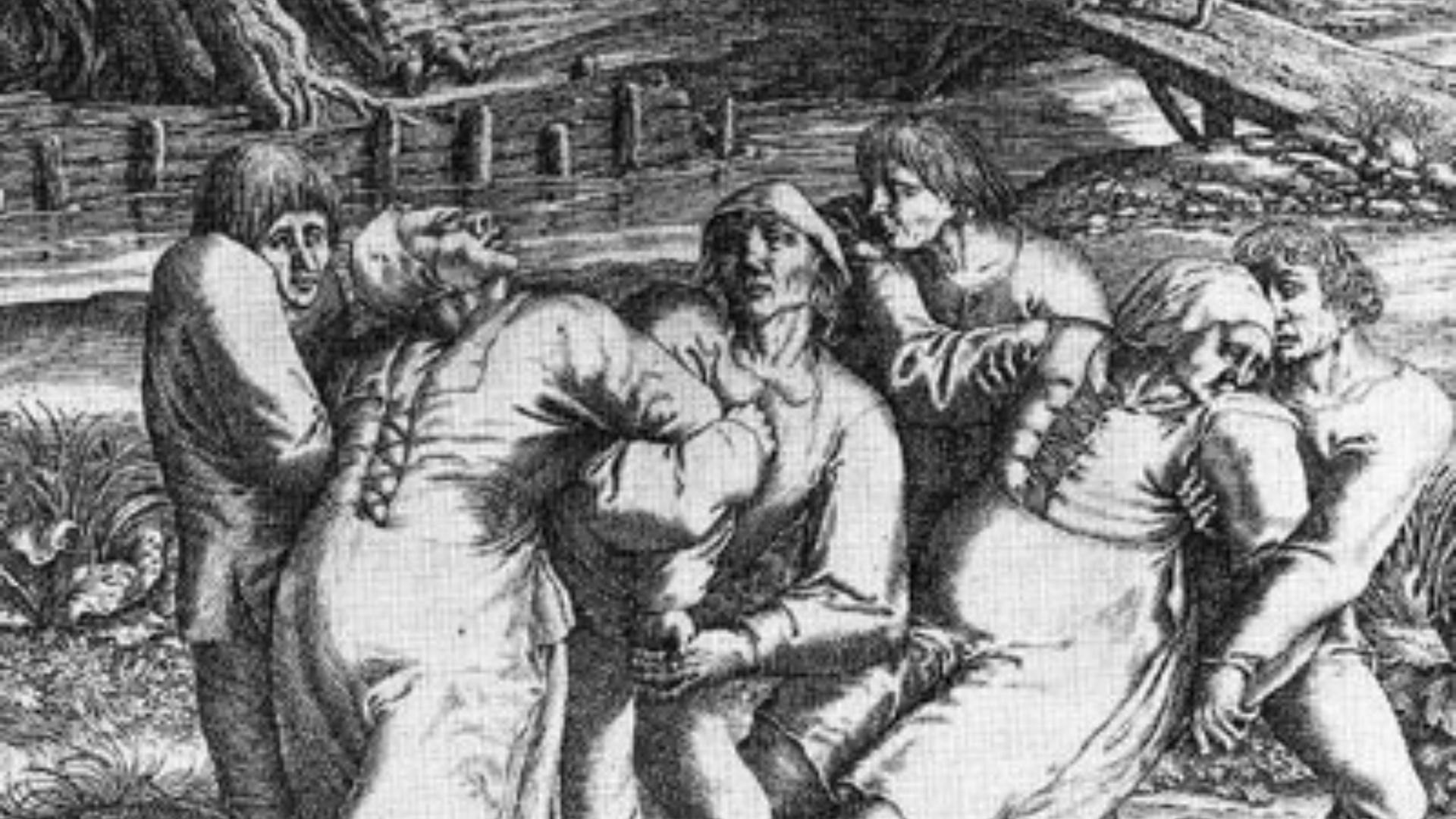
It’s not every day you lose your life to dance, but in July 1518, Strasbourg saw a strange episode in which people reportedly danced uncontrollably—some say for days, others for weeks. Historians still debate the cause, with theories involving stress, mass psychogenic illness, and social conditions.
KEEP ON READING
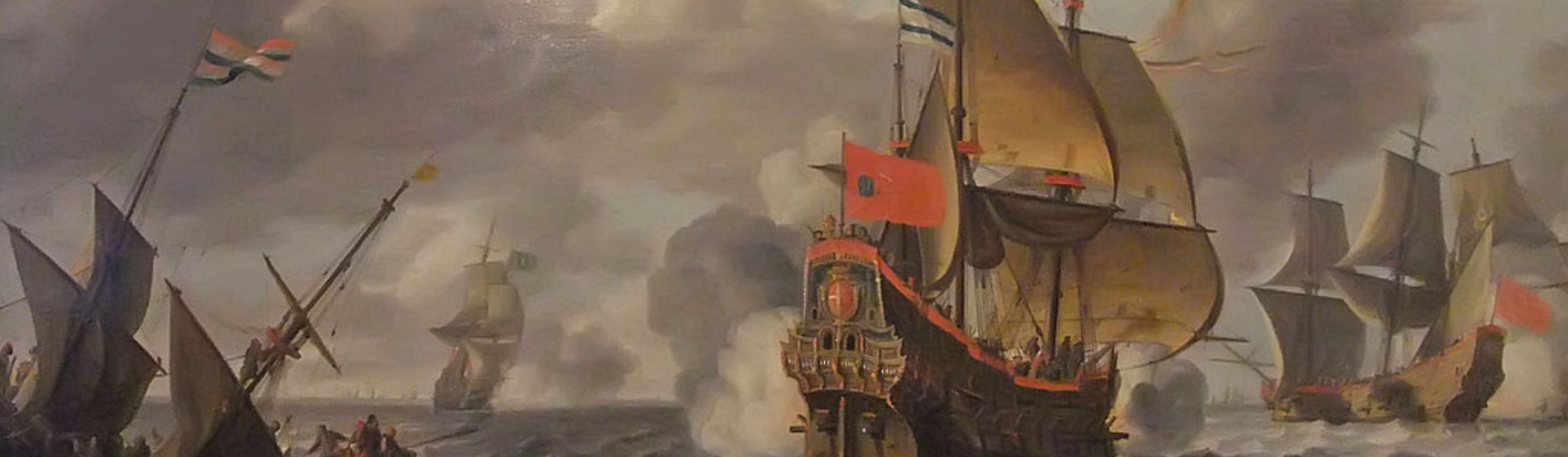
The story of Ching Shih, the Woman Who Became the…
Unknown author on WikimediaFew figures in history are as feared…
By Emilie Richardson-Dupuis Dec 29, 2025
Einstein's Violin Just Sold At An Auction—And It Earned More…
A Visionary's Violin. Wanda von Debschitz-Kunowski on WikimediaWhen you hear…
By Ashley Bast Nov 3, 2025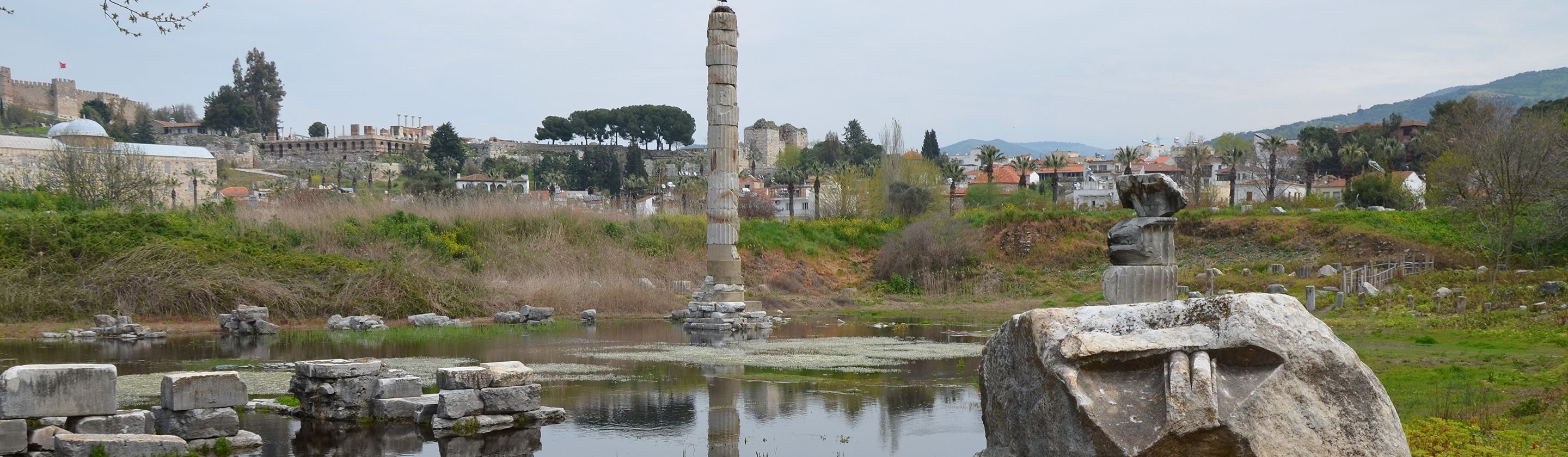
This Infamous Ancient Greek Burned Down An Ancient Wonder Just…
History remembers kings and conquerors, but sometimes, it also remembers…
By David Davidovic Nov 12, 2025
The Mysterious "Sea People" Who Collapsed Civilization
3,200 years ago, Bronze Age civilization in the Mediterranean suddenly…
By Robbie Woods Mar 18, 2025
20 Greatest Ancient Athletes In History
Ancient Olympics. Long before modern stadiums and multimillion-dollar endorsements, athletes…
By Sara Springsteen May 1, 2026
20 Soldiers Who Defied Expectations
Changing the Rules of the Battlefield. You’ve probably heard plenty…
By Annie Byrd Feb 10, 2026