

The First Tuesday
It was just another Tuesday morning when Melissa walked in carrying a stack of glass containers that looked like they belonged in a food magazine. I was deep in spreadsheet hell, trying to reconcile numbers that refused to reconcile, when the smell hit me—garlic, herbs, something that made my stomach immediately betray me with a low rumble. She started at Michael's desk, and I watched him light up like she'd handed him a lottery ticket. "Oh my god, Melissa, you're amazing," he said, peeling back the lid to reveal what looked like homemade chicken parmesan. Then Jennifer got hers—some kind of quinoa bowl situation that honestly looked incredible even though I'm not usually a quinoa person. I straightened up a little as Melissa made her way down my row, already planning my thank-you, already feeling that weird office gratitude for free food. She was three desks away. Then two. Then she was right there, close enough that I could see the perfect way she'd styled her blonde hair, and she just... kept walking. Didn't even glance down. My stomach growled in the silence.
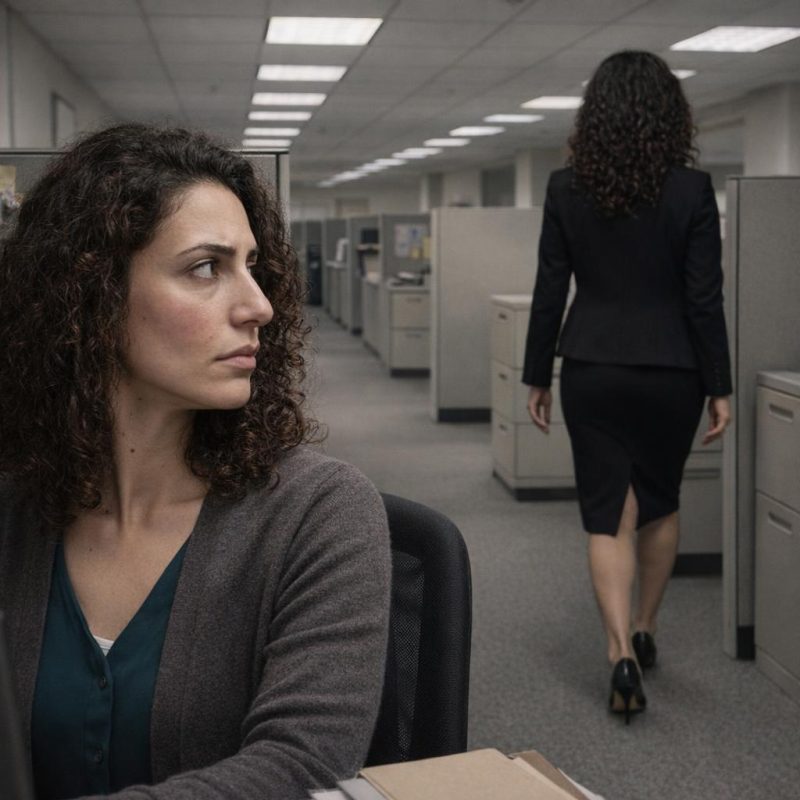 Image by RM AI
The Hollow Apology
I spent all of Wednesday morning telling myself it was nothing. Maybe she'd genuinely miscounted. Maybe I'd been in the bathroom when she came by. Maybe a hundred different reasonable explanations that I kept cycling through while pretending to work. When Melissa showed up Thursday with another armload of containers, I felt this pathetic little surge of hope. See? Today would be different. Today I'd get whatever amazing thing she'd cooked, and we'd laugh about the mix-up, and everything would be fine. I watched her make the rounds—Michael got Thai curry, Jennifer got some kind of vegetarian lasagna—and when she walked past my desk again without stopping, I felt my face get hot. But then she circled back, and her hand landed on my shoulder with this practiced warmth. "Oh my god, Emma, I'm so sorry," she said, her voice dripping with concern. "I completely lost count yesterday. I feel terrible." She squeezed my shoulder, and I found myself nodding, saying it was totally fine, no worries. "I'll bring you one tomorrow, I promise," she said, but something about the way her eyes didn't quite match her smile made my stomach twist. She promised to bring me one tomorrow, but the look in her eyes made me doubt every word.
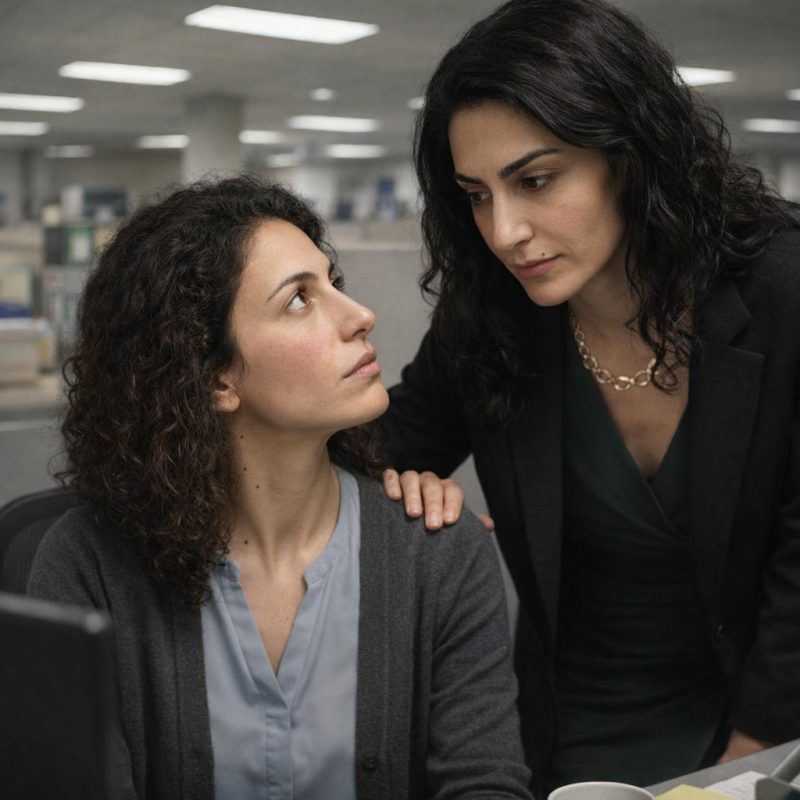 Image by RM AI
The Mental Tally
Friday morning I told myself I wasn't going to watch. I was going to be cool about it, focus on my work, not care whether Melissa brought me anything or not. That lasted until exactly eleven-thirty when I heard her heels clicking down the hallway. I couldn't help it—my eyes tracked her movement as she distributed containers to the usual suspects. Michael practically jumped up to thank her. She smiled that warm smile, the one that seemed to come so easily for everyone else, and moved down the row. Past my desk. Again. No pause, no acknowledgment, nothing. I sat there staring at my monitor, not actually seeing the spreadsheet anymore, just counting in my head. Tuesday. Wednesday. Thursday. Three times now. Three times she'd skipped right over me like I was part of the furniture. Maybe I was being oversensitive—that's what I kept telling myself. Maybe this was all in my head. But my stomach was growling, and I couldn't stop replaying each instance, couldn't stop adding them up like items on a receipt. Three times now, and I couldn't stop the number from echoing in my head.
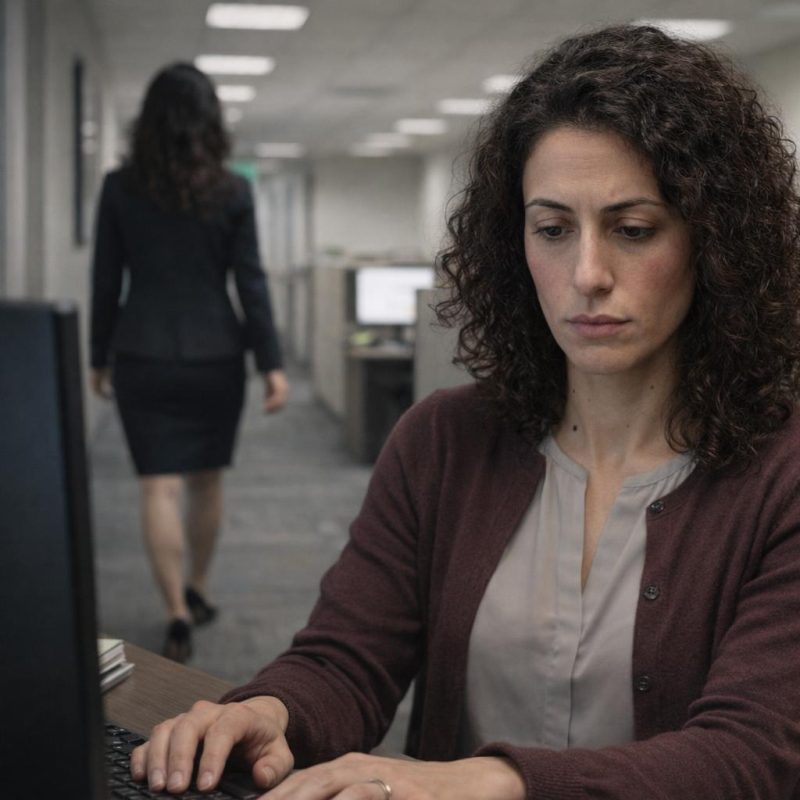 Image by RM AI
A Full Week
By the time Friday afternoon rolled around, I'd stopped making excuses for her. Monday had been Thai noodles for everyone but me. Tuesday was some kind of Mediterranean wrap situation. Wednesday, Thursday, Friday—each day the same routine, each day a different elaborate meal, each day Melissa walking past my desk like I didn't exist. When she did remember to circle back with an apology, the words sounded copy-pasted from the day before. "So sorry, lost count again!" or "Can you believe I forgot? Tomorrow for sure!" I'd smile, wave it off, say something about how it was no big deal while something ugly twisted in my chest. Seven days. A full work week of watching everyone else get homemade lunches while I sat there with my sad desk salad or whatever I'd scrounged from the vending machine. I couldn't figure out what I'd done to deserve this. Had I said something wrong? Forgotten her birthday? I ran through every interaction we'd had, searching for the moment I'd somehow offended her, but came up empty. Seven consecutive days, and the certainty settled over me like cold water—I was being targeted.
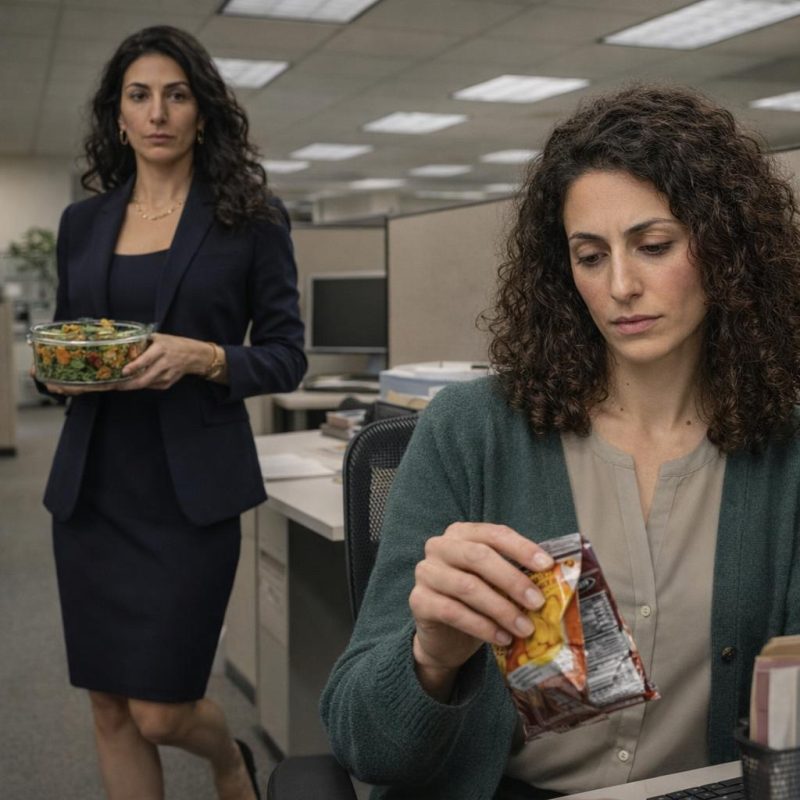 Image by RM AI
The Performances Begin
The second week, Melissa turned it into a whole production. She didn't just hand out the containers anymore—she announced them like she was hosting a cooking show. "Michael, I made you that Thai red curry you mentioned loving," she'd say, loud enough for half the office to hear. "Jennifer, this is a vegetarian lasagna with cashew ricotta because I know you're trying to eat cleaner." People started gathering around during the distribution, asking about ingredients, complimenting her presentation skills. She'd make eye contact with each person as she handed over their meal, this moment of connection that felt almost intimate. Meanwhile, I sat three feet away, pretending to be absorbed in an email that I'd already read four times. She glanced at me once—just this quick flick of her eyes in my direction—and I swear something passed across her face before she turned back to her audience. Not guilt. Not quite. Something colder. The whole thing had evolved from a nice gesture into this theatrical performance, and I was the only one not invited on stage. She announced each dish like a chef at a five-star restaurant, and I sat three feet away, invisible.
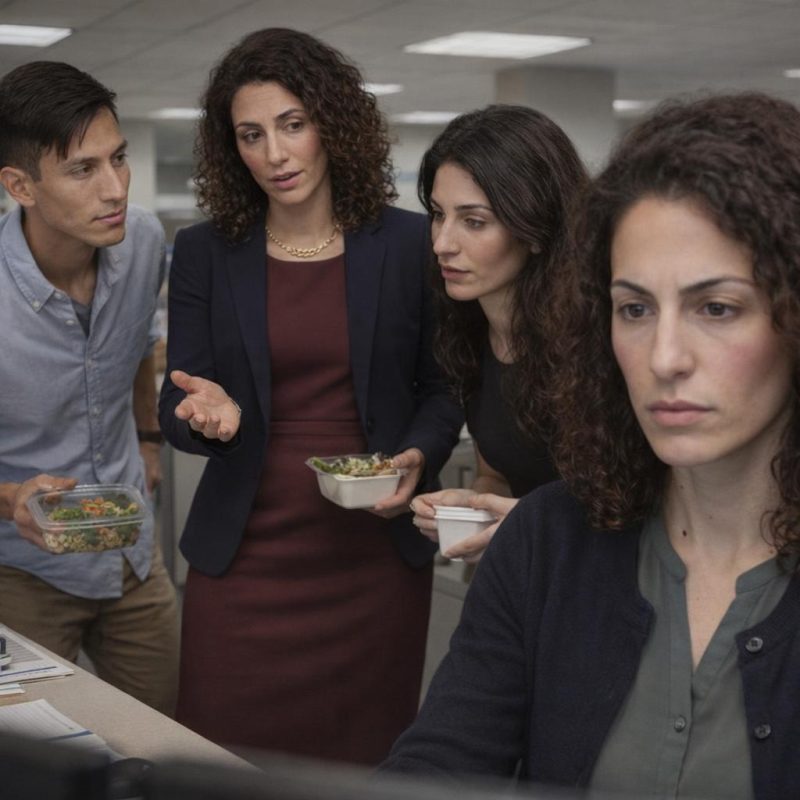 Image by RM AI
The High Road
I decided to take control of the situation the only way I knew how—I started packing my own lunch. Spent Sunday night meal-prepping like my life depended on it, portioning everything into glass containers that looked just as nice as Melissa's. If she wasn't going to include me, fine. I didn't need her charity anyway. I was being the bigger person, taking the high road, all those things you're supposed to do when someone's being inexplicably cruel. Monday morning I felt almost proud of myself, sitting at my desk with my homemade grain bowl, totally unbothered. Totally fine. Except at eleven-thirty, when I heard those heels clicking against the linolinum, my entire body tensed up. My heart started racing like I was about to give a presentation. I forced myself to stare at my screen, to pretend I was deep in thought about quarterly projections or whatever, but I was hyper-aware of every sound—the soft thud of containers being set down, the murmured thank-yous, Melissa's voice describing today's menu. But every morning at eleven-thirty, the sound of Melissa's heels sent anxiety spiking through my chest.
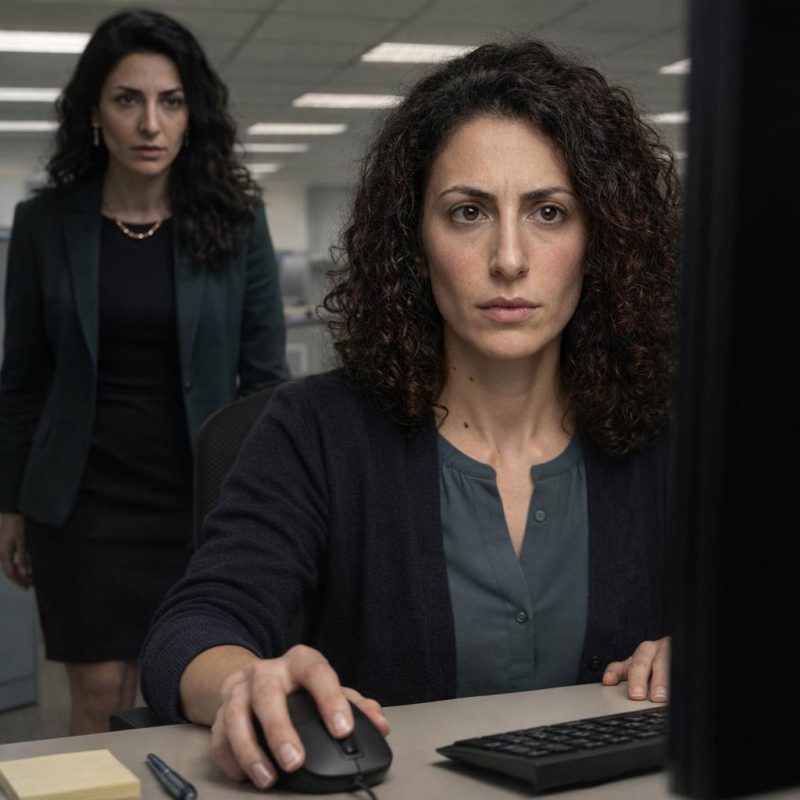 Image by RM AI
Cold Politeness
It wasn't just the lunches anymore. I started noticing how Melissa treated me in meetings, and once I saw it, I couldn't unsee it. During our Tuesday team meeting, she was her usual charismatic self—laughing at Robert's terrible jokes, asking Jennifer thoughtful questions about her wellness initiative, engaging with everyone like they were the most interesting people she'd ever met. Then I asked a simple question about the timeline for a project we were both working on, and she turned to me with this blank expression. "Friday," she said. One word. Didn't elaborate, didn't make eye contact, just turned back to the others and resumed being warm and animated. It was like watching someone flip a switch. Robert didn't seem to notice anything weird—he just kept droning on about quarterly goals—but I felt it in my bones, this coldness that seemed reserved specifically for me. With everyone else, she was sunshine. With me, she was ice.
 Image by RM AI
Seeking Validation
I finally broke down and mentioned it to David at the coffee machine. He was one of those perpetually exhausted senior guys who'd seen everything, so I figured maybe he'd validate what I was experiencing. "Hey, weird question," I started, trying to sound casual while my heart hammered. "Have you noticed that Melissa brings lunch for everyone except me?" I explained the pattern—three weeks now, every single day, always skipping my desk. David barely looked up from his phone. "She's probably just stressed," he said with a shrug. "You know how she gets with those big presentations coming up." I tried to push back, tried to explain that this felt intentional, but he was already changing the subject to some issue with the printer. The conversation was over. I stood there holding my empty mug, feeling smaller than I had in weeks. Maybe I was crazy. Maybe I was reading too much into everything. Maybe this was all in my head and I was the problem. He said Melissa was probably just stressed, and I was left holding my empty mug, feeling foolish.
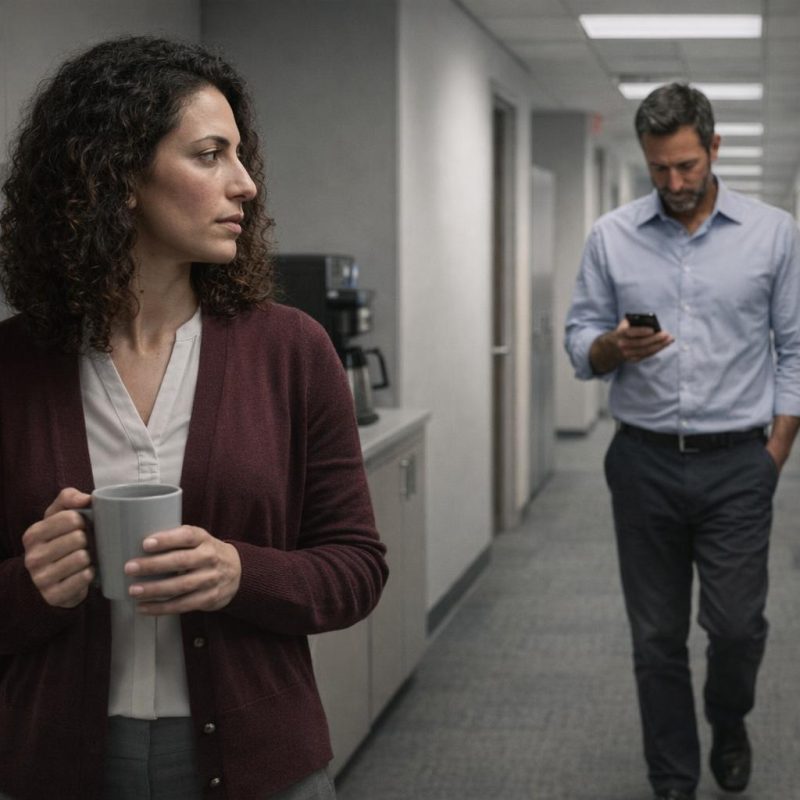 Image by RM AI
The Daily Gathering
It became this daily ritual I couldn't stop watching. Around noon, everyone would migrate to Melissa's desk like she was holding court, and honestly, that's exactly what it felt like. Michael would lean against the cubicle wall with this dopey grin while she explained where she sourced her saffron. Jennifer practically took notes when Melissa described the difference between regular paprika and the smoked Spanish kind she'd found at some specialty market downtown. "The preserved lemons for the Moroccan tagine took three weeks to cure," Melissa said one day, and I swear everyone gasped like she'd revealed state secrets. They hung on every word about farmers' markets and spice blends, asking questions about her techniques, her recipes, her suppliers. Meanwhile, I sat at my desk eating my sad turkey sandwich from the deli downstairs, watching this performance through the gap between monitors. The devotion in their faces made my stomach turn. It wasn't just appreciation for good food—it was something more intense, more focused. I couldn't put my finger on what felt so wrong about it, but the way they clustered around her, the way they hung on her every word about spice blends and farmers' markets made my skin crawl.
 Image by RM AI
The Written Record
I pulled out a small spiral notebook from my desk drawer—the kind you'd use for grocery lists—and started writing everything down. Date, what Melissa brought that day, who got food, exact quotes if I could remember them. "March 15: Thai curry, everyone but me. March 16: Homemade focaccia, skipped my desk entirely." It felt petty and obsessive, like something a crazy person would do, but I needed proof that I wasn't imagining this. Every lunch, I'd add another entry. I documented who was present, what Melissa said when she distributed the food, the way she'd glance past me like I was furniture. The tally kept growing. Ten days. Twelve. Fourteen consecutive workdays of being passed over, all recorded in blue ink. When I reviewed my notes, the pattern was undeniable—not once had she included me, not once had she even acknowledged the omission. I hid the notebook in the back of my drawer under some old files, but I'd pull it out sometimes just to look at it, to remind myself that I had evidence. Fourteen days, fourteen skipped lunches, and ink that proved I wasn't imagining things.
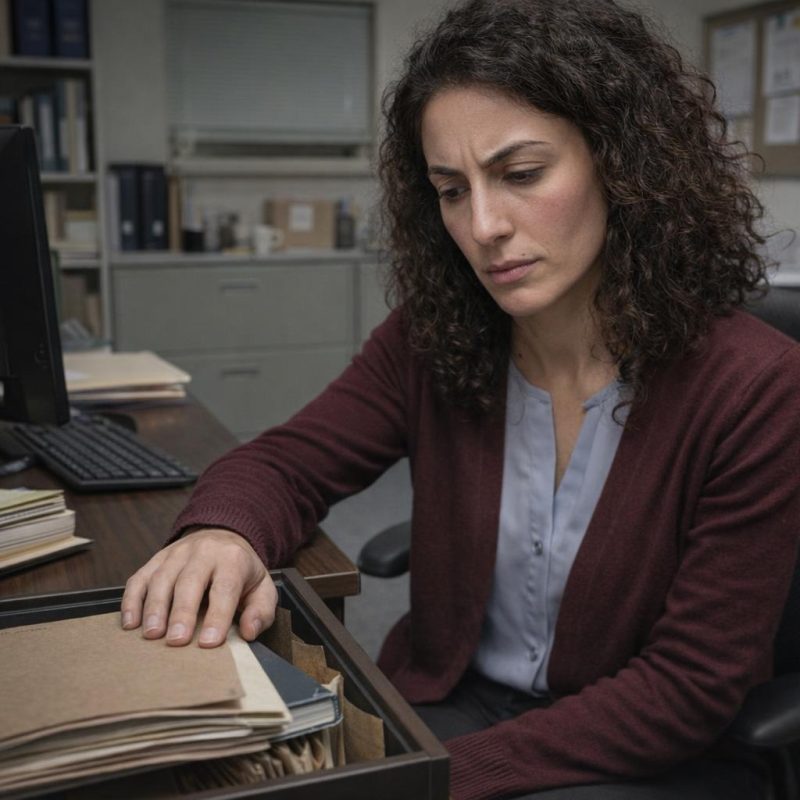 Image by RM AI
Deterioration
Three weeks in and I was falling apart. I'd lie awake at night replaying every interaction with Melissa, analyzing her tone, her body language, trying to figure out what I'd done wrong. Then I'd drag myself to work already exhausted, my eyes gritty and unfocused. I started making stupid mistakes—transposing numbers in spreadsheets, missing emails, forgetting which reports were due when. My concentration was completely fractured because I couldn't stop tracking Melissa's movements around the office. Where was she going? Who was she talking to? Was she about to do another lunch distribution? I'd catch myself staring into space, my cursor blinking on a half-finished sentence, my mind somewhere else entirely. The anxiety was eating me alive, this constant low-grade panic that made my chest tight and my hands shake when I reached for my coffee mug. I knew my performance was slipping. I knew it was noticeable. My manager would notice soon, and then what excuse could I possibly give?
 Image by RM AI
Official Validation
Robert opened our weekly team meeting with his usual announcements, but then he did something that made my blood run cold. "I want to specifically thank Melissa," he said, gesturing toward her with his phone still in his hand, "for the incredible positive impact she's had on office morale. The energy in here has been noticeably better, and I know her lunch tradition is a big part of that." Michael nodded enthusiastically. Jennifer murmured agreement. A few other people chimed in with praise, talking about how much they looked forward to Melissa's cooking, how it made the office feel like a community. Melissa smiled graciously, doing that humble head-tilt thing she was so good at. "I just enjoy cooking for people," she said softly. I sat there frozen, my professional mask firmly in place, unable to say a single word. What could I possibly say? That she was excluding me? That I felt targeted? I'd sound petty and jealous, complaining about free food while management was literally praising her for improving workplace culture. Everyone nodded in agreement, and I felt my objections die in my throat.
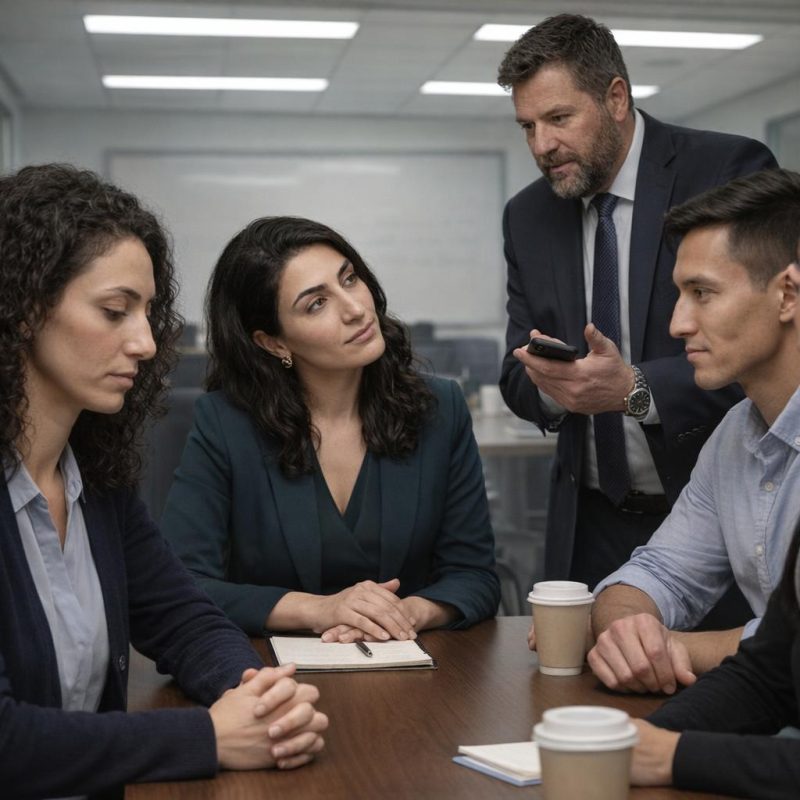 Image by RM AI
Unusual Devotion
Something about the way my coworkers talked about Melissa started to feel off, though I couldn't articulate exactly what bothered me. Michael cornered me by the printer one afternoon, and when I mentioned I'd grabbed lunch from the taco place down the street, his whole face lit up. "Oh man, you should try Melissa's cooking," he said with this intensity that seemed disproportionate. "It's honestly life-changing. I've been feeling so much better since she started bringing lunch." Jennifer said something similar a few days later, describing how much happier she'd been, how the lunches were the highlight of her day. The language they used felt excessive—"amazing," "incredible," "the best thing ever." I'd hear them discussing Melissa's recipes with the kind of reverence people usually reserved for, I don't know, religious experiences or something. It made me wonder what I was missing, why I was the only one who seemed to see Melissa differently. Maybe something was wrong with my perception. Maybe I was broken in some fundamental way that made me immune to whatever charm she had over everyone else. The way Michael's eyes lit up when talking about her cooking made me wonder what I was missing.
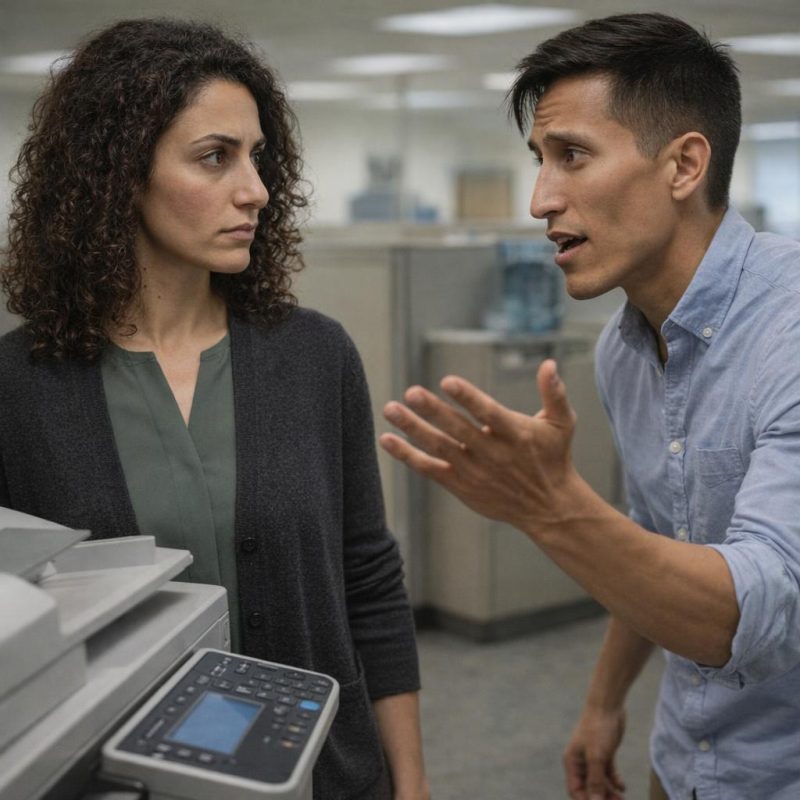 Image by RM AI
Intensifying Ice
Melissa's coldness toward me shifted into something sharper, something that made my stomach drop every time I had to interact with her. I asked her a simple question about a client file one morning—totally work-related, completely professional—and the temperature in the room seemed to plummet. "It's in the shared drive, Emma," she said, my name coming out like an ice chip. Her voice was flat, dismissive, barely concealing irritation. But then Jennifer walked up thirty seconds later with a question about scheduling, and Melissa's entire demeanor transformed. Warm smile, helpful tone, patient explanation. The contrast was so stark it felt like whiplash. I started routing all my work questions through other people, taking the long way around tasks just to avoid speaking to her directly. The hostility felt palpable to me, this invisible force field of frost that surrounded any interaction we had. I couldn't tell if others noticed the difference in her voice when she addressed me versus everyone else, or if I was the only one who heard it. The frost in her voice when she said my name made everyone else's warmth look like a performance.
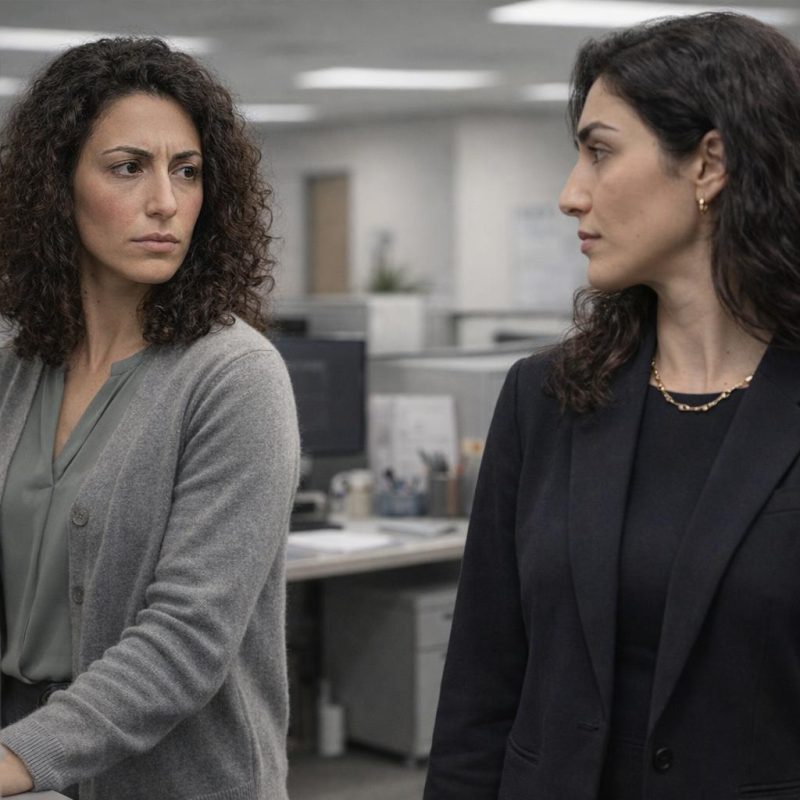 Image by RM AI
The HR Meeting
I finally worked up the courage to request a meeting with Patricia in HR. Her office was exactly what you'd expect—neutral colors, motivational posters, a box of tissues strategically placed on the desk. I explained the situation as calmly as I could, walking through the pattern of exclusions, the three-plus weeks of being deliberately skipped, the way it made me feel isolated and targeted. Patricia listened with professional sympathy, her reading glasses perched on her nose, nodding at appropriate intervals. When I finished, she gave me this smile that somehow made everything worse. "Emma, I understand this feels hurtful," she said gently, "but sometimes workplace friendships don't include everyone. Melissa isn't obligated to bring you lunch. It's a personal choice, not a work requirement." She suggested I might be misinterpreting social dynamics, that perhaps I was being oversensitive. "My advice? Bring your own lunch and focus on your work. Not everyone will be your friend here, and that's okay." I left her office feeling smaller than when I'd entered, the institutional validation I'd hoped for replaced with the clear message that I was the problem. Patricia smiled sympathetically and told me sometimes workplace friendships don't include everyone, and I left her office feeling smaller than when I entered.
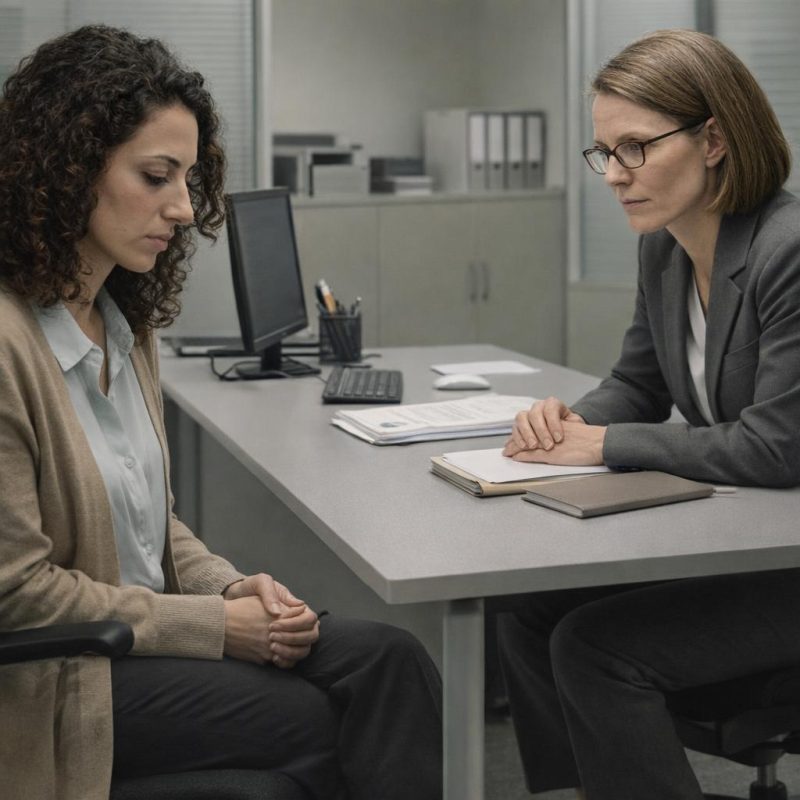 Image by RM AI
Questioning Reality
I sat at my desk that afternoon staring at my notebook, flipping through pages of documented exclusions, and genuinely questioned whether I'd lost my mind. Had I created this entire narrative? Was I so insecure, so desperate for attention, that I'd invented a pattern of hostility where none existed? Maybe Melissa really was just stressed like David said. Maybe she genuinely didn't think to include me and I'd built this whole conspiracy theory around a simple oversight. HR thought I was oversensitive. My coworkers seemed happy. Management praised her. Perhaps the problem was me—my paranoia, my inability to just let things go and be normal. I watched Melissa make her rounds that day, the same routine as always, skipping my desk without a glance. The pattern continued exactly as it had for weeks, undeniable and consistent. But everyone kept telling me I was wrong, that I was reading too much into things, and the gaslighting was working. I wanted to believe them. I wanted to be wrong. Maybe I was the problem, maybe I had created this whole narrative in my head, but the knot in my stomach insisted otherwise.
 Image by RM AI
Special Announcement
The next morning, Melissa gathered everyone in the break room with this bright, almost manic energy that immediately put me on edge. She stood there with her hands clasped together, that perfect smile plastered across her face, and announced she had something special planned for the following week. A multi-course lunch event, she called it, something she'd been working on for weeks. Michael practically bounced with excitement, asking what was on the menu. Jennifer smiled and said it sounded wonderful. Robert nodded approvingly from the doorway, already half-checking his phone. Melissa described each course in detail—appetizers, main dishes, desserts—like she was planning a wedding reception instead of office lunch. Her eyes swept across the room as she talked, landing on each person with that warm, inclusive gaze she did so well. Then her eyes met mine for just a second, maybe less, and something in that look made my stomach drop. I couldn't explain it, couldn't point to anything specific, but the way she looked at me felt different. Pointed. Everyone else buzzed with anticipation around me, already discussing what they hoped she'd make. She talked about a menu she'd been planning for weeks, and I couldn't shake the feeling this was meant for me.
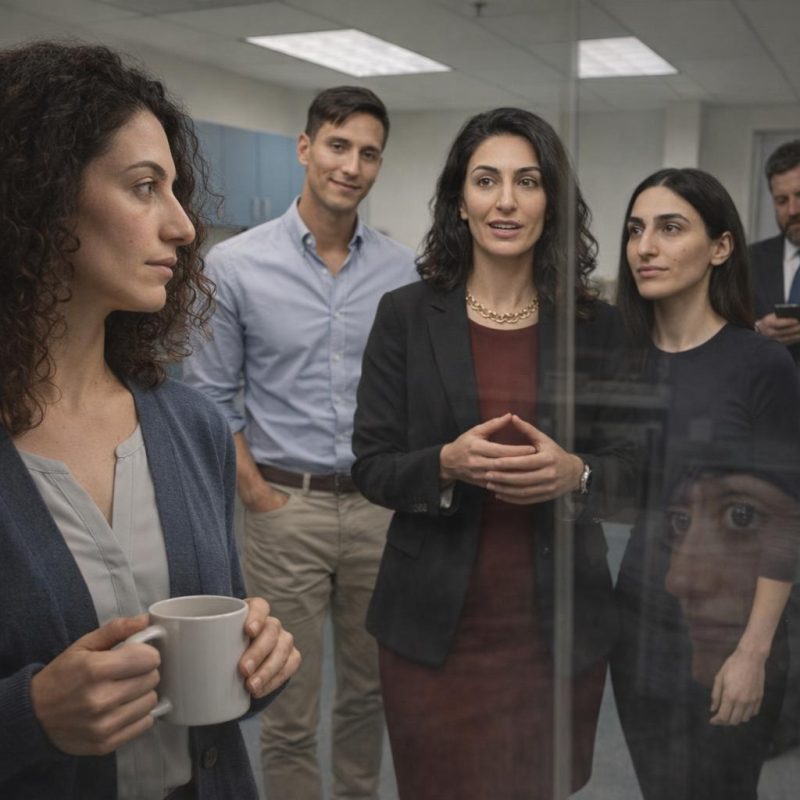 Image by RM AI
Research Phase
That evening I sat on my couch with my laptop, staring at the search bar for a solid minute before typing "workplace bullying subtle exclusion." The results flooded in—articles, forums, psychology blogs, all describing patterns I recognized immediately. Social isolation as a tactic. Gaslighting to make the target question their own perception. I read about the deliberate exclusion from group activities while maintaining plausible deniability. I clicked through page after page, my coffee going cold beside me as I read about how victims often feel crazy, how they second-guess themselves constantly because everyone else seems fine. One article described how bullies often choose targets who won't fight back, who'll internalize the abuse instead of making waves. Another explained how witnesses rarely intervene because they don't want to become targets themselves. Every single description matched what I'd been experiencing with Melissa, down to the smallest details. The validation felt like finally being able to breathe after holding my breath for weeks. But none of the articles answered the question that kept me up at night, the one that made my chest tight with confusion and hurt. Every article described exactly what I was experiencing, but none explained why Melissa had chosen me.
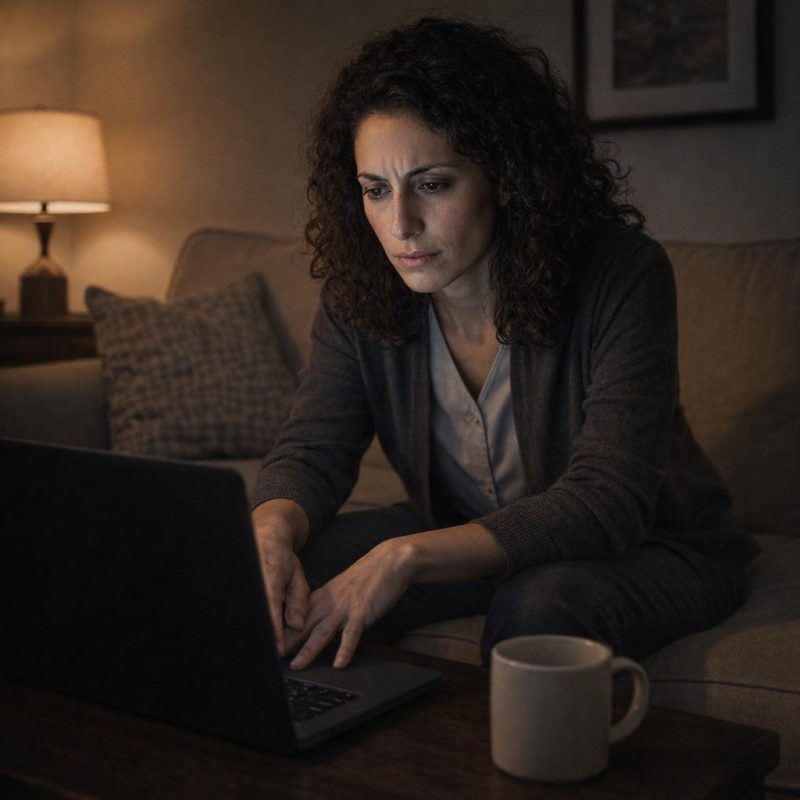 Image by RM AI
Jennifer's Fatigue
Two days later, I noticed Jennifer looked absolutely exhausted. She sat at her desk with dark circles under her eyes that her usual minimal makeup couldn't hide, moving through her tasks with this slow, heavy quality that seemed completely wrong for her. Jennifer was the yoga-at-dawn, green-smoothie-for-breakfast, eight-hours-of-sleep person in the office. Seeing her like this felt off, like watching someone's routine glitch. I walked over during a quiet moment, leaning against the edge of her cubicle. "Hey, you feeling okay? You look really tired." She glanced up, and for just a second I saw something in her expression—exhaustion, maybe frustration—but then she smiled. That bright, everything's-fine smile that didn't reach her eyes. "Oh, I'm great actually. Never felt better." Her voice had this cheerful quality that sounded odd, almost automatic. I wanted to push, to ask if she was sure, but something about the way she turned back to her computer told me the conversation was over. I walked back to my desk wondering if the stress of this place was getting to everyone, not just me. When I asked if she was okay, Jennifer smiled and said she'd never felt better, but her eyes told a different story.
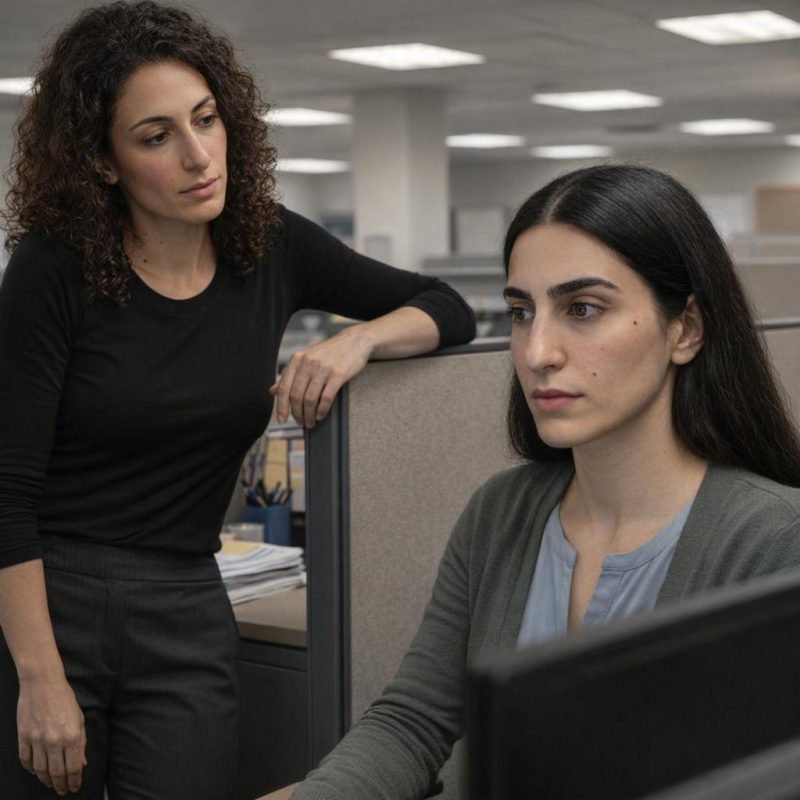 Image by RM AI
Michael's Dependency
Later that week, I overheard Michael talking to someone near the coffee machine, and what he said made me stop mid-step. "Honestly, I can't imagine going a day without Melissa's food anymore," he laughed, but there wasn't much humor in it. "Like, weekends are rough now, you know? I just feel off until Monday." The other person laughed too, agreeing, and Michael continued. "I'm serious though. It's like my body expects it now. Nothing else tastes as good." He was still smiling, still using that joking tone, but the words themselves sounded intense. Desperate, almost. I pretended to fiddle with the coffee maker, listening as he described counting down the hours until lunch each day, how he'd tried making similar dishes at home but they just weren't the same. The way he talked about it reminded me of something I couldn't quite place—that need in his voice, that dependency. I thought about Jennifer's exhaustion, about how everyone seemed so attached to these lunches, and felt pieces of something clicking together in my mind without forming a complete picture. The way he said it, like an addict talking about a fix, made something click in my mind that I couldn't quite name yet.
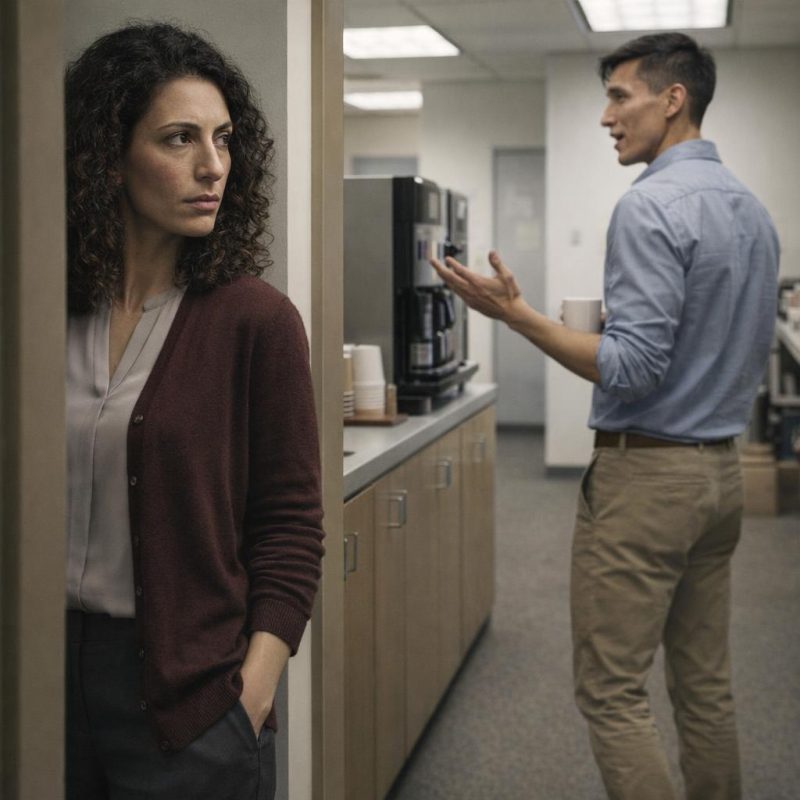 Image by RM AI
The Early Morning Plan
That night I sat at my kitchen table with my notebook open, reviewing everything I'd observed over the past weeks. Melissa always arrived early, always had those containers ready before anyone else showed up. The lunches happened like clockwork, the same routine every single day. I'd documented the pattern, but I'd never actually seen how it started, what happened before the rest of us arrived. Maybe if I watched her morning routine, I'd see something she didn't want anyone to witness. Something that would explain this feeling in my gut that wouldn't go away. I grabbed my phone and set an alarm for five-thirty in the morning, my heart already racing at the thought. If anyone asked why I was there so early, I'd say I couldn't sleep, had work to catch up on, something believable. I went over the excuse in my head a few times, making sure it sounded natural. The plan felt slightly ridiculous—what did I think I'd see, really?—but I couldn't shake the need to know. I climbed into bed with my phone on the nightstand, alarm set, knowing tomorrow might finally give me answers. I set my alarm for five-thirty, knowing I might finally see something she didn't want anyone to witness.
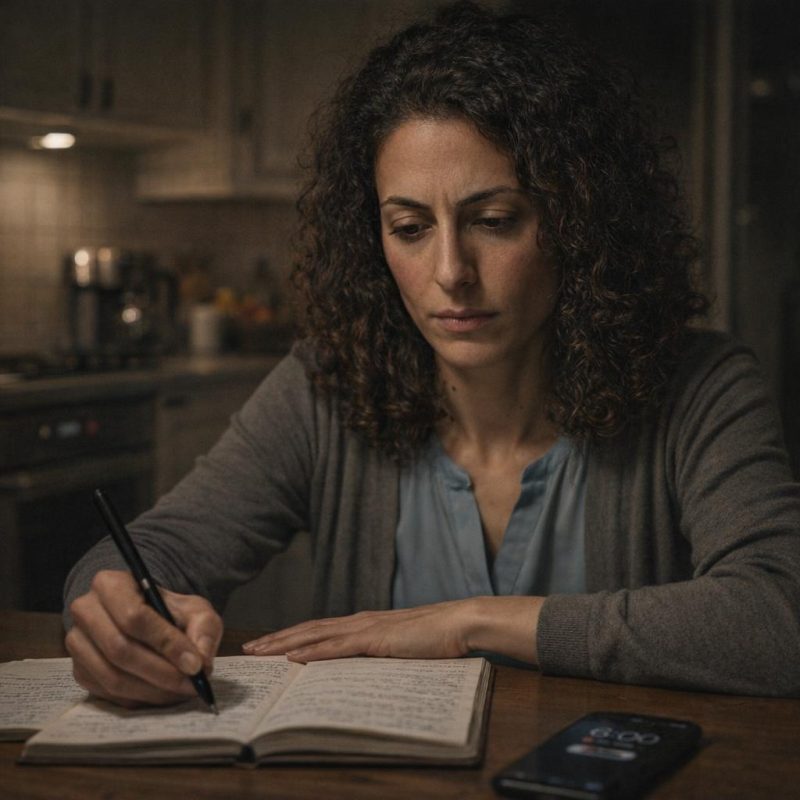 Image by RM AI
The Unusual Load
The parking lot was still dark when I pulled in at six-fifteen, the overhead lights casting orange pools across empty spaces. I parked far from the entrance, positioning my car where I could see the main lot but wouldn't be immediately visible. My coffee sat untouched in the cup holder as I waited, watching the sky lighten gradually from black to deep blue. At six-thirty exactly, Melissa's car turned into the lot. I slumped lower in my seat, watching as she parked near the entrance and popped her trunk. Even from this distance, I could see the containers. So many containers. She made the first trip carrying four stacked glass dishes, then came back for more. I started counting. Six, eight, twelve. She kept going back to her car, loading her arms with containers and carrying them inside. By the time her trunk was empty, I'd counted at least thirty. Thirty containers for an office of maybe twenty people. I sat there staring at her empty car, my mind racing through possibilities. Why would she bring so many? What was she planning? There were at least thirty containers, far more than our small office could possibly need, and I couldn't imagine what she was planning.
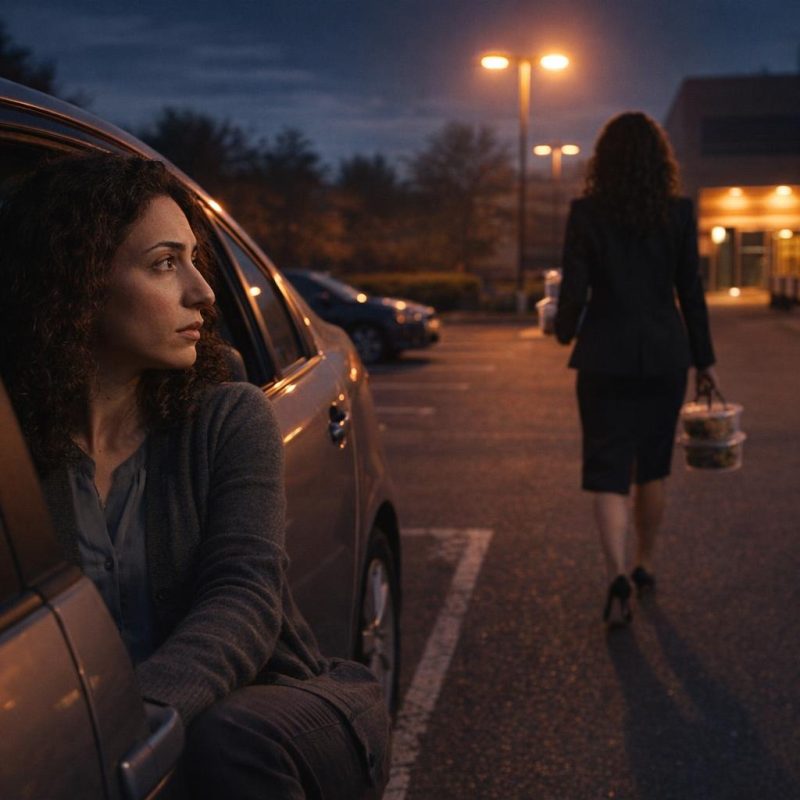 Image by RM AI
Overheard Dependencies
I waited ten minutes before heading inside, my heart pounding as I walked through the quiet building. The break room light was on, but Melissa had already disappeared somewhere—probably to her desk or the bathroom. I positioned myself near the coffee maker, making myself look busy as footsteps approached. Michael and Jennifer walked in together, both earlier than usual, and started talking immediately. I kept my back to them, listening. "God, I've been counting down since yesterday," Michael said. "Mondays are the best now, isn't that weird?" Jennifer laughed softly. "I know what you mean. Weekends feel wrong now. Like something's missing." Her voice had this wistful quality that seemed extreme for talking about lunch. "I feel so much better after eating," Michael continued. "Like everything just settles, you know? I tried explaining it to my girlfriend but she thinks I'm being dramatic." They both laughed, but underneath it I heard something else. Need. Attachment. The kind of language you'd use about something essential, not optional. I poured my coffee slowly, processing what I'd heard. When had food become this important to them? Jennifer said she felt wrong on the weekends without them, and Michael laughed nervously before agreeing, and I wondered when food had become this important to them.
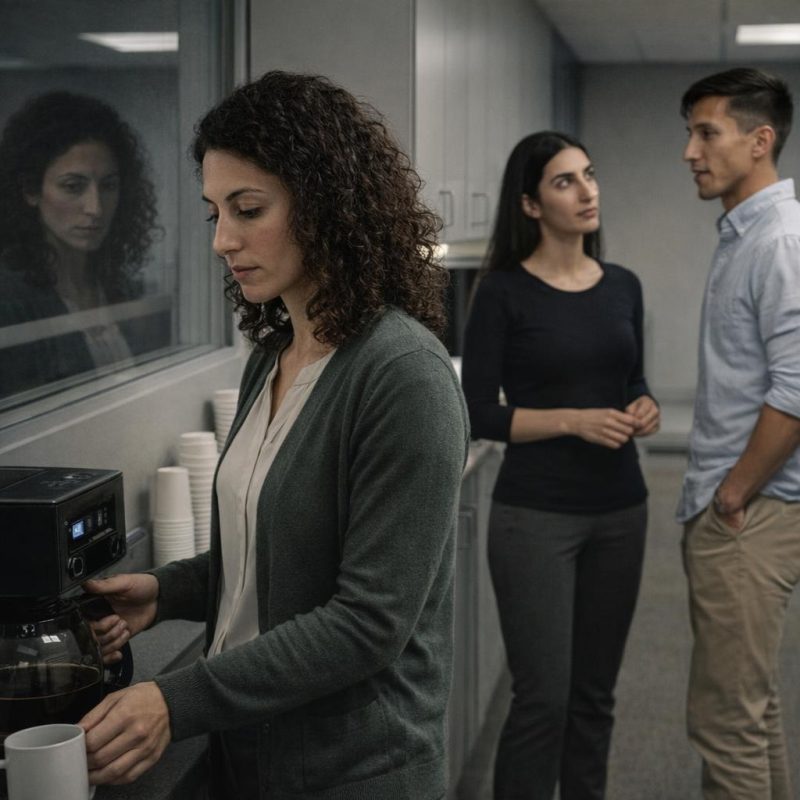 Image by RM AI
Photographic Evidence
Over the next few days, I started documenting everything with my phone. I'd position it on my desk like I was just checking messages, angle it casually, and snap photos as Melissa made her rounds. The first day I felt ridiculous, like some paranoid conspiracy theorist gathering evidence of nothing. But I kept going. I photographed her handing containers to Michael, to Jennifer, to Robert. I captured the moment she walked past my desk without stopping, her eyes forward like I didn't exist. Each day I added more photos to a folder on my phone, building a visual timeline of the exclusion. By Friday, I had dozens of images showing the exact same pattern. Melissa arriving with containers. Melissa distributing them to everyone. Melissa walking past me. The photos didn't lie or misremember or second-guess. They just showed what happened, clear and undeniable. That evening I sat on my couch scrolling through them, feeling something shift inside me. This wasn't in my head. This wasn't me being oversensitive or paranoid. The evidence was right here in my hands, concrete and real. By the end of the week, I had dozens of photos showing the same ritual, the same exclusion, and proof that I wasn't imagining any of it.
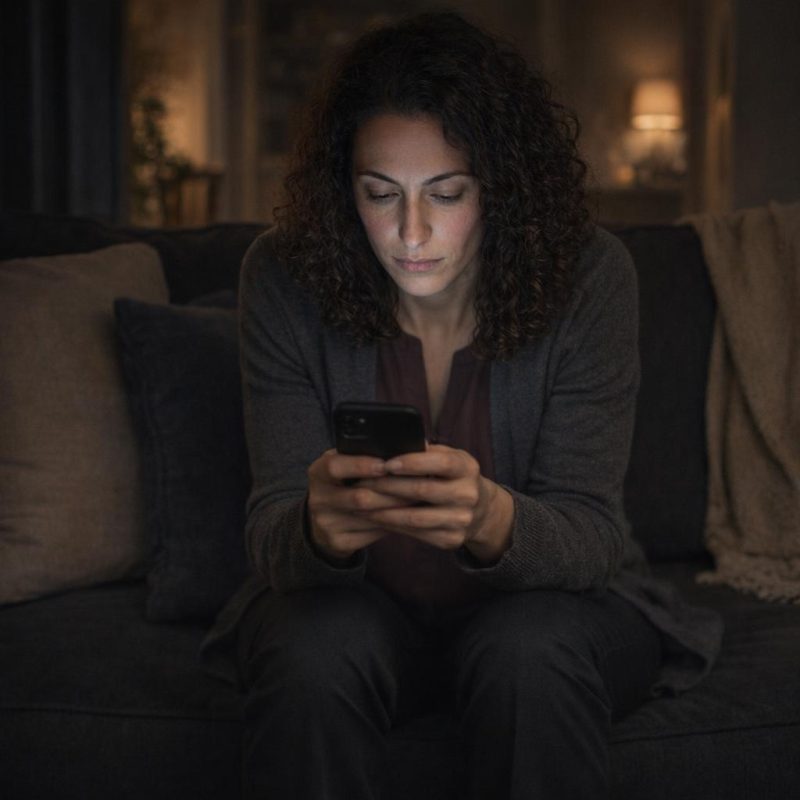 Image by RM AI
David's Admission
David stopped by my desk late Thursday afternoon, and I could tell immediately something was different about him. He had that look people get when they've been turning something over in their mind for days and finally decided to say it out loud. He asked if I had a minute to talk, and I gestured to the empty chair beside my desk. He sat down heavily, like the conversation itself was exhausting him before it even started. He mentioned he'd been thinking about our earlier conversation, the one where I'd asked if he noticed anything weird about the office lately. I braced myself for him to tell me I was overthinking things, but instead he admitted the office did feel different lately. He couldn't pinpoint exactly what had changed, but people seemed more focused on Melissa, more eager to please her. He said he'd been feeling oddly tired himself, like his energy was draining faster than it used to. I carefully shared some of my observations, keeping my voice low, and he listened with this growing concern in his eyes. He promised to pay more attention, to see if he noticed what I was seeing. For the first time in weeks, I felt less alone in my concerns. The atmosphere had shifted, and for the first time, someone else had noticed what I'd been seeing all along.
 Image by RM AI
The Correlation Log
That night I opened a new spreadsheet on my laptop and started building something I probably should've created weeks ago. I listed every coworker who received Melissa's lunches down the left column, then created columns for behavioral changes, mood patterns, and participation levels. I tracked Michael's increased enthusiasm for Melissa, how he'd gone from friendly to almost worshipful in his praise of her cooking. I documented Jennifer's fatigue patterns, the way she seemed perpetually exhausted despite her yoga and green smoothies. I recorded who participated most eagerly in the lunch ritual, who thanked Melissa most effusively, who seemed most devoted to maintaining the tradition. The data started forming a picture I couldn't ignore. Everyone who ate daily seemed more compliant, more willing to go along with whatever Melissa suggested. Their moods shifted in sync with the lunch schedule. If Melissa skipped a day, people seemed irritable, almost anxious. I was the only one not participating, the only one whose behavior hadn't changed. I stared at the spreadsheet for a long time, watching the cursor blink in an empty cell. The patterns were undeniable: everyone who ate regularly seemed more compliant, more tired, more devoted to Melissa, and I was the only baseline left.
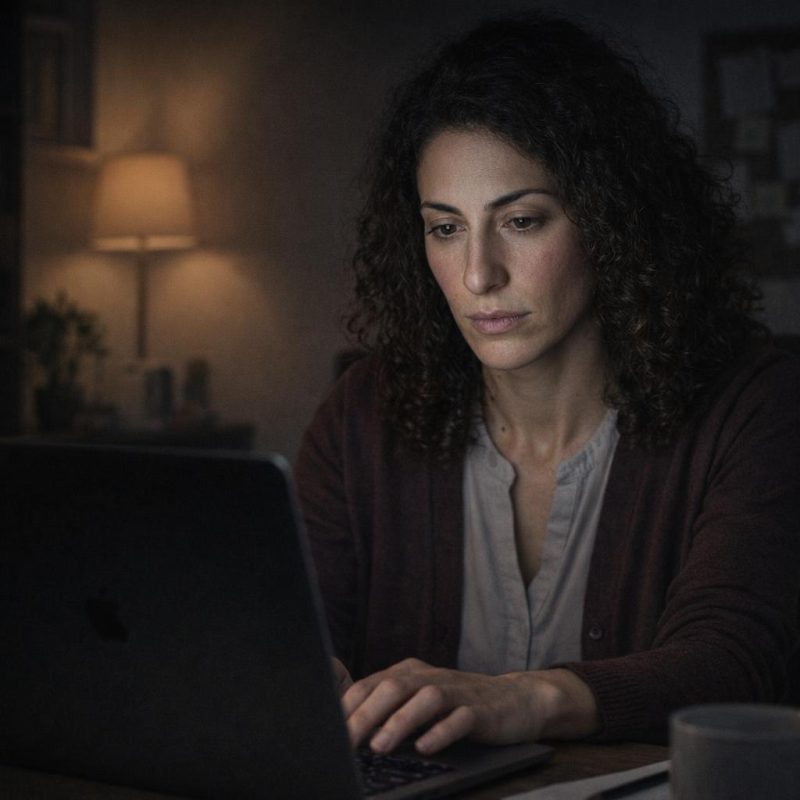 Image by RM AI
The Presentation Mention
Friday morning Melissa stopped by my desk with that bright smile she wore when she wanted something. She mentioned my upcoming presentation, the one I'd been preparing for the past two weeks. She asked if I was ready, and I told her I'd been working on it every evening. Her smile widened as she emphasized how important this presentation was, how the clients were very particular about details and professionalism. She leaned against my desk like we were old friends having a casual chat, but something about her posture felt too interested, too focused. She mentioned that these clients could make or break careers, that senior management would be watching closely. I confirmed again that I was prepared, trying to keep my voice steady. Melissa wished me good luck with this unusual intensity, like she was really invested in the outcome. I watched her walk away, her heels clicking against the floor, and felt this growing worry settle in my chest. Why was she suddenly so interested in my presentation? Why did she care so much about something that had nothing to do with her? Her smile was too bright when she mentioned how crucial the presentation was to my career, and I felt a chill run down my spine.
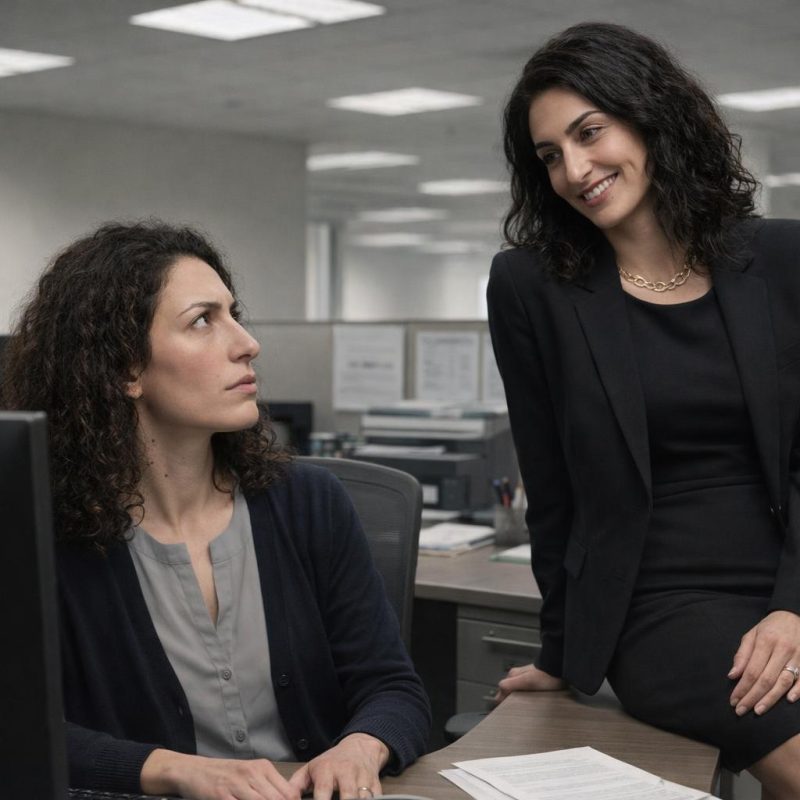 Image by RM AI
Under Surveillance
Monday morning I arrived at work and went straight to my desk, hoping to get a few hours of focused work done before the office filled up. I looked up to grab my coffee and caught Melissa staring at me from across the room. Not a quick glance, but a full stare, her eyes locked on me like she was studying something. I tried to focus on my work, pulling up spreadsheets and reports, but I could feel eyes on me throughout the morning. Every time I glanced up, there she was, watching. She didn't look away when caught, didn't pretend she'd been looking at something else. Just held my gaze for a beat too long before returning to whatever she was doing. I went to the breakroom around ten for more coffee, and Melissa followed within minutes, standing by the counter even though she already had a full cup. I felt hyperaware of her presence, of the way she positioned herself to keep me in her line of sight. I couldn't concentrate with the constant observation, couldn't think straight knowing she was tracking my every movement. Every time I glanced up, she was there, observing me like I was a specimen under glass.
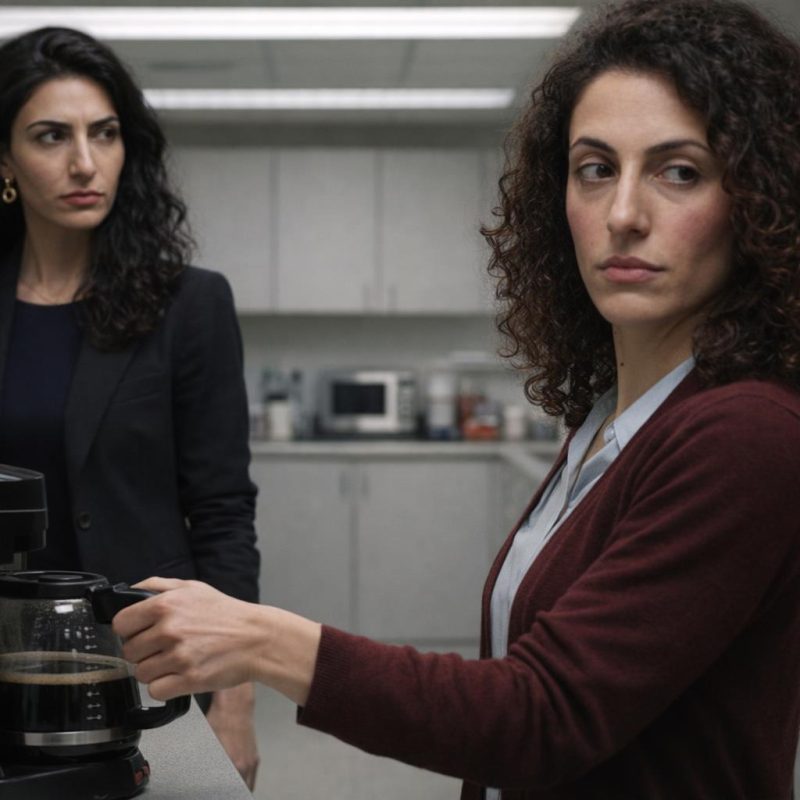 Image by RM AI
Mandatory Participation
Tuesday morning Robert sent an office-wide email about team culture and workplace bonding. I read it at my desk with growing alarm as he praised the lunch tradition as an example of the kind of collegial spirit that made our office special. The email didn't explicitly say everyone had to participate, but the implication was clear: joining was the right thing to do, the team-player thing to do. Within minutes, coworkers were discussing the message enthusiastically. Michael stopped by Jennifer's desk and mentioned feeling guilty on days he brought his own food, like he was letting the team down. Jennifer agreed that joining was the collegial thing to do, that Melissa put so much effort into cooking for everyone. I listened to these conversations from my desk, feeling the walls closing in. The cultural expectation had become overwhelming, the pressure to participate almost unbearable. I wasn't just the odd one out anymore. I was actively going against what management now considered good team culture. I realized I was being pressured to eat Melissa's food, and there was no graceful way to keep refusing. Robert sent an email thanking everyone for supporting team bonding during lunch, and I realized opting out had become impossible.
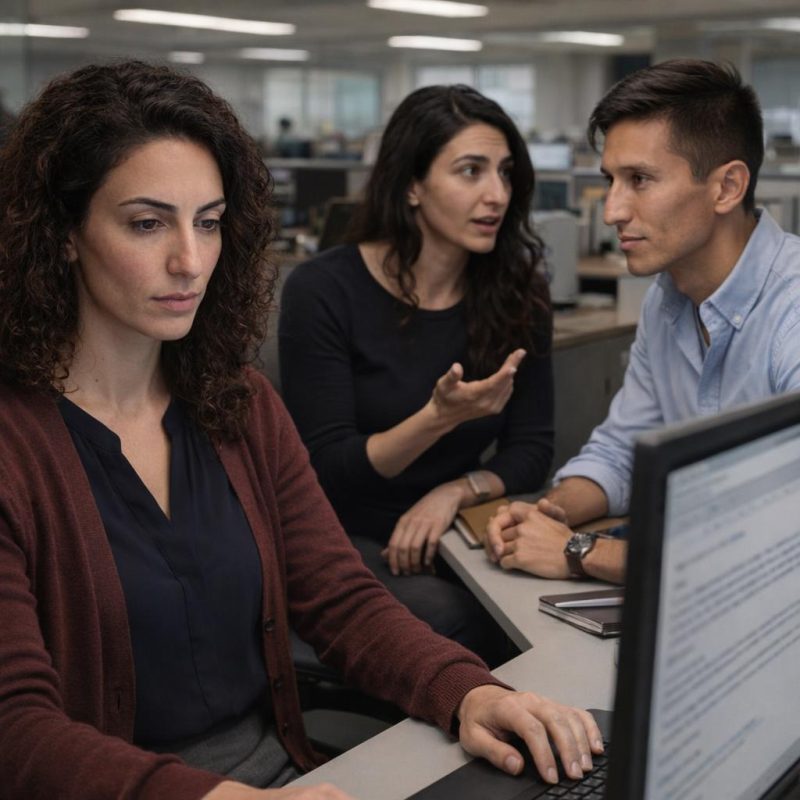 Image by RM AI
Confirmed Timeline
Wednesday afternoon Robert called me into his office to confirm the details of my presentation. He told me it would take place next Wednesday at two o'clock, and senior management would be attending. He emphasized the importance of this opportunity, how well I'd been performing lately, how this could really advance my career. The presentation could lead to bigger projects, more responsibility, maybe even a promotion. Robert expressed confidence in my abilities, said he knew I'd do great. I thanked him and returned to my desk, my mind racing. I marked the date on my calendar, staring at it like it might reveal some hidden meaning. Next Wednesday. Two o'clock. I remembered Melissa's earlier interest in the presentation, the way she'd emphasized how crucial it was. I thought about the timing, about how she'd been watching me more closely this week. I thought about the lunch pressure, about Robert's email, about everything converging on this single date. I had a bad feeling about the timing, about the way all these pieces seemed to fit together in a pattern I couldn't quite see. The date was set, and I couldn't shake the feeling that Melissa had been counting down to this moment all along.
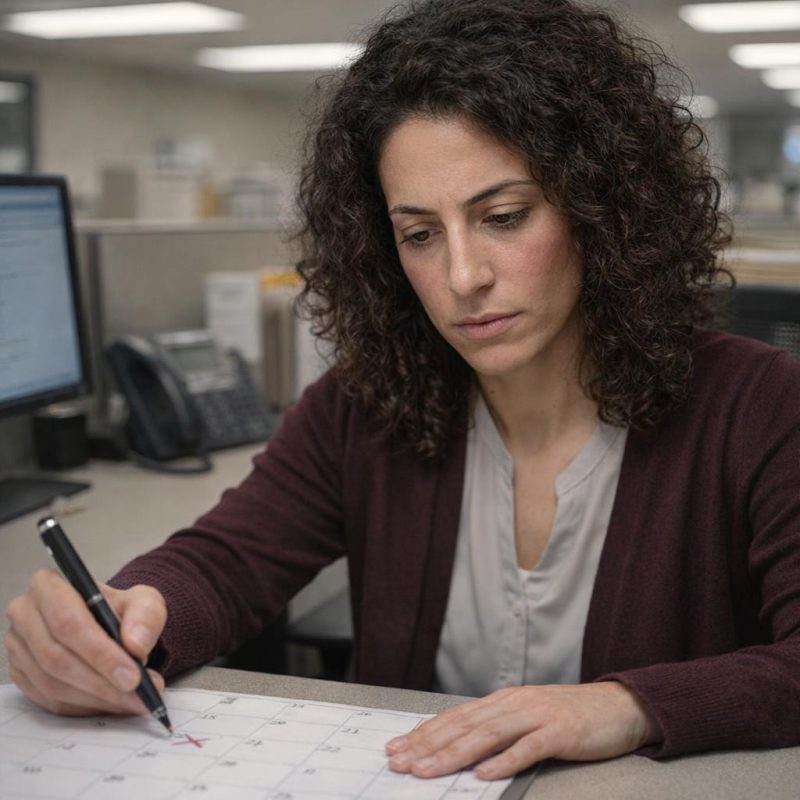 Image by RM AI
The Vigil Decision
That night I lay awake thinking about the presentation timing, about Melissa's behavior, about everything that had been building for weeks. I couldn't stop replaying her recent actions, the way she'd been watching me, the sudden interest in my career. Around midnight I made a decision. I needed to observe Melissa when she thought no one was watching, when she didn't have to perform her warm and generous act. I decided to arrive very early the next morning, before anyone else got there. I set my alarm for five-fifteen, then got up and prepared my work bag, packing everything I'd need for a full day. I tried to sleep but anxiety kept me awake, my mind running through scenarios and possibilities. Part of me questioned if I was becoming obsessive, if I was crossing some line between caution and paranoia. But another part of me, the part that had been documenting and tracking and noticing, knew this was about self-protection. I needed to understand what was happening before next Wednesday. I committed to following through with the plan, to seeing what Melissa did when she thought she was alone. I packed my bag the night before, set multiple alarms, and tried to ignore the voice telling me I was crossing into obsession.
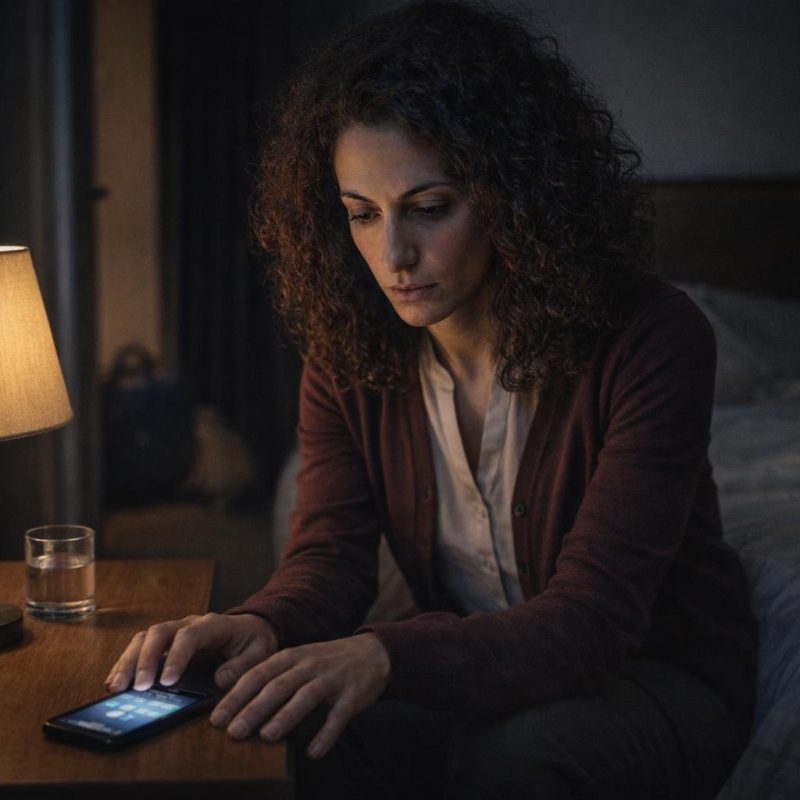 Image by RM AI
The Phone Call
I arrived at the office at six in the morning, when the building was still dark and quiet. The fluorescent lights hummed as I made my way to the breakroom to make coffee, my footsteps echoing in the empty hallway. I was measuring grounds when I heard a voice and froze. I recognized Melissa's voice immediately, coming from around the corner near the copy room. She was speaking on her phone, and something about her tone made me press myself against the wall to listen. The warmth was completely gone, replaced by something cold and sharp. She mentioned packing something special for me, her voice matter-of-fact and businesslike. She discussed timing and planning with whoever was on the other end, talking about Wednesday like it was a deadline she'd been working toward. My heart raced as I listened, my hands shaking so badly I had to grip the counter. This wasn't the Melissa everyone else saw. This was someone else entirely, someone predatory and calculating. I heard her footsteps approaching and ducked into the supply closet, pulling the door almost closed. Through the crack I watched her walk past, phone still pressed to her ear. Melissa's voice was sharp and cold as she promised the person on the other end that everything would go exactly as planned, and my heart hammered so loudly I was sure she could hear it.
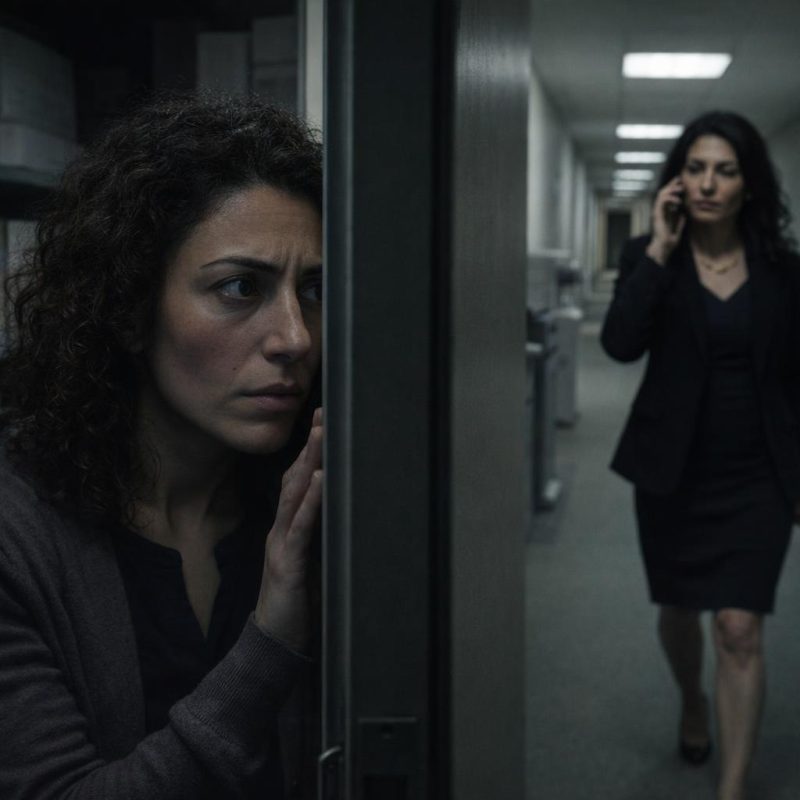 Image by RM AI
The Presentation Connection
I stayed frozen in that supply closet, barely breathing, as Melissa made another call. Her voice had that same cold edge, and I heard her mention Wednesday again—specifically the afternoon presentation. My presentation. The one I'd been preparing for weeks, the quarterly review where I'd be standing in front of the entire department. She talked about timing with precision, saying everything had to happen during that window. The person on the other end must have asked a question because Melissa laughed, this brittle sound that made my skin crawl. She said the dynamics would shift after Wednesday afternoon, that weeks of preparation were coming together. I pressed my hand over my mouth to keep from making a sound. The special lunch, the presentation, Wednesday—it all connected in my mind like puzzle pieces snapping together. Whatever she had in mind wasn't just about excluding me or making me uncomfortable. Something was supposed to happen in front of everyone, during my moment in the spotlight. She talked about the afternoon as if she were planning something calculated, and it felt like whatever she had in mind was meant to happen in front of everyone.
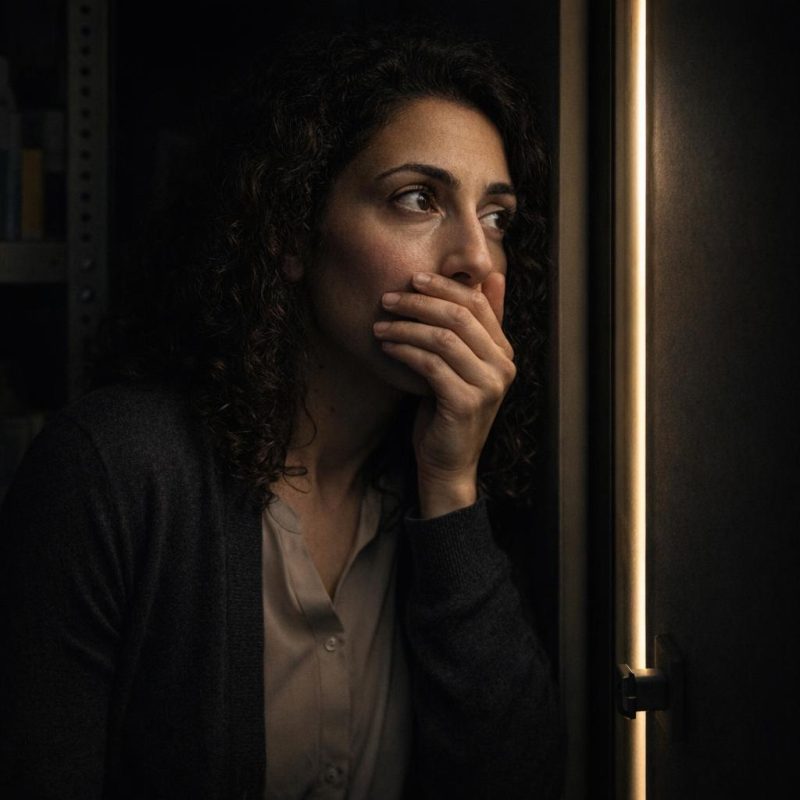 Image by RM AI
Processing Fear
I waited in that closet for what felt like hours but was probably only ten minutes. When I finally heard Melissa's heels click away down the hall, I counted to sixty before cracking the door open. The floor was empty. I grabbed my bag and practically ran to the parking lot, my heart still hammering against my ribs. I sat in my car with the doors locked, hands gripping the steering wheel so hard my knuckles went white. I replayed every word I'd heard, trying to make sense of it, trying to find some innocent explanation that would make me feel less insane. But there wasn't one. The malice in her voice had been real. The planning had been real. The problem was, I had nothing. No recording, no witnesses, just my word against hers. And Melissa was the office darling, the one everyone loved and trusted. If I went to HR claiming she was plotting something against me based on a phone conversation I'd overheard while hiding in a supply closet, I'd sound paranoid at best, unhinged at worst. I sat in my car in the parking lot, replaying every word, knowing I had stumbled onto something dangerous but having no proof anyone would believe.
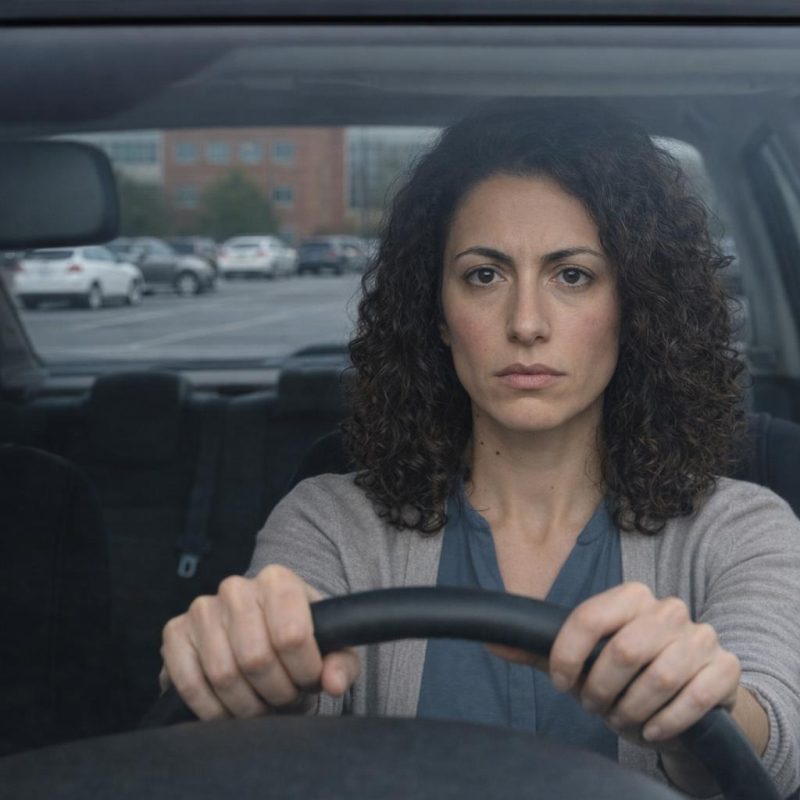 Image by RM AI
The Sick Day Dilemma
I opened my laptop at my desk and pulled up my email, fingers hovering over the keyboard. The cursor blinked in the subject line as I typed: Sick Day Request. I wrote that I was feeling ill, that I needed to take the rest of the week off, maybe longer. My finger moved to the send button and stopped. If I disappeared now, right after that early morning encounter, Melissa might realize I'd been there. She might know I'd overheard her phone calls. And if she knew, if she suspected I was onto whatever she had planned, calling in sick wouldn't protect me. It would just make her suspicious, put her on guard. Whatever she was planning for Wednesday would just get postponed, rescheduled for whenever I came back. I'd be looking over my shoulder forever, waiting for the other shoe to drop. I highlighted the entire email and hit delete, watching the words disappear. I needed to be there. I needed to see what was coming, to be present and aware instead of hiding and vulnerable. If I ran now, she would know I'd overheard something, and whatever she had planned would just wait for another opportunity.
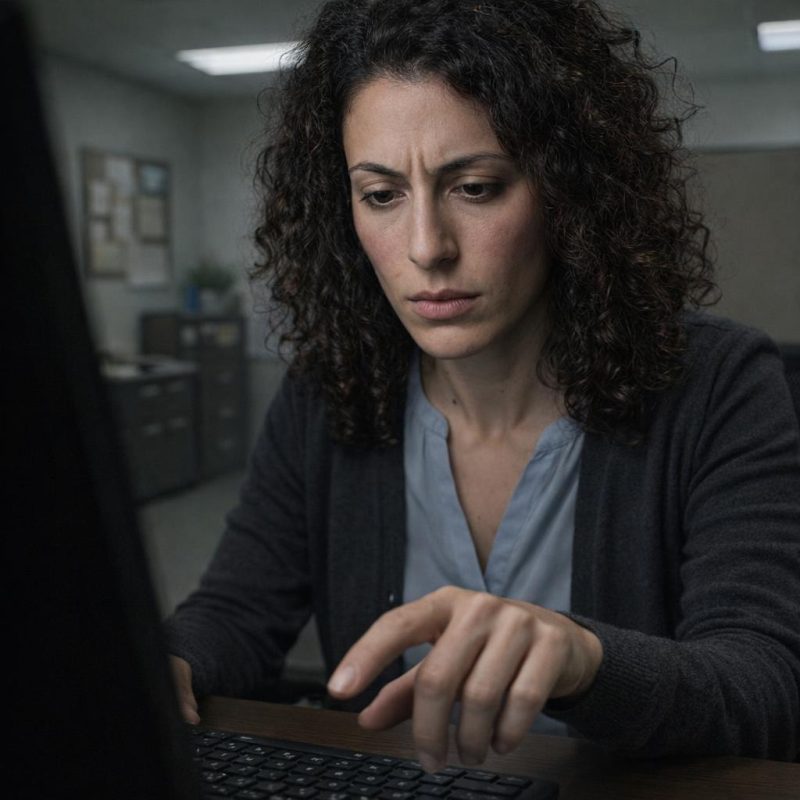 Image by RM AI
The Heavy Morning
Wednesday morning arrived after two nights of almost no sleep. I walked into the office and immediately felt it—the atmosphere was different, heavier, like the air before a thunderstorm. Everyone was buzzing about today's special lunch, the elaborate spread Melissa had promised. Her desk looked like a catering station, covered with an impressive array of clear plastic containers, each one perfectly arranged. I tried to focus on my computer screen, pulling up the presentation slides I'd rehearsed a hundred times, but my hands shook slightly as I moved the mouse. Michael walked past my desk, grinning as he talked to someone about how amazing everything looked this time. Jennifer stopped by Melissa's desk, commenting on the effort and care that had gone into the preparation. I watched the clock on my screen, dreading eleven-thirty when the distribution would begin. My coffee had gone cold an hour ago but I kept lifting the mug to my lips anyway, needing something to do with my hands. Every few minutes I'd glance over at those containers, trying to breathe normally, trying to look like just another person excited for lunch. Everyone kept glancing at Melissa's desk where a collection of containers sat waiting, and I knew today would change everything.
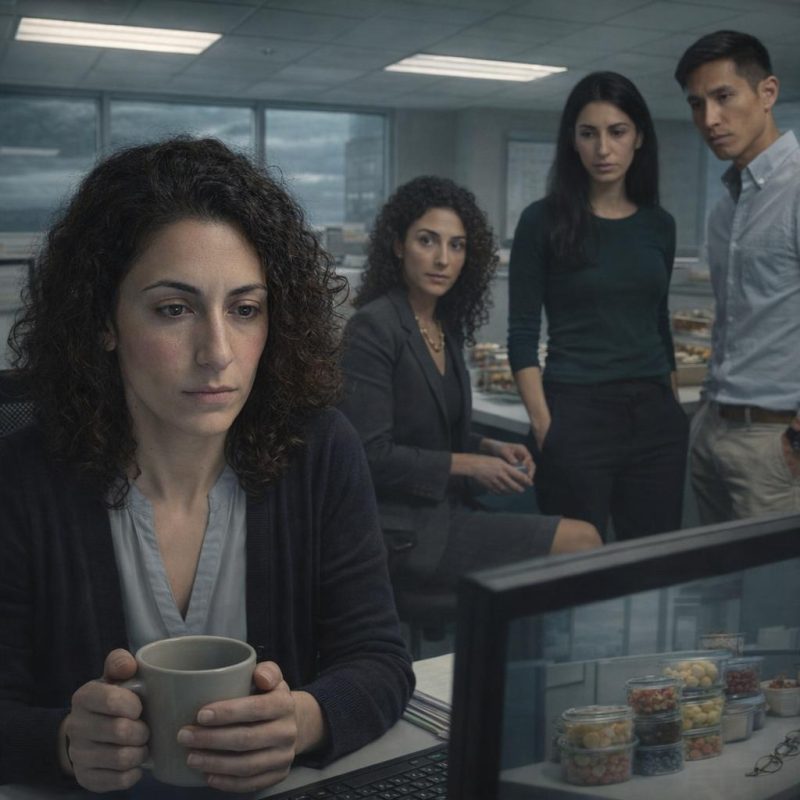 Image by RM AI
The Delivered Container
At eleven-thirty exactly, Melissa stood up and began her rounds. I kept my eyes on my screen, tracking her movement in my peripheral vision as she stopped at each desk with her warm smile and personal comments. My stomach twisted tighter with each stop she made. Then her footsteps approached my desk instead of passing by. I looked up and there she was, standing directly in front of me, holding a clear plastic container. She set it down on my desk with a flourish, and her eyes met mine with an intensity that made my breath catch. The warmth in her smile didn't reach those eyes. She announced, loud enough for nearby coworkers to hear, that she'd finally made extra just for me. The office erupted. People actually started clapping. Michael whooped from across the room. Jennifer beamed at both of us like she was witnessing a peace treaty. Robert looked up from his phone and nodded approvingly. Everyone was celebrating the end of the feud, the inclusion of the office outcast. I stared down at the pasta salad visible through the clear plastic, my hands trembling in my lap. She announced she had finally made extra, just for me, and the office erupted in applause while I stared at the pasta salad that might as well have been poison.
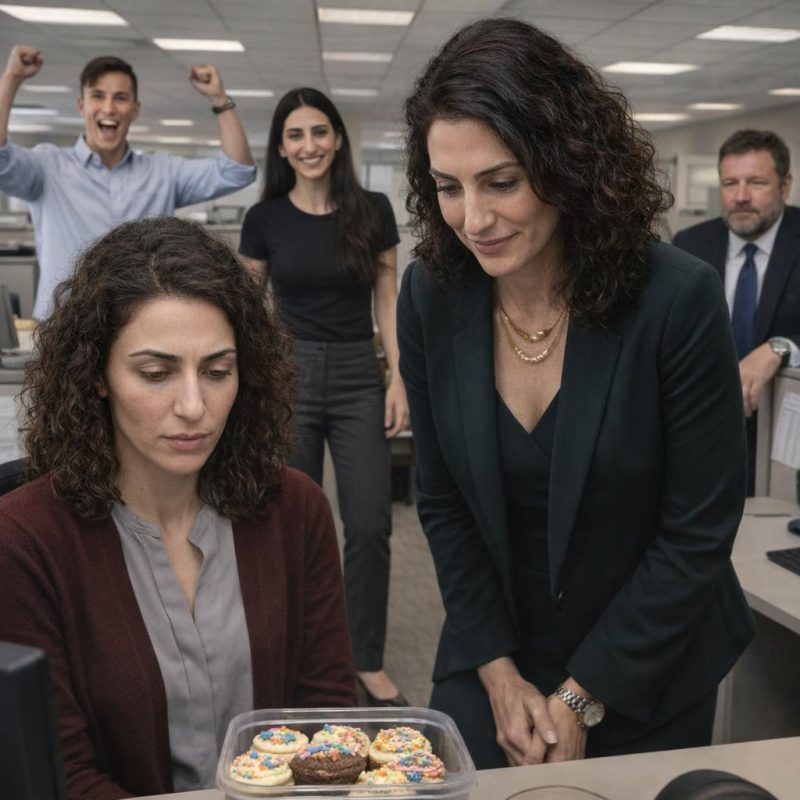 Image by RM AI
The Impossible Choice
I sat completely still, the container in front of me like a test I was destined to fail. Coworkers had gathered around, some still eating their own portions, all of them watching me with expectant smiles. This was the moment they'd been waiting for—me finally joining the lunch tradition, the outsider becoming part of the group. Jennifer stood nearby with her own container, looking genuinely happy for me. Michael leaned against a nearby desk and joked about me finally getting to taste Melissa's famous cooking, asking if I was ready to join the fan club. I picked up the container with hands I couldn't quite steady, looking down at the pasta salad inside. It looked completely normal. Appetizing, even. Colorful vegetables, perfectly dressed pasta, fresh herbs on top. I searched for any visible sign of something wrong and found nothing. My mind raced through impossible scenarios. I couldn't eat it, not after what I'd heard. But I couldn't throw it away without everyone asking questions, without Melissa knowing something was wrong. I stood up, clutching the container, and announced I'd eat in the breakroom. I realized I had to make a choice in the next sixty seconds.
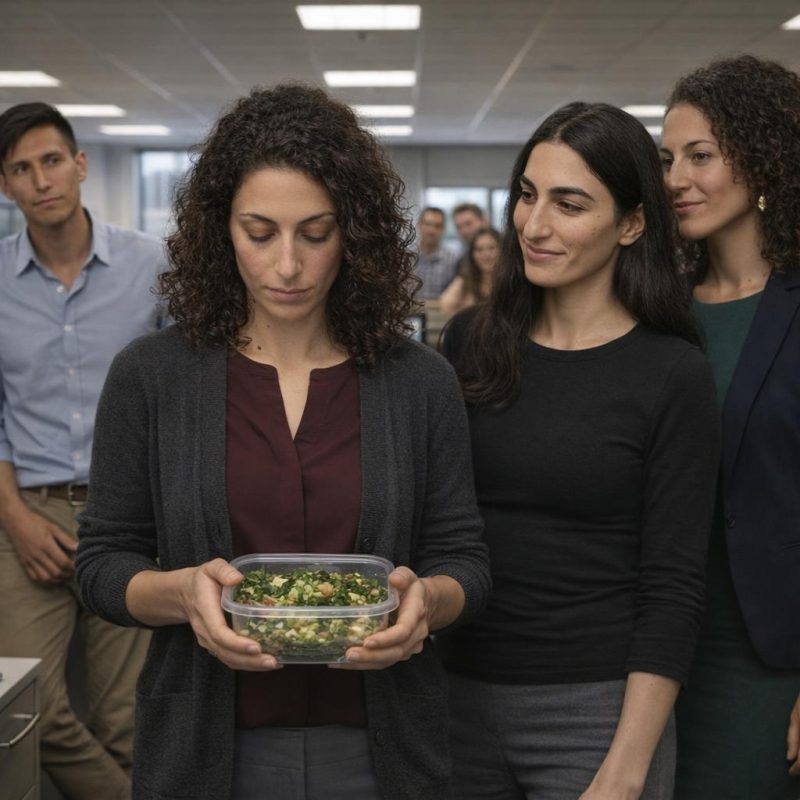 Image by RM AI
The Breakroom Trap
I walked into the breakroom on legs that didn't feel entirely stable, the container clutched in my hands. The room was packed with colleagues on their lunch break, the communal table covered with identical clear containers. People were laughing, talking, eating. The normalcy of it all felt surreal. I moved toward the table, my pulse racing so loud in my ears I could barely hear the conversations around me. I set my container down among the others, and that's when I noticed it—they all looked exactly the same. Same size, same clear plastic, same pasta salad inside. Melissa had made them uniform, probably for aesthetic reasons, for that perfect Instagram-worthy presentation she loved. But as I stared at the dozen identical containers scattered across the table, people grabbing them at random, setting them down, picking up different ones, my heart started pounding for a different reason. No one was keeping track of which container belonged to whom. Everyone was too distracted by conversation, too focused on their food and their phones. An idea formed in my mind, wild and desperate and possibly insane. I set the container on the communal table among a dozen identical ones, and a wild idea formed in my mind.
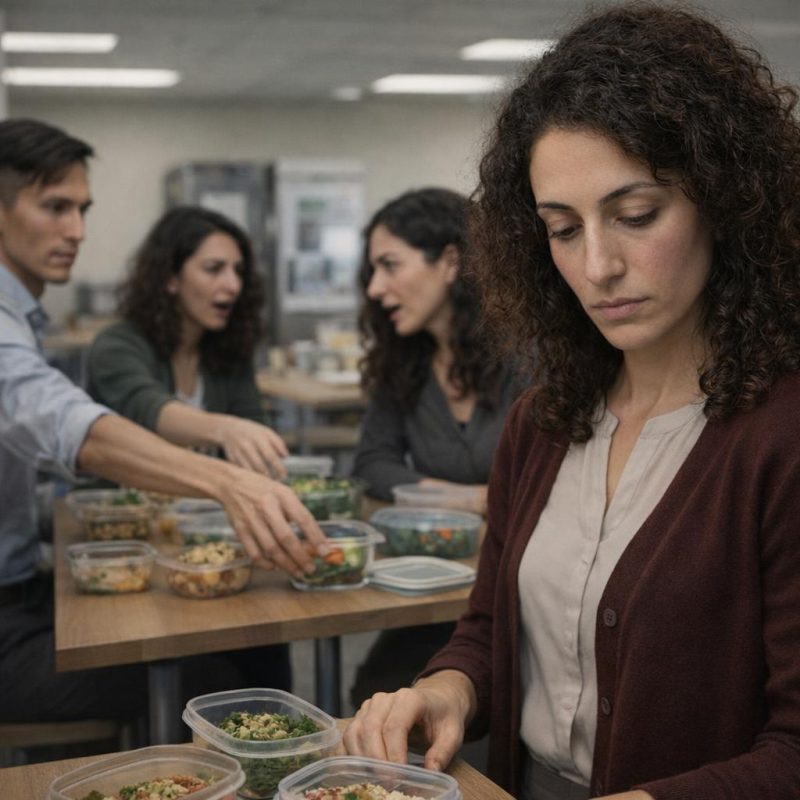 Image by RM AI
The Swap
Michael launched into a loud story about something that happened over the weekend, gesturing wildly, and everyone's attention shifted to him. This was it. This was my chance. I moved quickly to the far end of the table where several containers sat unclaimed or temporarily abandoned. My hands were shaking but I forced them steady as I grabbed one that looked identical to mine. In one smooth motion, I swapped it with my original container, the one Melissa had given me specifically. The whole thing took maybe three seconds. I walked back to my seat with the switched container and sat down, trying to look casual, trying to breathe normally. My heart felt like it might actually burst through my chest. I picked up a fork with trembling hands, staring down at the pasta salad that might be perfectly safe or might be exactly what I feared. No one had noticed. No one was paying attention. Then Melissa walked into the breakroom. Her eyes immediately went to the communal table, scanning the containers, and then to me. I had just sat down with the switched container when Melissa walked into the breakroom, and her eyes went straight to the table.
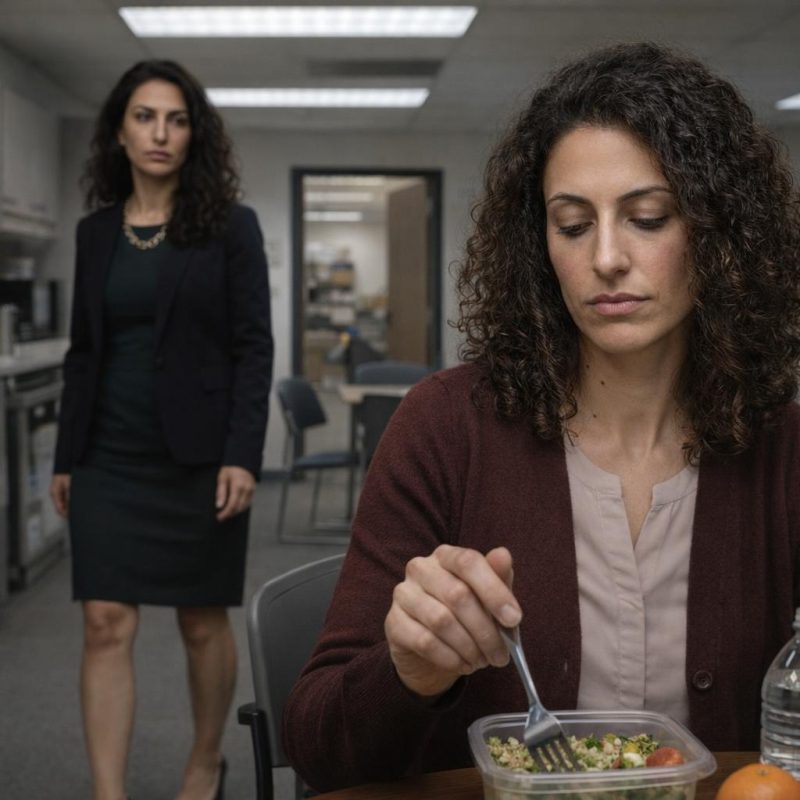 Image by RM AI
The Scanning Eyes
I had just sat down with the switched container when Melissa walked into the breakroom, and her eyes went straight to the table. Not to me. Not to Michael, who was still gesturing wildly through his weekend story. To the table. She scanned the containers with the kind of focus you'd use when looking for your phone in a crowded room—quick, methodical, urgent. Her gaze landed on the container in front of me, and something in her expression shifted. It was subtle, just a flicker around her eyes, a tightening at the corners of her mouth. I gripped my fork tighter, pretending to examine the pasta salad while watching her through my peripheral vision. She moved closer to the communal table, her steps measured, her smile still in place but somehow different. Strained. Michael kept talking, oblivious, and Jennifer nodded along while sipping her green smoothie. Melissa began checking the containers, lifting lids slightly, her movements casual but her attention laser-focused. My heart hammered against my ribs. She was looking for something. Or maybe she'd already found it. Her smile flickered for just a moment, and I wondered what she had expected to see.
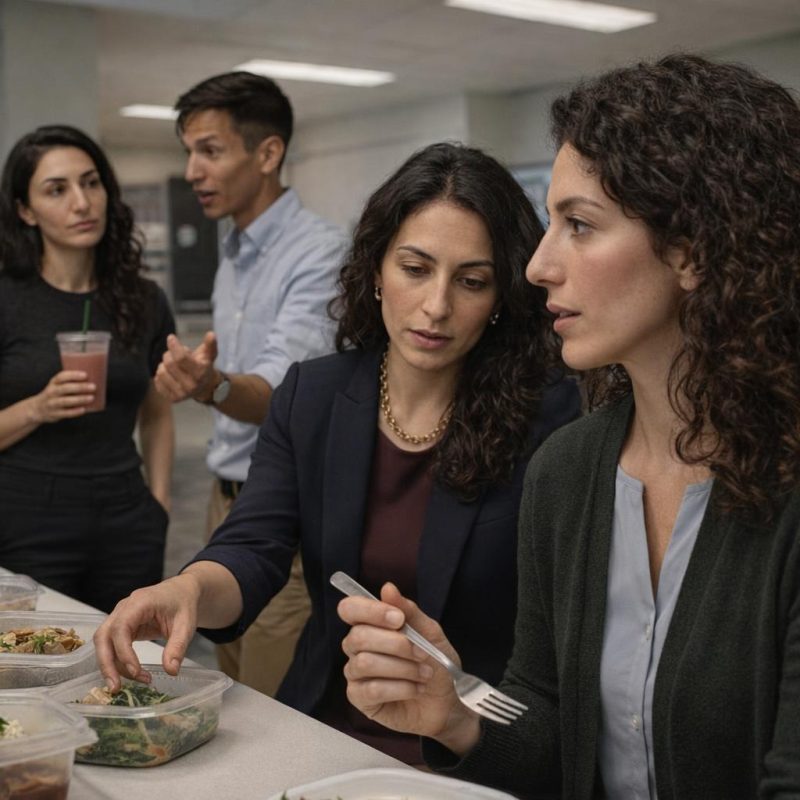 Image by RM AI
The Desperate Reach
Melissa reached across the table toward my container, her hand extended like she was about to grab it. "Oh Emma, I think you got the wrong one," she said, her voice pitching higher than usual. "That one's mine—I made it special." I held onto the container, my fingers pressing into the plastic. "They're all the same food though, right?" She laughed, but it sounded forced. "Well yes, but I portion them differently, and I really need that specific one." Her fingers closed around the plastic edge, trying to pull it toward her. I didn't let go. "Why does it matter which one I have if they're all the same?" Melissa's composure cracked just slightly. "It just does, okay? Here, take this one instead." She grabbed another container from the table with her free hand, trying to trade. Michael's story trailed off mid-sentence. Jennifer stopped drinking her smoothie. Everyone was watching now. "If they're identical, why are you so insistent?" I asked, my voice steadier than I felt. Her fingers closed around the plastic edge, and I held on, refusing to let go until she explained why it mattered so much.
 Image by RM AI
The Silent Room
The breakroom went completely silent. Michael's mouth hung open mid-word. Jennifer set down her smoothie with a soft clink that echoed in the quiet. Every single person in the room turned to stare at us—me and Melissa, locked in this bizarre tug-of-war over a plastic container of pasta salad. "Emma, you're being ridiculous," Melissa said, her voice tight. "I'm just trying to help you get the right container." "But you still haven't explained why it matters." My hands were shaking but I kept my grip firm. Her carefully maintained warmth was dissolving right in front of everyone. The smile that usually seemed so genuine looked painted on now, cracking at the edges. "You're confused," she insisted, louder now. "You grabbed the wrong one by mistake." David walked into the breakroom and stopped short, taking in the scene. His eyes moved from Melissa's strained face to my white-knuckled grip on the container. "What's going on?" he asked. Nobody answered. The mask Melissa usually wore was slipping, and I could see something frantic underneath. In the silence, I could hear my own heartbeat, and I knew everyone was finally seeing what I had seen all along.
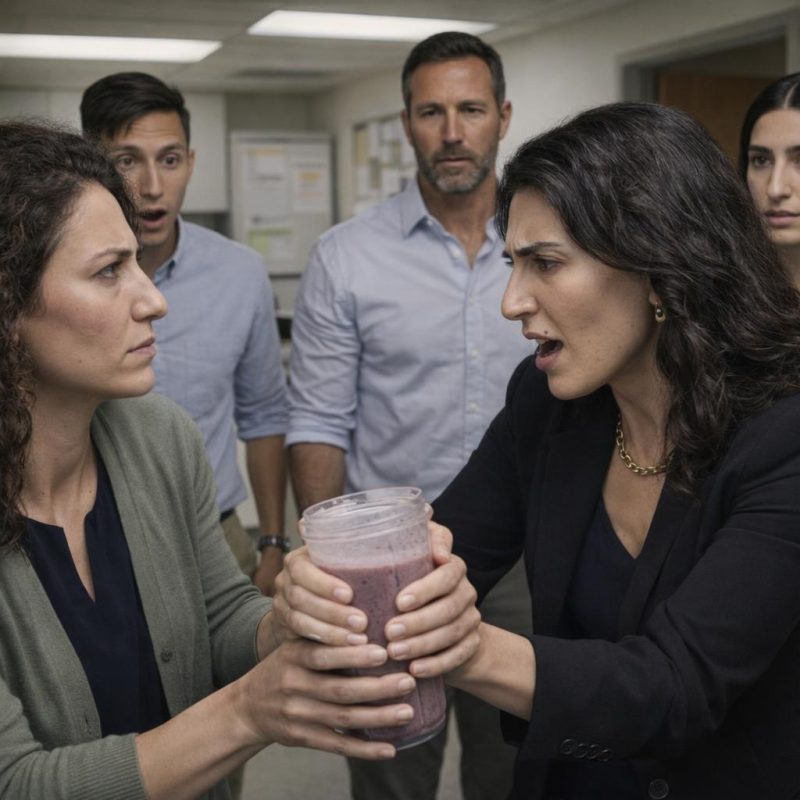 Image by RM AI
The Question That Mattered
I looked Melissa directly in the eye. "If all the containers have the same food, why does this specific one matter so much?" The question hung in the air between us. Her mouth opened, but no sound came out. She blinked rapidly, her hand still gripping the container edge. "I... it's just... I told you, the portions are different." "That doesn't make sense," David said, stepping closer. "Why would different portions matter?" Melissa's laugh came out hollow and strange. "Oh my god, you're all being so dramatic. Emma's just paranoid and making this into something it's not." She looked around the room, appealing to the others. "She's been acting hysterical for weeks." "Then explain it," I said quietly. "Just give me one logical reason why I can't eat this container." She couldn't. Her face flushed red, and she released her grip on the container, stepping back. "Fine. Keep it. I don't care anymore." But her voice shook, and her eyes kept darting to the pasta salad in front of me. The room waited in tense silence. Melissa's mouth opened but no answer came, and in that pause, I started to suspect the truth was worse than anything I had imagined.
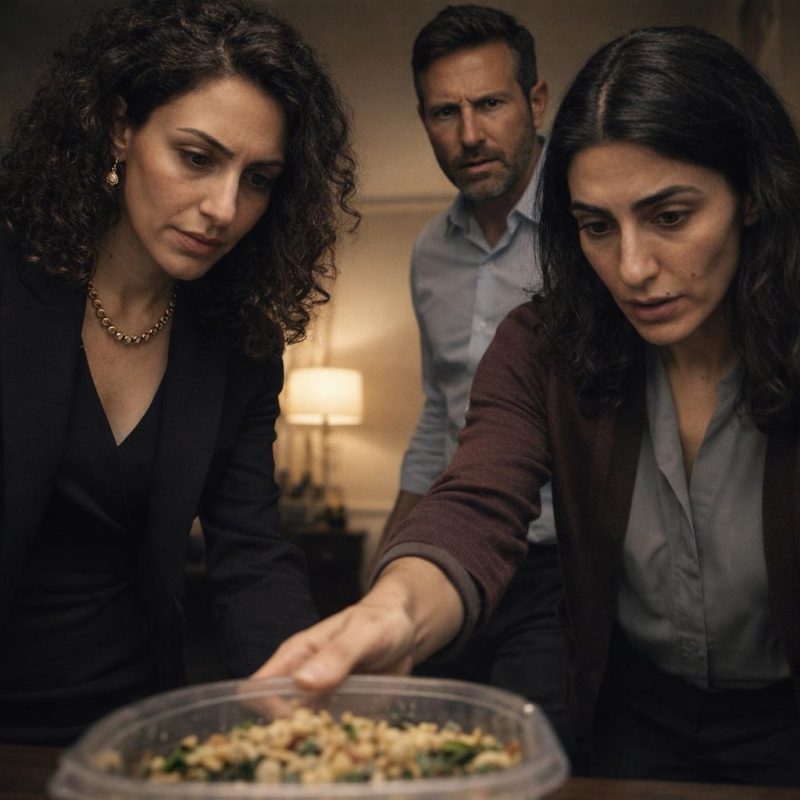 Image by RM AI
The Laboratory Results
Dr. Singh set the laboratory report on the table between us, her expression clinical and direct. "The sample contained significant traces of prescription sedatives—specifically lorazepam and alprazolam. Anxiolytics, both of them." I stared at the paper, the words blurring together. David leaned forward, his face pale. "You're saying the food was drugged?" "Deliberately contaminated," Dr. Singh confirmed. "The concentrations were consistent with therapeutic doses, but administered without medical supervision or consent. Over time, daily exposure would create chemical dependency." My hands went numb. All those lunches. All those devoted smiles. Michael's language about needing the food. Jennifer's exhaustion and strange compliance. It wasn't loyalty or gratitude or office culture. It was drugs. Actual prescription drugs, mixed into pasta salad and quinoa bowls and whatever else Melissa had been serving. "The combination would make people docile, suggestible," Dr. Singh continued. "And the withdrawal between doses would create cravings, a psychological need to return to the source." I thought about how my coworkers gathered around Melissa every Tuesday through Friday, how they praised her, how they seemed almost desperate for her approval. I stared at the report in my hands, and suddenly every strange behavior, every devoted smile, every moment of coworker compliance made horrifying sense.
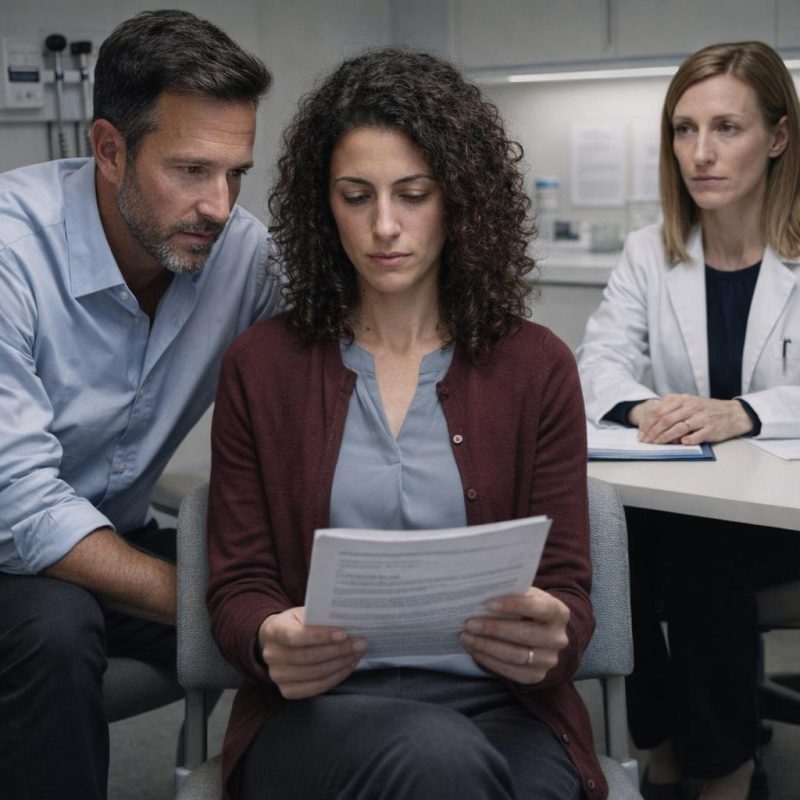 Image by RM AI
The Full Picture
I spread my notes across the table—weeks of observations that I'd thought made me paranoid. Now they told a different story entirely. "Jennifer's fatigue," I said, pointing to an entry from three weeks ago. "That wasn't just stress. It was a side effect." Dr. Singh nodded. "Sedatives cause drowsiness, difficulty concentrating. Long-term use would explain her exhaustion." David picked up another page. "And Michael kept saying he 'needed' the lunches. He wasn't being dramatic." "Chemical dependency creates literal cravings," Dr. Singh explained. "The anxiolytics would make him genuinely uncomfortable without his daily dose. Weekend withdrawal would cause anxiety, irritability, physical discomfort." I remembered Michael mentioning how Mondays were hard, how he looked forward to Tuesday lunches. Jennifer had said something similar about feeling off on weekends. They weren't being dramatic or needy. They were experiencing withdrawal. "The weekday schedule maximized exposure while allowing enough time between doses to create dependency," Dr. Singh continued. "Five days on, two days off. Classic conditioning." And I had been systematically excluded. Kept clean. Unaffected while everyone around me was being drugged into compliance. Everyone I worked with had been manipulated at a molecular level, and I was the only one who had escaped the net.
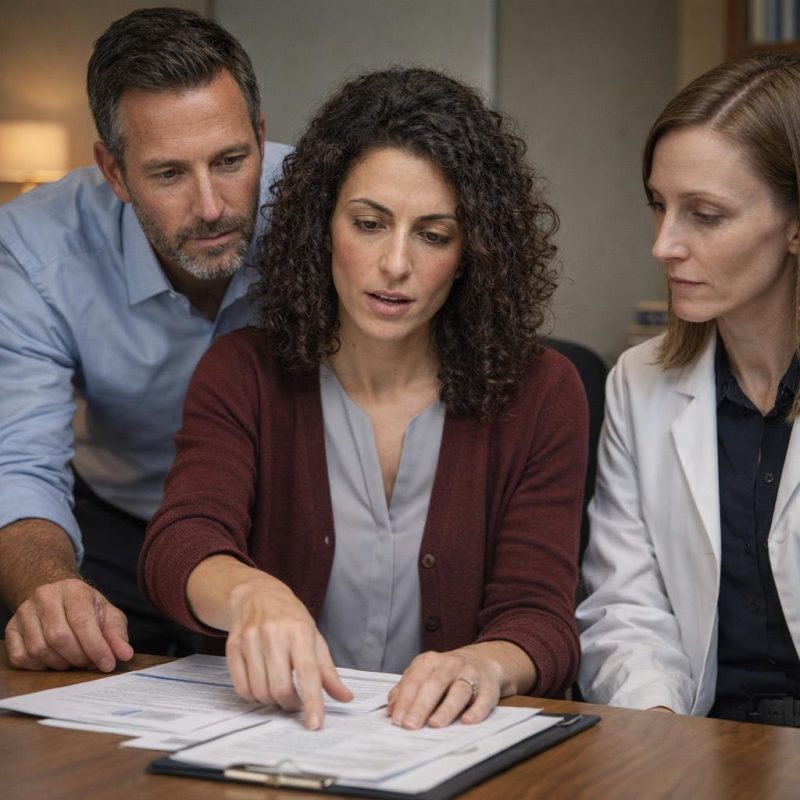 Image by RM AI
Contamination Confirmed
Dr. Singh lined up the test results on her desk—twenty containers that David and I had collected before they could be thrown away. She'd tested every single one. "Positive," she said, pointing to the first result. "Positive. Positive. Positive." Her finger moved down the line. Every container showed contamination. Lorazepam and alprazolam in consistent concentrations, mixed into different foods but always present. Some showed slightly higher doses than others, variations that Dr. Singh said could indicate experimentation with optimal amounts. But my original container—the one Melissa had specifically given me, the one I'd switched away from—showed a concentration nearly triple the others. "This dose would have incapacitated someone without tolerance," Dr. Singh said, tapping that particular result. "Especially combined with the stress of a high-stakes presentation." David's jaw clenched. "She was going to knock Emma out during her presentation." Dr. Singh photographed each result, documenting everything with methodical precision. She agreed to provide expert testimony if needed, to verify the chain of custody, to explain exactly what these drugs would do to unsuspecting victims dosed daily over weeks. Twenty containers, twenty positive results, and one woman who had been drugging an entire office for weeks.
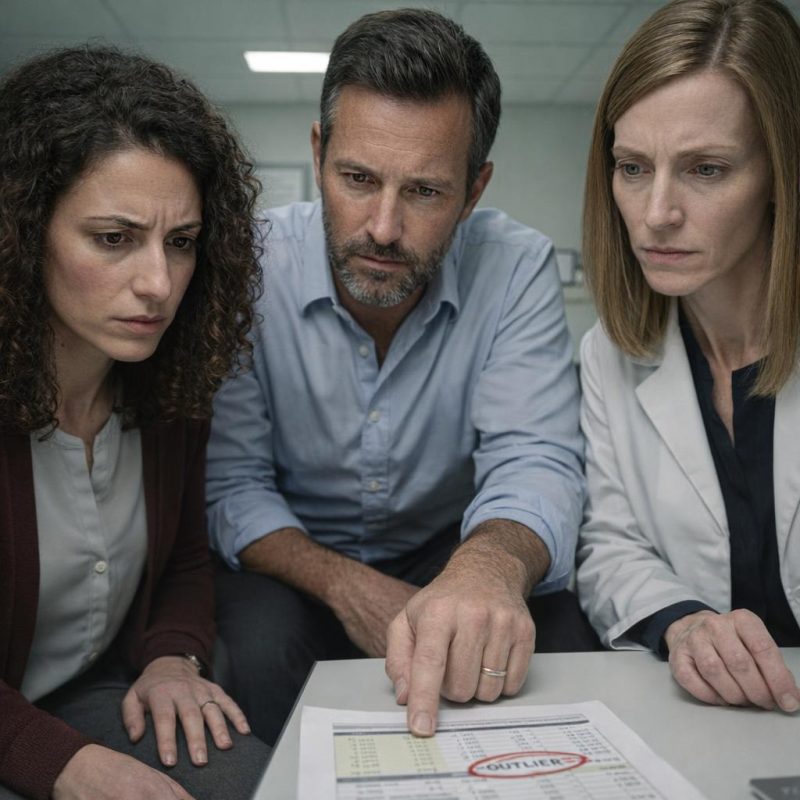 Image by RM AI
The Scapegoat Design
I sat in David's office, the evidence spread between us, and felt the final piece click into place with sickening clarity. "I was never forgotten," I said quietly. David looked up from the test results. "What?" "The exclusion. It wasn't random or petty. Melissa needed someone unaffected." I pointed to the timeline I'd constructed. "Everyone else was being dosed daily, becoming dependent, becoming compliant. But if something went wrong, if someone noticed, if the drugging was discovered—she needed a scapegoat." David's eyes widened. "Someone who wasn't affected by the drugs. Someone who could be blamed." "Someone who'd been isolated for weeks, who everyone had watched become increasingly paranoid and unstable." My voice was steady despite the fury building in my chest. "The higher dose in my container was timed perfectly with my presentation. I would have collapsed in front of everyone. And Melissa could have suggested I'd sabotaged my own food, that I was having a breakdown, that I'd been acting strange for weeks." The narrative had been built carefully. The weird girl who didn't participate. The one who seemed anxious and paranoid. The one who would make a perfect target when everything fell apart. I was never forgotten; I was being framed from the very first Tuesday.
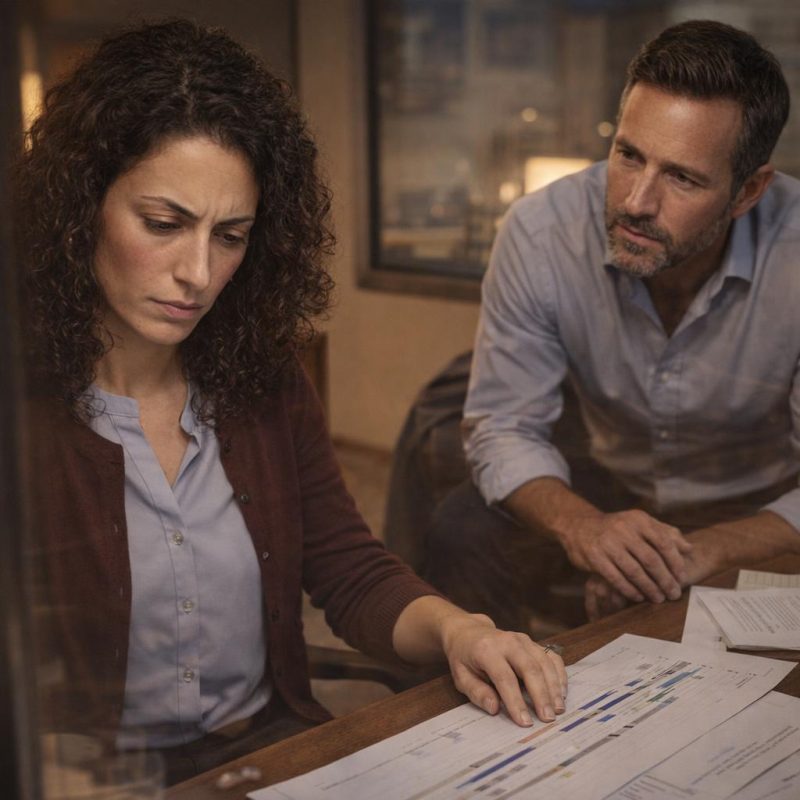 Image by RM AI
The Evidence Confrontation
I walked into the office Tuesday morning with the laboratory reports in my hand and David right behind me. My heart was pounding so hard I could feel it in my throat, but my hands were steady. I'd spent the entire weekend preparing for this moment, rehearsing what I'd say, making copies of everything. The office was already buzzing with the usual morning routine—Michael grabbing coffee, Jennifer at her desk with her green smoothie. And there was Melissa, sitting at her workspace looking absolutely perfect as always, her blonde hair styled flawlessly, that warm smile on her face as she chatted with someone. I walked straight to her desk. No hesitation. No second-guessing. Robert was nearby, thank god, talking to someone from accounting. "Melissa," I said, and my voice came out stronger than I expected. "We need to talk about what you've been putting in the food." The office went quiet. She looked up at me with that practiced confusion, that innocent expression she wore so well. I placed the toxicology report on her desk and watched the color drain from her face.
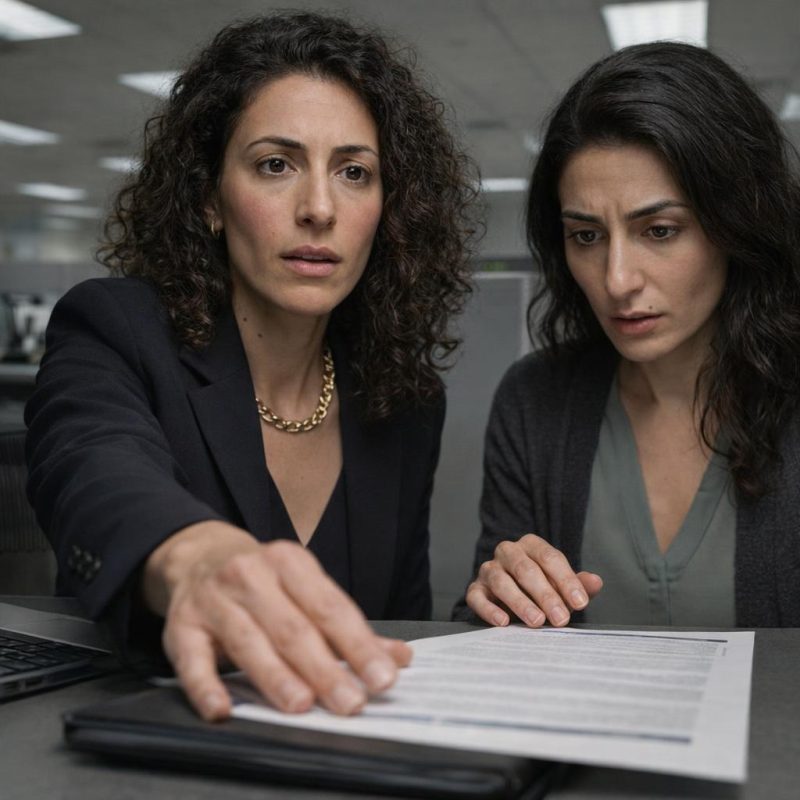 Image by RM AI
The Crumbling Mask
Melissa stared at the report for maybe three seconds before she started talking. "This is ridiculous," she said, but her voice had gone up half an octave. "These tests are wrong. They have to be wrong." She pushed the papers away like they were contaminated. Robert picked them up, his face going pale as he read. Michael and Jennifer had moved closer now, everyone gathering around to see what was happening. "The laboratory made a mistake," Melissa insisted, standing up from her desk. Her usual warmth had evaporated completely, replaced by something sharp and defensive. "You can't trust these places. They mix up samples all the time." But David stepped forward with his own copy of the results. "Three different containers, Melissa. Three separate tests. All showing the same sedatives." She turned on him then, and I saw it—that predatory edge I'd heard in her voice during the phone call. "You're all overreacting," she snapped. "This is insane." Her hands were shaking. The carefully constructed facade was crumbling in real time, and everyone could see it. The woman who had charmed the entire office now looked like a cornered animal, and everyone finally saw what had been hiding behind the smile.
 Image by RM AI
The Justification Attempt
Then something shifted in Melissa's expression. The denial stopped, and she straightened her shoulders like she was preparing to give a presentation. "Fine," she said, her voice dropping back to something almost calm. "Yes, I added supplements to help people relax. This office was a pressure cooker. Everyone was stressed, anxious, barely functioning." She looked around at the gathered faces like she expected understanding. "I was helping. Productivity went up, didn't it? People were happier. Management wasn't going to do anything about the toxic work environment, so I did." My stomach turned. "You drugged us," I said flatly. "Without consent. Without knowledge." She waved her hand dismissively. "I was managing workplace wellness. That's all." Robert's voice was barely controlled. "You poisoned your coworkers." Melissa's eyes flashed. "I helped them! And you," she turned to me, "the higher dose was just a miscalculation. I was trying to bring you into the fold, help you fit in better." Michael had gone completely white. Jennifer was crying quietly. But Melissa stood there like she genuinely believed she'd done nothing wrong. She actually believed she had done nothing wrong, and the delusion in her eyes was more frightening than the calculation had been.
 Image by RM AI
The Office Awakening
The truth spread through the office like wildfire. Within minutes, people were gathering from other departments, drawn by the commotion. I found myself explaining the laboratory findings over and over—the benzodiazepines, the systematic dosing, the weeks of chemical dependence none of them had known about. Michael kept touching his hands to his face, his usual smile completely gone. "I thought I was just tired on weekends," he said quietly. "I thought I needed to sleep better." Jennifer nodded through her tears. "I felt wrong every Saturday and Sunday. Anxious. Shaky. I started taking extra vitamins thinking I was getting sick." Others chimed in with similar stories. The irritability. The Sunday night relief when they knew they'd have Melissa's lunch again Monday. Patricia arrived after Robert summoned her, her clipboard clutched tight as she was briefed on the situation. The horror on her face was absolute. These people had praised Melissa's cooking. They'd looked forward to Tuesdays. They'd called her generous and thoughtful. Now they stared at their own hands like they were foreign objects, wondering what else had been stolen from them. The people who had praised Melissa's cooking now looked at their hands as if wondering what else had been taken from them without their knowledge.
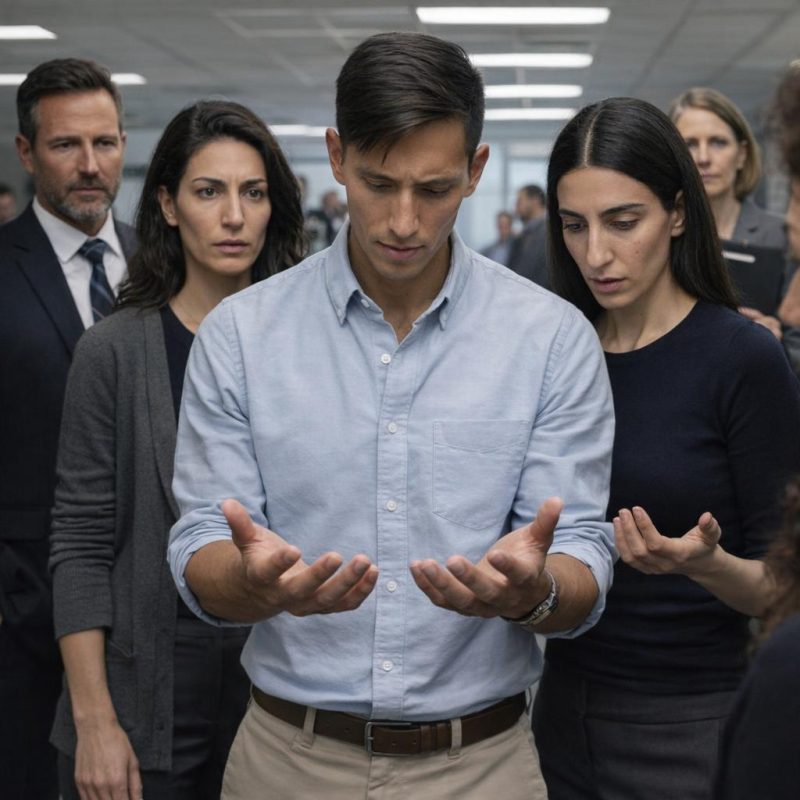 Image by RM AI
Calling the Authorities
Robert disappeared into his office, his phone already at his ear. Through the glass walls, I could see him pacing, his free hand running through his hair repeatedly. Patricia stood nearby, her own phone pressed to her ear as she contacted corporate headquarters. "Yes, criminal poisoning," I heard Robert say, his voice carrying despite the closed door. "Multiple victims. We need officers here immediately." David had taken charge of the remaining food containers, carefully photographing everything before sealing them in bags. Evidence. Crime scene preservation. Words I never thought would apply to our office kitchen. Melissa sat in the conference room where she'd been told to wait, not allowed to leave or access her belongings. Through the window, I could see her staring at the table, her perfect composure finally, completely shattered. Patricia ended her call and approached me. "Corporate legal is advising full cooperation with law enforcement," she said, her professional detachment barely masking her shock. "Everyone except essential witnesses should go home." The police arrived within thirty minutes. Two officers, then four, then detectives. Our office—Melissa's carefully constructed stage—transformed before my eyes. Within the hour, the office that had been Melissa's stage became a crime scene.
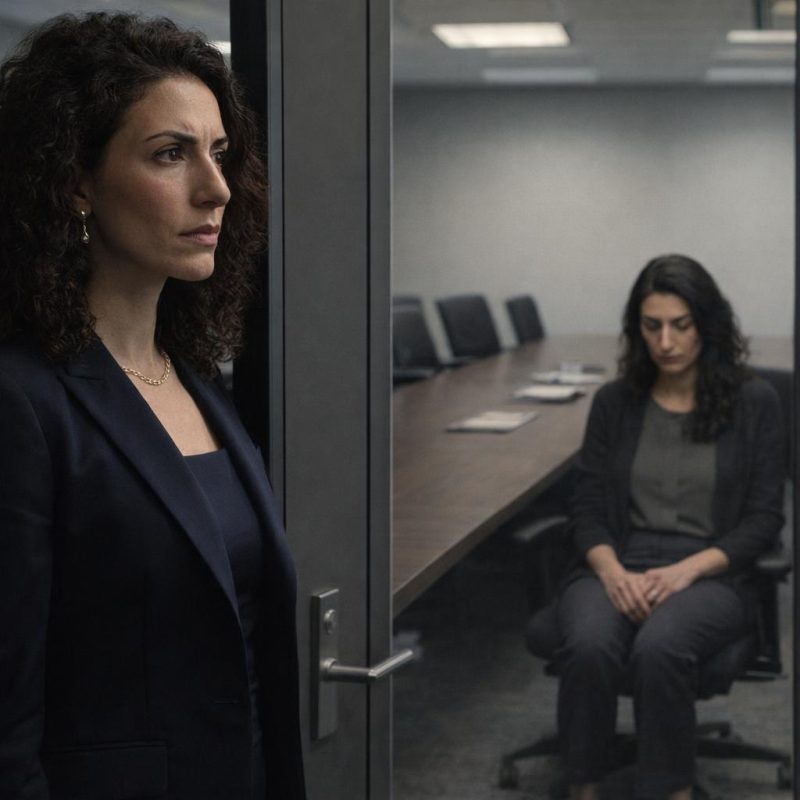 Image by RM AI
The Escort
The detectives questioned Melissa in the conference room for what felt like hours. I couldn't hear what was being said, but I could see her through the glass—gesturing, explaining, that desperate energy still radiating from her. Then the door opened. An officer stepped out first, then Melissa, her hands behind her back. The metallic click of handcuffs echoed in the suddenly silent office. "Melissa Chen, you're under arrest for criminal poisoning," the officer said, reading her rights in that flat, official tone. She kept her chin up as they walked her through the office, past all the desks where people had eaten her food, trusted her, liked her. Michael and Jennifer stood together near the break room, watching in stunned silence. Robert was speaking with the lead detective near his office, his face gray. I sat at my desk, my hands folded in front of me, feeling absolutely drained. No triumph. No satisfaction. Just exhaustion settling into my bones like lead. Through the window, I watched them guide Melissa into the back of a police car. Only then, when the door closed and the car pulled away, did her composure finally crack. The click of the handcuffs echoed in the quiet office, and I finally let myself breathe.
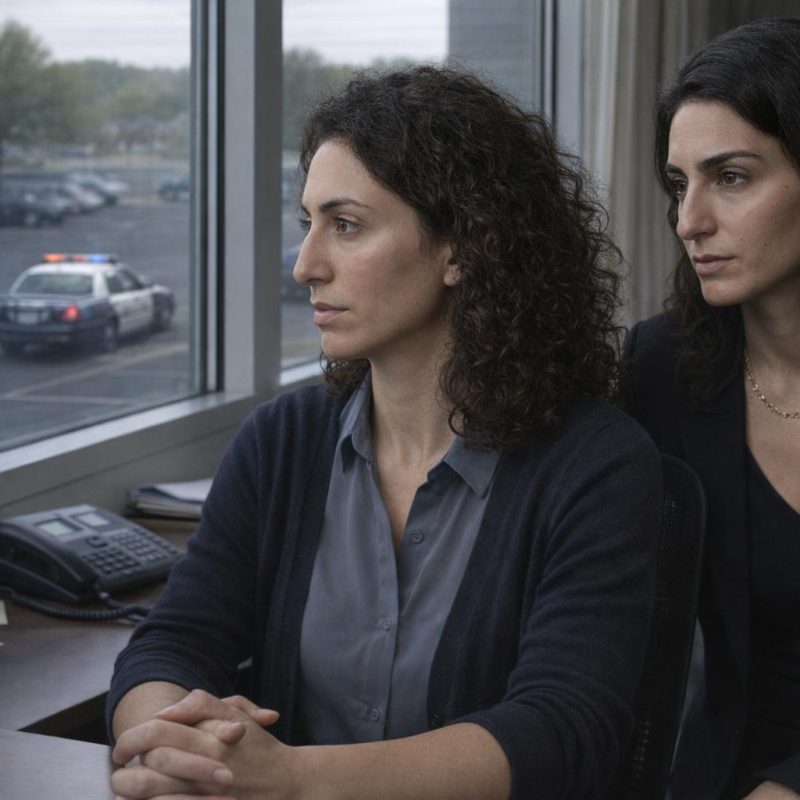 Image by RM AI
Withdrawal Begins
By six that evening, everything started falling apart in a different way. Michael had gone home hours ago, but he texted me around five saying he couldn't stop shaking. His hands were trembling so badly he couldn't type properly. Jennifer had stayed later, trying to work, trying to process. I found her in the bathroom around six-thirty, sitting on the floor with her back against the wall, her face pale and sweating. "I feel like I'm dying," she whispered. "Headache. Nausea. Everything hurts." I called 911 while David got her water. The paramedics arrived quickly—our office was apparently still flagged as an active investigation site. They checked her vitals, asked about the drugging, explained that her body was in withdrawal from benzodiazepines it had become dependent on without her knowledge. "How long will this last?" Jennifer asked as they prepared to transport her. The paramedic's expression was sympathetic but honest. "Days, maybe weeks. You'll need medical supervision." I rode with her to the hospital, holding her hand while she cried. Dr. Singh had warned me about withdrawal, but seeing it happen to Jennifer made it real. Jennifer collapsed in the bathroom, and I realized the damage Melissa had done would take far longer than one day to undo.
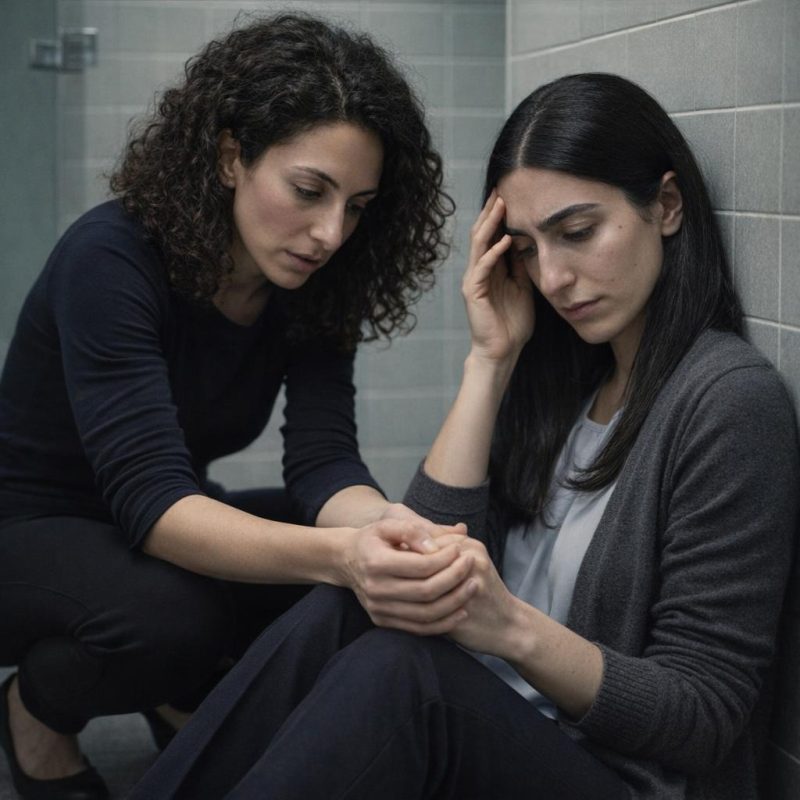 Image by RM AI
The Statement
The police station was fluorescent-bright and smelled like burnt coffee and industrial cleaner. I sat across from two detectives in a small interview room, David in the chair beside me for support. My notebook was open on the table between us—every observation, every exclusion, every weird moment documented in my anxious handwriting. "Walk us through it from the beginning," the lead detective said. So I did. The first Tuesday when everyone got lunch except me. The pattern that emerged week after week. The photographs I'd taken of the distribution. Melissa's phone conversation I'd overheard, that cold calculation in her voice. My decision to swap the containers, the laboratory results, everything. They took notes, asked questions, examined every piece of evidence I'd brought. Hours passed. My throat got dry from talking. But they listened to everything. "Ms. Chen," the lead detective said finally, closing his notebook. "Your documentation likely saved lives. If you hadn't trusted your instincts, if you hadn't kept records, we might be looking at a very different situation right now." David squeezed my shoulder as we left. When I finished, the lead detective told me my documentation had likely saved lives, and I finally understood why I had kept that notebook.
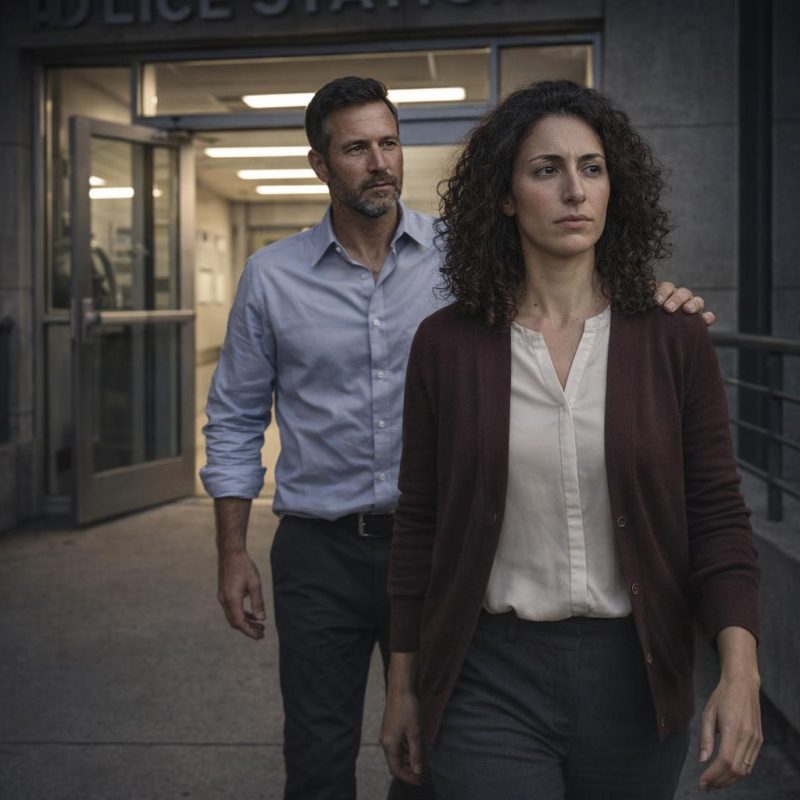 Image by RM AI
Charges Filed
Three days after my police station marathon, the district attorney's office called. They wanted me to know before it hit the news—Melissa was being formally charged. I sat in Robert's office with David beside me while the DA's representative walked us through it over speakerphone. Aggravated assault. Administering poison with intent to harm. Reckless endangerment. Each charge carried years of potential prison time. My hands shook as I took notes, that old habit impossible to break. Robert looked pale, his usual corporate composure completely gone. The representative kept talking, explaining how the systematic nature of the poisoning, the premeditation, the targeting of specific individuals—it all added up to serious felony counts. Then came the part that made my stomach drop. Twenty separate counts of assault, one for each person she had drugged over those weeks. Michael. Jennifer. David. Everyone who had received those carefully prepared containers. The representative read through the victim list, and I waited to hear my name. It never came. Twenty counts of assault, one for each person she had drugged, and I was the only name not on the victim list.
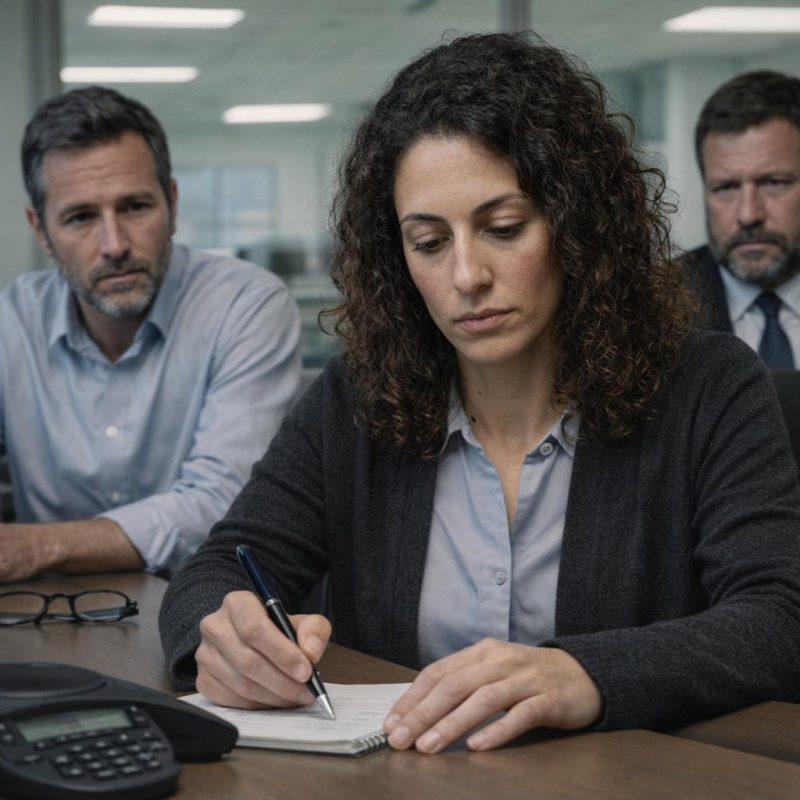 Image by RM AI
The Healing Process
Corporate brought in a trauma counselor the following week. Mandatory sessions, Patricia announced via email, her bureaucratic tone somehow softer than usual. We gathered in the conference room on Thursday mornings, sitting in a circle like some kind of workplace support group. Which, I guess, is exactly what it was. Michael talked about his recovery program, how the laxatives had triggered a relapse he was still fighting. Jennifer described the medical tests she'd endured, the fear that something was permanently wrong. David admitted he'd stopped trusting his own judgment about people. The therapist nodded, took notes, asked gentle questions. Robert implemented new policies—no homemade food sharing, mandatory reporting of any health concerns, open-door meetings about workplace culture. Patricia reviewed every office social activity with fresh eyes, looking for vulnerabilities we'd all missed. The breakroom sat empty during lunch now, that communal table gathering dust. People ate at their desks or left the building entirely. I brought my sad desk salads like always, but now everyone else did too. We were healing, the therapist said. Slowly. The breakroom sat empty now, and I wondered how long it would take before anyone could eat together again.
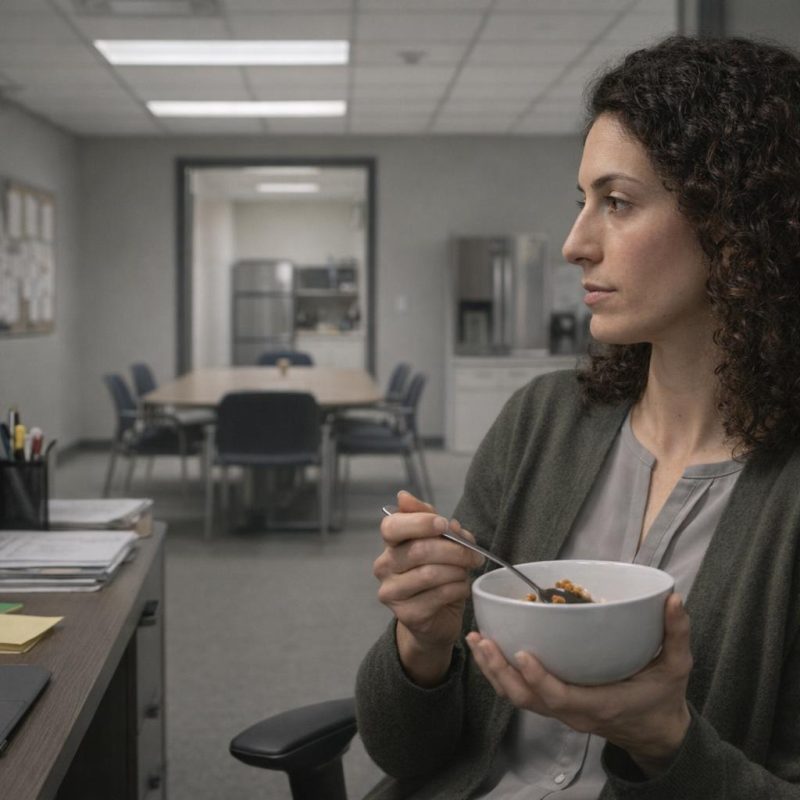 Image by RM AI
The Apology
Robert called me into his office on a Tuesday afternoon, and my anxiety spiked immediately—old habits die hard. But Patricia was already there, and neither of them looked angry. Robert gestured to a chair, then actually closed his laptop. That's when I knew something significant was happening. He apologized first, his corporate polish stripped away to reveal genuine regret. He should have listened when I raised concerns. Should have investigated instead of dismissing me. Patricia nodded, removing her reading glasses. She admitted she'd been wrong to treat my documentation as paranoia, wrong to prioritize workplace harmony over employee safety. They thanked me for persisting, for trusting my instincts when everyone else told me I was overreacting. Later, Jennifer found me at my desk. She apologized for not seeing what was happening, for being so focused on her own health that she missed the bigger picture. Michael stopped by too, sheepish and sincere, admitting he'd thought I was being paranoid about the whole thing. I accepted every apology graciously, said all the right things about moving forward together. The validation felt important, necessary even. He admitted they should have believed me from the start, and I realized that sometimes being right doesn't make the wound heal faster.
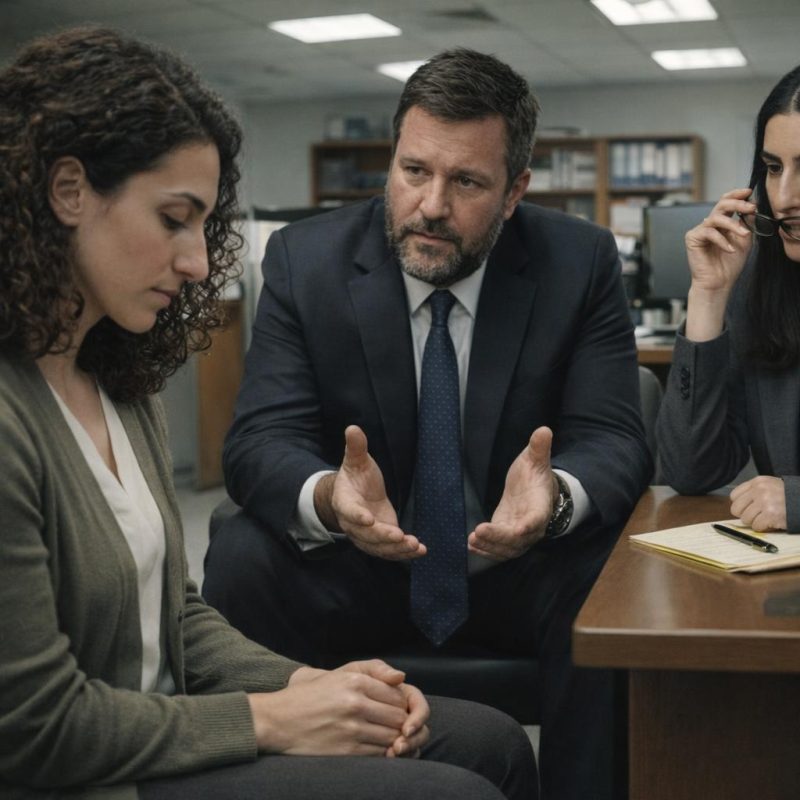 Image by RM AI
Trusting My Instincts
Another Tuesday morning, and I settled into my desk with coffee and the lunch I'd packed at home. The office felt different now—quieter, more cautious, but also somehow more honest. Eleven-thirty came and went without ceremony. No containers appearing on desks, no excited chatter about what Melissa had made. Just people working, eating their own food, living their own lives. David stopped by around noon, asked if I wanted company. Jennifer joined us, and we ate together at my desk—her quinoa bowl, his leftover pasta, my turkey sandwich. Normal. Simple. Safe. I thought about that first Tuesday, watching Melissa distribute her carefully prepared meals to everyone but me. How excluded I'd felt. How I'd questioned whether I'd done something wrong, whether I was being punished for some social misstep I couldn't identify. All those weeks of documentation, of second-guessing my own perception, of feeling crazy for noticing a pattern everyone else dismissed. My instincts had been right all along. That exclusion I'd agonized over, that empty space on my desk every Tuesday—it had saved my life. My stomach no longer growled at eleven-thirty, and I finally understood that the empty space on my desk had saved my life.
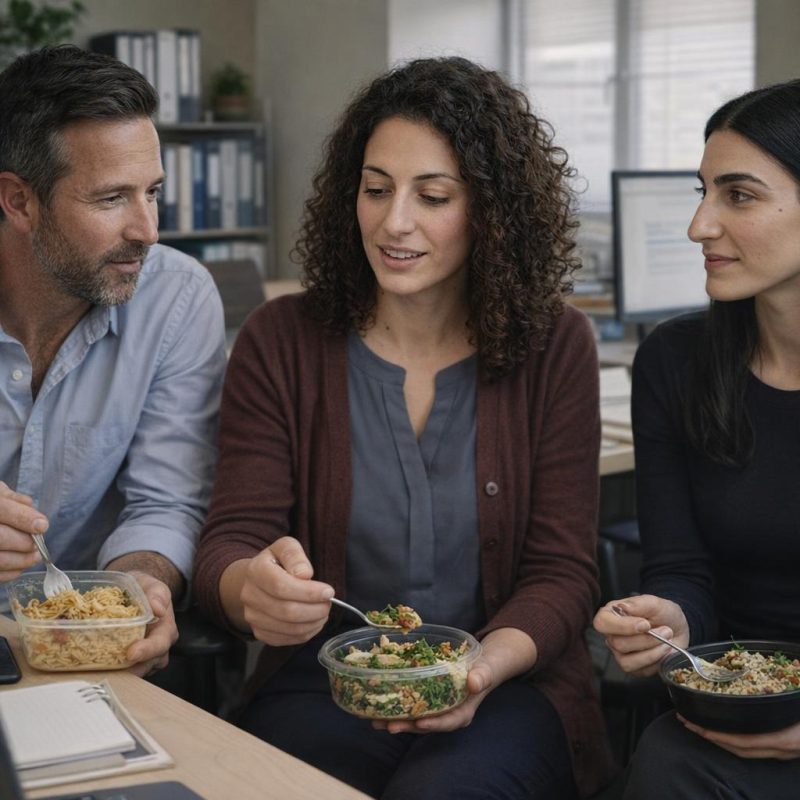 Image by RM AI
KEEP ON READING

The story of Ching Shih, the Woman Who Became the…
Unknown author on WikimediaFew figures in history are as feared…
By Emilie Richardson-Dupuis Dec 29, 2025
Einstein's Violin Just Sold At An Auction—And It Earned More…
A Visionary's Violin. Wanda von Debschitz-Kunowski on WikimediaWhen you hear…
By Ashley Bast Nov 3, 2025
This Infamous Ancient Greek Burned Down An Ancient Wonder Just…
History remembers kings and conquerors, but sometimes, it also remembers…
By David Davidovic Nov 12, 2025
The Mysterious "Sea People" Who Collapsed Civilization
3,200 years ago, Bronze Age civilization in the Mediterranean suddenly…
By Robbie Woods Mar 18, 2025
20 Greatest Ancient Athletes In History
Ancient Olympics. Long before modern stadiums and multimillion-dollar endorsements, athletes…
By Sara Springsteen May 1, 2026
20 Soldiers Who Defied Expectations
Changing the Rules of the Battlefield. You’ve probably heard plenty…
By Annie Byrd Feb 10, 2026