

I Sold My House to Live With My Son's Family—Then I Found the Secret Marks on My Photos
I Sold My House to Live With My Son's Family—Then I Found the Secret Marks on My Photos
The Gallery Wall
I stood in the sunlit living room of what was now our shared home, watching dust motes dance in the afternoon light. Three months had passed since I'd sold my Victorian house—the one Robert and I had raised David in—and here I was, starting fresh. The equity from my sale had helped David and Elena make the down payment on this beautiful colonial, and honestly, it felt good to contribute. Elena had spent the entire weekend creating this gallery wall, and I couldn't stop admiring it. She'd taken all my old family photographs—some I hadn't looked at in years—and had them professionally reframed in matching silver frames. There was Robert on our wedding day, David as a gap-toothed seven-year-old, my parents in front of their first car. "Mom, you like it?" David asked, his tie still knotted even though he'd been home from work for an hour. He had his father's eyes, that same hopeful expression. "Elena worked so hard on this." "It's perfect," I said, and I meant it. Elena beamed, her posture magazine-perfect as always. "I wanted you to feel like this is your home too, Margaret. Your memories belong here." The light shifted across Robert's portrait, and something in the corner of the frame caught my eye—just for a second, a tiny mark I hadn't noticed before.
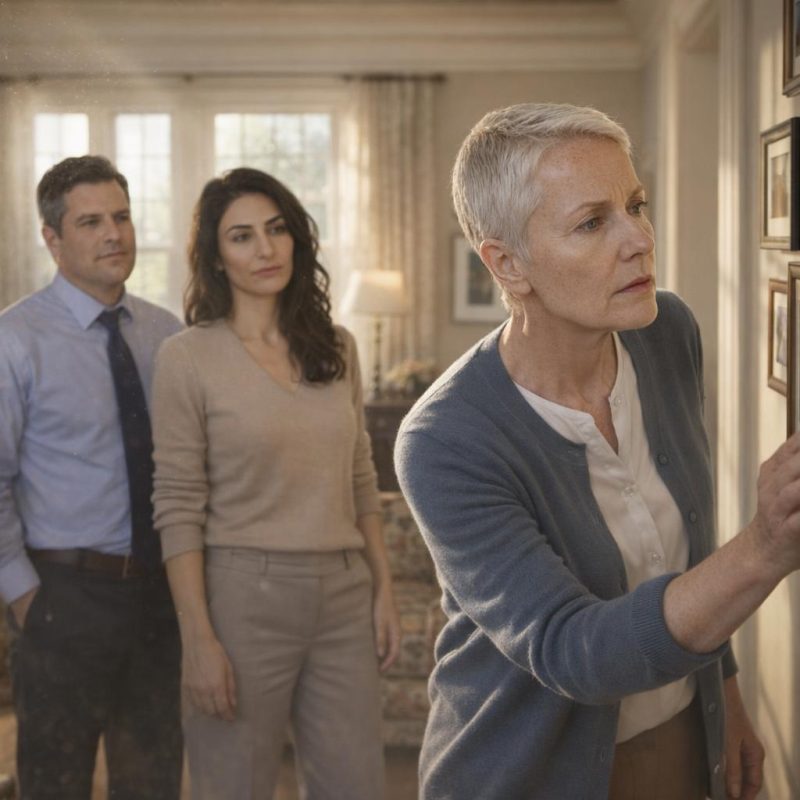 Image by RM AI
Sunday Dinner
That first Sunday dinner together felt like everything I'd hoped for when I'd agreed to move in. The dining room smelled like Elena's pot roast, and Lucas was telling me about his fourth-grade teacher who apparently did magic tricks during math lessons. "And then Mr. Peterson made the protractor disappear!" he said, his dark eyes wide with wonder. Sophie had climbed into my lap halfway through dinner, her blonde curls tickling my chin as she got drowsy against my shoulder. I stroked her hair and felt my heart swell. This was what I'd been missing since Robert died—this noise, this life, this family energy filling up all the quiet spaces. David talked about his recent promotion, mentioned he'd be traveling more for work. "That's actually perfect timing, Mom," he said. "You being here means Elena won't be handling everything alone." Elena smiled at me across the table. "We're so grateful, Margaret. Truly." She glanced at Sophie sleeping in my arms, then pulled out her phone and tapped a quick note before setting it aside. Probably adding something to her grocery list—the woman was incredibly organized. Lucas asked if I'd tell him stories about when his dad was little, and I promised I would.
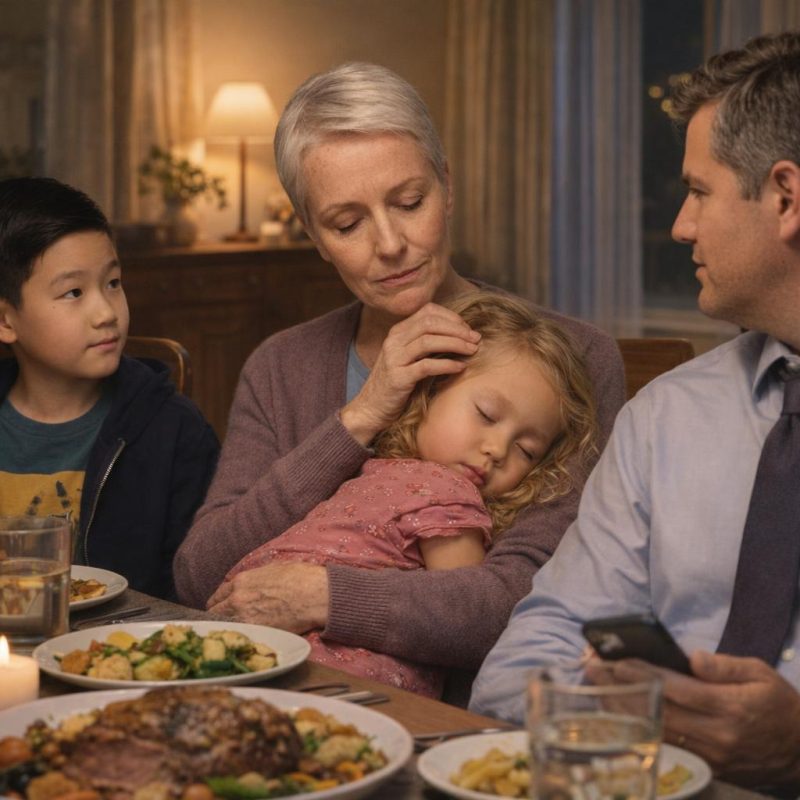 Image by RM AI
Settling In
The first week of really settling in taught me that Elena had very specific ideas about how the house should run. I didn't mind, really—she'd been managing this household long before I arrived, and I was the newcomer here. But I'd notice things. Like when I suggested moving the reading chair closer to the window for better light, Elena's smile stayed perfectly in place as she explained that the current layout created better flow for when they entertained. When I put my favorite ceramic bowl on the kitchen counter for fruit, she gently relocated it to my suite, saying the granite needed to stay clear for meal prep. "You understand, don't you, Margaret? I'm just trying to keep things streamlined." I did understand. I moved more of my belongings to the in-law suite—my books, my throw pillows, the small watercolor Robert had bought me in Maine. Elena thanked me for being so flexible, so understanding. "Not every mother-in-law would be this easy to live with," she said, touching my arm. I felt proud of that, actually. I was trying hard not to be the difficult mother-in-law you hear about in jokes. When I mentioned maybe rearranging the living room furniture to make conversation easier, Elena's smile remained fixed as she explained why the current layout worked better for the space.
 Image by RM AI
Grandmother's Duty
By the second week, I'd fallen into a routine with Lucas and Sophie that made me feel genuinely useful. I picked them up from school three days a week, and those afternoons became my favorite part of living here. Lucas would show me his math homework at the kitchen table while Sophie practiced reading aloud from her picture books, stumbling over words like "caterpillar" and "magnificent." I'd make them snacks—apple slices with peanut butter, crackers with cheese cut into shapes. Simple things, but they loved it. Sophie would tell me elaborate stories about her stuffed animals, and Lucas would ask me questions about what life was like when I was young. "Did you really not have iPads, Grandma?" One Thursday, Elena came home early from her volunteer work. I didn't hear her at first—I was too focused on helping Lucas with fractions. When I looked up, she was standing in the doorway, watching us with an expression I couldn't quite read. She smiled when she caught my eye, then pulled out that small leather notebook she always carried and jotted something down before joining us at the table.
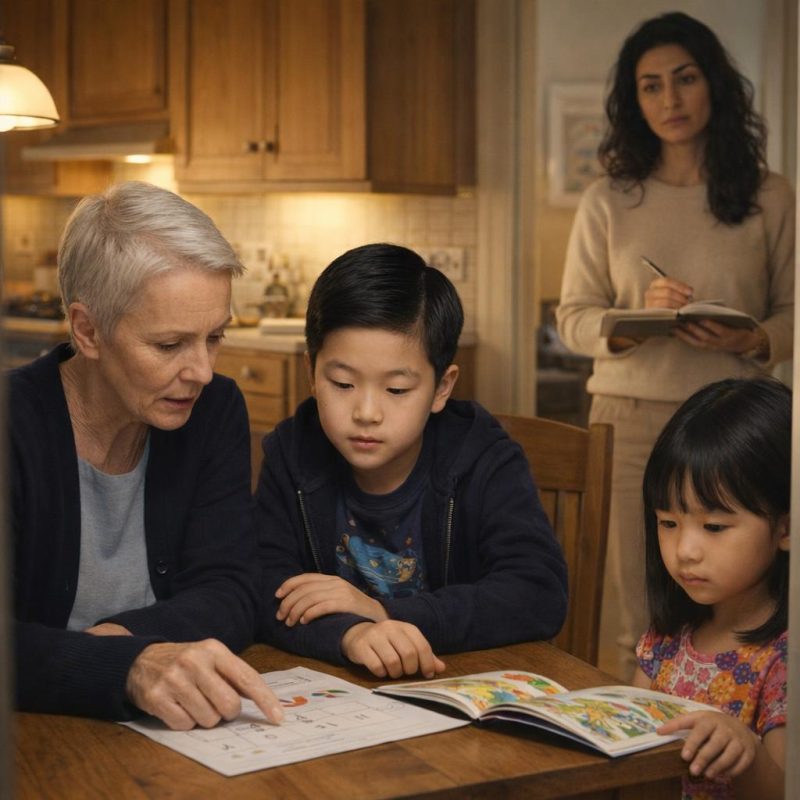 Image by RM AI
The First Month
As the first month in the shared home came to a close, I found myself noticing odd little things I couldn't quite explain. Sometimes family conversations felt almost too smooth, like everyone knew their lines. Elena would ask David about work, he'd answer with the perfect amount of detail, then he'd ask about her day, and she'd respond with a charming anecdote about the children. Then they'd both turn to me, and I'd feel like I was supposed to contribute my part to the script. It sounds ungrateful, doesn't it? Here I was in this beautiful home, surrounded by family, and I was picking apart perfectly pleasant dinner conversations. Maybe this was just what multigenerational living felt like—everyone being very polite, very mindful not to step on toes. I'd catch myself feeling more like a guest than family, then immediately feel ashamed of the thought. I had my own suite, my grandchildren adored me, and my son checked on me every day. What more could I want? I pushed the unease away and went to join David and Elena in the kitchen, where I could hear them talking in those low, smooth voices that always seemed to stop when I entered a room.
 Image by RM AI
Closed Doors
It happened three times that week. I'd walk into the kitchen or the living room, and David and Elena would be having an intense conversation in low voices that stopped the instant they saw me. Their faces would shift—not dramatically, but noticeably—into bright, welcoming smiles. "Oh, Mom, we were just talking about—" and then some perfectly reasonable explanation. The first time, I didn't think much of it. Couples need privacy, after all. The second time, I felt a small flutter of curiosity. The third time, I walked in on them in the office, and they actually looked startled before recovering. "What were you two discussing?" I asked, trying to keep my tone light. Elena touched my arm, her hand cool and smooth. "Just boring financial planning, Margaret. David's worried about the quarterly taxes." She laughed softly. "Trust me, you don't want to hear about it." David nodded, already turning back to his laptop. I noticed they'd started closing the office door more often, something they hadn't done in the first weeks. When I asked David later about a household decision—whether we should get the gutters cleaned—he seemed distracted, said he'd talk to Elena about it. I was starting to feel like I was interrupting something, though I couldn't say what.
 Image by RM AI
The Schedule
I was getting a glass of water when I really looked at the schedule Elena kept on the refrigerator for the first time. It was color-coded and detailed—blue for Lucas's activities, pink for Sophie's, green for David's work commitments, yellow for Elena's volunteer work. But there was also purple. Purple was me. My physical therapy appointments every Tuesday and Thursday. My library visits on Wednesday afternoons. My coffee dates with Diane. Even my evening walks were noted. "M—library, 2-4pm" was written under next Tuesday in Elena's precise handwriting. I stood there with my water glass, staring at the calendar. On one hand, it was thoughtful—Elena was coordinating family meals around everyone's schedules, making sure we could all eat together. On the other hand, why did she need to know when I went to the library? I heard Elena's footsteps behind me. "The schedule helps me plan dinners," she said, as if reading my mind. "I want to make sure you're here for family meals, Margaret. You're such an important part of our routine now." She smiled warmly. I smiled back, but something about seeing my movements tracked in purple ink made my skin prickle.
 Image by RM AI
Coffee with Diane
I met Diane at our usual café that Friday, grateful for the familiar ritual we'd maintained for twenty years. She ordered her black coffee, I got my latte, and we settled into our corner booth. I hadn't planned to say anything about the house situation, but Diane has always been able to read me. "You look tired," she said. "How's the new place?" I found myself mentioning the small things—the stopped conversations, the detailed schedule tracking my movements, the feeling of being a guest in what was supposed to be my home too. I laughed as I said it, trying to make it sound silly. "I'm probably just adjusting to living with other people again. It's been three years since Robert died, you know? I'm not used to sharing space." Diane listened without interrupting, her sharp eyes studying my face. When I finished, she set down her coffee cup with a deliberate clink. "Margaret," she said carefully, "do you have any legal paperwork about the house? Anything in writing about your financial contribution?" The question landed like a stone in my stomach, though I wasn't entirely sure why it unsettled me so deeply.
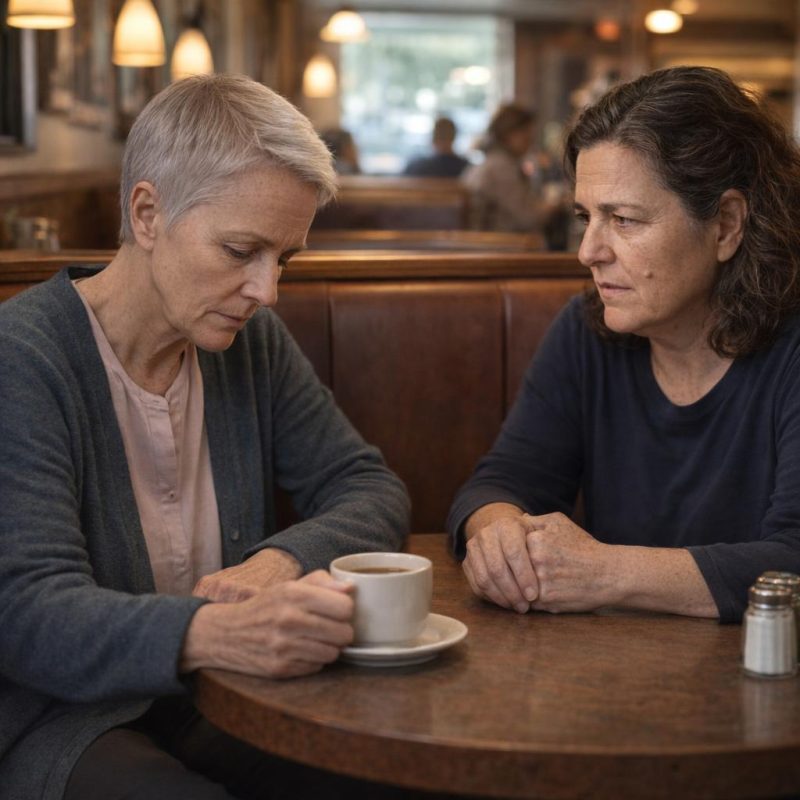 Image by RM AI
Rational Mind
That evening, I sat in my suite trying to talk myself down from the edge Diane had pushed me toward. Every multigenerational household went through adjustment periods, didn't they? Of course Elena and David stopped talking when I entered rooms—they were probably discussing private couple things, bedroom stuff, finances I didn't need to know about. The schedule on the refrigerator wasn't surveillance, it was organization. Elena ran a tight ship, and knowing when I'd be home helped her plan meals and manage the household. I was being oversensitive, reading malice into kindness. Elena had welcomed me with open arms, redecorated to include my memories, made space in her home. And me? I was repaying her generosity with suspicion and paranoia. I thought about how intrusive I must seem to a young couple trying to build their life together. Here I was, the mother-in-law, always present, always watching. Maybe they needed those stopped conversations just to breathe. I decided I was overthinking everything, letting the stress of selling my house and Robert's death and the surgery recovery twist my perception into something ugly. But even as I reasoned through every concern, Diane's question kept circling back. Did I have any legal paperwork about the house? Anything in writing about my financial contribution? I didn't, and I couldn't stop thinking about why that mattered.
 Image by RM AI
The Thoughtful Gift
The next morning, Elena knocked on my door holding something wrapped in cream-colored tissue paper. "I have something for you," she said, her smile warm and genuine. Inside was a beautifully framed photograph of my parents on their wedding day, the image so clear and vibrant it took my breath away. The original had been water-damaged years ago, stored poorly in my basement, the faces nearly obscured by brown stains and deterioration. I'd thought it was lost forever. "I found it when we were packing your things," Elena explained. "I had it professionally scanned and retouched. The frame matches the gallery wall aesthetic, so it fits right in with the others." She'd chosen a silver frame with delicate filigree that perfectly complemented my mother's lace dress in the photo. I felt tears prick my eyes at the thoughtfulness, the personal attention she'd paid to something that mattered only to me. This wasn't just a gift—it was proof that Elena saw me, valued my history, wanted to preserve what I loved. I clutched the frame and felt a wave of shame wash over me. How could I have doubted her intentions? What kind of ungrateful, suspicious person had I become?
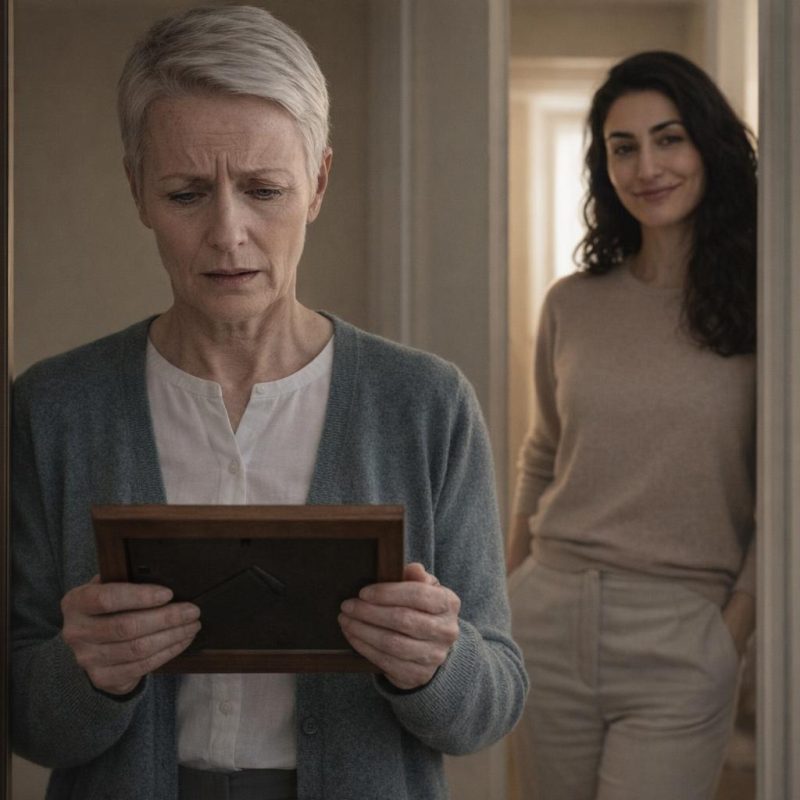 Image by RM AI
The Crimson Mark
A few days later, I was dusting the gallery wall on a quiet Tuesday morning when I noticed something odd on Robert's portrait. A tiny crimson dot sat in the bottom right corner of the glass, perfectly circular, about the size of a pencil eraser. At first I thought it was just dust or a smudge, something that had settled there since the last cleaning. I pulled out my microfiber cloth and rubbed at it, but the mark didn't budge. I leaned closer, my reading glasses sliding down my nose, and examined it more carefully. The dot was too precise to be accidental, too perfectly round. It looked like it had been made with a fine-tipped marker, the kind you'd use for detailed work. I pressed my finger against the glass, trying to wipe it from different angles, and that's when my stomach dropped. The mark wasn't on the outside of the frame where dust would settle. It was on the inside, between the photograph and the glass, which meant someone had opened the frame, made the mark, and sealed it back up. I stood there staring at Robert's face, at that tiny crimson dot, and felt disturbed in a way I couldn't quite name.
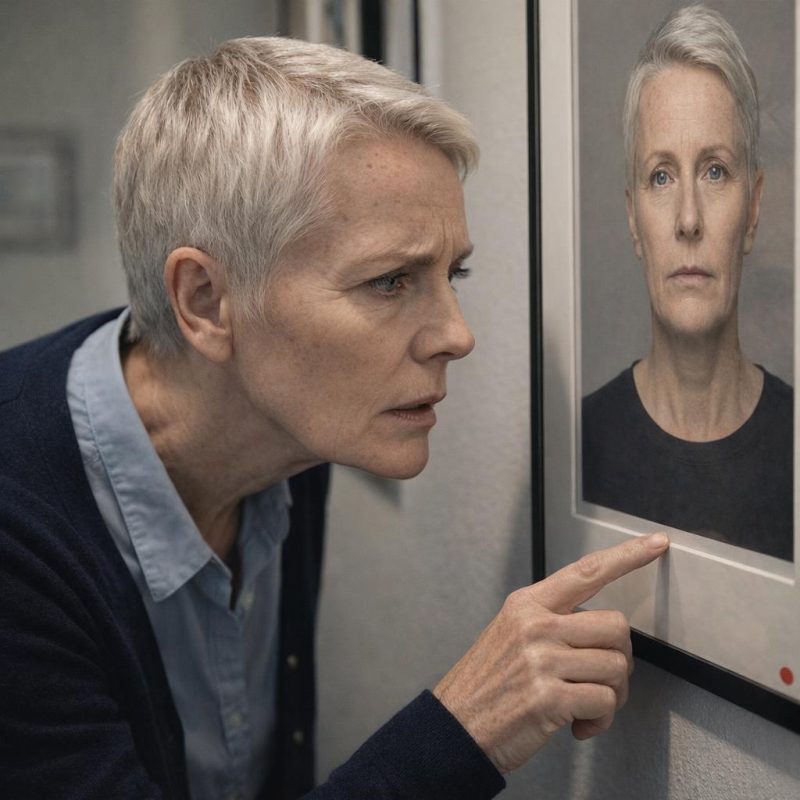 Image by RM AI
The Pattern Emerges
I moved down the hallway systematically, checking every frame Elena had hung. The wedding photo of David and Elena—no marks. The beach sunset from their honeymoon—nothing. But my college graduation portrait had a single red dot in the upper left corner. Robert and me at our anniversary dinner—two dots, bottom right. The family photo from David's high school graduation showed three dots clustered near the edge. I pulled my reading glasses on and off, leaning close to each frame, my heart beating faster with every discovery. Some frames were completely clean, the glass unmarked and clear. Others had these strange crimson dots in varying numbers and positions. I couldn't find any logic to it, couldn't understand what the marks meant or why some photos had them and others didn't. The randomness made it worse somehow, like there was a code I was supposed to crack but couldn't. My hands started shaking around the tenth frame, and by the time I reached the last one—a photo of me holding infant David in the hospital—I found three dots clustered in the corner like a tiny constellation. I stood in that hallway, surrounded by my own memories marked with symbols I didn't understand, and felt dread settle into my bones.
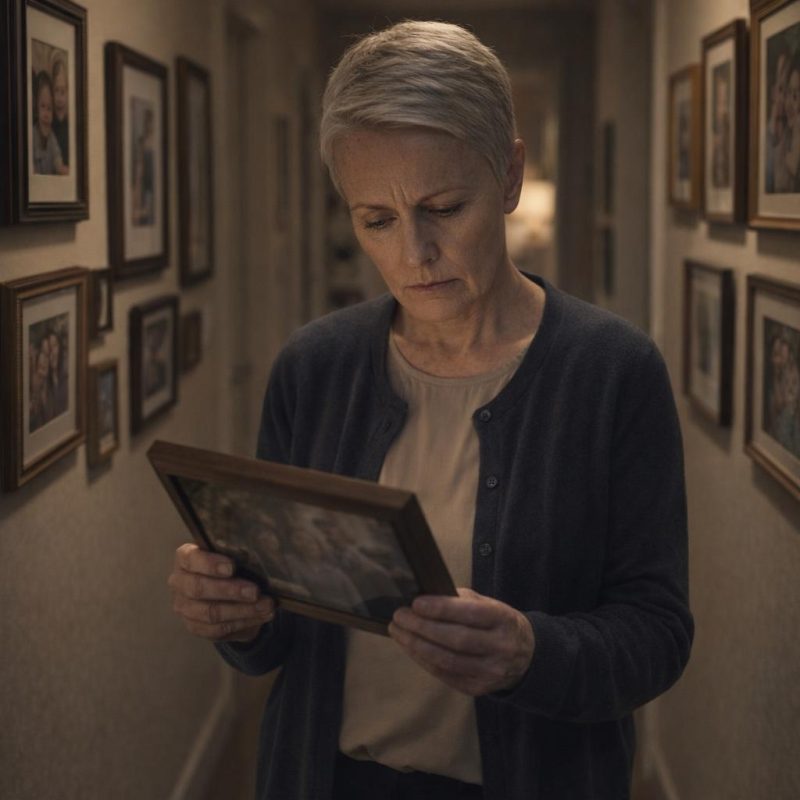 Image by RM AI
X Marks the Spot
I went back through the gallery wall more carefully this time, cataloguing the different types of markings. That's when I noticed the pattern that made my blood run cold. The photos with multiple family members—me and Robert, me and David, the three of us together—those had dots. Sometimes one, sometimes two or three, but always dots. Small circles in red marker, placed in corners or along edges. But the photos of just me, solo portraits from different periods of my life, those had something different. Small red X marks instead of dots. My college graduation—a tiny X in the corner. Me at my retirement party—another X. The photo of me in my garden that Robert had taken the summer before he died—X. I counted seven X marks total, seven photographs featuring only my face, and every single one had been marked with that symbol. I tried to find logic in it, tried to tell myself it meant nothing, but I couldn't shake the feeling that I was being sorted somehow, categorized, marked for something I couldn't name. I stood in the hallway staring at my own face repeated across the wall, each version of me tagged with that small red X, and felt targeted in a way that filled me with nameless dread.
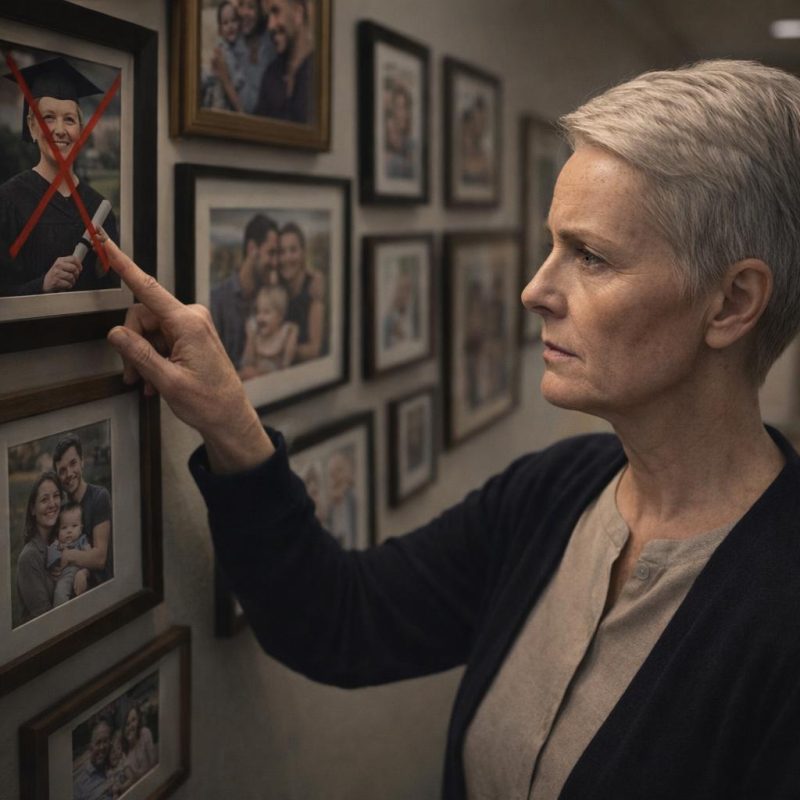 Image by RM AI
The Silent Watch
I spent that night weighing whether to ask about the marks directly. The rational part of my brain said I should just go to Elena or David and say, "Hey, I noticed these red marks on the photos, what are they?" Simple question, probably simple answer. But something held me back. What if there was an innocent explanation and I looked paranoid? What if Elena had some organizational system I didn't understand, and asking about it made me seem suspicious and ungrateful? I'd already sold my house, already moved in, already accepted their generosity. If I started making accusations about marker dots on picture frames, I'd seem unstable. Worse, I'd damage my relationship with David, make him choose between his wife and his paranoid mother who saw conspiracies in household decorations. I couldn't risk that, not when I had nowhere else to go, not when I was still recovering from surgery and dependent on their help. So I made a decision. I would watch and gather more information before saying anything. I would pay closer attention to Elena's movements, observe her interactions with the gallery wall, try to understand what the marks meant before I opened my mouth. If I was wrong, no harm done. But if I was right about something being off, I needed to know what I was dealing with before I spoke.
 Image by RM AI
The Sister's Visit
Elena's younger sister Bethany arrived for lunch the following Thursday, and I recognized the same polished presentation immediately—the designer handbag, the perfect posture, the way she checked her phone with manicured nails between sips of sparkling water. I stayed in the kitchen preparing a salad I hadn't been asked to make, watching through the doorway as the sisters stood before the gallery wall. They spoke in voices too low for me to hear clearly, their heads tilted toward each other in that conspiratorial way sisters have. Bethany pointed to one frame, then another, and Elena nodded, gesturing to something I couldn't see from my angle. I moved closer to the doorway, straining to catch fragments of their conversation, but all I heard was murmuring and the occasional word that meant nothing out of context. Then Bethany reached out and touched the frame of my wedding photo, the one with the two red dots in the corner, and nodded at something Elena said. The gesture was so deliberate, so knowing, like she understood exactly what she was looking at. A moment later they moved away from the wall, laughing about something completely different, heading toward the dining room as if nothing unusual had happened. But I'd seen that nod, that touch, and I felt increasingly certain the marks had meaning that both sisters shared.
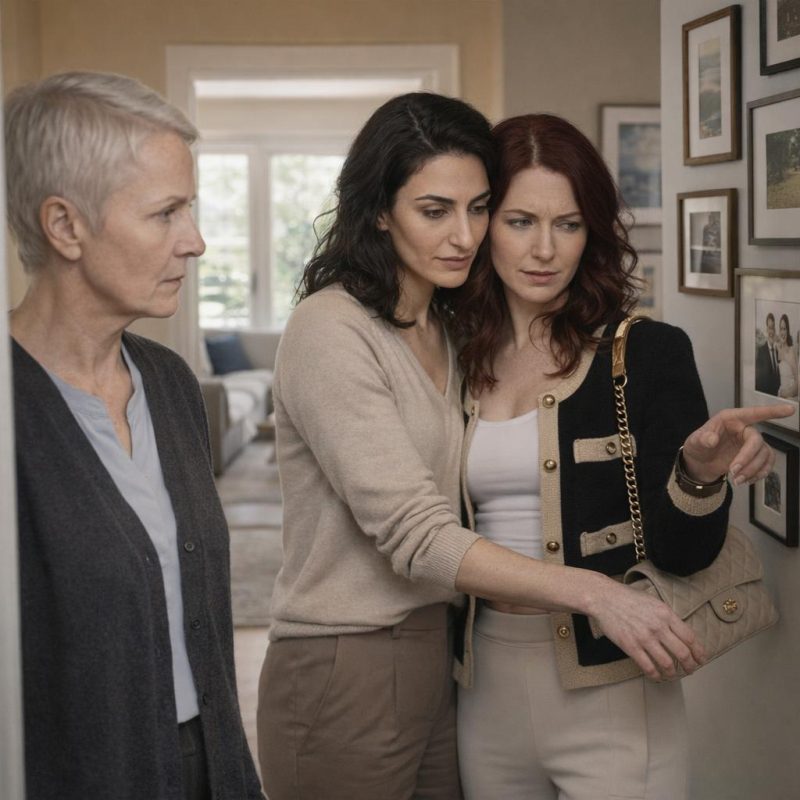 Image by RM AI
The Ledger
Two days later, I positioned myself on the stairs during Elena's usual mid-morning routine, pretending to read on my phone while watching through the bannister. She moved through the house with her typical precision, checking rooms, adjusting pillows, running her hand along surfaces. When she reached the gallery wall, she paused. I held my breath, keeping my eyes on my phone screen while watching her in my peripheral vision. Elena stepped closer to the frames, running her finger along the edge of one, then another. She wasn't dusting or straightening—she was checking something specific. Then she pulled out the small leather ledger she always carried in her designer purse, the one I'd seen her make notes in about grocery lists and appointments. She examined several frames carefully, looking at the corners where I knew the marks appeared, and made a notation in the ledger. Her pen moved quickly, efficiently, like she was recording data. She checked three more frames, made another note, then nodded to herself with what looked like satisfaction. The whole process took maybe ninety seconds. Then the notebook disappeared back into her purse, and Elena continued down the hallway like nothing had happened, leaving me frozen on the stairs with my heart pounding and no way to see what she'd written.
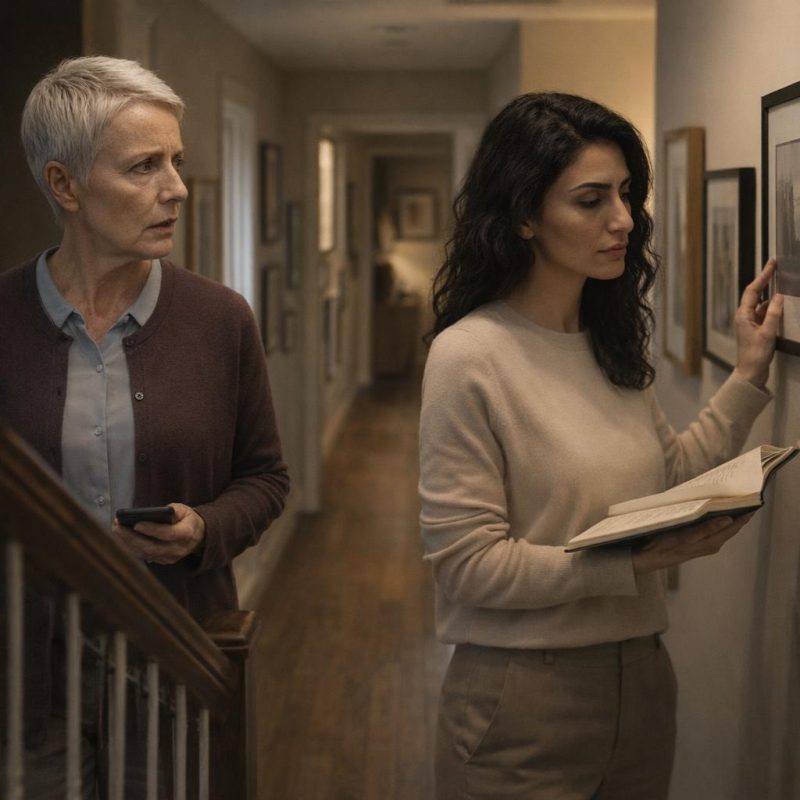 Image by RM AI
The Inventory
The leather ledger became Elena's constant companion. I'd see it at breakfast, resting beside her coffee cup while she made notes between bites of yogurt. After phone calls—and there were several throughout the week, always taken in her office with the door closed—she'd emerge with the ledger open, pen moving across the pages. She consulted it when she passed the gallery wall, pausing to glance from the frames to whatever was written inside. I watched her check it before rearranging items on the mantel, before moving a vase from one table to another. The way she looked at my belongings had changed too. Her eyes would sweep across my mother's china cabinet with an appraising quality, lingering on each piece like she was calculating something. She'd pause in front of the antique mirror I'd brought from my bedroom, tilting her head slightly, then make another notation. I tried to tell myself she was just organizing, just being thorough the way she always was about household management. But the feeling grew stronger each day, settling into my bones like a chill I couldn't shake. I wasn't a person living in this house. I was inventory being catalogued, item by item, for purposes I couldn't begin to understand.
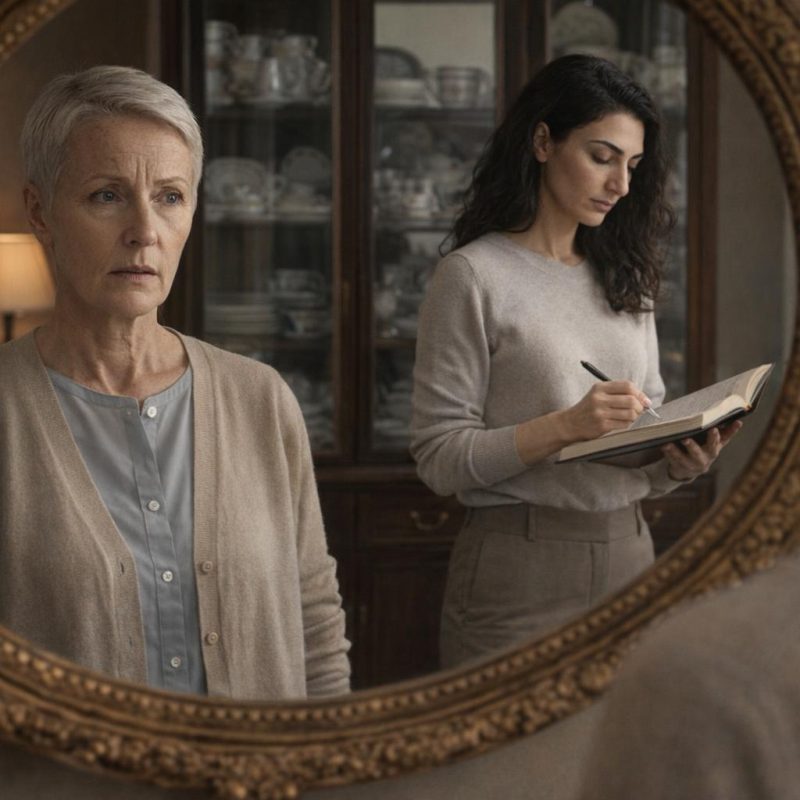 Image by RM AI
David's Dismissal
I found David alone in the kitchen one evening, loosening his tie after work. My heart hammered as I approached, trying to sound casual. "Honey, I wanted to ask you something. Have you noticed the red marks on some of the photo frames? The little dots in the corners?" He glanced up, smiling. "Oh, that's just Elena's photography project. She's been organizing all our family photos digitally—cataloguing everything, making backups. She's incredibly thorough about it." I pressed forward carefully. "But why mark them? And why do the marks change?" His smile faded slightly. "Mom, are you feeling okay? The move was a big adjustment. Maybe you're noticing things that seem strange just because everything's new." The words hit like a slap. "I'm not imagining this, David. I've seen—" "I know the surgery and selling the house was stressful," he interrupted gently, placing his hand over mine. "Maybe you should rest more. Don't worry about small things like Elena's organizational systems, okay?" I watched him walk away, and the truth settled over me like a heavy blanket. My own son would defend her observations over mine, every single time.
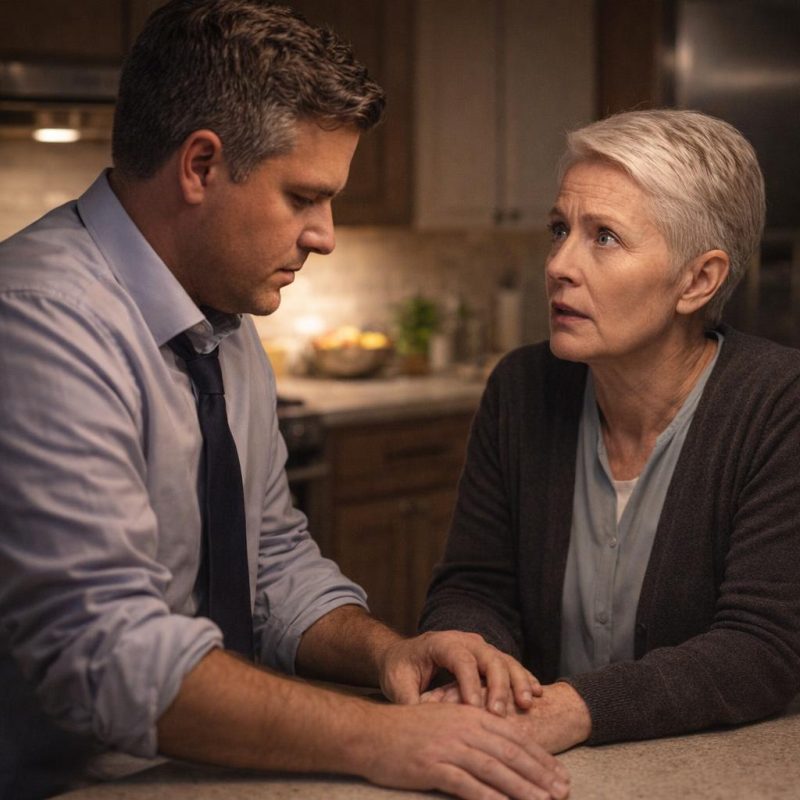 Image by RM AI
United Front
Over the next few days, I watched the dynamic I'd been too hopeful to see clearly before. Elena suggested moving the living room furniture to "improve flow," and David agreed immediately without glancing my way. She planned the week's meals, and he praised her choices. When I mentioned that I'd always made pot roast on Sundays, Elena smiled warmly. "What a lovely tradition, Margaret. We'll have to try that sometime." Sometime never came. The schedule on the refrigerator—color-coded and laminated—showed every family activity, but none of my input had shaped it. I suggested we might visit the botanical gardens on Saturday, and David said, "That sounds nice, Mom," but Elena had already planned a day trip to the children's museum. They went without asking again. During a discussion about holiday plans, I started to share how we'd always celebrated, and Elena gently steered the conversation to her vision. David nodded along, his hand finding hers across the table. I'd sold my house, contributed my life savings to purchase this one, and somehow I'd bought myself nothing. Not a voice. Not a vote. Just a room with an en-suite and the growing certainty that I was a guest in a home I'd paid for.
 Image by RM AI
The Reality Check
That night, I lay in my suite staring at the ceiling, running through everything like a prosecutor reviewing evidence. The marks could be innocent. Elena's ledger could be simple household organization. David's dismissal could be genuine concern for my wellbeing. Maybe the stress of surgery, of selling my home, of adjusting to a new living situation had made me paranoid. Maybe I was the problem—an aging woman inventing conspiracies because I felt displaced and uncertain. The thought made my chest tight. What if I damaged my relationship with David over nothing? What if I pushed too hard and he started seeing me as difficult, unstable, a burden? I had nowhere else to go. No house to return to. This had to work. I wanted so badly for the reasonable explanations to be true, for Elena to just be organized and thorough, for my son to be right that I needed rest. I tried to let it all go, to close my eyes and sleep. But in the darkness behind my eyelids, all I could see were those red marks on my photographs—precise, permanent, and multiplying according to logic I couldn't grasp but knew in my gut meant something I wouldn't like.
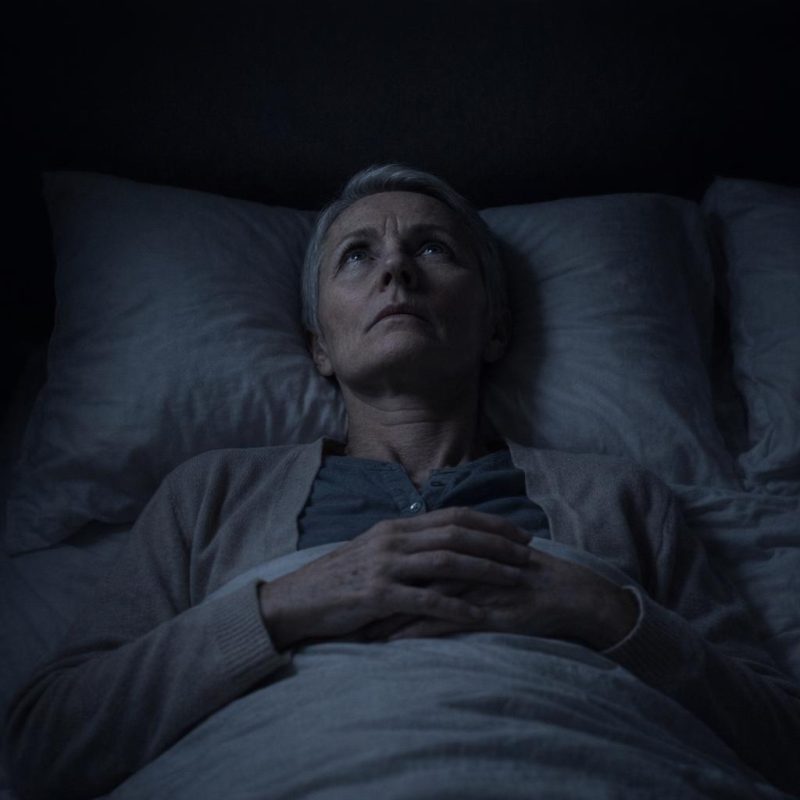 Image by RM AI
Shifting Inventory
I started keeping notes on my phone, documenting the gallery wall like a researcher tracking data. Monday: the photo of David's graduation had one red dot in the bottom right corner. Wednesday: that same frame had a tiny strip of white tape covering the dot. Friday: a new red dot appeared in the top left corner instead. The wedding photo of David and Elena that had been unmarked on Tuesday showed two red dots by Thursday. My parents' anniversary portrait gained an X symbol I hadn't seen before. I photographed the wall each morning after Elena left for her errands, comparing the images side by side. The changes followed some pattern, some system, but I couldn't crack the code. What made a frame go from one dot to two? Why did some get covered with tape while others gained new marks? The precision disturbed me most—these weren't random or accidental. Someone was updating an inventory, adjusting categories, tracking something specific. I felt like an archaeologist studying hieroglyphics in a language I'd never learned, watching the symbols shift and knowing they spelled out something important. The pattern was evolving, and I had absolutely no idea what triggered the changes or what they meant.
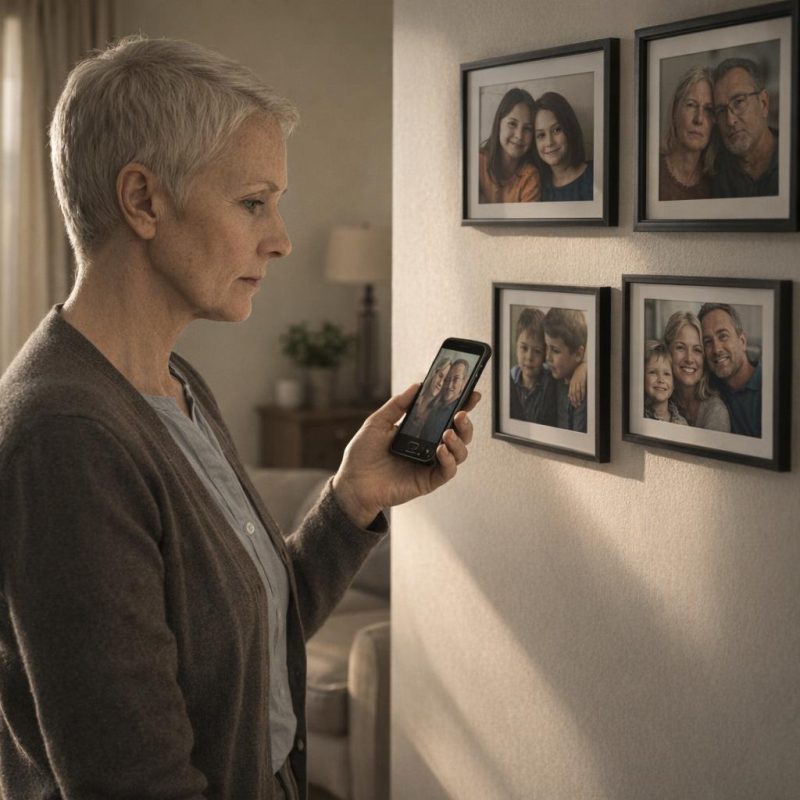 Image by RM AI
Under Observation
Elena's attention felt different now that I was watching for it. "Margaret, what time is your physical therapy tomorrow?" she'd ask over breakfast, making a note in her ledger. "And you mentioned the library on Thursday—what time will you be back?" Her smile never wavered, warm and interested. To anyone else, she'd seem like a thoughtful daughter-in-law coordinating household schedules. But I noticed how she checked the refrigerator calendar multiple times daily, how she'd glance at the garage door when I returned from errands, how she always seemed to know exactly where I was. "I'm planning grocery shopping for Tuesday afternoon," she'd say. "Will you be home, or should I get you a key made so you're not locked out?" I already had a key. The question felt like a test. When I mentioned a doctor's appointment, she asked which doctor, what time, how long it usually took. "Just so I know when to expect you back," she'd add pleasantly. I started feeling transparent, like my privacy had dissolved into shared household information. Every movement tracked, every absence noted. At the end of the week, Elena asked about my schedule for the following seven days, her pen poised over that leather ledger, her smile as pleasant as ever.
 Image by RM AI
Safe Harbor
I needed refuge, so I invited Lucas and Sophie to my suite for an afternoon of baking. We made chocolate chip cookies, and Sophie got flour in her blonde curls while Lucas carefully measured ingredients with his serious, watchful expression. We built a blanket fort using my quilts and the chairs from my sitting area, draping sheets over the top to create a cave. Inside, I read them stories by flashlight, and Sophie giggled at all the funny voices while Lucas leaned against my shoulder. For those hours, the tension dissolved. I wasn't inventory or a guest or a problem to be managed. I was just Grandma, and they were just my grandchildren, and we were safe in our fort eating warm cookies. But then Lucas looked up at me, his dark eyes too perceptive for a child his age. "Grandma, why do you look sad even when you're smiling?" The question pierced straight through me. Sophie was busy arranging stuffed animals, oblivious, but Lucas watched me with that quiet intensity he'd inherited from his father. I forced brightness into my voice. "I'm not sad, sweetheart. I'm happy to be with you." He didn't look convinced, but he didn't push. I had no answer that wouldn't worry him, no way to explain what I barely understood myself.
 Image by RM AI
The Search for Meaning
The library became my research station. I used the public computers to search for marking systems, inventory codes, cataloguing methods. What I found made my stomach turn. Museums used colored dots to track collections—red for storage, blue for display, green for loan. Estate liquidation companies marked items for sale, donation, or family distribution. Art galleries coded pieces by value, destination, timeline. Auction houses used similar systems to organize lots. Every professional system I found used the same basic approach: visual markers to categorize objects for processing, movement, or sale. The similarities to the marks on my photographs were impossible to ignore. But these were family photos, personal belongings, memories. Why would anyone apply museum archive methods to a home gallery wall? I searched for innocent explanations—organizational systems for personal collections, digital cataloguing projects—but everything led back to professional inventory management. The kind used when collections needed to be systematically processed, valued, and moved. I closed the browser and sat staring at the blank screen, my reflection ghostly in the dark glass. I'd come looking for answers and left with a question that wouldn't stop echoing: why would anyone inventory a family's belongings like they were preparing for an estate sale?
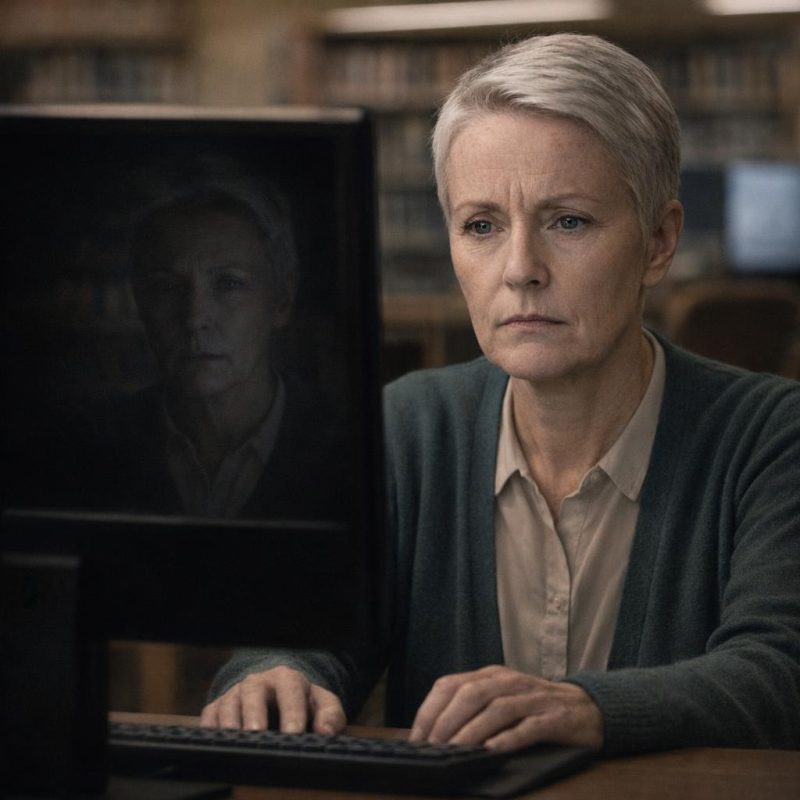 Image by RM AI
Gallery Logic
I stood in front of the gallery wall the next morning with my coffee growing cold in my hands. The red dots looked different now—not mysterious, but familiar. I'd seen this exact system before, dozens of times, in the antique shops I used to browse on Saturday afternoons. Small colored stickers marking furniture and china for the estate sales that followed someone's death or downsizing. Red meant sold, green meant hold, blue meant donate. The placement was identical—discreet, professional, systematic. I moved closer to the photographs, my breath catching. The dots weren't random. Photos with red marks clustered in one section—my wedding portrait, my parents' anniversary photo, the formal family portraits. Green dots marked candid shots and vacation pictures. Blue dots sat on duplicates and group photos where I was barely visible. Someone had categorized my family history like merchandise in a shop window. The commercial precision of it made my skin crawl. These weren't just marks—they were value assessments, sorting my memories into tiers like antiques at auction. I still couldn't prove who was doing this or what they planned to do with the information, but standing there with the morning light hitting those tiny colored dots, I felt something shift inside me. My photographs were being evaluated like inventory, and I had no idea what was being sold.
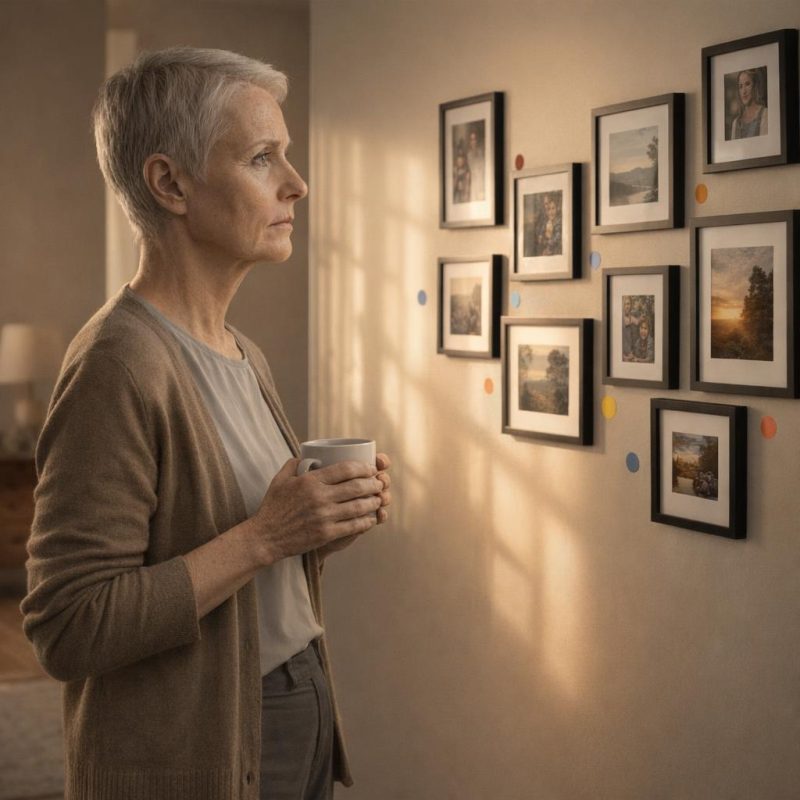 Image by RM AI
Diane's Warning
I met Diane at the café on Tuesday and told her everything. The dots, the ledger, the tracking schedule I'd found, Elena's careful monitoring of my routines. I didn't hold back or soften it, just laid out every observation I'd been collecting like evidence at trial. Diane listened without interrupting, her sharp eyes never leaving my face. When I finished, she set down her coffee cup with deliberate care. "Margaret, you need to hear this," she said. "You have no legal protection in that house. None. If things go wrong, you have nowhere to stand." The words hit like cold water. "Document everything," she continued. "Dates, times, what you've seen. Keep records somewhere they can't access." She leaned forward. "And you need to see what's in that ledger. Whatever's happening, the answers are there." I felt validated and terrified in equal measure. Having someone else confirm my instincts meant I wasn't paranoid—but it also meant the danger was real. Diane reached across the table and squeezed my hand. "We need to assume the worst and prepare accordingly," she said, and the certainty in her voice made my blood run cold.
 Image by RM AI
David's Distance
I tried to show David the photographs three times that week. Monday evening, he was on a conference call that ran past ten. Wednesday morning, he rushed out for an early meeting before I could catch him. Friday afternoon, I waited in the living room, but Elena called just as he walked in, and he spent forty minutes discussing contractor schedules while I sat there holding my cold tea. Each time, he'd kiss my forehead or squeeze my shoulder—gestures of affection that felt increasingly abstract, like he was patting a favorite chair. Saturday morning, I finally cornered him in the kitchen. "David, I really need to talk to you about something," I said. He glanced at his watch, then smiled that distracted smile I'd come to recognize. "Of course, Mom. This weekend, I promise. We'll sit down properly." He kissed my forehead and grabbed his briefcase. "I've got to run—client emergency." I followed him to the foyer, desperate. "David, just look at the wall for one second—" But he was already out the door, phone to his ear, not even glancing at the gallery as he passed. I stood there watching his car disappear down the street, and the truth settled over me like fog. My son wasn't avoiding the conversation. He simply couldn't see what I was seeing anymore.
 Image by RM AI
Paper Trail
That afternoon, I spread every document from the house purchase across my bed. Bank statements, withdrawal records, transfer confirmations—the paper trail of my decision to sell my home and move in with David's family. I went through each page twice, searching for something I must have missed. The withdrawal from my house sale: $127,000. The down payment record on this house: David Chen and Elena Chen, sole owners. I found the closing documents, the deed, the mortgage paperwork. My name appeared nowhere. No contract establishing my stake. No agreement outlining my rights. No legal claim to the property my retirement savings had helped purchase. I'd assumed family meant protection. I'd trusted that contributing to my son's home meant I'd have a home too. But the documents told a different story. I'd given David and Elena over a hundred thousand dollars, and in return, I'd received a guest room and their goodwill. Nothing more. I gathered the papers with shaking hands and filed them back in their folder. Everything was in David and Elena's names, and I'd bought my way into a home where I had no legal right to stay.
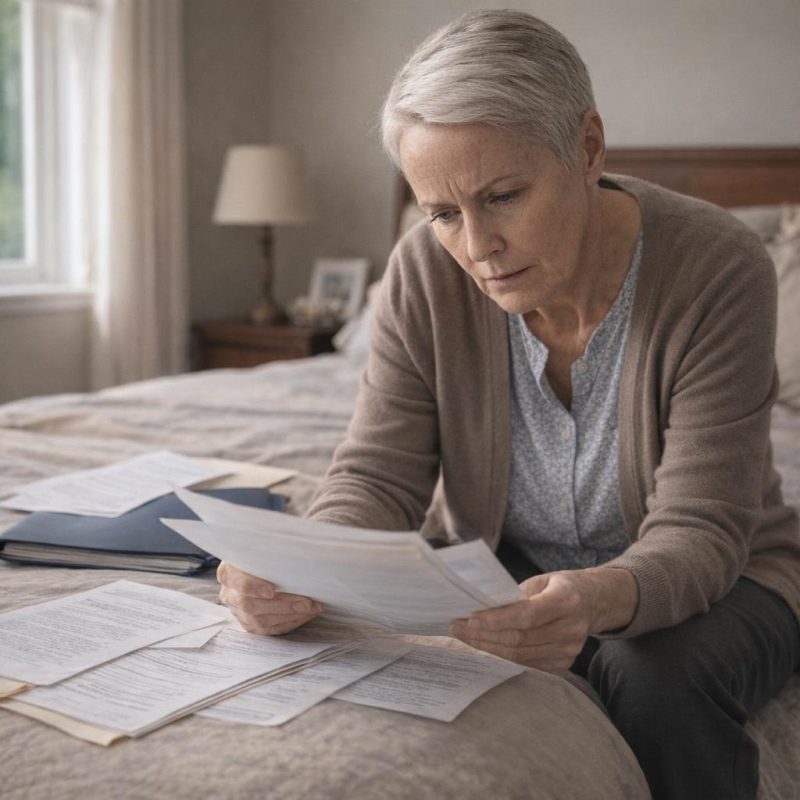 Image by RM AI
The Dinner Party
Elena hosted a dinner party Saturday night for eight of David's colleagues and their spouses. I helped set the table in the afternoon, but by evening, I found myself seated at the far end, between a junior associate and his quiet wife. Elena held court at the head, radiant in navy silk, describing their renovation vision with practiced charm. "We wanted to honor multi-generational living while maintaining sophisticated design," she explained, gesturing with her wine glass. "It's about integration, not compromise." Guests nodded appreciatively. Someone asked about the gallery wall, and Elena rose to give a tour. I watched from my distant chair as she guided them through my family history. "I curated these pieces to create visual flow," she said, indicating my parents' wedding portrait. "The vintage frames needed careful selection to complement the modern aesthetic." A woman in pearls touched Elena's arm. "You have such an eye. The way you've woven the old photographs into your design scheme—it's museum quality." Elena accepted the compliment with graceful modesty, and I sat there feeling like part of the décor. Not family. Not even guest. Just another carefully selected vintage piece, beautifully integrated into Elena's sophisticated home.
 Image by RM AI
The Waiting Game
Monday evening, I overheard David and Elena discussing their plans in the kitchen. The hospital foundation gala was Saturday night—cocktails at six, dinner at seven-thirty, dancing until eleven. "We should leave by five-fifteen to be safe," Elena said. "Traffic will be terrible." My heart started pounding before I'd fully processed why. Four hours. Maybe five if the event ran long. The house would be empty, and the office would be unguarded. I had four days to prepare myself for what I might find in that ledger, and to decide if I could live with violating their privacy. The thought made me feel sick. I'd raised David to respect boundaries, to honor other people's spaces. Now I was planning to search through his private office like a thief. But what choice did I have? I couldn't prove anything without seeing what was in that ledger. I couldn't protect myself without understanding the system those dots represented. Each day crawled past with excruciating slowness. I rehearsed my plan, then hated myself for it. I told myself I'd back out, then knew I wouldn't. Saturday was coming, and with it, the moment I'd cross a line I could never uncross.
 Image by RM AI
The Empty House
Saturday evening arrived with cruel clarity. I watched from the living room as David adjusted his bow tie in the hall mirror and Elena descended the stairs in a floor-length emerald gown. "You look beautiful," I told her, and meant it. She smiled that perfect smile. "Thank you, Margaret. Don't wait up—these things always run late." David kissed my cheek. "There's leftover chicken in the fridge, Mom. Help yourself to anything." My heart hammered so hard I thought they'd hear it, but I kept my voice steady. "Have a wonderful time." I walked them to the door, waved as they climbed into the car, stood on the porch until the taillights disappeared around the corner. The evening air was cool against my face. I could still back out. I could spend the evening watching television, reading a book, being the trustworthy mother and houseguest I'd always been. Instead, I stepped back inside and closed the door. The house fell silent around me—that particular quality of silence that comes when you're truly alone. I stood in the foyer for a long moment, listening to my own breathing. Then I turned toward the hallway, where the office door waited in the gathering dusk.
 Image by RM AI
Crossing the Threshold
My hands shook as I reached for the office door handle. It turned smoothly—they'd never locked it, never imagined they'd need to. I stepped inside and flipped the light switch. The room was exactly as I'd glimpsed it in passing: professional, organized, impersonal. A large desk dominated the space, flanked by filing cabinets and built-in shelves. David's diplomas hung on one wall. Elena's design certifications on another. The desk itself was immaculate—computer monitor, wireless keyboard, a small lamp, and a cup holding perfectly aligned pens. Everything in its place, nothing out of order. I felt like a criminal standing there, my pulse racing in my ears. This was my son's private workspace. I was violating his trust, invading his privacy, crossing every boundary I'd taught him to respect. I could still leave. Close the door, return to my room, pretend I'd never been here. But my feet carried me forward, drawn by necessity and fear in equal measure. In the center of the desk, next to a neat stack of financial folders, sat the leather ledger I'd seen Elena writing in. It looked innocuous—just a brown notebook, expensive but ordinary. I reached out with trembling fingers, and the leather was cool and smooth beneath my touch.
 Image by RM AI
Surface Examination
I lifted the ledger with both hands, feeling its weight, and opened it to the first page. My breath caught—but not because of what I'd feared. The pages were filled with ordinary household management notes. Grocery lists in Elena's neat handwriting. Appointment schedules. Budget tracking with columns of numbers that added up to normal family expenses. I turned page after page, finding nothing more sinister than meal planning and utility bills. The tension in my shoulders began to ease. I felt foolish standing there in the dark office, invading my son's privacy over what was clearly just a household organizer. Maybe I'd let my imagination run wild. Maybe the dots on the photos were just Elena's way of cataloging things, nothing more. I was being paranoid, seeing conspiracy where there was only organization. My hand moved to close the book, to put it back exactly where I'd found it and return to my room before anyone discovered me here. But as I started to shut the cover, something caught my eye—a small tab marking a section near the back, barely visible against the leather binding.
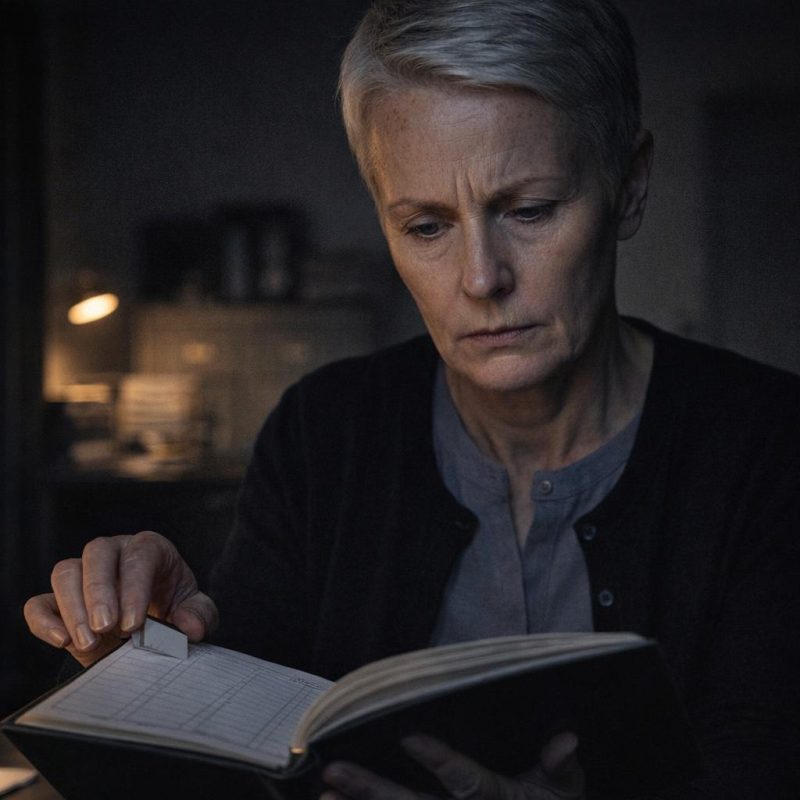 Image by RM AI
The Equity Record
I opened to the tabbed section and found myself looking at detailed financial documents. The pages were organized with the same precision as everything else, but these weren't grocery lists. These were records of the house purchase. I recognized the address at the top, the closing date from two years ago. My eyes scanned down the columns until they landed on a highlighted line item that made my chest tighten. There it was: my sixty-thousand-dollar contribution to the down payment, listed to the penny. The exact amount I'd contributed from selling my home. It was documented like a business transaction, complete with the date the funds had transferred. I stared at the number, my pulse quickening. Below the amount, in Elena's distinctive handwriting, was a notation that I had to read twice to understand. The words were simple, almost casual: 'Recovered Q4 via suite refinance.' My hands started shaking again as I held the page closer to the light.
 Image by RM AI
Deeper Layers
I forced myself to turn past the financial pages, though my fingers felt numb. The next section contained a household timeline that stretched across two full years, mapped out in quarterly segments with color-coded entries. It was impressively organized—the kind of planning document you'd see in a corporate office, not a family home. Each quarter had specific goals listed with target completion dates. Some were mundane: 'Kitchen renovation Q2,' 'Landscaping refresh Q3.' Others were more vague: 'Asset review,' 'Space assessment.' The professional formatting made everything look legitimate, businesslike. But something about seeing my life reduced to quarterly planning cycles made my skin crawl. I kept turning pages, following the timeline forward through the months. When I reached Q4 of the current year, I stopped. Several entries were circled in red ink, emphasized with asterisks. My stomach tightened as I leaned closer to read them, dreading what I'd find but unable to look away.
 Image by RM AI
Quarterly Planning
The Q4 entries used language I'd never seen in a household planner before. 'Suite optimization' was listed first, followed by 'asset reallocation' and 'space reconfiguration.' The terms were deliberately vague, corporate-speak that could mean anything or nothing. But I didn't need a business degree to start connecting the dots. There was only one suite in this house—mine. The basement suite they'd built for me, that I'd helped pay for with my equity contribution. I read the entries again, trying to find another interpretation, some other meaning that would make sense. Asset reallocation. What asset? The suite itself? Or something else? My mind raced through possibilities, each one worse than the last. The professional tone of the language made it somehow more chilling than if they'd written something explicit. This wasn't emotional or impulsive. This was planned, documented, organized. The fear settled in my chest like ice—I was the asset being reallocated, and my legs went weak at the thought.
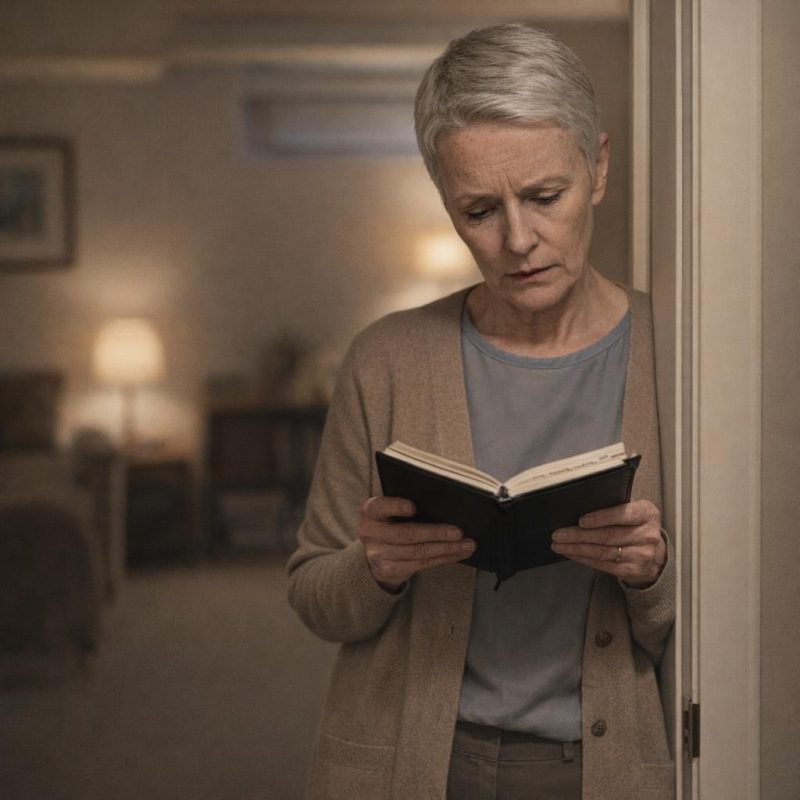 Image by RM AI
Coded Sections
I turned another page and found a section filled with abbreviations and coded entries. At the top was a key explaining the system: different areas of the house had coordinate references, like a grid. Items were categorized with shorthand notations I had to decode using the legend. LR for living room, MBR for master bedroom, BS for basement suite. My suite. The coding system was complex but methodical, the kind of inventory you'd create for a business, not a home. I started matching codes to physical locations, my mind mapping the house as I read. Kitchen coordinates. Hallway sections. Then my eyes caught on a specific entry that made me stop breathing. The coordinates listed matched exactly—I was certain of it—the position of the gallery wall in the upstairs hallway. The wall where all our family photos hung. The wall I'd walked past every day, noticing those small colored dots without understanding what they meant. Now I was holding the key to the system, and I wasn't sure I wanted to know what it unlocked.
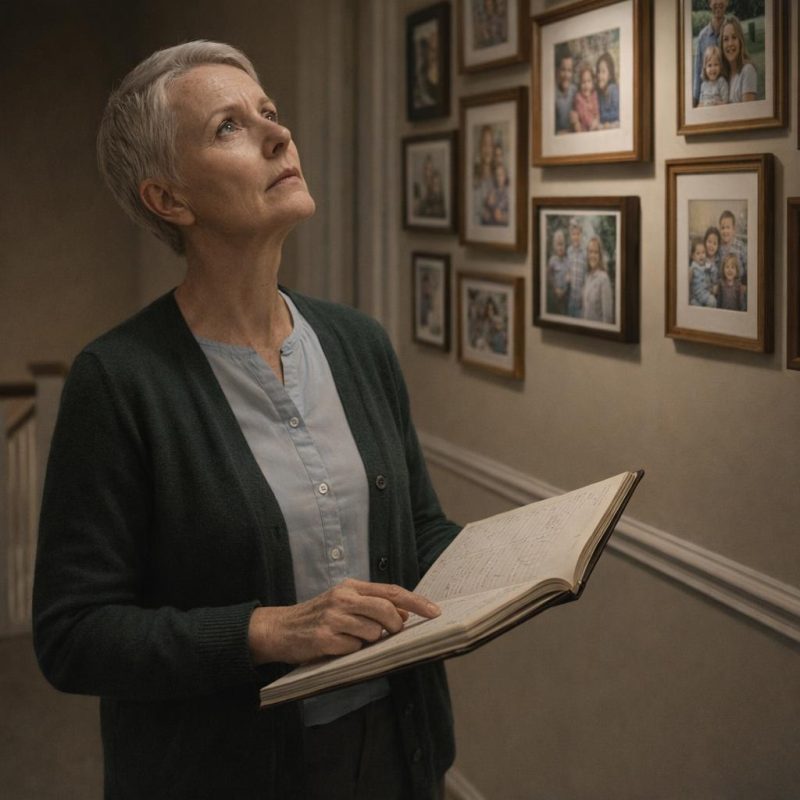 Image by RM AI
Phase 2
My hand froze on a page that was different from the others. This one wasn't printed or typed—it was handwritten in Elena's precise script, the letters perfectly formed. At the top, underlined twice, was a title that made my heart skip: 'Phase 2: Transition.' The word 'transition' hung in my mind like a threat. Transition to what? From what? I wanted to close the book, to unsee what I was reading, but my eyes wouldn't move away from the page. Below the title was a legend, another key to another system I hadn't known existed. My hands trembled so badly I had to set the ledger down on the desk to keep reading. The legend explained a marking system—dots and symbols that corresponded to different categories. I thought of the photos in the hallway, the dots I'd noticed on the frames. My breath came shallow and fast as I read the first entry in the legend, understanding beginning to dawn like a cold sunrise.
 Image by RM AI
The Timeline
The Phase 2 section contained a timeline, and I read it with growing horror. Q4 appeared repeatedly, circled and starred like a deadline that couldn't be missed. One entry made my blood run cold: 'Legal transition pending suite vacancy.' The language was matter-of-fact, bureaucratic, as if discussing office space rather than someone's home. Suite vacancy. I was the only person living in the suite. The timeline expected me to be gone by the end of the year—that much was clear, even though I didn't want to believe it. I read the entry three times, four times, hoping I was misunderstanding the corporate language, hoping there was some other interpretation I was missing. But the words didn't change. Legal transition. They were planning something that required paperwork, formal changes, official documentation. And it all hinged on me being gone. I refused to believe what I was reading, even as the evidence sat in front of me in Elena's careful handwriting.
 Image by RM AI
The Categories
I found the complete legend on the next page, and my world tilted. The marking system was laid out in clear, simple terms. One dot meant 'Keep for Resale Value'—items worth money. Two dots meant 'Storage After Q4'—things to pack away once the deadline passed. Three dots meant 'Archive/Digital Only'—photograph it, then get rid of the physical object. Each category was clinical, efficient, reducing our family's possessions to inventory items. My eyes moved down to the final category, and I felt the floor drop away beneath me. A small X symbol was defined as 'Dispose/Donate.' Throw away. Get rid of. Eliminate. And suddenly I was back in the hallway, seeing those photographs in my mind with perfect clarity. The images of me holding baby David. Me at my college graduation. Me and Robert on our wedding day. Every photograph marked with that small X had featured only me—no one else, just me alone. They were cataloging my life, deciding what to keep and what to throw away, and I was in the disposal category.
 Image by RM AI
The Legend Page
I read the legend page three times. Then four. My eyes traced over the same words again and again, trying to make them mean something different than what they clearly said. Keep for Resale Value. Storage After Q4. Archive/Digital Only. Dispose/Donate. The categories blurred together as I stared, my hands trembling so badly the ledger shook. I wanted to close it, to shove it back in the drawer and pretend I'd never opened it. But I couldn't stop reading. The clinical precision of it felt inhuman—like someone had taken our family's entire history and reduced it to inventory management. How could Elena write these things in her neat handwriting, with her careful little symbols, while serving me tea and asking about my day? I thought about her warmth, her enthusiasm, the way she'd hugged me when I first arrived. The ledger felt impossibly heavy in my hands, like it weighed more than paper should. I forced myself to keep looking at the page even though everything in me wanted to run. My vision started to blur, and I realized my eyes were filling with water. I had to look away from the page because I couldn't see the words anymore through the tears.
 Image by RM AI
Resale Value
I blinked hard and looked back down at the first category. Keep for Resale Value. The phrase sat there on the page, so matter-of-fact, so businesslike. Resale value. Like the photographs on the gallery wall were merchandise to be appraised and sold. I thought about Elena standing in the hallway with her measuring tape, deciding exactly where each frame should hang. I'd thought she was creating a tribute to our family, a visual history that honored the people we'd been and the moments we'd shared. But now those careful measurements felt different. Had she been calculating sight lines for potential buyers? Staging the space to maximize the home's appeal? The gallery wall transformed in my mind from something loving into something transactional—a curated display designed to add value to the property. Every aesthetic choice she'd made, every compliment about how the photos brought warmth to the space, suddenly felt like economic calculation dressed up as sentiment. The house itself began to feel like a staged property, not a home. Everything Elena had done with such apparent care might have been about increasing value, not creating family memories. The photographs Elena had so lovingly framed were investments, and I began to wonder what that made me.
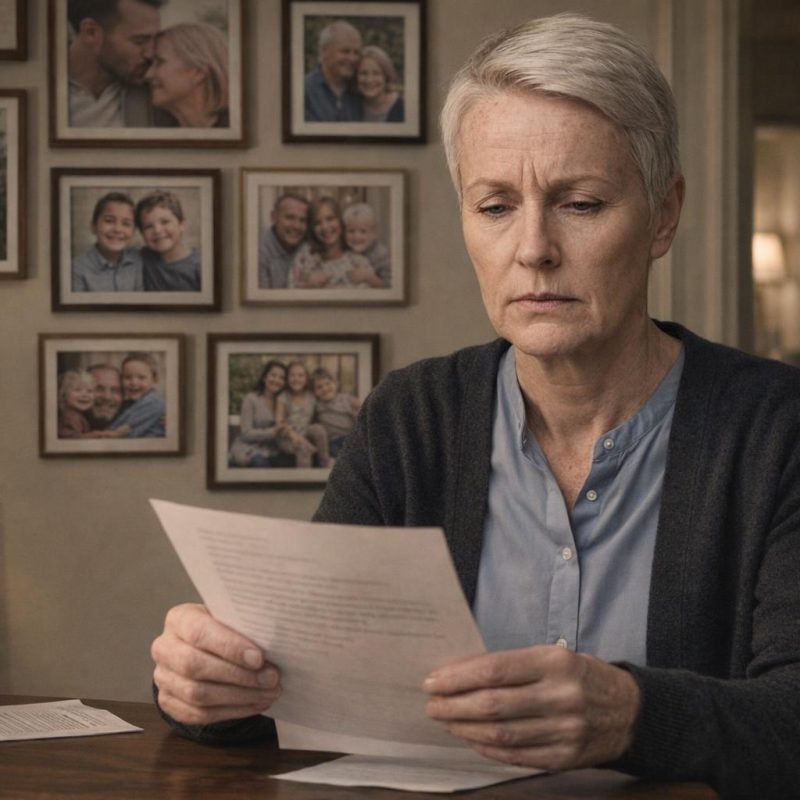 Image by RM AI
After Q4
My finger traced over the second category. Storage After Q4. I counted backward in my head—we were in early October now. Q4 ended December thirty-first. Less than three months away. The notation appeared throughout the ledger next to various items, always with that same clinical efficiency. Things to be packed away once the deadline passed. Temporary keeping before something else happened. I flipped back through the pages and found the suite refinance notation again, the one marked for Q4 completion. My chest tightened like someone was pulling a cord around my ribs. The timeline wasn't random. Everything was scheduled to happen at the end of the year—the refinance, the storage, the transition to whatever Phase 2 meant. I saw my own photographs in my mind, the ones marked with two dots. They were scheduled for storage after Q4, right along with the seasonal decorations and the furniture that would no longer fit. The countdown wasn't abstract anymore. It was personal. It was about me. Q4 was less than three months away, and my photographs were scheduled for storage right along with the rest of the things that would no longer fit.
 Image by RM AI
Dispose/Donate
Then I found it. The final entry in the legend. X means Dispose/Donate. My breath stopped. Every photograph marked with that small X flashed through my memory with perfect clarity—me holding baby David, me at my college graduation, me and Robert on our wedding day. Every single one featured only me. No one else. Just me alone. The pattern wasn't coincidence. It was deliberate erasure. Elena had marked every trace of my individual existence for disposal while keeping the photos that showed me as part of the family unit, the ones that had resale value for staging a multigenerational home. I understood everything now. Elena had never intended for me to stay permanently. My equity contribution wasn't an investment in our shared future—it was the price of temporary shelter, a transaction disguised as family. Her design work wasn't about honoring my life. It was cataloging which parts had value and which could be thrown away. The helpful schedule wasn't kindness. It was tracking my movements, planning around my routines, counting down to my removal. I was never family to her. I was an investment with an expiration date. Elena hadn't been decorating a home for me to grow old in; she had been staging a house for a future that was never meant to include me at all.
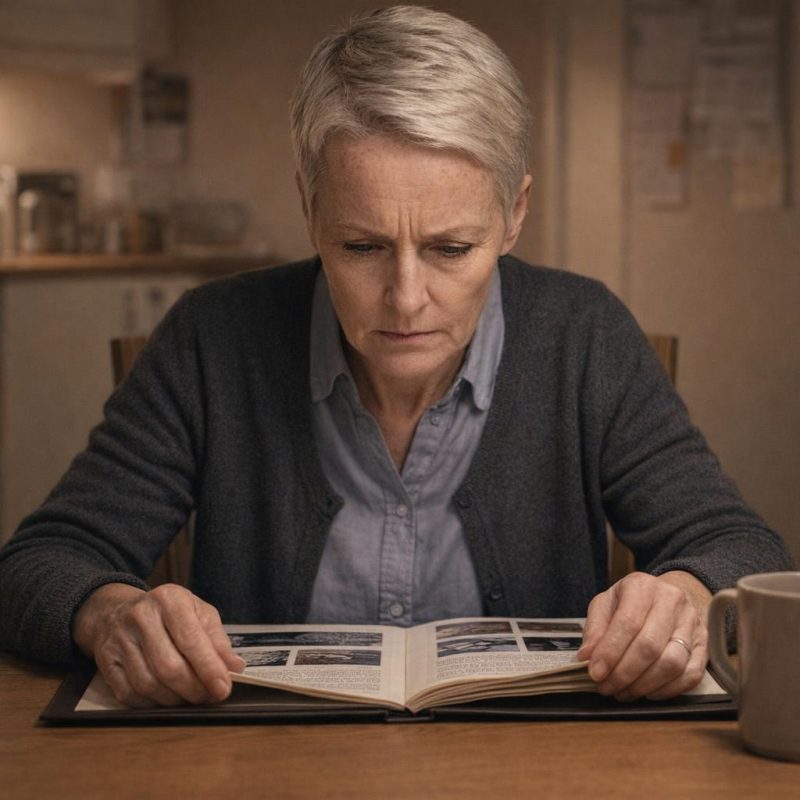 Image by RM AI
The Weight of Knowing
I couldn't stand up. My legs wouldn't work. I sat on the cold office floor with the ledger open beside me, staring through the doorway at the gallery wall in the hallway beyond. Every frame hung exactly where Elena had placed it, perfectly aligned, beautifully lit. I could see the red dots from here, faint but visible in the soft hallway light. They glowed like price tags on a life I'd given everything to build. Time felt suspended, like I was underwater, watching my own drowning from a distance. My mind replayed every kind gesture Elena had made since I'd arrived—the welcome dinner, the carefully chosen bedding, the framed photographs, the morning coffee routine. All of it looked different now. The dinners had kept me grateful and compliant. The gifts had made me feel valued while my equity disappeared into their investment. The in-law suite had been designed for temporary occupancy and future rental income, not for me to age in place surrounded by family. I sat in the dark office as the truth settled into my bones like cold. The red dots glowed faintly in the hallway light like price tags on a life I had given everything to build.
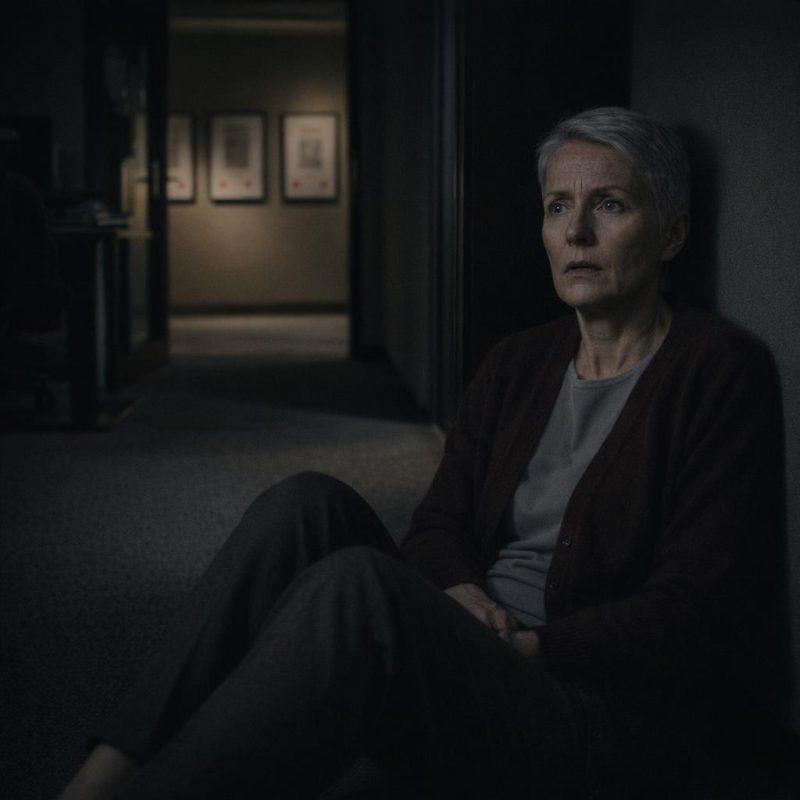 Image by RM AI
Before They Return
I don't know how long I sat there. But eventually I heard it—the distant sound of a car engine, still blocks away but getting closer. David and Elena were coming home from the gala. Survival instinct kicked in through the numbness. I couldn't be found here. I forced myself to stand on shaking legs and carefully closed the ledger, making sure it was positioned exactly as I'd found it. My hands trembled as I straightened the papers on Elena's desk, checking that nothing looked disturbed. I scanned the office one more time, then walked on unsteady legs back through the dark house to my suite. I heard their car pull into the driveway just as I reached my door. I grabbed a book from my nightstand and sat down in my reading chair, arranging my face into something that resembled calm. Footsteps on the front porch. Keys in the lock. I opened the book to a random page and stared at words I couldn't read. The door opened and I heard Elena's laugh, bright and warm, telling David something about the silent auction. I heard their car pull into the driveway and arranged my face into the expression of someone who had spent a quiet evening reading.
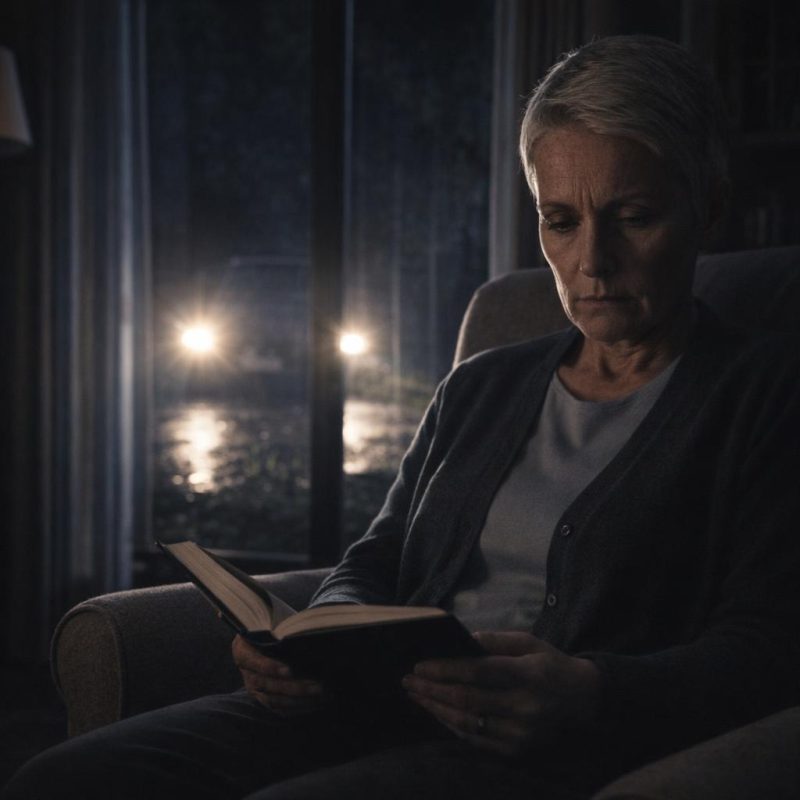 Image by RM AI
The Call
I spent the weekend maintaining a fragile facade, smiling when they smiled, nodding when they spoke. Monday morning finally came. David left for work at seven-thirty. Elena followed at eight-fifteen, her heels clicking across the hardwood as she called goodbye. I waited until her car disappeared down the street, then went to my dresser and pulled out the small card Diane had given me weeks ago. Robert Chen, Elder Law Attorney. My hands shook as I dialed the number. A professional voice answered—his secretary, calm and efficient. I tried to explain without falling apart. I needed help. I needed to speak with Mr. Chen. Something in my voice must have conveyed urgency because she didn't ask me to wait for an opening next week. She put me on hold, came back, and said Mr. Chen could see me at two o'clock that afternoon. I felt something spark in my chest, small but real. Not hope exactly, but something close to it. Agency. The possibility of action after days of paralysis. Robert Chen's secretary scheduled an appointment for that afternoon, and I felt the first ember of fight spark in my chest.
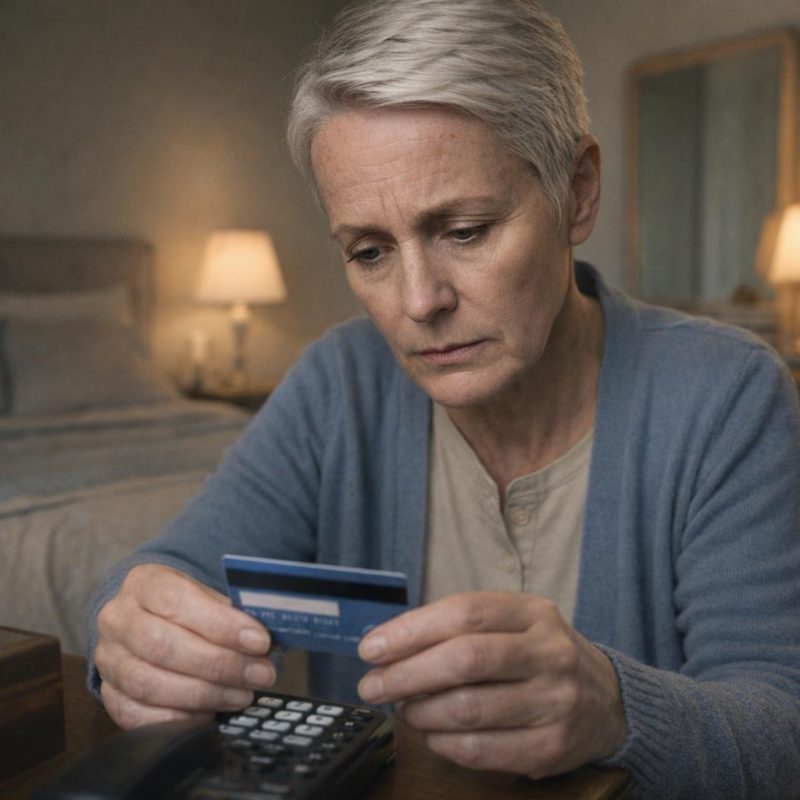 Image by RM AI
The Hard Truth
Robert Chen's office was quiet and professional, with diplomas on the wall and family photos on his desk. He listened to my entire story without interrupting, his expression calm and focused. I told him about selling my house, about the equity contribution, about the ledger and the marking system and the Q4 timeline. I showed him the documents I'd brought—the closing papers, the deed with only David and Elena's names, the bank statements showing my wire transfer. He reviewed everything carefully, then looked up at me with kind eyes that held difficult truth. Without documentation establishing a loan or investment agreement, I had no legal ownership stake in the house. My contribution would be treated as a gift. He explained it gently but clearly—recovering funds without written agreements was nearly impossible. But then he leaned forward slightly and mentioned another possibility. Financial elder abuse. If I could prove Elena had intentionally deceived me, had planned from the beginning to take my money and remove me from the home, there might be a legal avenue forward. I would need evidence of intent, not just loss. Documentation of the plan. Proof of deliberate exploitation. My retirement savings were gone, but Robert said there might still be a path forward if I could prove financial elder abuse.
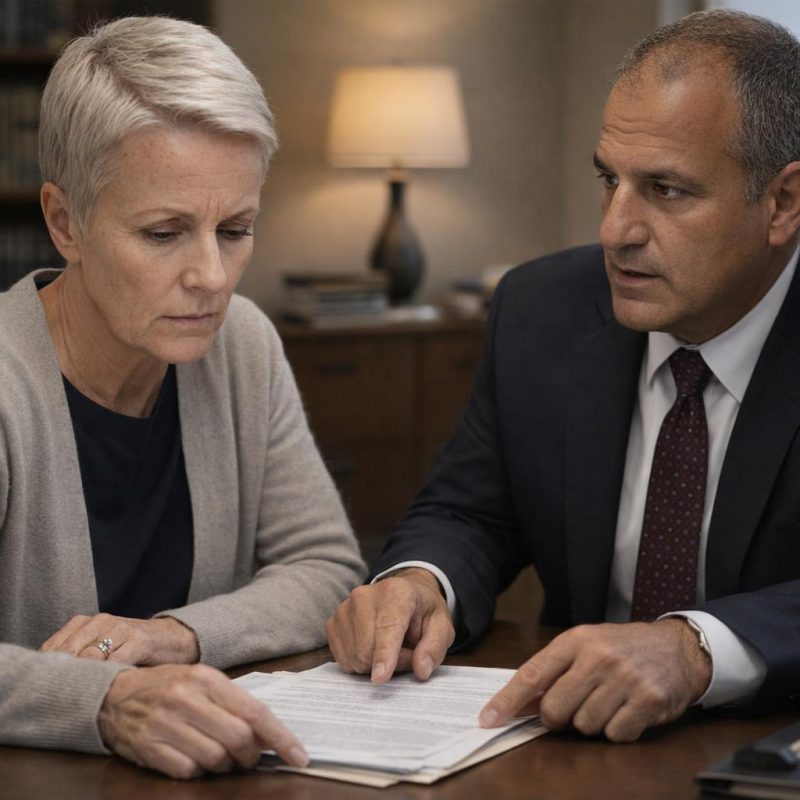 Image by RM AI
Building a Case
Robert leaned back in his chair and explained what financial elder abuse actually meant in legal terms. It wasn't just about losing money—it was about proving someone had deliberately exploited my age and trust to take my assets. He said I had several things working in my favor. The bank records showing my equity transfer were solid documentation. The fact that my name wasn't on the deed despite my contribution raised questions. But the ledger—that was the key piece. That showed premeditation. Intent. A plan to take my money and remove me from the home I'd helped purchase. He warned me that pursuing this would be brutal. Elena would hire her own attorney. David would be caught in the middle. The family relationship would likely be destroyed beyond repair. I sat there looking at my hands, at the wedding ring I still wore after all these years, and thought about what silence would cost me instead. Being erased. Forgotten. Treated as disposable. Robert said he would represent me if I chose to move forward, but I needed to understand what I was choosing. I looked up at him and said I understood perfectly. I left the attorney's office knowing exactly what I needed to do and terrified of what it would cost me.
 Image by RM AI
The Evidence
I waited three days for the right opportunity. David had a client dinner on Thursday evening, and Elena always accompanied him to those. I watched them leave, Elena in a navy dress that probably cost more than my monthly budget, David adjusting his tie in the hallway mirror. I waited until their car disappeared down the street. Then I went to the office with my phone in my hand, the way Diane had taught me weeks ago when she'd shown me how to take clear photos. My hands shook as I opened the desk drawer. The ledger was exactly where it had been before. I photographed every page of the Phase 2 Transition section. The legend with its symbols. The timeline with Q4 circled. The marking system applied to my photographs. The financial planning pages showing my equity contribution and the suite refinance notation. I checked each image twice to make sure it was clear and readable. The evidence was there now, captured in pixels on a device I barely understood how to use. I returned everything to its exact position and went back to my room. I had proof now, captured in pixels, but using it meant detonating the only family I had left.
 Image by RM AI
The Request
I found David in the kitchen on Tuesday morning, making coffee before work. Elena was upstairs getting ready. I kept my voice calm and casual when I asked if we could have a family meeting this weekend. Just the three adults. There were some things we needed to discuss about the living arrangement. He looked up from the coffee maker with a puzzled smile and asked if everything was okay. I assured him everything was fine, just some practical matters we should talk through together. He agreed easily, suggesting Saturday afternoon. Elena appeared in the doorway then, perfectly put together in cream-colored slacks and a silk blouse. She asked what we were planning, and David explained about the family meeting. Her eyes met mine for just a moment. I saw something flicker there—not quite alarm, but a sharpening of attention. She asked if there was a problem, her tone light but watchful. I smiled and said no problem at all, just things we should discuss as a household. She nodded slowly, her expression pleasant and unreadable. David went back to his coffee, oblivious. But Elena watched me for another beat before turning away. David agreed with a puzzled smile, and Elena's eyes flickered with something I couldn't quite read.
 Image by RM AI
The Confrontation
Saturday afternoon arrived with clear autumn sunlight streaming through the living room windows. I'd printed the photographs at the library earlier that week, paying cash so there'd be no record on any shared accounts. David and Elena sat together on the sofa, and I took the chair across from them. I didn't make small talk. I placed the printed photographs of the ledger pages on the coffee table between us, spreading them out so every page was visible. I asked Elena to explain Phase 2: Transition. David leaned forward, confused, picking up the pages to examine them. I watched his face as he tried to make sense of what he was seeing. Elena went very still beside him. I pointed to the legend, explaining what each symbol meant. The circles for items to keep. The X marks for disposal. The triangles for items to be relocated. Then I showed David the photographs of my belongings, each one marked with Elena's careful notation. My parents' wedding photo. My nursing school graduation. The picture of David as a baby. All marked with X. All scheduled for disposal in Q4. Elena's face went pale as she recognized her own handwriting on the pages spread before her.
 Image by RM AI
Deflection
Elena recovered faster than I expected. She straightened her shoulders and explained that I'd completely misunderstood what I was looking at. The ledger was just long-term household planning, she said. Organization for future redecorating projects. David wanted to believe her—I could see the relief starting to form on his face. Elena's voice was calm and reasonable as she explained that the marks were aesthetic categorization, nothing more. She said she'd been planning to refresh the décor in a few years and was simply noting which items fit the vision she had in mind. It sounded plausible the way she said it. Almost innocent. David nodded slowly, looking between us. But I'd prepared for this. I picked up one specific page and asked Elena a direct question. If the marks were about aesthetic planning, why was every photograph featuring me alone marked with an X for disposal? Why were the photos of David with his father marked to keep, but the ones of me by myself all scheduled for removal? Elena opened her mouth, then closed it. She tried to explain that those particular photos didn't fit the color scheme she was planning. But when I asked why every photograph featuring me alone was marked with an X for disposal, Elena's explanation faltered.
 Image by RM AI
The Fracture
David set down the pages and looked at Elena with an expression I'd never seen on his face before. He asked her directly about the Q4 timeline. About the suite refinance notation. About why my equity contribution appeared in her planning documents if this was just about redecorating. Elena's answers became less smooth, less certain. David turned to me and asked if I was absolutely sure about my interpretation. I showed him the bank records I'd brought—the wire transfer of my home equity, the closing documents with only his and Elena's names on the deed. I explained that despite contributing nearly two hundred thousand dollars, I had no legal ownership stake in this house. I watched my son's face as he processed what that meant. As he understood that someone had planned this. The physical space between David and Elena seemed to widen even though neither of them moved. He looked at his wife with something like horror dawning in his eyes. Then he looked at me. I couldn't tell which version of reality he wanted to be true—the one where his wife was innocent, or the one where his mother wasn't losing her mind. I watched my son's face as he understood that someone he loved had been lying to him, and I couldn't tell which of them he would choose to believe.
 Image by RM AI
The Truth Emerges
Elena stopped trying to deflect. She set her hands in her lap and admitted that yes, she had always known the arrangement would be temporary. My equity contribution was necessary for the down payment—they couldn't have afforded the house without it. But my permanent residence was never part of the long-term plan. She said it as if it were perfectly reasonable. As if I should have understood from the beginning. David stared at her like she was speaking a foreign language. He asked if she'd discussed this timeline with him, and Elena hesitated before saying she'd been protecting him from difficult conversations. She'd assumed I understood this was a transitional arrangement. That the equity would be repaid once they refinanced. That I would eventually move to a senior community where I'd have more appropriate care and social opportunities. She actually used those words—more appropriate. As if living with my own son was somehow unsuitable. David asked her directly if she'd ever intended for me to stay permanently, and Elena met his eyes and said no. She'd seen this as a practical solution to a financial need, not a forever arrangement. She said it as if it were perfectly reasonable, as if I should have understood from the beginning that family didn't mean forever.
 Image by RM AI
The Ultimatum
I'd been silent long enough. I looked at both of them and stated my position clearly. I would not be quietly disposed of like an outdated piece of furniture. I wanted my equity returned in full, or I wanted a legal ownership stake in the property that reflected my contribution. I told them I had consulted with Robert Chen, an elder law attorney who specialized in financial abuse cases. He was prepared to pursue legal action if necessary. The words hung in the air like smoke. David's face went white. But Elena's expression transformed into something I'd never seen before. The warmth drained away completely, replaced by something cold and sharp. She accused me of threatening to destroy this family over a misunderstanding. I corrected her—there was no misunderstanding. She had taken my money with no intention of honoring the permanence I'd been promised. David tried to speak, tried to mediate, but Elena cut him off. She asked if I understood what legal action would do to David's reputation, to their finances, to the children's stability. I met her eyes and said I understood perfectly. I also understood what being erased from my own life would do to me. Elena's face hardened into something I had never seen before, and the woman who had seemed so warm revealed edges sharp enough to cut.
 Image by RM AI
Breaking Point
Elena's voice turned ice-cold as she informed me that she had documentation proving my contribution was a gift, not an investment. She would fight any legal claim I made, and she would win. I pulled out my phone and showed her the screenshots I'd taken of her planning documents, the ones where she'd mapped out how to gradually erase me from the house. Robert had already reviewed them. They showed premeditation, a systematic plan to isolate and exploit an elderly woman. David's head snapped up. He asked what planning documents. Elena's face went rigid. I explained that I'd found her notes months ago, detailing exactly how she would make me feel unwelcome until I either gave up my claim or became too confused to fight back. David looked at his wife like he'd never seen her before. He asked if this was true. Elena didn't answer him. Instead, she told me I had one week to leave her house. I stood up, my legs steadier than they'd been in months. I told her I'd be gone in three days. David begged us both to stop, to find another way, but neither of us was listening anymore. David sat with his head in his hands as I walked to my suite to begin packing, and Elena was already on the phone with her own attorney.
 Image by RM AI
Moving Day
Diane showed up at eight in the morning with her sedan and a thermos of coffee, ready to help me reclaim my life. We worked methodically through my suite, packing my clothes, my books, the photographs that had survived Elena's marking system. I left behind the decorative pillows she'd chosen, the artwork she'd hung, anything that belonged to her vision of the house rather than to me. The studio apartment Diane had found was small, just one room with a kitchenette and a bathroom, but the lease was in my name alone. We made three trips, loading boxes into her car while David stayed in his home office and Elena remained conspicuously absent. On our final load, as I was carrying out the last box of photographs, I heard small footsteps running across the driveway. Sophie appeared in her pajamas, her face streaked with tears. I knelt down despite my hip's protest and told her that sometimes grown-ups need their own space, that it didn't mean I loved her any less. I promised her I'd see her every week, that she and Lucas could visit my new apartment anytime. Sophie ran out to the driveway crying and asked why Grandma was leaving, and I had to find words that wouldn't make a six-year-old hate her mother.
 Image by RM AI
The Settlement
Robert called me into his office five weeks after I'd moved out to review the settlement offer. Elena's attorney had pushed back hard at first, but the threat of filing elder abuse claims in public court had motivated a compromise. David had apparently advocated privately for returning more of my money, though he'd never called me directly to say so. The final offer was sixty percent of my original equity, roughly one hundred and ninety thousand dollars. It wasn't the full three hundred and twenty thousand I'd contributed, but Robert explained that without a written contract, this was actually a strong outcome. I would have to sign a release waiving all future claims against David and Elena. I sat in Robert's quiet office, looking at the settlement documents, feeling the weight of partial justice. It wasn't everything I'd lost, but it was enough to start over, enough to live independently for years if I was careful. I signed my name on each page, my hand steadier than I expected. Robert handed me the check a week later in that same office. The check felt like defeat and victory simultaneously, not enough to replace everything I had lost but enough to start again.
 Image by RM AI
A Smaller Life
I hung my late husband's portrait above the small sofa in my studio apartment, right where I could see his face every morning. No red marks, no system of erasure, just his smile looking back at me in the space that was entirely mine. The apartment was modest, nothing like the house I'd imagined sharing with my family, but every item in it belonged to me. Diane visited twice a week, and our friendship had deepened into something that felt like family in its own right. David brought Lucas and Sophie every Saturday afternoon, though he rarely stayed long and our conversations remained stiff and careful. Elena never came, which suited everyone involved. The children seemed lighter during these visits, free to be themselves without performance or judgment. Lucas had started bringing me drawings from school, and Sophie still climbed into my lap to read stories. On this particular Saturday, I'd set out cookies and juice boxes, arranged the small space to welcome them. When the doorbell rang and I saw my grandchildren's faces through the window, I understood that the family I had left was different from the one I had imagined, but it was still mine.
 Image by RM AI
KEEP ON READING

The story of Ching Shih, the Woman Who Became the…
Unknown author on WikimediaFew figures in history are as feared…
By Emilie Richardson-Dupuis Dec 29, 2025
Einstein's Violin Just Sold At An Auction—And It Earned More…
A Visionary's Violin. Wanda von Debschitz-Kunowski on WikimediaWhen you hear…
By Ashley Bast Nov 3, 2025
This Infamous Ancient Greek Burned Down An Ancient Wonder Just…
History remembers kings and conquerors, but sometimes, it also remembers…
By David Davidovic Nov 12, 2025
The Mysterious "Sea People" Who Collapsed Civilization
3,200 years ago, Bronze Age civilization in the Mediterranean suddenly…
By Robbie Woods Mar 18, 2025
20 Greatest Ancient Athletes In History
Ancient Olympics. Long before modern stadiums and multimillion-dollar endorsements, athletes…
By Sara Springsteen May 1, 2026
20 Soldiers Who Defied Expectations
Changing the Rules of the Battlefield. You’ve probably heard plenty…
By Annie Byrd Feb 10, 2026