

My Stepkids Cut Me Off After My Husband Passed—And Their Reason Was Something I Never Expected…
My Stepkids Cut Me Off After My Husband Passed—And Their Reason Was Something I Never Expected…
The Empty House
Three weeks after David's funeral, I sat alone in our living room and realized the phone hadn't rung in days. The house felt too big suddenly, like it had expanded in his absence, all these rooms we'd filled with twenty-three years of marriage now echoing with nothing. I kept catching myself listening for his footsteps on the stairs, the sound of his keys in the door, that little throat-clearing thing he did before telling me about his day. The photos on the mantel stared back at me—Michael's college graduation, Rachel's wedding, Jennifer's thirtieth birthday party right here in this room. We'd been a family. I knew we had been. His laugh lines were proof of that, visible in every picture, the way he'd pull all three kids close and beam like he'd won the lottery. I'd been there for all of it. Driven to soccer practices, helped with college essays, held Rachel's hand through her divorce. But now the silence pressed against my eardrums like I was underwater. No calls. No texts. No one stopping by to check if I was eating, sleeping, breathing. I told myself they were grieving too, that everyone processes loss differently, that I shouldn't take it personally. The silence felt louder than any argument we'd ever had.
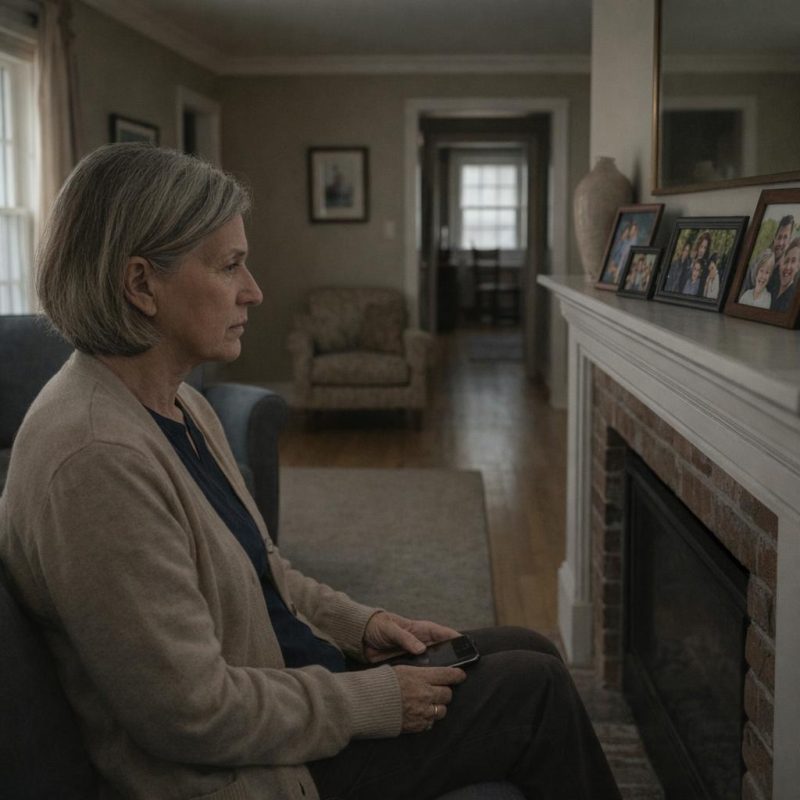 Image by RM AI
Unanswered
I sent careful texts to each of them, asking how they were doing, and watched the messages go unread for days. I must have typed and deleted a dozen versions before settling on something simple for Michael: "Thinking of you. Hope you're holding up okay." For Rachel, I added a heart emoji, then deleted it, then added it back. Jennifer got the softest version: "Miss you. Here if you need anything." I hit send on all three within ten minutes of each other, then immediately regretted the timing—would they think I was being pushy? Needy? The little "Delivered" notification appeared under each one, and I found myself checking my phone every few minutes like a teenager waiting for a crush to respond. Days crawled by. The messages stayed on "Delivered" for Michael and Jennifer. Rachel's never even showed that status, like her phone was off or something. Then, four days later, Michael's switched to "Read." My heart actually jumped. I waited an hour. Then two. Then the whole evening. Nothing. He'd seen it and chosen not to respond, and somehow that felt worse than being ignored. I told myself he was overwhelmed, that words were hard right now, that silence didn't mean rejection. When Michael's message finally switched to 'read,' he didn't respond.
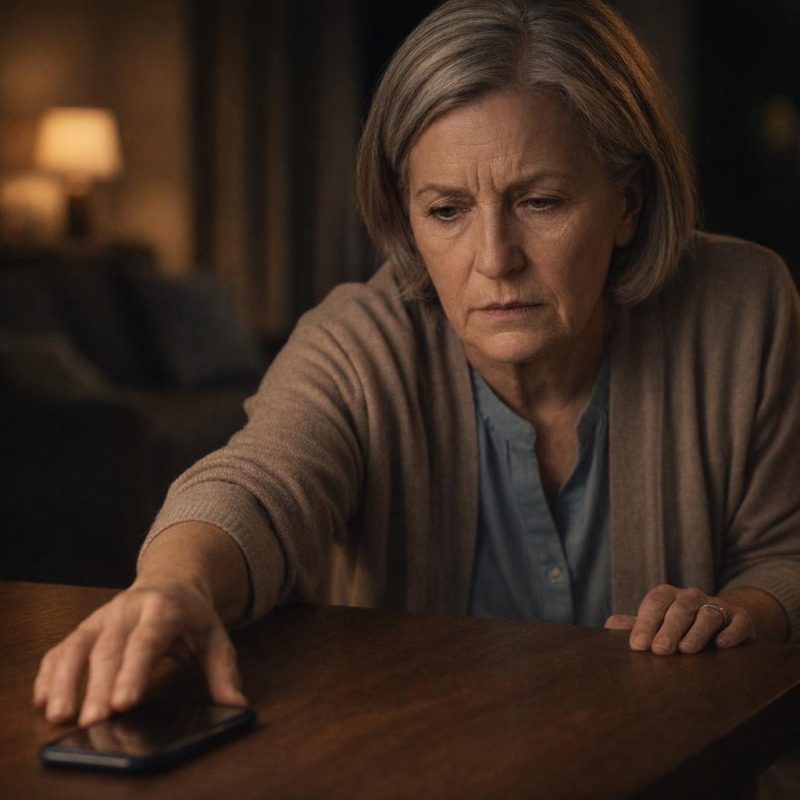 Image by RM AI
Rachel's Birthday
Rachel's forty-first birthday came and went without a word between us, and I stared at the wrapped gift on my kitchen counter until the date had passed. I'd bought it six weeks earlier, before David got sick, before everything fell apart—a first edition of her favorite childhood book that I'd found at an estate sale. The wrapping paper had little watercolor flowers on it, the kind she used to draw in the margins of her notebooks. I'd written the card three times, trying to find the right words that wouldn't sound desperate or intrusive. "Happy Birthday, sweetheart. So proud of the woman you've become. Love always." The morning of her birthday, I picked up my phone a dozen times, putting it down each time. Would a call be too much? Should I text first? Drop it off at her house? But what if she wasn't home, or worse, what if she was home and didn't answer the door? Finally, at noon, I called and left a voicemail singing happy birthday, my voice cracking halfway through like I was the one turning forty-one. The gift sat there for three more days before I tucked it into the hall closet, still wrapped. I realized I didn't even know if she'd want to hear from me anymore.
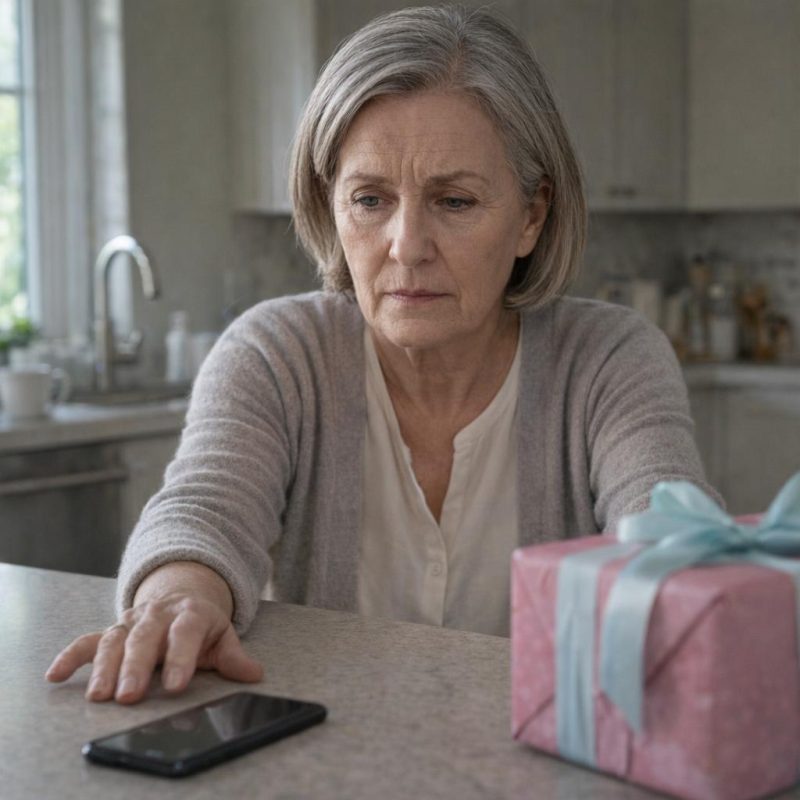 Image by RM AI
The Photos
A mutual friend's social media post showed all three of them together at a restaurant, smiling, and I learned they weren't too grief-stricken to gather—just too something to include me. Susan had tagged them in a photo from her daughter's engagement party—an event I hadn't even known was happening. There they were: Michael with his arm around Jennifer, Rachel raising a champagne glass, all of them dressed up and looking almost normal. Almost happy. The post was from two nights ago. Two nights ago, while I was microwaving soup and wondering if I should try calling again, they'd been together. Celebrating. The caption read "So glad the whole family could make it!" and I read it five times, looking for some hidden meaning in the exclamation point. I clicked on the photo to enlarge it, studying their faces like a detective searching for clues. Michael's smile didn't quite reach his eyes, but he was smiling. Rachel looked polished and put-together, her hair done, makeup perfect. Jennifer was mid-laugh at something someone had said. They were functioning. They were capable of putting on nice clothes and showing up for people. Just not for me. I zoomed in on their faces, searching for answers in their expressions.
 Image by RM AI
More Silence
I tried calling Jennifer because she'd always been the softest, the most likely to crack, but her phone went straight to voicemail like she'd turned it off. No ringing. Just that immediate click into her recorded message, her voice bright and cheerful: "Hey, you've reached Jen! Leave me a message and I'll call you back!" Except she wouldn't. I knew she wouldn't. I called again an hour later. Same thing. Then the next morning. And the morning after that. Each time, straight to voicemail, like my number was being rejected before the call could even connect. I sent an email too, something I never did because Jennifer barely checked her inbox, but I was running out of options. "Jennifer, I'm worried about you. Please let me know you're okay. I love you." I checked my spam folder twice to make sure her response hadn't gotten filtered, even though I knew there was no response to filter. My phone became this weight in my pocket, this constant reminder of silence. I'd pull it out at red lights, during commercial breaks, in the middle of the night when I couldn't sleep. Nothing. The possibility crept in slowly, then all at once, settling in my stomach like a stone. Or blocked my number.
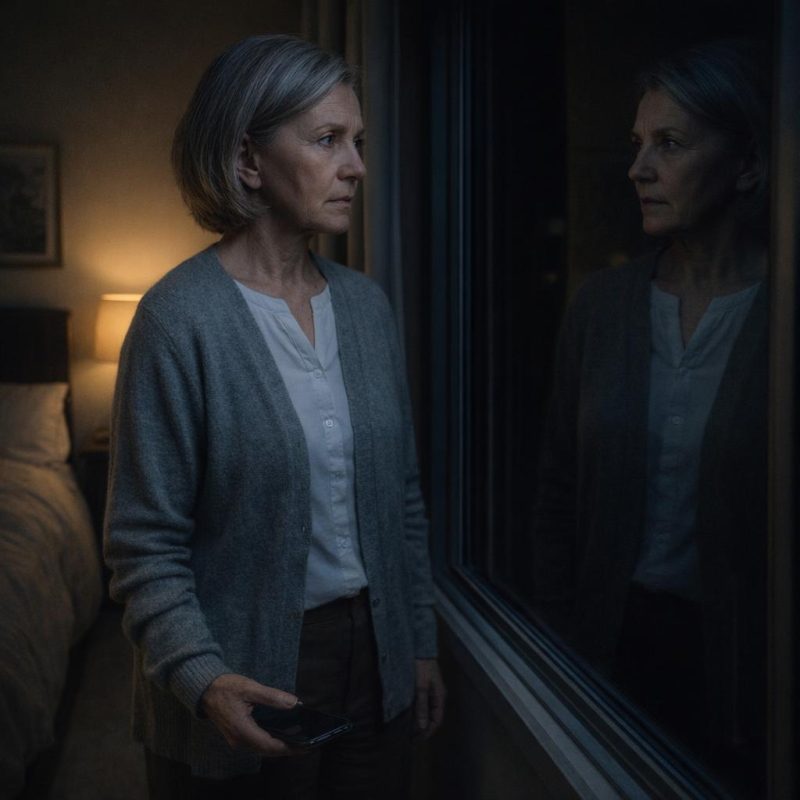 Image by RM AI
Susan's Visit
Susan showed up with groceries and wine, took one look at me, and asked how long it had been since I'd heard from any of them. I must have looked worse than I thought, because she didn't even wait for me to invite her in—just pushed past me with bags in both arms and started unpacking things in my kitchen. Bread, cheese, actual vegetables I hadn't bought in weeks. "You look like hell," she said, not unkindly, and I started crying right there by the refrigerator. The whole story came tumbling out: the unanswered texts, Rachel's birthday, the photo from the engagement party, Jennifer's phone going straight to voicemail. Susan listened without interrupting, her face growing more serious with each detail. When I finished, she was quiet for a long moment, putting away groceries with deliberate care. "That's not normal," she finally said. "I know people grieve differently, but this isn't that. This is something else." We sat at the kitchen table with wine neither of us really wanted, running through possibilities. Maybe they blamed me for something? Maybe I'd said the wrong thing at the funeral? Maybe they needed more time? But none of it made sense, not for all three of them, not this completely. When I told her, her expression shifted from concern to something closer to alarm.
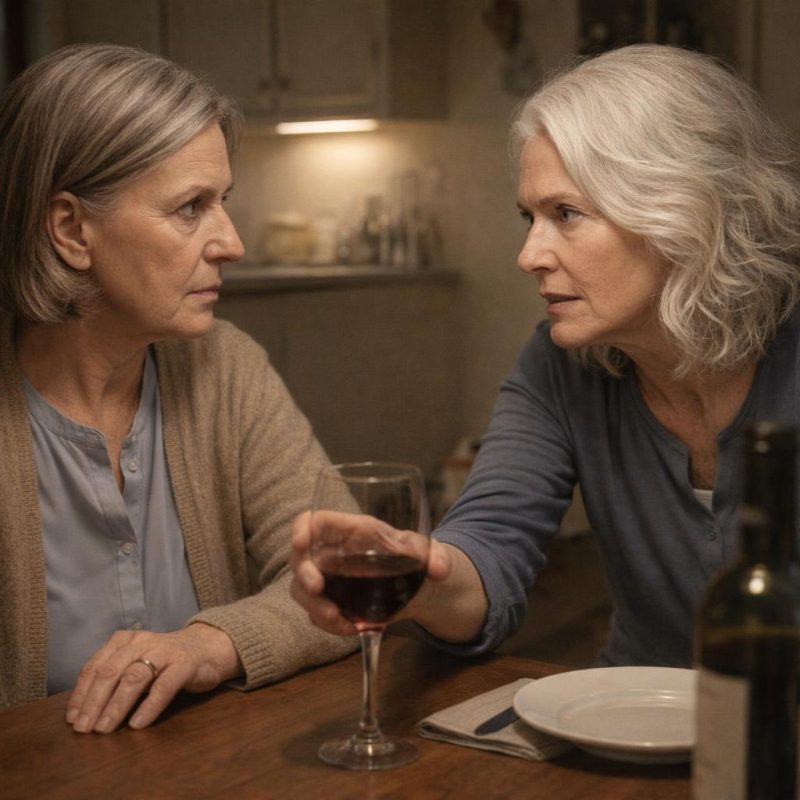 Image by RM AI
Thanksgiving
Thanksgiving arrived and I set the table out of habit before remembering no one was coming, then sat alone with a meal meant for six. I'd started cooking at dawn, the way I always did—turkey, stuffing, David's mother's sweet potato casserole recipe, green bean casserole, cranberry sauce from scratch. My hands knew the motions so well I didn't have to think, and maybe that was the problem. I just cooked like I had for twenty-three years, like David would walk in asking when dinner would be ready, like the kids would show up arguing about football and politics. I set out the good china, the cloth napkins, the centerpiece I'd made from fall leaves and mini pumpkins. It wasn't until I was carving the turkey that I really looked at the table and saw all those empty chairs. No one had confirmed. No one had even responded to my invitation text from two weeks ago. I sat down in my usual spot, David's chair glaringly vacant to my right, and served myself small portions of everything. The food tasted like nothing. I wondered if they were all together somewhere, sharing a table I wasn't invited to.
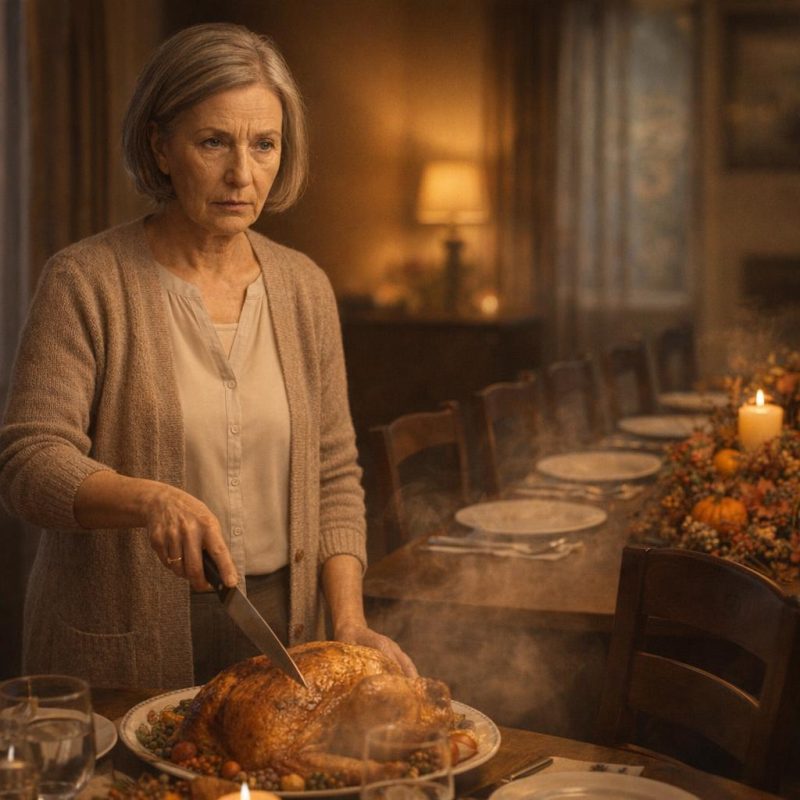 Image by RM AI
The Photo Album
I pulled out the old photo albums and traced my fingers over pictures of soccer games and graduations, looking for evidence that I hadn't imagined twenty years of being their mother. The albums were dusty, stored on the bottom shelf of the bookcase where we'd always kept them, organized by year in David's meticulous way. I started with the earliest one, from right after we got married. Michael was twelve in these photos, all gangly limbs and braces, holding up a soccer trophy with David's arm around his shoulders and me standing just behind them, beaming. Rachel at fourteen, letting me help her get ready for homecoming, my hands in her hair as we both laughed at something in the bathroom mirror. Jennifer at ten, asleep against my shoulder during a long car ride to Disney World. Page after page of proof: birthday parties I'd planned, science fair projects I'd helped build, Christmas mornings with all of us in matching pajamas that David insisted on every year. I was there. In every photo, every memory, every milestone. I'd driven them to practices, edited their college essays, held Rachel through her divorce, helped Jennifer move into three different apartments. Every smile in those photographs felt like proof that something had gone terribly wrong.
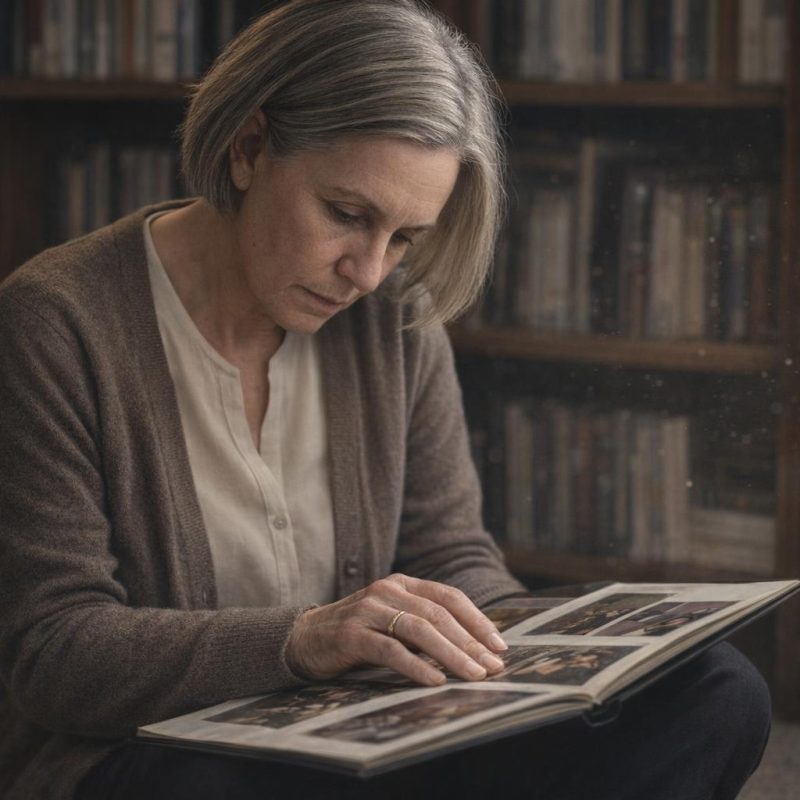 Image by RM AI
The Decision
I sat with my phone for an hour that morning, typing and deleting messages until my thumbs ached. "Hi Rachel, I hope you're doing okay" felt too casual, like I was pretending nothing was wrong. "Rachel, I need to know why you're ignoring me" sounded accusatory, like I was attacking her during her grief. "Please just tell me what happened" made me sound pathetic, which maybe I was, but I didn't want to lead with that. Every version felt wrong, too aggressive or too weak, too demanding or too desperate. I must have written fifteen different texts, each one sitting in that message box for a few minutes while I read it over and over, trying to imagine how she'd receive it. But then I realized what I was really doing—I was giving her another way to avoid me. A text message could be ignored, left on read, responded to with something vague and dismissive. I needed to hear her voice. I needed to force a real conversation, the kind you can't just delete or walk away from. So I took a breath, opened my contacts, and found her name. I pressed it and listened to it ring, my heart pounding like I was about to step off a cliff.
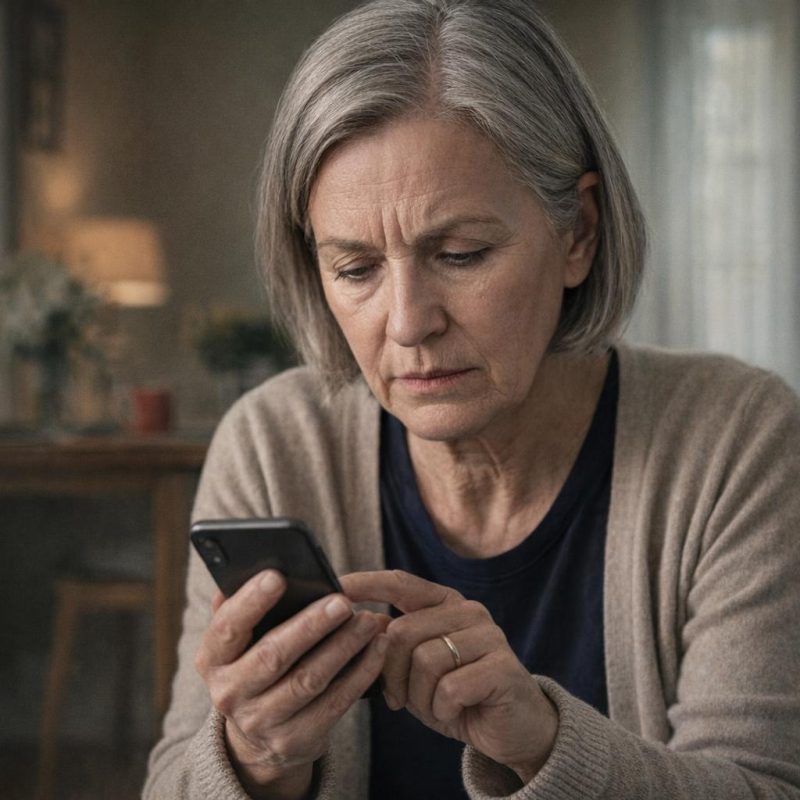 Image by RM AI
Cold Reception
Rachel answered on the fourth ring, and the flatness in her voice when she said my name told me everything had already changed. Not "Hi" or "Hey" or even a questioning "Hello?" Just "Claire," delivered like she was confirming an appointment with someone she'd rather cancel. There was no warmth in it, no recognition of the twenty years I'd spent being her person, the one she called when her marriage fell apart, the one who'd helped her move three times and painted her kitchen that awful yellow she'd insisted on. The silence that followed stretched between us, and I sensed she was waiting for me to state my business so she could get off the phone. I'd spent all that time composing texts, working out what I wanted to say, but her tone knocked every planned word right out of my head. All those careful questions about how she was holding up, whether she needed anything, if we could talk about what was happening—they dissolved in the face of that coldness. I opened my mouth to ask how she was doing, but the words that came out were "What did I do?"
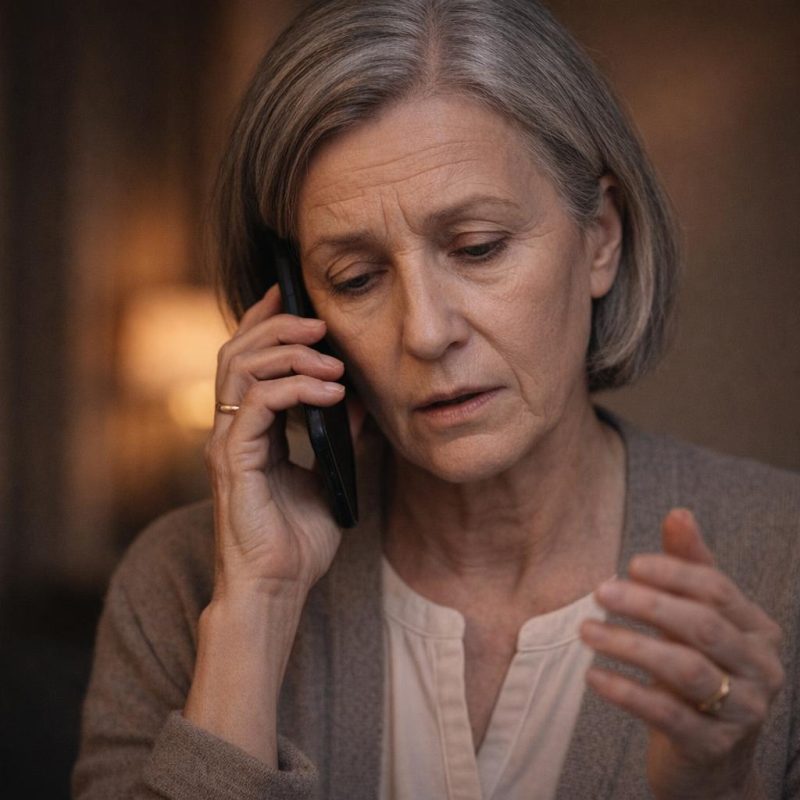 Image by RM AI
The Accusation
Rachel's response came after a pause that felt like falling, just five words that rewrote my entire reality: "You know what you did." Her voice was steady, certain, like she was stating an obvious fact that I was pretending not to understand. I felt my chest tighten, that awful sensation of being accused of something you can't defend against because you don't even know what it is. "Rachel, I don't," I said, hearing my voice crack. "I genuinely don't know what you're talking about. Please, just tell me what I did." Another pause, longer this time, and I could hear her breathing on the other end. "Don't do that," she said finally, and there was something almost disgusted in her tone. "Don't act like you don't remember." I was gripping the phone so hard my hand hurt. "I'm not acting," I insisted, desperation creeping into every word. "I swear to you, I don't know what you mean. Please, Rachel, just tell me." But her certainty didn't waver, didn't crack even a little. I didn't know, but the certainty in her voice made me wonder if I should.
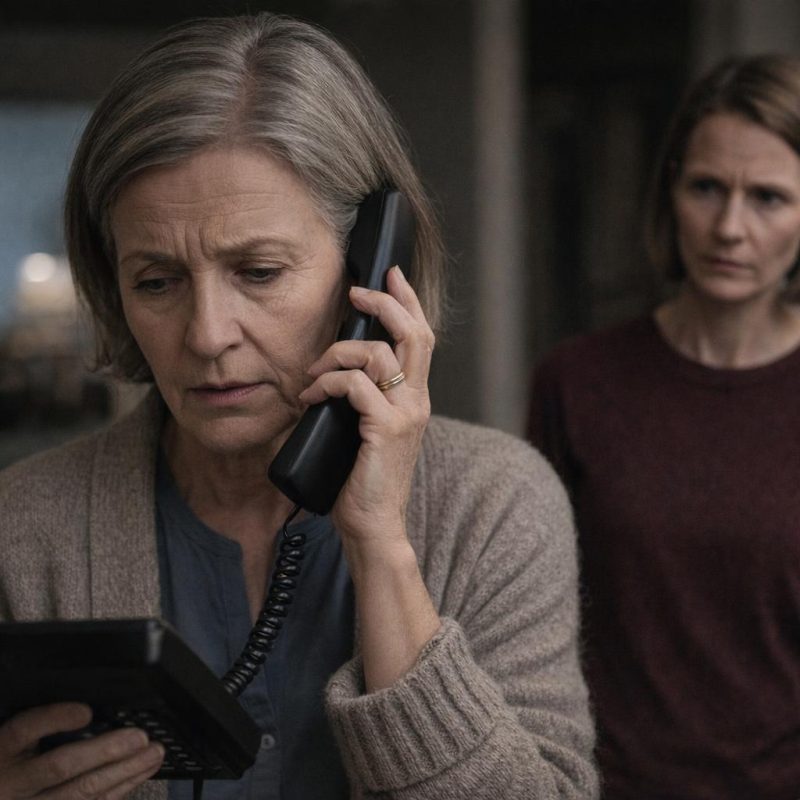 Image by RM AI
The Hang Up
I begged Rachel to tell me what she meant, my voice breaking into something I barely recognized. "Please, just explain it to me. Whatever you think I did, I need to understand." But she just kept repeating variations of the same non-answer, her tone getting colder with each repetition. "We all know, Claire," she said, and those three words hit me harder than any specific accusation could have. We all know. Not "I think" or "I believe" but we—Michael, Jennifer, and her, a united front that had already decided my guilt. "Know what?" I practically shouted into the phone. "Rachel, please, I'm begging you. I don't understand what's happening." There was a long silence, and for a second I thought maybe I'd gotten through to her, maybe she'd hear the genuine confusion in my voice and realize I truly didn't know. But then she just said, "I can't do this right now," and the line went dead. No goodbye, no acknowledgment of my pleading, just the sudden silence of a ended call. I stared at my phone, those three words echoing louder than anything she'd actually explained.
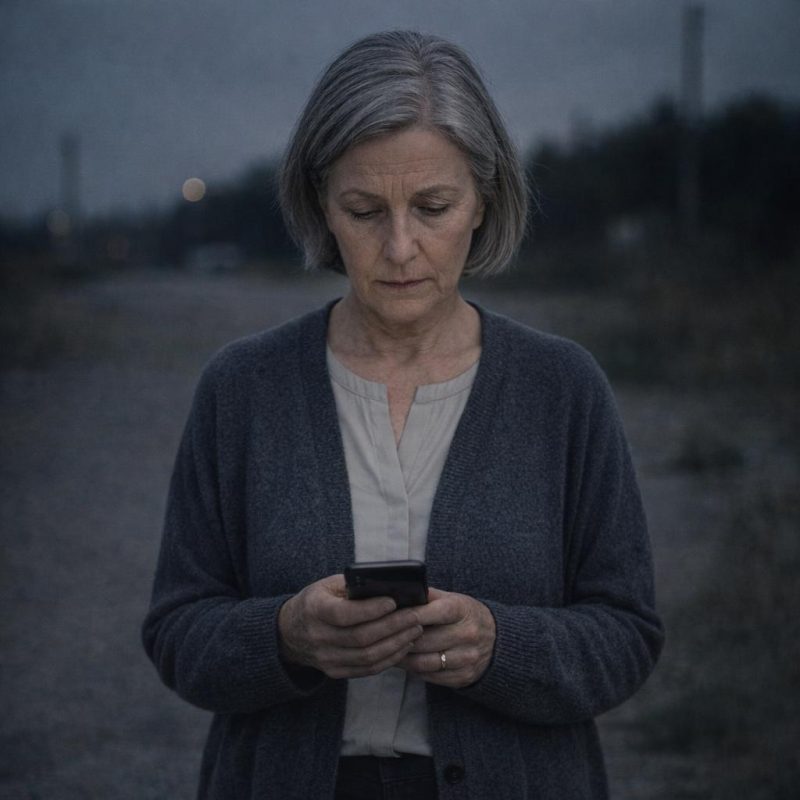 Image by RM AI
We All Know
The phrase "we all know" spun through my mind for hours after that call ended, and I couldn't shake the implication that they'd been talking about me, agreeing about me, without ever speaking to me. I kept replaying Rachel's exact words, the way she'd said it with such conviction, like it was established fact rather than accusation. We all know. That meant conversations had happened, probably multiple conversations, where the three of them had discussed whatever they thought I'd done. They'd compared notes, shared their version of events, built a narrative together that somehow cast me as the villain. And I hadn't been there for any of it. I hadn't been given a chance to defend myself or explain or even understand what I was being accused of. The silence from all three of them suddenly made horrible sense—it wasn't three separate people independently deciding to cut me off. It was coordinated. They'd talked to each other, maybe even met up without me, and reached some kind of consensus. The funeral, I thought suddenly. Had they talked at the funeral? In those awful hours after we'd buried David, had they huddled together and decided something about me? Whatever I had supposedly done, it was something they'd decided together.
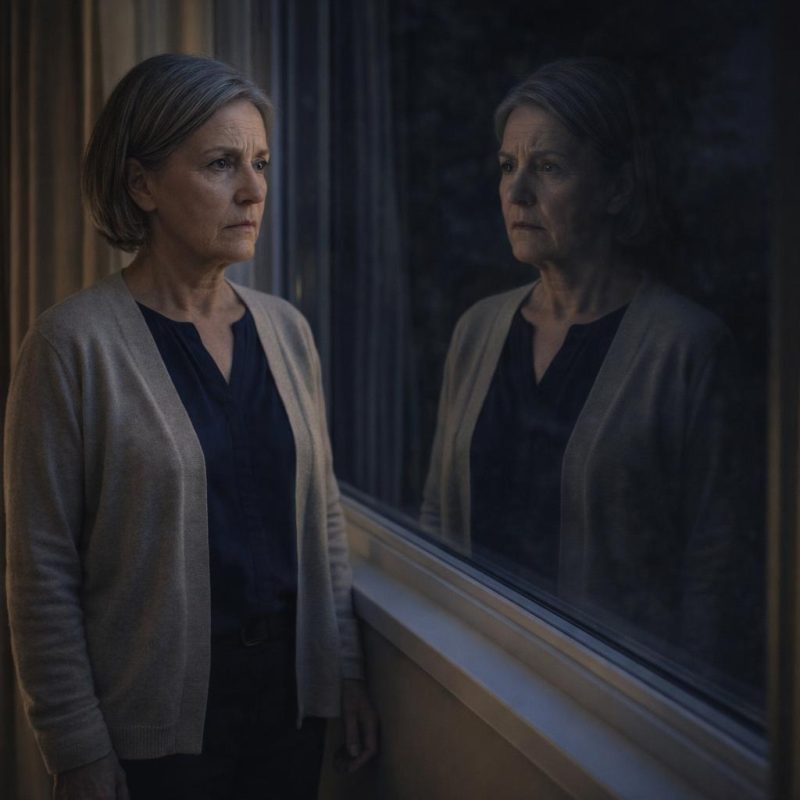 Image by RM AI
The Search
I sat at the kitchen table with a notebook and tried to list every possible thing I could have done wrong, but the pages stayed mostly blank. I wrote down the few arguments I could remember—a disagreement with Michael about whether David should try that experimental treatment, a tense moment with Jennifer when I'd suggested she wait before making a big career change, that time Rachel and I had different opinions about her divorce settlement. But none of it seemed big enough, serious enough to warrant this kind of complete erasure. I'd apologized for the things that needed apologizing for. We'd moved past them, or at least I thought we had. I tried to think of moments I might have misread, conversations where I'd said something hurtful without realizing it. Had I been dismissive of their grief? Had I made David's death about me somehow? I replayed every interaction from those final weeks, looking for the moment where I'd crossed some unforgivable line. But everything felt normal, or as normal as anything could be when you're watching someone you love die. Maybe I'd been too focused on David to notice I was hurting them. Maybe I'd said something terrible in my exhaustion and grief. Nothing I could think of warranted this kind of erasure.
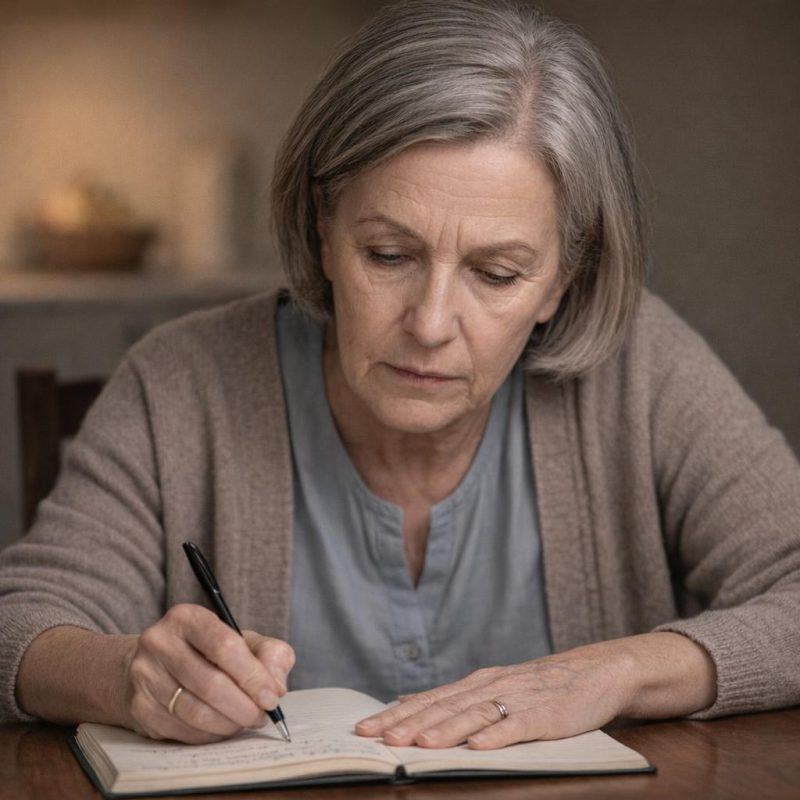 Image by RM AI
The Funeral
I forced myself to remember David's funeral, the way the three of them had stood together on the other side of the grave, and realized the distance had started that very day. I'd been so deep in my own grief that I hadn't registered it as significant at the time—just thought they needed each other, that it was natural for siblings to cluster together. But now, replaying it with this new awareness, I could see it differently. They'd arrived separately but immediately gravitated toward each other, forming this tight unit on the far side of the casket. I'd stood alone, or mostly alone, with a few of David's cousins nearby. When people had approached to offer condolences, the kids had accepted them as a group, nodding and thanking people in low voices. I'd done the same on my side, and we'd barely looked at each other across that open grave. At the reception afterward, same thing—they'd stayed together at one table while I'd floated around, accepting casseroles and hugs from people I barely knew. I'd tried to approach them once, I remembered now, and the conversation had lasted maybe two minutes before Jennifer had made an excuse about needing air. They'd already decided something about me before we'd even buried him.
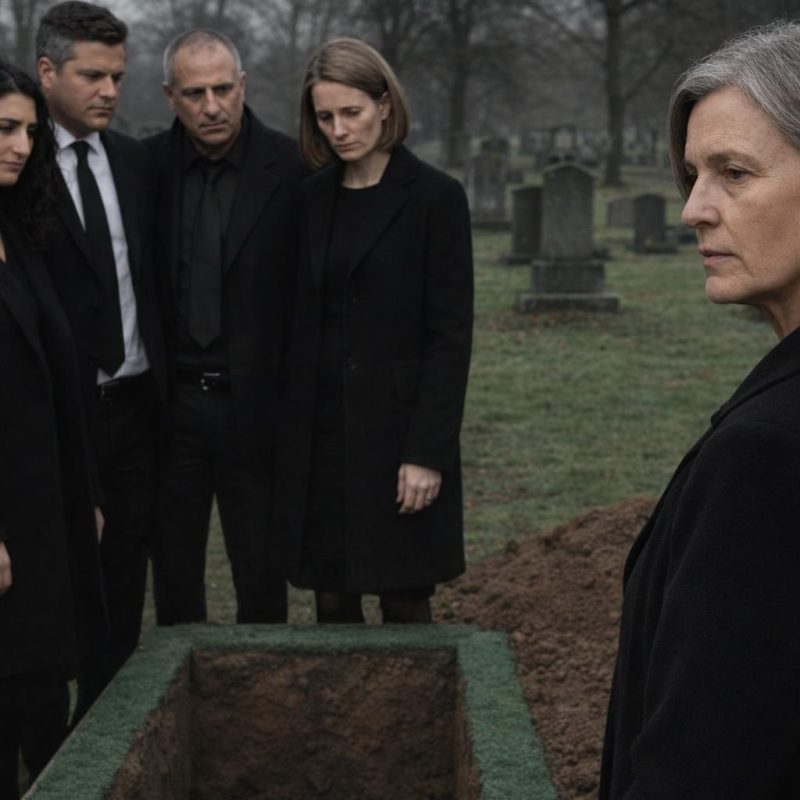 Image by RM AI
Hospital Days
I tried to remember the final week in the hospital, but everything blurred together into a nightmare of machines and fluorescent lights and decisions I'd been too exhausted to fully process. David had been in the ICU, and I'd practically lived in that horrible waiting room with its industrial carpet and coffee that tasted like chemicals. The kids had come and gone—I remembered that much. Michael had been there a lot, asking the doctors questions I was too tired to formulate. Rachel had brought me food I couldn't eat. Jennifer had sat with me during one particularly long night, both of us silent and hollow-eyed. But the specific conversations, the exact timeline of who was there when—it all ran together. There had been so many doctors, so many nurses, so many forms to sign and decisions to make about treatments and medications and next steps. I'd been operating on maybe three hours of sleep a night, drinking bad coffee and trying to understand medical terminology that sounded like a foreign language. Had something happened during one of those conversations? Had I made some decision the kids disagreed with? I couldn't pin down any specific moment, but the feeling was there, nagging at me. Somewhere in that chaos, something had happened that I'd missed completely.
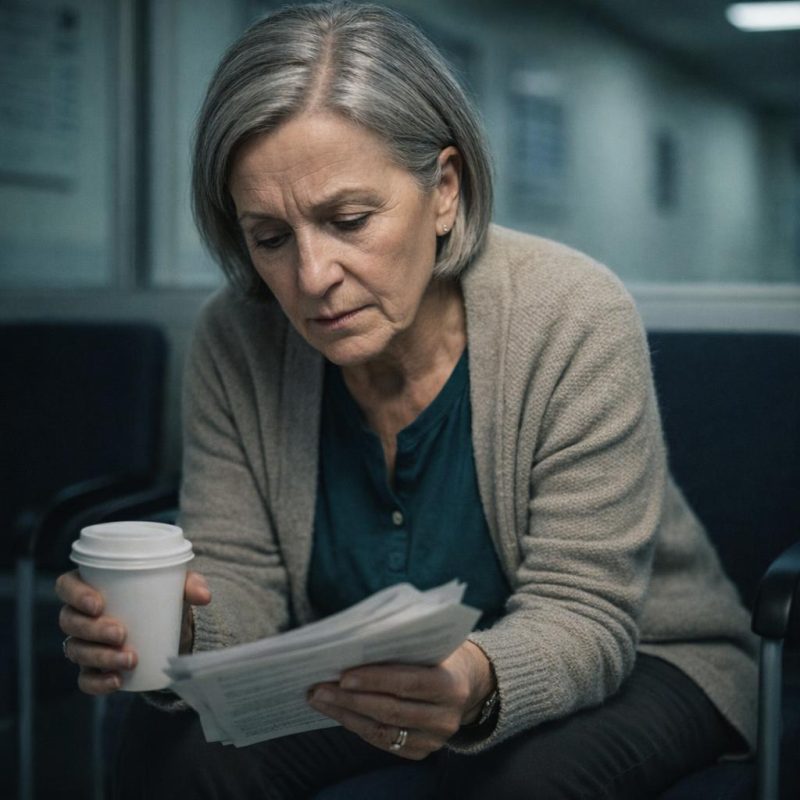 Image by RM AI
The Late Visit
I tried to remember the final week in the hospital, but everything blurred together into a nightmare of machines and fluorescent lights and decisions I'd been too exhausted to fully process. David had been in the ICU, and I'd practically lived in that horrible waiting room with its industrial carpet and coffee that tasted like chemicals. The kids had come and gone—I remembered that much. Michael had been there a lot, asking the doctors questions I was too tired to formulate. Rachel had brought me food I couldn't eat. Jennifer had sat with me during one particularly long night, both of us silent and hollow-eyed. But the specific conversations, the exact timeline of who was there when—it all ran together. There had been so many doctors, so many nurses, so many forms to sign and decisions to make about treatments and medications and next steps. I'd been operating on maybe three hours of sleep a night, drinking bad coffee and trying to understand medical terminology that sounded like a foreign language. Had something happened during one of those conversations? Had I made some decision the kids disagreed with? I couldn't pin down any specific moment, but the feeling was there, nagging at me. Then one memory surfaced through the fog—Michael arriving at the hospital late one evening, after everyone else had left, with an expression I couldn't quite read. He hadn't come to check on his father; he'd come to talk to me.
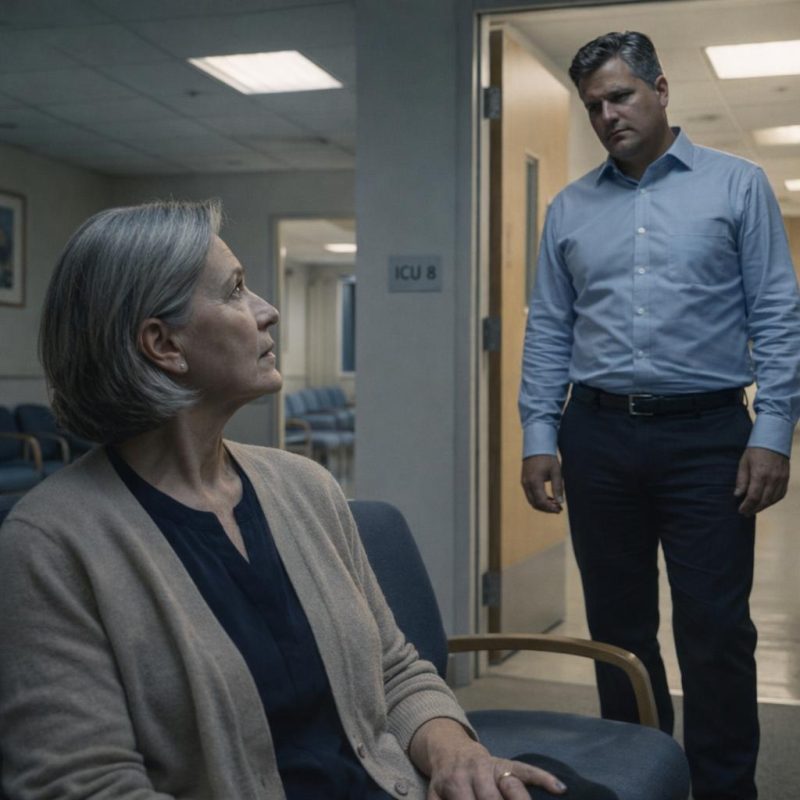 Image by RM AI
The Questions
I'd been alone with David for hours that night, sitting in the uncomfortable vinyl chair beside his bed, listening to the rhythmic beep of monitors. It must have been after ten when Michael appeared in the doorway. I remembered being surprised to see him—visiting hours were technically over, but the ICU nurses had been lenient with family. He'd nodded toward David's sleeping form, then gestured for me to follow him into the hallway. I'd assumed he wanted an update from the doctors, or maybe just needed to talk about how scared he was. But once we were in that fluorescent-lit corridor, away from David's room, his questions started coming fast. He asked about the doctors' recommendations, about specific medications they'd mentioned, about conversations I'd had with the neurologist. He wanted to know what decisions had been made and who had made them. His tone was intense, focused, like he was trying to piece something together. I tried to answer honestly, explaining what the doctors had told me, but I felt myself getting defensive without understanding why. The questions felt pointed somehow, like he was looking for something specific. It had felt like an interrogation, not a conversation.
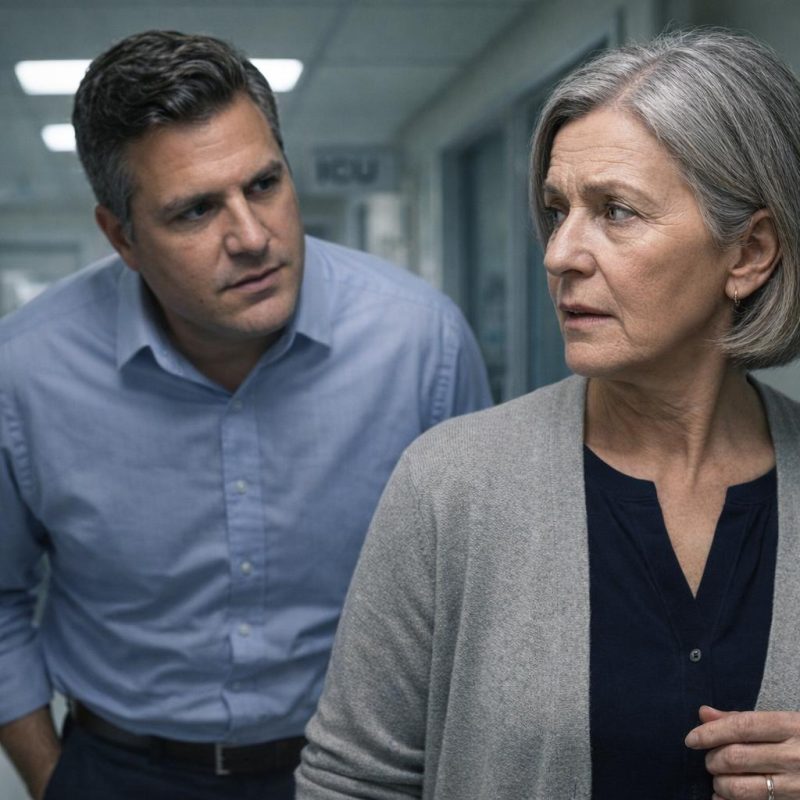 Image by RM AI
The Implication
The conversation had gone on for maybe fifteen minutes, Michael firing questions at me while I stood there in my rumpled clothes, exhausted and confused. I'd tried to explain that the doctors were doing everything they could, that I was just trying to follow their guidance, that I didn't understand half of what they were telling me anyway. But Michael kept pushing, kept asking about specific moments and decisions. Then he'd stepped closer, invading my personal space in a way that made me instinctively lean back against the wall. His voice had dropped lower, and I remembered the exact words now: 'You need to be honest with me, because if something happens to Dad and I find out you knew more than you're saying—' He'd stopped there, the sentence hanging unfinished in the air between us. I'd stared at him, too tired to process what he was implying, too overwhelmed to push back. At the time, I'd dismissed it as grief talking, as a son terrified of losing his father and lashing out at whoever was closest. I'd told myself he didn't mean anything by it. But now, replaying that moment in my mind, I understood. The threat had been left hanging, but the meaning had been clear enough.
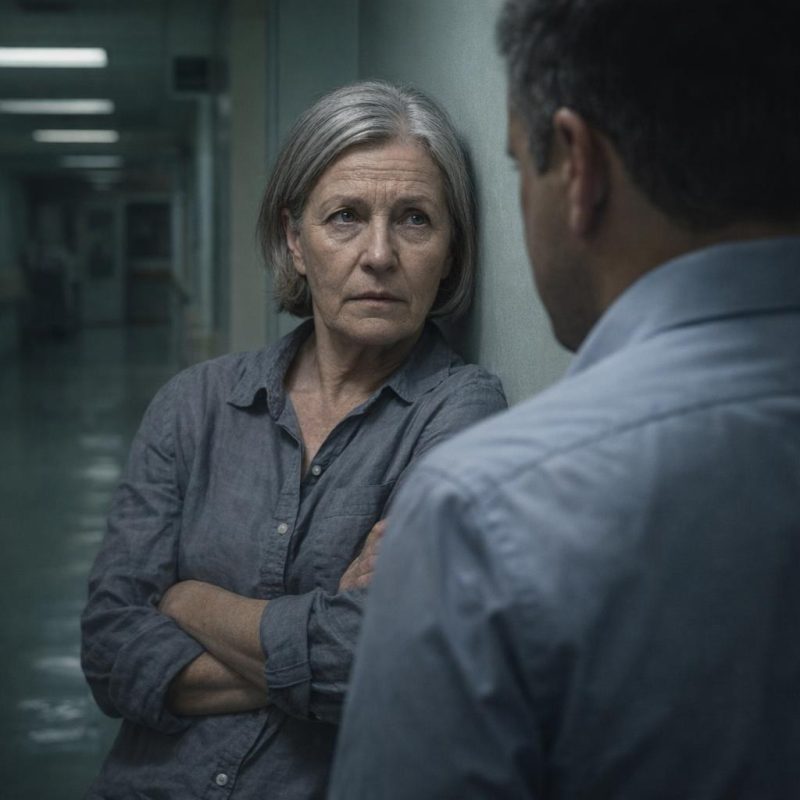 Image by RM AI
Jennifer's Silence
I sat on my couch with my phone in my hand, staring at Jennifer's contact information. Out of all three of them, she'd always been the gentlest, the most willing to see different perspectives. Maybe she'd be different. Maybe she'd question what Michael and Rachel believed, or at least be willing to hear my side. I pressed call and listened to it ring. Once, twice, three times. By the sixth ring, my stomach was sinking. By the tenth, I was counting out loud. Twelve rings before it finally went to voicemail, just like all the others. I left a message anyway, my voice cracking as I asked her to please just call me back, to please help me understand what was happening. I tried again an hour later. Then again that afternoon. Each time, the phone rang and rang until voicemail picked up. I sent a text too, keeping it simple: 'Jennifer, I'm so confused and I really need to talk to you. Please.' The message showed as delivered, then read. But no response came. I'd thought maybe Jennifer would be my ally, the one who'd break ranks and actually listen. Even the one I'd thought was on my side had made her choice.
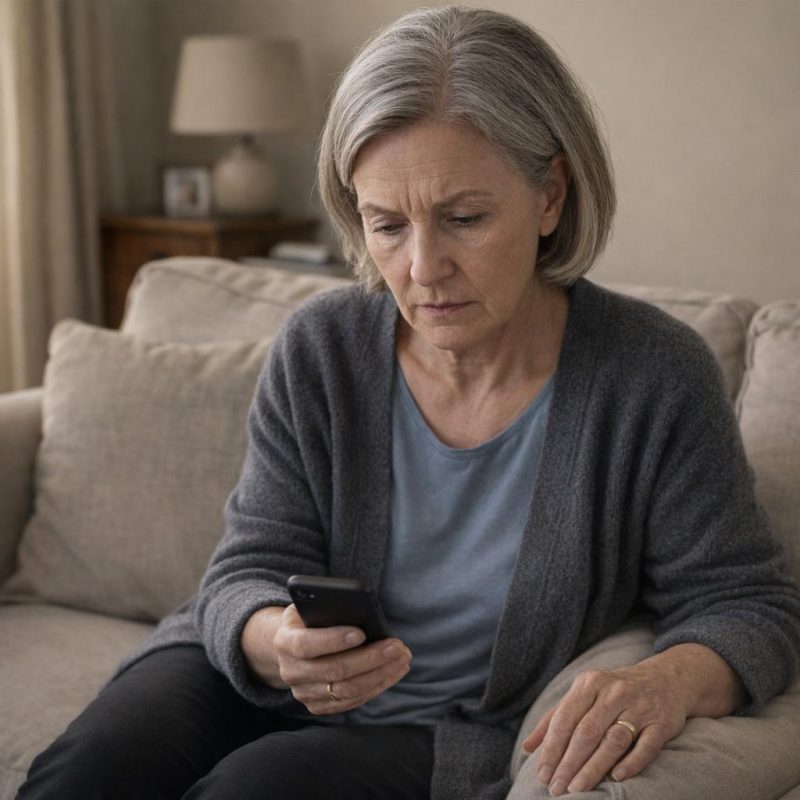 Image by RM AI
The United Front
I stared at my phone screen, composing and deleting the message three times before I finally just sent it. The group text went to all three of them—Michael, Rachel, Jennifer—and I kept it as simple and non-confrontational as I could: 'Please, can we just talk? I don't understand what's happening and I need you to help me understand. I loved your dad so much. Please.' I hit send and watched the message appear in the thread. Then I waited. One minute passed. Two. Then I saw the read receipts start popping up. Michael's came first, at 3:47 PM. Rachel's appeared thirty seconds later. Jennifer's showed up less than a minute after that. All three of them had read my message within two minutes of each other, in the middle of a weekday afternoon. I sat there staring at those little read indicators, my heart pounding. The timing was too close to be coincidence. They were together, or they'd immediately told each other about the message. Maybe they were sitting in the same room right now, looking at their phones, deciding together not to respond. Five minutes passed. Ten. Twenty. No typing indicators appeared. No responses came. They were reading my messages together, maybe even sitting in the same room.
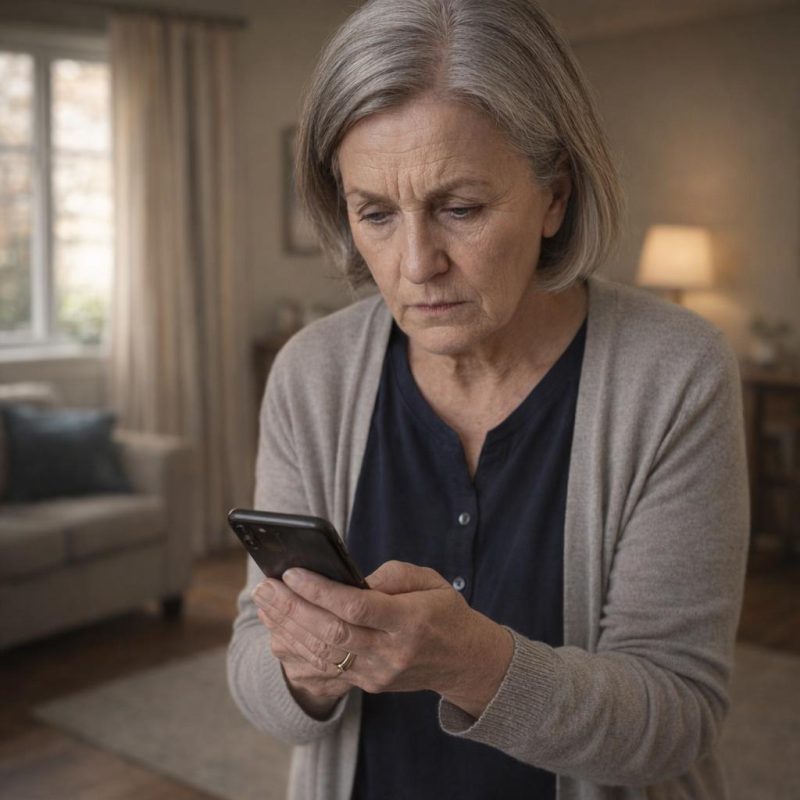 Image by RM AI
Susan's Advice
Susan's kitchen smelled like the cinnamon tea she'd made for both of us, though mine sat untouched on the table between us. I'd called her that morning, finally admitting I needed help, and she'd told me to come over immediately. Now I sat across from her, having just finished explaining everything—the funeral, the silence, the blocked numbers, the coordinated read receipts. She'd listened without interrupting, her expression growing more serious with each detail. When I finished, she was quiet for a long moment, her hands wrapped around her own mug. Then she looked at me directly and said the words I'd been avoiding: 'You need a lawyer, Claire.' I felt my stomach drop. 'A lawyer? Susan, I don't even know what they're accusing me of. How can I need a lawyer?' She leaned forward, her voice gentle but firm. 'This isn't about fighting with them. This is about protecting yourself and making sure you understand your rights. You need documentation, you need someone who can help you figure out what's actually happening here.' She offered to help me find someone reputable, someone who specialized in estate issues. I didn't know what I needed a lawyer for, but the fact that she thought I did made everything feel more serious.
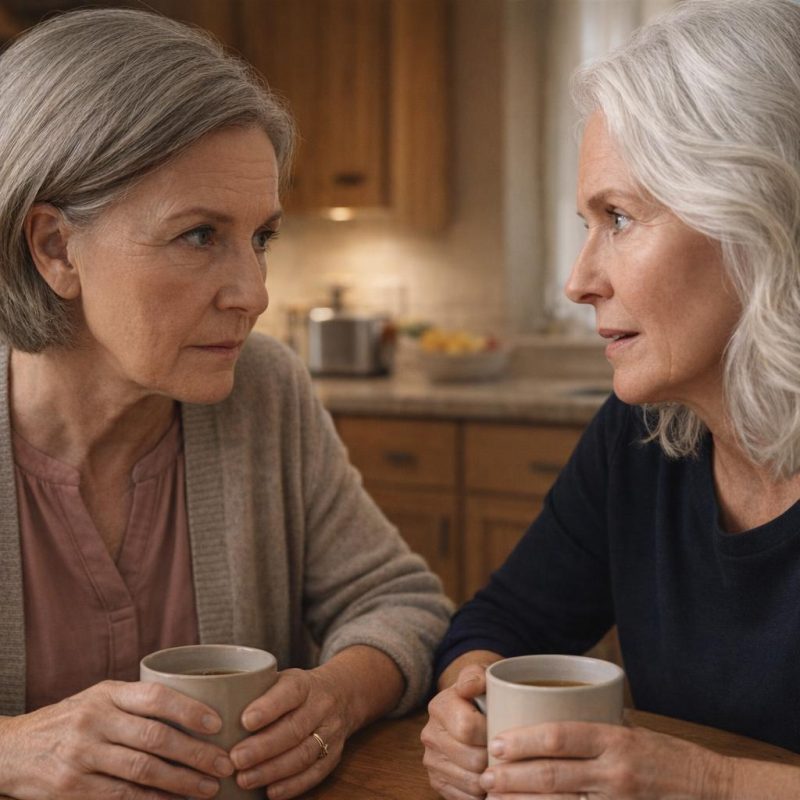 Image by RM AI
The Attorney's Office
Thomas Greene's office smelled like leather and old paper, exactly what I'd expected—dark wood furniture, shelves lined with legal books that probably cost more than my car. He was younger than I'd imagined, maybe mid-forties, with wire-rimmed glasses and a calm demeanor that immediately put me at ease. When he asked me to explain why I was there, I realized I didn't even know where to start. I stumbled through the story—David's death, the funeral, the sudden silence from his kids, the feeling that they blamed me for something I couldn't identify. Thomas listened without interrupting, occasionally jotting notes on a legal pad. When I finally finished, he was quiet for a moment, studying his notes. Then he looked up at me and asked a question I hadn't expected: 'Do you have copies of your husband's medical directives?' I blinked at him. 'His what?' 'Advance directives. Living will, healthcare power of attorney, any documentation about his end-of-life wishes.' I felt my face flush. 'I... I don't know. I mean, we talked about it, but I don't know if we ever actually signed anything formal.' He nodded slowly. 'That's where we need to start.'
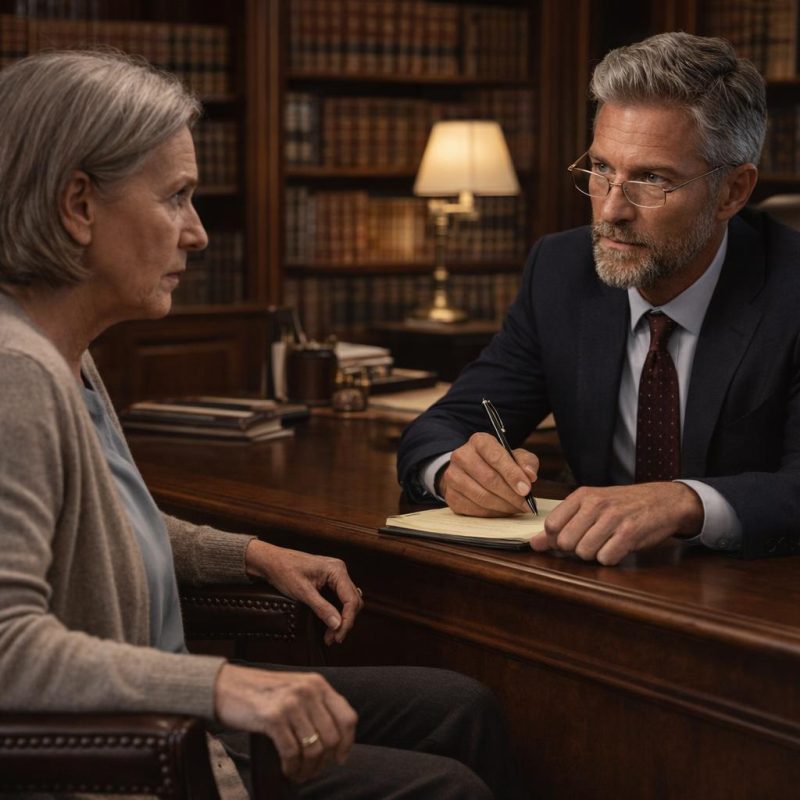 Image by RM AI
The Filing Cabinet
David's office looked exactly as he'd left it—coffee mug still on the desk, jacket hanging on the back of the chair, papers scattered across every surface in his particular brand of organized chaos. I'd been avoiding this room since he died, unable to face the physical evidence of his absence. But now I stood in front of the filing cabinet we'd both joked about organizing for years, knowing the answers might be buried somewhere in that mess. The cabinet stuck a little when I tried it, just like it always had. Inside was a jumble of folders, some labeled, most not. Medical bills from three years ago mixed with insurance statements and random receipts David had shoved in there meaning to file properly later. I started pulling folders out one by one, setting them on his desk in stacks. Each piece of paper felt like a small betrayal, going through his things without him here to explain his system. I found the hospital bills from his final stay, each one a punch to the gut. Insurance correspondence. Prescription records. His handwriting on sticky notes attached to various documents, reminders to himself that he'd never gotten to follow up on. But nothing that looked like advance directives or a living will. I pulled open the top drawer and started searching, unsure what I was even looking for.
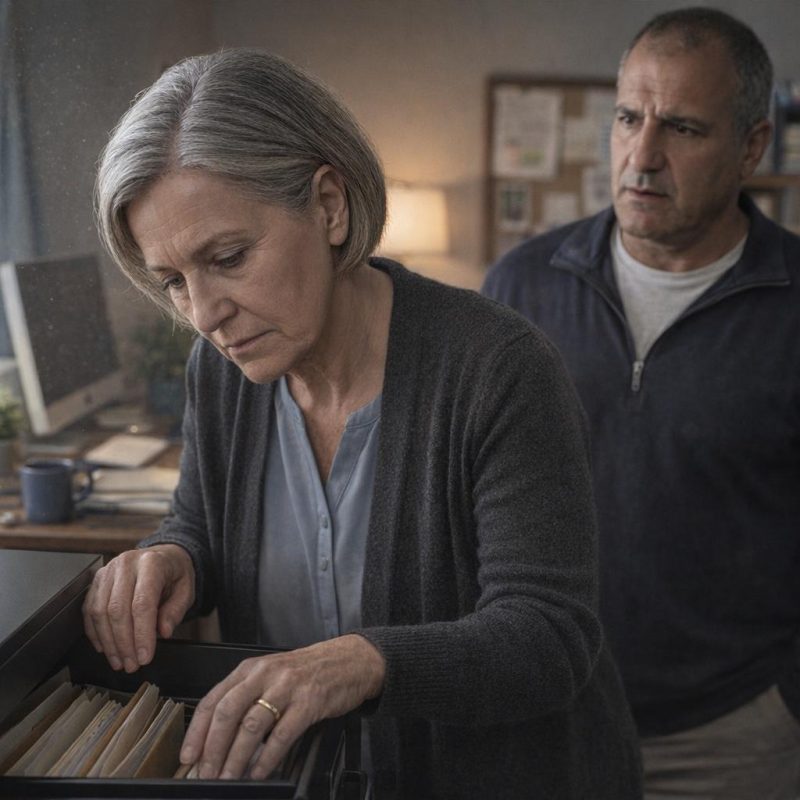 Image by RM AI
The Records Request
Thomas's office smelled like old books and coffee, which somehow made the whole thing feel more real. He'd laid out the paperwork on his desk—three different forms, all requiring my signature, all granting access to David's complete medical records. "As his spouse, you have every legal right to these," he said, sliding the first form toward me. His voice was calm, methodical, the kind of steady presence I desperately needed. I picked up the pen and stared at my name typed at the bottom of the page. My hand shook a little as I signed. Then the next form. Then the next. Thomas explained each one patiently—authorization for release, HIPAA compliance, attorney access. The hospital administrator he'd contacted had been cooperative, he said, which was good. Professional. Efficient. I signed the last form and pushed the stack back across the desk, focused on getting this evidence, on building my case from facts instead of memories. "How long?" I asked. Thomas adjusted his wire-rimmed glasses and gave me an apologetic look. "Two to three weeks for the complete file. They have to pull everything, redact certain protected information, compile it properly." Two to three weeks. I nodded like that was fine, like I could wait that long, but inside I was screaming. The hospital said it would take two to three weeks to process, and I didn't know if I could wait that long.
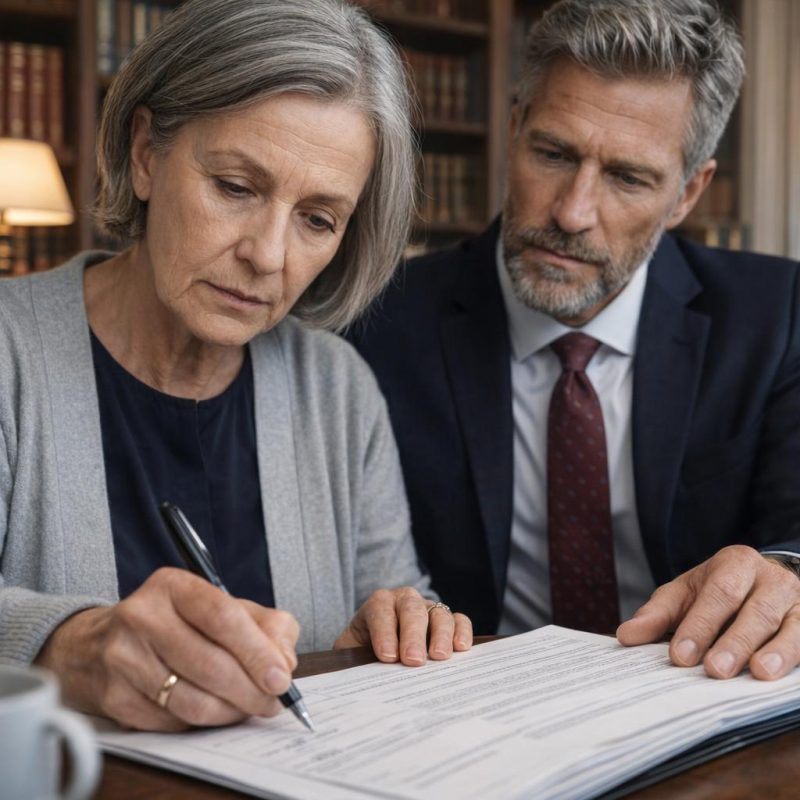 Image by RM AI
The Timeline
I sat at the kitchen table with a blank notebook in front of me, pen in hand, reconstructing David's final week hour by hour. Day one: admitted through ER at 2:47 PM. I remembered that exactly because I'd checked my watch obsessively. Day two: Dr. Patterson came by at morning rounds, adjusted medications. I'd been there. Day three: respiratory therapist, twice. I wrote it all down, even when my vision blurred with tears. The visiting hours, the medication changes, who came when. His daughter had visited on day four around lunchtime. Michael had come that first night, late, after ten. I remembered because visiting hours were over and they'd made an exception. I kept writing, filling in every detail I could recall. Which nurses had been kind. When they'd moved him to a different room. The conversations with doctors about treatment options. But then I hit a wall. The night Michael came—I remembered him arriving, remembered the tension in his shoulders, but then there was this gap. Hours I couldn't account for. I'd been so exhausted, running on nothing but fear and coffee. There was a three-hour gap on the night Michael came to the hospital, and I couldn't account for what happened during that time.
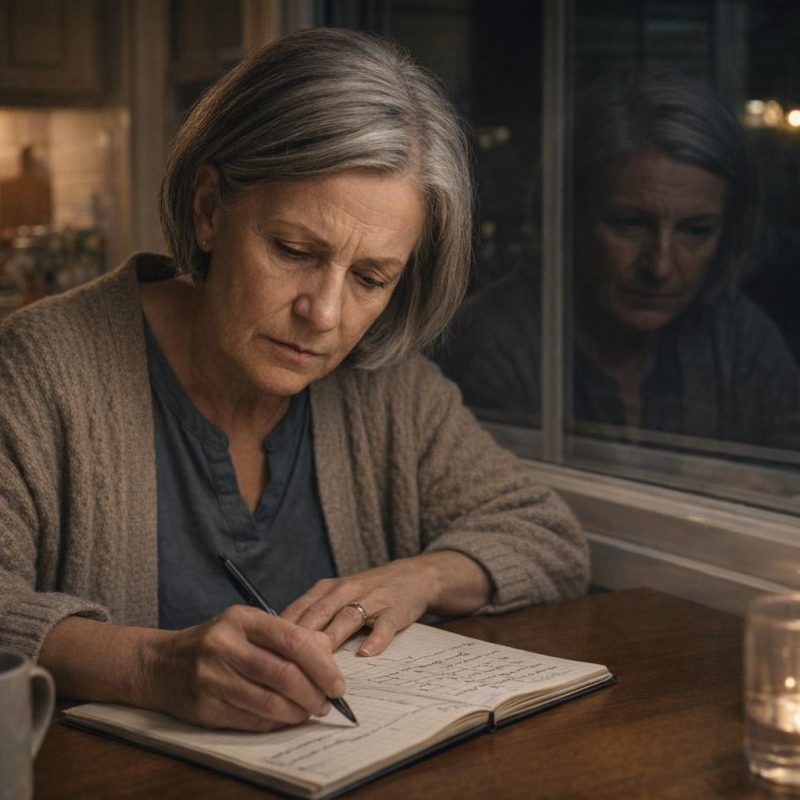 Image by RM AI
The Decisions
I turned to a fresh page and made myself write down every medical decision I'd been asked to make, remembering each choice with painful clarity. The DNR order—I remembered signing that, my hand cramping as I wrote my name. The doctor had explained it carefully: do not resuscitate meant no chest compressions, no ventilator, no aggressive interventions if his heart stopped. "Given his condition," she'd said, "these measures would likely only prolong suffering." I'd signed it during his hospital stay, after consulting with three different doctors. Then there were the decisions about pain medication—increase the morphine, yes, keep him comfortable. The choice to decline dialysis when his kidneys started failing. The doctors had recommended against it, said it would be traumatic and unlikely to help. Each decision I wrote down, I could hear the doctor's voice in my head: quality of life, patient dignity, comfort care. They'd never used the words "give up" or "end life." They'd talked about reducing suffering versus prolonging it. I stared at my list, seeing the pattern I hadn't recognized before. Every choice I'd made had been about reducing suffering, not ending life.
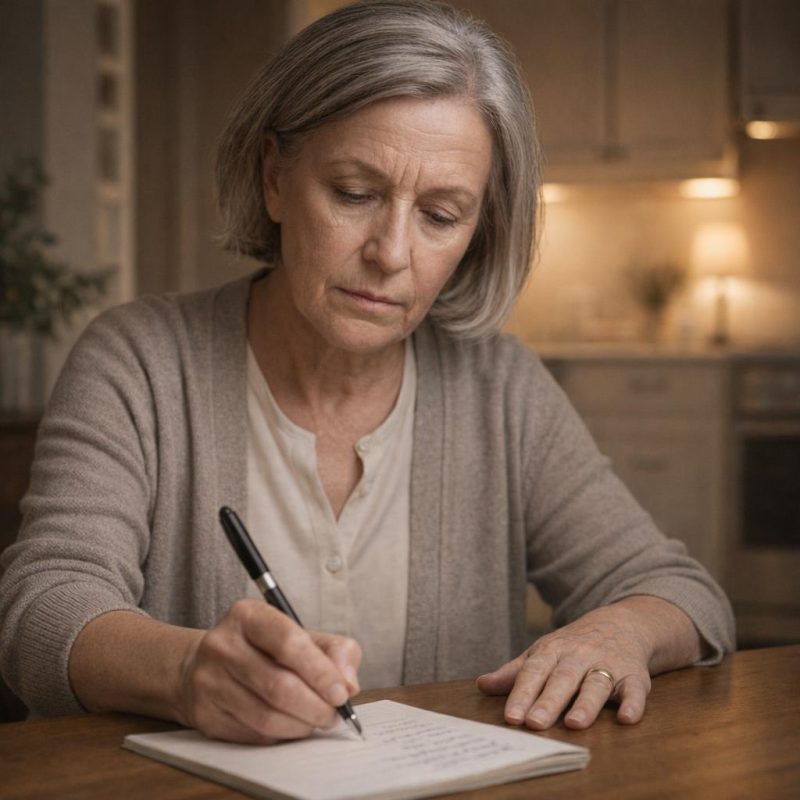 Image by RM AI
His Voice
I closed my eyes and let myself go back to a conversation I'd been avoiding in my memory, hearing his voice again after so many silent weeks. Six months before David got sick, maybe seven. We'd been sitting at this same kitchen table after his friend Jim's funeral. Jim had been on life support for three weeks before his family finally let him go. David had reached across the table and taken my hand, his grip firm and warm. "Promise me you won't let that happen to me," he'd said. His eyes were serious, no joking around. "If I'm gone, if there's no real chance I'm coming back, don't let them keep my body alive just because they can." I'd tried to deflect, said we didn't need to talk about this, but he'd squeezed my hand harder. "I mean it, Claire. When the time comes, I want you to let me go with dignity. No machines, no tubes, no existing without living. Promise me." I'd promised, though it hurt to say the words out loud. We'd sat there in silence for a while after, his thumb rubbing circles on my palm. He'd said 'when the time comes,' not 'if,' like he'd already known.
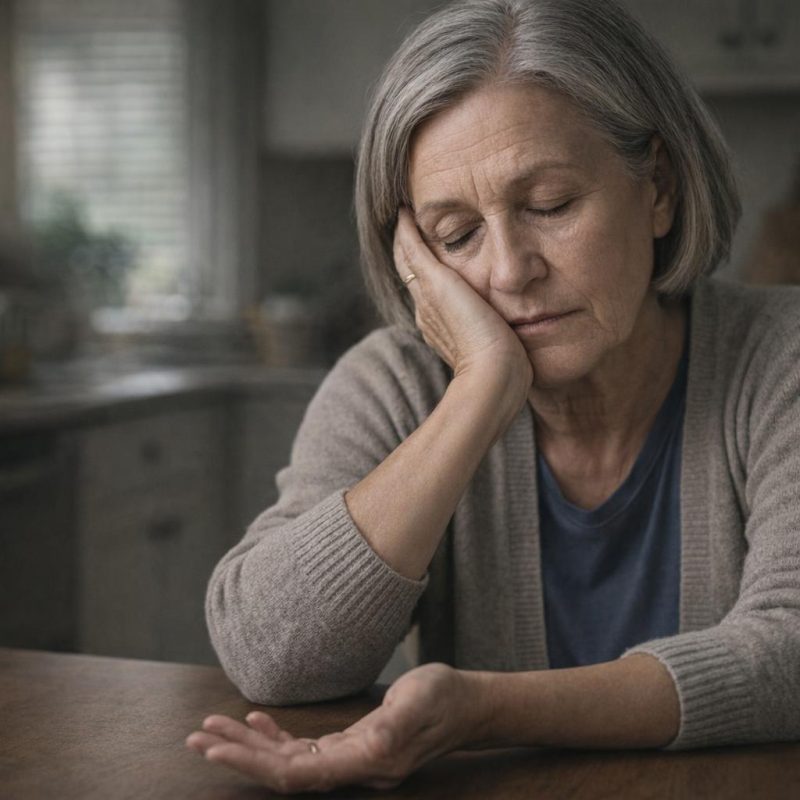 Image by RM AI
The Gap
I sat there with that memory burning in my chest and realized something that made my stomach drop, understanding the gap that had formed between us all. David had never had that conversation with his children. I searched my memory frantically—had he ever sat down with his daughters and son and told them what he'd told me? Had he ever explained his wishes about dying to them? I couldn't remember a single instance. David had been protective of his kids, even as adults. He'd shield them from difficult topics, from his own fears and vulnerabilities. He'd joke with them, support them, love them fiercely, but he'd never been the type to burden them with heavy conversations about mortality. That had been something he'd shared with me, his partner, his wife. He'd left the responsibility of executing his wishes entirely to me. I understood why—he hadn't wanted to scare them, hadn't wanted them to worry. But now I saw the gap that created. They didn't know what he'd wanted. They'd never heard him say those words about dignity and letting go. They didn't know what he'd wanted because he'd left that burden entirely to me.
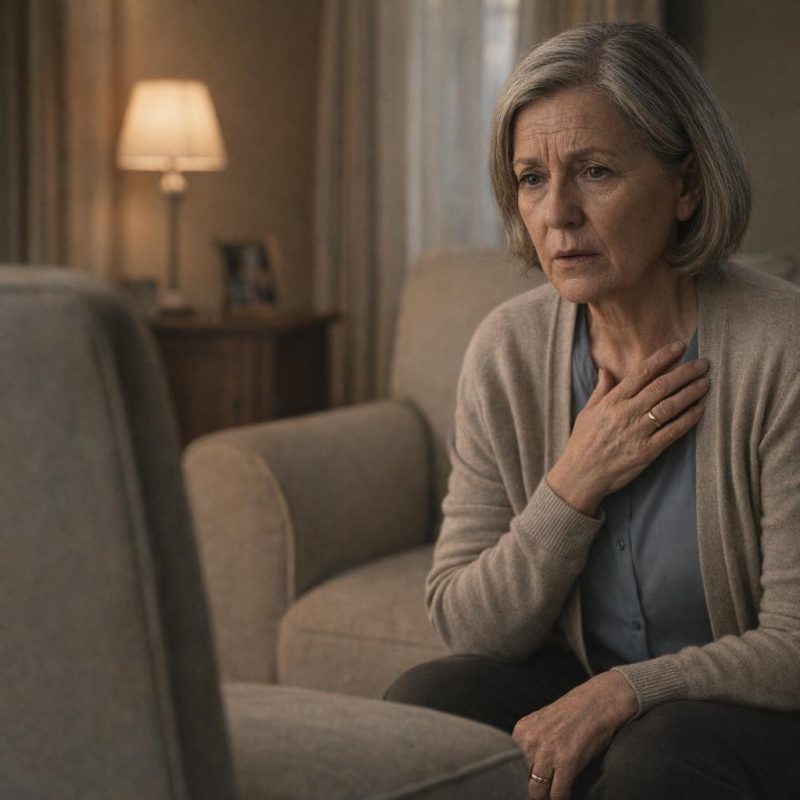 Image by RM AI
The Misunderstanding
I sat at the kitchen table as the pieces finally came together in my head, seeing the miscommunication that had destroyed everything, and the picture they made was devastating. The children thought I had made decisions David never agreed to. From their perspective, their father had been in the hospital, sick but maybe salvageable, and I'd signed papers to stop treatment. They'd never heard him talk about wanting to die with dignity. They'd never been part of those difficult conversations about quality of life versus quantity. To them, it must have looked like I'd made unilateral choices to end his life prematurely. Like I'd given up on him when they would have fought harder. I thought about his son's face at the funeral, the way he'd looked at me. His daughter's silence. The way they'd both just disappeared from my life without explanation. If they believed I'd killed their father—or at least hastened his death without his consent—then their reaction made horrible sense. The coldness, the exclusion, the complete erasure of me from their lives. It wasn't random cruelty. It was grief mixed with betrayal, or what they perceived as betrayal. If that's what they believed, I couldn't entirely blame them for cutting me out.
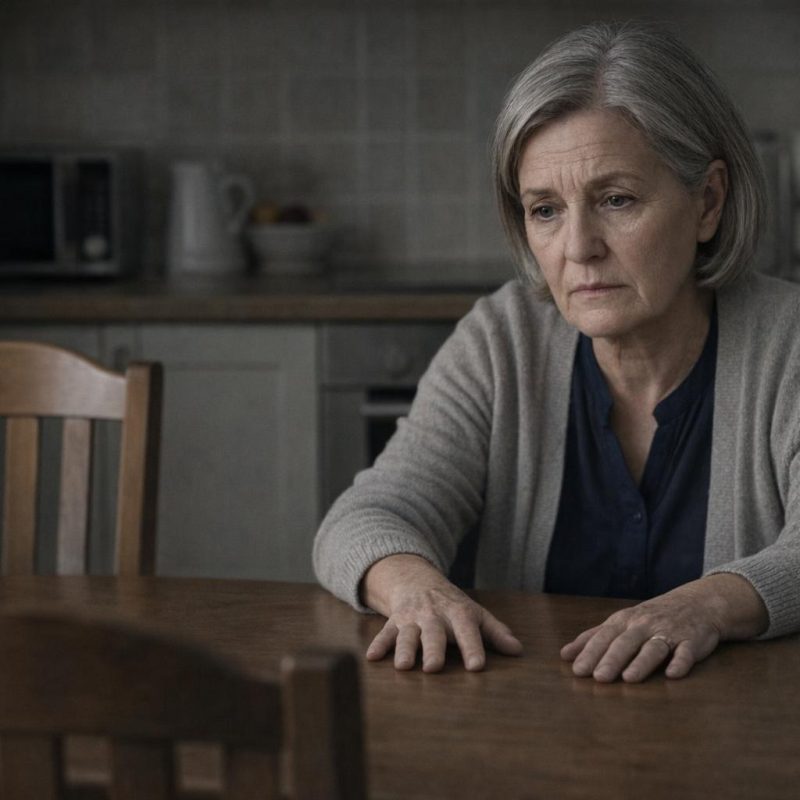 Image by RM AI
The Search Intensifies
I tore through the house like a woman possessed, determined to prove the truth even as every drawer came up empty, pulling open every cabinet, every box I could find. There had to be something—a letter, an email, a note David had written about his wishes. Something concrete I could show them to prove I hadn't acted alone, hadn't made decisions he would have hated. I went through his desk again, more carefully this time. Searched the filing cabinet drawer by drawer. Checked the closet where we kept old cards and letters. I found birthday cards he'd saved, anniversary notes I'd written him, but nothing about medical wishes or end-of-life preferences. I opened his laptop and searched his email for keywords: hospital, treatment, DNR, wishes. Nothing relevant came up. I checked documents folder, downloads, everything. The absence of evidence felt damning, like the universe was conspiring against me. Most of our important conversations had happened exactly like that one at the kitchen table—spontaneous, verbal, private. But conversations don't leave evidence, and promises made in kitchens don't come with paperwork.
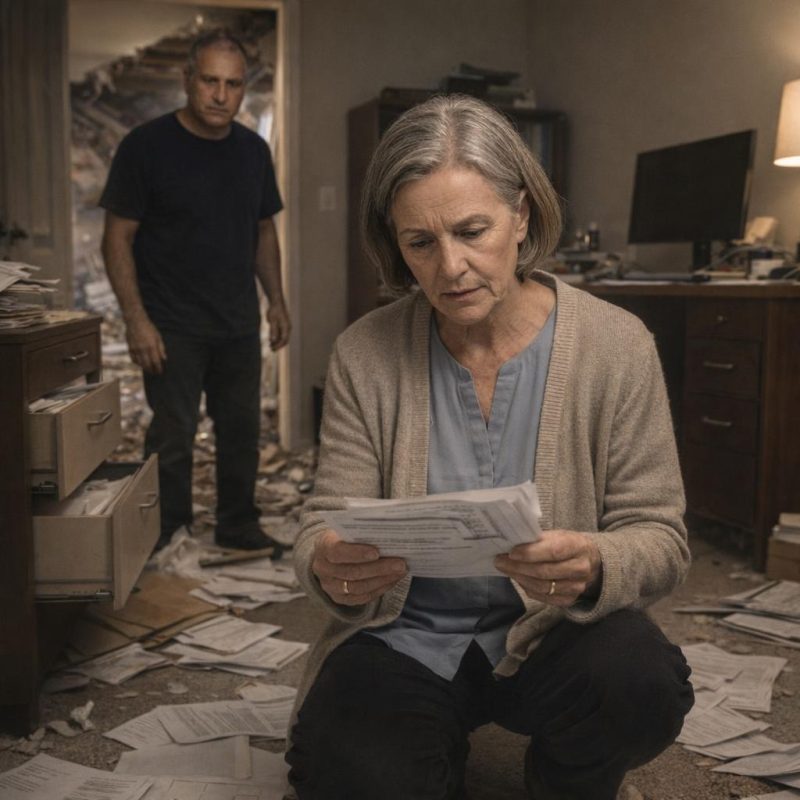 Image by RM AI
Standard Forms
Thomas called three days later, and I grabbed the phone on the first ring, hope surging in my chest before reality crushed it again. "The hospital sent over some preliminary documents," he said. "Standard advance directive forms. Both you and David signed DNR orders during his hospitalization." My heart lifted for a moment—proof, finally. "That's good, right? That shows we both agreed?" There was a pause on the other end of the line. "It shows you both signed the forms, yes. They're dated and legally valid. But Claire, these are standard hospital forms. There's a checkbox for DNR, signature lines, witness signatures. That's it." I felt my hope deflating. "What do you mean?" "There's no narrative explanation. No record of the discussions that led to signing them. Nothing that captures why David wanted this or what he said to you about his wishes. Standard forms rarely include that kind of context." I closed my eyes, understanding what he wasn't quite saying, hitting another dead end in my search for proof. The forms proved we'd signed papers, but not that David had wanted to.
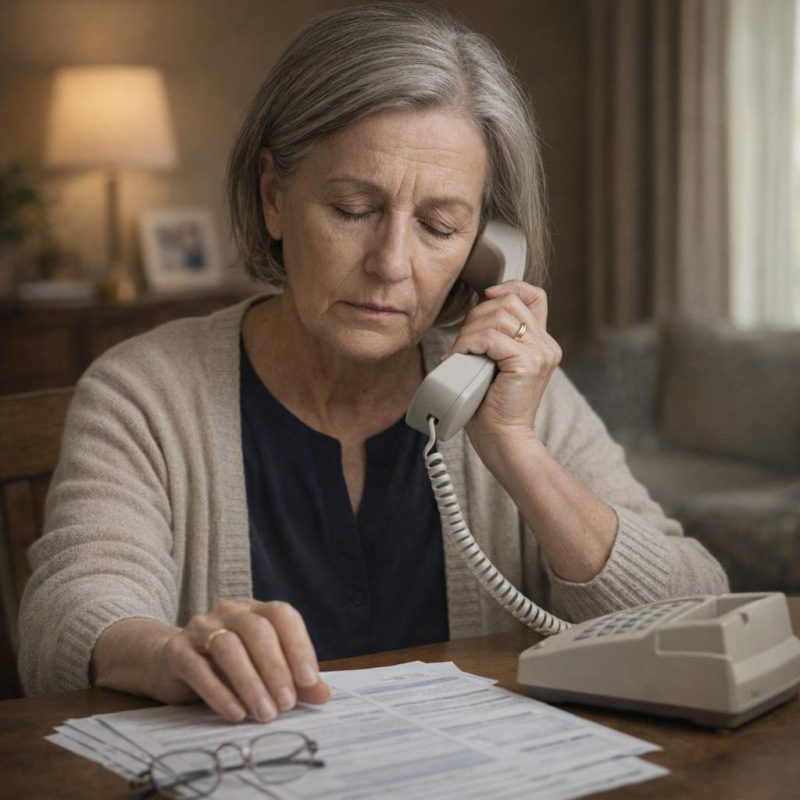 Image by RM AI
Digital Breadcrumbs
Susan texted me on a Tuesday morning: 'You need to see this.' The screenshot loaded slowly on my phone, and I found myself staring at Michael's Facebook post from the night before. 'Going through some difficult family situations right now,' he'd written. 'Sometimes protecting a parent's legacy means making hard choices about who gets to rewrite history.' The words were vague enough to mean nothing and everything at once. I scrolled down to the comments, my stomach tightening with each one. Friends asking if he was okay, offering support, telling him to stay strong. And Michael's responses, carefully worded, hinting at betrayal without ever saying my name. 'Just trying to honor what my father would have wanted,' he'd replied to one. 'Some people put their own interests first,' he'd written to another. I sat at my kitchen table, phone trembling in my hand, reading through the thread three times. He was building something here, constructing a narrative in public view where I was the villain of a story no one fully understood. The vagueness made it impossible to respond—what would I even say? Deny an accusation he'd never quite made? I took a screenshot of Susan's screenshot, saving the evidence of something I couldn't quite name. The comments underneath asked if he was okay, and his responses hinted at betrayal without ever saying my name.
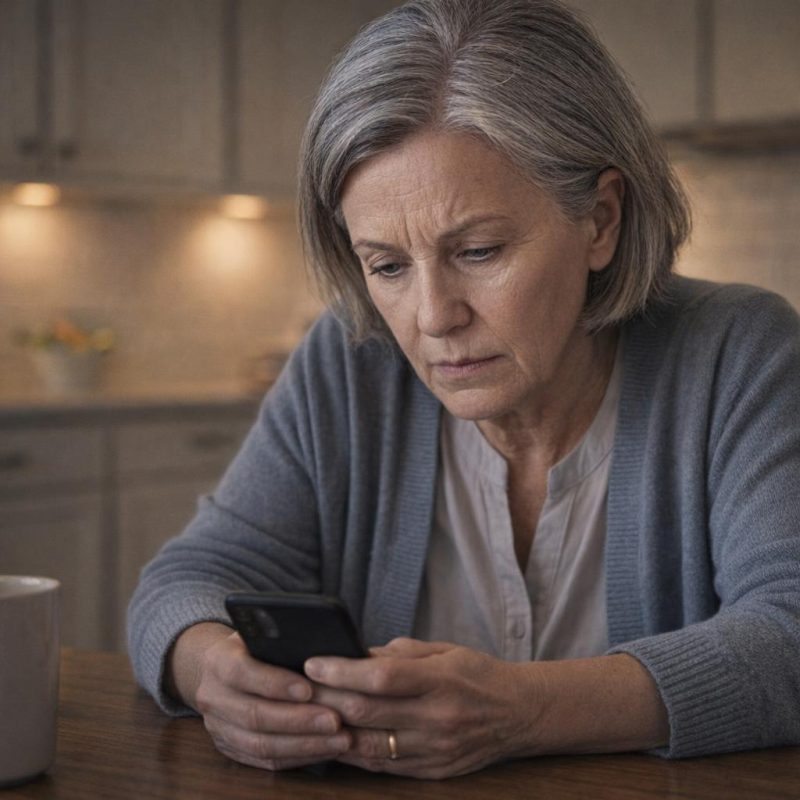 Image by RM AI
The Story He Told
The call came from Patricia, a woman who'd been friends with both David and his first wife years ago. 'Claire, I need to ask you something,' she said, her voice thick with tears. 'Is it true you wouldn't let the kids say goodbye?' I felt the floor tilt beneath me. 'What? Patricia, what are you talking about?' She took a shaky breath. 'Michael told several people that you made all the medical decisions without consulting anyone. That you wouldn't let them visit David in the hospital, that you just... ended everything without giving them a chance to say goodbye.' The words hit me like physical blows. 'That's not—Patricia, that's not what happened at all.' 'I didn't think so,' she said quickly. 'It doesn't sound like you. But he's been telling people, Claire. He said you were secretive about everything, that you controlled who could see David, that you pulled the plug without asking any of them what they thought.' I couldn't breathe properly. This wasn't just Michael believing I'd made the wrong choice—this was something else entirely. 'None of that is true,' I whispered. Patricia was quiet for a moment. 'I believe you. But Claire, he's very convincing.' Michael had told people a version of events where I was not just wrong, but cruel.
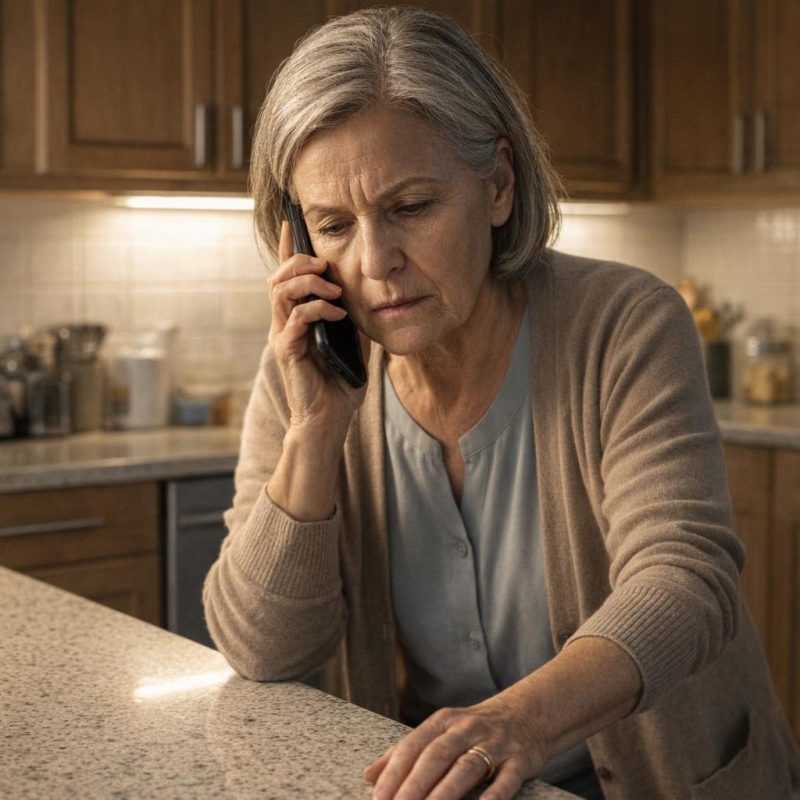 Image by RM AI
Unilateral
I called Thomas the moment I hung up with Patricia, my hands still shaking. 'He's telling people I pulled the plug without asking anyone,' I said, and hearing the words out loud made them feel even more monstrous. 'That I wouldn't let them say goodbye, that I made unilateral decisions about everything.' My voice broke on the last word. Thomas was quiet, and I could hear him breathing on the other end of the line. 'Claire, walk me through exactly what happened. The actual sequence of events.' So I did. I told him about the doctors explaining David's condition, about the meetings where they laid out the options, about signing the DNR forms together, about the days of waiting before the decision to remove life support. 'The hospital staff were involved in every conversation,' I said. 'The doctors, the nurses, the social worker. I didn't do anything alone.' 'That's important,' Thomas said. 'Hospitals have protocols precisely to prevent unilateral decisions. Family members can't just walk in and end life support on their own—there are safeguards, documentation requirements, multiple staff consultations.' I felt a small measure of relief, but it didn't erase the damage already done. Thomas was quiet for a long moment before he said, 'We need to address this directly.'
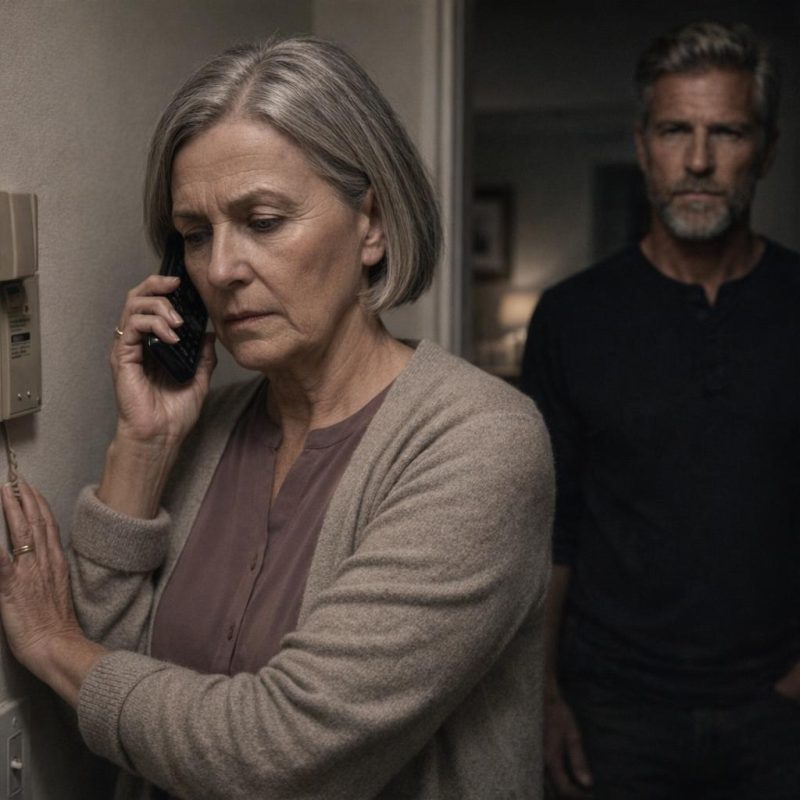 Image by RM AI
Belief
Susan came over that evening with her laptop, and we sat at my dining room table going through social media like detectives. She'd been collecting screenshots, building a file of evidence I wasn't sure what to do with. 'Look at this one,' she said, turning the screen toward me. Rachel had commented on one of Michael's posts: 'We're all here for you. Dad would be so proud of how you're handling this.' And Jennifer, on another: 'Family first, always. Some people will never understand what that means.' The language was coded, supportive without being specific, but the meaning underneath felt clear. They believed him. They believed his version completely, whatever details he'd shared with them privately. I scrolled through more posts, more comments, watching the three of them reinforce each other's narrative in public view. 'They're not going to just change their minds,' Susan said quietly. 'Not after months of this. They've built a whole story together.' I nodded, feeling the weight of it. Every conversation they'd had, every time they'd talked about what happened, they'd been cementing this version deeper into their understanding of reality. Whatever proof I found would have to be strong enough to override months of Michael's storytelling.
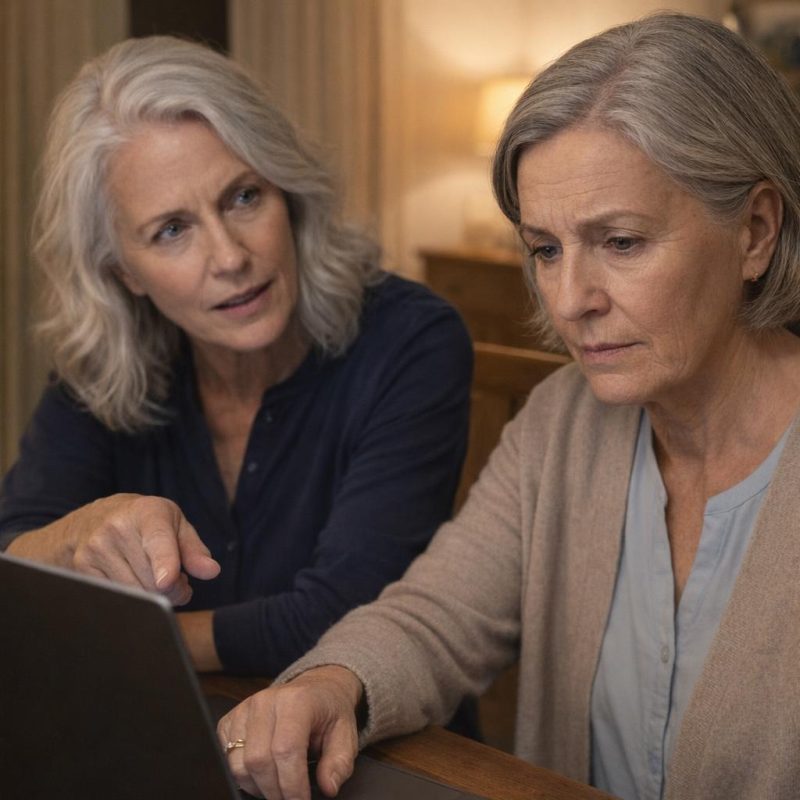 Image by RM AI
Ethics Documentation
Thomas called on Friday afternoon, and something in his voice made me sit down before he even started talking. 'The hospital found records from an ethics consultation,' he said. 'Do you remember that happening?' I searched my memory, those hospital days blurring together. 'Maybe? There were so many meetings, so many people.' 'The ethics committee was formally involved in David's case,' Thomas explained. 'There are notes from multiple staff members—doctors, nurses, a social worker, a patient advocate. They documented the decision-making process, the consultations with you, the medical justifications for each step.' My heart lifted. 'That's good, right? That proves I didn't act alone?' 'It proves you followed proper protocol,' Thomas said carefully. 'It shows multiple medical professionals were involved, that you consulted with staff throughout the process. No one can claim you made unilateral decisions—the documentation makes that impossible.' I waited for the other shoe to drop. 'But?' 'But the notes focus on medical necessity and hospital procedures. They document that you were consulted and that you agreed with the medical recommendations. They don't capture what David himself wanted.' The notes confirmed that multiple staff members had been involved in the decisions, but they still didn't prove David had wanted them.
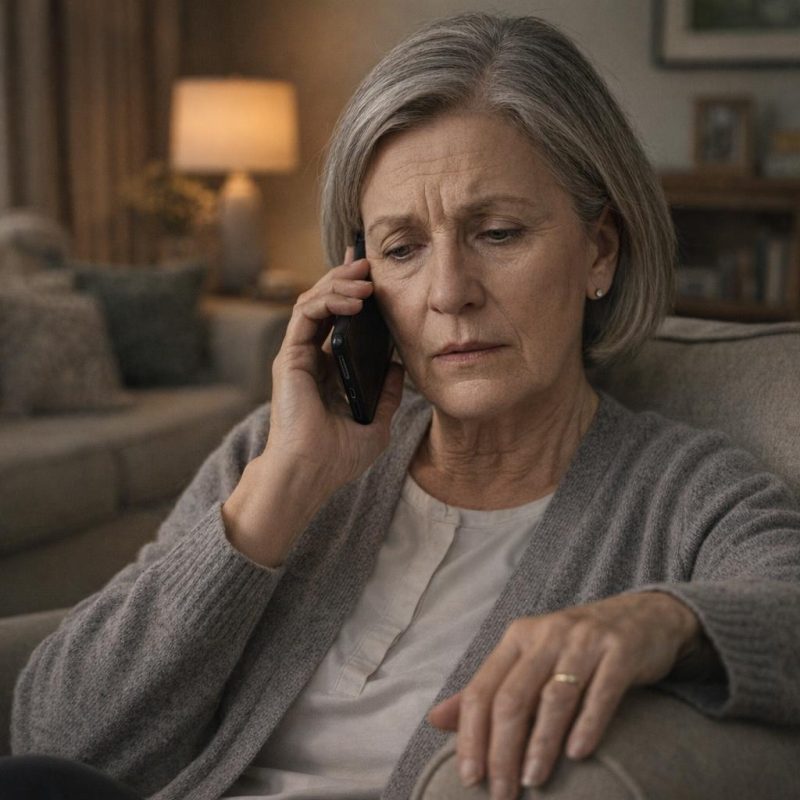 Image by RM AI
Not Enough
I spread everything across my dining room table that night—the DNR forms, the ethics consultation notes, the hospital discharge summaries. David's signature appeared on multiple pages, his handwriting still so familiar it made my chest ache. I traced the loops of his name with my finger, remembering him signing these forms, remembering the conversations we'd had. But what did his signature actually prove? The forms were dated over several days, not signed in one rushed moment, which felt important somehow. But there was no narrative attached to them, no explanation of what we'd discussed or why he'd agreed. I could see how someone could look at these same documents and construct a different story. Maybe he'd signed without fully understanding. Maybe I'd pressured him when he was vulnerable and scared. Maybe he'd felt he had no choice but to agree with whatever I suggested. A signature could mean agreement, or it could mean resignation, or it could mean a dozen other things if someone wanted to believe that. I stacked the papers carefully, lining up the edges, trying to find certainty in documents that suddenly felt inadequate. A signature could mean anything—agreement, resignation, or even coercion, if someone wanted to believe that.
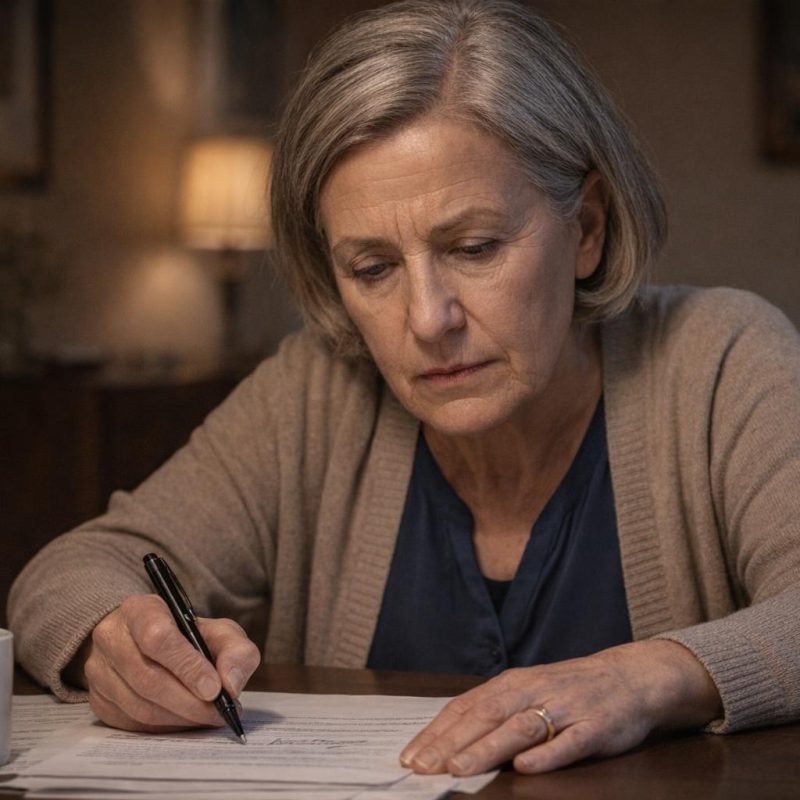 Image by RM AI
The Office
I stood in the doorway of David's home office, looking at the space I'd already searched twice before. But this time I wasn't looking for something specific—I was looking for anything I might have missed. I started with the desk drawers, removing everything completely instead of just shuffling through. Old pens, rubber bands, expired coupons, the accumulated debris of years. I checked the backs of drawers for anything taped there, ran my hands along the undersides. Nothing. I moved to the filing cabinet, pulling out every folder, checking behind the hanging files themselves. I opened books on the shelves, shaking them gently to see if anything fell out. I felt slightly ridiculous, like someone in a movie searching for hidden treasure, but I couldn't stop. Behind a stack of old tax returns in the bottom drawer, my fingers touched something I didn't remember—a manila folder, thicker than the others, pushed all the way to the back. I pulled it out carefully. 'Estate Planning' was written across the tab in David's neat handwriting. My heart started beating faster. I didn't remember this folder. I didn't remember ever seeing it before. Behind a stack of old tax returns, I found a manila folder labeled 'Estate Planning' that I didn't remember ever seeing.
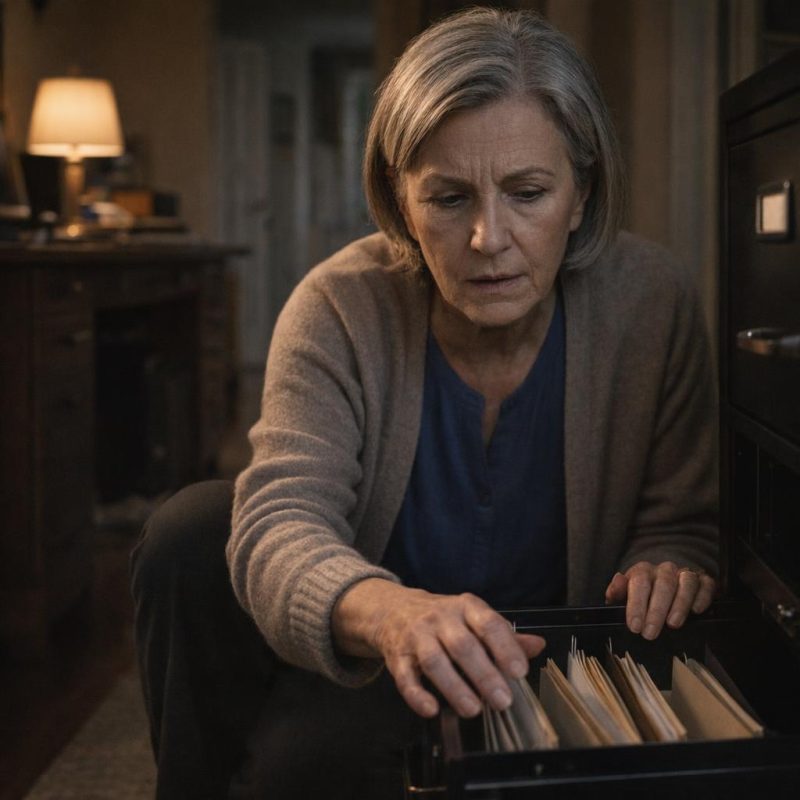 Image by RM AI
Estate Documents
I carried the folder to David's desk and sat down in his chair, my hands trembling slightly as I opened it. Inside were copies of our wills, updated versions I recognized from when we'd met with the lawyer three years ago. The deed to the house, both our names listed as owners. Several pages of notes in David's handwriting, detailed instructions about what should happen to his possessions. 'The woodworking tools go to Michael,' one section read. 'My father's watch to Thomas when he turns twenty-five.' Page after page of careful planning, David's voice coming through in every line. I read through each page slowly, seeing how much thought he'd put into this, how he'd wanted to make sure everything was clear. At the bottom of the stack, underneath everything else, was a single page I almost missed. The heading at the top made me freeze: 'Healthcare Wishes.' I recognized David's handwriting immediately, the same careful print he'd used for everything else in the folder. My hands shook as I picked up the page, hardly daring to breathe. This was it—this might be exactly what I needed. At the bottom of the stack was a single page with the heading 'Healthcare Wishes,' and my hands shook as I picked it up.
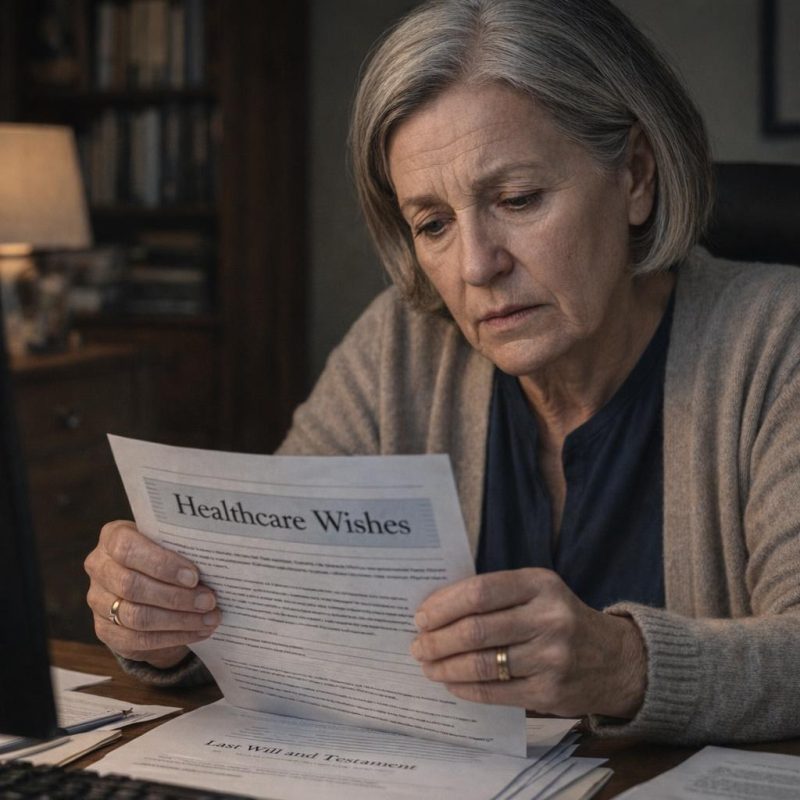 Image by RM AI
Healthcare Wishes
The page was dated three years ago, written in David's careful handwriting. My eyes scanned the words quickly at first, then I forced myself to slow down and read each line properly. He'd written about wanting dignity at the end, about not wanting to be kept alive by machines if there was no real hope. The words were so clearly him—practical, thoughtful, trying to spare everyone unnecessary pain. But then, about halfway down the page, there was a sentence that made my breath catch: 'I have prepared a formal advance directive with Thomas Greene, our attorney, which contains my complete healthcare wishes and a personal letter to Claire.' I read that line three times, my heart hammering. A formal directive. With an attorney. A letter to me. I'd never known any of this existed. David had done all of this planning, had thought through exactly what he wanted, and he'd filed it away somewhere I'd never thought to look. The page in my hands was just a reference note, a reminder that the real documents existed elsewhere. I grabbed my phone with shaking hands and pulled up Thomas Greene's contact information. It was after business hours, but I sent him an email anyway, asking if we could meet as soon as possible. I had to know what was in that sealed envelope.
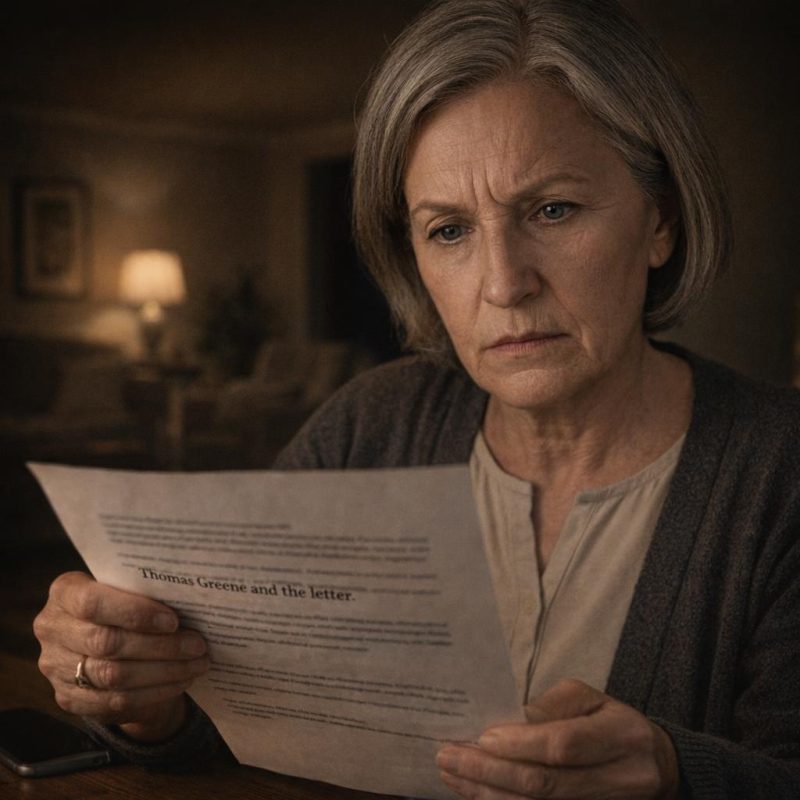 Image by RM AI
David's Words
Thomas called me first thing the next morning and told me to meet him at the bank where David and I had kept our joint safety deposit box. I'd forgotten we even had one—we'd opened it years ago to store our passports and some old jewelry. Thomas met me there with a key I didn't know he'd been holding, explaining that David had given him access as part of the estate planning. Inside the narrow metal box, beneath our passports and my grandmother's ring, was a sealed manila envelope with my name written across the front in David's handwriting. My hands trembled as I opened it. Inside was a formal advance directive, professionally prepared and notarized, dated three years before David's death. And beneath that was a letter, two pages in David's own hand. 'My dearest Claire,' it began, and I had to stop reading for a moment because tears were already blurring my vision. He wrote that he was giving me complete authority to make all end-of-life decisions on his behalf. He wrote that he wanted no heroic measures, no machines keeping him alive when there was no hope of recovery. He wrote that he trusted my judgment completely, that he knew I would honor his wishes even when it was hard. And then, at the end, he apologized—apologized for not having this conversation with his children, for leaving me to carry this burden alone. He'd written that he couldn't bear to discuss his death with them while he was still healthy, that he'd kept putting it off until it felt too late. I sat in that small bank room and cried, holding proof that I had done exactly what he'd asked me to do.
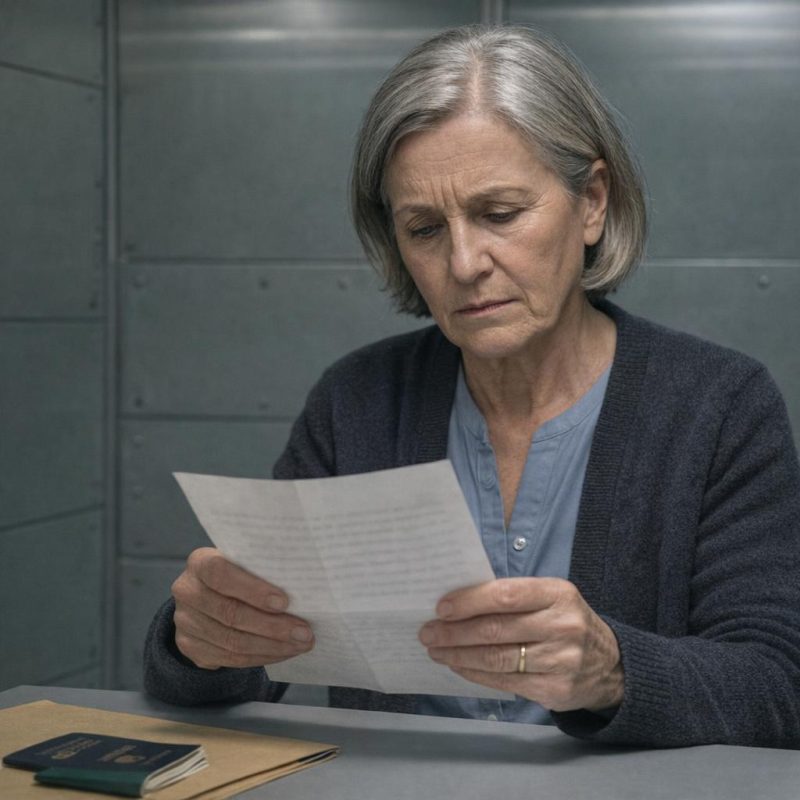 Image by RM AI
No Heroic Measures
I couldn't drive home yet. I sat in my car in the bank parking lot with the letter in my lap, reading it over and over until I'd memorized every word. David had been so specific about what he didn't want—he'd written about not wanting to be kept alive by machines, about quality of life mattering more than quantity of days. He'd used the exact phrase 'no heroic measures' twice. He'd written that he'd watched his own father linger for months on life support and had sworn he'd never put his family through that. The letter acknowledged that his children might struggle with these decisions, that they might want to fight for every possible day. But he'd written that he was trusting me to be strong enough to let him go when the time came. What broke my heart most was a paragraph near the end where he explained why he hadn't told Michael, Rachel, and Jennifer about these wishes. He'd written that he didn't want them carrying that weight while he was still healthy, didn't want them thinking about his death every time they saw him. He'd thought he was protecting them. But in protecting them, he'd left me completely alone to face their anger and accusations. David had made a choice, and I'd paid the price for it. The children just never asked to see it.
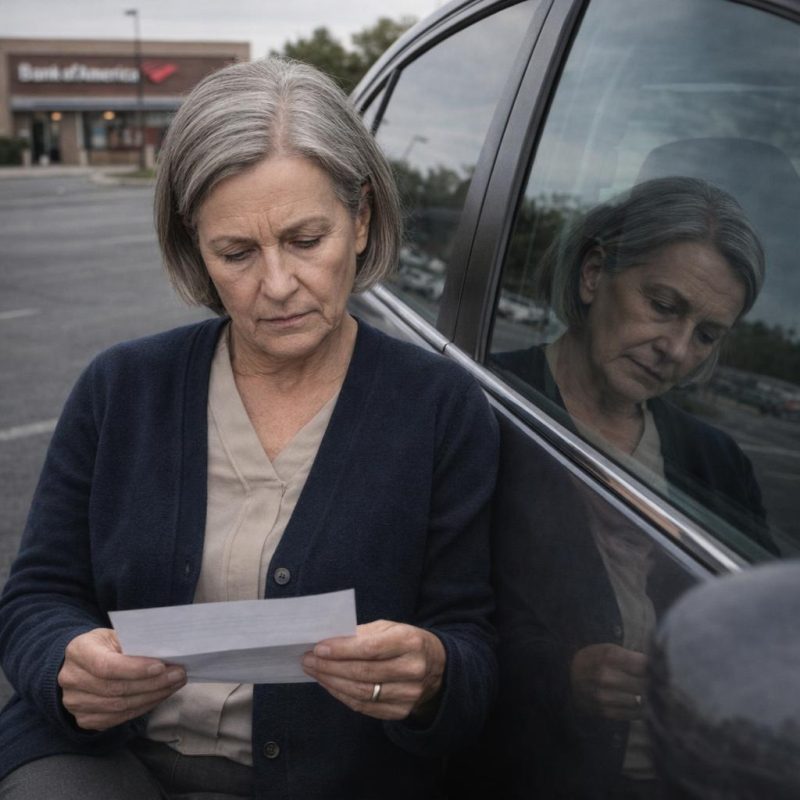 Image by RM AI
What Michael Knew
Back home, I spread all the documents across my dining room table—the will, the healthcare directive, the letter, everything Thomas had helped me gather. That's when I noticed something I'd missed before. Michael's name appeared on several pages of the estate planning documents as a beneficiary and as someone who would receive a copy of the will. David had been transparent about the financial side of things, making sure his children knew exactly what they'd inherit. But the healthcare directive was filed separately, in that sealed envelope in the safety deposit box. Only my name appeared on it as the designated decision-maker. I sat back in my chair, thinking about what this meant. Michael had known that estate planning had been done three years ago. He'd probably received his copy of the will, seen that everything was in order. But had he ever asked about healthcare directives? Had he wondered what his father wanted if he became seriously ill? Or had he simply assumed there was nothing beyond the standard hospital forms? I couldn't tell if Michael's ignorance was innocent or if he'd chosen not to seek information he didn't want to find. But one thing was becoming clear: Michael had access to some of David's final wishes, which meant he could have asked about the rest.
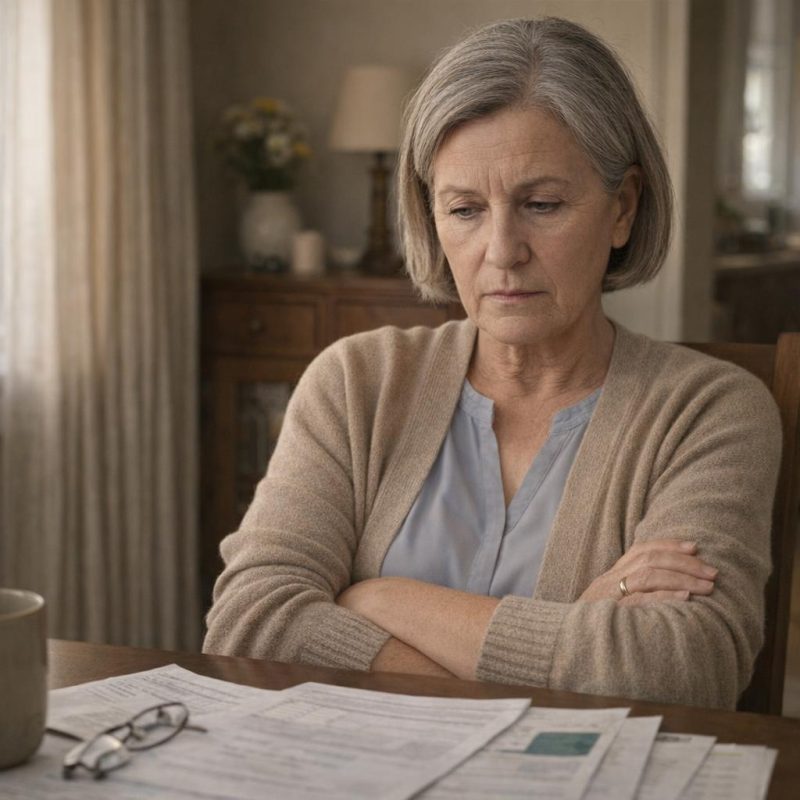 Image by RM AI
Gathering Courage
I took everything to a print shop the next morning and made three copies of each document—the directive, the letter, the dated envelope, all of it. Then I scanned everything and saved the files to my computer, my phone, and a thumb drive. I wasn't taking any chances. When I got home, I called Thomas to tell him what I'd found and what I was planning to do. He was quiet for a moment, then said the documents were legally significant and that I had every right to share them with David's children. He suggested I send them to all three siblings at the same time, so no one could claim I was playing favorites or manipulating the narrative. I spent an hour drafting an email, trying to keep it factual and brief. I explained where I'd found the documents, when they'd been prepared, and that I was sharing them so everyone could see David's actual wishes in his own words. I attached the scanned files and typed Michael's, Rachel's, and Jennifer's email addresses into the recipient field. Then I sat there staring at the screen, my cursor blinking in the subject line. Once I pressed send, everything would change. They'd have to face the truth, have to reconcile what they'd believed about me with what their father had actually written. I typed their email addresses into the recipient field and stared at the blinking cursor, knowing that once I sent this, everything would change.
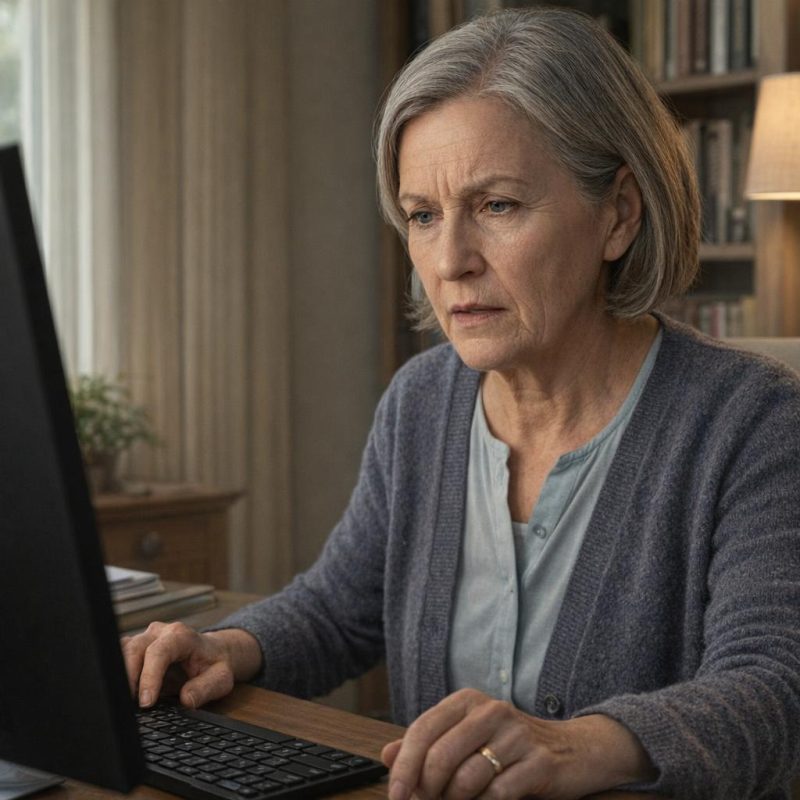 Image by RM AI
The Send Button
I took a deep breath and pressed send. The email disappeared from my draft folder and appeared in my sent messages, timestamped and final. Within seconds, delivery confirmations popped up—one for Michael, one for Rachel, one for Jennifer. All three emails had been received. I set my phone down on the table and just sat there, feeling like I'd jumped off a cliff and was waiting to see if there was water below or rocks. The relief was immediate and overwhelming—I'd finally done something, taken action instead of just absorbing their accusations. But right behind the relief came a wave of terror. I had no control over how they'd receive this information, no way to know if they'd even open the attachments or if they'd find some way to dismiss what their father had written. The house felt incredibly quiet. I kept picking up my phone and setting it back down, resisting the urge to send a follow-up message, to explain more, to somehow cushion the blow. Susan called around dinnertime to check in, and I told her what I'd done. She was quiet for a moment, then said firmly that I'd done exactly the right thing, that the truth needed to be out there regardless of how they reacted. The delivery confirmation appeared for each address, and then there was nothing to do but wait.
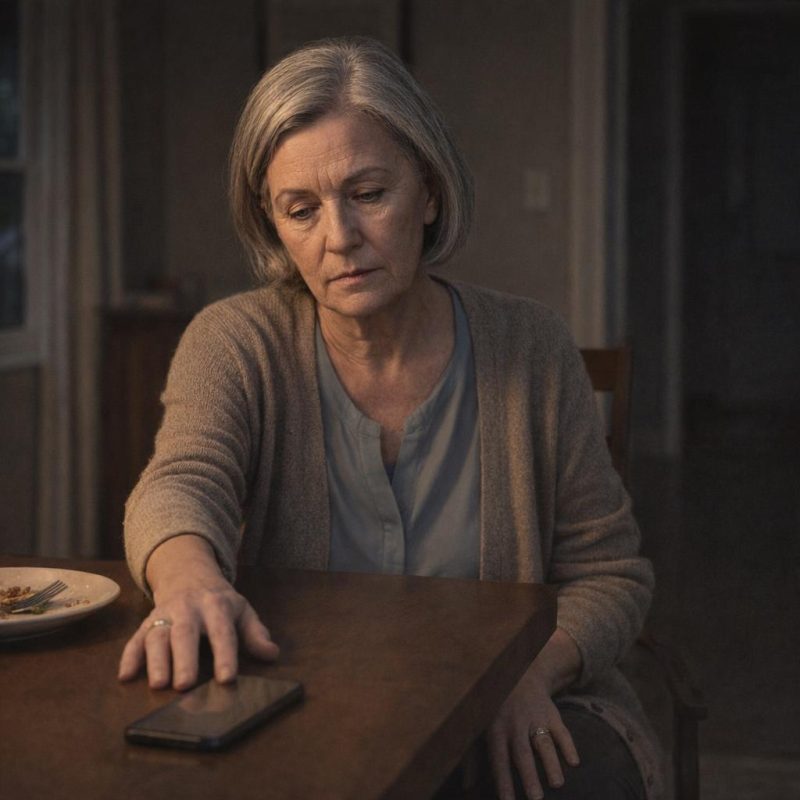 Image by RM AI
The Waiting
The waiting was torture. I checked my phone every few minutes, looking for read receipts, for any sign that they'd opened the email. I'd enabled tracking on the message, so I could see when each attachment was downloaded, but the notifications stayed silent. That first day crawled by. I couldn't focus on anything—I'd start a task and then find myself staring at my phone again, wondering if they'd seen it yet. Sleep was nearly impossible that night. I lay in bed imagining their reactions, playing out scenarios in my head. Would they be relieved? Angry that David hadn't told them himself? Would they accuse me of forging the documents somehow? Susan came over the next afternoon and forced me to go for a walk, trying to distract me. We talked through the possible outcomes, both the hopeful ones and the ones I was afraid to voice. Two full days passed with complete silence. No emails, no calls, no texts. I started to wonder if they'd blocked me entirely, if the messages had even gotten through. Then, on the third morning, I was making coffee when my phone lit up on the counter. Rachel's name appeared on the screen. My heart stopped, and I just stood there staring at it, the phone ringing in my hand, afraid to answer.
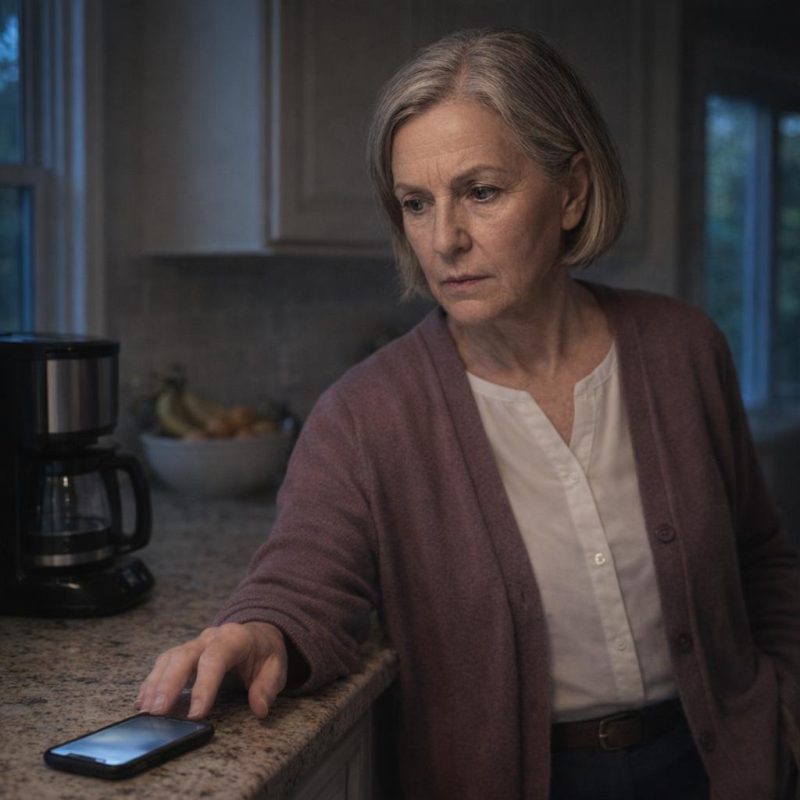 Image by RM AI
Rachel's Call
I swiped to answer before I could lose my nerve. 'Hello?' My voice came out shakier than I'd intended. There was a pause, and then Rachel's voice came through, softer than I'd heard it in months. 'Claire? It's Rachel. I... I read everything you sent.' I gripped the phone tighter, afraid to hope, afraid to speak. 'I was wondering if I could come over,' she continued. 'To talk. In person, if that's okay.' I managed to say yes, suggested that afternoon, and she agreed immediately. Her tone was different—hesitant, maybe, but without the cold edge that had been there since the funeral. Before she hung up, she said something that made my eyes fill with tears: 'I read his letter. The whole thing.' We set a time and ended the call, and I stood in my kitchen trying to process what had just happened. Rachel had read David's words. She'd heard directly from her father what he'd wanted, why he'd trusted me. I spent the next few hours in a daze, straightening the house, pulling out the original documents to show her in person. I didn't know what this conversation would bring, didn't know if Jennifer or Michael had read the email too, but for the first time since David died, Rachel sounded like my stepdaughter again.
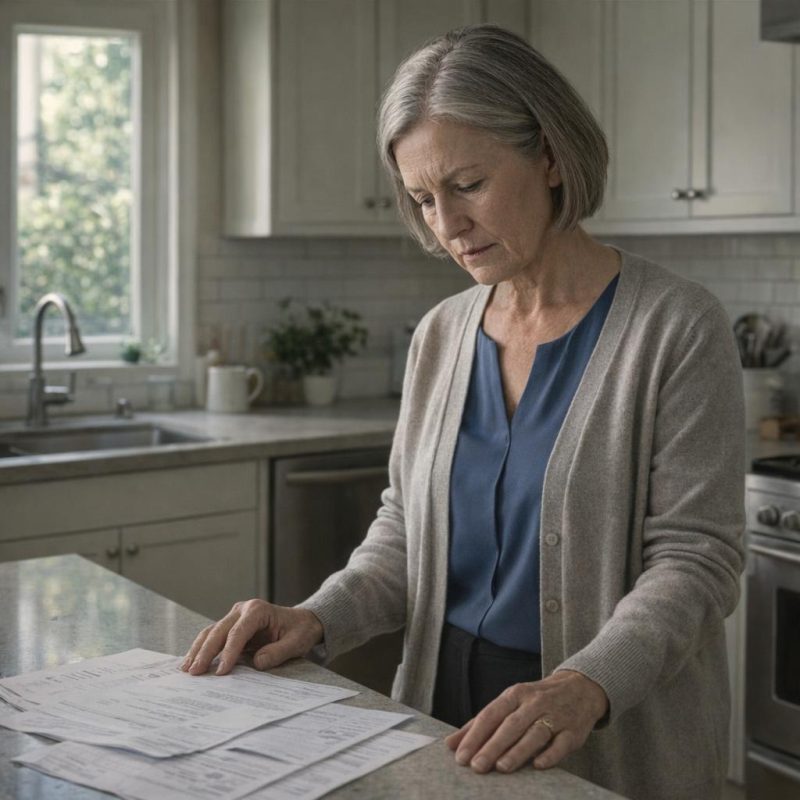 Image by RM AI
I Never Saw It
Rachel sat across from me at my kitchen table—the same table where we'd shared so many family dinners, where David had carved Thanksgiving turkeys and the kids had done homework—and she cried. Not the angry tears I'd seen at the funeral, but the kind that come from somewhere deep and broken. 'I never saw it,' she said, her voice shaking. 'Claire, I never saw Dad's letter. I didn't know it existed.' I pushed the folder across the table toward her, my hands trembling. She opened it and started reading, and I watched her face change as she recognized her father's handwriting, his words, his voice coming through the page. 'Michael told us you made all the decisions yourself,' she whispered. 'He said you went against Dad's wishes, that you were trying to control everything.' I felt something crack open in my chest—relief mixed with a fresh wave of pain. 'I would never,' I managed to say. Rachel looked up at me, mascara streaking down her cheeks. 'I know that now. God, I should have known it then. I'm so sorry.' She kept reading, kept crying, and I sat there trying to process that she'd believed Michael's version completely, that none of them had questioned it. When I finally asked what exactly Michael had told them, her expression shifted to something darker.
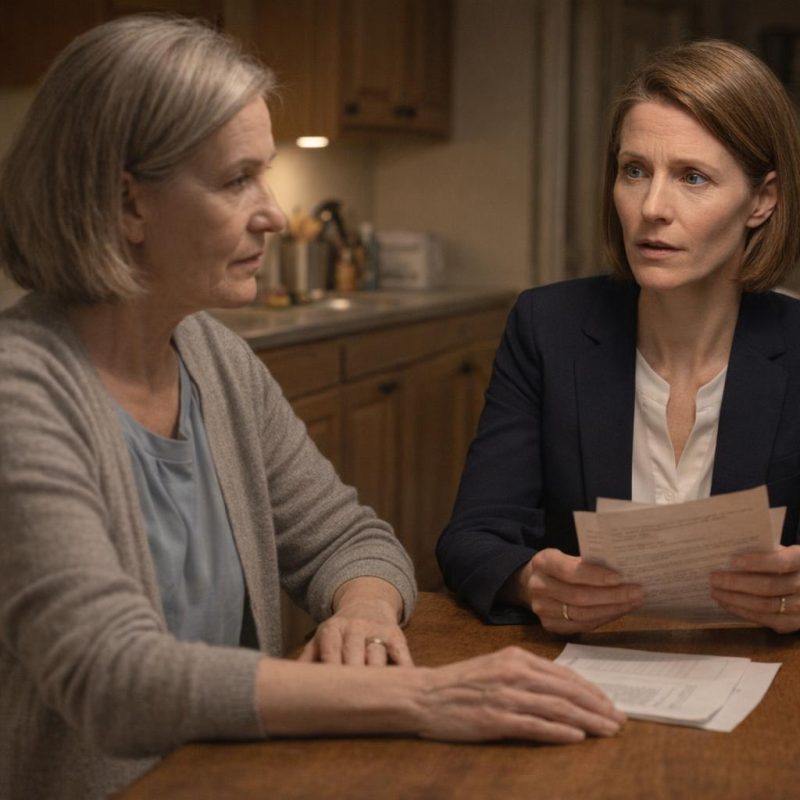 Image by RM AI
Jennifer's Tears
Jennifer called that evening, and I could barely understand her through the sobbing. 'I'm sorry,' she kept saying. 'I'm so, so sorry, Claire.' I gripped the phone, my own eyes filling with tears as I listened to her fall apart. 'I should have known you would never hurt Dad. I should have known.' Her voice broke on every word, and I found myself trying to comfort her even though I was the one who'd been cut off, the one who'd spent months wondering what I'd done wrong. 'It's okay,' I heard myself saying, though it wasn't, not really. 'Jennifer, it's okay.' She told me she'd felt conflicted from the beginning, that something hadn't felt right about cutting me out, but Michael had been so certain, so convinced that he was protecting them. 'He said he had information,' Jennifer explained between sobs. 'He said he knew things about the decisions you made, and we just... we just believed him.' I closed my eyes, picturing Michael at the hospital, his rigid posture and intense stare. 'He said he would handle everything,' Jennifer continued, her voice dropping to almost a whisper. 'And we just let him.'
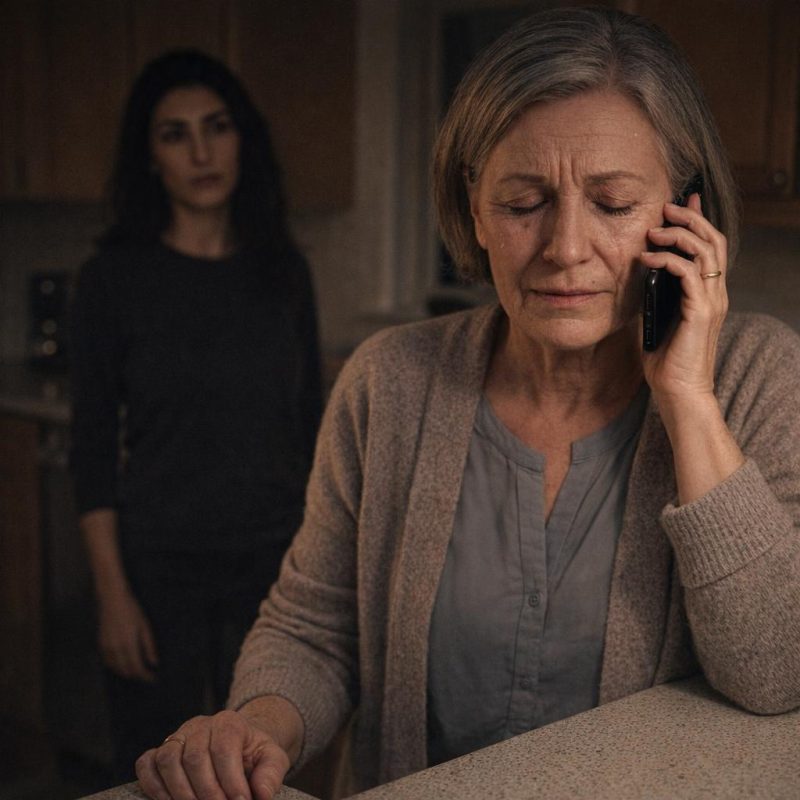 Image by RM AI
Michael's Silence
I waited three more days for Michael to respond to the email, to the documents, to the undeniable proof of what his father had actually wanted. My inbox stayed empty. My phone stayed silent. Rachel and Jennifer had both reached out, both apologized, both started the painful process of rebuilding what we'd lost. But Michael? Nothing. I checked my email obsessively, refreshed it dozens of times a day, but there was never anything from him. On the fourth day, Rachel called. 'I tried talking to him,' she said, and I could hear the frustration in her voice. 'I showed him the letter, told him everything you sent us.' My heart started pounding. 'What did he say?' There was a long pause. 'He said we were being manipulated. He said you could have forged the documents or coerced Dad into writing them.' I felt the air leave my lungs. 'Rachel—' 'I know,' she cut me off. 'I know it's insane. I told him Dad's handwriting is right there, that the hospital directive has official stamps and signatures. He wouldn't even look at them.' She sounded disturbed, shaken in a way that went beyond frustration. I realized then that Michael's silence wasn't about needing time to process the truth. He'd seen the evidence and chosen to reject it anyway, and that told me everything I needed to know about what this had really been about.
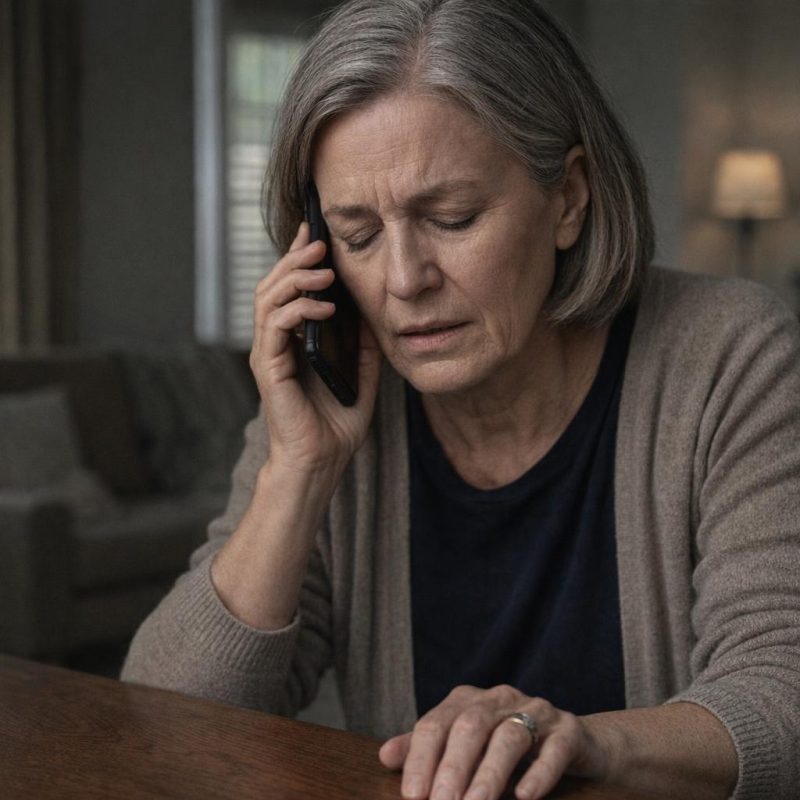 Image by RM AI
The Confrontation
I drove to Michael's house on a Tuesday afternoon without calling ahead, without giving myself time to talk myself out of it. The folder with David's letter and the hospital directive sat on my passenger seat, and my hands were shaking on the steering wheel. When I pulled into his driveway, I sat there for a full minute trying to steady my breathing. Then I grabbed the documents and walked to his front door. I rang the bell and waited, my heart hammering. When Michael opened the door and saw me standing there with the folder in my hand, his entire body went rigid. His face didn't show surprise exactly—it was more like recognition, like he'd known this confrontation was coming and had been preparing for it. 'We need to talk,' I said, holding up the folder. His jaw clenched. For a moment I thought he might close the door in my face, but instead he stepped outside and pulled the door shut behind him, as if he didn't want anyone inside to hear what he was about to say.
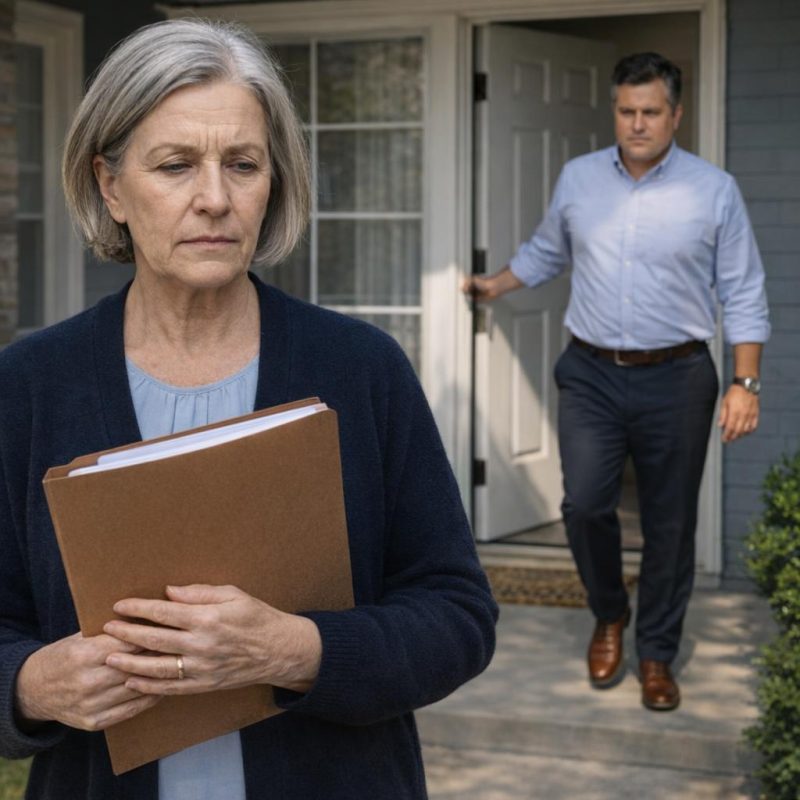 Image by RM AI
Twenty Years of Resentment
Michael stood on his front porch with his arms crossed, and when he finally spoke, it wasn't an apology or an explanation. It was twenty years of resentment pouring out in a controlled, bitter stream. 'You never belonged in this family,' he said, his voice low and hard. 'From the day Dad married you, I knew what you were.' I stared at him, stunned. 'What I was?' 'Someone after his money. Someone who wanted to replace our mother and take what was ours.' He said it like it was obvious, like it was a fact he'd been living with all this time. I tried to speak but he kept going. 'I had to watch him give you everything—his time, his attention, his trust. I had to watch my sisters accept you like you were actually family.' His hands were clenched into fists now. 'When he got sick, I knew this was coming. I knew you'd try to take control, make decisions that benefited you, push us out.' My mouth went dry. 'Michael, I never—' 'I've been waiting for this,' he interrupted. 'Waiting for the day you'd try to take everything from us. Dad's death just gave me the chance to stop you first.'
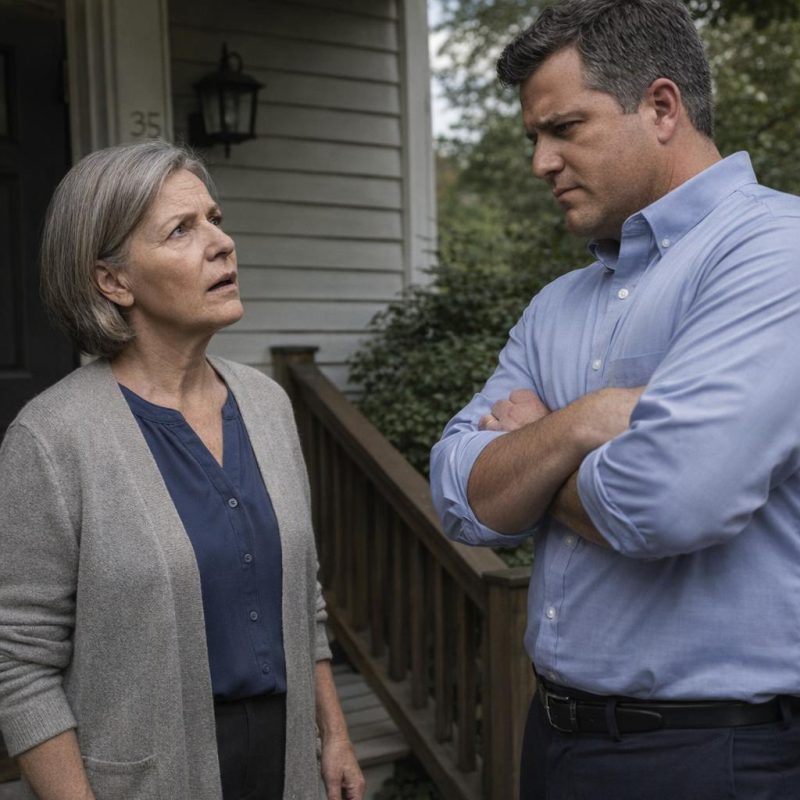 Image by RM AI
The Truth About Michael
I stood there on Michael's porch, the folder still in my hands, and everything finally made sense in the most horrible way. This wasn't a misunderstanding. It wasn't grief making him irrational or protective instincts gone too far. Michael had deliberately constructed a narrative to erase me from the family he'd never wanted me to be part of. Every accusation, every cold stare at the hospital, every word he'd said to his sisters—it had all been calculated. 'Did you even read your father's letter?' I asked, my voice barely above a whisper. 'Did you look at what he actually wrote before you told Rachel and Jennifer that I'd gone against his wishes?' Michael looked away, his jaw still tight, his posture still rigid. When he spoke again, his words hit me like ice water. 'It doesn't matter what he wrote.'
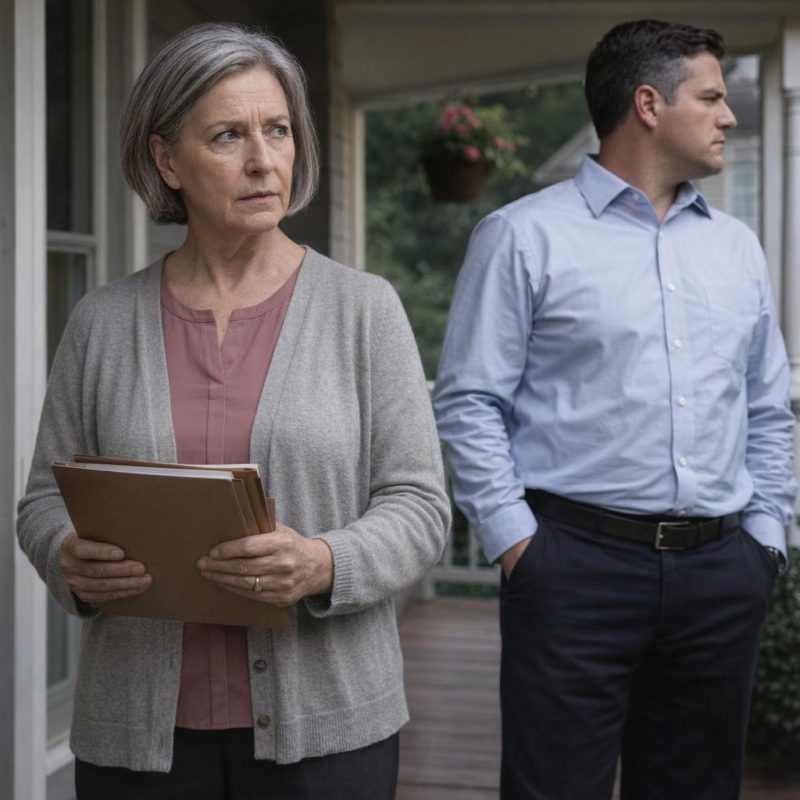 Image by RM AI
The Sisters
I met Rachel and Jennifer at a coffee shop on Saturday morning, just the three of us. Michael wasn't invited, and we all understood why. We sat in a corner booth for three hours, and it felt like trying to find our way back to each other through a fog of grief and lost time. They told me about the months after David died, how empty everything felt, how Michael had seemed so certain about what had happened. I told them about sitting alone in our house, replaying every hospital conversation, wondering what I'd done to deserve their silence. Rachel cried when I described reading David's letter for the first time, how his words had been the only thing keeping me from falling apart completely. Jennifer shared memories of her father I'd never heard, moments from their childhood that made us all laugh through tears. We talked about his terrible jokes, his obsession with perfectly grilled steaks, the way he'd hum off-key while doing dishes. We mourned together what we should have been doing all along. When Rachel finally asked if I could ever forgive them, I realized the answer had been forming throughout our entire conversation. I already had.
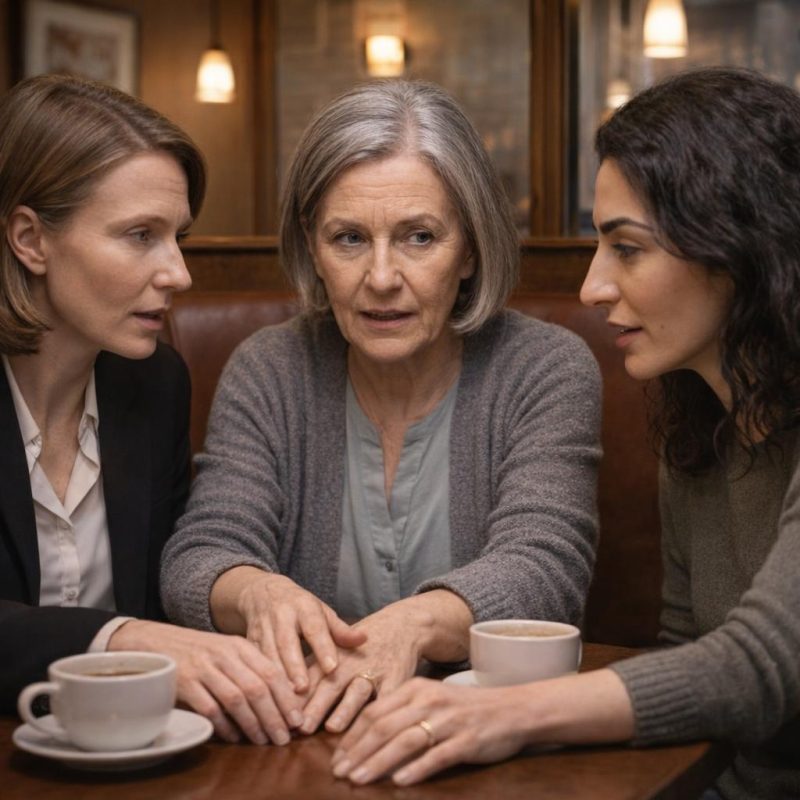 Image by RM AI
Forgiveness
Jennifer reached across the table and took both my hands in hers, squeezing tight. 'I need to apologize for everything,' she said, her eyes red and swollen. 'Not just for believing Michael, but for every birthday I missed. Every holiday I didn't call. Every Sunday dinner that should have had you there.' Her voice cracked. 'For every moment I let silence speak for me when I should have been asking questions.' Rachel nodded, wiping her eyes. 'My kids keep asking about you. They remember you, Claire. They remember Grandma Claire who taught them to bake cookies and took them to the park.' My throat tightened. I'd missed two years of their lives, two years of watching them grow. 'Emma asked me last week why you stopped coming to her dance recitals,' Rachel continued. 'And I didn't know what to tell her because the truth is I stopped inviting you based on a lie.' I squeezed Jennifer's hands back, unable to speak for a moment. When I finally found my voice, it came out rough with emotion. 'I've missed them so much.' Rachel looked at me with something like hope breaking through the grief. 'We want you back in our lives. In their lives. If you're willing to let us try again.'
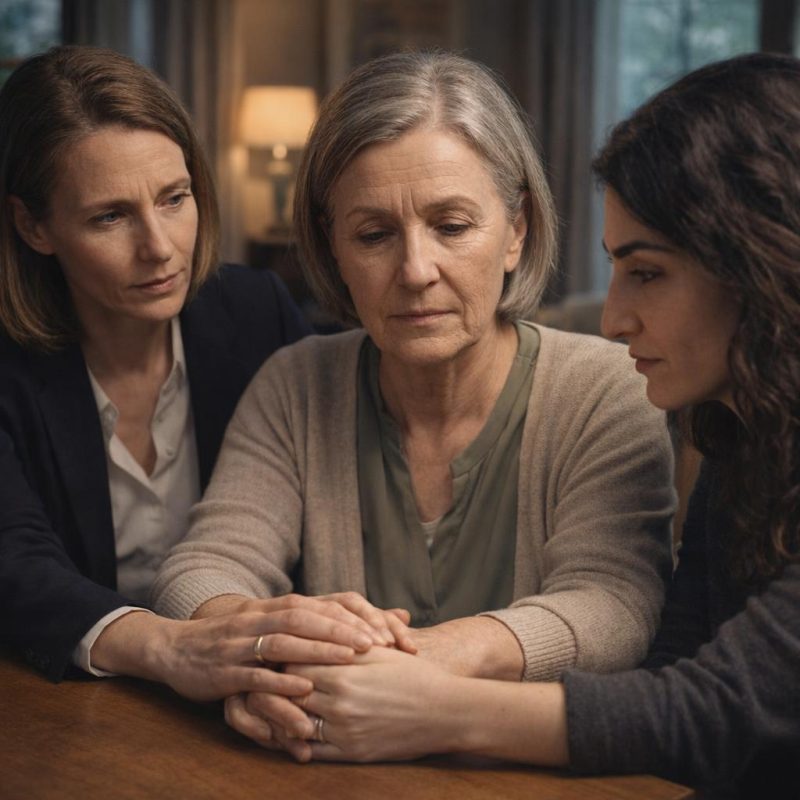 Image by RM AI
Boundaries
We had to talk about Michael. The conversation I'd been dreading, the one that would force me to accept what I already knew but hadn't wanted to say aloud. Rachel brought it up first, her voice careful but firm. 'He won't discuss it anymore,' she said. 'I tried calling him three times this week, and he either doesn't answer or changes the subject immediately.' Jennifer nodded, fidgeting with her coffee cup. 'He told me we were being manipulated. That we'd regret choosing you over him.' The words stung, but I'd expected them. I'd spent enough sleepless nights preparing myself for this reality, making the difficult choice to let him go. 'I don't want you to choose,' I said quietly. 'He's your brother. I would never ask you to—' 'Stop,' Rachel interrupted, her tone sharper than I'd heard it in weeks. 'This isn't about choosing. Michael made his choice when he lied about you. When he refused to even consider he might be wrong.' Jennifer leaned forward. 'We've talked about this. Holidays, birthdays, family events—we'll figure it out. Maybe some things need to be separate for a while. Maybe forever. But we're not letting his anger control our lives anymore.' I looked at both of them, these women who'd been my daughters for fifteen years, and felt something settle in my chest. Michael might never forgive me for loving his father, for being the woman who stayed. And I had to make peace with that. Rachel and Jennifer agreed that Michael had made his choice, and they wouldn't let his choices determine their relationships anymore.
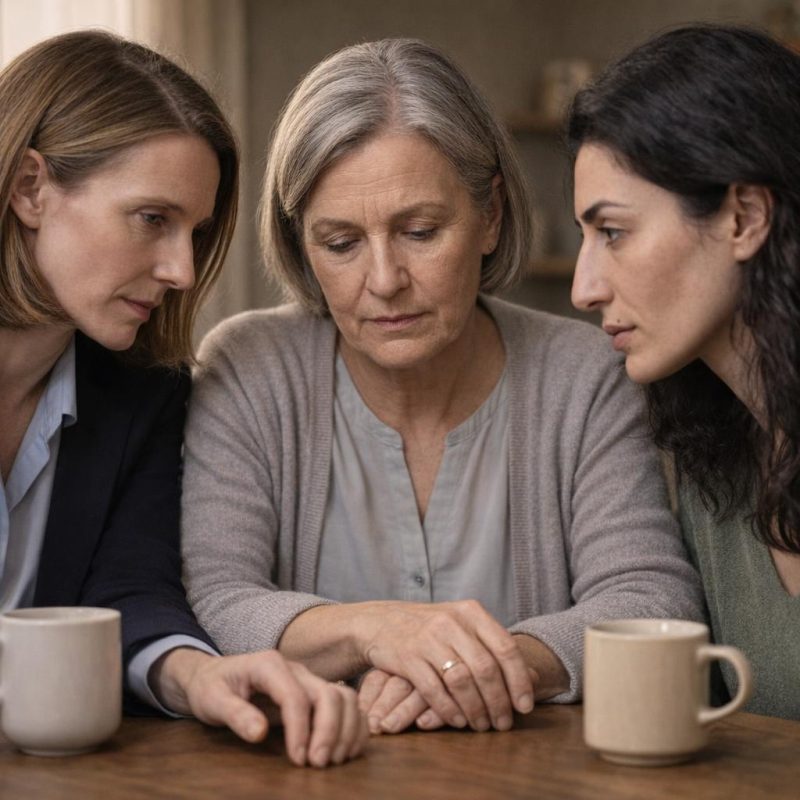 Image by RM AI
Coffee and Conversation
Three days later, I met Rachel and Jennifer at a coffee shop downtown, and for the first time in forever, we didn't talk about Michael or David or the missing year between us. We just talked. Rachel told me about Emma's dance recital and how her son had decided he wanted to be a paleontologist this week, probably a firefighter next week. Jennifer complained about her new boss who scheduled meetings at seven in the morning like a sociopath. I told them about Susan's latest dating disaster and the book club I'd been thinking about joining. We laughed—actually laughed—over Jennifer's story about accidentally replying-all to a company email. It felt surreal, sitting there with lattes and pastries, discussing ordinary life like the past year had been some terrible dream we were finally waking from. I was tentatively rebuilding something I'd thought was lost forever, brick by careful brick. When we stood to leave, Jennifer pulled me into a tight hug. I felt her breath catch, felt her arms squeeze harder. 'I missed you, Mom,' she whispered against my shoulder. That one word—Mom—hit me harder than any of the apologies or explanations. It was the simplest thing, the most ordinary thing, and it meant everything.
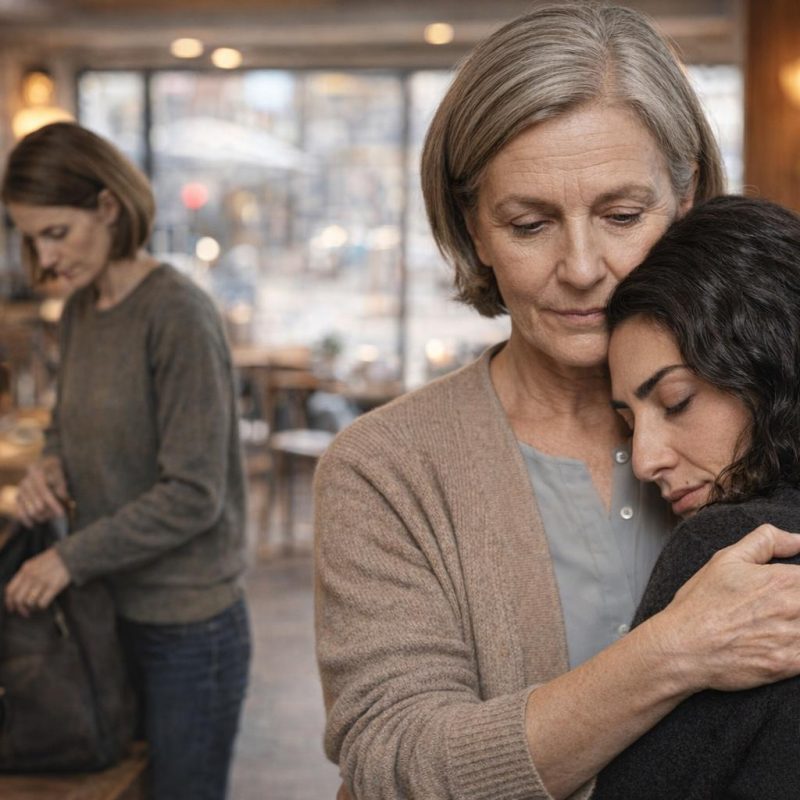 Image by RM AI
Sunday Dinner
I set the table for eight people, my hands shaking slightly as I placed the extra plates and glasses. The house hadn't held this many voices since before David died, and part of me worried I'd forgotten how to do this—how to host, how to fill a home with warmth instead of just occupying it. But then they arrived, and suddenly the quiet rooms exploded with life. Rachel's kids ran through the hallway, their laughter echoing off walls that had been silent for too long. Jennifer's husband helped me carry dishes from the kitchen while Rachel poured wine and told a story about David accidentally dyeing all his white shirts pink in the laundry. We laughed until we cried, and it felt good—it felt right—to remember him with joy instead of just grief. Dinner was chaotic and perfect, everyone talking over each other, reaching for bread, asking for seconds. I'd made David's favorite pot roast, and when Rachel's youngest took a bite, she looked up at me with wide eyes. I was finding my new normal in the noise and warmth, in the beautiful chaos of family gathered around my table again. 'Is Grandpa watching from heaven?' she asked, so innocent and direct. The table went quiet for just a moment, and I realized that grief and joy could sit at the same table.
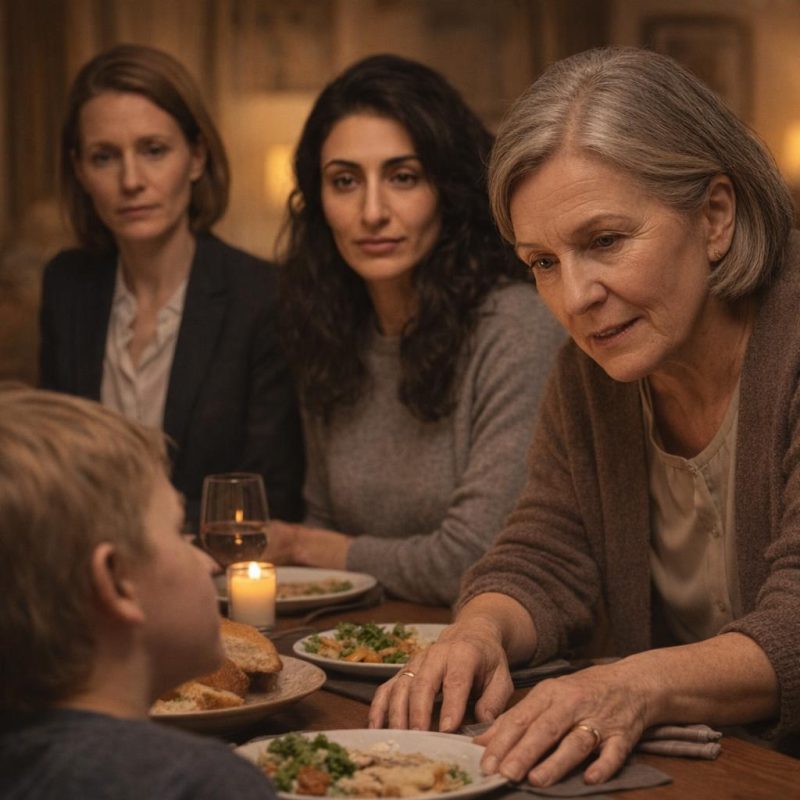 Image by RM AI
What Remains
After everyone left, I sat in the living room surrounded by the beautiful mess they'd left behind—empty wine glasses with lipstick marks, crumpled napkins, a forgotten toy truck under the coffee table. The house felt warm even in the silence, like it was holding onto the laughter and conversation, keeping it close. I thought about the past year, about everything I'd lost and found and learned. About Michael, who might never come back, and how I'd finally accepted that some relationships can't be repaired no matter how much you want them to be. But the ones that mattered—the ones built on truth and choice and showing up year after year—those had survived. I looked at the family photos on the wall, at David's face smiling out from a dozen different moments, and I knew he would have loved tonight. Would have loved seeing his girls come home, seeing his grandchildren fill these rooms again. I was finally at peace with what remained, with what had been lost and what had been found. Family was never about blood or legal documents or who had the right to claim what. It was about this—about empty plates and half-drunk wine and children's laughter echoing through your heart. I sat alone after everyone had gone home, looking at the empty plates and half-drunk glasses of wine, and finally understood that family was never about blood or legal documents—it was about showing up, year after year, until love became undeniable. I picked up my phone and texted Susan: 'They came home.'
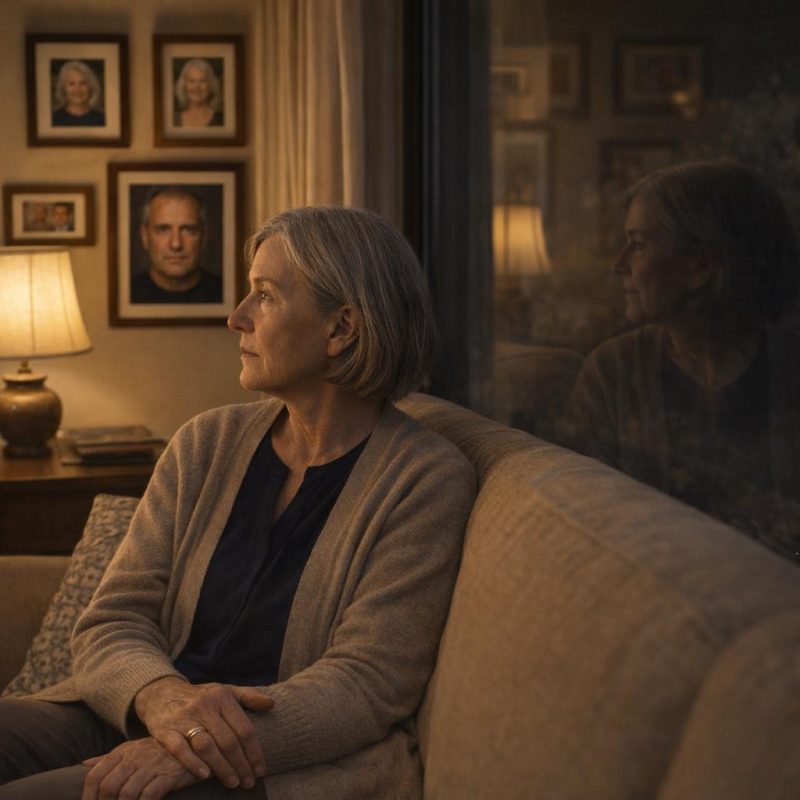 Image by RM AI
KEEP ON READING

From Heroes To Zeroes 20 Historical Figures Whose Heroism Was…
History is full of legends, but not every hero lived…
By Noone Feb 25, 2026
The Clueless Crush: How I Accidentally Invited a Hacker Into…
Fluorescent Lights and First Impressions. My name is Tessa, I'm…
By Ali Hassan Nov 4, 2025
This Infamous Ancient Greek Burned Down An Ancient Wonder Just…
History remembers kings and conquerors, but sometimes, it also remembers…
By David Davidovic Nov 12, 2025
Einstein's Violin Just Sold At An Auction—And It Earned More…
A Visionary's Violin. Wanda von Debschitz-Kunowski on WikimediaWhen you hear…
By Ashley Bast Nov 3, 2025
The Mysterious "Sea People" Who Collapsed Civilization
3,200 years ago, Bronze Age civilization in the Mediterranean suddenly…
By Robbie Woods Mar 18, 2025
The Strongman Who Tried to Rewrite Time
Danny Gys on WikimediaMost dictators settle for controlling the present.…
By Cameron Dick May 7, 2026