


The Rulers Who Shaped Countries for Better or Worse
History tends to remember powerful leaders in extremes. Some managed to stabilize divided populations, strengthen institutions, or create lasting unity during periods of chaos, while others left behind conflict, mistrust, and fractured societies that struggled long after they were gone. Although leadership alone never determines a nation’s fate, the decisions made by those in power have repeatedly changed the direction of entire countries for generations. Here are 10 leaders who united nations and 10 who tore them apart.
 South Africa The Good News on Wikimedia
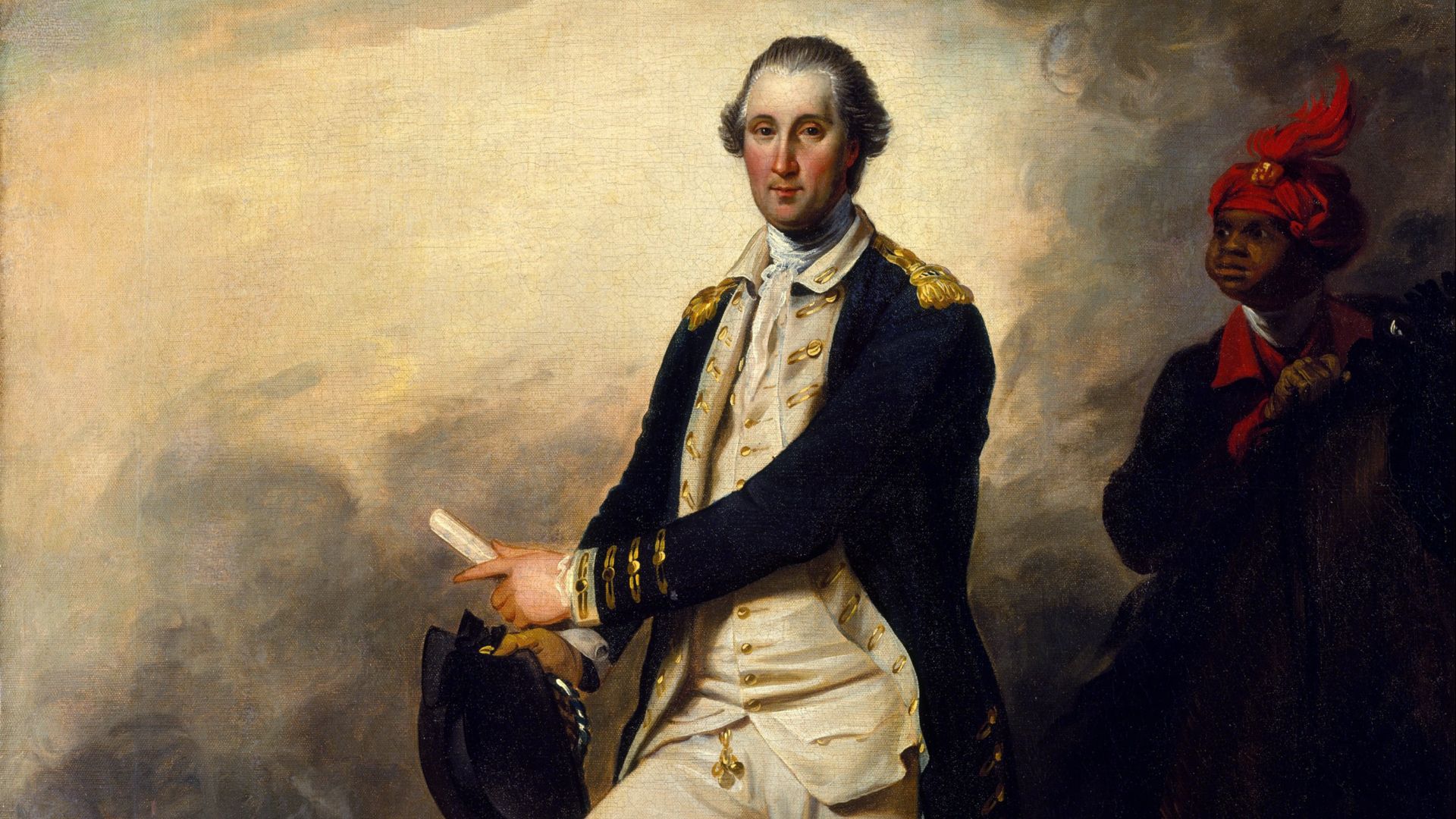
1. George Washington
After the American Revolution, the United States remained politically fragile and deeply uncertain about its future. Washington helped establish trust in the new government by stepping away from power voluntarily after two presidential terms, which reinforced the idea that the country would not become another monarchy. His steady leadership during the nation’s earliest years helped different states see themselves as part of a single republic.
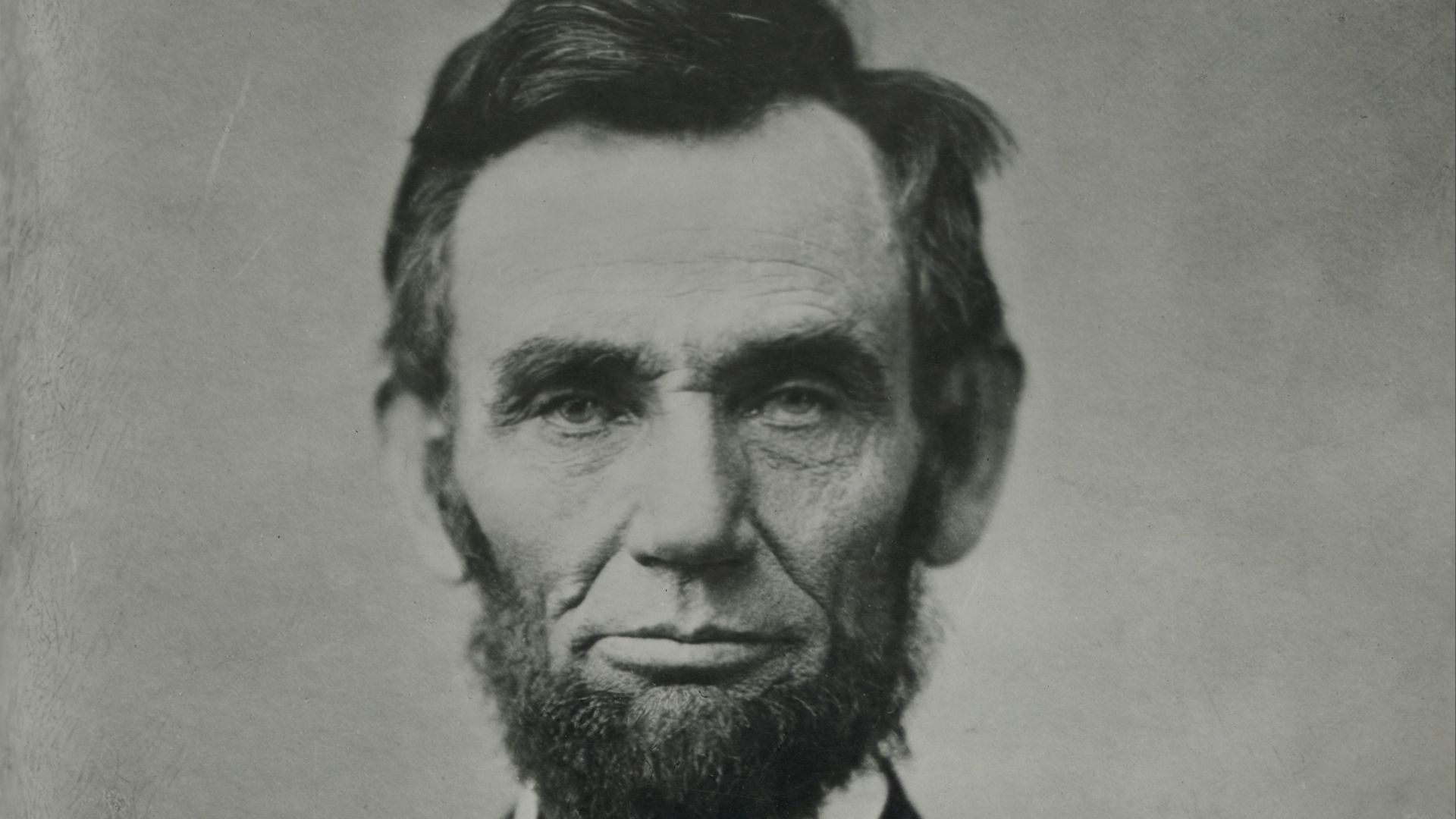
2. Abraham Lincoln
The United States faced complete collapse during the Civil War, with southern states separating from the Union and violent conflict spreading across the country. Lincoln’s leadership kept the federal government intact while also pushing for the abolition of slavery through the Emancipation Proclamation.
 Library of Congress on Unsplash
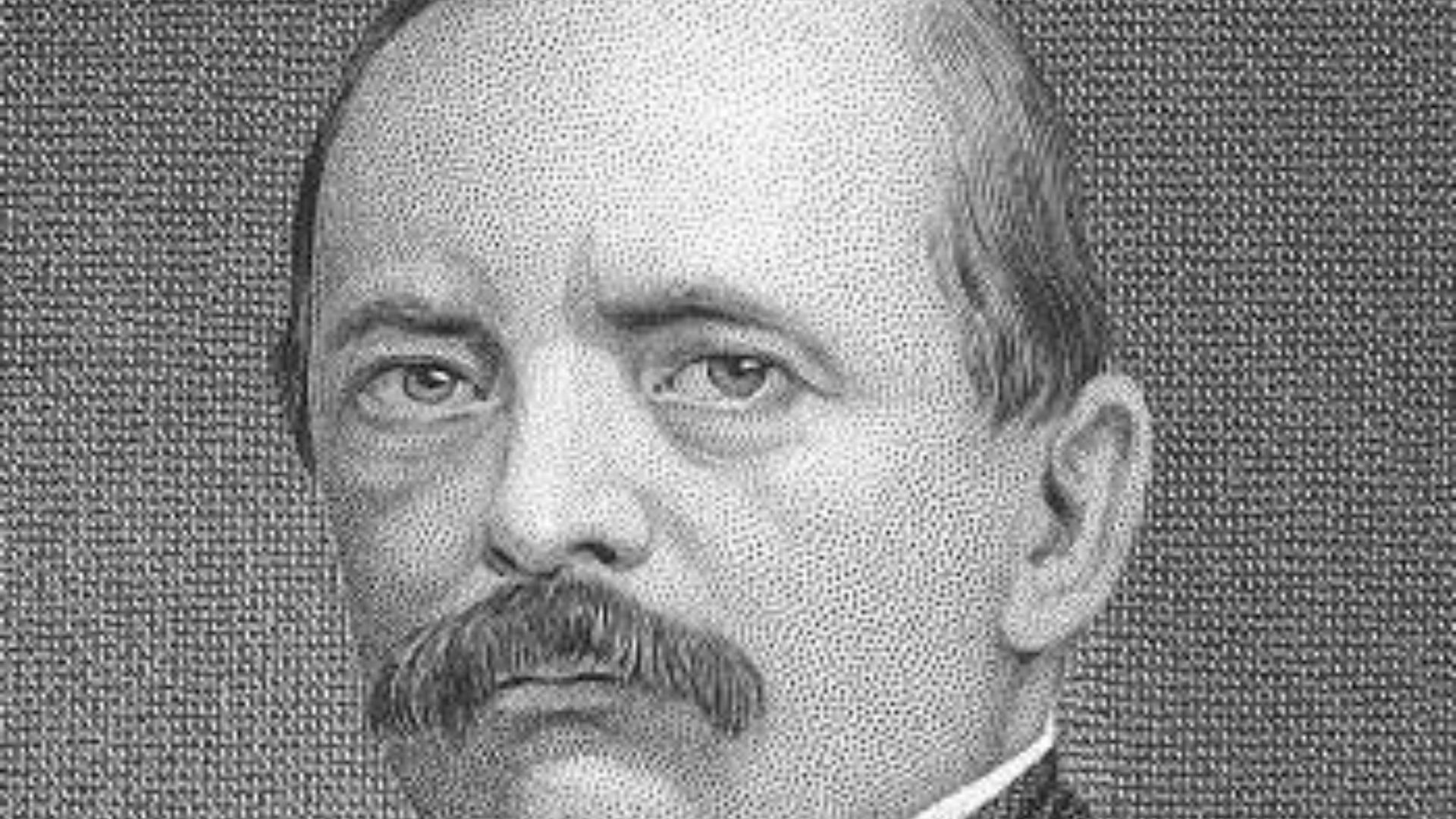
3. Otto von Bismarck
Before Bismarck rose to power, the German-speaking states remained politically divided and often competed against one another. Through diplomacy, strategic alliances, and several carefully managed wars, he succeeded in unifying Germany under Prussian leadership in 1871. His political skill transformed dozens of separate territories into a single German Empire.
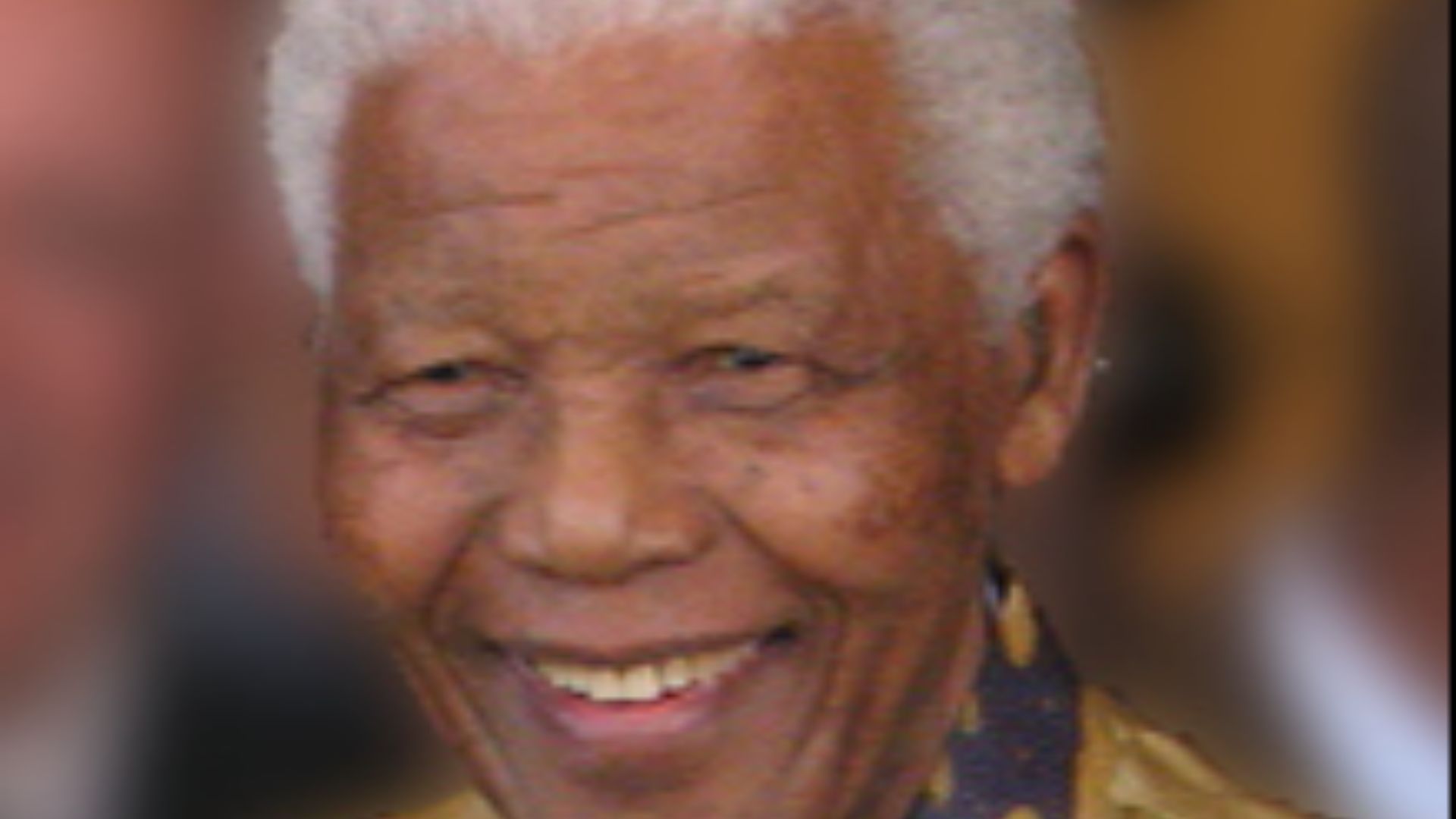
4. Nelson Mandela
South Africa faced enormous racial tension and instability as apartheid came to an end in the early 1990s. Mandela encouraged reconciliation instead of revenge after becoming president, despite spending 27 years imprisoned by the apartheid government.
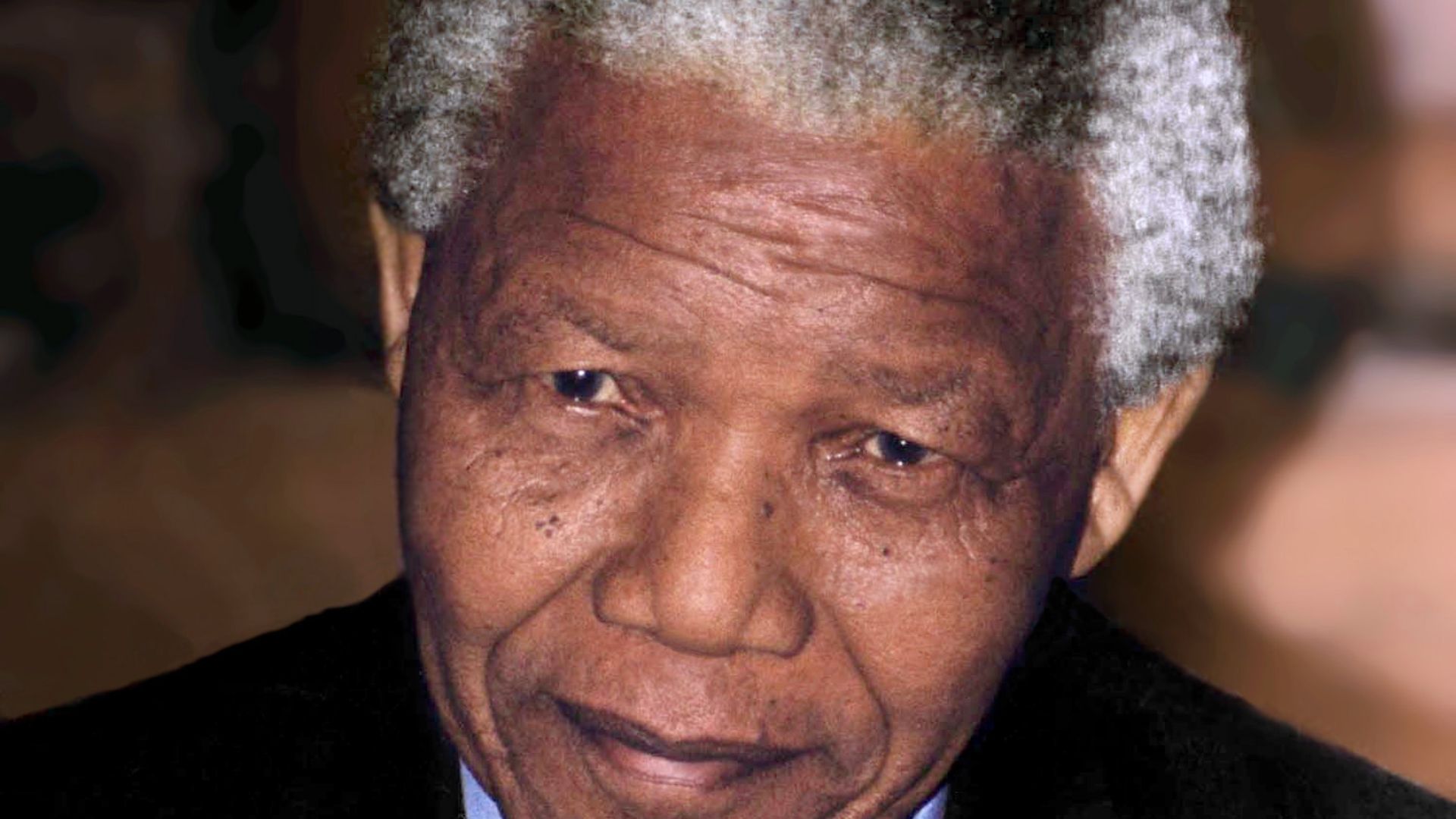 Kingkongphoto & www.celebrity-photos.com from Laurel on Wikimedia
5. Mustafa Kemal Atatürk
Following the collapse of the Ottoman Empire after World War I, Turkey faced foreign occupation, political disorder, and economic weakness. Atatürk led the Turkish War of Independence and later established the modern Republic of Turkey with sweeping legal and educational reforms.
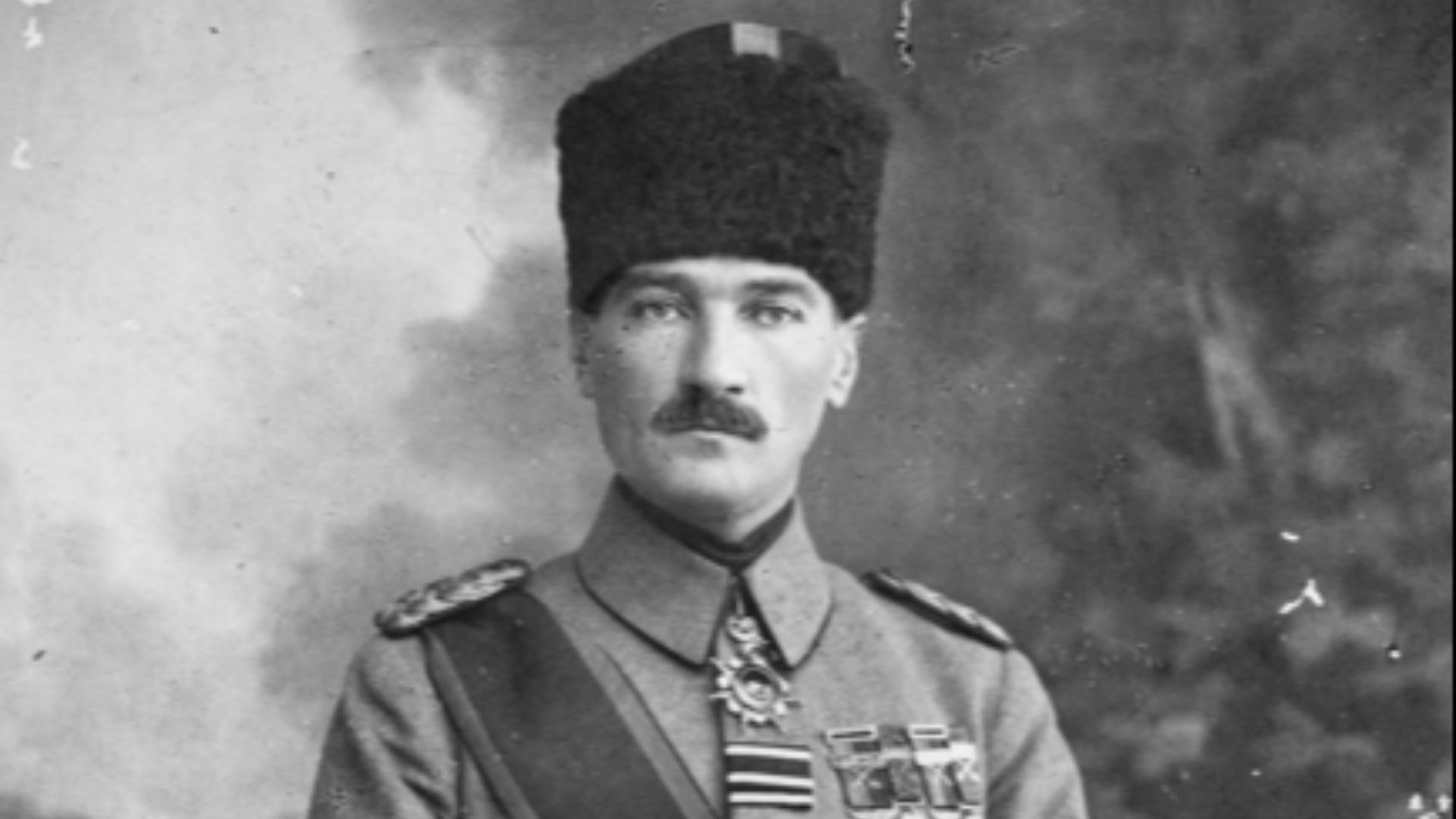 Unknown authorUnknown author on Wikimedia
6. Queen Elizabeth I
England experienced major religious conflict during the decades before Elizabeth took the throne. By avoiding some of the harsher policies used by earlier rulers, she created a more stable balance between Catholics and Protestants within the country.
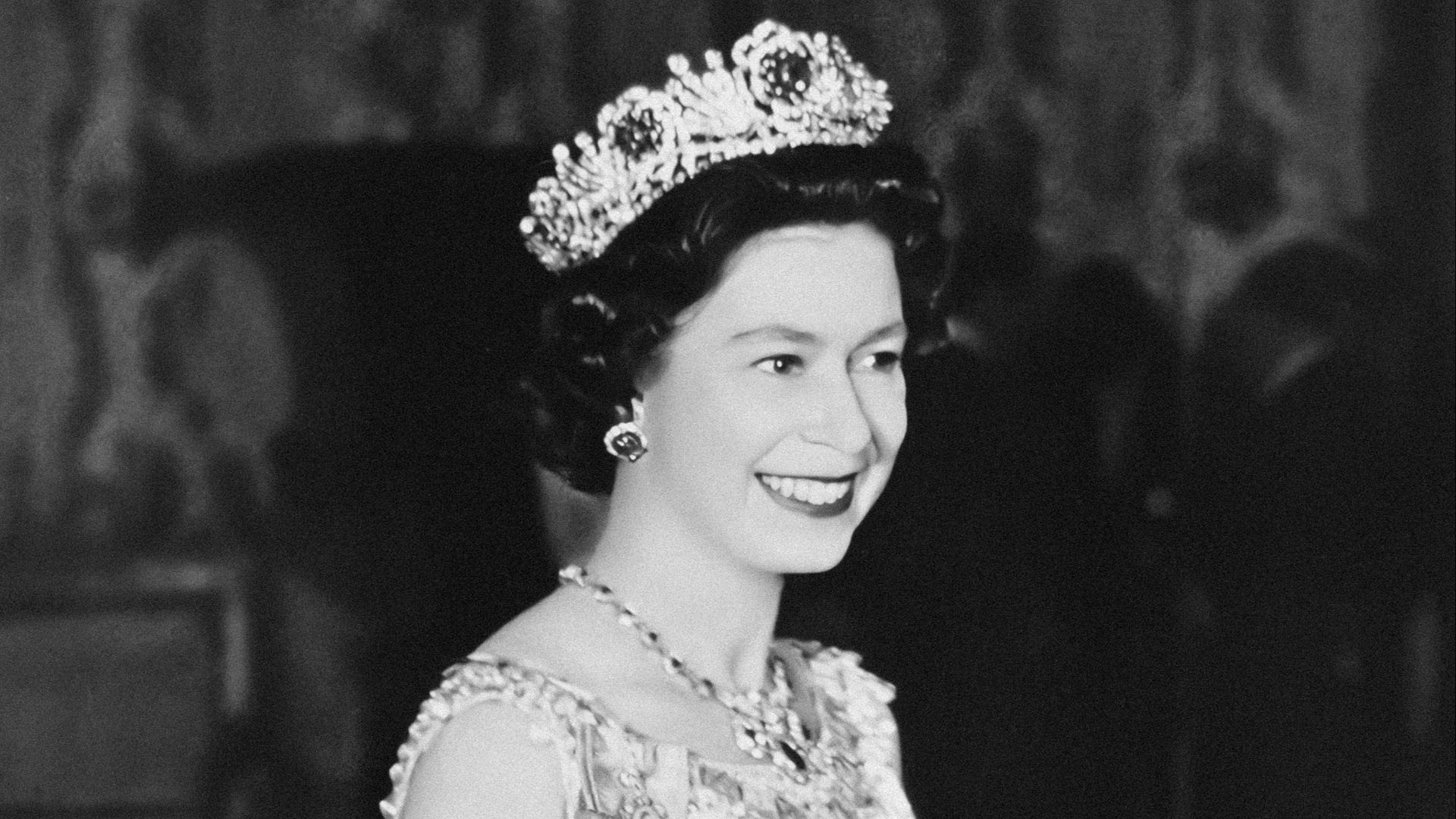 Museums of History New South Wales on Unsplash
7. Charlemagne
During the early Middle Ages, much of Western Europe remained politically fragmented after the fall of the Western Roman Empire. Charlemagne united large portions of modern France, Germany, and neighboring regions under a single rule during the eighth and ninth centuries. His empire encouraged trade, education, and administrative reforms across much of Europe.
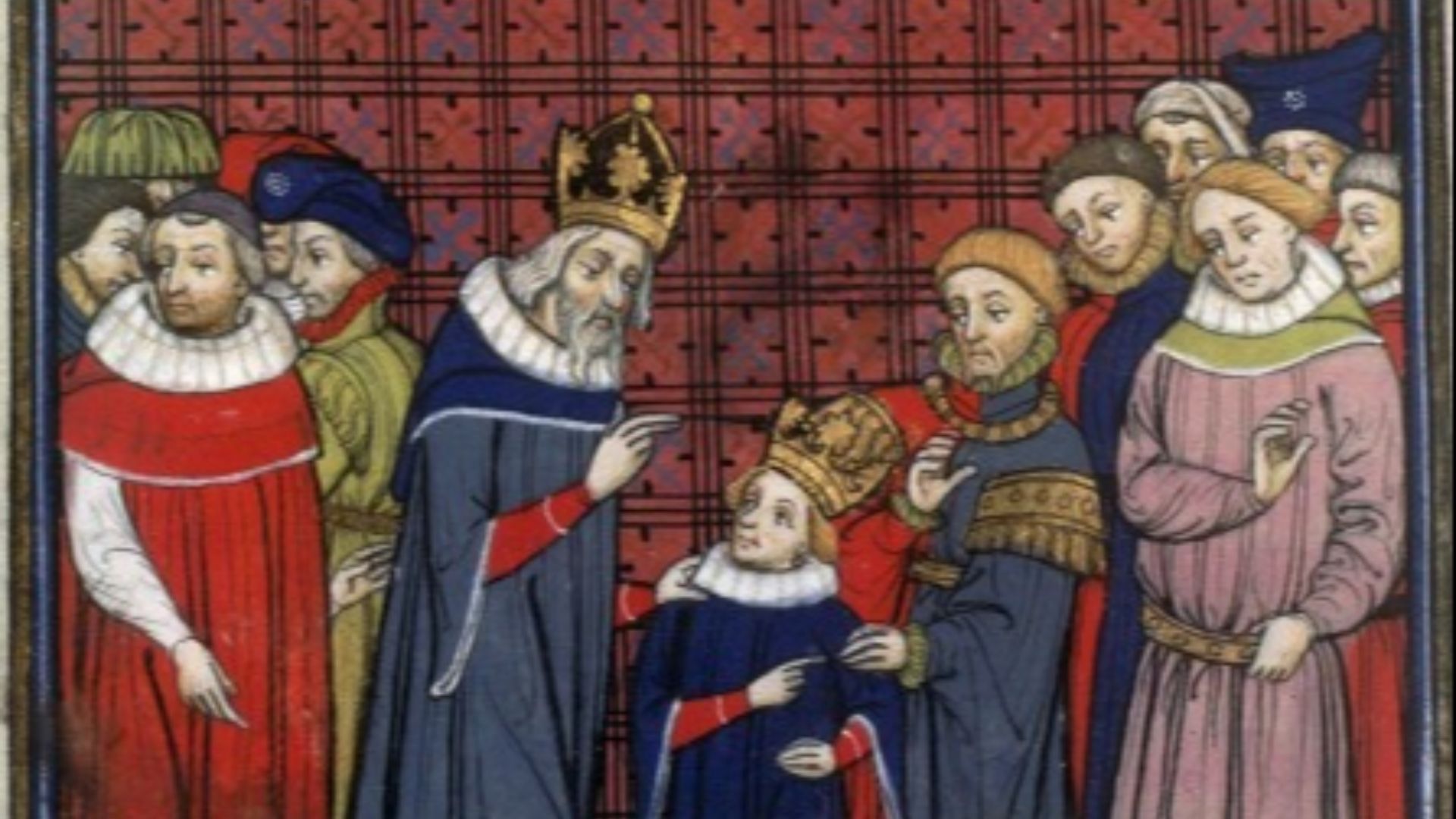 Unknown authorUnknown author on Wikimedia
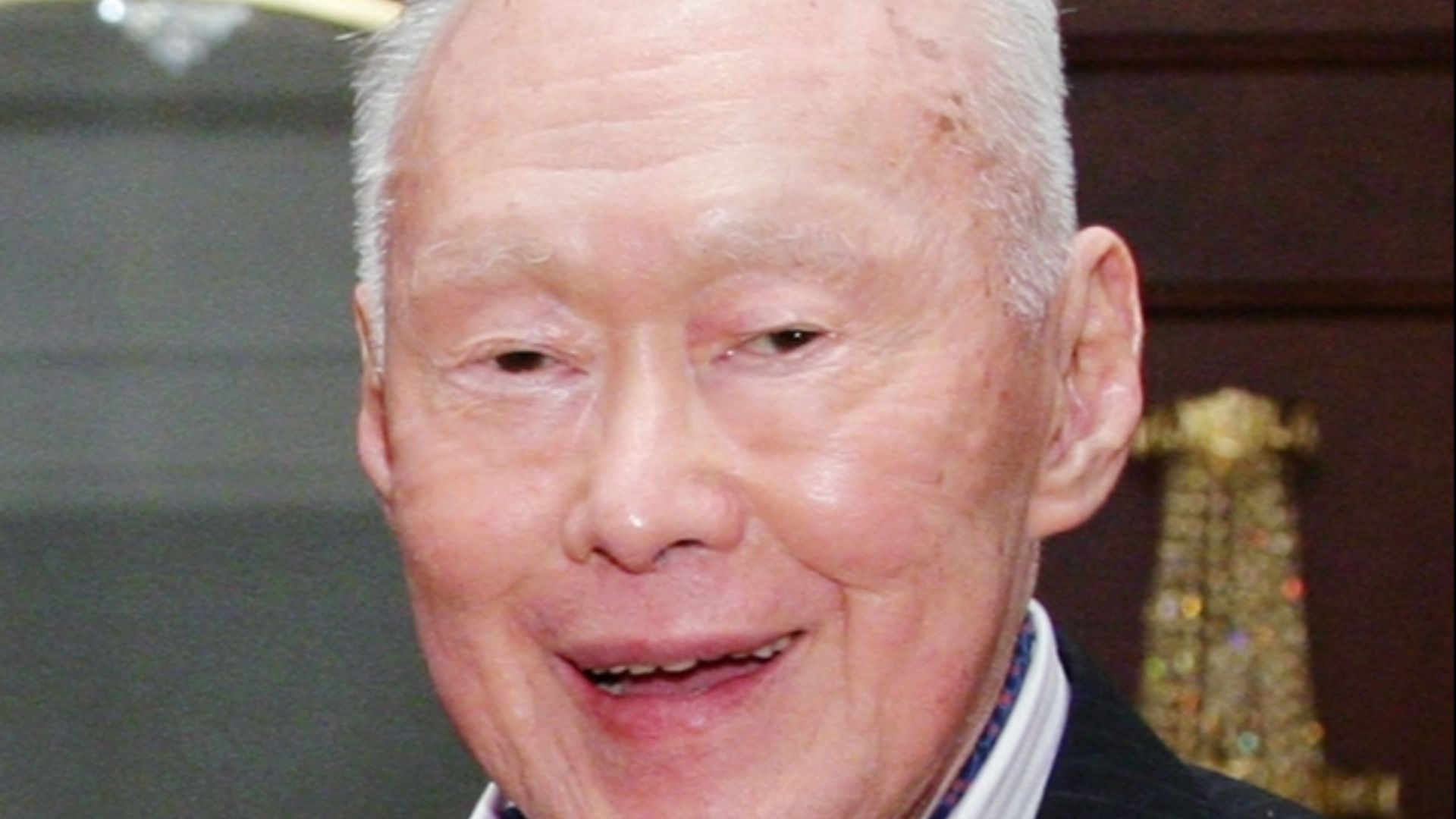
8. Lee Kuan Yew
When Singapore became independent in 1965, many observers doubted the small nation could survive economically or politically. Lee Kuan Yew focused heavily on reducing corruption, improving infrastructure, and building a shared national identity among Singapore’s diverse ethnic communities.
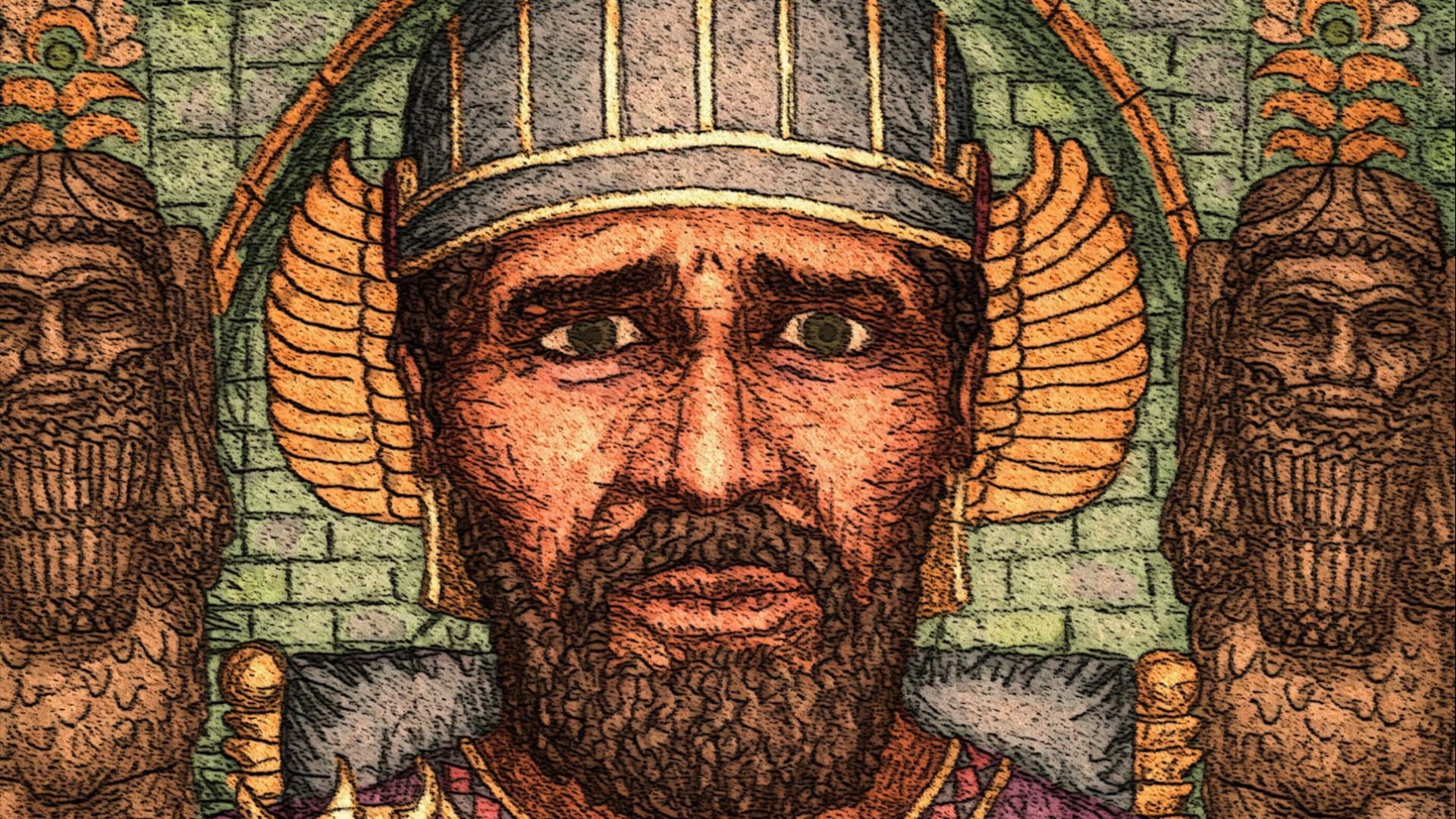
9. Cyrus the Great
Cyrus founded the Persian Empire during the sixth century BC by uniting various Persian tribes and conquering neighboring territories. Unlike many conquerors of the ancient world, he allowed different cultures and religions within his empire to maintain many of their traditions.
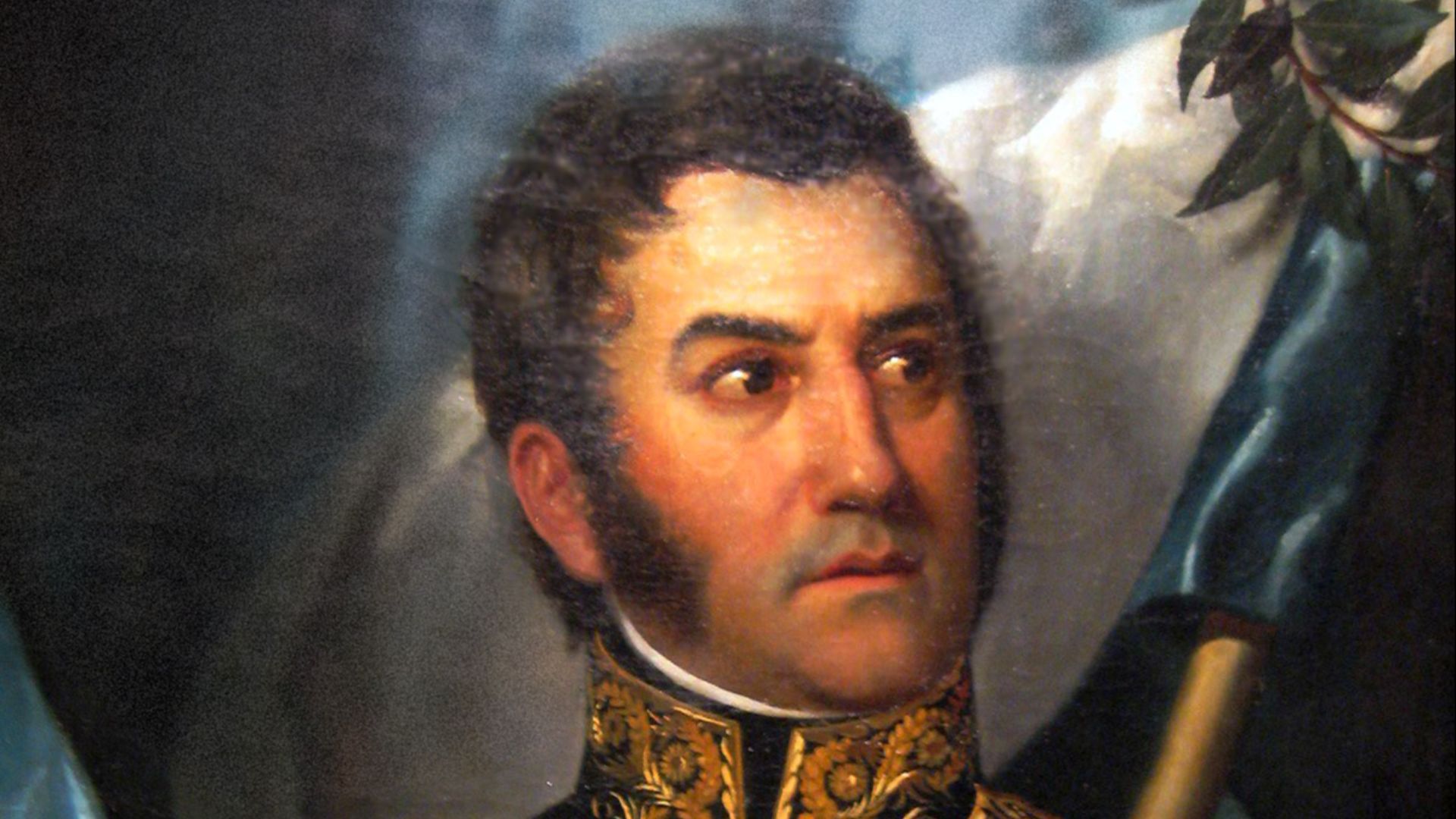
10. José de San Martín
South America’s independence movements often struggled with regional rivalries and political fragmentation during the early nineteenth century. San Martín played a major role in helping Argentina, Chile, and Peru gain independence from Spanish rule. His military leadership contributed to broader cooperation across several liberation movements in the region.
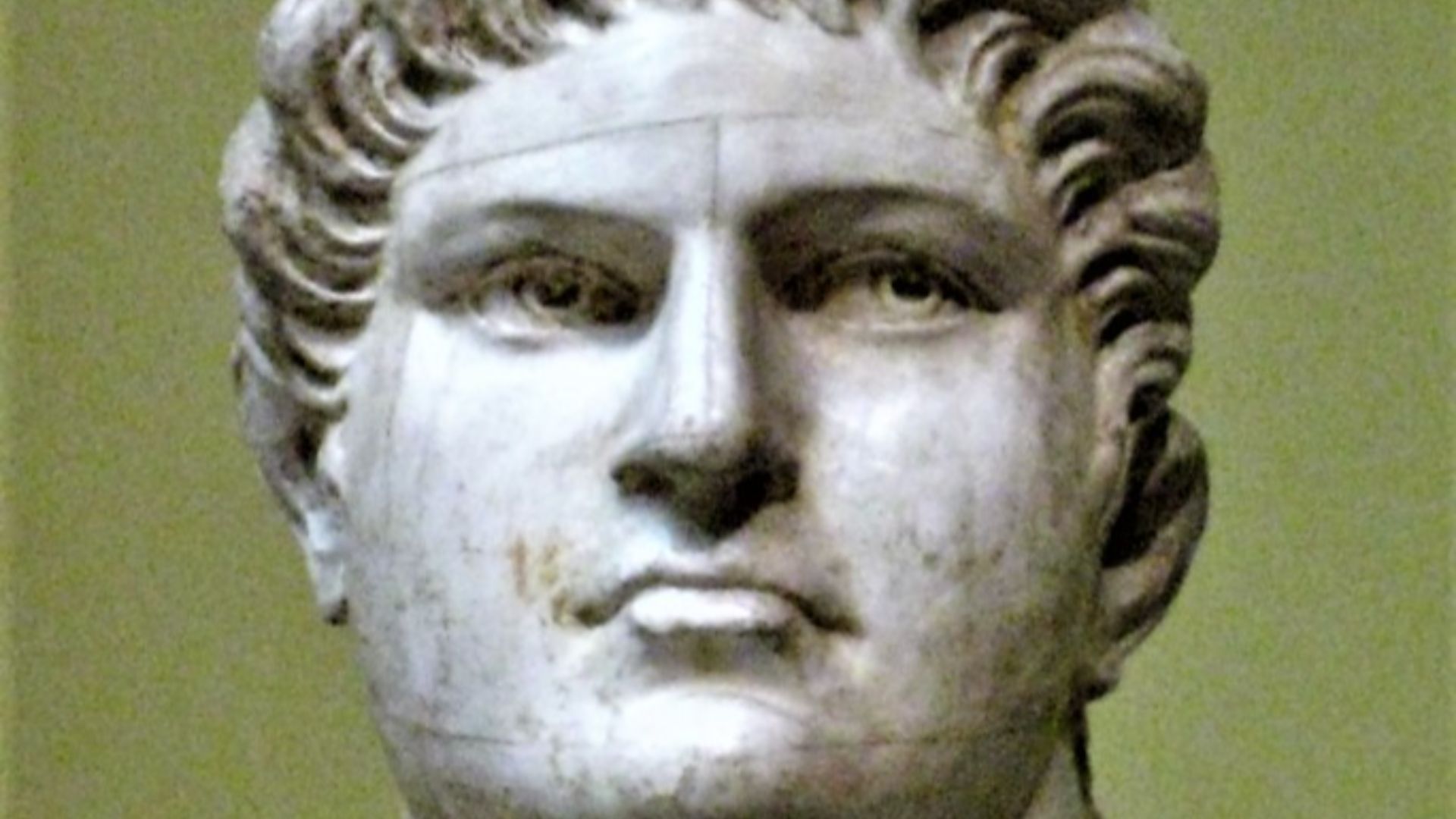
1. Nero
Ancient Rome experienced growing political instability during Nero’s reign in the first century AD. His leadership became associated with heavy taxation, political executions, and public distrust after several controversial decisions weakened confidence in imperial authority.
2. King John of England
John’s rule during the early thirteenth century created serious conflict between the English monarchy and powerful nobles. Heavy taxation, military failures in France, and disputes over royal authority led rebellious barons to force him into accepting the Magna Carta in 1215. His reign left England politically divided and deeply unstable.
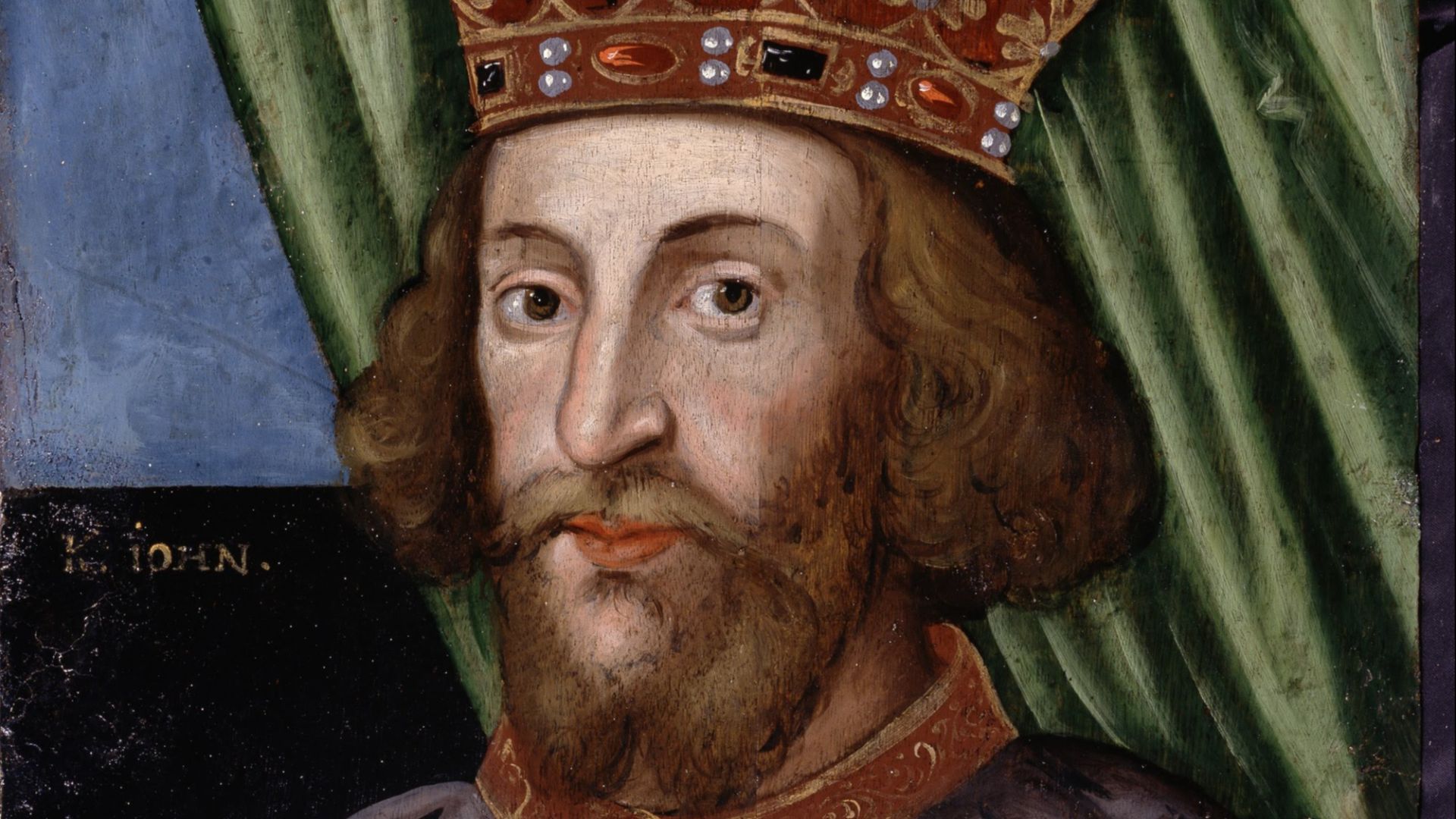 British – School Details on Google Art Project on Wikimedia
3. Tsar Nicholas II
Russia faced increasing unrest during Nicholas II’s rule because of economic inequality, military defeats, and dissatisfaction with the monarchy. His poor handling of World War I and resistance to meaningful political reform weakened public support even further.
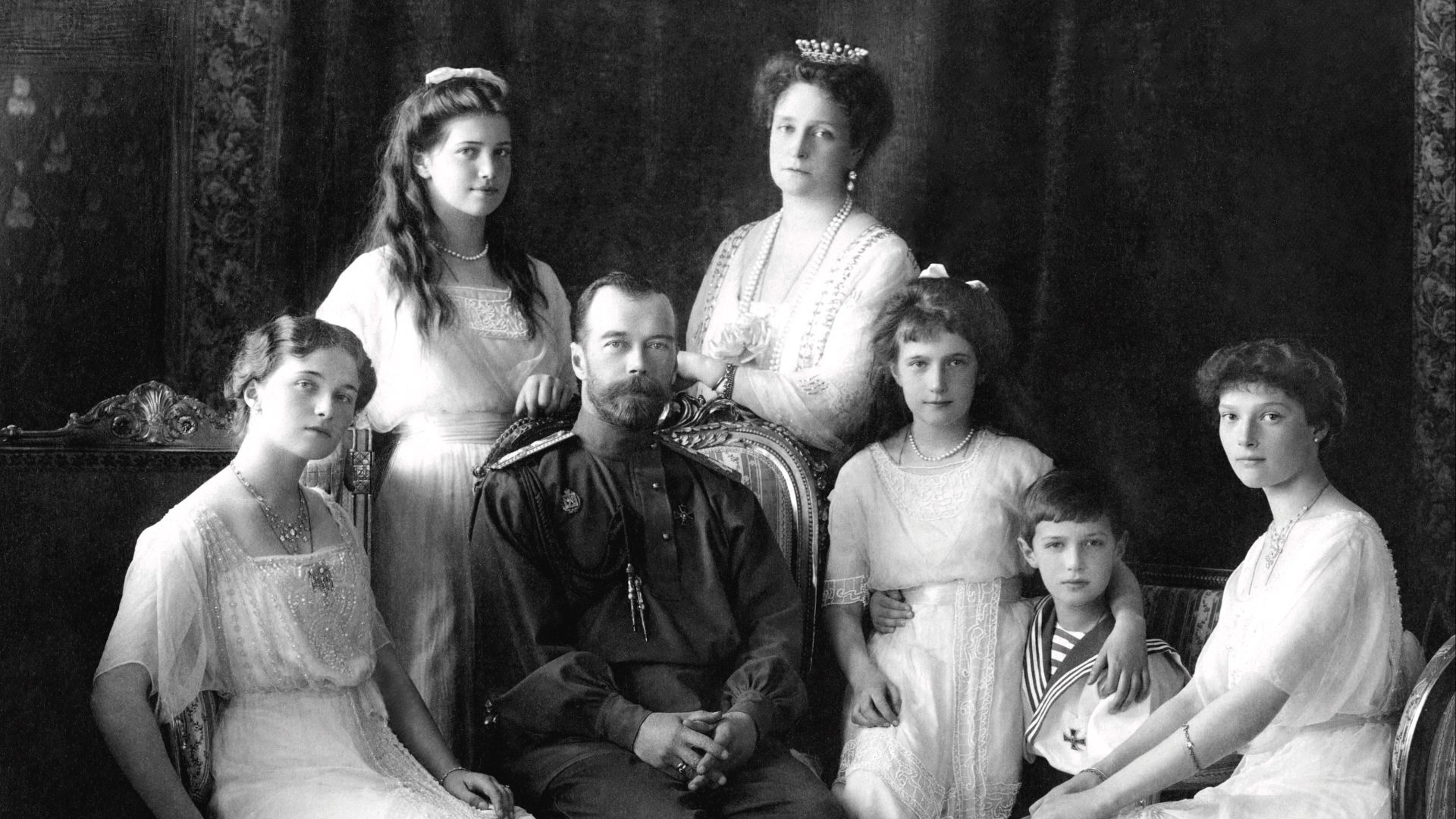 Boasson and Eggler St. Petersburg Nevsky 24. on Wikimedia
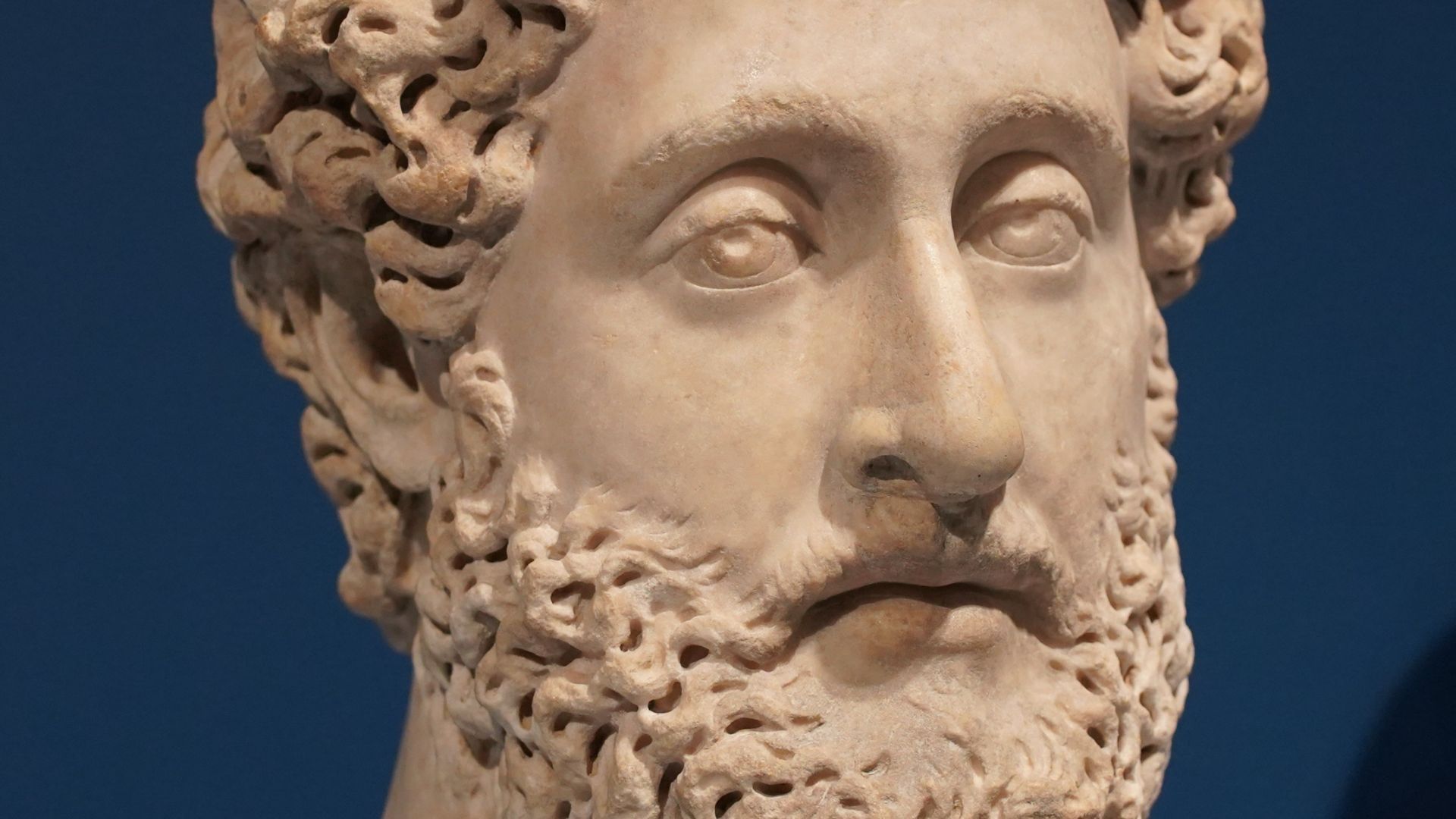
4. Emperor Commodus
Commodus inherited a stable Roman Empire from his father Marcus Aurelius, yet his reign marked the beginning of significant decline within imperial leadership. He became known for erratic decisions, political favoritism, and public behavior that damaged respect for the office of emperor.
5. Maximilien Robespierre
During the French Revolution, Robespierre rose to power promising to defend revolutionary ideals and eliminate threats to the republic. Under his influence, the Reign of Terror led to thousands of executions by guillotine, including many former allies.
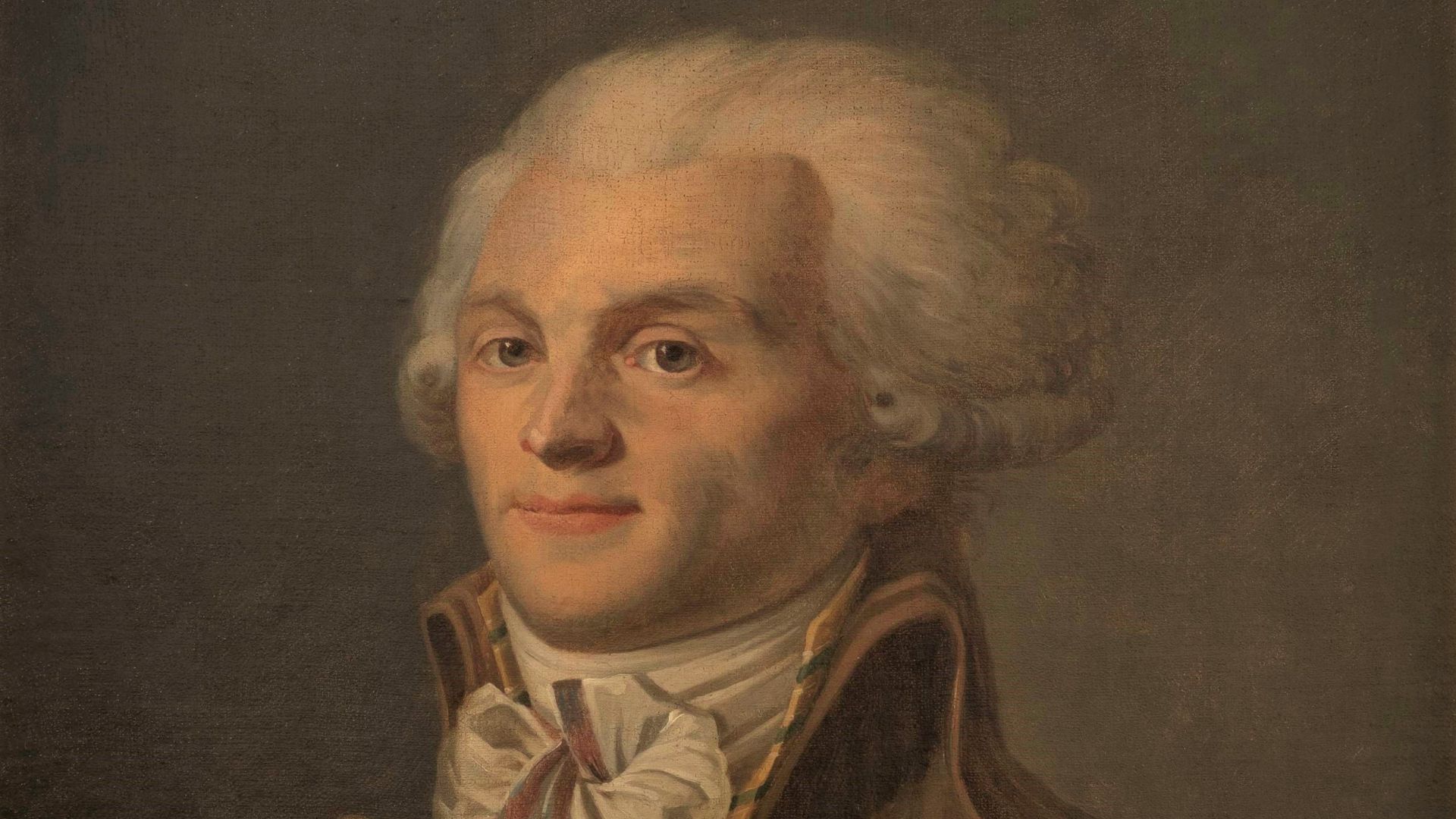 Unidentified painter on Wikimedia
6. Ivan the Terrible
Ivan IV strengthened central authority in Russia but ruled with extreme violence and paranoia during the sixteenth century. His campaigns against suspected enemies resulted in mass killings, destruction of cities, and widespread fear among nobles and civilians alike.
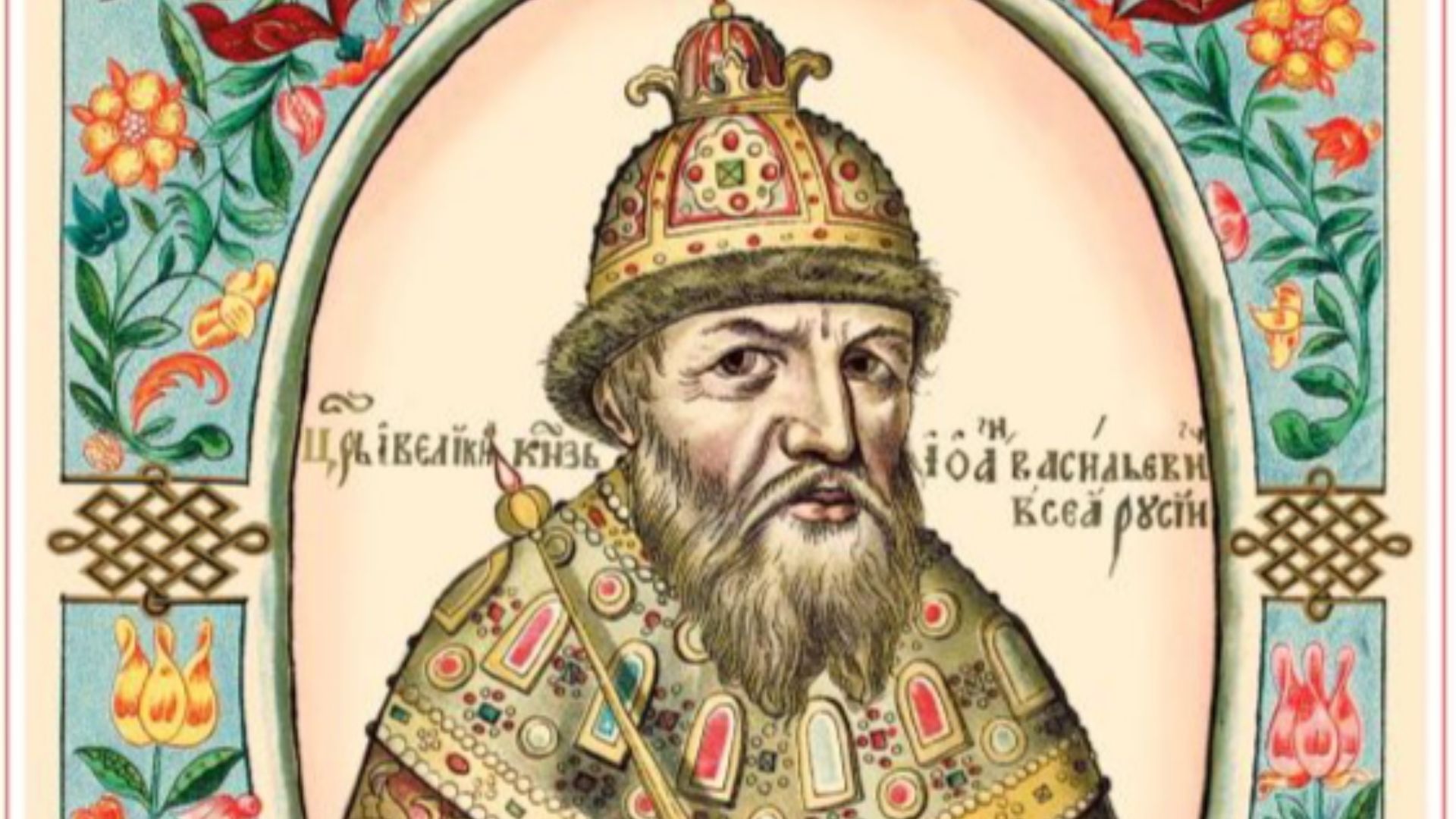 Unknown authorUnknown author on Wikimedia
7. Richard II
England faced growing tension between the monarchy and nobility during Richard II’s reign in the late fourteenth century. His conflicts with powerful nobles, combined with unpopular political decisions, weakened support for the crown over time.
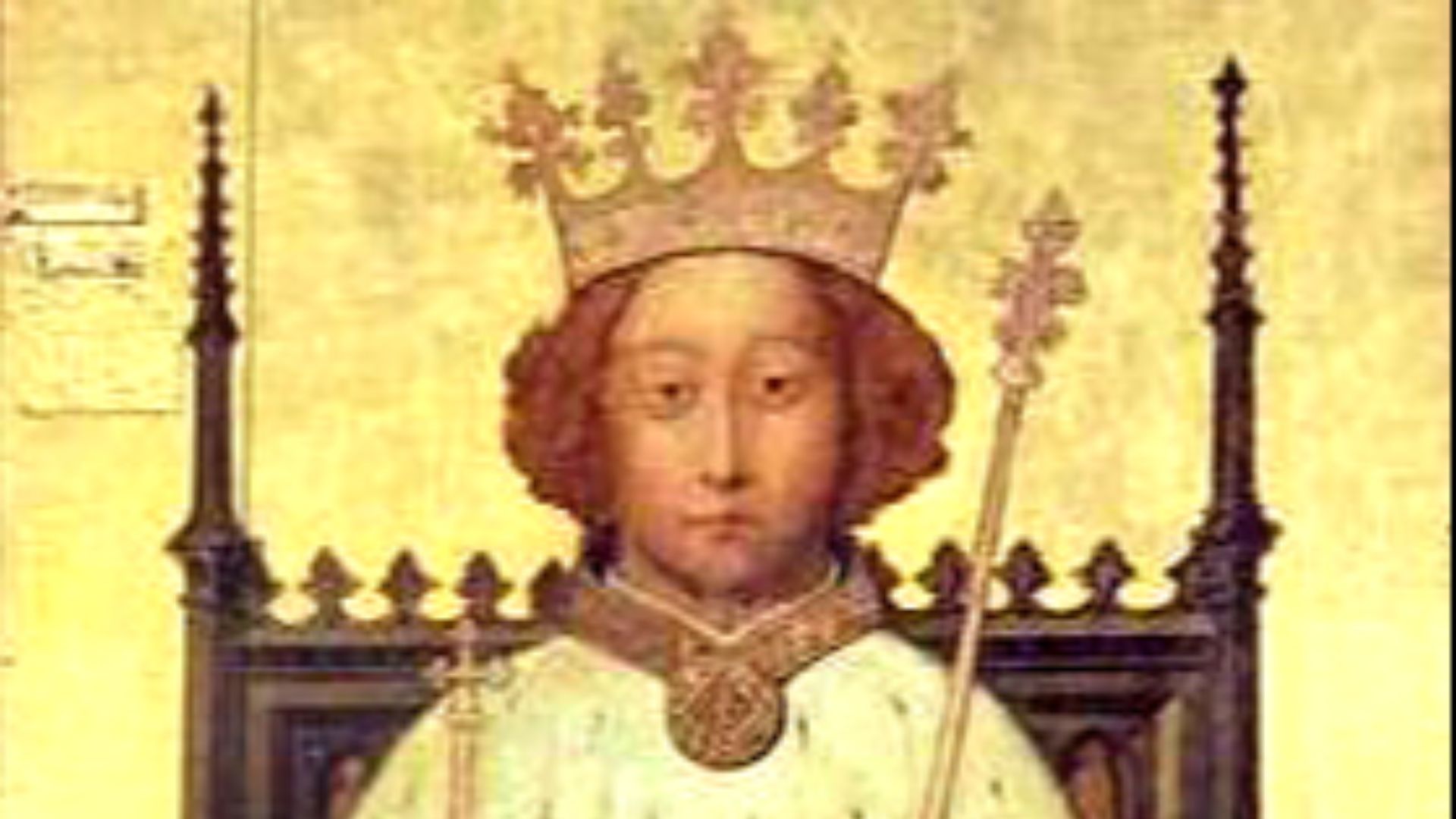 AnonymousUnknown author on Wikimedia
8. Qin Er Shi
After the death of China’s first emperor Qin Shi Huang, his son Qin Er Shi inherited an empire already strained by harsh labor demands and strict legal policies. Weak leadership and heavy reliance on corrupt advisers fueled rebellions throughout China.
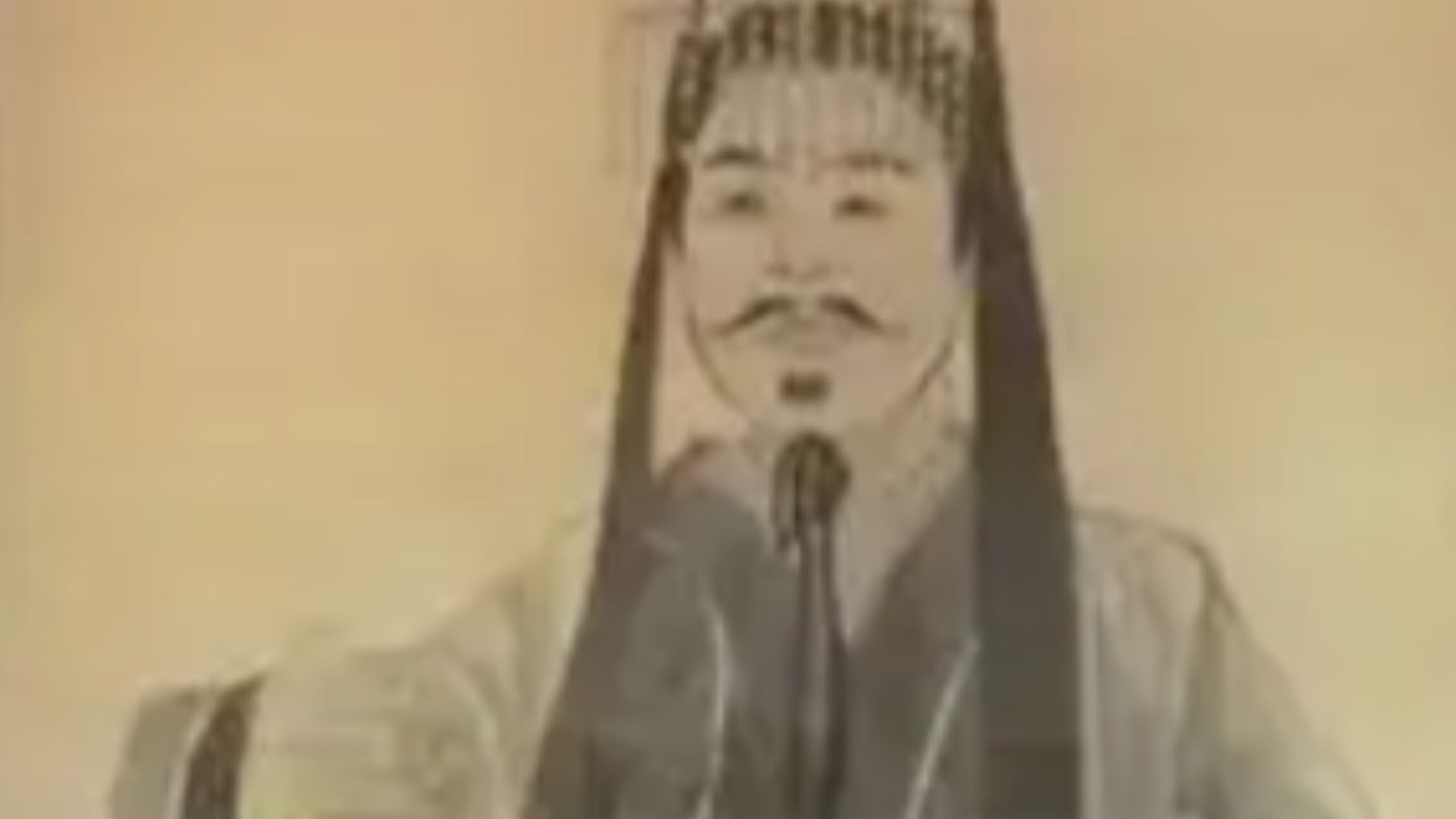
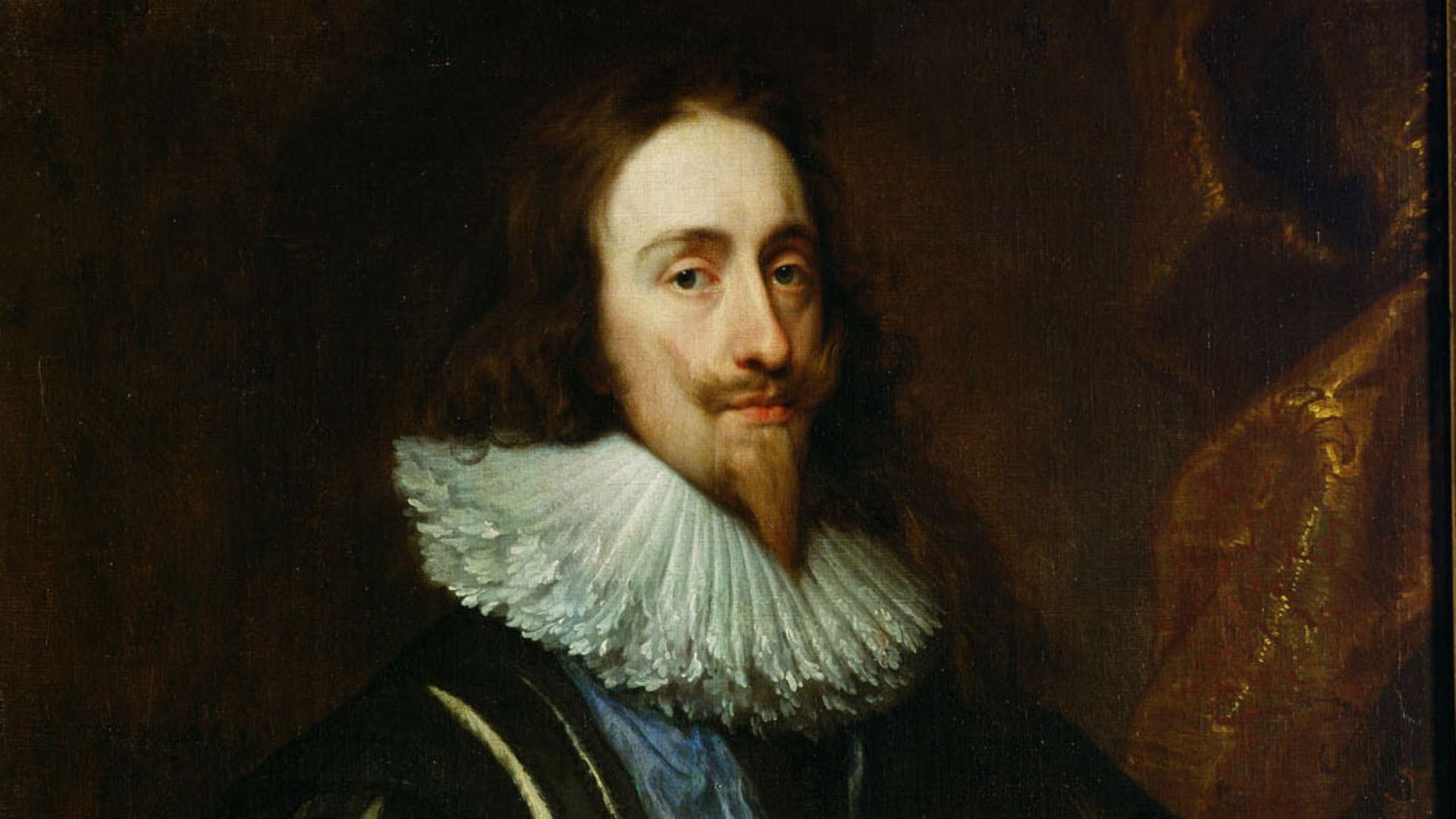
9. Charles I of England
Charles I repeatedly clashed with Parliament over taxation, religion, and royal authority during the seventeenth century. His refusal to compromise contributed directly to the English Civil War between royalist and parliamentary forces.
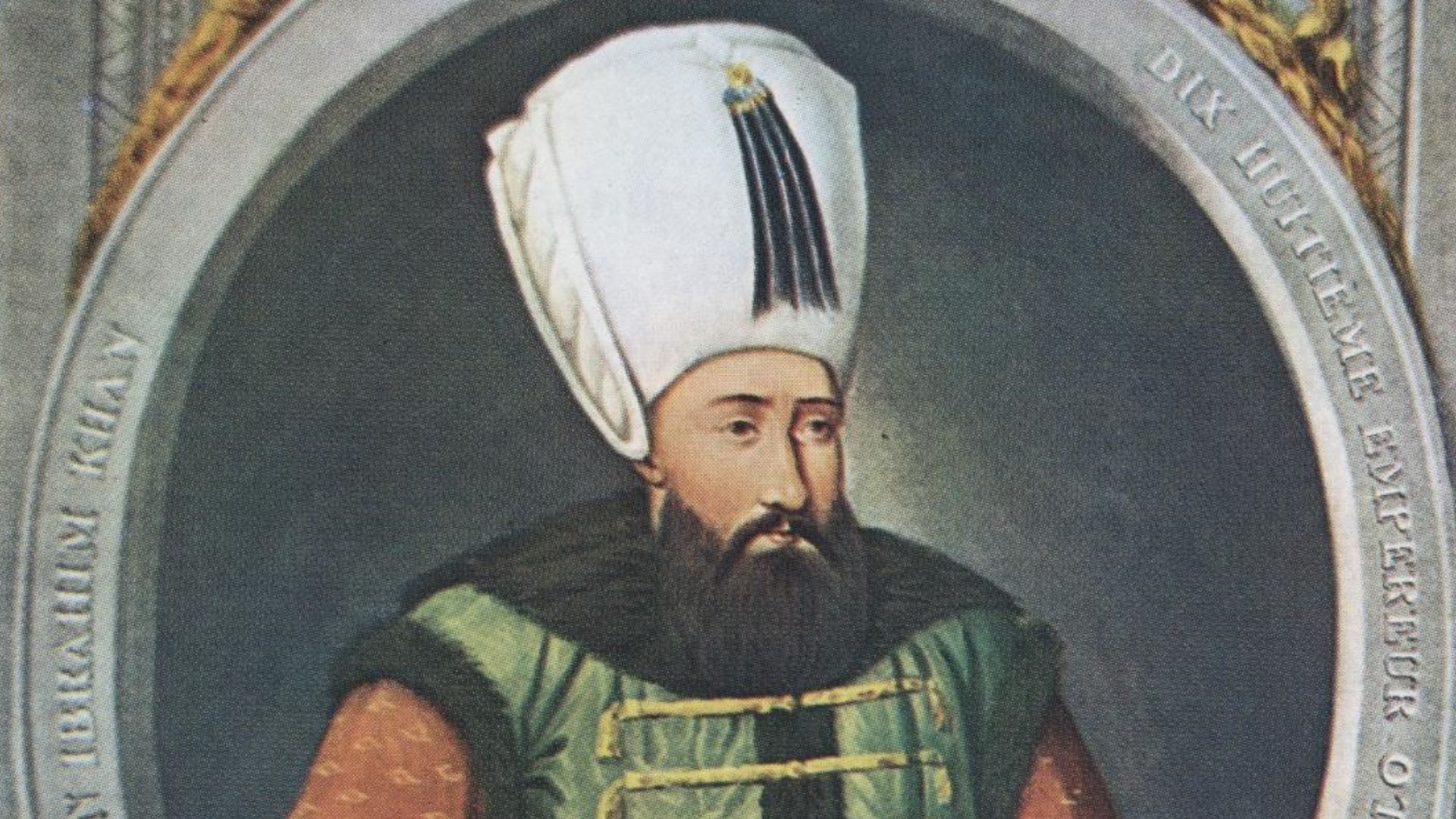
10. Sultan Ibrahim of the Ottoman Empire
Ibrahim ruled the Ottoman Empire during the mid-seventeenth century and became known for instability within the royal court and inconsistent political decisions. Government corruption increased significantly during his reign, while military and financial problems worsened throughout the empire.
KEEP ON READING
The story of Ching Shih, the Woman Who Became the…
Unknown author on WikimediaFew figures in history are as feared…
By Emilie Richardson-Dupuis Dec 29, 2025
Einstein's Violin Just Sold At An Auction—And It Earned More…
A Visionary's Violin. Wanda von Debschitz-Kunowski on WikimediaWhen you hear…
By Ashley Bast Nov 3, 2025
This Infamous Ancient Greek Burned Down An Ancient Wonder Just…
History remembers kings and conquerors, but sometimes, it also remembers…
By David Davidovic Nov 12, 2025
The Mysterious "Sea People" Who Collapsed Civilization
3,200 years ago, Bronze Age civilization in the Mediterranean suddenly…
By Robbie Woods Mar 18, 2025
20 Greatest Ancient Athletes In History
Ancient Olympics. Long before modern stadiums and multimillion-dollar endorsements, athletes…
By Sara Springsteen May 1, 2026
20 Soldiers Who Defied Expectations
Changing the Rules of the Battlefield. You’ve probably heard plenty…
By Annie Byrd Feb 10, 2026