

Somehow, We Survived
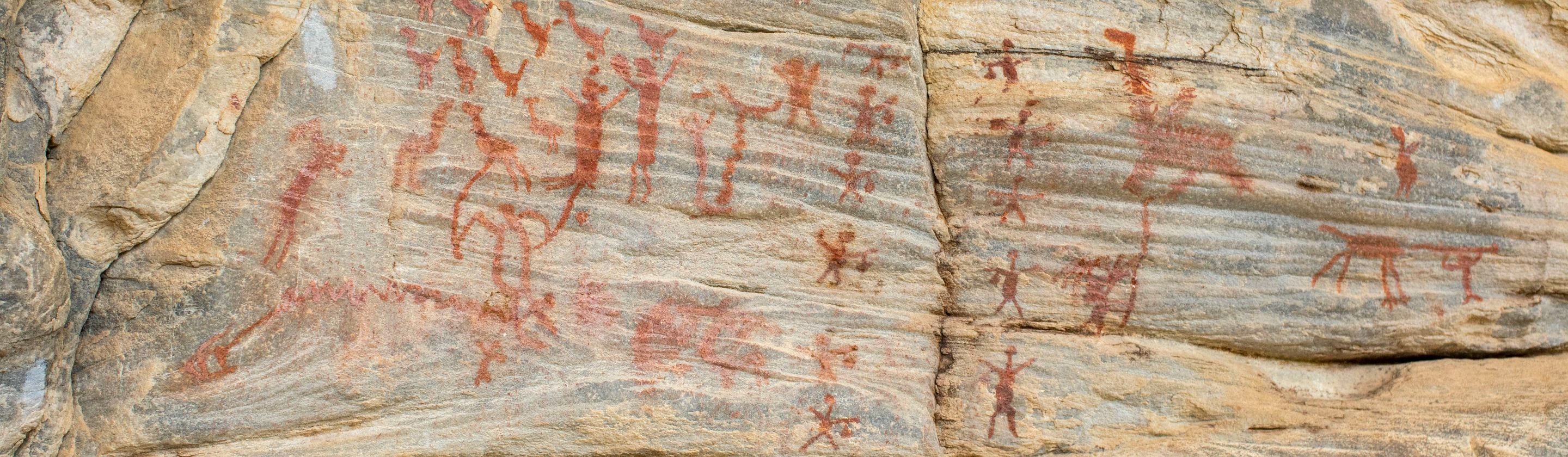
Human history has treacherous beginnings. From our first two-legged steps to the full formation of our brains, human history took shape across frozen plains, drying lakes, ash-covered valleys, shifting coastlines, and predator-filled landscapes where a small mistake could’ve ruined our species. Some of these environments tested Homo sapiens directly, while others pushed against the much older evolutionary line that eventually led to us. These 20 prehistoric environments show how often our story depended on movement, adaptation, group knowledge, and a frankly exhausting amount of luck.
1. Toba Supereruption
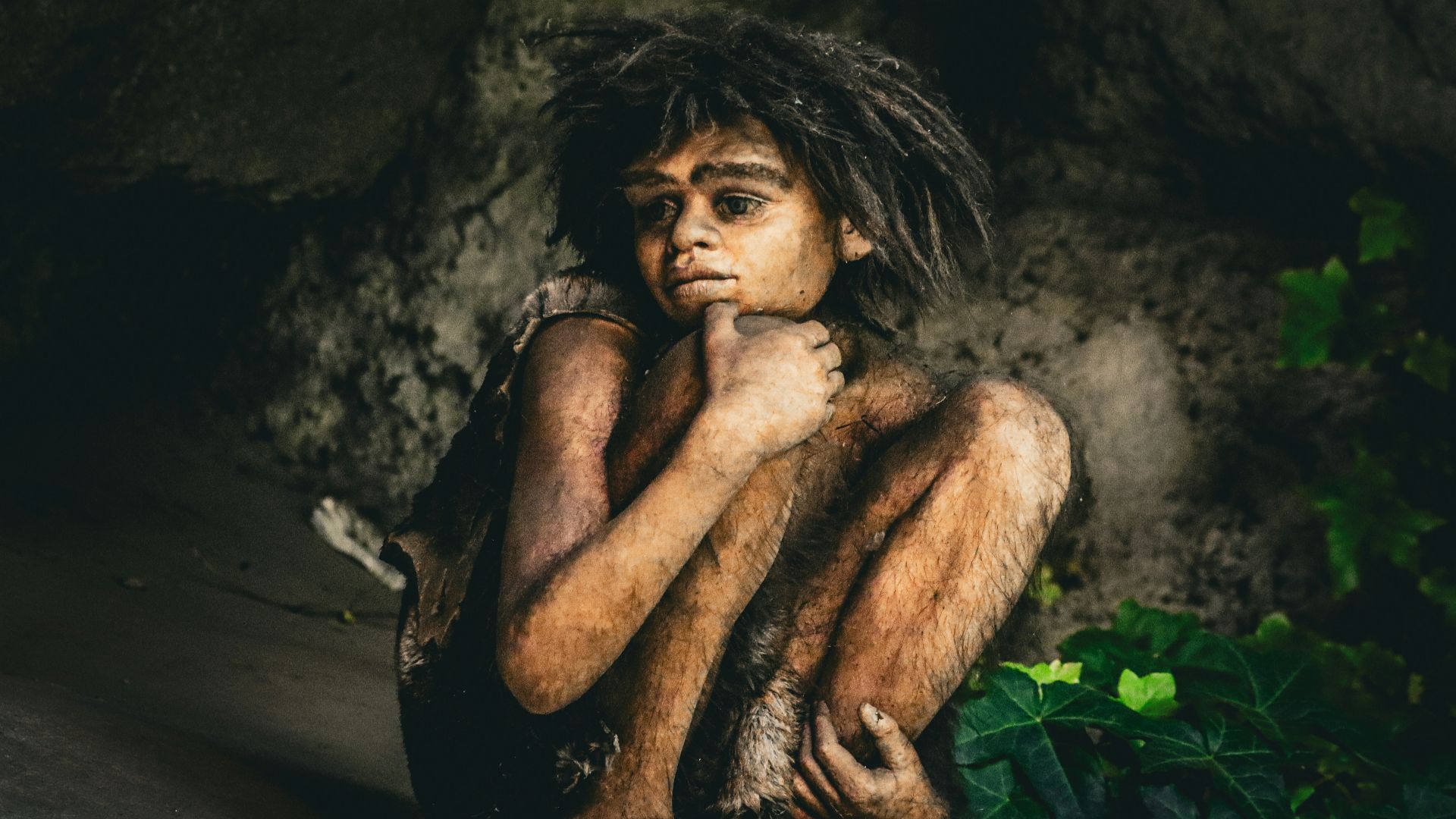
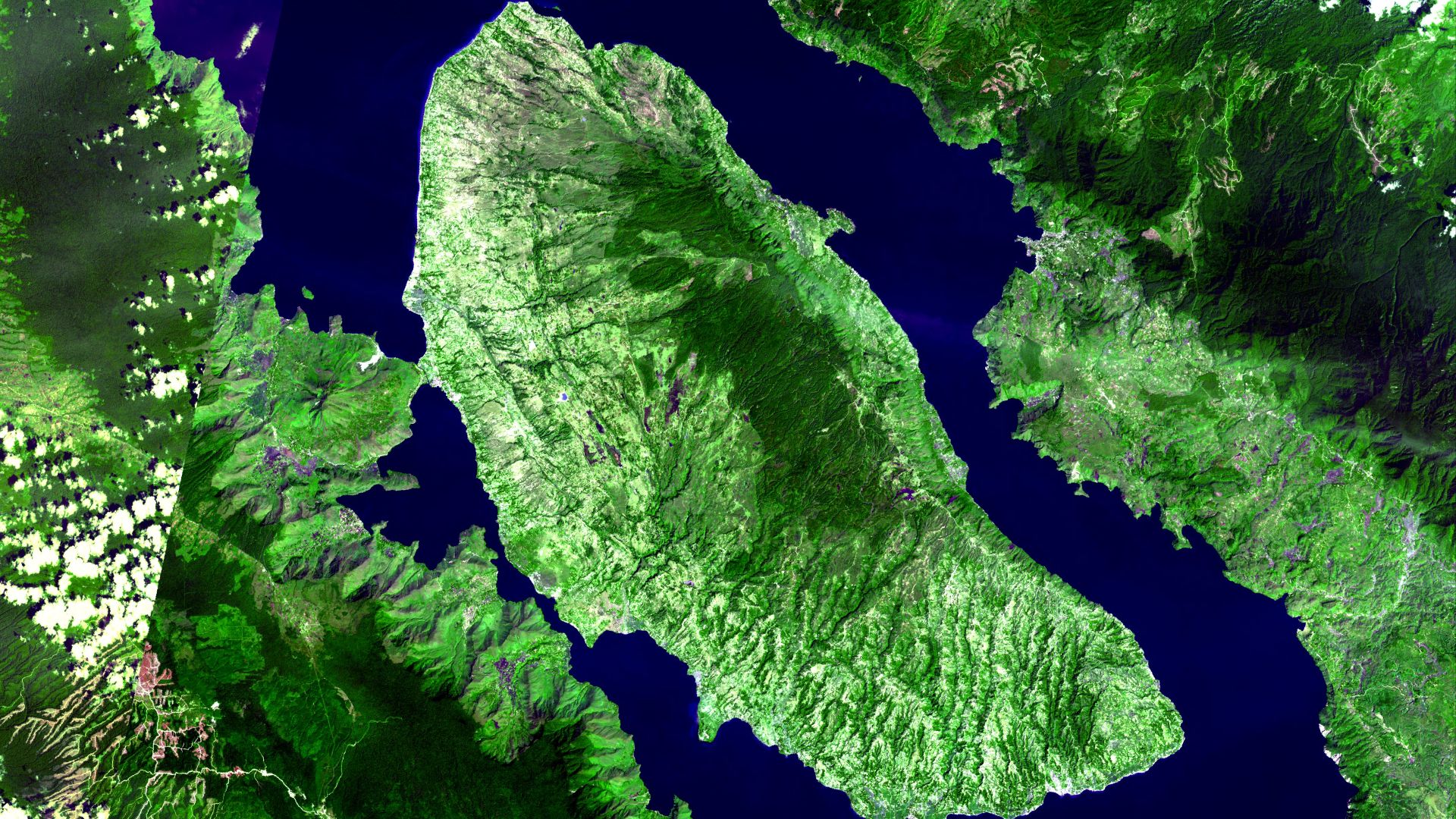
Around 74,000 years ago, the Toba supereruption in what’s now Indonesia sent ash across parts of Asia and may have affected the climate for years. Older theories argued that it pushed humans close to extinction, though archaeological evidence from India suggests people were still living and making tools before and after the ash fell.
2. Last Glacial Maximum
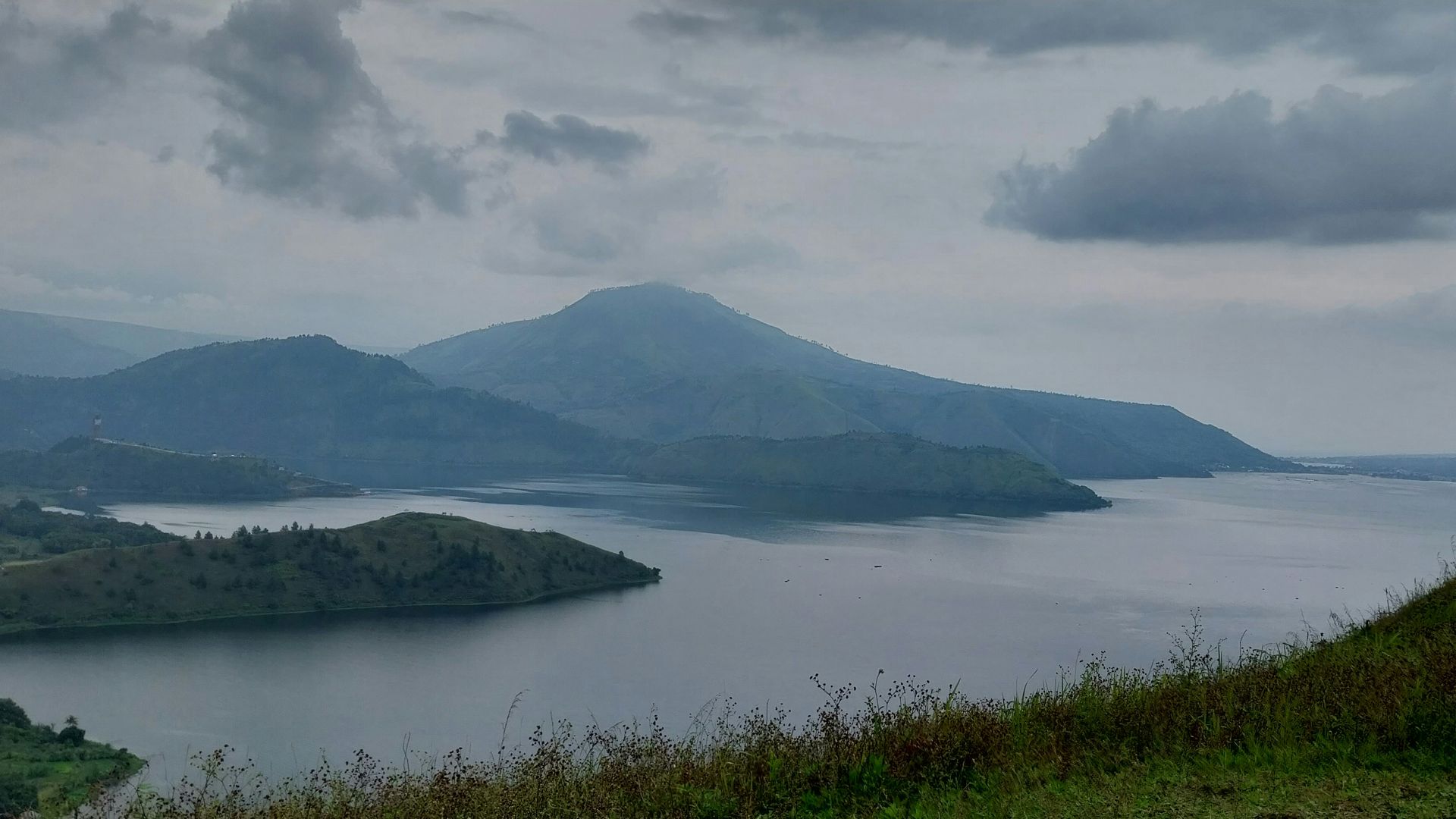
Between about 26,000 and 19,000 years ago, ice sheets reached their greatest recent spread across North America, northern Europe, and parts of Asia. People lived near cold, open landscapes, where animals traveled with the seasons.
3. The Ancient Population Bottleneck
A major genetic study has suggested that human ancestors may have passed through a severe population bottleneck between roughly 930,000 and 813,000 years ago. This was likely due to severe climate changes, and human history suffered for almost 120,000 years.
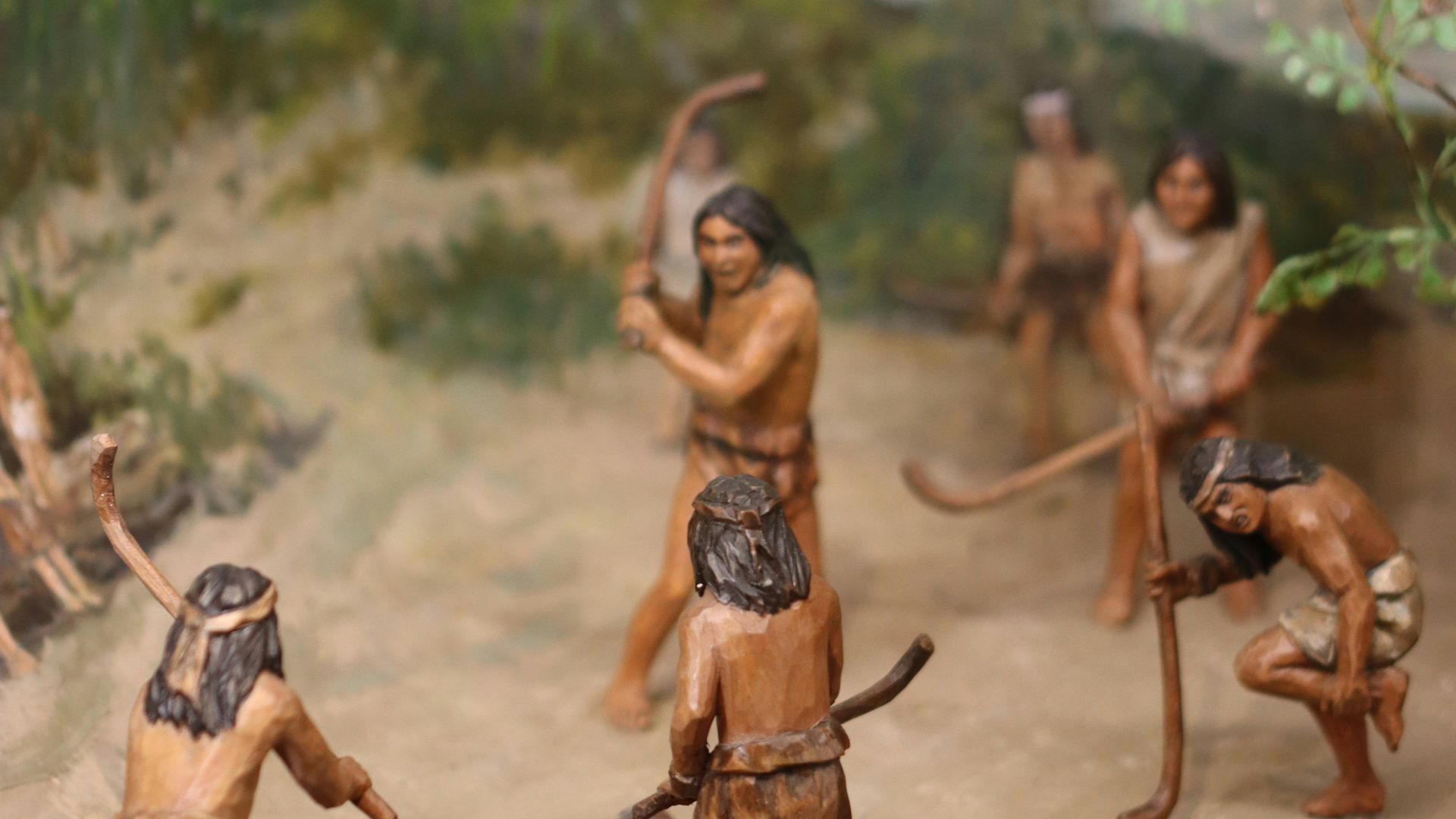
4. Heinrich Event 4
About 70,000 years ago, huge numbers of icebergs broke into the North Atlantic and released freshwater as they melted. That kind of pulse could disrupt ocean circulation and regional climate, leaving human groups to deal with colder stretches, changed rainfall patterns, and animal movements.
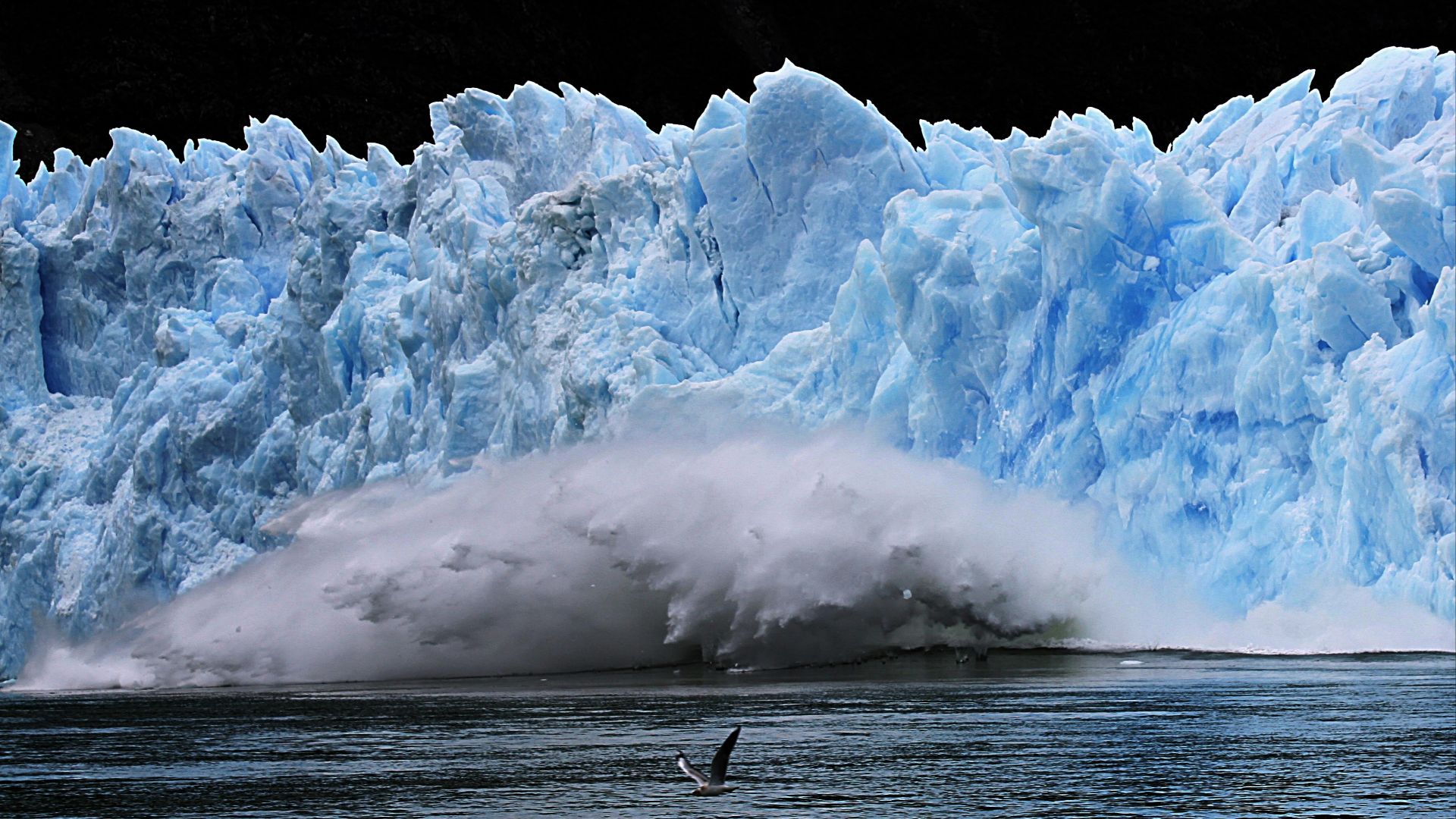
5. Ordovician-Silurian Extinction
This extinction happened around 445 million years ago, long before humans, mammals, or anything close to us existed. Still, it belongs in the deeper story because life on Earth had to survive massive sea-level and climate changes before the later evolutionary chain.
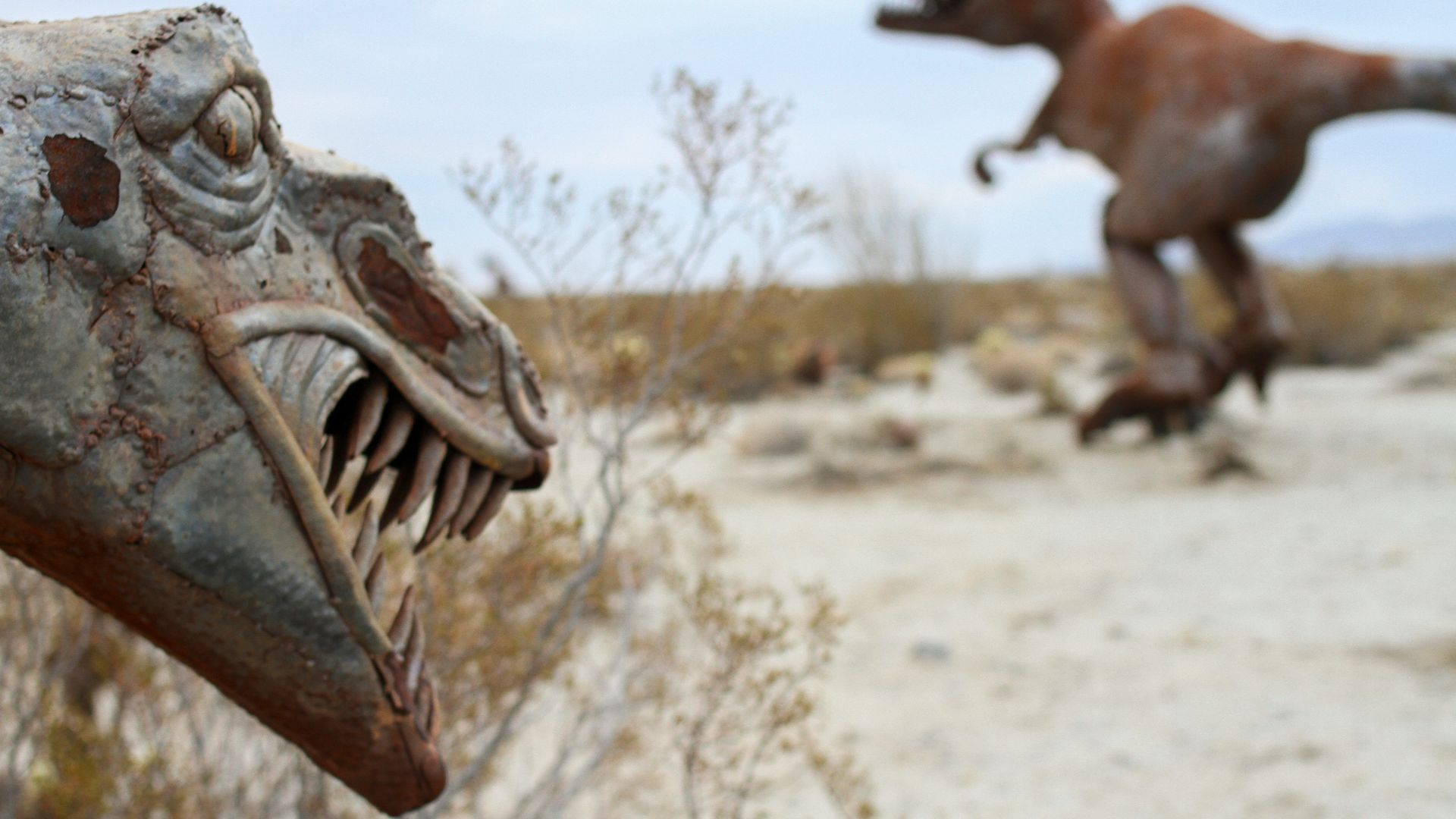
6. Permian-Triassic Extinction
About 252 million years ago, the Earth suffered its most severe extinction event. Known as ‘The Great Dying,’ this event was caused by massive volcanic eruptions in modern-day Siberia. This led to over 90% of marine life and 70% of land life dying. Luckily, small mammal-like reptiles survived, which is how we’re here today.
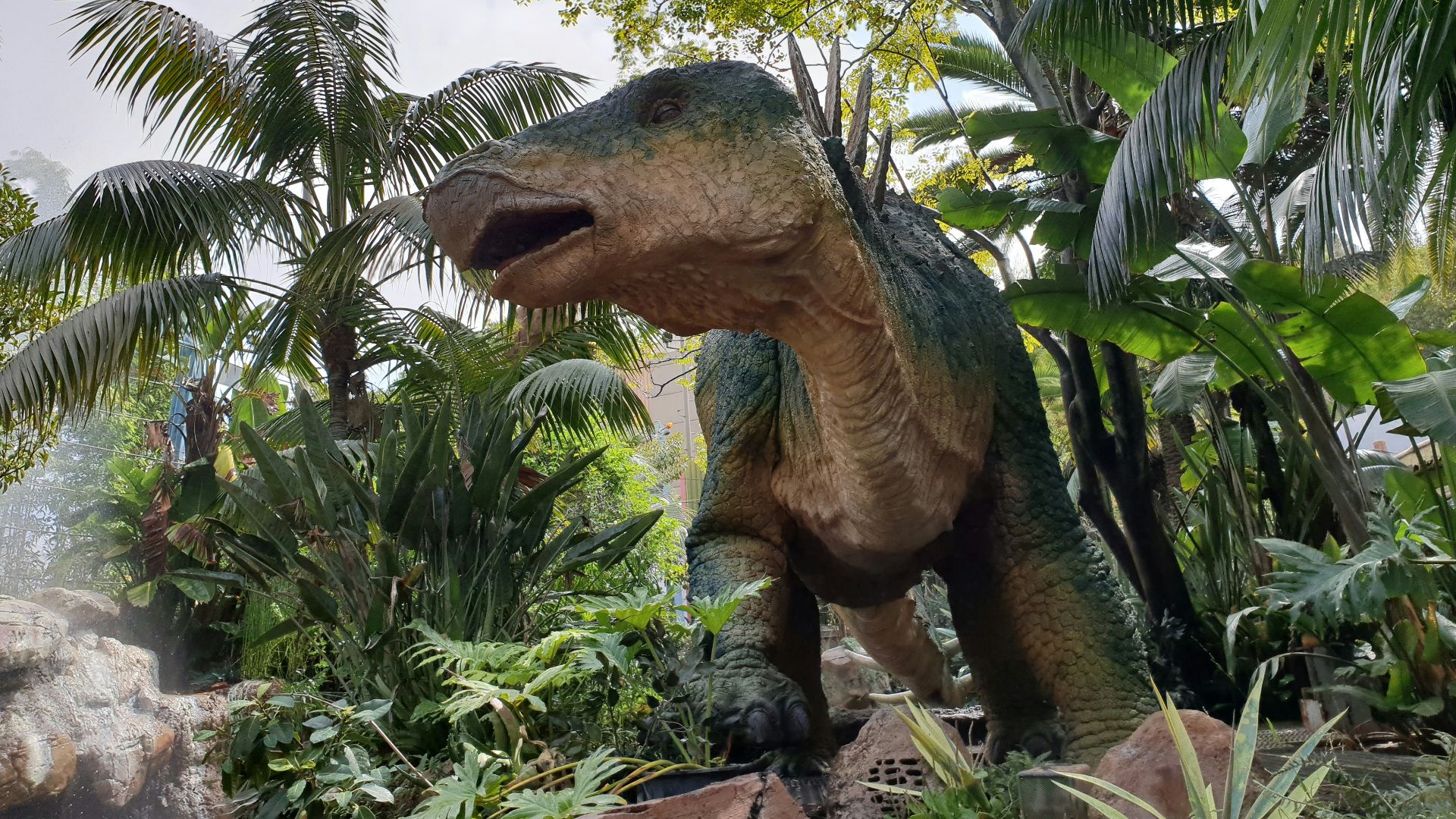
7. Younger Dryas
Roughly 12,900 years ago, warming after the Ice Age was interrupted by a sharp return to colder conditions across much of the Northern Hemisphere. In just three years, Earth’s temperature decreased by 5 °F (3 °C) in North America alone, with sharper temperature changes occurring in Europe and Greenland. While humans adapted, it’s clear to scholars that there was a huge drop in population.
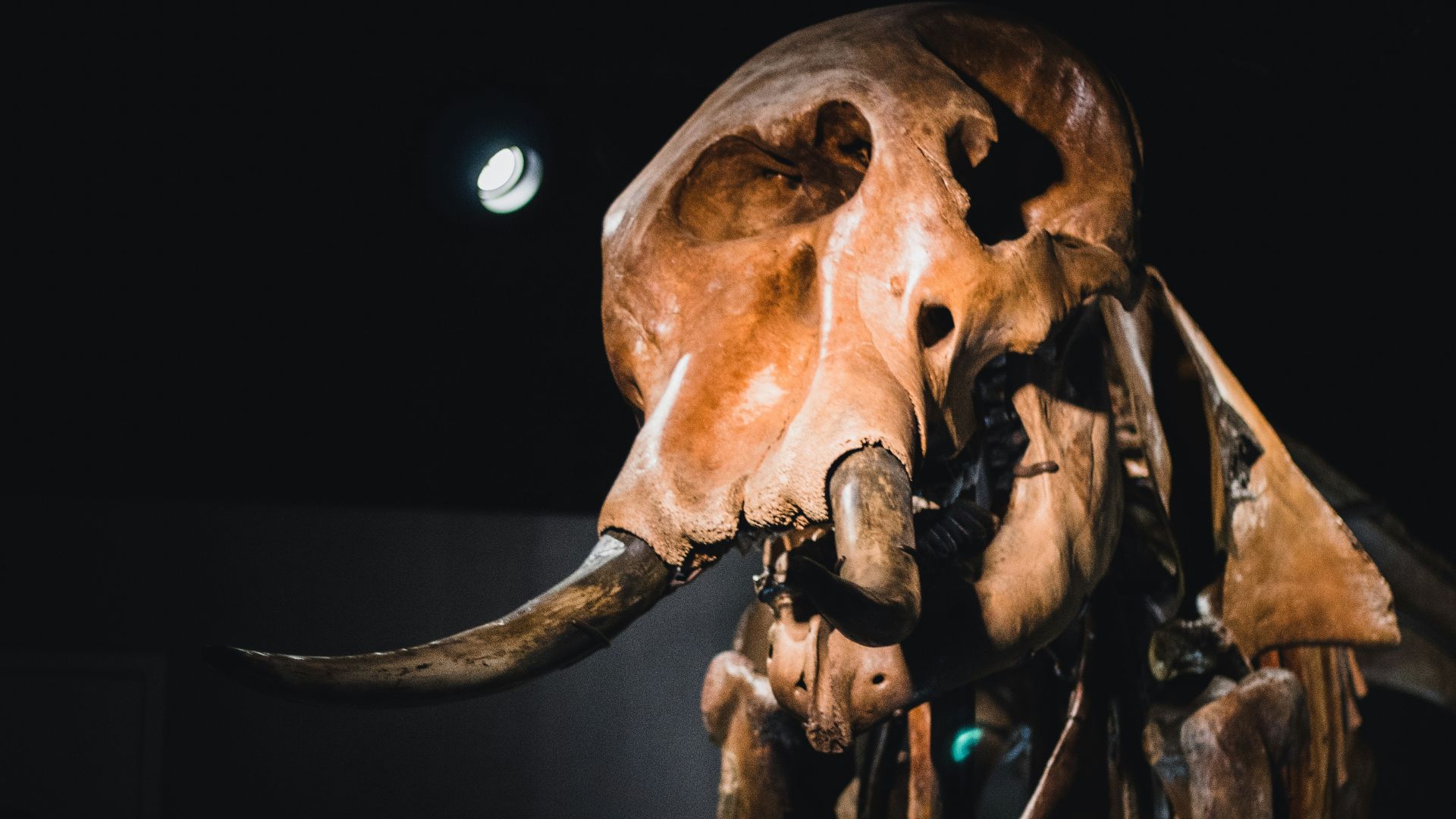
8. Late Pleistocene Megafauna Turnover
From about 50,000 to 10,000 years ago, mammoths, giant ground sloths, saber-toothed cats, and other large animals disappeared from many regions. Over 65% of all megafaunal species became extinct, but it has been suggested that it was due to overhunting by early humans.
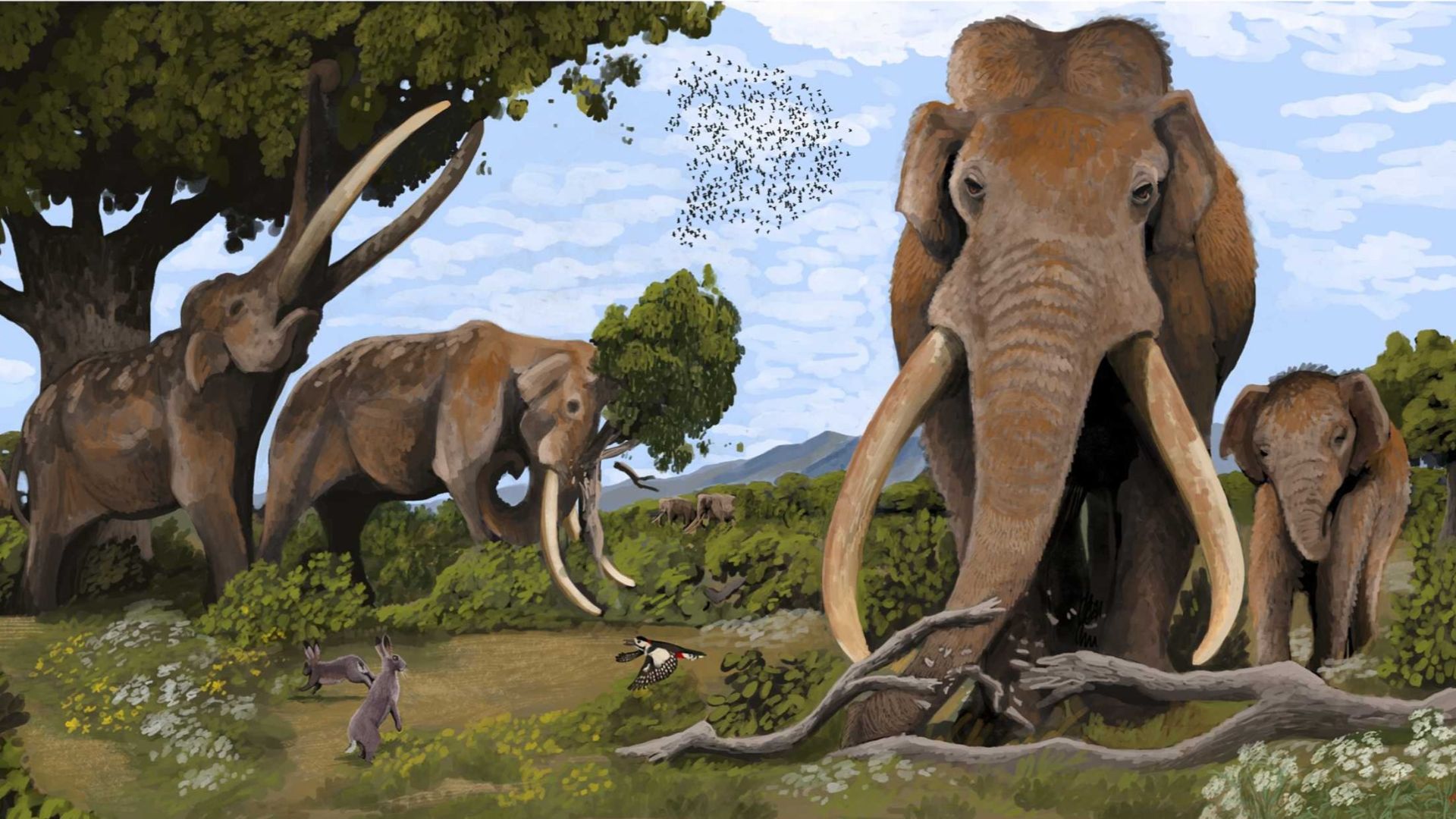
9. Mid-Pleistocene Transition
Between roughly 1.2 million and 700,000 years ago, Earth’s glacial cycles shifted from shorter patterns to longer, harsher ice-age rhythms. Human ancestors had to make it through cold phases that lasted tens of thousands of years, with shifting grasslands, forests, coastlines, and migration routes.
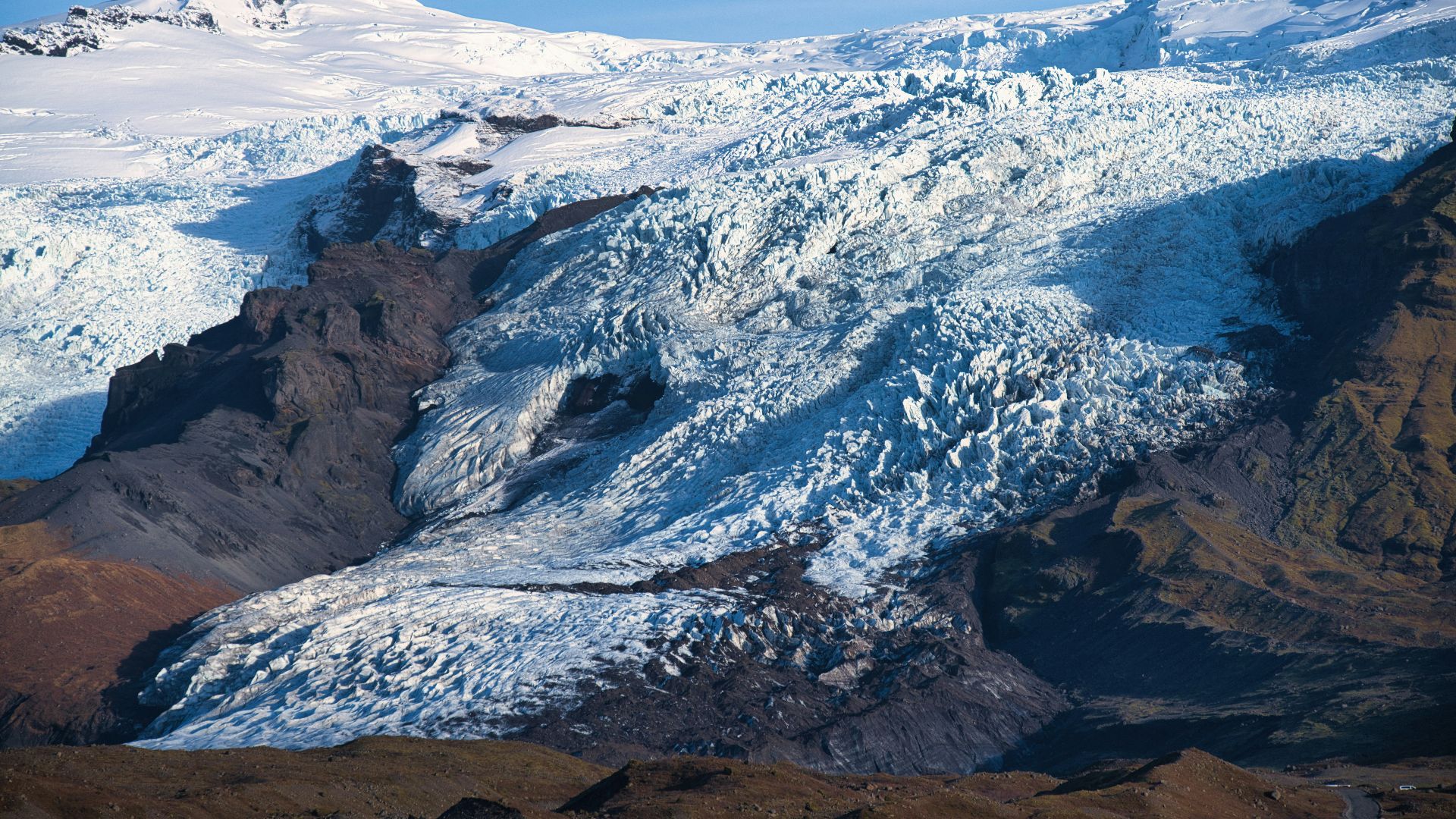
10. MIS 4 Glaciation
Around 71,000 to 59,000 years ago, the world entered a colder glacial stage, and parts of Africa became harder for humans to live in. In some regions, drier conditions would’ve made water, plants, and animals less reliable and less accessible.
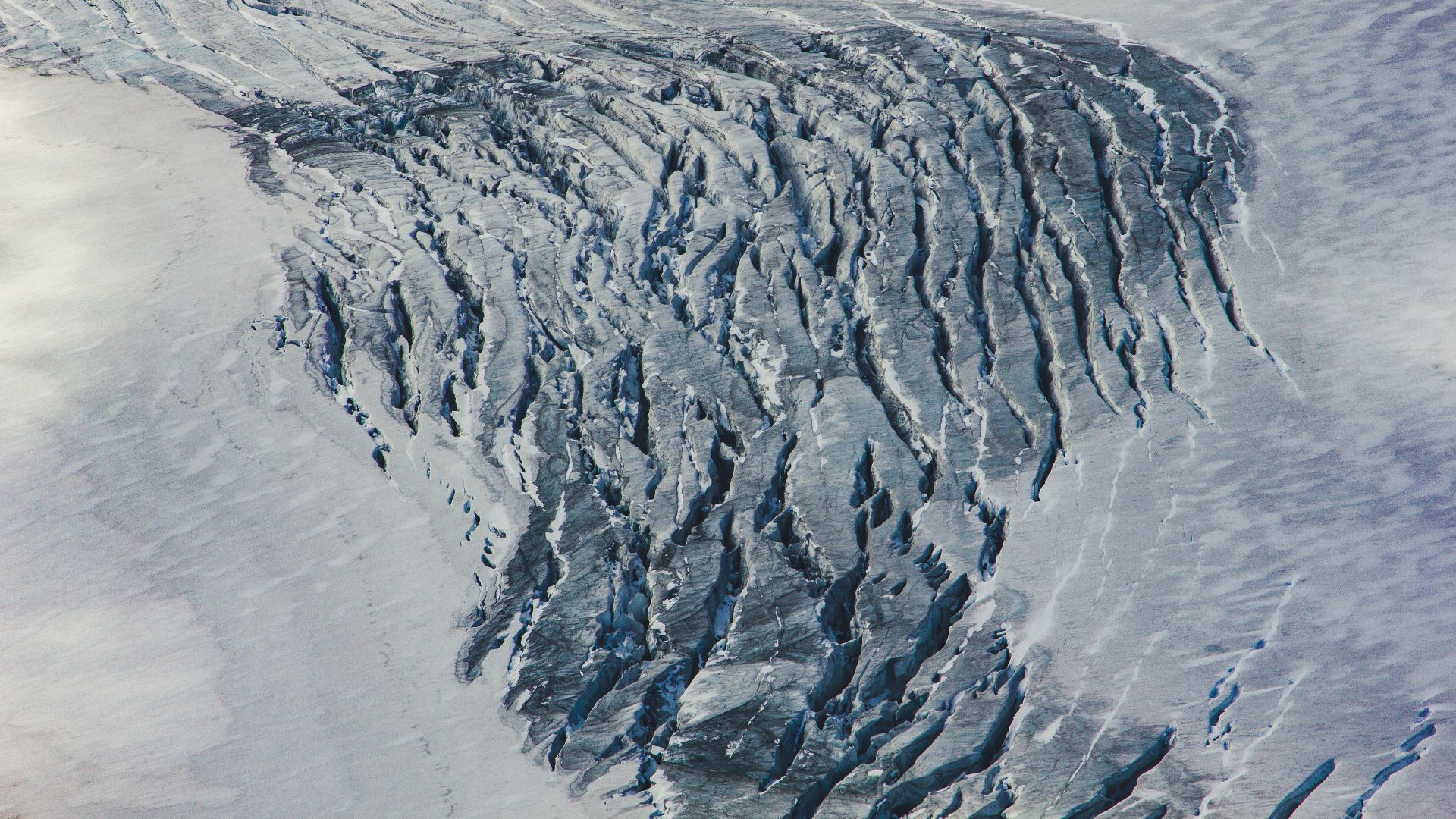
11. Australia’s Pleistocene Landscapes
Humans reached Australia tens of thousands of years ago and entered a continent full of dry zones, fire-shaped habitats, and unusually large animals. The loss of Australia’s megafauna is still debated, but survival in this harsh region required some high adaptability by our ancient ancestors.
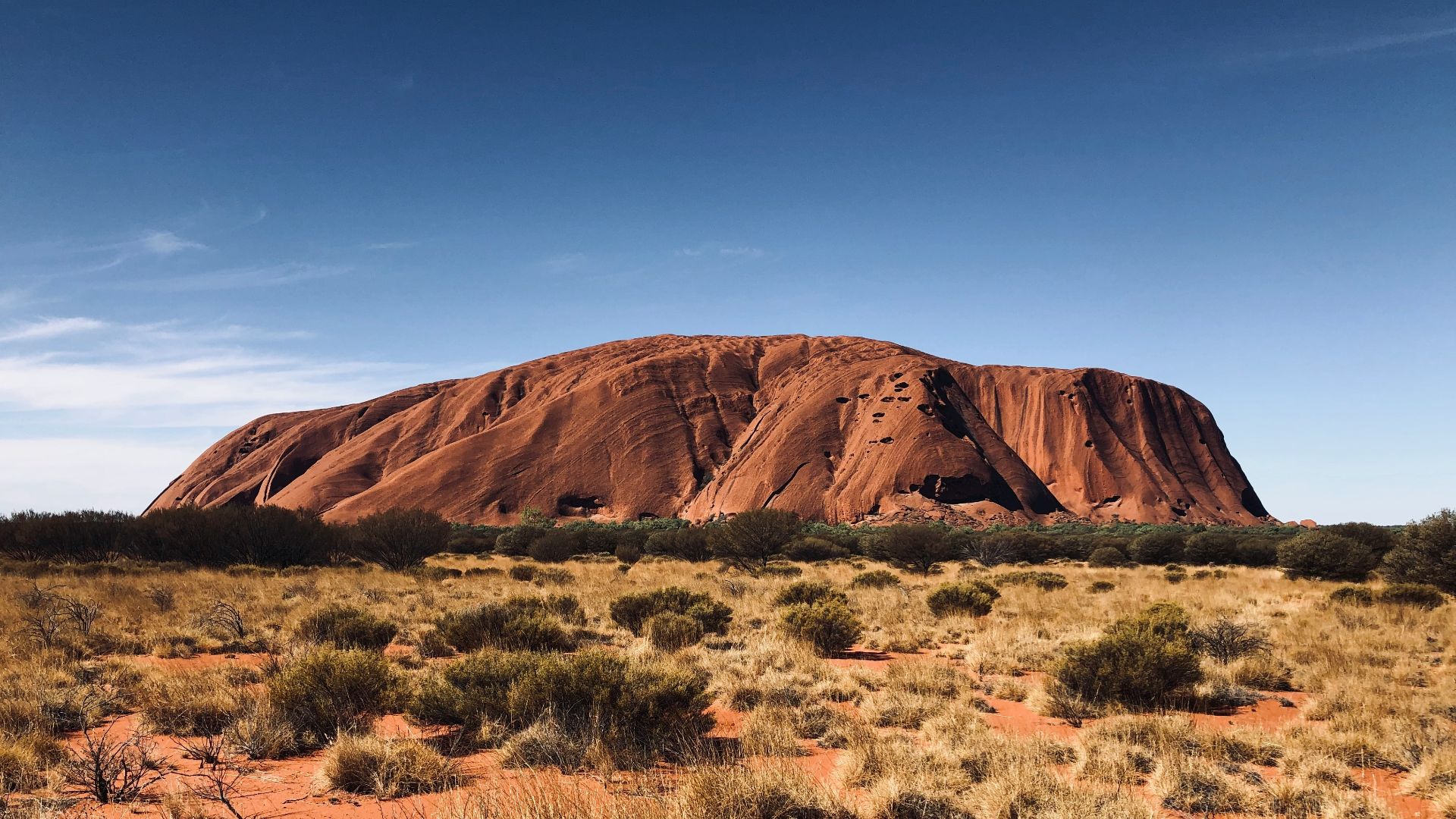
12. The Great Oxidation Event
More than two billion years ago, oxygen began building up in Earth’s atmosphere and oceans, creating a crisis for many organisms that couldn’t tolerate it. This catastrophe led to our ozone layer, but it also resulted in a huge extinction of organisms.
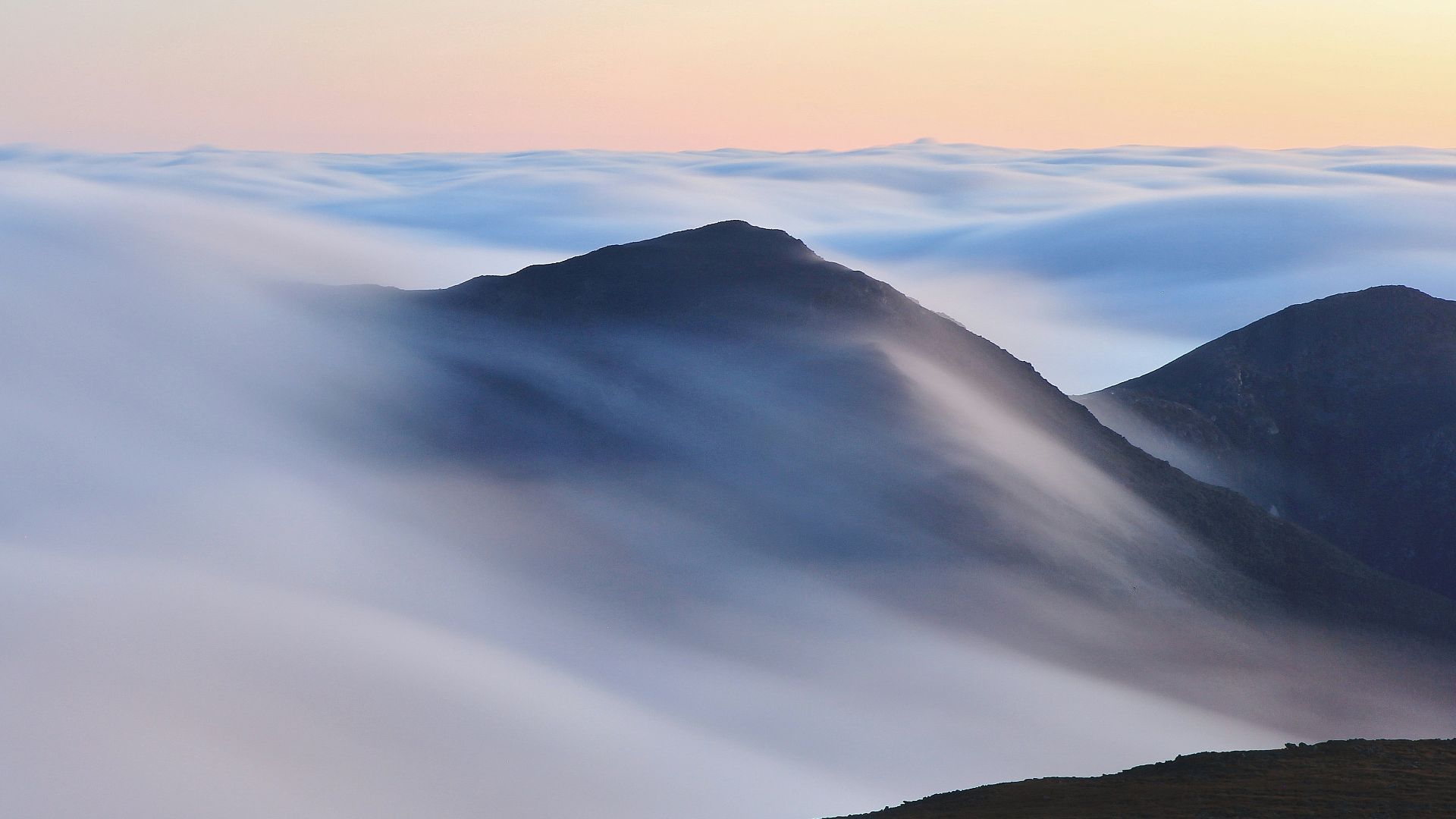
13. Late Ice Age Sea-Level Rise
As Ice Age glaciers melted, seas rose, and low-lying coastlines changed. People who lived near shorelines would’ve watched useful land, travel routes, and food-gathering places disappear under 20 meters of water in just 500 years.
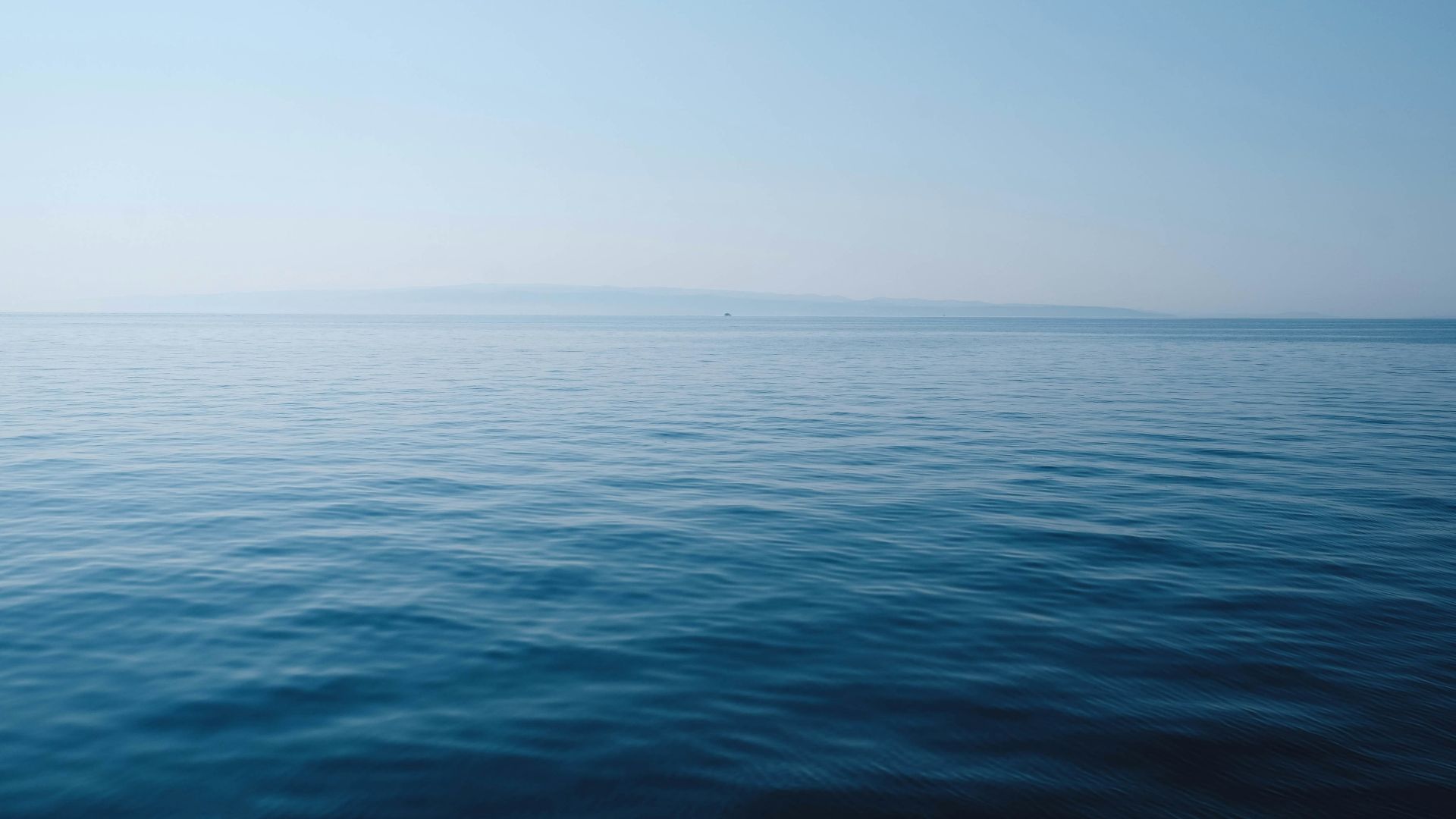
14. Eemian Interglacial Heat
Around 130,000 to 115,000 years ago, the last interglacial brought warmer conditions to the northern hemisphere, so much so that forests expanded into the Arctic Circle. It’s possible that, on top of population bottlenecks, early humans may have also engaged in cannibalism just to stay alive.
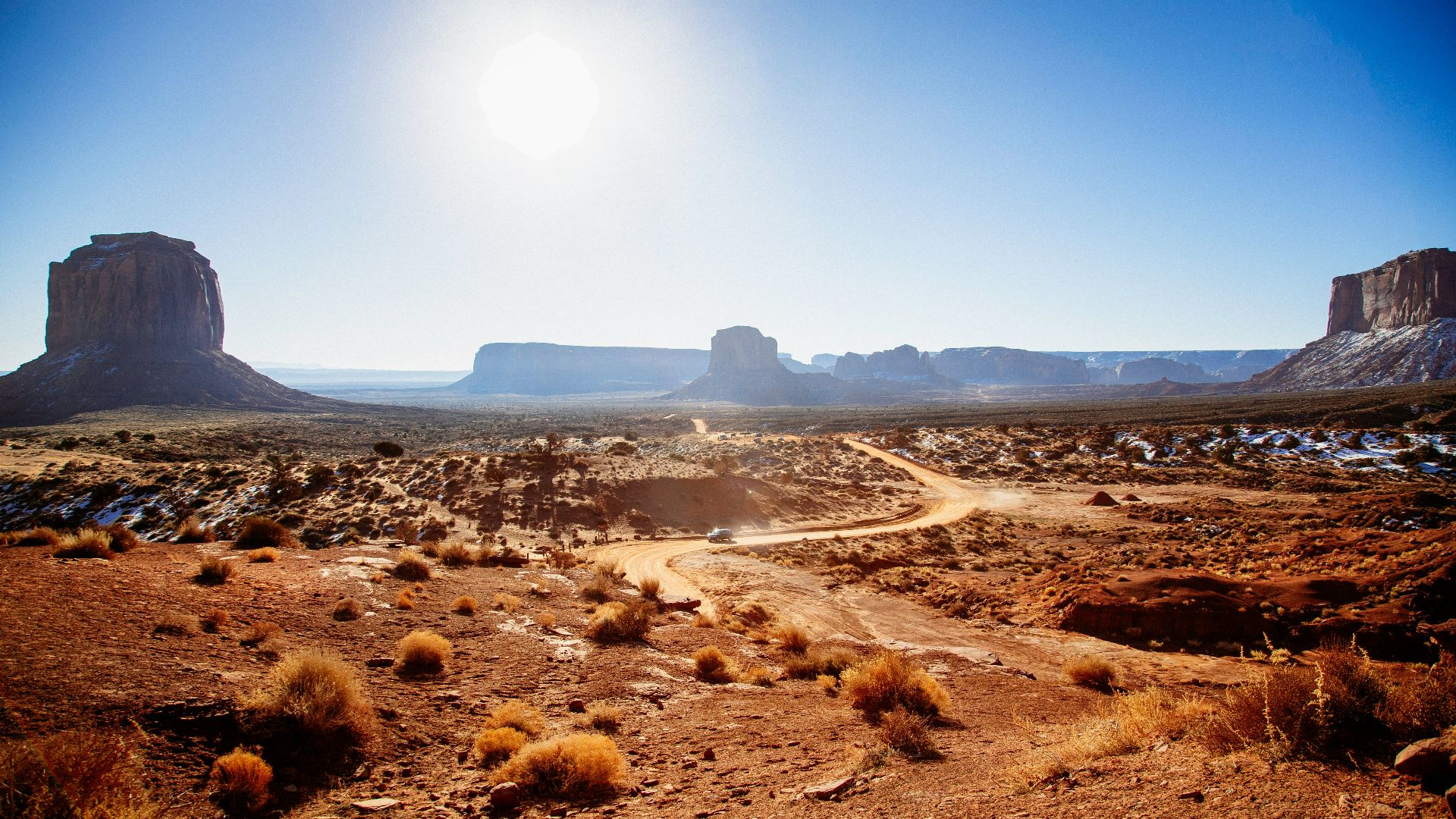
15. African Humid Period Collapse
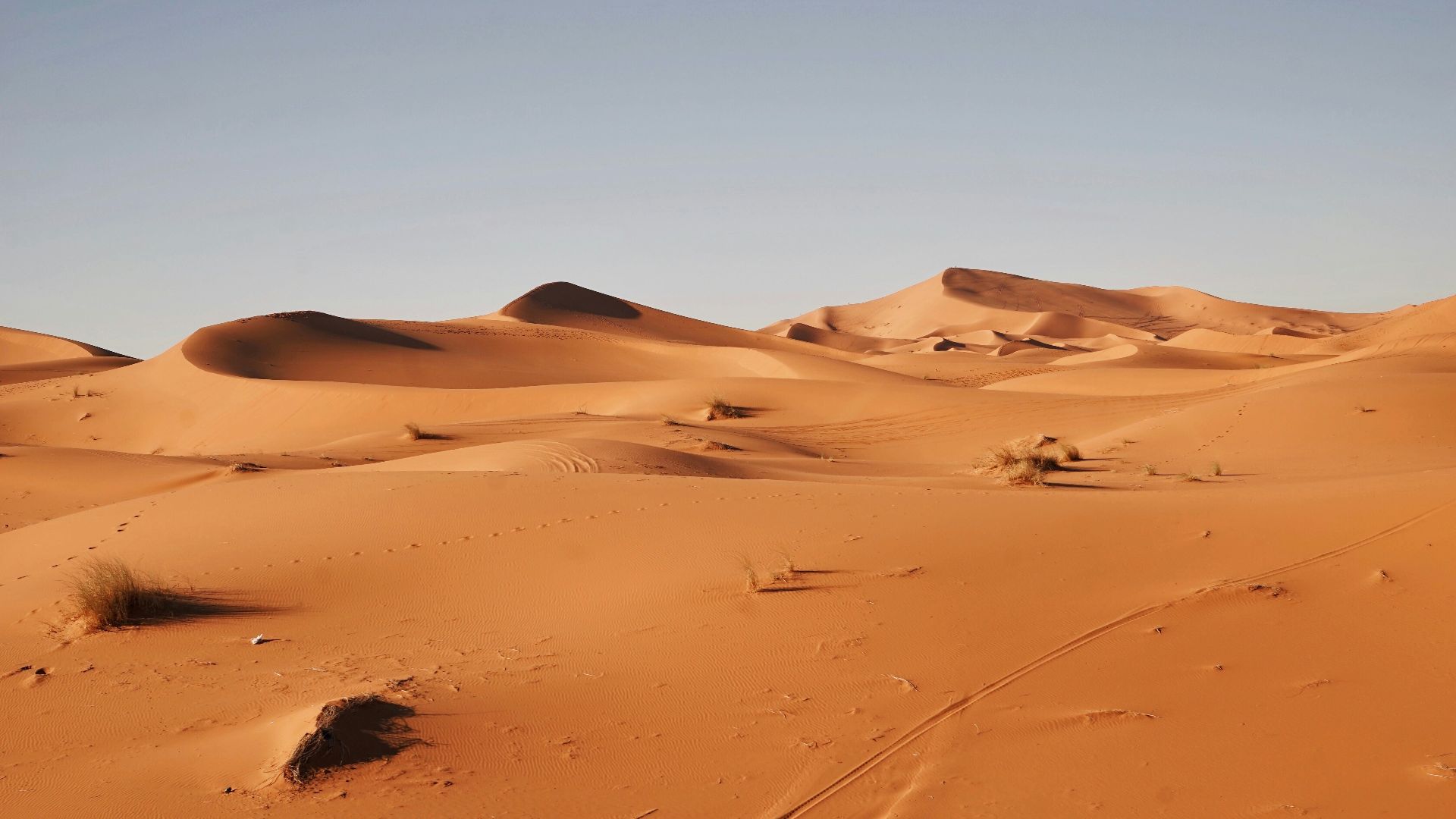
Thousands of years ago, parts of the Sahara supported lakes, grasslands, cattle herding, fishing, and human communities. As that wetter period faded between roughly 6,000 and 5,000 years ago, people moved toward more dependable water, including the Nile Valley and other livable corridors.
 Andrzej Kryszpiniuk on Unsplash
16. Laacher See Eruption
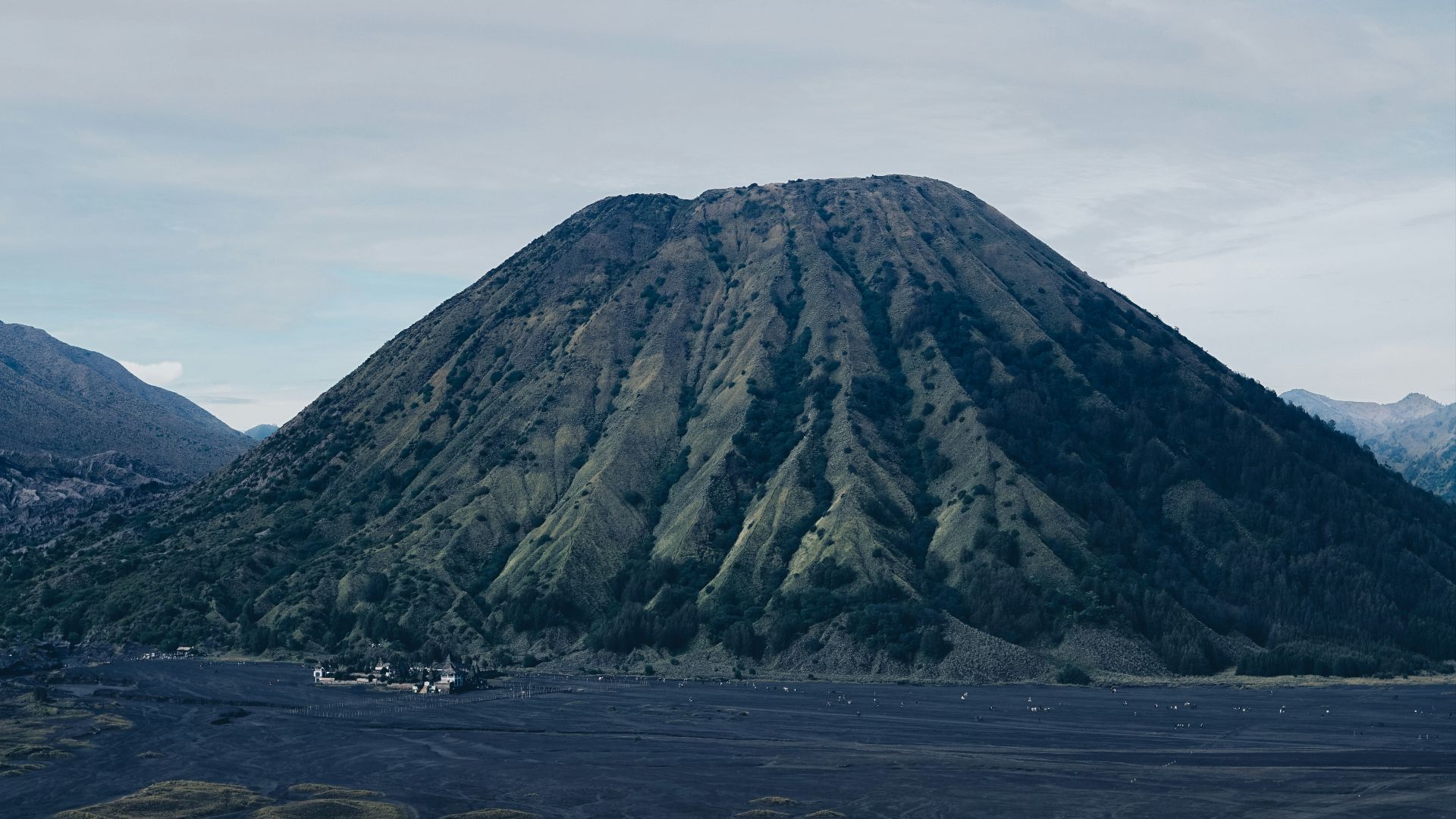
About 13,000 years ago, the Laacher See volcano in what’s now western Germany erupted and spread ash across parts of Europe. The worst effects were local and regional, but nearby communities would’ve faced damaged hunting grounds, altered plant life, and years of environmental stress.
17. Middle Paleolithic Climate Swings
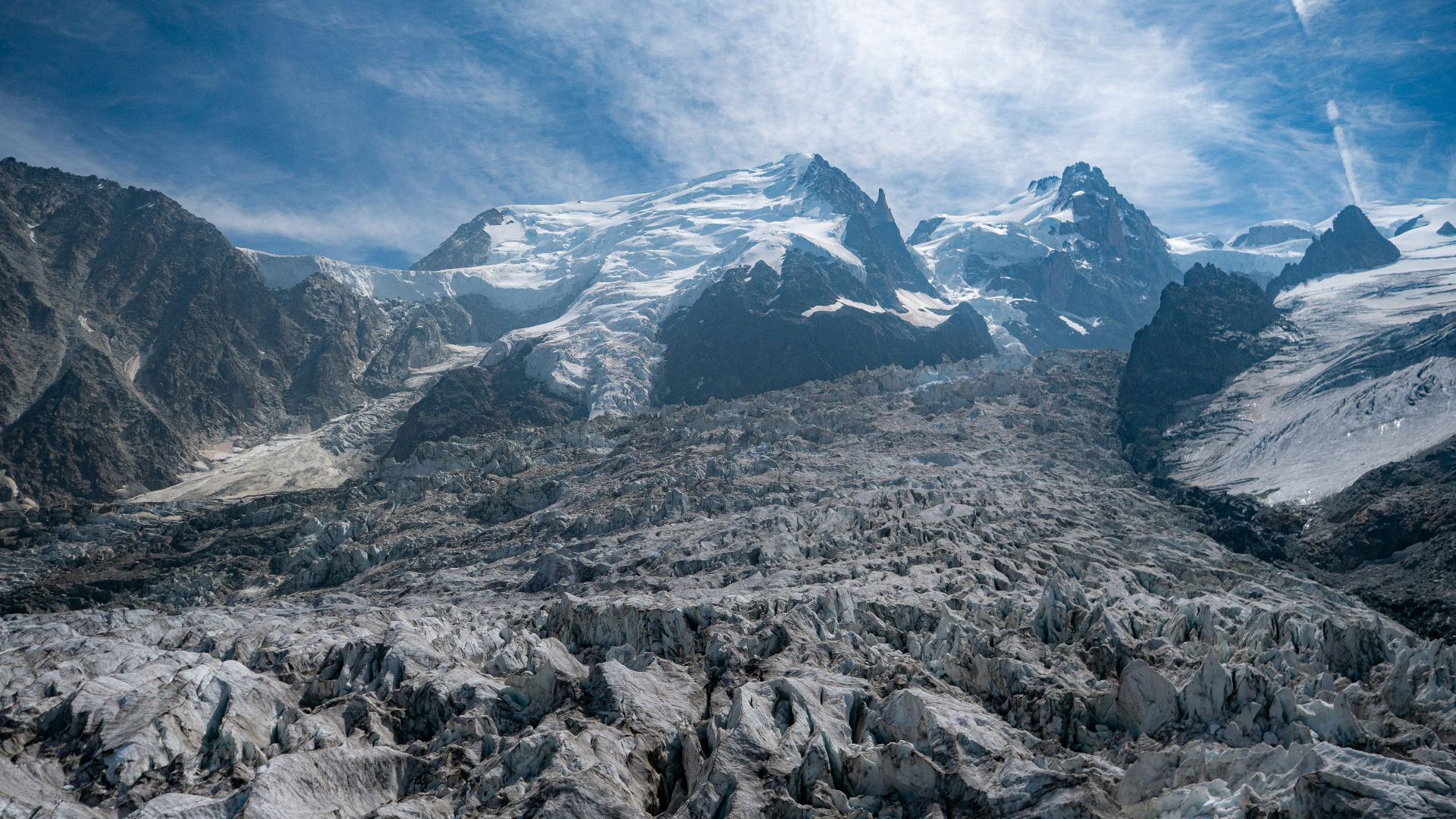
During the later Ice Age, Europe shifted again and again between colder and somewhat milder phases. Neanderthals and early modern humans had to track animals, adjust to changing vegetation, and survive in smaller usable pockets of land while the climate changed around them.
18. MIS 6 Glaciation
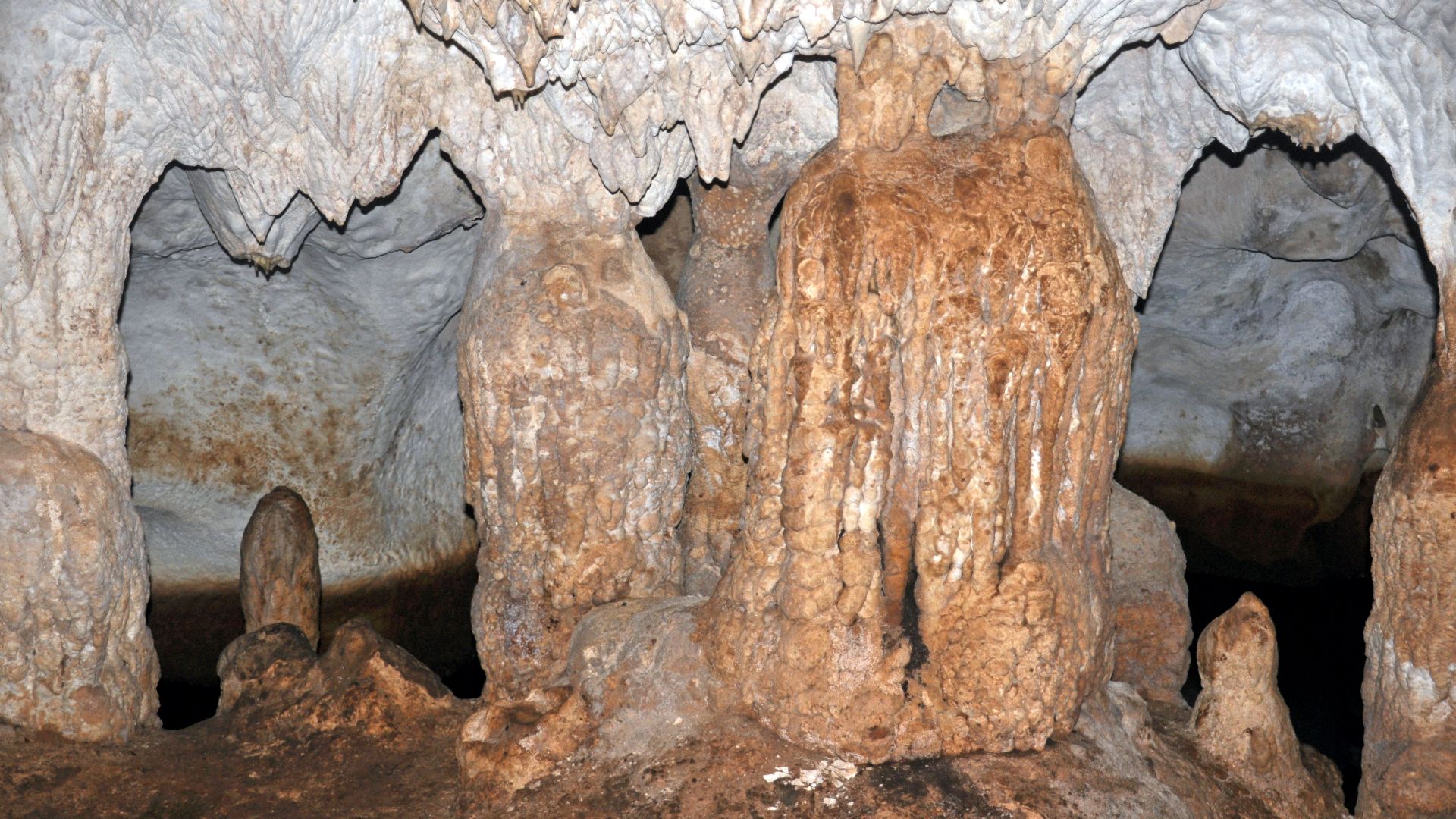
From about 191,000 to 130,000 years ago, a major glacial stage lowered sea levels and changed African environments. Early Homo sapiens persisted through this stretch, likely using scattered refuges, coastal resources, inland waterways, and whatever workable habitats were available.
19. Campi Flegrei Caldera Eruption
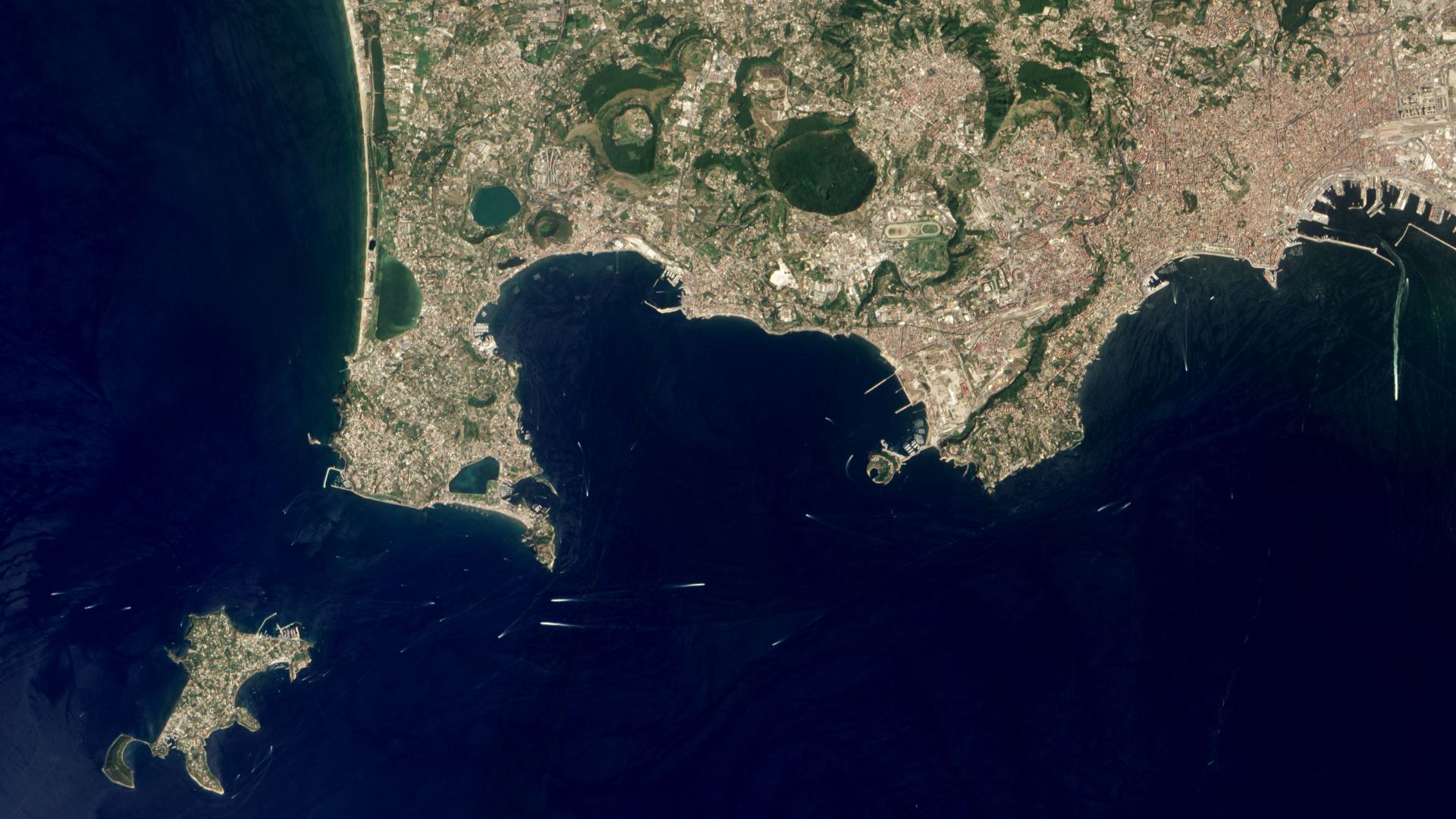
Around 39,000 years ago, the Campanian Ignimbrite eruption from the Campi Flegrei volcanic area near present-day Naples spread ash widely across parts of Europe. Its role in Neanderthal decline is debated, but it added another serious environmental shock during an already difficult period.
 Jesse Allen and Robert Simmon on Wikimedia
20. Toba Ash-Fall Survival Zones
The Toba eruption left ash in parts of South Asia, including areas where stone tools show people were present before and after the event. That doesn’t mean the aftermath was easy; it means humans were able to survive the damaged landscapes, disrupted food sources, and massive volcanic fallout.
 NASA/METI/AIST/Japan Space Systems, and U.S./Japan ASTER Science Team on Wikimedia
KEEP ON READING
The story of Ching Shih, the Woman Who Became the…
Unknown author on WikimediaFew figures in history are as feared…
By Emilie Richardson-Dupuis Dec 29, 2025
Einstein's Violin Just Sold At An Auction—And It Earned More…
A Visionary's Violin. Wanda von Debschitz-Kunowski on WikimediaWhen you hear…
By Ashley Bast Nov 3, 2025
This Infamous Ancient Greek Burned Down An Ancient Wonder Just…
History remembers kings and conquerors, but sometimes, it also remembers…
By David Davidovic Nov 12, 2025
The Mysterious "Sea People" Who Collapsed Civilization
3,200 years ago, Bronze Age civilization in the Mediterranean suddenly…
By Robbie Woods Mar 18, 2025
20 Greatest Ancient Athletes In History
Ancient Olympics. Long before modern stadiums and multimillion-dollar endorsements, athletes…
By Sara Springsteen May 1, 2026
20 Soldiers Who Defied Expectations
Changing the Rules of the Battlefield. You’ve probably heard plenty…
By Annie Byrd Feb 10, 2026