

Old Burns Still Burn
History is usually served to us with dates, wars, powdered wigs, and people looking painfully serious in portraits. But behind all that ceremony, people were just as petty, funny, theatrical, and thin-skinned as we are now. They roasted rivals in parliament, novels, plays, letters, salons, taverns, and dinner parties. Some famous insults have messy paper trails, and a few survive more as beloved anecdotes than airtight transcripts, which honestly makes them feel even more human. Here are 20 historical insults that still have a little smoke coming off them.
 Macfadden Publicationspage 2 on Wikimedia
1. “Thou Unnecessary Letter”
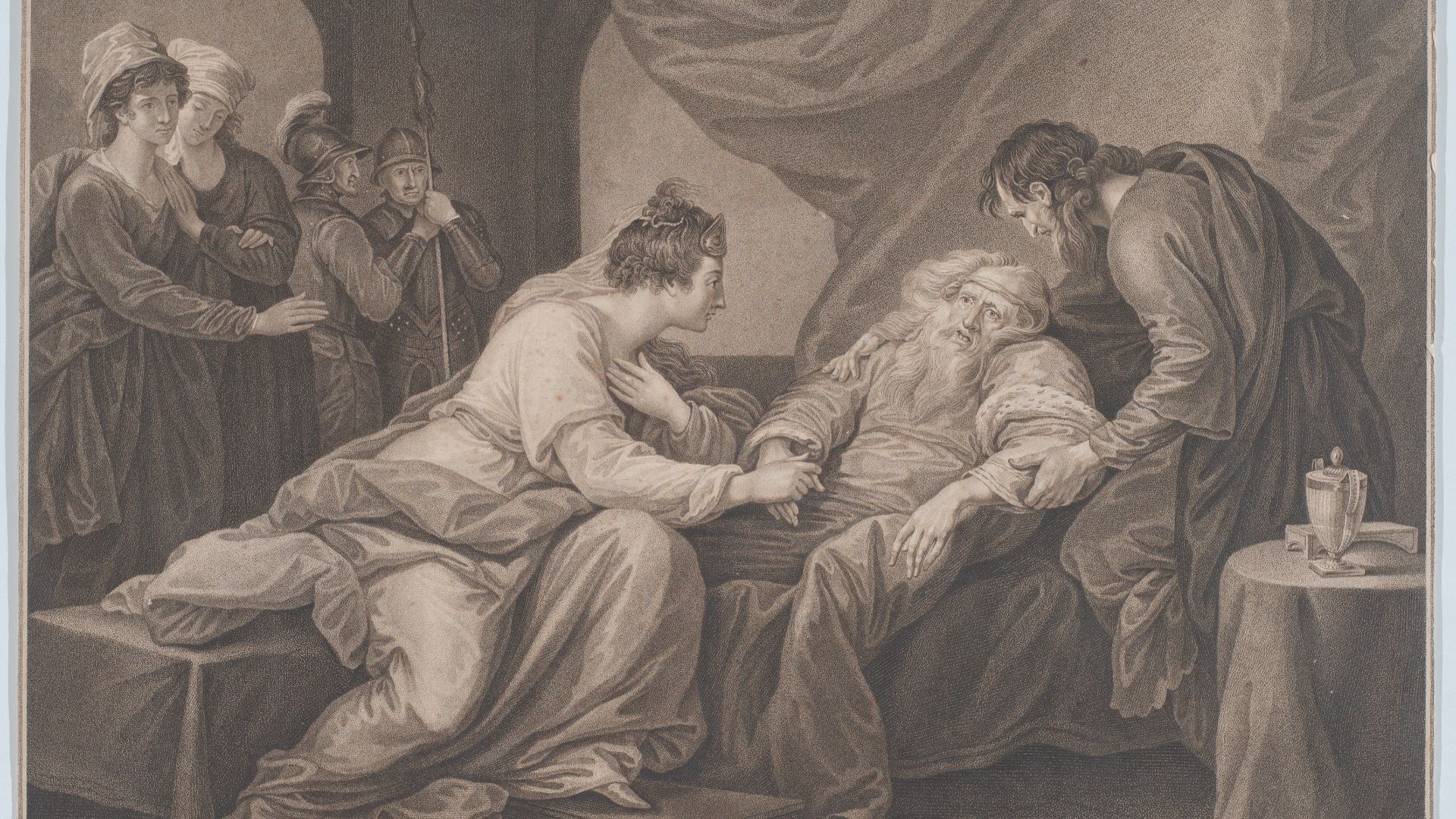
Calling someone “thou whoreson zed, thou unnecessary letter” is such a specific little masterpiece that it barely needs translation. Shakespeare made the letter Z sound like a personal failure in King Lear, which is a level of pettiness most group chats can only dream of reaching.
 Francesco Bartolozzi / Benjamin West / William Shakespeare on Wikimedia
2. “Stand Out of My Sunlight”
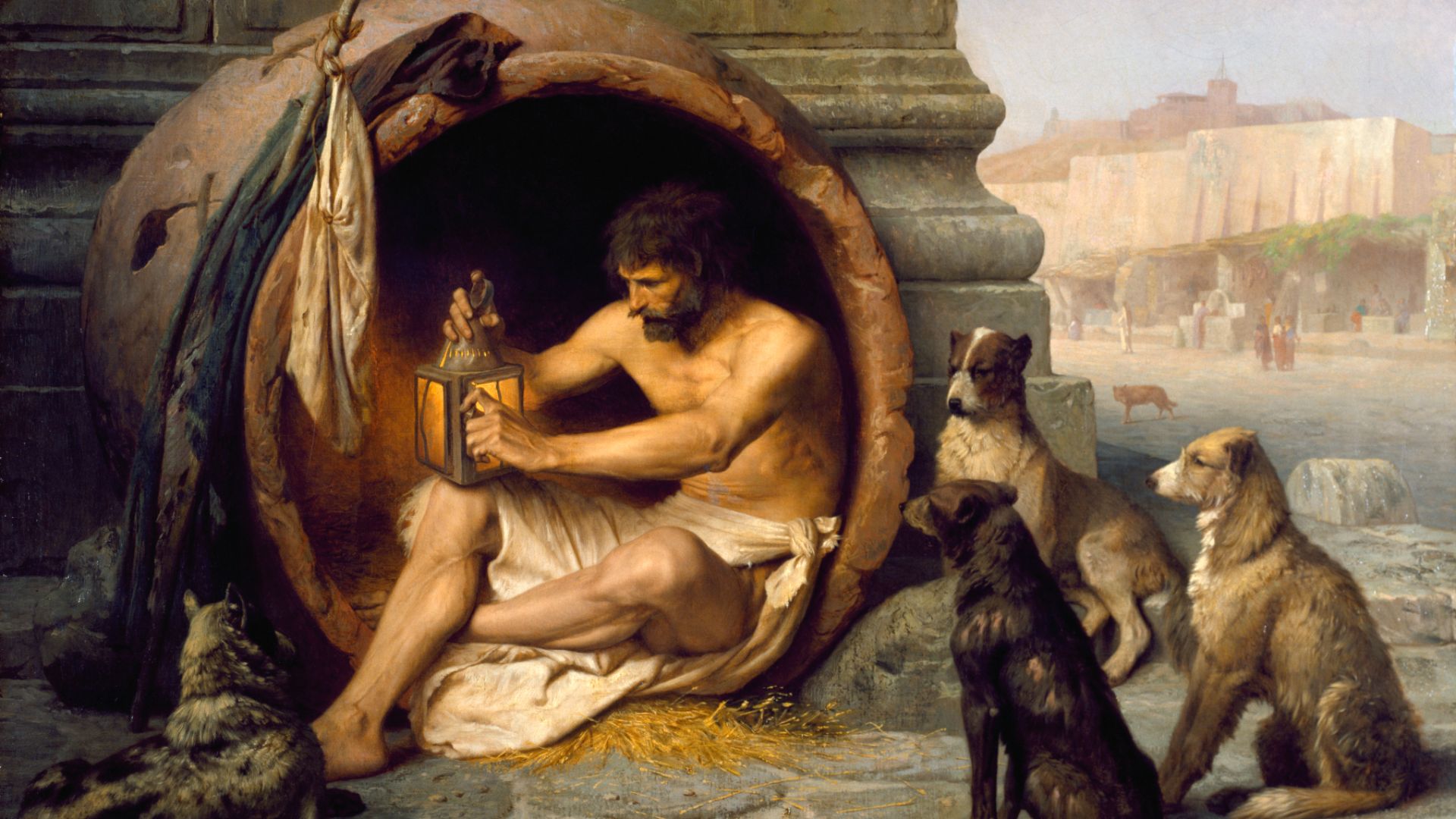
Diogenes supposedly had Alexander the Great standing in front of him, offering favors, and asked for one thing: move. The insult is funny because it treats one of history’s biggest egos like a badly placed lamp.
3. “You Starveling, You Elf-Skin”
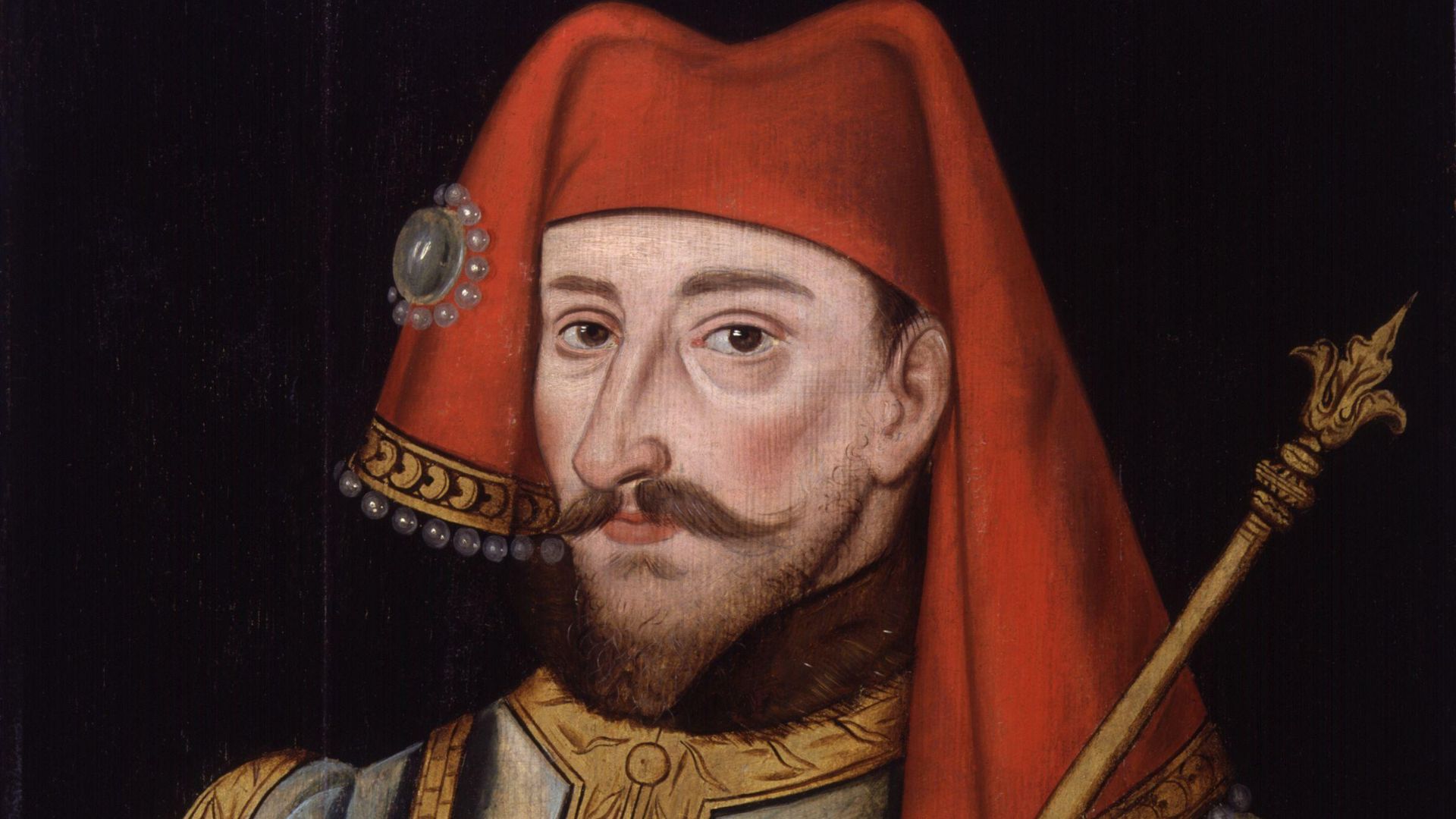
Shakespeare did not stop at one insult when twelve would do. In Henry IV, Part 1, Falstaff gets called a “starveling,” an “elf-skin,” and a “dried neat’s tongue,” which sounds less like an argument and more like someone angrily unloading a medieval pantry.
4. “Not Handsome Enough to Tempt Me”
Mr. Darcy’s famous early dismissal of Elizabeth Bennet is delicious because it is so controlled and so rude. “Tolerable” may be the coldest word in the English language when delivered by a rich man at a dance who thinks nobody important can hear him.
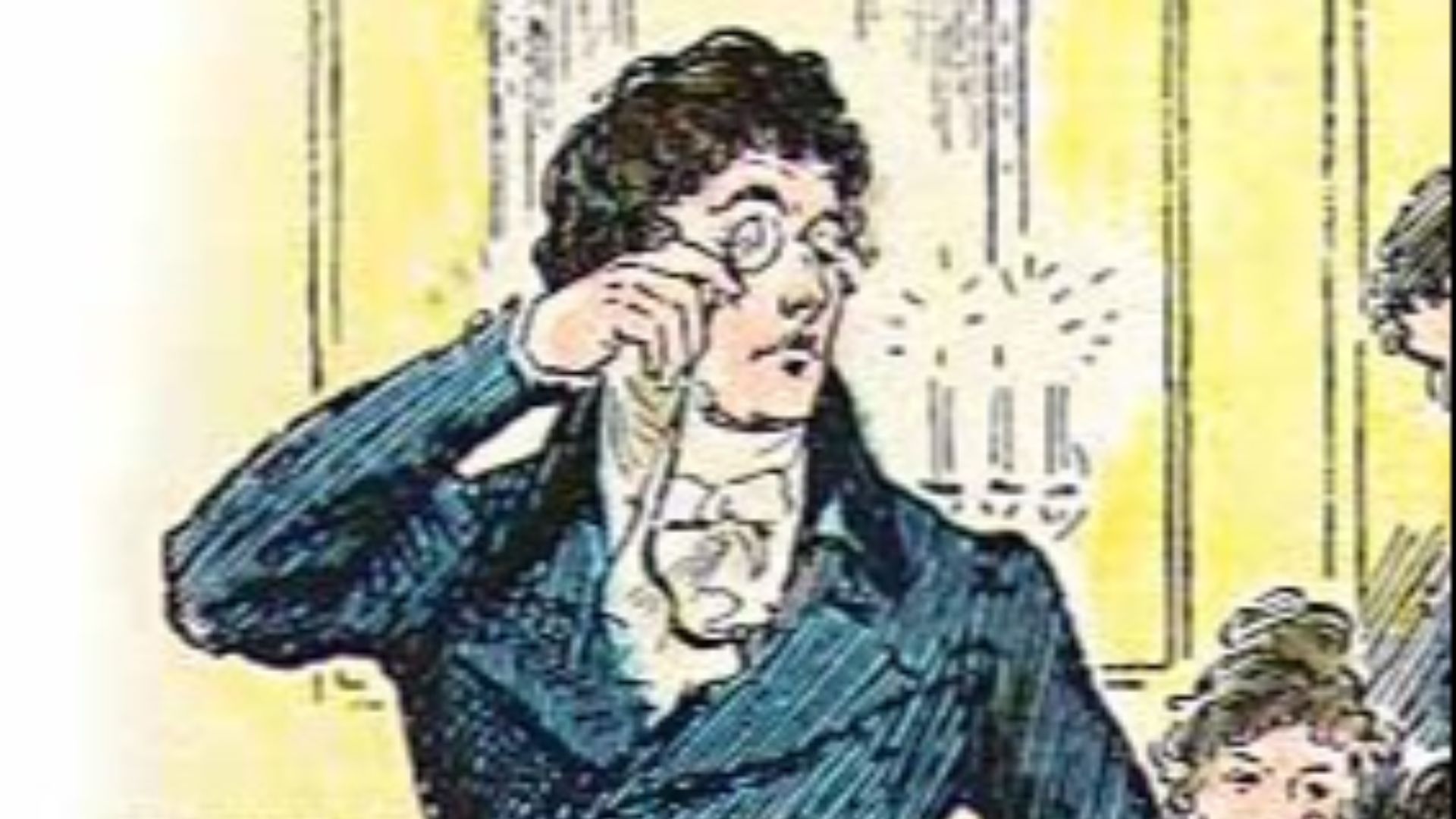 Charles Edmund Brock on Wikimedia
5. “Tomorrow I Shall Be Sober”
The Churchill-and-Bessie-Braddock exchange has been retold in many forms, which is usually a clue to keep one eyebrow raised. Still, the shape of the insult is immortal: you may be right about tonight, but tomorrow the balance of embarrassment shifts back to you.
 commons.wikimedia.org on Google
6. “If There Is One”
The story goes that George Bernard Shaw offered Churchill tickets to a first night and told him to bring a friend, “if you have one.” Churchill’s alleged reply, promising to attend the second night “if there is one,” is theater criticism with a bayonet attached.
 Unknown authorUnknown author; published in The Star. on Wikimedia
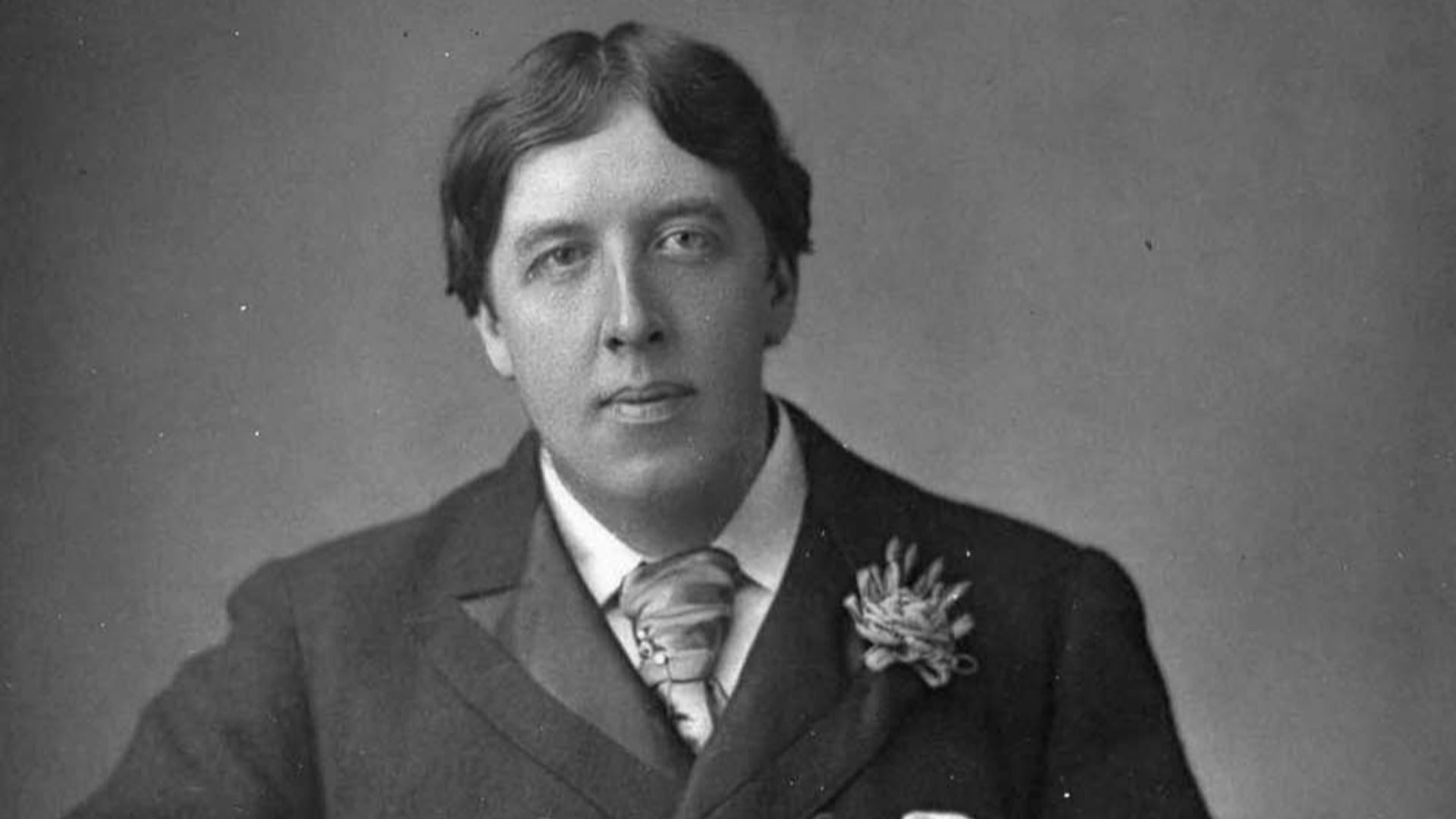
7. “No Enemies, Just Disliked Friends”
Oscar Wilde’s line about Shaw having no enemies because none of his friends liked him is polished cruelty in a velvet jacket. It sounds almost polite until you realize it has quietly removed every possible social comfort from the room.
8. “A Most Weak Brain”
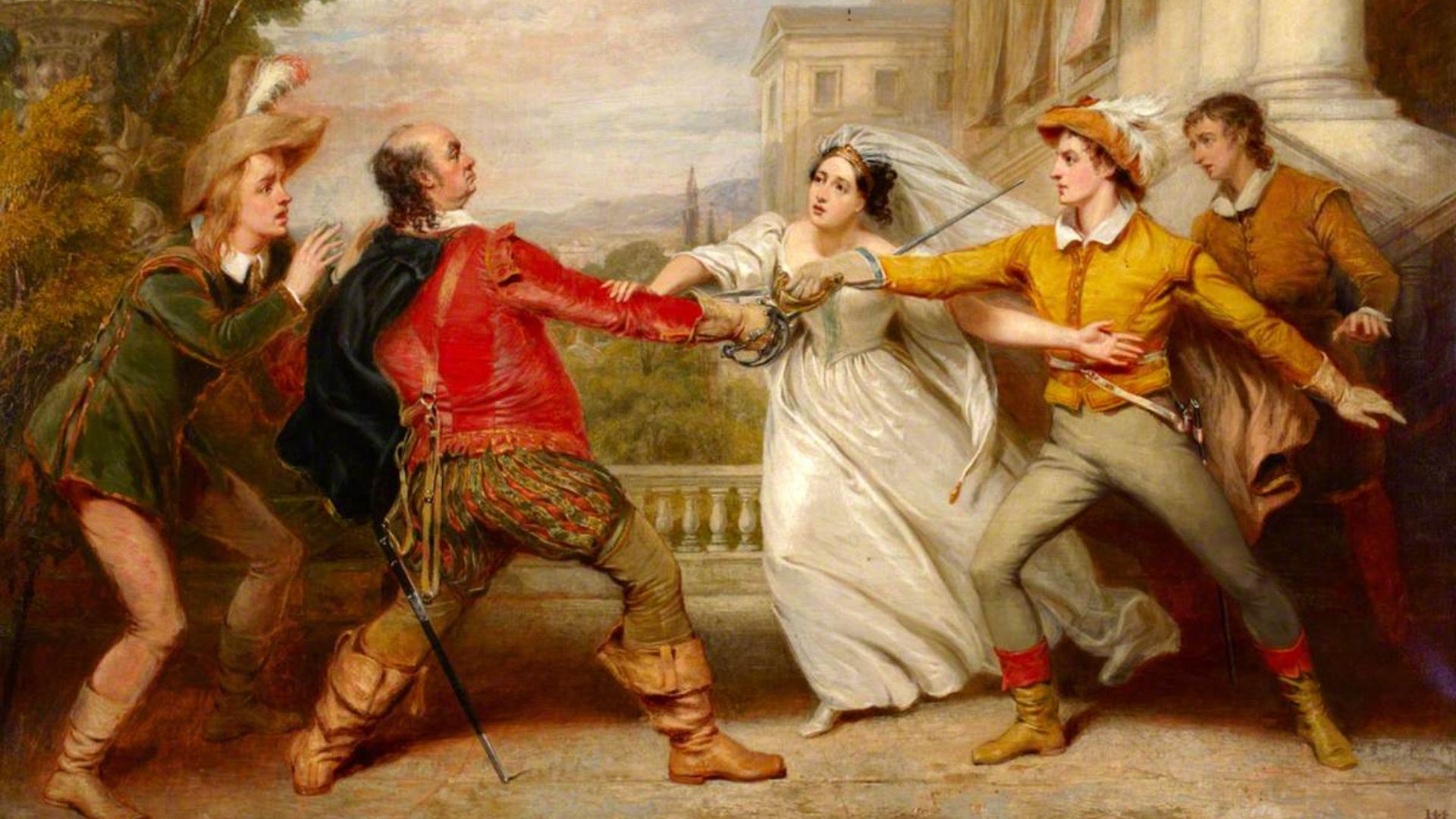
In Twelfth Night, Shakespeare gives us “a most weak pia mater,” which is basically a fancy way of saying the person’s brain is not exactly carrying the team. The insult feels funny now because it dresses up stupidity in medical Latin and then lets it wobble across the stage.
 commons.wikimedia.org on Google
9. “I’m All for the Execution”
Calvin Coolidge was known as “Silent Cal,” so when the man did speak, he tended to make it count. Asked what he thought of a singer’s execution, he allegedly said he was all for it, which is a brutal little trapdoor of a sentence.
 Notman Studio, Boston. Restoration by User:Adam Cuerden on Wikimedia
10. “Your Policies or Your Mistress”
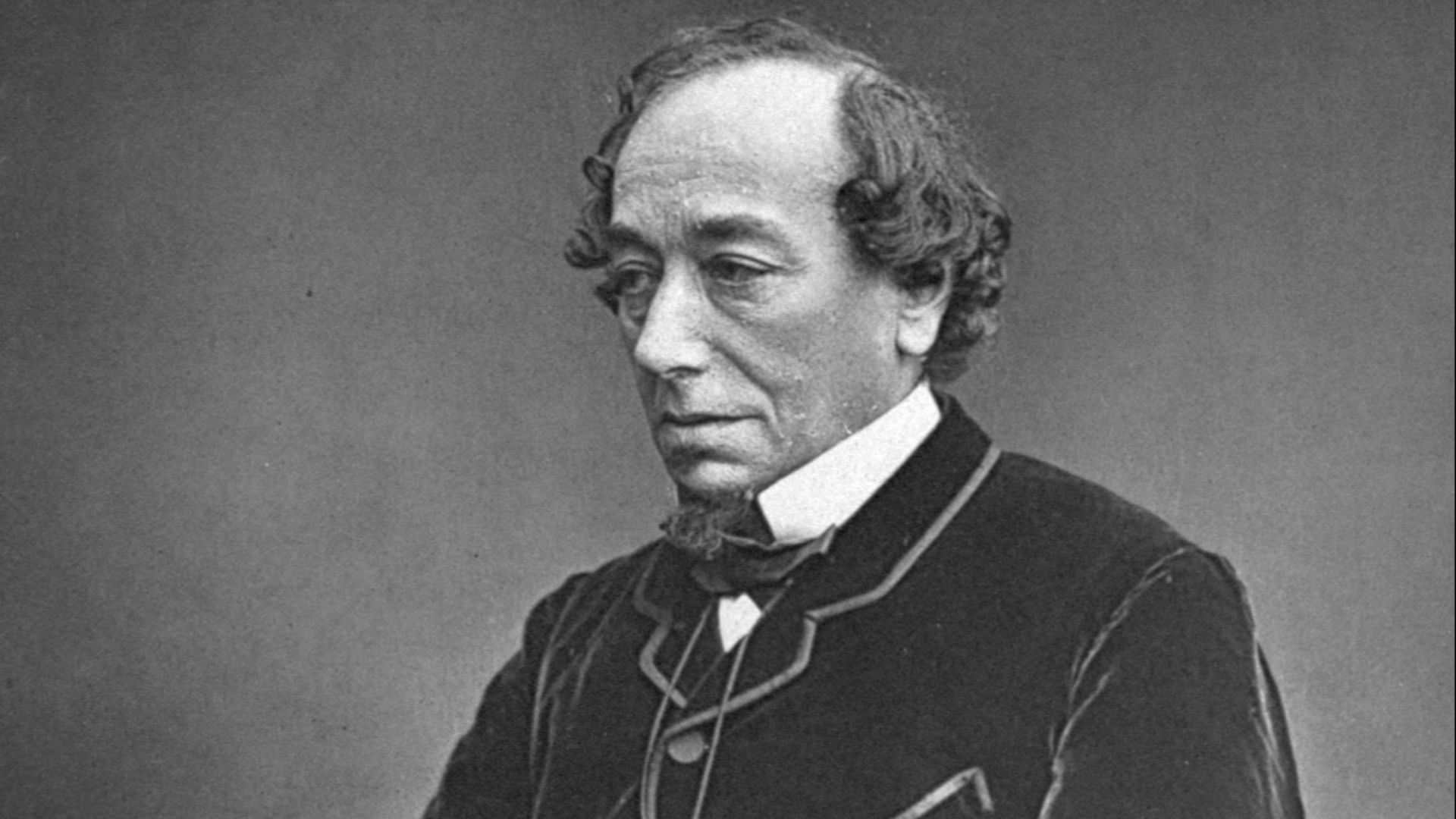
Benjamin Disraeli's comeback about dying by the gallows or disease is one of those political insults that still walks into the room wearing boots. Whether polished by retelling or not, the punch line works because it turns a threat into a choice between public principle and private scandal.
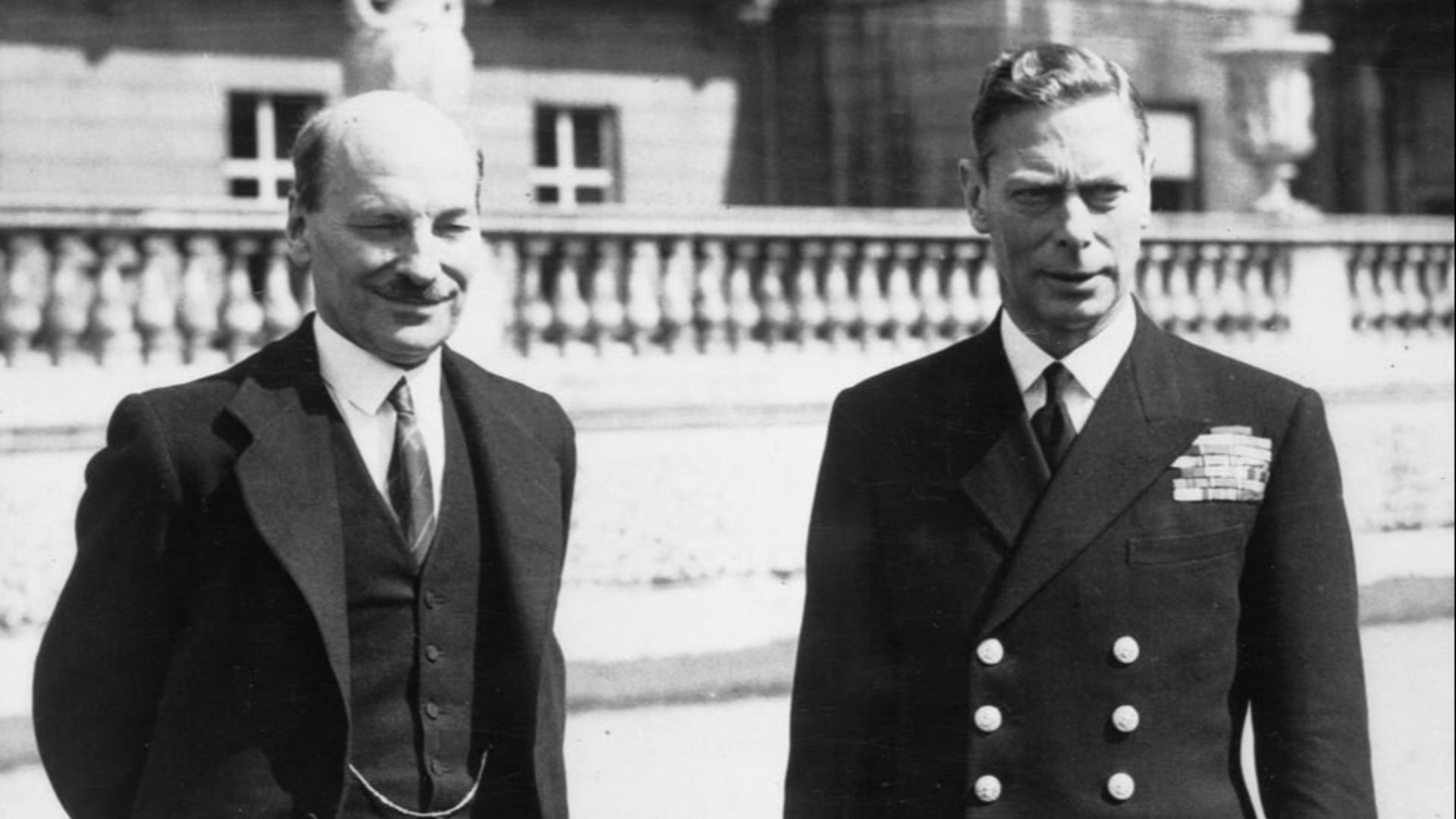
11. “Much To Be Modest About”
Winston Churchill is often credited with saying Clement Attlee was “a modest man, with much to be modest about.” It is the kind of insult that strolls in wearing a nice suit and then quietly steals the silver. The funniest part is how gently it moves, as if it is only making polite conversation while removing someone’s entire résumé from the table.

12. “Big Emotions, Big Words”
The Faulkner-Hemingway feud had the flavor of two brilliant men trying not to admit they respected each other. After Faulkner jabbed at Hemingway’s vocabulary, Hemingway fired back with the idea that big emotions do not need big words, which is both a defense and a very neat slap.
13. “Including ‘And’ And ‘The’”
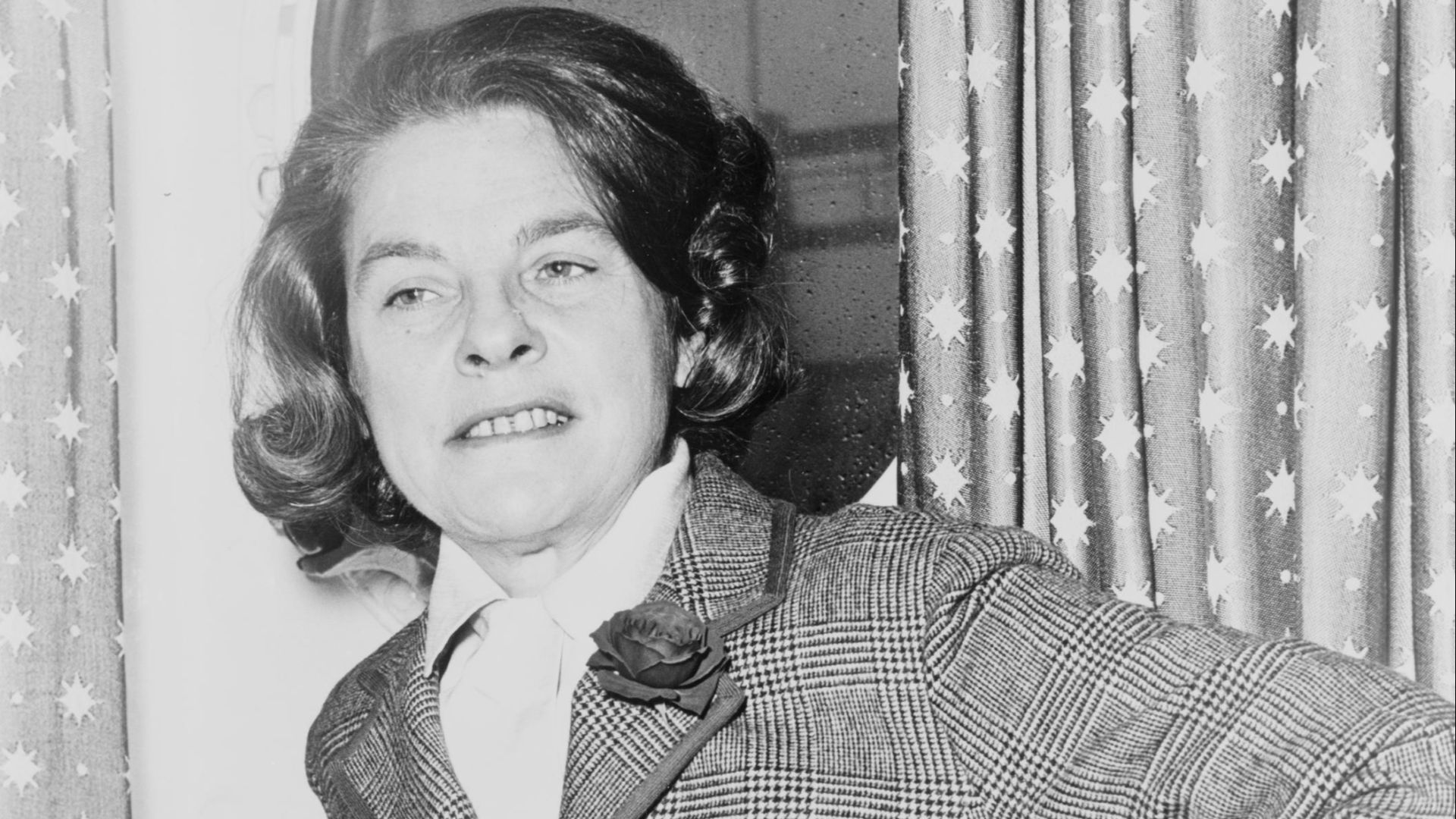
Mary McCarthy’s swipe at Lillian Hellman is almost too sharp to touch: she said every word Hellman wrote was a lie, “including ‘and’ and ‘the.’” The insult is funny because it does not leave even the tiniest words a safe place to hide. It also had real fallout, since Hellman sued McCarthy for defamation after the remark aired on The Dick Cavett Show.
 Dick DeMarsico, World Telegram staff photographer on Wikimedia
14. “Never Forget A Face”
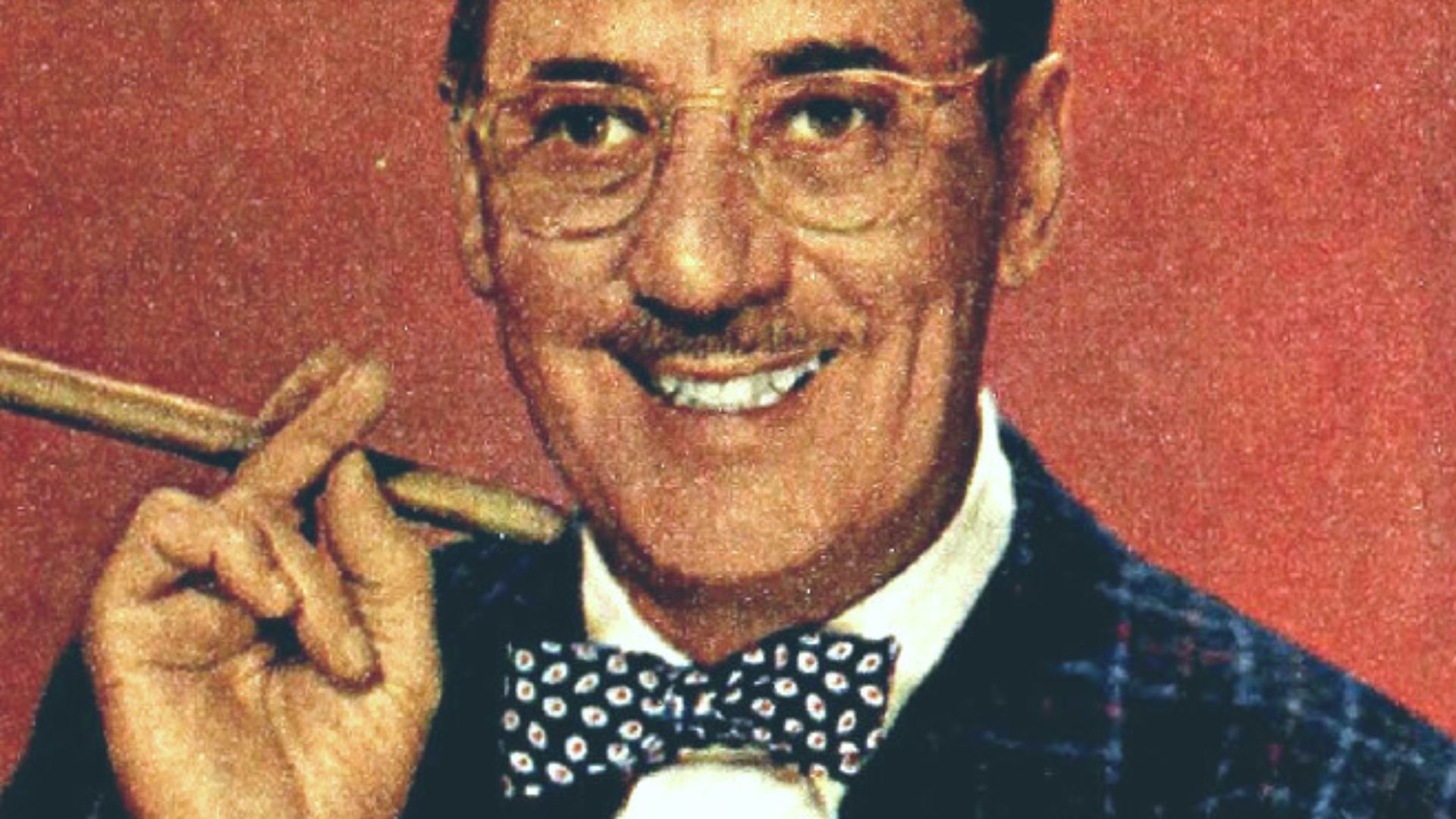
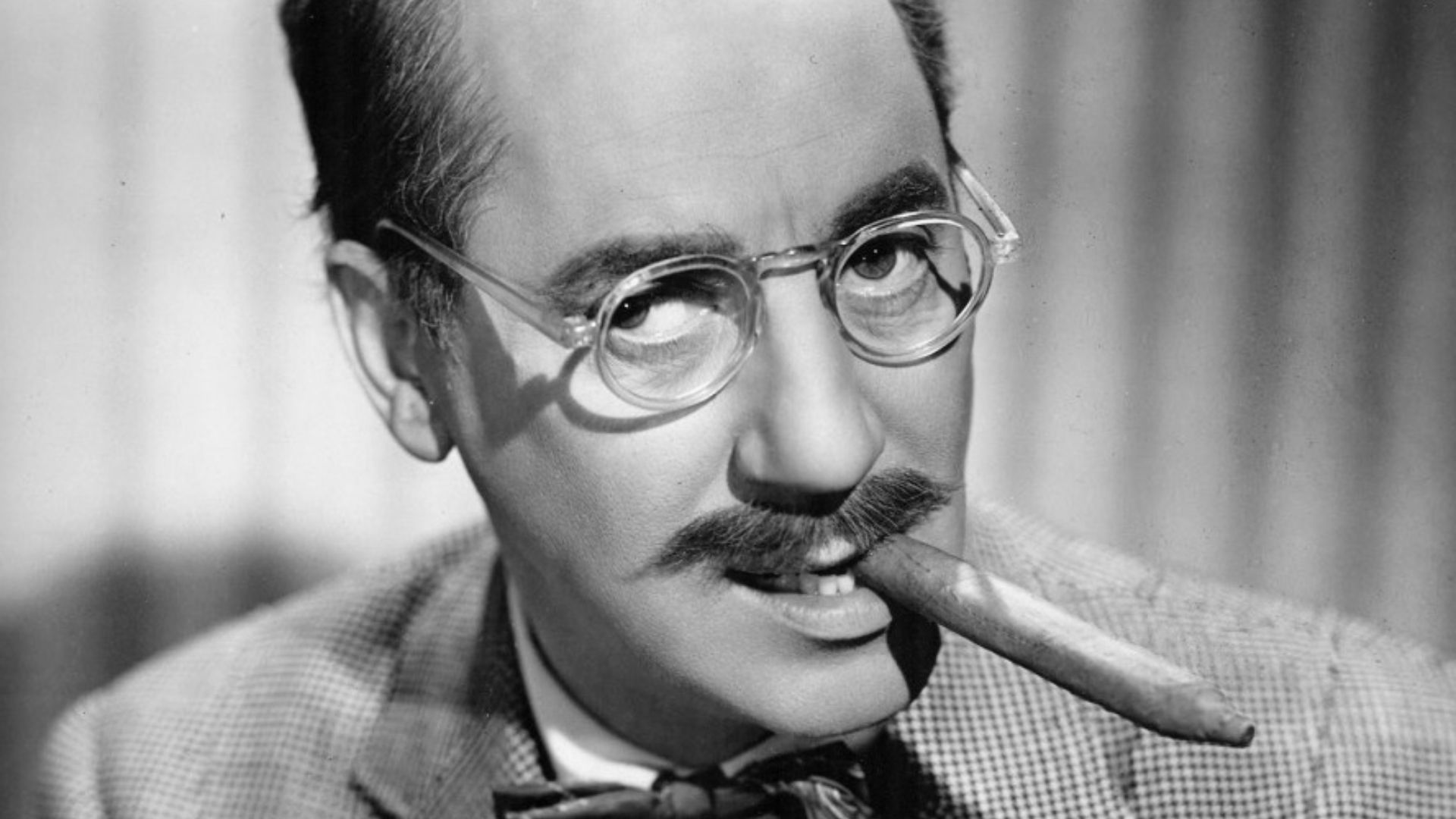
Groucho also gets credit for the line, “I never forget a face, but in your case I’ll be glad to make an exception.” It is quick, ridiculous, and theatrical, the kind of insult that practically arrives with its own rimshot.
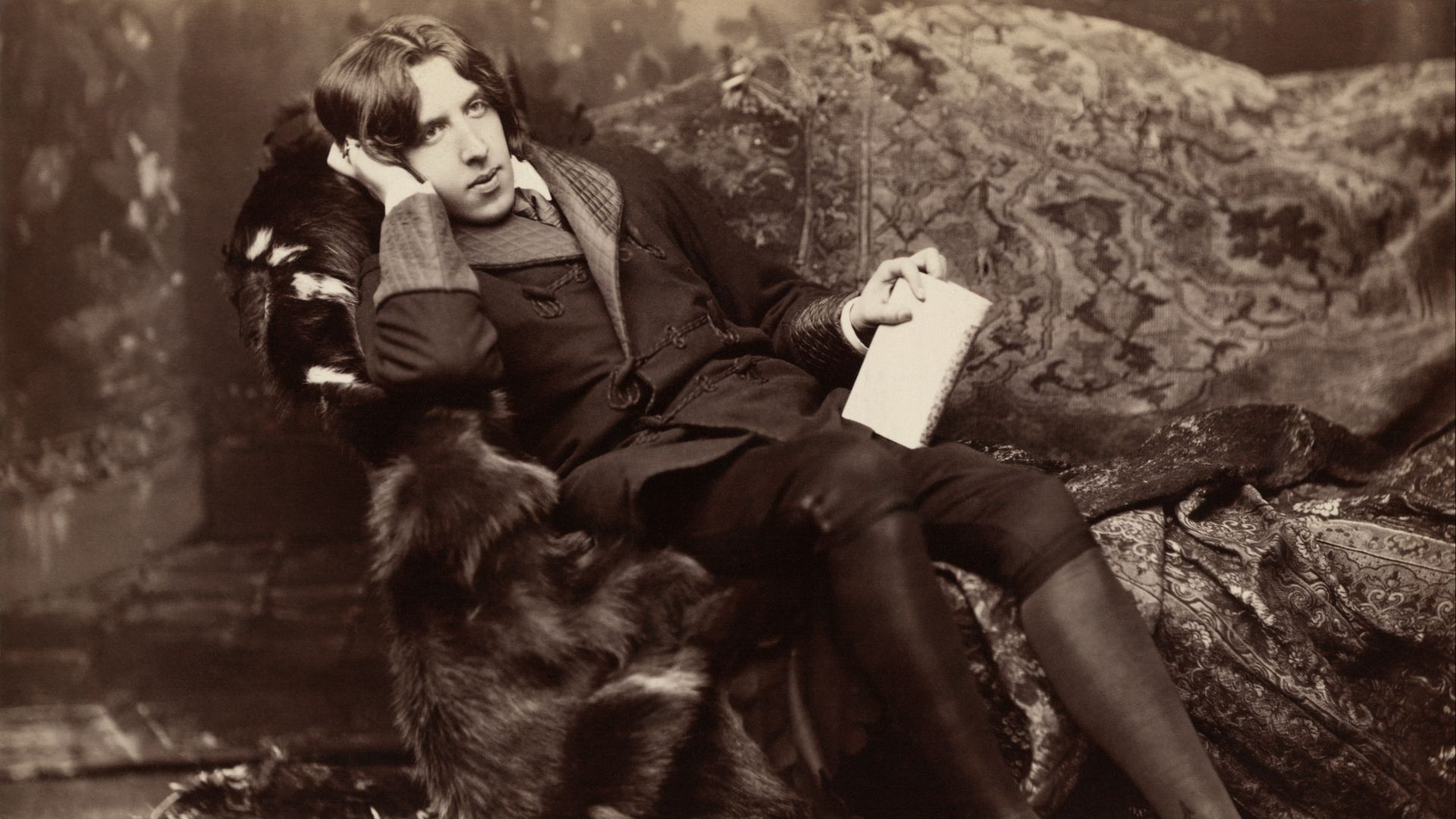
15. “Badly Bound Hymn-Book”
Oscar Wilde once described a dowdy woman as reminding him of “a badly bound hymn-book,” which is so oddly visual that it keeps getting funnier the longer you look at it. You can see the poor book immediately: moral, stiff, and somehow upholstered in disappointment.
16. “Beauty Goes Clean to the Bone”
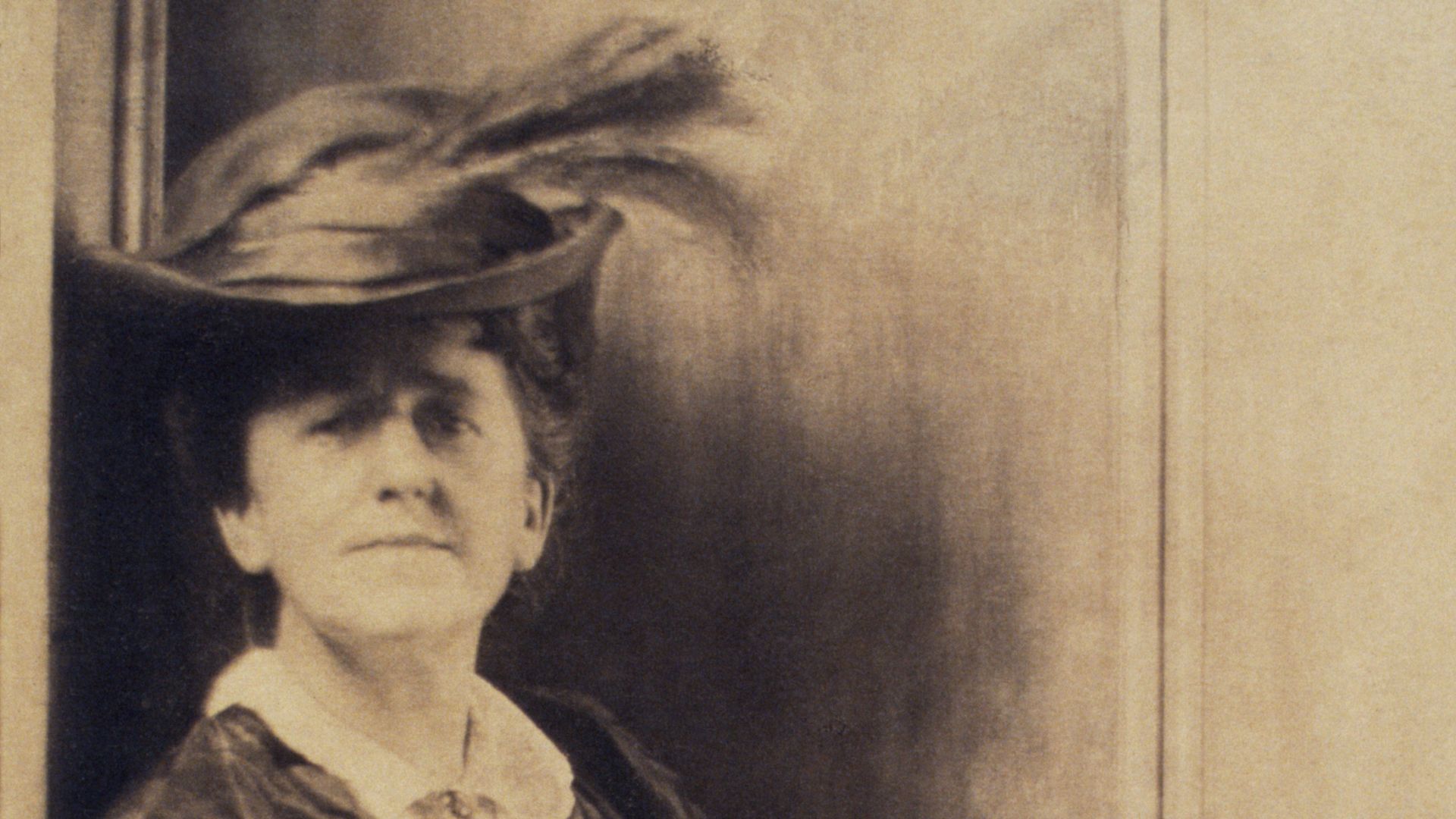
Dorothy Parker’s “beauty is only skin deep, but ugly goes clean to the bone” has the neat snap of a purse clasp. It is harsh, no question, but the construction is so tidy that you can almost hear a room pause before laughing.
 Bain News Service, publisher on Wikimedia
17. “More Matter, Less Art”
Gertrude’s “more matter, with less art” in Hamlet is the classy ancestor of “please get to the point.” It is not loud, but it has the special sting of someone who has been patient for exactly as long as society required.
18. “A Perfectly Wonderful Evening”
Groucho’s “I’ve had a perfectly wonderful evening, but this wasn’t it” is the sort of exit line people wish they had ready at bad parties. It sounds charming until the meaning lands, at which point the whole evening collapses like a cheap folding chair.
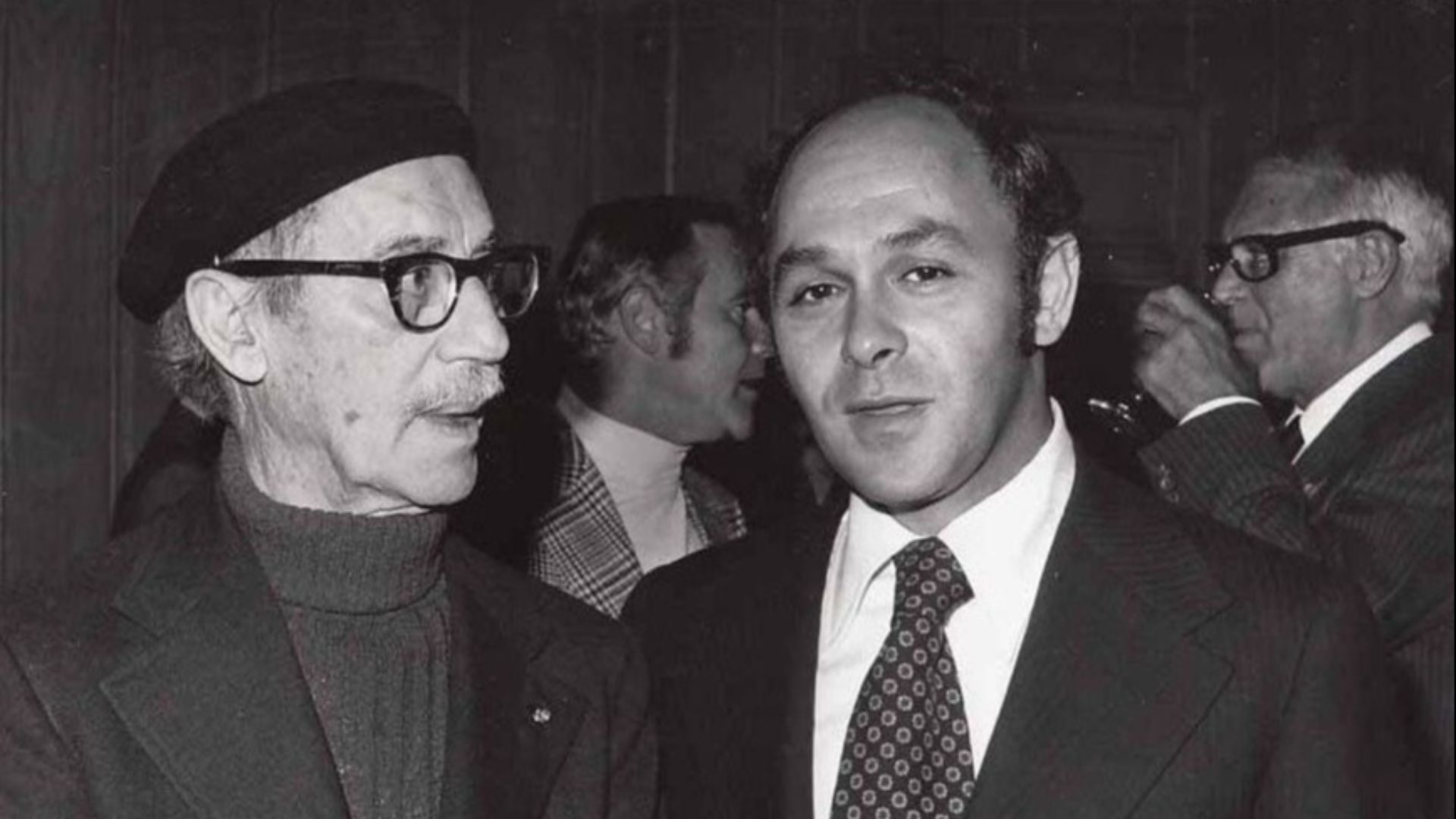 Paramount Studios on Wikimedia
19. “A Fool’s Skull”
Shakespeare had a gift for making insults feel both ancient and alarmingly fresh. In Twelfth Night, wishing that Jove would cram someone’s skull with brains is basically saying, “May heaven install the missing parts.”
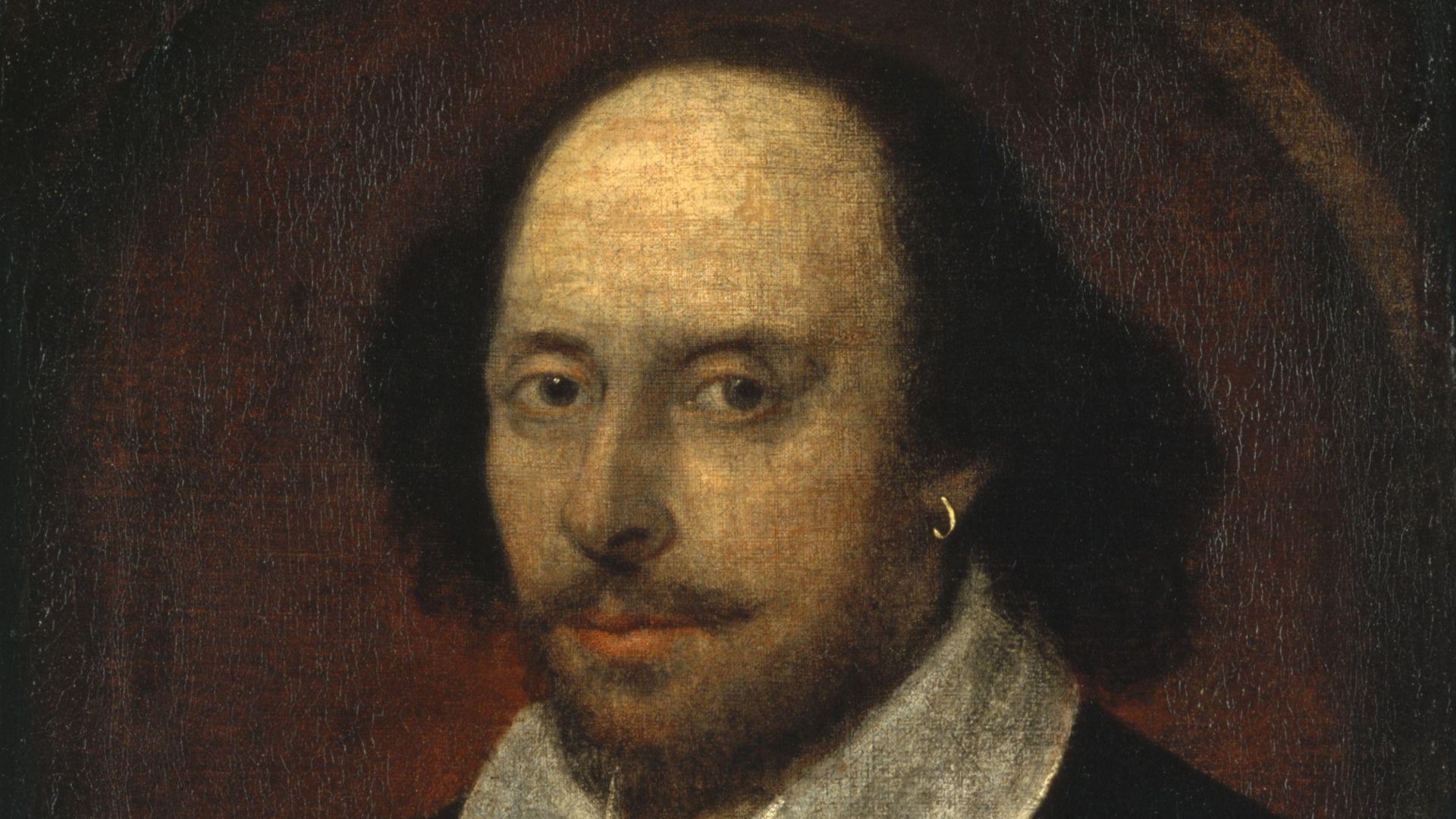 Attributed to John Taylor on Wikimedia
20. “Tolerable”
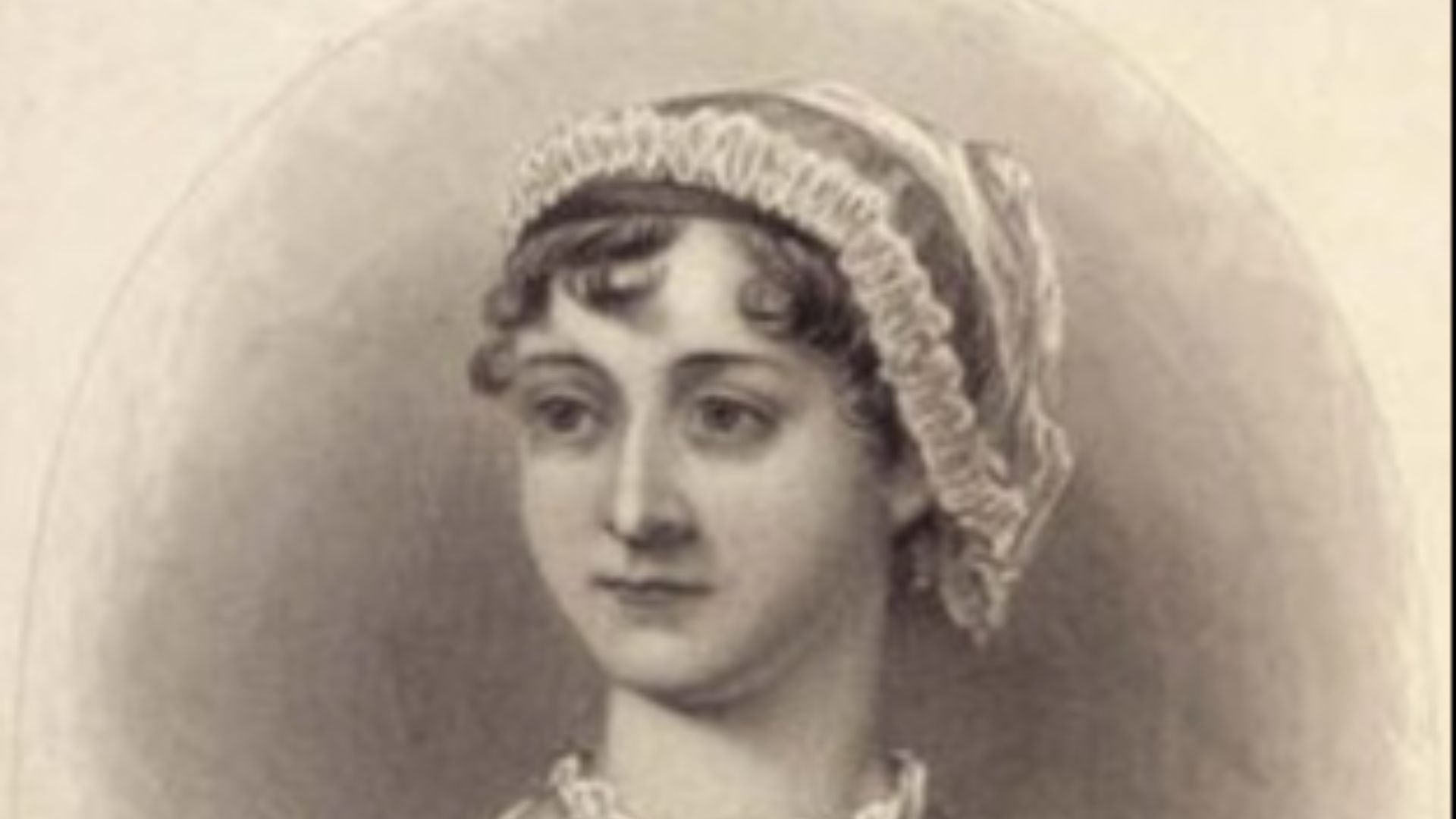
Sometimes the smallest insult survives because it knows how to travel light. “Tolerable” is not a scream, a curse, or a grand public takedown, but in Jane Austen’s hands, it becomes the sound of a man underestimating the person who will eventually rearrange his entire life.

_-_The_Duel_between_Sir_Toby_and_Sebastian_(from_William_Shakespeare%27s_%27Twelfth_Night%27,_Act_IV,_Scene_ii)_-_485057_-_National_Trust.jpg)
KEEP ON READING

20 Historical Insults That Make Us Laugh Today
Old Burns Still Burn. History is usually served to us…
By Cameron Dick May 7, 2026
20 Brutal Prehistoric Environments That Should've Eliminated Our Species
Somehow, We Survived. Human history has treacherous beginnings. From our…
By Elizabeth Graham May 7, 2026
20 Ancient Technologies Still Baffling Experts
Ancient Civilizations Created Mysteries That Still Exist Today. Modern technology…
By Rob Shapiro May 7, 2026
The Most Honest Record Any Civilization Left Behind Wasn't Its…
Gary Todd from Xinzheng, China on WikimediaWhen we picture ancient…
By Elizabeth Graham May 6, 2026
20 Extinct Animals That Sound Like They Came From a…
When Real Creatures Had Names Fit for Ancient Legends. Some…
By Emilie Richardson-Dupuis May 6, 2026
20 Historical Acting Performances So Good They Changed What People…
These Actors Did More Than Impress. Some performances get remembered…
By Breanna Schnurr May 6, 2026