


20 Historical Figures You Didn't Know Were Missing Body Parts
An Arm and a Leg
History's most legendary figures are typically remembered for their conquests, discoveries, and decisive moments of leadership; what doesn't always make it into the textbooks is how many of them accomplished those feats while missing parts of their body. Whether it was an arm lost to a cannonball, a leg felled by enemy fire, or an eye struck by an arrow, plenty of the world's most consequential people carried on with their work after sustaining injuries that would have stopped most people cold. From ancient Roman warriors to World War II spies, these 20 historical figures prove that losing a limb wasn't necessarily the end of the story.
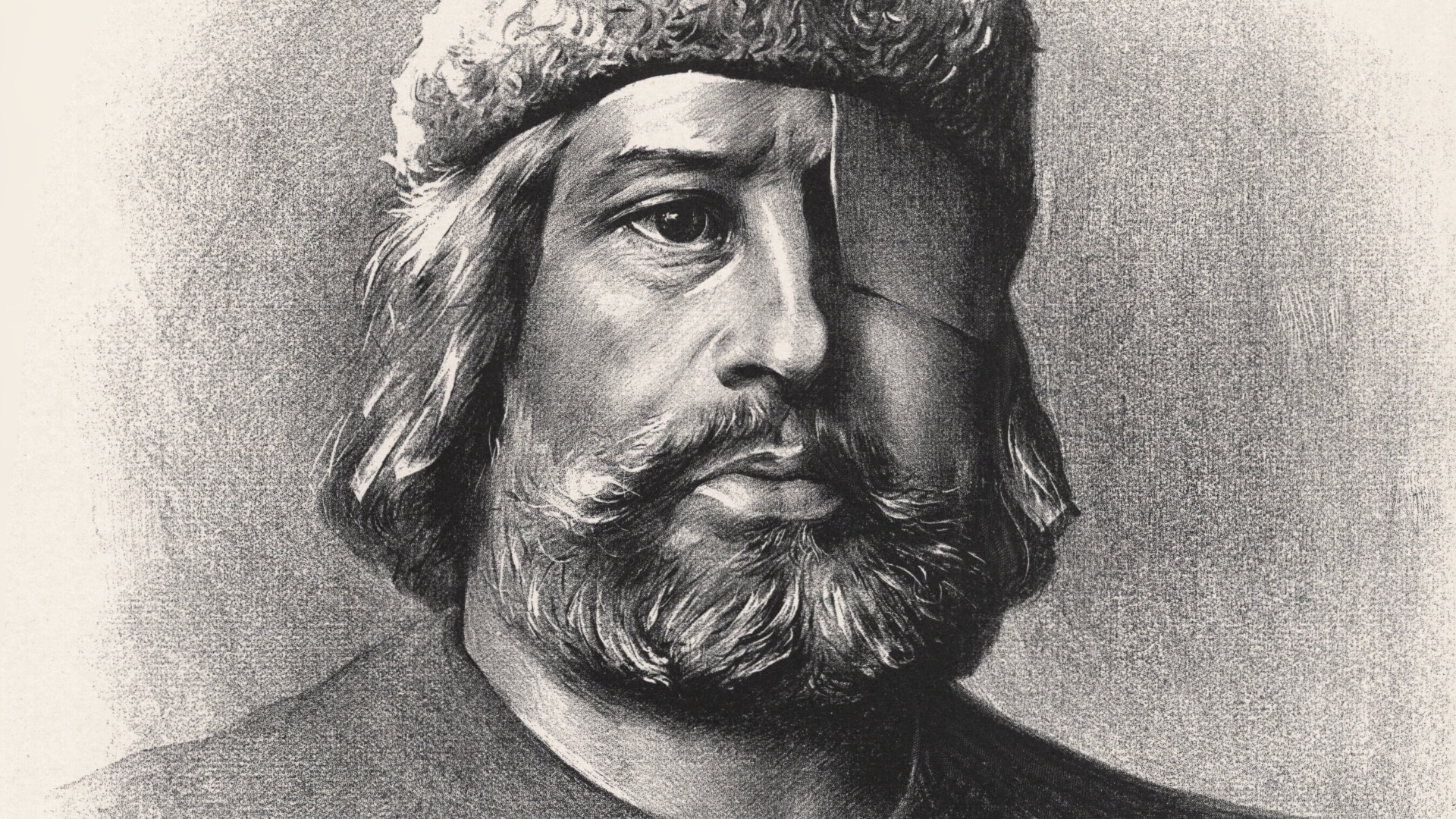 Jan Vilímek (1860–1938) on Wikimedia
1. Horatio Nelson
Vice-Admiral Horatio Nelson stands as one of Britain's most celebrated naval commanders, known for his decisive victories against Napoleon's forces at sea during the late 18th and early 19th centuries. During a 1797 assault on Santa Cruz de Tenerife, a musket ball struck Nelson as he was about to step ashore, shattering the humerus bone in his right arm so severely that surgeons amputated it that same night, without the aid of anesthesia. He returned to active command within months and went on to secure some of Britain's greatest naval victories, including the legendary Battle of Trafalgar in 1805, where he died at the moment of triumph.
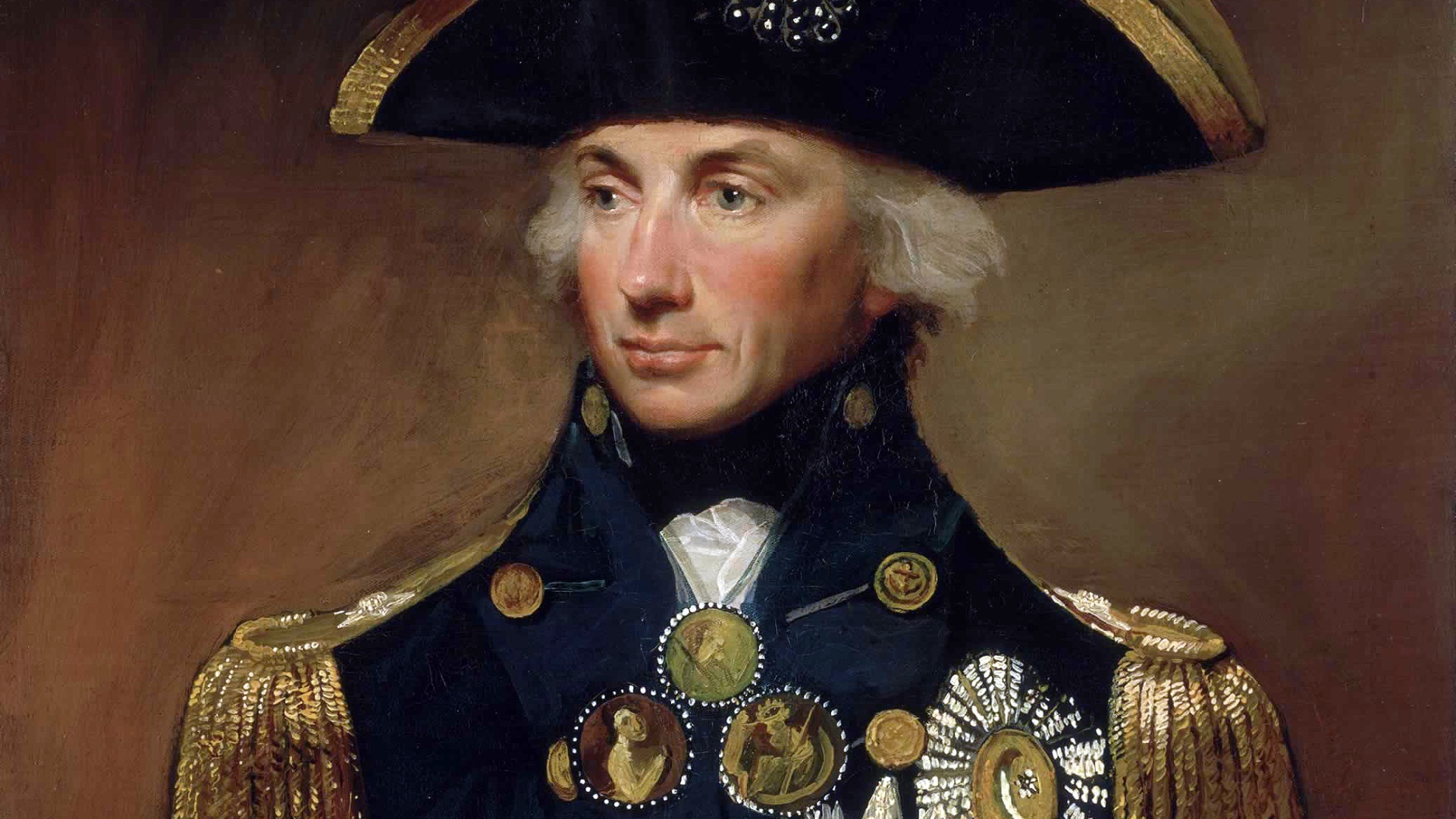 Lemuel Francis Abbott on Wikimedia
2. King Philip II of Macedon
As the father of Alexander the Great and the architect of Macedonia's rise to power, Philip II took the throne in 359 B.C. and transformed his nation's military through standardized weapons, rigorous training regimens, and a permanent professional army. During the siege of the Greek city of Methone in 354 B.C., an enemy arrow found its mark in Philip's right eye; surgeons subsequently removed the damaged eye entirely in what must have been an excruciating procedure by ancient standards. Philip kept his army in the field and continued expanding his empire for nearly two more decades, which says a great deal about his tolerance for discomfort.
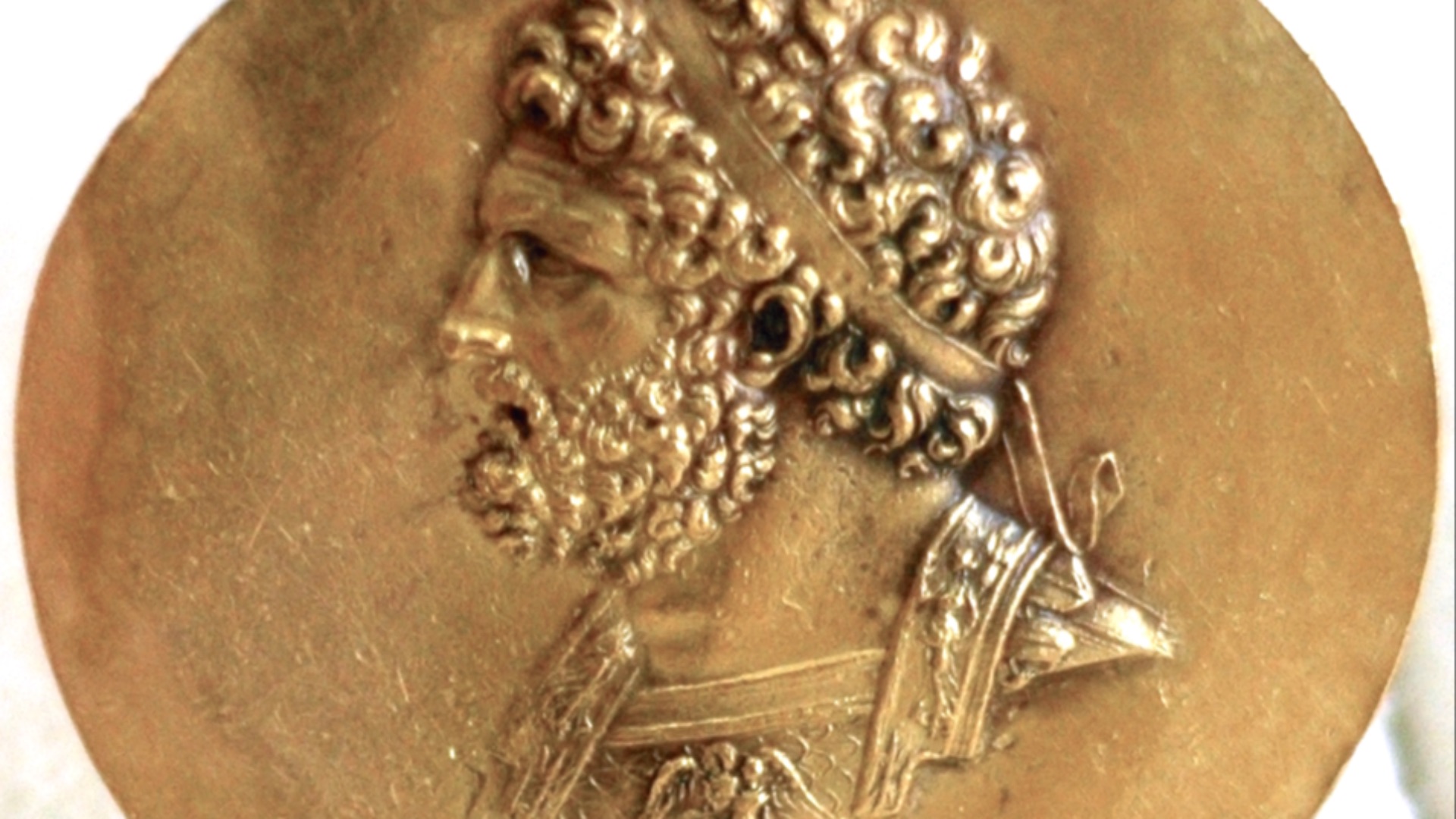 Unknown artistUnknown artist on Wikimedia
3. Lord Uxbridge
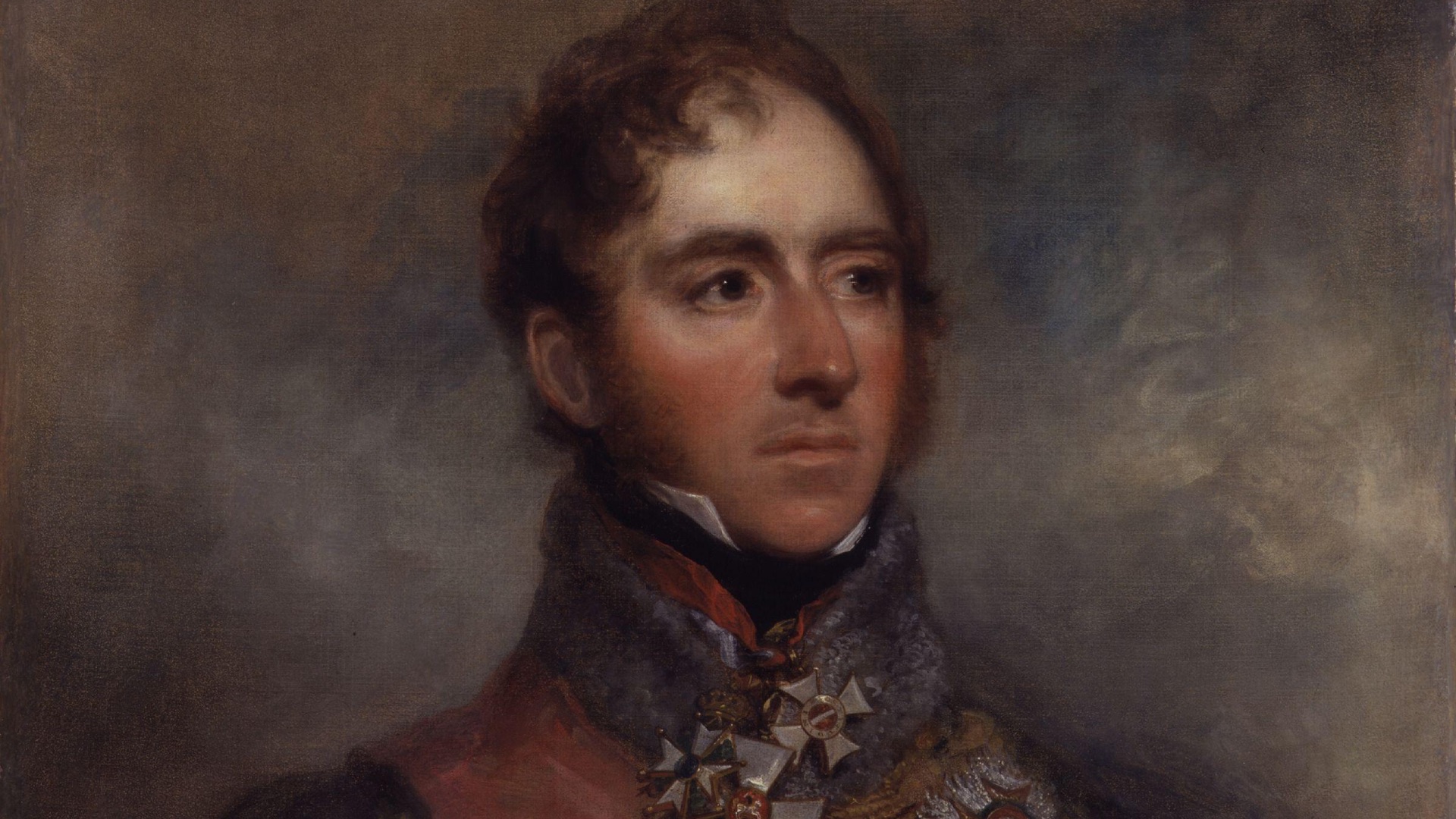
Henry William Paget, better known as Lord Uxbridge, was a decorated British cavalry officer who fought in the French Revolutionary Wars and had risen to the rank of lieutenant-general by the time of the Battle of Waterloo in 1815. One of the final cannon shots of that engagement tore into his leg while he stood beside the Duke of Wellington; the damage was so extensive that a full amputation was the only viable option. What happened next is one of the stranger postscripts in military history: a local resident reportedly buried the severed limb in his yard and eventually turned it into a small war memorial, making a pilgrimage to Lord Uxbridge's leg something of a fashionable tourist activity.
4. Peter Stuyvesant
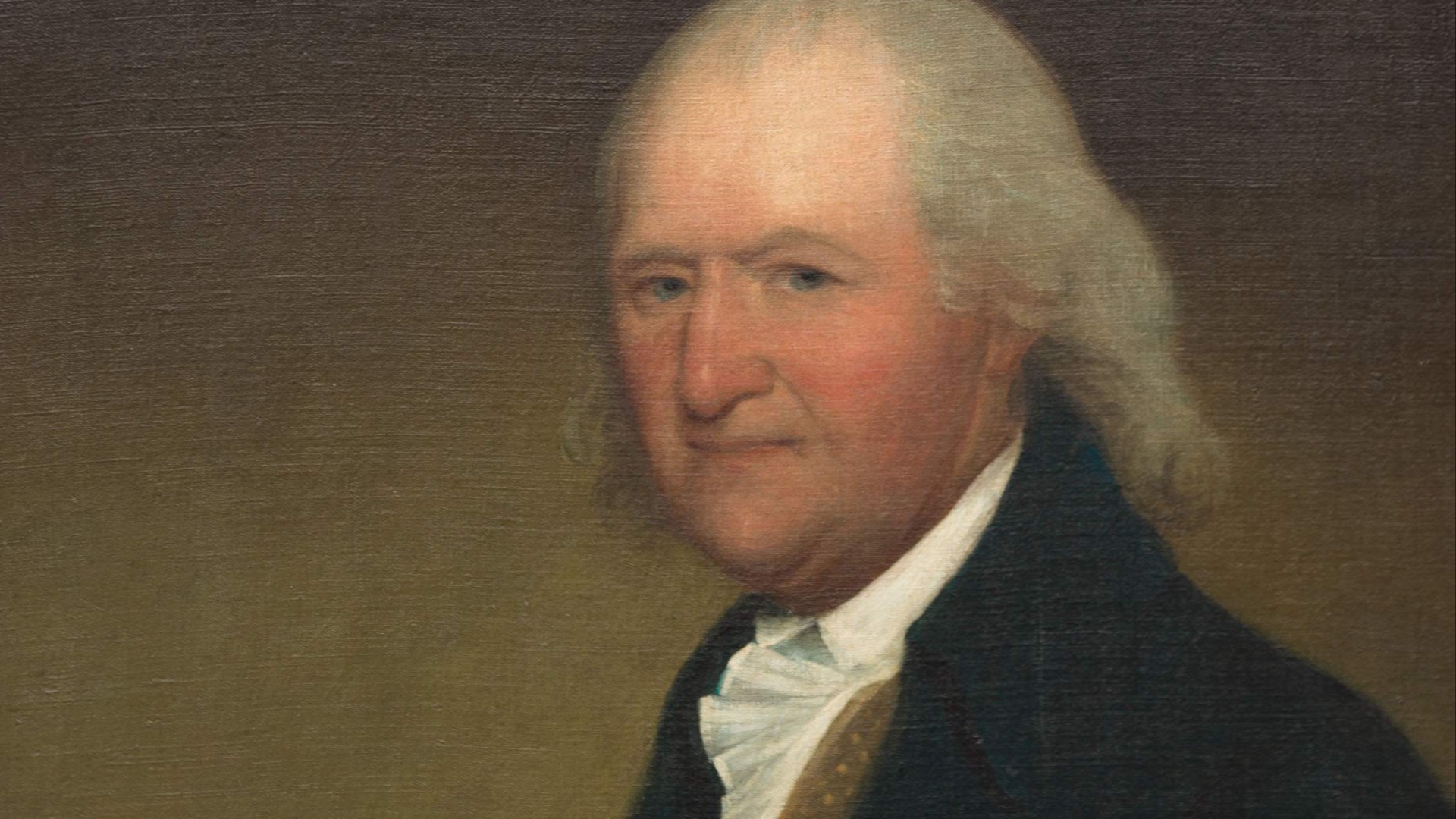
Peter Stuyvesant is most recognized as the Director-General of New Netherland, the Dutch colonial territory that would eventually become New York, but he lost his leg years before he ever took on that role. While directing an attack on a Spanish fort in the Caribbean in 1644, a cannonball struck him with enough force to destroy his lower right leg, which required immediate surgical removal. Stuyvesant was later fitted with a wooden prosthetic, earning him the lasting nickname "Peg-Leg Pete," a label that has stuck to his historical reputation far more persistently than his considerable accomplishments as a colonial administrator.
5. Stonewall Jackson
Confederate General Thomas "Stonewall" Jackson earned his famous nickname at the First Battle of Bull Run in 1861, when his composure under relentless Union fire was so remarkable that fellow general Barnard Bee compared him to a stone wall. At the Battle of Chancellorsville in 1863, however, Jackson was accidentally shot by his own Confederate troops while returning from a nighttime reconnaissance mission, and the injuries to his left arm were severe enough that surgeons amputated it that same night. He died eight days later from pneumonia, and his arm was buried separately from the rest of his body at Ellwood Manor in Virginia; that means there are technically two burial sites that can claim a piece of the famous general.
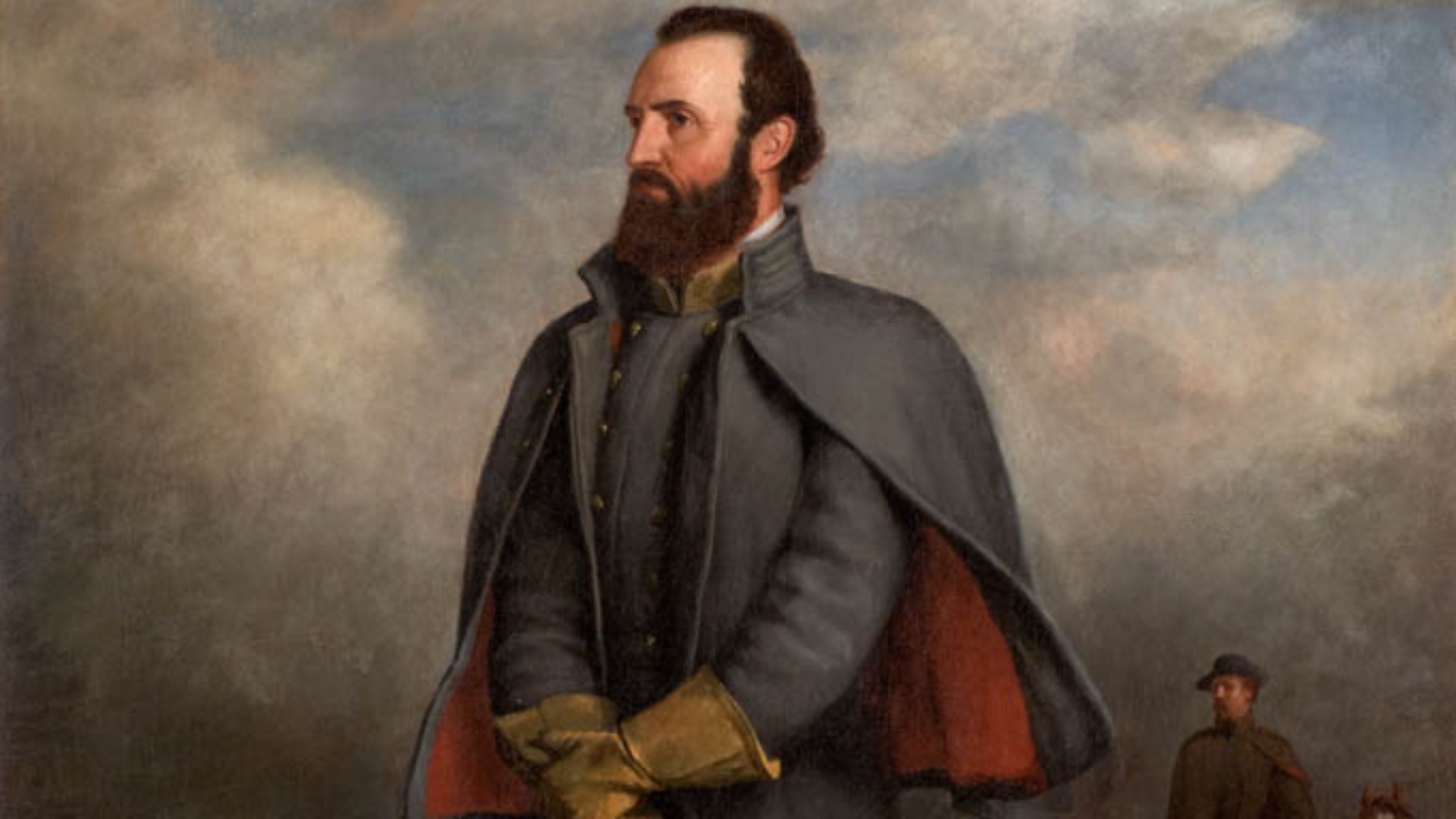 James Reeve Stuart on Wikimedia
6. Sarah Bernhardt
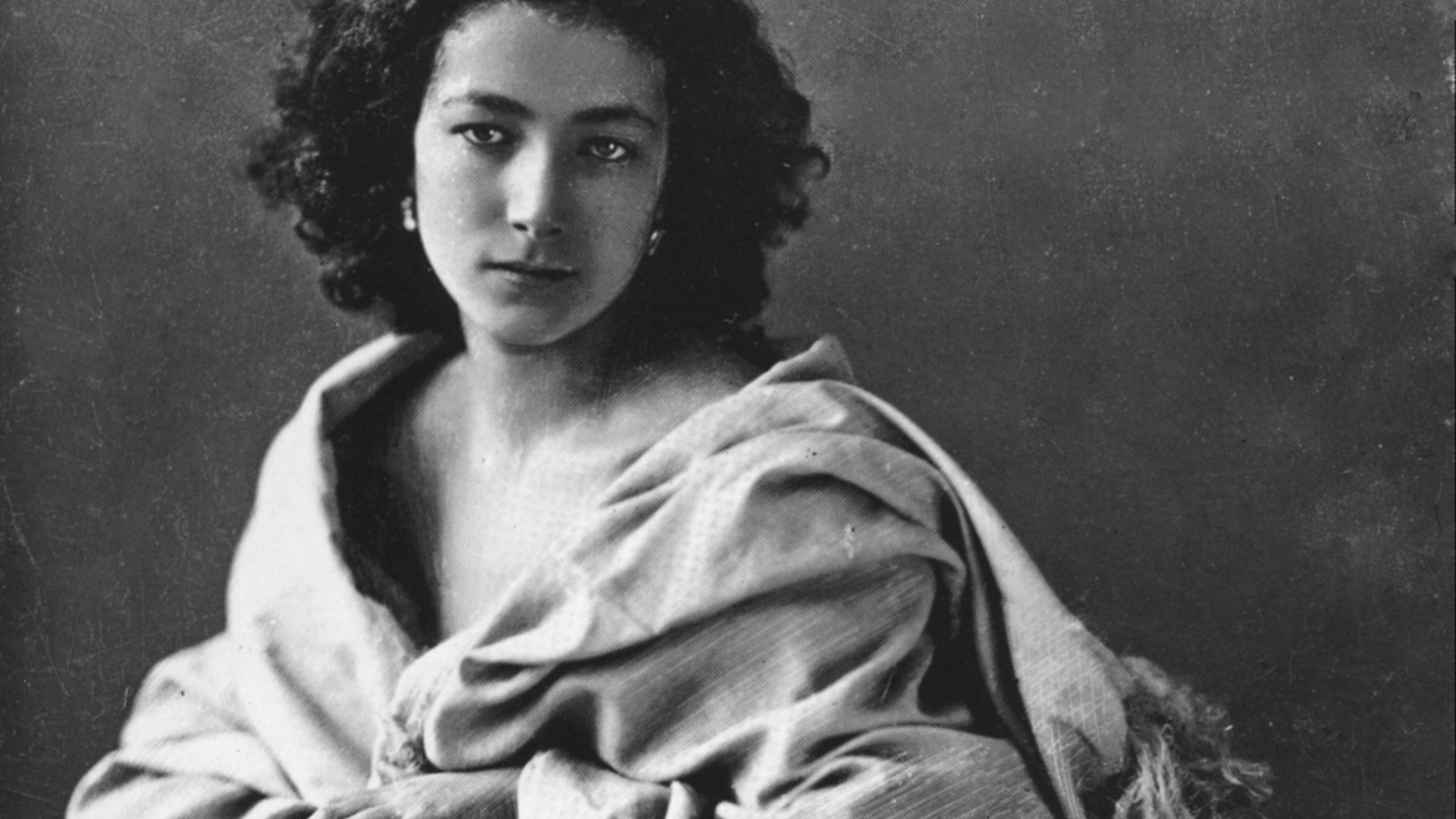
Among the most celebrated theatrical performers of the late 19th and early 20th centuries, Sarah Bernhardt drew rave reviews across Europe for her stage work in plays by Shakespeare, Voltaire, and Victor Hugo. In a 1905 production of La Tosca, a staged fall from a castle tower went badly wrong when the landing spot wasn't properly set up; the resulting leg injury never fully healed, and a decade later the limb developed gangrene and had to be amputated. Even after losing her leg, Bernhardt continued touring, performed for soldiers on the front lines of World War I, and kept working almost until her death in 1923.
7. Virginia Hall
When Nazi Germany invaded France in 1940, Maryland-born Virginia Hall was already working as an ambulance driver with the French military before fleeing to England and joining the Special Operations Executive, a British espionage agency that sent her back into occupied France to help build the Resistance. Years before the war, though, Hall had accidentally shot herself in the foot during a hunting trip in Turkey; gangrene set in and the foot was amputated, leaving her with a prosthetic leg she affectionately named "Cuthbert." The Gestapo hunted her relentlessly across Western Europe, tracking her primarily by her distinctive gait; she became known to enemies and allies alike as "The Limping Lady," and ultimately became the first and only female civilian to receive the Distinguished Service Cross for World War II service.
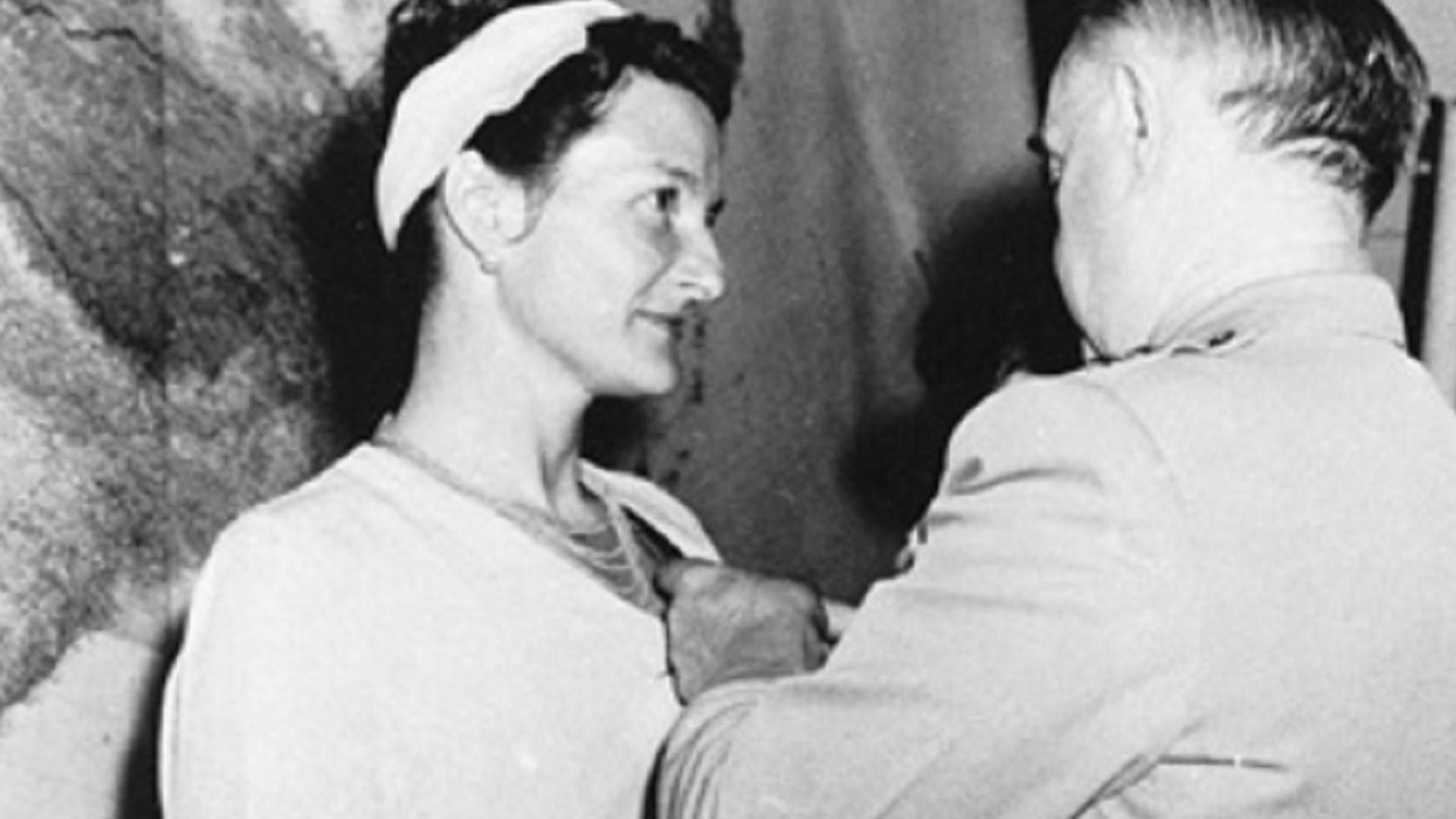 Unknown photographer who worked for the CIA. on Wikimedia
8. Douglas Bader
By his early twenties, Royal Air Force pilot Douglas Bader was already pulling off daring aerial stunts with considerable skill and confidence. In 1931, a crash during an aerobatic demonstration caused such catastrophic damage to both of his legs that surgeons had to amputate them, one above the knee and the other below. Bader was then fitted with two prosthetics and taught himself to walk without any support in just six months. The RAF initially discharged him despite his recovery, but when World War II arrived, he was reinstated, took command of No. 242 Squadron, flew numerous combat missions, and wasn’t captured until his plane was shot down over occupied Europe in 1941.
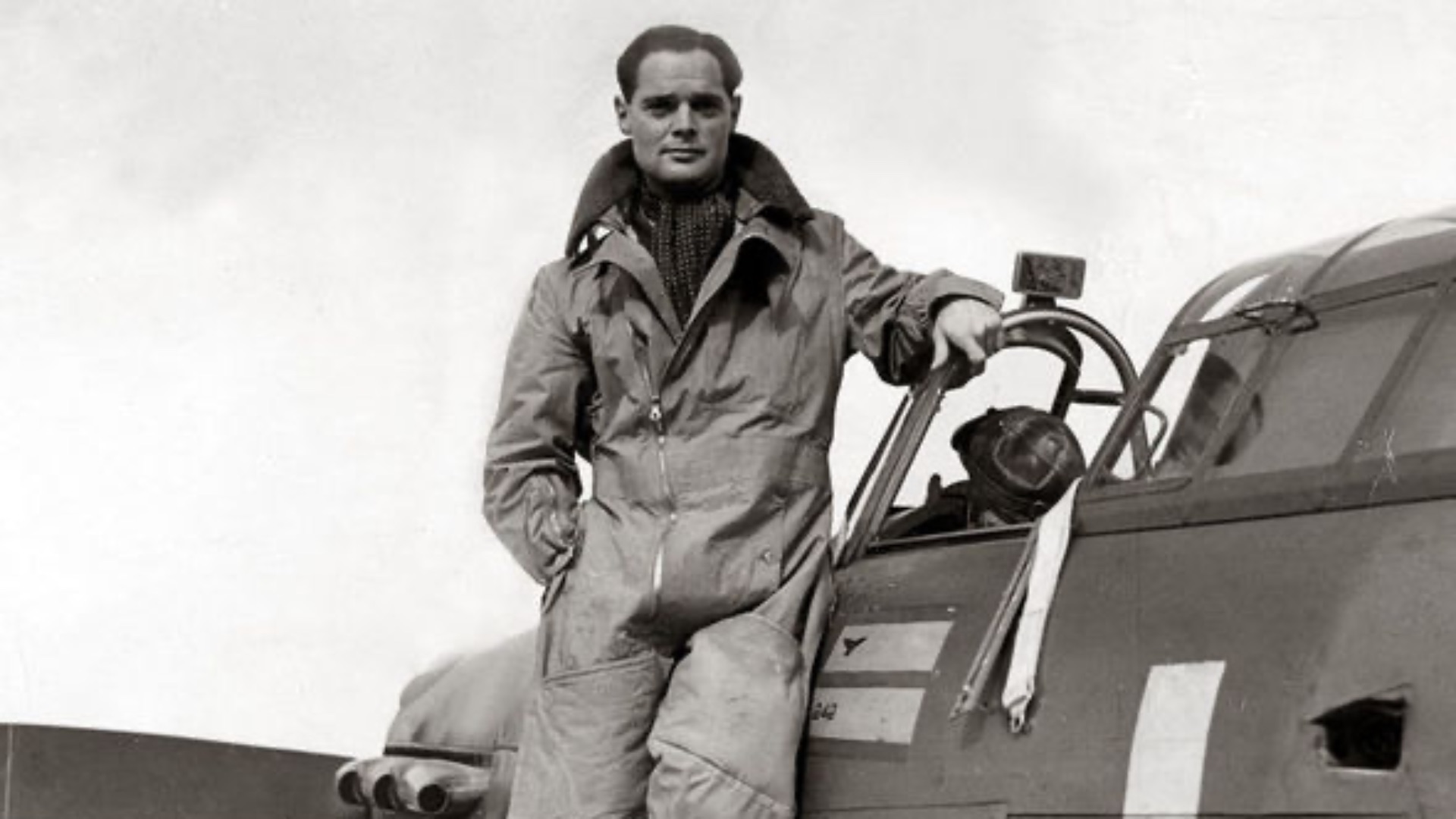 United Kingdom Government on Wikimedia
9. John Wesley Powell
Before the Civil War interrupted his plans, John Wesley Powell had already navigated much of the Mississippi River on his own and was building a reputation as one of America's most determined naturalist-explorers. At the Battle of Shiloh in April 1862, Powell was struck by enemy fire that so badly damaged his right arm that a battlefield surgeon performed an amputation below the elbow several days later. After recovering, Powell returned to combat duty, earned a promotion to major, and later led a landmark 99-day expedition through the Colorado River valley to the Grand Canyon, eventually becoming the director of the U.S. Geological Survey.
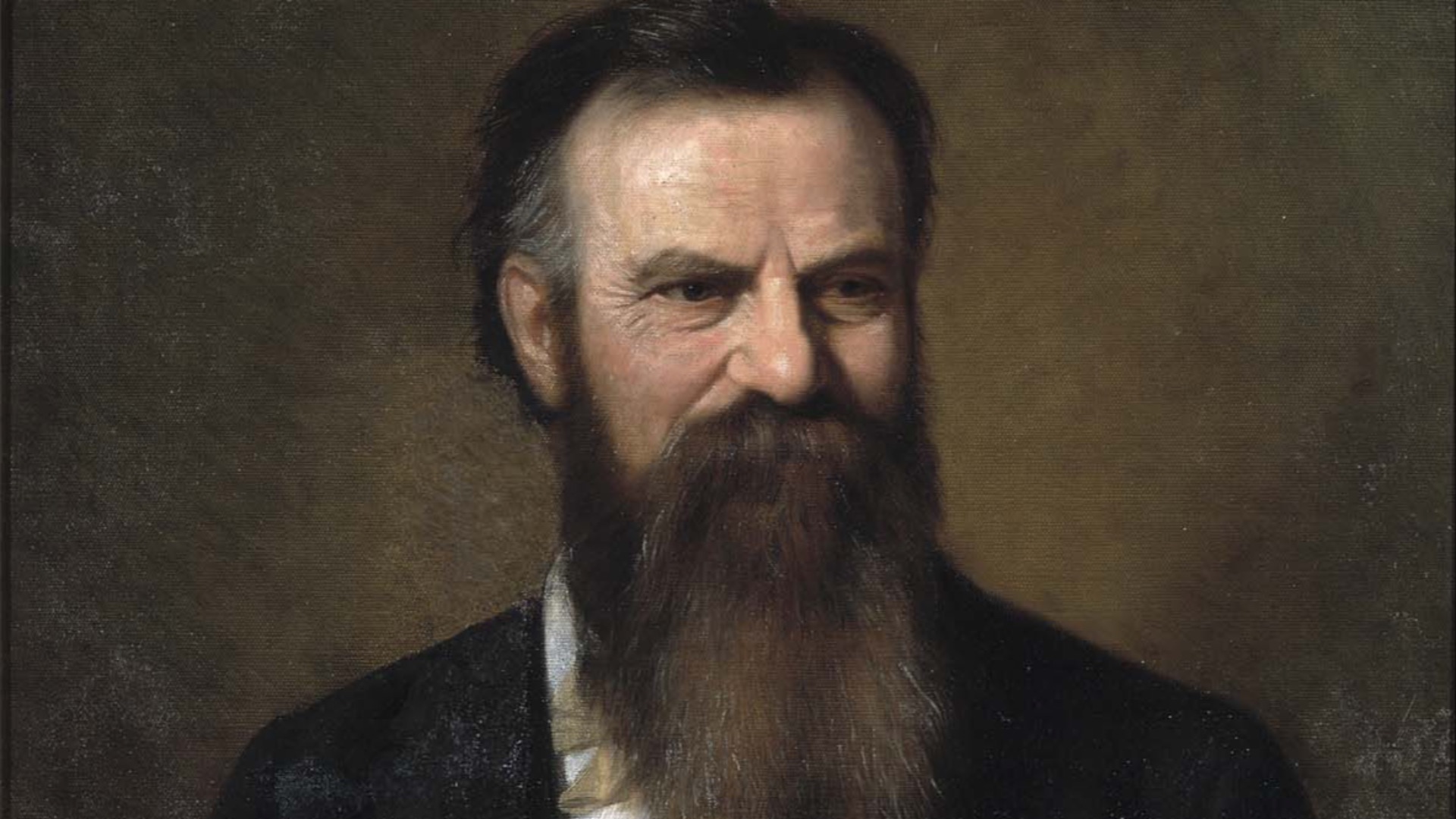
10. Götz von Berlichingen
Few mercenary knights in early 16th-century Bavaria were as sought-after as Götz von Berlichingen, who made a career fighting on behalf of feuding Bavarian dukes. During a battle in 1504, a cannonball hit with enough force to take off his right hand entirely, but rather than stepping away from combat, he had two successive iron prosthetic hands crafted as replacements. The second and more sophisticated version featured spring-loaded fingers, leather straps, and hinged knuckles that reportedly allowed him to grip a sword or write with a quill; that remarkable piece of craftsmanship earned von Berlichingen the nickname "Götz of the Iron Hand," which he carries in the history books to this day.
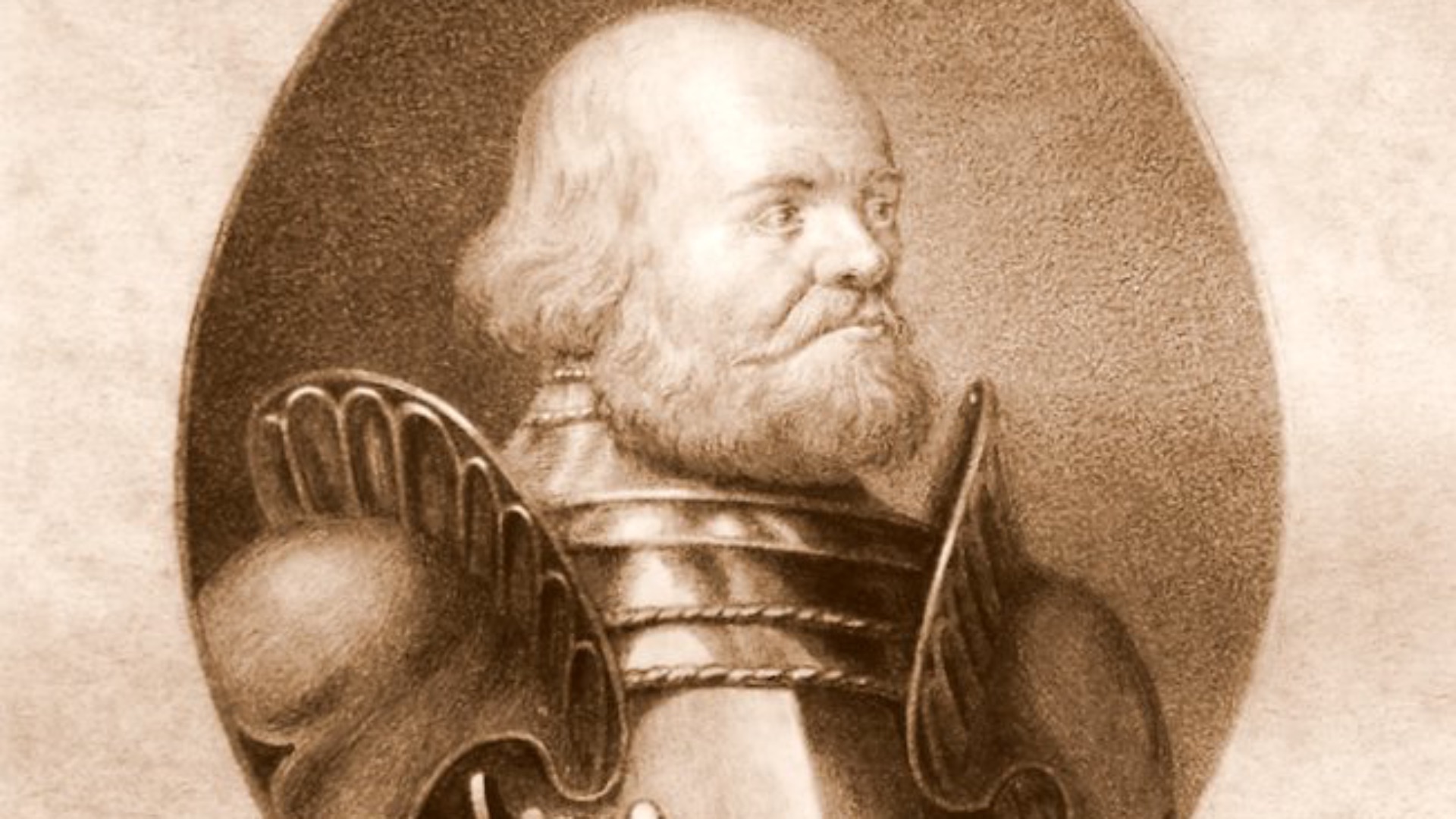 The original uploader was Castellan at German Wikipedia. on Wikimedia
11. Christopher Newport
Christopher Newport captained the Susan Constant, the lead vessel of the 1606 voyage that established the Jamestown Colony in Virginia, one of the most consequential early English settlements in North America. Before that, though, Newport had spent years as a privateer raiding Spanish and Portuguese trading ships in the West Indies, and during a raid on two Spanish vessels in 1590, he lost most of his right arm in the fighting. For the rest of his life, including all of his celebrated colonial voyages, Newport wore a hook or a prosthetic where his hand had been; the large bronze statue erected in his honor at Christopher Newport University in Virginia notably leaves that detail out entirely.
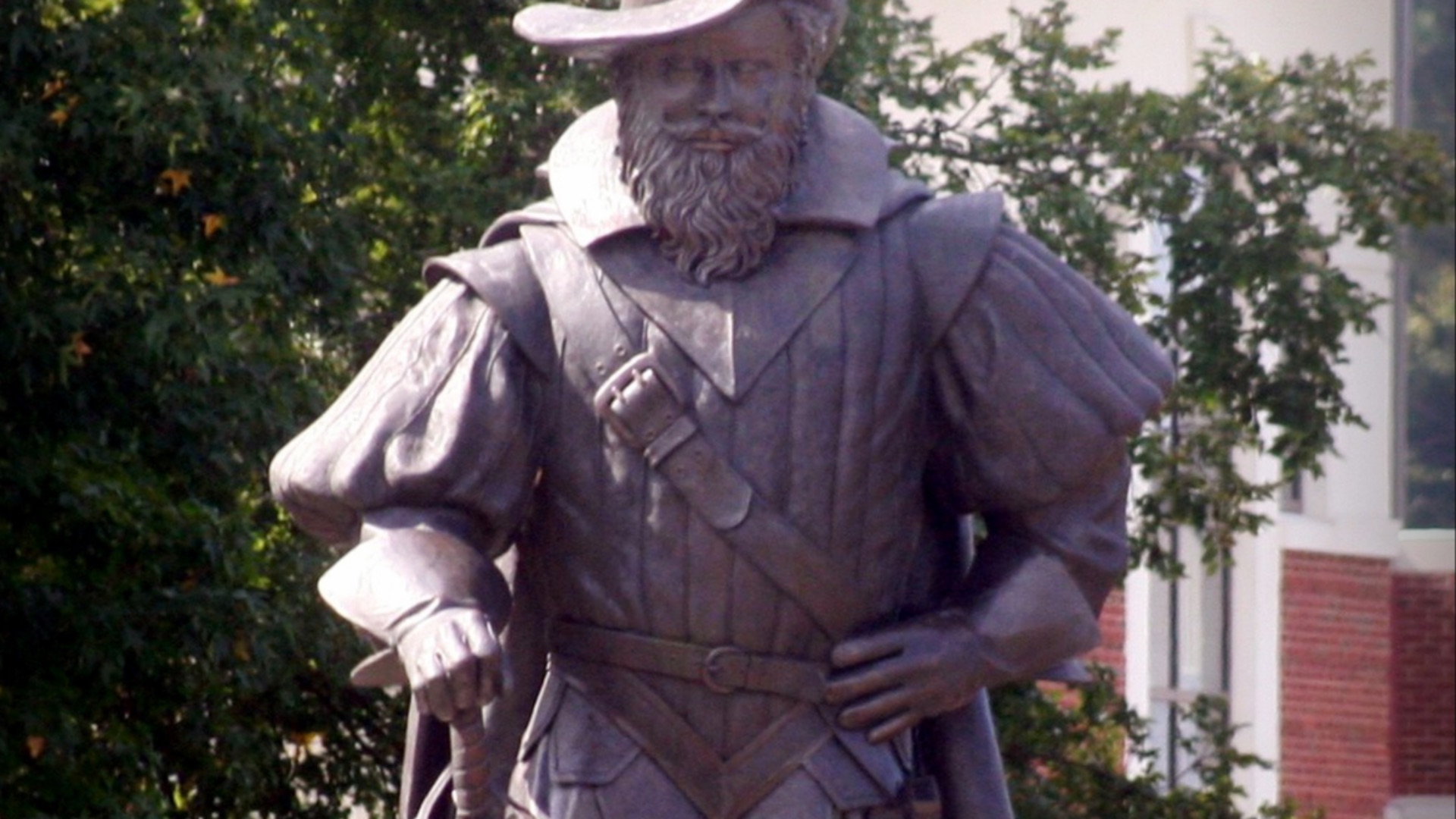 Tony Alter from Newport News, USA on Wikimedia
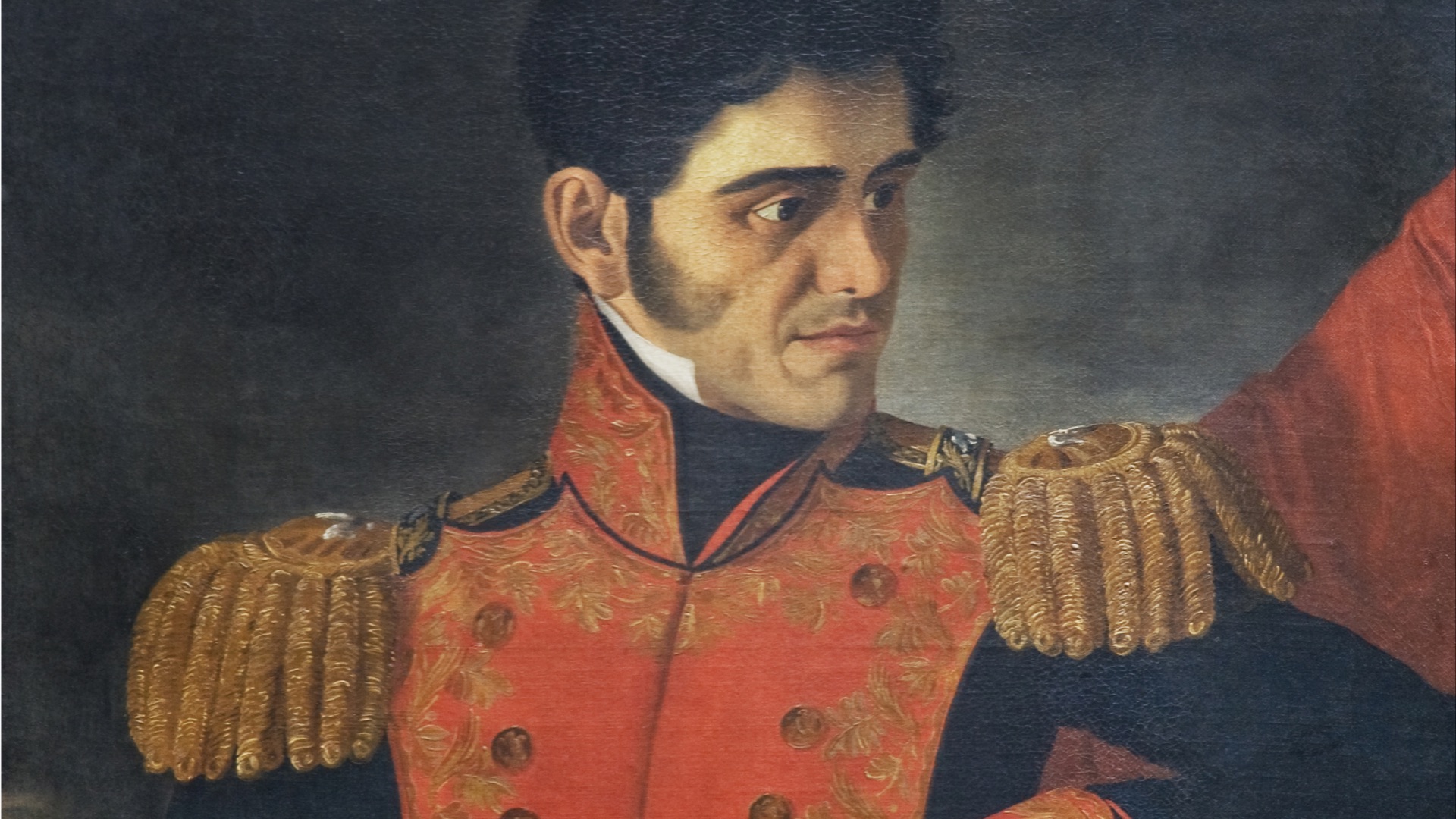
12. Antonio López de Santa Anna
Serving as president of Mexico on multiple occasions throughout the volatile 19th century, Antonio López de Santa Anna is perhaps best known internationally for leading the assault on the Alamo in 1836. Two years after that, during the brief Franco-Mexican conflict known as the Pastry War, a French cannon blast caused wounds to his leg severe enough to require amputation below the knee. Santa Anna arranged for his amputated limb to be buried with full military honors in a formal ceremony, though a political uprising in 1844 saw an angry mob dig it up, an episode that probably ranks among the stranger things to have happened to an amputated limb in all of recorded history.
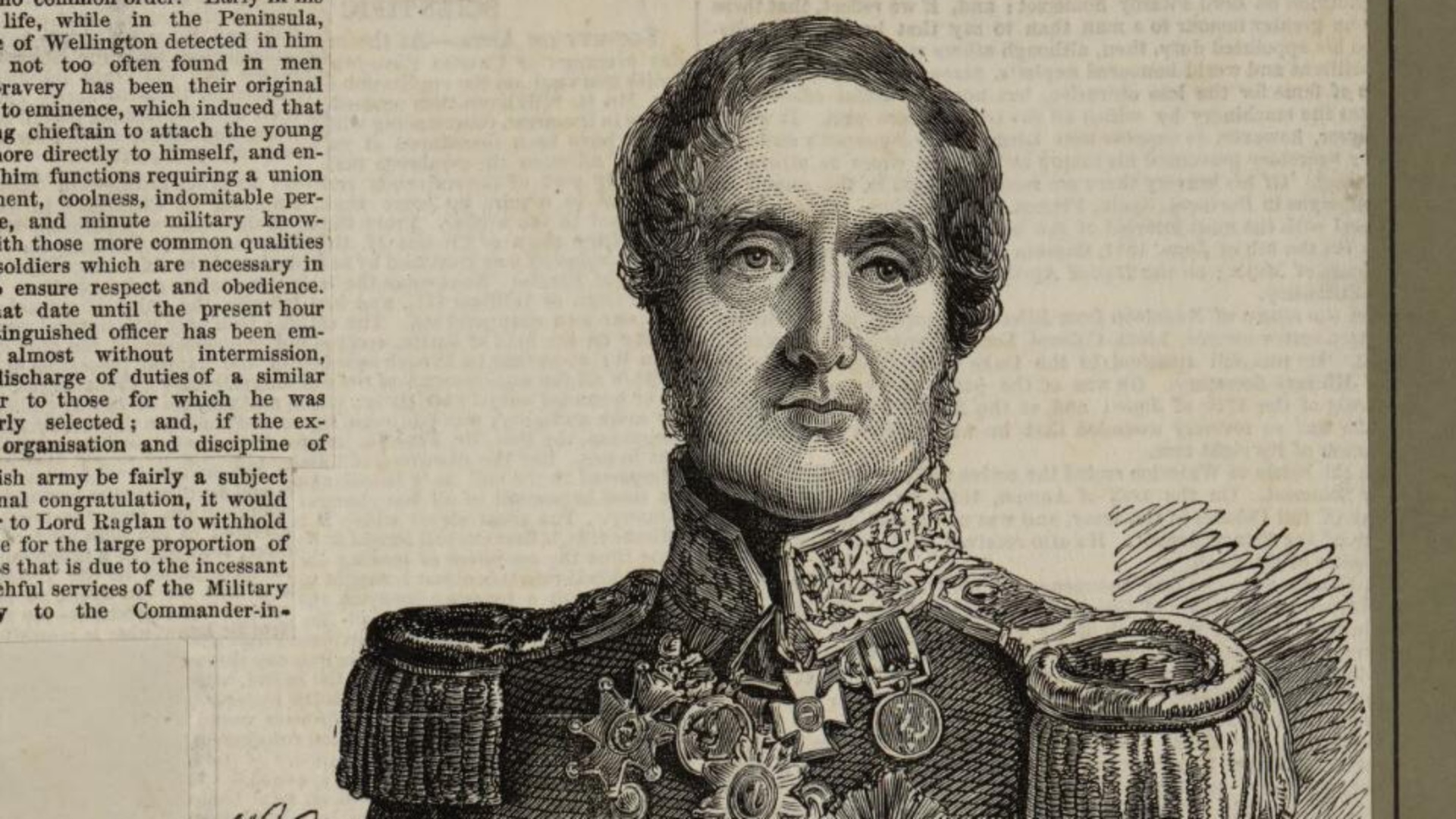
13. Lord Raglan
FitzRoy Somerset, who later became the 1st Baron Raglan and commanded British forces during the Crimean War, was present at the Battle of Waterloo in 1815 as a young aide-de-camp to the Duke of Wellington. Enemy fire during the battle damaged his right arm so badly that surgeons performed an immediate amputation; according to historical accounts, Somerset reportedly asked the attending physicians to retrieve the severed arm afterward so he could recover a ring from one of its fingers. He continued his military career for decades after that, eventually achieving the rank of field marshal, though his command of British troops in the Crimea drew considerable criticism throughout the 1850s.
 Frederick James Smyth on Wikimedia
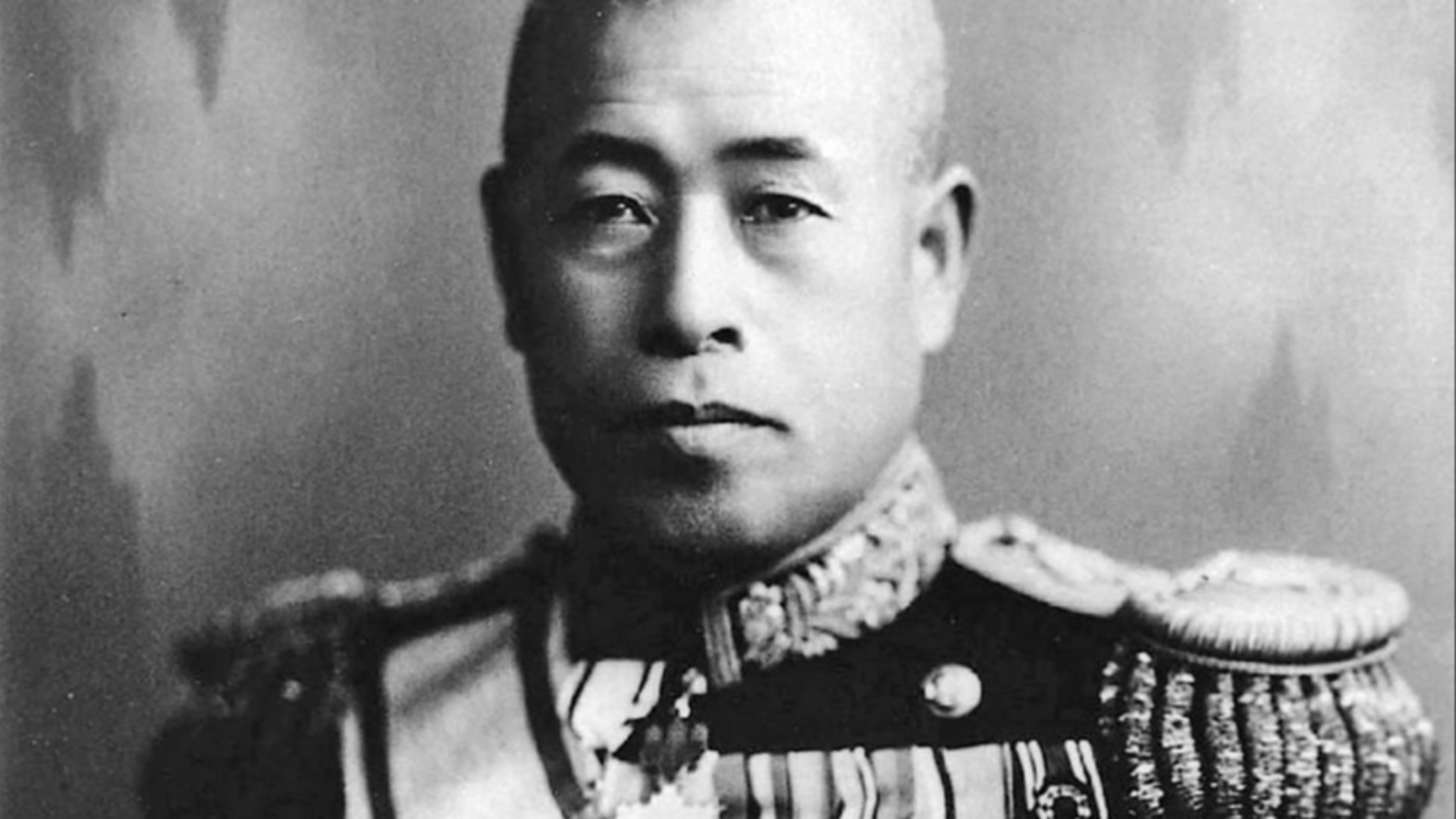
14. Admiral Isoroku Yamamoto
Isoroku Yamamoto is widely remembered as the Japanese admiral who masterminded the attack on Pearl Harbor in December 1941, but his career in naval warfare had already been underway for decades by that point. At the Battle of Tsushima in 1905, during the Russo-Japanese War, an explosion destroyed two of the fingers on his left hand, a wound he carried for the rest of his life. Yamamoto went on to become commander-in-chief of Japan's Combined Fleet and one of the most strategically significant naval figures of the 20th century, before Allied forces intercepted and shot down his plane in 1943.
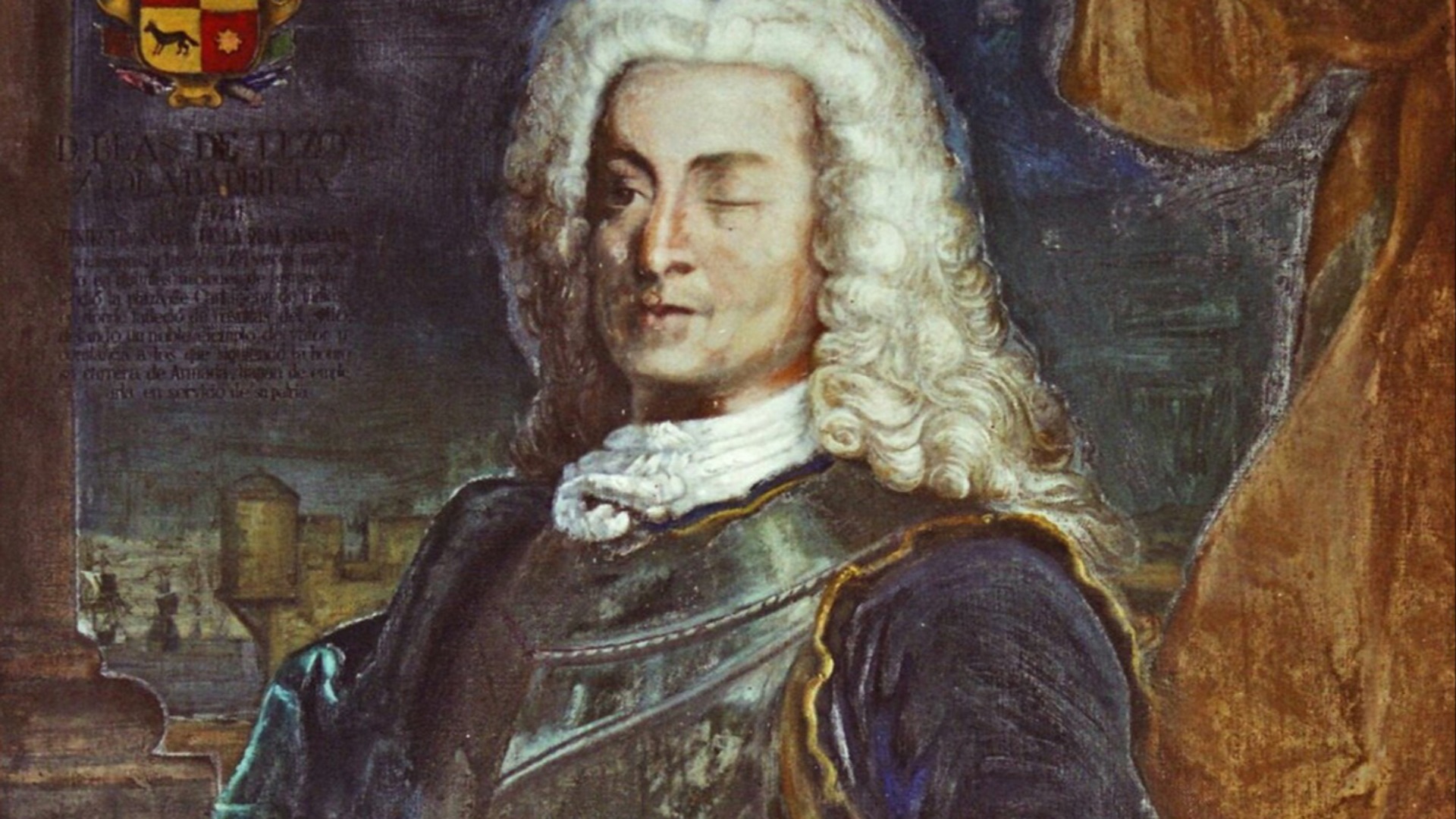
15. Blas de Lezo
Spanish admiral Blas de Lezo had what is arguably the most extreme record of battlefield injuries of any military commander in history, losing body parts with a frequency that's difficult to believe. He lost his left leg at the Battle of Málaga in 1704, lost the vision in his left eye at the siege of Toulon in 1707, and lost the use of his right arm at Barcelona in 1714; by his mid-20s, he was missing a leg, blind in one eye, and had only partial use of one arm. Despite all of that, de Lezo successfully led the defense of Cartagena de Indias in 1741 against a massive British fleet, sending Admiral Edward Vernon's forces into retreat in one of the most remarkable defensive victories in naval history.
 Unidentified painter on Wikimedia
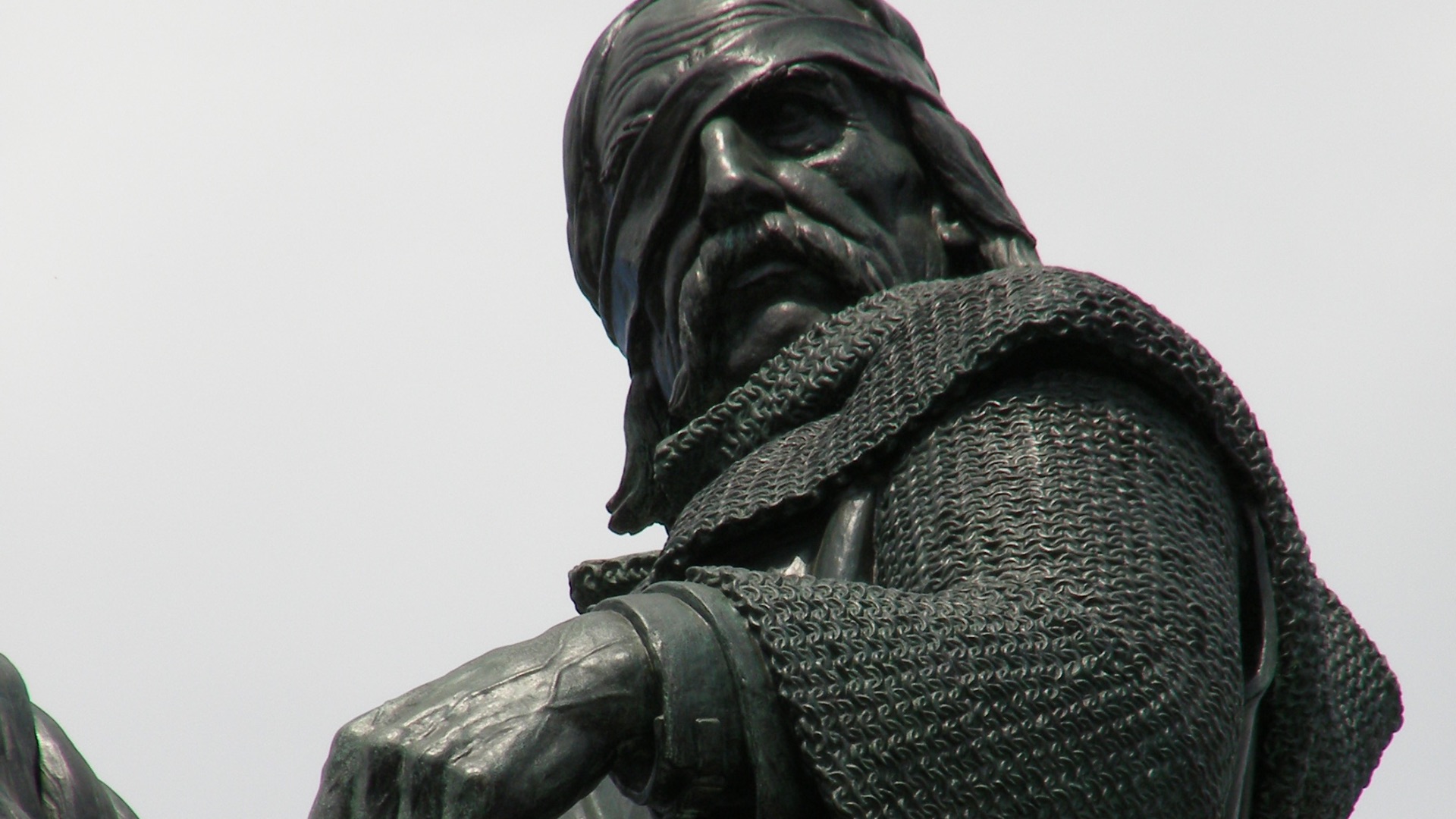
16. Jan Žižka
Leading the Hussite forces across Bohemia in a series of religious and political conflicts during the early 15th century, Jan Žižka had already lost one eye long before he became one of history’s most discussed military commanders. At the siege of Rábí Castle in 1421, an arrow destroyed the vision in his remaining eye, leaving him completely blind; rather than relinquishing command, Žižka kept fighting and kept winning. He’s widely regarded as one of the few military leaders in recorded history to go undefeated in battle, and he continued his campaigns without any sight until he died during the siege of Přibyslav in 1424.
17. Mikhail Kutuzov
Best remembered as the Russian field marshal who outwitted Napoleon during the French invasion of Russia in 1812, Mikhail Kutuzov had a military career defined as much by surviving catastrophic wounds as by strategic brilliance. He was shot through the head near his right eye during the Russo-Turkish War in 1774, losing vision in that eye permanently; what makes the story almost unbelievable is that he sustained a nearly identical wound 14 years later and survived that, too. Kutuzov continued to serve at the highest levels of the Russian military for decades, and was given the victory title Smolensky for his role in driving Napoleon's forces out of Russia.
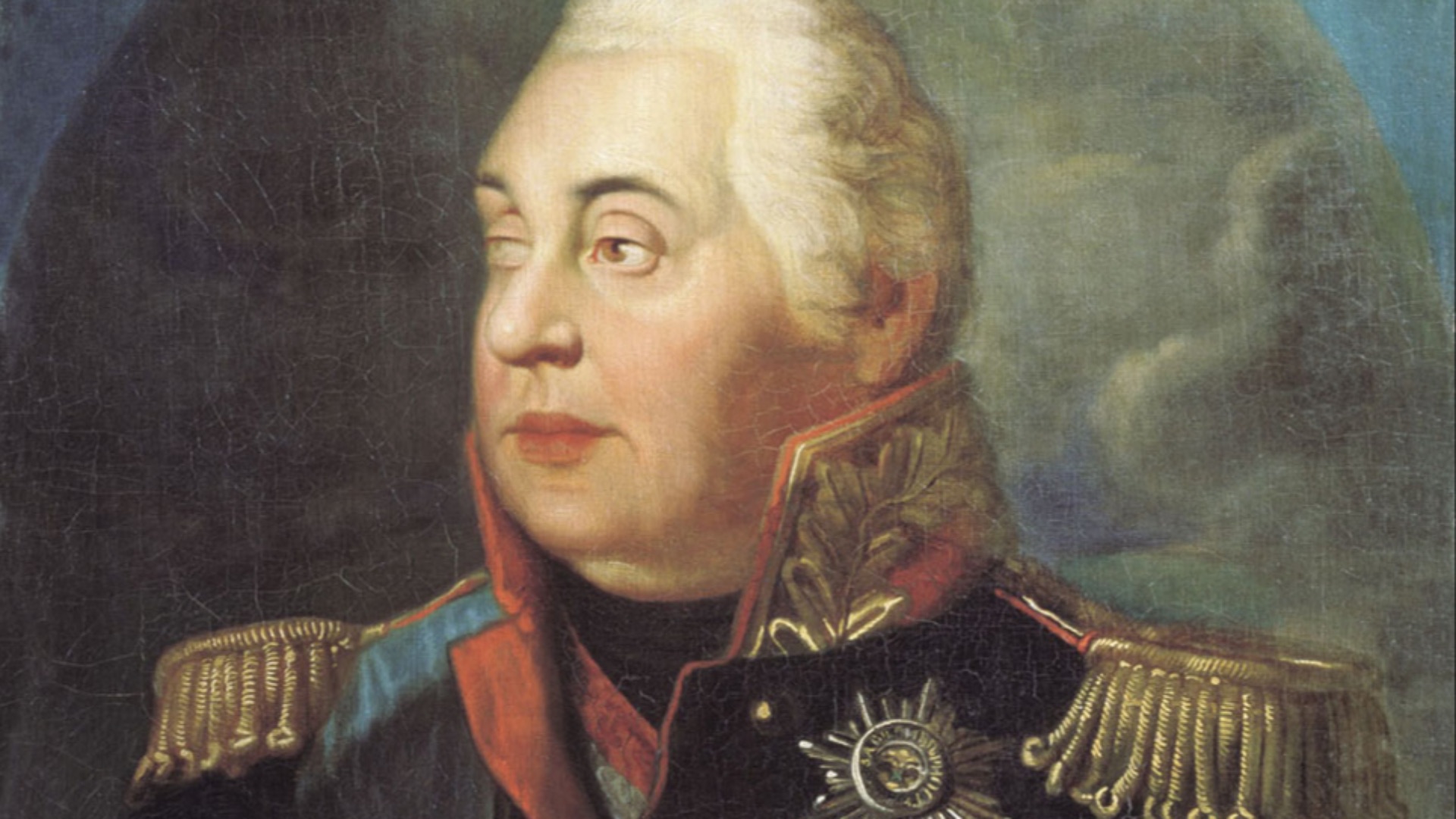 R.M. Volkov (1776-1831) on Wikimedia
18. James Hanger
James Hanger holds the grim distinction of being reportedly the first soldier on either side to have a limb amputated during the Civil War, losing his leg to a cannonball in a skirmish at Philippi, Virginia, in June 1861. Dissatisfied with the crude wooden peg given to him by army surgeons, Hanger spent his recovery engineering a far more functional prosthetic leg using barrel staves, with hinged joints at the knee and ankle; the Virginia state government eventually commissioned him to produce prosthetics for other soldiers who had suffered amputations. After the war ended, Hanger founded a prosthetics company that grew into one of the most influential in American history, and the Hanger Clinic still operates across the country today.
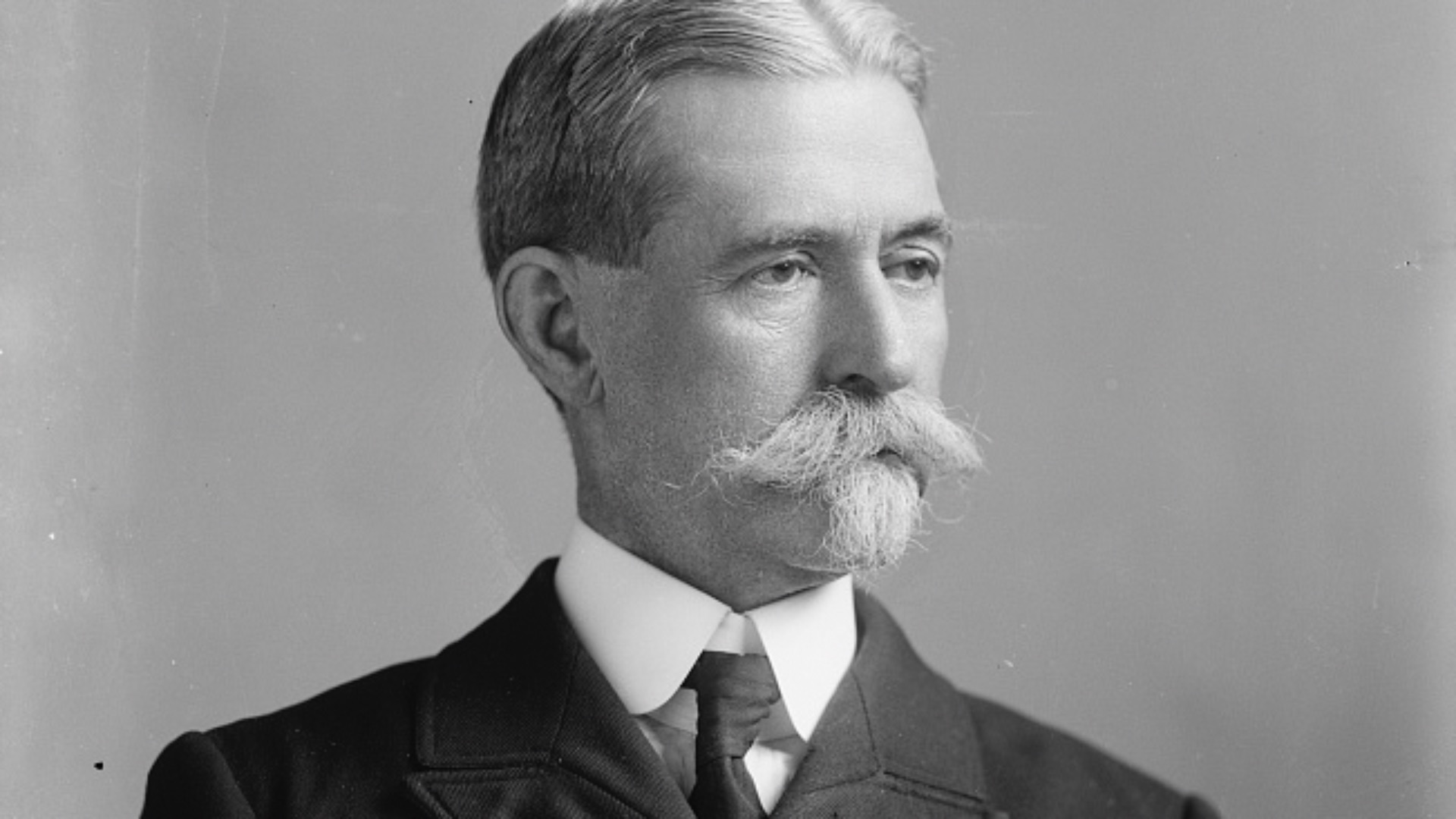 C. M. Bell Studio on Wikimedia
19. Wiley Post
In 1933, Wiley Post became the first person to fly solo around the entire globe, completing the journey in just under eight days and cementing his place in the history of aviation. What makes that feat even more striking is that Post accomplished it with only one eye; he lost his left eye in an oil field accident in 1926 and used his workers' compensation settlement to invest in a plane and pursue his ambitions as a pilot. Post went on to develop the first pressurized flight suit, work that laid important groundwork for high-altitude aviation, before dying in a plane crash in Alaska in 1935 alongside his passenger, the humorist Will Rogers.
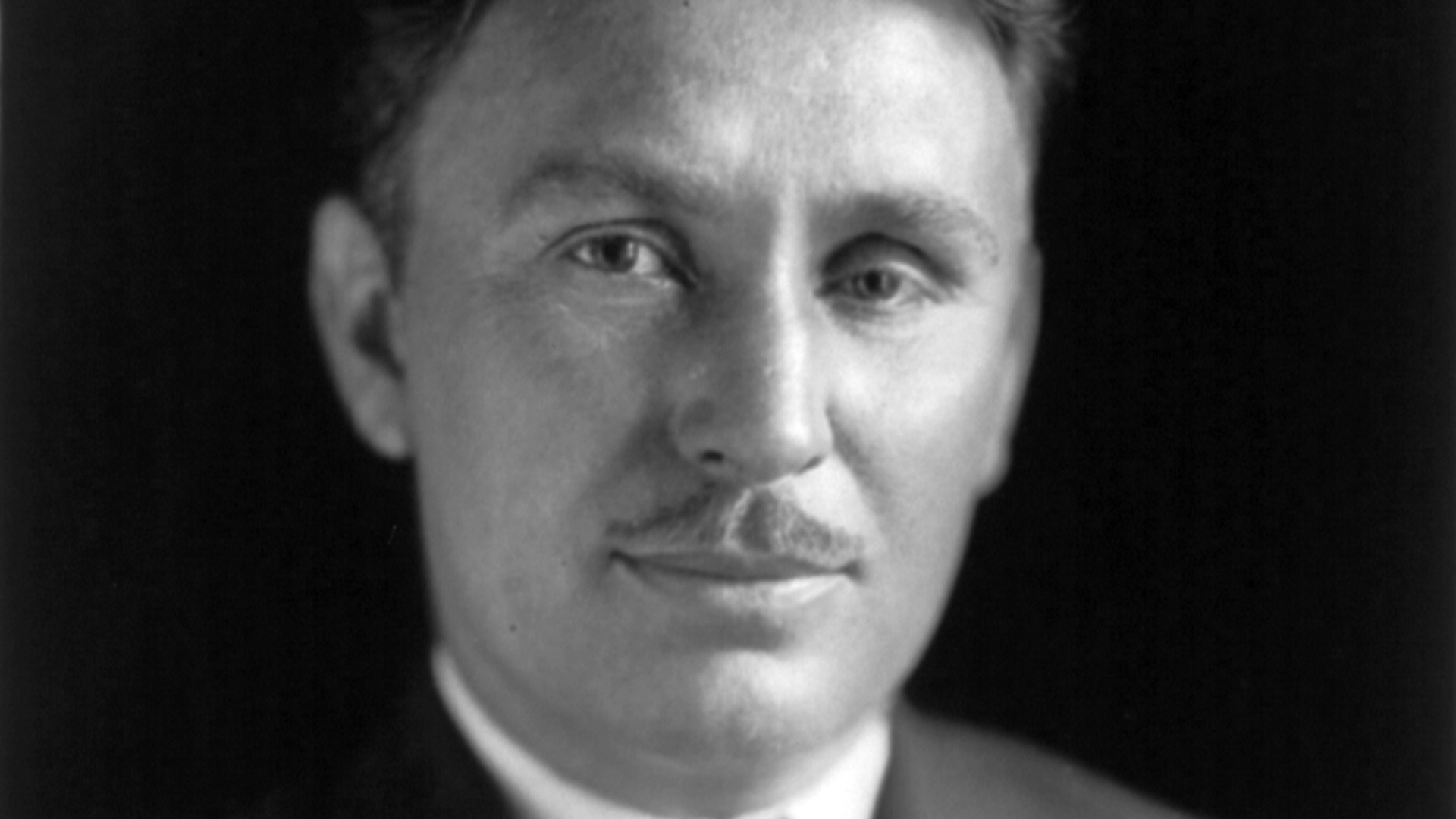 Underwood & Underwood on Wikimedia
20. Marcus Sergius Silus
More than 1,500 years before Götz von Berlichingen made his iron hand famous across Europe, a Roman general named Marcus Sergius Silus was already doing something remarkably similar. Silus lost his right hand in combat during the Second Punic War against Carthage in the 3rd century B.C. and had an iron prosthetic hand crafted so he could keep fighting; ancient Roman records also describe him as having been wounded in battle no fewer than 23 times across his career. He reportedly used the iron hand to grip his shield in combat and continued leading his troops through multiple campaigns, and his story was later cited by Roman writers as an example of the kind of endurance they considered a defining Roman virtue.
KEEP ON READING

10 Greatest Quarterbacks Of All Time & 10 That Are…
Do You Disagree?. Few topics in sports generate as much…
By Farva Ivkovic Dec 2, 2025
The story of Ching Shih, the Woman Who Became the…
Unknown author on WikimediaFew figures in history are as feared…
By Emilie Richardson-Dupuis Dec 29, 2025
20 Shakespearean Words, Translated For A Modern Audience
What’s In A Word?. Shakespeare was a wordsmith of the…
By Breanna Schnurr Dec 17, 2025
20 Inspiring Stories From Native American History
Incredible Stories Of Resilience And Endurance. Many of us didn't…
By Ashley Bast Dec 17, 2025
You Think You Have Problems? These Royal Families Were Cursed
Boasson and Eggler St. Petersburg Nevsky 24. on WikimediaHeavy is…
By Ashley Bast Dec 5, 2025
MH370: The Plane That Can't Be Found
Anna Zvereva from Tallinn, Estonia on WikimediaEleven years after Malaysia…
By Christy Chan Dec 10, 2025