

The Most Honest Record Any Civilization Left Behind Wasn't Its Monuments: It Was Its Garbage
The Most Honest Record Any Civilization Left Behind Wasn't Its Monuments: It Was Its Garbage
 Gary Todd from Xinzheng, China on Wikimedia
When we picture ancient civilizations, we usually picture the things they clearly wanted people to notice. Pyramids, temples, palaces, statues, and carved inscriptions all have that big public confidence in them. They were built to impress, to honor gods, to preserve power, or to make rulers look a little more eternal.
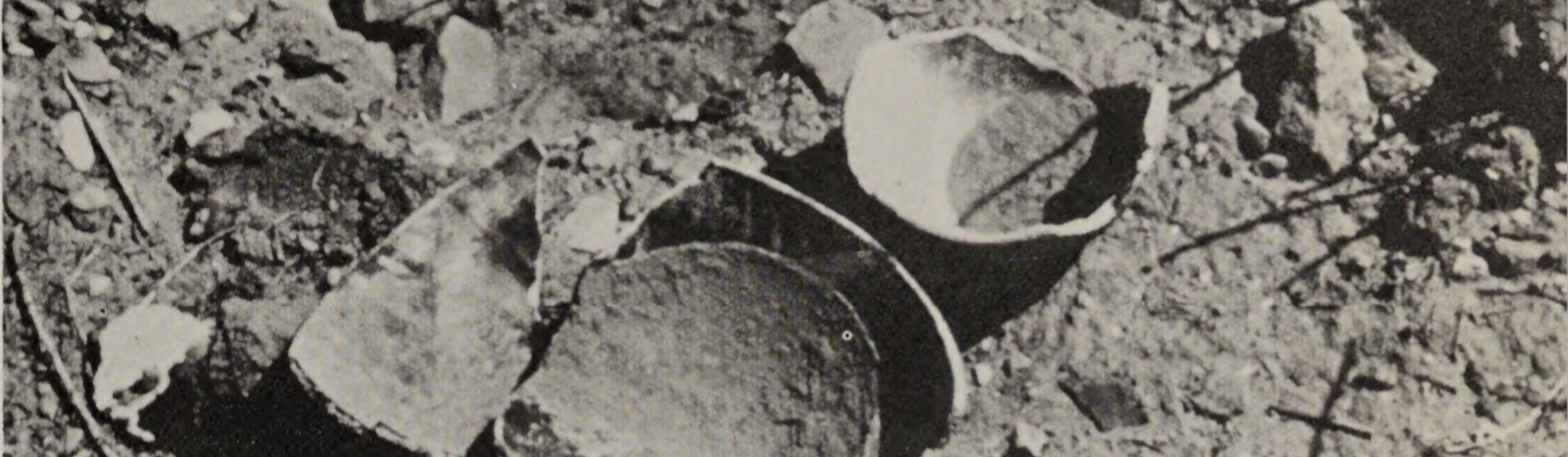
Garbage tells a different story. Broken pottery, bones, seeds, ash, food scraps, and worn-out tools were not arranged for applause. They were left behind because people cooked, ate, repaired things, hosted gatherings, reused what they could, wasted what they couldn’t, and got on with the day. That’s why refuse can be such a revealing historical record: it catches daily life before anyone has time to dress it up.
Trash Keeps The Details Monuments Leave Out
A monument can tell us what a society wanted to say about itself in public. A trash pit can tell us what people handled, used up, broke, tossed aside, or tried to keep out of sight.
Modern archaeology has shown how useful that kind of evidence can be. The Garbage Project, associated with archaeologist William Rathje at the University of Arizona, studied consumer behavior by sorting, measuring, and recording refuse instead of relying only on what people said about themselves. A Stanford-hosted version of Rathje’s work describes the project as studying consumer behavior through the “material realities” people left behind, rather than through self-reports, government documents, or industry records.
That matters because people are not always reliable narrators of their own habits. They misremember, round things down, leave things out, or answer in a way that sounds cleaner. Garbage does not solve every problem, since deposits can be moved, mixed, reused, or disturbed. Still, discarded material can preserve patterns of behavior that polished records miss entirely.
Ancient Waste Shows How People Really Lived
Ancient refuse deposits are valuable because they hold the small, ordinary traces of daily life. The Austrian Archaeological Institute’s work on a Roman-period waste deposit at Syene, in Upper Egypt, describes the deposit as evidence that can help researchers understand ancient living conditions. The deposit, dated from the first century to the early third century CE, included pottery, organic residues, animal bones, botanical remains, and other materials that can be studied through stratigraphy and analysis.
That kind of evidence can point toward what people ate, drank, stored, cooked, and discarded. It can also show how waste builds up in certain places over time. A single broken vessel may not say much on its own. In context, though, a whole waste layer can become a record of habit.
Early farming communities give us another example. A University of York report on Neolithic rubbish notes that some early European farmers kept waste in pits close to their homesteads instead of always moving it far away. Researchers describe this as possible evidence that people felt responsible for that waste, or saw some discarded items as things that might still have use.
That is a small detail, but it opens a bigger window. Trash not only shows what people threw out; it can also reveal how they organized their home space, work, and responsibilities. A household pit may say something about maintenance, reuse, and what it meant to settle in one place. Suddenly, the ancient world feels less like marble and torchlight and more like someone having to deal with a mess after dinner.
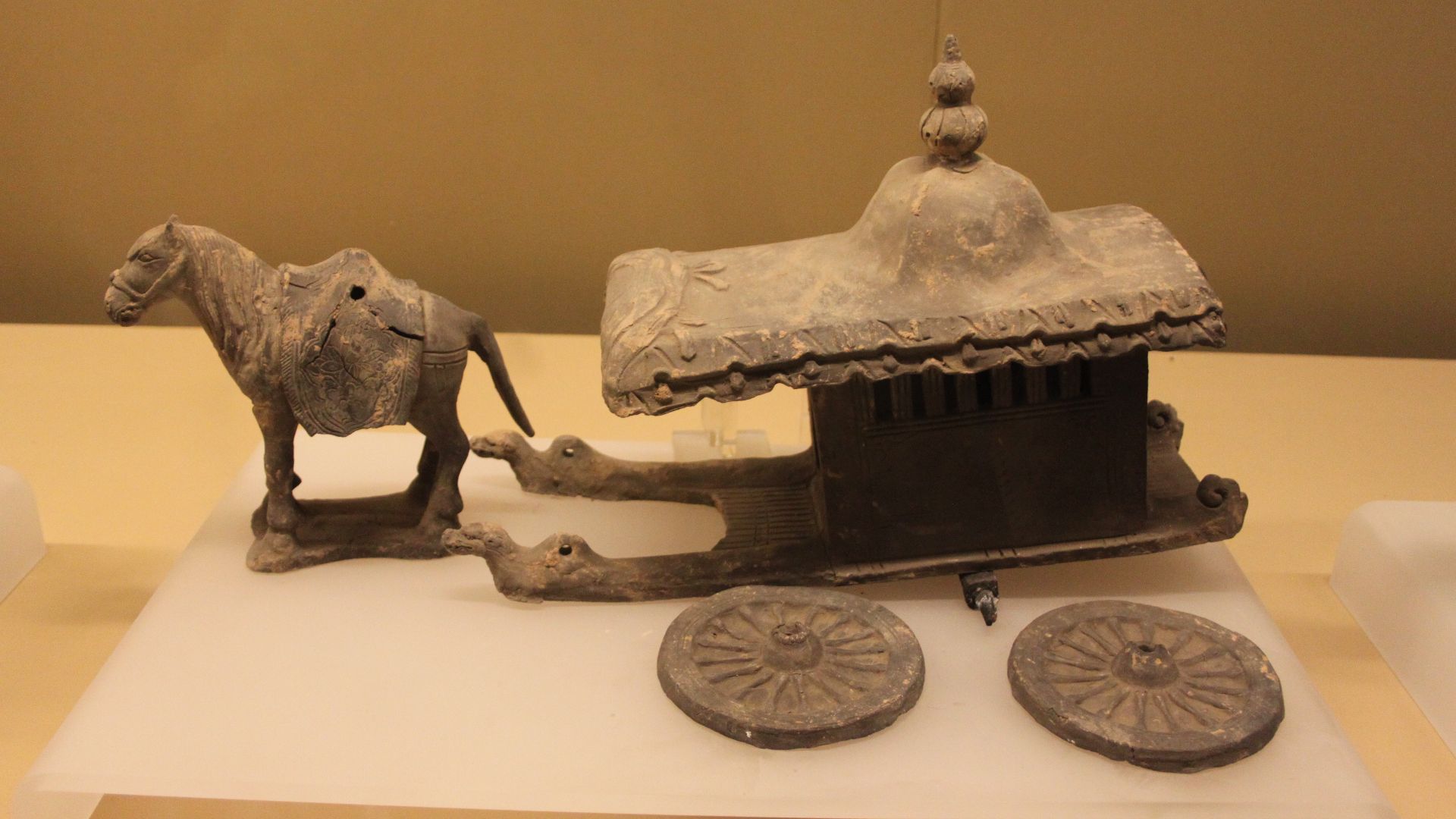
Even elite life left plenty behind. Smithsonian Magazine reported on a 3,500-year-old Minoan clay cup displayed by the British Museum as a single-use vessel tied to feasting, while scholarly work on Minoan conical cups notes their large-scale use across Crete and the wider Aegean. These simple cups point to convenience, social display, and status, showing up in discarded pottery.
Power Leaves Leftovers Too
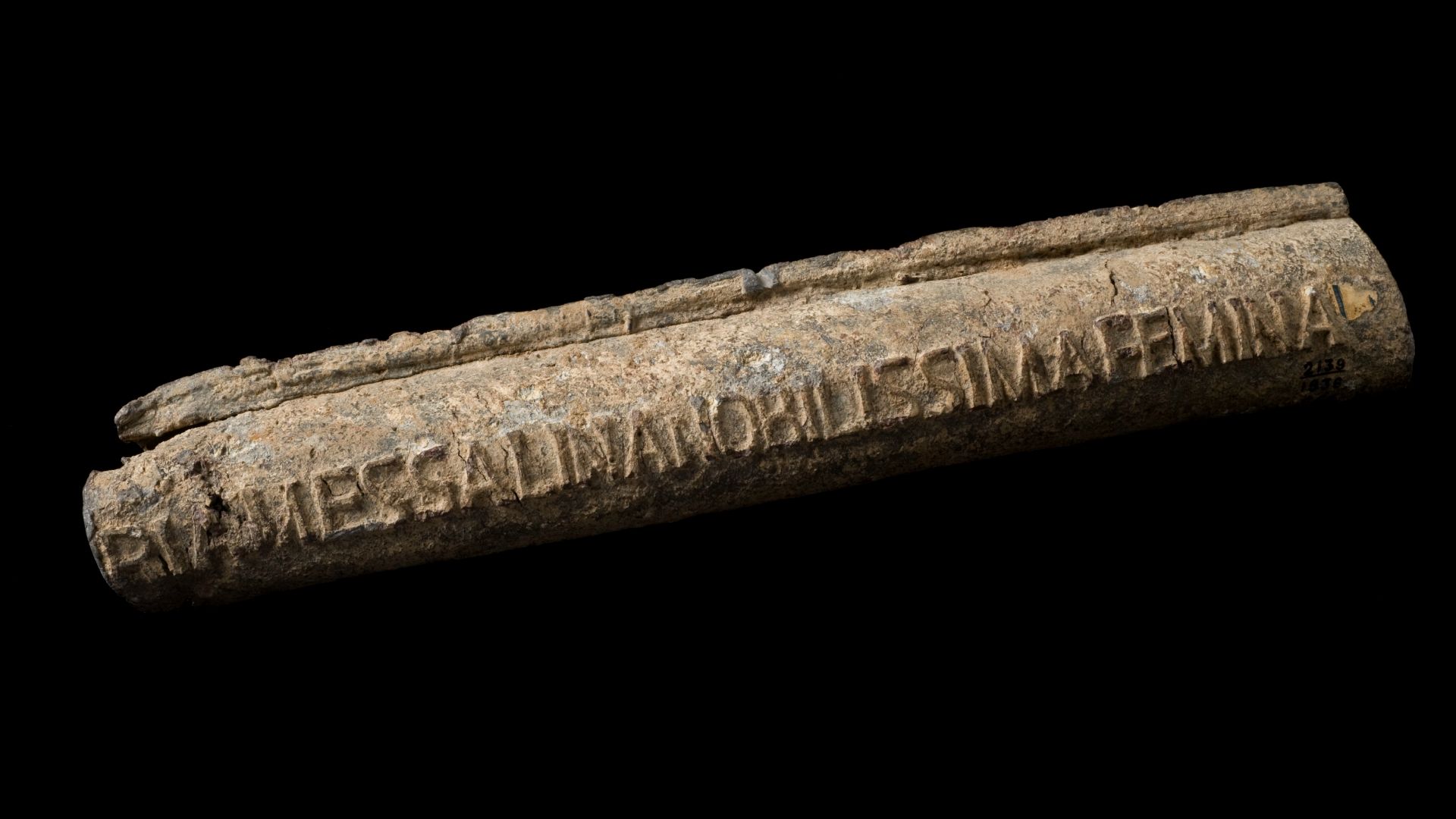
Garbage isn’t only a record of ordinary households. It can also reveal how cities worked, how elites behaved, and how systems of disposal shaped what survives for archaeologists to find. That last part matters because absence can be misleading. A city with fewer trash deposits was not automatically cleaner in any grand moral sense; it may simply have moved its garbage somewhere else.
Research on Roman towns makes that point clearly. Guido Furlan’s article in the European Journal of Archaeology argues that organized waste-disposal systems in Roman towns meant that much discarded material was periodically removed from urban areas. As a result, some historical periods may be underrepresented in the finds recovered inside a city.
Other work adds another layer. In the American Journal of Archaeology, Kevin D’Arcy Dicus argues that some Roman refuse deposits, including case studies from an Ostian dumpsite and Pompeian domestic spaces, didn’t come from casual disposal alone. His study found that some refuse had been reclaimed from a peri-urban dump and moved to places where construction fill was needed.
That makes garbage both honest and tricky. It can preserve behavior no official inscription would bother to mention, but it still needs to be read carefully. Archaeologists have to ask where a deposit came from, whether it was moved, how quickly it built up, and what later activity may have changed it. Trash is blunt, but it is not simple.
At Copán, in present-day Honduras, refuse helped researchers understand elite Maya life from a different angle. ReVista describes an ashy midden in Group 10L-2, a royal residential area near the Acropolis, as an important source for studying royal discards, ceramics, and political history. UNESCO’s description of Copán highlights its monuments, including the Acropolis and Hieroglyphic Stairway, which makes the contrast even sharper.
The carved stairway records power in formal language. The midden records what powerful people left behind after meals, during ceremonies, in occupation, and in everyday use.
Garbage deserves more respect than it usually gets, even if no one is racing to put a banana peel behind museum glass. Refuse can reveal foodways, trade, household routines, urban maintenance, social status, and changing relationships with material goods. It doesn’t replace monuments, inscriptions, or art. It pulls them back down to earth.
Every civilization leaves behind some version of itself that it hoped would last. It also leaves behind the broken cup, the animal bone, the ash layer, the pit, and the dump. The first version tells us how people wanted to be seen. The second often gets us closer to how they actually lived.
KEEP ON READING

The 10 Youngest Monarchs In History & The 10 Oldest
Age Is Just A Number. Imagine being crowned king or…
By Chase Wexler Mar 11, 2025
You Think You Have Problems? These Royal Families Were Cursed
Boasson and Eggler St. Petersburg Nevsky 24. on WikimediaHeavy is…
By Ashley Bast Dec 5, 2025
You Can Thank This Greek-Canadian For Creating Pineapple On Pizza…
Love it or hate it, pineapple on pizza sparks debate…
By David Davidovic Dec 1, 2025
Yes, Female Gladiators Existed, And Here's Everything You Need To…
History of Women in Combat. Most people picture gladiators as…
By David Davidovic Jan 17, 2026
Yes, Australians Once Lost A Battle Against Flightless Birds
David Clode on UnsplashIn 1932, the Australian military went to…
By David Davidovic Nov 24, 2025
The Y2K Bug: Why Did Everyone Think Year 2000 Was…
Alan W on UnsplashOn December 31, 1999, people all over…
By Christy Chan Dec 22, 2025