

Ancient Civilizations Created Mysteries That Still Exist Today
Modern technology often makes people assume earlier civilizations were far less advanced than we are today, but history repeatedly proves otherwise. Archaeologists and historians have uncovered ancient inventions, structures, and engineering methods that still raise difficult questions because the original techniques were never fully documented. While experts usually have theories about how these technologies worked, there are still major gaps in understanding that continue to fuel debate. Here are 20 ancient technologies still baffling experts.
1. Greek Fire
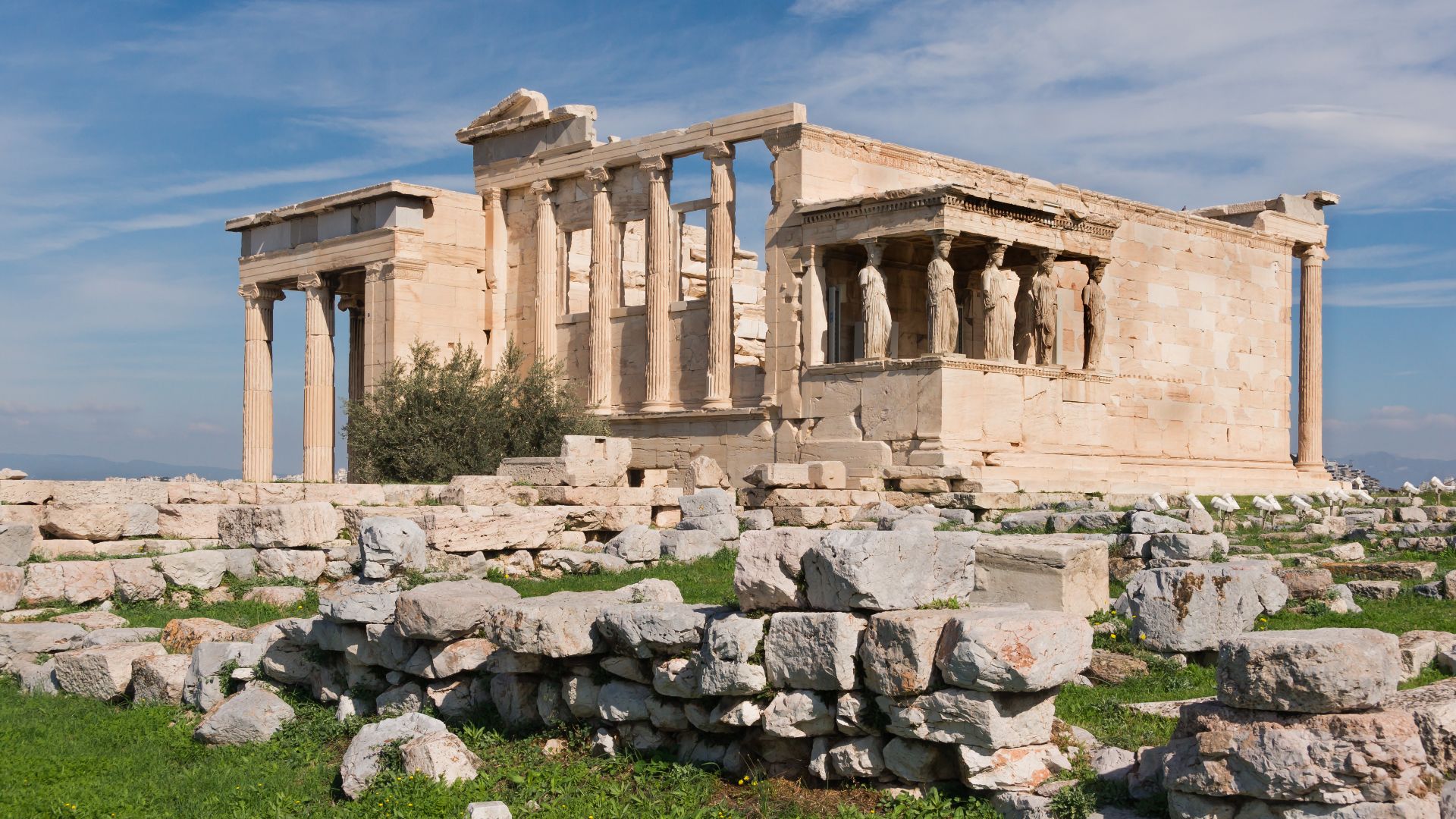
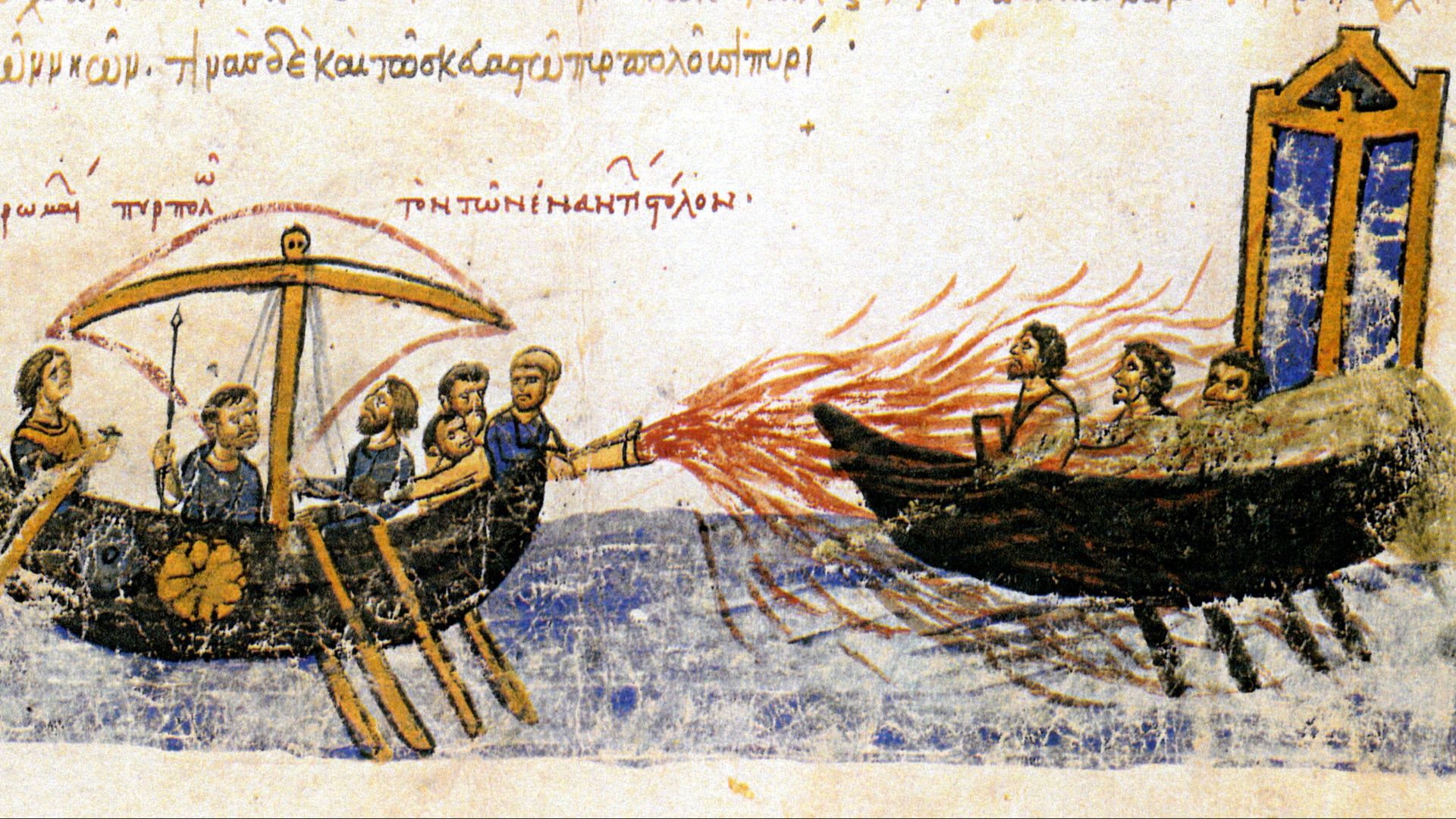
Greek Fire was a powerful incendiary weapon used by the Byzantine Empire beginning in the seventh century. Historical accounts describe it burning even on water, making it especially devastating during naval battles. The exact formula was kept as a state secret, and no surviving records fully explain its ingredients or production method.
 Unknown authorUnknown author on Wikimedia
2. Roman Concrete
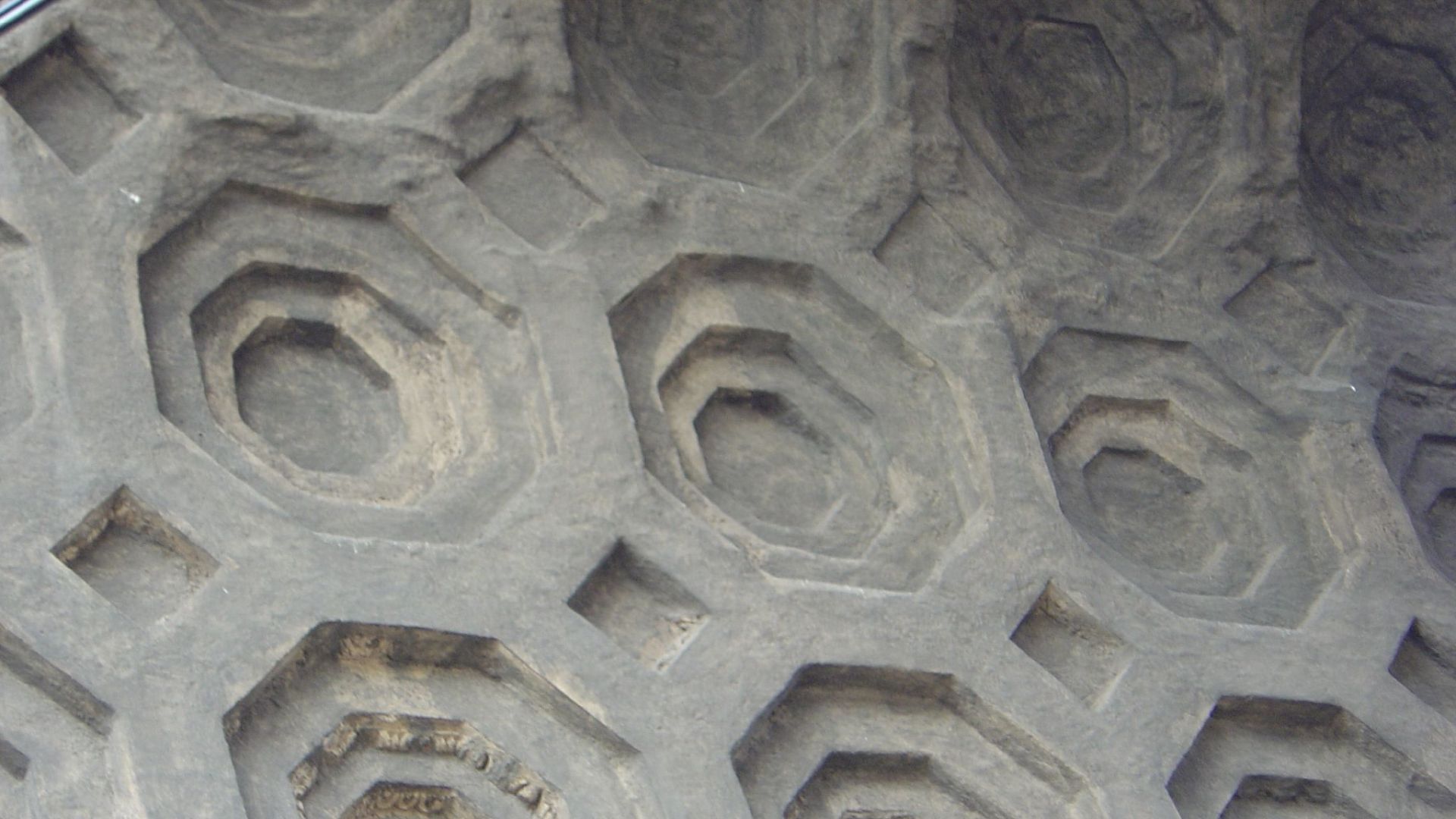
Roman concrete has survived for thousands of years in structures exposed to seawater, earthquakes, and harsh weather conditions. Modern concrete often deteriorates much faster, prompting scientists to study Roman construction techniques closely.
 Michael Wilson from York, United Kingdom on Wikimedia
3. The Antikythera Mechanism
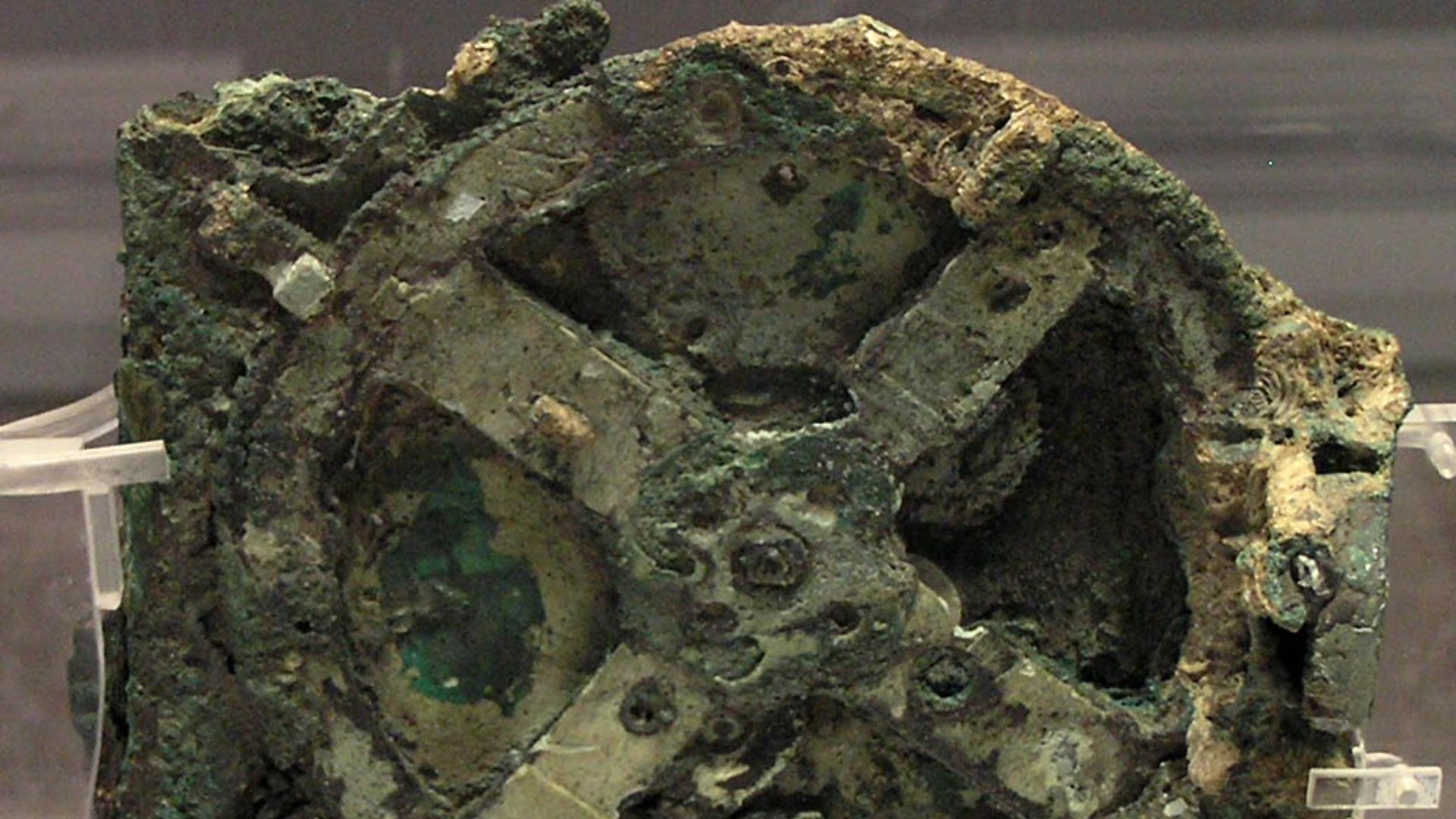
Discovered in a shipwreck off the coast of Greece in 1901, the Antikythera Mechanism is often described as the world’s earliest known analog computer. Dating back more than 2,000 years, it used a system of bronze gears to track astronomical movements and predict eclipses. The complexity of the device shocked historians because nothing similarly advanced appeared again for many centuries.
 No machine-readable author provided. Marsyas assumed (based on copyright claims). on Wikimedia
4. Damascus Steel
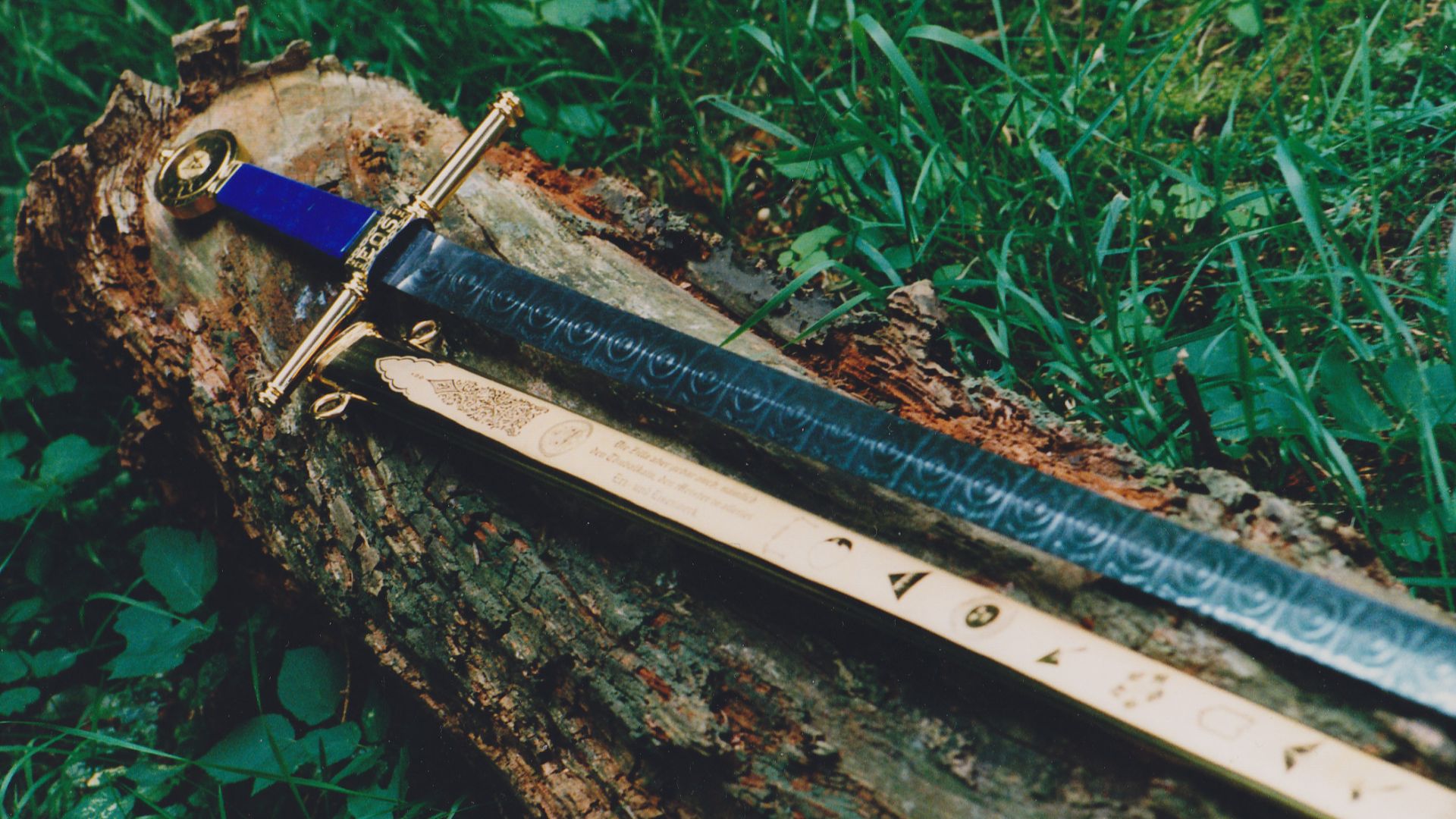
Medieval Damascus steel became famous for its strength, flexibility, and distinctive wavy surface patterns. Historical accounts claimed the blades could hold incredibly sharp edges while resisting damage during combat. The original manufacturing process disappeared centuries ago, likely after key raw materials became unavailable.
5. The Pyramids’ Construction Methods
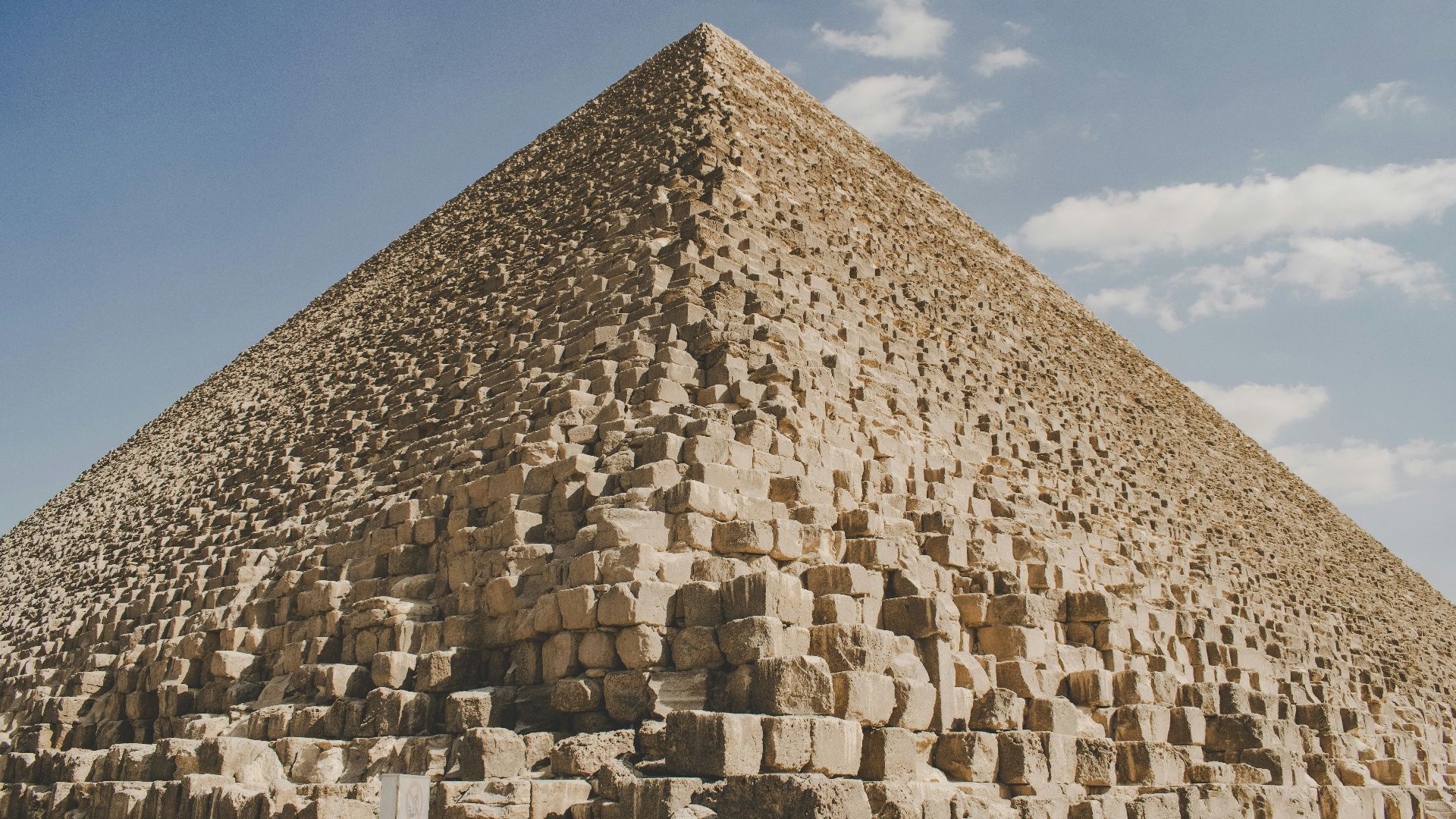
The Great Pyramid of Giza contains millions of stone blocks, some weighing several tons each. Historians generally agree that ramps, labor organization, and engineering skill played major roles in construction, but the exact methods are still debated. No surviving Egyptian records fully explain the building process in detail.
6. Nazca Lines
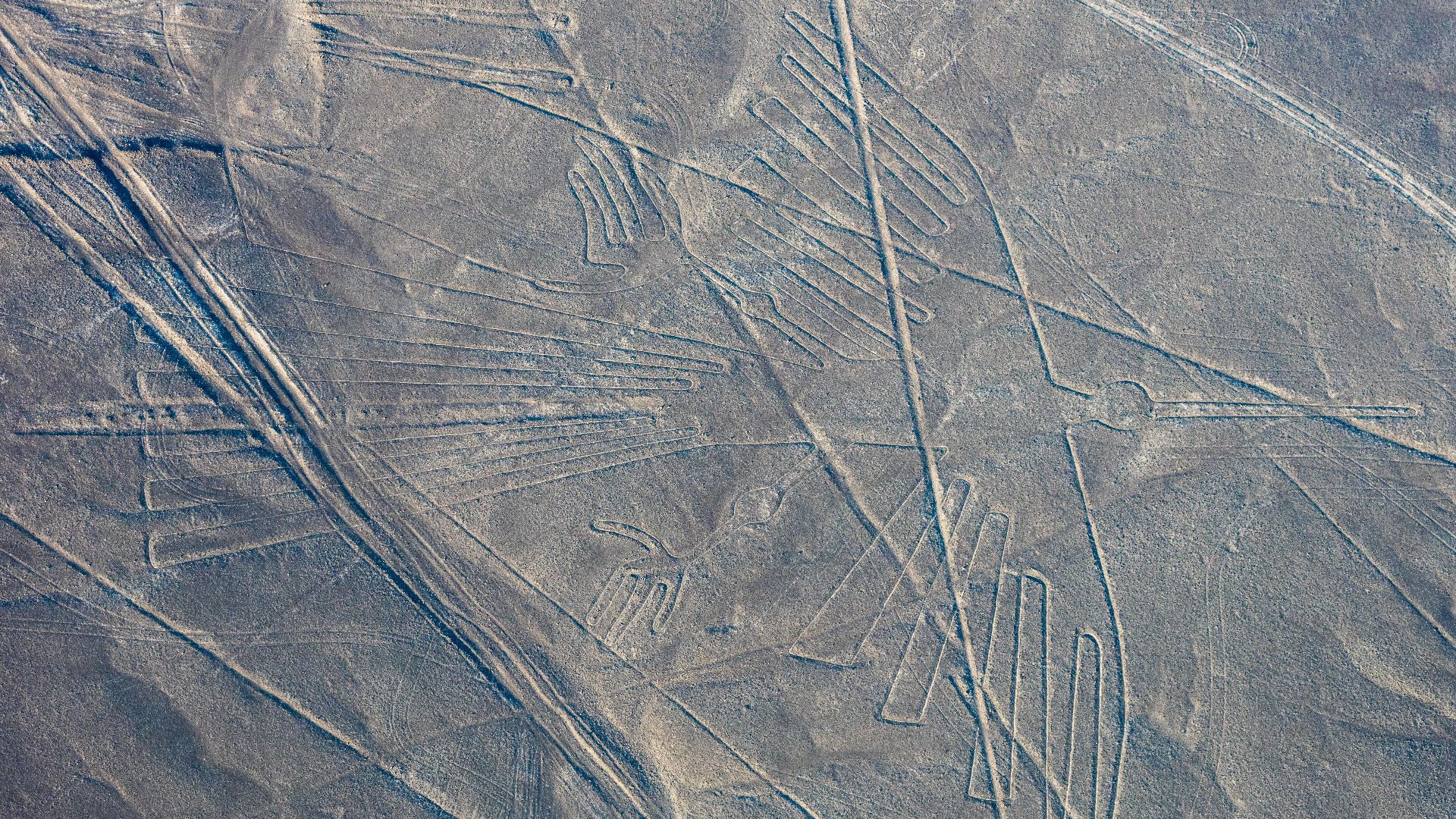
The Nazca Lines in Peru are enormous geoglyphs created between roughly 500 BCE and 500 CE. Many designs are only fully visible from high above the ground, which continues to fascinate archaeologists and visitors alike.
7. Viking Sunstones
Some historians believe Vikings may have used special crystals called sunstones to navigate cloudy skies while sailing across the North Atlantic. Iceland spar crystals can polarize light in ways that help identify the sun’s position even during poor weather.

8. The Baghdad Battery
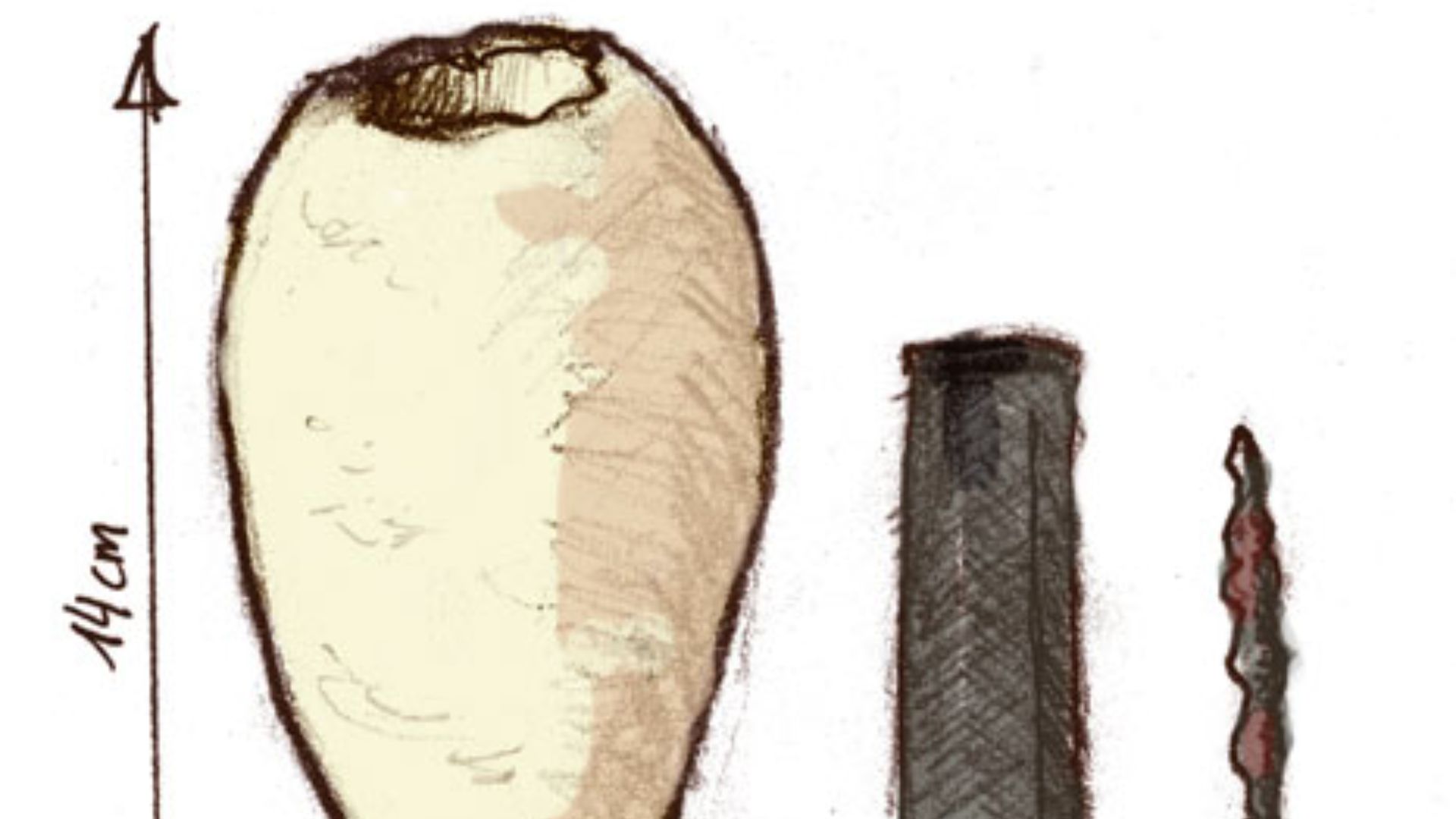
The Baghdad Battery refers to several ancient clay jars discovered near Baghdad that date back roughly 2,000 years. Each jar contained a copper cylinder and an iron rod, leading some researchers to speculate they may have generated small electrical currents. Other experts argue they were likely used for storage or religious purposes instead.
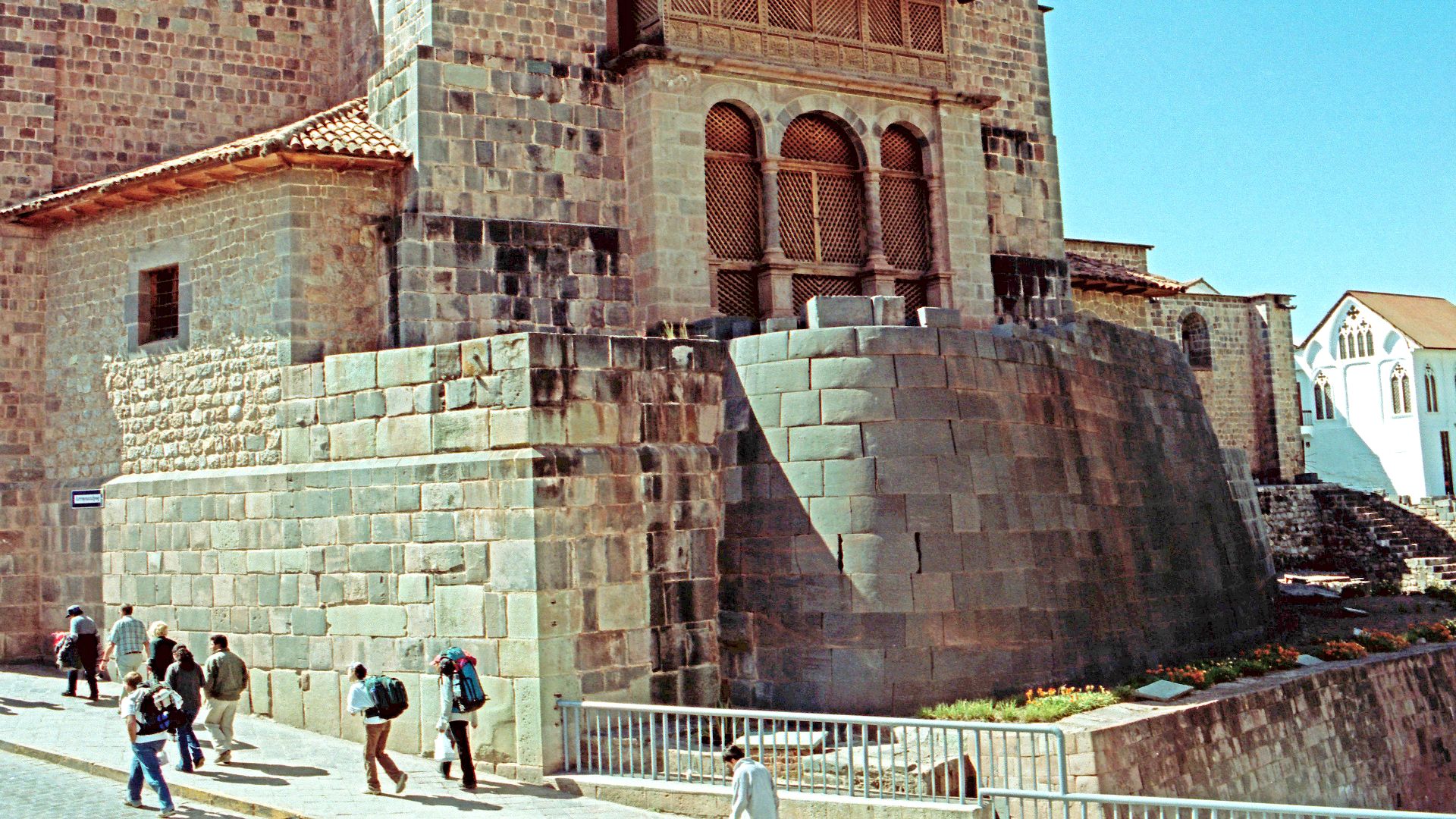
9. Incan Stonework
Incan builders created massive stone walls with blocks cut so precisely that even thin blades can barely fit between them. Many of these structures have also proven remarkably earthquake-resistant over centuries.
10. Maya Astronomy
The Maya civilization developed extremely accurate astronomical calendars centuries before telescopes existed. Their observations tracked solar cycles, lunar movements, and planetary patterns with remarkable precision.
 NASA Hubble Space Telescope on Unsplash
11. The Lycurgus Cup
The Roman Lycurgus Cup appears green in reflected light and red when light shines through it from behind. Modern scientists eventually discovered that this effect comes from tiny particles of gold and silver embedded in the glass.

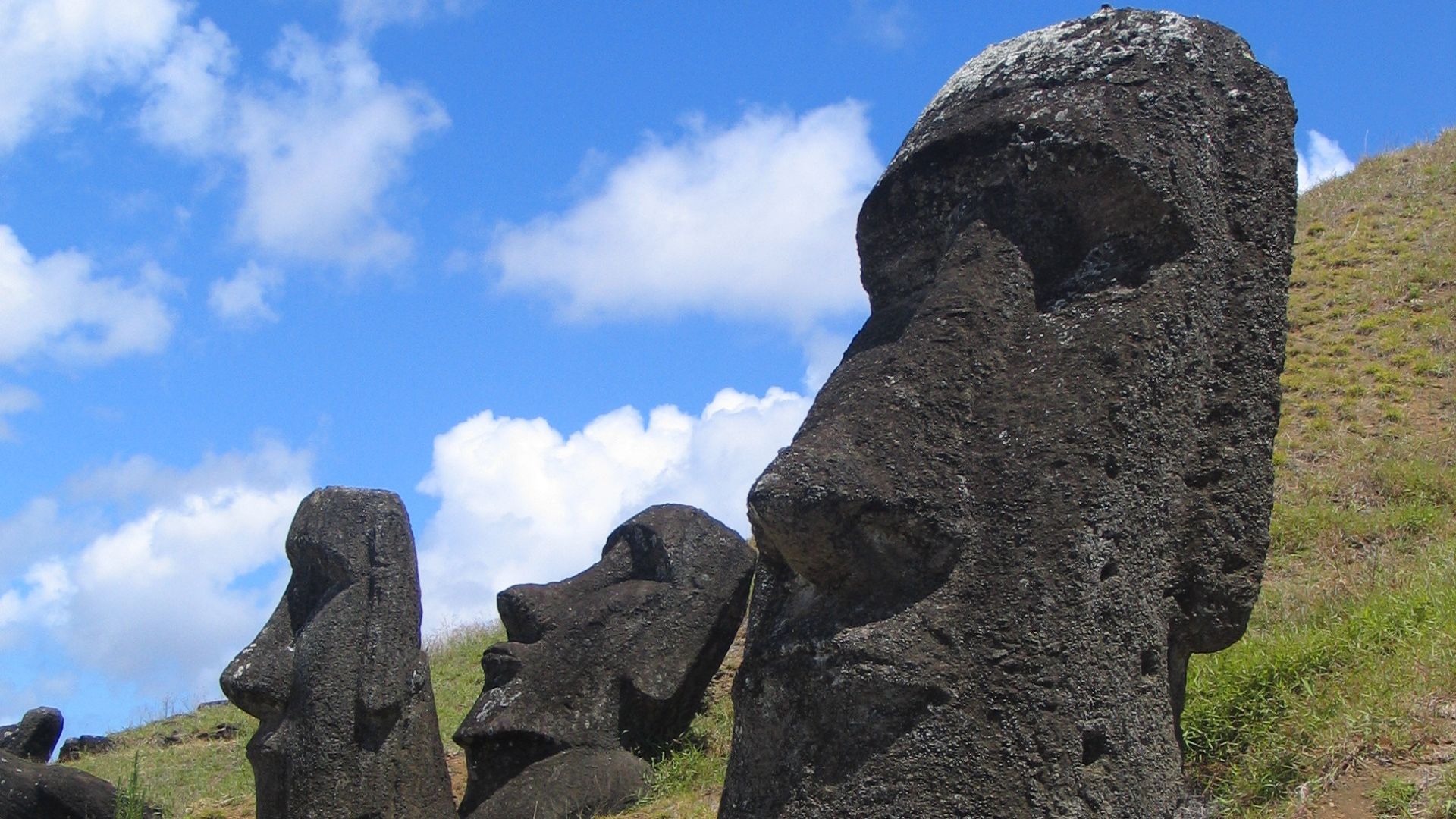
12. Easter Island Statue Transport
Easter Island’s giant moai statues can weigh dozens of tons and were moved across difficult terrain without modern machinery. Archaeologists have proposed several transportation methods, including sleds, ropes, and rocking motions that allowed statues to “walk.” Experimental recreations have shown that some methods are possible, though no definitive answer exists.
13. Chinese South-Pointing Chariot
Ancient Chinese engineers developed a mechanical chariot that kept a figure pointing south regardless of the vehicle’s direction. The device likely used an early differential gear system centuries before similar mechanisms became common elsewhere. Historical descriptions survive, but the original machines themselves do not.
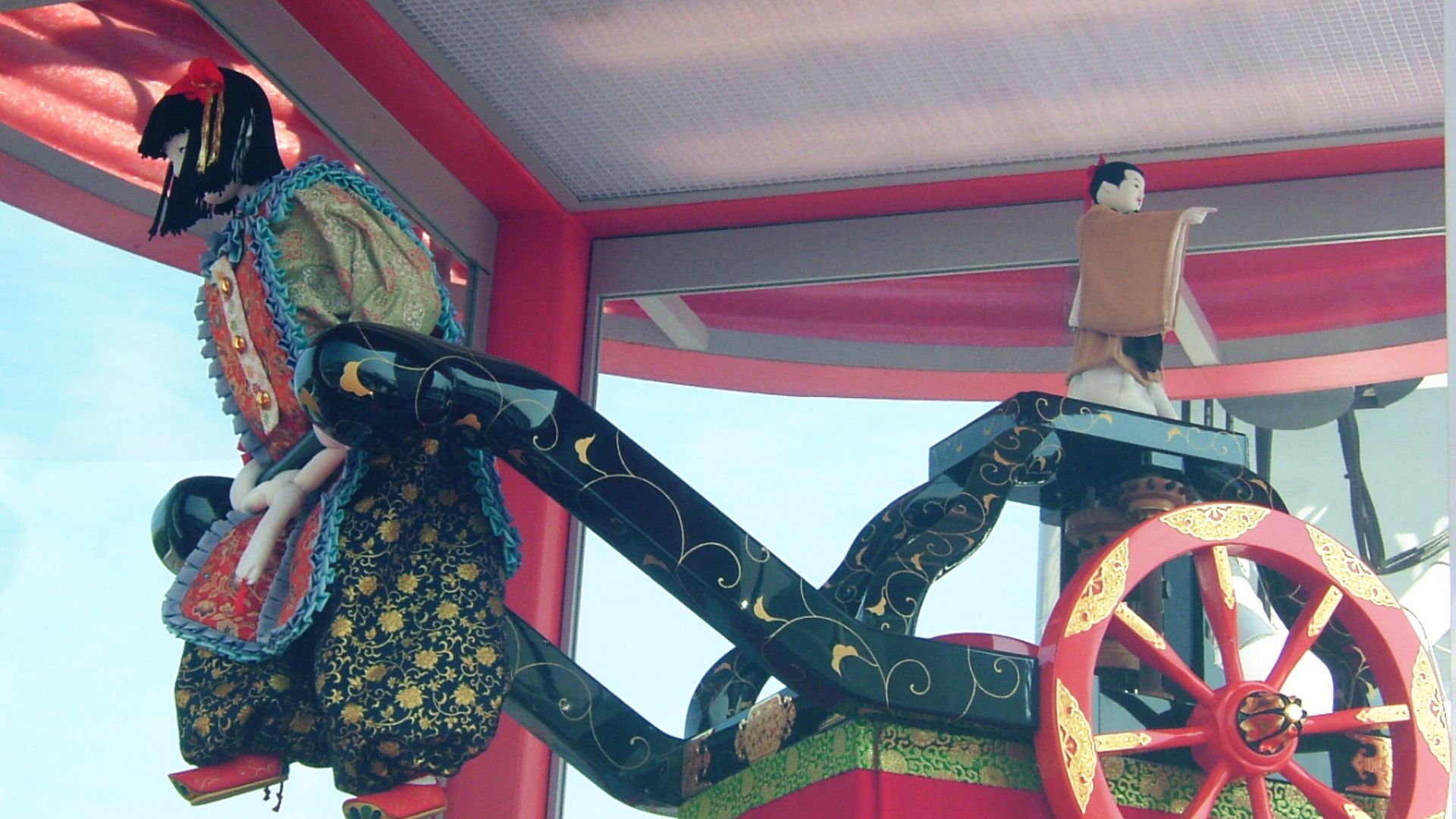 Gnsin~commonswiki on Wikimedia
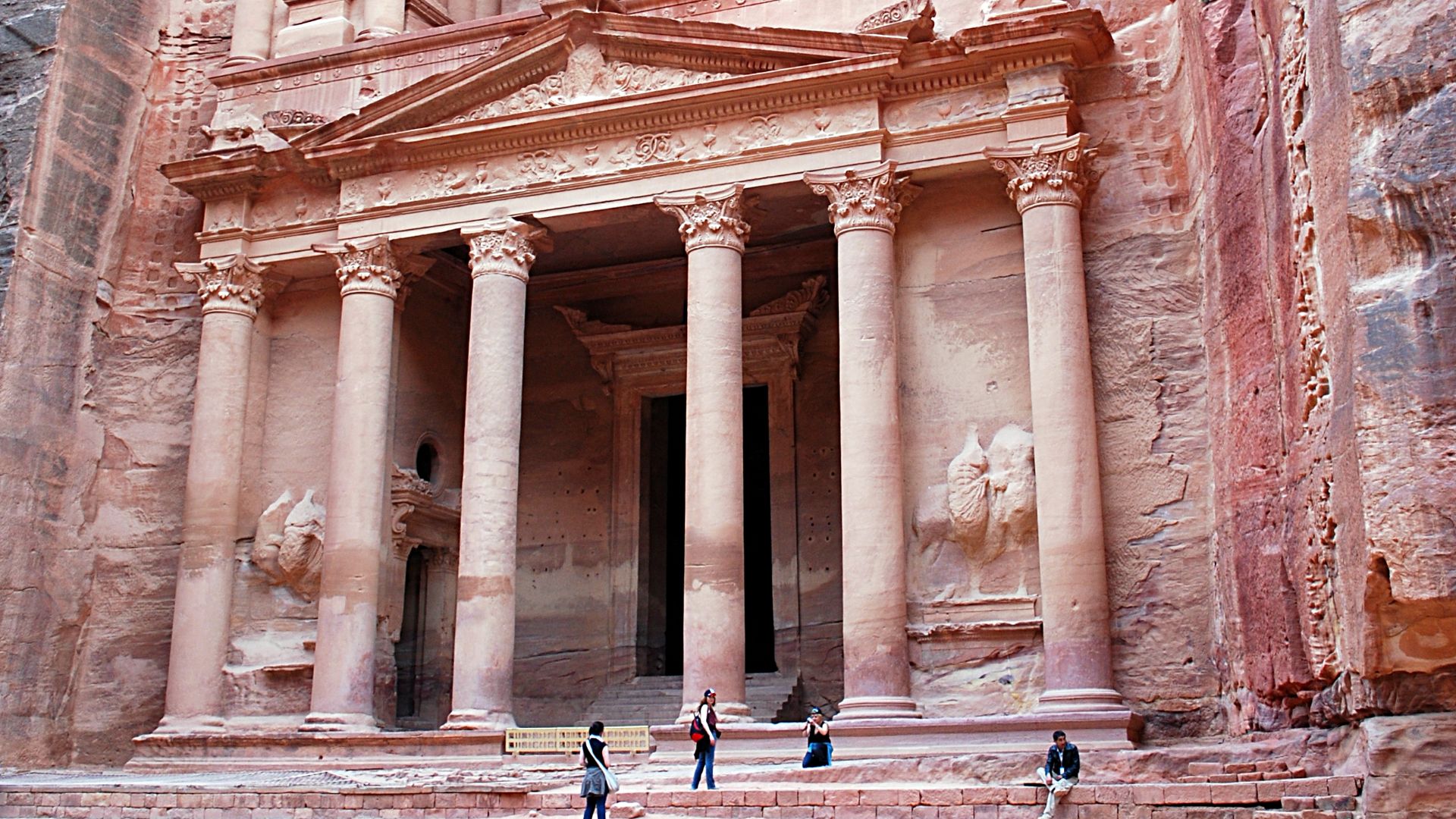
14. Nabataean Water Systems
The Nabataeans, who built the ancient city of Petra, developed highly advanced water management systems in an extremely dry environment. Their engineers used channels, reservoirs, dams, and ceramic pipes to collect and distribute water efficiently. Many systems were hidden within rock formations and protected from evaporation.
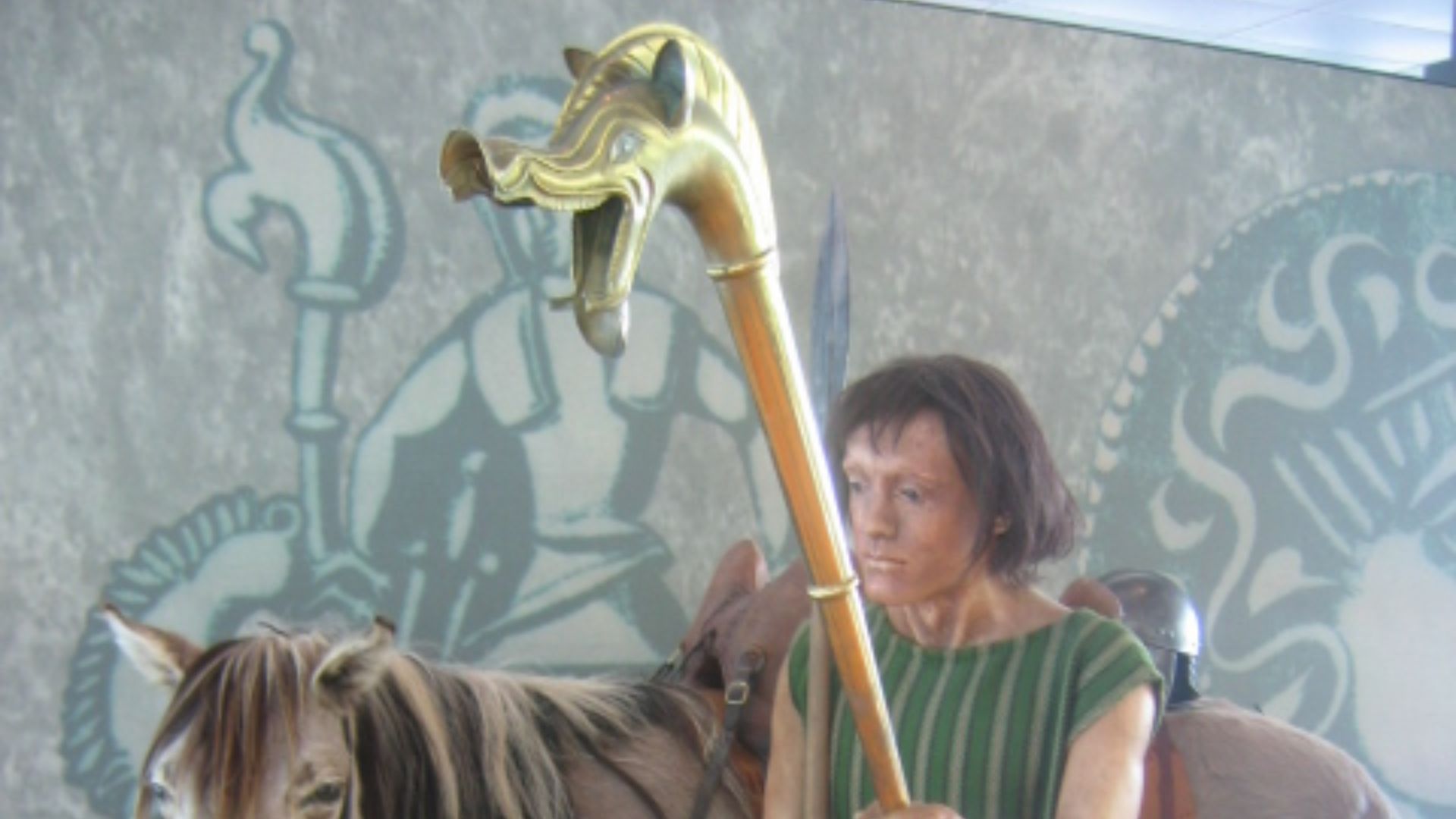
15. Celtic Carnyx Instruments
The Carnyx was a long bronze war trumpet used by Iron Age Celtic cultures across Europe. Its unusual design featured animal-shaped heads and produced loud, unsettling sounds during battles.
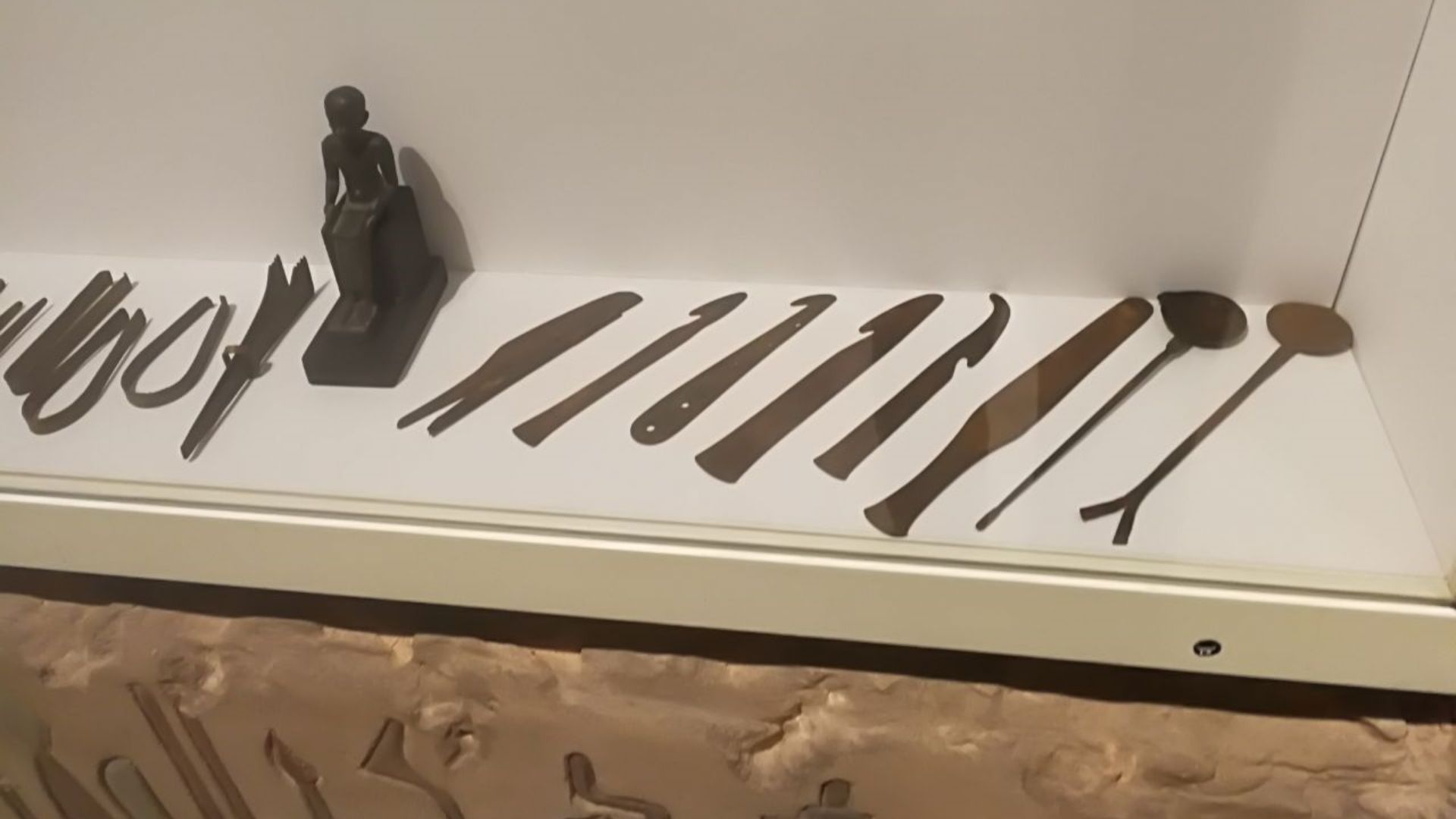
16. Ancient Surgical Tools
Archaeologists have uncovered ancient surgical instruments from civilizations including Rome, Greece, and India that resemble surprisingly modern medical tools. Historical texts describe procedures such as cataract surgery, skull operations, and wound treatment in impressive detail.
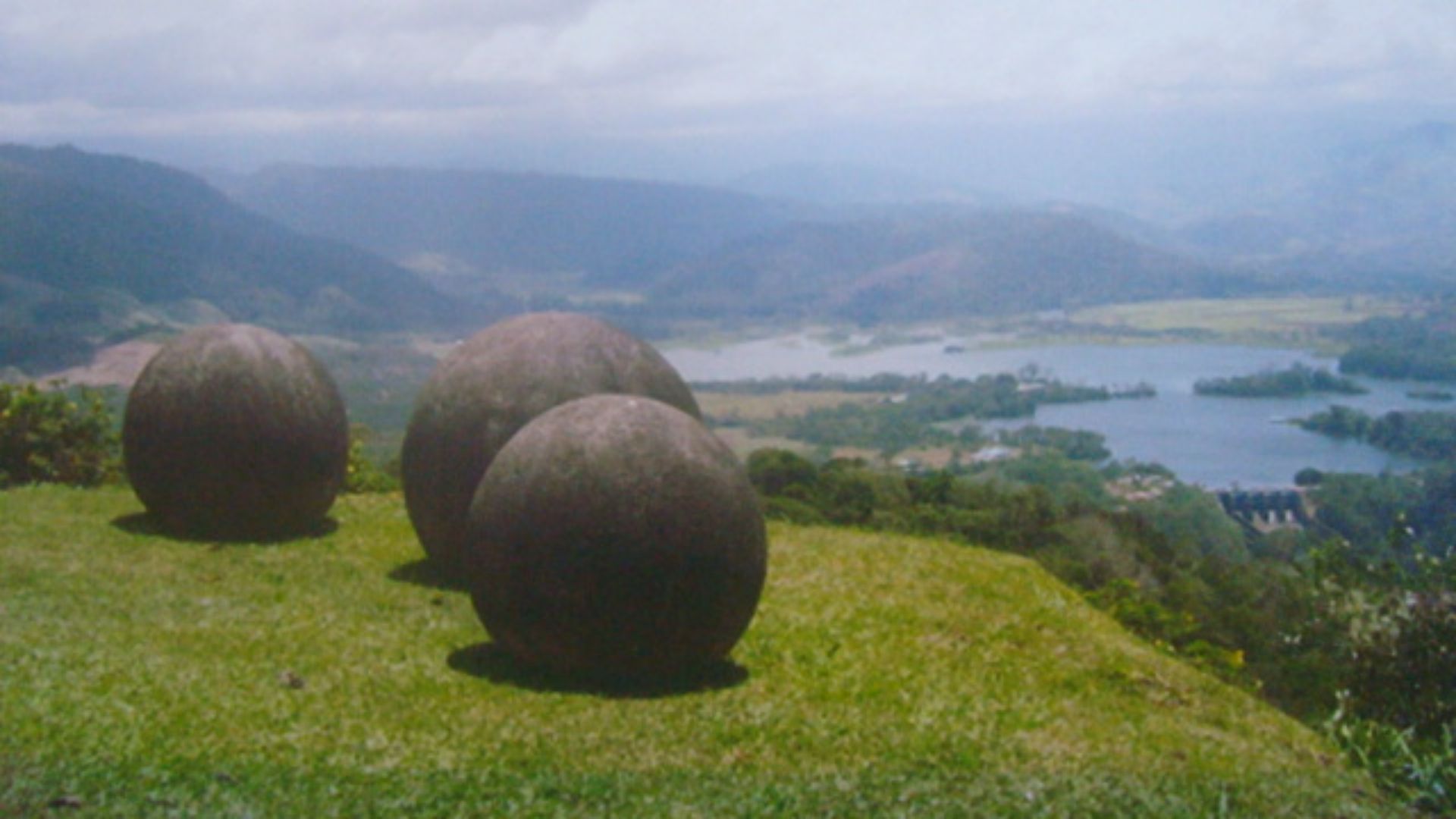
17. The Stone Spheres of Costa Rica
Hundreds of nearly perfect stone spheres have been discovered across Costa Rica, with some weighing several tons. Archaeologists believe they were created by the Diquís culture between roughly 600 and 1500 CE.
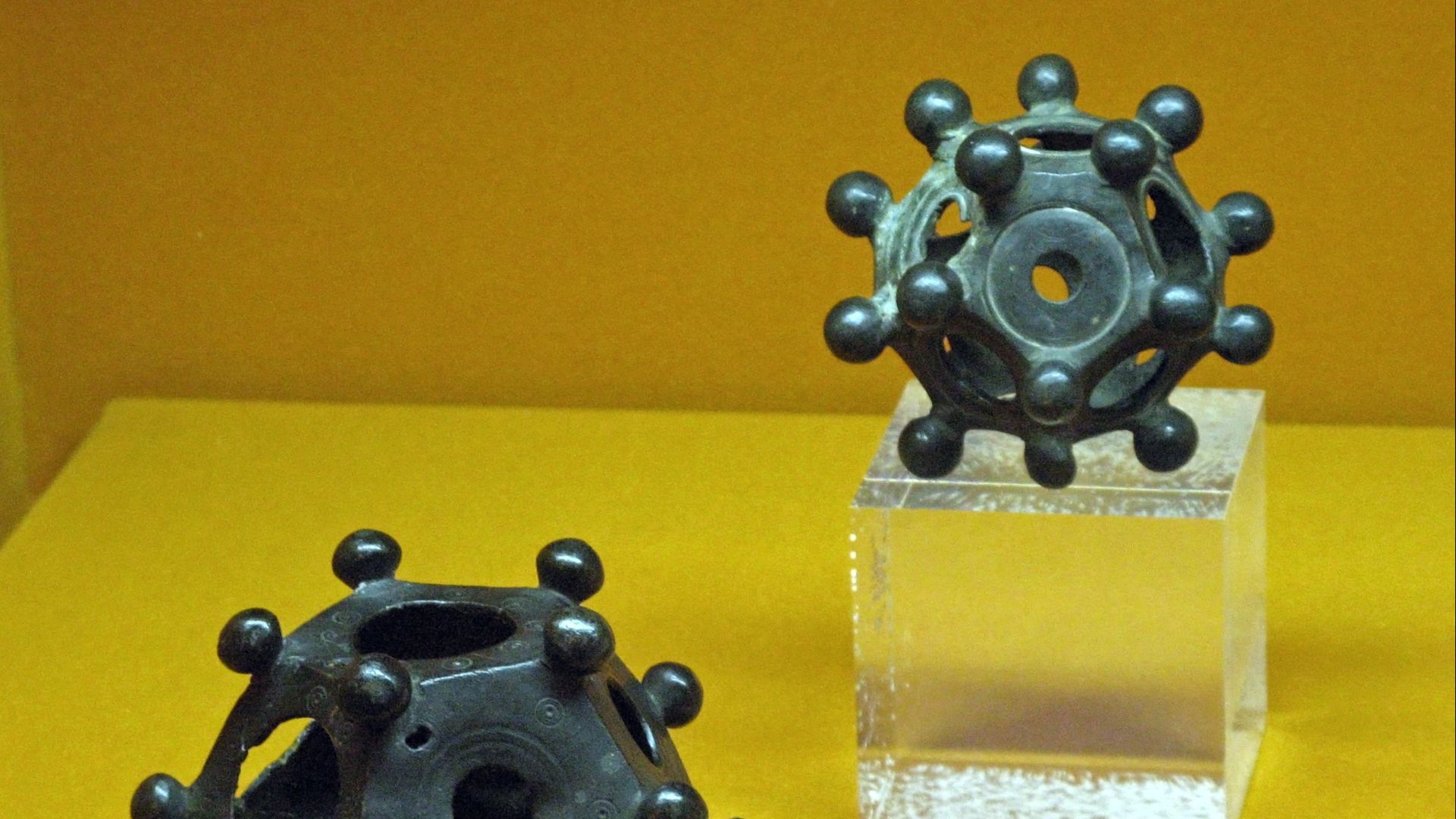
18. Roman Dodecahedra
Small hollow bronze objects called Roman dodecahedra have been found across parts of Europe, dating back to the Roman Empire. Each object contains twelve pentagonal faces with differently sized holes, yet no surviving records explain their purpose.
19. The Saqqara Bird
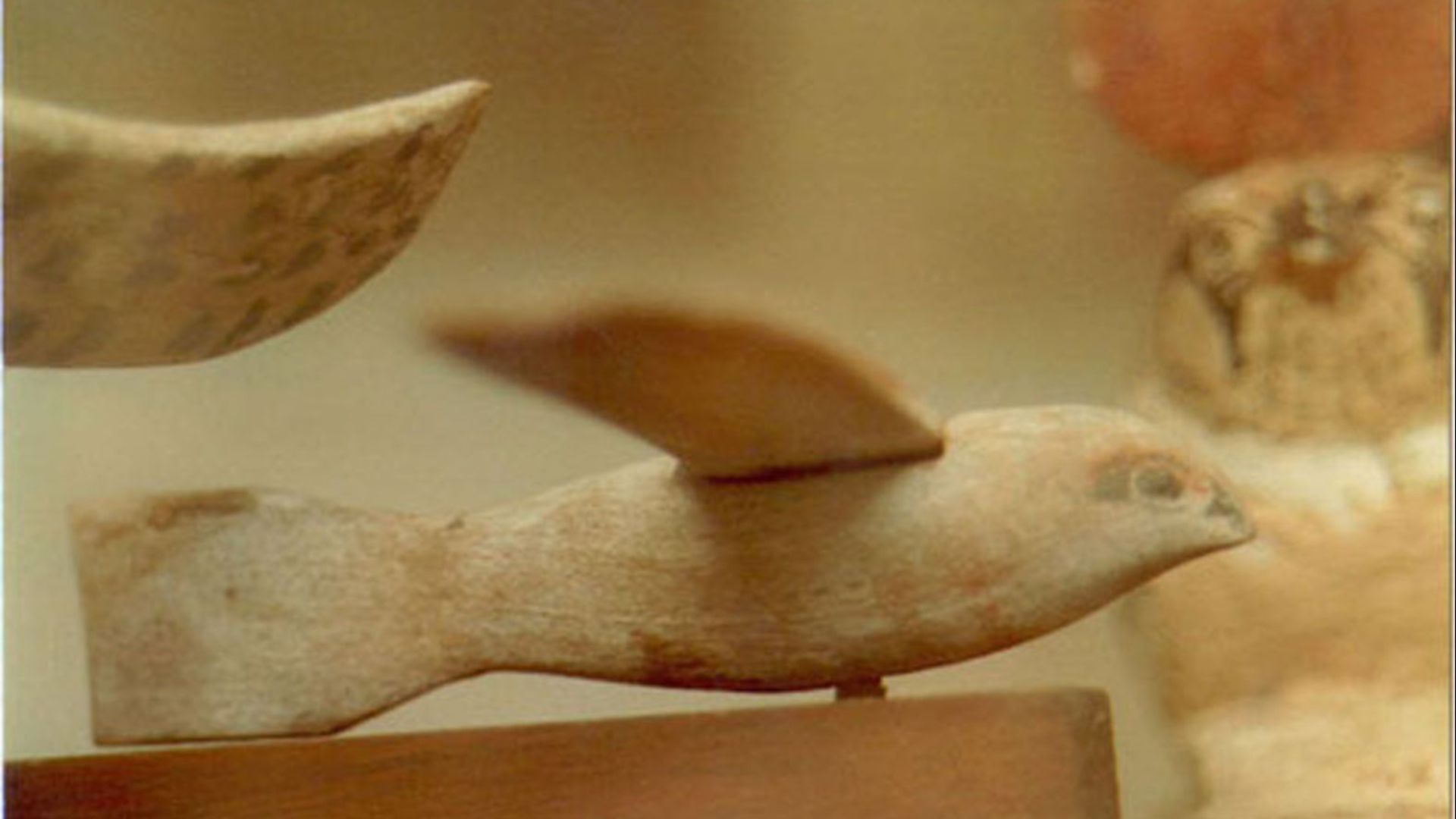
The Saqqara Bird is a wooden artifact discovered in Egypt and dated to around 200 BCE. Its shape resembles a bird but also has features that some people compare to glider designs. Most historians believe it was likely a toy, religious symbol, or decorative object rather than evidence of advanced flight technology.
20. Neolithic Stone Alignment Engineering
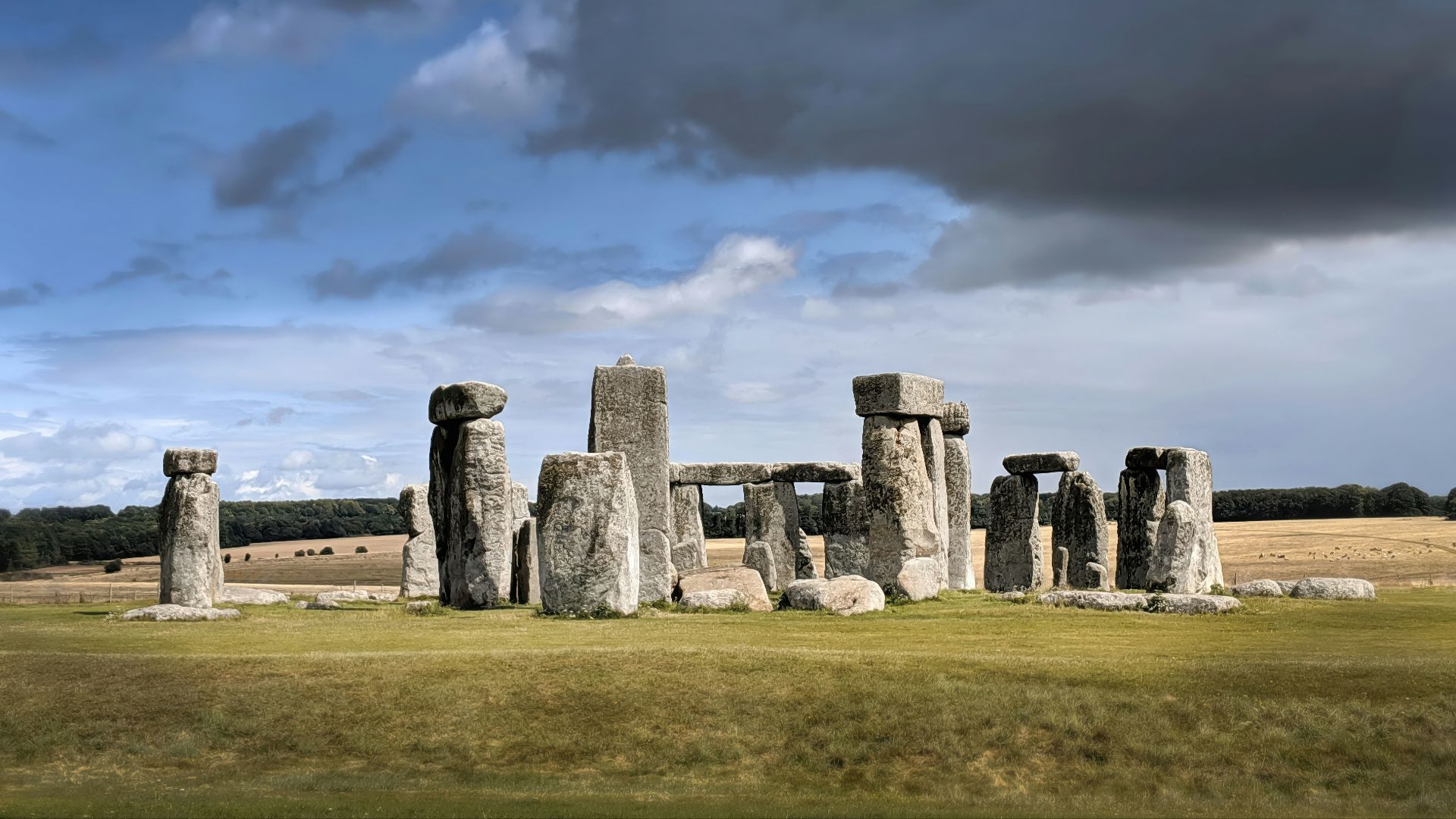
Ancient stone monuments like Stonehenge required enormous planning, transportation, and astronomical knowledge long before metal machinery existed. Researchers know prehistoric builders used tools made from stone, wood, and rope, but many details of construction remain debated.
KEEP ON READING

From Heroes To Zeroes 20 Historical Figures Whose Heroism Was…
History is full of legends, but not every hero lived…
By Noone Feb 25, 2026
The Clueless Crush: How I Accidentally Invited a Hacker Into…
Fluorescent Lights and First Impressions. My name is Tessa, I'm…
By Ali Hassan Nov 4, 2025
This Infamous Ancient Greek Burned Down An Ancient Wonder Just…
History remembers kings and conquerors, but sometimes, it also remembers…
By David Davidovic Nov 12, 2025
Einstein's Violin Just Sold At An Auction—And It Earned More…
A Visionary's Violin. Wanda von Debschitz-Kunowski on WikimediaWhen you hear…
By Ashley Bast Nov 3, 2025
The Mysterious "Sea People" Who Collapsed Civilization
3,200 years ago, Bronze Age civilization in the Mediterranean suddenly…
By Robbie Woods Mar 18, 2025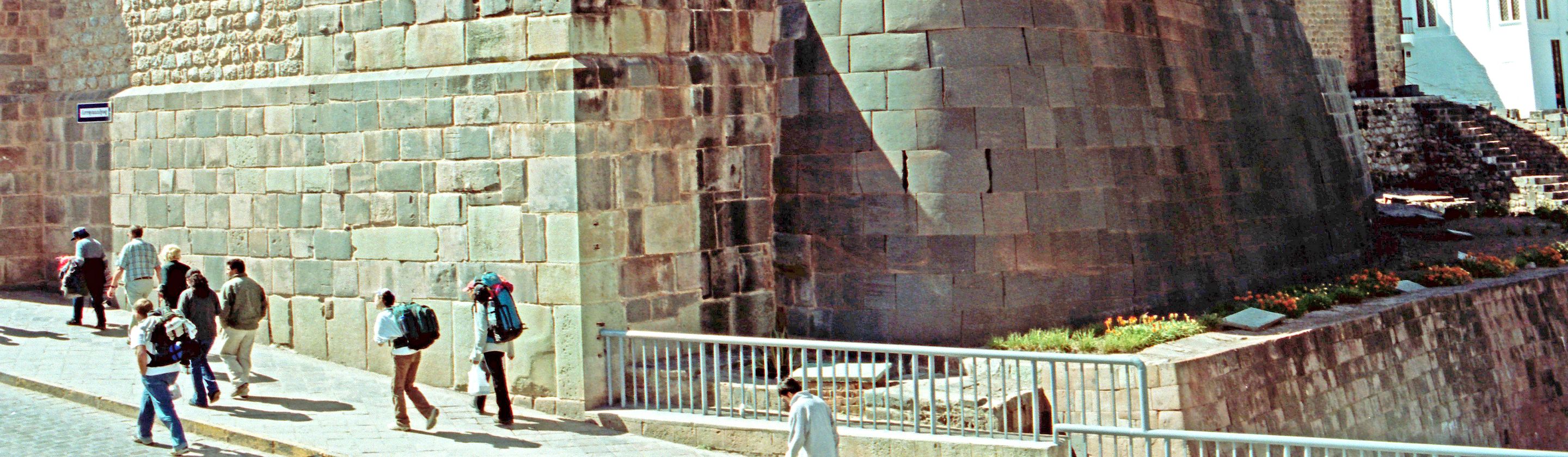
20 Ancient Technologies Still Baffling Experts
Ancient Civilizations Created Mysteries That Still Exist Today. Modern technology…
By Rob Shapiro May 7, 2026