


Most dictators settle for controlling the present. Saparmurat Niyazov, who ruled Turkmenistan from its independence in 1991 until his death in 2006, had considerably more ambition than that. He wanted to own the coordinates of reality itself, the calendar, the language, the moral universe his citizens moved through, and he came closer to pulling it off than any reasonable accounting of human behavior would suggest was possible.
He renamed himself Turkmenbashi, meaning Father of All Turkmen, and he meant it with a literalness that most leaders invoking similar titles do not. Under Niyazov, the months of the year were renamed: January became Turkmenbashi after himself, April became Gurbansoltan Eje after his mother, and September was renamed Ruhnama after the spiritual and political text he authored and declared the foundation of Turkmen civilization. These were not ceremonial gestures. They were the official designations used in government, in schools, and on all formal documents throughout the country.
The Calendar as a Political Object
Renaming time is not a new authoritarian instinct. Revolutionary France replaced the Gregorian calendar in 1793 with a Republican calendar that erased Christian holidays and restarted the year count from zero, a move designed to symbolically sever the new republic from the old order. What Niyazov did was structurally similar but considerably more personal. He wasn't renaming the months to honor abstract revolutionary principles. He was naming them after himself and his dead mother, embedding his own biography into the daily architecture of civic life.
The golden rotating statue he commissioned in Ashgabat, a triumphal arch topped with a gilded figure of himself that slowly revolved to always face the sun, became the most internationally recognized symbol of his rule. Less discussed is the full texture of the administrative cult surrounding it. His image appeared on vodka bottles, on the national currency, and on clocks across the country. Television programs opened with his portrait. The visual landscape of Turkmenistan functioned as a continuous argument for his centrality to national existence.
Niyazov banned opera and ballet, dismissed the national library of its staff in a speech suggesting Turkmen people did not read books anyway, and prohibited lip-syncing at public concerts. Human Rights Watch, whose reports across the 2000s cataloged restrictions on religious practice, persecution of ethnic minorities, and systematic suppression of political opposition, documented the full scale of what his administration produced. Each individual decree, viewed in isolation, could be read as eccentricity. Viewed in aggregate, they constitute something more coherent: a project to make Turkmen society unrecognizable from itself without him at the center.
A Book in Place of a Country
The Ruhnama, published in 2001, was Niyazov's most sustained attempt to give his rule an ideological foundation that could outlast the man himself. The text combined autobiography, rewritten Turkmen history, spiritual instruction, and moral guidance in a form bearing surface resemblance to a religious text. Its authority was institutional rather than voluntary. Knowledge of the Ruhnama was required to pass the driving test in Turkmenistan, to obtain government employment, and to advance through the educational system at any level.
Schools taught the Ruhnama alongside, and in some periods in preference to, conventional academic subjects. International observers and academics studying Central Asian education documented a measurable degradation in educational quality as curriculum time shifted toward Ruhnama instruction. The practical cost of ideological saturation falls hardest on the young, and Turkmenistan's educational outcomes during this period reflect that clearly.
In 2005, Niyazov arranged to have the Ruhnama launched into space aboard a Russian rocket. A book that had displaced mathematics and science in the classrooms of the country that produced it was now orbiting the earth. Whether that constituted a triumph or a symptom depends entirely on where you were standing.
What Absolute Power Made of an Orphan
Niyazov's origin story is significant context that rarely travels as far as the golden statue does. His father was killed during World War II. In 1948, one of the deadliest earthquakes of the twentieth century struck Ashgabat and the surrounding region, killing tens of thousands; Soviet authorities systematically suppressed the casualty figures for decades. Niyazov's mother and two brothers died in that earthquake. He was eight years old and was subsequently raised in a Soviet state orphanage.
That biographical fact doesn't explain everything, and deterministic readings of childhood trauma as the engine of political pathology deserve skepticism. What it provides is a frame for understanding the particular obsessions that defined his rule. The renaming of April for his mother. The mosque he built in his home village of Kipchak, completed in 2004 and among the largest in Central Asia, inscribed with verses from the Ruhnama alongside verses from the Quran. The relentless erasure of impermanence through monuments, renamed months, and mandatory texts. He was building something durable in a country where durability had, at the most formative moment of his life, proved catastrophically unreliable.
He died on December 21, 2006, of heart failure. The months reverted to their original names shortly afterward, his successor dismantled much of the cult's administrative apparatus, and the golden statue was relocated from the center of Ashgabat to its outskirts. Time, having been briefly renamed, reasserted itself and moved on.
KEEP ON READING
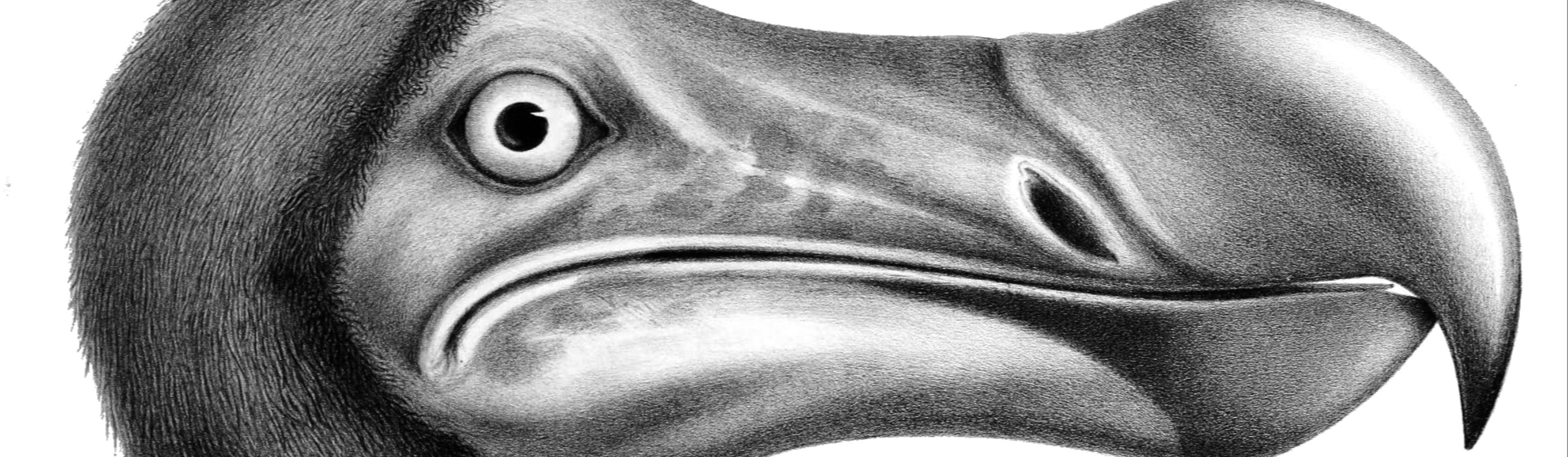
20 Animal Species From History That Disappeared Because of Humans
The Creatures We Didn’t Leave Enough Room For. Extinction can…
By Emilie Richardson-Dupuis May 7, 2026
The Strongman Who Tried to Rewrite Time
Danny Gys on WikimediaMost dictators settle for controlling the present.…
By Cameron Dick May 7, 2026
20 Historical Insults That Make Us Laugh Today
Old Burns Still Burn. History is usually served to us…
By Cameron Dick May 7, 2026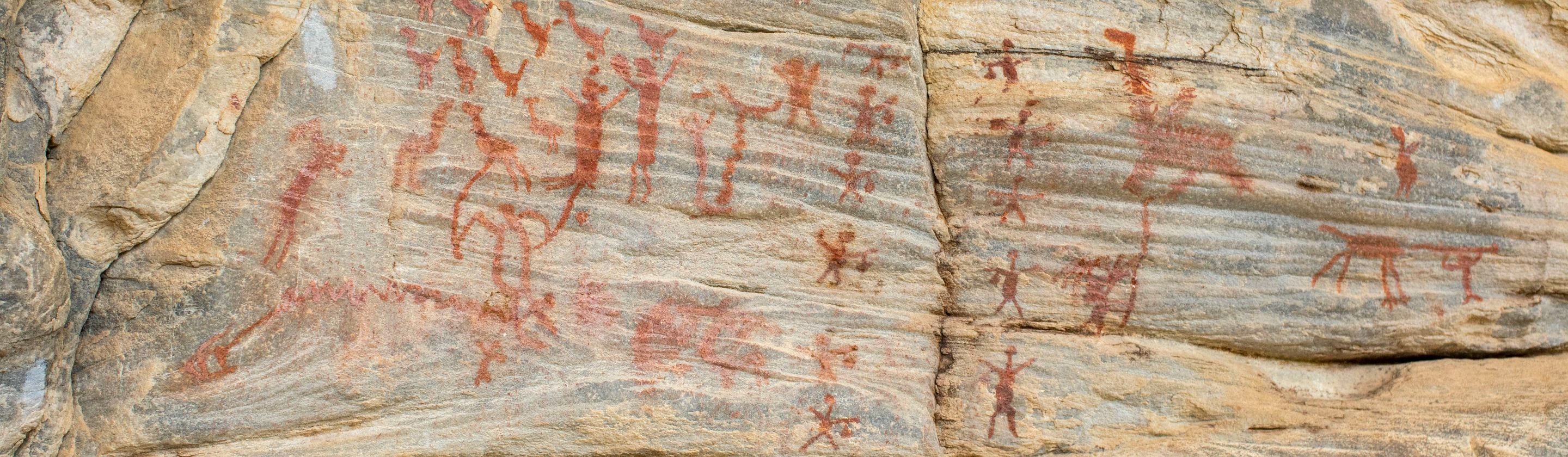
20 Brutal Prehistoric Environments That Should've Eliminated Our Species
Somehow, We Survived. Human history has treacherous beginnings. From our…
By Elizabeth Graham May 7, 2026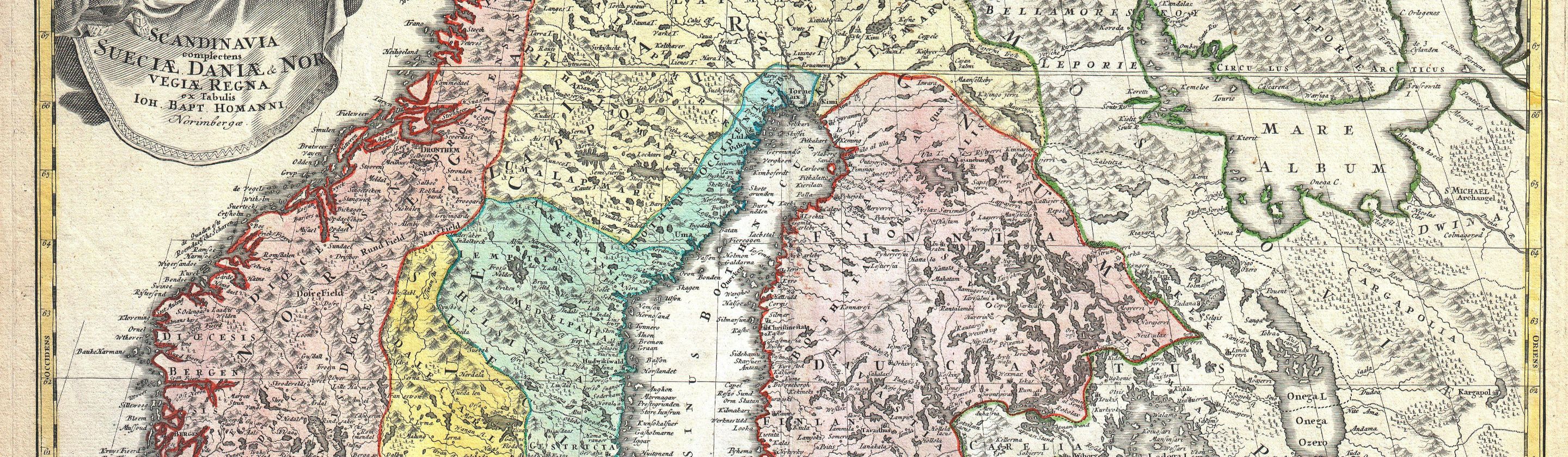
The Evolution Of Maps And How They Changed Exploration
Sesha Reddy Kovvuri on UnsplashMaps have shaped human history far…
By Rob Shapiro May 7, 2026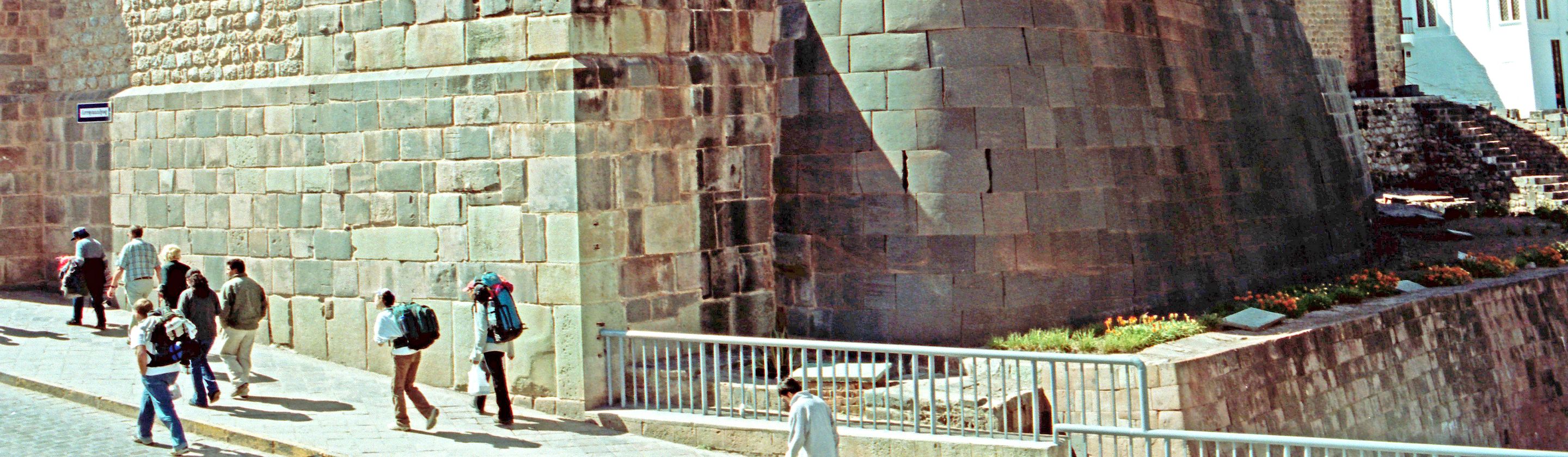
20 Ancient Technologies Still Baffling Experts
Ancient Civilizations Created Mysteries That Still Exist Today. Modern technology…
By Rob Shapiro May 7, 2026