

My Sister Tried to Humiliate Me at Our Mother's Will Reading, But My Daughter Caught the One Thing She Missed
My Sister Tried to Humiliate Me at Our Mother's Will Reading, But My Daughter Caught the One Thing She Missed
The Long Vigil
The hospital chair had stopped being uncomfortable somewhere around hour fourteen. I'd gone numb to it, the same way I'd gone numb to the antiseptic smell and the rhythmic beeping of machines that measured my mother's remaining time in steady electronic pulses. Her hand felt small in mine, papery skin over bird bones, nothing like the strong hands I remembered from childhood. She'd squeeze back sometimes when she surfaced from whatever fog the morphine created, her eyes finding mine with something that might have been recognition or might have been reflex. Chloe arrived after school still wearing her backpack, settling into the corner with her homework spread across her lap like this was normal, like watching your grandmother die was just another Thursday. The nurses came every hour, their expressions growing more careful, more practiced in that particular kindness that means bad news is coming. I found myself cataloging strange details—the way the afternoon light hit the IV stand, how my mother's breathing had developed a new rhythm I didn't recognize, the fact that Chloe took a photo on her phone without asking permission, just quietly capturing the moment. Evening approached and the machines started their countdown in earnest. Her breathing changed, rattling in her chest like something breaking loose, and I knew we were running out of time.
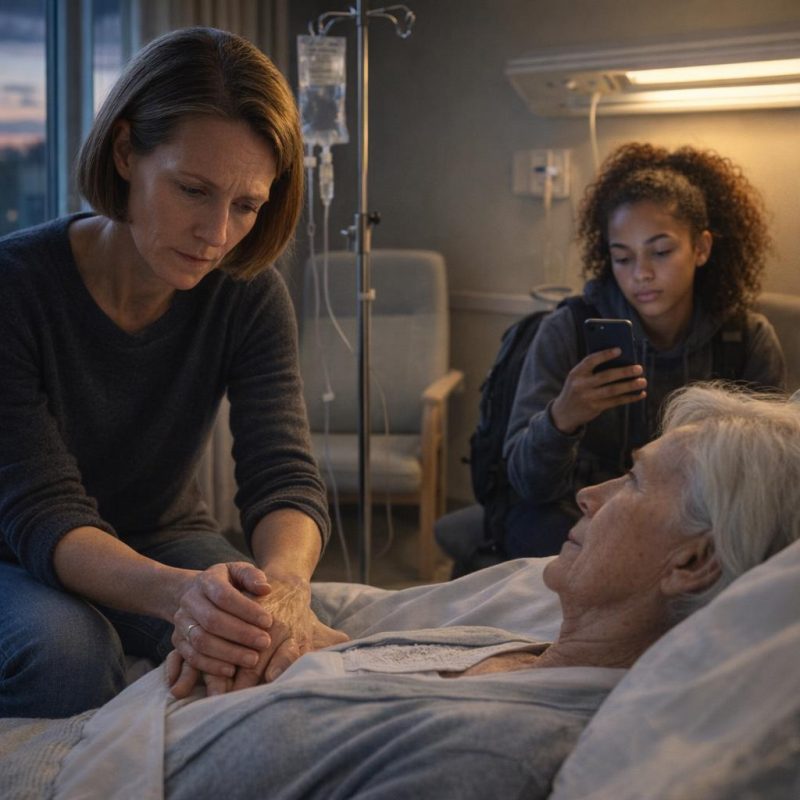 Image by RM AI
The Arrival
She died at dawn, slipping away so quietly I almost missed it, the machines going from their steady rhythm to a single sustained note that brought nurses running even though there was nothing left to run for. I signed paperwork in a fog, my hand moving across forms while my brain refused to process what any of it meant. Chloe cried into my shoulder, her tears soaking through my shirt, and I held her tight even though I couldn't cry myself, couldn't feel anything except this hollow space where grief should have been. Brenda arrived three hours later in a designer black dress that looked like it came straight from a funeral fashion shoot, and yes, there was actually a photographer trailing behind her, some guy with expensive equipment who Brenda introduced as being there for 'memorial documentation.' She embraced me in front of his camera with the kind of performance-level emotion that would photograph beautifully, her perfectly made-up face pressed against mine while the shutter clicked. The hospital staff looked uncomfortable but said nothing, and I wondered what they thought of this strange theater. Brenda asked about funeral arrangements before I'd even processed that I needed to call the rest of the family, then smoothly offered to 'handle communications' with relatives. Brenda posed beside the hospital bed for a grief photo while I stood there holding the paperwork.
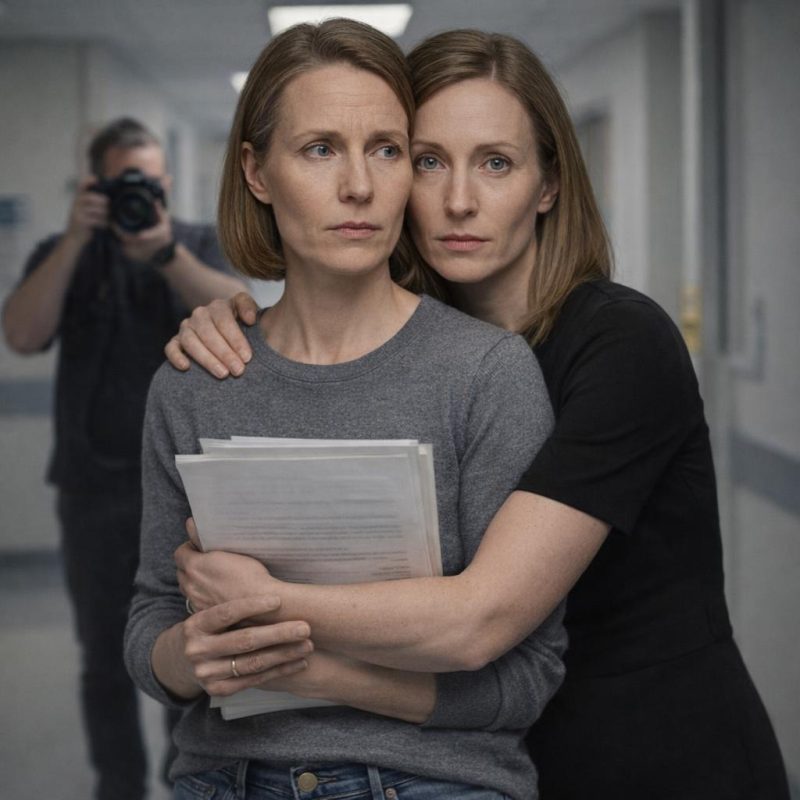 Image by RM AI
Gathering Vultures
The funeral home smelled like carpet cleaner and lilies, and the director kept his voice at that professional murmur people use around the newly bereaved. We sat in his office selecting caskets from a catalog while my phone buzzed constantly with relatives I barely remembered suddenly resurfacing with condolences that felt more like property assessments. Cousins I hadn't seen in years arrived asking pointed questions about the house, about estate details, about things that felt too soon to discuss while my mother wasn't even in the ground yet. Brenda took control of every planning discussion, overriding my preferences with smooth confidence that made the funeral director look to her instead of me for decisions. Someone asked where David was, and I deflected with something vague about work conflicts, feeling Chloe shift closer to me in silent support. My mother had wanted something simple, but Brenda suggested elaborate arrangements, expensive flowers, an open casket service that felt wrong for someone who'd valued privacy. I disagreed, and Brenda smiled at the director and kept talking like I hadn't spoken. She produced a guest list that included distant relatives and old neighbors, people our mother hadn't spoken to in years, people who had no business being there. Brenda handed me the guest list for the service that included people our mother hadn't spoken to in years.
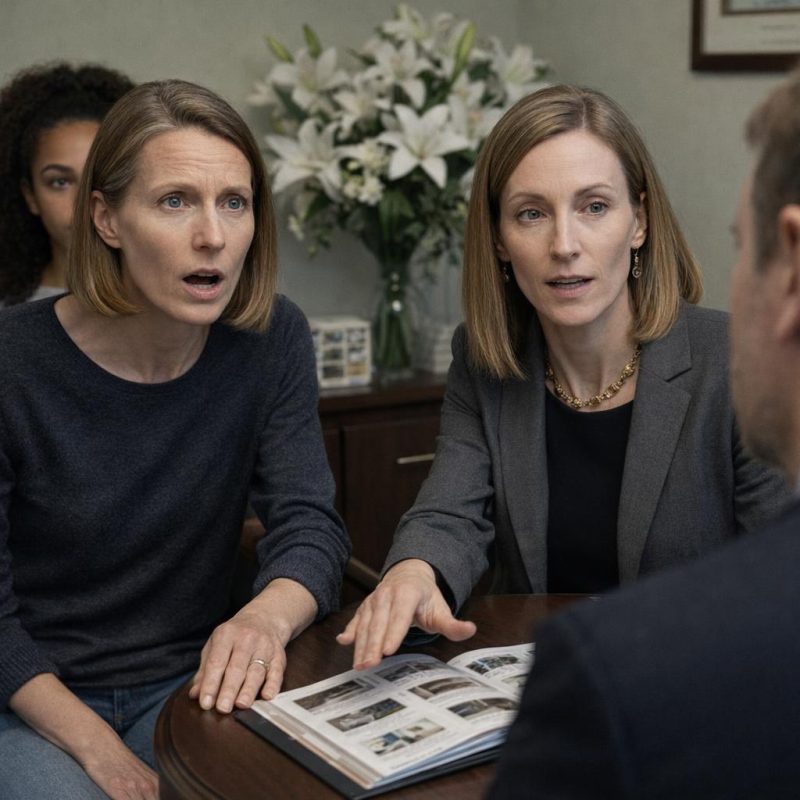 Image by RM AI
Conspicuous Absence
David's empty chair at the funeral drew more eyes than the casket. I felt people noticing, whispering, doing that thing where they try to ask without asking, their condolences trailing off into pointed pauses that demanded explanation. I invented excuses throughout the service—work emergency, scheduling conflict, caught overseas—each lie feeling thinner than the last. My eulogy was brief, focusing on the caregiving months, the small moments, avoiding the complicated decades that came before. Chloe sat beside me in the front pew, her hand finding mine during the prayers, and I was grateful she didn't ask why I was lying to everyone. The reception afterward was worse, coffee and grocery store pastries in the funeral home's side room while distant cousins cornered me with increasingly direct questions about my husband's absence. I watched Brenda circulate through the crowd, noticed her watching my awkward explanations without commenting, her expression unreadable. She finally approached during a lull, leaning close enough that only I could hear. Her perfume was expensive and overwhelming, and her voice was almost kind when she whispered that people were starting to ask questions I couldn't avoid much longer.
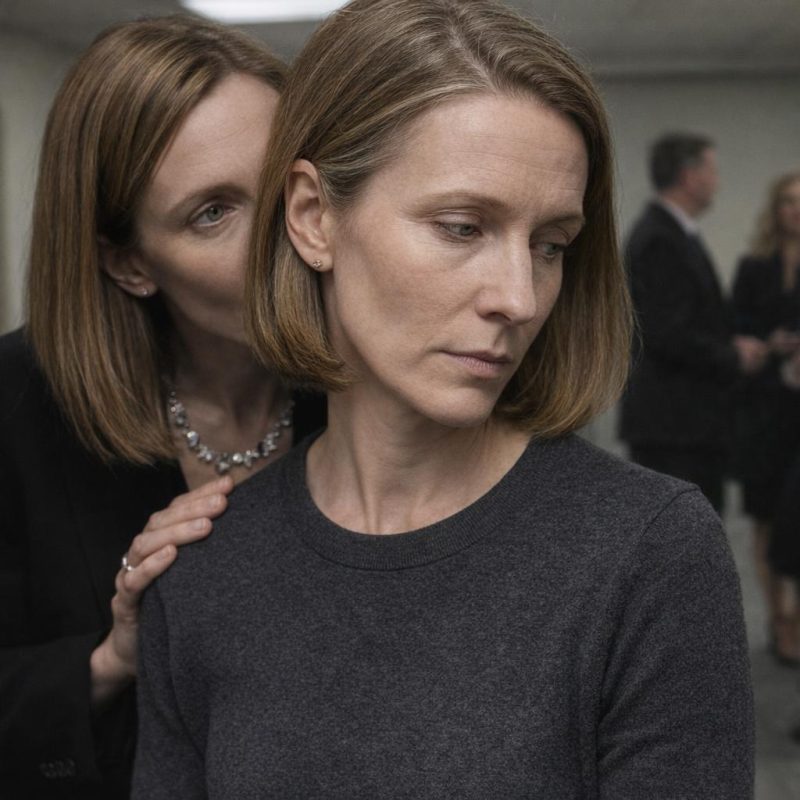 Image by RM AI
The Summons
The envelope from Davis & Associates arrived six days after the funeral, official and heavy, the kind of paper quality that announces important legal matters before you even open it. I stood in my kitchen staring at the letter inside, reading the same paragraph three times without absorbing it—estate reading scheduled for Thursday at two, all beneficiaries requested to attend. My mind immediately went to worst case scenarios, imagining Brenda getting the house, the family valuables, everything that mattered while I got whatever scraps were left over. I'd been the one there through the hospital stays and medication schedules, but I knew how these things worked, knew that being present didn't necessarily translate to being valued in legal documents. Chloe found me still standing there twenty minutes later, the letter trembling slightly in my hands. She read it over my shoulder and announced she was coming with me to the reading, her tone leaving no room for argument. I tried to dissuade her, told her she didn't need to see whatever family drama was about to unfold, but she refused to back down, said I shouldn't have to face it alone. The week crawled by with me barely sleeping, playing out scenarios in my head while Brenda called twice and I let both calls go to voicemail. Chloe announced she was coming with me to the reading, and I didn't have the energy to argue.
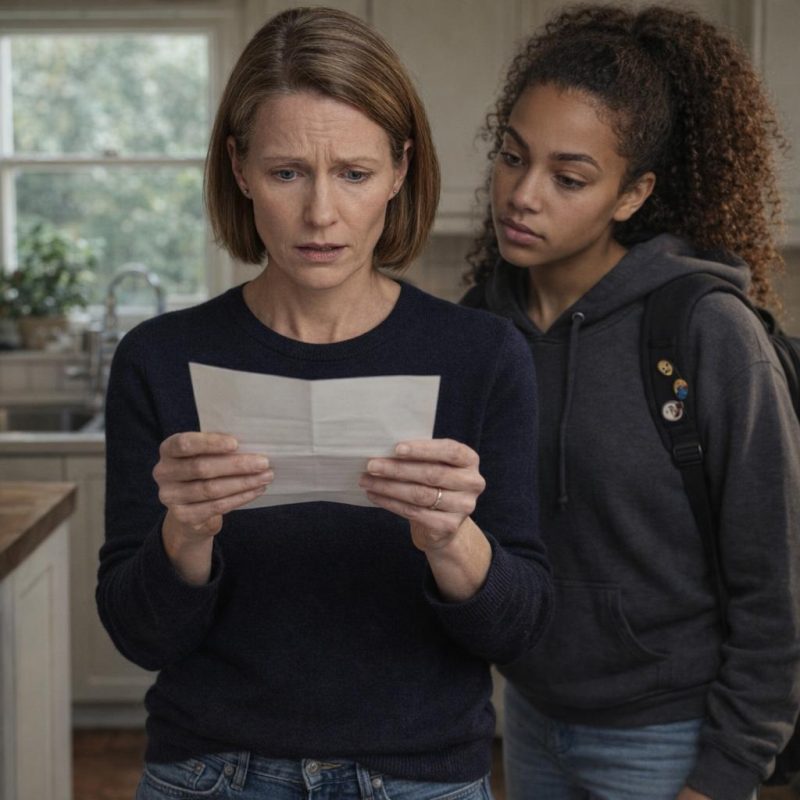 Image by RM AI
Luxury and Rust
My sedan looked like it belonged in a junkyard next to the gleaming SUVs that filled the law office parking lot. I recognized vehicles belonging to various relatives, luxury models that probably cost more than I made in a year, and felt that familiar inadequacy settling into my chest like cold water. The building itself was all intimidating brick and marble, the kind of place that made you feel poor just walking through the doors. I sat in my car with the engine off, hands still gripping the steering wheel, trying to steady my breathing and prepare myself for whatever was about to happen. Chloe waited patiently beside me, her backpack still on from school, not rushing me or asking if I was okay because she could see I wasn't. Through the windshield I could see the automatic doors, the marble lobby beyond, the long corridor I'd have to walk down to reach the conference room where my family would be waiting. My daughter squeezed my hand briefly, and I forced myself to open the door, but my hand wouldn't release the steering wheel for a full minute after I turned off the engine.
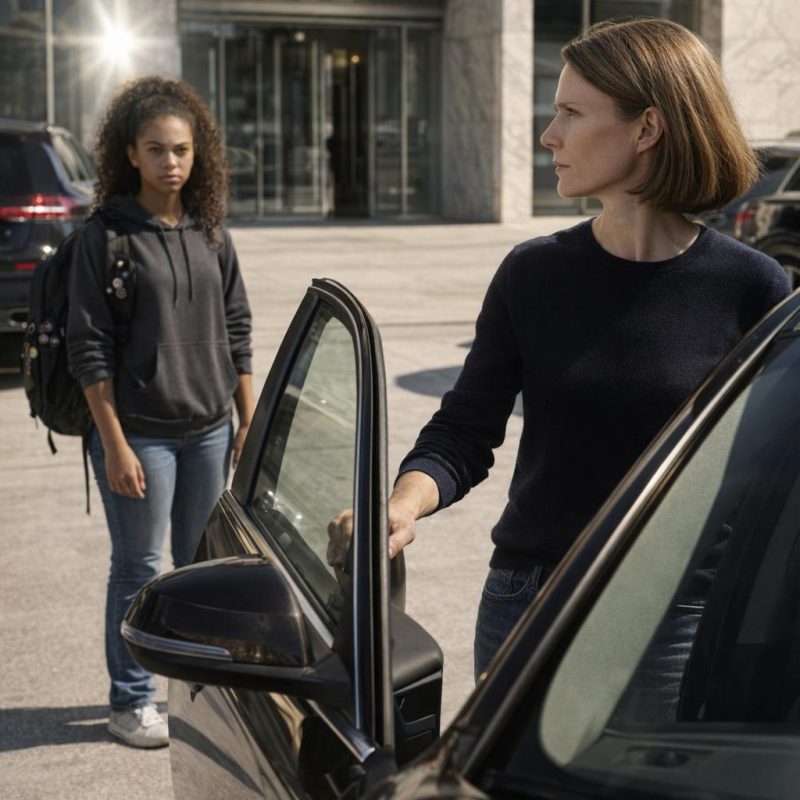 Image by RM AI
Head of the Table
Brenda had positioned herself at the head of the conference table like she was chairing a board meeting instead of attending our mother's will reading. She was already holding court when I walked in, leaning toward two cousins who hung on her words like she was dispensing wisdom instead of small talk about traffic. The conference room was all dark wood and leather chairs, Mr. Davis at the front organizing stacks of documents with the exhausted expression of someone who'd seen too many family disputes. Several other relatives were scattered around the table, some I barely recognized, all of them turning to look when Chloe and I entered. The silence lasted just long enough to feel uncomfortable before conversation resumed, people discussing parking and weather like we were at a social gathering instead of dividing up a dead woman's possessions. Chloe and I took seats farther down the table, and I felt the distance between us and Brenda like a physical thing, a gap that represented more than just empty chairs. Mr. Davis shuffled papers and checked his watch, not quite ready to begin, while Brenda continued her animated conversation. She kept glancing at me with an expression I couldn't read, something that might have been concern or curiosity or something else entirely. She glanced up when I walked in, and her smile was the kind that made me feel like I'd already lost something I didn't know was in play.
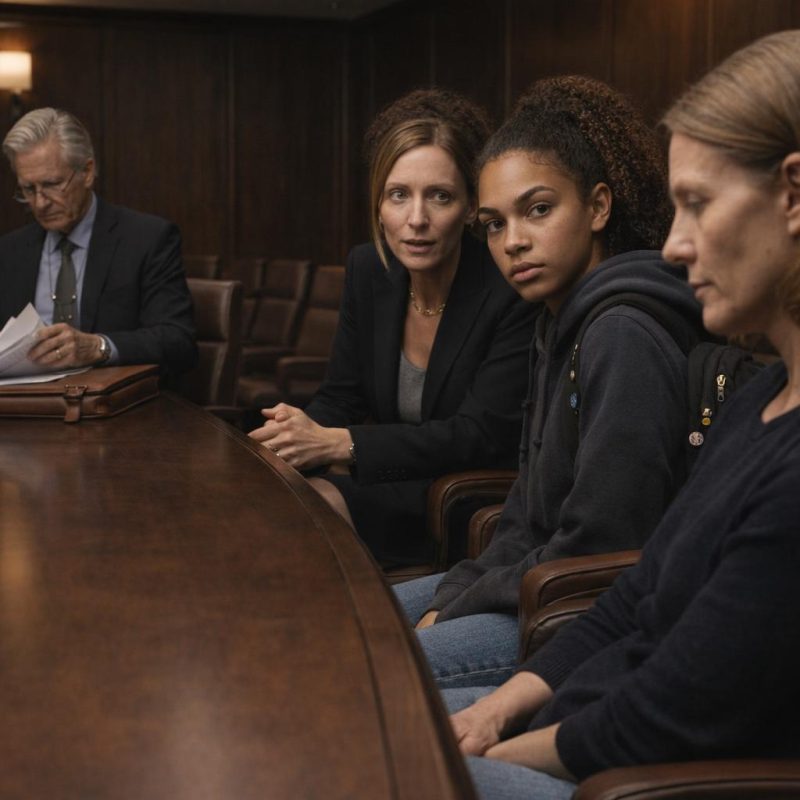 Image by RM AI
The Search
Mr. Davis began distributing document packets, thick manila folders that landed on the table with decisive thuds. Brenda snatched hers before he could even hand it to her properly, the pages rattling as she immediately started flipping through. She wasn't listening to Mr. Davis's opening remarks about the estate, wasn't paying attention to the small bequests he started reading aloud—a bracelet to an aunt, a watch to a cousin, donations to charities our mother had requested. Instead she was hunting through the packet with focused intensity, skipping past personal items and jewelry listings, going straight to the real estate and property section. I watched this behavior with growing unease, my own packet sitting unopened in front of me while she searched for something specific. The other relatives listened politely as Mr. Davis continued through the minor items, but I couldn't focus on his words, couldn't look away from Brenda's face as she found whatever page she'd been looking for. Her expression shifted, mouth curving into a slow smirk that made my stomach clench with dread I couldn't name. She stared at that page like it contained exactly what she'd been hoping to find, and I knew with sudden certainty that whatever came next was going to hurt. Her face shifted into a slow smirk when she found whatever she'd been hunting for, and my stomach dropped.
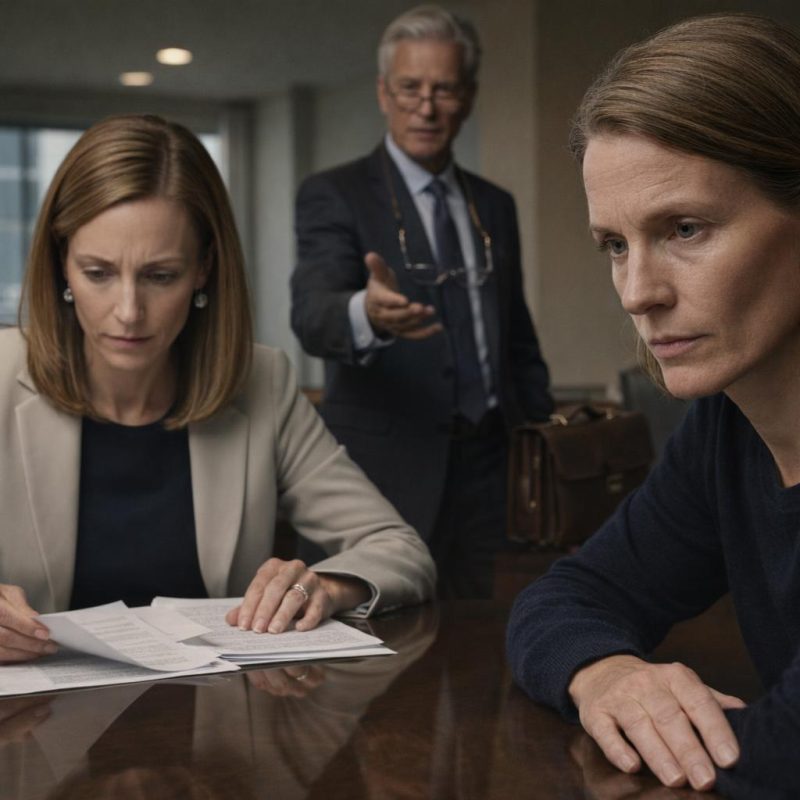 Image by RM AI
The Announcement
Before Mr. Davis could continue reading, Brenda's laugh cut through the room like glass breaking. "Oh, this is rich," she said, loud enough that everyone stopped their side conversations and turned to look. "Before we go any further, I think everyone should know that my dear sister has been keeping secrets from this family." My stomach dropped. She was looking right at me with that smile that meant blood in the water. "She's been divorced for eight months now. Eight months. While our mother was dying, she couldn't even keep her marriage together, and she didn't tell anyone." The words hit the room like a bomb. Aunt Carol gasped. Uncle Jim's eyebrows shot up. My cousin Sarah actually laughed under her breath near the coffee station. "She hid it from all of us," Brenda continued, her voice dripping with false concern. "Couldn't even be honest during Mom's illness. Makes you wonder what else she's been hiding, doesn't it? What kind of person keeps that kind of secret? What kind of person should we trust with any inheritance?" The room erupted in whispers. Heat rose up my neck while relatives gasped and exchanged looks, and Brenda's smile only widened.
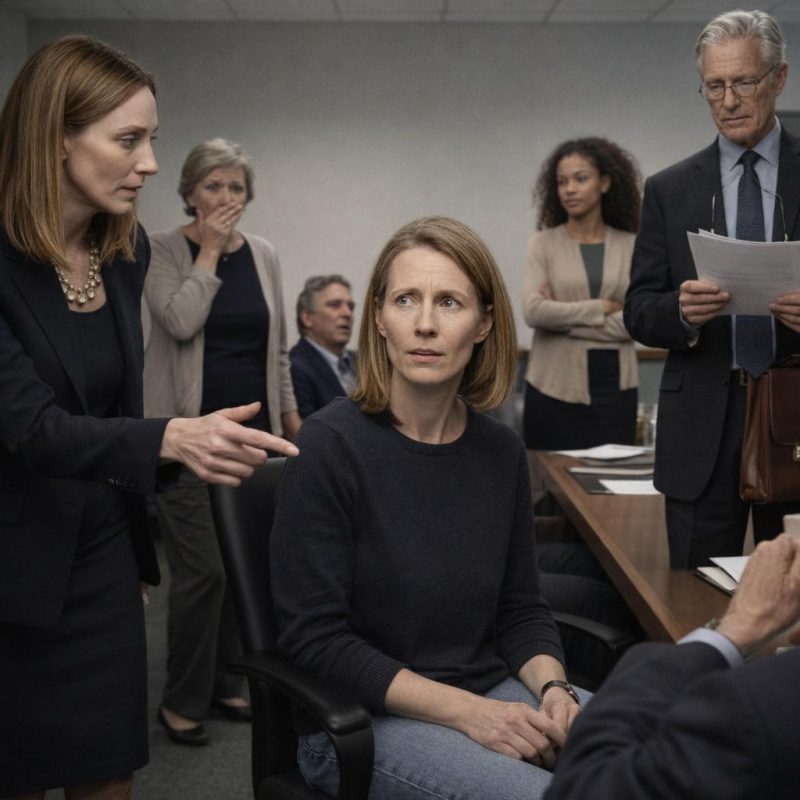 Image by RM AI
Frozen
I sat frozen in my chair, my mouth dry, my brain refusing to form words that might defend me against the wave of judgment washing over the room. Aunt Carol was whispering urgently to Uncle Jim. My cousin near the window had her phone out, probably already texting someone. Another aunt covered her mouth with her hand, eyes wide like I'd committed murder instead of just failed at marriage. Someone said "oh my God" loud enough for everyone to hear. The pity in some faces was almost worse than the judgment in others. Brenda leaned back in her chair looking like she'd just won something, arms crossed, that satisfied smirk still plastered across her perfect face. Mr. Davis looked deeply uncomfortable but hadn't said anything to stop her, just stood there with the envelope still in his hands. I felt heat crawling up my neck, a mixture of embarrassment and anger that made my hands shake. I should say something. I should explain that Mom knew, that I'd told her myself, that it wasn't some shameful secret. But the words wouldn't come. My throat felt closed. Then Chloe, who'd been so quiet beside me this whole time, suddenly stood up.
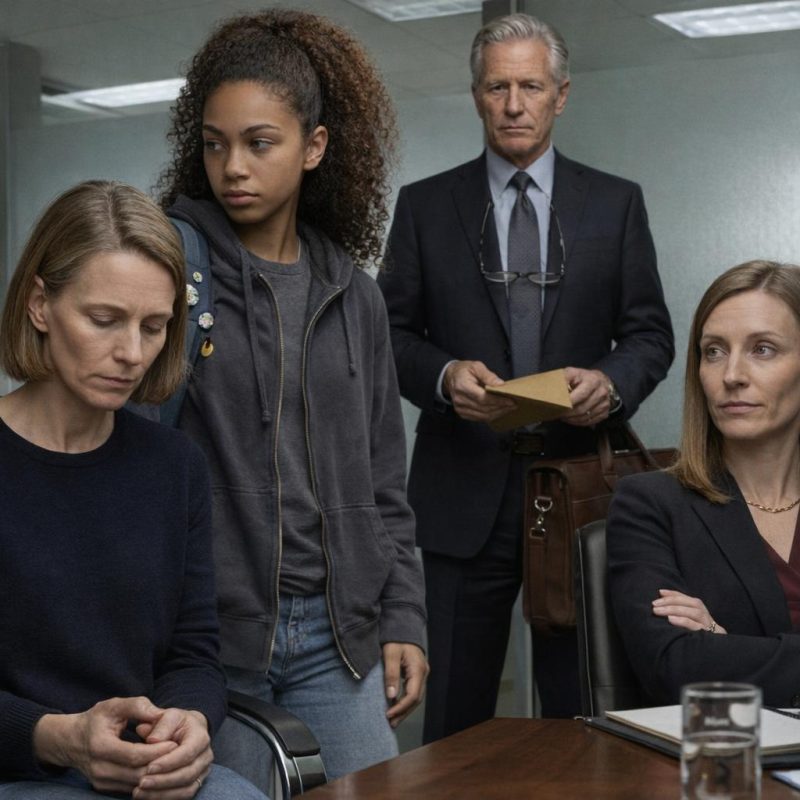 Image by RM AI
Seven Words
Chloe didn't raise her voice. She didn't look at Brenda or the relatives still whispering across the table. She just turned to Mr. Davis with perfect calm, her backpack strap sliding down one shoulder, and said, "Please read the note behind the photo." Seven words. That's all it took. The entire room went silent so fast it felt like someone had hit a mute button. Brenda's satisfied expression vanished completely, replaced by something I'd never seen on her face before—genuine confusion mixed with what looked like panic. Her mouth opened slightly, then closed again. She looked rattled, unprepared, like someone had just changed the script she'd been reading from. Mr. Davis blinked in surprise, glanced down at the envelope in his hands, then back at Chloe. He nodded slowly, a small movement that somehow felt significant. "Yes," he said quietly. "Yes, I can do that." Brenda opened her mouth again as if to object, but nothing came out. For the first time all morning, my sister looked like she didn't know what was coming next, and that shift in her expression was almost frightening in its completeness.
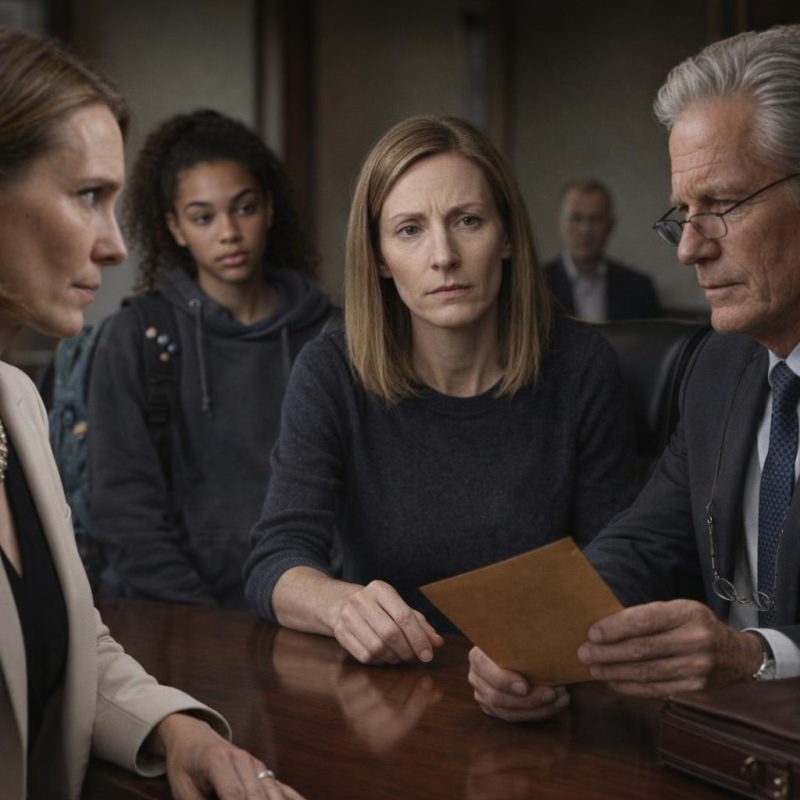 Image by RM AI
The Note
Mr. Davis opened the sealed envelope carefully, sliding out a photograph that I recognized immediately—me, Chloe, and Mom together in the hospice room, taken just three weeks before she died. He turned it over, and I could see handwriting on the back even from where I sat. His voice was clear and steady as he read aloud to the silent room. "My daughter told me about her divorce herself. She was honest with me when it mattered. I know Brenda will try to use this to shame her, to suggest she's untrustworthy or unstable. But I know who sat with me during the hard nights. I know who actually showed up. The house goes to my daughter with my full understanding that Chloe has a home there. This is my decision, made with a clear mind and no pressure from anyone." The room erupted. Relatives who'd been whispering about me seconds ago now stared in shock. Someone gasped. Aunt Carol's hand flew to her chest. Brenda sat frozen, her face pale under all that perfect makeup, staring at Mr. Davis like he'd just spoken in a foreign language. The house was mine, and my mother had known everything all along.
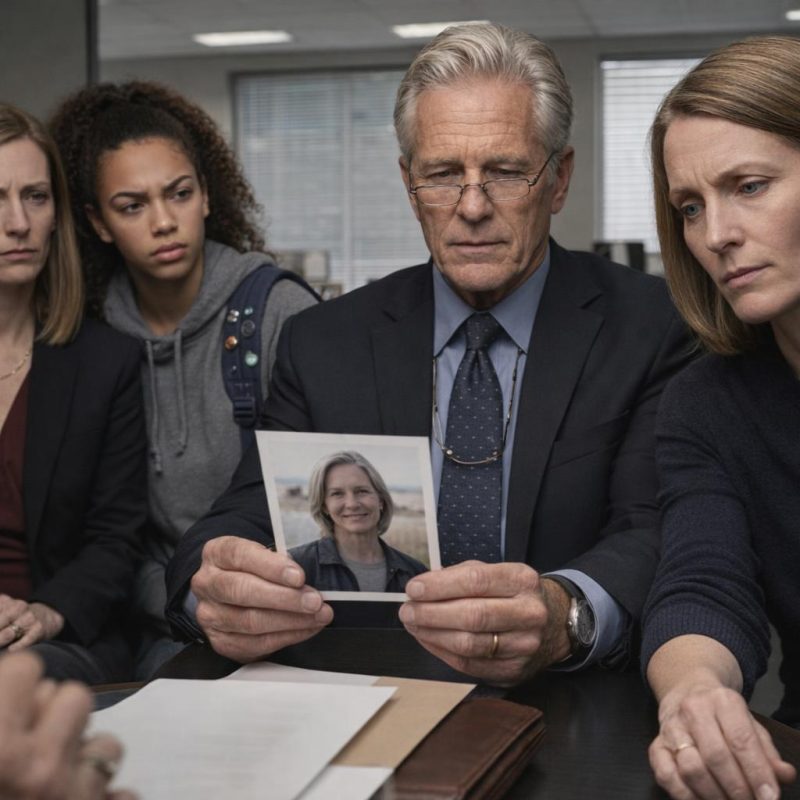 Image by RM AI
Walking Away
The meeting ended in the most awkward silence I'd ever experienced. Brenda grabbed her designer bag and rushed out without looking at anyone, her heels clicking frantically down the marble corridor. The relatives who'd been enjoying my humiliation ten minutes ago suddenly found the floor very interesting. A few avoided looking at me directly as they gathered their things. Mr. Davis briefly touched my arm as I stood, a small gesture of support that somehow meant everything. Chloe and I took our time collecting our packets and her backpack, letting everyone else clear out first. We walked down that long corridor together, past the expensive art and the polished floors, and out into the parking lot where Brenda's Mercedes was already gone, just an empty space where she'd been parked. Other relatives lingered near their cars but nobody approached us. Nobody knew what to say now that the script had flipped. Chloe and I reached my rusted sedan, the one I'd been so embarrassed about this morning, the one that had felt like proof of everything I'd failed at. My rusted sedan suddenly didn't embarrass me anymore.
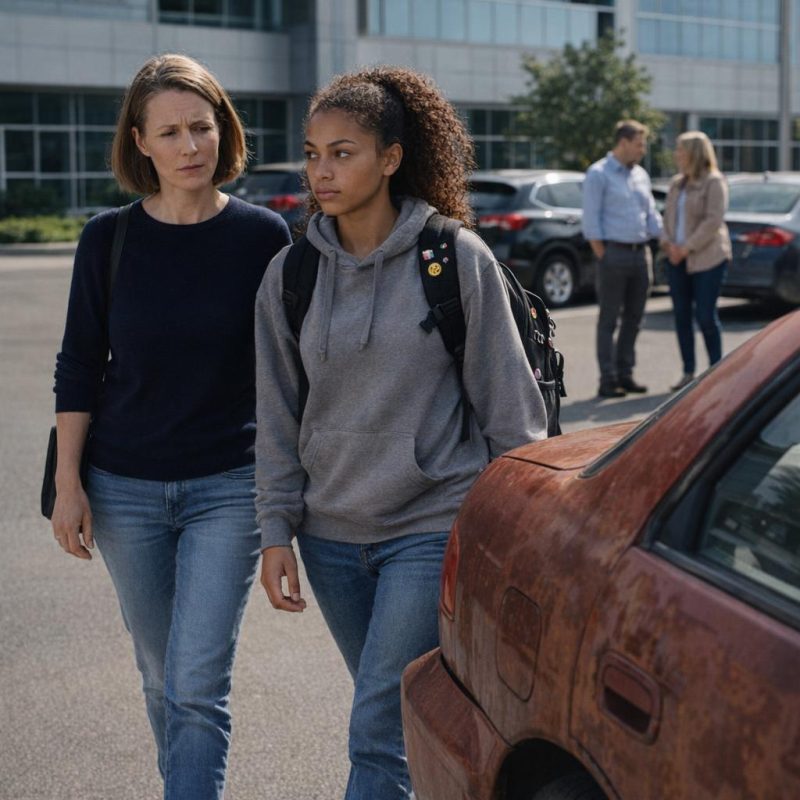 Image by RM AI
The Drive Home
I drove us away from the law office, hands steady on the wheel for the first time all day, while Chloe sat in the passenger seat looking satisfied but exhausted. After a few minutes of comfortable silence, I had to ask. "How did you know about the note?" She shifted in her seat, adjusting her backpack at her feet. "I remembered Grandma asking me to print that photo for her. She was really specific about it. And then I watched Brenda flipping through her packet—she was going so fast, skipping whole sections. She only looked at the property pages, nothing else. She didn't even glance at the personal items or the charity stuff." I glanced over at her, amazed. "And you put that together?" "Mr. Davis mentioned a sealed envelope with a photo. I just remembered Grandma being so particular about that picture, and I thought maybe there was more to it." She shrugged like it was obvious. We drove in silence for a while, the afternoon sun warm through the windshield. Finally, Chloe asked quietly, "Are you okay?" For the first time in months, I could answer honestly that I was getting there.
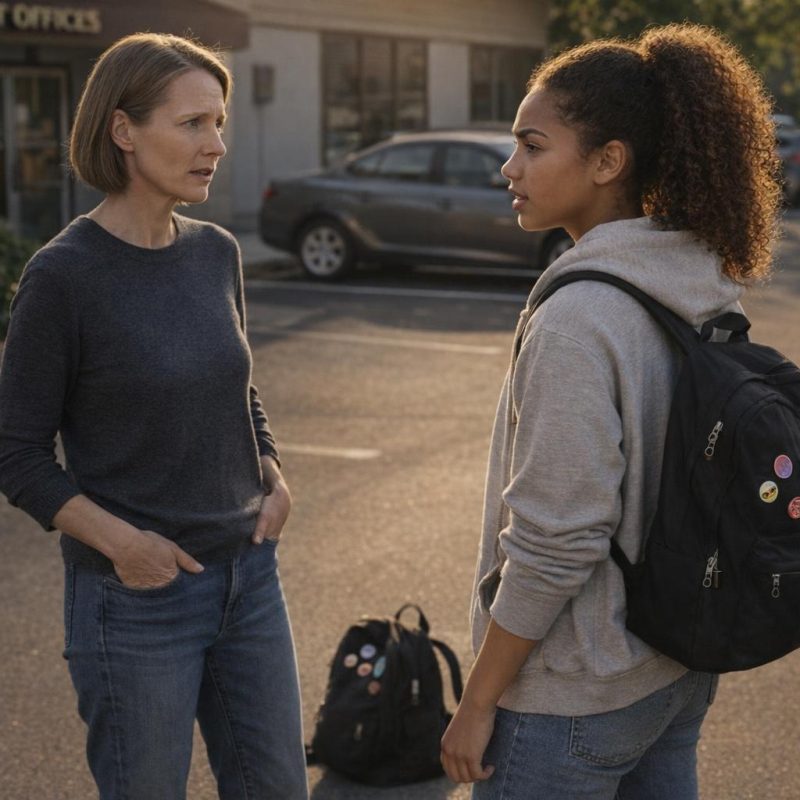 Image by RM AI
The Inheritance
The house looked smaller than I remembered when we pulled up three days later, Chloe and I both staring at it through the windshield before getting out. The yard was overgrown with weeds that reached halfway up the porch steps. Paint peeled from the shutters in long strips, and the mailbox hung at an angle. I hadn't been here in months—too busy with hospital visits and hospice care to think about property maintenance. But the structure looked solid underneath all the neglect. The house was still standing, the roof intact, the windows unbroken. Memories flooded back as we walked around the perimeter—summers on that porch, Christmases in the living room, my mother's garden that was now just wild grass. Chloe seemed excited despite the obvious disrepair, already talking about which room could be hers, how we could fix up the yard. I felt uncertain, overwhelmed by the weight of it all. This was mine now. This responsibility, this history, this burden and gift all mixed together. Then Chloe found the spare key under the same rock where my mother had kept it for thirty years.
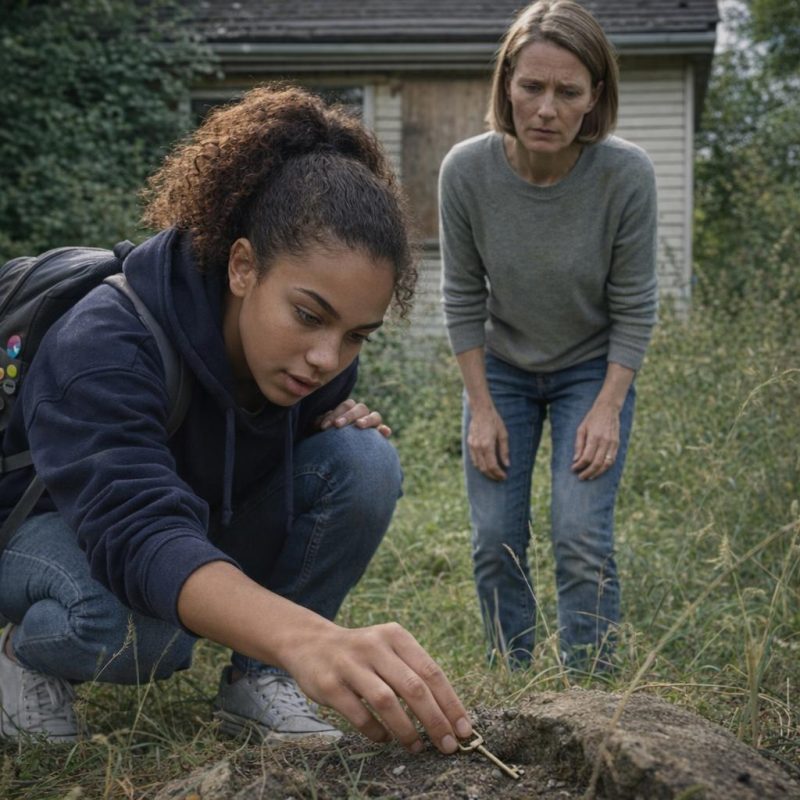 Image by RM AI
Threats in the Dark
A few days passed in relative quiet. I started to believe maybe Brenda would accept the outcome, that her humiliation at the reading had been enough to make her back down. Then my phone rang at midnight, jolting me awake in the dark. I didn't answer—nothing good ever came from midnight calls—but the voicemail notification appeared seconds later. I shouldn't have listened to it right then. Brenda's voice came through barely controlled, seething with an anger that made my chest tight. "You manipulated her. You know you did. You isolated Mom when she was vulnerable and turned her against me. That will wasn't her real wishes—it was you influencing her when she couldn't think clearly. I'm going to prove it. I'm going to prove you used undue influence, that she wasn't in her right mind, that you poisoned her against her own daughter. This isn't over. Not even close. I'll see you in court." The message ended. I lay awake the rest of the night, replaying those words, that tone. She said she'd prove I had influenced our mother unfairly, and her voice carried a certainty that made sleep impossible.
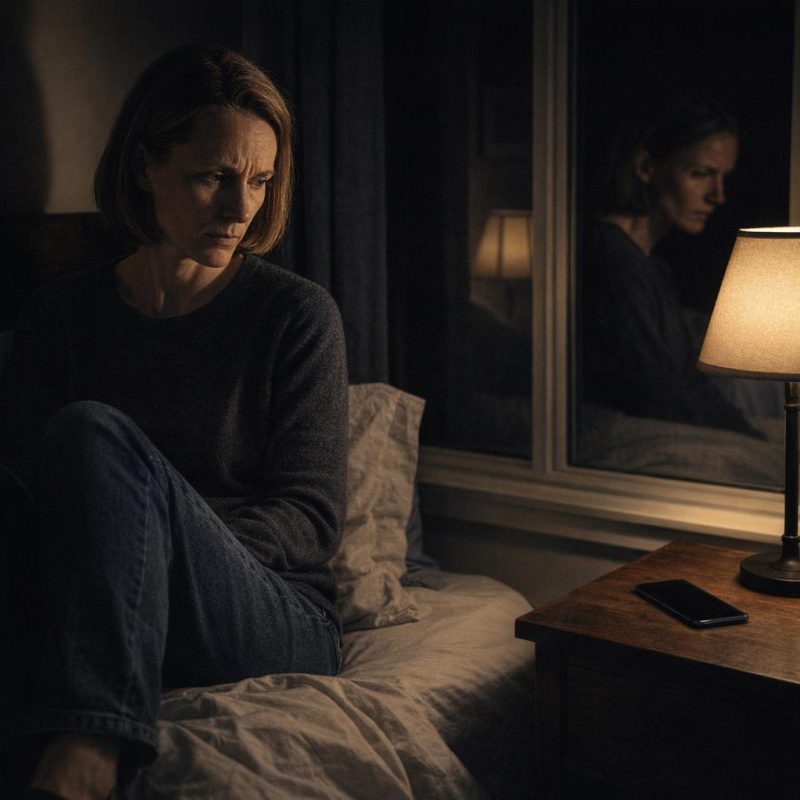 Image by RM AI
Forward Motion
Despite Brenda's midnight voicemail still echoing in my head, I started packing boxes at the apartment that weekend. I couldn't afford to keep both places, and honestly, I didn't want to. The apartment held too many memories of a marriage that had slowly crumbled, too many nights of sleeping alone while my ex worked late or claimed he was working late. Chloe moved through the rooms with surprising energy, sorting our belongings into keep, donate, and trash piles with the kind of ruthless efficiency I wished I could muster. She'd already claimed she wanted the bigger bedroom in the new house, the one that overlooked what used to be my mother's garden. I found myself looking forward to the fresh start more than I'd expected, even with Brenda's threats hanging over everything. We worked in comfortable silence mostly, the kind of quiet understanding we'd developed over the years. Then Chloe opened a drawer in my nightstand and pulled out my wedding photo, the one I'd shoved in there months ago and forgotten about. She held it up without saying anything at first, just watching my face. Then she asked, her voice careful and without judgment, whether I wanted to keep it.
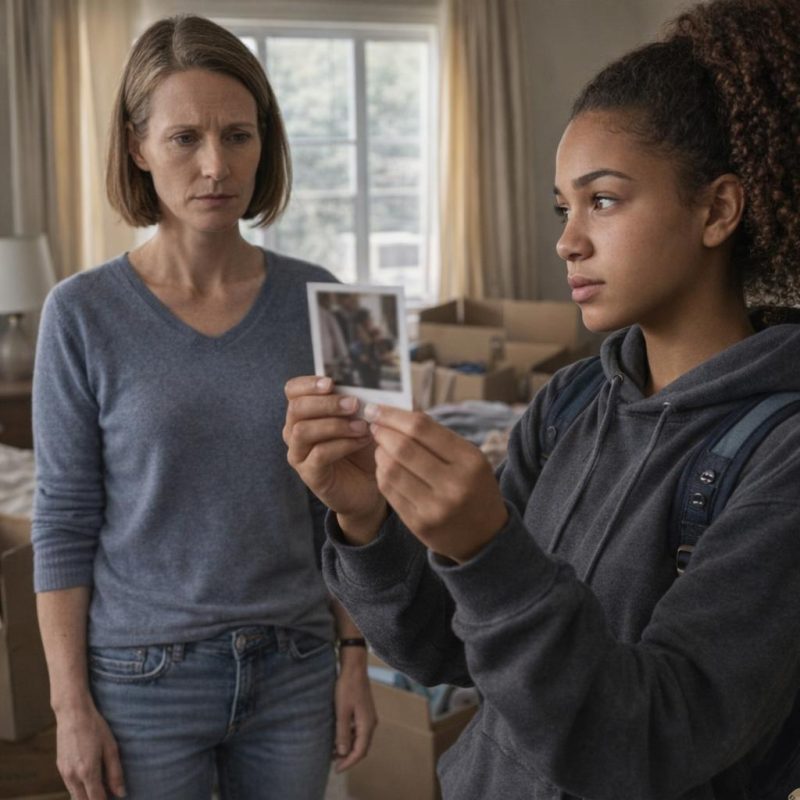 Image by RM AI
New Rooms
Moving day arrived with a borrowed truck and my back already aching before we'd loaded the first box. Chloe and I carried everything ourselves, making trip after trip up the stairs and into rooms that still smelled faintly of my mother's lavender sachets. Chloe immediately disappeared to explore, her footsteps echoing through the empty house as she claimed her territory. She picked the bedroom overlooking the backyard, just like she'd said she would, standing at the window and staring down at the overgrown garden that had once been my mother's pride. I could see her already imagining it restored, planning where things would go. We unpacked only the essentials that first day, leaving most boxes stacked in corners for later. The house felt strange but also welcoming in ways I hadn't anticipated, like it had been waiting for us. Chloe hung posters in her room within an hour, making the space hers with the confidence I envied. I unpacked my mother's belongings more carefully in what had been her sewing room, touching each item like it might dissolve. Later, I ventured into the attic, and that's when I found them—boxes labeled in my mother's careful handwriting, dusty but organized, that I didn't remember ever seeing before.
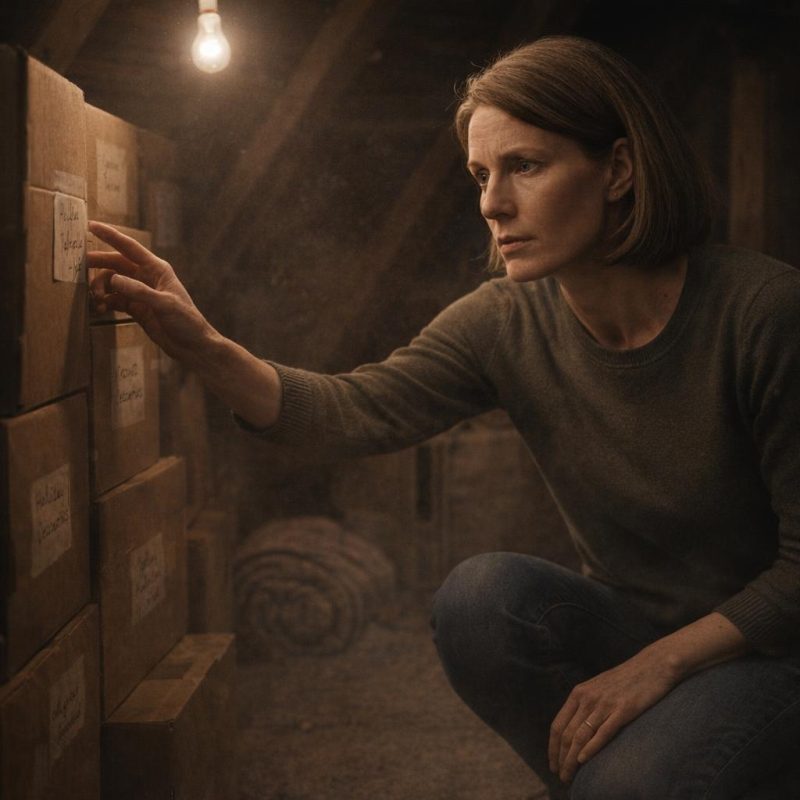 Image by RM AI
Saved Things
I spent the afternoon sorting through those boxes, and what I found made my chest tight. My mother had saved everything—every birthday card I'd sent over the years, every Mother's Day note, all of them preserved in chronological order like some kind of archive. I'd had no idea she'd kept them all, that she'd cared enough to organize them this way. There were photos of Chloe at various ages too, school pictures and snapshots I'd mailed over the years. Many of the cards mentioned visits or phone calls I'd wanted to make, plans that somehow never materialized, and I couldn't quite remember why. I'd always thought my mother knew I was trying, that she understood how hard it was to balance everything. Chloe sat beside me on the attic floor, reading over my shoulder, both of us quiet. Then I found it—a birthday card from ten years ago with a note paperclipped to the front in my mother's handwriting. The note said, 'Brenda said Deborah was too busy to visit, but she sent this anyway.' I stared at those words, trying to make sense of them. I remembered wanting to visit that year, remembered asking about coming for her birthday, but somehow it hadn't happened. Had Brenda really told her I was too busy?
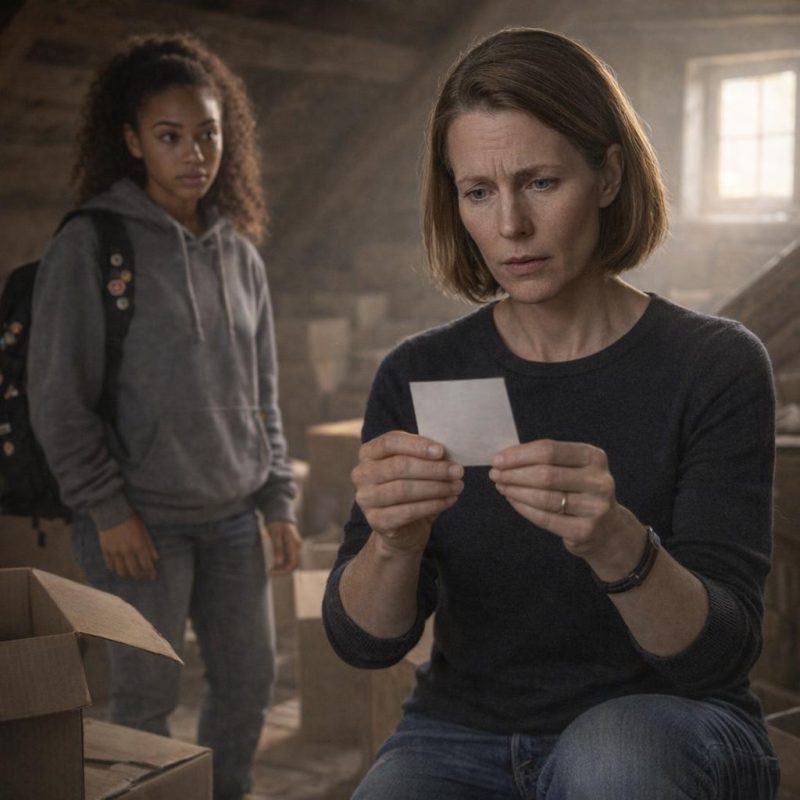 Image by RM AI
The Challenge
The legal papers arrived three days later in a thick envelope that required my signature. I signed for it with a sense of dread, my hand shaking slightly as the delivery person walked away. Inside were multiple pages of formal legal language, Brenda's will contest laid out in intimidating detail. She was challenging our mother's mental competency at the time she'd made her estate plans, claiming I'd exercised undue influence during a vulnerable period. The accusations went on for pages—demands for investigation into the caregiving period, into every decision my mother had made in her final months, into my relationship with her and whether I'd manipulated her when she couldn't think clearly. There was a deadline to respond, three weeks away, and the weight of it settled on my shoulders like concrete. I was still reading when Chloe came home from school, dropping her backpack and reading over my shoulder the way she always did. She didn't say anything at first, just scanned the pages with those watchful eyes that missed nothing. Then she looked at me and said the one thing I'd been afraid to admit out loud—that Brenda really wasn't going to stop, that this was just the beginning.
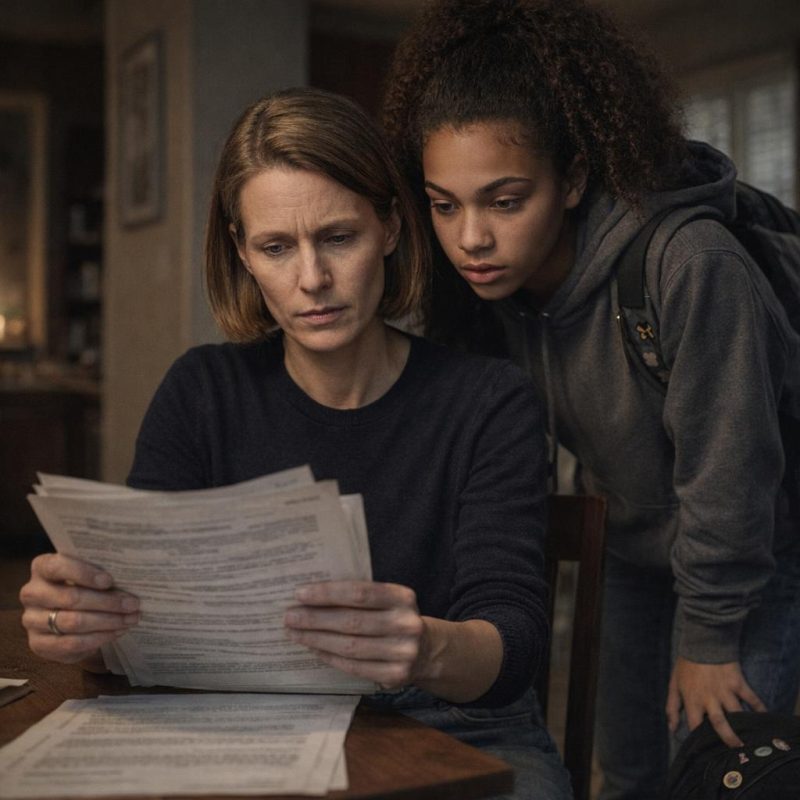 Image by RM AI
Professional Assessment
I met Mr. Davis at his office four days after the papers arrived, the file clutched in my hands like evidence of a crime I hadn't committed. He reviewed Brenda's challenge across his desk while I tried to read his expression for signs of whether I should be terrified or merely worried. His reading glasses hung on a chain around his neck, and he kept putting them on and taking them off as he read, his tired face giving nothing away. The challenge claimed undue influence during my mother's final months, questioned her mental competency near the end, painted me as someone who'd isolated and manipulated a vulnerable woman. Mr. Davis explained that the burden of proof was on Brenda, that she'd have to prove her claims, not the other way around. He reassured me that my mother's note and the photo were powerful evidence, that multiple witnesses had seen her lucid and making clear decisions. But then he acknowledged what I'd already suspected—Brenda had hired an experienced probate attorney, someone who knew exactly what arguments to make and how to make them. We'd need to document everything, create a timeline of all my caregiving activities, gather witnesses. He closed the file and said he was confident in our case, but that this would require a thorough defense. The legal fees would mount quickly with a contested probate case, and I realized my financial stress was just beginning.
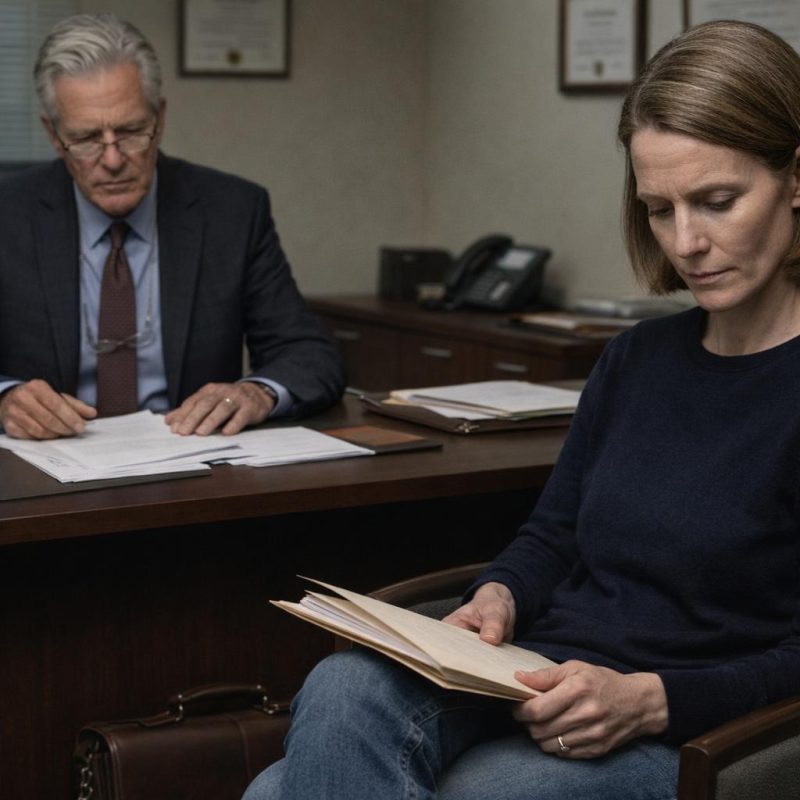 Image by RM AI
Lines Drawn
The family split became visible over the next week, lines drawn in ways I couldn't have predicted. Brenda started posting on social media, carefully worded messages about justice and fairness, about honoring our mother's true wishes and fighting for what was right. The posts never mentioned me by name, but the implication was clear to anyone paying attention. Several cousins commented with support and sympathy for Brenda, the same relatives who'd barely visited during my mother's illness, who hadn't bothered to call or send cards. Chloe showed me the posts one evening, both of us feeling sick as we scrolled through the comments. A few relatives reached out to me directly with pointed questions, their tone suggesting they'd already decided Brenda's version was the truth. Then Linda called, her voice uncomfortable and apologetic. She wanted to warn me that Brenda was hosting a family gathering at her house that weekend, and I hadn't been invited. Linda felt terrible about attending, but she didn't want to make things worse by refusing. I told her I understood, but we both knew what the gathering really was—Brenda building her public narrative, rallying family support before any trial, making sure everyone heard her side first.
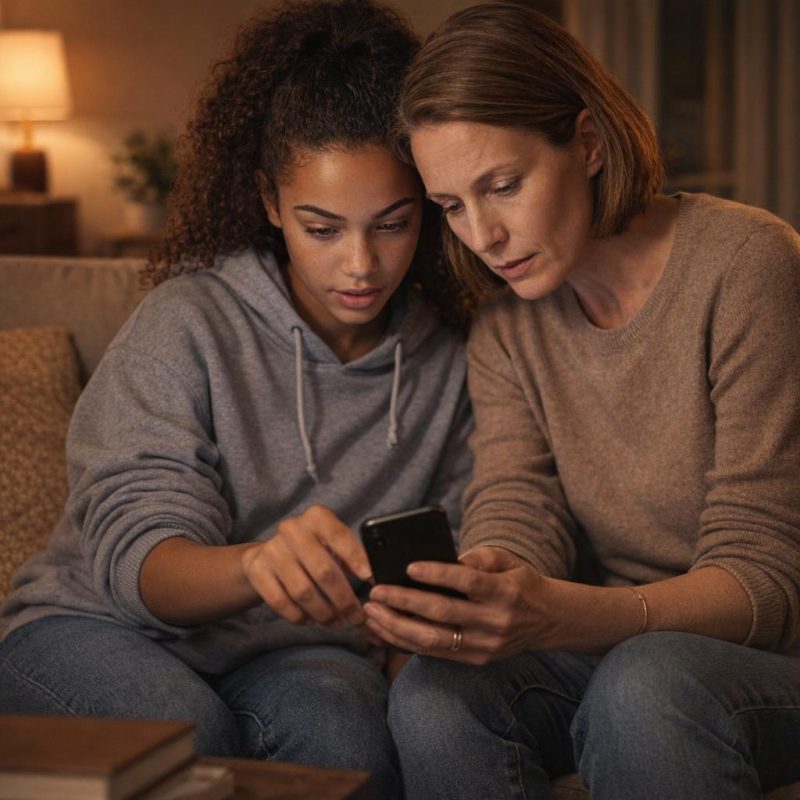 Image by RM AI
Foundation Problems
The home inspector's report arrived two weeks after we'd moved in, and I'd been expecting maybe a page or two of minor issues. Instead, I got fourteen pages detailing problems throughout the house. The roof needed repair within two years or it would start leaking badly. The electrical system was outdated, some of the wiring potentially hazardous. There were plumbing issues in two bathrooms, slow leaks that had already caused damage behind the walls. And then there was the foundation—a crack on the east side that required structural repair, the kind of work that couldn't be ignored or delayed. The inspector estimated the foundation work alone would cost fifteen thousand dollars. I sat at the kitchen table that night, calculator in hand, adding up numbers that didn't add up. The total repairs needed exceeded everything I had in savings, and I couldn't even sell the house until probate was fully settled after Brenda's legal challenge. The numbers swam in front of my eyes, impossible and suffocating. That's when Chloe found me, tears running down my face over the inspection report spread across the table. I had to admit what I'd been trying not to think—that I didn't know if we could afford to keep the house after all.
Counting Pennies
I started tracking every expense in a spiral notebook, writing down each purchase no matter how small. Legal bills were already exceeding Mr. Davis's initial estimates, and he'd required an additional retainer to continue representation. The house needed immediate minor repairs just to stay livable, and the utilities were higher than I'd expected with the old systems running constantly. I was still paying for some items at the apartment, odds and ends I'd left behind before the full move. Chloe needed new shoes—I could see her current ones were wearing through—but I kept delaying the purchase, telling myself we'd get them next week. Grocery shopping became an exercise in strict budgeting, every item scrutinized, generic brands instead of the ones we preferred. I picked up extra shifts at work whenever possible, coming home exhausted and falling into bed without eating. Then the notice arrived from my landlord, a reminder I'd been dreading. Even though I'd moved out, I still owed two more months on the apartment lease, the penalty for breaking it early. I stared at the amount due, adding it to the impossible pile of expenses already crushing me, and wondered how long I could sustain this before something finally broke.
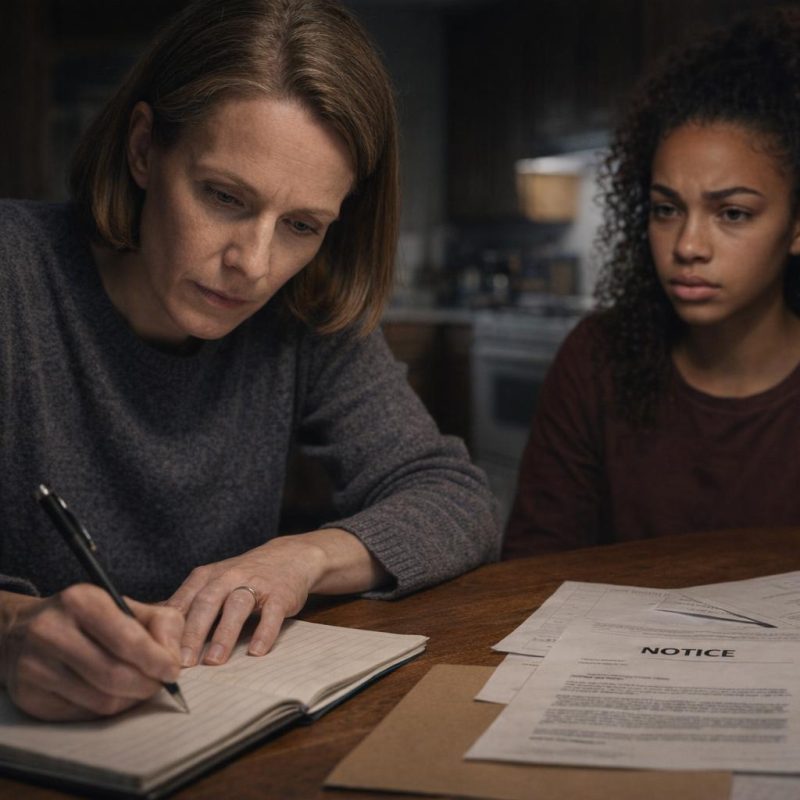 Image by RM AI
The Paper Trail
The interrogatories arrived in a thick manila envelope that felt heavier than it should have. Forty-seven questions, each one demanding documentation I wasn't sure I'd kept. When did you visit your mother? How long did each visit last? What care did you provide? Did you discuss her estate plans? I spread everything across the kitchen table—old calendars, credit card statements, text messages I'd sent Chloe about running to Grandma's house. Mr. Davis walked me through the process over the phone, his voice patient but tired. We needed to prove every hour, every errand, every medication pickup. I found receipts for her prescriptions mixed in with my own grocery bills. Calendar entries that just said 'Mom's house' without details I now desperately needed. A text to Chloe from last April: 'Picking up Grandma's refills, home by six.' The pattern emerged slowly—I'd been there constantly, more than I'd even remembered. Three months of nearly daily visits during her worst decline. Mr. Davis said the timeline looked strong, but we needed witness statements too. That's when Chloe looked up from her homework and said she could write down everything she remembered about the time we spent there. I stared at my daughter, realizing she'd been watching the whole relationship unfold, a witness to everything I thought I'd been doing alone.
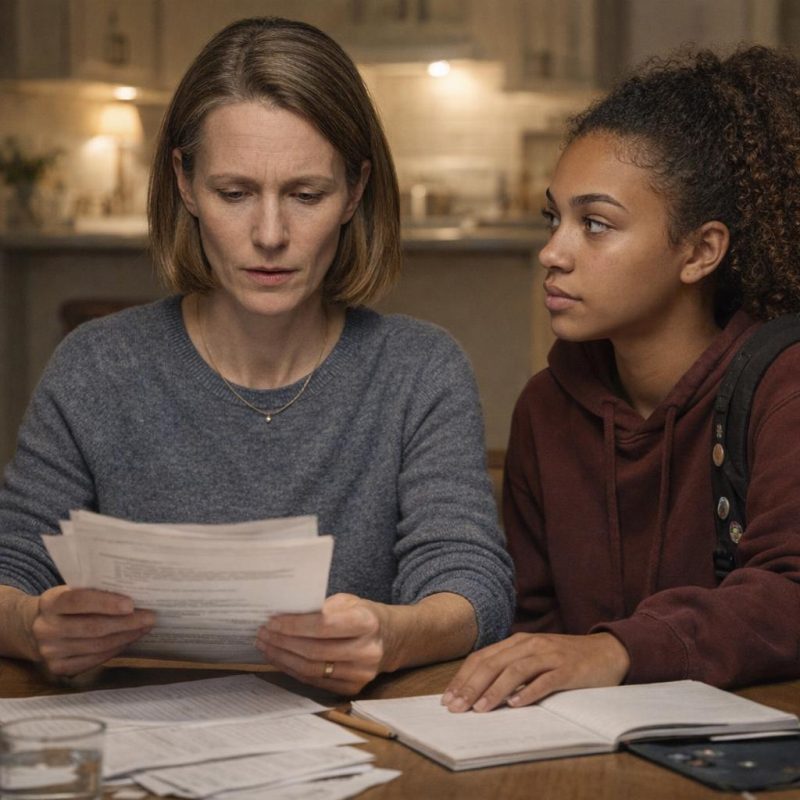 Image by RM AI
Under Oath
The conference room had that corporate smell—new carpet and recycled air. I sat across from Brenda's attorney while the court reporter's fingers moved across her machine, recording every word I said. Mr. Davis sat beside me, occasionally touching my arm when I started to ramble. The questions came methodically. How often did you visit? What was her mental state? Did she seem confused? I described the good days and the hard ones, the conversations we'd had about her childhood, about my father, about nothing in particular. The attorney leaned forward when he asked about the house. Had we discussed it? Had she promised it to me? I explained that we'd talked about everything except what she planned to leave behind. We'd focused on the time we had left, not on dividing up what remained. He asked about my divorce, whether I'd needed money. I admitted the marriage had ended but said I'd never asked my mother for financial help. Three hours of questions, my throat dry, my hands shaking slightly whenever I reached for the water glass. When we finally finished, Mr. Davis said I'd done well, that honesty was our strongest defense. But I kept thinking about that one question I couldn't quite answer—why my mother and I had talked about everything except the one thing that now mattered most.
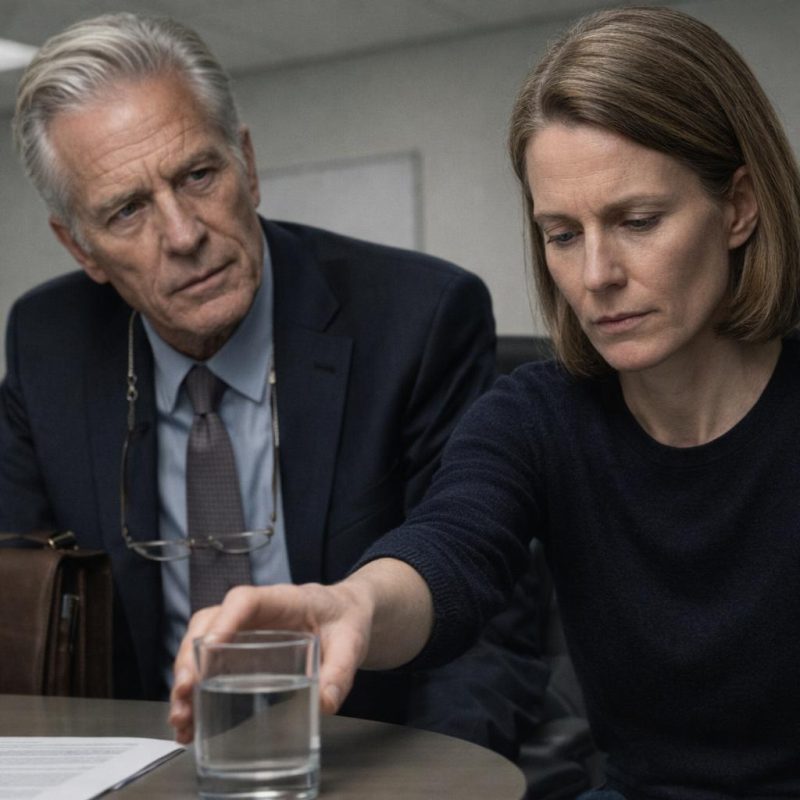 Image by RM AI
Whisper Campaign
Linda called on a Tuesday evening, her voice apologetic before she even explained why. She'd been at a family gathering Brenda had organized, and she felt I needed to know what was being said. Brenda had told everyone a version of events that sounded almost plausible—that I'd controlled access to our mother during her final weeks, that other relatives had been discouraged from visiting, that she'd suspected something was wrong but hadn't wanted to cause conflict while Mom was still alive. Several cousins had expressed shock and sympathy. Linda said the story was convincing if you hadn't actually been there, hadn't seen me at the hospital or watched me coordinate care. But most of the family hadn't been there. They were hearing Brenda's version first, and it was shaping their understanding of everything that came after. Chloe sat across from me doing homework, and I kept my voice steady so she wouldn't hear the anger building. Linda promised she'd testify truthfully if it came to that, but we both knew the damage was already spreading. According to Linda, Brenda had specifically told everyone that I'd isolated our mother from the family during her final weeks, and I had no idea how to fight a story that was already being accepted as truth.
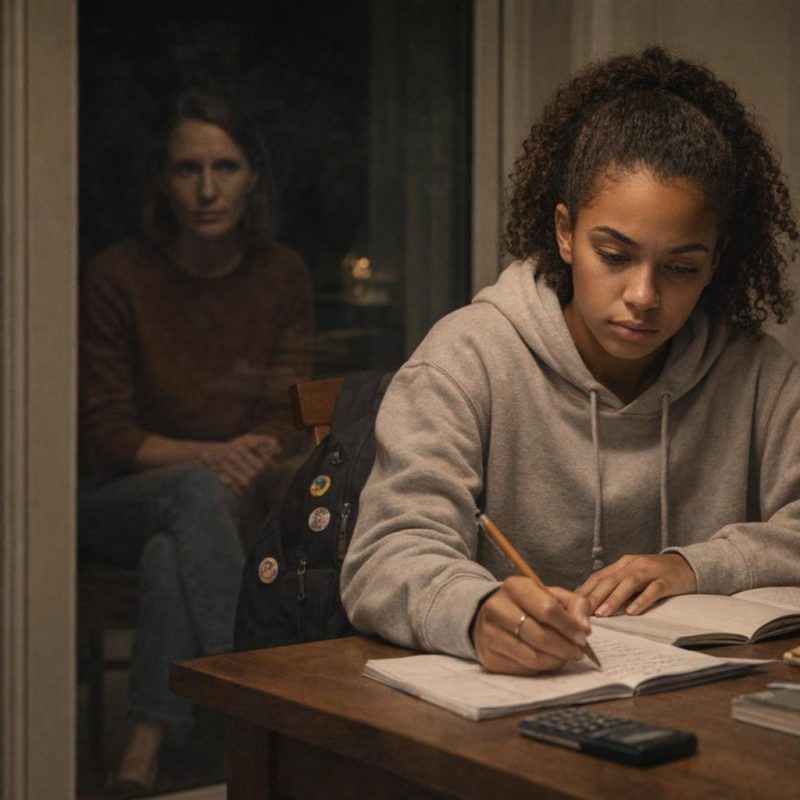 Image by RM AI
Collateral Damage
Chloe came home from school with red eyes she tried to hide by going straight to her room. I gave her ten minutes before I knocked, and it took another five before she'd talk about it. Kids at school had been asking questions—their parents had been discussing the family drama at dinner tables, and the gossip had filtered down. One friend's mother was apparently connected to a cousin who'd been at Brenda's gathering. The questions had started casually enough, but then someone asked directly if it was true that I'd stolen her grandmother's house. Chloe had defended me, but I could see the humiliation in her face, the exhaustion of having to explain something she didn't fully understand herself. She said she didn't want to go to school tomorrow. I sat on the edge of her bed, trying to find words that would make this better, but everything I thought to say felt inadequate. This wasn't supposed to touch her. The legal fight was supposed to stay contained, adult business that wouldn't seep into her world. But of course it had. She asked when it would be over, when life could go back to normal, and I realized my daughter was asking if it was true that I'd stolen her grandmother's house, and I had no idea how to undo that kind of damage.
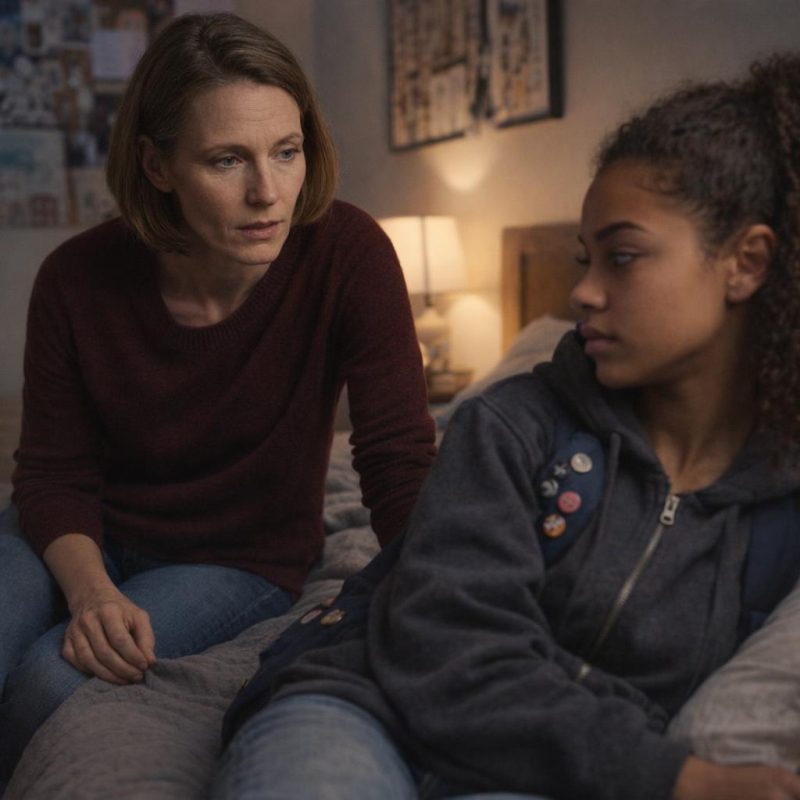 Image by RM AI
Attic Journals
I found the journals on a Saturday afternoon while sorting through another round of attic boxes. They were stacked beneath photo albums, three bound books with dates written on the covers in my mother's careful handwriting. The most recent one ended just a month before she died. I sat on the dusty floor holding them, feeling the weight of something I wasn't sure I had the right to read. She'd never shown them to me when she was alive, never mentioned keeping a journal at all. But she'd also left them here, not hidden away but stored with other personal items where someone would eventually find them. I wondered if she'd meant for me to read them, or if this was an invasion of privacy she'd never have wanted. The journals weren't locked, weren't marked private. Just dated and filled with her thoughts about days I'd never asked about. I opened the most recent one to a random page somewhere in the middle, not ready to start from the beginning, not sure I was ready to start at all. My name appeared halfway down the entry, and my hands started shaking before I even read what came after it.
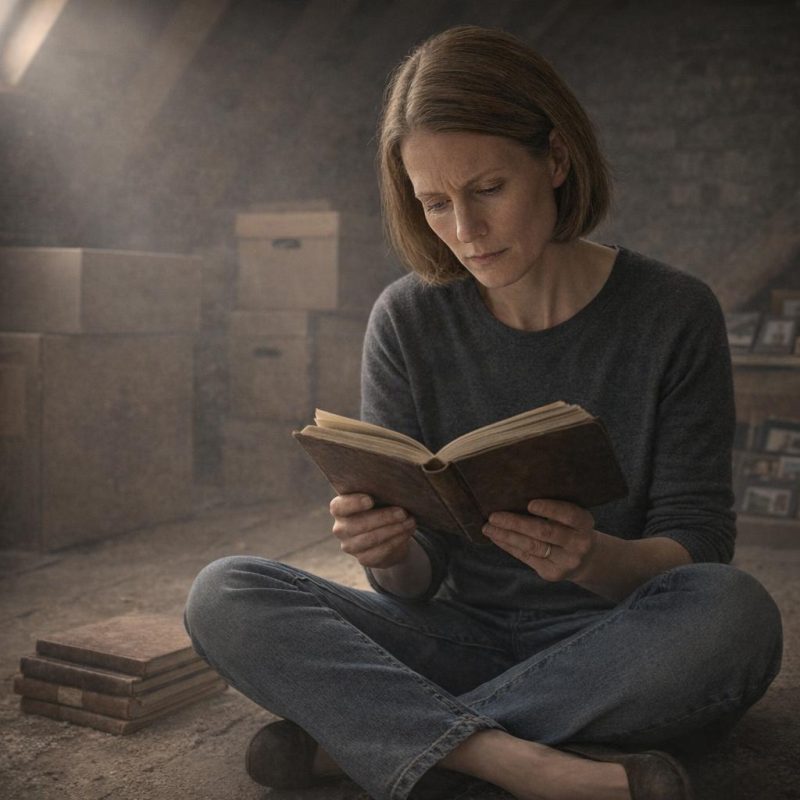 Image by RM AI
Written Loneliness
The entries described a loneliness I'd never heard in her voice during our phone calls. She wrote about hoping for visits that didn't happen, about planning her days around the possibility that someone might stop by. Multiple entries mentioned trying to reach me—wanting to share something she'd seen on television, or just to hear my voice. The tone was never accusatory, just quietly sad, the observations of someone who understood everyone had busy lives but still felt the absence. She wrote about Brenda's regular visits with gratitude, noting how helpful she was with errands and paperwork. But there was something wistful in the entries about me, a different quality of missing. Then I found the entry from two years ago that made me stop reading entirely. 'Tried calling Deborah again today but the number must be wrong because it rang through to someone else. Will have to ask Brenda to help me find the right one.' I stared at those words, my mind trying to make sense of them. I'd had the same cell number for over a decade. I'd never changed it. If she'd called my number, she would have reached me. Unless she'd been calling a different number entirely, one she thought was mine but wasn't.
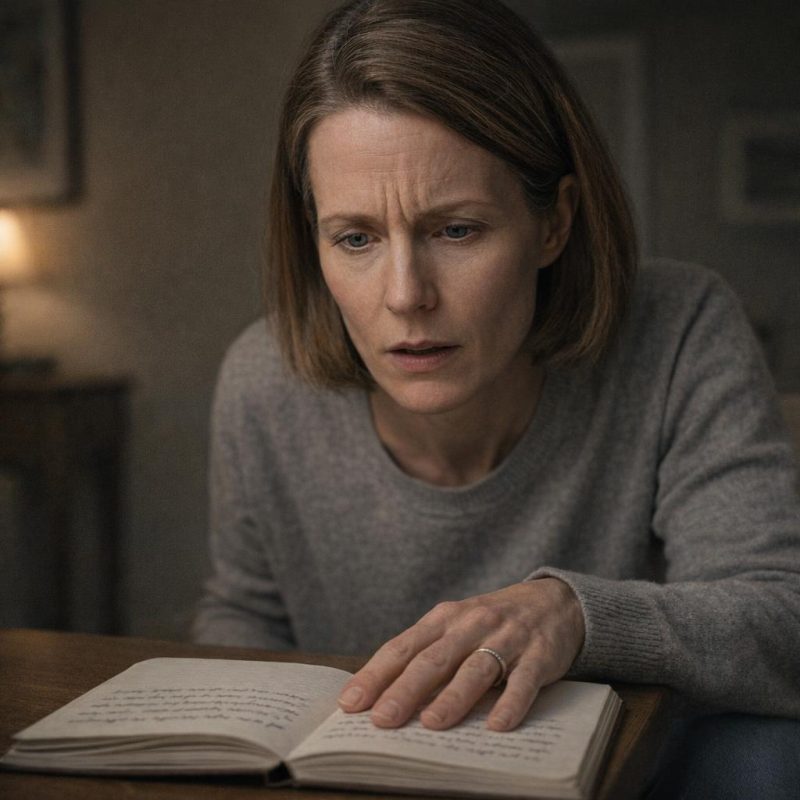 Image by RM AI
Odd Observations
Linda showed up with a casserole and an uncomfortable expression that told me the food was just an excuse. We sat in the kitchen while Chloe did homework at the other end of the table, and Linda spoke quietly about things she'd noticed over the years. She'd visited my mother occasionally as a fellow church member, and sometimes she'd seen Brenda coming and going. On at least two occasions, she'd seen Brenda leaving with bags of what looked like mail and papers from the house. When Linda had asked about it in a friendly way, Brenda had explained she was helping organize mother's paperwork and correspondence. The explanation had seemed reasonable at the time—our mother had struggled with organization, and Brenda was good at that sort of thing. Linda also remembered my mother mentioning missed connections with me, times she'd hoped I'd visit but something had come up. Brenda would reassure her that I was just busy, that I'd come when I could. Linda emphasized she had no proof of anything inappropriate, just a growing uneasiness looking back at certain moments that hadn't seemed significant then. She said she'd seen Brenda leaving with bags of mail more than once, and when she'd asked about it, Brenda had explained she was helping organize mother's paperwork—but now Linda wondered what else might have been in those bags.
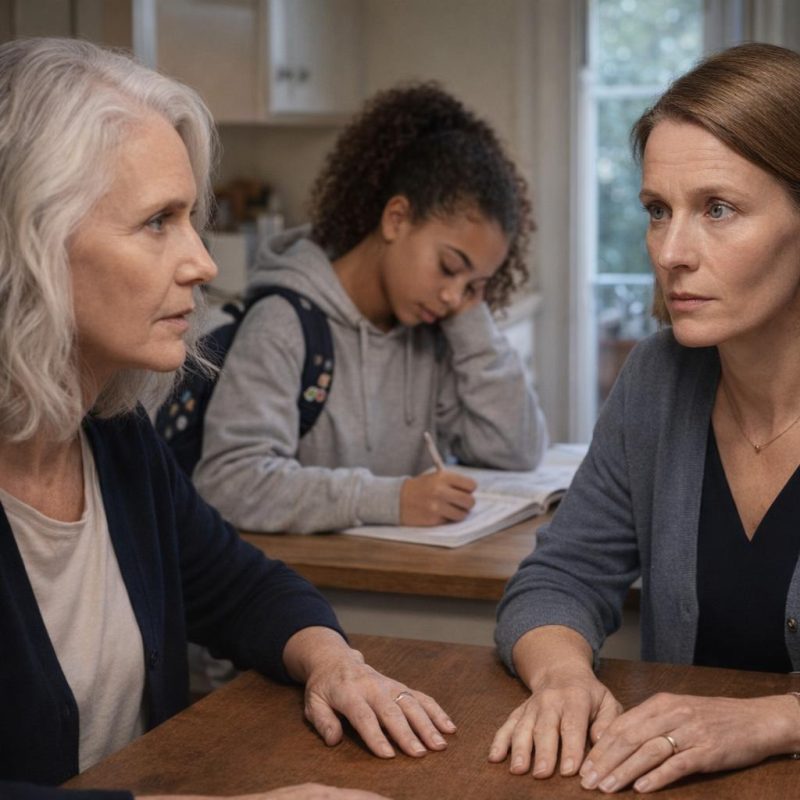 Image by RM AI
Kept Tokens
The desk drawer was stuck, and when I finally worked it open, I found it filled with saved mementos I'd never known existed. Movie ticket stubs from films I'd taken her to see, restaurant receipts from our occasional lunches, small notes I'd written on birthday cards or just because. Everything was organized carefully, preserved like museum pieces. Chloe helped me sort through them, and we both went quiet seeing how much these small moments had meant to her. Every receipt, every stub, every scrap of paper represented a connection she'd valued enough to keep. Then Chloe found a receipt from three years ago with a note written on the back in my mother's handwriting. 'Deborah said she'd visit after this, but Brenda called to say she got sick.' I stared at the words, trying to remember that specific time. Had I been sick? It was possible—three years was a long time, and I'd certainly canceled plans before when I wasn't feeling well. But I didn't remember this particular instance, didn't remember Brenda calling my mother to explain my absence. Maybe I'd asked her to. Maybe I'd been too sick to make the call myself. But standing there holding that receipt, I couldn't shake the feeling that something about the note didn't quite match my memory of how things had actually happened.
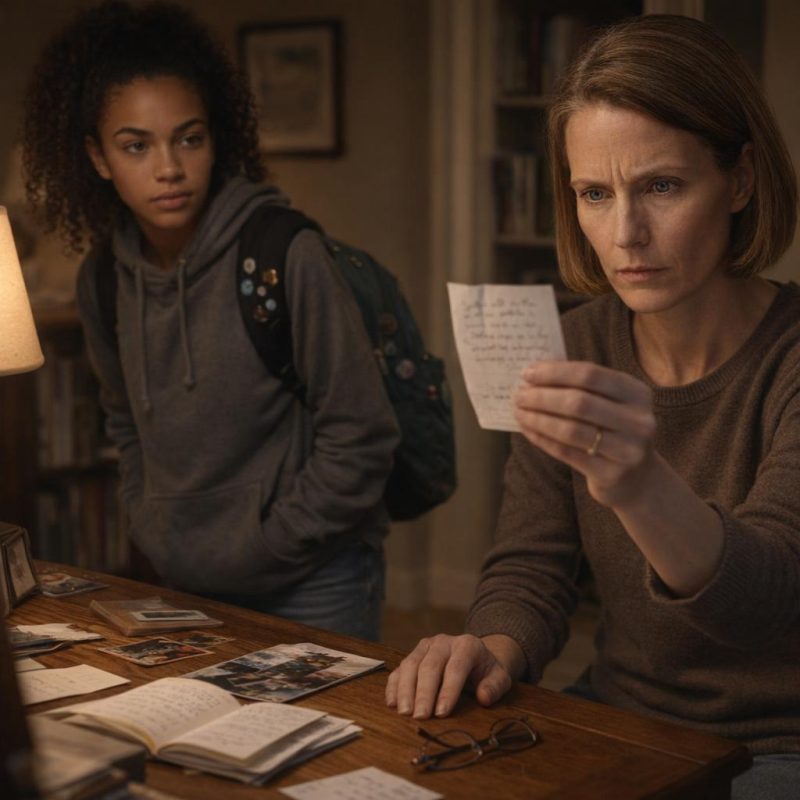 Image by RM AI
Unexpected Call
David's name appeared on my phone screen for the first time in four months, and I stared at it like it might be a mistake. We hadn't spoken since the divorce papers were signed, hadn't even texted about logistics or forwarding mail. I let it ring once, twice, three times while Chloe looked up from her laptop with raised eyebrows. On the fourth ring, I answered. His voice sounded awkward, careful in a way that made me remember why we'd worked once, before everything fell apart. He asked how I was doing, mentioned he'd heard through mutual friends about the legal situation with the will. Then he said he'd been thinking about things from our marriage, about the period when my mother was sick. He wanted to talk in person about matters that had been bothering him, wouldn't specify what over the phone. I felt something twist in my chest, curiosity mixed with old hurt and maybe something like hope that I didn't want to examine too closely. After I hung up, Chloe asked what he wanted, and I admitted I didn't know but I'd agreed to meet anyway. She had complicated feelings written all across her face, but she just said it was my decision. I spent the next days wondering what David wanted to discuss and whether I was ready to hear it. He said he wanted to talk in person about things that had been bothering him, and I agreed to meet for coffee even though I wasn't sure I was ready to hear what he had to say.
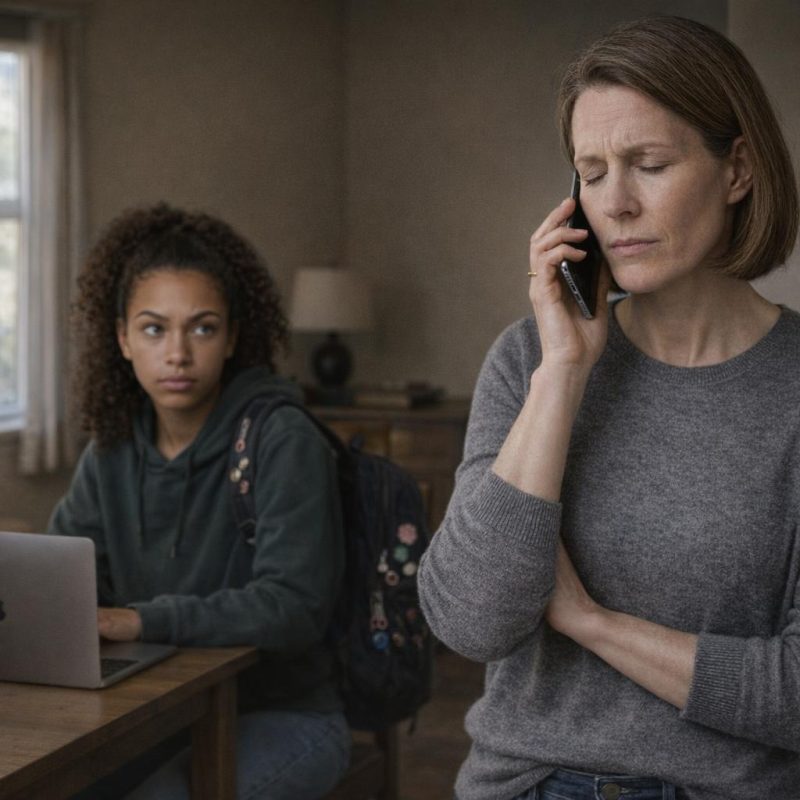 Image by RM AI
His Side
The coffee shop was half empty on a Wednesday afternoon, neutral territory that felt safer than either of our apartments. David sat across from me looking professional but uncomfortable, his body language all wrong for the confident man I'd married. We did the awkward small talk dance for ten minutes before he finally got to why he'd called. He said he'd been reflecting on why our marriage fell apart, trying to understand his part in it. During the period when I was caring for my mother, he'd felt increasingly excluded, pushed to the margins in a way that hadn't felt quite right even then. He wasn't blaming me, he said carefully, but looking back the situation felt strange. He'd wanted to be supportive, had tried to help, but kept feeling like he was in the way. Then he mentioned Brenda had talked to him several times during that period, told him I needed space to handle the family stress alone. She'd said involving him more would add to my burden, that the best thing he could do was give me room to breathe. He'd believed her and pulled back, thinking he was doing what I needed. Now he was wondering if that had been the right interpretation. I sat there stunned, because I'd needed David's support desperately during those months, had felt abandoned when he seemed to stop trying. When I asked what he meant, he said Brenda had told him more than once that I needed space to handle family matters alone.
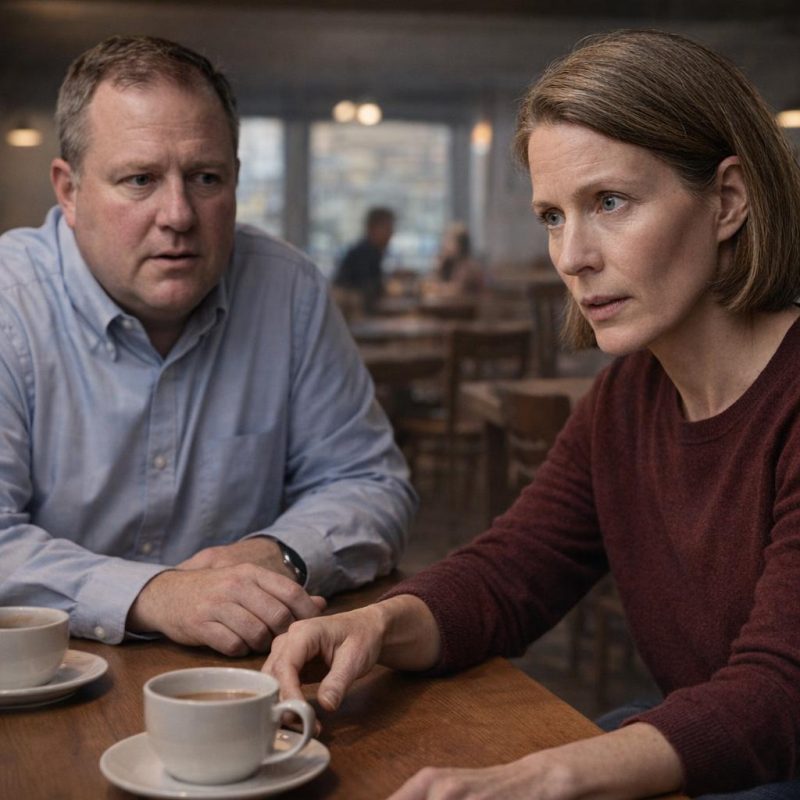 Image by RM AI
Countdown Begins
The notice from the court arrived on Monday in a thin official envelope that made my hands shake when I pulled it from the mailbox. The hearing was scheduled for two weeks from Thursday, a specific date and time that turned the abstract threat of trial into something concrete and unavoidable. I read it three times, absorbing the reality that this was actually happening. Probate court downtown, Judge Morrison presiding, nine thirty in the morning. Chloe read it over my shoulder, and we both went quiet realizing how soon we'd be standing in that courtroom. Mr. Davis called the same evening after receiving his copy of the notice. His voice had that weary quality I'd come to recognize as concern masked by professionalism. He said the timeline was tight for final preparation, tighter than he'd like. We needed to finalize our witness list by the end of the week, organize all documentary evidence into a coherent presentation, review depositions and prepare summaries. Character witnesses should be prepped for testimony. He was quiet for a moment before adding that thirteen days wasn't really enough time for thorough preparation, but we had no choice except to work with what we had. I hung up feeling the pressure of that approaching deadline like a weight on my chest. Mr. Davis called that evening to say we had thirteen days to finalize our evidence and witness list, and it wasn't enough time.
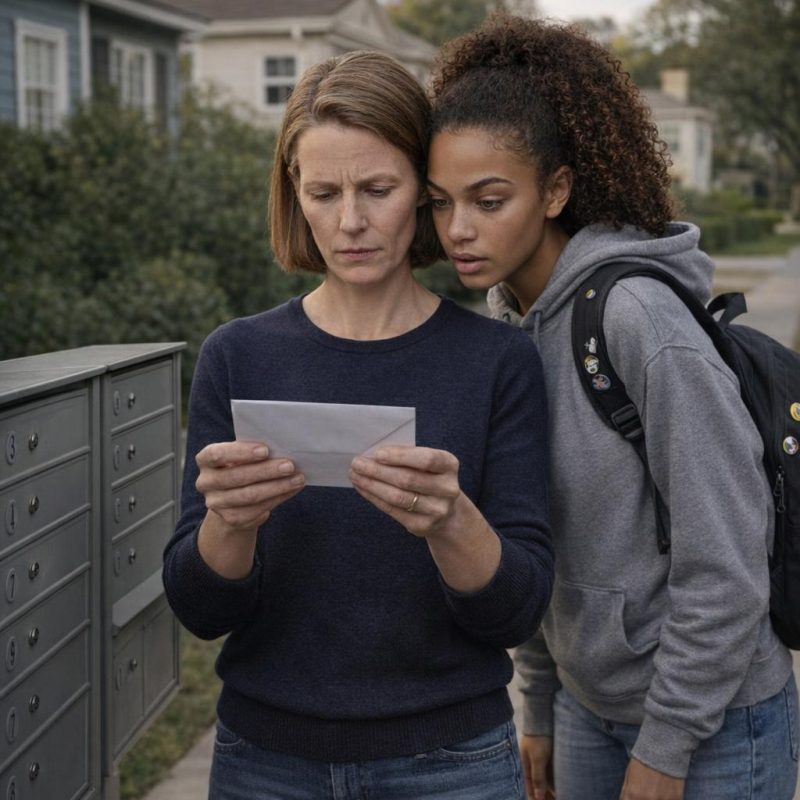 Image by RM AI
Building the Case
I spent three days creating a timeline of every visit, every errand, every medication pickup and doctor's appointment while Chloe organized receipts into manila folders labeled by month. I marked each interaction on a calendar, cross-referencing with text messages and appointment confirmations. Pharmacy receipts showing I'd picked up my mother's prescriptions twice a week. Medical appointment documentation with my signature on the check-in sheets. Grocery receipts from shopping for her household, buying the specific brands she preferred. The pattern was clear and consistent, showing me as the primary caregiver throughout that final year. Chloe worked beside me at the kitchen table, sorting evidence chronologically, creating a paper trail that proved I'd been there. We had text messages, calendar entries, even photos I'd taken of my mother's garden that were timestamped and geotagged. Mr. Davis came by to review our compiled evidence, spreading it across the table with his reading glasses sliding down his nose. He agreed it demonstrated my involvement thoroughly, showed dedication and regular presence. But then he pointed out the limitation that made my stomach drop. Most of this was family testimony, he said, documentation we'd created ourselves. We needed independent witnesses who could speak to my mother's mental state, people outside the family who'd observed her regularly near the end. Mr. Davis reviewed our work and said it proved I'd been there, but we still needed someone besides family who could testify to my mother's state of mind.
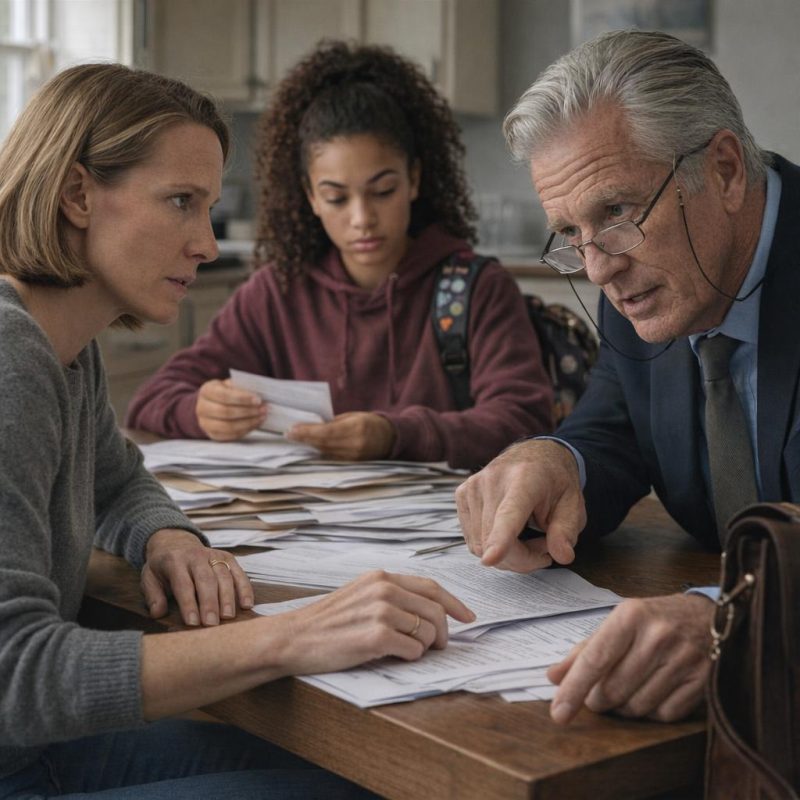 Image by RM AI
Mail Pile Mystery
Chloe found an old pile of mail rubber-banded together in a closet and brought it to me asking why half the envelopes were addressed to me but opened at this house instead of forwarded. I took the stack from her hands, confused because I didn't recognize most of it. Some letters were addressed to my mother, which made sense, but others had my name on them with this address, my mother's house where I'd never lived. The envelopes were opened, contents still inside, like someone had read them and then saved them. I looked at the postmarks dating back several years, checking return addresses I half recognized. One from a distant friend I'd lost touch with. Another that appeared to be from my old college roommate. A few that looked like personal correspondence from people whose names rang bells but whose letters I had no memory of receiving. Chloe asked again why my mail would be opened here, and I couldn't give her an answer that made sense. Maybe my mother had opened them by mistake, I suggested, though that didn't explain why I'd never known they existed. The pile felt wrong in my hands, like evidence of conversations I'd never been part of. I looked at the postmarks and return addresses, and none of them made sense because I'd never received these letters at all.
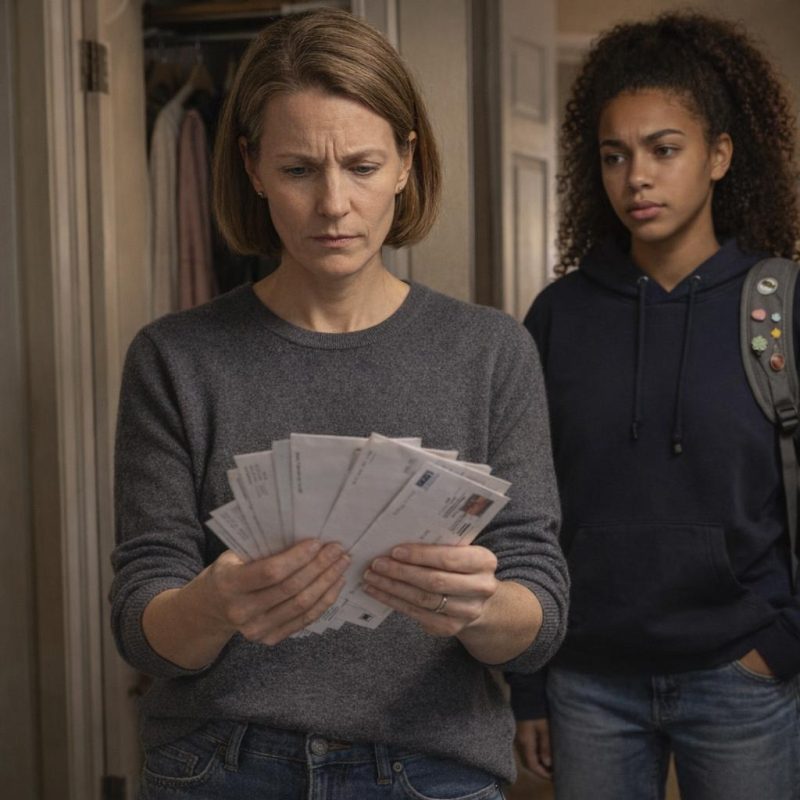 Image by RM AI
Return Addresses
I carried the pile of letters upstairs to compare against the correspondence I'd found in the attic box, spreading everything out on the bed to examine systematically. Some letters were addressed to me at my mother's house, which was strange because I'd never lived there, never used that address for anything. Other letters were addressed to my mother from me, but I'd sent those to my own apartment, not here. Someone had apparently forwarded them to this address instead. I checked postmarks and dates against my memory, and nothing lined up right. There was more correspondence than I remembered writing, letters that should have arrived at my apartment but had somehow ended up here. Chloe helped me compare dates to old calendars we'd found, and something started emerging that made my skin feel cold. Mail not arriving where it was intended. Letters that should have come to me going to my mother's house instead. My mother clearly receiving some of my letters but not all of them, her responses referencing things I'd never written. The communication between us had been more disrupted than I'd realized, and the coincidence was starting to feel less random. I carried the pile of letters upstairs to compare against the correspondence I'd found in the attic box, and the return addresses revealed a pattern I hadn't wanted to see. Three letters had been mailed to my mother's house by me, but I'd sent them to my apartment address, and someone had forwarded them here instead.
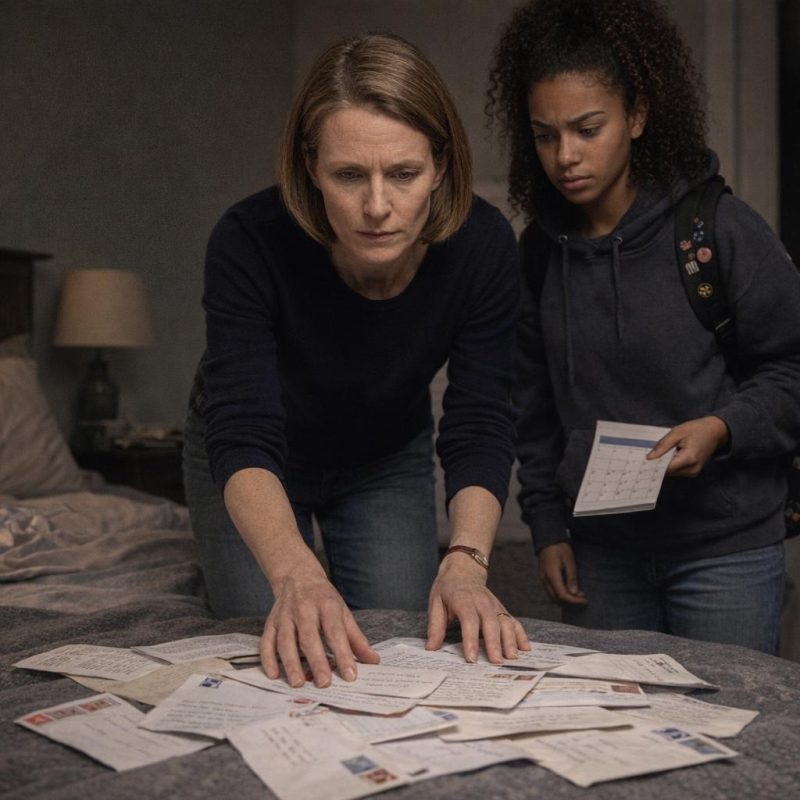 Image by RM AI
Timeline Discrepancies
The dates on my mother's letters showed she'd been writing to me twice a month for years, a regular pattern of correspondence I'd never fully received. I laid them out chronologically and counted, realizing I'd gotten maybe a quarter of what she'd actually sent. The gaps were systematic, sustained over multiple years. I checked my own copies of letters I'd sent her, the ones I'd kept duplicates of, and found similar patterns. I'd written regularly, but her journal entries suggested she hadn't received most of them. She'd reference hoping I got her last letter, wondering why I hadn't responded. My letters mentioned previous correspondence she'd never acknowledged. Chloe helped me create a spreadsheet tracking all the correspondence, matching dates and references, and the breakdown was more extensive than random postal service errors could explain. Both sent and received mail affected over the same period. My mother's journal lined up with dates of missing letters, her confusion about my silence making terrible sense now. I checked postmarks and delivery confirmations, trying to find some explanation that didn't make me feel sick. The volume of missed connection was staggering, years of conversations that should have happened but didn't. I pulled out my own copies of letters I'd sent her and found similar gaps, and the coincidence was starting to feel less like accident and more like something else entirely.
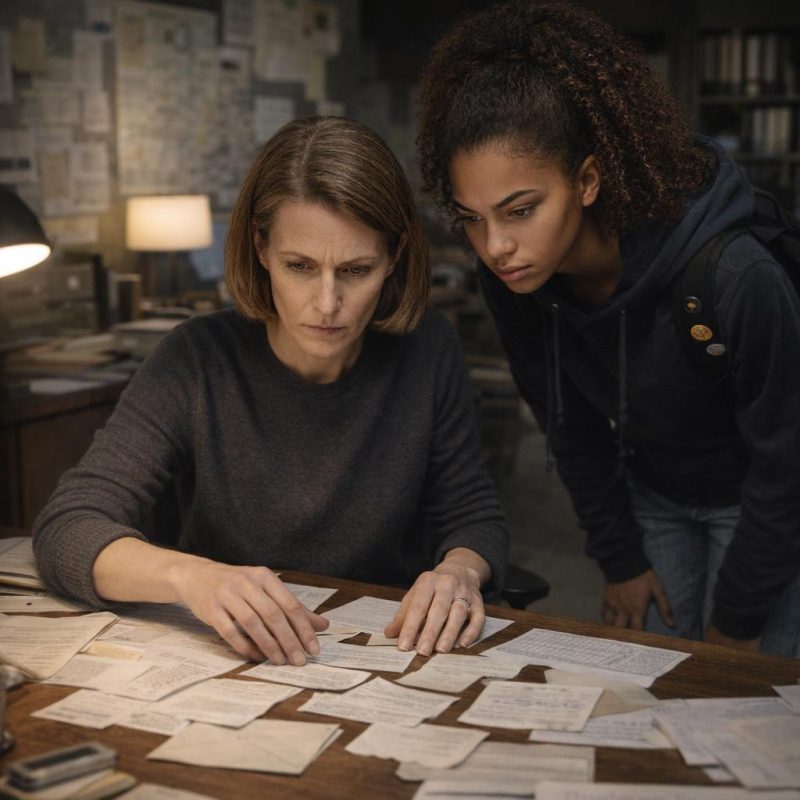 Image by RM AI
Neighbor's Memory
I knocked on doors up and down my mother's street asking if anyone remembered issues with mail delivery, getting mostly blank looks and apologies from neighbors who didn't recall anything specific. Several houses no one answered. A few people said they'd moved in recently and couldn't help. I was about to give up when Patricia from two houses down answered her door, a woman in her early seventies who'd lived on the street for decades. She invited me inside when I explained my questions, leading me to a tidy living room that smelled like lemon polish. I asked if she remembered any problems with the postal service over the years, packages going missing or letters not arriving. Patricia said the mail had been fine as far as she knew, reliable delivery, no widespread issues on the street. But her expression shifted as she said it, like she was debating something. She paused, studying my face with sharp eyes that reminded me of my mother's. Finally she said there was something else, something about Brenda she'd noticed over the years. She'd been wondering whether it was worth mentioning, whether it meant anything. Her tone suggested the observation had been significant, something that had stuck with her. She said the mail had been fine as far as she knew, but there was something else she'd noticed about my sister that she'd been wondering whether to mention.
 Image by RM AI
Unanswered Calls
I was still processing what Patricia had told me when I got back to my mother's house and found myself standing in front of her desk again. The drawers I'd already searched felt like they might hold more if I looked harder, and I started pulling everything out systematically this time. Chloe sat cross-legged on the floor helping me sort papers into piles. That's when I found the folder tucked in the back of the bottom drawer, labeled "Phone Records" in my mother's careful handwriting. Inside were years of old bills she'd kept, the kind most people throw away after a few months. I started flipping through them, not sure what I was looking for, when a number kept appearing in the outgoing calls section. It looked familiar. I pulled out my phone and compared it to my own number, and my stomach dropped. It was mine. Dozens of calls over a three-year period, marked on bill after bill. Short durations mostly, like they'd gone unanswered or disconnected quickly. A few longer ones I vaguely remembered, but most were complete blanks in my memory. Chloe helped me make a list of dates and times while I sat there trying to understand how so many calls could have failed to connect. The calls had been placed regularly for three years, but my phone had never once rung with her number.
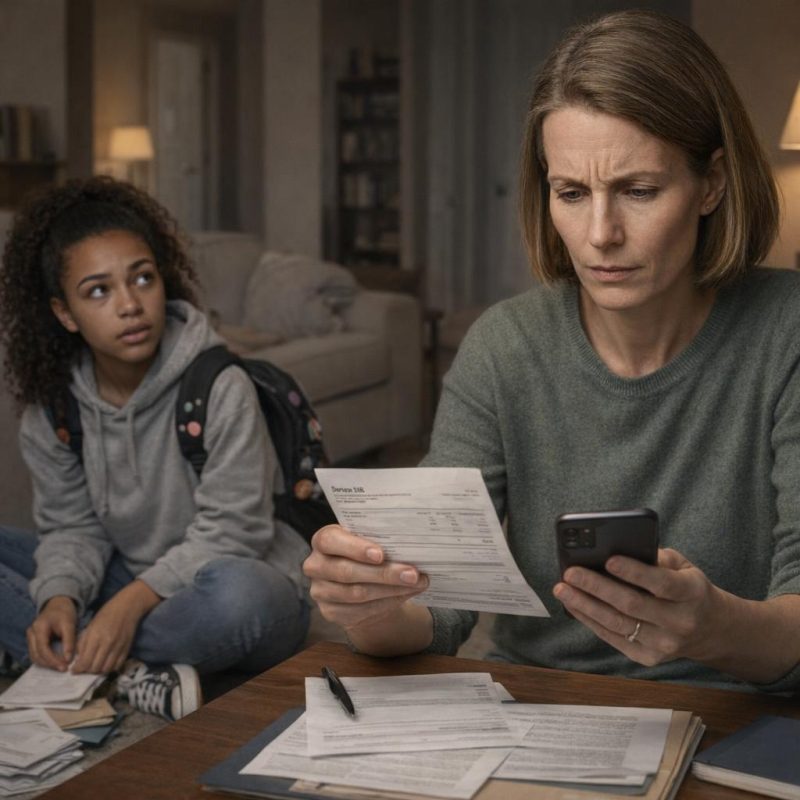 Image by RM AI
The Shape of Something
I couldn't sleep that night, so I went downstairs and spread everything across the kitchen table. Phone records showing calls I'd never received. Letters that never arrived where they were supposed to go. Journal entries describing loneliness and failed attempts to connect. Linda's observations about someone taking mail. David's account of being told to give me space during the caregiving years. Chloe came down around two in the morning and found me sitting there staring at it all. She didn't say anything, just started looking through the materials herself, organizing them by date. That's when the timeline gaps began aligning across different sources. Every piece of evidence started to look like communication being blocked, not just failing randomly. Each thing individually could be explained away as coincidence or technical problems or misunderstanding. But together they formed a shape I didn't want to recognize. Years of missed connections that I'd blamed on my mother's coldness, on my own failures, on the complicated relationship we'd always had. Except now it was beginning to suggest something else entirely. Someone might have been standing between my mother and me for years, and I was starting to have a terrible feeling about who it might be.
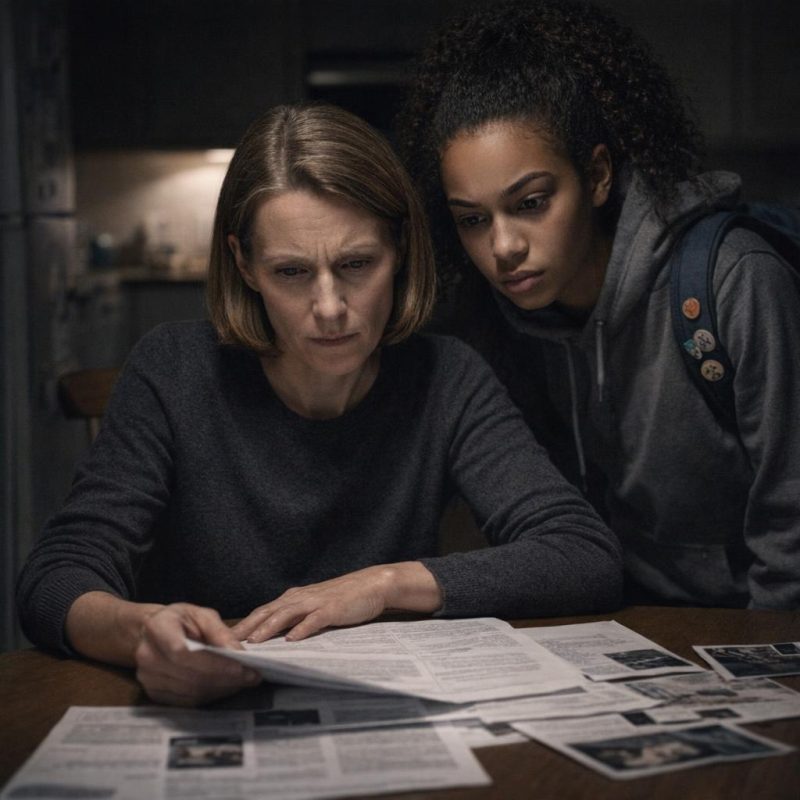 Image by RM AI
Patricia's Account
I went back to Patricia's house the next morning with my notes organized by date and incident. She invited me in again, and this time she made tea while I laid out my specific questions. I asked her about the isolation she'd mentioned, and she described over twenty years of being neighbors with my mother. She'd noticed things changing in recent years, my mother becoming quieter, more withdrawn. Patricia would see her sitting by the front window watching the street, and my mother often mentioned expecting me to visit. Sometimes Patricia saw the disappointment when those visits didn't happen. My mother had told her about calling me with no response, about feeling like maybe she'd done something wrong. Patricia felt sad watching her neighbor grow lonely like that. Then I asked about the mail, and Patricia's expression shifted. She said there was a regular pattern she'd observed, someone checking my mother's mailbox early in the morning before my mother typically retrieved her own mail. I asked who it was, my pen hovering over my notepad. Patricia described what she'd seen over the course of months, maybe longer. It was my sister, she said. Brenda would stop by and check the mailbox regularly. She said she'd seen someone checking my mother's mailbox before Margaret ever got to it, and she told me exactly who it was.
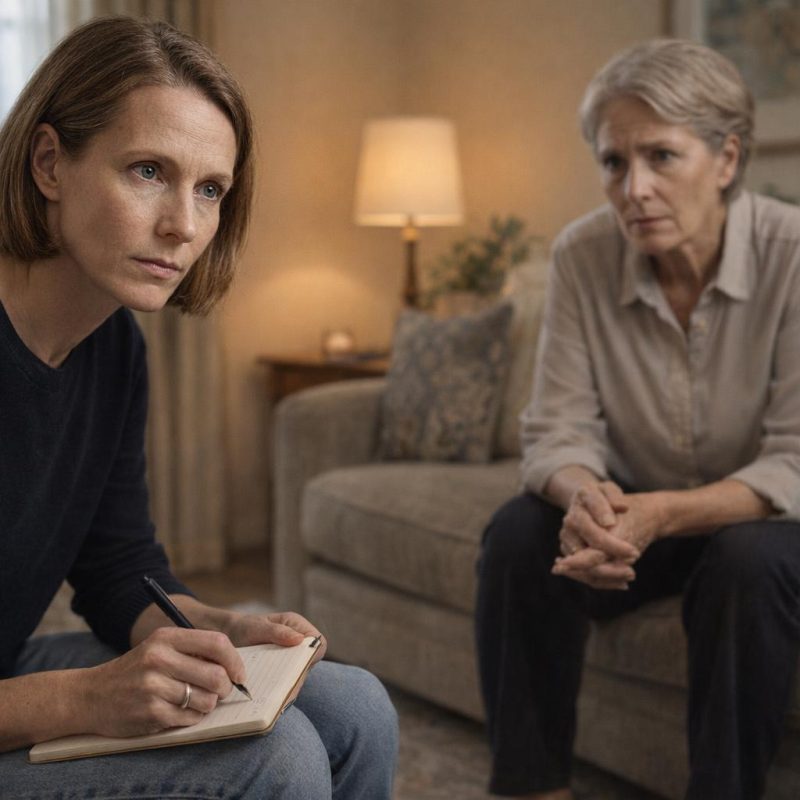 Image by RM AI
What She Tried
Patricia wasn't finished. She remembered something else, a specific incident from about two years ago. My mother had mentioned wanting to surprise me with a visit, and Patricia had offered to drive her to my apartment. They'd gone together, Patricia waiting in the car outside while my mother went into the building. But she'd come back quickly, seeming confused and hurt. She told Patricia that someone had answered my door and said I wasn't available, that I didn't want visitors. My mother had accepted this and they'd driven home, and Patricia had assumed I'd been home but had declined the visit for whatever reason. Now she was wondering if that was actually what happened. I sat there feeling sick because I had absolutely no memory of my mother visiting my apartment. I certainly hadn't turned her away at the door. I asked Patricia who had spoken to my mother that day, who had told her to leave. Patricia described the person as my mother's other daughter, the one who visited regularly. I realized what that meant. Brenda had been at my apartment somehow, answering my door, turning away our mother and claiming to speak for me. I asked Patricia who had told my mother to leave, and she said it was the same person who'd been checking the mailbox.
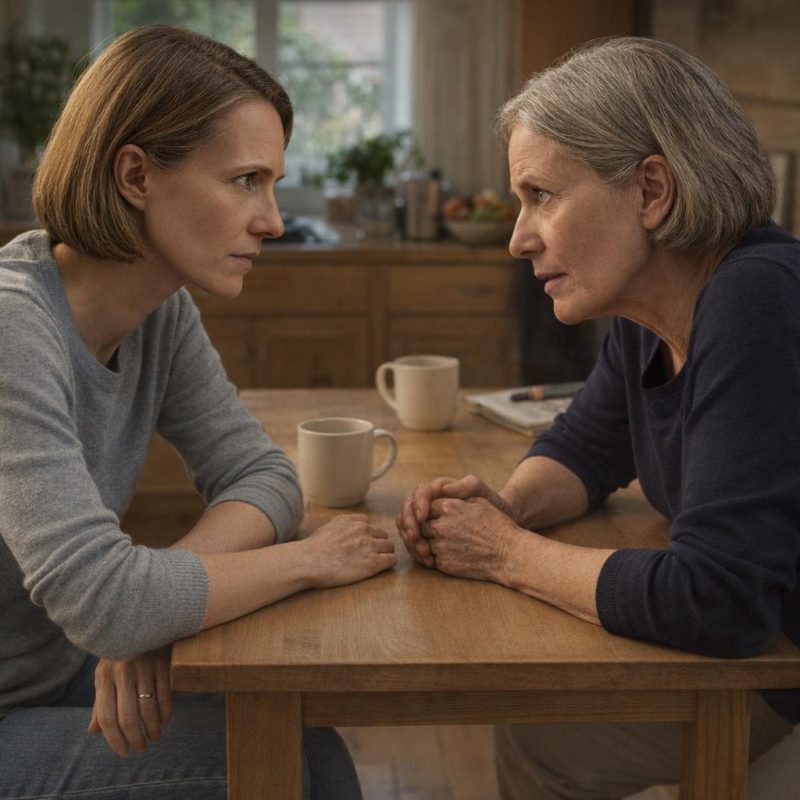 Image by RM AI
The Intercepted Years
I drove home with my hands shaking on the steering wheel. When I got back, I told Chloe we needed to search the house more thoroughly, especially the guest room where some of the boxes from after the funeral were still stored. We went through the closet systematically, and one box felt heavier than its label suggested. Inside, beneath some old linens, I found them. Letters and cards, dozens of them, hidden away like contraband. Letters addressed to me that had been intercepted before delivery. Birthday cards from my mother that never arrived. Letters I'd sent to her that she'd never seen. Phone messages written down in handwriting I recognized as my sister's, never passed along. The evidence spanned over a decade, showing a pattern of systematic interference that made me feel like the floor was tilting. Everything I'd believed about my mother's distance had been manufactured. The complicated relationship I'd accepted as reality was a fiction that had been carefully engineered, one stolen piece of mail at a time. I sat on the guest room floor surrounded by proof while Chloe read letter after letter aloud. My mother hadn't been distant—Brenda had made sure we could never reach each other, and she'd been doing it for over a decade.
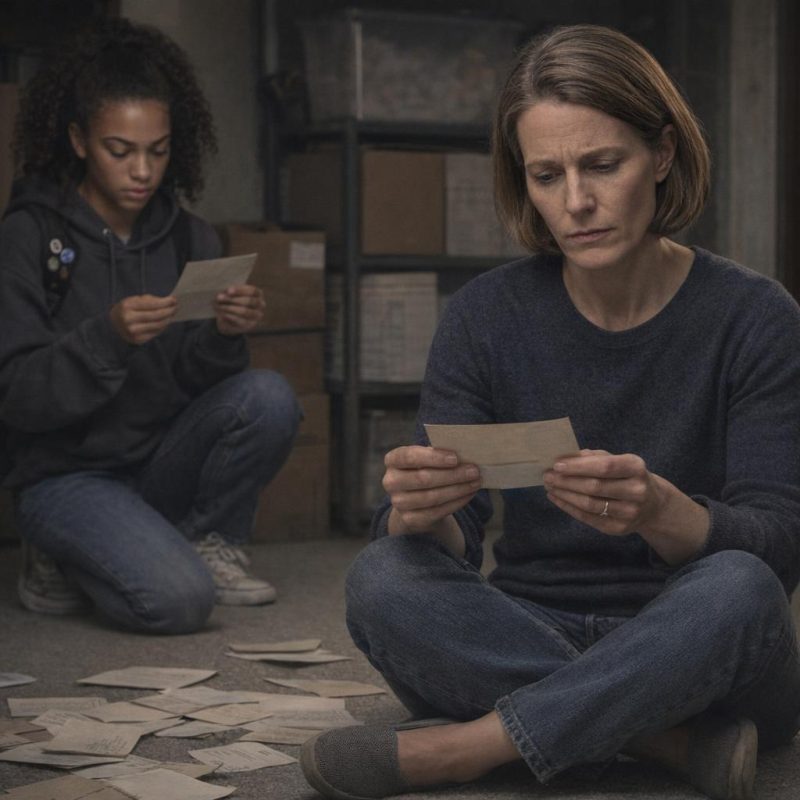 Image by RM AI
The Full Picture
We spent hours going through every hidden letter, and each one revealed another blocked attempt at connection. My mother's words expressed love and a consistent desire to be closer. She wrote about missing me at holidays, about wanting to visit more often but being told I was too busy. Some letters showed her confusion about why I seemed cold, questioning whether she'd done something wrong. I realized I'd asked myself the same questions for years. Both of us had spent all that time feeling rejected by the other while my sister stood between us feeding us both lies. The scope of the manipulation was breathtaking in its thoroughness. She'd monitored communication at both houses, used her access to both addresses to control the flow of information. Years of birthdays missed and visits canceled based on false messages. Even my divorce from David made more sense now in this context. The same isolation pattern applied to my marriage as to my relationship with my mother. Chloe sat beside me quietly furious as she read our grandmother's intercepted words. We both understood that my mother had died believing I'd chosen distance, when in fact she'd been fighting to maintain connection all along. Brenda hadn't just manipulated the will reading—she had stolen every chance my mother and I had to be close.
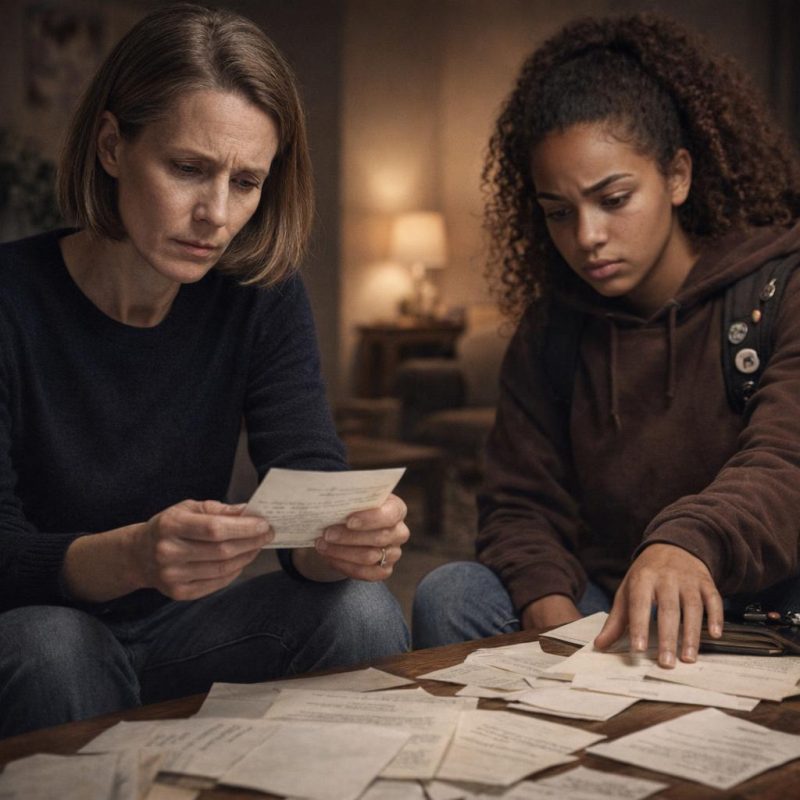 Image by RM AI
Rewriting History
I kept reading through the night, and my mother's words describing how much she missed me made rage and grief collide in my chest. Every cold silence I'd blamed myself for, every holiday I'd spent feeling guilty about our distance, every moment I'd questioned whether I was a good enough daughter had been engineered by someone who was supposed to be family. I found letters where my mother wrote about wanting to be part of Chloe's life, about hoping to visit more often, about not understanding why I never seemed to have time for her. The confusion in her words mirrored my own confusion from those same years. We'd both been reaching for each other and missing, through no fault of either of us. Childhood memories took on new meaning now. Even communications from my early adulthood might have been affected. I thought about all the times I'd tried to be understanding about my mother's seeming coldness, all the times I'd made excuses for why she didn't call or visit. The complicated relationship I'd accepted as just the way things were between us had been a manufactured lie. Chloe watched me process this, her own grief for the grandmother she'd barely known mixing with anger at what had been stolen from all of us. My mother had loved me the whole time, and Brenda had made sure I would never know it until now.
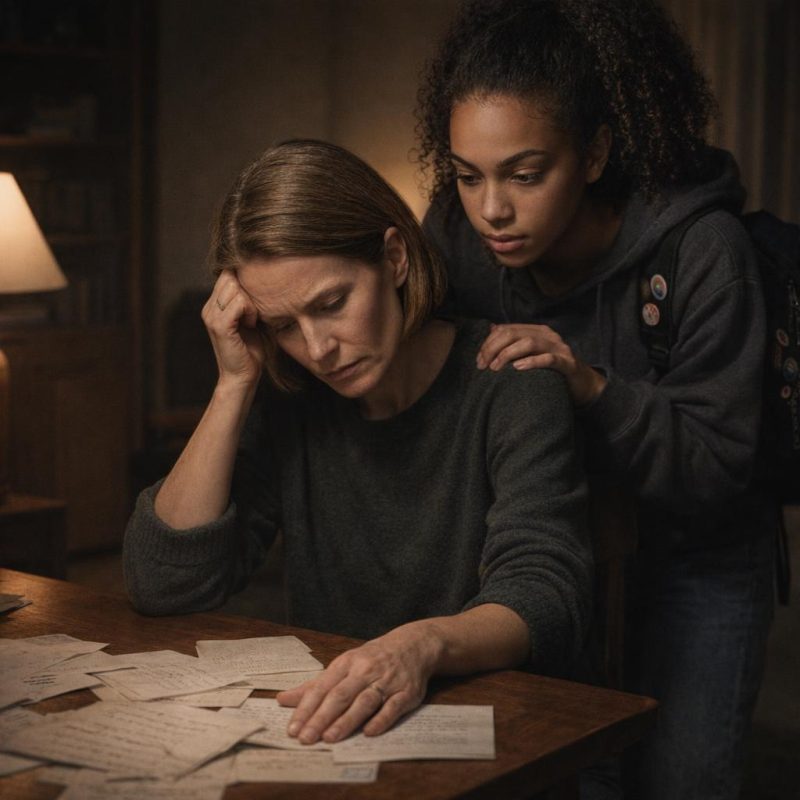 Image by RM AI
The New Evidence
I called Mr. Davis first thing Monday morning and told him I needed to see him immediately. I brought the box of intercepted letters and all the supporting evidence I'd gathered. Phone records, hidden correspondence, everything. I explained the timeline of discovery starting with Patricia's observations and ending with finding the cache of stolen mail. Mr. Davis reviewed the materials with growing disbelief, his professional composure cracking as he absorbed the implications. Years of interference documented in my sister's own handwriting, showing a deliberate ongoing campaign to isolate me from my mother. This reframed the entire will contest case. All of my sister's claims about being the devoted daughter who'd sacrificed everything now appeared to be self-serving lies. The pattern showed she'd positioned herself as my mother's only family connection while actively preventing her from maintaining other relationships. Mr. Davis looked up from the letters with an expression I hadn't seen from him before. He said this was powerful evidence, that it might constitute grounds for additional legal action beyond the will contest. We discussed strategy for presenting this at the upcoming hearing, how to document the pattern clearly for the judge. He said this changed everything about the case, and for the first time since the legal fight began, he looked genuinely optimistic.
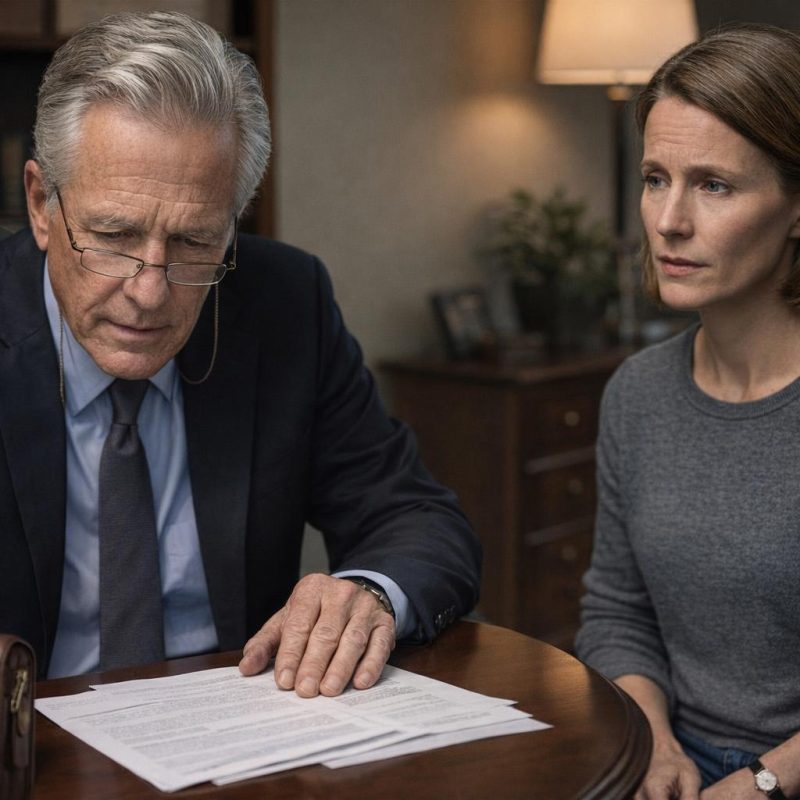 Image by RM AI
Day One
I dressed carefully that morning, choosing clothes that felt like armor—nothing flashy, just clean lines and dignity. Chloe insisted on coming with me, and I didn't have the energy to argue. She sat in the gallery with Linda while Mr. Davis met me at the courthouse entrance, his briefcase heavy with evidence that Brenda didn't know existed yet. We walked in together, and I felt the weight of every eye in that courtroom. Brenda was already seated at the opposing table, wearing a designer suit that probably cost more than my monthly mortgage payment. Her attorney arranged papers with the practiced confidence of someone who'd done this a hundred times before. She looked polished and assured, the same performance she'd been giving our entire lives. When she made eye contact with me, she actually smirked—just slightly, but enough that I saw it. She clearly believed her version of events would prevail, that her carefully constructed narrative of the devoted daughter would win over the judge. Other family members scattered through the gallery, some supporting me, more backing Brenda. The judge entered and called the proceedings to order, and Brenda's attorney opened with a confident statement about how the evidence would show undue influence. I felt the pressure of being challenged, but I held firm, knowing what was coming. Brenda's lawyer smiled at me like this was already decided in their favor.
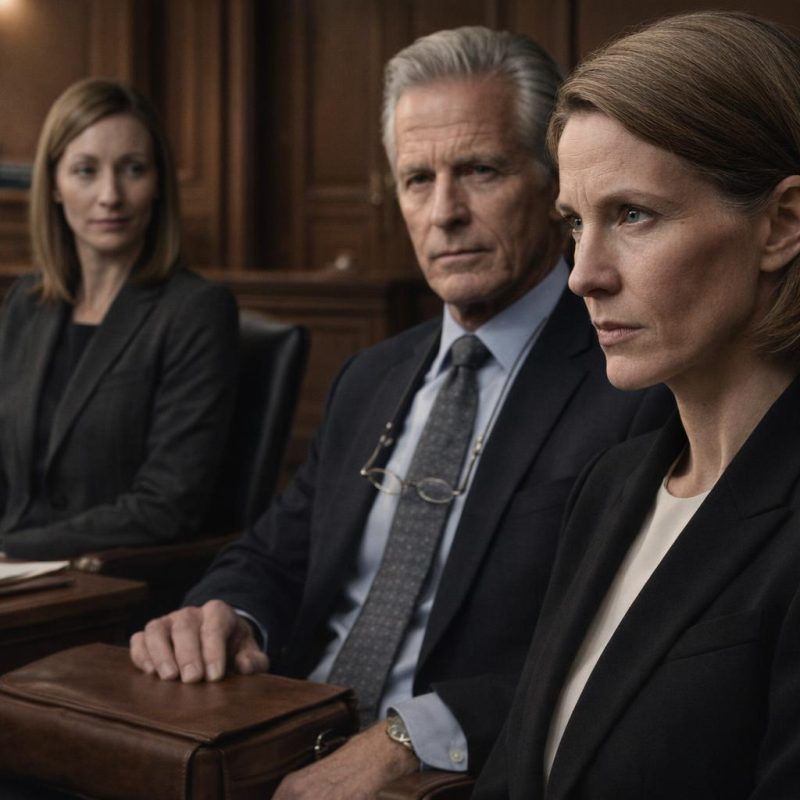 Image by RM AI
Under Examination
I took the oath and tried to calm the shaking in my hands. Mr. Davis guided me through direct examination, and I described the months of caregiving in detail—the hospital visits, the medication schedules, the doctor appointments where I was the only family member present. I talked about Mom's final weeks, about being there while she was still alert and making decisions. My voice cracked when I described how clearly she'd communicated her wishes to me. Then Brenda's attorney stood for cross-examination, and his tone shifted immediately. He suggested I'd had financial motive because of my divorce, implied I'd isolated Margaret to influence her estate decisions. Every act of love got twisted into something calculated and opportunistic. He made caregiving sound like control, made presence sound like manipulation. I maintained my composure even though I wanted to scream at the unfairness of it. Then he asked the pointed question—did I have any actual evidence that my mother wanted me to inherit the house? I said yes, and watched his confident expression falter slightly. Mr. Davis stood to introduce exhibits neither Brenda nor her lawyer had seen.
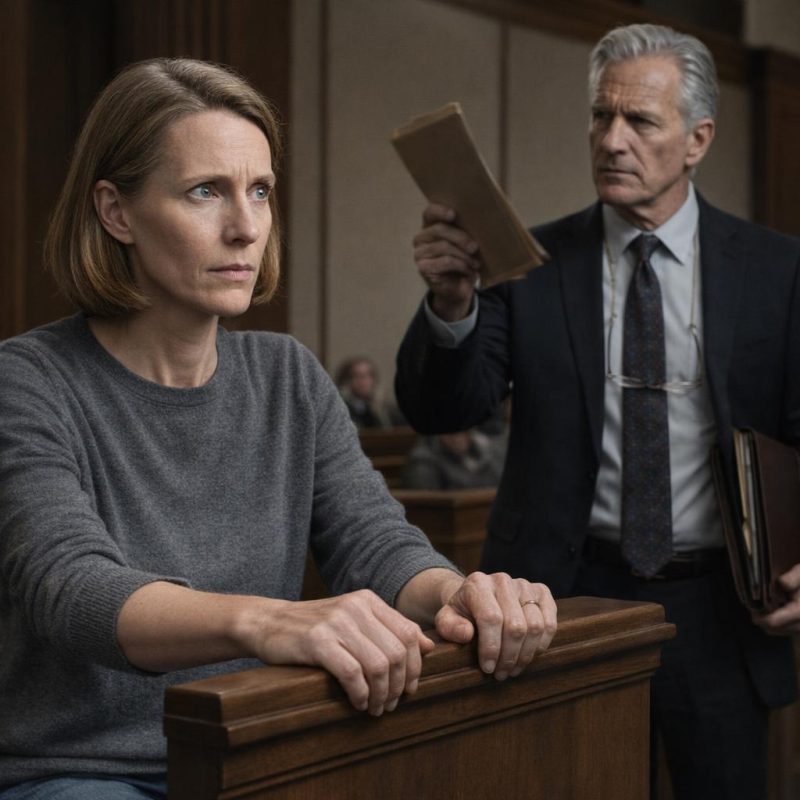 Image by RM AI
The Devoted Daughter
Brenda took the stand and delivered a performance so polished I almost had to admire the craft of it. She described herself as the daughter who'd always been there, helping with errands and household tasks, concerned about Mom's declining health. She teared up at strategic moments when discussing our mother, and I watched some people in the gallery nodding sympathetically. According to her testimony, I'd been absent and uninvolved for years, and she'd been the consistent, loving presence. She expressed concern about undue influence during Mom's vulnerable period, suggested Mom wasn't thinking clearly near the end. Every word was calibrated for maximum emotional impact. She implied I'd taken advantage of caregiving access to manipulate a confused elderly woman. The judge listened attentively, expression neutral, taking notes. Brenda's self-presentation was so thorough, so complete, that I realized something disturbing—she actually believed it. She'd told this version of history so many times that it had become her truth. Mr. Davis sat patiently waiting for his turn to cross-examine, and I held onto that. She described herself as the daughter who had always been there for our mother, and I realized she actually believed her own version of history.
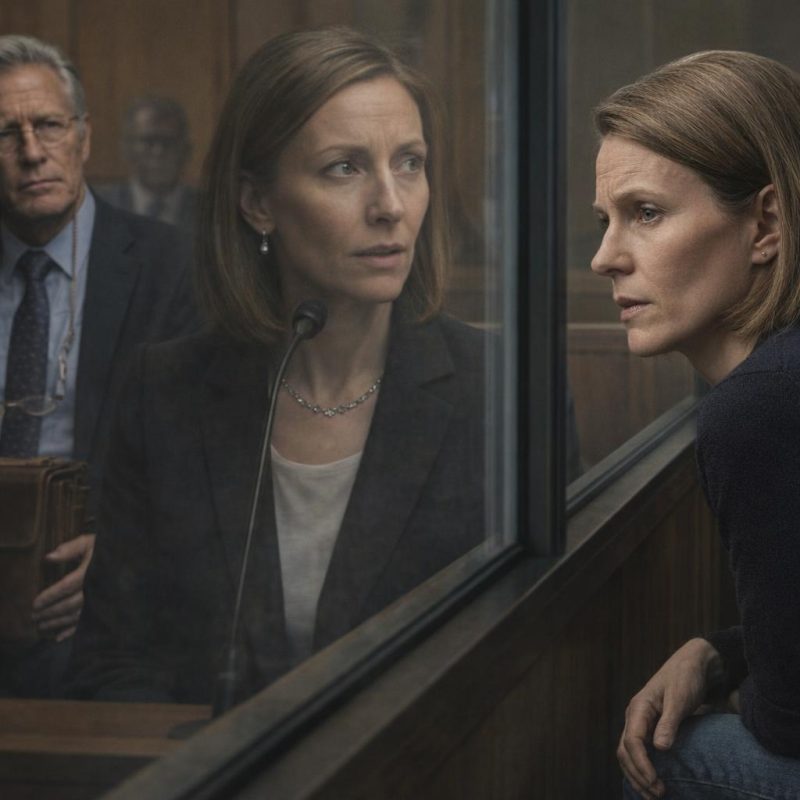 Image by RM AI
Paper Trails
Mr. Davis began his cross-examination with routine questions about timeline and visits, lulling Brenda into comfortable responses. Then he pivoted. He walked to the evidence table and began laying out letters and cards, one by one, each piece marked with dates and explanations. Correspondence I'd sent to Mom that never arrived. Letters Mom had written to me that were intercepted. Phone message notes in Brenda's own handwriting. Years of blocked communication documented in painful detail. I watched Brenda's face as she finally understood that I had found everything. Her expression shifted from confidence to alarm, then to something close to panic. Her attorney objected repeatedly, but the judge allowed the evidence. Mr. Davis methodically walked through each piece, showing the pattern of systematic interference spanning years. The judge examined the materials with increasing attention, her expression growing more serious with each document. Then she asked Brenda directly—did she recognize the handwriting on the notes attached to each letter? The notes clearly matched Brenda's known handwriting samples. Brenda opened her mouth to respond, but no sound came out. The judge asked if she recognized the handwriting on the notes attached to each letter, and she couldn't say a word.
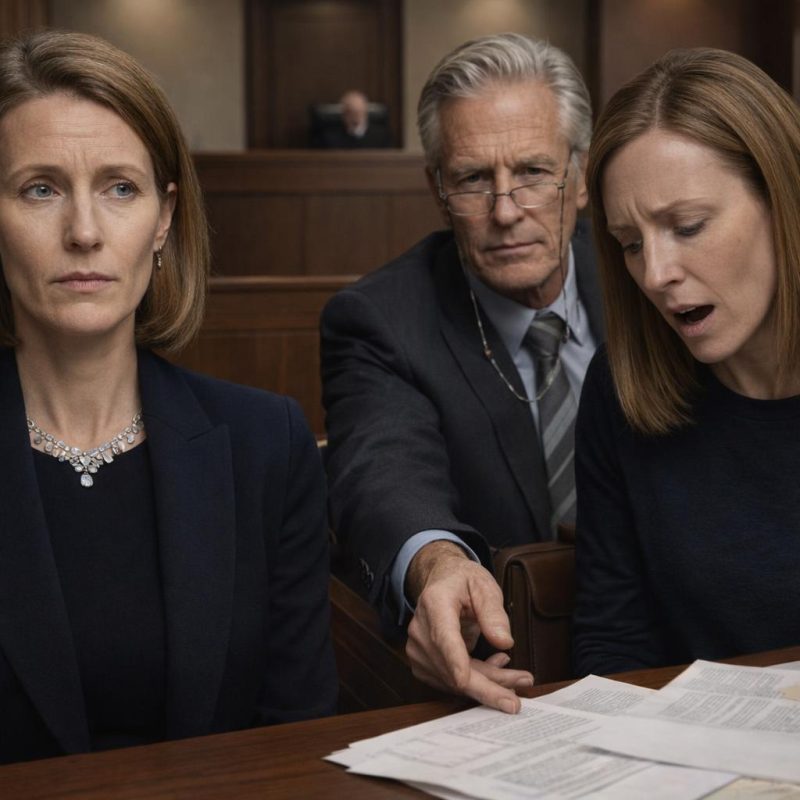 Image by RM AI
The Neighbor's Truth
Patricia took the stand with the steady composure of someone who'd seen enough in life not to be intimidated by a courtroom. She described being Mom's neighbor for over two decades, watching our family from the house next door. She testified about the pattern she'd observed with the mailbox—seeing Brenda regularly retrieving mail before Margaret could get there. At first she'd assumed Brenda was just helping, but over time she noticed Mom seemed increasingly isolated, mentioning failed attempts to contact me. Then Patricia recounted the day she'd driven Mom to my apartment, how Mom had gone inside only to return quickly, heartbroken. She'd been told by Brenda that I didn't want visitors, and Patricia had witnessed the aftermath—Mom believing her daughter had rejected her. Patricia's voice was steady as she explained that she now understood she'd been a witness to manipulation. Her account corroborated every piece of physical evidence already presented, adding the human dimension to the documentary proof. The judge's expression showed clear concern at the coordinated picture emerging. When she finished describing how she'd witnessed Brenda turn my mother away from my apartment, even the judge looked disturbed.
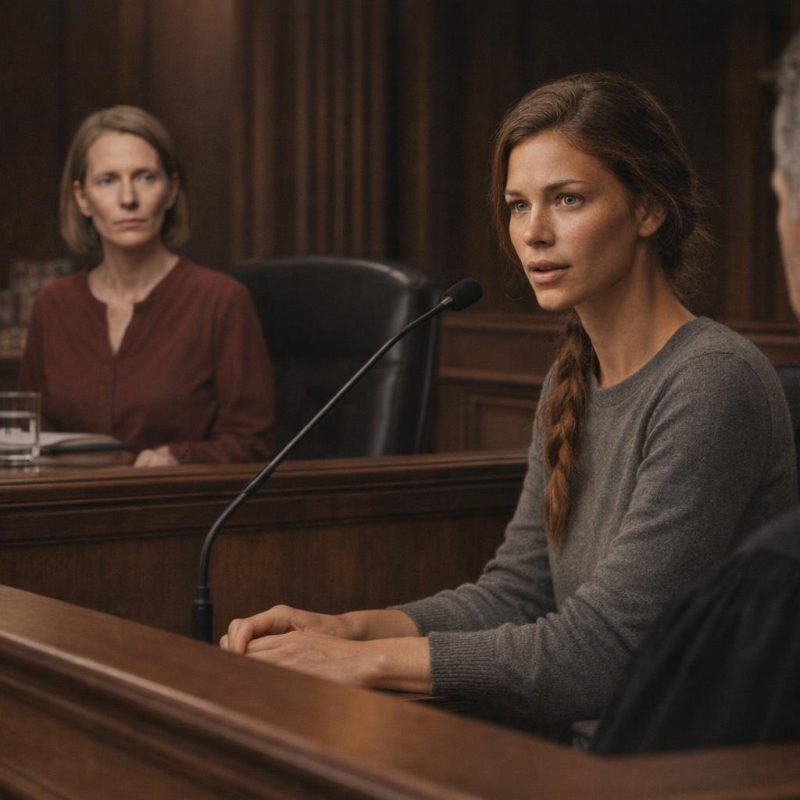 Image by RM AI
Cracking Facade
Brenda's attorney called her back to the stand for redirect, a desperate attempt to provide some explanation for the evidence. I watched my sister struggle to compose herself before testifying again. She claimed she'd been organizing Mom's correspondence to help her, but couldn't explain why letters were hidden rather than delivered. When asked about turning Mom away at my apartment, she said she was protecting our mother from stressful situations, suggested I'd been harsh with Mom previously. But Patricia's testimony had already contradicted that claim. The judge asked pointed questions about specific intercepted items, and Brenda's answers became increasingly inconsistent. She grew visibly agitated, her careful composure finally cracking. She insisted she'd only been trying to protect our mother from stress, that everything was done out of love and concern. But the pattern of behavior spanned too many years for that excuse to hold water. Her attorney looked uncomfortable with her deteriorating testimony, and I could see other family members in the gallery shifting uneasily. Brenda's controlled image was breaking apart publicly, and even her own lawyer looked like he no longer believed her.
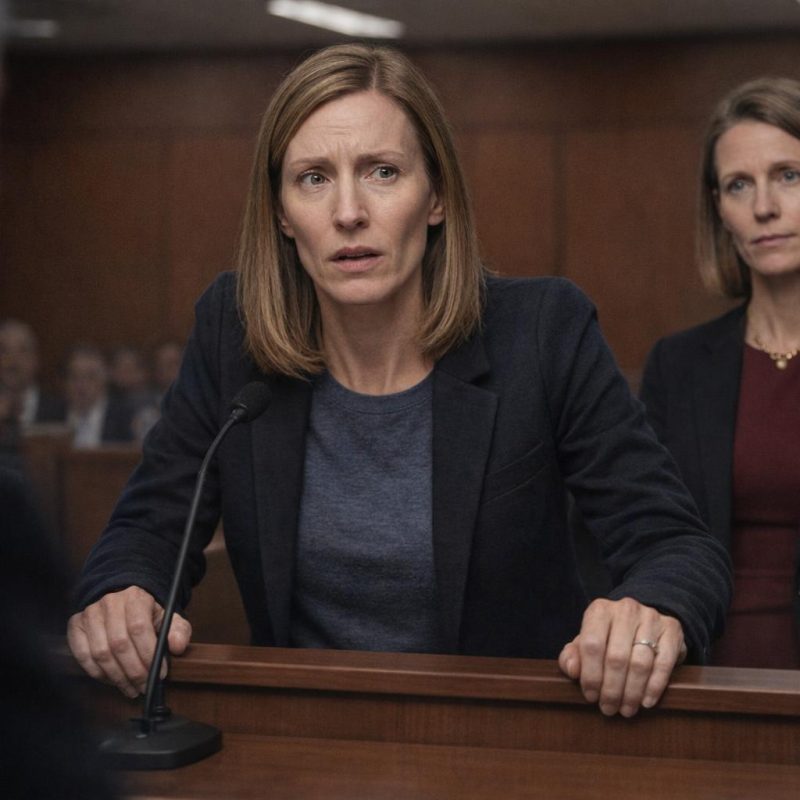 Image by RM AI
Waiting
The judge announced a brief recess to review the evidence thoroughly, and we all filed out to the hallway. I found a bench at one end of the corridor and sat down, unable to speak. Chloe held my hand while Mr. Davis stepped away to make phone calls. Brenda paced at the opposite end of the hallway, her attorney conferring with her in low tones. Her body language showed agitation I'd never seen from her before. Linda approached briefly to offer encouragement, but I could barely process her words. The minutes stretched into an hour of waiting. I couldn't eat or drink anything. My mind kept cycling through everything that had been said in court, wondering if the evidence was enough, if the judge had seen through Brenda's performance the way I had. Finally the bailiff emerged to call everyone back inside. As we stood to file back into the courtroom, I noticed something that made my heart skip—Brenda's lawyer was already packing his briefcase, his demeanor suggesting he knew exactly how this would go. When the bailiff called us back inside, Brenda's lawyer was already packing his briefcase.
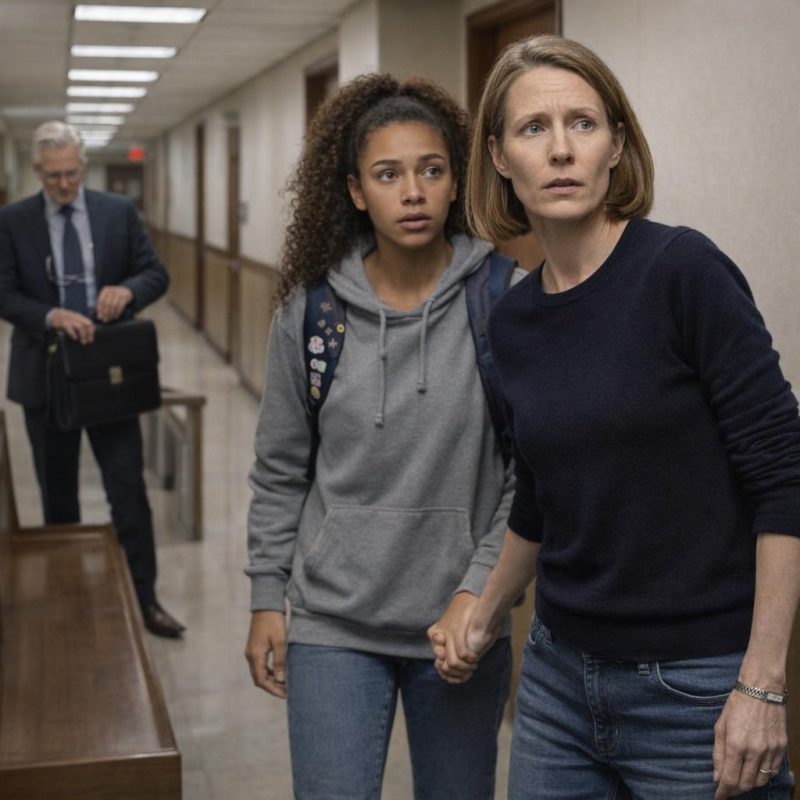 Image by RM AI
The Ruling
The judge entered and we all rose, then sat in heavy silence. She began by summarizing the case and the evidence presented, and I held my breath. She noted the documentary evidence of systematic interference, described it as a troubling pattern of deliberate behavior spanning many years. She referenced Patricia's testimony as credible corroboration of the physical evidence. Then she stated clearly that Margaret's intentions were documented beyond question—the note and photograph demonstrated sound judgment and clear thinking. She ruled that the will challenge was denied in full. The will would stand exactly as Mom had intended. The house would go to me with the provision for Chloe. Then the judge added personal commentary that made the courtroom go completely still. She called Brenda's interference behavior a disturbing attempt to manipulate family relationships for personal gain, noting it appeared to have continued for years and significantly undermined the challenger's credibility. Brenda sat motionless as the ruling was delivered, her face drained of color. Her attorney made no motion to appeal. I felt tears finally coming but held them back as Mr. Davis squeezed my shoulder. The will stood exactly as my mother had written it, and Brenda sat frozen as the reality of her public exposure finally sank in.
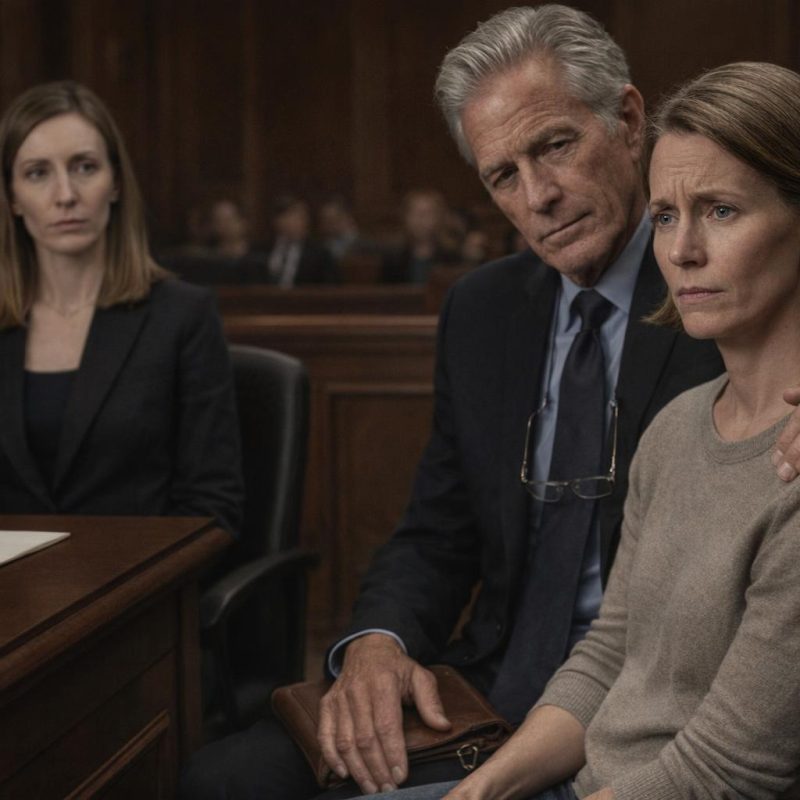 Image by RM AI
No More Words
I was halfway to the courthouse exit when I heard her voice behind me. "Deborah, wait." My sister's voice sounded strained, almost desperate, nothing like the controlled tone she'd maintained throughout the trial. Chloe's hand tightened on my arm, but I stopped and turned around. Brenda stood in the hallway, her designer suit still immaculate despite everything that had just happened in that courtroom. "We need to talk," she said, stepping closer. "You don't understand. Everything I did was for the family's good. Mom couldn't handle certain stresses, you know that. She needed protection from complications." Her words tumbled out faster now, justifications that might have worked on me a year ago. "You never understood the full situation, the responsibilities I carried. Someone had to make the difficult decisions." I looked at her, really looked at her, and saw a stranger wearing my sister's face. The explanations sounded hollow after what we'd all heard in court, after Patricia's testimony, after that photograph. I felt Chloe shift beside me, waiting. For the first time in my life, I didn't need to justify myself to my sister.
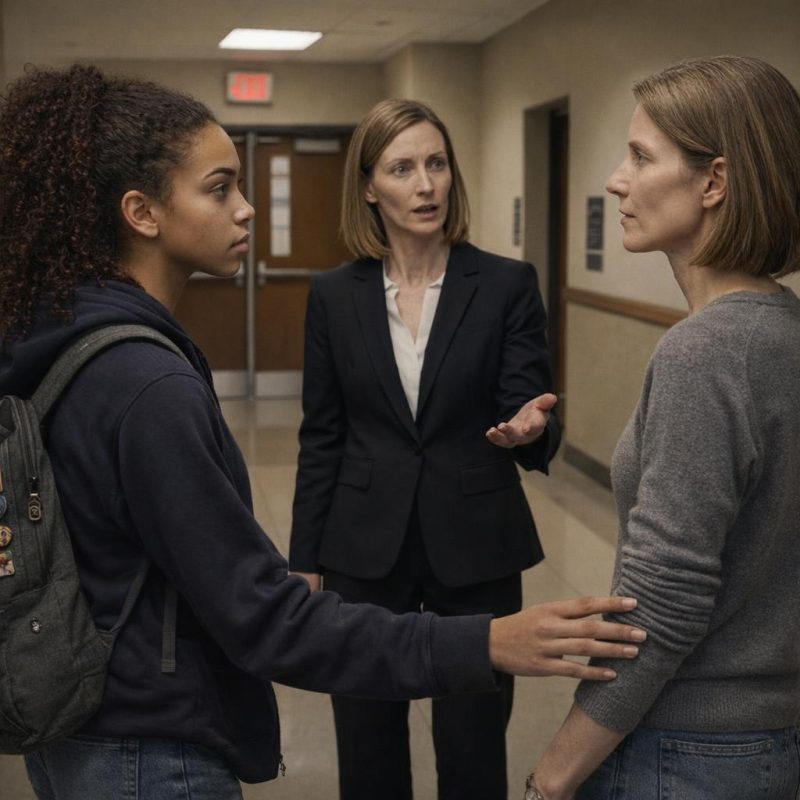 Image by RM AI
Settled at Last
Two weeks after the ruling, I was fixing a squeaky hinge on the back door when my phone rang. Mr. Davis's number appeared on the screen. "Good news," he said when I answered. "The deadline for filing an appeal passed yesterday at five PM. Brenda didn't challenge the ruling." I sat down on the porch step, phone pressed to my ear. "So it's over? Completely over?" "Completely," he confirmed. "The estate is officially settled. The house belongs to you with no claims against it. I'm filing the final documents to close everything out this week." We talked for a few more minutes, him congratulating me on seeing it through, me thanking him for his patience and support. When I hung up, I just sat there for a moment, letting it sink in. The weight I'd been carrying since Mom's funeral, maybe even longer than that, finally lifted. I walked back inside and looked around with different eyes. The cracked tile in the kitchen, the water stain on the ceiling, the outdated fixtures—they weren't problems in someone else's house anymore. I hung up the phone and looked around the house that was now truly home.
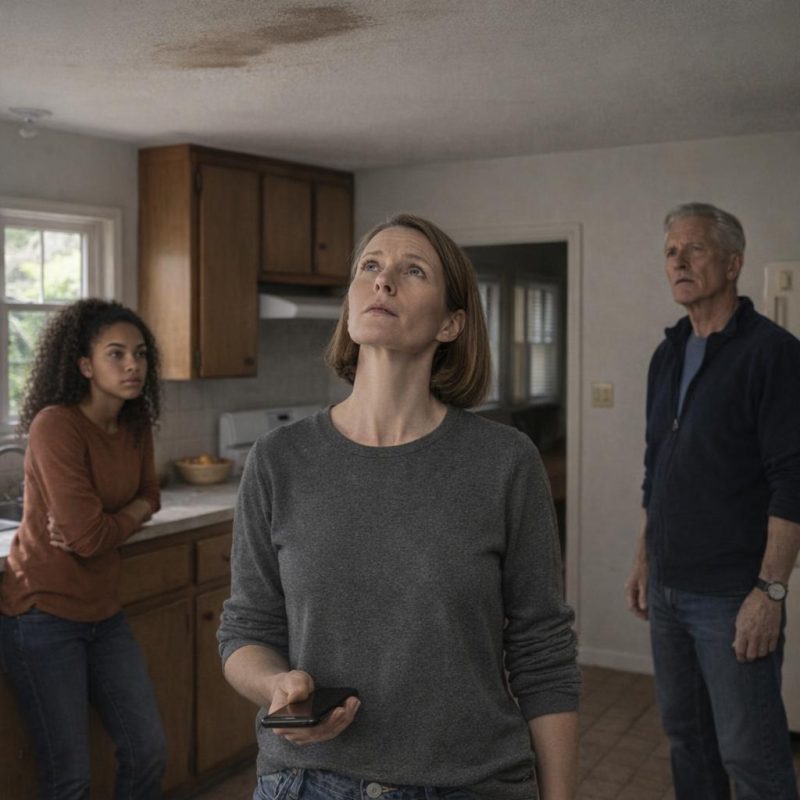 Image by RM AI
Making Home
Saturday morning arrived with a list of projects and actual energy to tackle them. I spent the day working through repairs I could manage myself—painting the hallway trim, fixing cabinet doors that hadn't closed properly in years, replacing the ancient bathroom faucet that had dripped since my childhood. Down the hall, music played from Chloe's room where she was painting her walls a bold turquoise that my grandmother definitely would have called too much. But watching her transform that space into something entirely her own, I didn't say a word. We worked through the afternoon, taking breaks to admire each other's progress, ordering pizza when we got too tired to cook. The garden outside showed signs of Chloe's attention too—cleared beds, new mulch, plans sketched out for spring planting. By evening, we sat down to dinner at Mom's old kitchen table, using her everyday dishes, the ones with the faded blue pattern around the edges. Chloe told me about her plans for the garden, I showed her paint samples for the living room. We ate dinner at my mother's old kitchen table and I realized we were creating new memories in a house that finally felt like it belonged to us.
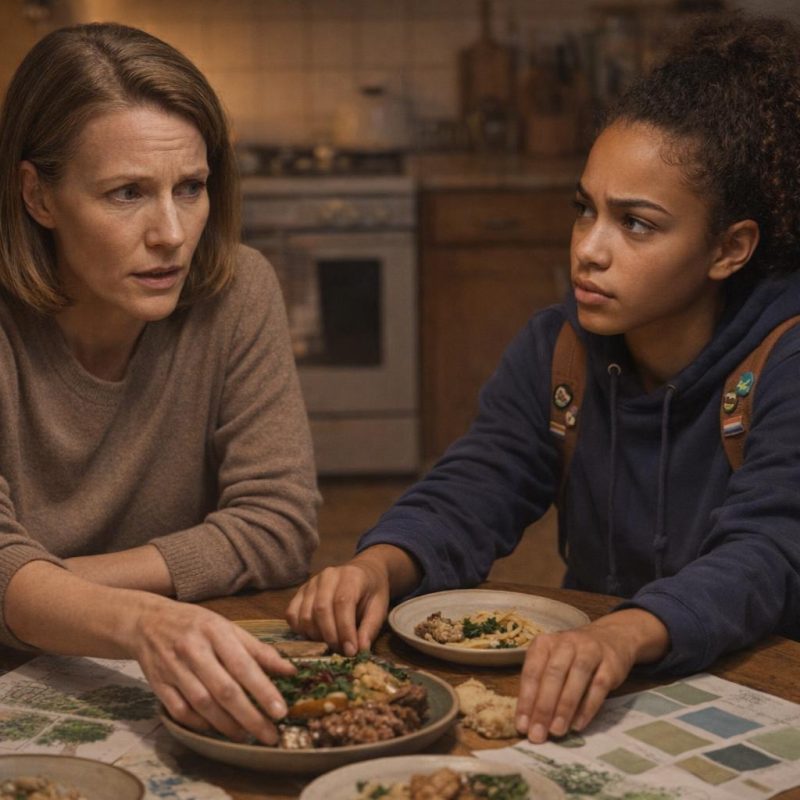 Image by RM AI
New Beginnings
Thanksgiving morning started early with me in Mom's kitchen, her recipe cards spread across the counter. Chloe helped with the dishes she'd learned from her grandmother—the sweet potato casserole, the specific way to fold the dinner rolls. We set the table with Mom's good china, the pieces she'd only used for holidays. Linda arrived first, arms full of contributions and that warm smile that had meant so much during the hardest months. The other guests trickled in—cousins who'd testified, relatives who'd sent encouraging texts throughout the trial, people who'd chosen us when choosing had mattered. David wasn't there, but he'd sent Chloe a card that morning that made her smile. Brenda's name never came up. We didn't need to mention her absence. The meal itself felt easy in a way family gatherings hadn't felt in years. People toured the renovations, complimented Chloe's bold bedroom choice, asked about our plans. When everyone gathered around the table, I stood and raised my glass to Mom's memory, to her wishes, to everyone who'd stood by us. Looking around at the faces smiling back, I finally understood what she'd wanted for me all along. The house was full of the family she had hoped I would have, and for the first time in years I felt like I had come home.
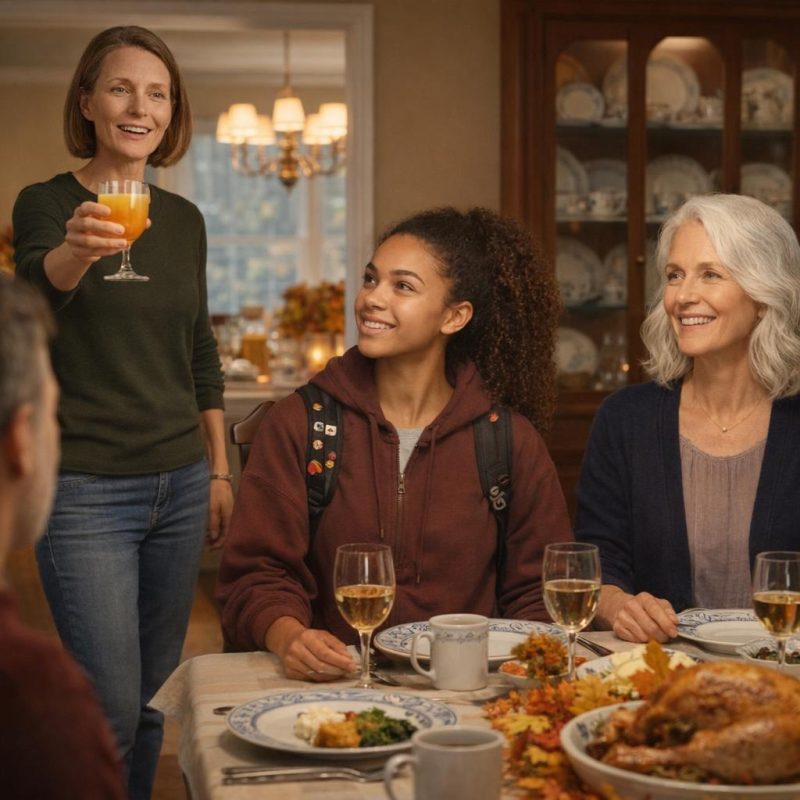 Image by RM AI
KEEP ON READING
The 20 Most Recognized Historical Figures Of All Time
The Biggest Names In History. Although the Earth has been…
By Cathy Liu Oct 4, 2024
10 of the Shortest Wars in History & 10 of…
Wars: Longest and Shortest. Throughout history, wars have varied dramatically…
By Emilie Richardson-Dupuis Oct 7, 2024
10 Fascinating Facts About Ancient Greece You Can Appreciate &…
Once Upon A Time Lived Some Ancient Weirdos.... Greece is…
By Megan Wickens Oct 7, 2024
20 Lesser-Known Facts About Christopher Columbus You Don't Learn In…
In 1492, He Sailed The Ocean Blue. Christopher Columbus is…
By Emilie Richardson-Dupuis Oct 9, 2024
20 Historical Landmarks That Have The Craziest Conspiracy Theories
Unsolved Mysteries Of Ancient Places . When there's not enough evidence…
By Megan Wickens Oct 9, 2024
The 20 Craziest Inventions & Discoveries Made During Ancient Times
Crazy Ancient Inventions . While we're busy making big advancements in…
By Cathy Liu Oct 9, 2024