

My Husband's Name Was on a Dance Studio Email — The Receptionist's Next Words Ended My 11-Year Marriage
My Husband's Name Was on a Dance Studio Email — The Receptionist's Next Words Ended My 11-Year Marriage
The Email That Didn't Belong
I was folding towels on a Saturday morning when the notification appeared on our iPad. You know that moment when something small interrupts your routine and you almost ignore it? That was me, standing in the laundry room with a half-folded bath towel in my hands, watching the screen light up on the counter. The email preview showed a subject line about observation week at some dance studio. I almost swiped it away as spam. We got those all the time, random messages for services we'd never signed up for, addresses that weren't quite ours. But something made me pause. The preview text was oddly specific. It mentioned welcoming someone back to the studio, and I caught a fragment of a name in the message. Emma's dad, it said. And then, clear as anything, Daniel. My Daniel. My husband's name, right there in an email about a dance academy I'd never heard of. I set down the towel and picked up the iPad, telling myself it was just a weird coincidence, some glitch in an automated mailing list. But the subject line stared back at me, and I couldn't quite shake the feeling that something about it didn't belong in our quiet Saturday morning at all.
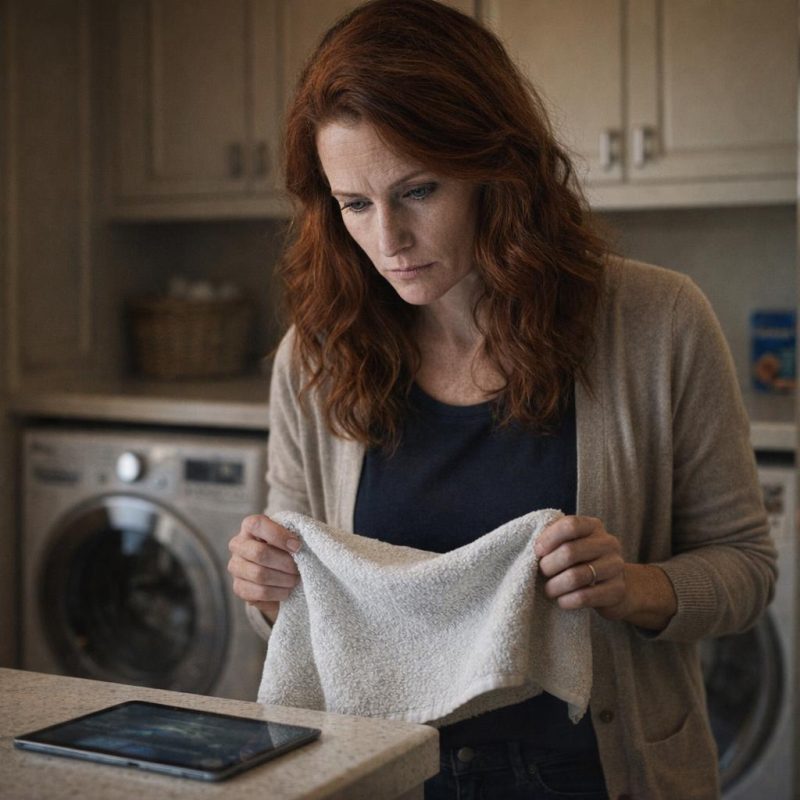 Image by RM AI
Too Many Specifics
I opened the full email instead of deleting it. The message was from Maple Grove Dance Academy, a name I didn't recognize but that sounded local, not like some national chain with a glitchy database. I scanned the text and felt my stomach do a small, uncertain flip. It was addressed to Emma's parents, reminding them about Monday's rehearsal with Miss Ava. The email included a specific class time, three-thirty in the afternoon, and a note about sending Emma with her hair already in a bun. There were details about parking in the back lot and a reminder that observation week meant parents could watch through the studio window. I read it twice, looking for the error that would make this make sense. Spam didn't usually include teacher names and hair instructions. It didn't mention studios that were only twenty minutes from our house. I pulled up the map link at the bottom of the email and confirmed the address was real, local, specific. My hands felt cold. I called out for Daniel, trying to keep my voice casual, like I was asking him about dinner plans or whether he'd seen my keys. He was in the garage, I knew, working on something with his tools. I heard his footsteps a moment later, and I held the iPad toward the doorway, still thinking there had to be a logical explanation I just wasn't seeing yet.
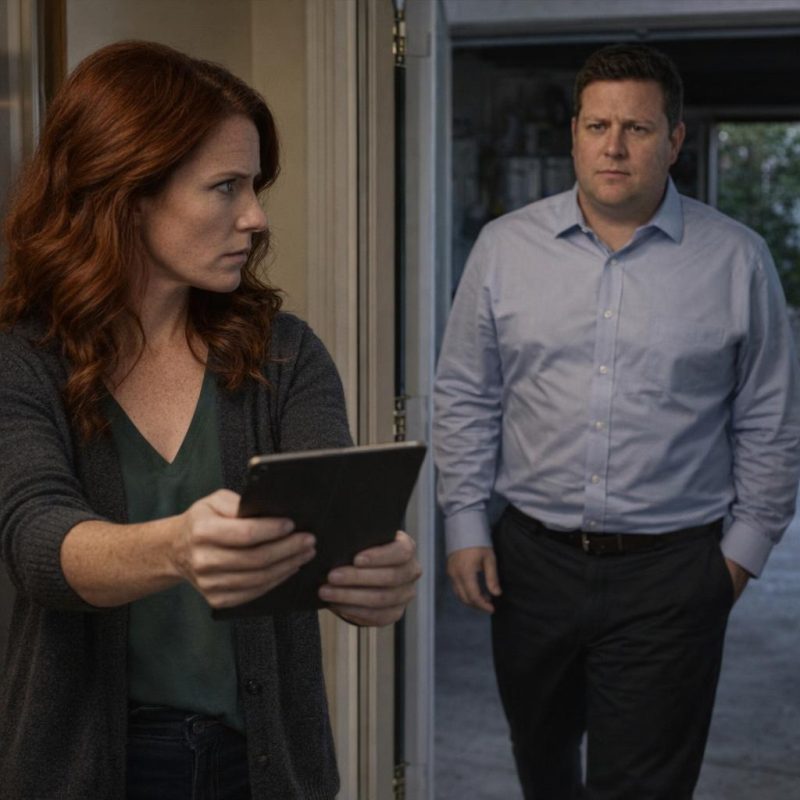 Image by RM AI
The Wrong Kind of Calm
Daniel walked in from the garage carrying a screwdriver, his face still holding that half-focused expression of someone interrupted mid-project. But when he saw me standing there with the iPad, something shifted in his eyes. I showed him the screen and asked if he knew anything about an email from a dance studio. He barely glanced at it before he laughed, short and dismissive, and said studios messed up their contact lists all the time. He reached for the iPad like the conversation was already finished. I pulled it back and pointed at the screen, at his name right there in the preview text. Daniel's jaw tightened just slightly, and he said with a small edge in his voice that he'd handle it, that I should just delete it. He set the screwdriver down on the counter with a careful click and told me he had errands to run, hardware store and maybe the gym. He left within ten minutes, and I stood in the kitchen feeling like I'd just watched someone perform a script I hadn't known existed. After his car pulled out of the driveway, I sat down with my laptop and searched for Maple Grove Dance Academy. What I found wasn't some automated chain with a glitchy mailing list. It was a small local studio with bright pink walls in the photos, smiling children in sequins, and a page dedicated to parent observation policies that felt specific and real and nothing like a random error at all.
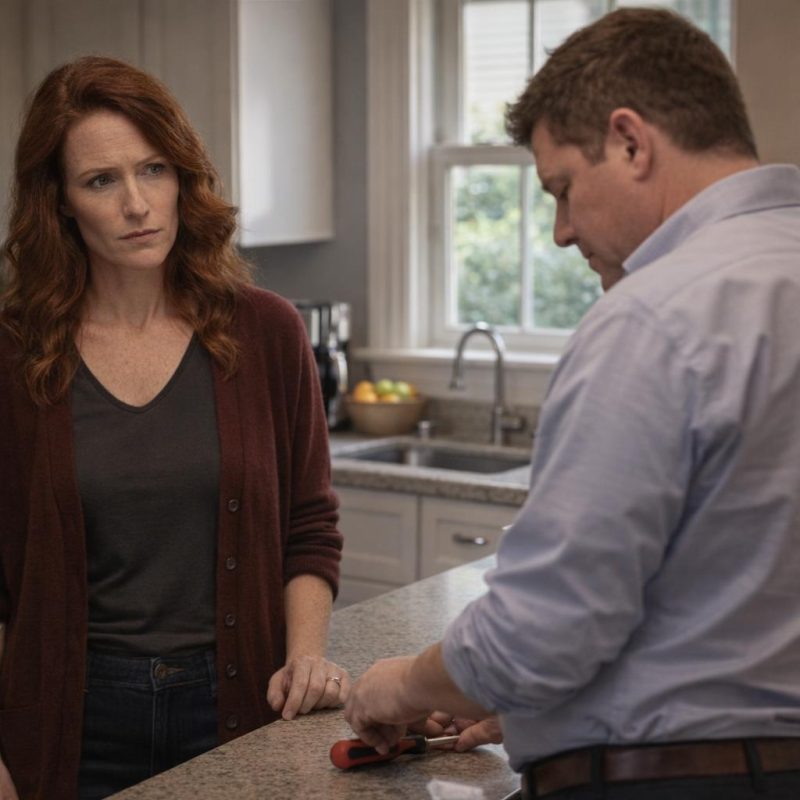 Image by RM AI
Primary Pickup on Fridays
I sat in my car in the grocery store parking lot Sunday morning, phone in my hand, feeling ridiculous and terrified at the same time. I told myself I was about to confirm an administrative error, that I'd laugh about this later. The receptionist answered on the second ring, her voice bright and cheerful. Tessa, she said her name was. I explained I'd received an email that might have been sent in error, and could she check if it was meant for me? She asked for the child's first name. I swallowed and said Emma. She asked for the parent name on the message. I said Daniel Harper, and there was typing, and then a pause that went on too long. Tessa came back and confirmed that Emma Harper-Collins was in their system, and that Daniel Harper was listed as her father and primary pickup on Fridays. I asked her to repeat it. Everything inside me went still and cold. She repeated it slower, like maybe I hadn't heard, and I felt my knees go weak even though I was sitting down. I braced myself against the steering wheel and asked if there could be another Daniel Harper, and Tessa said the phone number on file matched the one I'd called from. Then she added, kindly and without knowing what she was destroying, that Miss Ava said Emma always lit up when her dad came to class.
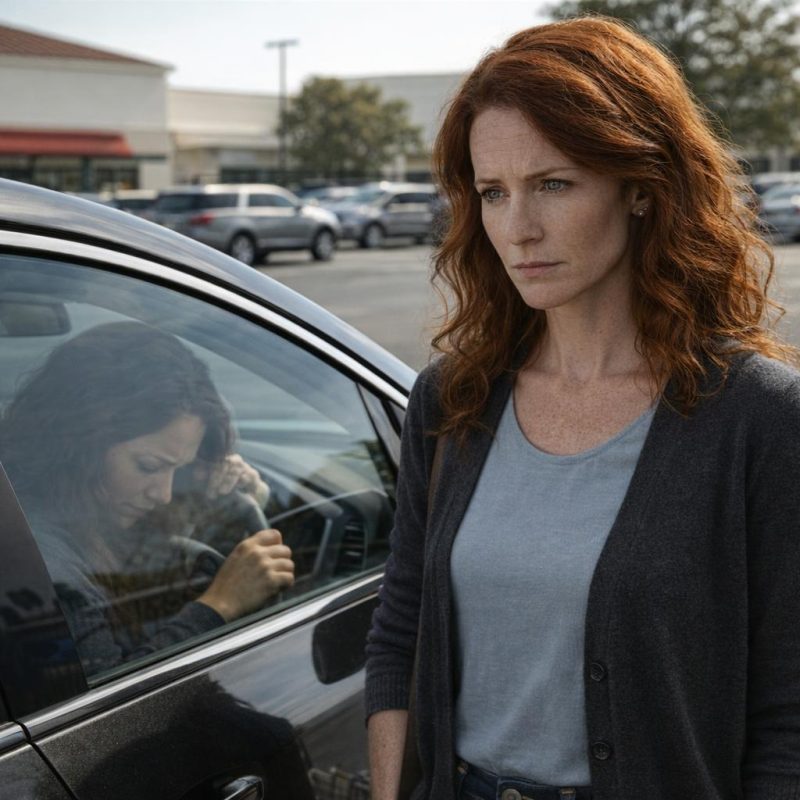 Image by RM AI
Photographs of a Life I Didn't Live
I don't remember ending the call or driving home. I opened our family laptop and searched for what I'd missed, for the pieces I'd been too trusting to see. I found an old cloud folder with file names that looked innocuous, just dates and initials. Inside were photos of a little girl with dark curls. She was at a pumpkin patch wearing a pink jacket. She was on a swing set, mid-laugh, her hair flying. She was asleep in a back seat with a small dance bag beside her, her face soft and unguarded. In one photo, Daniel's hand appeared at the edge of the frame, holding out a juice box to her. In another, a woman stood beside Emma with Daniel's arm around both of them, all three of them smiling like a family. I recognized the woman from social media fragments, someone Daniel had once mentioned as an old coworker. Nora Collins. The photos weren't glamorous or wild. They were ordinary. A man at a pumpkin patch. A man pushing a swing. A man showing up over and over for a child. And then coming home every night to his wife and pretending both lives could somehow fit inside the same skin without tearing everything apart.
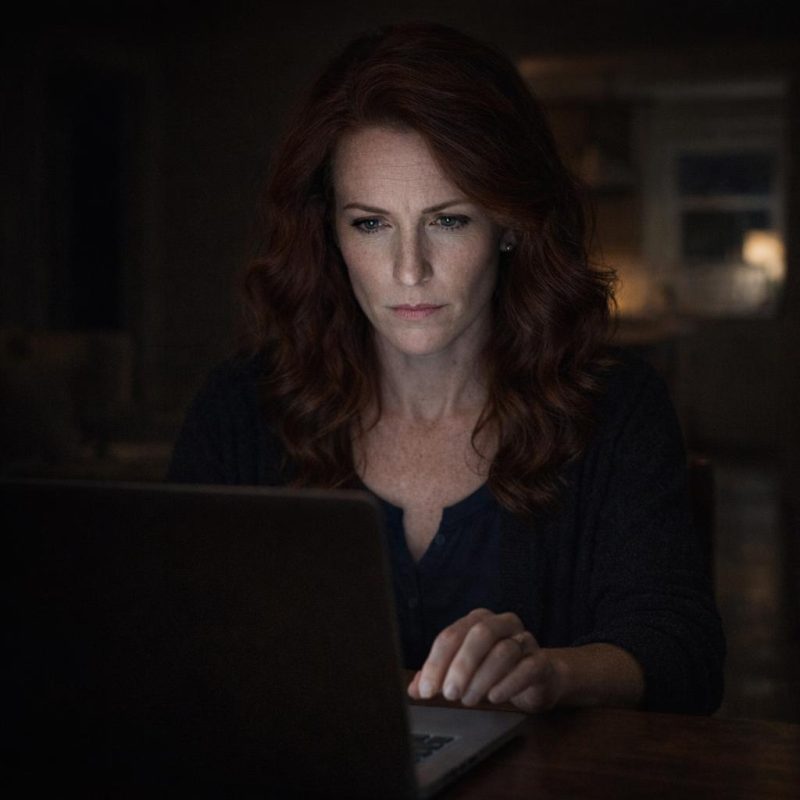 Image by RM AI
Hardware Store and Gym
I kept searching. I opened Daniel's calendar, the one we supposedly shared, and started clicking on entries I'd never questioned before. Hardware store visits that happened every Friday at the same time. Gym appointments that lined up perfectly with what would be dance class hours. A dentist entry from three months ago that I now realized would have been a pediatric checkup. Multiple entries labeled recital rehearsal from the past six months, buried among work meetings and oil changes. The pattern emerged like a photograph developing in chemicals, each detail sharpening into focus. Years of appointments and commitments, carefully disguised as errands I'd never think to verify. Every Friday pickup. Every recital. Every moment Daniel was with Emma while I believed his cover story about needing an hour at the hardware store or the gym. He hadn't hidden his life so much as scattered it in places he assumed I would never think to search. The deception wasn't one big lie. It was thousands of small, careful ones, a system built entirely on the foundation of my trust. And the worst part was how well it had worked, how easily I'd believed him, how completely I'd never suspected that while I was home folding towels and planning dinners, he was living an entirely separate existence that I was never supposed to discover.
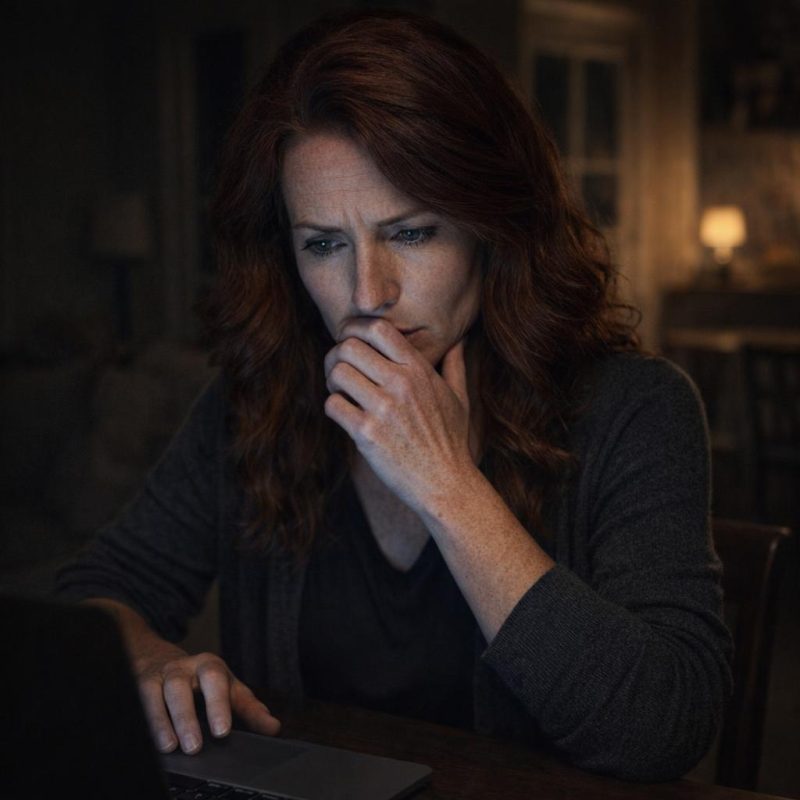 Image by RM AI
Thai Takeout and a Closed Expression
Evening came. Daniel walked through the front door carrying Thai takeout and wearing a smile that looked like he'd tried it on in advance. He asked if I'd had a long day, his voice carefully casual. I was sitting at the dining table with the laptop closed in front of me, and I'd spent the entire day discovering the architecture of his hidden life. He set the bag down and started unpacking containers like we were about to have a normal Saturday night dinner. I watched him perform this version of normalcy and felt something cold settle in my chest. I asked him directly, my voice steady in a way that frightened even me. Who is Emma? Daniel stopped moving so completely it was almost theatrical. He tried his first lie, just a confused what, like he didn't understand the question. I told him not to do that, not to make me drag the truth out one inch at a time. He set down the container he was holding with careful precision, and I watched his face change as whatever performance he'd prepared dissolved. His expression shifted through confusion to recognition to something that looked almost like relief, and I realized in that moment that he knew. He knew exactly what I'd found, and now he knew that I knew, and there was no more pretending left between us. When I asked who Emma was, he stopped so completely it was almost theatrical.
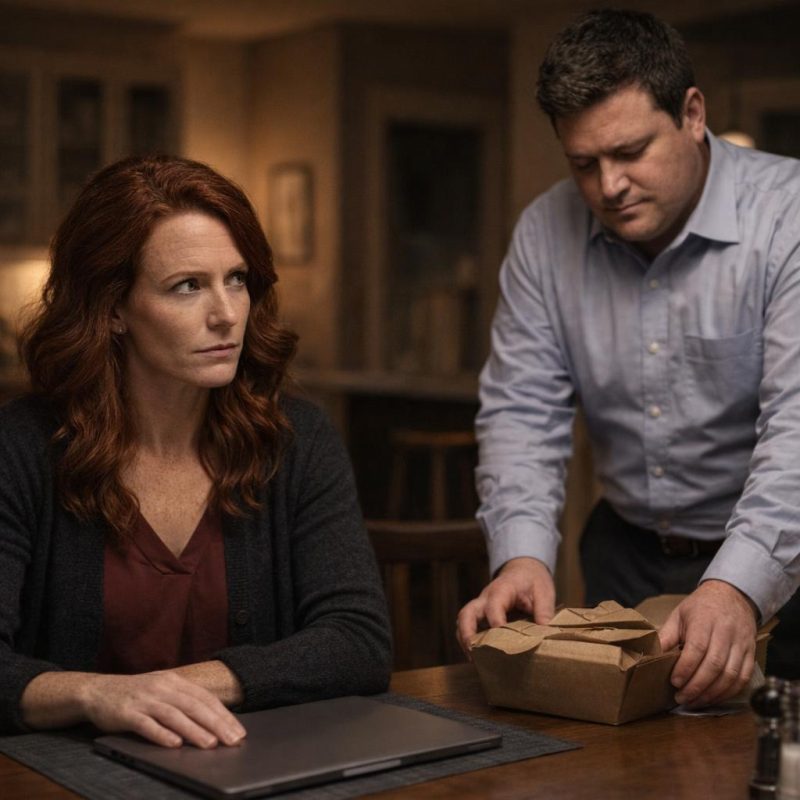 Image by RM AI
Six Years Old
Daniel's prepared performance crumbled. He said it's complicated, and I knew immediately that no version of this story would leave my life standing. He told me Emma was six years old. He said the pregnancy happened during what he called a confusing period in our marriage, which I understood meant the year he supposedly worked late every Friday. He claimed he didn't know how to tell me once Emma was born, that too much time had passed and the lie got heavier. He'd convinced himself he was protecting me, though he couldn't explain protecting me from what exactly. Not from the truth. Not from the humiliation. Not from the knowledge that he had a secret child while we sat in our living room talking about maybe trying fertility treatments someday. I realized that while I'd been grieving the children we never had, he'd been taking one to dance class and watching her light up when he walked through the studio door. I laughed once, a sharp ugly sound that didn't feel like it came from me. I told him he'd let me think we were mourning the same thing while he was secretly living another life entirely. Daniel started crying then, saying he loved me, that he loved Emma too, that he never meant for these worlds to meet. But they had met, I said. They'd met at a dance studio with recital posters and a receptionist named Tessa who didn't know she was ending an eleven-year marriage with her cheerful confirmation.
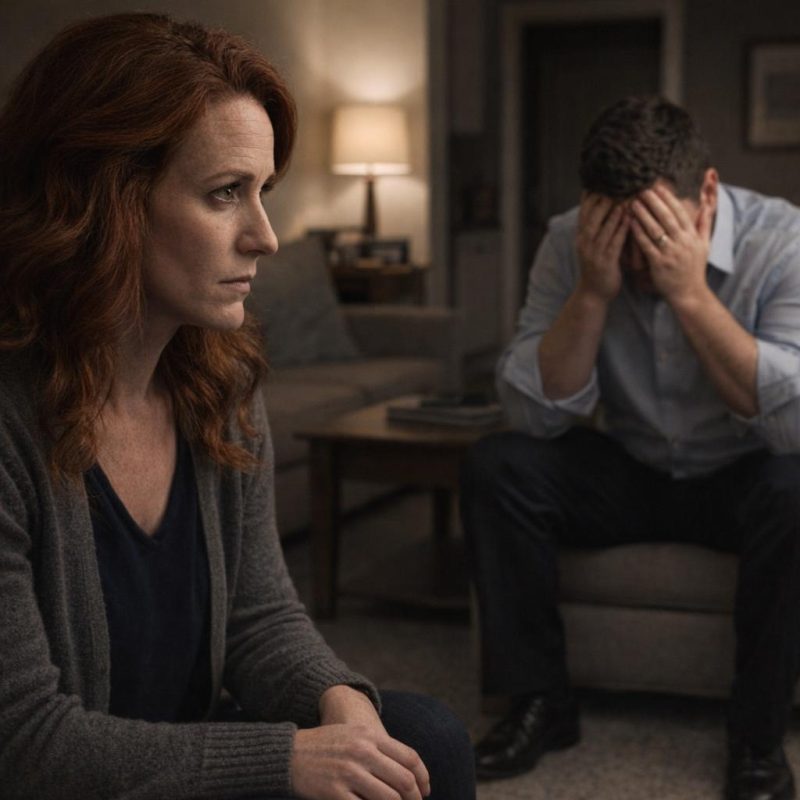 Image by RM AI
Witness Required
I sat in my car in the dark driveway for twenty minutes before I could make my hands work well enough to pull out my phone. The house behind me had lights on in the living room where Daniel was probably still sitting, maybe crying, maybe searching for words that would sound better than the ones he'd already used. I couldn't go back in there. I needed someone to hear what had happened, to confirm I wasn't losing my mind. I called Lisa Chen, my college roommate who'd been my maid of honor and who'd never particularly liked Daniel, though she'd been too loyal to say it outright. She answered on the second ring. I heard her voice say my name as a question, already picking up that something was wrong. I described the discovery in careful, steady sentences. The email from Maple Grove Dance Academy. The receptionist named Tessa confirming Daniel Harper's daughter Emma. The cloud folder with photos of a little girl with dark curls. The calendar entries disguised as errands. Daniel's confession about a six-year-old daughter he'd hidden for her entire life. Lisa went quiet for a long moment, then asked if I was safe. I realized the question was valid. I didn't know anymore what I was safe from or what safety even meant. Lisa said she was coming over right now, and I felt something in my chest unclench slightly. I needed someone to witness this, to confirm it was real and not some nightmare I could wake from.
 Image by RM AI
The Confusing Period
Lisa arrived forty minutes later and found Daniel still in the house, standing in the kitchen like he didn't know whether he was allowed to leave. I'd come back inside because sitting in the car felt like hiding, and I wasn't the one who should be hiding. Lisa's presence gave me something solid to hold onto, someone who could see what I was seeing. I made Daniel explain who Nora Collins was. He said she was a coworker from years ago, someone he'd worked with on a project. He kept using the phrase 'confusing period in our marriage,' like it was a weather pattern that had just happened to us both. I made him define what he meant by confusing. Forced him to be specific about the timeline. He eventually admitted it was the year I thought our marriage was stable, the year I believed we were working through our difficulties together, getting stronger. Lisa watched silently from the doorway, her arms crossed, and I could feel her witnessing the pattern I was finally seeing. He protected himself, not me. He claimed he didn't know Nora was pregnant at first, then didn't know how to tell me once he knew. Each explanation sounded more hollow. I realized the confusion had existed only for me. Daniel had clarity. He'd chosen deception with full awareness while I'd been choosing trust. The confusion had only been mine.
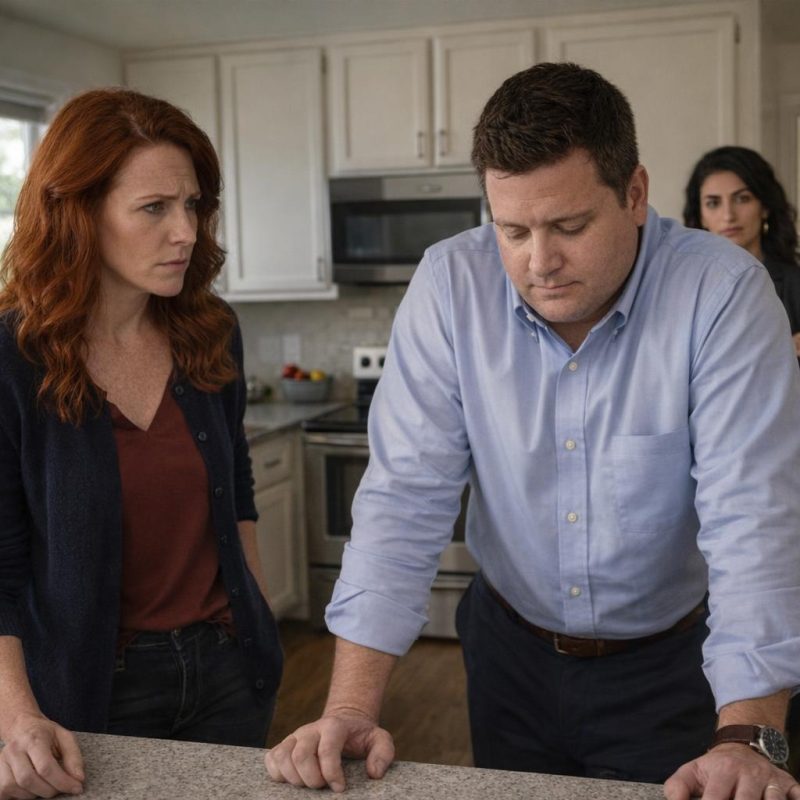 Image by RM AI
Every Friday for Seven Years
After Daniel left, Lisa helped me create a timeline on paper spread across the dining room table. I pulled up old calendars and email records, matching dates to memories I'd thought I understood. Emma was six years old. The pattern of Daniel's Friday late work nights went back seven years, starting before Emma was even born. He'd established the routine during Nora's pregnancy and continued it without disruption after Emma's birth. Every Friday for seven years, he'd chosen to be somewhere else. I counted obsessively, doing the math over and over. Approximately three hundred and fifty Fridays over seven years. Three hundred and fifty times he'd made the choice to be with Emma and Nora. Three hundred and fifty times he'd come home afterward and pretended nothing, kissed me hello, asked about my day. Lisa watched me calculate the systematic nature of the deception, and I saw her face go hard with anger I couldn't quite access yet. The business trips I'd thought were career advancement opportunities were actually weekends spent with his daughter. The conference in Portland had been Emma's third birthday. The workshop in Seattle had been a recital weekend. Every achievement I'd celebrated with him was cover for his other life. The business trips she'd thought were advancement opportunities had been weekends with his daughter.
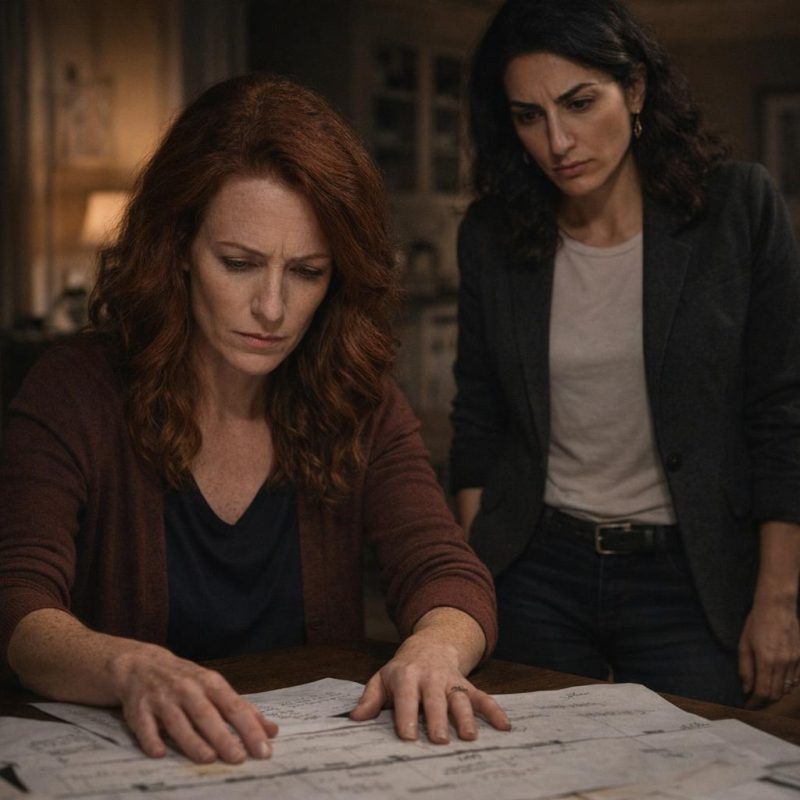 Image by RM AI
Through the Studio Window
I drove to Maple Grove Dance Academy alone the next afternoon, arriving during what the website listed as the beginner ballet class time. I parked where I could see through the large observation window into the bright studio. Small girls in pink leotards followed Miss Ava's instructions, their movements a mix of careful concentration and childish distraction. I told myself I was just gathering information, maintaining clinical distance, confirming facts. I searched for the child with dark curls I'd seen in the cloud folder photos. The girls practiced positions at the barre, some focused, some looking around the room. Miss Ava moved between them with graceful corrections, encouraging a shy student, adjusting another's posture. I watched through the glass like I was studying something scientific, something that couldn't hurt me if I just observed carefully enough. Then a little girl in the back row turned toward the observation window. The same expression, the same angle of her chin, the same way her eyes crinkled slightly at the corners. Recognition hit me viscerally, not intellectually, in a way that made my hands grip the steering wheel. This child was Daniel's daughter, undeniably real, and I saw his smile on her six-year-old face.
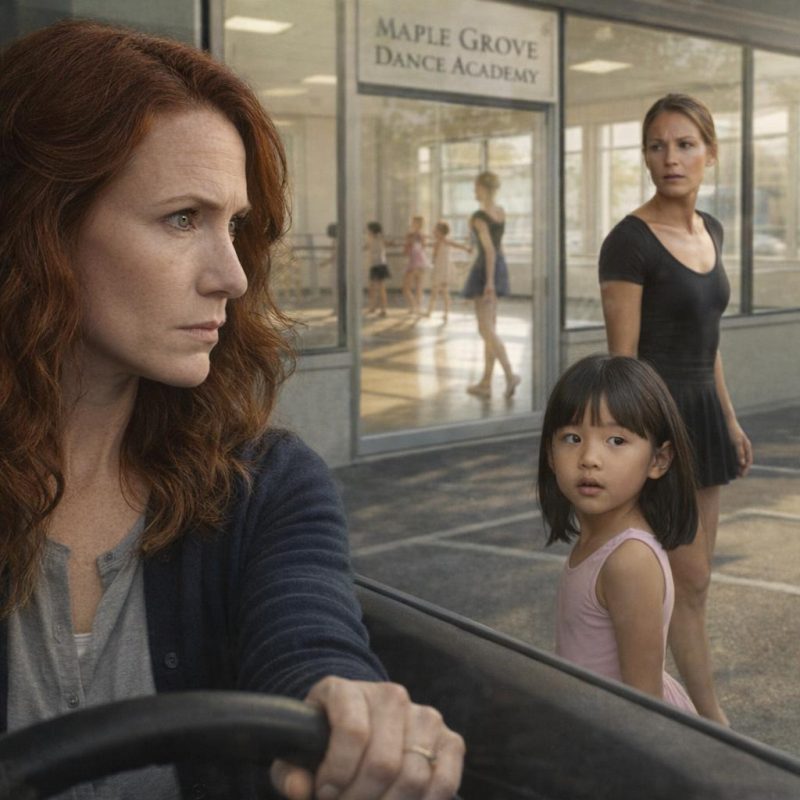 Image by RM AI
His Expressions on Her Face
I stayed at the window, unable to make myself leave yet. I cataloged every feature Emma shared with Daniel, building an inventory of genetic proof I didn't want but couldn't stop collecting. She had the same dark hair with a slight wave that would probably get curlier as she got older. The same way of concentrating with her forehead slightly creased when Miss Ava demonstrated a new position. The same tilt of her head when listening to instructions, like she was filing the information away carefully. Emma bit her lower lip when thinking, exactly the way Daniel did during difficult conversations. She held her hands clasped behind her back while waiting her turn, another of Daniel's unconscious habits. I was seeing my husband's genetics expressed in this child, not just physical features but mannerisms, the small unconscious patterns that made someone recognizable. Miss Ava said something to the class while demonstrating a position, and Emma laughed, bright and unselfconscious. The sound carried through the observation window glass, purely Emma's own and not Daniel's at all. But the joy in it felt like an answer to a question I hadn't known to ask, about whether this child was real, was loved, was whole.
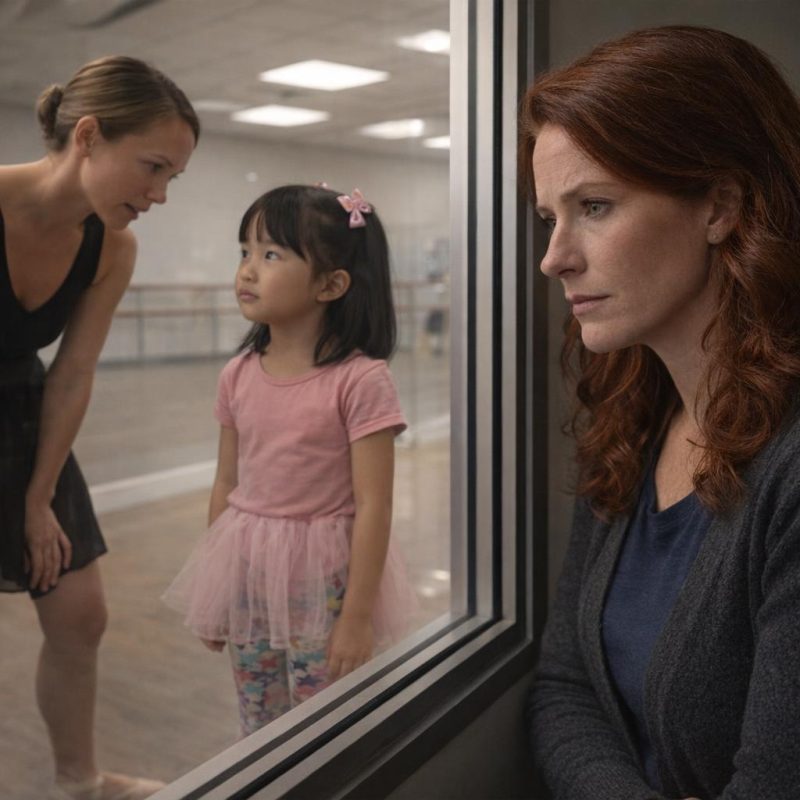 Image by RM AI
How to Tell Your Mother
My mother Patricia arrived the next morning with grocery bags full of things she thought I might need, the way she'd always shown concern through practical care. She was sixty-four and from a generation that had different expectations about marriage, about what you worked through and what you walked away from. I met her in the kitchen doorway, and she saw my face and set the bags down carefully on the counter. She asked what happened, already bracing for bad news in the way mothers do. I explained that an email from a dance studio had arrived Saturday. That I'd discovered Daniel had a six-year-old daughter named Emma he'd hidden for her entire life. Patricia stood frozen, not reaching for me, processing information that didn't fit her worldview. Her first response was to ask if I was sure, and I realized the question revealed everything about the generational divide between us. She was from an era where you worked through marriage problems, where you stayed and made it work somehow. She struggled visibly to process that she had a granddaughter she'd never known existed, a child who had lived six years without family connection. Patricia asked if I was sure, and I realized my mother was from a generation where you worked through marriage problems, not walked away from them.
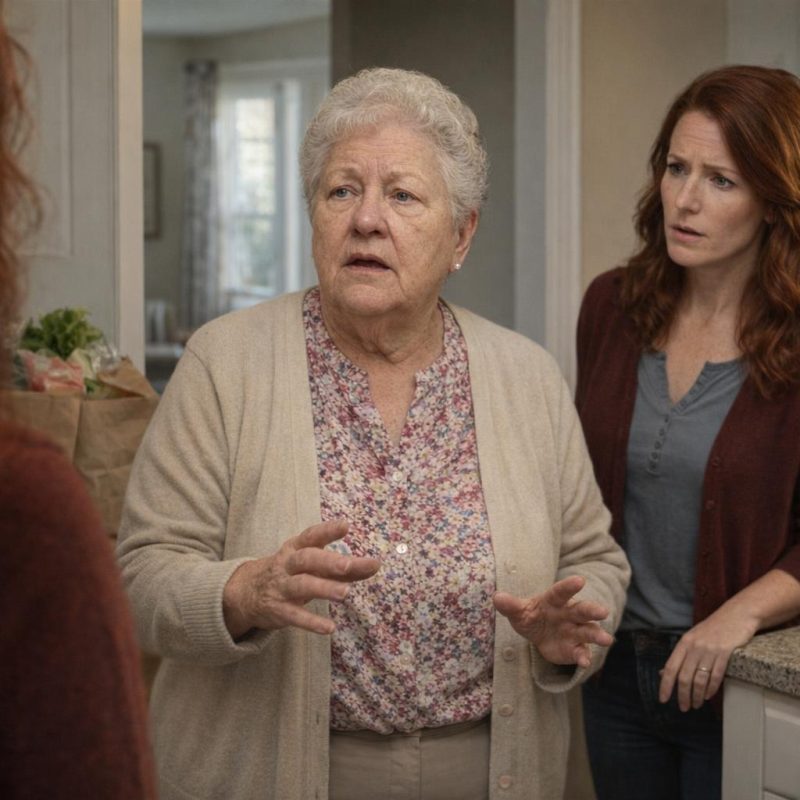 Image by RM AI
Nora's Number
My phone buzzed with a text from an unknown number while Patricia was still at the house, trying to find words that would bridge the understanding gap between us. I looked at the screen and felt my expression change in a way that made Patricia ask who it was. The message identified the sender as Nora Collins. It said we should talk, woman to woman, about the situation. It suggested meeting to discuss things for Emma's sake. I read the text multiple times, each word feeling carefully chosen. Patricia came over to look at my phone, and I showed her. Her expression shifted to something protective and worried. I felt a defensive instinct rise, the urge to refuse contact entirely. But I also felt wary curiosity about the woman who shared this complicated history with Daniel, who'd been part of his life in ways I was only beginning to understand. She wanted to talk about the situation as if it were a problem we could solve together, not a betrayal that had lasted seven years while I'd been completely unaware. I stared at the phrase 'for Emma's sake' and wondered what Nora thought could possibly be said that would make any of this bearable.
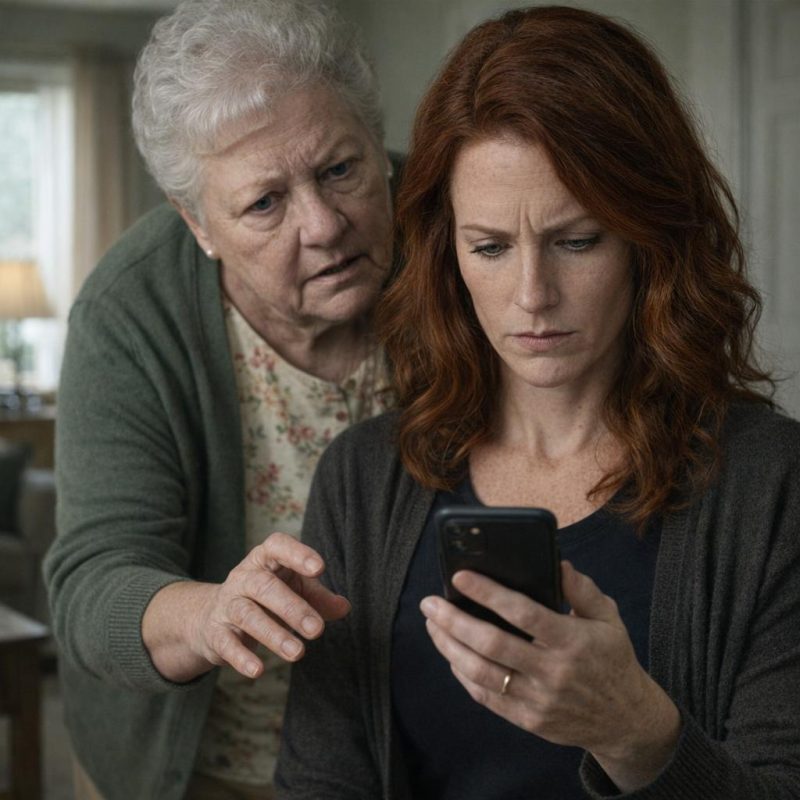 Image by RM AI
Coffee with the Other Woman
I met Nora Collins at a quiet coffee shop two days later, neutral territory that was public but not crowded. She was already there when I arrived, sitting at a corner table, and I recognized Emma's curls immediately. She was a woman in her mid-thirties with exhausted determination written across her face and shadows under her eyes that suggested years of sleepless nights. I approached the table searching for what to feel, looking for malice or cruelty or smugness or victory. I found instead a tired woman who seemed defeated rather than triumphant. We ordered coffee, and the conversation was stilted at first, both of us trying to find footing in a situation that had no social script. I asked directly if she'd known Daniel was married when their relationship started. Nora looked down at her untouched coffee cup, her hands wrapped around it like she needed the warmth. She said quietly, 'From the beginning.' I processed this answer, the confirmation that she'd known and participated and continued for seven years. I searched her face for remorse or justification, for some explanation that would make her make sense. She just looked exhausted and guarded and protective. When I asked if Nora knew about the marriage, Nora looked down at her untouched coffee and said, 'From the beginning.'
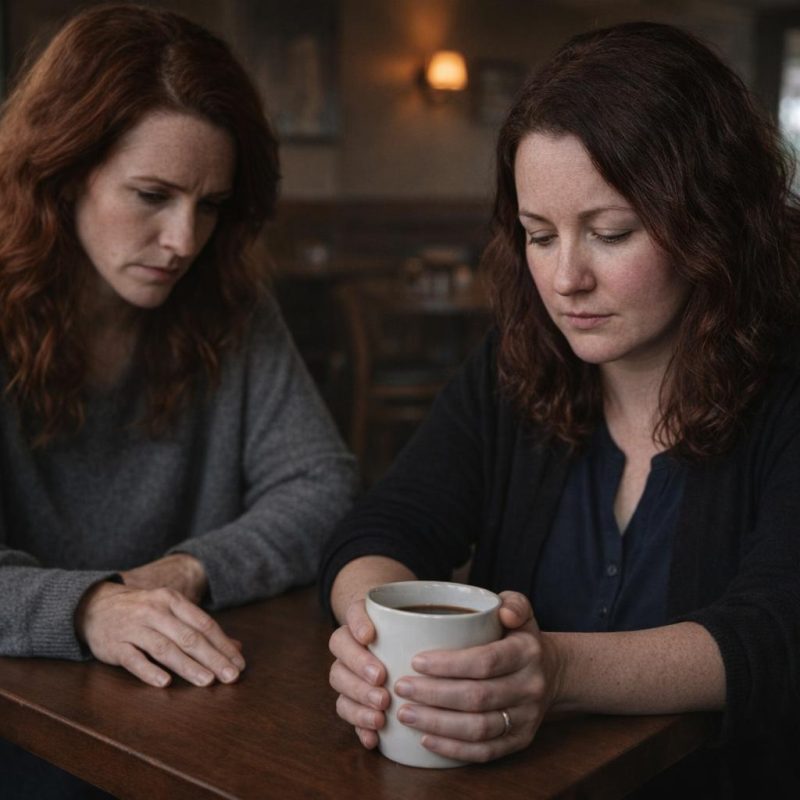 Image by RM AI
Monica Gardner's Office
Monica Gardner's office was on the third floor of a building downtown, and the waiting room had the kind of worn professionalism that came from twenty years of watching marriages dissolve. She was in her late forties with gray-streaked hair pulled back and an expression that suggested she'd catalogued every variation of betrayal humanity could produce. I sat across from her desk and explained the situation—the secret child, the seven years of deception, the Friday dance classes that weren't dance classes at all. She took notes with clinical precision, her face showing no shock, just the practiced neutrality of someone who'd heard worse. She explained California community property laws, how assets acquired during marriage belonged to both spouses equally, how Daniel's income had supported a secret family using what were legally marital funds. Then she discussed Emma, and her tone shifted slightly. Emma was Daniel's legal child but not mine. I had no parental rights, no custody claim, no legal connection to a seven-year-old girl whose existence had detonated my marriage. Monica leaned forward, her pen still, and said the real question wasn't what I was entitled to. The question was what I was willing to fight for.
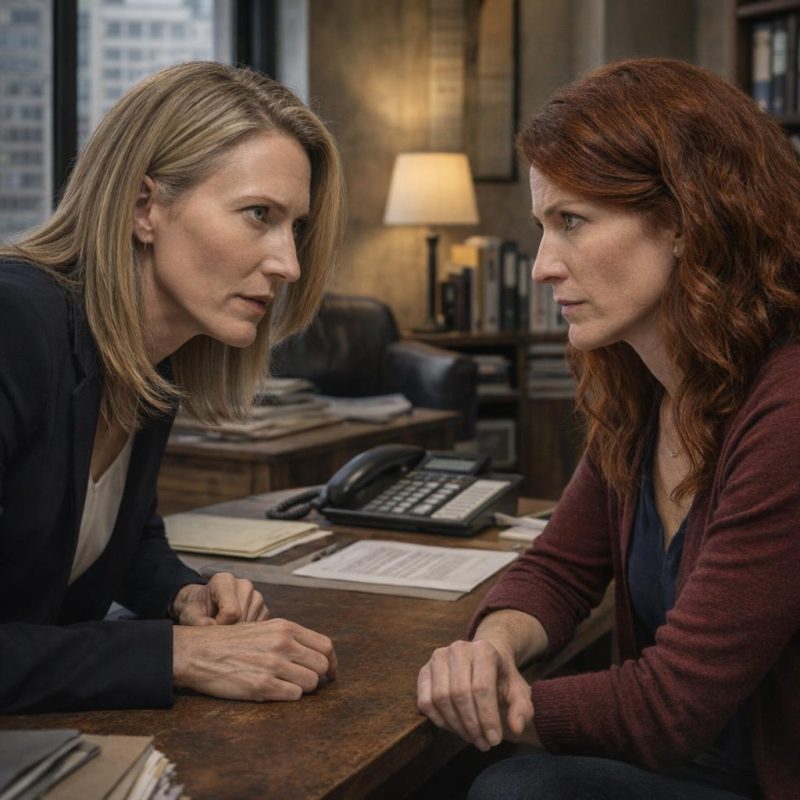 Image by RM AI
The Scope of It
Monica continued mapping the legal landscape with the same clinical precision. Daniel had financial obligations to Emma that existed regardless of what happened between us—child support he was likely already paying informally, responsibilities that wouldn't disappear with divorce papers. Emma had inheritance rights as Daniel's legal child, would inherit from his estate whether I stayed married to him or not. Then Monica outlined what a contentious divorce would cost. Time: months to over a year of proceedings. Money: tens of thousands in legal fees, potentially more if things got ugly. Emotional energy: depositions, evidence gathering, testimony under oath. The discovery process would expose every hidden transaction, every lie, every Friday he'd chosen them over honesty. I could pursue fraud claims for the diverted funds, she said, but I needed to understand what that fight would require. She gave me a folder thick with documents—retainer agreement, preliminary disclosure forms, a checklist of what to gather. I left her office with the folder pressed against my chest like armor. The marriage had ended the moment Emma was conceived seven years ago. I'd just been living in its ghost, walking through rooms that looked like a life but were already empty.
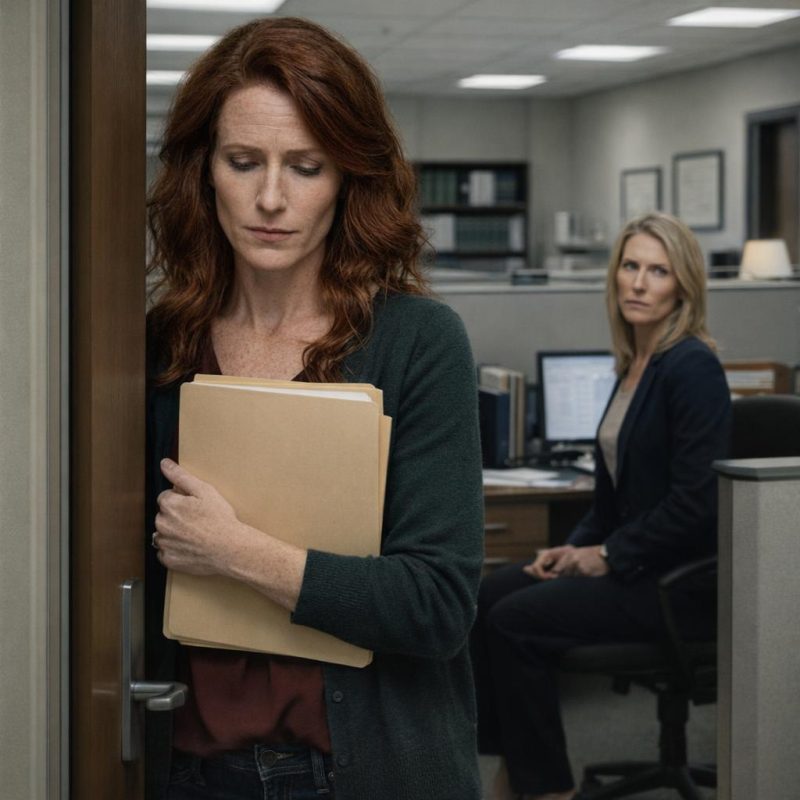 Image by RM AI
Following the Money
I spent three hours at the dining table with seven years of bank statements spread in front of me like evidence at a crime scene. I'd pulled them from our filing cabinet and downloaded the rest from online banking, arranging them in chronological order across the wood surface. The yellow highlighter in my hand marked every unexplained withdrawal, every cash advance that had seemed odd at the time but that I'd dismissed because I trusted him. Every transfer that didn't quite make sense. The work was methodical, almost meditative, and something about the documentation gave me a sense of control I hadn't felt since finding that email. Then the pattern emerged, obvious once I knew to look for it. Five hundred dollars withdrawn every other Friday, like clockwork, reliable as sunrise. It started seven years ago, the month before Emma's birth, and continued without interruption. I did the math on my phone's calculator: five hundred dollars every two weeks for seven years. Approximately ninety-one thousand dollars diverted to a secret family, pulled from joint accounts, from marital assets, from money that should have been ours. The pattern was obvious once I knew to look for it: five hundred dollars withdrawn every other Friday, like clockwork.
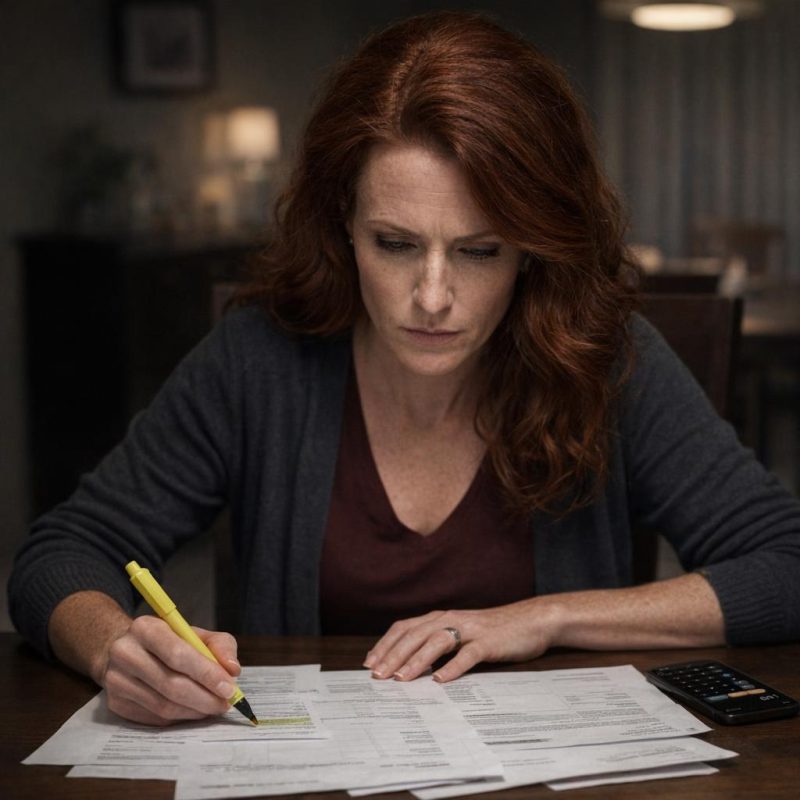 Image by RM AI
Thousands in Cash
I kept tallying, finding more than just the cash withdrawals. Direct payments to Nora Collins appeared in the statements too, labeled as generic transfers with no name attached, but the amounts and timing matched too perfectly to be coincidence. I cross-referenced the dates with the calendar entries I'd found earlier—every direct payment aligned with a pattern. Some monthly, like rent assistance or insurance premiums. Some irregular, like emergency needs or special expenses. The full financial picture of Daniel's double life spread across my dining table in highlighted yellow and careful notes. Money that should have gone toward our future, our plans, our life together. Diverted to support a child and woman I hadn't known existed until a dance studio receptionist's casual comment. I sat back and stared at the number on my calculator screen. Over ninety thousand dollars, possibly more in transactions I hadn't found yet. I picked up my phone and photographed every highlighted page, every statement, every piece of proof. Then I emailed them all to Monica with a subject line that felt like reclaiming something: 'Evidence of financial fraud.' I wasn't just a devastated wife anymore. I was a woman building a case, claiming power through documentation, refusing to be gaslit about what I could prove on paper.
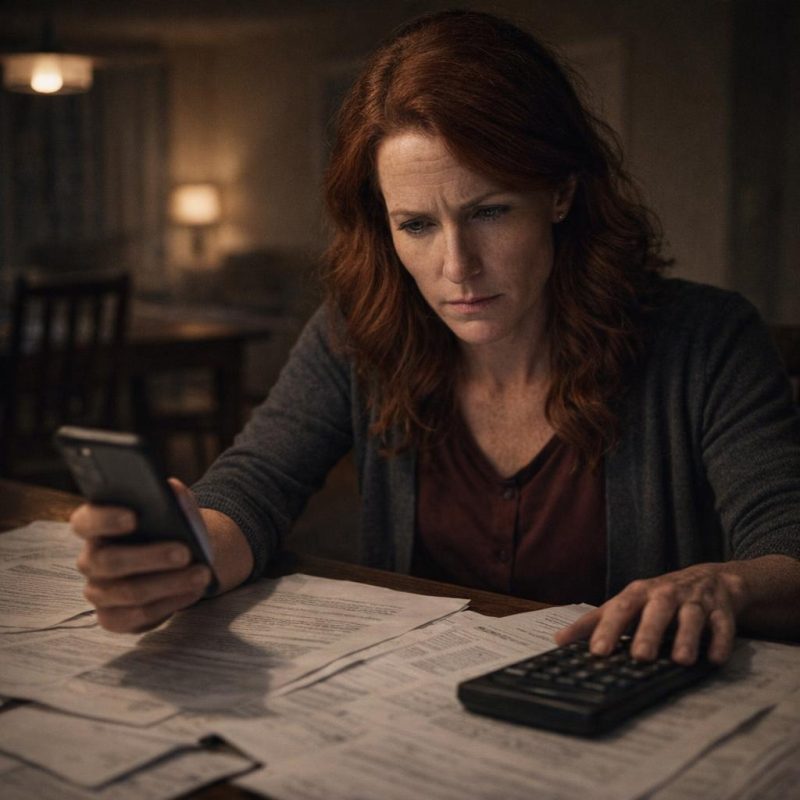 Image by RM AI
Documentation as Armor
I spent the weekend alone creating a comprehensive evidence file, the kind of documentation that left no room for his smooth explanations. I photographed every bank statement with its highlighted withdrawals, captured screenshots of calendar entries with their disguised labels, saved copies of photos from the cloud folder showing Emma at various ages. I built a visual timeline mapping the Friday patterns to Emma's life—her birth, her birthdays, milestones that Daniel had attended while I thought he was working late or meeting clients. The spreadsheet I created showed financial diversion over seven years in columns and formulas that couldn't be argued with. I organized everything chronologically with dates and amounts, feeling cold determination replace the earlier devastation. Documentation gave me control over chaos. Sunday evening Daniel came home from wherever he'd spent the weekend and found me at the laptop with files spread around me on the couch. He asked what I was doing, his tone forced casual, like he was asking about the weather. I closed the laptop deliberately and looked at him. I said I was protecting myself. His expression shifted to something wary, guarded. He asked protecting myself from what, and I didn't answer, just held his gaze until he looked away. When Daniel came home Sunday evening and asked what I was doing, I closed the laptop and said I was protecting myself.
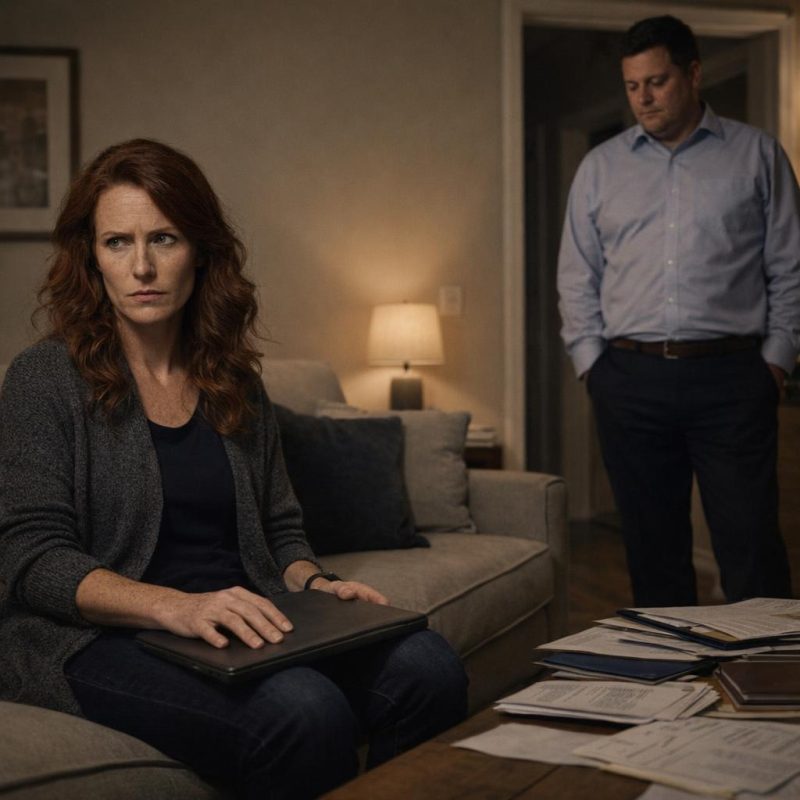 Image by RM AI
Minimal Support
Daniel initiated the conversation Monday morning, sitting across from me at the kitchen table with coffee he'd made for both of us. He said we needed to talk about how to move forward, his voice reasonable and measured. I waited, saying nothing. He claimed the financial support he'd given Nora was minimal, just helping out occasionally when she needed it. Nothing significant, nothing that had hurt our finances. I watched him lie with a clarity I hadn't possessed before, could see the exact moment he chose deception over truth. His expressions seemed practiced but not quite natural, like he'd rehearsed this explanation but hadn't perfected it. I let him finish without interrupting, then slid the spreadsheet across the table toward him. The document showed every withdrawal, every payment, dates and amounts in neat columns. Over ninety thousand dollars across seven years. The pattern was undeniable on paper in front of him, impossible to dismiss or minimize. I asked him to define minimal again. Daniel stared at the spreadsheet, his face changing as he processed what I'd found. He tried to say some of those withdrawals weren't for Nora, and I asked who else he'd been supporting in secret. He couldn't maintain the story when confronted with numbers. I slid the spreadsheet across the table showing ninety thousand dollars and asked him to define minimal again.
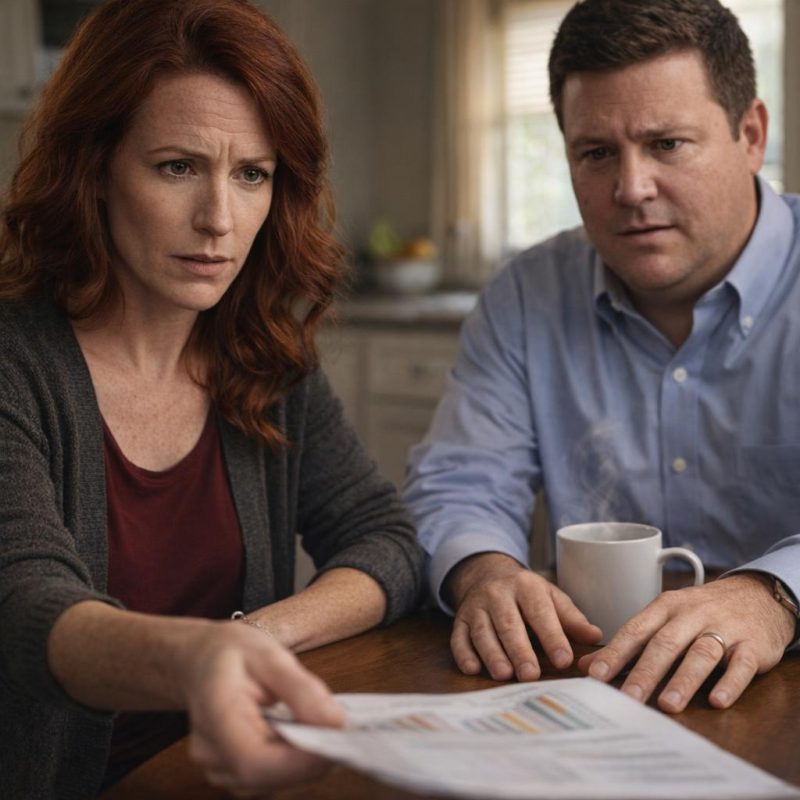 Image by RM AI
David Chen's Entrance
The letter arrived by certified mail three days later, requiring my signature. I opened the thick envelope to find formal communication from David Chen, an attorney identifying himself as representing Daniel Harper in dissolution proceedings. The letter outlined Daniel's position on marital assets, suggested mediation as the preferred path forward, and was written in language that felt professionally polite but threatening underneath. It implied my claims might not hold up in court, mentioned Daniel's commitment to fair resolution, but framed everything to protect his interests rather than acknowledge what he'd done. I photographed the letter and emailed it to Monica immediately. She called within an hour. She said she knew David Chen by reputation—an aggressive divorce attorney in his fifties, known for winning ugly divorces with expensive tactics. He treated cases like chess games, she said, not people's lives. She asked if Daniel had mentioned hiring an attorney. I said no, the letter was the first I'd heard of it. Monica's voice shifted to something more serious. This meant Daniel was preparing for battle, she said. Not reconciliation, not an amicable split, but a fight. Monica called after reading the letter and said Chen was known for aggressive tactics and expensive victories.
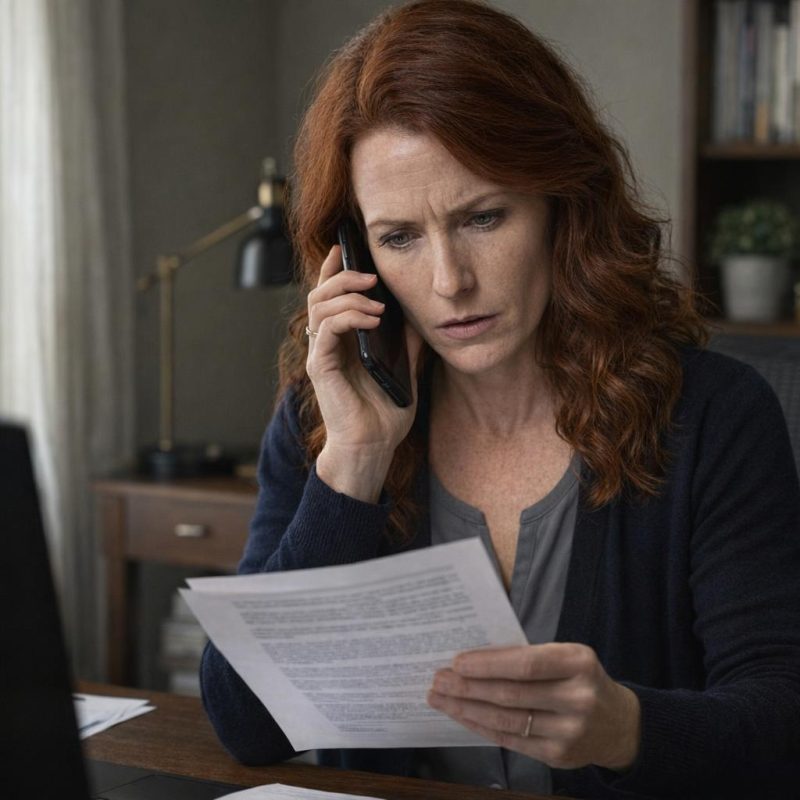 Image by RM AI
The Pivot
Daniel came home earlier than usual midweek carrying a bouquet of yellow roses, my favorite. He said he'd been thinking about everything, wanted to try couples counseling to work through this. His whole demeanor had shifted from defensive to something attentive and conciliatory, asking about my day and really listening to the answer. He offered to cook dinner, suggested my favorite meal, moved around the kitchen with careful consideration. I observed the transformation with detachment, not believing the change was genuine. It felt strategic, calculated, like he'd decided to try a different approach after hiring Chen. He touched my shoulder gently while I loaded the dishwasher, and the contact felt wrong, not comforting. I wondered what his attorney had told him to do, whether Chen had suggested a reconciliation approach or if Daniel had decided himself to pivot strategies. Every gesture seemed aimed at a specific result, not spontaneous affection but something performed. I kept loading dishes, feeling his hand on my shoulder, watching myself from a distance like I was observing someone else's life. Something about the whole scene felt off, though I couldn't quite name why. He touched my shoulder gently while I loaded the dishwasher, and I felt like I was watching something that didn't quite fit, though I couldn't name why.
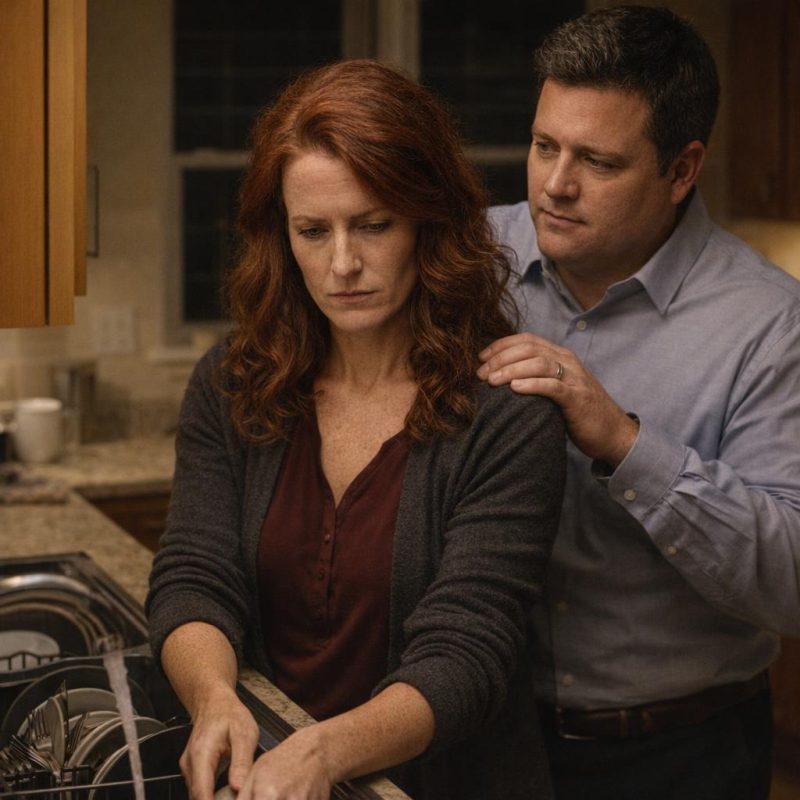 Image by RM AI
Flowers and Repetition
The flowers started Monday. Yellow roses again, then tulips on Tuesday, then a mixed bouquet Wednesday that he set on the kitchen counter while apologizing for the third time that day. He cooked elaborate dinners—pasta with homemade sauce, chicken marsala, salmon with roasted vegetables—each meal plated carefully like he was trying to prove something. Thursday he brought my favorite Thai takeout without me asking, remembered I liked extra basil. Friday he cooked again, set the table with candles, asked what else he could do to make things right. I watched it all from a distance, documenting each gesture in my phone notes when he wasn't looking. Recorded what he said, what he brought, when he did it. I wasn't sure why I was documenting, just had this instinct that I'd need evidence of something I couldn't name yet. Lisa came over Friday night after Daniel left for errands, looked at the week's worth of flowers wilting on various surfaces, watched him return and interact with me with that careful attentiveness. She pulled me aside and said something felt off to everyone watching, but the weird part was that Daniel seemed completely genuine in his efforts, like he truly believed he was being a good husband trying to make amends. She wondered if he was fooling himself or fooling me. I said maybe both.
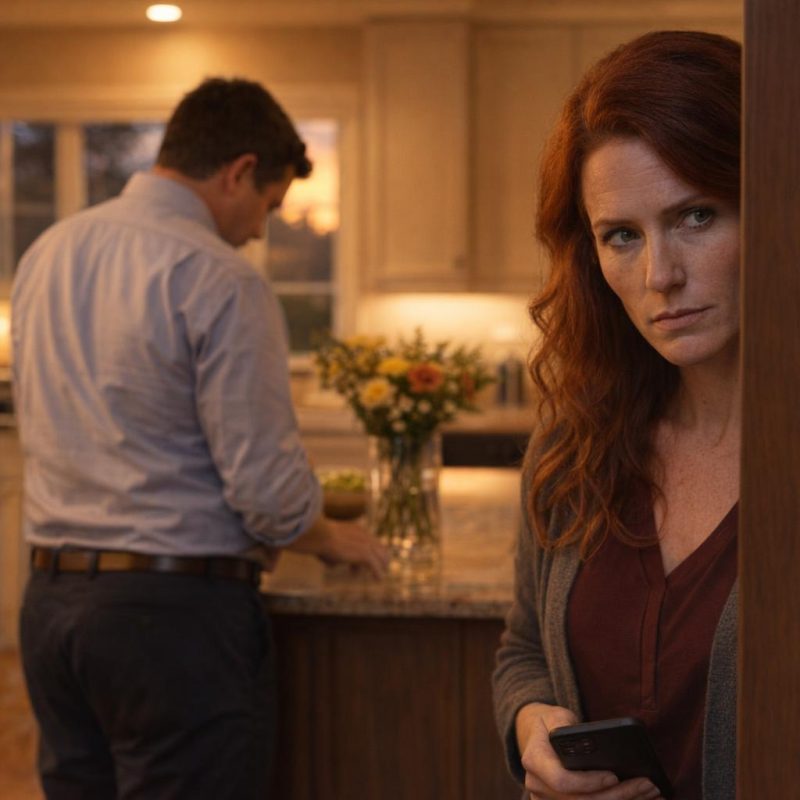 Image by RM AI
Selective Kindness
I started recording our conversations on my phone, keeping it on the counter or table with the voice memo running while we talked. I wasn't sure if I'd ever need the recordings, but the instinct to document everything had become automatic. Over several days, I noticed something in his behavior that made my stomach tighten. His kindness appeared when I seemed receptive—attentive and apologetic when I stayed quiet or neutral—but vanished the moment I asked difficult questions. One evening I asked about practical matters, how we'd handle finances going forward. He became terse, said we'd figure it out, then returned to his apologetic mode when I stopped pressing. I tested the pattern by asking about Emma. How was she doing, did she know about any of this. His expression went completely blank for just a second, this brief flash before he recovered his smooth demeanor. He said Emma was fine in a tone that closed the conversation entirely. Didn't elaborate on how she was handling the situation, didn't mention whether she knew her parents were divorcing. I noticed he gave information only when cornered, volunteered nothing about his other life. His selective honesty became impossible to ignore.
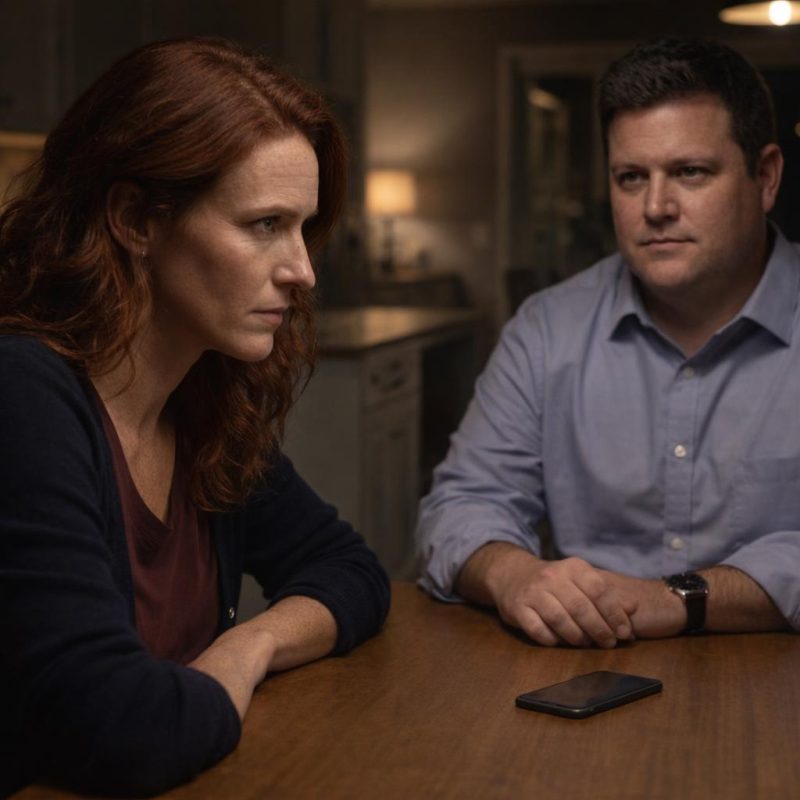 Image by RM AI
The Guest Room
I waited until Daniel left for work Tuesday morning, then carried my clothes from the master bedroom to the guest room. Moved my laptop and phone charger, took toiletries from the shared bathroom to the guest bath. Set up a temporary space that felt like mine alone. It wasn't dramatic, just a practical claiming of separate territory. I refused to keep sleeping beside him, pretending things were normal. When Daniel came home that evening, he called for me, found me in the guest room. He stood in the doorway with this confused expression, asked what I was doing with my things in here. I said simply that I needed space. His face changed, becoming less controlled than it had been all week. He said we couldn't fix this if I kept pulling away, how were we supposed to work through things if I wouldn't try. I pointed out that I wasn't the one who needed to fix things. His voice rose in a way it hadn't during the week of apologies, the controlled veneer cracking slightly under frustration. He said he'd been trying so hard, doing everything he could think of. I asked if he'd told Emma about the divorce yet.
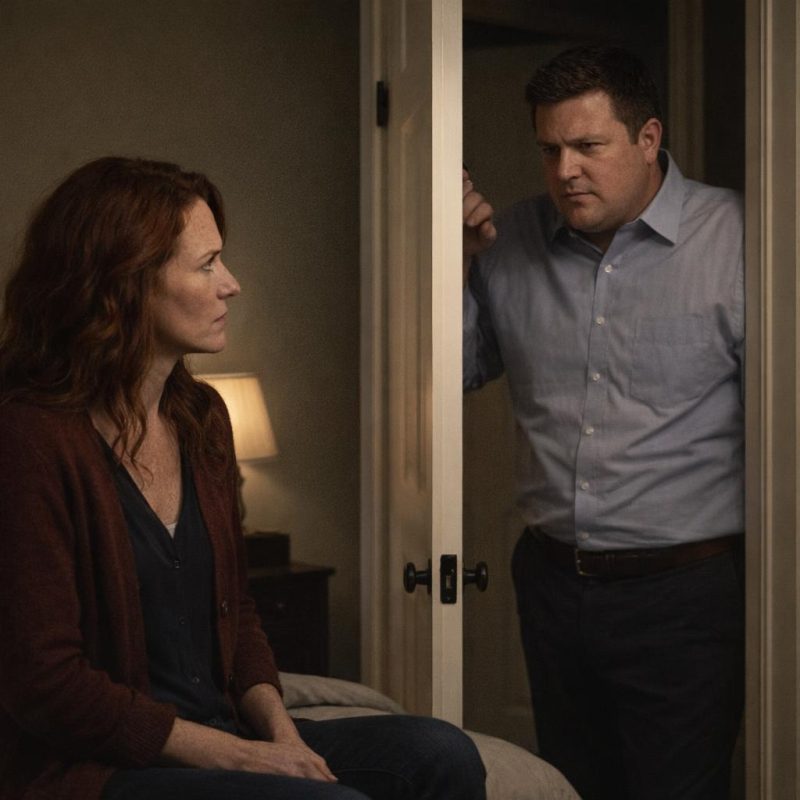 Image by RM AI
Daddy's Other House
My phone rang Wednesday afternoon with an unfamiliar local number. The woman identified herself as Miss Ava from the dance studio, said she'd gotten my number from the parent contact files. She wanted to let me know something Emma had said in class. My stomach tightened. I asked what happened. Ava explained that Emma had mentioned daddy's other house to a classmate. Another student had asked Emma about her family, and Emma described two houses—mommy's and daddy's other house. Ava thought I should know Emma was aware of the situation. I asked what exactly Emma had said. Ava recounted the conversation between the six-year-olds carefully. Emma had said daddy had a friend Rachel who lived at the other house. The house with the blue door. Our door was painted navy blue. Emma would know that detail. I felt something cold settle in my chest. Emma knew about me, had known for how long. Had been told something about my existence, given some explanation for who I was in her father's life. Ava sounded concerned, asking if I'd been aware. I said no, I hadn't been aware Emma knew. I wondered what else Emma had been told about me.
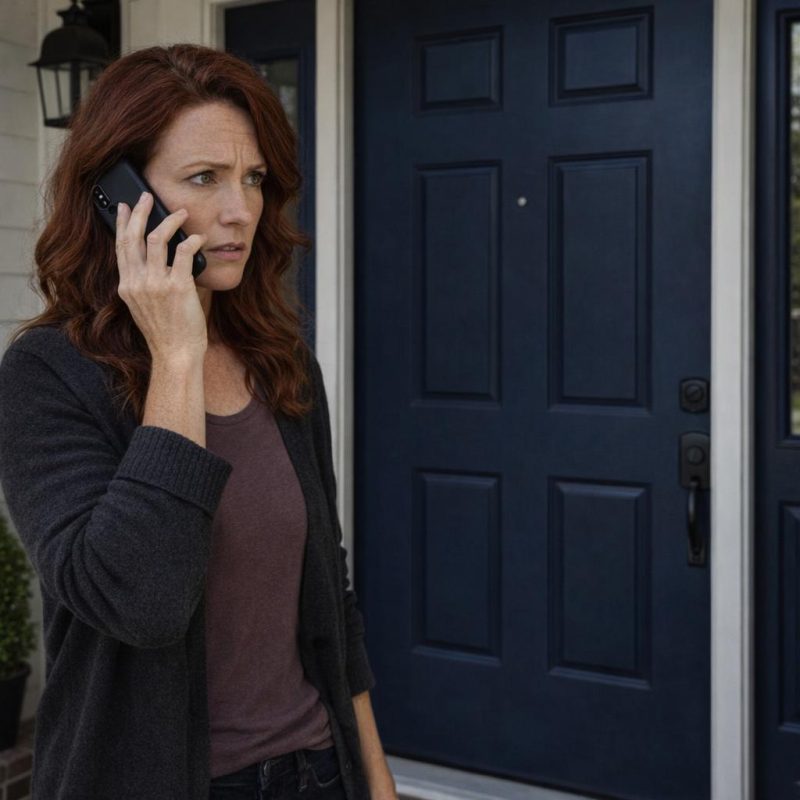 Image by RM AI
Friend Rachel
I sat in my car outside the dance studio after ending the call with Ava, hands shaking slightly on the steering wheel. I tried to process what I'd just learned. Emma knew about my existence. A six-year-old had been told about daddy's friend Rachel. This child knew there was a house with a blue door where Rachel lived. I wondered what stories Emma had been told, how Daniel had explained our marriage, our house, our life together. Did he tell Emma I was just a friend, not his wife. What version of our relationship existed in Emma's understanding of the world. I pulled out my phone and called Daniel directly. He answered carefully, asking if everything was okay. I asked how long Emma had known about me. The silence on the line stretched too long. That silence told me everything I needed to know—Emma had known for a while, not a recent revelation. Daniel finally said Emma knew he had a good friend Rachel. I asked when he'd told Emma about me. Daniel admitted Emma had known for over a year, maybe longer, he wasn't exactly sure when it came up. I felt the full scope of the deception settling over me. I'd existed in Emma's world as a character in a story, while Emma hadn't existed in my world at all.
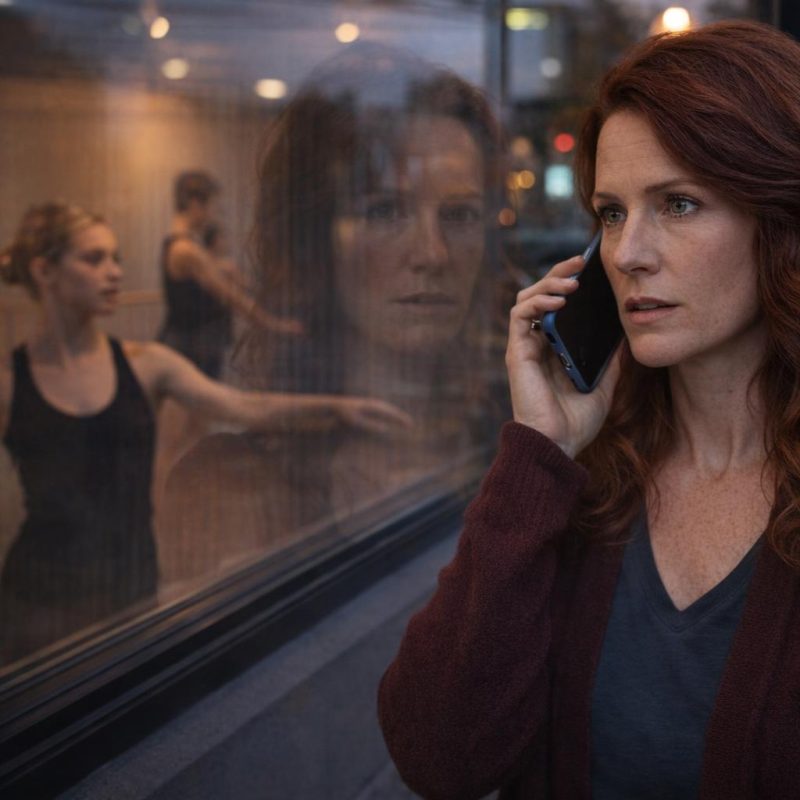 Image by RM AI
Second Coffee with Nora
I texted Nora asking to meet again. She responded quickly, agreed to the same coffee shop. We met Thursday afternoon at the corner table, both of us looking tired, worn down by the situation we were navigating. I asked directly what Emma had been told about me. What did she know, what had she been told. Nora looked down at her coffee, then back up at me. She said Emma knew Daniel had a good friend Rachel, a friend from work who cared about him very much. Emma had been told that Rachel loved daddy but in a different way—not like mommy loved daddy, but still important. I had to set my coffee cup down carefully because my hands weren't steady enough to hold it anymore. I processed that I'd been explained to a six-year-old as a friend, not a wife, not a partner, just a friend who loved differently. I asked if Emma knew about the marriage. Nora said she didn't think so, not clearly. The concept might be too complex for a six-year-old to grasp, or Daniel had avoided explaining it fully. Nora looked exhausted explaining all this, not triumphant or satisfied, just tired of the complicated situation we were all trapped in.
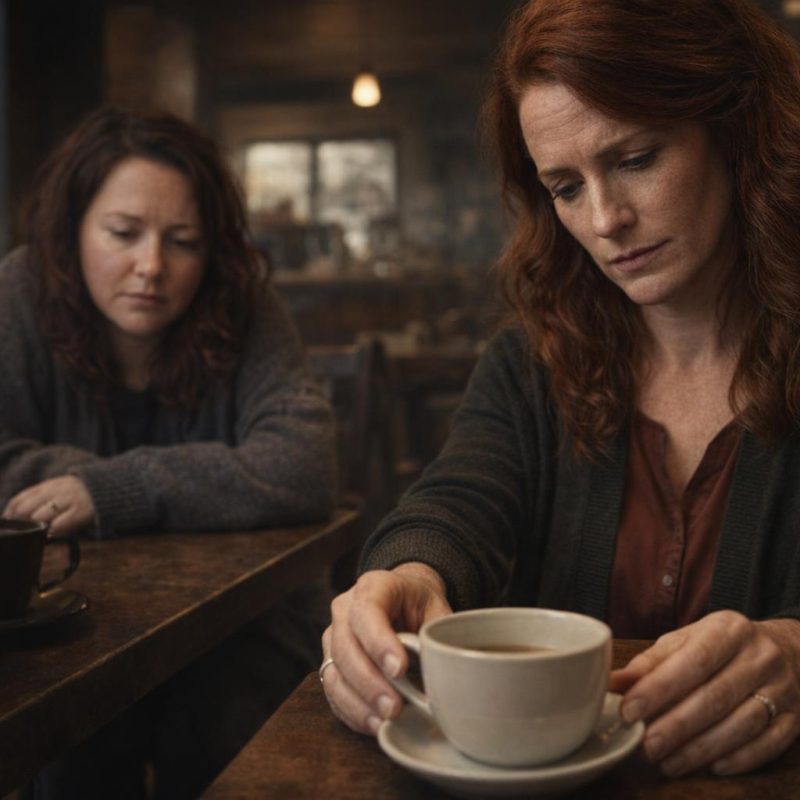 Image by RM AI
Everything Else
I spent Friday systematically reviewing seven years of my life, going through memories and trying to separate truth from lies. The Portland conference story kept coming to mind. Daniel had said he had a professional development weekend, and I'd stayed home alone, trusted his explanation completely. Now I wondered if any of his work trips had been real. I decided to check his wallet while he was in the shower. I opened it—something I'd never done before—and found the usual items: license, credit cards, insurance card. Behind the insurance card was a folded receipt. I opened it to find a birthday party venue receipt. Princess Party Package for Emma Harper-Collins. The date matched the Portland conference weekend exactly. Emma's fifth birthday party while I was home alone. Daniel had chosen the princess theme, paid for decorations and cake, attended his daughter's birthday while his wife believed a work story. I sat on the edge of the bed with the receipt in my hand. Every story was now suspect, every explanation questionable. Business dinners could have been Emma's school events, late nights at the office could have been bedtime story routines, weekend fishing trips could have been zoo visits. Nothing felt certain anymore except the lies.
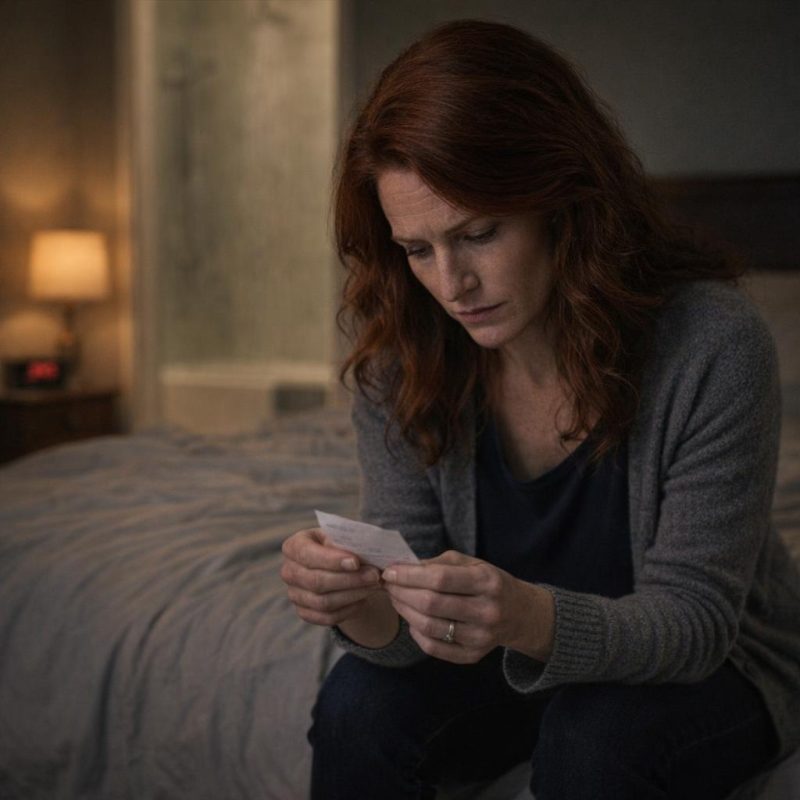 Image by RM AI
Life Insurance Beneficiary
I searched Daniel's home office Saturday while he was out, going through the filing cabinet with systematic attention. I found a folder labeled Insurance Documents and opened it to discover a life insurance policy I didn't know existed. The policy was for five hundred thousand dollars. Primary beneficiary listed as Emma Harper-Collins. Contingent beneficiary listed as Nora Collins. My name appeared nowhere in the document—not as beneficiary, not as spouse, nowhere. The policy had been purchased three years ago. Premiums had been paid monthly since then, automatic withdrawal from our joint checking account. I calculated roughly forty dollars per month. For three years I'd been paying half the premium on a policy that erased me completely. Money from our joint account funding insurance for his secret family. Daniel had set this up when Emma was three years old, made financial arrangements that excluded me entirely while using my money to fund them. I stared at the document in my hands, at the beneficiary lines that told me exactly where I stood in his priorities. The policy had been purchased three years ago, with premiums paid automatically from our joint account.
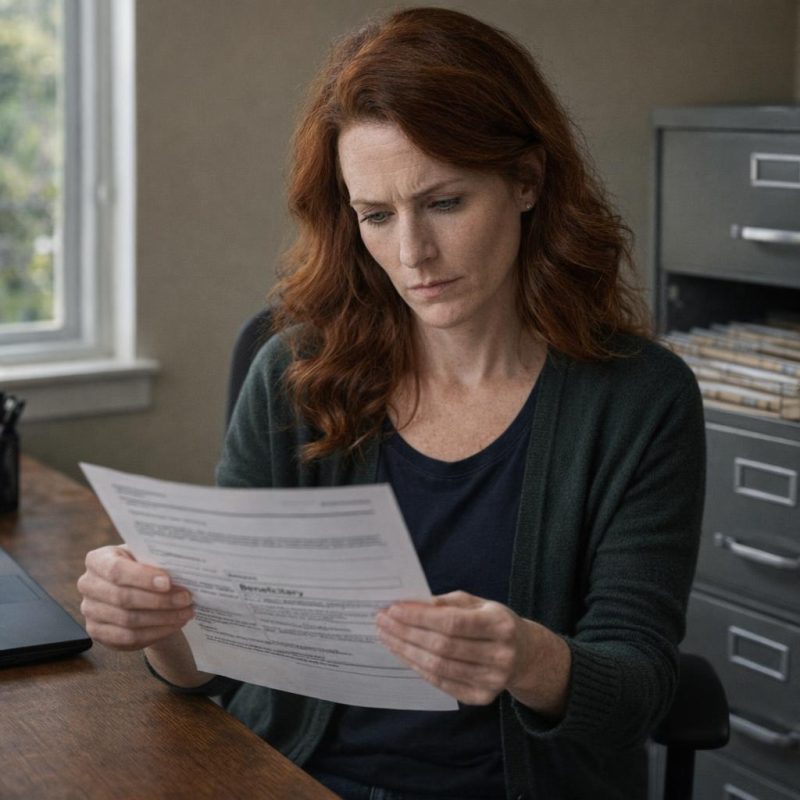 Image by RM AI
Two Years Ago in November
I kept searching the filing cabinet after I found the insurance policy, my hands moving through folders with mechanical precision. Behind the insurance documents I found another folder, thicker, labeled Estate Planning. I opened it and saw Last Will and Testament across the top in formal legal typeface. The will was dated November 2021. Two years ago. I read through the provisions with growing coldness. The house—our house, the one I'd helped choose, the one where I'd painted every room—left outright to Emma Harper-Collins. All financial assets divided between Emma and Nora Collins. A trust structure established for Emma's portion until she turned eighteen, with Nora named as trustee with full discretion over the funds. Retirement accounts, stocks, investments, everything structured for Emma's future. I appeared in the document only as spouse in the context of community property, legal language positioning me not as a partner to provide for but as a complication to minimize. I stared at the date again. November 2021. My father had died that October. Daniel had held me every night while I cried, attended the funeral, supported me through the worst loss I'd experienced. Three weeks later he'd been at an attorney's office drafting a will that erased me from his future while I was still in mourning, still depending on his comfort.
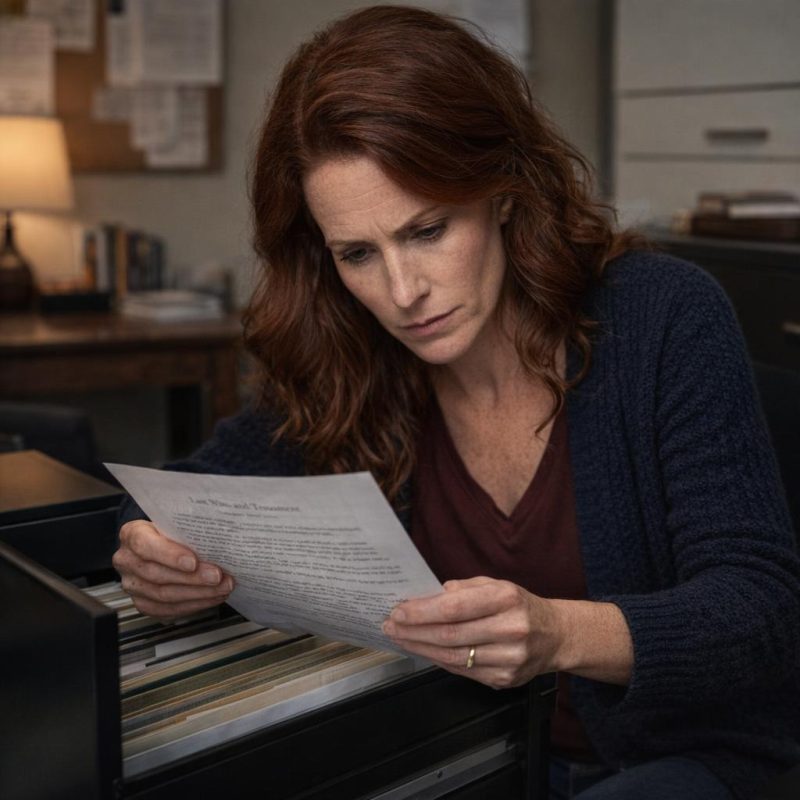 Image by RM AI
What She's Entitled To
I called Monica's office first thing Monday morning and scheduled an emergency meeting. I brought both documents—the life insurance policy and the will—and watched her review them with the practiced eye of someone who'd seen every variation of betrayal. She took notes while reading through the provisions, then asked when I'd found these. I explained searching Daniel's office over the weekend. Monica leaned back in her chair and explained California community property law in clear terms. Anything acquired during our marriage belonged equally to both of us. The house, retirement accounts, investments, savings—all of it. Daniel couldn't simply will away my half of marital assets. His will could only dispose of his portion. The insurance policy could name anyone as beneficiary, but premiums paid from our joint account created a different issue entirely. I was entitled to half of everything purchased during our marriage, regardless of what his documents claimed. Monica looked at me seriously and said Daniel would know this if he'd consulted any attorney. His documents didn't actually accomplish what they appeared to claim. They couldn't legally cut me out the way they were written. So the question became: why had he created them? Were they meant to intimidate me, make me think I had no rights? Or were they part of a plan I didn't fully understand yet?
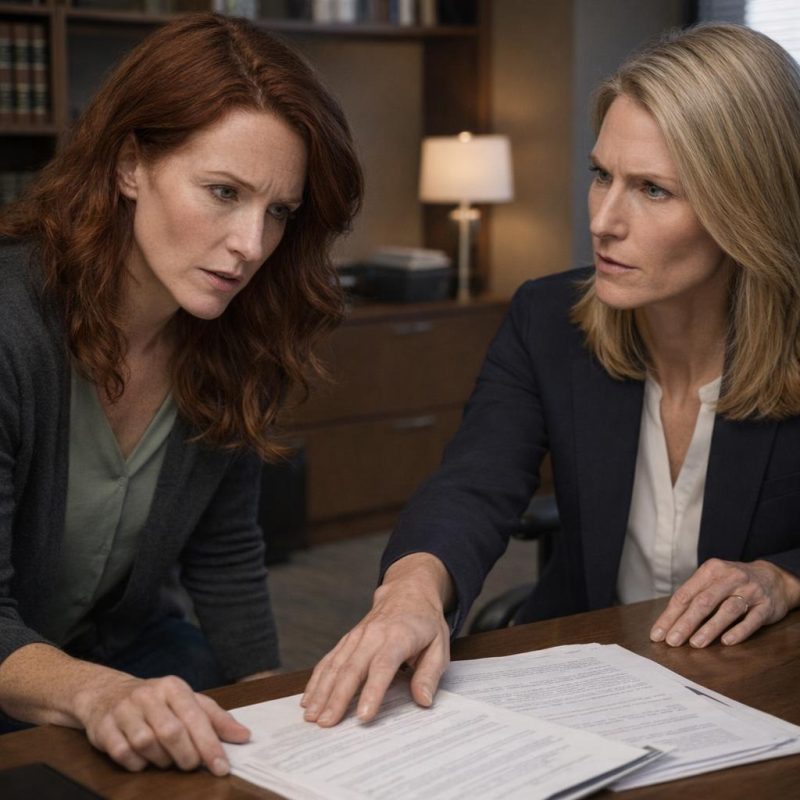 Image by RM AI
Building the Case
I spent the entire week organizing every piece of evidence I'd discovered, creating a systematic record for Monica. I made categories: financial fraud, deception timeline, hidden documents, undisclosed obligations. Under financial fraud I compiled bank statements with highlighted withdrawals, the spreadsheet showing ninety thousand dollars diverted over years, direct payments to Nora Collins from our joint accounts. The deception timeline included calendar entries with disguised labels, photos of Emma from the cloud folder with dates, the email from the dance studio that had started everything. Hidden documents meant the life insurance policy and the will drafted during my father's death. Undisclosed obligations covered child support effectively paid from marital funds, dance classes, pediatric appointments, birthday parties. I scanned everything into digital files and created backup copies on a separate drive, organizing chronologically within each category. Monica called Thursday night after reviewing the latest batch. She said we had a strong case for financial fraud—she could prove Daniel had diverted marital assets without my knowledge and used joint funds for obligations I'd never agreed to. But she warned that David Chen would fight hard and ugly. He'd try to paint me as vindictive and unreasonable. He might even bring Emma into the proceedings to make me look cruel.
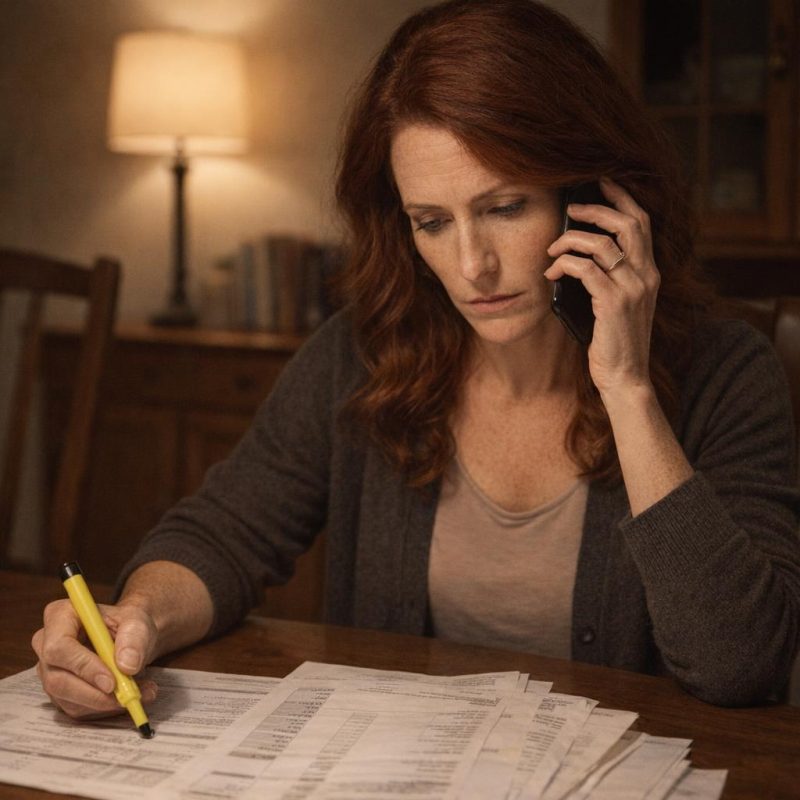 Image by RM AI
Absences and Cancellations
Nora and I had scheduled coffee for Tuesday, but that morning I received a brief text from her. She wasn't feeling well, needed to cancel, apologized and suggested rescheduling next week. I responded that I understood, told her to feel better. The message seemed more brief than usual, but I didn't think much of it at first. Later that week I checked the dance studio website out of habit, looking at updated class schedules. I noticed Emma had missed the last two classes—the studio marked absences on the parent portal. Emma who always attended, who lit up for dance, missing two consecutive weeks seemed unusual. I wondered if Emma was sick too, or if something else was happening with Nora's family. I texted Nora Friday afternoon asking if everything was okay, mentioning that I'd noticed Emma missed dance. She didn't respond immediately. An hour later a text came through saying just tired, nothing serious. Emma had some sniffles but nothing to worry about. The message had a casualness that felt forced somehow. I couldn't identify what felt off about it, just a sense that Nora's response didn't quite fit the situation.
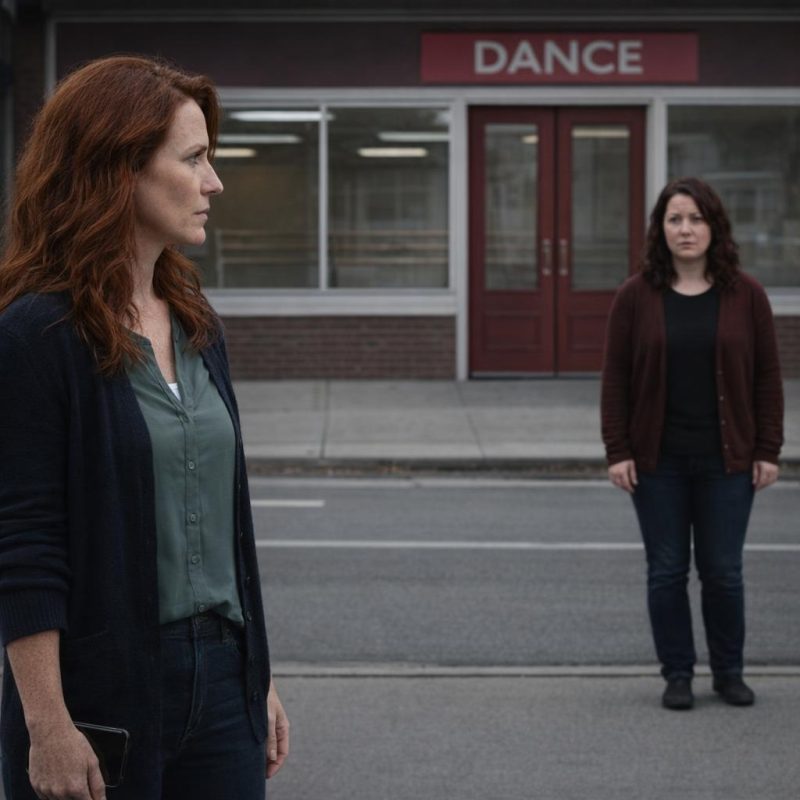 Image by RM AI
Emma's Future
Saturday morning I heard a car in the driveway. Daniel arriving without texting first. He didn't live here anymore in any real sense, still had a key but his arrival felt like an intrusion. He came to the door and knocked instead of entering. I opened it, surprised to see him. He said we needed to talk about Emma. Not about the divorce, not about assets—about Emma specifically. He came inside and sat at the kitchen table with an urgency in his manner I hadn't seen before. Not apologetic Daniel or angry Daniel but anxious Daniel. He said we needed to discuss Emma's future arrangements. I asked what he meant by future arrangements. He talked about practical things, long-term planning. What if Nora couldn't handle full custody? What if circumstances changed with Emma's care? I asked what circumstances he was talking about. Daniel became vague, said just hypothetically. Then he asked directly: what would I do if something happened to Nora? I went completely cold at the question. I asked what he meant by something happening. Daniel had never mentioned Nora being in any kind of danger, never suggested anything wrong with her health or safety. His question implied knowledge I didn't have.
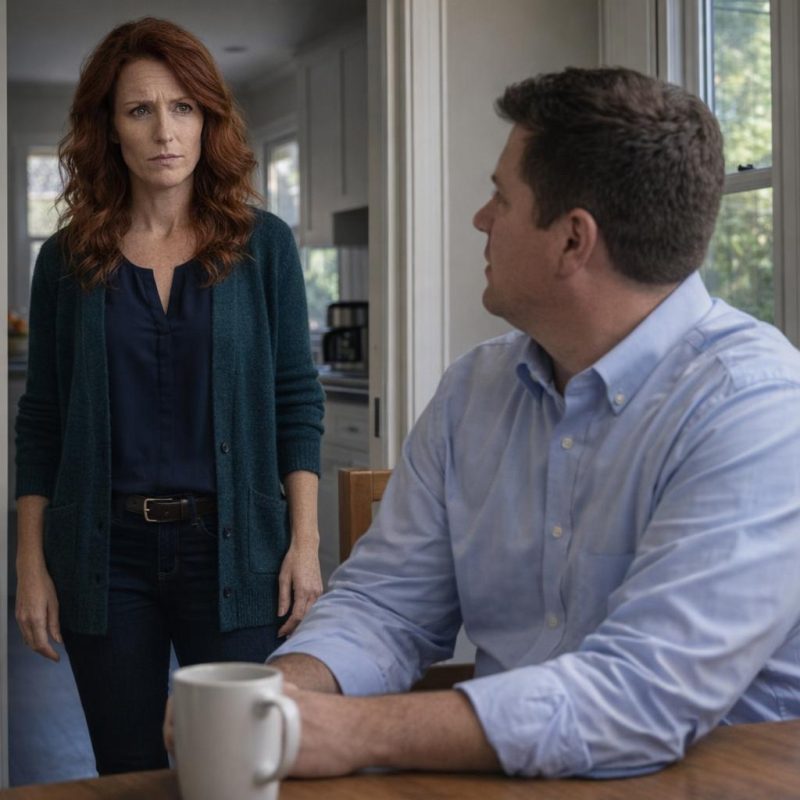 Image by RM AI
Meeting Emma Formally
The conversation continued at the kitchen table, Daniel shifting from hypothetical questions to a concrete request. He said I should meet Emma properly. Not watching through the studio window but an actual introduction. I asked why he wanted this now, after weeks of separation and divorce proceedings. Daniel said Emma should know me, should understand who I was in daddy's life. I pointed out that Emma thought I was just a friend. Daniel said that was exactly why we needed to meet—so Emma could understand the real situation. He proposed bringing Emma to a park that weekend, a neutral location where we could spend time together. Maybe get ice cream, let Emma play. I felt strange pressure in his insistence. I asked why this suddenly mattered so much. We were getting divorced—why introduce me to Emma now? Daniel said time was important without explaining what he meant. Just repeated that time mattered. I asked what he meant by time. Daniel became vague again, said time for Emma to adjust, to understand the changes happening in her life. But his urgency suggested something more specific, something he wasn't saying about why now, why the rush.
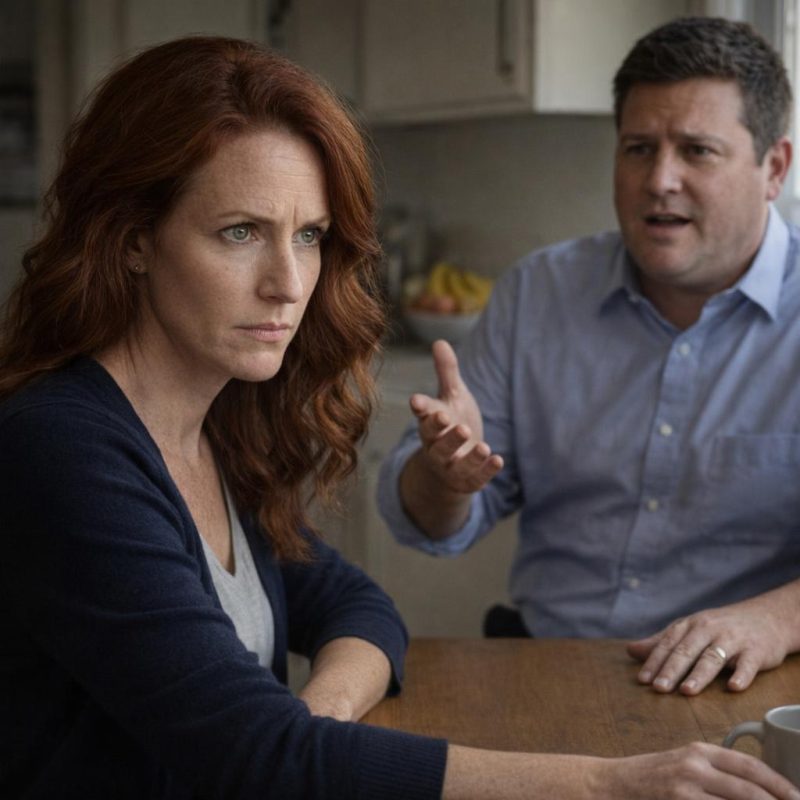 Image by RM AI
Blue Jacket and Dark Curls
Sunday afternoon I drove to the park Daniel had suggested. I arrived to find him waiting at the picnic tables near the playground. A six-year-old girl stood beside him in a blue jacket, dark curls like in the photos, Daniel's eyes and expressions. I walked over feeling strangely nervous. Daniel made the introductions awkwardly—Emma, this is my friend Rachel. Emma looked up at me with a shy, careful expression and said hi very quietly, half hiding behind Daniel's leg. I knelt down to Emma's height without thinking and said hi Emma, I've heard a lot about you. She warmed slightly and asked if I liked swings. I said I did. Her face brightened. We walked to the playground together. Emma was sweet and careful, a well-mannered child who showed me how high she could swing and talked about dance class and her favorite teacher Miss Ava. I felt something breaking in my chest despite myself. This child was innocent in all of this, just a six-year-old who loved her dad and dancing. Emma ran back from the slide and asked a direct question: Are you the friend daddy talks about, the one who lives in the pretty house with the blue door? I had to swallow hard before answering yes.
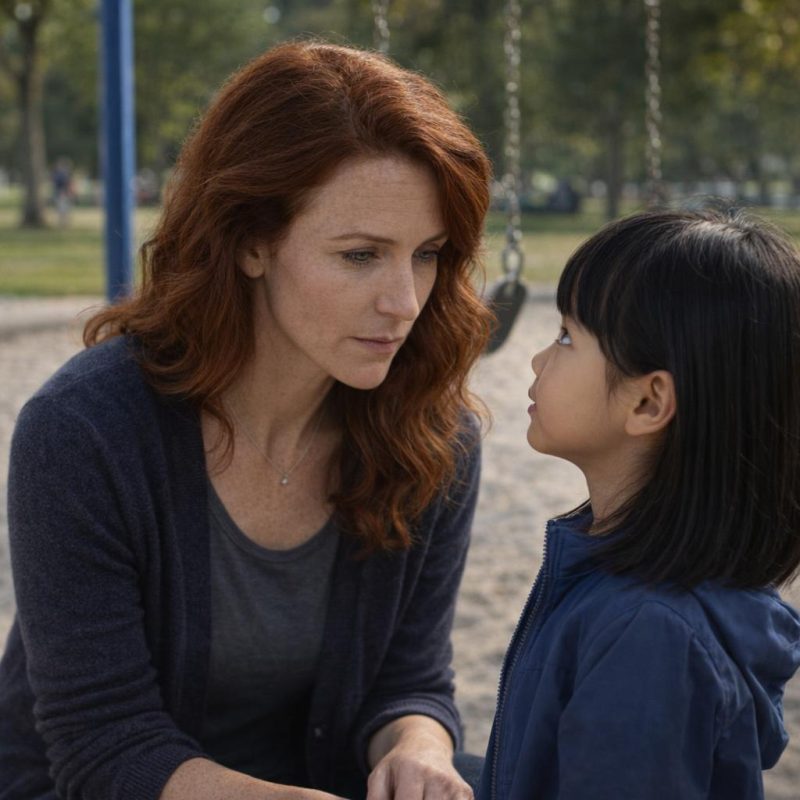 Image by RM AI
Regular Visits
The park visit wound down after two hours. Emma ran back to the playground one more time, and Daniel walked me to my car in the parking lot. He thanked me for coming, for meeting Emma. Said Emma really liked me, was asking questions after. I said Emma was sweet, easy to like, though I felt complicated about the entire situation. Daniel shifted into what he'd clearly come to say. He wanted Emma to visit regularly—maybe every other weekend at my new apartment. So Emma could get comfortable with me, spend time together without him always present. I stopped and looked at him directly. I asked why Emma would need to get comfortable with me. We were getting divorced, living separate lives. Why would Emma be visiting me alone? Daniel's expression showed something I couldn't read. Not guilt, not affection, something else entirely. He said it was just better if Emma knew me. Better for everyone if Emma was comfortable with me. I asked better for what exactly. Daniel said for the future without elaborating. His urgency about these visits felt disproportionate to anything that made sense. I couldn't understand why a future with his divorcing wife mattered so much.
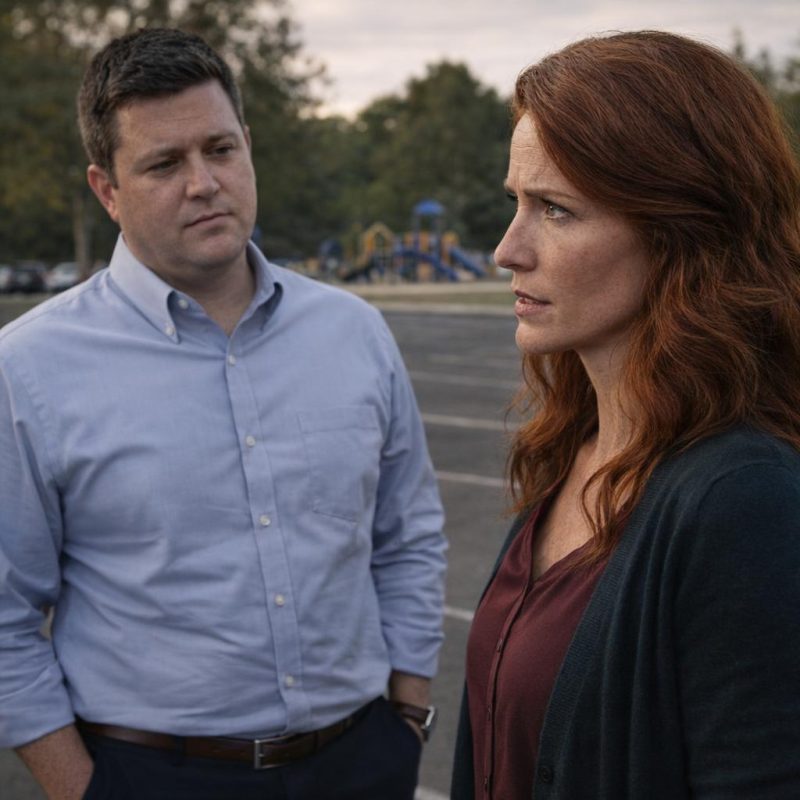 Image by RM AI
Thinner and Slower
I met Nora at the same coffee shop two weeks later, and the moment she walked through the door I felt something shift in my chest. She looked different. Thinner, noticeably so—her jeans hung looser on her hips, and her sweater seemed to swallow her frame in a way it hadn't before. The shadows under her eyes had deepened into dark crescents that makeup couldn't quite hide. She moved more slowly too, carefully lowering herself into the chair across from me like the motion required thought. I asked if she was okay, and she smiled that same tired smile and said she was fine, just busy. We talked about Emma for a while—how excited she was to be back in dance class, how she wouldn't stop talking about the upcoming recital. Nora's voice was warm when she spoke about her daughter, but I kept studying her face, seeing the exhaustion beneath the surface composure. She paused mid-sentence once, seeming to lose her train of thought entirely, then recovered with a small shake of her head. When the conversation turned to practical matters about co-parenting schedules, Nora mentioned she had another appointment after this. Medical, she said, then immediately pivoted to asking about the divorce proceedings instead. My chest tightened at the deflection, at the way she changed the subject so quickly I almost missed it.
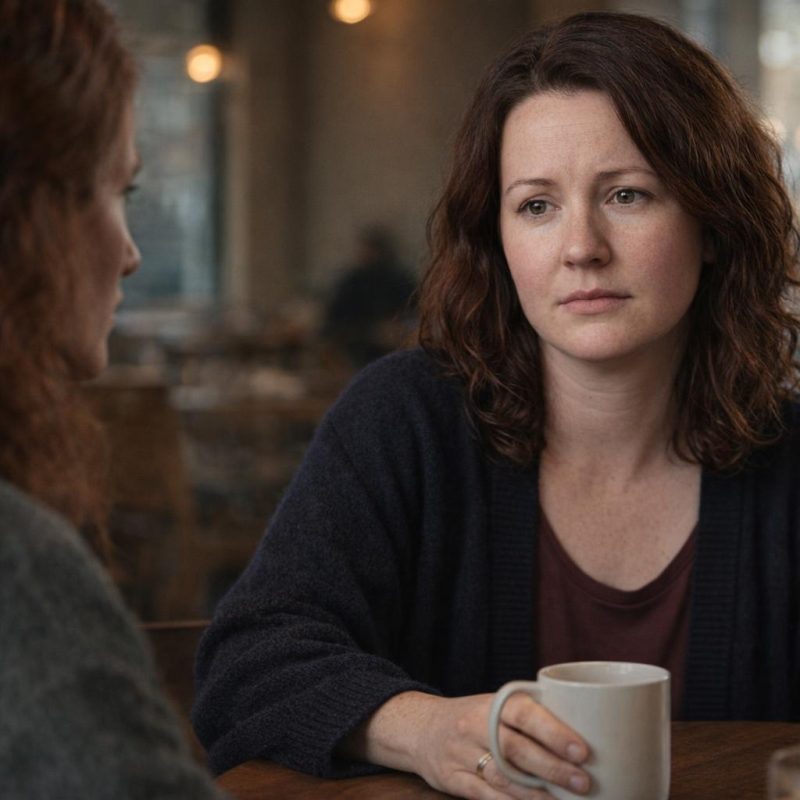 Image by RM AI
Why Now
I went home that evening and found Daniel waiting with dinner already prepared—another gesture in his ongoing reconciliation performance. I sat down at the table but didn't touch the food. I asked him directly why he was pushing so hard for Emma to visit me, why she needed to get comfortable with me now when we were in the middle of divorcing. We weren't building a family. We were ending one. Daniel set down his fork, his expression becoming serious in that practiced way of his. He said it was important for Emma's stability. I pointed out that Emma had been perfectly stable for six years without me in her life. He said circumstances change, things come up. I pressed harder, my voice rising slightly. What circumstances? What had changed in the past few weeks to make these meetings suddenly urgent, these visits suddenly necessary? Daniel said some things couldn't wait. I asked what things. What was he not telling me? What did he know that made this so important right now? He looked at me with an expression that made my skin prickle—like I was missing something obvious, something everyone else could see except me.
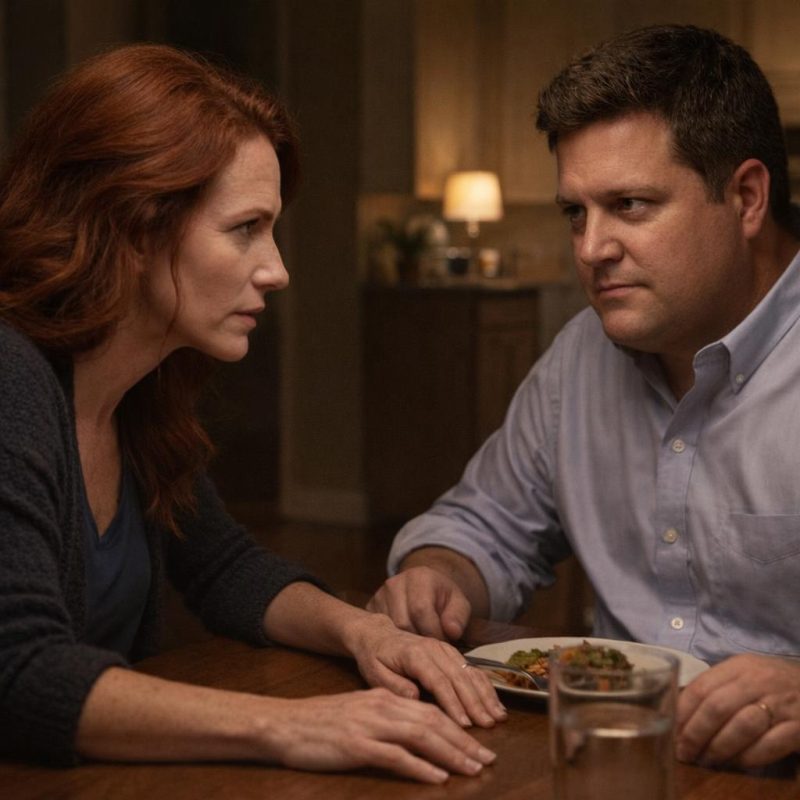 Image by RM AI
Deflection and Defense
The conversation continued into the next morning. I hadn't slept well, questions spinning through my mind in the dark. I found Daniel in the kitchen making coffee and confronted him again. I asked about the timeline of his sudden interest in Emma knowing me. He'd hidden her for seven years, and now suddenly it was urgent that I meet her, spend time with her, form a connection. What had changed between then and now? Daniel became defensive, his voice tightening. He said he'd always wanted this, always wanted me to know Emma. But the timing was never right before—too complicated, too much at stake. I asked what was different now. It was still complicated. We were still divorcing. It was still painful. He said he'd realized life was short, that people needed connections that mattered. I pointed out he was contradicting himself. First he said the timing was finally right, then he said he'd always wanted this. It couldn't be both. Which was it? Daniel struggled to maintain his position, saying circumstances had evolved. I asked what circumstances exactly. What had happened to make connections suddenly urgent? Daniel said nothing had changed, he just saw things differently now. But when he picked up his coffee cup, his hands were shaking.
 Image by RM AI
Three Months
My phone rang Wednesday afternoon with Nora's number on the screen. I answered to hear her voice sounding tired and strained, different from the coffee shop. She said she was calling from the hospital, that she'd had another round of tests and felt I deserved to know. Know what, I asked, my stomach dropping. Nora explained she had stage four pancreatic cancer. Diagnosed four months ago. It had spread too far for surgery. The doctors said approximately three months, maybe less. I leaned against the kitchen counter, unable to speak. Nora continued, her voice steady despite everything. Daniel had known since her diagnosis—found out two weeks after she did. That was why he'd been pushing for me to meet Emma, why he was so urgent about visits and comfort and connection. I asked what that meant, my voice barely working. Nora said Daniel knew Emma would need someone. Her parents were gone, no siblings, no family. Emma would have only Daniel, who worked constantly. Daniel had decided I needed to be ready to take Emma. I asked if the email from the dance studio had been an accident. Nora went quiet, then said she didn't know for certain, but Daniel had access to the contact information. He could have added my email to the parent list. I slid down the cabinet to the kitchen floor and sat on the cold tile as understanding crystallized—the email wasn't an accident, and my entire discovery of his betrayal had been part of his plan.
 Image by RM AI
The Architecture of Deception
I stayed on the kitchen floor after the call ended, phone still in my hand, as the revelation kept expanding in my mind. I replayed Saturday morning when the email arrived—Daniel's too-smooth dismissal looked different now. He'd barely glanced at the screen because he already knew what it said. His calm wasn't shock. It was performance. I replayed his confession about Emma, the careful way he'd revealed just enough information to make himself look guilty but redeemable. He'd never mentioned Nora was dying. I replayed the week of flowers and apologies, the reconciliation attempts that weren't about guilt at all. They were designed to keep me close, invested, to make me feel like I could forgive him so I'd be ready to accept Emma. I replayed his urgency about the meetings, his strange questions about what if something happened to Nora. He'd already known something was happening. He'd been testing whether I would take Emma. I could see the full architecture of it now—every moment calculated to move me toward acceptance. The discovery was the first step, not an accident. My anger was expected, factored into the timeline. The gradual adjustment was the plan. Meeting Emma, forming a connection, getting comfortable. All leading to the moment when Nora died and I would already be positioned as Emma's mother. I understood now that I had never been his partner—I had been his contingency plan, maintained for eleven years in case he ever needed me to raise his daughter.
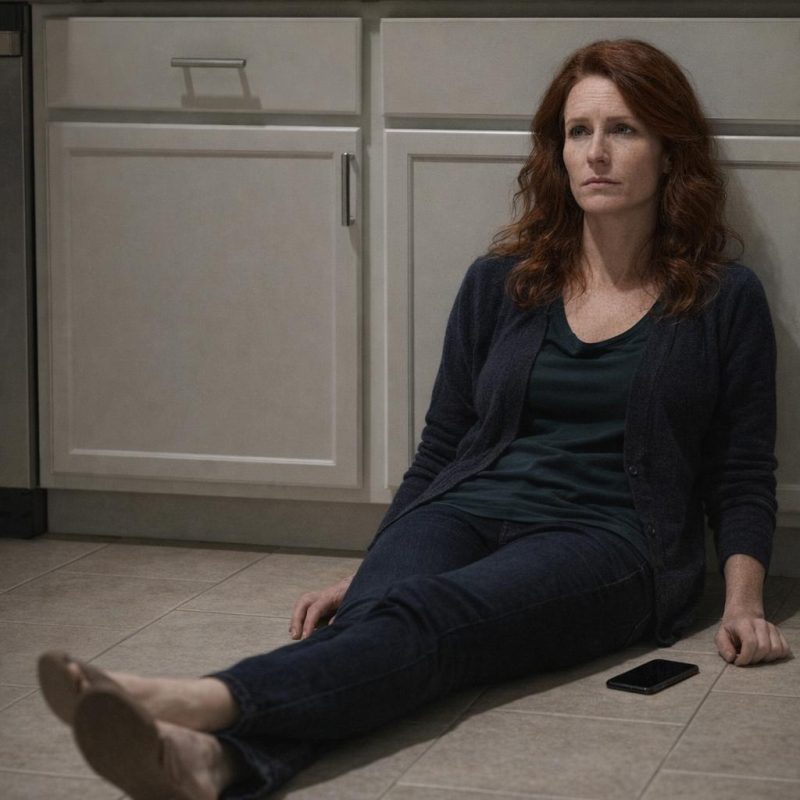 Image by RM AI
The Timeline He Built
I finally pulled myself up from the kitchen floor, my legs unsteady but my mind sharp with cold focus. I went to Daniel's home office, not caring about privacy anymore. I opened his laptop—I still knew his password from years of marriage. I searched his calendar from four months ago and found a small red dot on a date that must have been Nora's diagnosis day. No label, just a mark that wouldn't mean anything to a casual viewer. Two days later, an entry read simply: contact dance studio. My hands shook as I took screenshots of everything. I searched his email for messages to Maple Grove Dance Academy. Nothing in the regular inbox. I checked the deleted folder and found a conversation with Tessa. Daniel had emailed the studio asking to update contact information, adding my shared email as a secondary contact for Emma. The message was dated two days after the diagnosis red dot. He'd engineered the email's arrival from the very beginning. I kept searching, finding browser history showing research on custody laws, stepparent adoption procedures in California, what happens when a biological parent dies. All the searches were from weeks after the diagnosis. Daniel had been building a framework for transferring Emma to me, every search and plan and manipulation carefully mapped out. I photographed everything with my phone. The most damning evidence I'd ever seen of how thoroughly I'd been used. Then I found the calendar where he'd marked the day of Nora's diagnosis with that small red dot, and two days later, the entry that read simply: contact dance studio.
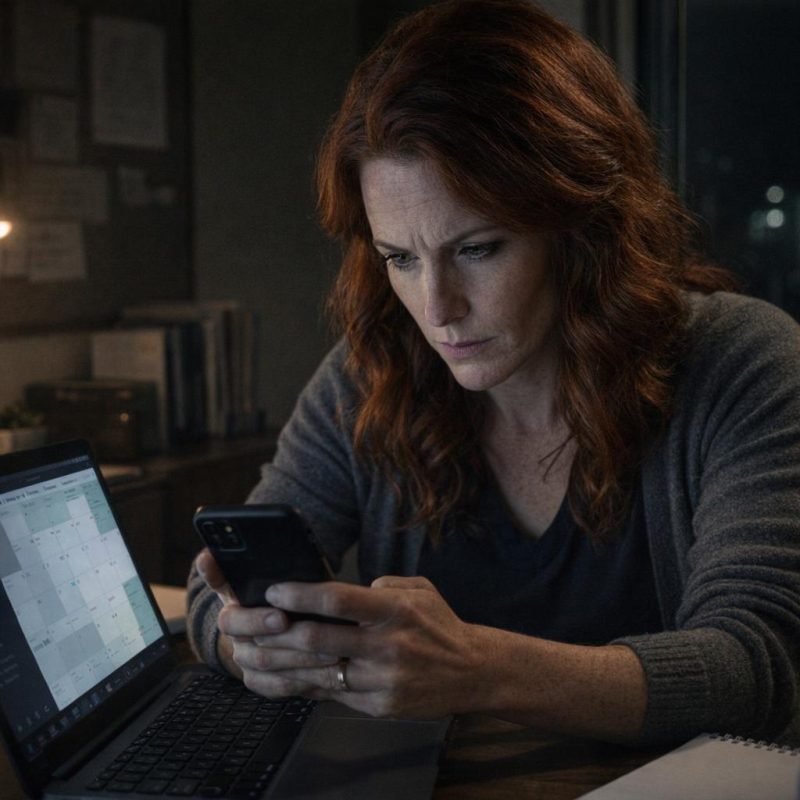 Image by RM AI
Notes on Rachel
I kept searching through Daniel's laptop files and found a folder labeled RH in his documents section. I opened it to find a series of dated entries—notes about my emotional reactions to the discovery. The first entry described my response to the email, how quickly I'd investigated versus accepted his explanation. It noted my call to the dance studio as expected behavior. Later entries tracked my statements about Emma: what I'd said after seeing her through the window, my questions about what Emma knew, my reaction to meeting her at the park. The notes assessed my readiness for guardianship with phrases like 'softening toward E as anticipated' and 'anger at me useful, creates bond with child.' Daniel had tracked my emotions like data points, measured my adjustment to the situation, assessed whether I was ready for the next phase of his plan. The most recent entry was dated just three days ago, after Emma had asked about the blue door house. It read: showing appropriate attachment to E, proceeding ahead of schedule, timeline can accelerate if needed. I stared at the words on the screen. I was a project to him, not a person. My feelings were metrics being tracked. I had to close the laptop because I couldn't breathe.
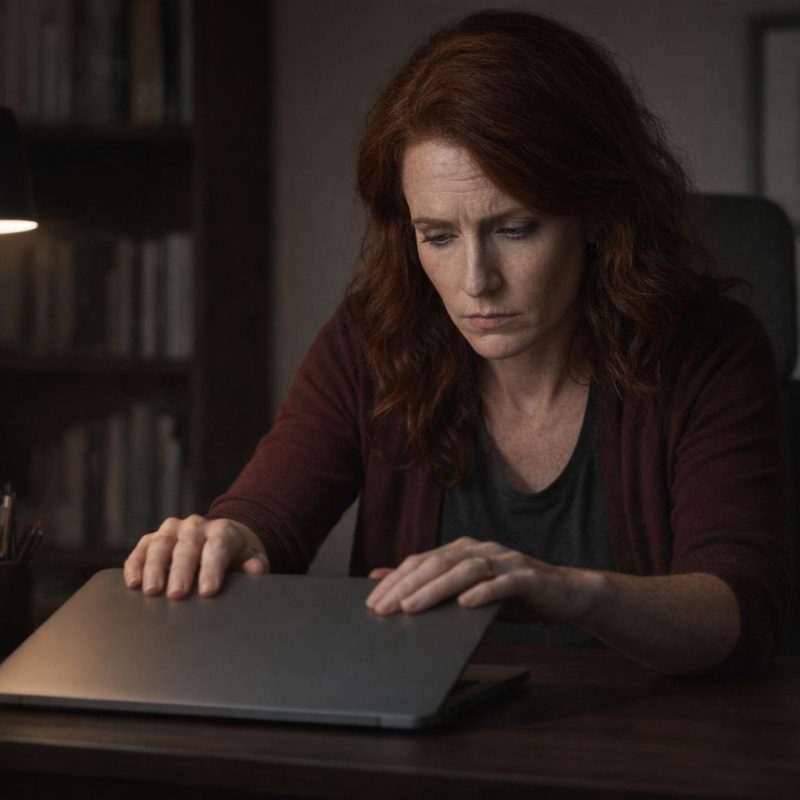 Image by RM AI
The Unstable Wife File
I forced myself to keep searching and found another folder with no label. I opened it to find a very different kind of documentation. Audio files of recorded conversations. I played one and heard my own voice, angry and sharp—a conversation from weeks ago when I'd confronted him. Without context of what he'd done, I sounded unhinged. There were screenshots of text messages I'd sent, my words about not wanting to see Emma, about not being a mother to his affair child. Taken out of context, they looked cold and cruel. Then I found a draft letter addressed to a family court judge. The letter expressed concern about my mental state, described my volatile reactions to learning about Emma, my refusal to accept an innocent child, my inability to move past anger toward Daniel. It requested the court consider placing Emma with Daniel as sole guardian, given my demonstrated emotional instability. The letter was unsigned, undated—clearly a backup plan. I understood the trap I'd been in. If I accepted Emma, I'd become her guardian when Nora died. If I refused, Daniel would use this evidence against me. Either way, I'd be positioned exactly where he needed me—cooperative mother or dangerous obstacle to remove. Both versions served his purpose. The letter outlined concerns about my mental state and requested that Emma be placed with Daniel as sole guardian, citing my volatile reactions and inability to accept his daughter—a backup plan in case I refused to cooperate.
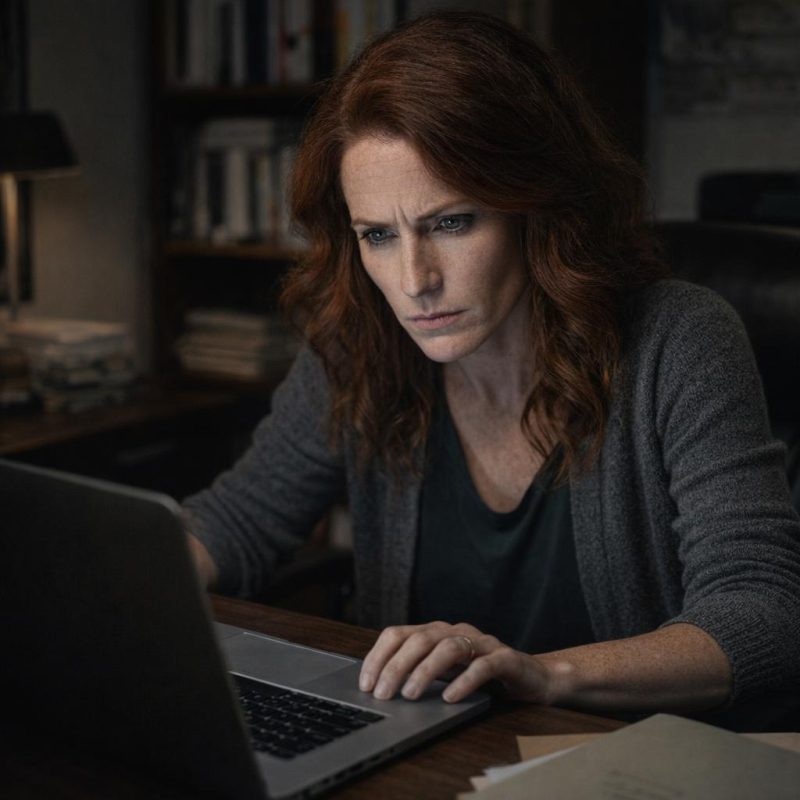 Image by RM AI
Confrontation
I spent the afternoon preparing. I copied every file to my own devices—the notes tracking my reactions, the audio recordings, the draft letter to the judge. I sent everything to Monica Gardner with a detailed explanation. Then I sent copies to Lisa as backup, because I'd learned that evidence has a way of disappearing when you need it most. When Daniel's car pulled into the driveway that evening, I was ready. I sat at the dining table with my laptop closed in front of me, the same position as the night I'd first asked about Emma. Daniel came through the door calling hello, his voice bright with false normalcy. He stopped when he saw my face. I told him to sit down. I said I'd talked to Nora today, that she'd told me about the cancer, about the three months she had left. His expression shifted, eyes calculating, trying to read how much I knew. I continued. I told him I'd found his files—the email he'd arranged through the dance studio, the notes tracking my emotional reactions, the folder building a case that I was unstable. Daniel's face went completely white. He tried to explain, said I didn't understand, that everything he'd done was for Emma. Emma needed someone, needed stability. Nora was dying and Emma would have no one. I said that was exactly the problem—he'd done everything for Emma while treating me as a tool to be manipulated, never asking, never telling the truth, just maneuvering me into the position he needed.
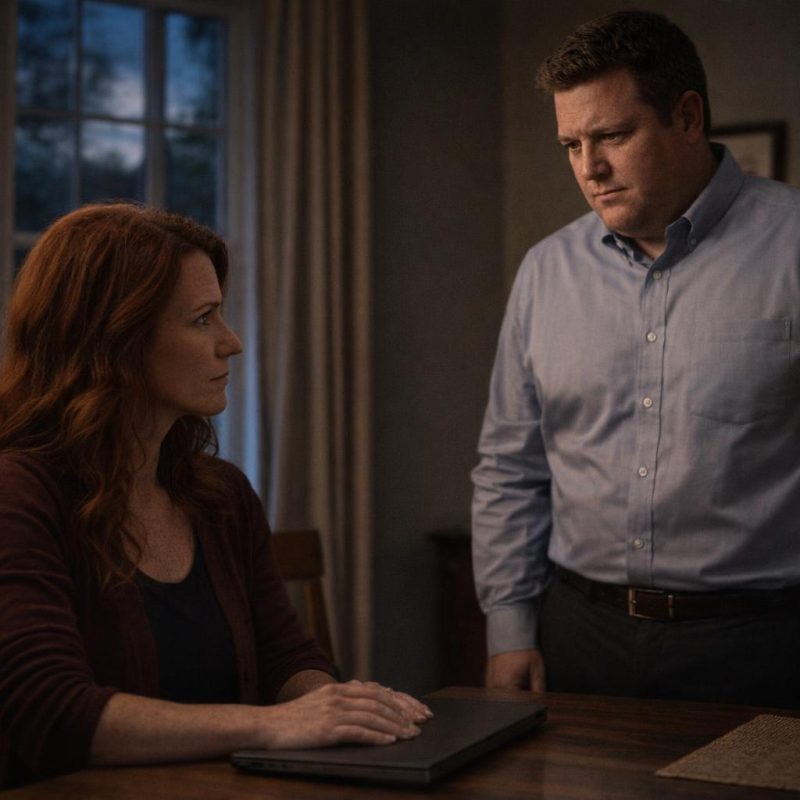 Image by RM AI
The Begging
Daniel's composure completely collapsed. He started crying—the first time I'd seen him truly break in eleven years. Through tears, he admitted everything. He'd found out about Nora's diagnosis four months ago. He'd known immediately that Emma would need someone. Nora had no family, no support system. He worked too much, traveled too often, couldn't be the single father Emma deserved. So he'd thought about me, about our eleven years together, and decided I was the only option that made sense. He'd engineered the email discovery as the first step, knowing I would investigate, would find the truth. He'd planned for my anger, factored it into his timeline. He'd tracked my reactions to measure my readiness. And he'd prepared court documents in case I refused—he would have fought to keep me away from Emma entirely rather than let me abandon his daughter. Daniel fell to his knees beside the table, begging me to still take Emma when the time came. He said Emma needed me, talked about me constantly. She called me the lady with kind eyes from the park. She'd asked Daniel when she could see me again. Emma already loved me without knowing the full story. Daniel said he was sorry, so sorry for all of it, but he would do it again for Emma's sake. I felt something tear inside my chest, the part of me that had trusted anything, anyone, and I knew this wound would never fully heal.
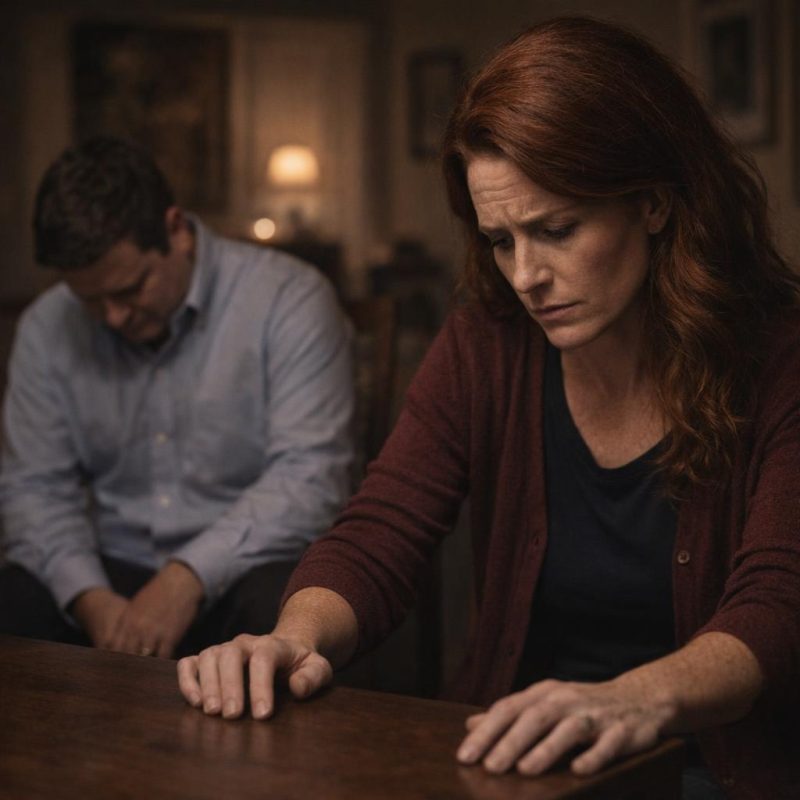 Image by RM AI
The Impossible Choice
I returned to my apartment after the confrontation—the small space I'd moved into when I left the house. I sat on the couch in the dark, not turning on lights. I faced the choice Daniel had engineered. Option one: become Emma's guardian when Nora died, take responsibility for the child born from his affair, raise the daughter of the man who'd betrayed me for seven years. Option two: walk away from the entire situation, let Daniel figure out childcare on his own, and Emma would lose her mother with no replacement, left with a workaholic father who lied to everyone. Neither option felt survivable. Both required me to carry weight I hadn't chosen. I picked up my phone to call Lisa, then put it down without dialing. Lisa would say I owed them nothing, that I should walk away, protect myself, let them handle it. I knew that was the logical answer. But I also knew Emma's face at the park, her shy smile, her questions about swings, the way she'd said I had kind eyes. Emma was innocent in all of this. I picked up the phone again, put it down again. The third time I held it longer but still didn't call. I couldn't hear Lisa tell me to abandon a child, even if abandoning might be the right choice.
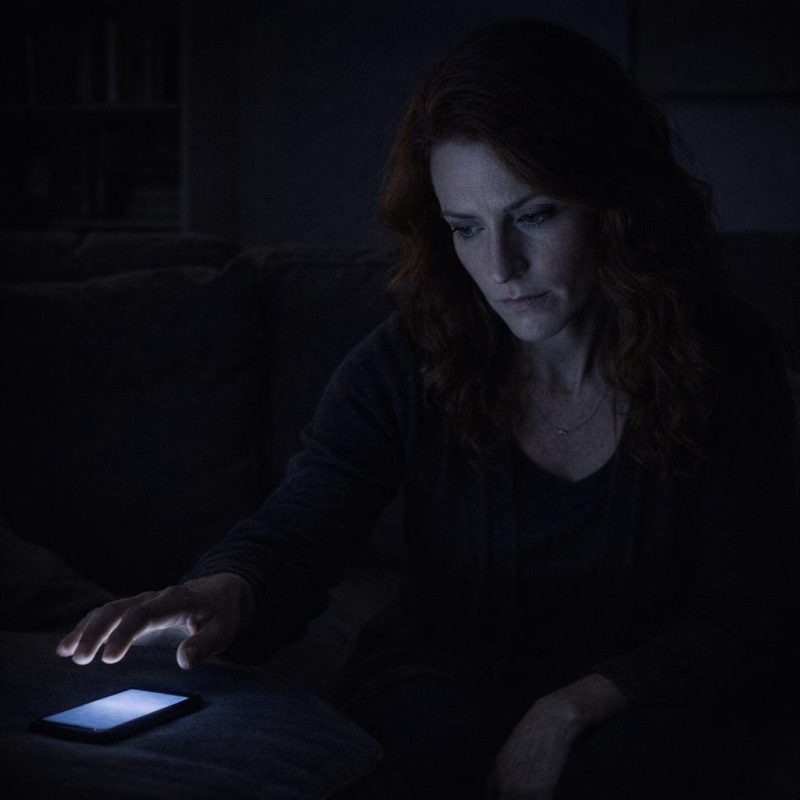 Image by RM AI
What Nora Asks
My phone rang early the next morning. Nora's voice sounded weaker than before. She asked if I could come to her house. It was the first time I'd been to where Nora lived. I drove to a modest house in a nearby neighborhood. Nora answered the door looking thin, wearing a soft cardigan. The house was tidy but showed signs of illness—medications on the counter, hospital paperwork, Emma's drawings on the refrigerator, small shoes by the door. Nora led me to the living room and sat carefully. She said she knew Daniel had manipulated me, knew about the files, the tracking, the backup plans. She'd told him it was wrong but he wouldn't listen. He was scared, had made terrible choices from fear. But Nora wasn't asking for Daniel's sake—she was asking for Emma's sake only. Emma needed someone when Nora was gone, not just someone who would feed and clothe her, but someone who would love her completely. Nora said she'd watched me at the park, had seen me kneel down to Emma's height without thinking, had seen me listen when Emma talked about swings. The way I'd looked at Emma showed a capacity for love, even when loving would hurt. Nora knew she was asking an impossible thing, but impossible was the only option left. She asked me to consider, just consider, taking Emma.
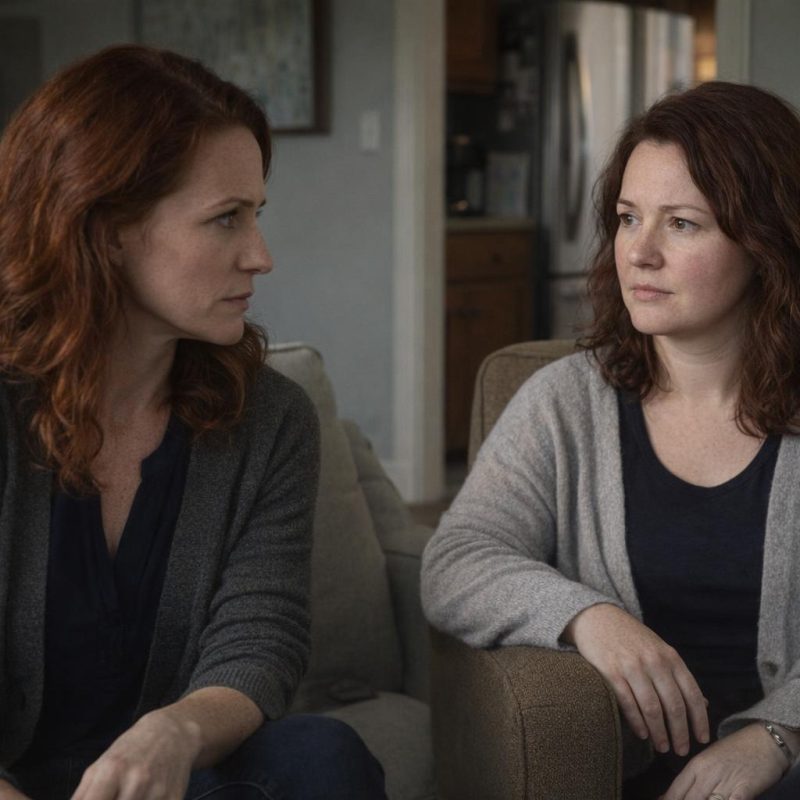 Image by RM AI
Lisa's Truth
I finally called Lisa and asked to meet. We went to the bar where we'd met for fifteen years, to the quiet booth in back where we could talk privately. I told Lisa everything I'd learned—Daniel's orchestration, the tracking notes, the backup file, Nora's illness, the timeline, the manipulation, and Nora's request that I take Emma. Lisa listened without interrupting, her face getting harder. When I finished, Lisa spoke firmly. She said I owed Daniel absolutely nothing. The man had lied to me for seven years, used me as a backup plan, prepared to destroy my reputation if I didn't cooperate. I owed Nora nothing either—she'd known about the marriage, had participated in the affair. Both of them had made choices that hurt me. Taking Emma would mean letting Daniel win. He'd get exactly what he'd engineered and would face no real consequences for his manipulation. I said I knew all of this, but Emma hadn't made those choices. Emma was six years old and losing her mother. Lisa's expression softened slightly. She said sometimes the right thing for yourself and the right thing for a child are different things, that you can't always reconcile self-protection with compassion. I said I knew, that was exactly the problem.
 Image by RM AI
The Only Innocent One
I drove home from the bar with Lisa, taking the route that passed near the dance studio. Not intentionally—it was just the way home. I glanced at the studio window as I passed. My car slowed without me deciding to slow it. I parked across the street and watched through the glass. Emma was inside practicing ballet positions, concentrating with her forehead slightly creased. It was the same expression Daniel had when he was focused, but Emma was not Daniel. Emma hadn't lied to anyone for seven years. Emma hadn't maintained a secret family. Emma hadn't manipulated anyone into position. Emma was six years old and loved to dance, and her mother was dying. I watched and felt painful clarity forming. Emma was the only innocent person in this. Nora had chosen to have an affair with a married man. Daniel had chosen to build a double life. I'd chosen to marry him, to trust him. But Emma had chosen nothing—she'd just been born into a situation adults had created. Emma turned toward the window mid-practice and saw my car, saw me watching. Her face lit up with recognition. She waved with her whole arm, an enthusiastic child's wave. I waved back without thinking, a small gesture, but something shifted in my chest. The shape of my decision was beginning to form—not yes, not no, but possibility taking shape.
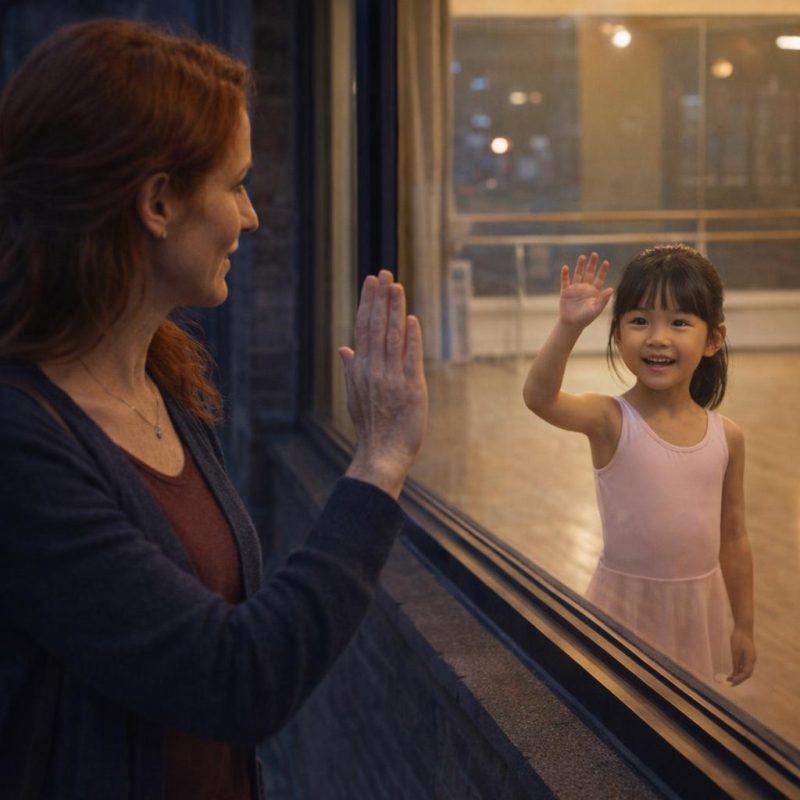 Image by RM AI
Filing Day
I arrived at Monica's office with an appointment scheduled. I sat in the conference room with a stack of documents in front of me. Monica walked through each section methodically—asset division claiming half of all marital property, the house to be sold with proceeds split equally, retirement accounts divided per court formula, fraud compensation claim for the diverted funds. Over ninety thousand dollars Daniel had used for undisclosed obligations. I was entitled to full repayment from his share. Monica reached the custody section of the documents, the standard language disclaiming any parental relationship. I made no claims on Emma Harper-Collins—no custody, no visitation rights, no legal connection. Monica paused and looked at me directly. She asked if I was certain about this language. Once filed, it would be hard to modify if circumstances changed. I nodded. I said I needed the divorce separate from Emma. Daniel had tried to make them the same thing, had made accepting Emma a condition of our relationship, had made refusing Emma evidence of my instability. I wouldn't let him control this narrative. The divorce was about ending the marriage, period. Whatever I decided about Emma would be a separate choice—my choice, not his manipulation. Monica nodded and handed me the pen. I signed each document carefully, the official filing of the end of my eleven-year marriage.
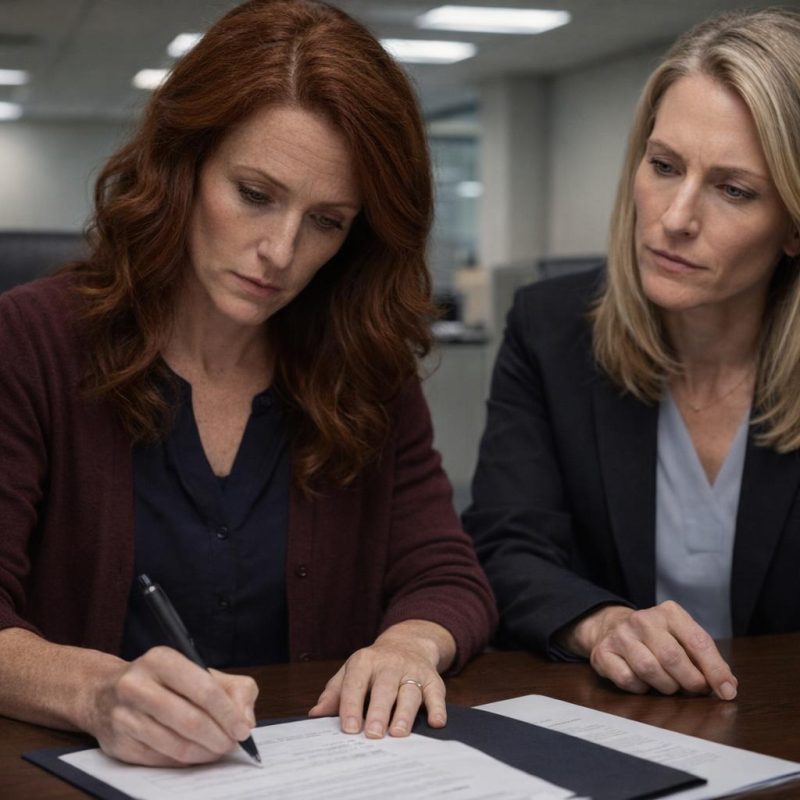 Image by RM AI
Protecting What's Hers
Monica moved quickly after I signed the papers. She filed emergency motions with the court the same day—a motion to freeze marital assets pending divorce, preventing Daniel from hiding or transferring anything, and a motion to expedite the fraud claims given the evidence. Banks received legal notice about the accounts. Daniel's ability to move money was immediately restricted. Within forty-eight hours I received documentation—legal confirmation of my rights to marital property, half of all assets acquired during the marriage, including equity in the house Daniel had tried to will to Emma. His will had no legal force over my share. Retirement accounts, investments, everything was protected. I reviewed the documentation in my apartment, and for the first time in weeks I felt secure about something. David Chen called Monica's office Thursday afternoon, his tone aggressive, demanding an emergency meeting. He wanted to negotiate terms before the court got involved. He said Daniel was willing to be reasonable about the division. Monica put him on speaker so I could hear. She told Chen there was nothing to negotiate—California law was clear about community property, I was entitled to what the law provided, and I would get exactly that. Chen threatened a protracted legal battle. Monica said bring it, the evidence of fraud was overwhelming. Chen's tone changed, suggesting perhaps they could discuss things. Monica said they could discuss in court and hung up with me watching.
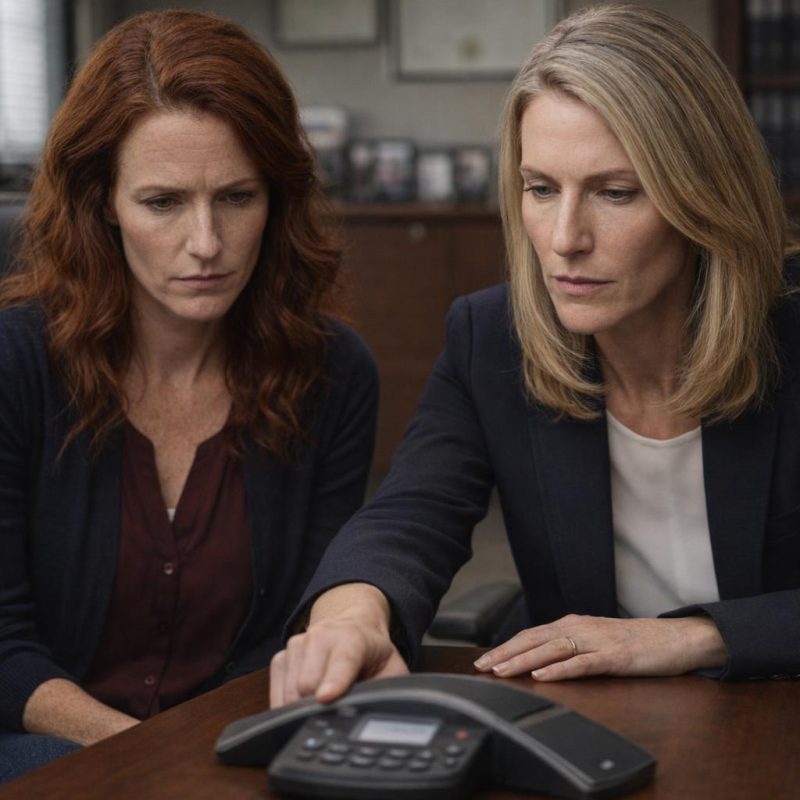 Image by RM AI
The Boundary
I texted Daniel on Friday and asked him to meet me Saturday morning. Neutral location, I said. Public. The coffee shop on Third Street had corner tables where conversations disappeared into the ambient noise of espresso machines and weekend chatter. He arrived looking like he hadn't slept in days, stubble darkening his jaw, shirt wrinkled in a way that would have horrified the Daniel I'd married. I sat across from him and didn't waste time on pleasantries. I told him I wasn't going to take Emma into my home. I'd thought about it from every angle, turned it over in my mind during sleepless nights, considered what it would mean for a seven-year-old girl to lose her mother. I understood Nora was dying. I understood Emma would need someone. But I would not be manipulated into motherhood. I would not let him engineer me into a role I didn't choose, hadn't agreed to, never had the chance to decide about honestly. He'd had seven years to tell me the truth. Seven years to give me a real choice about Emma. Instead he'd maneuvered me like a chess piece, tracked my emotions, built a file to destroy me if I didn't comply. That wasn't how you asked someone for help. I told him he needed to find another solution—family he hadn't mentioned, friends, anyone else. Emma could not be my responsibility. Daniel stared at me across the table with an expression that might have been despair or might have been calculation, and I realized I would never know which, and that was exactly why I was saying no.
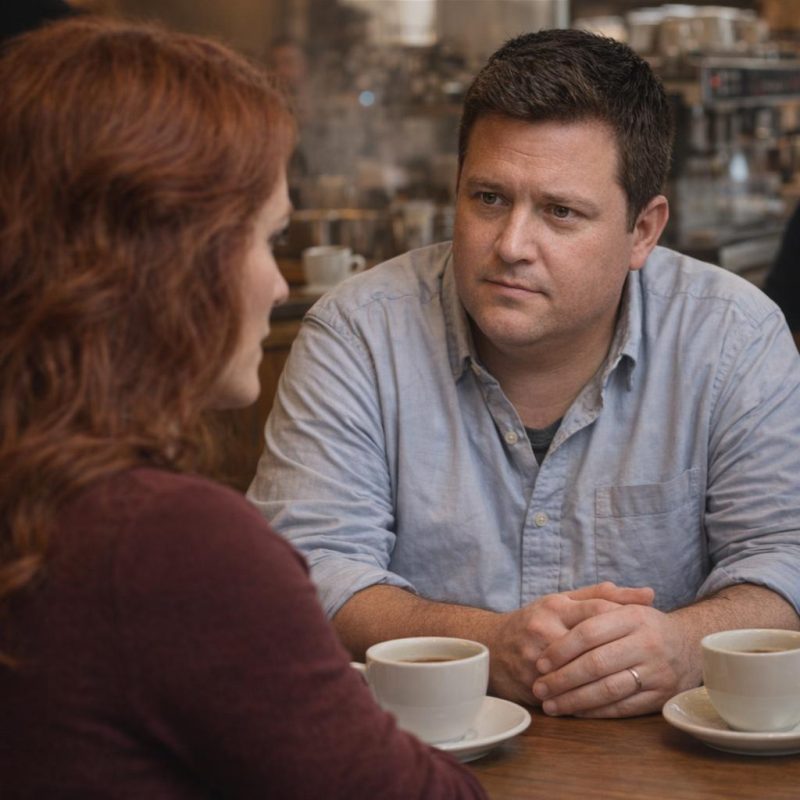 Image by RM AI
The New Address
The last box went into my one-bedroom apartment on a Tuesday in October. The space was small—kitchen barely big enough for one person, living room that couldn't fit a proper couch—but it was entirely mine. No shared iPad. No hidden calendar entries. No cloud folders with secrets I'd never thought to search. I unpacked methodically, placing things where I wanted them, not where they'd always been. Wednesday morning I woke to my alarm and took that first breath without weight pressing down on my chest. No dread. No anxiety about what the day might bring. I lay still for a moment, appreciating the absence. Made coffee in my own kitchen, a small ritual that felt different here. Spent the day settling into new routines—working from my laptop at the small dining table, grocery shopping just for myself, walking the neighborhood learning new streets. Evening came and the doorbell rang. Lisa stood there with wine and pizza, said she wanted to christen the new place. We sat on the floor because furniture delivery was delayed, ate pizza straight from the box, drank wine from mugs. Lisa looked at me and said I looked lighter, like some weight had lifted. I considered that. Told her I felt like I was learning to breathe again.
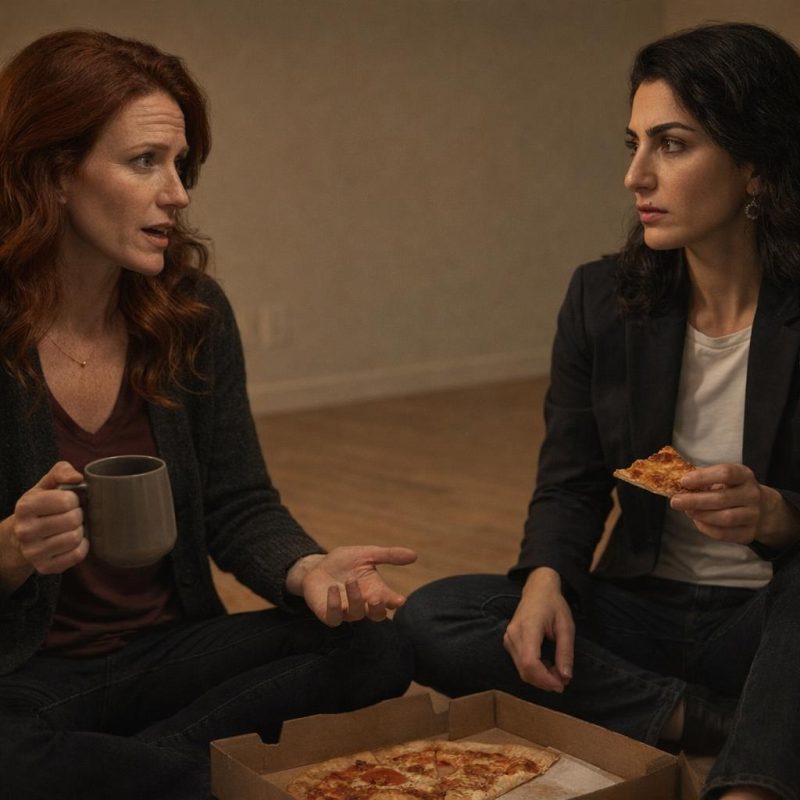 Image by RM AI
The Funeral
Nora died on a Sunday morning in late November. I learned from a text message—Daniel sending notification like I was still someone who needed to know. The funeral was scheduled for Wednesday at a small chapel across town. I debated whether to attend. Decided to go not for Daniel who'd manipulated me, not for Nora who'd participated in the affair, but for Emma who was losing her mother. I arrived early and sat in the back pew. The service was small—not many attendees. Nora had no family, few close friends. Emma sat at the front in a black dress, looking so small next to Daniel, so alone despite his presence there. The service was brief. Words about Nora's kindness, her love for Emma, her courage facing illness. I watched Emma's small shoulders shaking, couldn't see her face but saw the trembling. When it ended, people began to stand. Daniel spoke with the funeral director. Emma turned around, scanning the chapel, and saw me in the back pew. Her expression changed. She walked down the aisle toward me deliberately, didn't ask permission, didn't hesitate. She crawled into my lap and buried her face in my shoulder, small body shaking with sobs. My arms came around her automatically. I held her while she cried, and something that had felt impossible began to feel inevitable.
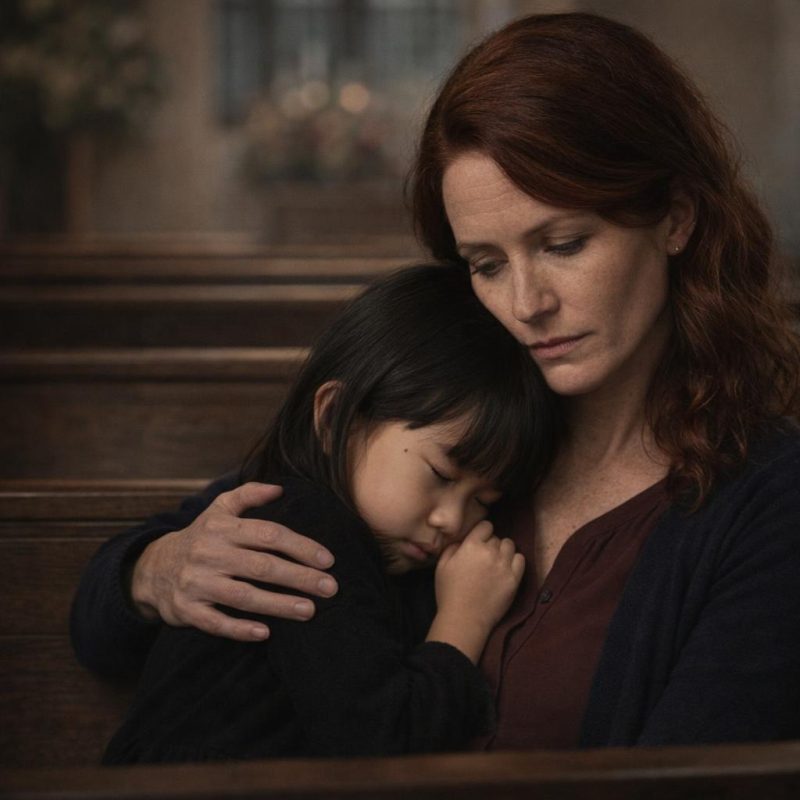 Image by RM AI
Something True
Three weeks after the funeral, I met Emma for ice cream on a Saturday. Just the two of us. Daniel dropped her off at the shop and said he'd return in an hour, giving us space I hadn't asked for but accepted. Emma ordered strawberry with rainbow sprinkles. I got chocolate. We sat at a small table by the window and she talked about school, about Miss Ava, about missing her mom. I listened without trying to fix anything, just present, just there. She asked about my apartment—did I have a TV, were the walls blue like my door? I answered patiently, learned what she liked: dancing, dogs, macaroni. Learned what scared her: thunder, the dark, being alone. She got quiet for a moment, then asked if I would come to her dance recital. Miss Ava said it would be in December. She wanted someone there besides just her daddy. I said yes without hesitation. No calculation, no weighing consequences. Just yes. Her face lit up. We finished our ice cream and walked outside to Daniel's car. Emma hugged me tight before climbing in. I stood back and waved as they pulled away, and I realized I wasn't becoming Emma's mother because Daniel had planned it—I was choosing to become part of Emma's life because Emma had chosen me first, and that made all the difference.
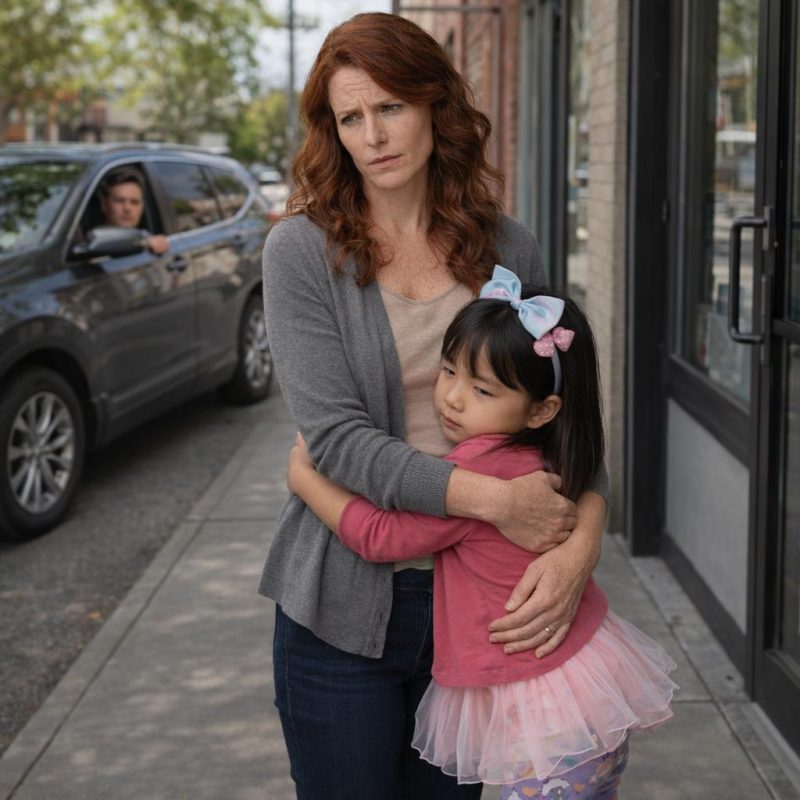 Image by RM AI
KEEP ON READING

From Heroes To Zeroes 20 Historical Figures Whose Heroism Was…
History is full of legends, but not every hero lived…
By Noone Feb 25, 2026
The Clueless Crush: How I Accidentally Invited a Hacker Into…
Fluorescent Lights and First Impressions. My name is Tessa, I'm…
By Ali Hassan Nov 4, 2025
This Infamous Ancient Greek Burned Down An Ancient Wonder Just…
History remembers kings and conquerors, but sometimes, it also remembers…
By David Davidovic Nov 12, 2025
Einstein's Violin Just Sold At An Auction—And It Earned More…
A Visionary's Violin. Wanda von Debschitz-Kunowski on WikimediaWhen you hear…
By Ashley Bast Nov 3, 2025
The Mysterious "Sea People" Who Collapsed Civilization
3,200 years ago, Bronze Age civilization in the Mediterranean suddenly…
By Robbie Woods Mar 18, 2025
20 Animal Heroes Who Changed Human History
Bravery Comes In Fur, Feathers, And Hooves. Human history is…
By Cameron Dick May 13, 2026