

My Siblings Demanded $53 Million From My Startup Exit — Then I Found Dad's Secret DNA Test
My Siblings Demanded $53 Million From My Startup Exit — Then I Found Dad's Secret DNA Test
The Silence Before the Storm
I stood alone in my penthouse at midnight, champagne in hand, watching the city lights blur through floor-to-ceiling windows. Eighty million dollars. The number still didn't feel real, even though I'd watched the wire transfer confirmation appear in my inbox six hours earlier. Ten years of eighty-hour weeks, of pitching investors who called sustainable logistics a pipe dream, of missing weddings and birthdays and every normal thing people in their thirties are supposed to do. All of it had led to this moment. My sustainable logistics platform had just been acquired by one of the biggest tech companies in the world, and I'd made sure my employees were taken care of first—the trust fund I'd established would change lives. I raised my glass to my reflection, savoring the silence. No emails demanding my attention. No crisis calls at three AM. Just peace, earned and paid for. The intercom buzzed once, then twice, then a third time, insistent. The doorman's voice crackled through the speaker with an edge I'd never heard before, and my champagne buzz started to fade.
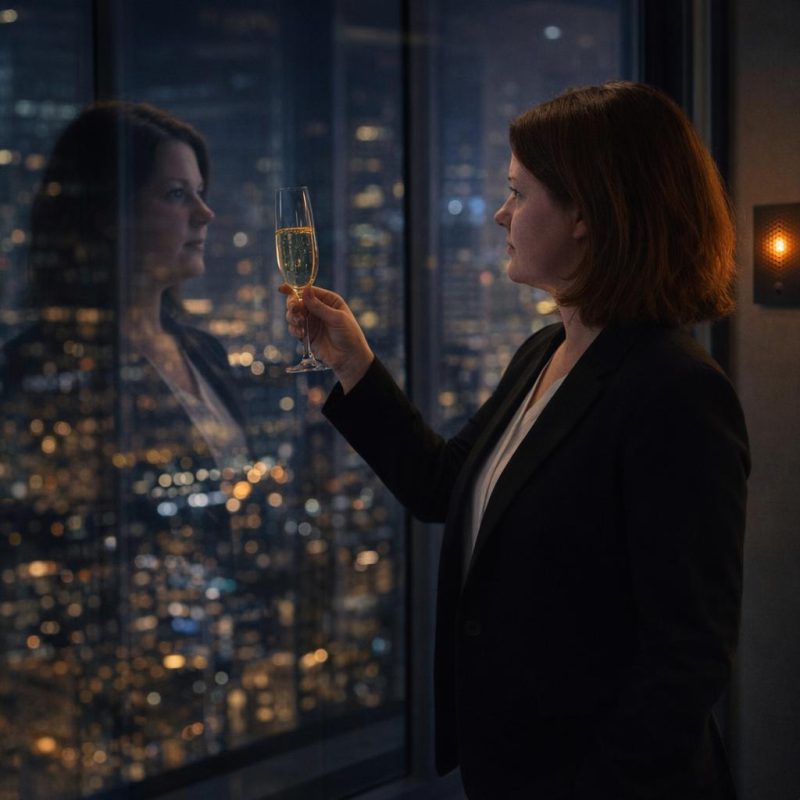 Image by RM AI
Uninvited Guests
Mark stood in my foyer wearing cashmere and designer jeans that probably cost more than my first car, his smile not quite reaching his eyes. Elena was beside him in a dress I recognized from a fashion magazine I'd flipped through at the dentist—the price tag had made me wince even though I could afford it now. I hadn't seen either of them in six months, not since Dad's funeral. "Congratulations on the exit," Mark said, and something in his tone made my shoulders tense. Elena's smile was perfect, practiced, her manicured nails catching the light as she gestured vaguely. "Family should share important moments together, don't you think?" Behind them stood a man I'd never seen before, mid-fifties, three-piece suit, silver cufflinks, carrying an expensive briefcase like it was a weapon. My champagne buzz evaporated completely as Mark stepped aside. "Sarah, this is Sterling Hayes," he said. The man extended his hand, his grip firm and cold. "Ms. Chen, a pleasure. I'm representing your siblings in certain family matters."
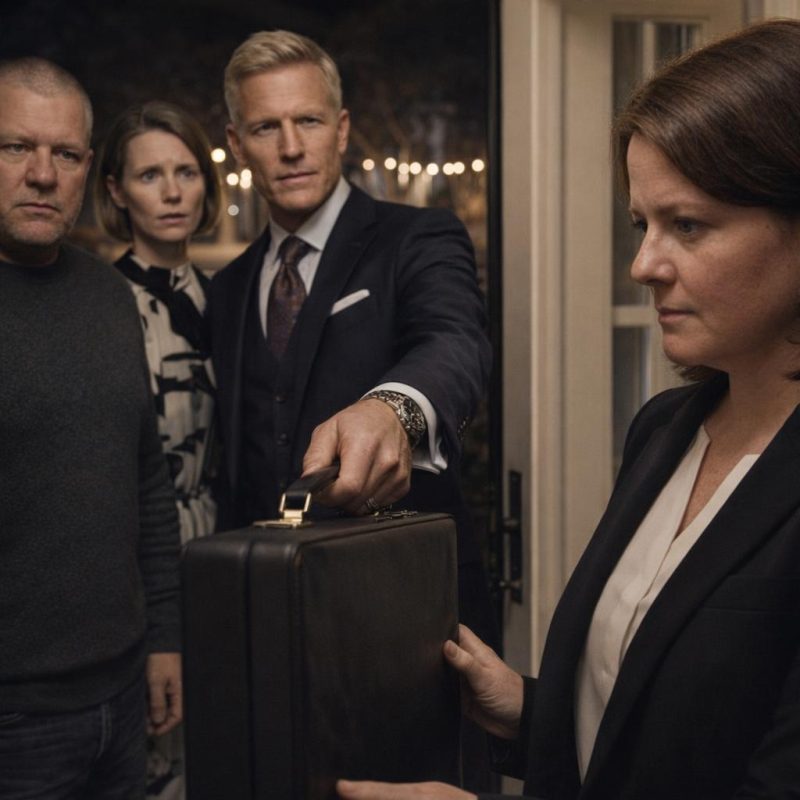 Image by RM AI
The Yellowed Document
Sterling opened his briefcase with practiced precision, the kind of movement that suggested he'd done this a thousand times before. He pulled out a document so old the edges had yellowed, the paper brittle-looking even from where I stood. He laid it on my coffee table carefully, smoothing it flat with his palm. The typewriter font was slightly uneven, characteristic of old manual machines, and I leaned forward despite myself. "Your father's initial loan," Sterling said, his voice matter-of-fact. "Ten thousand dollars, provided when you were starting your company." I nodded slowly, remembering Dad handing me that check in his kitchen, telling me he believed in me when no one else did. "There's a provision in your father's will regarding that loan," Sterling continued, tapping the document with one manicured finger. "A complex chain of title through the business entity." I squinted at the dense legal language, trying to make sense of words like "beneficiary interest" and "proportional distribution." My coffee table suddenly felt too small, the walls of my penthouse closing in. Sterling looked up at me with professional detachment. "The loan technically classifies your company as a family asset."
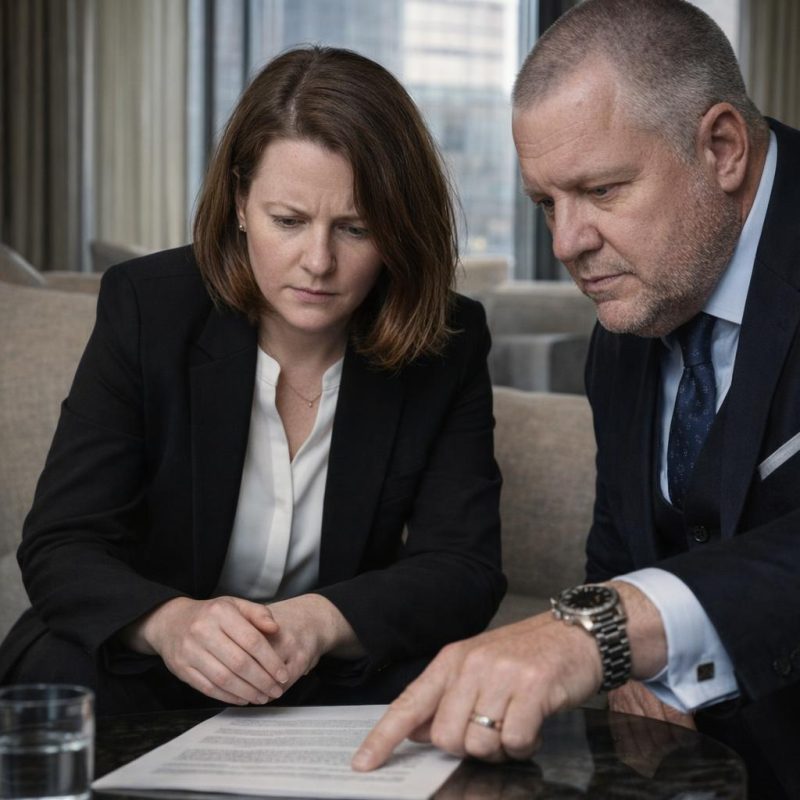 Image by RM AI
Fifty-Three Million
Mark leaned forward, elbows on his knees, and his voice carried a certainty that made my stomach drop. "We're entitled to our share of the sale." Elena's smile never wavered as she added the number that would haunt me for weeks. "Fifty-three million dollars. We're being reasonable, Sarah. We're simply claiming what's legally ours." The room tilted slightly. Two-thirds of eighty million. I did the math three times in my head, hoping I was wrong, but the number stayed the same. They wanted almost everything. The employee trust fund I'd established—the thing I was most proud of—would be gutted. The retirement I'd earned would vanish. Ten years of sacrifice, of choosing work over life, of building something that mattered, and they wanted to reduce it to a line item in a legal claim. Mark's expression was unreadable, but Elena's cold eyes watched me like I was a balance sheet. I gripped the arm of my chair, my knuckles white. Sterling sat back, waiting, his briefcase still open on the floor beside him. I watched ten years of my life reduce to a line item in a legal claim.
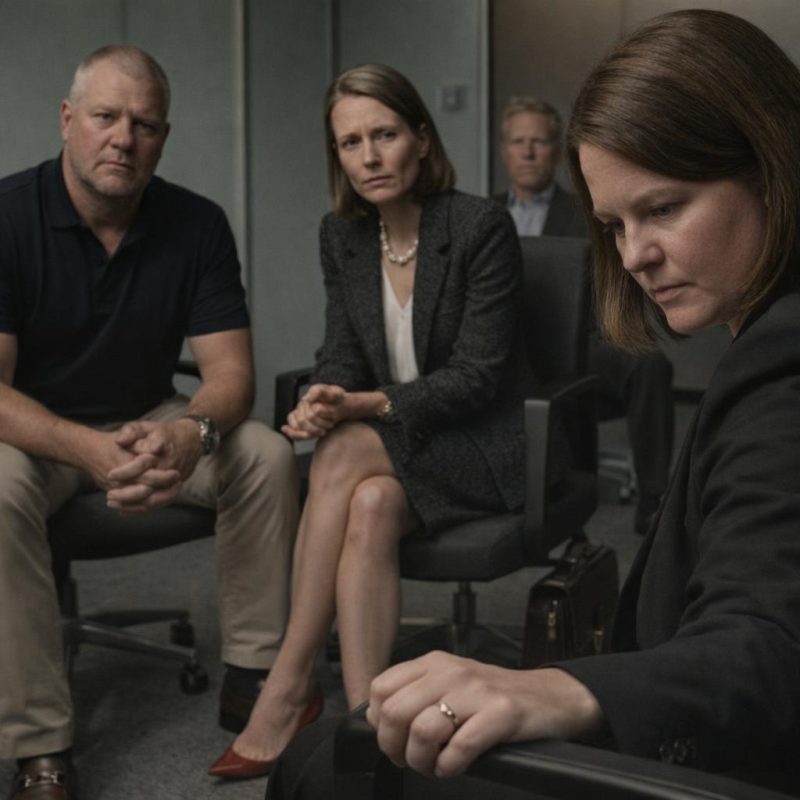 Image by RM AI
Midnight Call
I called Rebecca Chen at midnight, my hands shaking so badly I almost dropped my phone twice before she answered. She picked up on the third ring, her voice alert despite the hour—Rebecca never really slept during big cases. "Sarah? What's wrong?" I spent two hours explaining everything. The unexpected visit, Sterling's briefcase, the yellowed document, the impossible demand. Fifty-three million dollars. My voice cracked when I described how Mark and Elena had spent years calling my company a hobby, a phase, something I'd grow out of. Now they wanted two-thirds of it. Rebecca asked questions I couldn't answer. Had I read Dad's will carefully? What were the exact terms of the original loan agreement? I heard her keyboard clicking in the background, rapid-fire typing that meant she was already working. "Describe the document again," she said. "Every detail you remember." I closed my eyes, picturing the yellowed paper, the uneven typewriter font, Dad's signature at the bottom. "Rebecca," I whispered, "do you think it's real?" Her pause lasted three seconds too long. "Are you certain the document was authentic?" she asked, and I realized I didn't know anything anymore.
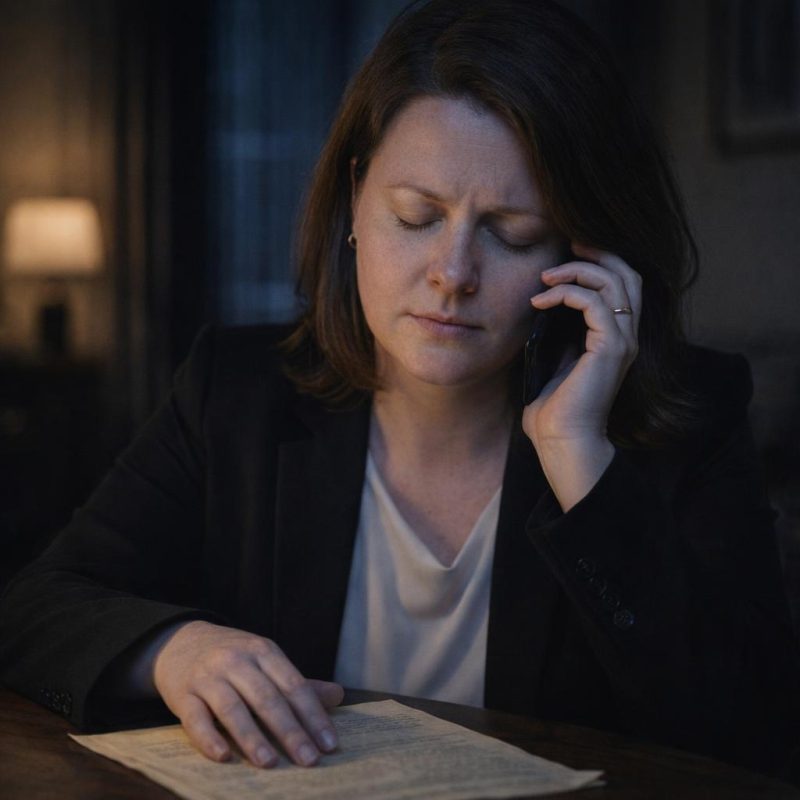 Image by RM AI
First Defense
Rebecca's voice shifted into teaching mode, the tone she used when explaining complex legal concepts to clients who were drowning. "Estate law regarding family businesses is complicated," she said. "Tell me everything about the original loan terms." I racked my brain, trying to remember details from ten years ago. Dad had handed me a check in his kitchen. There'd been paperwork, but I'd been so focused on getting started that I hadn't read it carefully. Rebecca probed deeper. What exact wording did I remember from the document Sterling showed me? What did Dad's will say about business assets? I realized with growing horror how little I'd understood about the legal structure I'd built my life on. "The document looked genuine," I said. "Old. The paper was brittle." Rebecca's typing intensified. "Walk me through the timeline again. When did your father give you the loan? When did you incorporate? When did he pass?" I answered each question, feeling more exposed with every admission of ignorance. Her tone became more focused, more protective, like she was already building walls around me. Rebecca's voice shifted into something harder as she began to formulate our strategy.
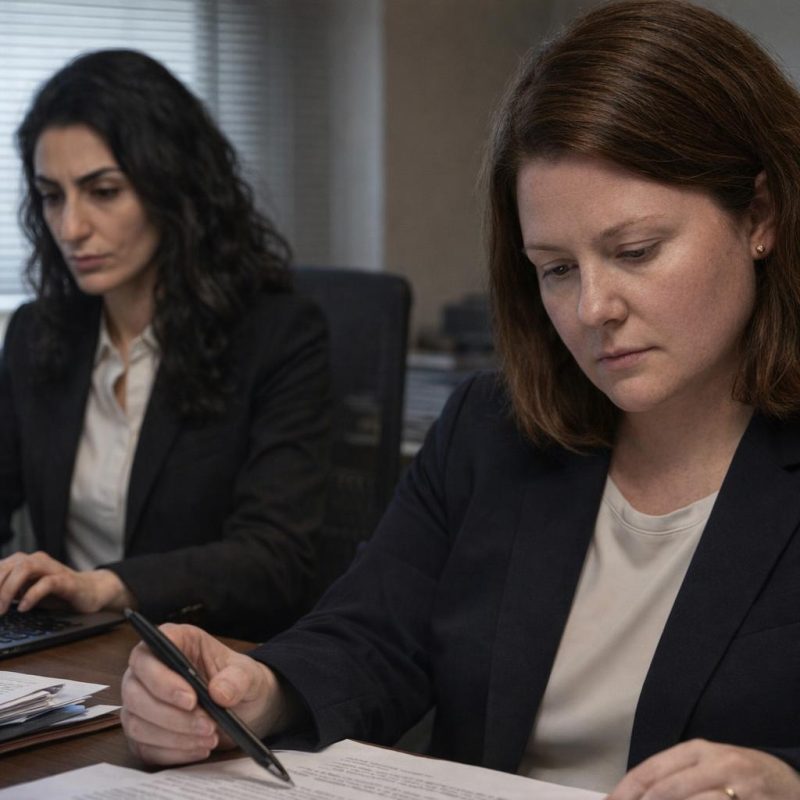 Image by RM AI
Conference Room Confrontation
The conference room smelled like expensive leather and old money, the kind of place where fortunes changed hands over handshakes. Sterling sat across from Rebecca and me, Mark and Elena flanking him like bookends. They'd barely spoken since we arrived, just watched with expressions I couldn't read. Sterling slid the document across the polished table, the paper making a soft whisper against the wood. "For your examination," he said. I forced myself to pick it up, my fingers trembling slightly. The paper felt brittle and authentic, exactly as I remembered. The typewriter font was uneven in that way that only old manual machines produced. Dated twenty years ago, before I'd even thought about starting a company. Rebecca leaned in over my shoulder, her breath warm against my ear as she studied it with me. The legal language was dense, talking about family bloodlines and proportional distribution and beneficiary interests. My eyes skipped over the paragraphs, searching for something, anything that would make this go away. Then I reached the bottom of the page. There at the bottom was a signature I'd know anywhere.
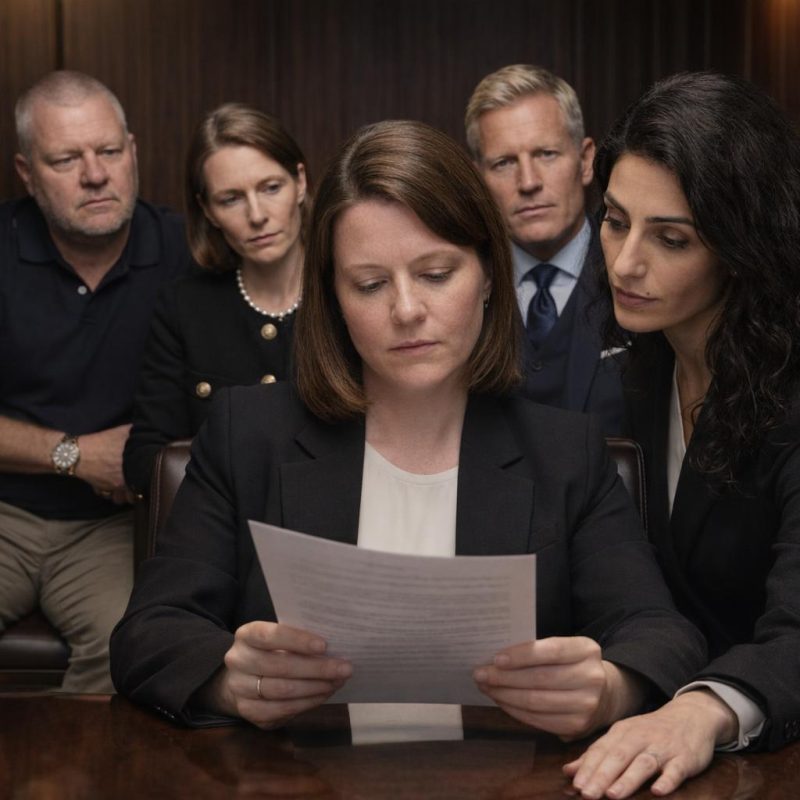 Image by RM AI
The Signature
I traced my finger over Dad's signature, that distinctive capital D with its exaggerated loop, the rightward slant he'd had since his stroke five years before he died. It was unmistakably his. The words above it stated that family-funded ventures remain within the family bloodline, that assets would be distributed according to birth order and traditional inheritance law. Something inside me cracked. Dad had never believed I could succeed on my own. That's what this meant, wasn't it? He'd built in a safety net, a way to make sure Mark and Elena got their share even if I somehow managed to build something real. All those conversations where he'd told me he was proud, where he'd said I was going to change the world—had he been lying? Or had he just been hedging his bets? Rebecca's hand touched my shoulder gently, grounding me. Across the table, Sterling waited with professional patience. I looked up at Mark and Elena, searching their faces for something—guilt, triumph, anything. Mark and Elena watched me with expressions I couldn't quite read.
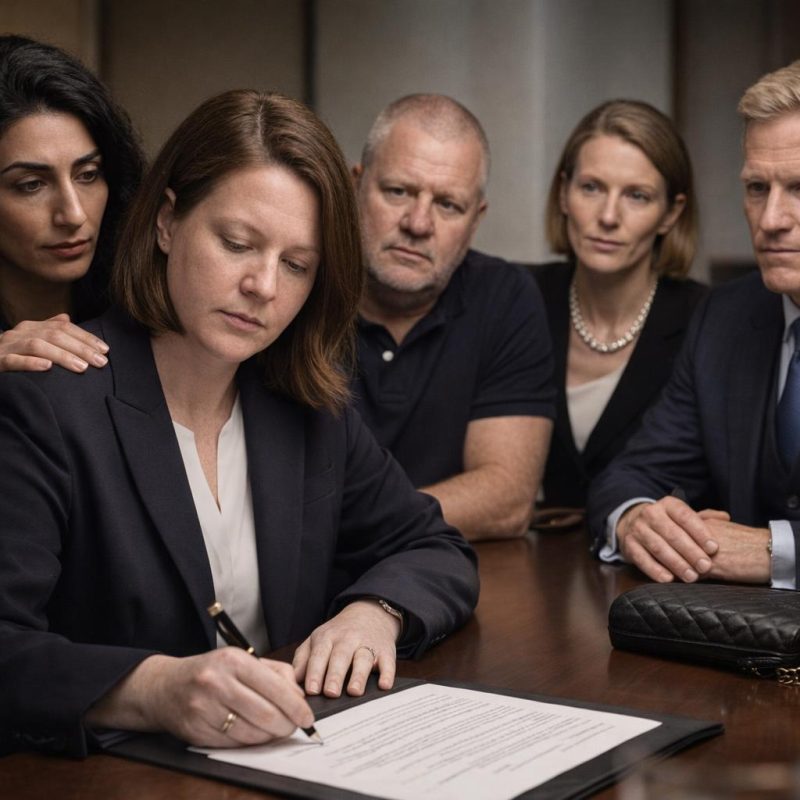 Image by RM AI
Strategy Session
Rebecca's office felt smaller than the conference room, quieter, like the walls absorbed sound instead of amplifying it. I sat across from her desk while she pulled up a fresh document on her laptop, fingers already moving across the keyboard. "Walk me through everything," she said, eyes sharp and focused. "From the beginning." I started with the garage in Oakland, that cramped space that smelled like motor oil and old coffee. I told her about the nights I'd slept under my desk because going home felt like wasting time. About the first prototype that caught fire and nearly burned the whole place down. About the business plan I'd revised so many times the pages were soft as fabric. Rebecca asked questions I hadn't thought about in years—who witnessed the initial funding, what documentation existed, whether Dad had put anything in writing beyond the check. I described the early struggles, the months we couldn't make payroll, the investors who laughed us out of their offices. And then, somewhere in the middle of explaining our first major pivot, something shifted in my memory. Dad's study. The sunlight. His reading glasses. I remembered Dad's promise that I had to make before he signed the check, and I couldn't recall what it was until this moment.
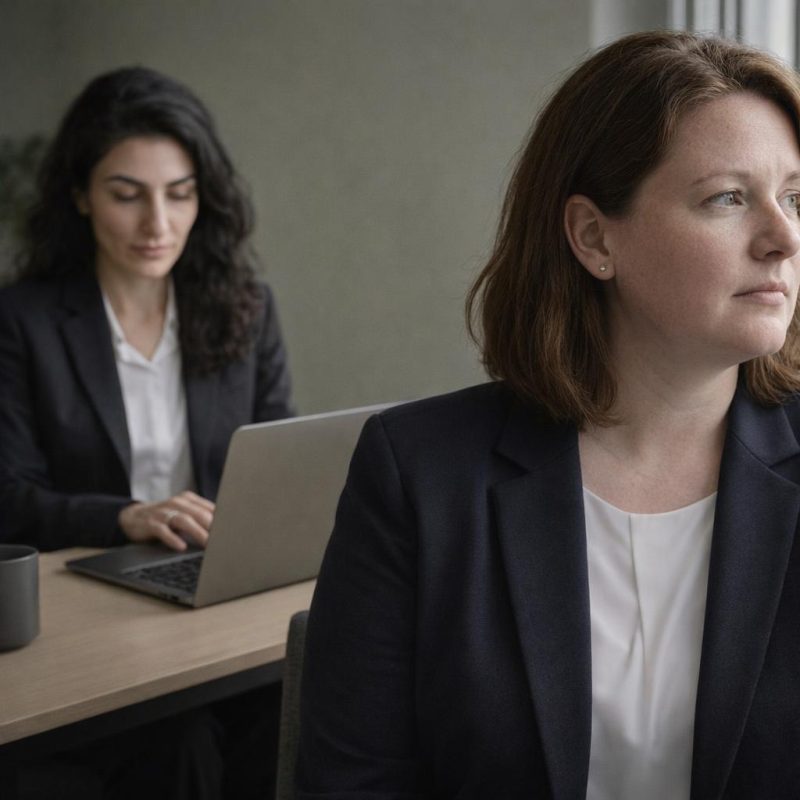 Image by RM AI
Sunlight and Belief
I was twenty-five years old, standing in Dad's study with a business plan I'd revised seventeen times. Sunlight streamed through the window behind his desk, turning the dust motes into tiny galaxies. My hands were shaking so badly the pages rattled. Dad sat in his leather chair, reading glasses perched on his nose, reading every single word with the same careful attention he'd given my elementary school book reports. He didn't skim. He never skimmed. "Sustainable logistics," he said finally, tapping a paragraph with his finger. "You're thinking about the future, not just the next quarter." He opened his desk drawer and pulled out his checkbook, the one with the forest green cover he'd had for decades. His handwriting was careful and deliberate as he wrote out ten thousand dollars—more money than I'd ever seen at once. But he didn't hand it over immediately. Instead, he looked at me over those reading glasses, and his expression was warm but serious. "I believe in your vision," he said. "I always have. But before I sign this, I need you to promise me something."
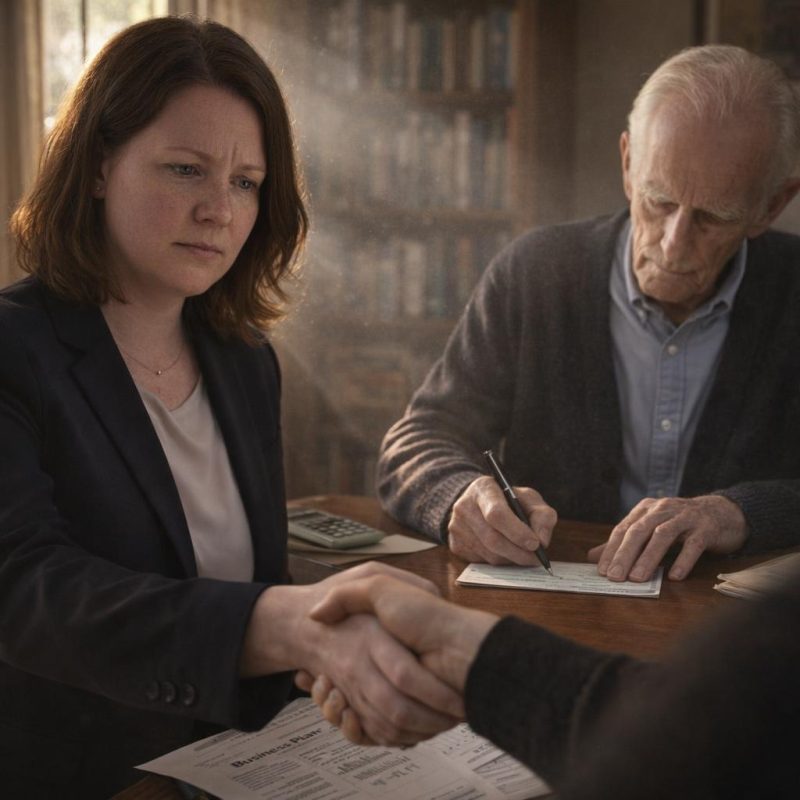 Image by RM AI
The Promise
"Always protect the legacy of those who work for it," Dad said, his pen hovering over the signature line. "Not those who wait for it. That's the difference that matters." I'd agreed without really understanding what he meant. I was twenty-five and desperate and would have promised anything. But now, sitting in Rebecca's office fifteen years later, those words hit differently. Dad had distinguished between earning and waiting. Between building and inheriting. Between people like me and people like—I stopped that thought, but it was too late. It was already there. Mark had never worked a day in his life. Elena treated Dad's money like a renewable resource. They'd mocked my company for a decade while living off inheritance, calling it a hobby, a project, a little thing I was playing with. And Dad had known. He'd known exactly what they were. The document Sterling had presented suddenly felt less like a betrayal and more like something else entirely, something I was only beginning to understand. I thought about Thanksgiving seven years ago and Mark's cruel laughter.
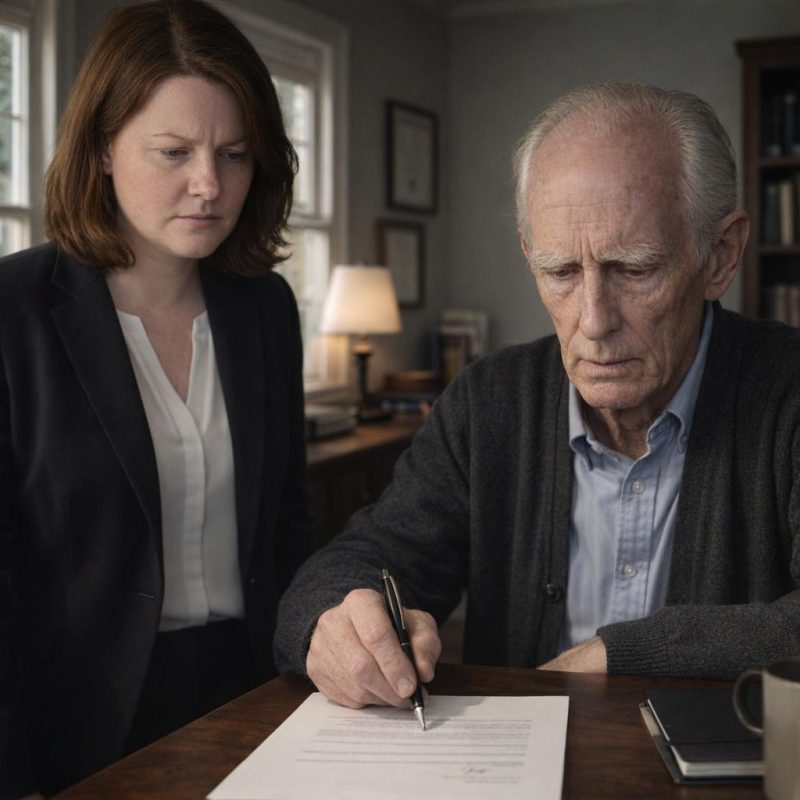 Image by RM AI
The Hobby
Mark had just bought his second vacation home, some beachfront property in Malibu he'd shown us photos of on his phone. Elena was wearing a necklace that probably cost more than my annual salary at the time. I'd mentioned a breakthrough we'd had with our logistics algorithm, trying to share something that mattered to me, and Mark had laughed. Actually laughed. "That's cute," he'd said, refilling his wine glass. "Your little hobby." The words had stung like a slap. I was working eighty-hour weeks, sleeping in my office, living on ramen and coffee. My hands had permanent keyboard indentations. I had dark circles under my eyes that no amount of concealer could hide. And they were sitting there in their expensive clothes, in Dad's house, eating food paid for with Dad's money, mocking the one person at the table who was actually trying to build something. Elena had nodded along, examining her manicured nails. "It's good to have interests," she'd said in that patronizing tone. Their comfortable lives, funded entirely by inheritance, contrasted so sharply with my struggle that I'd excused myself early. I remembered Christmas five years ago and Elena's smirk.
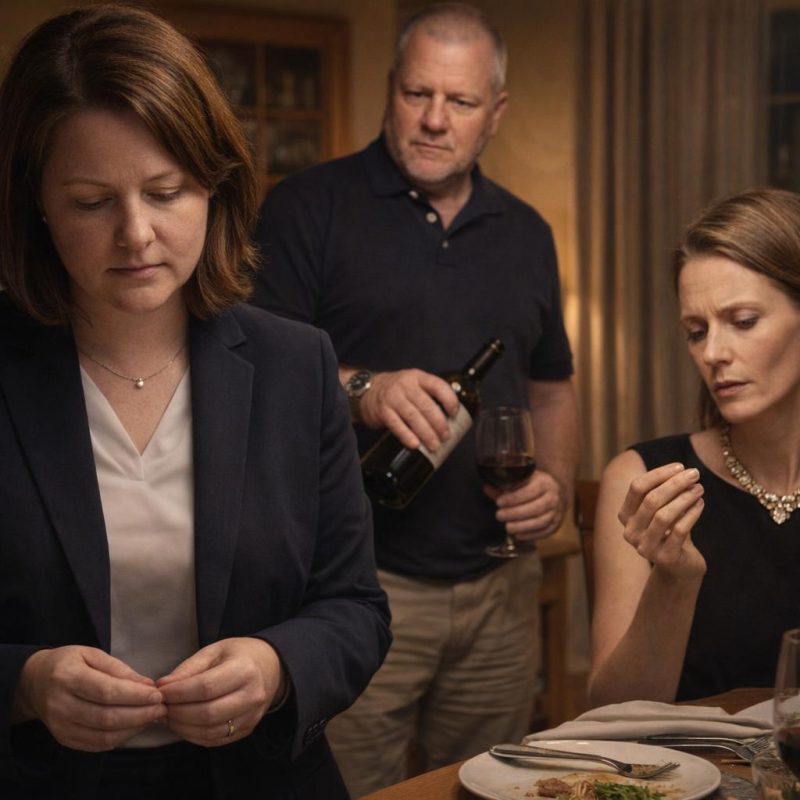 Image by RM AI
The Project
"Are you dating anyone?" Elena had asked, her voice dripping with false concern. It was Christmas, five years ago, and she was wearing a dress that cost more than my car. I'd explained that I was too busy building the company, that we were in a critical growth phase, that I was working through the holidays. Her smile had been sharp as glass. "Oh, your little project," she'd said, waving her hand dismissively. "That's sweet. Though I doubt it'll amount to anything, honestly." Mark had chuckled into his champagne. They were living off Dad's money, taking vacations to Europe and Asia while I worked through every holiday, every weekend, every moment I could steal. The pattern was so clear now I couldn't believe I'd missed it. Every family gathering had been the same—their casual cruelty wrapped in concern, their dismissiveness dressed up as realism. They'd never asked real questions about my work. Never showed genuine interest. Never believed I could succeed. And the last time I'd seen them before they showed up at my penthouse with Sterling Hayes? That had been at Dad's funeral, six months ago.
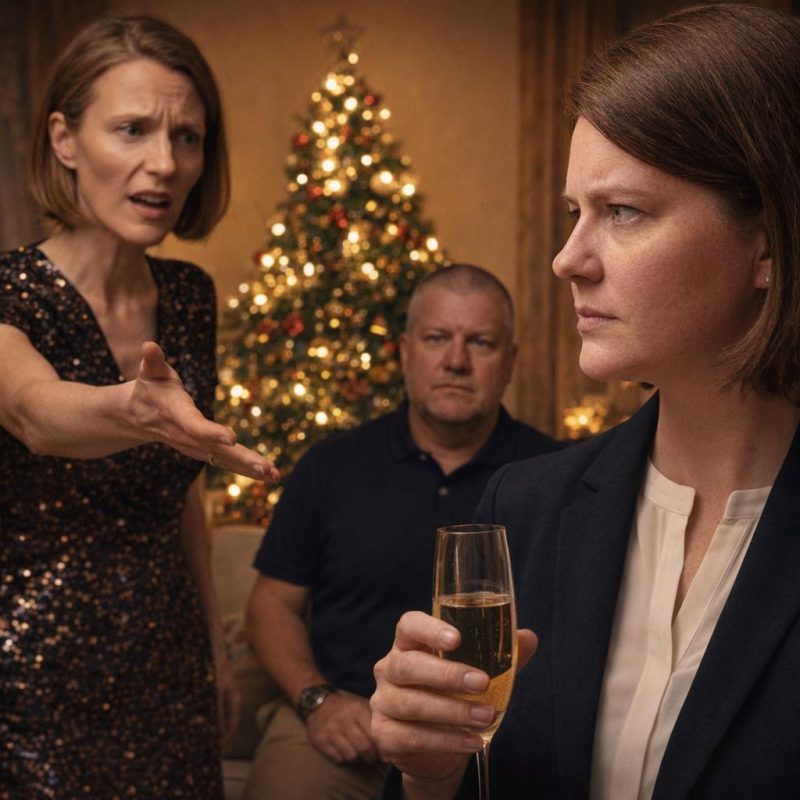 Image by RM AI
The Funeral Question
"Still playing with computers?" Elena had asked at the funeral reception, her voice carrying across the room. Dad had been dead for three hours. Three hours, and she was already back to her usual dismissiveness. I'd been standing by the window, trying to hold myself together, and she'd approached with that same cold smile. Mark had been nearby, checking his phone, barely present even for grief. They'd shown no interest in my life, no curiosity about what I'd built. No acknowledgment that the little hobby they'd mocked for a decade had just been acquired for eighty million dollars—news that had broken two weeks before Dad died, news I'd wanted to share with him but never got the chance. That was the last time I'd seen either of them. Six months of silence, and then they'd appeared at my penthouse with a lawyer and a document bearing Dad's signature. Six months, and not a single call, not a text, not a word. Until they wanted money. Until they wanted their share of something they'd spent years telling me would fail. Back in the conference room, Sterling laid out the financial breakdown with surgical precision.
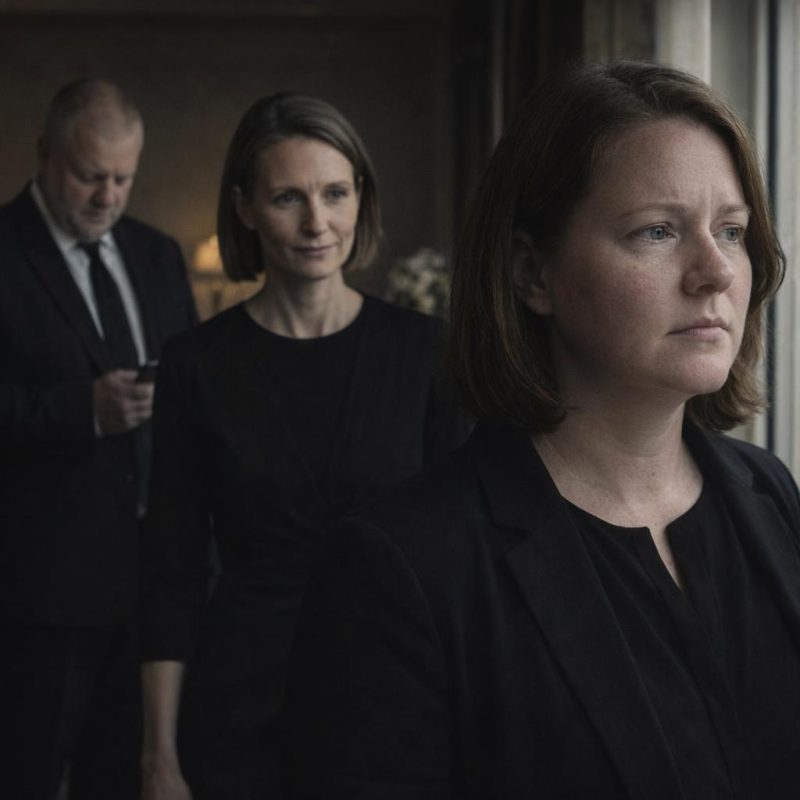 Image by RM AI
The Breakdown
"Fifty-three point three million dollars," Sterling said, his voice smooth and precise. "Exactly two-thirds of the eighty-million-dollar sale price." He laid out spreadsheets with numbers that made my vision blur. After taxes, after legal fees, after everything I'd already committed to, losing that amount would leave me with almost nothing. Mark leaned back in his chair like we were discussing a restaurant bill, completely relaxed. Elena examined her nails, bored by the details. Sterling continued with the efficiency of a surgeon making incisions, explaining payment timelines and interest calculations and legal precedents. Rebecca was taking notes, her fingers flying across her keyboard, but I could barely focus. The numbers were too big, too precise, too devastating. "Of course," Sterling added, glancing at his papers, "this doesn't account for your existing obligations. The employee trust fund, for instance." Elena's smile widened just slightly, and something cold settled in my stomach. The trust fund. Three hundred people who'd believed in me when no one else did.
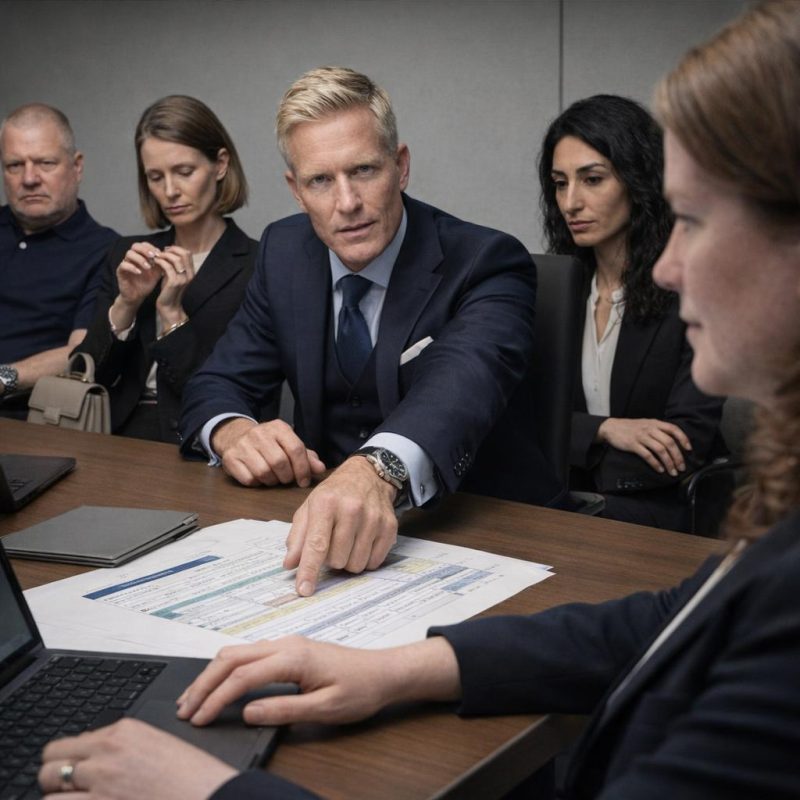 Image by RM AI
Three Hundred Promises
I'd made that promise in year three, when we were still operating out of a converted warehouse with exposed pipes and concrete floors. Three hundred employees had stayed through product pivots that terrified our investors. They'd worked through funding gaps when I couldn't guarantee next month's payroll. They'd believed in the vision when my own siblings were calling it a hobby. The trust fund wasn't charity—it was earned loyalty, a commitment I'd made when we were nobody and nothing. These were people who'd sacrificed stability for potential, who'd turned down safer jobs to build something that might fail. And they'd done it anyway. Without them, there was no elegant code, no revolutionary logistics platform, no eighty-million-dollar acquisition. Without them, I was just a woman with a business plan revised seventeen times. Now their futures hung in the balance, threatened by two people who'd contributed nothing but mockery, who'd shown up only when there was money to take. Rebecca looked at me across the table, and I could see her doing the math. Fifty-three million would gut my ability to honor that promise. Without them, there was no eighty-million-dollar sale, and now their futures hung in the balance.
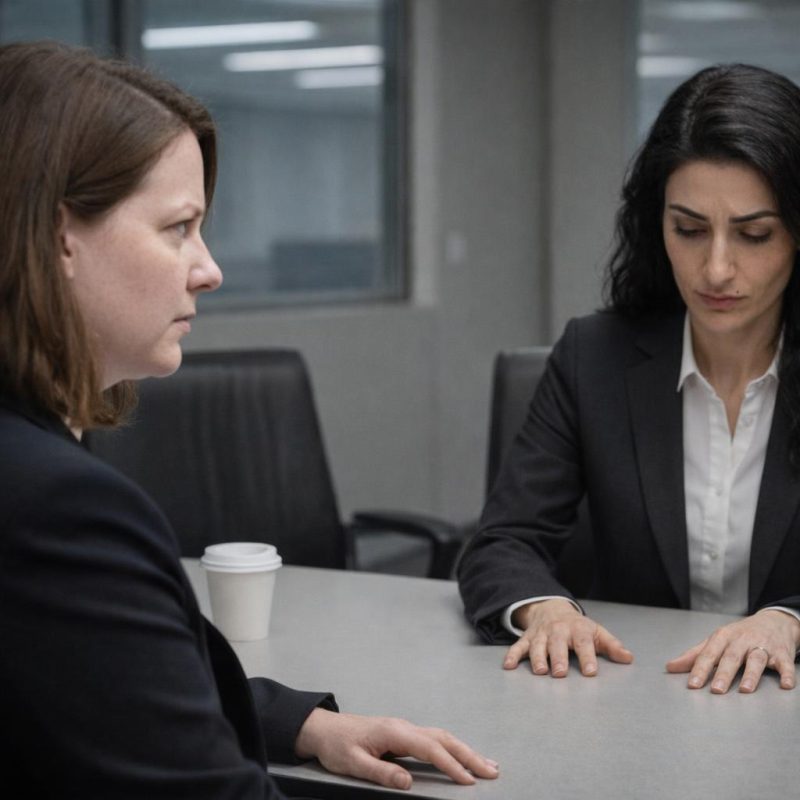 Image by RM AI
Escalating Entitlement
Mark leaned back in his chair like he was settling in for a casual lunch meeting, not demanding half my life's work. He'd started the meeting tense, shoulders tight, but now he was practically lounging. Elena had stopped checking her reflection in her phone screen and was making direct eye contact, her voice steady when she spoke. They discussed the fifty-three million like it was obviously theirs, like we were just working out logistics. "Once this is settled," Mark said, gesturing vaguely at the conference table, "we can finally get what we deserve." Finally. Like they'd been waiting patiently instead of showing up the moment there was money. Sterling Hayes took notes with his expensive pen, nodding occasionally, treating their entitlement like it was reasonable. Rebecca's fingers flew across her laptop keyboard, recording everything. I watched Elena's posture shift throughout the meeting—from defensive to comfortable, from uncertain to confident. Something about their presentation felt off, though I couldn't explain why it bothered me. Maybe it was how easily they'd slipped into ownership language, or how Mark kept saying "our father's company" when Dad had never invested a dollar. I couldn't shake the feeling that I was missing something obvious, something right in front of me that I should have seen.
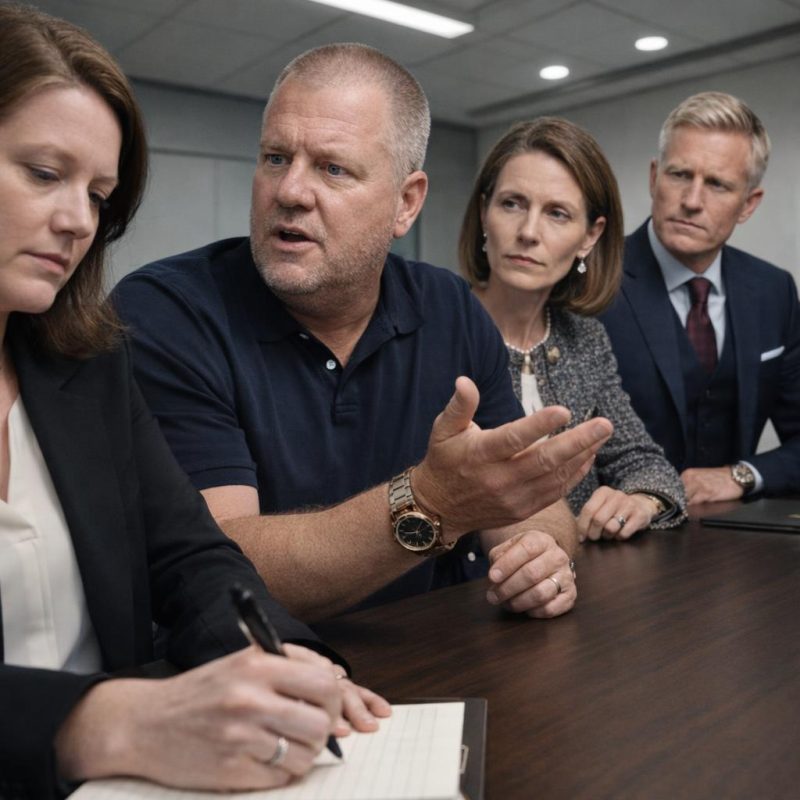 Image by RM AI
The Smile
Sterling mentioned the employee trust fund almost casually, explaining how the fifty-three million would impact my ability to fund it. I was watching Mark when he said it, expecting another smirk, another dismissive comment about my "little promises." But Elena's expression changed. Not a smirk—a small, satisfied smile that didn't match the moment at all. My stomach dropped. It wasn't triumph or mockery. It was something else, something that made my hands go cold. She glanced at Mark, and he gave the smallest nod, like they were confirming something between them. The trust fund seemed to matter to her in a way I couldn't understand. Why would she care about three hundred employees she'd never met? Sterling continued talking about asset distribution, but I'd stopped listening. That smile stayed with me, replaying in my mind. Eventually they stood to leave, Sterling gathering his leather portfolio with practiced efficiency. Mark and Elena followed him out, Elena's heels clicking against the floor with the same confidence she'd arrived with. Rebecca stayed behind, already pulling the vintage document closer, her eyes scanning the pages with an intensity I recognized. She went suddenly still, her finger hovering over a section of text.
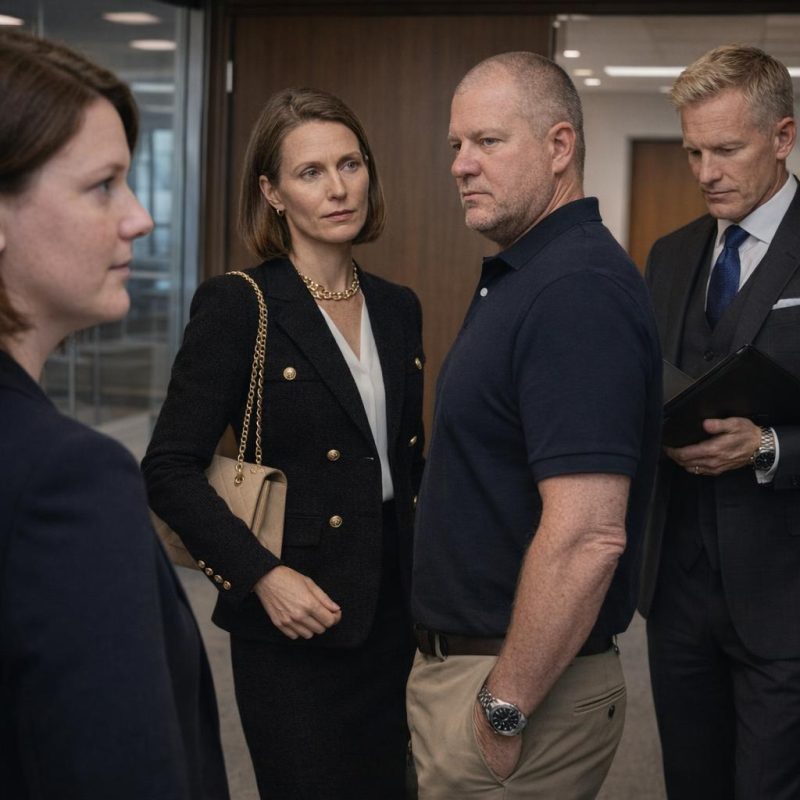 Image by RM AI
The Inconsistency
"Sarah." Rebecca's voice carried something I'd never heard from her before—barely contained excitement mixed with caution. She was staring at the document, her finger pressed against a paragraph near the bottom of the second page. "Look at this formatting." I moved around the table to stand beside her. The text looked normal to me, the same aged paper and faded ink we'd been examining for days. "The spacing is different here," she said, pointing to a section about bloodline requirements. "And the paper quality—feel this." I touched where she indicated. Maybe it was slightly different? I couldn't tell. "I can't fully explain what it means yet," Rebecca continued, her words coming faster now. "But something about this section doesn't match the rest of the document. The typeface is almost identical, but not quite. Like someone tried very carefully to match it." Hope flickered in my chest, dangerous and fragile. "What are you saying?" "I'm saying I need time to verify what I'm discovering," she said, already reaching for her phone. "I need to run a quiet background check on the estate records."
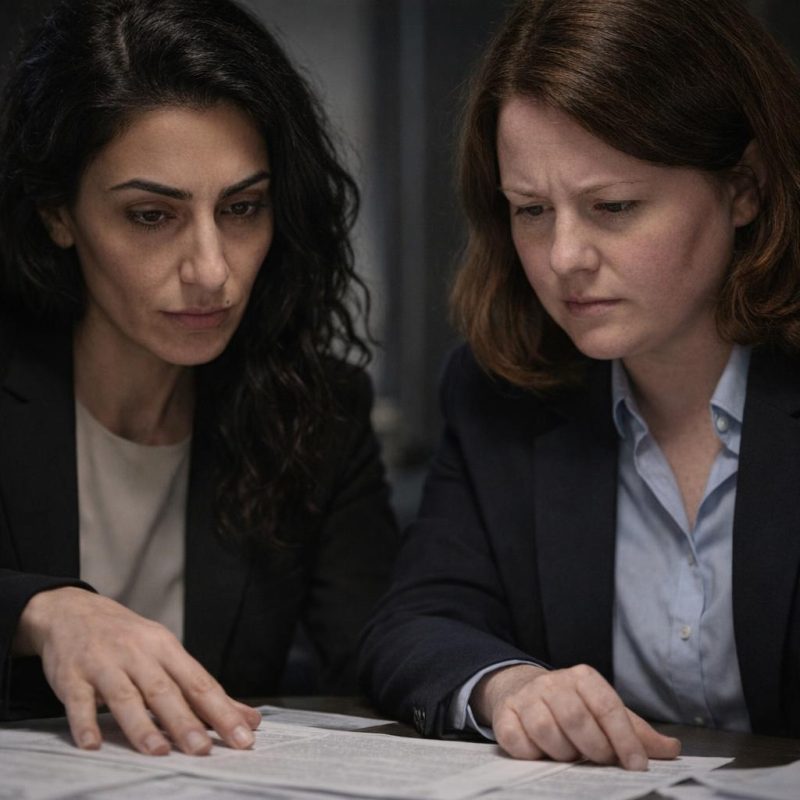 Image by RM AI
Public Spectacle
The Wall Street Journal ran the story on page three. I found it over coffee the next morning, my name in print above the headline: "Startup Queen Faces Family Lawsuit Over $80M Exit." They'd gotten quotes from "sources close to the situation"—probably Sterling Hayes's office, making sure the narrative was public before I could control it. The article laid out the basics: successful tech founder, family dispute, fifty-three million dollars at stake. By noon, TechCrunch had picked it up. Then VentureBeat. Then every tech blog I'd ever contributed quotes to, every platform where I'd built my professional reputation. The private legal battle I'd been trying to contain had become public entertainment. I felt like I was standing naked in Times Square while strangers debated my worth. The exposure was overwhelming, invasive in a way I hadn't anticipated. These were people who'd covered my funding rounds, my product launches, my acquisition. Now they were covering my family tearing itself apart over money. The comments sections filled with speculation—some supportive, some calling me greedy for not sharing, some debating whether siblings deserved startup equity. My phone started vibrating and didn't stop.
 Image by RM AI
Viral Exposure
TechCrunch's headline was worse than the Journal's: "Family Drama Threatens $80M Tech Exit as Siblings Demand Half." Within an hour, it was everywhere. Hacker News had three threads debating family equity in startups. LinkedIn was full of hot takes from people I'd networked with at conferences. Twitter—God, Twitter was a nightmare of opinions from strangers who knew nothing about the decade I'd spent building something from nothing. The lawsuit dominated every tech news feed I'd ever contributed to, every platform where I'd carefully built credibility. Industry forums I'd participated in were now discussing my family situation like it was a case study. Former colleagues who'd moved to other companies were seeing this. Competitors I'd faced down in pitch meetings knew my siblings were trying to take half my exit. Investors who'd passed on early rounds were probably feeling vindicated. The professional exposure felt like a personal violation, like someone had published my diary. Every notification was another person who now knew my family thought so little of my work that they'd sue for it. My former colleagues started texting, their messages mixing sympathy with questions I couldn't answer.
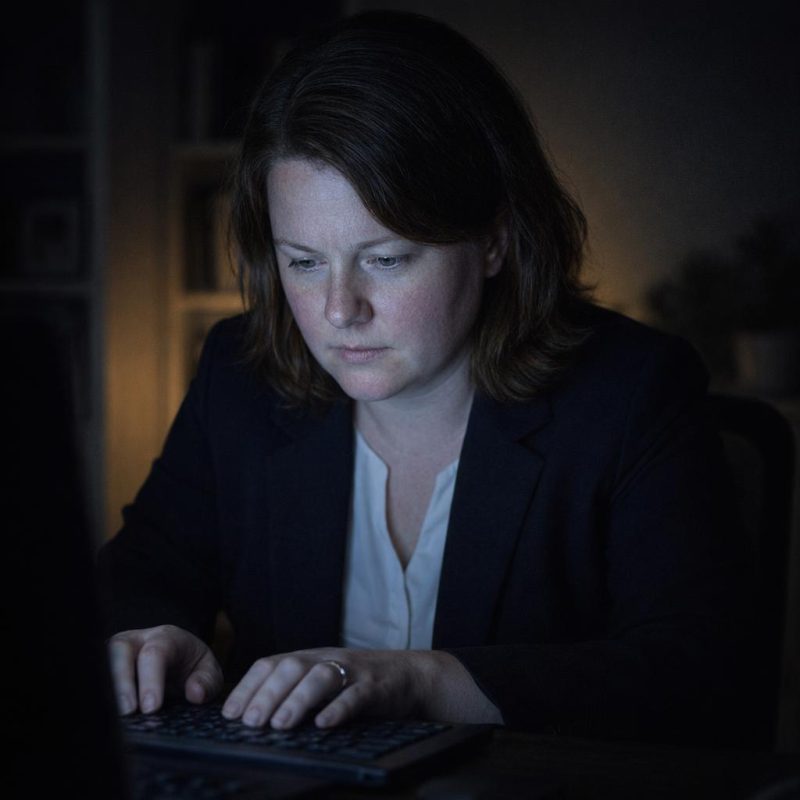 Image by RM AI
Endless Notifications
My phone vibrated continuously. Media requests from outlets I'd never heard of. Investor check-ins from people involved in the acquisition, carefully worded emails asking if this would impact the deal. Messages from people I hadn't spoken to in years—college classmates, former coworkers, that guy from the Series A pitch who'd called my projections "optimistic." Everyone suddenly wanted details I couldn't provide. A reporter from Bloomberg left three voicemails. My college roommate texted asking if I was okay, then immediately followed up asking what really happened. Someone from my first startup job sent a LinkedIn message about "family business challenges." Each notification felt like an invasion, another person demanding access to my crisis. I couldn't keep up with the volume. I let most calls go to voicemail, watched the unread count climb into triple digits. Some were genuine concern. Most were curiosity dressed up as sympathy. I was drowning in attention I'd never wanted, exposure I couldn't control. Then Thomas Wright's name appeared on my screen, and my stomach dropped.
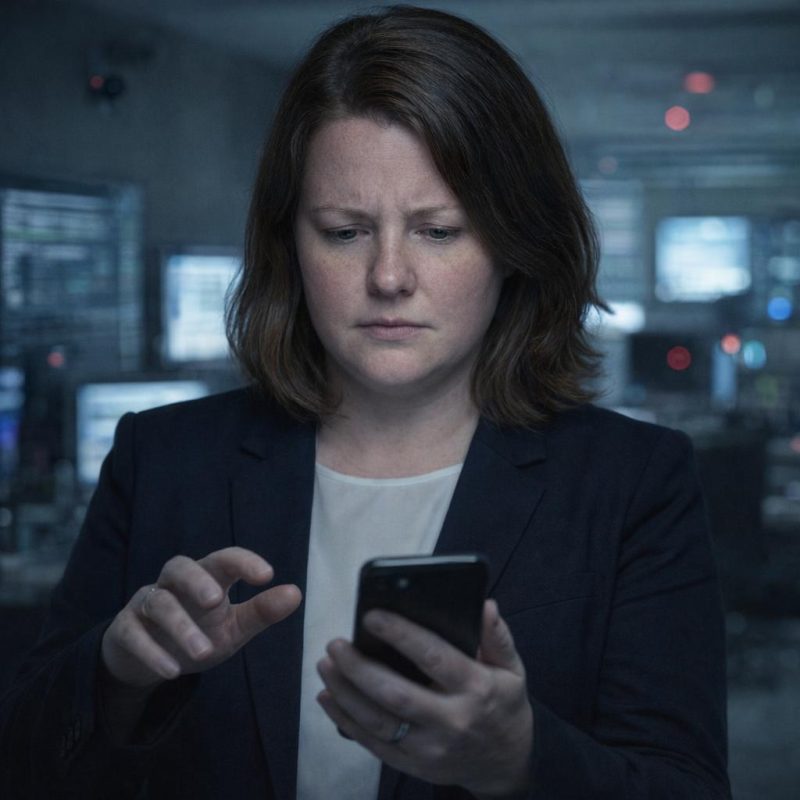 Image by RM AI
The CFO\'s Fear
I answered on the second ring. "Thomas." "Sarah." His voice carried fear, the kind that comes from watching something you helped build start to crumble. "I need to know if the trust fund is really in jeopardy." Thomas had been with me since the warehouse days, since we were twenty people working on folding tables with monitors that kept shorting out. He'd stayed through the pivots, the near-bankruptcy in year four, the seventy-hour weeks when we were racing to beat a competitor to market. He'd trusted my promises about their future. "The other employees are asking me questions I can't answer," he continued. "They're seeing the news coverage. They want to know if their shares are safe, if the trust fund is real. I've been telling them you always keep your word, but—" He stopped. I wanted to reassure him. I wanted to say the trust fund was protected, that three hundred people who'd sacrificed for this company wouldn't lose their futures because my siblings showed up with a vintage document. But my silence stretched too long, and I heard him take a sharp breath.
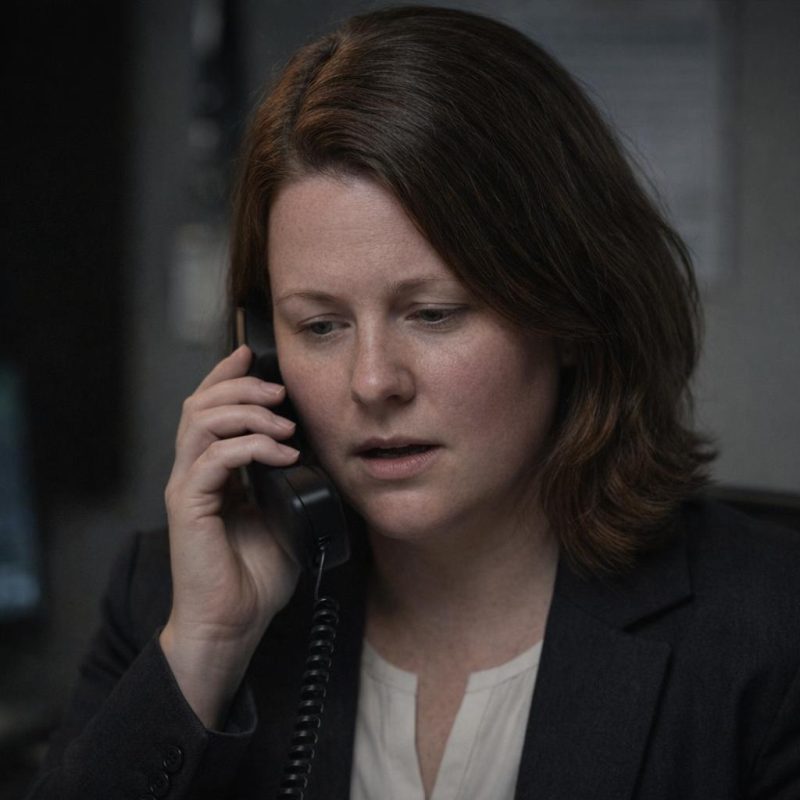 Image by RM AI
No Answers
"Thomas, the legal situation is complex." The words sounded hollow even as I said them. "Sterling Hayes is claiming that—" I stopped. How could I explain that my siblings' lawyer was arguing Dad's company language meant they owned half of everything, including the money I'd set aside for employees? "The trust fund was established after the acquisition," I tried again. "But if the court rules that Mark and Elena are entitled to fifty-three million from my portion, then—" Then I wouldn't have enough left to fund it. Then three hundred people would lose what I'd promised them. Then Thomas and everyone who'd believed in me would know I'd failed them. Every sentence I started died in my throat because I had no answers that would make three hundred people feel secure. Thomas asked direct questions I couldn't answer. Would their shares be honored? Was the trust fund safe? Could I guarantee their futures? I felt the weight of every person who'd stayed late, who'd worked weekends, who'd turned down stable jobs to build something with me. The conversation revealed how little control I actually had. When we hung up, Thomas was still worried, and I'd given him nothing but uncertainty. After I hung up, Rebecca's name flashed on my screen, and her voice carried something I'd never heard before—excitement.
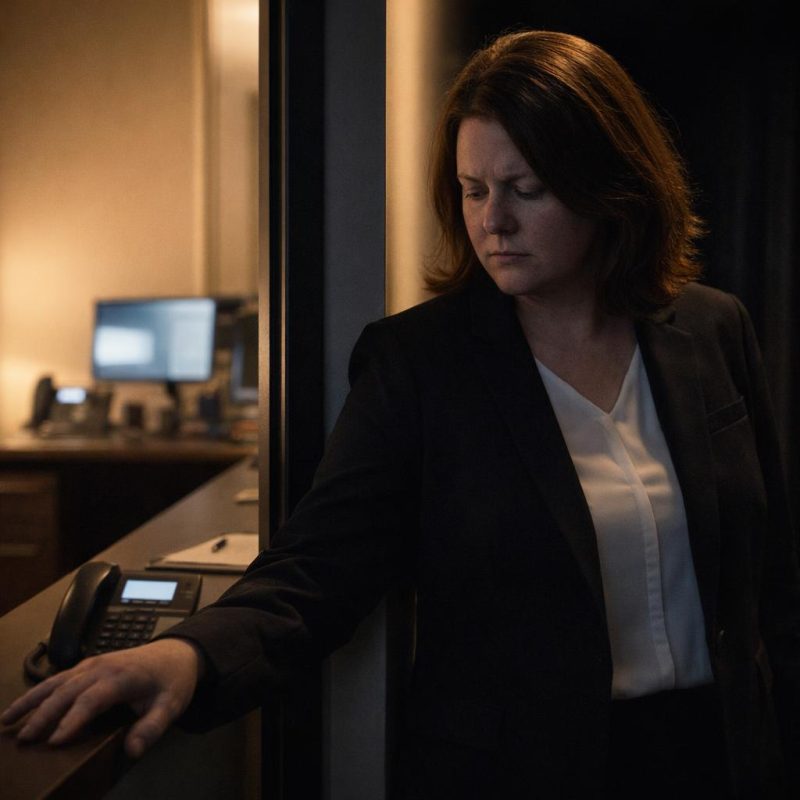 Image by RM AI
Trembling Excitement
"I found something." Rebecca's voice carried an energy I'd never heard before—not just professional confidence, but actual excitement. My stomach clenched. After days of Thomas's worried questions and my own sleepless nights calculating how to protect three hundred people's futures, I'd stopped expecting good news. "Something in the estate records?" I asked, gripping my phone tighter. "Yes. There's an inconsistency in the documentation, and I think—" She paused, and I could hear papers rustling. "Sarah, I don't want to explain this over the phone. Can you come to my office? Now?" The urgency in her tone made my heart race. Rebecca was always measured, always careful. This wasn't her usual approach. "Is it significant?" I needed to know if I should let myself hope. "It might change everything," she said, and I heard something I hadn't heard since this nightmare began—genuine optimism. "The bloodline clause in your father's estate documents, the specific wording... I need to show you what I found." I was already grabbing my keys. For the first time since Mark and Elena had filed their lawsuit, since Sterling Hayes had threatened everything I'd built, I felt something fragile and dangerous stirring in my chest. Hope.
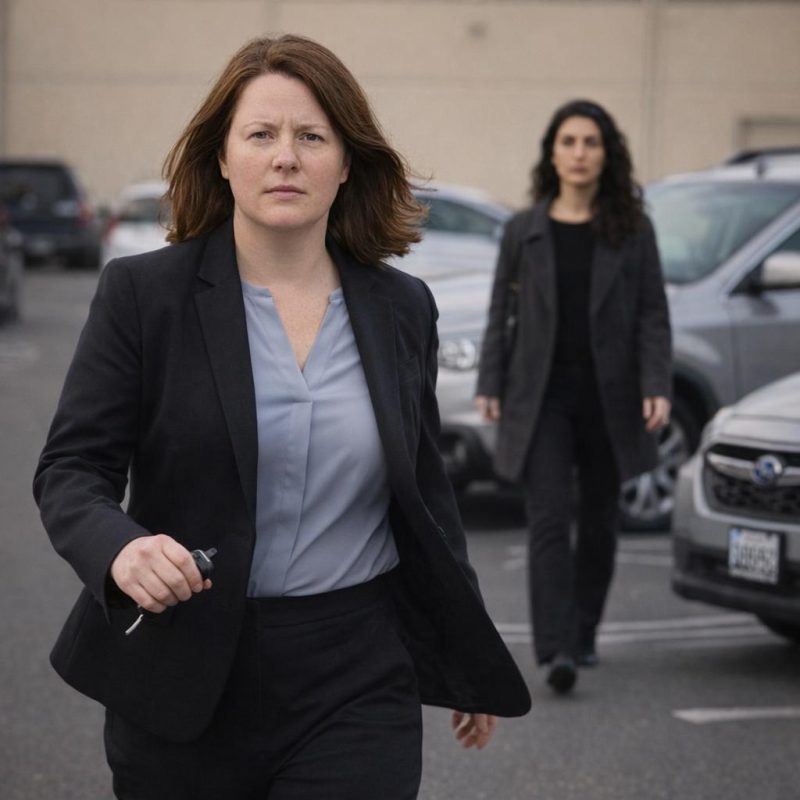 Image by RM AI
The Discovery Meeting
Rebecca's conference table was covered in documents when I arrived—estate papers, legal precedents, pages marked with colored tabs. She moved between them with focused intensity, her fingers tracing lines of text as she explained what she'd discovered. "Look at this," she said, sliding the vintage estate document toward me. "The formatting here is different from the rest of the document. See how this section about family bloodline is set apart?" I leaned closer, studying the aged paper. The clause was indeed formatted distinctly, almost like it had been added with special emphasis. "Legal documents from this era were precise," Rebecca continued, pulling up reference materials on her laptop. "Every word choice mattered. Your father's lawyers didn't use 'heirs' or 'children' or 'family members.' They specifically wrote 'family bloodline.'" She looked at me with an expression I couldn't quite read—anticipation mixed with something more careful. "That kind of specificity isn't accidental. In estate law, bloodline has very particular implications, especially regarding biological descent versus assumed relationships." I stared at the words, trying to understand what she was building toward. The way she emphasized 'biological' made something shift in my understanding, though I couldn't yet grasp what it meant.
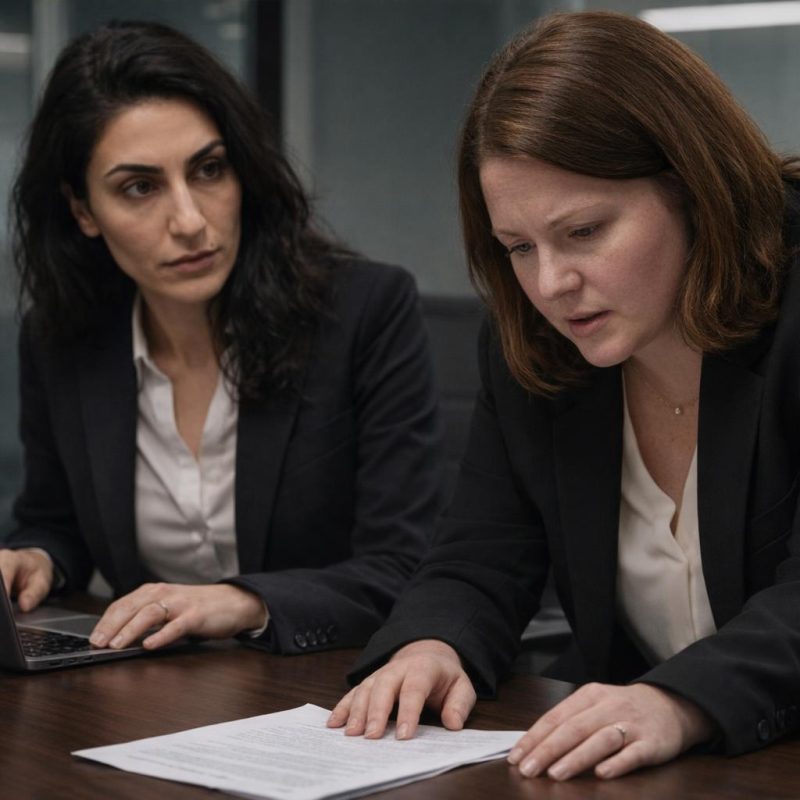 Image by RM AI
Parsing Bloodline
I read the clause again, parsing every word like it was code I needed to debug. "'Distribution to family bloodline shall be determined by direct biological descent,'" I said aloud, testing how the language felt. Rebecca nodded, pulling up more documents on her screen. "Legal language is extremely precise. When lawyers write 'bloodline,' they mean something specific—genetic relationship, not social or assumed family ties." She showed me case law examples where similar clauses had created unexpected boundaries in inheritance disputes. My mind worked through the implications methodically, the way I'd approach any complex problem. Bloodline meant biological. Direct descent meant proven genetic connection. But Mark and Elena were Dad's children, so why would this matter? "The document doesn't say 'my children' or 'my heirs,'" Rebecca continued, watching my face carefully. "It says 'family bloodline.' That's a testable, verifiable criterion." She paused, letting me process. "Sarah, I need to ask you something, and I want you to really think about it." Her tone shifted, becoming more gentle. "Is there any possibility—any chance at all—that the bloodline element might not be what it seems? That your father might have had a reason to write it this specifically?" My mind went completely blank.
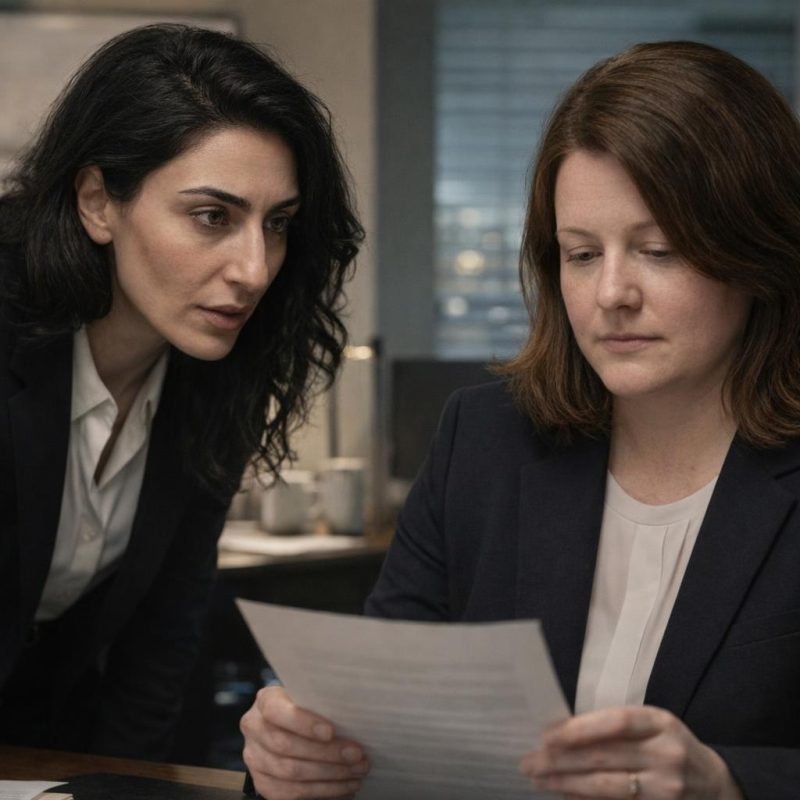 Image by RM AI
The DNA Question
"Are you suggesting we investigate whether Mark and Elena are biologically related to Dad?" The words came out flat, disbelieving. Rebecca's expression remained carefully neutral. "I'm suggesting that the bloodline clause might have biological implications worth exploring. DNA testing is a legitimate legal avenue when inheritance depends on proven descent." The suggestion felt invasive, wrong, like she was asking me to violate something sacred. "Rebecca, these are my siblings. I grew up with them." But even as I protested, something cold was settling in my chest. "I understand," she said quietly. "But bloodline clauses typically mean exactly what they say—biological descent. If your father's lawyers wrote it this specifically, there might be a reason." She pulled up more legal precedents, cases where DNA evidence had resolved inheritance disputes. I didn't want to look at them. I didn't want to consider what she was implying. "This is just due diligence," Rebecca added. "I don't know if there's anything to find. But if the clause requires biological relationship, and if there's any question about that relationship..." She trailed off, letting the implication hang between us. I thought about my mother's face at family gatherings, the way she'd watch Dad interact with us, and something I'd never questioned before suddenly felt significant.
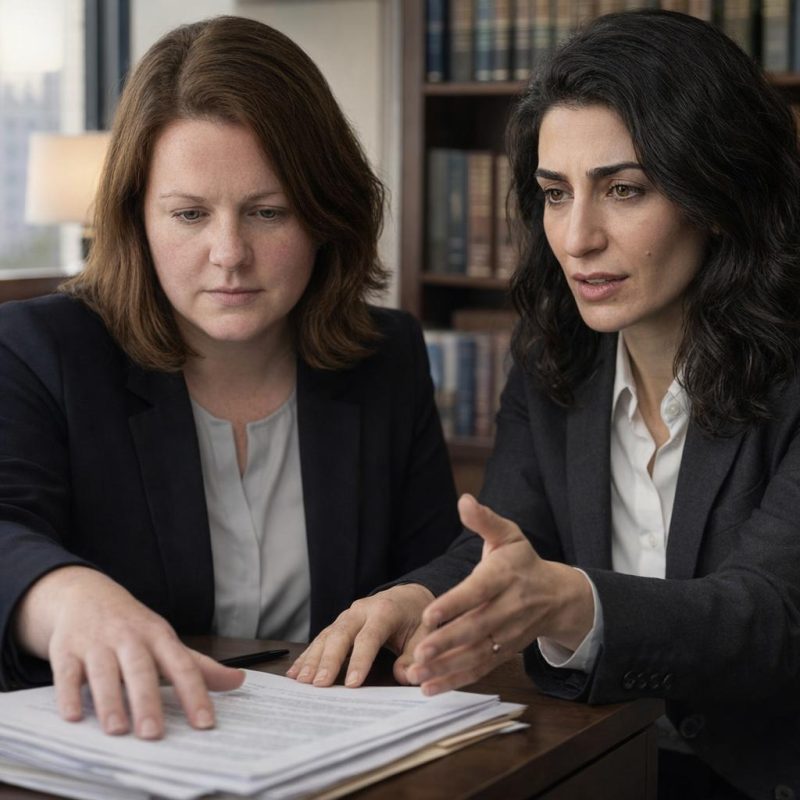 Image by RM AI
Moral Boundaries
"This feels like a betrayal," I said, staring at the documents spread across Rebecca's table. "Investigating my siblings' paternity to win a lawsuit—how is that different from what they're doing to me?" Rebecca leaned back in her chair, her expression thoughtful. "Legally, it's relevant. If the bloodline clause requires biological descent, then biological relationship is a material fact in the case." But legal justification didn't make it feel less wrong. Mark and Elena were the people I'd grown up with, shared holidays with, fought with over stupid things like who got the last piece of cake. Using family secrets—if there even were any—as weapons felt like crossing a line I couldn't uncross. "They're already using your father's estate language against you," Rebecca pointed out. "They're claiming rights to money you set aside for your employees. Is investigating the legal requirements of the clause really worse than that?" I wrestled with the competing obligations. Three hundred people were counting on me. Thomas's worried voice echoed in my memory. But this was about more than money—it was about who I wanted to be, what I was willing to do to win. "Sarah," Rebecca said quietly, "do you want to know the truth, regardless of what it means for the lawsuit?" I opened my mouth to answer and realized I didn't know.
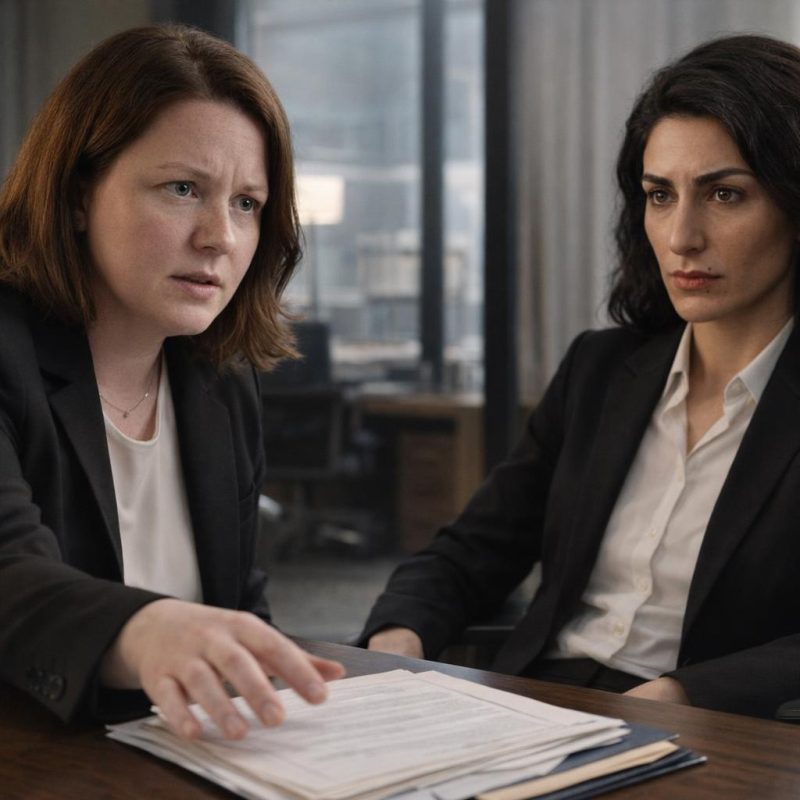 Image by RM AI
Strange Patterns
Alone in my apartment that night, I couldn't stop thinking about family gatherings. Mom had always seemed tense during holidays, especially when Dad interacted with Mark and Elena. I'd attributed it to her general anxiety, the way she worried about everything from the turkey being dry to whether we'd all get along. But now I remembered specific moments with new clarity. The way she'd watch Dad laugh with Mark, her expression tight. How she'd pull Elena aside at Thanksgiving, whispering urgently while Dad told stories at the table. The time she'd gotten upset when Dad mentioned putting Mark's name on some business documents, and I'd thought she was just being overprotective. There were patterns I'd never questioned because they were just how Mom was—nervous, watchful, always managing invisible tensions I didn't understand. She'd died three years ago, taking whatever she'd been worried about with her. I remembered her pulling Elena into the kitchen during Christmas dinner, their voices low and intense, while Mark stayed in the living room with Dad, completely at ease. At the time, I'd thought Mom was giving Elena advice about something. But what if it had been something else entirely? What if Mom had been carrying a secret that explained everything? The memory of her face, anxious and guarded, took on a different meaning.
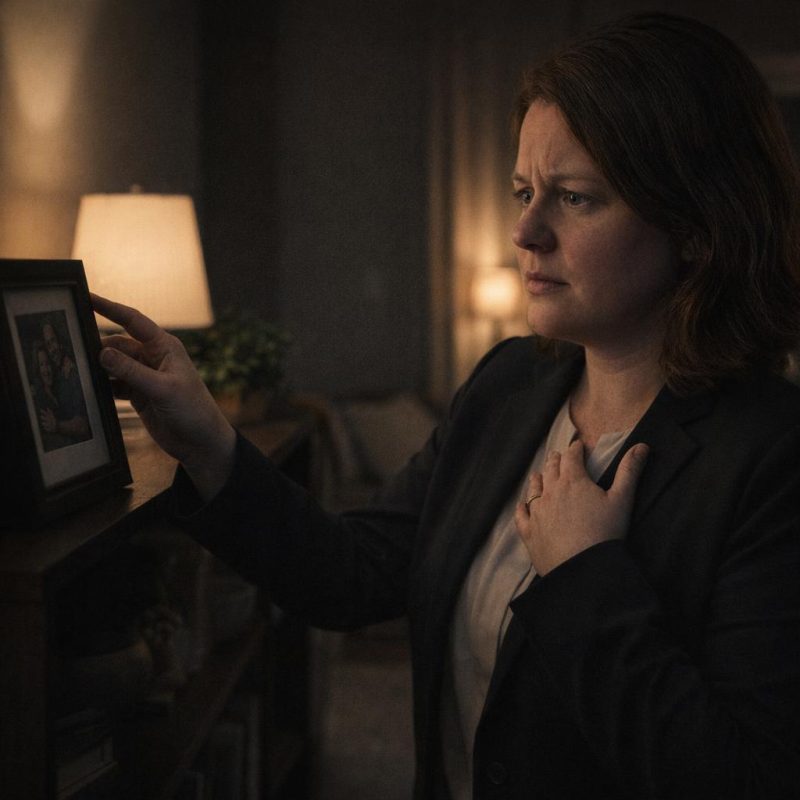 Image by RM AI
Quiet Investigation
Rebecca's office felt different the next morning—like we were crossing into territory neither of us had fully acknowledged yet. She'd already pulled up Dad's archived estate files on her computer, methodically searching through years of documentation. "I'm looking for any medical records that might be stored with the estate papers," she explained, her fingers moving efficiently across the keyboard. I sat across from her, feeling like I was betraying a ghost. Dad had been meticulous about record-keeping, storing everything from business contracts to personal correspondence. "Here," Rebecca said, her voice sharpening with focus. "Your father underwent comprehensive health screenings about eight years ago. It was part of routine medical care, but these types of screenings..." She pulled up the file details, and my hands went cold. "Comprehensive health screenings from that era often included genetic testing panels. They'd look at hereditary disease risks, genetic markers, family health patterns." She glanced at me, gauging my reaction. "If he had genetic testing done, the results would typically be stored with his medical records." My heart was pounding so hard I could feel it in my throat. "And those records would be in the estate archives?" Rebecca nodded slowly. "They should be. Medical records are part of the estate documentation, especially for someone as thorough as your father."
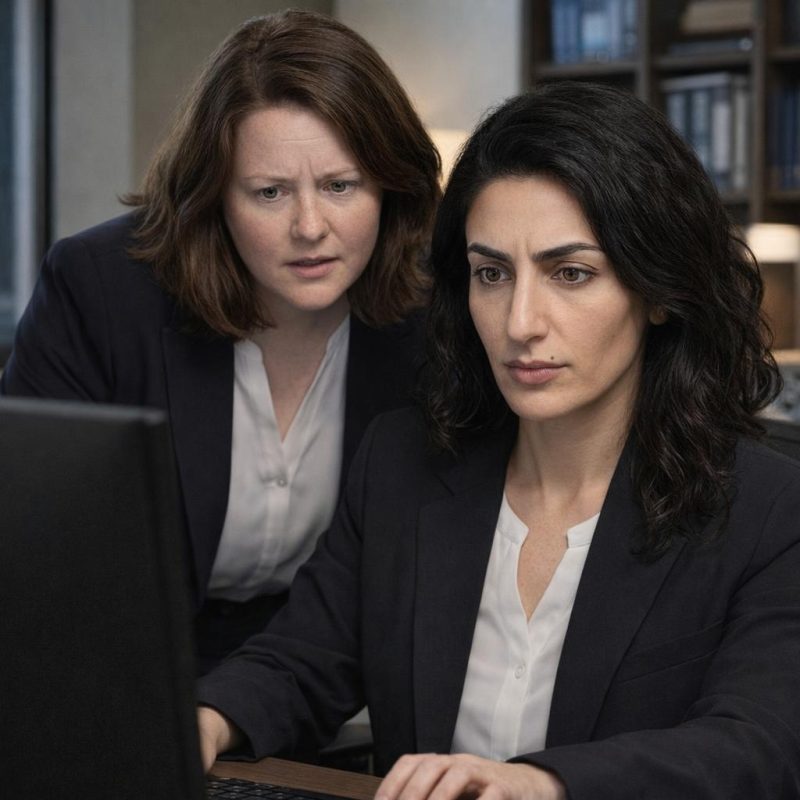 Image by RM AI
The Archive
It took Rebecca twenty minutes to locate the specific file in the estate archives. When she finally pulled it up on screen, I stared at the folder label: "Richard Chen - Comprehensive Health Screening - 2015." My heart pounded against my ribs so hard I thought Rebecca might hear it. "These screenings were standard for executives his age," Rebecca said, her voice carefully neutral. "They'd check everything—cardiovascular health, cancer markers, genetic predispositions." She clicked through the file directory, and I saw multiple documents listed. "Genetic panels were routine parts of these assessments. They'd test for hereditary conditions, build family health profiles." Her cursor hovered over a file labeled "Genetic Analysis Results." I felt terror and desperate hope warring in my chest. Part of me wanted to stop this right now, to close the file and pretend we'd never looked. But three hundred people were counting on me, and Mark and Elena were demanding fifty-three million dollars based on a bloodline clause that might mean something very specific. "Do you want me to review it first?" Rebecca asked gently. I shook my head. "No. We need to look together." Rebecca's hand moved to open the file, and I saw pages of medical data I didn't want to understand.
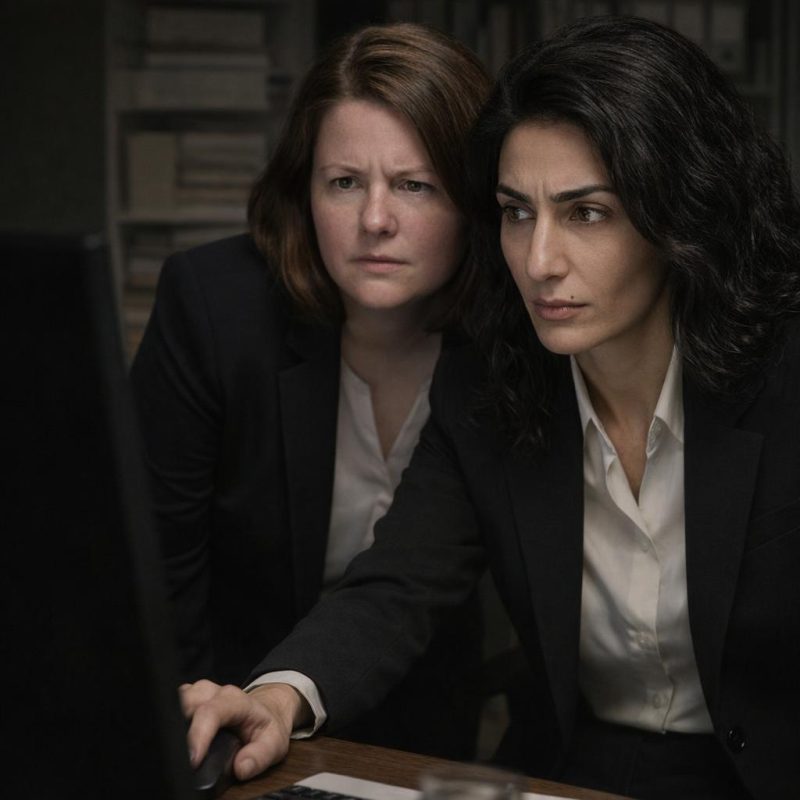 Image by RM AI
The Results
Rebecca scrolled through pages of routine bloodwork—cholesterol levels, liver function, thyroid markers. Standard executive health screening stuff that meant nothing to me. Then she stopped on a page labeled "Comprehensive Genetic Panel." My mouth went dry. The document was dense with medical terminology I couldn't parse—allele frequencies, marker locations, probability percentages. Rebecca's finger traced down the page, stopping at a section titled "Familial Relationship Analysis." I leaned closer, trying to make sense of the numbers and codes. "This section," Rebecca said quietly, "compares genetic markers between family members who were tested." My vision started to blur at the edges. There were three names listed: Richard Chen, Sarah Chen, and two additional samples labeled "Subject M" and "Subject E." The probability percentages next to my name read 99.97%. The percentages next to Subject M and Subject E were different. Much different. Zero point zero three percent. I blinked hard, trying to focus. "Rebecca," I whispered. "What does that mean?" She was quiet for a long moment, her voice barely audible when she finally spoke. "It means Mark and Elena aren't your father's biological children."},{
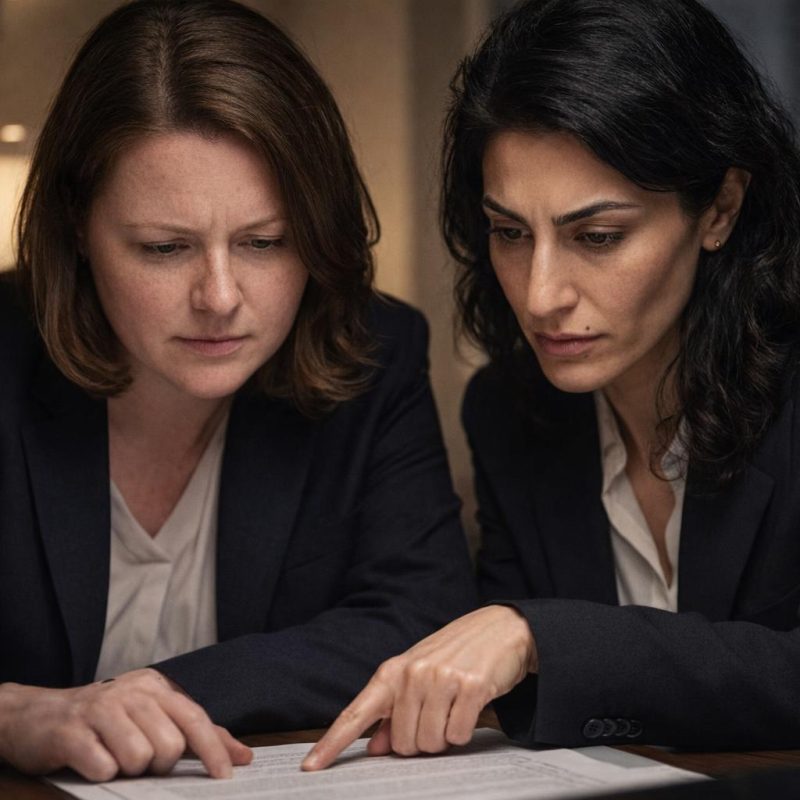 Image by RM AI
Verification
I couldn't breathe. Couldn't think. Rebecca was already pulling up new browser tabs, her fingers flying across the keyboard with focused intensity. "We need to verify this," she said, more to herself than to me. "We need to be absolutely certain before we do anything." I sat frozen in my chair, staring at those numbers. 99.97% versus 0.03%. Rebecca cross-referenced the laboratory that had performed the genetic screening—a nationally accredited facility that specialized in executive health assessments. She pulled up their certification records, their testing protocols, their quality assurance standards. Everything checked out. She spent the next two hours diving into medical literature about paternity testing, genetic marker analysis, probability thresholds. I watched her work, unable to process what this meant. My siblings. The people I'd grown up with, fought with, resented for their easy lives. Not Dad's children. Not biologically, anyway. Rebecca pulled up case law about genetic evidence admissibility. She reviewed evidentiary standards for family court proceedings. She checked and double-checked every detail with the thoroughness of someone who knew we couldn't afford to be wrong. Finally, she looked up from her laptop, her expression grave. "These results would hold up in court," she said, and I felt the ground shift beneath me."},{
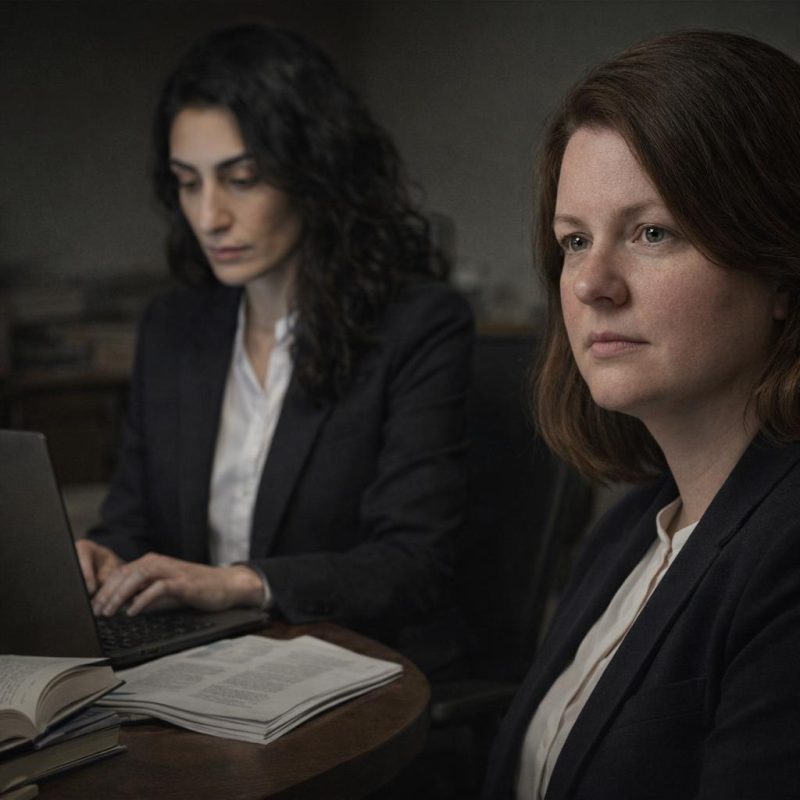 Image by RM AI
Legal Landscape
Rebecca opened a new document and started typing, organizing her thoughts with legal precision. "Let's walk through what this means," she said, her voice steady and professional. "The bloodline clause in your father's provision specifically limits inheritance to biological descendants." I nodded, still numb. She continued, pulling up the exact language from the estate documents. "'Direct biological heirs of Richard Chen.' That's the phrase. With this DNA evidence, Mark and Elena would be excluded from that provision entirely." The fifty-three million dollar lawsuit. Gone. Just like that. But Rebecca wasn't finished. "Here's what you need to understand," she said, meeting my eyes. "This doesn't just defeat their current claim. Your father's will likely contains similar bloodline language throughout. Standard practice for estates of this size." My stomach dropped. "You mean..." "I mean their entire inheritance could be challenged," Rebecca said quietly. "Everything they've been living off for decades was predicated on the assumption that they were Richard Chen's biological children. The trust funds, the estate distributions, all of it." She pulled up more documents, showing me the scope. "This revelation doesn't just win you the lawsuit. It potentially unravels their entire financial foundation." I stared at the screen, understanding the magnitude of what we'd discovered."},{
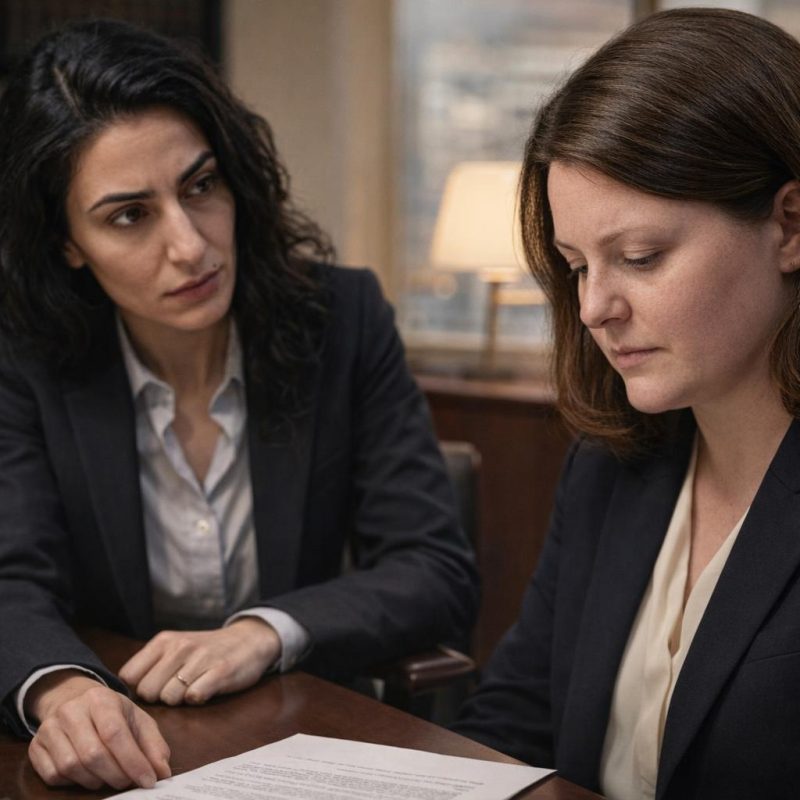 Image by RM AI
Strategy Session
We spent the next three hours planning the confrontation with the kind of careful strategy you'd use for a controlled demolition. Because that's what this was—we were about to demolish my siblings' entire lives. "We need Sterling Hayes present," Rebecca said, making notes. "This has to be formal, documented, legally sound." I agreed, though my hands were shaking. We mapped out exactly how to present the evidence. Rebecca would introduce the genetic screening results first, establish their legitimacy and legal validity. Then we'd walk through the bloodline clause implications. Finally, we'd address the broader estate ramifications. "You'll need to stay calm," Rebecca warned. "They're going to react badly. Sterling will try to discredit the evidence immediately." I thought about how to maintain composure while revealing something this devastating. We scheduled the meeting for three days from now—enough time to prepare, not enough time to lose our nerve. Rebecca outlined contingency plans for various responses. What if they claimed the test was fraudulent? What if they demanded their own testing? What if Sterling threatened countersuits? "Are you ready to do this?" Rebecca asked finally. "Knowing it will destroy them?" I thought about Elena's cold smile when she'd mentioned freezing the trust fund. About Mark's smirk when he'd demanded fifty-three million dollars. About three hundred employees whose jobs depended on me not caving. I was ready."},{
 Image by RM AI
Building the Case
Rebecca arrived at my apartment the next morning with her laptop and a portable scanner. "We're building an airtight case," she said, setting up at my dining table. I watched her work with methodical precision. She scanned every page of Dad's genetic screening results, creating multiple digital copies with timestamps and verification metadata. She pulled the original bloodline clause language, annotating it with legal citations and precedent cases. Estate records went into the folder next—documents showing the inheritance structure, the trust fund provisions, every financial distribution Mark and Elena had received over the years. Rebecca prepared legal briefs explaining the implications in language a judge would understand. She organized everything into a presentation folder with tabs and section dividers, the kind of thorough documentation that left no room for doubt. "We need three copies," she said. "One for us, one for Sterling, one for the record." She printed everything on premium paper, assembled the folders with professional binding. Each page was perfect. Each argument was airtight. As she added the final document to the folder, she looked at me seriously. "Once we reveal this, there's no going back," she said. "You understand that, right? This will permanently change everything." I understood. I just wasn't sure I was ready for what that meant."},{
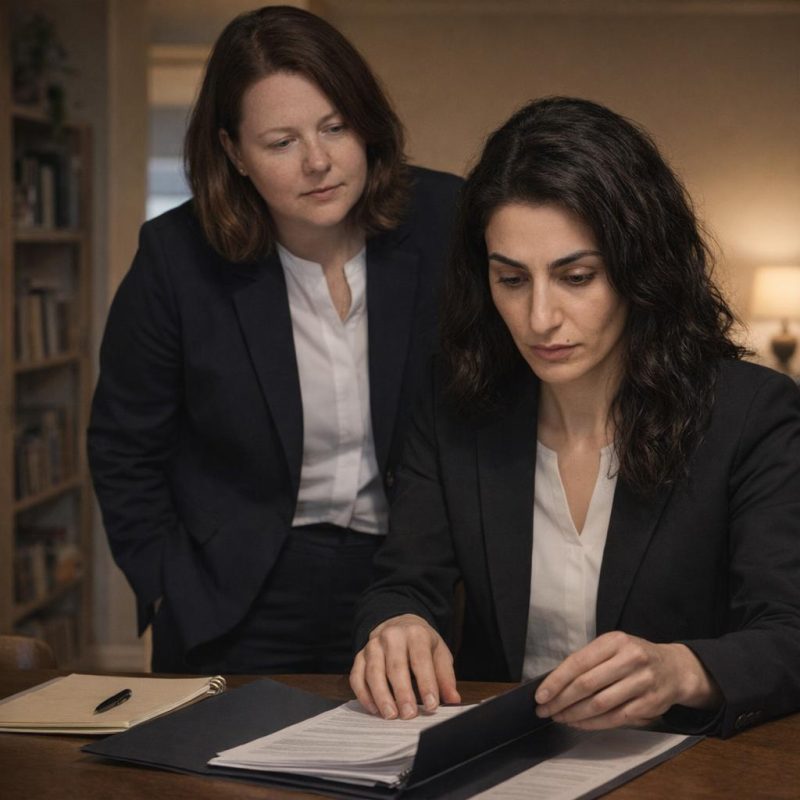 Image by RM AI
The Night Before
I spent that night alone in my apartment, rehearsing composure I didn't feel. I stood in front of my bathroom mirror, practicing keeping my expression neutral while saying devastating things. "The genetic screening shows you're not Dad's biological children." Too blunt. "We've discovered some information about the estate." Too vague. I tried different approaches, different tones, different levels of directness. Nothing felt right. How do you tell someone their entire identity is based on a lie? I imagined Mark's reaction—would he explode immediately, or would there be a moment of stunned silence first? Elena would probably go cold, that calculating look she got when she was cornering someone in an argument. Sterling would demand to see the evidence, would look for any procedural flaw he could exploit. I rehearsed responses to objections I couldn't predict. Practiced staying calm when they accused me of fabricating evidence. Reminded myself why this was necessary—three hundred employees, the trust fund, my company's survival. My phone buzzed around eleven PM. Sterling's name appeared on the screen: "Confirmed for tomorrow, 2 PM, my office conference room. Look forward to resolving this matter." His message was routine and professional, the kind of confirmation he probably sent a dozen times a day. I wondered if he had any idea what was coming."},{
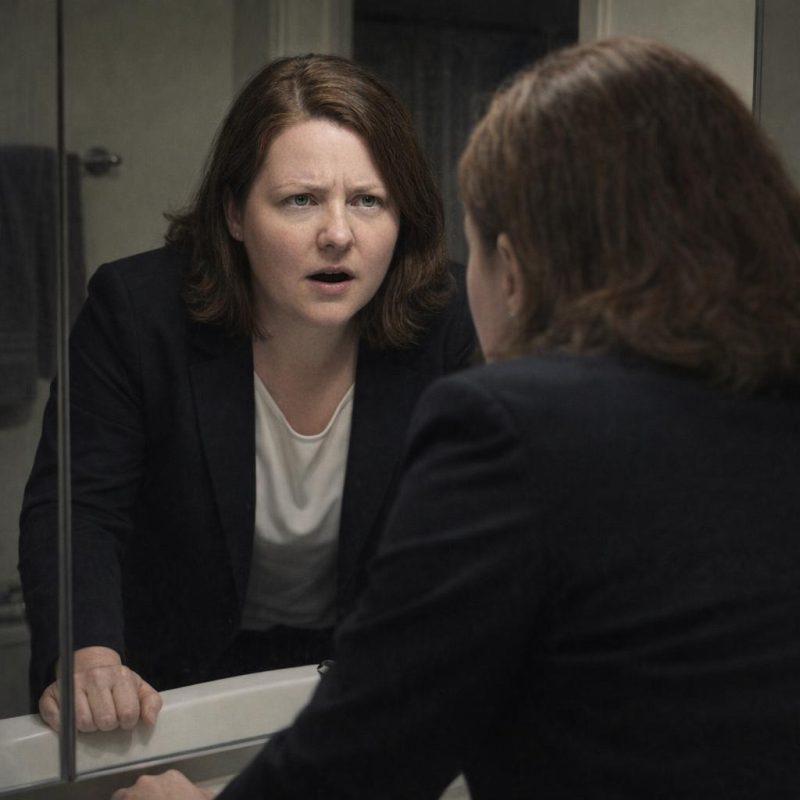 Image by RM AI
Sterling\'s Certainty
Sterling arrived at the conference room with his expensive briefcase and that commanding presence that had intimidated me throughout this entire lawsuit. He wore a three-piece suit with silver cufflinks that caught the light when he moved. Mark and Elena followed him in, both looking comfortable and relaxed. Mark had that practiced smirk, like this was just another negotiation he'd already won. Elena's designer outfit was perfect as always, her cold eyes scanning the room with casual confidence. Rebecca sat beside me, calm and focused, the evidence folder closed on the table in front of us. Sterling settled into his chair with the bearing of someone who'd done this a thousand times before. His certainty made me doubt everything we'd prepared. What if the genetic screening had been wrong? What if there was some explanation we hadn't considered? What if we were about to destroy two people based on a medical error? "Thank you for meeting with us," Sterling said smoothly. "I think we can resolve this matter today." He opened his briefcase with practiced efficiency, pulling out a document. "We've prepared a settlement proposal that I believe addresses everyone's concerns." Mark leaned back in his chair, completely at ease. Elena examined her manicured nails. My hands tightened on the folder containing the DNA evidence."},{
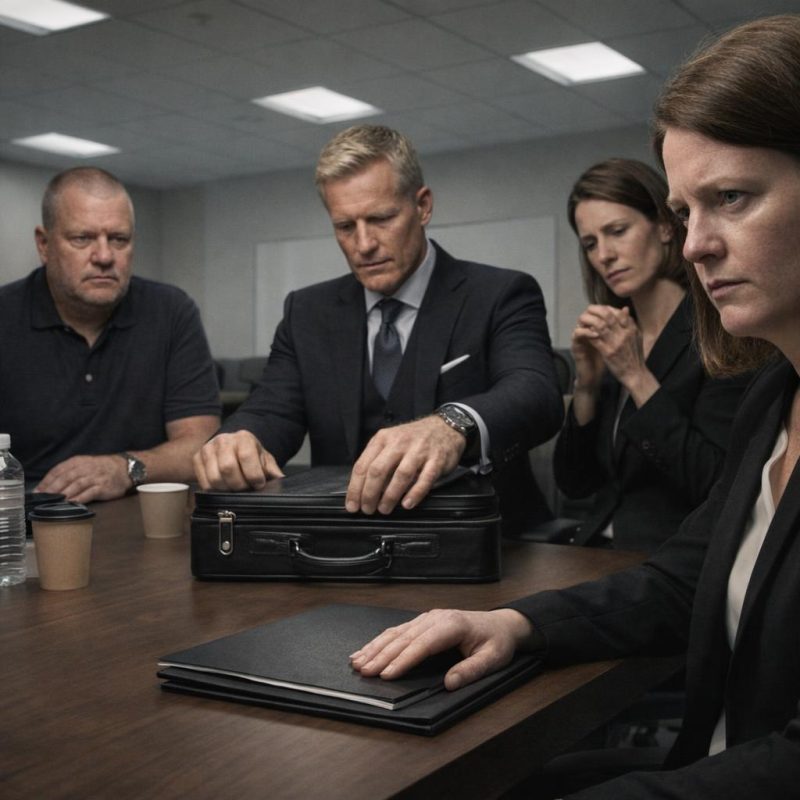 Image by RM AI
Escalating Demands
Sterling slid the settlement document across the table. "After careful consideration," he said, "my clients are willing to accept forty-five million dollars instead of the full fifty-three million specified in the bloodline clause." Mark nodded like he was doing me a favor. "We understand the startup needs some liquidity," he said. "So we're being flexible." Flexible. They were offering to take forty-five million dollars of my life's work and calling it flexible. Elena leaned forward, her smile not reaching her eyes. "This is our final offer, Sarah. We think it's more than generous, considering we're entitled to the full amount." Sterling outlined the settlement terms with professional precision—payment schedule, interest calculations, legal release language. He spoke like this was already decided, like I should be grateful they were willing to negotiate at all. "The offer expires in forty-eight hours," Elena added. "After that, we proceed with the full lawsuit and pursue the complete fifty-three million plus legal fees." Mark's smirk widened. "Plus we'll have to reconsider that trust fund situation. Wouldn't want your employees' retirement accounts caught up in extended litigation." They sat there, confident and comfortable, believing they held all the leverage. Believing I had no choice but to accept their generous discount on destroying everything I'd built. I looked at Rebecca, who gave me a small nod. I placed my hand on the folder and opened it.
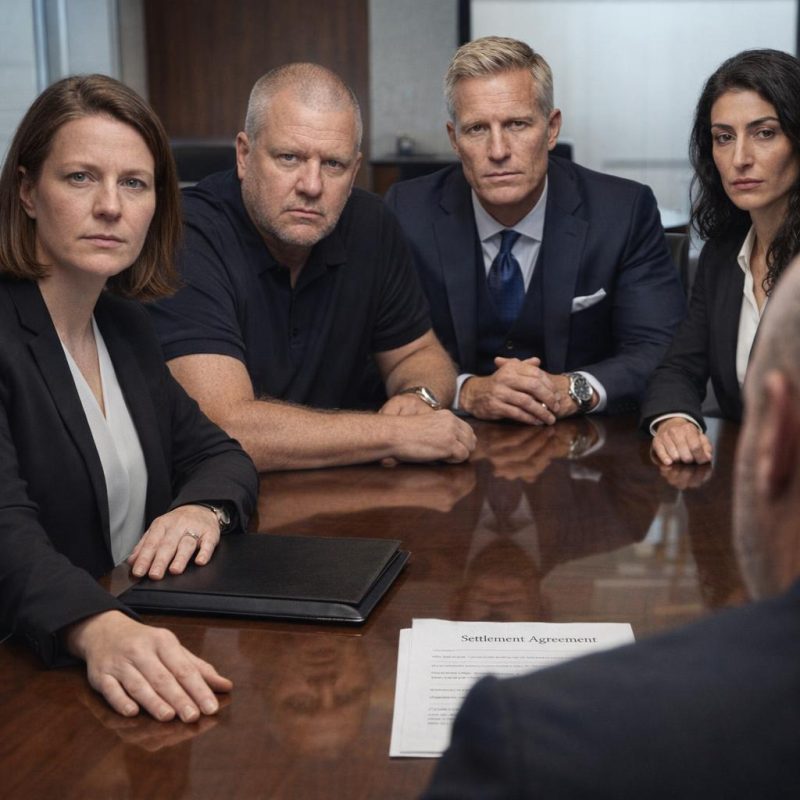 Image by RM AI
The Final Rehearsal
The folder sat open on the table between us, and I could feel the weight of what came next pressing down on my chest. The night before, Rebecca had looked at me across her desk and asked one final time if I was certain. "Once you do this," she'd said, "there's no going back. Your relationship with them—whatever's left of it—will be over." I'd thought about the trust fund, about three hundred employees who'd trusted me with their retirement accounts, about everything I'd built being reduced to a settlement payment for people who'd never worked a day in their lives. I'd nodded. Rebecca had closed her laptop and said, "Then we proceed tomorrow." Now Mark and Elena sat across from me, waiting for my response to their generous offer of forty-five million dollars. Sterling's pen was poised over his legal pad, ready to draft acceptance terms. Elena's smile hadn't wavered. Mark's smirk suggested this was already decided. I took a deliberate breath and looked at Rebecca. She gave me a small nod of encouragement, the same one she'd given me before every difficult board meeting, every tough negotiation. I looked at Mark and Elena's expectant faces and began to speak.
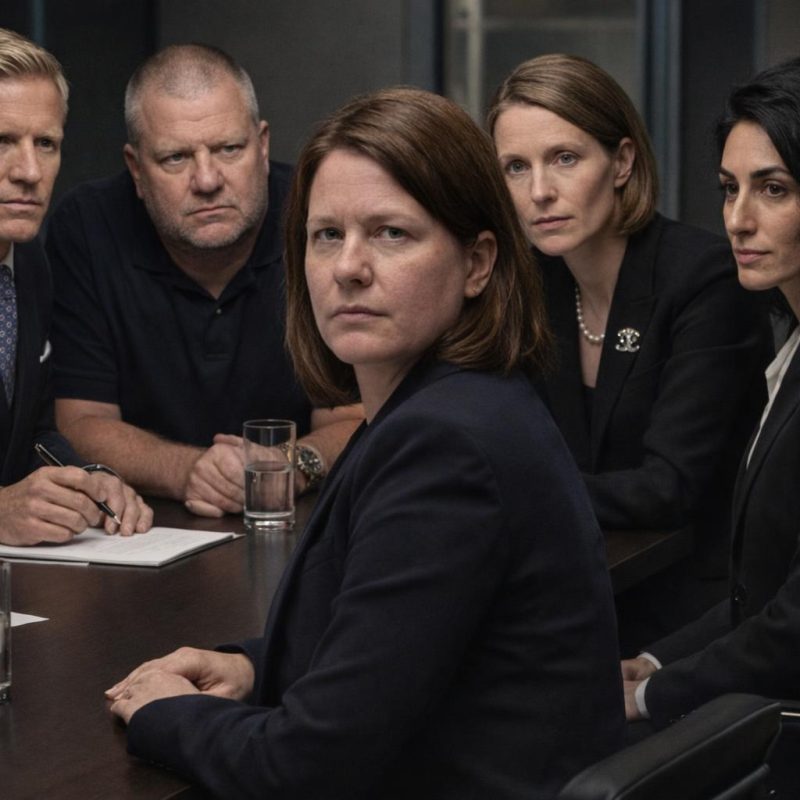 Image by RM AI
The Evidence
I slid the genetic screening results across the polished conference table. "These are from Dad's comprehensive health records," I said, keeping my voice steady. "From the genetic testing his doctors ran two years before he died." The documents showed paternity markers, probability percentages, genetic inheritance patterns—all the clinical language that spelled out biological relationships in black and white. Sterling picked up the papers first, his practiced composure intact as he began reading. Then I watched something flicker across his face. Not shock exactly, but recognition. He understood what he was looking at. Rebecca leaned forward slightly. "The bloodline clause in the document you presented," she said, "specifically references biological descent. Not legal paternity. Not emotional relationships. Biological." Mark glanced at the papers, then at Sterling, confusion creasing his forehead. "What does this have to do with anything?" Elena's eyes moved between Sterling's face and the documents in his hands. Sterling read through the results again, more slowly this time, and I saw his jaw tighten. He set the papers down carefully and looked directly at me. "Where did you obtain these records?"
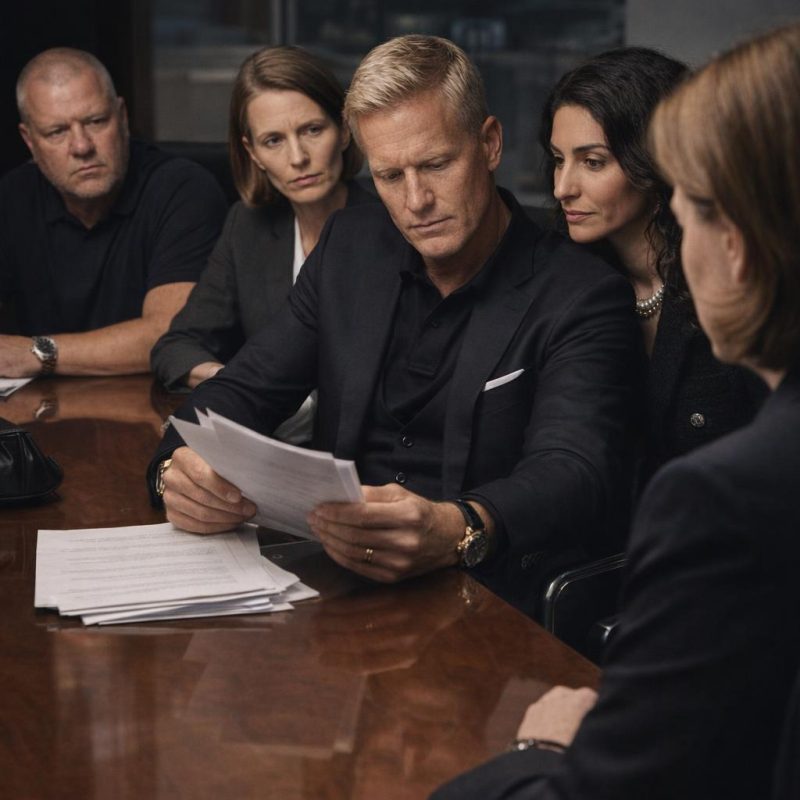 Image by RM AI
Processing the Impossible
Sterling spoke quietly to Mark and Elena, his voice losing its courtroom projection. He pointed to specific sections of the genetic screening results, explaining probability markers and paternity indicators in terms they could understand. Mark's expression shifted from confusion to something darker. "I don't—what does this have to do with our lawsuit?" he asked, but his voice had lost its confident edge. Sterling mentioned the bloodline clause in the document they'd presented, the one that entitled them to fifty-three million dollars. The one that specified biological descendants. Elena sat frozen beside her brother, her designer perfection suddenly looking like armor that wasn't working anymore. Mark's face darkened as understanding began to creep in. "What are you saying?" he asked. Elena broke her silence, her voice sharper than I'd ever heard it. "What exactly are these papers claiming?" She looked at Sterling, then at me, then at Rebecca. "What are you trying to say about our father?" The room fell silent. Rebecca's fingers rested on her keyboard, ready but waiting. Mark and Elena stared at us, and I could see the moment when confusion started transforming into something closer to fear. Elena's voice cracked as she demanded to know what exactly the papers were claiming about their father.
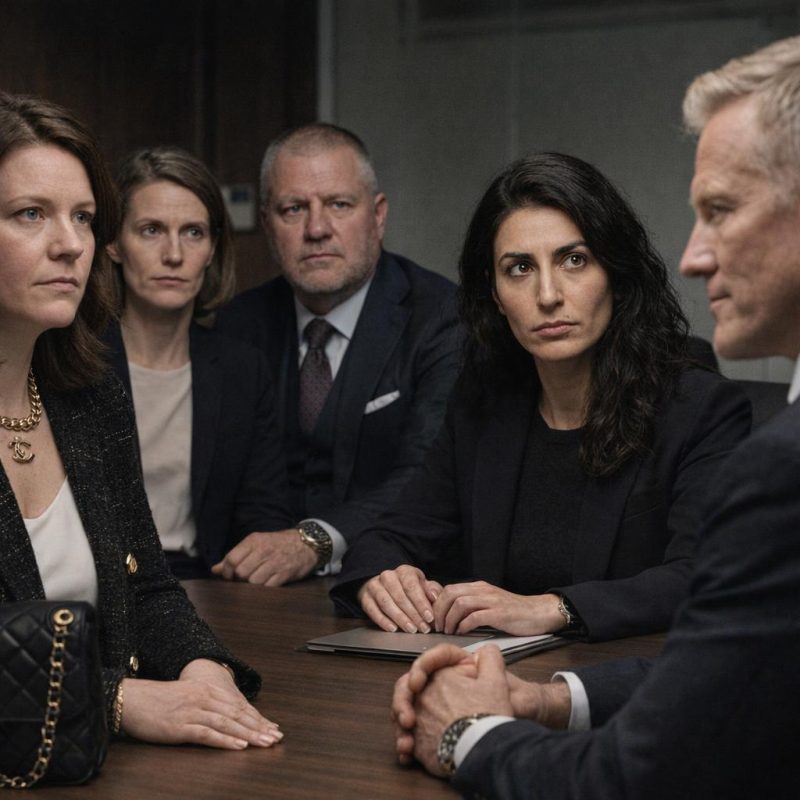 Image by RM AI
The Legal Avalanche
Rebecca took over the explanation, her voice calm and methodical. "Bloodline clauses," she said, "are legal provisions that limit inheritance to biological descendants. Not adopted children. Not stepchildren. Biological." She pulled up the original estate documents on her laptop. "The clause in the document you presented specifically uses the term 'bloodline.' That's not accidental language." Sterling's face went pale as he followed her logic. Rebecca continued. "This affects more than just your current lawsuit. The same clause language appears throughout your father's estate documents. The trust funds. The property transfers. The investment accounts." Sterling began taking notes rapidly, his pen moving faster than I'd seen all morning. "If the biological relationship is in question," Rebecca said, "then the existing inheritance distributions could be challenged under the same clause." Mark and Elena's existing inheritance—the money that funded their lifestyles, their homes, their entire existence—wasn't just about the startup anymore. Sterling realized the scope of the problem. He set down his pen and looked at Mark and Elena with an expression I couldn't quite read. "I need to speak with my clients privately," he said.
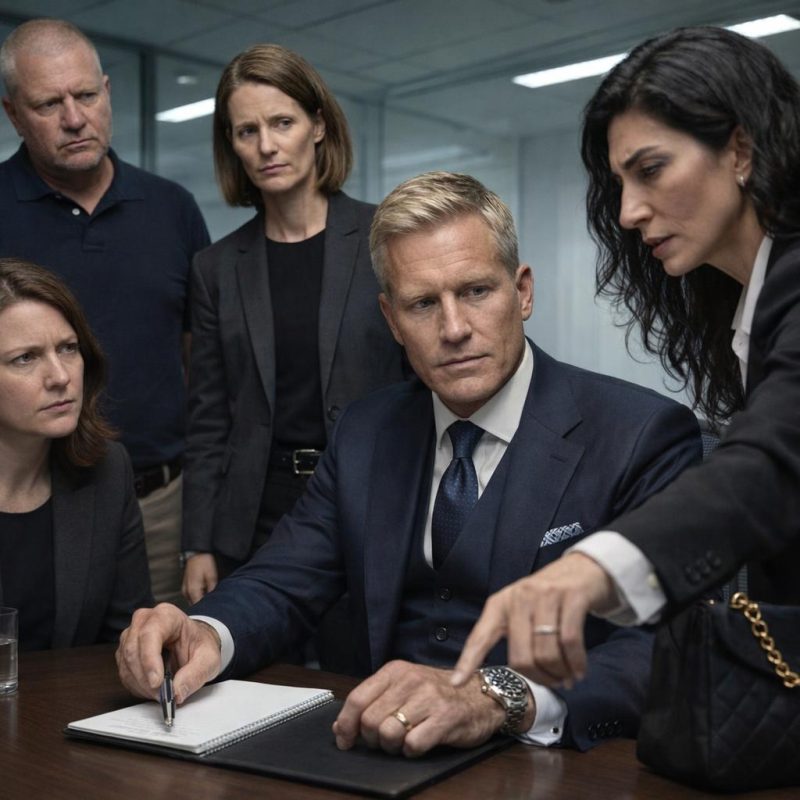 Image by RM AI
The Truth About Blood
I looked at Mark and Elena and said what needed to be said. "Dad took a DNA test as part of his health screening. The results show that you're not his biological children." The words came out clear and direct. "Mom had an affair. You were both conceived from that affair, not by Dad." Mark's face went blank. Elena's mouth opened but no sound came out. I kept going. "The bloodline clause requires biological descent. That means you're legally excluded from the family inheritance. Your fifty-three million dollar claim is invalid." Rebecca added quietly, "More than that, your existing inheritance is also in question. The trust funds, the properties, the investments—all of it was distributed under documents with the same bloodline language." Elena screamed. Actually screamed. "You're lying!" Her voice cracked on the words, and for the first time in my life, I saw real fear in my sister's eyes. Not the performed distress she'd used to manipulate Dad, not the calculated tears she'd deployed in arguments. Real, genuine terror. Mark sat in stunned silence, his practiced smirk completely gone. Elena's perfectly manicured hands shook as she gripped the edge of the table. "This is—you made this up. You fabricated this."
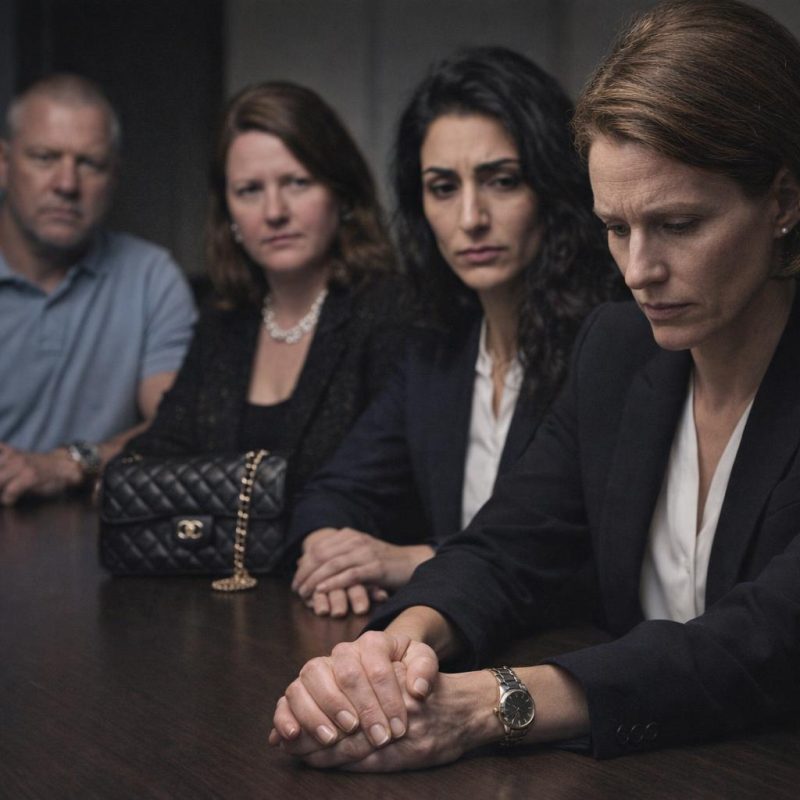 Image by RM AI
Denial
Mark found his voice. "The DNA test is fake," he insisted, but the certainty wasn't there anymore. "You manufactured this evidence. You had to." He looked at Sterling for support, but the attorney was staring at the documents. "Do something," Elena demanded, turning to Sterling. "This is fraud. This is—tell them they can't do this." Sterling remained silent, reviewing the genetic screening results one more time. Rebecca reached into her briefcase. "I can provide the original lab records," she offered. "The chain of custody documentation. The physician's notes." Mark's voice rose. "Dad always treated us as his children. He raised us. That has to count for something legally." Elena leaned forward. "Legal paternity should override biology. He claimed us. He put our names on everything." Sterling finally spoke. "The bloodline clause is specifically biological. That's the legal standard these documents use." He closed the folder. "I need to consult with other legal experts before proceeding." He began packing his briefcase with deliberate movements. Mark and Elena looked at each other, and I watched panic replace their earlier confidence. Sterling announced he was leaving to review the situation, and my siblings' faces told me everything about how badly this was going for them.
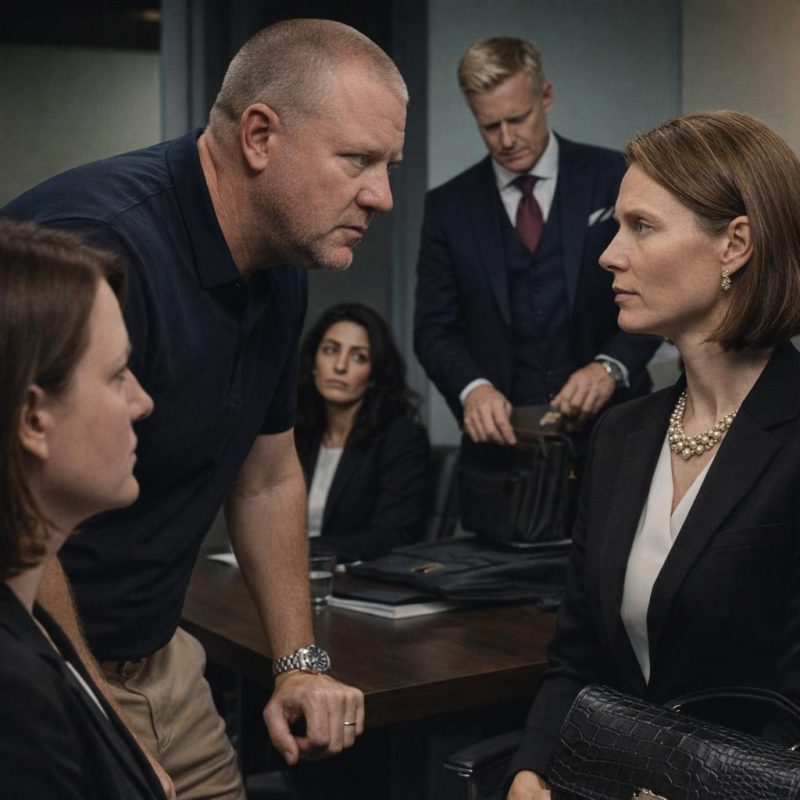 Image by RM AI
The Scope of Ruin
Sterling left, and the conference room felt smaller with just the four of us. Rebecca pulled up additional estate documents on her laptop. "The bloodline clause appears in multiple places," she explained. "Your trust funds were established under these provisions. The vacation homes were purchased with inheritance money distributed under these terms. Your investment accounts stem from family assets allocated based on biological heir status." Mark tried to argue. "We were raised as his children. We called him Dad. He called us his son and daughter." Rebecca's expression didn't change. "Legal documents don't care about emotional relationships. They care about the specific language used in their provisions." Elena had her phone out, calculating something. I watched her face as she worked through what this meant. The condo in Miami. The ski house in Aspen. The investment portfolio that generated her monthly income. The trust fund that had bankrolled Mark's failed ventures. All of it predicated on them being Dad's biological heirs. All of it potentially gone. Elena stopped scrolling through her phone and looked up. Her voice came out as barely a whisper. "We have nothing if this is true." The weight of her words hung in the silent room.
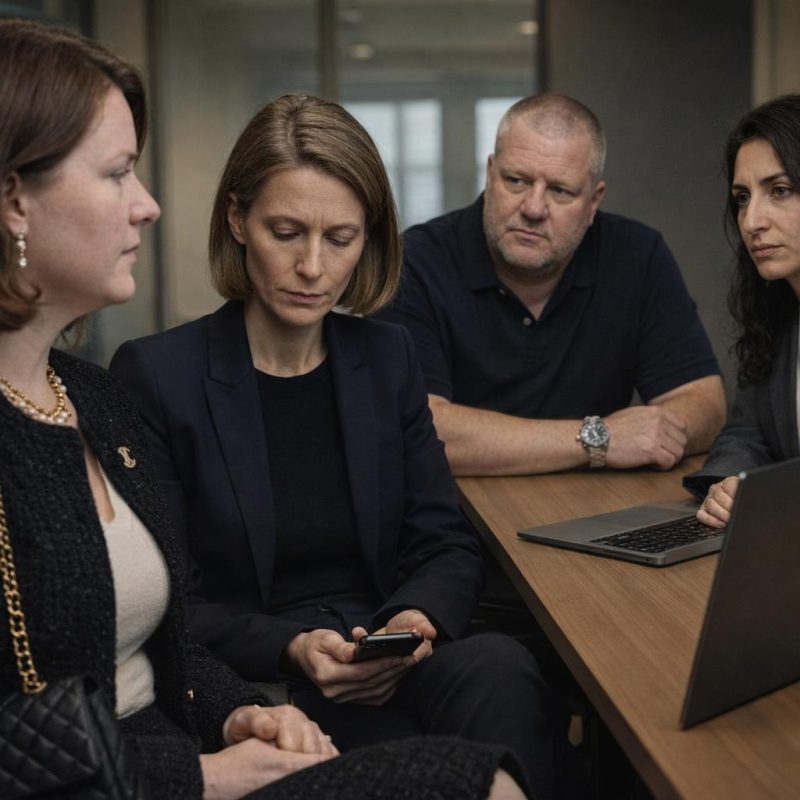 Image by RM AI
Scrambling for Ground
Mark pulled out his phone and started making calls right there at the table. I watched him contact attorney friends, his voice getting more frantic with each conversation. Elena had her phone out too, searching legal databases for precedents about emotional versus biological paternity. Her fingers moved quickly across the screen, desperate for anything that might save them. Rebecca sat calmly, waiting while they exhausted their options. I just observed as my siblings' composed facades crumbled in real time. Mark reached someone he'd gone to law school with, an attorney friend who practiced estate law. He explained the situation in rushed sentences, then fell silent as he listened. His face changed as the friend spoke. The color drained from his cheeks. His shoulders slumped. "You're sure?" he asked quietly. Another pause. "Even if he raised us?" I couldn't hear the response, but I watched Mark's expression as he received it. The friend confirmed that bloodline clauses were typically ironclad. Biological descent was the legal standard. No amount of emotional relationship or years of parenting changed the contractual language. Mark's attorney friend told him the bloodline clause was ironclad, and I watched my brother's arrogance finally shatter.
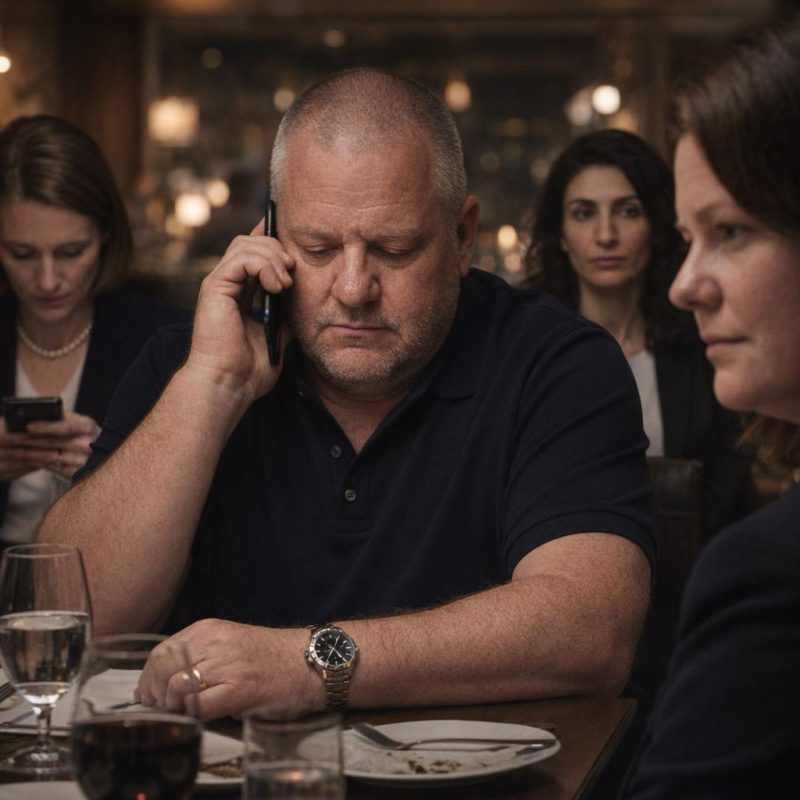 Image by RM AI
Abandoned
Mark's phone rang in the silence that followed his attorney friend's devastating confirmation. He glanced at the screen, and I saw his expression shift from despair to something like hope. Sterling. He answered on speaker, probably thinking his lawyer had found some loophole, some way to salvage this disaster. Sterling's voice filled the quiet restaurant, formal and uncomfortable. He was calling to inform them that he could no longer represent them in good faith. The words landed like physical blows. His firm had reviewed the evidence Rebecca presented, and continuing representation would create irreconcilable conflicts with their professional obligations. Elena leaned forward, her designer perfection cracking. "What are we supposed to do now?" she demanded. Sterling offered no solution, no referral, no comfort. He simply ended the call. Mark and Elena sat there without legal counsel, their confident strategy collapsed around them like a house of cards. Mark looked at me with an expression I'd never seen on his face before, something raw and desperate that didn't match his usual entitled smirk. "Sarah," he said quietly, "is there any way we can work this out between family?"
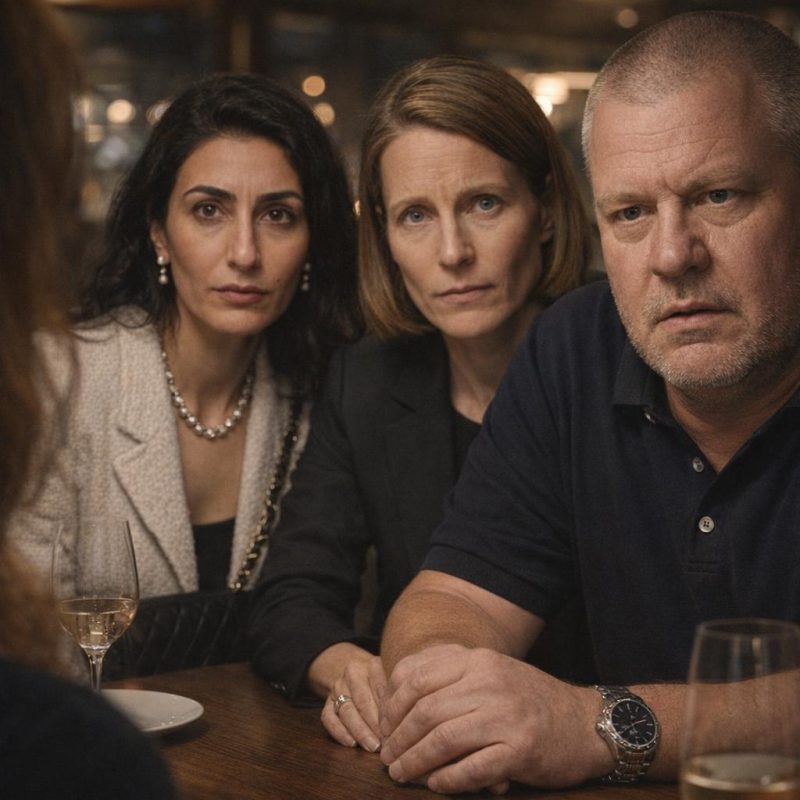 Image by RM AI
The Offer
Mark leaned forward, his voice stripped of its usual arrogance. He'd drop the lawsuit entirely, he said. All fifty-three million dollars, gone. Just like that. He only asked one thing in return: that I keep the DNA results private. Elena nodded frantically beside him, her cold eyes suddenly pleading. They were willing to abandon everything they'd demanded, their entire legal strategy evaporating in the face of total ruin. Mark explained that if this became public, they'd lose more than just their claim against me. They'd lose everything Dad left them. Elena mentioned their houses, their investment accounts, their entire lives built on inheritance they might not legally deserve. Rebecca cleared her throat gently. She pointed out that legal discovery might already require disclosure. The court case had created documentation that existed independently of our private agreements. I watched my siblings grasp at this explanation like drowning people reaching for driftwood. I told them I would think about it, my voice steady despite the chaos of emotions inside me. Mark and Elena clung to those words with desperate hope. But we both knew the decision wasn't really mine to make anymore.
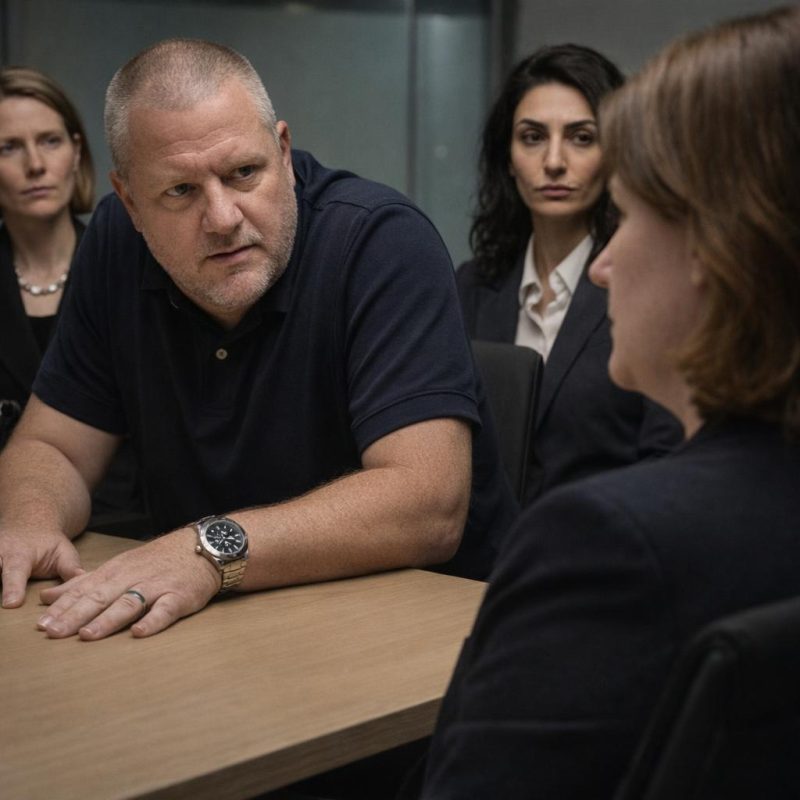 Image by RM AI
Day in Court
The courthouse felt different than I'd imagined during all those sleepless nights. Smaller somehow, more ordinary. Just another government building with fluorescent lights and worn carpet. Rebecca walked beside me, her alert eyes scanning everything, fingers near her phone like always. We entered the courtroom and I saw Mark and Elena already seated with a new attorney, someone who looked significantly less confident than Sterling had. Their lawyer shuffled papers nervously, avoiding eye contact. The judge called the case to order, her voice crisp and professional. Both sides were asked to present their positions. Mark and Elena's attorney stood and presented their original claim, but his voice lacked conviction. He knew what was coming. The judge listened politely, then turned to our side of the courtroom. Rebecca had organized everything perfectly: the DNA documentation, the bloodline clause, the genetic screening results. Every piece of evidence that would prove I was Dad's only biological child. The judge asked Rebecca to present our defense, and she stood with the DNA evidence in her hands.
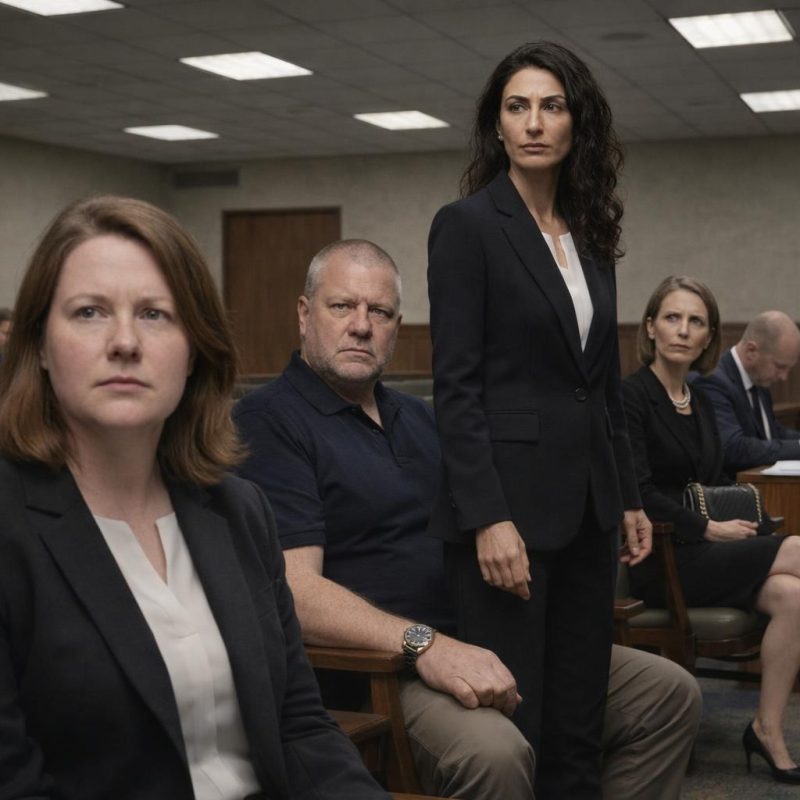 Image by RM AI
Into the Record
Rebecca's presentation was methodical, almost surgical in its precision. She submitted the genetic screening results first, explaining the chain of custody for Dad's health records. Each document was formally entered into the court record, and I could feel them landing like nails in a coffin. She provided expert testimony about the DNA analysis, the statistical certainty of the results. Then came the bloodline clause from Dad's original estate documents, the specific language requiring biological descent. Rebecca explained how the clause worked, how it defined inheritance through genetic relationship, not emotional bonds or years of parenting. The court reporters documented every word. Mark and Elena sat rigidly in their seats as their secrets became public record, their carefully constructed lives exposed in legal language. I watched the judge examine the genetic screening results carefully, her expression neutral but focused. She studied the documents for what felt like hours but was probably only minutes. Then she turned to Mark and Elena's attorney, her gaze direct and expectant. She asked if they disputed the authenticity of the DNA evidence.
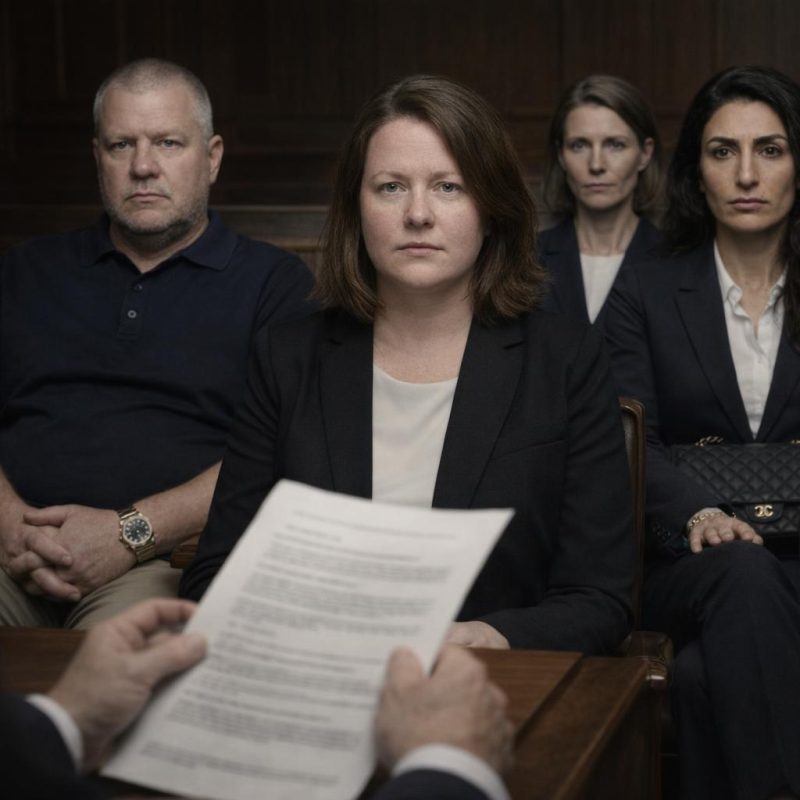 Image by RM AI
Preliminary Victory
Their attorney hesitated, glanced at Mark and Elena, then admitted they had no grounds to dispute the evidence's authenticity. The judge nodded and reviewed everything one more time. She noted that the bloodline clause was unambiguous in its language. The DNA evidence clearly established biological relationships within our family. According to the genetic screening, I was Dad's only biological child. Mark and Elena could not claim inheritance under the bloodline provision that governed the estate. Her voice was steady as she issued a preliminary ruling in my favor. The fifty-three million dollar claim lacked legal standing. I exhaled for what felt like the first time in weeks, overwhelming relief flooding through me. Rebecca squeezed my arm in quiet celebration, her focused intensity softening just slightly. But the judge wasn't finished speaking. She continued, explaining that while she was ruling in my favor on this specific claim, the DNA evidence raised questions about other estate matters. The genetic screening affected more than just their lawsuit against me. Additional proceedings would be necessary to resolve those broader issues.
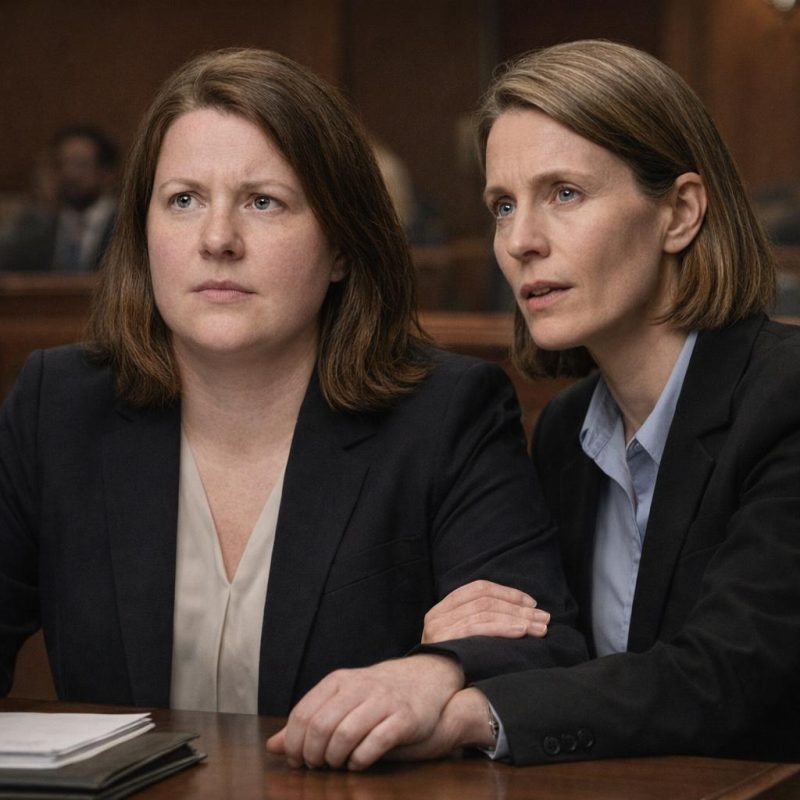 Image by RM AI
Public Collapse
The judge's words echoed in the suddenly silent courtroom. Mark buried his face in his hands, his shoulders shaking. Elena sat completely motionless beside him, frozen like a statue, unable to move or speak as the reality sank in. Their attorney gathered papers without making eye contact with anyone, clearly eager to escape. I heard quiet murmuring from other people in the gallery, strangers who'd come to watch our family drama unfold in public. That's when I noticed the reporter in the back row, fingers flying across a laptop keyboard. The story would spread beyond this courtroom by evening, probably hit the business news by morning. Rebecca began packing our materials efficiently, but I couldn't look away from my siblings. I felt victory, yes, but also something harder to name. Something that felt uncomfortably like grief. Mark and Elena didn't move as others filed out around them, didn't acknowledge the people passing their seats. Their public humiliation was complete, witnessed by a room full of strangers. I watched my siblings' carefully constructed lives crumble in front of everyone, and I knew by morning the whole world would know the truth about my family.
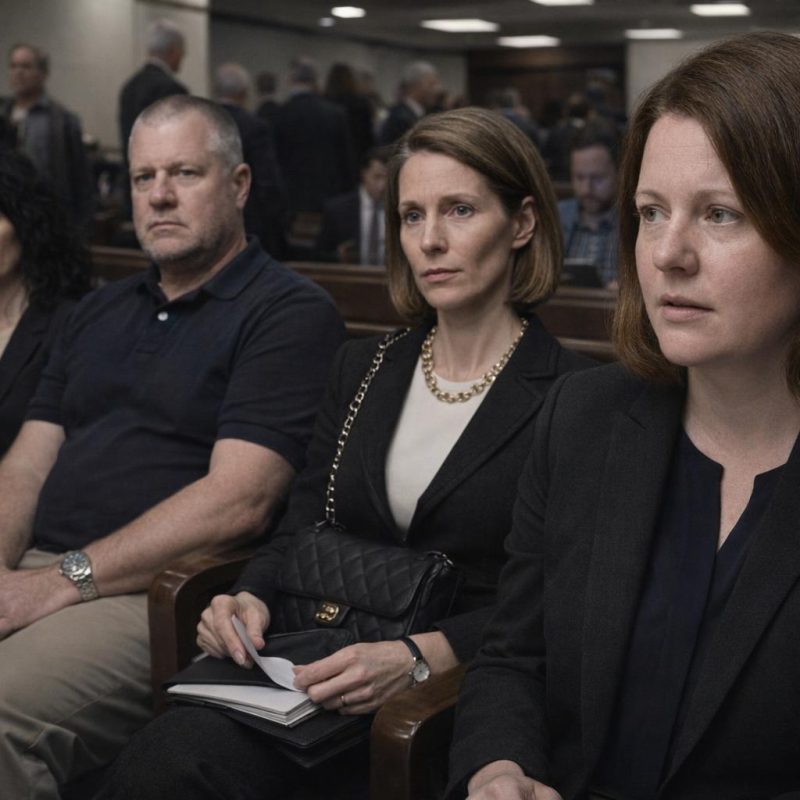 Image by RM AI
Frozen Assets
The news spread faster than I'd anticipated. Within forty-eight hours, the estate executor had reviewed the DNA evidence and filed emergency motions. Mark and Elena's inherited assets were frozen pending further review. Their trust fund access was suspended immediately. Property titles were placed under legal hold. Investment accounts derived from Dad's inheritance were locked. I watched from a distance as their designer lifestyle began unraveling with each court order, their entire financial foundation crumbling beneath them. Rebecca kept me updated on the legal proceedings, her thorough nature ensuring I knew every development. Elena called me that night, and I almost didn't answer. When I did, I heard crying on the other end, angry sobs mixed with desperate pleading. She asked how I could do this to family, her voice breaking on the word. The irony wasn't lost on me. I reminded her, my voice steady and cold, that family doesn't sue family for fifty-three million dollars.
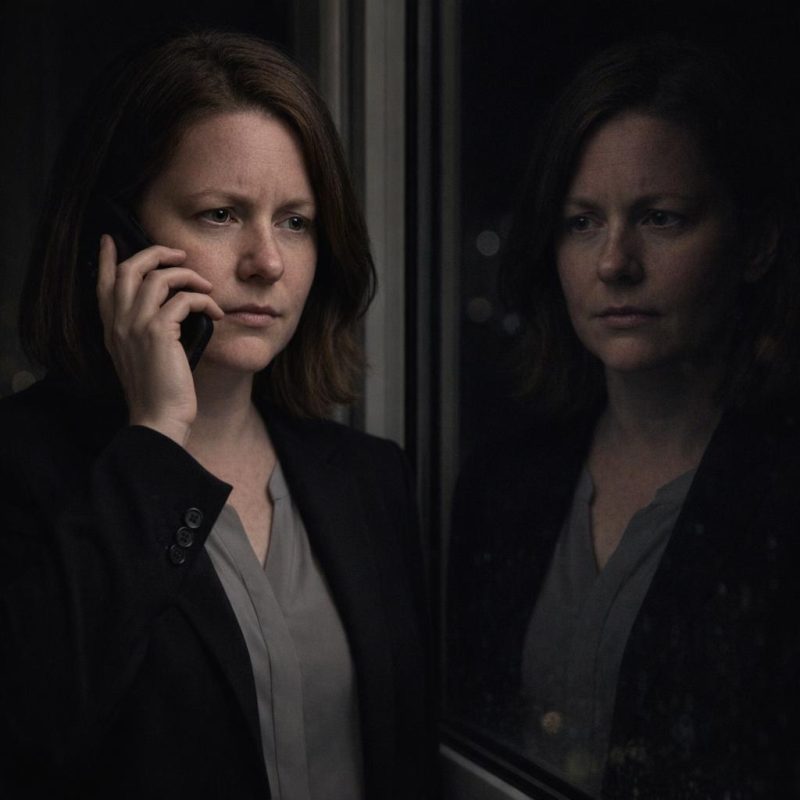 Image by RM AI
Dismissed with Prejudice
The final hearing took place two weeks later. Mark and Elena didn't even show up. Their attorney filed a motion to withdraw the lawsuit entirely, probably hoping to salvage whatever they could. The judge reviewed the complete record of proceedings, every piece of evidence, every motion, every argument. Then she formally dismissed the case with prejudice. Those words meant everything. With prejudice meant the lawsuit could never be refiled, never resurrected, never used to threaten me again. My eighty million dollars was legally protected, completely and permanently mine. The employee trust fund was safe, secured by the dismissal. Rebecca accepted the official dismissal papers from the clerk, then handed them to me right there in the courtroom. I read the formal language, the legal terminology that confirmed my complete victory. But what I thought about wasn't the money or the vindication. I thought about the three hundred people who'd helped build something extraordinary with me. I stood in the courtroom knowing that my life's work was finally, legally, completely mine, and I traced my fingers over the words that meant three hundred employees would get what I'd promised them.
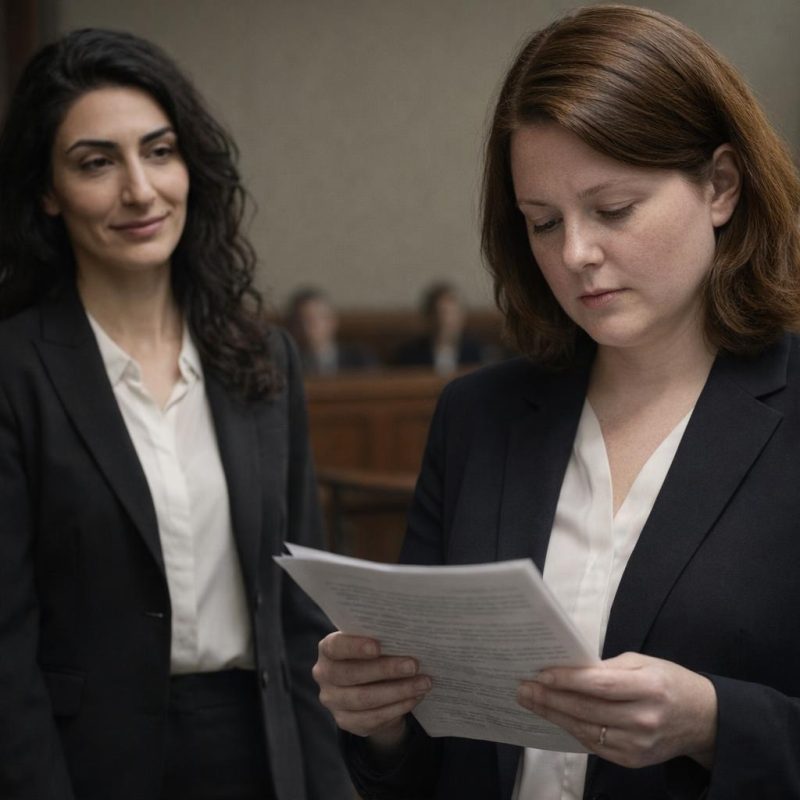 Image by RM AI
Final Confirmation
The final court ruling arrived on a Tuesday morning, delivered by courier in a manila envelope that felt heavier than it should. Rebecca sat across from me in my penthouse as I broke the seal, her alert eyes watching my face as I unfolded the document. The language was formal, comprehensive, exactly what we'd fought for. The court confirmed me as Dad's sole biological heir. Every bloodline clause in his estate applied to me alone. Mark and Elena had no claim to any inheritance, no legal standing, no connection to the legacy they'd tried to steal. I read each paragraph carefully, tracing the words with my finger. Dad had structured everything to protect biological heirs, not the children he'd raised believing they were his. Rebecca explained that the DNA test had been part of routine health screening years ago, something Dad's doctor had recommended. He might have known the truth for years before he died. He might have sat across from Mark and Elena at family dinners, knowing they weren't his, and still chosen to protect me with legal precision. I remembered his words about protecting the legacy of those who work for it, not those who wait for it. He'd given me exactly the tools I needed to do that.
 Image by RM AI
Promises Kept
I signed the final trust fund paperwork three days later, Rebecca and two financial advisors witnessing every signature. The documents were thick, comprehensive, every legal protection we could build into the structure. My pen moved across page after page, securing the full amount I'd committed to three hundred people who'd believed in something when no one else would. When the last signature was done, Rebecca collected the papers and smiled. The weight I'd been carrying for months lifted from my shoulders right there in that conference room. I pulled out my phone and called Thomas Wright immediately. His voice cracked when he answered, that earnest concern I remembered from years of working together. I told him the trust fund was completely safe, every dollar protected, every promise kept. He went quiet for a moment, then I heard him turn away from the phone. His voice carried across what sounded like an open office. Cheering erupted in the background, voices overlapping in celebration and relief. Three hundred employees learning their futures were secure, their loyalty rewarded, their belief in our vision finally validated. I closed my eyes and let myself feel it.
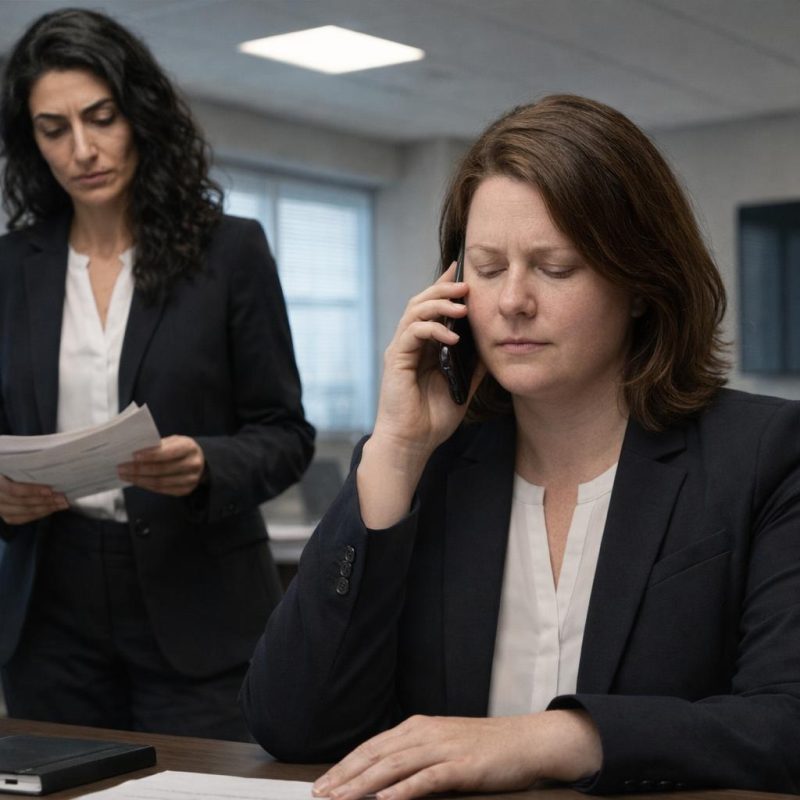 Image by RM AI
The Distribution
The ceremony took place in the same building where we'd launched our first product, Thomas coordinating every detail with the precision I'd always valued in him. I stood before rows of former employees, faces I recognized from late nights and impossible deadlines and moments when everything had seemed ready to fall apart. I thanked them for years of dedication, for believing when investors walked away, for building something extraordinary together. Thomas helped distribute the trust fund allocations, amounts varying based on tenure and contribution. Some people cried when they saw their numbers. Others hugged colleagues, laughing and wiping their eyes. A woman approached me after the formal remarks ended, someone I barely recognized from the early days. She wrapped her arms around me tightly, her voice breaking as she whispered that this would pay for her daughter's college, that she'd been terrified about how to afford it, that this changed everything for her family. I hugged her back and felt something shift inside my chest. Eighty million dollars had been an abstract number, a legal battle, a line item in court documents. But standing there, feeling her gratitude, I finally understood what it was actually worth.
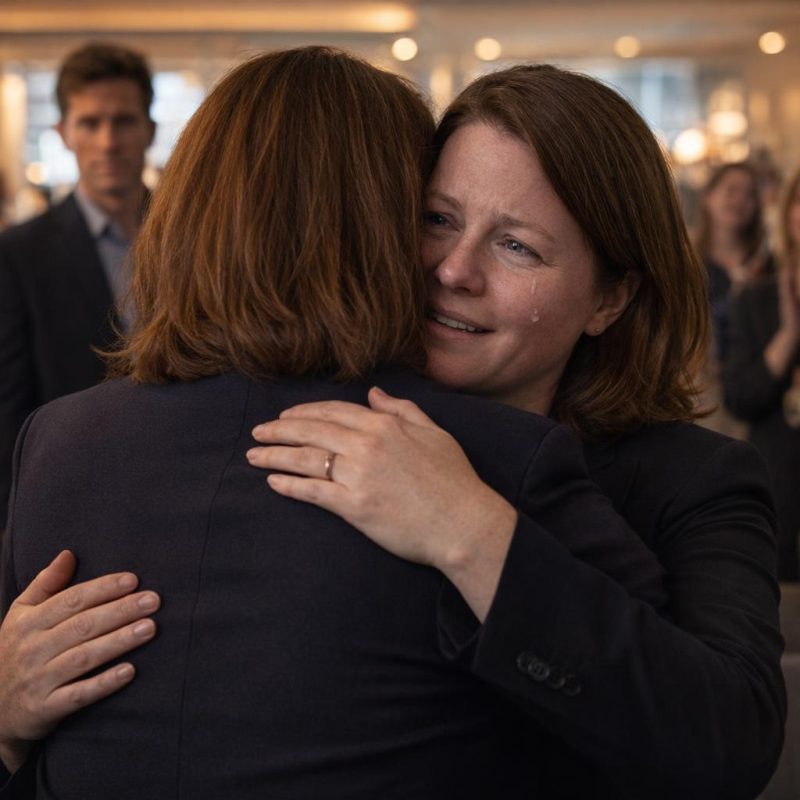 Image by RM AI
Quiet Victory
I stood at my penthouse windows again that night, champagne flute in hand, watching the city lights blur into constellations below. The setting mirrored that first night after the acquisition closed, when Mark and Elena had shattered everything with their lawsuit. But everything had changed since then. Three hundred employees had secure futures because I'd fought for them. My siblings faced the consequences of their greed and lies. Dad's legacy had protected those who earned it, exactly as he'd intended. I'd honored my promise and his memory. The silence around me felt different now, not the hollow quiet before a storm but the peace of a war finally ended. No pending motions, no threatening calls, no siblings demanding what they'd never worked for. Just the city below and the life I'd built and the retirement I'd finally, truly earned. I raised my glass to my reflection in the dark window, seeing the exhaustion in my eyes but also something else, something I hadn't felt in months. I took a sip and savored the peace I'd finally claimed as my own.
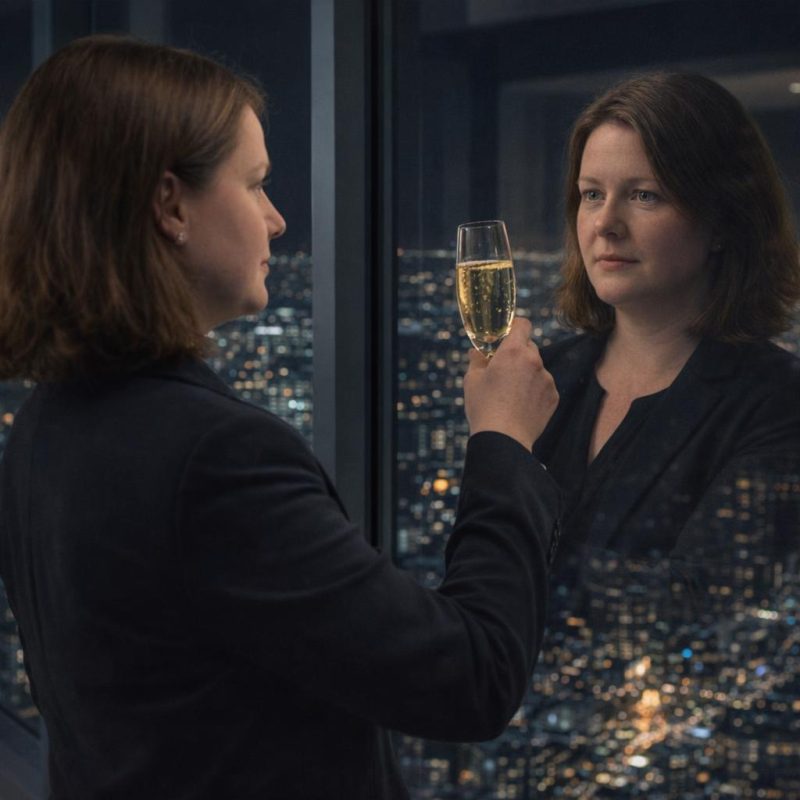 Image by RM AI
KEEP ON READING
10 Greatest Quarterbacks Of All Time & 10 That Are…
Do You Disagree?. Few topics in sports generate as much…
By Farva Ivkovic Dec 2, 2025
The story of Ching Shih, the Woman Who Became the…
Unknown author on WikimediaFew figures in history are as feared…
By Emilie Richardson-Dupuis Dec 29, 2025
20 Shakespearean Words, Translated For A Modern Audience
What’s In A Word?. Shakespeare was a wordsmith of the…
By Breanna Schnurr Dec 17, 2025
20 Inspiring Stories From Native American History
Incredible Stories Of Resilience And Endurance. Many of us didn't…
By Ashley Bast Dec 17, 2025
You Think You Have Problems? These Royal Families Were Cursed
Boasson and Eggler St. Petersburg Nevsky 24. on WikimediaHeavy is…
By Ashley Bast Dec 5, 2025
MH370: The Plane That Can't Be Found
Anna Zvereva from Tallinn, Estonia on WikimediaEleven years after Malaysia…
By Christy Chan Dec 10, 2025