

My Neighbors Spent Weeks Shaming Me for Installing a Pool—Until Security Footage Revealed What They Were Really Doing Behind My Back
My Neighbors Spent Weeks Shaming Me for Installing a Pool—Until Security Footage Revealed What They Were Really Doing Behind My Back
Twenty-Three Years on the Same Street
My name is Linda, and I've lived on the same street for twenty-three years. That's not something I say to brag — it's just the truth of my life, and I've come to think the truth of a life is worth saying plainly. I moved onto Clover Mill Road back when the neighborhood still had that particular feeling of a place that knew itself. People waved from their porches. Not a polite little flick of the wrist, either — a real wave, the kind that meant come sit for a minute if you've got time. Kids rode bikes until the streetlights came on, and somebody's mom was always standing at the end of a driveway calling a name into the dusk. My ranch-style house sat on a generous lot with a big backyard, and that was part of why we chose it — the space, the possibility of it, the way it felt like room enough for a whole life. Over the years I watched the neighborhood shift the way neighborhoods do. Families moved in and out. The porch-sitting slowed down. People got busier, or maybe just more careful about their time. But I stayed, and the house stayed, and there was something steady in that. A neighbor once brought me soup when I had a bad flu and left it on the porch without knocking. Another shoveled my walk after a February storm before I even knew it had stopped snowing. Small things. The kind that don't make headlines but hold a place together. Twenty-three years of small things had settled into the walls of that house, and I felt the weight of all of them every time I walked through the front door.
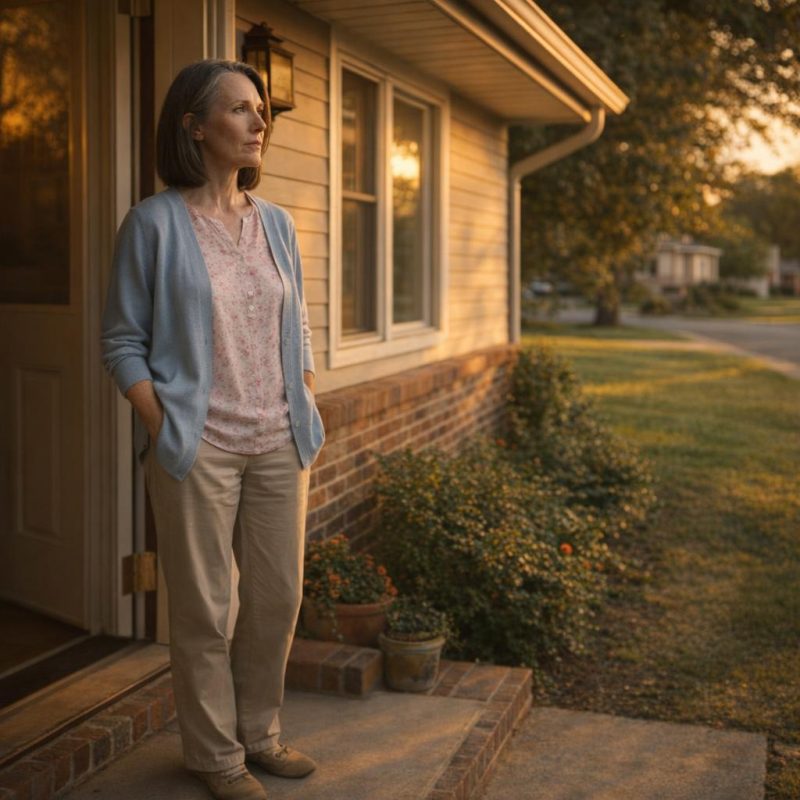 Image by RM AI
The Backyard Frank Left Behind
Frank passed away four years ago, and the house got quiet in a way I hadn't been prepared for. Not silent — houses make their sounds regardless — but quiet in the way that matters, the kind that sits in the rooms with you. He had been the one who puttered. Out in the yard before I was even dressed, coffee in hand, checking on things. He planted rose bushes along the back fence for our anniversary — one bush for every five years, which meant by the time he was gone there were four of them, full and stubborn and blooming every June whether I remembered to tend them or not. There was also a birdbath he'd set up near the garden bed, a concrete one with a little chip on the rim from the time he dropped it moving it to a better spot. He never got around to replacing it. I was glad he hadn't. After he was gone I kept the yard up as best I could, but the truth was most of it just sat there. The rose bushes did their thing. The birdbath collected rainwater and the occasional sparrow. But the rest of the yard — the wide open stretch of grass that had once felt like potential — started to feel like something else. Too much space for one person to fill. I'd go out there in the evenings sometimes, just to be outside, and I'd stand in the middle of all that green and feel the size of it pressing in around me. One evening in late summer I walked out after dinner, and I stood in the yard Frank had planted, and the quiet came with me.
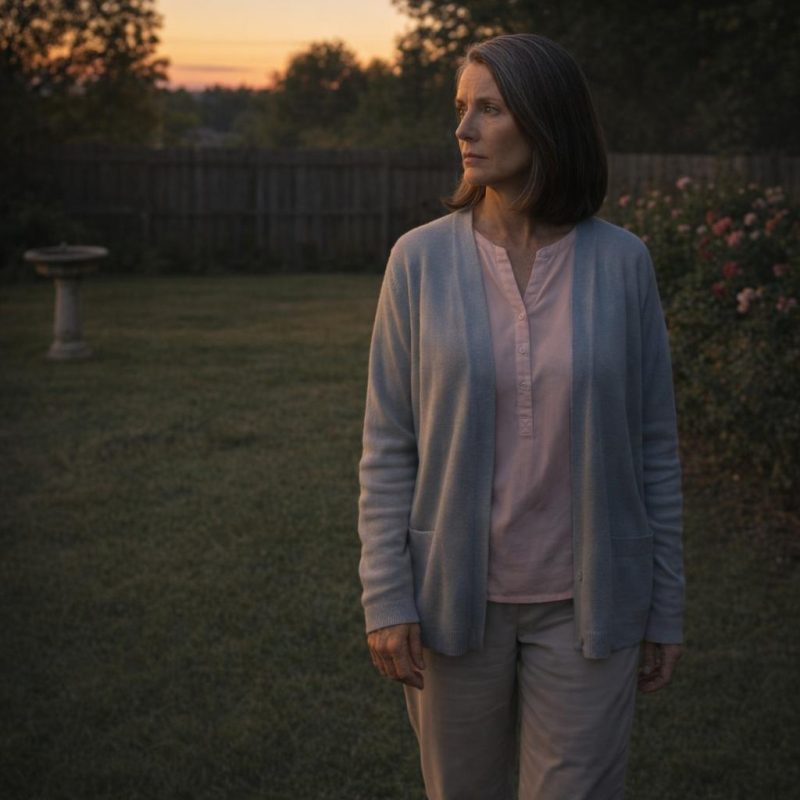 Image by RM AI
Forty Minutes Away
My daughter Rebecca and her husband Tom had moved about forty minutes away a few years back — far enough that a visit took planning, close enough that it always felt like it should be easier than it was. They had three kids: Tyler, who was ten and all energy and opinions; Sophie, who was eight and lived somewhere between this world and one she was making up in her head; and Ben, who was six and needed someone watching him approximately every fifteen seconds or he'd find something to climb. When they did come over, the house woke up. Tyler would cannon through the front door and immediately want to know what snacks I had. Sophie would drift toward the backyard and start narrating something to herself in a low, serious voice. Ben would attach himself to my leg and then forget about me entirely the moment something shiny caught his eye. We'd bake cookies sometimes, the kind where more dough ended up eaten than baked. We'd watch movies on the couch in a pile. The kids would chase each other through the grass until someone fell down and cried and then forgot they were crying. I loved every loud, chaotic minute of it. But as the years went on, the visits got harder to schedule. School started earlier. Sports seasons got longer. Tom's work picked up. Rebecca was stretched thin in the way that mothers of three always seem to be. The visits didn't stop — they just spaced out. And in between them, the house went back to its quiet, and I got used to the quiet the way you get used to most things you didn't choose.
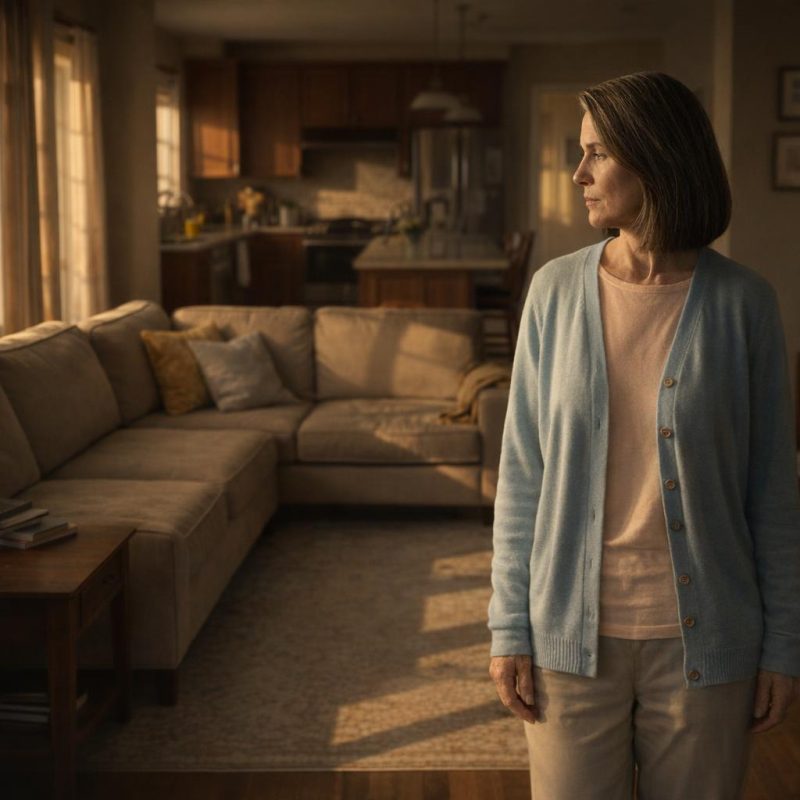 Image by RM AI
Maybe Next Summer
It was a Saturday in late July, the kind of afternoon where the air sits heavy and even the shade doesn't help much. Tyler had been outside running around with a stick for reasons I never fully understood, and when he came back in his cheeks were the color of tomatoes. He dropped onto the kitchen chair across from me, drank half a glass of lemonade in one go, and then looked out the back window at the yard for a long moment. Then he turned to me with that particular expression he gets — half serious, half like he already knows the answer but wants to hear you say it. 'Grandma,' he said, 'are you ever gonna get a pool?' I laughed. I actually laughed out loud. 'A pool?' I said. 'In this yard?' He shrugged in that loose-shouldered way ten-year-olds do, like the question was perfectly reasonable and my surprise was the strange part. 'Even a little one would be nice,' he said. Then he looked back out the window and added, almost as an afterthought, 'We could come over all the time.' I smiled and changed the subject, and he moved on the way kids do, back to his lemonade and whatever the stick had been for. But that sentence didn't move on with him. It stayed right there in the kitchen with me after they all went home, and it was still there the next morning when I made my coffee, and the morning after that. Four words from a ten-year-old, and I couldn't seem to put them down.
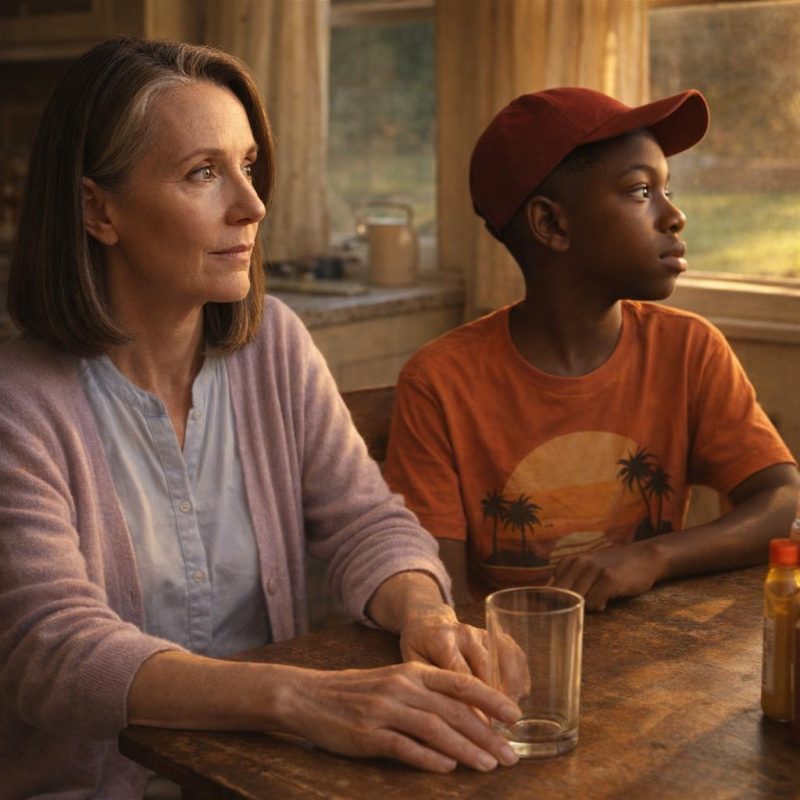 Image by RM AI
The Difference Between Responsible and Forgotten
I want to be clear about something: I am not a woman who spends carelessly. Frank and I lived carefully our whole lives — not because we had to scrimp, exactly, but because we'd both grown up in households where you thought twice before you spent once, and that habit had stuck. After he passed, I kept living the same way. My pension covered what I needed, my savings sat where they were supposed to sit, and I didn't buy things just to fill space. For a long time I thought that was the responsible thing to do. And then one evening that fall, I was sitting at the kitchen table going over my accounts the way I do every month, and something shifted. I thought about Frank, the way I often do at that table. He had worked hard his whole life and saved carefully and then he was gone at sixty-eight, before we'd done half the things we'd talked about doing. There's a difference, I thought, between being responsible and forgetting to live in the years you still have. I sat with that thought for a while. Then I thought about Tyler's face at that kitchen window, and Sophie drifting through the backyard making up her stories, and Ben needing someone to watch him every fifteen seconds. I thought about what it would mean to give them a reason to come. That was the night I decided. I got up from the table, went to the kitchen drawer where I keep my envelopes, pulled out a fresh one, and wrote two words on the front: Pool Fund.
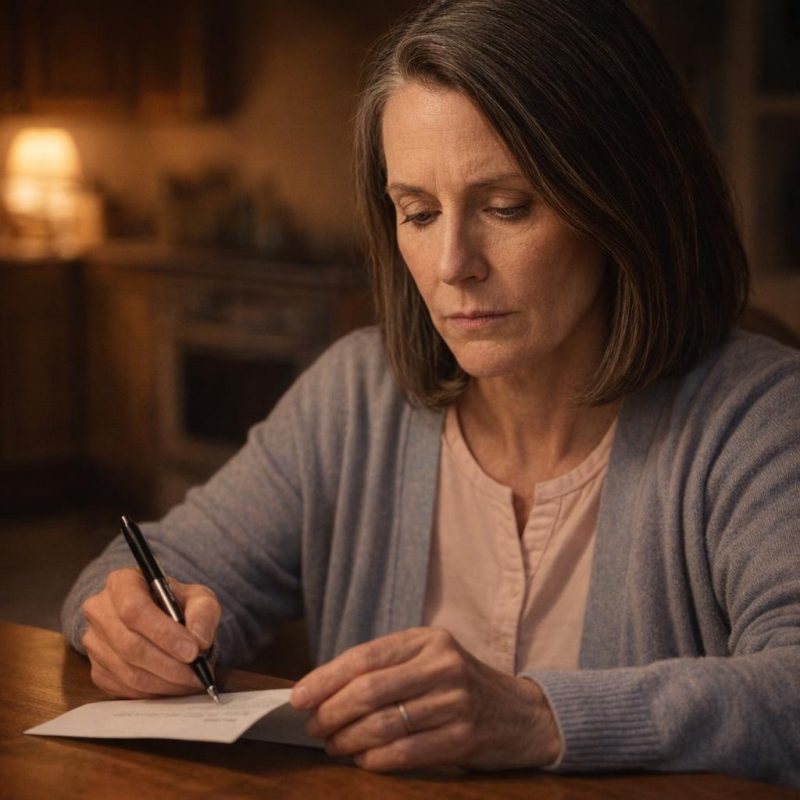 Image by RM AI
Clipping Coupons and Skipping Takeout
I started that fall and I didn't rush it. Every week I put something aside — not a dramatic amount, just whatever I could manage without feeling the pinch. When my birthday came around in November and friends slipped cards with twenties inside, those went straight into the envelope. I stopped ordering takeout on the nights I didn't feel like cooking and made soup instead. I clipped coupons the way my mother used to, with actual scissors and a little accordion folder, and I felt no shame about it whatsoever. In January I went through the garage and found furniture that had been sitting under drop cloths for years — a solid oak side table Frank had refinished, a set of wooden chairs we'd replaced when we redid the dining room. I listed them online with Rebecca's help and sold them within a week. I thought about Frank while I carried them out to the buyer's truck. I didn't think he would have minded. He was practical that way. By March the envelope had gotten thick enough that I moved the money to a separate savings account just to keep it tidy. I kept a running total in a small notebook on the counter, and I checked it more often than was probably necessary. Then one afternoon in early April I sat down with the notebook and the pool company's estimate I'd printed out months earlier and smoothed flat on the table. I added the column one more time, slowly, and the final number was forty-three dollars more than I needed.
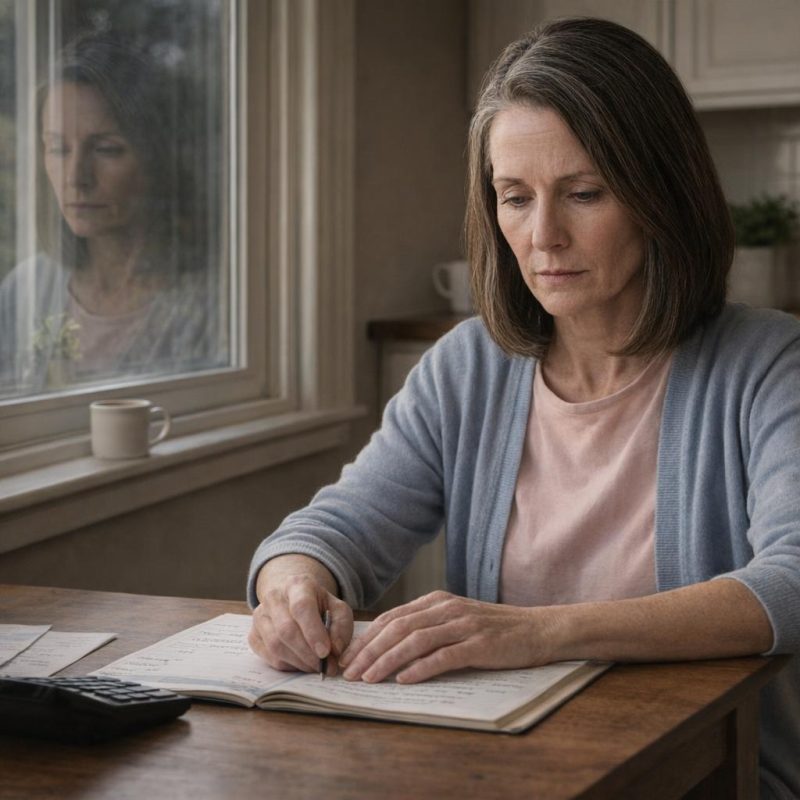 Image by RM AI
Installation Day
The installation crew arrived on a Thursday morning in late April, two men in a white truck with a trailer hitched behind it. I had taken the day off from my volunteer shift at the library just to be there, which felt a little silly and also completely necessary. They were efficient and good-humored and didn't seem to mind that I hovered near the back door watching for most of the morning. By early afternoon the pool was up — an oval above-ground model, not enormous, maybe fifteen feet across, with a small wooden deck along one side and a locking gate at the top of the steps, just like I'd planned. It wasn't the kind of pool you'd see in a magazine. There was no waterfall feature, no built-in lighting, no stamped concrete surround. It was modest and sturdy and exactly what I could afford, and I didn't feel one bit apologetic about that. When the crew packed up and pulled out of the driveway, I walked out into the backyard alone and stood there with my hands on my hips, looking at it. The afternoon light was hitting the water and throwing little ripples of reflection up onto the fence. I had saved for it myself, planned for it myself, and made it happen myself. I hadn't felt proud like that — the specific, quiet kind of proud that doesn't need an audience — in longer than I could easily say. And more than anything, more than the pride or the accomplishment, I kept thinking about three kids who were going to lose their minds when they saw it.
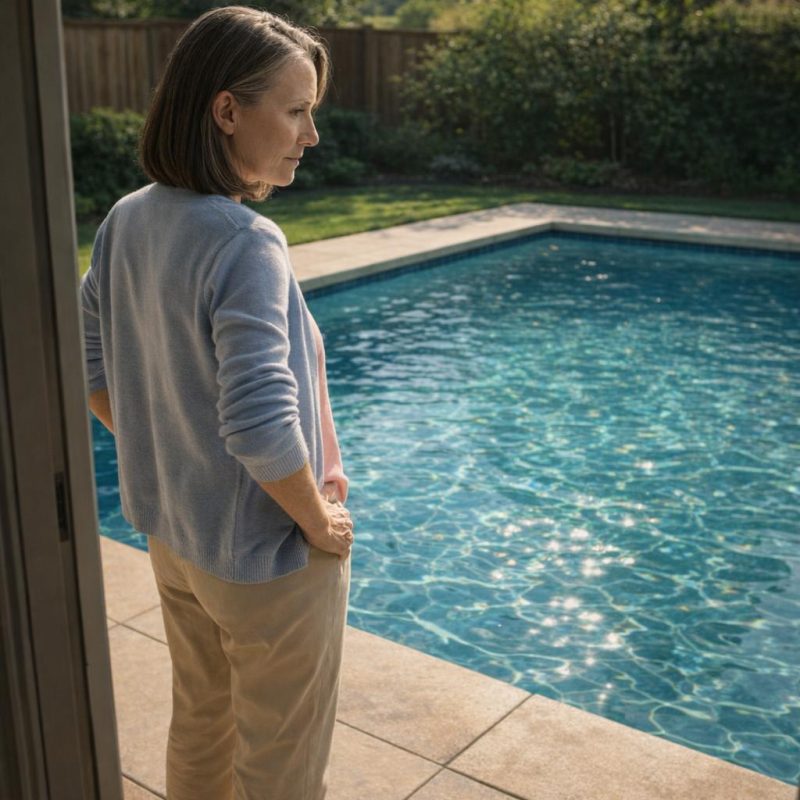 Image by RM AI
Cannonballs and Pink Goggles
Rebecca brought the kids over that first Saturday in May, and I made sure to be standing in the backyard when they came through the gate so I could see their faces. Tyler spotted the pool before he was fully through the door and let out a sound that wasn't quite a word. He was in his swim trunks and cannonballing off the deck steps before I had finished saying be careful, and the splash he made sent a wave of cold water right over the edge and onto my shoes. I stood there with soaked canvas sneakers and laughed until my eyes watered. Sophie came out more slowly, already wearing her pink goggles pushed up on her forehead, and she lowered herself in from the ladder with great ceremony and immediately began moving through the water in long, slow sweeps with her arms out. 'I'm a mermaid,' she announced to no one in particular, in a tone that made clear this was not up for debate. Ben sat on the top step with his feet in the water, kicking steadily, and every fifteen seconds — I counted — he would turn to me with his whole body and yell 'Grandma, watch me!' as though I might have looked away in the interval. Tom set up the folding chairs while Rebecca stood at the edge of the deck smiling in that tired, genuine way she has. I sat in my patio chair with my wet shoes and my coffee and watched the yard do something it hadn't done in years. All three of them laughing at once — that sound filled every corner of the backyard and just stayed there.
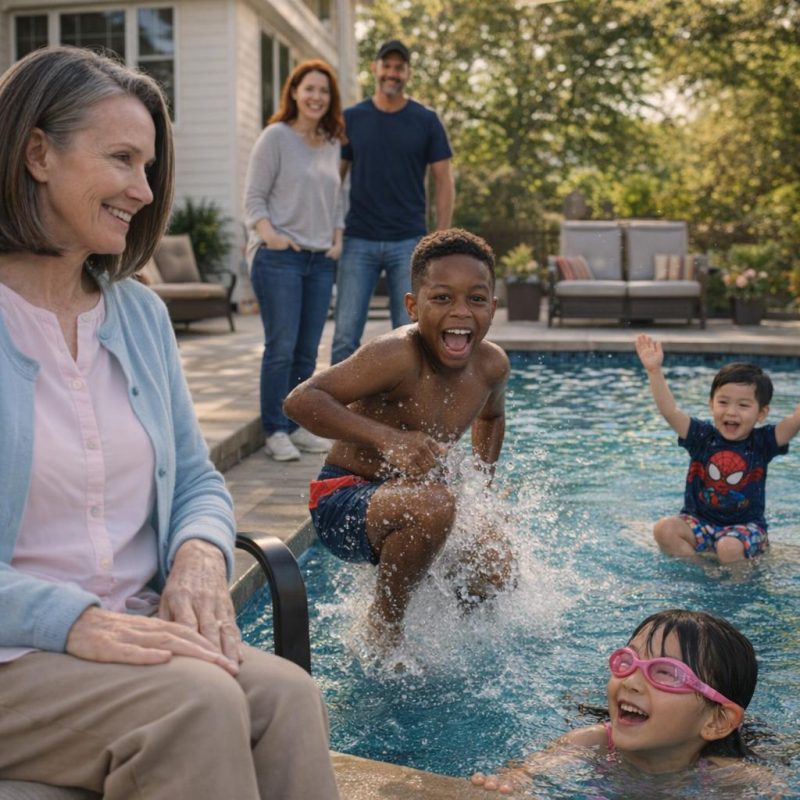 Image by RM AI
The Happiest All Summer
The afternoon wound down the way the best ones do — slowly, without anyone wanting to admit it was over. Tom started gathering the pool toys while Rebecca tracked down towels that had migrated to three different corners of the yard. Tyler tried to negotiate five more minutes, then ten, then a compromise involving just his feet. Sophie had wrapped herself in a beach towel like a burrito and was sitting on the deck steps looking philosophical about the whole thing. Ben fell asleep in the car before they even made it out of the driveway, which Rebecca told me later with a laugh. Before she got in the car herself, Rebecca came back through the gate and hugged me — a real hug, both arms, the kind she doesn't always have time for anymore. She said it quietly, right next to my ear: 'Mom, this was the happiest I've seen them all summer.' I stood in the driveway for a moment after they pulled away, still holding a damp towel someone had left behind. Every penny of it, every form I'd filled out and every Saturday morning I'd spent researching above-ground pools on my laptop — it had all landed exactly where I'd hoped it would. I want to be honest, though. That feeling, that full and quiet satisfaction, didn't have very long before the first comments started finding their way over the fence.
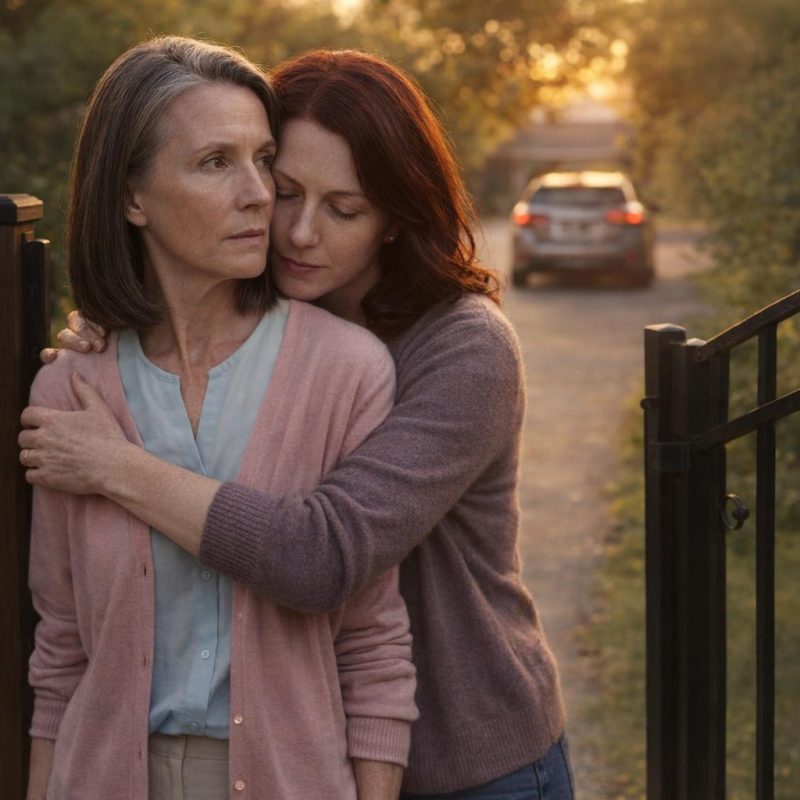 Image by RM AI
Bigger Than Expected
It was a Tuesday, maybe four days after that first swim, and I was out front watering my flower beds the way I do most mornings when the weather cooperates. I heard the fence latch on the side yard and looked up, and there was Diane. She'd moved in about four years earlier with her husband Carl and their teenage son Mason, and from the beginning she was the kind of neighbor who always knew everyone's business and always had a thought about it. She smiled with her mouth — she was good at that — but her eyes were doing something else entirely, taking inventory. She leaned against the fence post with her coffee mug and said, almost conversationally, 'That pool is… bigger than I expected.' I kept the hose moving and told her the kids absolutely loved it, that it had been the best Saturday we'd had in a long time. She nodded like she was considering that, and then she said, 'I'm sure. It just changes the look of the yard, doesn't it?' I didn't have an answer for that. I just nodded and kept watering, and she drifted back toward her side of the fence. I stood there with the hose running over the same patch of marigolds for probably a full minute after she left, turning the words over. Changes the look of the yard. I wasn't sure what she meant by it, exactly, but something about the way she'd said it didn't sit right with me.
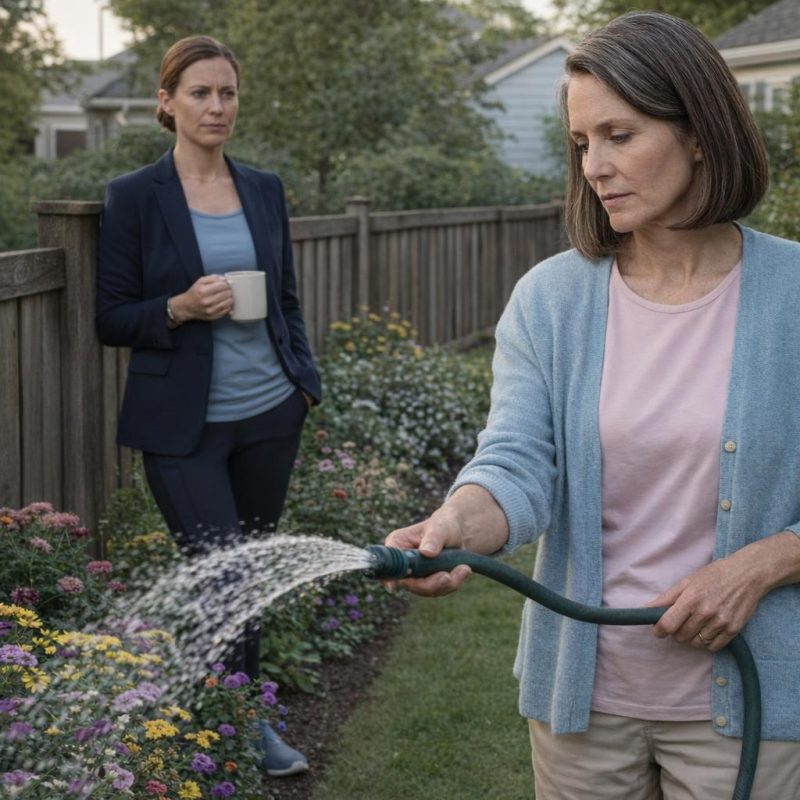 Image by RM AI
Lowering the Tone
A few days after Diane's comment, I was hauling grocery bags in from the car — two trips because I always try to do it in one and always regret it — when Carl appeared at the edge of his driveway. Carl was a quiet man, the kind who seemed most comfortable when Diane was doing the talking. He had that perpetually worried look about him, like he was always bracing for something. He waved, and I waved back, and then he walked over in that slow, deliberate way of his and said, 'Getting a lot of use out of that pool?' I told him the grandkids had been over twice and that they were already asking when they could come back. He nodded, shifted his weight, and then said it: 'You know, pools can lower the tone of a neighborhood if they aren't maintained.' He said it pleasantly enough, like he was sharing a helpful tip, and then he went back inside. I stood on my front walk with a bag of groceries cutting into each hand and just stared at the space where he'd been standing. Lower the tone. I had installed a pool, not left a car on blocks in the front yard. I kept my property immaculate — Frank had always said I was the one who actually cared about the garden, and he wasn't wrong. The phrase just sat in my chest the rest of the afternoon, small and mean, and I couldn't quite shake it loose.
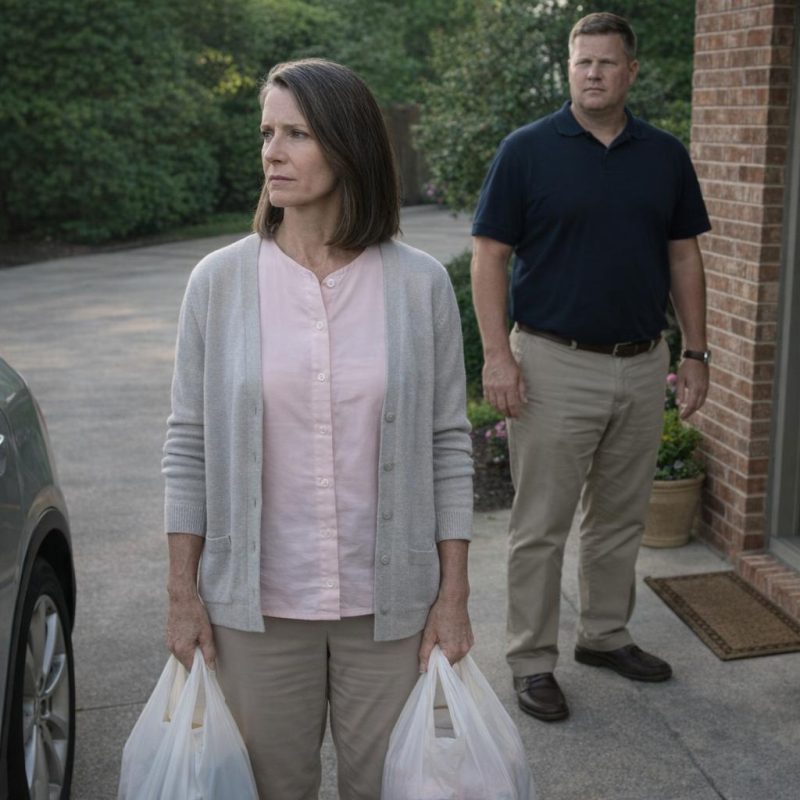 Image by RM AI
The Laughter Carries
The comments didn't stop at the fence line. Within a week or so, Diane had moved on from the look of the yard to the sounds coming from it. She caught me one afternoon near the gate and told me, in that careful, measured voice of hers, that the laughter carries. She said it just like that — 'the laughter carries' — as though that were a self-evident problem requiring no further explanation. Then she mentioned the splashing bothered her when she was trying to read on her patio. I asked, as politely as I could manage, what times she usually read outside, thinking maybe we could work around it. She waved that off and brought up the pool pump, said it hummed at night and disturbed her sleep. I told her the pump was on a timer and shut off well before dinner, which was true — I had checked it myself twice. She didn't argue the point, just gave me that tight smile and said she'd mentioned it to a couple of the other neighbors too, that a few people found the pool an eyesore. I went inside and stood at my kitchen window for a while after that. I thought about Tyler's cannonball, about Sophie announcing she was a mermaid, about Ben turning to me every fifteen seconds to make sure I was watching. My grandchildren's laughter, carrying over a fence — and someone had decided to call it a disturbance.
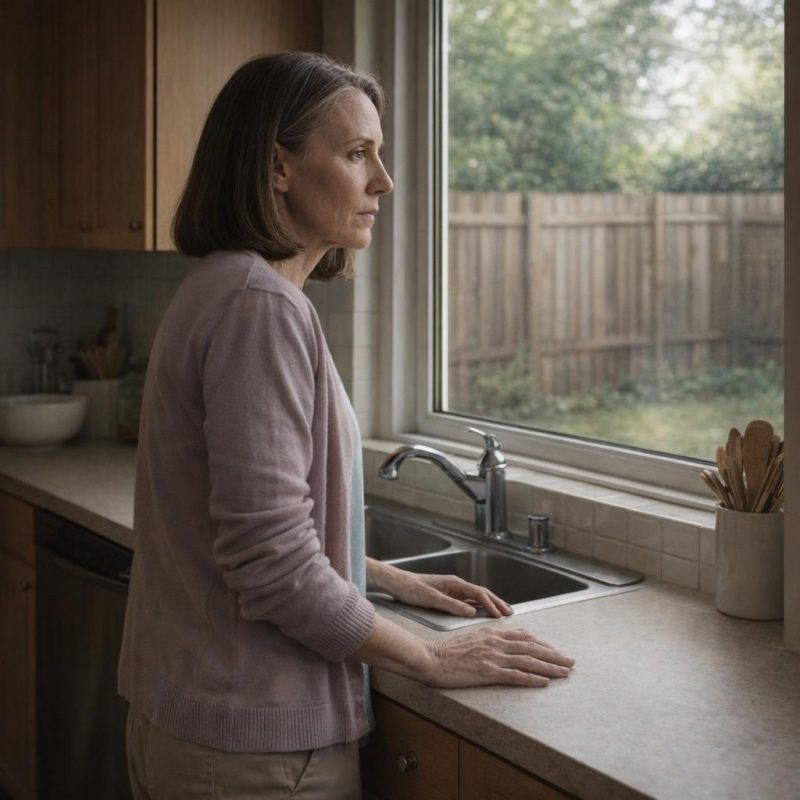 Image by RM AI
Trying to Be Understanding
I told myself I was a reasonable person and I would act like one. The next time Rebecca brought the kids over, I kept things calmer — no yelling across the yard, voices down when they were near the fence side, nothing after six in the evening. Tyler thought it was a game at first, whispering dramatically every time he got near the water, which made Sophie dissolve into giggles she was trying to suppress, which made Ben laugh so hard he nearly fell off the step. I checked the pool pump again, read the manual a second time, confirmed it was cycling on the schedule I'd set. Then I went to the garden center and bought four tall ornamental grasses in big terracotta pots and arranged them along the fence line on Diane's side, close enough together that the pool would be mostly screened from her yard. It took me the better part of a Saturday morning. I hauled those pots myself, two at a time, and got them positioned just right. I stood back and looked at the row of grasses swaying a little in the breeze, and I thought, there — that's reasonable, that's considerate, that's a person trying to meet someone halfway. But even as I set the last pot into place and brushed the dirt from my hands, I had a feeling that none of it was going to matter.
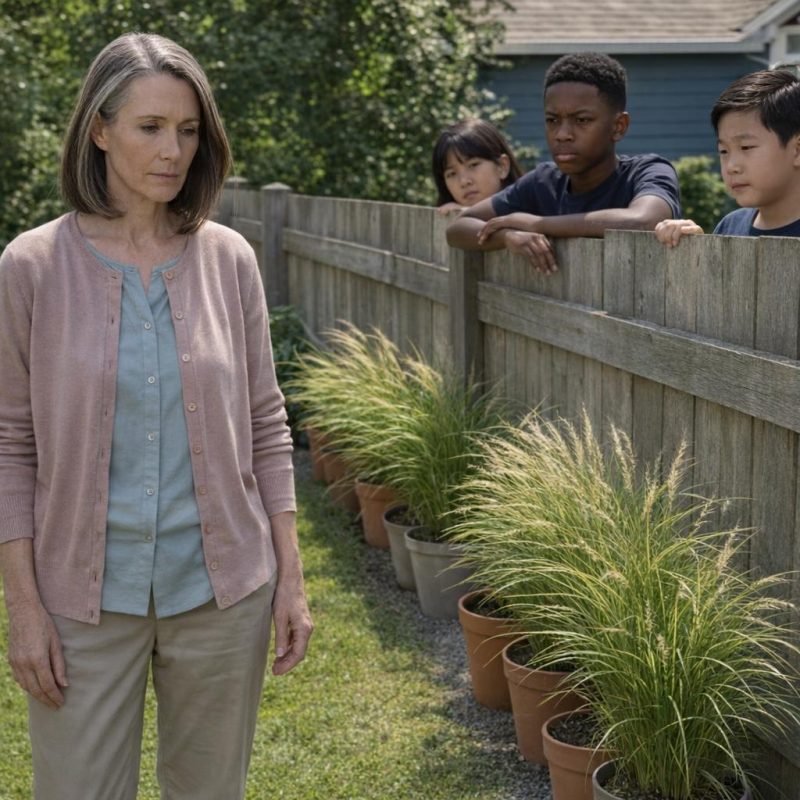 Image by RM AI
Not a Public Water Park
It was a Thursday morning, ordinary in every way, and I went out to get the mail before my coffee had even finished brewing. There was the usual — a utility bill, a circular from the pharmacy — and then a folded piece of paper that had been tucked in between them, no envelope, no stamp, no name on the outside. I unfolded it right there at the mailbox. The handwriting was neat, deliberate. It said: 'Some of us moved here for peace and quiet. Not to live next to a public water park.' That was it. No signature, nothing else. I stood on the front walk in my slippers and read it twice. The note wasn't signed, but I wasn't confused about where it had come from. I thought about the three times my grandchildren had used that pool — three Saturday afternoons, a few hours each, kids laughing in a backyard the way kids are supposed to. I thought about the ornamental grasses I'd hauled and positioned and watered. I thought about the pump timer I'd checked and rechecked. And then I read those words again: public water park. My face went hot standing there in the morning air, the paper still open in my hands.
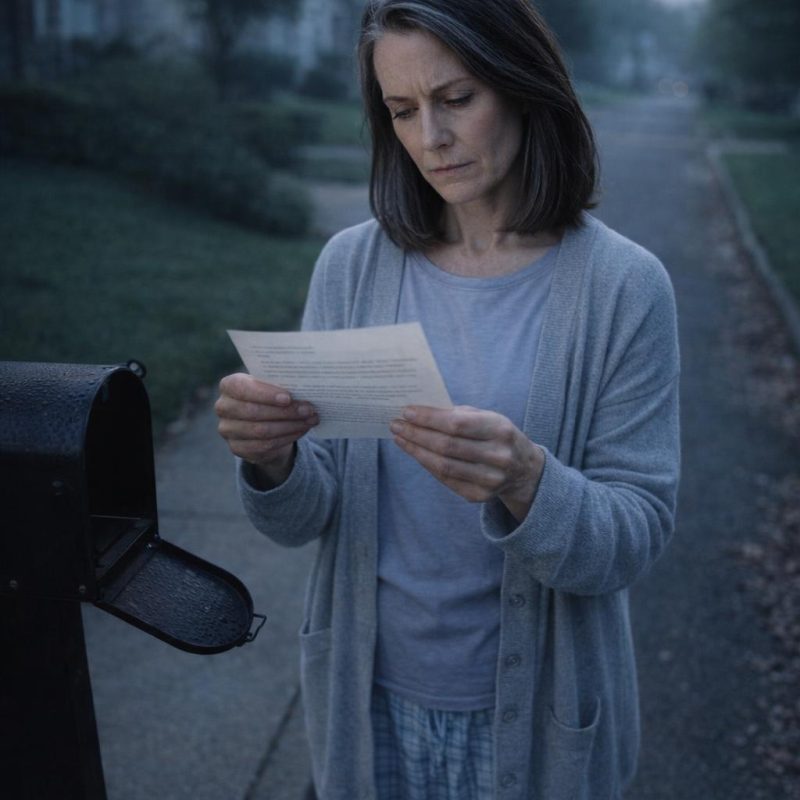 Image by RM AI
What Frank Would Have Said
I went inside and set the note on the kitchen counter and made myself finish making my coffee before I looked at it again. I stood at the window with my mug and told myself what I always tell myself in moments like that: don't let it take up more space than it deserves. People complain. People get bored. People find something small to push against when everything else in their lives feels out of their hands. That was Frank's way of seeing it, and over thirty-some years of marriage I had borrowed it enough times that it had become mine too. He used to say that people reach for something to control when their own lives feel small — not meanly, just as a plain observation, the way he said most things. I could almost hear his voice saying it, steady and unhurried, the way it always was. I folded the note and put it in the kitchen drawer and tried to leave it there. And for a day or two, I mostly managed. But the complaints didn't slow down. If anything, they got sharper — less like a neighbor airing a grievance and more like someone who had decided to make a point of it. Whatever patience I'd been extending, I could feel it starting to wear thin at the edges.
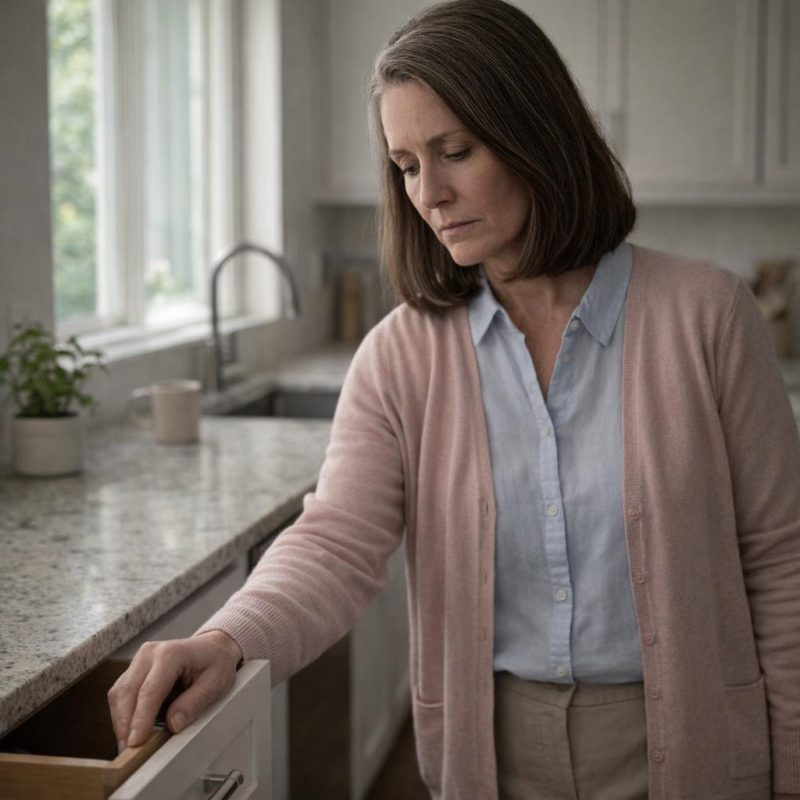 Image by RM AI
Reports and Permits
Within two weeks of that note, someone filed a complaint with the homeowners' association. I say 'association' loosely — our street's HOA had been mostly inactive for years, the kind that existed on paper and collected no dues and met never. But someone had dug up the contact information and submitted something in writing, claiming my pool violated neighborhood standards. I pulled out every document I had — the permit from the city, the installer's compliance paperwork, the product specifications — and spread them across my kitchen table. Everything was in order. Everything had been in order from the first day. Then someone called the city directly to ask whether I had a proper permit. I did. The city confirmed it. A few days after that, a comment appeared in the neighborhood Facebook group about 'certain residents turning their backyards into noisy attractions.' It wasn't signed, but it didn't need to be. I knew who was behind all of it, the same way you know a voice even when you can't see the face. But whenever I'd seen her since the note, she'd been perfectly pleasant — waving from the driveway, asking about my roses. I had done everything right, documented everything, followed every rule, and I was still spending my evenings pulling out paperwork and drafting polite responses to complaints that had no real foundation. The tiredness of it settled into my shoulders and just stayed there.
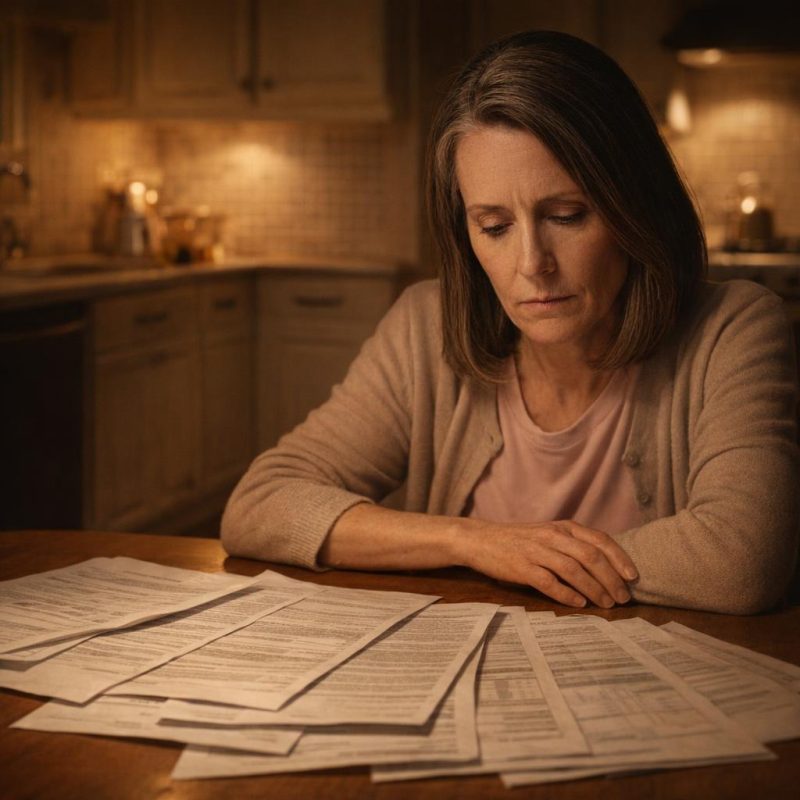 Image by RM AI
The Produce Section
I ran into Diane at the grocery store on a Tuesday afternoon, which was the kind of thing that felt inevitable once it happened. I was standing near the produce section, trying to decide between two bunches of bananas, when I heard her voice behind me. 'Linda, how's the pool situation?' She said it brightly, the way you'd ask about a vacation or a new haircut. I turned around and she was holding a tomato in each hand, smiling that tight smile of hers. 'The pool is fine,' I said. I kept my voice even. She tilted her head a little, the way she did when she was about to say something she'd already rehearsed. 'I hope you don't think people are being unkind. It's just that when one person makes a big change, it affects everyone.' I looked at her for a moment. 'It's in my backyard,' I said. She nodded slowly, like I'd made a reasonable but slightly naive point. 'Yes,' she said, 'but we all have to look at it.'
 Image by RM AI
Scrubbing Counters Twice
I drove home with my hands tight on the steering wheel and put the groceries away faster than I needed to. The bananas went on the counter a little harder than intended. I filled the sink, found the sponge, and started scrubbing the kitchen counters — not because they were dirty, but because I needed something to do with my hands. Her words kept circling back. We all have to look at it. I scrubbed the length of the counter once, rinsed the sponge, and started again. We all have to look at it. As if my backyard were some kind of public eyesore. As if I'd put up a carnival ride and charged admission. I'd pulled permits. I'd followed every rule. I'd done everything right, and somehow I was still the one being made to feel like I'd done something wrong. By July, the tiredness of it had settled into me in a way that didn't lift. It wasn't just the complaints or the Facebook comments or the HOA letter that went nowhere — it was the accumulation of all of it, the slow drip of it, the way it had taken something I'd built with joy and made it feel like a problem I had to defend. I set the sponge down and looked at the counter, clean and gleaming and exactly as it had been before. The anger was still there, sitting in my chest where no amount of scrubbing could reach it.
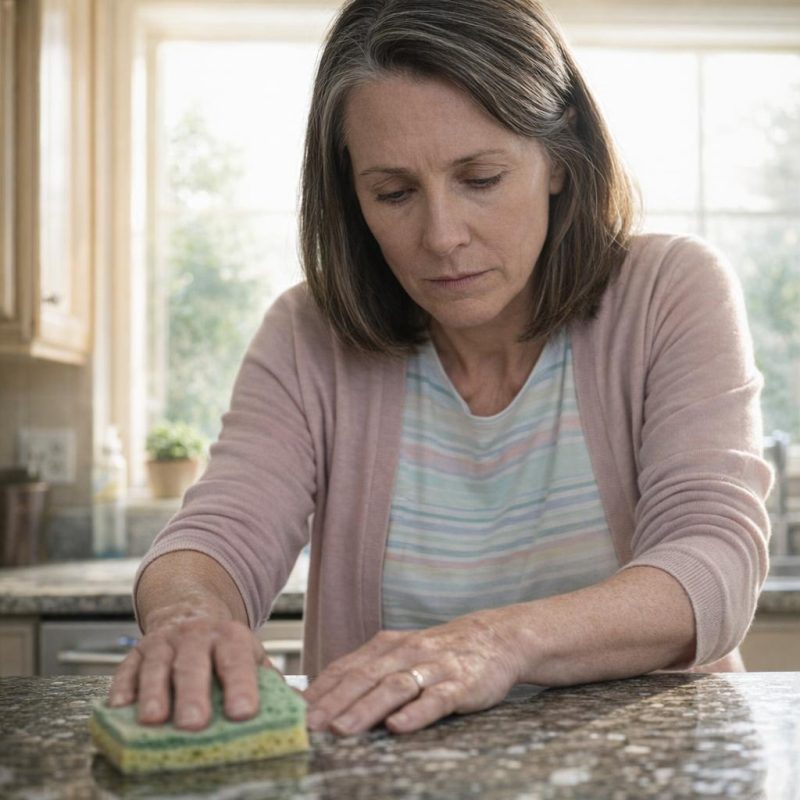 Image by RM AI
Watching the Fence
By the time July settled in, my oldest grandson Tyler and the other grandkids were coming over most Sundays, and I should have been in heaven. Tyler cannonballing off the steps, my granddaughter Sophie floating on her back with her braids fanned out around her, my youngest grandchild Ben shouting 'Grandma, watch this!' every four minutes — it was everything I'd pictured when I first called about the pool. But I wasn't relaxed. I kept one eye on the fence. Every time Tyler's laugh got too loud, I'd say 'inside voices, sweetheart,' which is a ridiculous thing to say to children who are outside in a pool. I was waiting, I realized, for the next complaint to arrive. I was braced for it the way you brace for a car alarm you know is about to go off. One Sunday afternoon, my daughter Rebecca was sitting with me on the deck while the kids swam, and she watched me for a while without saying anything. Then she said, 'Mom, you don't seem relaxed.' I told her I was fine. She didn't look convinced, and she was right not to be. I'd built this pool so I could stop missing things. Instead I'd spent the whole summer watching a fence, and somewhere along the way I'd stopped feeling the joy of what I'd built.
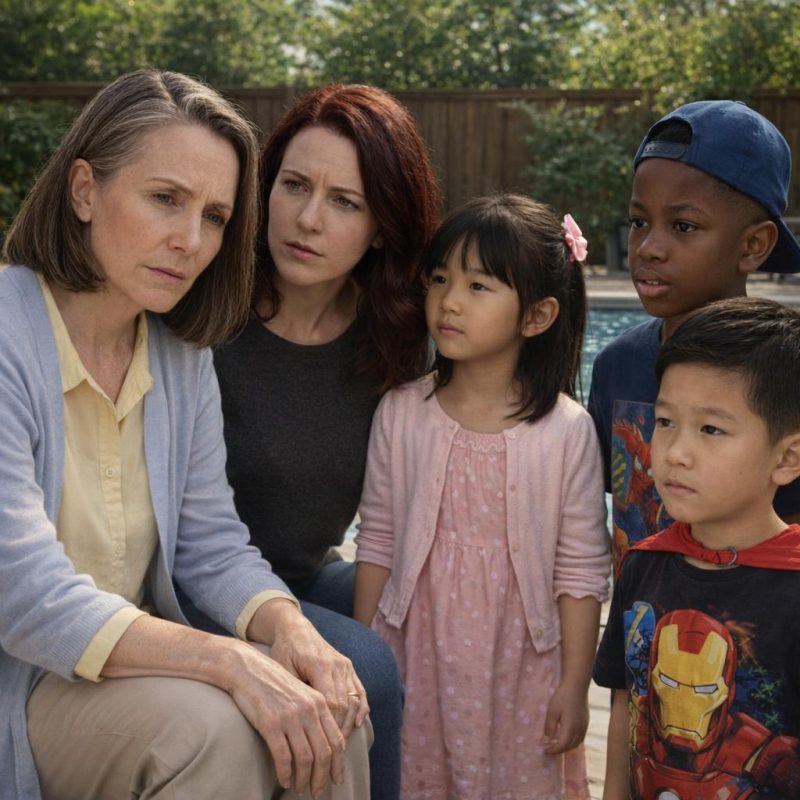 Image by RM AI
Staring at the Fence Like It Owes You Money
The following Sunday was the same — kids in the water, sun on the deck, and me with one eye on the fence line like I was expecting a citation to come flying over it. Rebecca was watching me from her chair, and I could feel it before she said anything. She'd always had that quality, even as a little girl — she noticed things. She let it go for a while, and then she said, 'Mom, you don't seem relaxed.' I said I was fine, same as the week before. She picked up her iced tea, looked at me over the rim of the glass, and said, 'You're staring at Diane's fence like it owes you money.'
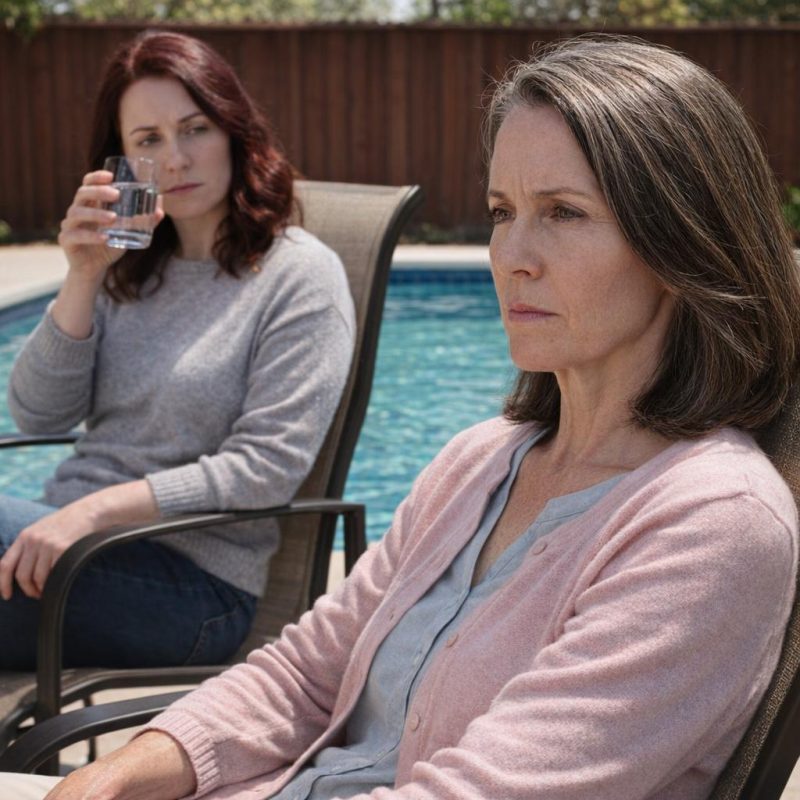 Image by RM AI
Just to Be Safe
I laughed when Rebecca said it, because it was funny and because she was completely right. But I didn't tell her how much the whole situation had gotten under my skin. I didn't want her to feel guilty about bringing the kids, and I didn't want her to worry. I just said I wanted everyone to be safe, and that part was true — it was always true. After she left that afternoon, I sat on the deck for a while and thought about what she'd said earlier in the visit, almost offhand: 'Mom, have you thought about getting a camera back here? Just for peace of mind.' I'd brushed it off at the time. But sitting there in the quiet, I kept turning it over. Safety had always mattered to me. I'd installed the locking gate before the pool was even finished. I'd laminated the pool rules and posted them on the fence. No one swam unless I was outside watching — that was a rule I'd never bent, not once. Frank used to say I worried too much, and he said it with such affection that it never felt like a criticism. Maybe he was right. But I'd always thought it was better to worry too much than to regret not worrying enough. A camera seemed like a reasonable next step. I didn't make any decisions that evening, but the idea stayed with me, quiet and persistent, the way practical things do when they're actually the right answer. There was something heavy about needing to think this way in my own backyard — a place I'd built to feel like joy.
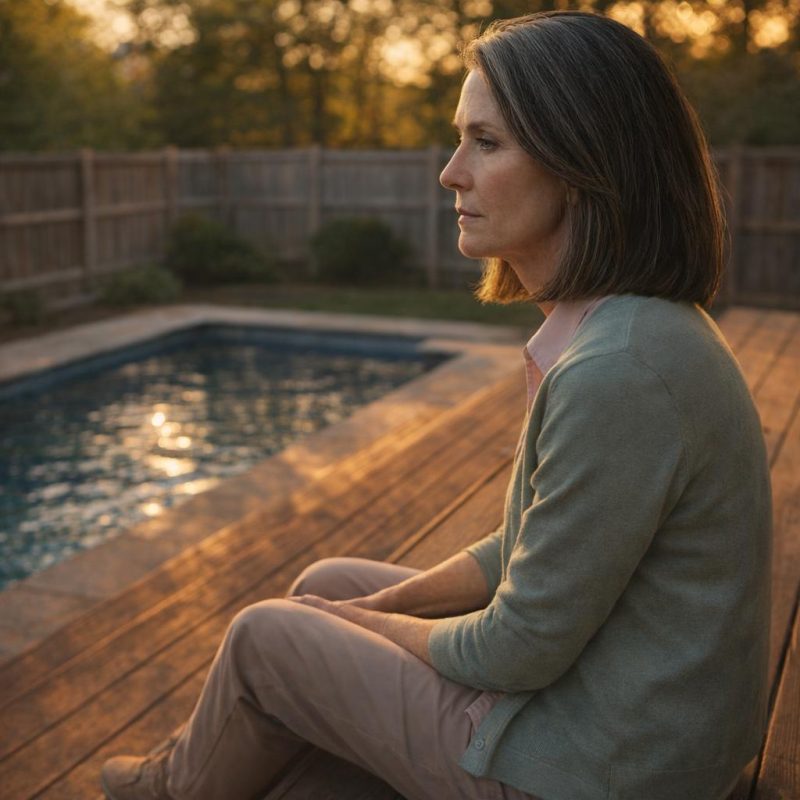 Image by RM AI
Shopping for Peace of Mind
A few days later I sat down at the kitchen table with my laptop and started looking into security cameras. I wasn't sure what I needed, so I read through reviews for longer than I probably had to — there are a lot of opinions on the internet about security cameras, it turns out. I wanted something small, something that wouldn't look like I was running a surveillance operation, and something simple enough that I could actually use it without calling Rebecca for help every time. I found one that seemed right: compact, weatherproof, and it sent motion alerts directly to my phone with a short video clip so I could see what triggered it. The reviews said the setup was straightforward. I read that three times to make sure I believed it. I planned to position it on the back of the house, angled to cover the pool, the deck, and the back gate — the areas that mattered. I ordered it that evening and felt something settle in me as soon as I clicked the button. It wasn't excitement exactly. It was more like the feeling of crossing something off a list you'd been avoiding — a quiet, practical relief, the kind that comes from finally doing the sensible thing you should have done a little sooner.
 Image by RM AI
Installation Day
The camera arrived two days later in a small brown box, which I appreciated — no fuss. I sat at the kitchen table and read through the instructions twice before I touched anything, which is how Frank always said you were supposed to do it and which I had ignored for most of my adult life. This time I followed them. I found the right spot on the back of the house, up under the eave where it would stay dry and have a clear line of sight, and I got it mounted with a screwdriver and more patience than I expected to need. It took about forty minutes total, including the time I spent downloading the app and connecting everything to the wifi. I walked out to the middle of the yard to test the motion detection, waved my arms like I was flagging down a bus, and went back inside to check my phone. The alert came through in under ten seconds — a short clip, clear picture, good angle covering the pool, the deck, and the back gate exactly the way I'd planned. I watched the little video of myself waving in my own backyard and laughed out loud, alone in my kitchen. It was working. The whole setup was solid, and for the first time in weeks I felt like I'd done something that was entirely and straightforwardly useful. I watched the playback one more time just to be sure, and it was perfect.
 Image by RM AI
Birds and Squirrels
For the first several days after I installed the camera, my phone buzzed constantly. I checked every alert at first, the way you do when something is new and you haven't learned its rhythms yet. A robin landing on the deck railing. A squirrel sprinting across the grass like it had somewhere important to be. Tree shadows sliding across the patio as the afternoon sun shifted — those were the sneaky ones, slow-moving enough to look like something until they weren't. I got good at recognizing them quickly. After the first week I'd mostly stopped watching the full clips and just glanced at the thumbnail before dismissing them. It became background noise, the way a new appliance hum becomes background noise. I didn't mind. The camera was doing what I'd asked it to do, and the alerts, even the pointless ones, were a small reminder that the yard was being watched. I figured that was worth something on its own. I told myself I'd probably never see anything more interesting than that squirrel, and I mostly believed it. The alerts kept coming — birds, shadows, the occasional neighborhood cat picking its way along the fence top — and I kept dismissing them, one by one, each notification meaning nothing in particular yet.
 Image by RM AI
Something Moved
I'd settled into a comfortable morning routine with the pool — coffee first, then a slow walk outside to check the water, adjust the skimmer basket if it needed it, maybe stand there for a minute just enjoying the quiet before the day got going. It was a good kind of routine, the sort Frank would have appreciated. He always said the best part of having a yard was the excuse to stand in it. That particular morning I came out with my mug and did my usual loop around the deck, and something made me stop. The blue float — the big rectangular one I'd tucked against the left side of the deck railing after the grandkids' last visit — was sitting on the opposite side. Clear across the deck. I stood there for a moment, genuinely trying to remember if I'd moved it. I went back through the last few days in my head. I hadn't been in the pool since the weekend. I hadn't rearranged anything. The grandkids hadn't been over that week, so it wasn't Tyler or Sophie dragging things around. I looked up at the trees, checking for wind, the way you do when you're looking for a reason. There had been some breeze the night before, I thought. Maybe enough. Floats are light. I told myself it was nothing — probably the wind, probably me forgetting — and took a sip of my coffee. But I stood there a beat longer than I needed to, looking at the blue float sitting on the wrong side of the deck.
 Image by RM AI
The Unfamiliar Towel
I went out the next afternoon to water the flower boxes along the back fence, the ones with the petunias I'd been babying all summer. It was a simple errand, five minutes at most, and I wasn't expecting to find anything except maybe a few blooms that needed deadheading. But when I came around the corner of the deck, I stopped. There was a towel draped over the back of one of my patio chairs. Not folded, just draped — the way you'd leave something after you'd used it. I set down the watering can and walked over to pick it up. It was a beach-style towel, thick and striped, blue and white. I turned it over in my hands, trying to place it. It wasn't mine. I knew my towels — I'd bought a set of green ones specifically for the pool, and this wasn't one of them. I stood there thinking. Rebecca and the kids had visited a couple of weeks back. Could one of them have left it? I tried to picture it, tried to remember if anyone had brought a bag out to the yard that day. I couldn't quite make it fit. But what other explanation was there? Things don't just appear in a yard. I folded the towel neatly and carried it inside, telling myself I'd ask Rebecca next time we talked. I set it on the laundry room shelf and went back out to finish the flowers. But the uneasy feeling I'd carried in from the yard stayed with me the rest of the afternoon, quiet and unresolved, like a question I hadn't quite finished asking.
 Image by RM AI
Safety Rules and Precautions
I don't know exactly when the checking started, but somewhere in that stretch of days it became a habit I couldn't shake. Every morning before work, every evening when I got home — I'd go out to the pool area and walk the perimeter. I told myself it was just good pool ownership. Any responsible person with a backyard pool checks the gate. Checks the latch. Makes sure the ladder is positioned right and the water level is where it should be. I'd read enough about pool safety before I ever had the thing installed to know that vigilance wasn't optional. But I was checking more than once. I'd lock the gate, walk away, and then turn around and go back to check it again. Not because I'd forgotten — I knew I'd locked it. I just needed to feel the latch click under my fingers one more time. I'd stand at the edge of the deck and look at the water, looking for I wasn't sure what. I'd read through the laminated safety rules I'd posted on the fence, even though I had them memorized. Every rule, in order, the same way every time. Tyler's face came to mind when I did it, and Sophie's, and Ben's. The thought of anything happening to any of them in this yard — my yard, the yard I'd built for them — was something I couldn't let myself finish. So I checked the latch again instead. And then, just to be sure, I checked it once more.
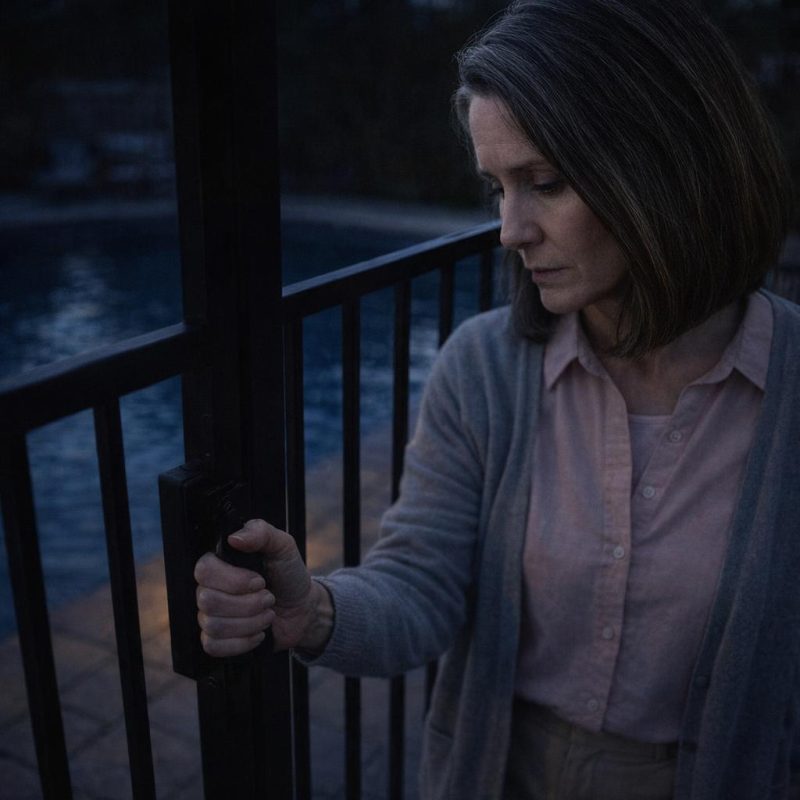 Image by RM AI
Rebecca's Suggestion Pays Off
One evening I sat down on the back steps with my phone and thought about Rebecca. She'd pushed for the camera before I'd even finished telling her about the pool installation — practical, protective, exactly the way she'd always been. I'd resisted at first, the way I resist most things that feel like admitting I need help. But sitting there in the early evening with the yard quiet around me, I was genuinely glad she'd pushed. I opened the camera app and scrolled back through the recent motion alerts. There were a lot of them. A cardinal that had apparently decided my deck railing was a personal perch. Two squirrels in what looked like a territorial dispute near the flower boxes. A long shadow from the oak tree that crept across the patio every afternoon around four and reliably triggered the sensor. I watched a few of the clips and smiled a little at the squirrels. It was reassuring, in a low-key way — not because anything dramatic had happened, but because the camera was there, doing its job, catching everything it was supposed to catch. Rebecca had been right. Any pool owner with half a brain should have one. I scrolled through a few more alerts, birds mostly, and felt the tension in my shoulders ease just slightly. The yard looked peaceful in the footage. Ordinary. Safe. I set the phone down on the step beside me, feeling better than I had in days. Then I picked it back up, opened the app again, and started scrolling through the older alerts I hadn't gotten around to watching yet.
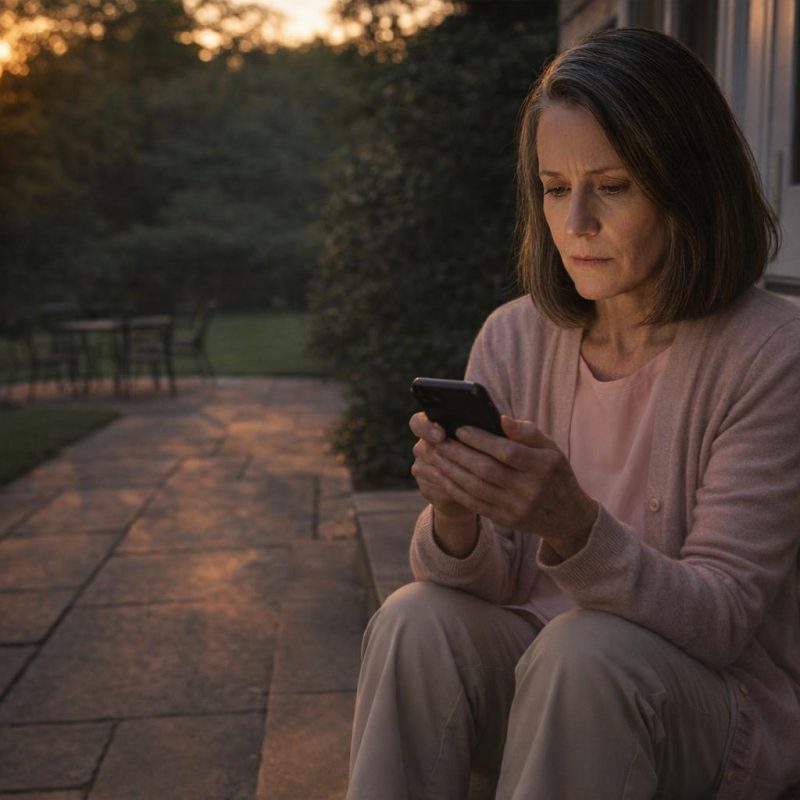 Image by RM AI
Dismissing the Alerts
The alerts kept coming, and I kept dismissing them. That's the honest truth of it. By that point I'd developed a whole system — a quick glance at the timestamp, a half-second look at the thumbnail, and then a swipe. If it was daytime and the thumbnail showed something small and low to the ground, it was a squirrel. If it was afternoon and the frame looked washed out on one side, it was the oak tree shadow. I'd learned the yard's rhythms the way you learn the sounds of a house you've lived in for years — which floorboard creaks, which window rattles in the wind. I knew what normal looked like on that little screen. I only opened the full clip if the timing was odd, like a two-in-the-morning alert, or if the thumbnail showed something I couldn't immediately identify. Most of the time I didn't need to. I told myself that was fine. That was the whole point of getting good at it — so I didn't have to watch every sparrow land on the deck railing. The camera was there. The footage was saving. If something real happened, I'd catch it. I was sure of that. I swiped through another cluster of alerts from the previous evening — four of them, all between seven and nine, all dismissed without a second look — and set the phone face-down on the kitchen counter. The quiet confidence I'd built around that routine sat with me like something solid, something I hadn't thought to question yet.
 Image by RM AI
The Wind Must Have Done It
It was early, maybe six-thirty, and I'd come outside with my coffee before getting ready for work. The air still had that cool, slightly damp quality it gets in the morning before the heat settles in, and I was only half-awake. I did my usual loop around the pool, more out of habit than intention, and then I stopped. The blue float was on the far end of the pool again — not where I'd left it the last time I'd straightened things up, not where it should have been. I stood there holding my mug with both hands and looked at it. I thought about the wind. There had been a breeze the night before, I was pretty sure — I'd heard the wind chimes on the back porch going at some point after I'd gone to bed. That was enough to move a float, wasn't it? Floats are light. They catch air. I looked up at the trees to see if the leaves were moving, as if that would tell me something useful about what had happened eight hours ago in the dark. They weren't moving much. I looked back at the float. I told myself I was being silly. I told myself I probably moved it myself and forgot, the way you forget small things when your mind is on other things. I'd been distracted lately. That was all. I reached in and nudged the float back to where it belonged, then straightened up and finished my coffee. But the explanation I'd settled on sat a little uneasy in me, like a word you're not quite sure you've spelled right.
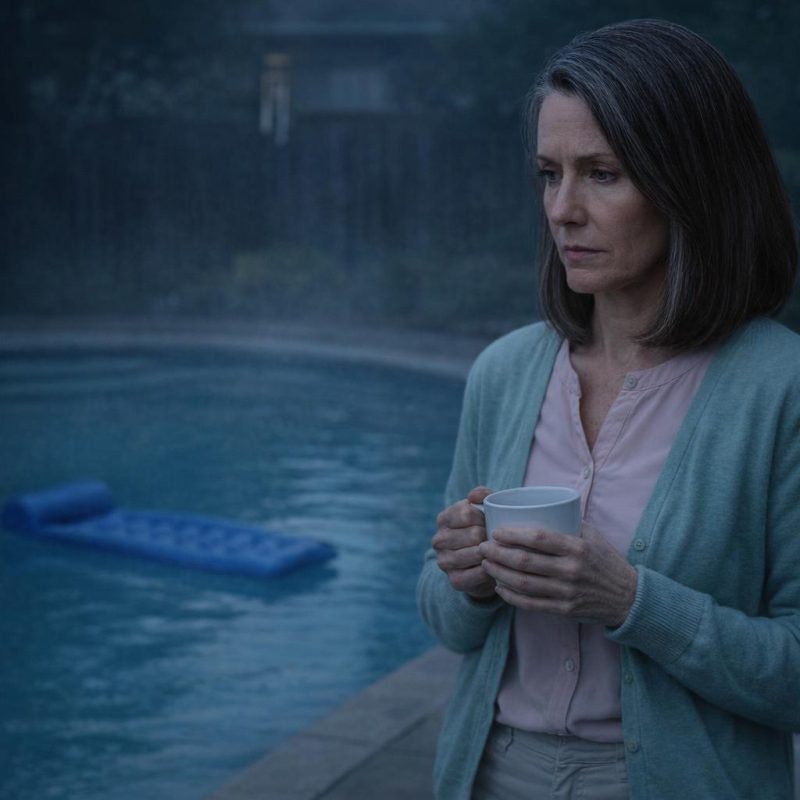 Image by RM AI
The Plastic Bottle
A few mornings later I was doing my usual walk-around before heading inside to make breakfast, just a slow circuit of the pool area the way I'd gotten into the habit of doing. The yard looked fine. The water was clear, the gate was latched, the float was where I'd left it. I was almost back to the steps when something in the grass caught my eye. I almost walked past it. It was a plastic bottle — one of those single-serve juice bottles, the small kind, lying on its side in the grass just off the edge of the deck. I picked it up. It was empty, cap still on, no label damage like it had been rolling around outside for days. I turned it over in my hands. The grandkids hadn't been over that week — I knew that for certain, because I'd been looking forward to their next visit and counting the days a little. And even if they had been, this wasn't a brand I bought. I didn't recognize it at all. I looked around the yard, half-expecting to see other debris, a candy wrapper or a straw, something that would suggest the wind had carried a little collection of trash over the fence from somewhere. There was nothing else. Just the one bottle, sitting there like it had been set down and forgotten. I told myself it must have blown in from a neighbor's yard. It was the only thing that made sense. I carried it to the recycling bin, turned it over in my hand one more time, and read the brand name I didn't recognize.
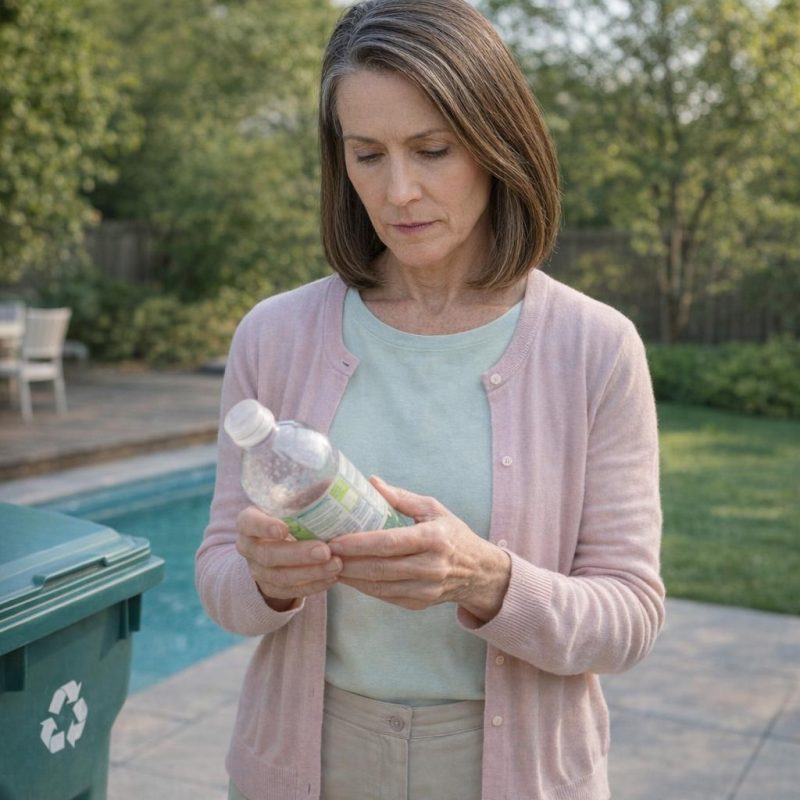 Image by RM AI
Trying to Explain It Away
I sat at the kitchen table that evening with a cup of tea going cold beside me, and I made myself think it through. The float, moved twice now. The towel I didn't recognize. The juice bottle with the brand I'd never bought. I lined them up in my mind like items on a list and tried to look at them plainly. The float: wind, or my own forgetting. The towel: Rebecca, most likely, or one of the kids — something that got left behind and I just hadn't noticed it until now. The bottle: trash blows in from the street all the time, especially when it's been windy. There. A logical explanation for every single one. I was a woman who had spent the better part of two months being watched and judged and complained about by her neighbors, and that kind of thing gets under your skin whether you want it to or not. Diane had made me feel like I was doing something wrong just by existing in my own backyard. Of course I was jumpy. Of course small things were snagging my attention. That was what happened when someone spent weeks making you feel like you were under a microscope. I was seeing patterns where there weren't any. I was overthinking a float and a towel and an empty bottle because I'd been conditioned to feel like my yard was a problem. I almost had myself convinced. I picked up my phone to set it on the charger, and the camera app was still open on the screen — a cluster of six new alerts from the previous night, all timestamped between ten p.m. and midnight, none of them ones I'd watched.
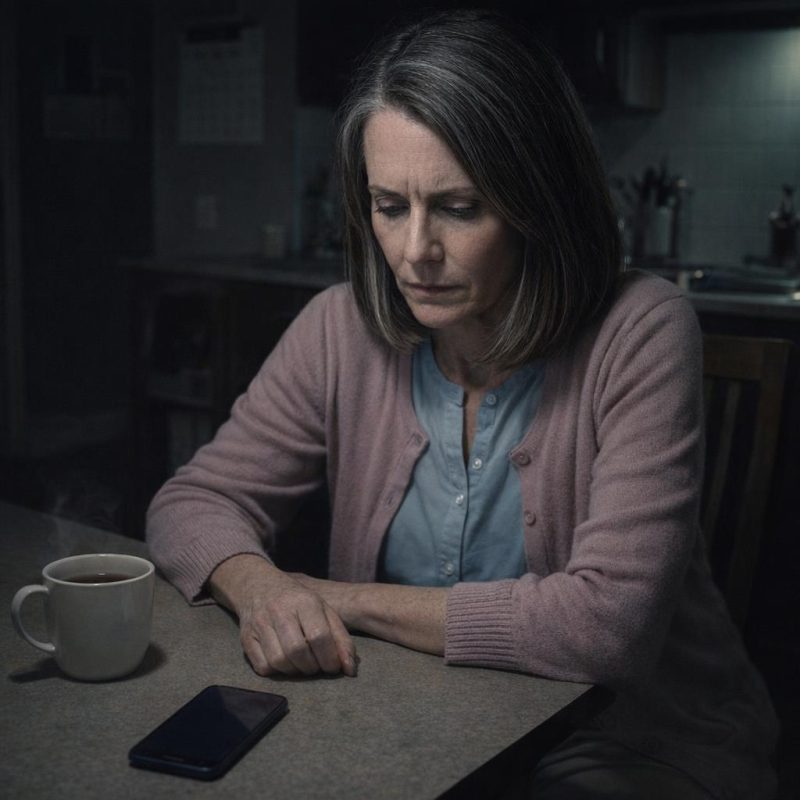 Image by RM AI
The Water Looks Wrong
I went out the next morning with my coffee, the way I always do, just to look at the yard and ease into the day. Frank used to say I was the only person he knew who could turn checking on a garden into a meditation. But the moment I got close to the pool, I stopped. The water looked wrong. Not dramatically wrong — not green or full of debris — but cloudy in a way it hadn't been the day before. A kind of milky haze sitting just below the surface. I set my coffee down on the patio table and went to get the testing kit from the storage bench. I ran the strips the way I'd learned to do it, checking chlorine and pH both, and the numbers came back off. Not a little off. Significantly off, in the way the pool supply store had once described to me as what happens when a pool gets heavy use over a short period. I stood there turning that over in my mind. The grandkids hadn't been over in more than a week — Rebecca had mentioned they were busy with summer activities, and I hadn't had anyone in the yard since. I added the chemicals to bring things back into balance, working slowly and methodically, but the whole time my hands felt a little unsteady. There was no good reason for those numbers. I watched the chemicals disperse into the water, and the cloudiness just sat there, stubborn and unexplained.
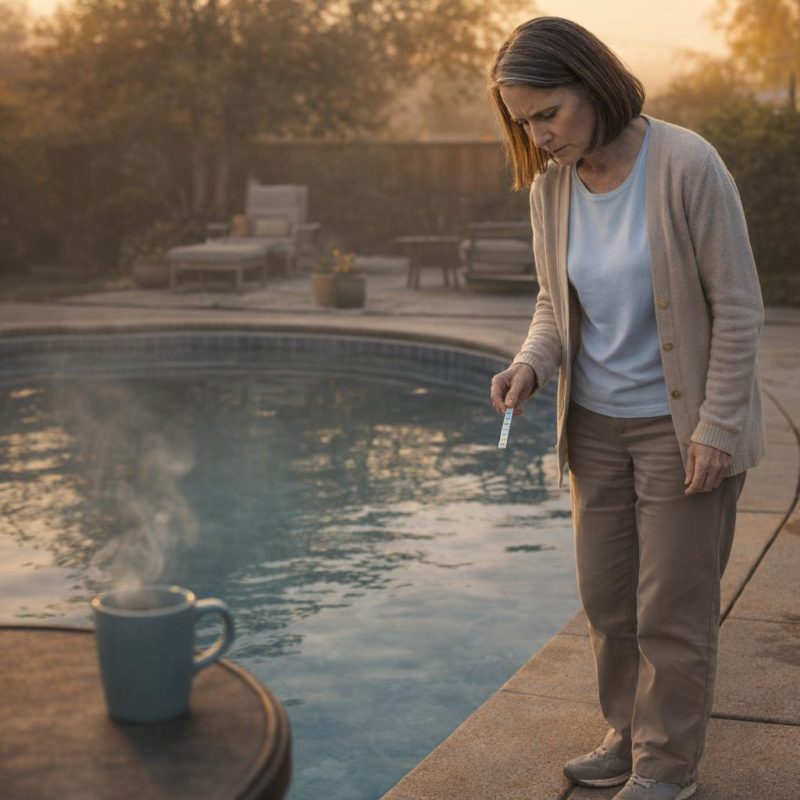 Image by RM AI
The Locked Gate
After I finished with the chemicals, I walked the perimeter of the yard the way you do when something doesn't add up and you're hoping the answer is somewhere obvious. I checked the fence line, checked the latch on the side gate, and then I stood in front of the main gate and pulled on the lock. It held firm. I pulled again, harder, the way you do when you're hoping it'll suddenly give and explain everything. It didn't. The padlock was exactly as I'd left it — snapped shut, no sign of tampering, the combination dial sitting at zero the way I always reset it. I stood there for a moment with my hand still on the metal, trying to work through the logic. The water was off in a way that suggested use. The gate was locked in a way that suggested no one had been in. Those two things couldn't both be true at the same time, and yet there they were, sitting side by side like a puzzle with a missing piece. I walked back around the pool slowly, looking for anything I might have missed — a gap in the fence, a loose board, something. Nothing. I told myself I was probably wrong about the water. Maybe the chemicals had just drifted on their own. Maybe I'd miscalculated when I last treated it. There had to be an explanation I wasn't seeing. I stood at the gate one more time and looked at the lock sitting solid and immovable in my hand.
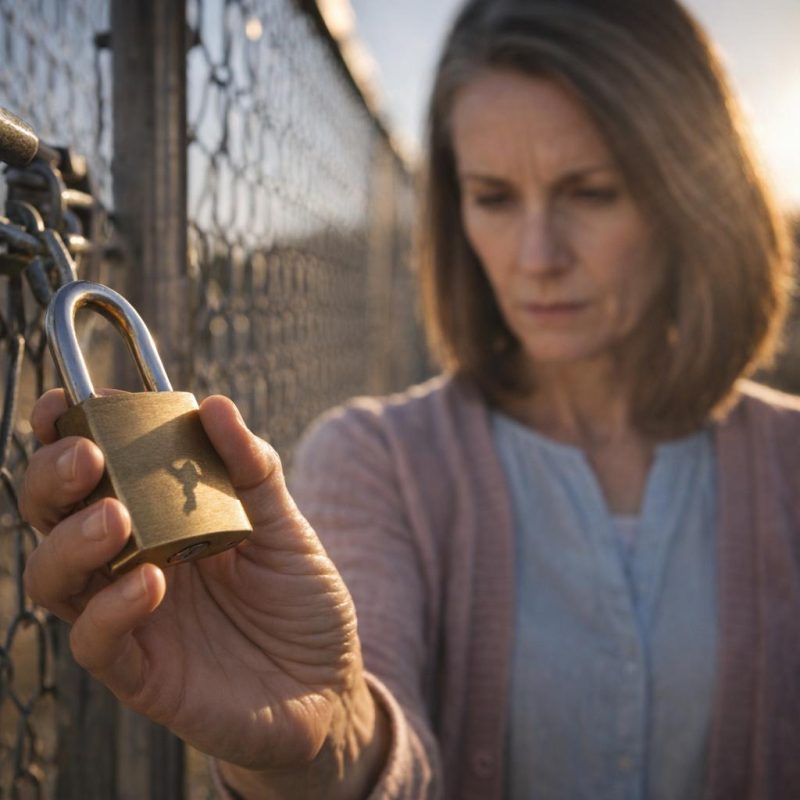 Image by RM AI
Paranoid Because of Diane
I sat at the kitchen table with a second cup of coffee I didn't really want and tried to be honest with myself. Cloudy water. A locked gate. A float that had moved. A towel I didn't recognize. An empty juice bottle. I'd been turning these things over for days now, and every time I lined them up, they felt like something. But then I'd think about the past two months — Diane at the fence with her arms crossed, the petition, the noise complaints, the way she'd made me feel like I was doing something wrong just by existing in my own backyard — and I'd wonder if that was the real explanation. Not trespassers. Not anything sinister. Just a woman who'd been watched and judged and complained about until she started seeing problems everywhere she looked. Diane had gotten into my head. That was the truth of it. She'd spent weeks making me feel like my yard was a battleground, and now I was standing at my own gate pulling on a perfectly good lock like I expected it to confess something. Maybe the water had drifted. Maybe the towel was Rebecca's and I'd forgotten. Maybe I was exactly what Diane had always implied I was — a foolish woman making a fuss over nothing, except now I was making the fuss at myself instead of at her. I sat there with both hands around my mug and wondered if I could still tell the difference between a real instinct and a fear she had planted in me.
 Image by RM AI
Reluctant to Look
That evening I picked up my phone and opened the camera app out of habit. The alerts were still there — the cluster from a few nights back that I'd never watched, and a few newer ones I hadn't gotten around to either. I sat with my thumb hovering over the oldest one. All I had to do was tap it. It would either show me something or it wouldn't, and either way I'd have an answer. But I sat there and didn't tap it. I told myself I was tired, that I'd look in the morning when I was fresher. Then I told myself that if I looked and found nothing — just a branch moving in the wind, a shadow the camera had mistaken for motion — I'd feel like a fool for spending this much energy on it. And if I found something real, something that confirmed my unease, then I'd have to decide what to do about it. I'd have to make calls, maybe talk to someone official, maybe deal with whatever came next. And I wasn't sure I was ready for that either. I closed the app without scrolling back. I set the phone face-down on the table beside my tea. There's a particular kind of tired that isn't about sleep — it's about not wanting to know the thing you're already half-afraid you know. I sat with that feeling for a long time, the phone quiet beside me, the footage waiting untouched.
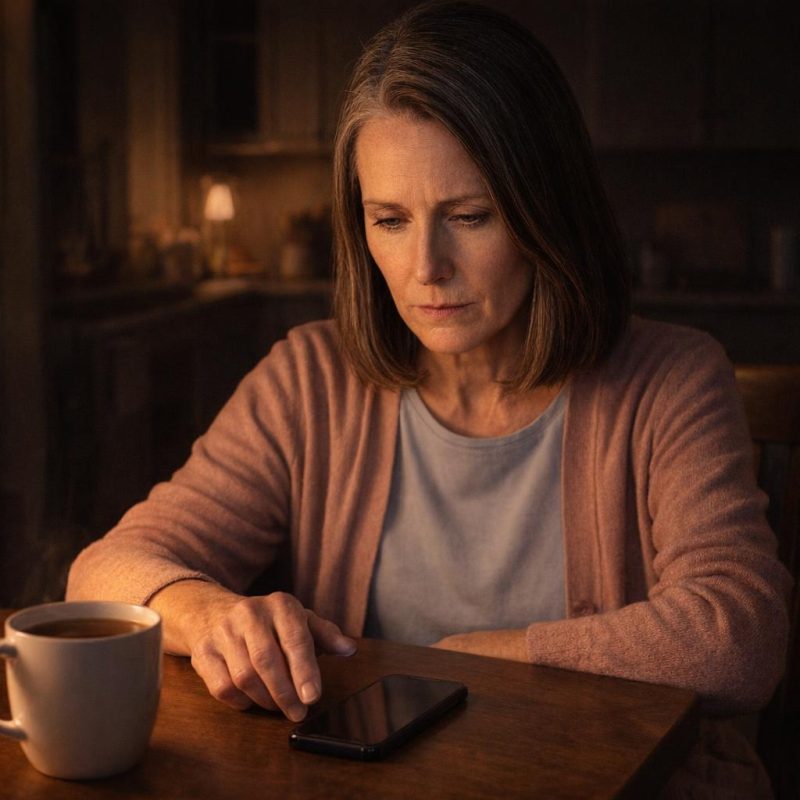 Image by RM AI
More Small Items Moved
I work part-time at the library on Tuesdays, Thursdays, and every other Friday — shelving, helping with the reading programs, the kind of quiet work that suits me. I got home on Thursday afternoon to find the backyard looking almost exactly as I'd left it. Almost. The pool noodle that had been propped against the far end of the fence was now floating in the middle of the water. I stood at the back door for a moment before stepping out, the way you pause when something catches your eye and you're not sure yet what you're looking at. On the patio table, sitting next to my own sunglasses case, was a pair of sunglasses I had never seen before — small, sporty, with a pink tint to the lenses. Not mine. Not anything I'd bought or borrowed. I walked the deck slowly and near the steps I found a footprint, already half-dried, the kind left by a wet foot on warm concrete. It was smaller than mine. I stood there looking at it until it finished drying and disappeared. I went back inside and sat at the kitchen table and tried to count how many times now I'd come home from work to find something shifted or added or out of place. The sunglasses sat on the patio table where I could see them through the sliding door, small and pink and belonging to someone who wasn't me.
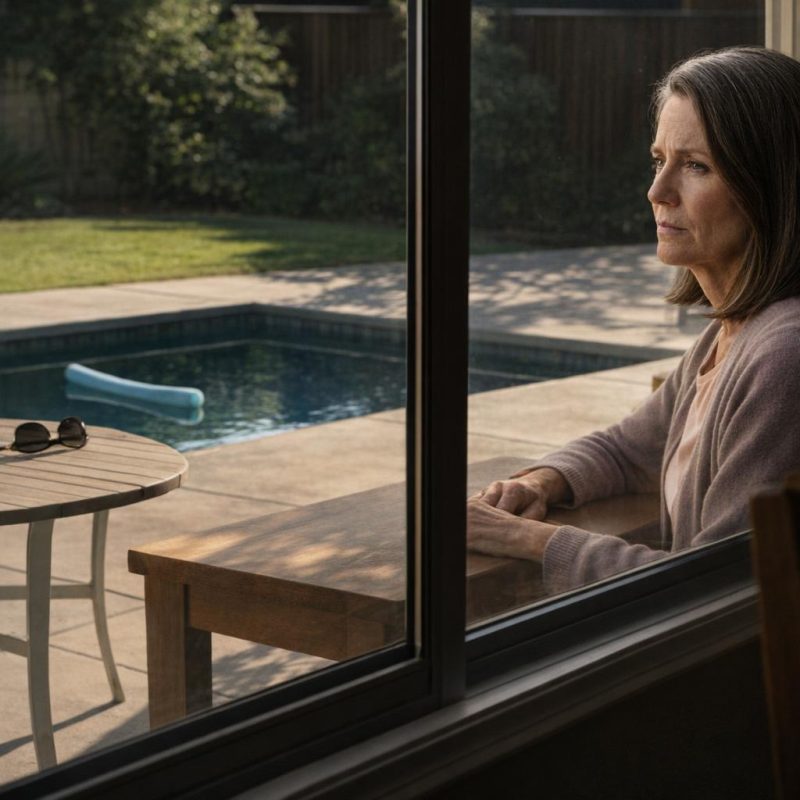 Image by RM AI
Paying Attention to Timing
I got out a notepad — the kind I use for grocery lists — and I sat down and wrote out every odd thing I'd noticed since the pool went in. The moved float. The unfamiliar towel. The juice bottle. The cloudy water and the off chemical readings. The pool noodle in the water. The pink sunglasses. The drying footprint. Next to each one, I wrote down when I'd found it. Then I sat back and looked at the list. Every single item had a date beside it that was a Tuesday, a Thursday, or one of my alternating Fridays. Every one. I went through the list again more slowly, checking each date against the days I worked. The float: Thursday. The towel: Tuesday. The bottle: Friday. The water: noticed on a Thursday after several consecutive work days. The noodle, the sunglasses, the footprint: Thursday. I'd been finding these things after work shifts, every time, without a single exception. I hadn't noticed the pattern because I'd been too busy questioning whether there was a pattern at all. I sat there with the notepad in my lap and the pen still in my hand, and the list looked back at me with a kind of quiet insistence I couldn't argue with — every oddity, every single one, happened only on the days I was gone.
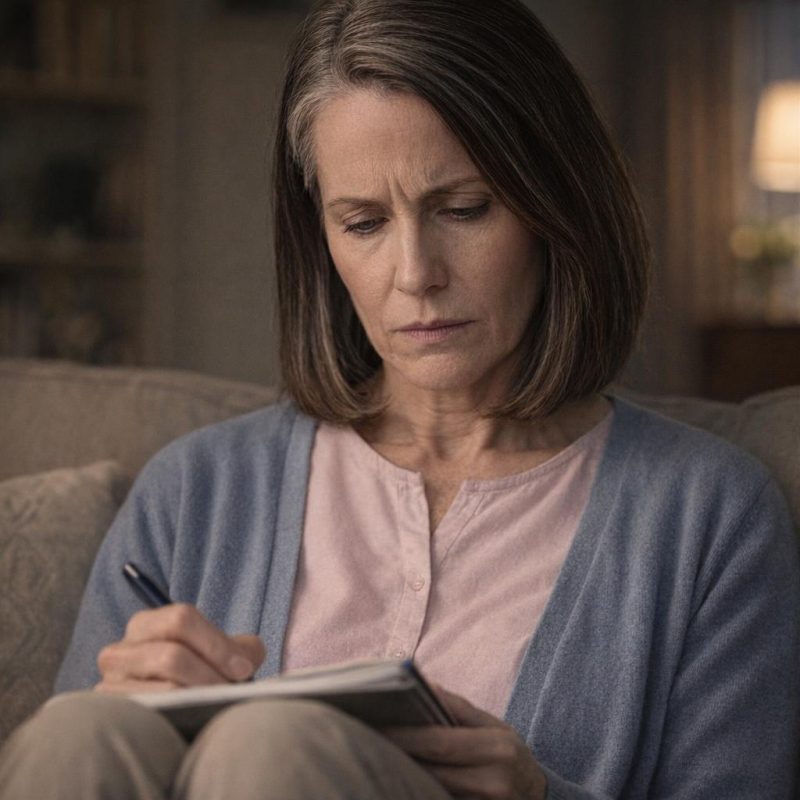 Image by RM AI
Trusting Her Instincts
I kept the notepad on the kitchen table and looked at it again the next morning over breakfast. In the daylight it was just as clear as it had been the night before. I'd spent weeks talking myself out of my own instincts — telling myself the water had drifted on its own, the towel was Rebecca's, the float had moved in the wind. I'd let Diane's months of pressure make me feel like a woman who couldn't be trusted to read her own yard. But Diane's behavior didn't change what was on that notepad. The two things were separate. Someone making you feel foolish doesn't mean you are foolish, and someone making you doubt yourself doesn't mean your instincts are wrong. I thought about Frank, who used to say that the body knows things before the mind catches up. I'd felt uneasy for weeks. I'd felt it every time I came home and walked out to the pool and found something slightly off. I'd just kept overruling it. I put my hand flat on the notepad and made myself a quiet promise: I was going to stop doing that. Whatever was happening in my backyard, it was real, and I was allowed to take it seriously. The notepad sat under my hand, the dates circled in pen, and for the first time in weeks I felt steady.
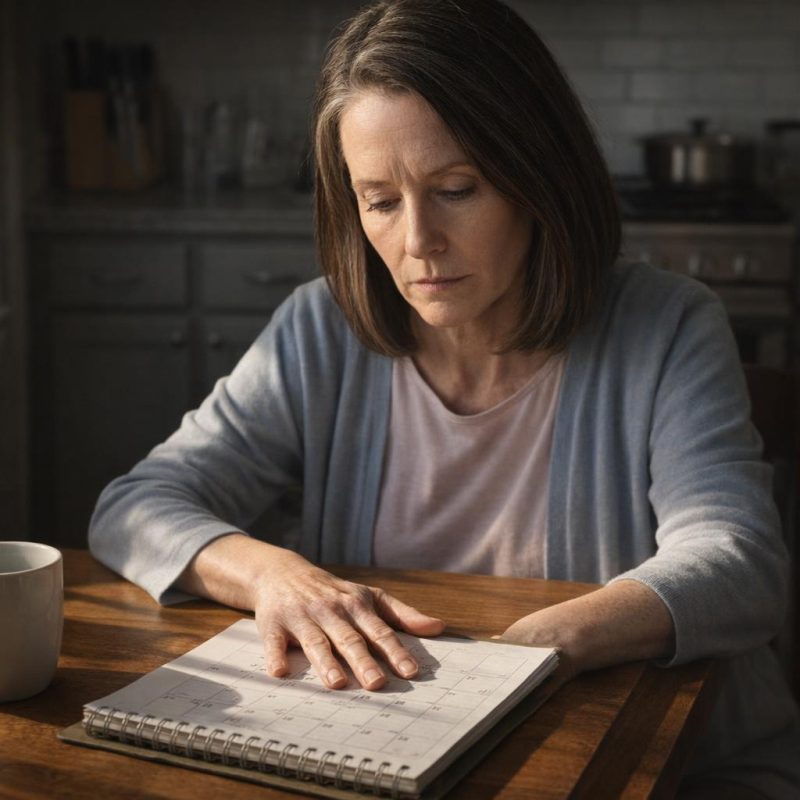 Image by RM AI
Something Is Happening During Work Hours
I went to work the next Tuesday and spent the whole shift distracted. I was shelving the large-print mysteries in the back corner when I made up my mind. I'd been patient long enough. I'd noticed, and doubted, and noticed again, and written it all down, and the pattern was there whether I wanted it to be or not. Someone was coming into my backyard while I was at work. I didn't know how they were getting past the lock, and I didn't know who it was, and I didn't know how long it had been going on. But I knew it was happening, and I knew it happened on my work days, and I knew that meant the next time I went to work, they'd likely come back. I shelved the last book and stood there in the quiet of the stacks for a moment. Then I went to find my supervisor and told her I wasn't feeling well and needed to leave early. It wasn't entirely a lie — there was a tight, sick feeling in my chest that had been there all morning. I drove home the long way, slowly, so I'd have time to think. I pulled into the driveway, cut the engine, and sat in the car for a moment before getting out. Then I walked around to the back of the house instead of going through the front door.
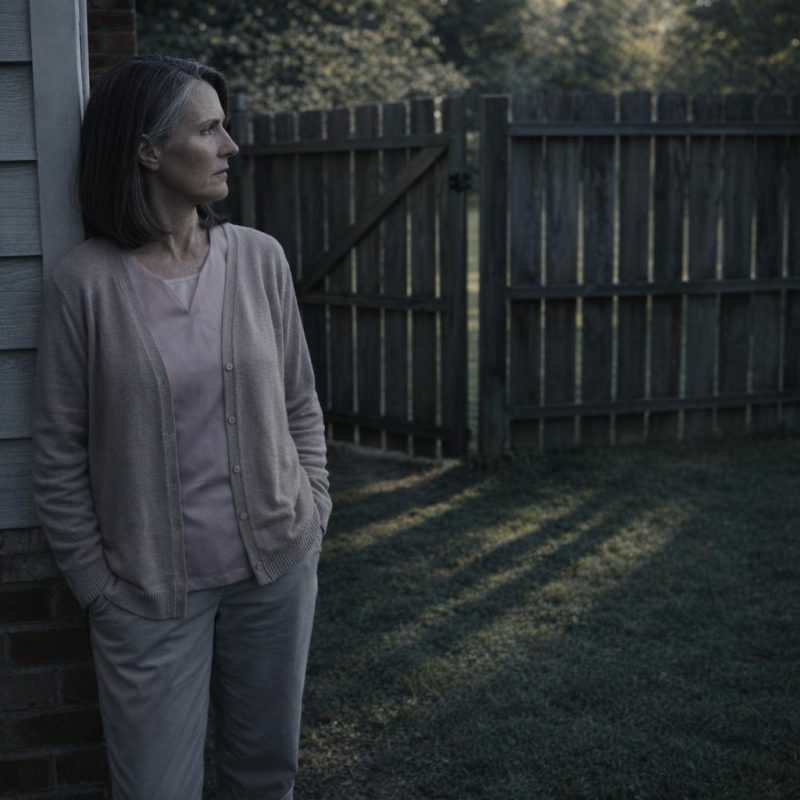 Image by RM AI
The Plan to Come Home Early
I sat at the kitchen table that night with my notebook open in front of me, going over the work schedule I'd already memorized. Wednesday. I was due in at nine and scheduled through two. That gave whoever it was a solid window — long enough to settle in, long enough to feel comfortable. I'd been thinking about it all evening, turning it over the way you do when you can't quite let something rest. I wasn't going to call anyone. I wasn't going to ask for help or make a fuss before I even knew what I was dealing with. I was just going to leave early. Tell my supervisor it was a personal matter, which was true enough, and drive home before noon. I rehearsed what I might say if I found someone back there. I tried out a few versions in my head — firm but calm, no shouting, no accusations I couldn't back up. I wanted to be steady. Frank always said I was steadiest when I was angry, that I got quieter instead of louder, and I hoped he was right. I closed the notebook and set it aside. The house was quiet around me, the kind of quiet that settles in after a long day when there's nothing left to do but wait. I turned off the kitchen light and sat there for a moment in the dark, thinking about what tomorrow might bring, and the weight of it pressed down on me like something I couldn't quite name.
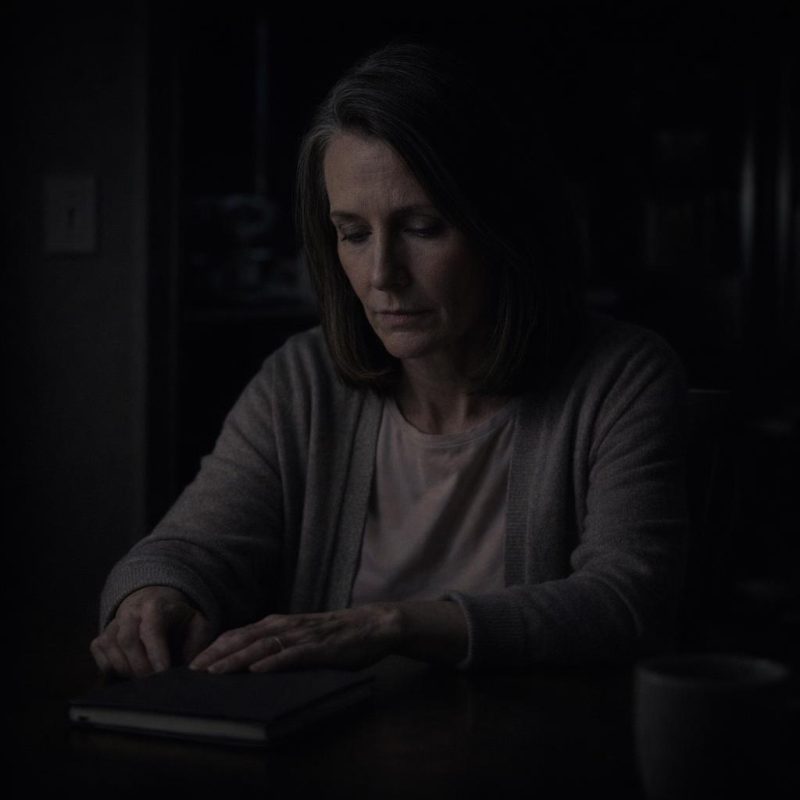 Image by RM AI
A Hot July Afternoon
Wednesday morning I went through my shift like normal, shelving returns and helping a patron find a large-print edition of a book her book club had assigned. I kept checking the clock without meaning to. By eleven I'd done everything on my list twice over. I found my supervisor near the circulation desk and told her I needed to leave early for a personal matter. She was kind about it, said to take care of myself, and I thanked her and meant it. I walked out into the July heat and it hit me like opening an oven door. The parking lot shimmered, the asphalt soft-looking in the glare, and I stood there for just a second before I got moving. I unlocked my car and the air inside was thick and stale. I rolled the windows down before I even started the engine. The drive home was only twelve minutes on a normal day. That day it felt longer. I gripped the steering wheel and made myself breathe evenly. I didn't turn on the radio. I passed the elementary school, the gas station on the corner, the little stretch of older houses before my street. Each block felt like it was asking me something I didn't have an answer to yet. I didn't know what I'd find. I didn't know if I'd find anything at all. But my hands stayed tight on the wheel, and the heat pressed in through the windows, and the closer I got to home the heavier the silence in that car became.
 Image by RM AI
Voices in the Backyard
I pulled into my driveway and cut the engine. The street was quiet the way it always is on a weekday afternoon — no kids out, no one mowing, just the heat sitting on everything. I grabbed my purse and got out, and I was heading toward the side gate the way I usually do when I come home, thinking I'd check on the flower bed along the fence. I was maybe ten feet from the gate when I stopped walking. There was laughter coming from my backyard. Not from the street, not from a neighbor's yard — from mine. I stood there on the path and listened. Splashing. A child's high squeal, the kind that means fun, not fear. Then a man's voice, low and easy, saying something I couldn't quite make out. My heart started going in a way I hadn't felt in a long time, this hard, fast knocking against my ribs. I didn't move. I just stood there in the full sun with my purse strap cutting into my shoulder, trying to make sense of what I was hearing. The laughter came again, and then the splashing, and then a voice — clear this time, close enough that I caught every word — said, "Hurry up, she won't be home for hours yet."
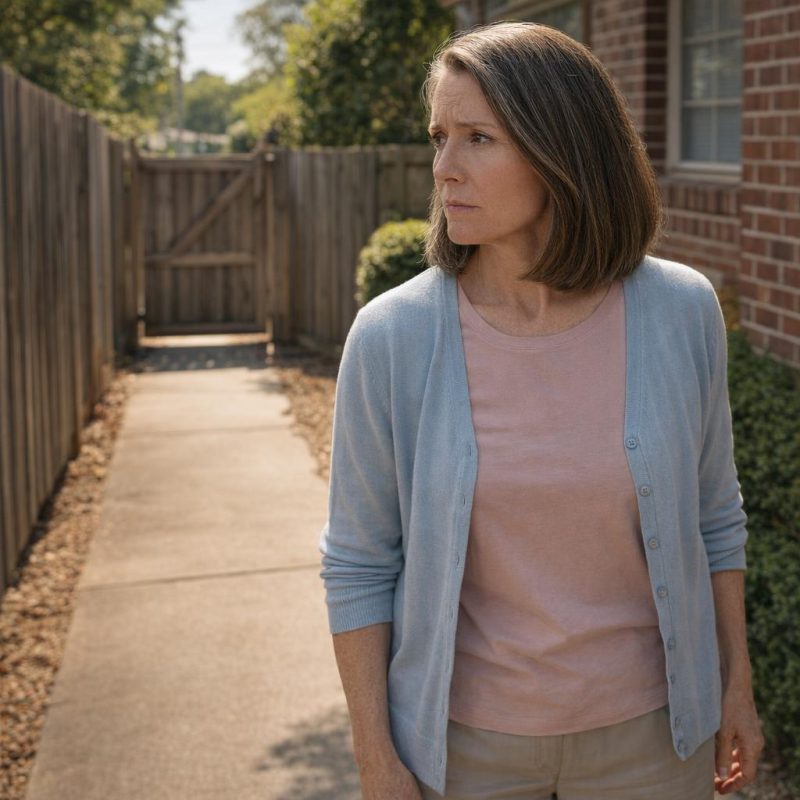 Image by RM AI
Through the Gap in the Gate
I moved along the side of the house without making a sound, staying close to the wall the way you do when some instinct takes over and your body just knows to be quiet. The gap near the gate latch is wide enough to see through if you angle yourself right, and I angled myself right. What I saw took a moment to land. Carl was standing waist-deep in my pool, tossing a ball back and forth with Mason, who was treading water near the deep end. Two children I didn't recognize — young, maybe five and seven — were sitting on the steps at the shallow end, kicking their feet. My patio chairs had been pulled into a different arrangement. A cooler sat on the concrete near the flower bed, right where I'd planted the marigolds Frank gave me cuttings from years ago. And there, floating on one of my blue pool loungers with her sunglasses pushed up on her nose and her arms trailing in the water, was Diane. She looked completely at ease. She looked like she was exactly where she belonged. She tilted her head back toward the sun and said, in a voice that carried perfectly across the water, "This is so much nicer when her loud grandkids aren't here." Something in my chest went very still and very cold. I pulled back from the gate and stood against the wall of my own house, the brick warm at my back, and I didn't move for a long moment.
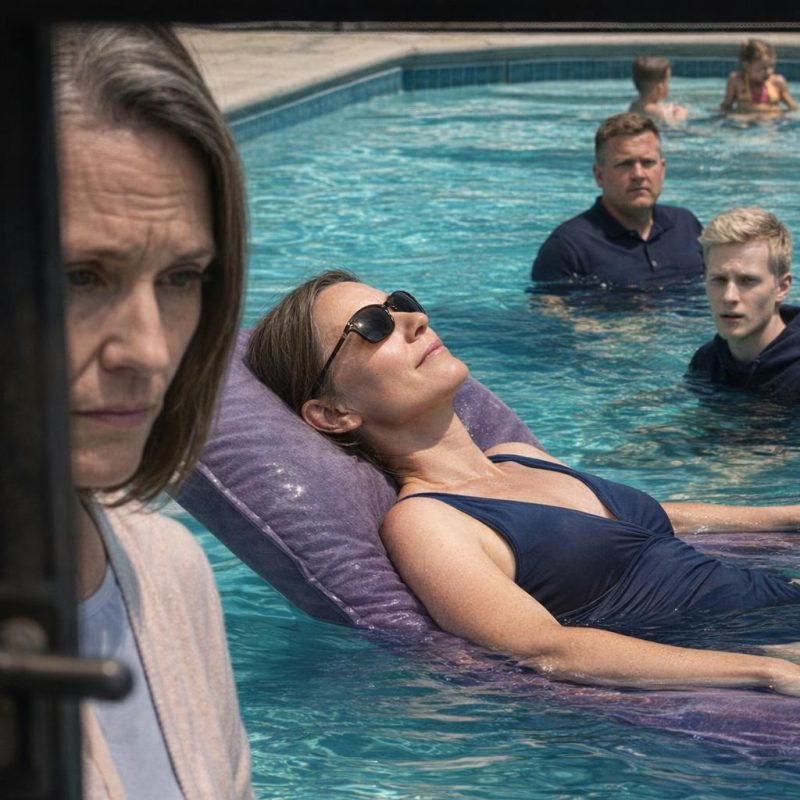 Image by RM AI
Weeks of Footage
I went in through the front door without making a sound. My hands were shaking by the time I sat down at the kitchen table and pulled up the camera app. I told myself to breathe. I told myself to look at what was actually there before I did anything else. The most recent clip was already queued. I pressed play. Then I kept going back. And back. And back. There were clips from the previous week I hadn't gotten to yet — Diane slipping through the side gate with what looked like a key, moving like she'd done it a hundred times. Carl coming through behind her carrying a stack of towels. Mason, on a different day, climbing over the fence when the gate must have been locked. Another clip showed Diane holding the gate open for a woman I didn't know, two small children filing in ahead of them. Carl adjusting my pool umbrella. Mason eating chips on my patio and dropping the bag near the flower bed without a glance. I sat there and watched clip after clip with my hands pressed flat on the table to keep them still. Then I found the one from three days earlier. Diane and Paula were standing on my patio, both holding drinks from my cooler. Paula said, "She thinks we hate the pool." Diane smirked and said, "Good. If she feels guilty enough, maybe she'll stop having those kids over so much. Then we can use it in peace." Paula laughed and said, "You're terrible." Diane shrugged. "Please. She's gone half the day. It's just sitting here." Then she looked toward my house and said, "Besides, if she complains, I'll just tell everyone she's being dramatic again." I watched that part three times.
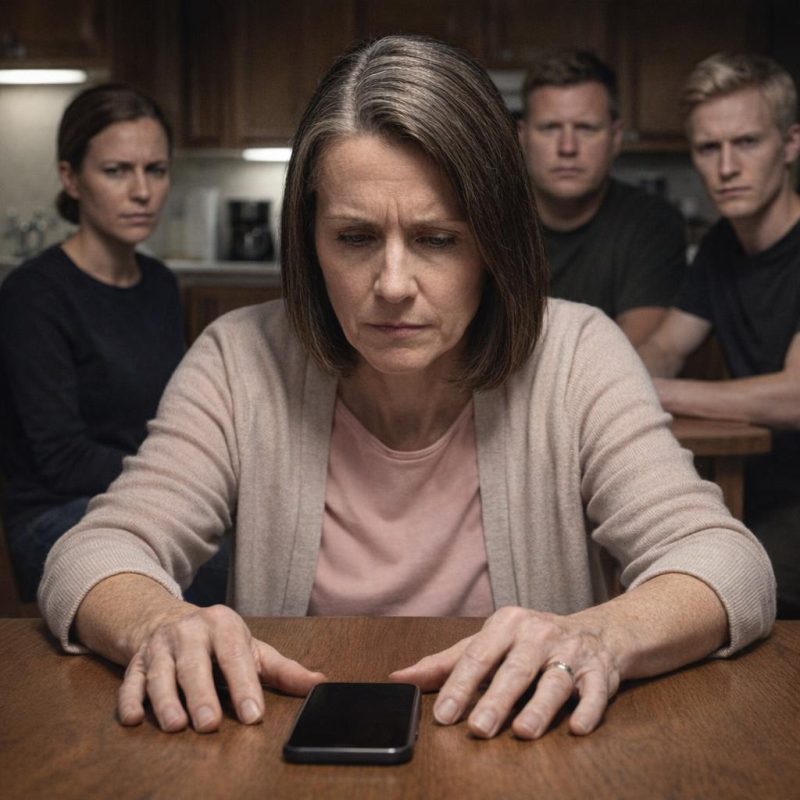 Image by RM AI
The Text Message
I saved every clip. I went through the app methodically, one by one, making sure each video was backed up before I moved to the next. My hands had stopped shaking by then. There was something almost clarifying about having a task to focus on — something concrete and practical while the rest of it sat there waiting. When I had everything saved, I opened a text message to Diane. I didn't draft it twice. I typed: 'I came home early today. Please leave my pool immediately. The camera footage has been saved.' I read it once, then sent it. Then I walked to the kitchen window and stood to the side where I could see the backyard without being seen. It took maybe thirty seconds. Diane's head snapped toward the house like she'd been pulled by a string. She sat up on the lounger so fast it rocked, and when she swung her legs over the side she nearly went sideways on the wet concrete. Carl looked around with this confused, searching expression, and then something shifted in his face and he looked furious — though whether at me or at the situation or at himself I couldn't have said. Mason grabbed a towel. The two younger children started whining about leaving. Diane gathered her things in these quick, jerky movements, nothing like the easy float she'd had ten minutes ago. Within a few minutes the gate swung shut behind them and my backyard was empty and quiet again. I stood at the window and felt something settle in my chest — grim and solid and not even close to finished.
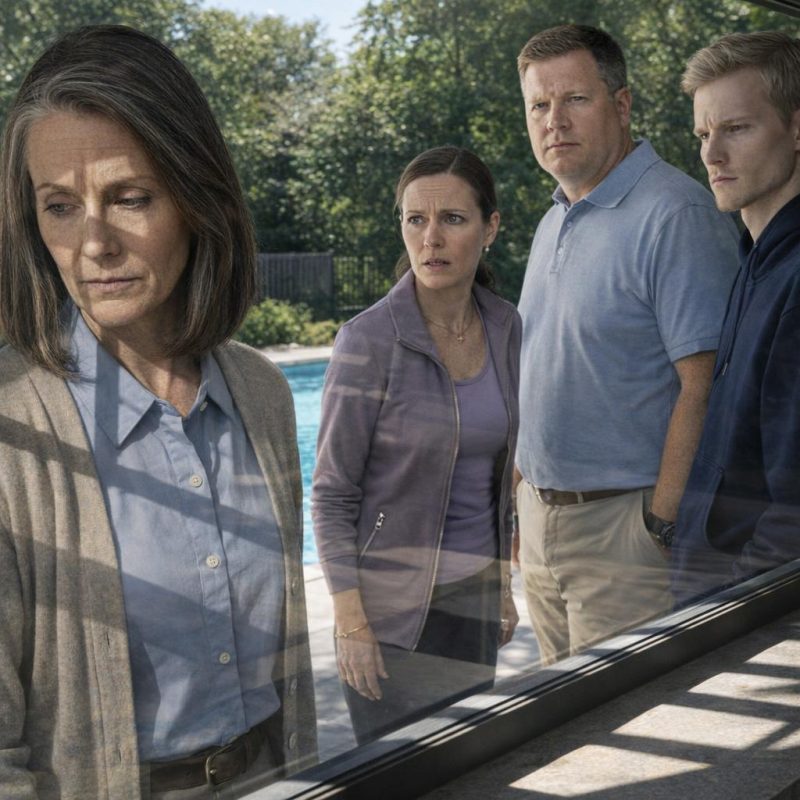 Image by RM AI
Waiting for the Knock
I stayed at the kitchen table after they left. I poured myself a glass of water and didn't drink it. I went through the saved videos one more time, not because I needed to — I'd already seen everything, already knew what was there — but because I wanted it all sharp in my mind before whatever came next. And something was going to come next. I knew Diane well enough by then to know she wouldn't just go home and sit with it. She'd need to manage it. She'd need to come over and smooth it down and find some angle that put her back on solid ground. That was how she operated. I'd watched her do it with other people on the street, watched her turn a situation around with a smile and a lowered voice and just the right amount of reasonable. I wasn't going to let that happen. I set my phone face-up on the table where I could see it. I straightened the salt and pepper shakers that didn't need straightening. I thought about Frank, the way he used to say that the hardest part of any difficult conversation wasn't starting it — it was staying in it when the other person tried to make you feel like you were the problem. I intended to stay in it. The evening light came through the kitchen window at a low angle, and the house was quiet, and I sat with the absolute certainty that Diane would knock on that door before the night was out.
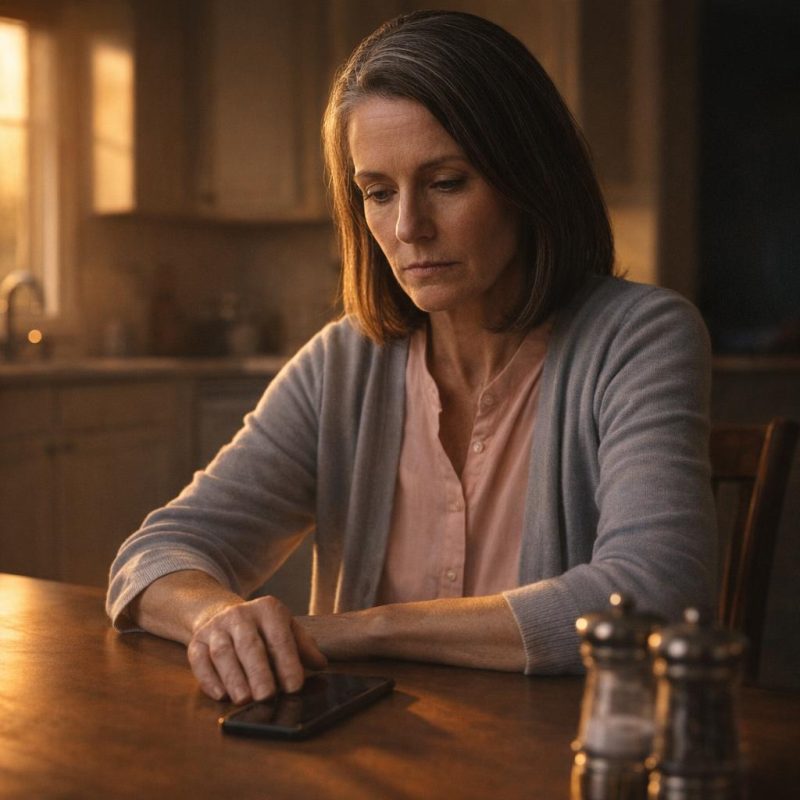 Image by RM AI
A Misunderstanding
She knocked at half past seven. I opened the door and there she was — hair still damp at the ends, wearing a dry sundress now, with that tight smile she puts on when she needs something to go her way. "Linda," she said, "I think there's been a misunderstanding." I didn't move back from the doorway. I didn't invite her in. "A misunderstanding," I said. She lowered her voice the way people do when they want to make a conversation feel private and reasonable. "The kids were hot. We didn't think you'd mind." "You didn't ask," I said. "Well, you weren't home." She said it like that settled something. "That doesn't make it better," I said. The smile went away then. Just dropped off her face like she'd decided it wasn't worth the effort anymore. "There's no need to make this ugly," she said. I almost laughed. I genuinely almost laughed, standing there in my own doorway on a Wednesday evening, because the audacity of that sentence — delivered by a woman who had been floating on my pool lounger three hours ago while saying my grandchildren were too loud — was something I hadn't quite prepared myself for. I kept my face even. I let the silence sit between us for a moment, and I let her hear how hollow every word she'd just said had already become.
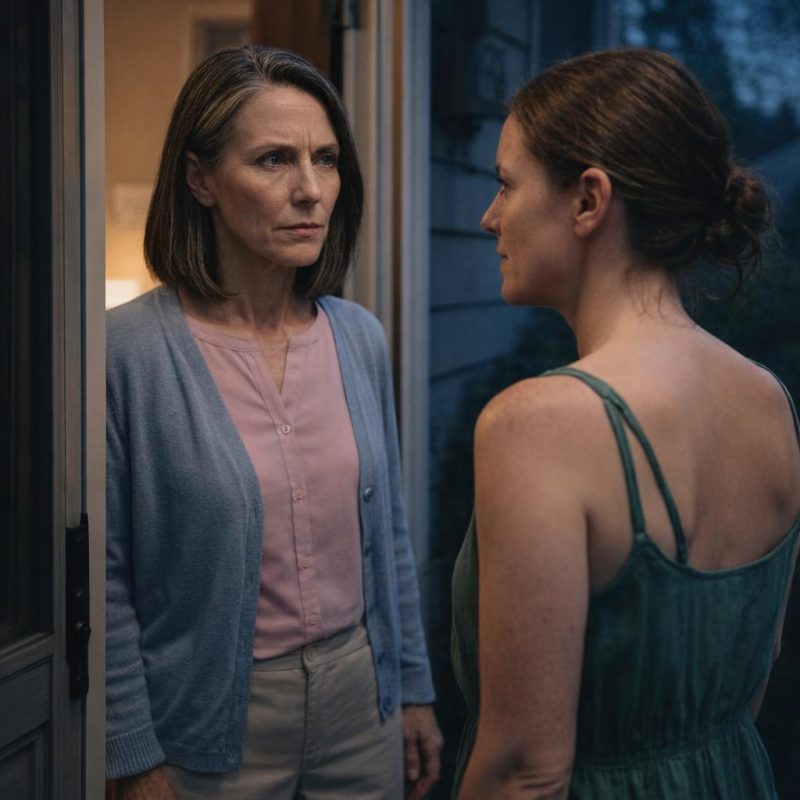 Image by RM AI
Playing the Evidence
I let her finish the sentence — 'There's no need to make this ugly' — and then I said it plainly. 'You made it ugly when you reported me, complained about me, and then used my pool behind my back.' Something shifted in her face. Not guilt exactly. More like recalculation. 'I never reported you,' she said, and her voice came out smooth and certain, the way it always did when she was sure she couldn't be contradicted. I held up my phone. I didn't say anything. I just pressed play. The clip was maybe forty seconds long — Diane's own voice, clear as anything, telling Paula, 'She thinks we hate the pool.' There was laughter in it. Easy, comfortable laughter. I watched her listen to herself. The color left her face in stages, starting at her cheeks and moving down. When it ended she said, 'I can explain.' I said, 'I'm sure you can.' She glanced toward the street then — a quick, involuntary look, like she was checking who might be watching from a driveway or a window. And that's when I understood what she was actually afraid of. Not being caught. Not the trespassing. Not the children she'd put in an unsupervised pool. What she feared was the neighborhood finding out, and I watched the color drain completely from her face.
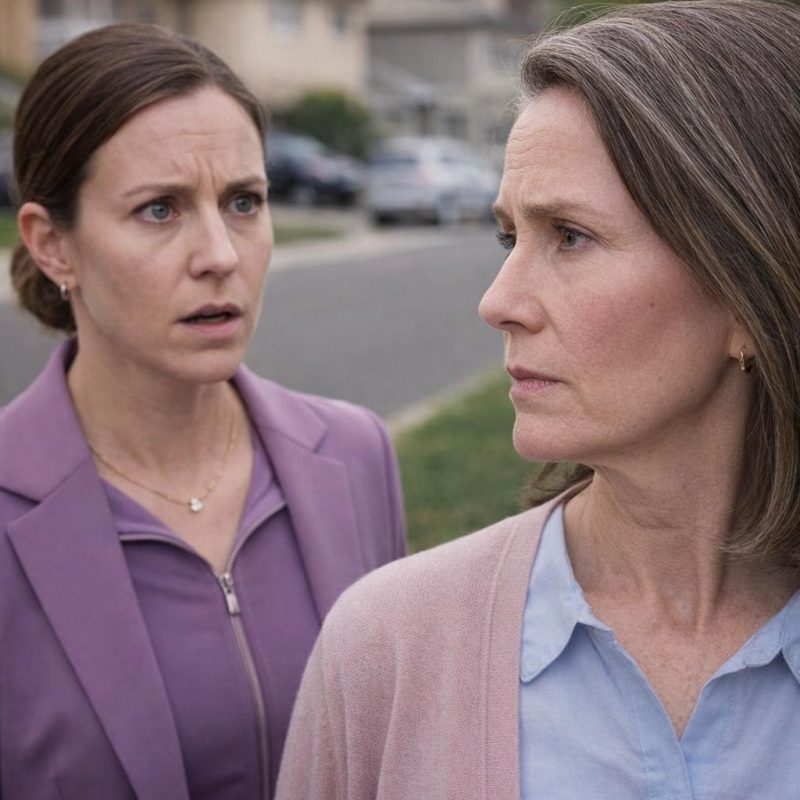 Image by RM AI
What Community Means
I didn't sleep well. I kept turning the conversation over, the way you do when something isn't finished yet. By six-thirty I gave up and made coffee, and out of habit I opened the neighborhood Facebook group on my tablet while I waited for it to brew. The post was already there. Diane had written it early — early enough that I wondered if she'd slept at all either. 'Some neighbors are becoming increasingly hostile and unwelcoming,' it said. 'It's sad when people forget what community means.' That was it. No names. No details. Just that, sitting at the top of the feed like a little grenade with a bow on it. I stared at it for a long moment. I genuinely had to set my coffee mug down because my hands had gone tight. The nerve of it. The absolute, breathtaking nerve. She had been in my yard. She had used my pool. She had laughed about it on camera. And now here she was, wrapped in the language of community and sadness, positioning herself as the wounded party before I'd had a chance to say a single word. I knew exactly what she was doing. She was getting her version out first, painting the picture before I could pick up a brush. I pulled my tablet closer and started typing my reply. I read her post one more time: 'It's sad when people forget what community means.'
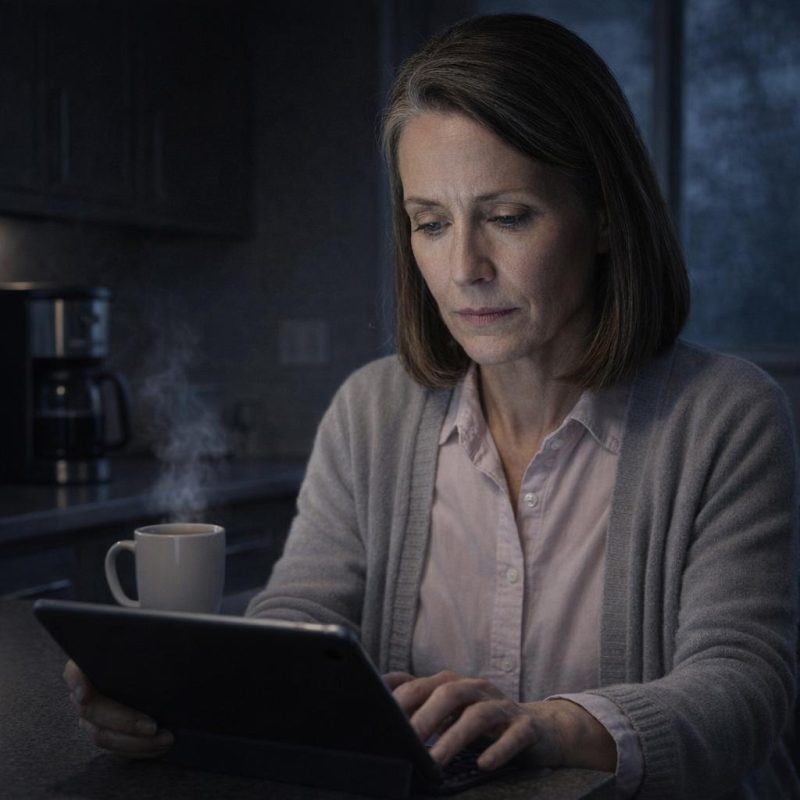 Image by RM AI
Honesty and Community
I typed carefully. I deleted it twice and started over, because I wanted it to be measured — not angry, not dramatic, just true. What I finally posted was this: 'I agree that community matters. So does honesty. Since there have been several public comments about my pool, I want to clarify that the people who complained about it have also been entering my locked backyard and using it without permission while I was away. I have video footage and have asked them to stop.' I did not post the video. I didn't need to. I set the tablet down and went to refill my coffee, and by the time I came back the comments had already started. Within ten minutes there were more than I could keep up with. Paula's account disappeared from the thread so fast I almost missed it — one moment her name was there in the replies, and then it simply wasn't. A neighbor two streets over sent me a private message saying she'd always wondered why Diane's pool towels kept appearing draped over my fence on weekday afternoons. Someone else wrote publicly that they'd seen Mason climbing over one afternoon but assumed he had permission. Then my phone rang. It was my daughter Rebecca, and she was furious — not at me exactly, but in that particular way she gets when she feels like she should have known something sooner. 'Why didn't you tell me?' she said. I sat there holding the phone, and for the first time in weeks something in my chest felt like it had finally come loose.
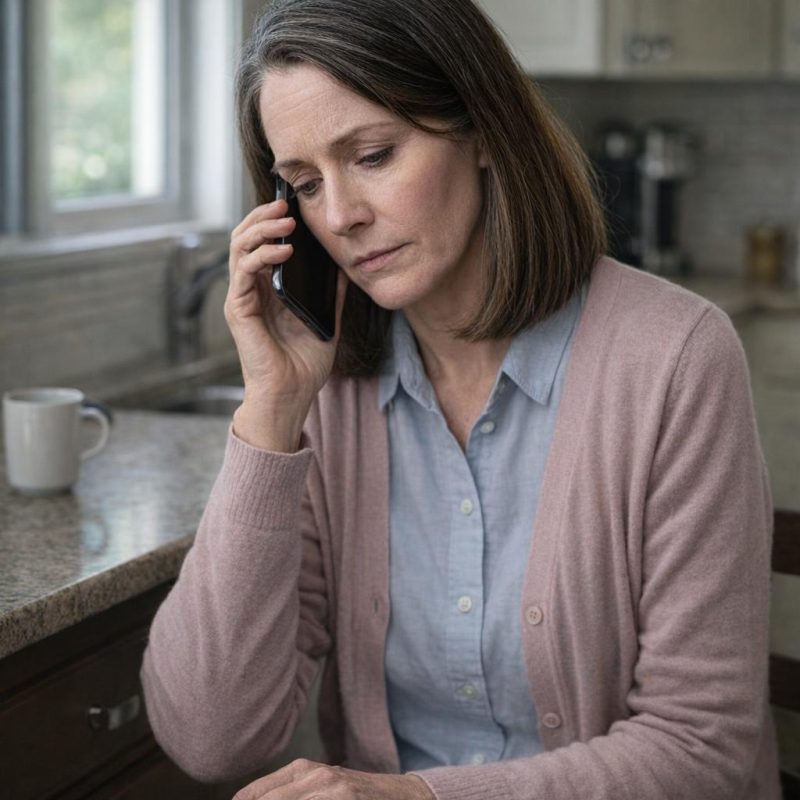 Image by RM AI
Did You Have Permission
I watched the thread the way you watch a storm move across a flat field — you can see everything coming from a long way off. Diane appeared in the comments about an hour in. She wrote that I was exaggerating. She wrote that it had been a simple misunderstanding between neighbors and that she was disappointed I'd chosen to air private matters publicly. A few people responded politely, giving her the benefit of the doubt the way people do when they don't have all the information yet. And then someone — I didn't recognize the name, someone I'd never spoken to — wrote four words that stopped the whole thread cold. 'Did you have permission?' That was it. Just that. No elaboration, no follow-up, no editorializing. Just the plain question sitting there in the comments like a stone dropped into still water. Diane did not answer it. She had replied to three other comments in the minutes before it appeared. She replied to two more after. But that one she left alone. The thread kept growing around it — more neighbors weighing in, more questions, more people saying they'd noticed things over the summer they hadn't thought much about at the time. And Diane's silence on that one question said more than anything she'd written. I didn't need to add a single word. The question just sat there, unanswered, and the quiet around it was enough.
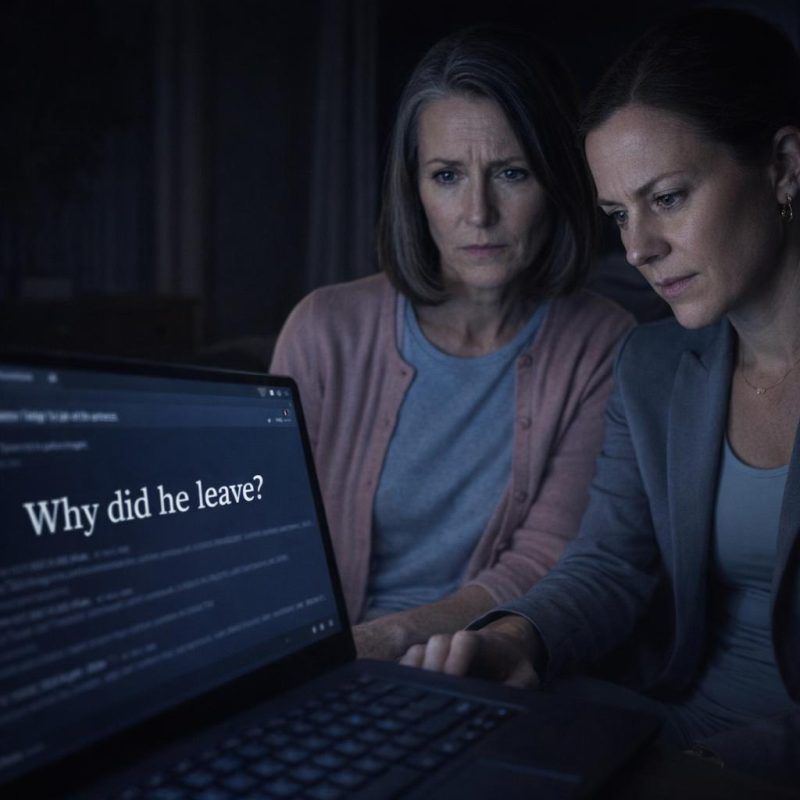 Image by RM AI
Carl's Apology
That evening there was a knock at my door. I'll admit I steeled myself before I opened it, because I half-expected Diane standing there with a new angle. But it was Carl. He was wearing a plain gray shirt and his hands were in his pockets and he looked like a man who had spent the afternoon rehearsing something and still wasn't sure he'd gotten it right. 'I'm sorry,' he said. 'It got out of hand.' I looked at him for a moment. 'It didn't get out of hand,' I said. 'You walked into my yard and used something that didn't belong to you.' He nodded. He didn't argue, didn't qualify it, didn't offer an explanation. He just said, 'You're right.' And then he stood there, and I let the quiet sit between us for a beat, because I wanted him to feel the full weight of it. I thanked him for coming. I meant it. It wasn't nothing, a man showing up at a door to say he was wrong. After he left I went out to the gate and changed the lock. I added a second camera, angled to cover the full length of the fence line. And I put up a sign — clear white letters on a black background — that read: 'No trespassing. Pool area monitored. Police will be contacted.' I stood back and looked at it in the evening light. It was the apology Diane would never give me, made permanent in hardware and signage.
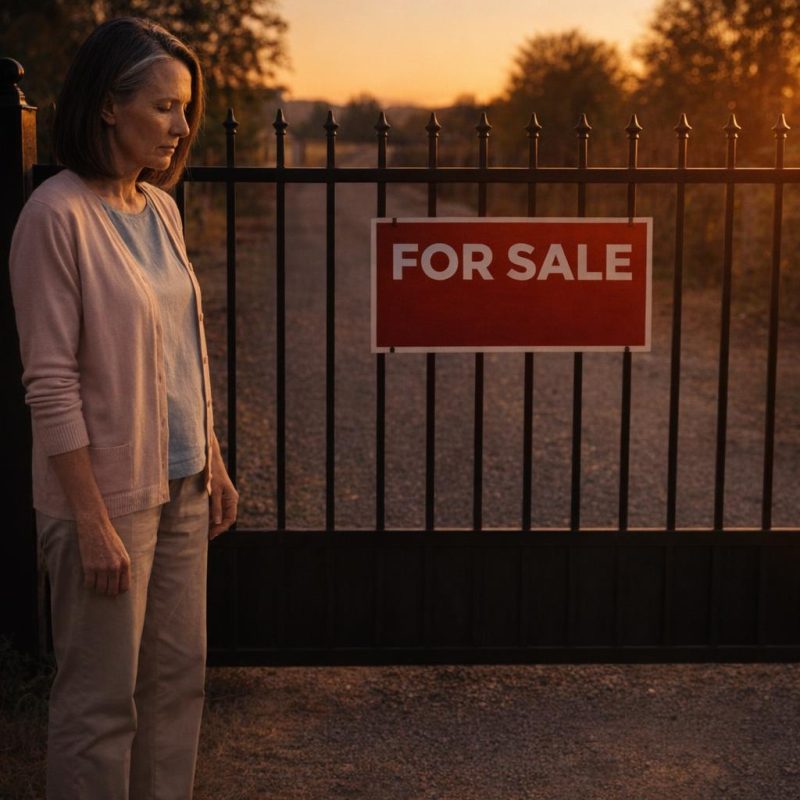 Image by RM AI
The Next Weekend
The following weekend Rebecca brought the kids over, and I opened the gate and didn't feel a single knot in my stomach doing it. Sophie laughed at something Tyler said before they'd even reached the water, and Ben stood at the edge in his floaties watching all of this with great seriousness, then turned to me and asked whether he could have two popsicles because, as he explained with complete sincerity, swimming made him 'extra hungry.' I said yes without even thinking about it. Rebecca settled into the chair beside me on the patio and after a few minutes she reached over and squeezed my hand. 'You okay?' she asked. I looked at the pool — at the light moving across the water, at Sophie spinning in slow circles, at Ben carefully unwrapping his first popsicle with the focused expression of someone conducting important business. 'I am now,' I said. And I meant every word of it. Then Tyler launched himself off the edge with a cannonball that sent a wave clear across the patio, and I didn't flinch.
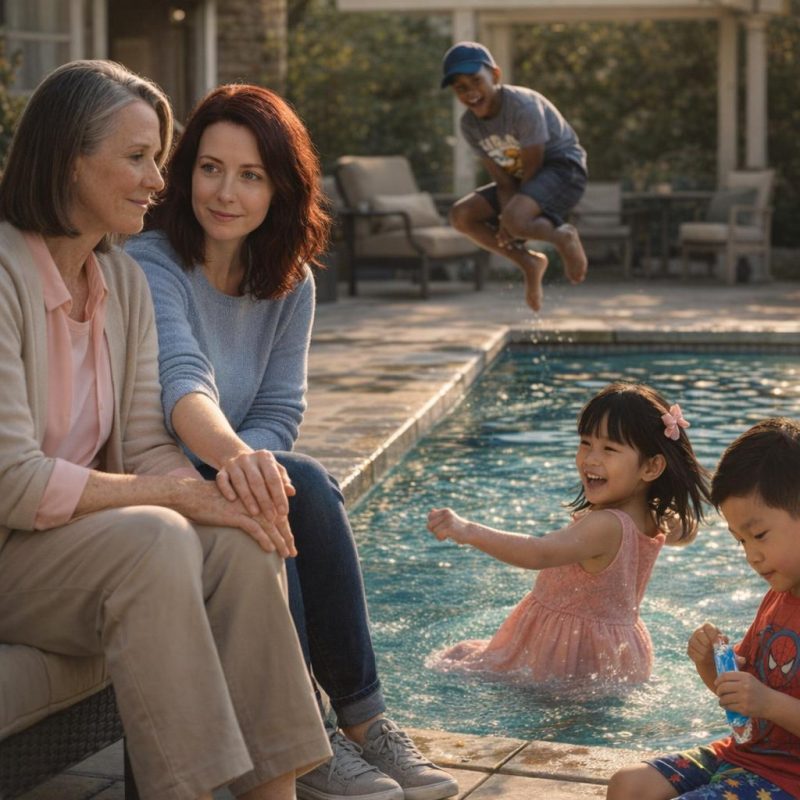 Image by RM AI
Diane Never Apologized
Diane never apologized. Not really. Carl came to the door; Diane sent silence. In the weeks that followed she avoided me the way you avoid a conversation you know you'd lose — crossing to the other side of the street when she saw me coming, finding something urgent to look at on her phone when our cars passed in the cul-de-sac. The complaints stopped overnight. No more notes in the mailbox. No more calls to the city. No more posts in the neighborhood group about noise and property values and the character of the street. It was as if the pool had simply ceased to offend her the moment she couldn't use it anymore. I noticed that. I noticed it very much. All summer long it had been an eyesore, a hazard, an affront to the neighborhood aesthetic — right up until the gate lock changed and the camera went up and her name appeared in a comment thread she couldn't control. Funny how that works. I didn't feel triumphant about it, not exactly. What I felt was something quieter — the particular peace of a person who told the truth and didn't have to say another word. We saw each other one afternoon in early September, both of us checking our mail at the same moment. She looked up, looked at me, and looked away without speaking. The space between our mailboxes held everything neither of us said.
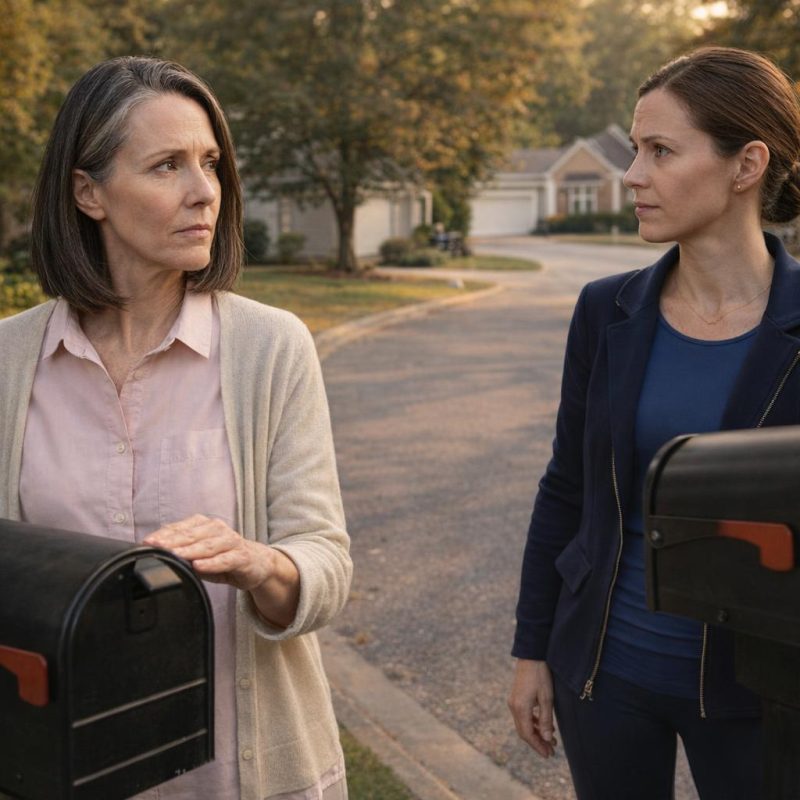 Image by RM AI
The Neighborhood Moves On
Neighborhoods have short memories. That's something I've learned over the years, and that summer confirmed it. Within a few weeks the pool incident had been replaced by a heated argument about the new trash pickup schedule — apparently the Tuesday change was deeply controversial. Then someone's dog started barking at five in the morning and that consumed two weeks of group posts and passive-aggressive notes. Then, right on schedule, someone put up holiday decorations the first week of October and you'd have thought they'd committed an actual crime. People moved from one thing to the next, the way water finds a new channel. The drama about my pool became old news, then a footnote, then something people only half-remembered. I watched it all from my patio with my coffee, and I didn't begrudge anyone the normalcy of it. That's just how neighborhoods work. But I didn't forget. I remembered exactly what Diane had done — the complaints, the reports, the trespassing, the laughter on that video clip. I remembered the notes in my mailbox and the posts about property values and the tight smile at my door. I kept the footage backed up in two places. I kept the screenshots of the comment thread. And every time a new controversy bloomed in the group feed and people moved on without a backward glance, I thought about how quickly a neighborhood finds new drama to chase.
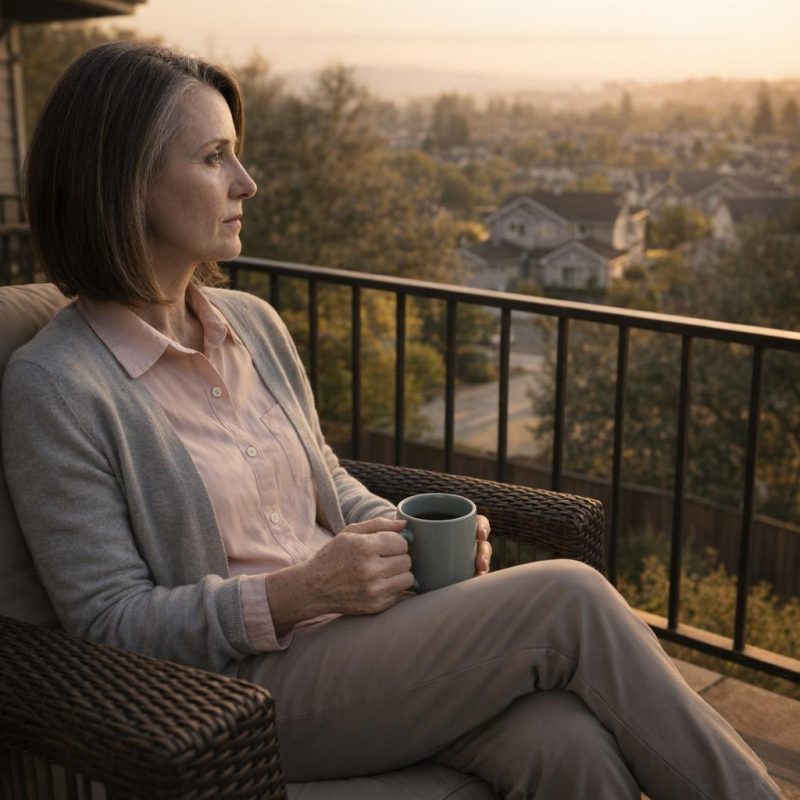 Image by RM AI
What They Really Hated
Carl came to the door on a Tuesday morning, without Diane, holding his hat in his hands the way men do when they know they've done something they can't undo. He said he was sorry. He said it plainly, without a lot of decoration, and I believed him — not because it fixed anything, but because he looked like a man who hadn't slept well in weeks. I told him I appreciated it. And after he left, I stood at my kitchen window and thought about everything that had happened over that summer. For weeks, they had made my life genuinely miserable. They called the pool an eyesore. They said it was noisy, selfish, disruptive. They filed complaints and whispered to neighbors and left notes in my mailbox. They made me feel like I had done something shameful by giving my grandkids a place to swim. I had second-guessed myself more times than I care to admit. But then I watched that security footage, and I understood something I hadn't let myself see clearly before. It wasn't the pool they hated. It was never the pool. They had stood at my fence on a hot afternoon, laughing and splashing in water that wasn't theirs, and that told me everything. They wanted me to feel so guilty, so worn down, that I'd stop using it — and then it would just be there, available, a short walk through a gate they'd already learned to open. That was what all of it had been about.
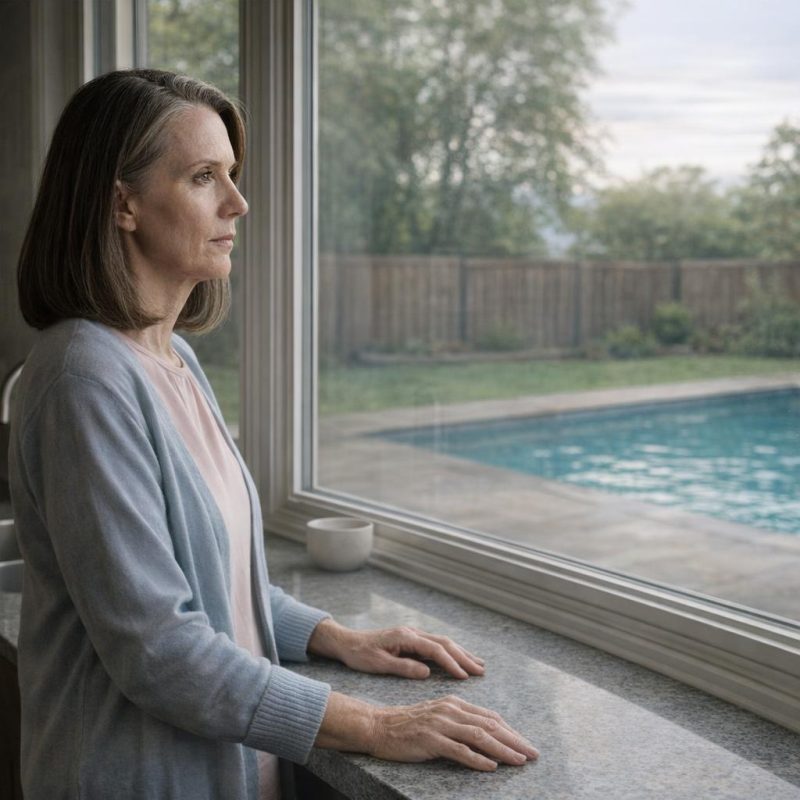 Image by RM AI
Sunlight on the Water
There was one afternoon in late August when the grandkids weren't visiting and the neighborhood was quiet and I just sat by the pool by myself. No splashing, no popsicle wrappers, no little voices asking me to watch them jump. Just the hum of the pump and the way the sunlight moved across the water in slow, shifting patterns. I had my coffee and my good chair and nowhere I needed to be. I thought about the months I'd spent saving for this — the careful budgeting, the spreadsheet I kept on the kitchen table, the moment I finally called the installation company and felt my heart do a small, nervous leap. I thought about Frank, the way he always said a yard should be lived in, not just looked at. I thought about the complaints and the notes and the footage and the long weeks of feeling watched and judged in my own backyard. And I thought about how I hadn't backed down. Not once. I'd been scared, and I'd been angry, and there were nights I'd wondered if it was worth all of it. But sitting there with the sun on my face and the water doing that quiet, glittering thing it does on a still afternoon, I already knew the answer. The pool pump hummed steadily, and the light held on the surface, and the yard felt entirely, completely mine.
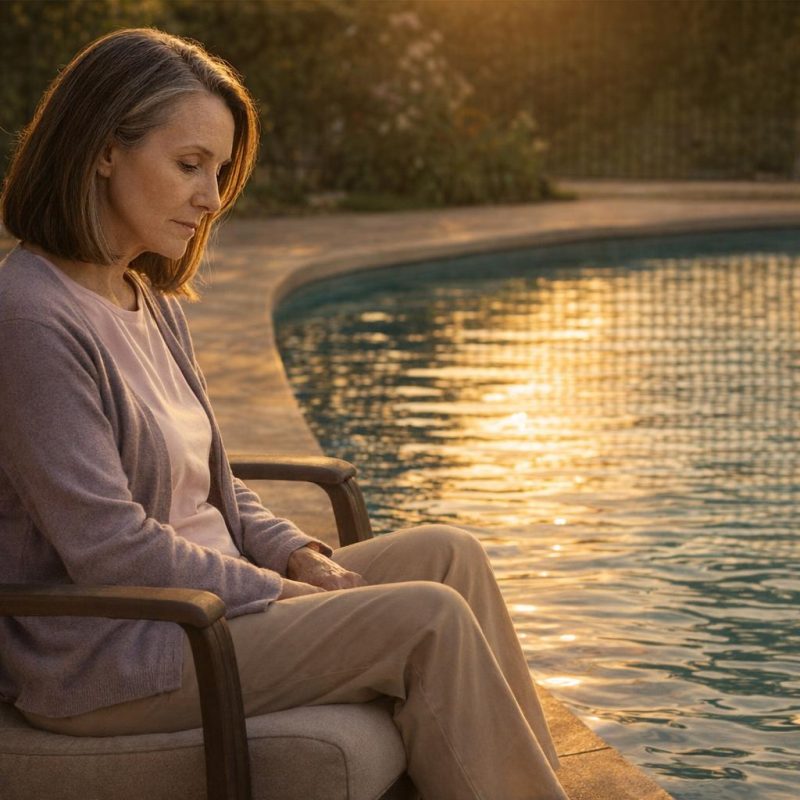 Image by RM AI
Wet Footprints on the Patio
The last Saturday of August, Rebecca brought the kids over and I had the popsicles in the freezer and the towels stacked on the patio table before they even pulled into the driveway. Tyler hit the water first, the way he always did — no hesitation, just a running leap and a splash that sent water halfway across the patio. Sophie followed more carefully, lowering herself in from the steps and then floating on her back with her arms out like she was practicing being a cloud. Ben needed about four minutes of convincing and then refused to get out for the rest of the afternoon. I sat in my chair and watched all of it, and Rebecca pulled her chair up next to mine and we didn't talk much, which is sometimes the best kind of visiting. At some point I noticed the wet footprints on the patio stones — three sets of them, tracking back and forth from the pool to the towels and back again, small and overlapping and already starting to dry at the edges. That was exactly what I had pictured when I first started saving. Not the pool itself, really. The footprints. The evidence that children had been here, had been happy, had run back and forth without a care. Rebecca looked over at me and said, "This was worth it, wasn't it?" I said, "Every penny. Every fight." The wet footprints on the warm stone said the rest.
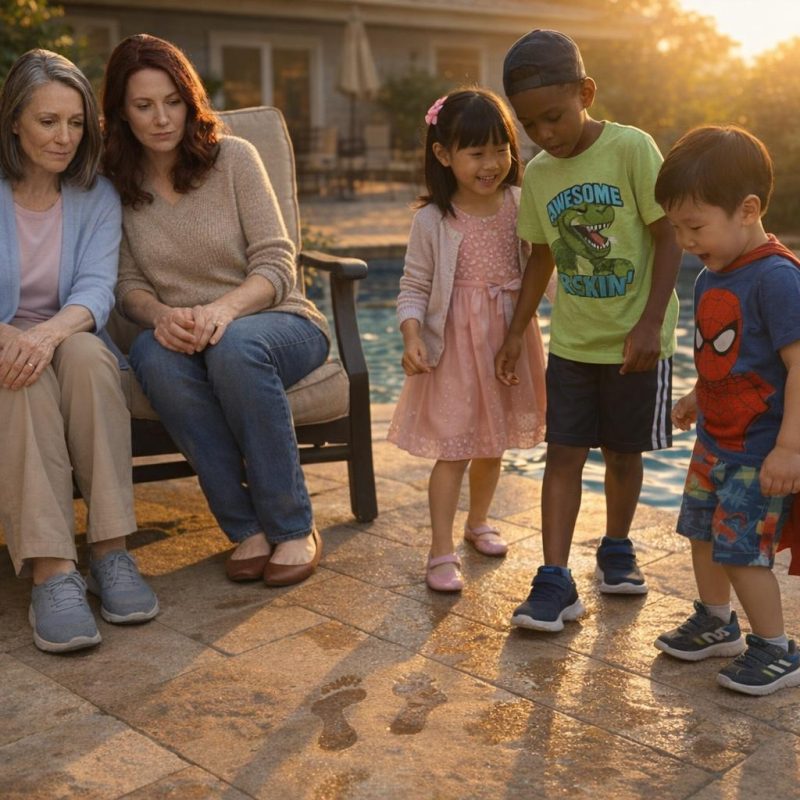 Image by RM AI
What the Pool Really Meant
Diane never apologized. I want to be honest about that. She started avoiding me sometime in late July — no more tight smiles at the mailbox, no more posts in the neighborhood group with her particular brand of pointed concern. The complaints stopped. The notes stopped. She was just suddenly, quietly absent from my life in the way that people sometimes are when they know they've been caught and have nothing left to say. I didn't chase her down for a conversation. I didn't need one. I had spent that whole summer thinking about what the pool meant — whether it was worth the money, worth the trouble, worth the weeks of feeling like a problem to be solved. And somewhere between the security footage and Carl's apology and that last Saturday with the kids, I had worked out the answer. The pool was never just about swimming. It was about Frank's voice in my head saying a yard should be lived in. It was about Tyler's cannonball and Sophie floating like a cloud and Ben refusing to get out. It was about saving up for something and then refusing to be shamed out of it. It was about understanding that some people will always want what you have, and that wanting it doesn't give them any claim to it. I learned that summer that standing your ground isn't about being stubborn. It's about knowing what something is worth — and I knew exactly what mine was worth.
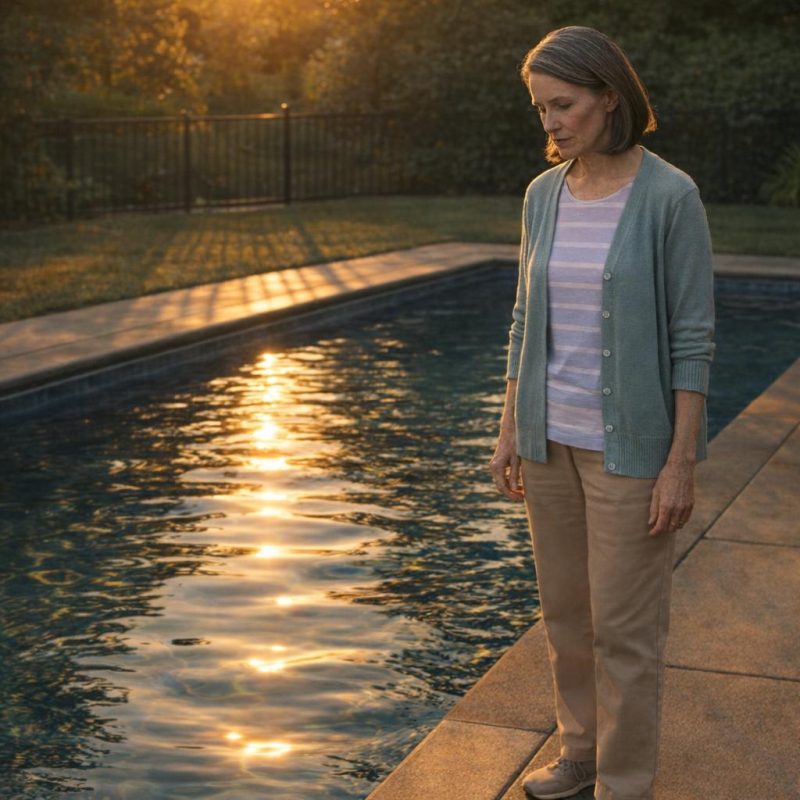 Image by RM AI
KEEP ON READING
The 20 Most Recognized Historical Figures Of All Time
The Biggest Names In History. Although the Earth has been…
By Cathy Liu Oct 4, 2024
10 of the Shortest Wars in History & 10 of…
Wars: Longest and Shortest. Throughout history, wars have varied dramatically…
By Emilie Richardson-Dupuis Oct 7, 2024
10 Fascinating Facts About Ancient Greece You Can Appreciate &…
Once Upon A Time Lived Some Ancient Weirdos.... Greece is…
By Megan Wickens Oct 7, 2024
20 Lesser-Known Facts About Christopher Columbus You Don't Learn In…
In 1492, He Sailed The Ocean Blue. Christopher Columbus is…
By Emilie Richardson-Dupuis Oct 9, 2024
20 Historical Landmarks That Have The Craziest Conspiracy Theories
Unsolved Mysteries Of Ancient Places . When there's not enough evidence…
By Megan Wickens Oct 9, 2024
The 20 Craziest Inventions & Discoveries Made During Ancient Times
Crazy Ancient Inventions . While we're busy making big advancements in…
By Cathy Liu Oct 9, 2024